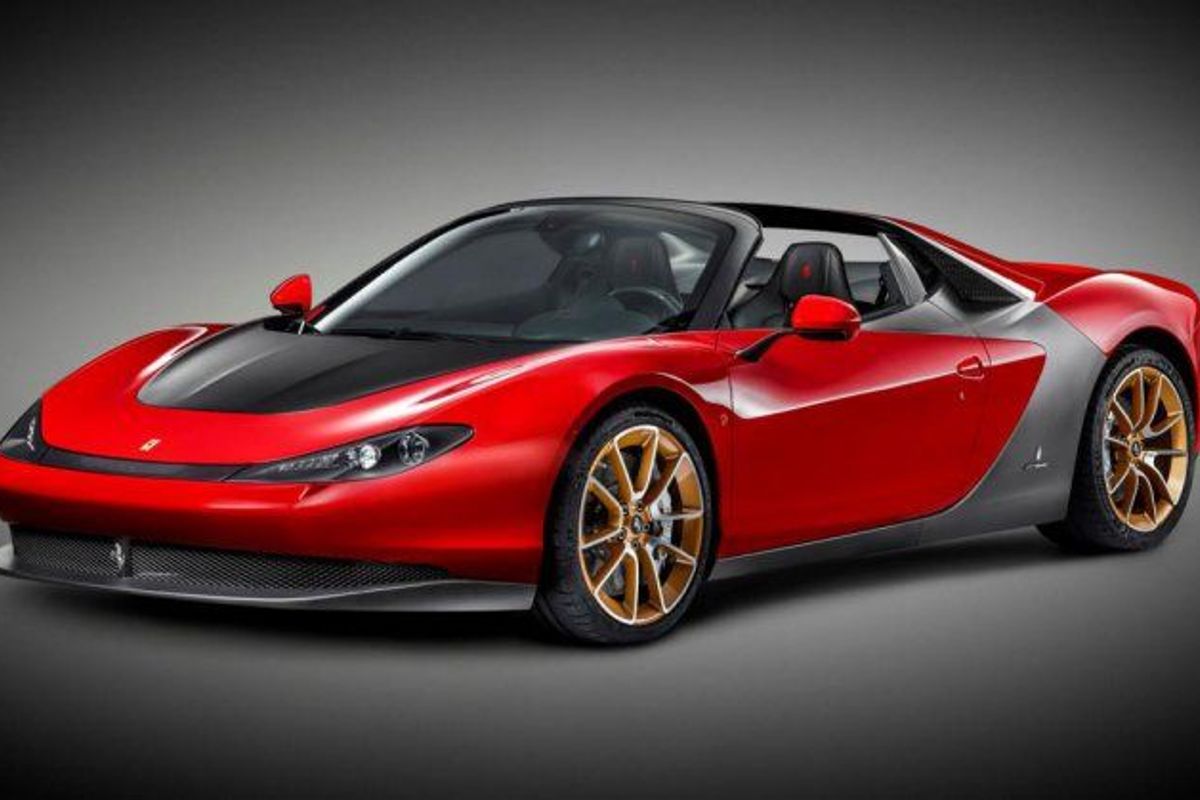
The Ferrari Sergio, a production version of the Pininfarina has just been unveiled and the first car has already been delivered to its new owner, the SBH Royal Auto Gallery in the UAE, at Abu Dhabis Yas Marina Circuit.
The first Ferrari Sergio arrives in the UAE
Unveiled earlier at the 2014 Geneva Auto Show, the Ferrari Sergio has now entered its limited production run of six vehicles all of which have been sold. The car was created to celebrate the spirit and core values of the historic Cambiano Company in the 60th anniversary year of its collaboration with the Prancing Horse. It was also designed to pay tribute to Sergio Pininfarina, who helped to forge the company’s longstanding partnership with Ferrari.
A genuine radical roadster
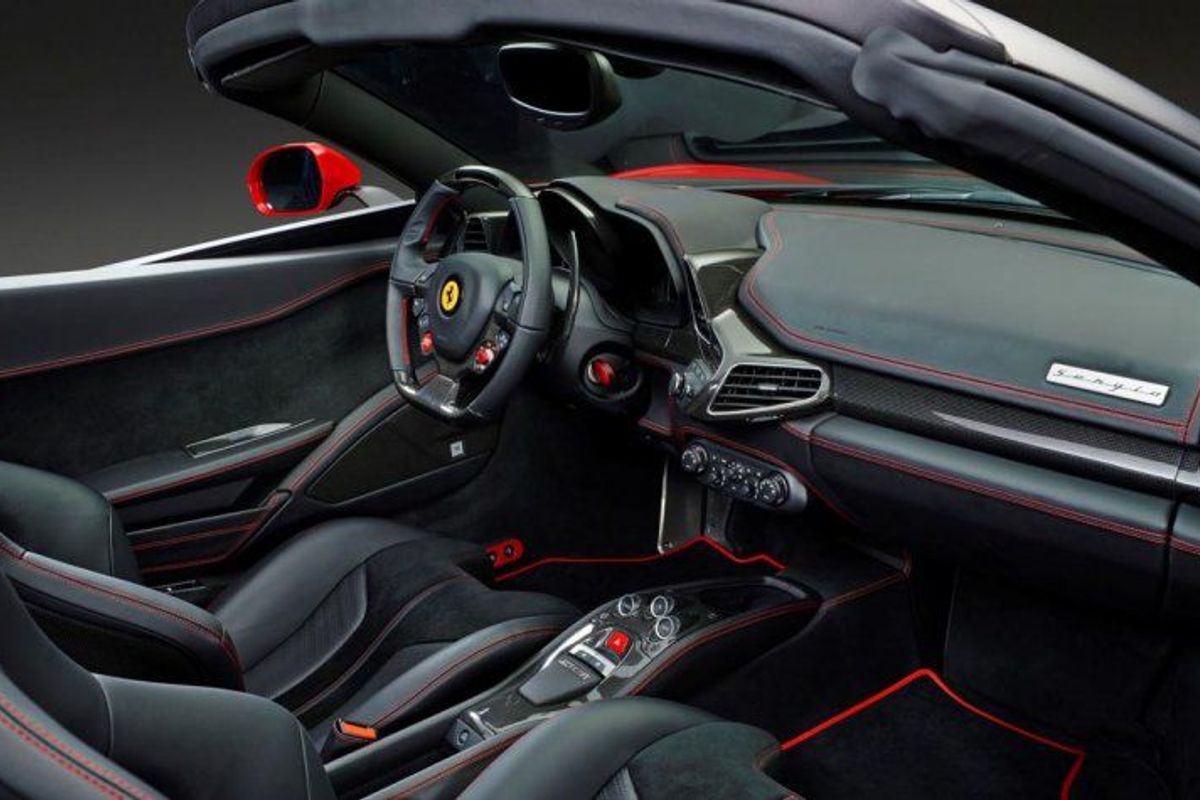
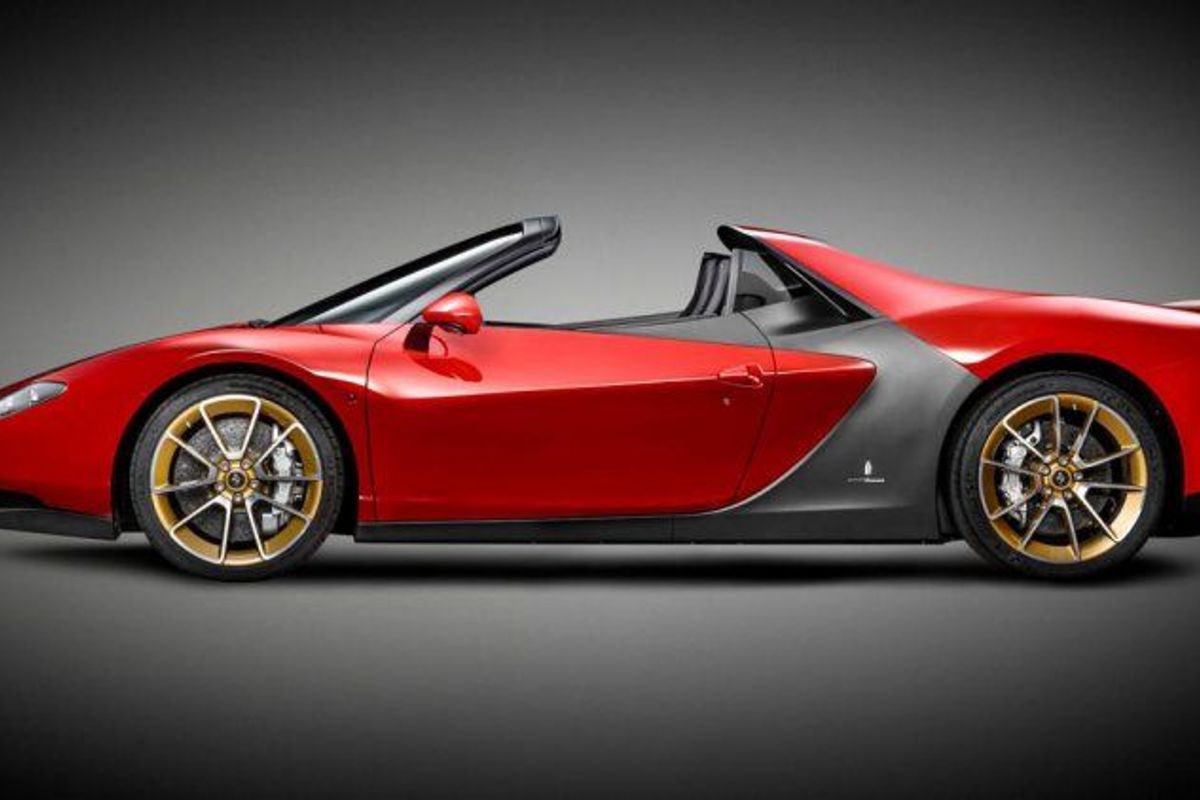
The production model is based on the 458 Spider, retaining the latters technological content as well as all of the functional aspects of its cockpit. The main styling of the design is two bodyshell masses melded together via a longitudinal black insert.
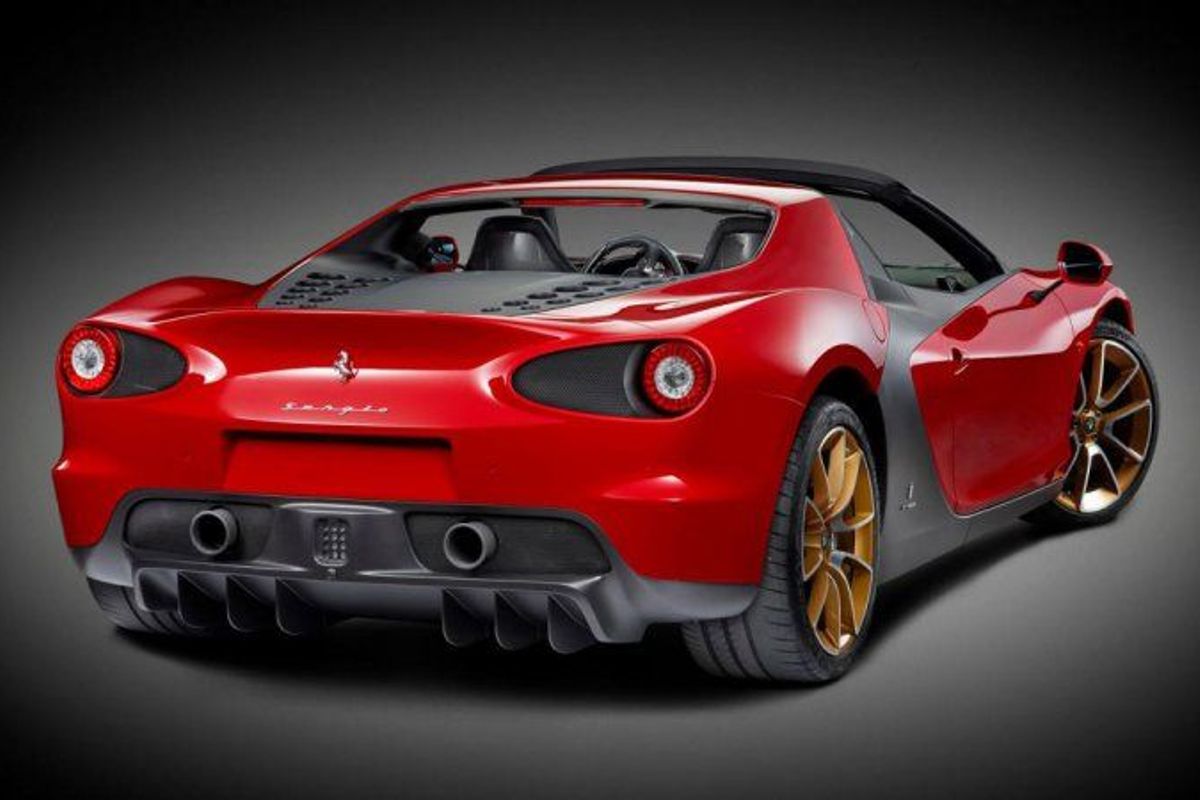
Theres also a semi-floating front spoiler which helps to balance down force and optimises heat exchange, while at the rear, there’s a ventilated rear engine cover, circular taillights and a dual exhaust system. There’s also a rear diffuser and Sergio-specific forged alloy wheels.
The Ferrari Sergio delivered to Abu Dhabi features a three-layer red exterior paintwork and a sporty cockpit with black leather upholstery with contrasting red stitching, Alcantara seat inserts, and extensive carbon dash and door well trim. It also features Sergio-specific forged wheels, on this car gold in colour with a diamond finish.
Performance specifications are yet to be revealed, but Ferrari confirmed power will be provided by a 4.5-litre V8 engine that develops 445 kW, enabling the roadster to accelerate from 0-100 km/h in three seconds.
Each one of the six Ferrari Sergios was configured by its owner in dedicated sessions at the Tailor Made atelier in Maranello, which means each car will be unique.
Volkswagen Cross Caddy (2014) Review
Most of us know the Volkswagen Caddy as a worker bee, utility vehicle. Usually the Caddy comes fitted with a set of seats up front and from there backwards its all load bay. Its low loading height and dual sliding doors make the Caddy perfect for small business owners looking to ferry goods around under a closed roof. Now though, the VW Cross Caddy has morphed into a family van, complete with rear seats. Does the Cross Caddy work as an MPV? We spent a week with the family-based van to decide.
Family Caddy?
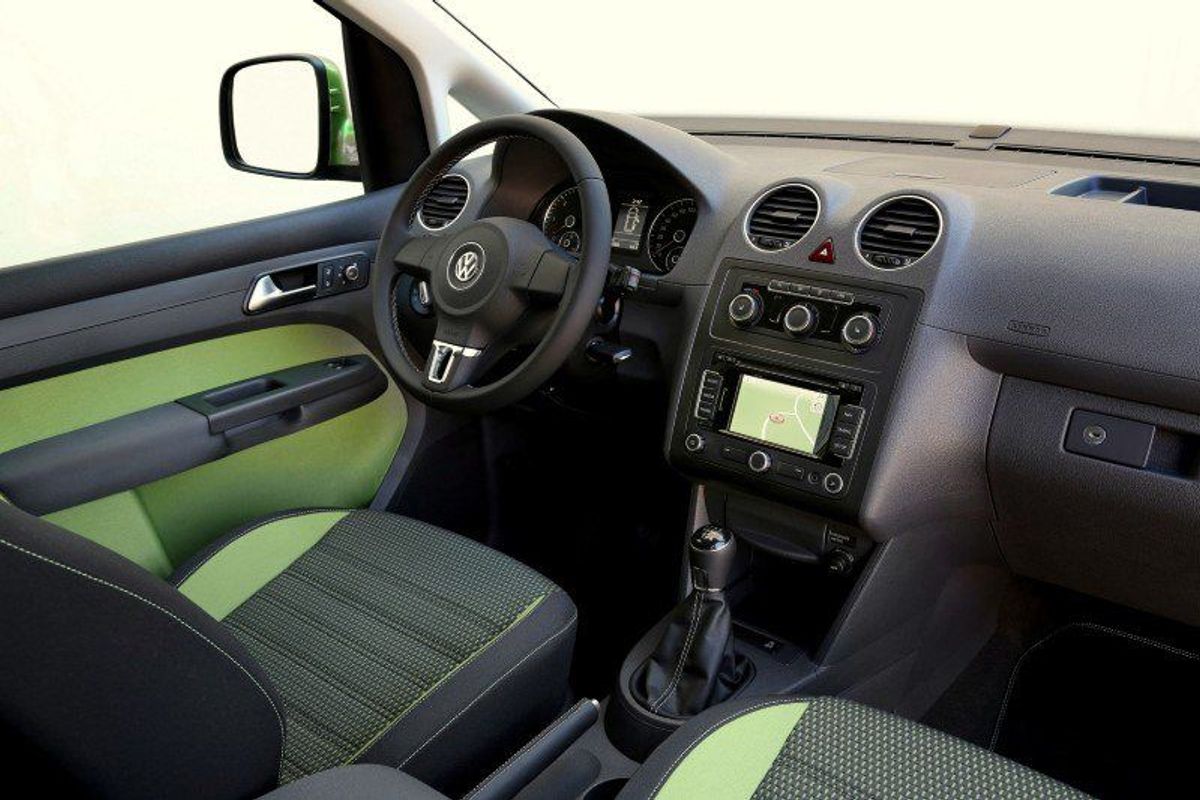
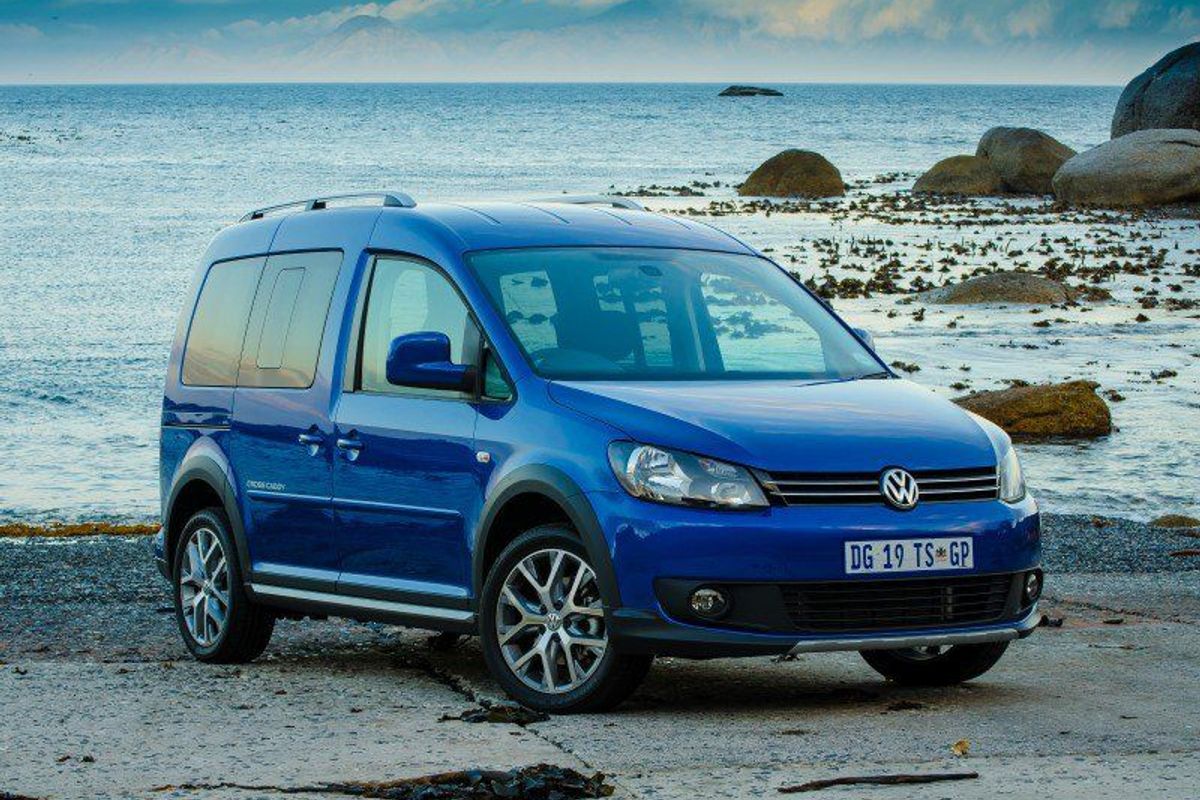
Yes, thats the idea, you get rear seats in the Caddy, a spiced up interior to make it look less like a workmans shed and some cladding on the exterior that makes it look a bit funkier. The exterior gains some black plastic body armour around the wheel arches and side sills. The silver roof rails are also added for the Cross Caddy as is some privacy glass for the rear window. The interiors spruce up includes some colour-coded door trim that can match some pretty vibrant exterior colours such as Viper Green or Honey Orange. The trim is backed up with a leather steering wheel and a few high gloss bits of material surrounding the air vents. Storage compartments are abundant and the roof lining compartment runs the width of the entire cabin, just dont load any heavy items there or you could have it tumble down onto your head.
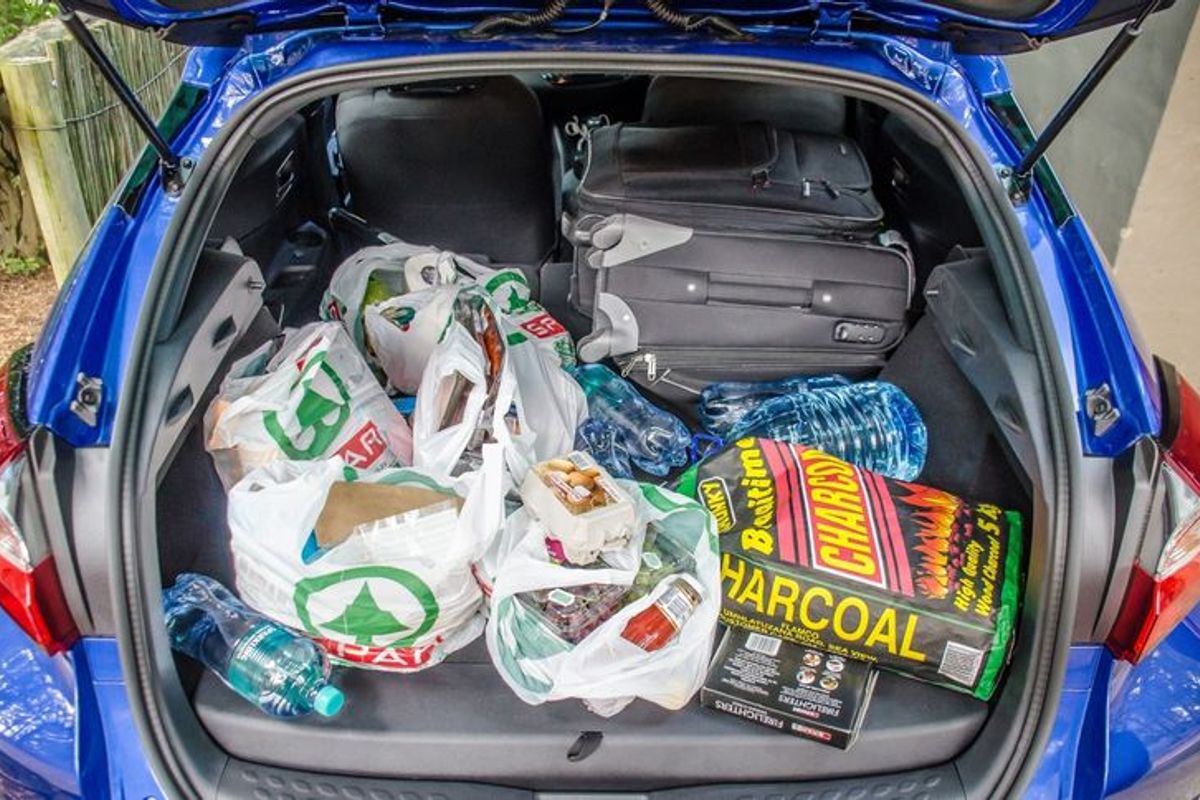
If youre looking for space in your MPV then look no further, the Cross Caddy maintains its low loading height and makes use of 750-litres of boot space, fold the rear seats up and that increases to 2852-litres. You can just keep packing in the wife and kids bags until they get tired or they run out of things in the house. Rear legroom is adequate and once the seats are folded up theres room to roll a mountain bike in upright an industry standardised test. The Cross Caddy can be ordered as a seven-seater, but comes standard as a five-seater.
Powering up
The Cross Caddy gets a 2-litre turbodiesel engine that generates 81 kW and 250 Nm of torque. Its still focused at more commercial use rather than passenger use. Usually a 2-litre turbodiesel is good for over 100 kW and around 350 Nm so you might feel a little short-changed by the grunt of the Cross Caddy, but the fuel efficiency makes up for it. VW claims it will return 5.7L/100km on the combined cycle and we were able to achieve this figure easily. I racked up 450km before handing over the keys to the other guys in the office and there was still just over half of the 60-litre tank left.
Ride and Drive
VW has played with the exterior and the interior to make the Cross Caddy feel more home-like, but once you get behind the wheel it still feels like youre driving a van. The seating position is low, but still feels like a cab-forward design where you sit on top of the front wheels. Its not a bad daily driver, its quite comfortable although the longer wheelbase means the rear end tends to jolt more than the front, although its better under load.
The Cross Caddy comes standard with ABS, traction control and an electronically-controlled differential. Theres the added bonus of hill-hold and front and side airbags as well. For the people who like high tech interiors the Cross Caddy may not quite meet their expectations. Theres no USB port or fancy multimedia display unit but there is a radio/CD/MP3 player that has an AUX port. From the options list, the only thing worth having would be the rear parking sensors that come in handy with a vehicle of this size.
VW Cross Caddy – Verdict
The Cross Caddy does a decent job of hiding its commercial skeleton with some colourful tricks like the plastic cladding and colour-coded interior, but once driven its still a van at heart. Thats not to say it isnt good, theres space in here that most large SUVs can only dream about with hidden compartments that you can lose just about anything in. The engine isnt as powerful as youd expect but it copes with everyday driving relatively well and gets good mileage on a full tank. Price may just be the Cross Caddys downfall as it will set you back R340 600 and that puts it up there with some quite nice SUVs that carry more desirability and in some cases 4×4 capabilities.
Second Opinion
As an MPV, the Cross Caddy has lots to offer. With the extra row of seats, the Cross Caddy is a great option for medium-sized families with active lifestyles who place value on having a versatile vehicle that can carry just about anything. When Monday comes around, the Cross Caddy easily transforms into a work horse with the benefit of a comfortable and flexible interior. I enjoyed driving the Cross Caddy, it felt solid and handled well on some of the twisties around Cape Town and the power and torque was enough to get around briskly. Yes, there are many alternatives on the market, but the Cross Caddy excels in terms of versatility and you can’t ignore the excellent fuel range which will come in handy when the family sets off on those long distance holidays.-Gero Lilleike
We like:
. Storage compartments everywhere and ample space
. 1000km range on a single tank is possible
. Cool colour palette and new look
We Don’t Like:
. Still makes you feel like a van driver
. Pricey
. Lack of engine power and torque for a 2-litre turbodiesel
In September 2014 we looked at how South African petrol prices compare with the rest of the world and at the time South Africa ranked 42nd (now 43rd) in the world with a petrol price of R13.66. The highest petrol price in 2014 in South Africa was in April at R14.39 per litre and today we are paying about R12.06 per litre, which is still expensive. In comparison, fuel prices in Venezuela are the cheapest at R0.12 per litre and Norway the most expensive at R27.27 per litre.
According to Bloomberg, South Africa ranks poorly in terms of affordability at 8th in the world and ranks 1st in terms of income spent on fuel. With an average daily income of about R196, South Africans spend the highest percentage of their annual income on fuel, 5.17% in fact. In comparison, Cyprus ranks 2nd with an annual spend percentage of 3.60% and Mexico 3rd with a spend percentage of 3.44%.
Check out the infographic below to see how South Africa’s fuel spend percentage compares to some other countries. If you’re looking to cut down on your fuel costs then check out our list of most fuel efficient cars in SA for some handy tips.
Annual Fuel Spend in South Africa
Volkswagen Touareg (2014) Driven
Stuart Johnston attended the local launch of the refreshed Volkswagen Touareg in George, South Africa this week.
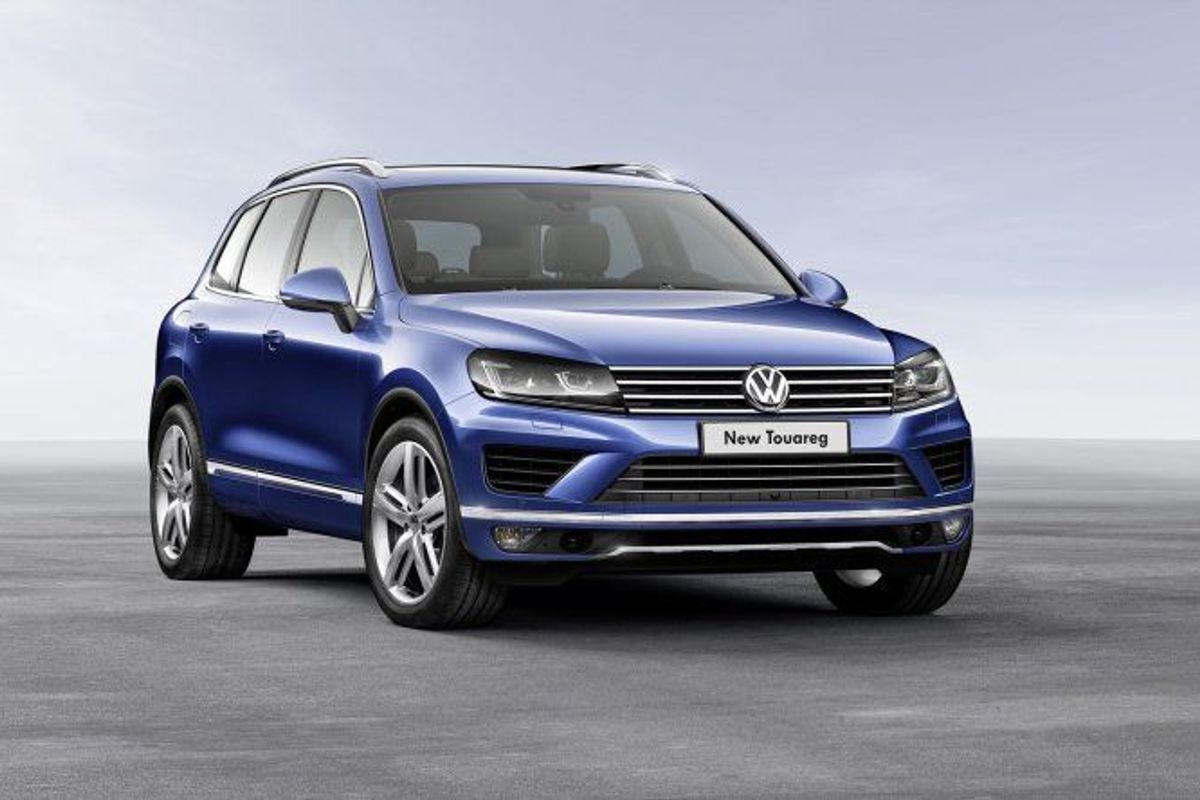
Subtle styling revisions to Touareg are aimed at giving Volkswagens large SUV a more purposeful ‘attitude’ while drawing even deeper on current VW design language. And to go with the new mid-life-cycle facelift yes, its been over four years since the second-generation was introduced in 2010 there are some slight interior revisions, as well as some mechanical upgrades to what is now an extremely well-priced vehicle in the premium end of the SUV market.
Revised Looks
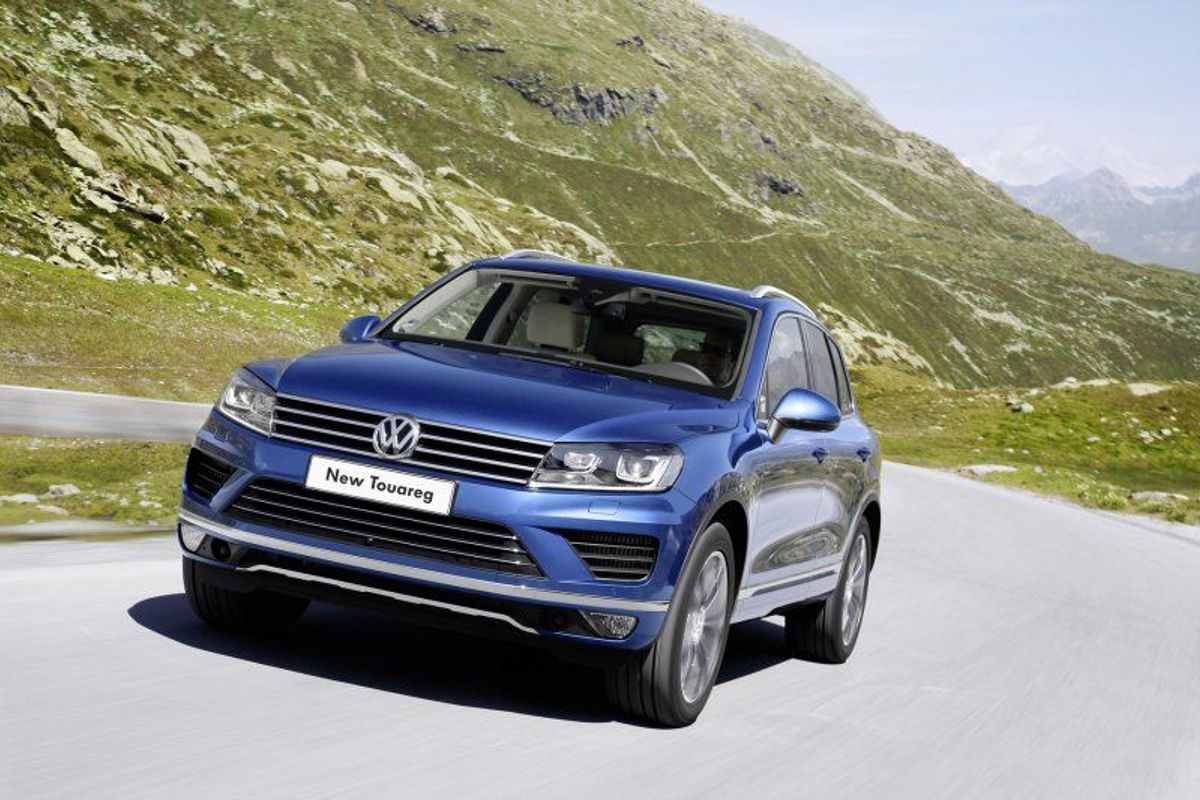
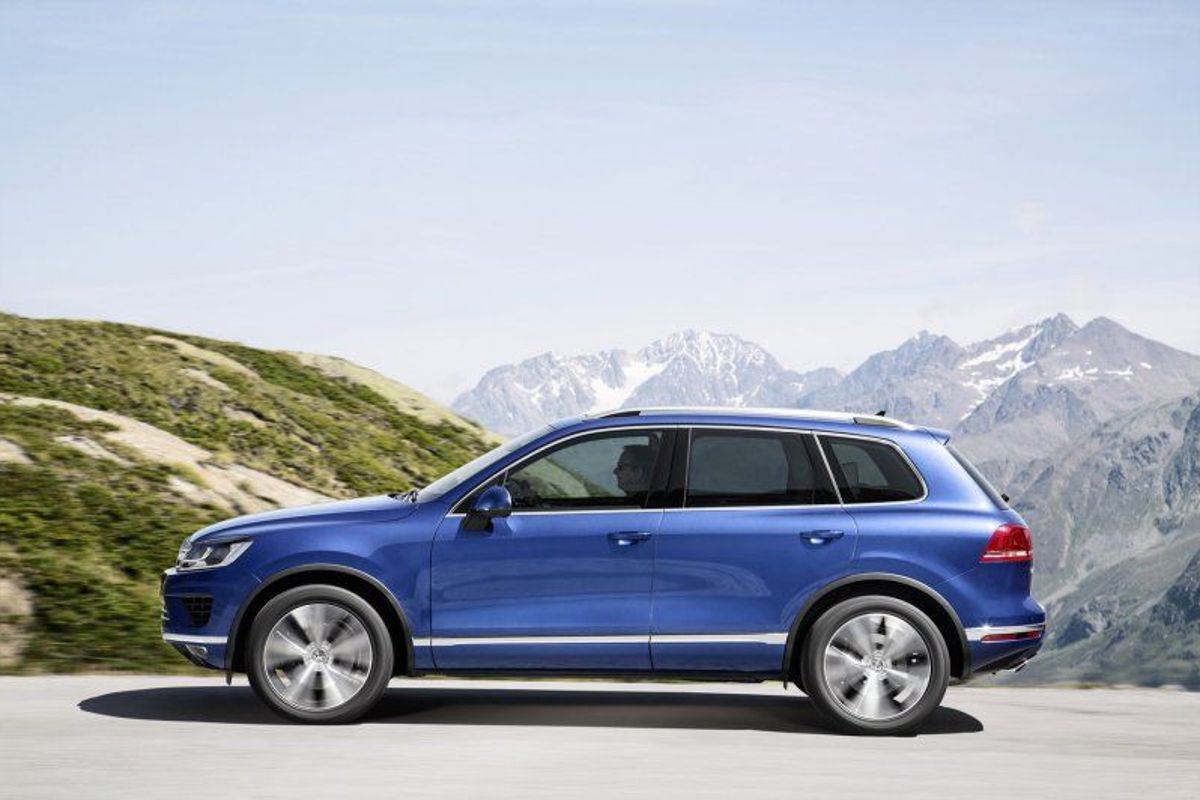
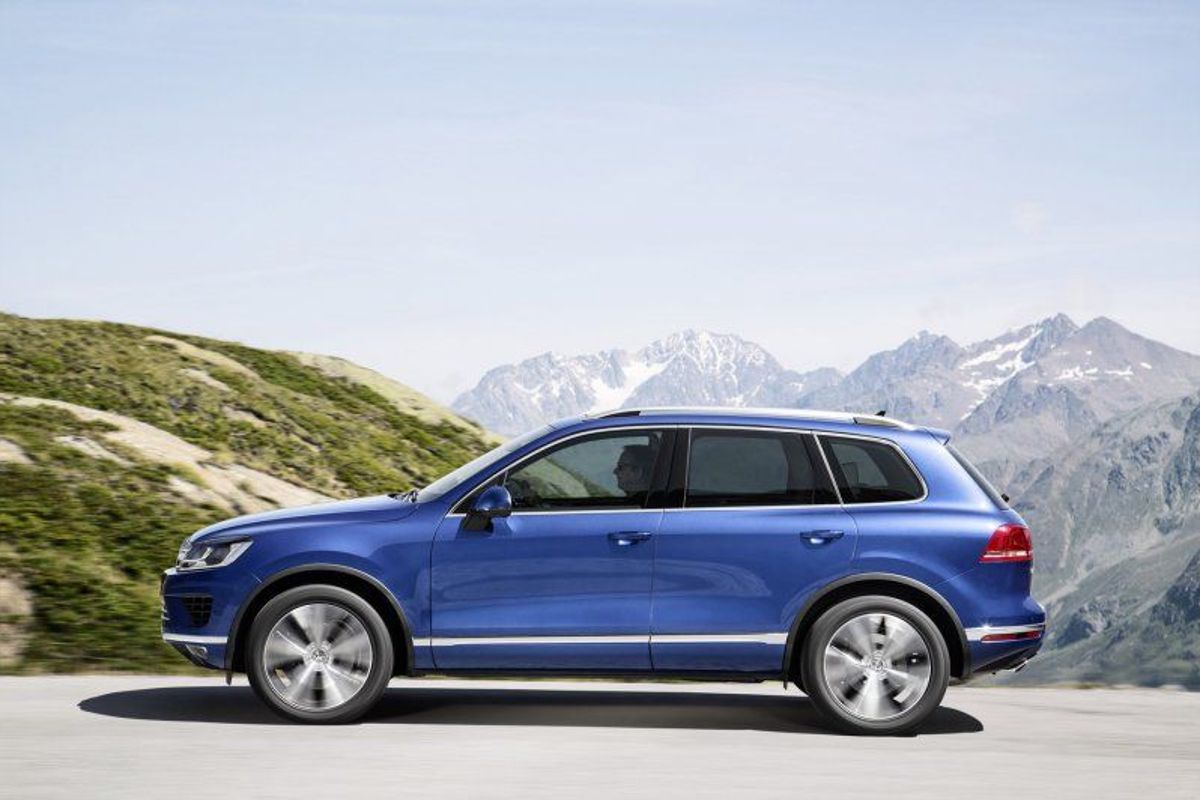
Visually, car-spotters will recognise the revamped Touareg by its new larger headlights which are now bi-xenon with LED running lights that form a solid line rather than a segmented effect.
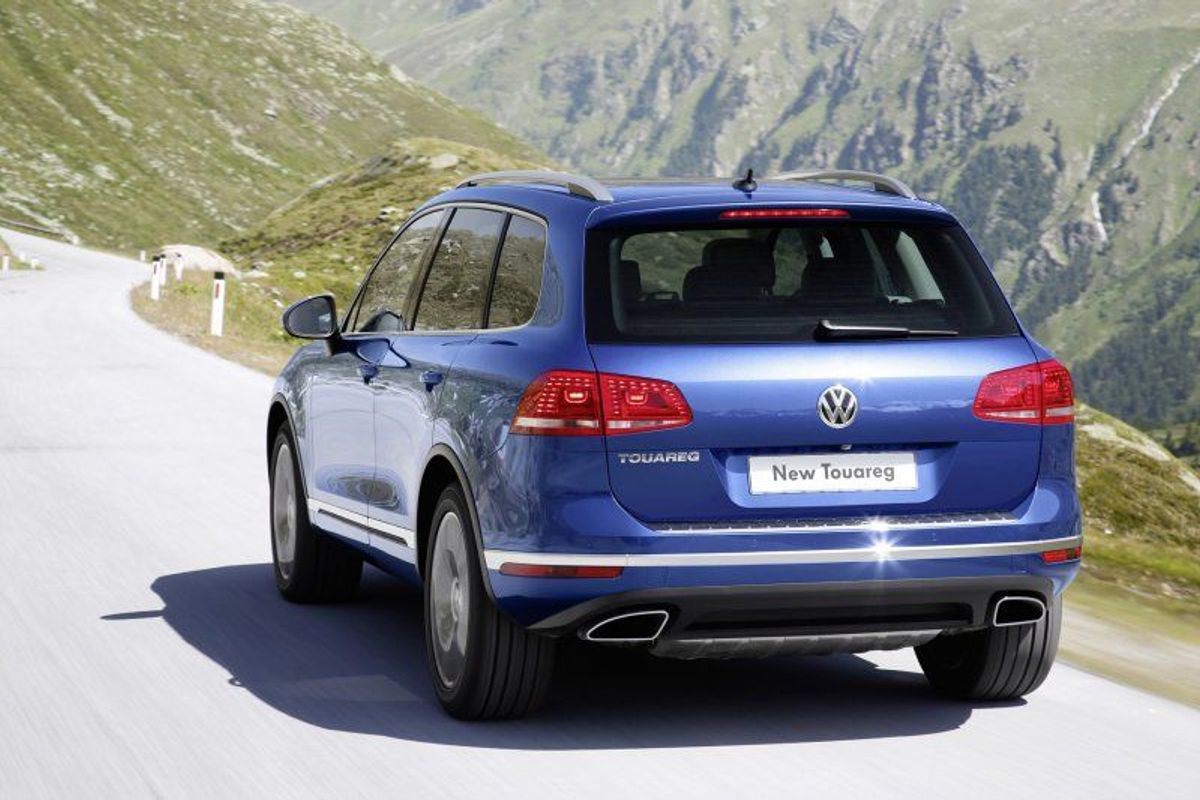
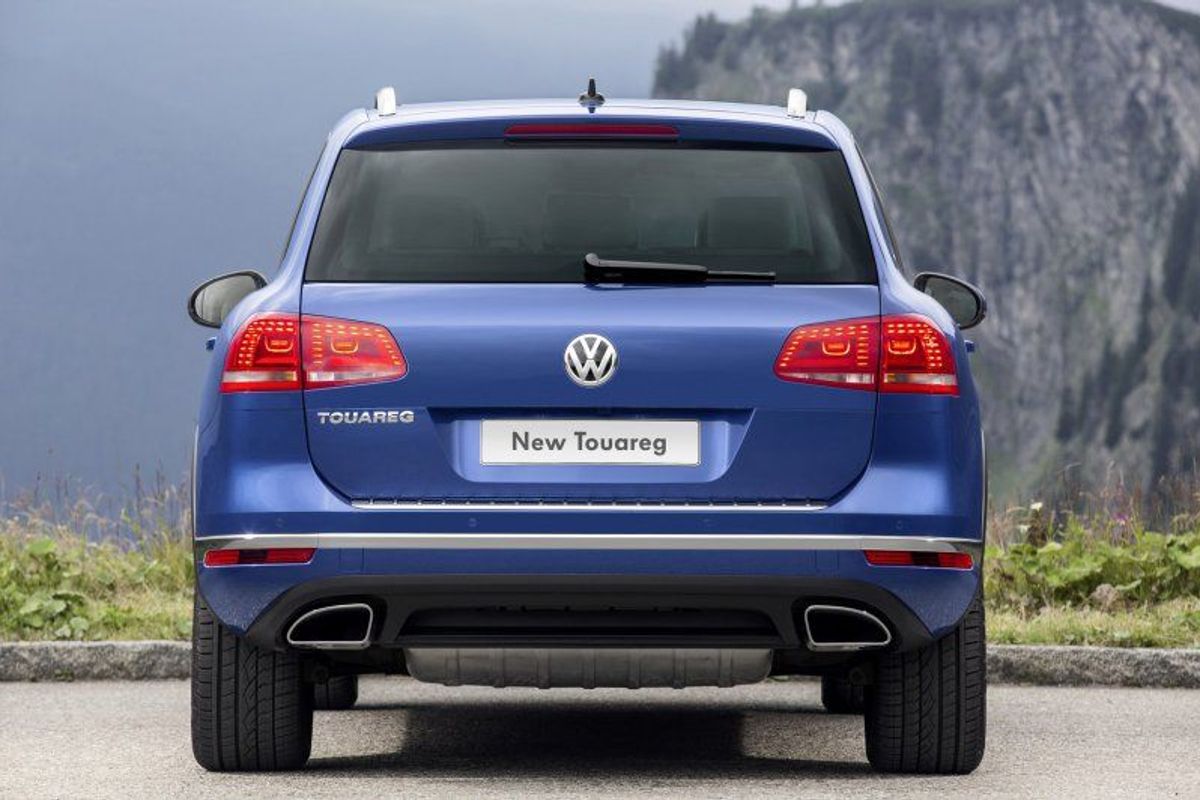
The effect from the all-important front view is that of a typical modern-gen VW product. At the rear, the bumper has been re-shaped, while there is a stronger diffuser element between the twin exhaust pipes and a re-modelled VW emblem. Also part of the new styling package are re-designed wheels, which can be ordered in sizing ranging from 17-inch to 20-inch.
Refreshed Interior
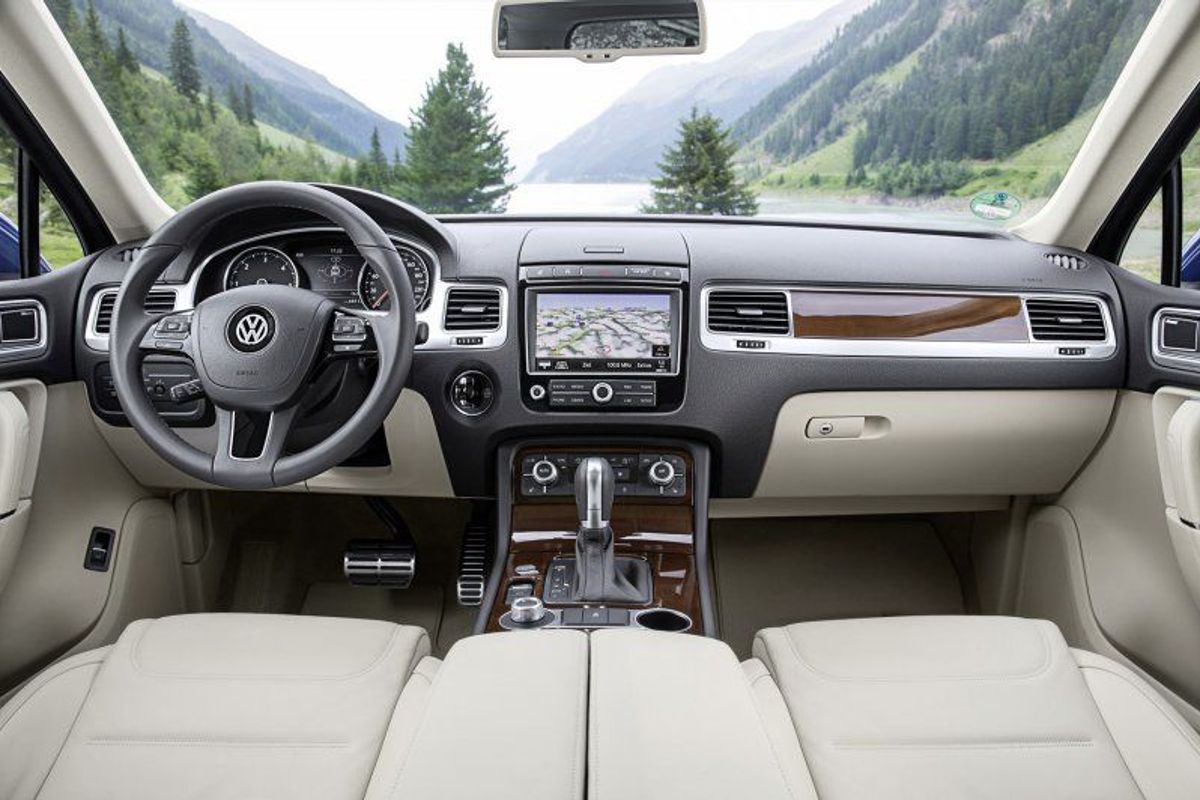
Inside, there are some updates too, including the use of aluminium on the rotary knob switchgear, and white illumination for the instruments replacing the previous red. And there are more seat cover options in the new 2015 model.
Hopping aboard the Touareg, one is struck by the Volkswagen-ness of the interior, and in the writers opinion this is both a good and a bad thing for this car. On the one hand you are impressed by the excellent panel fit and solidity of the car, much as you are in, say a Mitsubishi SUV. But in an era where Land Rover, Mercedes-Benz and BMW have gone quite flash on their SUV interiors, with more of a sports-car luxury feel, the Touaregs flat expanse of dashboard still leaves you feeling a little, well, flat. It needs some sort of vibey makeover to make you feel special, which you obviously are, as you can afford to pay R709 000 and some change, just to hop into the least expensive version of the car.
R-Line Package Details
Volkswagen is aware of this, and thus on offer is the special R-line package, which applies to both the exterior and interior. Here you get 20-inch Talladega alloy wheels, black gloss air intakes with a bit of chrome bling, side sill extensions and a roof-mounted spoiler. The interior with the R-line pack offers titanium black headlining, a leather-covered multi-function steering wheel, R-Line inlays in the tread-plates covering the door-sills and stainless steel pedal caps.
Of course, having said all of this, once on the move you are once again impressed at the wonderful integration of the Touareg package as a whole, just as you are in almost every Volkswagen product in its vast range. Hewn-from billet-metal is the phrase that comes to mind as you feel the cars sure-footedness over windy roads, and ones with bumps in the middle of corners, for that matter.
Mechanical changes on the car include a sharpening up on the steering, and indeed during a quite memorable ultra-brisk run through the Langkloof on the launch thats the area that runs from Uniondale back down to the N2 in the direction of Port Elizabeth I was amazed at how crisply the car reacted to steering input, and how stable it was in fast sweepers on narrow bumpy roads.
With such a strong chassis package, Volkswagen still hasnt felt the need to offer a vast range of engines on the Touareg. This remains a very perky 206 kW V6 , with direct petrol injection, a 180 W TDI diesel with 550 NM of torque, and the range-topping V8 TDI, a brute of a turbo-diesel that offers 250 kW and stomping 800 Nm of torque.
All Touaregs come standard with an eight-speed automatic transmission and standard permanent four-wheel-drive, but there are various running gear options you can choose from. In the suspension department you can opt for steel (conventional) suspension which is very good, or the optional air suspension.
And with the V6 TDI with the optional Terrain Tech, you get a low range gear, a lockable centre differential and raised ground clearance up to 235 mm. If you then specify the air-suspension which offers adjustable ride height, you can raise the ground clearance to a maximum of 300 mm, which is just dandy for even the toughest of offroad sections or outsize curb in Sandton that you may encounter.
Pricing of Refreshed Touareg
At the launch, VW execs pointed out that the Touareg is now extremely well-priced in its segment, being between R100 000 to R200 000 less expensive than its competitors when measured on a spec-to-spec basis. This, more than anything else, makes the car worth a re-look in this elevated SUV league.
Pricing, before any options are added, starts at R709 100 for the 3,6 V6 FSI (petrol) model. The 3,0 V6 TDI 180 kW model costs R796 500, with the Terrain-Tech V6 TDI model selling for R822 100. And if you want to experience torque-above-all-else, lash out on the 4,2 V8 TDI, with 250 kW and 800 Nm. That will set you back R990 600.
Toyota Fortuner Epic Offroad Adventure
*Photos kindly supplied by Michael Salzwedel
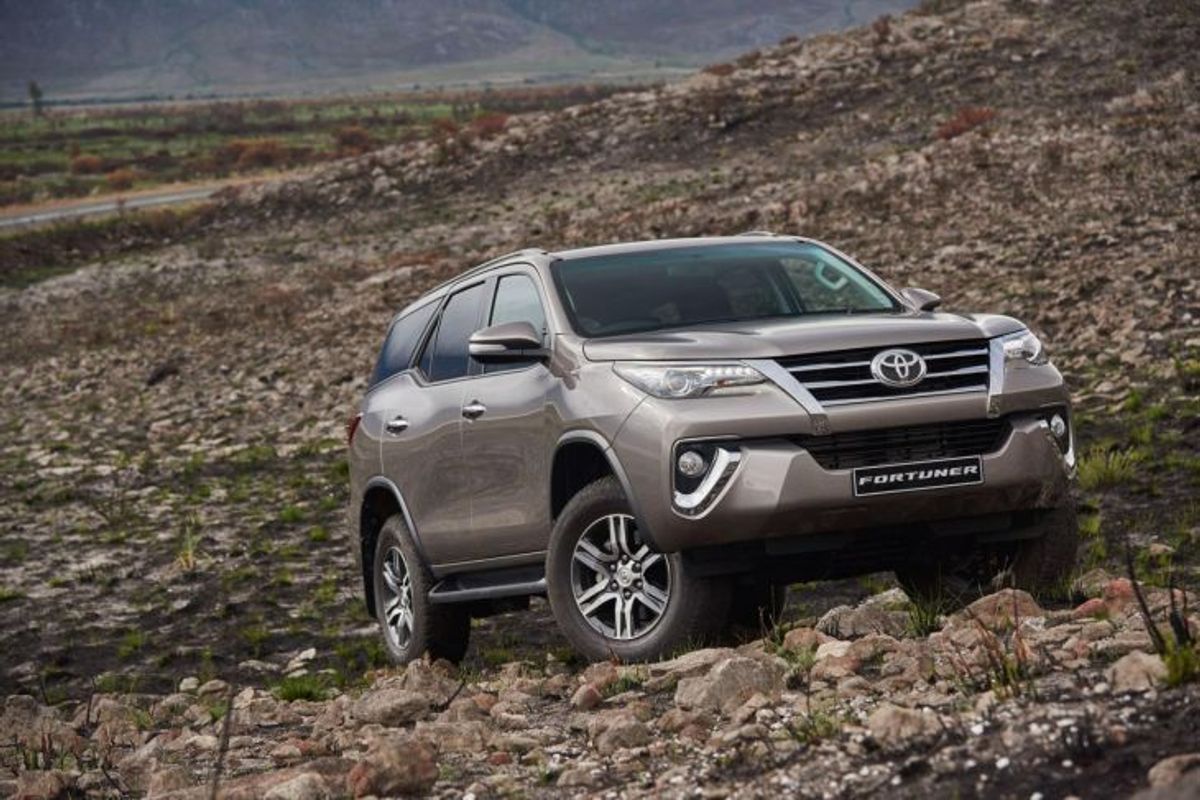
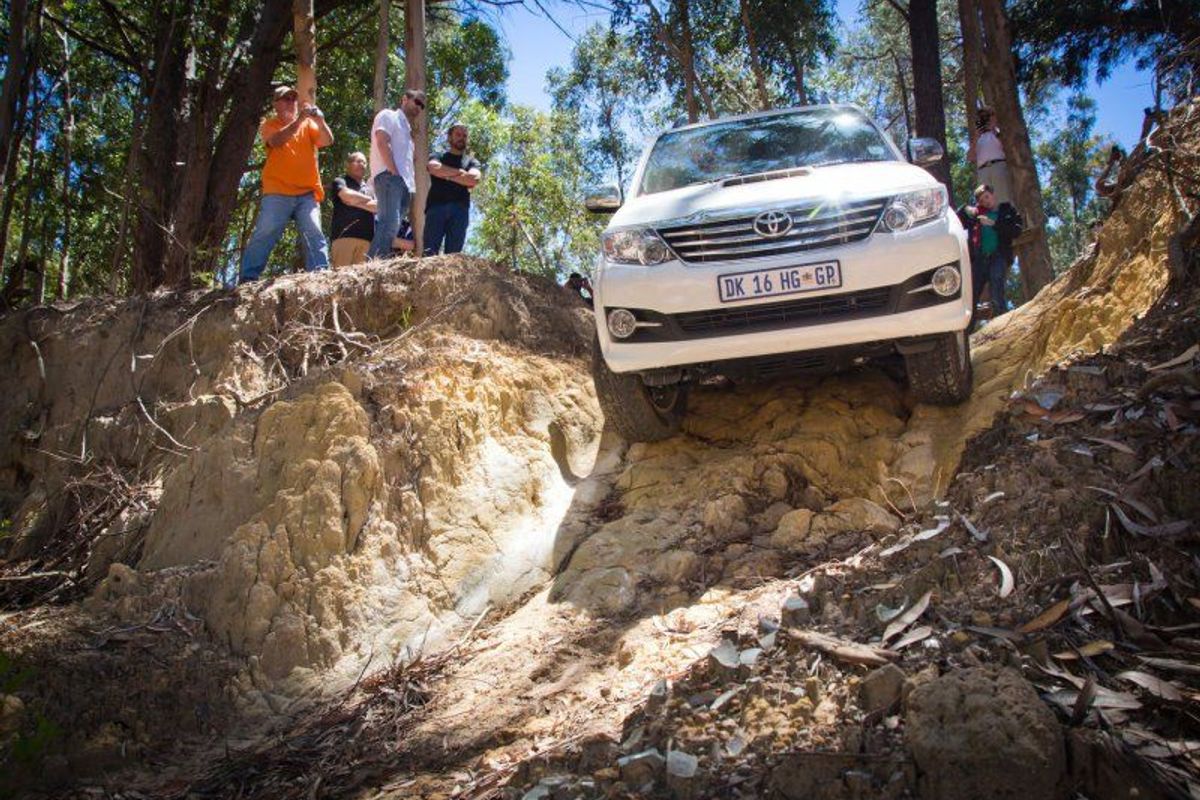
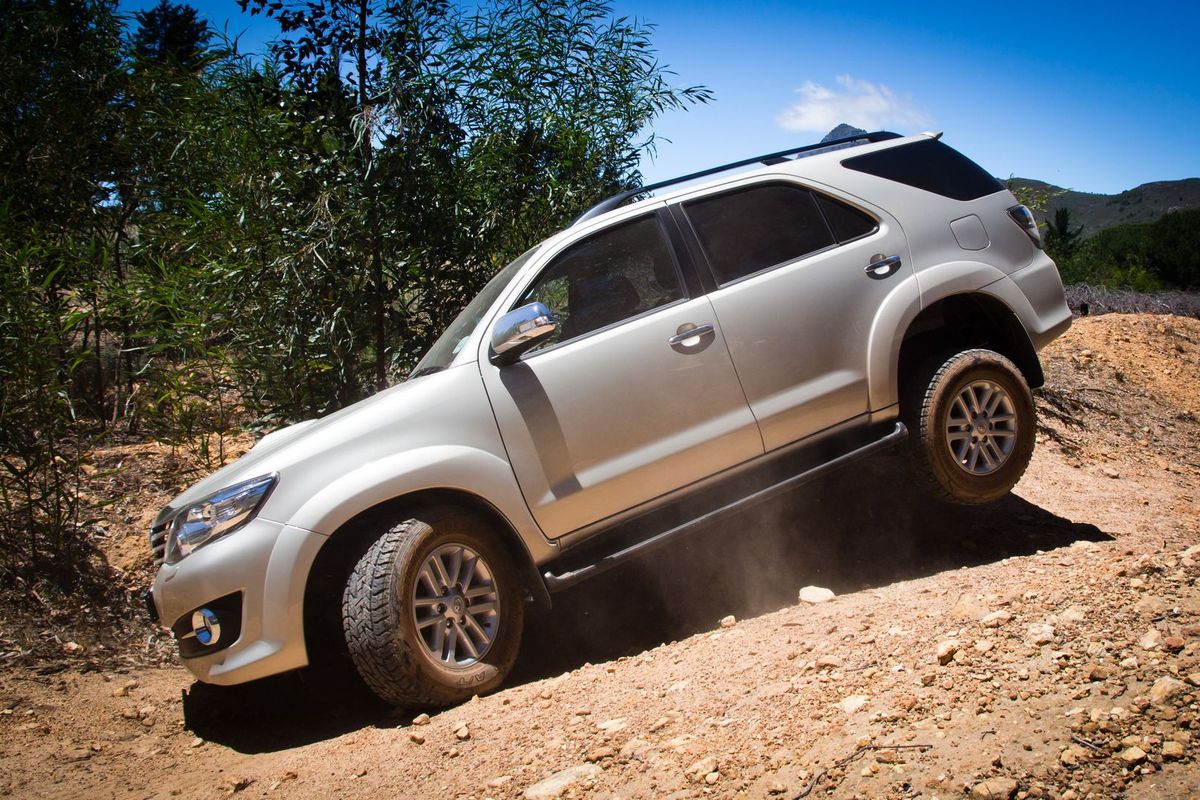
The Toyota Fortuner is an icon in South African motoring history. It’s rugged, tough and has a go-anywhere attitude which makes it popular among motorists seeking reliability and capability.
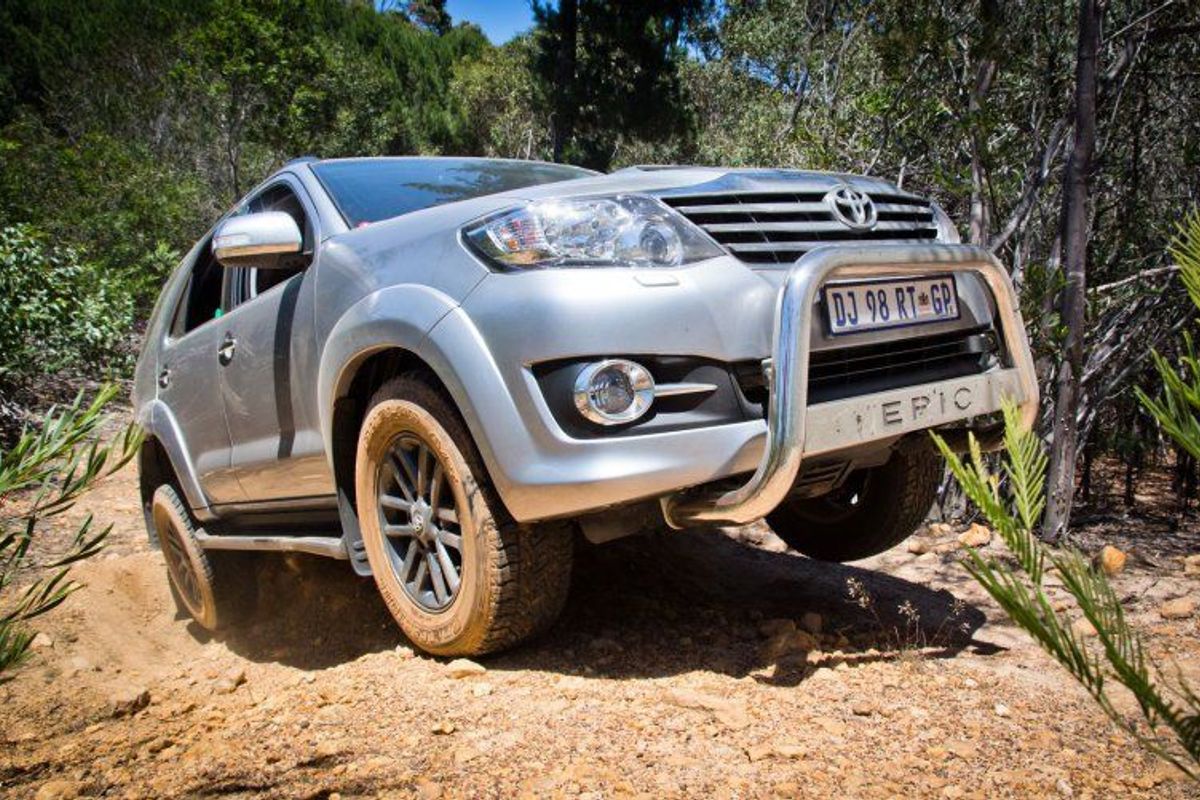
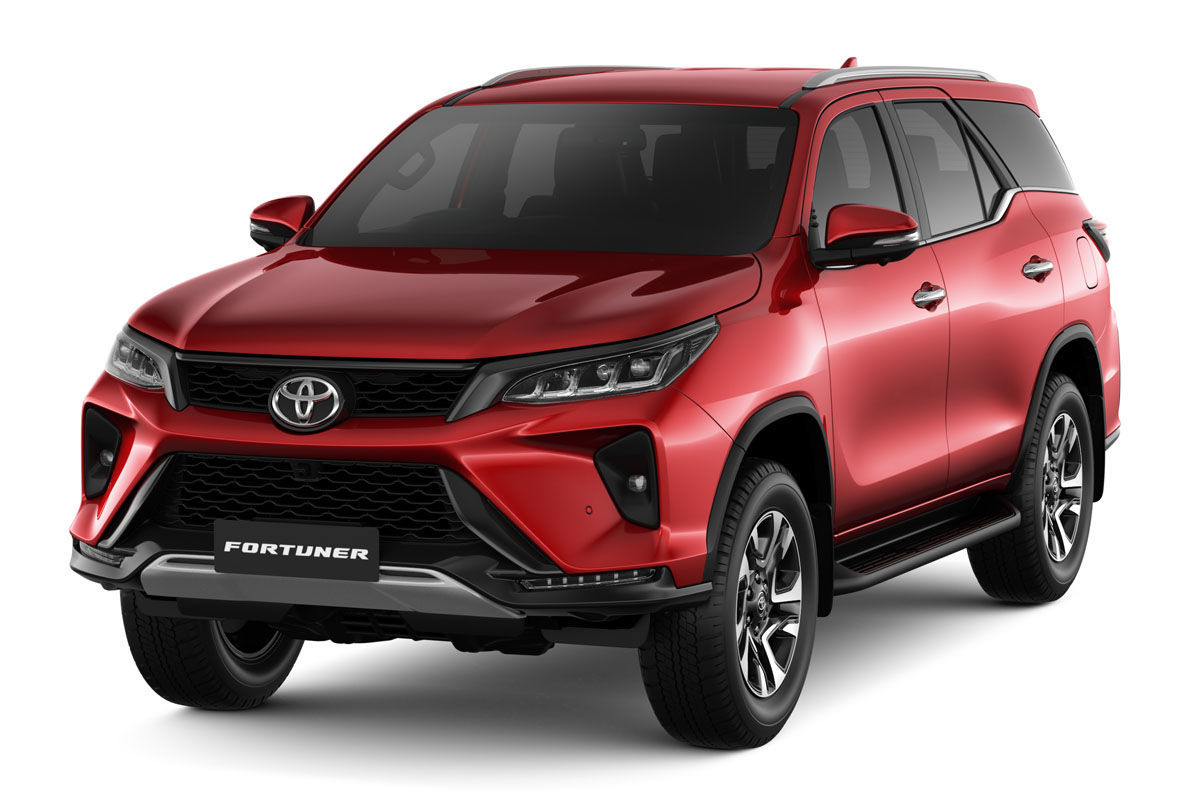
Recently Toyota South Africa launched the Epic version of its Fortuner SUV. You can read about the specifications and pricing here. I was invited to the regional launch of this vehicle and this event served one purpose: how far can you push a Fortuner offroad?
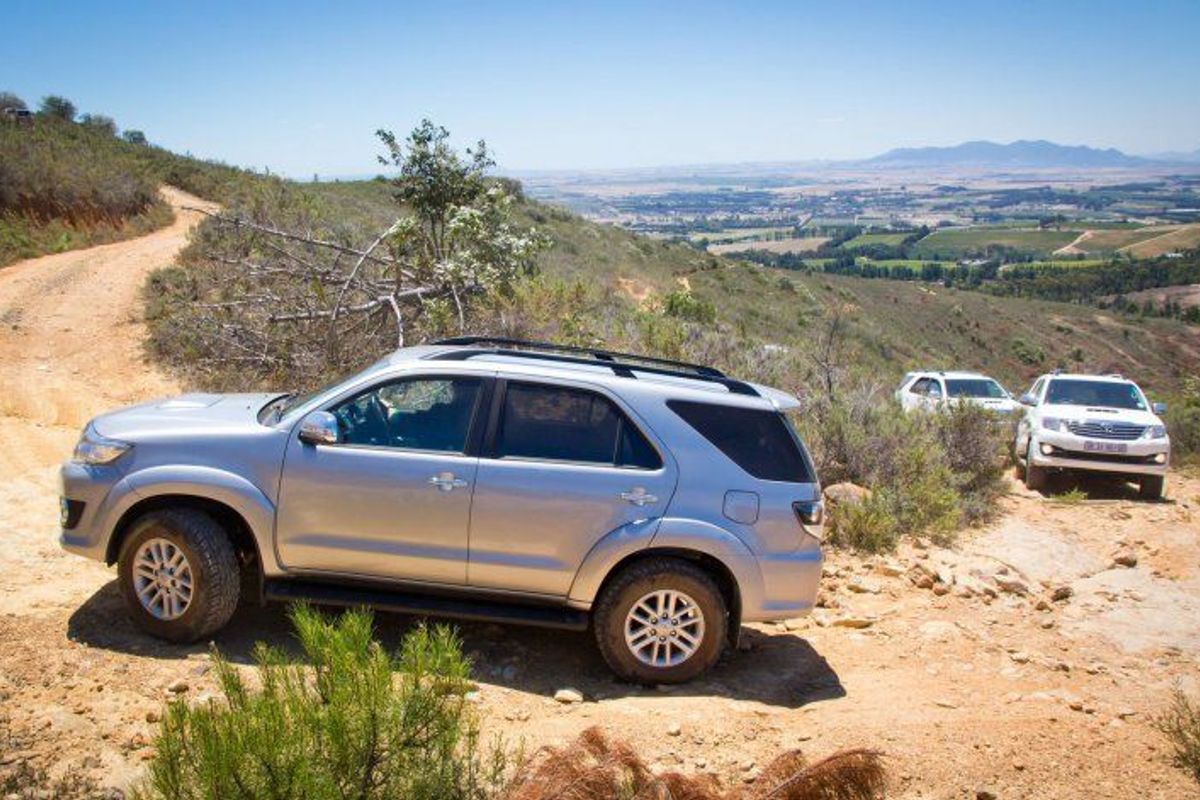
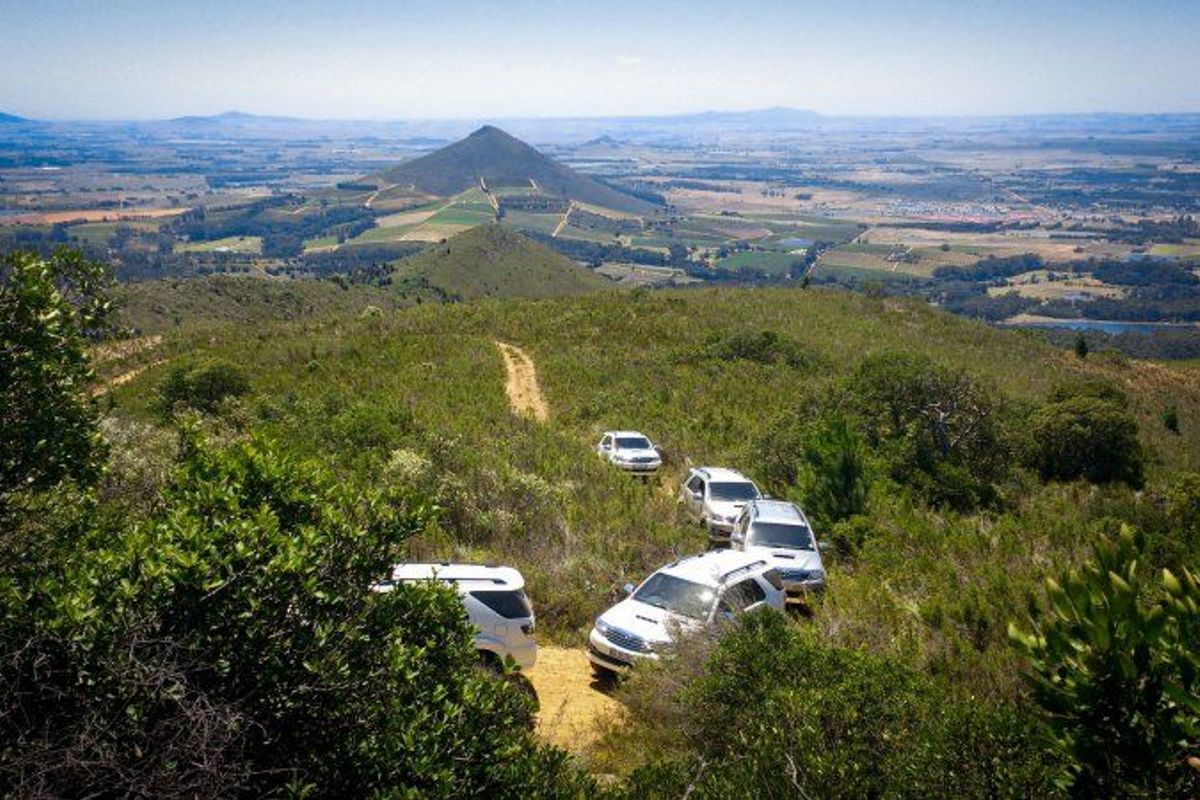
There are some challenging 4×4 trails in the Western Cape, so after the mandatory safety and product briefing, we jumped into the Fortuners and headed for the Le Bonheur wine estate. Le Bonheur’s Wiesenhof trail is quite beastly and the Fortuners would be pushed to their limits as they climbed up the hill overlooking the Winelands.
Offroad Abilities
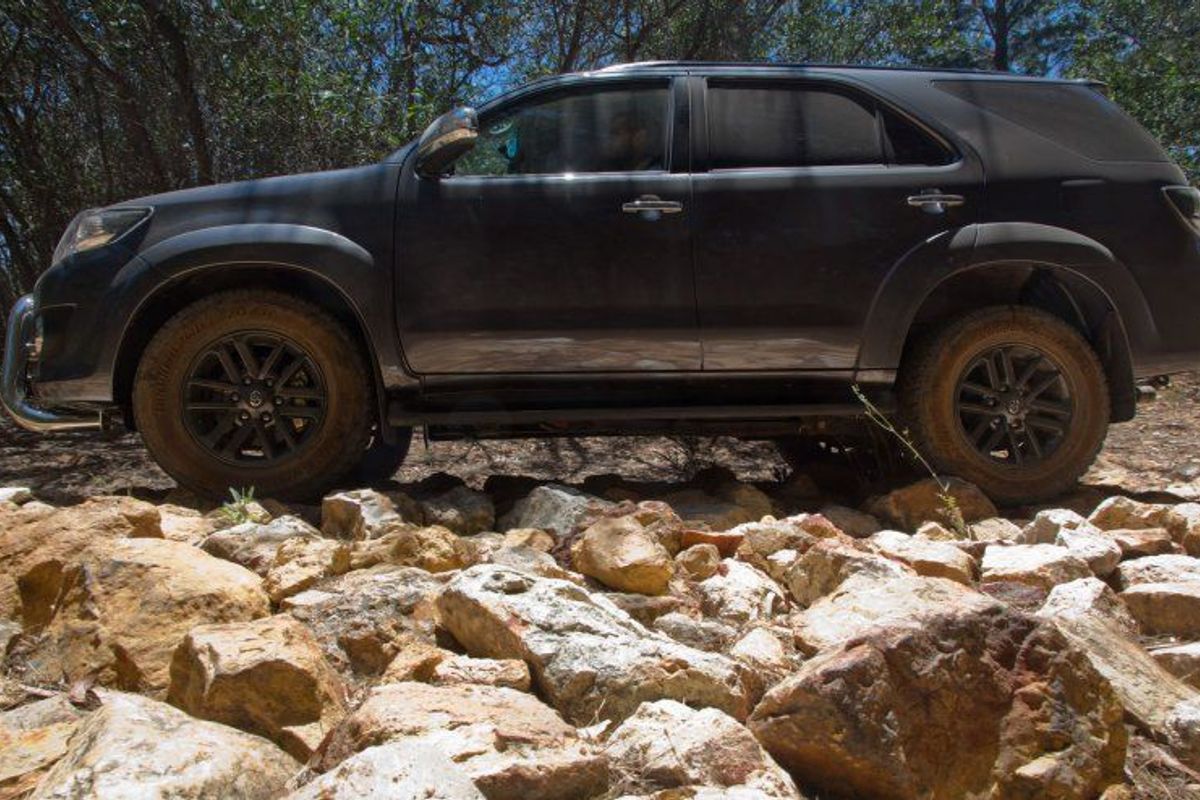
First we did a smaller trail, where the Fortuner’s diff locks and axles were demonstrated and journalists had a chance to get familiar with offroad driving. There’s nothing more alarming than seeing the vehicle in front of you driving on three wheels through fairly deep ruts! It’s also quite difficult to not instinctively brake while descending a steep gradient.
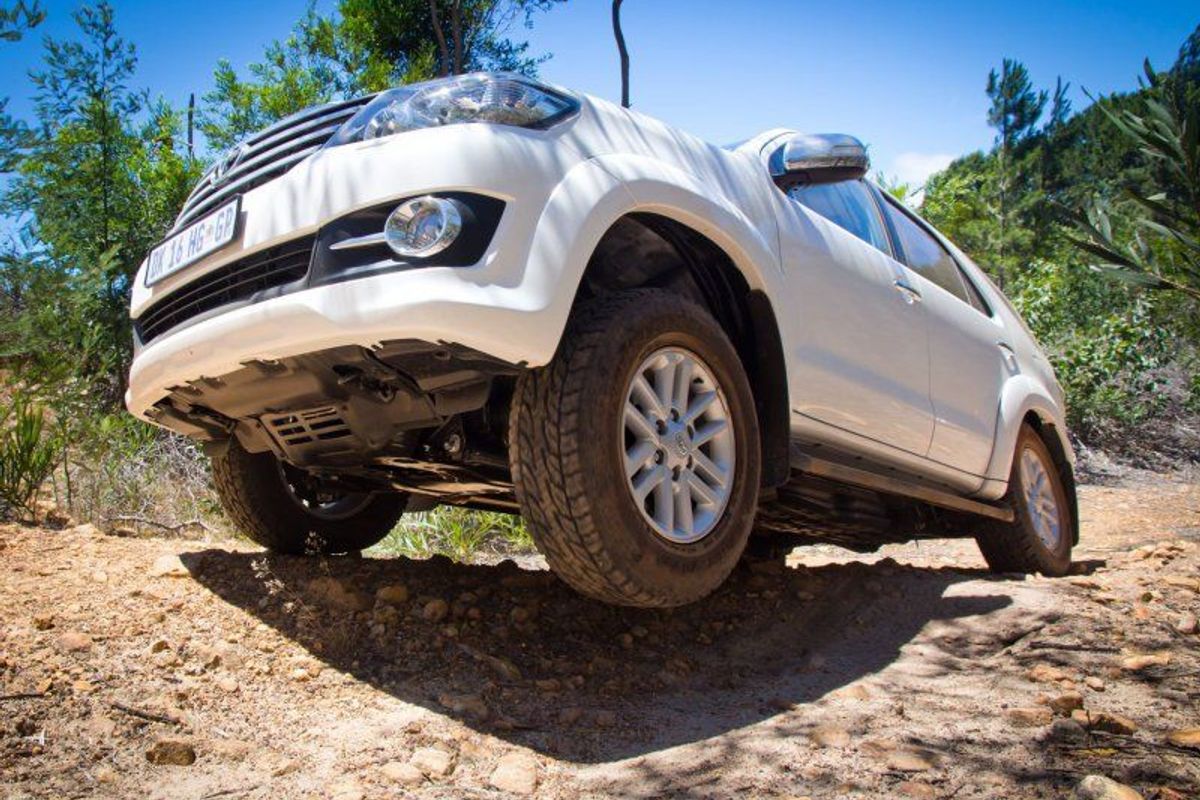
The Fortuner boasts permanent all-wheel drive, with the option of a low-range gearbox as well as a mechanical differential lock at the rear. The Fortuner also offers excellent ground clearance as well as some reliable powerplants. My choice for this excursion was a manual 3.0-litre D4-D with 120 kW and 343 Nm of torque. As for the trail itself, it mostly resembled a vaguely-cleared rocky path and at times progress was near walking pace. Still, the Fortuners showed no signs of wanting to give up and pressed on to the summit of the Wiesenhof trail, where we were promised the views were spectacular.
The Toyota Fortuner is based upon the Toyota Hilux, the ever popular bakkie offering from the Japanese manufacturer and you can expect a new Hilux in SA around the middle of 2015. Given the fact that you can easily seat seven, ride reasonably comfortably to work on tar, yet take on the most hardcore of offroad obstacles, it makes perfect sense why the Toyota Fortuner sells in the numbers that it does. It really is a solid and reliable offering. The Epic may just be a cosmetic upgrade, but for those who crave a limited edition vehicle that will stand out from the rest, this Fortuner will probably sell very quickly.
Toyota Fortuner Epic Video
http://instagram.com/p/wGdvNGmSqV/
BMW i3 and i8 Price Announced for South Africa
BMW has announced pricing for both the i3 and i8 models due to arrive in SA next year.
Update: The four dealerships that will service and sell the BMW i3 and BMW i8 are: Supertech, Durban SMG, Cape Town Sandton Auto, Johannesburg Club Motors Fountains, Pretoria
BMW i3 and i8 Price in South Africa
Its said that BMW will sell both the full electric i3 for R525 000 together with the i3 range extender at R595 000, while the i8 will be priced from R1 755 000.
Please note that you will have to install the BMW i WallBox home charging station at an additional cost of R25 000.
Both the BMW i3 and i8 first made their South African debut at the 2013 Johannesburg International Motor Show, where they showed up with fresh and modern looks that reinterpret the meaning of modern luxury.
The passenger cell of the i3 is made of carbon fibre while sustainable yet high quality materials are used throughout making it a serious green runner for urban environments. The i8 stands low and wide and has the undeniable look of a sports car, while its proportions serve to deliver optimal performance. Out of the two cars, we’re most excited by the i3 which will be a direct rival to the Nissan Leaf.
Look out for more details and driving impressions once the vehicles officially launch at the end of February 2015. Ashley Oldfieldwill be there representing Cars.co.za.
New Volkswagen Touareg In SA Specs and Prices
The new Volkswagen Touareg has been introduced in South Africa with a few design changes, updated suspension and new assistance systems.
Key highlights
The facelifted Touareg benefits from a redesigned chrome radiator grille, new bi-xenon headlights, new front bumper, and white illumination and ambient lighting ‘which adds finesse to the night-time design.’
At the back, new rear lights have been introduced, including a choice of two new alloy rim designs; Senora (17-inch), ‘Arica’ (18-inch), ‘Everest (19-inch), Masafi (20-inch) and ‘Talladega’ (20-inch for optional R-Line package). The range of colours has also been updated to include Light Silver Metallic, Tungsten Silver Metallic, ‘Reef Blue Metallic’, ‘Black Oak Brown Metallic’ and ‘Moonlight Blue Pearl Effect’.
As opposed to red lighting, the redesigned interior has new aluminium rotary knobs and white illumination on the switches, doors, and footwell and roof console. It also has chromed trim on switches such as on the suspension adjuster. The range of interior colours and styles of leather has been updated.
Optional equipment includes sunroof, 360 view and reversing camera, side assist, lane assist, DynAudio Confidence 12-speaker system with 620W amplifier, electrically foldable towball and air suspension, and Adaptive Cruise Control (ACC), radio/navigation system
Updated suspension and new assistance systems
The standard steel-spring suspension has been optimised, with improvements including an even more agile steering and extra comfort. As an option Volkswagen also offers the Touareg with a four-wheel drive system (4MOTION ‘Terrain Tech’; 45-degree uphill capability) complete with low range gear and innovative air suspension that is even more suitable for off-road use. The new assistance systems include Automatic Post-Collision Braking System, Adaptive Cruise Control (ACC), Area View, Lane Assist and Side Assist.
Engine line-up unchanged
The engine line-up remains unchanged with one petrol 3.6 V6 FSI (206kW) and two diesel engines 3.0 V6 TDI (180kW) and 4.2 V8 TDI (250kW). All engines come with the standard 8-speed automatic transmission.
R-Line package
Similar to the outgoing model, the new Volkswagen Touareg will be offered with an optional sporty R-Line package. It includes 20-inch Talladega alloy wheels, bumpers in the ‘R-Line’ design, black gloss air intakes with additional chrome trim, side sill extensions, a black gloss diffuser at the back (also with additional chrome trim), chrome-plated tailpipes and an aerodynamically optimised roof edge spoiler.
The interior features titanium black headlining, leather heated multi-function steering wheel, ‘R-Line’ decorative inlays in ‘Silver Lane’, ‘R-Line’ door tread plates and stainless steel pedal caps. The rear windows are tinted.
The new Volkswagen Touareg comes standard with a 3 year/ 120 000 km manufacturer warranty and 5 year/100 000 km Automotion Maintenance Plan. All models have a 12 year anti-corrosion warranty and 15 000 km service intervals.
Aston Martin DB10 Revealed
The Aston Martin DB10 has been revealed and will be used in the upcoming 24th installment of the James Bond Movie.
Aston Martin DB10 to co-star with James Bond in next movie
This announcement was made at a special at Pinewood Studios in London, where it was also revealed that the model will be developed specifically for the film and built in-house by the brand’s design and engineering teams.
Aston Martin says that its design team, led by Aston Martin Chief Creative Officer, Marek Reichman, worked with Spectre director Sam Mendes to create a new bespoke car for Bond.
Limited to only 10 cars, the car features evolutionary styling which the company says “gives a glimpse to the future design direction for the next generation of Aston Martins.”
The James Bond movie is said to be showcased on November 6, 2015 and will be called SPECTRE (Special Executive for Counter-intelligence, Terrorism, Revenge and Extortion) as a reference to the fictional global terrorist organisation featured in Ian Fleming’s novels.
More details and additional images should be available soon leading to the release of the movie.
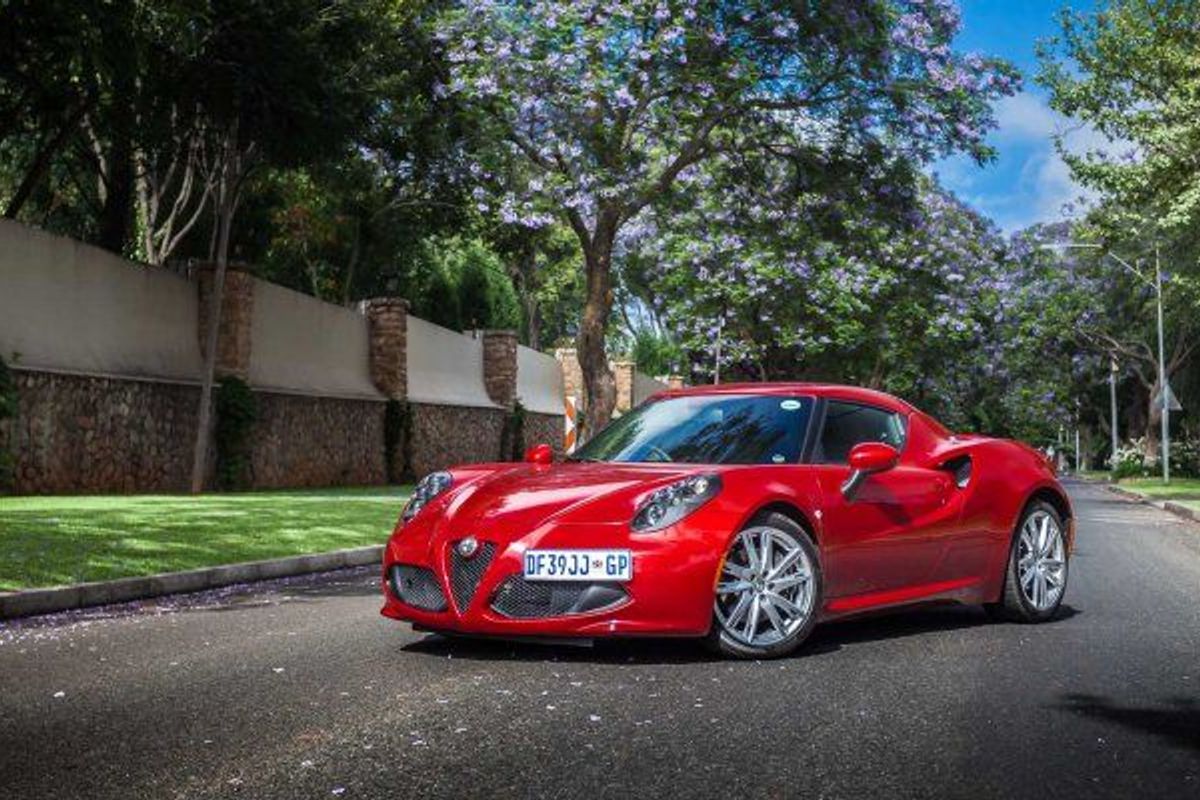
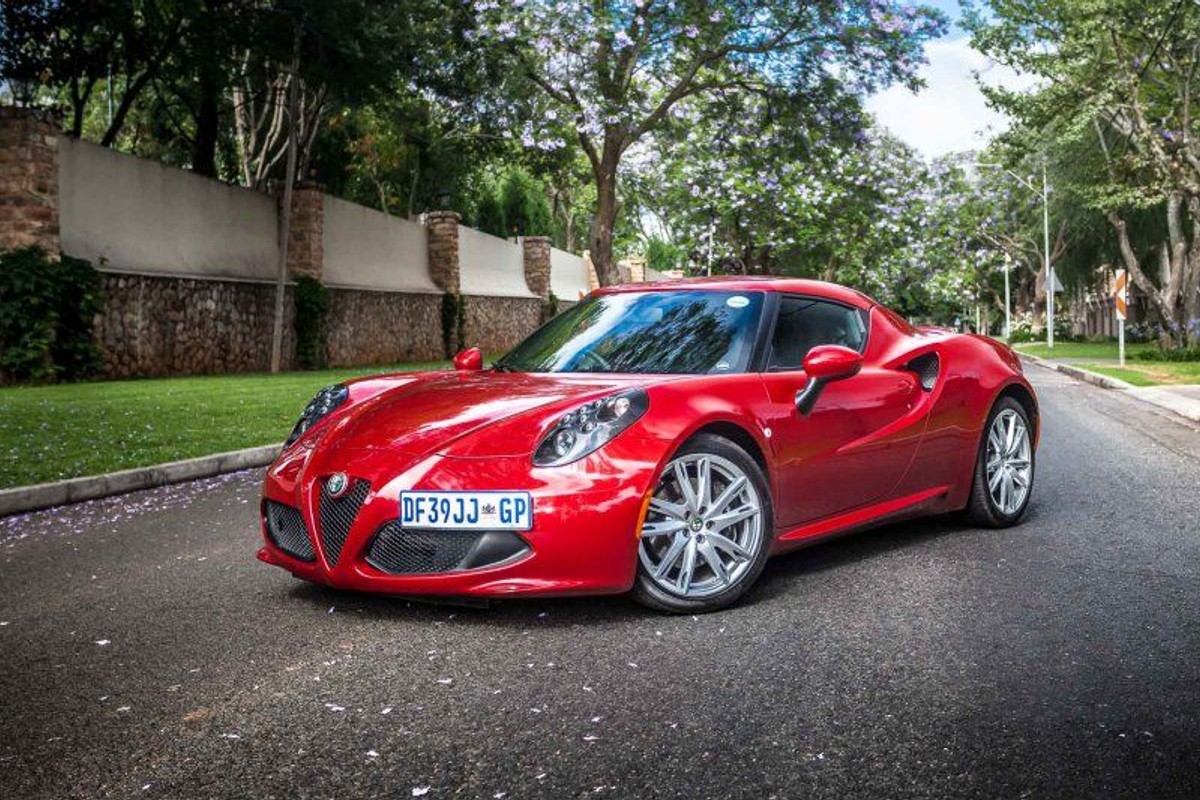
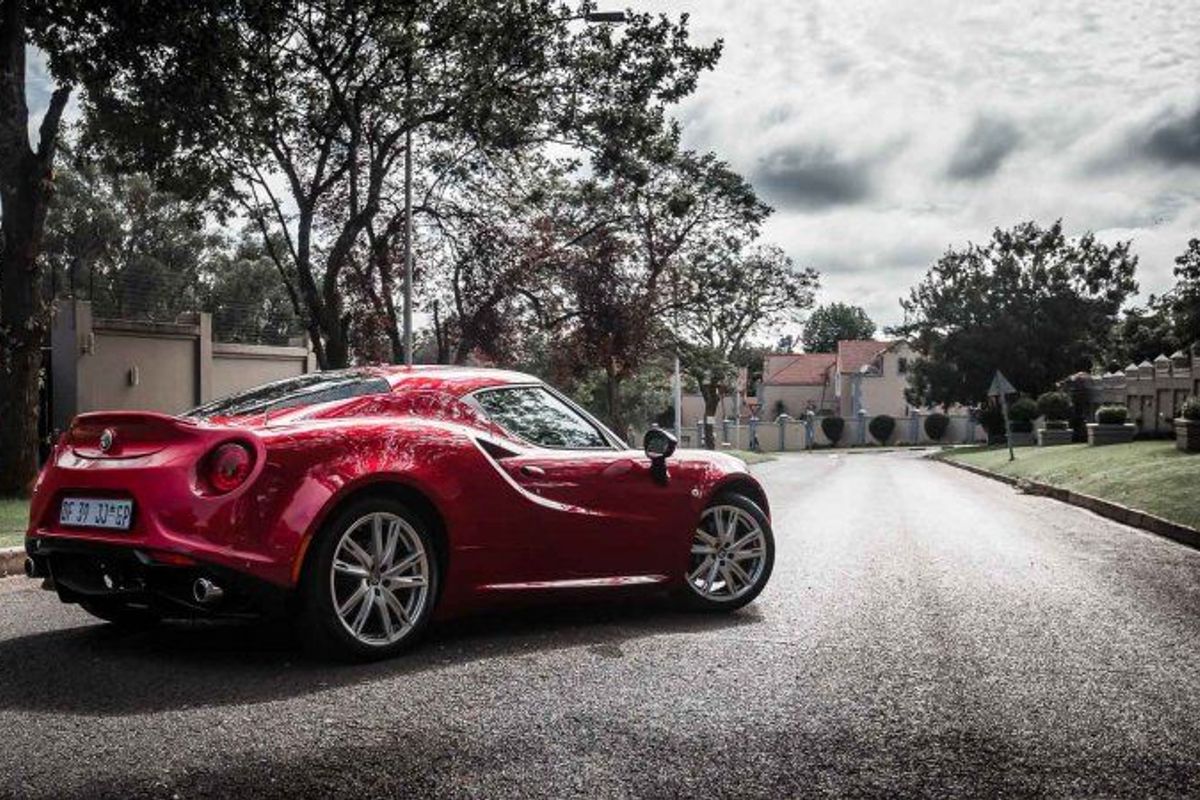
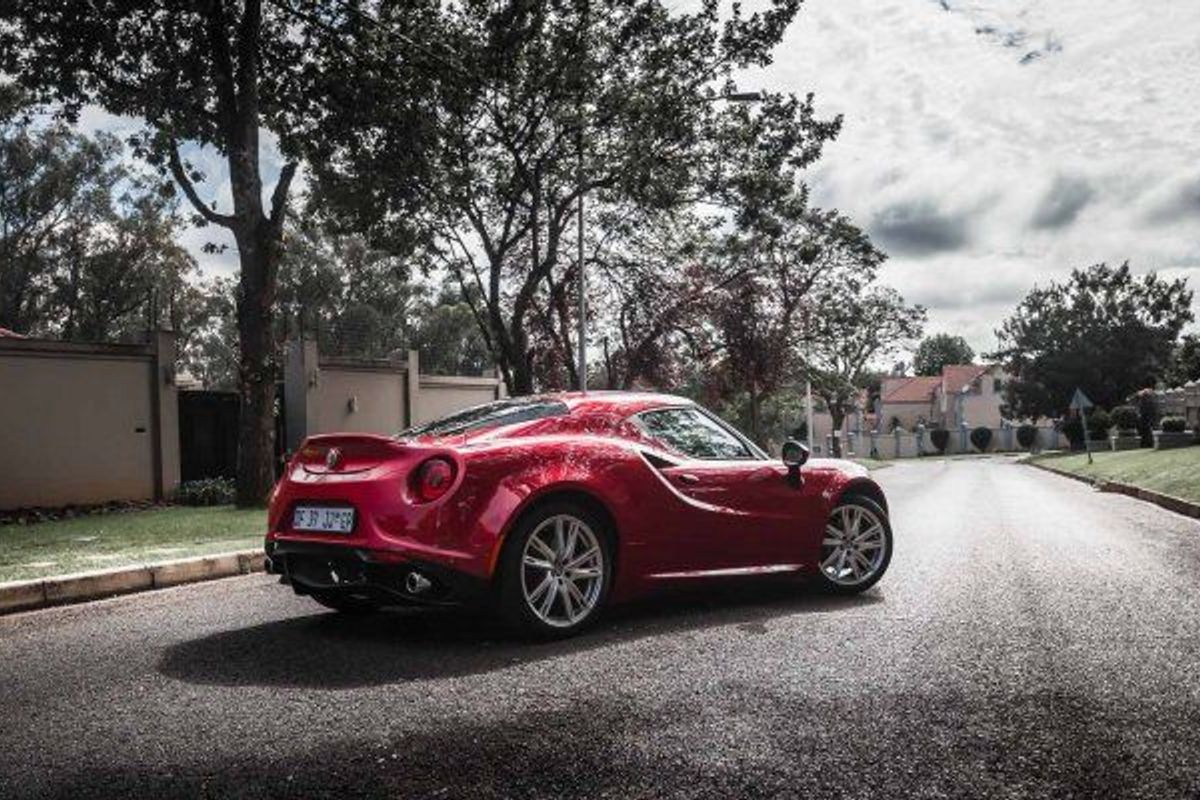
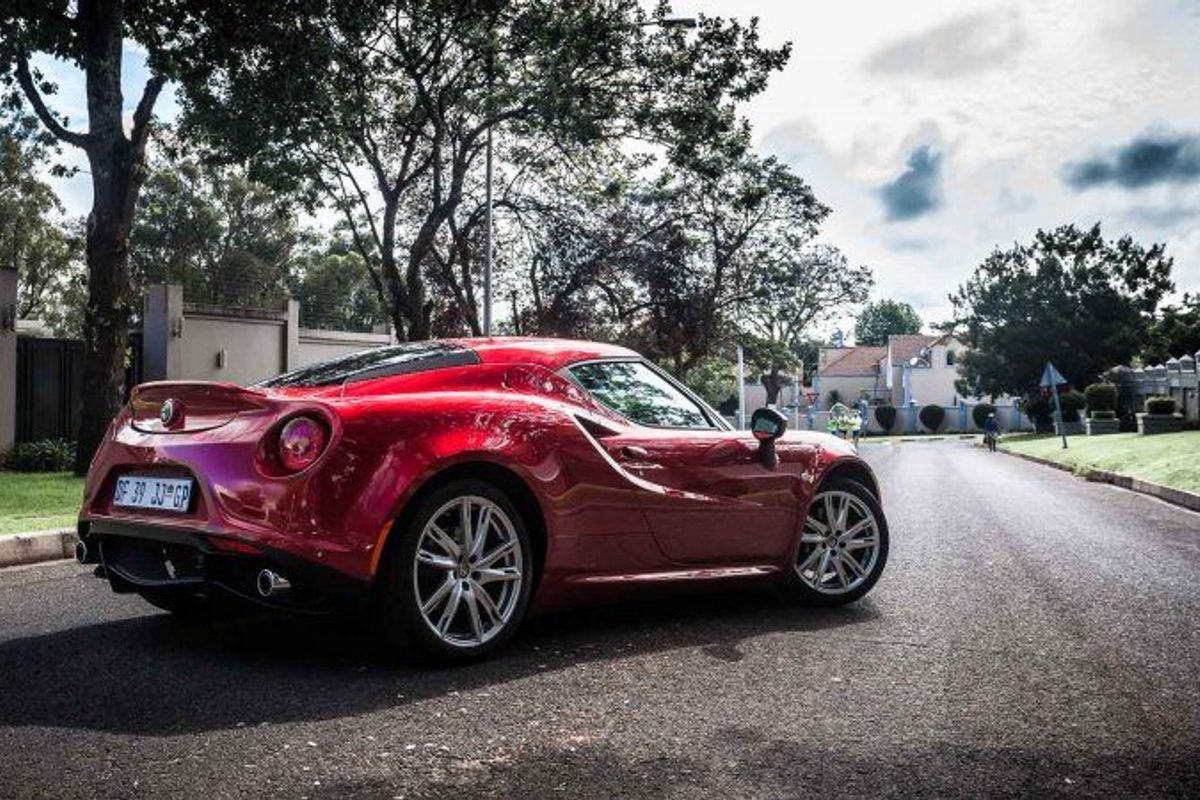
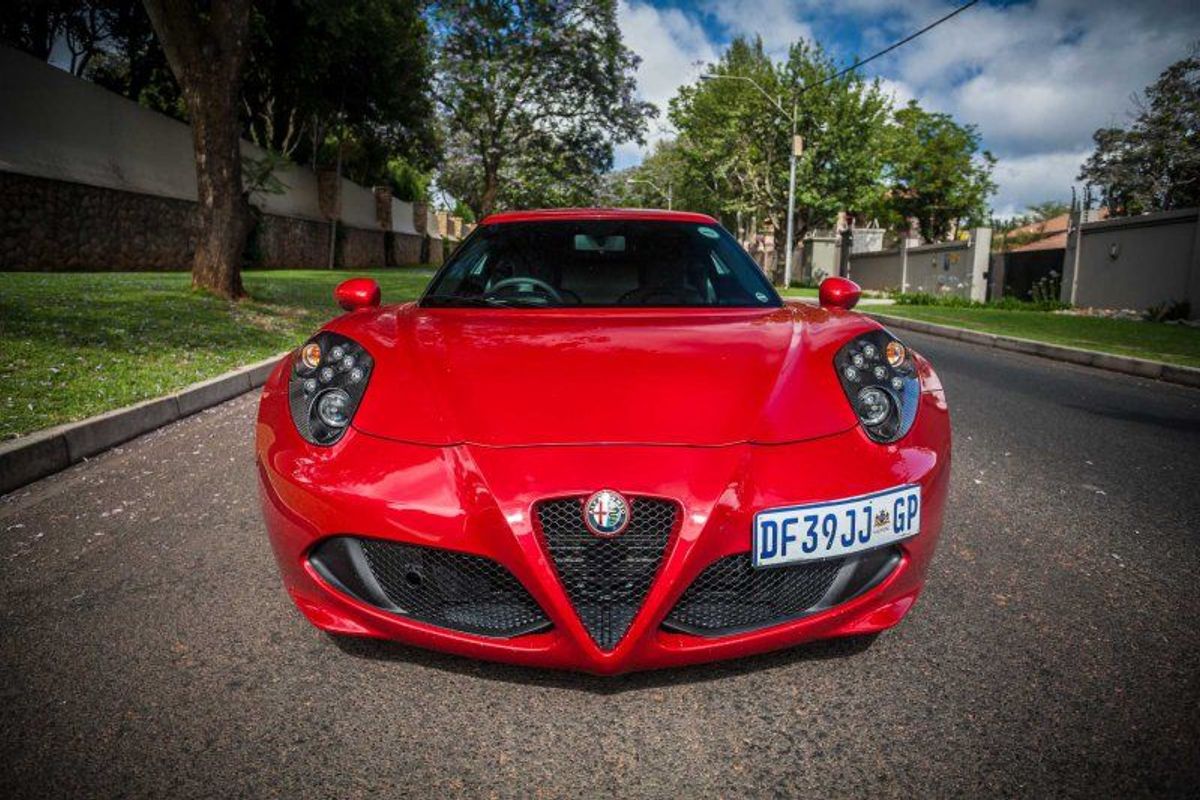
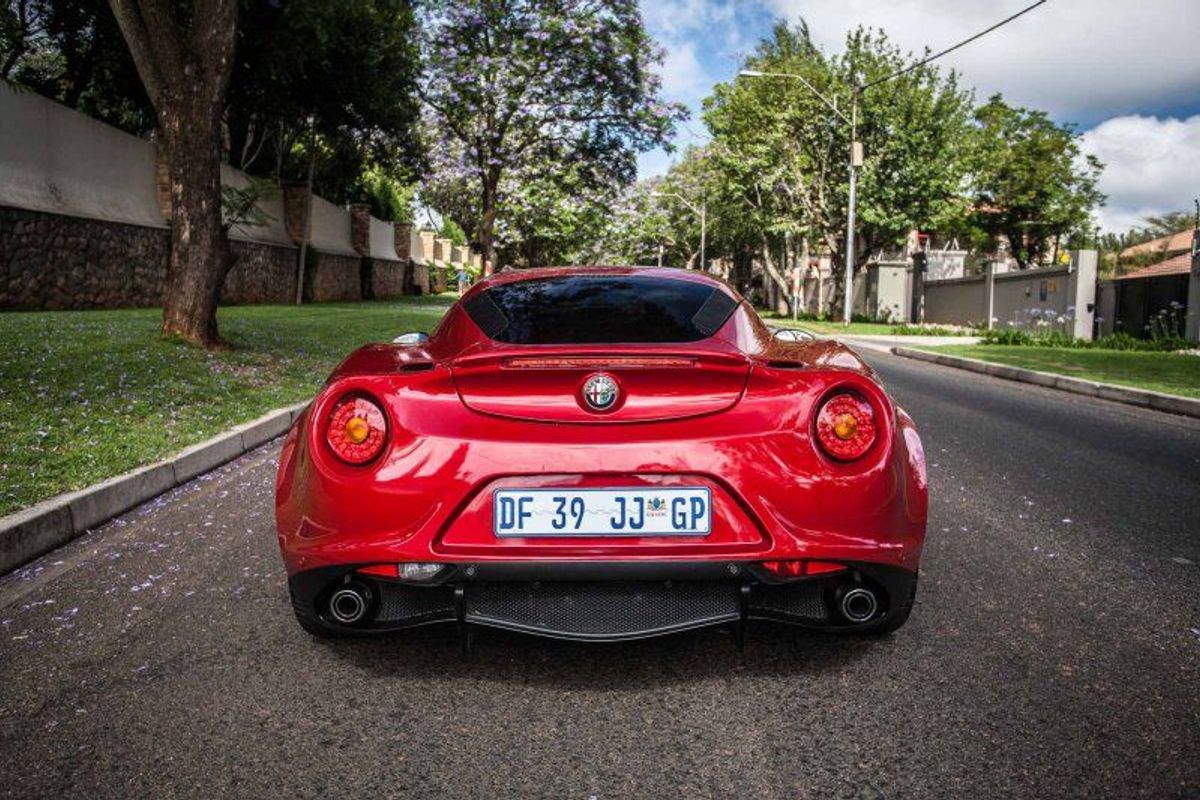
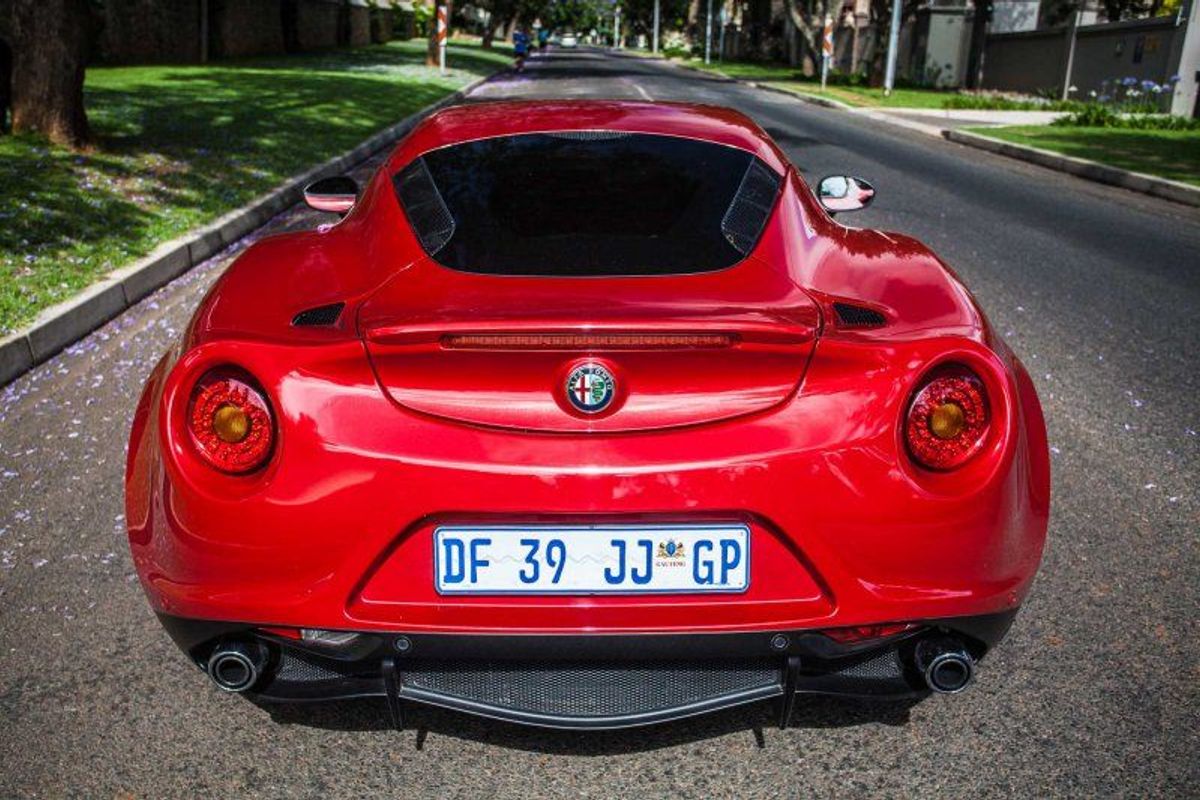
Alfa Romeo 4C (2014) Review
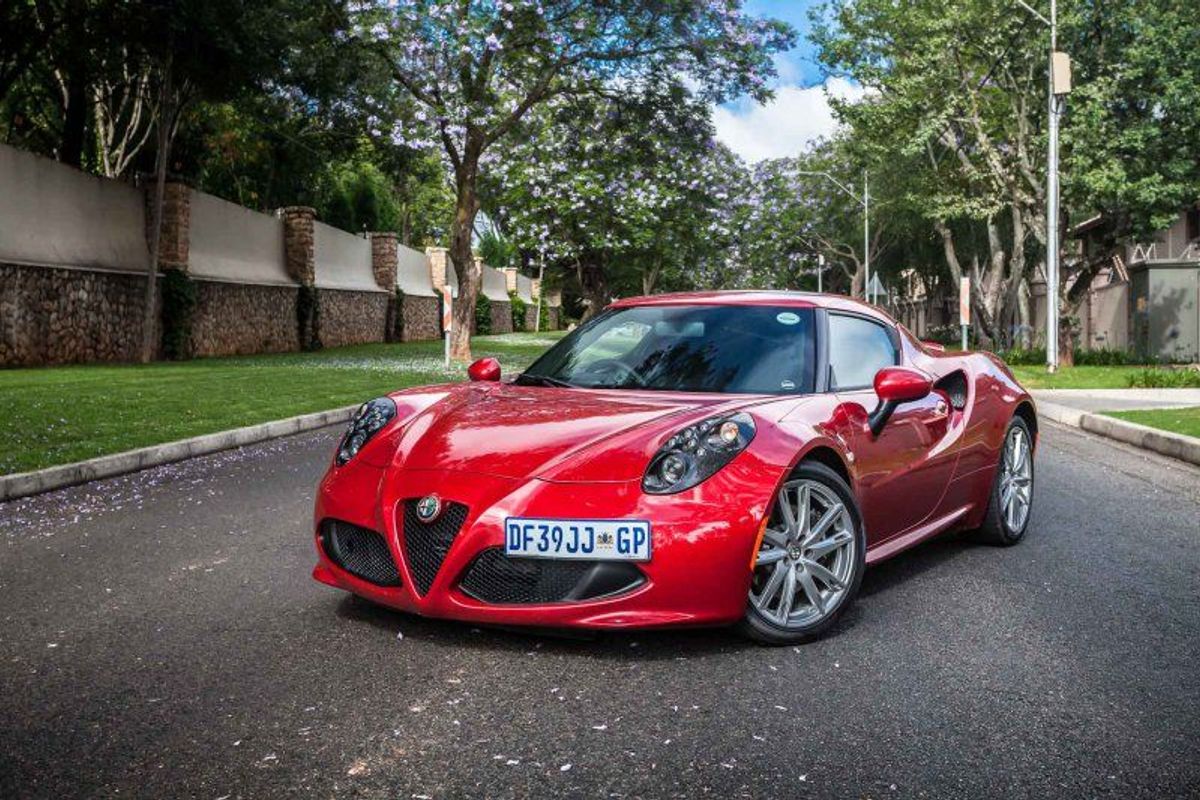
Commitment to the Alfa Romeo 4C starts from the moment you clamber over the wide carbon-composite sills and slither as elegantly as you can into the form-hugging bucket seats.
Yeah! Bucket seats. A term thats a throwback to the 60s and in many respects this Alfa is too. In fact the longer you live with it, the more you start thinking about the near mythical road races of the 1950s, the Mille Miglia and the Targa Florio, a mad time when Italy ran races on public roads, monster Ferrari and Maserati racers sharing tarmac with Fiat Toplinos good for 90kph and Isetta bubble cars with a max of 80kph!
Engine
Thats the kind of ancestral warp that takes hold when you twist the key in the ignition no keyless go nonsense here, that adds weight press harder on the brake pedal, and suddenly the car shudders as the engine behind your ears spits into life. That turbo four-cylinder announces itself with an awakening that is particularly rude.
Gearbox
You look around wondering how to get this cramped little show on the road. Theres a button on the console that says 1, ahead of another button that says N, and one that says R. Thats for Reverse. Since youre facing forwards you squeeze one of the paddle shifts ahead of the tiny, rather thin-rimmed steering wheel with a chunky squared off lower quadrant, so as to avoid your knees.
Youve already manually tugged the seat a little forward no weight-inducing electric motors for this function, and extended the manual telescoping of the steering column so you are arms-bent in the prescribed position.
The Drive
Clonk goes the transmission as that paddle shift indicates on the digi-dash that youve got first. Shudder goes the double-dry clutch system as it engages after youve squeezed just a tad of throttle and eased off the brake (no clutch pedal, you understand). The system sort of slips the clutch the way you would in an old hot road-race car from the 60s to get it off the mark.
And now you are rolling, sitting, it seems, just 500 mm off the ground. Another button on the console has given you the auto or manual option, and you are in auto, and you are surprised at how nice the shift is to second, the system seems to back off the throttle itself just before disengaging the clutch, and so through third, fourth, fifth and sixth which is top, while you warm the little beastie up.
Once its warm you might want to engage manual, which allows you to rev the motor all the way to the 6 800 rpm red line. The lovely thing about this is that it makes the car even snortier and rortier on up and down shifts, wastegates and dump valves hissing and a-popping when you run it hard. And man it moves. The numbers read a 0-100kph in under five seconds and a top speed approaching 260kph.
All that from 177 kW and 350 Nm of torque. This car is not a numbers car, its a sensations car. The way it darts into the apex of a corner if you so much as twitch the steering wheel. The way it feels its way over camber changes in the road like a little low-slung Jack Russell, chasing a tennis ball.
The way it grips like crazy. But it is also a little hairy until you gain confidence. For instance, there is some rear-wheel steer from the car when you go on and off the throttle, which is a bit disconcerting. What you have to do is take it by the scruff of the neck and drive it decisively. There is a special track mode on the console that sharpens responses up and turns off some of the driver aids, allowing the tail to come out
And it will come out. I tried it in a fairly low speed corner and it broke free, but its nicely catchable. However, this was on a good road surface. On a slippery tar surface, such as old aged tarmac of the variety you find in the Parkview area, the trick is, dont be Mr Hero, because it will snap and bite you.
Out on the highway, well, the nice thing about it is the fuel consumption, as I returned figures in the 7.5L/100 on a trip to the Vaal River and back to Randburg.
The not-so-nice thing about the car is that the tyres howl on the particular tar they have on the N1. And there is an amazing amount of wind roar that finds its way into the cockpit from somewhere. Not a car for a trip to Cape Town, unless you are totally committed, which is in fact how you should be. Because if you owned this car you would learn to love every single nuance about it, its character is that strong.
All that racket at cruising speed is down to the fact that the chassis is made of carbon fibre and aluminium and most of the car is aluminium, with an absolute minimum of sound deadening. This makes it awfully noisy, but it also helps that it weighs in at just under 1000 kg, which is why it accelerates like a cat out of hell.
There is a smidgeon of luggage space behind the transverse-mounted engine at the rear, and none in the front. Thats because the nose of the car doesnt open, which some youngster discovered for me on Google after I had spent about 30 minutes looking for a hidden lever to pop the nose.
Conclusion and summary
It costs R870 00, and you know what? Thats cheap, for a car that goes like this and looks like a mini-Ferrari and has a build quality far superior to anything Lotus has ever come up with. Actually, its one of the nicest cars Ive driven in years.
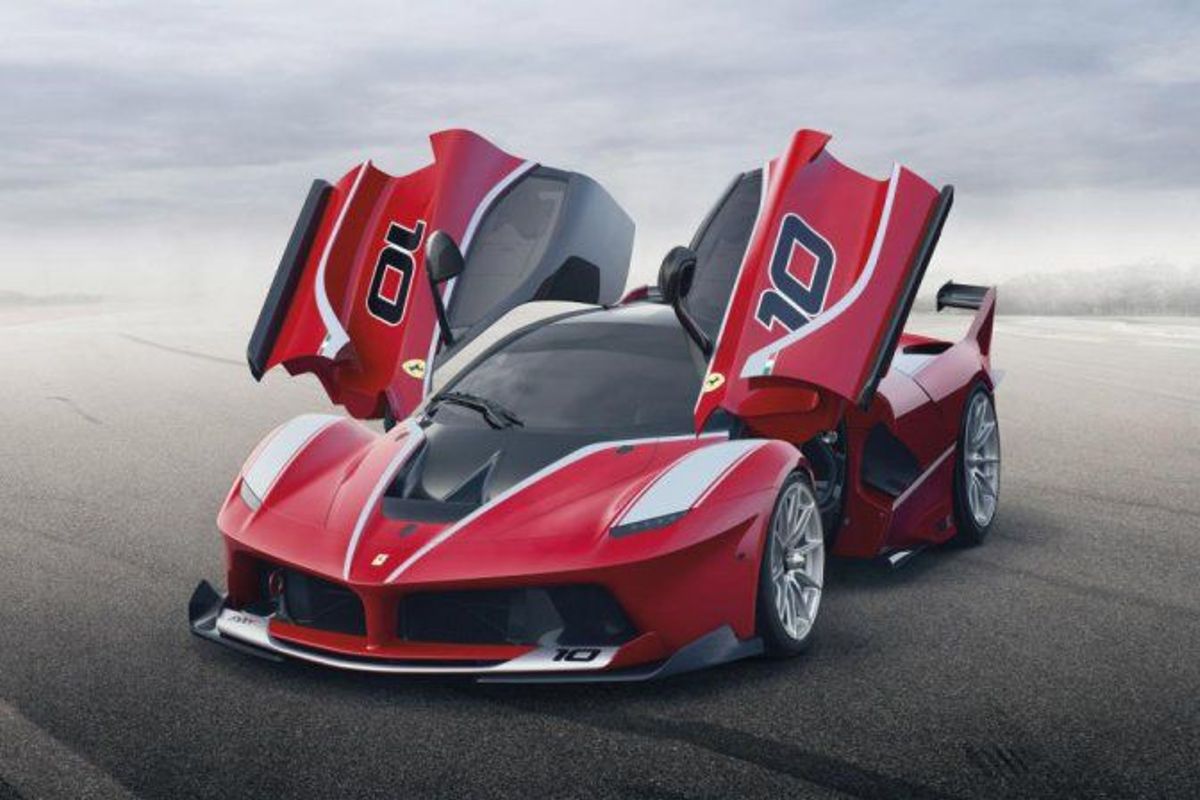
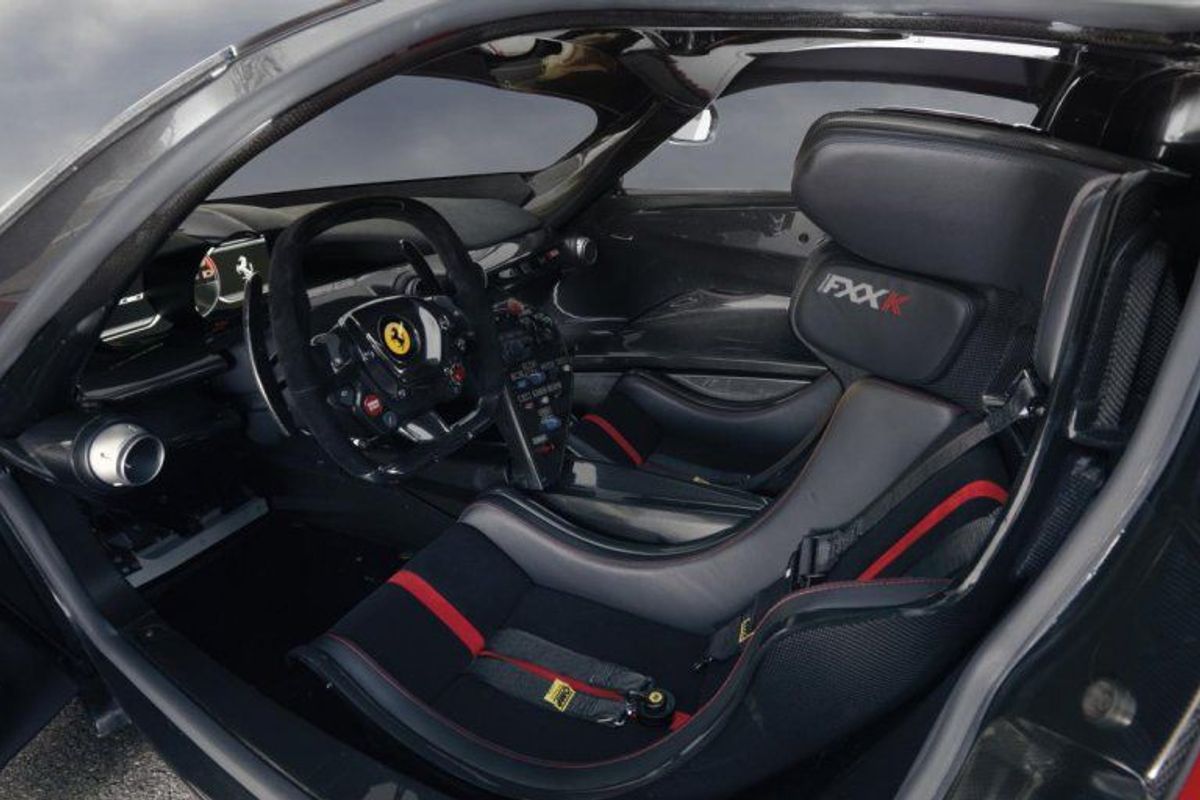
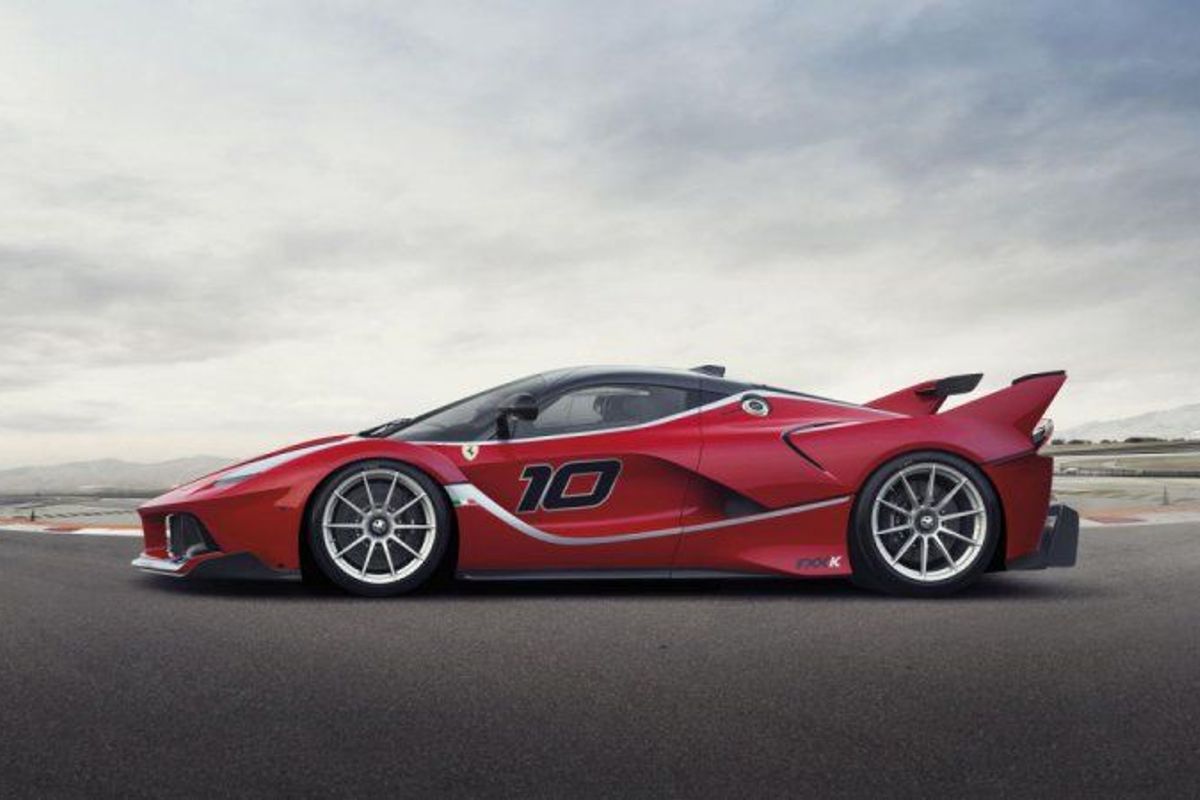
The Ferrari FXX K has officially been revealed of its scheduled debut set to take place during the Finali Mondiali event in Abu Dhabi.
The FXX K will however not be used in any competition, as it has been developed to be completely uncompromising, incorporating technological innovations, and will be offered to an exclusive group of clients with whom the company will roll out a test program over the coming two years.
Technological innovations that guarantee an unprecedented driving experience
The vehicle is said to be based on the LaFerrari and its FXX K name refers to the car’s KERS kinetic energy recovery system, which works in conjunction with the standard car’s 6.3-litre naturally aspirated V12 engine to deliver a total system output of 772 kW and maximum torque of 900 Nm.
The engine also features new camshafts and a modified valve train with mechanical rather than hydraulic tappets. The intake manifolds have been redesigned and given a special type of polishing treatment. The exhaust system has also been modified as its silencers have been eliminated.
In addition, the HY-KERS system has been evolved specifically for pure performance with the result that it has a control unit from which the driver can select from four different modes. The Qualify mode gives maximum performance within a limited number of laps, the Long Run mode optimises performance consistency, the Manual Boost mode provides instant maximum torque delivery and the Fast Charge mode is for a faster recharge of the cars battery.
Ferrari FXX K stylistic features
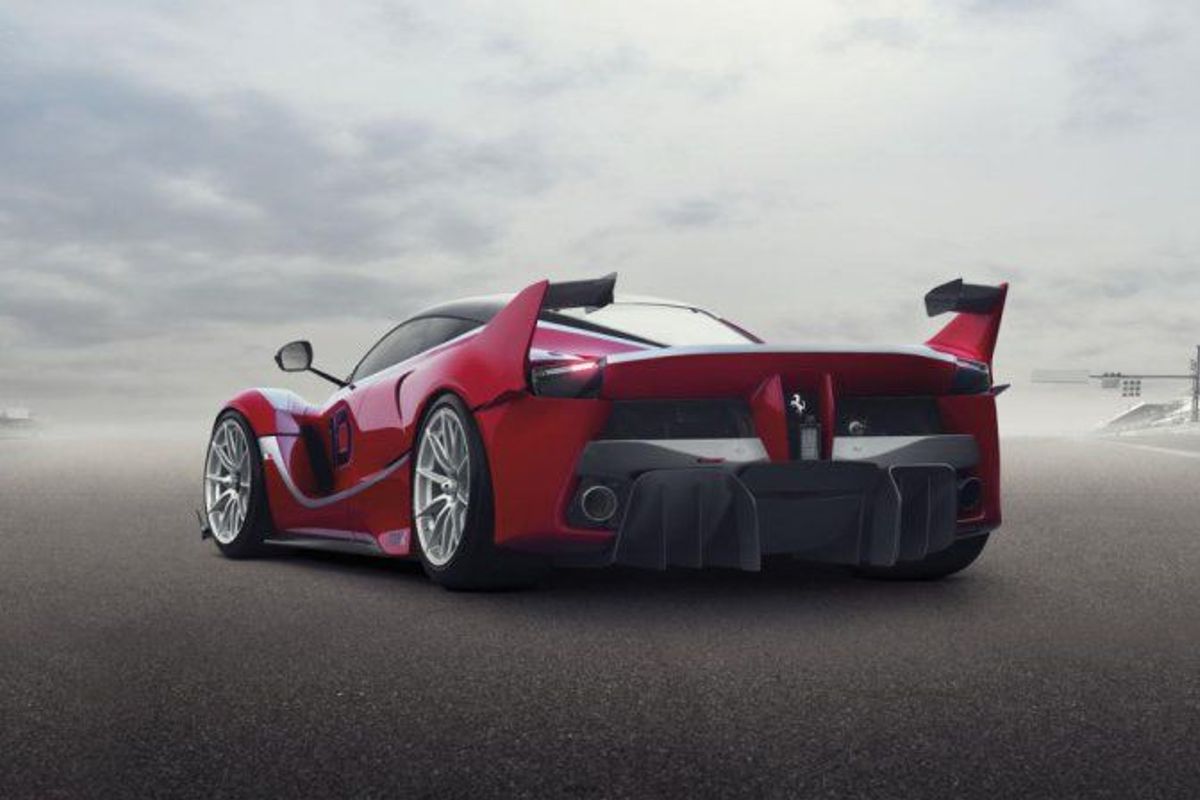
The front of the car is dominated by a twin-profile spoiler and a larger splitter, which is 30 mm lower, with a gap in its centre. At the back, the Ferrari FXX K benefits from a higher tail section and features a mobile spoiler with a small wing on each side. The latter acts as guide vanes in the low drag configuration and boost the spoilers efficiency in high downforce.
This system is also said to create considerable downforce at the rear of the car, allowing the use of an extreme diffusion volume for the rear diffuser which optimises air extraction from the underbody.
Ferrari says the result is a 50% improvement in down force in the low drag configuration and a 30% improvement in the more aggressive downforce configuration. This further results in a figure of 540 kg at 200 km/h.
The FXX K is additionally fitted with track-focused special slick Pirelli P-Zero tyres, which incorporate sensors to measure acceleration, temperature and pressure. There is also a five-position Manettino button on the steering wheel which serves as a control unit for the intervention level of the E-Diff electronic differential, the F1-Trac traction control, the Racing SSC (Side Slip Angle Control) system and the high-performance ABS.