Renault RS 275-R Steals Back Nurburgring Record (Video)
Whilst the likes of Porsche, McLaren and Ferrari silently fight for overall fastest production car lap time on the hallowed Nurburgring track, there has been an increasing battle for front-wheel drive supremacy.
Renault has been front-wheel drive kings of the ring for the best part of five years since the previous generation Megane R26-R took top spot on the FWD leaderboard. The current Megane held the record with Megane RS Trophy right up until a couple of months ago when the Seat Leon Cupra stole the title.
Now with probably the last special edition model in the Meganes life cycle, the Renault RS 275-R has regained top spot at the Ring, setting a 7m54.36 and chopping four seconds off the Seats time.
In order to set the time, the Renault RS 275-R had to go through some serious race-style changes. The rear seats were removed, a titanium Akrapovic exhaust system was fitted, special adjustable dampers added and custom-made Michelin Pilot Sport Cup 2 tyres were designed for the car. The overall weight loss to Megane is close to 100kg and resulted in a large portion of the performance gain over the lap.
The special edition Renault RS 275-R also comes with its own exclusive exterior design package so you get add-ons like the two-tone colour scheme, where the roof is black and the rest of the car white. A chequered flag sticker at the bottom of the front door also denotes the Trophy R’s prestige.
Just 250 of the Renault RS 275-R models will go on sale in select countries soon. If you miss out, don’t worry as the standard 275 is coming to South Africa. Check out the road-going Renault Megane 275 here. Now lets see if Seat or any of the other major hot hatch players take up the challenge set by Renault. We think the new Honda Civic Type R may be up for the challenge.
Watch the Renault RS 275-R’s blistering lap
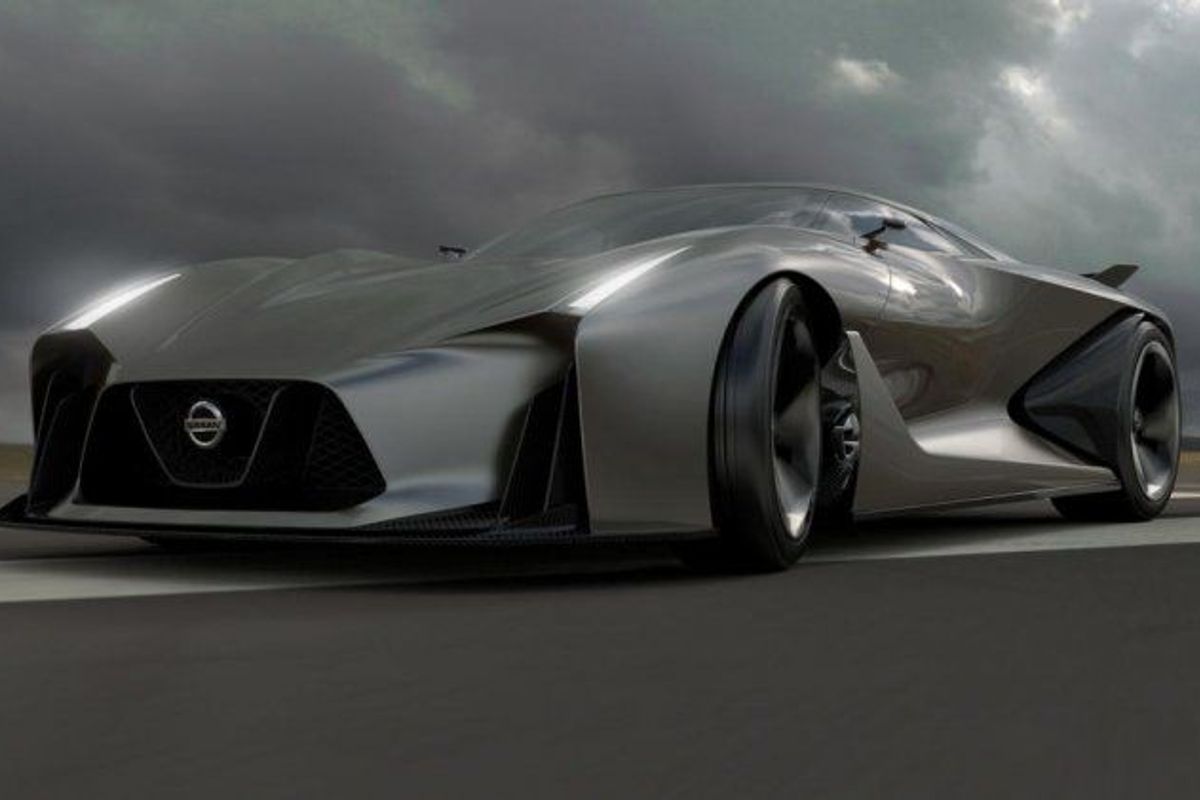
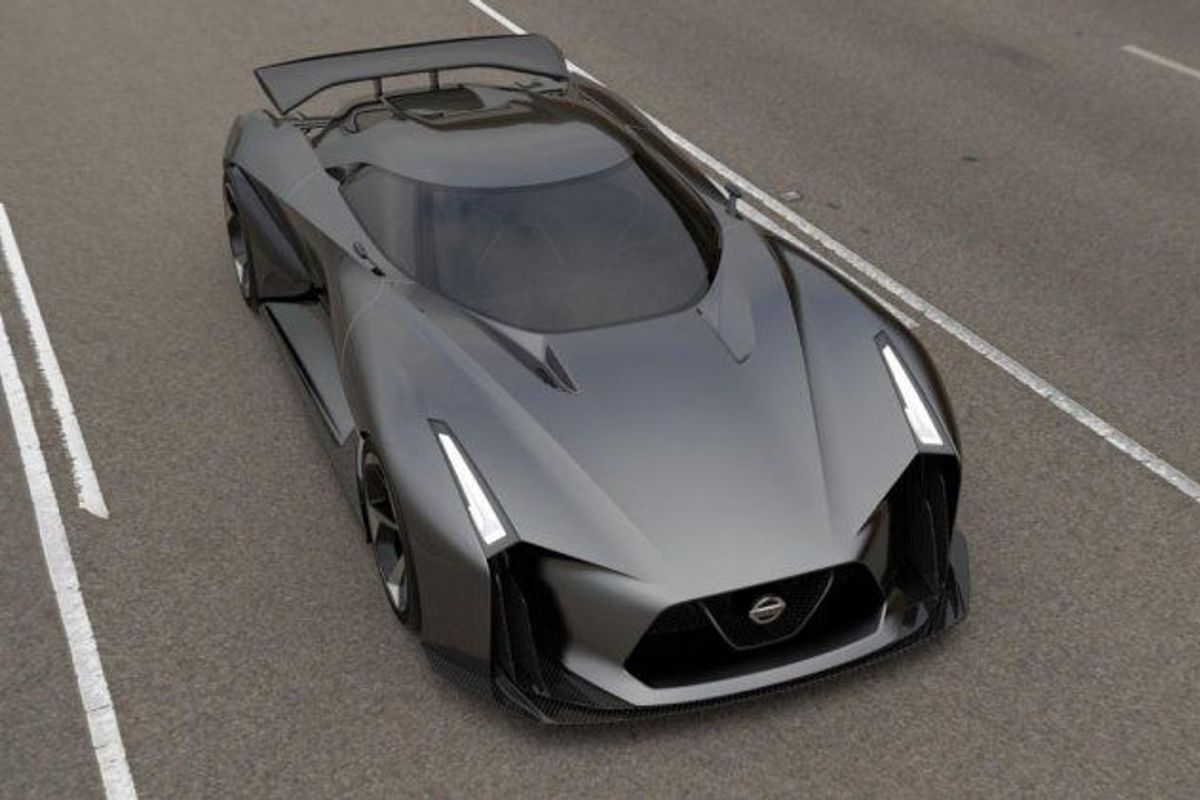
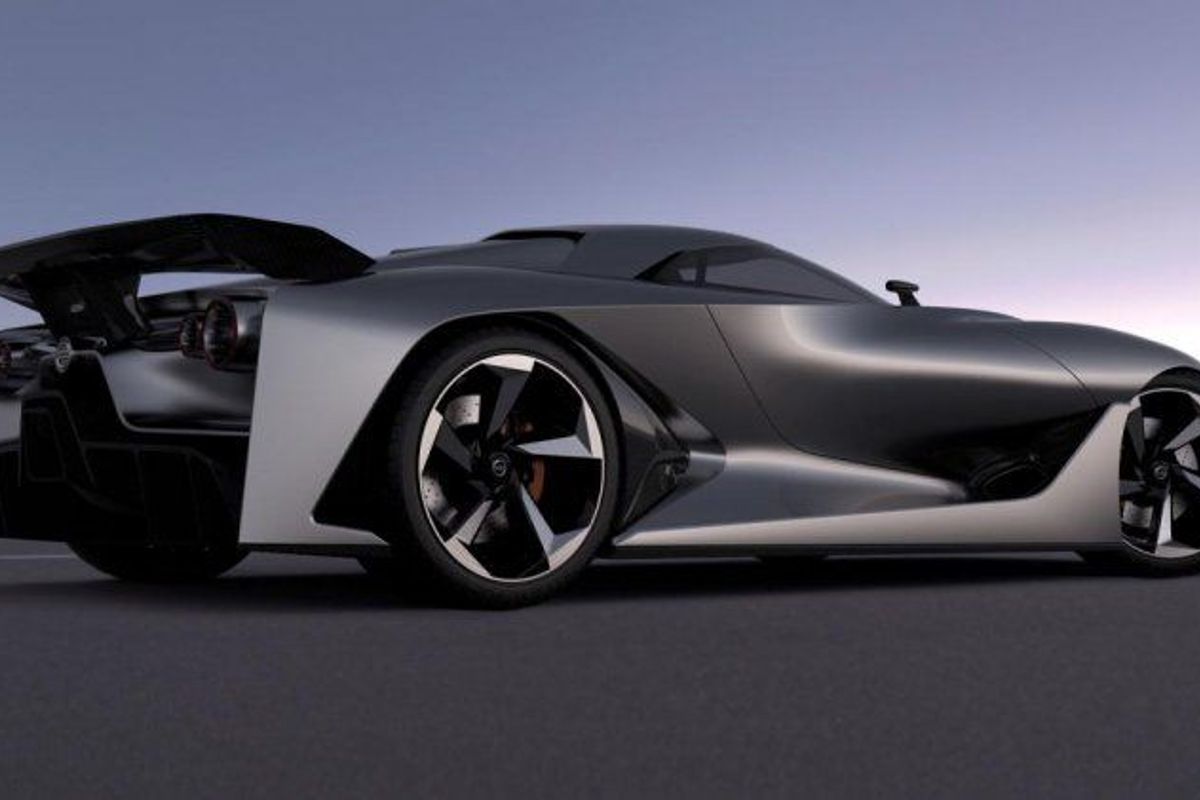
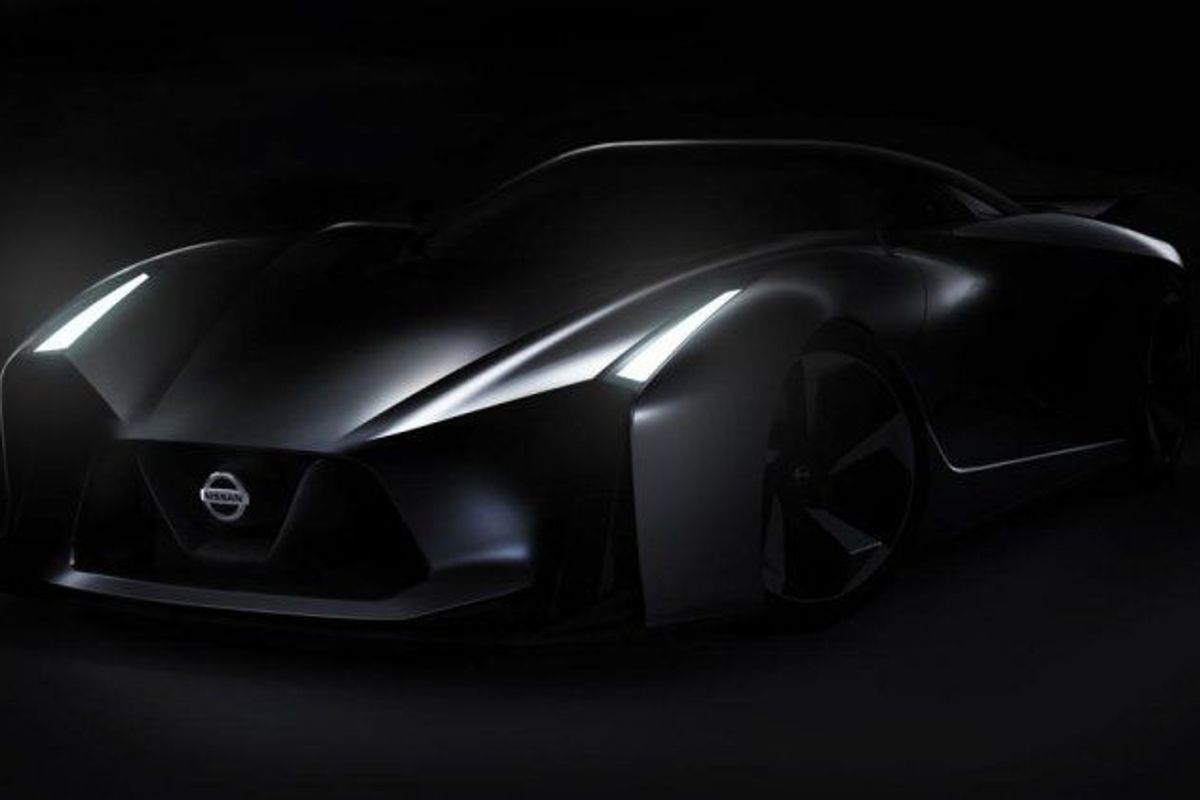
Nissan Concept 2020 Vision Gran Turismo Hints At Future Supercar
Nissan has unveiled its Concept 2020 Vision Gran Turismo created to celebrate the 15th anniversary of the legendary Gran Turismo driving franchise.
Created by a team of young designers at Nissan Design Europe, in London, England, the model was considered to have so much potential that it has benefited from input from an advanced engineering team based at Nissan Technical Centre in Atsugi, Japan.
Sporting some design features of the Nissan GT-R, the model is further described as a “vision of what a high performance Nissan could look like in the future.
Nissan has said very little about the car, however from the images provided you can see the model features a V-motion front fascia which is flanked by slim LED headlights, as well a carbon fibre front splitter and circular taillights. The 2+2 virtual supercar further features a ventilated hood, an aggressive rear diffuser and a carbon fibre rear wing.
The Nissan Concept 2020 Vision Gran Turismo will be available to download in Gran Turismo 6 starting in July.
Nissan Concept 2020 Vision Gran Turismo in action
Tesla Patents to Go Public
Tesla has announced that it will allow other automakers to use its patents in an effort to encourage global electric vehicle adoption.
Tesla Patents to Go Public
Tesla CEO Elon Musk declared that Tesla will not initiate lawsuits against any person or company who, in good faith, wants to use its technology. He further said that the patents have been removed, in the spirit of the open source movement, for the advancement of electric vehicle technology.
Musk went on to say that the company originally obtained the patents because they were afraid larger automakers would copy their technology and then use their manufacturing and sales / marketing muscle to put them out of business.
We couldnt have been more wrong. The unfortunate reality is the opposite: electric car programs (or programs for any vehicle that doesnt burn hydrocarbons) at the major manufacturers are small to non-existent, constituting an average of far less than 1% of their total vehicle sales, he added.
The companys main reason for Tesla patents to go public is because it is impossible for them to build electric cars fast enough to address the carbon crisis.
As mentioned in an official statement by Musk, Tesla Motors was created to accelerate the advent of sustainable transport. If we clear a path to the creation of compelling electric vehicles, but then lay intellectual property landmines behind us to inhibit others, we are acting in a manner contrary to that goal.”
We believe that Tesla, other companies making electric cars, and the world would all benefit from a common, rapidly-evolving technology platform.
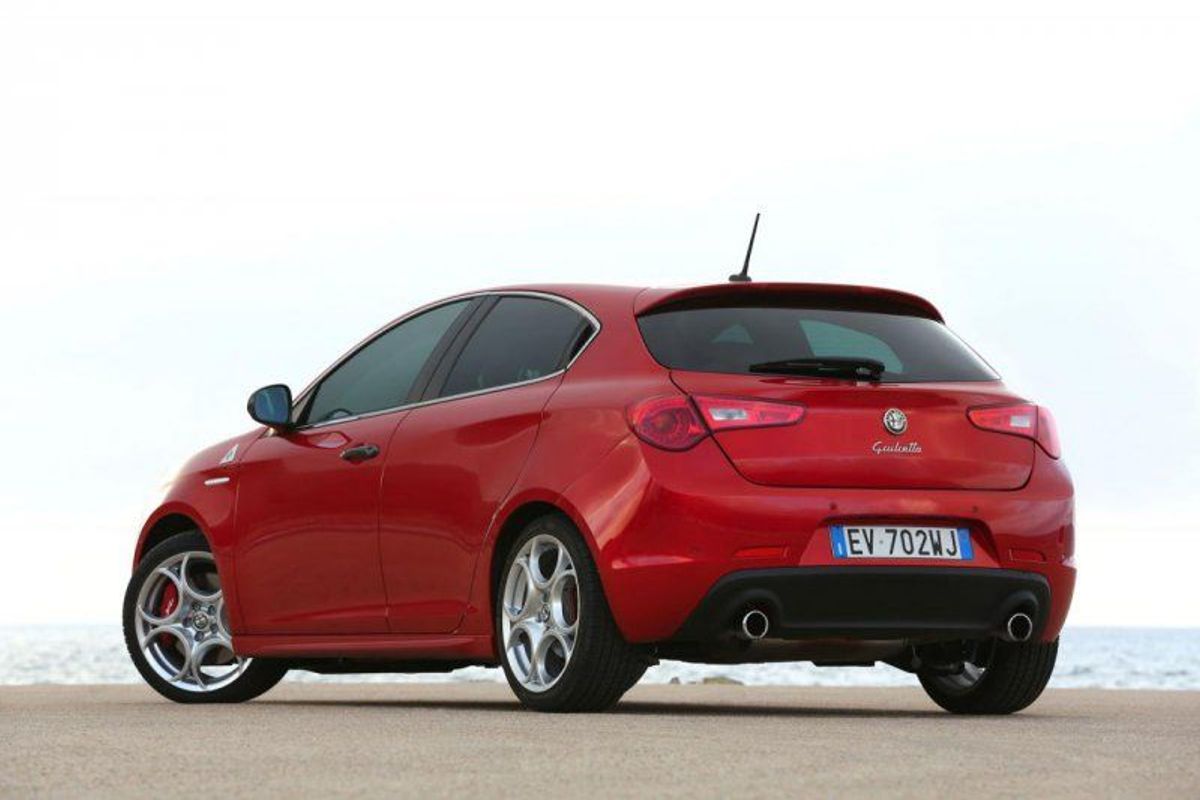
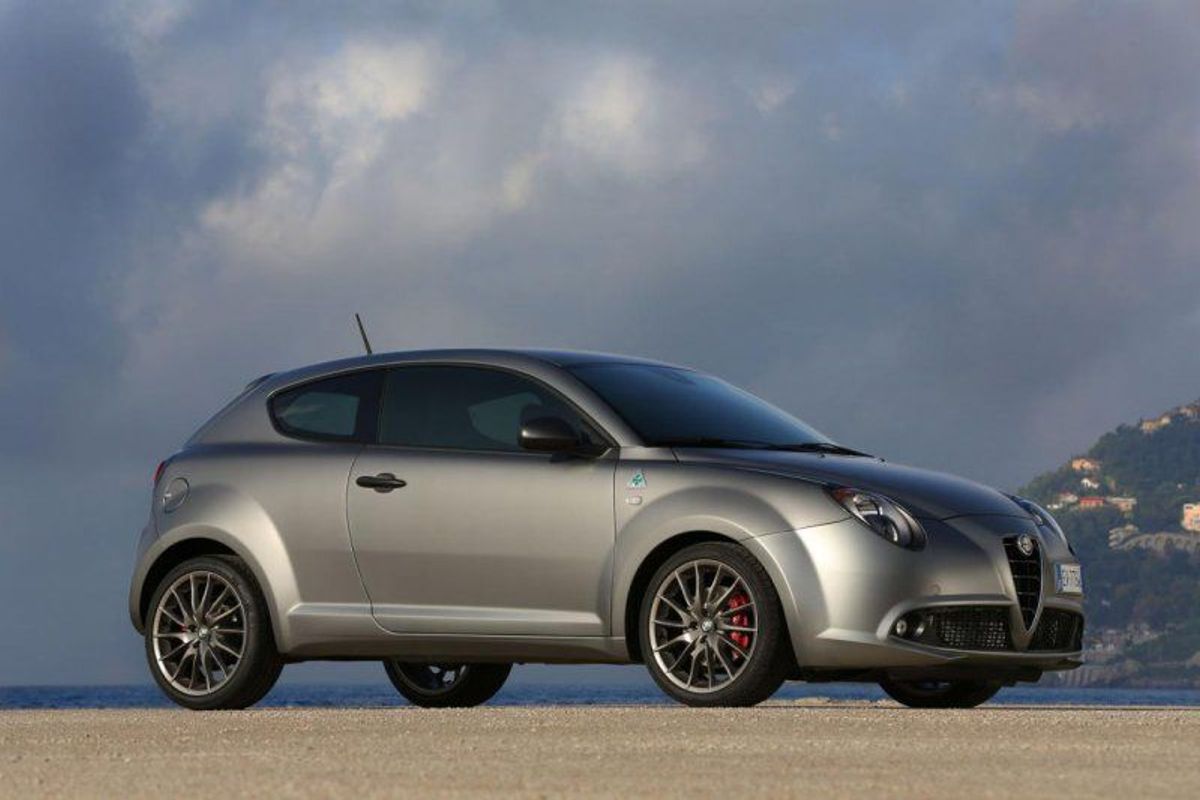
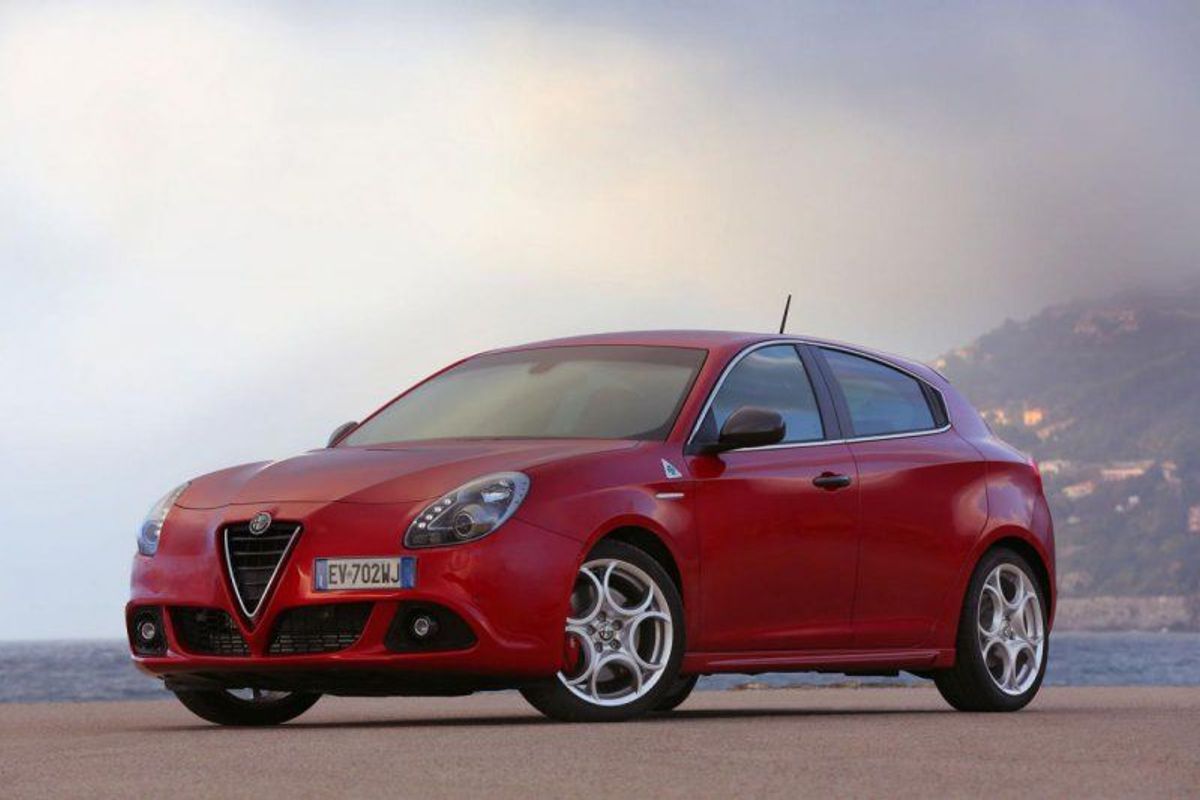
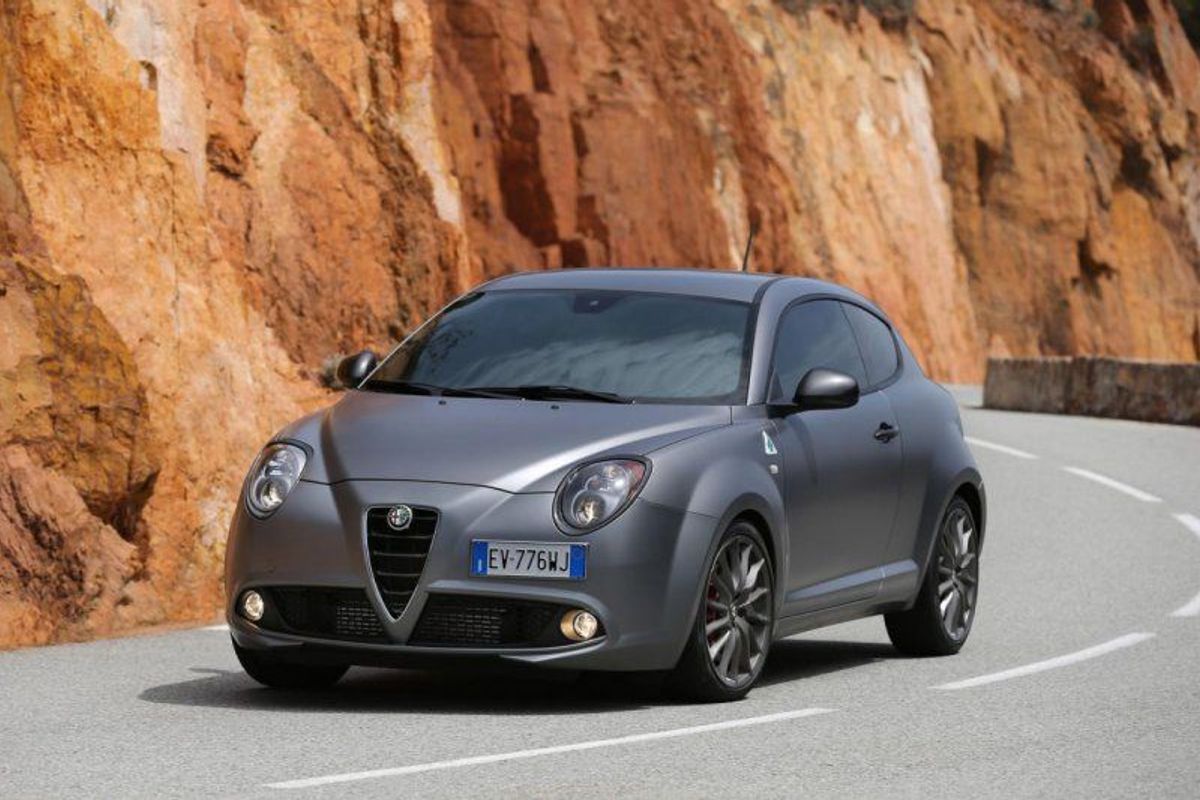
In celebration of 60 years of the Giulietta, Alfa Romeo has announced plans to introduce new high-performance Alfa Romeo Quadrifoglio Verde versions of the Giulietta and MiTo models to South Africa. Both cars made their world debut at the Geneva Motor Show in March 2014.
Alfa Romeo Quadrifoglio Verde styling
The Alfa Romeo Quadrifoglio Verde Giulietta is distinguished by its sporty exterior with a lowered sports suspension, tinted windows, the legendary Quadrifoglio Verde emblem on the front wings, and Anthracite accents on the mirror fairings, front grille, door handles and fog-light frames.
The car’s aggressive look is completed by two large exhaust tailpipes and its 18-inch alloy wheels shod with red, four-piston Brembo brake callipers and large 320mm brake discs.
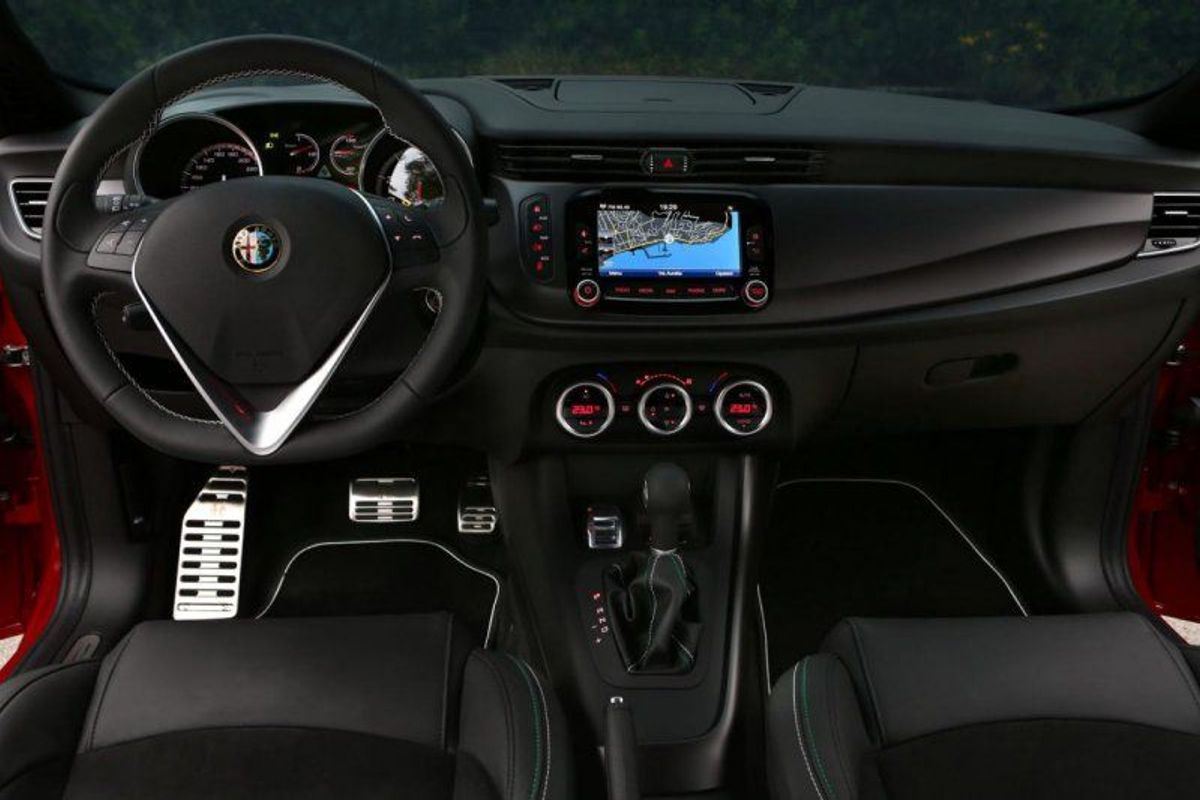
Changes to the interior are limited, but the model does feature leather/Alcantara sport seats, a sport steering wheel and aluminium pedals. There’s also Quadrifoglio Verde sill plates, special floor mats and a Uconnect infotainment system with a 6.5-inch display.
According to Alfa, the new MiTo Quadrifoglio Verde, has had a transformation similar to its bigger stablemate that “offers enhanced Italian style with higher levels of performance, efficiency, specification and driving satisfaction”.
The Alfa Romeo Quadrifoglio Verde MiTo further benefits from a sportier rear bumper, a dual exhaust system and 18-inch alloy wheels. The cabin is fitted with sport seats, a flat-bottomed steering wheel and a faux carbon fibre dashboard.
Drivetrain options
Under the bonnet of the Alfa Romeo Quadrifoglio Verde Giulietta is a turbocharged 1.75-litre four-cylinder engine that produces 179 kW and 340 Nm of torque. The engine is connected to a six-speed Alfa TCT twin dry dual-clutch transmission which enables the model to accelerate from 0-100 km/h in 6.0 seconds, before reaching a top speed in excess of 240 km/h.
The MiTo Quadrifoglio Verde, on the other hand, is equipped with a 1.4-litre MultiAir Turbo engine that develops 126 kW and 250 Nm of torque. It is paired to a dual-clutch transmission which enables the model to accelerate from 0-100 km/h in 7.3 seconds before topping out at 218 km/h.
Both the Alfa Romeo Giulietta Quadrifoglio Verde and MiTo models are scheduled to arrive in SA later this year or early in 2015. More information on the local cars will be available closer to its launch. The MiTo Quadrifoglio Verde will make its UK debut at the Goodwood Festival of Speed later this month.
Ford Fiesta Powershift Review
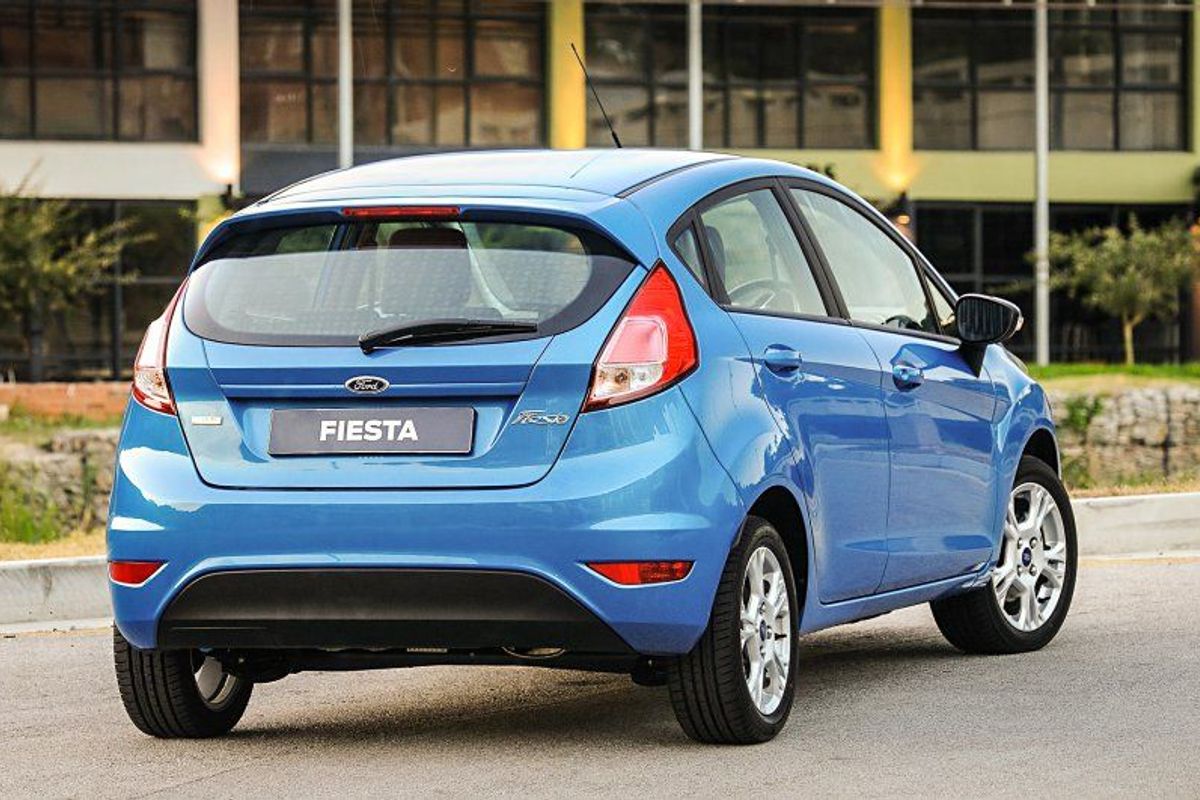
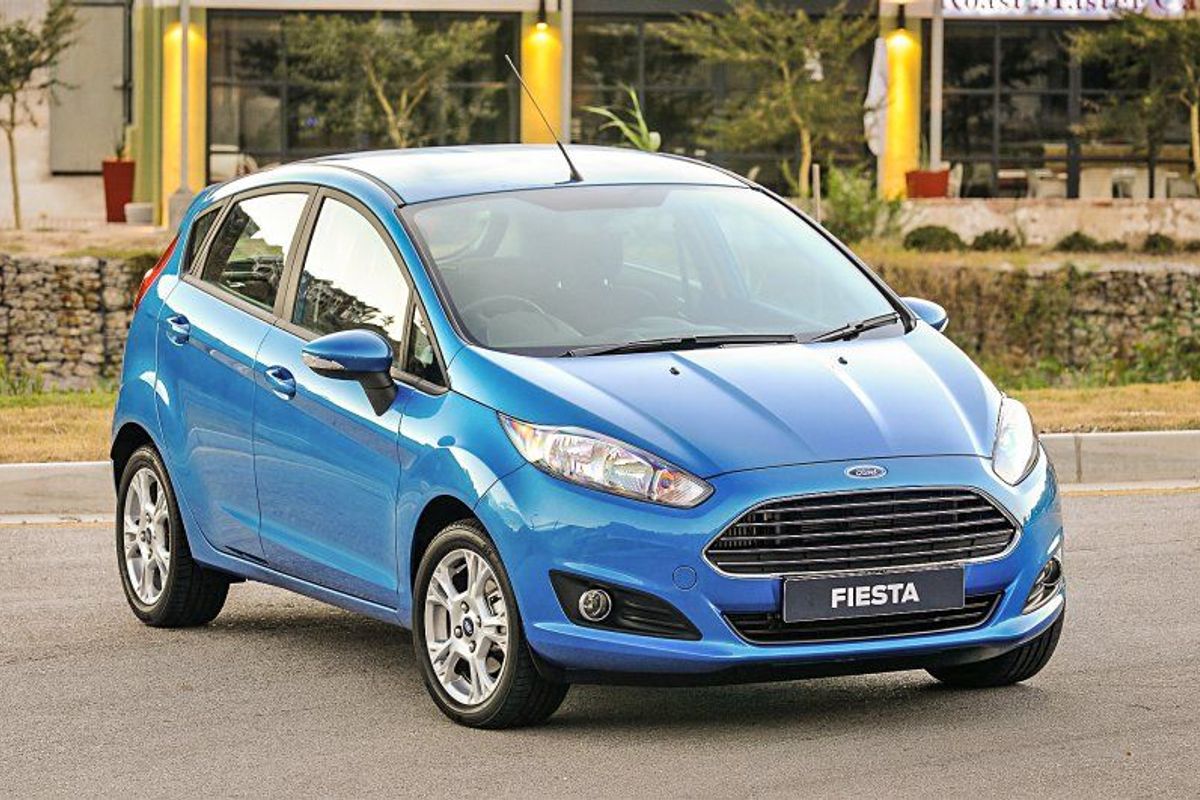
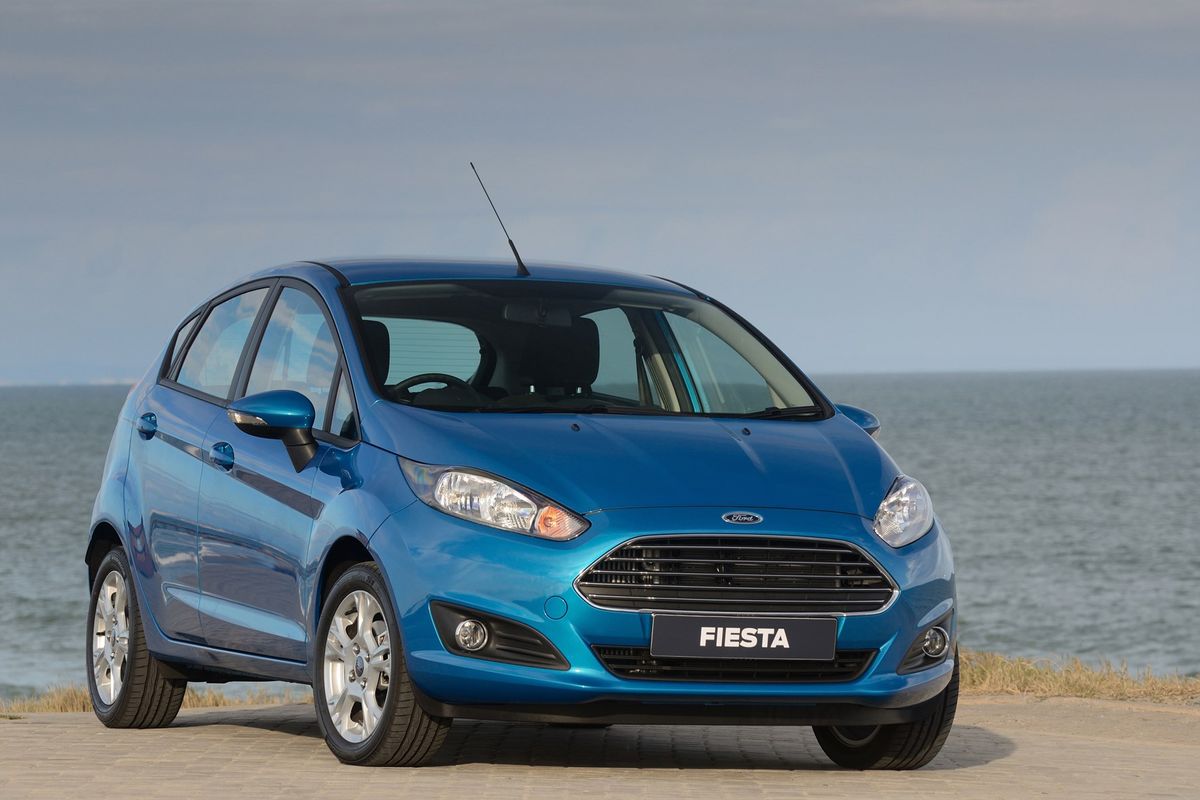
The Ford Fiesta is a terrific little car and all of its variants offer good value. The 1.0-litre Ecoboost engine revolutionised the small car market, but it was lacking one key thing: the option of an automatic gearbox. We drive the Ford Fiesta Powershift and see if it’s any good.
I never met a Ford Fiesta I didn’t like. My girlfriend has a 1.4 Ambiente which is nice and I have had both the terrific Fiesta ST and 1.0-litre Ecoboost on test. I still think the Ford Fiesta is one of the better looking small cars as it’s smart and funky, and hasn’t lost any of its appeal. I was offered the chance to drive the automatic Ford Fiesta Powershift 1.0-litre and I think it’s one of the best city cars. What’s more important is what lies under the bonnet.
Engine
The award-winning 1.0-litre Ecoboost engine is a work of engineering genius. It makes driving a small car fun, yet won’t destroy economy. Admittedly the little turbocharged and direct-injected motor is detuned in the Ford Fiesta Powershift, but it still feels enthusiastic. Power has been dropped from 92 kW down to 74 kW, but in reality it doesn’t feel slower.
Torque is still rated at 170 Nm and comes on strong from the get go. Ford claims a fuel economy figure of under 5l/100km, but as I hard as I tried, I couldn’t get it under 6l/100km. It’s not a trainsmash as it’s still a commendable figure.
Gearbox and drive
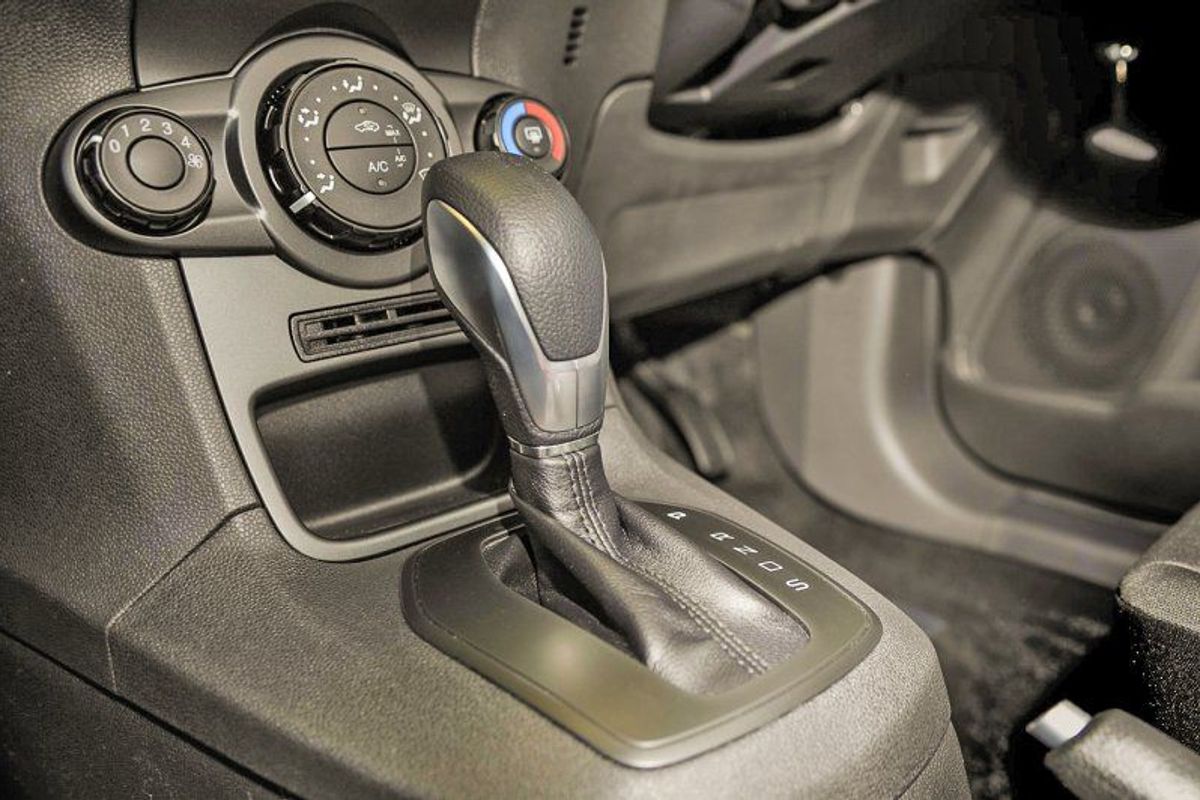
The gearbox is called Powershift and this is Ford’s dual-clutch answer to Volkswagen’s DSG. There aren’t any paddles behind the steering wheel, which I was initially disappointed with, but as time wore on I found it best to just let the car do its own thing. You can however force changes by pushing a button mounted on the stick. There’s also a sport mode, which is of no real use. Just put the gearshift into Drive and that’s all you need.
What a lovely piece of engineering this gearbox is. Usually small cars with automatic gearboxes are dreadful as you battle to find the right gear and performance is lacklustre. The Ford Fiesta Powershift, on the other hand, does a sterling job of delivering the right amount of power at exactly the right time. A gap in traffic has suddenly opened up? Squeeze the throttle slightly and the car springs to life and charges along without any hesitation.
Gearshifts are smooth and the car only feels fractionally sluggish when you want to do something like a highway overtake with four people in the car. Still, you must remember this is a 1.0-litre three-cylinder and its abilities are quite remarkable. It’s pleasant to drive and has a bit of a sporty edge to it. That chassis is just so good and the steering is light and well-weighted.
Interior
Inside, the Fiesta is modern and is dominated by a centre console riddled with buttons and neon-blue lighting. It’s initially daunting, but once you take the time to work out the function of each button, all is well. The only downside is the actual screen looks a little lost due to its small size – surely it could be a little bigger? You also get the rather good voice-controlled SYNC system and audio controls on the steering wheel. I was disappointed to see there’s no cruise control – something I think a vehicle like this needs.
Summary and conclusion
In closing, I think the Ford Fiesta Powershift is one of the finest little cars you could ever own. It’s effortless to drive, reasonably light on fuel, looks modern and has a bit of a personality to it. It’s a little on the pricey side though, but if you’re in the market for a sensible automatic which has plenty of power on demand, you’d better not leave the Ford Fiesta Powershift off your test drive list.
Ford Fiesta Powershift price in South Africa
The Ford Fiesta Powershift retails for R236 600. This price includes a four-year / 120 000km fully comprehensive manufacturer warranty, five-year corrosion warranty and five-year / 90 000km service plan. A Ford Protect roadside assistance plan is in place for three-years / unlimited km while service intervals are scheduled at 20 000km.
Ford Fiesta Powershift Quick Specs
Engine
1.0-litre three cylinder turbo petrol
Power
74 kW
Torque
170 Nm
Transmission
Six-speed automatic
Wheels
15-inch alloys
0-100km/h
10.8 seconds (claimed)
Fuel economy
4.9 l/100km (claimed)
We like:
. Pleasant to drive
. Comfortable
. Best combination of gearbox and engine
. Funky
We dislike:
. No cruise control
. Pricey
. Not as fuel efficient as hoped
Jaguar Land Rover Special Operations Division Announced
Jaguar and Land Rover have announced a launch of a new Special Operations division that will be dedicated to building top-level luxury and performance vehicles, and to meet the “increasing expectations of todays most discerning and enthusiastic car customers.”
Under the leadership of former Land Rover global director John Edwards, the Jaguar Land Rover Special Operations Division will offer a range of products and services. These will include ultra-luxury products and limited run collector editions, as well as truly bespoke commissions and an extended choice of colour and trim specifications and accessories. There will also be heritage products including vehicle recreations, servicing and restorations, and the creation and provision of heritage vehicle parts.
The division will have a team of 150 Jaguar Land Rover specialists, based out of a new technical centre complete with F1 style facilities and an automated paint shop.
In addition, a new heritage vehicle workshop will be created at Browns Lane in Coventry, the spiritual home of Jaguar. This will be the production site for the six recently announced lightweight E-Type recreations and will also allow the newly formed heritage team to expand its servicing and restoration services.
Mazda SKYACTIV-D 1.5 Set To Feature in All-New Mazda2
Mazda has announced that its upcoming all-new Mazda2 will be fitted with a newly developed four-cylinder, 1.5-litre SKYACTIV-D clean diesel engine.
The company says the SKYACTIV-D 1.5 was developed in the pursuit of ideal combustion despite a very low compression ratio, as well as meeting forthcoming Euro VI emissions regulations.
Previewed in the Hazumi concept unveiled at the Geneva Motor Show earlier this year, the Mazda SkyActiv-D 1.5 generates 77 kW at 4000 rpm and a peak torque of 250 Nm available between 1500 rpm and 2500 rpm.
Key features of the Mazda SkyActiv-D 1.5
Development pursued ideal combustion efficiency despite the lowest compression ratio of any small displacement diesel engine14.8:1.
Cooling loss is suppressed by combustion mode transition control technology, and high dispersion solenoid injector which, along with stepped egg-shaped piston that help reduce contact between the flame and chamber wall.
The range of homogeneous lean burn is extended through the adoption of high-pressure EGR and low pressure EGR systems, resulting in improved fuel economy, environmental performance and performance feel.
Engine cooling system features cooling water control valves (CCV) and water jacket spacers for improved combustion efficiency and reduced mechanical resistance.
Variable turbine geometry turbocharger with rotation sensor delivers plentiful boost pressure from low through to high engine speeds.
Water-cooled intercooler integrated into the intake manifold improves acceleration response and turbocharger efficiency.
Outstanding environmental performance to meet Japan’s Post New Long-term regulations and Euro6 emission standards without an expensive NOx after treatment system.
The all-new Mazda2 is scheduled to make a debut later this year.
Foton Tunland Single Cab Bakkie Launched in SA
Foton has introduced an entry-level Tunland one-ton workhorse bakkie to its line-up, joining the double-cab version in 4×4 and 4×2 variants and the Off-Road single-cab derivative.
The new one-ton bakkie is powered by a 2.8-litre four-cylinder Cummins ISF turbo diesel engine producing 96 kW and 280 Nm. All that power is sent to the rear wheels through a five-speed manual. Fuel consumption is rated at 8l/100km in the combined driving cycle which ensures a very good range from the 75-litre fuel tank.
The Tunland bakkie additionally comes with a list of standard features including aircon, a front-loading radio/CD player, power windows, ABS with electronic brake force distribution, a driver’s side airbag, fabric upholstery, height-adjustable seatbelts, motion-sensing door locks, remote central locking and height-adjustable halogen headlights. Theres also a multi-function steering wheel with Bluetooth, and attractively styled 16-inch aluminium alloy wheels.
The model is built on a rigid ladder chassis with double-wishbone front and leaf-spring rear suspension, with a ground clearance of 160 mm. It is further fitted with a safety cell-cab and reinforced load body with a cargo capacity of more than 4m and a payload capability of 1105kg.
Foton Tunland Single Cab Bakkie price in South Africa
Foton Tunland single cab bakkie R199 950
Foton sales and service is available at 36 dealerships in South Africa, while the Tunland is covered by a three-year/100 000km factory warranty, 3-year anti-corrosion warranty and three year roadside assistance.
The Volkswagen Amarok Ultimate Revealed
Volkswagen has revealed the new special Amarok Ultimate with bi-xenon headlights, LED daytime running lights and modified appearance.
Volkswagen Amarok Ultimate features
The list of changes to the Volkswagen Amarok Ultimate include silver mirrors, tinted taillights and a chromed rollover bar. The bakkie also benefits from 19-inch Aragonit alloy wheels with 255/55 tyres and decorative protective underbody cladding.
The interior is further enhanced by anthracite and titanium black Alcantara seat covers and special cut-pile floor mats. The Amarok Ultimate additionally comes as standard with ParkPilot, including Rear Assist reversing camera, electric folding and heated wing mirrors, alarm system, heated front seats and the RNS 315 navigation system complete with mobile phone pairing.
The Volkswagen Amarok Ultimate will be available with the same 2.0 TDI units, delivering either 103 kW or 132 kW in combination with rear-wheel or all-wheel drive, manual or automatic transmission, with the exception of the models with BlueMotion Technology.
South African availability is yet to be confirmed.
Best New Car Buys Under R150 000 in South Africa
Its no easy task choosing a car these days, and with new models introduced every month, the choices are endless. However, the biggest challenge when looking to purchase a vehicle, is getting one that will be most suitable for your lifestyle and pocket. In this segment of the market balancing specification with a low pricetag has resulted in some interesting price battles.
Remember, you can negotiate with dealers to obtain a bit of a discount and to get things like smash n grab thrown in. If you’re cash-strapped, these models also hold their value quite well and low-mileage demonstration units will be cheaper.
Best New Car Buys Under R150 000 in South Africa
Suzuki Swift 1.2
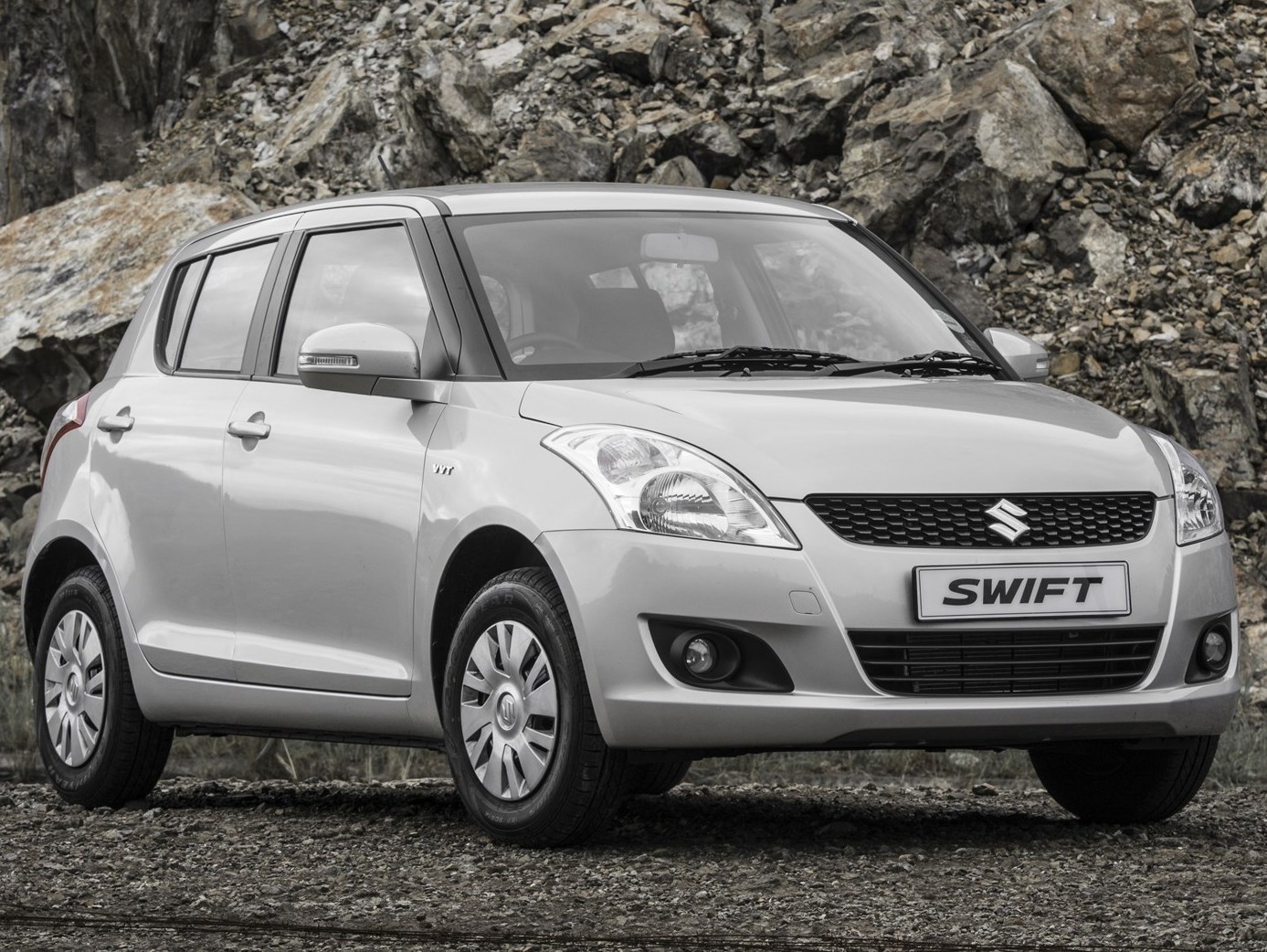
Starting at R126 900, the latest Suzuki Swift 1.2 was launched as a budget model with the same great characteristics of its pricier 1.4 sibling. The model is offered with two specification levels, the option of a four-speed automatic gearbox, and is powered by a 1.2-litre engine.
This base GA trim also comes with a number of standard features such as manual air-conditioning with pollen filter, front head restraints, a remote tailgate release, sun visors with a vanity mirror for the front passenger occupants, a parcel shelf behind the rear bench seat, and four loudspeakers. Boot space is a little on the small side, but that shouldn’t deter you from this stellar deal.
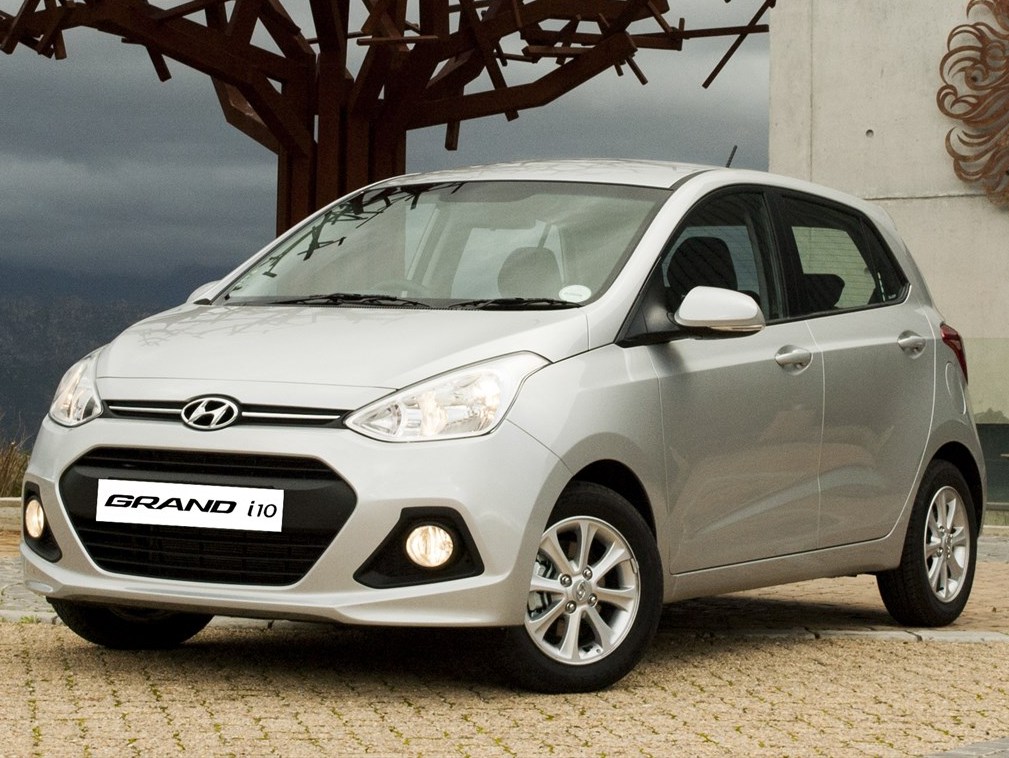
The recently launched Hyundai Grand i10, marketed as a replacement for the popular Hyundai Getz, kicks off at R139 900 for the 1.25 Motion manual derivative. For that price you get standard air-conditioning, electric window operation, a standard RCD radio with CD/USB/MP3 compatibility, an on-board driving-function computer and central locking.
The model additionally benefits from an impressive five year/150 000 km warranty as part of the R139 900 price, while service intervals are 15 000 km.
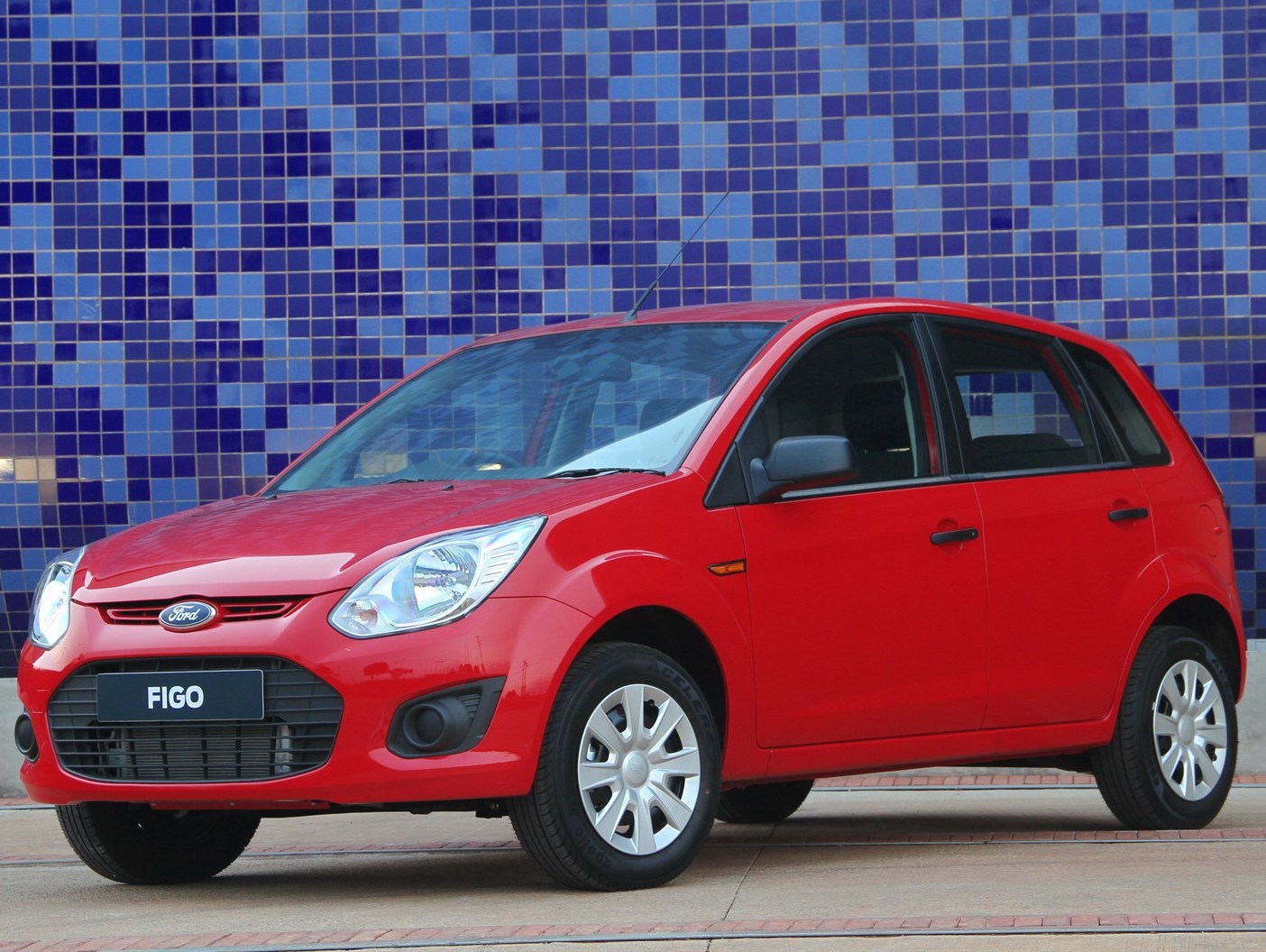
Although its last update was in 2012, the Ford Figo is one of the best cars to get in this price range in the B segment. Coming in at R135 900, the 1.4 Ambiente offers all the specification you need including aircon, CD/Aux radio, central locking, dual airbags and ABS.
Theres a choice of two drivetrains, the 1.4-litre Duratec petrol engine delivers 62 kW with maximum torque of 127 Nm. Combined fuel consumption for this engine is rated at 6.6-litres/100km with CO2 emissions of 156g/km.
The 1.4-litre turbo diesel Duratorq engine generates 51 kW with a peak torque figure of 160 Nm. Fuel consumption for this unit is rated at 5.3-litres/100km with CO2 emissions of 139g/km. Both variants are mated to a five-speed manual transmission. If running costs are your concern, we’d opt for the diesel as you’ll find this model incredibly economical.
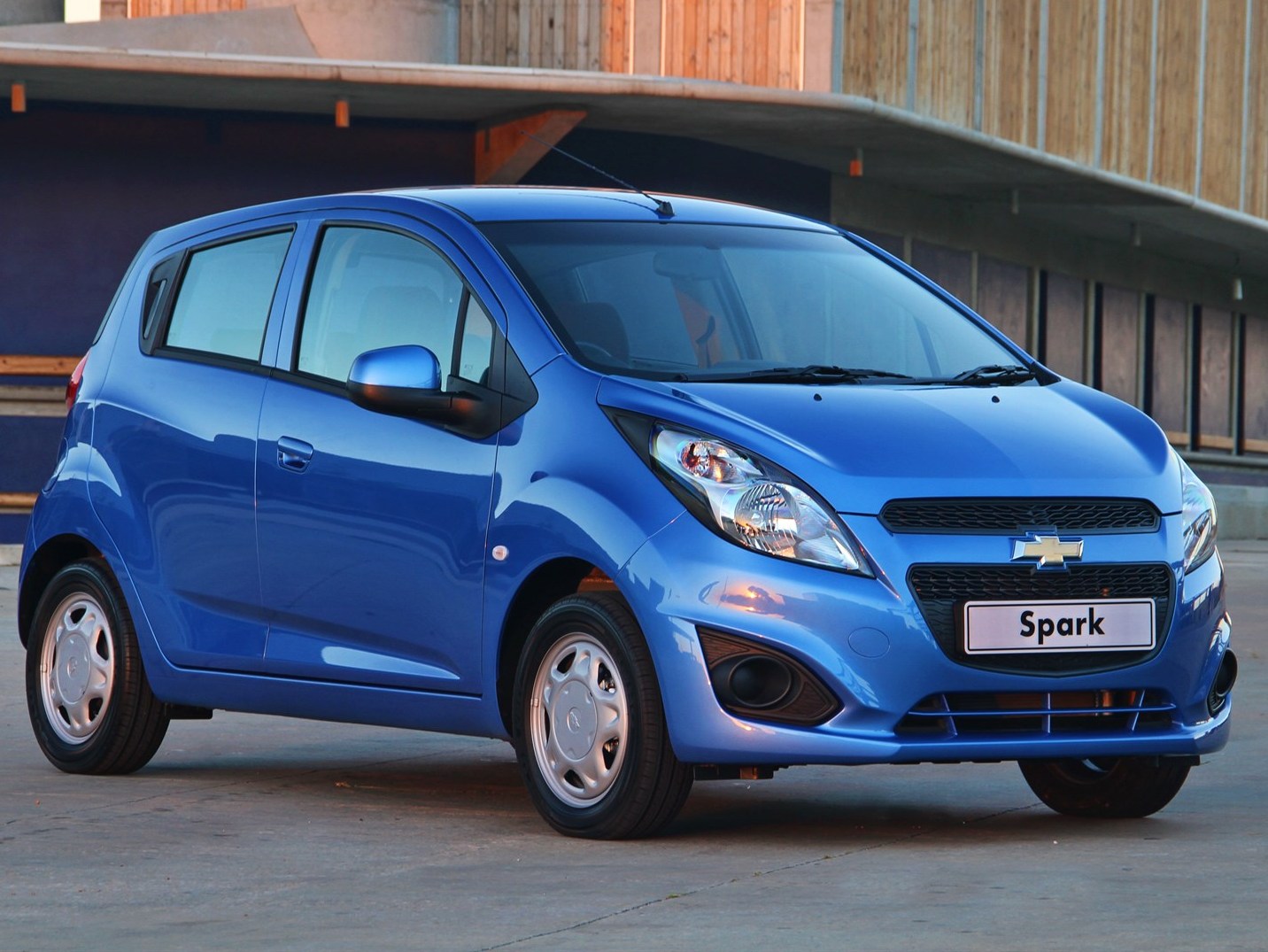
Redesigned for the 2013 model year, the Chevrolet Spark is one car you need to get if you live in the city. Especially because its priced right, coming in at R106 100 for the Spark 1.2 Campus and if you can stretch your budget even further you can get the Spark 1.2 LT for R136 500.
Power comes from a 1.2-litre four-cylinder petrol engine connected to a five-speed manual transmission, and delivers 60 kW at 6 400 rpm with a maximum torque of 108 Nm available at 4 800 rpm. Average fuel consumption is rated at 5.4-litres/100km with CO2 emissions of 129g/km.
The Spark is also relatively spacious for a car of its size and boasts 170-litres of luggage space, while the 60:40 split-folding seats offers additional space when required.
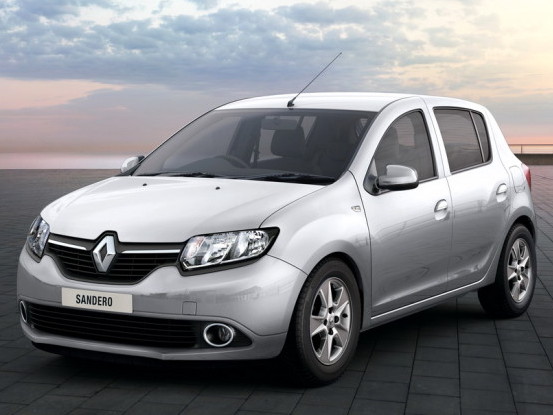
Earlier this year Renault introduced the completely redesigned Sandero offered in two specifications, Expression and Dynamique, the latter coming in at R133 900 while the Expression retails for R141 500.
These prices set you up with a vehicle equipped with cruise control, speed limiter, radio with Mp3/USB/Bluetooth, satellite radio controls, and electric windows all round, leather steering wheel and alloy wheels.
In addition, the models are fitted with anti-lock brakes, electronic brake-force distribution, emergency brake assist, dual front airbags, electronic stability program with anti-skid regulation (ASR) and hill assist.
It’s one of the most kitted vehicles and none of the competition comes with the same comfort gadgets and safety features. Read and watch our video of the Renault Sandero here.
Best New Car Buys Under R150 000 in South Africa
To make things easier, we’ve tabled the Best New Car Buys Under R150 000 in South Africa, so you can compare them. For more car comparisons, click here.