With Bolt-on packages, we make sure to scale our service to match the turnover of your dealership.
Add extra cars today by contacting your Cars.co.za sales representative. You can also email us at [email protected] or call 011 450 2450 to list your additional stock on SA’s leading motoring website.
Prefer to keep it light? Consider Indigo!
Cars.co.za recently expanded its product offering to better support small dealers/entrepreneurs.
With Indigo, you can drive your advertising journey with unmatched flexibility and adjust your monthly expenditure to fit your goals and maximise reach!
Facebook is actively used by more than half of our country. Cars.co.za original content reaches over 11 million in Mzansi each month.
From De Aar to Johannesburg, from Richards Bay to Somerset West. Facebook is everywhere. It is used daily – for hours every day. If any brand wants to talk to the whole country, then Facebook is a great place to start.
Why does Cars.co.za create “content”? Anyone with a credit card can put ads on Facebook. Every Facebook user sees these ads every day and scroll straight past them.
It takes the experience, knowledge and talent of the Cars.co.za team to create a piece of content that makes people stop scrolling and watch.
Every day, our users see thousands of ads. They drive past billboards, they listen to the radio; they see ads on TV. Do they remember any of them? We don’t think so. Cars.co.za content gets attention. It brings people to our website which brings leads into your dealership.
That is why Cars.co.za is the premier content channel of any business in South Africa.
The journey to help Msanzi find the car that moves them starts with the content we post on Facebook. Cars.co.za is the expert in linking social media to cars to leads.
When your dealership pays to advertise on Cars.co.za, you are trusting that we will bring millions of users to our site and turn these users into leads to your dealership.
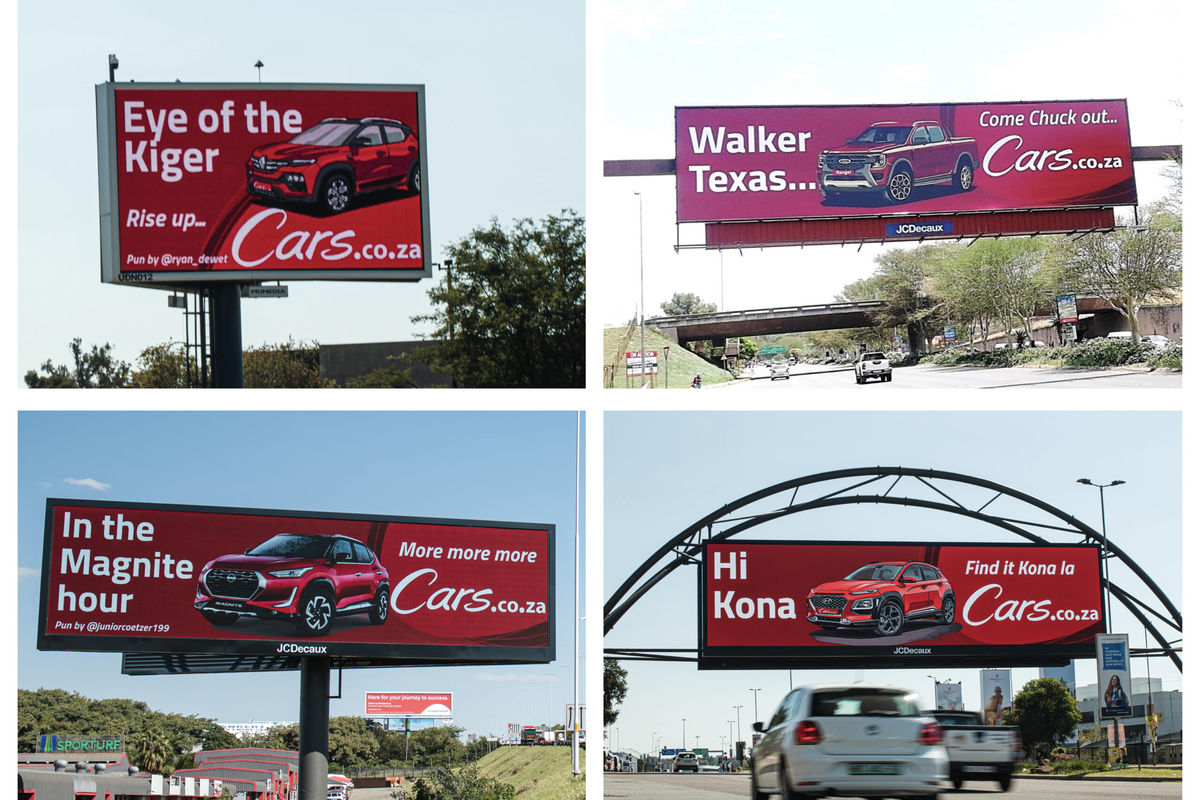
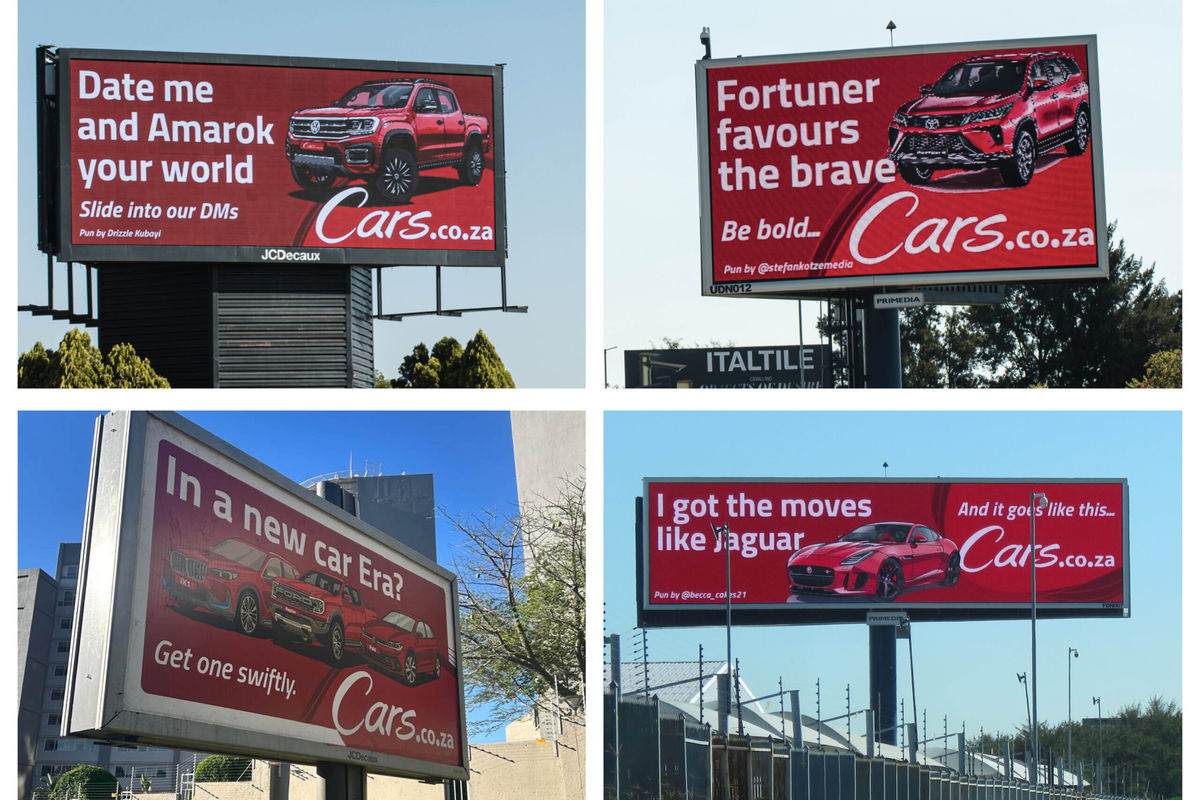
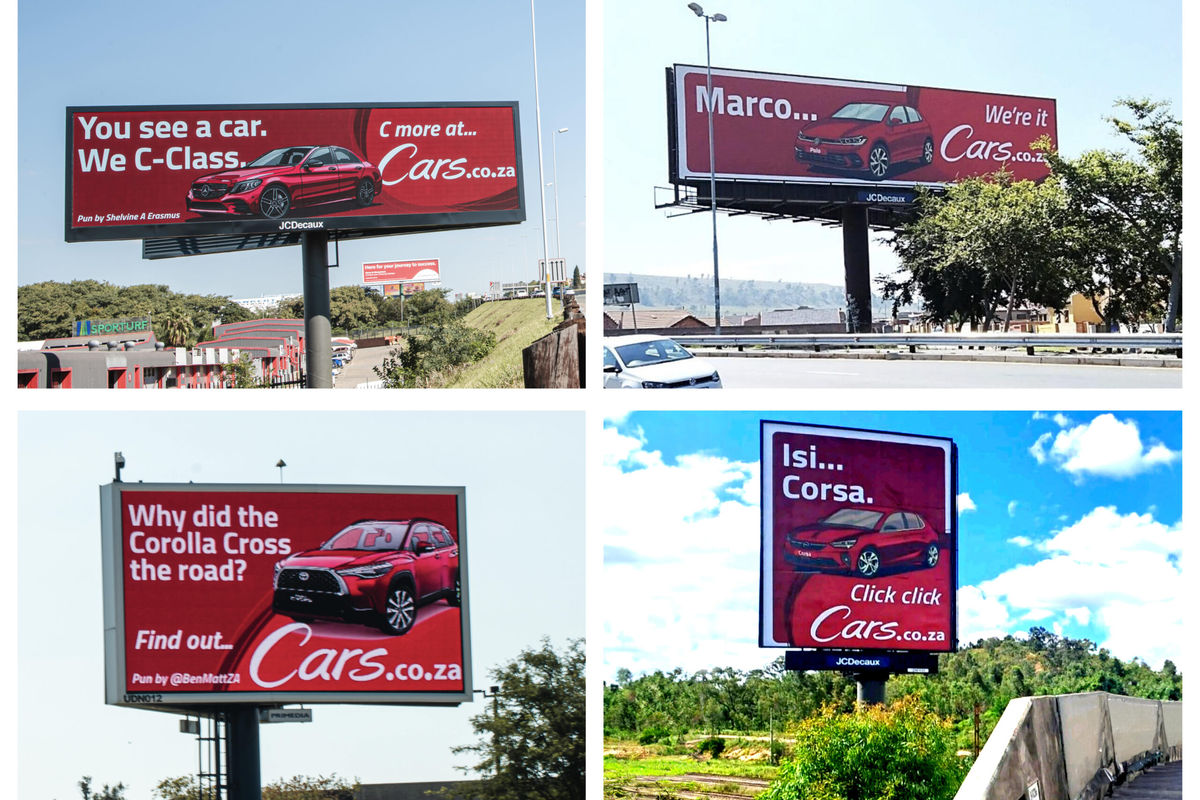
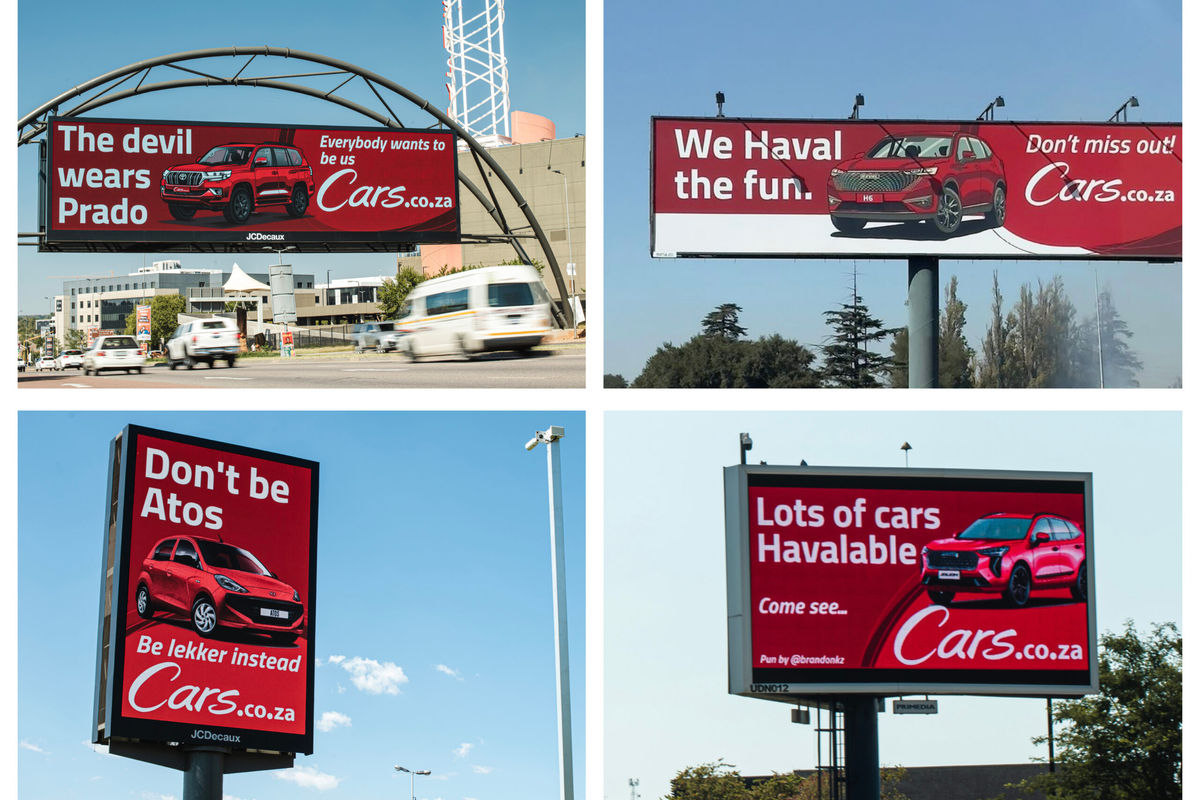
Our billboards are part of the work we do to reward you for your trust. They make sure that Mzansi knows who we are and what we do. They are part of the equation of media that we use to drive millions of eyes to our site and onto the pages where your cars are displayed.
They are the biggest event of the year for any Advertising Agency in South Africa. The movies have the Oscars and the Ad industry has the Loeries. In 2024, Cars.co.za reached the shortlist of finalists for 2 of the categories from thousands of entries.
Next time you drive past one of our billboards, remember that billboards turn traffic on our roads into traffic on the Cars.co.za site and more leads for you, our valued dealers.
By standing out boldly, we connect buyers with your vehicles faster. Cars.co.za – Driving traffic straight to your showroom.
July 2025 – Featured Product
Do you wish you had the same knowledge of cars as Ciro or DaveTheCarGuy on our YouTube channel? Well, here’s a cheat code. It is the Cars.co.za Comparison Tool.
In seconds you will be able to impress your customer by providing clear insights on how your vehicle compares to other cars which the customer may be looking at.
Knowledge is power. Knowledge builds trust and trust is the foundation for any sale.
Our expert presenters use it to prepare for their YouTube videos. You can use it as an effective sales tool on the showroom floor.
At Cars.co.za, we work to give our 4 million monthly users the biggest choice of new and used vehicles in Mzansi. More than 75k vehicles can be searched for on our site, and this abundance of choice brings those users to our site each month.
However, this means that the car you want to sell on Cars.co.za sits among thousands of others when our users browse through our site.
When you are among thousands of other cars, you want to stand out from the crowd. That is why Premium from Cars.co.za is the product for you. It is your weapon to stand out from the crowd.
Give your stock the star treatment with our Premium Package. When the Cars.co.za user is scrolling through the 1000s of cars on our site, Premium makes your cars stand out.
At Cars.co.za, we love our website so much that we change it regularly based on the feedback from our 4 million monthly users and 1 800+ dealers. Great design means more viewers to your cars and more leads.
Here’s a quick summary of recent improvements we’ve made to our site to improve its user experience:
Consumer Login
A step towards personalising your vehicle search based on your preferences. Users can now see recently viewed vehicles, create their wishlists, see all the enquiries they’ve submitted and save their searches.
Quick Search
A new, search engine-like feature to help users find vehicles faster and more efficiently.
Search by Monthly Payments
This search option (as shown above) allows potential buyers to filter vehicles based on estimated monthly payments, making it easier for them to find options that fit their budget.
Enhanced Vehicle Images
We’ve increased the size of vehicle images to showcase the details of our listings better.
Whatsapp the Dealer
This feature allows consumers to contact you directly via WhatsApp, streamlining communication and increasing lead conversion rates.
Featured listings
We now offer Featured Listings to give your vehicles more visibility on our platform. Apart from this more prominent placement, these also appear on the homepage of desktop-based users.
Vehicle Variant Database Update
Our comprehensive review ensures greater accuracy and cleaner naming conventions, helping you present your inventory in the best possible light.
Make your listings pop!
Always remember that your listings are your own piece of real estate on our site.
The quality of the images you load and the quality of the description of the vehicle that you provide – these are the things that you control on our site and there is nothing that is more important than these things in the customer journey to providing a lead.
Driving this Festive Season? Here’s What You Need to Know
The 2024 festive season is underway and many South Africans will still be travelling to destinations across Mzansi. Here’s some important information to be aware of before you take to the road!
The Christmas holiday season is upon us and many holidaymakers will be heading out onto South African roads to destinations around the country for rest and relaxation.
More so, traffic volumes on all major routes are also expected to increase over this period and as a road user, it’s your responsibility to ensure that you do what is necessary to get you and your family to your destination safely.
Busy holiday periods are a notoriously dangerous time to be on the road and every year, hundreds and thousands of lives are lost on our roads. With planning and preparation, you needn’t become a statistic…
To help you prepare for your trip, we have compiled a list of holiday tips for you to consider before you depart, along with the necessary emergency numbers should you need them.
Things to do before leaving for holiday
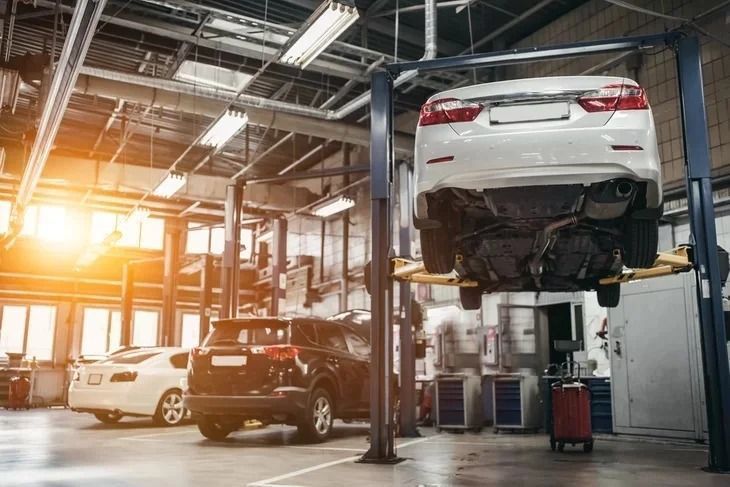
Make sure your car is in full working order before you depart
Check that your brakes, fluid levels and all your lights and indicators are working properly. This is particularly important for older used cars.
Be sure that you have a spare tyre as well as a wheel spanner and car jack in case you need to change a tyre.
Check that all your tyres, including the spare, are inflated correctly and have sufficient tread.
Be sure that all seat-belts and baby-seats are in working order and the correct size.
Have your car serviced if necessary.
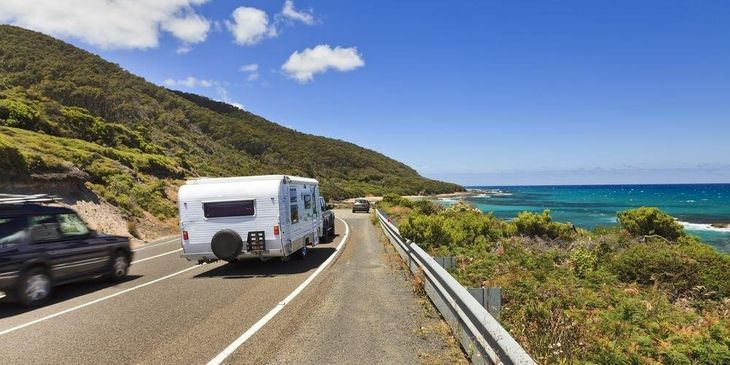
If you are towing a trailer or caravan
Ensure the rearview mirrors on your car are properly adjusted.
Check the tyre pressure of the trailer/caravan’s tyres.
Check that the lights and indicators of the trailer/caravan are working correctly.
Ensure the towbar and the towing equipment is secure.
Plan your route beforehand
Be sure you know exactly where you are going and how to get there. Getting lost can be very dangerous, as well as time-consuming. Use the website Google maps (maps.google.co.za), or conventional maps to check and plan your route.
Make sure you have the necessary cash available for any toll roads and fuel.
Let a friend or loved one know where you are going, what route you are taking and what your estimated time of arrival will be. Also, let your family know when you have arrived at your destination safely.
Plan your stops carefully and book accommodation in advance if required. Getting accommodation en route can be difficult during the peak holiday season.
Check the weather report before you embark on your journey (www.weathersa.co.za).
Take note of potential roadworks along your route and plan accordingly.
2-litre bottle of water (for emergency drinking, or to be used for the car if necessary)
Hand sanitiser
First aid kit
Motor oil
Food (padkos)
A fully-charged cell phone
Cell phone car charger
Traditional map, or GPS navigation system, or both
Emergency triangle and a flashlight
Get your documents in order
Make sure your driver’s license has not expired and that your vehicle license disc is still valid.
If you have an AA membership, make sure it has been renewed.
Check your car insurance policy and be aware of exactly what is covered, what emergency services they provide and what their emergency numbers are.
If you are crossing any borders, make sure your passport or other required documents are up to date and that you have them with you.
Things to consider while on the road
General driving rules
KEEP LEFT, PASS RIGHT.
Do not overload your vehicle.
Don’t drink and drive.
Drive with your headlights on, even in the day.
Obey the speed limit.
Don’t use your cellphone while driving. Always use a hands-free kit or connect your phone via Bluetooth.
Avoid distracted driving including eating while driving etc.
Every person in the car must be wearing a seatbelt.
Avoid fatigue while driving
Take breaks often or every 200 km.
If you are feeling tired, rather find a place to rest and do the trip in multiple phases.
The effects of caffeine and other stimulants used to keep you awake are only temporary. People often feel more tired once the initial effects wear off. Use such stimulants carefully, and remember they are not a substitute for quality rest.
Navigation devices and applications
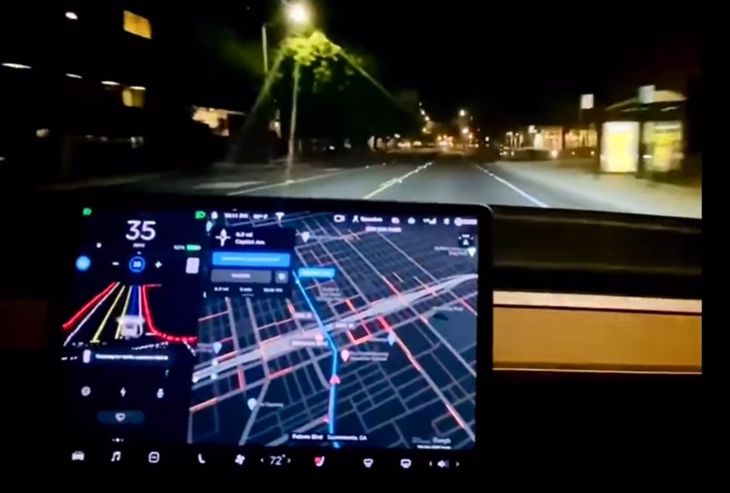
There are many GPS Navigation systems available to keep you on the right track during your trip.
These navigation systems can also point out places of interest, restaurants along the way and places to rest.
If you have a smartphone, download the Trip Advisor app for travel-related information.
Useful South African emergency numbers
Emergencies
10111
Ambulance
10177
The AA
0861 000 234
National 24-hour emergency
112
Crime Stop
086 001 0111
The Cars.co.za team wishes you a safe and wonderful festive season. Please drive safely and take care on the roads.
See you in 2025!
Pricing! Toyota Land Cruiser 70 Series 2.8 GD-6 to gain manual ‘box
Scoop! Toyota SA Motors will soon add a manual-gearbox version of the 2.8-litre GD-6 4-cylinder powertrain to its Land Cruiser 70 Series line-up. Here’s what you’ll pay…
Back in February 2024, Toyota South Africa Motors updated its long-running Land Cruiser 70 Series range, adding the option of a 2.8-litre turbodiesel engine mated to a 6-speed automatic transmission. Now, Cars.co.za can confirm this 4-cylinder motor will soon become available locally with a 5-speed manual gearbox, too.
From what we understand, this manual-equipped powertrain will be offered in both Land Cruiser 79 single-cab form and Land Cruiser 76 station-wagon guise, expanding the local 70 Series portfolio to 13 derivatives. As an aside, the 4.5-litre V8 turbodiesel’s days appear to be numbered, with this motor no longer available locally in the 76-badged station wagon (but still offered in the Land Cruiser 79 single- and double-cab line-ups).
It seems that though the 2.8-litre (1GD-FTV) engine’s peak power remains 150 kW when specified with the 5-speed manual transmission, maximum torque falls to 450 Nm (from the auto version’s 500 Nm). Moreover, this peak twisting force is on tap over a narrower rev range: between 2 400 and 3 000 rpm in the case of the manual compared to broader bookends of 1 600 and 2 800 rpm for the auto.
So, where will these 2 new 4-pot manual derivatives fit it? Well, according to our information, the Land Cruiser 79 2.8GD-6 5MT single cab will be priced at R887 000, which will see it slot in above the likewise manual-equipped 4.0-litre V6 (R765 500) and 4.2-litre straight-6 (R829 000).
For the record, that represents a saving of R30 100 compared with the Land Cruiser 79 2.8GD-6 6AT single cab (R917 100). The Land Cruiser 79 4.5D-4D V8 LX 5MT single cab (R956 200), meanwhile, looks set to remain the flagship version of the 2-door 70 Series for the time being. Interestingly, the new gearbox option will not be offered (initially, at least) in the double-cab and “Troopy” body styles.
Meanwhile, it’s our understanding that the Land Cruiser 76 2.8GD-6 LX 5MT will be priced from R969 800, likewise making it R30 100 more affordable than the Land Cruiser 76 2.8GD-6 LX 6AT (R999 900). The Land Cruiser 76 4.5D-4D V8 LX 5MT (which had been priced at R1 076 800) is sadly no more, while the Land Cruiser 76 2.8GD-6 VX 6AT (R1 091 400) will ostensibly continue unchanged.
It’s interesting that Toyota has opted for a 5-speed manual gearbox rather than the 6-speeder mated to the same 2.8 GD-6 engine in the Hilux. Still, according to information released by Toyota’s Australian division, the Land Cruiser 70 Series’ new manual cog-swapper is distinct from the version used on other engines in the line-up.
Indeed, the Japanese firm’s representatives Down Under say the transmission “offers unique gear ratios and strengthened components to suit the usage of the Land Cruiser 70 Series”, adding that it was “designed to make the most of the 4-cylinder engine’s higher torque output, with shorter 1st, 2nd and 3rd gears to aid start-off performance, and a longer 5th gear to help improve fuel economy and reduce engine noise when cruising at highway speeds”.
The fresh powertrain option furthermore adopts a new flywheel compatible with a 12-inch clutch, providing what Toyota Australia describes as “excellent clutch-slip resistance”, while a triple synchronisation mechanism has been added for 1st gear to “enhance shifting operability”. The new 3-pedal derivatives also gain a dust seal for the rear-end plate to “prevent ingress of foreign matter” to the release bearing.
How much does Toyota’s Land Cruiser 70 Series cost in SA?
Land Cruiser 79 single cab:
Toyota Land Cruiser 79 4.0 V6 5MT single cab – R765 500
Toyota Land Cruiser 79 4.2D 5MT single cab – R829 000
Toyota Land Cruiser 79 2.8GD-6 5MT single cab – R887 000
Toyota Land Cruiser 79 2.8GD-6 6AT single cab – R917 100
Toyota Land Cruiser 79 4.5D-4D V8 LX 5MT single cab– R956 200
Land Cruiser 79 double cab:
Toyota Land Cruiser 79 4.0 V6 5MT double cab – R864 600
Toyota Land Cruiser 79 4.2D 5MT double cab – R920 800
Toyota Land Cruiser 79 2.8GD-6 6AT double cab – R1 009 000
Toyota Land Cruiser 79 4.5D-4D V8 LX 5MT double cab– R1 039 200
Land Cruiser 78 Troopy:
Toyota Land Cruiser 78 4.2D 5MT – R900 100
Land Cruiser 76 station wagon:
Toyota Land Cruiser 76 2.8GD-6 LX 5MT – R969 800
Toyota Land Cruiser 76 2.8GD-6 LX 6AT – R999 900
Toyota Land Cruiser 76 2.8GD-6 VX 6AT – R1 091 400
The prices above include Toyota’s 3-year/100 000 km warranty, while a service plan is optional (with intervals of 5 000 km in the case of the 4.2-litre motor and 10 000 km for all other engines).
WhatsApp isn’t just popular; it’s a national obsession. Do you have WhatsApp on your phone? Do you know anyone who doesn’t? Consider how ingrained WhatsApp has become in our daily lives.
In 2025, your customers want to “chat”. We do not mean that they want to pick up the phone and talk about the weather – they want to use WhatsApp to communicate.
Increasingly your customers do not want to answer phone calls as they seek to avoid telemarketers. Cars.co.za tracks how many of our users’ calls are answered by dealers. Sometimes as many as 25% of calls go unanswered.
WhatsApp allows your customer to read messages when it is convenient for them and you can reply when it is convenient for you. It is more powerful at creating real customer connections than the telephone. You can share media such as pictures and locations. It is trusted and ad-free.
Connect instantly over WhatsApp with the Cars.co.za WhatsApp service. Our experience shows that this service brings 10% more leads and half our dealers are already on board. Get chatting today.
Looking to take your dealership to the next level? Get ahead of the competition with Cars.co.za Featured Listings, so that your vehicles will be seen first by thousands of potential buyers on our platform.
Be where the action is. Our Featured Listings give your vehicles prime placement in search results, doubling your exposure and increasing your chances of making more sales. Secure your spot today and watch the leads roll in!
Ready to get Featured?
If so, please email us at [email protected] or call 011 450 2450. Don’t miss out on this limited-time opportunity to make your dealership stand out and increase your sales.