2014 Lexus IS F Gets Detailed

Introduced back in 2008, the Lexus IS F has undergone minor refinements for the 2014 model year, although it will soon be replaced with a performance version of the Lexus RC coupe set to be launched at the 2014 Detroit Auto Show.

Revised interior trim for 2014

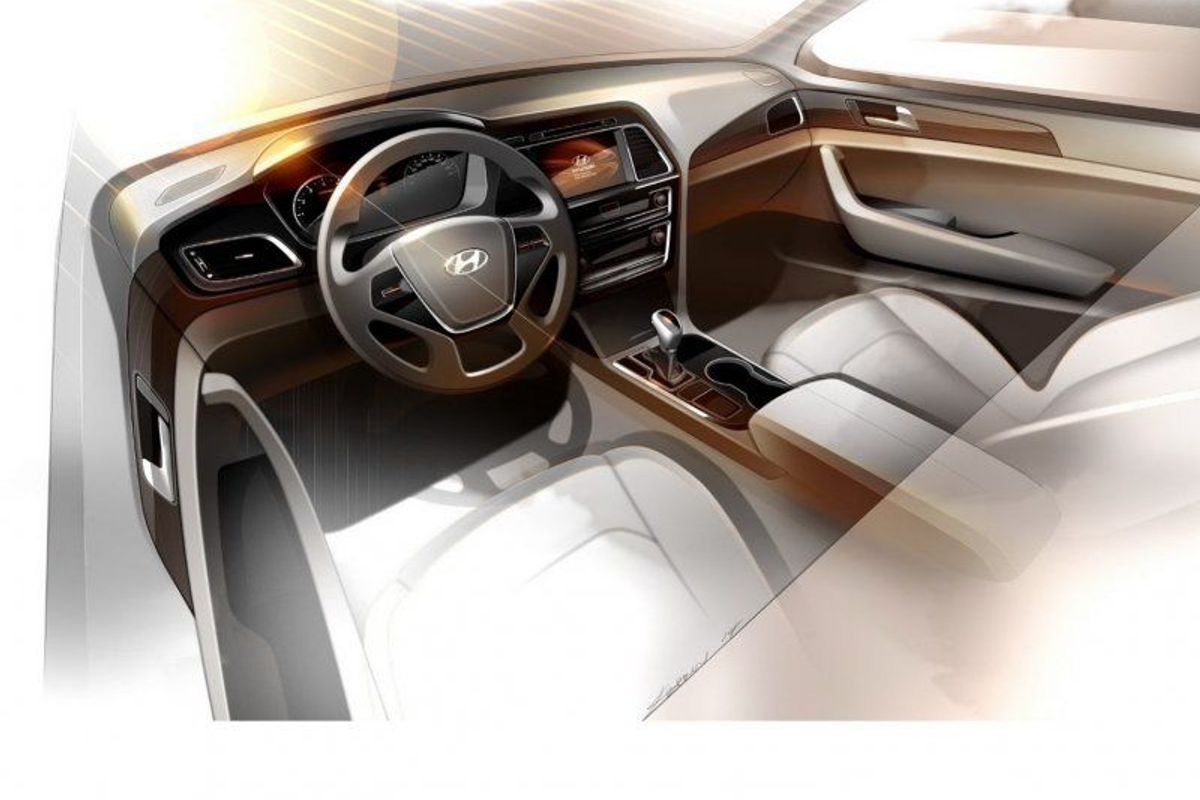
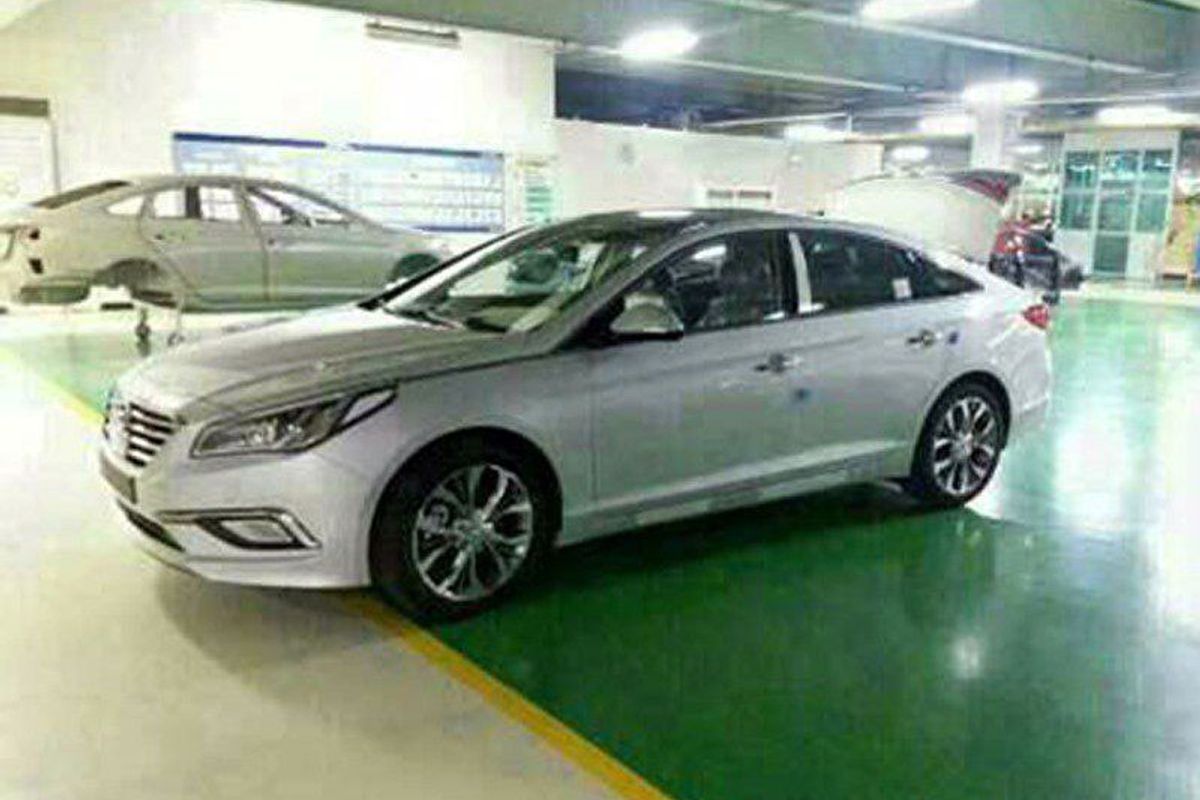
Although carrying over some of the features from the previous generation model, the 2014 Lexus IS F is set apart by its aesthetic updates. These include LED fog lamps, a carbon fibre rear spoiler, Alcantara trim on the doors and centre console, black semi-aniline leather trim on the seats, and headrests embossed with the ‘F’ logo.

Standard features on IS F include 10-way power front seats, dual-zone automatic climate control, power moonroof with one-touch open/close and seven open-position settings. There is also a power tilt-and-telescoping steering wheel, three-position memory function for front seats, steering wheel and mirrors, as well as an auto-dimming rear-view mirror with a HomeLink programmable garage door opener.

Exhilarating Performance

What’s also new for 2014 Lexus IS F is the powerful 5.0-litre V8 engine that develops 310 kW and 502 Nm of torque. It is connected to an eight-speed Sport Direct-Shift automatic transmission which enables the sedan to accelerate from 0-100km/h in 4.6 seconds and hit an electronically-limited top speed of 273 km/h.

With a chassis refined on the Nurburgring, Circuit Paul Ricard, and Fuji Speedway, the new IS F features better performance and handling than previous models. Lexus worked with Michelin and Bridgestone to develop the 19-inch tyres specifically for the car’s 273 km/h track capability. Numerous track-proven modifications to the double-wishbone front suspension and multi-link rear suspension configurations endow the 2014 Lexus IS F with uncanny ability through curves while maintaining refined rode comfort.

It is unclear when the model will arrive in South Africa, but we will keep you updated with any developments.

2014 Lexus IS F gallery


2014 Kia Sorento Receives Five Stars For Safety

The 2014 Kia Sorento is one of the latest models to have earned a five-star safety rating from the National Highway Traffic Safety Administration (NHTSA), enhancing it’s overall value proposition .

High scores across all categories

The South Korean vehicle scored well in both frontal and side-impact crash test, while also getting an impressive four-star rating for rollover testing, which was enough to award it an overall five-star rating.

In addition to that rating, the Sorento was also named a “Top Safety Pick” by the Insurance Institute for Highway Safety (IIHS), which is the highest rating issued by the IIHS. To earn that score, the vehicle needs to earn a ‘good’ rating in four of the five tests with no less than an ‘acceptable’ rating in the fifth.

According to Orth Hedrick, executive director, product planning at Kia Motors America “the redesigned Sorento utilises Kia’s advanced safety equipment and technologies to provide a high level of occupant protection for drivers and their families.”

“Already a compelling entry in the compact CUV category, earning a 5-Star rating from NHTSA makes the Sorento an even stronger contender within its segment while underscoring Kia’s overall commitment to delivering safety and exceptional value to our customers,” he added.

The Kia Sorento was redesigned for the 2014 model year, with the company claiming that 80 percent of its components are brand new.

The Redesigned 2014 KIA Sorento has a host of new components that make it more than just a mere mid-cycle refresh. Read more about it and its prices here.
2014 Kia Sorento Crash Test Video

New Face and More Power For The 2014 Mitsubishi Triton

Mitsubishi has set out significant specification upgrades for the Triton Double Cab and Club Cab ranges in terms of new styling, powerful engines and standard equipment.

Built for tough roads and terrains the range comprises of different body styles in 4×2 and 4×4 and has benchmark safety features, air conditioning, supportive seats, power windows, a 1-tonne payload and 1.5-tonne towing capacity.

Increased power

Substantial boost in power and torque for the Double Cab 4×4 comes in form of an intercooled turbodiesel engine that has been reduced from 3.2-litre to 2.5-litre. Power goes up 9% from 120kW to 131kW, while the maximum torque has been increased by 17% from 343Nm to 400NM.

All 2014 Mitsubishi Triton models have a five-speed manual gearbox.

Improved 4×4 system

The Triton Double Cab now has a lockable centre differential combined with the shift-on-the-fly system. This allows the driver to change form standard 4×2 mode to 4H without a locked differential at speeds up to 100km/h. While the four-wheel-drive system operated by Mitsubishi’s Super Select system enables the driver to choose from four different transfer modes.

New styling inside and out

The updated Triton Double Cabs can be seen sporting a new grille and front bumper, colour coded wheel arches, indicator repeaters in the side mirror housings and smart new alloy rims 17-inch on the double cab 4×4 and 16 inch on the rest of the Double Cab and Club Cab range.

To bring it in line with other luxury vehicles in the Mitsubishi product range, the cabin is fitted with leather seats, air-conditioning, cruise control, three-spoke leather trimmed steering wheel with multi-function switches for the audio system and Bluetooth connectivity, as well as the Mitsubishi Link System with voice control function. The Double Cab further has distinct body design advantages including rear collision energy absorption, rear entry ease and increased leg room.

Besides that the seats come trimmed in fabric, the Club Cab model comes with almost all the standard features in the Double Cab including Bluetooth, audio and phone controls on the steering wheel, and the voice activated phone control. The Club Cab is also available only in diesel and comes in a variant with optional rear seats.

Major focus on occupant safety

Safety feature in the Triton include a safety cell cab, driver and passenger air bags, anti-skid ABS brakes with electronic brake-force distribution (EBD) as well as a RISE body protection system, side impact bars, impact absorbing steering wheel column, keyless entry and motion locking doors.

2014 Mitsubishi Triton Price

Mitsubishi Triton 2.5 Di-DC Club Cab – R284 900

Mitsubishi Triton 2.5 Di-DC Double Cab – R344 900

Mitsubishi Triton 2.5 Di-DC 4×4 Double Cab – R419 900

All Mitsubishi Tritons are covered by a 3-year/100 00km warranty.

2014 Mitsubishi Triton gallery

BMW X6 M Design Edition Unveiled

BMW has announced the introduction of the X6 M Design Edition, a special edition model limited to only a 100 units.

Exterior design

The X6 M Design Edition is highlighted by a white paint job accented with optional three-coloured M stripes, plus carbon fibre accenting covering the front splitter, rear diffuser and rear spoiler. The appeal is also set by a matte black grille, 21-inch lightweight alloy wheels and iconic M performance racing stripes, which come as an option on this model.

Performance

BMW is yet to release any specs on performance and pricing, however, the X6 M Design Edition is expected to be fitted with a twin-turbo 4.4-litre V8 engine that develops 408kW and 680Nm of torque. Acceleration from 0-100km/h is expected to take 4.7 seconds reaching a limited top speed of 250 km/h.

Interior design

The interior is made up with a Black/Mugello Red leather-wrapped dashboard, matching two-tone Merino leather seats and Piano Black trim. Rounding of the sporty details in the cabin is Mugello Red contrast stitching and an individually-numbered plaque.

BMW X6 M Design Edition gallery

The NHTSA Reports On Car Safety For Kids

A study released by the National Highway Traffic Safety Administration (NHTSA) noted that more than a third of children under age 13 who died in passenger vehicle crashes in 2011 were not in car seats or wearing seat belts.

A third of children killed were not in car seats or wearing seat belts

This study found that 338 were injured every day while riding in cars, SUVs, pickups and vans. Of the children killed the percentage of unrestrained fatalities, with no car seat or seat belt, varied by vehicle type, with greater percentages of unrestrained fatalities occurring in larger vehicles: SUVs (55%), pick-ups (43%), vans (40%), and cars (24%).

“Regardless of the size of the vehicle, the age of the child, or the length of the trip, children should always be properly restrained,” says David Strickland, NHTSA’s administrator.

“Car seats, when correctly installed and used, provide proven life-saving and injury-reducing benefits for child passengers. In fact, properly used car seats decrease the risk of fatal injury by 71 percent for infants and 54 percent for toddlers.”

“Children are 59 percent less likely to be injured in a booster seat than if they were using seat belts only,” he added.

NHTSA safety precautions

It’s sad to hear about children being killed in accidents, more so when their deaths could have been prevented. To coincide with in Child Passenger Safety Week and to highlight the important safety benefits associated with the proper use of child restraints like car seats, booster seats and seat belts, the NHTSA offers parents and caregivers the following safety tips:

  • Determine if your child is in the right seat for his or her age and size
  • Read the instructions and labels that come with your child’s car seat and read the vehicle owner’s manual for important information on installing the seat in your particular vehicle
  • Go to your local car seat inspection station to have your seat checked by a Certified Child Passenger Safety Technician
  • Use the Lower Anchors and Tethers for Children (LATCH) restraint system or seat belt to install your car seat and use the top tether to secure forward-facing car seats
  • Register your car seat and booster seat so you will be informed if there is a safety recall on your model; and
  • Always wear your seat belt to set a good example. Unbuckled drivers are more likely to have unrestrained children in the car


From 1975 through 2011, NHTSA estimates that approximately 10,000 lives were saved by child restraints for children under the age of 5 in passenger vehicles, with more than 260 lives saved in 2011 alone.

2014 Porsche 911 Turbo and Turbo S Cabriolet Revealed

Sports car manufacturer Porsche has taken the wraps off the Turbo and Turbo S Cabriolet versions of the 2014 Porsche 911 ahead of their Los Angeles Auto Show public debut scheduled for November 20.

Engine Capability

Both vehicles are powered by a 3.8-liter flat-six engine mated to a seven-speed PDK dual-clutch transmission. The standard Turbo model will have 383kW while the powerful S version will output 412kW which enables the car to accelerate to 96 km/h in 3.3 and 3.1 seconds respectively, while top speed is rated at 314 km/h. Fuel economy on both vehicles has been improved by 30 percent.

Retractable fabric roof

The design of both the models is based on the new 911 Turbo Coupe with an updated retractable fabric roof built around a lightweight magnesium frame that “enables the Coupe-like arch to the roof to be preserved when the top is closed.”  The roof can be opened or closed in approximately 13 seconds at speeds of up to 48 km/h.

Premium materials in the interior

The interior of the new Cabriolet models follows that of the 911 Turbo Coupe, with an exclusive interior available in Black/Carrera Red and adaptive Sport Seats Plus with 18-way adjustment and memory. In addition, the backrest shells of the seats are leather trimmed with double stitched seams, and various elements are made from lightweight carbon fiber.

The Bose sound system is fitted as standard, and for the first time, a Burmester sound system is available as an option – so is the radar-controlled adaptive Cruise Control system, camera-based road sign and speed limit recognition function and reverse camera.

The new top of the range 911 Cabriolet models will be launched in South Africa in the first quarter of 2014.

2014 Porsche 911 Turbo and Turbo S Cabriolet gallery

Lexus IS350 Review

The Lexus IS has been redesigned, now bigger and in F-Sport guise, the most aggressive of the current Lexus lineup. The new trapezoid mesh-grille, jagged lights and trademarked LED Daytime Running Lights all signifies a more aggressive, more in-your-face Lexus. Demanding attention rather than hoping to get some after the game of Golf, the new IS is only available in a 350 engine derivative, but 3 different spec levels, E, EX and F-Sport, tested here. F-Sport would be comparable to BMW’s M-Sport and Audi’s S Line.
Engine and gearbox

Probably the biggest highlight besides the looks, and the gearbox, oh and the interior. Ok so not the biggest highlight, but damn near close, is the engine. It’s carried over from the predecessor but now produces 228kW and 375NM, and is more fuel efficient at 9.7l/100km, but I got closer to 13l/100km (more realistic).

The power and torque is a whole lot more accessible due to the new gearbox. It has silky smooth linear power delivery, and enjoys being revved. You’ll enjoy it too because the sound from the V6 is intoxicating, no thanks due to sound induction into the cabin, but I don’t really care – it sounds so good.

It really makes the whole car come alive, and sounds raw, making you forget you’re behind the wheel of an executive sedan. 0-100 it’ll smash in 5.9seconds and go on to upwards of 250km/h easily.

The gearbox is a massive, nay, gargantuan improvement on the previous unit. The new auto 8-Speed Sports Direct Shift box is superb. Left to do its own thing, shifts are effortless and smooth, but into Sport it will downshift before it senses a corner and hold that gear.

Even further, in manual with the paddles, shifts are quick and engage with a solid shunt. It’s a superb unit that brings the most out of this V6.

Drive and handling

Like the BMW and Audi, there are driving modes available, but in the Lexus they are standard. Eco, for a laugh at economical driving in a V6. Normal, Sport and Sport+, where the latter dials out the traction control and allows a lovely bit of oversteer if you like.

Each mode configures throttle response, steering and recalibrates engine and gearbox. It can take the IS from cruiser to full throttle 335i-eater in no time. It’s not as composed as the 3series through the twisties, but about three times more involved than the A4 and C-Class.

No thanks to lighter overall frame and there’s a revised multi-link rear suspension. There’s no comparison actually. It really is head to head with the 3 series, which is a first for Lexus. The suspension is stiff, and isn’t as compliant as the BMW with its adaptive suspension, but when cornering hard it grips well, with the 18inchers biting down, and in sport mode the adaptive suspension firm’s things up even more. Jittery stabs at the accelerator mid corner and the back will happily step out.

In Sport+ mode it’ll do it and then reign it all in. A thorough bit of fun. That said, it’s not exactly as communicative at the point as the BMW, but damn near closer than ever.

Interior

So much has changed I could write a small article on the interior alone. What must be said is that there are definite LFA influences here. It’s not for everyone, and in F-sport guise it’s a leather red-hand-stitched masterpiece.
Get in and you sit lower than you’d expect; the seat wraps tight and you feel cocooned. A lot more so than the competition. It’s a good thing in the F-sport guise, but might not be so much in the EX.

Rear legroom has been slightly improved, with rear seats that now fold flat and a slightly bigger boot and thinner seat backs, which mean more knee and leg room for the rear passengers.

Some notable highlights are the snug sports seats, and for a first time for me, electrostatic switches that you just glide your finger over to change temperature, a-la smartphone. This second generation of Remote Touch interface, which uses a square “mouse” type scroller, seems to be a regression on the previous gen.

The screen looks old, it’s slow in operation and still won’t let you do anything while it moves. The screen is also not angled to the driver.

What is a phenomenal piece of tech and just overall gimmicky fun, is the rev counter and instrument binnacle. All digital, with moving bits a-la LFA. It’s such a cool party trick, and watching the dial run up and leave an imprint as you rev up is incredibly cool.

It all adds fun, sporty character to the car. Overall the interior is snug, but quality materials abound. In true Lexus form there’s more standard features than the competition can dream to give, including heated and cooled seats, performance Audio, Satellite navigation Xenon headlamps and the list goes on.

Lexus IS350 Price in South Africa

The Lexus IS 350 F-Sport goes for R553 000 and comes standard with a 4yr/100 000 warranty and ‘Distance Complete’ motorplan.

Lexus IS350 review summary

The IS now demands attention, both inside and out. The F-Sport opens it up to so many more potential buyers that I hope will go and test drive it. It has heaps of character, fun to drive, specced to the brim and exceptional value at that.

I got accosted at the pumps and at malls by all types wanting to look at this beast. This is a no brainer if you’re looking at a sport-executive sedan. It is a pity there won’t be economy and smaller engine derivatives, but South African’s appetite for Lexus models just doesn’t allow for that breadth. Audi and Mercedes step out the way, the new IS is fighting fit and aimed squarely at the 3series.

Positive

–          Engine sweet sound of V6

–          Those LFA dials

–          Engaging drive

–          Individual looks

Negative

–          Slightly tight interior

–          Ride can be a bit stiff on the F-Sport

–          The new (read old) Remote Touch Interface

–          Thirsty (dur)

Also look at:

BMW 335i AT – 225kW/400NM – R567 027

Mercedes C350 BE AT – 225kW/370NM – R540 000

Audi 3.0T FSI Quattro – 200kW/400NM – R520 000

Lexus IS350 gallery

Volkswagen To Abandon Naturally Aspirated Engines

Volkswagen has reportedly announced that they will soon be abandoning their naturally aspirated engines as they release new products.

This comes after the introduction of the Passat Performance concept which Volkswagen presented at the 2013 Detroit Auto Show featuring a 1.8-litre turbo engine – an important change for Das Auto.

Naturally Aspirated Engines VS Turbo Engines

What is the big deal between the two engines you ask?

Well, a naturally aspirated engine is an internal combustion engine, in which fuel intake depends solely on atmospheric pressure. Whereas a turbo engine is a turbine driven forced induction device used to allow more power to be produced by an engine of a given size. This engine can be more powerful and efficient than a naturally aspirated engine because the turbine forces more air, and proportionately more fuel, into the combustion chamber than atmospheric pressure alone.
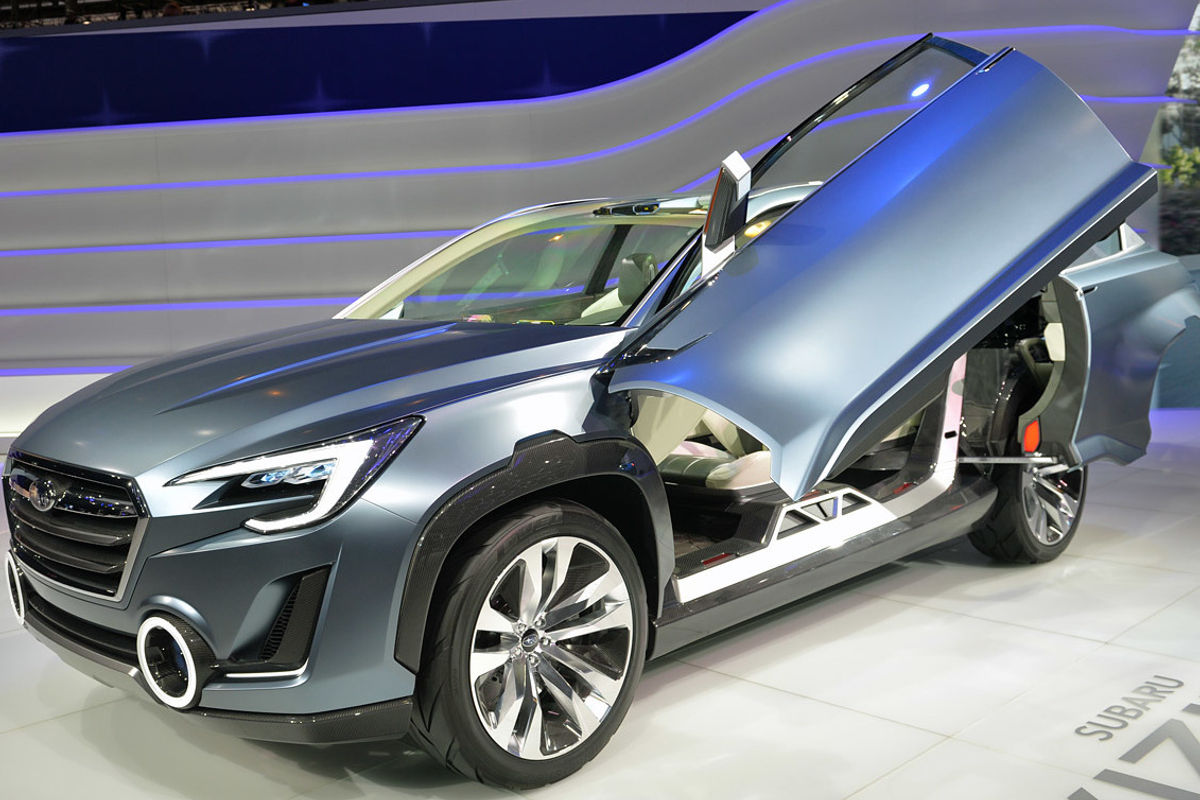
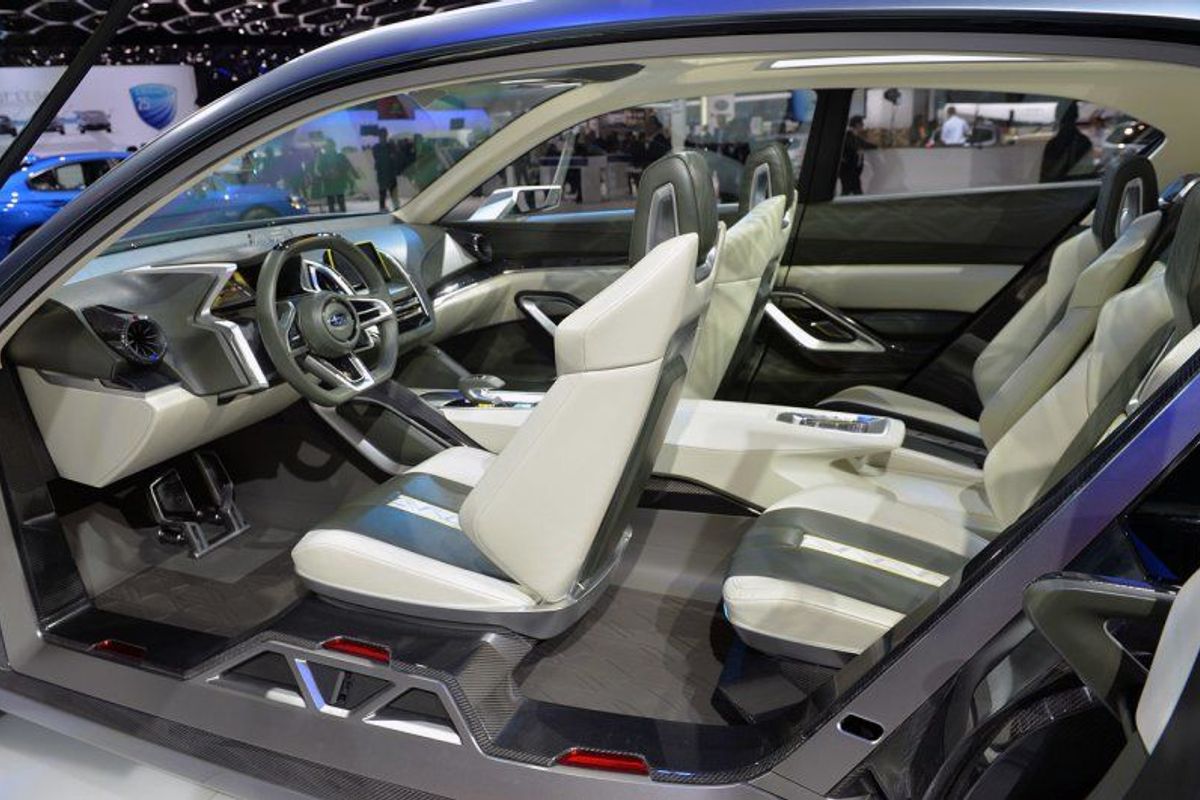
So the plan is to replace all 2.5-litre engines in the US (for now) with a new 1.8 TSI. Volkswagen’s executive vice president for group quality Mark Trahan said the “automaker plans to replace its three remaining naturally aspirated or non-turbocharged engines – a 2.5-litre inline-five and two versions of its 3.6-litre V6 engine when the models that use each engine come up for redesigns or mid-cycle refreshes.” The change is also because smaller forced induction engines offer similar performance but improved economy over their larger, naturally aspirated counterparts.

This pattern has already been followed locally with the popular seventh generation Golf which launched earlier this year and is available with a range of new engines (including turbo) and in three trim levels namely Trendline, Comfortline and Highline.

Other automakers like Ford with their EcoBoost engines are adopting the same strategy, including Volvo which has already revealed its next-generation engines, known as the Drive-E range.

Volkswagen cars we’ve reviewed

Driving impression of the 2013 VW Golf GTI

Volkswagen Golf 7 1.4 TSI Review

The VW Beetle 1.4T Sport reviewed

The VW Amarok reviewed

Taking the new VW Polo GTI on a datedrive

2013 Old School Inspired Ken Block Ford Fiesta ST RX43

Ken Block, whose name is synonymous with Gymkhana, was taken out in the quarterfinals of the X Games Gymkhana GRID event in his all-new M-Sport built 2013 Ford Fiesta ST RX43. Although this slightly puts him off his goal to win gold at all four of this year’s Global X Games, he’s still got the chance to go for the overall championship win at this year’s Global RallyCross.

80s inspired livery

The all-new M-Sport built 2013 Ford Fiesta ST RX43 has been built completely fresh from the ground up, using a standard Fiesta bodyshell. Its livery is said to draw inspiration from Ken Block’s love of “80s and early 90s skateboarding graphics, as well as Miami Vice-era offshore powerboats and a dash of hair metal and old school hip hop mixed in for good measure.” The car also has a colorful exterior with blue wheels, an American flag roof scoop and plenty of sponsor logos.

No information has been released about exactly what is under the hood of the Ken Block Ford Fiesta RX43. However, after driving the car for the first time, Block said: “I’m absolutely stoked on how this car has turned out. My Ford Fiesta HFHV last year was awesome, but the RX43 is really on a whole new level. Malcolm and the team at M-Sport took all of our input and made some radical improvements.”

View Ken Block in action with the Fietsa ST RX43 at the Tokyo Experience

Ken Block Ford Fiesta ST RX43 gallery

Toyota Auris 1.6XR Review

Japanese car giant Toyota has taken a battering over the years from its Korean rivals in the B-segment and in order to stem the bleeding, has launched a flurry of new models to try keep up with the times. One such model is the Auris.

On test is the all-new Toyota Auris in 1.6XR guise. I’ve always thought of Toyotas to be staid and conservative, so you can imagine my surprise when this pointy orange hatch was delivered to me. It’s quite a looker and considerably more mature than its rather bland predecessor.

All-new Toyota styling

The front end has received a big revision and the result is quite angled. This front you will see across the Toyota range in models like the Verso, Rav4 and forthcoming Corolla. The few curves can be found at the rear and from certain angles, it does look like Toyota borrowed some style from the Hyundai i30. Overall the new Auris is a modern-looking and fresh vehicle, something which Toyota has desperately needed over the last few years.

Sportier, fresher Auris

So it looks a lot better, but how does the new Auris drive? The answer can be summed up by one word: good. It has a bit of a sporty edge which is great if you’re a spirited driver, but I found the firm suspension a bit of an annoyance on rough tarmac. It softens up nicely when you’re on the open road. This is an out-and-out commuter car and I’m putting the firm ride down to the 16-inch alloy wheels.

Toyota’s bullet-proof engine

There’s a tidy 1.6-litre engine powering the Auris and while the on-paper specs look promising, performance is a little underwhelming. The motor pushes out 97kW and 170Nm, but in reality it feels quite conservative. There’s enough grunt to get around, but you’ll notice the car will require you change down a gear when you’re climbing a steep hill. I’m blaming the weight and gearing of the vehicle for this. The plus side of an engine like this is its rather thrifty. Despite having a busy schedule and rushing everywhere in the week’s test period, the Auris averaged a commendable 7.6L/100km.

Your R250k gets you quite a bit of interior tech too. I was thankful for the reverse camera and heated seats which come fitted as standard. There’s also cruise control, keyless entry and start, Bluetooth audio, USB port, touchscreen infotainment system and leather seats. You are also well-catered for when it comes to safety. Seven airbags, ABS, EBD will keep you safe, but interestingly there’s no stability control. You would think a vehicle costing this much would feature some form of traction control, but it’s not a major flaw.

The Auris’ cabin is comfortable and not cramped, with the boot offering a wholesome 350-litres worth of space.

Toyota Auris 1.6XR price in South Africa

In South Africa the Toyota Auris 1.6XR goes for R257 000.

Toyota Auris 1.6XR review conclusion

The Auris is a vast improvement over its predecessor and proof that Toyota is well-aware of the threats from younger, more dynamic opposition like Kia and Hyundai. Here’s a car which can do the commute and be pleasant to drive. It’s nice to look at, offers decent specification, is cheap to run and offers great value for money. Best of all is it’s a Toyota meaning when it’s time to sell, you won’t be slapped in the face.

  • Why you should: Good looks, Toyota resale and servicing, excellent package, cheap to run.
  • Why you shouldn’t: The Hyundai/Kia warranties and the Volkswagen Golf 7 are rather enticing.
  • It would be better if: there was traction control, engine had a bit more poke.
  • Competitors worth checking out: Volkswagen Golf 7, Honda Civic, Ford Focus, Hyundai i30, Renault Megane.

Toyota Auris 1.6XR gallery