Nissan Sales Summary for July 2013

Nissan’s light commercial vehicles spearheaded the brand’s efforts for the month of July, with the one-tonners and half-tonners enjoying their best month so far this year with 2 919 sales.

Internationally, Nissan sales rose to just over 109 000 in July, which is a record for the company. The brand’s top export, the Hardbody, delivered 800 units outside of South Africa, while NV panel vans make a steady contribution locally in their second month after launch.
Here is a breakdown of Nissan’s sales including key sales figures, Top 5 model sales and the most popular used cars for Nissan in July 2013.

Nissan sales summary – June 2013

  • Total new car sales: 4662
  • Total market share: 8%
  • Total passenger vehicle sales: 1743
  • Total Light Commercial Vehicle (LCV) sales: 2919

Top 5 Nissan new passenger car sales – July 2013 (compared to June 2013)

Most popular used Nissan cars in South Africa (in terms of views on cars.co.za) – July 2013

Nissan in the news

BMW 3 series GT 328 review

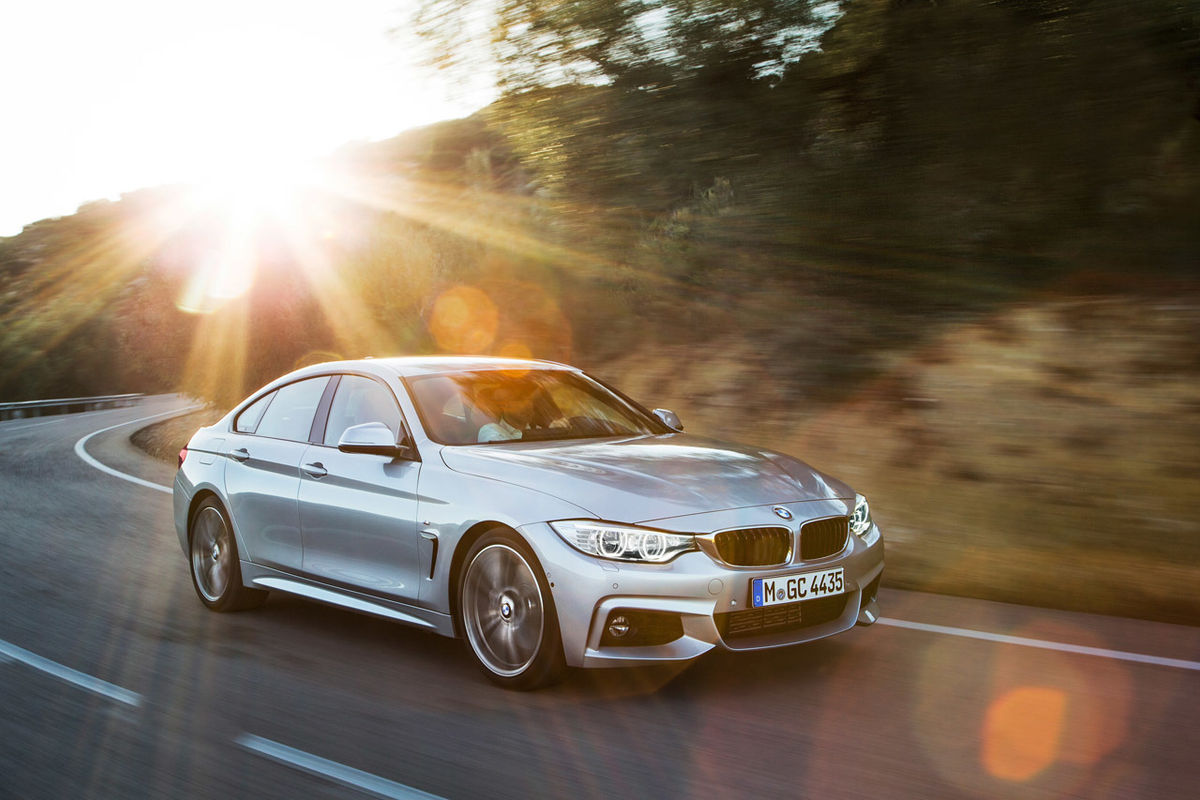
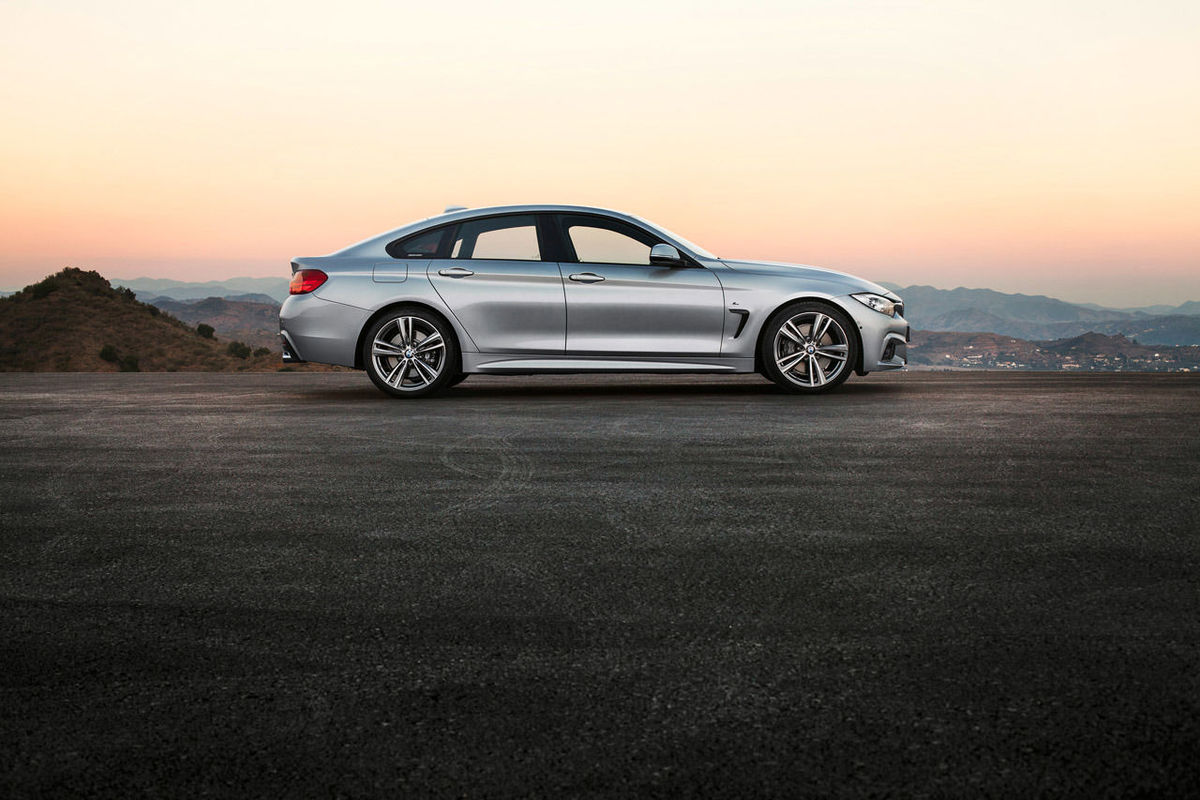
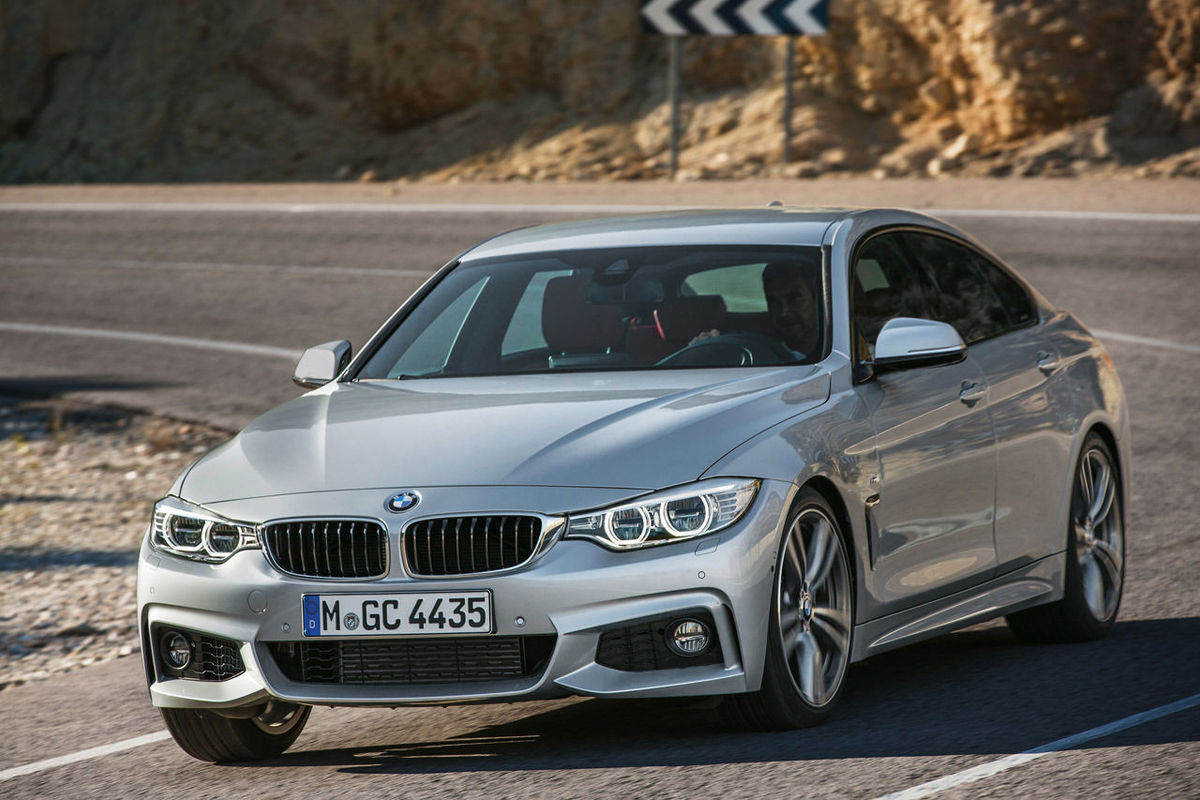
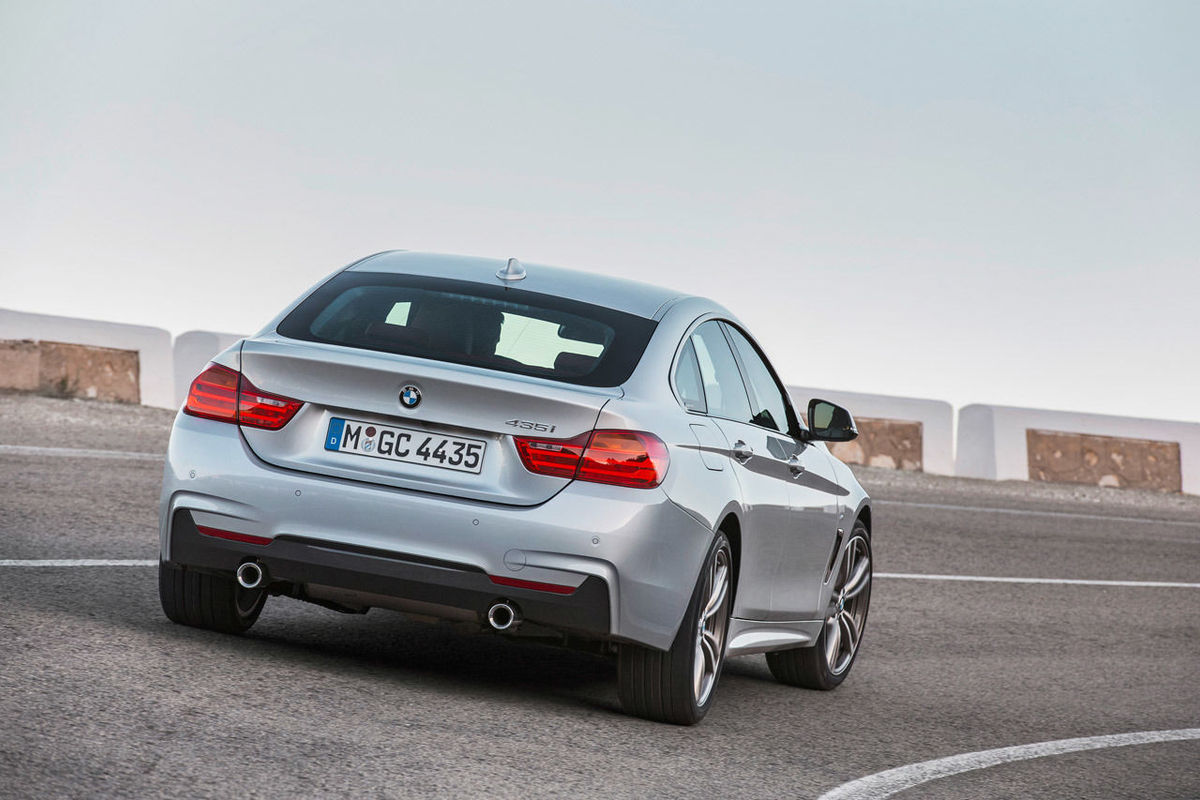
BMW has achieved extraordinary success with its 3 series. It seems the world can’t get enough of the Bavarian mix of sport, luxury and relative practicality. It seemed there was a 3 Series for everyone; if you had a dog you could buy a 3 Touring – the station wagon. But South Africans don’t buy wagons for reasons that are still quite mystifying to me, and that’s why BMW has brought the 3 Series GT to the local market. Arriving to fetch the new BMW 3 Series GT, I’m immediately impressed by the exterior. It’s in a racy red with big sporting wheels – that’ll be the Sports trim package perking things up on the outside. The front end has received a very unique treatment. It is immediately familiar, sitting somewhere between the 5 Series and 3 Series in looks, but the vertical nose and wide kidney grilles make it altogether unique in the BMW line up. It has good presence this car, with a muscular stance I had underestimated. Towards the rear, things get a bit bloated, but it is packaged cleverly and the designers have managed to make the whole car look smaller than it is. The GT's whole exterior is actually a bit of an optical illusion. Once inside, you realise that this is an incredibly spacious car.

Increased interior space over the 3 Series

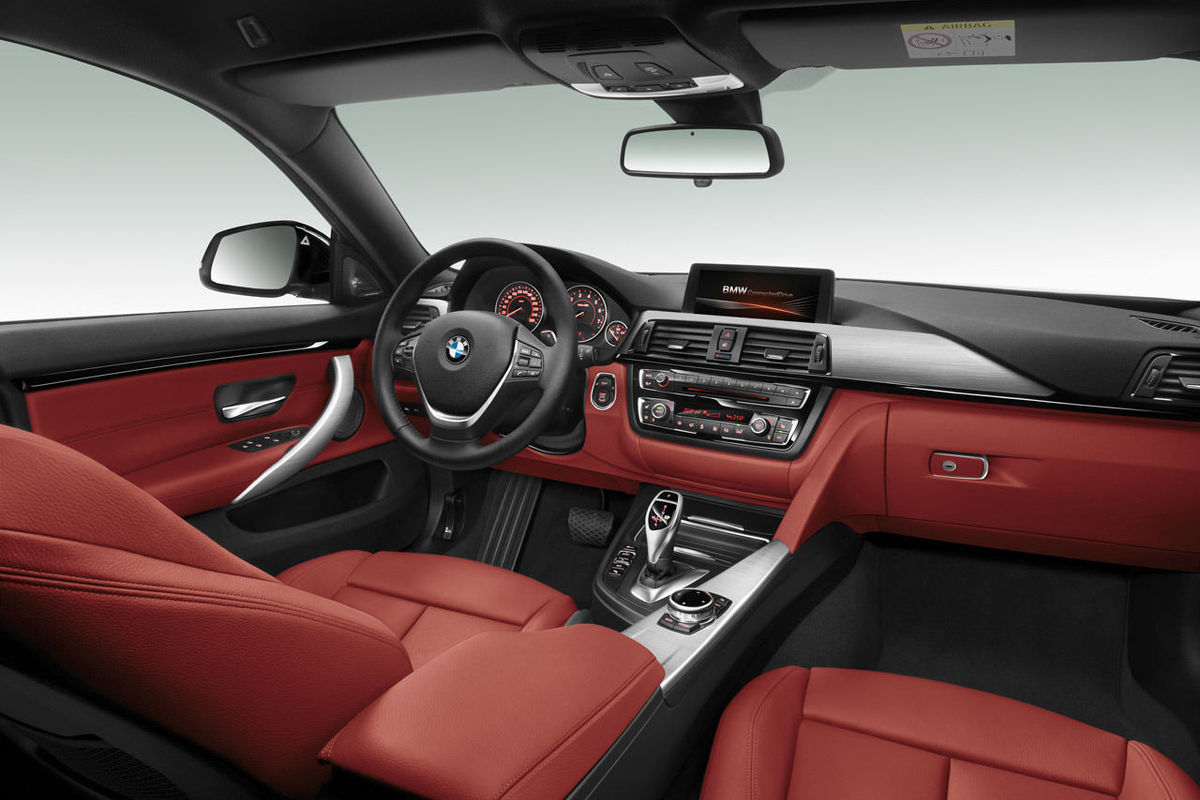
The whole reason for being with the BMW 3 Series GT is increased interior space. And it is impressive. I know I’m not the tallest driver in the world but I was quite astounded at the legroom behind my driver’s seat. John Cleese would be comfortable back there. For driver and front passenger, it’s very much a three series experience, but it feels roomier due to the slightly higher ceiling. The windscreen is a bit closer to your nose in this than it would be in a normal 3 Series, and the seating position is a bit more upright, but because of the high shoulder line, you still feel like you’re sitting in the car, not on it. The boot is particularly large, at 520 litres with the rear seats up, or 1600 litres with the seats folded flat. It is a tall load space as well – obviously not as tall as a touring would be, but it seems like you could load a lot more in there than your average sedan. The tailgate is a large object indeed – my test unit was fitted with a motorised tailgate, but at R7200, this doesn’t seem necessary. On that note, it is a bit difficult to park this thing. Visibility of the corners of the car isn’t terrific and I would recommend the optional multi-camera parking system.

3 Series GT Engine specs and performance

I drove the 328 GT which in the old days of BMW’s numbering system would mean the engine displaced 2.8 litres. This used to be a big deal in South Africa as for a while that was the biggest engine you could buy in this range; after that was only the M3. These days, the digits 2 and 8 are used more to denote power and place in the range, rather than engine specifics. The petrol power plant is now a 2.0 litre turbocharged inline-4, offering a healthy 180kW and 350Nm. BMW has done extremely well to minimise turbo lag, or in fact, any feeling that the 3 Series GT is a turbocharged car at all. Peak torque is available from as low as 1250rpm, and the 8 speed auto’box does an excellent job of responding to your right foot, holding each gear for what feels like the perfect amount of time. The shove is linear and progressive, which means that the whole package doesn’t feel particularly fast, but 0 – 100km/h acceleration is claimed at 6.1 seconds which will worry most hot hatches.

Ride and Handling

That said, it doesn’t feel like the sort of car you’d want to tear about in. It feels like a cruiser, a big comfortable lounge that you could quite happily devour the open road with. However, on the swooping roads of Durban’s hillside estates, the 3 Series GT surprised me with its poise. It feels more like a 5 Series than a 3 Series, but that’s not bad thing. BMW have managed to dial out the “wallowyness” that plagued the 5 Series GT, and while the ride is firm, it’s never uncomfortable. One thing I did find curious was the wind noise at highway speeds. It seems that either the steeper windshield, sculpted bonnet or a combination of the two has increased the light roar that you might notice in any car but just a bit, so that it is quite noticeable. It’s not something I couldn’t live with, but it is to be noted.

BMW 3 Series GT Conclusion

The new new BMW 3 Series GT is a success, if measured against the first of its kind, the 5 Series GT, which I felt was very out of line with the brand. It does offer quite wonderful space in the rear and very usable load space, and in many ways is closer to the 5 Series than it is to the 3 Series. If you are purchasing based on driving dynamics, the 5 Series does offer a slightly better drive, and more sporting feel, while the three is probably the most enjoyable of all, but with relatively compromised rear space. A normal 328 Sports Auto will cost you R500,670, the GT version R26,000 more, and the 528 Sports Auto at R592,283. With price taken into account, the BMW 3 Series GT hits the sweet spot between size, performance and price, and might be the best deal of the lot.

BMW 3 series GT Price

The model tested here was the 328 GT Sports Auto, which is priced at R526,475.

  • Quick Specs – BMW 3 Series 328 GT
  • Engine: 2.0 litre petrol turbocharged inline-4
  • Power: 180kW between 5000 and 6500rpm
  • Torque: 350Nm between 1250 and 4800rpm
  • Fuel consumption: 6.4 litres/100km (combined cycle, claimed)
  • Fuel capacity: 60 litres
  • CO2 Emissions: 149 g/km
  • Acceleration: 0 – 100km/h in 6.1 seconds
  • Top Speed: 250km/h

Most popular new car brands for July 2013

July sales figures for the South African motoring industry have been released, showing that after four years of growth in the domestic market, aggregate sales continued to register further growth on a year to date basis, reflecting an increase of 7.5% from the 54 075 units sold in July last year.

The top five players will be pleased with themselves for contributing substantially to the total aggregate industry sales of 58 140 units. Toyota led the pack with a 20.5% increase in sales last month, followed by Volkswagen who has dropped by 1.6% from June sales to 18.2% last month. Ford Motor Company, GMSA and Nissan sustained their spots in making up the top five brands in South Africa.

Further support for the market came from a high level of activity in the rental market with 6 644 deliveries into this channel in July, a gain of more than 25% over the same month last year.

Here is a breakdown of the best selling new car brands for July 2013 in comparison with June 2013, as well as each brand’s top 5 selling vehicles.

CarBrand Volume Market Share
Toyota 11 935 20.5%
Volkswagen Group SA 10 613 18.2%
Ford Motor Company 5738 9.8%
GMSA 5487 9.4%
Nissan 4662 8%

South Africa’s Top selling new car brands

1. Toyota – 11 935 units

July was a great month for Toyota, which increased sales by 1.7%, despite there being strong competition from Volkswagen, and the Hilux losing the spot as South Africa’s best selling vehicle. The Etios did exceptionally well with a total of 2122 units, and the Quantum picking up to hit the 1000 mark. Toyota continues to lead the way with vehicle exports, with a total of 6668 units to more than 50 countries across the globe, representing almost 25% of all vehicle exports from South Africa.

Model July Sales (Compared to June 2013)
Toyota Hilux 3159 units (3070)
Etios 2122 units (1644)
Toyota Coralla/Auris 2014 units (1655)
Toyota Quantum 1351 units (903)
Toyota Fortuner 943 units (915)

2. Volkswagen Group SA – 10 613 units

According to Mike Glendinning, Director Sales and Marketing at Volkswagen Group South Africa, “The market results reflected the on-going positive demand for new vehicles, and were further boosted by a relatively higher number of selling days in July.“ Polo Vivo remained as the top-selling vehicle in South Africa for July, while new Golf GTI boosted Golf sales which totalled 908 units

Model July Sales (Compared to June 2013)
VW Polo Vivo 3574 units (3681)
VW Polo 2618 units (2652)
VW Golf 7 908 units (572)
Audi A4 653 units (598)
VW Amarok 412 units (430)

3. Ford Motor Company – 5738 units

Ford continued to capitalise on the growth, July being its biggest month since May 2007. The automaker recorded total sales of 5738, with the Fiesta enjoying its best month since August 2010, a strong demand being for its diesel model and turbocharged EcoBoost attracting more than a third of sales, while the Ranger remained the second-best selling LCV

Model July Sales (Compared to June 2013)
Ford Ranger 1876 units (1627)
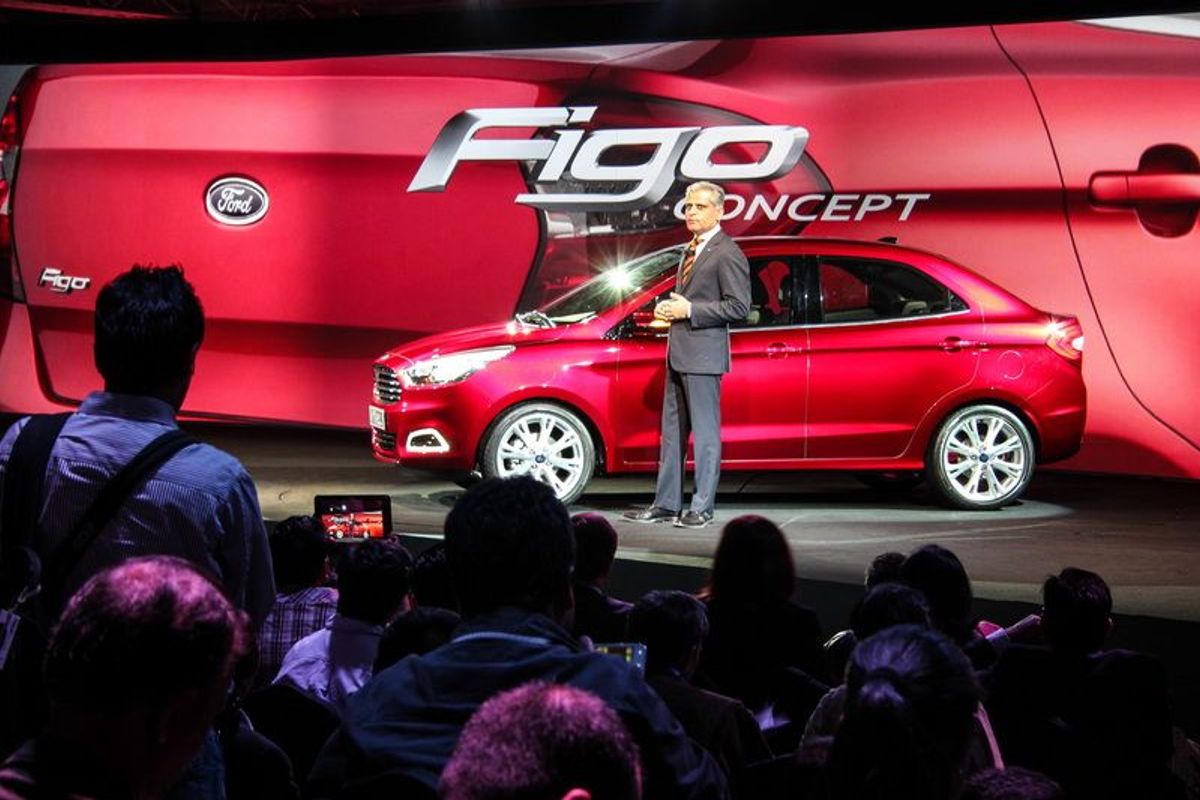
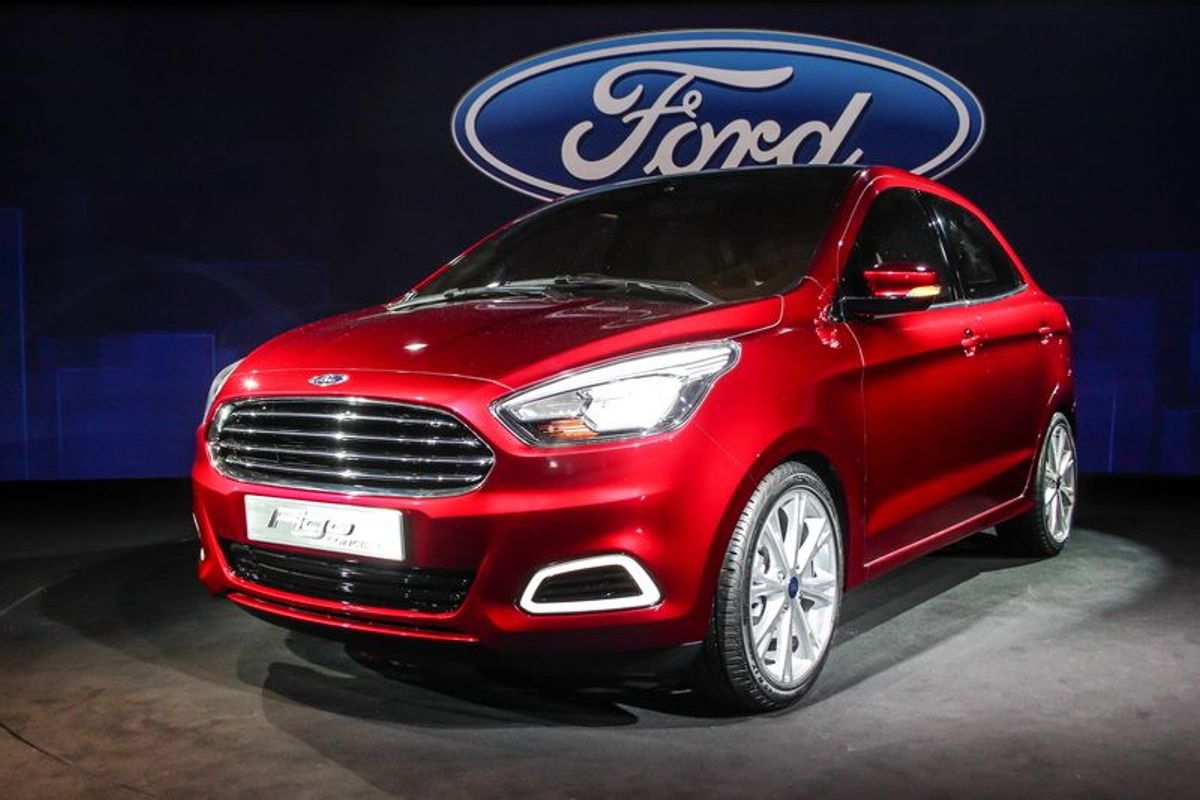
Ford Figo 1313 units (1184)
Ford Fiesta 885 units (685)
Ford Kuga 436 units (585)
Ford Focus 391 units (325)

4. GMSA – 5487 units

General Motors South Africa sales of 5487 units contributed to the 7.5% increase of the July industry sales. The Chevrolet Utility accounted for 1587 sales in the sub-1 ton light commercial sector, and the Chevrolet Spark was at a high level of demand with a total of 737 units sold in July. The refreshed Captiva, logged 178 sales for the month while the new Isuzu KB experienced a significant boost in sales on the back of increased production.

Model July Sales (Compared to June 2013)
Chevrolet Utility 1587 units (1672)
Isuzu KB 1379 units (1012)
Chevrolet Spark 737 units (484)
Chevrolet Cruze 356 units (511)
Chevrolet Aveo 293 units (232)

5. Nissan – 4662 units

Nissan South Africa shared in the general growth of the market with an 8% market share increase. The NP200 came in closely as one of the best sellers in the LCV segment, while a new contender, the Almera took the third position with 367 units in the brand’s top five selling vehicles.

Model July Sales (Compared to June 2013)
Nissan NP200 1663 units (1682)
Nissan NP300 Hardbody 916 units (600)
Nissan Almera 367 units
Nissan Juke 364 units (395)
Nissan Micra 312 units (414)

Top 6 petrol powered executive sedans under R400 000

An executive saloon needs to do a few things. Firstly, badge cred is a big deal; you need to show you’re part of the crew when you park down in the basement. Secondly, a quality, luxury interior is essential. Fuel consumption and value for money are probably last on your priority list, but you’ll find in this price range, the modern petrol burners are relatively economical.

Top 6 Petrol powered executive sedans for under R400 000 by John Beale

Below the summaries is a full spec sheet detailing all of the car’s featured.

BMW 320i AT


The 3 is by far the most dynamically adept of the German trio, but standard specification is bare bones. Specification lines (Sport, Modern & Comfort) give a more unique look, but push you over your budget. If you enjoy driving, this is the one for you. Be sure to specify Bluetooth and the adaptive running gear.

Mercedes C 200 BE AT


The exact same engine outputs as the BMW, but 7speed gearbox makes it a vastly different drive. Solid, but less dynamic and quite a bit more bland. Interior and exterior are now very dated and unique package ad-ons will push you over already most expensive list price. As bare-bones as the BMW on spec, so keep an eye out for run-out deals.

Audi A4 2.0T SE Multitronic


Recently updated, the Audi looks good and has the best quality interior of all here, but least supportive seats. A super engine offering best performance with similar fuel consumption. Multitronic gearbox might not be for all, and it’s the only front wheel drive German here. Careful on the Audi-buffet-options list as things get pricey, fast.

Volvo S60 T4 Excel Powershift


One of the most underrated vehicles on the road today. High specification levels when compared to the Germans, and extremely comfortable seats and interior. More relaxed cruiser than racer. Individual looks means you’ll stand out, but with the smallest boot you might leave some things out too. Excellent deals going, and second hand they’re even better value.

VW Passat 1.8T Comfortline DSG


The old-time South African favourite is largely ignored in this premium segment. Excellent, solid driving dynamics coupled with a superb reliable turbocharged engine and VW staple DSG gearbox. Quality interior and a very high standard specification list means it’s the best value here. Also by far the biggest boot, to boot!

Honda Accord 2.4 i-VTEC Executive AT


A Honda?! Slightly overpriced but powerful engine and supremely luxury ride and interior means it can hold its own here. A solid purchase, but rather small boot makes it less of a family vehicle. Also now the oldest of the lot, and expecting a new model soon, so look out for good deals and low mileage second hand models.

South African new car sales analysis

According to the National Association of Automobile Manufactures of South Africa (NAAMSA), July sales are very much in line with what the industry expected because of subdued economic growth and above-inflation new vehicle price increases.

That means new car sales have showed a substantial increase in South Africa for the past four years, and in July a total 58140 vehicles were sold which reflected an improved year on year growth of 7.5%, even though export sales registered a decline of 3.6%.

Naamsa further stated that while the outlook for the automotive sector for the balance of the year appeared less promising than at the beginning of 2013, the year as a whole would still represent the second or third best year on record with aggregate sales of approximately 660000 vehicles versus the record of 714000 achieved in 2006.
Here is a summary of new vehicle sales in South Africa for the month of July 2013, including export figures, Top 5 Passenger and Light Commercial Vehicles.

South African new car sales summary – July 2013

  • Total new vehicle sales: 58140 units, an increase of 7.5% compared to July 2012.
  • Total export sales: 26608 units registered a modest decline of 994 units or 3.6% compared to the 27602 vehicles exported in July 2012.
  • New car market sales totalled 40274 units, representing a gain of 6.4% compared to July 2012.
  • Light Commercial Vehicle (LCV) including bakkies, and mini busses totalled 15047 units, an increase of 9.2% or 1266 units sold compared to July 2012.

South Africa’s best-selling car brands – July 2013

Car Brand Volume RSA Volume Export
Toyota 11 935 6668
Volkswagen Group SA 10 613 4771
Ford Motor Company 5738 3492
GMSA 5487 183
Nissan 4662 916

Top 5 Selling Passenger Vehicles

Model Volume RSA Volume Export
Volkswagen Polo Vivo 3574 none
Volkswagen Polo 2618 none
Toyota Etios 2122 none
Toyota Corolla/Auris 2014 508
BMW 3 Series 1137 6167

Top 5 Selling Light Commercial Vehicles

Model Volume RSA Volume Export
Toyota Hilux 3159 5822
Ford Ranger 1876 3281
Nissan NP200 1663 31
Chevrolet Utility 1587 9
Isuzu KB 1379 115

Out of the total reported industry sales of 58140 vehicles, 47665 units represented dealer sales, 11.4% represented sales to the vehicle rental industry, 4.6% to industry corporate fleets and 2% to government.
A strong contribution by the car rental industry contributed to the July sales totals and this trend was expected to continue over the next two months. The outstanding performance in sales of light, medium and heavy trucks was indicative of higher levels of investment spending and was in part related to infrastructural development projects.

Various sectors are encouraged to lend support to the industry. Over the medium term, pre-emptive buying by consumers to avoid possible further increases in prices of new motor vehicles, as a result of the weaker Rand, could also lend support to the industry.
In contrast decreasing sales, replacement demand, the highly competitive trading environment, ongoing attractive incentives and high technology new model introductions are some of the positive factors that contribute to the growth of the industry.

The BMW X5 M50d review, specs and price

During a final sendoff off, there’s usually fireworks, a multi-gun salute and possibly a speech. The folks at BMW have let the firepower for their tri-turbo X5 M50d do the talking. With over 1million X5’s sold by June 2013, it is apparent that the BMW X5 has captured the hearts of many a soccer mom, executive and would be BMW 5 series station wagon buyer, the world round.

BMW X5 Engine specs and performance

The BMW Motorsport badge has lost some of its street credentials what with many 320d models being allowed the M-Sport fitment, but the badge still denotes power and handling characteristics that surpass the standard vehicle. So does this six cylinder tri-turbo diesel SUV deserve the badge?

Well, it has power that gives the X5 the ability to charge up to 100km/h in under 6 seconds, which is a good ‘start’. Even better is the relentless, and I mean never-say-die torque injection of 740Nm sent to all the wheels, at speed. Accelerating from 100km/h to 160km/h takes a few seconds, and it doesn’t stop there.

She hikes up her skirt and sets off in a pair of Nike trainers that puts most hot hatches to shame. Thank the three turbochargers, which ensure a constant boost of torque even at high speed, providing what feels like infinite shove through the extremely quick 8-speed gearbox. There is so much torque in fact that the X5 M50d has to be fitted with all wheel drive which is why it isn’t available in the standard 5 series range here in SA.

A slight touch of the acceleration pedal in corners and the fat 20/315/55’s can’t even keep all the horses reigned in. BMW’s all wheel drive system, (X-drive) and Dynamic Traction Control fight heaven and hell to keep the X5 from tearing the rear out. You are thankful at every point and turn for electronic stability keeping the beast in check.

Sadly all this torque doesn’t really translate into towing ability, with maximum towing ability at just over 750kg, for an unbraked trailer, which is standard for a chassis like the BMW X5.

Ride and handling

I remarked how impressive it is that for a model nearly 8 years old (the 3rd generation X5 was unveiled earlier this year) the 8-speed gearbox and drivetrain are still superb. Quick shifts from the auto’box in drive, and even less torque converter slack once the paddles were used in manual mode, making it even more of a pleasure to drive. The torque is instantaneous. Only off-the-line in first, turning into oncoming traffic, did I find a slight lull as most diesel engines have, this one obviously just overcome by the sheer weight of the vehicle.

Fitted with M-Sports suspension, the handling of the X5 M50d is still excellent for a car of its size. It is so flat in the corners that the only the drive height reminds you that this is in fact an SUV. Thanks to that suspension, ride is firm and it crashes over the quick shorter ruts in the road. The 20-inch wheels no doubt not helping the cause here at all. That said, on the open road the ride is comfortable without being wobbling.

Steering is weighted, often too heavy at low speeds, like the old 3, but lightens up somewhat on the move. The M Sport servotronic steering and M Sport thick leather steering wheel providing more than enough resistance and feel.

It has always been lauded as one of the best handling SUV’s on the road, second to the extremely capable Porsche Cayenne, but considering how much power BMW has managed to eek out of this 6cylinder, it is a win for the BMW group on diesel ground here. As is typical with most BMW diesel motors these days, they sound more like petrol engines, especially this 6cylinder unit.

Interior impressions

On the downside, the interior has dated in look but still has typical quality BMW feel. Standard seating is comfortable, and thankfully you feel like you’re sitting in the car rather than on it. Also, the newest iDrive is present here, and was a pleasure to use, but overall there was not a lot of tech to play with, and when you do start speccing tech it gets painfully expensive. I guess if you’re going for the BMW X5 M50d, money obviously is not an issue.

One thing I would spec is the 360view camera, which gives a birds’ eye view of the vehicle when parking. There was no reverse camera which was quite a butt-clenching experience, and I found the PDC wasn’t enough in some underground parking lots, as tight as the turning circle was. An optional third-row of child-seating was fitted which is quick and painless to remove from the flat boot floor. It does also leave a bit of extra room for bags once the seats are up.

BMW X5 M50d Conclusion

Overall, the BMW x5 M50d is a technological and mechanical wonder, considering the power comes from a 3litre 6-cylinder engine, where all the rivals use V8’s. Even with all the thrashing about I still returned 13.7l/100km, where similar performance and driving from the cheaper Jeep SRT8 V8 petrol returned just over 27l/100km. So there is some benefit here.

It’s an SUV, not a sports car, but for what it is, it sure overcomes what it really shouldn’t be very well. Yes it’s slower than the X5 M, and isn’t a bonafide M model, but this much torque is a thrill on its own. It’s overkill, and the 4.0 litre diesel in the range is more than you’ll ever need, but this performance diesel is deserved of its M badge.

BMW X5 M50d price

The BMW X50 M50d pricing starts from R991 105

Rivals

  • Audi Q7 4,2TDI Quattro – 250kW/760NM – R854 000
  • Porsche Cayenne S Diesel – 281kW/850NM – R889 000
  • VW Touareg 4,2 V8 TDI AT + R-Line – 250kW/800NM – R886 200

Driving Impression and Pricing for the Ford EcoSport SUV in South Africa

There was a time when the world was obsessed with SUVs. The bigger, the better. The US market led the charge and Ford would sell you a range of vehicles that are now almost embarrassingly large. But in a rare moment of forward planning for a country not exactly renowned for foresight, in 1999 the Brazilian arm of Ford predicted that compact SUV’s were the way of the future. And here we are, in 2013, with a Fiesta-based Ford EcoSport SUV running a 1.0 litre engine.

How things have changed – for the better

Clever engines with impressive fuel consumption, a higher ride height and a comparatively massive load area mean the Ford EcoSport offers all the practical benefits of an SUV with the running costs of a hatchback. It’s a very well thought out vehicle, which I would imagine will satisfy the demands of a wide array of South African motorists.

The EcoSport enters a burgeoning new segment of the market in South Africa. Currently led by the Nissan Juke, the EcoSport is very competitively priced, starting at R199 000. Admittedly at that price the spec is basic, but if you’re in the market for a small hatchback, for me it’s a no brainer to spend a little more and get yourself an SUV. It’s a much more practical car for a nation that values utility.

I’ve just had my second experience driving this new generation B segment SUV in rural and urban South Africa – the first was on the rather similar but slightly more terrifying roads of Goa, India. The truth is, both sets of roads were in fairly poor condition, and the little EcoSport handled everything with confidence. It’s a well set up car this, dealing with potholes and shoddy surfaces in a way that never really detracts from your comfort. It takes a big hole indeed to rattle the cabin.

EcoSport engine and specs

The Ford EcoSport is available in three engines and two transmission options. Ford’s award winning 1.0 turbo petrol, a 1.5 litre naturally aspirated petrol and a 1.5 litre turbodiesel. I’ll post a spec sheet at the end of the article, but in the meantime let’s chat about those engines. The 1.5 litre petrol doesn’t seem to be the best option, for me it’s a choice between the 1.0 litre petrol and the diesel.

I sampled both and it’s a close call but I think I’d have the diesel. While the 1.0 litre is a phenomenal achievement, it really does pull like a 1.6 litre, I feel in this particular vehicle it requires a little too much work with your left arm to keep it in the sweet spot. This may be something you become used to over time, but on first impressions I became bit tired of trying to find the right gear.
The diesel engine has less power but more torque than the 1.0 litre, and even though you have less revs at your disposal, it always feels like there’s a healthy amount of shove available. It’s an impressively quiet engine too. With the window down, you might ask yourself if you’re definitely in a diesel.

Fuel consumption is a hot topic here. These engines can achieve their claimed consumption figures, but it’s tough. And this is another reason why I prefer the diesel. In real world conditions, it will generally outperform the petrol motors in this aspect. If you’re in a hurry, the petrols will be thirstier. We achieved 8.2 litres/100km in the petrol EcoSport, and 7.1 litres/100km in the diesel, driven in similar styles. If you strive to be a calm, smooth driver all the time, you will definitely better those figures.

Quiet Cabin – Solid Build

The EcoSport’s cabin is quiet – long cruises should not be tiring at all. Top spec models feature cruise control, automatic aircon and Ford’s clever SYNC system, which lets you use voice commands to play music through your connected devices (it actually understands the South African accent, which helps).

The whole car feels very well put together. Not a rattle or squeak was heard over the nearly 300km we covered. Seating is very comfortable and because of the taller cabin, the rear seats can accommodate fully grown passengers, which isn’t the case with some new small hatchbacks. With the rear seats in place, you could easily fit a family’s holiday gear in the boot, and with the seats folded flat, you could do your yearly appliance shopping, or pack in some mountain bikes, or a herd of dogs. In that sense, it makes a regular hatchback feel very limited.

Conclusion

While the top of the range pricing puts it in line with very capable cars like a base-model Golf 7, you have to ask yourself what you need the car to do. Would you take your shiny new Golf on a gravel road? Probably not. The fact is that, for a wide range of lifestyles and ever-tightening budgets, a car like the Ford EcoSport could be all the car you ever need.

Ford EcoSport Price

Variant Price (incl VAT) Fuel consumption (combined cycle)
EcoSport 1.5 Petrol Ambiente Manual 199,000 6.5l/100km
EcoSport 1.0 EcoBoost Trend Manual R224,000 5.7l/100km
EcoSport 1.5 TDCi Trend Manual R229,000 4.5l/100km
EcoSport 1.0 EcoBoost Titanium Manual R244,000 5.7l/100km
EcoSport 1.5 Petrol Titanium Powershift R244,000 6.5l/100km
EcoSport 1.5 TDCi Titanium Manual R249,000 4.5l/100km

Jeep Grand Cherokee upgraded for 2014

The Jeep Grand Cherokee SRT has received a comprehensive update for 2014 and will be released in South Africa in August 2013 with a choice of three derivatives.

Jeep Grand Cherokee – Engine Range and Specs

The Jeep Grand Cherokee is powered by three petrol engine options, the 3.6-litre Pentastar V6, the 5.7-litre V8 and the 6.4-litre HEMI V8 engine that powers the high-performance SRT model. Also new for the 2014 Jeep Grand Cherokee and a feature only on the SRT, is the Launch Control system paired to the new eight-speed automatic transmission.

The Jeep Grand Cherokee Limited comes with a 3.6-litre V6 Pentastar engine delivering 210kW of power at 6350 rpm and 347Nm of torque at 4300 rpm, with claimed fuel economy of 10.4 L/100 km on the combined cycle.

The Overland model offers a choice of Pentastar V6 or 5.7-litre Hemi V8 power which produces 259kW of power at 5200 rpm and 520Nm of torque at 4200 rpm, with claimed fuel efficiency of 13-litres/100 km on the combined cycle.

The SRT8 model is fitted with a 6.4-litre Hemi V8, which delivers 344kW of power at 6250 rpm and 624Nm of torque at 4100 rpm, allowing the model to sprint from 0-100km/h in 5 seconds, reaching a top speed of 257 km/h.

Exterior and Interior Design Features

In line with its sporty character, the new variant has been updated with a revised signature seven-slot radiator grille, new bi-xenon headlamps with LED daytime running lights and a restyled rear spoiler, along with a new set of five-spoke alloy wheels, new bumpers and a re-sculpted tailgate that offers greater visibility. The front end is highlighted by a black surround, tail lights with signature LED lighting, a more aerodynamically efficient rear spoiler integrated into the all-new, one-touch lift-gate.

Inside the cabin there is a great use of high quality materials and model specific colour combinations, a redesigned centre stack with new HVAC controls, while the infotainment systems feature UConnect 8.4-inch touchscreen displays, a new three spoke leather covered steering wheel, and a configurable cluster display boasting 7-inch colour TFT.

Each Jeep Grand Cherokee model has its own unique style of luxury and ambience based on specific materials and colour patterns, inspired by the cultures and environments of Morocco, New Zealand, Nepal, Grand Canyon and by the Italian Mount Vesuvio.

Standard features of the Overland model include a contrasting stitched-leather instrument panel and seats, open-pore wood found on the dash and doors, and wood trim found on the top portion of the leather-wrapped steering wheel, while Black walnut wood trim finish adorns the dash and doors of the Limited model.

An exclusive premium Harman Kardon surround sound audio system is available on the high-performance SRT model, which also comes with special Laguna leather and Alcantara trim.

Safety features

In addition to its standard safety equipment, the new 2014 model offers upgraded Forward Collision Warning with Crash Mitigation, Adaptive Cruise Control with Stop functionality (available later this year), ParkView rear back up camera with dynamic grid and new Selec-Speed Control with Hill-Ascent Control and Hill-Descent Control, assisting the drivers when climbing and ascending steep grades.

2014 Jeep Grand Cherokee – Price

View the new Jeep Grand Cherokee

Jeep Grand Cherokee 3.6 Limited R584 000
Jeep Grand Cherokee 3.6 Overland R646 990
Jeep Grand Cherokee 5.7 Overland R679 990
Jeep Grand Cherokee SRT8 R879 990

Suzuki iV 4 concept announced for Frankfurt Motor Show

A teaser of the Suzuki iV4 concept has been released, which may be positioned as a rival to the Nissan Juke and the recently launched Ford EcoSport, which has just been launched in South Africa this week.

Suzuki iV 4 goes to Frankfurt

The Japanese automaker is set to release the Suzuki iV 4 concept as a compact SUV concept which will showcase Suzuki’s future design language in September at the Frankfurt Motor Show.

Developed with a theme ‘Grab your field’, the concept model embodies the basic ruggedness of an SUV, and will inherit certain design features of the Suzuki SUVs, such as the clam-shell shaped bonnet and the front grille divided into five.

Other Suzuki models on display will be the Alto, Splash, Swift, Swift Sport, SX4, SX4 S-Cross, Jimny, Grand Vitara and Kizashi.

Detailed information will be disclosed by Suzuki when the Suzuki iV 4 concept debuts at the Frankfurt Motor Show.

Nissan Juke diesel added to range

Not so long after the introduction of new CVT automatic and All-Wheel-Drive versions of the Nissan Juke, the company is expanding the range with a new diesel powered Juke model.

Turbocharged Nissan Juke “makes diesel exciting”

With over 8500 models of the Nissan Juke sold since its launch, Nissan maintains that this new diesel variant will continue to “play on all the established Juke quirks and elevate them to a new level where spirited performance and incredible driveability are met by utterly exceptional fuel efficiency.”

Mated to a six-speed manual gearbox, the 1.5-litre dCi engine in the new Juke produces 81kW of power at 4000 rpm and 260Nm of torque (20Nm up from the previous edition) at 1500 rpm, while three drive modes – Normal, Eco and Sport – allow the driver to adjust the Juke diesel’s personality via the Interactive Driver Control to suit the mood. In Eco mode peak torque is limited to 220Nm (with the full 260 available on kick-down).

The new Nissan Juke 1.5 dCi returns a combined cycle average fuel consumption figure of just 4.2-litres per 100 km (Nissan’s figures), with CO2 emissions of 109 g/km, which means it is below the threshold for the emissions tax.

Formula 1-inspired engine technology can also be found in the engine of the new Juke diesel, where DLC (diamond-like carbon) coatings for the tappets form part of low-friction enhancements to improve operating efficiency.

The engine also features a reduction in combustion noises as well as new-generation start-stop technology, with smart management technology which ensures a quick restart procedure; the engine firing up again within 0.5 seconds of the clutch being engaged.

Value for money

The new Nissan Juke diesel’s standard kit includes 17-inch alloy wheels, front fog lights, keyless entry and a start/stop button, an immobiliser, electrically adjustable and folding door mirrors, rain-sensing wipers, electric windows all round, privacy glass in the rear, a multifunction leather-bound steering wheel, trip data computer, Bluetooth connectivity for hands-free telephony and audio streaming, a quality four-speaker audio system with USB and iPod ports, cruise control with a speed limiter, six cup or bottle holders, two-tone suede-touch upholstery and a leather-trimmed gear lever.

Nissan Juke 1.5 dCi – Price

Nissan Juke 1.5 dCi Acenta+ – R263 800

View the new Nissan Juke

The price includes a standard 3-year/100 00km warranty and a 3-year/90 000km service plan.