An orange Lamborghini Huracan has been spotted tearing up the streets somewhere in the United States during what looks like an ad shoot of some sort.
News about the Gallardo replacement broke in bits and pieces late last year, where the brand confirmed that its new Huracan can complete the 0-100 km/h task in 3.2 seconds before hitting a top speed of 325 km/h.
And here in this short drifting scene you can hear the powerful and aggressive sound provided by the V10 5.2-litre engine which works together with a dual-clutch 7-speed gearbox and an AWD system.
The Lambos official public debut has been confirmed for March 6, which will most likely happen at the 2014 Geneva Motor Show. For now you can enjoy listening to the impressive Huracan’s growls in the video below.
Lamborghini Huracan Video
Toyota Auris HSD XR Review
The thing with hybrids is it’s the automotive equivalent of liking your own Facebook status. As the joke goes, ‘how do you know someone drives a hybrid? They’ll tell you.’
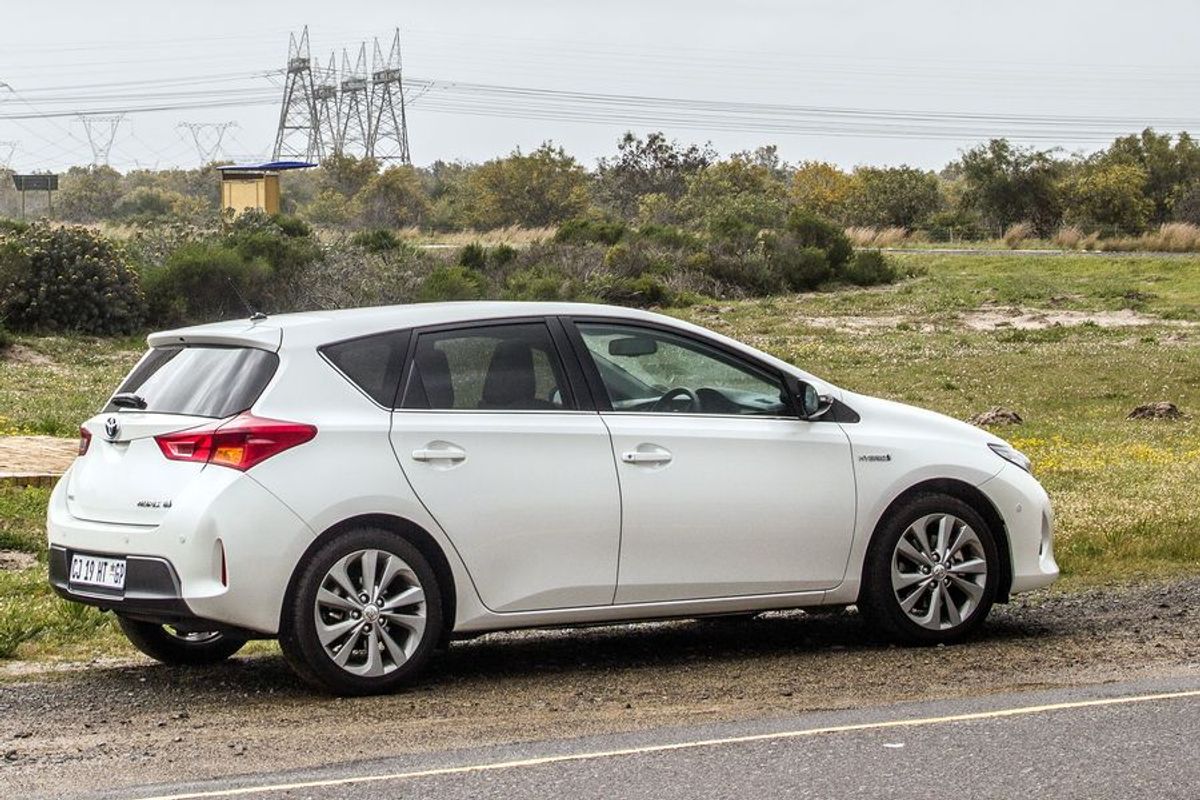
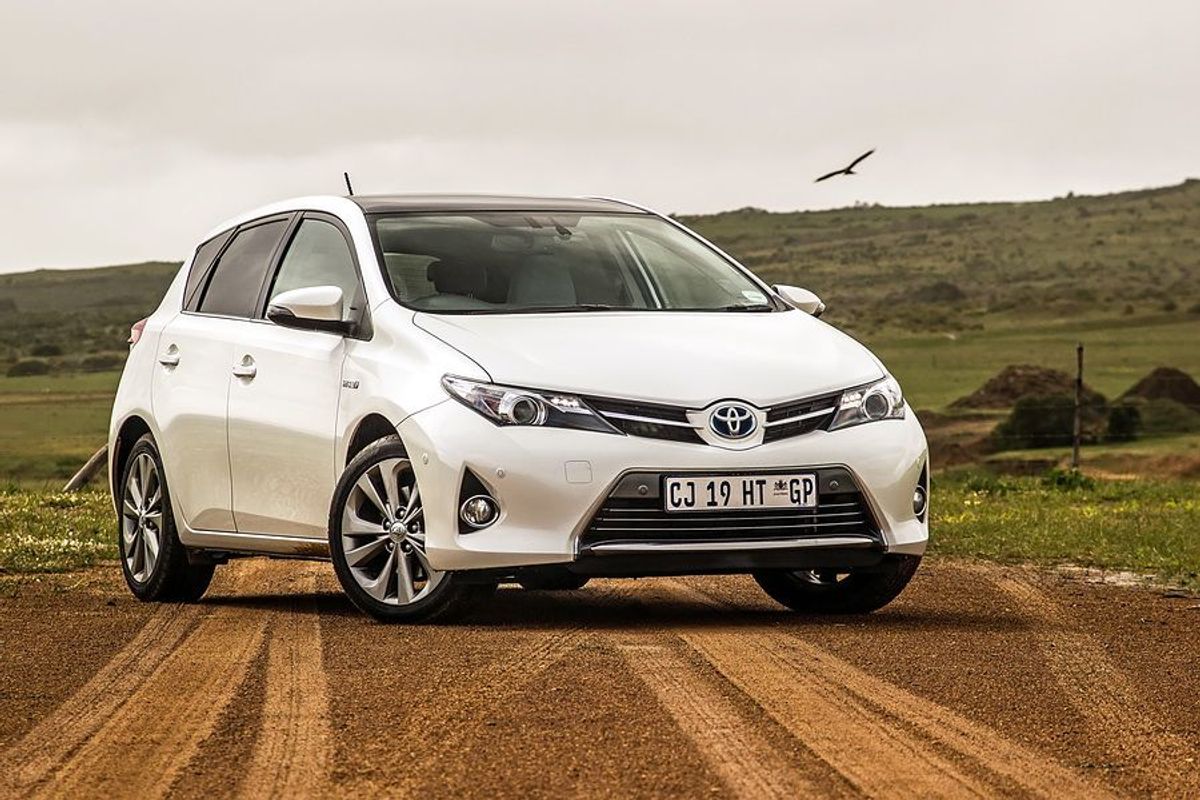
Personally I have nothing against hybrids and I quite enjoy trying to get the most mileage out of them. The Auris HSD looks very similar to its normal siblings, except for a few subtle Hybrid Synergy Drive badges. This is perfect then as you’ll blend in nicely and won’t be the butt of any jokes.
Engine from a Toyota Prius
At the heart of the Auris HSD is a 1.8-litre engine which is paired with an electric motor. Clever technology will allow you to drive on battery power only at slower speeds such as bumper-to-bumper traffic. Once you reach around the 50km/h mark, the petrol engine kicks in and you drive normally. The car will then take this time to use the petrol engine to charge the battery. Further energy is recovered through the braking process, which is then sent to the battery. It’s all rather clever, but does it translate into great fuel economy?
Eco champion
The simple answer is yes. Once you’ve changed your driving style to suit the car’s nature, you’ll see some commendable fuel economy figures. The car makes brilliant sense if you’re a commuter and spend a fair portion of your time stuck in traffic. The petrol engine becomes redundant and you can get about on electric. During the few days I had the Auris HSD I saw 5.5l/100km on the readout. Given the fact I was doing long open road highway drives, this figure is good. Put the car into a congested city and I’ll be mighty surprised if you don’t go under 5l/100km. If the Lexus CT200h, which has the same engine as the Toyota Auris HSD, can do this then so can you.
Ride and drive
It’s not too bad to drive apart from being a little dull. If you’re after comfort and predictable, the Toyota Auris HSD delivers. If you’re after some excitement, you’re going to be disappointed. While there’s very little to fault, the car is just underwhelming to drive. It’s like an accountant in her office. She won’t talk about her weekend while making coffee on a Monday morning, but you know all her work and books will be up to date.
Features and specification
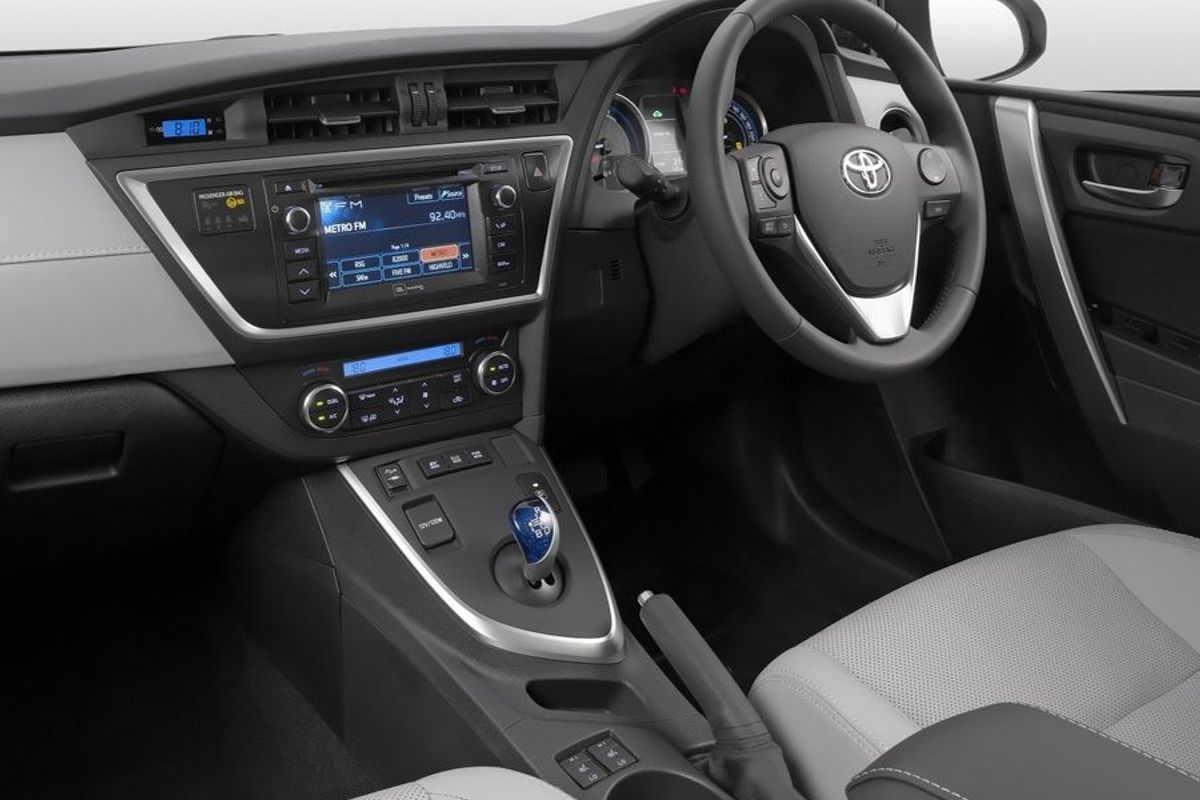
Standard features of the Toyota Auris HSD include seat warmers, reverse camera, park assist, LED daytime running lights, Bluetooth/USB connectivity, cruise control and steering wheel-mounted controls for audio. The ergonomics of the car aren’t bad either, and my only criticism is the cabin is a bland place to be. I thought Toyota was trying to make exciting and fun-orientated vehicles? Clearly the Auris HSD wasn’t included in that plan…
Summary and conclusion
Clever technology from the Toyota Prius bundled into a Toyota Auris makes this quite a sensible vehicle. It has enough gadgets and specification, and the price tag is justified when you look at the fuel consumption and emissions. It doesn’t put a foot wrong, except when you’re in a rush and the engine sounds a little strained, and it feels like you’re driving something that should hold its value and be reliable. If only the Toyota Auris HSD wasn’t boring to drive.
The debate of hybrid versus eco diesel is raised again with this vehicle. I recently had the rather good Honda Civic 1.6 diesel on test and was very impressed with the combination of frugal engine and sporty design. The Honda is significantly cheaper too, but you’ve got the guarantee of good servicing from the Toyota.
Toyota Auris HSD price in South Africa
The Toyota Auris HSD here is the XR version, which gives you some more features and specification. It retails for R336 400. The XS version sells for R310 200.
Toyota Auris HSD XR Specifications
Engine
1.8 litre inline-four petrol with electric motor
Power
73 kW @ 5 200 rpm (100 kW with electric)
Torque
142 Nm @ 4 000 rpm
Transmission
CVT
Wheels
17-inch
0-100km/h (Claimed)
11.4 seconds (claimed)
Fuel economy
4l/100km (claimed on the combined cycle)
We like: . Great fuel economy
. Decent ride
. Well kitted out
We dislike: . You may fall asleep during the drive because its so dull
. Engine noise when in a hurry
Limited Edition Koenigsegg One:1 To Debut In Geneva
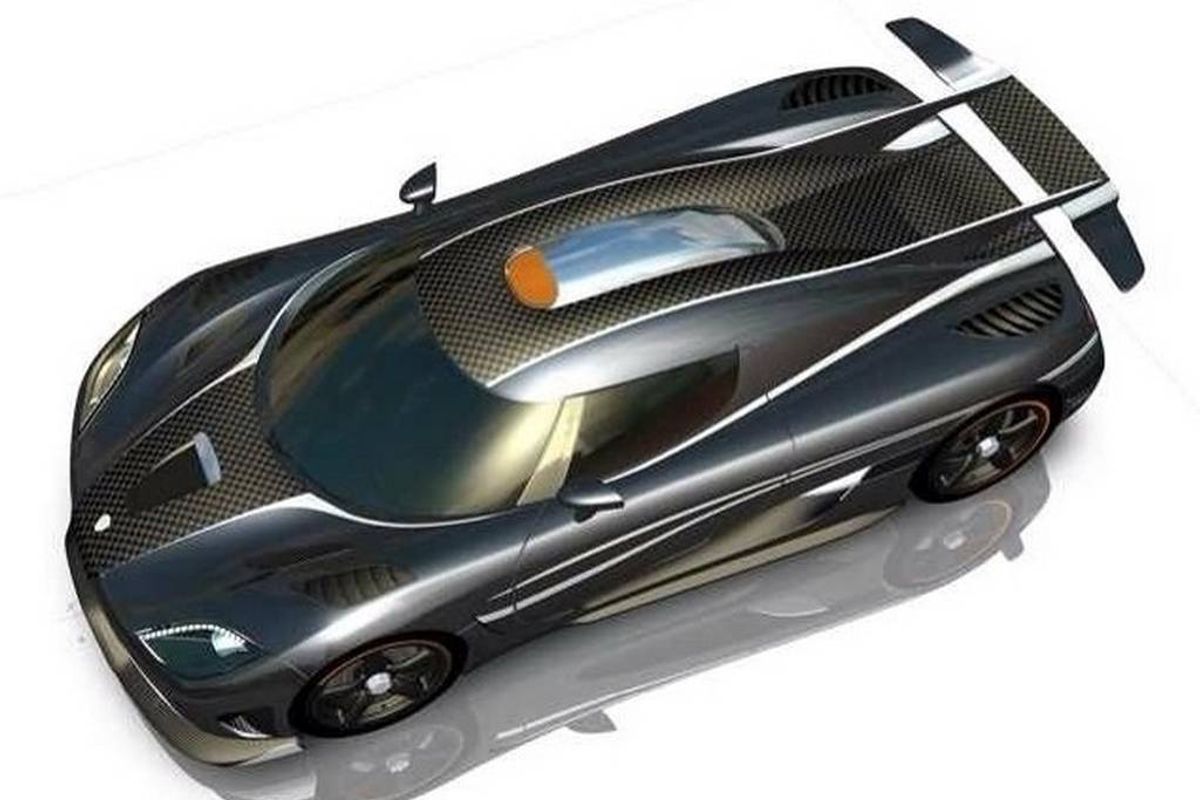
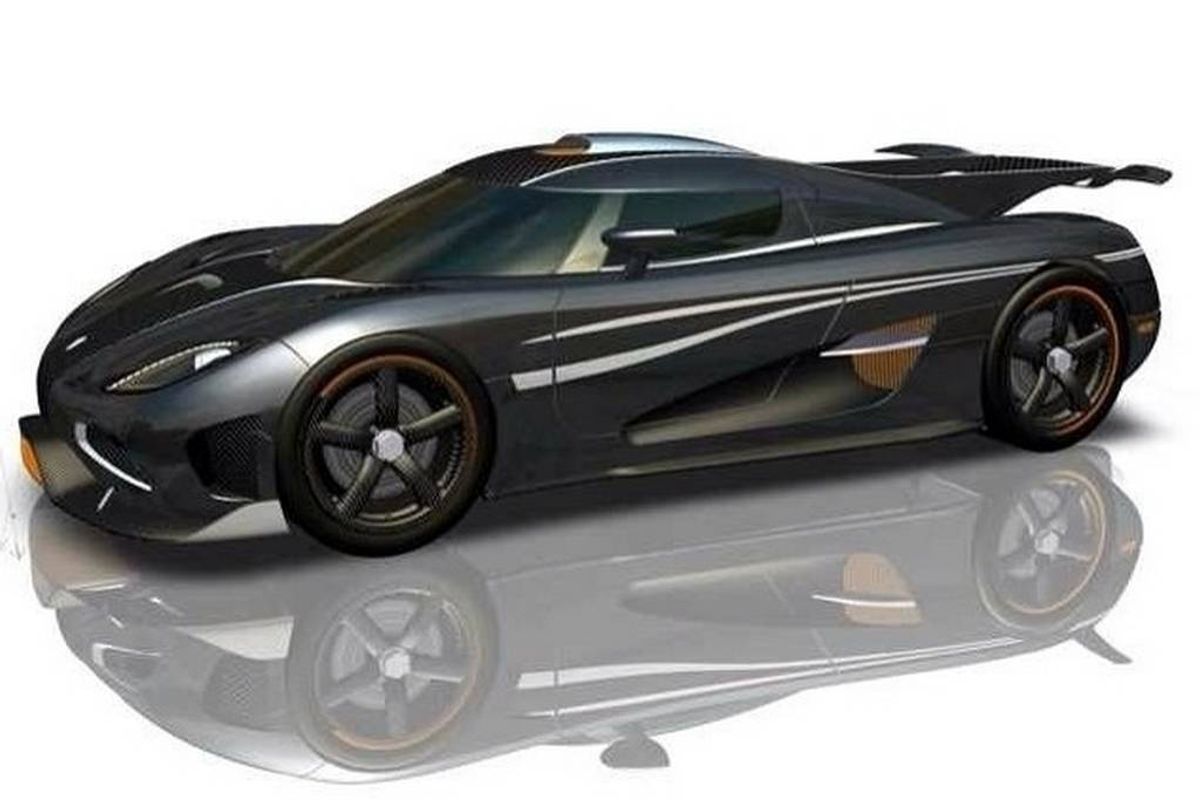
The boutique hypecar builder Koenigsegg has confirmed that the limited edition Koenigsegg One:1 will be specially exhibited in March at the 2014 Geneva Motor Show.
The Swedish manufacturer only built six production cars and all of them have already been sold. Expected to become the fastest production car in the world, the One:1 boasts 1044 kW and weighs 1400 kg which will include all fluids and the weight of an average-sized driver.
The “One:1” nameplate refers to the vehicle’s power-to-weight ratio, which although incredible, is not as impressive as the aerodynamic redesign and redevelopment of the Koenigsegg One:1 compared to the Koenigsegg Agera R.
Koenigsegg’s engineers say the One:1 can theoretically reach top speeds of more than 450 km/h, which will most likely be limited by the tyres.
The Swedish company expects the One:1 to set new records for the sprint time from 0-200 km/h, 300 km/h, and they estimate hitting 400 km/h from standstill in approximately 20 seconds.
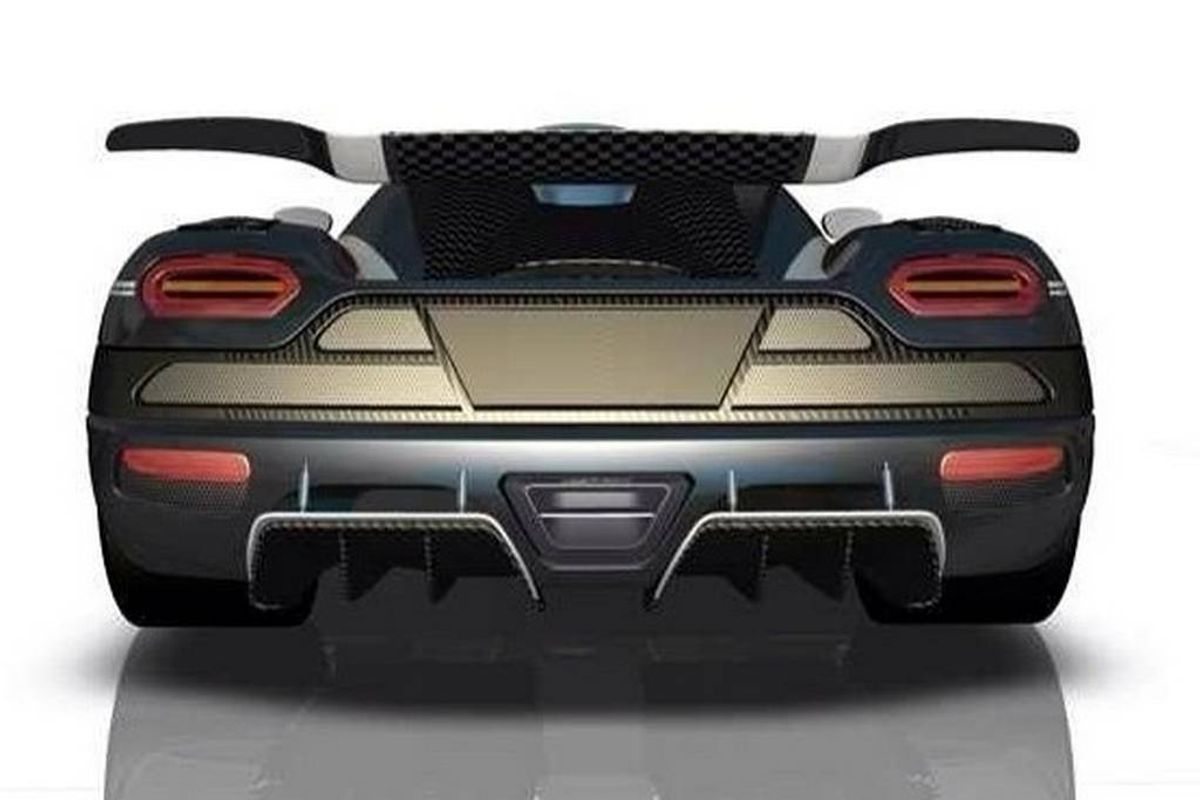
The car is further equipped with carbon fibre wheels, a new front fascia with a more aggressive lower front splinter and a fixed roof with a carbon fibre air scoop. The rear is completed by a large rear wing, a new diffuser and a central exhaust outlet.
More details concerning the Koenigsegg will be revealed at the special debut in Geneva in March. You can expect the One:1 to compete against the Mclaren P1, Porsche 918 and the Bugatti Veyron.
Limited Edition Koenigsegg One:1 gallery
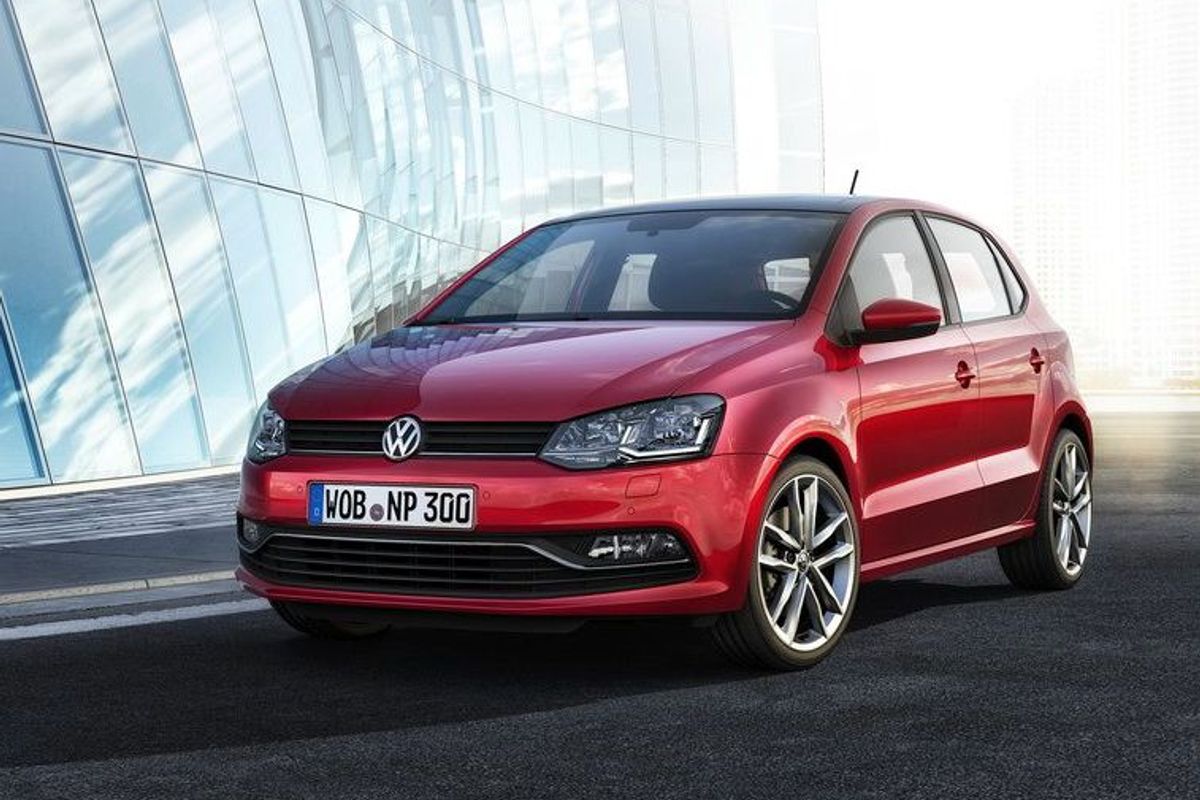
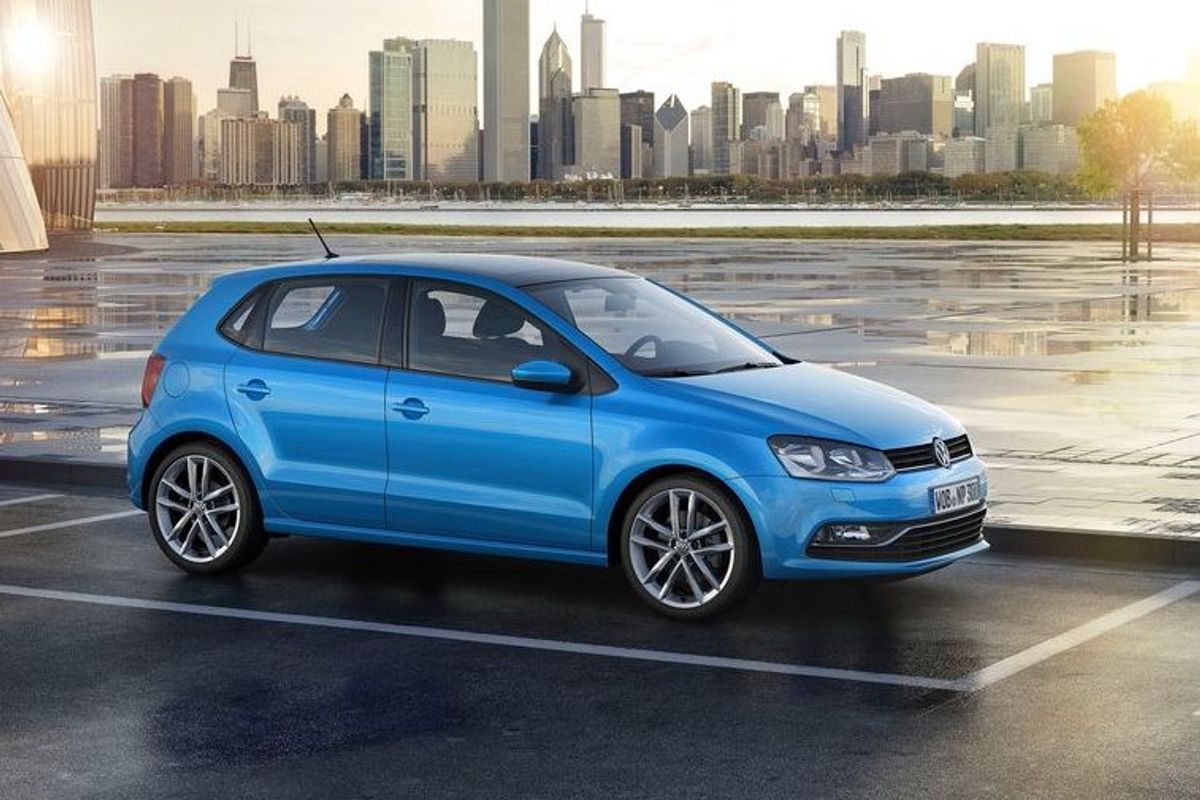
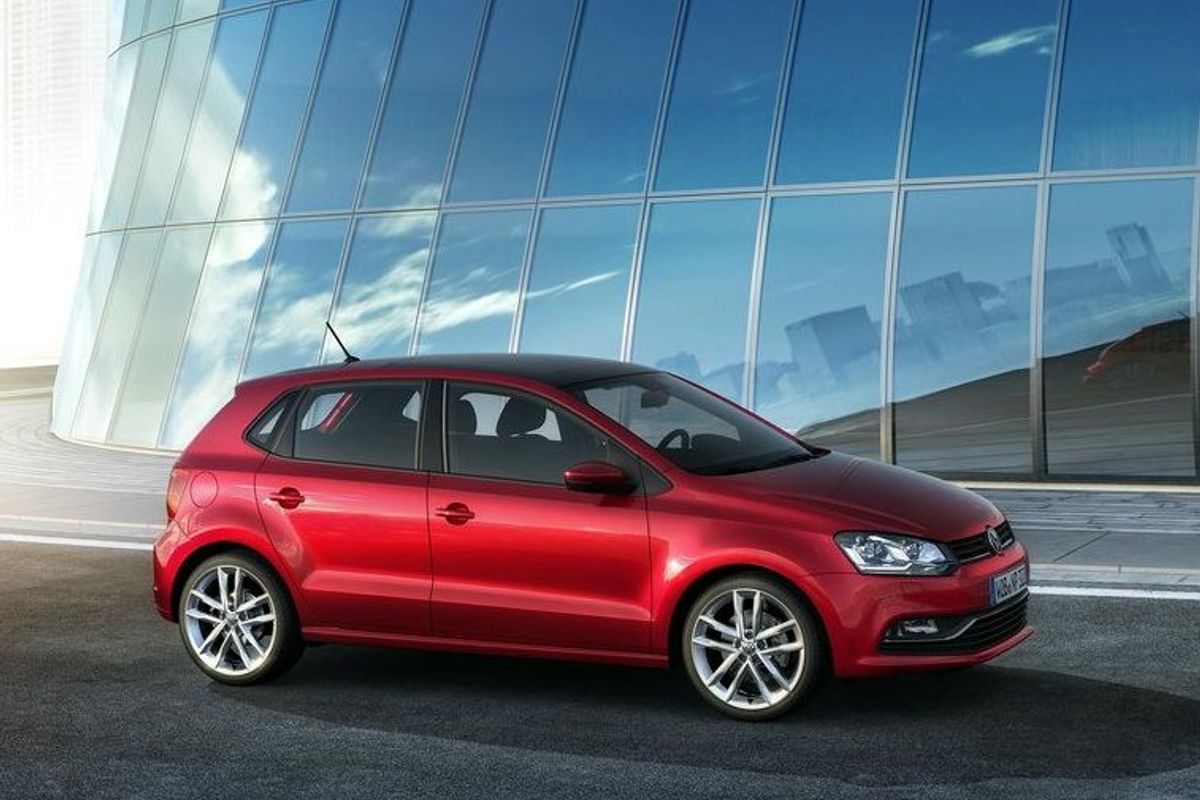
2014 Volkswagen Polo Updated With New Engines
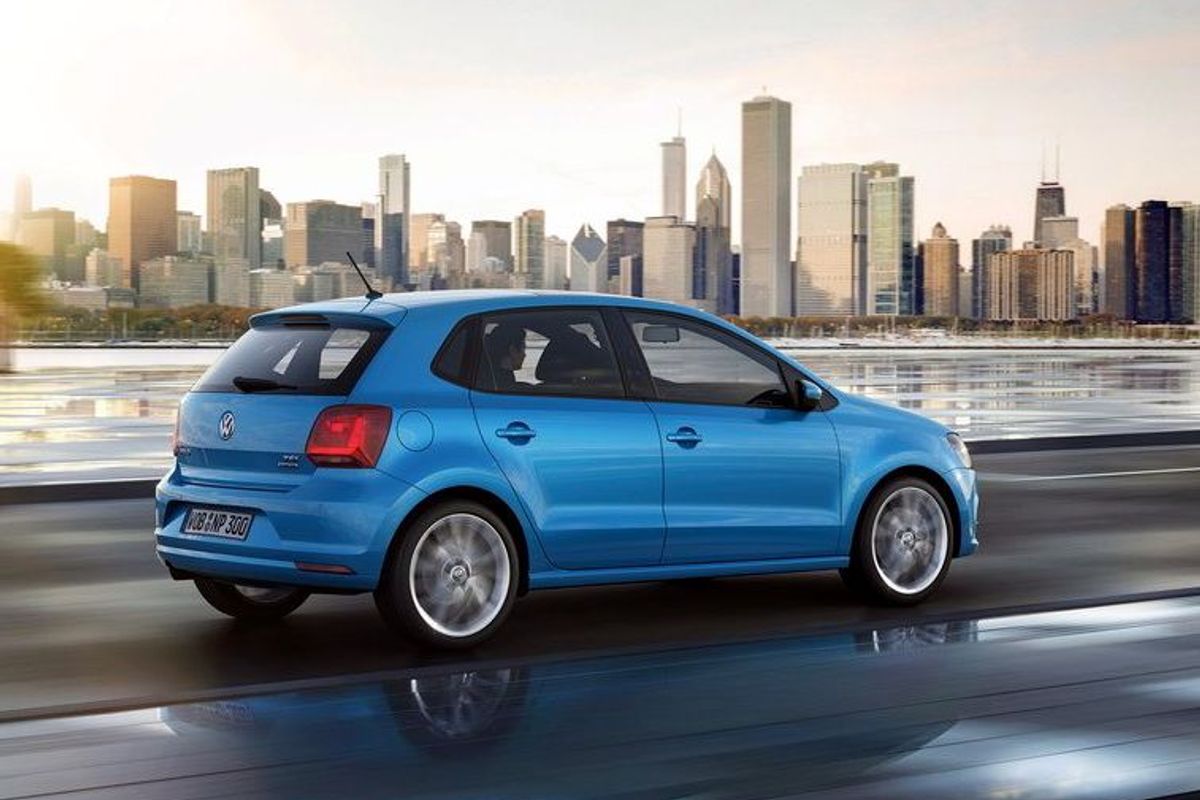
A mid-cycle facelift for the 2014 Volkswagen Polo has just been revealed by the German automaker and is scheduled to make its public debut in March at the 2014 Geneva Motor Show.
New lighter engines
Volkswagen has set up a new range of efficient petrol and diesel engines which promise fuel efficiency increases of up to 21% over the other models. The power levels at market launch are: 44 kW indirect injection /MPI, 55 kW MPI, 66 kW direct injection/TSI and 81 kW TSI.
Fuel consumption and emissions of the entry-level engine with 44 kW ? in the version with a stop-start system and regenerative braking ? were reduced from 5.5 l/100 km and 128 g/km CO2 to 4.6 l/100 km and 106 g/km CO2.
Making its debut during the second half of the year, will be the new 66 kW engine for the new Polo 1.0 TSI BlueMotion the first one-litre three-cylinder turbocharged direct injection engine in this model series. It consumes just 4.1 l/100 km and emits 94 g/km CO2. The previous model with an identical power output of 66 kW consumed 4.9 l/100 km (equating to CO2 emissions of 113 g/km.
Of the latest petrol versions, the BlueGT with cylinder deactivation (ACT active cylinder management outputs 110 kW instead of the previous 103 kW. New diesel engines which include three direct injection three-cylinder turbo diesels (TDI) that all generate their power from 1.4 litres displacement (previously 1.2 and 1.6 litres).
The power range is identical to the previous model: 55 kW, 66 kW and 77 kW. The versions with 55 kW and 66 kW will be offered at market launch, while the 77 kW version will follow with a schedule offset.
Depending on the engine choice, the 2014 Volkswagen Polo can be configured with five- and six-speed manual gearboxes as well as a dual-clutch seven-speed automatic transmission.
Exterior and interior enhancements
Not much has changed on the exterior, apart from the slightly reworked front bumper and an updated grille with horizontal lines. The headlights are also the same except the upper-spec models now come with LED technology for the main beam function.
Designers further developed the front and rear styling to be more distinctive. In the rear bumper area, there is a revised bumper featuring a cleaner horizontal layout and a wider cut-out for the licence plate.
The trapezoidal outer contour of this area extends into the rear wheels, which creates a more dynamic tension of surfaces.
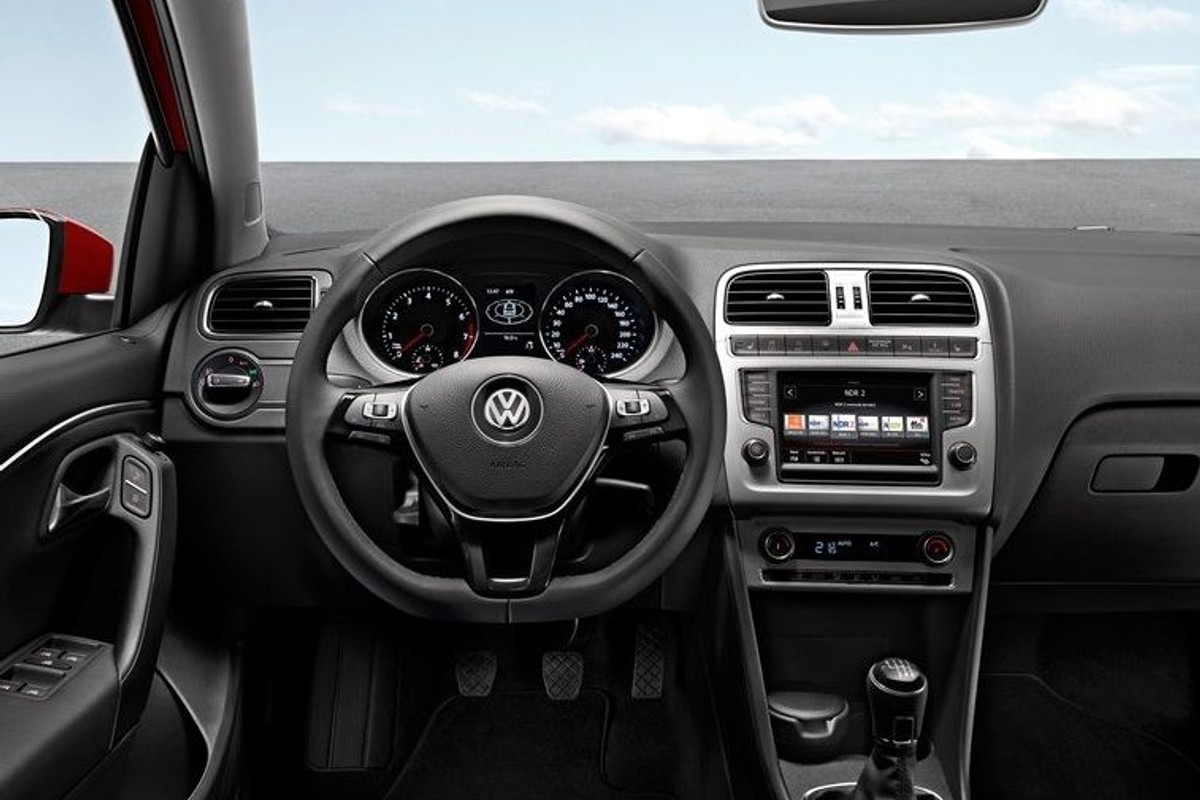
Inside, many new ergonomic and visual improvements have been made. Theres a new three-spoke steering wheel, modified instrument cluster with its 3D tube look, along with an updated centre console packing new controls for the AC system. 5- and 6.5-inch touchscreen displays are also available and so is a rear view camera system.
Three equipment levels offered
As in the previous model, Volkswagen is once again offering three equipment levels in the 2014 model year Polo: “Trendline”, “Comfortline” and “Highline” (other versions will follow such as the BlueGT, GTI, BlueMotion and Cross).
Extended standard features of the Polo Trendline now include 15-inch instead of 14-inch wheels, a split rear bench including dual cargo floor, new electromechanical steering, remote control for central locking, multifunction display and tyre pressure monitoring system.
The Polo Comfortline features 15-inch alloy wheels (previously 15-inch steel wheels), ParkPilot in front, the “Composition Touch” radio system and the multifunction display Plus. While the Polo Highline is now equipped with 16-inch alloy wheels (previously 15-inch) and the new driver alert system as standard. Safety features include a post collision braking system, city emergency braking function and adaptive cruise control.
The 2014 Volkswagen Polo facelift will go on sale shortly after its Geneva debut in March. At this stage, we haven’t heard anything with regards to this new Polo being sold in South Africa. Given the fact that many Polos are manufactured at Volkswagen’s factory in the Eastern Cape, it’d be silly to suggest it won’t be sold here.
2014 Volkswagen Polo photo gallery
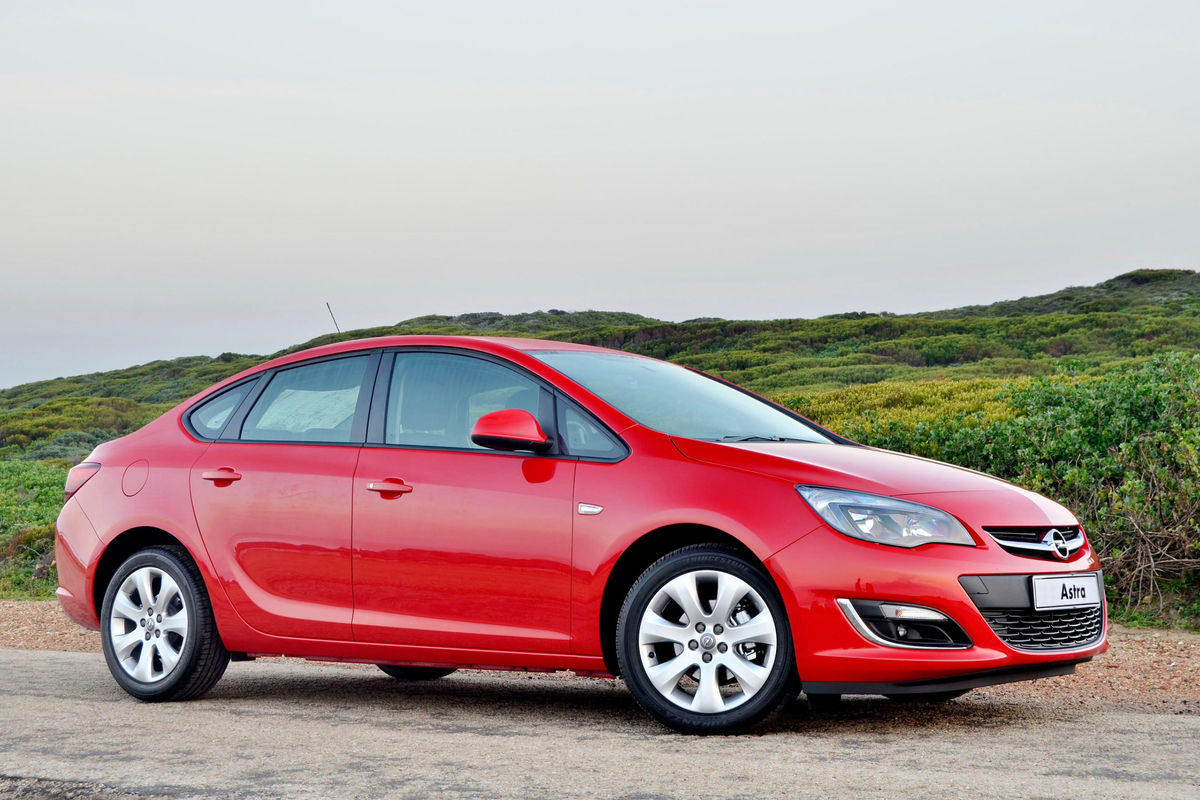
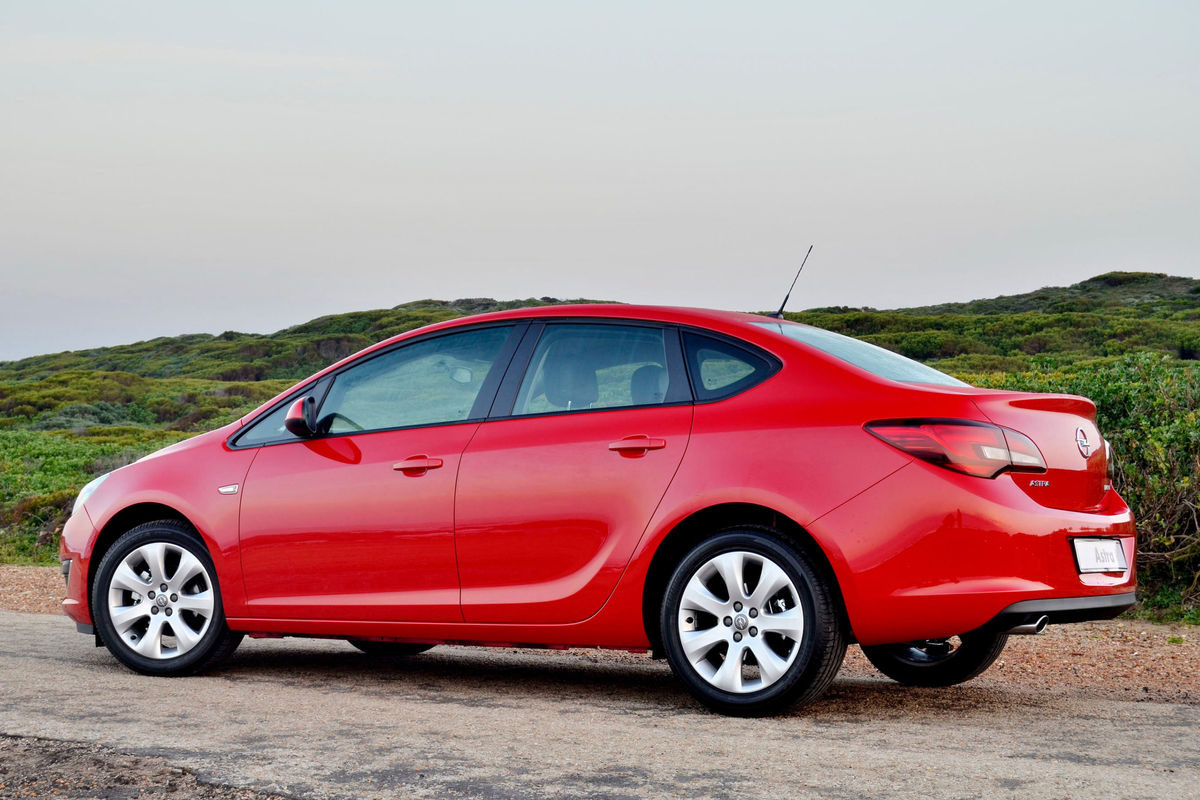
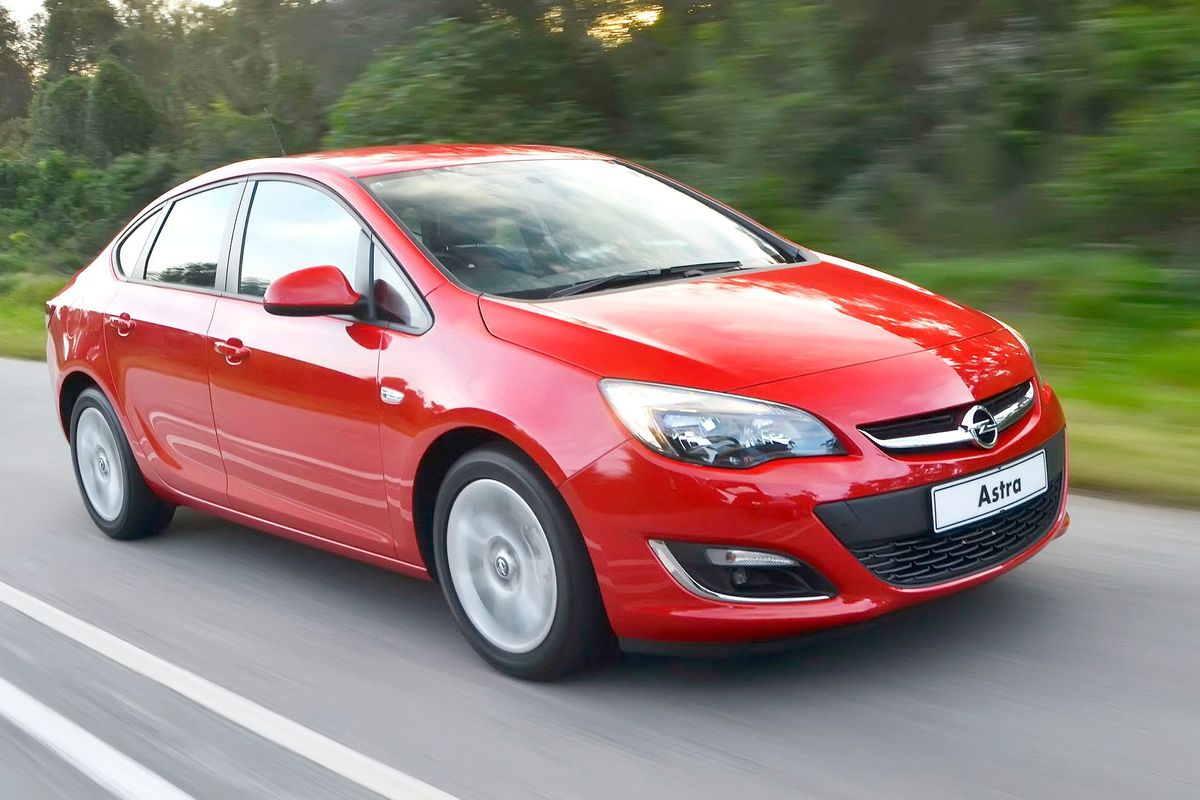
Opel Astra Sedan Automatic Review
While the Opel Astra hatchback has been a permanent feature of the South African motoring landscape since before I was born, the sedan version has dipped in and out of the market with varying levels of success. However now the German arm of General Motors has taken its latest, most refined Astra ever, and added a boot.
In hatchback form, the Astras rivals in most aspects are the likely suspects: Ford Focus, VW Golf, Toyota Auris, Mazda3, to some extent the Audi A3, BMW 1 Series and now Mercedes A-Class, amongst others. However by adding a boot, I feel it opens itself up to a host of new competitors, particularly from a segment ‘below’. I use inverted commas because the segment below, with cars like the upcoming Toyota Corolla and Hyundai Elantra, dont feel very lowly at all anymore.
So lets call this a newcomer to the segment then. And what a handsome addition it is. With clean, strong lines, the Astra is striking, and I did field a few enquiries from the public. If I did have a crystal ball, and I were to gaze at it now, I would predict this model becoming a bit of a modern classic, and I would imagine well see loads of them on the roads in years to come. Probably with aftermarket kits fitted and neon lights underneath, but thats beside the point.
Astra sedan range and engines
Three spec levels are available, however only two engines are currently on offer. I tested the 1.4 turbo Essentia Auto, which provides just about the perfect amount of oomph. The other powerplant is the 1.6 litre turbo, which offers a healthy extra dose of 30 kW and 30 Nm over the 1.4.
With 103 kW and 200 Nm running through a 6 speed auto box, the Astra never felt underpowered and even provides enough confidence for some enthusiastic driving. However, at higher revs, the engine does feel like its straining, although the noise is never intrusive. I have a feeling though that instead of being a well-tuned engine, the Astra rather features a well-insulated engine bay.
Power delivery is smooth and the Astra excels as an urban run-around. The autobox is a peach, it seems to always be in the right gear and kick down is quick and effective. It does have a sport mode, but for some reason Sport mode is just a shambles. While the box will hold the gear for longer, it doesnt seem to want to kick down, at all. Baffling.
There is a 5 speed manual on offer and paired with the 1.6 turbo, I imagine it would make the Opel Astra sedan quite good fun to drive. But with the refined, comfortable ride, I would save the R20 000 difference and stick with the 1.4 auto. Opt for the manual and youll save another R10 000.
Interior space and features
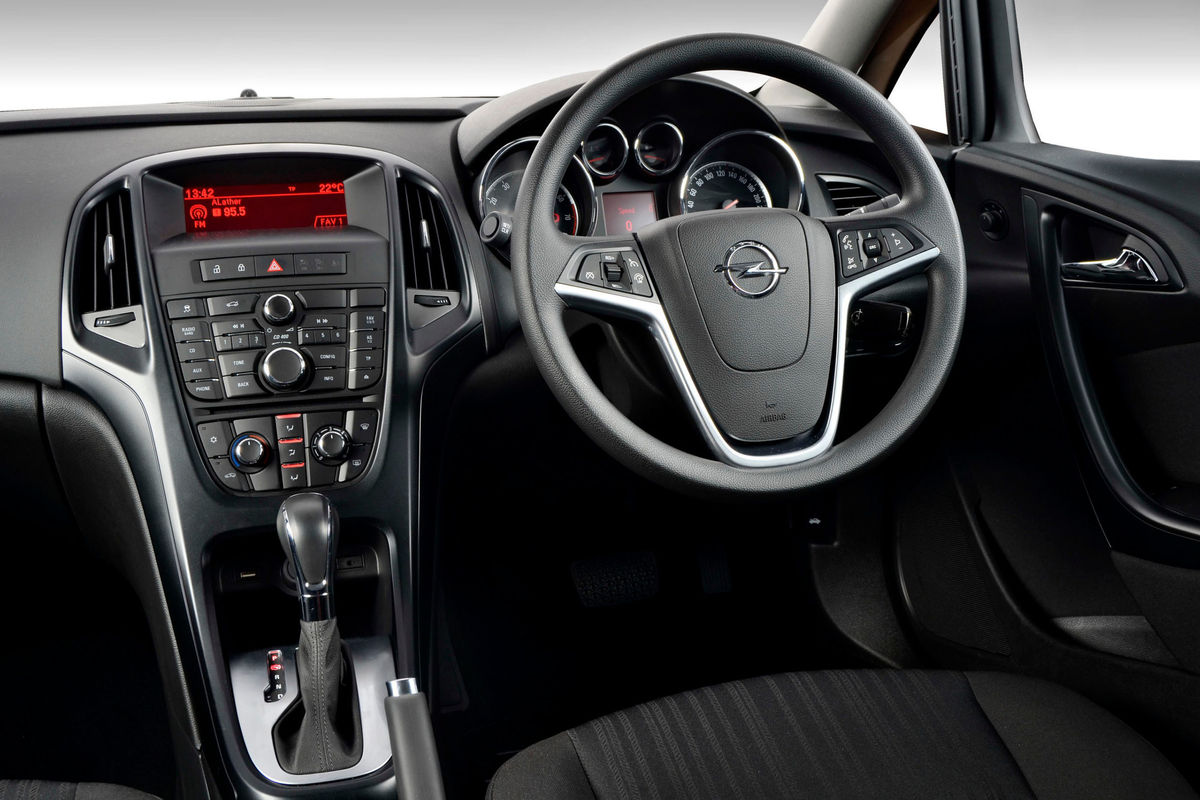
In an age of touchscreen interfaces, the Astras dash does unfortunately look a little dated. A wide but narrow monochrome red screen displays all infotainment, while a smaller, similar panel sits between the speedo and tachometer, featuring consumption and trip information. Aircon and electric mirrors are standard, however only the front windows are electric. Yes, theres good ol window winders in the rear, which I must admit I havent seen in a long while.
I found the steering-wheel buttons well thought out and useful, and the infotainment system is comprehensive, with Bluetooth connectivity, USB MP3 playback and a very decent sound system, but the old-school, four-lines-of-text display makes navigating through menu items a bit frustrating. I particularly didnt like the gearknob either. It feels plasticky but is designed to look like the handle of your granddads walking stick. It looks very out of place.
Besides the dash (and gearknob), the rest of the interior is spot on for this segment. Comfortable, supportive seating for five and very generous bootspace make this a car you could easily live with on the daily school run. The Astra is a big car for this segment, and I would argue that the interior space on offer here is best in class. It feels very roomy indeed.
Astra sedan safety features
Theres a decent alphabet soup fitted as standard here. ABS with EBD, Brake Assist, traction control and ability control all step in when you run out of talent or really need to stop in a hurry. Its another excellent feature of the car, the brake feel. Very confident and firm but not snatchy at all.
The Opel Astra sedan is fitted with six airbags and has achieved the highest award available from EURO Ncap, with 5 stars.
The Opel Astra Sedan should you or shouldnt you?
At R265 500, this is a lot of car for your money. And it is a solid car. Not a rattle or squeak was to be heard, and the drivetrain and chassis feel very solid indeed. It feels like beneath the skin, there is some solid German engineering. But all of that is let down by a dated and bland infotainment system and dashboard the bits of the car you notice, your friends notice, and more importantly, the bit of the car you use all day, every day.
While the Opel Astra sedan is more interesting and keenly priced against rivals like the Honda Civic (a similarly powered and specced Civic 1.8 is priced at R263 900, I have a feeling the biggest headaches for the German car brand are still to come, most notably in the form of the Toyota Corolla, launching in SA in February 2014.
Opel Astra Sedan 1.4T Essentia Auto Specifications
Engine
1.4-litre turbocharged inline-4 petrol
Power
103 kW @ 4 900 – 6 000 rpm
Torque
200 Nm @ 1 850 – 4 900 rpm
Transmission
6-speed automatic
Wheels
17-inch
0-100km/h (Claimed)
10.3 seconds (claimed)
Fuel economy
6.6l/100km (claimed on the combined cycle)
We like: –Solid feel, refined ride
– Efficient yet powerful little motor
– Interior space
We dislike: – Dated infotainment interface
– Sports mode isnt sporty at all
– No diesel variant
The first 2015 Ford Mustang sold for a whopping $300 000 at the Barrett-Jackson collector auction in Scottsdale.
The person who bought the Mustang, Sam Pack is apparently a serious car collector with about 250 vehicles to his name. The Mustang will be placed at his museum, and according to Ford, he will be able to choose a fastback with manual or automatic transmission, any interior and exterior and stripe colour combination offered by Ford on the all-new Mustang. Proceeds from the sale will benefit JDRF – a Ford charity and leading diabetes research organisation.
Ford Mustang coming to South Africa
The first production 2015 Mustang off the line is a GT model with a 5.0-litre V8 producing around 312 kW of power and 528 Nm of torque. The 2015 incarnation of the Ford Mustang forms part of the brand’s global strategy which is exciting news for us.
Ford Mustangs are iconic cars. How much would you consider paying to become the first Mustang owner in South Africa?
Audi RS Models Now Available In South Africa
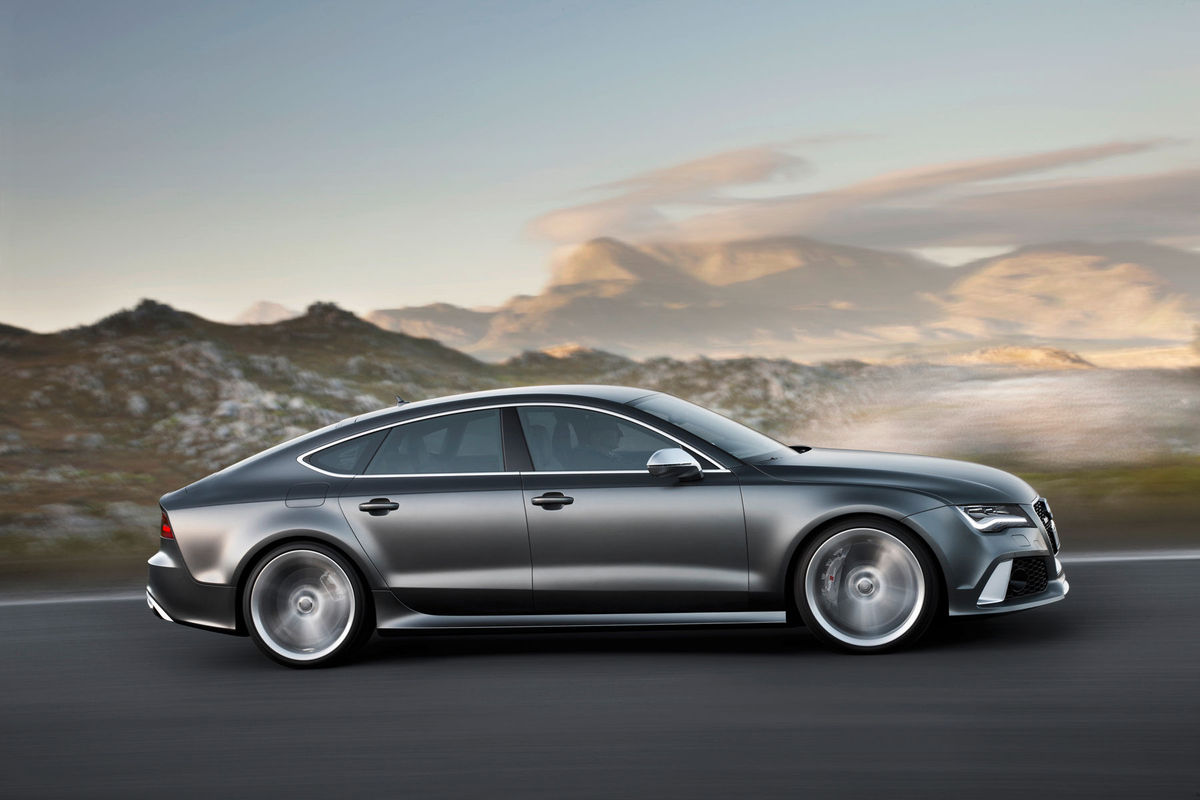
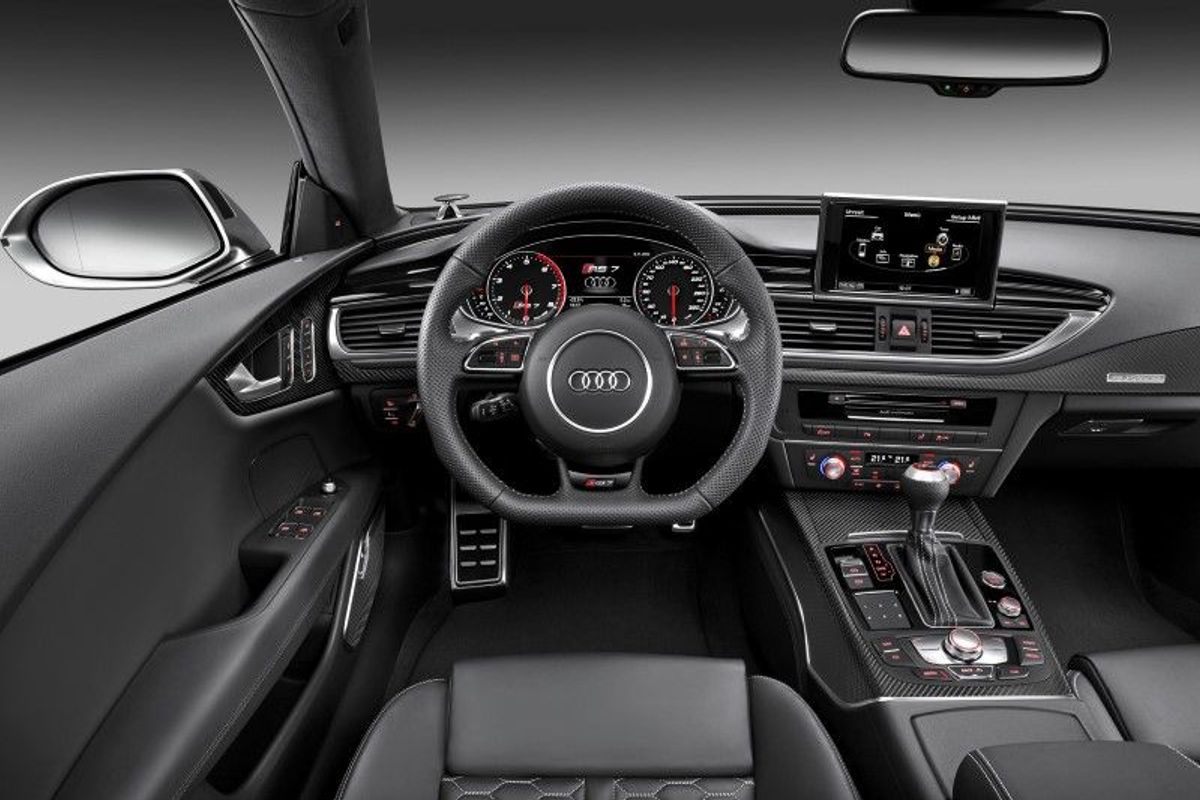
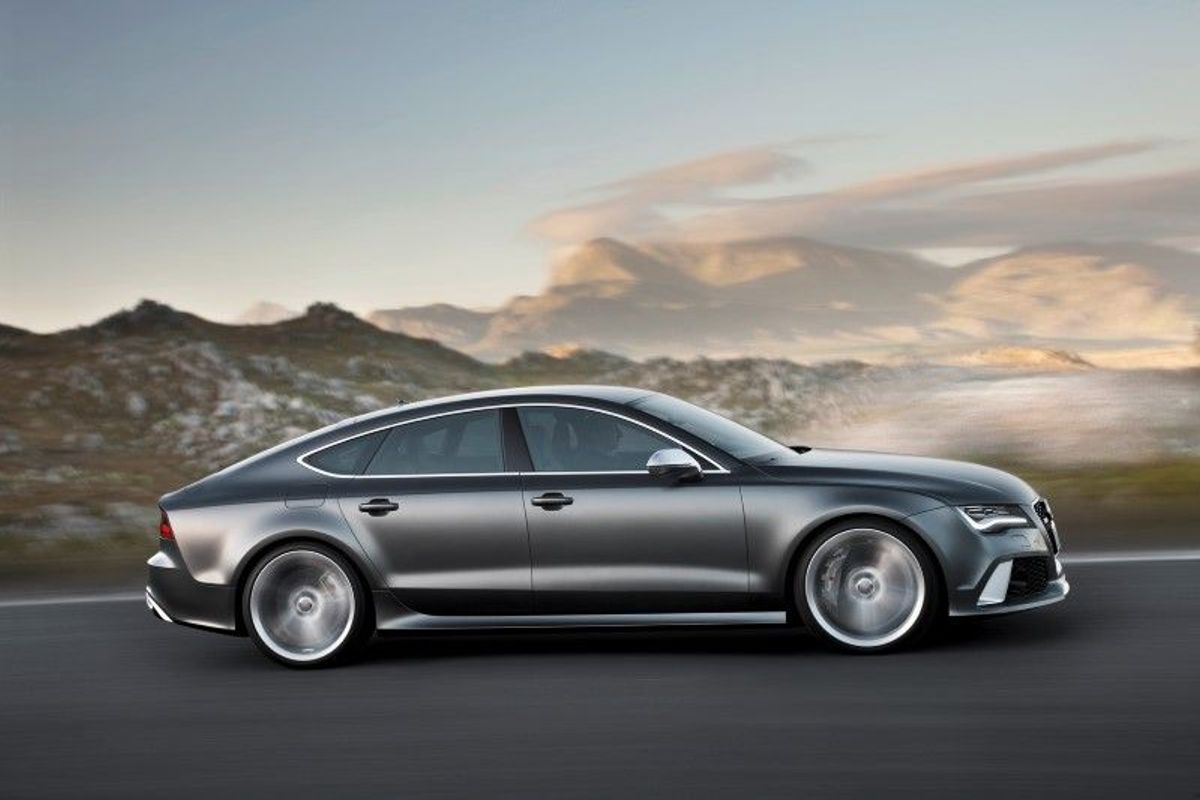
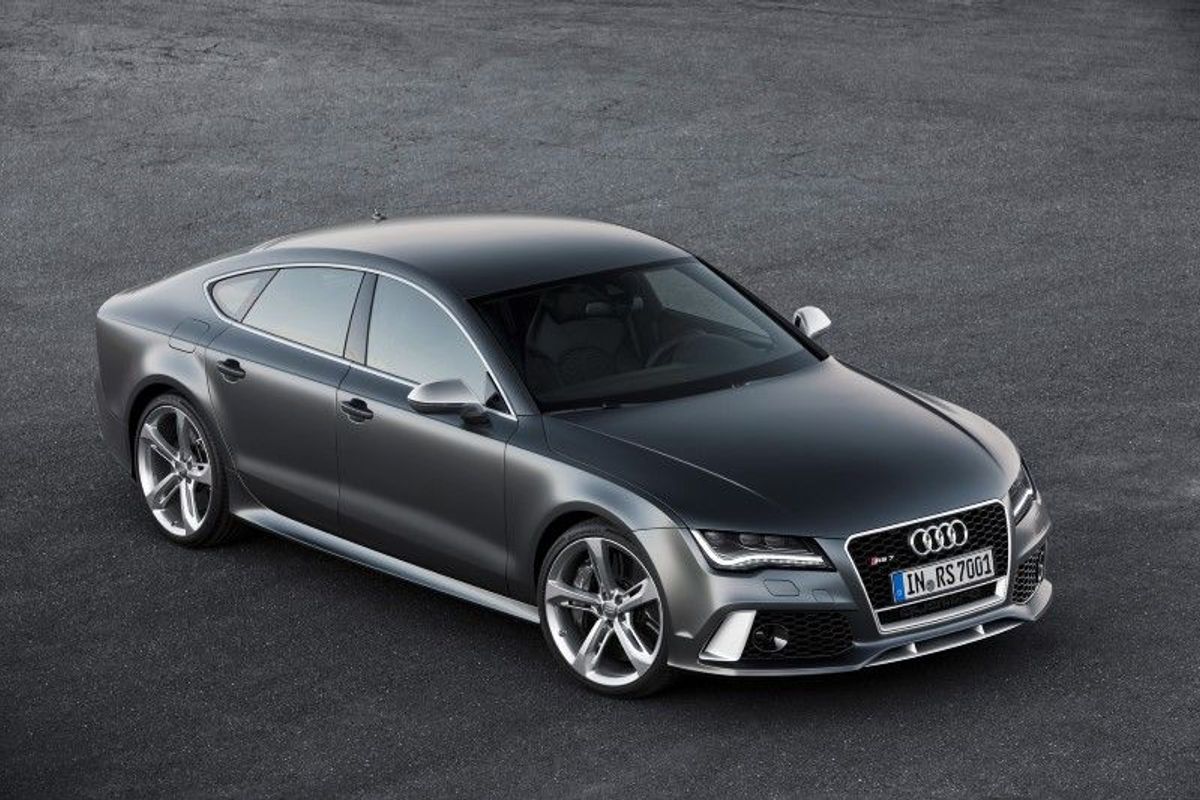
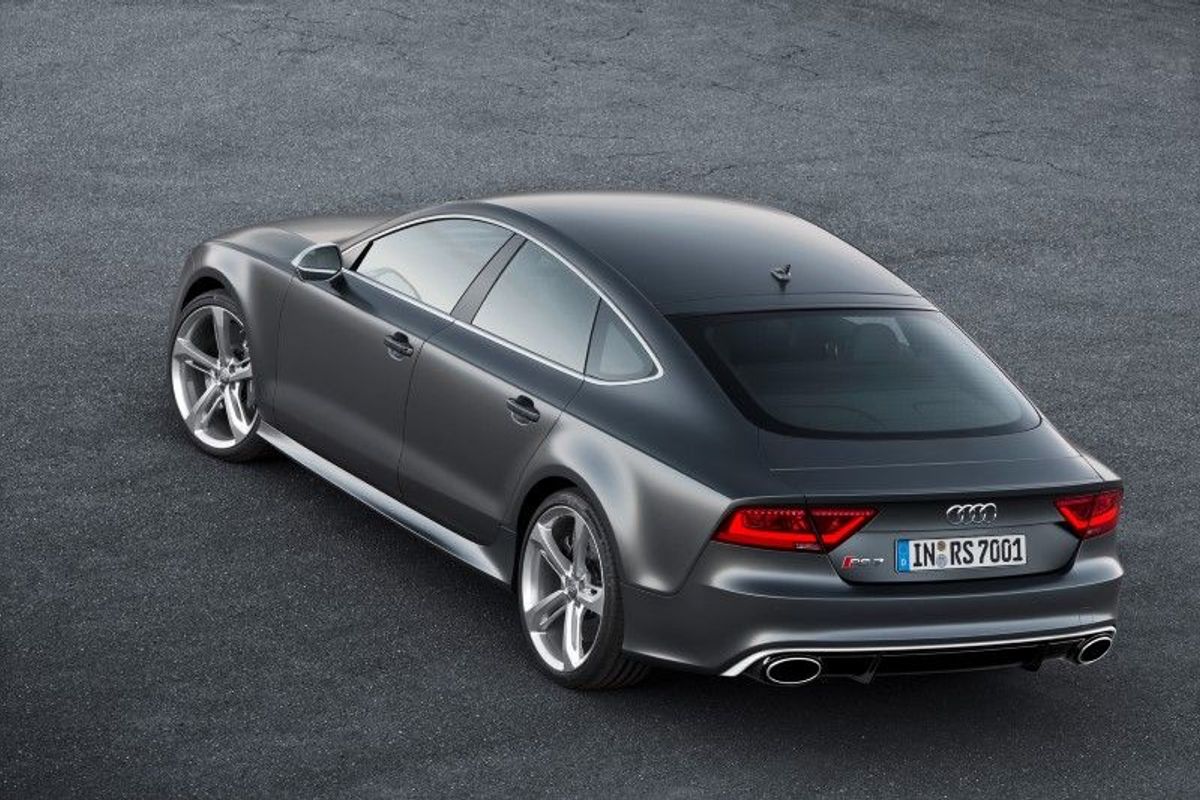
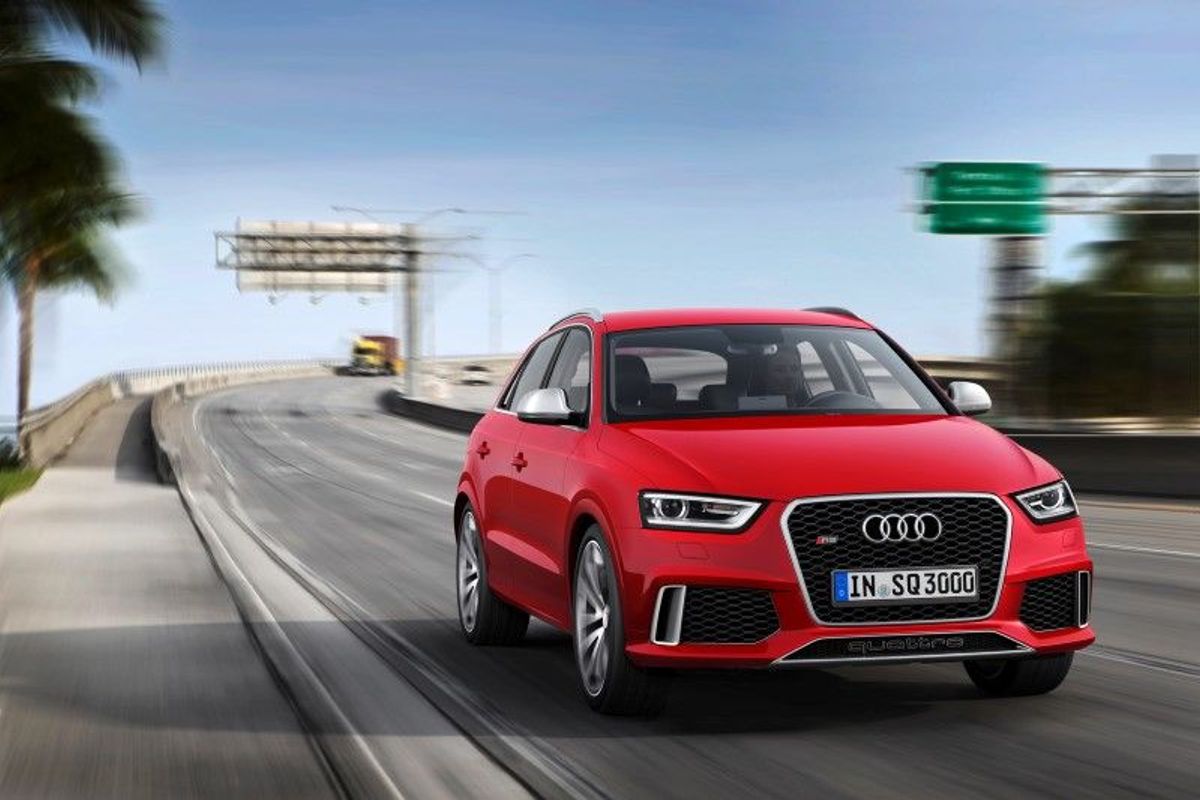
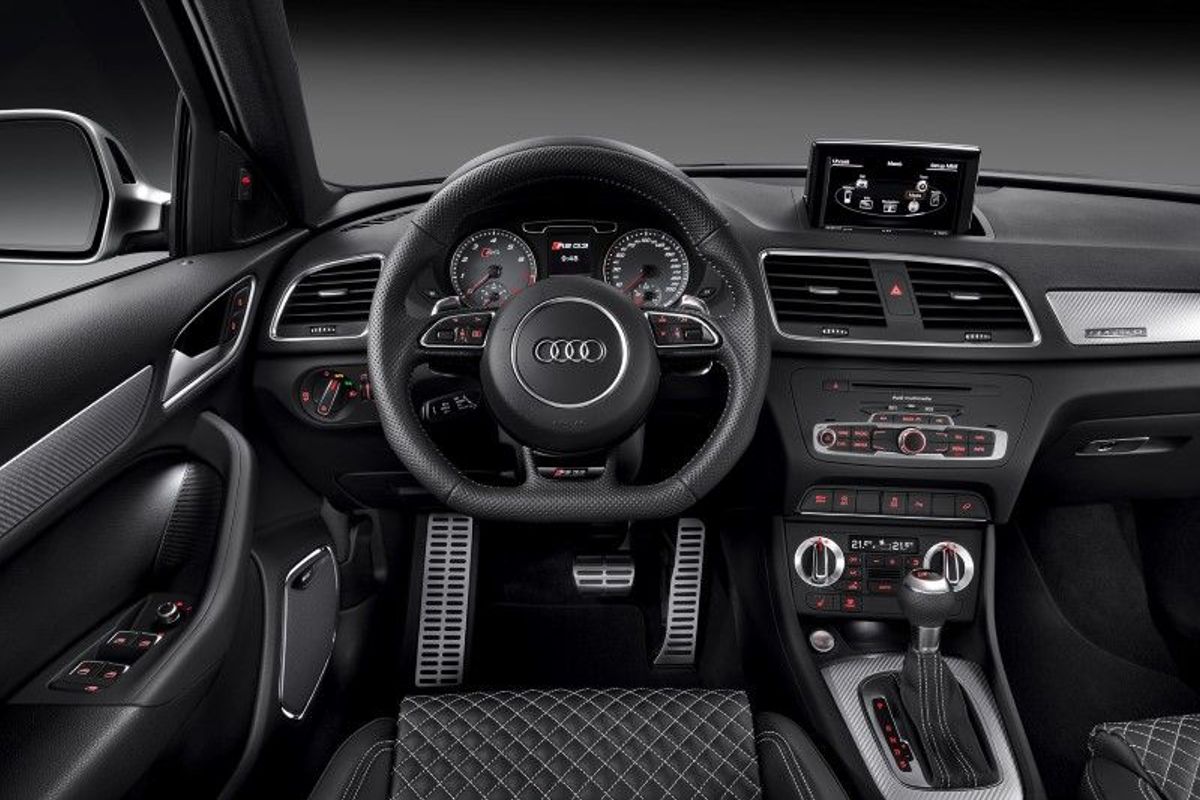
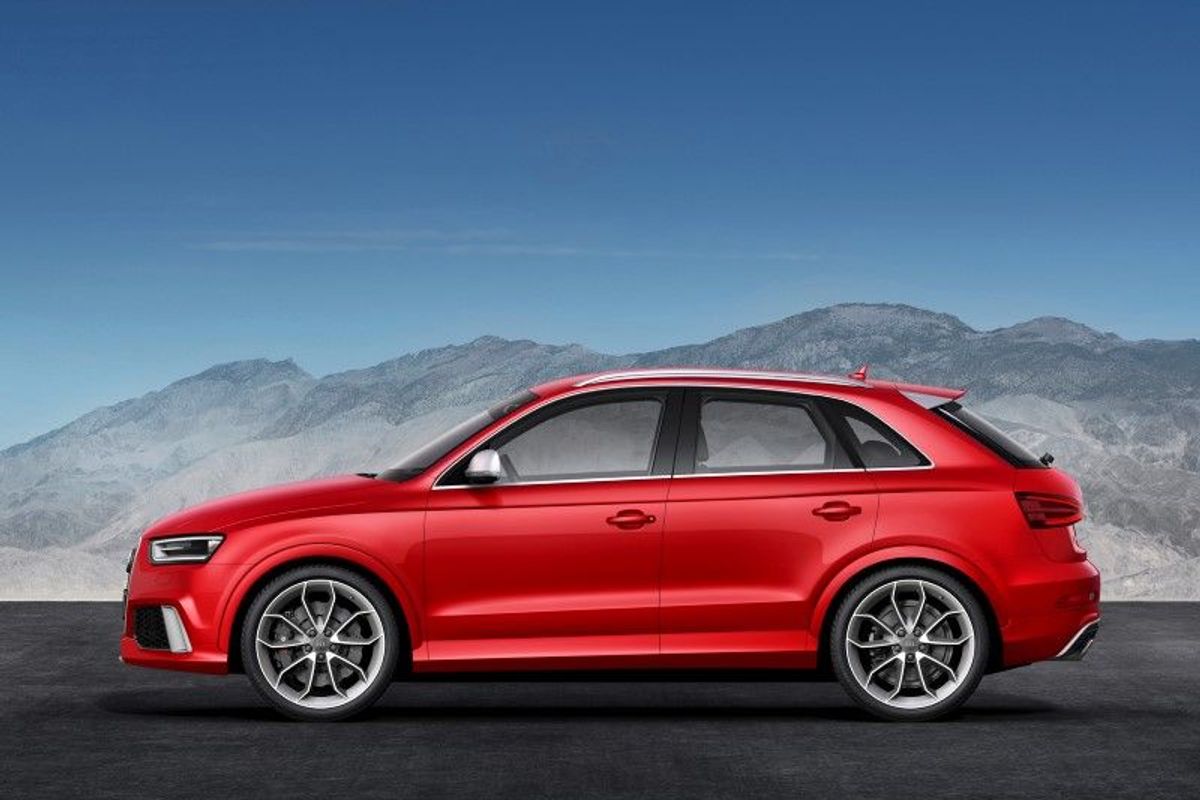
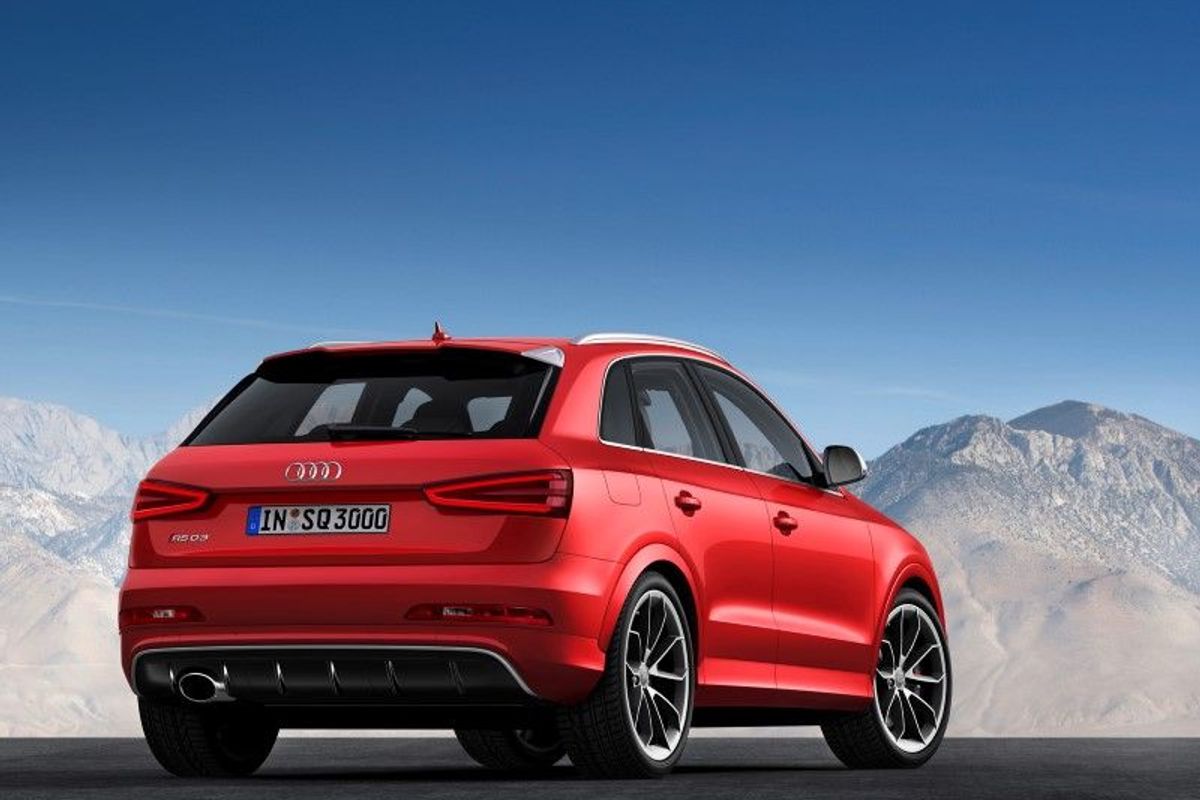
Audi has introduced both the RS 7 Sportback and RS Q3 models locally extending the sporty RS range to six models.
The Audi RS 7 Sportback
The first model to make its local debut is the powerful five-door Audi RS 7 Sportback. The coupe styled model features both powerful and elegant designs, with RS specific styling emphasising the sleek lines and unique design.
Pricing starts at R 1 450 500 and includes all taxes and the standard five-year/100 000km Audi Freeway Plan. The model will also be available with the following standard equipment:
High-gloss black radiator grille with honeycomb structure and one-piece trim frame in matt aluminium look with “quattro” logo
Exterior mirror housings, trim strips and front spoiler blade in matt aluminium look
The Audi RS Q3 is the first high performance model in Audi’s SUV segment and comes equipped with the turbocharged five-cylinder that has been awarded International Engine of The Year in its category for four years. We first saw this engine in the Audi TT-RS and the RS3 hatchback.
The RS Q3 is priced at R 696 500 including all taxes and the standard five-year/100 000km Audi Freeway Plan. It will be offered with the following standard equipment:
18-inch cast aluminium wheels in 5-arm structured design
RS sport suspension
Xenon plus including headlight cleaning system and LED rear lights
Door sill trims with aluminium insert and RS Q3 logo
If youre a fan of the Formula 1, youll know this brand is splashed all over the side of that Energy Drink team that wins a lot. Yes, the cars that have made Sebastian Vettel a triple World Champion now look theyre powered by a luxury Japanese car brand, even though the engine is from Renault and the car is from Woking in the middle of Britain.
While the brand is new to South African shores, motorists in the United States have been able make TO THE INFINITI, AND BEYOND jokes for nearly two decades now. The G37 Coupe, now known as the Q60, is a bit of an icon over there. However South Africa is a unique market with its own challenges, and the young company in our collective consciousness certainly has its work cut out for them.
Infiniti is to Nissan as Lexus is to Toyota, an in-house luxury brand benefiting from shared production costs, enabling the brand to tackle new segments. However, each Infiniti is built from the ground up as a unique car, with some obvious component sharing from the parent company in the form of the Nissan-Renault alliance.
Infiniti range name change
The range has just undergone a complete nomenclature change, and all cars will now have Q in the title, with engine displacement noted separately.
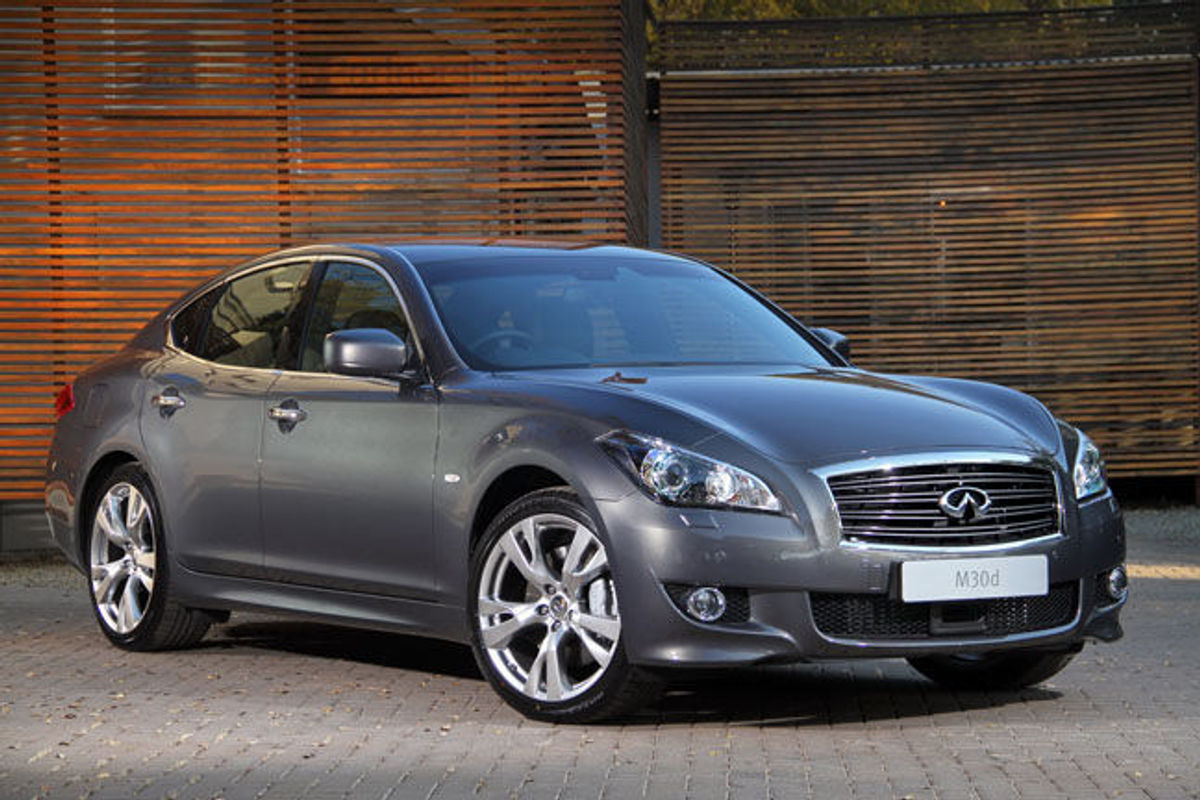
The first saloon available is the Infiniti M30d, which will eventually change to the Q70 as more stock arrives. Cars of its kind include the Mercedes E-Class, BMW 5-Series, Jaguar XF, Audi A6 and Lexus GS. That is some hefty competition, and Infiniti knows it.
The interior kit
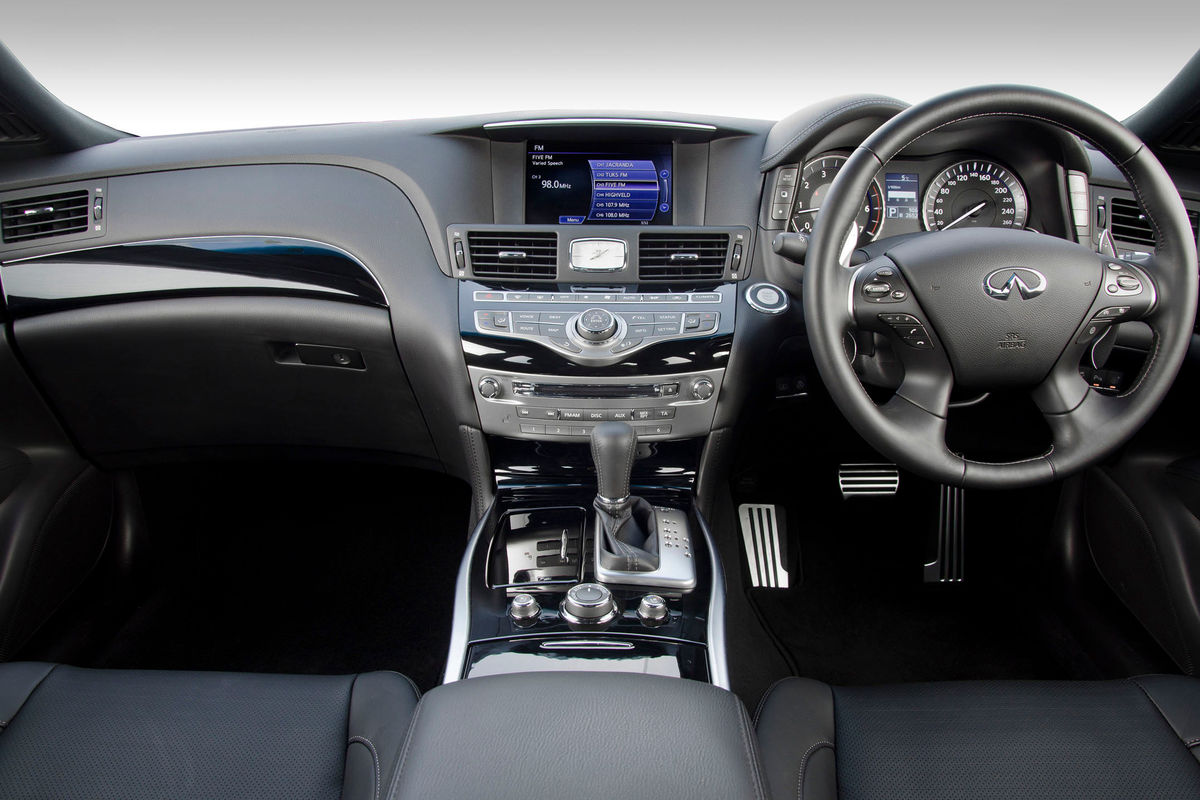
And so Infiniti quite literally has thrown in the technological equivalent of the kitchen sink, resulting in a curvy, wood-lined dashboard crammed with, and yes, I counted them, 70 buttons and six knobs. That is a monumental amount of buttons and knobs.
The screen is also touch sensitive, but as its a large car, it is quite a stretch. Many of the functions are controllable from the steering wheel, or via a bank of switches below the screen itself. Overkill maybe, but after a bit of trial and error, the rather comprehensive infotainment system makes an excellent on-road companion.
A soft closing boot lid, a key that automatically adjusts the seat and steering wheel to your set preference, Bluetooth, heated and ventilated front seats the list is too long to feature here. It feels like no expense has been spared in the interior. Surfaces and textures are plush, the leather is soft and the wood luxurious. Its a little too Gentlemans cigar lounge in the 50s for my taste, but the target market would appreciate it.
Special mention needs to be made of the sound system in the Infiniti M30d. A 13 speaker Bose custom job creates an epic theatre of noise, crystal clear and full of hearty bass. Ive never seen speakers mounted in the headrests before and they certainly do the trick of immersing you in the music. If you are slightly deaf, it will help you hear again, and if you arent slightly deaf, be warned, you might be soon.
The outside stuff
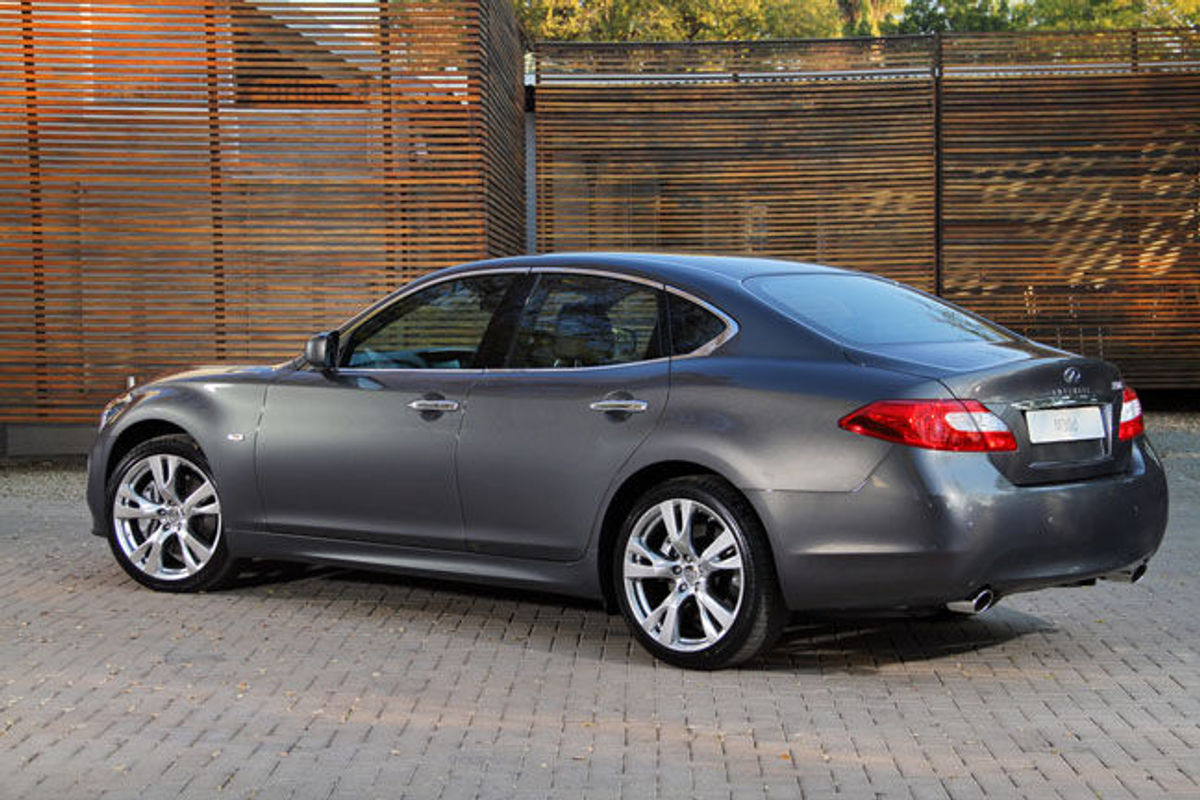
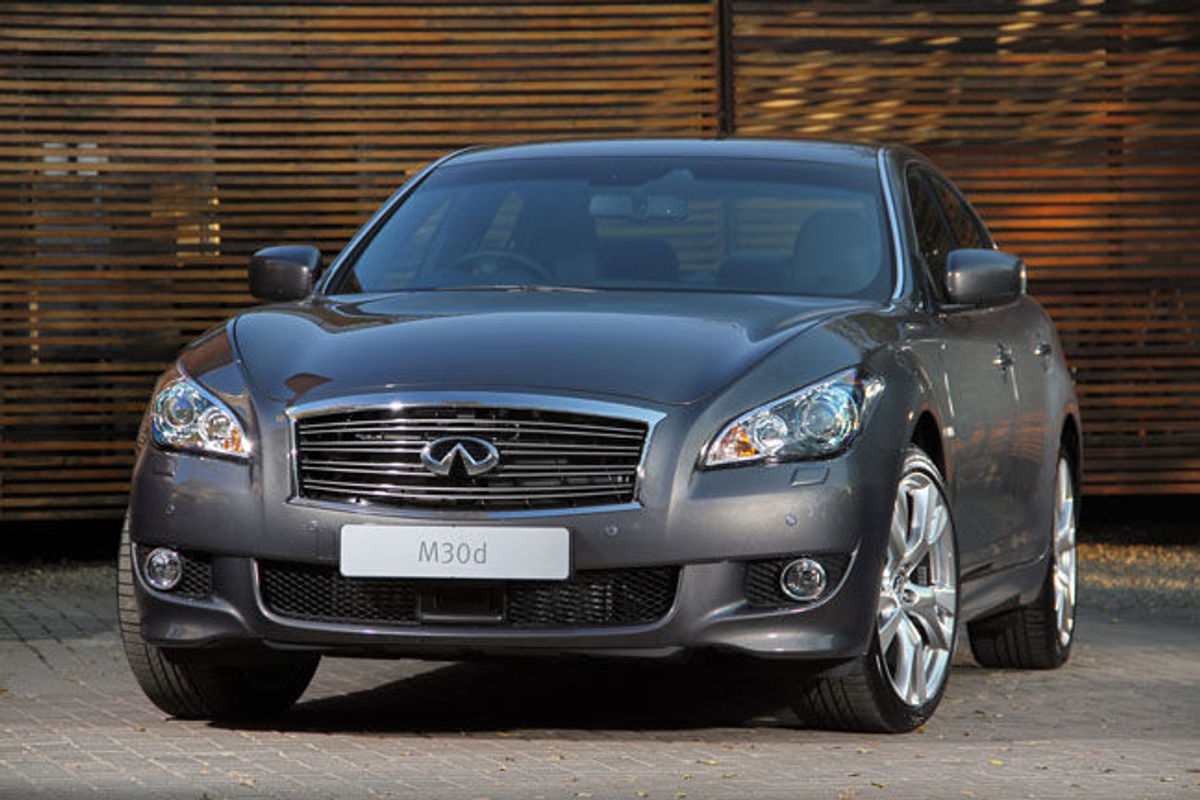
The best thing about being inside the car is that you dont have to look at the exterior. My car design skills peaked in Grade 3 and I have a feeling I might be able to make something a little more interesting to look at. In fact, if I baked, I would imagine a lot of my creations would look like the Infiniti M30d. Saggy.
While it succeeds in having a deal of presence, especially on larger rims and in the bold shade of silver of my test unit, it isnt particularly handsome. It tends to glide unnoticed through most city scenes, but I know many people who would think of that as an advantage. Its a bit of a Q-car, so perhaps the name change is more fitting than theyve realised.
The drive
Back inside and that sense of calming Japanese luxury returns. Theres a powerful, smooth diesel burner hiding under the failed meringue cake up front. Its a very polite engine, I dont remember hearing it on a single occasion. Talk about refinement!
The car is sprung in a way I have to describe as pleasant. The layout is rear-wheel drive, and if pushed while in Sport mode, it would happily hustle along with the likes of the Lexus GS, but it doesnt seem very enthusiastic about that sort of thing. The M30d excels as comfortable, well-appointed cruiser, and if you are specifically looking for a very sporty sedan, you would be better served by the BMW 530d.
However, the enormous lump of torque, all 550 Nm of it, can be summoned from as low down as 1 750 rpm. Stabbing the throttle results in an almost cartoonish whooshing movement as the car lunges forward. I found that to be particularly good fun. 0 100km/h is a claimed 6.9 seconds, which is just 0.4 seconds shy of VWs latest Golf GTi. For a 5 metre long car weighing 1.9 tonnes, thats not shabby.
Four driving modes tell the big diesel and suspension how to behave, and those modes actually make a real difference. By default, its always very comfortable though. Fuel consumption is claimed at 7.5litres/100km average, and my test unit saw just over 11 litres/100km, but very much as a result of urban driving. And stabbing the throttle.
Infiniti M30d / Q70 Conclusion
Sometimes, German cars can be a bit too serious. While the engineering is generally cutting edge, they can make you feel like youre almost lucky to be driving them around. These big Japanese cars however are entirely different. They feel like theyre trying desperately to impress you; its quite refreshing actually.
Infiniti is a brand eager to secure a beachhead in the market and I would imagine that if youre looking for something a bit different, you should be able to secure a very favourable deal indeed.
The diesel powerplant here is comparable to similar cars from the rivals, perhaps down on power but easily as smooth and unobtrusive. While there is 3.7 litre petrol available, the fuel savings available here make the M30d the pick of the two.
Infiniti M30d Price in South Africa
At R672 000, it might not represent a saving over the rivals, but if you are interested in a high spec level, it would cost a small fortune to spec a similar car with this level of kit.
Specifications
Engine
3.0 litre turbocharged V6
Power
175 kW @ 3 750 rpm
Torque
550 Nm @ 1 750 rpm
Transmission
7-speed sequential automatic
Wheels
18-inch
0-100km/h (Claimed)
6.9 seconds (claimed)
Fuel economy
7.5l/100km (claimed on the combined cycle)
We like: –Extensive standard features
– Luxurious interior
– punchy, quiet diesel powerplant
We dislike: – Price, perhaps Infiniti should take a bit of a hit on this one to boost sales
– Exterior design not particular striking, or sporty
– Initially confusing dashboard it could be simplified
Peugeot has announced plans to introduce an all-new concept car that will publicly debut at this year’s Beijing Motor Show.
Peugeot did not provide many details about the car but said that it will be 4.73 metres long and 1.31 metres tall and will offer enough room to host four people.
The all-new concept car is also said to come from the same mould as the Onyx supercar concept that was showcased two years ago at the Paris Motor Show. The teaser image shows the concept as having large alloy wheels, a distinctive side profile, and horizontal headlights and taillights.
According to the firm, the all-new Peugeot concept car will serve as a preview for its upcoming design language and will be exhibited between April 20 and 29 in China’s capital Beijing.
Toyota Retains Crown As Worlds Largest Automaker In 2013
In 2013 Toyota managed to sell more vehicles than any automaker in the world – maintaining its title as the worlds largest automaker title after sales of about 9.98 million cars.
The Japanese automaker reclaimed it the title from General Motors back in 2012 with sales of 9.75 million, beating GMs global sales by 451 000 units. While in 2013 it was able to increase the sales figure by two percent to 9.98 million units, which include sales of Lexus and Scion models, as well as Daihatsu and Hino trucks.
GM’s sales rose by four percent as it delivered 9.71 million cars, and were followed by Volkswagen which sold 9.7 million units and wont provide detailed results until March 13.
Toyota originally estimated it would sell more than 10 million cars in 2013, but now the brand predicts 2014 will be the year that will breach the 10-million milestone, making them the first automaker to ever accomplish this.
Setting records in South Africa
Toyota also ended 2013 as South Africas best-selling brand, selling a total of 9881 vehicles in December and delivering 126 749 Toyota, Lexus and Hino vehicles to customers throughout the year, representing a total of 19.5% of the overall market.
According to Calvyn Hamman, Senior Vice President of Sales and Marketing at Toyota South Africa Motors, the industry expected a more significant increase in sales, based on the low interest rate environment, the delayed replacement cycle of vehicles after sales peaked in 2006, extremely high levels of new vehicle introductions and retail marketing.
He went on to say that the increase in living costs, spearheaded by the increasing fuel prices and Gauteng toll roads, had a greater influence on the type of vehicle sold, than the overall sales figures.
Of the models that performed well in December was the Hilux, the best-selling vehicle in South Africa at 2659 sales, the Quantum and Sesfikile taxi at 1041 units and the Fortuner with 849 units sold.
In the entry level segment, the Etios did relatively well and recorded sales of over 1865 units, while the current Corolla retailed over 1077 units in the same month.
It is the first time in 7 years that we have broken through the 30 000 mark in the medium, heavy and extra heavy commercial vehicle market, says Hamman.
We will keep an eye on commercial vehicle sales in the first quarter of 2014 to better understand if the market will stabilise at these numbers, as some analysts believe, or if the market will grow at the same tempo as the countrys gross domestic product growth, as others predict.
On the positive side we expect a strong performance from the new Corolla, South Africas favourite sedan, and by a number of new vehicle introductions.