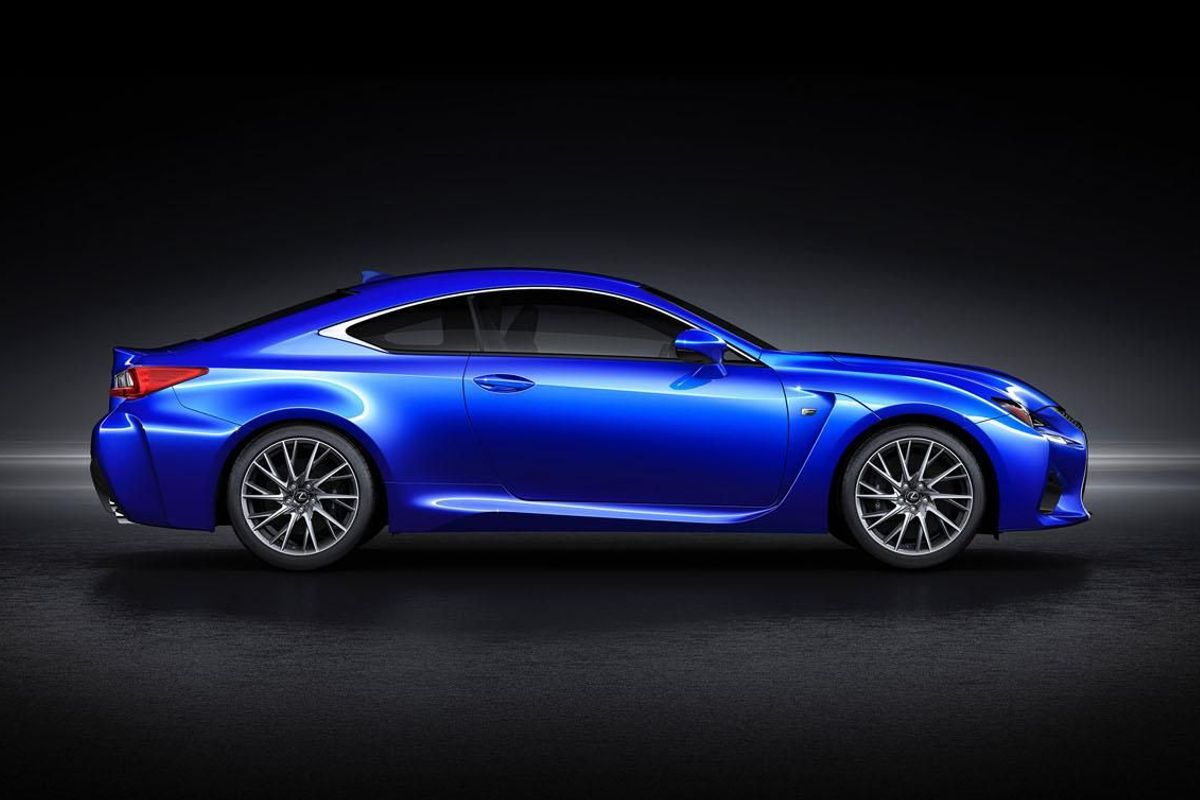
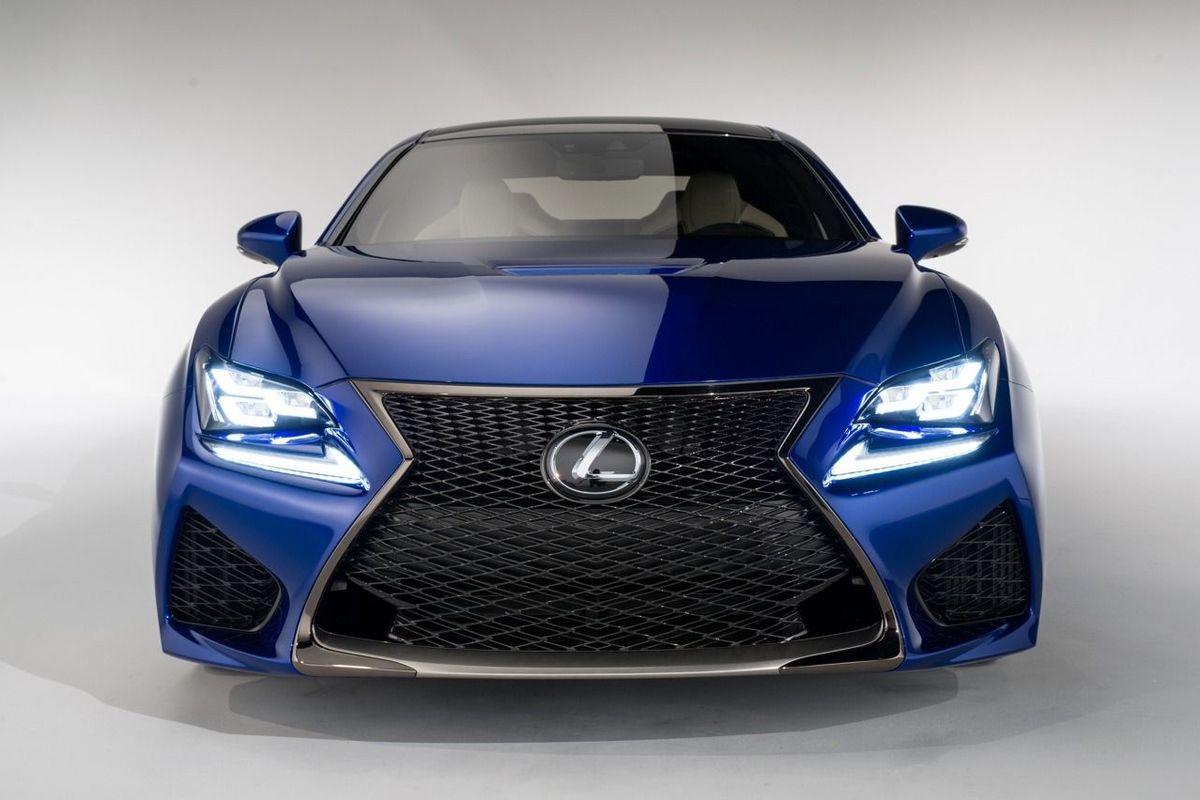
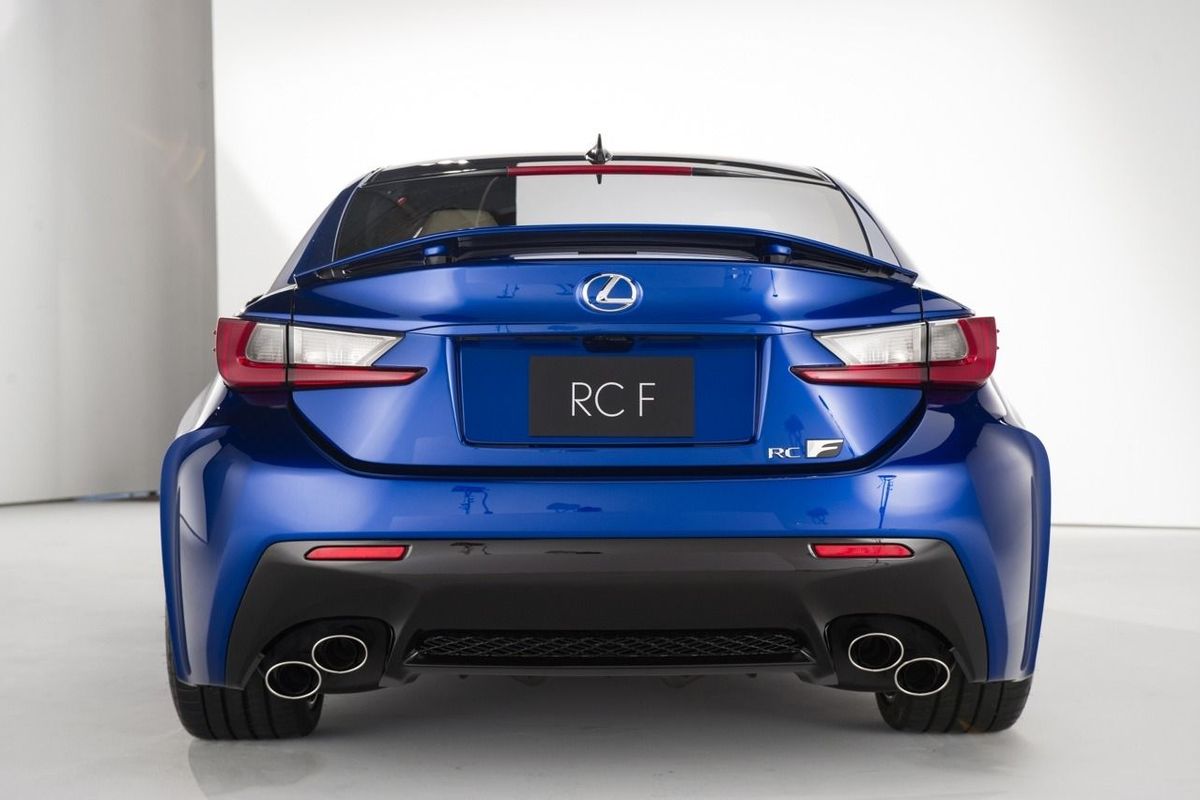
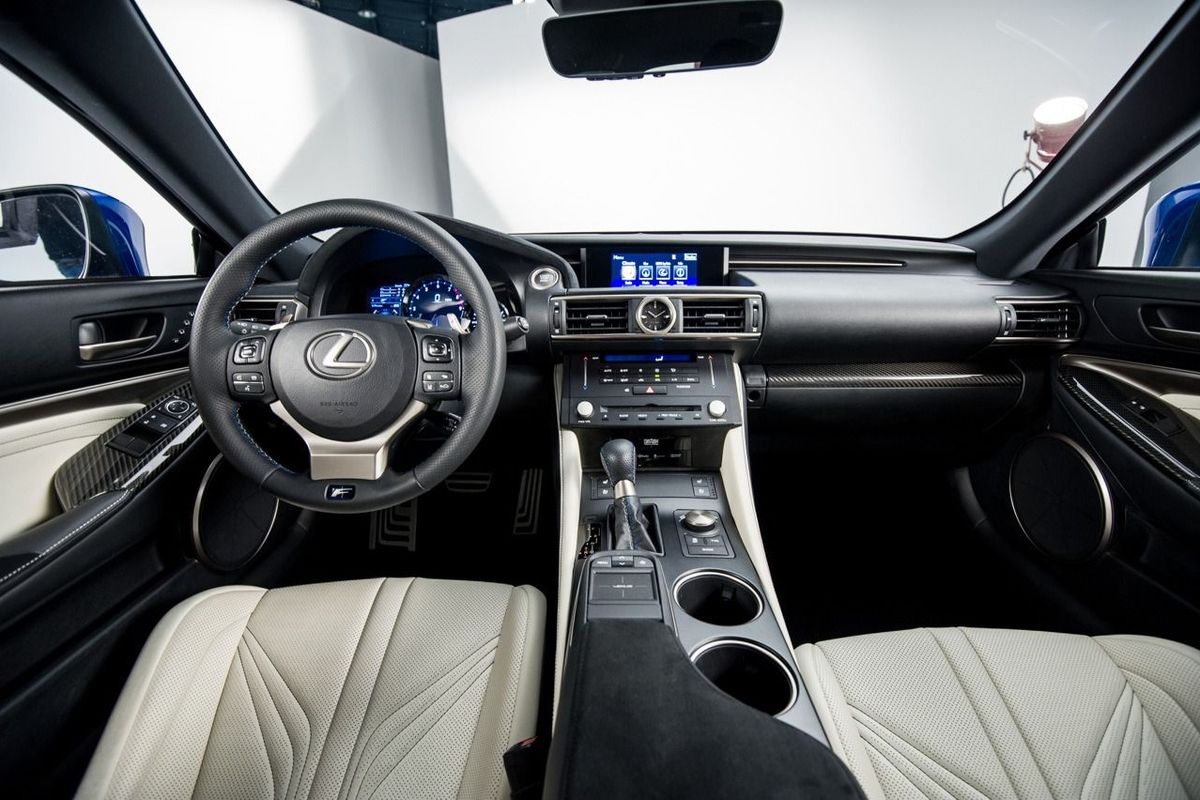
Following a sneak preview by Lexus late last year, official images of the 2015 Lexus RC F have surfaced on internet ahead of the vehicle’s debut at the 2014 Detroit Auto Show taking place next week.
Aggressive design cues
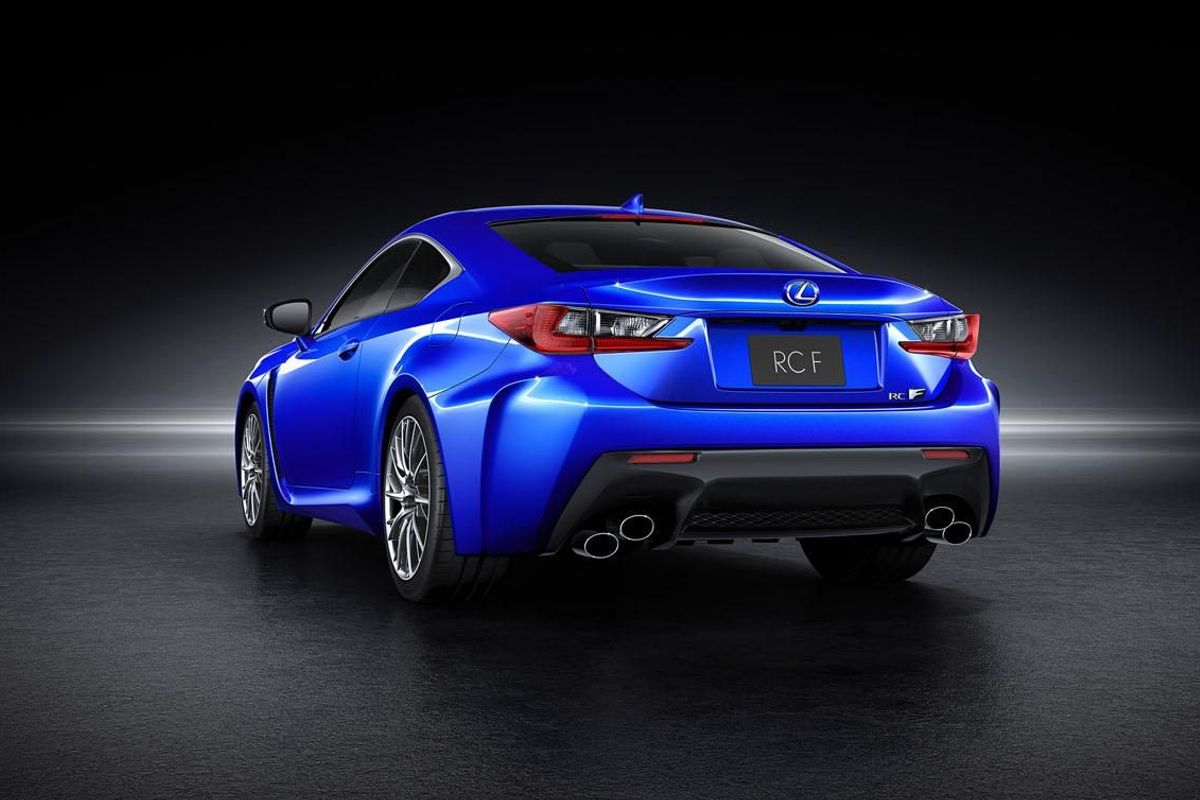
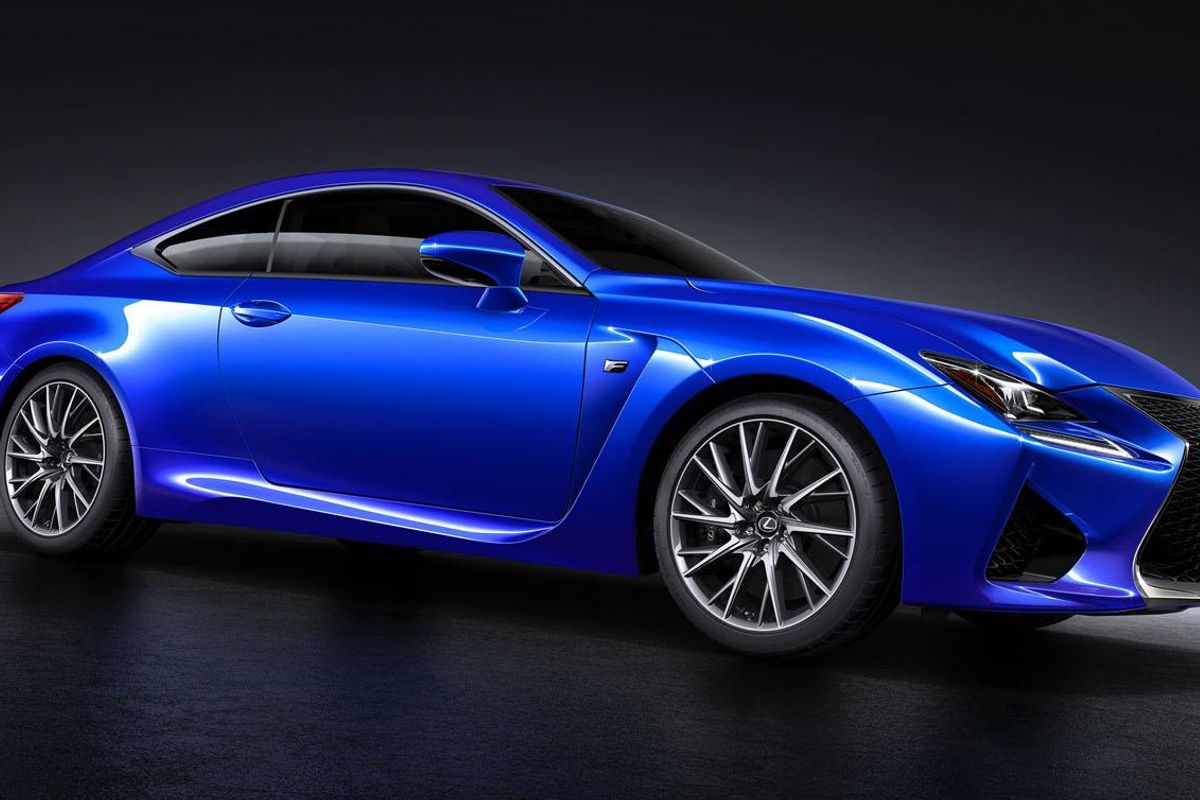
Based on the all-new RC coupe that was revealed at the Tokyo Motor Show last November, the RC F features a number of significant changes. These changes include wider wheels and tyres, an active rear wing, air scoops, cooling ducts, a carbon fibre roof, extended skirts and a quad tailpipe exhaust system.
The rear features a speed-sensitive spoiler designed to stabilize the car at higher velocities, and deploys at approximately 80 km/h and retracts at speeds less than 40 km/h.
Air outlets at the rear of the front fender form the shape of an L when they merge with side sill extensions, while stacked trapezoidal quad-outlet tailpipes at the rear add further aggression.
Additionally, three wheel designs are available, and they all have 10-spoke 19-inch forged aluminium wheels, including two machine-polished designs and one hand polished design.
Most powerful V8 performance car ever developed by Lexus
Official performance specifications are yet to be released, but it’s expected the 2015 Lexus RC F will pack a 5.0-litre V8 engine that develops 343 kW. This engine is not too dissimilar used in the previous generation Lexus IS-F.
This set-up will enable the car to accelerate from 0-100 km/h in 4.5 seconds before hitting a top speed of roughly 300 km/h.
Interior features
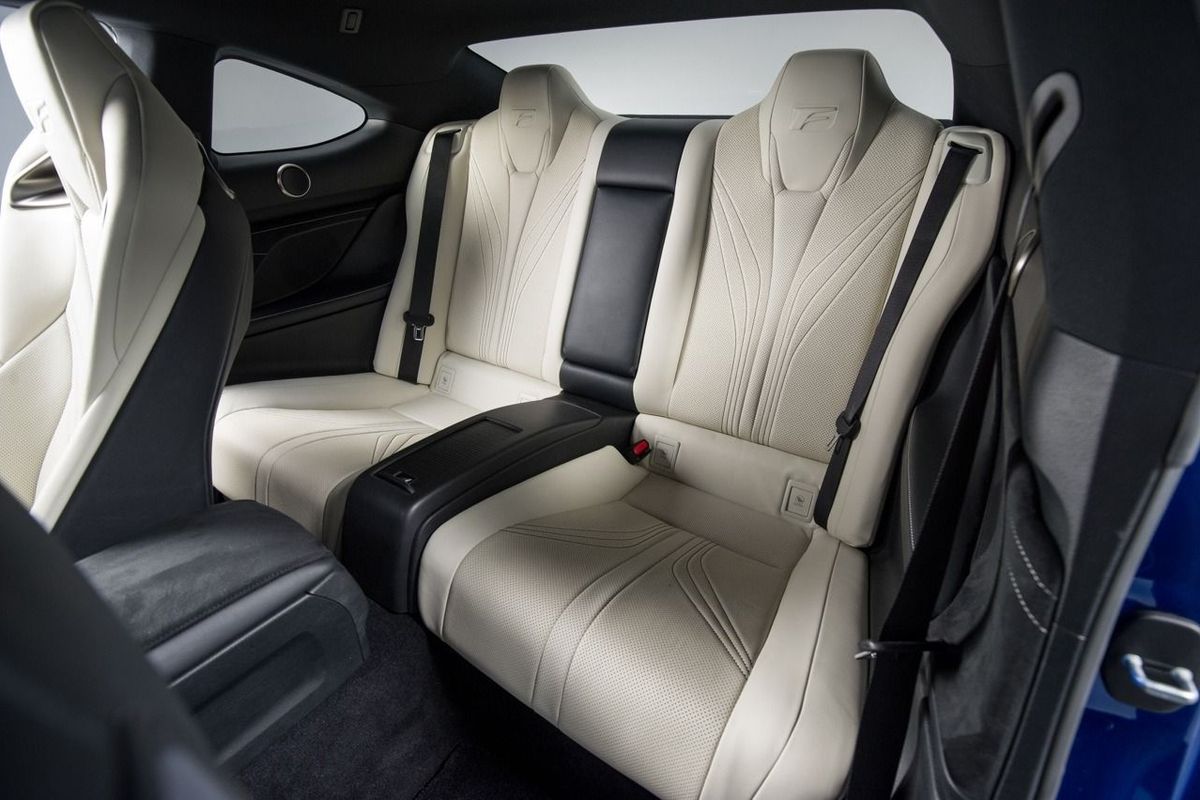
The cabin carries over from the standard model, but has been equipped with a number of new unique elements including the instrument cluster which is dominated by a central meter which changes according to four selectable driving modes, leather-wrapped sport seats and alloy peals. Design cues for this cabin have come from the fearsome Lexus LFA hypercar.
There’s also revised trim and a new “elliptical cross-section thick-grip steering wheel” with paddle shifters and all-new high back seats with an embossed F on the headrests.
Additional details about the new high-performance 2015 Lexus RC F two-door will be released in a few days when it officially debuts at the 2014 Detroit Auto Show.
2015 Lexus RC F gallery
Peugeot 208 GTI Reviewed
The next generation of Peugeot’s little hot hatch made its way to the Cars offices and we spent a week with it. Did it live up to the hype?
Peugeot 208 GTI background
Many journalists will harp on about how great the classic Peugeot 205 GTI was and how subsequent models came close, but never quite matched how brilliant this car was. I’ve never seen a 205 GTI, let alone driven one so I can’t make comparisons but I did have a brief stint behind the wheel of a 207 GTI. It was an impressive little car, with cute looks and a willing engine, but I found it missing that X-factor. Fast forward to 2013/2014, and the new Peugeot 208 GTI is quietly making a little name for itself.
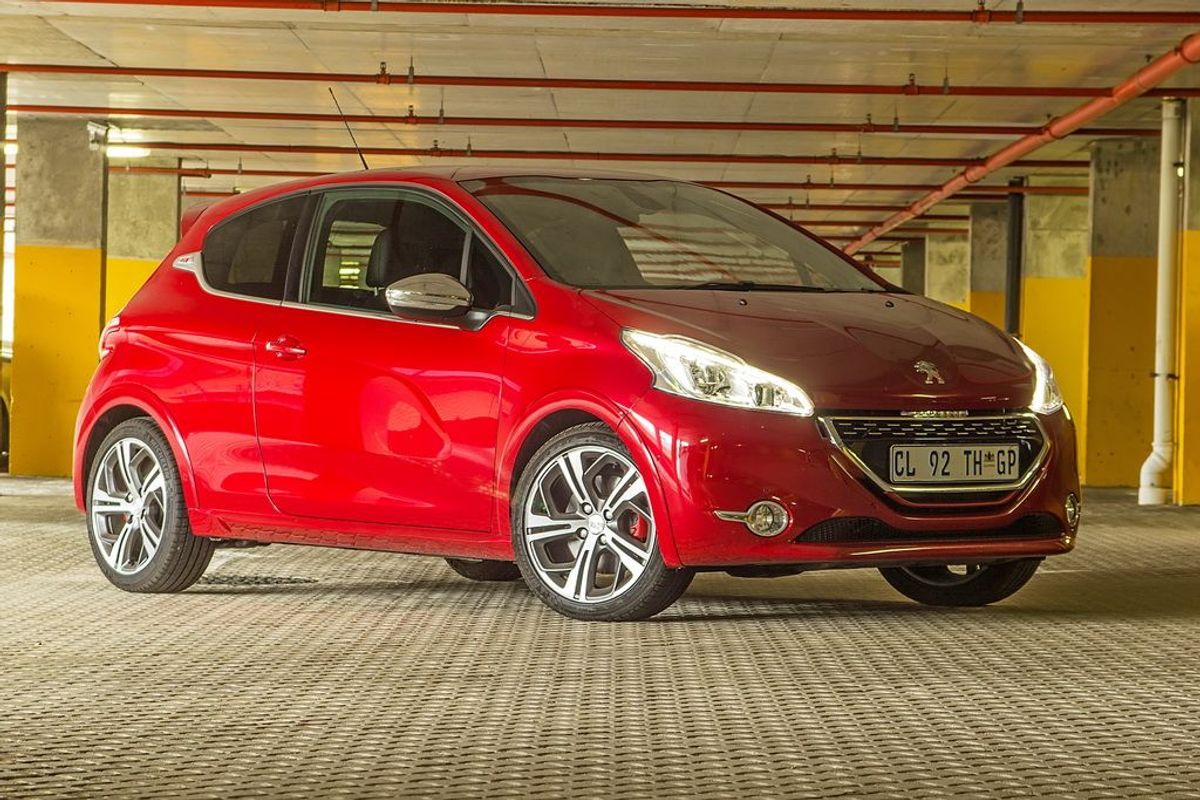
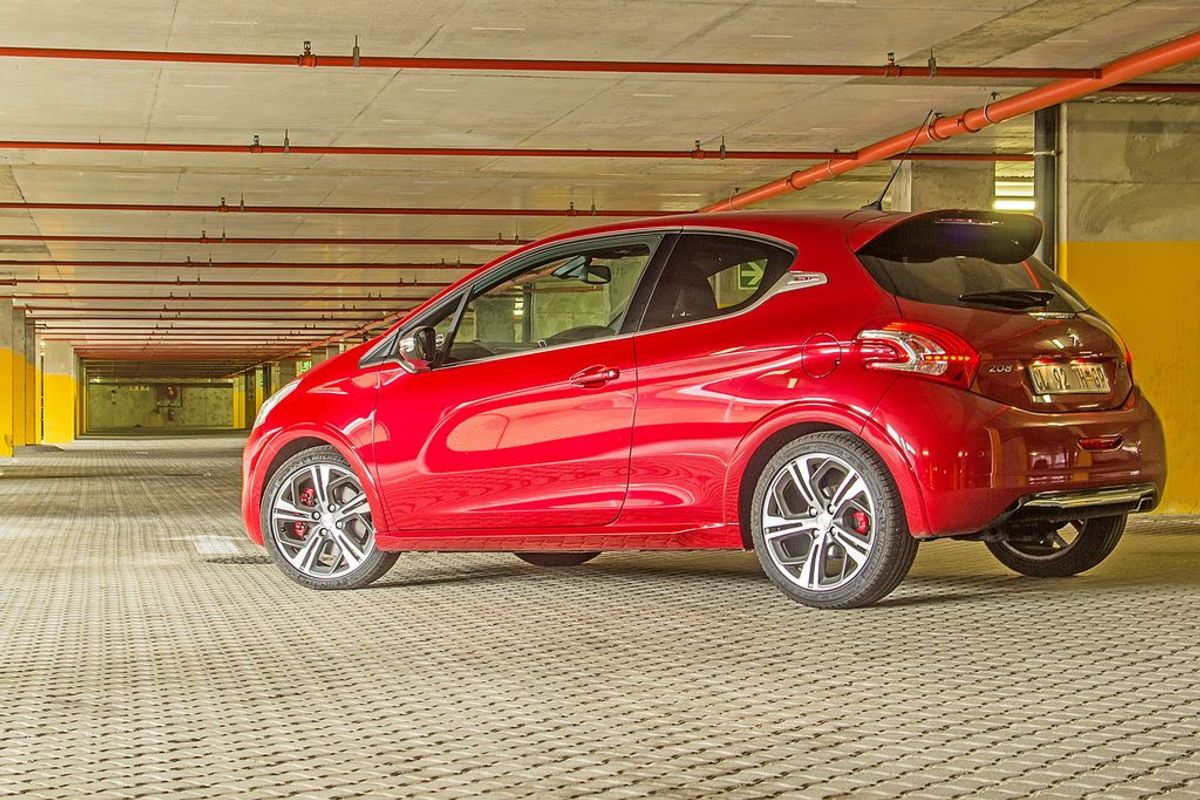
Compared to its sensible 208 siblings, the GTI is quite a looker. Peugeot has done substantial work to ensure the little 208 GTI has some eye-catching looks. There’s an overwhelming red theme to the car, with red badging and red brake callipers. Daytime running lights, sporty exhaust cover, aggressive alloy wheels and a wing round off a rather smart looking little package.
Peugeot 208 GTI powerplant
The go has to match the show if the Peugeot 208 GTI is to make an impression amongst the enthusiasts. With a 1.6-litre turbocharged four-cylinder motor churning out 147 kW and 275 N.m, there’s enough oomph on paper to pique your interest. It’s claimed to be rather efficiency friendly too, with Peugeot claiming around 6l/100km. Performance is claimed to be quite sprightly, with the 208 GTI hitting the 100km/h mark in under 7 seconds.
Impressive specification for the Peugeot 208 GTI
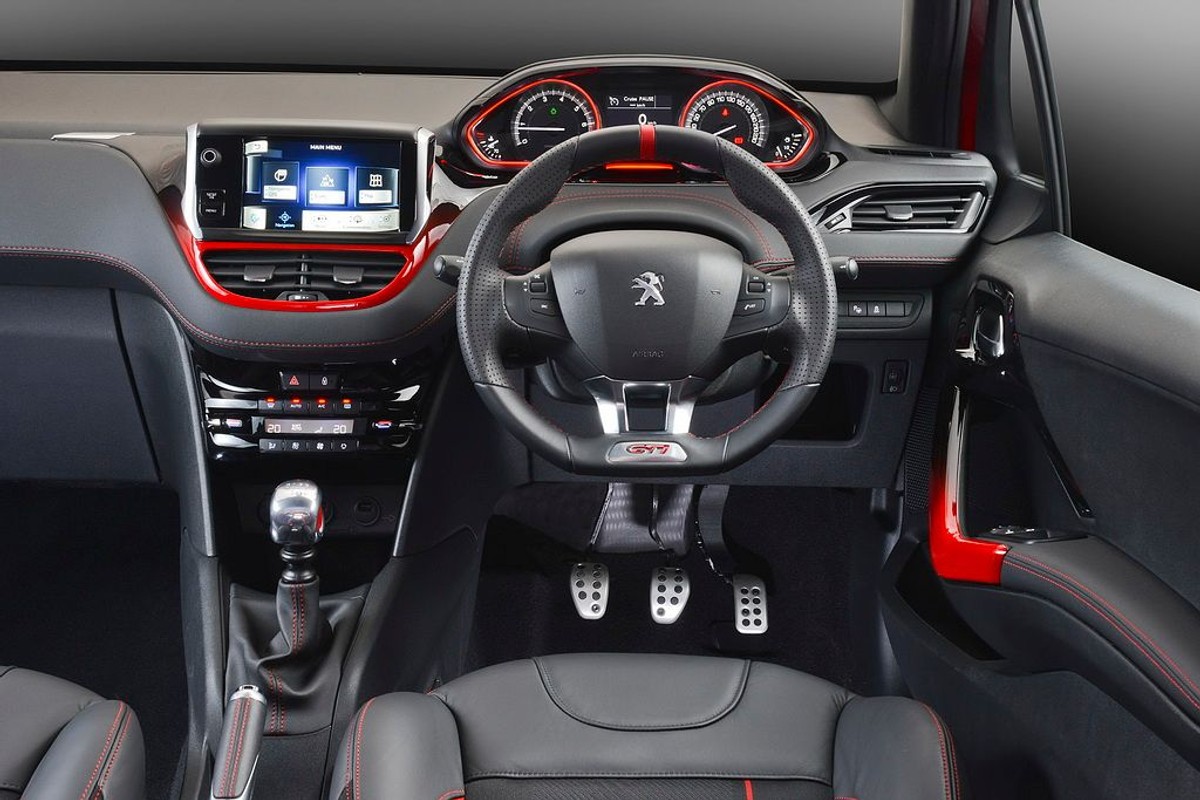
As for as standard specification goes, the Peugeot 208 GTI scores highly. The interior has a sporty theme to it and there are splashes of red everywhere. There’s climate control, a chilled glove box, rear parking sensors, cruise control with speed limiter, satellite navigation and a six-speaker sound system complete with steering wheel controls, Bluetotooth, a pair of USB ports and an aux jack. The 208 GTI also features Smart Park Assist where the car steers for you while executing a parallel parking maneuver. That list of spec for a sub-R300k car is mighty impressive. It’s safe too, with a full array of features like four rear-parking sensors, ABS, EBD, EBA, traction control and Hill-Start Assist.
Peugeot 208 GTI is underwhelming
It’s all very well having a sporty suspension, good looks, great specification and a strong engine, but how does that translate into raw performance and experience? This is where the Peugeot falls slightly short in my opinion. Don’t get me wrong – the Peugeot 208 GTI is a brisk car, but when the fleet manager recommends you fold the back seats down for increased turbo and exhaust noise, you get the idea that the 208 GTI is a little underwhelming. “But it’s a GTI! Where’s the excitment?” you’ll ask? Which is exactly my question. I find it sad that the Peugeot RCZ (which has this same engine) gets a great-sounding sports exhaust, while the 208 has to do without.
Peugeot 208 GTI ride and handling
The Peugeot 208 GTI rides well and if there was one sporty little hatch you’d want on a long journey, it’d have to be this one. Peugeot has clearly gone for the comfort is more important than handling prowess ideology as the ride isn’t as firm as you’d expect from a vehicle of this nature. That said, when you want to imitate a Sebastien Loeb Pikes Peak run, the 208 GTI will make you happy. A sharp turn will show the car is tight and poised and during some enthusiastic driving, the car stayed glued to the road. When really pressing on the ESP will gently intervene to keep traction, but the car still feels nimble.
Peugeot 208 GTI conclusion
We can’t all be childish hooligan boy racers forever. There comes a time when you have to be responsible and tactful. One can’t always do the commute with their foot mashed on the accelerator with turbo whistles and exhaust pops every few seconds. If I was to remain in my 20s I’d stick with my favourite the Ford Fiesta ST and be branded a boy racer. But as I approach the 30-year-old mark, I’d take a long hard look at the Peugeot 208 GTI and appreciate it for what it is – a brisk, stylish and well-equipped sports hatch. It’s not trying to set lap records or scalp bigger/more expensive machinery, which makes this car tick the sensible and responsible boxes.
Can it match its rivals though? As the price of the popular and bigger hot hatches moves them out of reach for some, cars like the Peugeot 208 GTI start to look appealing. It’s agonisingly close to having that X-factor but given the classiness, decent specification, brisk performance and value for money of the 208 GTI, Peugeot should ensure it has plenty of stock on its showroom floors. It was nominated as a South African Car of the Year finalist too, a worthy nod in my opinion.
Peugeot 208 GTI price in South Africa
The Peugeot 208 GTI costs R279 900.
We like:
· A solid value-for-money offering.
· Great specification.
. Sporty yet economical performance.
. A sensible purchase
We dont like:
· Despite continual adjustments, the steering wheel can obstruct the speedometer.
. A little underwhelming if you’re wanting some red hot excitement.
. Steering wheel is a little small.
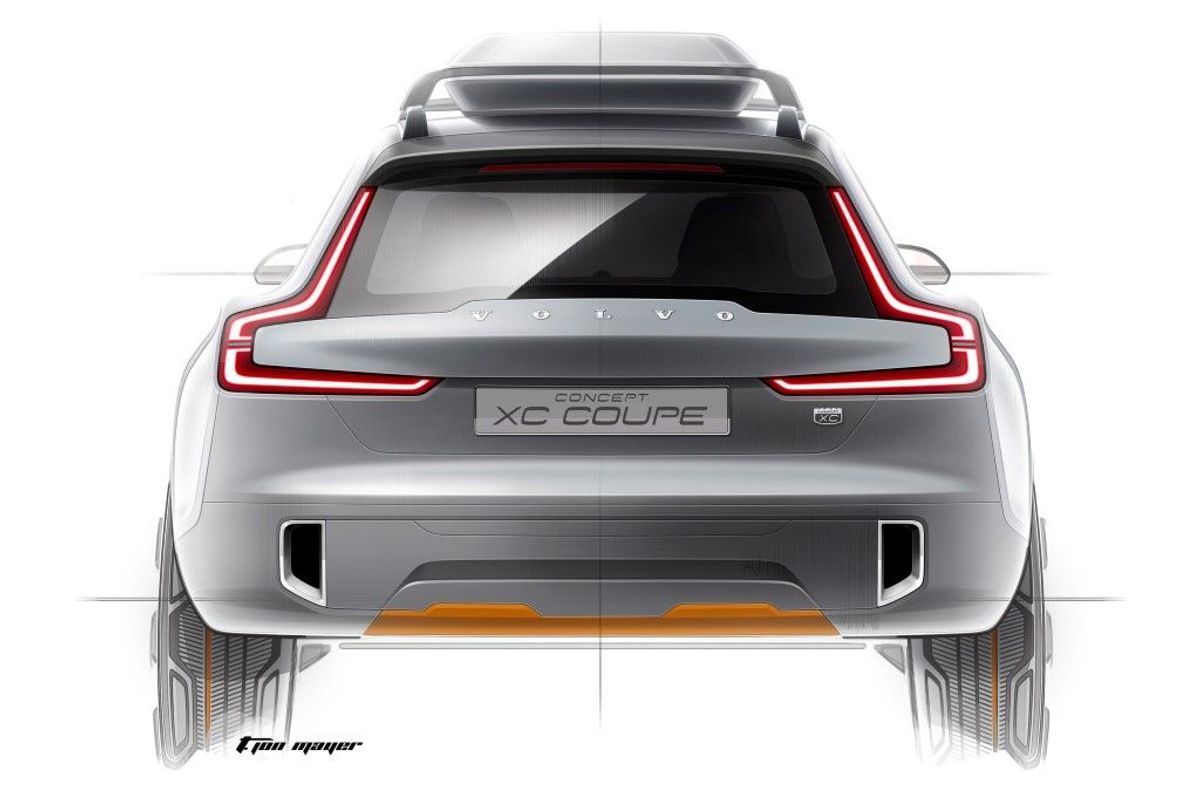
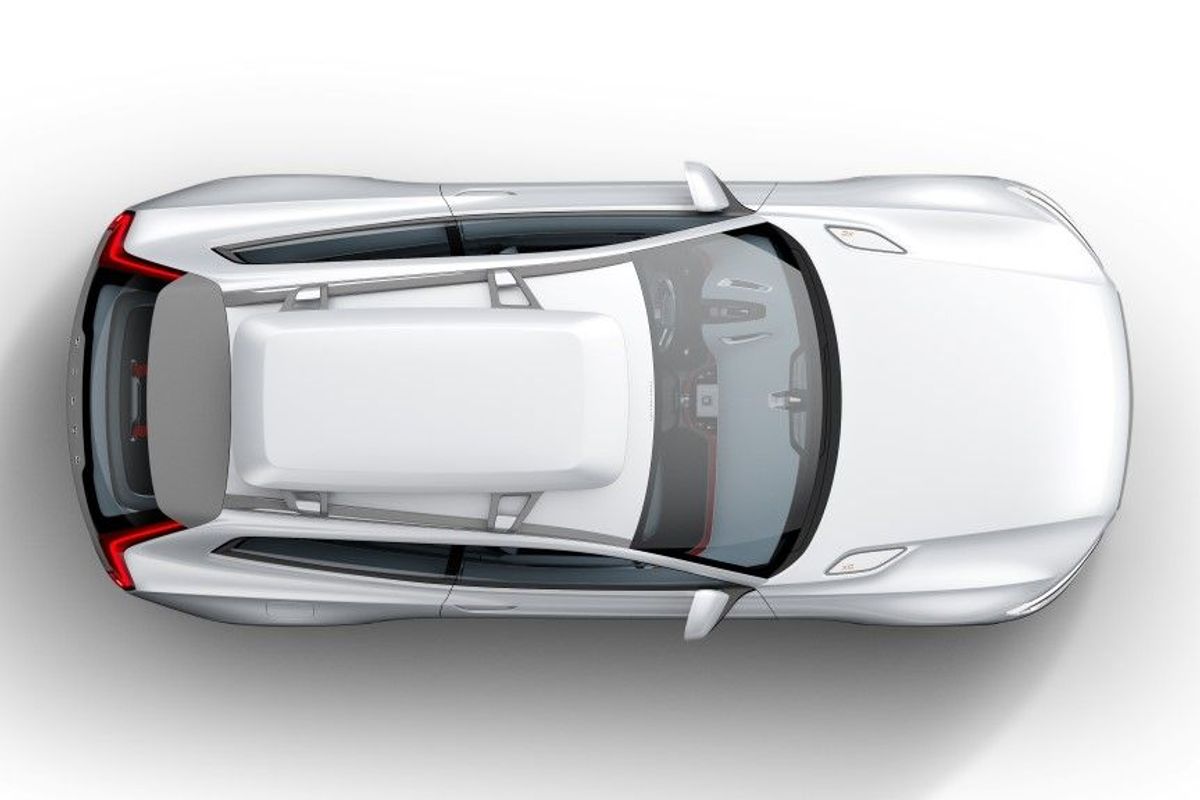
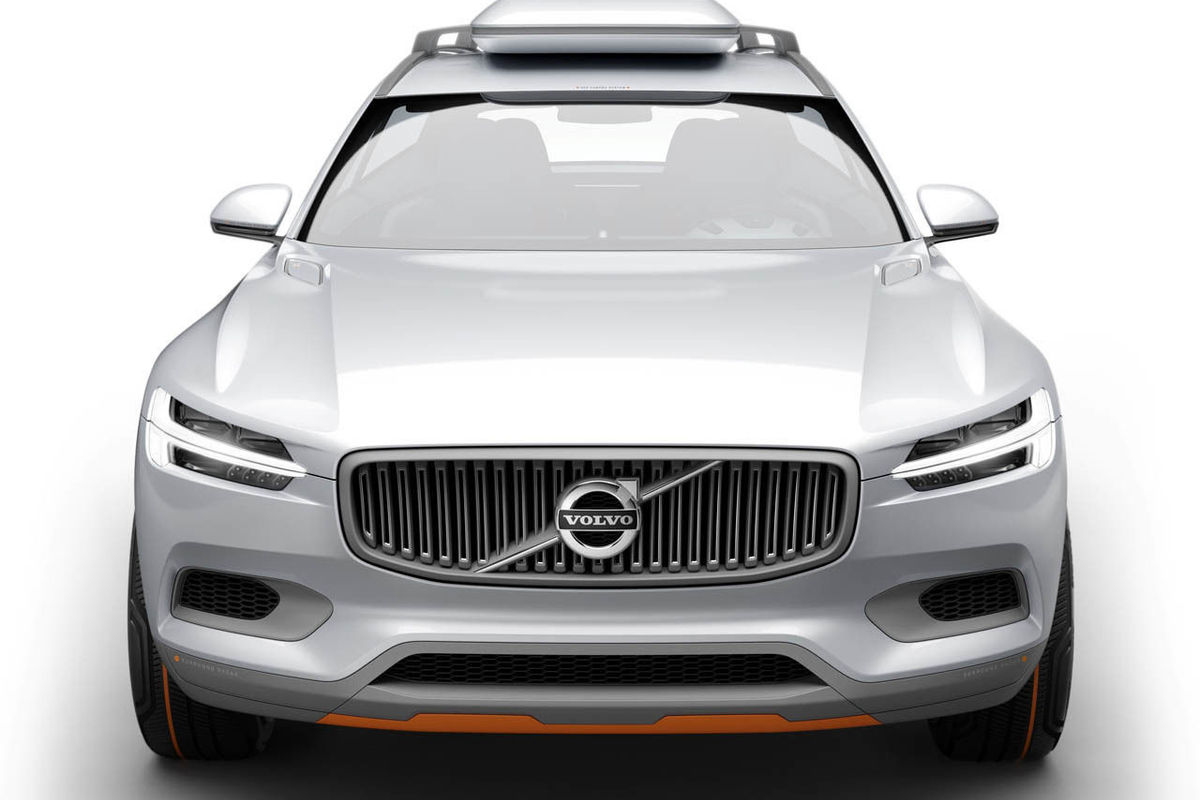
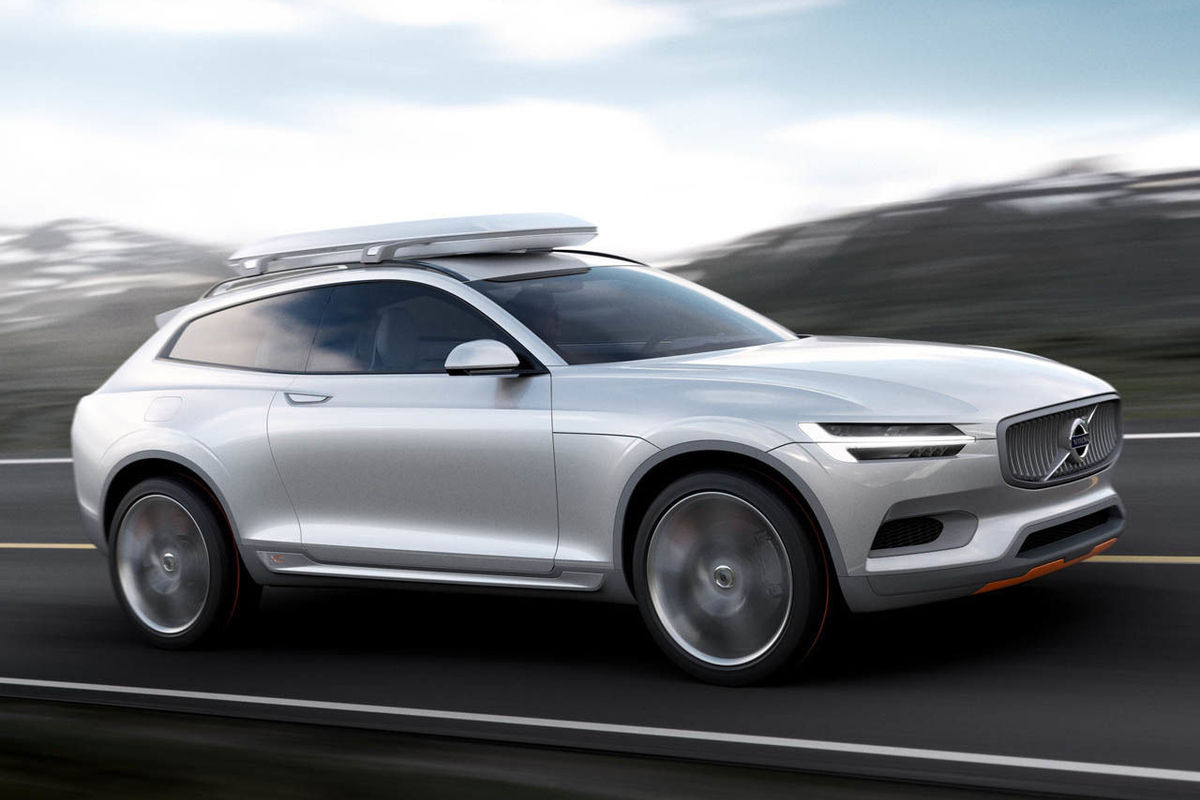
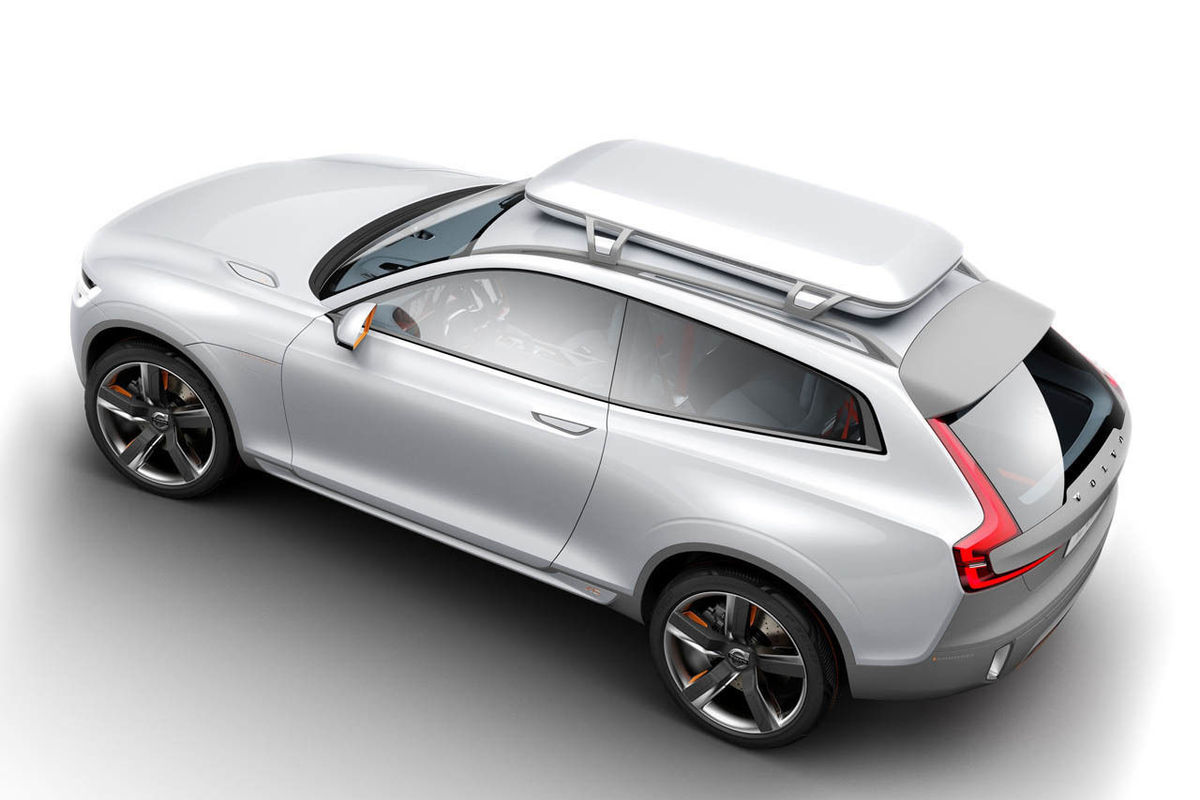
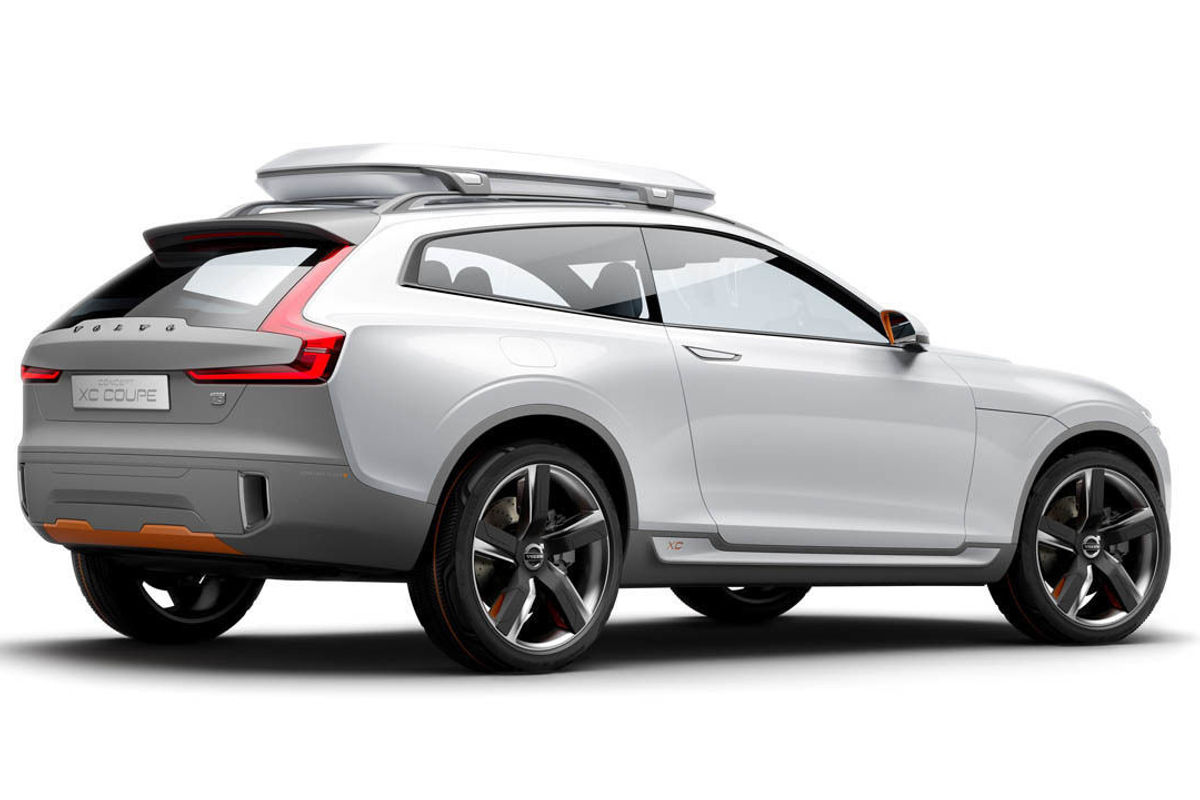
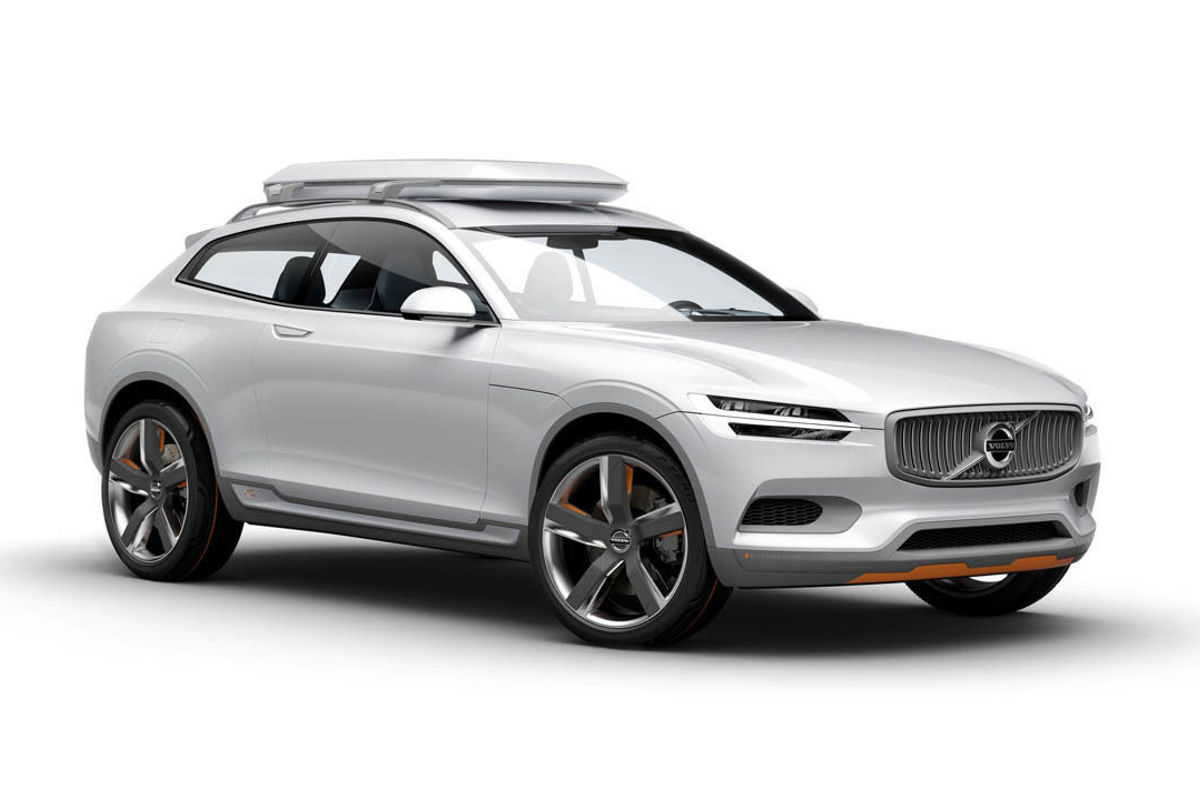
Volvo has just released three images and a teaser video of the Concept XC Coupe – a design study which likely previews the next generation of the XC90 and will be introduced in January at the 2014 Detroit Auto Show.
The XC Coupe Concept is the second of three concepts by Volvo and underpinned by the same design language as the Concept Coupe that was shown at this year’s Frankfurt Motor Show. According to Volvo, the Concept XC Coupe builds on the Volvos proud history of Cross Country and XC products, with Volvo Cars having created the niche in 1997.
The range-topping Volvo Concept XC Coupe SUV will ride on the Scalable Product Architecture (SPA) and will be powered by a variety of engines part of the newly established Drive-E lineup. In addition to the new platform, Volvo will also introduce a whole new range of downsized 2.0-litre four-cylinder engines which will eventually replace the automaker’s entire engine line-up.
Engine specs and more details will be made available after the reveal at the 2014 Detroit Auto Show.
Volvo Concept XC Coupe video
Volvo Concept XC Coupe gallery
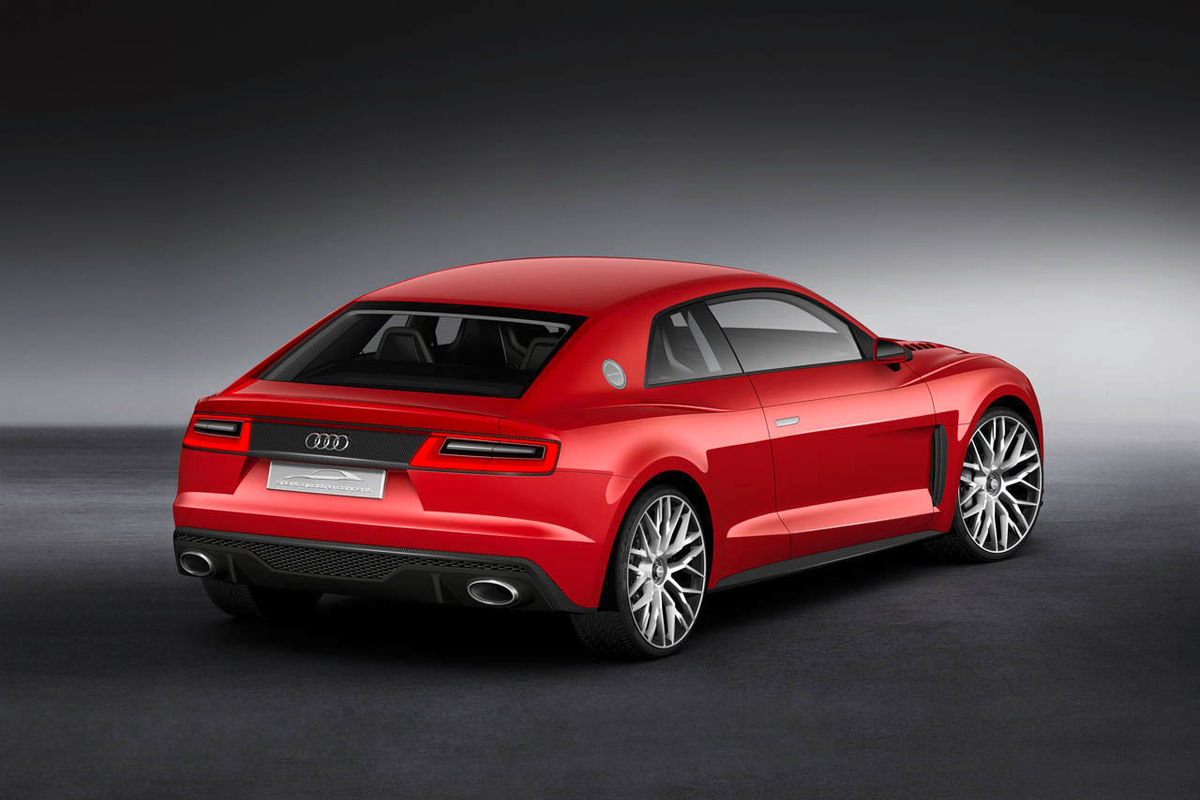
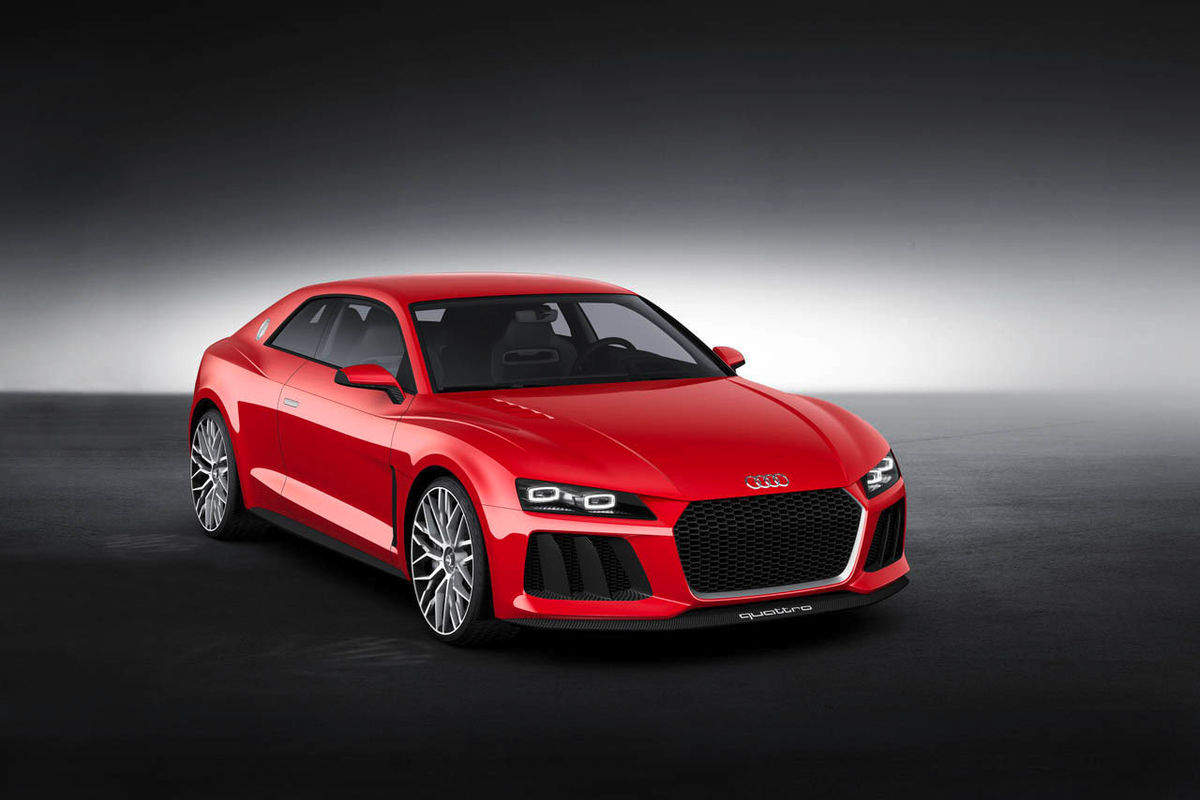
Audi Sport Quattro Laserlight Concept Shown In Las Vegas
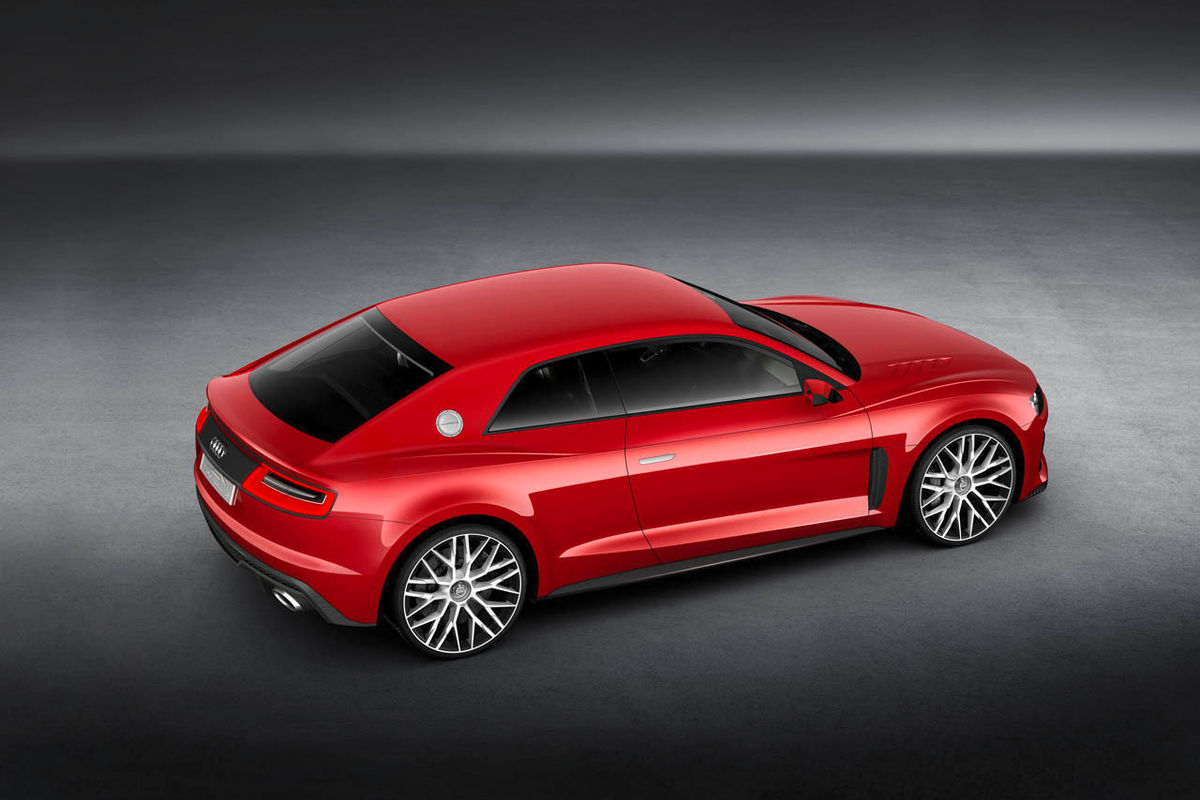
The Audi Sport quattro laserlight concept car has had its world premier at the 2014 Consumer Electronics Show currently taking place in Las Vegas.
Audi has also just announced that the laser headlights featured on the concept will reach production vehicles and will also make its way to the 2014 Audi R18 e-tron quattro race car.
Cutting edge electronic features
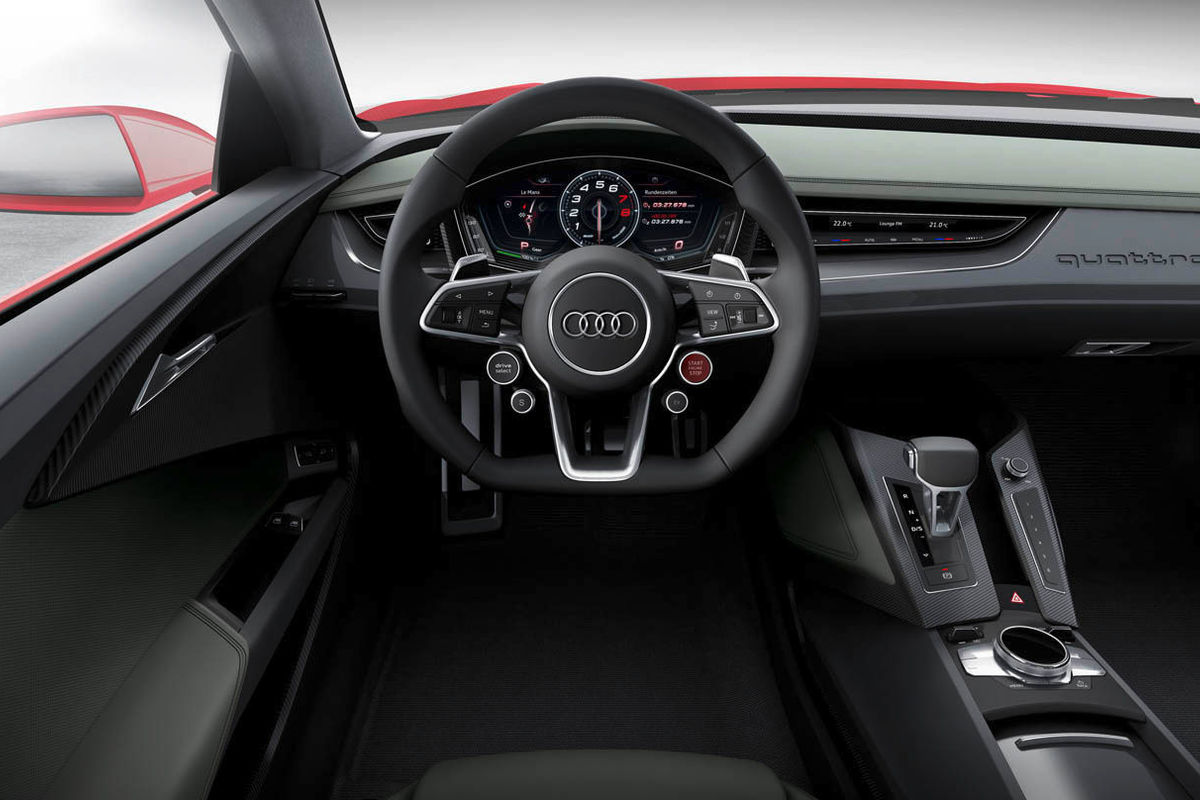
The Laserlight concept car is an updated version of the Sport quattro concept that debut at the 2013 Frankfurt Motor Show pointing towards the future with the latest technologies in plug-in hybrid drives, user control and display interfaces and lighting technology.
The new show car demonstrates technical Vorsprung on many levels, says Prof. Dr. Ulrich Hackenberg. On-board this car we have e-tron technology with 515 kW of power and 2.5 l/100 km fuel economy; laser headlights that leave all previous systems in the dark with its higher performance as well as new display and operating systems with cutting-edge electronic performance. We are showing the future of Audi here.
Audi is demonstrating the future of lighting technology by combining matrix LED and laser light technologies. The laser diodes are significantly smaller than LEDs, however are able to illuminate out to 500 metres.
Two low-profile trapezoidal elements are visible within the headlights. The outer one generates the low beam light using matrix LEDs and an aperture mask, while the inner element produces laser light for high-beam functionality.
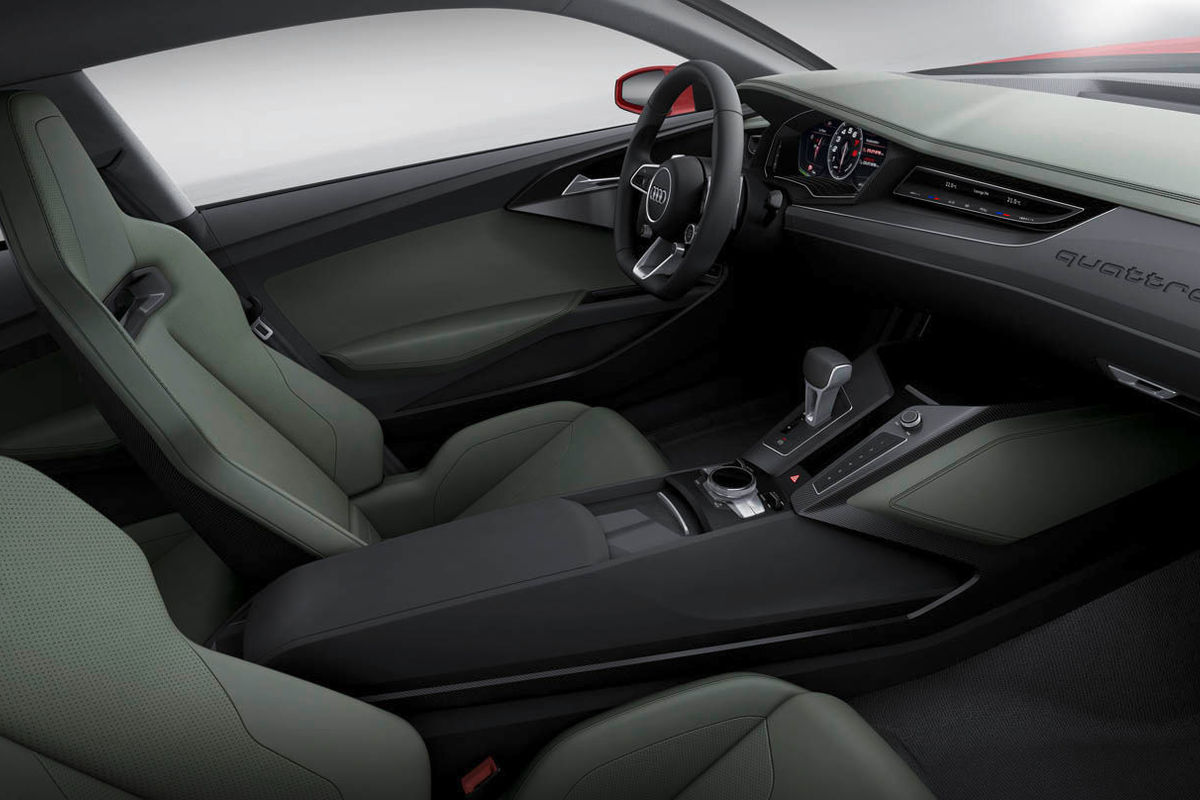
Other highlights offered by the Audi Sport Quattro Laserlight Concept include a Plasma Red exterior, a new Audi virtual cockpit for the driver, based on the cutting edge Nvidia Tegra 30 processor, which will let you overlay your speed dial on a navigation map, thanks to the use of layered 3D graphics.
Like the original concept, the Audi Sport Quattro Laserlight Concept is fitted with a plug-in hybrid powertrain that consists of a twin-turbo 4.0-litre V8 engine and a disc-shaped electric motor.
This allows the car to deliver a combined maximum output of 515 kW and 800 Nm of torque. Acceleration from 0-100 km/h is said to take just 3.7 seconds in order to reach a top speed of 305 km/h (189 mph).
The Sport Quattro Laserlight coupe remains a concept, but there are rumors that Audi will make a production version which will go on sale in a year or three.
Audi Sport Quattro Laserlight Concept gallery
Google Glass Integration Now Offered In The 2014 Hyundai Genesis
Hyundai has announced the all-new 2014 Genesis will be available with an infotainment system that is compatible with wearable devices and has support for Google Glass.
All-new wearable technology
This integration will allow owners to connect with their vehicle using wearable devices which in turn will further help owners save time and add a new level of convenience by allowing remote interaction with the vehicle without the need to pull out their smartphone.
“We see wearables as a technology trend, expanding from fitness and health monitoring to broader applications,” says Barry Ratzlaff, executive director, Customer Connect and Service Business Development, Hyundai Motor America.
“As a leader in connected car technology, we’re always exploring new ways to use technology to enhance the ownership experience for our customers. Wearables are a great way to extend the experience outside of the vehicle by leveraging these small screens to quickly access remote features and deliver timely vehicle information.”
Hyundai Blue Link Google Glass App
In addition, the car will come with two apps: Genesis Intelligent Assistant and Google Glass Blue Link app.
The Genesis Intelligent Assistant app combines Blue Link features, data from the vehicle, the owners smartphone and the internet with multiple layers of intelligence. Hyundai says the app will ‘get to know you’ and your schedule so it can give you departure reminders (which are determined by your current location, traffic information and the location of your destination) and remote staring reminders that asks owners if they want to start the car to heat or cool the interior before leaving.
Additionally through Blue Link, the driver will have access to remote door lock/unlock, remote start, vehicle finder, as well as POI send-to-car by Google. the new Blue Link system further boasts a number of enhancements which include a remote starting system that has an engine timer, stopping system and remote climate / defroster controls. There’s also an Automatic Collision Notification system that can notify user-selected emergency contacts – via SMS and e-mail – in the event of an accident.
When using Google Glass, information about the vehicle will be presented as cards optimized specifically for the Glass user interface. The owner will be informed about when maintenance is due via push notifications and will also schedule service by initiating a call through the device’s built-in feature.
The 2014 Hyundai Genesis will also have a new infotainment system with GPS navigation, Pandora / SoundHound integration and Apples Siri-powered Eyes Free mode. Other highlights include advanced voice recognition technology, swipe technology, a customizable home screen and music, video and picture storage.
The 2014 Hyundai Genesis is scheduled to arrive in South Africa in the second half of 2014. Prices and specs will be announced closer to launch date.
What’s Google Glass?
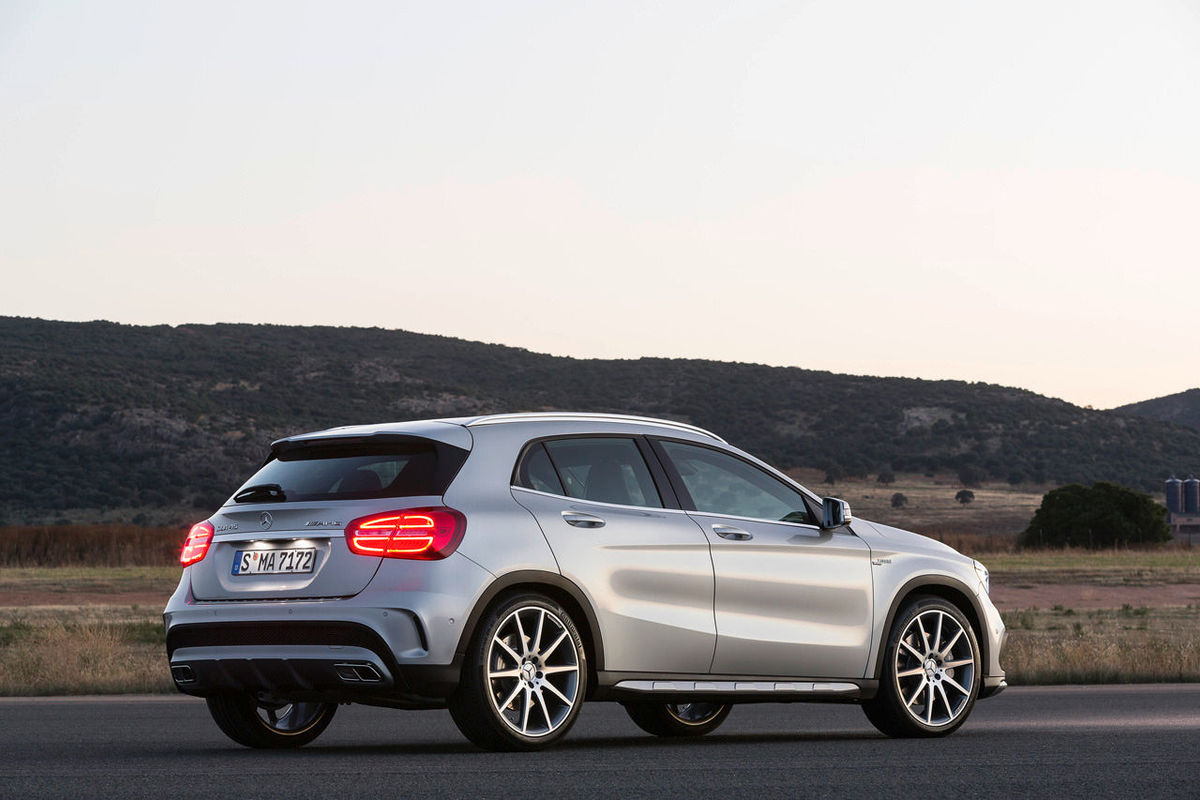
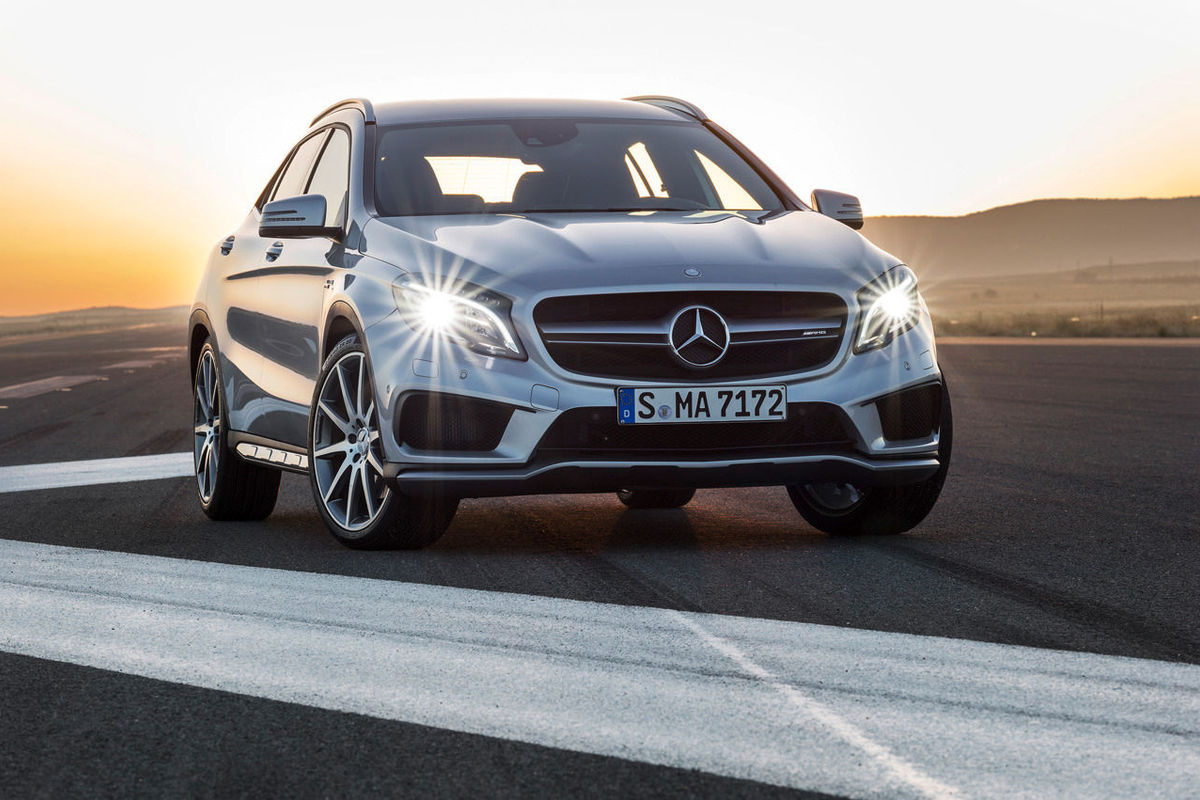
2014 Mercedes-Benz GLA 45 AMG Production Version Officially Revealed
Mercedes-Benz has just revealed the high-performance AMG version of the GLA, ahead of the vehicle’s public debut scheduled for later this month at 2014 Detroit Auto Show.
Compact SUV with Driving Performance
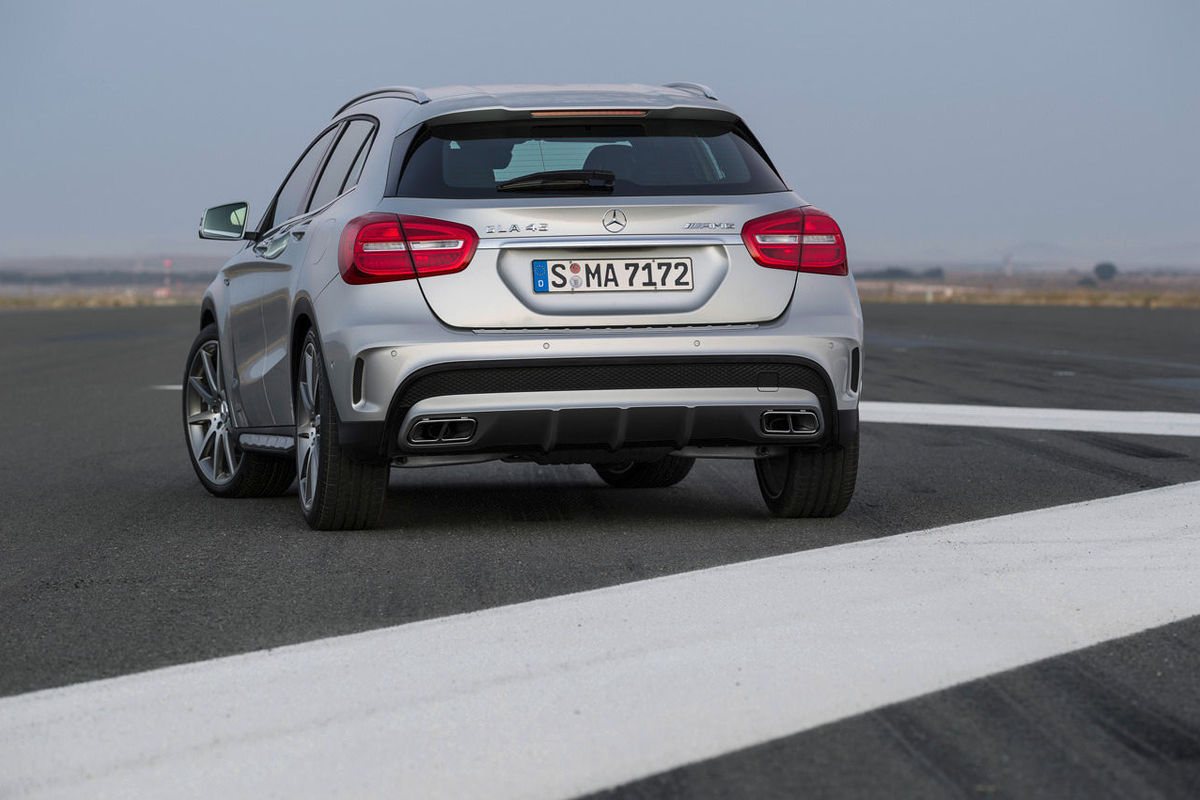
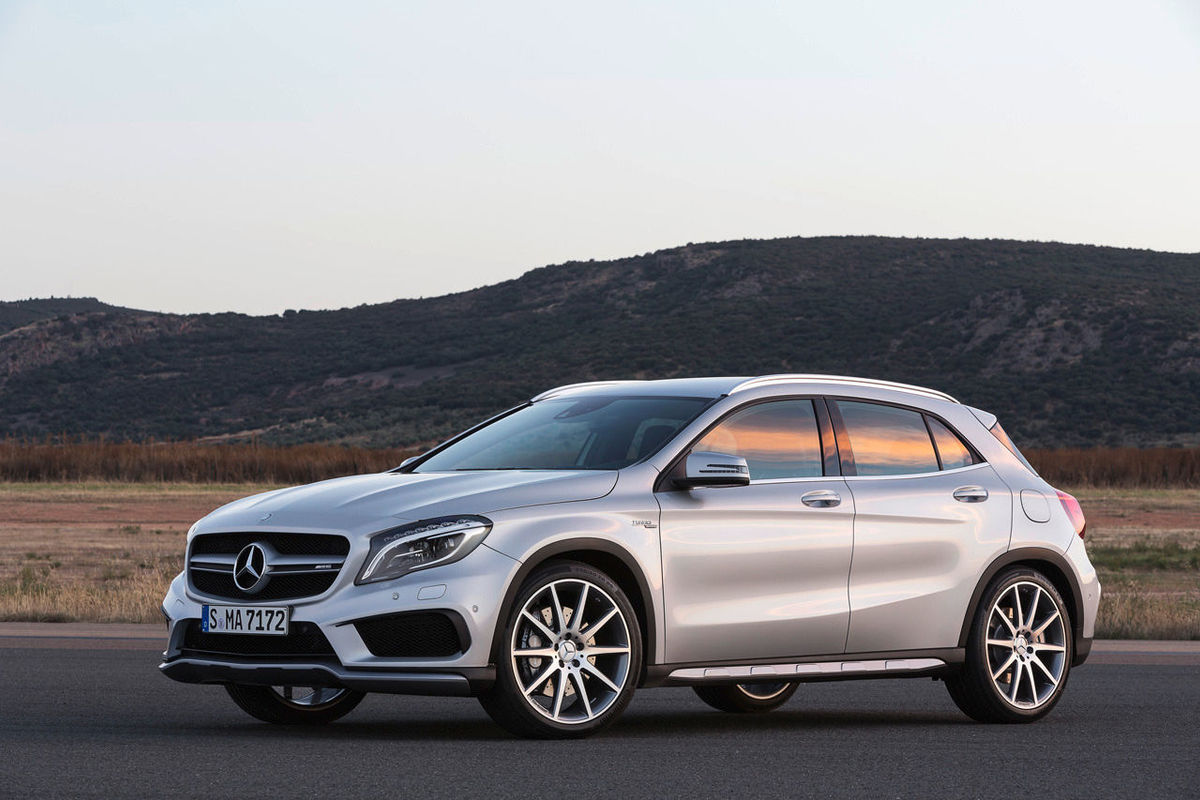
The 2014 Mercedes-Benz GLA 45 AMG was previewed as a concept in Los Angeles last November. Now in its production form, the GLA 45 AMG adopts a more aggressive styling approach with larger bumpers, an AMG sports suspension, muscular side skirts and three bigger AMG alloy wheels to choose from. Which include 5-twin spoke wheels painted titanium grey with high-sheen finish mounted with 19-inch tyres and the larger 10-spoke wheels fitted with 20-inch tyres available in titanium grey with high-sheen finish or matte black with high-sheen rim flange.
The rear end is dominated by the diffuser insert with titanium grey trim and the rectangular, chrome-plated trim of the twin tailpipes of the AMG sports exhaust system with exhaust flap.
Most powerful series-produced four-cylinder engine
Power is provided by a Euro 6-compliant 4-cylinder, 2.0-litre turbocharged petrol engine delivering 265 kW of power and 450 Nm of torque which is then transferred to the 4MATIC all-wheel drive system via a seven-speed AMG SPEEDSHIFT DCT transmission.
Acceleration from standstill to 100 km/h takes about 4.8 seconds reaching an electronically-limited speed of 250 km/h. Its also said the 2014 Mercedes-Benz GLA 45 AMG can return 7.5 litres / 100 km with CO2 emissions of 175 g/km.
The seven speed transmission mentioned offers three shift modes: manual, sport and controlled efficiency. Stability controls found in the car also offer three modes for varying degrees of slip and all models come standard with the ability to independently apply braking to the rear inside wheel to counteract understeer.
Distinctive styling
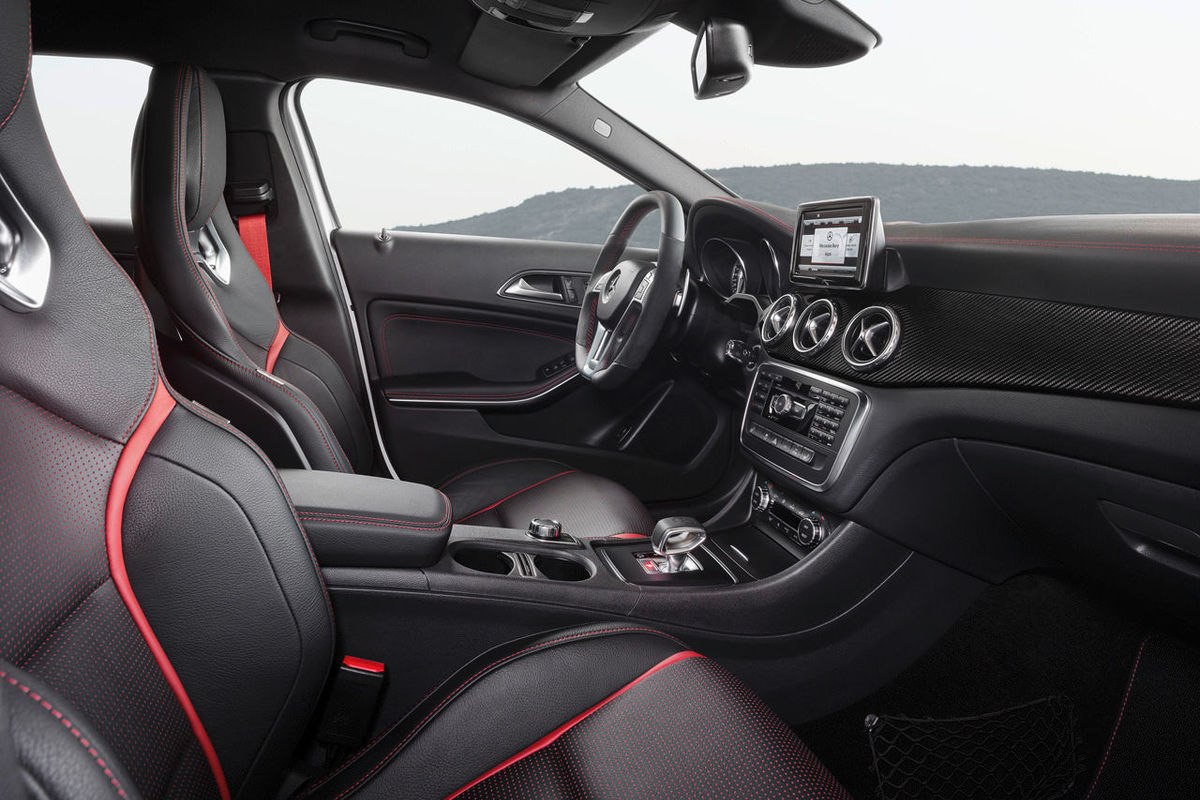
Interior features include sport seats wrapped around in leather/Dinamica microfibre with red contrasting stitching and red safety belts. There’s also a three-spoke Nappa leather-covered multifunction steering wheel with red contrasting topstitching and an AMG instrument cluster with a two-tube design and a central colour display.
Additional features offered on the 2014 Mercedes-Benz GLA 45 AMG include a high-performance braking system, an aerodynamic package, carbon fibre package, red painted brake callipers, rear spoiler, as well as a night package which has privacy windows, silver chrome radiator louvers, a black strip around the waistline high-gloss black pieces on the sides and rear and black rectangular trim around the tail pipes.
The interior can further be upgraded with carbon fibre trim, performance seats and steering wheel along with various leather upholstery options.
The 2014 Mercedes-Benz GLA 45 AMG is set to make its first public outing on January 13 at the North American International Auto Show.
2014 Mercedes-Benz GLA 45 AMG gallery
2014 Peugeot 308 SW Revealed
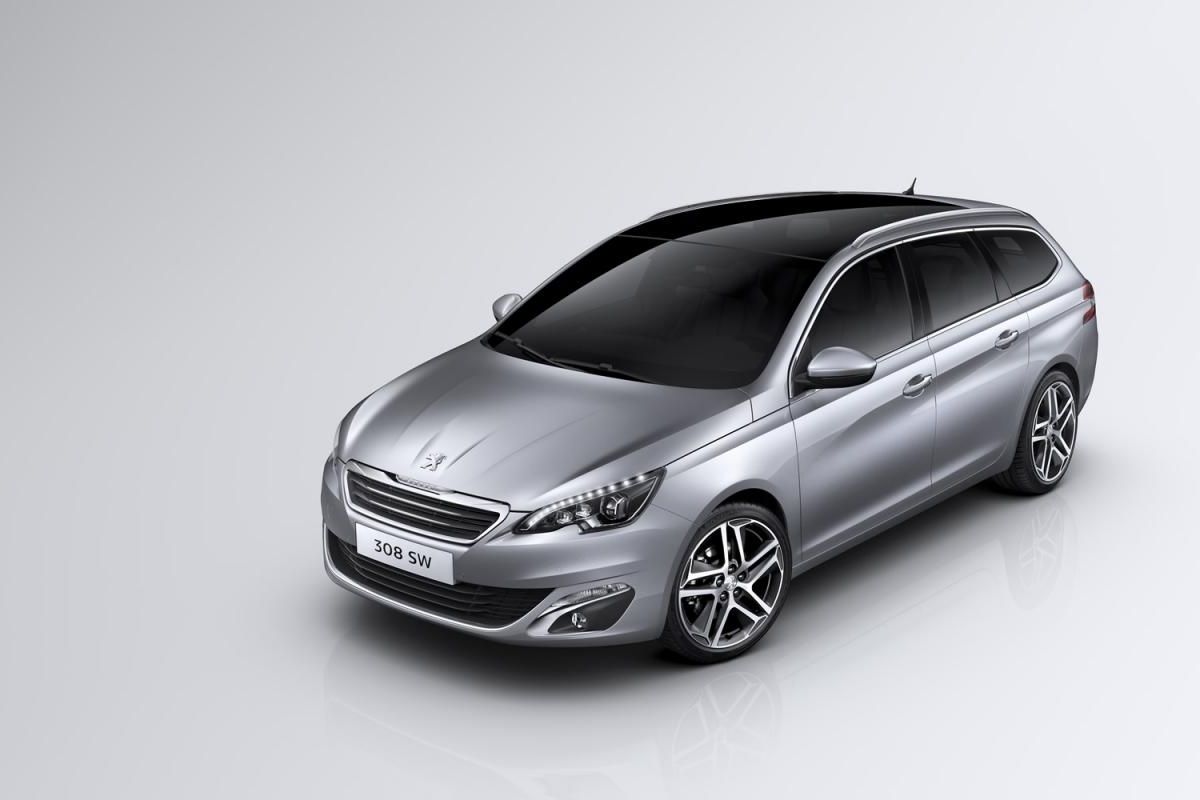
Peugeot has expanded its medium-car range with the new 308 SW which will be publicly showcased at the 2014 Geneva Motor Show in March.
The sleek and spacious estate
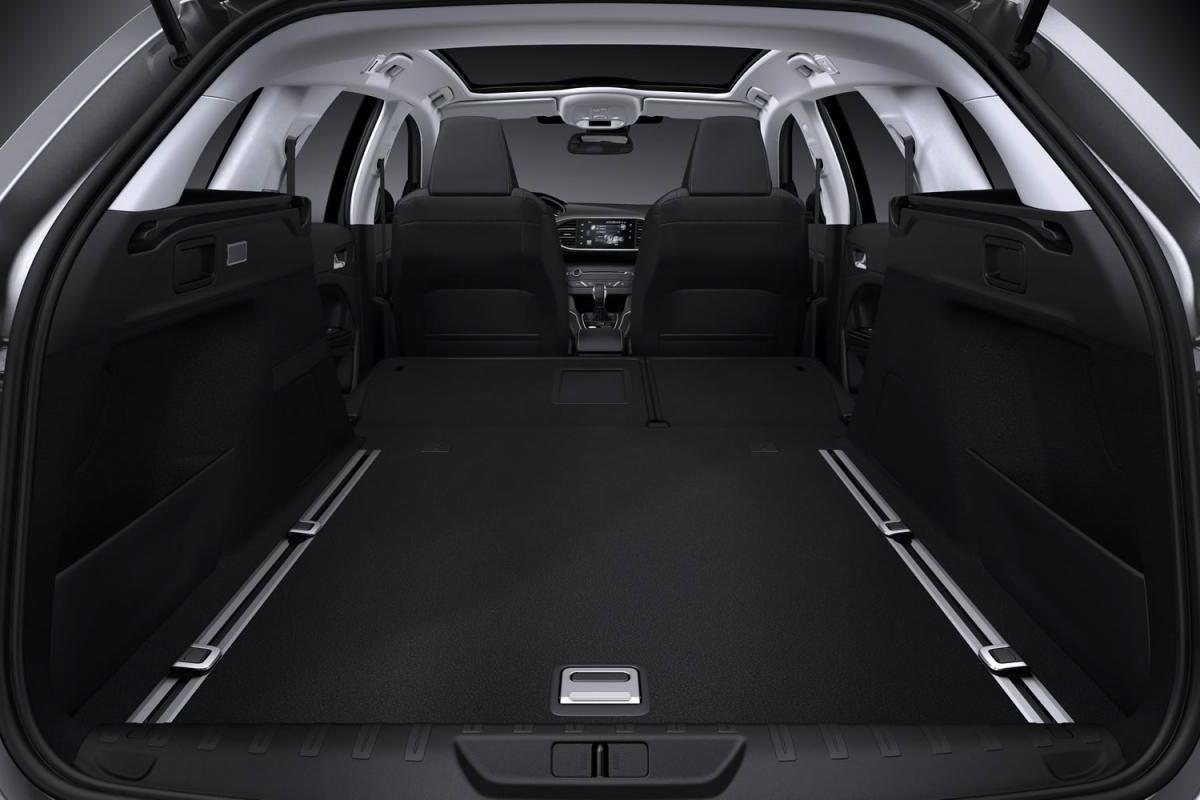
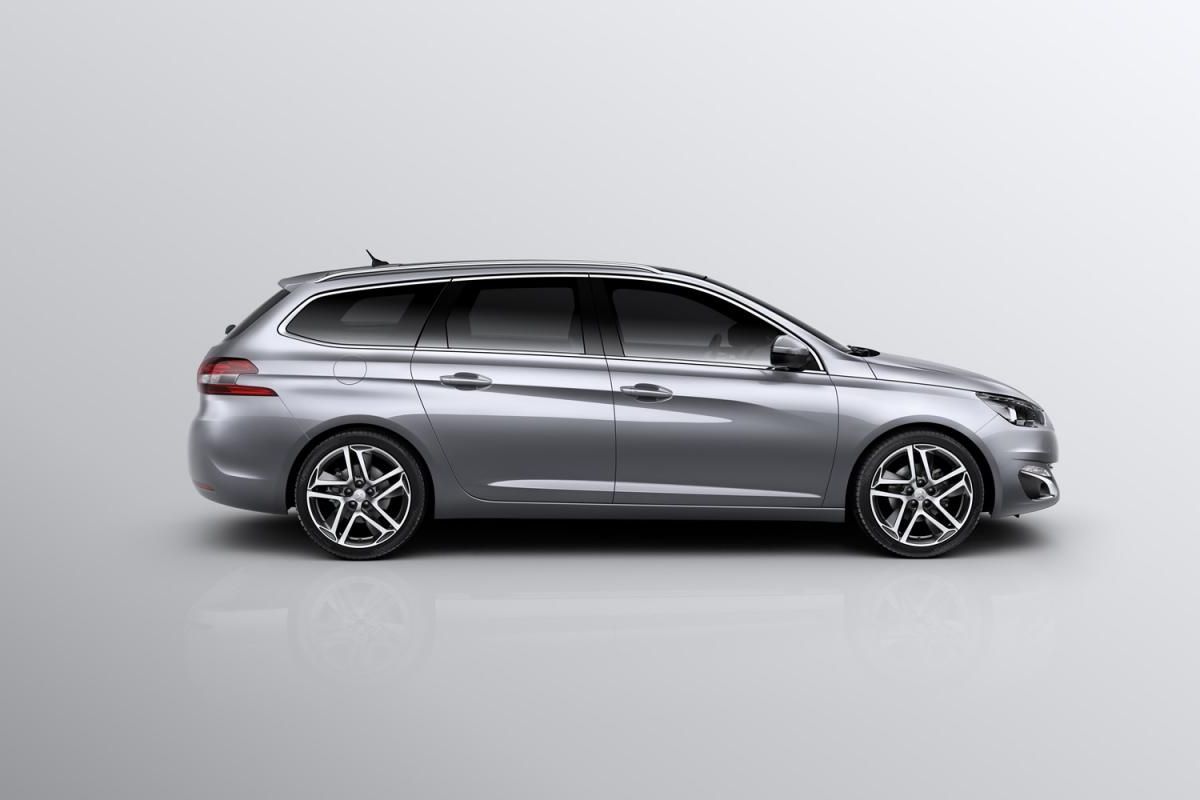
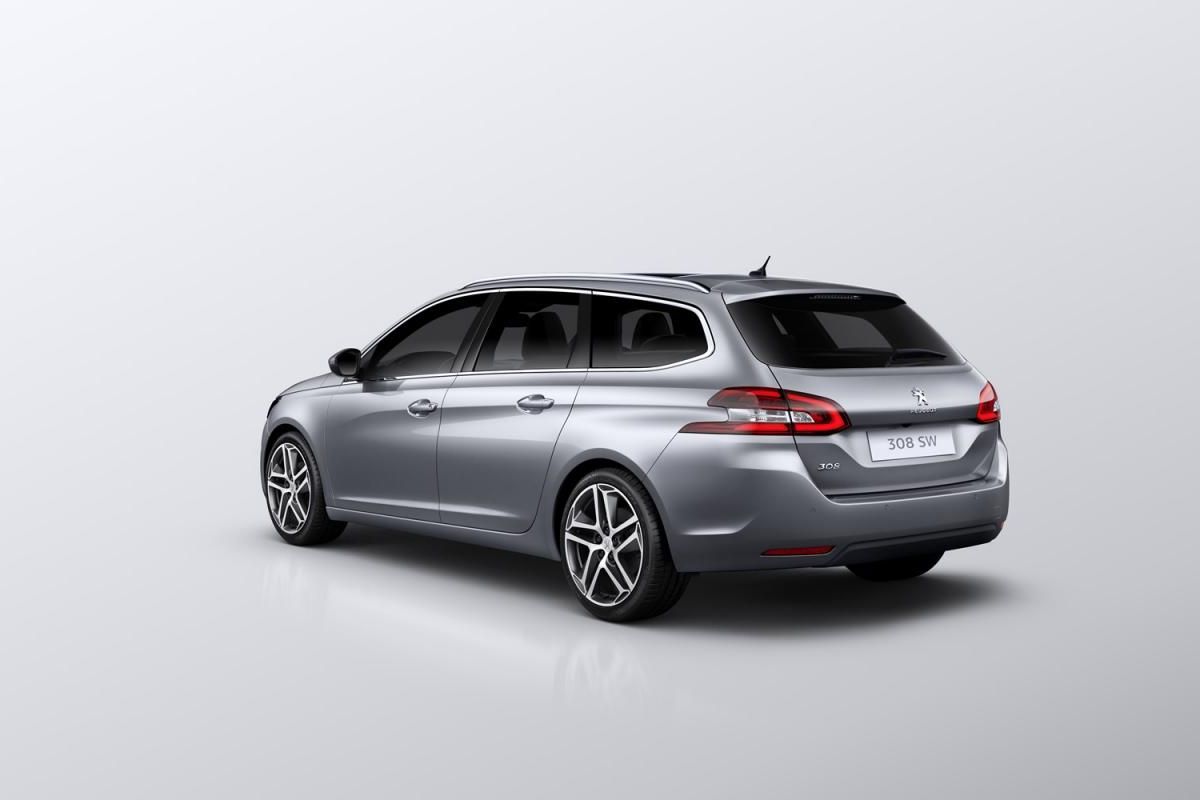
The 2014 Peugeot 308 SW has been completely redesigned, boasting class leading capacity with 610 litres of boot space and is 4.58 metres long and only 1.47 metres high.
Its modularity is achieved with unparalleled simplicity with seats that fold flat with a single pull of a lever in the boot, as well as a completely flat boot.
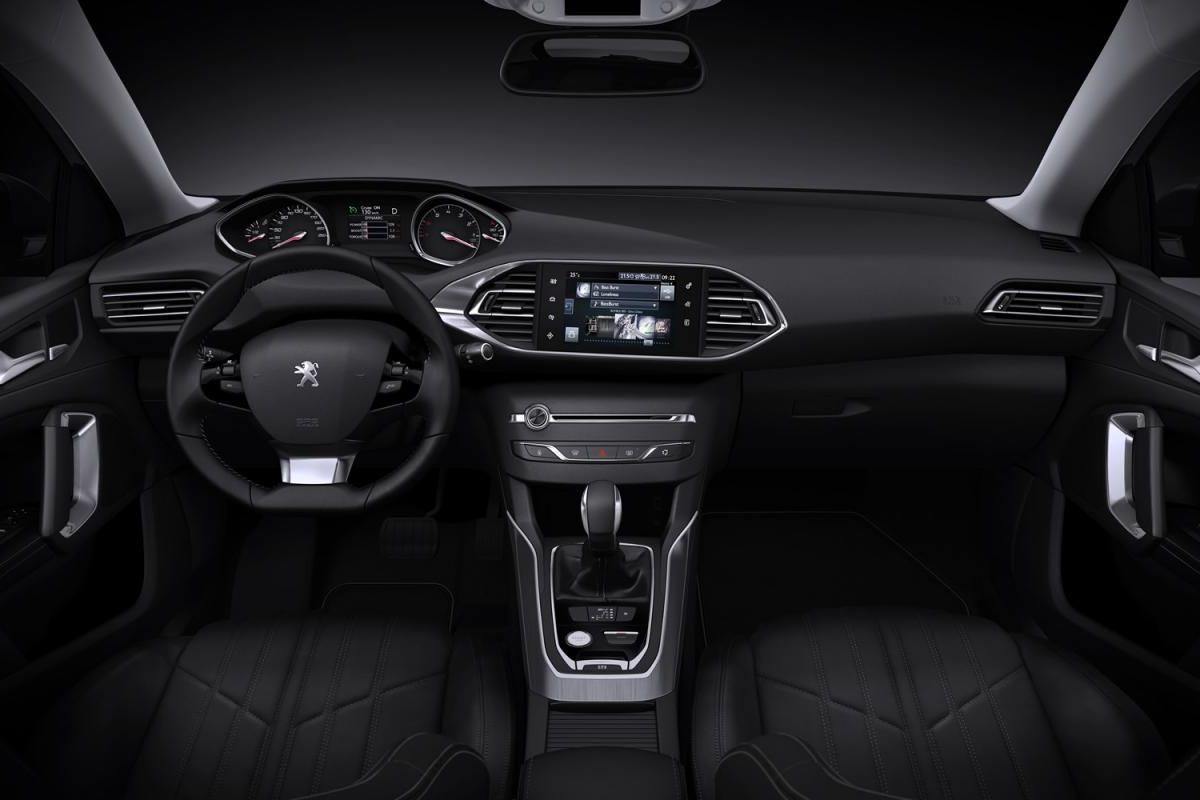
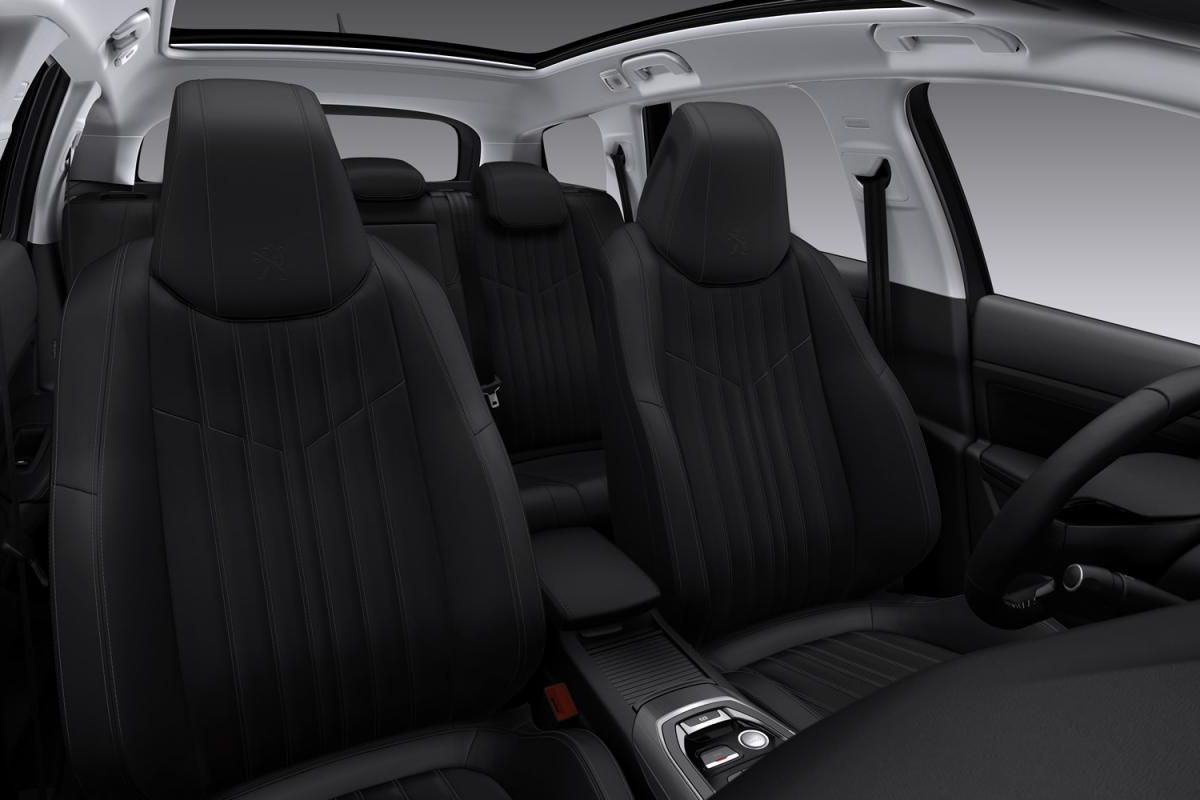
The interior benefits from from Peugeots new i-Cockpit modern layout designed to provide driver and passengers with a clean and clear environment.
Additionally, the vehicle rides on the same EMP2 architecture as the 308 hatchback which has allowed Peugeot to shed 140kg from the kerbweight.
Upon launch, the 2014 Peugeot 308 SW will be available with a range of Euro 6-compliant petrol and diesel engines, including a BlueHDI turbodiesel variant which will have CO2 emissions of only 85 g/km.
The 2014 Peugeot 308 SW will be showcased at the Geneva Motor Show in March. It is not yet clear when this model will reach our shores as we are still awaiting the launch of the 308 hatchback which is said to happen in 2015.
2014 Peugeot 308 SW gallery
Ford C-Max Solar Energi Concept Unveiled
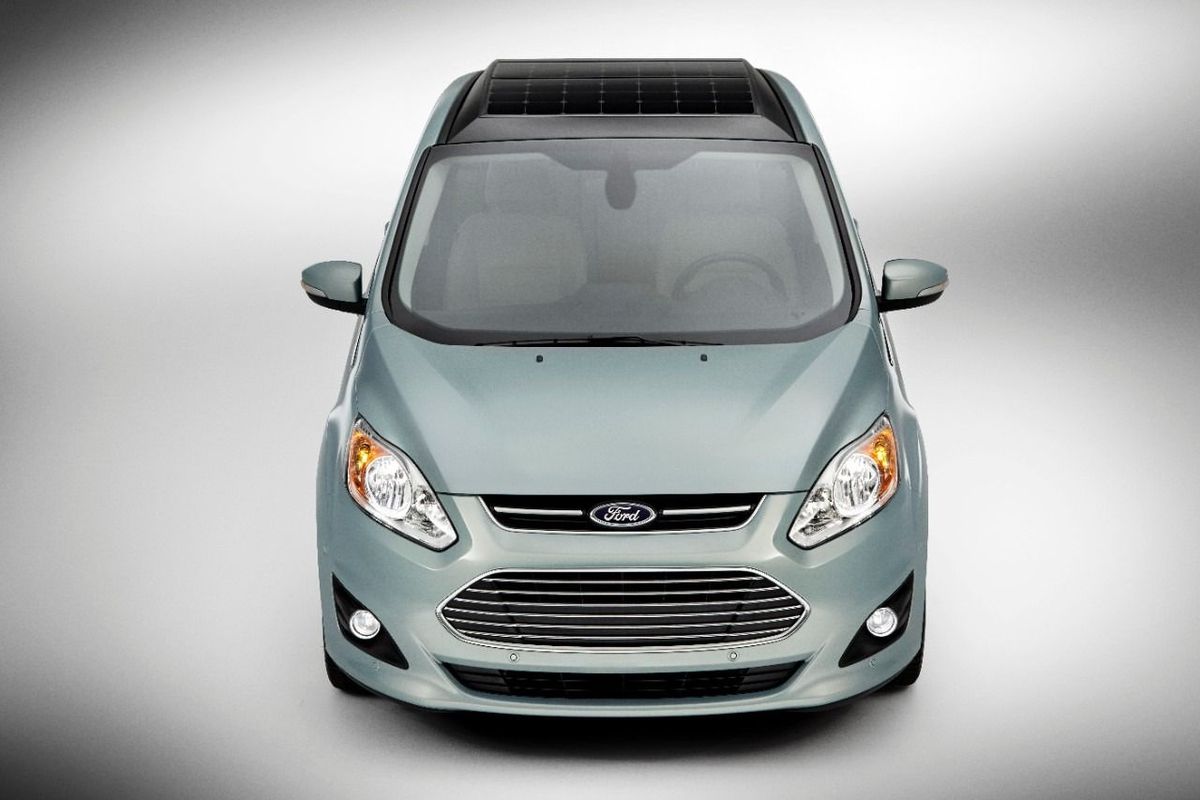
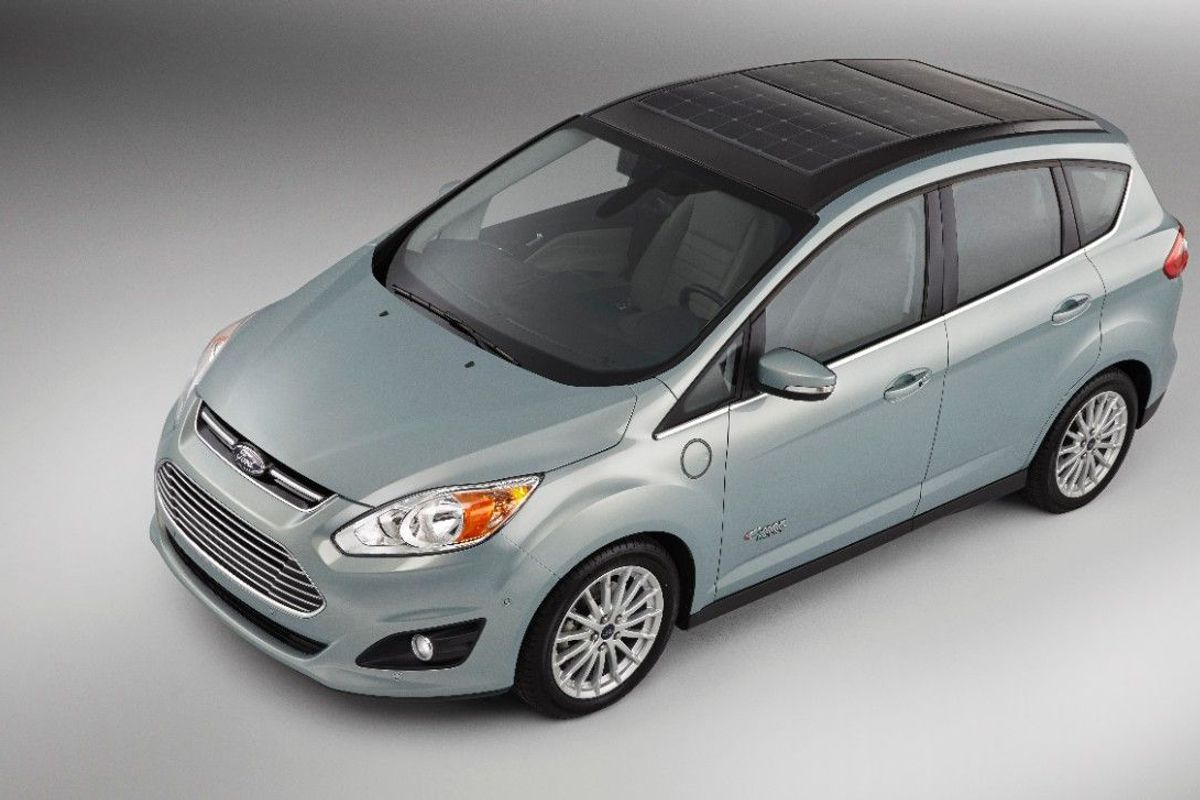
Ford has announced plans to unveil the C-MAX Solar Energi concept equipped with a solar roof panel and is estimated to reduce the annual greenhouse gas emissions by using renewable power.
Breakthrough clean technology
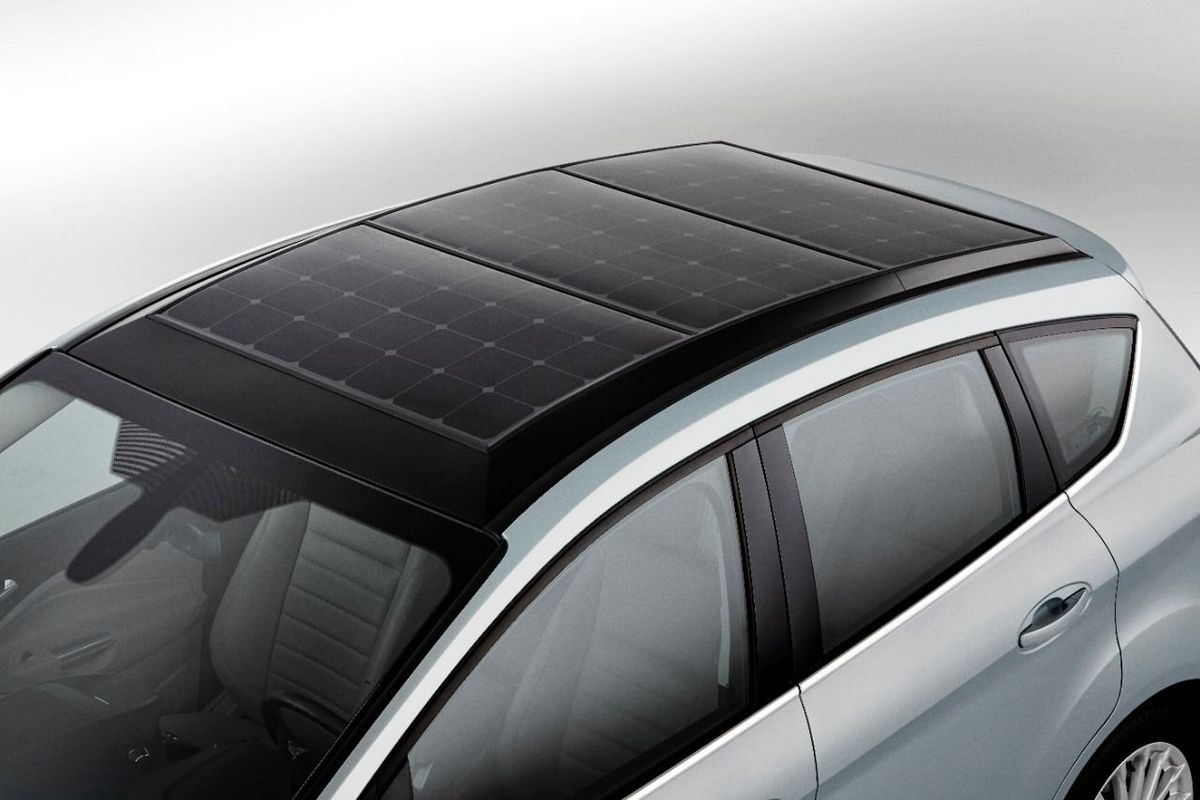
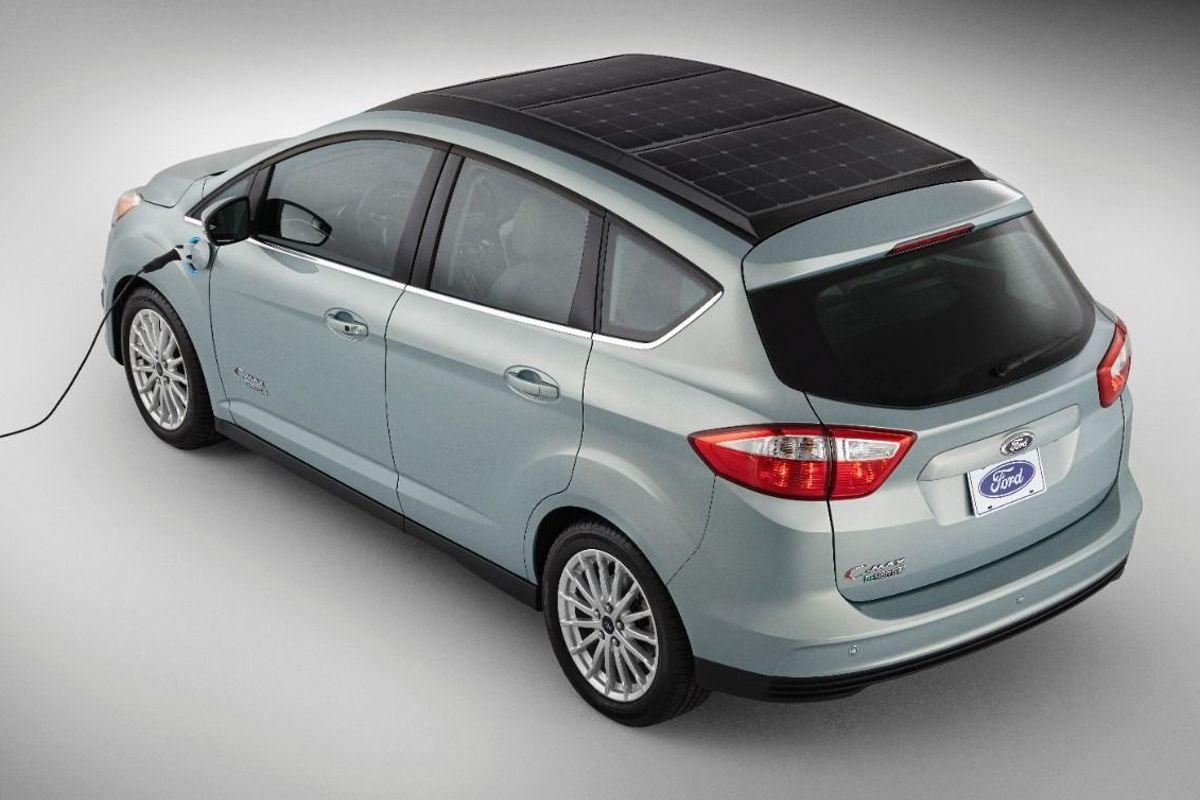
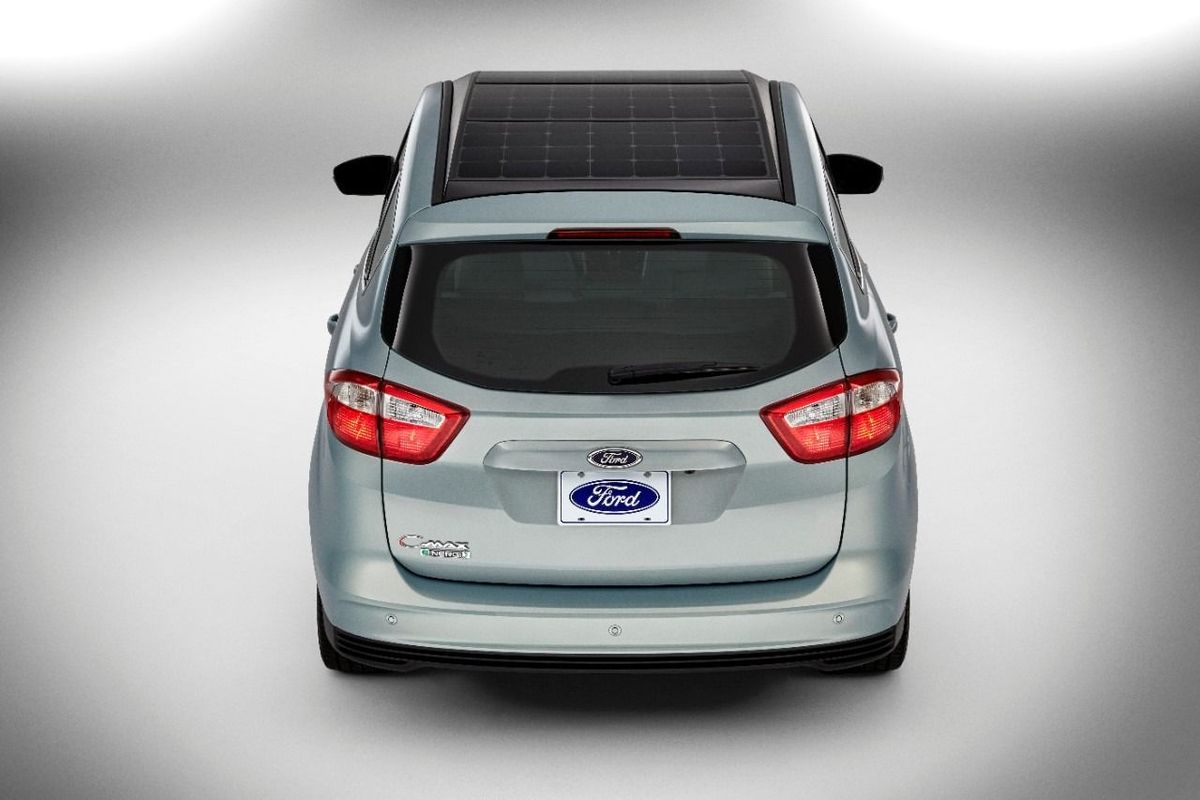
The Ford C-Max Solar Energi Concept which will be on display at the 2014 International CES in Las Vegas, is a plug-in hybrid with a battery pack that can be charged not only from an electrical outlet but also from the sun’s power.
A first of its kind, the sun-powered concept uses a specially developed concentrator which acts like a magnifying glass to direct the sun’s rays to the solar panels mounted on the vehicle’s roof.
According to Ford, a day of charging in the sunshine will give the C-Max Solar Energi concept the same full charge as in the conventional C-Max Energi plug-in hybrid, with a total range of 998 km 34 of which can be run on electric power alone.
The 2014 Ford C-MAX Solar Energi concept is the result of a collaboration between Ford, SunPower Corp. and Georgia Institute of Technology.
“Ford C-MAX Solar Energi Concept shines a new light on electric transportation and renewable energy,” said Mike Tinskey, Ford global director of vehicle electrification and infrastructure.
“As an innovation leader, we want to further the public dialog about the art of the possible in moving the world toward a cleaner future.”
Ford hasnt mentioned what it would cost to add the panels, but plans to show the concept during the Consumer Electronics Show in Las Vegas next week. After that, it will begin real-world testing to determine production feasibility.
Ford C-Max Solar Energi Concept gallery
Nissan Sport Sedan Teased Ahead of Official Detroit Debut
The web is buzzing over the teaser image Nissan has released of their Sport Sedan concept set to debut at the upcoming Detroit Auto Show.
Next-generation Nissan design signatures
According to Nissan, the Sport Sedan concept previews a new energetic design that amplifies the firm’s legendary design principles and offers an advanced look at a future production sports sedan.”
Other than the dimly-lit image shown above, no specific details about the concept have been offered. The image shows the Nissan Sport Sedan might feature boomerang-shaped headlights, a prominent grille and blacked out A-pillars. Engine details and drivetrain layout also still remain a secret.
Besides the Sport Sedan concept, Nissan will showcase the IDx Freeflow and IDx NISMO concepts which recently debuted at the Tokyo Auto Show.
The Nissan Sport Sedan Concept including the other two concepts will be revealed at the 2014 Detroit Auto Show taking place next week
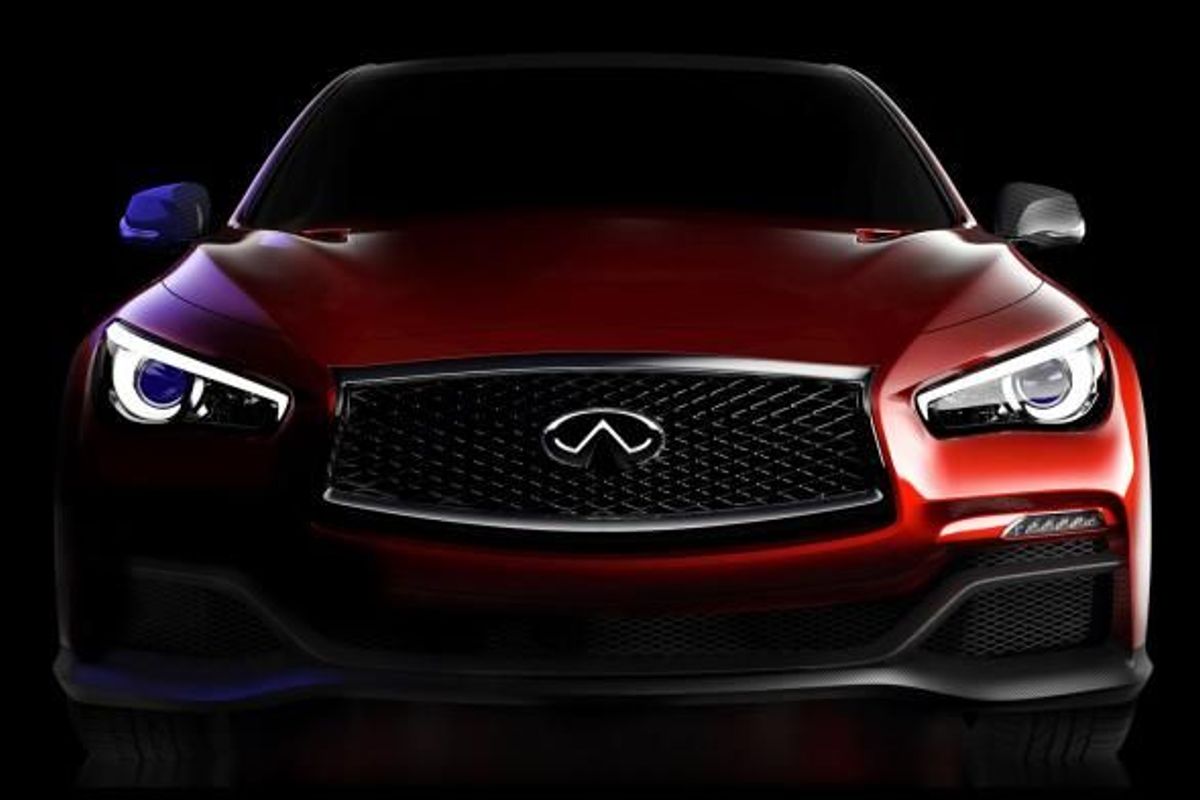
Infiniti Q50 Eau Rouge Concept First Images Revealed
Infiniti has revealed new images and details of their Q50 Eau Rouge Concept scheduled to officially debut at the North American International Auto Show next week.
Formula 1 inspired styling
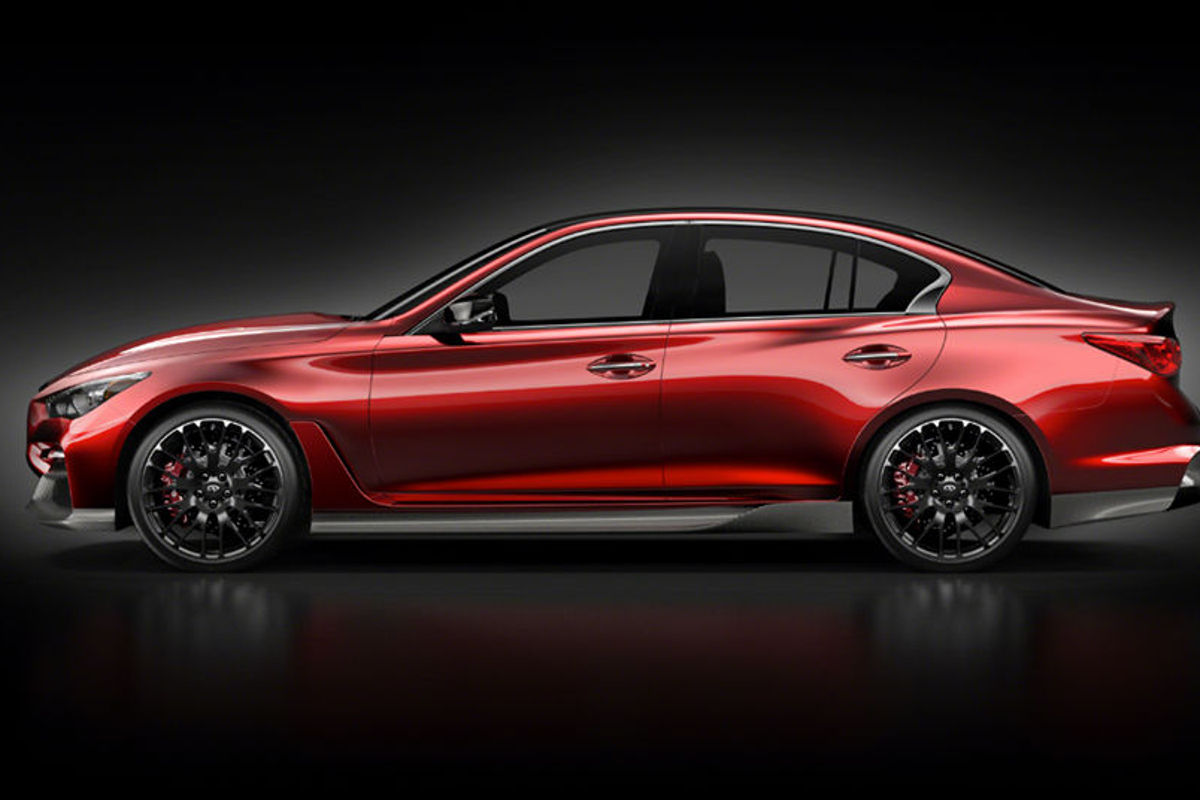
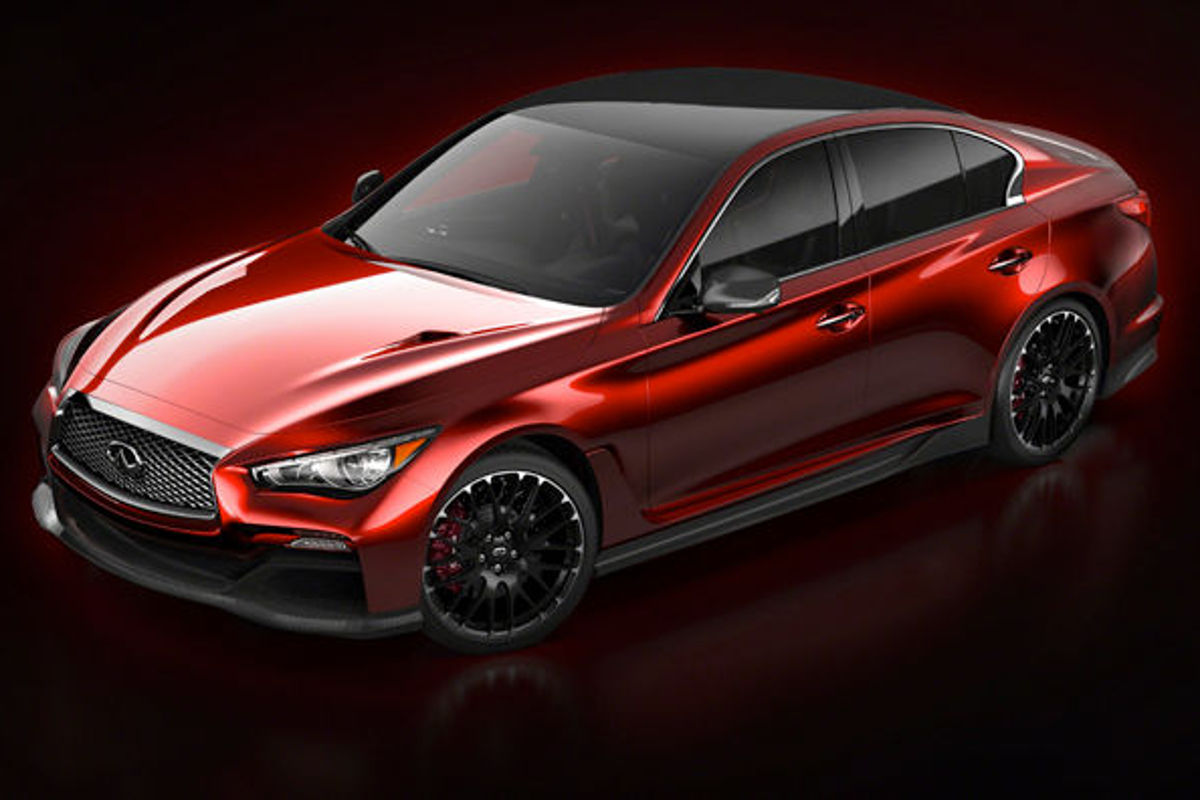
Meant to preview the future design of high-performance Infiniti products, the Infiniti Q50 Eau Rouge is lower, wider and lighter than a normal Q50. Its F1 inspired design expresses muscularity, refinement and understated performance intent.
Major bodywork components have been redesigned with aerodynamics in mind and manufactured carbon fibre. Only the roof and door profiles remain unchanged from the production Q50.
Powertrain and performance details still haven’t been revealed, but it’s suspected that the concept might be fitted with the same drivetrain as a normal Q50, with moderate power enhancements.
Complex carbon composite bodywork
Additional highlights include deep and detailed carbon fibre front splitter, rear diffuser and side sill skirts. There are also carbon fibre roof and door mirror casings, 21-inch lightweight forged alloy wheels and a dual-exit exhaust sports system below a large integrated rear spoiler.
According to Executive Design Director Alfonso Albaisa, “From our shared passion for performance with Infiniti Red Bull Racing grew a collective desire to produce a vision of what a high-performance Infiniti Q50 could look like.”
He added, “The design has a number of distinctive Formula One inspired touches. In particular, the sculpted front wing assembly and the rear aerodynamic packaging take their cues from the RB9 race car.”
More information about the Infiniti Q50 Eau Rouge will be revealed next week at the North American International Auto Show.