Citroen C4 Grand Picasso revealed

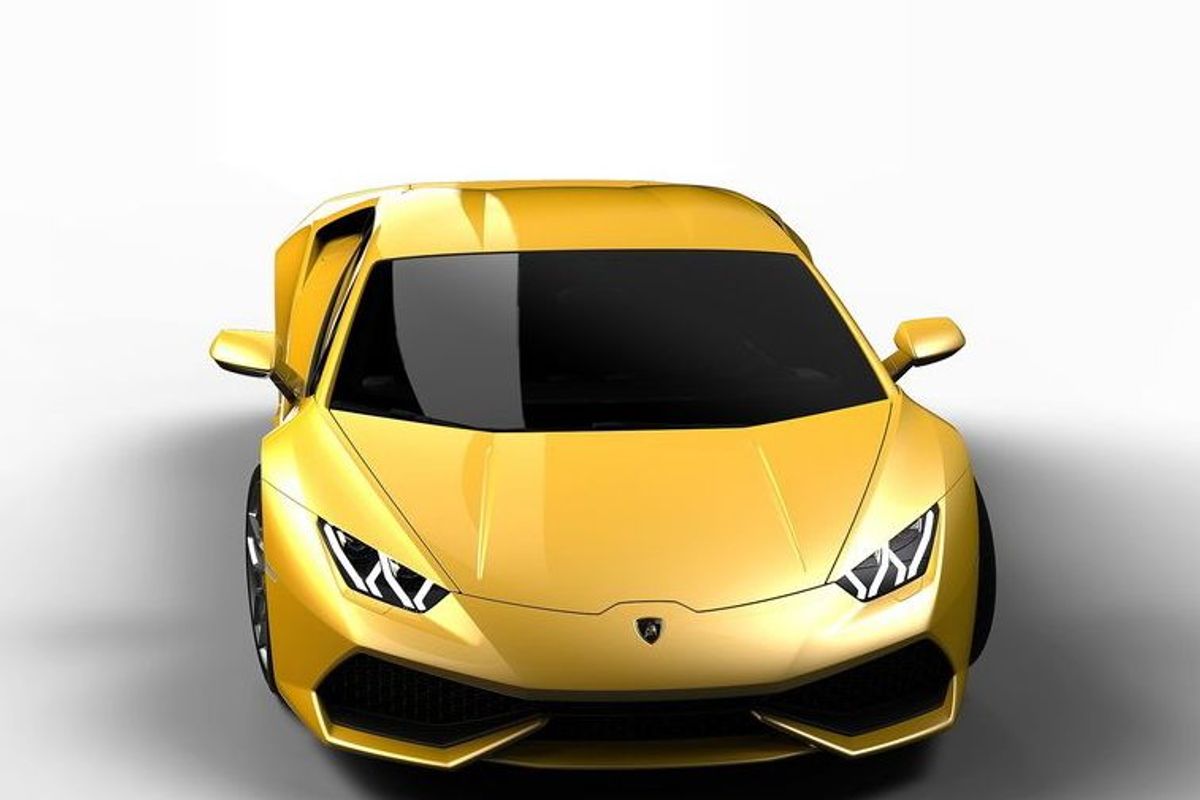
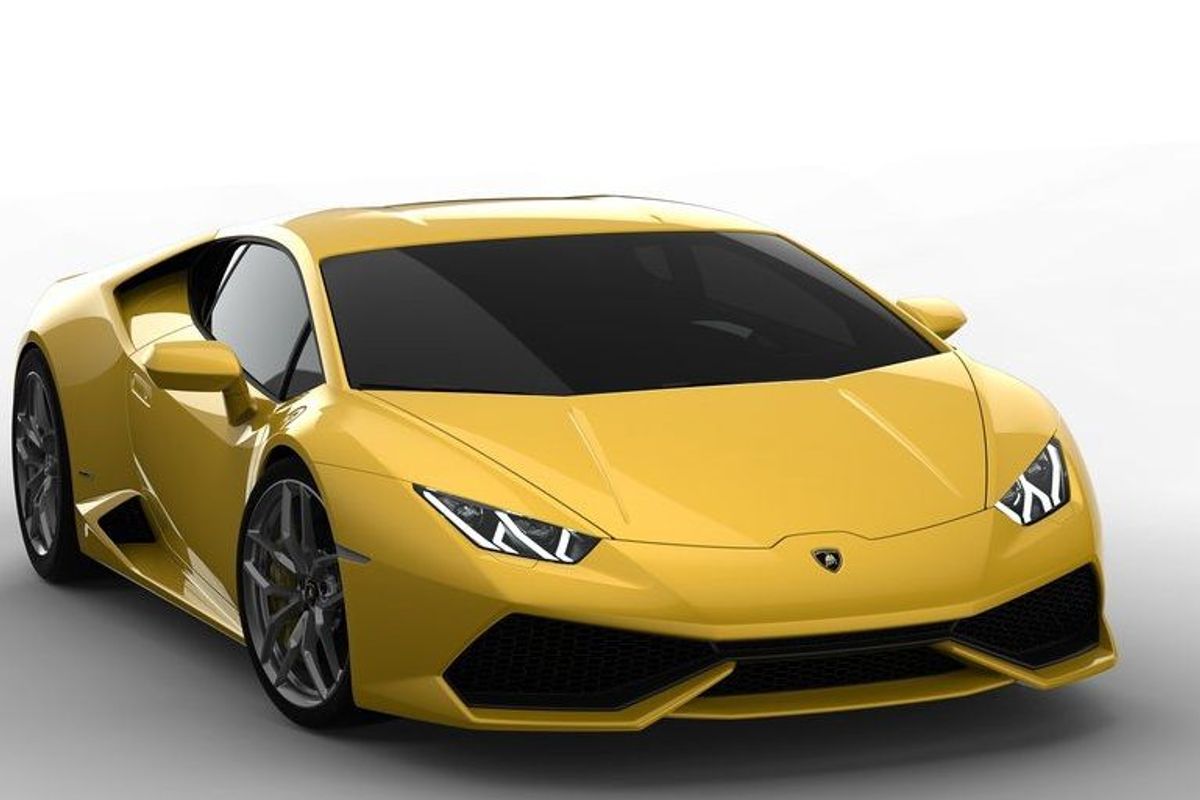
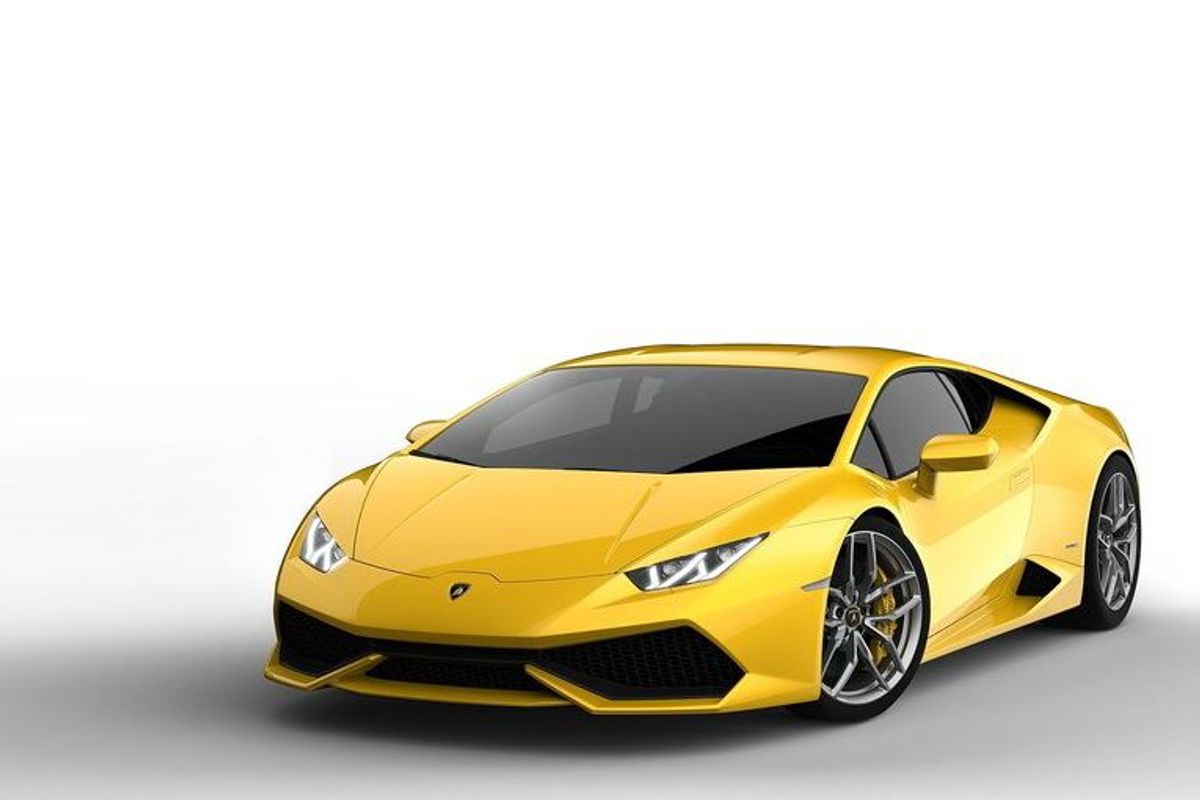
The second generation Citroen C4 Grand Picasso has been revealed by the French automaker and features a stretched wheelbase – the longest in its class – and a radical new design that is sure to polarize opinion. A new range of engines claims incredible efficiency with reduced CO2 emissions.

No decision has yet been made as to whether or when the new Citroen C4 Grand Picasso will be available in South Africa, but our guess is that it will be seriously considered for local introduction.

Citroen C4 Grand Picasso boasts low fuel consumption

Engine Specs and Capability

At launch in Europe, the Citroen C4 Grand Picasso will be available with a choice of three turbodiesel engines including the 66kW e-HDi 90 Airdream unit which emits 98g/km of CO2 at an average of 3.82-litres/100 km.

The 85kW e-HDi 115 engine will emit just 104g/km of CO2 emissions (105g/km for the manual version) with a combined fuel economy of 4.02-litres/100km, while the new Euro 6-compliant, 110kW BlueHDi 150 with selective catalytic reduction is rated at 110g/km.

All diesel-powered Citroen C4 Grand Picasso models are fitted with Stop & Start technology as standard, and can be connected to a six-speed manual or a new 6-speed Efficient Tronic Gearbox that modulates gear change speeds more precisely based on driver input for improved performance and comfort.

Internal and External Design Features

The Citroen C4 Grand Picasso has been designed to offer a revolutionary balance between interior spaciousness and flowing body styling.

The loft inspired interior is fitted with a standard-fit panoramic windscreen that stretches back into the roof and white LED lighting throughout the cabin.

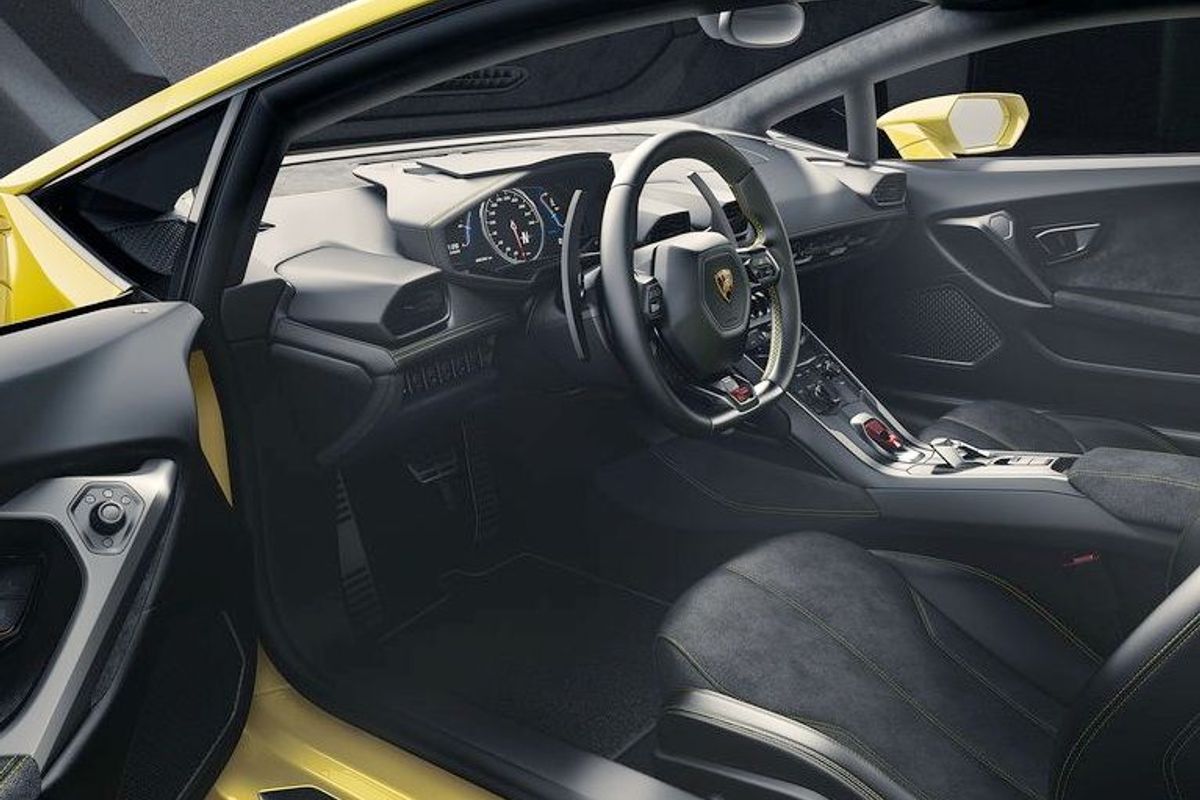
The dashboard features two full-digital displays – a 7-inch touchpad and a 12-inch panoramic HD screen. It’s further covered in satin chrome and gloss inserts which blend in with laser-engraved patterns on the door trim inserts, while the asymmetrical front seat is upholstered to look like a sofa. The second row has three independent seats with sliding bases and tilting backs.

Additionally, the new Citroen C4 Grand Picasso is distinguished by a revised front fascia, distinctive taillights, a unique roof rack that blends into the D-pillar and sleek headlights which contribute to the high-tech appearance at the front. The model also features a panoramic glass roof and 16 to18-inch alloy wheels.

Also claimed to be unique in this segment is a set of air vents for the rear-most passengers, and at a minimum of 645 litres, the boot is 69 litres bigger than its predecessor.

The optional Lounge Pack comes with front massaging seats and a ‘Relax’ mode passenger seat, as well as ‘Relax’ head restraints for all the seats.

Safety Features

The Citroen C4 Grand Picasso is packed with safety equipment, which includes:

  • Radar guided active cruise control in the front bumper to maintain a constant distance to the vehicle in front, using acceleration or engine braking to reduce or increase vehicle speed.
  • An anti-collision warning system that also uses the front radar to alert the driver when the vehicle is too close to the vehicle in front, with three alert systems depending on the risk; visual, sound and seatbelt pressure.
  • Keyless entry and start, a reversing camera, an electric tailgate, 360 Vision using four cameras placed around the car to give the driver a bird’s-eye view, a rear view or a panoramic into a tight parking space, whether parallel parking or reversing straight back.
  • Active seatbelts for the driver and front passenger which automatically pull tight in the event of danger, additionally the driver’s seatbelt works with the lane departure warning system and vibrates as a warning if the car inadvertently crosses a white line without signalling.
  • An image-processing function for the miniature camera in the interior mirror manages the automatic high-beam function, dipping the headlights according to lighting and traffic conditions
  • Ultrasonic blind spot monitoring that uses an orange light on the door mirrors to warn the driver if a vehicle is present in their blind spot, monitoring the area up to five metres behind the rear bumper and 3.5 metres on either side.

Subaru Forester XT Review in South Africa

For a while the Subaru Forester was an excellent choice if you enjoyed all the dynamic aspects of the Subaru brand, but needed extra ride height and a more family-friendly body shape. Based on the Impreza chassis, the Forester was a bit of an offroad racer. Then things got wobbly, and I’ll explain why. But I’m happy to report that Forester as we know and love it is back, well, almost.

Subaru Forester XT Review by Ciro De Siena

Engine Capability

I drove the range topping Subaru Forester XT Lineartronic while covering the massive Top Gear Festival down in Durban. The sea air obviously helped because the car felt spritely, quick and responsive. Featuring a turbocharged version of the 2.0L boxer engine, the Subaru Forester XT makes do with 177kW and a healthy 350Nm of torque. The powerband is narrow but the clever gearbox does an excellent job of getting the most out of the engine. This is probably the best CVT ‘box on the market. Interestingly in Sports Sharp mode, the box changes into a “digital manual”, with 8 gear ratios which you can play with via the flappy paddles, or let the ‘box do its thing. It really is very good at pretending to be a manual, making the drive much more involving.

Driving Capability

Here’s where I explain why things went wobbly. Subaru is a big brand in the States, and in the US of A people like things comfy. Think Lay-Z-Boys and waterbeds. The last Forester was almost exclusively designed for this market, and as such it felt like driving a jumping castle. The car rolled and pitched terribly.

Thankfully, they have sorted that out. I do like a fairly firm set up in a car, and I still feel it could be a bit tauter, but for the everyday drive the new car is firm enough and finally the Forester feels like it means business. Of all the “soft-roaders”, if you particularly enjoy driving, this car is the most rewarding.

Exterior and Interior Styling

The latest Subaru Forester XT is new from the ground up and the exterior styling is aggressive while managing to be refined. Although, my test model was in black with big bling wheels; it looked positively gangster. Or governmental, which is kind of the same thing. Last year, we tried desperately to get through security at the Top Gear festival, which is run like a military camp. This year we were waved through. Like I said, this car means business.

The interior is still conservatively Subaru, and remarkably the dash feels dated already. There is a charm in its simplicity, but I still feel Subaru could make more effort here. Perhaps with the optional touch screen infotainment system, the dash might feel a bit more modern. The dials have a crisp contrast to them, which looks great at night.

Seating is very comfortable and all passengers are very spaciously accommodated, with a big boot always at the ready. In fact, it feels very executive in there, you could quite happily ferry either your kids or colleagues around, and I’d imagine everyone would be chuffed with the transport.

Safety Features

Quite simply, the new Forester is the safest SUV on sale today. Awarded EuroNCAP’s safest SUV for 2012, and achieving 5 stars from both ANCAP (Australian safety agency) and EuroNCAP, the Forester is armed to the grille with safety innovations.
Standard safety equipment includes a total of seven airbags – dual front, side and curtain airbags are complimented by a driver’s knee airbag. The very structure of the car protects passengers, with Subaru’s Ring Shaped Reinforcement (capitals necessary, apparently) helping the car to achieve the highest possible rating for side-impact protection.

Subaru’s Vehicle Dynamics Control (VDC) ties in all of the car’s active and passive safety systems to ensure safe travel, even if you are driving like a rowdy teenager. But for my money, it’s Subaru’s Symmetrical All Wheel Drive which contributes most to safety. In the wet it is particularly impressive, providing levels of traction that front wheel cars just do not offer. The system inspires confidence and the car feels planted at all times.

Subaru Forester XT – Conclusion

While certainly not a cheap exercise, there is almost nothing I don’t like about the new Subaru Forester XT. But, it remains a thirsty car, and this remains a bit of an Achilles Heel for Subaru. In the car’s defense, I drive enthusiastically, and I expect a lot of performance out of any car, which the Subaru delivers in bucketloads. But, for the average driver, a lesser powered model might help you save at the pumps. After all, the power in the Subaru Forester XT is just too tempting to exploit. It’s got more power than the new Golf GTi, and it feels like a GTi of the offroad world.

However, if you need a practical family car, or even a stylish executive car with a difference, a car that can handle some fairly heavy offroad driving, the Subaru Forester XT ticks many boxes very well indeed.

Subaru Forester XT – Price

Prices for the range start at R329,900, but the model tested starts at R529 000.

  • What I liked :
    • Handling, sportscar engine makes this a very enjoyable family car
    • Practicality, interior space and comfort
    • Looks and design – aggressive but stylish
  • What I didn’t like:
    • Fuel consumption
    • Too simple dashboard and instruments
    • Price, but considered as an executive car, it makes some sense
  • View the vehicle : New Subaru Forester / Used Subaru Forester

  • Competitors
    • Suzuki Grand VitaraNaturally aspirated so suffers on the reef, but great value and good looks, as well as offroad capability
      Prices start at R307,900 – great value
    • Nissan XtrailNot nearly as fun to drive, but very practical option with some great diesel engines.
      Prices start at R318,600

Opel Corsa OPC Nurburgring Edition on its way to SA

Following the launch of the new Opel Astra OPC, GMSA has released details about the Opel Corsa OPC Nurburgring Edition which will make its way to South Africa in October, boosting the product line-up as a halo model. The limited edition is perhaps unsurprisingly available in limited numbers.

Opel Corsa OPC Nurburgring Edition – Features

Exterior Design

Designed to be the hottest Corsa ever, the new Opel Corsa OPC Nurburgring Edition offers a rare blend of raw power, performance and passion. The range-topping model boasts a host of visual changes which include a front lip spoiler, a new rear roof-mounted spoiler, dual exhaust pipes, and exclusive 18-inch alloy wheels with high performance Brembo disc brakes.

Interior Design

Inside, the Opel Corsa OPC has Recaro sports seats in Nappa leather, while equipment upgrades include rain-sensing wipers, automatic climate control and an upgraded audio system with USB and Bluetooth compatibility.

Engine specs

Under the hood is a turbocharged 1.6-liter engine which produces 154 kW at 5850 rpm and 250 Nm of torque from 2 250 rpm – and as much as 280 Nm on overboost. Thanks to the added performance, the car can accelerate from 0-100 km/h in 6.8 seconds and hit a top speed of 230 km/h. Fuel consumption combined cycle average is rated at 7.6-litres/100km with carbon emissions of 178 g/km.

More detailed information on the new Opel Corsa OPC Nurburgring Edition’s heightened performance and various other upgrades will be made available closer to the time of launch.

New VW Golf 7 giveaway with Cars.co.za and Justplay

Cars.co.za is giving away a new VW Golf 7 with Justplay.co.za. The new VW Golf 7 was named World Car of the Year and European Car of the Year for 2013. The latest in a long line of exceptional cars, the new VW Golf 7 is the very epitome of reliability, comfort, and efficiency.

To win one of the most talked about cars in South Africa, click the link below, create an account on JustPlay and then enter the competition. Entrance is free and you can enter multiple times through JustPlay’s bonus point system.

Enter here

New VW Golf 7: More than just a car

Entirely new from the ground up, the VW Golf 7 is lighter, wider and more efficient than the model it replaces. An entirely new generation of engines has reduced displacement, while increasing power and decreasing fuel consumption.

The interior is all new as well. Every seat has been redesigned and you can feel it, the front seat is lower, wider and more sportscar-like than before. There are clever touches throughout the cabin, with a touch screen infotainment system as standard, which is modelled on the smartphones we use on a day to day basis.

It’s also the quietest car in its class, with even the suspension designed to cause less vibration through the chassis. There is also a special film on the windscreen which reduces wind noise.

From all of us at Cars.co.za, good luck to all the entrants!

2013 Mercedes-Benz E-Class Driving Impression

The 2013 Mercedes Benz E Class is an important competitor in the luxury sedan market, and it’s just undergone an extensive midlife overhaul.

Robyn Shield attends Cape Town Launch of 2013 Mercedes-Benz E-Class

When the new 2013 Mercedes-Benz E-Class was launched in SA last week I had a pretty clear idea about what I expected to see: a stand-out competitor in the premium luxury segment, large executive sedans and presentations targeted at middle-aged businessmen and statesmen in expensive suits. What I expected to drive: a tank.

And what rolled onto the stage in what can only be described as a very rock ’n roll unveiling- cue strobe lights, smoke machines and the thunderous roar of the new V8 biturbo engine?

2013 Mercedes-Benz E-Class design and range details

A very sexy family of loud, trimmed down, seriously good-looking new E-Class Mercs -which includes sedan, estate, coupe, cabriolet and AMG models, and even a brand new Hybrid. All models carry the sleek and elegant lines that are synonymous with modern Mercs, and the new avant-garde twin blade grill up front. (If you really do bemoan the loss of the traditional ‘gun sight’ star at the end of the bonnet, you can still have it if you buy the sedan or the estate.)

Also bringing a lustrous, more attractive aesthetic to the class are the new single unit LED headlamps, replacing the double-vision twin headlights of the old E-Class. The result is rather foxy and ‘come-hithery’ and definitely lends to the overall sexy look of the new range. Seriously, if Ryan Seacrest had his own way, this E-class family would have its own reality TV show.

Interior Style and Design

The interior styling is nothing to scoff at either, although it’s what you would expect from ‘premium, luxury executive vehicles’: plenty of leather and dials and levers catering to your every whim. Rather a big fuss was made about the inclusion of an analogue clock; apparently this is the signifier of luxury interiors these days. I do wish the centre display was operated by touch screen. In the current age of smartphones and what-nots, most of us have forgotten how to use buttons to select a desired menu option, and you definitely don’t want to be figuring that out while you’re driving such a powerful (and expensive) car.

2013 Mercedes-Benz E-Class – First Drive Impression

“So how is the drive?” you may ask. In a word: effortless.

Read a Mercedes brochure and they will throw all kinds of other words at you: emotional, exhilarating, efficient, intelligent and evolutionary. Yes, it may be all those things, if that’s what you want from your car. But at the heart of it all, it’s simply enjoyable to drive. For the petrol heads, there is the pumped up new E 63 AMG S with fuel injected, biturbo 430kw V8 engine that will put out more power than you could ever really use in real life, but it’s there to play with all the same. And for those of you who simply want to enjoy your journey in comfort and style, the 2013 Mercedes-Benz E-class doesn’t require very much from you in terms of handling or even precision.

Safety Features in the 2013 Mercedes-Benz E-Class

Launching a range of driver assist and safety technologies, these cars near-on drive themselves which, perhaps counter-intuitively, means improved road safety.

To mention just a few safety features:

  • Collision Prevention Assist (std): Warns of an impending collision.
  • Attention Assist (std): Goes off when you appear to be nodding off.
  • Distronic Plus (opt): Works with cruise control, and maintains the gap between you and vehicle ahead, while helping to keep your car in your lane.
  • BAS (Brake Assist System) Plus (opt): Identifies pedestrians (or livestock) and slams on emergency brakes to prevent a collision.
  • Adaptive Highbeam Assist Plus (opt): Allows you to stay on main beam permanently. It masks out areas of your lights so that you won’t affect the visibility of oncoming vehicles.

Engine range

There’s a range of new engines too, as well as refined and more efficient versions of the old favourites. From the 2-litre E200 to the E500 and E 63 AMG S, and everything in between, including the all new E300 BlueTEC Hybrid. With most available in petrol and diesel variations, the range expands to over 30 models. You are truly spoilt for choice, as the E-Class aims to accommodate individual taste and requirements. This may be why it is Mercedes’ most successful product, with more than 13 million sold worldwide.

Volkswagen Golf 7 GTI ready for launch in South Africa

Volkswagen first pulled the cover off the seventh-generation Golf GTI concept in 2012 at the Paris Auto Show, while the production version was unveiled at the 2013 Geneva Motor Show and will arrive on our shores this week.

The Volkswagen Golf 7 GTI brings some major updates for the model, and for the first time will be offered in two different power levels: a standard GTI and a Performance version. Our editor Ciro De Siena will be one of the first to drive it on local soil, look out for his review on Friday.

Volkswagen Golf 7 GTI is impressive all-rounder

Interior and Exterior Features

The production version remains identical to the concept, as it still features the red painted brake callipers, smoked LED rear lights in a custom design as well as two chrome tailpipes for the sporty exhaust system.

The enhanced interior also delivers a sportier feeling, with the addition of the famous Golf GTI Vienna leather sport seats, an instrument cluster with colour display and unique instrument graphics, and black headliner with red ambience lighting. Just like any other GTI, the specific look in the interior is further complemented by a sport steering wheel with multifunction keys, GTI gear shift grip, special trim strips, and stainless steel pedals and foot support.

The new Volkswagen Golf 7 GTI version also offers newly designed 18-inch ‘Austin’ alloy wheels with size 225/45 tyres, and in addition to the GTI badges at the front and rear, red plates on the front wings at the height of the character line with the same typographic interpretation of the GTI logo that has been used for decades.

The model is also equipped with a high-performance brake system that features ventilated discs and traditional red-painted callipers. Customers will have the option to choose from three standard body colours: Red, Black and White.

Engine Capability

Underneath the bonnet, the new Volkswagen Golf 7 GTI features a 2.0-litre turbocharged direct-injection engine producing 162kW of power and higher torque of 350Nm which makes it possible to reduce the gear ratios for lower engine speeds, adapting them to the engine’s lower rev levels.

The engine is mated to a standard six-speed manual gearbox or an optional dual-clutch six-speed automatic.

Fuel consumption and performance for the new VW Golf GTI

Fuel consumption on the new VW Golf 7 GTI has been reduced from 7.3-litres/100km to 6.0-litres/100 km with CO2 emissions of 139 g/km.

The 162 kW Golf 7 GTI accelerates from 0-100 km/h in 6.5 seconds, reaching a top speed of 246 km/h and 244 km/h for cars equipped with DSG.

Innovative VW Golf GTI Features

GTI continues to offer innovative technology that is available for the first time in its segment. The standard features include progressive steering, a fatigue detection system, Automatic Multi-Collision Braking System and the advanced XDS+ electronic differential lock system.

Also new are optional systems such as Dynamic Chassis Control with driver profile selection. For entertainment, new VW Golf GTI customers can order the optional and exclusive Golf GTI 400-Watt sound system by Danish brand, DYNAUDIO.

Volkswagen Golf 7 GTI – Price

View the new VW Golf GTI

Volkswagen Golf GTI 2.0 TSI Manual R368 300
Volkswagen Golf GTI 2.0 TSI DSG R382 800

Driving impression: The new BMW 3 Series Gran Turismo

A few years ago BMW brought the 5 Series GT to market and people recoiled in horror. Well, the sort of people who are kept up at night by the shape of cars. BMW is the brand that makes the 3 Series, 6 Series and M5 – amazing cars to both look at and drive, yet they managed to come up with the turkey that is the 5 Series GT. This large, rather ugly vehicle may have been very comfortable, but it didn’t offer the space of an estate car or the sharp dynamic handling of a well-sorted sedan. Instead, the world was given a portly, expensive, high-riding car loosely based on the 5 Series sedan, but with all the discomfort of an older, high-riding SUV.

Launch of the new BMW 3 Series Gran Turismo in South Africa

With this history in mind, I approached the launch of the new BMW 3 Series Gran Turismo with caution. The press pictures did not bode well. They showed a long, badly proportioned car shot in dim lighting to hide many of the details. I’m rather pleased to report that the 3 Series GT shares only its name with its 5 Series GT sister.

Thanks to South Africans’ hatred for estate cars (something I’m battling to understand), BMW SA have chosen not to introduce the 3 Series Touring to the local market. Instead, they’ve chosen the Gran Turismo, designed as a merger between the sportiness of the sedan and the practicality of the Touring.

3 Series Driving Dynamics

In order to wear a 3 Series moniker, the BMW 3 Series GT needs to ride and handle with the poise and sharpness of its sedan sibling. With its larger bulk, tipping the scales at 1565kg, the 3 Series GT may be less nimble than the sedan variant, but it’s certainly no fat ballerina.

Add to this the power units available – I spent time in the 328i and 320d – and the 3 Series GT certainly retains a lot of the original 3 Series DNA. Power on the petrol 328i is from a 2,0l four-cylinder that has been turbocharged to produce 180kW and 350 Nm, propelling the 1,5 ton bulk from 0-100km/h in 6,1 seconds.

The 320d is slightly less powerful, developing 135kW, but makes up for this with 380 Nm of torque, giving a very satisfying surge in the 5,7 seconds it takes to get from 0-100km/h.

Power is delivered, as is traditional in a BMW, to the rear-wheels, via either a six-speed manual or an eight-speed automatic, with or without steering wheel mounted shift paddles. On launch I missed the chance to try the manual, but the automatic unit is remarkably smooth and quick, with no jerk shifting in either automatic guise nor in manual override.

3 Series GT Design

The new BMW 3 Series Gran Turismo is an elegant car. A long bonnet with a more gradual curve into the famous kidney grill than that of the sedan, with a door sill line running high along the car’s flank. It looks stately and regal, rather than aggressive and racey.

The front kidney grills are wider than on other BMWs, making the car itself look wider and more relaxed. On the front fender, there is a small notch for the BMW AirCurtains, designed to allow air in over the brakes for stability, and to minimise road noise. Along the side there is a deep crease in the metal, following the angle of the bonnet to the start of the rear overhang.

Around the rear, an all-new boomerang light design has been created and paired with the shorter rear overhang. The 3 Series GT has an almost sedan-like appearance when viewed straight-on from the rear. The long rear luggage area creates an unusual yet pleasant appearance, an appearance familiar from that of another German luxury manufacturer’s vehicle.

BMW Individuality

BMW not only identified but could well be credited with creating the design trend dubbed ‘mass individuality.’ Essentially, a brand mass produces an item with a number of key customisation options to give the customer a feeling of individuality and personalisation. The 3 Series GT fits here rather nicely. Available in Luxury, Modern or Sport specification (with the M-Sport package available soon), the BMW 3 Series GT buyer can customise their individual vehicle as much or as little as they’d like to. As with all BMWs, there is a long option list available. By our count, 17 exterior colours are available. Pair this with the numerous interior colours and alloy wheel designs, and each 3 Series GT sold will be be as unique as the person buying it.

Room & Functionality

A key element of the brief to the Gran Turismo engineers was to maintain the 3 Series traditional sporty handling, as well as incorporate a large amount of luggage space – since the 3 Series GT would be sold outside of Europe instead of the Touring model.

The boot has a capacity of 520l, up by 25l from the Touring model. An extra 70mm of rear legroom places it between the 5 and 7 Series in terms of rear legroom.

To incorporate all the extra space for passengers and luggage, the 3 Series GT is 200mm longer, 17mm wider and 81mm taller than the 3 Series sedan. The wheelbase has also been extended by 110mm, with 70mm going to rear legroom.

BMW 3 Series Gran Turismo conclusion

The BMW 3 Series GT is well designed, well built and although not cheap, an attractive option to the BMW buyer who needs just a tad more space. The sad fact is that while its almost certainly a better vehicle than many of the smaller SUVs on the market, BMW will struggle to sell the 3 Series Gran Turismo in South Africa thanks to our allergy to estate cars and love of owning an SUV. Its a shame, as the 3 Series GT is spacious, well equipped and has a ride height only a trifle lower than the current crop of soft roaders, yet in my opinion buyers will likely flock to SUVs for the perceived comfort and space that the GT just can’t quite communicate.

Renault Fluence range adds CVT option

The Renault Fluence line-up is expanding with the inclusion of a new Dynamique 2.0-litre sedan fitted with Continuously Variable Transmission (CVT), which is the third and final variant in the 2013 model line-up.

According to Renault, the addition of CVT to the new Fluence offers fast acceleration, quieter running and a seamless shifting experience, which Renault hopes will set it apart from the traditionally conservative C-segment sedan category.

Renault Fluence Dynamique CVT offers more zest

The range-topping Renault Fluence Dynamique has been styled in line with the sedan’s new look for 2013 and boasts a dynamic front-end revamp which showcases Renault’s new brand identity.

Petrol powered, like its two siblings, the Dynamique CVT is equipped with a 2.0-litre 16V engine producing 103kW of power at 6000 rpm and 195Nm of torque at 3700 rpm. Acceleration from 0-100km/h takes 10.1 seconds, and has a top speed of 195 km/h. Combined fuel consumption is claimed at 7.7-litres/100km.

For 2013, the new Renault Fluence Dynamique range boasts high value features which include cruise control with speed limiter, LED daytime running lights, lumbar setting on both driver & front passenger seats, an 18-inch touch screen with Tom-Tom navigation, and an Arkamys audio system.

Safety features include six airbags, ABS, EBA, EED and ESP, and Isofix child fastening systems.

Renault Fluence – Price

View the new Renault Fluence

Renault Fluence Dynamique 2.0 litre 16V CVT R264 900
Renault Fluence Dynamique 2.0 litre 16V R254 900
Renault Fluence Expression 1.6 litre 16V R219 900

All three of the Phase 2 Renault Fluence variants will come standard with a 5-year/150 000km mechanical warranty, and a 5-year/90 000km service plan (optionally upgradeable to a full maintenance plan), comprehensive roadside assistance plan for the duration of the warranty period, fixed-price servicing costs (15 000km intervals) and guaranteed parts availability or a mobility solution until parts become available.

Six best value automatic hatchbacks for under R200K

With the average car buyers budget arguably tighter than ever before, getting the most out of your first, or any car purchase for that matter, is vital. I’ve had a look at the sub R200 000 mark passenger vehicles, and with over 27 options available, I’ve narrowed it down to six. Let’s just say if you are sans left leg, or just don’t like to clutch, you’re probably interested in an automatic gearbox, and that’s specifically what we’re looking at here.

John Beale picks his 6 best automatic hatchbacks under R200 000

Kia Picanto

The Picanto might have once been a mockery, but the current model from Kia is anything but. Solid build quality, an engine that has more zip than most 1.4litre engines and more standard spec than something more…German. Don’t expect much in terms of ride and handling, space is limited and there’s no ABS. A solid offering from the Korean marque, sporting exceptional value.

Kia Picanto 1,0LX AT – R127 995

  • Specification – Power Steering and Steel wheels with hubcaps. Aircon, Alarm & Immobilizer, Central locking, Radio (USB&Aux), Electric front windows, auto lights and follow me home lighting, fog lamps, ISOFIX child seat anchors.
  • Safety kit – Disc & Drum brakes with Driver & Passenger airbag

Volkswagen Polo Vivo

If you just want to buy German, the locally-made Polo Vivo is still going strong. Better build quality than the rest, the Vivo has solid handling characteristics and the best auto box of the lot. The styling may be dated, and the specifications very sparse indeed, but it’s a safe bet which is value in itself.

Polo Vivo Trendline 1.4 Tiptronic – R151 100

  • Safety kit – Front disc brakes assisted by ABS & EBD, Driver and passenger airbags
  • Specification – Aircon, Steel wheels, No radio, manual windows

Hyundai i20

The i20 is arguably the best looking of the group here, with the strongest engine too. Specification is excellent, considering at this price it features parking sensors, Bluetooth and keyless entry, some of which are pricey options – even on larger cars. There is also a standard service plan, which means servicing costs are taken care of until 60 000km. Super-light steering is low on feedback, and lots of hard plastics make up the interior, so don’t expect magic inside, but its comfortable and well laid out.

Hyundai i20 1,4 Fluid AT – R184 900

  • Specification – Aircon, Radio USB/Ipod, Bluetooth, keyless entry, alarm, PDC, front&rear electrics, folding electric mirrors
  • Safety – Dual Airbags, ABS

Suzuki Swift

One of the best cars (let alone hatchbacks) I drove last year. An engine that likes to be revved and a chassis that punches way above its weight. Good kit and build quality with a simple and functional interior means it has everything you need and nothing you don’t. Looks pretty good too.

Suzuki Swift SE AT – 186 900

  • Specification – Aircon, Alloy, Radio, Electric windows, Fog lamps , Safety – EBD, BAS, Dual Airbags

Kia Rio

This little hatch has been kicking the competition around the block for quite some time. It looks great, offers the most standard specifications, has a strong engine and the ride and handling is not bad either. Steering is super light (perhaps even too light) and dealerships are few and far between, but for just under our budget it’s the best-specced vehicle here.

Kia Rio 1,4 Tec AT – R192 995

  • Specification -, 17inch alloy, Alarm and Remote, Electric windows front and rear, Radio USB/Aux 6speaker, Bluetooth, electric mirrors, Armrest, Leather seats, Daytime running lights, Rain-sensing windshield wipers and auto-lights
  • Safety – ABS, EBD, Dual front, side and curtain airbags

Honda Jazz

You don’t have to bring your pensioners discount card to get a good deal here. The Jazz has been a top seller for good reason. The most reliable of the group, the Jazz is a comfortable ride with a no fuss interior and a decent amount of space. However, its a CVT which means it’ll whine a bit as the gearbox keeps the engine at constant revs, but improved fuel consumption is the upside. It’s not the funkiest-looking of the bunch, but if that doesn’t bother you it’s a very solid purchase.

Honda Jazz 1.3 Comfort CVT – R197 000

  • Specification – Isofix baby seat anchors, Alarm, Central locking, Alloy wheels, CD/Aux/Mp3, Aircon, Electric windows front and rear
  • Safety – ABS, EBD, EBA, Dual front and side airbags

Comparison table

Vehicle Kia Picanto VW Polo Vivo Hyundai i20
Price R127 995 R151 100 R184 900
Engine 51Kw / 94NM 63kW / 132NM 73kW / 136NM
Fuel Consumption 6.72 l/100km 8l /100km 8.1 l/100km
Vehicle Suzuki Swift Kia Rio Honda Jazz
Price R186 900 R192 995 R197 000
Engine 70kW / 130NM 79kW / 135NM 73kW / 127NM
Fuel consumption 7.4 l/100km 8.3l /100km 6.7 l/100km

VW Golf TDI BlueMotion gets full marks for efficiency

Advancements in automotive technology are usually best measured not by performance and power figures, but by efficiency. Stretching the efficiency of internal combustion to what must be close to the limit, the all-new VW Golf TDI BlueMotion, is the most fuel-efficient model in the nameplate’s 39-year history, measuring 3.2l/100km fuel economy and 85g/km of CO2 emissions.

This is an astonishing figure for a traditional internal combustion engine, and although real world driving in real world conditions probably won’t achieve this, it remains a remarkable claimed figure. The local introduction of the VW Golf TDI BlueMotion according to Volkswagen South Africa is still under investigation and no decision has been taken as yet on when it will be introduced.

New VW Golf TDI BlueMotion: A new benchmark for sustainability

The VW Golf TDI BlueMotion features a new 1.6-litre direct injection four-cylinder turbo-diesel engine that produces 81kW of power between 3200-4000rpm and 250Nm of torque from 1500-3000rpm. A six-speed manual transmission replaces the old five-speed.

Acceleration from 0-100km/h takes 10.5 seconds, making it quicker than its predecessor. With its 50-litre fuel tank, the TDI BlueMotion has a 1500 km range.

Despite all the efficiency modifications, the Golf TDI BlueMotion has a top speed of 200 km/h, and earns a drag coefficient rating of 0.27 achieved through a series of aerodynamic enhancements that include a lowered chassis (by 15 mm), a special roof spoiler, a radiator grille that is almost closed to the outside (with integrated BlueMotion lettering), partially closed air inlet screens in the bumper and optimised cooling airflow and special underfloor panels.

The Golf TDI BlueMotion will be available in two well-known equipment levels of Trendline and Comfortline.

Comfortline is additionally equipped with the ParkPilot parking assistance system front and rear 16-inch Dover alloy wheels, a high quality instrument cluster and the new Composition Touch radio system including SD card interface and Driver Alert system.

The VW Golf TDI BlueMotion is further fitted with a 5-inch TFT display, a fuel tank inlet with a guard to prevent misfuelling, Electronic Stability Control including ABS, brake assist, anti-slip regulation, engine drag torque regulation, countersteer assistance, Electronic transverse differential lock XDS+, Multi Collision Brake (standard), Pressure monitoring indicator (standard), Dynamic Light Assist, Cruise Control, Park Assist, Preventive occupant protection system, Rear Assist, Lane Assist, and Road sign recognition.