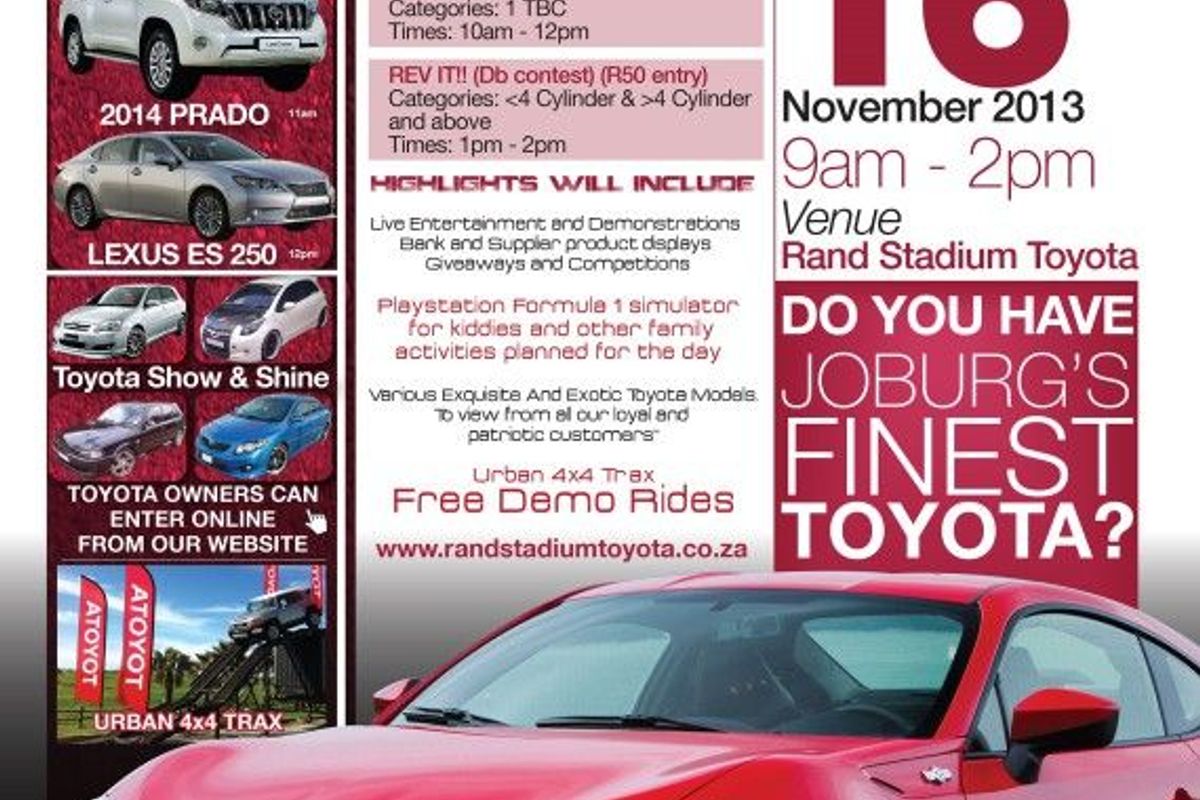
In association with cars.co.za, the Toyota Twin Cam Club (TTCC) is hosting yet another Joburgs Finest Toyota event set to be an exciting action packed day for every type of car enthusiast.
Last year, the club showcased some of their finest Toyotas in all shapes, sizes, models and designations. They even had some of the rarest models you can find in SA. On the upper-level showcase were three brand new 86s complemented by just about every Corolla incarnation from an SR5 to the latest Auris TRD.
Happening at the Rand Stadium Toyota , the TTCC team promises that this years event will be just as action packed. Featuring a Show n Shine, db Battle, and a Rev-it Exhaust db competition. There will also be one of only four Lexus LFAs in SA on show, the Toyota Advanced Driving team will be giving rides through the Urban Trax, while the TTCC members will have some of their best Toyotas in the TTCC showcase.
Event details
Entrance is free, but for prices to enter your car in various competitions view the image below.
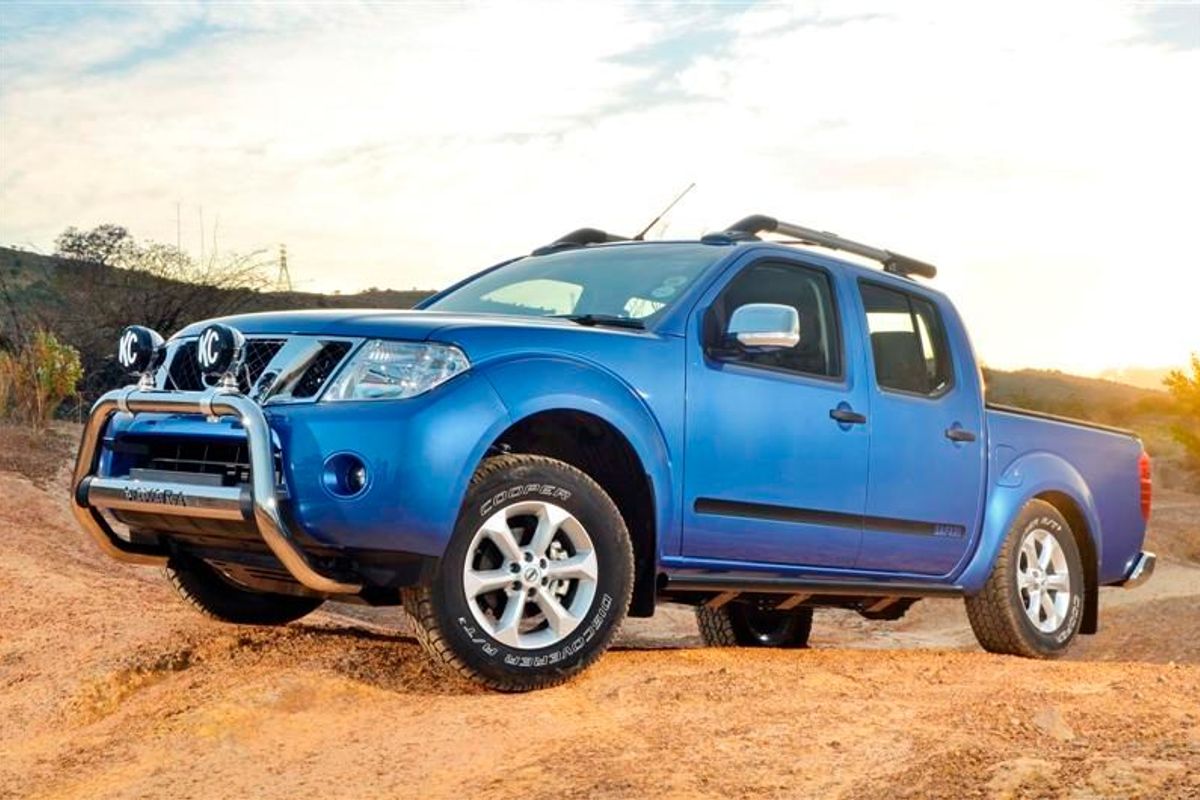
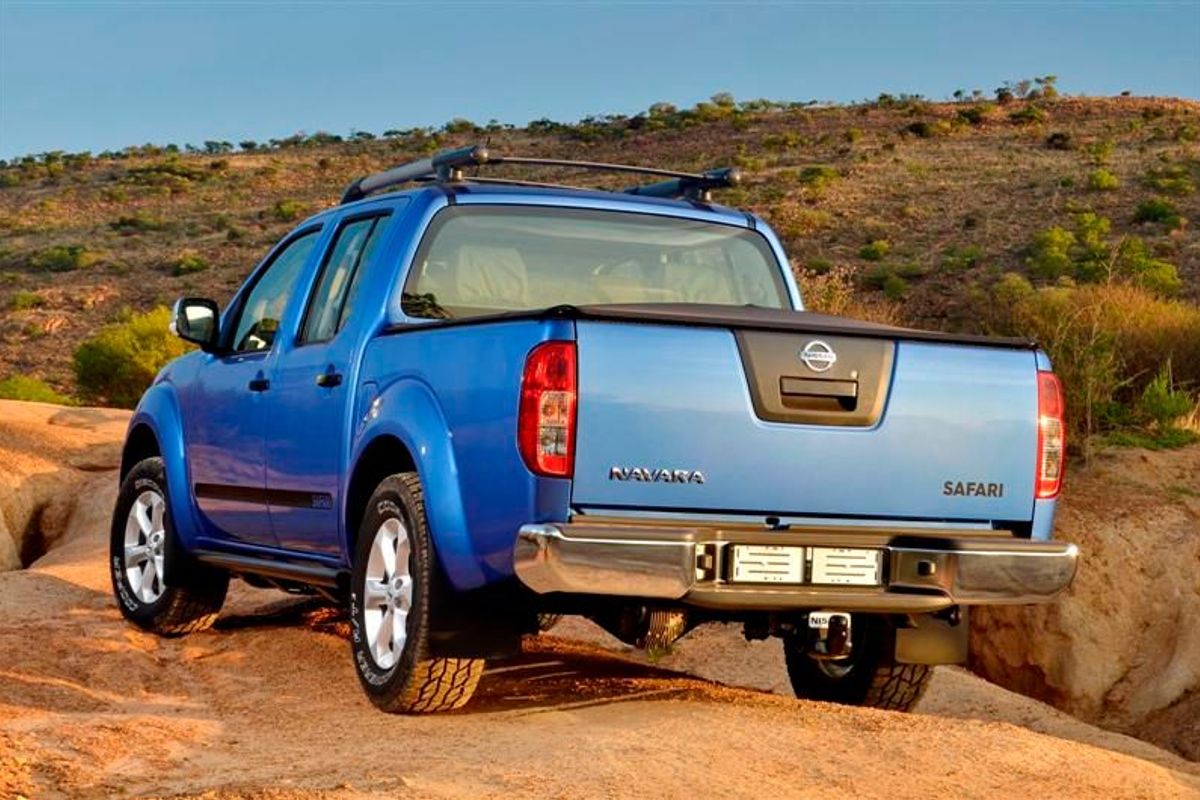
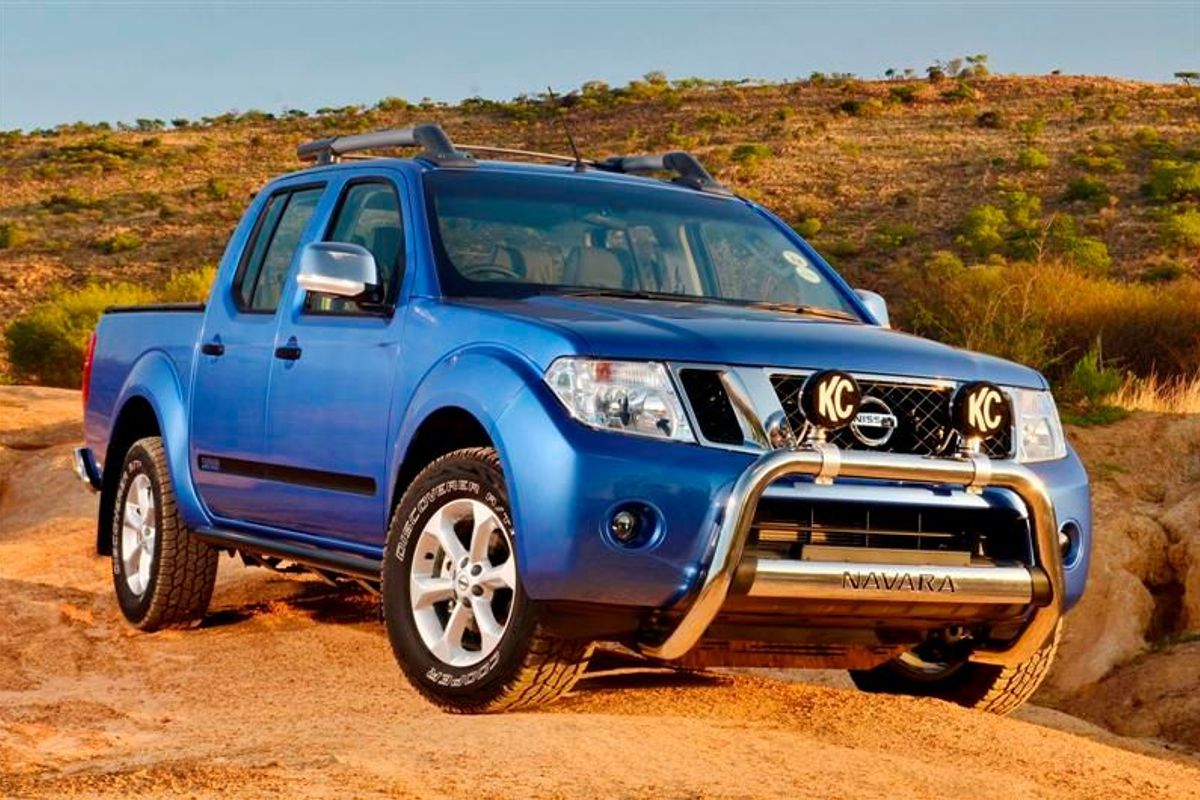
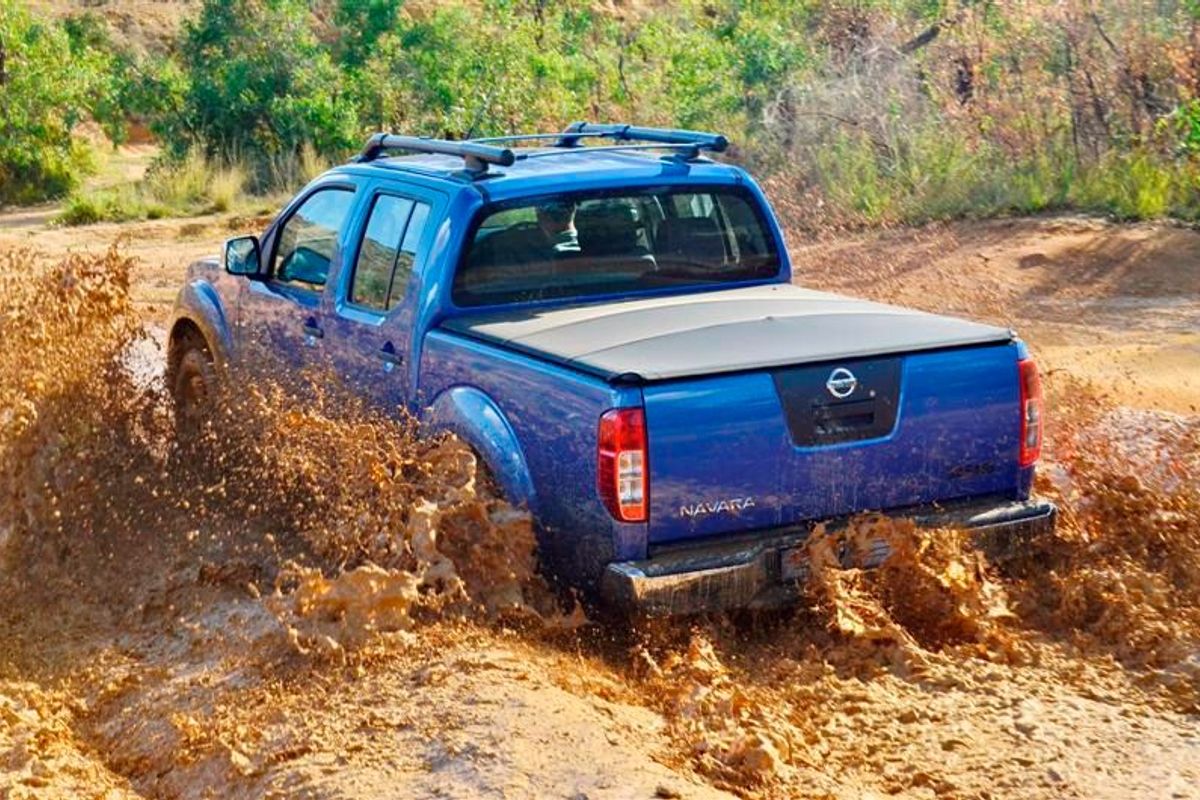
The Nissan Navara range has been expanded with a modified special edition Safari model which has been designed particularly for over-landing excursions.
The Navara Safari benefits from additions and modifications suitable for a safari environment. Built under the guidance and advice of 4×4 expert Glyn Demmer, he says the Nissan Navara in 4×4 guise remains a formidable off-road vehicle. We decided to specialise the Safari version and create a vehicle that is utterly suitable for overland trips.
The long-distance bundu-basher
Based on the Navara 2.5 dCi Double Cab 4×4 LE, the Safari doesnt lose any of its normal off-road capabilities, the addition of specialised extras adds to its prowess as a long-distance bundu basher. The new Navara Safari is available with either a six-speed manual or five-speed automatic gearbox, and comes with quite a few additional special features.
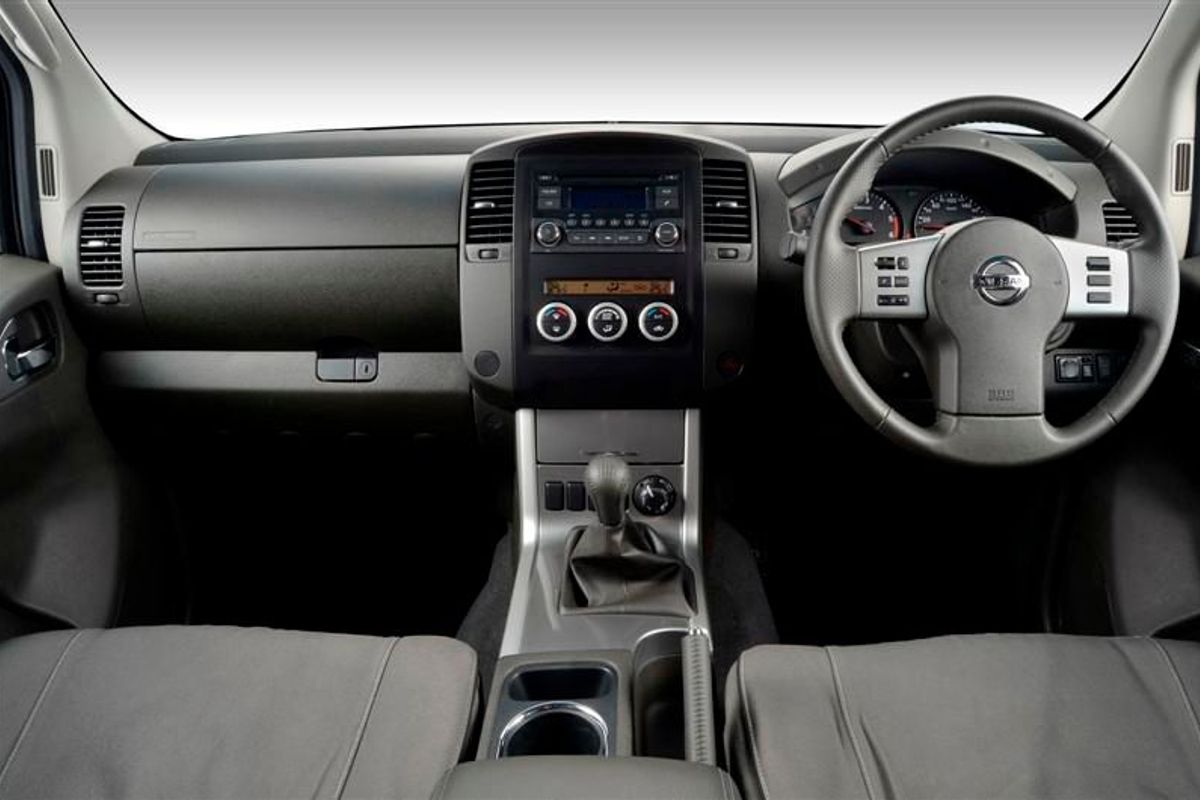
These include all-terrain tyres, a front-mounted nudge bar, hard-wearing seat covers, Safari-branded carpets, and a rubberised load-box with tonneau cover. As well as standard spot-lights, underbody protection plates for the engine, gearbox and transfer case, custom-built protective rocksliders, and a removable tow bar.
“In creating the Navara Safari we wanted to ensure that specialised extras were fitted not only to add value but to make off-road excursions even easier for our more adventurous customers,” concludes Nissan SA Product Manager (Marketing), Marinus Venter.
Nissan Navara Safari 2.5 dCi Double Cab 4×4 LE AT – R496 000
As with the rest of the Navara range, the Safari is available with a three-year or 100 000km warranty and three-year or 90 000km service plan (service intervals of 15 000km).
Nissan Navara Safari gallery
The New Daihatsu Terios Diva Deluxe In SA – Specs and Prices
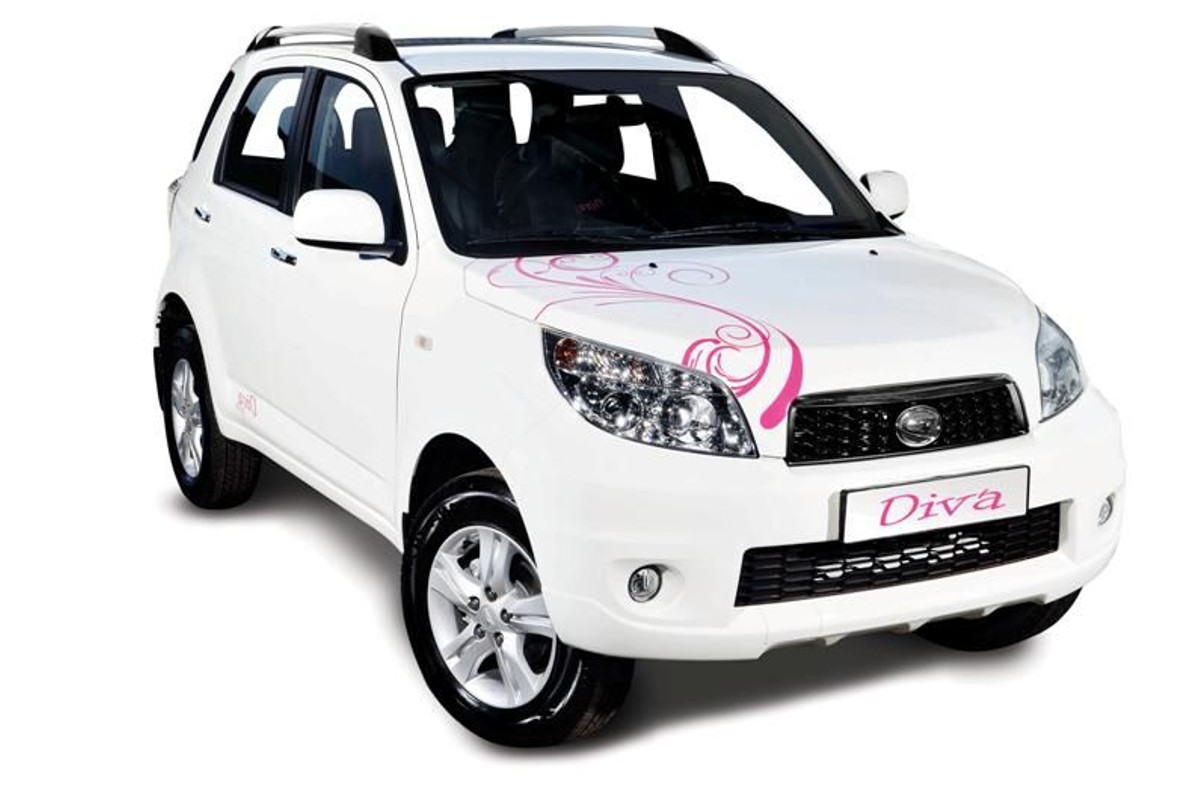
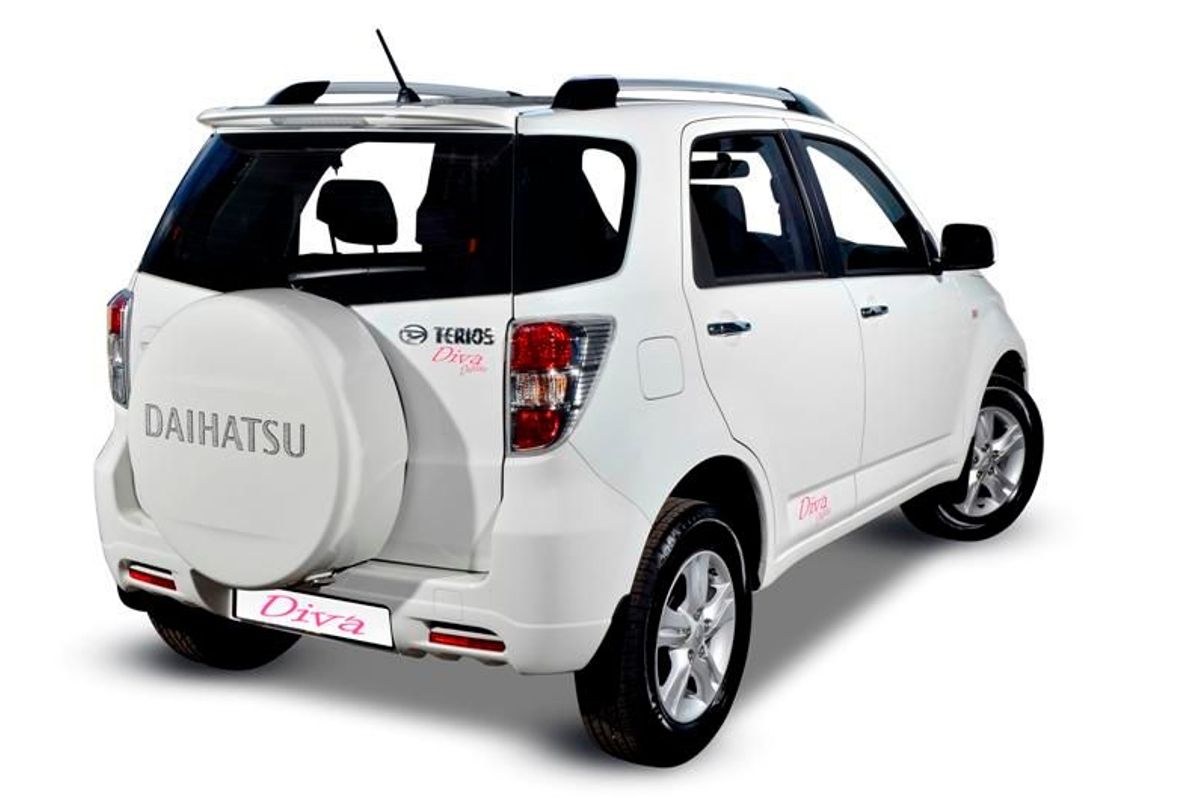
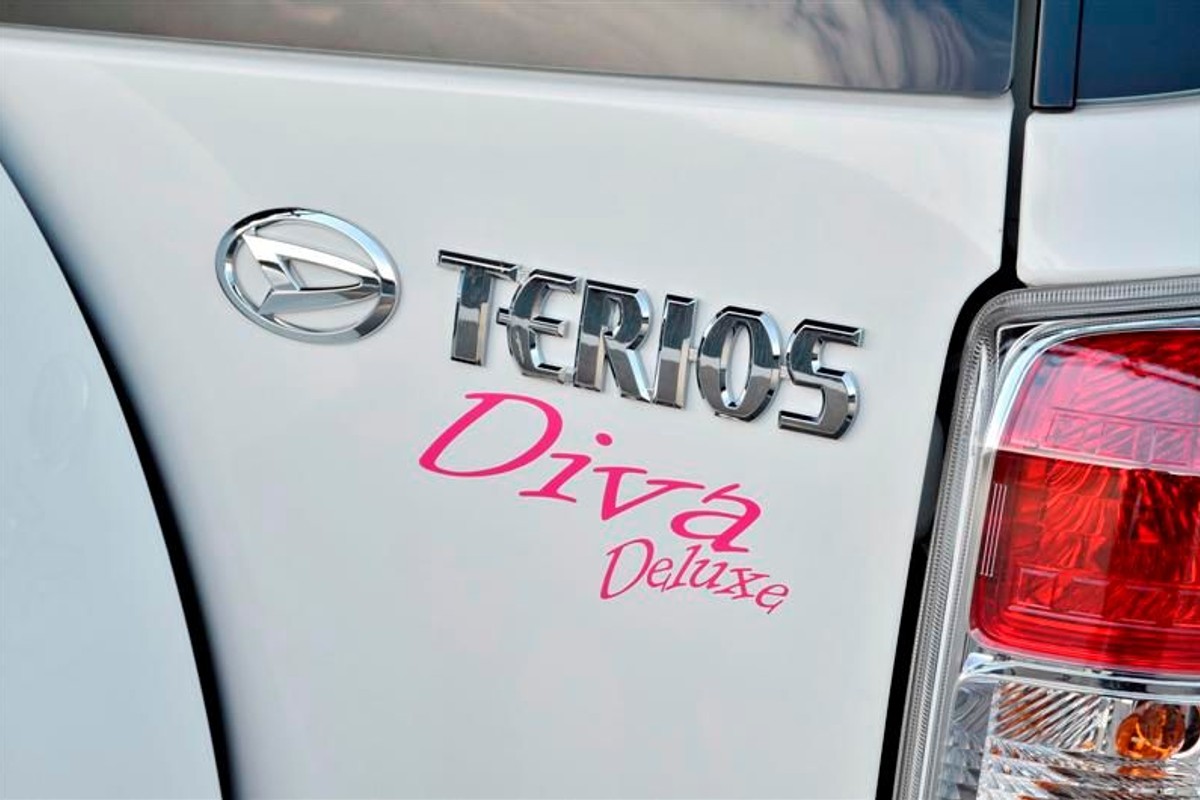
Daihatsu have come out with a new Diva Deluxe vehicle that complements the 2012 Terios Diva which has been well received by women in South Africa, who have welcomed the concept of a car designed specifically for female drivers.
Pedro Perreira, general manager of Daihatsu goes on to say that another reason for this model creation is the sports utility market is one of the most active sectors of the South African marketplace, with dozens of competitors within this segment. It is important to stand out in this sector, and to offer an innovative package – something that is unique and truly special within this segment.
Enhanced exterior features
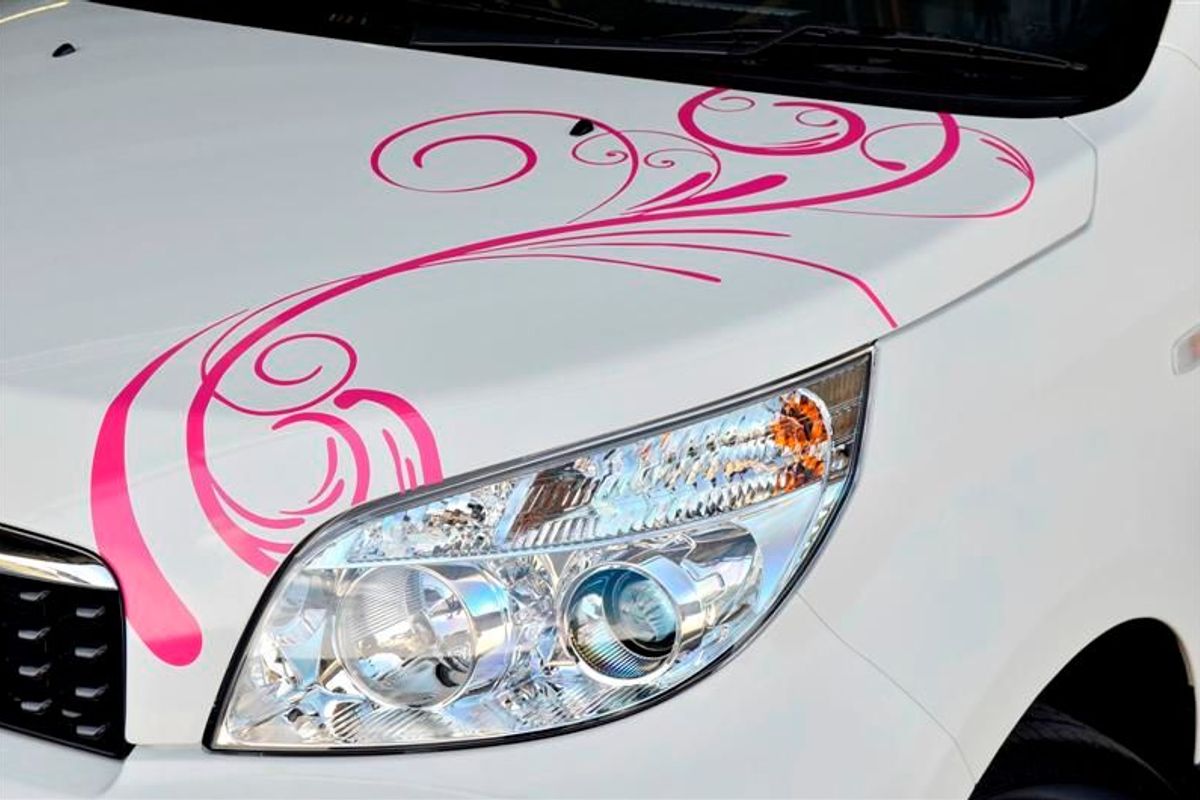
The Daihatsu Terios Diva Deluxe carries some of the styling from the previous Terios with a number of enhanced features. These include a new colour for the exterior and interior decals, and four new exterior paint colours as there was only one colour available previously.
There is also a new set of halogen headlamps, funky rear boot spoiler and silver door handles, and the Daihatsu badge now appears on the hard wheel cover.
Interior features
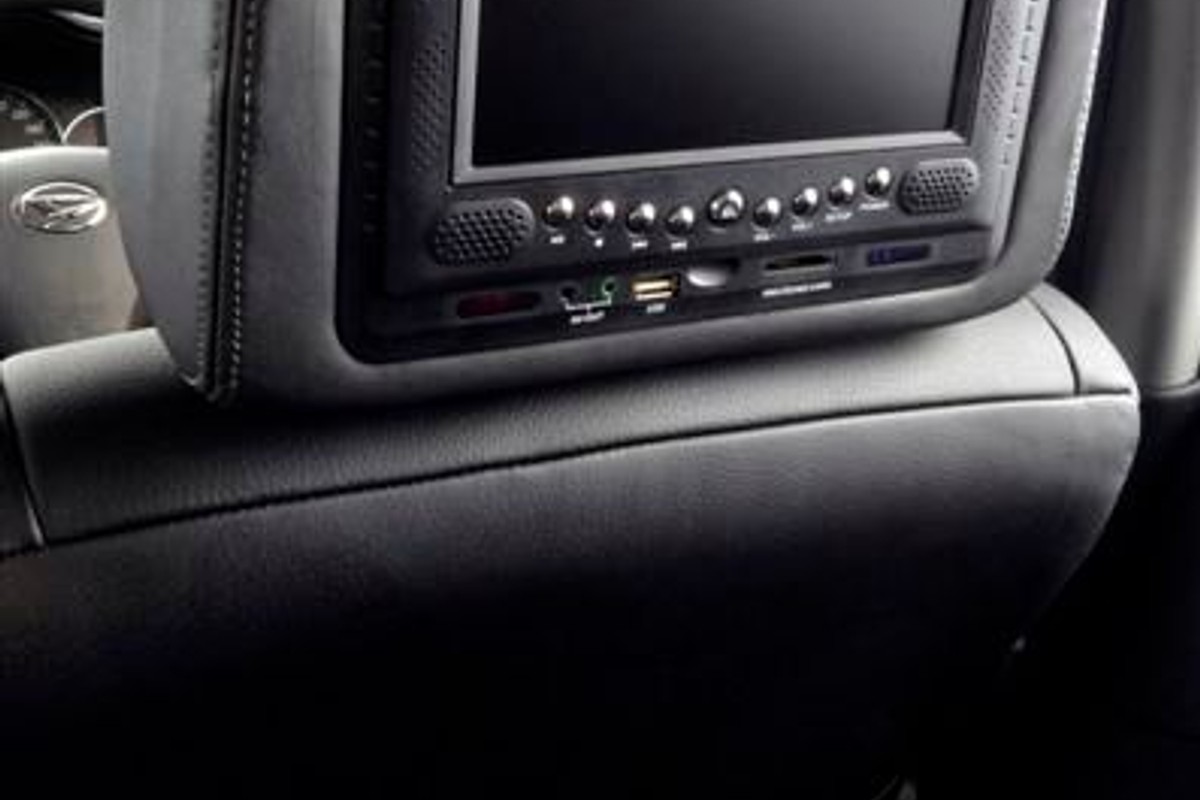
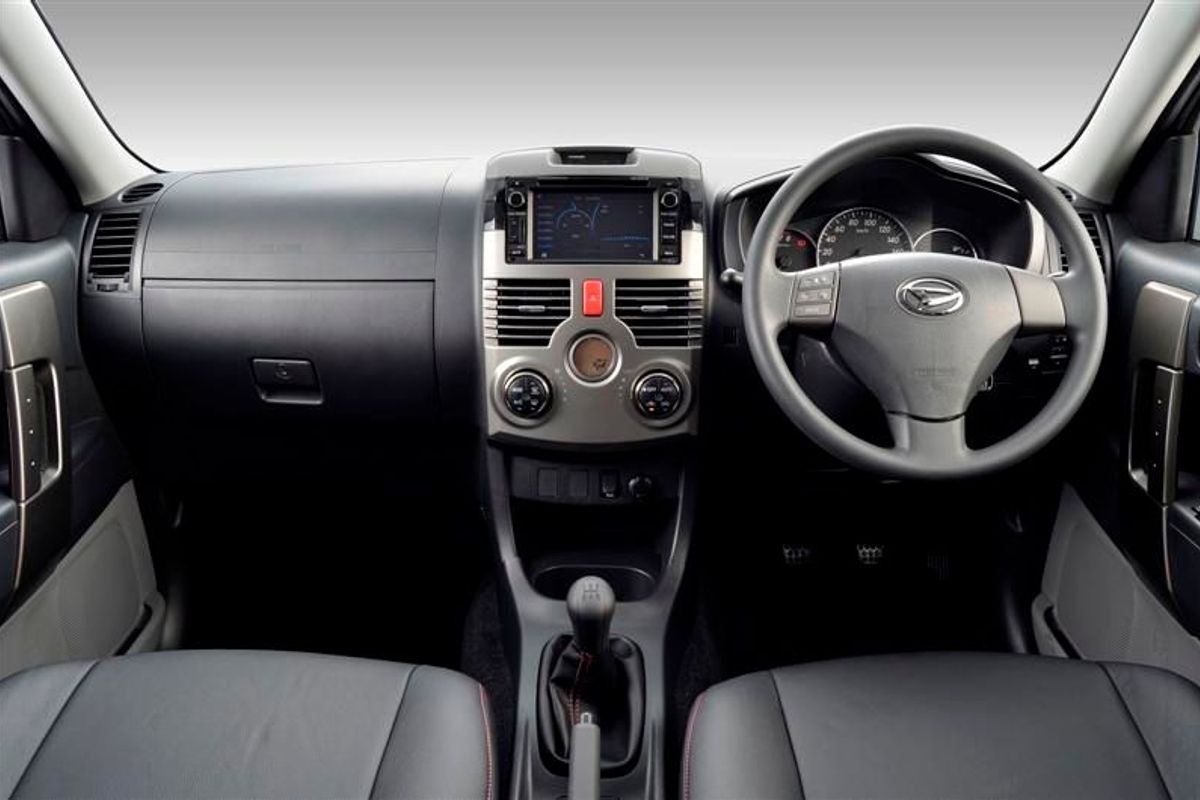
The interior boasts the existing CASKA entertainment system which now has two DVD screens incorporated in the headrests with independent wireless headphones. Other interior features include the new multi-info display/on-board computer (which displays fuel range, average fuel consumption, temperature and time), an all-new glovebox (which comes with a lock and lighting), chrome handles, a holder for sunglasses, a 12V AC socket in the boot and a stylish new gear lever.
Additional safety features which have earned a four-star Euro NCAP safety rating include a reversing camera, ABS with EBD and Brake Assist, smash and grab, Isofix baby seat mounting points, a crash-sensing, front and rear seatbelts, and a high-level brake light.
Engine capability
The Daihatsu Terios Diva Deluxe retains the existing 1.5-litre petrol engine, which delivers 77kW of power and 140Nm of torque. This engine is coupled to a five-speed manual transmission.
Daihatsu Terios Diva Deluxe price in South Africa
The Daihatsu Terios Diva Deluxe costs R269 995, and is available with a service plan for every 15000 km or once a year, and is covered by a three-year/75 000 km warranty.
Daihatsu Terios Diva Deluxe gallery
2014 Porsche Macan Details Revealed In Leaked Spec Sheet
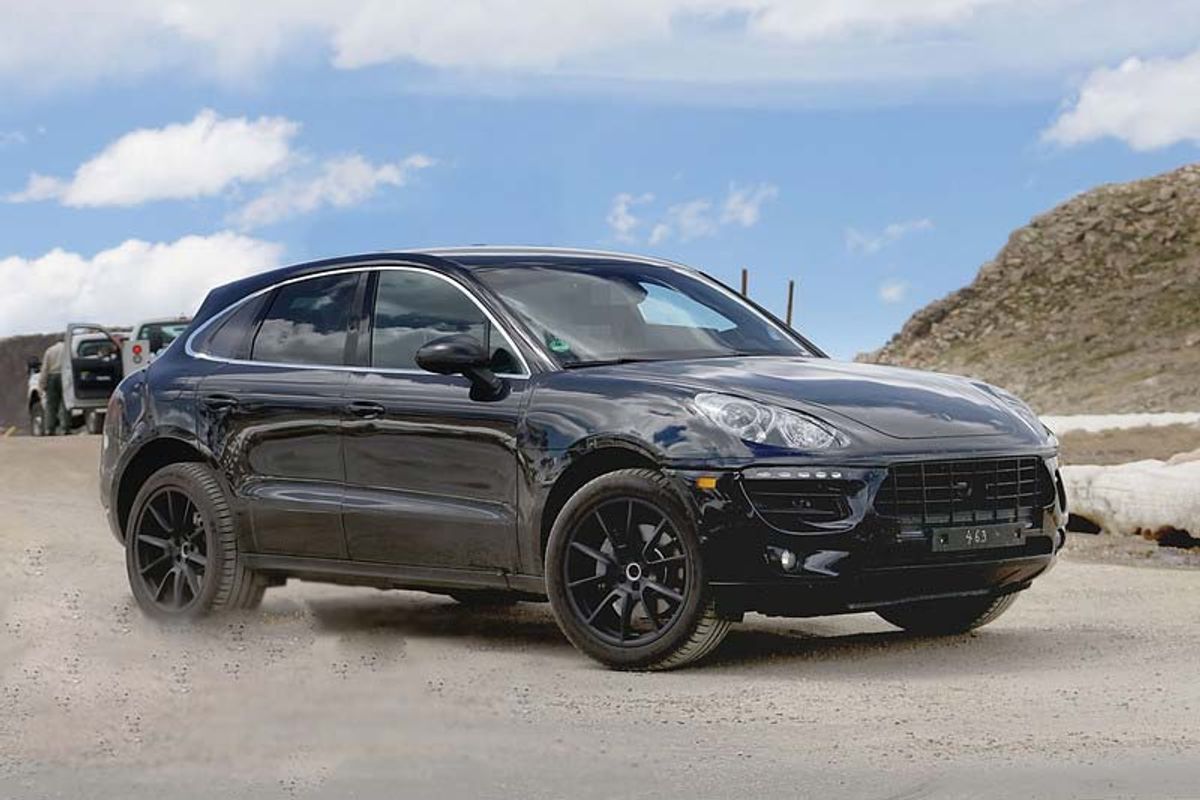
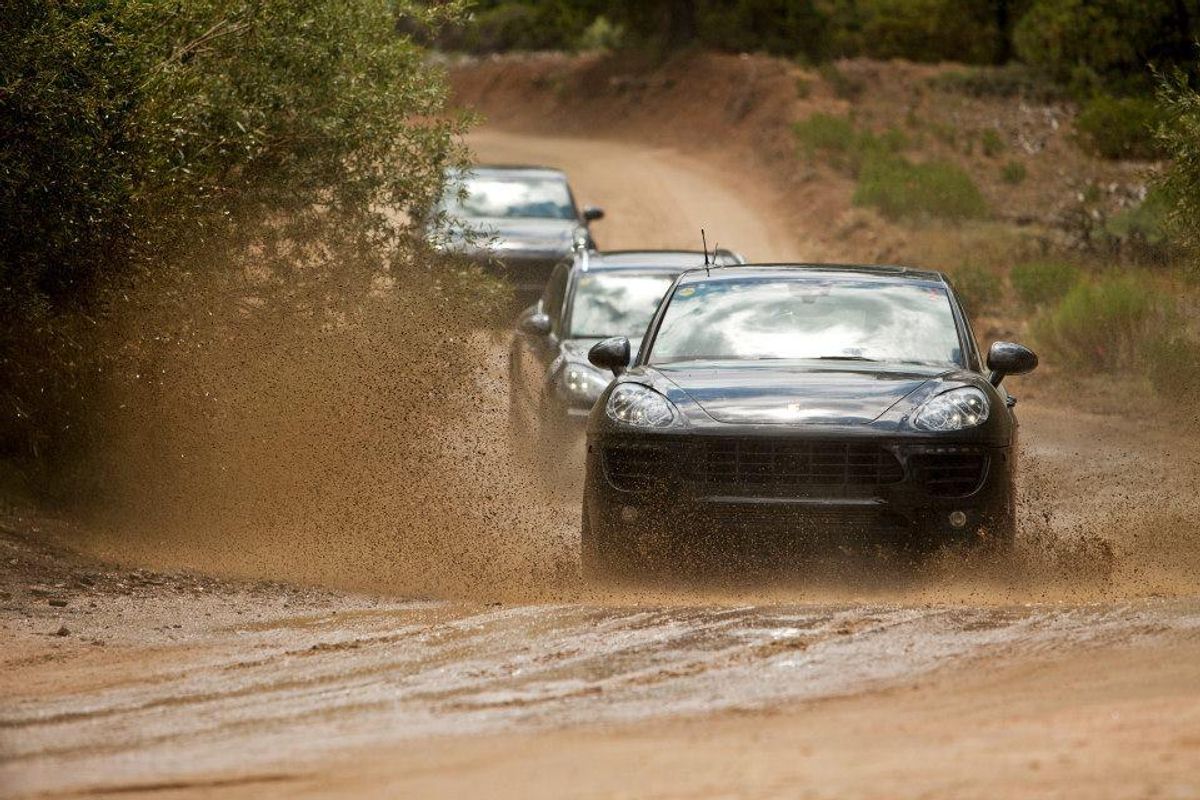
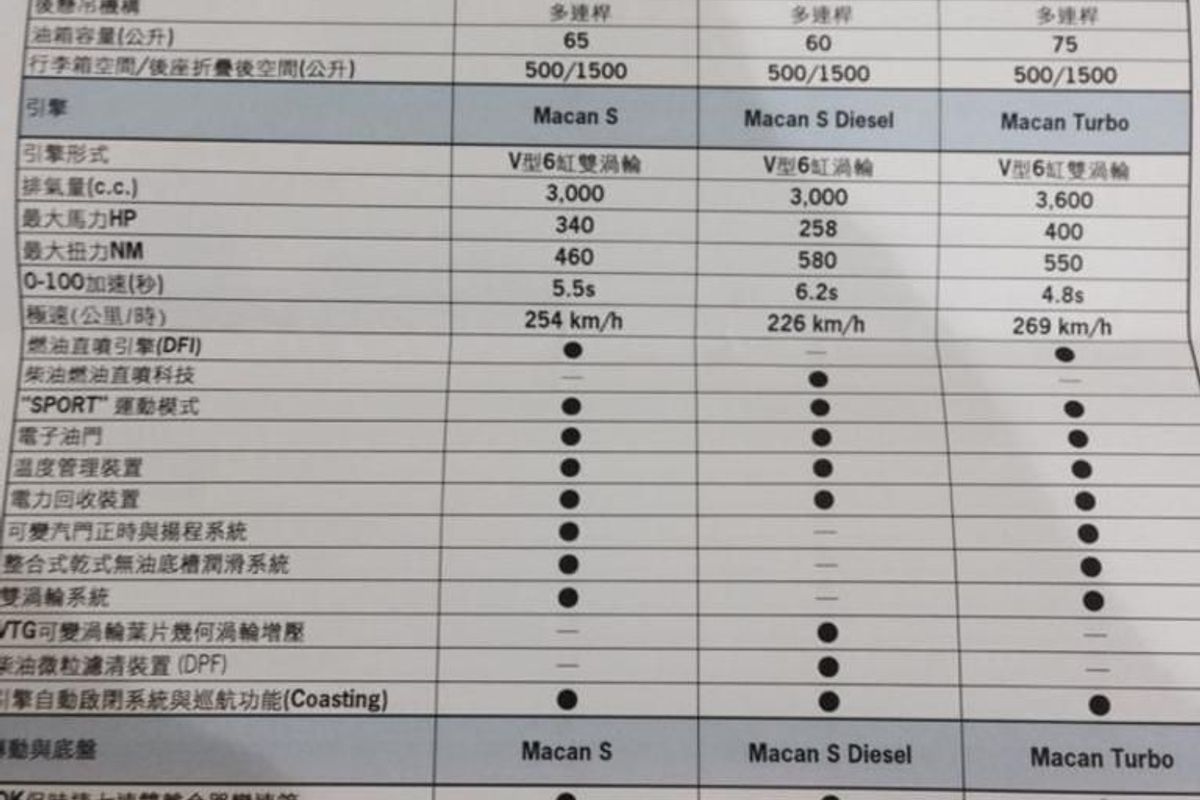
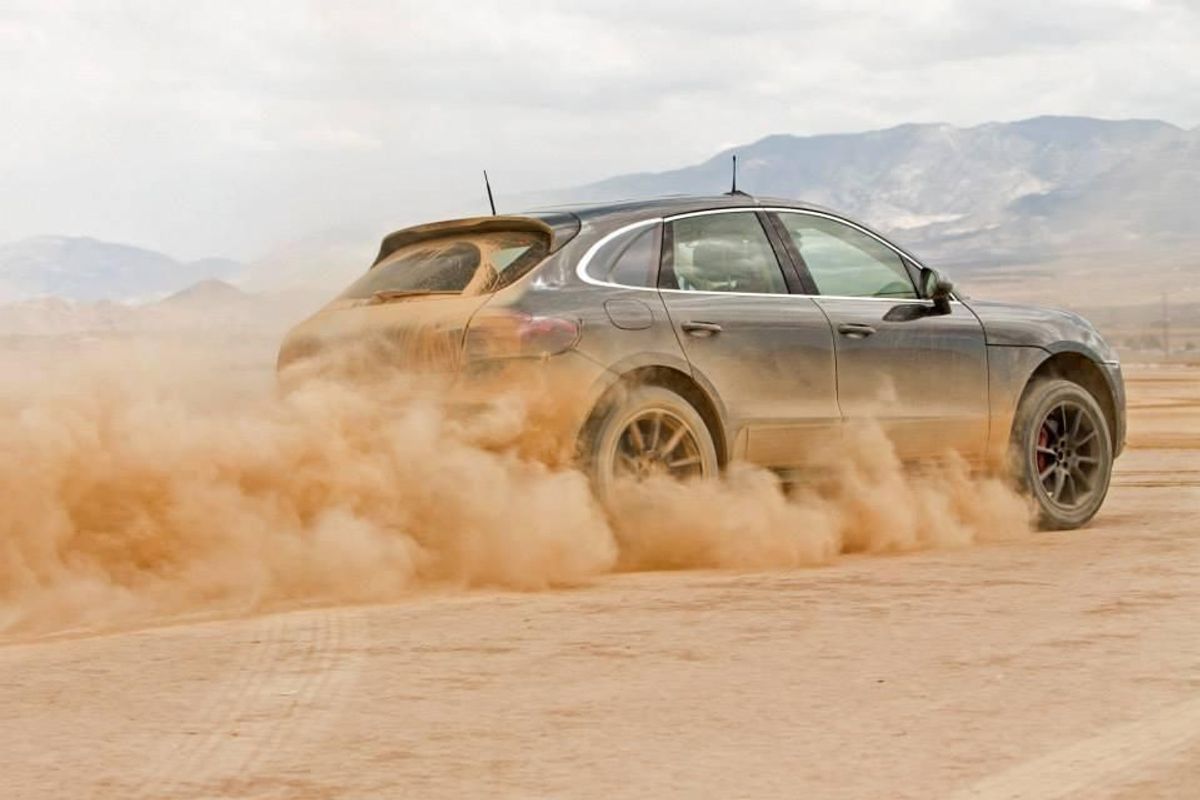
A few days after Porsche released a teaser video that reveals the sound of the 2014 Porsche Macan, technical specifications which appear to be in Chinese have surfaced the web, revealing full details of the much anticipated SUV.
Available in three versions
As mentioned previously, the 2014 Porsche Macan will be available in three engine choices. According to the spec sheet, the entry-level Macan S will come with a V6 3.0-litre engine producing 250kW and 460Nm of torque which will enable it to do 0 -100 km/h in 5.5 seconds reaching a top speed of 254km/h.
The range-topping Macan Turbo will be fitted with a V6 3.6-litre twin-turbo engine developing 294kW and 550Nm. This will be enough for it to sprint from 0 -100 km/h in 4.8 seconds before hitting a top speed of 269 km/h making it the quickest SUV of its kind.
Last on offer will be a S Diesel variant which will come with a V6 3.0-litre delivering 190kW and a maximum torque of 580Nm, enough to cover the 0 100 km/h dash in 6.2 seconds and reaching a 226 km/h top speed.
The spec sheet also shows that in its lightest version (S Diesel) the 2014 Macan will weigh 1898 kg and will be 4675 mm long, 1923 mm wide and 1628 mm tall, with a 2807 mm wheelbase putting it on par with the Audi Q5.
Expected to become Porsches best-selling model, the 2014 Porsche Macan will be officialy revealed next week at the Los Angeles Motor Show.
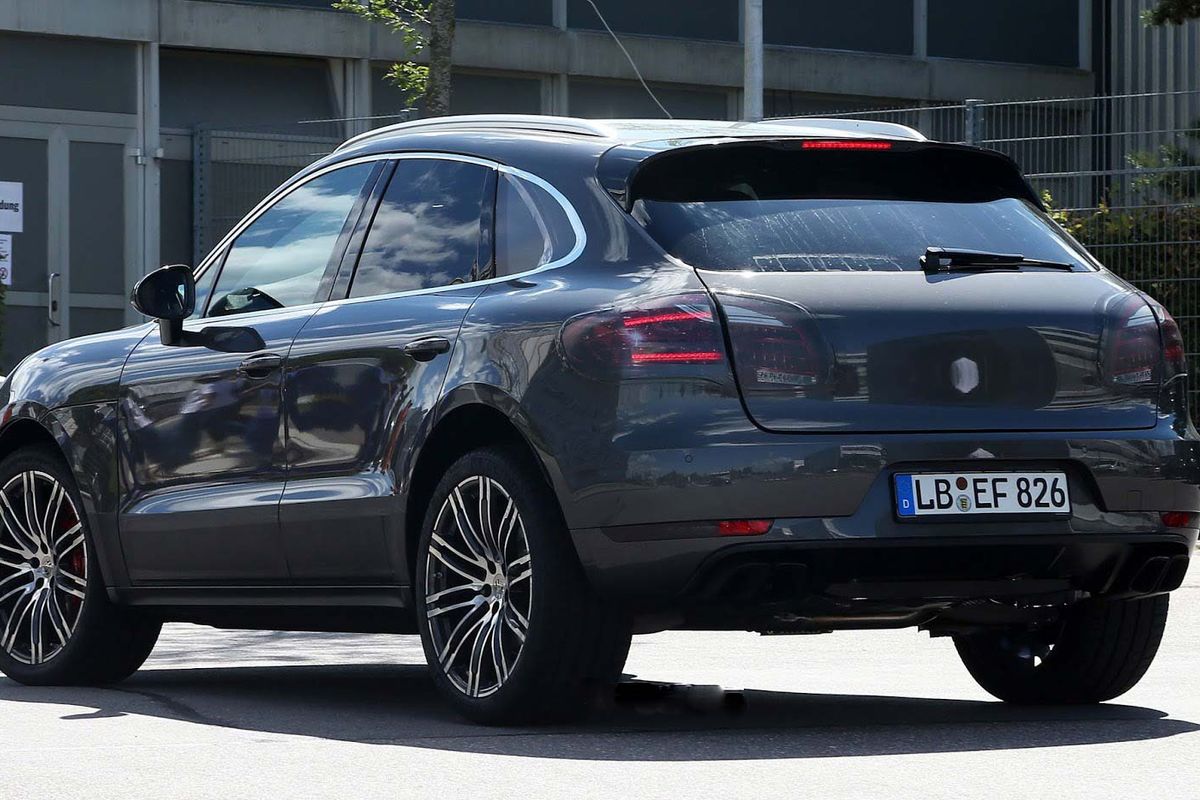
2014 Porsche Macan gallery
2014 MINI Cooper Teased Ahead Of Official Reveal
MINI has teased their next generation model (in a video this time) set to make an official debut on November 18 the date chosen as homage to Sir Alexander Arnold Constantine Issigonis the creator of the original MINI born on the same day.
The car will also be simultaneously shown at the LA and Tokyo Motor Show.
2014 MINI – the new original
Its no surprise that the image and video provided dont reveal much, however, its been confirmed from the many spy shots that the 2014 MINI will be longer and wider than the outgoing model, and will also include a longer hood, slimmer A-pillars, and a smaller front grille.
In addition to being larger than its predecessor, the 2014 MINI will have a lower curb weight as a result of using more high strength steels in its assembling. The front windshield is also more raked in for a sleeker design and the LED daytime running lights now form a ring that encircles almost the entire headlight.
The interior is said to feature a more traditional layout as the speedometer is now on the drivers side and the central area of the dashboard features a big touchscreen display. The rest of the cabin will be made more alive by chrome touches for the door handles, speakers and steering wheel.
Safety features will include collision and pedestrian warning systems designed to avoid a crash, a park assist function that helps the driver find a spot in a crowded parking lot and a rear-view camera that transmits images to a high-resolution colour screen on the centre stack, as well as a video-based adaptive cruise control and a road sign and speed limit recognition function.
A new generation of engines
Another big change will come in form of a new generation of engines from MINI. The line-up will consist of a three-cylinder 1.5-litre engine producing 100kW and in higher-performing models a 2.0-litre four-cylinder engine developing 141kW. The diesel line-up will encompass of a newly developed 1.5-litre direct-injection common-rail motor outputting 85kW and a peak torque of 269Nm.
The new MINI platform benefits from lightweight technologies shared with BMWs new i-series. The 1.5-litre engine offers 220Nm although the company says it can be increased to about 230Nm temporarily with an overboost function. The four-cylinder has about 280Nm of torque at the same speed and 300Nm with overboost. Both engines rev up to 6500 rpm, and will be hooked to newly-developed six-speed transmissions.
Full details will be available on November 18 when the 2014 MINI will be officially revealed at the firm’s factory in Oxford, UK.
2014 MINI Cooper video
BMW 4 Series Coupe Driven In South Africa – Specs and Prices
Ive just survived the launch of the new BMW 4 Series. Honestly, they made me drive the latest coupe across the Western Cape, and then stay in a nice hotel. I dont know how I got through it all.
But it does mean that I can now tell you about the replacement to the venerable BMW 3 Series Coupe which no longer exists. BMW is trying to clean up their naming system, so even-numbered Series will represent the Coupe version of the sedan (odd-numbered) Series; ie the 2 Series is the coupe of the 1 Series, the 6 Series is the two-door of the 5 Series.
Ive never been too fussed about names and numbers but this does seem a good policy, if they stick to it (which given the 4-door 6 Series Gran Coupe, they probably wont). Its also worth noting at this point that the two numbers that follow the Series number do not necessarily refer to engine size any longer. The 428 is fitted with a 2.0 litre turbo, and the 435 runs a 3.0 litre turbo.
Unfortunately I didnt get to drive the 435 very much, or on very challenging roads, so I will focus on the 428, which will likely be the volume seller in the range, at least until the arrival of the entry level 420 in March next year.
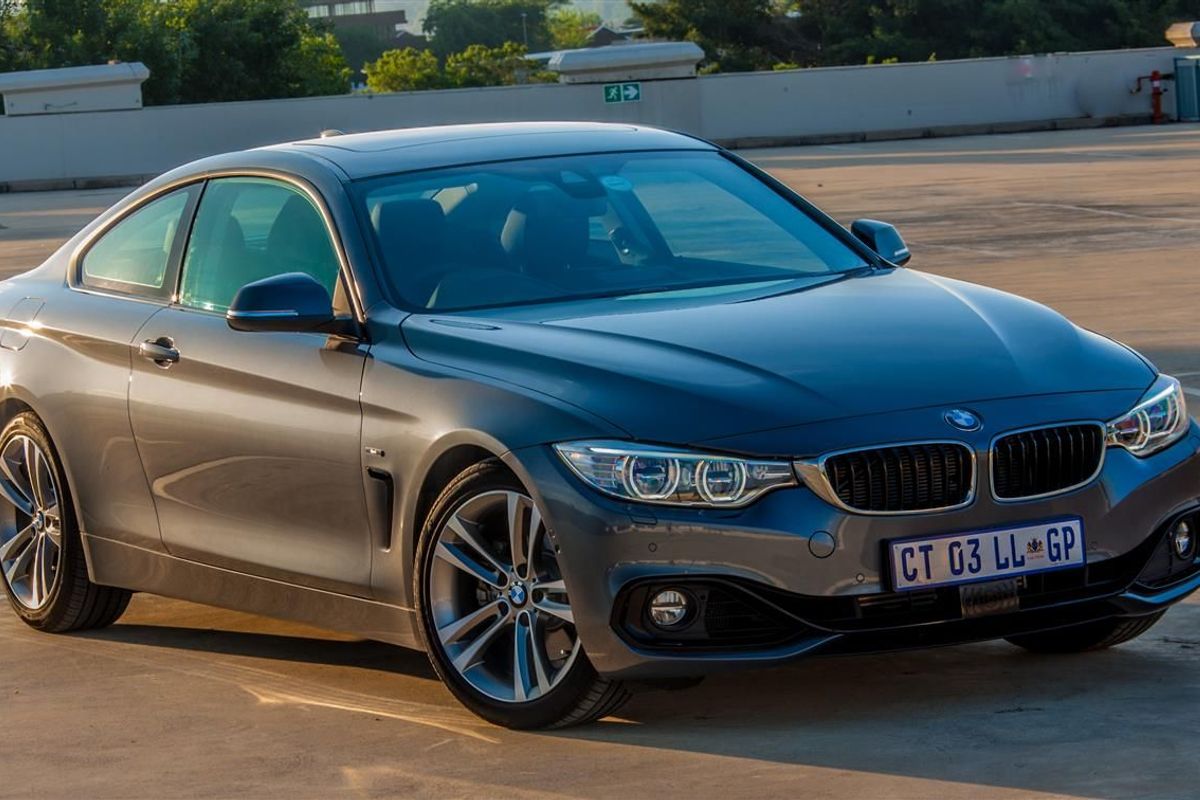
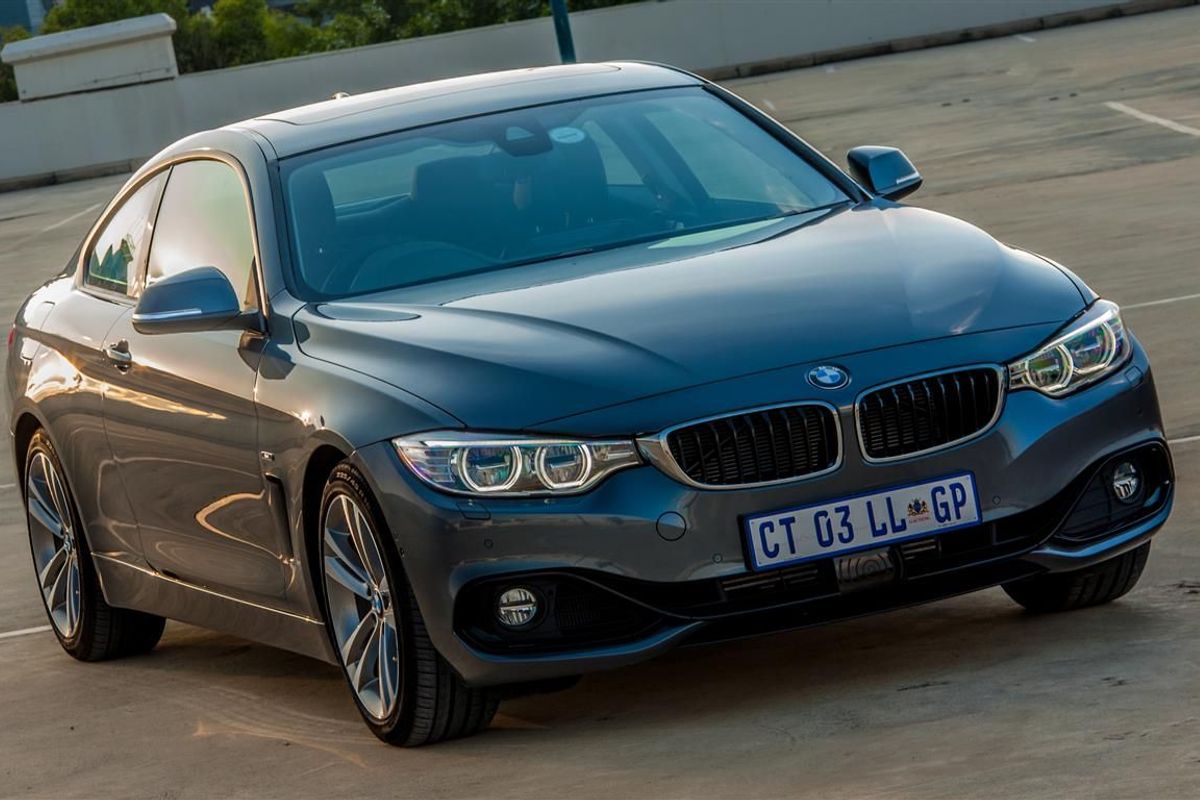
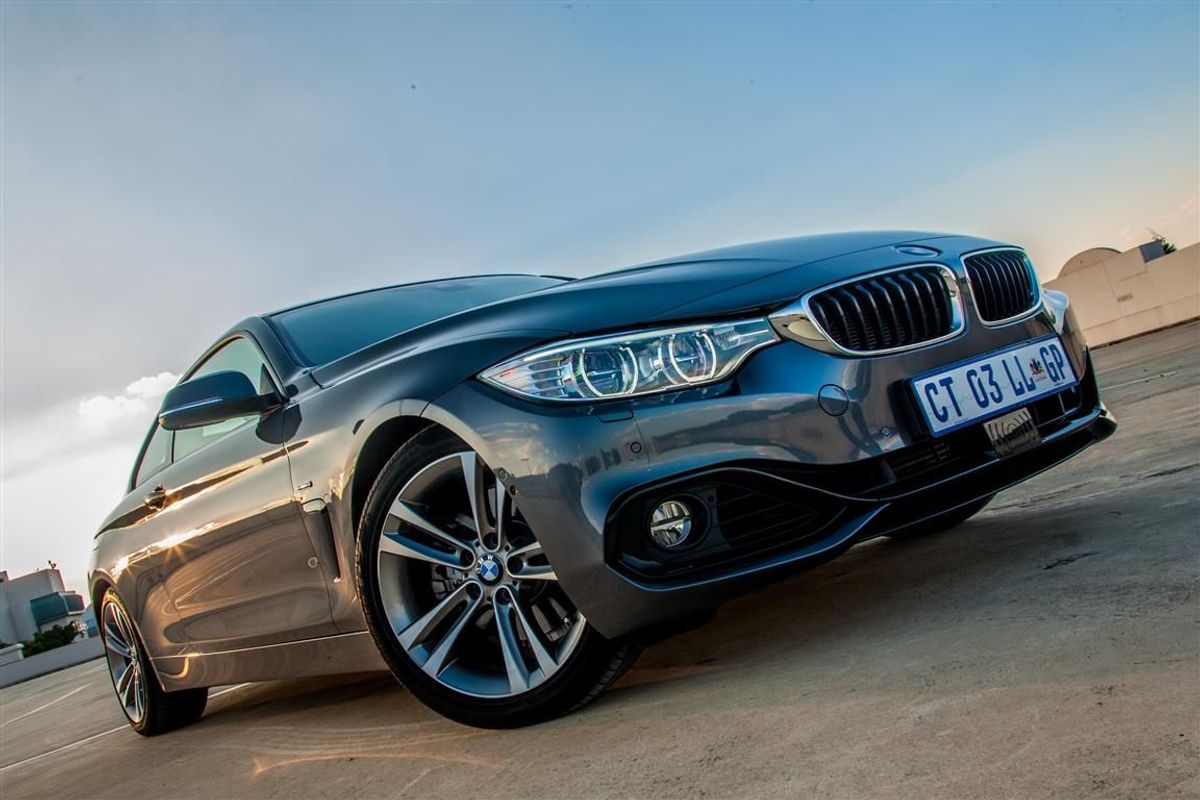
BMW 428 looks and engine
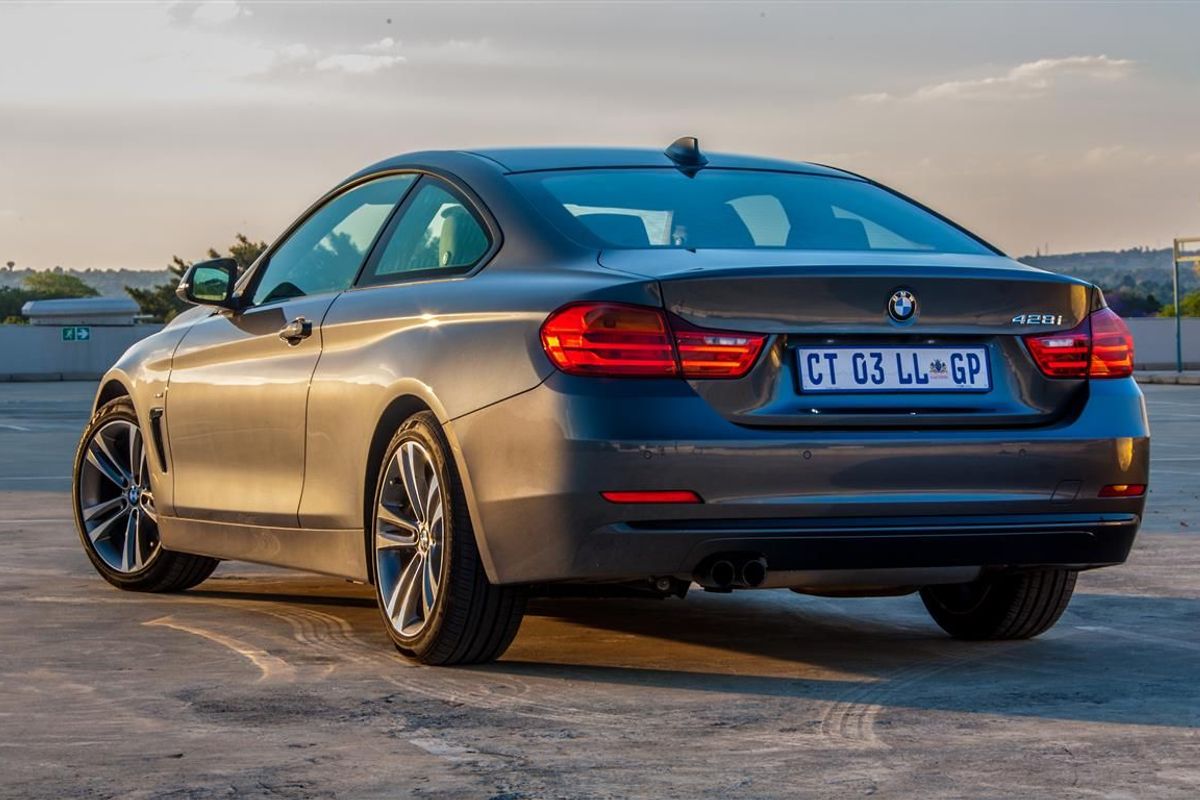
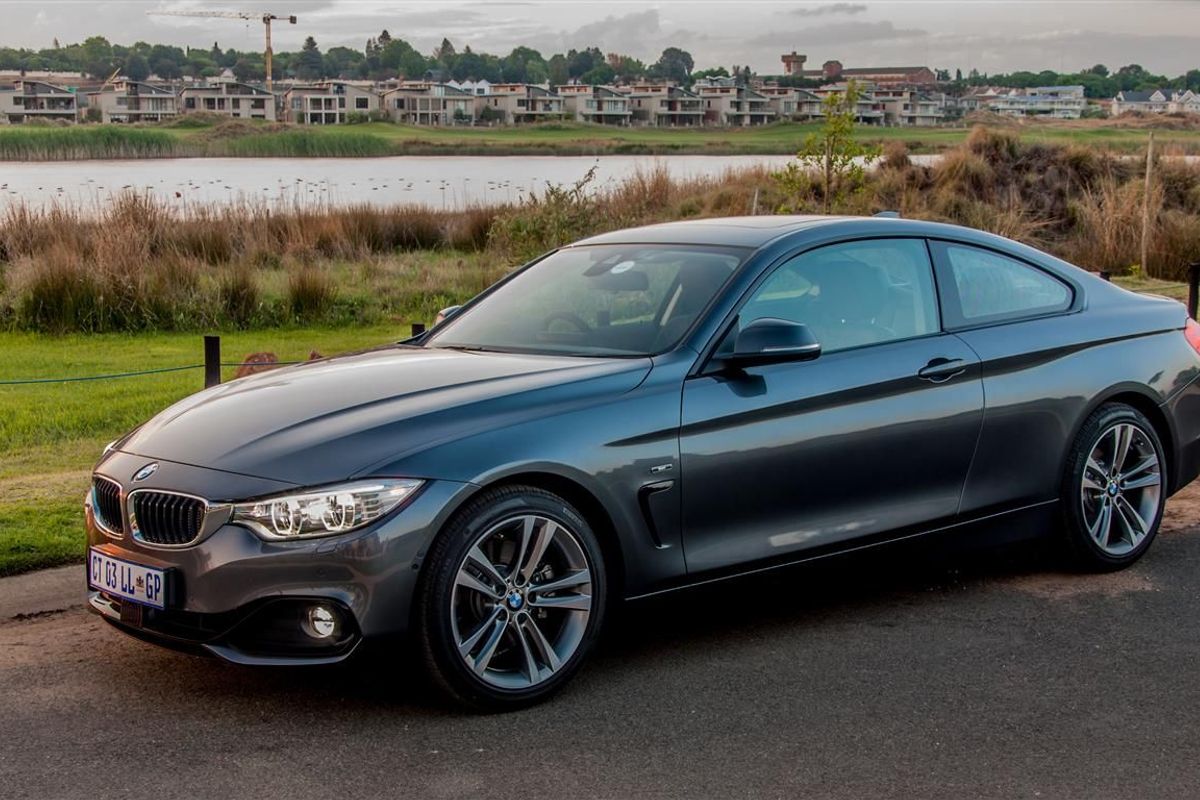
I drove the 428 first in a striking blue hue, unique to the Sport line. The car looks simply fantastic in this colour, although the dark grey/silver pictured also works well. That blue manages to hark back to BMWs M-Sport past, as well as looking right up to date, showing off all the coupes swoopiness. Its the colour Id have, although in pictures the white seems to work very well sadly there were none on the test fleet.
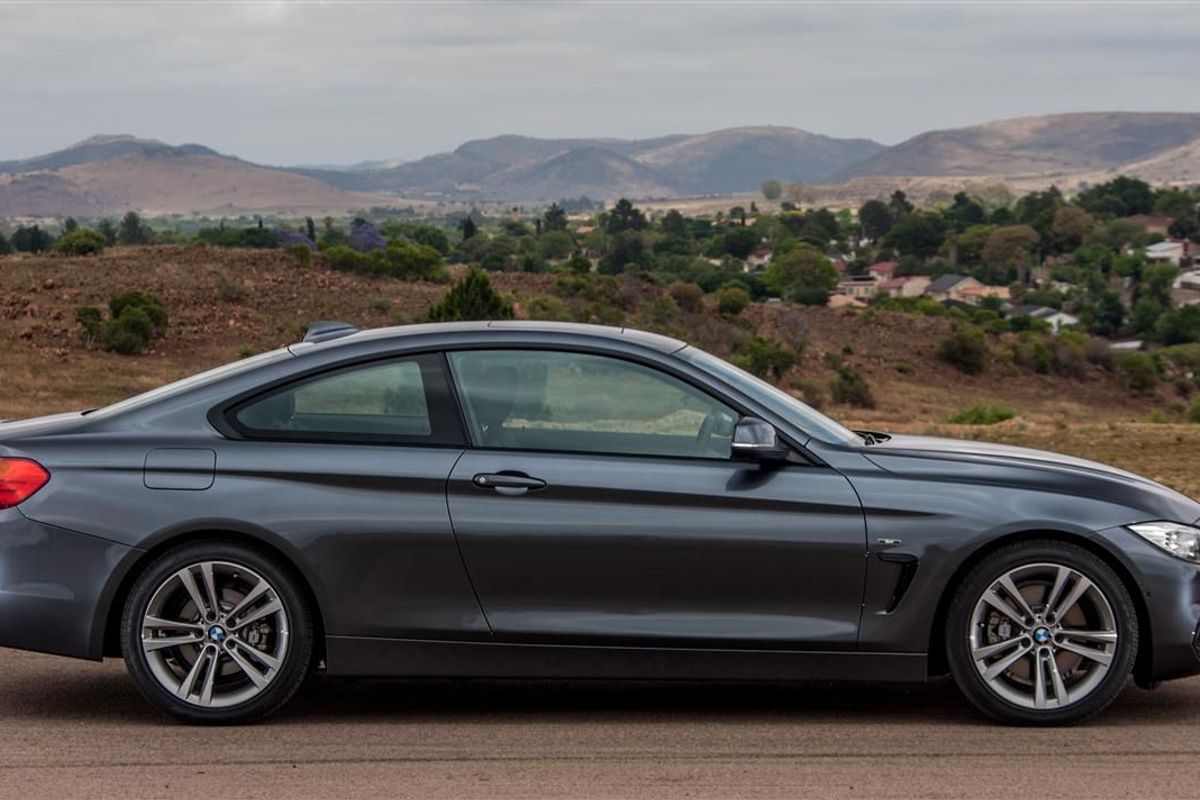
The 4 Series doesnt share any sheet metal with the 3 Series, and is longer, wider and lower. It manages to bring in lines from the bigger 6 Series and 3 Series, the latter particularly around the nose.
The 428 is powered by a 4 cylinder engine. Its a superb powerplant, the exhaust of which has been cleverly tuned for a bassier, sportier note, belying the engine size. With 180kW and 350Nm on tap, I never felt like there was a shortage of grunt.
Overtaking manouvers are a breeze; the 8 speed autobox dropping a few cogs, helps you blast past that pesky grain truck. But its in the twisties that the 4 Series as a package really comes together.
We averaged 10.2 litres/100km (which is off the claimed 6.6 litres/100m) on mostly long open roads, even though we were mostly in sport mode. I recommend sticking to EcoPro mode in urban driving, which will certainly bring your consumption down.
BMW 4 Series Coupe handling and drive
The 4 Series is one of the widest BMWs ever, and has the lowest centre of gravity of any BMW production model. The wheelbase is just a little longer than the 3 Series, with shorter overhangs, meaning much of the weight is centred in the middle of the car, and you can feel it. The car seems to pivot around the centre, with very predictable and confidence inspiring handling. In fact, its so planted, you have to really push to remind yourself that its a rear wheel drive.
Its easy to be precise with the front end and while I felt there could be a bit more feedback through the wheel, theres certainly enough information coming through to your palms. The brakes are particularly impressive and just feel right.
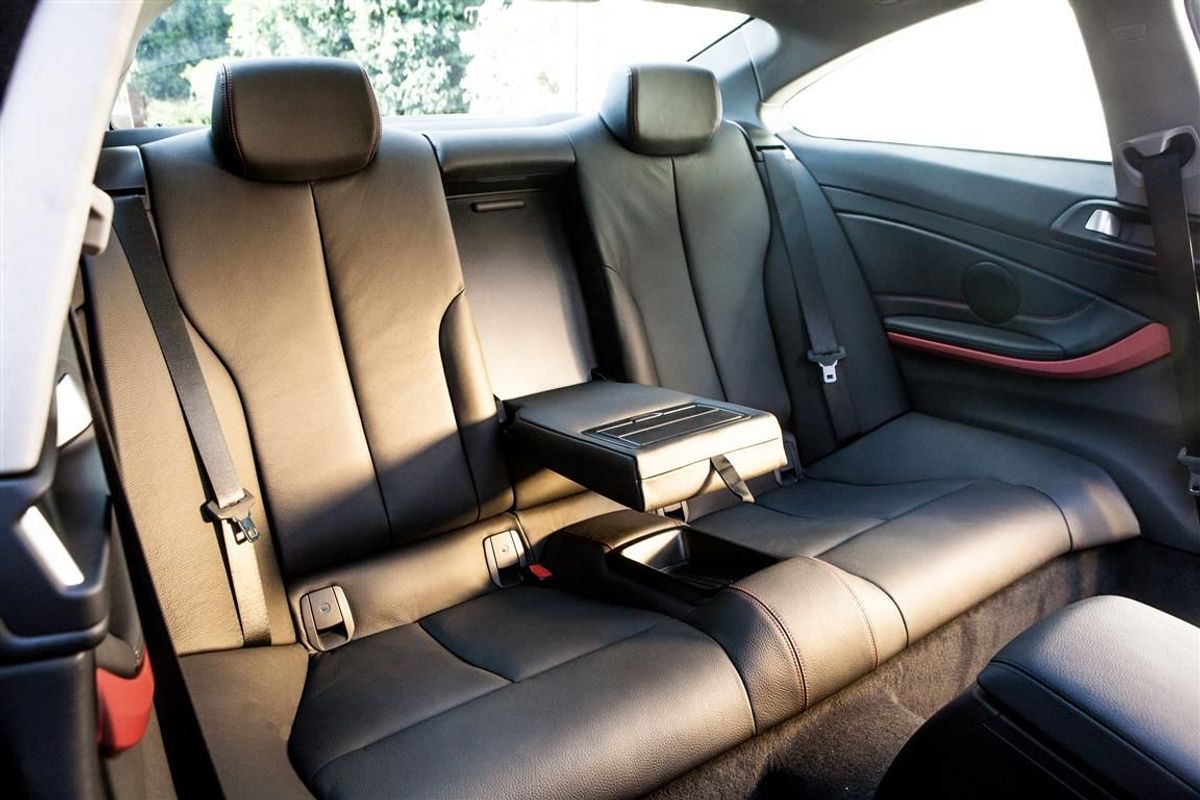
For the sporting minded driver, who needs something more practical than something like a BMW Z4, the 4 Series could be all the car youll ever need. With a spacious boot and rear seats that fold flat, and generous rear legroom (although its strictly a 4-seater, see pics), the car is practical enough to use every day.
If longer distances are a big part of your motoring routine, I would suggest fitting the thinner, higher profile tyres, which create less road noise at highway speeds than the sportier, low profile tyres.
BMW 4 Series Coupe interior
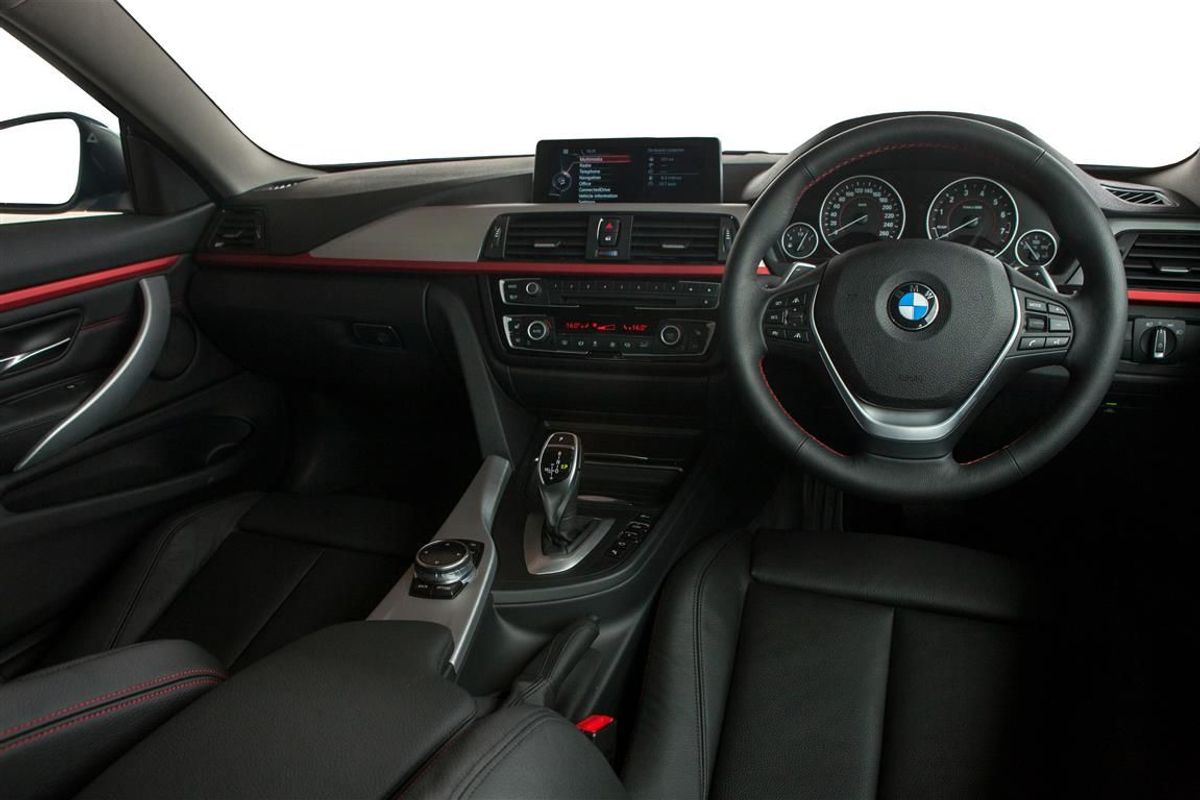
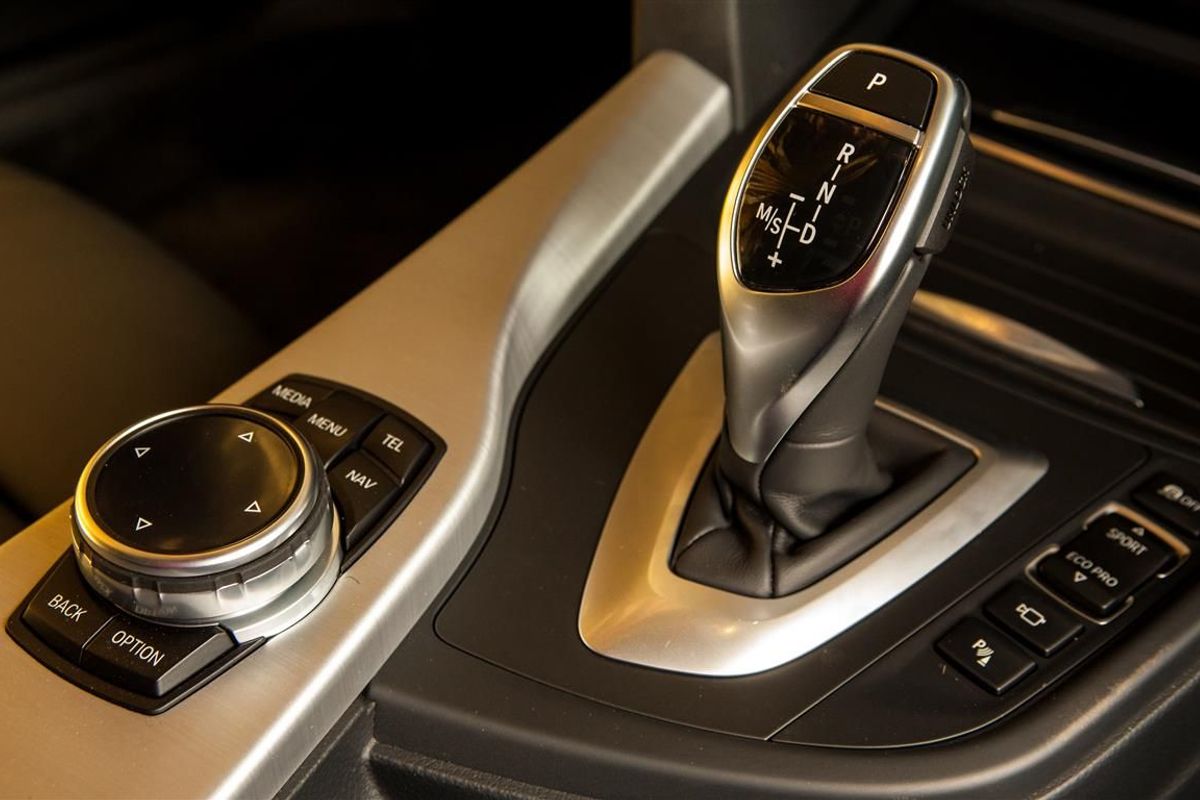
The cabin is a familiar BMW leather lined affair, with all instruments angled towards and focused around a driver. Im happy theyve stuck with that design philosophy, because it works. The latest iDrive system is standard, which features a larger jog wheel with a trackpad integrated onto the top of the wheel, allowing you to draw letters and numbers with your finger. Its a system that debuted on the big Audis a little while back, and it works. Its good to see it here, because selecting letters with the jog wheel was a little tedious.
BMW Concierge service and ConnectedDrive
BMW SA is looking into launching the concierge service, which will feature a sim card integrated into the car, which can connect you to call centre and the internet at any time. The idea is that if you need to make a restaurant booking on the move, it can be done with a simple phonecall, and the route to the restaurant can be sent to the car remotely.
In the meantime, BMW ConnectedDrive is standard and connects to the internet through your Apple or Android device. Providing services like web browsing, social media connectivity, emailing and internet radio, through your cellphones data service.
The range currently comprises of just the 428 and 435, with the 420 arriving in the first quarter of next year. BMW are looking at introducing a diesel variant in the second half of next year, but this will be confirmed. They did confirm however that the M4 will be arriving next year, without saying exactly when.
BMW 4 Series Coupe Rivals
In terms of competition, while the Mercedes C Class Coupe and Audi A5 are very good cars, I think the BMW offers most complete package to the sportier, driving enthusiast sort of buyer. The C Class is a handsome coupe and the A5 might be one of the most beautiful cars on the road, but if youre looking for an everyday coupe that will be the most rewarding when pushed, the 4 Series has it covered.
BMW 4 Series Range, Pricing in South Africa
Model
Engine
Power/Torque
0 100km/h
Price
420i
2.0 litre inline-4
135kW/270Nm
7.3 seconds
R448 000 (M)R466 000 (A)
428i
2.0 litre i-4 turbo
180kW/350Nm
5.9 seconds
R517 500 (M)R535 500 (A)
435i
3.0 litre inline-6 turbo
225kW/400Nm
5.1 seconds
R686 500 (Sports Auto only)
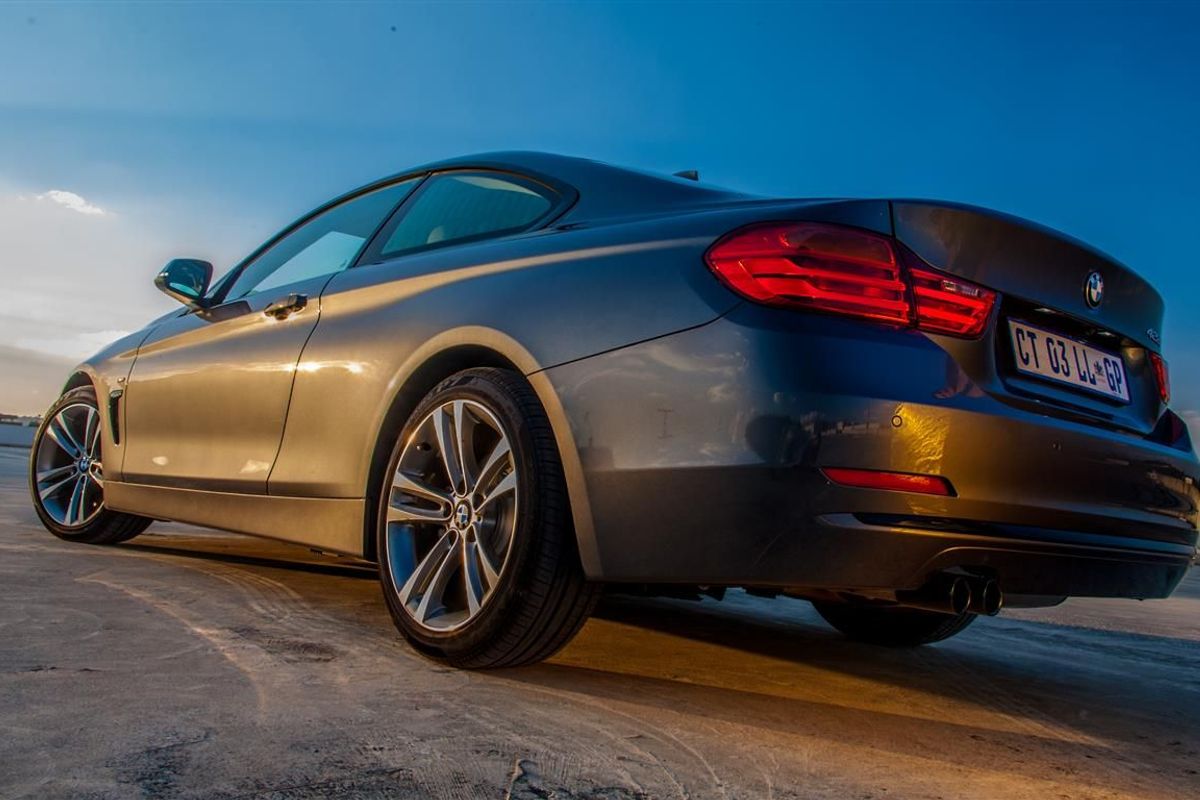
BMW 4 Series Coupe gallery
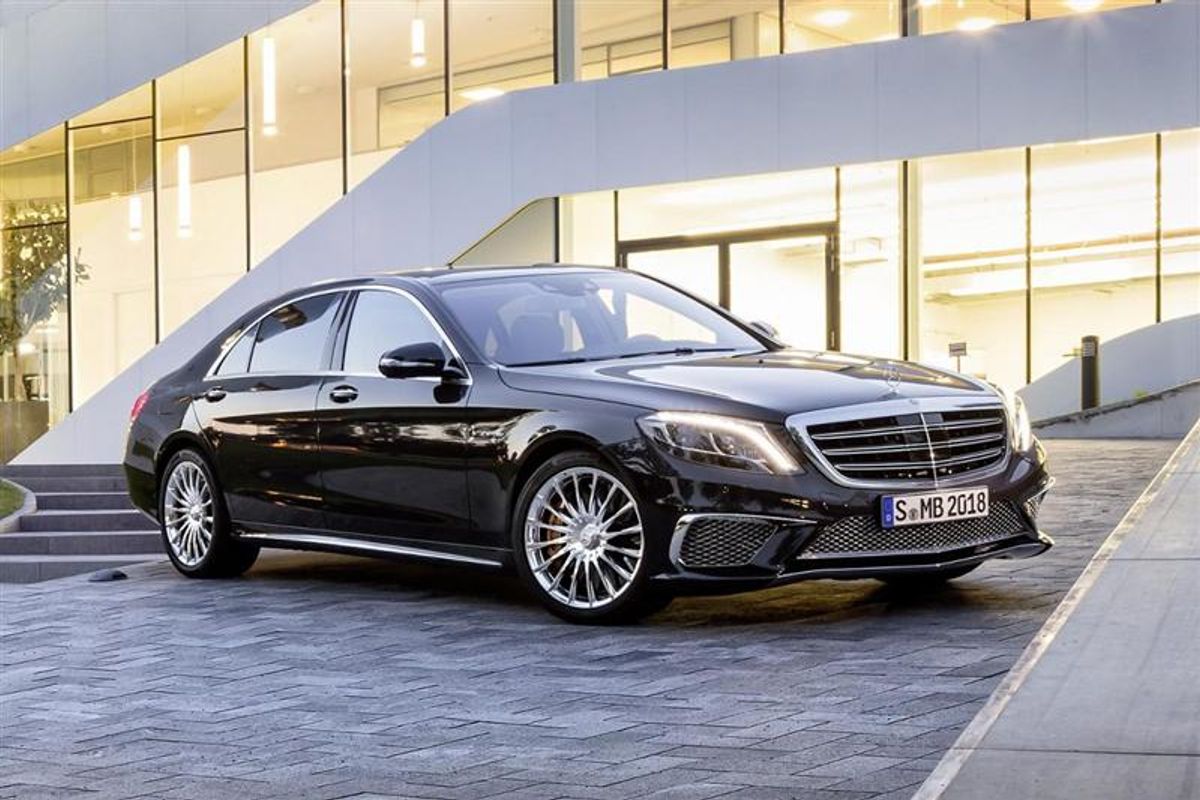
2014 Mercedes-Benz S65 AMG Officially Revealed
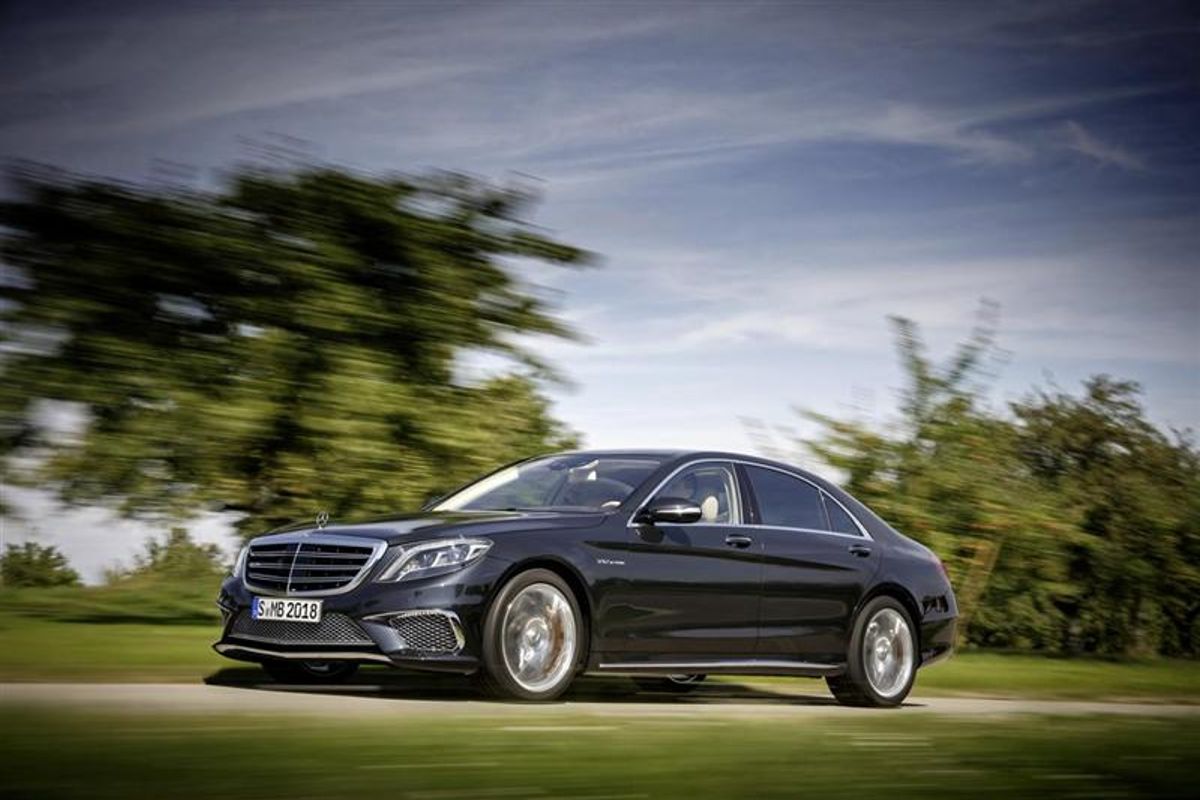
Mercedes-Benz introduced their brand-new S-Class flagship sedan earlier this year, and now the German automaker has revealed online the 2014 S65 AMG ahead of the it’s public debut at the Los Angeles Auto Show and Tokyo Motor Show.
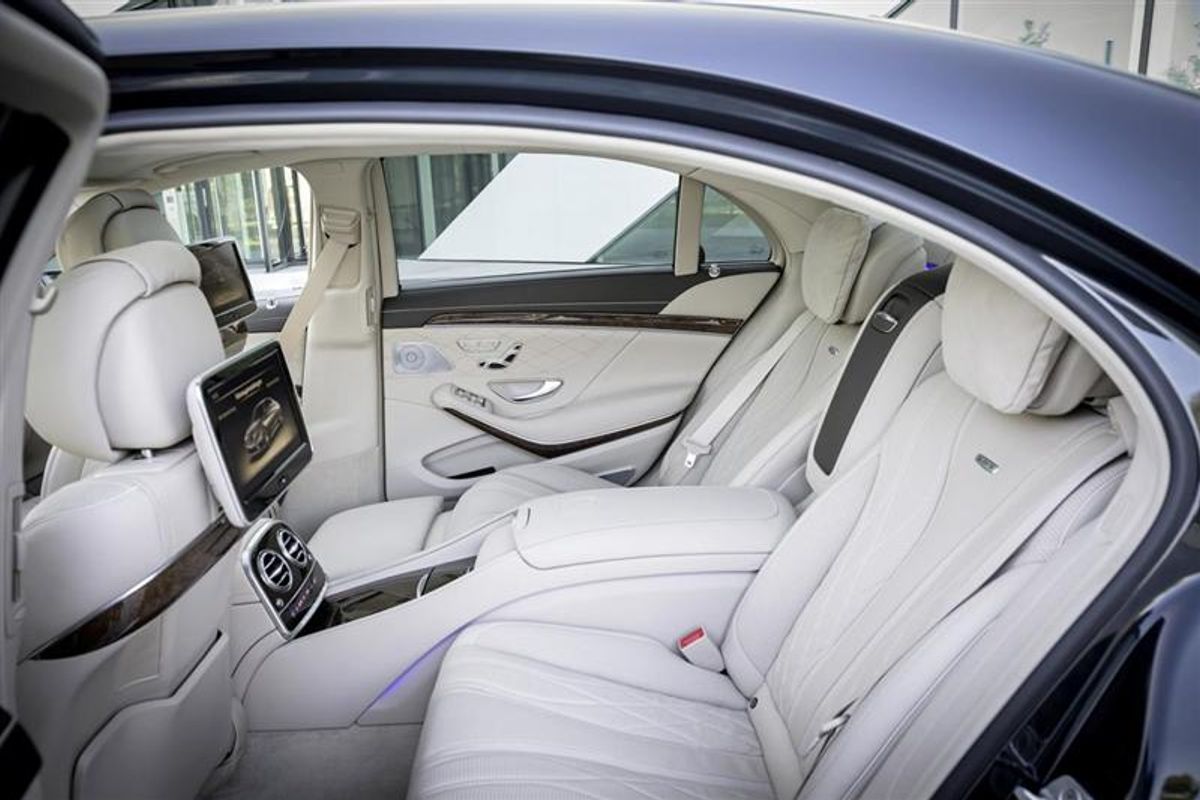
Offering exclusivity in design and equipment specification
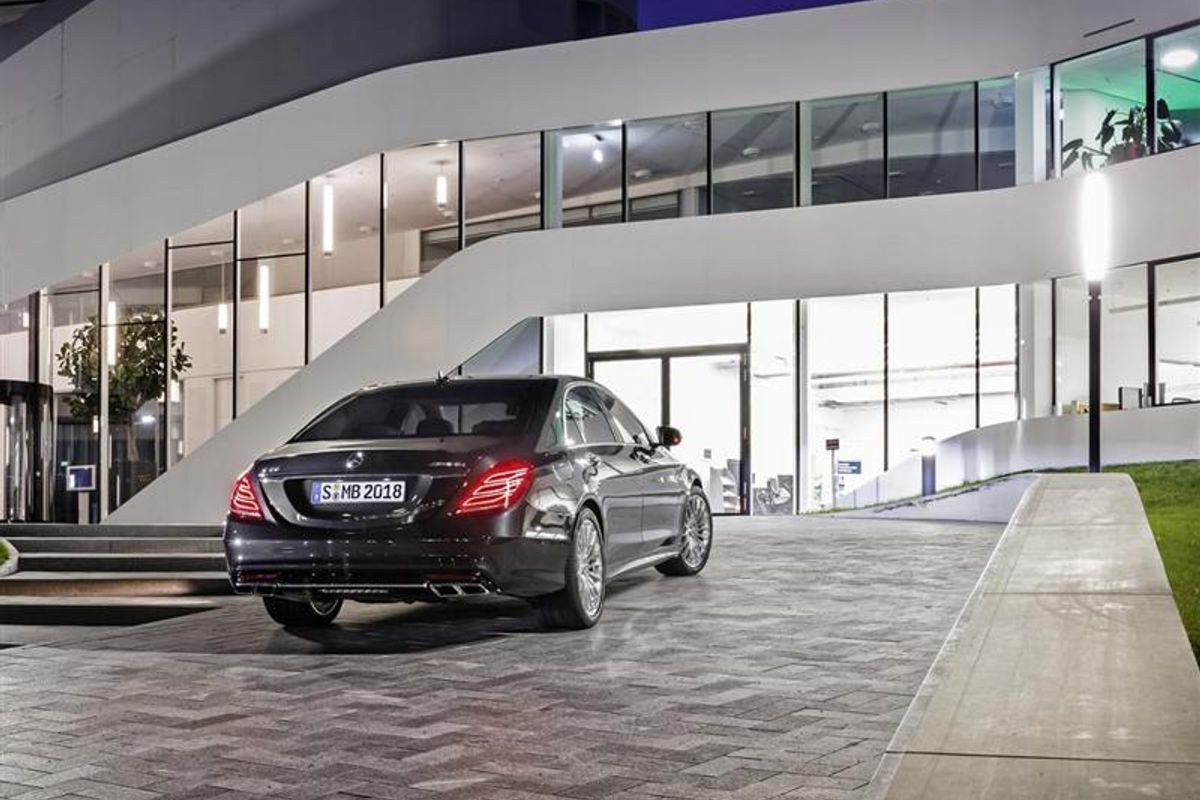
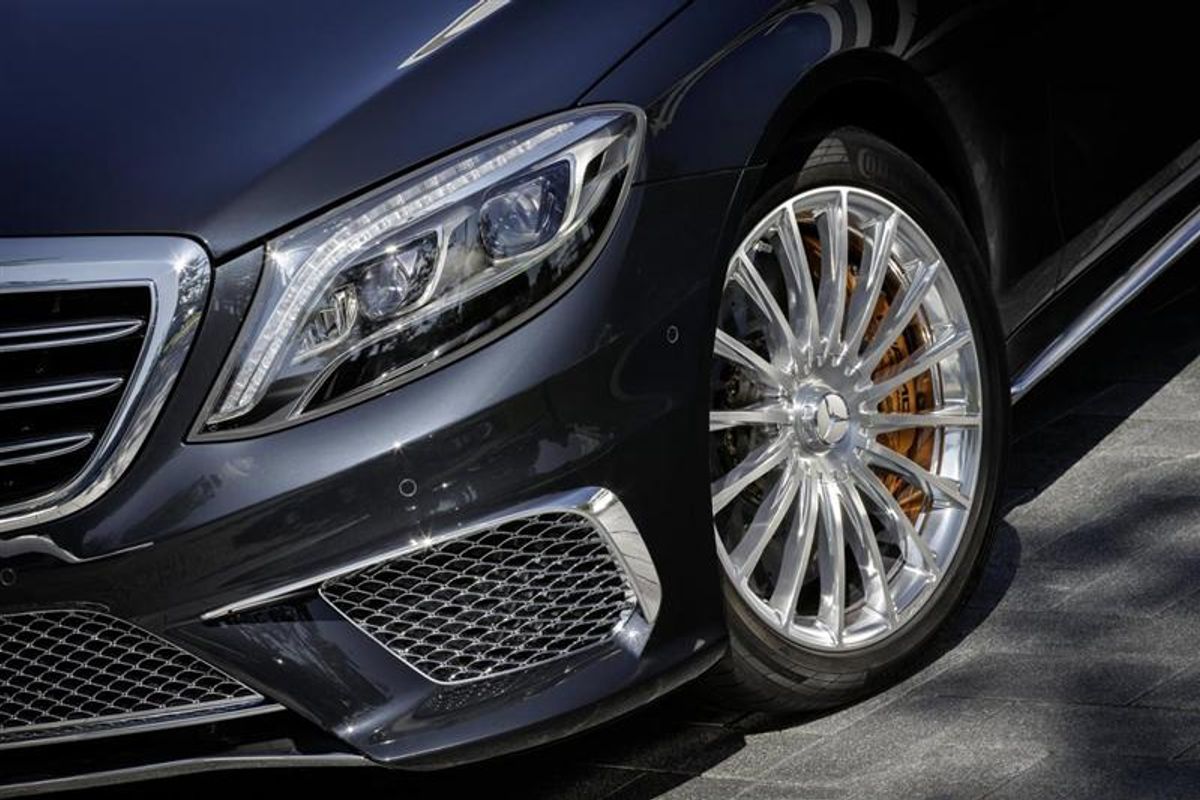
Noticeable design improvements in comparison to the S63 AMG include glossy mesh on the front bumper, additional chrome on the front grille, and it rides on 20-inch multi-spoke lightweight alloy wheels. Which according to Mercedes can be considered a reinterpretation of the traditional spoked wheels from the 1930s like the ones used in the legendary 540 K Mercedes dream car.
Under the hood of the 2014 Mercedes-Benz S65 AMG is a powerful twin-turbo V12 6.0-litre engine producing 463kW between 4800 and 5400 rpm with a maximum torque of 1000Nm available between 2300 and 4300 rpm.
This engine is mated to a seven-speed automatic transmission, and together this pair enables the high-performance sedan to reach 100 km/h in 4.3 seconds before hitting an electronically limited speed of 250 km/h.
Mercedes-Benz claims the car will return 11.9-litres/100km fuel consumption with CO2 emissions of 279 g/km.
For secure stopping there is an optional ceramic high-performance composite braking system which is more than 20 percent lighter and comes with 420 mm discs and specially painted brake callipers. The 2014 Mercedes-Benz S65 AMG is also fitted with Magic Body Control system with Road Surface Scan, along with ESP Dynamic Cornering Assist.
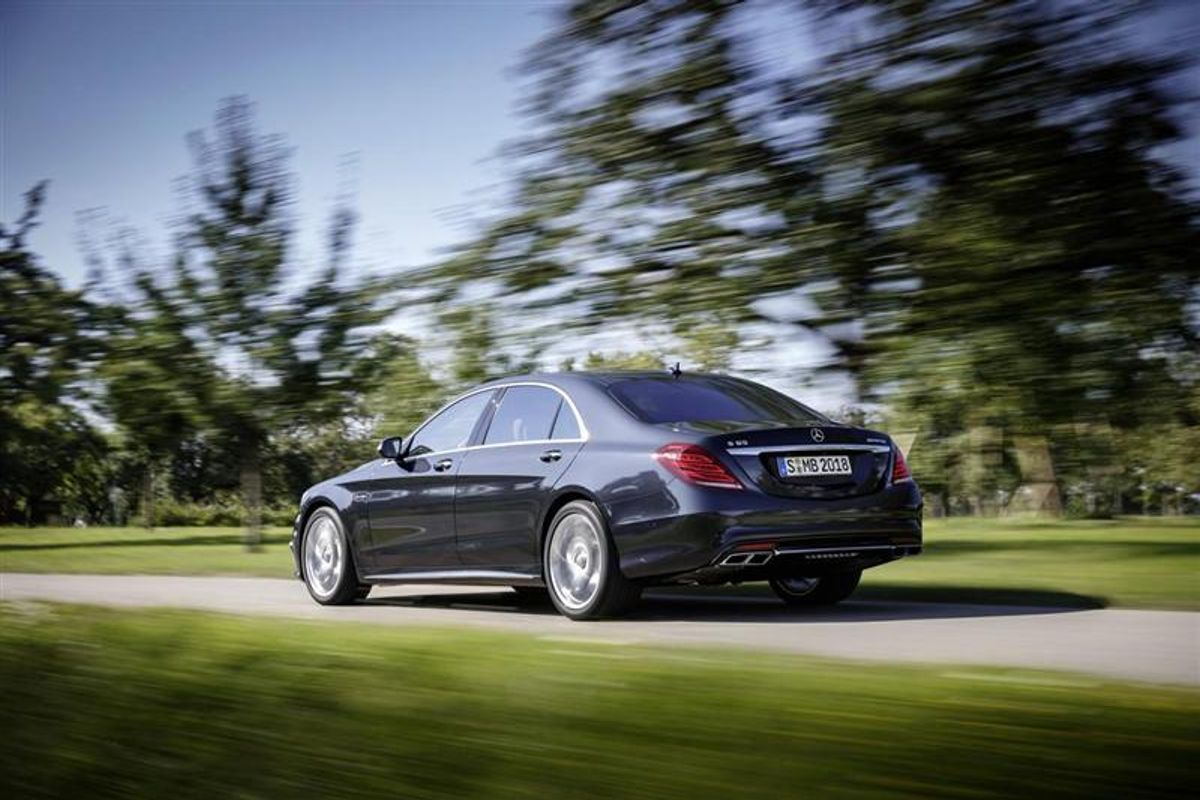
Further exclusive design features include the “V12 BITURBO” lettering on the wings and the “S 65 AMG” model badge on the boot lid both in new, modern typography. The AMG sports exhaust system with its two chrome-plated, separate twin tailpipes is a source of fascination both visually and acoustically.
Available exclusively with a long wheelbase, the 2014 Mercedes-Benz S65 AMG is scheduled to go on sale March next year.
2014 Mercedes-Benz S65 AMG gallery
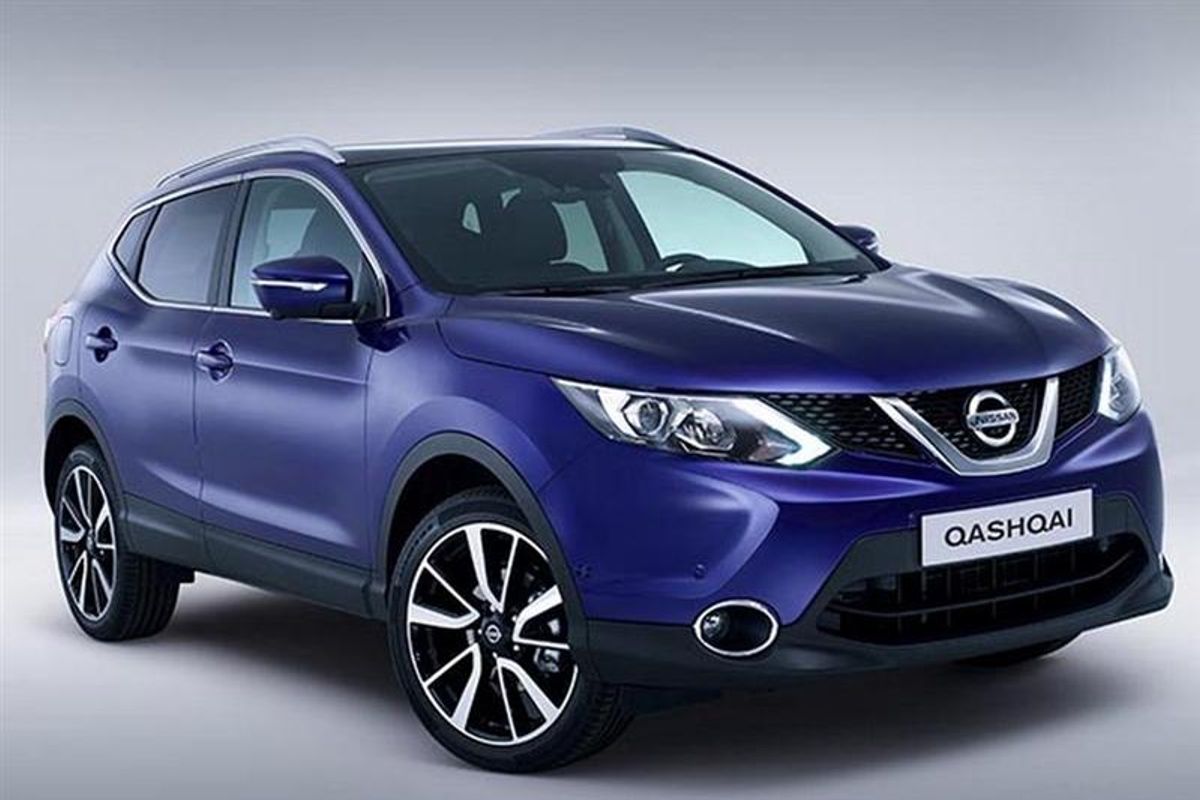
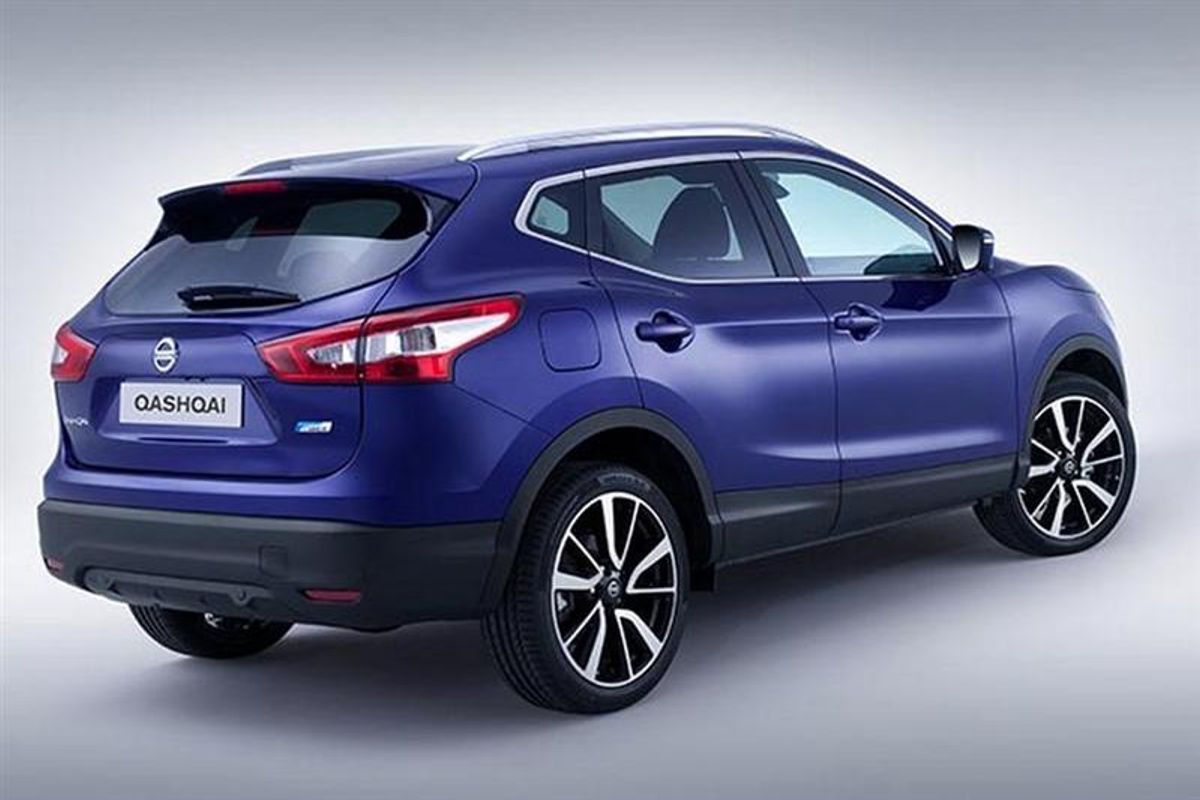
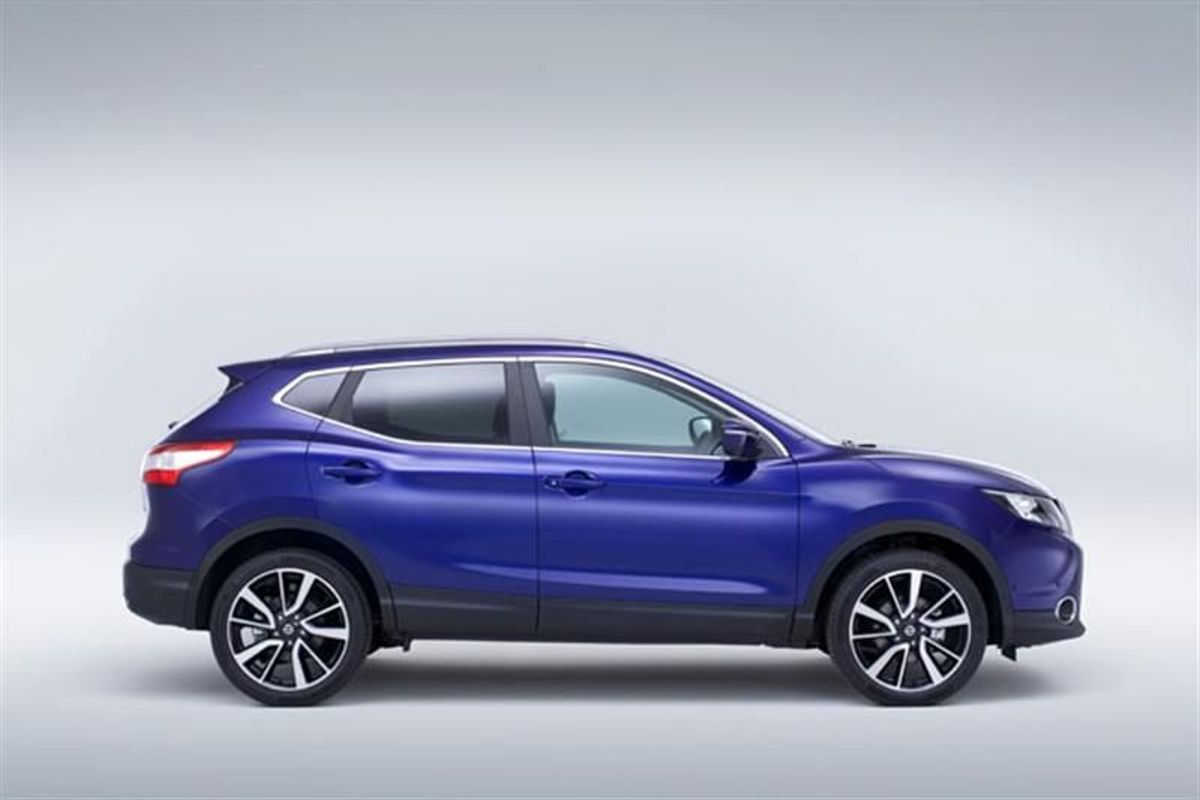
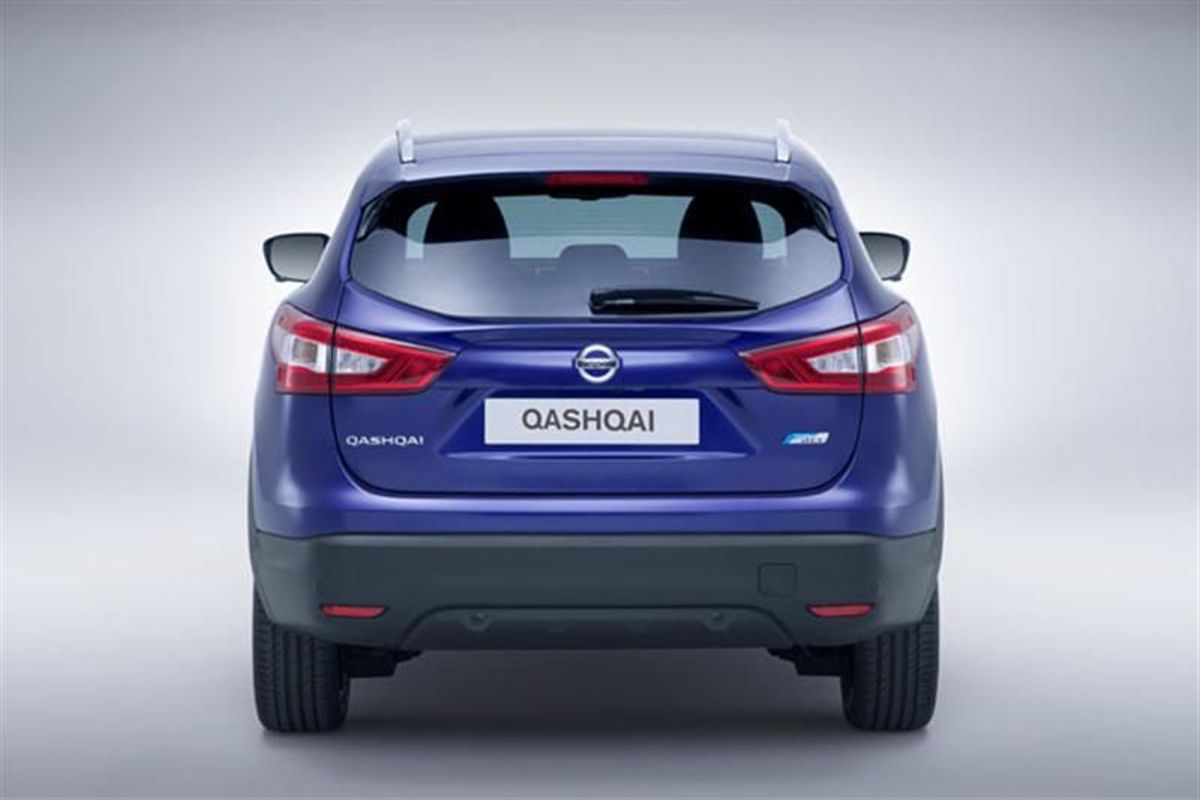
The All-New 2014 Nissan Qashqai Is Here – Official Images And Specs
The all-new 2014 Nissan Qashqai was officially unveiled in London yesterday, confirming what we have been seeing in all the teaser images.
The official images show in more detail the crossover’s sculpted clamshell bonnet, aggressive headlights with arrowhead LED daytime running lights, chrome inlays in the grille and more prominent front fog lights.
The original Crossover reinvented
A lot of the styling ideas have been borrowed from the recently unveiled X-Trail but in a more compact package. Even the interior is almost the same, however, it will be offered only as a five-seater. The striking new Qashqai is 49mm longer than the current model it replaces and slightly lower and wider too.
The all-new 2014 Nissan Qashqai will be built at the automakerss Sunderland plant in the UK, and is expected to launch in South Africa sometime next year. Upon launch it will be offered with a 1.2-litre DiG-T four-cylinder turbocharged petrol engine rated at 84kW. There will also be a 1.5-litre dCi diesel engine with 80kW and a 1.6-litre dCi outputting 95kW.
According to Nissan, the Qashqai is packed full of innovative technology. It offers drivers a comprehensive suite of advanced technology features enhancing every aspect of driving. These also include Nissans Safety Shield technologies which now incorporate Front Collision Avoidance, Driver Attention Support, Traffic Sign Recognition as well as Intelligent Park Assist that takes the stress out of urban manoeuvres.
All-New 2014 Nissan Qashqai gallery
Porsche To Expand Presence Across Africa
In line with the brands global 2018 development strategy, Porsche Middle East and Africa FZE, are planning to expand their presence across the region.
The automaker will also identify and partner with dealerships that meet its standards as it seeks to penetrate the market particularly in sub-Saharan Africa.
A new dedicated investor communication platform
The announcement comes together with the launch of a new dedicated investor communication platform which marks a key development in the brands regional growth strategy. The brand is currently looking after 19 markets across the Middle East, Levant, Africa (excluding the Maghreb states) and India.
With the implementation of the investor communication platform, we have made substantial progress towards our 2018 growth target. Porsche is looking for investors that are as passionate about the brand as we are, and with the local market expertise to help us deliver an unparalleled experience and unrivalled service to customers, commented Christer Ekberg, Managing Director at Porsche Middle East and Africa FZE.
In addition, Porsche also celebrated the world premiere of the production version of the first ever plug-in hybrid super sports car, the 918 Spyder, at this years Frankfurt Motor Show. First units of the model are scheduled to be delivered to Middle Eastern customers next year.
The remainder of the year will also see a focus on the 50th anniversary of the legendary 911, with the regional debut of three new 911 models: the 911 GT3, 911 Turbo and Turbo S, in addition to the exclusive 911 50th Anniversary Limited Edition. Preparations for the launch of the all-new Porsche Macan, a sporty SUV in the premium segment set to arrive in 2014, are also under way.
Ford To Launch 17 New Models In The Next 24 Months
Ford has announced plans to introduce 17 new and refreshed Ford and Lincoln vehicles in the next two years to improve growth in the Middle East and Africa – including the Ford Fusion sedan and the EcoSport small SUV debuting today at the 2013 Dubai International Motor Show.
Ford Establishes New Middle East and Africa Business Unit
Ford says that in order to take advantage of profitable growth opportunities, they are combining the four regions of North Africa, Sub-Saharan Africa, South Africa and the Middle East into a single business unit. As of January next year, all sales, share and financial reporting will be consolidated for the 47 Ford markets throughout the Middle East and Africa.
Growth can already be seen as Ford continues to out-pace the market, growing sales 3.5% in October 2013. This is despite the realities of the industrial strike which continues to affect sales through the month.
Ford sales are up 38% year-to-date and the brand continues to enjoy strong share of the market driven by sustained Figo volume of 1404 units and good recovery in Ranger sales with 1516 units sold to South African customers.
The Middle East and Africa is poised to become one of the next big automotive growth markets and we want to be there for these customers with great new cars and trucks.
Ford and Lincoln sales have grown 60 percent in the Middle East over the past four years, and we expect total industry sales in the combined Middle East and Africa region to increase nearly 40 percent to around 5.5 million units by 2020, said Stephen Odell, president of Ford Europe, Middle East and Africa.
Of the 17 models that will be introduced, two all-new vehicles have already made their Middle East debut this week at the Dubai motor show – the Ford EcoSport small sport utility vehicle based on Fords global B-segment platform, and the all-new Ford Fusion mid-size sedan introducing to customers an unprecedented selection of driver-assistance technologies.