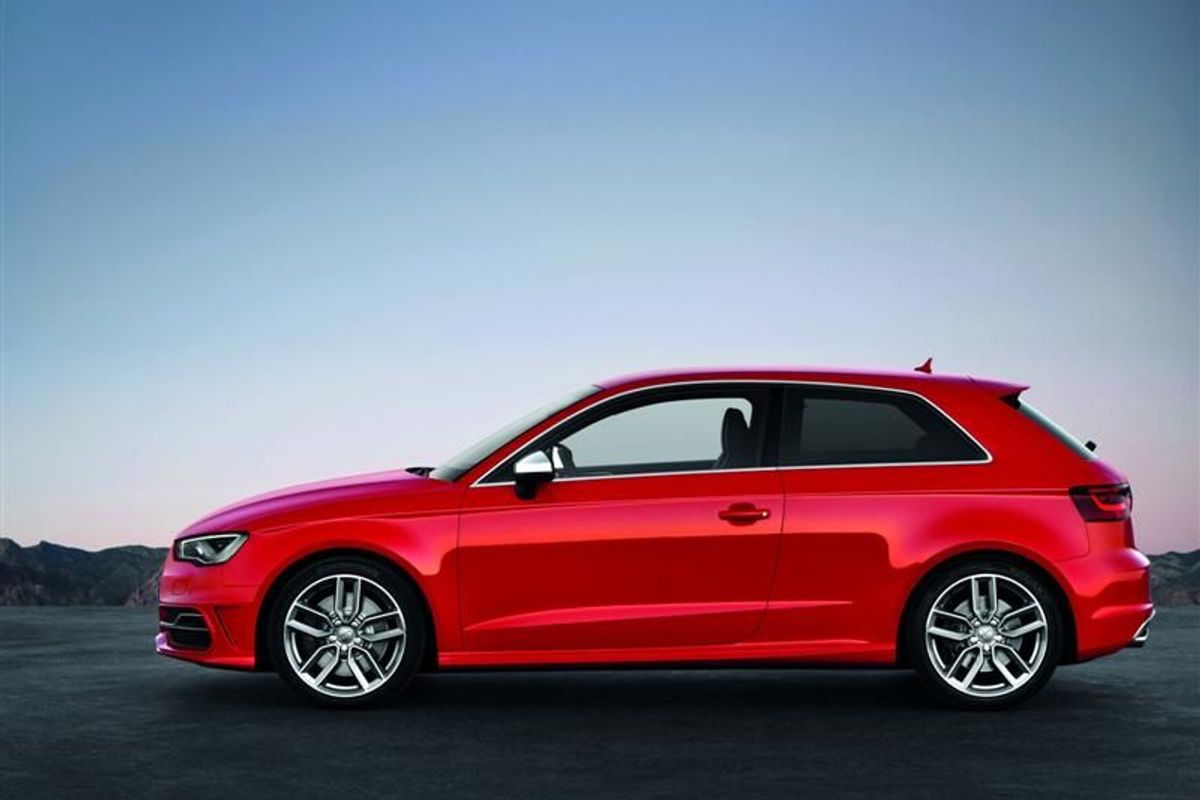
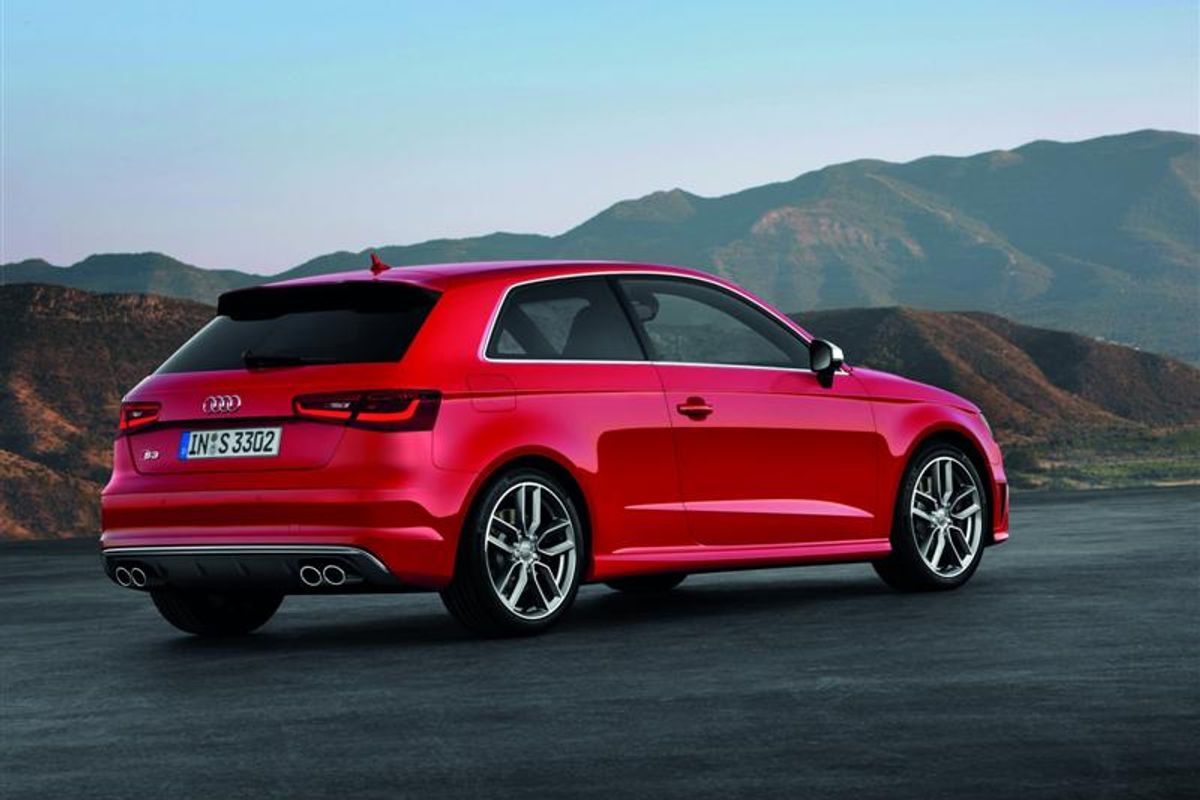
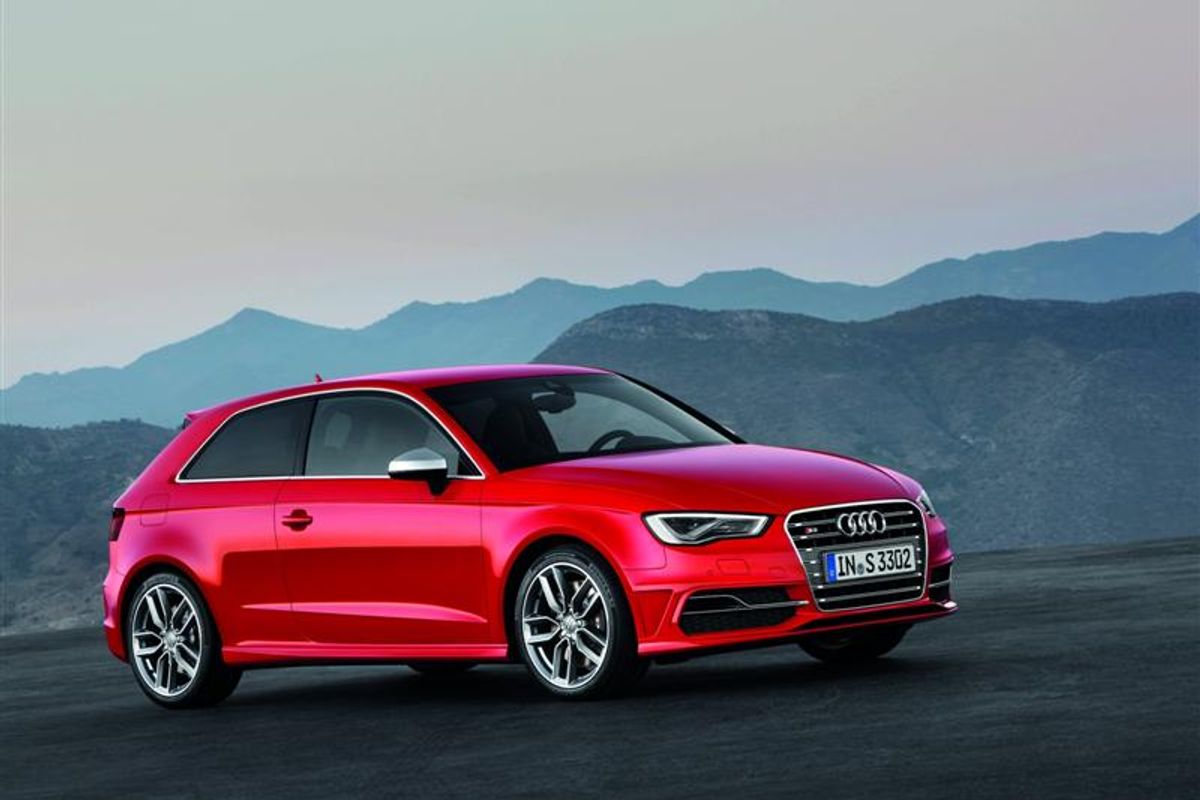
The safest cars for 2013

When it comes to vehicle safety, every year the IIHS rates vehicles based on their performance in a moderate overlap frontal crash, small overlap frontal crash, side impact and rollover, plus evaluations of seat/head restraints for protection against neck injuries in rear impacts. The cars are then rated with Good, Acceptable, Marginal or Poor in each of the crash tests, and in order for any car to be named as one of the Top Safety Picks, it must earn a Good rating in all four tests.

IIHS introduced the small overlap test in 2012 to further improve occupant protection in frontal crashes. Luxury/near luxury midsize cars were the first group of vehicles evaluated, followed by midsize moderately priced cars.

The first IIHS Top Safety Pick award was given to 2006 models and has tightened criteria twice since then. Good rear test results and availability of electronic stability control became a requirement starting with 2007 models, and a good roof strength rating became a deciding factor for the 2010 model year. Stability control is no longer a distinguishing criterion since the feature is standard under federal rules for 2012 and later models.

The IIHS named these vehicles as their Top Safety Picks for 2013

Small cars
Chevrolet Cruze Fiat 500 Ford Fiesta Ford Focus Honda Civic Honda CR-Z
Hyundai Elantra Kia Soul Lexus CT 200h Mazda 3 Mini Cooper Countryman Nissan Juke
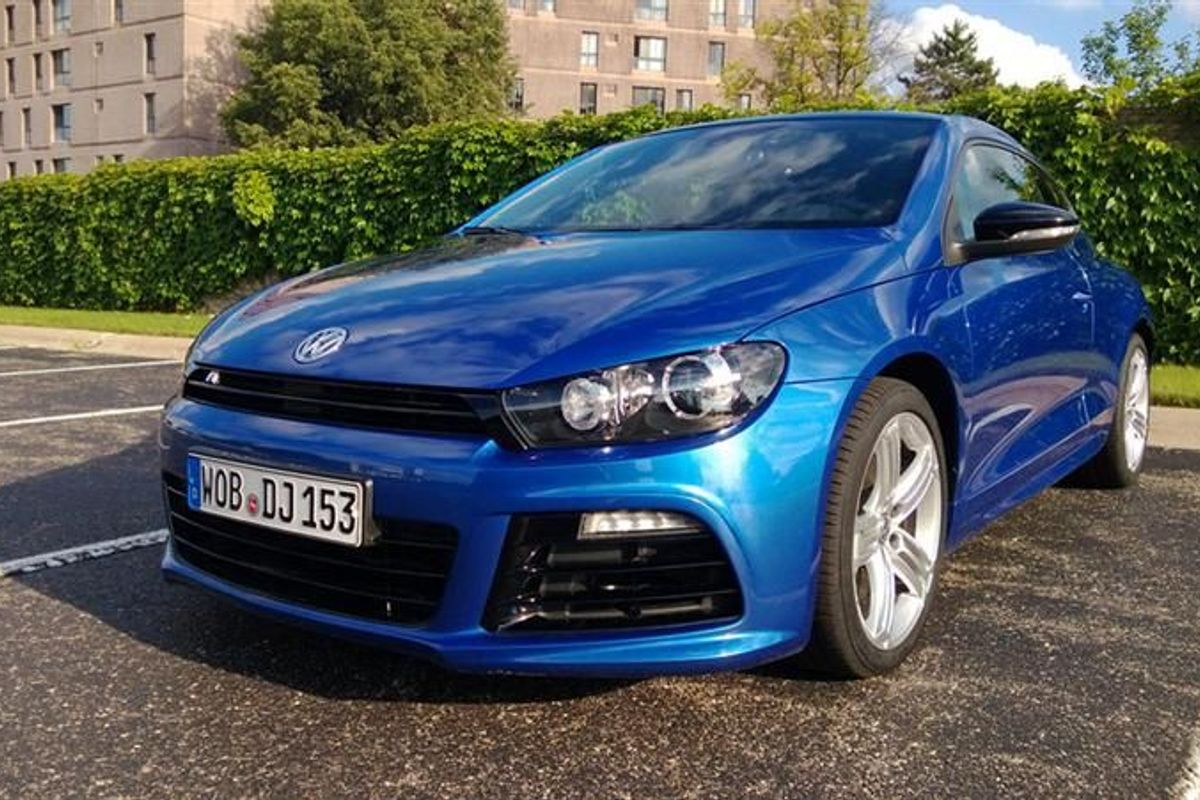
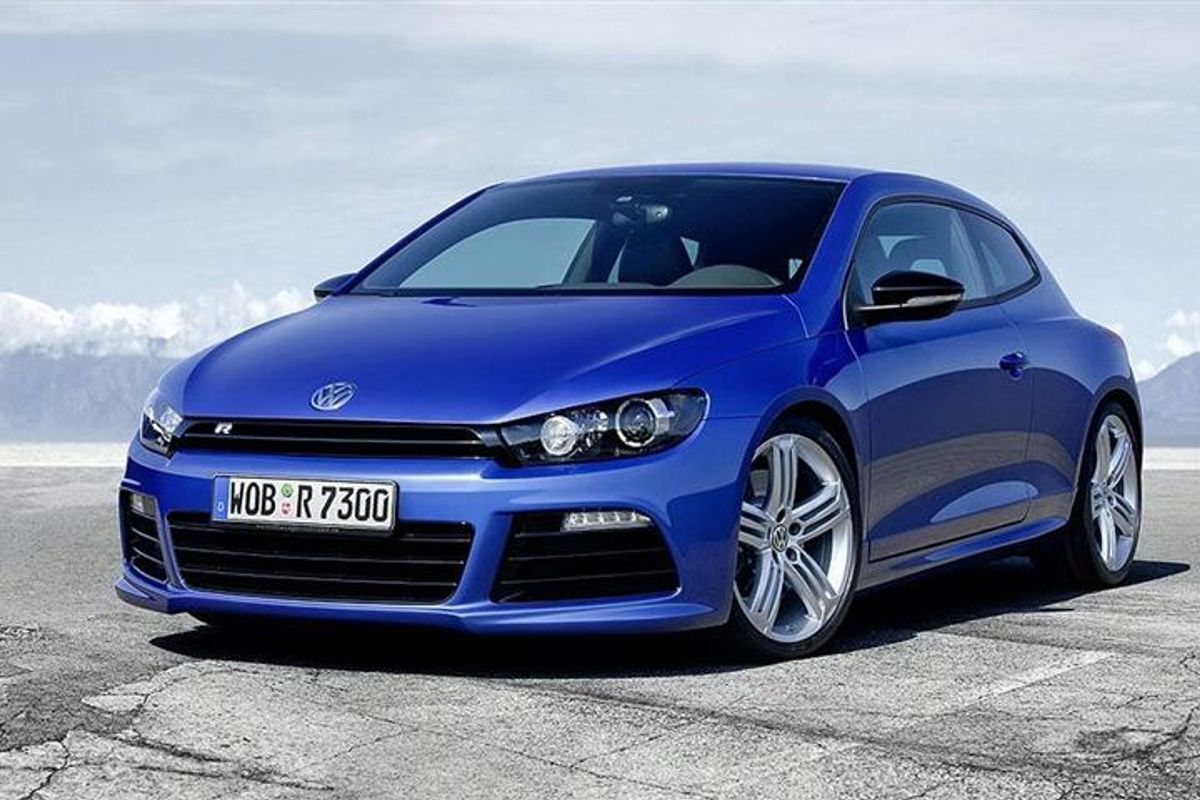
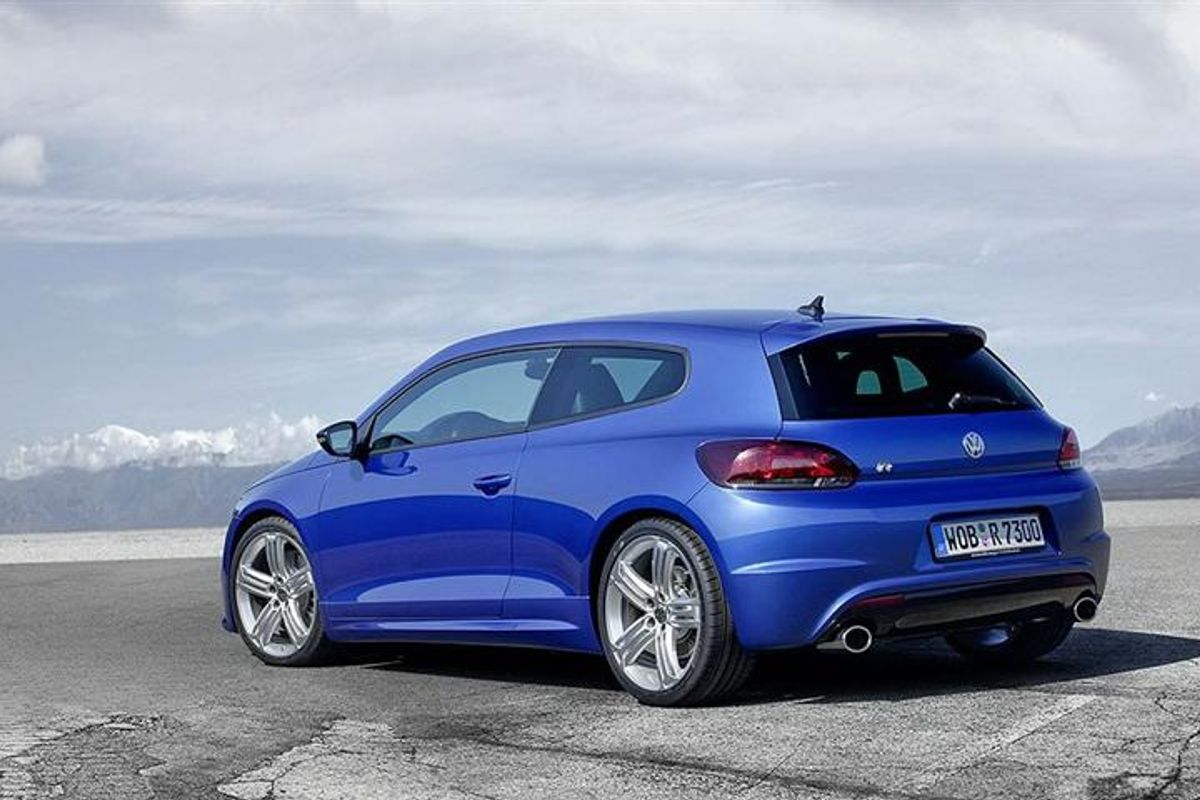
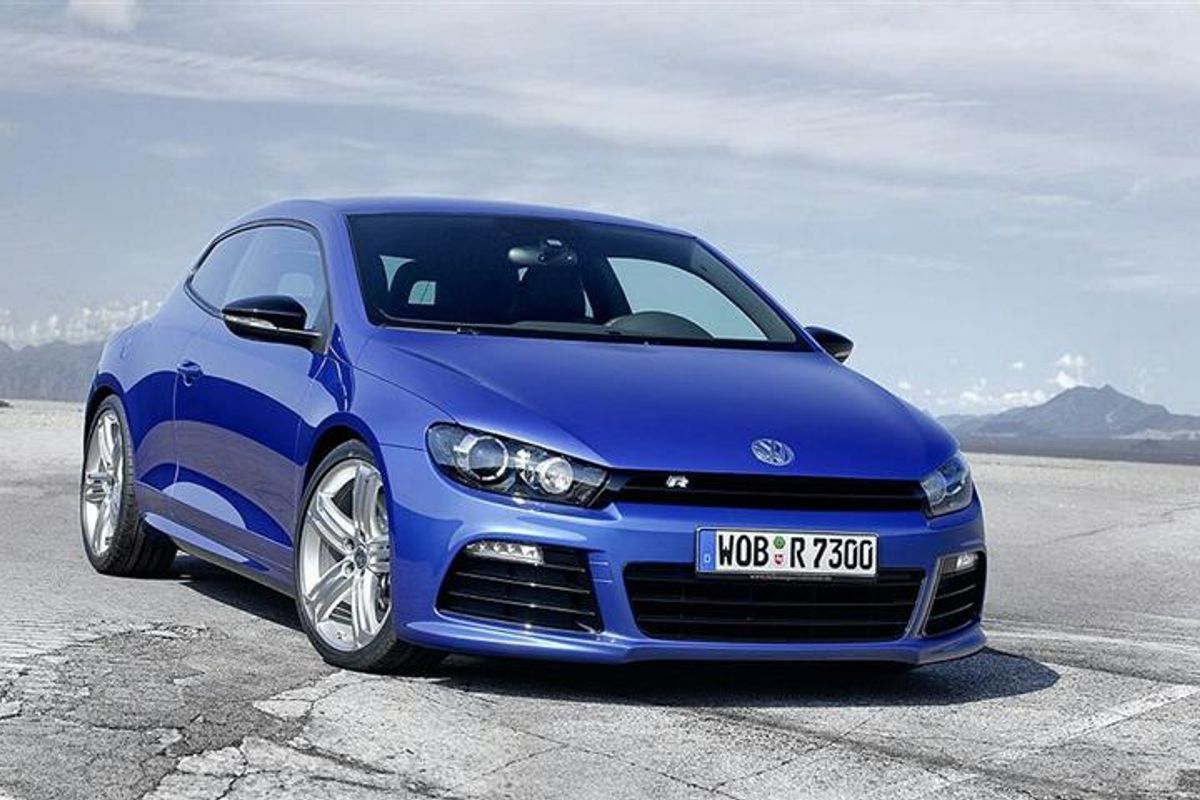
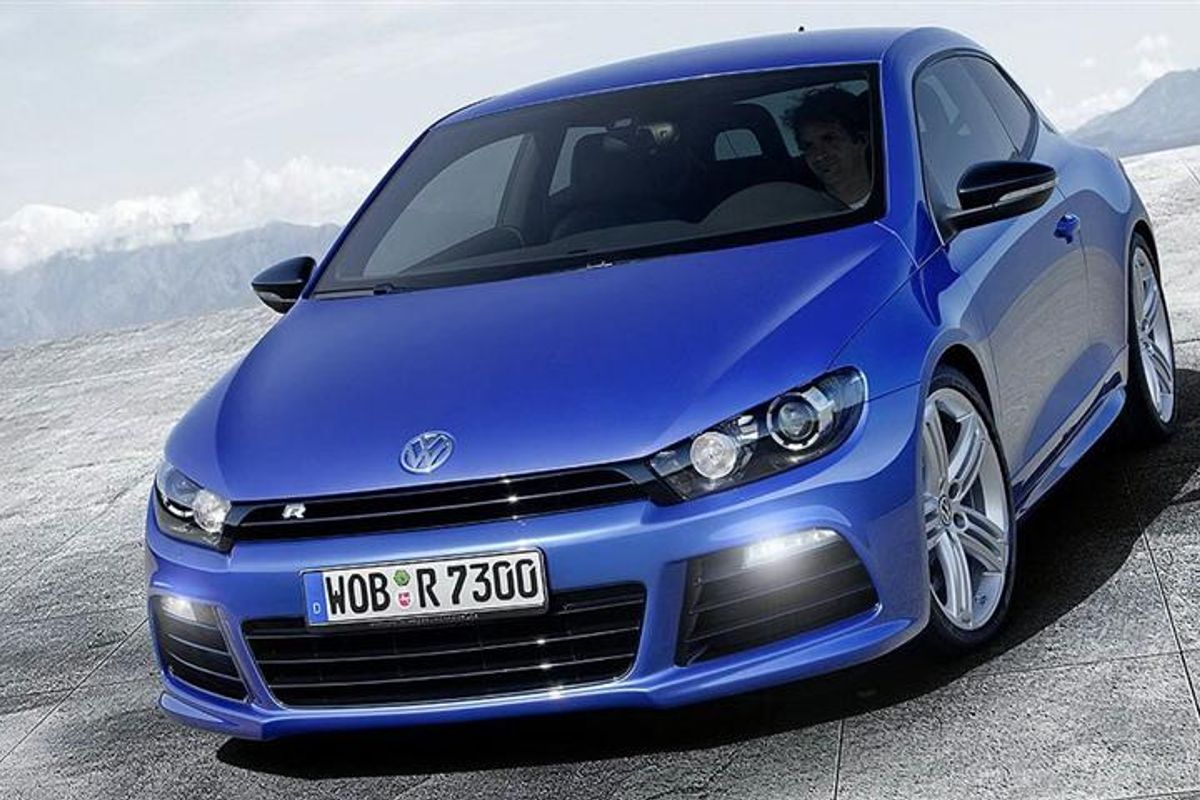
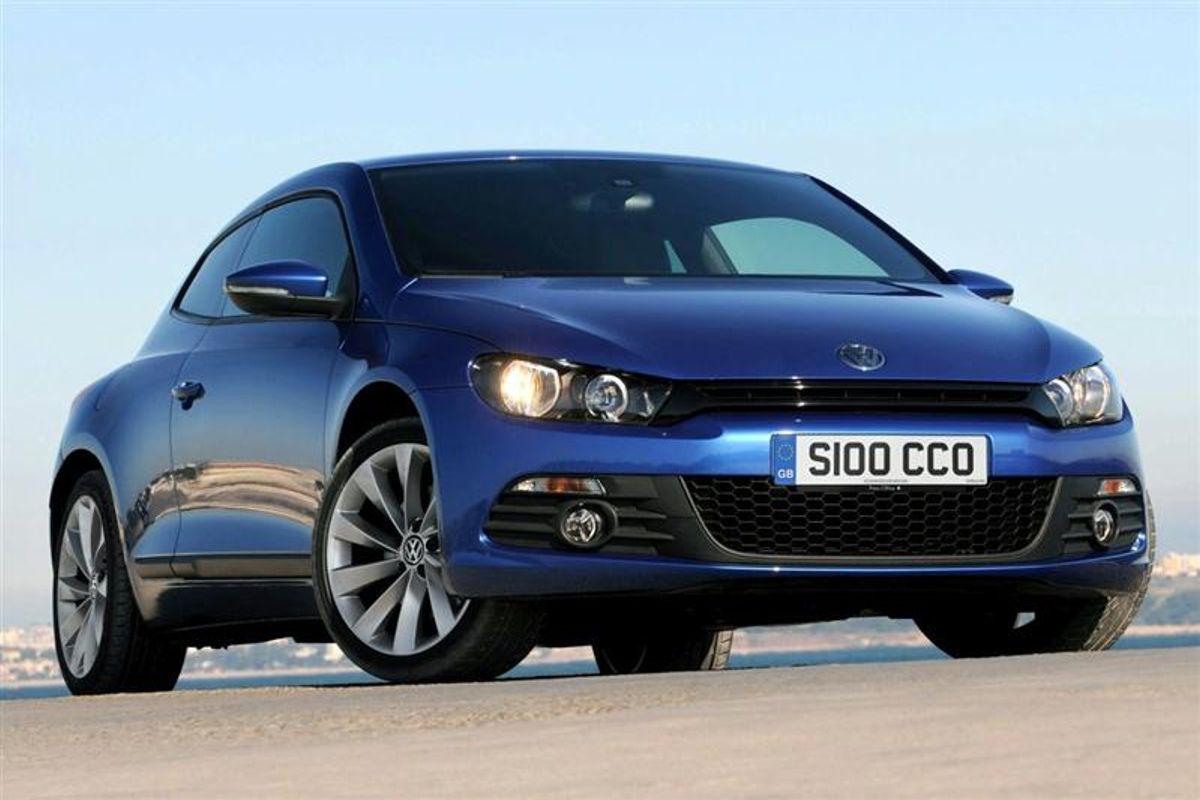
Subaru BRZ Subaru Impreza Toyota Yaris Toyota Corolla Toyota Prius/c Volkswagen Golf
Midsize cars
Audi A4 BMW 3-Series Kia Optima Mercedes-Benz C-class Subaru Legacy Toyota Camry
Toyota Prius v Volkswagen Jetta Volkswagen Jetta Sportwagon Volkswagen Passat Volvo C30
Large cars
Audi A6 BMW 5-Series Lexus GS Mercedes-Benz E-class Volvo S80
Small SUV
Honda CR-V Hyundai Tucson Jeep Patriot Kia Sportage Mazda CX-5 Mitsubishi Outlander Sport
Subaru Forester Volkswagen Tiguan
Midsize SUV
BMW X3 Dodge Journey Hyundai Santa Fe Jeep Grand Cherokee Kia Sorento Lexus RX
Volvo XC60 Volvo XC90 Subaru Tribeca
Large SUV
Volkswagen Touareg

New Mercedes-Benz A-Class Review

I’ll start things off by saying the previous generation Mercedes-Benz A-class was a horrible vehicle. Despite its numerous shortcomings, it sold surprisingly well and next time you see one at a shopping centre parking lot, you’ll see why. It may have a poor drive, but there’s no denying it was an exceptionally practical vehicle which also happened to be easy to get into, thanks to its MPV shape. The new Mercedes-Benz A-Class is a different vehicle altogether.

However, the market has moved on and the Volkswagen Golf 7, Audi A3, BMW 1-Series and to some extent, the Volvo V40 rule the C-segment. Naturally Mercedes-Benz didn’t want to be left behind and created the all-new A-Class. Your eyes are not deceiving you. It’s a seriously smart-looking vehicle and totally radical when compared to its predecessor.

New Mercedes-Benz A-Class review by David Taylor

Eye-catching and refreshing new design

The new Mercedes-Benz A-class loses its ‘mommy wagon’ looks and now resembles a fun and sporty hatchback. In terms of design, the new A-class is a revolution and everywhere I went, heads turned. With its sporty wheels, daytime running lights and neatly proportioned exterior, one could easily assume I was in a performance hatchback, but this is just the baby of the range. I could easily go on and on about how great this car looks as it’s just so different from anything else in the Mercedes-Benz range.

Functional and classy interior

Once sitting in the driver’s seat, you’re greeted with the upmarket Mercedes-Benz dashboard. Even though I’m in the bottom of the range A180 BE, it still feels like you’re in a premium product. As with all German cars, there are multiple option boxes to be ticked. This particular A-class came with comfortable cloth sports seats. There are some sporty touches to the cabin such as the dials which look they’ve been taken straight from the SLS supercar as well as the blade-style trio of air vents in the middle of the dashboard.

All in all, the interior of the new Mercedes-Benz A-class is a great place to be as it feels surprisingly spacious. The glass panoramic roof helps exaggerate this feeling, while the boot has plenty of space for luggage. There’s no gear stick to be found where you’d expect, with the drive selector instead mounted to the steering wheel. There’s a screen mounted to the dashboard which looks like a tablet and that’s controlled by a dial selector mounted between the seats. The Mercedes-Benz COMAND infotainment system also includes a very smart satellite navigation device which is linked to the reverse camera and my iPod connected to the Harmon Kardon audio through USB. It also has safety features in abundance.

Small, efficient engine.

I was in the A180 Blue Efficiency, which is the baby of the range and it comes with a 1.6-litre turbo four cylinder engine. It has 90kW and 200Nm which is impressive considering the small size of the motor. There’s no shortage of speed and power which drives through the front wheels using Mercedes’ 7-speed twin-clutch gearbox. You can opt for a manual six-speed ‘box if autos aren’t your thing. I liked this gearbox as it made for gentle cruising with the added bonus of good fuel economy. Mercedes-Benz claims 5.4L/100km, but I couldn’t get lower than 6L/100km. There are paddles behind the steering wheel if you wish to be involved with the gear changes.

Ride and handling

Even though the A-class I evaluated was nowhere near considered a hot hatch, there were times when I put the car’s gearbox in sport mode and drove enthusiastically on twisty roads. It is good fun to drive and the chassis is firm and sporty. The vehicle rode on 16-inch tyres which offered a comfortable ride. I was most impressed with the car’s refinement especially on the open road. It’s good to see characteristics from the bigger Mercedes-Benz models filtering down to the new A-class.

New Mercedes-Benz A-Class – Conclusion

This is a fantastic offering from the German car manufacturer. For far too long many have said Mercedes-Benz make boring cars for old men and if there’s one car which will shatter that notion, it’s this new A-class. For the first time in ages, there’s a Mercedes vehicle which offers head-turning good looks, luxury interior finishes and is really affordable for the common man. When last did you lust over a non-AMG Mercedes?

Pricing starts from just R275 000, which is mind-blowingly cheap for what you’re getting. As always, when buying any German vehicle choose your options wisely. Don’t be disheartened by the options list though, you’re still getting a decent car which is well-kitted. If you wish to add extras, I recommend going for the COMAND package, Active Park assist, reverse camera and Media Interface.

New Mercedes-Benz A-Class – Price

Mercedes Benz A180 BE – From R275 257

The worst traffic jams in history

If you think you’ve got it bad when commuting to work, well, it could be worse. Forbes has compiled a list of the worst traffic jams dating back to 1969, and these are epic standstills where roadways turned into parking lots.

2012 TomTom South African congestion index

In 2012 TomTom released its congestion index for South Africa which revealed that Johannesburg drivers are the most frustrated behind the wheel due to a 37 minute addition to their daily commute during peak periods. Cape Town followed closely with an additional 34 minutes added to their journey, while Durban drivers on average spend an extra 15 minutes in traffic.

The Congestion Index captured data from vehicles throughout South Africa, which contains over five trillion measurements. The Congestion Index also evaluates congestion levels in cities at different times of the day and different days of the week. However, traffic in South Africa is not as bad as in the rest of the world.

Worst traffic jams in history

Here are some places listed as having the worst traffic in history:

  • In September 2005, with Hurricane Rita approaching, Houston residents were told to evacuate resulting in as many as 2.5 million of them packing evacuation routes, creating a massive 170 kilometre queue on Interstate 45. The congestion reportedly lasted for 48 hours, leaving motorists stranded for as long as 24 hours along the 483 kilometre route from Galveston to Dallas.
  • In Beijing, China, commuters were trapped in a 100 kilometre long traffic that lasted for 12 days.
  • In 1969, more than 500 000 attendees descending on Max Yasgur’s famous farm for the Woodstock Music and Arts Festival were stuck in traffic for three days at the New York Thruway.
  • A near record of 20.2 inches of snow fell in Chicago Illinois in February 2011, resulting in a 12 hour traffic standstill, with snow reaching as high as the cars’ windshields.
  • The ensuing record-holding backup on April 12, 1990 in East/West Germany was estimated at a whopping 18 million cars on a roadway that otherwise averages a half million vehicles a day.
  • Noted as the longest traffic jam in the annals of congestion, in February 1980 a combination of hoards of winter vacationers returning to Paris and inclement weather caused a massive tie-up that stretched 175 kilometres long. This happened in Lyon-Paris, France.

Currently, the spots with the worst traffic jams in the world are (in order from worst to not-as-worst) Brussels Belgium, Antwerp Belgium, Los Angeles USA, Milan Italy, London UK, Paris, Honolulu USA, Rotterdam Netherlands, Manchester UK and San Francisco USA.

WhatCar chooses their top SUV for 2013

Car of The Year Awards according to WhatCar revealed that the best SUVs and 4x4s of 2013 in the UK have gone main stream, with families being attracted by their elevated driving position, security in poor conditions and imperious road presence. The overall winner was the BMW X3, followed by the Mazda CX-5 and Land Rover Discovery.

What consumers are looking for when buying an SUV are things like space and comfort, with as much practicality as there is off-road ability, and fuel efficiency. Amongst other things the design style, luggage capacity, and size of the vehicle count.

The best selling SUVs in South Africa – April 2013

Toyota Fortuner – 852 units

Originally assembled in Thailand, the Fortuner is available in a number of engine options including a 2.7 L 2TR-FE and 4.0 L 1GR-FE V6 petrol with Variable Valve Timing and 2.5 L 2KD-FTV and 3.0 L 1KD-FTV turbocharged diesel models. It is also available in rear-wheel-drive and four-wheel-drive. The seven seat model is priced at R357 000.

Volkswagen Tiguan – 538 units

The Tiguan debuted as a concept vehicle at the November 2006 Los Angeles International Auto Show and in production form at the 2007 Frankfurt Motor Show. As with new Volkswagen vehicles, the latest version of the Tiguan was designed under their “design DNA” that emphasizes clear horizontal lines. The grille now comes with a double chrome louvres design as well as optional bi-xenon headlights. Pricing starts from R299 500.

Toyota RAV4 – 447 units

The RAV4 is the only compact SUV or crossover available from Toyota and was originally based on the corolla platform and was offered in two and four door versions. Toyota the fourth generation model boasting a more sophisticated and older exterior launched into the South African market in April. It is available in four models with a choice of three engines and two trim levels.

Chevrolet Trailblazer – 321 units

The Trailblazer nameplate was introduced in 1999. The models from the new Trailblazer range are offered with tumble-flat seven seats, a multi-function steering wheel, front fog lights, electric mirrors, and a USB port for the audio system. The model is also available in three engine options, two transmissions and two drivetrain configurations. Pricing starts from R371 300.

Volvo wins Global NCAP Innovation Award

Volvo Car Group’s pioneering work on pedestrian protection has been rewarded with the 2013 Global NCAP Innovation award.

At the Enhanced Safety of Vehicles (ESV) Conference in Seoul, South Korea, Prof. Lotta Jakobsson held a presentation about Volvo Cars’ achievements within pedestrian protection.

“The purpose of the world’s first airbag for pedestrians is to help protect these vulnerable road users in certain situations when they impact the bonnet and the area around the windscreen, where there may be a risk of serious head injuries,” said Lotta Jakobsson.

Volvo addressing a global challenge

A large percentage of traffic fatalities around the world involve pedestrians. The most serious head injuries involving pedestrians and cars are caused by the hard structure under the bonnet panel, the windscreen’s lower edge and the A-pillars.

In 2010, Volvo Cars counteracted the statistics by launching Pedestrian Detection with full auto brake, and in 2012 launched the Volvo V40 with the worlds first Pedestrian Airbag Technology.

The Pedestrian Detection system can avoid a collision with a pedestrian at speeds of up to 35 km/h if the driver does not respond in time. At higher speeds, the focus is on reducing the car’s speed as much as possible before the collision.

The Volvo V40 also achieved a five-star Euro NCAP rating and won the Euro NCAP Best in Class in the Small Family class. The V40 further scored an all-time high in the pedestrian evaluation by attaining 88% of the total score.

“Several studies have documented that our collision-avoiding systems lead to significant accident reductions in real-life traffic. By continuously introducing new preventive and protective systems, we keep moving towards our aim that by 2020 no one should be injured or killed in a new Volvo,” concluded Jakobsson.

New 2014 BMW X5 officially revealed

After months of blurred photos and teaser images, BMW has officially revealed the new 2014 X5 and its here to set new standards for luxury, versatility and driving dynamics.

New 2014 BMW X5 brings more power to the mix

The new 2014 BMW X5 will be offered with three engine variants. The X5 xDrive50i features a twin-turbo 4.4-litre V8 engine that develops 330KW and 650Nm of torque, allowing the model to accelerate from 0-100km/h in 5.0 seconds before reaching a top speed of 250km/h.

The BMW X5 xDrive30d is equipped with a 3.0-litre TwinPower Turbo six cylinder diesel engine that produces 190kW and 560Nm of torque. This allows the model to accelerate from 0-100km/h in 6.9 seconds and reach a top speed of 230km/h.

For a balance between performance and fuel economy, the X5 M50d features a 3.0-litre, six-cylinder diesel engine which produces 280kW and 740Nm of torque enabling the model to run from 0-100km/h in 5.3 seconds and reach a top speed of 250km/h. All three power units are mated to an eight-speed automatic transmission.

Exterior and Interior Design Features

The overall redesign of the BMW X5 is emphasized with Air Curtains, Air Breathers and Aero Blades for the rear window. The hallmark four round headlights are trimmed with LED accent rings, while the sweeping chrome inserts and prominent three dimensional design of the lights underline the car’s sophisticated character.

The twin circular headlights now extend to the signature grilles and further individualization is offered through the Design Pure Experience, Design Pure Excellence and M Sport packages.

The interior continues to adopt high quality materials, cutting-edge functionality and an improved design. Key features include the trim strip and accent strip that extend into the front door panels and are picked up again in the rear door panels, LED ambient lighting, a freestanding iDrive display, gloss accents and Oxide Silver, Aluminium Hexagon or Popular Grain wood trim.

The seating position has been raised which has resulted in increased interior space. The low-set instrument panel has horizontal lines that extend into the door trim and the boot can hold up to 1870-litres of luggage.

Optional extras include comfort/sport seats, a reclining second row and heated/ventilated front seats. The model can also be equipped with four-zone automatic climate control, a third row seat, a Harman Kardon or Bang & Olufsen audio system as well as a new rear seat entertainment system with two “tablet-style” displays.

Additional available features include a sports leather steering wheel, heated steering wheel, four-zone automatic climate control, doors with Automatic Soft Close function, Comfort Access and aluminium running boards.

To further enhance the handling capabilities of the X5, you can choose between Comfort, Dynamic, and Professional adaptive suspension packages as well as the Adaptive M suspension.

New BMW X5 Gallery

View the 2014 BMW X5 gallery here
New Subaru Forester awarded 2013 Top Safety Pick

The Institute for Highway Safety (IIHS) has awarded the new Subaru Forester with the Top Safety Pick (TSP) award. Having been also awarded a five-star safety rating from the Australian ANCAP as well as the Euro NCAP, the new Subaru Forester is regarded as one of the safest SUVs on our roads.

Subaru Forester is big on safety

The Institute’s 2013 TSP+ award requires ‘good’ ratings for occupant protection in at least four of five IIHS evaluations, with no less than “acceptable” in the fifth test. The new Subaru Forester underwent four of five of these evaluations including rollover testing, head restraint effectiveness and occupant protection. Subaru is the manufacturer which has a Top Safety Pick winner for each model across its entire range.

Some notable safety features all of which are standard across the range, even in the entry-level Forester 2.0 X include Subaru’s Ring-Shaped Reinforcement, a reversing camera, Vehicle Dynamics Control (VDC), seven airbags and a collapsible brake pedal and steering column. There is also ISOFIX child seat mounts with tether anchors, Anti-lock Braking System (ABS), Electronic Brake-force Distribution (EBD), Electronic Stability Control (ESC), Traction Control System (TCS), Limited Slip Device (LSD) and Brake Assist (BA).

Subaru has been recognized by IIHS for four consecutive years as the only automotive manufacturer with a Top Safety Pick (TSP) winner in its entire line-up models—Subaru Legacy, Subaru Outback, Subaru Forester, Subaru Tribeca, Subaru Impreza, Subaru XV Crosstrek and Subaru BRZ.

“The Subaru ‘experience’ aims to ensure that enjoyment and peace of mind are offered by our products at all times, giving purpose to our brand slogan, ‘Confidence in Motion’. This cannot be achieved without the crucial element of safety and with its impressive Top Safety Pick+ win in America, the new Subaru Forester continues to impress in all facets. The Forester is now the most award-winning SUV, out-performing thirteen other brand new compact SUV competitors and being the only SUV to receive a top-level ‘Good’ score in this IIHS test, and for that we are extremely honoured,” said Ashley Lazarus, Marketing Manager at Subaru Southern Africa.

In addition, IIHS introduced the small overlap test in 2012 to further improve occupant protection in frontal crashes. The small overlap test is a demanding crash which replicates what happens when the front corner of a car collides with another vehicle or an object like a tree or utility pole.

Mercedes-Benz QR codes system to help accident victims

The Mercedes-Benz QR code system may help emergency workers to respond quickly and safely rescue trapped occupants in wrecked vehicles.

Mercedes-Benz QR Codes can save lives

The Mercedes-Benz QR codes can be scanned by a camera-equipped smart-phone or tablet and will provide a rescue map for every vehicle type, and also direct emergency personnel to a website with the specific rescue sheet they need to reference.
The idea is that fire-fighters, paramedics and police don’t accidentally cut through a power line or trigger an airbag and so that they know where important parts like the battery and tanks are located.

The Mercedes-Benz QR codes identify the vehicle reliably, make fundamental information about the vehicle visible immediately and automatically direct to the website with the specific rescue sheet.

In order to make it easy to find the label with the potentially lifesaving QR code, Mercedes-Benz places one on the fuel tank flap and the other on the B-pillar on the opposite vehicle side. For it seldom occurs that both these parts are badly damaged at the same time in an accident, and they are furthermore easily accessible from the outside.

Mercedes-Benz has introduced many technological and safety innovations that later became common in other vehicles, and the QR code system will be no different. The brand is considering retrofitting the QR Codes to older vehicles and is waiving the right to patent the innovation so that other automakers can also take advantage of it.

Aston Martin V12 Vantage S sports car unveiled

The Aston Martin V12 Vantage S model has been officially unveiled and is powered by an updated 6.0-litre V12 power unit that’s mated to a new seven-speed Sportshift III AMT gearbox.

The new Aston Martin V12 Vantage S replaces the outgoing V12 Vantage and is the fastest road-going model the British automaker has yet to offer, with exception of the One-77 supercar.

Aston Martin V12 Vantage S offers ‘power, beauty and soul’

The Aston Martin V12 Vantage S is equipped with the new AM28 6.0-litre V12 engine delivering 421kW of power and 620Nm of torque available at 5750 rpm. The top speed clocks in at 330km/h.

Another exciting new feature of the car is the new Sportshift lll AMT gearbox which is a hydraulically-actuated automatic transmission with paddle shifters and is 55 pounds lighter than the outgoing six-speed manual transmission. The sports car also debuts a three-stage adaptive damping system which is a first for the Vantage series. Three modes are available: Normal, Sport, and Track. The system also controls the level of power steering assistance offered.

Exterior Features

The new Aston Martin V12 Vantage S retains the same compact proportions of its predecessor, yet draws the distinction with its new front grille with a carbon fibre arrangement that includes sporty black carbon fibre or titanium silver mesh. Other styling cues include new lightweight forged alloy 10-spoke wheels adorned with a black painted roof and subtle yet distinctive exterior graphics pack.

Interior Features

On the inside, new style Sport seating features revised stitching and welt detailing with optional leather grade options: Luxmill and semi-aniline. The optional Carbon Fibre Interior package accents the door pulls with carbon fibre and for the first time, the V12 Vantage S will have the option of black pedals.

Further, the interior is fitted with an Alcantara-trimmed sports steering wheel with black airbag ring, and a 700W Aston Martin premium audio system with six-CD auto charger.

“The new V12 Vantage S is our most extreme Vantage to date – engineered to bring race car performance and technology to the open road,” said Aston Martin CEO Dr. Ulrich Bez. “It is our most powerful engine in a beautifully tailored suit. It is elegant, yet brutal, and it is at the same time easy to control. It has everything that sums up Aston Martin: power, beauty and soul!”

Aston Martin V12 Vantage S gallery
View the full gallery here
Ford Fiesta ST Review

Priced to go, with little to fault, the Ford Fiesta ST is leaps and bounds ahead of its predecessor in terms of refinement, and specification.

Ford Fiesta ST review by John Beale

Ford arrived a little late to the party, the VW Polo GTI, Renault Sport Clio and Opel Corsa OPC have already been around the block a few times, but at least they brought the goods. Ford are hoping to get a share of the combined 1600 units the three competitors sold in the last year. The totally redesigned Ford Fiesta ST is the company’s fastest small production car ever, and it looks good too, with big trapezoid front grille, ST badging and sports kit which adds the colour-coded diffuser in the rear.

What’s under the hood?

Running a brand new 1.6-litre EcoBoost petrol engine, delivering 134kW and 240NM (or 290NM on overboost) to get the little pocket rocket to 100km/h in 6.9seconds. That matches all the competition, and that overboost function gives a decent amount of torque especially in 3rd gear. You don’t need to ring the hell out of it, changing through the slick 6 speed gearbox, way before the rev limiter, and just riding the strong torque curve. It does however have less urgency or skittishness than the Renault, or similar (but not competing) MINI Cooper S engine. It’s a lovely little engine and thanks to Ford Sound Symposer that channels engine note into the cabin, it sounds a lot more impressive than it should. I would however like to hear a bit more exhaust note, inside. Top speed is 220km/h and Ford claims an average of 5.9l/100km, but we averaged closer to 9l/100km, which is still good considering.

Can it handle?

Yes, but as with any front wheel drive vehicle, there’s only so much the front wheels can do without an actual diff. Ford employs their Enhanced Torque Vectoring Control (eTVC) here as with the Focus, which is an electronic system that brakes wheels instead of locking the differential. In theory it works, but on the track all that action on the brakes left them soft and squishy like marshmallows after a few laps (rear disc brakes, and uprated front discs are standard for the first time). It’s a lot of fun to chuck around, and I was surprised at the level of grip, but the back wheel cocks up nicely when pushing hard into corners running the nose wide, so the ESC (three modes to play with) control does have its hands full when really pressing on.
Steering is electronic, but gave decent feedback. The ride was on the extremely firm side over Joburg tar, but suited the track just fine.

What about the interior?

It’s standard fare, but included on the Ford Fiesta ST (only available in 3-door spec), is those amazing Recaro bucket seats (praise the man that made these), ST badging and the usual aluminum smatterings in and around. Xenon headlamps with DRL, SYNC 6 speaker sound (with Bluetooth and voice command), Auto lights and wipers, Climate control, 6 airbags + knee bag and MyKey keyless entry and start, which also allows parents to put certain restrictions on the vehicle, such as not allowing the ESC to switch out, or putting on a speed limit. A very smart addition, considering the target market. For some unknown reason, there are no grab-handles, vanity mirror light, and most “alarmingly”, only an immobilizer. An alarm is an optional extra (!), so make sure you check / spec it.

Ford Fiesta ST conclusion

This said, the price is still massively appealing. At R254 500 including 4yr/60 000km service plan, a similarly specced (Albeit DSG & standard leather) Polo GTI will cost R60 000 more. For that price saving, the Fiesta is a no brainer, has the right options for a boy racer, and mostly looks the part.

Ford Fiesta ST – Price

Ford Fiesta ST – R254 500