Five Car Optional Extras To Avoid

Where some manufacturers make sure that everything is standard, others offer a long list of optional extras. If you’re not careful, ticking those boxes can quickly raise the price of your car by hundreds of thousands of Rands. A few weeks back I suggested the five options you need on your next car, but this week I highlight the top five car options to avoid.

Five Car Optional Extras To Avoid

1. Satellite Navigation

Current satellite navigation systems are clumsy, have terrible user interface and are outdated too quickly. More importantly, none in South Africa support traffic integration – which is where the applications from TomTom, Google and native app maps on your smartphone, or simple Garmin plug in GPS are the way to go. Also, because satellite navigation in a vehicle can run up to R25 000, where most of the apps are free or a tenth of the price, updated more regularly and integrate the voice turn by turn by streaming through your car’s sound system. Until they integrate satellite navigation from your smartphone, don’t bother.

2. Lane Departure Warning – Upwards of  R8K

This safety system warns you of other vehicles in your cars’ blind-spot using radar. The warning is usually displayed in the side view mirrors and also has an audible warning. That said, the systems I’ve used rarely work properly, and at the current price for the technology, you could rather just crane your neck like the rest of us.

3. Adaptive/ intelligent headlights – Upwards of R10K

Adaptive or “intelligent headlamps” as they are also called, are coupled with Xenon headlamps to ensure better visibility at night around corners and in other areas. The headlamps can turn and vary their spread, as well as automatically switch on high-beam (brights), and off again, using light sensors. The technology is fairly new and expensive, and LED headlamps making their way into the market will do all this without it being an option. Unless you live on the twistiest bit of road in SA, I’d say don’t go for it. For the cost the benefit isn’t that much better.

4. TV functionality – Upwards of R8K

Let’s be honest, if you can afford a car with TV functionality, you’re probably not watching our terrestrial offerings, which is all it can accommodate (SABC and alike). In most cases it can only be used when you’re stationary, and even if you’re in the back seat, I’d say you’d probably be using a DRIFTA from DSTV for real news. Give it a skip, and watch on the couch like the rest of us.

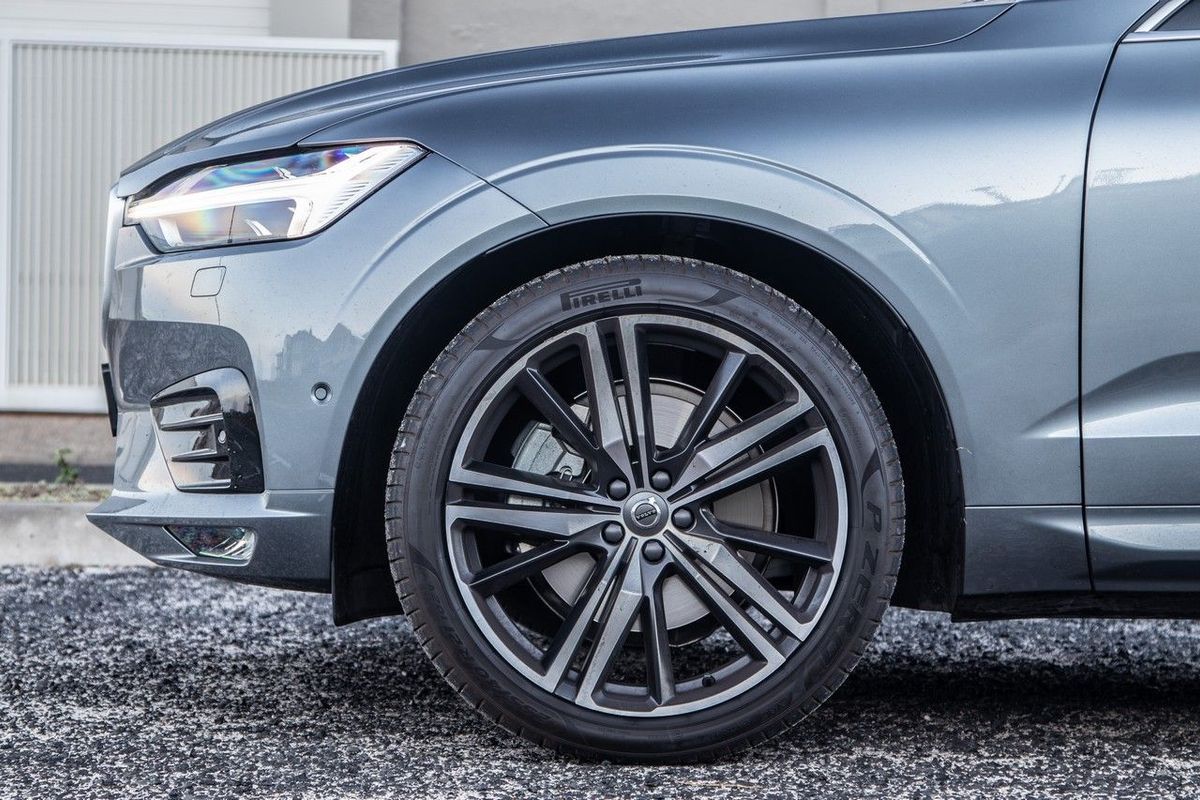
5. Bigger rims – Upwards of  R4K

This is bound to cause a lot of consternation but hear me out. Unless you’re using your car on track days or the standard tyre and rim combination uses a hubcap and looks poor, I’d steer clear. Bigger rims more often than not take the ride from comfortable to terrible, as they crash over bumps and imperfections in our wonderful South African roads. Let alone their inability to handle potholes, which means you’ll be forking out money for low profile tyres and replacing buckled rims in no time. Yes they look better, and definitely allow better handling, but at the end of the day, public roads aren’t a racetrack, so go for whatever came standard, and drive comfortably.

Chevrolet Camaro Convertible Unveiled

General Motors has unveiled its updated fifth-generation Chevrolet Camaro Convertible which originally debut as a concept in 2006. The redesigned sports car is set to make its European debut at the upcoming Frankfurt Motor Show.

Chevrolet Camaro Convertible – Engine Capability

Boasting new and enhanced high-performance aerodynamics, the Camaro is equipped with a 6.2-litre V8 engine that delivers 318kW of power and 569Nm of torque. Connected to either a six-speed manual or automatic transmission will enable the convertible to accelerate from 0-100 km/h in 5.4 seconds, which is 0.2 more that it takes the coupe.

Enhanced Exterior and Interior Features

Changes to the 2014 Camaro Convertible, like the Coupe, are distinguished by modified bumpers, a revised grille and new headlights and taillights. At the rear it features a sculptural deck lid, horizontal lamps and diffuser, and a spoiler with integral antenna.

The interior offers modern convenience and connectivity with its standard remote keyless entry (on the automatic variant), leather appointed power-adjustable Recaro sport bucket seats, and the new Chevrolet MyLink infotainment system with a seven-inch touchscreen display and Bluetooth/USB/AUX connectivity.

The 2014 Chevrolet Camaro Convertible will be joined at the Frankfurt Motor Show by the coupe version which was introduced to the world at the New York Auto Show earlier this year.

Audi A8 Facelift Revealed

After a series of sneak previews the facelifted 2014 Audi A8 and S8 range has been officially unveiled ahead of its debut at the Frankfurt Motor Show. The range features a host of updated technologies and engine options.

Dynamic Handcrafted Designs

Exterior Design Features

The latest design of the A8 flagship has been revolutionised to combine weight-optimised, predominantly aluminium body with a raft of technological advances, including the slightly revised front bumper, front grille and a more sculpted hood.

The Audi A8 is offered with standard LED headlights for V8-powered models with optional Matrix LED headlights which use 25 individual LEDs that can be individually lit or dimmed depending on driver needs. There are also sequentially illuminated LED turn signals with illuminated LED turn signals with 18 LEDs in the headlights and 24 LEDs in the taillights.

The rear design features flatter LED taillights, along with a reworked bumper that incorporates two rhomboid tailpipes (except for the S8), new chrome strips and high-gloss black window surrounds and five new paint schemes, while the wheels will be available in sizes of up to 21-inches.

Audi A8

Interior Design Features

Inside the lavishly trimmed interior customers can choose from a new range of upholstery and inlays in exciting colour schemes. These include fine-grain brown-silver poplar and brown-gold ash veneers, as well as the natural looking, soft and breathable leather Unikat. There are ventilated front seats with massage function, along with individual electrically-adjustable rear seats optionally available for the A8 and A8 L, which can also be configured with a continuous, leather-wrapped centre console. Other optional features include four-zone automatic AC and relaxation seat with power footrest.

For entertainment Audi has included a Bang & Olufsen sound system and a rear seat entertainment system featuring a DVD player, two screens and Bluetooth headphones.

Improvements have also been made to the optional assistance systems like active lane assist, park assist system with 360 degrees display head-up display and night vision assistant.

Audi A8 Interior

Engine Capability

The seven petrol and TDI engines have been revised to improve performance and efficiency, including the 3.0-litre TSFI engine delivering 228kW, a 4.0-litre V8 TSFI twin-turbo engine delivering 320kW, along with a 3.0-litre TDI producing 190kW, and a 4.2-litre TDI engine outputting 283kW.

The range-topping A8 L W12 Quattro comes with a 6.3-litre W12 petrol engine which runs on six cylinders and delivers 368kW at an average 11.7-litres/100km, while the S8 sports sedan boasts a 4.0-litre TSFI V8 engine delivering 380kW and sprints from 0-100km/h in 4.2 seconds, on an average of 10.1-litres/100km.

The 2014 Audi A8 Hybrid makes use of a lithium-ion battery, 2.0-litre TSFI and an electric motor to provide a combined output of 180kW and 480Nm of torque, at an average of 6.3-litres/100km, and can run solely on electric power for about 3km at which it can hit a top speed of 100 km/h.

The revised Audi A8 and S8 models (except the Hybrid) can be expected in South Africa earlier next year.


The Ferrari 458 Speciale To Debut At Frankfurt

Ferrari has revealed a feisty new version of the 458 Italia known as the Ferrari 458 Speciale. This new release is  scheduled to publicly debut at the Frankfurt Motor Show.

Ferrari 458 Speciale – Engine

Ferrari says that it has built its most powerful naturally aspirated V8 ever, managing to provide the Speciale with 99kW per litre. This is the highest ever achieved by a road-going naturally aspirated engine. The 4.5-litre V8 engine delivers 445kW of power at 9000 rpm and 540Nm of torque at 6000 rpm. With a dry weight of 1290 kg, the Ferrari 458 Speciale can sprint from 0 to 100km/h in just three seconds and from 0 to 200km/h in 9.1 seconds.

Speciale styling for drag reduction

In cooperation with Pininfarina, the new car’s styling is a result of various aerodynamic nip and tucks as it gets front and rear movable aerodynamics that automatically adapt to balance down-force and cut drag.

Side Slip angle Control

One other notable feature of the Ferrari 458 Speciale is the Side Slip angle Control system (SSC) which makes it easier to achieve car control on the limit and improving driving dynamics. Further, the SCC performs instant-to-instant analysis of the car’s side slip, comparing it with the target value and then optimising both torque management and torque distribution between the two wheels.

Performance

The Ferrari 458 Speciale has also been equipped with specially developed Michelin Pilot Sport Cup2 tyres which boost performance and provide maximum available grip in wet conditions. In fact, the 458 Speciale has also managed to lap the Fiorano test track in 1 minute 23.5 seconds, making it quicker than the 458 Italia.

Ferrari 458 Speciale Gallery

Volkswagen Golf R Revealed

Details of the 2014 Volkswagen Golf R have officially been revealed. VW’s new car is set to take the stage at the Frankfurt Motor Show next month, alongside the new Toyota Yaris Hybrid R  and Audi Quattro Concept.

Volkswagen Golf R Specs and Features

The range topping Golf is powered by a 4-cylinder 2.0-litre turbocharged engine which delivers 221kW of power, making it 22kW more powerful than its predecessor. The torque has gone up from 350Nm to 380Nm. Improvements to the engine based on the EA888 TSI unit found in the latest GTI include new cylinder heads, exhaust valves, valve seats and springs, turbocharger, high-pressure injection valves and pistons.

Power is delivered between 5500 rpm and 6200 rpm and torque between 1800 rpm and 5500 rpm, and is transferred to the latest 4Motion system with fifth-generation Haldex coupling through a six-speed manual gearbox. This enables the Golf R to sprint from 0-100 km/h in 5.1 seconds or in 4.9 seconds when mated to the optional six-speed DSG. Top speed is at an electronically limited 250km/h.

Fuel consumption is rated at 7.1-litres/100 km and has CO2 emission of 165 g/km with the manual, while the DSG-equipped version has a fuel consumption of 6.9 litres/100 km emissions at 159 g/km.

Exterior Design

Further enhancements that distinguish the VW Golf R from its predecessor and the Golf GTI include a new front bumper design with large air inlets, side skits, rear diffuser, smoked LED taillights, a chromed quad exhaust, modified radiator grille with ‘R’ logo and newly developed daytime running lights that are integrated into the standard bi-xenon headlights.

Interior Design

Inside the sports seats are covered in a combination of cloth and Alcantara carbon like leather, bespoke instrument dials with typical touches such as blue needles. The car further benefits from a MacPherson front suspension and an improved multi-link rear arrangement to provide better handling and stability.

We will keep you updated with the latest details on the Volkswagen Golf R as they are released.

Volkswagen Golf R Gallery

Volvo V40 Cross-Country review

Volvo has significantly raised the stakes with its new V40, tackling the German trio head-on with a hatch that stands out. And to broaden the appeal of the V40, a Cross Country or ‘activity’ model has been launched ahead of the SUV XC40’s launch in 2016.

What’s it about?

Well, its for the driver who is a bit more adventurous and active, and needs a car that shows off that active streak. It offers slightly more practicality with some plastic and aluminum bits around the vehicle, protecting it should you venture off the tar road. It is the only vehicle of its kind in its class.

The look

The ride height is raised by about 40mm from the standard vehicle, with dark contrasting bumpers, and aluminum skid plates and side-sills. There’s a different mesh grille and upright LED lights. It’s fairly standard stuff for these types of vehicles, but can look a bit ‘aftermarket-ish’, especially against bright colours.

Engine and gearbox

Equipped with the D3 turbo diesel, the Cross Country did not lack power or torque. The 2 litre turbocharged 4-cylinder unit competes well, pushing out a familiar 110kW, with an impressive 350NM of torque, and it doesn’t sound rough on idle at all. The 6-speed gearbox does an excellent job of keeping the revs at the right range and I found it best leaving the gearbox to do its own thing. It’s a powerful engine and hauls the V40 along nicely, doing the weight of the vehicle justice, while returning reasonable fuel consumption. I averaged just over 7.6l/100km driving heavy highway and city routes.

Driving

The daily drive is comfortable, due to the fatter rubber on the 17-inch rims, however the control-blade independent rear suspension setup did feel unsettled over sudden bumps and “jumped” a bit at low speeds. It was comfortable and quiet but was a bit more bouncy and wafty than the standard V40, which tends to happen with increased ride height. Interestingly, there isn’t an increase in wheel travel even though there’s increased ride height. A typical Volvo characteristic still alive in the V40 is the yo-yo feeling in the steering in corners, with detached feel (which is not something I was particularly enamored to!) Only the T5 is all-wheel drive, but you sacrifice fuel economy for that added grip which is probably not necessary.

The front-wheel drive unit squirms and tugs at the wheel when cornering or losing traction in sand. And these Cross Country-type vehicles rarely sport all-wheel drive as the front-wheel drive setup is good enough for what’s needed. I suspect only in colder climates where it snows does all-wheel drive make more sense. An impressive DSTC (Dynamic Stability Traction Control) system did a superb job of keeping the CC in line on gravel roads no matter how much torque the diesel engine threw down to the front wheels. Brakes did their job well and Volvo’s City Safety (monitors to stop the vehicle at speeds below 50km/h before a collision occurs) saved me in heavy stop-start traffic, by automatically braking the vehicle before it ran into the back of another car. A brilliant system that worked flawlessly, even though I wasn’t intentionally out to test it!

Interior

The V40’s interior is typically ‘Volvo’. A simple layout with the familiar hangdown-gap dash as seen in the C30. The white stripe trim in my unit looked a bit tacky, but the ultra modern instrument binnacle with 3 different “looks” all but made up for that. These allow comfort, eco and sport “looks” in the dials that allude ever so slightly to the dials of competitor (cough MercedesBenz) vehicles, but they bring up different information and are fully digital. It looks ultra modern and gives the V40 something different in this category.

A host of standard features including Bluetooth, climate control and the usual Volvo safety systems are all standard. The view out the rear through the rather odd-shaped window is odd, let alone the difficult blind-spot view, which makes you crane your neck. Front seats are leather bound and comfortable, with a surprising amount of space for passengers in the rear. The boot isn’t big, but the seats fold flat and the CC also offers the option of a load net between driver and back seats keeping the Labrador from jumping through to the front seats.

Overall

With SUV’s becoming so close in ride and drive to city vehicles, these stick-on-activity vehicles are phasing out. I’d stick to the standard V40, as I don’t particularly care for the looks of the Cross Country, and feel a proper city SUV might actually be more practical in the long run. The standard V40 is a worthy competitor to the A3, 1 series and A-Class and the Cross Country only further widens that appeal to buyers who are more adventurous and don’t necessarily want an SUV. For those buyers, Volvo offers the Cross Country model in all engines and trim options!

Volvo V40 D3 Elite Cross-Country – R371 500

5yr/100 000km maintenance plan standard.

Also look at

BMW X1 sDrive18 AT – 110kW/200NM – R375 000

Audi Q3 2TDI – 105kW/320NM – R370 000

Hyundai Veloster Review

When I was first scheduled to drive the Hyundai Veloster I was quite excited. Mostly because I couldn’t wait to refer to it as a Velosteraptor. It’s a car that plays in a segment I quite like – sporty, practical coupes – a segment dynamically and aesthetically difficult to compete in. The Veloster arrives at a very interesting price point though, and I was keen to see what it had to offer.

The Veloster arrives to take on the establishment of two door hatchbacks, although I can’t help but feel its only real rival is the Volkswagen Scirocco. While two-door coupes such as the Renault Megane are certainly similar by all accounts, the Scirocco and the Veloster are the only two that immediately come to mind that are completely uniquely shaped from the hatchbacks they are based on.

The Veloster’s Design

In the metal the Veloster is lower and wider than pictures reveal. Mine came in metallic white which I think is the best colour for the model. It’s quite an odd looking thing, but because it’s so different, it’s strangely alluring. Like a pug. The rear reminds me of the Honda CR-Z I reviewed a while ago, with that double-decker glass arrangement. Rear visibility is reduced, but it’s easy to see your blind spots and reversing is aided by a standard-fitted rear-facing camera.

Those Three Doors – Uniquely Veloster

The most curious aspect of this new Hyundai is its 3-door configuration. The driver’s side has one long door, and the passenger side has two, shorter doors. The rear door on the passenger side has a handle integrated into the black plastic glass housing, a trick Alfa Romeo used to use to make its 4-door cars look more like 2-door cars. It kind of works, and I asked a few people to have a good look at the car, and no one could tell me what was odd about it. Maybe I need more observant friends.

It is quirky, but it’s a neat solution to a problem South Africans have with two door cars; we seem to like the styling, but we don’t like the reduced practicality of restricted rear seat access. The odd door arrangement on the Veloster works.

Interior design and comfort

Hyundai dashboards are always a little bland. I understand this approach – in a way it’s impossible not to like the design and layout – it’s functional and accessible. But at the same time, it doesn’t ask you form an opinion about it, and maybe that’s worse.

Everything except SatNav is standard. Bluetooth, a large LCD screen, Radio/CD/Mp3 with aux and USB connectivity, rear facing camera as I’ve mentioned with rear park distance control, auto light control, steering wheel mounted controls, electric folding mirrors and one touch power windows make you feel like nothing is missing from your fingertips. It’s a lot of spec you might pay extra for on some of the car’s rivals, and makes the price feel like very good value indeed.

Rear space is to be commended – there’s generous rear space even though the outside of the car makes the rear seem like it would be cramped. That’s down to clever design – the rear seats have a very low hip position, and afford more comfort than some of the newer four door hatches I’ve test recently, notably the Mercedes A Class.

Engine, Ride and Handling

The only engine option available is the new generation 1.6 GDI naturally aspirated petrol, which you can spec with a 6-speed manual or Hyundai’s newly developed double clutch transmission. My unit arrived with the double clutch ‘box, which I found to be seamless in automatic mode, and relatively quick in manual.

The engine is rev happy, if a little powerless low down in the rev range. It feels like it was designed very much for economical cruising, and is a little reluctant to really put on the power. Perhaps with a proper stick shift the Veloster would be a bit more exciting, but the whole package feels reigned in – for a car with such dramatic looks, I think it could have been more excitingly tuned.

The ride is comfortable though – very smooth even on less than perfect roads, but with enough firmness to encourage you to press on. There’s loads of grip, and body roll is managed well especially at the rear, but feedback through the steering wheel is a little lacking and I wasn’t entirely sure what the front end was up to. It’s not an unrewarding drive but the VW still has some secret in their handling sauce that makes the Scirocco feel alive compared.

Safety features

With a slew of active and passive safety features, the Veloster has received top marks in the industry, carrying a 5-star EuroNCAP rating. Six airbags are fitted as standard. Active safety features include Vehicle Stability Management; Active Yaw Control; Electronic Stability Programme (ESP); an Anti-lock Brake System (ABS); and Electronic Brake Distribution.

Summary

The Veloster is a welcome addition to the local Hyundai offering. Its unique look certainly attracts attention and the three-door setup solves the impracticality of owning a two-door car. But I feel the dynamic package has been toned down a bit too much, I think Hyundai missed an opportunity to offer the buyer something a little more edgy and aggressive. If you like the brand and you’re not too fussed about looks, the i30 makes much more sense. If you want a driver’s car, you might have to look elsewhere.

Hyundai Veloster Price in South Africa

Veloster 1.6 GDI Executive (manual) R259 900
Veloster 1.6 GDI Executive (auto) R276 900

Hyundai Veloster Specs

Engine: 1.6 litre petrol direct injection inline-4
Power: 103kW at 6300rpm
Torque: 167Nm between 4850rpm
Fuel consumption: 8.4 litres/100km (combined cycle, claimed)
Fuel capacity: 50 litres
CO2 Emissions: 163 g/km
Acceleration: 0 – 100km/h in 9.7 seconds
Top Speed: 201km/h

Rivals

VW Scirocco 1.4TFSi – R324 800

A significant premium over the Hyundai, and likely with less standard kit, but offers much more to the driver.

Renault Megane 1.4T GT-line Coupe – R259 900

Much closer to the Hyundai in terms of performance and spec level. A better chassis to exploit and better fuel consumption if you don’t. Quite a looker too.

Hyundai Veloster Gallery

Last Classic Kombi Made After 56 Years

After 56 years of continuous production, the iconic Volkswagen Kombi nostalgically known to some as the Bully, Microbus or Hippie-van has reached end of production in Brazil – the only country where the vehicle was still being produced. Production of the vehicle is coming to an end because of the new 2014 safety legislation that states that all cars sold in Brazil must come with an ABS system and have driver and passenger airbags. Like the original Beetle, Volkswagen is sending the Kombi off with a limited last edition designed to celebrate the vehicle’s legendary history.

Last Edition Volkswagen T2 Kombi – Features

Limited to 600 units, the VW Kombi last edition exclusive two-tone blue and white body paint, whitewall tyres with matching white wheel caps, luxury internal finishing and design elements which give a nod to the many versions made in Brazil since 1957. In contrast to the old school air-cooled Kombi, the last edition version will be equipped with a water-cooled EA111 1.4-litre engine delivering 57kW on petrol or 58kW on ethanol, and connected exclusively to a four-speed manual transmission. The interior is splashed with blue and white vinyl upholstery and trim, with matching blue curtains on the side and rear windows. The floors are fitted with carpet and dilour Basalto inserts, which is the same material that covers the spare tyre, while the instrument cluster boasts a special serigraph treatment and keeps the traditional Kombi design of speedometer at the centre and fuel gauge on the right. An mp3-enabled sound system has been fitted, with USB ports. How very 1950s.

Updated Volvo 60s Range Now Available – Full Pricing

Volvo 60s range has been updated with quirky features and dashes of colour in the interior as well as with new safety technology, and all are now available in South Africa.

The new Volvo S60, V60 and XC60 offer an extended wheel choice with a variety of designs that increase the personalisation possibilities for customers, including a range of exterior colours, new pedestrian and cyclist detection technology, simplified Scandinavian design for both the exterior and interior.

For full details on the revised Volvo 60s range, read our full report here. Full gallery below pricing.

Revised Volvo 60s range price list

Volvo S60

Volvo S60 T3 Manual Essential – R329 600
Volvo S60 T3 Manual Excel – R334 500
Volvo S60 T3 Manual Elite – R350 500
Volvo S60 T3 Powershift Excel – R355 400
Volvo S60 T4 Manual Excel – R358 100
Volvo S60 T3 Powershift Elite – R369 300
Volvo S60 T4 Manual Elite – R374 100
Volvo S60 T4 Powershift Excel – R375 500
Volvo S60 D4 Manual Excel – R381 500
Volvo S60 T4 Powershift Elite – R391 500
Volvo S60 D4 Geartronic Excel – R397 500
Volvo S60 D4 Manual Elite – R397 500
Volvo S60 D4 Geartronic Elite – R413 600
Volvo S60 T5 Powershift Excel – R430 100
Volvo S60 T5 Powershift Elite – R446 100
Volvo S60 T5 Powershift R-Design – R454 100
Volvo S60 D5 Geartronic Elite – R457 500
Volvo S60 D5 Geartronic R-Design – R465 500
Volvo S60 T6 Geartronic AWD Elite – R518 800
Volvo S60 T6 Geartronic AWD R-Design – R526 700

Volvo V60

Volvo V60 T3 Manual Essential – R340 500
Volvo V60 T3 Manual Excel – R345 400
Volvo V60 T3 Manual Elite – R361 400
Volvo V60 T3 Powershift Excel – R367 100
Volvo V60 T4 Manual Excel – R369 000
Volvo V60 T3 Powershift Elite – R380 700
Volvo V60 T4 Manual Elite – R385 000
Volvo V60 T4 Powershift Excel – R386 800
Volvo V60 D4 Manual Excel – R392 100
Volvo V60 T4 Powershift Elite – R402 900
Volvo V60 D4 Geartronic Excel – R406 200
Volvo V60 D4 Manual Elite – R408 100
Volvo V60 D4 Geartronic Elite – R422 200
Volvo V60 T5 Powershift Excel – R441 000
Volvo V60 T5 Powershift Elite – R457 000
Volvo V60 D5 Geartronic Elite – R468 900
Volvo V60 D5 Geartronic R-Design – R476 900
Volvo V60 T6 Geartronic AWD Elite – R529 900
Volvo V60 T6 Geartronic AWD R-Design – R537 900

Volvo XC60

Volvo XC60 D4 Manual Essential – R464 800
Volvo XC60 D4 Manual Excel – R472 100
Volvo XC60 T5 Powershift Essential – R479 600
Volvo XC60 D4 Geartronic Essential – R480 000
Volvo XC60 D4 Manual Elite – R481 000
Volvo XC60 T5 Powershift Excel – R486 800
Volvo XC60 D4 Geartronic Excel – R487 300
Volvo XC60 T5 Powershift Elite – R495 700
Volvo XC60 D4 Geartronic Elite – R496 200
Volvo XC60 D5 Geartronic AWD Excel – R546 300
Volvo XC60 D5 Geartronic AWD Elite – R555 200
Volvo XC60 D5 Geartronic AWD R-Design – R577 200
Volvo XC60 T6 Geartronic AWD Excel – R591 700
Volvo XC60 T6 Geartronic AWD Elite – R600 600
Volvo XC60 T6 Geartronic AWD R-Design – R622 600

All Volvos come standard with a five-year/100 000km plan.

New MG3 Coming To South Africa

The upcoming Johannesburg International Motor Show will see quite a number of new vehicle introductions including four models from the Chinese-owned British brand MG – the flagship MG3 3 Style, the mid-range MG3 3 Form, MG3 3 Form Sport and the entry level MG3 3 Time.

MG3 – Engine specs and Features

All models will be powered by a 1.5-litre DOHC VTi-TECH petrol engine mated to a five-speed manual gearbox delivering 78kW of power at 6000 rpm and 137Nm of torque at 4750 rpm. Acceleration from 0 – 100km/h is expected to be around 10 seconds, reaching a top speed of 175 km/h.

South African MG COO Craig Lanham says the new five-door hatch from MG offers buyers something really new as it is “a stylish, highly practical car that is huge fun to drive and fun to own” and appeals to the younger generation.

The new MG supermini comes fitted with a number of unique design features including its front signature front LED daytime running lights, a wrap-around front windscreen, spacious interior and standard latest safety technology features.

Specifications and options for the South African market will be announced at the Johannesburg International Motor Show in October happening from 18-27 October 2013, with pricing expected to be announced closer to launch.