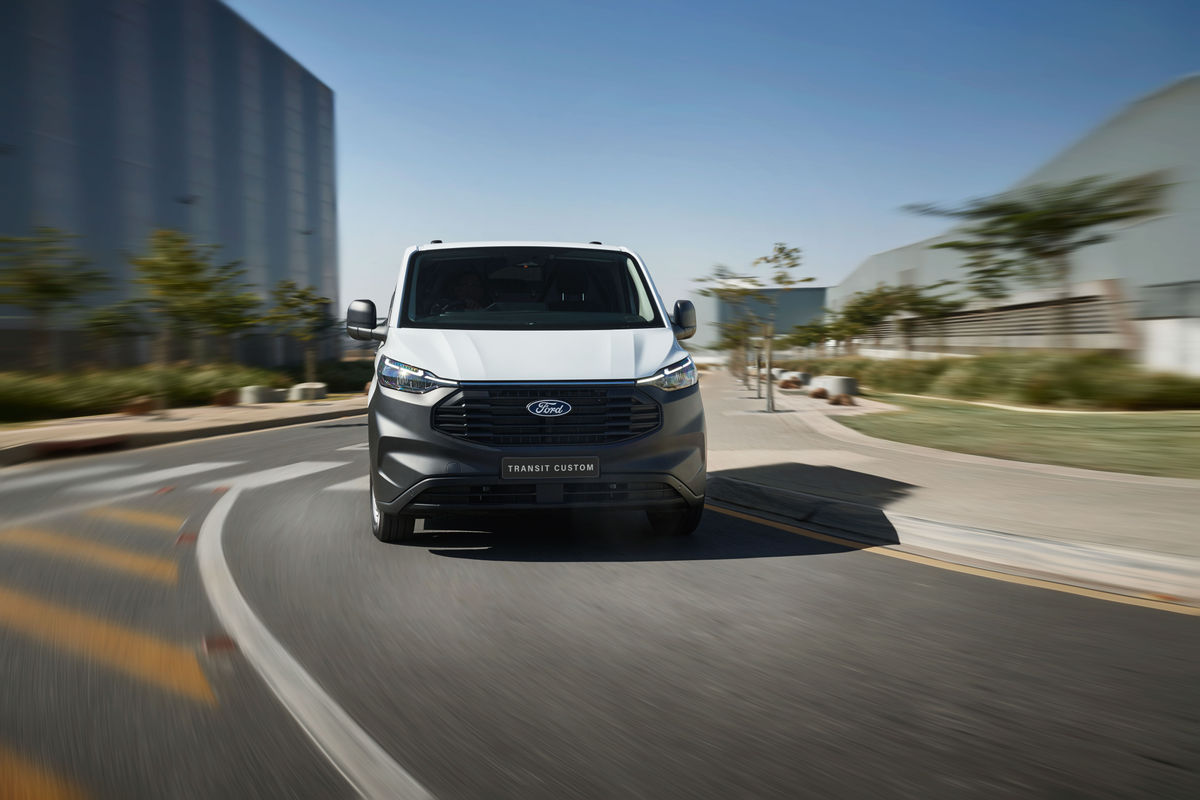
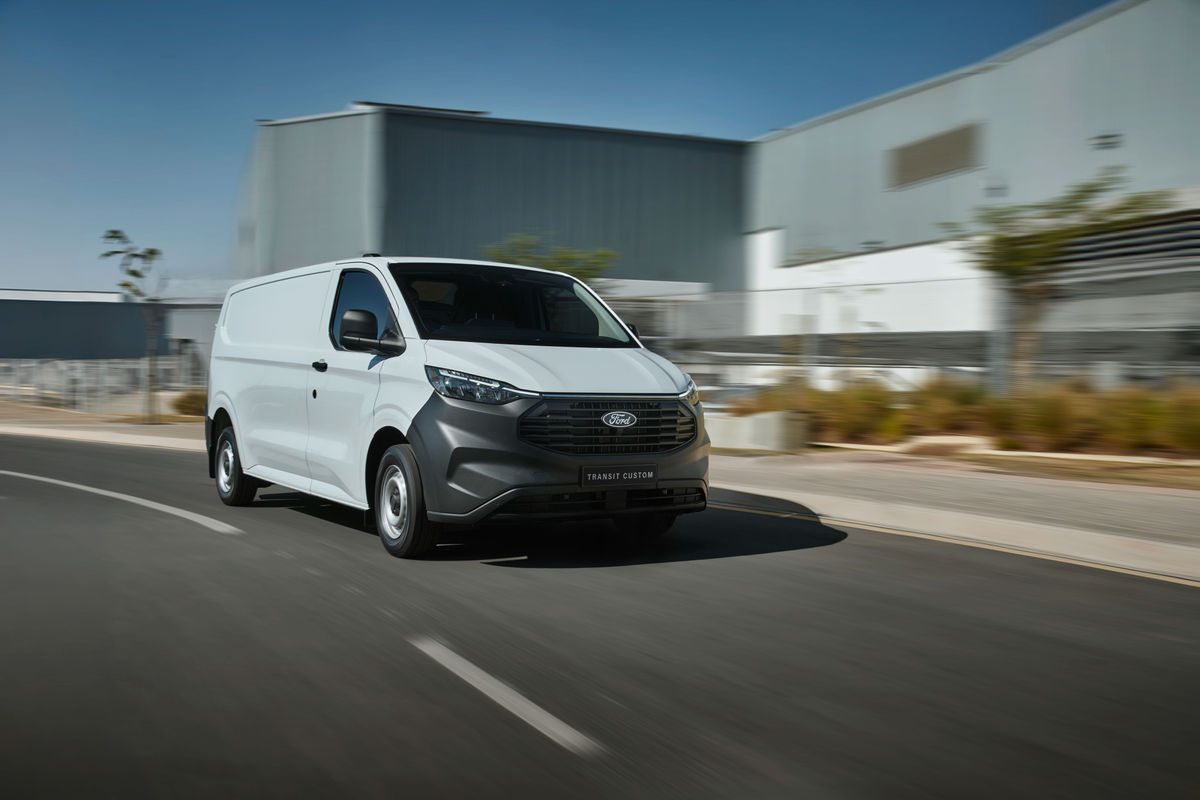
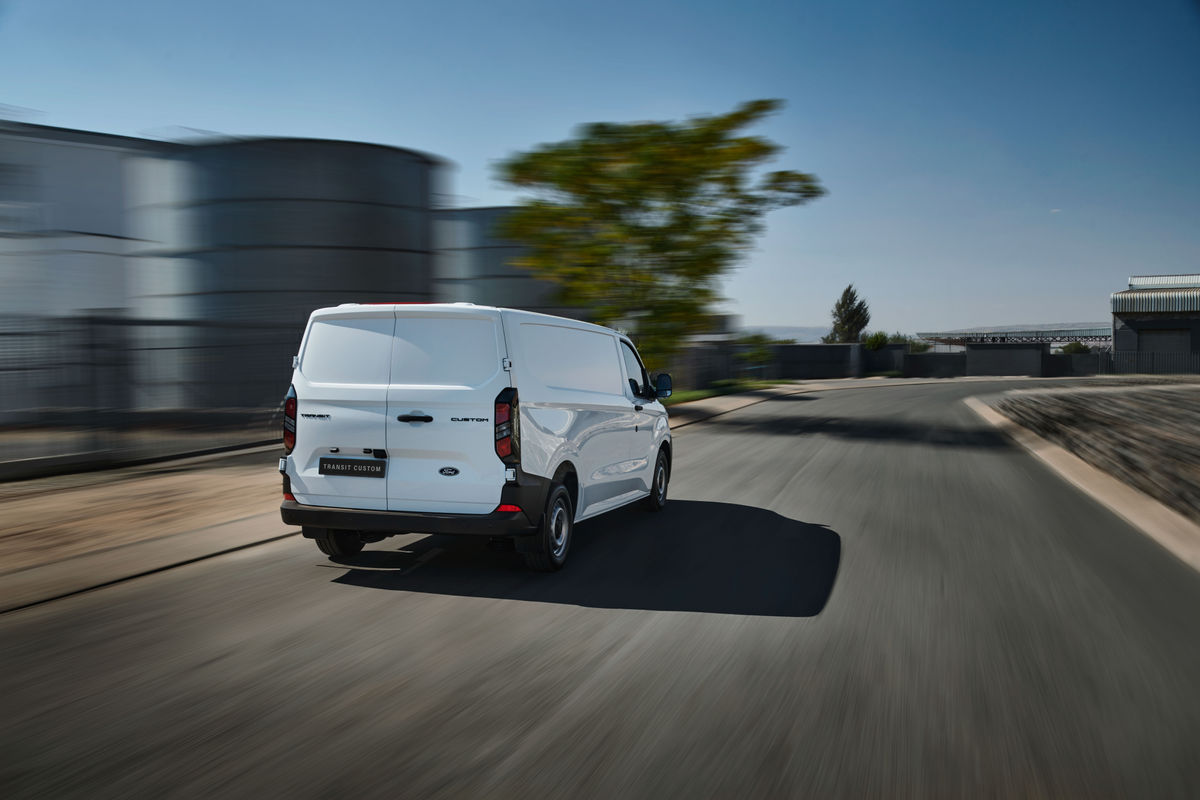
Ford Ranger Platinum (2024) Price & Specs

The flagship Ford Ranger Platinum will be arriving in South African showrooms shortly. Here’s pricing and specification for the range-topping double-cab bakkie.

The Ford Ranger Platinum is being touted by the Blue oval as the most sophisticated and luxurious Ranger ever. As a reminder, the Ranger was the most popular double-cab bakkie sold in South Africa in 2023.

Visually, the Ford Ranger Platinum has a unique grille with mesh and silk chrome finish, and a bold Platinum badge on the bonnet and lower sections of the doors. There are 20-inch alloy wheels wrapped in all-season rubber and there are colour-coded bumpers, mirror caps and door handles for additional appeal.

The vehicle features a fixed sports hoop and side rails as standard, and the tailgate gains additional damping which makes it easier to use. The cargo management system has been fitted, making securing goods simple. If you want the powered roller shutter, that will be an added-cost option.

Platinum Features

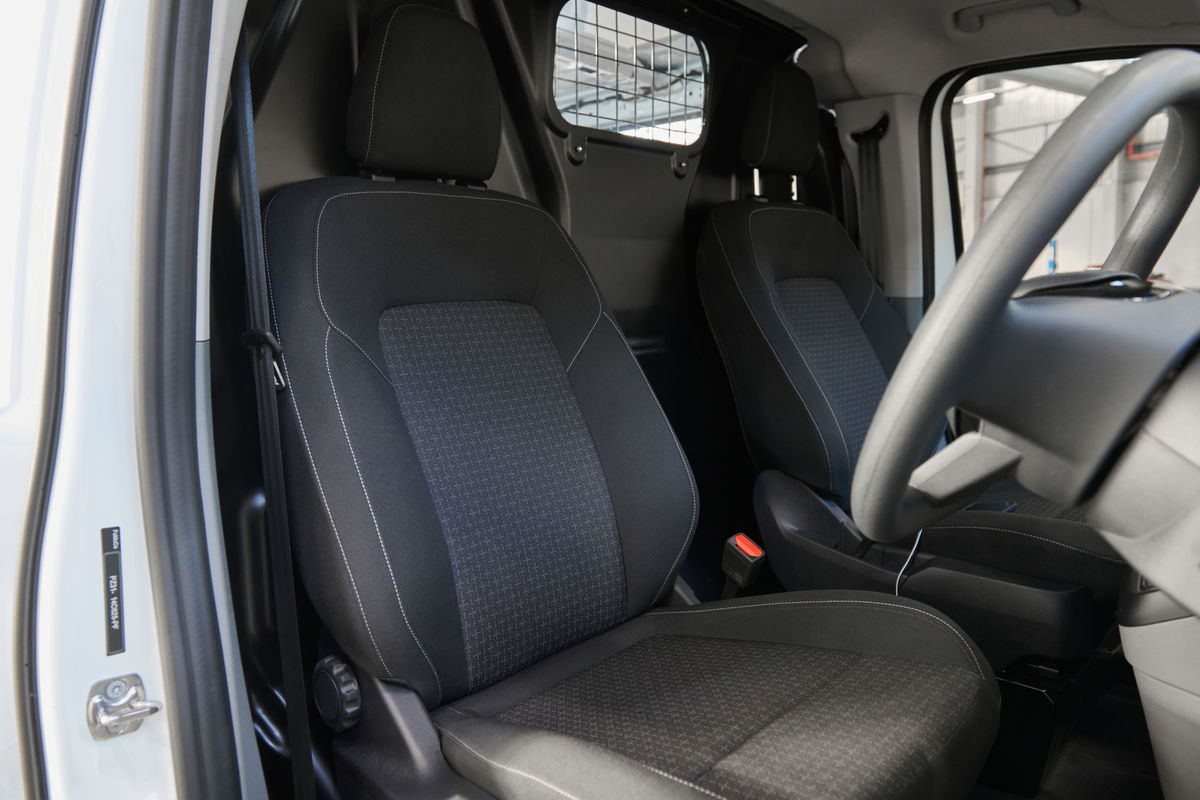
In terms of features, the Ford Ranger Platinum has Matrix LED headlights which offer cornering capability. Inside, the vehicle features unique seats with quilted and perforated leather and Platinum badging on the seats and floors. These seats offer heating and cooling function, and have 10-way power adjustability. There’s also a heated steering wheel for the driver.

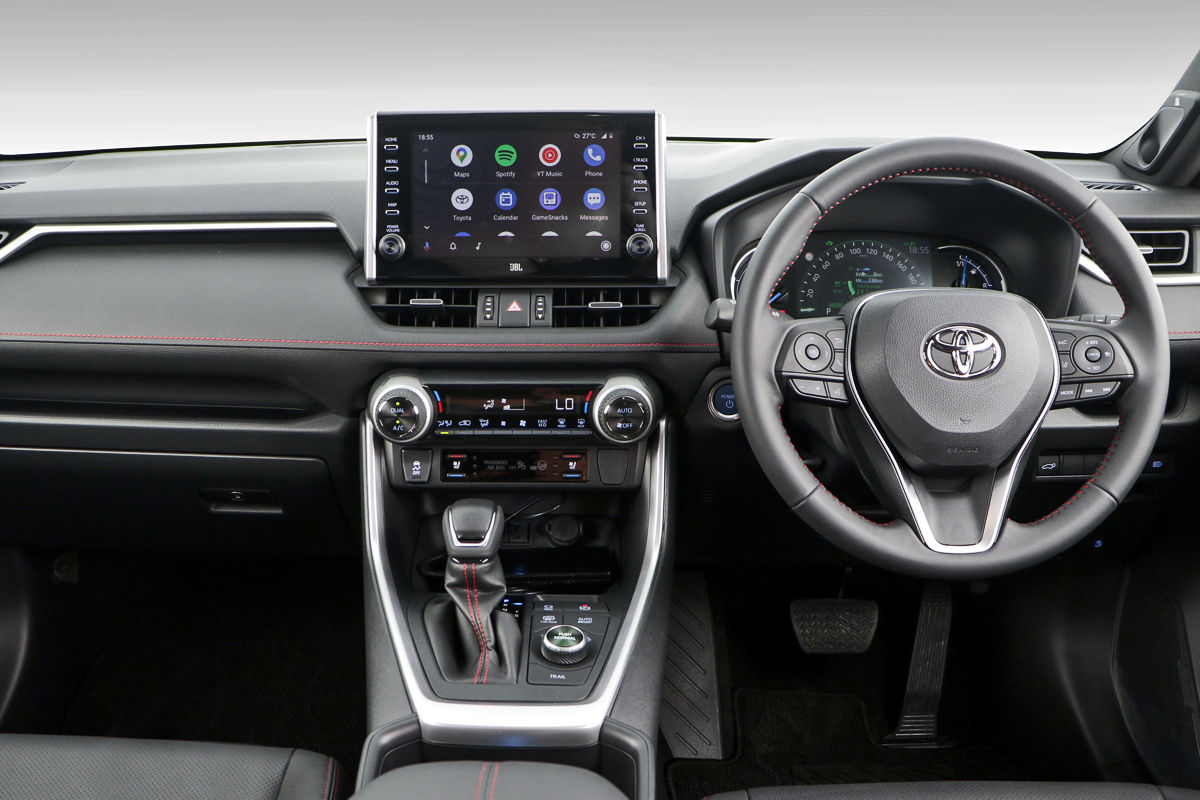
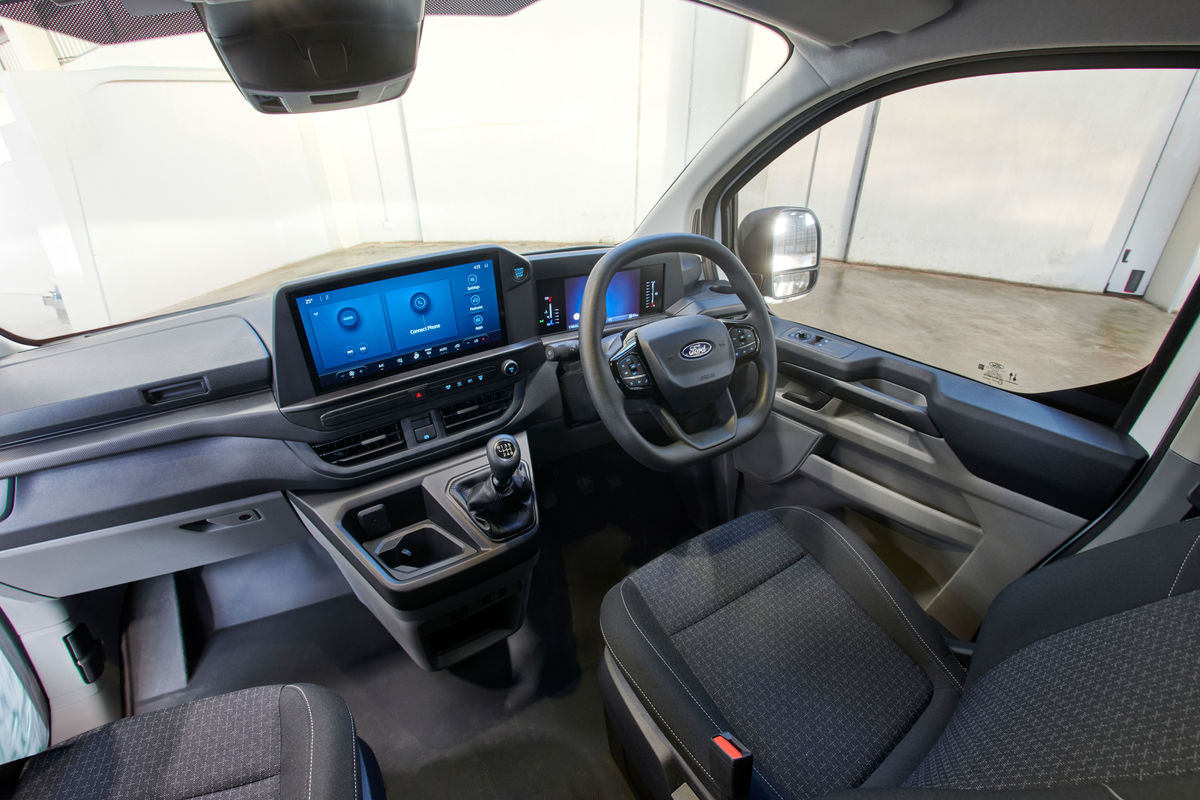
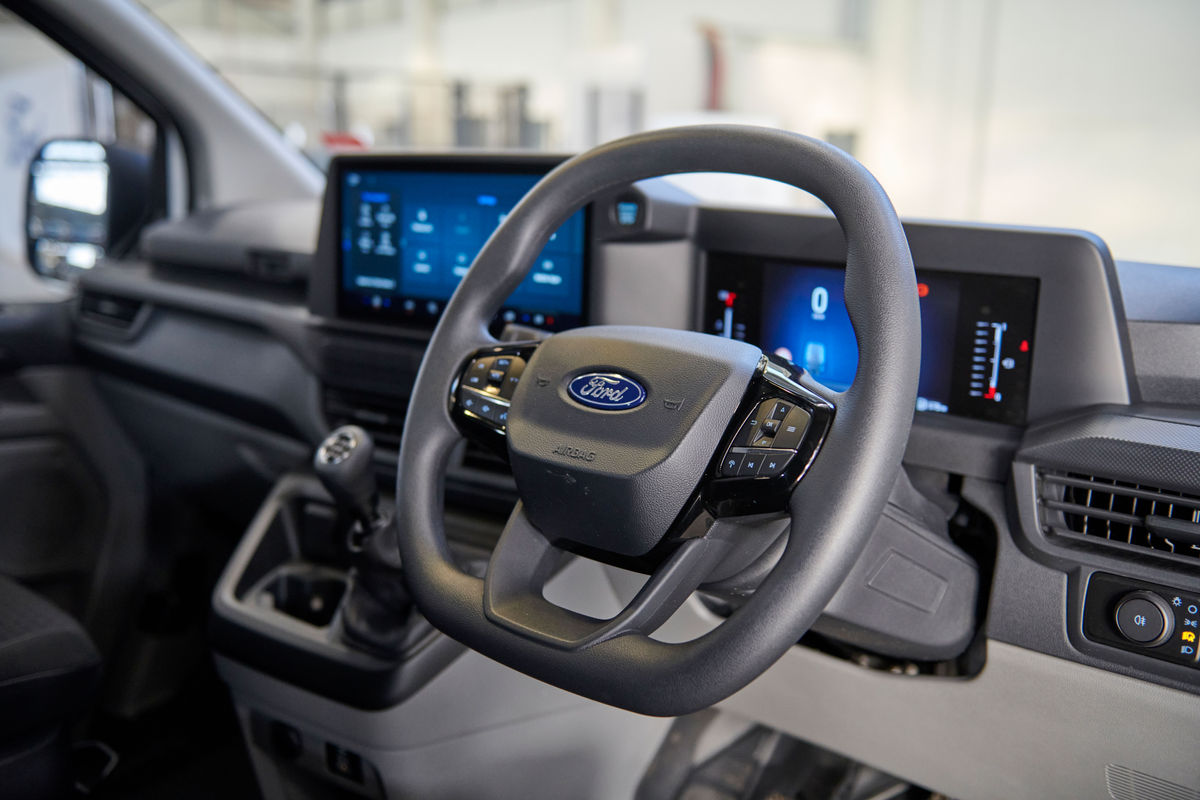
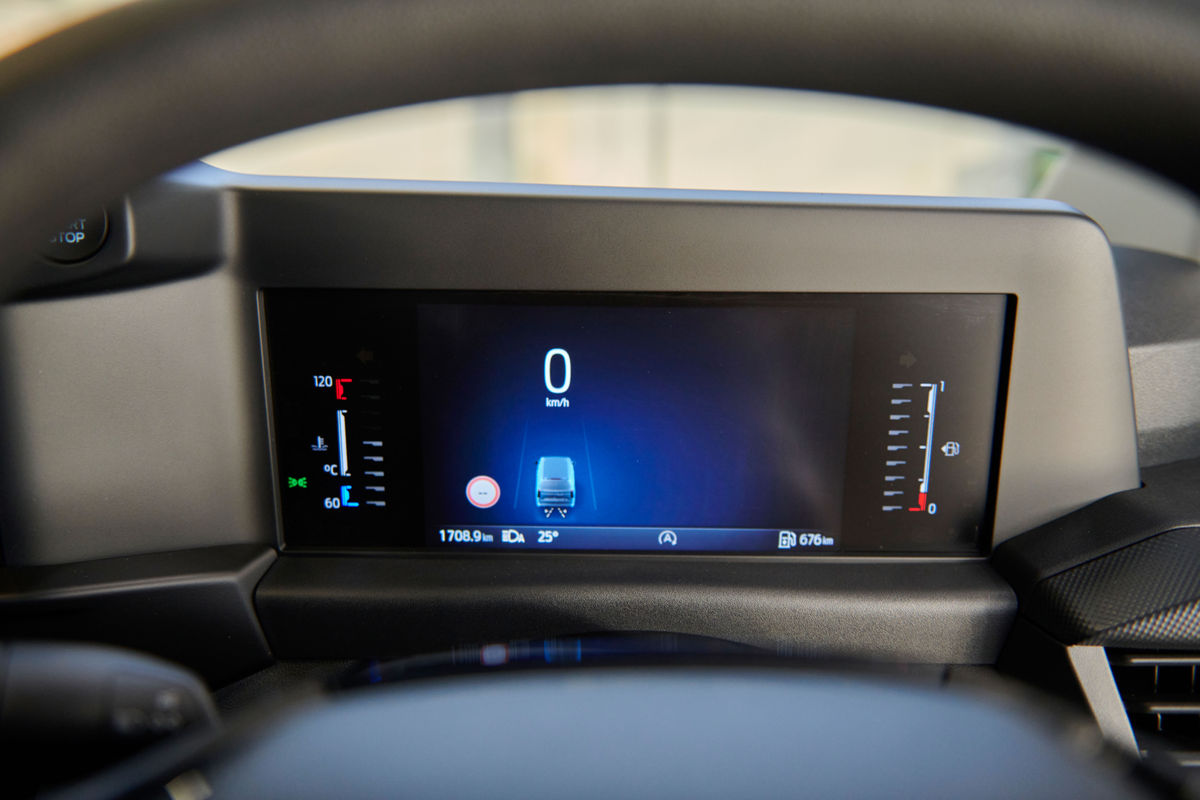
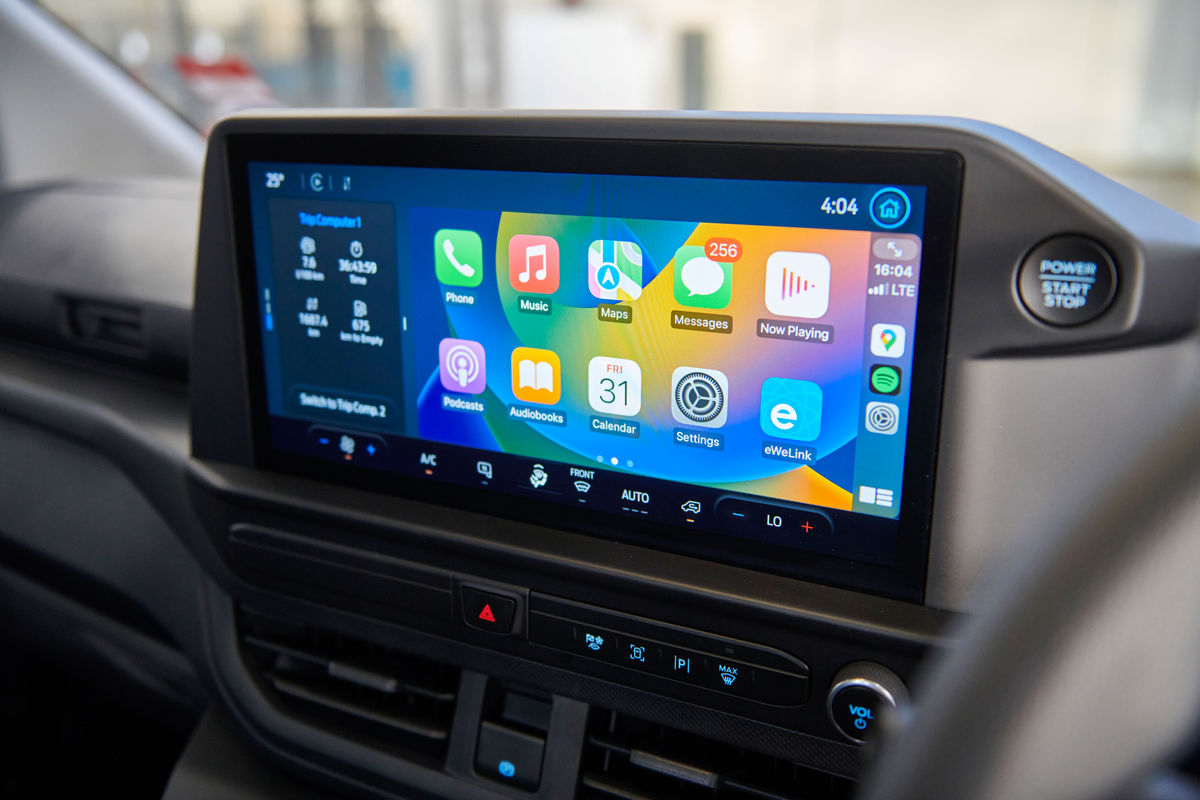
The Ranger Platinum features the 12.4-inch LDC digital dashboard (the same as the one found in the Raptor), 12-inch centre touchscreen display with SYNC 4A infotainment system with wireless Apple CarPlay, Android Auto, wireless charging, 360-degree camera system, and a premium B&O sound system with 10 speakers.

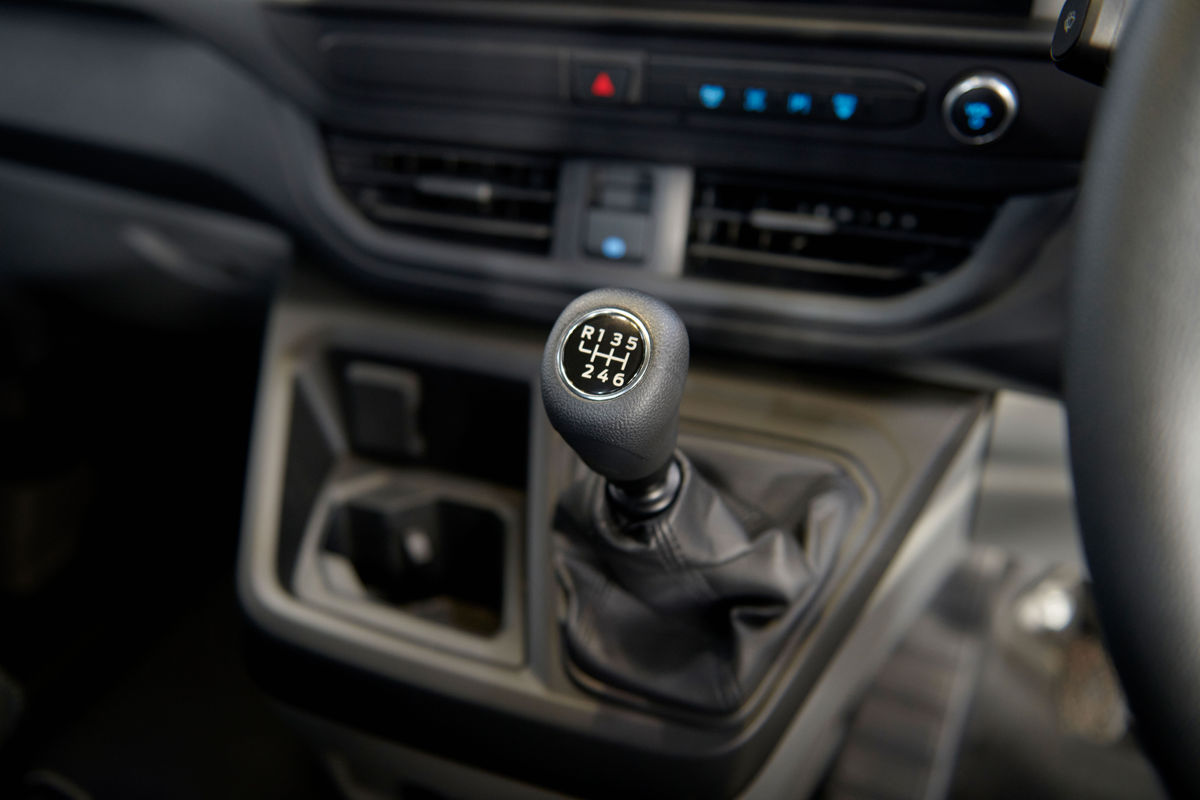
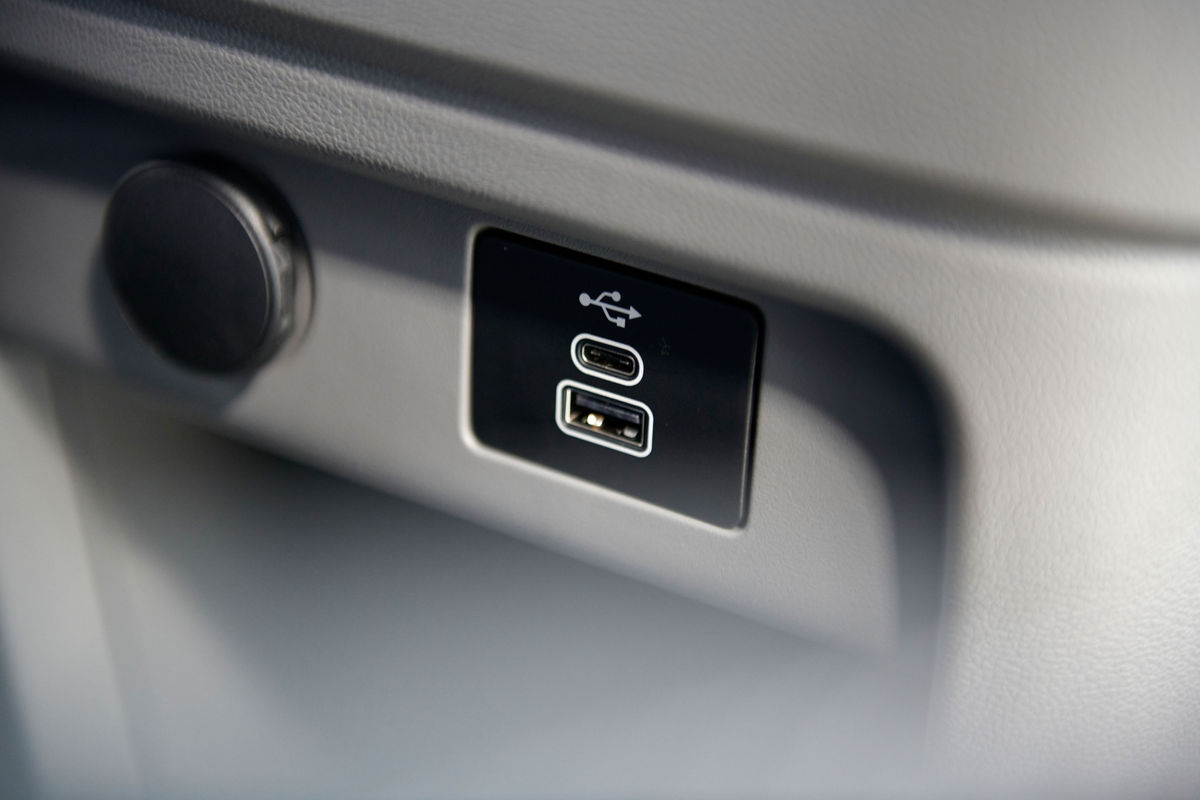
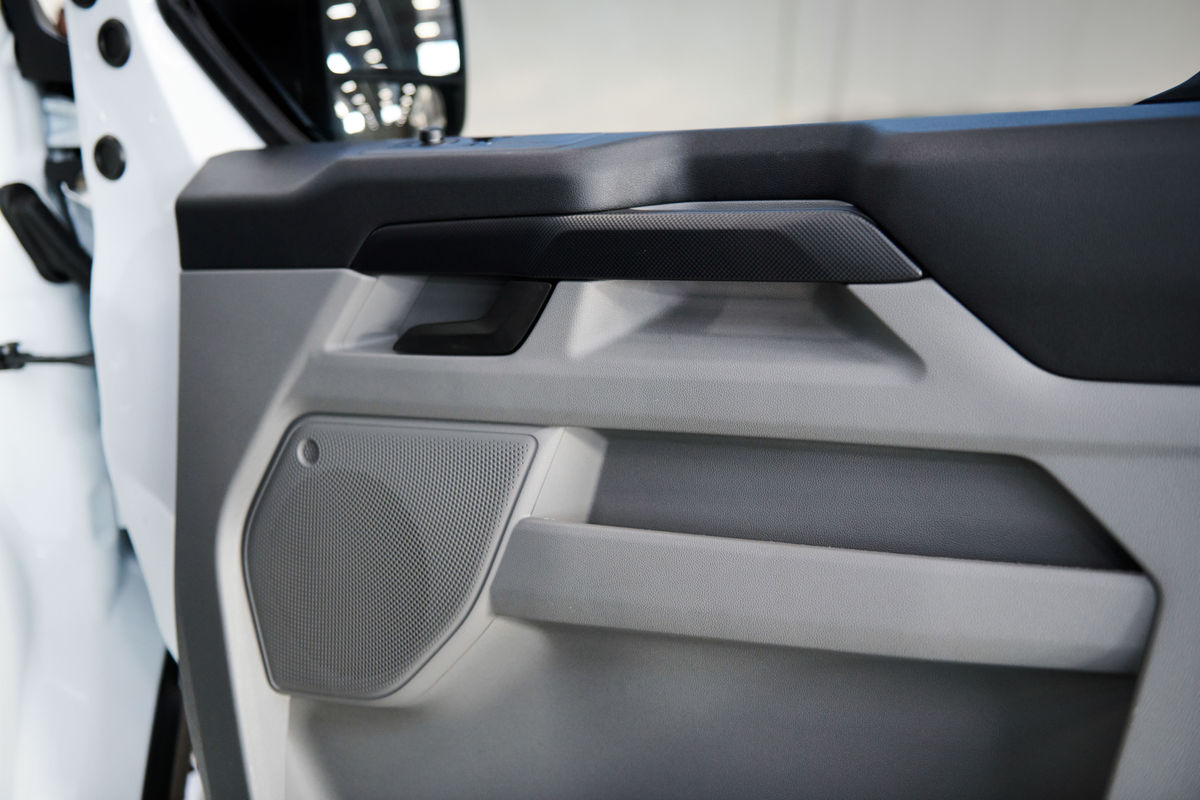
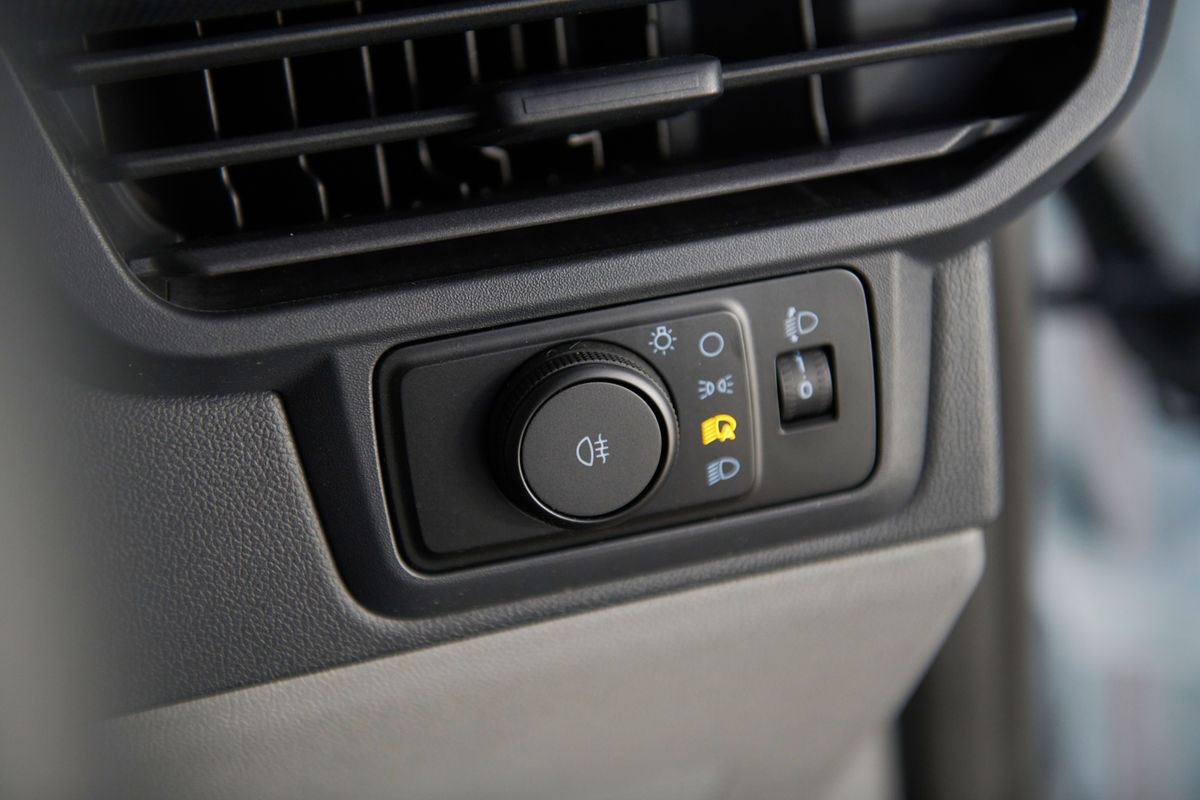
Ford Ranger Platinum interior

When it comes to the safety suite, the Ford Ranger Platinum introduces far side airbags on top of the driver’s knee bag, dual front, side and curtain airbags. The safety tech comprises adaptive cruise control with Stop & Go and Lane Centering, Active Park Assist with autonomous parallel and perpendicular parking, Tyre Pressure Monitoring System, and seven drive modes (Normal, Eco, Tow/Haul, Slippery, Mud/Ruts, Sand and Rock Crawl) to name but a few of the stand-out features.

Powertrain

Powering the Ranger Platinum is the 3.0-litre turbocharged V6 diesel engine which makes 184 kW and 600 Nm. There’s a 10-speed automatic transmission and the vehicle offers a permanent four-wheel drive system. There’s also a low-range transfer case and the ability to switch to a rear-wheel drive configuration.

Ford Ranger Platinum wheel

How much does the Ford Ranger Platinum cost in South Africa?

There’ll be five colour options for the Platinum model; Iconic Silver, Frozen White, Carbonized Grey, Lucid Red and Agate Black, and the vehicle will be arriving in local Ford dealerships at the end of the first quarter of 2024.

Ranger Platinum Double Cab 3.0L V6 4WD 10AT             R1 119 000

The price includes a 4-year/120 000 km warranty, 4-year/unlimited distance roadside assistance and 5-year/unlimited distance corrosion warranty. The recommended service interval is 15 000km or annually, whichever occurs first. Customers can purchase a service or maintenance plans up to 8 years or 135 000km. The warranty can be extended up to 7 years or 200 000km, while the roadside assistance can be extended for an additional one or two years.

Further Reading

Want to purchase a new or used Ford Ranger? Browse units for sale here

Ford Ranger PHEV Unveiled and to be assembled in SA
All-New 2025 Toyota Hilux Early Details Emerge

The 2025 Toyota Hilux is coming next year says a Toyota Australia exec. Here are some early details about its powertrain options.

A fresh report from CarsGuide suggests the next-generation 2025 Toyota Hilux will be launching in Australia in 2025. In an interview with Toyota Australia’s VP of Sales and Marketing Sean Hanley, some details about the new model’s powertrain were shared.

The Australian market is concerned about the ever-stricter emissions laws and when asked about the new 9th-generation Hilux’s engine, Hanley said: “You’ll have to wait until 2025.” While its still early days and Toyota is known for keeping its cards very close to its chest, there’s no denying that the new Ford Ranger and subsequent confirmation of a plug-in hybrid bakkie, must have set off a few alarms.

Toyota Hilux Champ
The Hilux Champ – expect similar styling cues for the 2025 Toyota Hilux

Hanley didn’t comment on the new 2025 Toyota Hilux powertrain, but we know that Toyota has quite the array of engines to choose from. We’d almost guarantee the diesels (including the new mild-hybrid 48V engines that have just landed in March 2024) will be present, but let’s forget the brand’s extensive experience in hybrid powertrains.

Forget the Toyota Corolla Cross hybrid for a second and think about the American bakkie market where the Toyota Tacoma features a 2.4-litre turbocharged petrol engine paired to a 36 kW electric motor making a total 243 kW and 630 Nm. Another engine worth considering is the naturally-aspirated 2.5-litre petrol engine with a hybrid system making 176 kW and driving all four wheels. This latter motor saw duty in the Crown, which was available locally in very limited numbers.

We’d not be surprised if the all-new 2025 Toyota Hilux had a similar face to this Prado

Hanley confirmed hybrid and plug-in hybrid tech is being developed for Toyota’s light commercial vehicles. “If you had asked me three, four, five years ago, I was reluctant, because I don’t think it’s a convenient technology,” Mr Hanley says. “However, battery technology evolves, and it’s evolving quickly. If we can get to a situation where a PHEV has the capability of doing 200-plus kilometres on BEV alone — so in other words, if I’ve got a Hilux I can just go around town, I can run that on BEV and be carbon-neutral pretty well, providing I’m using renewable energy to do it.”

Toyota Hilux GR Sport III
The Hilux GR Sport will be launching in SA in April 2024
There are further comments regarding hybrid tech for the 2025 Toyota Hilux by Mr Hanley. “Now the issue is of course, can it tow? Can it take a heavy load? Well, to be able to flick a switch and say, well, for those moments where I’m going out off-road or for those moments where I need to tow a heavy load, I’ve got the convenience of going to a normal hybrid engine and I can get 500 or 600 kilometres and it’s convenient, then I see a role for PHEV in that space. I think that’s some years away, to be honest, that battery technology. But when it comes, PHEVs will have a renewed engagement with the market because they’ll go from what I call the ultimate inconvenience to the ultimate convenience,” said Hanley.

2025 Toyota Hilux launch in South Africa?

While we expect diesel to be the default choice for South African Hilux consumers, it’s looking increasingly likely that we’ll see the debut of some serious petrol-hybrid technology in the 2025 Toyota Hilux.

As a reminder, the popular bakkie is assembled right here in SA at the brand’s plant in Prospecton, near Durban. This model is SA’s most popular vehicle and we’ll be keeping a close eye on the gestation of the 9th-generation model.
Want to buy a new or used Toyota Hilux? Browse vehicles for sale

The latest Toyota news and reviews

Mercedes-Benz GLC coupe (2024) Review

With head-turning looks and a muscular powertrain, the Mercedes-Benz GLC 300d Coupe is a formidable executive SUV. However, considering its steep price tag, is this distinctive ‘Benz worth the money?

We like: Potent performance, stunning looks, smart tech-filled cabin.

We don’t like: Firm ride quality, lack of rear visibility, expensive.

FAST FACTS

  • Model: Mercedes-Benz GLC GLC300d coupe 4Matic AMG Line
  • Price: R1 539 840 (March 2024, before options)
  • Engine: 2.0-litre 4-cylinder turbodiesel hybrid
  • Power/Torque: 215 kW (198 kW + 17 kW) and 550 Nm
  • Transmission: 9-speed automatic 
  • 0-100 kph: 6.12 sec (tested)
  • Fuel consumption: 5.5 L/100 km (claimed)
  • Luggage/Utility space: 545–1 490 litres

Serious about buying/selling?

Some dealerships regularly offer great deals. See our New Car Specials!

Looking to sell your car? Sell it on Cars.co.za for free

Where does the Mercedes-Benz GLC 300d coupe fit in?

The new 2nd-gen GLC is an elegant “SUV coupe”, replete with a gently sloping roof and shapely rear end.

If you think the Mercedes-Benz GLC is “a bit too middle-of-the-road” (predictable Executive SUV fare, in other words) and want something easier on the eye, the 2nd-gen GLC coupe could be the car for you…

The GLC coupe is a sportier-looking variant of the standard GLC and, as usual, the Three-pointed Star’s compatriots Audi and BMW have an identical strategy with the Q5 Sportback (Q5) and X4 (Q3). Like-for-like comparisons are tricky because Audi and BMW don’t offer the Q5 Sportback and X4 with potent turbodiesel engines; if the price is the sole consideration, turbopetrol-powered variants rival the 300d.

Compare Mercedes-Benz GLC with similarly priced BMW X4 and Audi Q5 Sportback derivatives

If you want something a little different to the Teutonic trio, also consider the Range Rover Evoque and long-serving Porsche Macan. See how they stack up in terms of price and performance.

How the Mercedes-Benz GLC 300d coupe fares in terms of…

Design and Packaging

The Mercedes-Benz GLC Coupe looks particularly eye-catching with a Spectral Blue paint finish.

Any critique of a vehicle’s exterior design is entirely subjective, of course, but for what it’s worth, most of our testers admired the GLC coupe’s svelte lines. The Benz’s sheet metal looks particularly striking from the rear 3-quarter angle, where the shapely wraparound tail lights are neatly integrated with the tailgate.

To be fair though, every coupe-SUV variant in the Executive SUV segment looks far more interesting than the conservatively designed standard model it’s based upon. Which one has the prettiest posterior, though… The GLC Coupe, Audi Q5 Sportback or BMW X4? Your answers on a postcard, please.

The light signature of the LED taillamp clusters is certainly eye-catching.

The 2nd-gen Mercedes-Benz GLC 300d Coupe is fractionally longer and higher than its predecessor and, thanks to rejigged interior packaging, the newcomer offers a fractionally bigger load bay.

The main drawback of prioritising style over substance is the sacrifice of (mainly utility) space due to the sloping roof; the GLC coupe can only muster 545–1 490 litres compared with the GLC’s 620–1 680 litres.

Despite concerns about cramped 2nd-row legroom for adults, this author (who is 1.88 metres tall) was able to sit comfortably behind the driver’s seat (that had been set up for him), with headroom to spare.

Despite the sloping roof, rear ingress is easy and -headroom is more than fair.

Performance and Efficiency

The current GLC coupe line-up consists of 2 two variants, both of which utilise a mild-hybrid 2.0-litre 4-cylinder turbodiesel engine that drives all 4 wheels via a 9-speed automatic transmission. The 220d produces 162 kW/440 Nm and the 300d, the subject of this review, puts out 215 kW and 550 Nm. Oh, and Mercedes-Benz SA says that some petrol-powered AMGs will be added to the range in due course.

The 300d is powered by a potent turbodiesel engine that’s both punchy and light on fuel.

As with the 2nd-gen GLC, GLC coupe derivatives have 48V mild-hybrid technology, which incorporates a small integrated starter-generator (ISG) motor and battery that contributes an additional 17 kW.

Yes, European car brands have stopped development of (and are phasing out) turbodiesel powertrains, but even when it seems every other new-car reveal is a battery-electric vehicle these days, it remains a thoroughly refreshing and satisfying experience to drive a model powered by a well-tuned diesel engine.

The MBUX digital interface continues to shine in terms of visual appeal and user experience.

The GLC 300d coupe’s powertrain is impressive on 3 counts: performance, refinement and efficiency. With our test gear hooked up and its sportiest drive mode engaged, the GLC 300d coupe charged from zero to 100 kph in 6.12 sec (quicker than claimed). Better yet, that typical diesel-engine clatter that you expect to hear at full throttle is barely audible, thanks to some impressive noise insulation/refinement.

And, in a way, the test unit’s transmission was the standout performer. Despite having a high number of forward ratios (9), the ‘box proved highly efficient and discreet at changing gears. Whenever instant overtaking acceleration was demanded, the 9G-Tronic would hesitate – only fractionally – before shifting down crisply and distributing all 550 Nm of torque via the sophisticated 4Matic drivetrain. If you like, you can actuate ‘shifts yourself by using the steering-wheel paddles; they feel reassuringly solid to operate.

The GLC coupe offers multiple drive modes, including Individual, which you can tweak to suit your preference.

Meanwhile, the mild-hybrid tech makes quite a difference to the GLC 300d coupe’s driving experience. When the ‘Benz is coasting to a standstill (when approaching an intersection), its engine will shut down almost imperceptibly. The car will then pull away under electric power before the turbodiesel engine re-engages. Whereas earlier start/stop systems were intrusive, the effect of the 48V tech is far subtler.

The gearshift paddles look – and, importantly, feel – appropriate for a sporty multifunction steering wheel.

Does it make a difference to the overall fuel consumption? After we reset the trip computer and activated the thriftiest drive mode, the GLC 300d coupe consumed an average of around 6.5 L/100 km, which was, encouragingly, not all that much higher than the manufacturer’s claimed figure (5.5 L/100 km). In some of these images, however, the consumption figure reads above 8 L/100 km… but they were taken after the performance testing. Thanks to a tank size of 62 litres, the ‘Benz theoretical tank range is over 1 000 km.

Ride and Handling

Given the GLC 300d coupe’s athletic looks and punchy engine, buyers will expect the ‘Benz to, at the very least, deliver a mildly dynamic driving experience – even when it’s not a fire-breathing AMG model.

Fortunately for them, the GLC coupe comes equipped with sports suspension and variable-ratio steering as standard. Therefore, when you feel like making the ‘Benz corner quickly, you’ll find the GLC coupe more than capable of carving up bends! The steering feel livens up nicely in the sportier drive modes.

The higher-profile tyres helped to soften the ride quality, to an extent.

Several critics (including us) have bemoaned the harsh ride qualities produced by sportier versions of contemporary Mercedes-Benz models. That has (seemingly) prompted the local subsidiary of the Three-pointed Star to equip its media test units (including this one) with higher-profile tyres – instead of the prettier low-profile examples – to facilitate a softer ride quality. Granted, the GLC 300d coupe is still a sporty vehicle with firm damping, but it rides better than we expected on fair- to good-quality roads.

Big impacts still thump through to the cabin when travelling at low speed on poorly maintained roads, but bear in mind Mercedes-Benz SA offers an Engineering Pack (R59 400), which adds air suspension and rear-axle steering to enhance the model’s comfort and handling respectively. Apart from all-wheel drive, it has Off-road mode and a ground clearance of 201 mm is very useful when traversing rough dirt roads.

The GLC coupe has an Off-road mode, but we wouldn’t recommend venturing over anything rougher than a gravel road.

Comfort and Features

Climb inside the GLC coupe and, as with virtually all modern Mercedes-Benz passenger cars, your eye will immediately be drawn to the iPad-like screen in the middle of the fascia. The MBUX infotainment system not only looks the part with its high-res graphics, but its interface is quite intuitive/user-friendly.

This multi-spoke steering wheel looks lovely, but the capacitive touchpads are a bit fiddly.

We have had mixed feelings about the levels of build quality in the most recent Mercedes-Benz models – because their beautifully finished interiors are let down by some cheap-feeling materials, let alone rattles and squeaks. When you’re paying big bucks for a luxury car, you should expect the highest standards.

As it happens, the GLC coupe’s interior is better than most, with a dashboard that doesn’t creak when you prod it. Try to avoid the gloss black finish; it’s a nightmare to keep clean and scratches easily.

Heated seats are standard, but the Burmester audio system is an optional extra.

Our test unit came fitted with many optional extras, including the Spectral Blue paint finish (R6 555), panoramic sliding roof (R32 400), Burmester audio (R23 000), running boards (R10 700), AMG Line exterior (R84 900), night package (R9 600), AMG 20-inch wheels (R19 400) and -cabin trim (R9 800).

This iPad-like infotainment touchscreen is the cabin’s biggest drawcard.

The test unit also featured the Advanced Plus Package (R46 550), which includes luxury- and driver’s assistance features (over and above automatic emergency braking) such as a wireless charging pad, heated seats, adaptive high beam, blind-spot assist and so on. As tested, this Spectral Blue GLC 300d coupe came fitted with just over R250k in extra equipment, taking its total price to almost R1.8 million.

Modern Mercedes-Benz interiors look extremely fashionable but have so-so build quality. The GLC coupe’s cabin felt substantial.

Mercedes-Benz GLC Coupe price and After-sales support

The Mercedes-Benz GLC 300d coupe AMG Line costs R1 539 840 (March 2024, before options), which includes a 2-year/unlimited km warranty and a 5-year/100 000 km maintenance plan.

GLC 220d coupe AvantgardeR1 398 422
GLC 220d coupe AMG LineR1 483 322
GLC 300d coupe AvantgardeR1 454 940
GLC 300d coupe AMG LineR1 539 840

Verdict

The GLC coupe is stylish and pleasant-to-drive car, but be prepared to dig deep in your pockets!

Compared with its predecessor, the 2nd-gen Mercedes-Benz GLC coupe is better in virtually every respect. Also, it is arguably one of the most visually appealing models in its segment and, in the case of the 300d, its muscular turbodiesel engine has more than enough oomph on tap to instil a sporty feel.

Should you buy one? The GLC 300d coupe is accomplished – those who procure one are unlikely to be dissatisfied with it – but, ultimately, it’s a pricey proposition. The GLC coupe’s pricing structure puts the 300d in a higher bracket than its direct equivalents; for its price, you could buy a performance-oriented Audi SQ5 or BMW X4 M40i. In its defence, however, the Mercedes-Benz is the newest of the 3 models.

Luxurious coupe-styled (not to be too unkind) softroaders are real heart-over-head propositions, so if you’re a fan of the Three-pointed Star and feel compelled to buy a GLC 300d coupe, then go for it. We would add, however, that the less powerful GLC 220d coupe represents better value for money and, if you’re not particularly loyal to the Sindelfingen-based brand, other brands offer better “bang for buck”.

New Mercedes-Benz GLC Specs & Prices in South Africa

Search for a new/used Mercedes-Benz GLC listed for sale on Cars.co.za

Is this the neatest BMW 333i of all?

From 1985 to 1987, BMW South Africa manufactured a limited number of the E30-generation BMW 333i. It was only ever manufactured here and has become a cult hero. This specimen is the neatest we’ve seen. 

PICTURES: Simon Luckhoff 

Local BMW enthusiasts are of course well aware of the 333i, but that is not the case overseas. Few people also know that South Africa was home to the first BMW factory outside of Germany. However, that didn’t mean that every model made by BMW Germany was also made in South Africa.

Order a limited-edition BMW 333i 1/18 scale model (Aero Silver) from SentiMETAL

Cars like the E30 333i, 325is Evo 1 and Evo 2 have become incredibly prized by collectors during the past decade, resulting in several enthusiasts ensuring that mint examples are always prominently on their radar. The topic of this article is such an example. It is in an absolutely mint condition! 

BMW 333i profile view.

The 333i received the M30B32 3.2-litre straight six-cylinder engine developing 145 kW at 5 500 rpm and 285 N.m at 4 300 rpm. CAR magazine tested the car in January 1986 and recorded a weight of 1 256 kg, a 0-100 kph acceleration time of 7.23 seconds and a top speed of 231 kph.

However, today these figures matter little to those who have, or want to have, the keys to this car. The owner of this specific example explains how he came to own it. 

Starting the process

BMW 333i rear three-quarter view

“I bought my first 333i back in 1992, she was five years old and identical to this ‘new’ one, even the paint colour and the seating etc. The guy selling her was buying one of the first M3s (E36) ever imported into SA. I think that I got the better car and he must have always regretted that sale.

“I drove her every day, even though she was a tough girl to hustle, as there was no power steering. She had the air conditioning option and since you couldn’t have both air-con and power steering due to a lack of bonnet space, I had arms like Arnie within a year… but it was so special.”

BMW 333i rear view.

“She was my only car then, my other special cars came later. In fact, I eventually traded her in for a brand-new Audi RS2 in Nogara Blue, a car I still own that has also undergone a full ‘nut-and-bolt’ restoration. I had owned a 635CSi before the 333i and later owned a couple of M5s, but the 333i is just unique in terms of what it is, represents and offers a driver.”

“There was a very long search for this car, taking more than two years, with the specialists at The Archive helping me. I was then connected with the restorer (Who prefers to remain anonymous – editor) of this example. He literally found the car in a barn on a farm in the Northern Cape, so it really is one of those mythical ‘barn finds’. He can honestly find you a needle in a haystack! It was the right colour and spec and, though not in good condition but running perfectly, she was the perfect base for a full restoration.” 

BMW 333i partial front three-quarter view.

“The car (number 168 of 205 or 210 built, depending on the source) needed a lot of work but she was a solid vehicle. The car was always going to be a full restoration and the brief to the restorer and his team of specialists was simple; there are only a few of these cars remaining, so this car must be the best by far of any still in existence. Spare no expense to achieve that goal.” 

The result of the BMW 333i restoration

BMW 333i cockpit

“They hit that ball out of the park, she is as good as the day she rolled out of the factory. It simply looks, sounds and drives as though it is brand new! The restorer handled the entire project himself and he is known as the number one BMW man in South Africa for any restoration job. I saw his work and there just couldn’t be anyone else to do it.”

“The absolute perfection on the paint and every tiny detail is awe inspiring. When she was unveiled and handed over to me, I was speechless, as the work was clearly that of an artist in love with a project and a man who takes immense pride in his work. That wasn’t the end of this 333i journey though. A beautifully detailed book, showing the car from its discovery in the barn, through its restoration journey and ending with my speechless acceptance of the keys, was later handed over at a surprise coffee meeting.”

BMW 333i dog-leg manual gearbox

However, the owner is also one who appreciates beautiful works of art, and the restoration process also had a part to play in that regard.

“Then there was more. We decided to use all of the engine parts that were purchased as spares during the restoration to create an entire working spare engine. A special glass presentation box on rollers was built and that engine sits in one of our offices today. It’s an incredible talking point, since it just looks so impressive.”

BMW 333i check control pad

“My collection of cars is small and based on cars I have owned. The goal is to only have perfect specimens that look and drive as if they have just left the showroom. My first 333i was great, but this 333i is like taking delivery of a new car every time I drive her and believe me, she does get driven. All my sons love her.” 

“The car comes alive as the speed builds, but she just loves corners and feels tight and planted all the time. The 5-speed dog-leg ‘box and lack of power steering just make the experience unique and I am slowly getting my Arnie arms back!”

No easy task to acquire a BMW 333i

The process of acquiring such a unique car is never easy. Richard Webb, proprietor at Cape Town’s specialist motoring destination The Archive shares the story: “The owner is a true petrolhead and is a highly respected customer of The Archive. He is also one of the very first to entrust us with some of his very precious metal as a storage client. It was well known through our various chit-chats that he was a fan of the early driver-focused pocket rockets. Top of his car pop charts was the ever-elusive BMW 333i that he once owned.”

“Alex (Richard’s business partner) and I searched high and low for two years and after many dead ends, unearthing a couple of shady examples and eventually exhausting virtually all our professional resources, we partnered up with a BMW specialist to assist us in the search for this collector’s perfect 333i. He eventually led us to a barn find that was exceedingly original but in need of a full restoration.”

The restorer elaborates: “I picked up the car on the 15th of August 2020 and the project started. It was an honest car which was perfect for a restoration. Some parts we had to source locally, others from overseas and we also used selected parts from a donor car. The trim of the seats came from Germany. The highlight is undoubtedly the day the car hit the road for the first time and you could see the reaction from onlookers.”

Search for a used BMW 3 Series coupe on Cars.co.za

It is not often that a story comes full circle like this one – in this case it did. Walking around the car I try to find the smallest of faults, but to no avail. After all, the restorer has restored a 333i before, as well as several other BMWs. What an absolutely beautiful specimen this is and a perfect car for the next generation of BMW enthusiasts to be able to enjoy and appreciate. 

Related content:

BMW 333i and 325iS – BMW Group SA Chronicles (Ep 4 Video)

Classic Drive: BMW 325iS “Gusheshe” & 333i

The unique-to-SA BMW 333i: SentiMETAL Ep4 [Video]

LDV to launch in SA with T60 double-cab bakkies

Chinese-owned brand LDV is set to launch in South Africa in May 2024, announcing its arrival with a range of T60 double-cab bakkie derivatives, including a 160 kW flagship…

Chinese-owned brand LDV has officially announced plans to enter the South African market, saying it will kick off its local activities with the launch of a range of T60 double-cab bakkie derivatives in May 2024. SUVs and vans (and perhaps other bakkie derivatives) are set to follow at a later stage.

So, what do we know about LDV? Well, the company traces its roots all the way back to 1896, when it was founded in the United Kingdom. In the late 1980s, the marque transformed into Leyland DAF Vehicles (hence the LDV initialism), before becoming a wholly owned subsidiary of China’s SAIC Motor in 2010.

LDV T60 Max
The flagship LDV T60 Max.

Current LDV products in fellow right-hand-drive market Australia include the aforementioned T60, along with the D90 SUV, the Mifa people-mover and various delivery vans. For now, however, the only nameplate confirmed for Mzansi is the T60.

Interestingly, though, a couple of LDV products are technically already on the local market, though wearing the Maxus badge. These include the Maxus eDeliver 3 (available in chassis-cab and panel-van form) and the Maxus T90 double-cab bakkie, both of which are fully electric. LDV South Africa, however, looks set to concentrate on internal combustion engines – at first, anyway.

LDV T60 Pro
The LDV T60 Pro.

In fact, the company promises it will offer a “comprehensive model line-up”, starting with a selection of T60 double-cab bakkies. LDV says these models have already completed a “rigorous local testing and approval cycle, including full homologation”. From what we understand, the T60 range will include the T60 Max, T60 Pro and T60 Elite.

The LDV T60 Max looks set to employ a twin-turbodiesel 2.0-litre, 4-cylinder engine generating 160 kW and 500 Nm. A single-turbo version of this oil-burning motor will power the Pro and Elite variants, offering 120 kW and 375 Nm. The range will likely include both 4×2 and 4×4 configurations.

LDV T60 Elite
The T60 Elite, which looks to be the workhorse in the range.

LDV South Africa says it plans to offer a 5-year/200 000 km warranty and a 5-year/100 000 km service plan across the range. The local subsidiary, which will have its headquarters in Sandton, says a national dealer network is “currently being appointed”, with construction on the first LDV dealership in Sandton already complete. Meanwhile, a national parts distribution warehouse agreement is “nearing completion”.

We’ll keep our eyes open for more details on the T60 range, including the all-important factor of pricing, ahead of the local launch in early May 2024…

Related content

Toyota Hilux GR Sport III: more SA details uncovered

Ineos Grenadier Quartermaster chassis cab revealed

Kia Tasman bakkie’s launch engine revealed – report

Ford Fiesta ST (2013-2018) Buyer’s Guide

Though the Ford Fiesta ST is no longer in production, it remains a cracking compact hot hatch that enthusiasts crave. With prices on the used-car market having fallen to temptingly low levels, now’s the time to take a closer look at the 6th-gen Fiesta ST…

Remember when the archetypal hot hatch offered grin-inducing performance at an affordable price? Well, as carmakers have pushed the performance envelope – culminating in all-paw hyper hatches endowed with north of 300 kW – such models have become increasingly inaccessible. For many buyers, today’s hot hatchbacks are simply far too expensive. And that brings us neatly to the Ford Fiesta ST.

The world had to wait quite some time for the so-called Fiesta ST180, which went into production a considerable 5 years after the standard 6th-gen model had started rolling off the Blue Oval’s Cologne assembly line in Germany. But, as we’d soon find out, it was well worth the wait, with the hottest Fiesta quickly becoming the best bang-for-buck OEM hot hatch in the automotive market.

Ford Fiesta ST badge
The ST went into production years after the Mk6 Fiesta’s debut.

For this 6th-gen Fiesta ST, Ford followed the traditional hot-hatch recipe, combining a front-wheel-drive configuration with a 6-speed manual gearbox and a sporty 3-door body style. While the Volkswagen Polo GTI and Renault Clio RenaultSport (RS) of the era moved to 5-door body shells and adopted dual-clutch automatic transmissions, the Fiesta ST resolutely stuck to what was a time-honoured formula.

In effect, the Blue Oval’s smallest hot hatch – which was, interestingly, also available in certain markets in 5-door guise – eschewed the “growing up” trend and was all the better for it, soldiering on as one of the very last to offer old-school hot-hatch thrills. It’s thus a shame the ST version of the 7th-gen Fiesta – featuring a 1.5-litre 3-cylinder turbopetrol motor – didn’t make it to Mzansi. And, of course, even more of a pity that the storied Fiesta nameplate was axed globally in 2023 (though it exited SA even before that).

Ford Fiesta ST in South Africa

Ford Fiesta ST rear
The ST180 arrived in Mzansi in May 2013.

At the Frankfurt Motor Show in September 2011, the Dearborn-based firm unwrapped the Fiesta ST Concept. The production version of the pocket rocket followed at the Geneva International Motor Show in March 2012, with the first example rolling off the line in Germany in February 2013.

Not too much later (in May 2013, in fact), the Fiesta ST touched down in South Africa, billed as Ford’s “fastest and most dynamic small production performance car ever”. At launch, just a single derivative was on offer, with its 1.6-litre, 4-cylinder turbopetrol engine delivering 134 kW and 240 Nm of torque (the latter on tap from 1 600 to 5 000 rpm) to the front wheels via a 6-speed manual cog-swapper.   

  • Fiesta ST 1.6 GDTi 6MT 3-door (134 kW/240 Nm)

The Fiesta ST’s claimed 0-100 kph sprint time was 6.9 seconds, with its top speed limited to 220 kph. Ford listed a combined-cycle fuel economy figure of just 5.9 L/100 km (best of luck achieving that, though).

The only options available were metallic paint, rear parking sensors and an uprated Thatcham alarm (as opposed to the standard perimeter alarm with double dead-locking). Exterior colour choices were limited to Race Red, Frozen White, Molten Orange Metallic, Spirit Blue Metallic and Panther Black Metallic.

Ford Fiesta ST200
Just 160 units of the ST200 were sent to South Africa.

Though the Fiesta ST200 was revealed in February 2016, this swansong derivative made local landfall only in May 2017, commanding a tantalising R14k premium over the standard ST. In Mzansi, the ST200 was marketed as a “special edition”, with just 160 examples set aside for our market – each finished in model-specific “Storm Grey” metallic paint (detractors quipped that it closely resembled a primer coat).

In ST200 form, the 1.6-litre EcoBoost motor had its peak outputs hiked to 149 kW and 290 Nm. In addition, a further 11 kW and 30 Nm were available “for up to 20 seconds” thanks to the lively 4-pot’s transient overboost function. Making the most of the 6-speed manual gearbox’s shorter final drive ratio (which was cut from 3.82 to 4.06), the Fiesta ST200 was said to be capable of hitting the 3-figure-kph mark from standstill in a claimed 6.7 seconds, before topping out at 230 kph.

Ford Fiesta ST200 badge
The ST200 was available only in Storm Grey metallic paint.

Moreover, the ST200 gained tweaks to its power-steering system as well as upgraded suspension, the latter including a rear twistbeam with 27% more roll stiffness, an increase in diameter for the front anti-roll bar (from 19 to 21 mm) and new damper specifications for “better impact absorption”. Though the Ford Motor Company of Southern Africa (FMCSA) didn’t ever make any official announcements on the matter, it’s believed that this suspension configuration was inherited by the standard ST derivative (exactly when, however, is unknown, but most estimates put it as early as mid-2015 production).

According to our info, FMCSA removed the standard ST and ST200 from its range in July 2018, shortly before surprising all and sundry with the news that the 3-cylinder 7th-gen Fiesta ST would not be offered in Mzansi (ostensibly due to fuel-quality concerns). And that was the end of the Fiesta ST in SA…

What are the advantages of a Ford Fiesta ST?

Ford Fiesta ST200 rear dynamic
Was there a more entertaining option in the segment at the time? We think not.

Fantastic fun to drive: In our opinion, there was nothing in the B-segment hatchback market that offered a more entertaining driving experience than the dynamically gifted 6th-gen Fiesta ST. Boasting quick steering, a positive gearshift action and superb mid-corner poise (thanks to its well-sorted chassis and a clever torque-vectoring control system that helped to minimise understeer), the playful ST-badged Fiesta was undeniably the segment’s superior “driver’s car”.

Although it was not the most powerful model in its class, the Fiesta ST punched well above its weight; consider the facelifted Polo GTI (released in 2015) offered 141 kW from its 1.8-litre engine, while the 4th-gen Clio RS made 147 kW in standard guise and 162 kW in 220 Trophy form. That said, it’s worth noting even the stock ST benefitted from a nifty overboost function, which briefly boosted torque by 50 Nm.

The SA-spec ST was generously equipped as standard.

Well equipped as standard: Since just a single trim level was offered at launch (while certain other markets had ST1, ST2 and ST3 grades), the SA-spec Fiesta ST was well equipped as standard – particularly considering the price. The list of features included keyless entry, 6-way adjustable Recaro front seats, a 3-spoke leather-trimmed steering wheel, climate control, cruise control, a 6-speaker Sony audio system, LED ambient cabin lighting, an electro-chromatic rear-view mirror, automatic headlamps, rain-sensing wipers, heated side mirrors and 17-inch alloy wheels (wrapped in 205/40 R17 tyres).

Meanwhile, the safety kit included 7 airbags, ABS with EBD, 3-mode electronic stability control, hill-launch assist and ISOfix child-seat anchors for the rear outboard seats. There were also plenty of ST-specific features, including a full body kit (including that cheeky rear spoiler), a 15 mm lower ride height, ST-branded sill plates, dual chrome tailpipe extensions and alloy finishes for the pedals and gear knob.

Ford Fiesta ST200 interior
The ST200 gained even more standard kit.

The Fiesta ST200 added matte-black 5-spoke 17-inch alloy wheels (framing red brake callipers), LED taillamps, heated (partial-leather) Recaro front seats, dual-tone seatbelts, illuminated scuff plates, rear privacy glass, a reverse-view camera and the requisite smattering of ST200 badges.

Huge bang for buck: The Fiesta ST was not only well equipped, but also delivered massive bang for its buyer’s buck. For much of its local lifecycle, Ford’s baby hot hatch undercut its rivals – some of which were admittedly fitted with (typically more costly) dual-clutch transmissions – offering not only a more entertaining drive, but also far stronger value. That trend continues in the used market today.

What are the downsides of a Ford Fiesta ST?

Ford Fiesta ST engine
Certain versions of the ST’s engine were part of a wider safety recall campaign.

Recall for engine fire risk: You’re probably familiar with the widely reported Kuga fire scandal, but you may not know that Ford’s related safety recall campaign was extended to include the Fiesta ST’s motor in March 2017. According to a statement by the Blue Oval, insufficient coolant circulation could cause the engine to overheat, resulting in a crack in the cylinder head, which could, in turn, lead to a pressurised oil leak. This oil could then come into contact with a hot engine surface, increasing the risk of a fire.

FMCSA said that the safety recall included approximately 1 078 units of the Fiesta ST (examples produced between September 2012 and December 2014). So, depending on the model year, check whether the vehicle was taken in for the applicable hardware and software upgrades. In addition, we should point out that we’ve heard of a few (local) instances of ring-land failure on this engine as well.

Low-speed ride comfort was not a strong point of the 6th-gen Fiesta ST.

Brittle low-speed ride: Though you might argue we’re being a touch unfair by calling out a hot hatch for its less-than-stellar ride comfort, we feel compelled to point out that the Fiesta ST’s low-speed ride was a trifle brittle. However, the suspension enhancements made to the ST200 (and later implemented on the standard version) resulted in a slight but certainly noticeable improvement to pliancy over rougher roads.

Driving position and dated cabin: While the Fiesta ST’s figure-hugging Recaro driver’s seat offered terrific lateral support, it was sited a smidgen too high for most tastes. The pilot’s perch was indeed equipped with height adjustment, but in practice it “pivoted” rather than moved straight up or down, making it tricky to dial in the perfect driving position.

Ford Fiesta ST cabin
Note the button-heavy panel below the small display.

Furthermore, just like the standard Fiesta, the ST’s cabin quickly became dated. Compared with the displays in most rivals, the 4.2-inch TFT infotainment screen (running the overly fussy SYNC 1 system) was tiny and positioned above a cluttered, button-festooned centre console.

There were also plenty of hard plastics (far more than in the Volkswagen Polo GTI of the era, for example), though these were at least quite hard-wearing. Thankfully, despite its 3-door body style, the Fiesta ST was relatively practical, with its luggage compartment able to handle a claimed 276 litres (while also housing a space-saver spare wheel).

How much is a used Ford Fiesta ST in South Africa?

The ST200’s service intervals were 15 000 km (as opposed to the standard model’s 20 000 km).

The purchase price of the Fiesta ST included a 4-year/120 000 km warranty and a 4-year/60 000 km service plan, with intervals required every 20 000 km – or, interestingly, 15 000 km in the case of the ST200. Note that this 1.6-litre EcoBoost turbopetrol engine used a timing belt (rather than a chain), which Ford recommended be changed every 7 years or 100 000 km.

At the time of writing, more than 40 examples of the Fiesta ST were listed on Cars.co.za. Interestingly, 34% of listings were from the first 2 model years (2013 and 2014), with 2017 next on 28%. Mileages ranged from 50 000 km on a 2017 ST200 to 190 000 km on a 2014 ST. A further 9 examples showed more than 150 000 km on their respective odometers.

  • Below R150 000: Slim pickings below the R150 000 mark, with just a single example listed in this space at the time of writing. Unfortunately, this 2013 unit’s seats looked worse for wear, while it wore aftermarket items such as larger alloy wheels and tinted taillamp lenses.
  • From R150 000 to R200 000: Nearly 60% of all Fiesta ST listings were positioned between these pricing bookends, with every model year bar 2018 represented. We found 3 examples here with less than 75 000 km on their respective clocks, along with 8 units showing more than 150 000 km.
  • From R200 000 to R250 000: Though there were somewhat fewer options here, there was a definite bias towards the final 2 model years. Mileage, too, tended to be lower, though we still noted several examples riding on aftermarket rims. Clued-up buyers could certainly find a bargain here.
  • R250 000 and up: Spending upwards of R250 000 should get you into a late model-year ST with relatively low mileage, but be aware we found just 8 listings above this point. The most expensive example was the only ST200 listed, a 2017 model with 50 000 km on the clock and priced at R339 950 (a whisker above the R339 900 retail price this model commanded at launch in May 2017).

Which Ford Fiesta ST derivative should I buy?

Unfortunately, it’s not easy finding an ST200 on the used market.

Since just a single Fiesta ST derivative was on offer over most of the nameplate’s 5-year local lifecycle (with examples of the limited-run ST200 proving exceedingly difficult to find on today’s used market), there are no complex decisions to be made here. In fact, all we’d suggest is leaning towards later model-year cars that benefitted from the suspension upgrades. That said, the first prize remains a clean ST200.

The Fiesta ST also had a reputation for being highly tuneable, with popular modifications including everything from lowering springs and short shifters to induction kits, aftermarket downpipes/exhausts and software updates. As always, we’d strongly recommend sticking to stock-standard vehicles.

On a related note, here’s the obligatory caveat about buying a 2nd-hand performance car: bear in mind that hot hatches such as the Fiesta ST tend to be driven extremely hard, which makes evidence of regular and fastidious maintenance all the more important. Buyer beware.

Is the Ford Fiesta ST a good used buy?

The Fiesta ST faced a handful of interesting competitors.

Whereas today’s B-segment hot-hatch class is decidedly light on contenders, the Ford Fiesta ST faced a few interesting rivals in its day. A fan favourite in Mzansi was the Typ 6R Volkswagen Polo GTI, which was initially offered in twin-charged 1.4 TSI form (132 kW) and then later in facelifted 1.8 TSI guise (141 kW).

There were also RS versions of the Renault Clio 4 (including the RS18 special edition and range-topping Trophy), as well as Opel’s 141 kW Corsa OPC (don’t forget the limited-run 154 kW Nurburgring Edition). The German firm’s B-segment hot hatch, however, was put out to pasture locally as early as 2015.

In SA, the ST (and ST200) were available in 3-door guise only.

The highly underrated 147 kW Peugeot 208 GTi, meanwhile, was axed in South Africa during the opening half of 2017. Buyers might also have considered the somewhat pricier F55-gen Mini Cooper S (141 kW) and perhaps even the brawnier Audi S1 (170 kW). The naturally aspirated AZG-gen Suzuki Swift Sport (100 kW), however, was perhaps a little short on power to trouble the Fiesta ST.

As an aside, buyers combing through SA’s new-vehicle market for B-segment hot hatches will find very few options. The most obvious is the Kariega-built VW Polo GTI (which now makes 147 kW, but is offered in DSG guise only), while the all-paw Toyota GR Yaris – complete with 3 doors and a manual gearbox – churns out a whopping 198 kW… but will cost you more than R850 000. The outgoing Mini Cooper S is also still around (just), while the current-gen Swift Sport remains a warm-, rather than hot, hatch.

The ST continues to offer strong value on the used market today.

That means there’s nothing with the sort of hot-hatch purity – nor accessibility – of the Fiesta ST. While that’s a great pity, it also makes us appreciate Ford’s visceral little hot hatch even more.

By delivering a refreshingly analogue driving experience in an increasingly digital automotive world, the Ford Fiesta ST continues to offer tremendous “bang for buck” as a used buy.

Providing more grins per kilometre than most performance vehicles many times its price, the Fiesta ST was our favourite B-segment blaster when new and remains our pick on the used market today. This fast little Ford was one of the last old-school B-segment hot hatches – and, fittingly, one of the very best.

Looking for a used Ford Fiesta ST to buy?

Find one on Cars.co.za

Looking to sell your car? You can sell it to our dealer network here.

Honda Elevate Video Review: Is Honda back in the game with this new SUV?

Keen on the new Honda Elevate? Jacob Moshokoa breaks down all the details in this video review, give it a watch!

The Honda Elevate SUV has just arrived in South Africa. This 5-seater SUV effectively replaces the old Honda WR-V that wasn’t a particularly big hit on the local market. Is the Honda Elevate worth buying? Jacob Moshokoa digs into the details of the new car looking at the price, value for money, practicality and if the 1.5-litre engine is any good.

There are numerous competitors to the new Honda Elevate, including the new Chinese SUVs such as the Chery Tiggo 4 Pro and the Haval Jolion. But how does it stack up against the likes of the Hyundai Creta, Suzuki Grand Vitara, Toyota Urban Cruiser or the Kia Seltos, just to name a few? Let us know what you think in the comments below.

Buy a new Honda Elevate on Cars.co.za

Buy a used Honda Elevate on Cars.co.za

Related Content

What To Buy: Honda Elevate vs Toyota Urban Cruiser vs Chery Tiggo 4 Pro

Most Fuel-Efficient Compact SUVs Under R350k 

10 Fuel Efficient Used Compact SUVs under R300k

Audi SA launches more Urban & Black Edition variants

Following the successful launch of Black Edition derivatives of the A4 and S4 sedan last year, Audi South Africa has extended its “special variant” line-up by rolling out Urban and Black Edition versions of several of its core models.

After some intensive research into the optional extras that South African consumers select most often, Audi South Africa has extended its “Black Edition” portfolio to incorporate several of its core models.

Audi South Africa began its rollout of special editions with the A4 and S4 Black Edition variants late last year.

The move sees the introduction of Q2, A3 and Q3 Black Edition variants, as well as Q2 and A3 Urban Edition derivatives. Later, towards the middle of this year, Black Edition versions of the A5/S5 and Q5/SQ5 ranges will also become available.

As the naming suggests, Black Edition cars offer black trim detailing, among other popular local options, such as sunroofs and S line specification. This strategy has allowed Audi to streamline its ordering process from Germany, and also to negotiate better pricing. 

The Urban Edition derivative of the Audi A3 Sedan.

Furthermore, a key aspect of the special edition roll-out has been the finetuning of the financial offers it can present to customers. “That’s where the specially crafted Audi Assured offers for these models are really compelling,” said an Audi South Africa spokesperson.

Specification Details

Audi Q2 Urban Edition front three-quarter view.

Audi Q2 35 TFSI 110kW S tronic Urban Edition

  • Connectivity package
  • Panoramic glass sunroof
  • Parking aid Plus
  • Leather/leatherette seats
  • Matrix LED headlights
  • Lane departure warning
  • Audi virtual cockpit
  • 18-inch alloy wheels
  • Comfort package
  • 4-way lumbar support
  • Seat heaters
  • Electric tailgate
  • Storage package with 2 rear USB ports
Audi Q2 Black Edition rear three-quarter view.

Audi Q2 35 TFSI 110kW S tronic Black Edition

In addition to the standard features on the Q2 Urban Edition, the Q2 Black Edition offers: 

  • Flat-bottom steering wheel
  • Black styling package
  • Black mirrors and black sideblades
  • 19-inch alloy wheels
  • Sports suspension
  • Black rings
Audi A3 Sportback Urban Edition rear three-quarter view.

Audi A3 Sportback and Sedan 35 TFSI 110kW S tronic Urban Edition

  • Audi sound system
  • Sunroof
  • 17-inch alloy wheels
  • Upgrade package
  • Full LED headlights
  • Auto-dimming mirrors
  • Rear park distance control
  • 2-zone climate control
Audi A3 Sportback Black Edition profile view.

Audi A3 Sportback and Sedan 35 TFSI 110kW S tronic Black Edition

Over and above the standard features on the A3 Urban Edition, the A3 Black Edition variants offer: 

  • S line exterior and interior
  • Black styling package with black rings
  • Contour ambient lights
  • Leather/leatherette
  • Sports steering wheel
  • Sports package
  • 18-inch alloy wheels
  • Black styling package
  • Black mirrors
Audi S3 Sportback Black Edition front three-quarter view.

Audi S3 Sportback and Sedan quattro S tronic Black Edition

  • Adaptive chassis control
  • 19-inch alloy wheels
  • Sunroof
  • Black styling package with black rings
  • Matrix LED headlights
  • Bang & Olufsen sound system
  • Fine Nappa leather
  • Contour ambient lights
  • Comfort key
  • Electrically adjustable front seats
  • Park assist with Parking aid Plus
  • Technology package
  • Audi connect
  • Virtual cockpit plus
  • MMI navigation
  • USB ports in the rear
Audi Q3 Black Edition rear three-quarter view.

Audi Q3 SUV and Sportback 35 TFSI 110kW S tronic Black Edition

  • Black styling Plus and black mirrors
  • Panoramic glass sunroof
  • Parking aid Plus
  • Door armrests in leatherette
  • Comfort key
  • Comfort package
  • Electric tailgate
  • Electrically adjustable front seats
  • Front seat heaters
  • 4-way lumbar support
  • Sports package
  • Sports seats
  • Black headlining
  • Flat-bottom steering wheel
  • 19-inch alloy wheels
Audi Q3 Sportback Black Edition profile view.

How much do the new Urban & Black editions cost in SA?

Audi Q2 35 TFSI 110kW S tronic Urban EditionR728 130
Audi Q2 35 TFSI 110kW S tronic Black EditionR741 630
Audi A3 Sportback 35 TFSI 110kW S tronic Urban EditionR737 800
Audi A3 Sedan 35 TFSI 110kW S tronic Urban EditionR752 800
Audi A3 Sportback 35 TFSI 110kW S tronic Black EditionR790 500
Audi A3 Sedan 35 TFSI 110kW S tronic Black EditionR805 500
Audi S3 Sportback 213kW quattro S tronic Black EditionR1 089 500
Audi S3 Sedan 213kW quattro S tronic Black EditionR1 104 500
Audi Q3 SUV 35 TFSI 110kW S tronic Black EditionR866 950
Audi Q3 Sportback 35 TFSI 110kW S tronic Black EditionR892 550

All prices include a 5-year/100 000 km Audi Freeway Plan service and maintenance plan. 

Meanwhile, these newcomers to Audi South Africa’s line-up are offered in conjunction with Audi Assured guaranteed future value (GFV) vehicle-finance agreements. The GFV of each of these special-edition derivatives is established at the beginning of the contract term, giving buyers peace of mind in knowing the value they can receive for the vehicle of choice at the end of the contract term. Audi Financial Services also offers insurance options tailored to customers’ specific requirements. 

Start your search for a new Audi and request a test drive

Search for a used Audi model listed for sale on Cars.co.za

Related content:

Audi Q2 Infotainment Upgrade Confirmed for SA

2025 Audi A3 Facelift Revealed

Audi SA begins Black Edition rollout

Hyundai plotting Creta-based small bakkie – report

Hyundai is reportedly developing a new small bakkie that is expected to be based on the Creta. Here’s what we know about this rumoured unibody pickup so far…

It’s an idea the South Korean automaker has flirted with before and now it appears to be firmly back on the table. Yes, Hyundai is reportedly developing a new small bakkie based on the Creta.

According to Brazilian website Mobiauto, sources within the company have confirmed that development of a new Creta-based contender is well underway, with the newcomer set to be positioned below the Tucson-based (and likewise unibody) Santa Cruz.

Hyundai Creta STC small bakkie
The concept from 2016 was based on the original Creta.

As the publication points out, this is by no means a new idea considering Hyundai revealed a small bakkie concept (called the Creta STC – or “Sport Truck Concept”) at the São Paulo Motor Show way back in 2016. That show vehicle – which obviously didn’t ever make it to production – was based on the 1st-generation Creta, while the upcoming version looks set to borrow its underpinnings from the 2nd-gen model.

Mobiauto speculates that the new Creta-based small bakkie will be released in initial markets “in 2026 or 2027”, adding that the pickup version will likely borrow several components – such as the engine, front doors and much of the dashboard – from the SUV. What it will end up being called, however, remains to be seen.

Interestingly, Hyundai isn’t the only company seemingly eyeing a small unibody bakkie. Toyota, for instance, is said to be hard at work developing a new Corolla-based pickup, while Fiat has already confirmed its upcoming new Panda family of vehicles will include a small bakkie.

Hyundai Creta STC small bakkie rear
The rumoured Creta-based bakkie looks set to have plenty of competition.

Volkswagen, too, is thought to be putting the finishing touches on a fresh-faced unibody bakkie that could end up wearing the Udara badge. This model may well be related to the bakkie spin-off the German firm’s local division hopes to build at its Kariega facility right here in South Africa.

But back to the rumoured Creta-based bakkie. The big question for Mzansi, of course, is whether or not such a model will also be built in right-hand-drive form, considering it appears to be pitched at left-hand-drive markets in South America. On that front, only time will tell. We’ll keep our eyes peeled…

Related content

Toyota Hilux GR Sport III: more SA details uncovered

Ineos Grenadier Quartermaster chassis cab revealed

Kia Tasman bakkie’s launch engine revealed – report

Mazda MX-5: All 4 Generations Driven

The iconic Mazda MX-5 offers an affordable entry point into the exciting world of sportscar ownership and has been putting smiles on enthusiasts’ faces for decades. We gather all 4 generations of the Japanese roadster for a group drive. 

We drive all 4 generations of the Mazda MX-5!

IMAGES: Wilhelm Lutjeharms

In series three of the iconic BBC Top Gear show presenter Jeremy Clarkson said that, in his view, in order to be a petrosexual, you must at some point in your life have owned an Alfa Romeo.  

Find a Mazda MX-5 to buy for yourself here.

That is obviously open for debate, but I would like to turn that statement on its head and say that one should at least once in your life own a sportscar and, to be more specific a 2-seater drop top and, to discard any further ambiguity, an example of Mazda’s MX-5. 

See also: Browse through our catalogue of merchandise in the SentiMETAL shop

Most of us know that this has been the best-selling two-seater, drop-top sports car in history. What the Volkswagen Beetle did for general transport over several decades, the MX-5 has done for enthusiasts in nearly every country where they have been sold. Young or old, male or female, single or married, the MX-5 has always had an enduring appeal. Not to forget the enthusiasts who have tweaked these cars into proper track, race or gymkhana cars.

The MX-5 might have only been released in 1989, but since then it has evolved over four generations. As we found out, these four generations are different in a number of ways, but at the same time there is an evident and strong thread of similarity that runs through all four cars.

Four kind owners set their alarm clocks for a very early morning start as we headed from Stellenbosch to the Winelands town of Franschhoek to enjoy the mountain pass heading along Mont Rochelle Nature Reserve to drive and discuss this compact, but important, sports car.

Mazda MX-5 – it’s a family affair

It is always very illuminating to see two or more generations of the same model parked next to one another. You can climb behind the wheel of each, compare the seating positions, the trim, the size of the cabin, not to mention the exterior size of each car.

Expectedly the NA (the first generation) looks dainty, but to say it looks small compared to all the other generations will be incorrect. That might be the case with the first-generation Porsche 911 and the latest 992 generation – not in the Mazda’s case though. The beauty of what Mazda has achieved (or aimed for) with each generation is to keep true to the original concept. Although the NC (third generation) is the largest of the four, it is only marginally larger while the other three do look similar in size.

Time to drive each generation back-to-back and experience what each has to offer. 

1st-gen Mazda MX-5 – an NA from 1991

Open the door with the tiny, chromed door handle and the cloth-upholstered seat is a welcoming touch compared to the usual leather seats we are mostly used to these days. There is an immediate compact nature to the car as it feels like you are wearing it, instead of just being seated in it. You are close to your passenger, there is only a very short bonnet in front of you and you are very close to the door. Turn around and the rear body area feels almost non-existent.

The cabin is beautifully plain. There are basic controls for the ventilation (non-air conditioning) system and a neat Momo three-spoke steering wheel. Importantly, to my left, a very short and wonderfully direct, stubby gear lever is perfectly positioned. 

Turn the key and the modest 1.6-litre engine developing 85 kW and 135 Nm catches immediately. The sense the lightness is apparent the moment the wheels start turning.

Though over three decades old, there is an honest eagerness from the car. It might not offer the focus and raw experience of other brands, but the engine revs relatively easily, it changes direction as expected while the suspension offers a comfortable and plaint ride quality.

It is quite exciting to be able to see clearly right around you, especially with the roof lowered. Needless to say, it is joy to use the direct, and short throw five-speed gearbox.

It is the overall simplicity of the car itself as well as the driving experience that stands out – and in this case especially, the fact that it is still completely original. Talking of family affairs, Wamuwi, the owner of the MX-5, bought it from his father-in-law, keeping the car in the family.

2nd-gen Mazda MX-5 – an NB from 2002

Unveiled in 1997, the second-generation MX-5’s design moved away from the pure lines of the NA. At the rear is a small integrated spoiler and gone are the iconic pop-up lights.

Although the NB weighed around 100 kg more than the NA, it still stayed true to the original concept, particularly when compared with other compact sports cars from the era, of which there were not that many. The updated cabin now had a modern sound system with a CD player (remember those!), and was marginally more luxurious, but still simple in its general execution.

Andrew, the owner of this car, has done what hundreds of fellow enthusiasts have done: he has customised his car to suit his personal preferences. As can be seen in the pictures, this includes, to name a few, different wheels and coil-over suspension that has been fitted on all four corners. This has also lowered the car by around 50 mm.

With a fixed and colour-coded hard top, this particular NB looks the sportiest of the four cars on our test day. His plans for this NB become even clearer when you open the driver’s door. Behind the steering wheel is a Bride bucket seat. I’m not the widest person around my hips, but it was a tight fit even for me. However, I’ve always been a fan of these seats – they truly connect you directly with the car.

Through the first few corners, I can immediately sense that the NB, especially with the upgraded hardware, feels more planted and quicker to turn into corners. There is notably less body roll than in the NA, but at the same time, it still rides well. The engine is punchier (107 kW/168 Nm in standard specification) and it is past 5 000 rpm where the power and fun can be had. 

The steering feel is also good and you sense that you will quickly be able to learn the limits of the car and be able to drive it to its limit – it simply encourages you to do that!

3rd-gen MX-5 – an NC from 2009 

Johan, the owner of this low-mileage NC (just over 80 000 km) quickly points to the fact that fellow MX-5 enthusiasts often make fun of the NC as it is the largest and heaviest (around 1 100 kg) of the 4 generations of Mazda MX-5. 

Somehow it matters little, because there are a number of other benefits. The cabin is marginally roomier and again there is a step up in terms of technology and features, but at the same time it is relatively “minimalistic”. Thankfully, the short, stubby gear lever remains while the tanned seats give a contrasting element to the black hue of the remainder of the cabin.

More important is the seat-lowering kit which the owner installed, allowing you to sit closer to the floor. At 1.87-metres tall that makes a notable difference to me and the result is that you also feel more in control of the car. A slight increase in engine performance (now up to 2.0-litres) to 118 kW and 188 Nm, helps to hide the increase in weight versus the NB.

It is only after a few corners that you can sense that the NC is marginally heavier. However, you would really need to drive the car close to the edge of its capability for the weight difference to play a part. The other side of the coin presents a level of polish to the car that is lacking in the first two generations. I feel as if I will be able to cover longer distances and stay behind the wheel longer than in the other two cars, which is a pretty feather in this MX-5’s cap.

See also: Owner’s Tips and Advice on buying a Mazda MX-5 (NC)

There is still sufficient feedback through the steering wheel though and the engine revs happily past its redline just before 7 000 rpm. Whether you want the roof in place or lower it, it can be done in seconds, by the driver, all while staying behind the steering wheel.

4th-gen Mazda MX-5 – an ND from 2016

Parking the NC and climbing into this pure white ND (unveiled in 2014) the first thing that I’m reminded of is that Mazda should really be congratulated for developing a car that is notably lighter, and slightly shorter, than its predecessor – a rare thing in modern times. The ND is around 100 kg lighter than the NC, which will definitely benefit the dynamic performance of the car, especially in such a small package.

Once behind the wheel, there is again the sense of a car that wraps around you. The MX-5 has now been completely brought into the second decade of the 21st century and the materials feel relatively luxurious while at the same time offering a solid and sturdy feel throughout the cabin, especially with the white panels on the side window sills.

The short gear lever indicates that since day one with the NA, Mazda is still staying true to the concept three decades later. There was a (less exciting) automatic transmission RF version available, but the model here is for the enthusiast who wants to be involved in the driving process. Having only covered 22 000 km, this car feels like new. The owner, Travis, has recently fitted a Kakimoto exhaust, but only for the last part of the system.

Pulling away the Skyactiv 2.0-litre engine has a welcoming amount of punch – still with 118 kW, but now offering 200 Nm. Combine this with the weight saving and you suddenly have a car that is keener to accelerate than all of its predecessors. Having driven the ND when it was launched and brand new, I don’t remember the engine being this happy to rev, but maybe the mileage has done the engine good as it revs with vigour to the redline.

To an extent the ND reminds me most of the NA, being very compact and wrapped around you in every way, while in the case of the ND, giving you enough performance to keep things interesting.

What the owners say

Sitting down with each owner in their respective cars, Wamuwi shares his thoughts on the NA. “I’ve had the car for almost four years now. What I enjoy about it most, and it might sound like a cliché, is the driving feel and that you are connected to everything. You put the top down and you can hear and feel everything around you.

“Also, the fact the everyone responds so positively to it. In terms of buying advice, I would say try to get one that is as original as possible. Also try to get the hard top, as those are usually unobtanium. Make sure it has been looked after.

Andrew shares what else he has done with his MX-5. “I’ve had the car for about three years. Apart from the changes I’ve mentioned earlier, I’ve upgraded the exhaust with a Powerflow unit and the intake system has also been upgraded. A few of the upgrades, like the suspension, were done as it needed fixing anyway. The shifter has also been rebuilt so that it is nice and tight.”

See also: Our Buyer’s Guide on the Mk1 and Mk2 MX-5s

Keeping the MX-5 for mostly special occasions, Johan has had his car for three years. He bought it in Johannesburg and drove it back to Somerset West. “The most enjoyable aspect for me is how Mazda was able to combine the comfort of a standard, every-day car, with that of a sports car. In terms of the driving experience, the car is much more direct than its (supple) suspension will make you believe. Finally, I do like the fact that it is that little bit bigger and slightly more versatile.”

In the three months since Travis bought his ND, he has done no less than 10 000 km! He is clearly in love with his car. “I like the high-revving engine, the fact that it is easy to handle and because of the light weight it gives me confidence when driving it. Also, the lack of maintenance on these cars. I also bought this car in Johannesburg and drove it back to the Cape.”

Apart from an MX-5 club, there is also an active WhatsApp group for owners. It goes without saying that potential owners will have access to an impressive amount of knowledge, should they decide to purchase one of history’s most significant little roadsters.

Search for a used Mazda MX-5 listed on Cars.co.za

Frequently Asked Questions

What engine is available in the Mazda MX-5 in South Africa?

The Mazda MX-5 is powered by a 2.0-litre, naturally aspirated petrol engine that produces 118 kW and 200 Nm of torque. It is typically paired with a 6-speed automatic transmission in the South African market, although some models have been sold with a manual gearbox.

Is the Mazda MX-5 a good sports car?

The Mazda MX-5 is considered one of the best affordable sports cars on the market. It is praised for its lightweight design, rear-wheel-drive configuration, and balanced handling, which prioritize the driving experience over outright speed. It is a popular choice for driving enthusiasts and is often a top seller in its class.

Does the Mazda MX-5 come with a service plan and warranty in South Africa?

Yes, all new Mazda models, including the MX-5, come with a 5-year/unlimited-kilometre warranty and a 5-year/unlimited-kilometre service plan in South Africa. This provides comprehensive coverage and peace of mind for owners.

What are the main competitors of the Mazda MX-5?

The Mazda MX-5 competes with other compact sports cars, but due to its unique combination of price, rear-wheel drive, and convertible top, it has few direct rivals. Its closest competitors include the Toyota GR86, Subaru BRZ, and potentially entry-level premium sports cars like the BMW Z4 or Porsche 718 Boxster.

Related Content

Best Mazda Cars to Buy in South Africa
Mazda2 (2025) Price & Specs
Mazda3 (2025) Specs & Price
CX-3 (2025) Specs & Price
CX-30 (2025) Price & Specs
CX-5 (2025) Specs & Price
CX-60 (2025) Specs & Price 

Reviews 

Mazda3 2.0 Astina Plus Automatic (2016) Review
Mazda3 2.0 Astina Hatch (2015) Review

Mazda2 1.5 Dynamic (2015) Review
Mazda2 1.5 Individual Plus Automatic (2017) Quick Review
Mazda2 1.5 DE Hazumi (2016) Review

CX-3 (2022) Review

CX-30 (2021) Review

CX-5 (2022) Review
CX-5 (2021) Review
CX-5 2.2D AWD Akera Review
CX-5 2.2DE AWD Akera (2016) Review

CX-60 Takumi (2024) Review

MX-5 (2015) Review
MX-5: All 4 generations driven
MX-5 RF Automatic (2017) Quick Review

Mazda6 2.5 Individual Automatic (2015) Review