New Isuzu MU-X 1.9TD Video Review – At R700k is this the SUV bargain of the year?

In a market dominated by the Fortuner and Everest, does the Isuzu MU-X 1.9TD represent a better buying proposition for buyers prioritising value-for-money? Ciro De Siena investigates…

The Isuzu MU-X is underappreciated – and accustomed to living in the shadows of the top-selling Toyota Fortuner and, to some extent, models such as the Ford Everest and Mitsubishi Pajero Sport.

However, for 2023, Gqeberha-based Isuzu Motors SA has introduced a model-year update for its Adventure SUV and launched an entry-level 1.9TD LS 4×2 derivative at a VERY keen price point.

In his in-depth review, Ciro De Siena weighs up the pros and cons of Isuzu’s bakkie-based SUV as family car. Pricey medium SUVs may offer more on-road and interior refinement, but is there another Adventure SUV that can offer as much value for money as the 1.9-litre MU-X derivative?

Watch the video!
Buy a used Isuzu MU-X on Cars.co.za

Related Content

CarsAwards heads for Gerotek – and Mall of Africa

Facelifted Isuzu D-Max Bakkie Revealed!

Isuzu E-Max? Electric Bakkie Set for 2025 Launch

CarsAwards heads for Gerotek – and Mall of Africa

It’s a big week for the Cars.co.za Consumer Awards, with 39 finalist vehicles in 13 categories of the 2023/24 programme – as well as 20 judges – heading for the Gerotek testing facility to complete two days of back-to-back, real-world testing.

Furthermore, the 39 contenders (and some of the judges) will appear at the Mall of Africa in Johannesburg this weekend!

“We are thrilled to add another element to the Cars.co.za Consumer Awards,” says Head of Special Projects at Cars.co.za, Hannes Oosthuizen.

“As the name indicates, these awards exist to assist consumers in their car buying journey, and by taking all 39 vehicles to a busy, public space such as the Mall of Africa, our message is clear – these are the top vehicles you should consider in 13 of the most important categories of the new-vehicle market. It’s a mammoth logistical challenge, but consumer awareness of CarsAwards is critical to its success.”

Several CarsAwards-themed displays will be dotted throughout the Mall of Africa on Saturday the 4th and Sunday the 5th of November. What’s more, several of the CarsAwards judges will be in attendance, and doing interviews with Cars.co.za video presenter Ciro De Siena.

Expect to see judges Juliet McGuire, Kumbi Mtshakazi, Muzi Sambo, Mpho Mahlangu, MrHowMuch, Rebaneilwe Semakane, Brendon Staniforth, Tshidi Malebana, Jacob Moshokoa and, of course, Cars.co.za’s very own Ashley Oldfield, David Taylor and Gero Lilleike in attendance.

Consumers will not only be able to view the finalist vehicles, but also enter some exciting competitions with fantastic prizes, including a weekend getaway valued at R20 000, simply by indicating their preferences in the vehicle categories. “We expect a very busy weekend, and a very ‘Cars.co.za red’ Mall of Africa,” says Oosthuizen.

The importance of Gerotek testing

Unlike other automotive award programmes, the Cars.co.za Consumer Awards considers all vehicles that are available in the domestic new-vehicle market on a given date (1 September 2023, in the case of the 2023/24 instalment). From this pool, the judges pick 65 semi-finalists and the list is whittled down to 39 finalists using a rigorous set of criteria, including the feedback from owners and market insight from Cars.co.za’s deep knowledge of the automotive market.

The 3 finalists in each category are then pitted against one another during a two-day test at Gerotek, with specific judges assigned to each category. Their inputs are weighted, based on the category, and combined with the customer data from the Cars.co.za Ownership Satisfaction Survey, conducted by Lightstone Consumer, to truly find the best vehicle in each category.

This process means that if a manufacturer offers poor service support or sub-par durability, it will show up in the Ownership Satisfaction Survey and act as a counterbalance to excellent on-track and -road performance at Gerotek. Similarly, a car brand may prove to offer exceptional service and durability (based on the gathered survey data), but if its product doesn’t stand out above its peers on merit, it could fall short in the final phase.

The winners of the 2023/24 Cars.co.za Consumer Awards will be named in late February 2024.

“Once we have determined the category winners and awarded trophies to the manufacturers of those vehicles (including Brand of the Year), we will start an intensive marketing campaign to spread the CarsAwards message to consumers. After all, our goal with CarsAwards is to impact consumer behaviour by assisting in the decision-making process,” concludes Oosthuizen.

Related content:

CarsAwards, brought to you by Cars.co.za

2023/24 CarsAwards – The finalists

2023/24 CarsAwards – The semi-finalists

Winners: 2020/21 Cars.co.za Consumer Awards

Ford debuts new Ranger overlanding kit at SEMA

Ford has revealed a new overlanding package for the Ranger, debuting the extensive ARB-sourced off-roading kit at SEMA 2023 in the United States…

Keen to take your Ford Ranger on an overlanding adventure? Well, the Blue Oval brand has previewed a new off-road package for the double-cab bakkie at the Specialty Equipment Market Association (SEMA) show in Las Vegas.

The kit was conceived by the Ford Performance division and is billed as a “first taste of what’s to come” for buyers in North America, though the accessories come from Australian off-roading experts, ARB.

“Ford customers love to personalise the performance and appearance of their vehicles, especially Mustang, Bronco and Ranger,” said Mark Wilson, Ford North America Vehicle Personalisation manager. “The Ford Performance parts packages we’re debuting combine the latest design trends with aftermarket accessories engineered to work with these vehicles out of the box.”

Known as the Ford Performance Off-Road Vehicle (ORV) offering, the package is described as a “turn-key solution” to transform the Ranger into an “even more highly capable off-roading vehicle”. 

Targeting the overlanding space and available on 4×4 Ranger derivatives (featuring the XLT or Lariat trim levels offered in the US), the package includes an ARB-sourced overland suspension kit. ARB furthermore provides new front and rear bumpers with additional (red-painted) recovery points, while an onboard air compressor, a trio of SOLIS lights and a fridge/freezer combo are also available.

The vehicle on show at SEMA 2023 furthermore features a “Ford Performance” decal applied across the top of its windscreen, along with bold graphics (including the “ORV” logo) for the bonnet and above the rear wheel arches. All-terrain tyres have also been fitted.

Ford Ranger overlanding kit

For now, it seems this package will be limited to the North American market, applied to models manufactured at Ford’s Michigan assembly plant. However, there’s always a chance such a kit will spark similar action in other markets (it’s worth keeping in mind the automaker already offers various factory-backed ARB options Down Under).

For the record, the Silverton-built Ranger sold in South Africa is already available with an Off-Road Pack, but it’s relatively tame in comparison to this latest kit, comprising only steel underbody protection, 17-inch alloy wheels and all-terrain tyres. In addition, of course, the new Wildtrak X and Raptor cater to local off-road buyers.

Buy a Ford Ranger on Cars.co.za!

Related content

SA’s best-selling double-cab bakkies in September 2023

Fresh info suggests Ford Ranger PHEV will be built in SA!

10 best-selling bakkies in South Africa: September 2023

10 Fuel Efficient Used Family SUVs Under R400k 

Fuel efficiency is an important factor to consider when buying a car but what cars should you consider if you are shopping for a family SUV in the used car market with a budget of up to R400 000? Here are 10 budget-friendly fuel-efficient family SUVs to take a closer look at

Family SUVs, in essence, should offer an attractive blend of spaciousness, practicality, performance, efficiency, ride comfort and features. Some strike that balance better than others, but with new car prices and fuel costs rising dramatically in a short space of time, more and more buyers are buying down or looking in the used car market in an effort to find a more affordable mobility solution. 

Anyone that’s considering taking the leap to purchase a car will have to think about the operating costs (maintenance, insurance etc.) of that vehicle, including fuel costs. Fuel efficiency is therefore an important factor to consider whether you are buying a new or used car. 

So, if fuel efficiency is important to you and you have a budget of up to R400 000 to spend on a used family SUV, then this list will help you find one! 

Note that cars between 2018 to 2023 (5 years old) are considered and this list is not exhaustive. 

If you are unsure about how much you are able to afford to spend on a car then we suggest you use our new Car Affordability Calculator and you can also work our estimated monthly premiums using your Finance Calculator.

Fuel Efficient Used Family SUVs for under R400k

1. Volkswagen Tiguan 2.0TDI – From 5.2 L/100km 

Volkswagen Tiguan

The Tiguan remains a top seller in the family car segment and while the facelifted Tiguan (which arrived locally in 2021) is a petrol-only affair, it was the pre-facelift diesel-powered Tiguan’s that actually offered the best fuel economy and buyers had no less than three 2.0-litre diesel engine variants to choose from with outputs including 81 kW / 280 Nm (5.2 L/100km), 105 kW / 340 Nm (6.1 L/100km) and a more powerful 130 kW / 380 Nm iteration (6.4 L/100km). The base 81 kW offering is paired with a 6-speed manual transmission while a 7-speed dual-clutch automatic transmission is offered on the 105 kW and 130 kW derivatives. 

Also see: Volkswagen Tiguan (2016-2021) Buyer’s Guide

Buy a used Tiguan 2.0TDI on Cars.co.za for under R400k 

2. Toyota RAV4 2.2 D manual – From 5.6 L/100km 

Toyota Rav4

The previous generation Toyota RAV4 is highly sought after in the used car market and the RAV4 diesel is a frugal runner (5.6 L/100km in manual guise, 6.5 L/100km in automatic guise), offering 110 kW and 340 Nm from its 2.2-litre diesel engine.  Be sure to check out our Toyota RAV4 (2013-2019) Buyer’s Guide for buying advice. 

The new 5th-generation RAV4 came to market in 2019 and the naturally-aspirated 2.0-litre petrol engine mated with a CVT is said to return 6.5 L/100km (manual claims 6.8 L/100km) and offers outputs of 127 kW and 203 Nm. The good news is that there are a few examples available for under R400k! 

Buy a used Toyota RAV4 2.0 for under R400k on Cars.co.za

3. Mahindra XUV500 2.2CRDe W8 manual – From 6.5 L/100km 

Mahindra XUV500

The Mahindra XUV500 represents fuel-efficient bang-for-buck in the used car market and it’s particularly frugal in manual guise. Under the bonnet is a 2.2-litre turbodiesel engine with 103 kW and 330 Nm and it’s mated with a 6-speed manual transmission. An automatic XUV500 is also available but it’s not as fuel efficient as its manual counterpart. 

Also see: Mahindra XUV700 Review: Living with it

Buy a used Mahindra XUV500 for under R400k on Cars.co.za 

4. Hyundai Tucson 2.0 CRDi automatic – From 6.7 L/100km 

Hyundai Tucson

The Hyundai Tucson has proven to be popular for local family car buyers and while the all-new Tucson was just recently introduced in South Africa, used car buyers in search of economy would be wise to consider the previous generation Tucson fitted with a 2.0-litre turbodiesel engine with outputs of 131 kW and 400 Nm and mated with a 6-speed automatic transmission. Hyundai also offered a 1.7-litre turbodiesel engine in the Tucson with 85 kW and 280 Nm, mated with a 6-speed manual transmission and a claimed fuel consumption of 6.8 L/100km.

Also see: Hyundai Tucson (2016-2021) Buyer’s Guide

Buy a Hyundai Tucson 2.0 CRDi for under R400k on Cars.co.za 

Buy a Hyundai Tucson 1.7 CRDi for under R400k on Cars.co.za 

5. Mazda CX-5 2.0 Active manual – From 6.8 L/100km 

MAzda CX-5

The Mazda CX-5 is an excellent family car and the naturally-aspirated 2.0-litre petrol engine with 121 kW and 213 Nm and mated with a 6-speed manual transmission is a particularly fuel-efficient combination. 

If you are considering either the Mazda CX-5 or Hyundai Tucson as an option, take a look at this useful comparative review

Buy a used Mazda CX-5  2.0 manual for under R400k on Car.co.za 

6. Chery Tiggo 7 Pro – From 6.8 L/100km 

Chery Tiggo 7 Pro

Chery’s Tiggo 7 Pro is proving to be quite popular in South Africa and while it’s slightly smaller than your typical Tucson or RAV4 family car, it’s bigger than your typical compact family SUV (T-Cross/Ecosport/Venue etc.) and it therefore straddles that boundary and we think it deserves a shout on this list.

Even though it’s a relatively new model, there are already a few examples on offer for under R400k. The Tiggo 7 Pro is powered by a 1.5-litre turbopetrol engine with 108 kW and 210 Nm and is paired with a CVT. If you are looking for a bang-for-buck family SUV then we’d say this is a solid choice. For 7-seat capability, the larger Tiggo 8 Pro is also available, but it’s slightly more expensive.  

Buy a used Chery Tiggo 7 Pro for under R400k on Cars.co.za 

7. Opel Grandland X – From 7.0 L/100km 

Opel Grandland X

The Opel Grandland X represents good value in the used car market and for under R400k, there are a number of well-priced, low-mileage units on offer. The Grandland X is powered by a 1.6-litre turbopetrol engine with 121 kW and 240 Nm on offer and is paired with a 6-speed automatic transmission. 

Buy a used Opel Grandland X for under R400k on Cars.co.za 

8. Peugeot 3008 – From 7.0 L/100km 

Peugeot 2008

The Peugeot 3008 is a hugely underrated family car in the South African market and it’s one of the more stylish options to consider. The updated 3008 arrived in South Africa back in 2021 and it’s powered by a 1.6-litre turbopetrol engine that offers 121 kW and 240 Nm and is paired with a 6-speed automatic transmission.  

Buy a used Peugeot 3008 for under R400k on Cars.co.za

9. Honda CR-V 2.0 Comfort – From 7.3 L/100km 

Honda CR-V

Honda’s robust CR-V is a solid family car and the CR-V 2.0 Comfort derivative is particularly frugal. The naturally-aspirated 2.0-litre petrol engine offers 113 kW and 189 Nm of torque and it comes with a CVT. 

A new Honda CR-V was recently revealed but it has yet to be confirmed for South Africa. 

Buy a used Honda CR-V 2.0 Comfort for under R400k on Cars.co.za 

10. Haval Jolion – From 7.5 L/100km 

Haval Jolion

Since the Haval Jolion’s arrival in South Africa, it has been been a runaway sales success due to the fact that it’s a family-sized vehicle, packed with features and importantly, keenly priced. The Jolion makes use of a 1.5-litre turbocharged engine with 105 kW and 210 Nm of torque and is paired with either a 6-speed manual or 7-speed dual-clutch automatic transmission. 

Take a look at our review of the Haval Jolion or watch the video review below. 

If you are considering the Haval Jolion or its rival the Toyota Corolla Cross, then this comparative article will help you!

Buy a used Haval Jolion for under R400k on Cars.co.za 

What to Do if You’ve Been in a Car Accident

If you’ve been involved in a car accident, it is important to keep your perspective and carefully follow procedures to file a successful car insurance claim – and stay on the right side of the law! Budget Insurance recommends that you take the following steps. 

Step 1: Checking for injuries & calling for help

Budget Insurance reminds drivers that it is considered a criminal offence if you fail to stop your vehicle at the scene of an accident, especially if their passengers, other commuters or pedestrians have been injured, or if any property has been damaged. A driver who fails to stop after an accident is liable to be prosecuted, fined up to R36 000 or sent to prison for up to 9 years (or both). Car insurers advise that you stop your vehicle in a safe area (to the side of the road, so that you won’t obstruct traffic), switch on your hazard lights and call for professional medical assistance, if necessary. Wait for help to arrive.

Step 2: Assessing the damage to vehicles

Vehicle damage check

Car insurers further recommend that once the injured parties (driver and/or passenger/s) have been attended to, you should assess the damage to your car and any other vehicles or property involved in the collision/incident. It’s advisable to take several detailed photos of the damaged areas and objects (with your smartphone, if you can) from a variety of angles.

Step 3: Exchanging important information

While the situation might be quite stressful, Budget Insurance recommends that you remain as calm as possible. Avoid a confrontation with any other driver/s, and do not discuss who may be at fault, because this may escalate into a situation in which you or other parties may be harmed. Rather keep your wits about you. You will need to exchange the following information with the other driver(s):

  • Full name and surname as it appears on their South African identity card
  • ID numbers
  • Contact details (cellphone number, email address, business details, postal and/or physical address)
  • Vehicle registration
  • Description of the vehicle (model, make and colour)
  • Location of the car accident (street number and suburb)
  • The time of the incident
  • Road conditions and any other noteworthy points to consider
  • Name and description of any attending authorities, like paramedics, police officers or tow-truck drivers

Car insurers recommend you take some notes about what happened, before, during and after the accident (in case you forget specific details). All these points are very important if you decide to submit a car insurance claim to your insurer or the Road Accident Fund.

If your car needs to be towed, make sure you are using your car insurer’s authorised towing company to avoid an out-of-pocket expense.

Step 4: Report the car accident to the police

Police on a bike

You are required to report any car accident to the police within 24 hours. You will be required to submit your name, address and vehicle registration details. You can also get a copy of the accident report upon request. It is an offence not to report an accident, especially if there are injured parties or damage to property, regardless of whether anyone intends to take legal action or file an insurance claim.

If you were injured during the accident and had to be hospitalised for treatment, report the accident as soon as possible thereafter and explain the reason for the delay.

Step 5: Report the car accident to your car insurer

Having followed the correct steps listed, you can now go ahead and report the accident to your car insurer and submit a claim, if necessary. Remember that you need to report the accident regardless of whether or not you will be claiming against your policy.

Car insurance to cover car accidents and collisions

Make sure that you select the right kind of insurance to insure your (or your dependent’s) vehicle, and that you fully understand the type of coverage you’re getting and what kind of options are available. Comprehensive car insurance from Budget Insurance will cover accident damage, theft, hijacking and third-party cover. Get a car insurance quote online.

Related content:

The difference between Comprehensive & 3rd-Party car insurance

Retail, Market & Trade-in Value: How it Affects Your Car Insurance

5 Ways To Ensure That Your Car Insurance Claim Will Be Paid

You Can Recover Your Insurance Excess if an Accident Wasn’t Your Fault

How drunk driving affects your car insurance

Why you should consider an extended vehicle warranty

Car Theft: What to do when your vehicle is stolen

How to Distinguish Between Types of Car Insurance

Is your car insured against unexpected risks?

Find the type of car insurance that suits you

Buying a new car? Ways to lower your insurance premium

How Your Mood Affects Your Driving

Does car insurance cover items stored in your car?

How To Work Out Car Insurance Excess & Deductibles

5 Ways to Lower Your Car Insurance Premiums

10 Practical Tips to Decrease Your Insurance Costs

Mahindra XUV300 Xprez (2023) Price & Specs

Mahindra South Africa has quietly expanded its light-commercial vehicle range with the launch of the XUV300 Xprez panel van. Here’s how much the newcomer costs…

Mahindra has launched the XUV300 Xprez panel van in South Africa, positioning the newcomer in its light-commercial vehicle (LCV) stable alongside the KwaZulu-Natal-assembled Pik Up and the Indian-built Bolero bakkies.

Based on the XUV300 crossover, the Xprez-badged version is likely converted to panel-van specification at Mahindra’s special fitment centre in Gauteng – just as the automaker did with its since-discontinued KUV100 Xprez. The company bills this latest model as the “ultimate urban delivery van” (angling for a slice of the soon-to-depart Nissan NP200’s pie, perhaps?).

Note the black grille and bumper trim (and the lack of foglamps).

Offered exclusively in entry-level W4 guise, the XUV300 Xprez is powered by the Mumbai-based brand’s familiar turbocharged 1.2-litre, 3-cylinder petrol engine, which delivers 81 kW and 200 Nm to the front wheels via a 6-speed manual gearbox as standard. Mahindra claims a combined fuel-economy figure of 6.3 L/100 km, matching that of the passenger version.

With the rear bench binned to create a load area, the XUV300 Xprez is listed as a 2-seater vehicle. We’ve yet to unearth an exact payload capacity, with Mahindra saying only that the figure is “impressive” (it further describes the cargo space as “versatile and adaptive”). However, based on a spot of rudimentary maths, we’d speculate the payload capacity is somewhere in the region of 320 kg.  

Mahindra XUV300 Xprez panel van
The rear seats have been ditched to create a load bay.

Judging by the images we found, the Xprez gains a safety barrier to separate the passenger- and load areas, likely along with a netting system to help keep cargo in place. Meanwhile, the rear screen as well as the windows in the rear doors feature some sort of film, perhaps applied to keep the load bay’s contents from prying eyes.

Despite its positioning in the LCV segment, the Xprez is by no means the cheapest XUV300 on offer. In fact, priced from R294 999, the panel van is more expensive than the W4 variants of the passenger-vehicle version, as well as pricier than the likewise petrol-powered W6 passenger model.

No multi-function controls for the steering wheel.

So, what do you get for the money? Well, the XUV300 Xprez features black bumpers (fore and aft), a black grille, 16-inch steel wheels, “#Xprez” decals (along its flanks and on the tailgate), fabric seat upholstery, air conditioning and a 4-speaker, Bluetooth-enabled audio system (though sans Apple CarPlay and Android Auto).

The LCV version of the XUV300 furthermore does without items such as front foglamps, roof rails and rear wipers. Safety features include rear parking sensors, dual front airbags and brake discs (front and rear), though note this model misses out on traction control.

How much does the Mahindra XUV300 Xprez cost in SA?

Mahindra XUV300 1.2T W4 Xprez – R294 999

The price above includes a 5-year/150 000 km warranty and a 3-year/50 000 km service plan.

Related content

Mahindra Pik Up S6 Karoo SC (2023) Price & Specs

SA’s best-selling 1-tonne single-cab bakkies YTD

Mahindra Global Pik Up to take on Hilux and Ranger

2025 Kia Carnival – A First Look

The first images of the 2025 Kia Carnival family minivan have been released, giving us a first look at what we can expect for the facelift.

What you see here is the facelifted 2025 Kia Carnival, after the Korean carmaker announced some early details ahead of the stylish and practical 4th-generation minivan’s Korean market debut at the end of 2023.

The facelift is visually comprehensive, with some sharp revisions to the exterior design. Kia’s latest design language is on full display with horizontal LED light strips, bigger tiger-nose grille, a repositioned registration plate, new bumpers and new alloy wheel designs. There’s a new colour too.

2025 Kia Carnival rear

There were no interior images accompanying the release, but we expect the cabin to gain the curved digital screens that we’ve seen in other Kia models. We don’t think the seat layout will change either, and as a reminder, the Kia Carnival is available in 7- and 8-seater configurations.

Kia has been in the news recently with its array of electric EV vehicles and the Carnival is to gain its first taste of electrification with the addition of a 1.6-litre turbocharged hybrid powertrain. Petrol and diesel engines will continue to be offered.

Locally, the Kia Carnival is priced from R896 995 and there are five derivatives to choose from, all powered by the 2.2-litre turbocharged diesel engine.

When will the 2025 Kia Carnival arrive in South Africa?

More info about the 2025 Kia Carnival is expected once the vehicle has been revealed in detail. The full reveal is scheduled to take place before the end of 2023 and we’ll update this article once more information has come to light.

Further Reading

The latest Kia Carnival specifications and pricing

Want to purchase a new or used Kia? Browse stock for sale

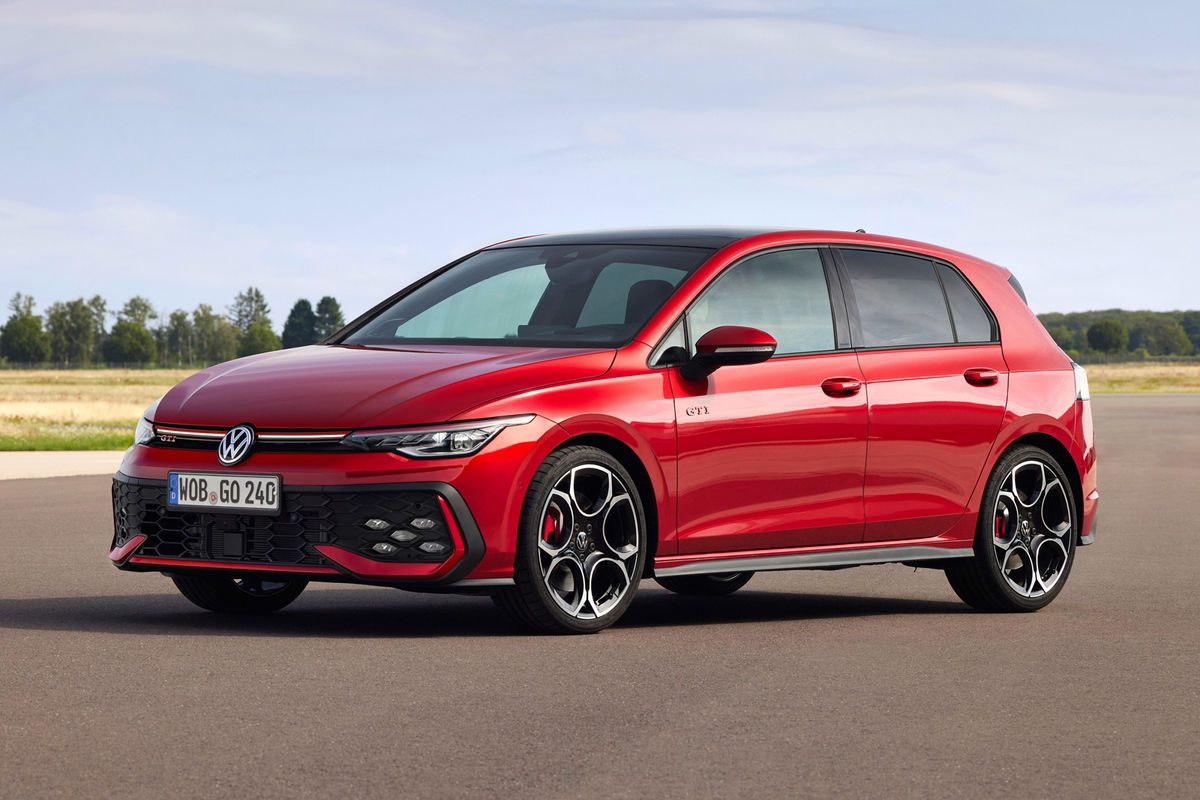
Volkswagen Golf 8 GTI set for ‘major overhaul’ – report

A fresh report claims the upcoming facelift for the Volkswagen Golf 8 GTI will be a “major overhaul” comprising extra power, an upgraded chassis and a revised cabin…

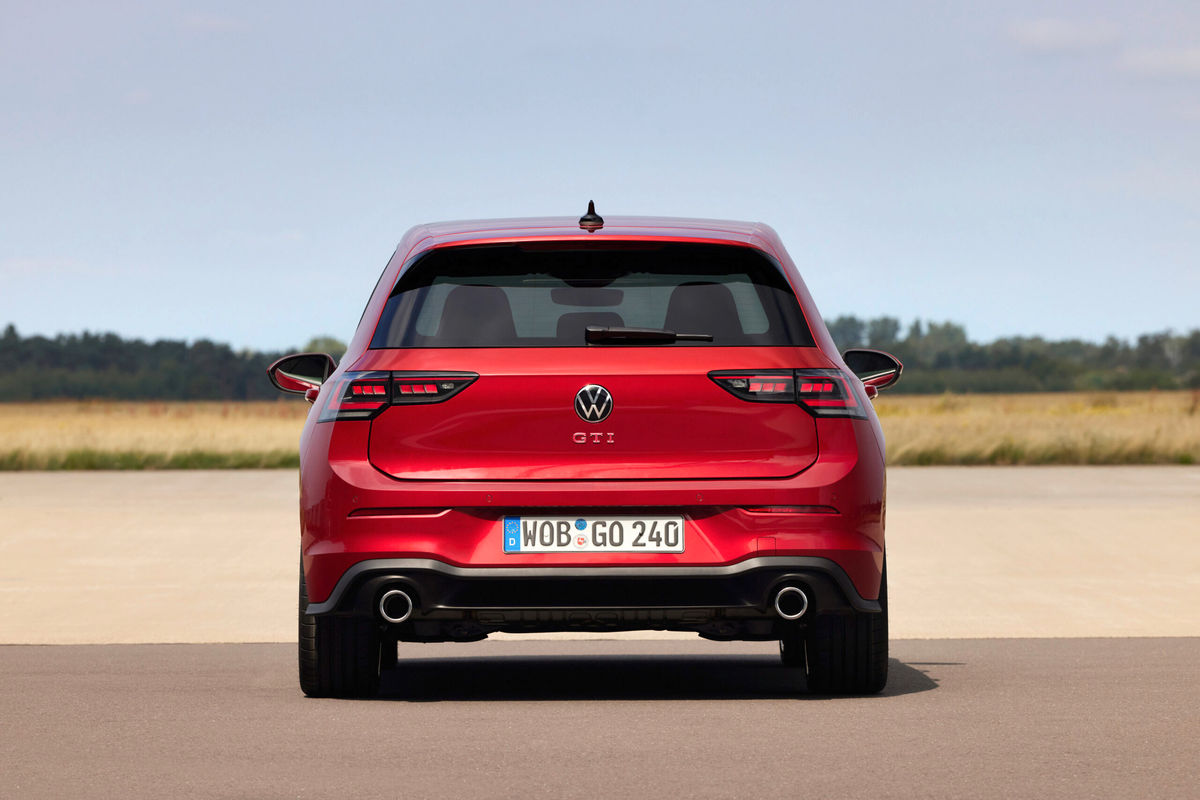
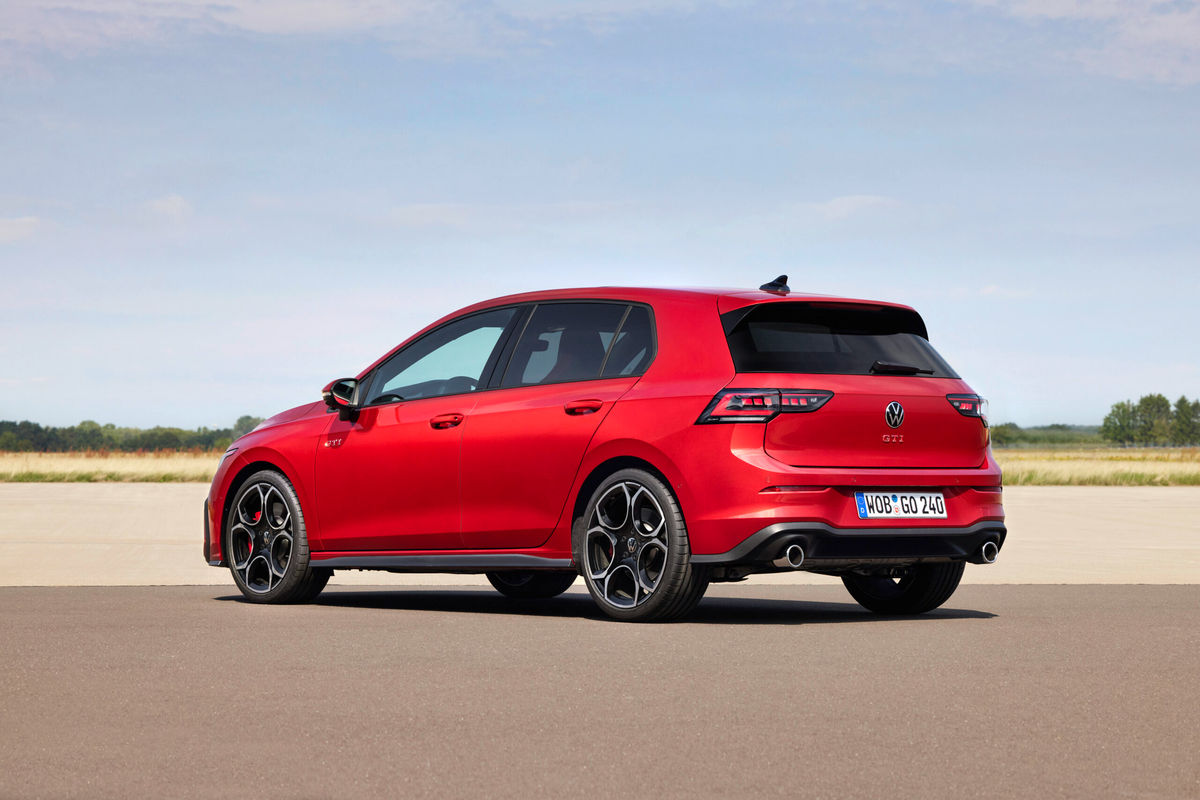
The facelifted Volkswagen Golf 8 GTI is expected to be revealed “early” in 2024, with the hot hatch’s mid-cycle update taking the form of a “major overhaul” comprising extra power, an upgraded chassis and a revised cabin, according to a new report.

Yes, the refreshed version of the Wolfsburg-based firm’s C-segment hot hatch – informally known as the Golf 8.5 GTI – is likely to be the final Golf GTI with pure-petrol power as the Golf 9 GTI is excepted to feature some sort of electrification (with a fair chance it will be fully electric).

A facelifted version of the Golf 8 GTI is expected to be revealed in early 2024.

According to Autocar, the VW Group’s familiar EA888 turbocharged 2.0-litre, 4-cylinder petrol engine will be “significantly updated for its final years”, with the British publication speculating the hot hatch’s peak outputs could rise from the current 180 kW and 370 Nm to about 195 kW and around 400 Nm.

Such improvements in power and torque would see the front-wheel-drive Golf 8 GTI’s claimed 0-100 kph time fall from the current version’s 6.4 seconds to “below 6.0 seconds”, says Autocar. The 7-speed dual-clutch transmission (branded DSG) is likely to remain the default choice for most markets.

More power and a revised chassis are on the cards.

The publication furthermore reports the refreshed Golf 8 GTI will adopt a raft of chassis tweaks, including a stiffer rear-axle carrier (meant to “improve rolling refinement and cornering performance”) and a more advanced version of the Dynamic Chassis Control (DCC) adaptive suspension system, dubbed the “DCC Pro”.

And the cabin? Well, Autocar claims the Golf 8 GTI’s interior will benefit from a “wide-reaching revamp” to improve “usability and reliability problems” that surfaced with the pre-facelift model. A new 12.9-inch touchscreen and a revised 10.4-inch instrument display are on the menu, while the German firm is almost certain to ditch the divisive haptic controls used on the current model’s steering wheel.

The most significant changes will likely be those rolled out to the cabin.

As a reminder, the Golf 8 GTI debuted globally in February 2020, though arrived in South Africa only in September 2021. The Jacara Edition of the GTI then touched down in Mzansi in October 2022.

Look out for a full reveal of the Golf 8.5 GTI in the opening quarter of 2024. In the meantime, check out these spy shots to get an idea of how Volkswagen will revise the hot hatch’s styling…

Buy a used Volkswagen Golf GTI on Cars.co.za!

Related content

VW trademark application shows revised GTI logo

Spy shots: 2024 Volkswagen Golf 8 GTI facelift

Volkswagen GTI: How it started vs how it’s going

Petrol Price Relief for November 2023

There’s good news for South African motorists as the price of petrol and diesel is set to decrease in November 2023.

The Automobile Association (AA) says South African motorists can expect decreases of around R2.01 per litre for ULP 95 and R1.96 per litre for ULP 93, while diesel and illuminating paraffin will decrease by R1.08 per litre and 98 cents per litre respectively.

“After three months of significant increases both petrol and diesel prices are expected to fall below the R25/l mark again. This is good news for motorists, consumers, and the economy, especially heading into the end of the year. These decreases come as South Africans continue to struggle financially and will be a welcome relief from the substantial increases seen since August. In July, a litre of ULP95 cost R22.46 (inland). Should the expected decrease materialise, the November price for a litre of ULP95 inland will cost around R23.68,” notes the AA.

The main reason behind the price reductions is the global price of oil has dropped during the course of October and while there have been some exchange rate fluctuations, these haven’t impacted as much in the bigger picture.

“Although we are expecting fuel to be cheaper in November, we remain concerned about the overall high prices which impact on all consumers. A sustainable solution to mitigating rising fuel costs is still necessary and until that solution is found, citizens will be at the mercy of fuel price hikes,” concludes the AA.

Fuel price predictions for South Africa in November 2023

Fuel Type Oct’ ’23 Inland Oct’ ’23 CoastNov’ 23 Inland*Nov’ 23 Coast*
Petrol Unleaded 93R25.22R24.50R23.26R22.46
Petrol Unleaded 95R25.68R24.96R23.67R22.95
Diesel 0.05%R25.01 R25.29 R23.93R24.21
Diesel 0.005%R25.22R24.51R24.16R23.43
*November figures are forecast figures and not official.

Related Content 

Most Fuel Efficient Budget Cars in SA

10 Fuel Efficient Used Compact SUVs under R300k

10 Fuel Efficient Used Cars Under R200k in SA

10 Fuel Efficient Used Family SUVs Under R400k 

5 Fuel Efficient Used Double Cab Bakkies Under R500k

Is it time for South Africa to Switch to EVs? 

5 Ways to Beat the Fuel Price Hike

Who really rules the bakkie world?

Did you know that the brand that sells the most bakkies across the globe does not sell the world’s most popular pick-up? Where does South Africa rank among the bakkie-mad nations of the world? Global new bakkie sales statistics offer interesting insights!

In a world rich with data pipelines and visualisation, people argue with great conviction about everything and anything that can be compared. And when the subject of debate is motor vehicles (especially bakkies), things can become very statistical.

There’s no better way to unmask brand bias and marketing fallacy than sales statistics, especially when trying to convince someone which bakkie brand is best. And which country could have the most knowledgeable bakkie buyers…

We’ve analysed the data, and some of the answers about the most successful bakkie models (and most dedicated bakkie markets) may surprise you…

The Ford F-150 is an icon, but it’s not the world’s best-selling bakkie.

The bakkie business is huge

How big is the overall global bakkie market? Last year, it totalled 5.65 million units, and although that’s less than 10% of total worldwide new-vehicle sales, the proportional market concentration of bakkies is very high. There are many fewer bakkie models and derivatives than there are all other passenger cars, such as hatchbacks, sedans, crossovers, SUVs and MPVs.

In a global market where the cost of EV adoption is proving massively costly for most legacy car companies, bakkies are the profit heroes. They’re cheap to manufacture, customers expect very little in the way of advanced technology, plus they’re saddled with very little R&D- and supplier cost pressure.

The bakkie market also trades strongly through cycles of economic stagnation or recessions, because, unlike passenger cars, bakkies serve a much broader customer base, including the mining, construction, logistics, tourism and agriculture sectors. Not everyone runs out of money when interest rates are high, which is one of the reasons why bakkie sales are such an accurate barometer for economic health.

Isuzu doesn’t do much else besides making diesel-powered bakkies and trucks. 

The bakkie brand hierarchy

Bakkie brand rankings are where actual sales numbers unravel traditional biases. According to global sales stats, Ford (1.18 million) and General Motors (1.08 million) remain the top two biggest bakkie brands, thanks to their dominance of the world’s most active bakkie market: North America.

Toyota’s global reach, thanks to Hilux, makes it the 3rd-most purchased bakkie brand with 1.03 million, followed by Stellantis (844 000). The drop-in in sales volume from 4th to the rest of the top 10 is very significant. Isuzu ranks 5th with 330 000, and Nissan is 6th, with 244 000; the former’s performance is quite impressive because, unlike Toyota and Nissan, it doesn’t sell any bakkies in the American market.

The Chinese brands’ presence is notable. Great Wall Motor is the 7th most successful bakkie brand by volume (196 000), besting Japanese legacy brand Mitsubishi, which is ranked 8th with 178 000. Despite only having a single bakkie model and very little historical context in the pick-up market, Volkswagen manages to be the world’s 9th biggest bakkie brand, but its sales are fewer than 6 figures (83 000).

An interesting detail of the global top 10 bakkie brands? Despite its enormous success in South Africa and a rapidly improving product range, Mahindra is not on the list; it has quite a limited global presence.

Mitsubishi has a much bigger global bakkie presence than South Africans realise.

These are the best bakkies – according to sales data

Ford might be the most purchased global bakkie brand, but it doesn’t produce the most successful model. It’s often assumed that Ford’s F-150 is still the world’s best-selling bakkie and car, but it hasn’t been either for the last few years.

Yep, the Toyota Hilux is the world’s best-selling bakkie, which will come as no surprise to South Africans. American bakkies rank 2nd (F-150), 3rd (Ram 1500) and 4th (Silverado 1500). The rankings from 6th to tenth are more relatable to South African bakkie fans and contain several surprises.

You’d expect the Ford Ranger to have a considerable presence in any global bakkie sales ranking, but it sits behind the Isuzu D-Max, which is the world’s 6th most popular bakkie model. Another Toyota pick-up product ranks 7th (Tacoma), followed by GMC’s Sierra 1500 in 8th and the Silverado 2500 in 10th.

The soon-to-be-replaced Mitsubishi Triton is underappreciated in Mzansi, but not in other markets.

What about the 9th most popular global bakkie? That ranking deserves a special mention, because it is a bakkie that’s available in South Africa, but in our market, it sells in relatively tiny numbers. The world’s 9th-most successful bakkie model is the Mitsubishi L200, known locally as the Triton, which easily bests the Nissan Navara, despite being such a marginal product in the awareness of South African buyers.

How important is South Africa?

We know America is the world’s most important bakkie market, with Ford the most-bought brand and Hilux the most popular bakkie model. But where does South Africa rank in the global bakkie hierarchy?

Regarding total sales, South Africa ranks 8th; it trails Mexico and is slightly ahead of Iran. The market most like South Africa in terms of comparative model mix, terrain type and buyer profile is Australia – the world’s 6th-largest bakkie market. It sells slightly more than twice as many new bakkies as South Africa.

There’s an argument to be made that African bakkie owners know more about using single- and double-cabs for their true purpose, than any other market. The ruggedness of a bakkie, as a lifestyle and utility vehicle, enables it to cope with our continent’s adverse conditions and uncompromising road networks. In Africa, bakkies face sterner tests or endure greater hardships than in America, Europe or most of Asia.

No surprise with Hilux. Number one in South Africa, and worldwide.

Countries in which bakkies are more important than in SA

Mzansi has a very mature bakkie market. Whether they own hardcore utility vehicles or luxury double-cabs that operate almost exclusively as family vehicles, South Africans are deeply committed bakkie owners; many upper-middle-class family car buyers prefer a double-cab to a crossover, SUV or MPV.

But South Africa is not the most bakkie-obsessed market in the world – heck, it’s not even in the top 10. What’s more, the countries that buy more bakkies as a proportion of total vehicle sales, are not quite what you’d expect. Canada, Argentina and Uruguay all have bakkie markets which are 23% of those nations’ total vehicle sales totals. Impressive, but then there’s Ethiopia, at 29% and Ghana, with 34%.

Watch our Bakkie Buyer’s Guide 2023!

In Yemen, bakkies are 37% of the total new-vehicle market. Thailand has a new vehicle car parc in which nearly half of all vehicle deliveries are bakkies (47%) – the same percentage as Uganda.

But which are the world’s most bakkie-dominated new-vehicle markets? They are both African. In Kenya, 50% of new vehicle sales are bakkies and the country that buys most bakkies as a proportion of new vehicle sales? That will be Malawi, where 53% of new vehicle registrations are for bakkies.

The truth takeaways from global bakkie sales stats? Ford is the apex brand, Hilux is the apex bakkie, and African countries buy more bakkies as a concertation of their total market sales than any other.  

Related content:

Fuel price therapy – what should we do?

When big tyres do bad things to good bakkies

Can Land Rover thrive without the Land Rover brand?

Is LPG worth its near 40% fuel-cost saving?

How much will 9th-gen Hilux be like the Tacoma?

Would you buy a brand-new ‘old’ Toyota bakkie?

Is Isuzu’s 6-cylinder turbodiesel hiding in plain view?

Why you don’t need a double-cab 4×4 with low range