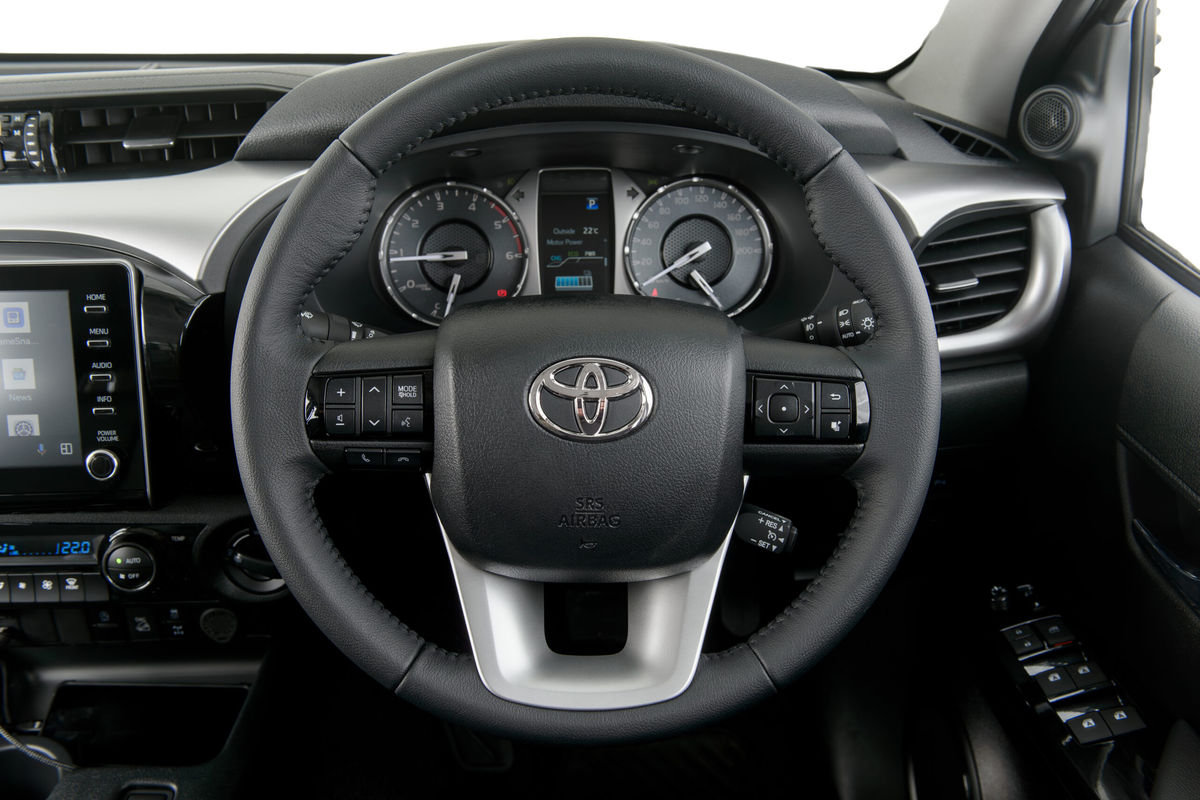
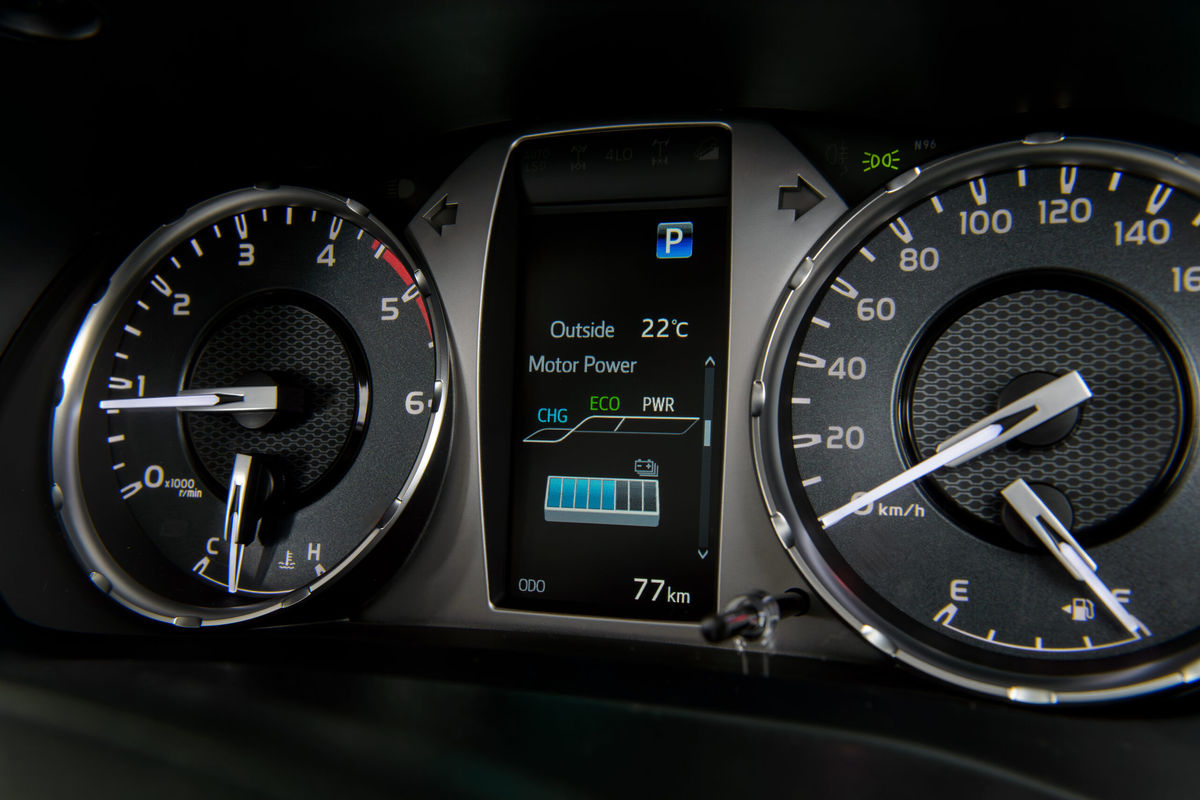
Toyota Land Cruiser 79 (2024) Price & Specs

Pricing scoop! Here’s how much you’ll pay for the refreshed Toyota Land Cruiser 79 bakkie range – which gains the familiar 2.8 GD-6 engine and an automatic gearbox – in South Africa…

The revised Toyota Land Cruiser 79 range will soon touch down in South Africa. The big news, of course, is the addition of the familiar 2.8 GD-6 powertrain, which is set to be available in conjunction with a 6-speed automatic transmission. Now, shortly ahead of the official market launch, Cars.co.za has uncovered pricing for the pair of new 4-cylinder derivatives.

As we exclusively reported late last year, the broader J70-generation line-up will swell from 8 variants to 12, thanks to the addition of the aforementioned 2.8-litre 4-cylinder turbodiesel engine. The 70 Series portfolio will again comprise the Land Cruiser 76 station wagon, the Land Cruiser 78 wagon (or “Troopy”) and the Land Cruiser 79 single- and double-cab bakkie derivatives.

The new 2.8-litre version of the Land Cruiser 79 double cab.

We’ll focus on the Land Cruiser 79 for now. The 2.8-litre oil-burning motor – which is familiar from the HiluxFortuner and Land Cruiser Prado line-ups – here generates peak outputs of 150 kW (from 3 000 to 3 400 r/min) and 500 Nm (from 1 600 to 2 800 r/min). Drive is delivered to all 4 wheels via a 6-speed automatic transmission, with the latter being a first for the 70 Series range. Top speed comes in at 150 kph.

So, back to the all-important question of pricing. According to our information, Toyota SA Motors will offer 2 versions of the 79-badged bakkie featuring the 2.8 GD-6 powertrain, separated only by body style: there’s the 2.8 GD-6 6AT single cab (which will kick off at R917 100) and the 2.8 GD-6 6AT double cab (which will cost R1 009 000).

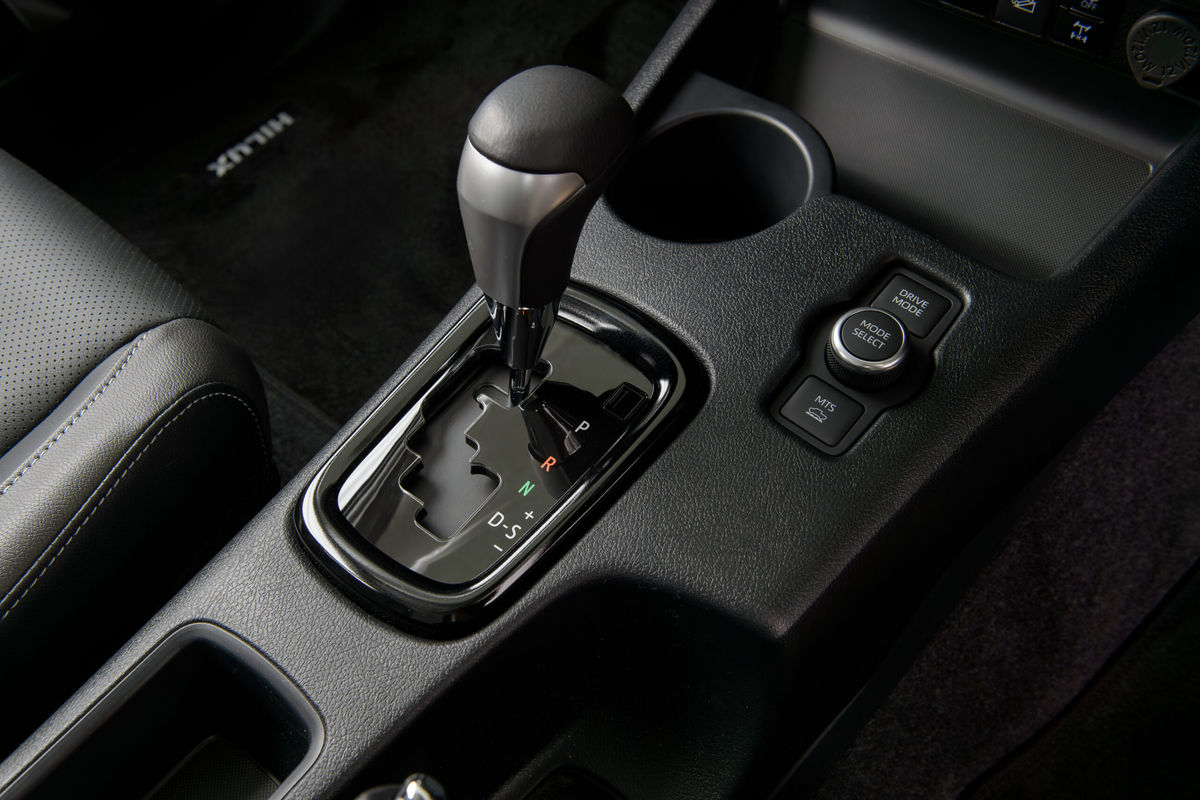
Toyota Land Cruiser 79 double cab gearshift
This will be the first time the Land Cruiser 79 is offered in auto guise.

The 4.0-litre V6 petrol unit (170 kW/360 Nm), the 4.2-litre straight-6 diesel motor (96 kW/285 Nm) and the 4.5-litre V8 turbodiesel mill (151 kW/430 Nm) will soldier on as part of the local line-up – for the time being, at least, with the 8-cylinder motor tipped to retire by August 2025. As a reminder, each of these older motors comes standard with a 5-speed manual gearbox.

So, that makes the new 2.8 GD-6 derivatives a little less expensive than the manual-equipped V8s. For instance, based on the current pricing, the Land Cruiser 79 2.8 GD-6 6AT single cab undercuts the V8 in the same body style by R39 100, while the Land Cruiser 79 2.8 GD-6 6AT double cab is R30 200 less expensive than its 8-cylinder equivalent.

The updated Land Cruiser 79 single cab finished in Sand Beige.

Of course, the new 2.8-litre models do gain additional safety equipment, including vehicle stability control, active traction control, brake assist, electronic brake-force distribution, hill-assist control and downhill assist control. However, the V8 models boast aluminium (rather than black) side steps and floor carpets (rather than PVC, as used in all other variants, including the flagship 2.8 GD-6 derivatives).

The refreshed Land Cruiser 79’s exterior colour paint options include 6 hues: Ivory White, Satin Silver Metallic, Graphite Grey Metallic, Ruby Metallic, Sand Beige and Dark Blue.

The J70-generation Land Cruiser has been in production for nearly 40 years. It’s currently the oldest “new” vehicle available in South Africa, having been sold here in its current form (more or less) for more than 2 decades. Despite its advanced age, the Land Cruiser 79 placed 8th on the list of Mzansi’s best-selling bakkies in 2023, with 3 975 units sold (a year-on-year increase of 13%).

How much does the updated Toyota Land Cruiser 79 cost in SA?

Land Cruiser 79 4.0 Single Cab 5MT – R765 500

Land Cruiser 79 4.2 Single Cab 5MT – R829 000

Land Cruiser 79 2.8 GD-6 Single Cab 6AT – R917 100

Land Cruiser 79 4.5 V8 Single Cab 5MT – R956 200

Land Cruiser 79 4.0 Double Cab 5MT – R864 600

Land Cruiser 79 4.2 Double Cab 5MT – R920 800

Land Cruiser 79 2.8 GD-6 Double Cab 6AT – R1 009 000

Land Cruiser 79 4.5 V8 Double Cab 5MT – R1 039 200

As before, we expect a service plan to be optional for all Land Cruiser 70 Series derivatives, with intervals of 5 000 km in the case of the 4.2-litre model and 10 000 km for all other engines. Toyota’s 3-year/100 000 km warranty will again be standard.

Related content

New Toyota Land Cruiser Prado: full SA line-up uncovered!

New widebody Toyota Hilux GR Sport confirmed for SA

The final figures! SA’s best- and worst-selling bakkies of 2023

10 best-selling bakkies in South Africa: January 2024

The first figures of the year are in! Here’s your monthly look at South Africa’s best- and worst-selling bakkies, this time for January 2024…

In January 2024, South Africa’s new-vehicle market suffered its 6th consecutive month of year-on-year decline, with sales falling 3.8% to 41 636 units. Bucking the trend in the broader market, the light-commercial vehicle (LCV) segment saw marginal growth, improving 2.3% to 10 871 units.

So, was there any movement on the list of South Africa’s best-selling bakkies? Well, though the Toyota Hilux range – which will gain both a new widebody GR Sport variant as well as 48V mild-hybrid derivatives in March – experienced a month-on-month fall of 7.5% to 2 645 units in January 2024, the Prospecton-built bakkie remained firmly in pole position.

The Ford Ranger found itself more than 700 registrations off the pace in 2nd place, ending 2024’s opening month on 1 914 units. Still, the Silverton-made contender finished comfortably ahead of the 3rd-placed Isuzu D-Max (1 336 units), despite the Struandale-manufactured bakkie growing its sales 31% compared with December 2023‘s effort.

Although the Nissan NP200 again failed to crack 4 figures, its final tally of 969 units was more than enough for it to retain 4th spot. Of course, with production at Rosslyn scheduled to end in March 2024, SA’s last surviving half-tonne bakkie will start to slide down the rankings as local stock runs dry in the coming months. Meanwhile, the KwaZulu-Natal-assembled Mahindra Pik Up (578 units) completed an unchanged top 5.

The GWM P-Series moved up a couple of places to grab 6th position in January.

The bottom half of the table, however, saw some movement. Yes, the Chinese-built GWM P-Series (351 units) climbed 2 places to 6th, finishing ahead of the Rosslyn-made Nissan Navara (296 units), which held steady in 7th. That saw the Volkswagen Amarok – which is built by Ford at its Silverton plant – slip 2 rankings to 8th, with registrations of this 2nd-generation bakkie falling to 222 units in January 2024.

The outgoing version of the Toyota Land Cruiser 79 (127 units) also shed some sales month on month, though remained in 9th. We will likely see this evergreen bakkie climb a few places in the next couple of months, with the updated model (complete with 4-cylinder power and an automatic transmission) set to launch locally soon. Finally, the GWM Steed (104 units) returned to the table, just about managing to breach the 3-figure mark.

Best of the rest in January 2024: bakkies outside the top 10

The Mazda BT-50’s modest 15-unit haul in January nevertheless represented its best month in ages.

So, which bakkies didn’t make it into the top 10 in January 2024? Well, the JAC T-Series – the Chinese automaker unfortunately reports only a combined figure for its T6, T8 and new T9 line-ups – was next on 98 units, finishing ahead of the Mitsubishi Triton (48 units) and Mahindra Bolero (31 units).

Interestingly, the Mazda BT-50 – which has long found itself at the very foot of the table, having managed just 69 sales over the whole of 2023 – had its best month for some time, ending January 2024 on still-modest 15 units. Next came the likewise imported Peugeot Landtrek (12 units), which is expected to go into production in Coega (near Gqeberha in the Eastern Cape) by early 2026.

That meant the Jeep Gladiator (a facelifted version is set to launch in Mzansi only towards the end of 2024) brought up the rear in the opening month of the year, with just 3 units sold.

10 best-selling bakkies in South Africa for January 2024

1. Toyota Hilux – 2 645 units

2. Ford Ranger – 1 914 units

3. Isuzu D-Max – 1 336 units

4. Nissan NP200 – 969 units

5. Mahindra Pik Up – 578 units

6. GWM P-Series – 351 units

7. Nissan Navara – 296 units

8. Volkswagen Amarok – 222 units

9. Toyota Land Cruiser 79 – 127 units 

10. GWM Steed – 104 units

Related content

Refreshed Toyota Hilux revealed overseas … but what about SA?

South Africa’s best-selling double-cab bakkies of 2023

The final figures! SA’s best- and worst-selling bakkies of 2023

Fuel Price Increases for February 2024

Following consecutive months of fuel price cuts, unaudited month-end fuel price data points fuel price increases for February 2024. Take a look at the fuel price forecast below! 

Motorists in South Africa have enjoyed consecutive fuel price cuts at the end of 2023 and into 2024 but with international oil prices on the rise and the South African Rand remaining relatively weak against the US Dollar, the fuel price forecast for February 2024 is negative.

While we wait for final fuel price adjustments to be published, month-end fuel price data provided by the Central Energy Fund (CEF) gives us a good indication of what to expect. 

The latest data (31 January 2024) points to increases across the board. The data suggests a potential increase of 71c/l for 95 grade petrol and 68c/l for 93 grade unleaded petrol. Increases in diesel prices are also on the cards with the price of diesel 0.05% potentially increasing by around 69c/l while diesel 0.005% could see an increase of around 65c/l. 

We’ll update this article as soon as official fuel price data is available.

Fuel Price Forecast for February 2024 


Fuel Type 
Jan’ 24 Inland Jan’ 24 CoastFeb’ 24 Inland*Feb’ 24 Coast*
Petrol Unleaded 93R22.17R21.45R22.85R22.13
Petrol Unleaded 95R22.49R21.77R23.20R22.48
Diesel 0.05%R20.63R19.91R21.32R21.60
Diesel 0.005%R20.73R20.02R21.38R20.67
*February figures are forecast figures and not official.

Related Content 

Most Fuel-Efficient Budget Cars in SA

10 Fuel Efficient Used Compact SUVs under R300k

10 Fuel-Efficient Used Cars Under R200k in SA

10 Fuel-Efficient Used Family SUVs Under R400k 

5 Fuel Efficient Used Double Cab Bakkies Under R500k

Is it time for South Africa to Switch to EVs? 

5 Ways to Beat the Fuel Price Hike

Mercedes-Benz GLC Coupe (2024) Launch Review

Mercedes-Benz begins 2024 with a product offensive, of which the opening salvo is the coupe-styled variant of the GLC executive SUV. We jumped behind the ‘wheel of the GLC Coupe for a quick loop of the Cape Peninsula to see what the Benz’s all about.

What’s new on the GLC Coupe?

Mercedes-Benz GLC Coupe
The GLC Coupe’s sloping roof still leaves it with quite a big load-bay capacity.

For this generation of the GLC Coupe (known internally as the C254), Mercedes-Benz’s engineers have made the car slightly bigger (31 mm longer and 5 mm higher) and managed to squeeze out 45 litres more luggage space from the load bay (545 litres). The rear-light design and sensuously sloping roof are the most defining features of the new variant, while the rest of the vehicle mirrors the X254-gen GLC.

Mercedes-Benz SA has chosen to introduce the latest iteration of the GLC Coupe exclusively with a pair of turbodiesel engines, but will noisier, efficiency-optimised powertrains appeal to the target market of a less practical, more design-oriented “boutique” product? ‘Benz believes they will – and has the stats to back it up; turbopetrol engines will be added to the line-up at a later stage, but only with AMG badging.

Which GLC Coupe engine to choose

Mercedes-Benz GLC Coupe mountains
Air suspension and an off-road mode give it reasonable dirt road credentials.

The turbodiesel engines feature in the 220d (162 kW/440 Nm) and 300d (215 kW/550 Nm) respectively and offer identical power and torque outputs to the equivalent derivatives in the standard GLC range.

They are equipped with a 48V electric starter system that adds up to 17 kW/200 Nm at peak points, but also comes into effect when coasting to a stop and pulling away. The electric system effectively helps out with the thirsty work of getting the GLC Coupe off the line; it saves a little bit of fuel every time.

Both engines are 4-cylinder units and we have lots of experience with them in the GLB, the C-Class and standard GLC. The only real reason to choose the 300d would be if you were going to be loading up the GLC Coupe often or towing a load, both of which beg the question, why not just get the standard GLC?

The 220d, in turn, offers excellent fuel consumption and its performance deficit to the 300d is hardly noticeable in everyday conditions. You could achieve around 5.1 L/100 km in the 220d compared with the 300d’s claimed 5.5 L/100 km. In our experience, on a long journey, you can quite easily dip under 5 L/100 km with the 220d variant. So, if you get your kicks from fuel saving, then it’s certainly the one to choose.

What’s the GLC Coupe like to drive?

Honestly, there isn’t much of a difference to the standard GLC; we’ve published quite a thorough video on that model (embedded below this paragraph). I will say that the transmission’s shift pattern (in the models I drove) felt slightly less sure than in our previous experience. For example, it is almost unheard of to roll backwards in an automatic car, but while the auto ‘box was pondering its next decision at a set of traffic lights, we rolled back on more than one occasion, which is hardly a “luxury vehicle experience”.

In our market, GLC Coupes are equipped with Sports Suspension setups with the option to specify air suspension at extra cost. Sports Suspension facilitates confident changes of direction and flat cornering, but it feels very reactive to small steering inputs and can wobble a bit as it reacts to a turn or swerve.

To be fair, the ride quality was impressively poised in the GLC Coupes we drove (not equipped with air suspension), so I would assume that derivatives specified with adaptive dampers would ride even better. The GLC Coupe rode the bumps and myriad manhole covers of Simon’s Town and Fishhoek comfortably.

Is the GLC Coupe as spacious as the GLC?

Mercedes-Benz GLC Coupe interior
The soft touch areas are luxurious to the touch but the plastic feels quite thin.

Somewhat contrary to expectations, the GLC Coupe offers adequate leg- and headroom at the back. When I sat behind my driving position, I had enough legroom and I didn’t find my head rubbing on the roof lining. I do believe, however, that some of the rear occupant space has been reduced to retain a big load bay. If passenger space or practicality is a priority to you, then the GLC is still the model to choose.

One thing I did notice was that the rear of the cabin is hardly bathed in light… the rear screen is letterbox small and doesn’t offer much rearward visibility, but nowadays, with 360-degree cameras and big side mirrors you’re never unsighted. It would make sense to install one of those Jaguar Land Rover-style rear-view cameras that make it much easier to see out of the back thanks to a camera built into the antenna.

What is the GLC Coupe’s interior like?

Mercedes-Benz GLC Coupe steering wheel
The digital screens on modern Mercs are the highlights of the interiors.

Simply put, the GLC Coupe’s interior is a copy-paste from the GLC, which itself is derived from the latest generation C-Class. The digital screens’ displays are of excellent quality and the menus easy to navigate.

As for the quality of materials, the leather and soft-touch surfaces feel particularly premium and well put together. It’s the plastic or shiny pieces that let the overall feel down – they feel insubstantial and a bit tinny when prodded. It’s a complaint we’ve had with several models in ‘Benz’s line-up for a while now.

How much does the Mercedes-Benz GLC Coupe cost in SA?

The prices below include CO2 tax, VAT and a service/maintenance plan.

GLC 220dR1 398 422
GLC 300dR1 454 940

Summary

Mercedes-Benz GLC Coupe rear
GLC Coupe might not be the best choice in the range but it is very distinctive.

The addition of a coupe-style variant to the GLC range was inevitable, but as before, seems unnecessary. Only if you must have the looks of a GLC Coupe is it the better GLC to have. The standard more practical GLC remains the better car objectively and is also available in turbopetrol guise, if that’s your preference.

As for the GLC Coupe, it looks the part and its two diesel engines are efficient performers, but it may be better to wait it out until the AMG models arrive to get the most outlandish specced GLC Coupe on offer.

New Mercedes-Benz GLC Specs & Prices in South Africa

Search for a new/used Mercedes-Benz GLC listed for sale on Cars.co.za

New A45 S AMG vs Old C63 AMG Video

Ciro De Siena pits his recently acquired V8-powered Mercedes-AMG C63 against the latest Mercedes-AMG A45 S. Which car wins? Watch the video!

When the latest Mercedes-AMG A45 S arrived at the office, someone came up with the idea to race it against the W204 Mercedes-Benz C63 AMG we had parked outside. The thing is, that C63 AMG belongs to our presenter, Ciro De Siena. Luckily, he was on board!

And so we hired the Killarney Race Circuit, the quarter-mile drag strip specifically, and set up what has become one of our favourite drag races ever produced.

We hope you enjoy watching this as much as we enjoyed making it! And, of course, please engage with us in the comments and on our social media channels!

View new-car specs of current Mercedes-AMG models

Search for new/used Mercedes-Benz for sale on Cars.co.za

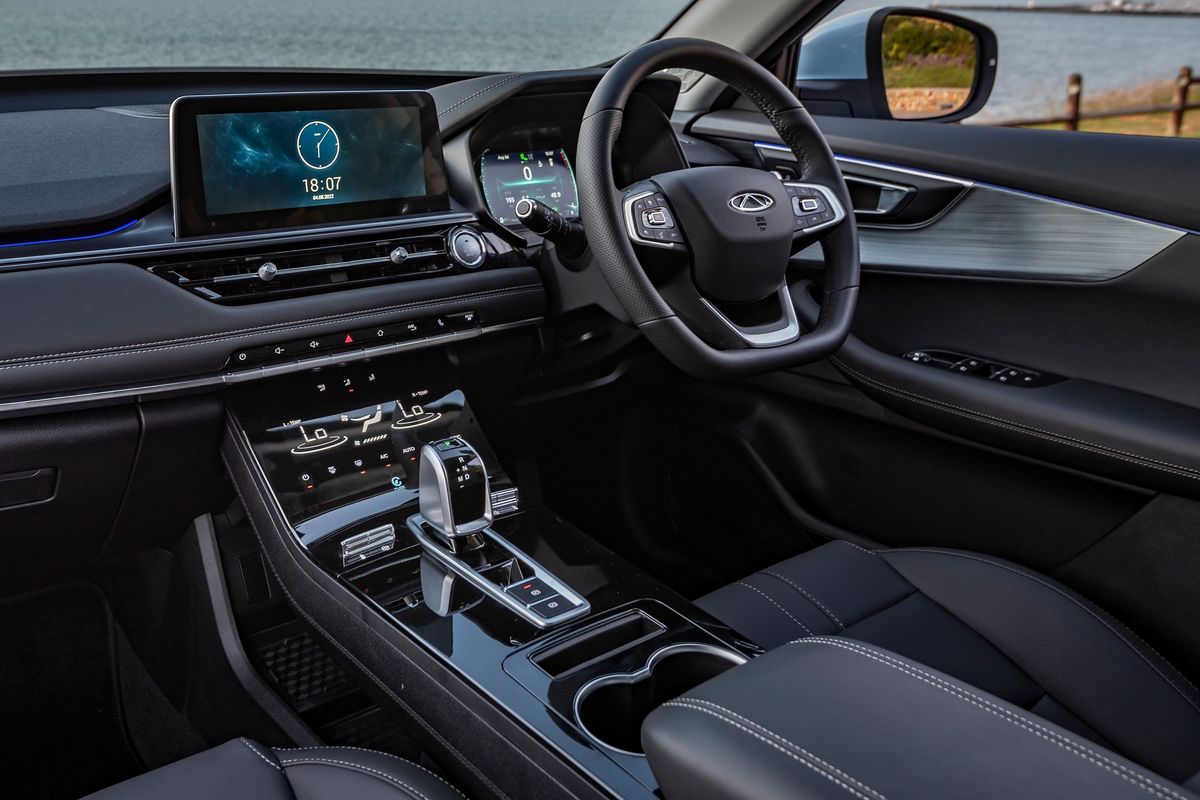
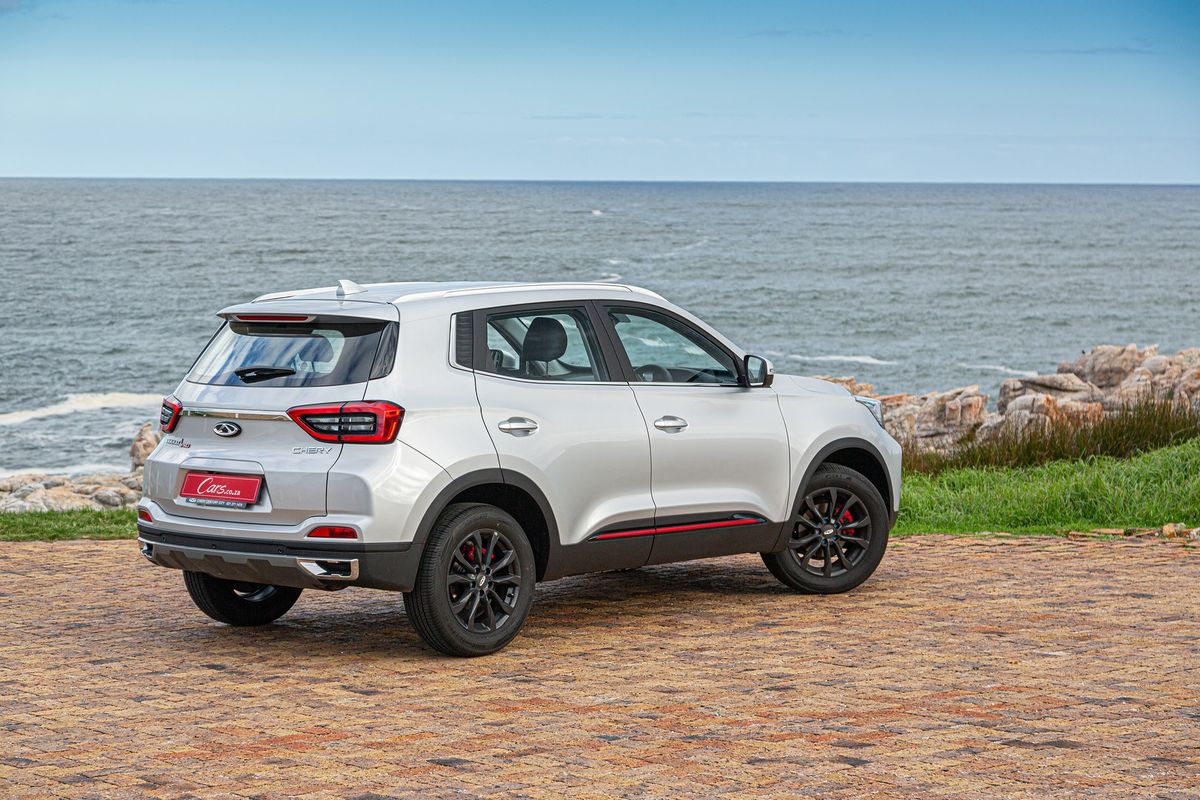
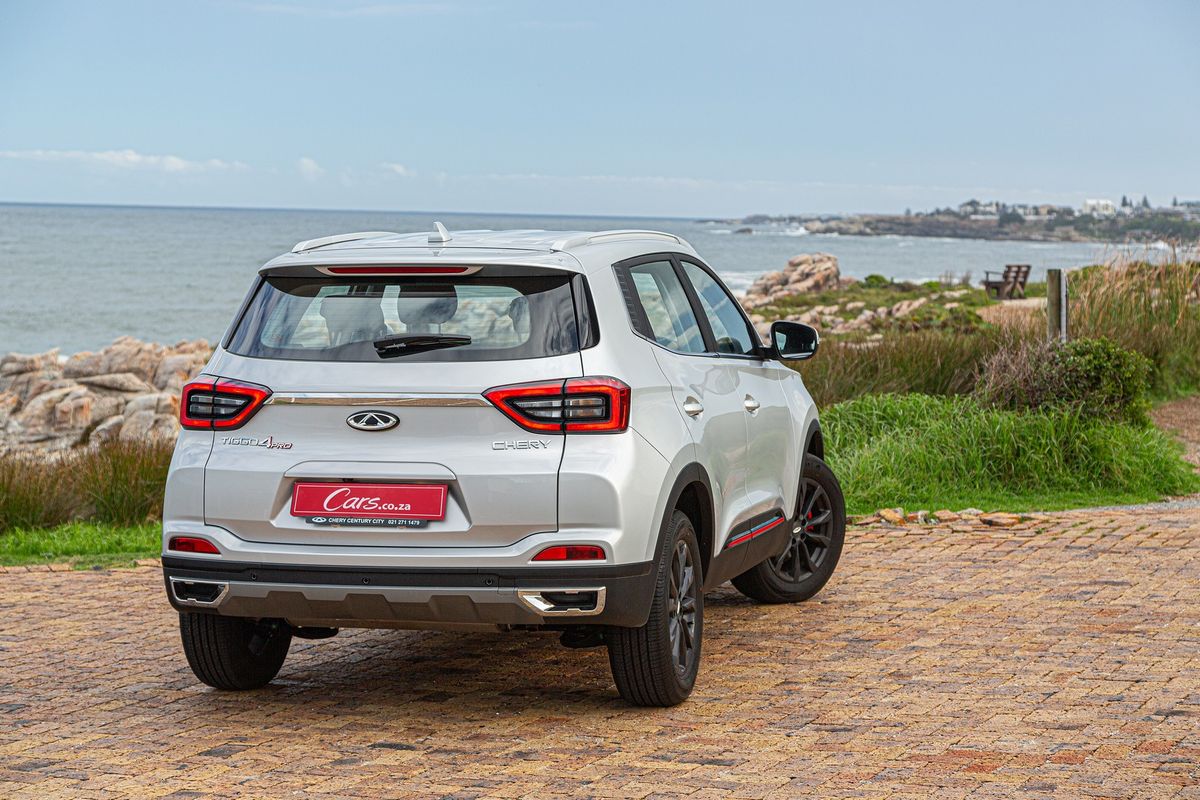
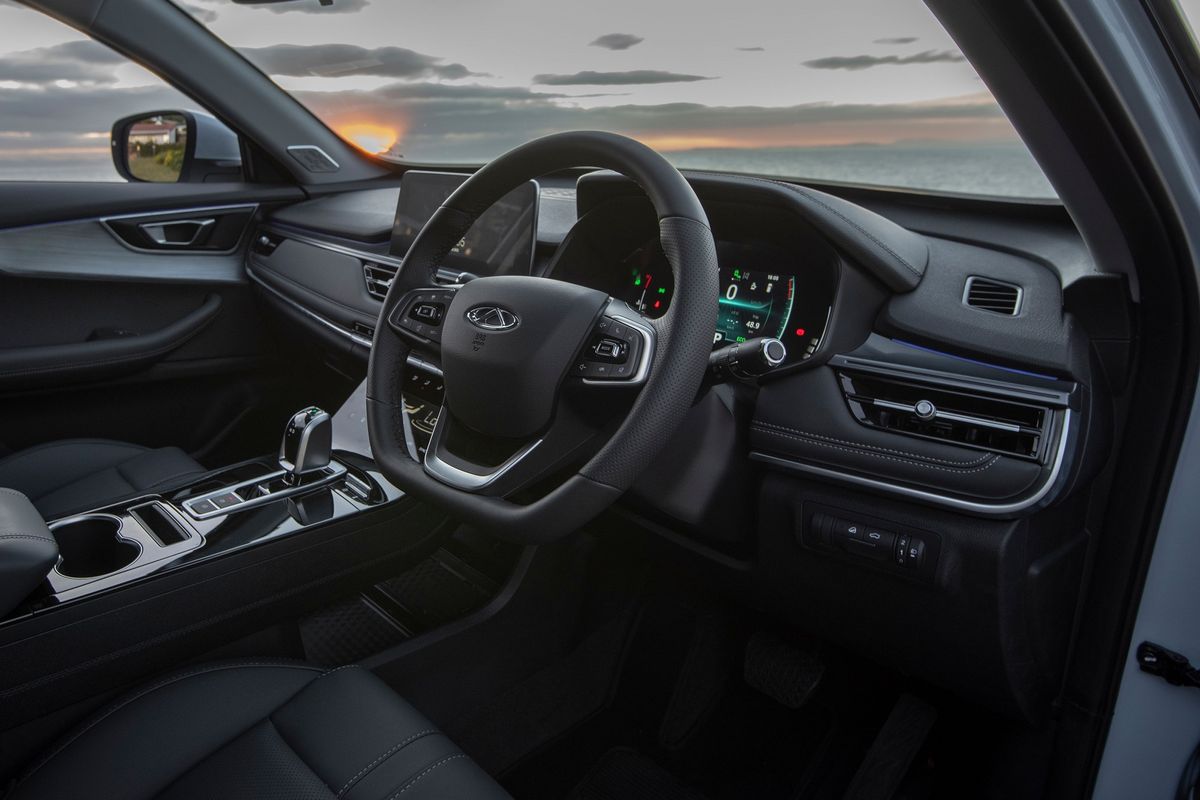
Chery Tiggo 7 Pro Max (2023): Living with it

We spent the festive season behind the ‘wheel of a Chery Tiggo 7 Pro Max 290T Executive AWD and, while we were crisscrossing the Western and Southern Cape, we noticed many of these models on the road… Clearly, South Africans like what they see.

Introduced late last year, the Chery Tiggo 7 Pro Max 1.6 TGDi 290T Executive AWD (what a mouthful!) is not only the flagship of the local Tiggo 7 Pro line-up, but also another example – as if we needed it – of the speed at which Chinese brands can bring new models, updates/facelifts and derivatives to market.

Chery has wasted no time in applying the punchy Pro Max treatment to the Tiggo 7.

The Tiggo 7 Pro arrived in Mzansi as recently as mid-2022, but this Pro Max variant is far more evolved. Instead of a mere facelift, it represents a comprehensive “sharpening-up” of just about every facet of what was already a high-value proposition. Chery calls the changes “optimisations” that go beyond simple design tweaks to include upgrades to the body and chassis structures, as well as materials used. 

But the big news with this particular derivative is twofold… Firstly, the Executive-spec Tiggo 7 Pro Max is powered by the brand’s 145 kW/290 Nm 1.6-litre 4-cylinder turbopetrol engine, which debuted in the Tiggo 8 Pro Max and, secondly, it marks the first time that the model is offered in all-wheel drive guise.

It was indeed fortuitous that the 290T Executive AWD was made available to us for an extended review, because its all-wheel-drive system was put to the test when we travelled along some gravel roads…

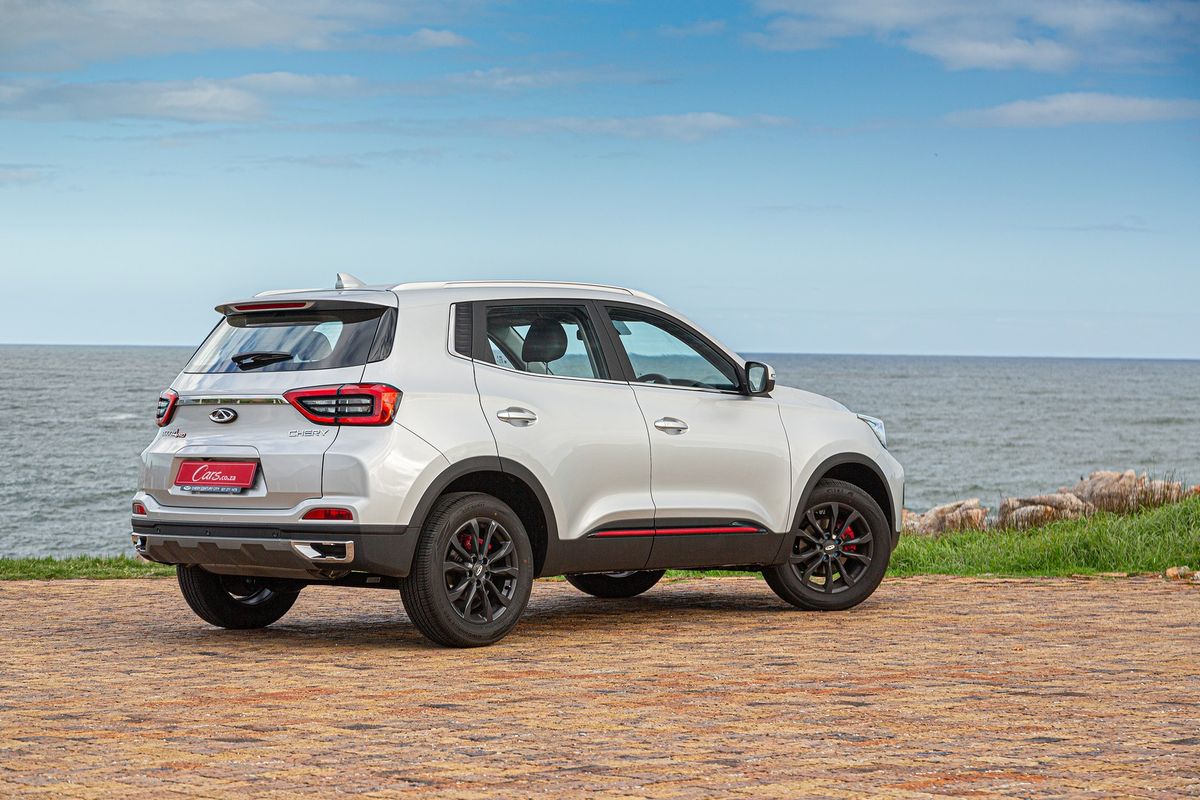
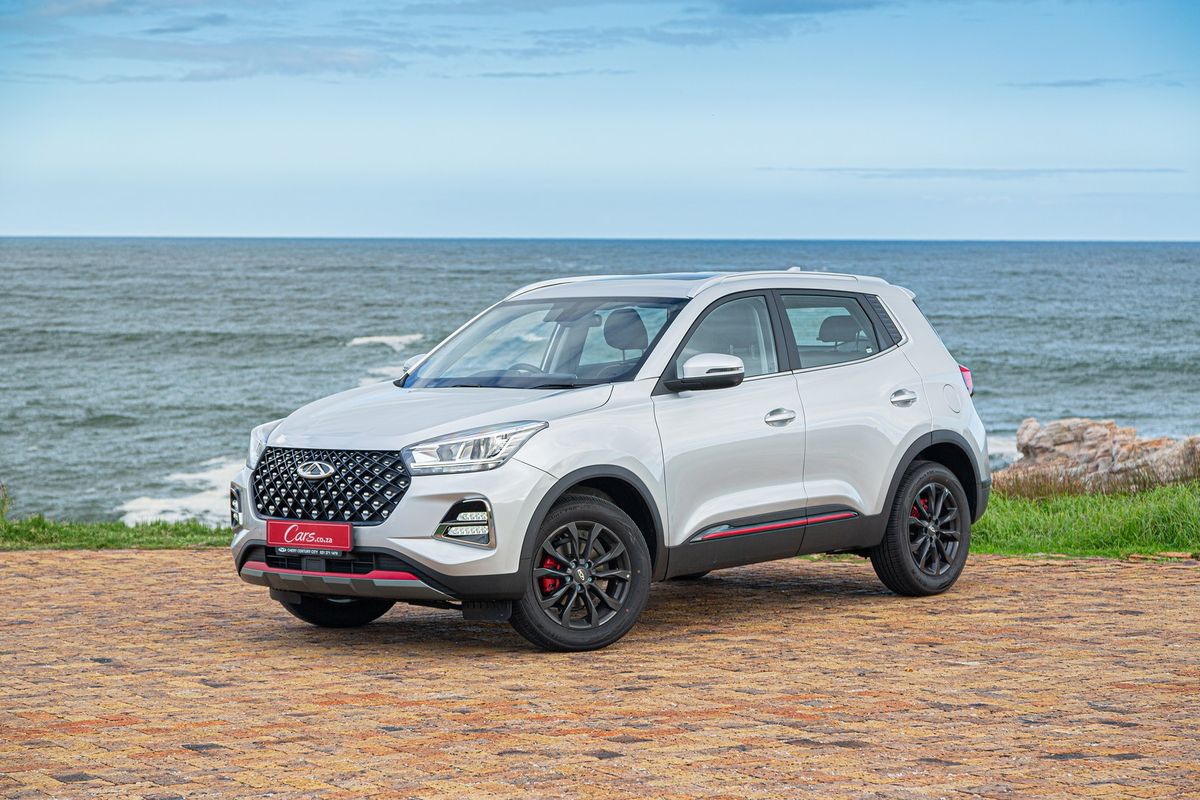
The cosmetic updates have sharpened up the Tiggo 7 Pro’s looks appreciably.

3 Things we like about the Chery Tiggo 7 Pro Max

Design & Detail Refinements

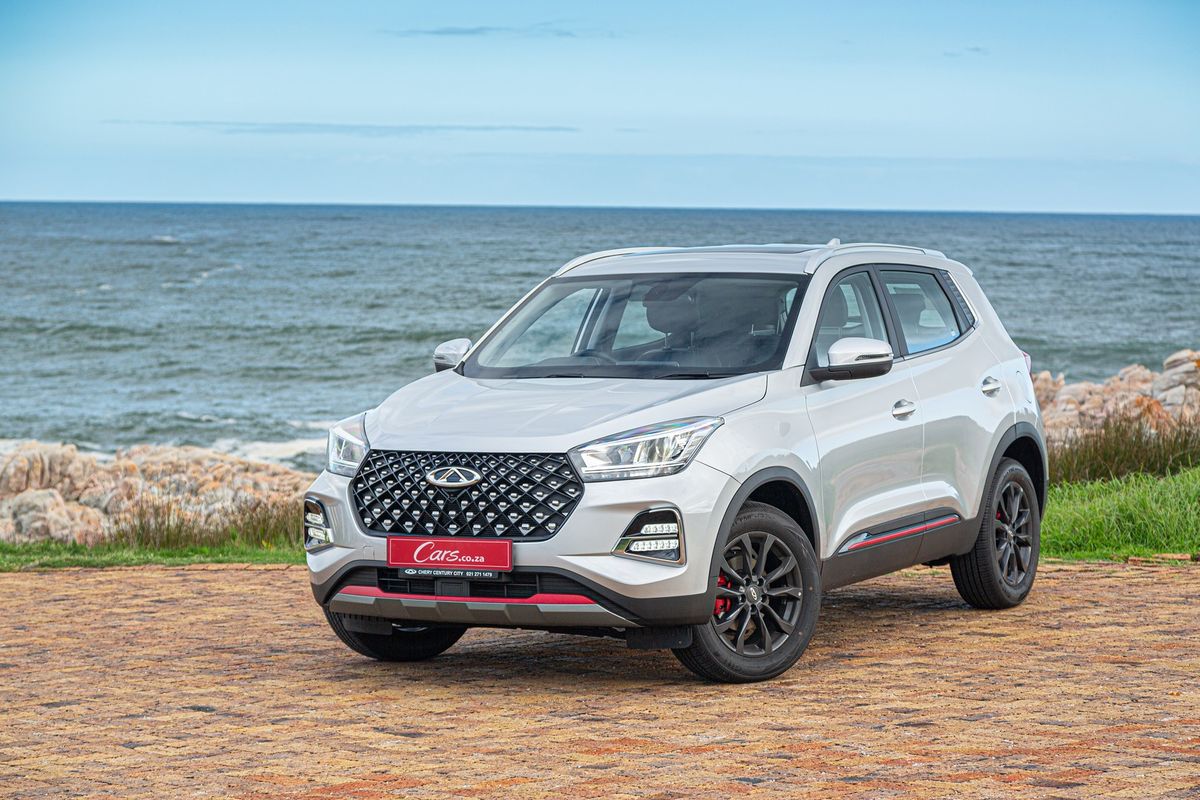
The pre-facelift Tiggo 7 Pro was a handsome SUV (it didn’t really need a glow-up), but you will immediately notice – and probably appreciate – the cosmetic updates incorporated in the Tiggo 7 Pro.

Everything appears to have gained sharper edging (the headlamps, the grille, air intakes etc.) and there are some unique touches, too, including blue strakes in the front airdam – a neat detail touch that also appears on the (rather substantial) rear wing.

During our extended review of the 290T Executive AWD, some observers remarked that the model “looked expensive”.

In profile, the accentuated curves above the rear wheel arches add visual character, while the LED tail lamp clusters span the tailgate. Riding on striking 19-inch, diamond-cut, dual-tone alloy wheels, the Tiggo 7 Pro Max certainly looks the part and prompted some observers to remark: “It looks expensive.” 

Inside, the upmarket look and feel continues. The materials are of a premium quality and while some elements of the design appear to have been “inspired” by what you typically see in a Mercedes-Benz, it is worth noting that the Chery felt “better screwed together” than some of the recent Benzes that have passed through our hands. There are no rattles or squeaks, even on poor surfaces – impressive, to say the least, at least partly because the Cherys’ ride quality can be a little firm on ragged/damaged roads.

The expansive touchscreen and high-res digital instrument cluster combine to form a curved 24.6-inch panel.

The very neat (and bigger) infotainment touchscreen (12.3 inches) boasts an impressively high-res display and the quality of the test unit’s 360-degree camera view(s) will put some premium brands to shame. In front of the driver is another 12.3-inch screen, which also delivers superbly crisp graphics. The 2 screens fit together to seamlessly form a very attractive, curved 24.6-inch “hyperboloid” screen. 

The infotainment system’s software is (somewhat hilariously) named “TurboDog9” and, in general, it works well, although we found that the quality of the system’s English became progressively poorer the deeper we delved into the menu. Well, no matter, the (wireless) Android Auto and Apple CarPlay ensure smooth connectivity, and the wireless charging pad is now faster – 15W to 50W. In terms of audio output, a quality 8-speaker Sony system is fitted to this variant. See what we mean by detail refinements?

It did not take us long to become familiar with the infotainment setup, even if the menu system’s language can be improved.

Furthermore, the air-conditioning system features N95-level (pm 2.5) air-purification capability and, in this flagship derivative, negative-ion air purification. We also appreciated the fitment of an offline navigation system, powered tailgate and, once we got the hang of it, the voice control system.

Power and (to a degree) efficiency

The Tiggo 7 Pro Max’s 145 kW/290 Nm 1.6-litre 4-cylinder turbopetrol engine is mated with a 7-speed dual-clutch automatic transmission. A benefit of all-wheel drive – and one that will be appreciated even before you traverse the unbeaten path – is an immediate improvement in traction (such as negating wheelspin when pulling away in a hurry). In other (front-wheel-drive) Cherys, we have found that the throttle mapping and power delivery characteristics are such that wheelspin can be an issue.

The top-of-the-range Tiggo 7 Pro Max is reasonably fuel-efficient – expect returns around the 9.4 L/100 km mark.

It certainly has plenty of grunt… The 290T Executive AWD is said to accelerate from 0 to 100 kph in 8 sec, but more impressively, it delivers refined open-road cruising… and there is always enough power underfoot to overtake safely. If you do prefer sharper throttle responses, you can always change the drivetrain into Sport mode (1 of 6 drive modes, which include Eco, Normal, Snow, Mud and Off-Road).

One area in which contemporary Chinese-made vehicles tend to overpromise and underdeliver, however, is fuel efficiency. Rival brand Haval also suffers from this drawback, but in our experience, the larger H6 family car (powered by a comparatively “less stressed” 2.0-litre 4-cylinder turbopetrol motor) proved more efficient than the 1.5-litre 4-pot turbopetrol in its smaller sibling, the Jolion compact family car.

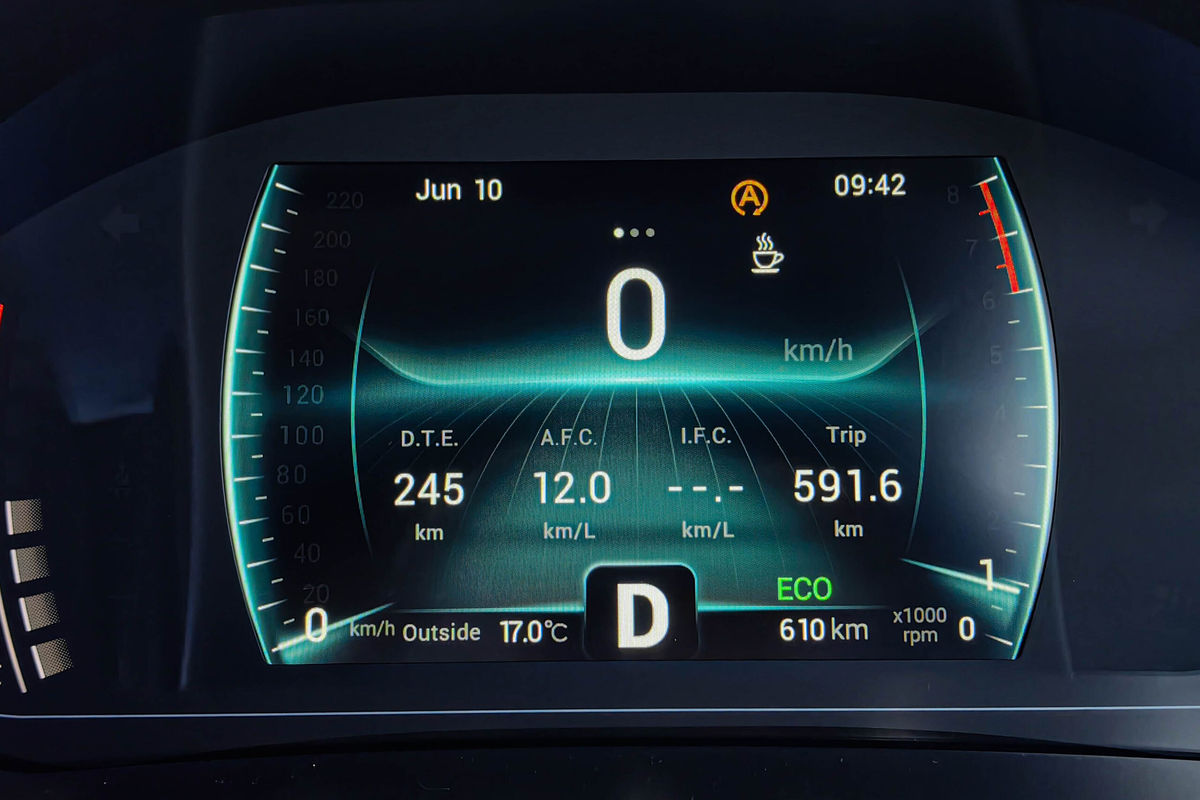
A suspected glitch in the measurement of the fuel level played havoc with the distance-to-empty reading.

The Tiggo 7 Pro Max is a slightly smaller vehicle than the H6, but we were concerned that the 290T Executive AWD’s sportier demeanour (or state of tune) would mean very frequent visits to the pumps. 

Well, the Chery wasn’t as thirsty as we expected, even if its claimed consumption figure (7.8 L/100 km) is rather optimistic. You should be able to comfortably achieve 9.4 L/100 km in mixed driving conditions.

What caused frequent visits to the pumps, however, was not the car’s thirst, but an increasingly erratic fuel gauge/distance-to-empty display. Towards the end of the test, we simply couldn’t trust it anymore.

The 290T Executive AWD’s interior is plush and the cabin benefits from a panoramic sunroof.

Cruising Comfort and Safety

With such a long list of standard features, the Tiggo 7 Pro Max certainly has all the ingredients of a luxuriously appointed and comfortable family car. Still, Chery needs to get the basics right – and it does.

The beautifully shaped and leather-trimmed seats are quality items that offer support in the right places. What’s more, the electrically adjustable front seats (with memory for the driver) offer heating and cooling functions. Rear leg- and headroom are excellent and occupants seated at the back also benefit from the fitment of aft ventilation outlets and a USB charging port. Overhead, there is a vast panoramic sunroof.

The Chery’s centre console is a great example of a touch point with a high-quality look and feel.

The load bay is nicely shaped and sized, plus, with the rear backrests folded down, the Tiggo 7 Pro Max offers 1 672 litres of utility space, which proved particularly useful during the holiday season! Adding peace of mind (particularly if you will traverse poorly maintained roads quite often) is a full-size spare. 

Our new office in Cape Town has a particularly steep ramp – one that includes a turn and, if a car lacks structural integrity, this ramp usually elicits tell-tale groans or creaks. There was not a squeak from the Chery when we drove it up or down this ramp, so we have to believe Chery’s claims of improvements to the model’s body structure. The calmness of the car out on the open road further speaks to good structural integrity, and in general, we found the Tiggo 7 Pro Max’s cabin a relaxed, calming place to be. 

The provision of (an even faster) wireless charging pad (ahead of the front cupholders) is welcome.

As with the pre-facelift car, the damping is still on the firm side, however. The ride quality does feel a little jittery over uneven road surfaces, especially when the vehicle is loaded up with occupants and luggage. 

Even though the Tiggo 7 Pro Max features numerous drive modes, including ones for mud and off-road, it should not be considered a serious off-roader, however. The very low-profile tyres (225/55 R19s) are obviously road-biased, and there are no locking diffs or any other serious budu-bashing hardware.

The Off-Road drive mode is best suited to providing reassuring all-wheel traction when you’re traversing gravel roads.

No, rather enjoy the extra security that comes with the fitment of all-wheel drive, and understand that it is comfortable and stable on gravel roads. The ground clearance and approach/departure angles are, however, good enough for some low-speed “off-roading” if required. It is worth noting that, after we had travelled a significant distance on very dusty gravel, no dust had entered the cabin; it was sealed “tight”.

The 290T Executive AWD comes equipped with a suite of safety equipment that befits its premium market positioning.

The Chery also scores highly in terms of safety. It comes fitted with just about every feature that you would expect at this price point, plus a few more. The 290T Executive AWD has no fewer than 8 airbags and other notable (and worthwhile) features include adaptive cruise control, automatic emergency braking, rear cross-traffic alert (with braking) and blind-spot monitoring, among many others.

There is also a driver-monitoring system (DMS) that keeps an eye on the driver’s focus, but it proved too sensitive (we mostly drove with it switched off). Indeed, many of the systems are “overly sensitive”, with constant chimes to warn you, in some instances, of nothing! Once the car automatically slammed on the brakes while reversing, which gave the driver a big fright, when there was nothing in the vehicle’s path. 

The Chery Tiggo 7 Pro Max provides generous leg- and headroom for its rear occupants.

What we dislike about the Chery Tiggo 7 Pro Max

Given the overall value offering here, the dislikes we identified could be regarded as examples of “nit-picking”. Yes, the fuel consumption was average, but not as bad as we had expected. More problematic (on our test unit, at least) was the erratic fuel gauge and, in particular, the distance-to-empty display. We simply could not trust it, which made planning stops on long-distance journeys somewhat more difficult.

And yes, the incessant beeping from all the safety and monitoring systems did get tiresome. One could argue that the driver should just concentrate harder, but in our opinion, the systems remain too sensitive, especially when compared with comparable setups of other brands. Therefore, we switched off as many of the features as we could, which of course defeats the purpose of having them (and paying for them).

It may have a few shortcomings, but the Chery Tiggo 7 Pro Max offers astonishing value in a generously-specified package.

Verdict

The Chery Tiggo 7 Pro Max 290T Executive AWD is priced at R609 900 (February 2024), which puts it in the crosshairs of the highly-rated Haval H6 4WD Super Luxury. The Chery is a slightly smaller vehicle than the H6, but it hits back with a longer features list and a superior warranty (5 years/150 000 km).

In truth, neither the Chery nor the Haval will disappoint; the pair makes this a particularly tricky segment of the market for just about every other brand, simply because of the staggering value for money on offer here. But keen pricing and “value” are no longer the only competencies of the latest Chinese vehicles…

This Chery is built exceptionally well, beautifully finished and loaded with comfort- and safety-enhancing features. The few niggles that remain will undoubtedly be sorted out soon. We recommend it highly.

New Chery Tiggo 7 Pro and Pro Max specs & prices in South Africa

Search for a new/used Chery Tiggo 7 Pro and Pro Max on Cars.co.za

SA’s best-selling brands and vehicles in January 2024

South Africa’s new-vehicle market started off the year on a negative note, registering its 6th consecutive year-on-year decline in January 2024. Here’s your full overview, including most popular brands, best-selling cars and more…

It may be a new year, but the local market’s slump continues. Yes, January 2024 was the South African new-vehicle industry’s 6th consecutive month of year-on-year decline. The opening month of 2024 saw a total of 41 636 units registered, translating to a 3.8% drop compared with the corresponding month in 2023.

That said, January 2024’s final tally at least represented a month-on-month improvement of 3.2% compared with December 2023’s effort of 40 329 units (though it’s worth keeping in mind there are traditionally fewer trading days in December). What about exports? Well, this part of the industry also saw a decline, falling 2.1% to 20 684 units in January.

“The lingering effects of cost-of-living increases, dampened consumer- and business confidence combined with the country’s port challenges and persistent load-shedding continued to undermine the new-vehicle market’s recovery path”, said Mikel Mabasa, CEO of Naamsa.

Out of the total reported industry sales in January 2024, Naamsa estimated that 35 108 units (or 84.3%) represented registrations via the dealer channel, while 11.5% were sales to the vehicle-rental industry, 2.2% to industry corporate fleets and 2.0% to government.

In January 2024, Mzansi’s new passenger-vehicle market registered a year-on-year fall of 6.7% to finish on 28 790 units (with vehicle-rental sales accounting for a strong 15% of that figure). Meanwhile, the light-commercial vehicle segment experienced a marginal increase of 2.3% to end the month on 10 871 units.

Brandon Cohen, Chairperson of the National Automobile Dealers Association (NADA), said the “flat” performance of SA’s new-vehicle industry in January 2024 was “expected”.

“It seems the dreaded ‘Januworry’ has taken effect with a further decline in consumer affordability due to the cost-of-living increases and the political climate uncertainty of an election year. Even the fact that the vehicle-rental industry bought 11.5% of the total vehicles sold in January could not prevent another month of decline,” pointed out Cohen.

Lebo Gaoaketse, Head of Marketing and Communication at WesBank, added that January’s “weaker performance continued the trend in declining year-on-year sales the market has experienced since August”, but said this showing “should consider more realistic market figures to compare against the previous year than the skewed data since the pandemic years”.

“Indebted consumers will have been relieved by the 4th consecutive hold on interest rates during January, which will continue to help buying power in the market and hopefully increase levels of demand as buying confidence restores,” Gaoaketse said.

New-vehicle sales summary for January 2024

  • Aggregate new-vehicle sales of 41 636 units decreased by 3.8% (1 658 units) compared to January 2023.
  • New passenger-vehicle sales of 28 790 units decreased by 6.7% (2 073 units) compared to January 2023.
  • New light-commercial vehicle sales of 10 871 units increased by 2.3% (248 units) compared to January 2023. 
  • Export sales of 20 242 units decreased by 2.1% (442 units) compared to January 2023.

10 best-selling automakers in South Africa in January 2024

The Tiggo 4 Pro helped Chery crack the overall top 10 for the 2nd time.

It was business as usual at the very top of the pile, with Toyota finishing January 2024 out in front on 10 855 units (down 3.1% on December 2023’s effort). The Volkswagen Group (5 522 units) held steady in 2nd, but Suzuki ran the German company extremely close last month, finishing in 3rd on 5 235 units (just 287 registrations off the pace). That’s by far Suzuki Auto SA’s best month yet and the 1st time the Japanese firm has breached the 5 000-unit mark.

Meanwhile, Ford (2 420 units) and Nissan (2 315 units) each climbed a position to 4th and 5th, respectively, which saw Hyundai (2 185 units) slip 2 rankings to 6th. Isuzu (1 610 units) moved up 2 spots to 7th, while Haval remained in 8th with 1 463 registrations.

The other big news from top 10 was a surge from Chery, which finished the opening month of 2024 on a healthy 1 425 units (or just 38 sales behind fellow Chinese brand Haval). That was more than enough for Chery to crack the table for the 2nd time – having previously made the top 10 in July 2023 – slotting in ahead of Renault (1 411 units). For the record, the French firm slid 3 positions to cling to the final spot on the list.

That meant Chery effectively booted Kia (1 344 units) out of the top 10, with the South Korean company having to settle for 11th ahead of Indian manufacturer Mahindra (878 units), the BMW Group (821 units), Mercedes-Benz (a Naamsa-estimated 505 units) and Stellantis (423 units).

1. Toyota – 10 855 units

2. Volkswagen Group – 5 522 units

3. Suzuki – 5 235 units

4. Ford – 2 420 units

5. Nissan – 2 315 units

6. Hyundai – 2 185 units

7. Isuzu – 1 610 units

8. Haval – 1 463 units

9. Chery – 1 425 units

10. Renault – 1 411 units

15 best-selling vehicles in South Africa in January 2024

The Toyota Fortuner returned to the top 10 in January, falling just shy of 4 figures.

As you’ve no doubt guessed, the Toyota Hilux – South Africa’s best-selling vehicle overall in 2023 – picked up right where it left off. Yes, the Prospecton-built bakkie topped the charts once more, finishing January 2024 on 2 645 units. The Kariega-produced Volkswagen Polo Vivo (2 034 units) wasn’t far behind in 2nd, with the Silverton-manufactured Ford Ranger (1 914 units) again completing the podium.

While the likewise locally built Toyota Corolla Cross held steady in 4th position with 1 660 units, the Indian-built Suzuki Swift (1 566 units) – Mzansi’s highest-ranking imported vehicle once again – rocketed up 4 places to snatch 5th, helping drive its maker’s record month.

The Suzuki-built Toyota Starlet (1 479 units) climbed 2 places to 6th, while the Struandale-made Isuzu D-Max remained in 7th despite growing its registrations 313 units to 1 336 units, month on month. The Prospecton-built Toyota Hi-Ace (1 229 units) slipped 2 spots to 8th, while the SA-made Volkswagen Polo hatchback (1 079 units) returned to the table in 9th. The Toyota Fortuner (974 units) also made a comeback, completing the top 10 as the 8th locally built model.

What about the vehicles just outside the top 10 in January 2024? Well, the soon-to-depart Nissan NP200 (969 units) again failed to hit 4 figures so had to be content with 11th, with the Chery Tiggo 4 Pro (914 units) close behind in 12th. Next came the Nissan Magnite (843 units), followed by the Hyundai Grand i10 (783 units) and finally the Suzuki Ertiga (657 units).

1. Toyota Hilux – 2 645 units

2. Volkswagen Polo Vivo – 2 034 units 

3. Ford Ranger – 1 914 units 

4. Toyota Corolla Cross – 1 660 units  

5. Suzuki Swift – 1 566 units

6. Toyota Starlet – 1 479 units

7. Isuzu D-Max – 1 336 units

8.  Toyota Hi-Ace – 1 229 units

9. Volkswagen Polo (hatch) – 1 079 units

10. Toyota Fortuner – 974 units

11. Nissan NP200 – 969 units

12. Chery Tiggo 4 Pro – 914 units

13. Nissan Magnite – 843 units

14. Hyundai Grand i10 – 783 units

15. Suzuki Ertiga – 657 units

Vehicle-sales outlook in SA for the rest of 2024

Naamsa says inflation is easing, which should support SA’s export industry.

So, what does the remainder of 2024 hold for South Africa’s new-vehicle market? Well, Naamsa hints that January 2024’s “weak performance” could be a sign of things to come, saying it was “intricately linked to the major economic headwinds that shaped the market’s performance in 2023, including highly indebted consumers, high interest rates, high food and fuel inflation, load-shedding and port backlogs and delays”.

“South Africa’s economic growth outlook for 2024, at 1.2%, although stronger than in 2023, remains a key challenge for the new-vehicle market going forward in view of the close correlation between new-vehicle sales and the GDP growth rate,” adds the industry representative body.

“The year is also marked by elections, not just in South Africa but also in other major markets, introducing an element of economic uncertainty. A start of an interest-rate cutting cycle, likely to commence during the 2nd half of the year but preferably earlier, accompanied by easing core and food inflation, and improvements in the country’s energy and logistics infrastructure could provide a much-needed relief for consumers and subsequently stir up some momentum in the new vehicle market.”

Meanwhile, NADA’s Cohen says “there is now a lot of focus from dealers, manufacturers, distributors, component manufacturers and consumers on what the government will have to say at the President’s State of the Nation Address on 8 February and the Finance Minister’s National Budget Speech on 21 February”.

“Hopefully, there will be some good news that could lend to an improvement in consumer sentiment or, from an industry perspective, more certainty about the regulatory framework for selling and manufacturing of new-energy vehicles in the Budget Speech,” Cohen concludes.

Finally, WesBank’s Gaoaketse says motorists “remain under pressure” in the total mobility basket. “With interest rates stable, but still high, fuel-price increases expected during February, consumer price inflation still on the high end of the target band, and elections looming, economic uncertainty is the reality for most households and businesses and potential new-vehicle buyers will remain wary of big financial commitments.”

However, Gaoaketse says he expects numerous opportunities to exist from renewed efforts to stimulate demand in the market: “Banks may increase their risk appetite with lower quoted rates on deals to capture market share. Brands and dealers will also be hungry to convert sales, offering enticing incentives that may provide an opportunity for the market to remain buoyant.”

Related content

Polo Vivo or Corolla Cross? SA’s 10 best-selling cars of 2023

SA’s top 10 automakers: 2023’s winners & losers by market share

The final figures! SA’s best- and worst-selling bakkies of 2023

Refreshed Toyota Hilux revealed overseas

The Toyota Hilux has been handed revised exterior styling overseas, with the biggest change for the popular bakkie being a refreshed front-end design…
Yes, the Toyota Hilux has been handed another subtle exterior styling revision. For now, this freshened-up version of the popular Japanese bakkie has been confirmed only for the Australian market.
In fact, the updated Hilux is scheduled to hit the market Down Under as soon as March 2024, with the 48V mild-hybrid derivatives joining the range at the same time. So far, just 2 (seemingly computer-generated) images have been released.
What does this mean for Mzansi? Well, Toyota South Africa Motors told Cars.co.za that “Hilux model timing often differs between markets and in addition, different markets may apply cosmetic packages at market-specific timing”, before adding “our range remains unaltered at present”. So, perhaps South Africa will see these updates a little further down the line…

A closer look at the refreshed front end of the Hilux.

On that note, it’s worth keeping in mind that our Hilux models are built locally at Prospecton in KwaZulu-Natal, while Australia sources its units from Thailand. As an aside, however, the widebody Hilux GR Sport III and 48V derivatives have already been confirmed for a March 2024 launch in South Africa.

So, what exactly is new with this Aussie-spec version? Well, in addition to some specification enhancements, the Hilux’s updated face features a new-look grille and front bumper. These are combined in what Toyota describes as an “interlocking design with an octagonal grille, trapezoidal lower section and bold outer bumper”.

On certain derivatives in Australia, the refreshed Hilux furthermore scores a black upper grille mould, dark-tinted LED headlamp clusters and a gloss-black finish for items like the front foglamp bezels, side-mirror caps and exterior door handles. Lower-spec variants Down Under, meanwhile, gain a black honeycomb mesh grille paired with a black lower and body-coloured side bumper finish.

The refreshed version on the left and the SA-spec Raider on the right.

As a reminder, the mild-hybrid option offered in conjunction with the double-cab body style is based on the widely used 2.8-litre, 4-cylinder turbodiesel engine (with 6-speed automatic transmission) but with 48V technology.

The oil-burning engine drives a compact motor generator using a belt system, which in turn charges the lithium battery installed under the rear seats (it is positioned here to “minimise” impact on cabin space, says the automaker). According to Toyota, the 48V battery weighs 7.6 kg and also supplies the vehicle’s 12V system via a new DC-DC converter.

The battery is charged during deceleration, effectively regenerating braking energy which would otherwise be lost, while also ostensibly adding braking performance. When fully charged, the 48V battery can deliver up to 12 kW and 65 Nm through the motor generator to the engine, to “enhance acceleration, power and efficiency”.

The widebody Hilux GR Sport III is set to launch in SA in March 2024.

Of course, this is in addition to the 4-pot’s standard outputs of 150 kW and 500 Nm. Should these hybrid outputs be available alongside the peak figures of the turbodiesel engine (which Toyota has not confirmed), total system outputs would theoretically stand at 162 kW and 565 Nm.

In South Africa, the 48V option will be available on all Hilux 2.8-litre 6AT Raider and Legend models, as well as on 2.8-litre versions of the Fortuner.

Related content

New widebody Toyota Hilux GR Sport confirmed for SA

South Africa’s best-selling double-cab bakkies of 2023

The final figures! SA’s best- and worst-selling bakkies of 2023

2024 World Car Finalists Announced

The 2024 World Car Finalists in the World Car Awards competition have been announced. Here’s a look at who’s made the grade across 6 categories on the global stage.

The World Car of the Year powered by Brembo is a global competition, with over 100 judges from 29 countries assessing the vehicles.

The number of finalists will be narrowed down to the Top Three in the World to be announced – live – at the Geneva International Motor Show (GIMS) on the 26th February 2024. The winners will be announced at the 2024 New York International Auto Show.

The overall winner will be chosen from an initial list of 38 entries. As a reminder, our very own Hannes Oosthuizen is a judge in this global competition and he shares his thoughts on this year’s entries.

“The Korean brands Hyundai and Kia continue their strong performance in this competition in recent years, with multiple nominations. It is also interesting to see a Chinese brand (BYD) make the top 10. For me the most interesting category is probably Urban Car this year, where the Suzuki Fronx, based on the relatively old Baleno underpinnings and developed for a nation such as ours, competes against a cutting-edge new urban electric car, the Volvo EX30,” he said.

Overall 2024 World Car Finalists

BYD Seal / Atto 4
Ford Bronco
Hyundai Kona / Kona Electric
Hyundai Santa Fe
Kia EV9
Mazda CX-90
Subaru Crosstrek
Toyota Prius
Volkswagen ID.7
Volvo EX30

World Electric Vehicle

BMW i5
Kia EV9
Mercedes-Benz EQE SUV
Volkswagen ID.7
Volvo EX30

World Luxury Car

BMW i5 M60 xDrive

BMW 5 Series / i5
Lexus LM
Mercedes-Benz CLE
Mercedes-Benz E-Class
Mercedes-Benz EQE SUV

World Performance Car

BMW M2
BMW XM
Ferrari Purosangue
Hyundai Ioniq 5 N
Porsche Cayenne Turbo E-Hybrid

World Urban Car 

Abarth 500e
BYD Dolphin
Lexus LBX
Suzuki Fronx
Volvo EX30

World Car Design of the Year 

Ford Bronco
Ferrari Purosangue
Toyota Prius
Volvo EX30
Zeekr X

Further Reading

All you need to know about our Cars Awards competition, sponsored by absa

Want to buy a new or used vehicle? Browse units for sale

Here’s how many hybrids Toyota sold in South Africa in 2023

Just how well received are Toyota’s hybrids in South Africa? Well, let’s take a closer look at local sales of the Japanese firm’s dual-powered models in 2023 to find out…

Toyota South Africa Motors says sales of its hybrids increased 22% year on year in 2023. According to the Japanese firm’s local division, registrations of its dual-powered derivatives improved from 3 320 units in 2022 to 4 054 units last year.

The company shared the intriguing sales figures at its recent State of the Motor Industry (SOMI) 2024 event at Kyalami in Gauteng. A slide shown during the presentation indicated that the Corolla Cross Hybrid – Mzansi’s most affordable hybrid, currently starting from R486 100 in XS guise – accounted for the bulk of these sales.

More than half of RAV4 sales in SA last year were hybrid derivatives.

Indeed, with 3 059 registrations, the Corolla Cross Hybrid represented more than 75% of the Toyota brand’s total hybrid sales in 2023. As an aside, since the Corolla Cross nameplate finished the year on 22 592 units (enough for it to take 2nd place on the list of SA’s best-selling passenger cars), we can calculate that hybrid derivatives accounted for 13.5% of the crossover’s final tally.

Despite seemingly grappling with supply constraints, the RAV4 Hybrid was next for Toyota South Africa Motors, finishing 2023 on 590 units (or, rather fascinatingly, a considerable 53.6% of total RAV4 sales). Then came the Corolla Hatch Hybrid (204 units or 54.3% of all Corolla hatchback registrations), followed by the Corolla Sedan Hybrid (180 units or 31.2% of all Corolla Sedan sales).

Toyota also offers dual-powered versions of the Corolla hatch and sedan.

The Crown Crossover Hybrid – which Toyota has not yet formally launched in South Africa – and the since-discontinued Prius made up the numbers with 13 units and 8 units, respectively. For the record, our dataset (based on Naamsa figures) suggests 7 units of the Prius were registered locally last year. It’s also important to note that the above statistics don’t include hybrid sales from the Lexus stable (a whopping 42.5% of the luxury brand’s registrations came in the form of hybrids last year).

As a reminder, Toyota was South Africa’s best-selling automaker in 2023, growing its tally by 8.0% year on year to a hefty 142 612 units (including Lexus and Hino sales). Having now led Mzansi’s new-vehicle market for 44 years on the trot, the Japanese giant’s market share surged to 26.8% (yes, that’s more than 1 in 4 vehicles sold), the highest on record.

Related content

Toyota Hilux Hybrid 48V: power & torque figures released

Toyota prepping 7-seater Corolla Cross, suggests report

What to buy: Haval Jolion Hybrid vs Corolla Cross Hybrid