The new-generation Bentley Continental GT loses its iconic W12 engine, but gains a new plug-in hybrid V8. Here are some early details.
This is the fourth-generation Bentley Continental GT and it was revealed alongside its drop-top GTC sibling in Speed spec. The big news is the legendary 6.0-litre twin-turbo W12 engine has been replaced by a more efficient plug-in hybrid V8 petrol engine.
This high-tech engine makes some incredible numbers. From a 4.0-litre twin-turbocharged V8 and a single-electric motor comes 583 kW and 1000 Nm, making the new Bentley Continental GT Speed the most powerful Bentley ever. The 25.9 kWh battery pack is located behind the rear axle for better balance, and the car’s good for a pure EV range of around 81 km.
As far as performance goes, the new Continental GT Speed can power to 100 kph in just 3.2 second and run to a top speed of 335 kph. Impressively, this car 0.4 seconds in comparison the previous version powered by a W12. As before, the Continental GT features an all-wheel-setup and an automatic transmission.
Visually, the new Bentley Continental GT can be spotted with its new face, which appears to be a toned-down version of the ultra-luxury Bentley Batur, but we’d argue this design can only be Bentley.
New for this model is a new version of stability control software, four-wheel steering, enhanced air suspension and a 48V active roll stabilisation system. Bentley is offering two braking options; standard ventilated icon units and larger carbon-silicon carbide brakes.
Climb inside and it appears the cabin hasn’t been radically changed in terms of design. Bentley says it has enhanced sound insulation and the autonomous/assisted driving tech, and upgraded the infotainment system, which is now capable of over-the-air updates and wireless connectivity.
Like always, a Bentley is all about high-end luxury and the vehicle features 20-way adjustable seats and there are three audio options. The one to go for, obviously, is the 18-speaker Naim setup! Bentley prides itself on the customisation and there should be a trim and a colour to suit all tastes.
While we’re yet to hear confirmation from Bentley South Africa, the headquarters in Crewe, England have already confirmed the new model will go into production in the third quarter of 2024.
If you are shopping for a used SUV with a budget of under R150 000, what buying strategy should you use and what good used SUVs should you consider? Let’s take a closer look!
Cars.co.za has thousands of used SUVs for sale in South Africa, but if your budget is limited to under R150 000, what are your options?
Buying a used SUV under R150 000 is a difficult task, for various reasons. Used cars in this price bracket are typically older, have higher mileage and are generally well-used.
However, if you apply an appropriate buying strategy, you’ll be able to identify used SUVs that are worth a closer look.
Strategy for buying good used SUVs under R150 000
If your goal is to buy the best possible used SUV for under R150 000 then we suggest that you apply the following strategy in your search.
1. Set Parameters
Knowing what your non-negotiables are will help you fast-track your search for a good used SUV. If you stick to your parameters, you’ll immediately eliminate cars that are of no interest to you.
For this article, we want to find used cars, specifically good used SUVs under R150 000 that are in fair-to-good condition, not older than 10 years (2014-2024) and with mileages under 100 000 km. These parameters can easily be selected when using the Cars.co.za Used Car Search Tool.
For this article, our Body Type parameters will include “SUV” and “Crossover” to include compact SUVs.
2. Pay attention to the details
Pay close attention to details such as ownership history, service history and the general condition of both the exterior and interior of the vehicle. Do these details match the asking price? If not, you might have some room to negotiate!
By combining the above buying strategy with our knowledge and experience of the cars on offer, here are 5 good used SUVs that we think you should consider at under R150 000, in no particular order.
Hyundai ix35
We Like: Practicality, reliability, good standard spec, fuel efficiency We Don’t Like: Lack of ESC on FWD derivatives.
The Hyundai ix35, on sale in South Africa from 2010 to 2016, is a good used SUV to consider for under R150 000 and there are currently numerous examples available with mileage below 100 000km!
The Hyundai ix35 has a good reputation for reliability and affordable running costs while parts are also easily available. In 2010, the ix35 arrived with both petrol and diesel engines on offer including 122 kW / 197 Nm 2.0-litre and 130 kW / 383 Nm 2.4-litre petrol engine as well as a pair of 130 kW 2.0-litre turbodiesel engines. The iX35 was offered with a 5-speed manual or 6-speed automatic transmission.
In 2014, the updated ix35 arrived with a new 2.0-litre petrol engine and a 1.7-litre turbodiesel engine paired with a 6-speed manual and 6-speed automatic transmission. The diesel engines used in the ix35 are notably fuel efficient.
We Like: Stylish looks, practical interior, good fuel economy We Don’t Like: Sluggish acceleration, some cheap interior finishes
For those seeking a stylish compact SUV, perhaps the Renault Captur will “capture” your heart. The Captur arrived in South Africa in 2015 with 2 engines on offer including a 66 kW / 135 Nm 0.9-litre, 3-cylinder turbopetrol engine mated with a 5 manual transmission and a 88 kW / 190 Nm 1.2-litre turbopetrol engine mated with a 6-speed dual-clutch automatic transmission.
We Like: Compact package, soft-roading ability, fuel economy (diesel engine) We Don’t Like: Small boot, side-hinged rear door
One of the Renault Captur’s main rivals is the ever popular Ford EcoSport! Yes, EcoSport production ended in 2023 and was discontinued but there are numerous low-mileage examples still available on the used car market.
The EcoSport was introduced in 2013 with a 82 kW / 138 Nm 1.5-litre petrol engine mated with either a 5-speed manual and a 6-speed automatic transmission. A 92 kW / 170 Nm 1.0-litre EcoBoost engine was also offered alongside a 66 kW (later uprated to 74 kW) / 205 Nm 1.5-litre turbodiesel engine, both paired with a 5-speed manual transmission.
When the facelifted EcoSport arrived in 2018, the 1.5-litre petrol engine fell away and Ford shelved the problematic dual-clutch transmission in favour of a torque converter automatic. The 1.0-litre Ecoboost engine became the primary petrol engine alongside the familiar diesel engine, which was only available in Ambiente trim. A new 91 kW / 150 Nm 1.5-litre, 3-cylinder petrol base EcoSport arrived later in the same year with a 6-speed automatic transmission arriving in 2020. A pair of special edition derivatives followed ( EcoSport Black and EcoSport Active) before the model was put out to pasture.
We Like: Sprightly performance, fuel efficiency, fuss-free motoring
We Don’t Like: Top-heavy handling
Considered to be a compact crossover, the pint-sized Suzuki Ignis is worth considering. The Ignis is powered by Suzuki’s familiar 1.2-litre petrol engine with 61 kW and 113 Nm and is paired with either a 5-speed manual transmission or a 4-speed automatic. Fuel economy and affordable running costs are a major drawcard for considering the Ignis.
An updated Ignis arrived in 2020 and despite its seemingly compact dimensions, the Ignis’ cabin is surprisingly spacious and practical. There are a wide selection of used Suzuki Ignis’ available on Cars.co.za.
We Like: Good build quality, practicality, ride quality
We Don’t Like: Bland styling
The Opel Crossland X arrived in South Africa in 2017 with 2 engine choices on offer including a 60 kW / 118 Nm naturally-aspirated 1.2-litre petrol engine (mated with a 5-speed manual transmission) as well as a 81 kW / 205 Nm 1.2-litre turbopetrol engine, offered with a 5-speed manual and 6-speed automatic transmission.
While low-mileage examples under R150k are scarce, they do exist and while Opel is a relatively small brand in South Africa, the Crossland is a quality product that’s often overlooked.
South Africa is regarded as “a key market” for the Kia Tasman bakkie, which has been pencilled in for local introduction in late 2025. Here are some insights from Kia SA.
At the recent local launch of the 2024 Kia Sonet (an updated version of the brand’s small crossover), the conversation turned to the Korean brand’s upcoming 1st double-cab bakkie – the new Kia Tasman.
While Kia has many products in its portfolio, not all of them are – or will be – sold locally. After all, car firms are businesses; it makes no financial sense to bring in models that won’t sell in sufficient volumes.
Tasman undergoing testing in the winter snow of Scandinavia.
Mzansi is obsessed with double cabs!
However, Kia SA’s mother company is well aware of how popular double-cab bakkies are in South Africa.
“Kia Global has indeed been engaging with us extensively regarding market requirements, positioning and homologation, with one of the many consumer-facing studies conducted in the run-up to the model launch conducted in South Africa,” said Christo Valentyn, Kia SA’s GM of Marketing.
“We are, indeed, considered a key market for Tasman, so the positioning (especially from a price and competitiveness perspective) will be critical to our ambitions,” he added.
Given how competitive the bakkie market is in South Africa, it will be fascinating to see where the Kia Tasman will be positioned. As a reminder, the Toyota Hilux and Ford Ranger tussle for market superiority every month and Isuzu’s D-Max is not far behind. LDV and JAC have recently launched the T60 and T9, while GWM is preparing to introduce the P500 and an updated version of its P-Series, named the P300.
Kia Tasman bakkie in South Africa?
So, when can we expect the Kia Tasman bakkie to touch down in South Africa? Some publications (based in other countries) are reporting that the bakkie will go into production in December 2024…
However, Valentyn said: “We have not received any formal notification of such a change. Our planning around Tasman therefore remains based on the original start of production in Q1 of 2025. All things being equal, our planning is still pointing towards a market launch in the 3rd or 4th quarter of next year (2025).”
Engines and Body types?
We understand the global reveal of the new Kia Tasman will take place in November 2024. There have been quite a few hints as to what’s coming and we believe the new bakkie, which is said to be based on an all-new ladder-frame chassis, will be offered in double-cab and single-cab body styles.
The engine is likely to be the familiar 2.2-litre 4-cylinder turbodiesel (CRDi), which is used in the Sorento executive SUV and, just to remind you, that powerplant’s peak outputs are 148 kW and 440 Nm.
The Tasman trademark has been registered – now we await the local debut of Kia’s new double cab.
Car Insurance doesn’t only provide cover for vehicle damage sustained in a road accident – there are several other benefits you might not know about. In this article, brought to you by Budget Insurance, we list 4 lesser-known car insurance inclusions.
PARTNERED CONTENT
Given the challenging economic climate, this may not come as a surprise to many: a Deloitte report on consumer spending in South Africa has found that consumers are prioritising essential expenses like groceries, housing and transport over ones that are deemed non- or less essential, such as education and healthcare. Some may believe car insurance falls into the latter category, but they’re mistaken…
Many people believe their insurance benefits are limited to placing claims and that if they don’t have an accident with, or need to repair their car, they aren’t actively benefiting from the cover. While it’s true that car insurance provides you with a wider level of protection against out-of-pocket expenses in the event of an accident, other benefits (that you may not have considered before) can also protect your finances.
Here are a few inclusions, which your car insurance policy can provide, that you may not know about.
Besides accidents, your insurance can cover you for…
1. Property damage
Suppose you have comprehensive car insurance coverage and are involved in an accident where you accidentally damage someone’s property with, or as a result of your vehicle. In that case, you’ll be covered for this damage should the property owner take a 3rd-party claim against you.
For example, a person may collide with you while driving through a residential area, causing you to mount the curb and crash into someone’s wall. Comprehensive Car Insurance will cover this type of damage.
2. Bodily injury
You may have considered that you could get injured in an accident, but have you considered what would happen if a passenger was injured or you injured multiple people in an accident? Unfortunately, whether or not you’re responsible for the accident may not prevent others from claiming against you.
Comprehensive Car Insurance covers some medical expenses of passengers or drivers injured during a car accident or collision. For your own safety, we recommend taking out Personal Accident Cover, which will cover you should you be injured in a car crash.
3. Breakdown assistance
In the chaos accompanying a car accident, it’s easy to forget that you can’t leave your car where it is, but you may not be able to drive it away either. This means it would need to be towed and taken to a safe storage facility to be kept there until you can move it to a repair centre. You may be unable to manage this if you’re injured in the accident.
Extreme and damaging weather events like flash floods and hail storms are not uncommon. If your car should fall foul of such an event, Comprehensive Car Insurance can cover damage caused by extreme weather conditions, ensuring you don’t have to worry about finding money to repair your vehicle.
Things a standard Car Insurance policy doesn’t cover
While Budget Insurance offers some unexpected inclusions as part of its car insurance coverage, it also has exclusions you should be aware of. Here are some of them.
1. Theft of contents inside your car
The items you store in your car must be insured separately with Portable Possessions Insurance. This will allow you to list what you keep on your person when you leave the house, sometimes also covering what you take with you in your car to work or for leisure activities.
Modifying your car can involve changing its functionality and performance. This can lead to issues related to the car warranty. For this reason, many insurers do not cover, or only partially cover, cars that have been modified, customised or upgraded. Car owners are encouraged to inform their insurers if they’ve had any modifications made to their vehicle so that their claims do not get rejected.
It’s recommended that you take out separate tyre and rim Insurance if you drive for long distances on roads that have, for instance, a lot of potholes as your insurance may not cover this kind of damage.
4. Off-roading accidents
Accidents and damage related to off-roading are not covered by a standard car insurance policy. That’s why it’s recommended that you take out a specific policy if you enjoy this type of recreational activity.
A car insurance policy will have limits, which are influenced by various factors, including your coverage options and deductible choices.
Get a Budget Insurance quote
The best way to know exactly what your insurance covers and doesn’t cover is to choose the right policy and have someone talk you through your options. If your current insurer hasn’t done this, the Budget Insurance team are ready to help. All you have to do is request a Budget Insurance quote today.
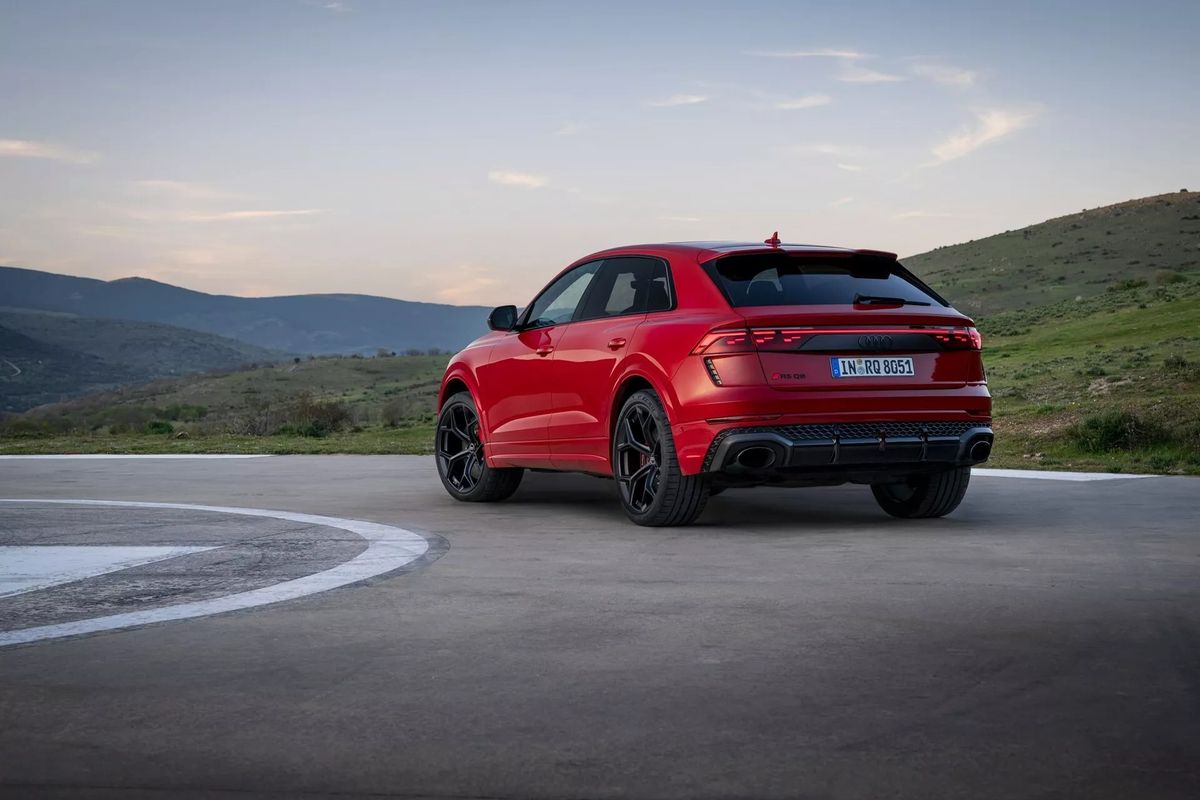
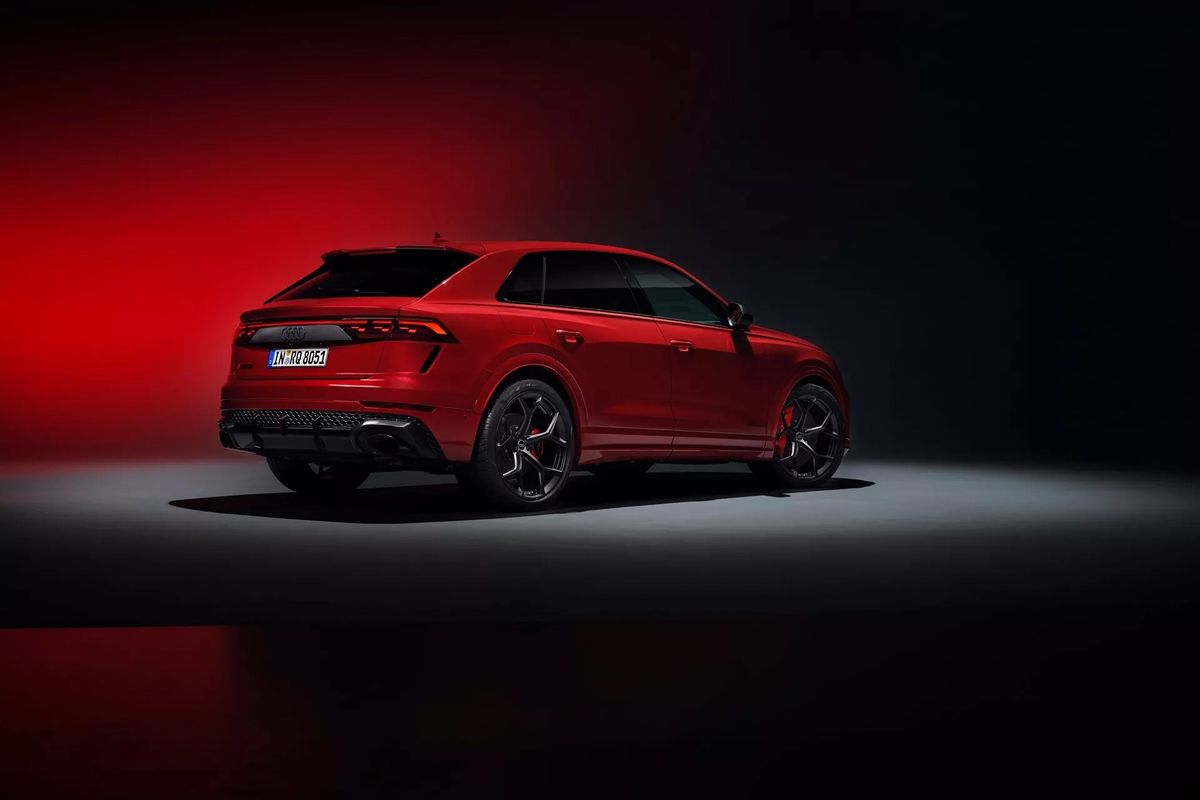
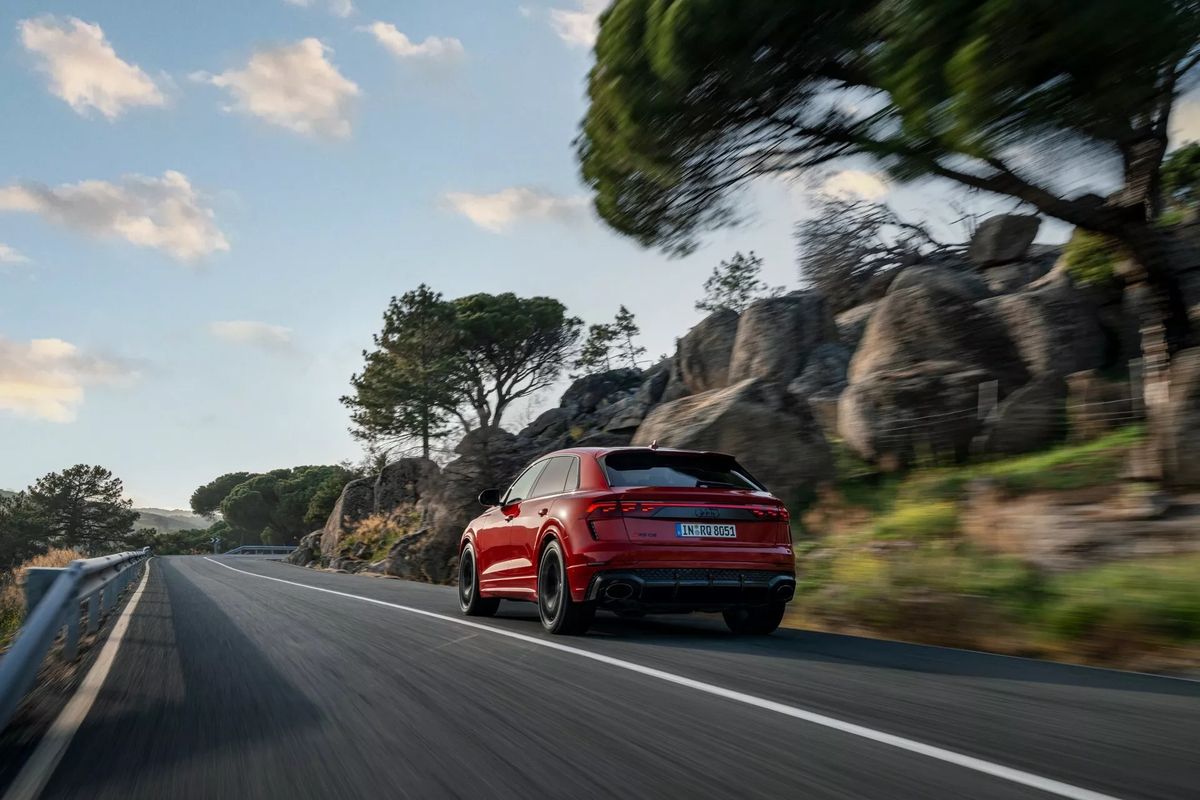
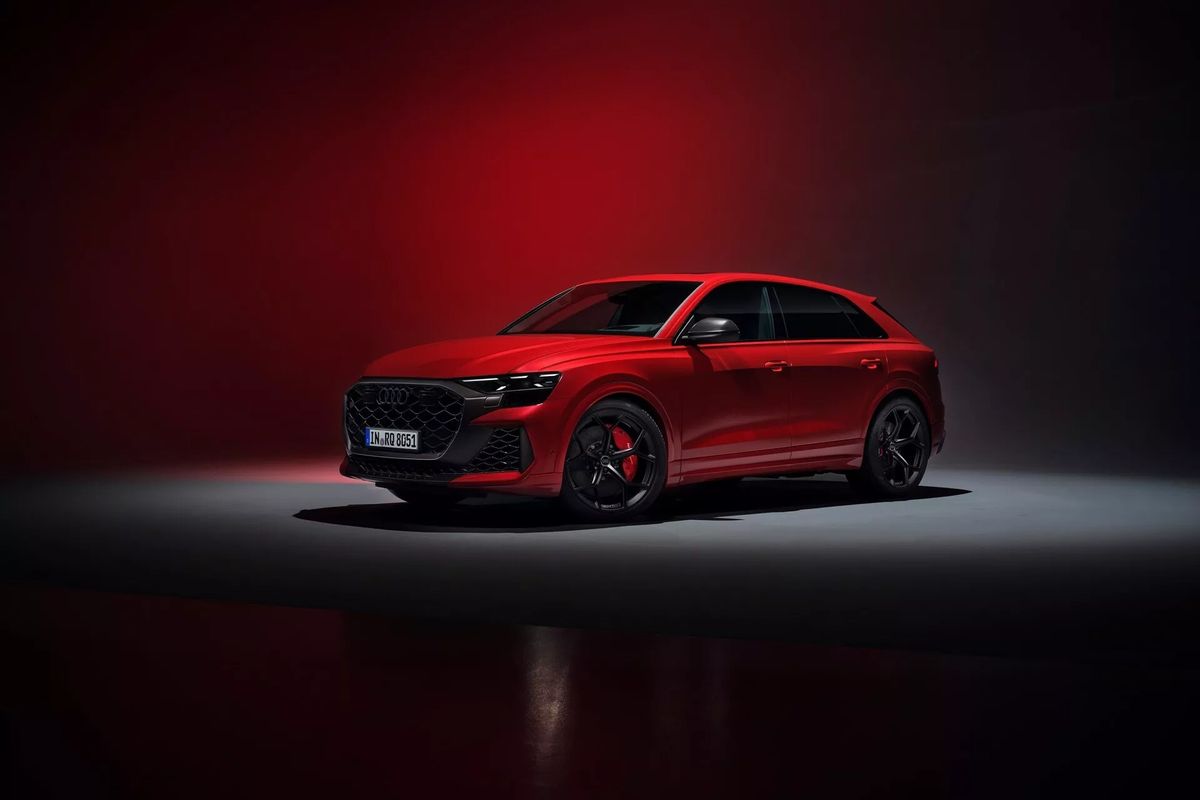
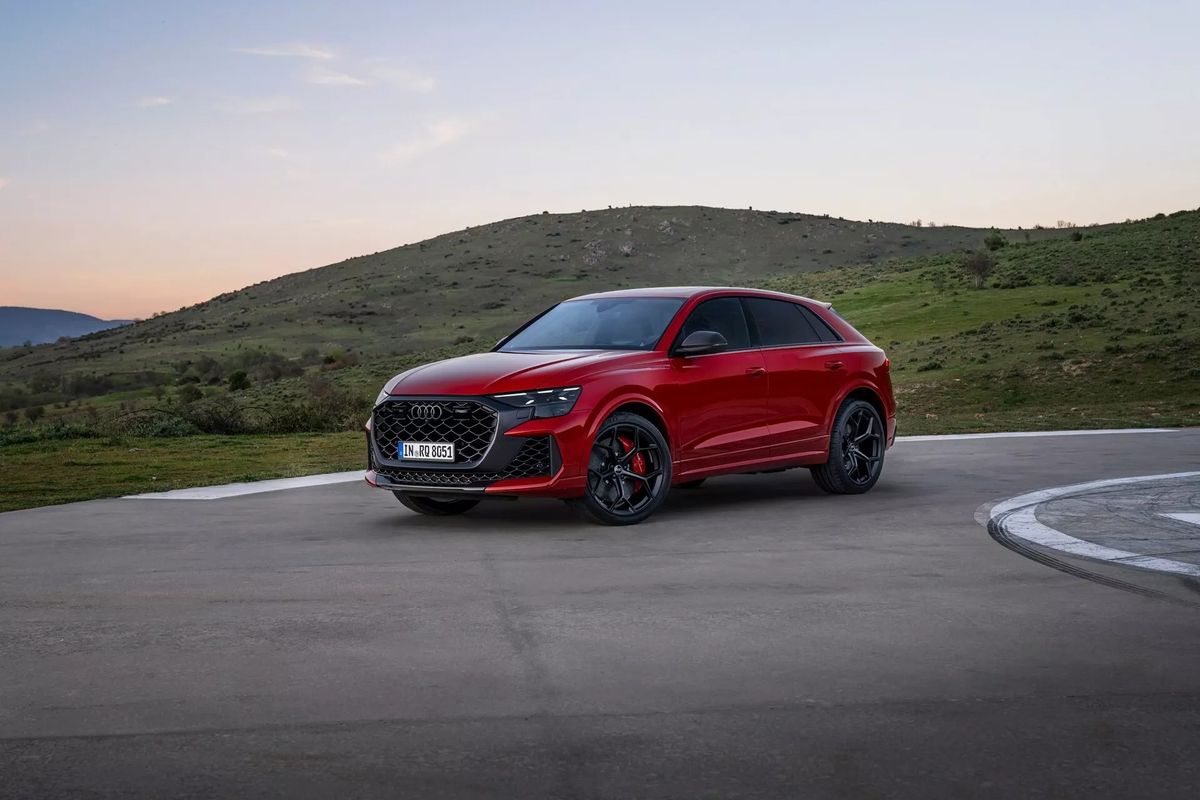
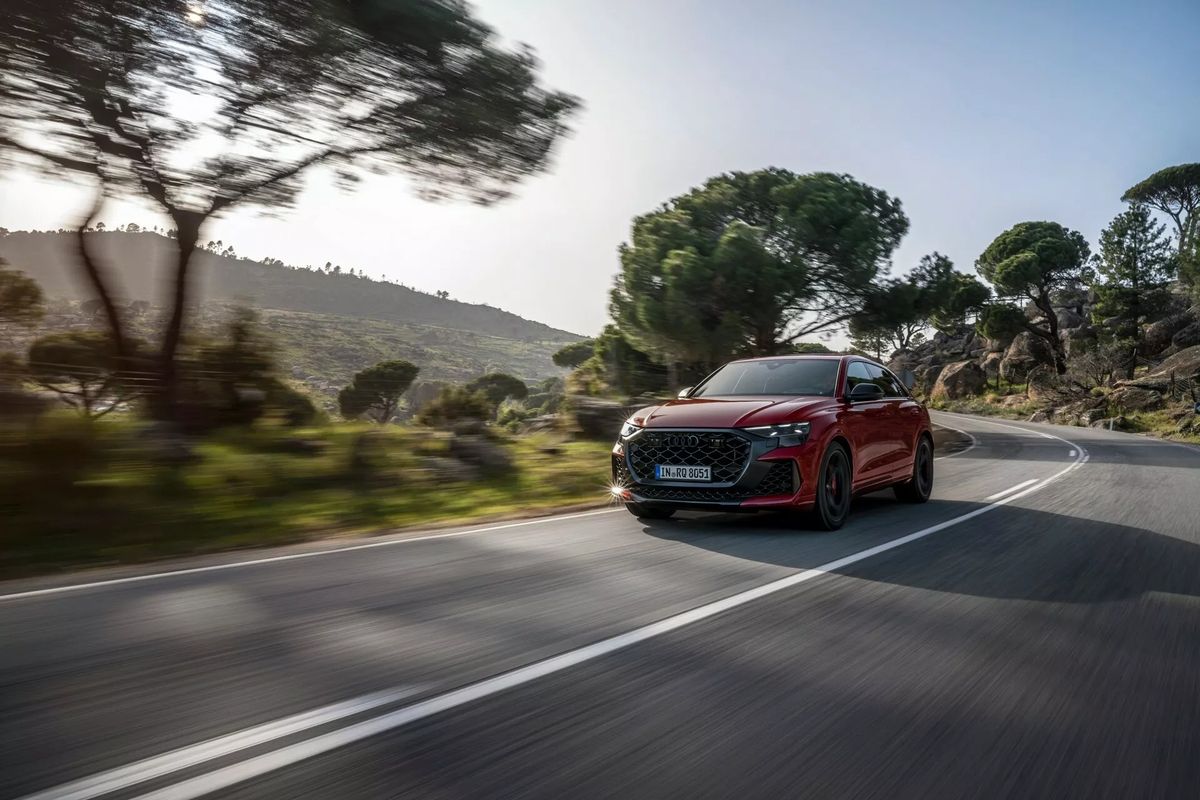
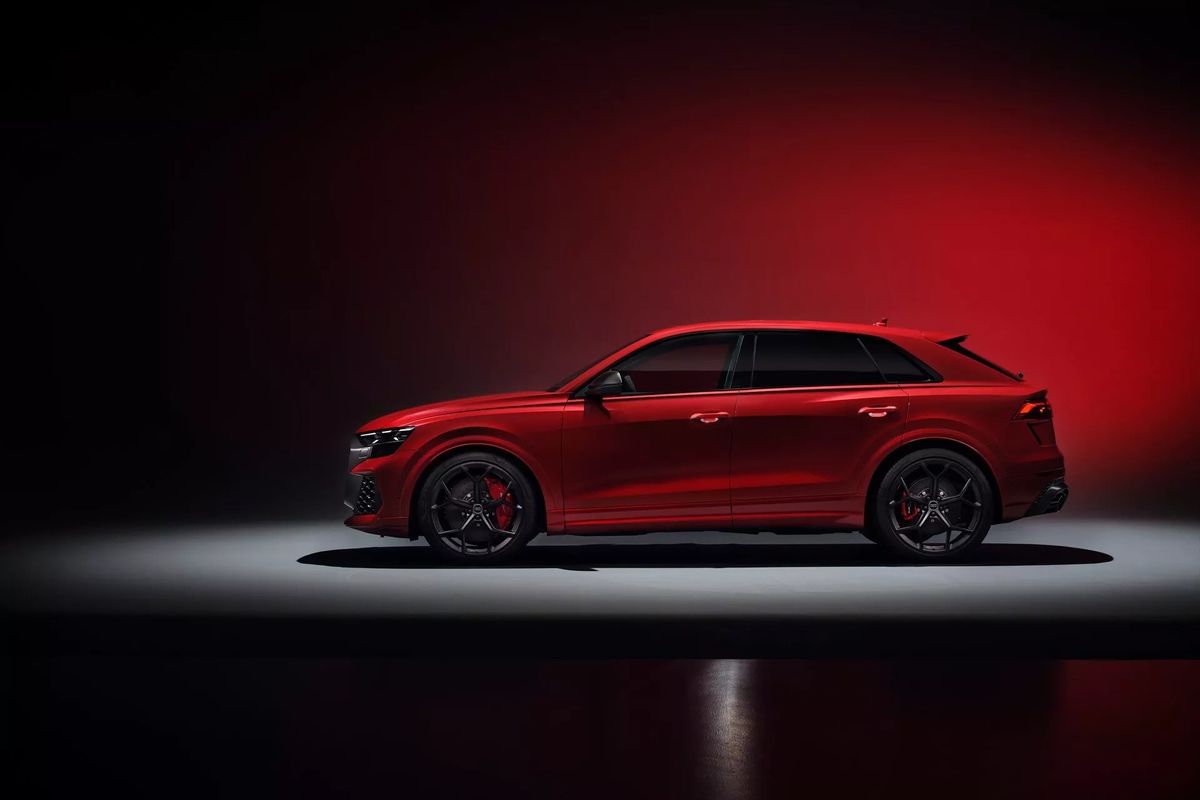
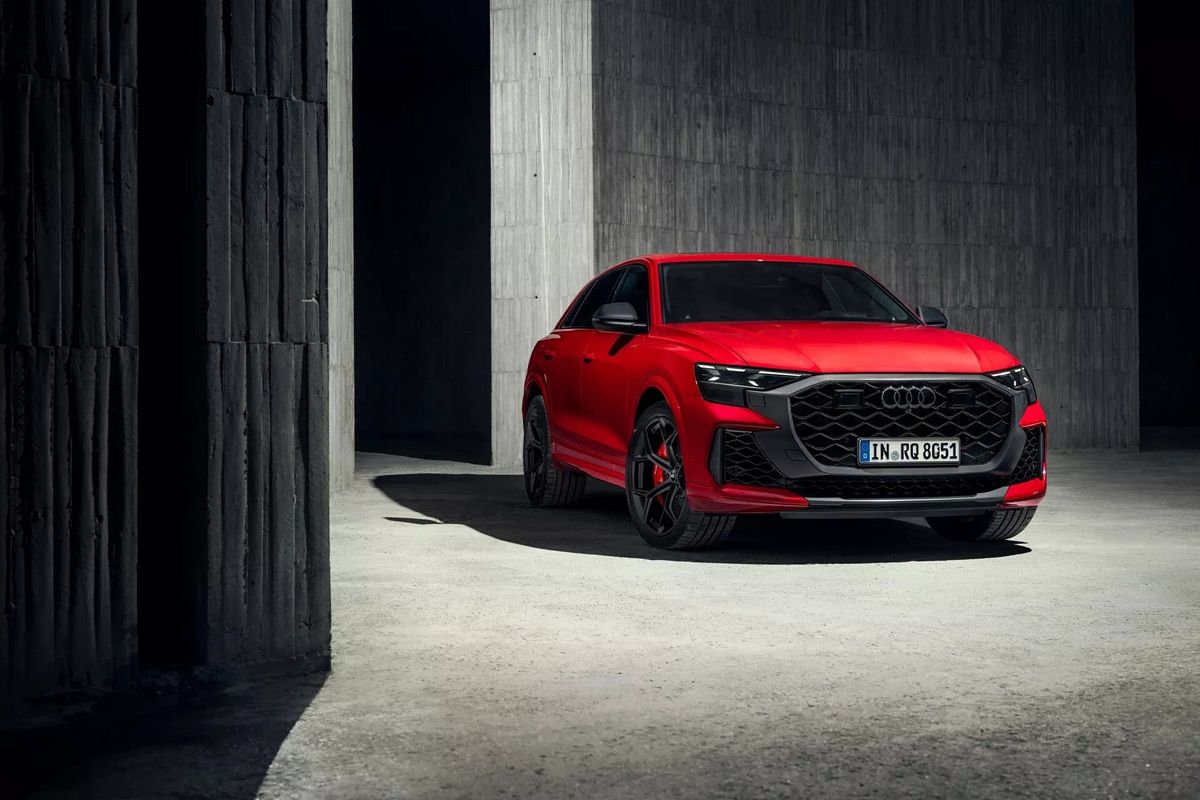
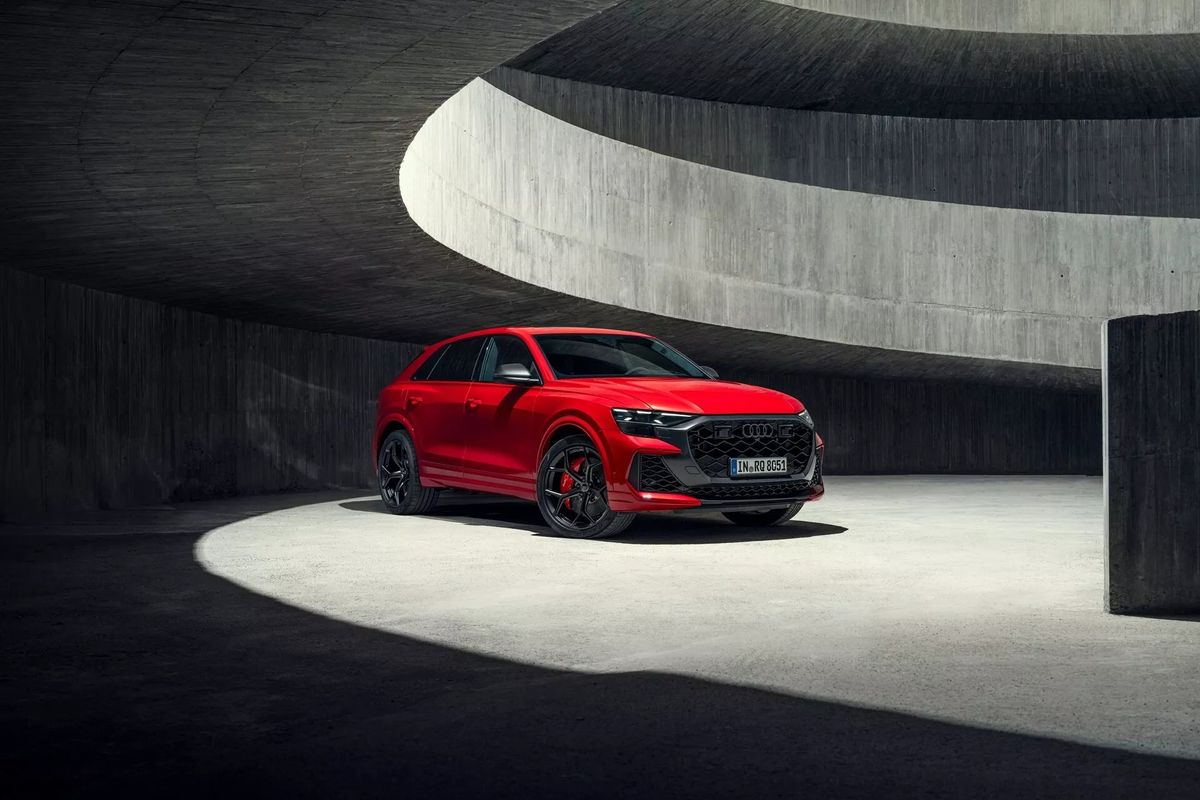
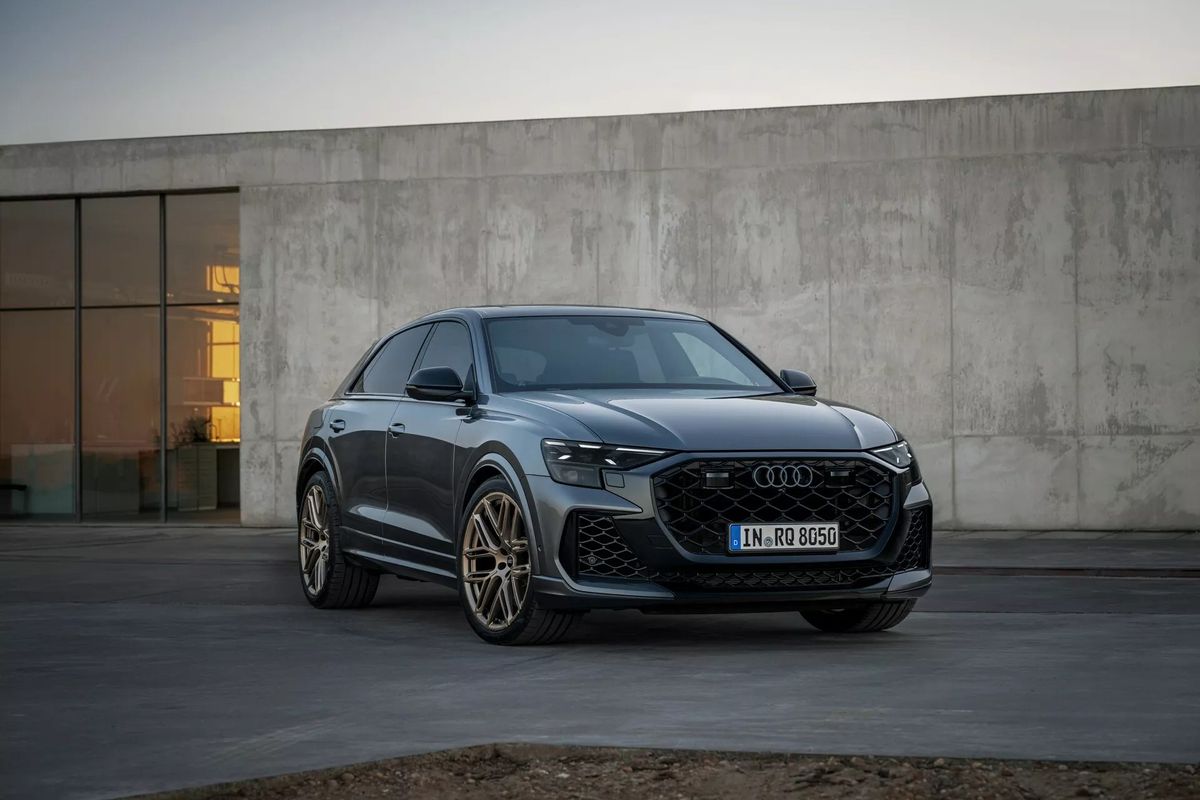
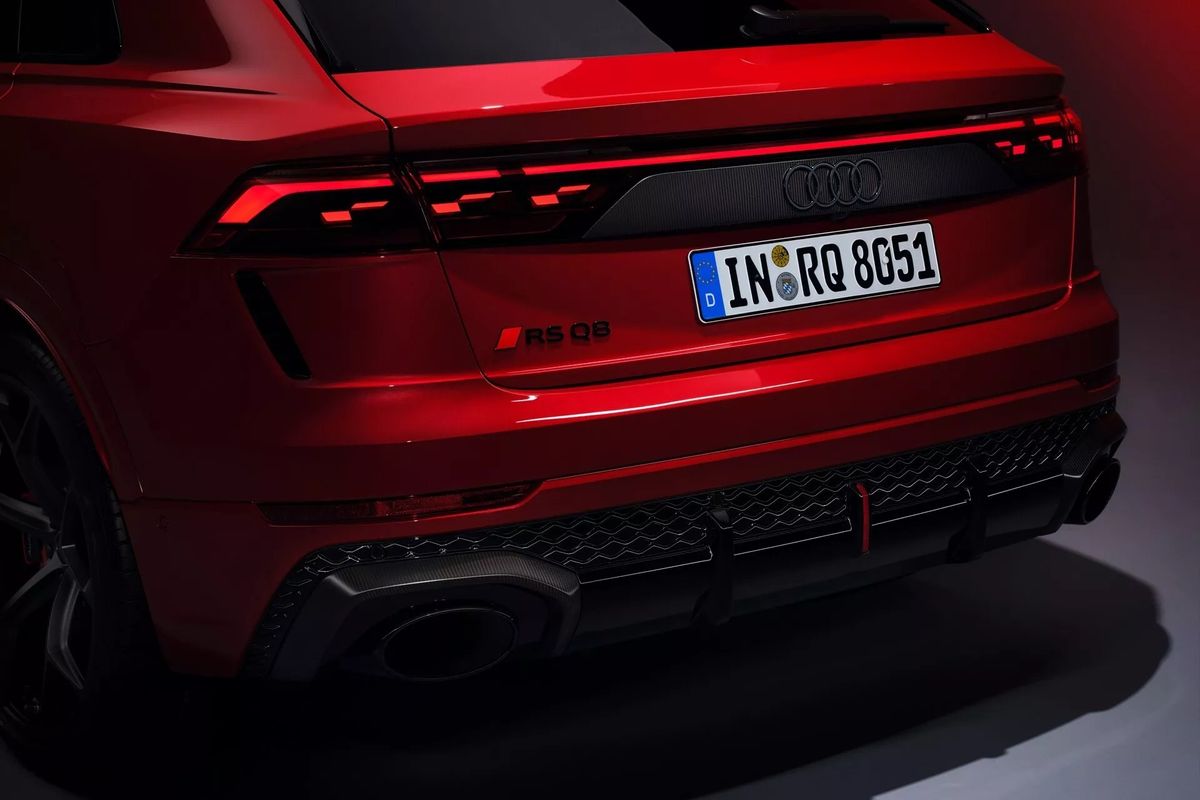
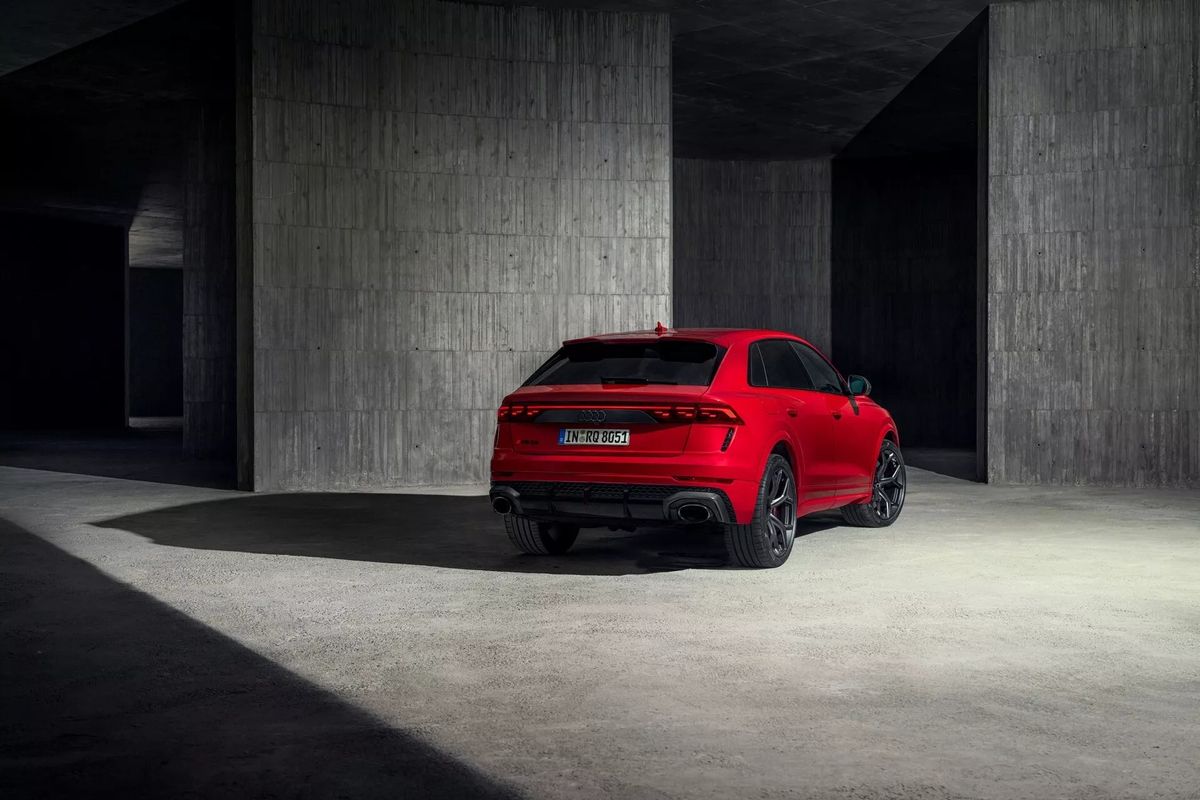
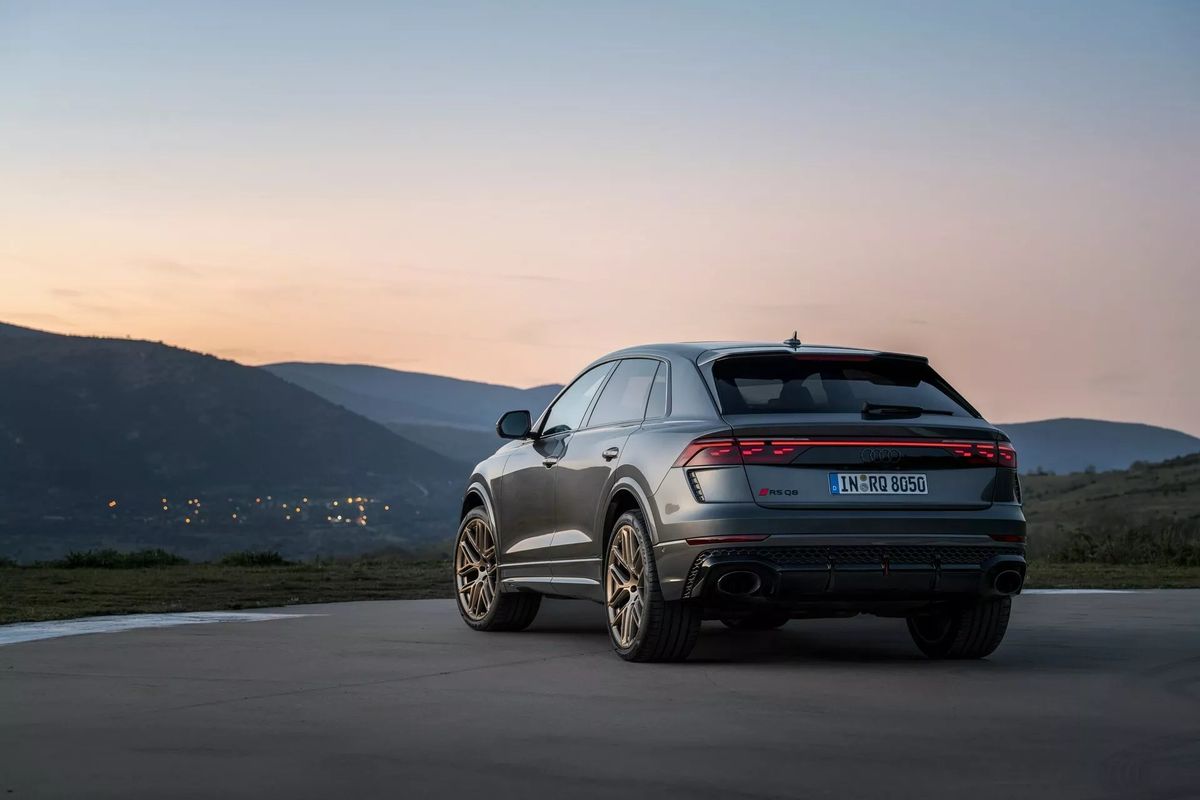
The Audi RSQ8 Performance is the most powerful vehicle ever created by Audi Sport and it headlines the updates RSQ8 range. Here’s all you need to know.
The facelifted Audi Q8 was revealed some months ago and will be introduced to South African showrooms very soon, but one model was missing; the flagship Audi RSQ8.
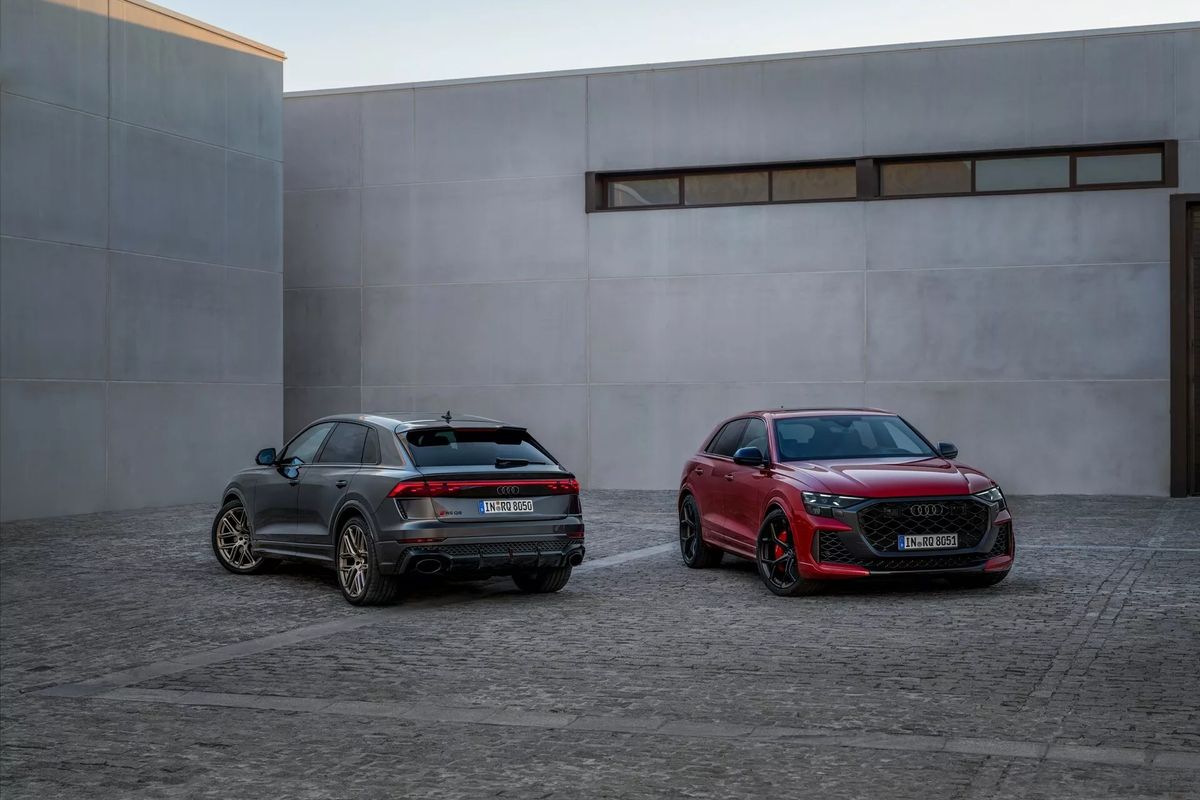
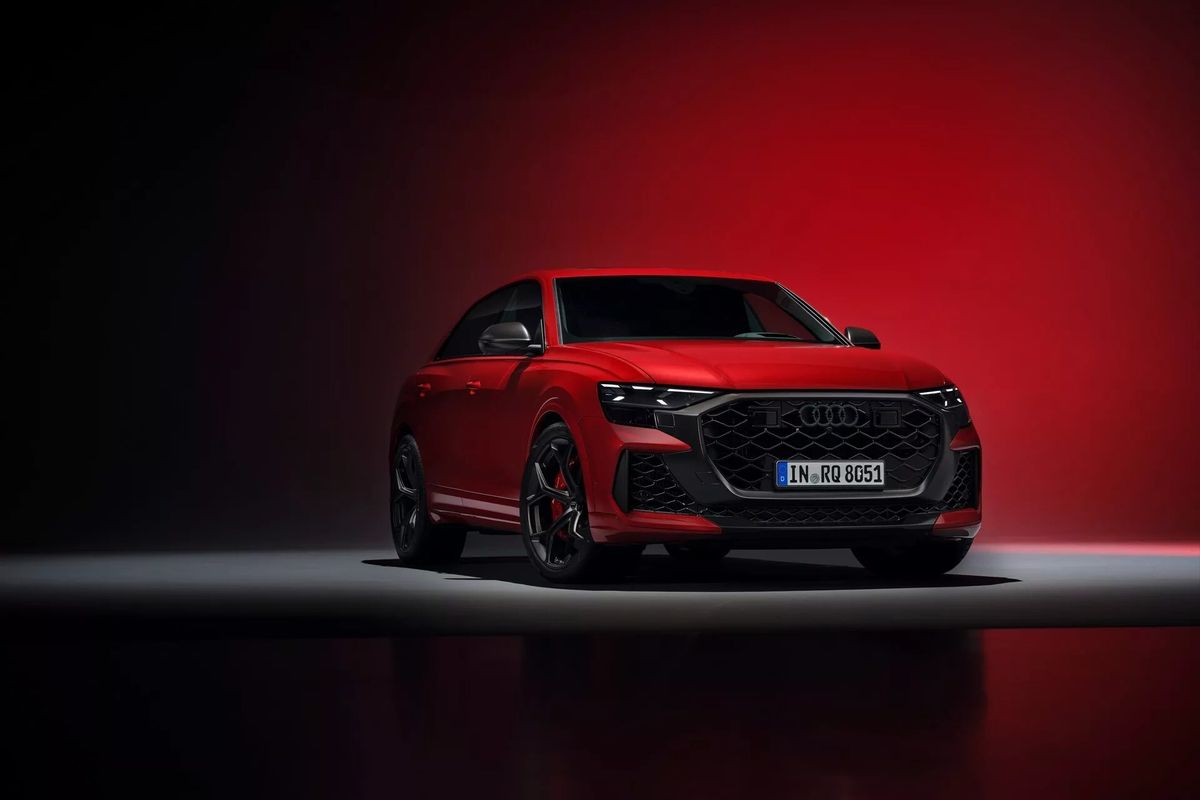
Well, it appears the wait was worth it as Audi has revealed not one, but two versions of the fast SUV. Sitting at the top of the family is this, the Audi RSQ8 Performance, which is Audi Sport’s most-powerful series-production engine. The numbers tell a promising story. The 4.0-litre turbocharged V8 has been cranked up to 471 kW and 850 Nm, giving it a 0-100 kph claimed time of 3.6 seconds.
It’s not just about straight-line performance either as the Audi RSQ8 Performance broke the class record at the Nurburgring by a few seconds as it went around in 7:36.698. The previous record holder? None other than the Porsche Cayenne Turbo GT, which shares a few parts with the Audi RSQ8.
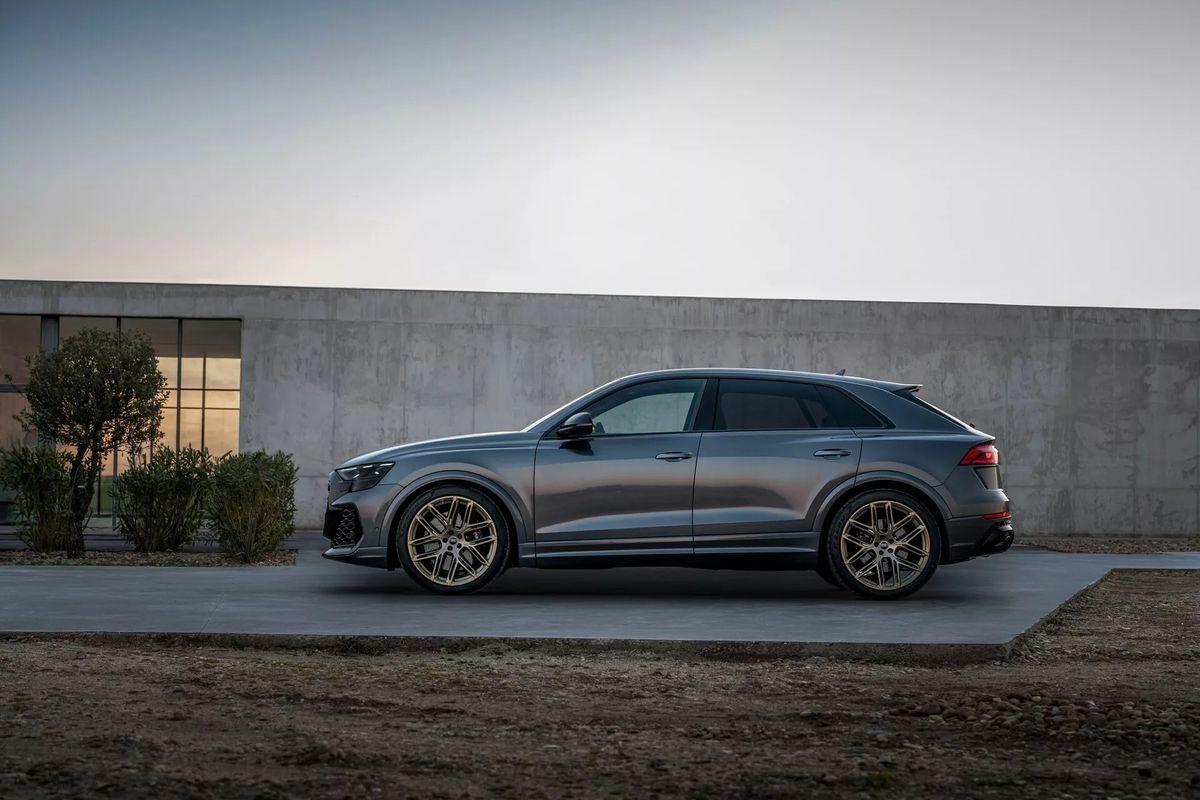
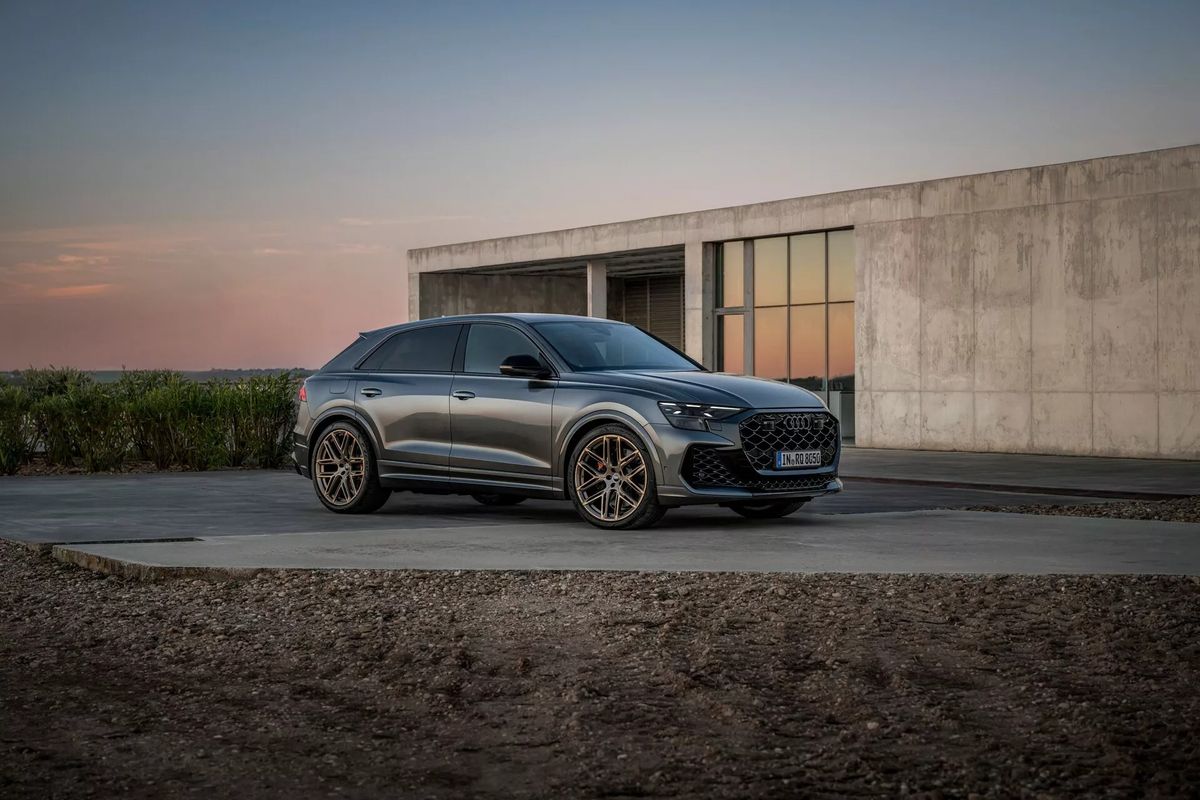
The silver car is the standard Audi RSQ8 and that uses the same 4.0-litre V8 and makes 441 kW and 800 Nm. It’s no slouch either, and can dash to 100 kph in 3.8 seconds. Both the Audi RSQ8 Performance and standard model use an 8-speed automatic transmission and permanent quattro all-wheel drive setup. Both cars feature a center differential, all-wheel steering and ride on adaptive air suspension.
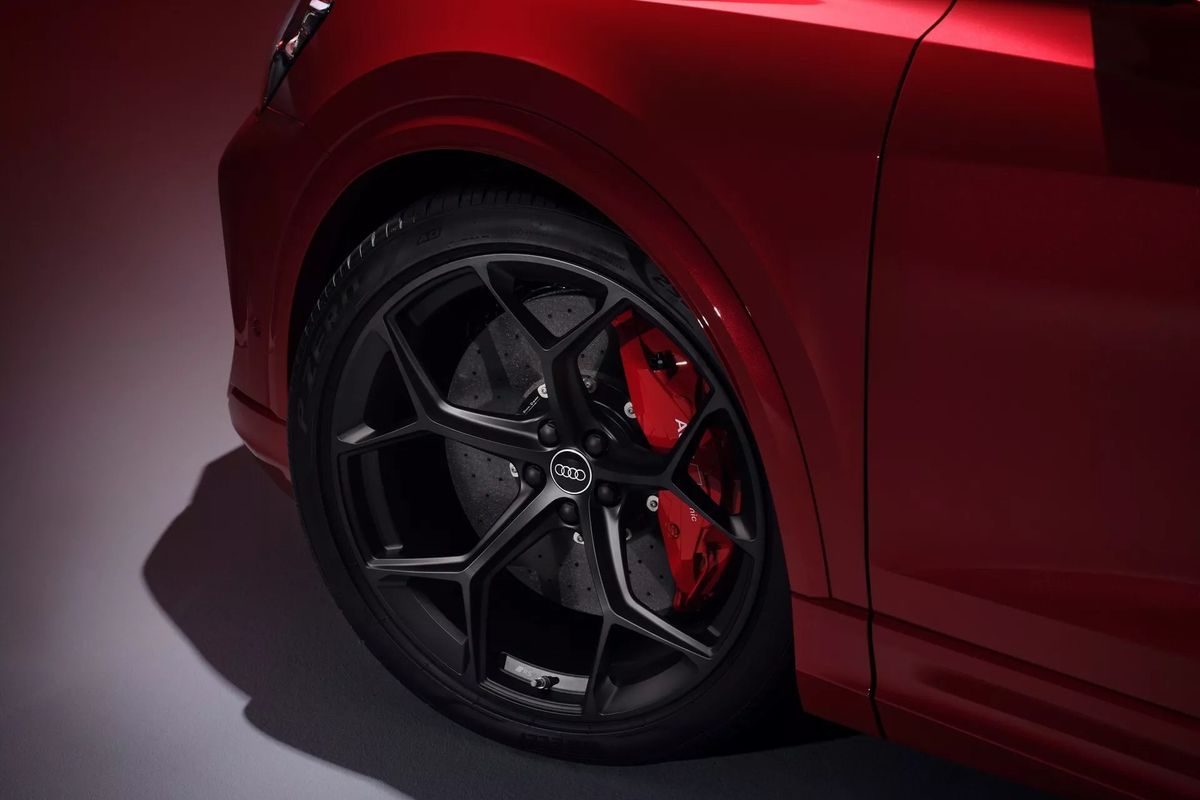
Having all that power means nothing if you can’t stop and Audi Sport has given the RSQ8 massive 10-piston brakes for the 22-inch wheels, while the RSQ8 Performance has carbon ceramic brakes fitted to 23-inch alloy wheels.
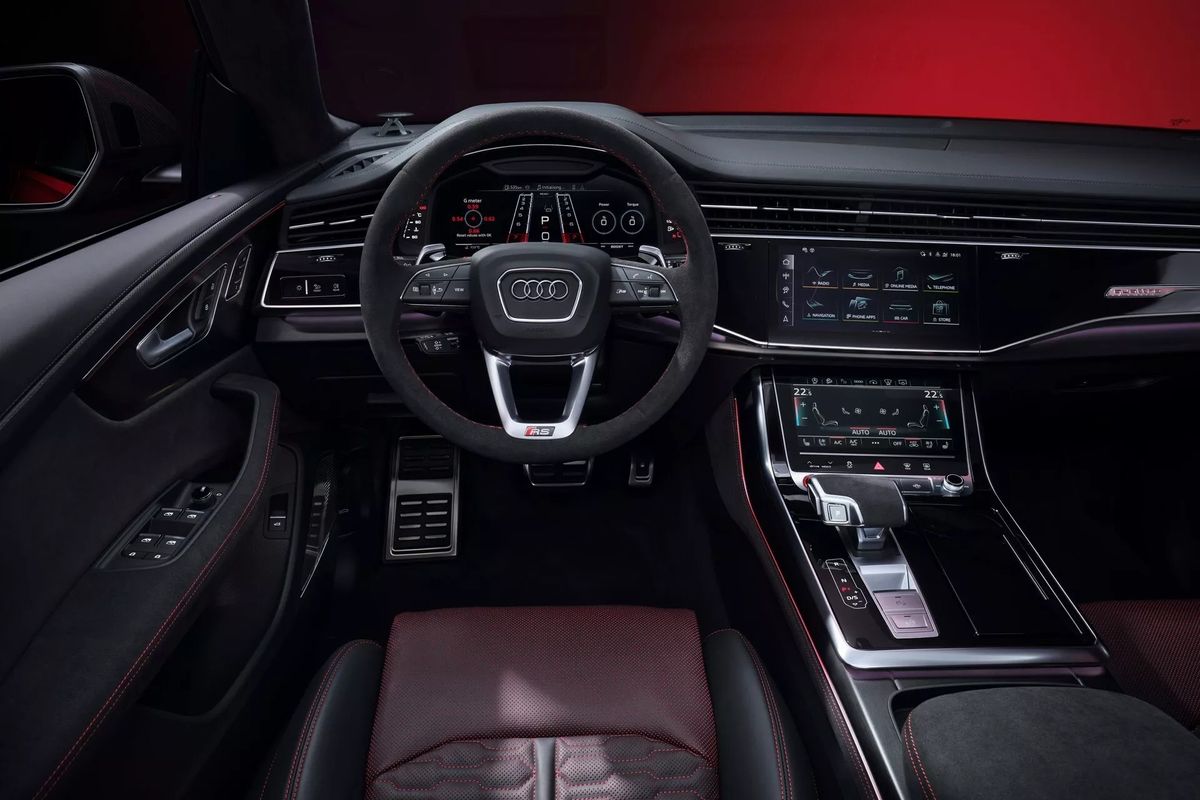
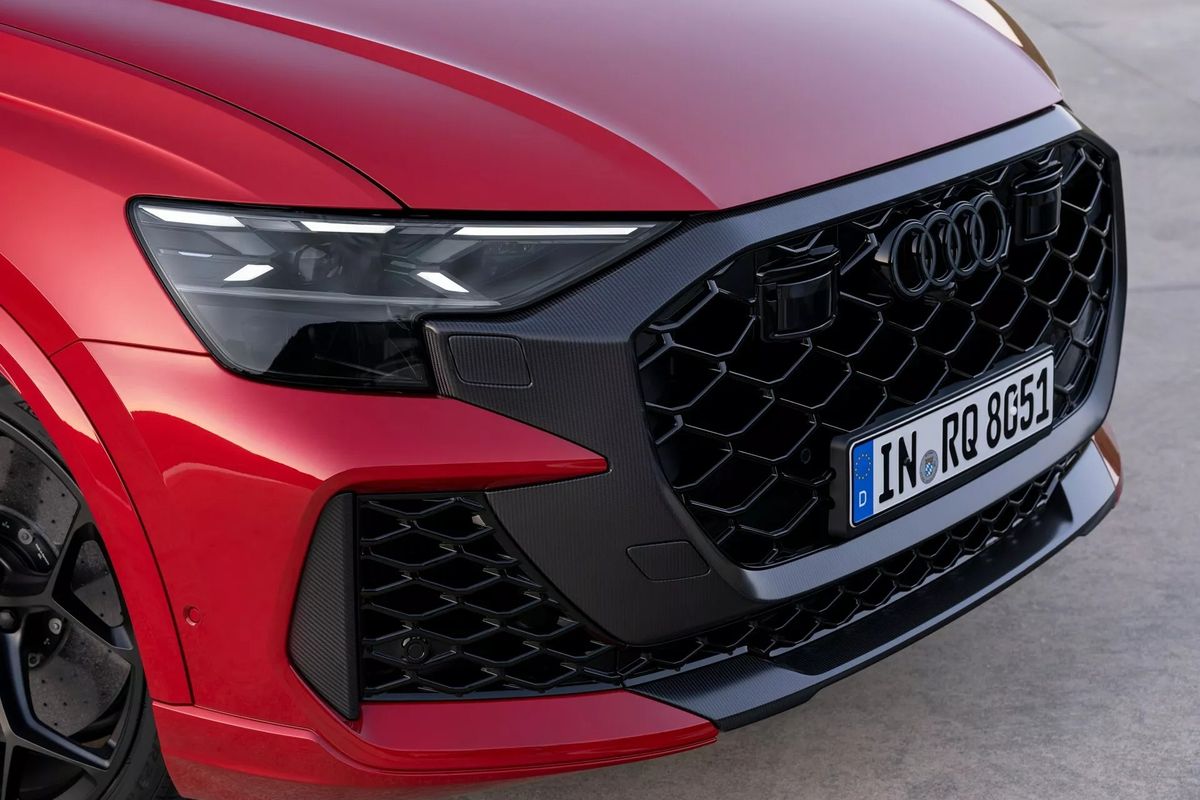
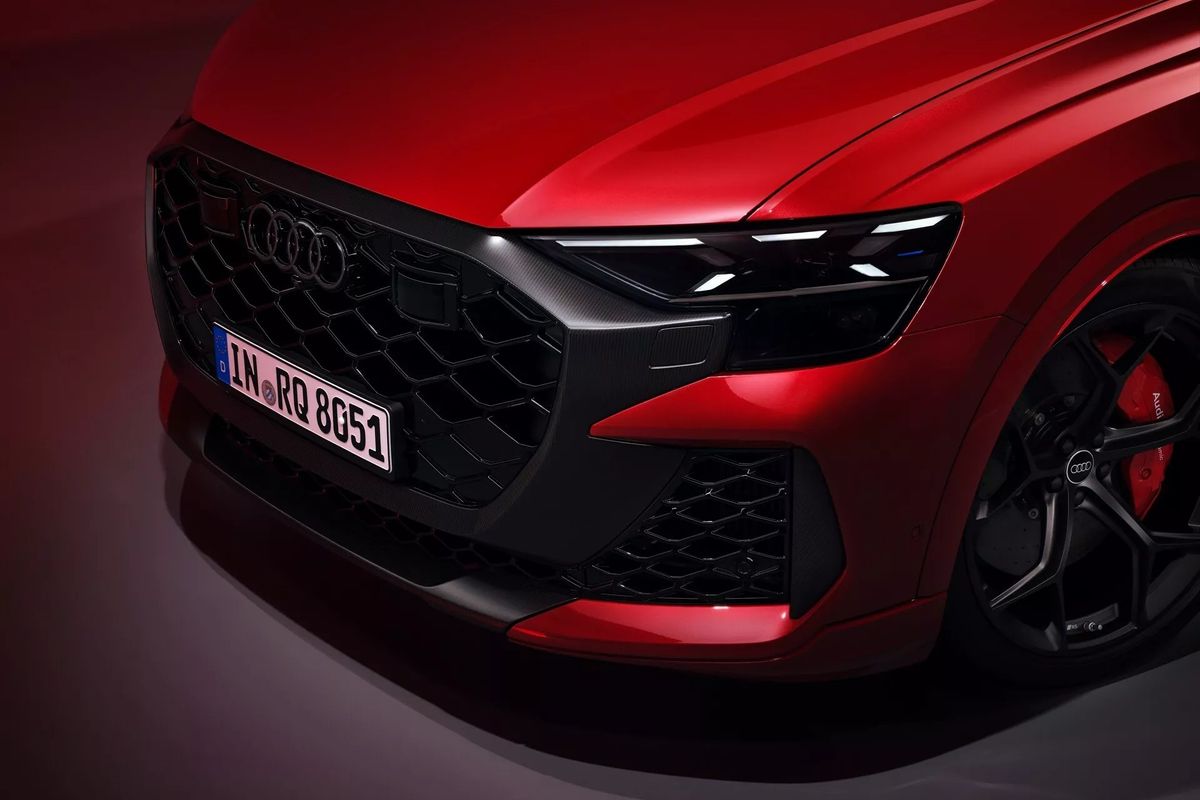
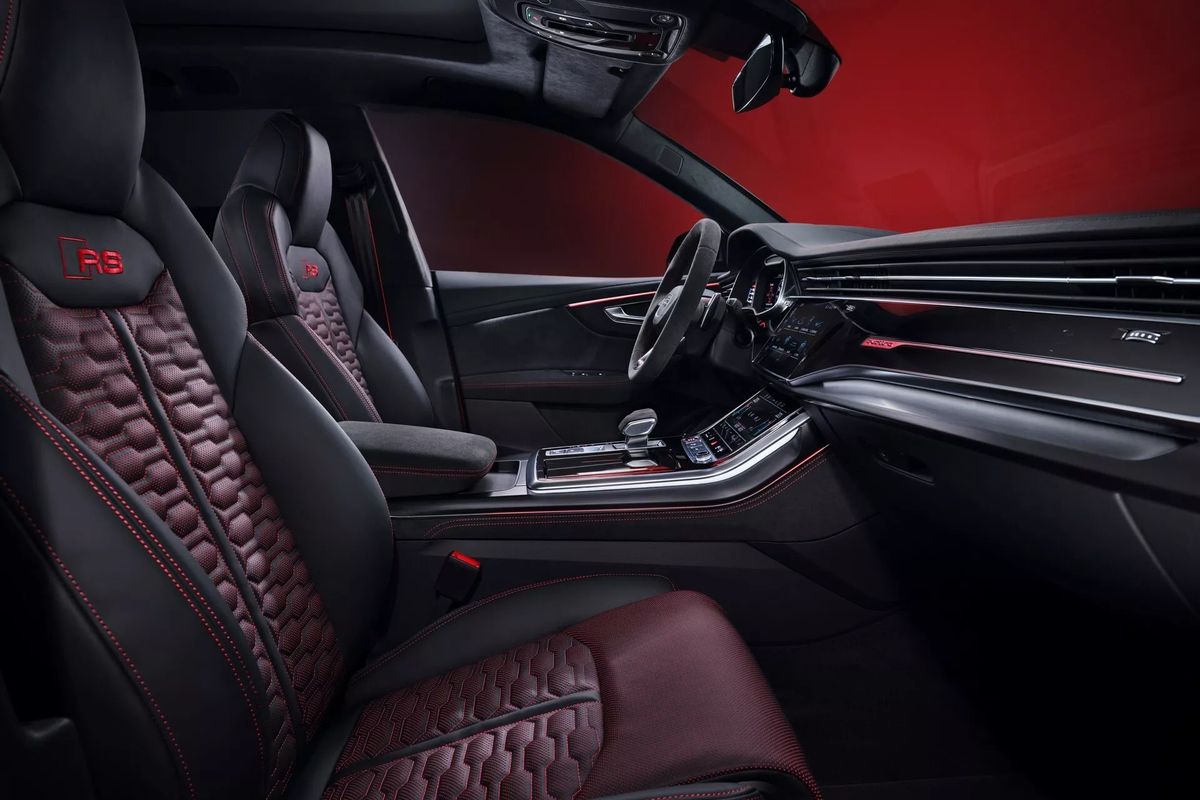
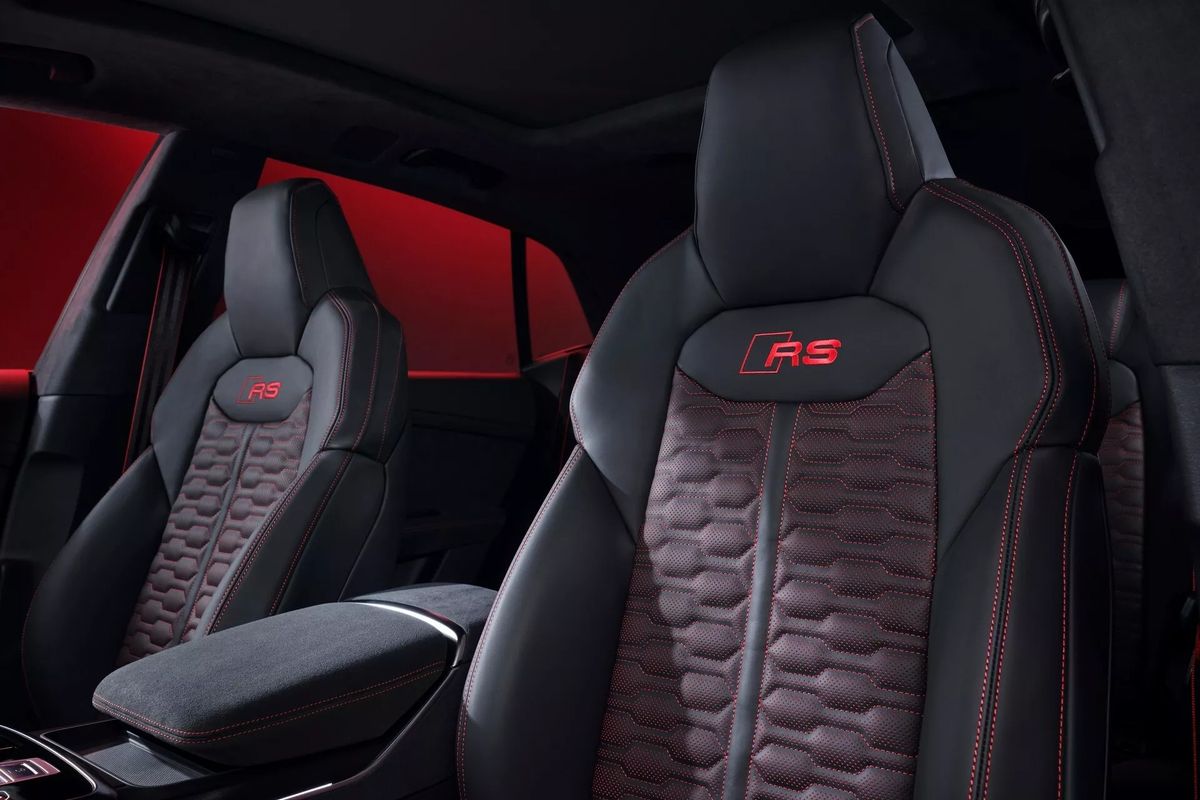
You can spot the new model with its new paint colours (Sakhir Gold, Ascari Blue, Chilli Red) and it features the advanced new lighting system. Inside, goodies like an Alcantara steering wheel and perforated sports seats are fitted.
We expect the Audi RSQ8 Performance to touch down in South Africa in 2024 and will update this article as soon as we get confirmation from Audi South Africa.
What To Buy: 5 Good Used Hatchbacks For Under R100k
If your budget for a used car is limited up to R100 000, what buying strategy should you use and what good used hatchbacks should you consider? Let’s take a closer look.
Used cars priced under R100 000 are typically older cars, many being well-used with high mileages (km readings on their odometers) and it can therefore be a challenge to find the “diamonds in the rough”.
However, if you apply an appropriate buying strategy, you’ll be able to identify used hatchbacks that are worth a closer look.
If your goal is to buy the best possible used hatchback for under R100 000 then we suggest that you apply the following strategy in your search.
Strategy for buying good used hatchbacks under R100 000
1. Set Parameters
Knowing what your non-negotiables are will help you fast-track your search for a good used hatchback. If you stick to your parameters, you’ll immediately eliminate cars that are of no interest to you.
For this article, we want to find used cars, specifically good used hatchbacks under R100 000 that are in fair-to-good condition, not older than 10 years (2014-2024) and with mileages under 100 000 km. These parameters can easily be selected whenusing the Cars.co.za Used Car Search Tool.
2. Pay attention to the details
Pay close attention to details such as ownership history, service history and the general condition of both the exterior and interior of the vehicle. Do these details match the asking price? If not, you might have some room to negotiate!
3. Search!
Cars.co.za lists more than 70 000 used cars to choose from and our Used Car Search Tool is designed to help you easily find the cars you are interested in, while also linking you directly to the seller or dealer selling the car.
The Search Results: Used Hatchbacks To Consider Under R100 000
By combining the above buying strategy with our knowledge and experience of the cars on offer, here are 5 good used hatchbacks that we think you should consider at under R100 000, in no particular order.
1. Volkswagen Polo (2010-17) / Polo Vivo (2018–)
We Like: Comfort & refinement, fuel economy, low running cost, parts availability
We Don’t Like: Potentially patchy service history
It’s hard to ignore the Volkswagen Polo and Polo Vivo at this end of the used car market. Both have sold in significant numbers and not only are parts widely available, but the Polo and Polo Vivo are reliable and affordable to run and maintain.
The previous VW Polo (the 5th iteration of the model) was introduced with 2 naturally-aspirated petrol engines (a 63 kW/132 Nm 1.4-litre and a 77 kW/155 Nm 1.6-litre), as well as a 77 kW/155 or 250 Nm turbodiesel engine. A 55 kW / 180 Nm 1.2 TDI BlueMotion derivative was also offered while a 1.2-litre turbopetrol engine with either 66 kW/160 Nm or 81 kW/175 Nm came to market in 2014. A small capacity 1.0-litre turbopetrol engine with 70 kW and 160 Nm came later, followed by a more powerful variant (81 kW/200 Nm) in 2017. We think the 1.2-litre turbopetrol Polo represents the sweet spot in the range.
Similarly, the Volkswagen Polo Vivo (based on the previous-gen version of the Polo model that sells alongside it) is a prudent purchase and can be had with either a naturally-aspirated 1.4-litre petrol engine with 63 kW and 132 Nm or a 1.6-litre naturally-aspirated engine with 77 kW and 155 Nm of torque.
Due to its continued popularity, there are numerous used Polo Vivos available on the used car market.
We Like: Space and practicality, good standard specification, efficiency, reliability
We Don’t Like: Lacks some refinement (NVH), No ESP
The 1st-gen Hyundai i20 was not eye-catching, but it gained a loyal following thanks to its practicality and reliability. As a used car option, it’s well worth considering. This generation of i20 features a pair of naturally-aspirated petrol engines: a 74 kW/136 Nm 1.4-litre engine and a 91 kW/156 Nm 1.6-litre unit.
Also in the Hyundai stable is the smaller Grand i10, which also offers economical motoring. The previous generation Grand i10 makes use of either a naturally-aspirated 1.25-litre petrol engine with 64 kW and 120 Nm, while newer examples are powered by a 61 kW / 114 Nm 1.2-litre engine or a smaller (1.0-litre) petrol engine with 48 kW and 94 Nm of torque. We recommend that you prioritise the former.
We Like: More spacious cabin, solid build quality, well-proven engines
We Don’t Like: Lack of ESC and ISOfix, vague steering
We Don’t Like: PowerShift transmission issues, outdated cabin
The Ford Fiesta is no longer in production (production ended in mid-2023) and Ford withdrew the model from our market even before that, but Ford’s perky hatchback, particularly the 6th-gen model, is worthy of consideration as it offers a broad choice of powertrains (1.4- and 1.6-litre petrol, 1.6-litre turbodiesel and 1.0-litre 3-cylinder turbopetrol – EcoBoost), as well as accomplished ride and handling ability.
The no-fuss engine option, in our opinion, is the naturally aspirated 1.4-litre petrol engine with 71 kW and 125 Nm. If you can, stick with the 5-speed manual gearbox and avoid the 6-speed PowerShift dual-clutch automatic transmission, which some Fiesta owners have found troublesome. The 92 kW / 170 Nm 1.0-litre turbopetrol EcoBoost Fiesta will appeal to those seeking perkier performance.
The 2nd-gen Kia Picanto is a great city car option. It offers appealing fuel efficiency and its interior build quality is superior to many of its competitors. This generation Picanto is powered by 2 naturally-aspirated engines, a 3-cylinder 1.0-litre petrol engine with 51 kW and 94 Nm or a larger 1.2-litre petrol engine with 65 kW and 120 Nm of torque. We recommend the 1.2-litre engine combined with a 5-speed manual transmission (the 4-speed automatic is lethargic). Note that the Picanto has a small load bay.
We Like: Impressive fuel economy, good cabin build quality, fine low-speed ride quality.
We Don’t Like: Vague steering feel, small load bay, meagre safety spec
Alternatively, you can also consider the larger Kia Rio hatchback, which offers more occupant and load space than its Picanto sibling. The 3rd-gen Kia Rio was praised for its practicality and reliability with a choice of 2 naturally aspirated engines: either a 65 kW / 120 Nm 1.2-litre petrol engine (5-speed manual) or a 1.4-litre petrol engine with 79 kW and 135 Nm (6-speed manual or 4-speed automatic). The Rio, however, isn’t particularly thrilling to drive so if you are looking for performance punch, the Rio may disappoint you. Nonetheless, it’s a solid used car buy that will get you around town effortlessly.
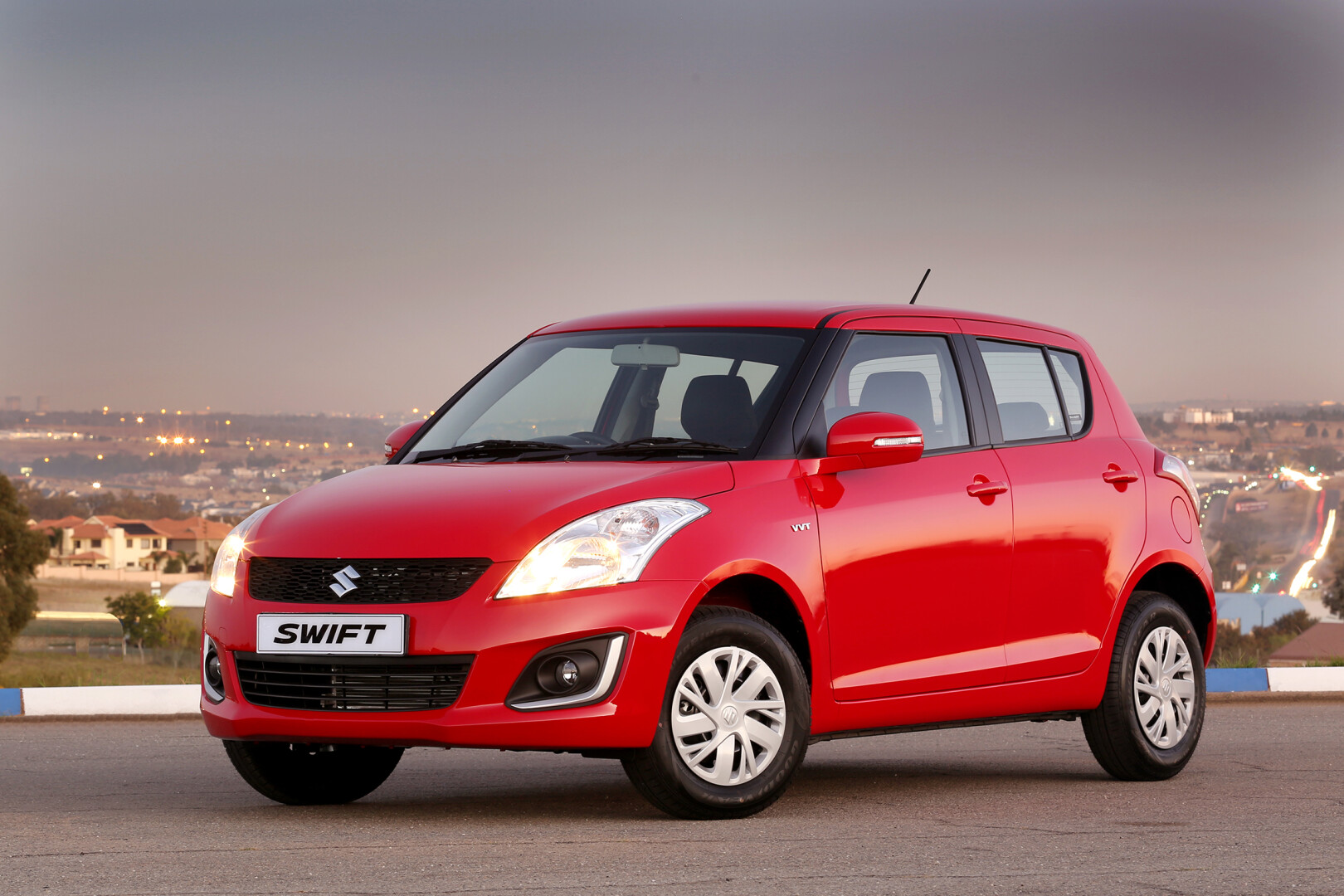
The previous-gen Suzuki Swift is undoubtedly one of the finest used compact hatchbacks that you can buy. It’s fuel-efficient and economical to run and maintain. The 2nd-gen Swift is powered by a naturally-aspirated 70 kW/130 Nm 1.4-litre petrol engine (the Swift Sport derivative is powered by a 1.6-litre engine), as well as a smaller 1.2-litre with either 63 kW/113 Nm or 62 kW/115 Nm.
While there are currently only 2 used Suzuki Swifts for sale with mileages under 100 000 km, there are more options to choose from if you are willing to consider higher mileage examples. Alternatively, you can create a car alert that will notify you when a Swift is listed for under R100k on Cars.co.za.
Cars.co.za can confirm that the 225 kW Toyota RAV4 2.5 PHEV will soon launch as South Africa’s most affordable plug-in hybrid. Here’s how much it will cost…
It’s been a long time coming, but Cars.co.za can confirm that the Toyota RAV4 2.5 PHEV will soon finally launch in South Africa, positioned as the country’s most affordable plug-in hybrid electric vehicle (PHEV) and the only contender currently priced below R1-million.
In 2022, Toyota South Africa Motors imported a fleet of RAV4 PHEV derivatives as part of what it described as a “market research exercise” (and even let us drive one; check out the video below). At that point, the Japanese firm’s local division said the plug-in version of its family SUV was “not officially on sale yet”. However, that’s finally about to change…
Yes, the RAV4 2.5 PHEV CVT E-Four (to use its full name) is expected to officially hit the local market shortly, priced at R980 000, according to our information. While that certainly won’t fit the average new-car buyer’s budget, it does make this model the most affordable PHEV on the market, undercutting the BMW X1 xDrive30e xLine (R1 050 000) by R70 000. How long it will hold that title remains to be seen, with Chinese firms Haval and Chery both seemingly poised to launch PHEVs in the near future.
Predictably, the all-wheel-drive 2.5 PHEV CVT – which is the first Toyota-badged PHEV to be offered in Mzansi – slots in the very top of the local XA50-series RAV4 range, taking the number of derivatives to 6 and commanding a R138 400 premium over the (non-plug-in) RAV4 2.5 Hybrid VX E-Four. For the record, the RAV4 2.5 PHEV is also a considerable R356 200 less expensive than the recently launched Lexus NX 450h+ F Sport with which it shares plenty of oily bits.
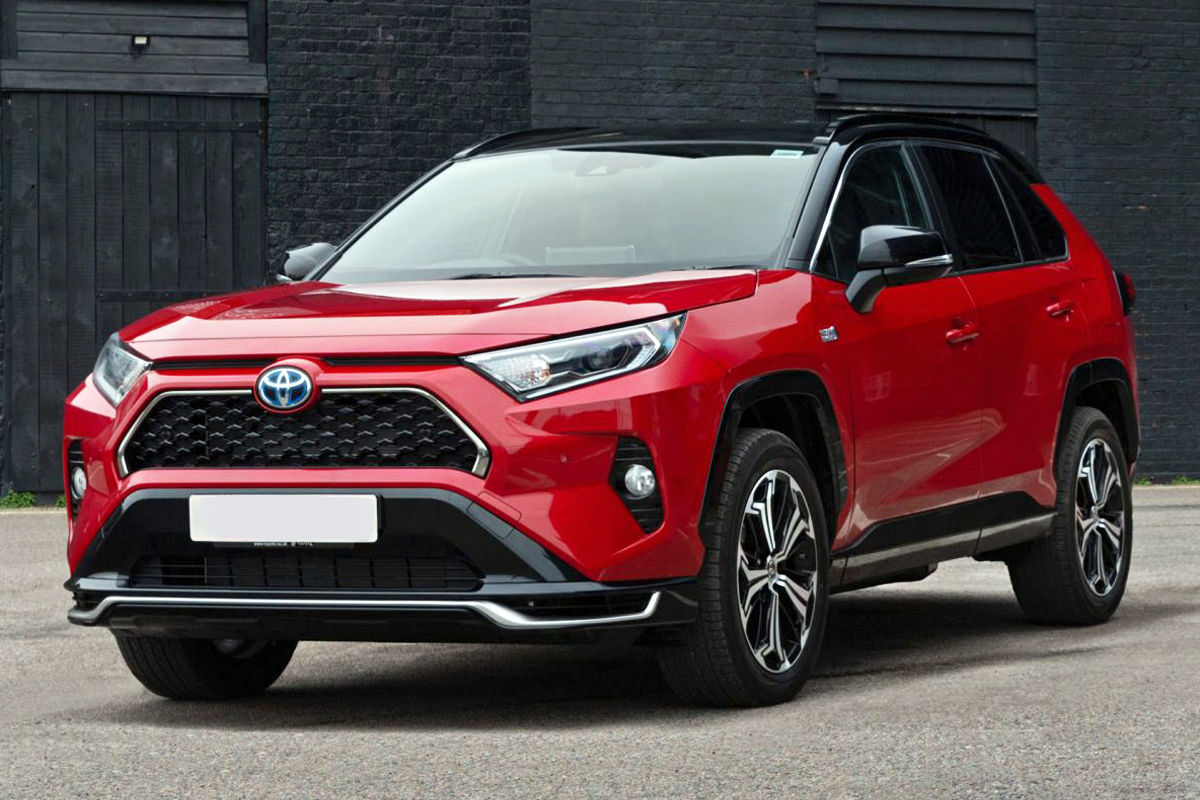
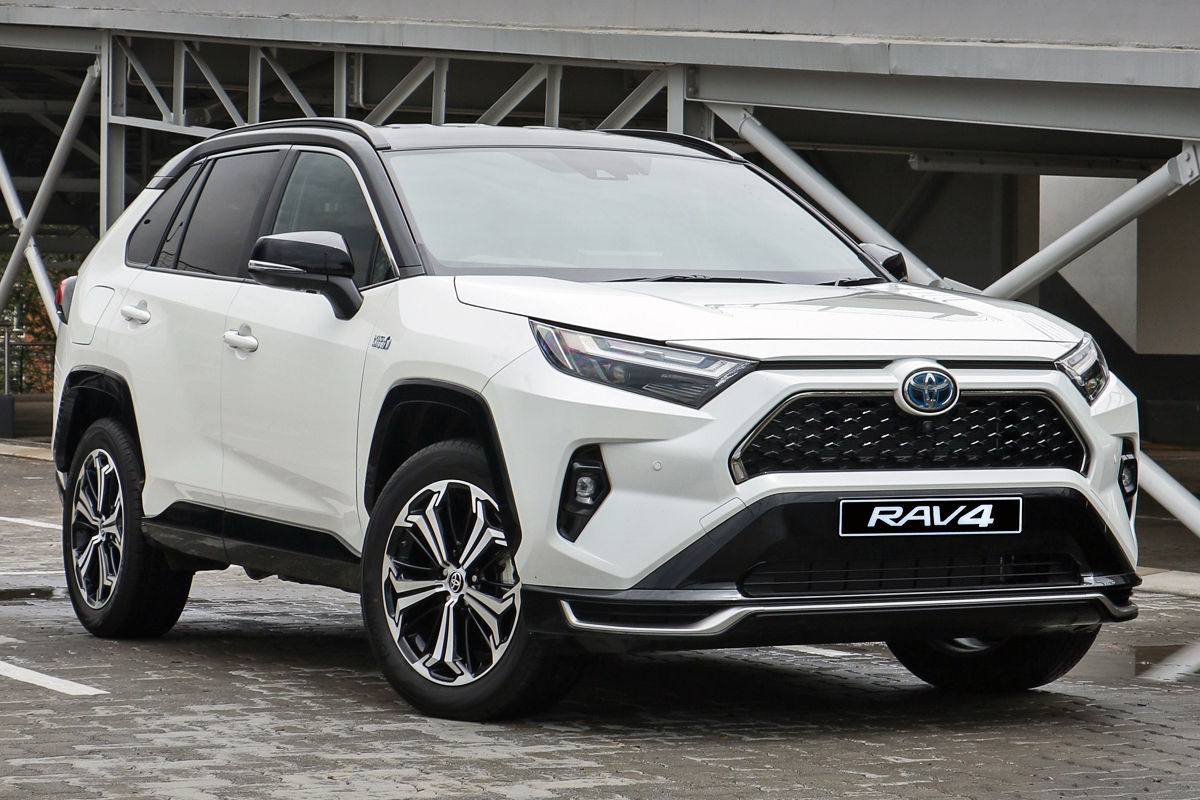
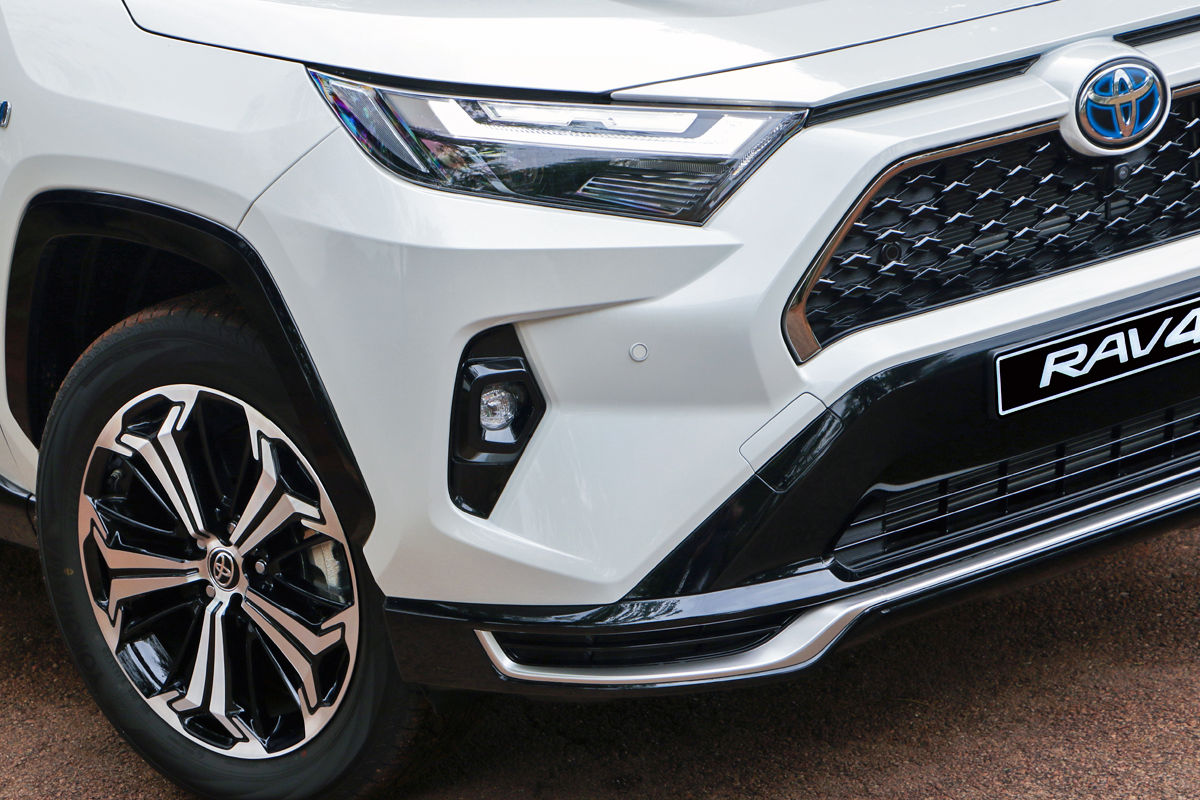
Note the PHEV-specific grille and bumper.
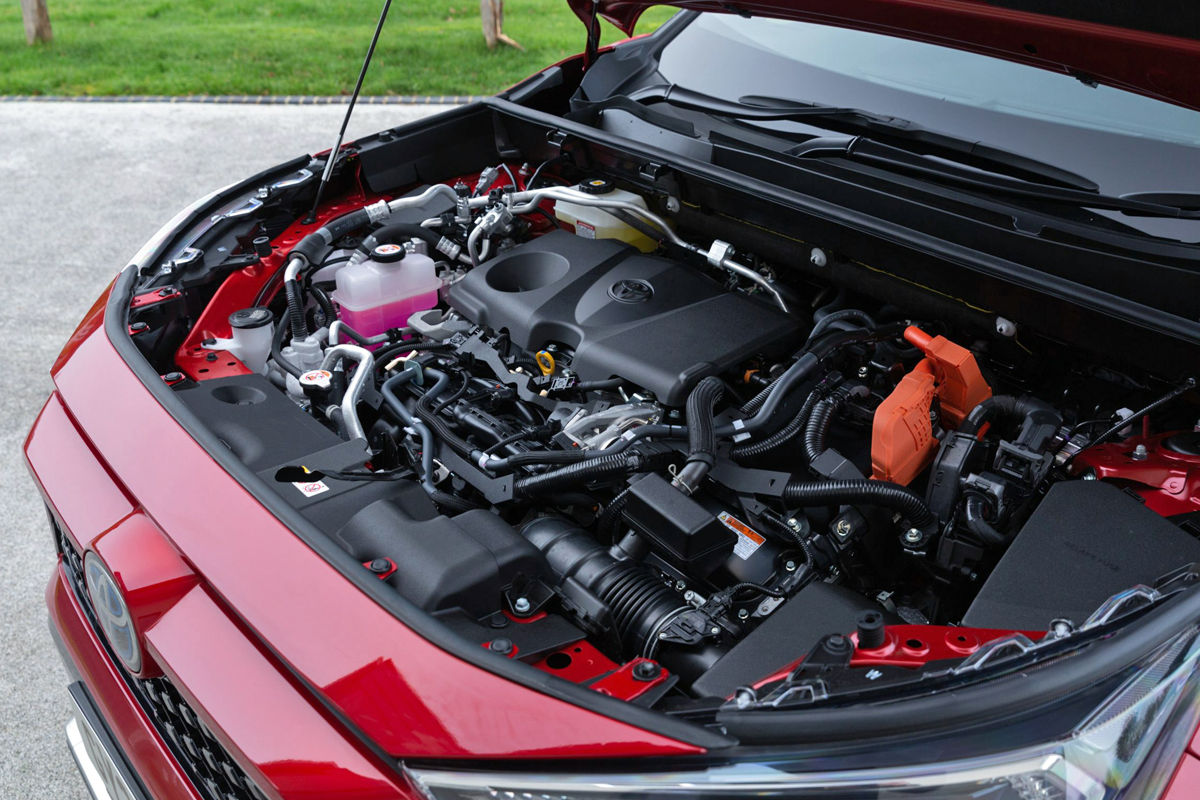
On that note, the RAV4 plug-in hybrid – revealed on the global stage as long ago as November 2019 – combines a naturally aspirated 2.5-litre, 4-cylinder petrol engine and a continuously variable transmission (CVT) with a pair of electric motors (one on each axle) and an 18.1 kWh lithium-ion battery pack. The petrol mill generates 136 kW and 227 Nm, while the front electric motor delivers 134 kW/270 Nm and the rear item an additional 40 kW/121 Nm.
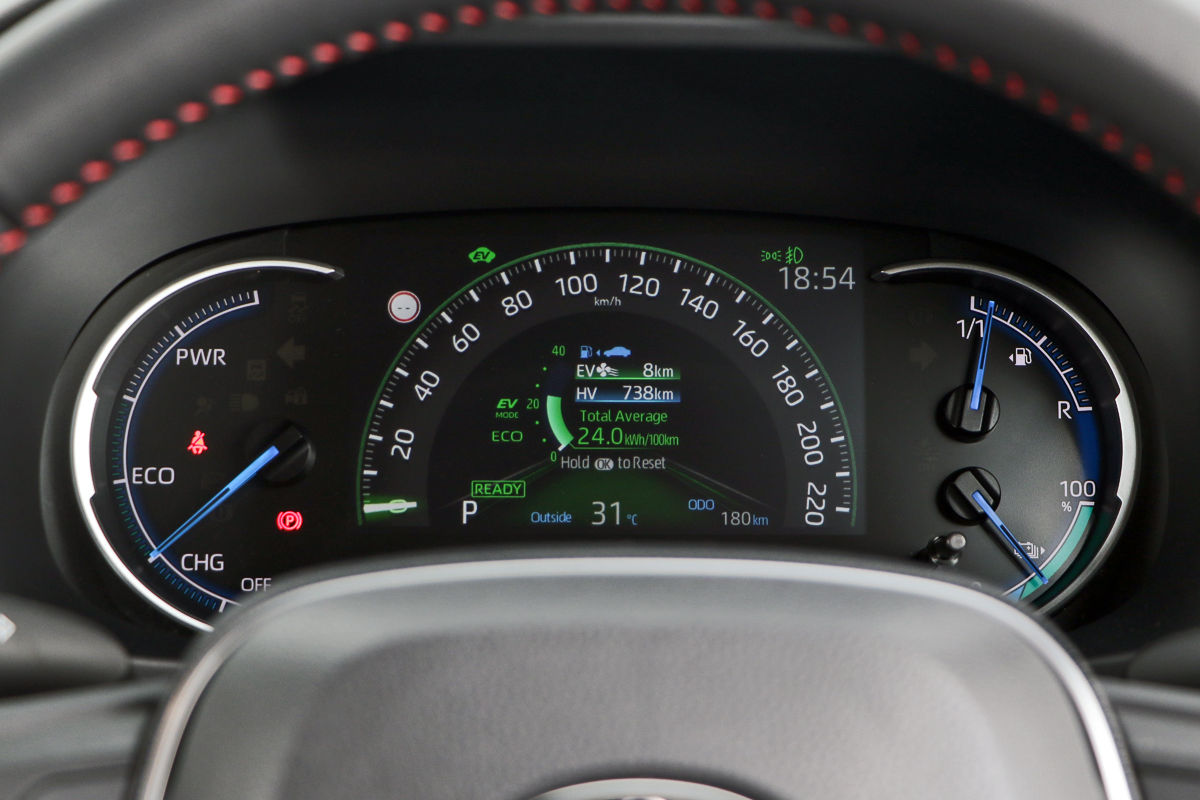
Since these motors don’t produce peak power and torque at the same time, the total system power output is listed as 225 kW. What about maximum system twisting force, you ask? Well, Toyota unfortunately opts not to claim a combined overall torque figure. Regardless, we can expect a 0-100 kph sprint time of around 6.0 seconds and a top speed of 180 kph.
Endowed with 225 kW, the PHEV derivative should see off the obligatory sprint in about 6.0 seconds.
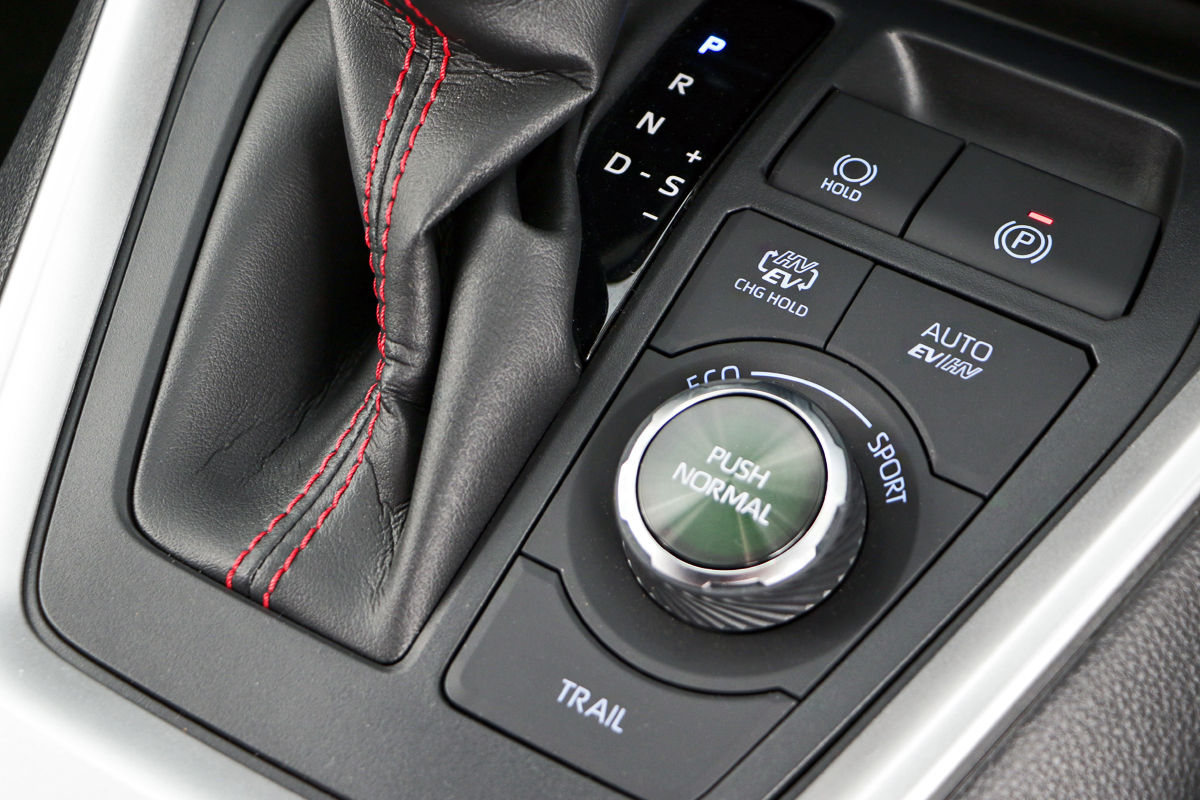
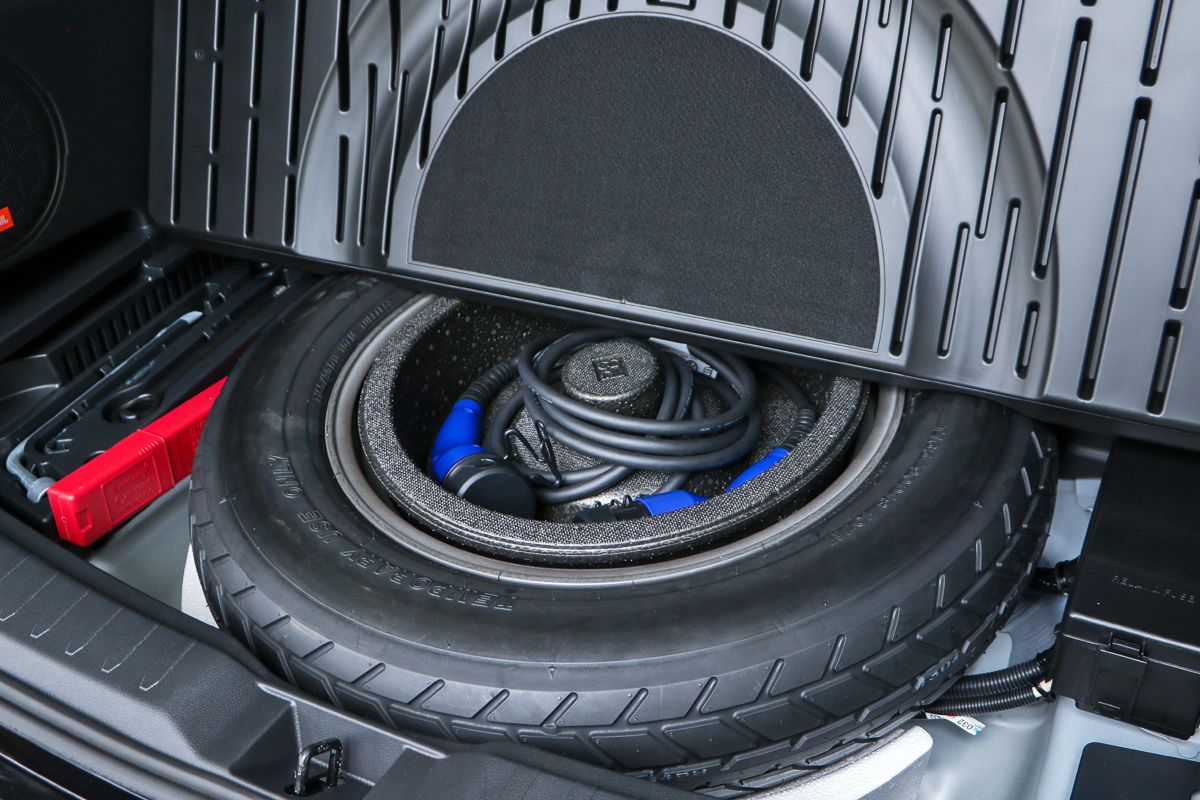
In addition, the company says the RAV4 PHEV – which rides on 19-inch alloys wrapped in 235/55 R19 rubber but makes do with a space-saver (steel) spare wheel – offers an all-electric range of “up to 80 km”, depending on “battery state of charge and usage conditions”. As such, this variant’s claimed fuel consumption comes in as low as 1.15 L/100 km. As many as 4 driving modes are on offer: EV mode, HV mode, Auto EV/HV mode and Charging mode.
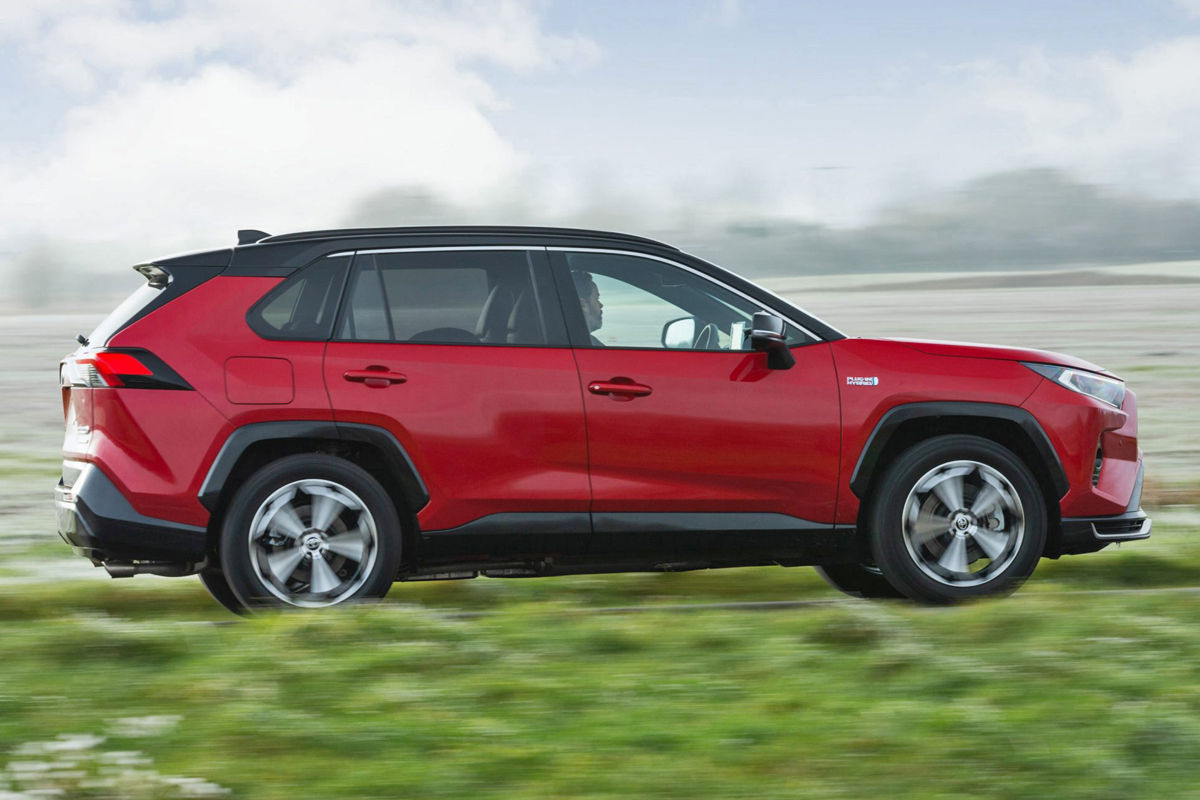
So, when it’s not plugged in, how will you be able to distinguish the RAV4 2.5 PHEV from its siblings? Well, this flagship derivative features a model-specific design for the front bumper and grille (complete with gloss-black trim and chrome-effect accents) and will be available exclusively in bi-tone form. The latter effectively adds a black roof (and black side-mirror caps) to the 4 paint hues available for this derivative: Platinum White, Emotional Red, Chromium Silver and Graphite Grey Metallic.
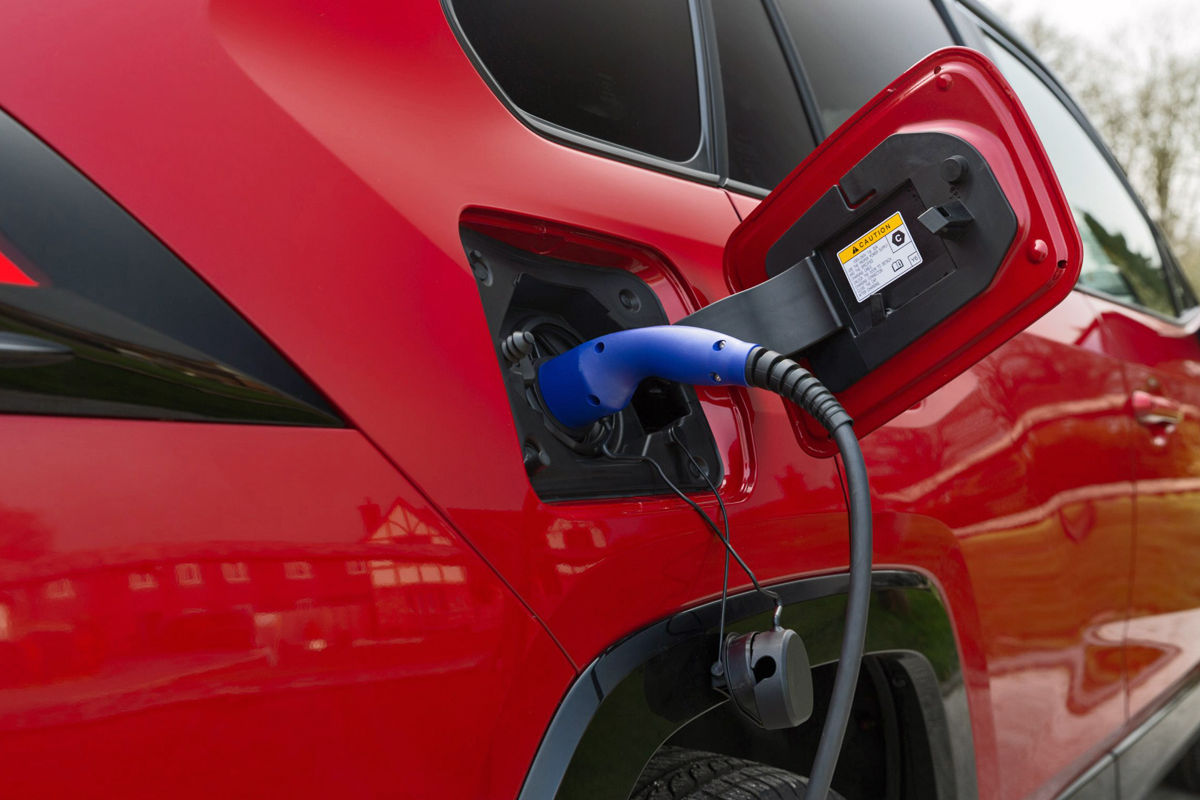
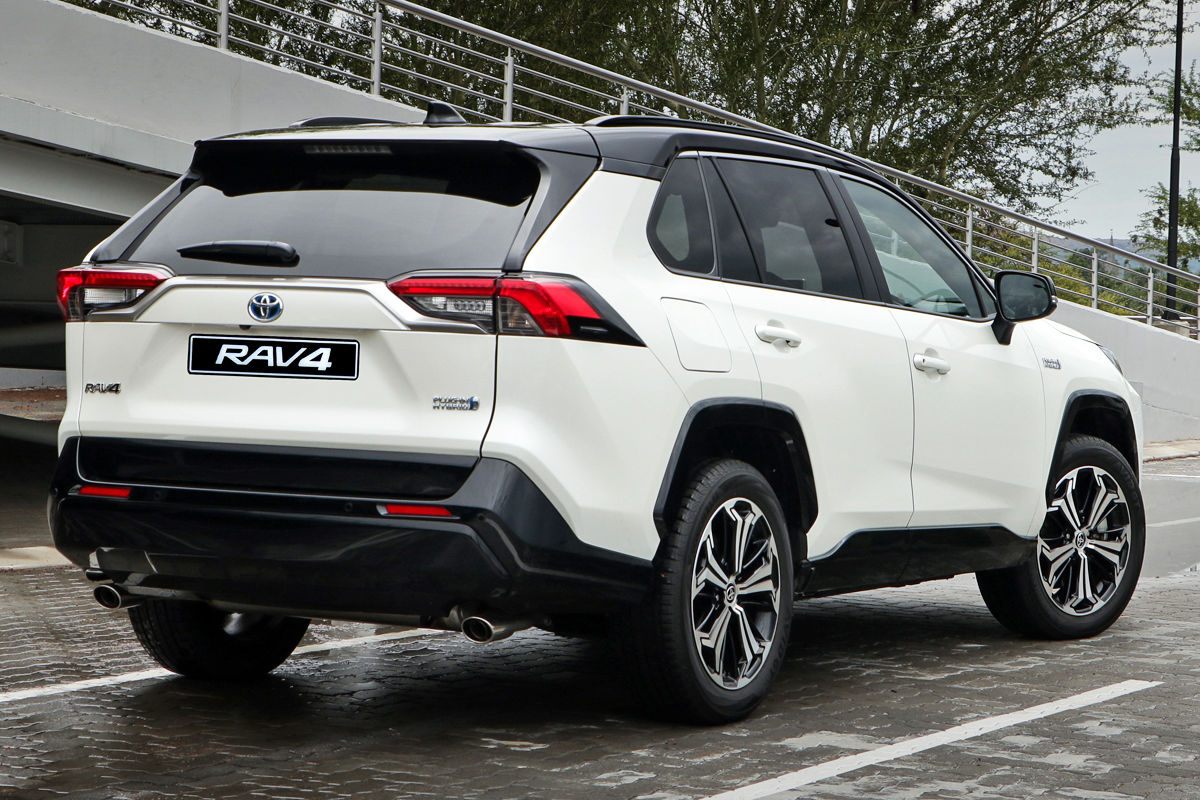
The PHEV’s space-saver spare wheel and charging cable.
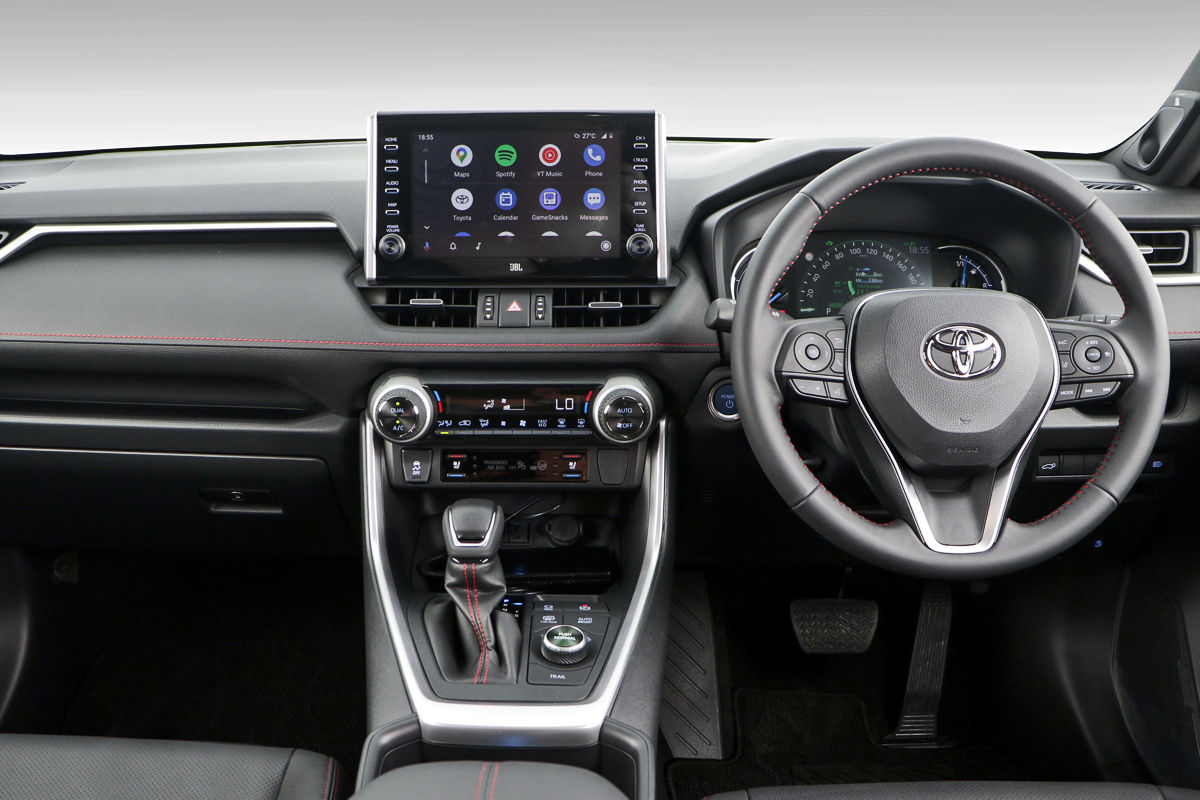
Our information suggests standard features will include LED headlamps (with an auto high-beam function), rain-sensing wipers, a powered tailgate, leather upholstery, power-adjustable front seats, front-seat heating, front-seat ventilation, dual-zone climate control, parking sensors (fore and aft), a reverse-view camera, a 9-speaker JBL sound system, 7 airbags and a lane-keeping system. However, it seems the RAV4 2.5 PHEV will feature just a single USB port (as opposed to the 5 offered by each of its siblings), a little less luggage space and a slightly lower ground clearance.
Interestingly, when it comes to new-energy vehicles (NEVs), fully electric cars and traditional hybrids are proving far more popular in South Africa than plug-in hybrids, with sales of the latter coming in at just 138 units in the opening quarter of 2024. Still, year-on-year growth in the local PHEV market stood at a considerable 452% in Q1 2024, leaving this segment well placed to beat its modest 2023 total of 333 units.
How much will the Toyota RAV4 2.5 PHEV cost in SA?
Toyota RAV4 2.0 GX-R AWD – R705 600
Toyota RAV4 2.0 VX – R719 600
Toyota RAV4 2.5 Hybrid GX-R E-Four – R748 700
Toyota RAV4 2.5 VX AWD – R817 700
Toyota RAV4 2.5 Hybrid VX E-Four – R841 600
Toyota RAV4 2.5 PHEV CVT E-Four – R980 000
The prices above include a 3-year/100 000 km warranty and 6-service/90 000 km service plan. From what we can tell, the new PHEV derivative features the same 8-year/195 000 km battery warranty as the traditional hybrid variants.
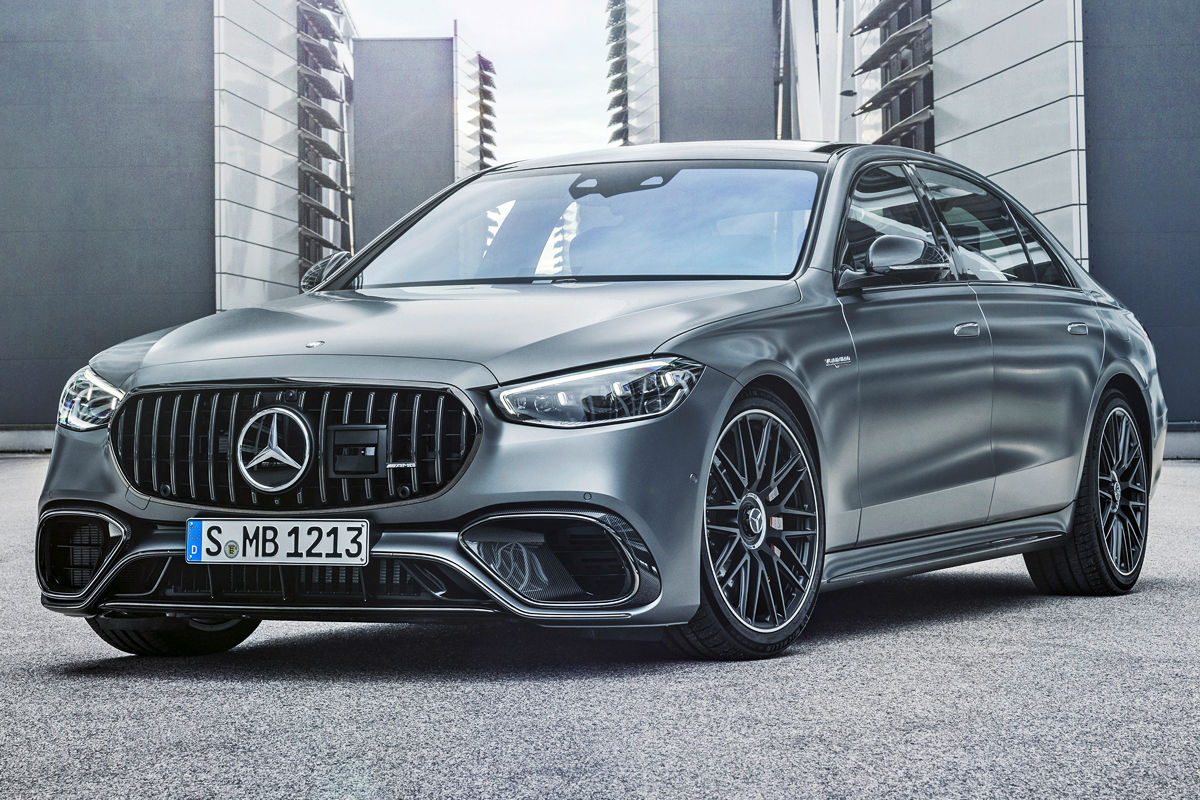
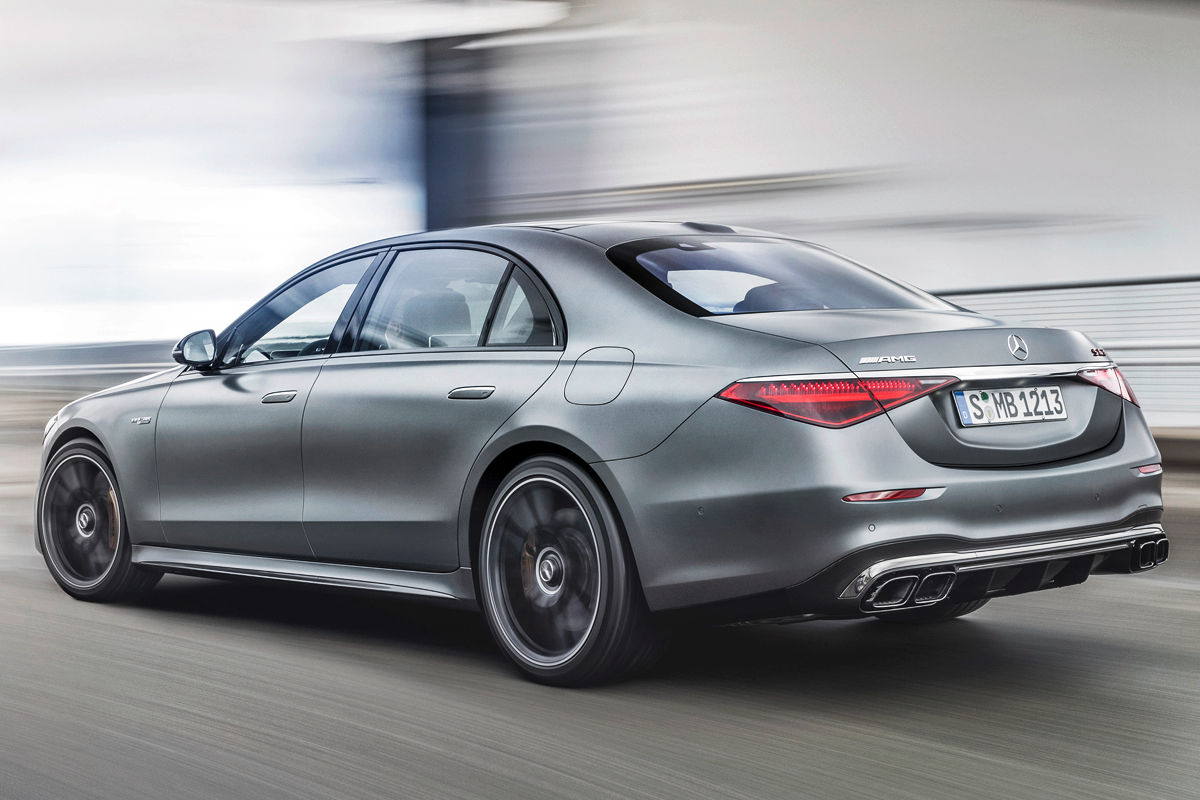
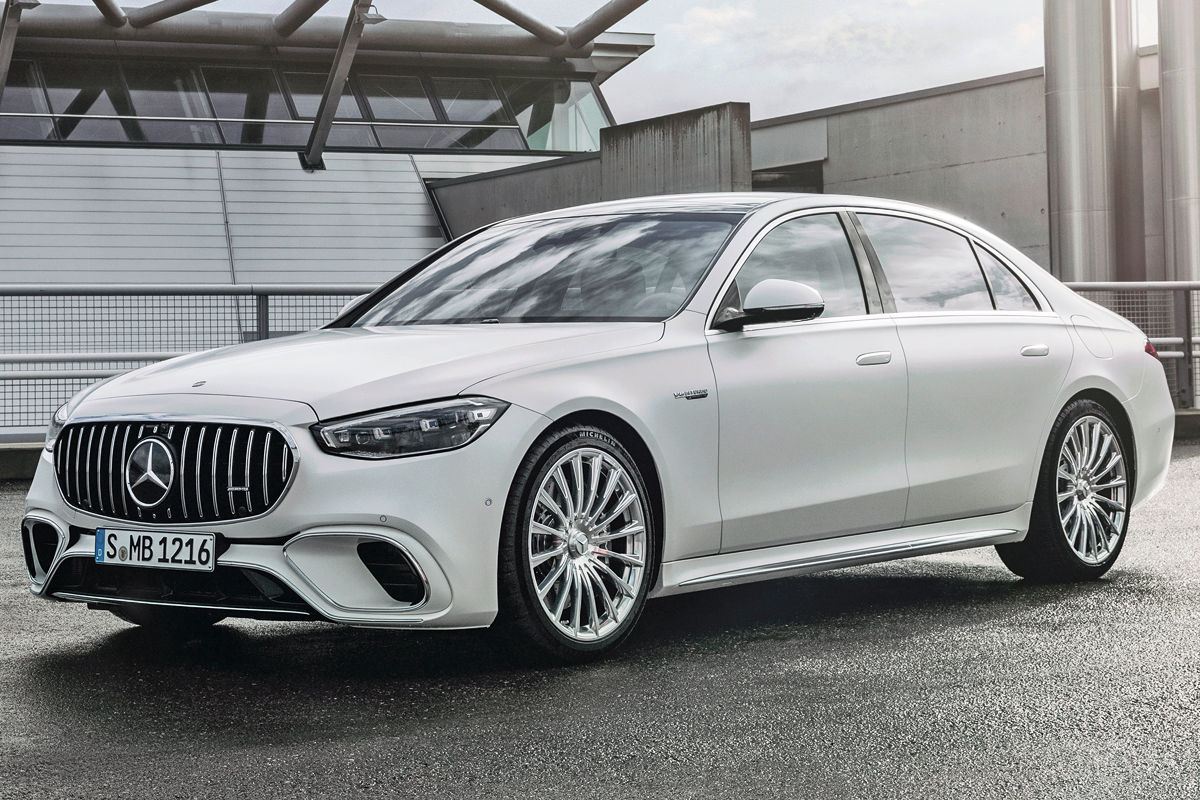
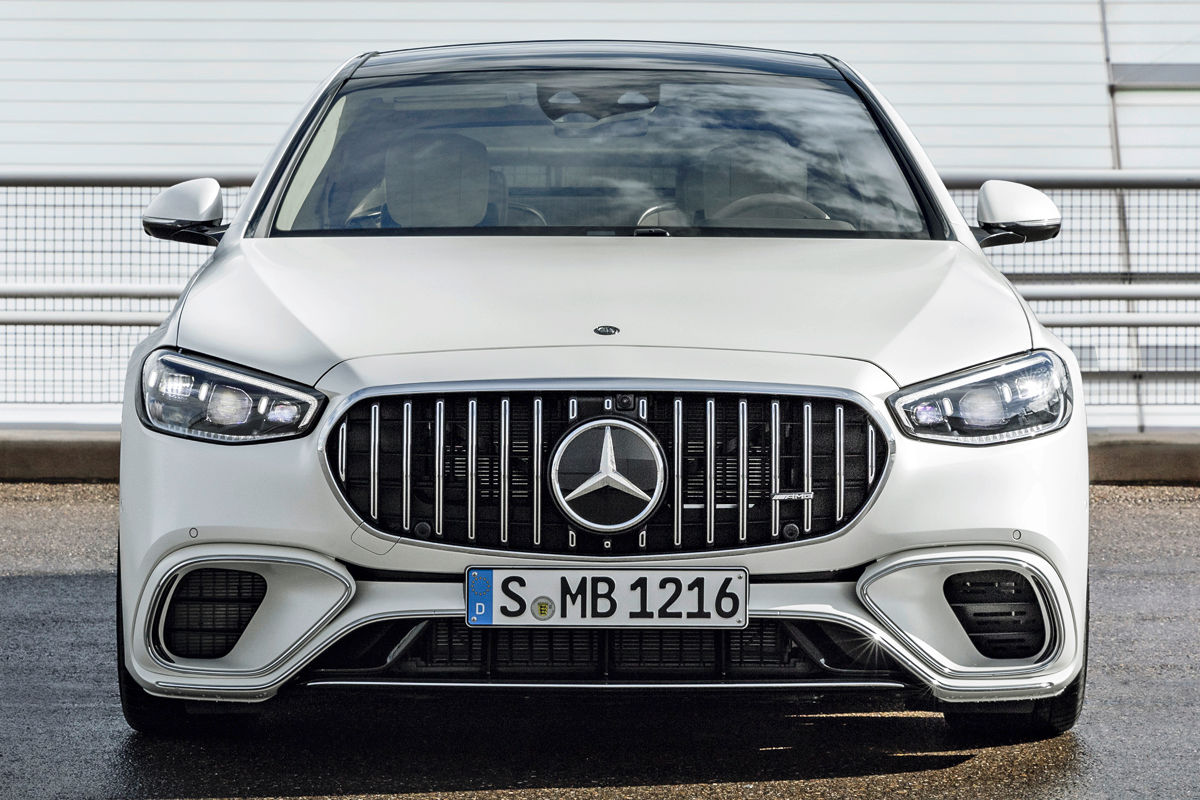
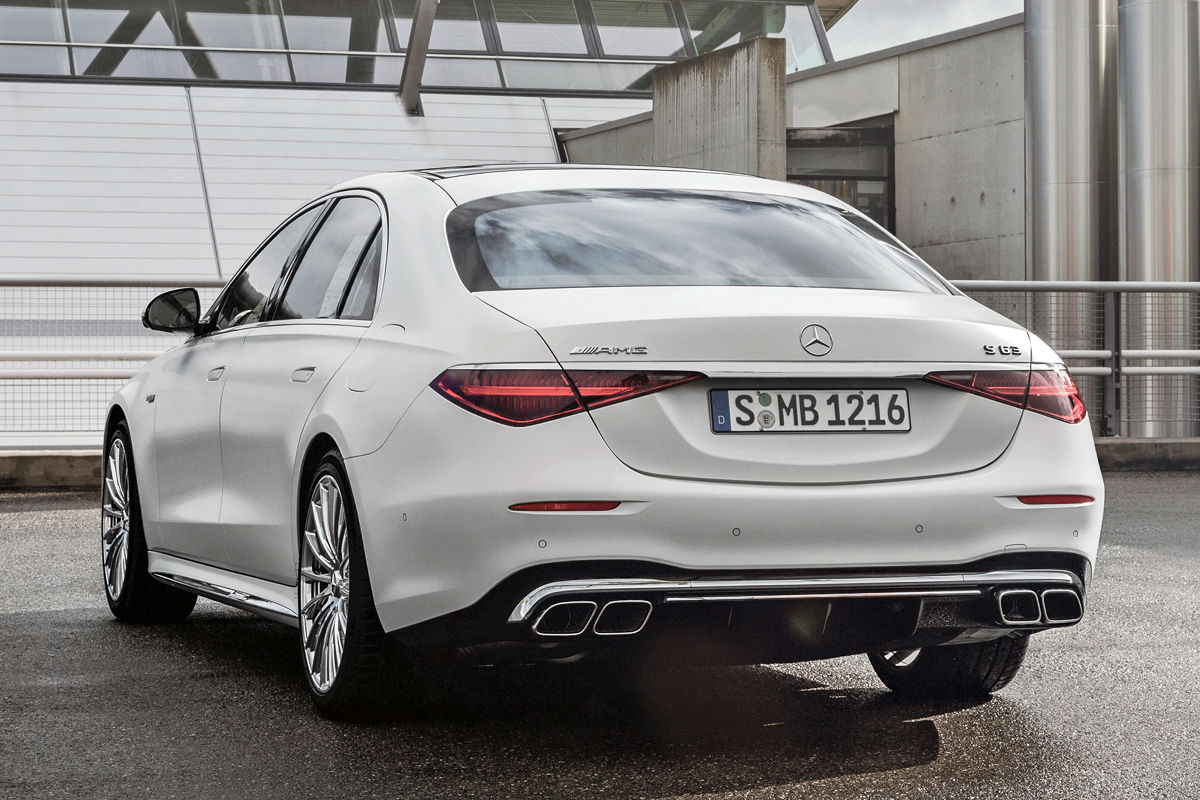
Mercedes-AMG S63 E Performance (2024) Price & Specs
The 590 kW Mercedes-AMG S63 E Performance is on its way to South Africa – yes, with 8 cylinders (and hybrid assistance). Here’s how much Mzansi’s priciest AMG costs…
Prefer your long-wheelbase luxury sedans with face-warping performance? Well, you’re in luck: the new Mercedes-AMG S63 E Performance is on its way to South Africa, with local pricing for the hottest version of the S-Class yet having now been announced.
Thanks to a heads-up from the vehicle-information wizards over at duoporta.com, we can confirm that the S63 E Performance plug-in hybrid electric vehicle (PHEV) is priced from R4 742 190. For the record, that figure includes emissions tax as well as a 5-year/100 000 km maintenance plan.
The S63 E Performance is powered by an electrified V8 engine.
That price makes the S63 E Performance the most expensive AMG product currently in Mercedes-Benz South Africa’s portfolio, interestingly slotting in above the 620 kW GT63 SE Performance 4-Door Coupé (R4 359 965). Of course, it’s not the priciest model currently wearing the 3-pointed star, with that title instead belonging to the Mercedes-Maybach S680 (R5 079 542).
Revealed back in December 2022, the Mercedes-AMG S63 E Performance combines a twin-turbocharged 4.0-litre V8 petrol engine (and a 9-speed automatic transmission) with a rear-mounted 140 kW electric motor, a Affalterbach-developed 13.1 kWh battery pack and fully variable 4Matic+ all-wheel drive.
A panoramic sliding sunroof is standard.
Peak system outputs stand at a whopping 590 kW and 1 430 Nm, resulting in a claimed 0-100 kph sprint time of just 3.3 seconds and an electronically limited top speed of 250 kph (a figure that can optionally be raised to 290 kph via the R41 000 AMG Driver’s Package). Mercedes-Benz claims an all-electric range of 33 km, though says the focus is “less on electric range and more on best-in-class performance”. External charging is performed via a 3.7 kW onboard AC charger.
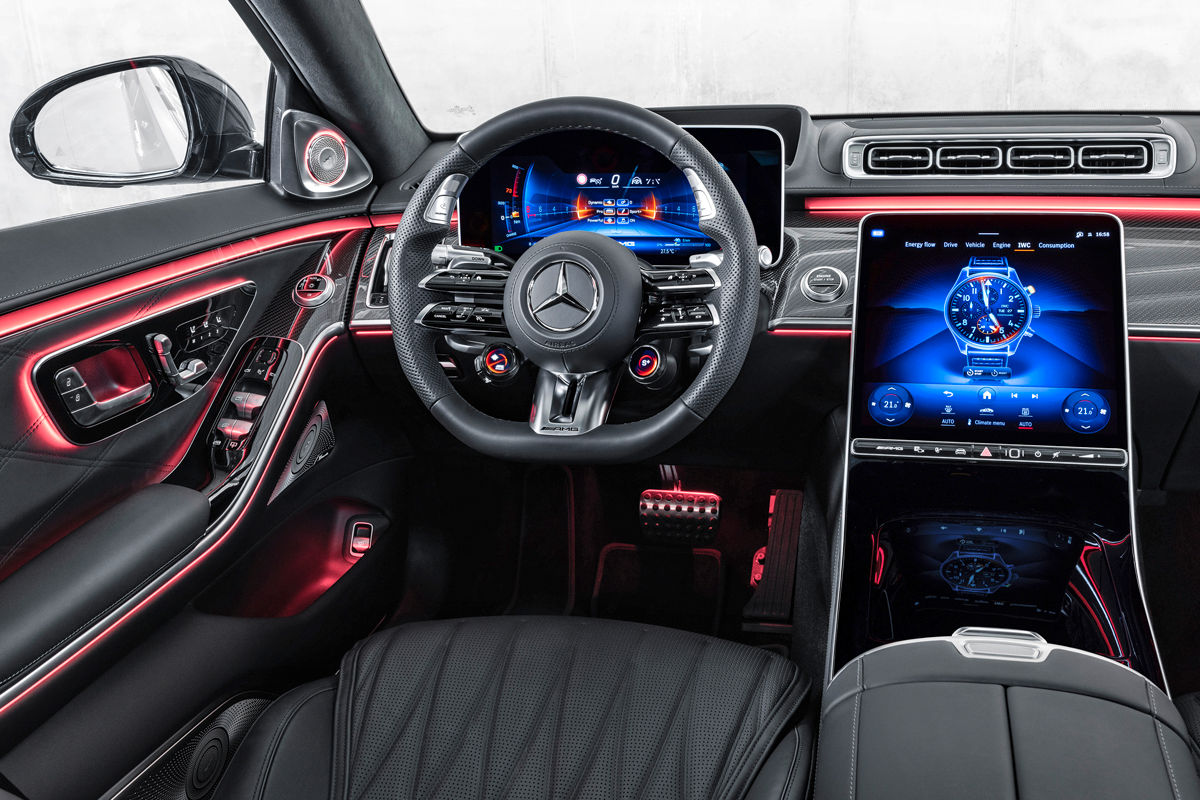
Considering this is an S-Class, the list of standard features is suitably lengthy and includes items such as 21-inch forged wheels, a panoramic sliding sunroof, a Burmester 3D surround-sound audio system, a 360-degree parking camera, wireless smartphone charging, heated-and-ventilated front seats, Nappa leather upholstery, a head-up display, rear-axle steering, a heated washer-fluid reservoir, a fingerprint scanner and plenty more.
Like the S350 and S500, the SA-spec S63 E Performance is offered exclusively in long-wheelbase form.
That said, Mercedes-Benz SA also offers a wide range of optional packages, including the AMG Exclusive package (R115 500), the AMG Exterior Carbon Package (R102 500), the Rear Seat Comfort Package (R39 000), the Parking Package with remote-parking functions (R32 800), the AMG Night Package (R20 500) and the Chauffeur Package (R18 700).
In addition, there are several standalone extras available, ranging from climatised rear seats (19 800) and folding tables in the rear (R39 100) to high-performance ceramic composite brakes (R88 200), a Burmester high-end 4D surround-sound system (R152 600) and exclusive “Manufaktur” paint finishes (R30 400 for Opalite White Bright and R142 500 for Graphite Grey Magno).
Mercedes-AMG S63 E Performance price in South Africa
Mercedes-AMG S63 E Performance – R4 742 190
The price above includes a 5-year/100 000 km maintenance plan, which Mercedes-Benz SA says buyers can optionally exclude from the purchase price of the vehicle (reducing the price to R4 492 190, by our maths).
Hilux vs Ranger in May 2024: single-, extended- & double-cab sales
In May 2024, just 151 sales separated the Hilux and Ranger bakkies. But what does the picture look like when we break down the stats to single-, extended- and double-cab sales?
You’ve probably already pored over our list of South Africa’s best-selling bakkies for May 2024, which was again dominated by the Toyota Hilux and Ford Ranger. But how does the picture change when we separate the sales according to the single-, extended- and double-cab body styles?
Well, since Naamsa’s monthly sales figures unfortunately don’t include a breakdown of these 3 bakkie body styles, we’ve again turned to our learned friends over at Lightstone Auto for assistance.
Before we dive into sales by body style, it’s worth noting that overall the Toyota Hilux again led the way in May 2024, selling a total of 2 367 units last month. With 2 216 sales, the Ford Ranger was just 151 units off the pace in 2nd, while the Isuzu D-Max again settled for 3rd on 1 282 units. Year to date, the Hilux (13 310 units) is comfortably in pole position, ahead of the Ranger (10 344 units) and D-Max (7 655 units).
SA’s best-selling double-cab bakkies in May 2024
The Ford Ranger claimed gold in the double-cab sales contest in May 2024.
So, let’s take a closer look at sales by body style. According to Lightstone Auto’s figures, the Ford Ranger held steady at the top of the double-cab sales charts in May 2024, with 1 715 dual-cab units registered. For the record, that translates to a considerable 77.4% of the Silverton-built bakkie’s overall tally for the month.
As such, the Toyota Hilux again had to settle for 2nd position in Mzansi’s double-cab sales race in May, with 986 units sold. According to our calculations, that figure represents 41.7% of the Prospecton-produced stalwart’s overall tally for May 2024.
As you’ve no doubt already guessed, the final place on the double-cab podium went to the Struandale-made Isuzu D-Max, which reached 470 dual-cab units last month. By our maths, that works out to 36.7% of the Japanese contender’s aggregate for May.
Interestingly, Lightstone Auto’s figures furthermore show that all other 1-tonne double-cab bakkie derivatives (over and above the Ranger, Hilux and D-Max) collectively managed 1 426 registrations last month. Year to date, the Ranger leads the double-cab race with 7 947 units, ahead of the Hilux (5 890 units) and D-Max (3 042 units).
May 2024: single- and extended-cab bakkie sales
The Hilux Xtra Cab (seen here in refreshed Raider trim) leads the extended-cab race, year to date.
In the single-cab space in May 2024, the Hilux (1 034 units or 43.7% of its total) led the charge, managing to crack 4 figures and push its year-to-date tally to 5 144 units. The D-Max single cab (673 units or 52.5%) slotted into 2nd place, while also retaining that position in the year-to-date race (with 3 787 units).
The 2-door version of the KwaZulu-Natal-assembled Mahindra Pik Up grabbed 3rd in May (566 units or 79.0%) as well as over the opening 5 months of 2024 (2 617 units). The Ranger single cab, meanwhile, could manage just 152 registrations last month and 793 units, year to date.
Meanwhile, the Ranger Supercab (349 units) snuck in ahead of the Hilux Xtra Cab (347 units) in the extended-cab space in May 2024, though the Japanese model is still ahead year to date, with 2 270 units compared with the Blue Oval brand contender’s 1 604 units. The D-Max Extended Cab completed the podium both in May (139 units) and over the opening 5 months of the year (826 units).
Because the W123-series Mercedes-Benz was highly popular in its heyday and the precursor to the E-Class, the model is, to many enthusiasts, the quintessential “old ‘Benz”. Is this the definitive “affordable classic” example of the Three-pointed Star?
For many car enthusiasts, this is the definitive classic Mercedes-Benz. Although the W123 isn’t a classic Mercedes-Benz in the same league as the multi-million dollar 300SL Gullwing, for example, it remains a highly desirable car, albeit in a different way. The W123 represents the solid build quality we’ve come to expect and appreciate from Mercedes-Benz during the production run of the W123 and its variants.
The W123 range also offered Mercedes-Benz buyers a few variants of the model: sedan, station wagon and coupe. There was never a high-performance version, but that hasn’t stopped some enthusiasts from taking them racing! In the sedan line-up, the inline-6-powered 280E was the top-of-the-range derivative.
Specifications:
Model: 1983 Mercedes-Benz 280E (W123)
Engine: 2.7-litre, 6-cylinder, petrol
Power: 136 kW at 5 800 rpm
Torque: 240 Nm at 4 500 rpm
Transmission: 4-speed automatic, RWD
Weight: 1 475 kg
0-100 km/h: 10.8 sec
Top Speed: 195 kph
Price: About R200 000
Behind the well-aged ‘wheel
It is worth pointing out that this car has 200 000 km on the odo, and I have seen cars with less mileage that don’t look as good as this one.
The dark blue interior is a beautiful colour and presents a wonderful contrast to the white exterior. With so many modern cars being overbearingly grey or black inside, this blue hue truly stands out.
To my left is the centre armrest which further encourages you to relax behind the ‘wheel. There are a few places where this car is showing its patina, but nothing more than you would expect from it considering its age and mileage.
Through the steering wheel, I have a perfect view of the 3 large analogue dials, but it takes a few minutes to get used to the steering wheel which almost rests in your lap (the steering column is not adjustable).
The rest of the cabin is simple, with the ventilation controls above the transmission lever and the ignition to the left of the ‘wheel. Higher up and to the right, there is even a stalk for the cruise-control function.
The large ‘wheel (with power steering) makes manoeuvring easy and as I point the 280E towards Kalk Bay, the transmission moves quickly up the ratios before we settle into an 80 kph cruise. If you are used to some of today’s large, modern cars, you will be surprised by the relatively small footprint of the W123.
When you plant your foot on the accelerator pedal with gusto, the ‘Benz’s nose does pick up a little, and that is the same scenario when you turn into a corner at some speed. There is initial body lean, but then the car settles, offering an old-school sense of stability at the same time.
Move the lever from “D” to “S”, and the ‘box will hang on to gears longer and let the engine rev to over 5 000 rpm. The 6-cylinder mill becomes more vocal and the speed increases with some determination. However, after you’ve done that once or twice, it feels more natural to settle back into a cruise.
At the same time, it is good to understand the performance capabilities of the car, should you wish to use it. Furthermore, the Becker radio is still in place and there are also electric windows, all of which work. In the rear, 2 adults can be seated, although knee- and legroom is rather limited for taller occupants.
Summary
If you are considering a classic car that is useable, relatively affordable, which will resist depreciation and you could arguably use on a daily basis, it is hard to find fault with a W123-series 280E.
There are a few small things the new owner might want to attend to on the 42-year-old ‘Benz, but other than that, the car presents well. From behind the ‘wheel, the W123 flagship feels solid and sturdy, whether you are driving on the road, or shutting its doors (which shut with a reassuring thunk, not a clang). No wonder there are still so many W123s being used in North Africa, especially as taxis.
This example of the Mercedes-Benz W123 was supplied by MotoVillage outside Cape Town.