The Isuzu D-Max is set to receive a new 2.2-litre turbodiesel engine with mild-hybrid assistance, according to a report out of Thailand. Here’s what we know so far…
The Isuzu D-Max is currently available with either a 1.9-litre turbodiesel engine or a likewise oil-burning 3.0-litre motor. But a fresh report out of Thailand suggests the Japanese automaker is gearing up to offer the bakkie with a new powerplant, complete with mild-hybrid assistance.
According to Headlight magazine (in a report first brought to our attention via a Citizen Motoring story), the new engine will displace 2.2 litres and boast 48V technology. Like the Toyota Hilux Hybrid 48V already detailed for Europe (and set to launch in South Africa at some point during 2024), the mildly electrified D-Max will likely employ a belt-driven generator to charge a small battery pack.
The RG-gen Isuzu D-Max launched in SA only in April 2022.
The Thailand-based publication’s report includes no information on the positioning of the battery pack nor its capacity. Moreover, it’s not clear exactly how much extra oomph such a system would add to the new 4-cylinder turbodiesel engine’s peak outputs (which are likewise unknown).
Still, judging by the performance of similar systems, Isuzu’s mild-hybrid arrangement should bring some fuel-consumption improvements along with better throttle response, enhanced acceleration and quieter start-up.
Headlight magazine claims the new 2.2-litre mild-hybrid engine could be rolled out as early as 2025, though it’s worth keeping in mind Thailand’s RG-generation D-Max product cycle is well ahead of South Africa’s, with our Struandale-built version having launched only in April 2022 (as opposed to late 2019 in Thailand).
The X-Rider badge has returned to South Africa.
Indeed, a facelifted D-Max was revealed for that country in October 2023, with no indication of when such a refreshed model will come online in Mzansi (with our market instead focusing on the new X-Rider for now). Interestingly, in September 2023, Isuzu’s global division also seemingly confirmed it plans to launch an electric bakkie – which may well wear the E-Max badge – in 2025.
As a reminder, the current model’s 3.0-litre turbodiesel engine generates 140 kW and 450 Nm, while the 1.9-litre unit offers 110 kW and 350 Nm. Transmission options on both engines comprise a 6-speed manual gearbox or an automatic with the same number of cogs.
Hyundai’s (not so) compact family car will get a facelift soon – an updated model, replete with sharper “Sensuous Sportiness” design cues and a 1.5-litre turbopetrol flagship derivative equipped with a DCT ‘box, will debut in India later this month.
Upon its introduction in South Africa in 2017, the (then 1st-gen) Hyundai Creta was one of the first “upsized” compact family cars to bridge the gap between small crossovers and family cars (medium SUVs). Since the 2nd-gen model arrived in 2020, followed by a new-look version in 2022, the sub-segment has grown to include the Grand Creta, Kia Seltos, Toyota Corolla Cross and others.
The “new look” (as opposed to facelifted) Indonesian-made Hyundai Creta arrived in SA in 2022.
At the time the new-look model was launched in Mzansi, we were surprised that Hyundai had chosen to update its product less than 2 years after the local introduction, but, as it turned out, Hyundai Automotive SA had begun sourcing Creta units from the brand’s Indonesian- (as opposed to Indian) assembly plant.
Granted, the current SA model sports elements of the NX4-gen Tucson’s “Sensuous Sportiness” design language (including the compound and segmented grille that incorporates “hidden” headlamp units), but judging from these fresh teaser images of the upcoming Indian-market facelift model, the South Korean brand is looking to roll out an even more distinctive iteration of the Creta, replete with bolder styling.
The front-end styling of the updated Creta (to reiterate, only confirmed for the Indian market at this stage) incorporates an upright bonnet design, full-width LED DRLs, quad-beam LED headlamps (with rhombus-shaped surrounds) and redesigned bumpers with squared-off dark grey garnishes. The tailgate is bisected by an LED light bar, and the taillamp clusters have a blocky lighting signature.
The interior, meanwhile, dispenses with the conventional “plunging fascia flanked by a cowled gauge cluster” in favour of a panel that integrates the infotainment touchscreen and digital instrumentation. Below the central ventilation outlets, Hyundai has further fitted a touch panel for the HVAC controls.
According to Autocar India, the high-spec derivatives of the Creta will be equipped with dual-zone climate control, a 360-degree camera system, as well as advanced driver assistance systems (ADAS).
The updated Creta’s front-end styling is clearer in Hyundai India’s promotional material.
As for powertrains, the facelifted Hyundai Creta line-up includes a 1.5-litre 4-cylinder naturally aspirated engine mated with a 6-speed manual gearbox or Intelligent Variable (automatic) transmission – as in the South African market – but it will notably be headed by a 119 kW (says Autocar India) 1.5-litre 4-cylinder turbopetrol (Kappa Turbo GDi) engine mated with a 7-speed dual-clutch automatic transmission.
Will this Hyundai Creta facelift come to SA?
Seeing as the Indonesian market’s Creta model is offered in South Africa, does that mean the revisions to the Indian model are irrelevant to our market? The fact that the newcomer appears decidedly more upmarket than the prudently-specified iteration currently on sale in Mzansi is not an encouraging sign…
Bear in mind, however, that 4 years have elapsed since the launch of the 2nd-gen model, which means that a formal mid-product-lifecycle facelift (as opposed to the rollout of a differently styled model, as what happened in our market in 2022) is now imminent.
Although we anticipate that the new Kona boutique crossover will arrive in South Africa sooner rather than later, these updates to the Creta will probably be applied to the Indonesian-built (and therefore SA-delivered) model at some point during 2024.
We’ll update this article as soon as new local market information becomes available.
How to File an Insurance Claim if Your Car is Stolen
Filing an insurance claim when your car has been stolen requires patience, diligence and a firm understanding of your policy. This article will guide you through the process.
PARTNERED CONTENT
Responsible vehicle owners know that having car insurance isn’t a luxury – it is an essential part of car ownership in South Africa. Thousands of vehicles are stolen or hijacked in Mzansi every year, with many being cloned or crossing the border to neighbouring countries. Car jamming has also become quite common, with many drivers unaware that their cars have not been locked when they leave them.
Fortunately, having a car insurance policy helps you cope with the financial fallout that comes with the loss of a vehicle. Budget Insurance brings you this guide to filing a stolen-vehicle claim; by following the steps as efficiently as possible, your inconvenience of being without a car will be limited to a minimum.
Don’t wait too long before filing your insurance claim
It can happen to anyone. In the blink of an eye, your beloved car can vanish without a trace. Being a victim of car theft is a harrowing experience and, when you’re stressed, “paperwork” or “admin” may be the last thing on your mind. However, bear in mind that when you file a car insurance claim, it’s critical to submit it as soon as possible. Any claims made later than 30 days after the incident can’t be processed.
Also, your insurer can help you with your stolen-vehicle claim, depending on the type of cover you’ve taken out… Comprehensive Car Insurance and Third-Party, Fire and Theft Car Insurance policies cover you for theft or hijacking. Third-party Only Car Insurance, by contrast, will only cover you for the costs of damages made to another vehicle, object or structure if you are in a car accident that was your fault.
What to do if your car has been stolen
Remain as calm as possible and follow these steps to submit a stolen-car insurance claim successfully.
1. Activate your tracking device
If you have a vehicle tracking device fitted in your car (some insurers make it mandatory for their policy holders’ cars to be so-equipped), one of the first things you should do is contact the service provider to activate it. They have sophisticated technology at their disposal and may be able to recover your vehicle.
2. Report the theft to the police
The sooner you contact the police to report a stolen car, the better. You will need to do this to file a car insurance claim. Go to the nearest police station to report the crime and fill in paperwork to open a case.
You will need:
your driver’s licence
vehicle registration details
the make, model and colour of your vehicle
the vehicle identification number (VIN)
You should also tell the police if your car has any distinguishable features, like dents or modifications.
3. Get a case number
Once you have filled in a police report, take the time to read through it again to make sure that everything is correct. Also, take note of the name and rank of the police officer who is assisting you. Ask the officer to make a certified copy of the report, as you will need to give this to your insurer.
The officer will give you a case number. This is very important information that you must keep safe as it is needed to make the car insurance claim.
4. Notify your insurer
Now is the time to contact your insurer to file the claim. The claim’s consultant will ask for information similar to that given to the police, as well as the case number and the certified copy of the police report.
5. Allow the claim to be processed
Once you have filed a claim, you will be assigned another claim number. A consultant will be assigned to assist you and provide you with all the details and updates on the progress of your claim. If your claim is approved, your insurer will determine the value of your stolen car and provide you with a monetary settlement amount or arrange a replacement vehicle of similar value – it depends on your policy.
Remember, you will be responsible for making an excess payment as specified in your policy. This is the amount you contribute before your car insurance will pay out your claim. Once the “deductible” has been paid, your insurer will compensate you for the remaining amount up to your particular policy limit.
Car Insurance and stolen cars: What you should know
How long does it take to process a car insurance claim?
There is no definitive timeline because each case is different. A team of experts processes every claim, and the length of time each claim takes depends on the type of claim submitted. Stay in touch with your consultant, who will keep you informed about what is happening/where you are in the process timeline.
What happens if my stolen car is recovered?
If your car is recovered after your insurance claim has been processed and you have already been paid out for a replacement car, the recovered car automatically becomes the property of your insurer. If any personal belongings are found in the recovered car, these will be returned to you, however.
If your car is recovered before the claim is processed, you must inform your insurer immediately. You will also need to get a clearance certificate to remove your vehicle from the police’s stolen-vehicle database.
Can I claim for the contents that were in my vehicle when it was stolen?
Even comprehensive car insurance does not necessarily cover the car’s contents when it was stolen. If you want to protect any high-value items in your car, it’s best to take out portable possessions insurance.
This comes standard when you have a home contents Insurance policy with Budget Insurance and provides general cover against theft, loss, and damage up to a certain limit. However, you need to have a vehicle- or home contents insurance policy to qualify for portable possessions insurance. You also have the opportunity to specify your more expensive items, such as your iPad, laptop, camera, and jewellery.
Get a quote now
Gain peace of mind in knowing that there is always someone available to help you in your time of need. If you take out a Budget Insurance policy, you’ll also get the benefit of Road Assist. You never know when disaster may strike, so ensure you have as much protection as possible for your security.
Remember, if you want to learn more about car insurance or review your car insurance requirements with the help of experts, Budget Insurance’s team is always ready to assist. Contact them on 086 1600 120 or leave your details and they’ll call you back at no expense to you! You can also request an online quote.
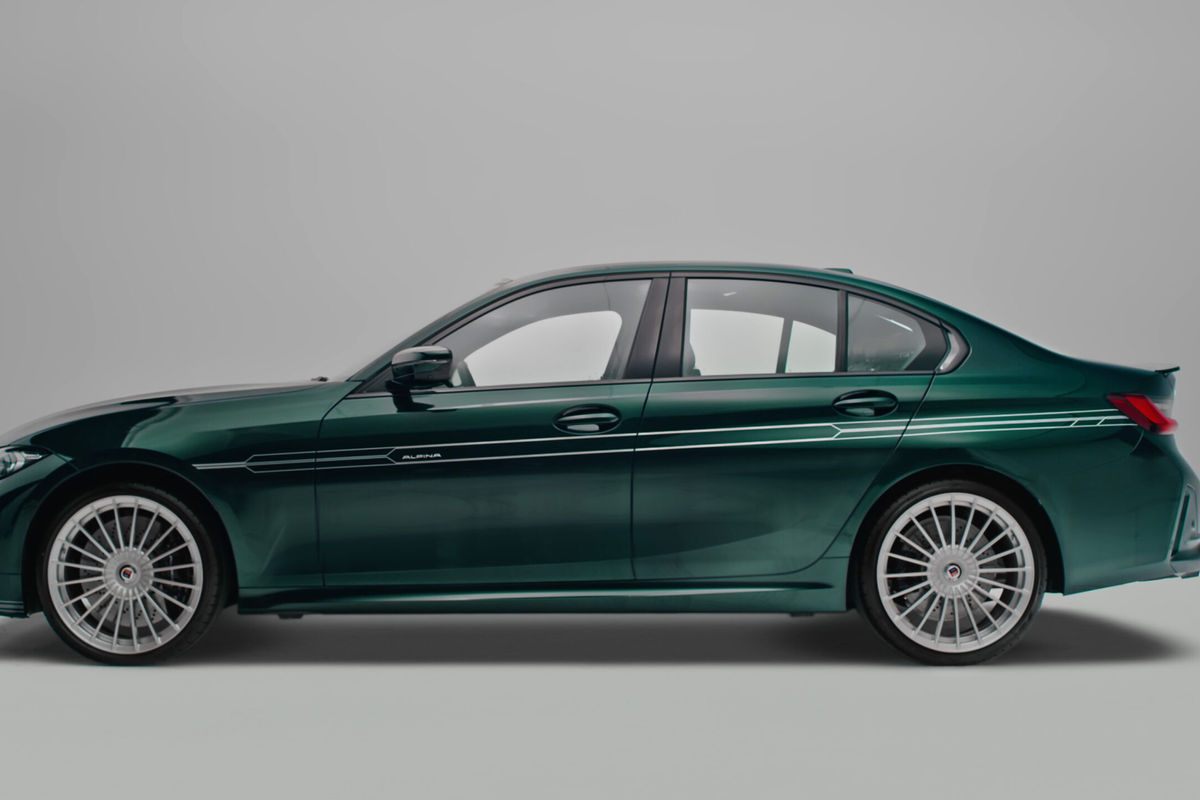
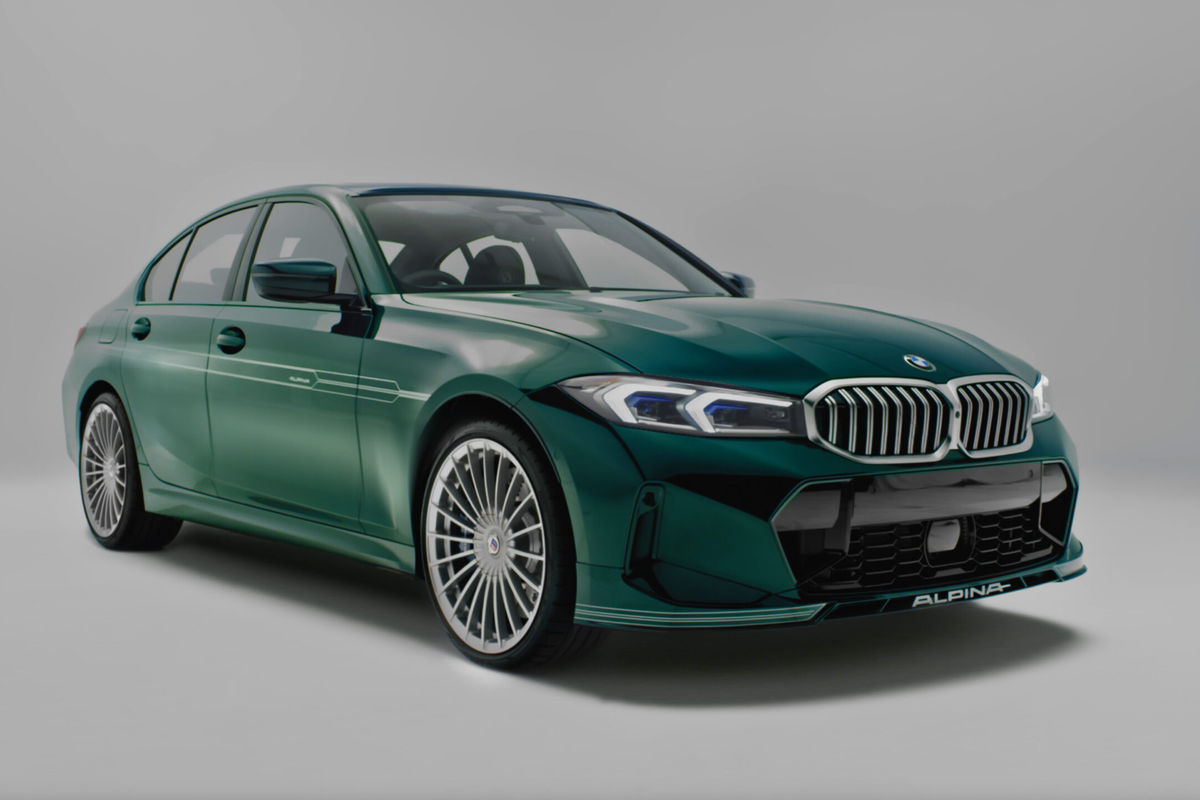
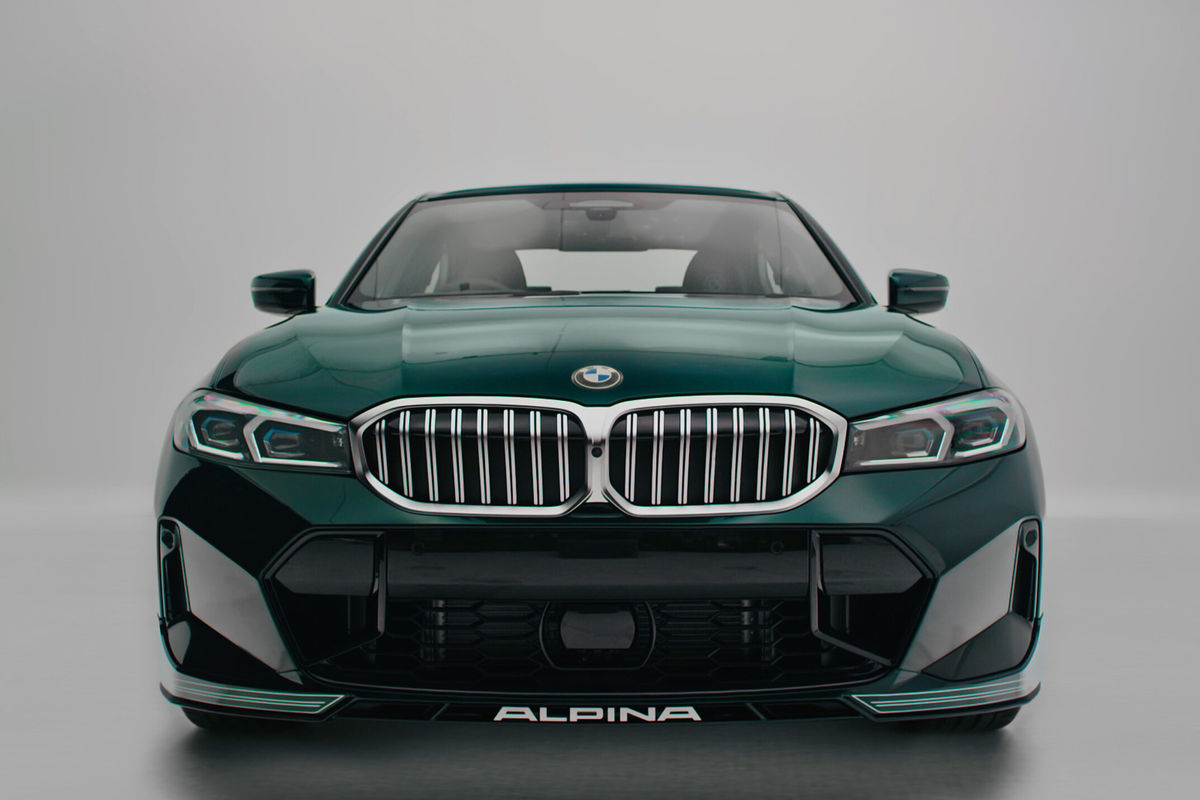
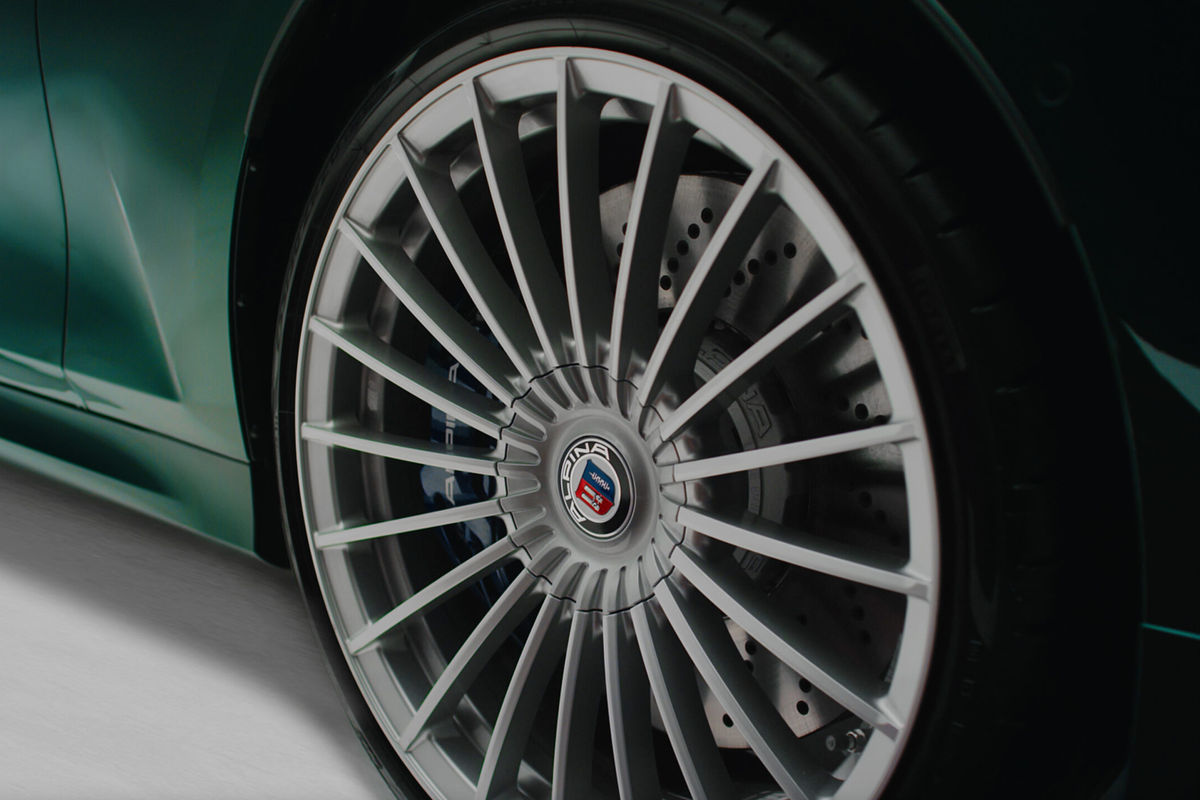
Just before the end of 2023, BMW SA imported just five units of the Alpina B3 AWD as part of its 50 year celebrations.
This is not South Africa’s first taste of Alpina’s magic as its collaboration with BMW SA in the 1980s resulted in the sensational BMW 333i. There were around 200 units built and they’re highly sought after by collectors.
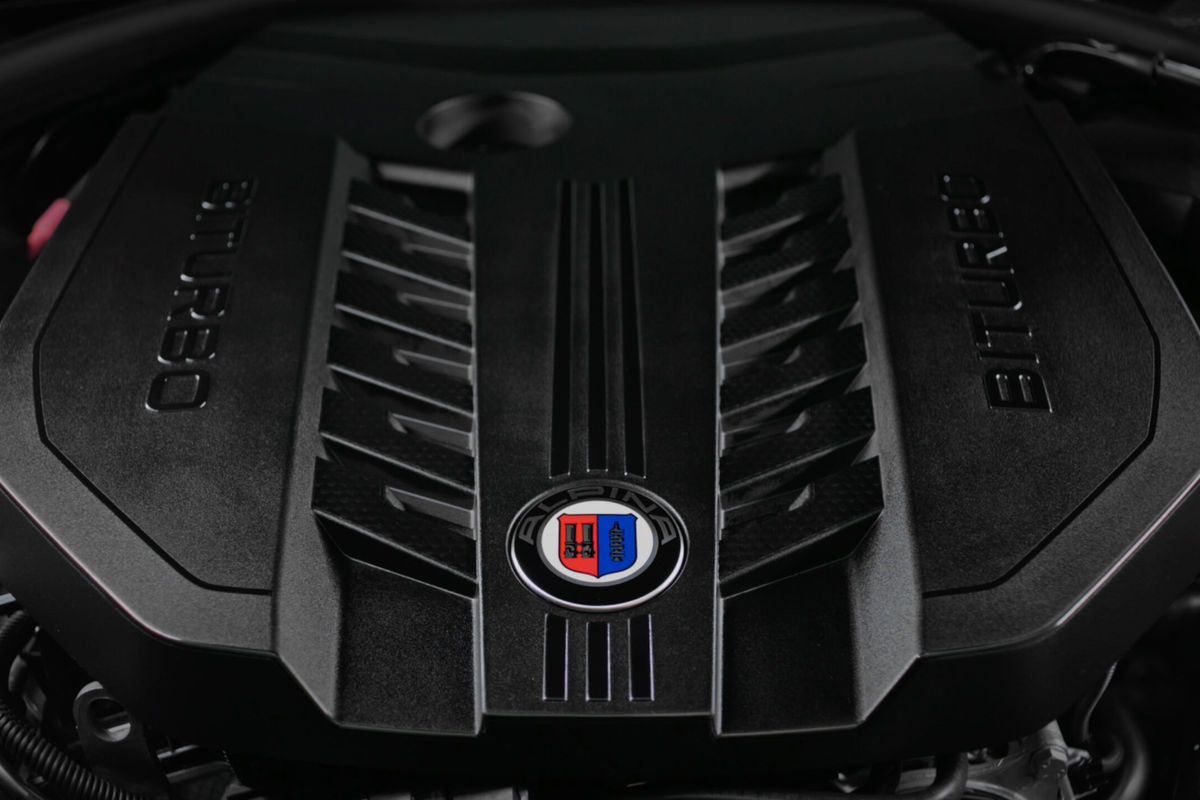
What you see here is a completely different animal and a fascinating take on a subtle-looking performance vehicle. Using a BMW M340i xDrive as a base, Alpina inserted the M3’s 3.0 S58 engine and tweaked it a bit. Unlike most tuners which ramp up the power from the donor engine, Alpina took a different route with its own turbochargers, software and internals.
The result is 364 kW and 730 Nm. Interestingly, the BMW M3 offers up 375 kW and 650 Nm. Impressively, the Alpina B3 is said to dash to 100 kph in just 3.6 seconds and hit a top speed of 305 kph. The vehicle has an 8-speed automatic transmission.
Alpina has given the B3 a high-performance braking setup with drilled discs, sport suspension, unique tune for the steering setup, as well as a model-specific exhaust.
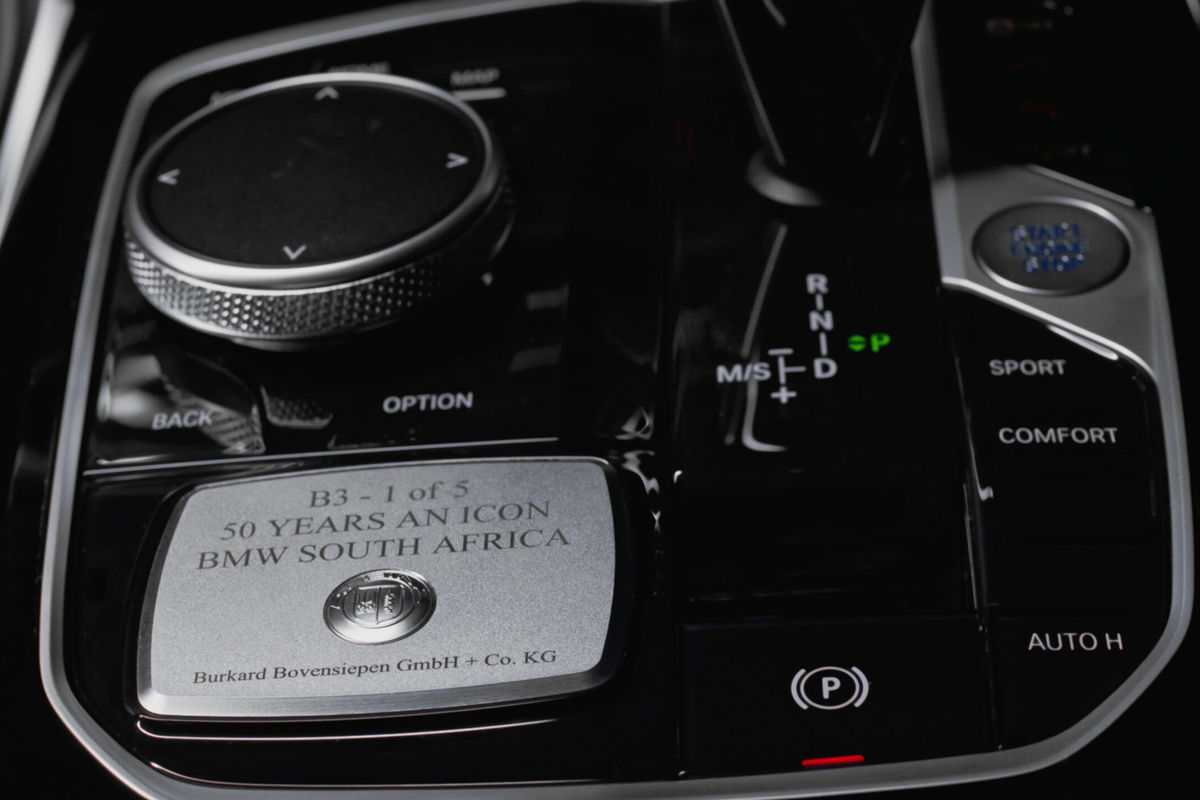
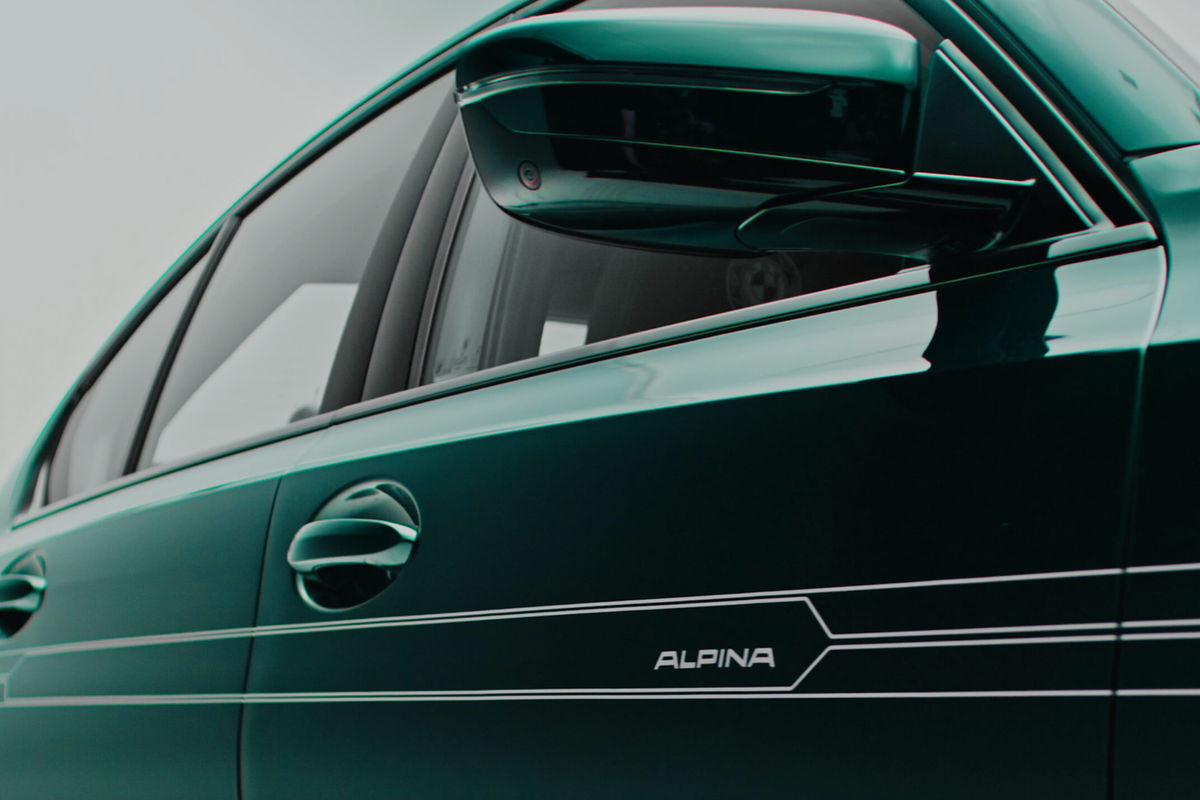
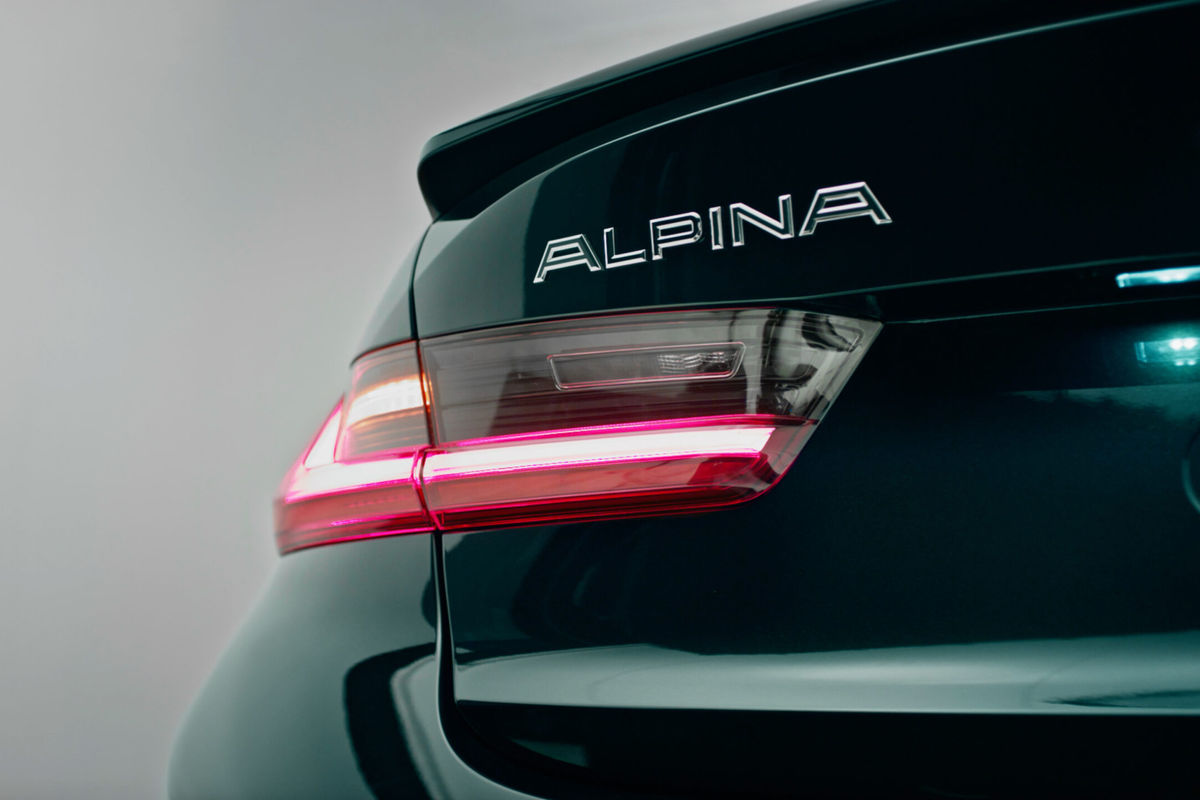
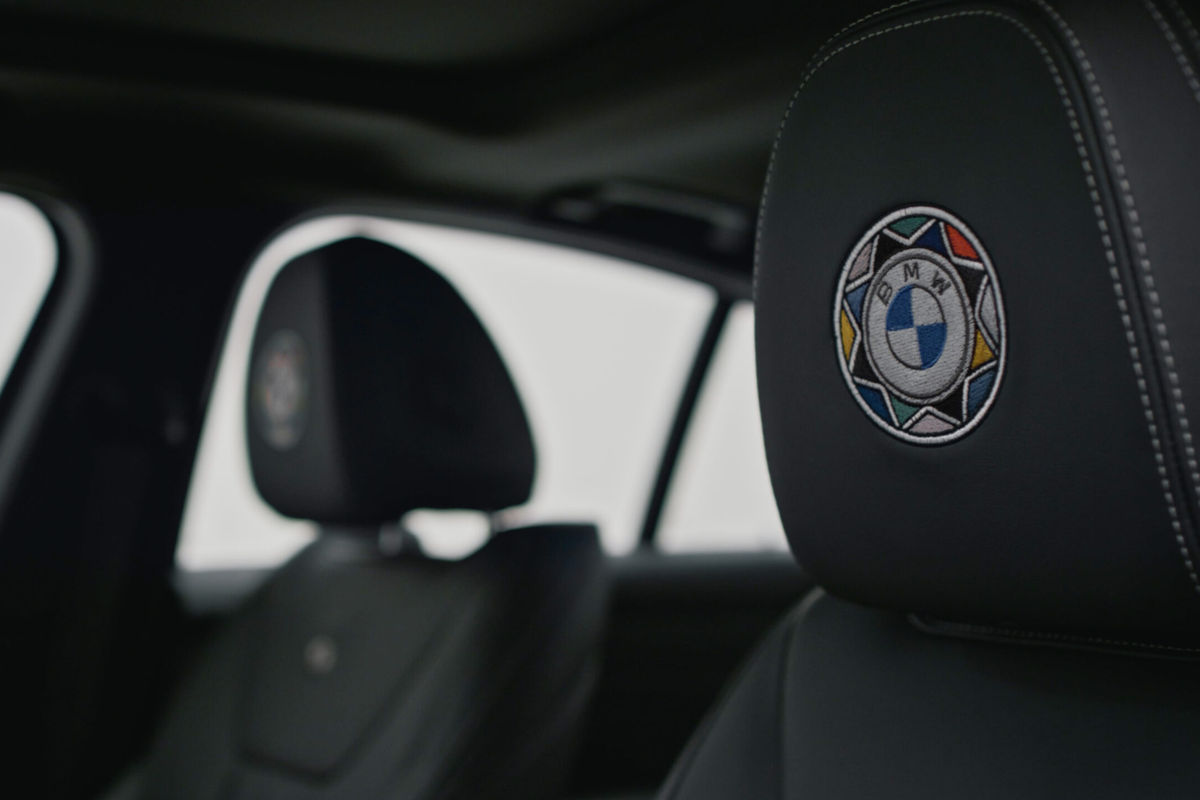
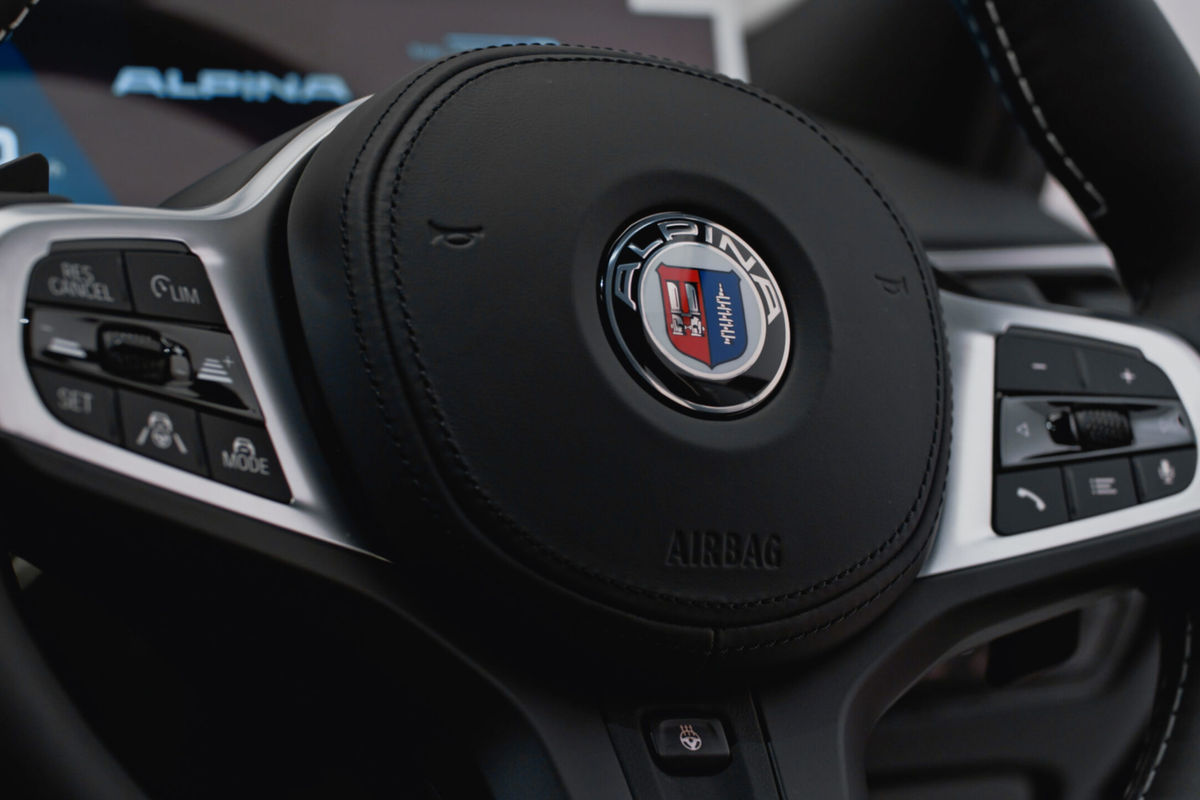
All five cars have already been sold and you can spot them with their signature Alpina Green II metallic paint, 20-inch Alpina wheels and Alpina badging. If you’re lucky to see inside, there’s a unique plaque on the central console as well as BMW SA 50 years anniversary logo on the front seat headrests.
How much does the Alpina B3 cost in South Africa?
The price includes BMW’s Motorplan, VAT and CO2 tax is R2 960 341 and we would not be surprised to see the value of these vehicles increase in time given their rarity and exclusivity.
Nissan in Latin America has confirmed it continues to develop a new half-tonne bakkie, adding that the fresh model will be based on a Renault product. NP200 successor, anyone?
Back in early 2023, the Renault-Nissan-Mitsubishi Alliance announced plans to create a new half-tonne bakkie, developed by Renault and shared with Nissan. Of course, plenty has happened since then, including Nissan South Africa entering a “formal consultation phase to restructure the business” as it seeks a replacement for the NP200 that will go out of production in March 2024.
But a new Nissan-badged half-tonner remains on the cards – in some parts of the world, anyway. Nissan’s Latin American division recently confirmed it planned to “enrich” its product line-up, telling the Brazilian Motor1.com website it would utilise Renault’s “expertise” in the half-tonne segment.
The Renault Niagara concept was revealed in October 2023.
Nissan pointed to the Niagara concept as an example of its alliance partner’s prowess in this unibody-bakkie segment, though Renault obviously also produces the Duster-based Oroch. As a reminder, the Oroch – which was long been in the planning for a South African introduction but still hasn’t materialised – was handed another facelift in 2022.
According to the Motor1.com report, the upcoming new-generation Oroch (if it continues to wear that badge, of course) will form the basis for the aforementioned new Nissan half-tonner, with both running on the Alliance’s CMF-B platform. Production is likely to take place in Argentina.
What does that mean for Nissan SA’s plant in Rosslyn? Well, we’ll have to wait and see, but it’s interesting to note the automaker’s local division confirmed it had earlier lined up an “immediate replacement model for NP200”, which was planned to be built on a Renault-Nissan-Mitsubishi Alliance shared platform in Russia.
The NP200 debuted in SA back in 2008, with production now scheduled to end in March 2024.
However, Nissan SA said the “geopolitical situation in Russia meant this model was no longer viable due to significantly reduced” volumes. “In line with our African strategy, securing a 2nd model for production in South Africa is a priority and a study into an alternative vehicle is already progressing,” the statement from Nissan SA read back in October 2023.
As a reminder, the NP200 launched in SA as a replacement for the Nissan 1400 in 2008. The NP200 had the local half-tonne bakkie segment all to itself since the end of 2017, when General Motors quit Mzansi, thus marking the end of the line for the Chevrolet Utility. As such, the Dacia Logan-based single cab quickly became Nissan SA’s chief volume driver.
Fuel prices in South Africa are expected to decrease in January 2024, bringing some much-needed financial relief to South African motorists and the economy.
2024 is off to a positive start with the prices of petrol and diesel expected to be slashed yet again with adjustments taking effect on Wednesday, 3 January 2024.
The Department of Mineral Resources and Energy has published the following fuel price adjustments for January 2024.
Petrol ULP93 – decrease by 62 cents per litre
Petrol ULP95 – decrease by 76 cents per litre
Diesel 0.05% – decrease by 118.32 cents per litre
Diesel 0.005% – decrease by 126.32 cents per litre
The Automobile Association (AA) commented, “Although we are expecting fuel to be cheaper in January, we remain concerned about the overall high prices which impact on all consumers. If the expected decreases are realised, petrol prices will still be higher than they were in January 2023, but diesel prices will be marginally cheaper than at the same time. We must see all of this in the context of consumers who are still recovering from steep fuel price hikes in September and October.”
The AA, however, warns that it’s too early to determine if the trend of fuel price cuts will continue as geo-political developments negatively impact international oil prices.
“For this reason, a sustainable solution to mitigating rising fuel costs is still necessary and until that solution is found, citizens will be at the mercy of fuel price hikes. We again call on government to urgently initiate a transparent review of the fuel pricing structure to seek this solution,” says the Association.
Expected Fuel Price in South Africa for January 2024
Suzuki won’t let Toyota rebadge these 2 cars – report
Toyota currently markets a number of rebadged Suzuki models courtesy of a wide-ranging global alliance. But 2 nameplates are reportedly completely off limits…
In South Africa, Toyota’s current line-up includes a trio of rebadged Suzuki models – the Celerio rebranded as the Vitz, the Baleno rehashed as the Starlet and the Ertiga becoming the Rumion – along with the Grand Vitara-based (though Toyota-built) Urban Cruiser. But a report out of India claims Suzuki has “politely declined” a request from Toyota to add the Swift and Jimny to that list.
Yes, according to the folks over at Autocar India, Suzuki told Toyota that the Swift hatchback and Jimny 4×4 were strictly off the table.
The Swift is Suzuki Auto SA’s most popular nameplate.
“Toyota wanted to badge engineer the Jimny and Swift but we politely declined. It’s like asking Toyota to let us badge engineer the Land Cruiser. Models that are at the heart of our brand are not meant for sharing and both companies respect that,” an unnamed Suzuki source told the Indian publication.
The Swift is easily Suzuki Auto South Africa’s best-selling nameplate, with well over 15 000 units registered around the country in 2023 alone. Though the Jimny isn’t positioned as an out-and-out volume driver like the Swift, it’s arguably one of the Japanese brand’s most recognisable models, with a heritage that stretches all the way back to 1970.
The Jimny traces its roots back to 1970.
Though the final numbers are not yet in, we do know the Vitz outsold the Celerio in Mzansi in 2023 despite not being on the market for the entire year (Toyota did, however, offer a significant discount to drive sales, a promotion that continues to run today). The Starlet easily outdid the Baleno on the sales charts last year, while the Urban Cruiser outgunned the Grand Vitara. Interestingly, though, the Ertiga proved more popular than the Rumion.
Of course, South Africa doesn’t receive the Toyota Belta, a rebadged Suzuki Ciaz offered in some other African and Middle Eastern markets, since Prospecton already builds a budget sedan in the form of the Corolla Quest. Fascinatingly, in Europe, it’s Suzuki that markets rebadged Toyota models. For instance, the Suzuki Across is a lightly disguised RAV4, while the Swace is a rebranded Corolla wagon.
2023/24 CarsAwards Finalists: Best Executive SUV in SA
Meet the 3 finalists in the Executive SUV category of the 2023/24 Cars.co.za Consumer Awards, sponsored by Absa. The winner of this #CarsAwards category will be announced on 29 February 2024.
The 2023/24 Cars.co.za Consumer Awards, sponsored by Absa is the 7th iteration of SA’s definitive consumer-driven automotive awards programme that aims to identify the best new vehicles on sale in Mzansi across 13 categories.
Judges first compiled a list of 65 semi-finalists – then trimmed it to 39 finalists. Following that, all #CarsAwards finalist vehicles were subjected to a rigorous 2-day test at Gerotek at the beginning of November 2023, after which they starred in the Cars.co.za Consumer Awards Roadshow at the Mall of Africa where, for the first time, the public could experience the cars – and meet the judges – in the flesh.
Most premium brands now offer road-biased SUVs that combine prestige and practicality in packages that are renowned for superior refinement. Drivetrain performance and refined road manners are a must, as is a comfortable cabin that features upmarket materials and the most up-to-date technology.
This category is guided by both eligibility factors and pillars of success.
Eligibility factors for this category include a list price between R1 000 000 and R1 300 000 at the time of semi-finalist voting (September 1, 2023) to ensure both exclusivity and status. Eligible vehicles in this category must be medium-sized (Audi Q5/Mercedes-Benz GLC size), including their “coupe” variants.
Pillars of success for this category include powertrain technology, luxury, brand strength, design and quality appeal, driving dynamics, as well as space and practicality.
Executive SUVs: CarsAwards Finalists
BMW X3 xDrive20d M Sport
With the current (recently facelifted) X3, it appears BMW can’t put a “wheel” wrong: it has well-resolved underpinnings, an acclaimed powertrain and a luxurious cabin laced with comfort features and tech. The turbodiesel engine offers a great blend of performance and economy, so it won’t surprise many to learn that the X3 is BMW SA’s best-selling model. Can the defending champ hold off the competition, though?
The new-gen Lexus NX represents a leap forward from its quirky predecessor. Sharp looks, impeccable build quality and a comprehensive list of standard features make the new NX a compelling prospect. The NX 350h F Sport’s hybrid powertrain is paired with a relaxed ride and drive, and its claimed fuel economy figure is one of the lowest in the segment. Backed by legendary reliability, this Lexus has a lot going for it.
Mercedes-Benz has gone to great lengths to ensure that the 2nd-gen GLC will regain its place at the top of the Executive SUV segment. Fresh looks give it standout kerb appeal, while its interior looks futuristic. There’s a great turbodiesel engine under the bonnet, giving the Benz ample performance that doesn’t come at the expense of fuel consumption. Overall, the GLC is a solid offering that deserves high praise.
The winners of the 2023/24 Cars.co.za Consumer Awards, sponsored by Absa (as well as the recipient of the prestigious Brand of the Year title) will be named on 29 February 2024.
2023/24 CarsAwards Finalists: Best Premium SUV in SA
Meet the 3 finalists in the Premium SUV category of the 2023/24 Cars.co.za Consumer Awards, sponsored by Absa. The winner of this #CarsAwards category will be announced on 29 February 2024.
The 2023/24 Cars.co.za Consumer Awards, sponsored by Absa is the 7th iteration of SA’s definitive consumer-driven automotive awards programme that aims to identify the best new vehicles on sale in Mzansi across 13 categories.
Judges first compiled a list of 65 semi-finalists – then trimmed it to 39 finalists. Following that, all #CarsAwards finalist vehicles were subjected to a rigorous 2-day test at Gerotek at the beginning of November 2023, after which they starred in the Cars.co.za Consumer Awards Roadshow at the Mall of Africa where, for the first time, the public could experience the cars – and meet the judges – in the flesh.
Premium SUVs may primarily appeal for irrational and emotional reasons such as design and status, but at their core, they are some of the most sophisticated and capable vehicles on the market. A spacious vehicle with a high-tech off-road drivetrain, a powerful engine and a luxuriously trimmed cabin (let alone with a prestigious badge on the grille) was always going to be a hit with image-obsessed car buyers.
This category is guided by both eligibility factors and pillars of success.
Eligibility factors include a list price between R1 300 000 and R1 800 000 at the time of semi-finalist voting (September 1, 2023). It must be a large SUV of the BMW X5/Mercedes GLE category (coupe-inspired variants are also considered). It goes without saying that all-wheel-drive capability is a must.
Pillars of success for this category include powertrain technology, luxury, brand strength, design and quality appeal, driving dynamics, as well as space and practicality.
Premium SUVs: CarsAwards Finalists
BMW iX xDrive40
For the first time, an all-electric model has been selected as a finalist in a category that’s not focused on EVs. The new BMW iX has been quite the revelation, with its polarising design, impressive levels of tech and superb build quality. Because the iX is based on a dedicated electric-vehicle platform – not that of a conventionally engined model – it’s rather spacious, but can the BMW trump its more traditional rivals?
The recently revised BMW X5 makes yet another appearance in one of the most established categories of the CarsAwards, but it’s easy to understand why this vehicle is an almost permanent fixture… With a potent 3.0-litre inline-6 turbodiesel powerplant that balances impressive on-road performance with good fuel economy, the xDrive30d M Sport also offers generous passenger room and cargo-carrying capacity.
Although it’s a far cry from its utilitarian progenitor, the new Defender is a kingpin in Jaguar Land Rover’s stable. In terms of sheer versatility, it blows the opposition away – that’s why there’s a waiting list for the Landy. The Defender 110 blends luxury, practicality and off-road ability in an eye-catching package and the D250 SE County derivative is powered by a 3.0-litre inline-6 turbodiesel that makes 183 kW/570 Nm.
The winners of the 2023/24 Cars.co.za Consumer Awards, sponsored by Absa (as well as the recipient of the prestigious Brand of the Year title) will be named on 29 February 2024.
2023/24 CarsAwards Finalists: Best Performance Car in SA
Meet the 3 finalists in the Performance Car category of the 2023/24 Cars.co.za Consumer Awards, sponsored by Absa. The winner of this #CarsAwards category will be announced on 29 February 2024.
The 2023/24 Cars.co.za Consumer Awards, sponsored by Absa is the 7th iteration of SA’s definitive consumer-driven automotive awards programme that aims to identify the best new vehicles on sale in Mzansi across 13 categories.
Judges first compiled a list of 65 semi-finalists – then trimmed it to 39 finalists. Following that, all #CarsAwards finalist vehicles were subjected to a rigorous 2-day test at Gerotek at the beginning of November 2023, after which they starred in the Cars.co.za Consumer Awards Roadshow at the Mall of Africa where, for the first time, the public could experience the cars – and meet the judges – in the flesh.
While owning supercars and other “exotics” is bound to remain a pipedream for most car buyers, there are new cars that are priced under the R1-million mark that offer near-supercar thrills and performance.
In this category, we are not only looking for sizzling performance but also driver engagement, whether driven on the track or on the road.
This category is guided by both eligibility factors and pillars of success.
Eligibility factors include a list price below R1 000 000 at the time of semi-finalist voting (September 1, 2023) to ensure that this doesn’t become a category dominated by extravagant and unattainable exotics.
Pillars of success for this category include drivetrain engagement, handling, sensory appeal and standard features.
Performance Car: CarsAwards Finalists
Honda Civic Type R
The Honda Civic Type R is a revered hot hatch. Every iteration of the Type R has delivered driving thrills and performance in abundance, and this new-gen model is no different. It may lack the outrageous styling of the predecessor, but it makes up for it with an even more focused driving experience.
The Japanese hatchback’s grip levels are staggering; its 2.0-litre 4-cylinder turbopetrol develops a stonking 235 kW/420 Nm and the sheer level of driver engagement it offers serves as a reminder that rip-snorting front-wheel-drive hot hatches such as these won’t be around for all that much longer.
Toyota’s GR division took its learnings from the world rally championship-inspired GR Yaris, applied them to the Corolla and turned up the wick. The 1.6-litre 3-cylinder turbopetrol motor now delivers 221 kW and 370 Nm, combined with all-wheel-drive grip that feels out of this world. With a notable feel-good factor and head-turning looks, there’s nothing quite like the GR Corolla. Will it beat its smaller sibling, though?
The GR Yaris is the result of Toyota’s Gazoo Racing arm developing a car for motorsport homologation and, if you were to enter a racing series, you wouldn’t have to do much to convert this mighty mite into a championship-winning race car. All the elements are there: a revvy turbocharged 3-pot motor, all-wheel drive and a sweet-shifting 6-speed manual ‘box. If ever a car epitomises this category, it is this one.
The winners of the 2023/24 Cars.co.za Consumer Awards, sponsored by Absa (as well as the recipient of the prestigious Brand of the Year title) will be named on 29 February 2024.