Motorists in South Africa will be rejoicing in June 2024 as fuel prices are expected to be slashed across the board according to fuel price data released by the Central Energy Fund (CEF).
With the 2024 South African Elections around the corner, there’s an air of uncertainty across the Republic but regardless of the outcome, motorists will at the very least get some relief at the pumps.
During May, international oil prices dropped further, with Brent Crude Oil currently trading at around $81.50 per barrel. During the same period, the South African Rand strengthened significantly against the US Dollar, currently trading at R18.30 to the Dollar, down from R18.80 at the beginning of May 2024. These 2 factors have contributed towards a positive fuel price outlook for June 2024.
The latest unaudited data published by the CEF indicates potential petrol price cuts of 89 c/l and 87 c/l for ULP 93 and ULP 95 grade petrol respectively.
Similarly, the price of 0.05% diesel could be slashed by as much as 92 c/l and the price of 0.005% diesel could be reduced by 87 c/l. Illuminating Paraffin is also expected to be about 78 c/l cheaper come June 2024.
The fuel price cuts are certainly welcome as South African household budgets remain under considerable pressure in a high-inflation environment.
We will keep you updated as official fuel price adjustments are announced towards the end of May 2024.
Fuel Price Forecast for South Africa in June 2024
Fuel Type
May’ 24 Inland
May’ 24 Coast
June 24 Inland*
June 24 Coast*
Petrol Unleaded 93
R25.15
R24.36
R24.26
R23.47
Petrol Unleaded 95
R25.49
R24.70
R24.62
R23.83
Diesel 0.05%
R22.15
R21.36
R21.23
R20.44
Diesel 0.005%
R22.24
R21.48
R21.34
R20.61
*June 2024 figures are forecast figures and not official.
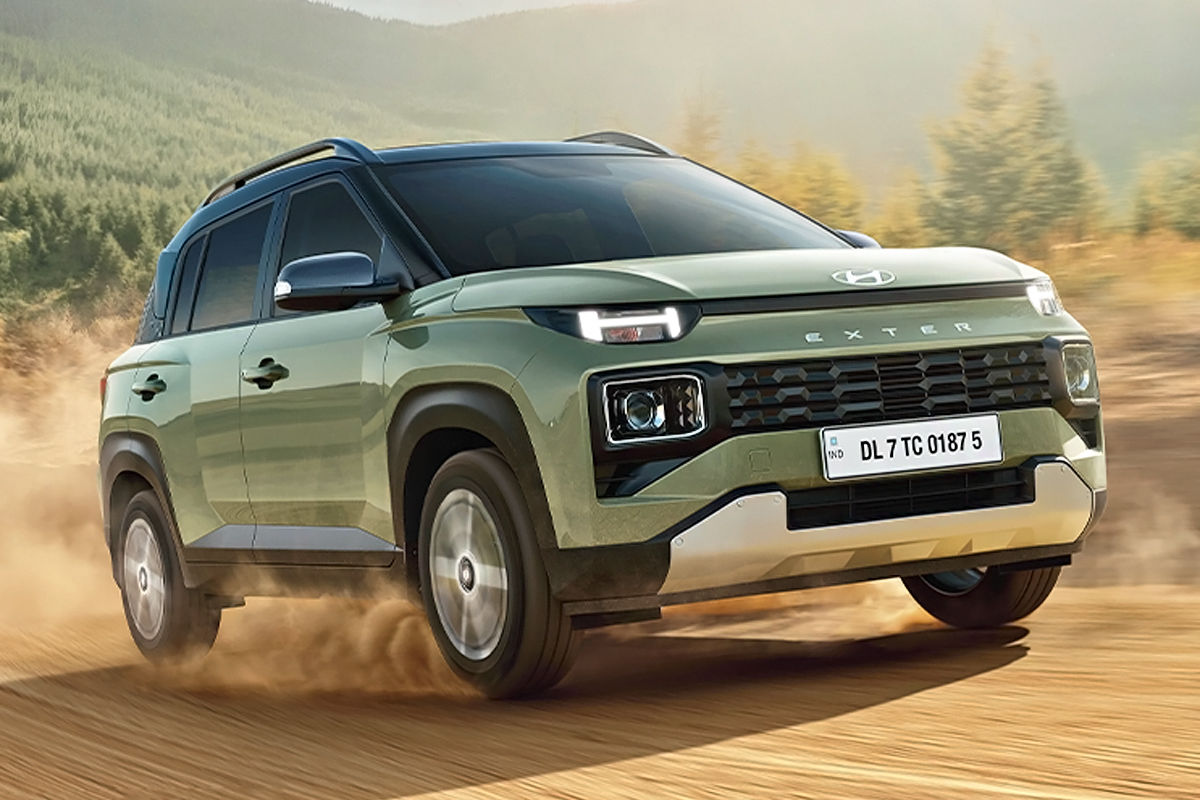
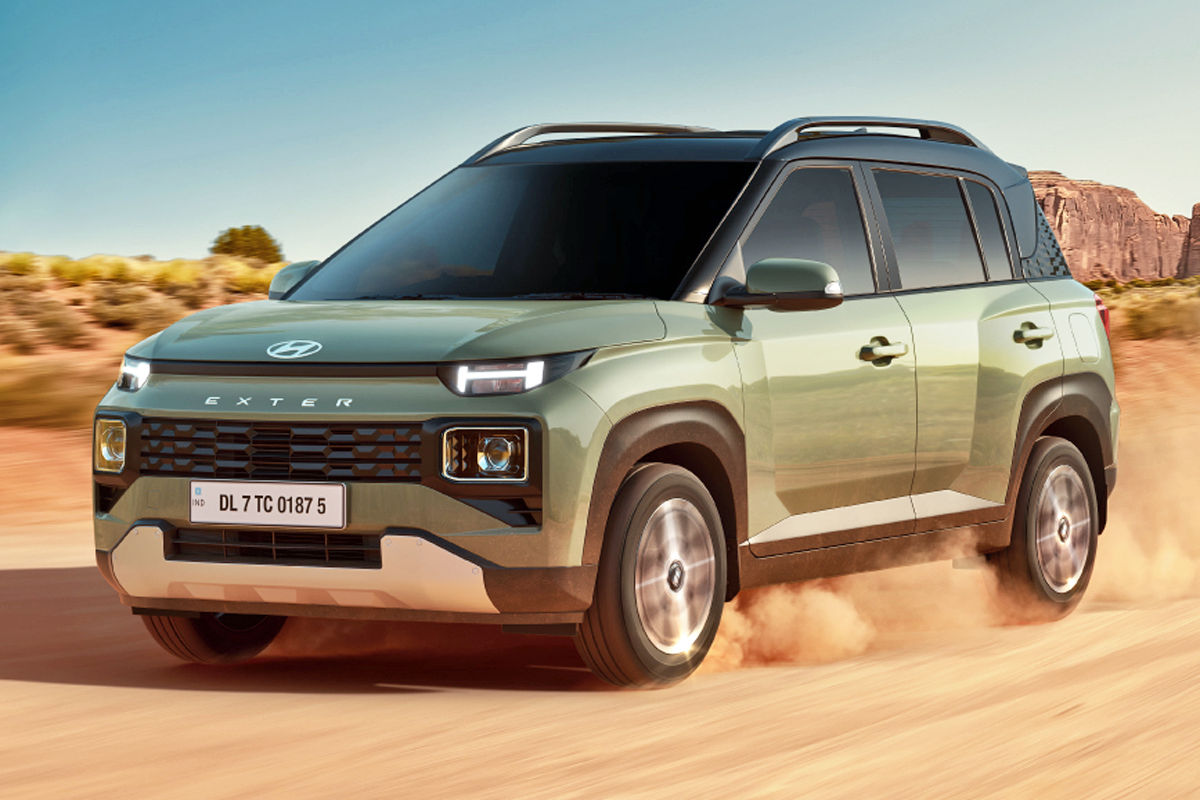
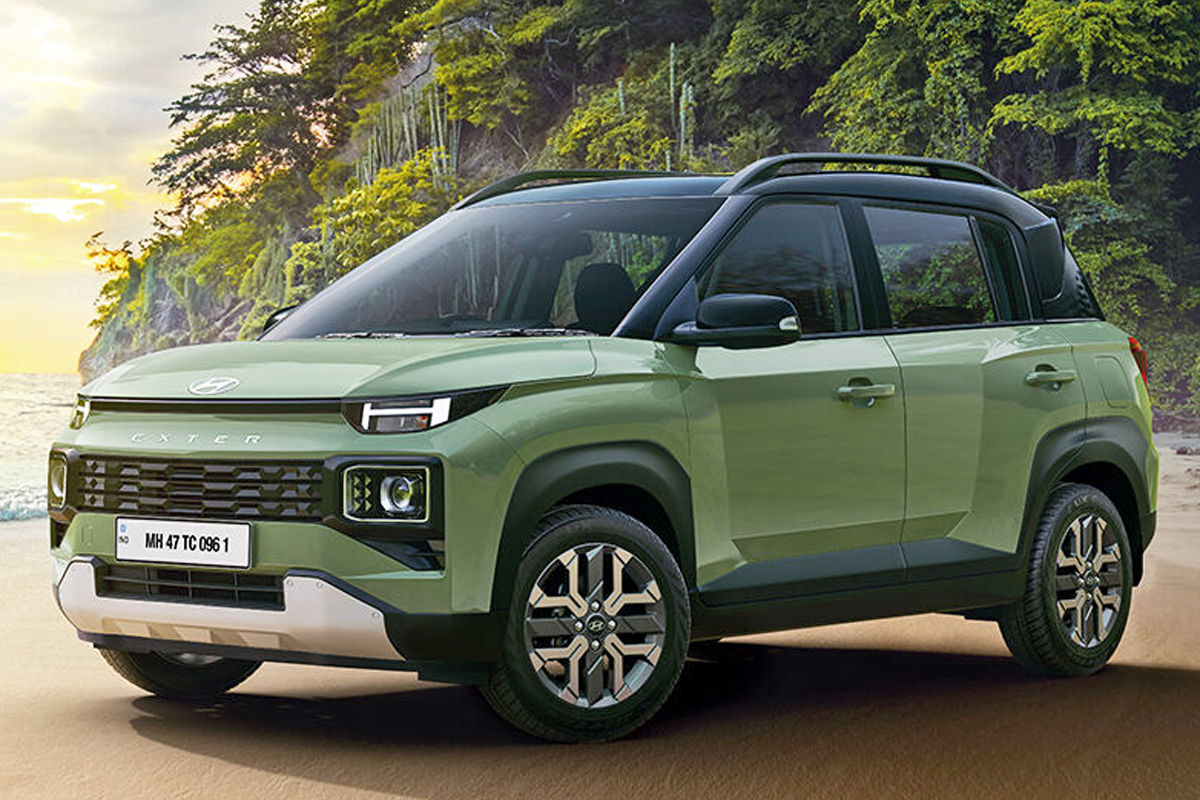
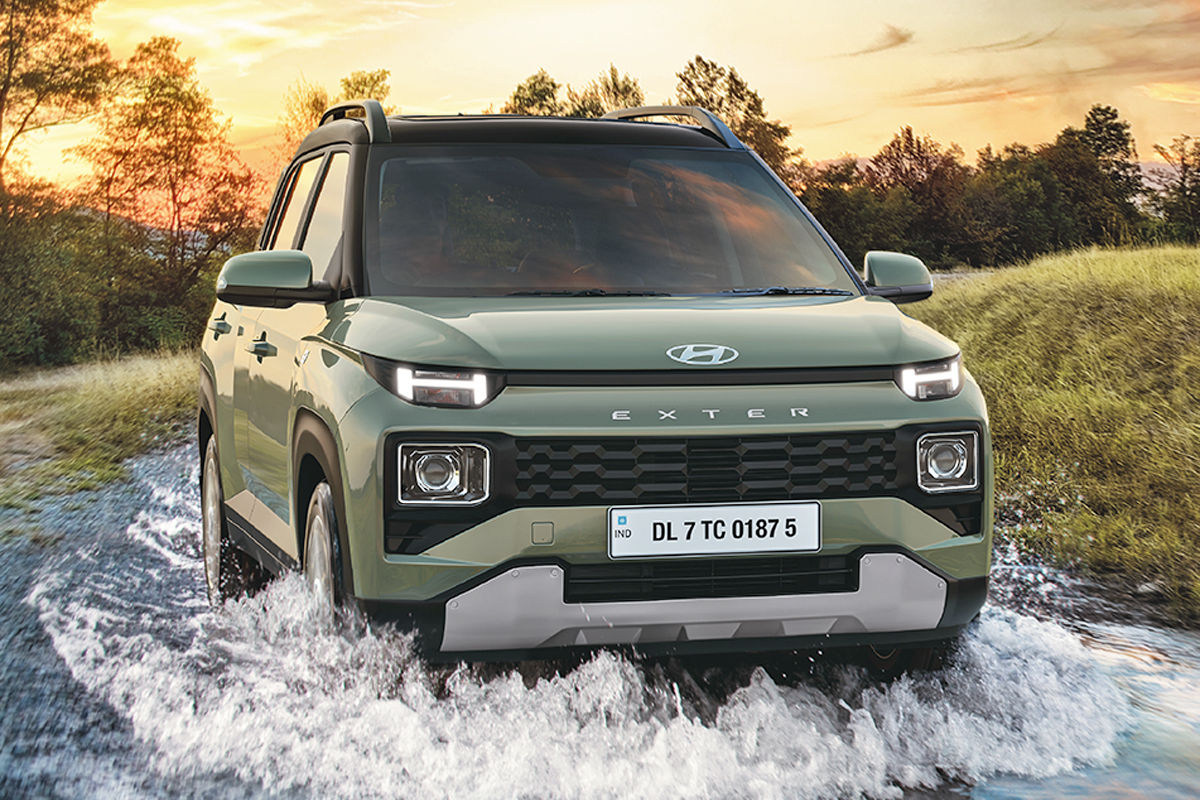
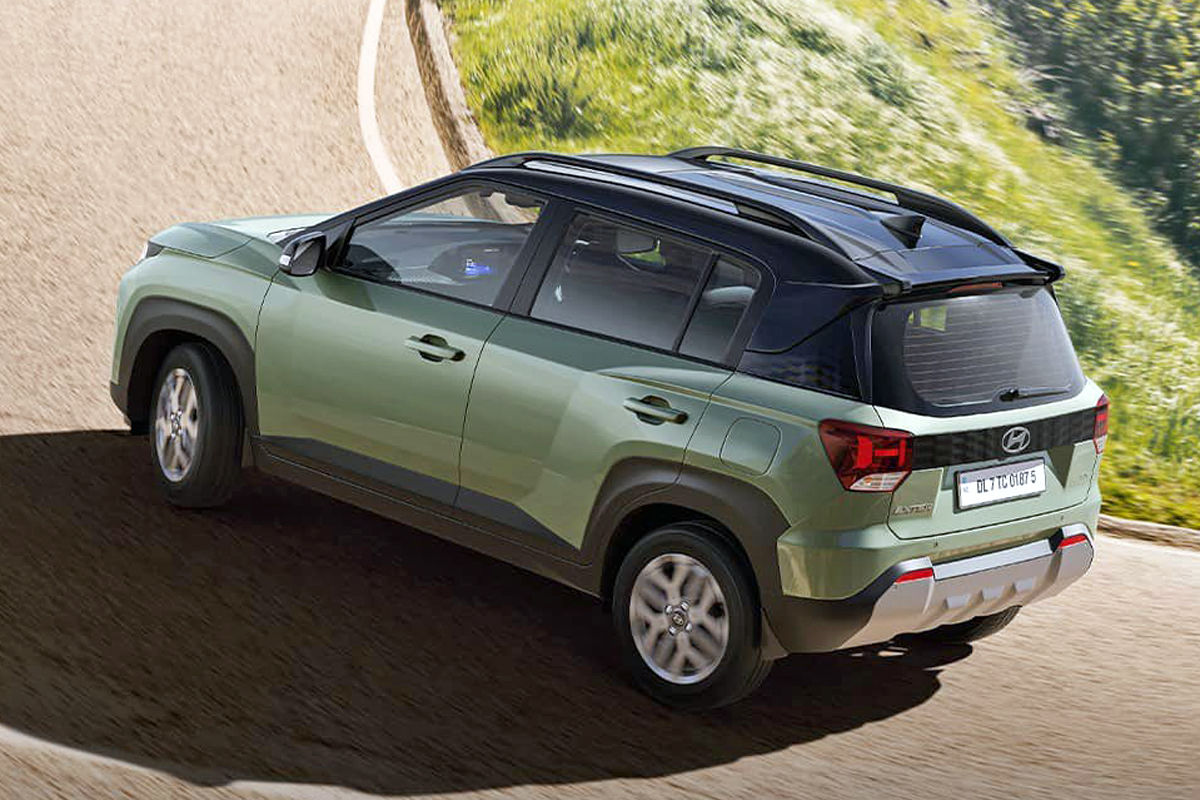
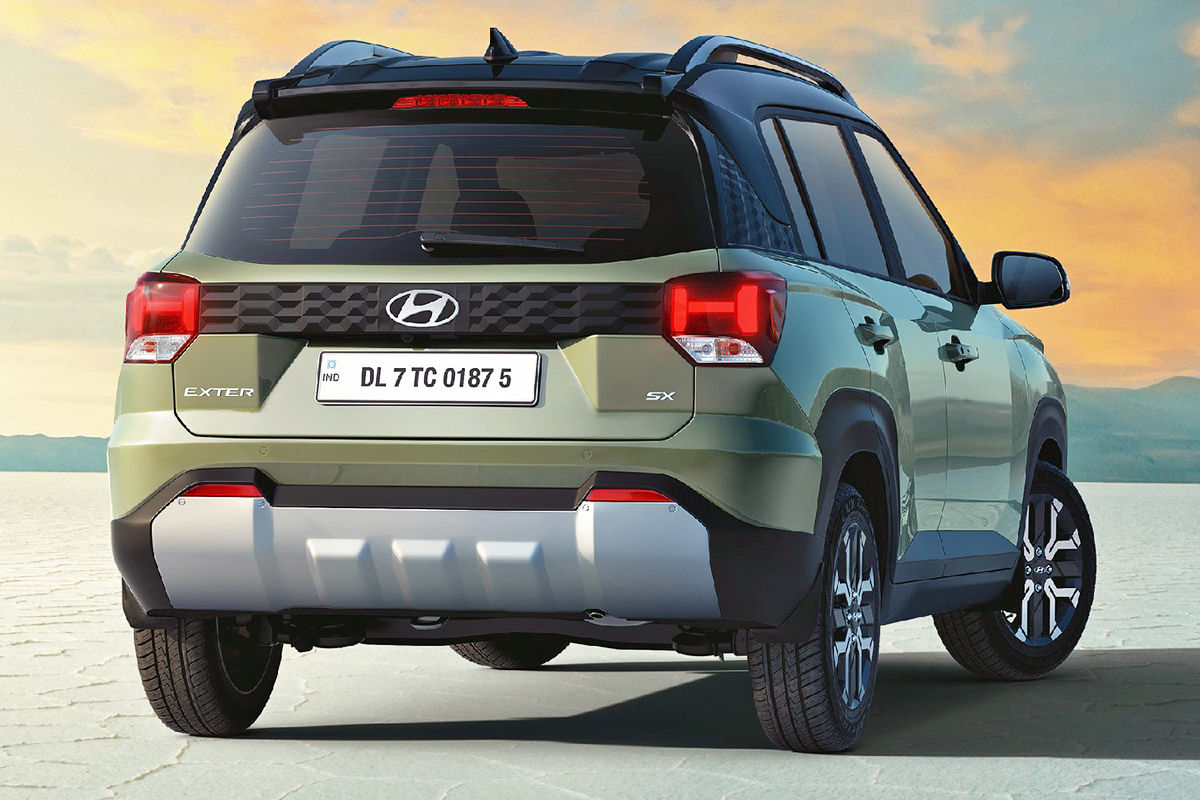
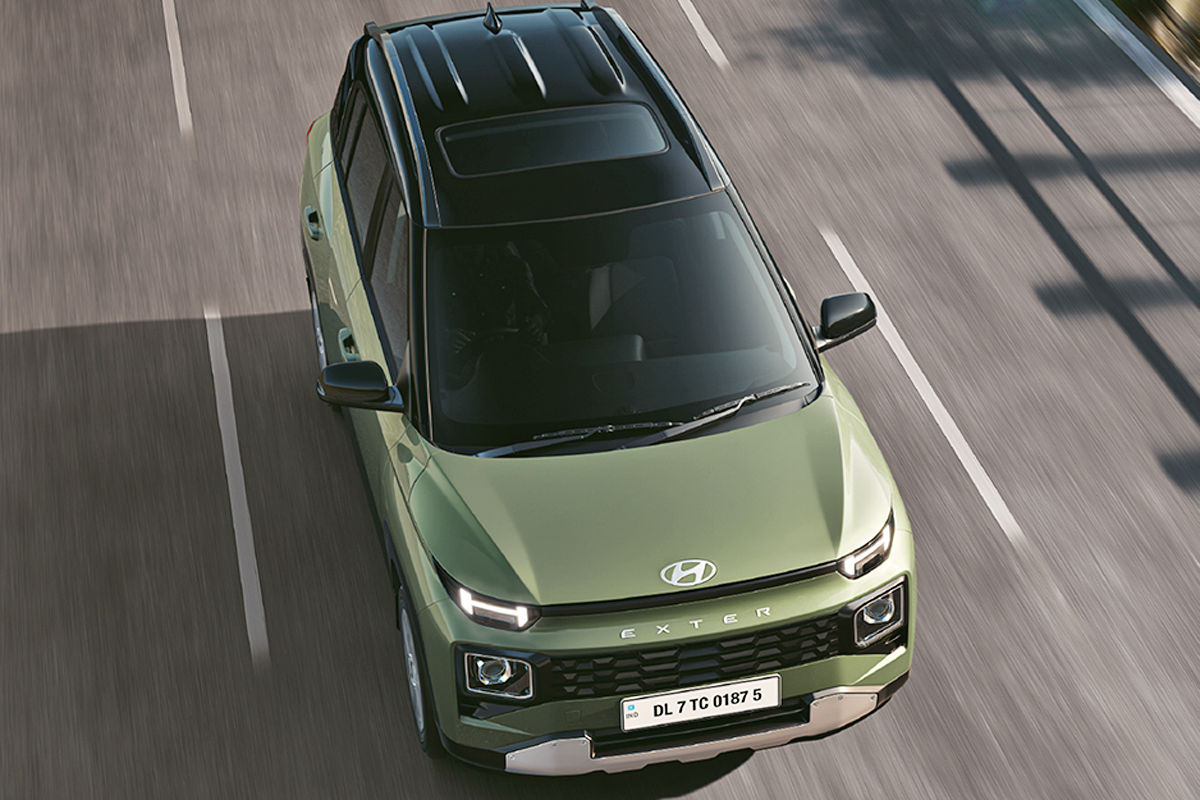
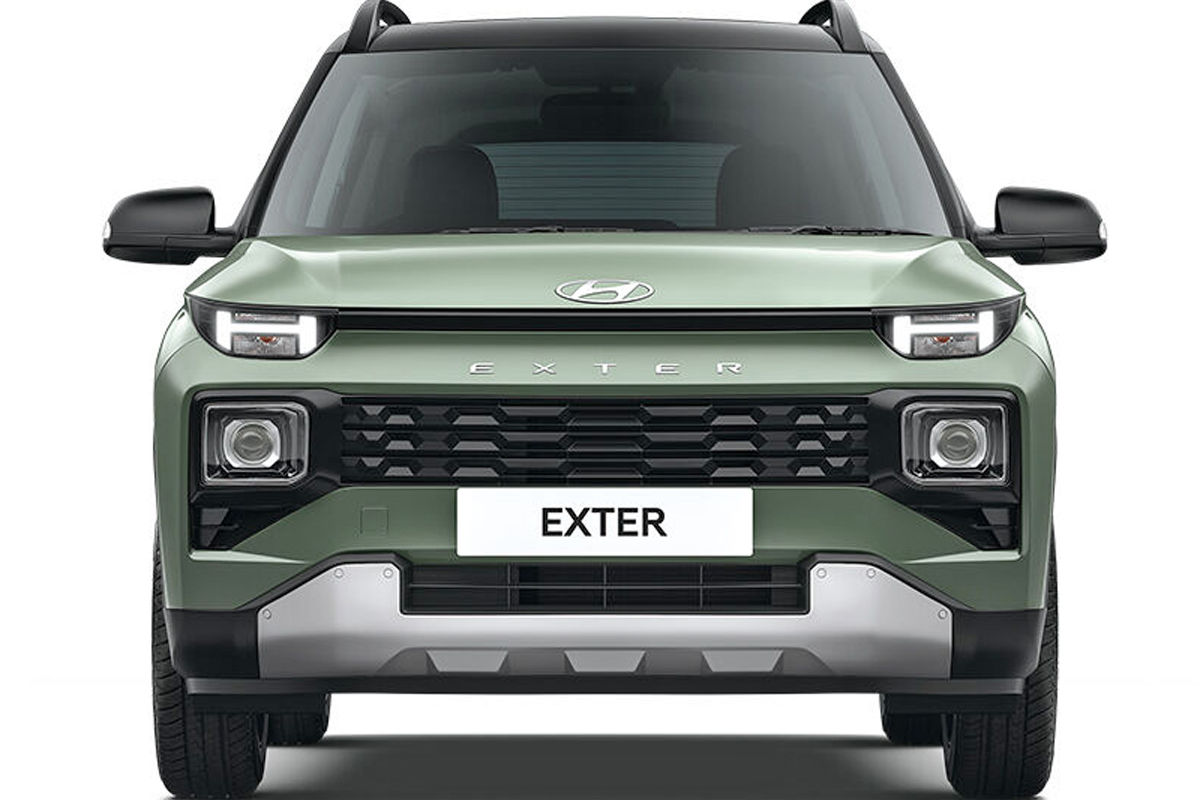
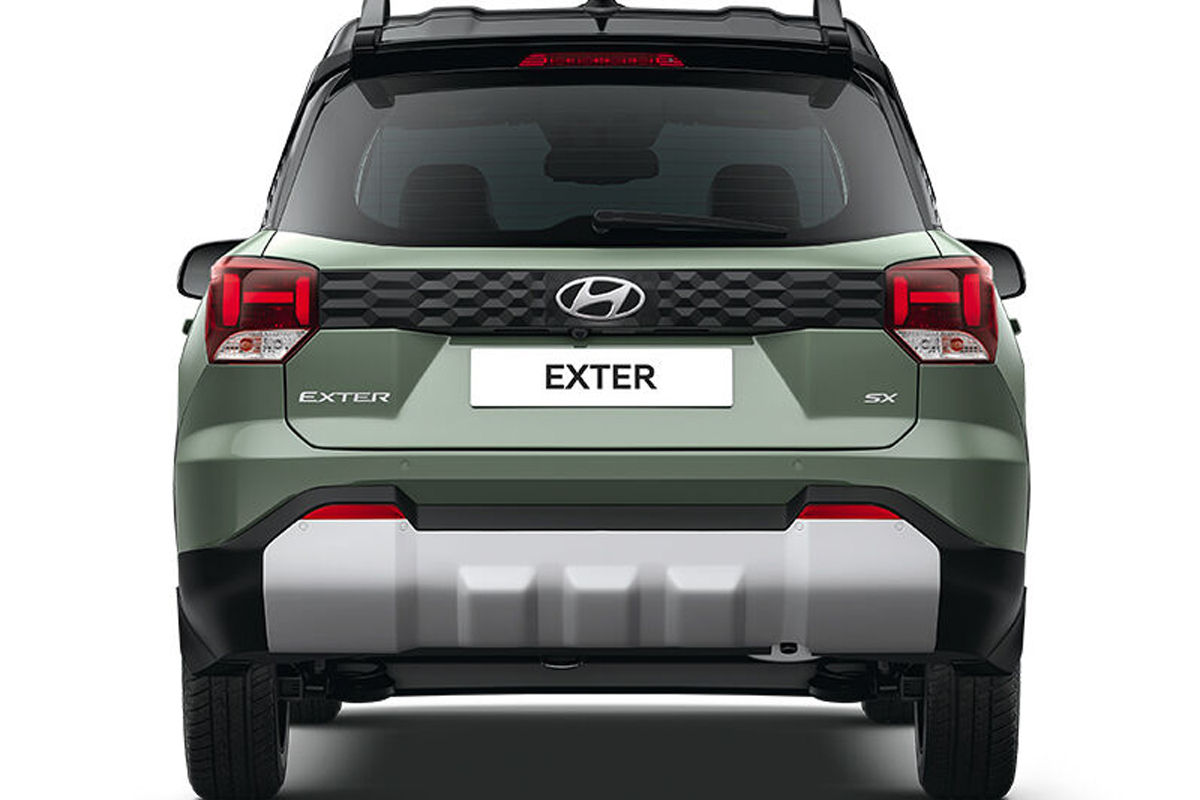
The new Hyundai Exter – set to arrive as the brand’s smallest and most affordable crossover – has been confirmed for South Africa. Here’s when it’s due to launch…
It’s official: the new Hyundai Exter is coming to South Africa. Yes, the Korean firm’s local distributor has confirmed to Cars.co.za that the new small crossover is scheduled to arrive in Mzansi towards the final quarter of 2024.
Though an exact date has not yet been nailed down, Hyundai Automotive SA told us that it’s targeting a local launch in September or October 2024. As an aside, Hyundai’s global office in Seoul applied to register the “Exter” badge in South Africa in October 2022, with the local registration of this trademark taking effect in December 2023.
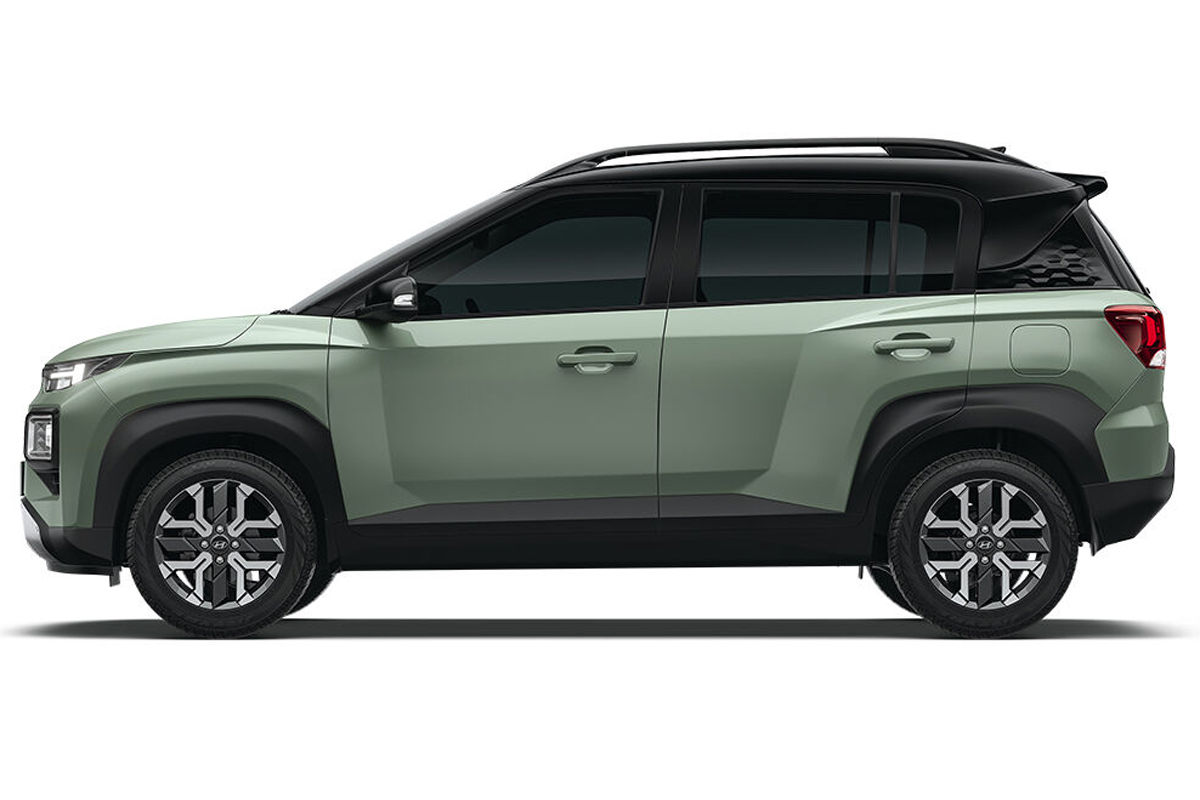
Boxy, off-road-inspired styling includes faux skid-plates, fore and aft.
Poised to arrive as the smallest and most affordable crossover in the automaker’s local range, the Exter will surely slot in below the Venue, which currently kicks off at R328 900. We’d speculate that the newcomer will be priced just above the Grand i10, which took over as the entry point to Hyundai’s local line-up with the discontinuation of the Atos.
Revealed a year ago (in May 2023), the Exter employs the same platform underpinning the Grand i10 hatchback and sedan twins, and is likewise produced in India at Hyundai’s plant in Sriperumbudur near Chennai. Exter demand in that country has been strong from the outset, prompting the firm to prioritise Indian sales over export markets. Now, however, with production seemingly having ramped up sufficiently, the Exter has finally been locked in for SA.
The Exter is a little shorter than most Indian-made small crossovers currently offered in SA.
The boxy little crossover measures 3 815 mm long (incidentally, exactly the same length as the Grand i10 hatch), with a wheelbase of 2 450 mm, a width of 1 710 mm, a height of 1 631 mm (including roof rails) and a ground clearance of 185 mm. That makes it around 180 mm shorter from nose to tail than the likes of the Venue, Nissan Magnite and Renault Kiger (and 166 mm stubbier than the CC21-generation Citroën C3, too), but about 115 mm longer than the Suzuki Ignis.
While local specifications have yet to be determined, in India the Exter is offered with the automaker’s ubiquitous naturally aspirated 1.2-litre, 4-cylinder petrol engine. Familiar from the likes of the Grand i10, i20 hatch and Venue, this “Kappa” motor delivers 61 kW and 114 Nm to the front axle. In its country of manufacture, the Exter is available with either a 5-speed manual gearbox or a 5-speed automated manual transmission (AMT).
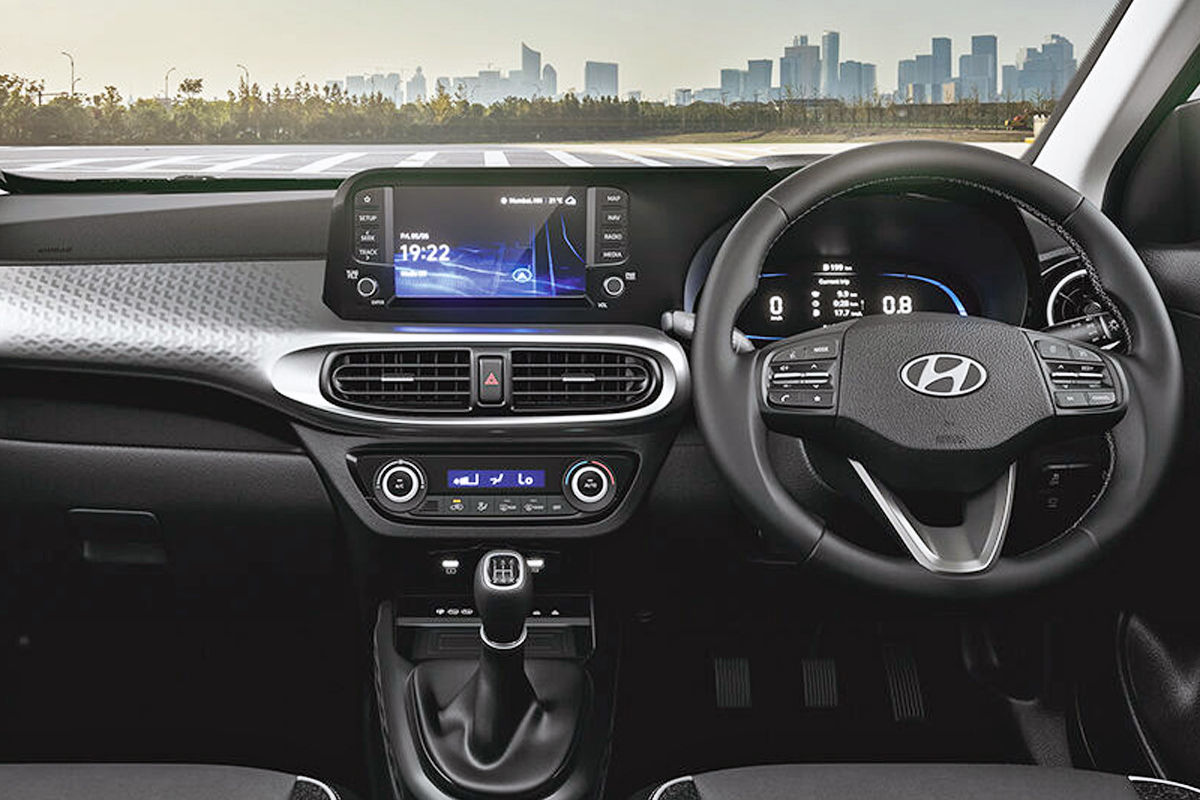
In India, the Exter is available with an 8.0-inch touchscreen.
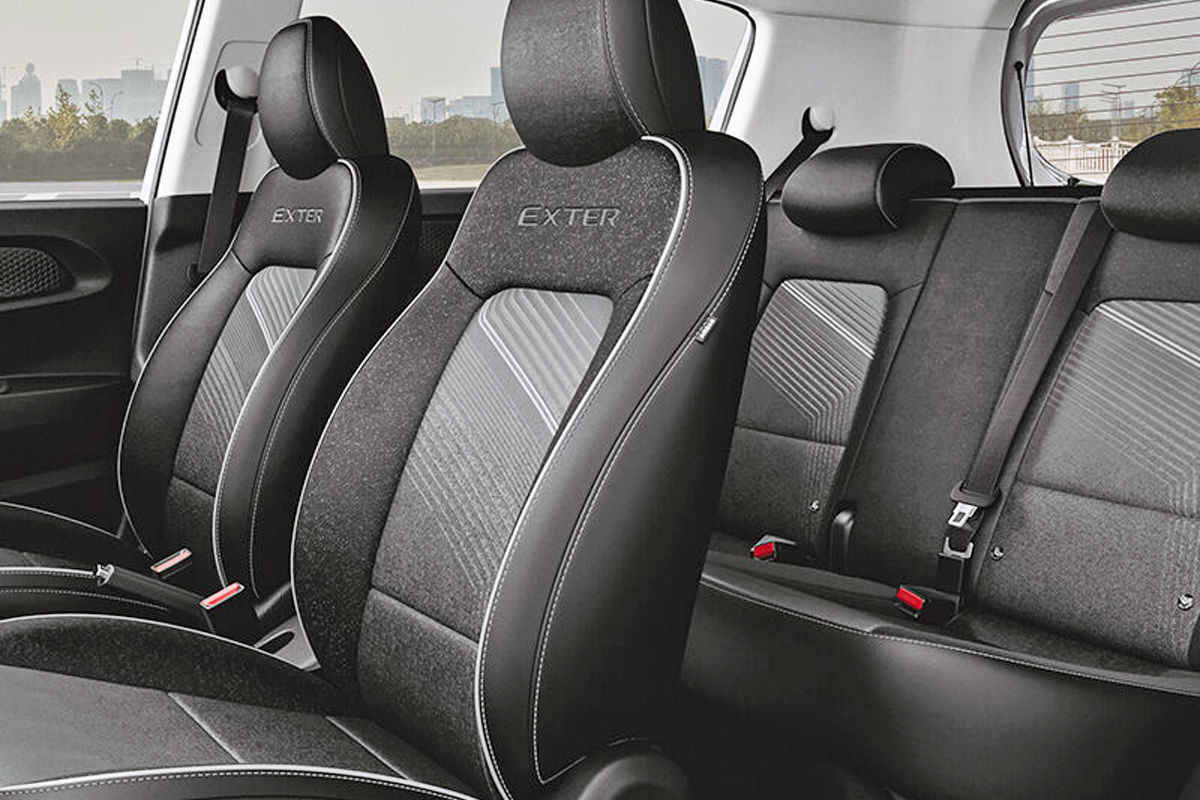
The Indian-spec model can furthermore be specified in dual-tone form (effectively adding a black finish for the roof), while all derivatives in that market ship standard with items like a digital instrument cluster and a full complement of 6 airbags. Other interesting features available on high-spec derivatives in India include an 8.0-inch touchscreen system, wireless smartphone charging, 15-inch alloy wheels and what Hyundai describes as a segment-first sunroof.
We’ll keep our ears open and eyes peeled for fresh information as the local Hyundai Exter launch draws closer…
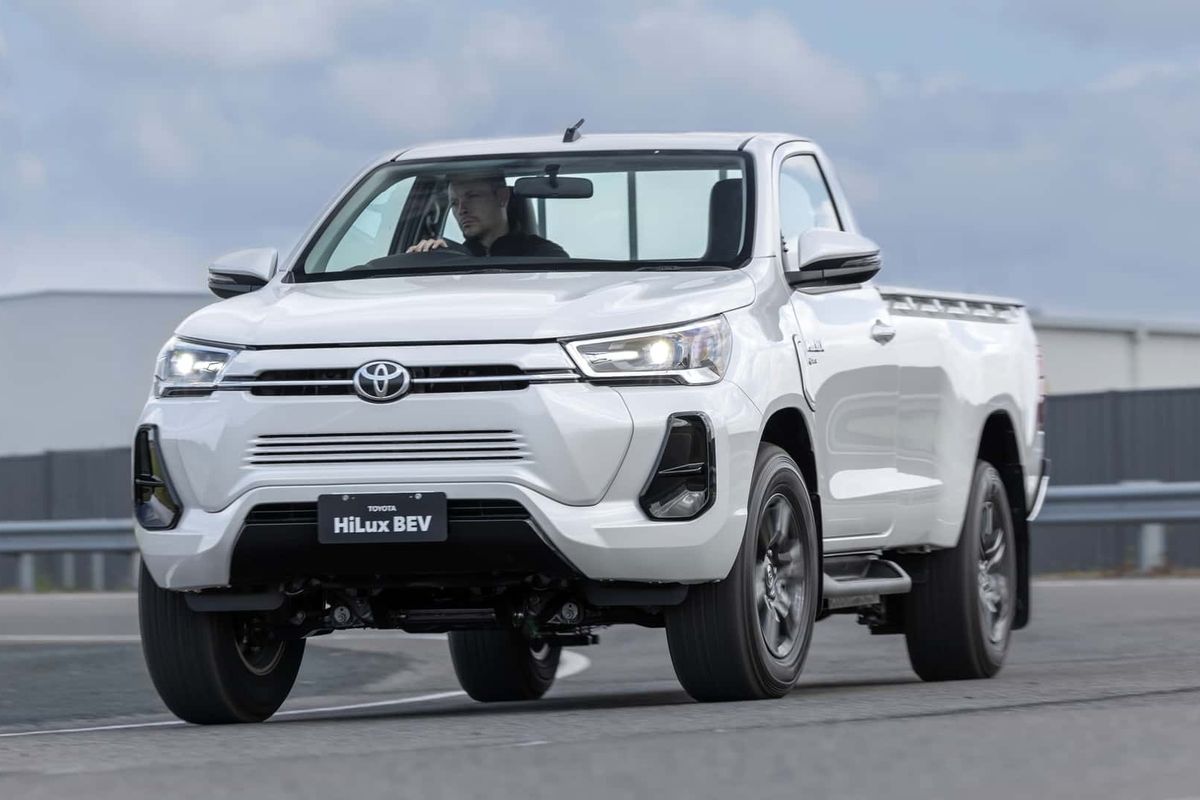
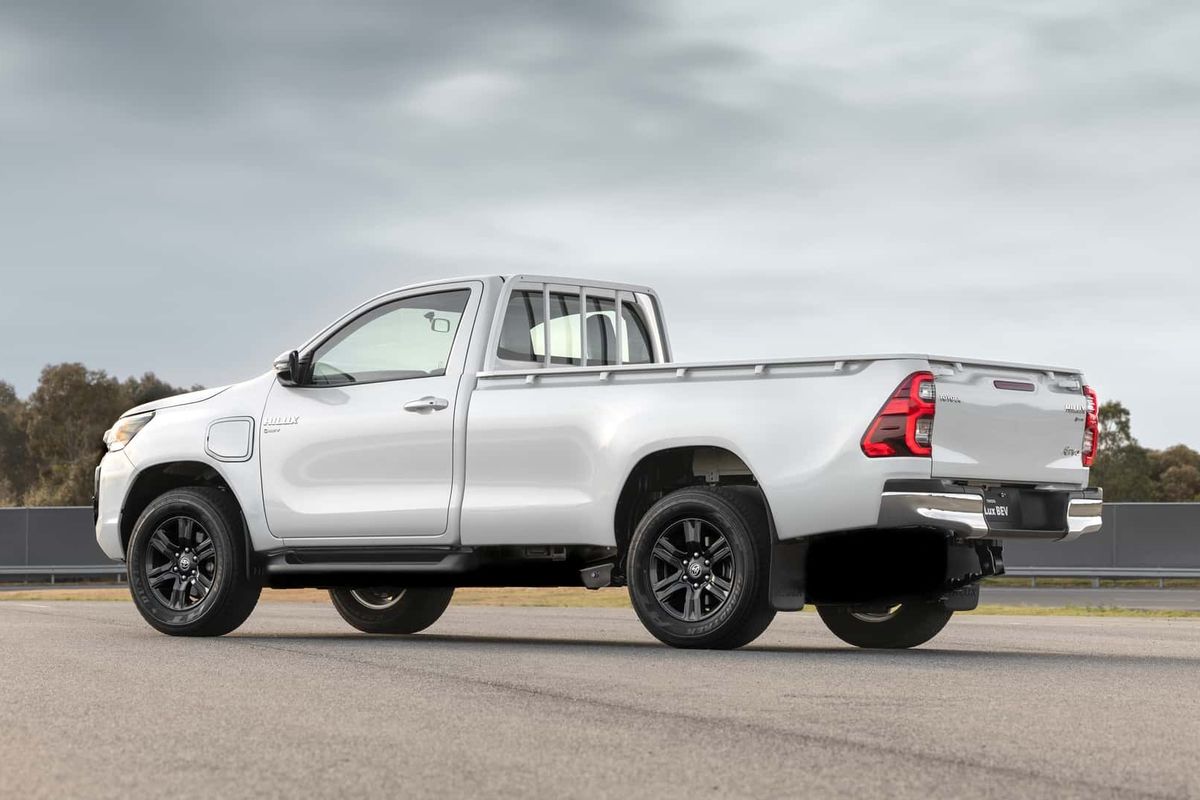
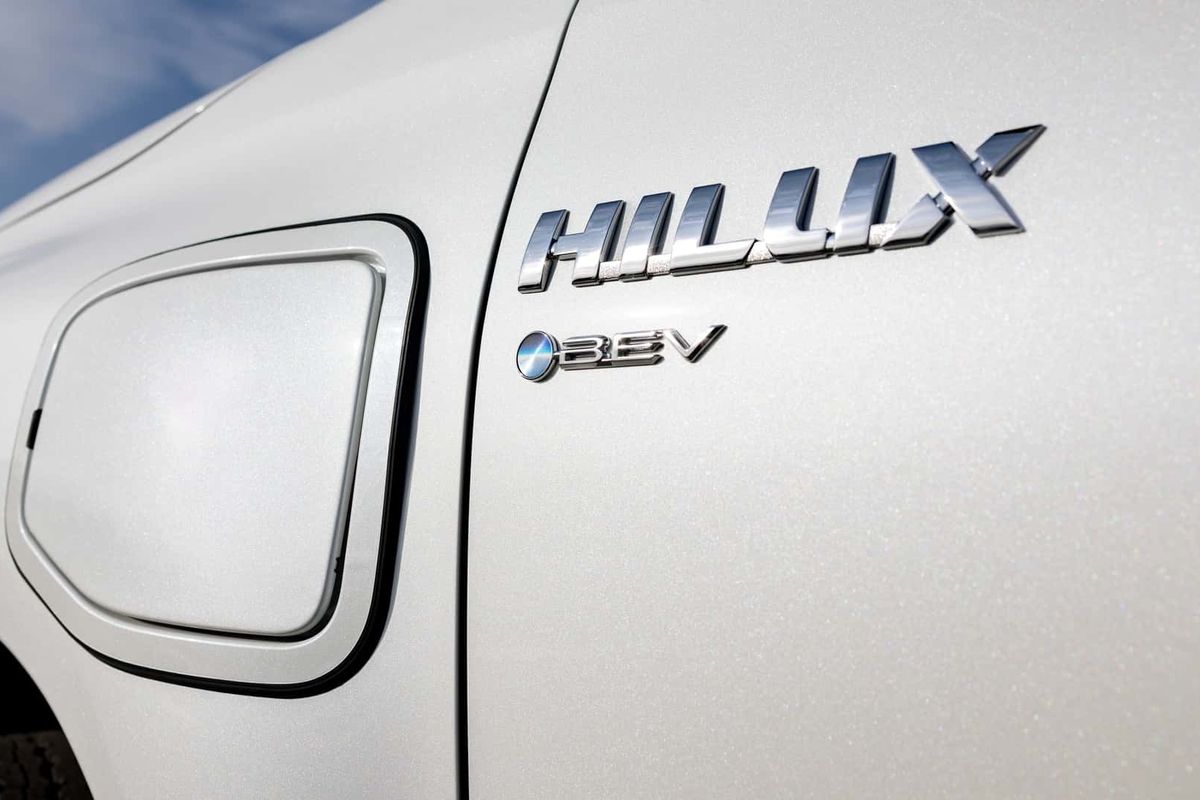
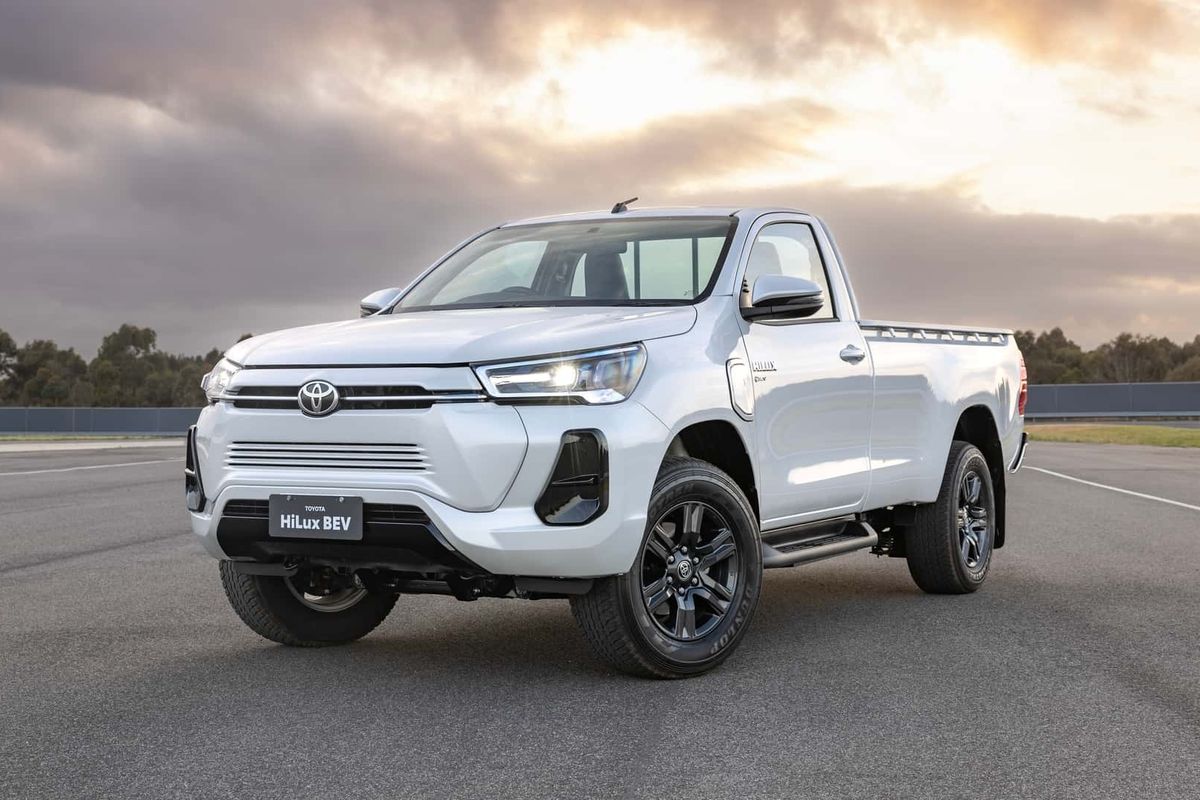
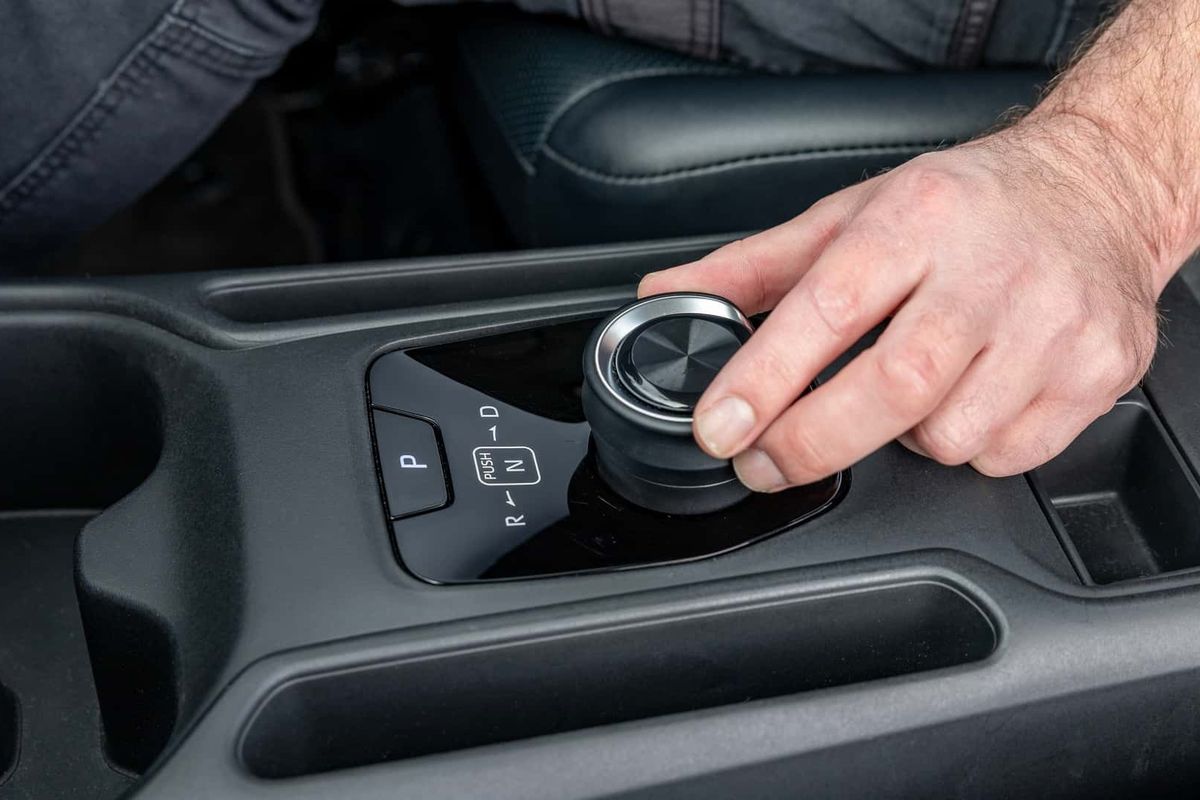
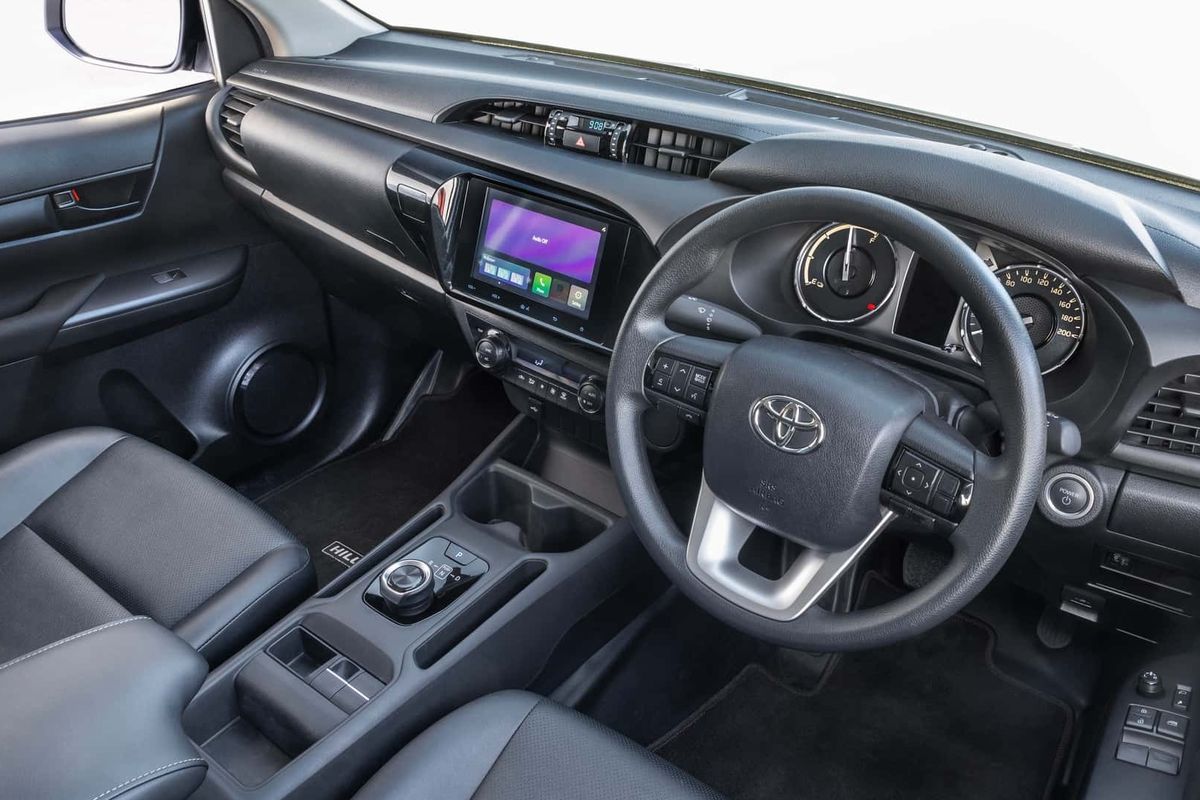
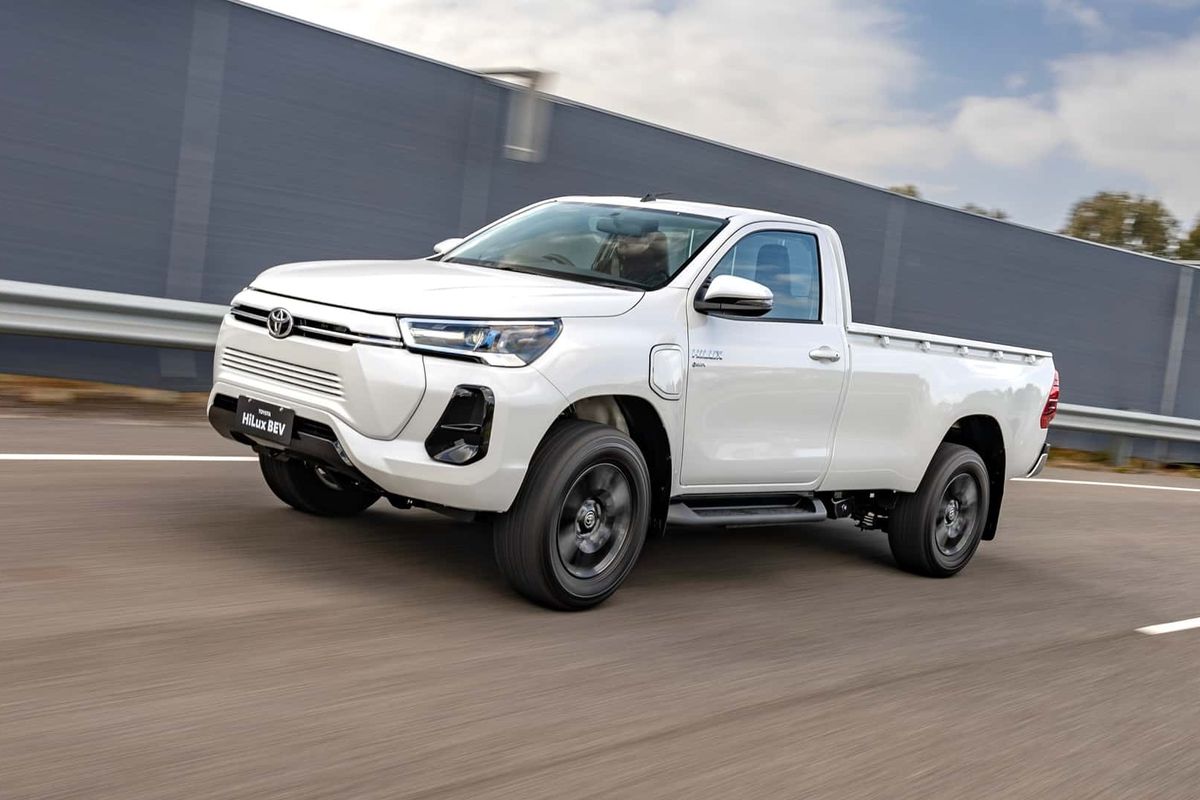
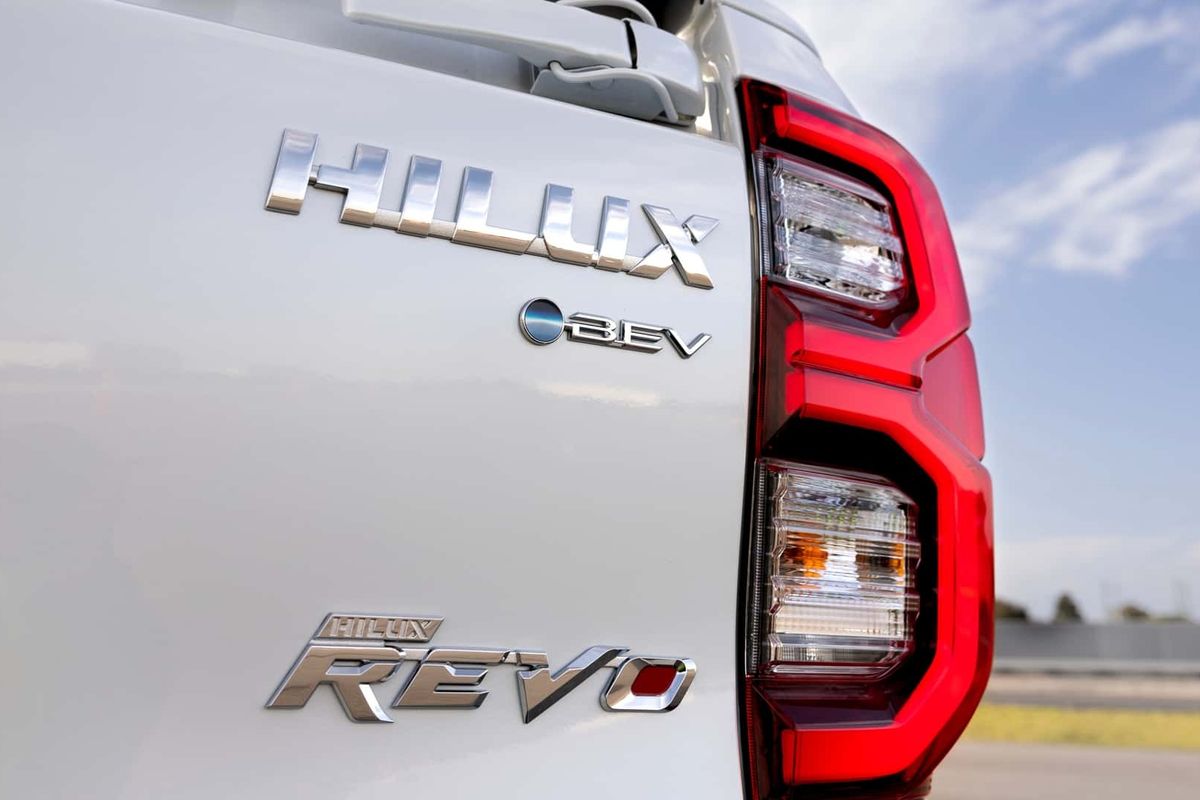
A fresh report says there will be a production version of the electric Toyota Hilux. Here are some early details.
A report from Reuters has confirmed the electric Toyota Hilux will be going into production in Thailand at the end of 2025. “Our intention is to be producing the Hilux BEV over here,” Pras Ganesh, executive vice president of Toyota Motor Asia told Reuters. Primarily focused on the Thailand market, the electric Hilux could be exported too.
Now whether we’ll get this electric Hilux locally remains to be seen as firstly, electric cars are subject to unique import duties that make them costly and secondly, there’s a Toyota factory in South Africa, located near Durban, KwaZulu-Natal. While its too early in the production tale to make accurate predictions, the option of taking the know-how/recipe of the Thai electric Hilux and building it right here in SA is on the table.
In the greater scheme of things, Toyota has taken the decision to not fully commit to an all-electric future, with petrol-hybrid technology taking priority. Interestingly, Toyota is not the only brand going down the electric bakkie route as Isuzu has confirmed an electric D-Max is in the works and will also be assembled in Thailand.
While not all technical details are known, Toyota has already suggested that its electric Hilux will offer a range of around 200 km, which we think is adequate for around town usage. The concept that was revealed a few years ago had a floor-mounted battery in a single-cab configuration.
We’re expecting an all-new 9th-generation Toyota Hilux to be revealed globally next year and it will be fascinating to see where an electric derivative fits into the hierarchy. All we can say right now is watch this space, the bakkie segment is going to be very interesting over the next few years.
BMW is a sought-after luxury car brand and, if you’re looking to buy a used example of one of the Bavarian brand’s SUVs for less than R300 000, Cars.co.za has a wide selection of used BMW SUVs for you to consider. Take a look at what’s on offer!
Are you looking for a used BMW SUV priced under R300 000? BMW, the Munich-based luxury car brand, is a popular car brand for new- and used car buyers in South Africa.
The SUV body shape is hugely popular and buyers looking to buy a used BMW SUV for under R300 000 have quite a few options to consider…
Searching for used cars is easy using the Cars.co.za Search Tool. Find your next car on Cars.co.za!
Used BMW SUV for sale under R300 000
BMW X1
* Second generation BMW X1 pictured.
The 1st-gen BMW X1 was produced from 2009 to 2015 with the facelifted X1 arriving in South Africa in 2012. The first X1 was offered locally in both front-wheel-drive and all-wheel-drive guise with both petrol (18i, 20i, 28i) and diesel (20d, 25d) powertrains on offer as well as manual and automatic transmissions.
The new 3rd-gen BMW X1 arrived locally in 2023 with 1.5-litre turbopetrol (18i) and 2.0-litre turbodiesel (18d) derivatives fitted with a 7-speed dual-clutch- and 8-speed automatic transmission respectively.
Both the 1st- and 2nd-gen BMW X1 models are available in the used car market for under R300 000 with numerous examples with mileage well under 200 000 km.
The 1st-gen BMW X3 (E83) was produced from 2003 to 2010 and was offered with 3 petrol engines (2.0-litre, 2.5-litre and 3.0-litre) and 2 turbodiesel engines (2.0-litre and 3.0-litre). All derivatives featured BMW’s xDrive all-wheel-drive system.
The 2nd-gen BMX X3 (F25) arrived locally late in 2010 with a 3.0-litre turbopetrol engine (xDrive35i) and a 2.0-litre turbodiesel (xDrive20d), both paired with an 8-speed automatic transmission. The range was expanded in 2011 with the addition of the xDrive20i (petrol) and a more powerful xDrive30d (diesel).
Production of the 3rd-generation BMW X3 commenced at BMW South Africa’s Rosslyn Plant in Gauteng in 2018. This generation offers 3 petrol powertrains (xDrive20i, M40i and X3 M) as well as 2 turbodiesel engines (xDrive20d and xDrive 30d), all paired with an 8-speed automatic transmission.
There is a wide selection of 1st and 2nd-gen used BMW X3 units for sale under R300 000 with many examples with low to medium mileage.
For those seeking a sleeker and sportier X3 SUV experience, perhaps consider the BMW X4. The X4 came to market in 2014 with a range of turbopetrol and turbodiesel engines on offer. The X4 M was introduced as the flagship of the 2nd-generation X4 in 2018.
There are a handful of BMW X4s available on Cars.co.za for under R300 000.
If you’re looking for a larger BMW SUV, then the X5 is the sweet spot. The 1st-gen BMW X5 (E53) was produced between 1999 and 2006 and powered by 3.0-litre inline-6-cylinder petrol and turbodiesel engines, as well as a 4.8-litre V8 engine.
The 2nd-gen X5 (E70) made its debut in 2006 and remained in production until 2013. With familiar but revised engines (30d and 4.8i) carried over from the 1st-gen model, the X5’s popularity grew. The 4.4-litre V8-powered X5 M made its first appearance in 2009, while the Life Cycle Impulse (LCI) update followed in 2011.
The 3rd-gen BMW X5 (F15/F85) arrived in 2013 with a 4.4-litre petrol V8 xDrive50i as well as 2 turbodiesel variants: a 3.0-litre 6-cylinder engine, as well as a -tri-turbodiesel version (in the muscular M50d) while the X5 M topped the range. All engines were mated with 8-speed automatic ‘boxes.
The 4th-gen BMW X5 (G05/G18) came to market in 2018 with the two 3.0-litre 6-cylinder turbodiesel engines on offer (30d and M50d) with a 3.0L turbopetrol X5 40i and 4.4L V8 X5 M50i following later. The potent X5 M Competition was revealed in 2019 and the first X5 xDrive45e PHEV arrived locally in 2020.
The LCI update arrived in 2023 with all engines featuring 48V mild-hybrid technology, including the range-topping X5 M Competition and X6 M Competition derivatives.
Cars.co.za has a large selection of 2nd and 3rd-gen BMW X5 SUVs listed for sale under R300 000.
The Sport Activity Coupe (SAC) version of the X5 is the X6.
The 1st-gen BMW X6 (E71) was launched in 2007 and came to market with a 3.0-litre 6-cylinder engine in turbopetrol and -diesel guises. A 4.4-litre V8 xDrive50i was also available, while the X6 M – with a 4.4-litre V8 turbopetrol engine – topped the range. The diesel range was headlined by the X6 M50d.
The 2nd-gen BMW X6 (F16) came to market in 2015 with BMW’s tried-and-tested 3.0-litre 6-cylinder turbopetrol (xDrive35i) and turbodiesel engines (xDrive40d), while also including an updated version of the previously mentioned 4.4-litre V8 petrol engine in the xDrive50i. The tri-turbocharged X6 M50d topped the diesel range. The performance-oriented M model – the X6 M – arrived later in 2015.
The 3rd-gen BMW X6 (G06) was revealed in 2019 and arrived in South Africa in 2020. At launch, 3 derivatives were offered including the 3.0-litre 6-cylinder xDrive40i, a twin-turbocharged 4.4-litre V8 M50i as well as the quad-turbo 3.0-litre 6-cylinder diesel M50d, which was later discontinued. The high-powered X6 M arrived in 2020. An update in 2023 saw the introduction of 48V mild-hybrid technology.
Quite a few examples of the 1st and 2nd-gen BMW X6 models are listed for sale under R300 000.
SA’s best-selling double-cab bakkies in April 2024
Which bakkie was the best-seller in South Africa’s double-cab segment in April 2024 and year to date? We have the figures, plus a look at single- and extended-cab sales…
By now, you’ve likely seen our list of South Africa’s best-selling bakkies for April 2024. So, it’s time to turn our attention to the double-cab bakkie sales race.
Yes, since Naamsa’s monthly sales figures unfortunately don’t include a breakdown of the 3 available bakkie body styles (single cab, extended cab and double cab), we’ve again turned to the folks over at Lightstone Auto for help identifying SA’s best-selling 1-tonne double-cab bakkies for April 2024.
For the record, with all 3 body styles included, the Toyota Hilux led the charge in April, selling a total of 2 094 units last month. The Ford Ranger, however, was close behind in 2nd on 2 073 units, with the Isuzu D-Max some way off in 3rd on 1 202 units. Year to date, the Hilux (10 943 units) leads overall, ahead of the Ranger (8 128 units) and D-Max (6 373 units).
South Africa’s top-selling double-cab bakkies in April 2024
The Ranger again took the double-cab sales crown in April 2024.
Right, now let’s take a look at sales by body style. According to Lightstone Auto, the Ford Ranger – which took the title of Mzansi’s best-selling double cab in 2023 – was top of the double-cab sales charts in April 2024, with 1 584 dual-cab units registered. That translates to 76.4% of the Silverton-built bakkie’s overall tally for the month.
So, the Toyota Hilux found itself in 2nd position in South Africa’s double-cab sales race, with 858 units sold during the month. The latter figure – which is a hefty 726 registrations off the pace – represented 41.0% of the Prospecton-produced stalwart’s overall tally for April.
The D-Max slots into 3rd place.
Predictably, the final place on the double-cab podium thus went to the Struandale-manufactured Isuzu D-Max, which managed 463 dual-cab units last month. That’s just 38.5% of the Japanese contender’s aggregate for April 2024.
For the record, Lightstone Auto’s figures furthermore showed that all other 1-tonne double-cab bakkie derivatives (over and above the Ranger, Hilux and D-Max) collectively managed 1 392 registrations in April 2024.
Double-, extended- and single-cab sales, year to date 2024
The Hilux leads the extended- and single-cab charts, year to date.
What about the year-to-date sales race in South Africa? Well, Lightstone Auto’s dataset shows the Ranger leads the double-cab space in the opening 4 months of 2024, with 6 232 units registered around Mzansi.
The double-cab Hilux is thus 1 328 units behind, with 4 904 examples sold in South Africa, year to date. The D-Max double cab, meanwhile, is in an even more distant 3rd place on 2 572 units.
In the single-cab space, with the first 4 months of the year behind us, the Hilux (4 110 units) remains in a comfortable pole position. The D-Max single cab (3 114 units) slots in to 2nd place, with the 2-door version of the KwaZulu-Natal-assembled Mahindra Pik Up (2 051 units) in 3rd. The Ranger single cab, meanwhile, finds itself on just 641 registrations, year to date.
Meanwhile, the Hilux Xtra Cab leads the year-to-date race in the extended-cab space (the segment with the highest year-on-year growth in Q1 2024), with 1 923 units sold. The Ranger Supercab (1 255 units) finds itself in the runner-up position, with the D-Max Extended Cab (687 units) completing the year-to-date table.
Just as you have to keep an eye on your monthly expenditure to keep abreast with the increasing cost of living, it’s wise to periodically review your insurance policy to ensure you make the most of your cover – and perhaps carve out savings, where possible.
PARTNERED ARTICLE
Even if you pride yourself on knowing where every cent of your salary goes, revisiting recurring bills may highlight forgotten payments you could optimise to save money. Many people set up insurance debit orders and forget about them, not realising that their coverage requirements may change. This Budget Insurance guide will help you review your insurance policy to ensure that it delivers what you pay for.
What is an insurance policy review?
An insurance policy review involves scheduling a meeting with a professional advisor who will assess if your needs and circumstances have changed since you first took out the policy. They can then help you identify possible coverage gaps, determine if you need to increase/decrease policy limits and see if there is any way you can save money (such as by increasing your excess or offering you insurance bundling).
Why it’s wise to review your insurance policy
Short-term insurance is a useful tool for managing life’s unexpected setbacks without disrupting your journey towards meeting your financial goals. You would probably prefer not to have to use it – but certainly appreciate what it can do for you when needed and the peace of mind it affords us. That’s why many people “set and forget” short-term insurance after taking it out, only paying attention to it when they need to make a claim, want to look for another insurer or decide to cancel insurance altogether.
By conducting a thorough review, you will not only gain a detailed understanding of your policy (see also: Car Insurance Guide: Everything You Need to Know), but it will enable you to reassess the quality and relevance of your coverage. By identifying any gaps in protection and adjusting your policy accordingly, you can ensure financial security for your investments and potentially save money at the same time.
Get started with a review of your insurance policy
Reviewing your insurance policy may seem like a daunting task, but it doesn’t need to be. By breaking it down into small steps, you can make the process simpler and more effective. You can ensure that your insurance policy is in line with your current needs and circumstances by following these 6 key steps:
1. Assess your coverage needs
Have there been any recent changes to your lifestyle? For example, you’ve recently purchased a new house, married, or started your own business. These events could significantly impact your insurance coverage requirements, making it crucial that your policy adequately safeguards your evolving lifestyle.
2. Review insurance: the diverse types of cover
Take the time to understand the different types of coverage your policy offers and consider whether each type matches your requirements. For example, if you’ve acquired a new home, it’s important to assess your building– and, if you’ve bought new furniture and appliances for it, home contents coverage.
3. Identify policy exclusions and coverage limits
Be aware of any exclusions and limits on your policy, as these can affect the level of protection. Using the new home example above, understanding the coverage limits will ensure that you have adequate security for any valuable property assets. See also:Is your car insured against unexpected risks?
4. Check for discounts, savings, and benefits
Insurance policies often come with discounts, savings, and benefits you might not be aware of or fully utilise. Speak to your provider about available discounts, bundling options, or loyalty rewards. These opportunities could lead to considerable savings.
5. Seek advice from an insurance professional
Seeking expert advice from a professional advisor will help tailor your policy to your unique, individual preferences. They will thoroughly review everything with you, ensuring nothing is overlooked.
6. Make any essential adjustments
Now that you have conducted the review, use the insights to make any essential adjustments to your policy. This may involve, for example, updating coverage amounts, adding endorsements, or making changes to your beneficiaries. By following these steps, you can make informed decisions about your insurance policy so that it continues to provide you with the optimal level of coverage.
Tips for getting the most out of your insurance policy
As the year progresses, it’s a good idea to optimise and take advantage of your car and/or household insurance policy. Here are some valuable tips to ensure you get the most out of your coverage:
Consider bundling policies: This involves combining multiple insurance policies from a single provider. Examples of typical bundle policies include Home and Vehicle Insurance. By consolidating your coverage this way, it not only streamlines your policies but can also result in cost savings.
Update your personal information: It’s important to keep your information up to date so that it remains aligned with your current circumstances. Making updates, such as advising of recent home renovations or moving to a safer neighbourhood, could lower your risk profile and potentially reduce premiums. By ensuring your information is as accurate as possible, you will maintain in-depth coverage and seize any opportunities to save money based on changes to your lifestyle.
Maintain a healthy credit score: Insurers often use credit information to assess an applicant’s risk profile, with higher scores correlating to lower premiums. To maintain a good credit score, pay all bills on time, reduce any outstanding debts, and regularly monitor your credit report for errors.
Disclaimer: The information in this article is provided for informational purposes only and should not be construed as financial, legal, or medical advice.
Get a quote from Budget Insurance
If you want to learn more about car insurance or review your car insurance requirements with the help of experts, Budget Insurance‘s team is always ready to assist. Contact them on 086 1600 120 or leave your details and they’ll call you back at no expense to you! You can also request an online quote.
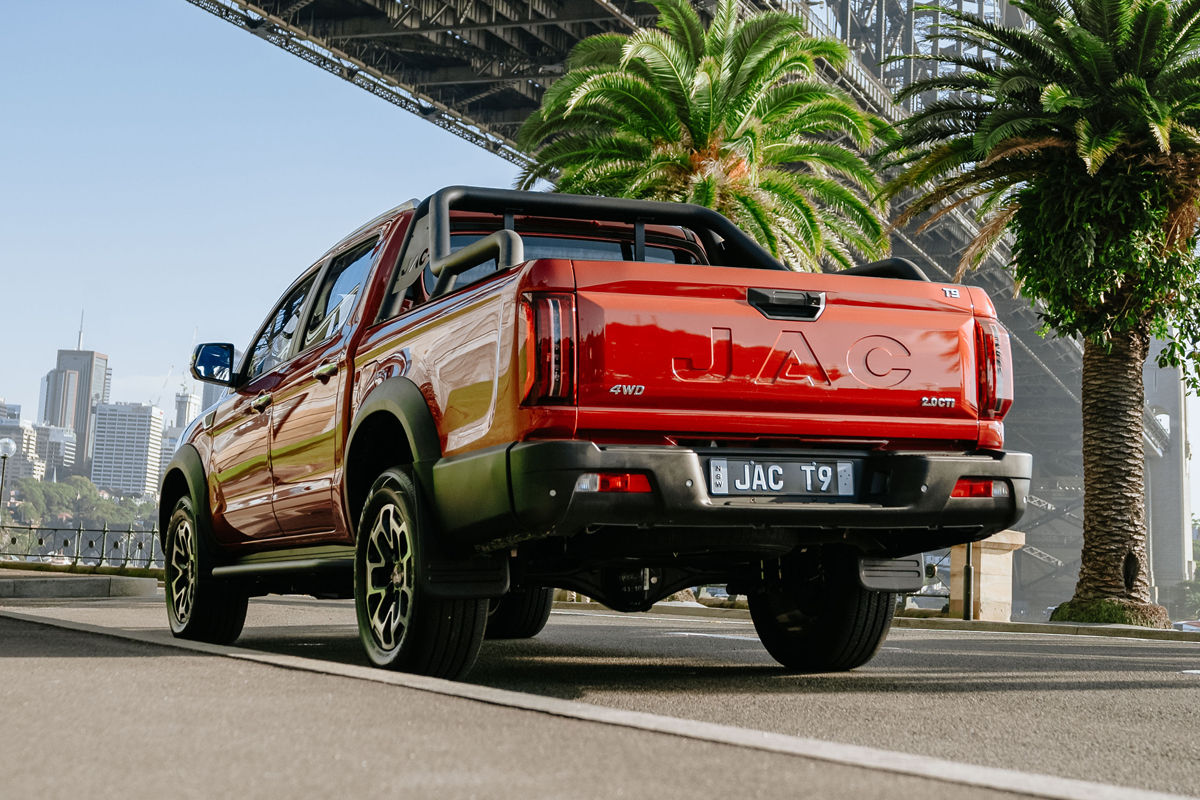
JAC’s halo bakkie model – the T9 – demonstrates that the rate at which Chinese manufacturers are catching up with the bakkie market’s legacy brands is accelerating. Should the established players be checking their rear-view mirrors more closely?
“In 3 years’ time, 40% of the local automotive sales will be of Chinese origin”, said JAC Motors SA CEO Karl-Heinz Göbel. Such a comment would have prompted sneers and guffaws a few years ago, but his words (spoken during the press briefing at the JAC T9 launch event) were met with a reserved hush.
60 years of JAC
The rising popularity of Chinese brands is evident in SA’s new passenger-vehicle sales figures; the more conservative (risk-averse) bakkie market has been slower to follow that trend, but with the influx of new models from GWM (with the P500 in the pipeline, LDV (T60) and JAC (also with the J8), that will change.
The JAC Group, which started building trucks in 1964, turns 60 this year and even though it’s a “small” manufacturer (it falls outside the top 10 Chinese automakers), it sells more than 500 000 vehicles a year.
That is more than the total annual vehicle sales in South Africa! The fact that Volkswagen bought a 50% share in the company in 2020 shows the establishment is taking notice and, maybe, hedging its bets.
Since 2017, more than 7 000 JAC products have been put on our roads, including a fleet of 21 electric trucks for the Takealot group. Göbel says JAC Motors SA hopes to sell more than 3 000 units this year.
What is new for the JAC T9?
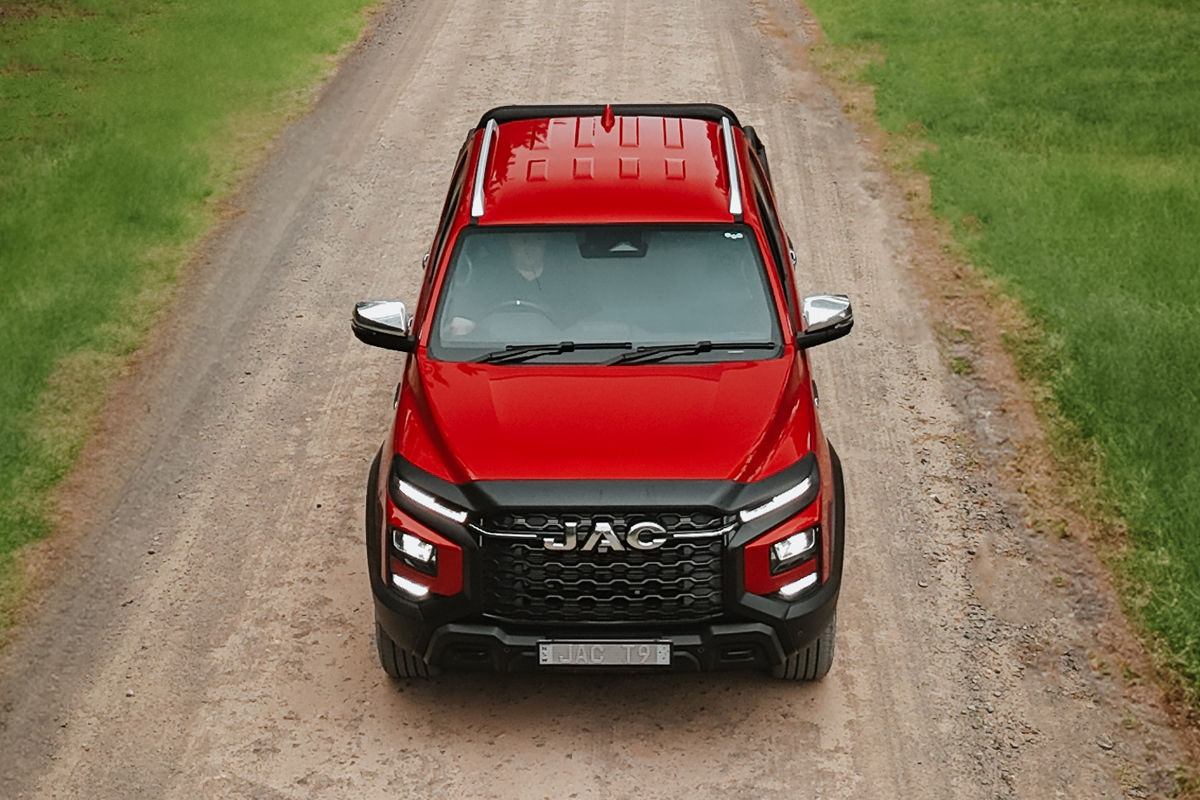
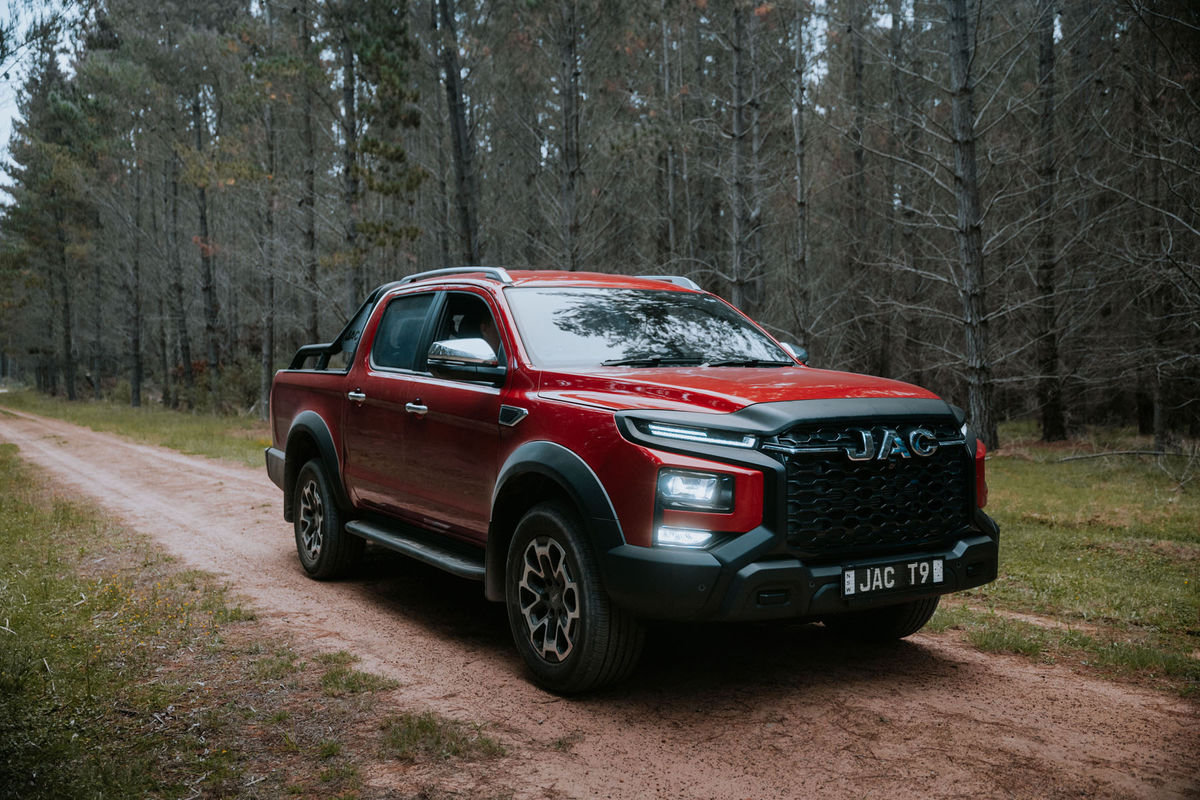
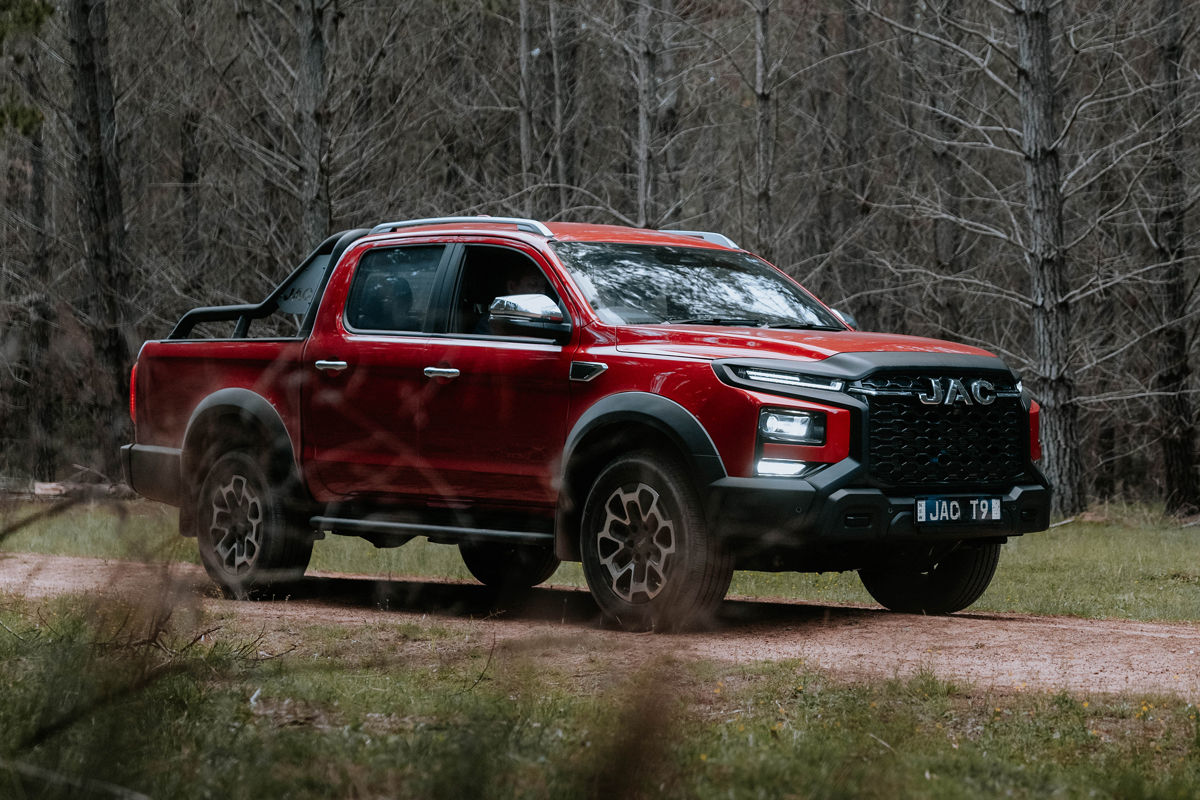
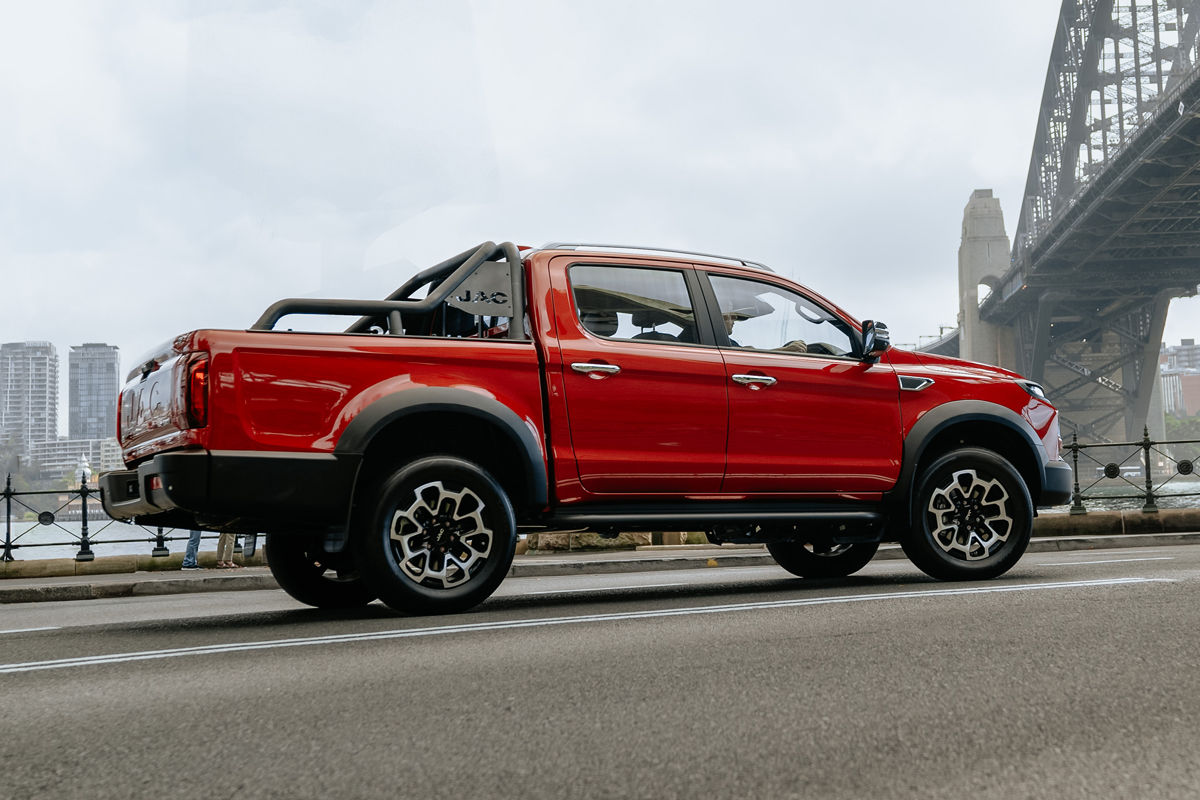
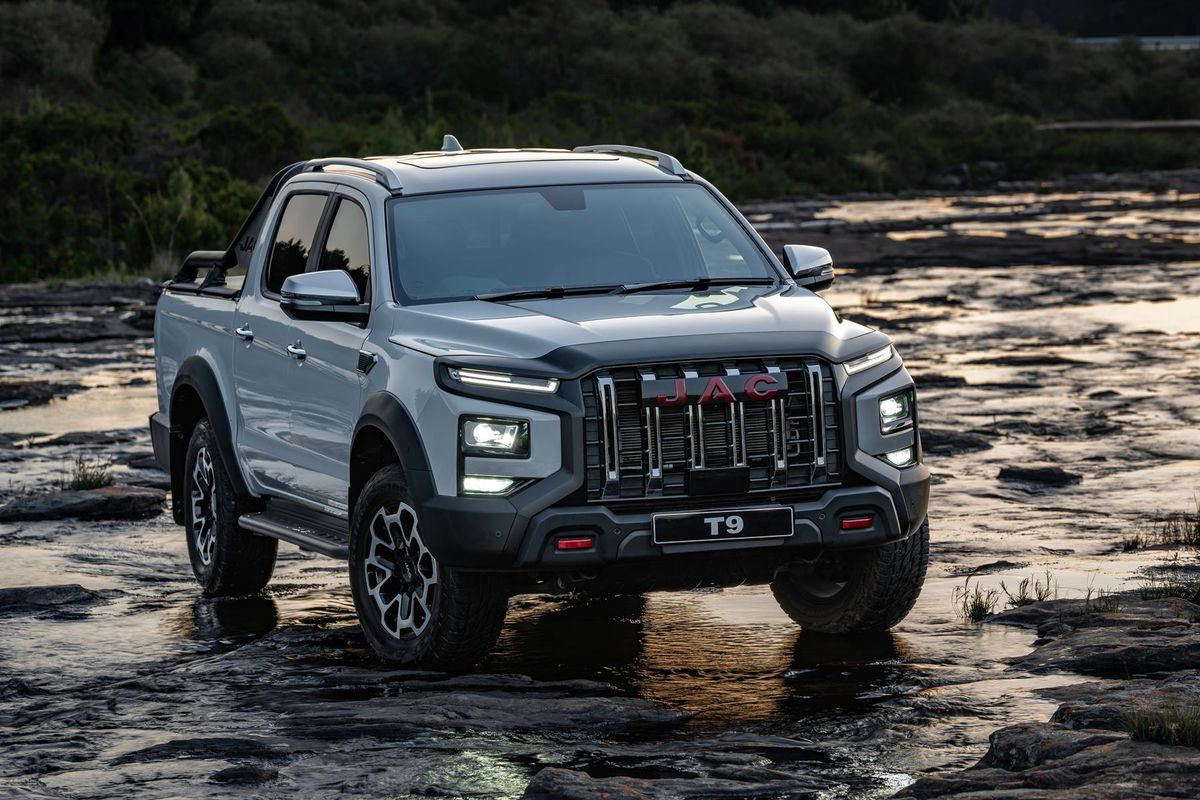
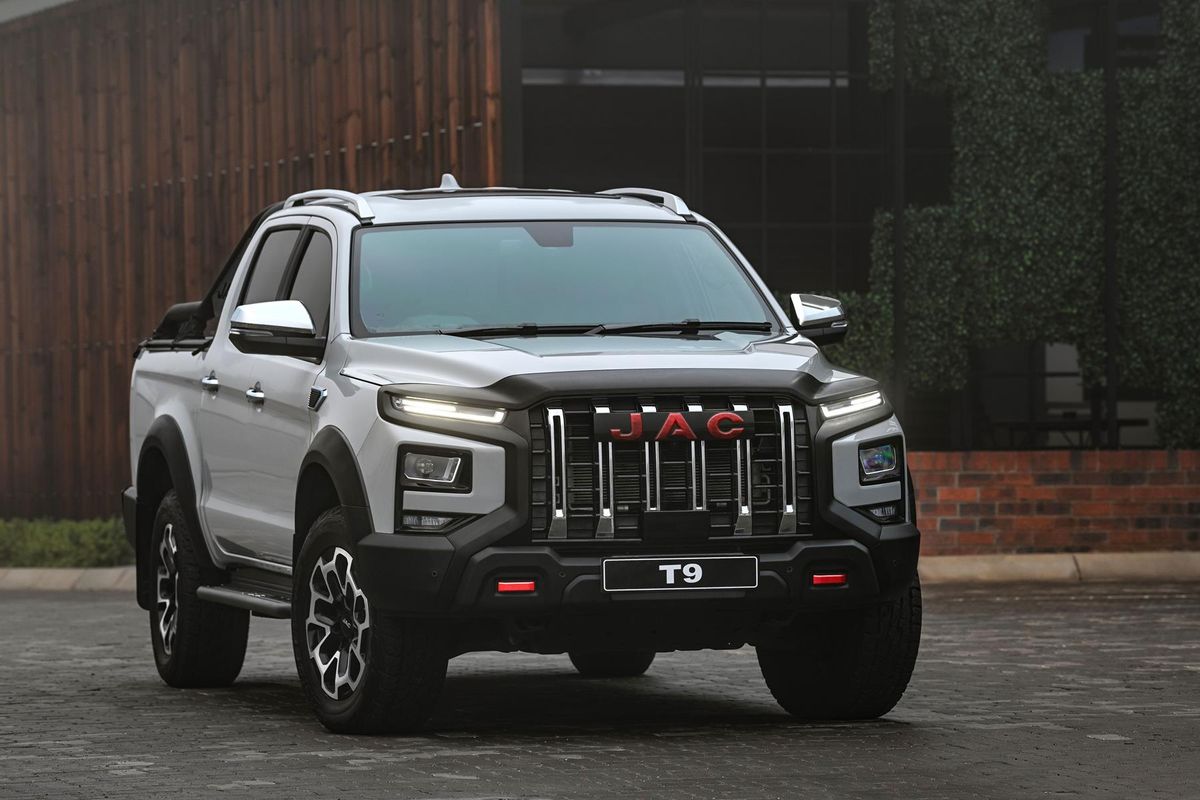
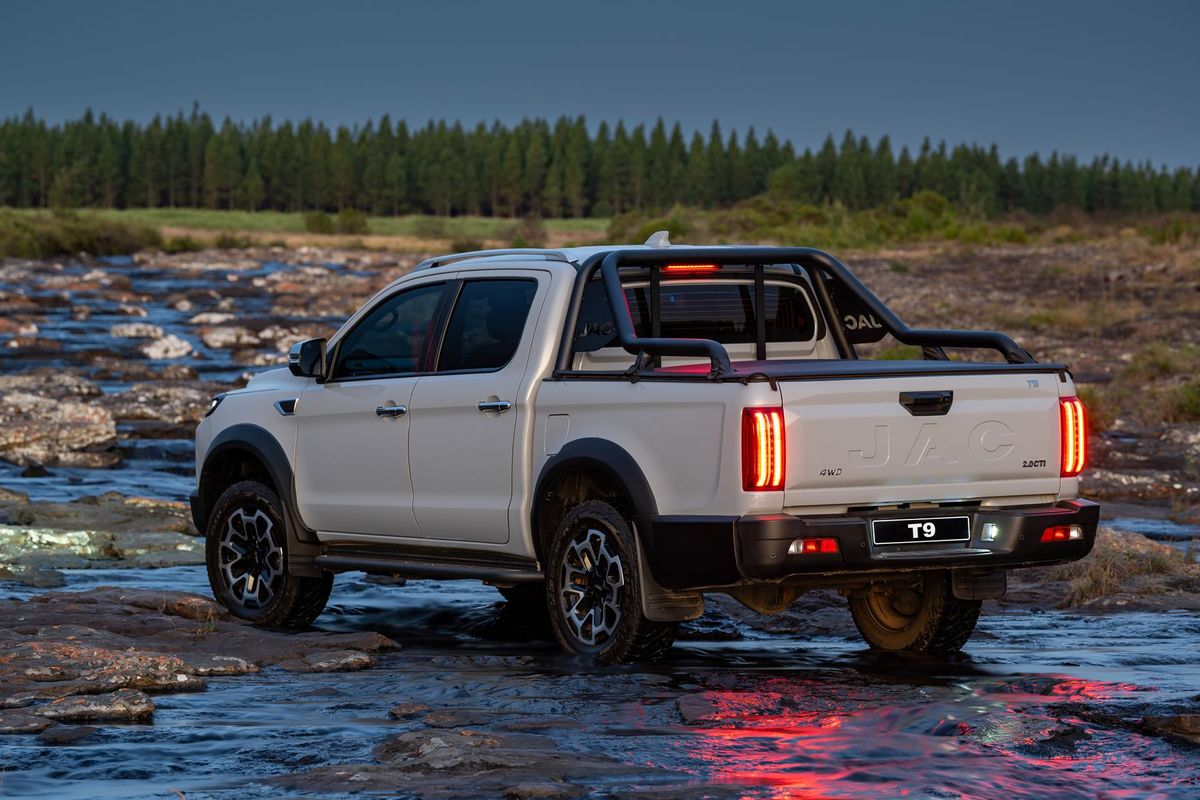
Compared to its T8 sibling (one of which shuttled us from the airport to the launch venue), the JAC T9 constitutes a significant step up in luxury and hardware components, not to mention its exterior styling, which is bold. Did you see that grille? It literally takes centre stage and may not be to everyone’s taste. Slim headlights, wide black wheel arches, side steps, roll bar and fancy new alloys complete the picture.
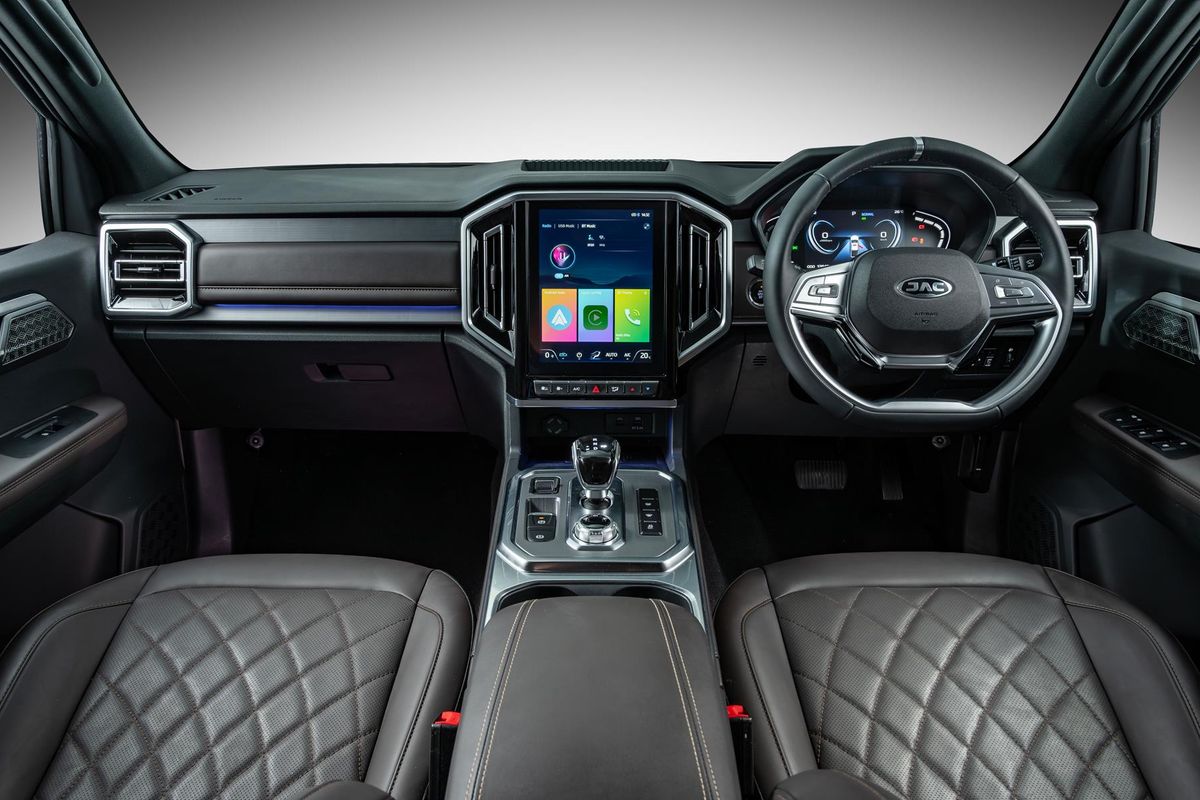
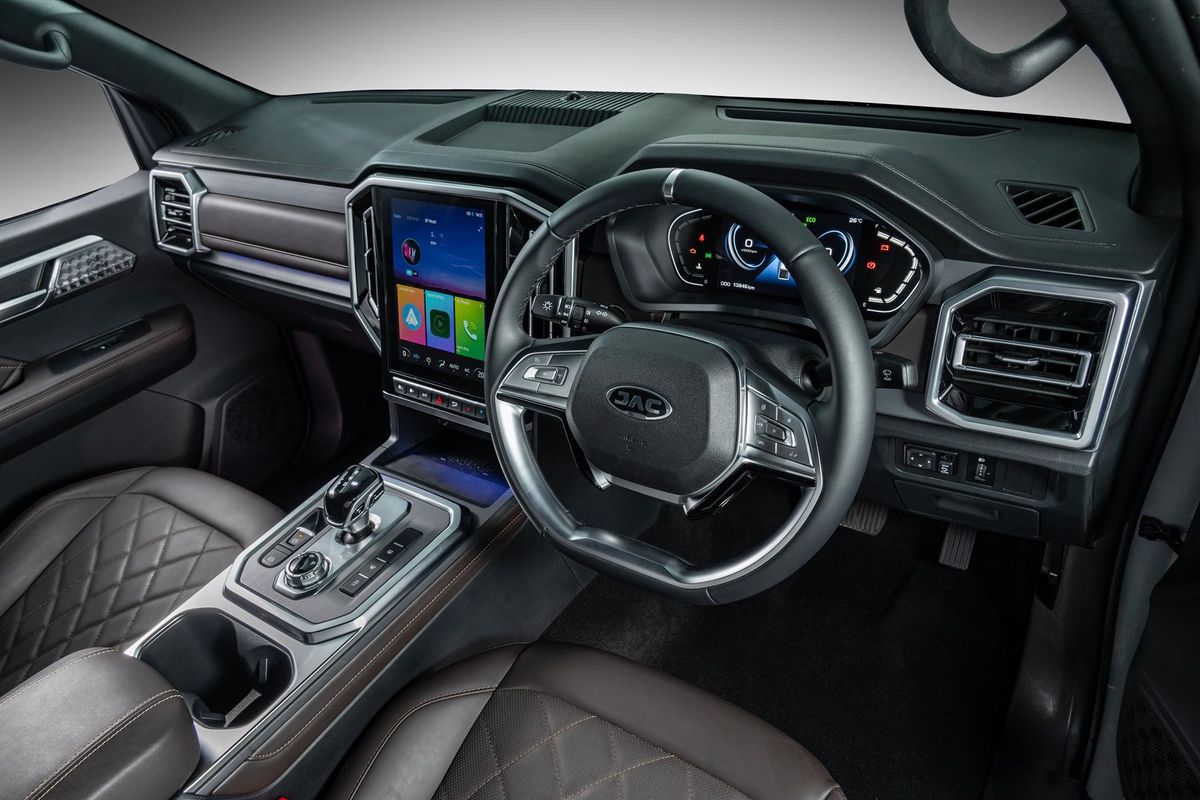
Inside, the step up from the T8 is even more impressive. The JAC T9’s cabin is fitted with sports seats, a 10.4-inch touchscreen infotainment system and a digital instrument cluster. The quality of the headlining, door cards and dash areas is much improved. Oh, and it has a sunroof – not a typical bakkie feature.
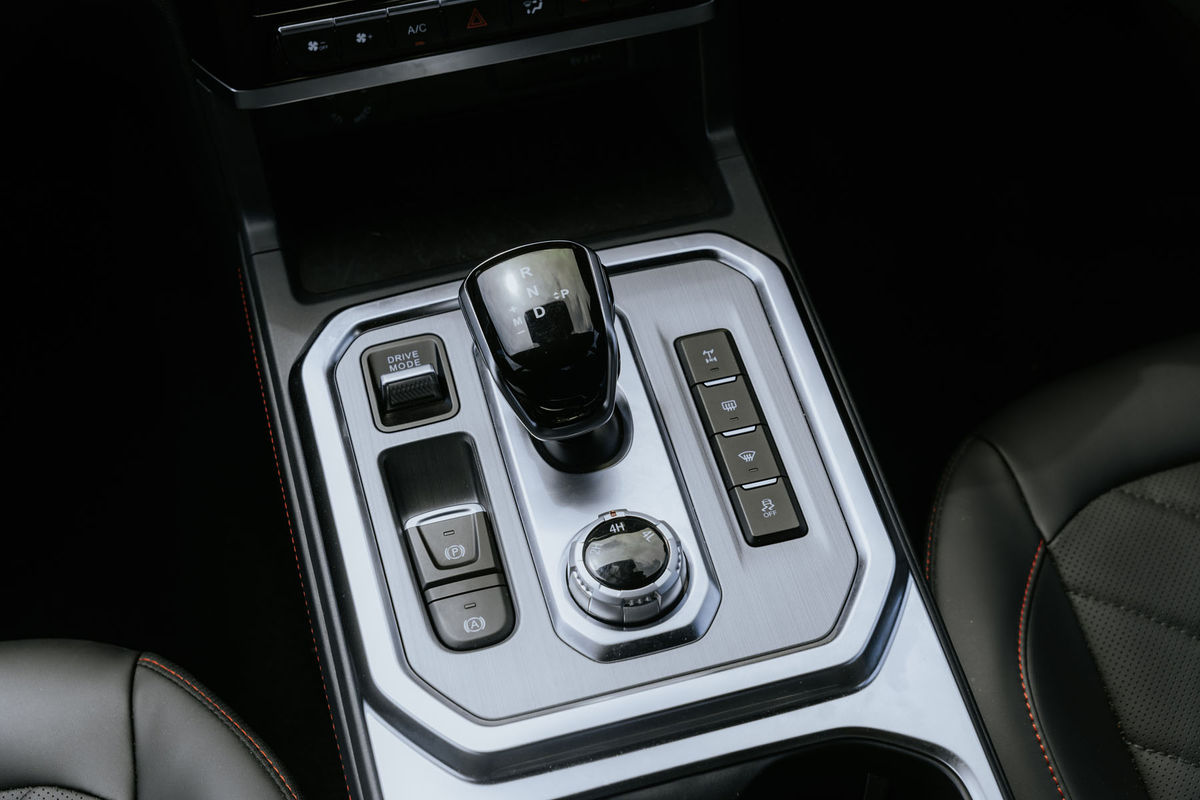
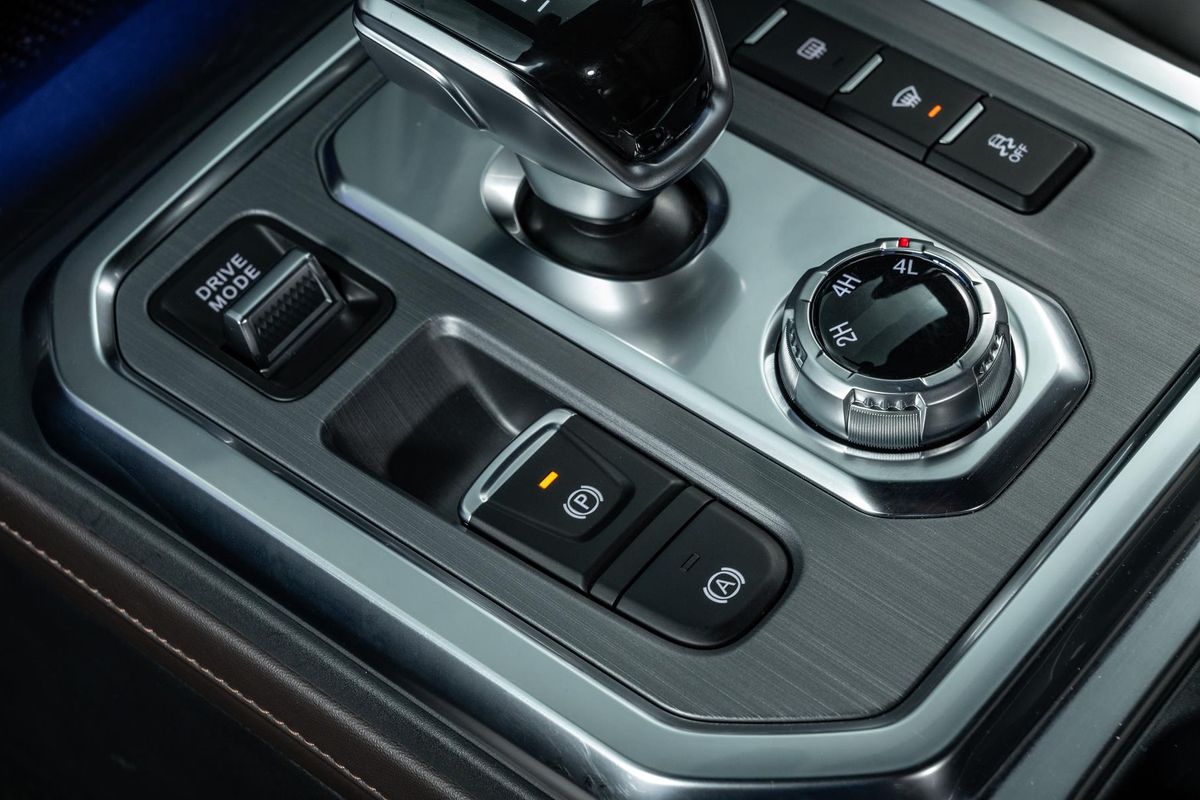
The most influential change is an 8-speed ZF automatic transmission (operated by a shift-by-wire lever), which drives the rear wheels (or all wheels, through a BorgWarner transfer case on the 4×4 derivative). The bakkie’s 2.0-litre 4-cylinder turbodiesel engine produces peak outputs of 125 kW and 410 Nm.
What is the JAC T9 like to drive?
I was most impressed by the refinement of the JAC T9’s powertrain and the way that the ZF transmission kept the engine “on the boil” to deliver a more-than-acceptable level of performance during our short evaluation drive. The ride quality is on the firmer side of the bakkie spectrum and loses some composure when the bakkie traverses broken road surfaces. Claimed fuel consumption is a promising 7.8 L/100 km.
The driving position is acceptable for an average-sized person, but taller drivers may find the steering column’s lack of reach adjustment frustrating. The large touchscreen looks modern, but is a tad difficult to read in bright sunlight and, thankfully, you can adjust climate control settings with physical buttons.
We did not get to drive off-road to sample the newcomer’s 4×4 abilities, but they appear to be at least equal with those segment rivals: the JAC T9 is said to have a wading depth of 800 mm, plus approach and departure angles of 23- and 27 degrees. The rear diff is of the mechanical limited-slip variety and will lock automatically when required. Hopefully, we will be able to test these claims at a later stage…
Who will buy it?
Owners of 5-year-old, top-of-the-range bakkies from established brands (such as Toyota and Ford) may be in for a shock when the time comes to replace their vehicles. As a result of new-bakkie price hikes over the past few years, there are now several R1-million-plus offerings. This is where the T9 comes in…
The JAC T9 (priced from R550k to R670k) offers a buyer a brand new bakkie with similar performance and spec to the vehicle they currently own, but for a similar price that what they paid for it 5 years ago.
Have we reached a stage where budgets are more important than brands? JAC will not have it all its own way with the popular GWM P-Series and recently launched LDV T60 aiming to attract the same crowd.
The JAC T9 is sold with a 5-year/100 000 km manufacturer’s warranty, a 5-year/100 000 km service plan and 24-hour roadside assistance programme. Service intervals are set at 10 000 km.
Cash-strapped consumers appear ready to place their trust in new models that meet their requirements at a reduced cost, without compromises. In that light, the JAC T9’s value-for-money proposition is highly impressive. It is a solid offering with a national dealer network, plus good parts availability and backup.
It’s an election year, but politics aside, it will be very interesting to see how prospective buyers will vote with their wallets in 2024. Perhaps Mr Göbel’s prediction – that “40% of local automotive new-vehicle sales will be of Chinese origin” in 3 years’ time – is not far-fetched at all. Hold my (Tsingtao) beer.
Ahead of its production debut in the middle of June 2024, some details about the all-new BMW X3 have been released.
The all-new BMW X3 is almost ready to be revealed. Now in its 4th generation, the X3 has proven to be one of BMW’s successful models thanks to the market ditching sedans for higher-riding SUVs. The predecessor is said to be BMW’s most successful X3 ever and the brand’s best-selling product in 2023, with around 350 000 units sold
The all-new BMW X3 is of importance and relevance to South Africa as not only is the vehicle sold here, but its also manufactured at the BMW Group facility Rosslyn, near Pretoria. As part of a R4.2 billion investment over the next five years, BMW SA will be building the X3 range for both local consumption and export.
The camouflage is thorough, but we can see some details
So, what can we expect? What you see here are some camouflaged prototypes on the roads of the BMW Group test facility, located at Miramas, in Southern France. BMW has confirmed the new-gen X3 will feature both ‘highly-efficient combustion engines and an advanced plug-in hybrid.’
BMW says every X3 derivative will have superior handling
There’s been a focus on the new X3’s drive, which BMW claims will ‘demonstrate superior handling.’ There’s new tech in the automated parking and driving aspects too. The X3’s development program appears to have been extensive and thorough with plenty mileage tallied up in varying conditions like snow and ice conditions, hot weather testing, offroading scenarios as well as improving its day-to-day usability in traffic, highways and race tracks.
A preview of the new X3 cabin
The new BMW X3 is constructed with lightweight materials and there’s a focus on enhanced aerodynamics. BMW claims a drag coefficient of 0.27 which it says sets new standards in its segment.
In comparison to the outgoing model, the new X3 features a wider track and reduced lift at the rear. The rigidity of the body has been increased and there are tweaks to the axles for additional stability. There’s an upgrade to the steering setup with more directness added and the anti-roll bars have been enhanced to improve cornering but not at the expense of comfort.
When will the all-new BMW X3 be sold in South Africa?
The global reveal of the new-generation BMW X3 will be taking place in the middle of June 2024 and we reckon local sales will commence before the end of the year.
The JAC T9 double-cab bakkiehasarrived in South Africa, ready to do battle with top-spec versions of the likewise Chinese-built GWM P-Series…
JAC Motors South Africa has confirmed the local arrival of its new T9 flagship double-cab bakkie line-up. Revealed at the 2020 Beijing Auto Show, the T9 was originally scheduled to hit local roads in early 2022.
The T9 range comprises both 4×2 and 4×4 configurations, in either Lux or Super Lux trim and slots in above the current T6 and T8 portfolios.
The new T9 is powered by a 4-cylinder, 2.0-litre turbodiesel engine that generates 125 kW and 410 Nm of torque, and is exclusively paired with an 8-speed automatic transmission sourced from ZF (with driving modes such as Sport, Normal, Eco and Snow).
The 4×4 derivatives feature a BorgWarner part-time 4-wheel-drive system with a low-range transfer case and a rear differential lock. Ground clearance is listed as 210 mm. In terms of efficiency, JAC claims a combined fuel economy figure of 7.8 L/100km for both 4×2 and 4×4 derivatives.
The Chinese bakkie measures 5 330 mm long, 1 965 mm wide and 1 920 mm tall, with 3 110 mm separating its axles (that makes it 80 mm shorter overall than the double-cab GWM P-Series, with a wheelbase that is 120 mm shorter). The T9 offers a maximum braked towing capacity of 3 500 kg and a payload of 1 000 kg.
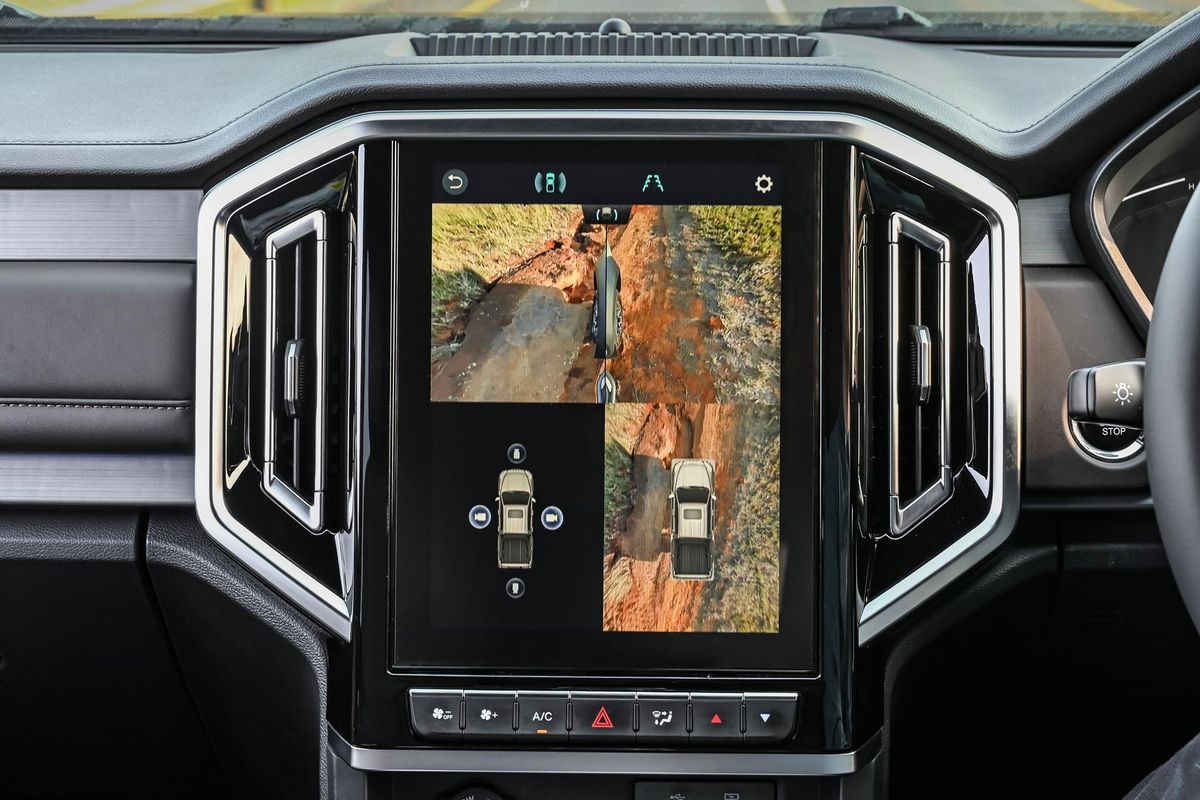
The T9 range is fitted with a broad array of safety features, including 6 airbags, autonomous emergency braking (AEB), forward collision warning, rear cross-traffic alert, blind-spot monitoring, lane-keeping assist, adaptive cruise control, tyre-pressure monitoring, a surround-view parking camera and ISOfix child-seat anchors.
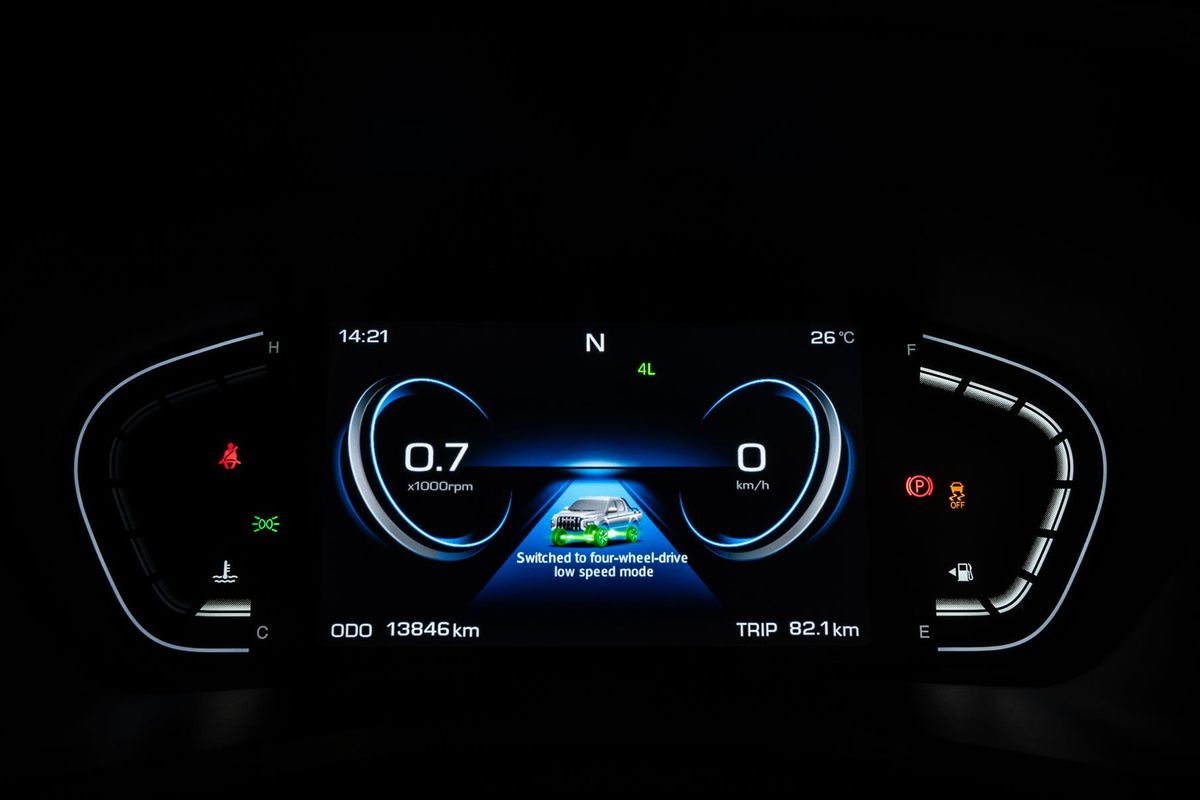
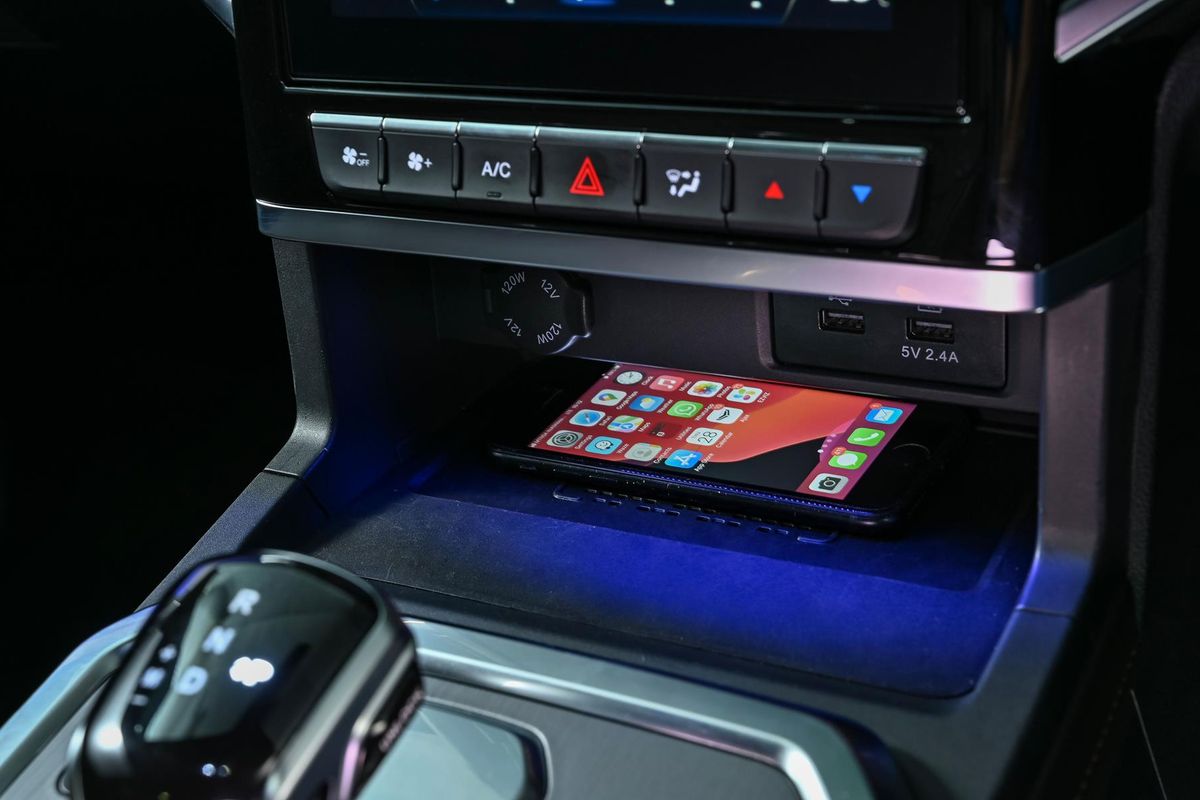
Standard equipment includes a 10.4-inch touchscreen system (with Apple CarPlay and Android Auto functionality), a 7-inch driver information screen, wireless smartphone charging, heated power-adjustable front seats, leather trim, a 220V power outlet and full climate control, complete with dedicated vents for the rear-sited passengers.
“We are excited to introduce the T9 into our T-Series double-cab range, targeting customers in search of luxurious comfort and the driving experience of a passenger car, perfectly suited to their active lifestyles and dual-purpose needs,” says Karl-Heinz Göbel, Chief Executive Officer of JAC Motors South Africa.
The JAC T9 is sold with a 5-year/100 000 km manufacturer’s warranty, a 5-year/100 000 km service plan and 24-hour roadside assistance programme. Service intervals are set at 10 000 km.
Full-fat Toyota GR Hilux ruled out (but hot SUVs likely)
The head of Gazoo Racing has ruled out the possibility of a full-fat Toyota GR Hilux to battle the Ford Ranger Raptor, though suggests hot SUVs are on the cards…
Waiting patiently for a full-fat Toyota GR Hilux to take the fight to the Ford Ranger Raptor? Well, the head of the Japanese firm’s Gazoo Racing division has unequivocally ruled out a high-performance version of the popular bakkie, though suggests hot GR-badged SUVs are on the horizon.
Tomoya Takahashi, President of Toyota’s Gazoo Racing Company, told Australian media that a full-bore GR version of the venerable Hilux was not going to happen.
Only the GR Sport badge for the Hilux, it seems.
“A GR special car? No – only GR Sport,” Takahashi said when quizzed about a hotter Hilux, according to WhichCar. The Australian publication asked again if there was room for a Ranger Raptor rival and reported that the executive simply shook his head and said “no”.
As a reminder, the widebody Hilux GR Sport III that has just launched in South Africa employs the previous iteration’s 2.8-litre, 4-cylinder turbodiesel engine, which here generates 165 kW and 550 Nm. That’s not nearly in the realm of the Ranger Raptor, which offers 292 kW and 583 Nm from its turbocharged 3.0-litre V6 petrol mill.
Rumours of a GR Hilux date back several years.
A full-fat GR Hilux pitched against the Raptor has long been rumoured, with previous reports suggesting such a derivative would form part of the upcoming next-generation version of the bakkie (perhaps borrowing the 3.3-litre V6 turbodiesel motor from the Land Cruiser 300). However, Takahashi’s comments suggest such a model won’t become a reality.
That said, Takahashi did hint that the GR range would be expanded past the likes of the GR86, GR Yaris, GR Corolla and GR Supra, suggesting that the SUV body shape was next in line for a high-performance overhaul.
Might we see a high-performance GR Corolla Cross one day?
“In the future, from my point of view, we need a GR SUV. Some people can only use SUVs because they have a family or need space. To expand our brand, maybe an SUV is needed,” he said, according to CarExpert.
While Toyota already offers GR Sport versions of the Corolla Cross and Land Cruiser 300 (as well as the Yaris Cross and C-HR in other markets), it has yet to develop a GR flagship in SUV guise. Judging by Takahashi’s stance on the matter, however, such a model is surely on the horizon…