Mercedes-Benz EQE (2024) Review
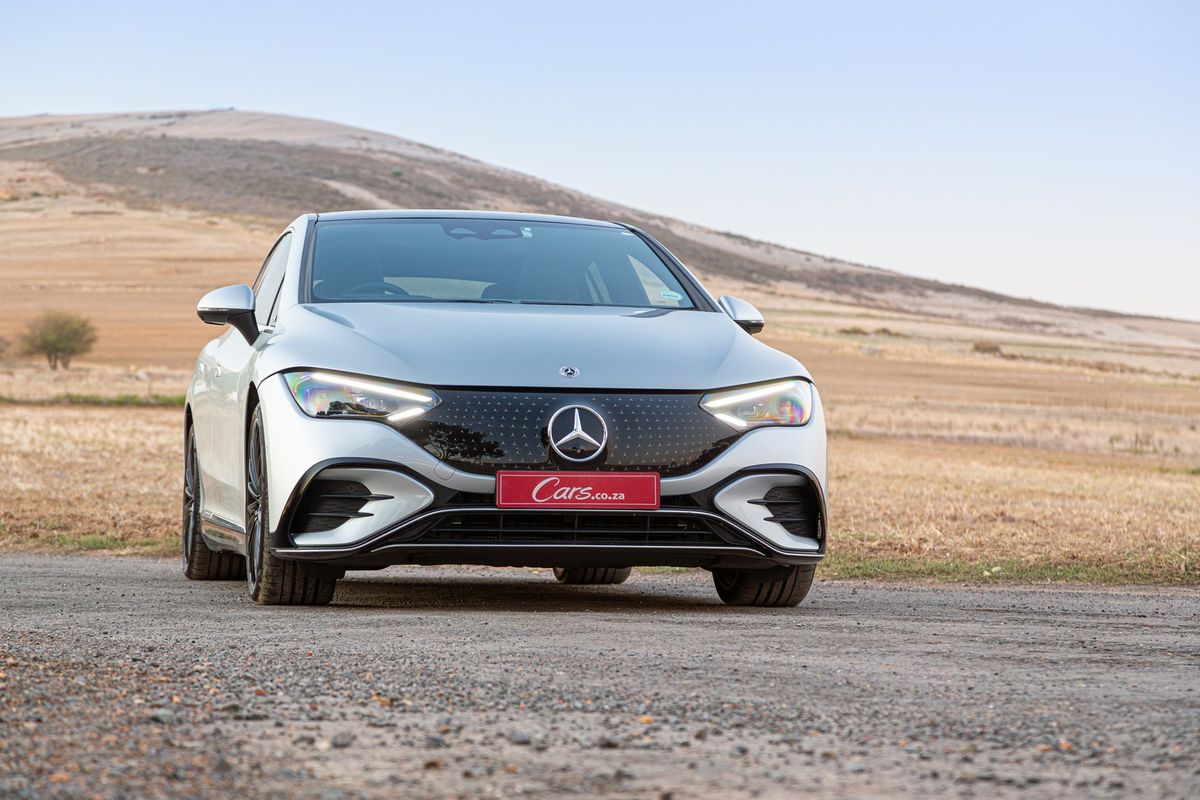
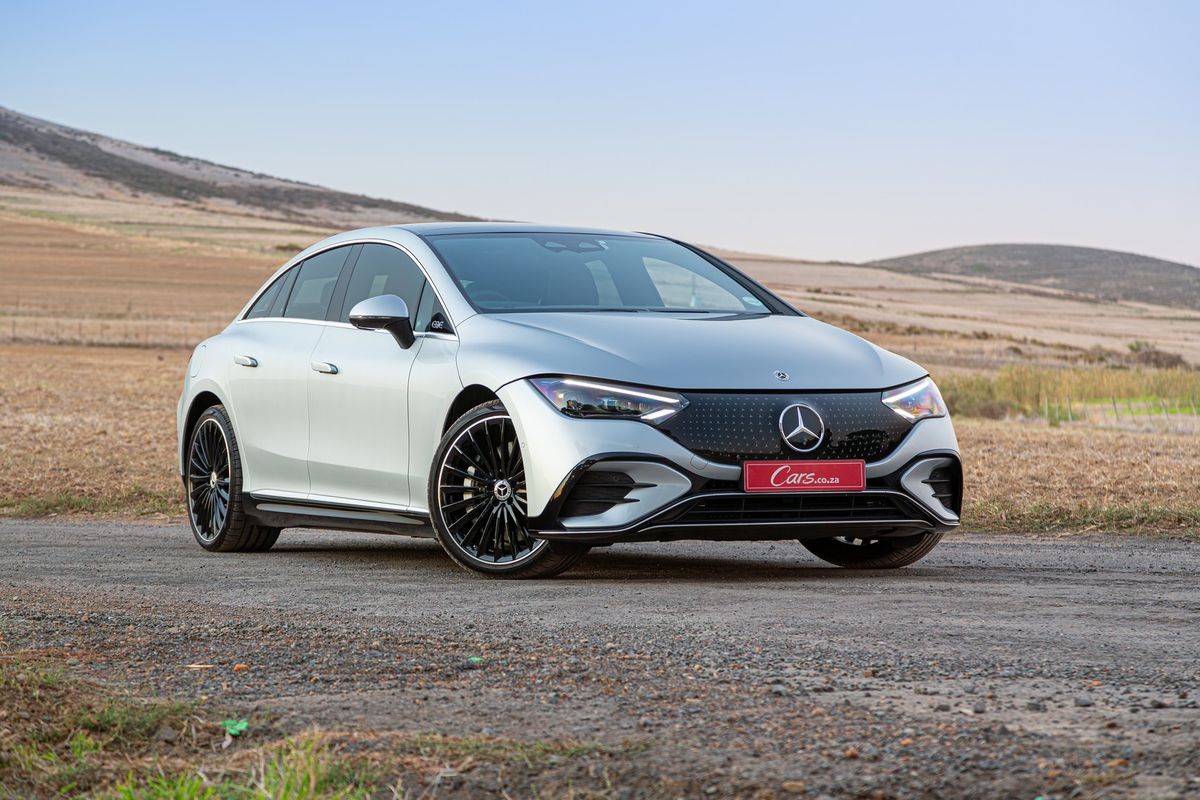
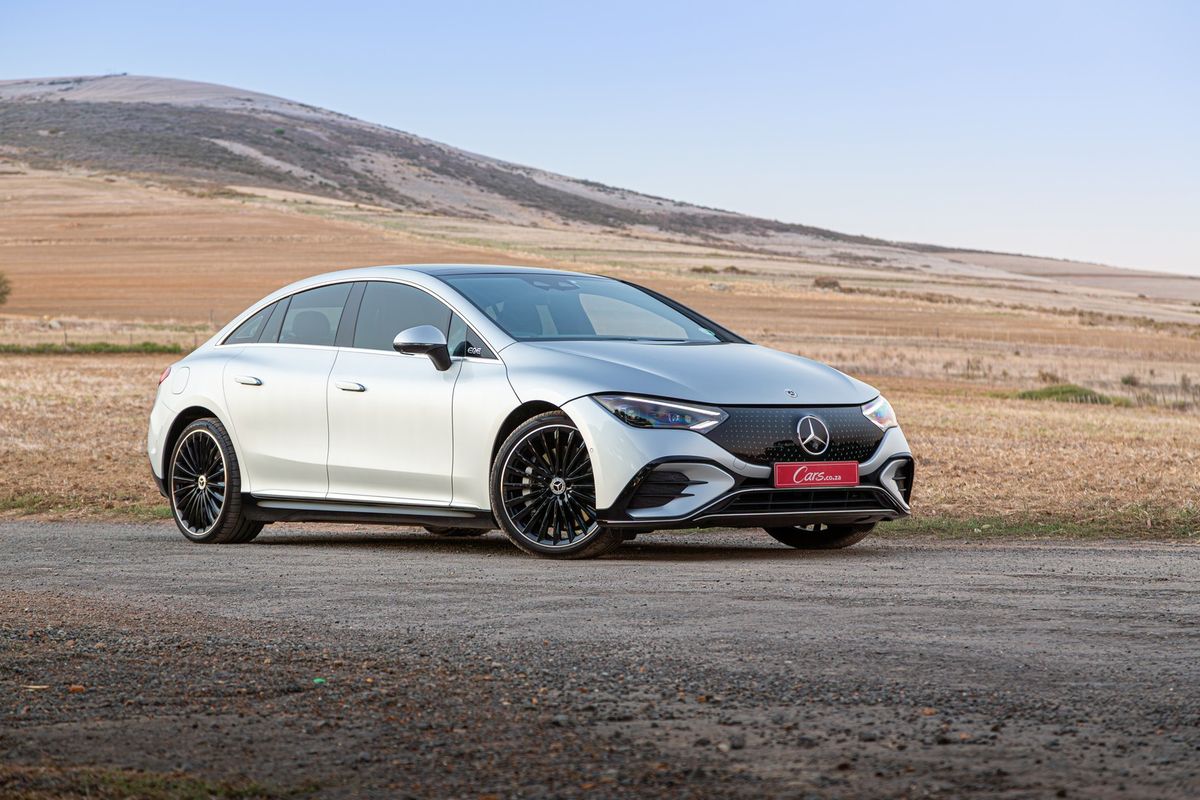
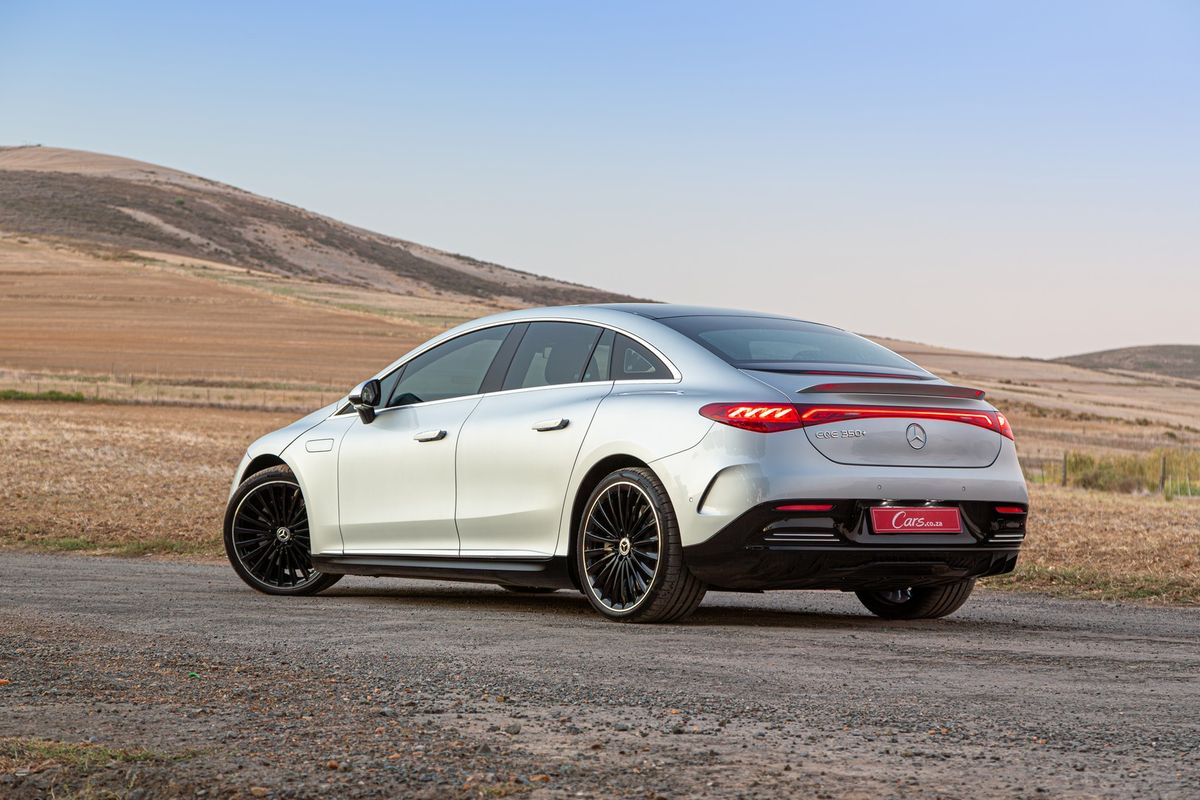
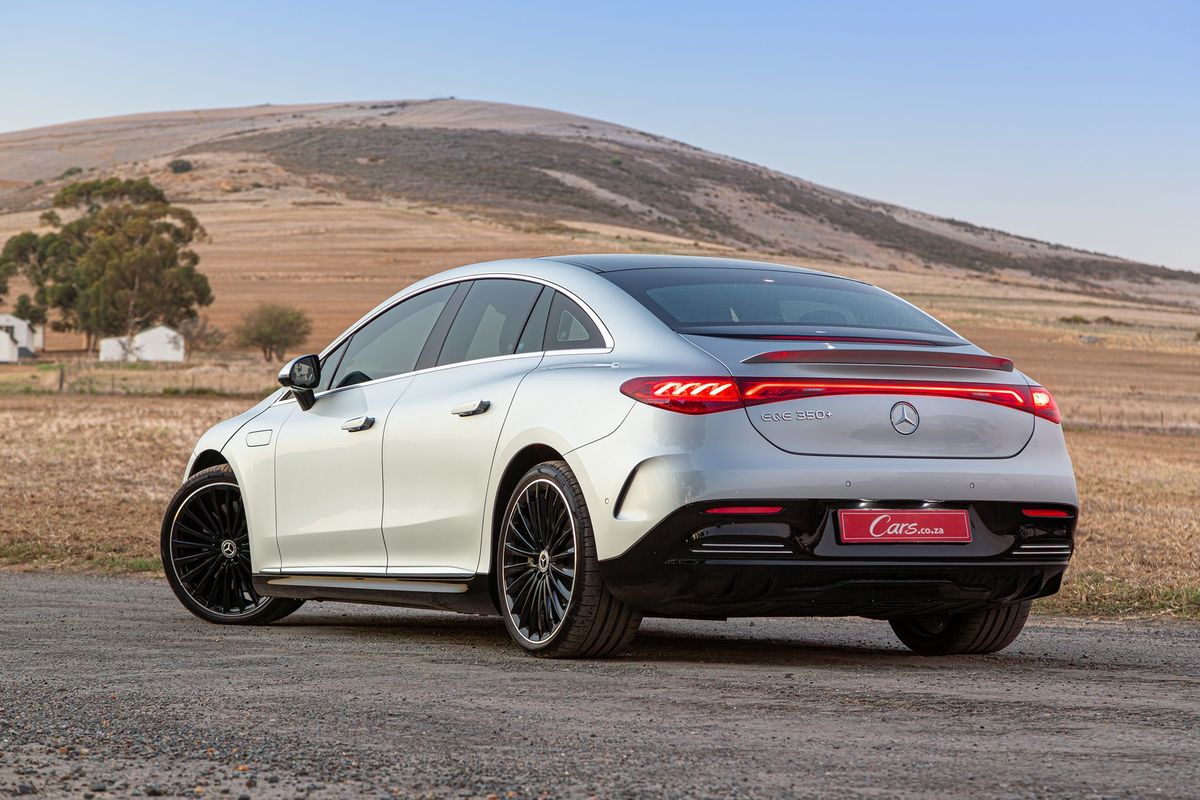
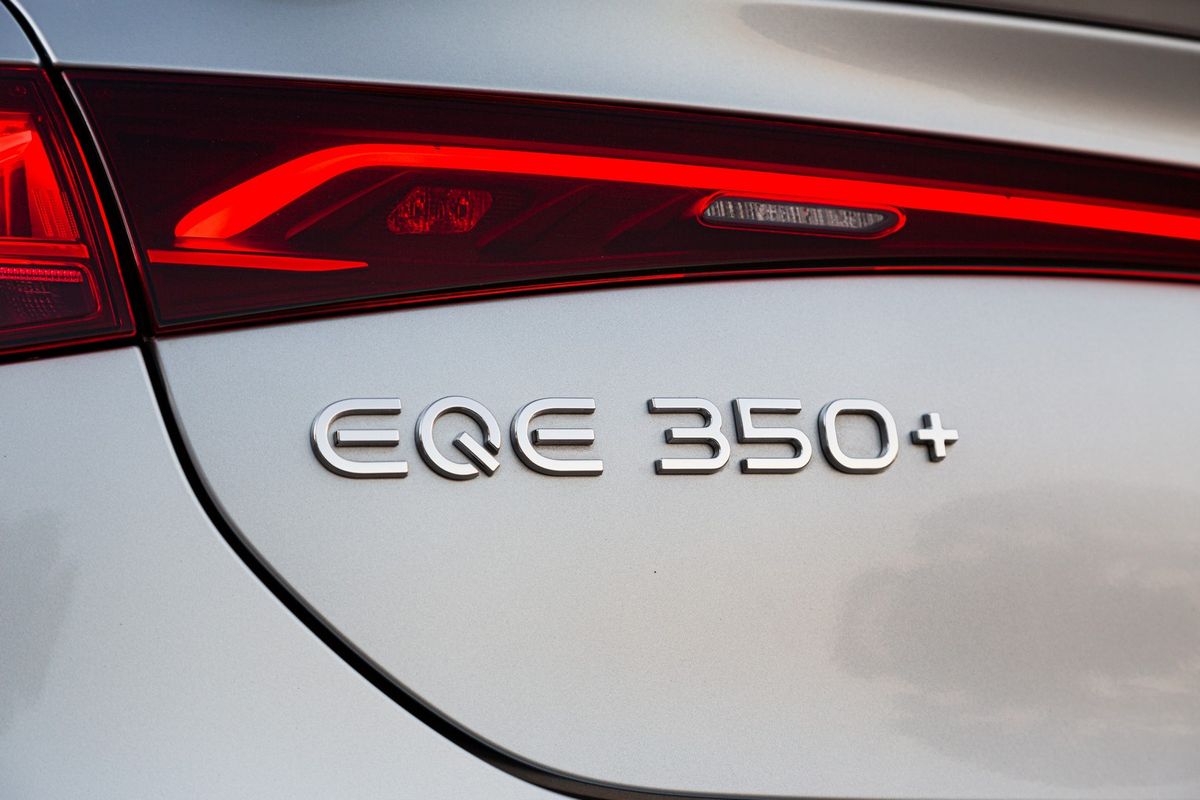
With its futuristic styling, cool interior and impressive claimed range, the “baby” in the Mercedes-Benz EQE electric executive sedan line-up promises a lot. Does the EQE350+ AMG Line deliver, however?
We like: Striking looks inside and out, comfortable ride quality
We don’t like: Build quality disappointing at times, not as efficient as claimed
FAST FACTS
- Model: Mercedes-Benz EQE350+ AMG Line
- Price: R1 862 850 (May 2024, before options)
- Engine: Single electric motor and 90kWh battery
- Power/Torque: 215 kW/565 Nm
- 0-100 kph: 6.4 sec (claimed)
- Claimed energy consumption: 18.8–16 kWh/100 km
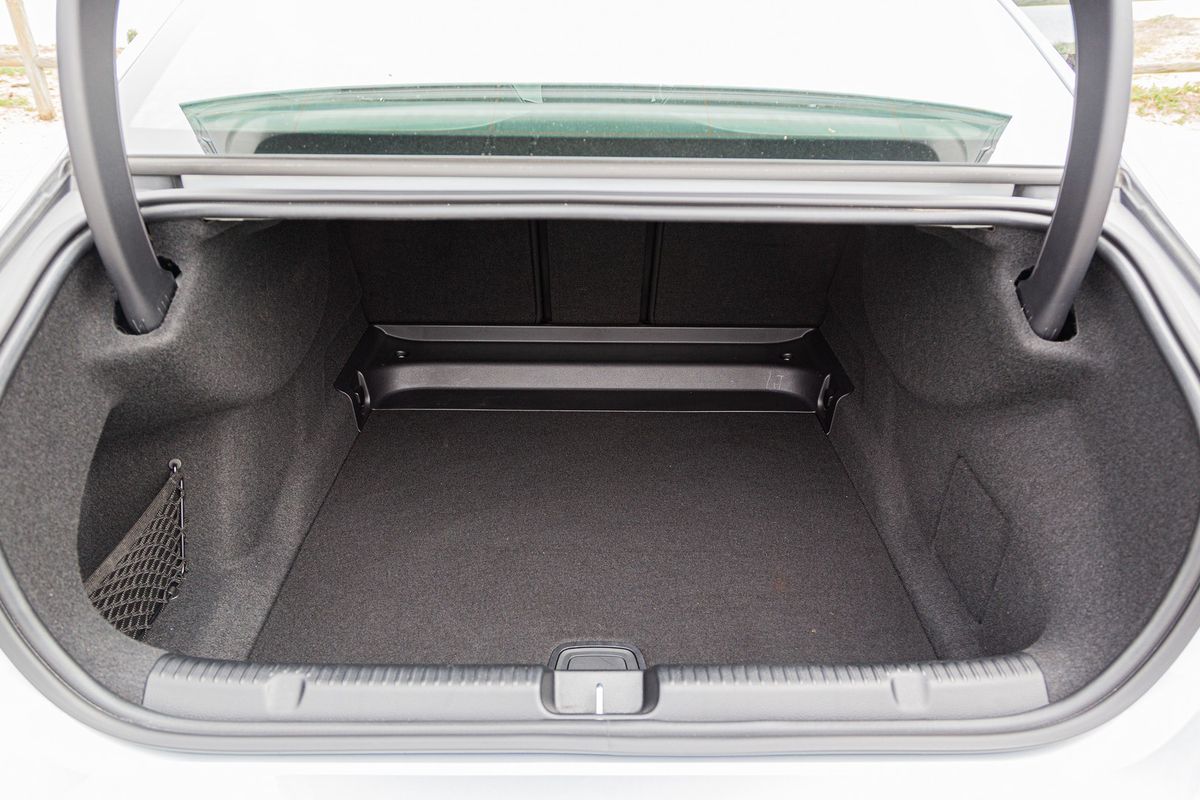
- Luggage capacity: 430 litres
Serious about buying/selling?
Some dealerships regularly offer great deals. See our New Car Specials!
Looking to sell your car? Sell it on Cars.co.za for free

Where does the Mercedes-Benz EQE fit in?
Mercedes-Benz is one of the oldest car companies and has achieved so many “firsts” in the automotive world that it’s impossible to mention them all; being “at the cutting edge” has always been in the brand’s DNA. So, it’s no wonder ‘Benz has approached the EV genre with vigour. In a relatively short space of time, the Three-pointed Star has developed the EQ sub-brand that exists in parallel with its ongoing ICE model line-up. EQ designers and engineers have a bit more freedom to push the boundaries, however.
Simply put, the Mercedes-Benz EQE slots into the electric ‘Benz world next to the new E-Class sedan (due in Mzansi soon). Think of it as the car the E-Class would be if ‘Benz was only allowed to make EVs.

Of course, we have previously reviewed the performance-oriented Mercedes-AMG EQE43 4Matic sedan variant (view the video review), and that dual-motor variant costs about R250k more than the EQE350+ AMG Line. So, if performance is not your main concern, but you want a distinctive executive sedan with a Three-Pointed star on its nose, this variant might be on your radar – and mainly for a pair of reasons…
First of all, the stylish “4-door coupe” CLS model has been discontinued, so in a way, the Mercedes-Benz EQE fills that void above the upcoming new E-Class. Secondly, the EQE350+ AMG Line’s claimed range is said to be between 532 to 621 km, which is not only impressive in and of itself, but even more so when you consider that it exceeds the stated range of the (very similarly priced) BMW i5 eDrive40.
Compare specs of the Mercedes-Benz EQE350+ AMG Line with those of the BMW i5 eDrive40 M Sport

How the Mercedes-Benz EQE fares in terms of…
Design and Features
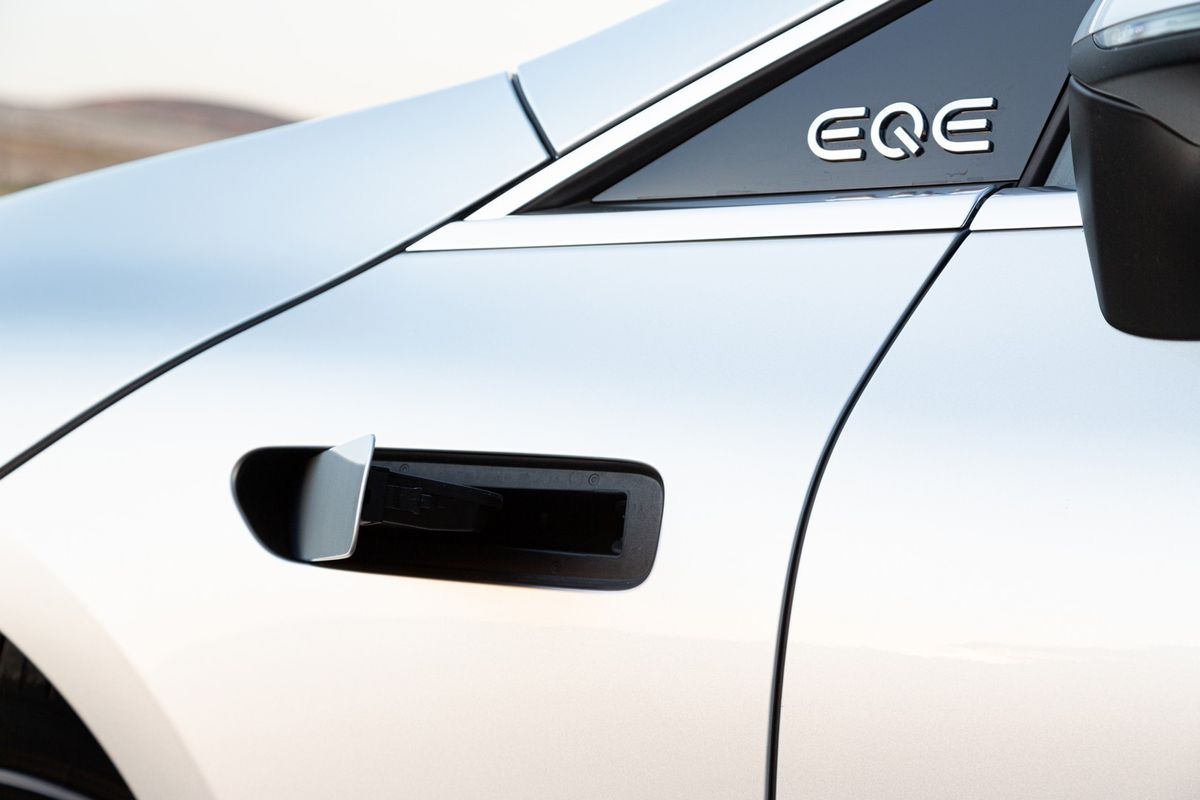
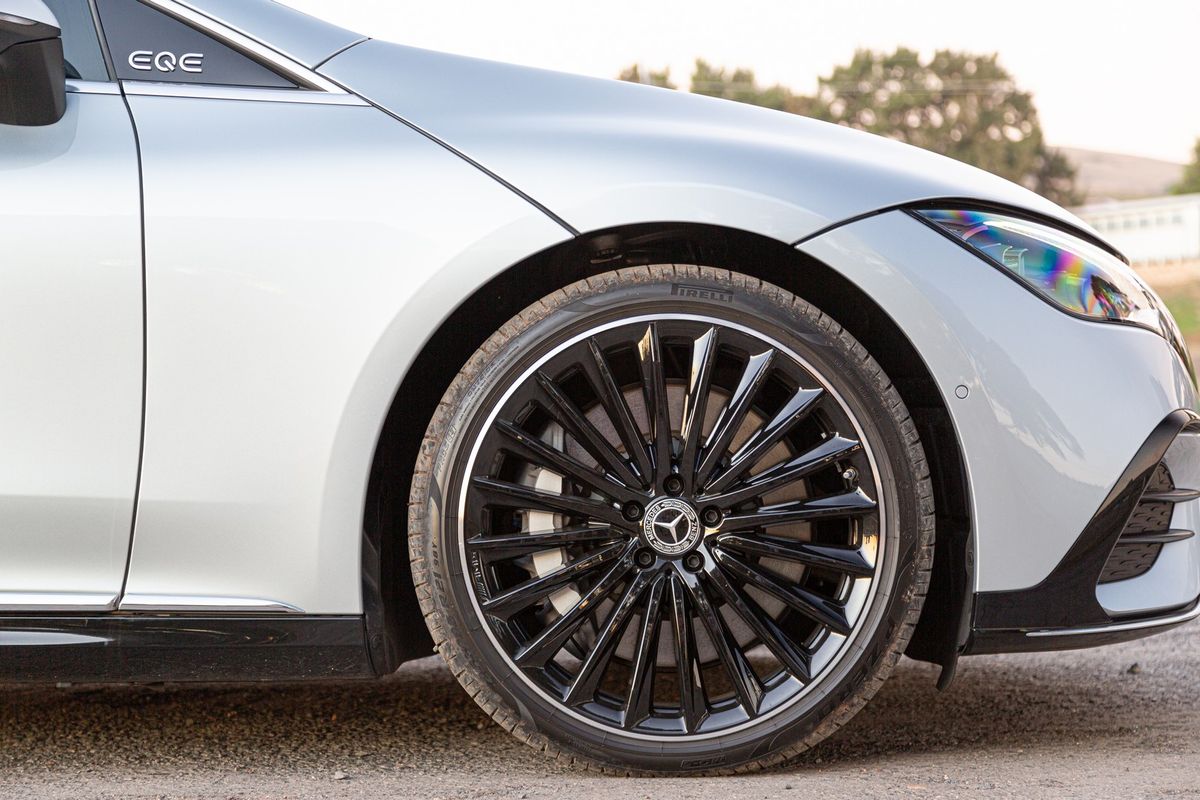
With its extra-long wheelbase (measuring 3 120 mm) and sweeping roofline that seems to flow almost seamlessly into the overhangs of the car, the Mercedes-Benz EQE looks decidedly slippery (its shape was hewn in a wind tunnel, after all). The door handles retract when the sedan pulls away and those lovely, multi-spoke 21-inch wheels (standard on the AMG Line grade), fill the wheel arches nicely.
Although the EQE is almost exactly as long as the new E-Class, its longer wheelbase (3 120 mm vs 2 961 mm) and wider footprint give it a “squatter” appearance, even though it is a comparatively taller car. A drawback of its “long belly” is that the EQE’s underbody can scrape on sharply curved speedbumps etc.

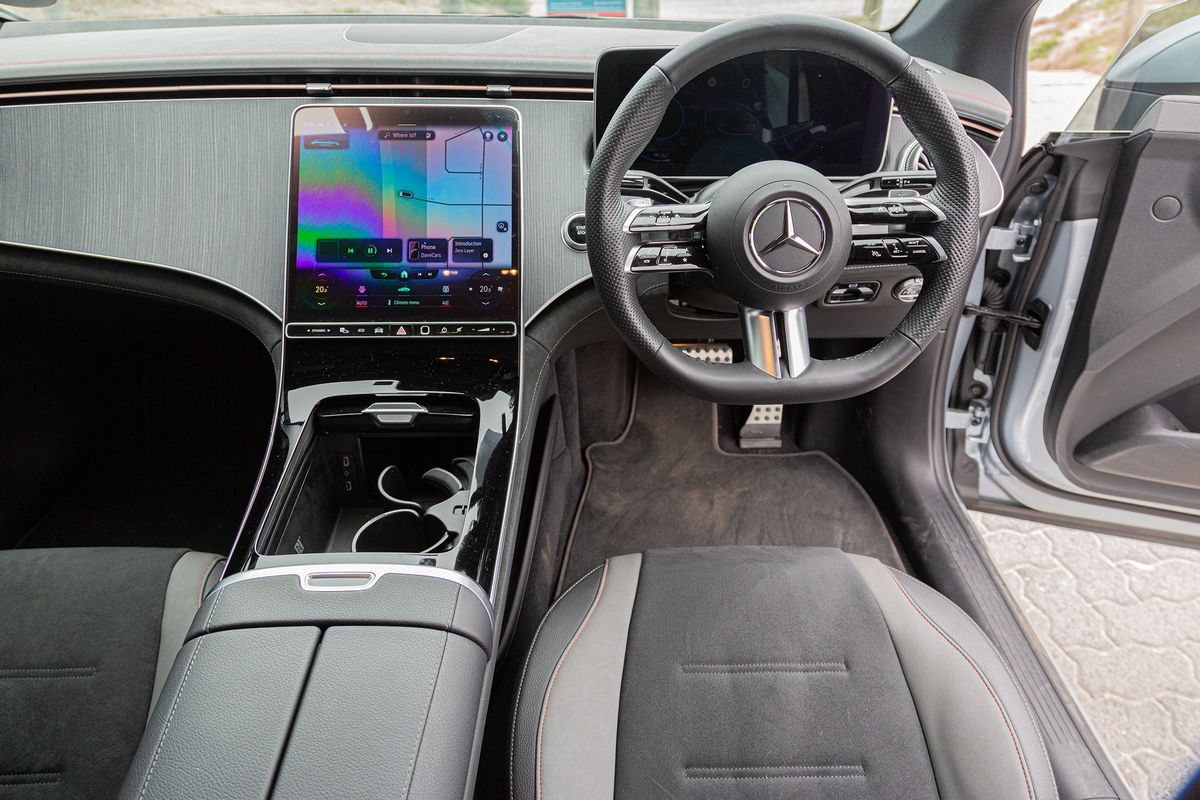
The Mercedes-Benz EQE is a car that turns many heads (based on our experience) and the “wow factor” continues inside. When you open the doors (with their frameless windows), you’re greeted by a typically modern Mercedes-Benz interior which, at first glance, boasts a lot of showroom appeal. It may lack the Mercedes-AMG’s EQE43’s “hyperscreen”, but you still get an interior that exudes high tech and style.
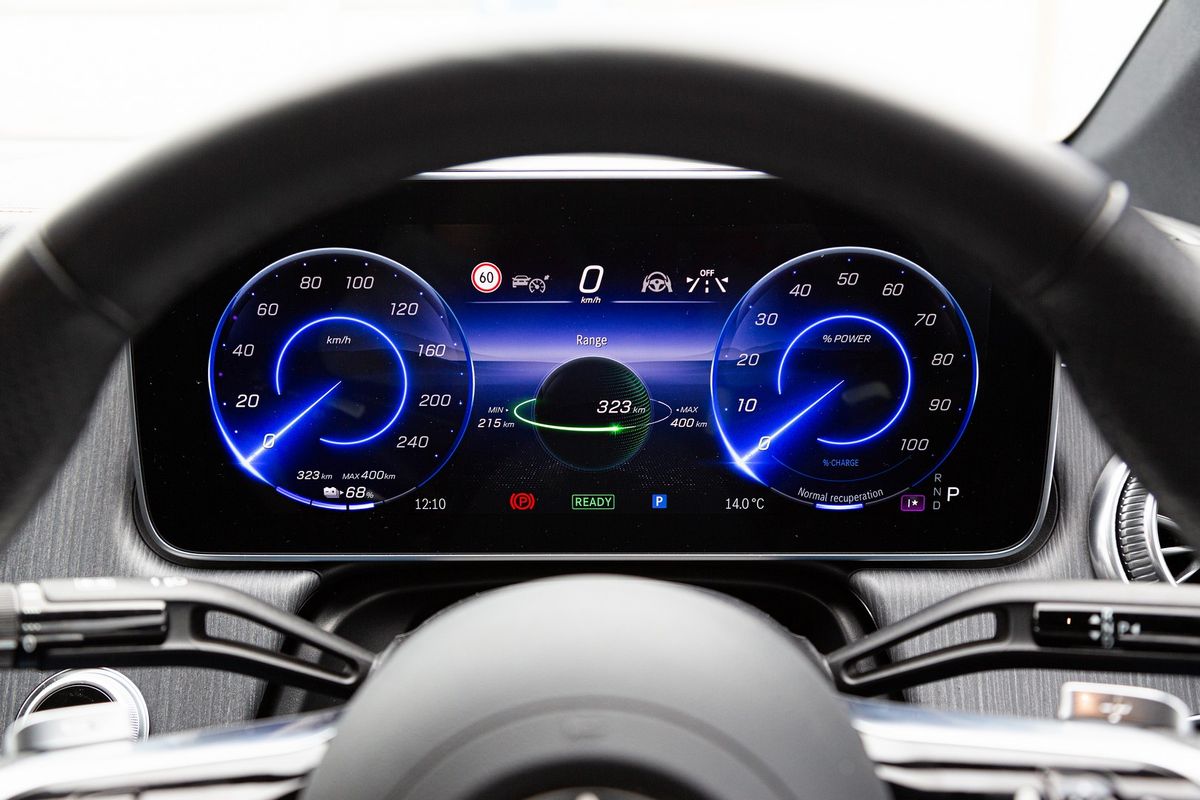
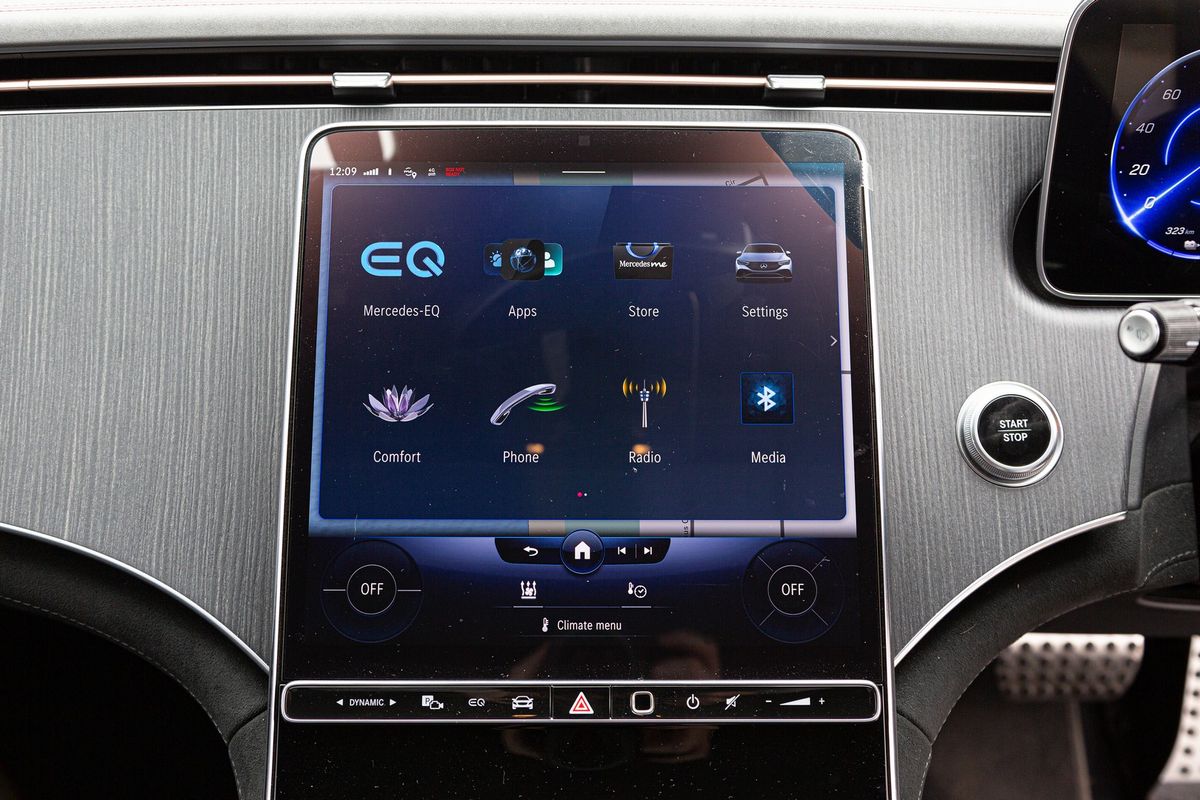
An expansive infotainment screen with crisp graphics dominates the centre of the fascia, with another digital display positioned in front of the driver. The base for those screens is a continuously curved panel with a pleasingly textured finish; our test unit’s spec sheet described it as “Anthracite linestructure lime wood trim” (sic). The cabin looks even better at night, courtesy of a host of ambient lighting options.

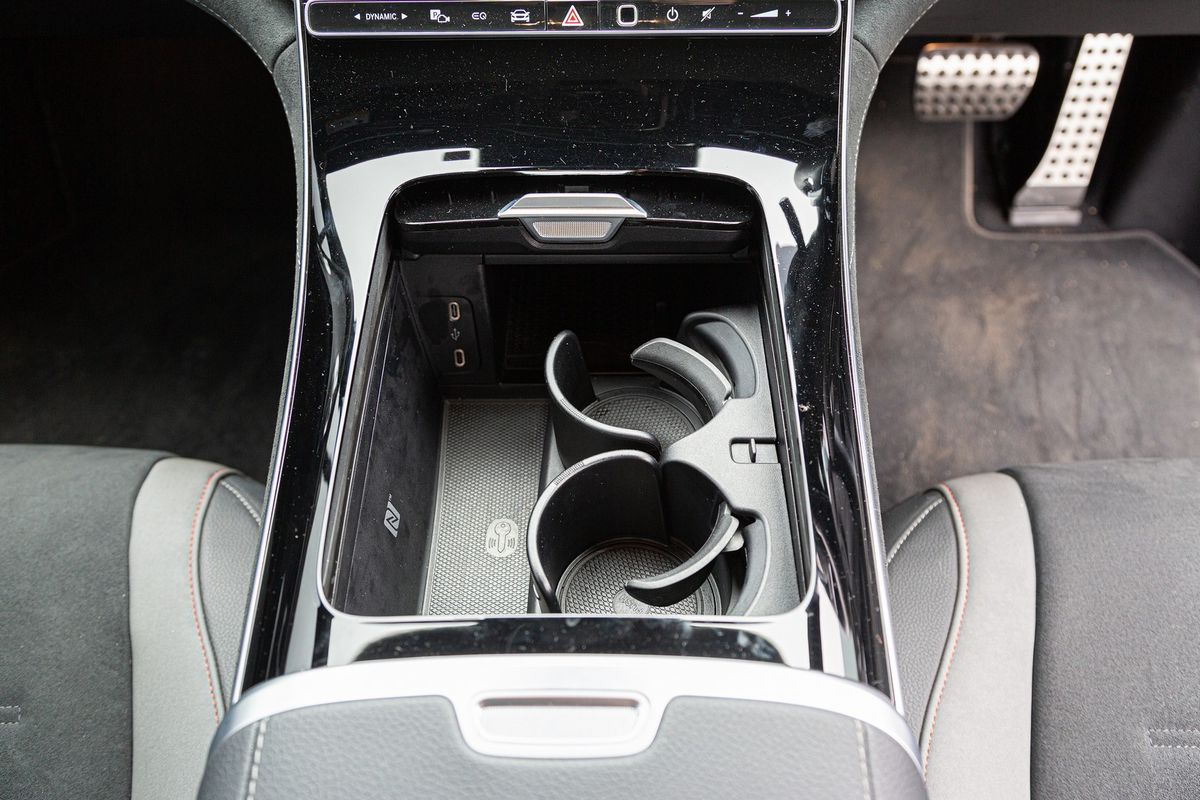
Of course, the absence of a traditional transmission tunnel means there’s plenty of oddment space available at the front of the Mercedes-Benz EQE’s cabin – the centre console extends into a piano black-trimmed bridge that incorporates drinks holders, a wireless charging pad (also two USB-C ports), as well as a lift-up armrest. Underneath the bridge is a large storage area that is accessible from both sides.
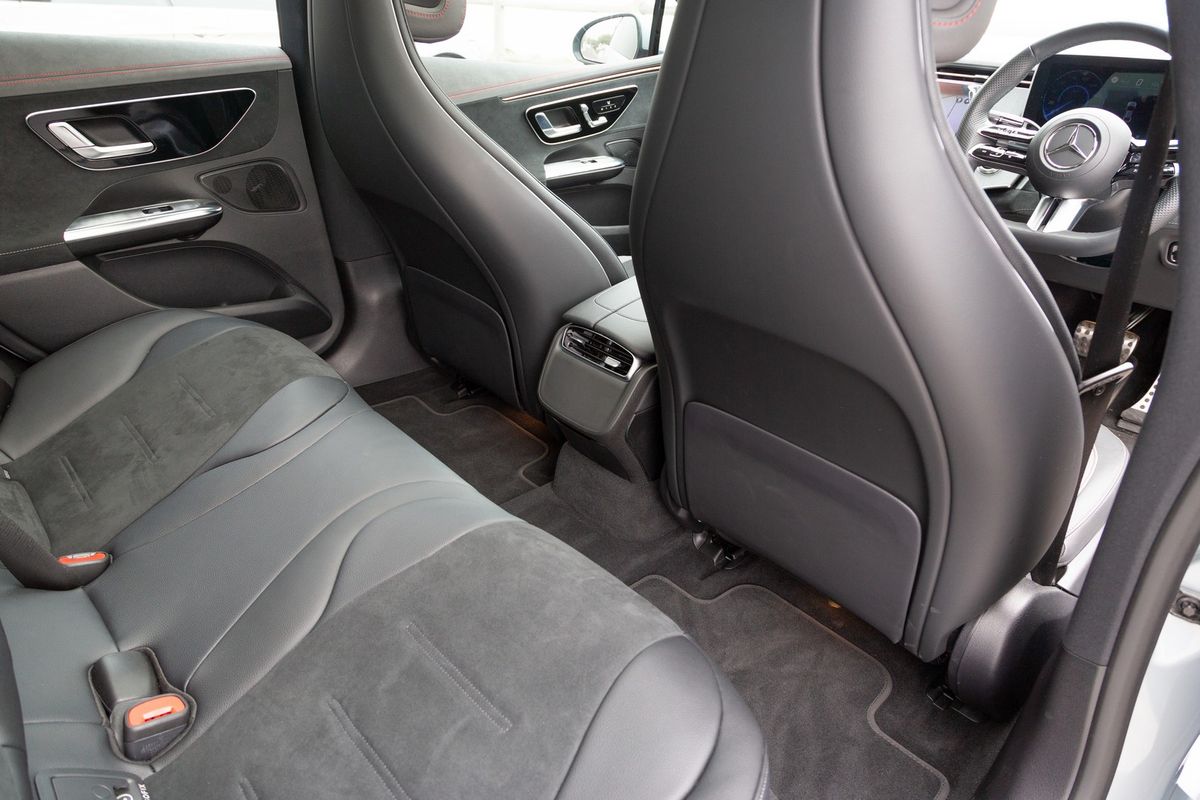
The seats are superbly comfortable and offer a wide range of electric adjustment at the front (replete with memory function). That, allied with an adjustable steering column, makes it possible for even very tall drivers to find a comfortable driving position. While the comfort levels are admirable at the front, aft occupants may feel hemmed in as a result of the low roofline. But that impression is misleading – there is good rear legroom (the car performed admirably in the “1.8-metre-tall driver sits behind himself test”).

The downside of the roomy cabin (even if rear occupants may feel a little claustrophobic) is a mediocre claimed boot capacity (490 litres), which is significantly less than that of the i5 and incoming E-Class.
Overall, it’s a car that has so many layers of tech and features, that it may take EQE owners a good while to enjoy all of them, but in that journey of discovery, the car’s single, fairly significant, flaw also becomes apparent. Much of the cabin’s visual and tactile appeal seems superficial because too many trim pieces simply don’t feel of a quality befitting a higher-end Mercedes-Benz model. Granted, the perception of the quality of a static piece of trim is subjective, but the fact that it creaks, buzzes or rattles is not.

Performance and Efficiency
The EQE350+ AMG Line is powered by a permanently excited (yes, really) synchronous motor at the rear, which draws power from a 10-module 90 kWh (usable) lithium-ion battery pack. Its peak torque output figure (565 Nm) comfortably beats that of the i5, but seeing as it tips the scales at around 2 400 kg, the ‘Benz is noticeably heavier than the BMW. As a result, its performance is somewhat less impressive.
But not by much, at least not according to our test equipment. Mercedes-Benz claims a 0-100 kph time of 6.4 sec for the EQE350+ AMG Line, but our test unit overachieved by clocking a 6.19-sec sprint time, which was not far off the 6.0-sec time claimed for the i5 eDrive40 M Sport. And, away from the drag strip, the EQE certainly never felt flat-footed, it delivered strong surges of acceleration when required.

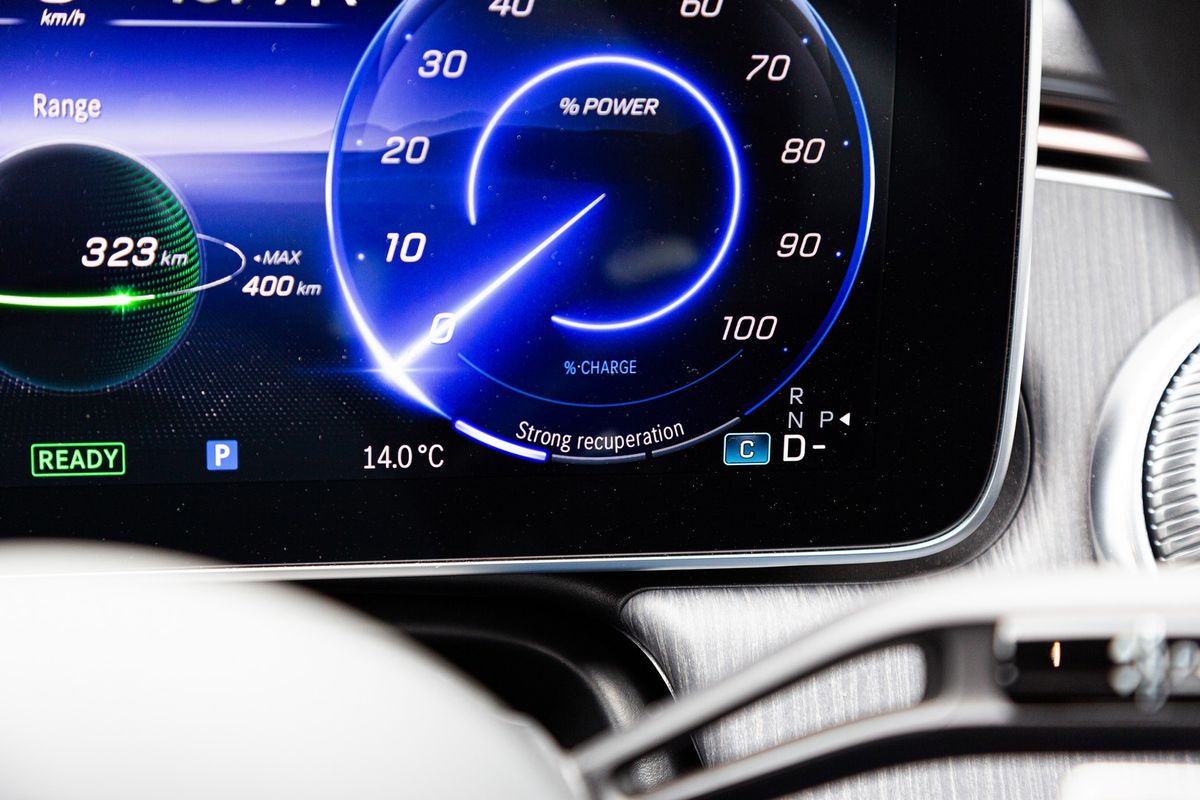
But this is not a Mercedes-AMG model; we anticipate that the EQE350+’s efficiency and range will be as important to would-be buyers as its performance. In this respect, the news is not quite as good. Though the ‘Benz’s claimed range is impressive (532 to 621 km), we couldn’t achieve that (mind you, ICE cars also struggle to achieve their claimed efficiency). In the real world, expect a range of around 420 km.
Ride and Handling
Despite its large wheels and AMG Line specification, the EQE350+ does NOT have a sporty suspension setup. It delivers a wonderfully supple and quiet ride, much as you would expect of a conventional ‘Benz model. Perhaps the hefty kerb weight plays a role; the sedan seemed to just iron out road imperfections.

If you test the ‘Benz’s ability to corner quickly (to a level that admittedly few EQE drivers are ever likely to do), you’ll discover that the EQE350+ AMG Line disguises its relative heft surprisingly well, aided by a low centre of gravity and plenty of grip. You can add some weighting to the steering by selecting a sportier drive mode, and the stability control system can be partially deactivated – if you really must.
But this is not a car that engages and rewards its driver during a typical mountain-pass type of driving experience. Swift, supple and quiet, the EQE350+ AMG Line is more of a fast GT than a corner-carver.
Mercedes-Benz EQE price and After-sales support
The Mercedes-Benz EQE350+ AMG Line sells for R1 862 850 (May 2024, before options). That price includes a 2-year/unlimited km vehicle warranty and an 8-year/160 000 km battery warranty. A 5-year/100 000 km maintenance plan is also included.
New Mercedes-Benz EQE-sedan Specs & Prices in South Africa

Verdict
In AMG Line specification, the Mercedes-Benz EQE350+ costs almost as much as its only rival, the as-of-yet untested BMW i5 eDrive40 M Sport. We believe that it is a more compelling offering than its pricier Mercedes-AMG EQE43 4Matic stablemate and, in the absence of more powerful new E-Class derivatives (only E200 and E220d variants will be offered at launch), the EQE350+ AMG Line does cater for the few buyers who want a Mercedes-Benz sedan with neck-swivelling looks and oodles of advanced tech.
Is that a big enough niche to justify the EQE350+ AMG Line’s existence? Only time (and experience with its new BMW rival) will tell.
Search for a new/used Mercedes-Benz EQE for sale on Cars.co.za