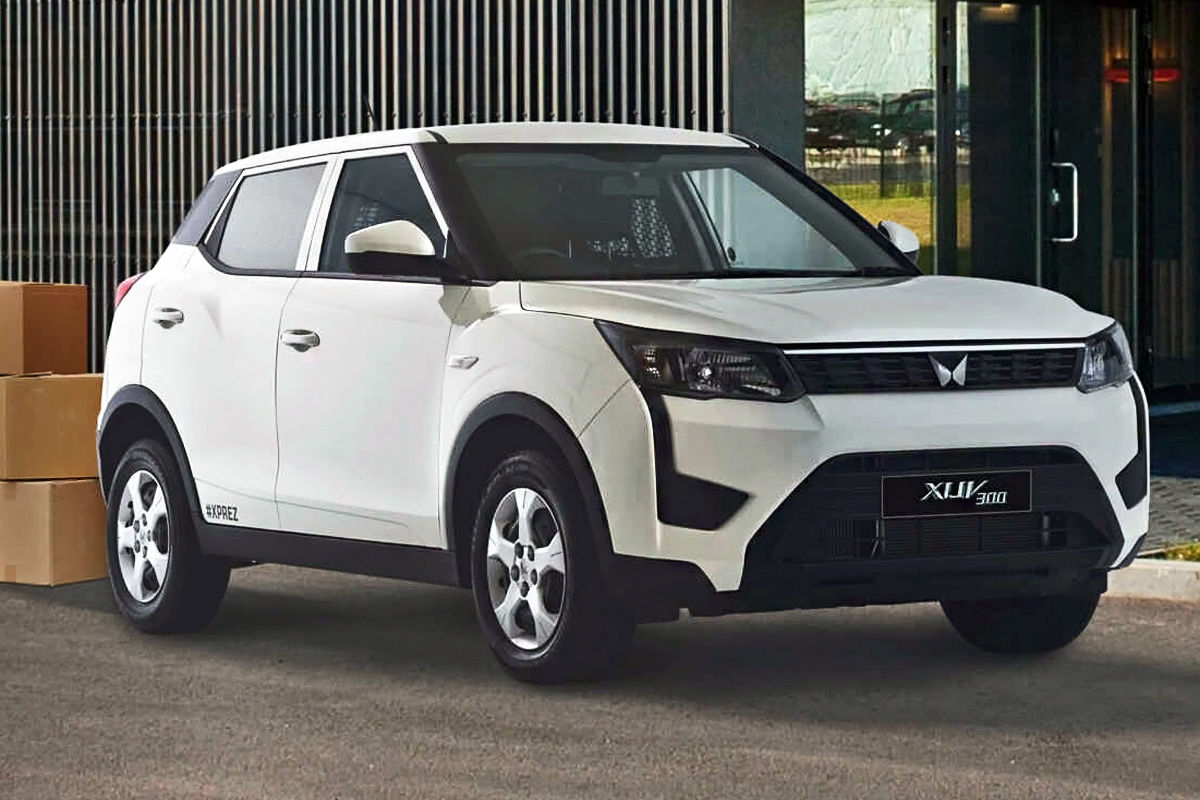
Mahindra South Africa has quietly expanded its light-commercial vehicle range with the launch of the XUV300 Xprez panel van. Here’s how much the newcomer costs…
Mahindra has launched the XUV300 Xprez panel van in South Africa, positioning the newcomer in its light-commercial vehicle (LCV) stable alongside the KwaZulu-Natal-assembled Pik Up and the Indian-built Bolero bakkies.
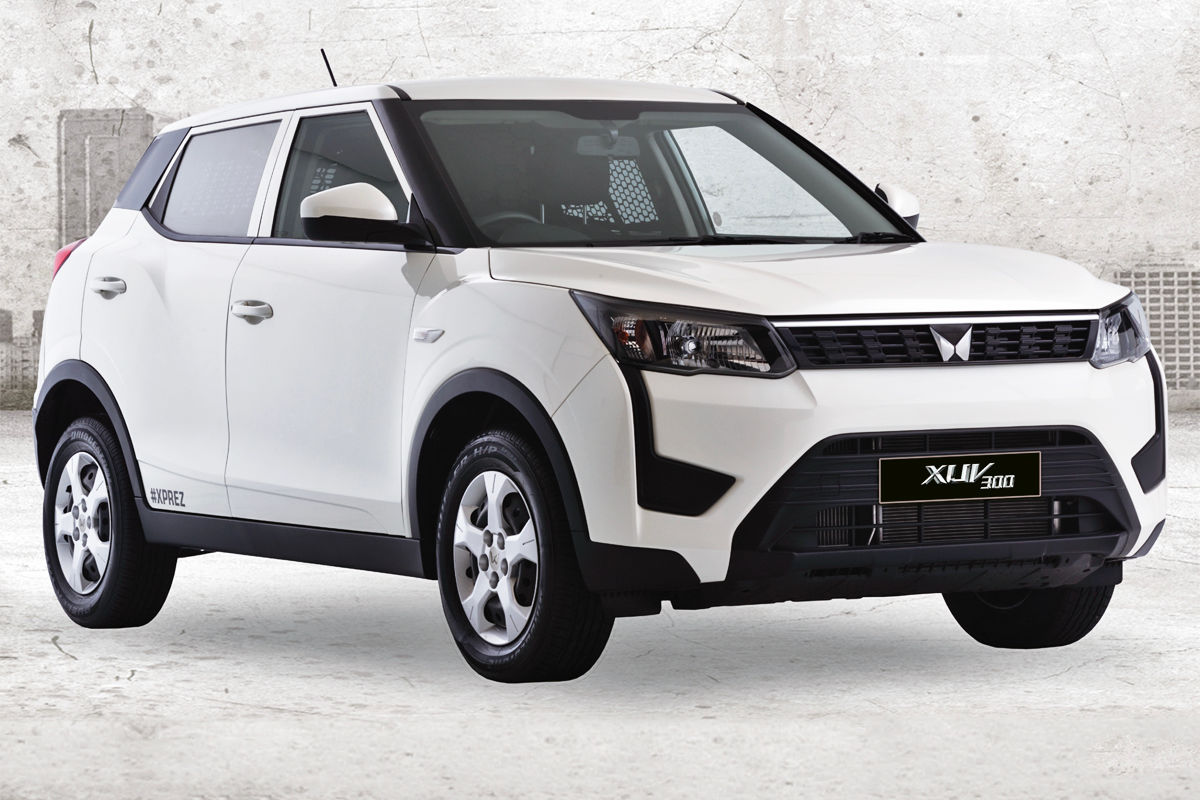
Based on the XUV300 crossover, the Xprez-badged version is likely converted to panel-van specification at Mahindra’s special fitment centre in Gauteng – just as the automaker did with its since-discontinued KUV100 Xprez. The company bills this latest model as the “ultimate urban delivery van” (angling for a slice of the soon-to-depart Nissan NP200’s pie, perhaps?).
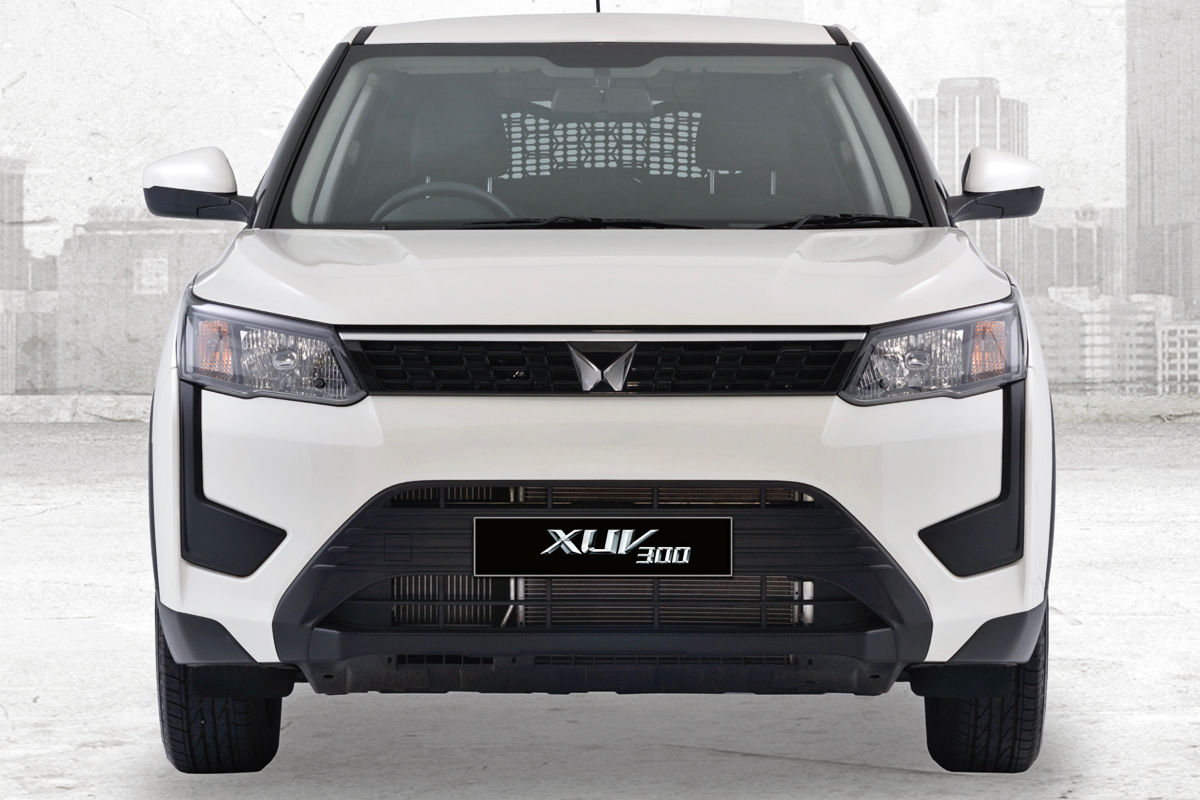
Note the black grille and bumper trim (and the lack of foglamps).
Offered exclusively in entry-level W4 guise, the XUV300 Xprez is powered by the Mumbai-based brand’s familiar turbocharged 1.2-litre, 3-cylinder petrol engine, which delivers 81 kW and 200 Nm to the front wheels via a 6-speed manual gearbox as standard. Mahindra claims a combined fuel-economy figure of 6.3 L/100 km, matching that of the passenger version.
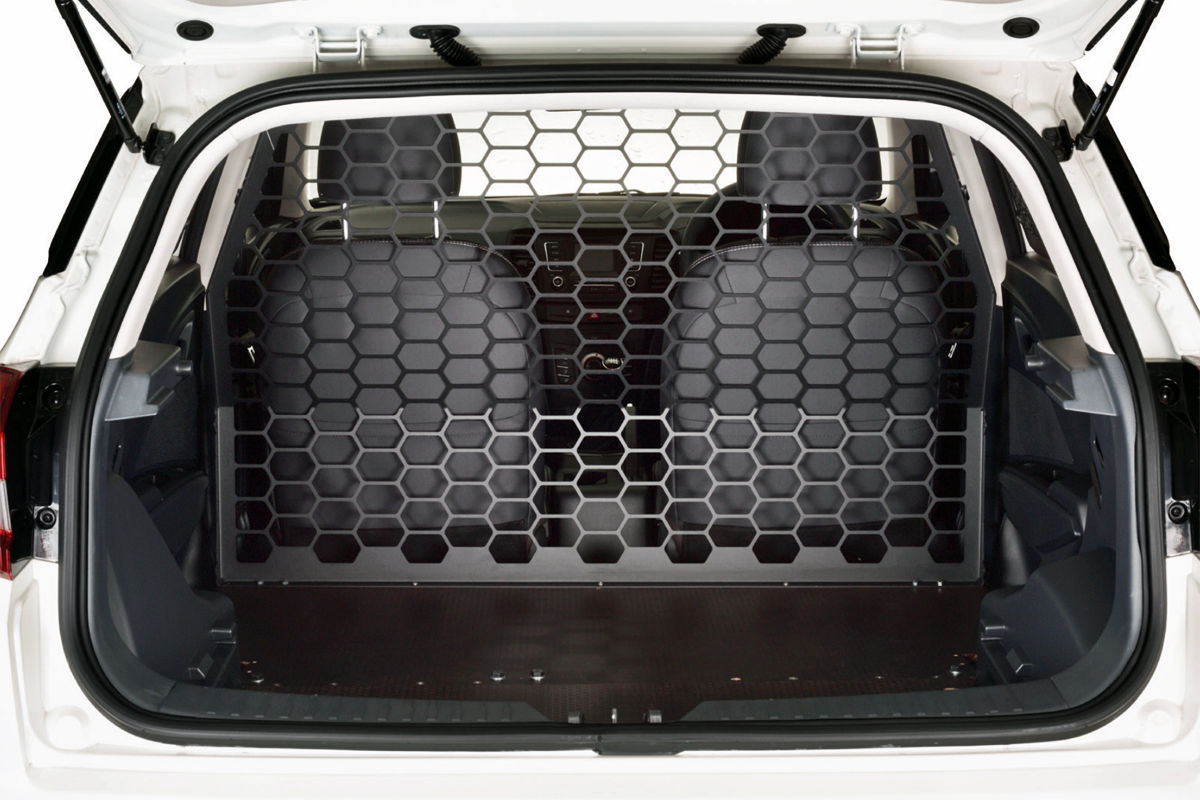
With the rear bench binned to create a load area, the XUV300 Xprez is listed as a 2-seater vehicle. We’ve yet to unearth an exact payload capacity, with Mahindra saying only that the figure is “impressive” (it further describes the cargo space as “versatile and adaptive”). However, based on a spot of rudimentary maths, we’d speculate the payload capacity is somewhere in the region of 320 kg.
The rear seats have been ditched to create a load bay.
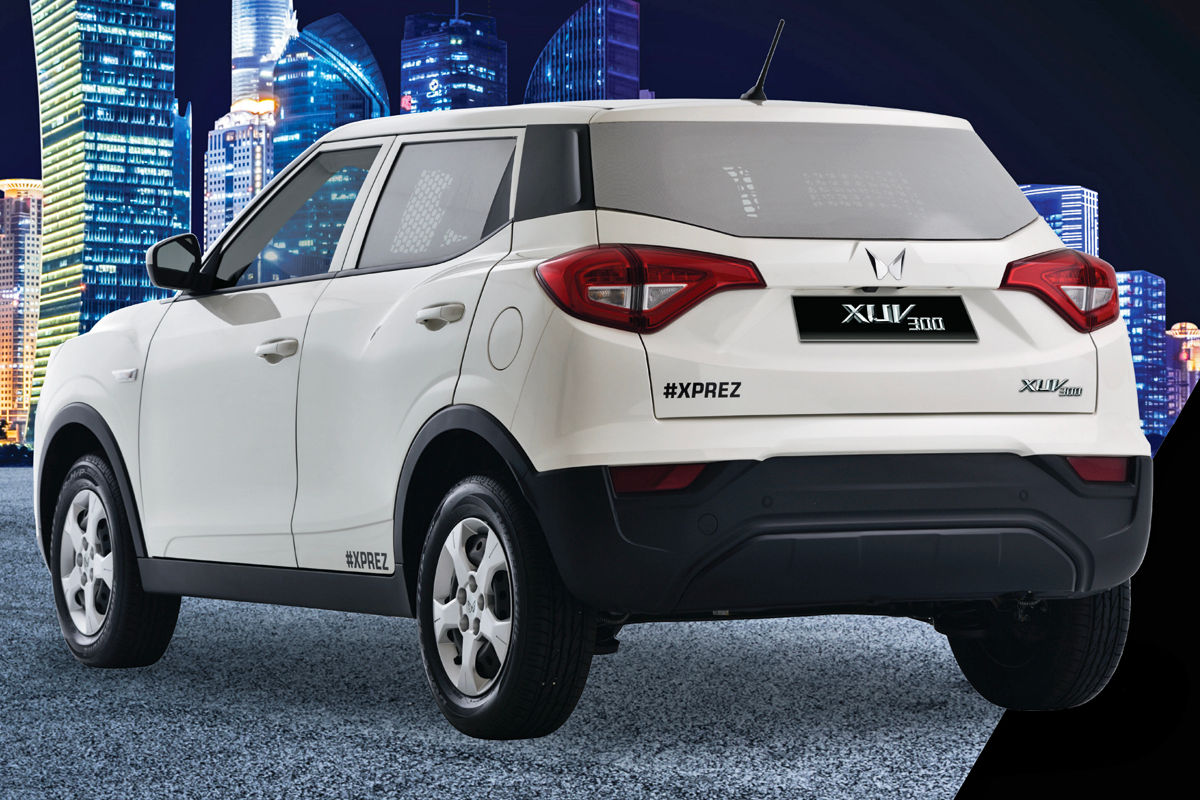
Judging by the images we found, the Xprez gains a safety barrier to separate the passenger- and load areas, likely along with a netting system to help keep cargo in place. Meanwhile, the rear screen as well as the windows in the rear doors feature some sort of film, perhaps applied to keep the load bay’s contents from prying eyes.
Despite its positioning in the LCV segment, the Xprez is by no means the cheapest XUV300 on offer. In fact, priced from R294 999, the panel van is more expensive than the W4 variants of the passenger-vehicle version, as well as pricier than the likewise petrol-powered W6 passenger model.
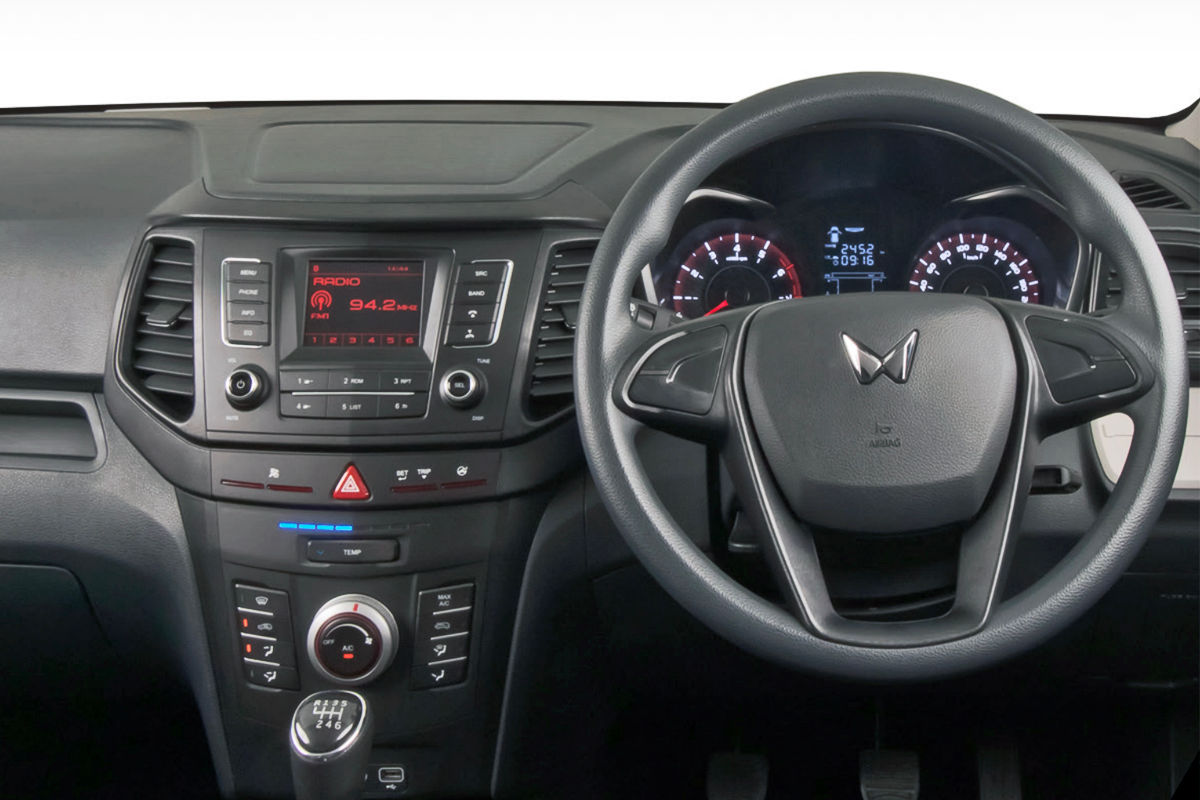
No multi-function controls for the steering wheel.
So, what do you get for the money? Well, the XUV300 Xprez features black bumpers (fore and aft), a black grille, 16-inch steel wheels, “#Xprez” decals (along its flanks and on the tailgate), fabric seat upholstery, air conditioning and a 4-speaker, Bluetooth-enabled audio system (though sans Apple CarPlay and Android Auto).
The LCV version of the XUV300 furthermore does without items such as front foglamps, roof rails and rear wipers. Safety features include rear parking sensors, dual front airbags and brake discs (front and rear), though note this model misses out on traction control.
How much does the Mahindra XUV300 Xprez cost in SA?
Mahindra XUV300 1.2T W4 Xprez – R294 999
The price above includes a 5-year/150 000 km warranty and a 3-year/50 000 km service plan.
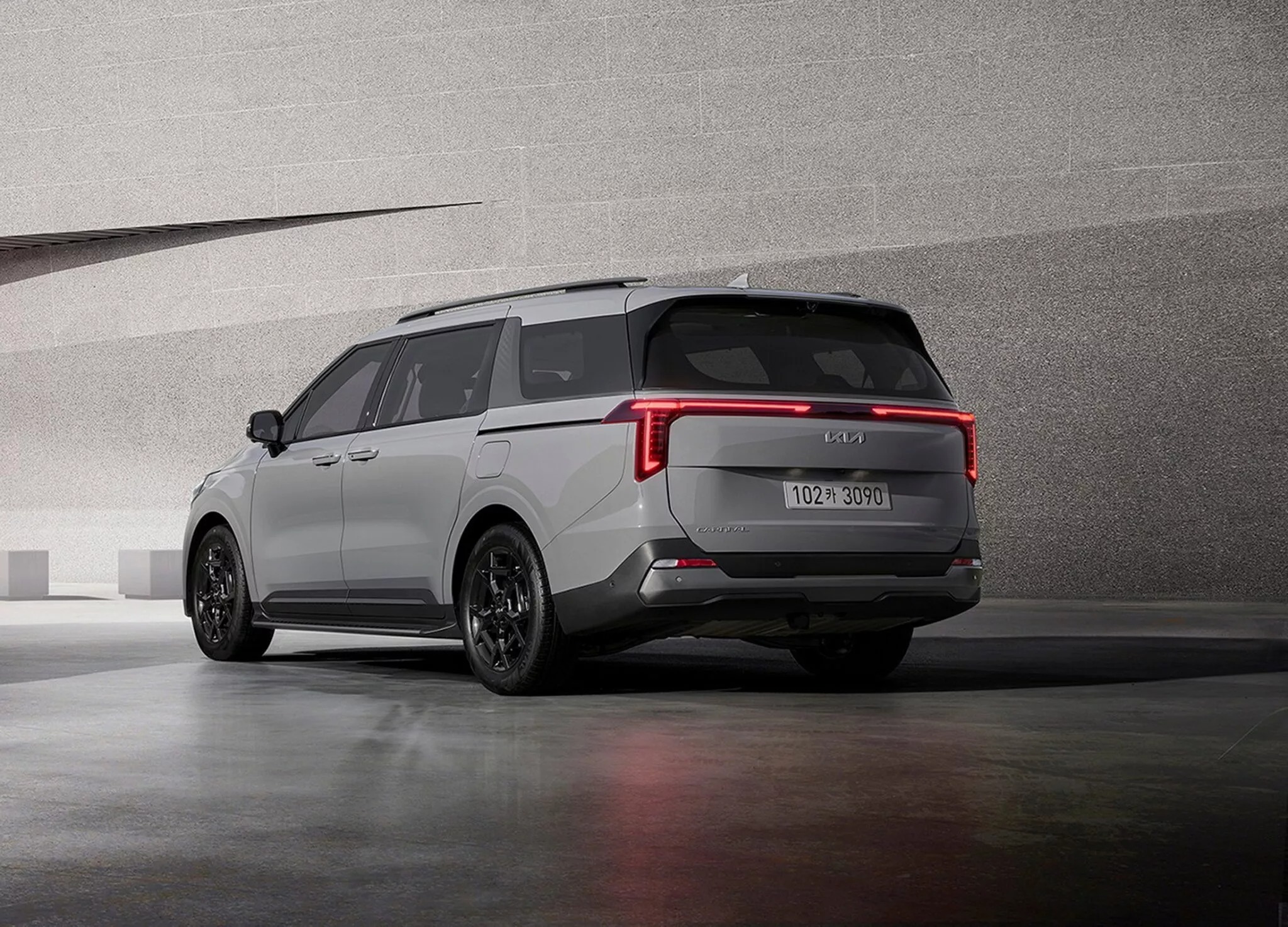
The first images of the 2025 Kia Carnival family minivan have been released, giving us a first look at what we can expect for the facelift.
What you see here is the facelifted 2025 Kia Carnival, after the Korean carmaker announced some early details ahead of the stylish and practical 4th-generation minivan’s Korean market debut at the end of 2023.
The facelift is visually comprehensive, with some sharp revisions to the exterior design. Kia’s latest design language is on full display with horizontal LED light strips, bigger tiger-nose grille, a repositioned registration plate, new bumpers and new alloy wheel designs. There’s a new colour too.
There were no interior images accompanying the release, but we expect the cabin to gain the curved digital screens that we’ve seen in other Kia models. We don’t think the seat layout will change either, and as a reminder, the Kia Carnival is available in 7- and 8-seater configurations.
Kia has been in the news recently with its array of electric EV vehicles and the Carnival is to gain its first taste of electrification with the addition of a 1.6-litre turbocharged hybrid powertrain. Petrol and diesel engines will continue to be offered.
Locally, the Kia Carnival is priced from R896 995 and there are five derivatives to choose from, all powered by the 2.2-litre turbocharged diesel engine.
When will the 2025 Kia Carnival arrive in South Africa?
More info about the 2025 Kia Carnival is expected once the vehicle has been revealed in detail. The full reveal is scheduled to take place before the end of 2023 and we’ll update this article once more information has come to light.
Volkswagen Golf 8 GTI set for ‘major overhaul’ – report
A fresh report claims the upcoming facelift for the Volkswagen Golf 8 GTIwill be a “major overhaul” comprising extra power, an upgraded chassis and a revised cabin…
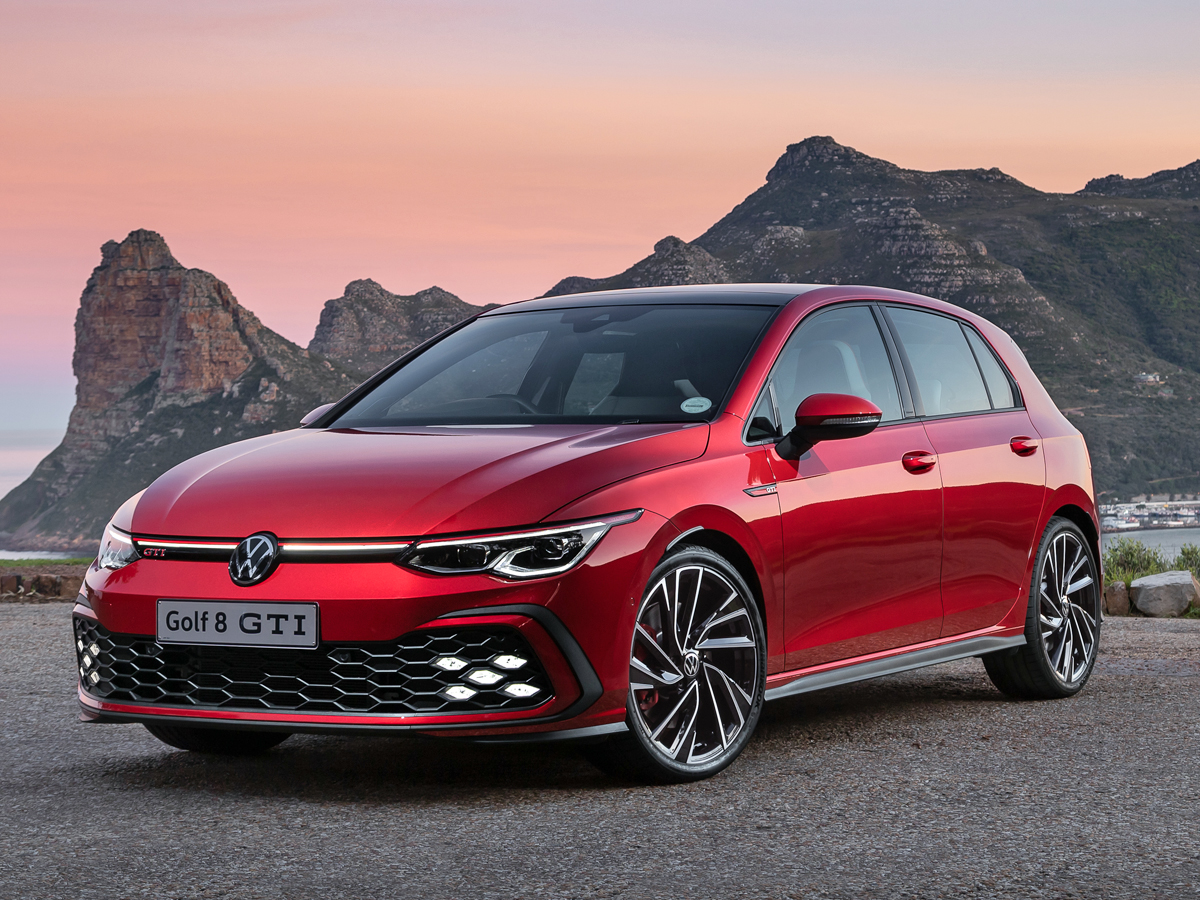
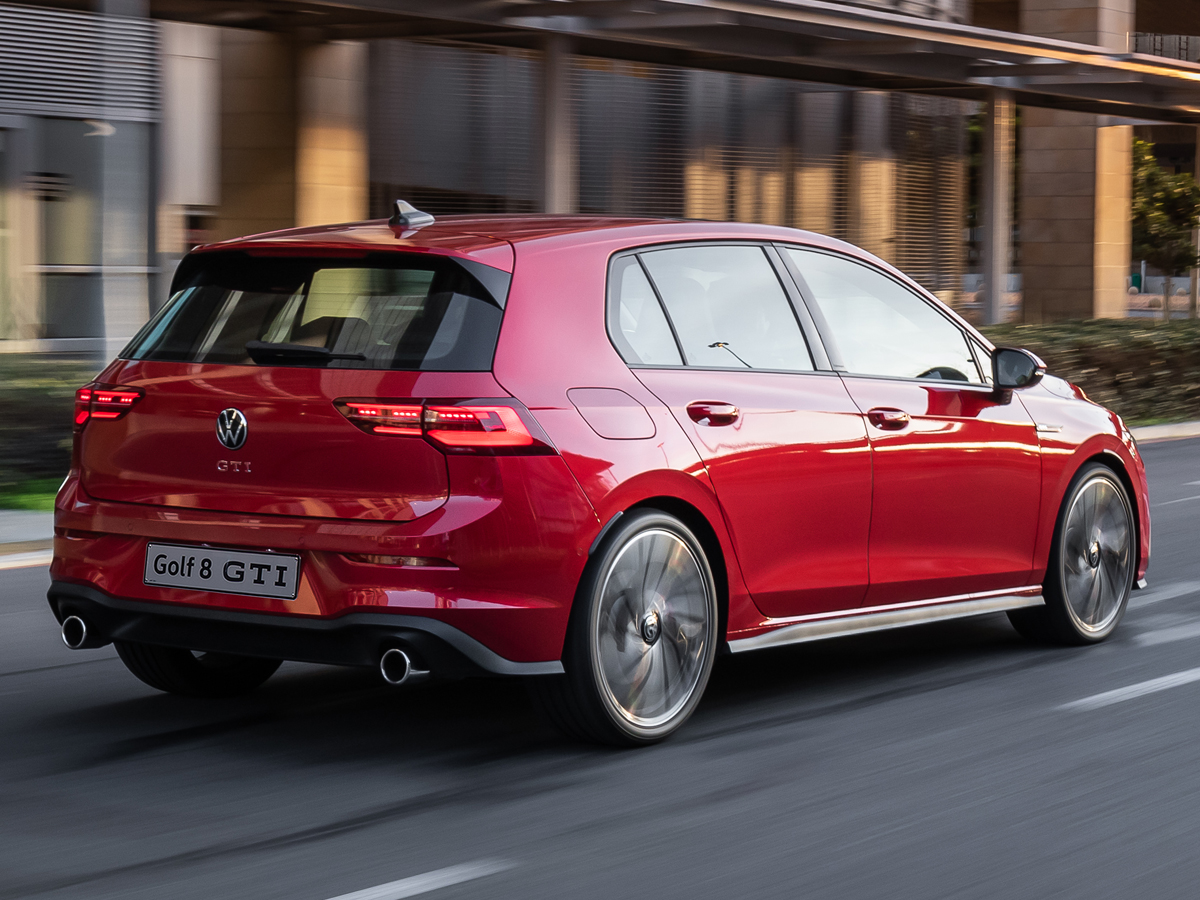
The facelifted Volkswagen Golf 8 GTI is expected to be revealed “early” in 2024, with the hot hatch’s mid-cycle update taking the form of a “major overhaul” comprising extra power, an upgraded chassis and a revised cabin, according to a new report.
Yes, the refreshed version of the Wolfsburg-based firm’s C-segment hot hatch – informally known as the Golf 8.5 GTI – is likely to be the final Golf GTI with pure-petrol power as the Golf 9 GTI is excepted to feature some sort of electrification (with a fair chance it will be fully electric).
A facelifted version of the Golf 8 GTI is expected to be revealed in early 2024.
According to Autocar, the VW Group’s familiar EA888 turbocharged 2.0-litre, 4-cylinder petrol engine will be “significantly updated for its final years”, with the British publication speculating the hot hatch’s peak outputs could rise from the current 180 kW and 370 Nm to about 195 kW and around 400 Nm.
Such improvements in power and torque would see the front-wheel-drive Golf 8 GTI’s claimed 0-100 kph time fall from the current version’s 6.4 seconds to “below 6.0 seconds”, says Autocar. The 7-speed dual-clutch transmission (branded DSG) is likely to remain the default choice for most markets.
More power and a revised chassis are on the cards.
The publication furthermore reports the refreshed Golf 8 GTI will adopt a raft of chassis tweaks, including a stiffer rear-axle carrier (meant to “improve rolling refinement and cornering performance”) and a more advanced version of the Dynamic Chassis Control (DCC) adaptive suspension system, dubbed the “DCC Pro”.
And the cabin? Well, Autocar claims the Golf 8 GTI’s interior will benefit from a “wide-reaching revamp” to improve “usability and reliability problems” that surfaced with the pre-facelift model. A new 12.9-inch touchscreen and a revised 10.4-inch instrument display are on the menu, while the German firm is almost certain to ditch the divisive haptic controls used on the current model’s steering wheel.
The most significant changes will likely be those rolled out to the cabin.
As a reminder, the Golf 8 GTI debuted globally in February 2020, though arrived in South Africa only in September 2021. The Jacara Edition of the GTI then touched down in Mzansi in October 2022.
Look out for a full reveal of the Golf 8.5 GTI in the opening quarter of 2024. In the meantime, check out these spy shots to get an idea of how Volkswagen will revise the hot hatch’s styling…
There’s good news for South African motorists as the price of petrol and diesel is set to decrease in November 2023.
The Automobile Association (AA) says South African motorists can expect decreases of around R2.01 per litre for ULP 95 and R1.96 per litre for ULP 93, while diesel and illuminating paraffin will decrease by R1.08 per litre and 98 cents per litre respectively.
“After three months of significant increases both petrol and diesel prices are expected to fall below the R25/l mark again. This is good news for motorists, consumers, and the economy, especially heading into the end of the year. These decreases come as South Africans continue to struggle financially and will be a welcome relief from the substantial increases seen since August. In July, a litre of ULP95 cost R22.46 (inland). Should the expected decrease materialise, the November price for a litre of ULP95 inland will cost around R23.68,” notes the AA.
The main reason behind the price reductions is the global price of oil has dropped during the course of October and while there have been some exchange rate fluctuations, these haven’t impacted as much in the bigger picture.
“Although we are expecting fuel to be cheaper in November, we remain concerned about the overall high prices which impact on all consumers. A sustainable solution to mitigating rising fuel costs is still necessary and until that solution is found, citizens will be at the mercy of fuel price hikes,” concludes the AA.
Fuel price predictions for South Africa in November 2023
Fuel Type
Oct’ ’23 Inland
Oct’ ’23 Coast
Nov’ 23 Inland*
Nov’ 23 Coast*
Petrol Unleaded 93
R25.22
R24.50
R23.26
R22.46
Petrol Unleaded 95
R25.68
R24.96
R23.67
R22.95
Diesel 0.05%
R25.01
R25.29
R23.93
R24.21
Diesel 0.005%
R25.22
R24.51
R24.16
R23.43
*November figures are forecast figures and not official.
Did you know that the brand that sells the most bakkies across the globe does not sell the world’s most popular pick-up? Where does South Africa rank among the bakkie-mad nations of the world? Global new bakkie sales statistics offer interesting insights!
In a world rich with data pipelines and visualisation, people argue with great conviction about everything and anything that can be compared. And when the subject of debate is motor vehicles (especially bakkies), things can become very statistical.
There’s no better way to unmask brand bias and marketing fallacy than sales statistics, especially when trying to convince someone which bakkie brand is best. And which country could have the most knowledgeable bakkie buyers…
We’ve analysed the data, and some of the answers about the most successful bakkie models (and most dedicated bakkie markets) may surprise you…
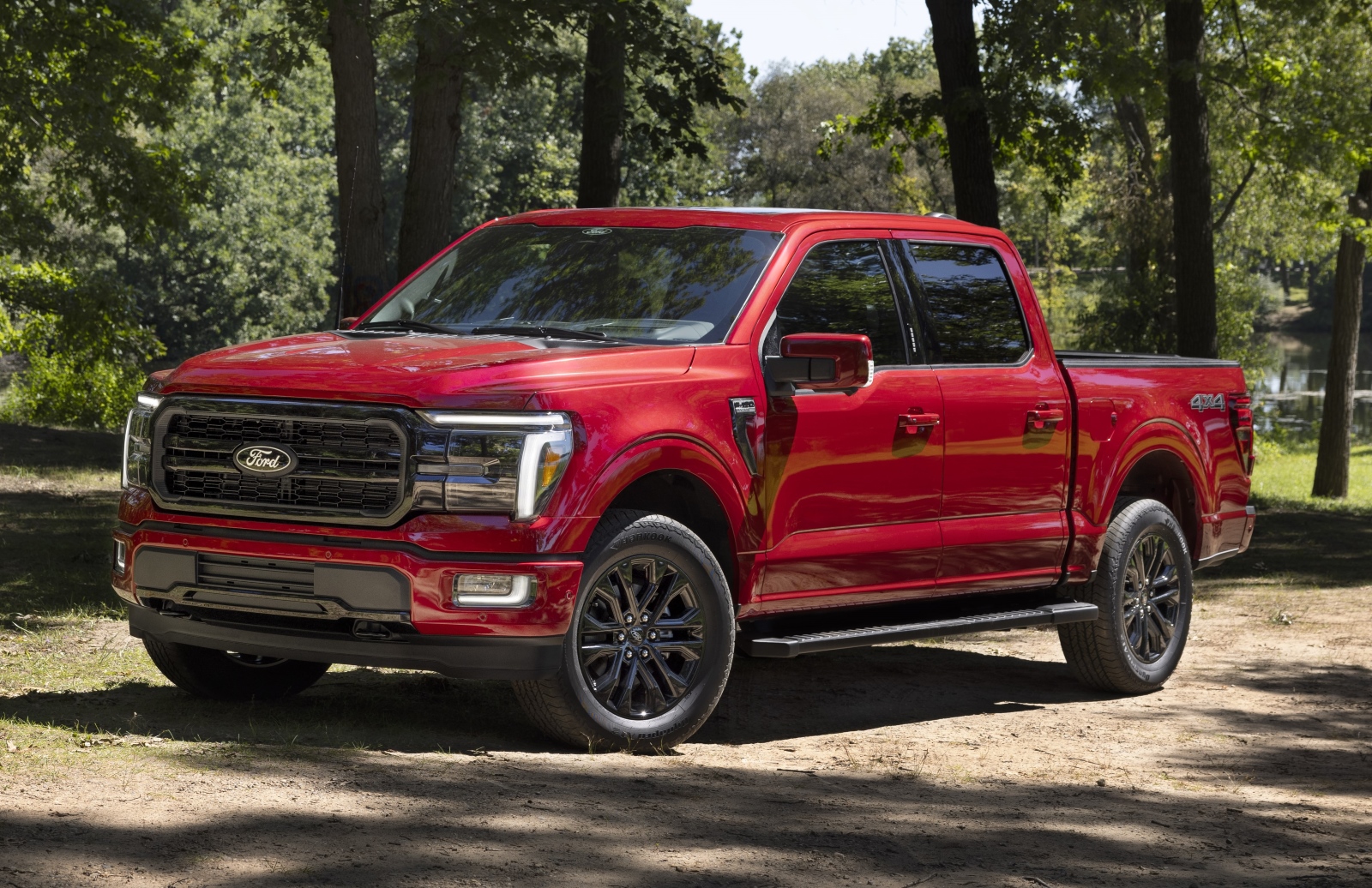
The Ford F-150 is an icon, but it’s not the world’s best-selling bakkie.
The bakkie business is huge
How big is the overall global bakkie market? Last year, it totalled 5.65 million units, and although that’s less than 10% of total worldwide new-vehicle sales, the proportional market concentration of bakkies is very high. There are many fewer bakkie models and derivatives than there are all other passenger cars, such as hatchbacks, sedans, crossovers, SUVs and MPVs.
In a global market where the cost of EV adoption is proving massively costly for most legacy car companies, bakkies are the profit heroes. They’re cheap to manufacture, customers expect very little in the way of advanced technology, plus they’re saddled with very little R&D- and supplier cost pressure.
The bakkie market also trades strongly through cycles of economic stagnation or recessions, because, unlike passenger cars, bakkies serve a much broader customer base, including the mining, construction, logistics, tourism and agriculture sectors. Not everyone runs out of money when interest rates are high, which is one of the reasons why bakkie sales are such an accurate barometer for economic health.
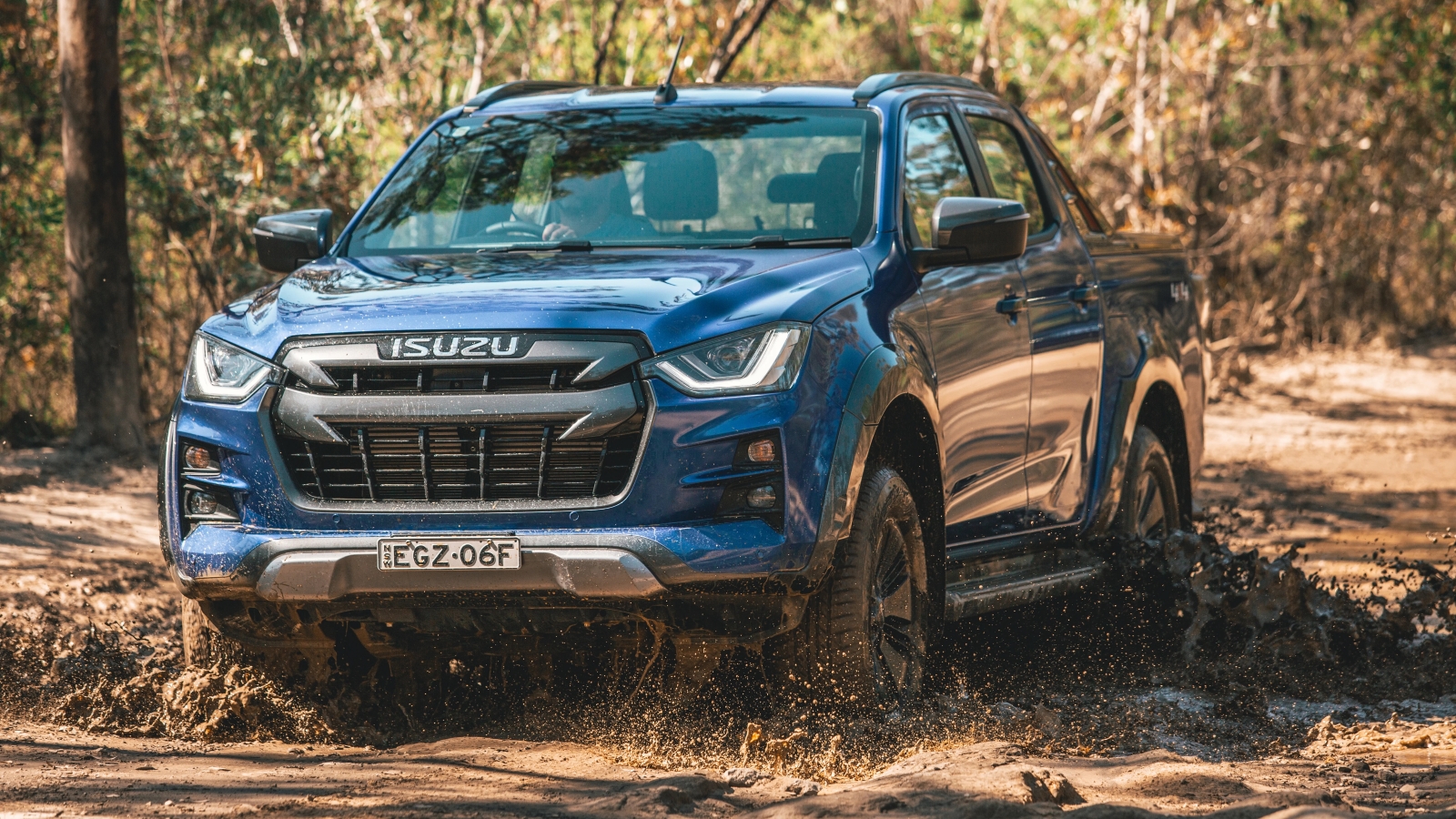
Isuzu doesn’t do much else besides making diesel-powered bakkies and trucks.
The bakkie brand hierarchy
Bakkie brand rankings are where actual sales numbers unravel traditional biases. According to global sales stats, Ford (1.18 million) and General Motors (1.08 million) remain the top two biggest bakkie brands, thanks to their dominance of the world’s most active bakkie market: North America.
Toyota’s global reach, thanks to Hilux, makes it the 3rd-most purchased bakkie brand with 1.03 million, followed by Stellantis (844 000). The drop-in in sales volume from 4th to the rest of the top 10 is very significant. Isuzu ranks 5th with 330 000, and Nissan is 6th, with 244 000; the former’s performance is quite impressive because, unlike Toyota and Nissan, it doesn’t sell any bakkies in the American market.
The Chinese brands’ presence is notable. Great Wall Motor is the 7th most successful bakkie brand by volume (196 000), besting Japanese legacy brand Mitsubishi, which is ranked 8th with 178 000. Despite only having a single bakkie model and very little historical context in the pick-up market, Volkswagen manages to be the world’s 9th biggest bakkie brand, but its sales are fewer than 6 figures (83 000).
An interesting detail of the global top 10 bakkie brands? Despite its enormous success in South Africa and a rapidly improving product range, Mahindra is not on the list; it has quite a limited global presence.
Mitsubishi has a much bigger global bakkie presence than South Africans realise.
These are the best bakkies – according to sales data
Ford might be the most purchased global bakkie brand, but it doesn’t produce the most successful model. It’s often assumed that Ford’s F-150 is still the world’s best-selling bakkie and car, but it hasn’t been either for the last few years.
Yep, the Toyota Hilux is the world’s best-selling bakkie, which will come as no surprise to South Africans. American bakkies rank 2nd (F-150), 3rd (Ram 1500) and 4th (Silverado 1500). The rankings from 6th to tenth are more relatable to South African bakkie fans and contain several surprises.
You’d expect the Ford Ranger to have a considerable presence in any global bakkie sales ranking, but it sits behind the Isuzu D-Max, which is the world’s 6th most popular bakkie model. Another Toyota pick-up product ranks 7th (Tacoma), followed by GMC’s Sierra 1500 in 8th and the Silverado 2500 in 10th.
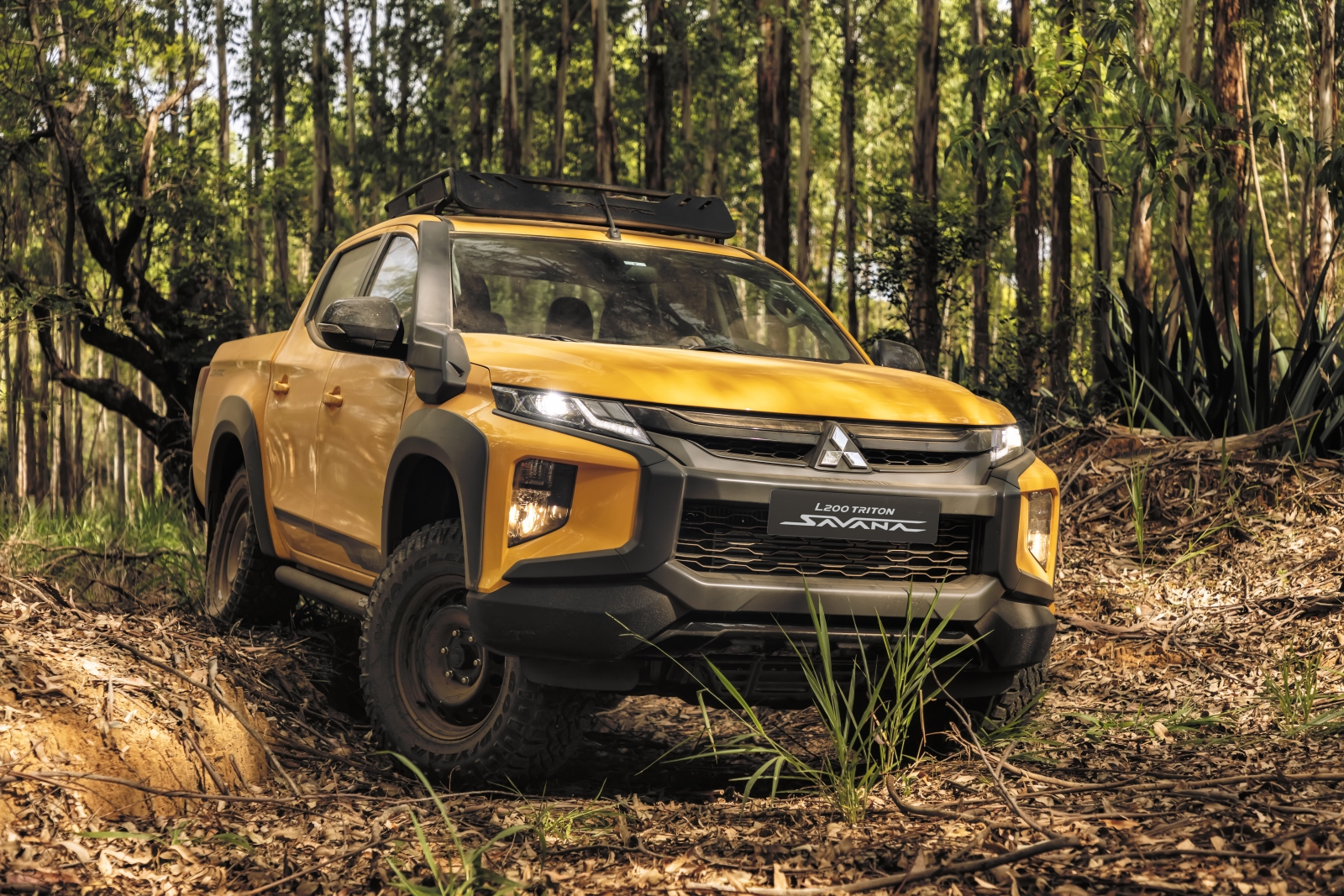
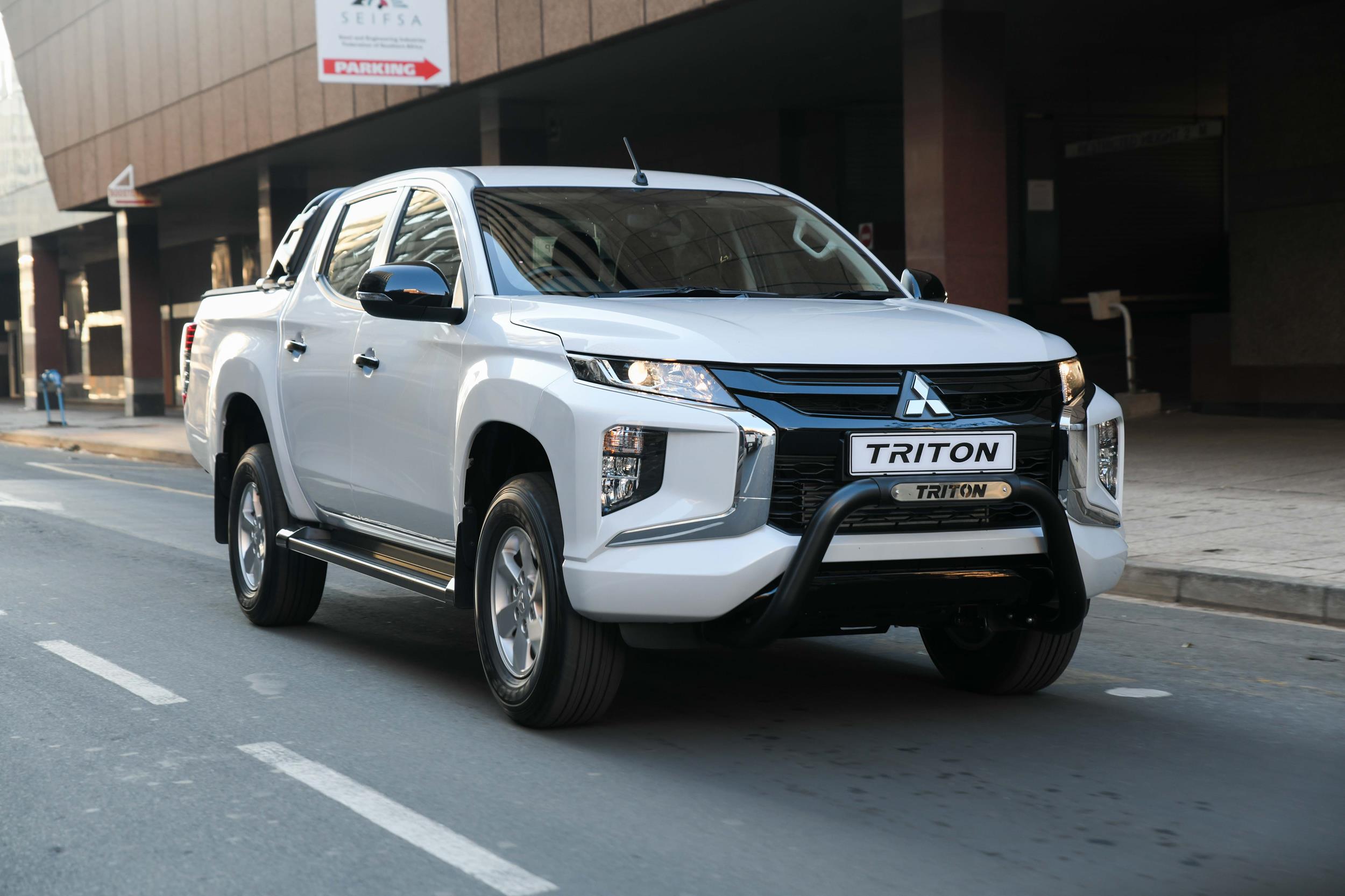
The soon-to-be-replaced Mitsubishi Triton is underappreciated in Mzansi, but not in other markets.
What about the 9th most popular global bakkie? That ranking deserves a special mention, because it is a bakkie that’s available in South Africa, but in our market, it sells in relatively tiny numbers. The world’s 9th-most successful bakkie model is the Mitsubishi L200, known locally as the Triton, which easily bests the Nissan Navara, despite being such a marginal product in the awareness of South African buyers.
How important is South Africa?
We know America is the world’s most important bakkie market, with Ford the most-bought brand and Hilux the most popular bakkie model. But where does South Africa rank in the global bakkie hierarchy?
Regarding total sales, South Africa ranks 8th; it trails Mexico and is slightly ahead of Iran. The market most like South Africa in terms of comparative model mix, terrain type and buyer profile is Australia – the world’s 6th-largest bakkie market. It sells slightly more than twice as many new bakkies as South Africa.
There’s an argument to be made that African bakkie owners know more about using single- and double-cabs for their true purpose, than any other market. The ruggedness of a bakkie, as a lifestyle and utility vehicle, enables it to cope with our continent’s adverse conditions and uncompromising road networks. In Africa, bakkies face sterner tests or endure greater hardships than in America, Europe or most of Asia.
No surprise with Hilux. Number one in South Africa, and worldwide.
Countries in which bakkies are more important than in SA
Mzansi has a very mature bakkie market. Whether they own hardcore utility vehicles or luxury double-cabs that operate almost exclusively as family vehicles, South Africans are deeply committed bakkie owners; many upper-middle-class family car buyers prefer a double-cab to a crossover, SUV or MPV.
But South Africa is not the most bakkie-obsessed market in the world – heck, it’s not even in the top 10. What’s more, the countries that buy more bakkies as a proportion of total vehicle sales, are not quite what you’d expect. Canada, Argentina and Uruguay all have bakkie markets which are 23% of those nations’ total vehicle sales totals. Impressive, but then there’s Ethiopia, at 29% and Ghana, with 34%.
Watch our Bakkie Buyer’s Guide 2023!
In Yemen, bakkies are 37% of the total new-vehicle market. Thailand has a new vehicle car parc in which nearly half of all vehicle deliveries are bakkies (47%) – the same percentage as Uganda.
But which are the world’s most bakkie-dominated new-vehicle markets? They are both African. In Kenya, 50% of new vehicle sales are bakkies and the country that buys most bakkies as a proportion of new vehicle sales? That will be Malawi, where 53% of new vehicle registrations are for bakkies.
The truth takeaways from global bakkie sales stats? Ford is the apex brand, Hilux is the apex bakkie, and African countries buy more bakkies as a concertation of their total market sales than any other.
Hoping the next-gen Nissan Navara will switch back to a V6 motor? Well, comments from a company executive suggest a “bigger engine” is not on the cards…
Will the next-gen Nissan Navara be available with a V6 engine to battle the likes of 6-cylinder Ford Ranger and Volkswagen Amarok derivatives? Well, a high-ranking executive at the Japanese firm has suggested a “bigger engine” is not on the horizon.
As a reminder, the D23-series Navara has been on the market for nearly a decade, with the next-generation version – which is expected to share much with the new Mitsubishi Triton – likely to break cover in 2024.
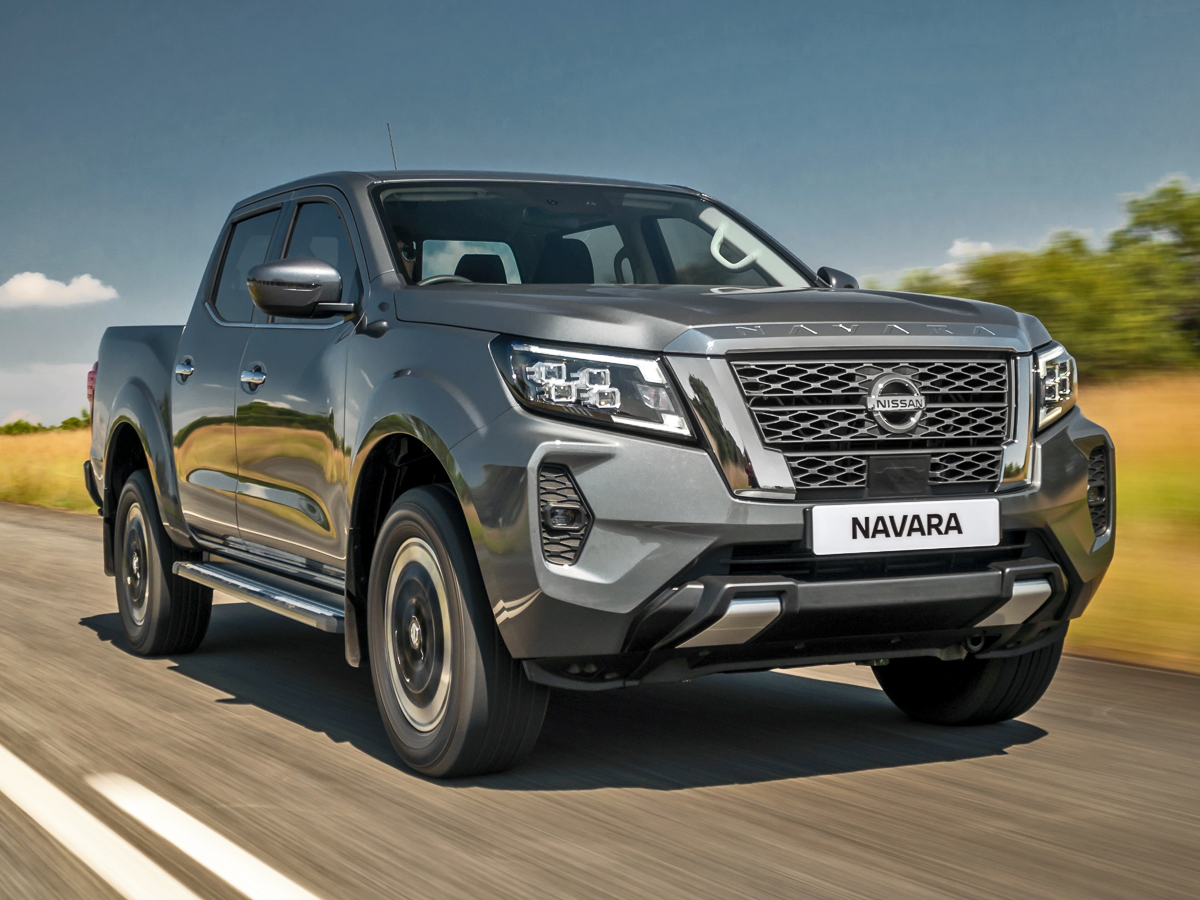
The current SA-built Navara range uses a 2.5-litre, 4-cylinder turbodiesel engine.
Fans of the D40-gen Navara that preceded the current model will no doubt remember the 4.0-litre V6 petrol engine (VQ40DE) and 3.0-litre V6 turbodiesel mill (V9X). With Ford now offering 6-cylinder power – likewise in petrol and diesel flavours – in its new Ranger (with the oil-burner also available in the Ford-built Amarok), what are the chances of Nissan following suit?
The folks over at carsales.com.au asked Pierre Loing, Nissan’s Global Vice President for Product Strategy & Planning, that very question.
“Today, the global trend is not toward bigger engines – yes, toward more power through electrification – but bigger engines not so much,” Loing told the Australian publication.
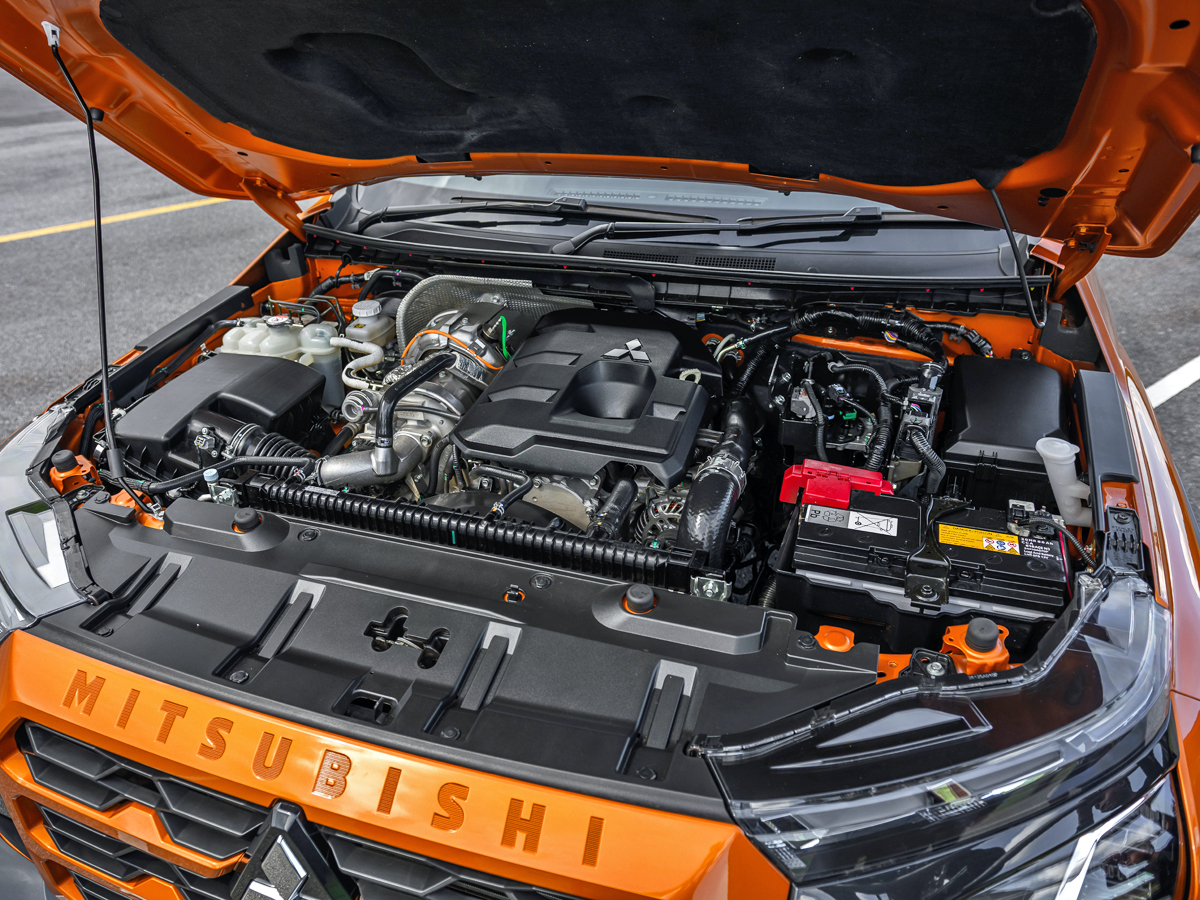
The new Mitsubishi Triton is offered with 2.4-litre 4-pot available in 3 states of tune.
Based on his comments, the next-gen Navara seems likely to instead either stick with an updated version of its current 2.3-litre, 4-cylinder turbodiesel engine – or indeed the older 2.5-litre mill available in the Rosslyn-built version – or perhaps even switch to the 2.4-litre 4-pot turbodiesel from the new Triton. Some form of electrification seems likely, too.
Separately, Ivan Espinosa, Nissan’s Senior Vice President for Global Product Planning and Programme Management, suggested to the publication that diesel would remain the fuel of choice for the Japanese firm’s bakkie.
A replacement for the D23-gen Navara is set to be revealed at some point in 2024.
“Diesel has very good qualities for pick-ups; towing, because of the torque delivery, and other things,” Espinosa said, though added the company had several powertrain options from which to choose.
“We have diesel engines available, petrol engines available, the wonderful e-Power and we have battery EV, as well as plug-in hybrid with Mitsubishi. The beauty we have is choice.”
There will be an update to the Korean hot hatchback! Our spy photographers have caught the 2024 Hyundai I30N on the Nürburgring.
Picture credit: S. Baldauf/SB-Medien. We have paid for these photos and at the photographer’s request, have watermarked them.
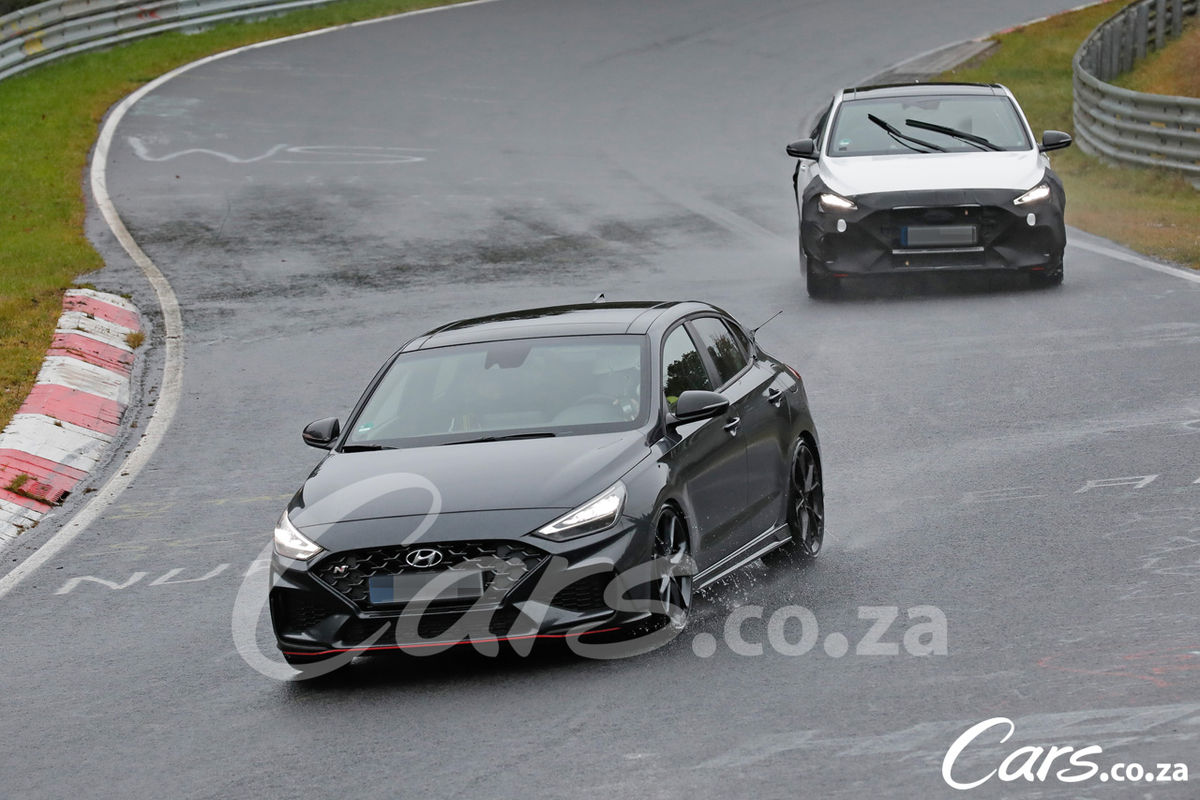
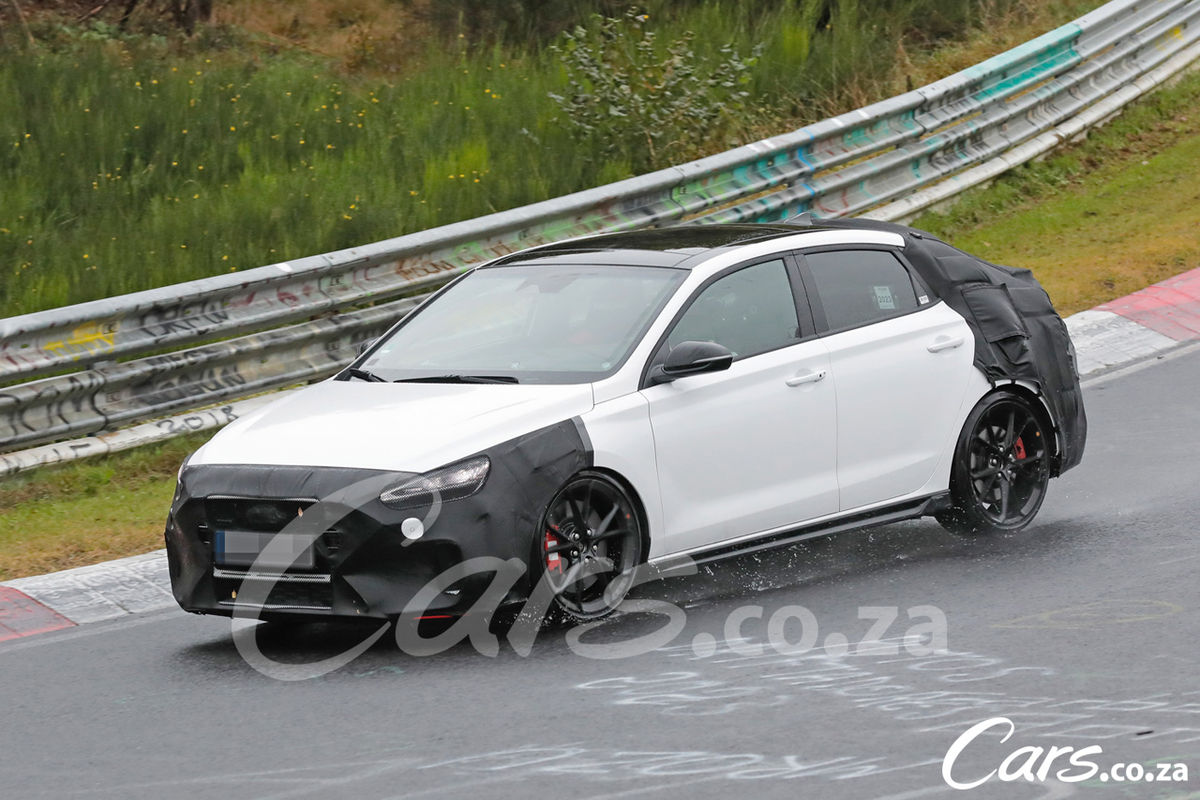
Development of the 2024 Hyundai I30N is underway with the Korean carmaker taking to the Nurburgring to refine the handling, powertrain and braking characteristics of its performance hatchback.
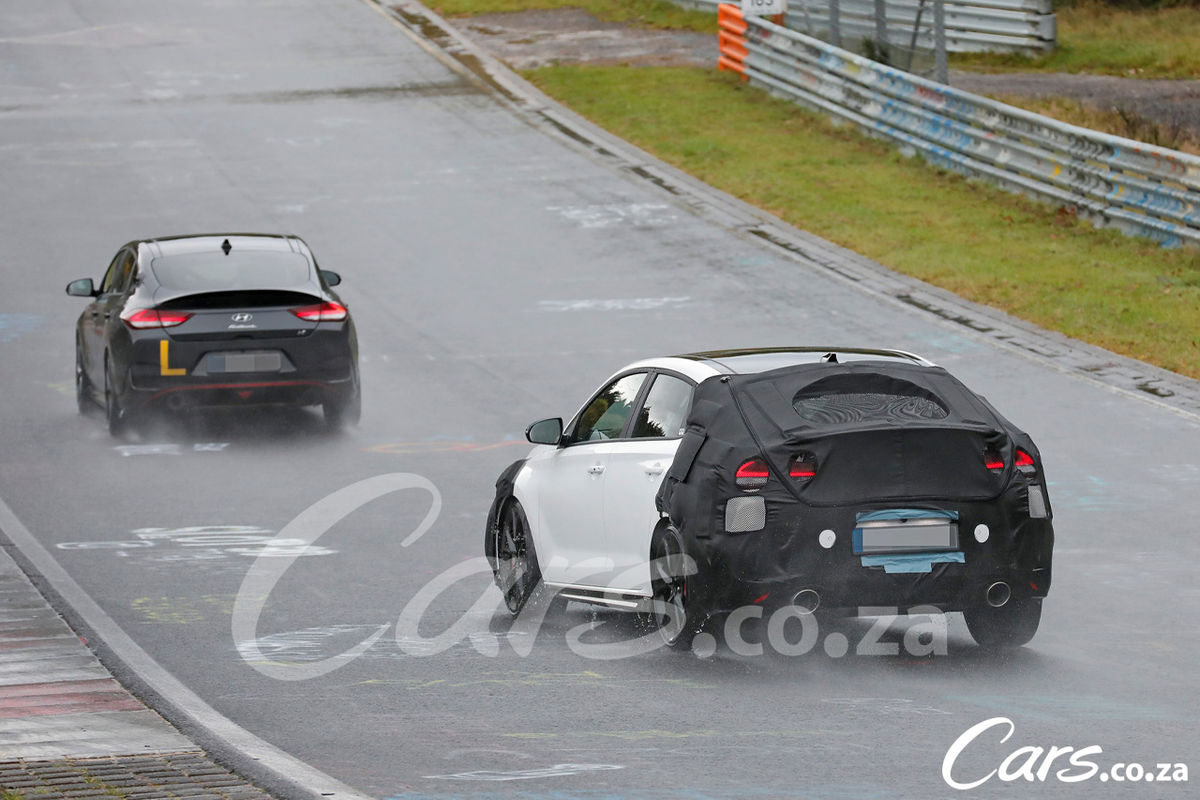
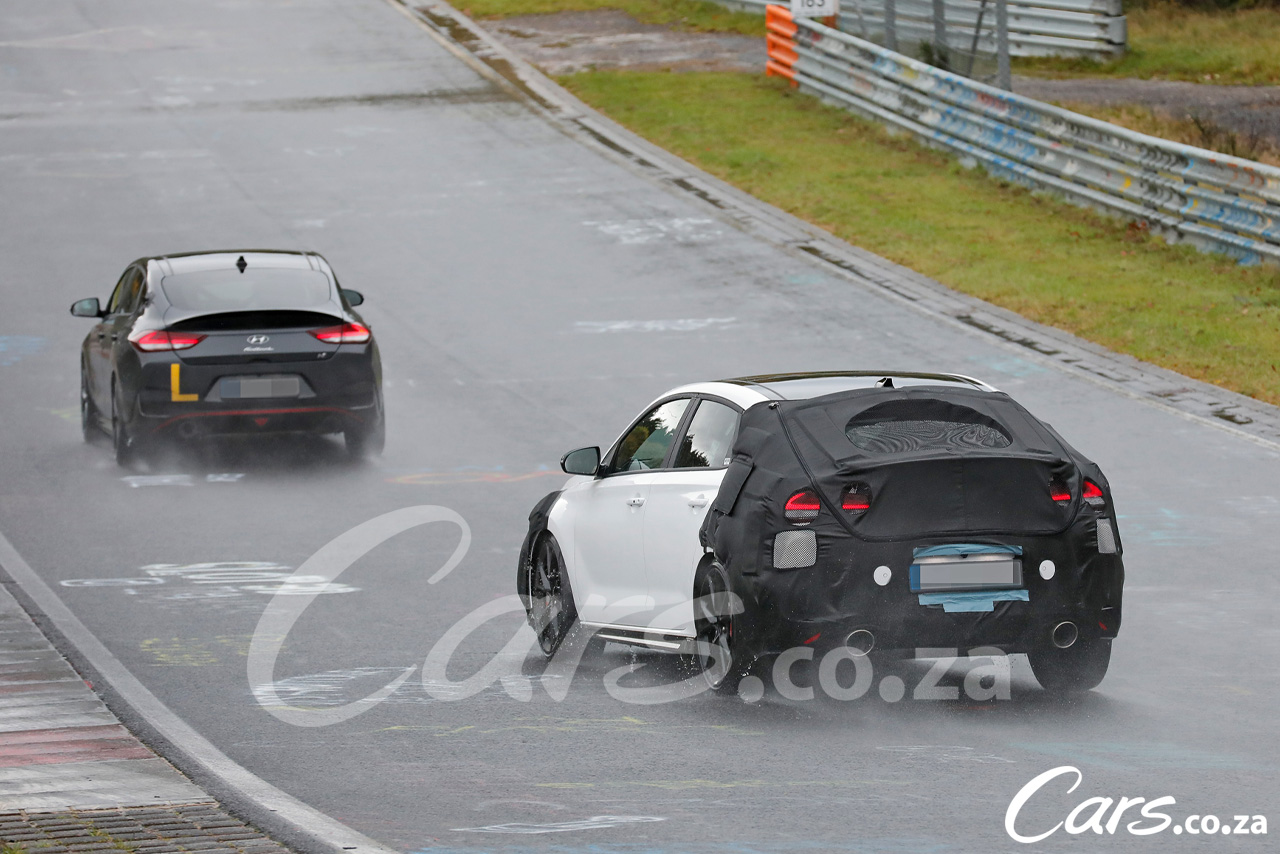
What you see here is the I30N Fastback which is a body style that was never offered in South Africa. Essentially, think of it as a compact sedan with the same powertrain and performance as the hatchback. Joining the prototype is the current-shape I30N Fastback.
There’s still a substantial amount of camouflage on the facelifted model, with the front and the rear not clearly visible. We can see rear exhausts that look suspiciously larger than the current-shape I30N.
This will be the second time the Hyundai I30N receives a facelift. As a reminder, the first facelift saw the addition of a quick-shifting dual-clutch transmission that replaced the 6-speed manual gearbox, and you could spot it with the tweaked LED headlights. While the manual was a bit more engaging, the DCT offered more accessible performance as well as providing an easier user experience on a day-to-day basis.
As a reminder, the Hyundai I30N is powered by a turbocharged 4-cylinder petrol engine which makes 206 kW and 392 Nm. With launch control active, Hyundai claims it can dash to 100 kph in just 5.4 seconds. It remains to be seen whether the facelifted 2024 Hyundai I30N will feature a power boost. It’s already comfortably more powerful than its nearest rival, the Volkswagen Golf 8 GTI (180 kW).
When will the 2024 Hyundai I30N be revealed?
We expect the facelifted Hyundai I30N to revealed in early 2024 as part of an update to the entire I30 hatchback range (which wasn’t offered in South Africa). We hope that the updated model makes it to South Africa. Watch this space.
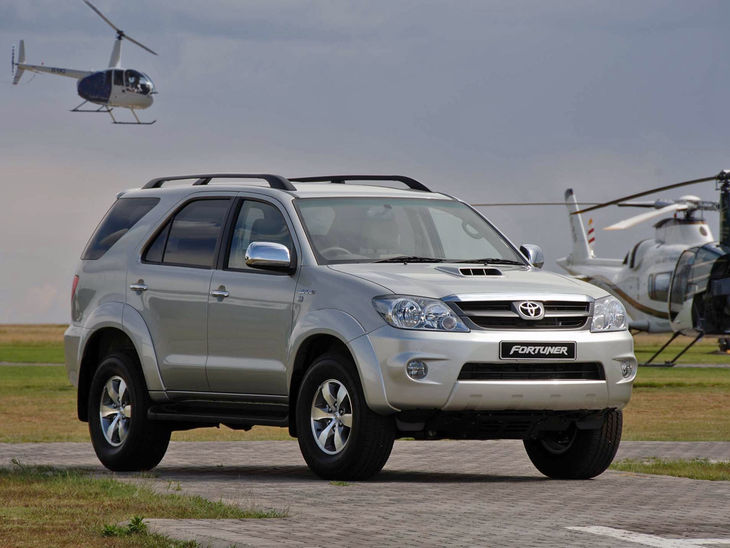
In the market for a first-generation Toyota Fortuner? Here’s everything you need to know, from strengths and weaknesses to what you should look out for when shopping for a used version of this popular Hilux-based SUV…
This Toyota Fortuner Buyer’s Guide will help you make the best buying decision if you’re in the market for a used Fortuner!
Late in 2004, Toyota brought to fruition the idea of building a 7-seater SUV based on the popular Hilux bakkie (incidentally, its second attempt, after the Hilux Surf was unveiled in the mid-1980s). The thinking – as part of the company’s International Multi-purpose Vehicles (IMV) project – was to build a series of closely related models for emerging markets in emerging markets, rather than in the brand’s domestic space of Japan.
South Africa, of course, was one of those production sites, alongside Thailand, Indonesia and Argentina. Thus, the Toyota Fortuner family SUV was born, inheriting the rugged underpinnings of the seventh-generation Hilux but gaining plenty more in the comfort department, too (in part thanks to its coil-sprung rear end). With hindsight, the move may have seemed like an absolute no-brainer – particularly considering Isuzu’s earlier success with the KB-based Frontier – but even the Japanese firm’s local division was initially surprised by just how favourably local buyers received the Fortuner.
Shrewdly positioned just above the RAV4 but below the Land Cruiser Prado, the 3-row Fortuner quickly became South Africa’s best-selling SUV, appealing to frequenters of both bush and boulevard. The formula is one that continues to pay dividends to this day, with the second-generation Fortuner still selling up a storm in South Africa.
Toyota Fortuner model line-up
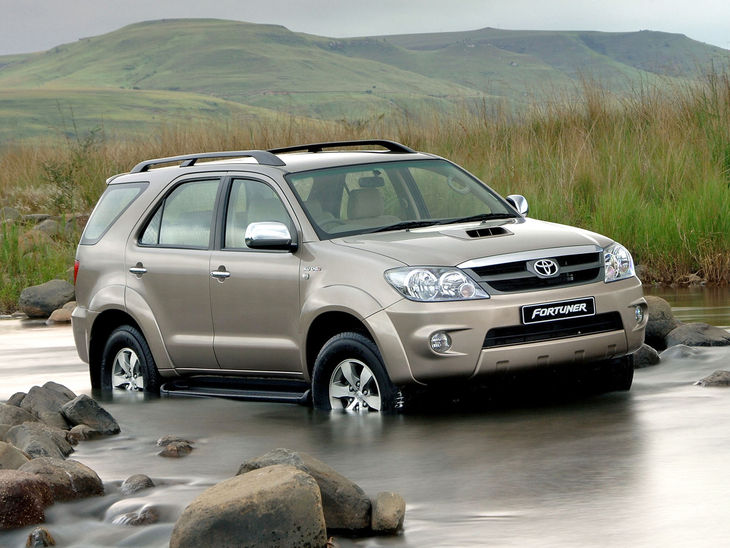
Local production of the original Fortuner kicked off in KZN in early 2006.
Effectively succeeding the Condor and known as the SW4 in some markets, the original Toyota Fortuner was revealed in December 2004 in Thailand. Production officially commenced at Toyota’s Prospecton facility in KwaZulu-Natal in February 2006, with local sales kicking off the following month.
Interestingly, the range did without frivolities such as trim levels, with each derivative in the initial line-up instead differentiated by its combination of engine (3.0 D-4D or 4.0 V6 petrol), transmission (5-speed manual or 5-speed automatic) and driven wheels (4×2 or 4×4). At launch, 5 variants were available:
3.0 D-4D 4×2 (120 kW/343 Nm) 5-speed manual
3.0 D-4D 4×4 (120 kW/343 Nm) 5-speed manual
4.0 V6 4×2 (175 kW/343 Nm) 5-speed manual
4.0 V6 4×4 (175 kW/343 Nm) 5-speed manual
4.0 V6 4×4 AT (175 kW/376 Nm) 5-speed automatic
Over the next decade, the AN50/AN60-generation Fortuner benefited from a handful of updates. Such was its popularity, however, that Toyota was never forced to make sweeping changes, instead being content to occasionally tweak the body-on-frame SUV to keep it in line with local tastes and expectations.
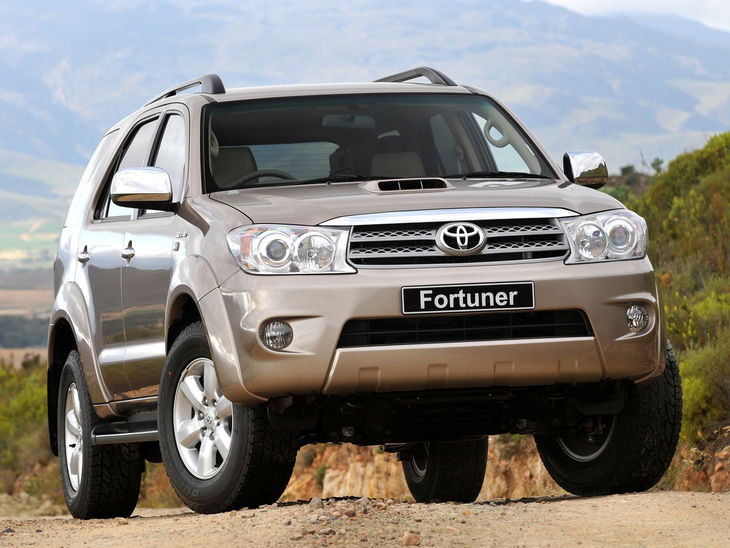
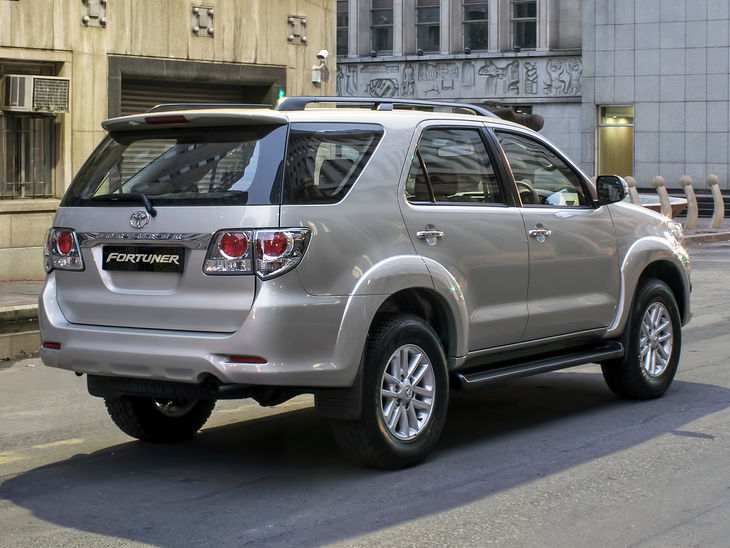
Note the new grille and headlights that arrived with the Fortuner’s 2009 update.
In 2009, for instance, the Fortuner’s cabin gained ergonomic updates such as new air-conditioning controls (linked to roof-mounted vents for the two rearmost rows of seats), while the exterior scored redesigned lights, fore and aft, as well as a new grille and larger wheels (growing in diameter from 16 to 17 inches). Though the engines were unchanged, the rear-driven 3.0 D-4D variant gained the option of a 4-speed automatic cog-swapper. Electronic stability control was also introduced at this point, while the fuel-tank size increased from 65 to a more useful 80 litres. “Epic” special-edition versions of the V6 model were also offered.
Two years later, in 2011, a few more running changes were implemented, including the fitment of a new chrome-heavy grille, redesigned bumpers (front and rear) and somewhat chunkier fenders. Heritage Edition models then briefly appeared in the range. Perhaps more significant, though, was the local introduction of a fresh base engine in the form of the 2.5 D-4D unit, which offered peak outputs of 106 kW and 343 Nm (yes, twisting force matched that of the 3.0 D-4D). Though this powerplant was initially available only with a manual gearbox, Toyota added a 4-speed automatic option late in 2012.
Early in the second half of 2013, the aptly named LTD Edition hit the local market, with production running from July until September of that year. The package was available on all 3.0-litre D-4D turbodiesel and 4.0-litre V6 petrol derivatives, and comprised items such as a branded stainless-steel nudge bar, stainless-steel side steps, chrome side-mirror caps, a rear sill protector, grey 17-inch alloys, a matte-black tow bar, a branded carpet set and the requisite rear badging.
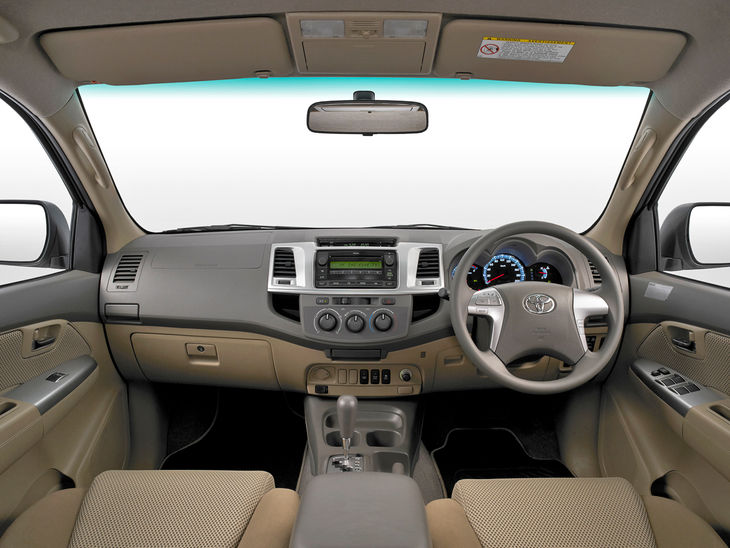
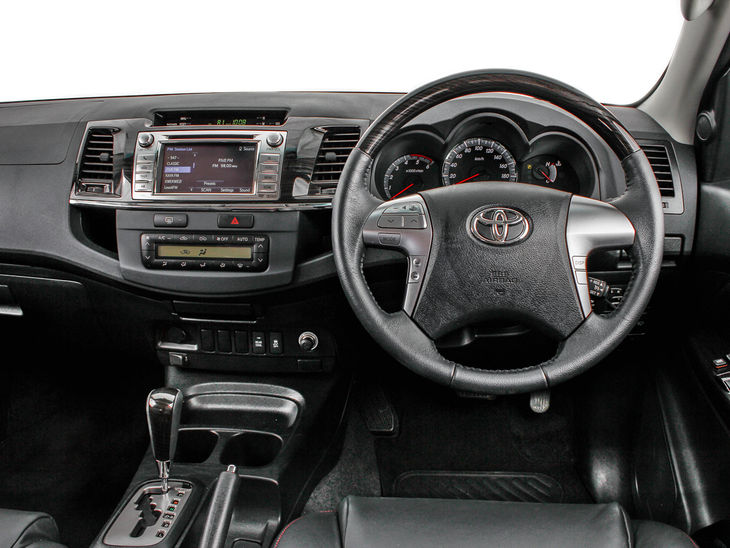
This is what the Fortuner’s cabin looked like (in 2.5 D-4D AT guise) in 2012. Not the most pleasing combination of hues.
Despite local buyers bemoaning the Fortuner’s standard interior colour – which over much of its life ranged from a stain-prone light beige hue to something a few shades closer to brownish-grey – it was only deep in 2013 that Toyota finally switched to a black dashboard and upholstery (fabric in the case of the 2.5 D-4D derivatives and leather for the 3.0 D-4D and 4.0 V6 variants). At the same time, the larger-engined models scored an all-new multimedia system, complete with a bigger display, while 2.5 D-4D models were also upgraded to a revised infotainment system (replete with Bluetooth).
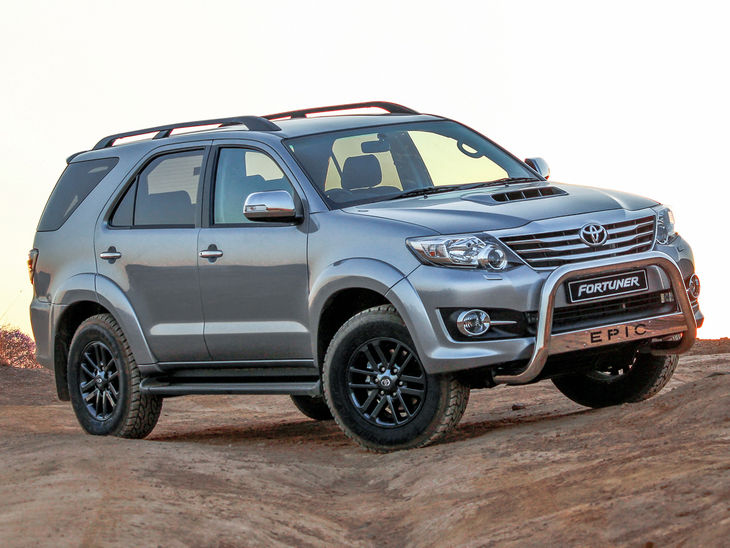
Towards the end of 2014, the bakkie-based SUV received yet more tweaks, including new head- and taillights (now with black detailing), teardrop-shaped front foglamp bezels and chrome side-mirror caps. Half of all 3.0 D-4D and 4.0 V6 Fortuner units produced for two months were again handed the “Epic” treatment, this time comprising a branded chrome nudge bar, dark-grey 17-inch alloy wheels, a rear sill protector, a towbar and “Epic” badging. Another Limited Edition version of the 3.0 D-4D made a brief appearance in 2015, around the time of the all-new model’s reveal on the global stage.
Local production of the original Fortuner ended early in 2016, with the second-generation model officially hitting the market at the close of the first quarter of that year.
Product strengths
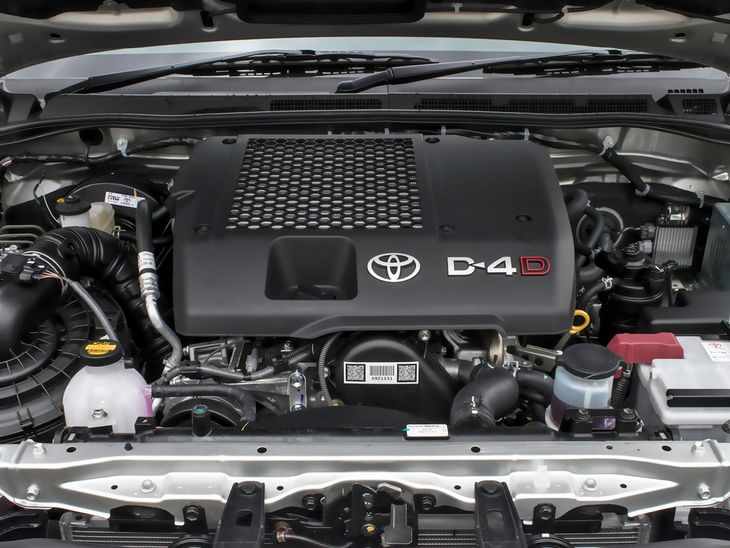
The Fortuner’s renowned D-4D engines were shared with the Hilux.
Rugged and reliable: Thanks to its utilitarian underpinnings and heavy-duty suspension system, the original Toyota Fortuner was as rugged a family SUV as you could buy. Owing to the widespread use of robust materials in the cabin, the sturdy interior proved impressively durable as well.
The tried-and-tested powertrains, too, meant the Fortuner quickly built a strong reputation for reliability. The 1KD-FTV 3.0 D-4D engine was especially highly regarded, with many examples racking up huge mileage with very few problems at all (while being properly maintained, of course). This powerplant also handled 500 ppm sulphur content diesel somewhat better than Toyota’s more modern GD-6 engines that succeeded it.
Space and practicality: In many ways, the first-generation Fortuner was quite simply the right vehicle for thousands of South African families (at the right price), offering the robustness of the Hilux but with added comfort in the capacious cabin. It was versatile, too, with the sliding second row offering the option of maximising legroom in either of the two rearmost banks.
The Fortuner’s spacious cabin gained black upholstery (leather or cloth, depending on the model) in 2014.
There was one black mark in the Fortuner’s practicality ledger, though: the configuration of that final row of seats. Hinged to the luggage compartment’s side-walls, they ate into carrying capacity even when stowed, had a tendency to rattle about and couldn’t be easily removed, either.
Breadth of abilities: A Toyota SA Motors executive once described the Fortuner as “the consummate all-rounder”. There’s plenty of truth in that statement, as the bakkie-based SUV was as capable tackling the school run in relative comfort as it was negotiating rocky passes or clawing its way up Namibian sand dunes. As you might expect, the 4×4 derivatives were particularly impressive off the beaten path, shipping standard with full-time 4WD, with low range and a locking (centrally sited) Torsen limited-slip differential. Rear-driven variants, meanwhile, came equipped with a rear differential lock.
Product weaknesses
Owners of early Fortuners complained of unstable handling.
Handling stability woes: Early in the Fortuner’s life, there were a number of reports of the SUV exhibiting unstable handling (and sometimes even rolling) on gravel. After a couple of years, a local online forum was awash with irate Fortuner owners, who even collectively threatened to take Toyota to court. Eventually, in 2009, the Japanese firm’s local division acknowledged the existence of a “perceived problem” and opted to fit stability control to all new Fortuners, along with a larger tyre configuration (replacing the original Continental General Grabber 265/70 R16 items). Some owners, though, also opted to upgrade the suspension with aftermarket components.
Faulty fuel gauges: A number of Fortuner (and Hilux) owners reported instances of the fuel gauge “sticking” at around a quarter of tank. The cluster would furthermore show an inaccurate distance-to-empty reading and ultimately leave the unsuspecting driver to run out of fuel (the fuel light would also fail to illuminate). This prompted Toyota SA Motors to release a technical bulletin to its dealer network detailing how to repair potentially faulty IMV combination meters. Though it’s not clear whether this fault was limited to a particular production period, it’s worth noting most of the complaints we’ve seen related to 2012 models.
Injector failures (1KD-FTV): Though the 3.0 D-4D engine was a largely reliable motor, there were a few known issues specifically relating to the 1KD-FTV’s injectors. The copper injector seats used by early models, for instance, were prone to failure (look out for white smoke and listen for a distinctive rattling noise when the engine is still cold), while the injectors themselves were likewise sometimes troublesome. Left unchecked, such issues could lead to clogged oil pick-ups and even cracked pistons.
Other potential foibles to look out for include blocked exhaust gas recirculate valves (resulting in dulled performance) and leaking water pumps, while it’s also worth noting certain versions of the Fortuner were the subject of a 2014 recall in South Africa for a potentially faulty spiral cable (indicated by a dashboard warning light) that could prevent the driver’s airbag from deploying in a crash. Finally, keep in mind the 1KD-FTV and 2KD-FTV turbodiesel engines both use a timing belt that requires replacement every 150 000 km.
What to pay?
There’s plenty of Fortuner stock on the used market.
As always, it’s worth asking the seller of any Fortuner you’re interested in to provide proof of the vehicle’s service history. Since this bakkie-based SUV shipped standard with a 3-year/100 000 km warranty and a 5-year/90 000 km service plan, even the final few units from this generation would no longer enjoy cover (though the original buyer had the option to extend the service plan to 7 years or 200 000 km). Also, note the turbodiesel models had a service interval of 10 000 km, while the petrol V6’s mark was 15 000 km.
Of the used first-generation Fortuner stock on Cars.co.za at the time of writing, diesel was easily the most popular fuel type, accounting for 88% of all listings (73% in the form of the 3.0 D-4D and 15% in 2.5 D-4D guise). Interestingly, the ratio between manual and automatic transmissions was a near-equal 49:51, while 4×2 configurations made up 69% of all stock. A considerable 49% of vehicles listed had more than 200 000 km on the clock, while we found five examples that had done in excess of 400 000 km.
Below R200 000: Predictably, the overwhelming majority of vehicles listed below R200 000 were early model-year examples, many sporting lofty numbers on their odometers. There were also a couple of special-edition units (Heritage and Epic) at this price point.
From R200 000 to R300 000: This was the most densely populated pricing bracket at the time of writing, containing 60% of all listings. We found a number of 2014 and 2015 vehicles that were showing under 100 000 km, most of them in Raised Body (that is, 4×2) guise and combining the 3.0 D-4D powerplant with a self-shifting transmission. It’s here most buyers today would be shopping.
From R300 000 to R350 000: Despite this higher (not to mention narrower) price band, the 4×2 configuration still dominated, as did the later model years and 1KD-FTV engine. There were also a number of very low mileage examples on offer. If you’re considering paying a premium for the latter, be sure to closely inspect the vehicle to determine whether the general level of wear-and-tear matches the claimed mileage. If it seems too good to be true, it probably is.
R350 000 and up: Illustrating that 3.0 D-4D models tend to hold their value far better than their V6 petrol counterparts (despite the 6-cylinder derivatives having served as higher-priced flagships when new), this final pricing segment contained only examples with the oil-burning engine. Here we also noticed a few lightly modified Fortuners, bearing items such as snorkels and aftermarket alloys. Unless you’re a seasoned overlander able to identify the quality of such components, we’d suggest avoiding models that are no longer stock standard.
Pick of the range?
Later models come with more sophisticated infotainment and a more pleasing black interior colour scheme.
So, which model should you consider? Well, as always, the buyer’s budget and intended usage play a large role in answering such a question. If you have intentions of heading far off the beaten track, for instance, you’d obviously be better served shelling out for a 4×4 model.
That said, of the three available engine options, we’d argue the 3.0 D-4D – which is handily also the most common powerplant – offers the best mix of performance and economy (with the 4-speed automatic likely to suit more buyers than the 5-speed manual gearbox). The market seems to agree, as 3.0 D-4D models are generally priced a little higher than their siblings. Stick to the later models (November 2013 and up) and you’ll score a more modern infotainment system as well as the far more practical and visually pleasing black interior.
Though the 2.5-litre D-4D (2KD-FTV) boasts the same peak torque figure as the larger unit, it’s worth noting models equipped with this motor had a little less standard equipment (doing without leather, for example) and safety kit (forgoing the additional airbags fitted to the larger-engined models). The 4.0-litre V6 has all the kit but is likely too thirsty for most modern tastes. Braked towing capacities, meanwhile, vary between derivatives, depending on the combination of engine, transmission and driven wheels, with the highest being 2 020 kg courtesy of the 3.0 D-4D 4×4 powertrain.
Verdict
The second Epic introduced a few compelling changes to the range. Stick with later-model vehicles if budget allows.
The original Fortuner was a resounding success for Toyota, outselling its rivals by a massive margin, month after month for 10 years. That means there are still loads of options on the used-car market, despite the fact production ended as long ago as early 2016. Of course, there’s also still quite some demand, with the 3.0 D-4D models showing particularly strong residual values.
As always, there are a few compelling alternatives to consider in this space, such as the second-generation Mitsubishi Pajero Sport and the third-generation Nissan Pathfinder. The Chevrolet Trailblazer is worth a look, too, while it’d also be tempting to stretch to its platform sibling in the form of a later-model Isuzu MU-X (the nameplate arrived in SA only in 2018), if you can find one.
We’d suggest steering clear of the original Ford Everest, as the U268-gen model lagged behind the Fortuner in most departments (though an early model-year second-gen Everest might be worth a shout). Still, as mentioned above, none of these likewise bakkie-based alternatives sold in numbers anywhere near those of the Fortuner, which means they’re far more difficult to come by today.
Though its utilitarian roots and comparatively noisy diesel engines mean the first-generation model isn’t terribly refined in the context of modern SUVs, it still offers a convincing mix of practicality, durability and go-anywhere ability. Back in 2006 and indeed over the decade that followed, the Fortuner resonated with South African buyers like no SUV before it. And that appeal endures today.
The Fortuner is a 7-seater SUV with three rows of seats, designed to accommodate a driver and up to six passengers.
What is the ground clearance of the Toyota Fortuner?
The Toyota Fortuner has a ground clearance of approximately 225 mm to 279 mm, depending on the model year and specific variant. This high clearance makes it well-suited for off-road driving and navigating rough terrain.
What are the engine and transmission options for the Toyota Fortuner?
The Toyota Fortuner is available with two diesel engines, with some derivatives featuring 48V mild-hybrid technology to improve efficiency. Engines include a 2.4-litre and 2.8-litre turbocharged diesel engine. Transmission choices typically include both a 6-speed manual and a 6-speed automatic gearbox, with some variants offering a 4×4 drivetrain.
What are some key features of the Toyota Fortuner?
Key features of the Toyota Fortuner include a high-strength body-on-frame chassis for durability, an 8-inch touchscreen infotainment system with Apple CarPlay and Android Auto, leather seats, automatic climate control, and a suite of safety features such as multiple airbags, ABS with EBD, and traction control. Higher trims may also offer a premium JBL sound system and a powered tailgate.
What is the fuel tank capacity of the Toyota Fortuner?
The Toyota Fortuner has a fuel tank capacity of 80 litres.
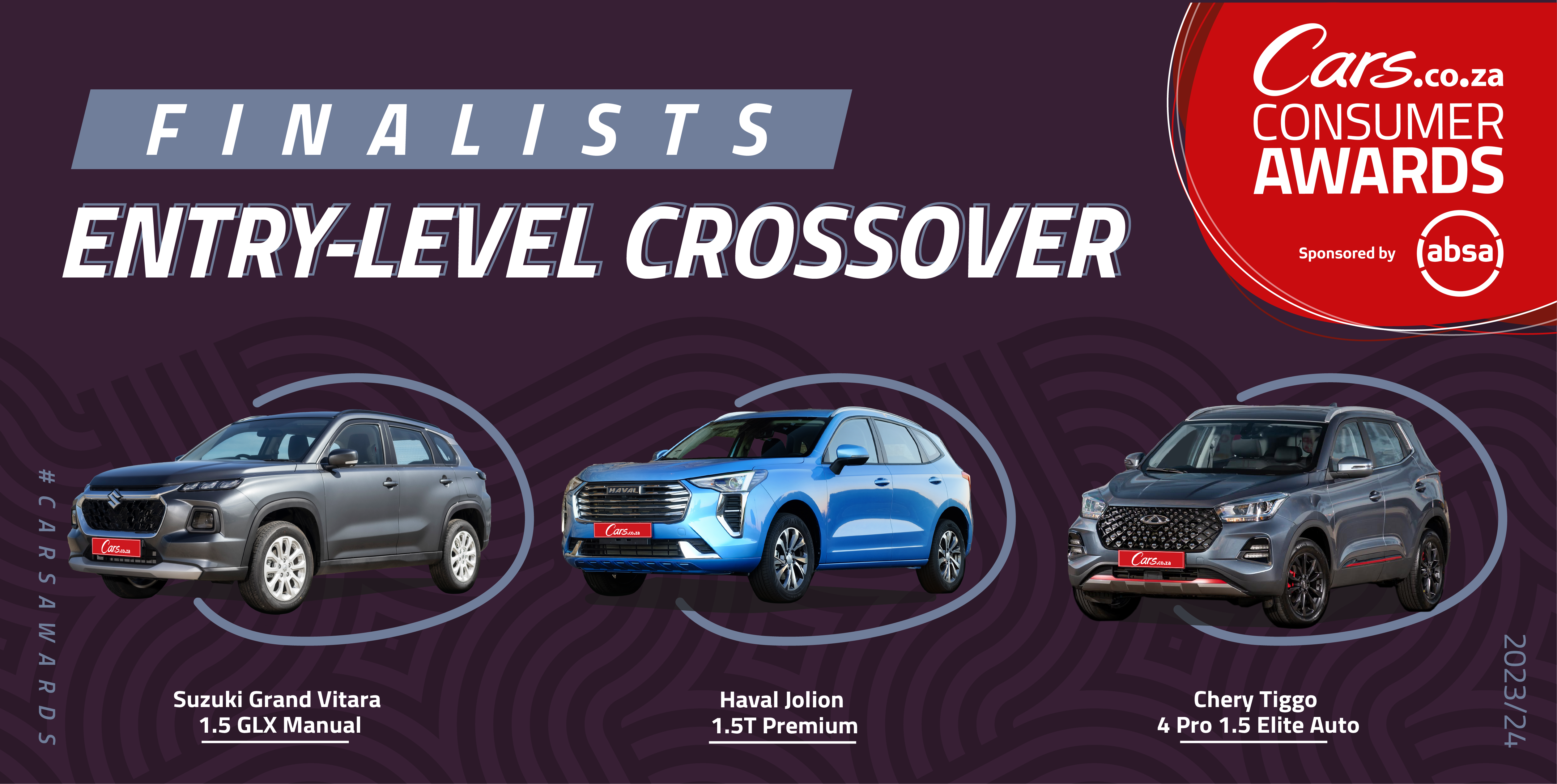
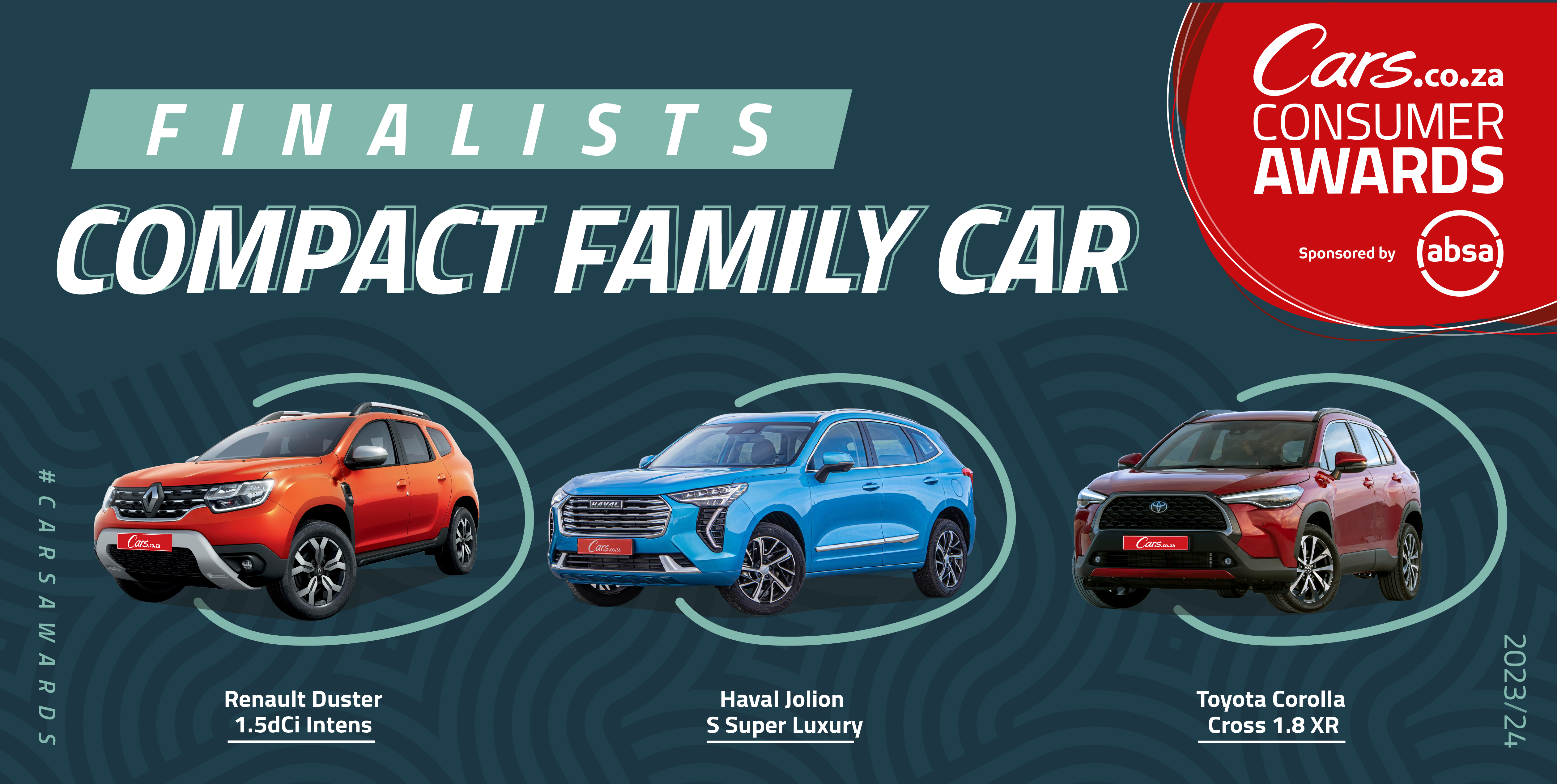
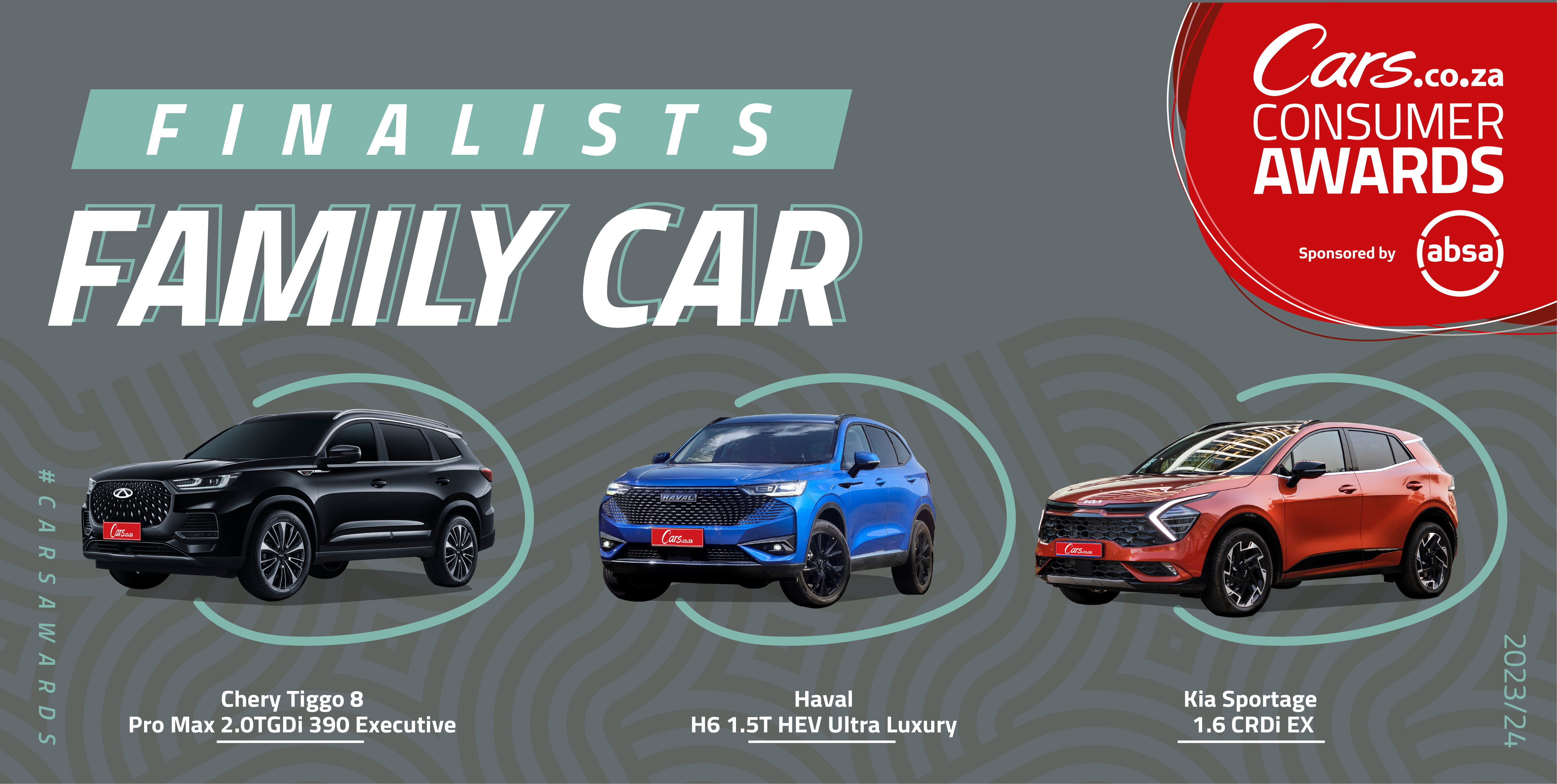
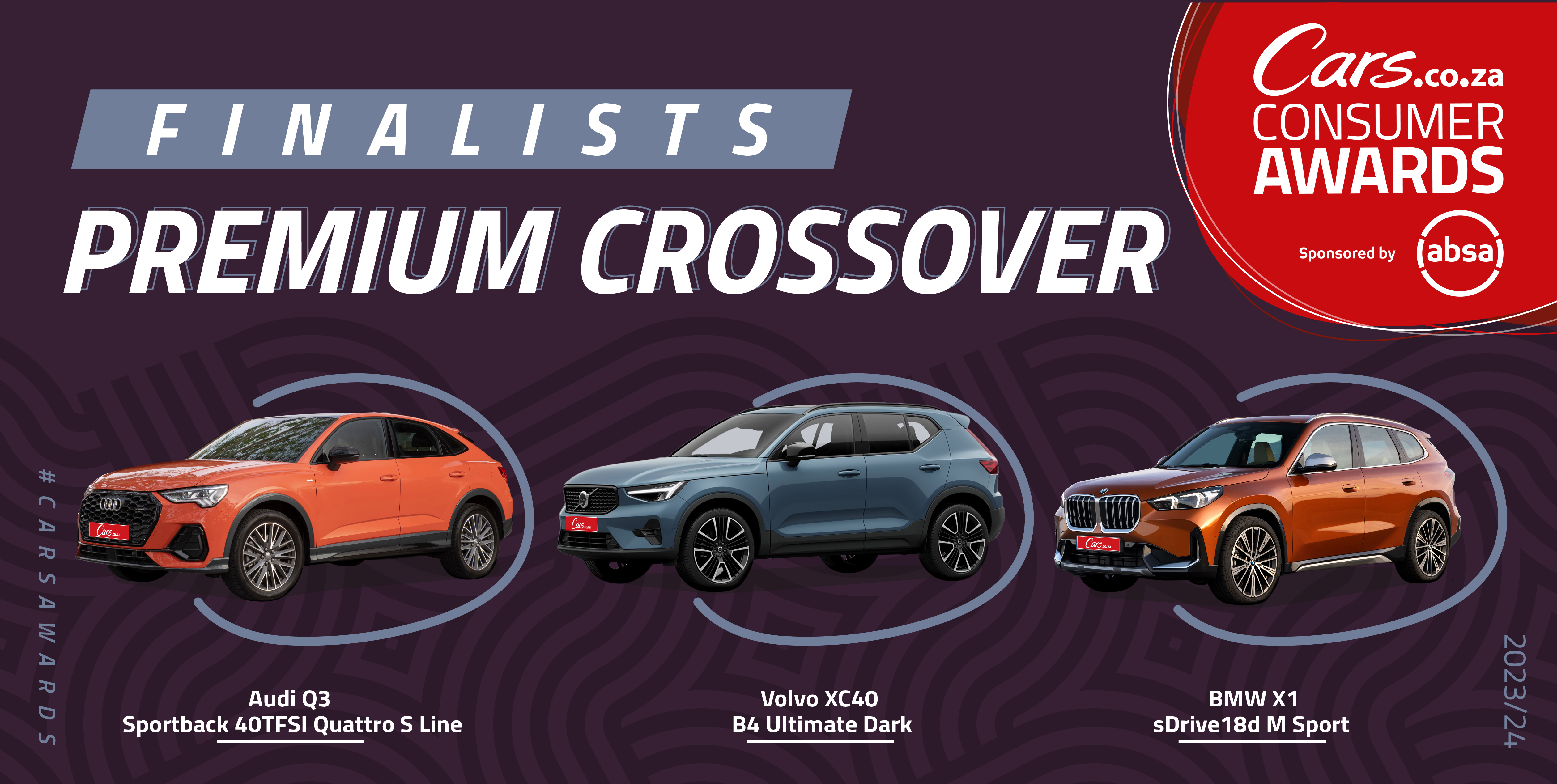
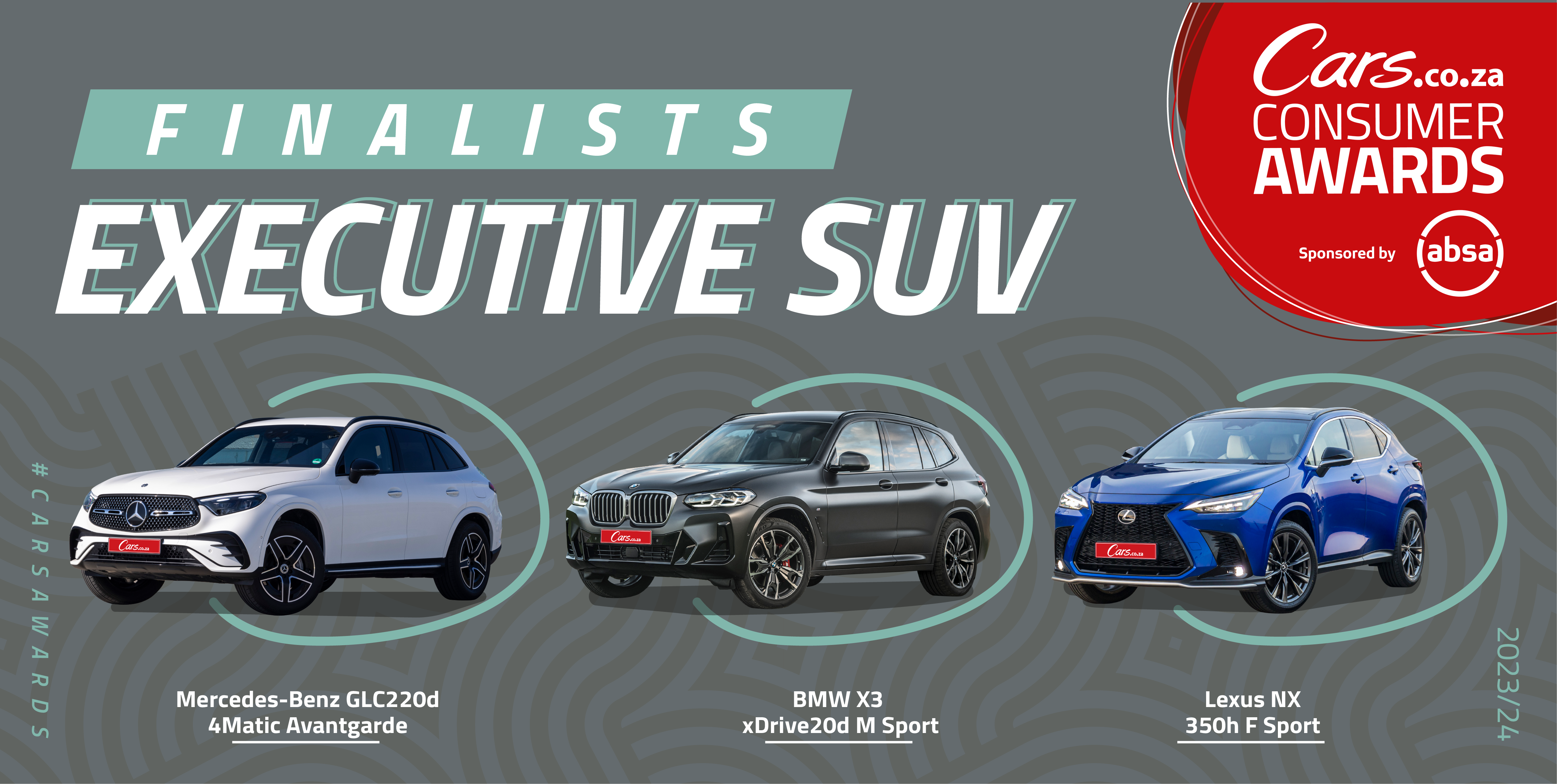
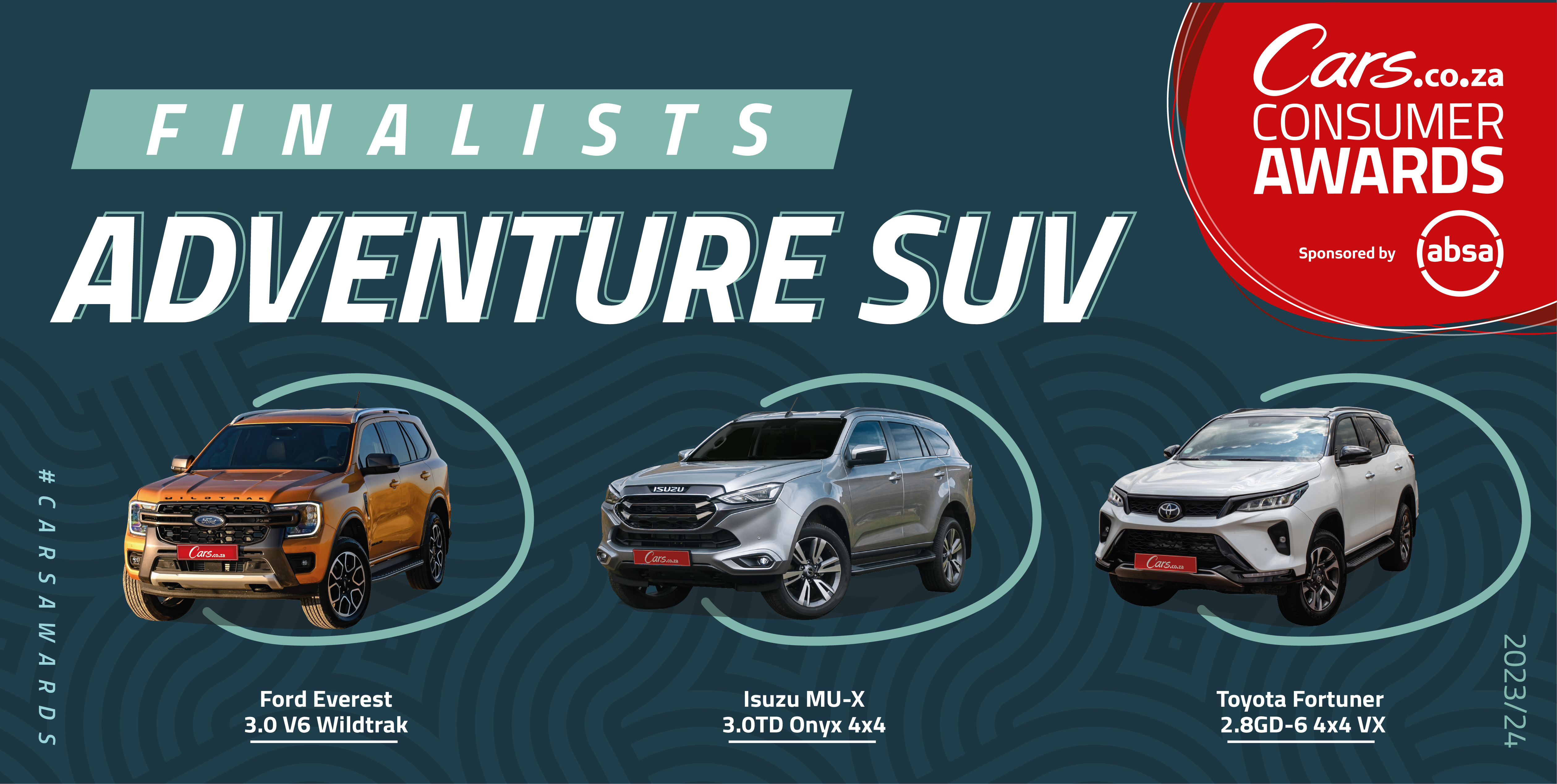
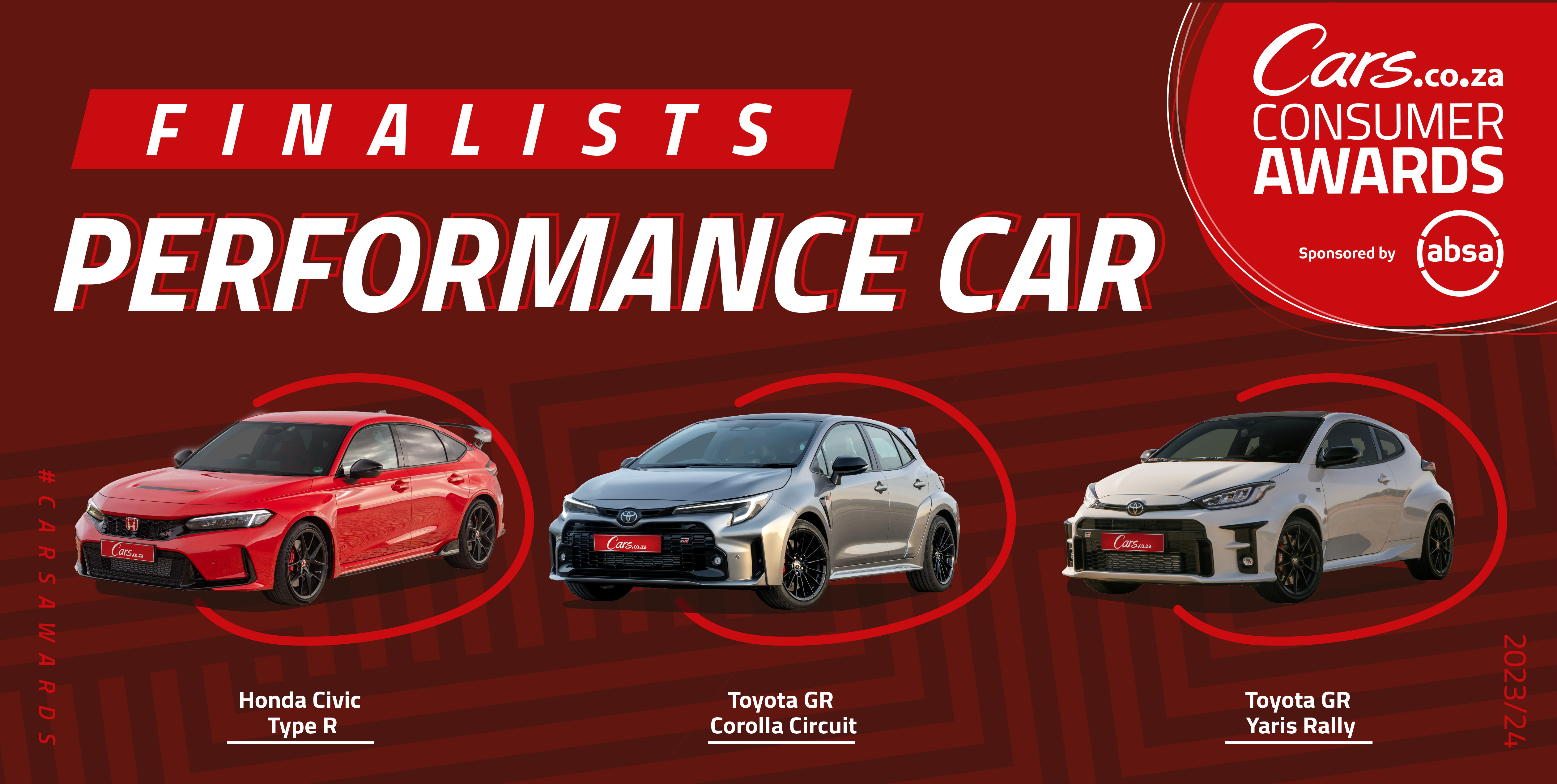
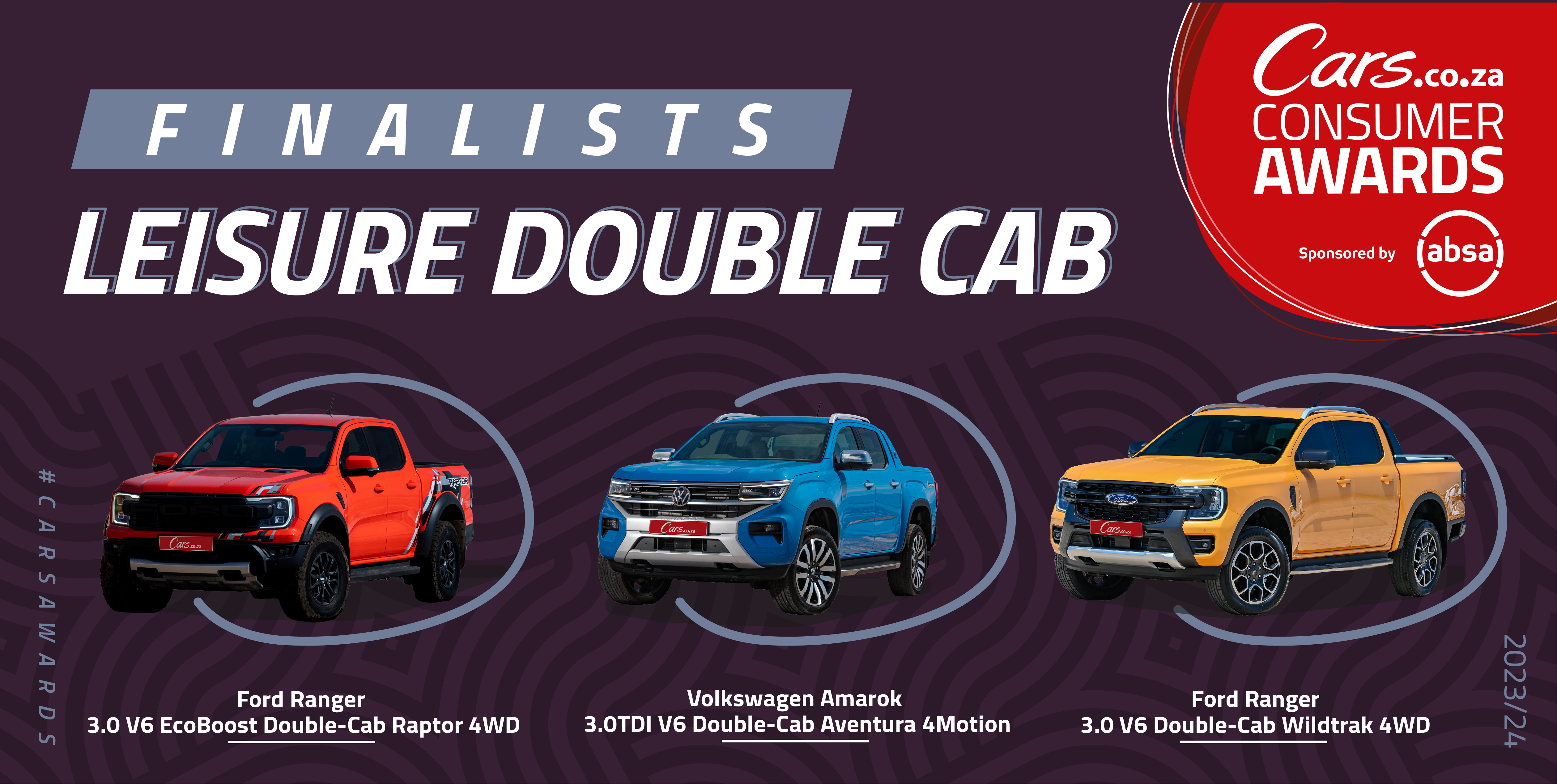
These are the 39 finalists of the 2023/24 Cars.co.za Consumer Awards, sponsored by Absa – SA’s most comprehensive and authoritative motoring awards programme.
Now in its seventh iteration, the #CarsAwards annually recognises the best purchasing propositions in 13 respective segments of the domestic new-vehicle market.
“The CarsAwards underlines Cars.co.za’s commitment to helping our users understand the best way to spend their hard-earned Rands when purchasing new vehicles,” says Cars.co.za Managing Director, Amasi Mwela. “As new-car prices escalate, it further underlines the need to make educated and informed buying decisions.
“The CarsAwards brings together the insights of the top motoring experts in the country combined with feedback from real people who drive these vehicles every day to help our users make the best choices for their budget and lifestyle,” Mwela adds.
Multiple CarsAwards Brand of the Year winner Toyota has 5 models in the running for category wins.
Categories reflect a changing marketplace
“One of the most important differences between the Cars.co.za Consumer Awards, sponsored by Absa and other automotive awards programmes is that it continues to evolve each year to reflect South Africa’s ever-changing motoring landscape,” explains Hannes Oosthuizen, who has headed the #CarsAwards project since 2015.
“We scrutinise sales data and market trends annually to define categories that are actually relevant to the South African consumer. That is why there are now so many crossover- and SUV-dominated segments, because South African car buyers have shown a predilection for those types of vehicles.”
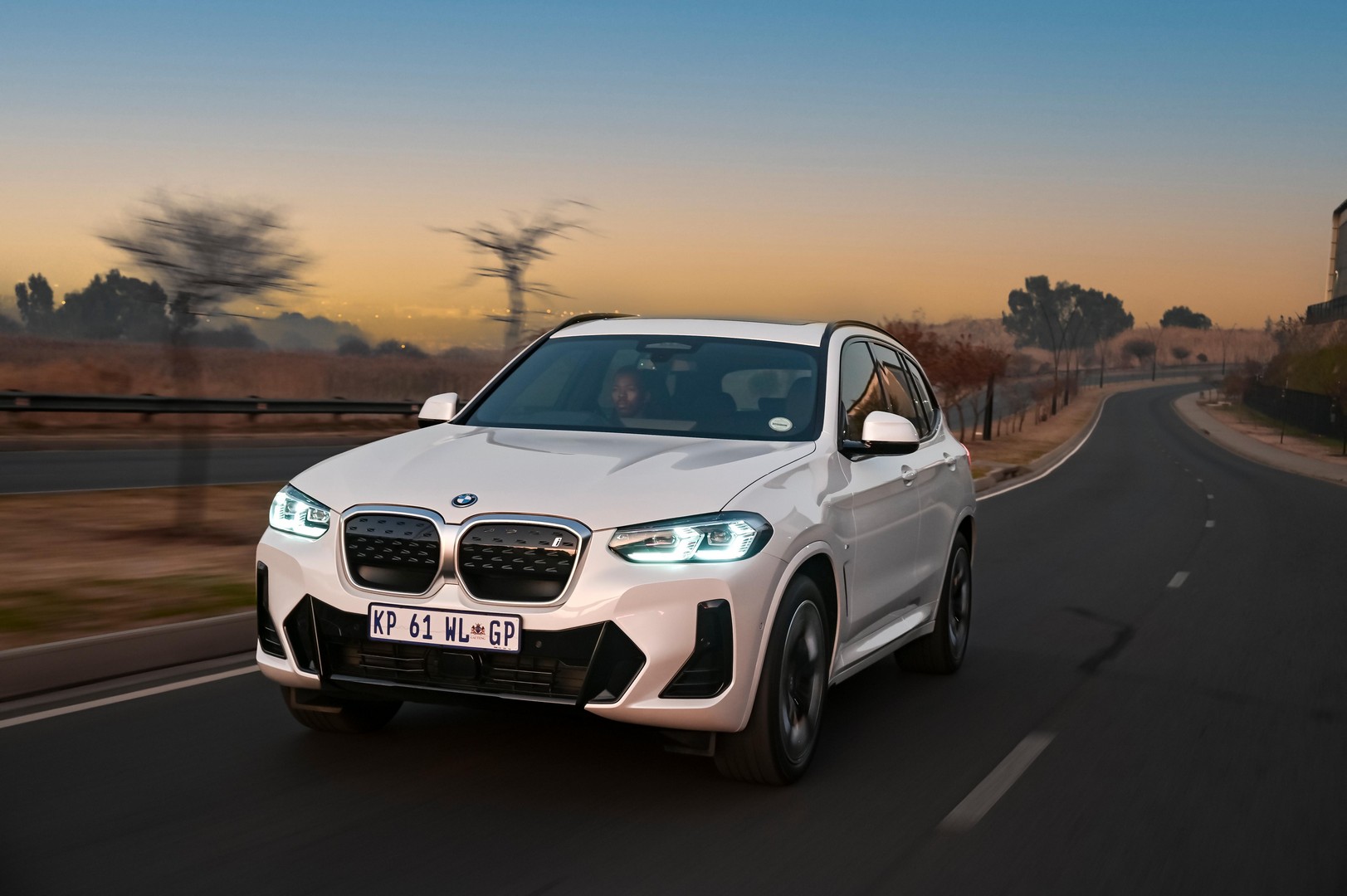
The BMW X3 is one of 5 finalists that the Munich-based brand has in the 2023/24 CarsAwards.
The thirteen 2023/24Cars.co.za Consumer Awards, sponsored by Absa category winners will be selected from the list of 39 vehicles, which includes model derivatives from no fewer than 18 brands represented in the South African market. All vehicles available on the South African market on September 1, 2023 were eligible, not only new products that were launched during the past 12 months.
In some instances, models that would be launched in the domestic market in the upcoming months, and of which the panel had acquired enough experience and information to make a decision, were also included, as long as they had been priced and were available for order.
Ford has 2 of the 3 finalists in the Leisure Double Cab category of the 2023/24 CarsAwards.
The 39 finalists for the 2023/24 programme were selected by the extended Cars.co.za editorial team; each member scored the 65 pre-selected semi-finalists individually, based on the “Filters of Eligibility” and the “Pillars of Success” of the 13 respective categories. Once the scores were tallied, 3 finalists remained in each of the segments.
“Pricing is a critical factor for most car buyers in this tough economic climate, so we’ve focused our categories lower down the pricing ladder,” explains Oosthuizen. “Still, there remains healthy demand for premium SUVs, which is why that category was retained.”
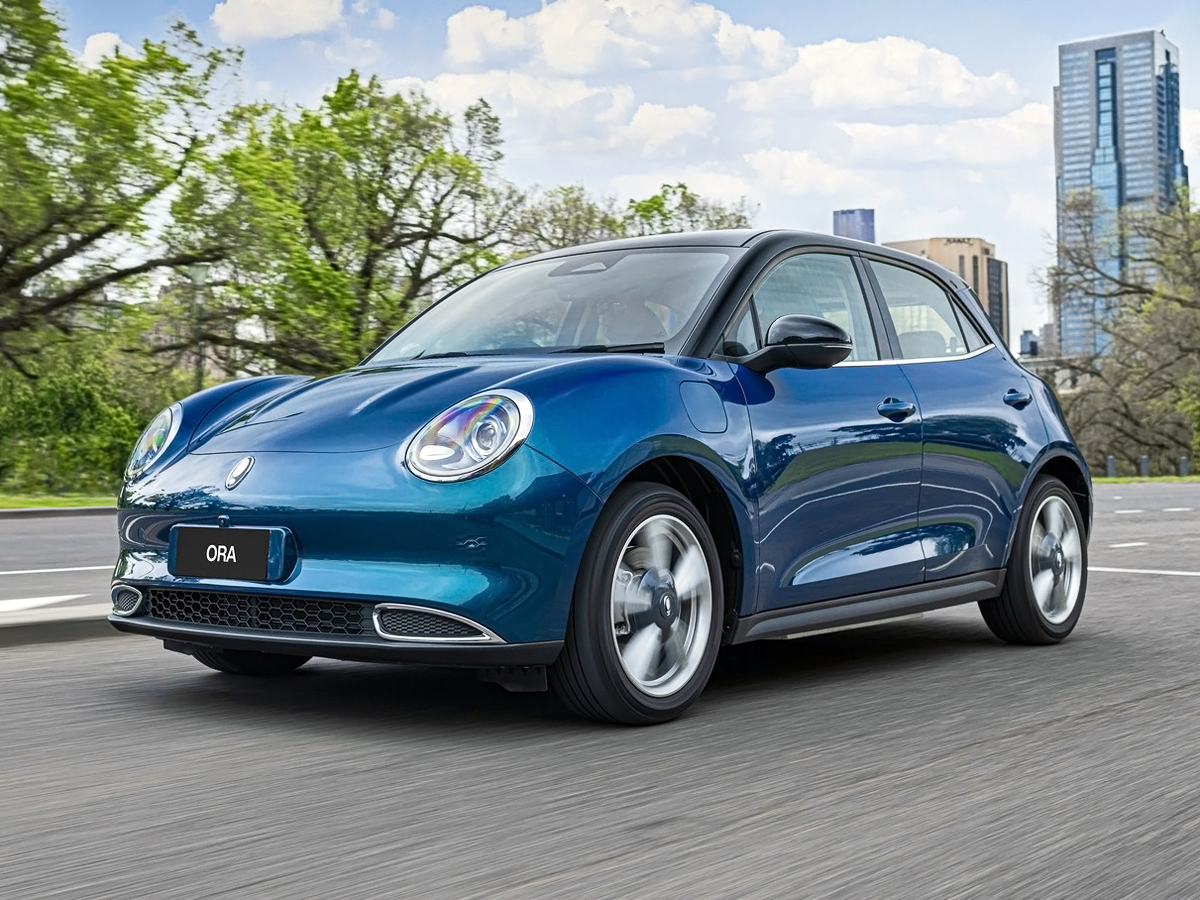
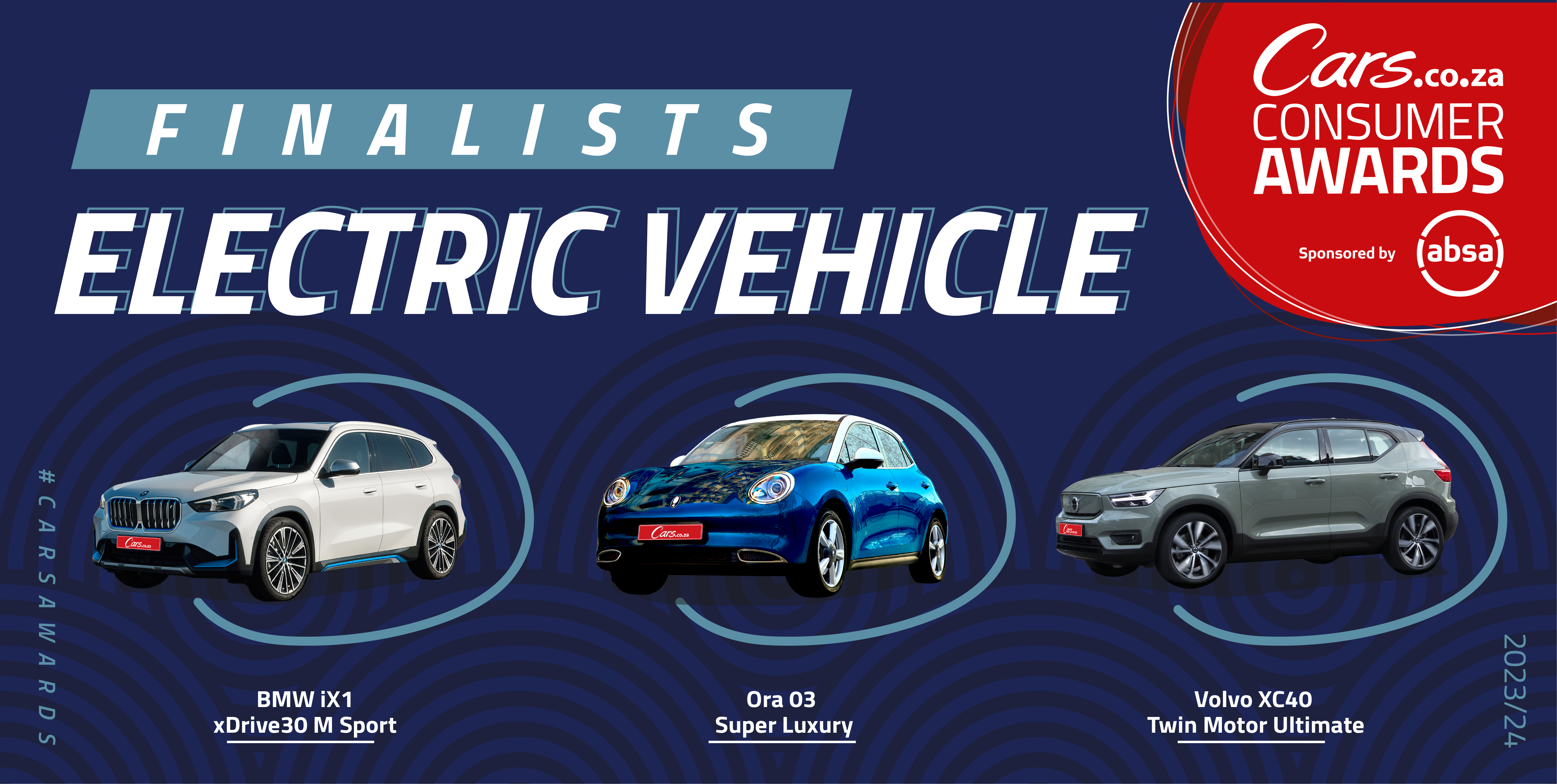
GWM electric sub-brand Ora is a contender in the new Electric Vehicle category.
Consider, for example, that the market for sedans has shrunk dramatically; there are not enough strong-selling contenders to justify a sedan category in the 2023/24 programme. South Africa’s fledgling electric vehicle market is growing, but very slowly… Nonetheless, the Cars.co.za Consumer Awards, sponsored by Absa has a category focused on the country’s most affordable EVs for the first time.
“On the one hand, the #CarsAwards is about being in tune with consumer trends, but on the other hand, we also need to educate. Therefore, it’s important to take a leadership role in the EV space,” Oosthuizen adds. “And it’s worth noting that even when it comes to EVs, which are typically exorbitantly priced, we’ve focused on the most affordable offerings.”
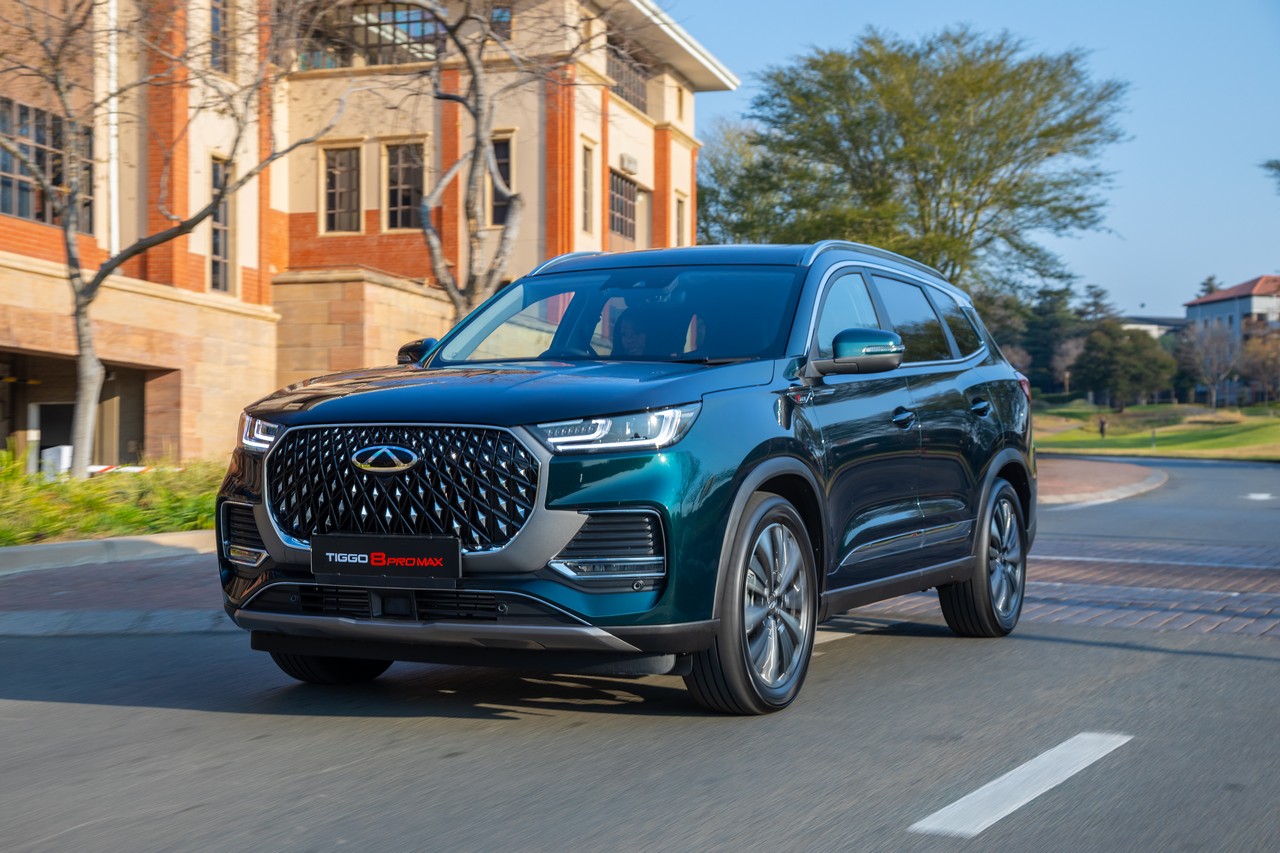
The 2023/24 CarsAwards marks the first time that a Chery model has reached the final stage of the programme.
BMW & Toyota have the most finalists
Prospecton-based Toyota and luxury brand BMW have the most finalists with 5 contenders apiece. Hot on their heels are Haval and Ora (GWM’s two sub-brands), as well as Suzuki.
The soon-to-be-launched Ora 03 Super Lux is the country’s most affordable EV, and another Chinese brand – Chery – makes the final for the first time with its revised Tiggo 8 Pro Max.
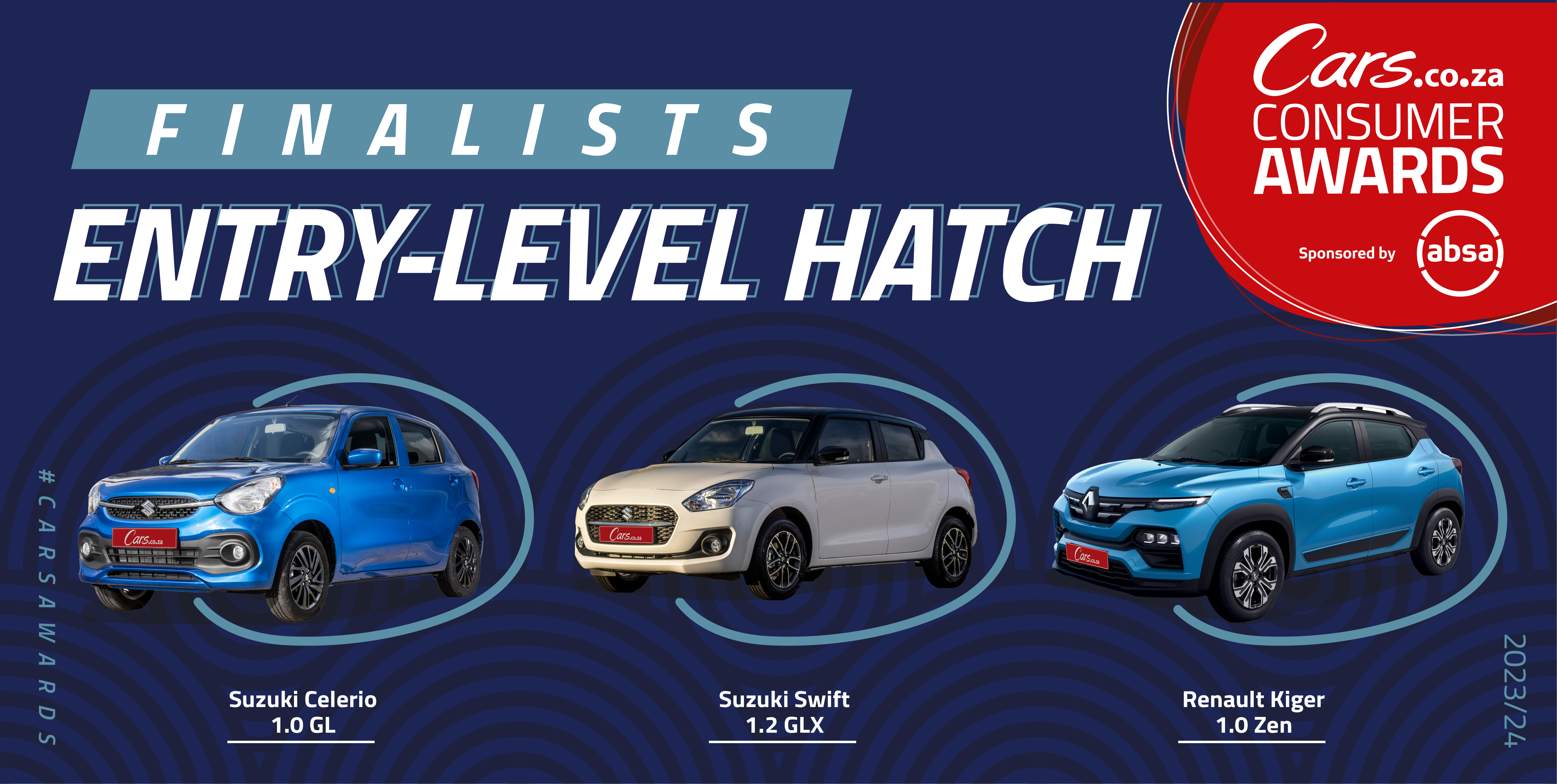
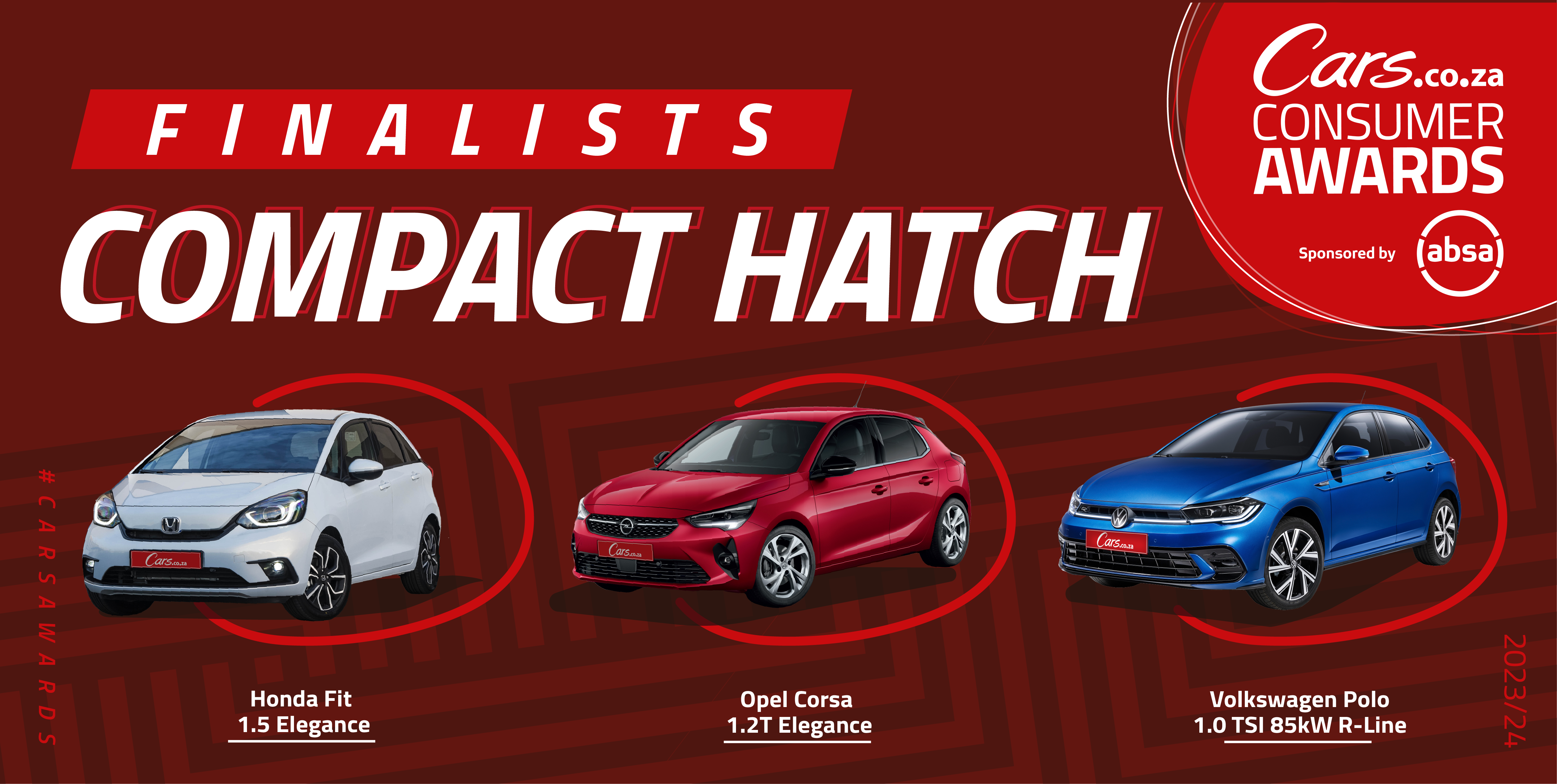
Herewith the full list of 2023/24 CarsAwards finalists:
Each of the 39 finalists (three per category) was subjected to back-to-back testing at the Gerotek proving ground in Gauteng by the combined judging panel (the Cars.co.za editorial team members and respected guest judges from various backgrounds and fields of expertise) on 2 and 3 November 2023.
Phuti Mpyane (Business Day) is a veteran CarsAwards judge.
The 20 judges’ scores for each of the 39 finalists will only count for 50% of the final standings, however. The other 50% will be based on rankings that the respective vehicle brands represented by the finalists achieved in the Cars.co.za Ownership Satisfaction Survey. The data incorporates feedback from thousands of vehicle owners, based on their experiences of their vehicles (less than four years old and serviced through franchised outlets).
“The Cars.co.za Consumer Awards, sponsored by Absa is designed to be a guide for all new passenger vehicle buyers, not only those who follow motoring publications,” Oosthuizen concludes. “With 50% of the final scores determined by brands’ ratings in the survey, a vehicle only really stands a very good chance of winning if it is a good product in the eyes of the judges and if its brand delivers solid after-sales service.
More about the #CarsAwards
The winners of the 2023/24 Cars.co.za Consumer Awards, sponsored by Absa (as well as the recipient of the prestigious Brand of the Year title) will be named on 29 February 2024.
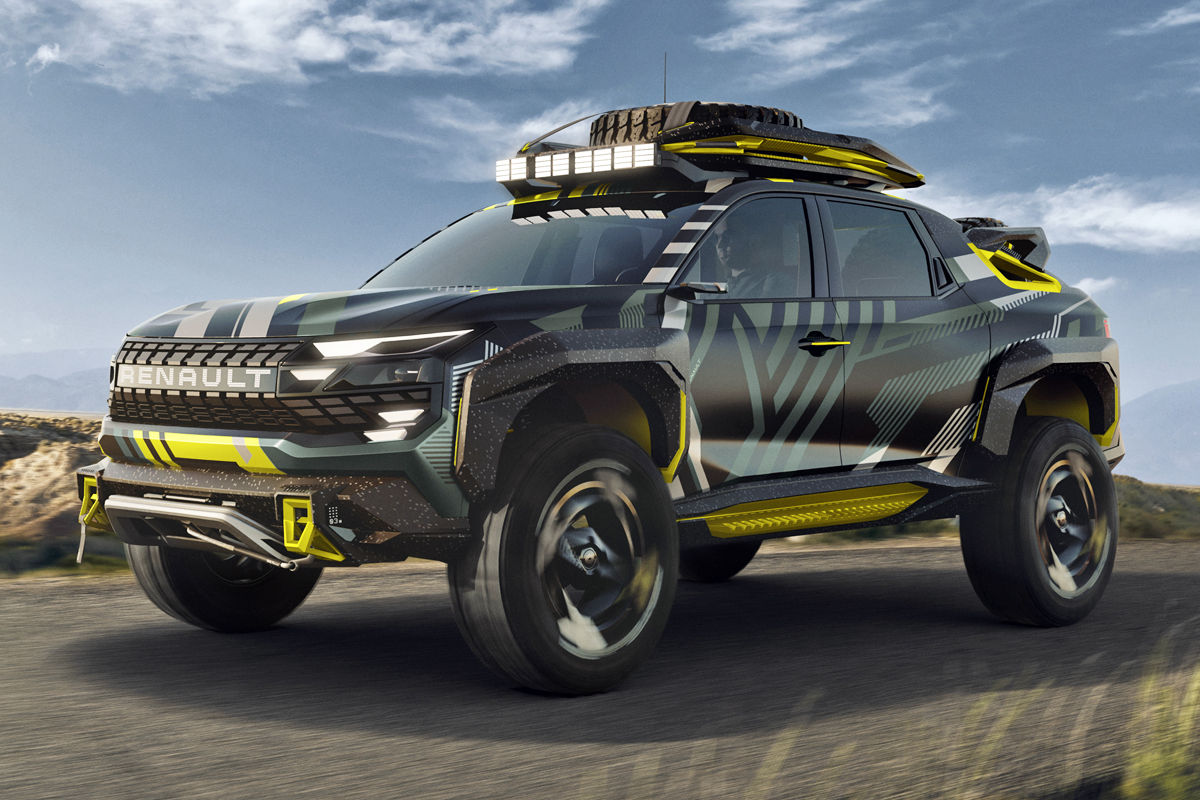
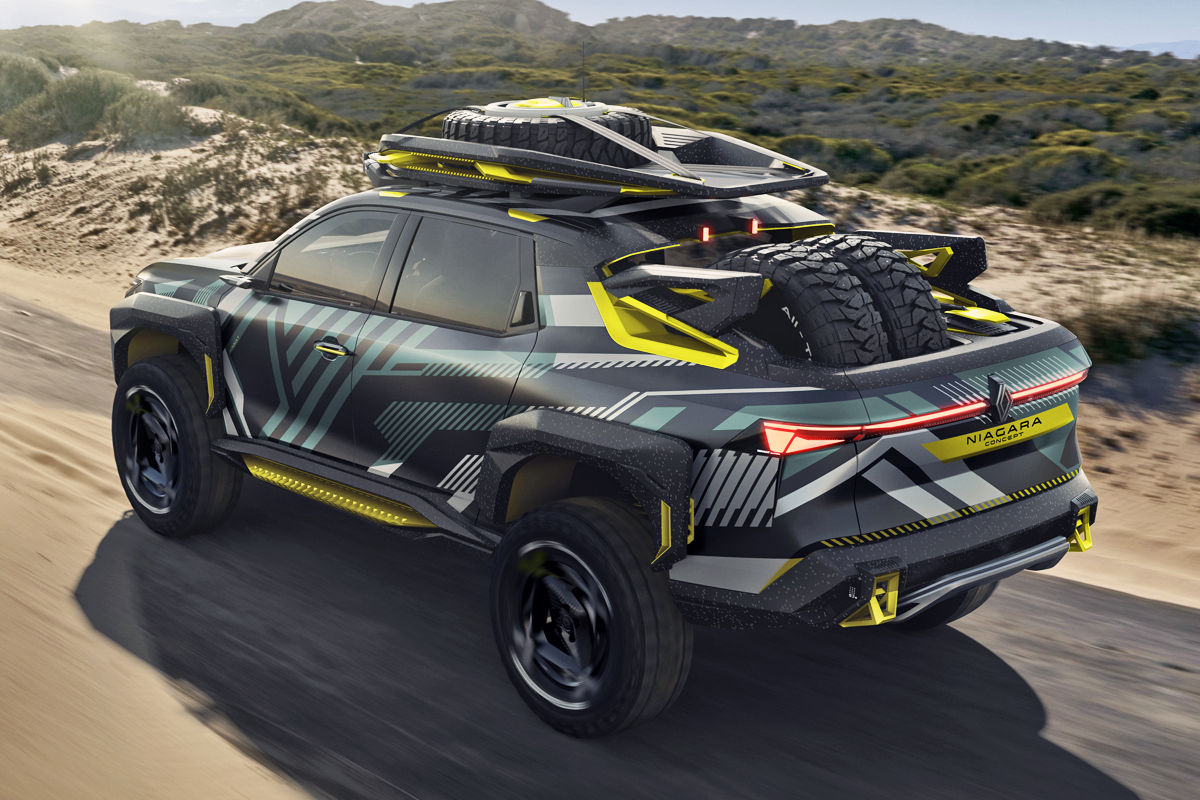
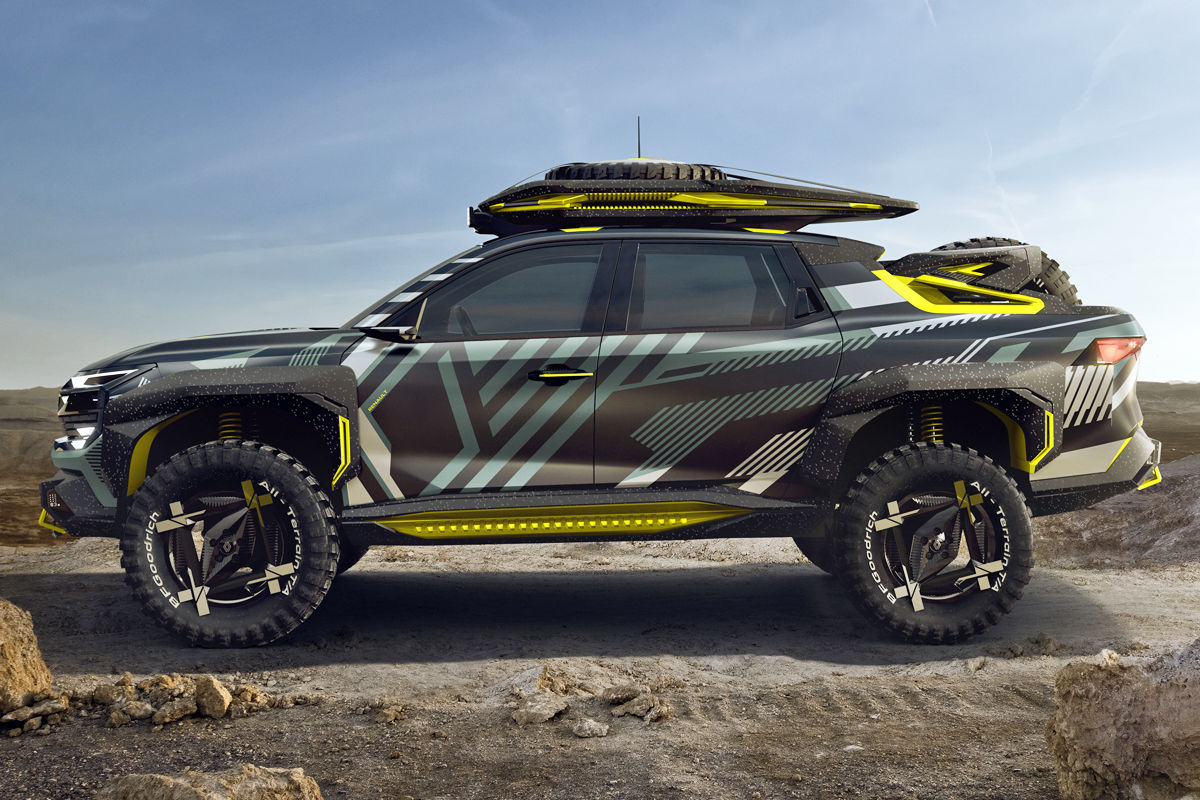
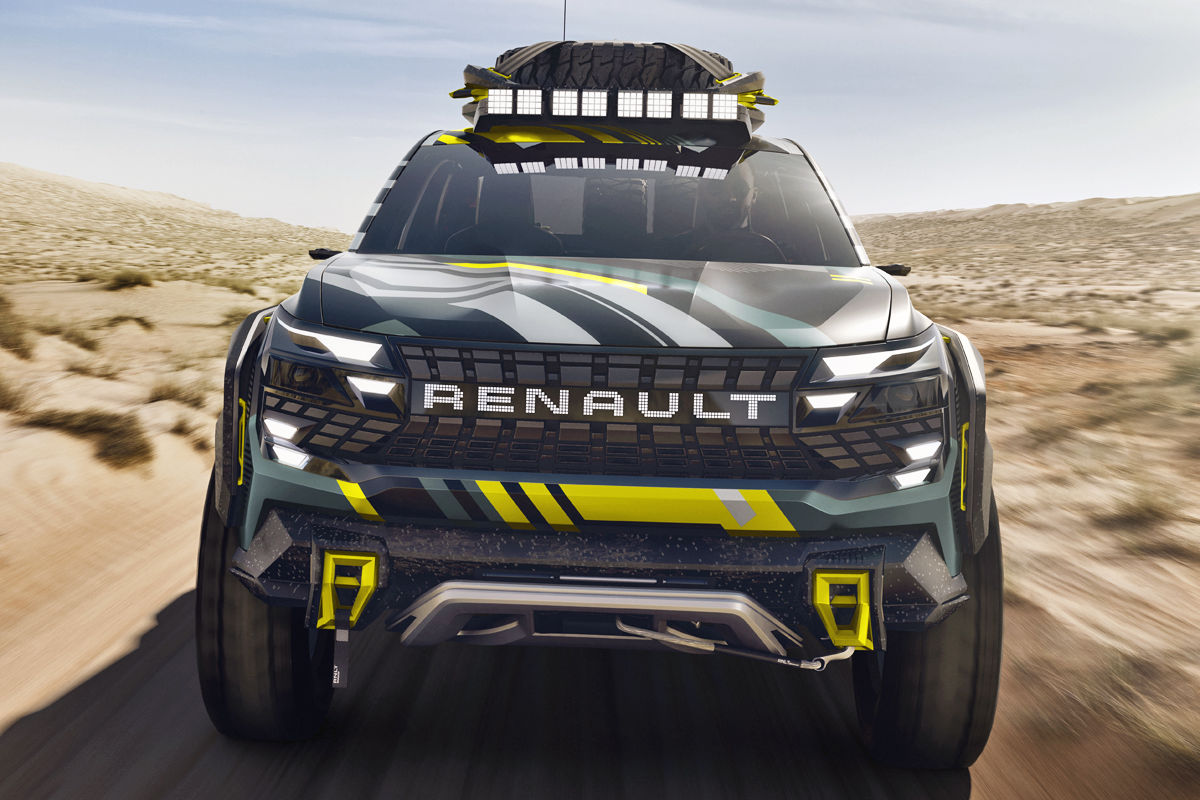
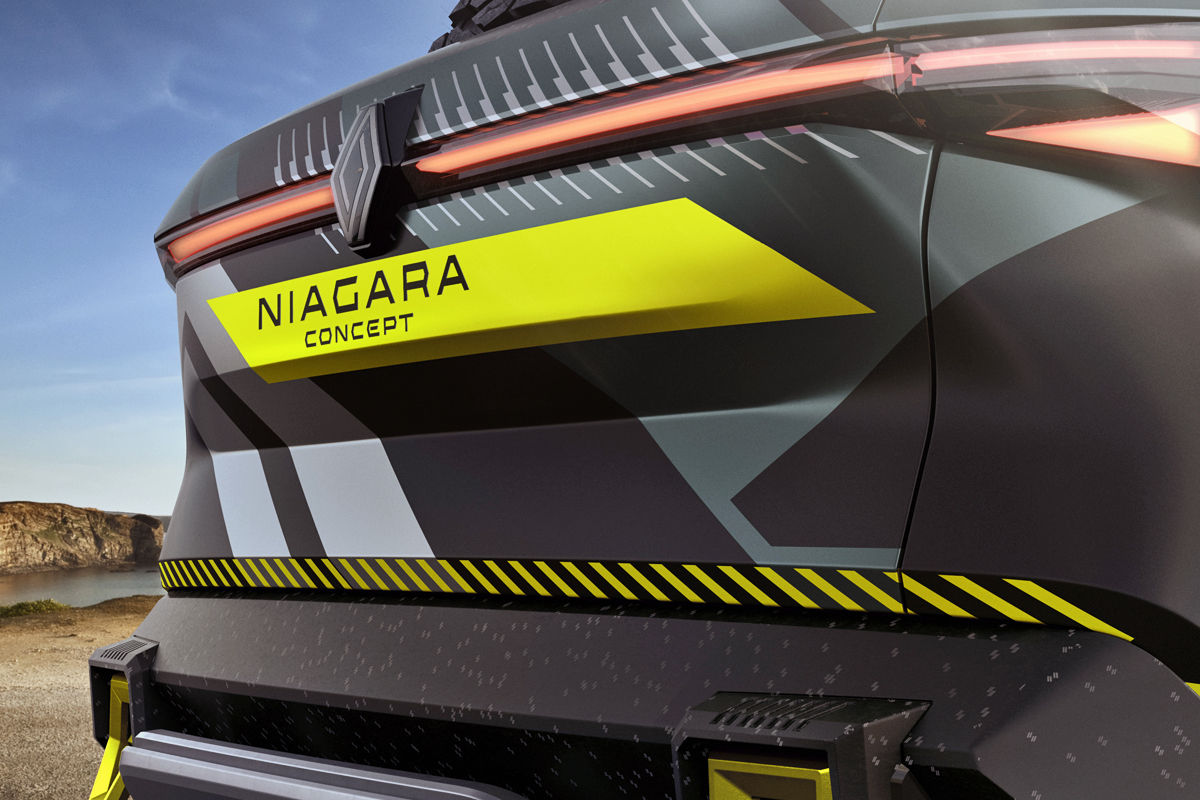
The Renault Niagara Concept seemingly previews an upcoming double-cab bakkie set to be positioned above the Oroch and built on the group’s latest unibody platform…
This is the Renault Niagara Concept, which the French firm bills as a “glimpse into the style of the future Renault range” for international markets. Built on a new modular platform, the Niagara double-cab bakkie – should it reach production – would likely be positioned above the Oroch.
Thanks to its “ultra-flexible” underpinnings, Renault claims the Niagara Concept offers “outstanding” driving comfort. Endowed with a 48-volt electrical system, the bakkie concept features an unspecified mild-hybrid petrol engine up front and an additional electric motor at the rear (no further powertrain details have been released).
As such, Renault promises “optimised” off-road performance, adding the bakkie would be able to “handle half of your everyday drives in full-electric mode, which significantly reduces CO2 emissions”. Though the press material is light on technical details, the company does promise “extra-high” ground clearance, long-travel suspension and “ample” off-roading angles.
Of course, the Niagara Concept features a unibody construction – as opposed to the ladder-frame configuration employed by Mzansi favourites such as the Toyota Hilux, Ford Ranger and Isuzu D-Max, as well as Alliance bakkies, the Nissan Navara and Mitsubishi Triton – which suggests more of a “lifestyle” bent. That would see it instead pitted against the likes of the Ford Maverick and Hyundai Santa Cruz.
“Niagara Concept embodies the style of the future international line-up of the Renault brand. Robust and mighty with oversized and exuberant lines, this exploratory concept is also sophisticated and packed with technologies. It is the promise of an unlimited journey,” said Gilles Vidal, Vice President of Renault Design.
While the company hasn’t provided any exterior dimensions, it’s clear the Niagara Concept is a little larger than the likewise unibody (and Duster-based) Oroch. The latter, of course, has long been in the planning for a South African introduction but has yet to materialise for local buyers.
Where would the proposed production version of the Niagara be offered? Well, the new Renault Group modular platform underpinning the bakkie concept has an “international scope”, according to the automaker, which further makes reference to markets outside of Europe.
Latin America seems the most obvious choice for the Niagara Concept (Brazil was the brand’s 2nd-biggest market outside of Europe in 2022, after all), which could potentially go into production by 2027. Of course, whether or not a right-hand-drive version would be developed remains to be seen…