SA-built Volkswagen Polo ‘will carry on’ in Europe
Volkswagen’s CEO confirms that the SA-built Volkswagen Polo hatchback is no longer facing the axe in Europe, saying it could survive “until the end of this decade”…
In November 2022, Thomas Schäfer, CEO of the Volkswagen brand, said there would be “no point carrying on” with small combustion-engined cars like the Polo – a hatchback built in South Africa – in Europe in light of the proposed Euro 7 emissions regulations. However, these rules have since been relaxed, which could allow the petrol-powered Polo to “carry on” in Europe until 2030, according to Schäfer.
A year-and-a-half ago, VW’s global CEO suggested it would be too costly to re-engineer small petrol- and diesel-powered vehicles to meet the then-looming European regulations, with the German firm poised to replace such models with small electric cars instead. But Schäfer has now told Autocar that the new rules – which are set to come into effect at the start of September 2024 – are “not as crazy [as] it was posited initially”.
At the end of 2022, VW’s Kariega plant built its 2-millionth Polo-badged model (including Vivo).
“EU7 has been done in a reasonable way; it adds costs to the vehicle but not too crazily,” Schäfer said, before suggesting the Kariega-built model could thus survive on the Old Continent “until the end of this decade”. He furthermore told the British publication “we will keep [the Polo] fresh”, adding that the hatchback “runs well” and represents “a good entry into the brand”.
However, Schäfer cautioned that “General Safety Regulation 2, [which mandates] interior cameras and a couple of things you need to add to the platform”, had the potential to bump up costs “tremendously”. As a reminder, the current-generation Polo was revealed in 2017, before receiving a mid-cycle update in 2021. Based on the VW CEO’s latest comments, the hatchback could be in line for a 2nd facelift at some point.
Of course, this is significant news for South Africa, since Volkswagen’s Kariega facility is set to become the sole producer of the Polo hatchback worldwide from July 2024. Considering Europe is the factory’s main export market, the Polo’s apparent stay of execution on that continent will surely allow VW Group Africa’s plant in the Eastern Cape to retain significant production volumes.
Kariega plans to add a 3rd model to its production line from 2027.
Schäfer’s comments come less than a month after Volkswagen announced a fresh R4-billion investment in the Kariega facility, which is set to start producing a new small SUV from 2027. The mystery model – which is being developed in Brazil, based on the ubiquitous MQB-A0 platform, and could also spawn a new small bakkie – will be manufactured on the same production line as the Polo hatch and Polo Vivo.
This as-yet-unrevealed model will be sold in South Africa as well as shipped to other African markets, seemingly allowing VW’s local division to reduce its reliance on exports to Europe. However, with sales of the Polo hatch now potentially continuing on the Old Continent until 2030, Kariega is likely facing a busy few years.
Jetour is another of Chery’s sub-brands and a source has confirmed it will be setting up operations in South Africa in the near future!
Another Chinese brand is set to touch down in South Africa in the near future. A well-placed source has confirmed that Chery’s Jetour brand is confirmed for South Africa, although it’s not clear when we can expect retail operations to commence.
We can confirm that Chery Commercial Vehicle (Anhui) Co. Ltd submitted registration documents for Jetour back in 2022, and the trademark was officially registered in South Africa towards the end of April 2024.
We already know the brand is in the process of starting to build right-hand-drive vehicles with Jacky Chen, General Manager of Jetour’s international business telling the South China Morning Post that, “Right-hand drive cars will be the new growth engine for us in the coming three to five years.” Markets like South Africa, Malaysia, Australia have already seen huge sales from the Chinese brands. Mr Chen confirmed to the publication that the first right-hand drive products will have internal combustion power, followed by electric powertrains.
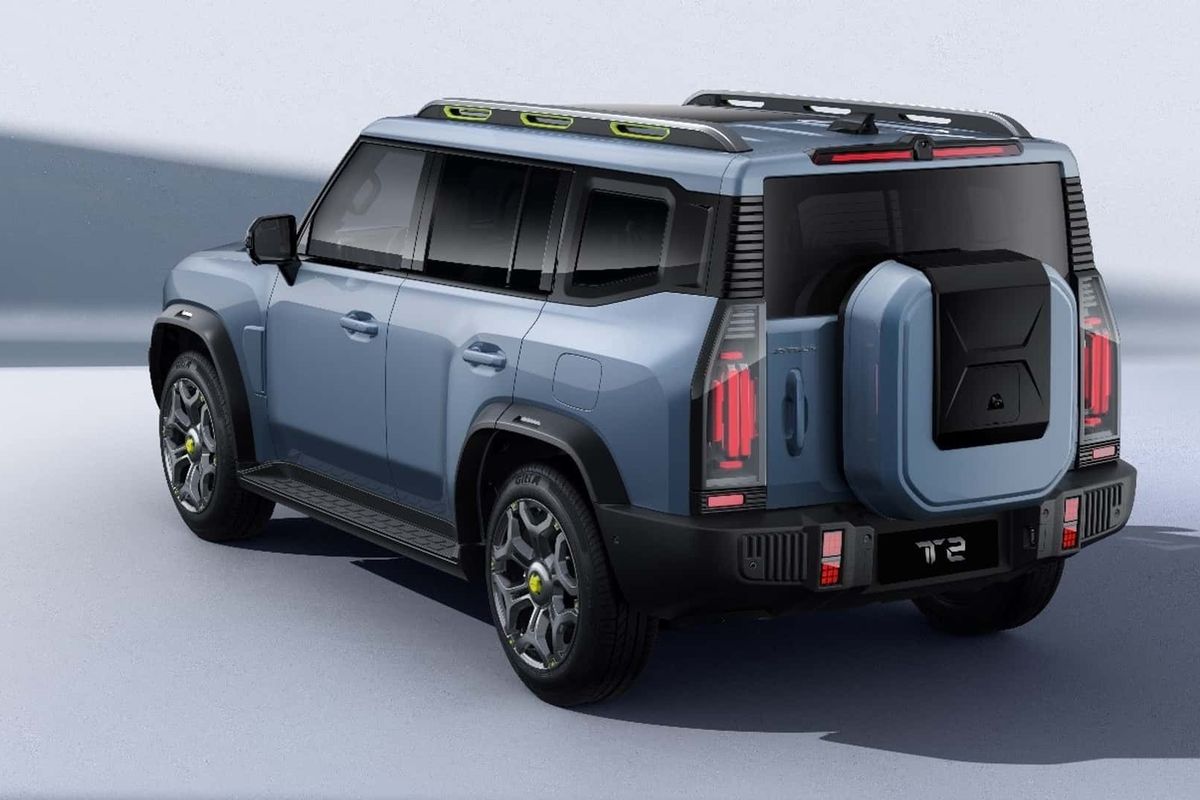
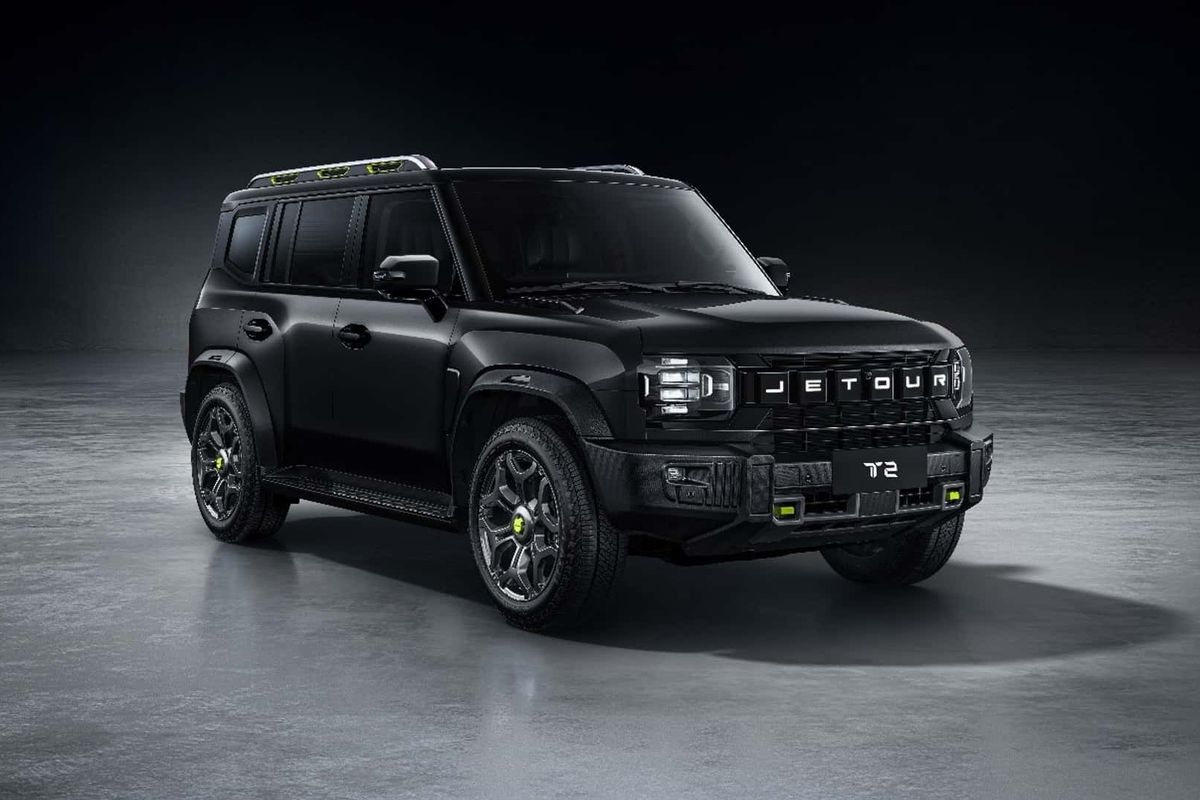
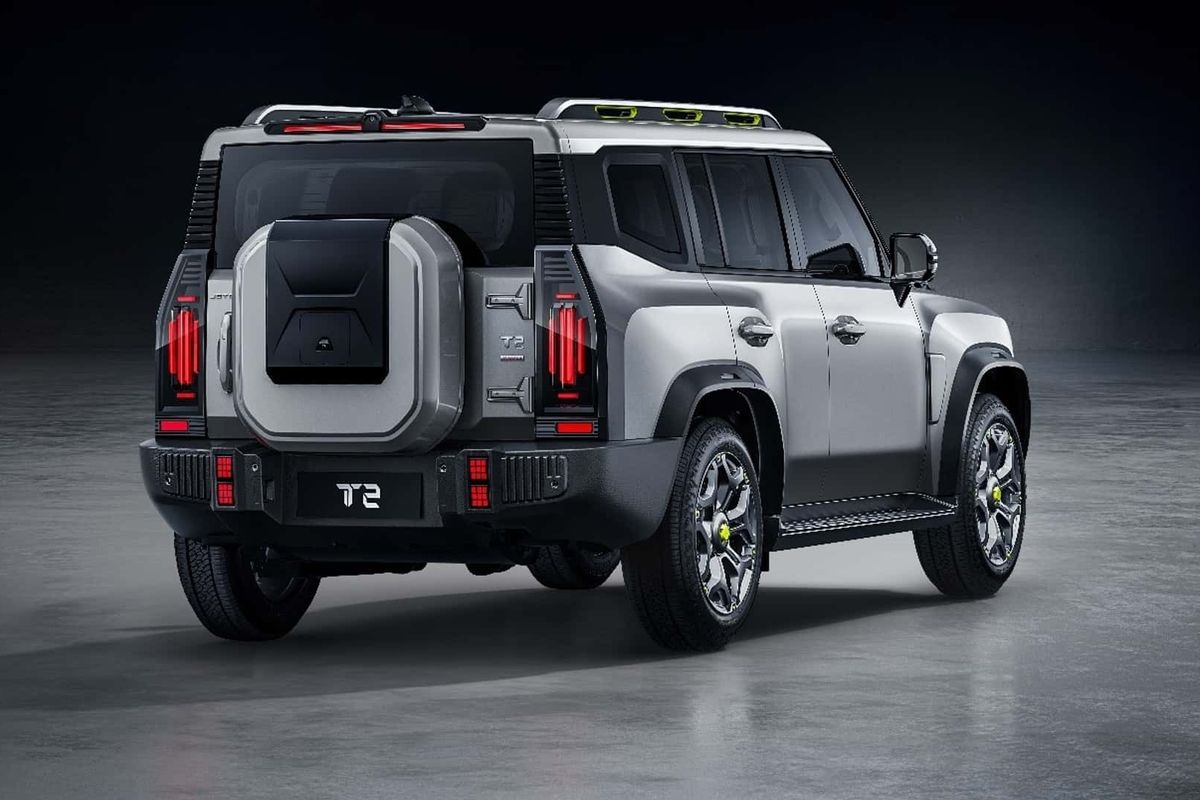
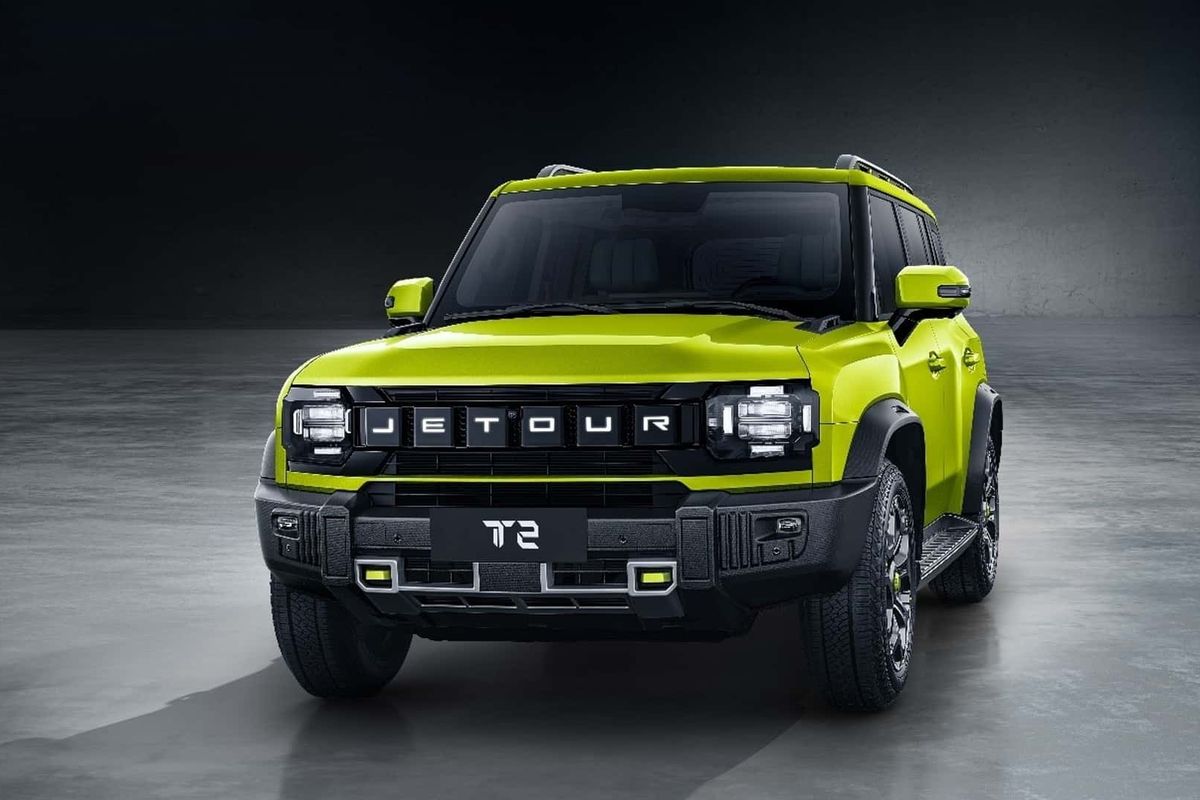
These comments suggest that South Africa may only receive new generation Jetour products, but we do have our eye on this, the T2. Positioned as a serious offroading SUV, the T2 offers up 220 mm of ground clearance, 39-degree approach and 30-degree departure angles.
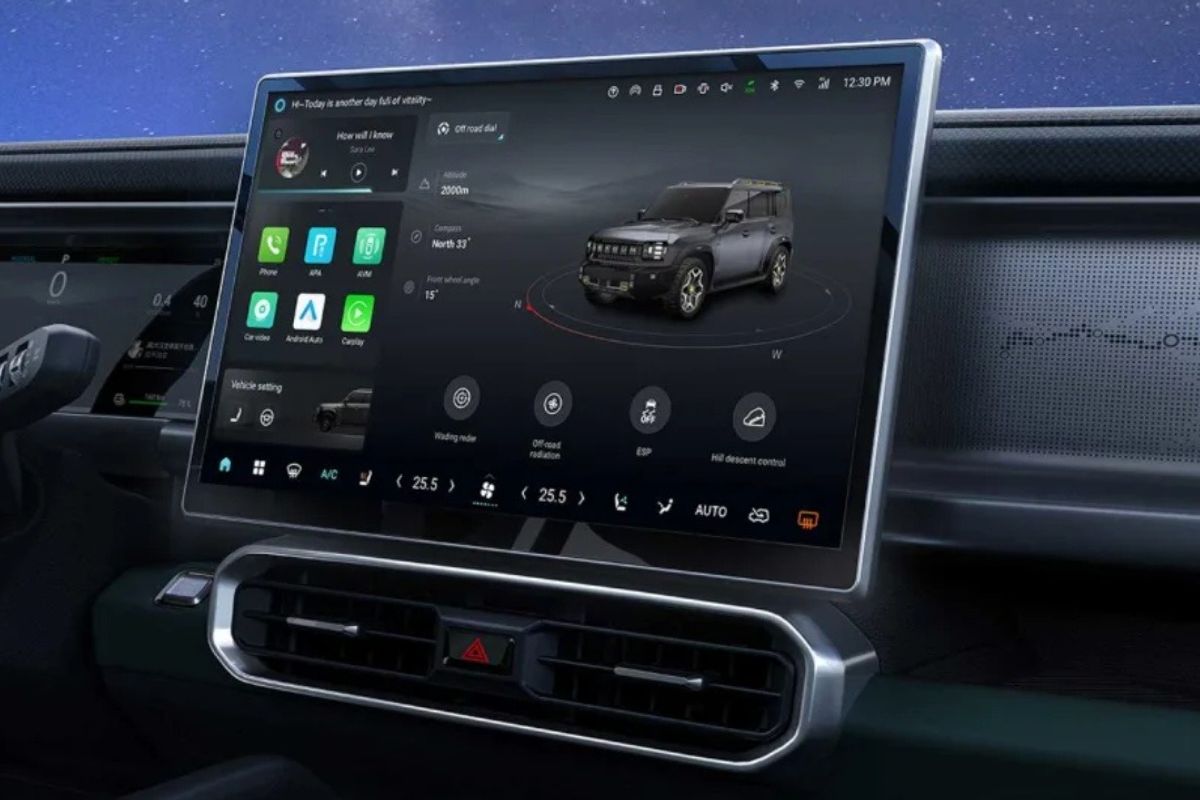
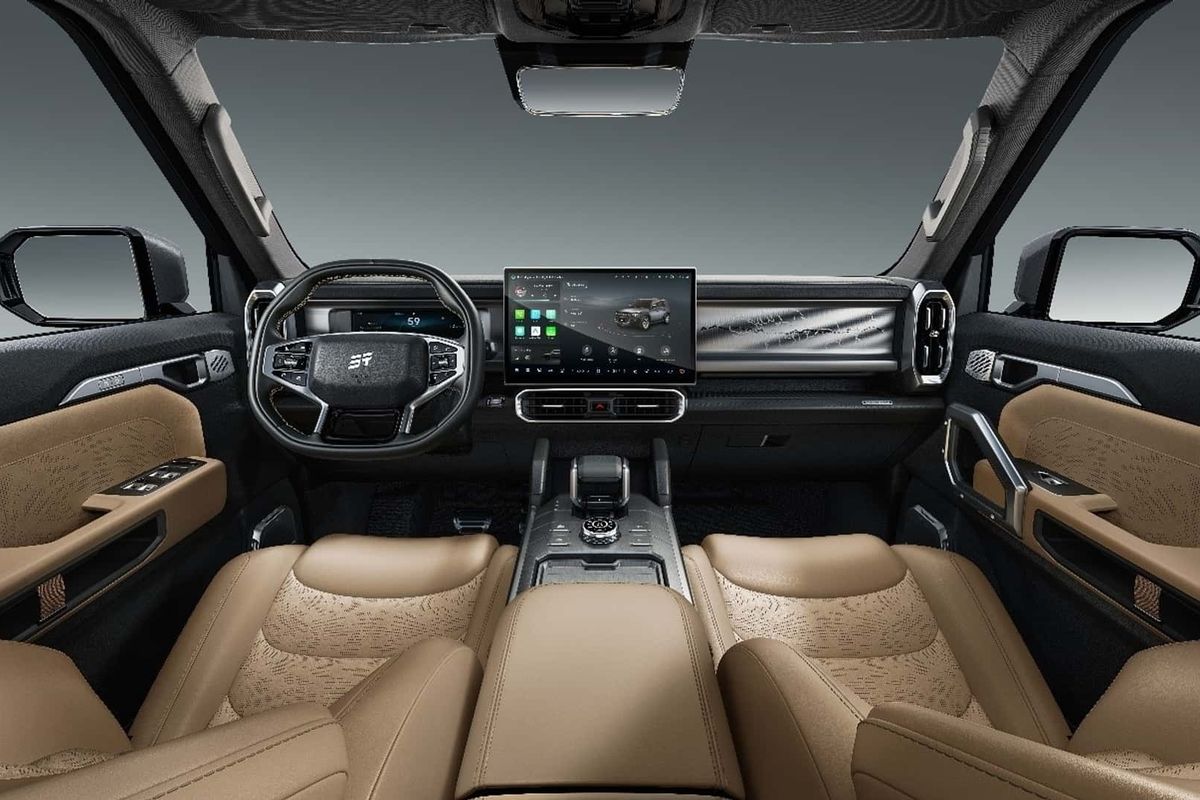
It’s not a small vehicle either, at 4 785 mm long and has a wheelbase of 2 800 mm. Inside, it adopts a minimalist approach with a large infotainment screen. Power for the T2 comes from a 2.0-litre turbocharged petrol engine which makes 186 kW and 390 Nm. Power goes to a sixth-generation BorgWarner all-wheel drive system via a 7-speed dual-clutch transmission.
We do wonder if the Chery portfolio is now too big and potentially overlapping with each other. As a reminder, Chery itself offers the Tiggo (4, 7, 8 and soon 9) SUV range, with Omoda’s C5 being joined by the C9, E5, C7 and newcomer offroad brand Jaecoo has the J7 (and soon J8 and J6). Chery is your middle-of-the-road SUV brand, Omoda is positioned as a youthful fashionable brand, and Jaecoo is your offroad adventurer product.
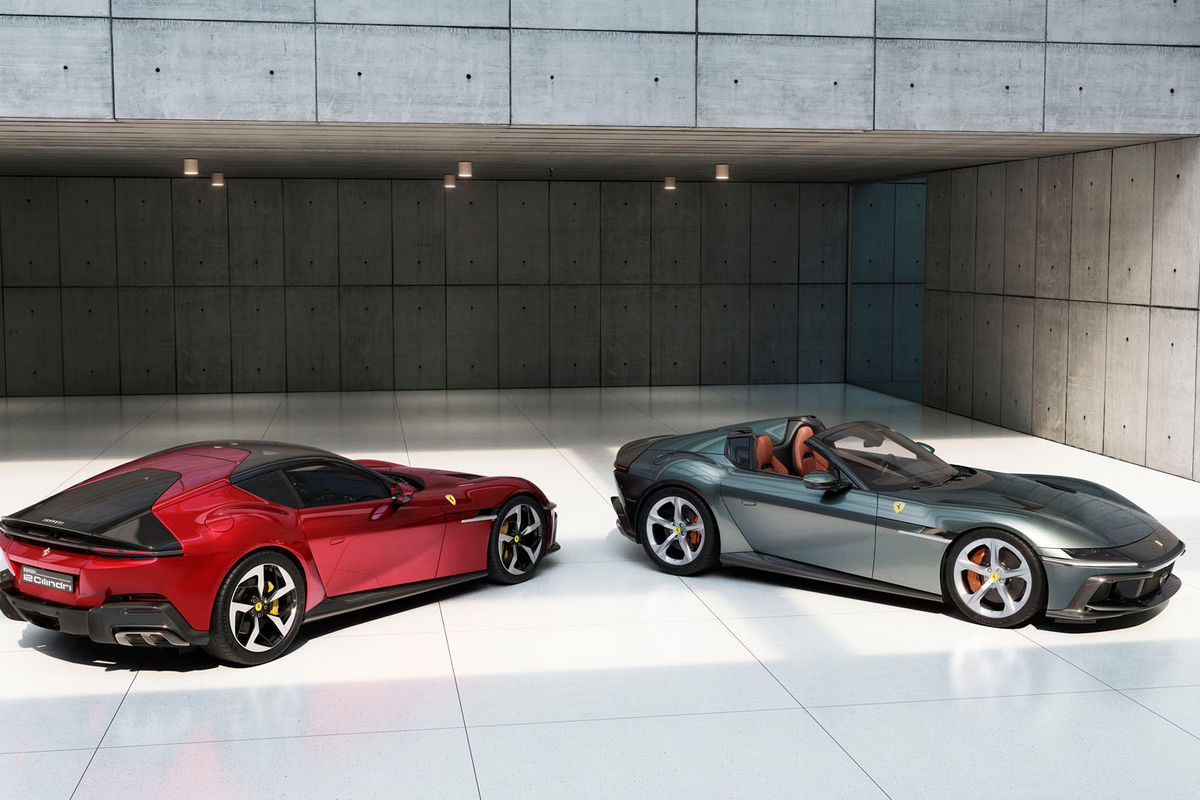
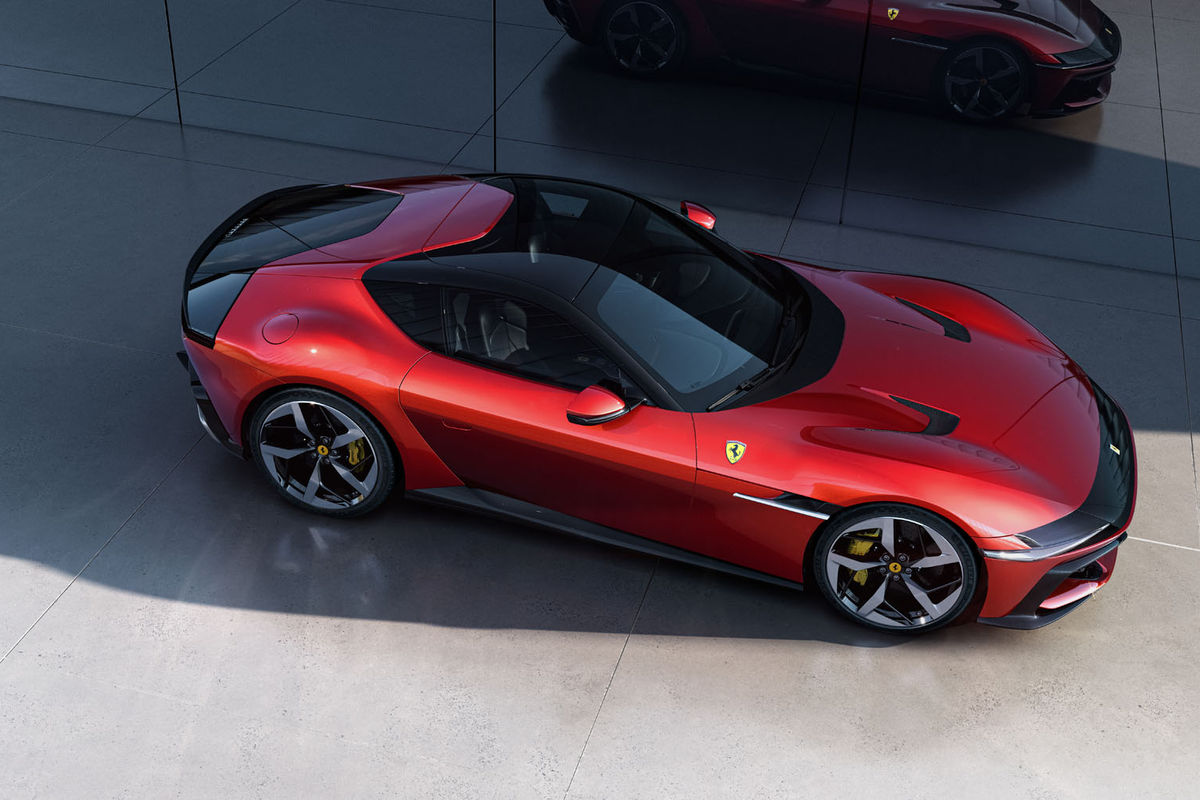
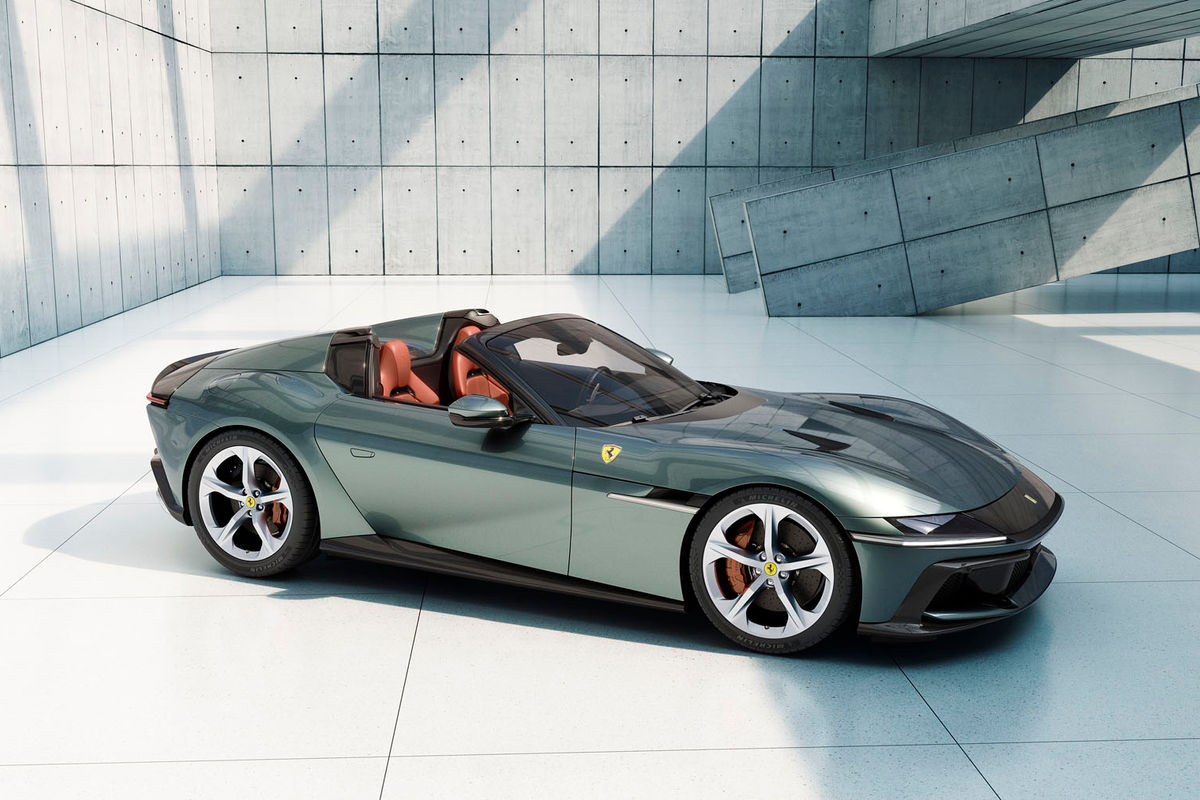
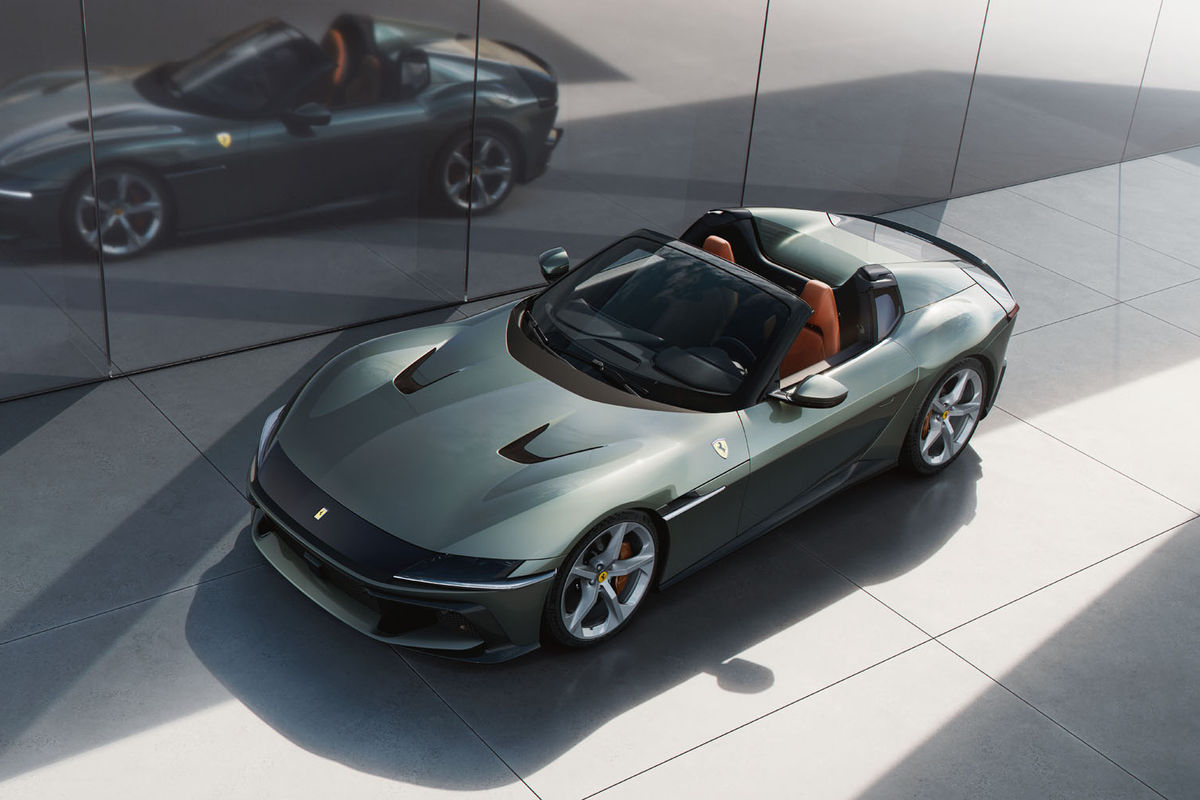
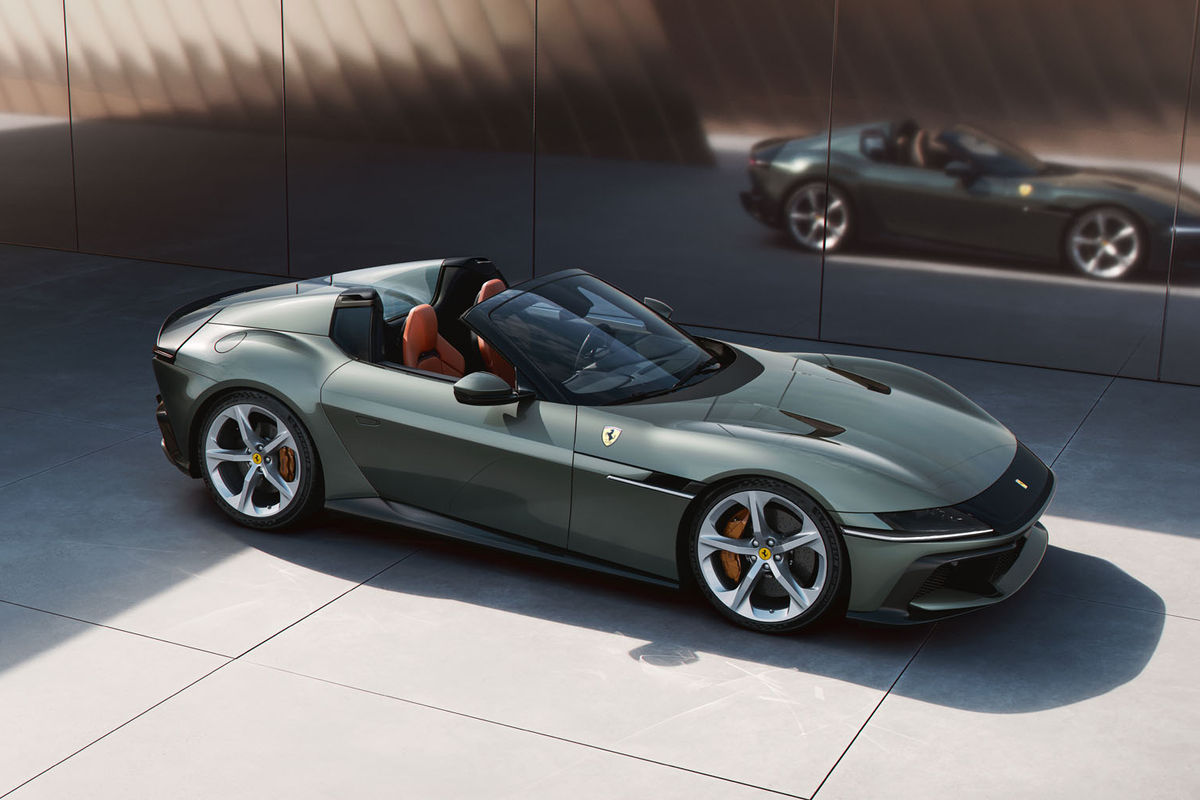
Ferrari has unveiled a stunning successor to its acclaimed 812 Superfast, dubbed the 12Cilindri. As the name indicates, it is powered by a V12 engine that packs no less than 610 kW. The Ferrari 12Cilindri will arrive in South Africa during Q1 of 2025!
Although the threat of EU emissions and noise legislation means that big-capacity engines such as Ferrari’s 6.5-litre V12 (F140HD) are essentially on borrowed time, well-heeled customers still adore them – the Purosangue SUV is sold out, we’re told, for years…
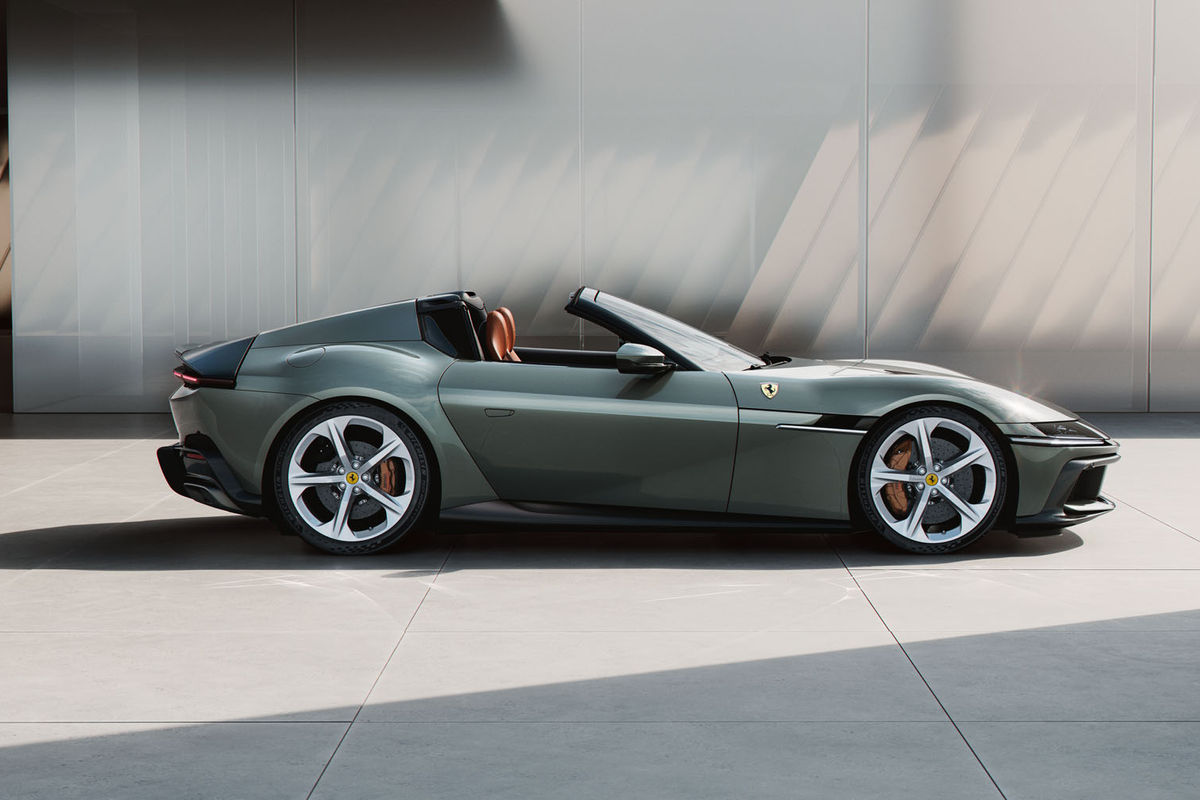
Perhaps because those legislative changes are looming, Ferrari has taken the unconventional route of launching the Coupe and drop-top (Spider) variants at the same time. The Ferrari 12Cilindri is further evidence that Italian even makes the most generic of names sound evocative.
Think Maserati Quattroporte (four-door)… Replace “Twelve” with the Italian “Dodici” and you have a car that sounds suitably impressive around the braai. The new Ferraris will arrive in South Africa during the first quarter of 2025, but no pricing details are available yet. In Europe, pricing begins at around the €400 000 mark (approximately R8 million before options, duties and taxes).
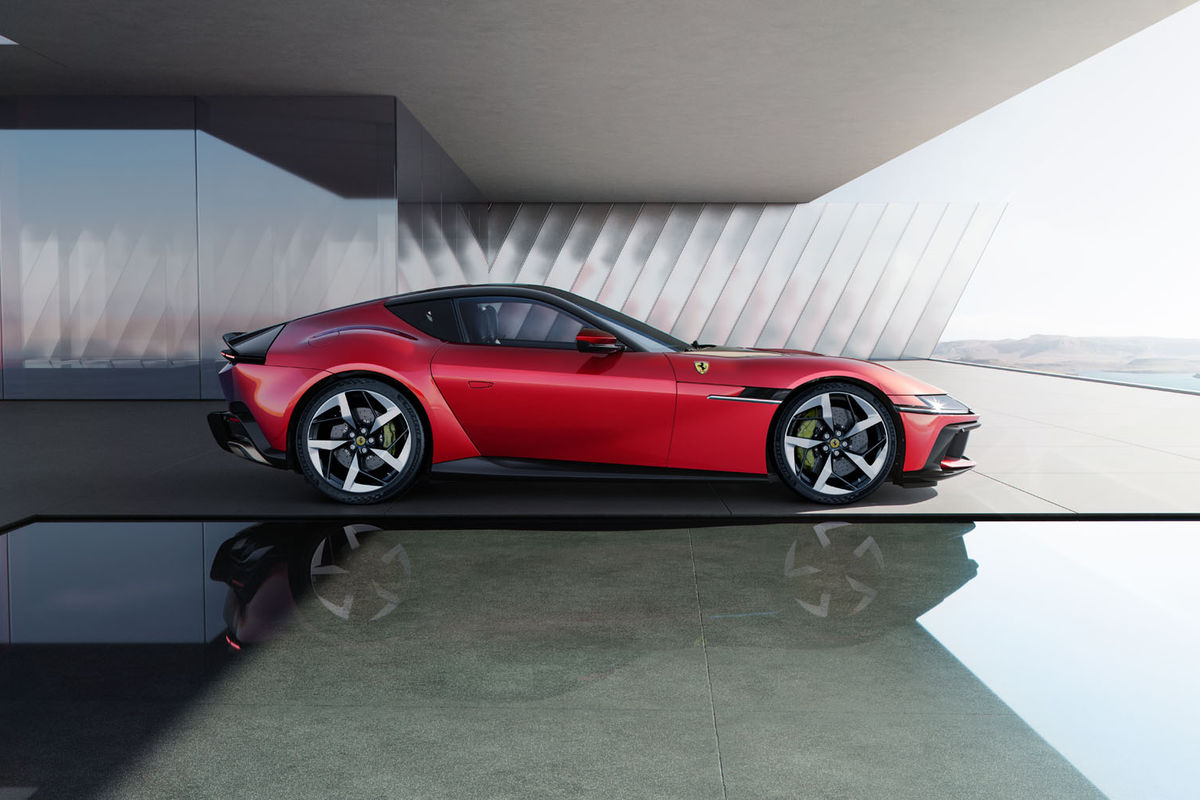
With styling inspired by the legendary Daytona of the late ’60s to early ’70s, the 12Cilindri is another Flavio Manzoni masterpiece. Ferrari’s press release says the goal was to create “a sober, elegant car”, but in our view, the 12Cilindri looks dramatic and beautifully resolved.
It is largely devoid of aggressive aero addenda, with most of its downforce generated by the 3 pairs of vortex generators at the front of the car’s floor, another two at the rear, and a substantial diffuser. The 12Cilindri does, however, have a hidden trick… 2 active rear wing flaps that are flush with bodywork until 60 kph, at which point they deploy as needed to boost cornering, acceleration and braking performance.
The interior of the Ferrari 12Cilindri, meanwhile, closely resembles the one you’ll find in the Ferrari Purosangue, and features an 8.8-inch screen in front of the passenger, showing speed, engine revs and more. Apple CarPlay and Android Auto are standard.
Underpinning the 12Cilindri is an all-aluminium chassis that is around 20 mm shorter than the 812 Superfast‘s and also 15% stiffer. Interestingly, it is just shy of 40 kg heavier than its predecessor, but this has not impacted performance negatively. Ferrari claims a 0-100 kph time of 2.9 seconds for the coupe and 2.95 seconds for the 60kg-heavier Spider. Top speed is “above 340 kph” for both variants.
The naturally-aspirated 6.5-litre V12 engine, which delivers 610 kW/678 Nm and spins to a heady 9 500rpm, is mated with the 8-speed gearbox, which is also utilised in the SF90 and 296 GTB. It is said to shift 30 per cent faster than the 7-speed dual-clutch used in its predecessor.
To ensure sharper dynamics than the Superfast, the 12Cilindri features the 812 Competizione‘s rear-wheel steering system, as well as an overall suspension set-up that mimics the apex 812 variant’s. Two tyre options (Michelin Pilot Sport S5 and Goodyear Eagle F1 Supersport) are available for the 21-inch alloy wheels fitted to the Ferrari 12Cilindri.
Ferrari 12Cilindri Specifications
POWERTRAIN
Type: V12, 65-degree dry sump petrol
Overall displacement: 6 496 cm3
Bore and stroke: 94 mm x 78 mm
Max. power output: 610 kW at 9 250 rpm
Max. torque: 678 Nm at 7 250 rpm
Max. revs: 9 500 rpm
Compression ratio: 13.5:1
WEIGHTS AND DIMENSIONS
Length: 4733 mm
Width: 2176 mm
Height: 1292 mm
Wheelbase: 2700 mm
Front track: 1686 mm
Rear track: 1645 mm
Dry weight: 1560 kg
Weight distribution: 48.4% front / 51.6% rear
Fuel tank capacity: 92 litres
Boot size: 270 litres
TYRES AND WHEELS
Front: 275/35 R21 J10.0
Rear: 315/35 R21 J11.5
Ferrari 12Cilindri Specifications cont.
BRAKES
Front: 398 x 223 x 38 mm
Rear: 360 x 233 x 32 mm
TRANSMISSION AND GEARBOX
8-speed DCT
ELECTRONIC CONTROLS
SSC 8.0: TC, eDiff, SCM, PCV 3.0, FDE 2.0, EPS, ABS-Evo in all Manettino positions, 6D sensor, performance ABS/ABD
SA’s best-selling cars and crossovers in April 2024
It was a tight race at the top in April 2024! We’ve sorted through the sales figures and identified South Africa’s best-selling cars and crossovers for last month…
We’ve already identified the country’s most popular bakkies for April 2024, but what about South Africa’s best-selling cars and crossovers? Well, we’ve managed to lay our hands on the (unaudited) figures submitted to Naamsa, allowing us to list the top-selling passengers vehicles for the month.
For the record, South Africa’s new-vehicle market ended its 8-month streak of year-on-year declines in April 2024, with total sales climbing 2.2% (compared with April 2023) to 38 172 units. Mzansi’s new passenger-vehicle market outpaced the broader market in terms of year-on-year growth, increasing 6.1% to 25 972 units.
Digging into the data, we find that the Volkswagen Polo Vivo was SA’s most popular passenger car in April, with 1 766 units of the Kariega-built prolonged-lifecycle hatchback registered around the country. Interestingly, despite the fact a new generationSuzuki Swift is seemingly around the corner, the Indian-made hatchback was just 41 registrations behind on 1 725 units. As a reminder, Suzuki grabbed 2nd place overall last month, ousting the VW Group for the very first time.
The Prospecton-produced Toyota Corolla Cross (1 573 units) completed the passenger-vehicle podium in April, while also finishing as the highest-placed crossover. The Toyota Starlet – which is built by Suzuki in India – took 4th position with 1 148 units, while the Chinese-made Chery Tiggo 4 Pro (976 units) fell just short of 4 figures, though grabbed a strong 5th place.
The Tiggo 4 Pro cracked the top 5, helping Chery to a 6th-place finish overall.
Next came the Nissan Magnite (849 units) in 6th, with this Indian-manufactured accounting for a whopping 58.8% of its maker’s total in April; remember, the NP200 – which has long been responsible for a hefty chunk of the Japanese brand’s volume – has since been retired.
The Hyundai Grand i10 took 7th place with 825 units, a figure that would rise by a further 51 units were we to include light-commercial vehicle sales (in the form of the Cargo-badged panel-van derivative). The Kariega-produced Volkswagen Polo hatch (822 units) thus had to settle for 8th place, ahead of the Suzuki Baleno (659 units) in 9th. Finally, the Chinese-made Haval Jolion closed out the top 10 with 620 registrations in April.
SA’s best-selling cars and crossovers in April 2024
All-electric J6 – ‘Jaecoo’s Jimny’ – is coming to SA
This cute all-electric off-roader is on its way to South Africa and we’ve had a quick drive. Here’s all you need to know about the Jaecoo J6.
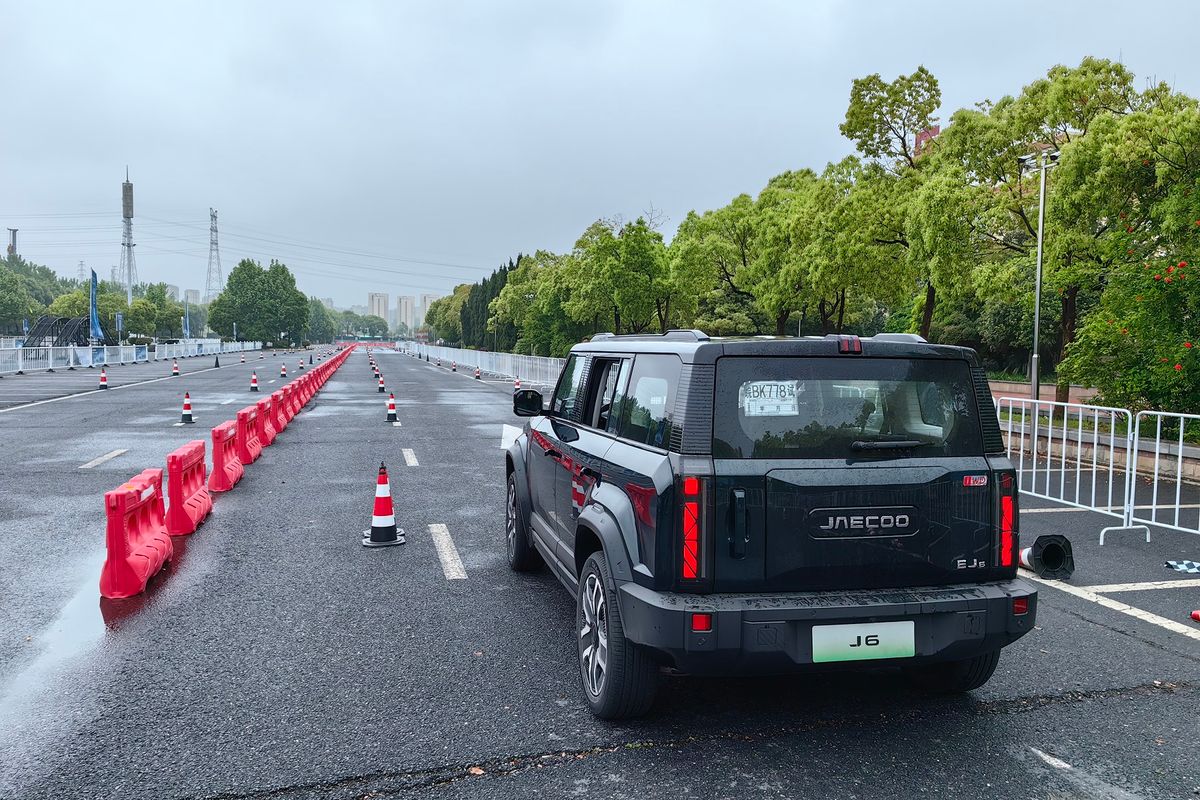
Meet the Jaecoo J6, at least that’s what it will be called when it arrives in South Africa. There’s no confirmed arrival date, but we estimate that it will touch down in Mzansi by the middle of 2025.
In China, this model is known as the iCar 03 and despite its stylised moniker, there’s no link to Apple Inc! Interestingly, the Cupertino-based firm did have an electric car programme, but that project appears to have been “binned”. iCar is Chery’s electric car brand in China, but the group uses Omoda and Jaecoo names in export markets. While Omoda is for trendy urbanites, Jaecoo appeals to off-road adventurers.
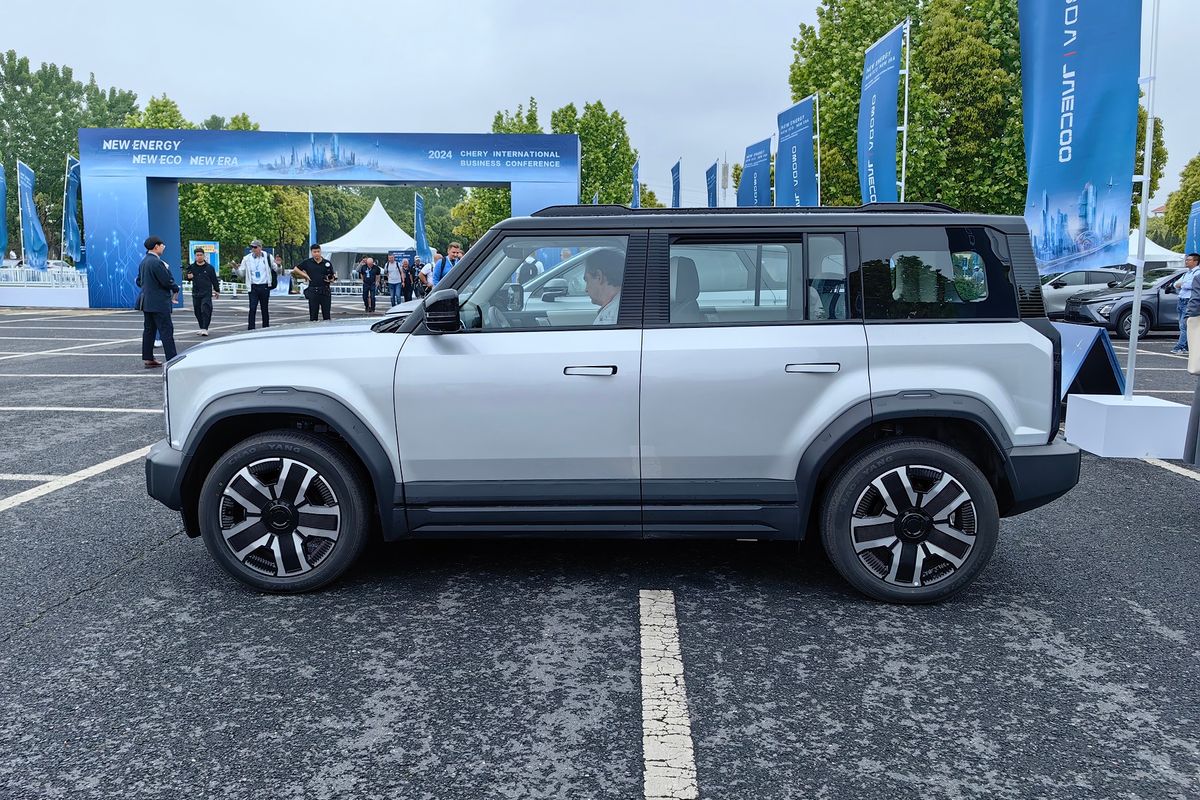
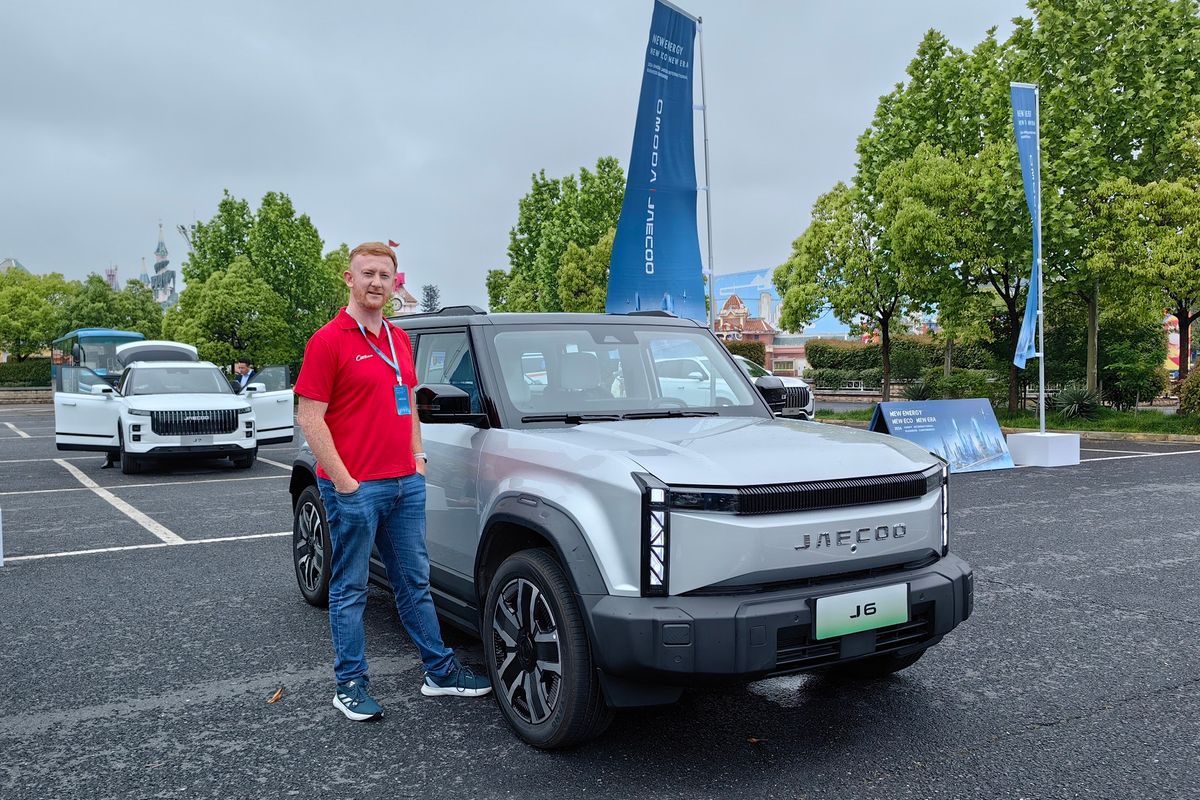
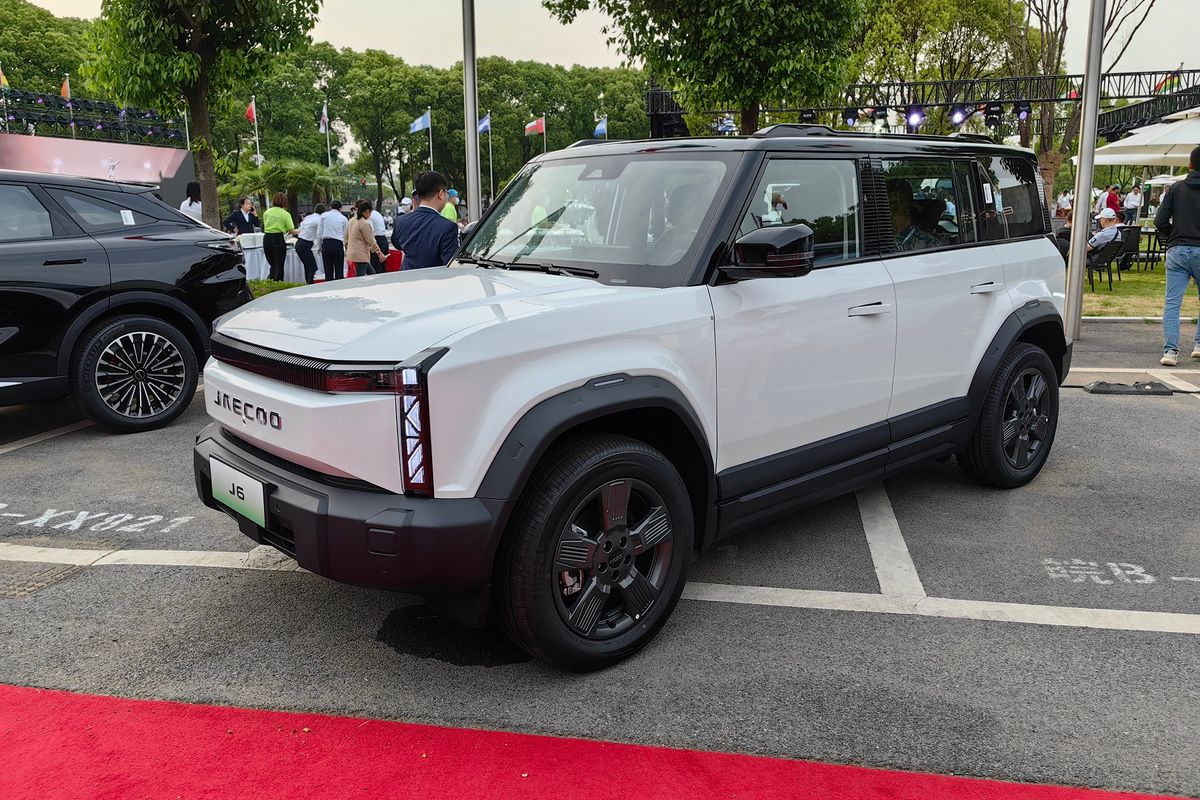
Just look at it – in all of its unashamedly boxy magnificence! We revel in the resurgence of vehicles with squared-off extremities, and you could think of this as a digital and all-electric Suzuki Jimny. In terms of size, the Jaecoo J6 is 4 406 mm long (Toyota Corolla Cross-size), 1 910 mm wide and 1 715 mm tall.
Importantly, the J6’s wheelbase is 2 715 mm long, which means that the model can comfortably seat 4 adults. To use the Corolla Cross as a reference point again, that model’s wheelbase measures 2 640 mm.
What’s on offer?
It needs a spare wheel mounted to the tailgate
As we type this in May 2024, it’s still early in the Jaecoo J6’s market-launch process. We do know the vehicle will be touching down in South Africa, but exact derivatives will only be confirmed much later.
The Jaecoo J6 is available in several derivatives. Right now, it’s electric-only, but we wouldn’t put it past China’s 3rd largest carmaker to reconfigure the platform for internal combustion power. There’s a single motor with rear-wheel drive that makes 135 kW and 184 Nm. The dual-motor with 4-wheel drive setup offers peak outputs of 205 kW and 279 Nm, plus it has a claimed 0-100 kph time of around 6.5 sec.
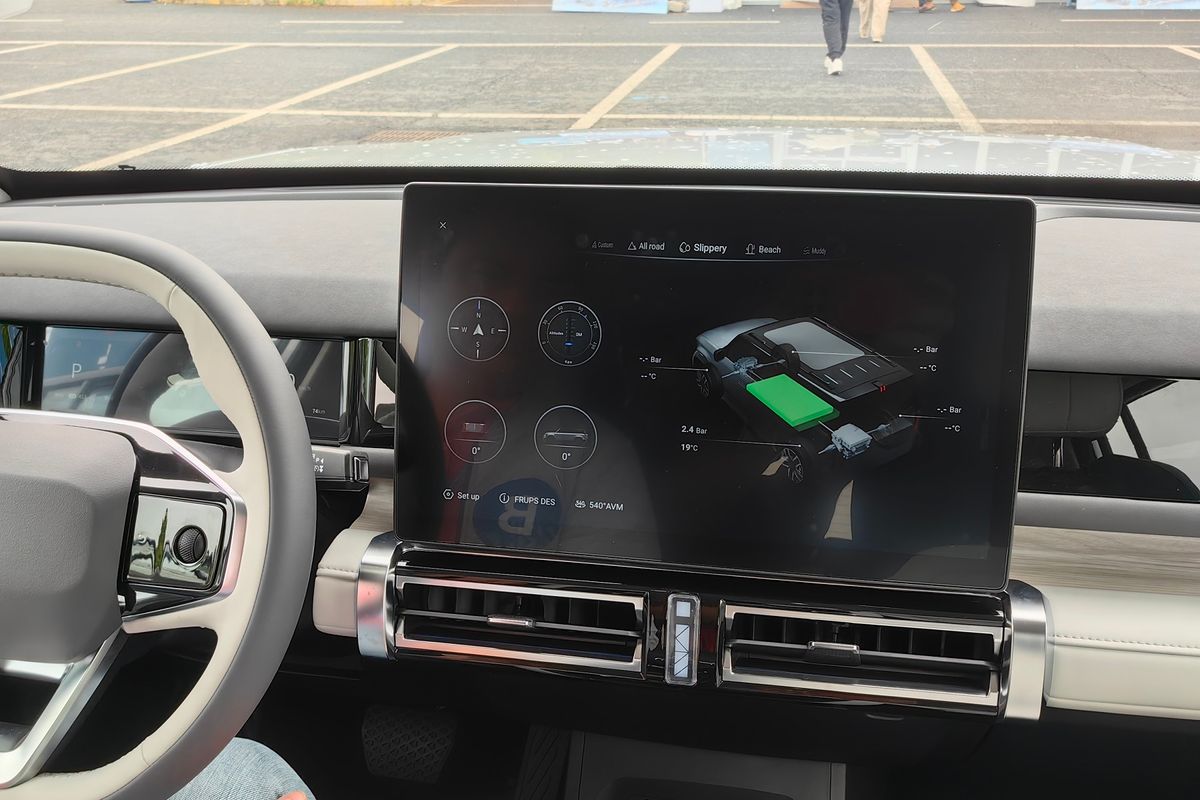
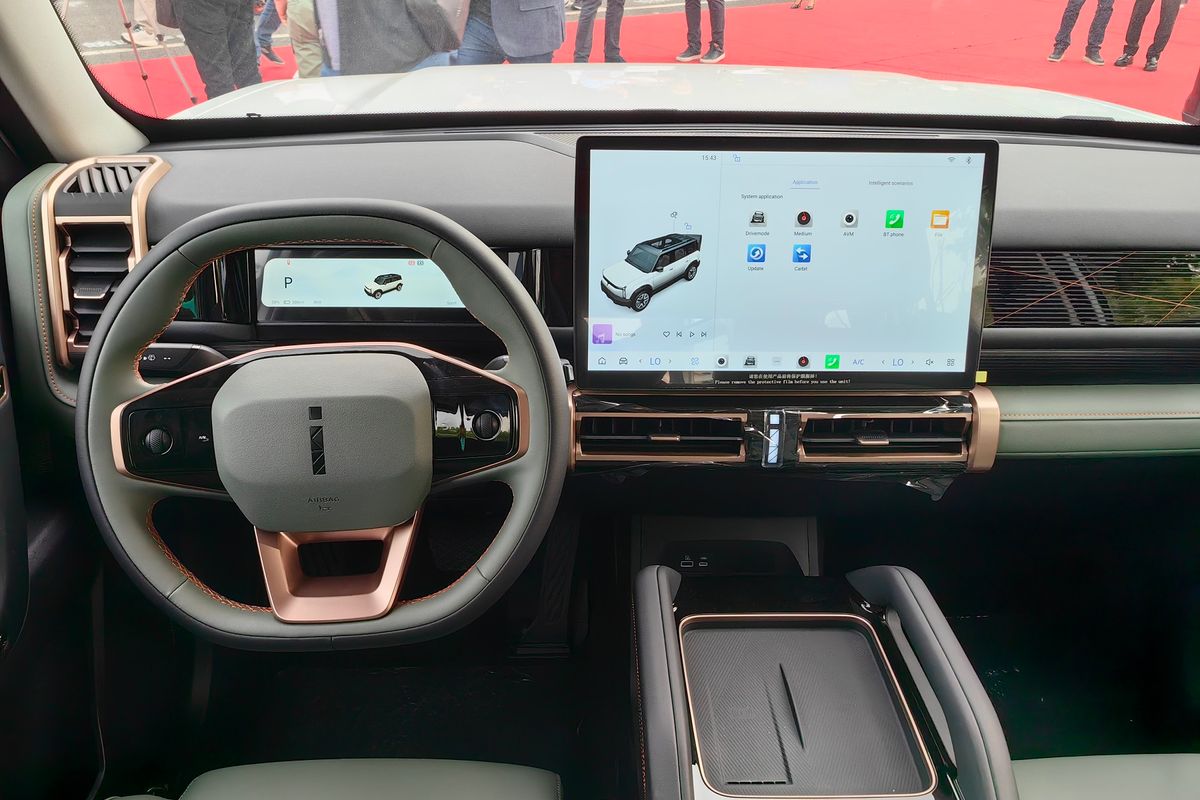
The infotainment screen controls all functions
Of far greater importance is the range. Battery giant CATL offers modern lithium-ion phosphate packs which offer ranges of 401 km, 472 km and 501 km respectively, based on the China Light Duty Vehicle Test Cycle (CLTC). The largest battery capacity currently available in the J6’s equivalent is 69.8 kWh.
Again, it’s too early to confirm the tech and convenience features that will be fitted in local versions of the Jaecoo J6, but the version we experienced had door handles that sat flush with the bodywork, a side opening tailgate, a neat digital dashboard, as well as a sizeable, high-quality infotainment touchscreen. There are very few buttons inside; we assume most vehicle functionality is controlled through the screen.
First Impressions of the Jaecoo J6
The 1.9m tall author with the cute Jaecoo J6
During our recent visit to the home of the Chery Group at Wuhu, in the Anhui Province of China, we had the chance to experience the raft of new O&J products earmarked for South Africa. Granted, the drives were extraordinarily short, but there were also static evaluations to assess cabin space and quality.
Quality is undoubtedly a buzzword at Chery and something the group takes seriously as its Omoda and Jaecoo products are destined for export markets only, so it’s in the Chinese manufacturer’s commercial interest to put its best foot forward if it hopes to achieve sales success in Western markets such as ours.
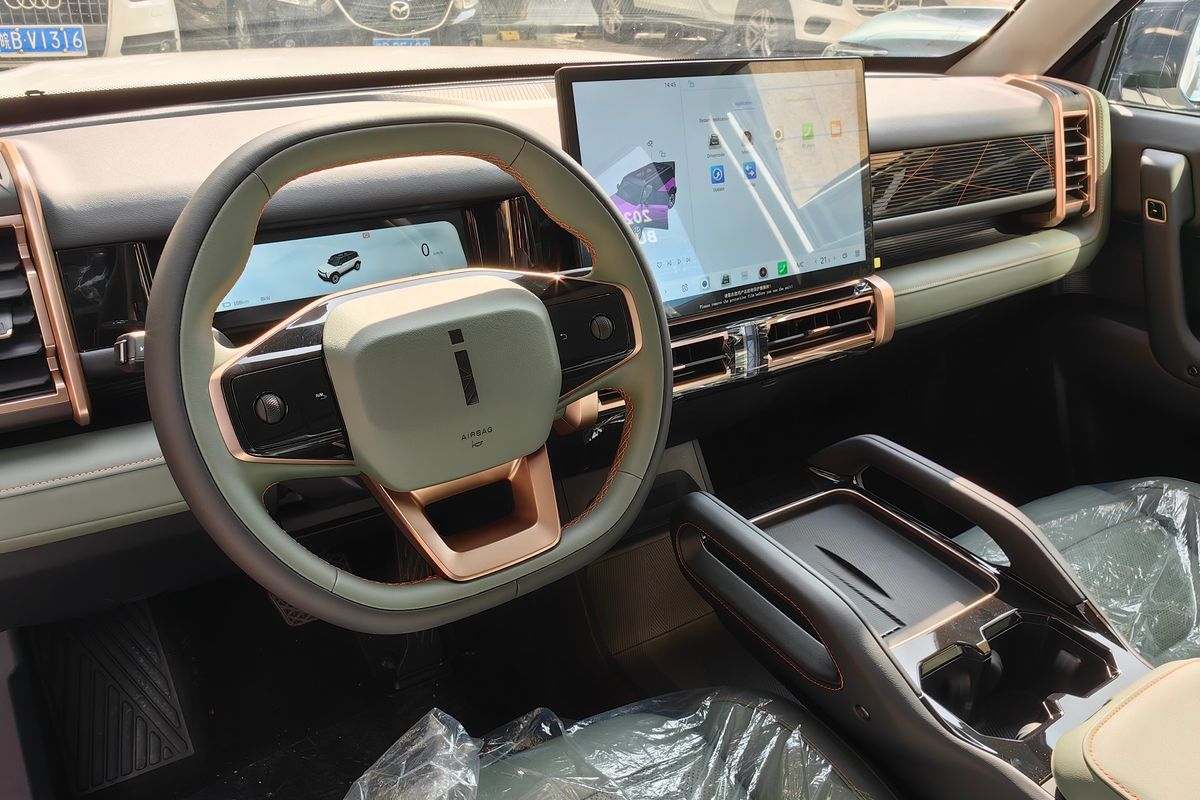
Minimalist cabin with a neat digital dashboard
When you step inside the Jaecoo J6, you’re greeted by a plush, minimalist and modern cabin. The common touchpoints feel pleasantly soft, but substantial. At face value – and, suffice it to say – first glance, the build quality is as good as you’d expect from a legacy car maker. Given Chery’s joint venture agreement with Jaguar Land Rover, it comes as no surprise that the J6 feels very Evoque-ish inside.
The large central screen has crisp graphics and responds swiftly to inputs. We couldn’t see any physical controls, other than the steering-column-mounted transmission lever, which suggests virtually all in-car functions have been integrated into the infotainment system. It’s very progressive – perhaps a harbinger of future cabin ergonomics – but we’re not completely sold on it from a user experience point of view.
Straight-line performance was energetic, but not grin-inducing.
As with the Omoda E5 and Chery Tiggo 9 PHEV, our Jaecoo J6 test drive was brief, but long enough to provide us with insights into Jaecoo’s highly fashionable small crossover. Being electrically powered, the J6’s responses (and, of course, torque delivery) are almost instantaneous, but unlike most modern EVs, the acceleration is eager, as opposed to scintillating. Besides, we’d prefer the “more measured” power delivery. Furthermore, the steering feel is pleasingly light and quick; it makes the vehicle feel nimble.
Criticisms? There’s plenty of occupant space, but it comes at the expense of luggage space (the load bay is quite shallow). We suspect there’s a full-size spare wheel under there, but wouldn’t it be better if the spare was mounted on the tailgate (like on the majority of box-shaped off-roaders)? There’s also a lack of a privacy parcel shelf, which is something we hope Chery/Omoda and Jaecoo SA will address.
Summary
Plenty of Land Rover design cues here
Out of the assortment of vehicles that we experienced in China, the Jaecoo J6 tugged at the heartstrings the most. The SUV’s retro exterior look is beautifully juxtaposed with the high-tech futuristic interior.
Although it propels all 4 of its wheels and offers off-road drive modes, the J6 is not a direct Suzuki Jimny rival, BUT in terms of being a distinctive off-road-inspired small crossover that appeals to urbanites (which is arguably the Jimny, especially the 5-door version’s target market), it seems to hit the bulls-eye.
Of course, seeing as the Jeacoo J6 is an electric car, it’s likely that it will be quite pricey in the South African market, because of the additional tax that the Government levies on the importation of EVs (the nation’s intermittent power supply is another complication).
Simply put, electric cars are more expensive in Mzansi than they should be, but given the aggressive pricing strategies we’ve seen from Chery/Omoda and Jaecoo South Africa, it would not surprise us to see the Jaecoo J6 retail for relatively sensible and competitive prices. We’ve got our fingers crossed.
10 best-selling bakkies in South Africa: April 2024
Just 21 units separate the top 2 contenders! Here’s your monthly look at South Africa’s best-selling (and least-popular) bakkies, this time for April 2024…
In April 2024, South Africa’s new-vehicle market finally ended its 8-month streak of year-on-year decline, with total sales climbing 2.2% (compared with April 2023) to 38 172 units. That said, the light-commercial vehicle (LCV) space suffered a 9.0% year-on-year fall to 9 646 units last month.
So, what happened on the list of South Africa’s best-selling bakkies? Well, the Prospecton-built Toyota Hilux range – which will soon be bolstered by the long-awaited widebody GR Sport III – was once again the country’s most popular bakkie line-up, according to unaudited figures reported to Naamsa.
However, with local registrations of the Hilux falling 32.5% month on month to 2 094 units in April 2024, the gap to 2nd place was a mere 21 units. Yes, after slipping to 4th position in March, the Silverton-built Ford Ranger line-up bounced back to 2nd last month, finishing on 2 073 units.
Meanwhile, the Struandale-built Isuzu D-Max again completed the podium, though was some way behind on 1 202 units, suffering a 42.6% month-on-month decline. The KwaZulu-Natal-assembled Mahindra Pik Up (604 units) climbed a place to 4th position, while the refreshed Toyota Land Cruiser 79 (385 units) ranked a lofty 5th, up as many as 3 spots compared with March.
The Ford-built Volkswagen Amarok (376 units) was just 9 sales behind in 6th position (a month-on-month improvement of 3 rankings, too), with the Chinese-made GWM P-Series (368 units) right on its tail in 7th place (down one compared with March).
The SA-built Nissan Navara (303 units) slid a spot to 8th position, with the NP200 – production of which has officially wrapped up at Rosslyn – having to settle for 9th. As a reminder, the half-tonne bakkie enjoyed one of its best months yet in March, when it placed 2nd with 2 679 units registered. However, it seems NP200 stock is now already almost depleted. Finally, the GWM Steed (95 units) again closed out the table in 10th.
Best of the rest in April 2024: bakkies outside the top 10
The Peugeot Landtrek was best of the rest in April.
So, which bakkies didn’t manage to crack the top 10 in April 2024? Well, Peugeot Landtrek was best of the rest on 63 units, finishing ahead of the JAC T-Series – the Chinese automaker unfortunately reports only a combined figure for its T6, T8 and new T9 line-ups – which ended up on 59 units.
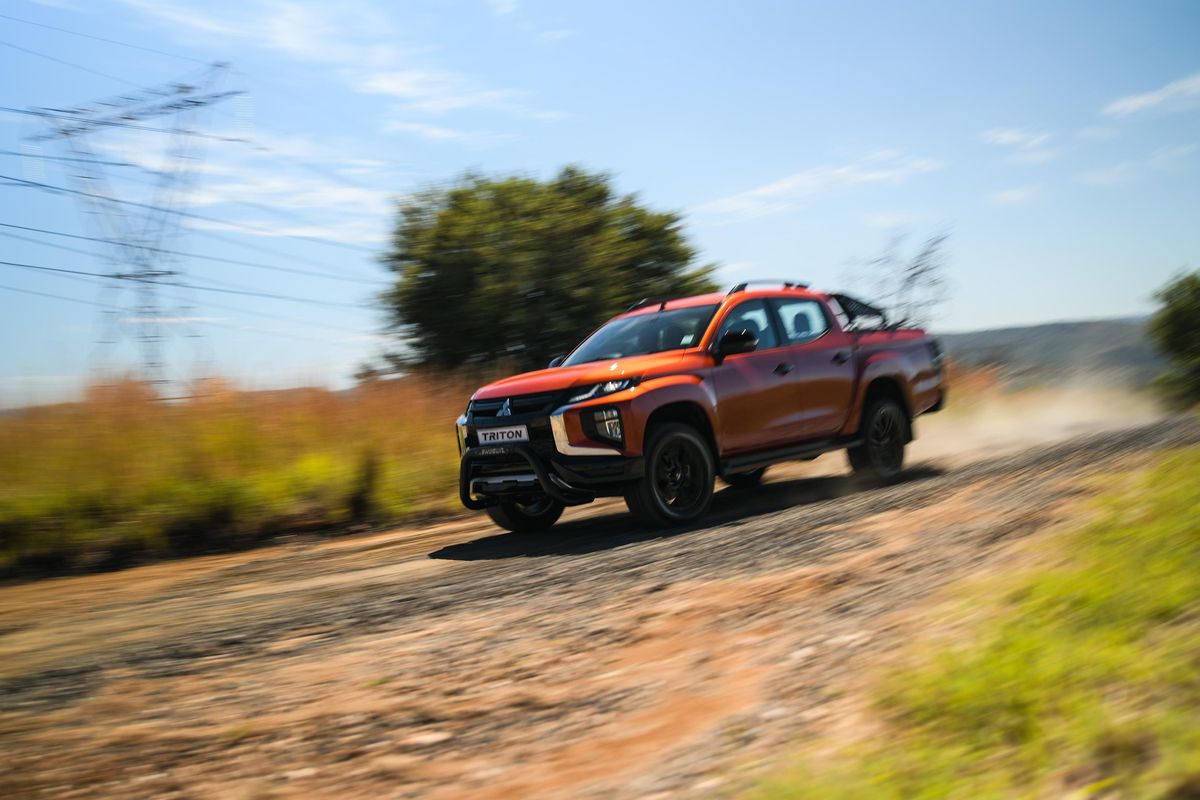
Next came the Mahindra Bolero (42 units), followed by the outgoing Mitsubishi Triton (37 units). Finally, with zero sales of the discontinued Mazda BT-50 registered in April, the Jeep Gladiator (a facelifted version is set to launch in Mzansi only towards the end of 2024) brought up the rear with 2 registrations.
10 best-selling bakkies in South Africa for April 2024
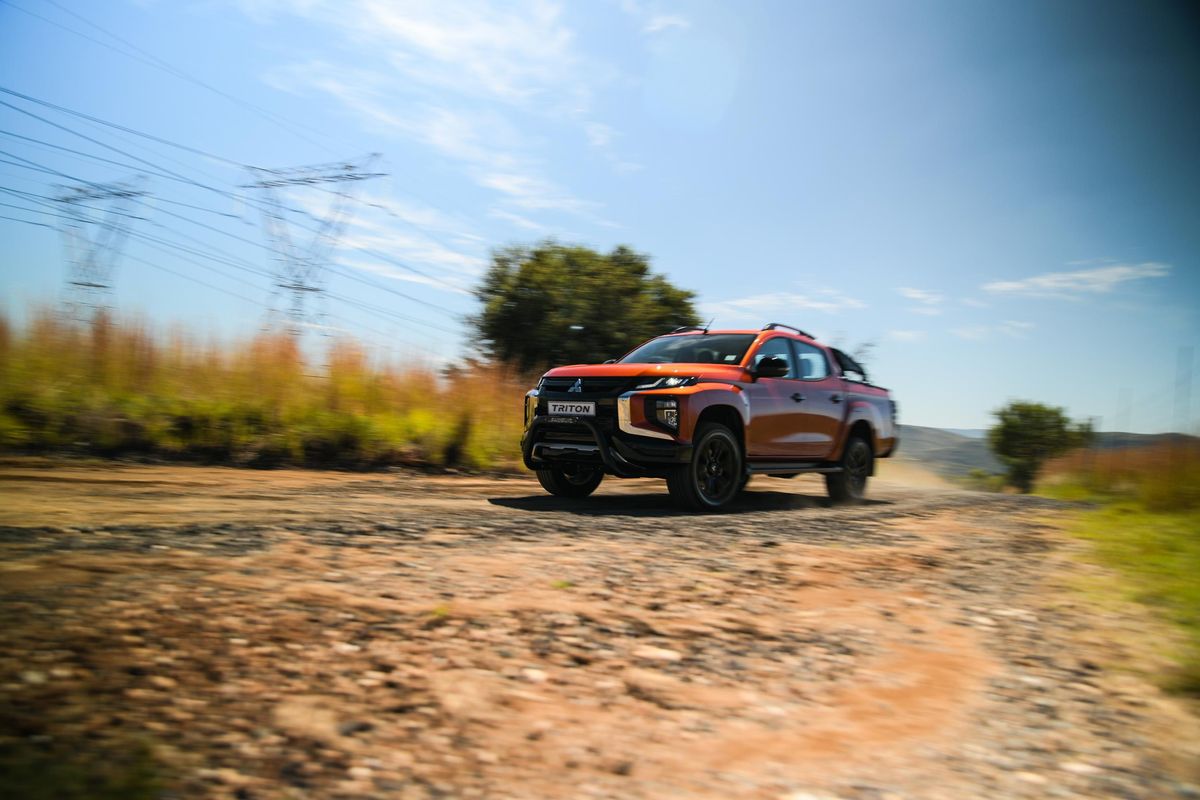
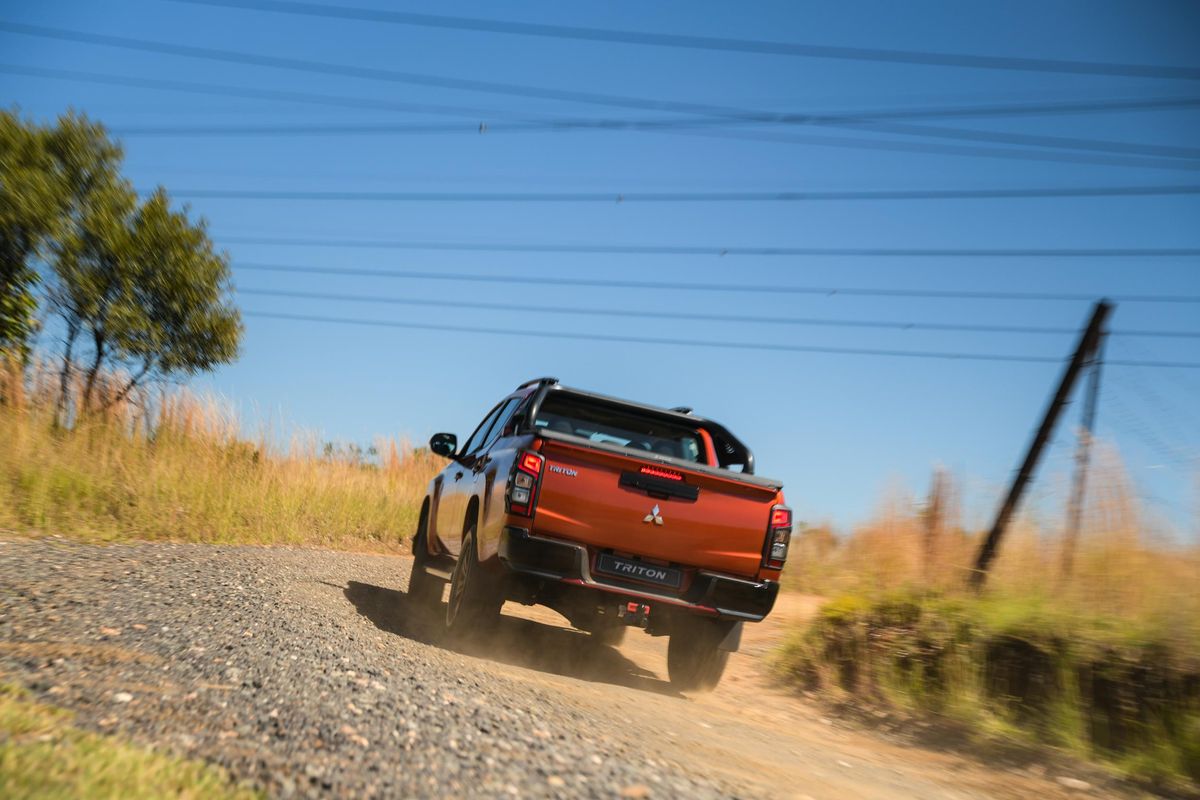
The Mitsubishi Triton Shogun is a limited-edition double-cab bakkie and it’s just gone on sale. Here are prices and specifications.
The Mitsubishi Triton Shogun is likely to be the last derivative offered in this 5th-generation shape, before the all-new 6th-generation Triton touches down in South Africa in late 2024.
So, what do you get for your R809 990? The Mitsubishi Triton Shogun features a black front bumper garnish, headlight covers and matte black front fog light covers. The roof rails are finished in dark paint and the vehicle comes with a Shogun-specific sports bar. The load bay comes with a tailgate lock and tonneau cover. At the back, the tail lamps also gain the matte black covers and a tow bar is standard.
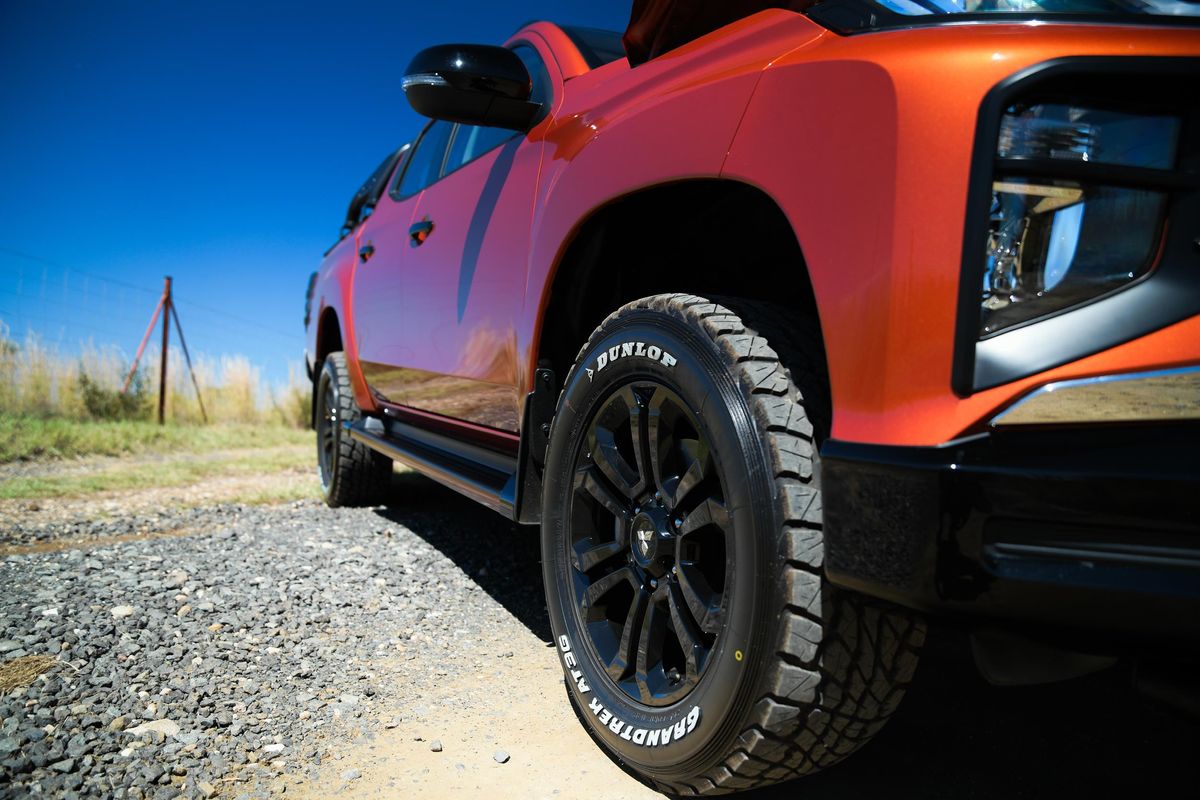
The Shogun features black 18-inch wheels wrapped in all-terrain Dunlop rubber. As a reminder, the Triton is an offroad-capable bakkie, with a ground clearance of 220 mm and approach and departure angles of 31 and 29 degrees respectively.
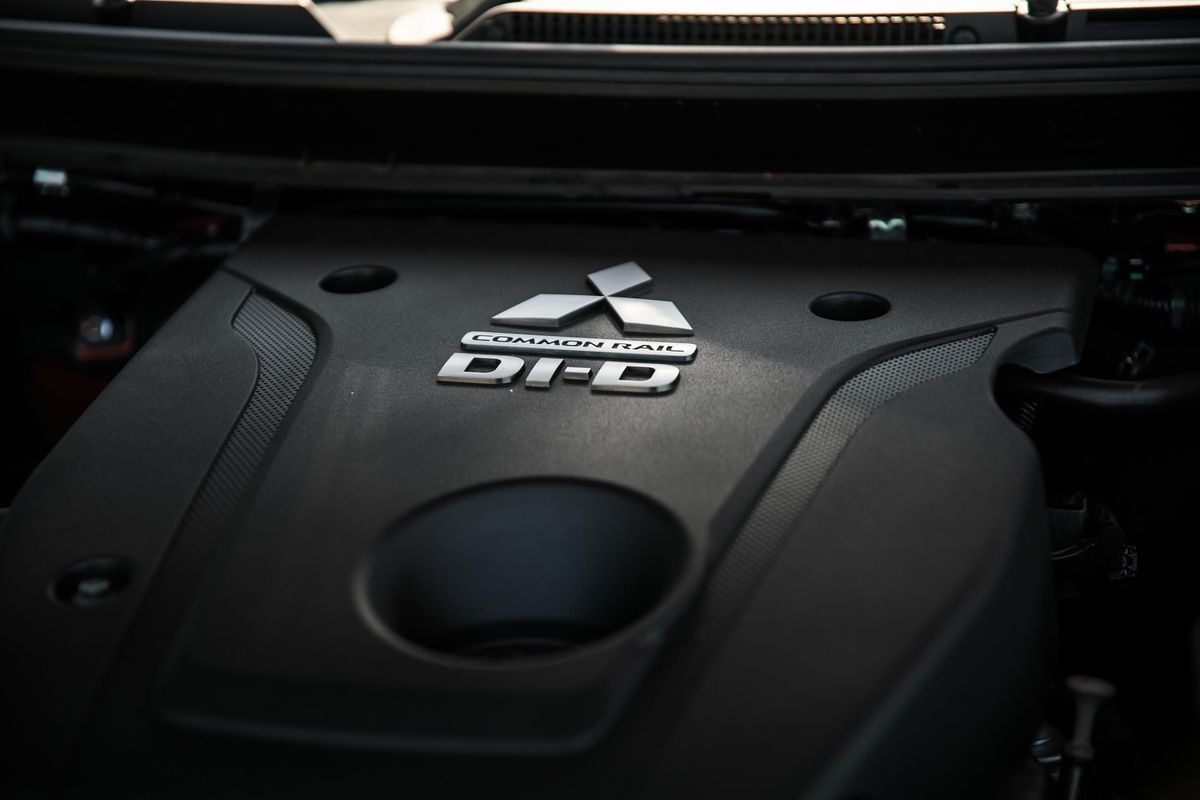
The tried-and-tested 2.4-litre MIVEC diesel engine is on duty and offers up 133 kW and 430 Nm, and is paired to a six-speed automatic transmission.
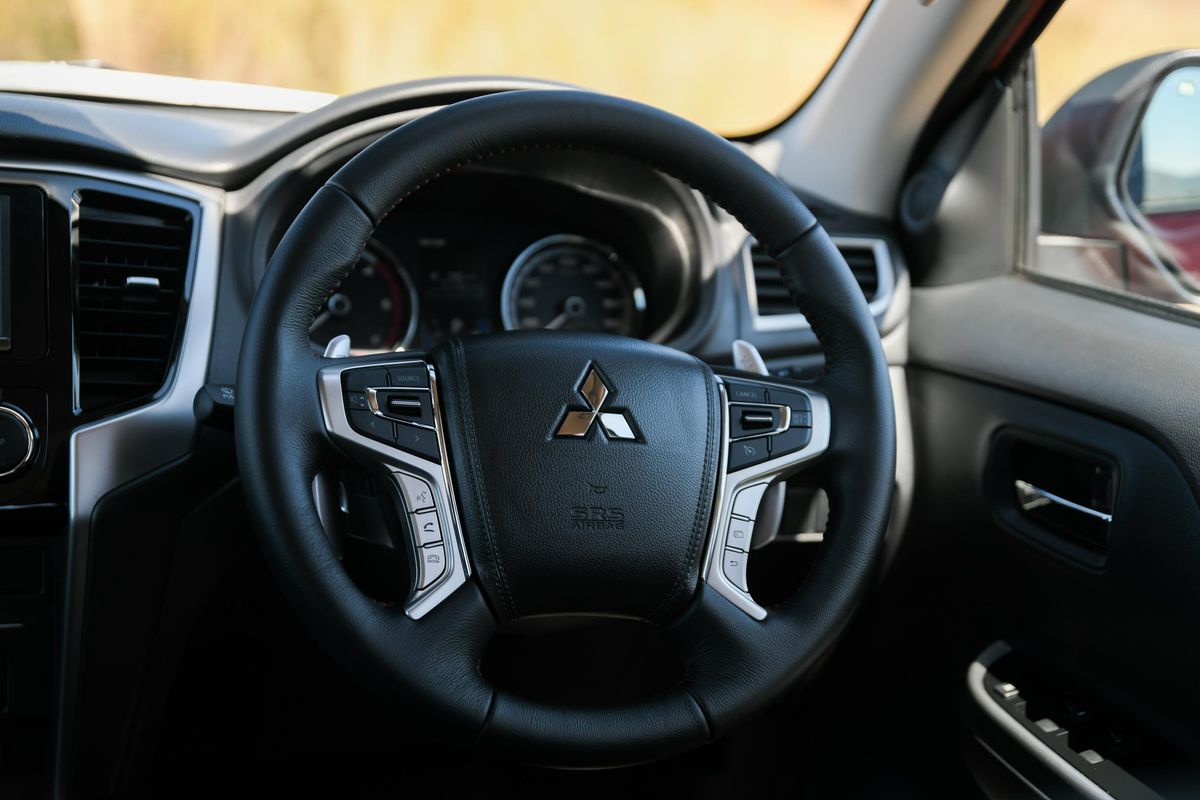
The cabin gets a small upgrade, with the leather steering wheel, parking brake, leather seats and door trim all feature red leather stitching. The Shogun also gains a Sony car audio system complete with Apple CarPlay and Android Auto smartphone connectivity.
“The Triton remains a top seller for Mitsubishi in South Africa with buyers continually attracted to its unique styling, excellent performance and pedigree that has been honed in the world of motorsport along with legendary off-road capability, all characteristics that are now highlighted by the unique Shogun touches,” says Jeffrey Allison, General Manager: Marketing at Mitsubishi Motors South Africa (MMSA).
How much does the Mitsubishi Triton Shogun cost in South Africa?
The Mitsubishi Triton Shogun is sold with a manufacturer’s warranty of three years or 100 000 km, a 5-year/90 000 km service plan and 5-year/unlimited mileage roadside assistance. Service intervals are every 10 000 km.
Volkswagen Polo Sedan 1.0 TSI (2024) Price & Specs
The Volkswagen Polo Sedan 1.0 TSI has quietly arrived in South Africa, slotting in above the 1.6-litre naturally aspirated derivatives. Here’s how much the turbocharged model will cost you…
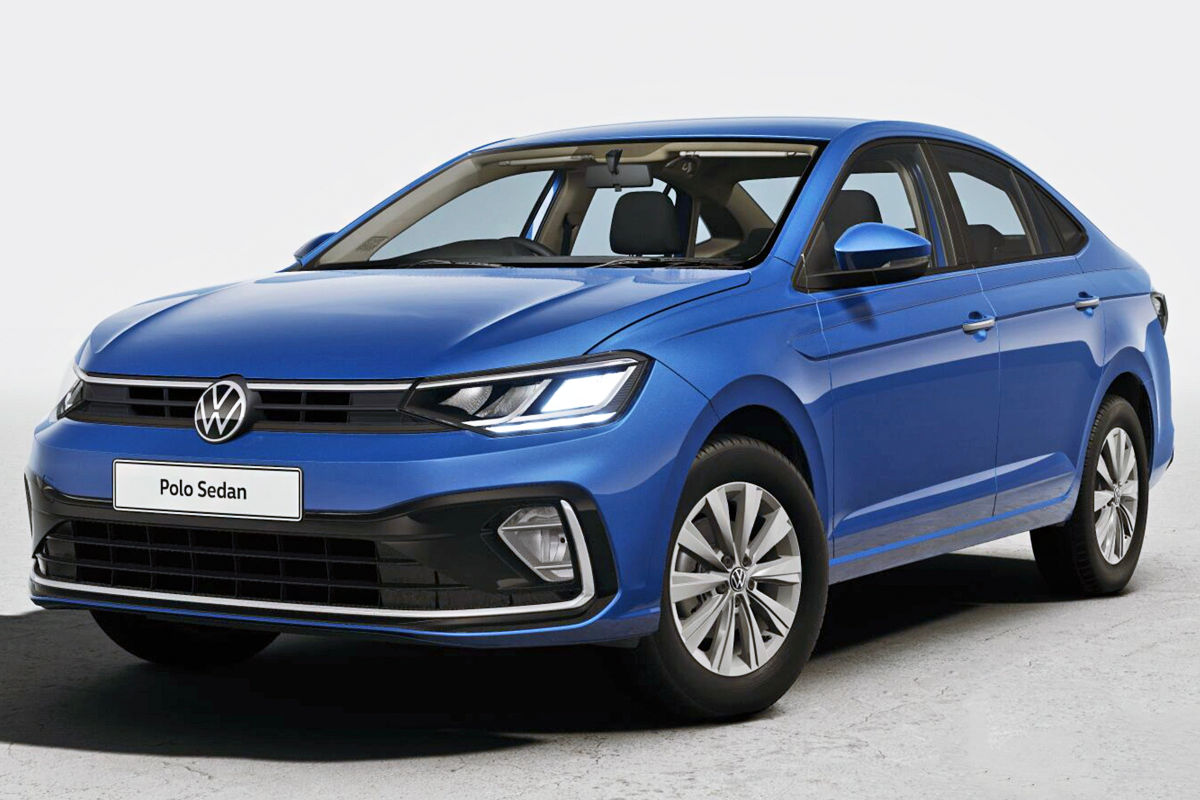
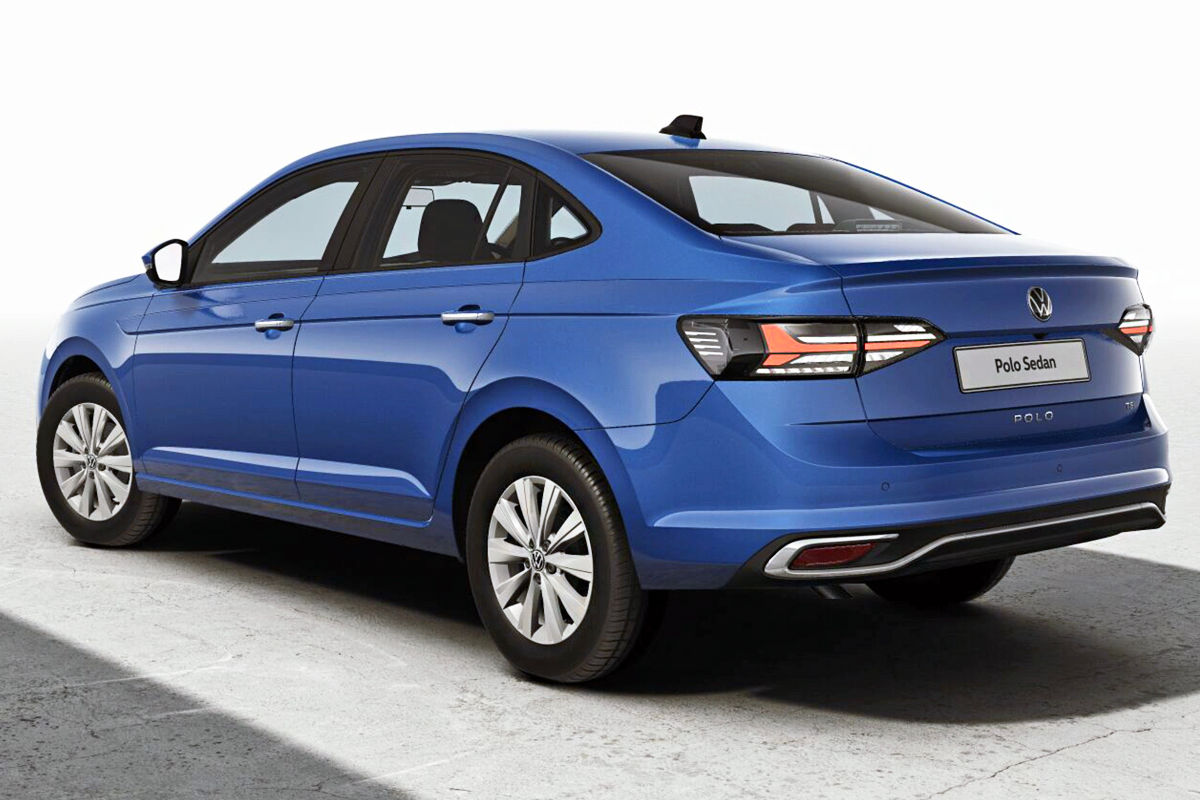
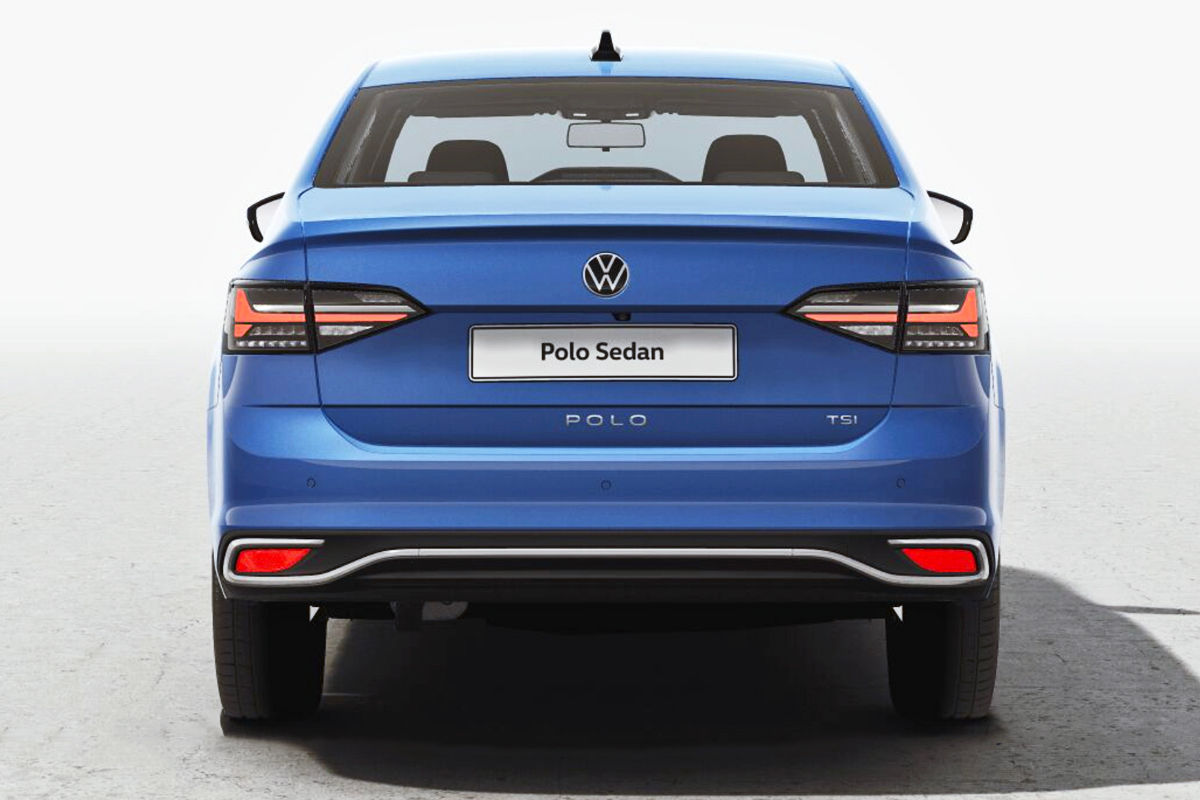
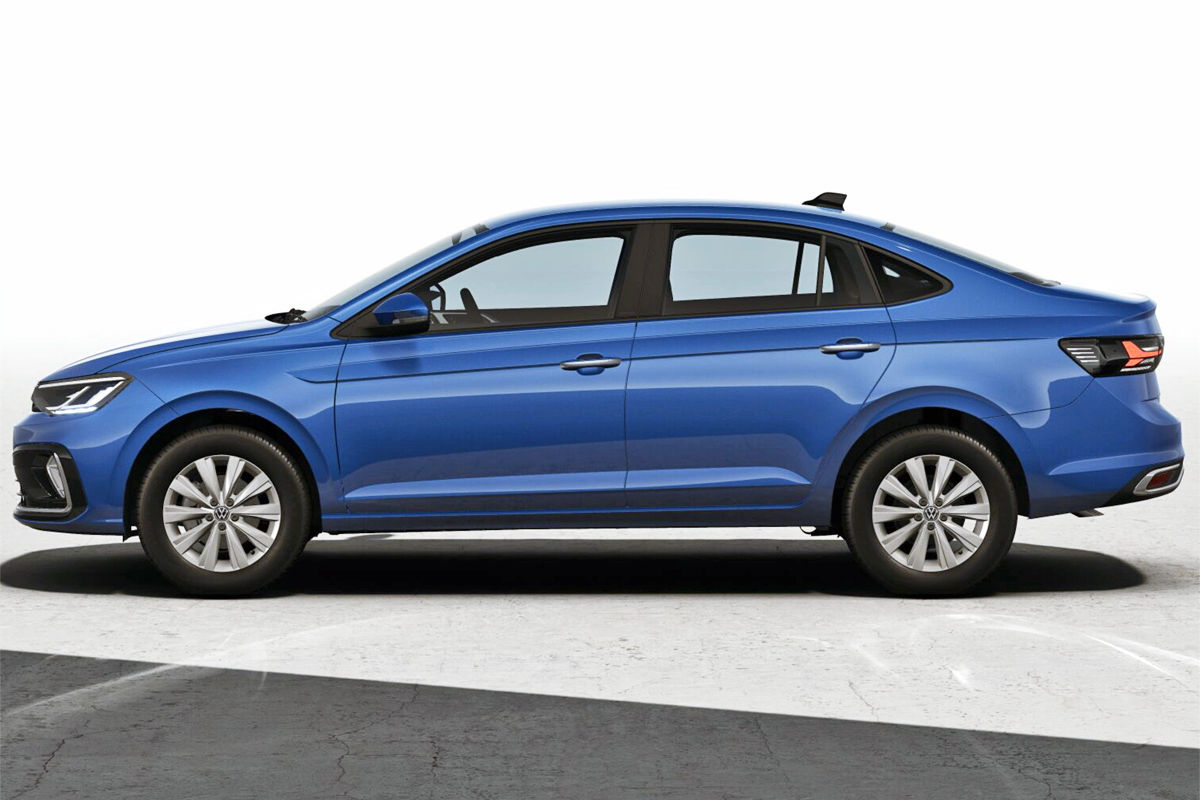
Been waiting for a turbocharged version of the sole saloon that VW offers in South Africa? Well, the Volkswagen Polo Sedan 1.0 TSI has quietly touched down in Mzansi, shipping standard with an automatic transmission and slotting in above the 1.6-litre naturally aspirated derivatives.
As a reminder, this generation of Polo Sedan – which is known as the Virtus in India, where it’s built at the company’s Chakan facility – launched locally in September 2022. At that point, the only motor on offer was the Wolfsburg-based firm’s naturally aspirated 1.6-litre, 4-cylinder petrol unit, generating 81 kW and 152 Nm.
The Polo Sedan … now available with a “TSI” badge.
Now, however, the three-box version of the Polo is available with VW’s familiar turbocharged 1.0-litre, 3-cylinder petrol engine, which here delivers 85 kW to the front axle through a 6-speed automatic transmission (VW’s AQ250 Tiptronic unit rather than the 7-speed dual-clutch gearbox used in the Kariega-built Polo hatchback). Peak torque comes in at 178 Nm (as opposed to the 200 Nm made in the Polo hatch), which is on offer from 1 750 to 4 500 r/min.
VW claims a 0-100 kph sprint time of 11.5 seconds and a top speed of 190 kph. The claimed combined fuel economy, meanwhile, is listed as 6.3 L/100 km. Available in the Life trim level, the Polo Sedan 1.0 TSI is priced from R421 100, which represents a R29 300 premium over the manual-equipped 1.6 MPI Life derivative (and a R38 200 premium over the automatic 1.6 MPI in base form; the 2-pedal version of the 1.6 MPI Life was dropped from the range a few months back).
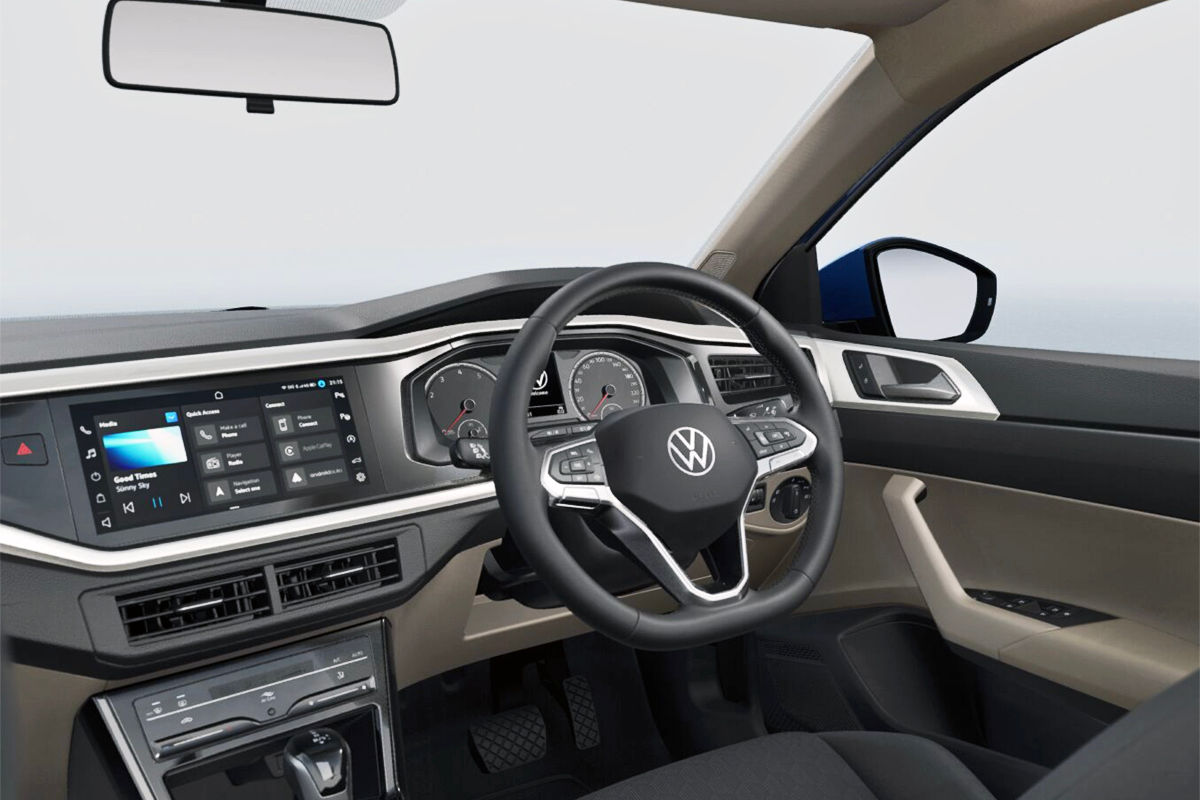
Like the 1.6 MPI derivatives, the 1.0 TSI model has a dual-tone interior.
So, what sort of standard equipment can we expect from the Polo Sedan 1.0 TSI Life? Well, the specification list mirrors that of the 1.6 MPI Life model, which means the newcomer ships standard with items such as a 10-inch touchscreen infotainment system (linked to an 8-speaker sound system), wireless smartphone charging, “Climatronic” single-zone air-conditioning, a leather-wrapped steering wheel, cruise control, hill-start assist and keyless entry and start.
From the outside, the Life specification is distinguishable by its 16-inch “Scimitar” alloy wheels, front foglamps and chrome package, with the latter incorporating bright finishes for items such as the exterior door handles. As with the rest of the Polo Sedan range, the local colour palette includes 5 exterior hues: Candy White, Wild Cherry Red, Carbon Steel Grey, Reflex Silver and Rising Blue.
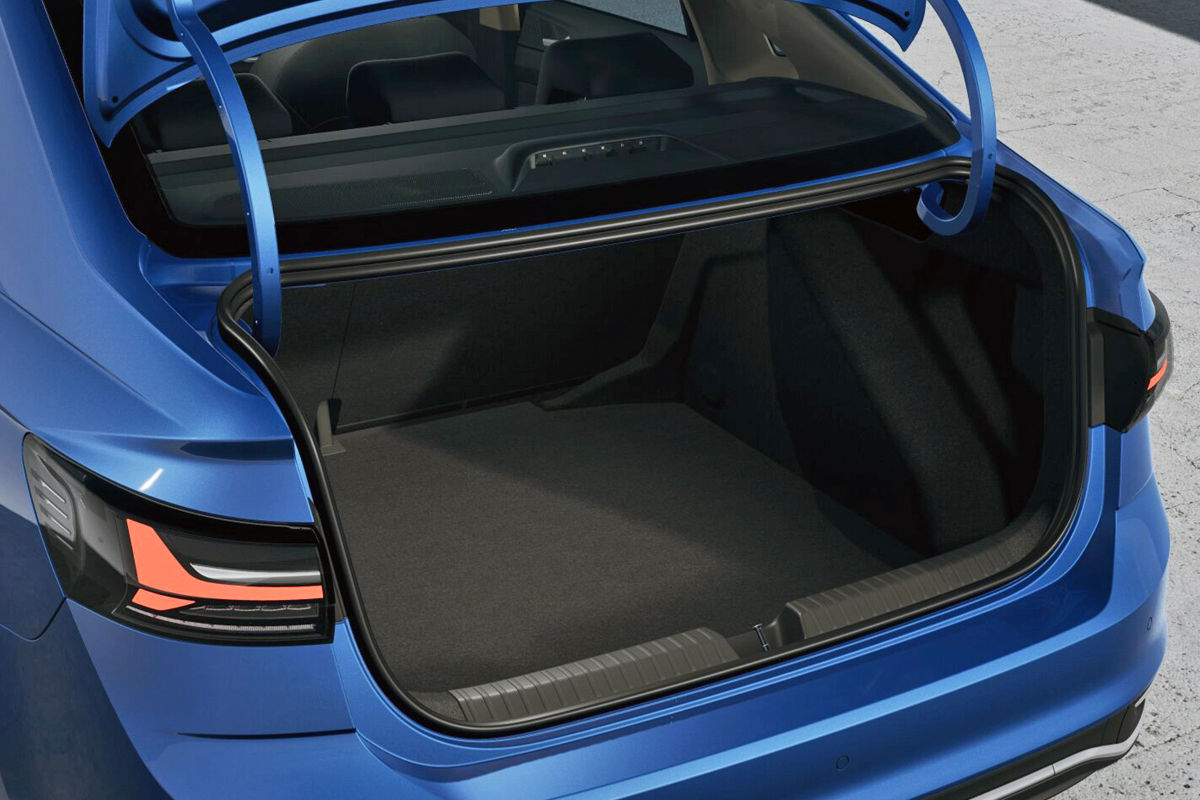
The Polo Sedan’s luggage compartment can swallow a claimed 521 litres.
The Polo Sedan 1.0 TSI’s standard safety features include dual front airbags, ABS, electronic stability control, automatic LED headlights, cornering lights, a rear-view camera, rear parking sensors, tyre-pressure monitoring and rear outboard ISOfix child-seat anchors.
This new derivative’s arrival effectively pushes the Polo Sedan line-up to 4 derivatives, though we understand that a 1.0 TSI Style variant is on the cards, too, taking that number to 5. While the latter has yet to appear on the local configurator, pricing is expected to come in at R454 900. The Style specification will add items such as 17-inch “Tritz” alloys, rain-sensing wipers, leatherette upholstery, height adjustment for the driver’s seat, a rear centre armrest, an electro-chromatic rear-view mirror and a sunroof.
How much does the Volkswagen Polo Sedan 1.0 TSI cost?
Volkswagen Polo Sedan 1.6 MPI 5MT – R360 500
Volkswagen Polo Sedan 1.6 MPI 6AT – R382 900
Volkswagen Polo Sedan 1.6 MPI Life 5MT – R391 800
Volkswagen Polo Sedan 1.0 TSI Life 6AT – R421 100
Volkswagen Polo Sedan 1.0 TSI Style 6AT – R454 900
All derivatives ship standard with a 3-year/120 000 km warranty and a 3-year/45 000 km service plan.
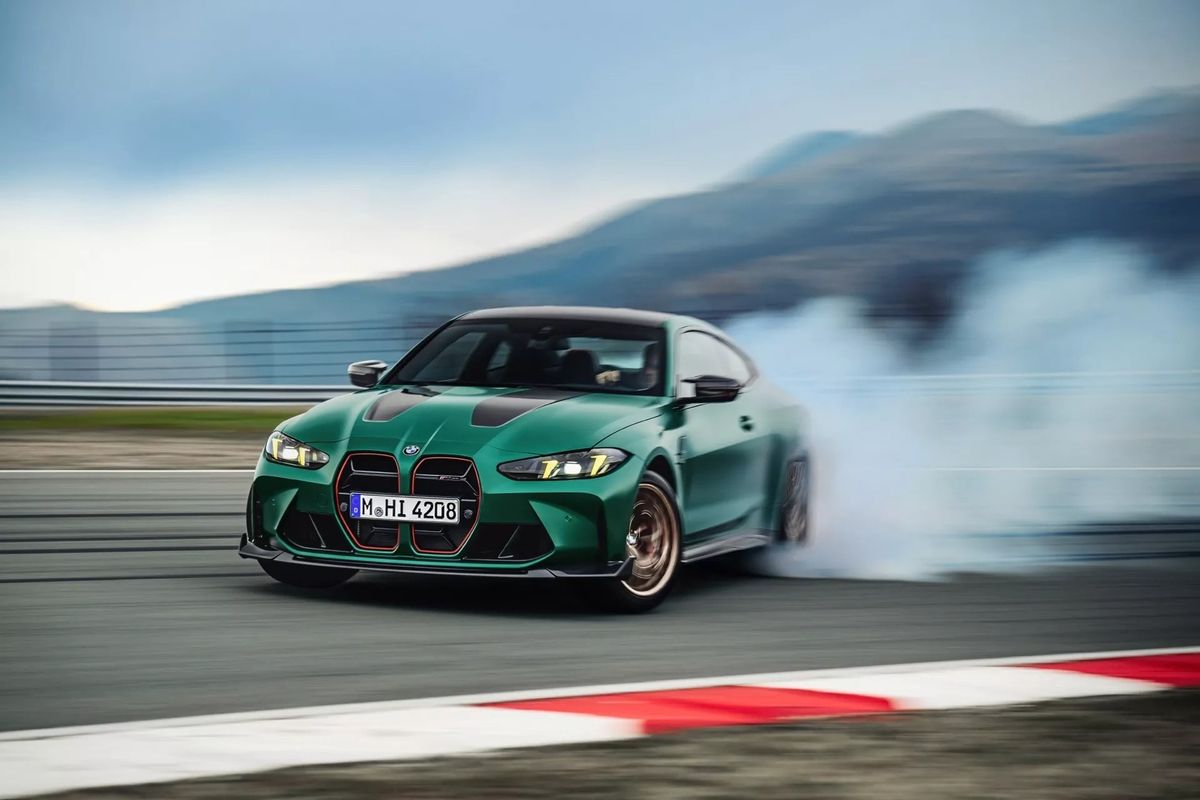
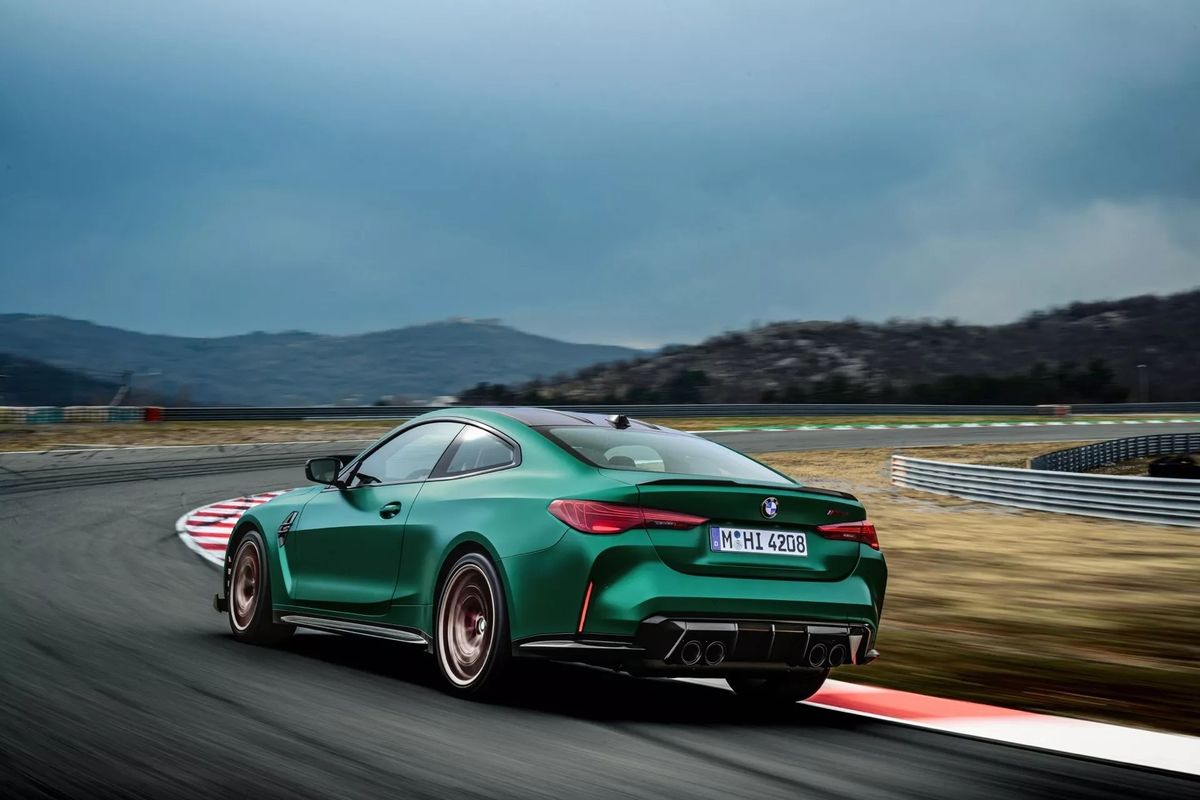
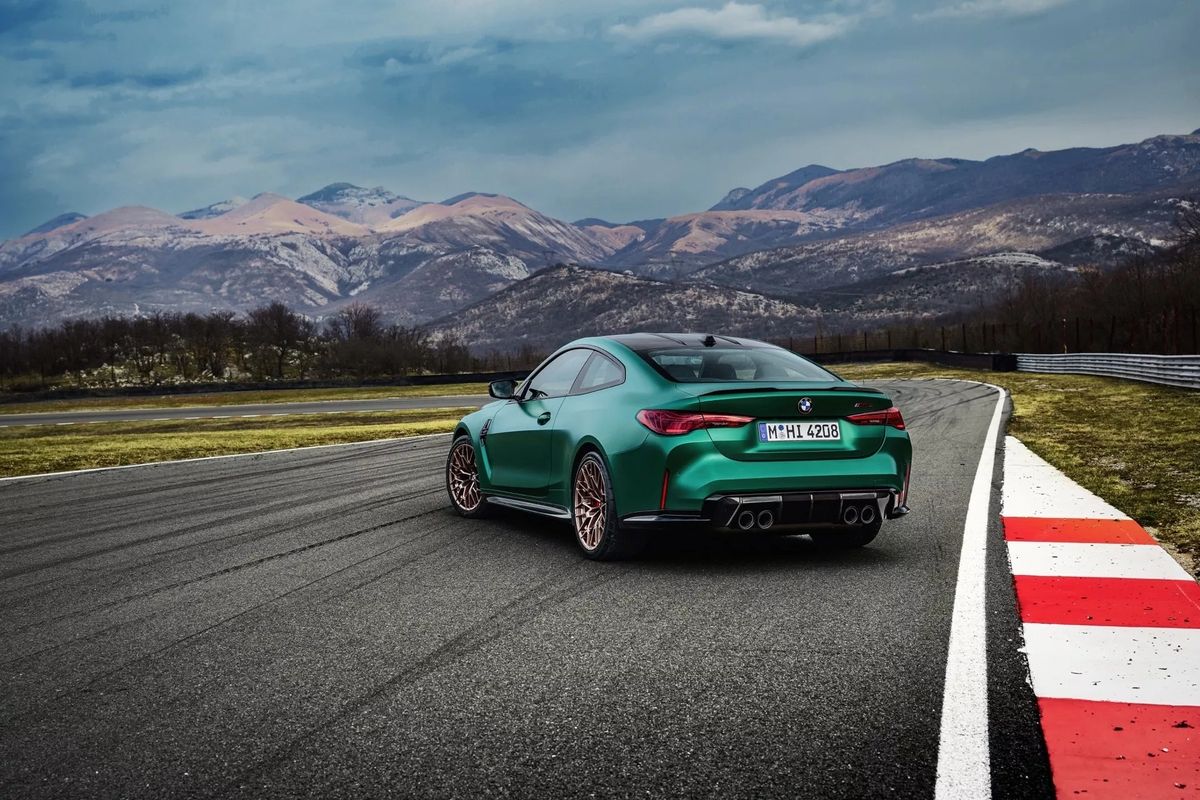
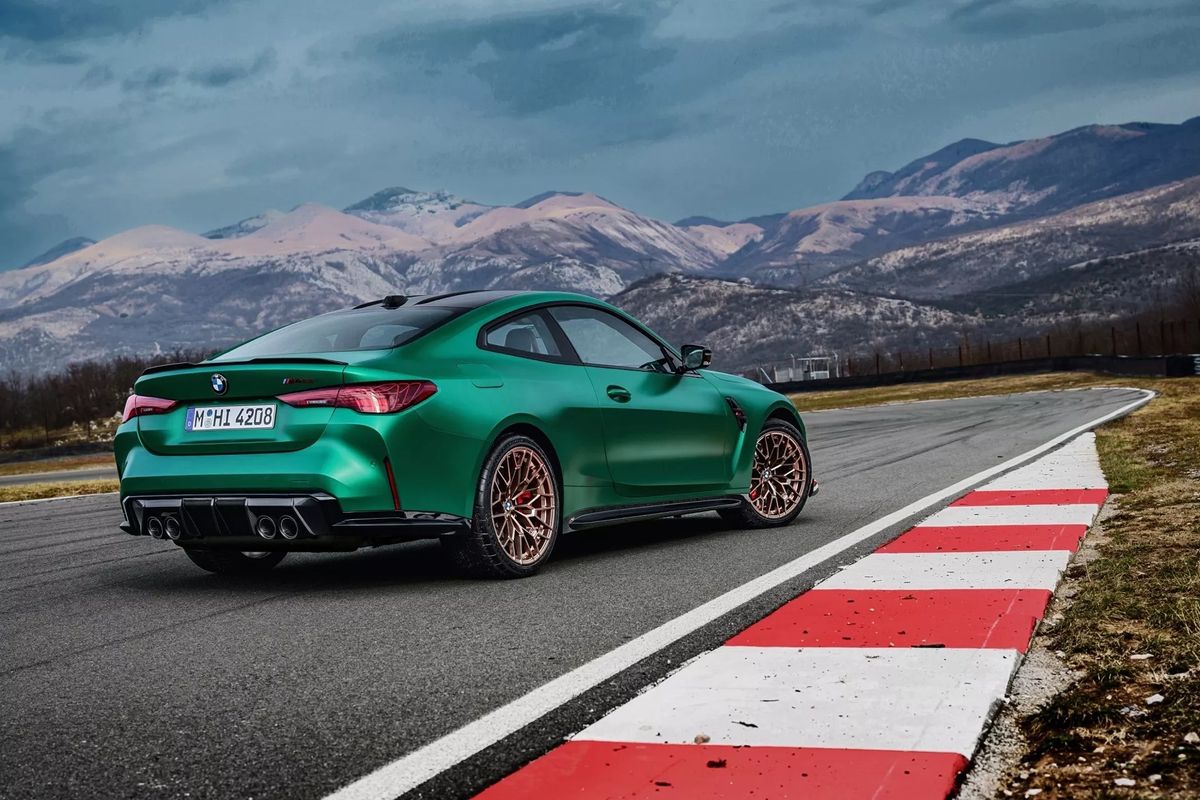
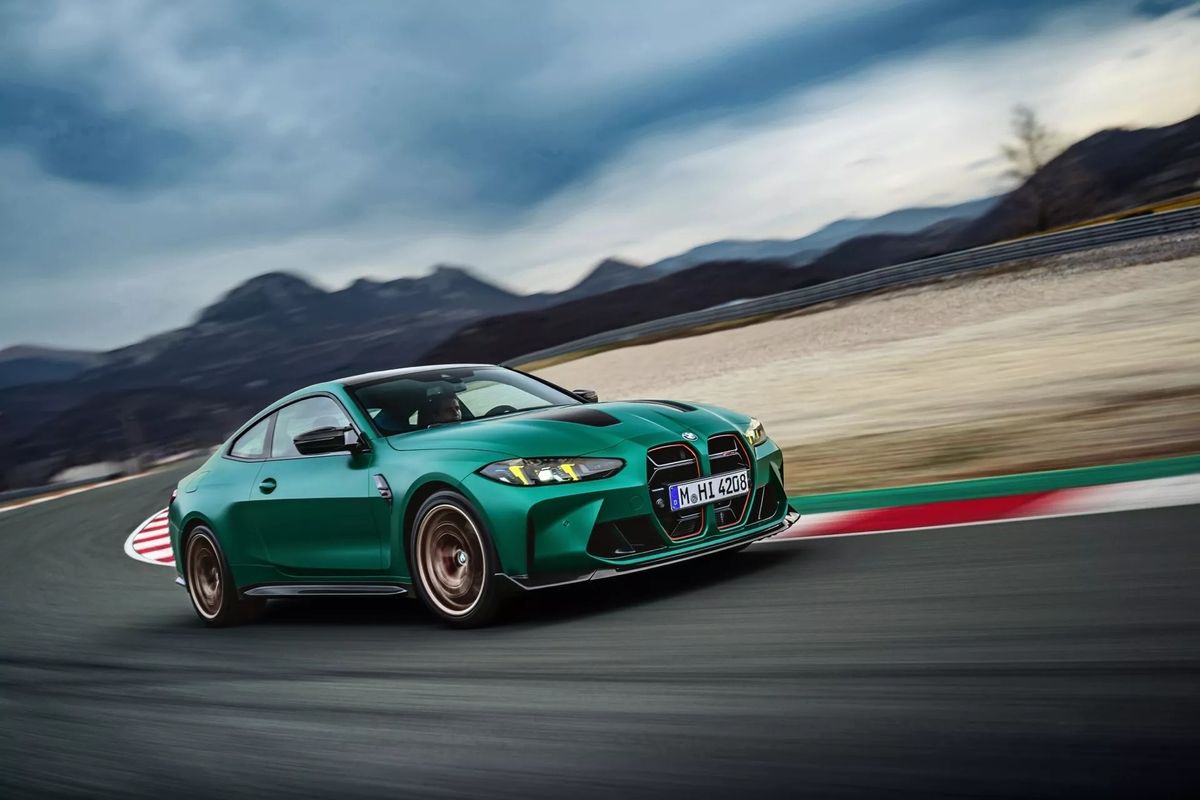
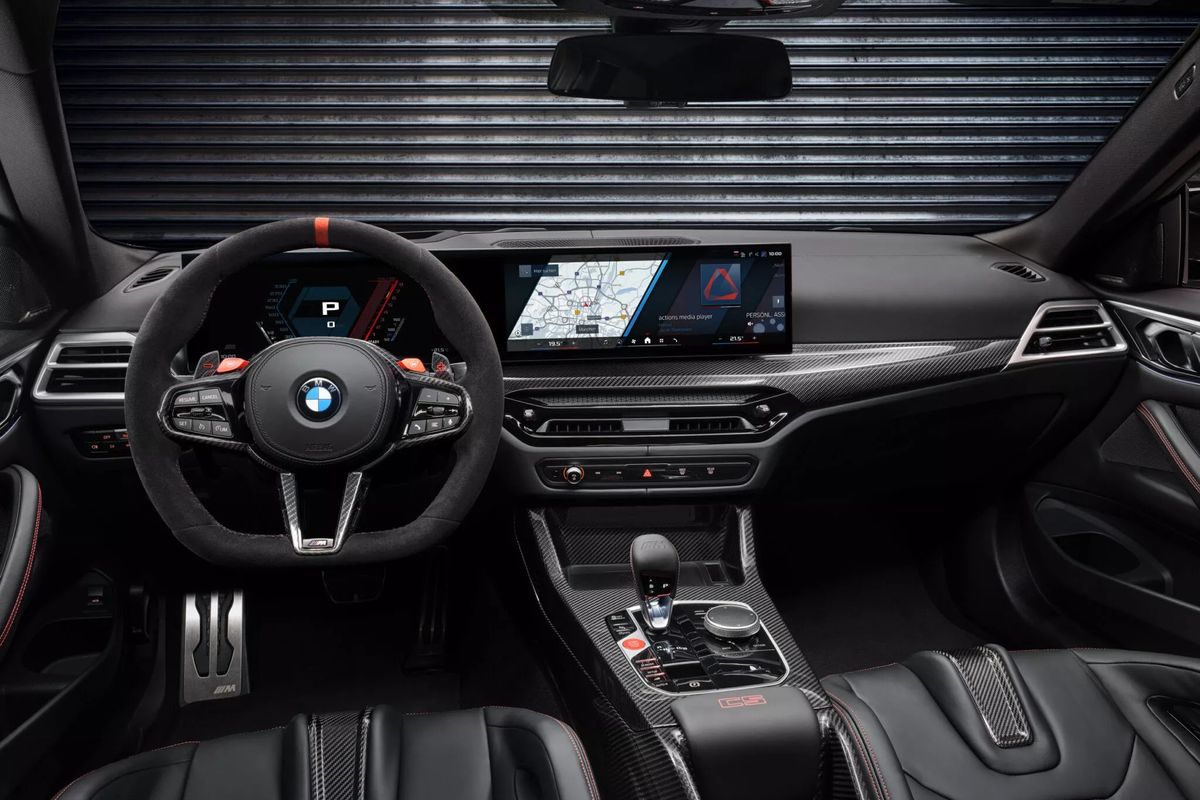
The 2025 BMW M4 CS is due for reveal in May 2024 and we’ve uncovered pricing, specifications and options for the SA market. Here’s all you need to know.
The 2025 BMW M4 CS will be one of the Munich-based brand’s most exciting products. With more power, extensive use of carbon fibre and weight reduction, the CS should be one of the most engaging products to emerge from BMW’s M division.
Thanks to our source (the same one who confirmed the BMW M3 Touring pricing), the BMW M4 CS will be sold in limited numbers with just 25 units earmarked for South Africa. From what we can see, we’ll be getting xDrive all-wheel drive with the 8-speed M Steptronic auto transmission. The car allocation process will begin in May 2024 with customer deliveries starting in October/November 2024.
The performance numbers are staggering, with 405 kW and 650 Nm on offer and a claimed 0-100 kph of 3.4 seconds. A top speed of 302 kph makes for serious bragging rights. To get these numbers, BMW has tweaked the 3.0-litre turbocharged 6-cylinder petrol engine with the addition of a forged lightweight crankshaft, 3D-printed core cylinder head, replumbed oil system and cooling, as well as increasing the turbochargers boost pressure from 1.7 to 2.1 bar.
Specifications
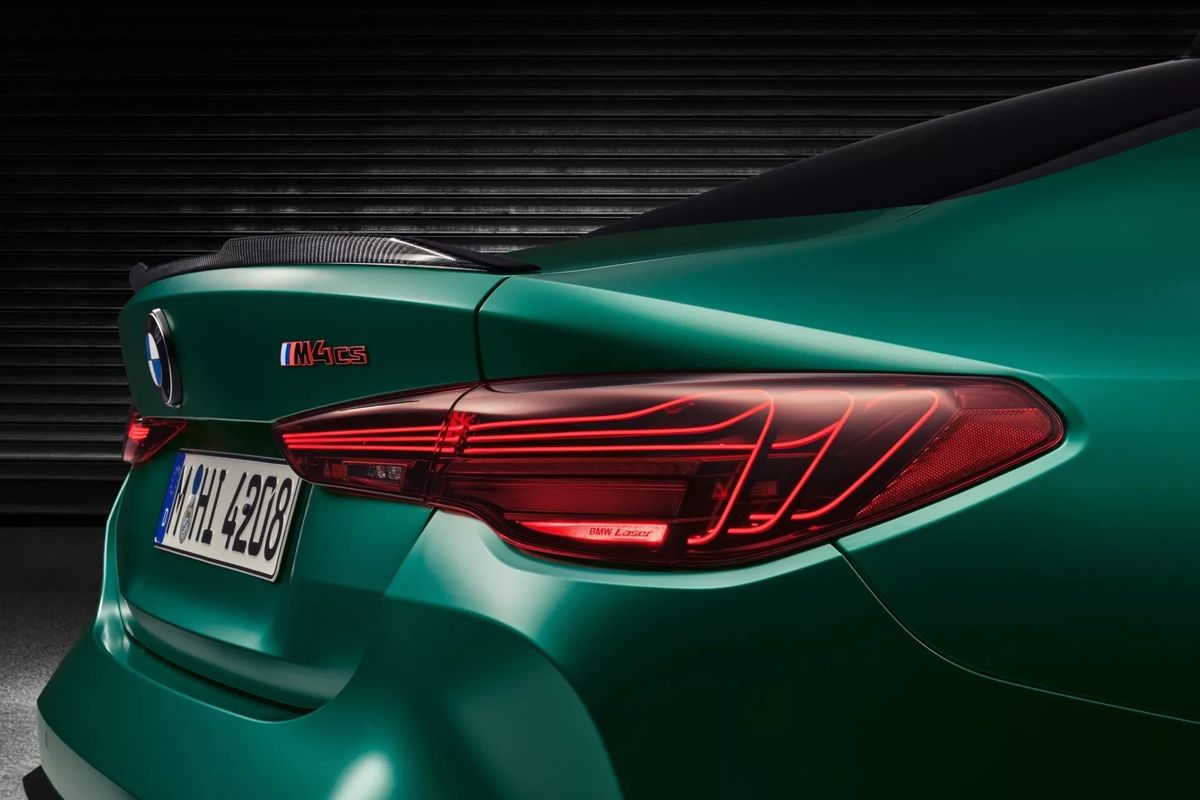
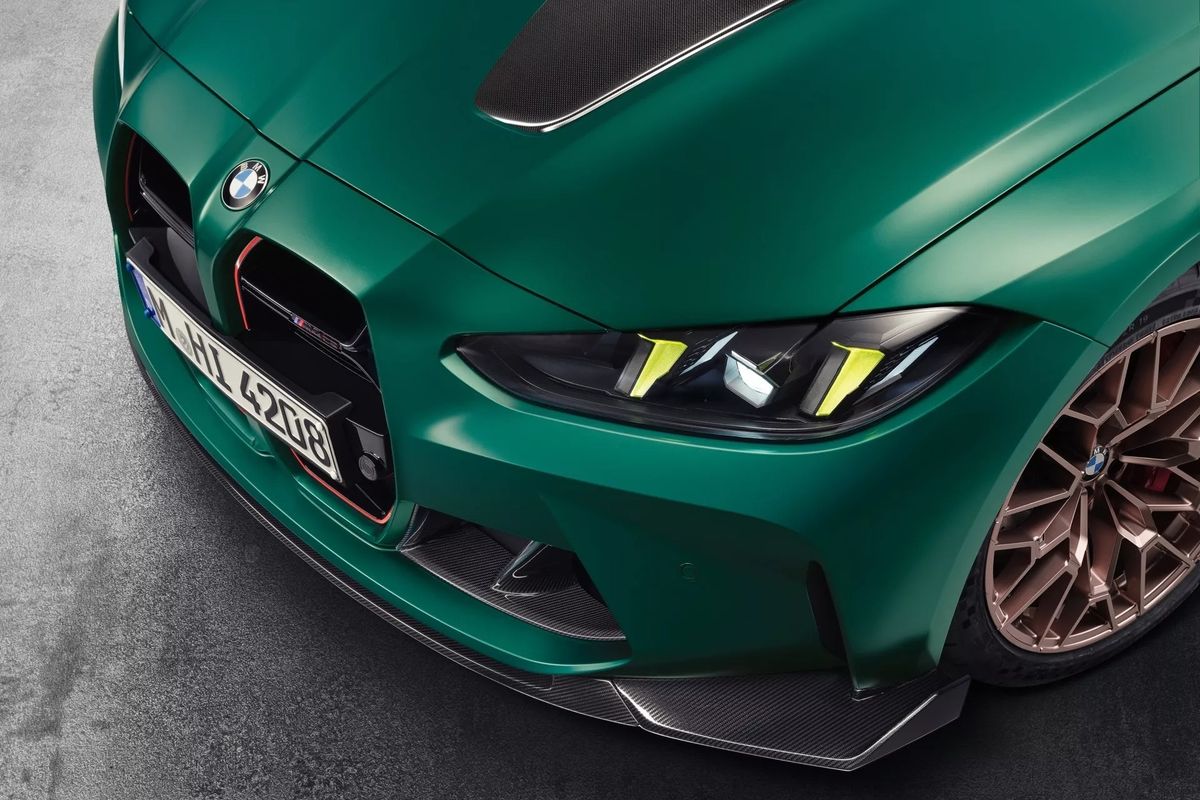
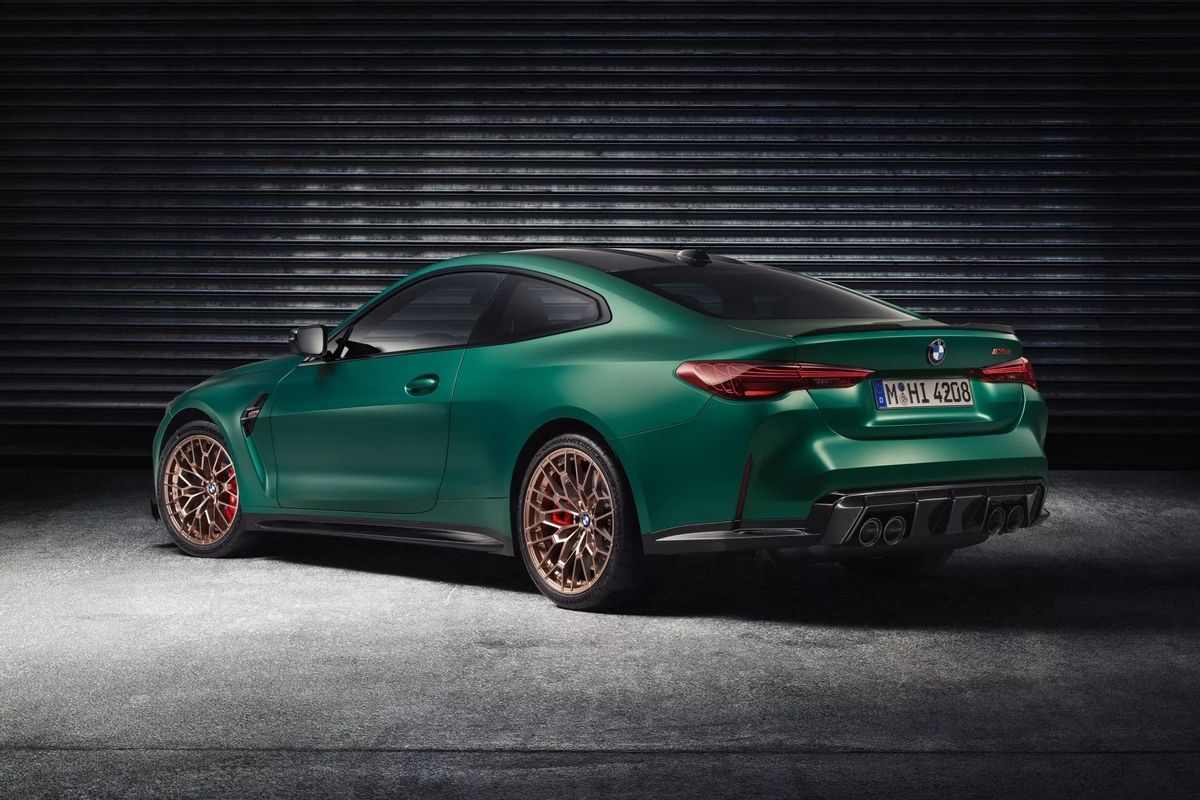
Customers will be able to choose from four colours (Riviera Blue, Frozen Isle of Man Green, Sapphire Black, Brooklyn Grey) and two wheel designs (black matte, golden bronze). The vehicle will feature the M precision strut across the engine bay, a titanium exhaust with black matte pipes, CFRP engine bonnet, CFRP roof, yellow LED daytime running lights, CSL-style tail lights, M carbon bucket seats in red and an Alcantara steering wheel. For the track enthusiasts, Michelin Cup 2R semi-slick tyres are available
It may be a lightened and faster M4, but the CS still covers all the luxury items you’d need. The Harman Kardon audio, heated seats, comfort access, wireless phone charger, live cockpit professional with heads-up display and park assist are included. Note that due to the carbon fibre roof, a sunroof is not possible.
How much does the 2025 BMW M4 CS cost in South Africa?
The below price includes VAT and Motorplan, but excludes CO2 tax.
We track down a neat-as-a-pin Mercedes-Benz 280SL “Pagoda” that has been meticulously maintained its entire life… and has a trick up its sleeve…
PHOTOS: Charles Russell
There are several specific reasons why this car is especially, um, special. We started the afternoon outside Franschhoek, one of the best-known towns in South Africa’s Western Cape province (renowned for its fine wines, food and gorgeous scenery). However, car enthusiasts will immediately remind you of the town’s serpentine mountain pass, which leads into the picturesque and quiet Overberg region.
When the owner of this white Mercedes-Benz Pagoda (code 050 G) bought the car, he received the original 4-speed manual transmission (neatly boxed) with the purchase. Why? The previous owner had fitted the car with a 5-speed manual Getrag gearbox. It was a very welcome change, as I would find out.
Specifications
Model: 1969 Mercedes-Benz 280SL “Pagoda”
Engine: 2.8-litre, inline-6-cylinder petrol
Power: 125 kW at 5 750 rpm
Torque: 240 Nm at 4 500 rpm
Transmission: 5-speed manual, RWD
Weight: 1 360 kg
0-100 kph: 9.0 sec (claimed)
Top speed: 200 kph
History of this Mercedes-Benz 280SL ‘Pagoda’
After driving this Mercedes-Benz 280SL “Pagoda” for approximately 3 years after he acquired it, the owner decided to have the car refreshed. This included a full respray, a thorough detailing of the engine – which included painting some parts – and rejuvenating areas of the interior, such as the wood trim.
The cabin’s carpet set (also redone) is perfect and the seats were retrimmed in the original material, so why wouldn’t you want to spend time behind the tiller to appreciate the panoramic view from the cabin?
When I open the car’s bonnet, the well-presented motor in the neat engine bay is a delightful sight. The simplicity of these early engines truly invites you to lean in and take a closer look. The camshaft cover with the 2 Mercedes-Benz emblems, the rubber and metal pipes, the 3 double-piped branches of the 2.8-litre inline-6 engine’s intake manifold as well as all the other mechanical systems look immaculate.
For the record, the car’s engine also has never been opened. I have a look at the odometer, which indicates only 68 534 miles (110 300 km)… The overall condition of the car is so manicured that one could be forgiven for thinking the ‘Benz rolled straight off the factory line only a handful of years ago.
“The W113 (the 2nd-gen Mercedes-Benz SL, produced from 1963-71 and nicknamed the Pagoda) has always been a beautiful car,” says the owner. “When I was a little, my father turned up at home with a Pagado one evening – it belonged to a colleague of his. Since that day I’ve had a soft spot for this car.”
From the driver’s side door pocket, the owner pulls out a number of the car’s booklets and documents. The cache of paperwork includes the owner’s manual and, importantly, the car’s original info card.
Between this card and the 2 plaques mounted in the engine bay, there is no detail missing about this car’s exact spec; the Fahrgestell Nr., also called the Chassis number (113 044 20 008385) matches.
Of course, a car is only worth as much as someone is willing to pay for it. Even though these cars date from a little before my time (mid-Sixties to early Seventies), it is easy to appreciate their appeal and understand why Pagoda SLs are worth so much more now than they were a few years ago.
Paul Bracq’s design is softly elegant; the lines are simple, but the car exudes true style from every angle.
What’s more, “its driving experience is very similar to that of a modern car, and you can use it for all kinds of trips”, the owner opines. We stop at the top of the pass for a photo opportunity before heading down the Winelands’ most evocative ribbon of asphalt. Soon thereafter, I switch seats with the owner.
Behind the thin-rimmed wheel of a 280SL ‘Pagoda’
The leather seats are comfortable, but then I’m not really aware of them. Suffice it to say they do a good job of ensconcing us. The steering wheel feels massive compared to those of modern ‘Benzes, while the upright windscreen is also a stark contrast to the acutely raked windscreens of today’s sportscars.
However, the solidity of the instruments is incomparable to contemporary cars’ plastic switchgear.
Turn the key and the engine catches quickly. Blip the throttle, and there is a notable, throaty sound that emanates from those twin exhaust pipes.
Apart from at parking speeds, the ‘wheel turns with minimal effort. I pull away and immediately find it a joyous experience to shift gears manually. The thin, chromed gear lever with its black knob requires a decisive shift action between each gate. It is a mechanical action, but a solid and reassuring one.
For a 60-year-old engine, the W113 SL’s motor picks up revs eagerly as it passes 3 000 and 4 000 rpm. There is little use in pushing it past 5 000 rpm, even though the original red line is only at 6 500 rpm, as there is more than sufficient torque from the engine to change gears before the red line.
The ride quality is good, and so is the road surface – an impeccable combination. I also don’t experience a lot of wind buffeting, partly because I couldn’t be bothered by wind intrusion while finessing a Pagoda’s tiller, but also because the car’s large and upright screen does a sterling job of minimising turbulence.
The view through the large windscreen is immense – not only because of what you are driving, but the visual effect of that bonnet bulge. The bonnet features a long bulge running along its centre, followed by the fenders running from the headlights towards the rear – it’s all so classy… and sophisticated!
Soon the landscape changes from the greener Winelands to the harvested wheat fields of the Overberg. It is on these long, high-speed open roads that I quickly realise that even when driving in 5th gear, I can simply flex my right foot, and the Pagoda picks up speed; 3-figure kph speeds are easily attainable!
I’m so impressed with this 5-speed gearbox, it suits this car perfectly. As with most enthusiasts and purists, I’m all for originality, be it the colour, specification, interior or drivetrain of a classic.
However, in this case, I understand why the owner has kept this gearbox in the car, and left the original on the shelf. Not only does it save the engine from running at higher revs – it’s more enjoyable to drive.
Summary
Before this particular drive, I had only spent time in two other examples of the Mercedes-Benz Pagoda: a Mechatronik conversion and a 280SL equipped with an automatic transmission. Those were very different cars and undoubtedly 2 diverse approaches to Pagoda ownership, but then so is this one.
I wouldn’t go so far as to call it a driver’s car, because it is, after all, a 2nd-gen SL: a car to be enjoyed with a passenger seated next to you as you twirl the ‘wheel while the sun sets just behind the horizon. However, the 5-speed manual ‘box gives the car another dimension – a measure of interactivity and driving engagement. This delectable feature is so rare on newer Benzes, and modern cars in general…
A Mercedes-Benz Pagoda is now out of reach for most us, and asking prices for R107 SLs (read our comparison between a 350SL and 450SLC) have increased steadily during the past few years, but are now stable. Needless to say, following this drive, I frantically searched the classifieds for an R129-series SL; surely you won’t lose money in the coming years if you purchase a well-maintained example now?
That, in short, is the Pagoda effect. The SL has never been, and will never be the ultimate sportscar, but it comes from a heritage of a car that is one of the most important and celebrated roadsters of all time.