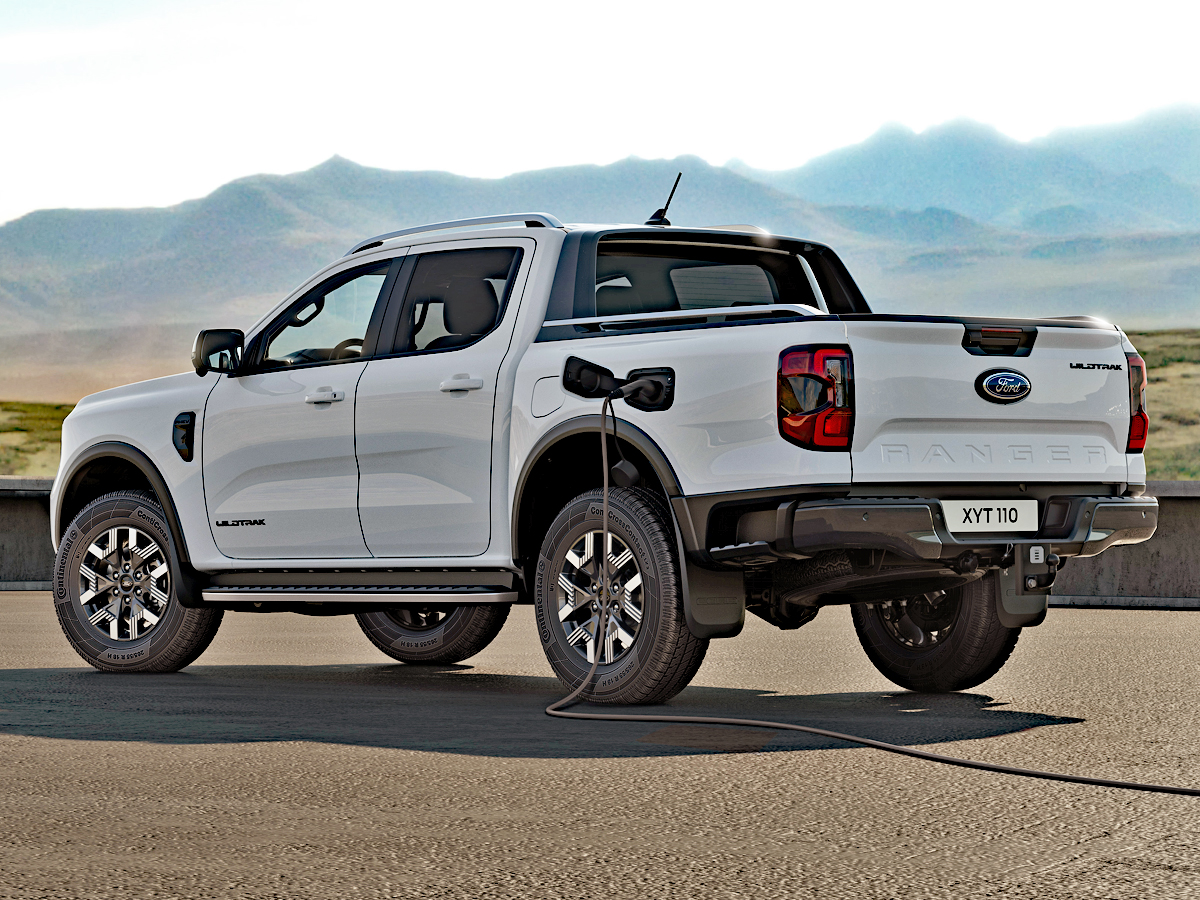
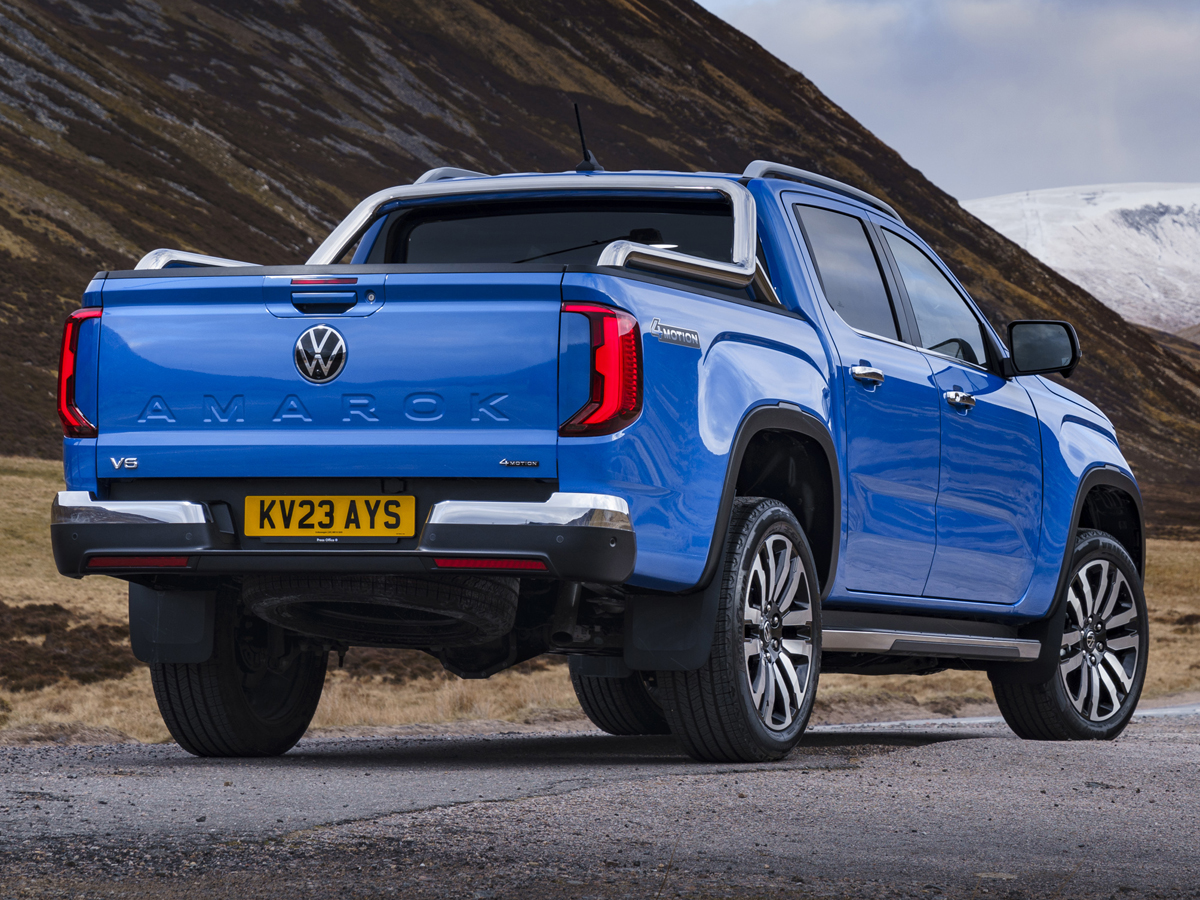
With Ford having revealed a plug-in hybrid Ranger, it’s looking increasingly likely the closely related Volkswagen Amarok will inherit this PHEV powertrain…
The recent reveal of the plug-in hybrid electric vehicle (PHEV) version of the Ford Ranger bakkie has prompted a seemingly inevitable question: will the closely related Volkswagen Amarok also be offered with this electrified powertrain?
Well, though VW has yet to make any announcements on the matter, we certainly wouldn’t bet against the 2nd-generation Amarok – which was developed alongside the Ranger under a wide-ranging global alliance – eventually being offered with this plug-in hybrid powertrain, too.
Will the Ford Ranger plug-in hybrid lead to an Amarok PHEV?
Australian publication Carsales asked the Wolfsburg-based automaker whether a plug-in hybrid version of the Amarok was on the cards, though the firm would only say it was “committed to the electrification of a vast number of its models”, adding it looked forward “to any evolution of the model range in due course”.
For the record, the freshly revealed Ranger PHEV employs the Blue Oval brand’s familiar turbocharged 2.3-litre, 4-cylinder EcoBoost petrol engine, though here it’s paired with an electric motor and a battery pack. According to Ford, the double-cab derivative boasts an all-electric range of “more than 45 km”, while its “targeted” braked towing capacity is 3 500 kg.
A PHEV version of the Amarok would obviously not employ a V6 turbodiesel engine.
Production of the Ranger PHEV is scheduled to start in “late 2024”, with deliveries to customers – initially in Australia and Europe, with a launch in South Africa not yet confirmed – commencing in “early 2025”.
While Ford Motor Company of Southern Africa wouldn’t be drawn on whether the new PHEV derivative will be built at its Silverton facility in Gauteng, further reports from Australia (a country that sources its Ranger units from Thailand) speculate this will indeed be the case. After all, Europe is the main export market for locally built Ranger bakkies.
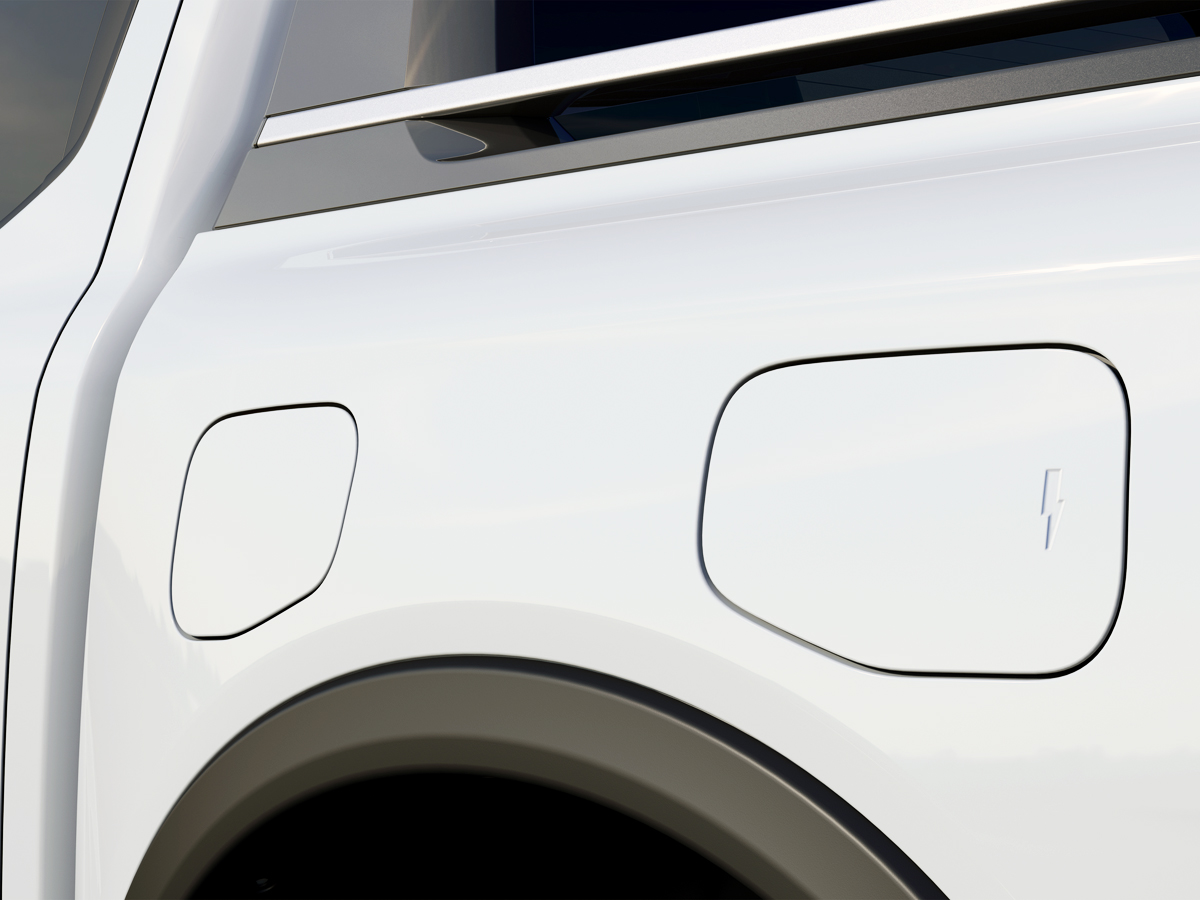
Dual ports, anyone?
In addition, in certain markets, the Amarok is already offered with the turbocharged 2.3-litre petrol motor, though obviously not (yet) in electrified form. If the new PHEV Ranger does end up being manufactured in South Africa, VW’s bakkie is even more likely to be offered with the electrified powertrain since Silverton is the only factory worldwide producing the 2nd-gen Amarok.
Most buyers in the market for a new sub-R300k hatchback will be considering popular models such as the recently facelifted Hyundai Grand i10 and the Suzuki Swift, but which one represents the strongest buying proposition? Let’s see how they stack up!
What does the Hyundai Grand i10 and Suzuki Swift have in common? Well, both models are Indian-made budget hatchbacks – and their respective marques’ bestsellers in South Africa! In August 2023, Hyundai Automotive SA racked up no fewer than 767 sales of the Grand i10 hatchback, while Suzuki Auto SA sold 1 349 units of its Swift, which, at the time of writing, was ranked as Mzansi’s 8th best-selling car.
These sales figures, however, still pale in comparison to the popularity of the Volkswagen Polo Vivo, of which 2 453 units were sold in August 2023. Nonetheless, if you’re not a fan of the Polo Vivo, you’re likely to have the Grand i10 and Swift in your crosshairs, but which one is best for you?
The main aim of this article is to help you, the consumer, make an informed buying decision. To help you do this, we will provide you with the need-to-know information and insight based on available vehicle information and our experience with the cars in question.
This article will cover key aspects including Exterior Styling, Performance & Efficiency, Interior Features & Safety, Dimensions & Practicality, as well as Pricing & Warranty details.
If, at the end of this article, you are still undecided as to what to buy, you are more than welcome to reach out to us for advice via Twitter, Facebook or Instagram. Our experienced test team will gladly assist you.
Hyundai Grand i10 vs Suzuki Swift
Exterior Styling
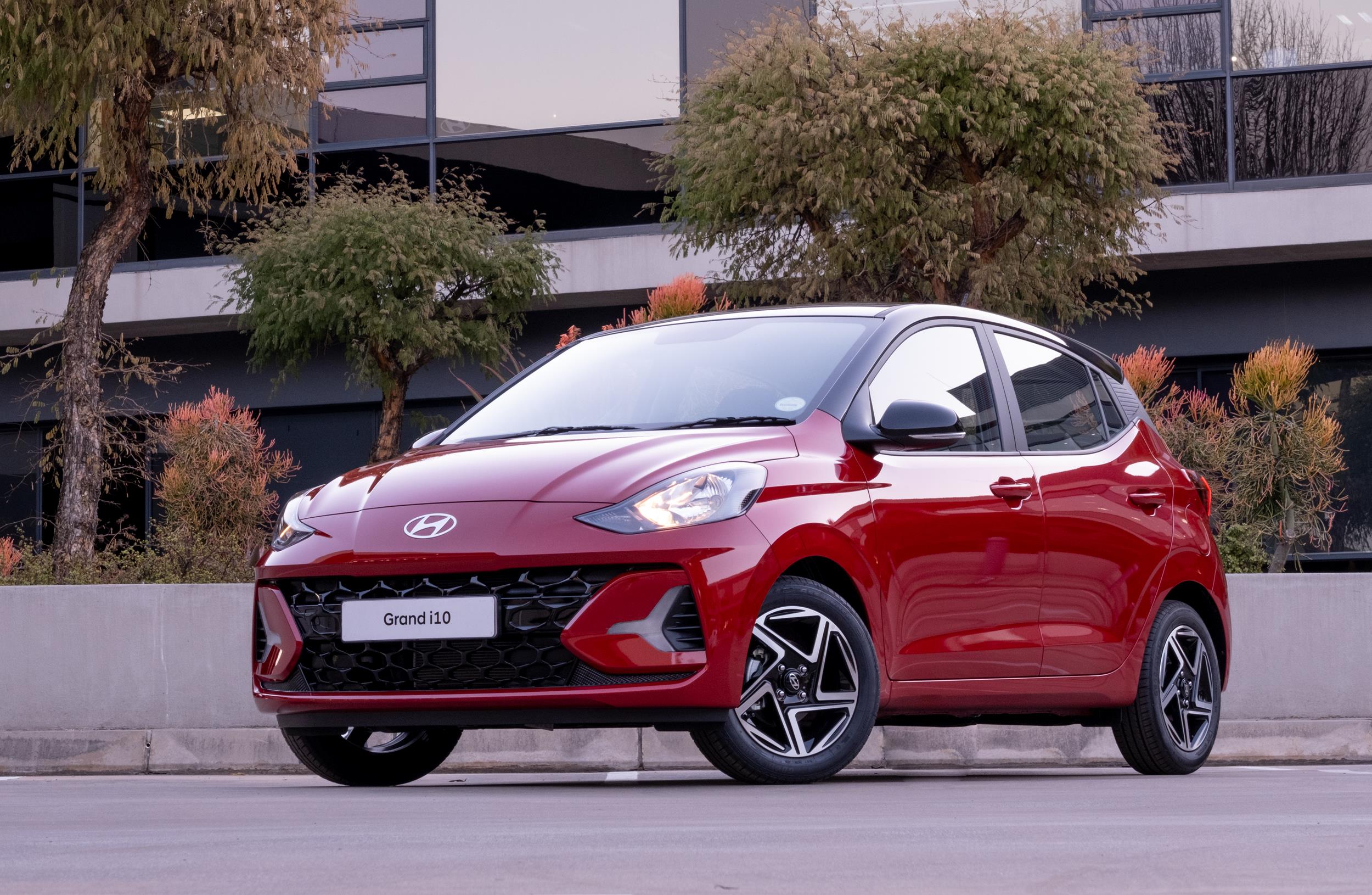
When the refreshed Hyundai Grand i10 arrived in South Africa in August 2023, it sported a new, stylish honeycomb grille design, boomerang-shaped daytime running lights (DRLs) and revised taillight clusters. While the visual changes are minimal by the standards of contemporary mid-lifecycle facelifts, the Grand i10’s styling is now more modern and suitably sophisticated.
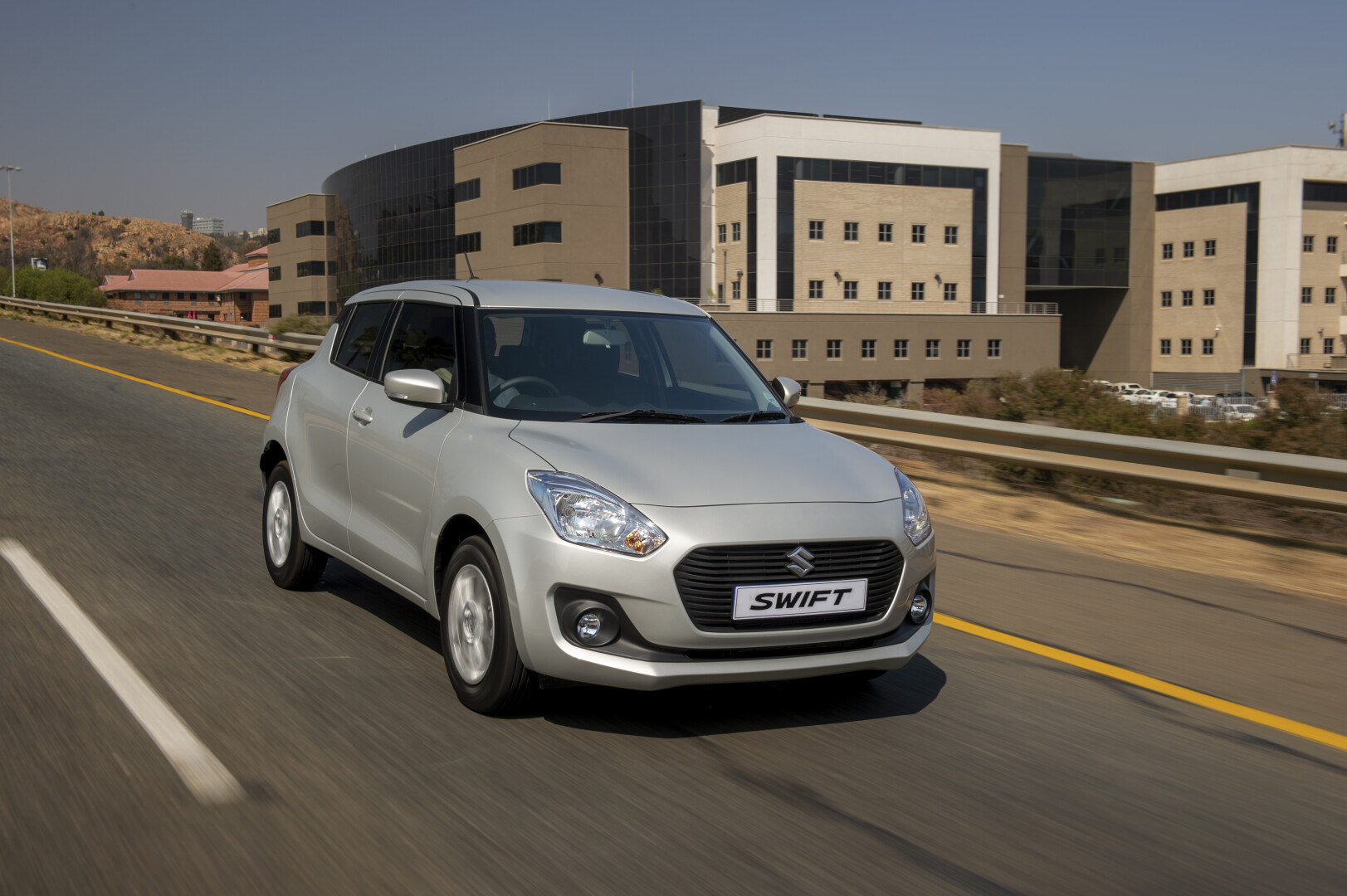
The Suzuki Swift, meanwhile, received an update in 2021 and while that was a fairly minor revision, the hatchback’s large central grille did gain some chrome trim (for some additional flair). Suzuki also ushered in a new 15-inch alloy wheel design and gave buyers the choice of a dual-tone paint scheme.
The Hyundai Grand i10 adopts a sharper, more progressive design, while the Swift is “softer” on the eye with its shapelier sheet metal. Style is subjective; you can decide which exterior execution you prefer.
Performance & Efficiency
This article focuses on the range-topping Hyundai Grand i10 1.2 Fluid and the Suzuki Swift 1.2 GLX.
Note that the Grand i10 is also available with an entry-level, 3-cylinder, 1.0-litre naturally-aspirated engine that produces 49 kW/113 Nm and comes mated with a 5-speed manual transmission.
Hyundai Grand i10 1.2 Fluid
Suzuki Swift 1.2 GLX
Powertrain
1.2-litre, naturally aspirated, petrol
1.2-litre, naturally aspirated, petrol
Power Output
61 kW
61 kW
Torque Output
114 Nm
113 Nm
Transmission
5-speed manual / 4-speed automatic
5-speed manual / 4-speed automatic
Fuel Consumption
5.5 L/100 km (manual) / 5.9 L/100 km (auto)
4.9 L/100 km (manual) / 4.9 L/100 km (auto)
Hyundai Grand i10 1.2 Fluid
The Grand i10 1.2 Fluid offers nippy performance for urban driving situations and, when travelling on the open road (or freeways), it has enough gusto that overtaking manoeuvres can be executed with relative ease. Note that the Grand i10 has a low kerb weight (892 kg); it feels sprightlier than its outputs suggest.
Not only does the 5-speed gearbox have a positive action, but the Hyundai offers good road holding and can corner deftly. Ride quality is also very good, courtesy of a pliant/forgiving suspension setup.
The Grand i10 1.2 Fluid is also fairly fuel-efficient; Hyundai claims an average consumption figure of 5.5 L/100km for the manual derivative, which is impressive. During the 1.2 Fluid’s tenure in our test fleet, we saw real-world returns of around 5.6 L/100 km, which almost matched the manufacturer’s claim.
The Suzuki Swift is well-known for delivering impressive driving dynamics and the 1.2 GLX derivative certainly has a notable fun-to-drive factor, perhaps more so than its Grand i10 rival.
The 5-speed manual gearbox has a natural, quick-shifting action and, thanks to the Japanese offering’s low kerb weight of 875 kg, its engine delivers punchy performance. That performance combines with sure-footed handling ability and a comfortable/absorbent ride quality that will appeal to potential buyers.
The Swift is highly regarded as a fuel-efficient budget car, but while Suzuki claims an ambitious 4.9 L/100km for the manual version, real-world returns come in at around (a still good) 5.4 L/100 km.
2 airbags, ABS with EBD, Brake Assist, Electronic Stability Control
Hyundai Grand i10
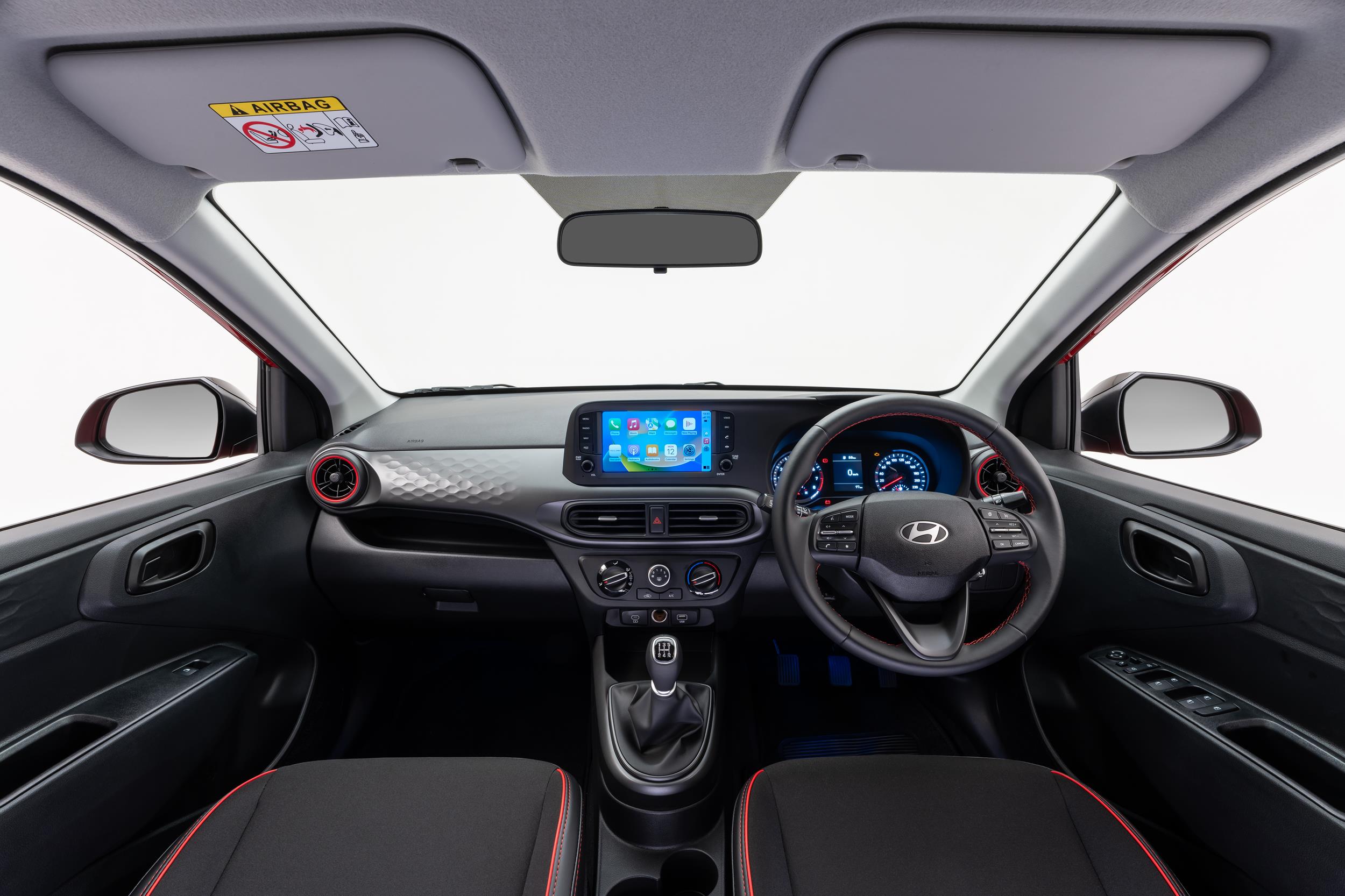
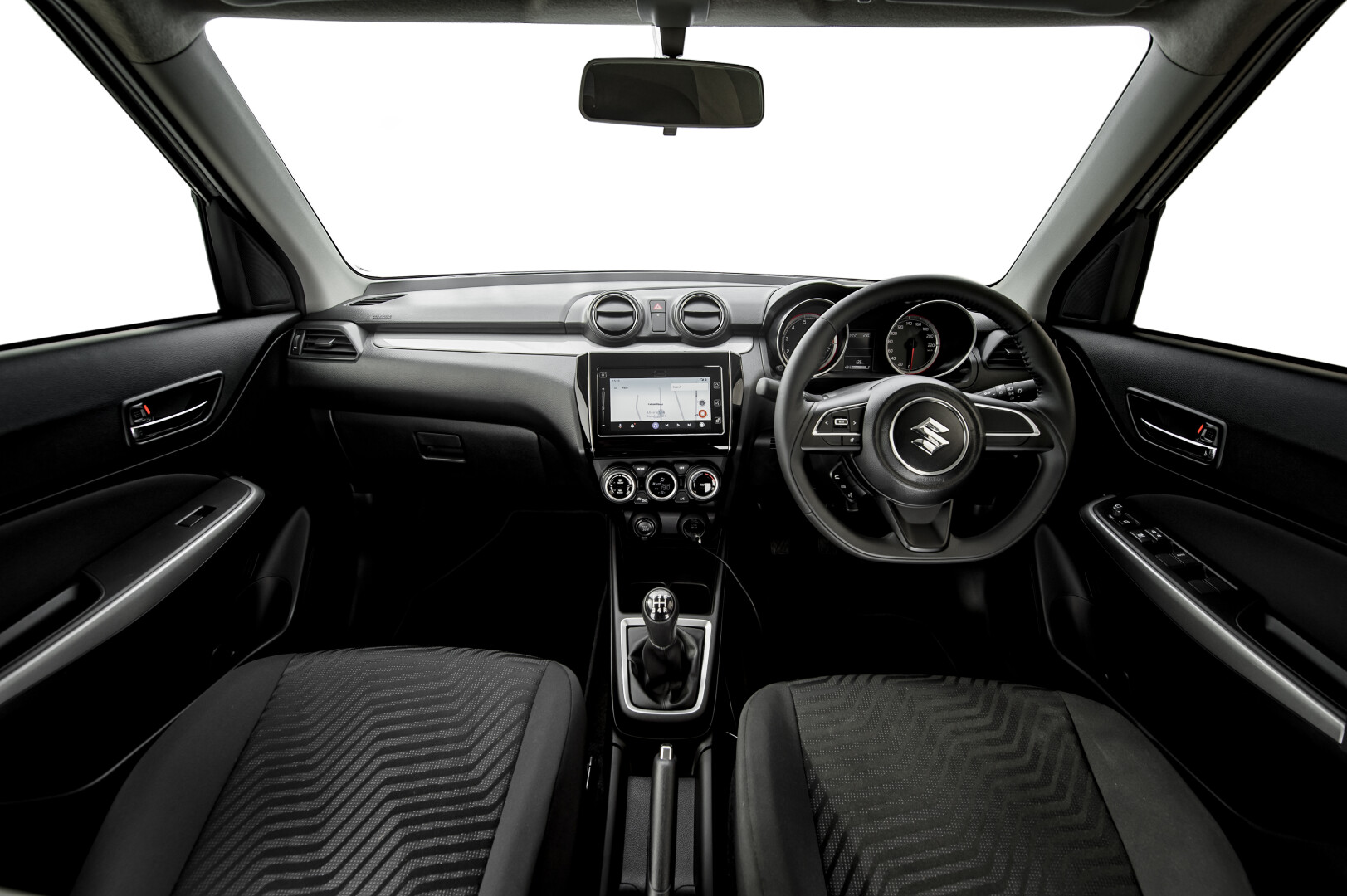
As far as interior design execution is concerned, the Grand i10’s cabin looks more interesting than the Swift’s – it’s a bit more modern and better accented (with red details seen around the air vents and matching piping on the seats). The dashboard surface is also textured to add some additional flair.
Note that the Hyundai does offer a larger touchscreen, but nice-to-have features, such as cruise control and a fully adjustable steering wheel, aren’t available. Nonetheless, the Grand i10’s perceived interior build quality is very good. On the safety front, although the Grand i10 features dual front airbags, anti-lock braking (ABS) and emergency brake-force distribution (EBD), it lacks electronic stability control.
Suzuki Swift
The Swift’s interior looks a touch more mundane than the Grand i10’s, but importantly, it comes equipped with cruise control and a fully adjustable steering column – features that the Hyundai doesn’t have. While the perceived interior build quality is good, the Suzuki falls short of the Hyundai’s standard by virtue of some iffy plastic trim and a slightly smaller touchscreen. Those shouldn’t be dealbreakers, though.
Safety-wise, the Swift wins because it also has emergency brake assist and electronic stability control.
Dimensions & Practicality
Hyundai Grand i10 1.2 Fluid
Suzuki Swift 1.2 GLX
Length
3 815 mm
3 840 mm
Width
1 680 mm
1 735 mm
Height
1 510 mm
1 530 mm
Wheelbase
2 450 mm
2 450 mm
Kerb Weight
897 kg
875 kg
Ground Clearance
157 mm
145 mm
Load Bay Capacity
360 to 910 litres
268 to 953 litres
The Grand i10 and Swift have similar exterior dimensions, but the latter is slightly longer and wider than the former. Although the models’ wheelbases are identical in length, the Hyundai does offer a greater sense of interior space, particularly when seated in the back, where there is ample head- and legroom.
The Swift, by comparison, is a bit more snug inside… When it comes to luggage space, the Hyundai also pips the Swift; its load bay’s claimed capacity is said to be 92 litres larger. Both cars feature a 60:40 split rear seat configuration, but, with the seats folded down, the Swift offers slightly more utility space.
Pricing and Warranty
Note that pricing is accurate as of September 2023.
Hyundai Grand i10 1.2 Fluid
Price
Suzuki Swift 1.2 GLX
Price
Entry
Grand i10 1.0 Motion (manual)
R229 900
Swift 1.2 GA (manual)
R199 900
Grand i10 1.0 Motion Cargo Panel Van (manual)
R245 900
Mid
Grand i10 1.0 Fluid (manual)
R264 900
Swift 1.2 GL (manual)
R218 900
Grand i10 1.2 Motion (automatic)
R269 900
Swift 1.2 GL (automatic)
R233 900
Top
Grand i10 1.2 Fluid (manual)
R279 900
Swift 1.2 GLX (manual)
R239 900
Grand i10 1.2 Fluid (automatic)
R309 900
Swift 1.2 GLX (automatic)
R255 900
Swift 1.4T Sport (manual)
R419 900
Swift 1.4T Sport (automatic)
R442 900
Warranty
5-year / 150 000 km vehicle, 7-year / 200 000 km powertrain
5-year / 200 000 km
Service Plan
1-year / 15 000 km
2-year / 30 000 km
Whereas the Hyundai’s powertrain warranty is admittedly the longest (7 years), the Suzuki’s general warranty (also 5 years) eclipses that of its rival in terms of mileage (200 000 km vs 150 000 km). What’s more, its service plan is a year longer, which means you get 2, instead of 1, complimentary service(s).
We Like: Styling, performance, good fuel consumption
We Don’t Like: Pricey
Peace of mind is part and parcel of a Grand i10 purchase. Although, yes, it’s pricier than the Swift, the case for the Hyundai is fairly strong… if you can stretch your budget to buy the 1.2 Fluid derivative.
The Grand i10 offers appealing exterior and interior designs and a good balance between performance and economy, which is something that buyers in this segment of the market will appreciate.
It feels more spacious than its Japanese rival (even though it’s a slightly smaller car), but that is not to say that the Grand i10 doesn’t trail the Swift in some aspects – the lack of cruise control and electronic stability control come to mind. The 1-year/15 000 km service plan also seems a little stingy.
We Like: Styling, performance, handling ability (fun factor), good fuel consumption, value
We Don’t Like: Smaller load bay
Crucially, the Suzuki Swift offers more value than its Korean rival. The Swift 1.2 GLX manual is R40 000 cheaper than the equivalent Grand i10 1.2 Fluid, which is something that will resonate well with budget-conscious buyers. Moreover, the Swift is better equipped with features and, thanks to its slightly longer and wider footprint, it offers superior driving dynamics, while also returning good fuel consumption.
What’s more, note that Suzuki offers a better (general) warranty and service plan. With the above in mind, it’s easy to see why the Suzuki Swift is such a popular model in the South African market.
Suzuki Fronx Review – Best Budget Crossover on the Market?
The Suzuki Fronx is a popular choice in the compact crossover segment. Ciro De Siena gets behind the wheel of the Fronx 1.5 GLX Auto derivative to give it a thorough assessment! Watch the video!
Suzuki continues to storm the sales charts in South Africa and since its arrival in 2023, the Suzuki Fronx has proven to be hugely popular for the Japanese carmaker.
While it is based on the Baleno platform, the Fronx offers much more than its hatchback stablemate, as our video journalist Ciro De Siena found out during his week-long test.
What engine does duty in the Suzuki Fronx?
The Fronx is powered by a naturally-aspirated 1.5-litre petrol engine that offers 77 kW and 138 Nm of torque and is paired with either a 5-speed manual transmission or a 4-speed automatic transmission and fuel consumption is claimed at 5.5 and 5.7 L/100km respectively.
What are the dimensions of the Fronx?
The Fronx measures 3 995 mm in length and stands 1 765 mm wide with a height of 1 550 mm. The Fronx’s wheelbase is measured at 2 520 mm with a useful ground clearance of 170 mm.
In this in-depth review, we take a look at the pricing of the Fronx in South Africa, the engine and transmissions available, the interior spec and features of this GLX derivative and the practical qualities such as the rear seat amenities and luggage space.
Watch the video and let us know what you like and don’t like about the Fronx!
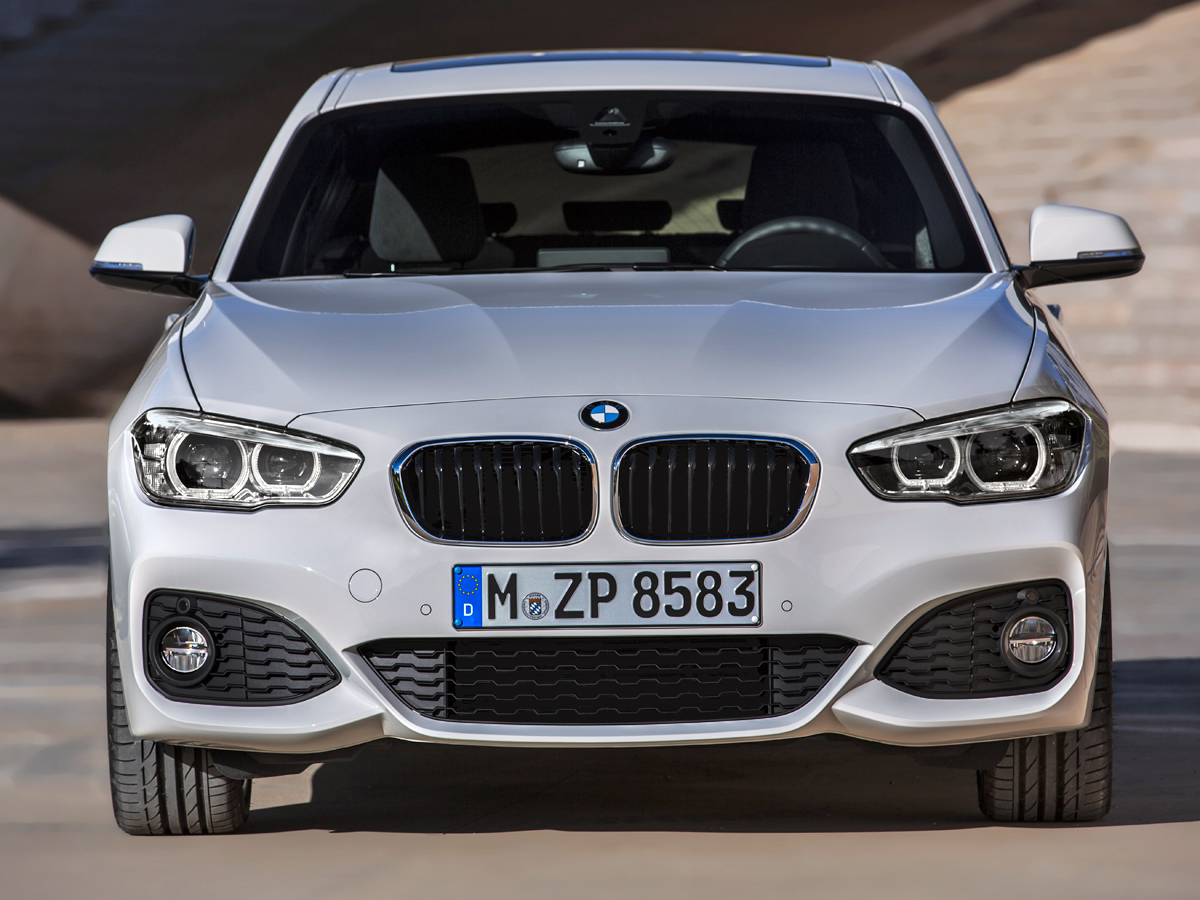
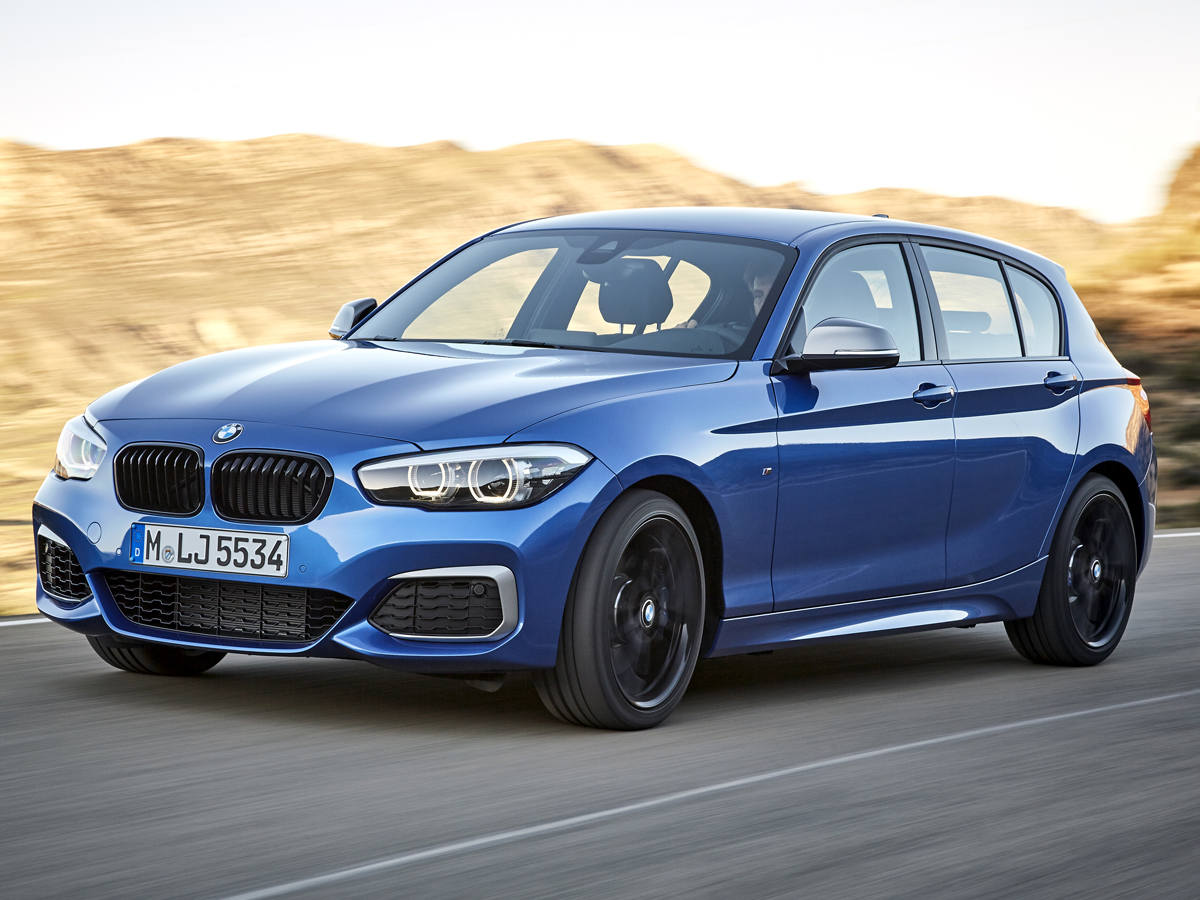
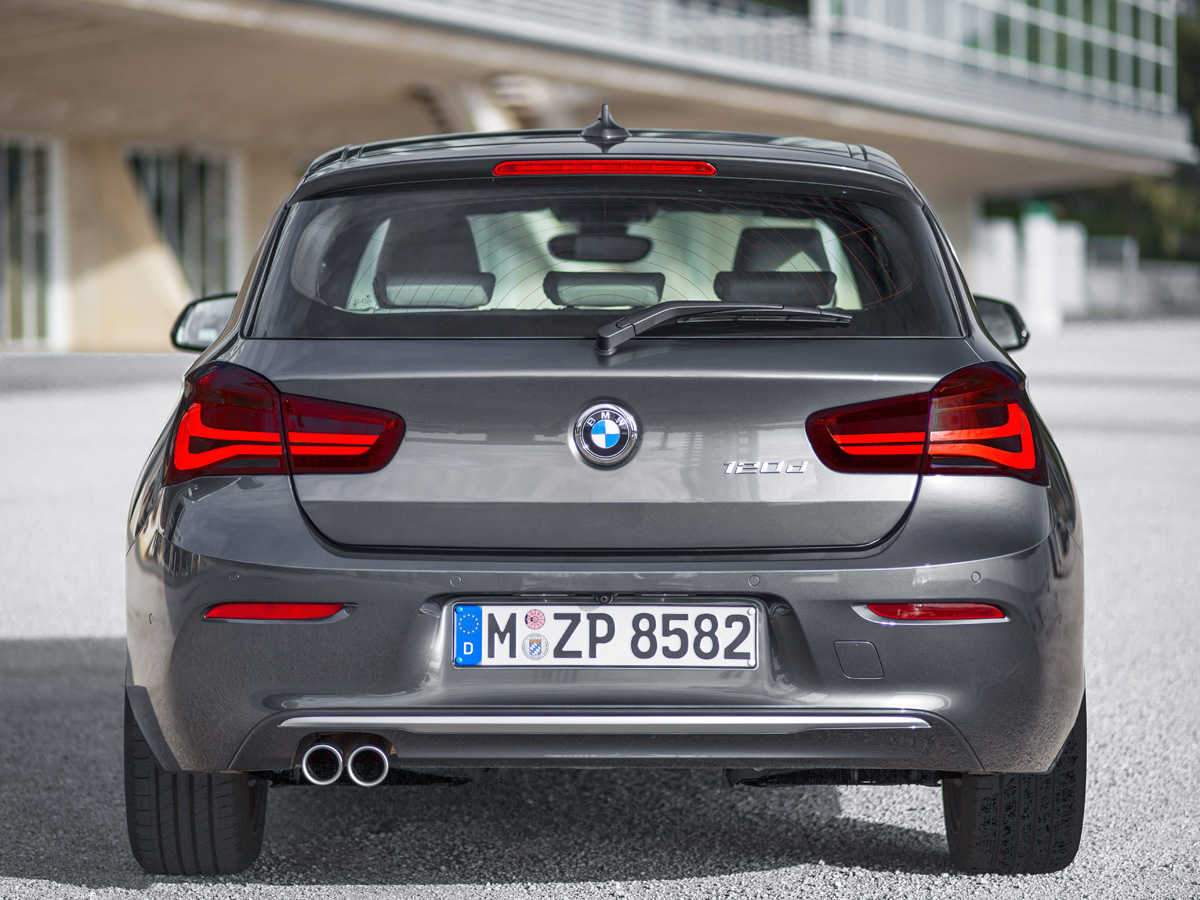
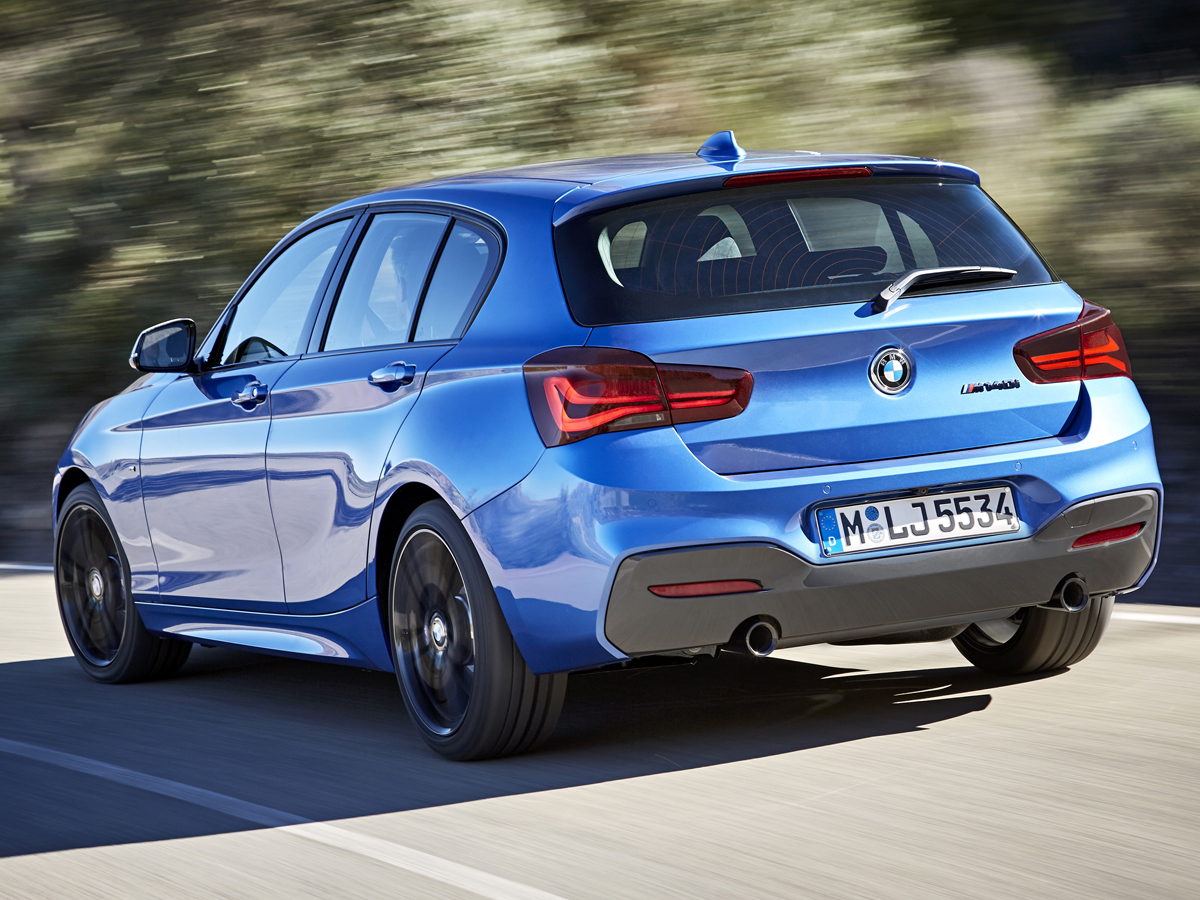
Prefer your BMW 1 Series with rear-wheel drive? Here’s a look at the F20- and F21-generation hatchbacks’ history in South Africa, the 5- and 3-door variants’ strengths and weaknesses, and which derivatives to consider when shopping for a used example.
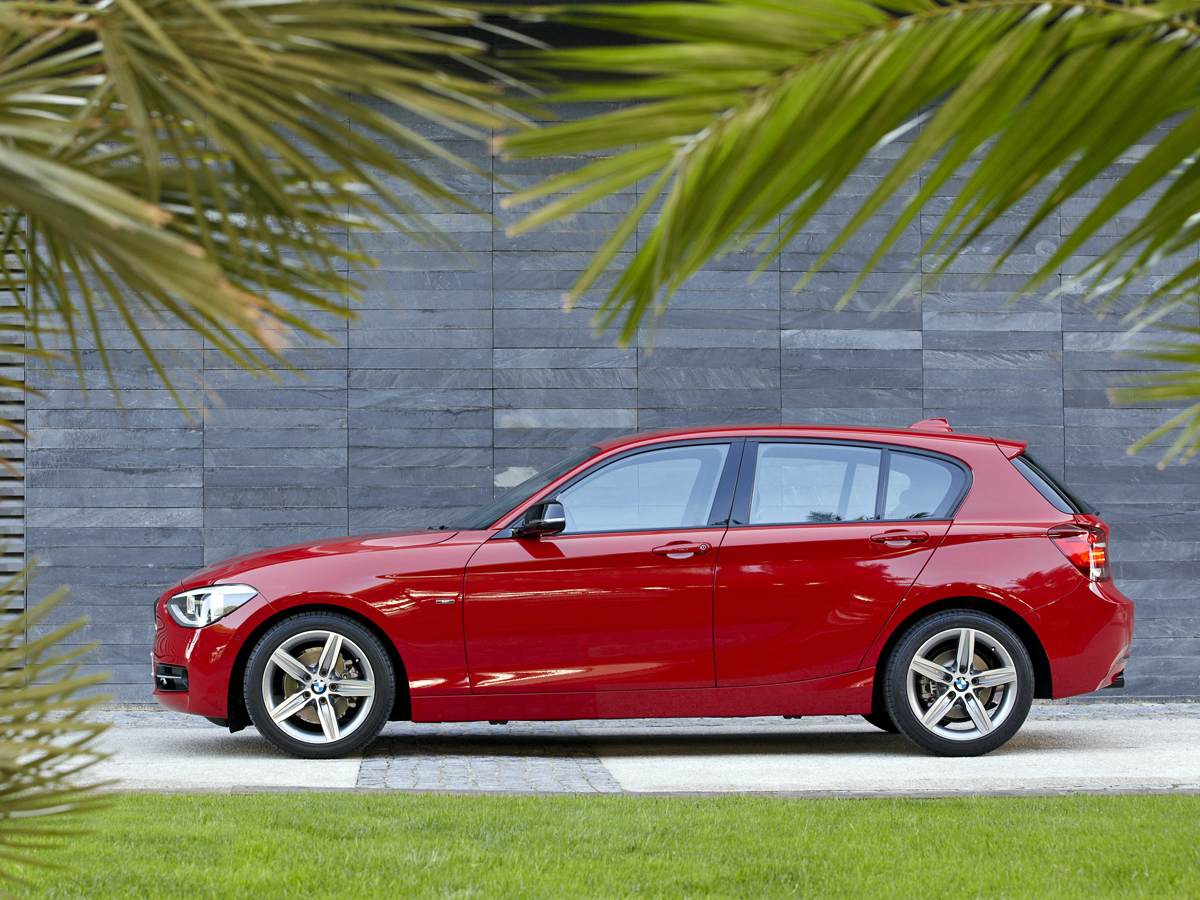
Just like the 1st-generation E87 1 Series that preceded it, the F20 BMW 1 Series was unique in the premium-hatchback segment for one particular reason – its rear-wheel-drive (RWD) layout.
Yes, the Munich-based firm’s 2nd-generation 1 Series (F20) stuck with a recipe that had defined BMWs of the era, employing a longitudinally mounted engine – in inline 3-, 4- and 6-cylinder guises, in the case of this particular model – that drove the rear axle. Developed in tandem with the F30 3 Series, it was able to offer a level of engagement its front-driven rivals simply couldn’t match.
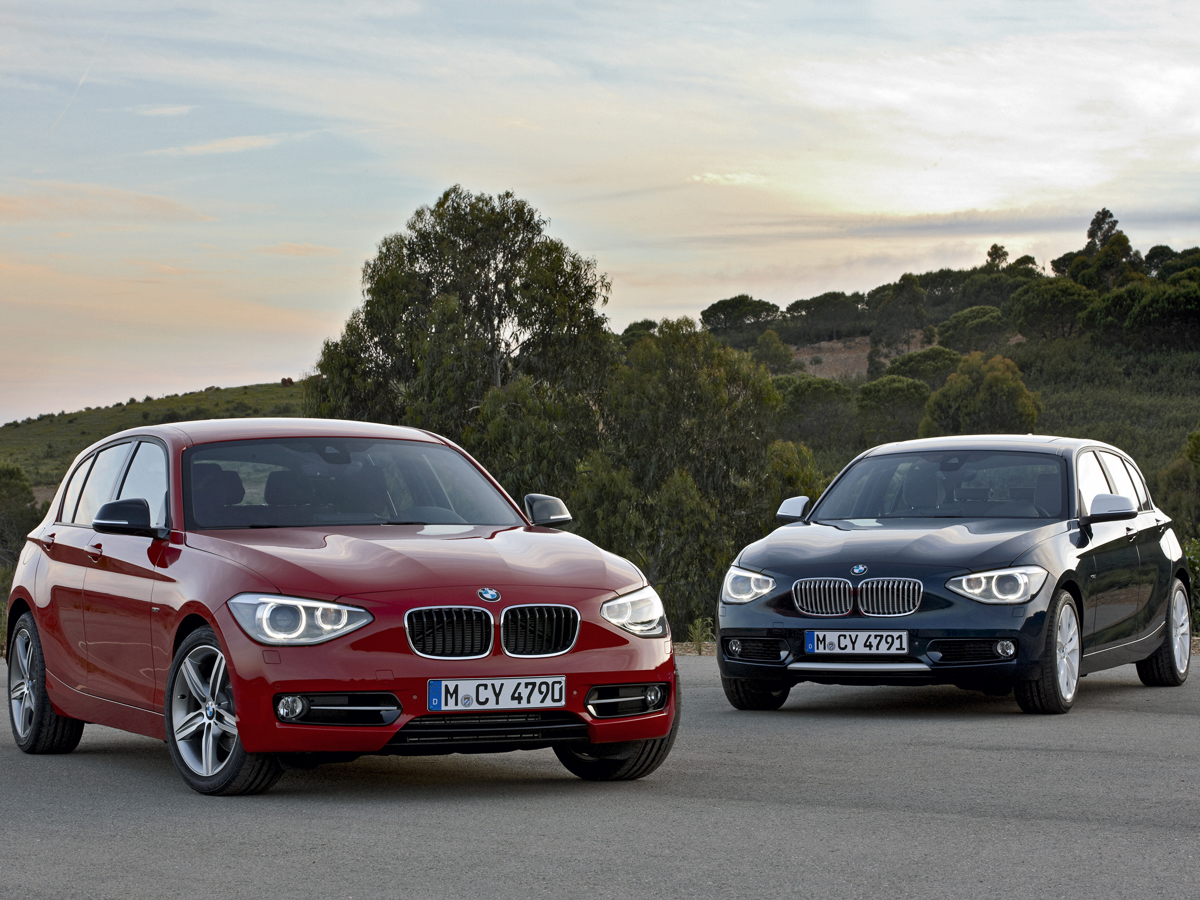
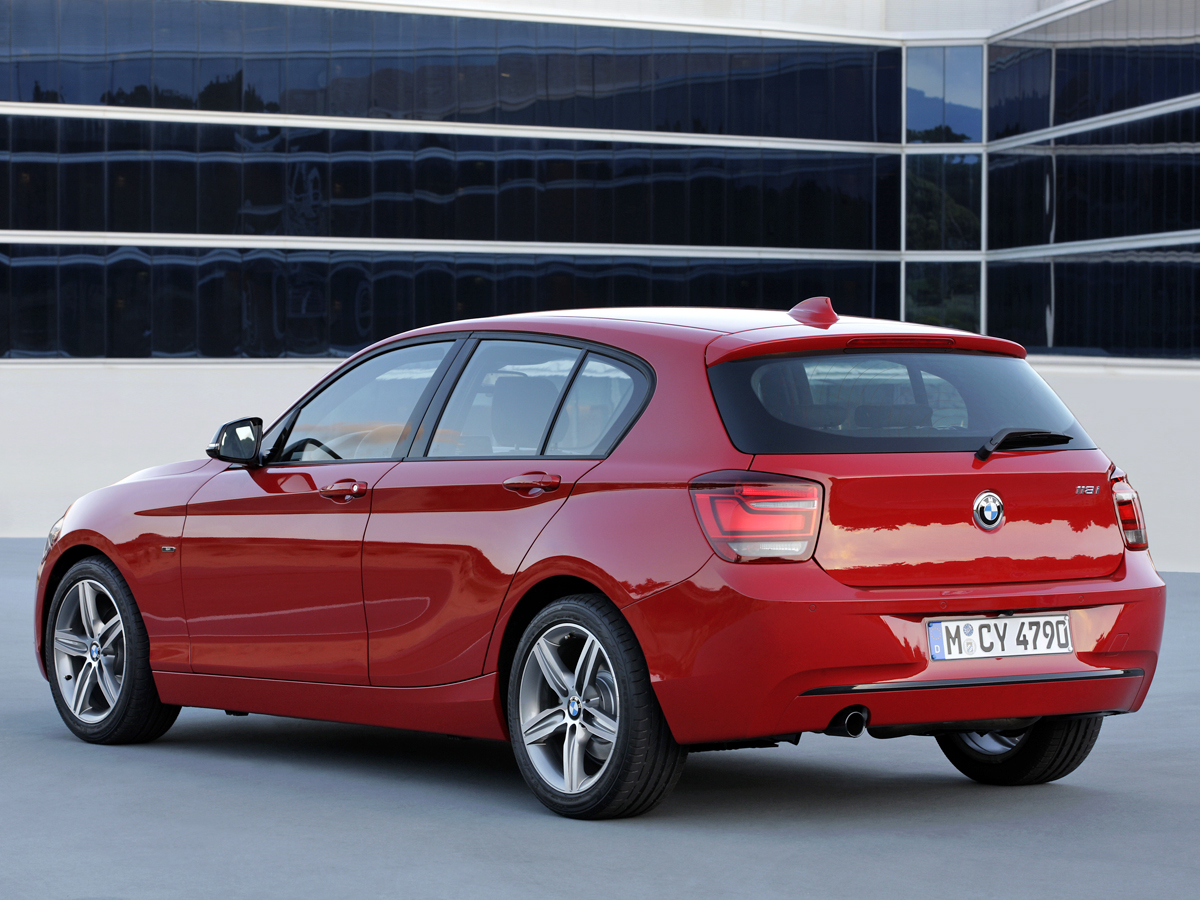
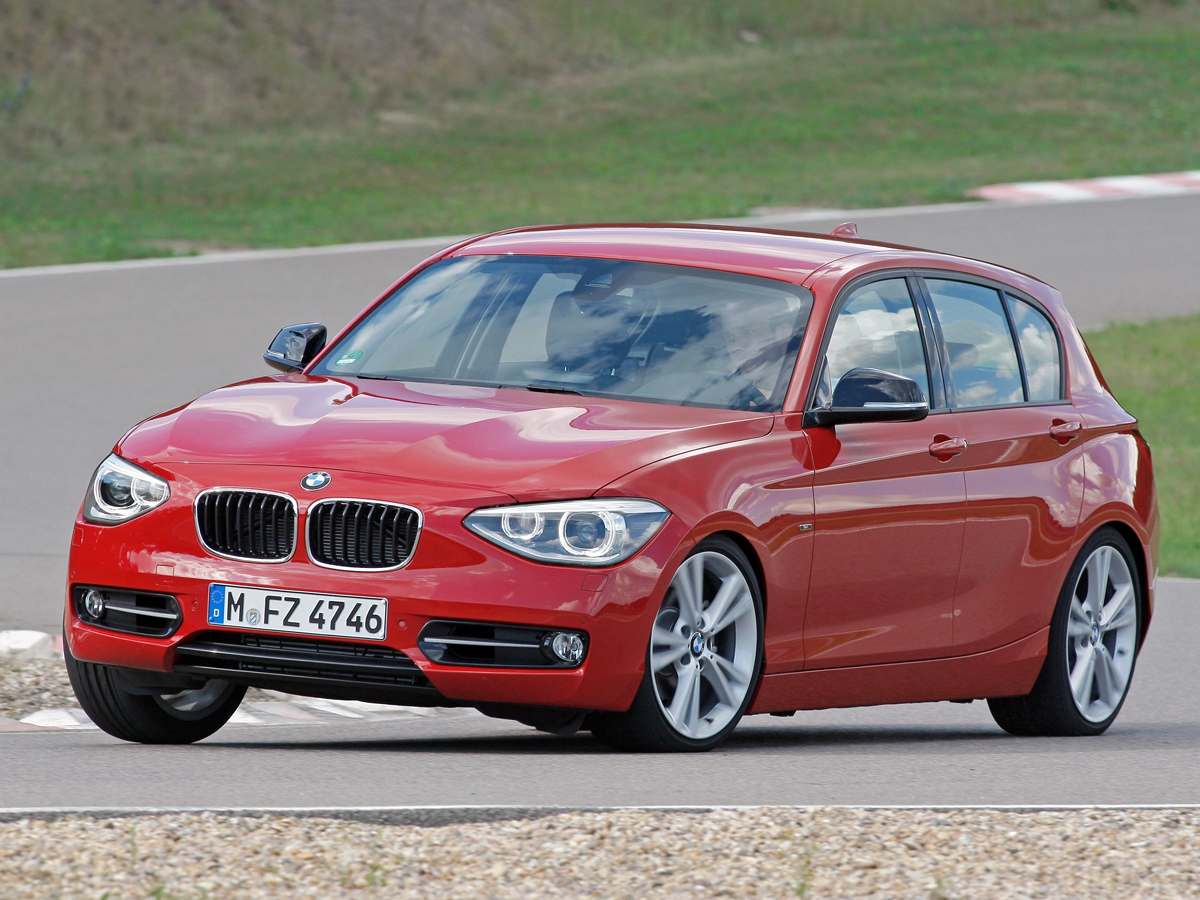
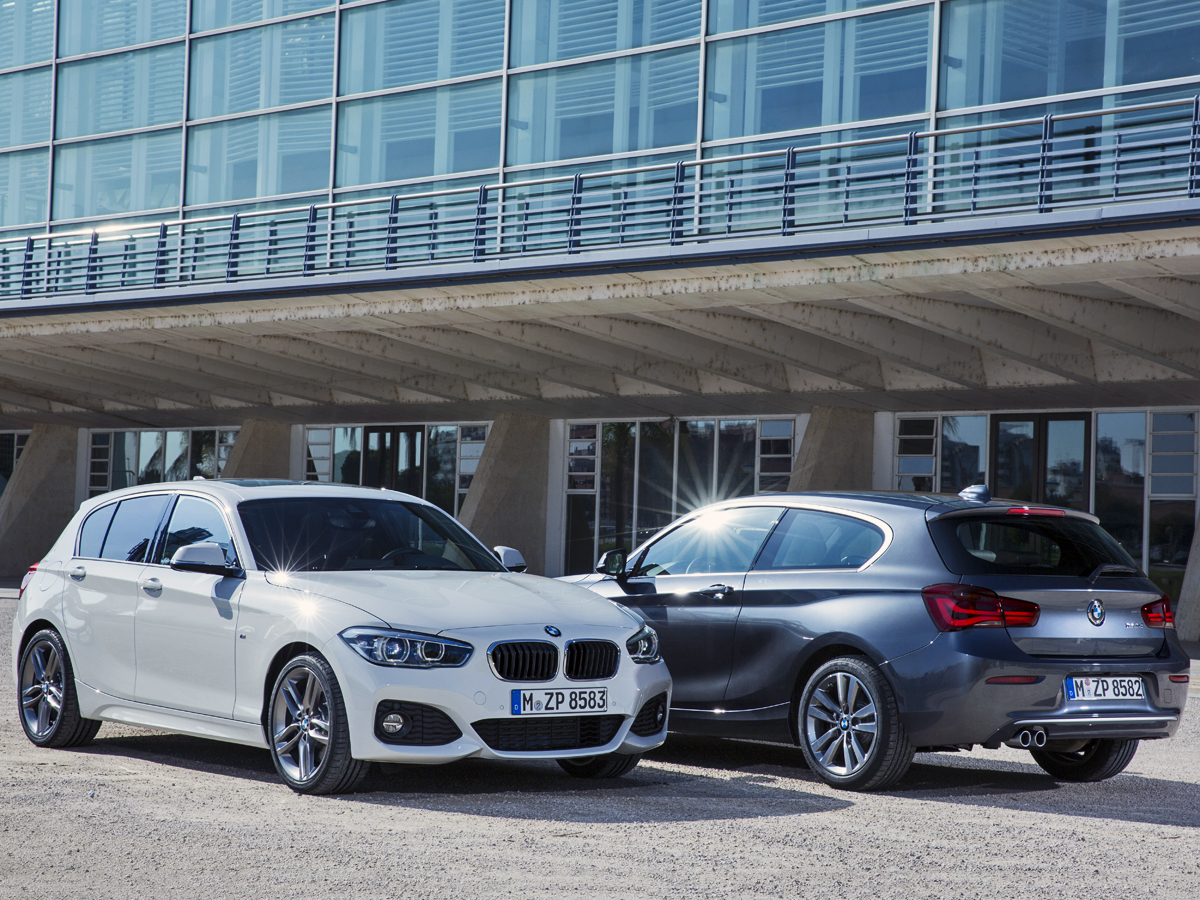
The 2011 F20 1 Series in Sport Line (left) and Urban Line (right) form.
As an aside, the F20 code technically refers to the 5-door hatchback, while the 3-door version is known as the F21, though we’ll use the former designation to cover both variants here. In addition, note this generation of 1 Series – unlike the original – did not include the coupe and convertible body styles, which were instead spun off to create the 2 Series nameplate (F22 and F23 models, respectively) late in 2013.
Of course, the subsequent F40-gen 1 Series that succeeded the F20 switched to a front-wheel-drive platform, ditching what had become the distinguishing feature of BMW’s entry-level model – but admittedly gaining extra practicality in the process. The F20 was thus the final RWD 1 Series.
BMW 1 Series model line-up in South Africa
Initially, the 118i used a 4-cylinder engine, but it switched to a 3-pot motor after the facelift.
Though various details and images were released as early as June 2011, the 2nd-generation 1 Series made its official global premiere in 5-door form in September of that year at the Frankfurt Motor Show, sharing the stage with the i3 Concept, i8 Concept and F10-generation M5.
By October 2011, the F20 1 Series had already touched down in South Africa and it was initially offered in standard, Sport Line and Urban Line specification (M Sport followed only in 2012). At launch, buyers could choose from a trio of turbocharged 4-cylinder engines (a duo of 1.6-litre petrol motors and a 2.0-litre diesel) as well as a pair of transmissions (a 6-speed manual and a ZF-sourced 8-speed automatic):
116i (100 kW/220 Nm)
118i (125 kW/250 Nm)
120d (135 kW/380 Nm)
In the 2nd quarter of 2012, BMW Group SA added the 125i to the local 1 Series line-up. This variant employed a turbocharged 2.0-litre, 4-cylinder petrol engine generating Volkswagen Golf 6 GTI-eclipsing outputs of 160 kW and 310 Nm. The M135i slotted in at the top of the range in the following quarter, boasting a turbocharged 3.0-litre inline-6 worth a heady 235 kW and 450 Nm.
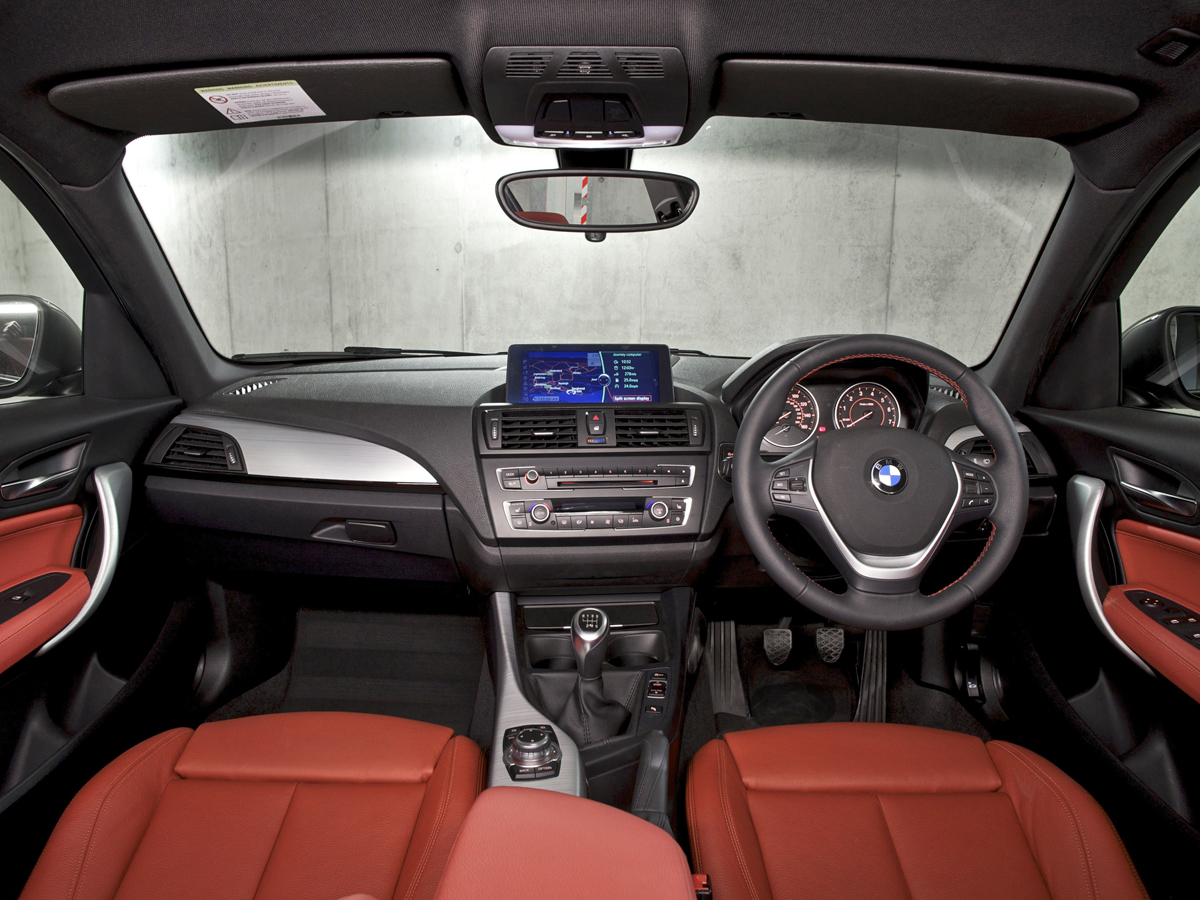
Gearbox choices included a 6-speed manual (shown here) and an 8-speed automatic.
Both the 125i and M135i were offered with either a 6-speed manual gearbox or an 8-speed self-shifter, with the 2-pedal versions of these derivatives said to complete the 0-100 kph sprint in 6.2 and 4.9 seconds, respectively (and the 3-pedal iterations taking 2-tenths of a second longer in each case).
Around the same time, the 3-door variant hit the local market, initially in 116i, 125i and M135i guises. Then, in April 2013, the 118i joined the list of derivatives available with 3 rather than 5 doors.
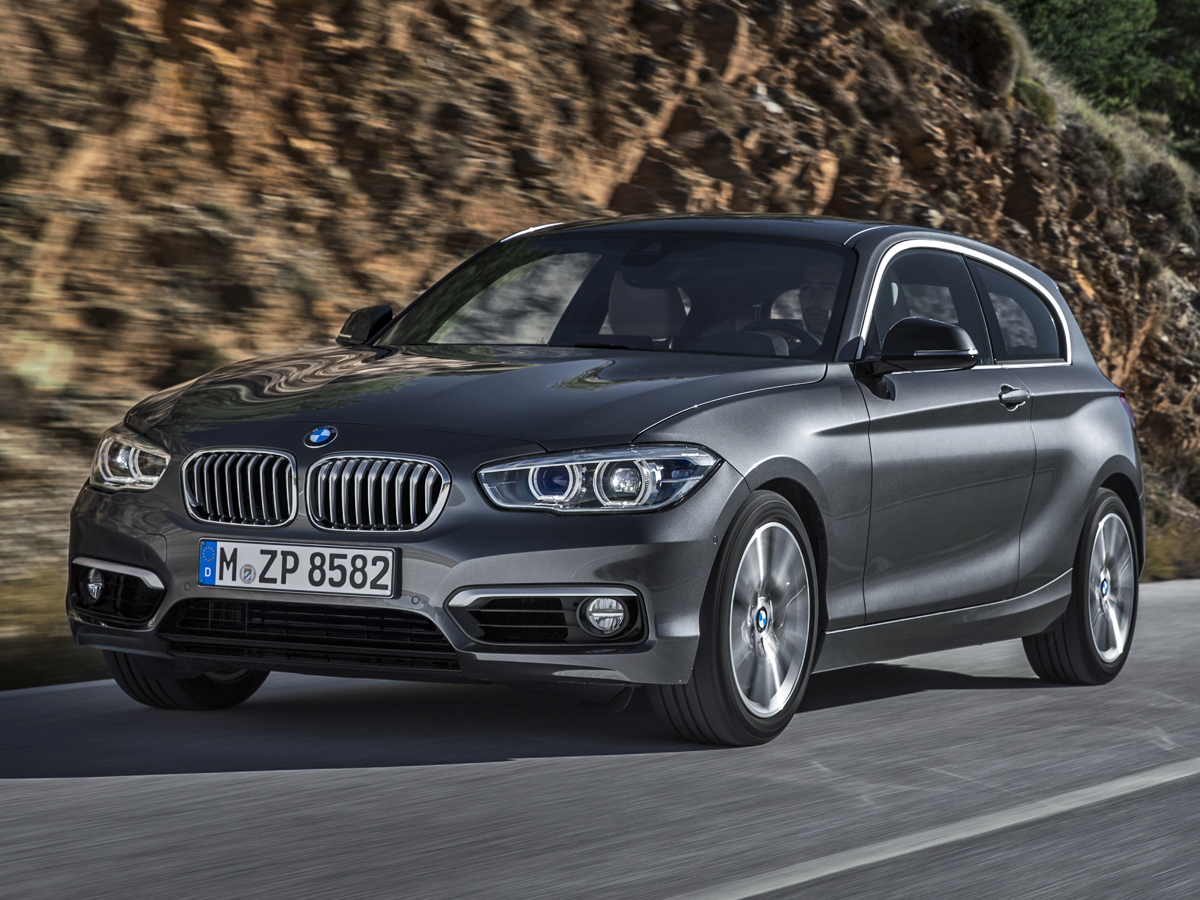
The facelifted 1 Series, seen here in 3-door form in Urban Line spec.
The F20 1 Series received a facelift – or Life Cycle Impulse (LCI) – in 2015, with the updated version making local landfall towards the middle of that year. In addition to significant changes to the exterior styling (and slightly less obvious refinements to the cabin), BMW’s most compact hatchback gained a raft of extra standard equipment.
The mid-cycle refresh furthermore brought revisions to the engine line-up. For example, the 120d – though again offered exclusively in 5-door form – upgraded from the N47 engine to the B47 unit, with new peak outputs of 140 kW and 400 Nm. In addition, the 125i was now available only with M Sport trim, while the M135i scored an extra 5 kW for a new peak power output of 240 kW.
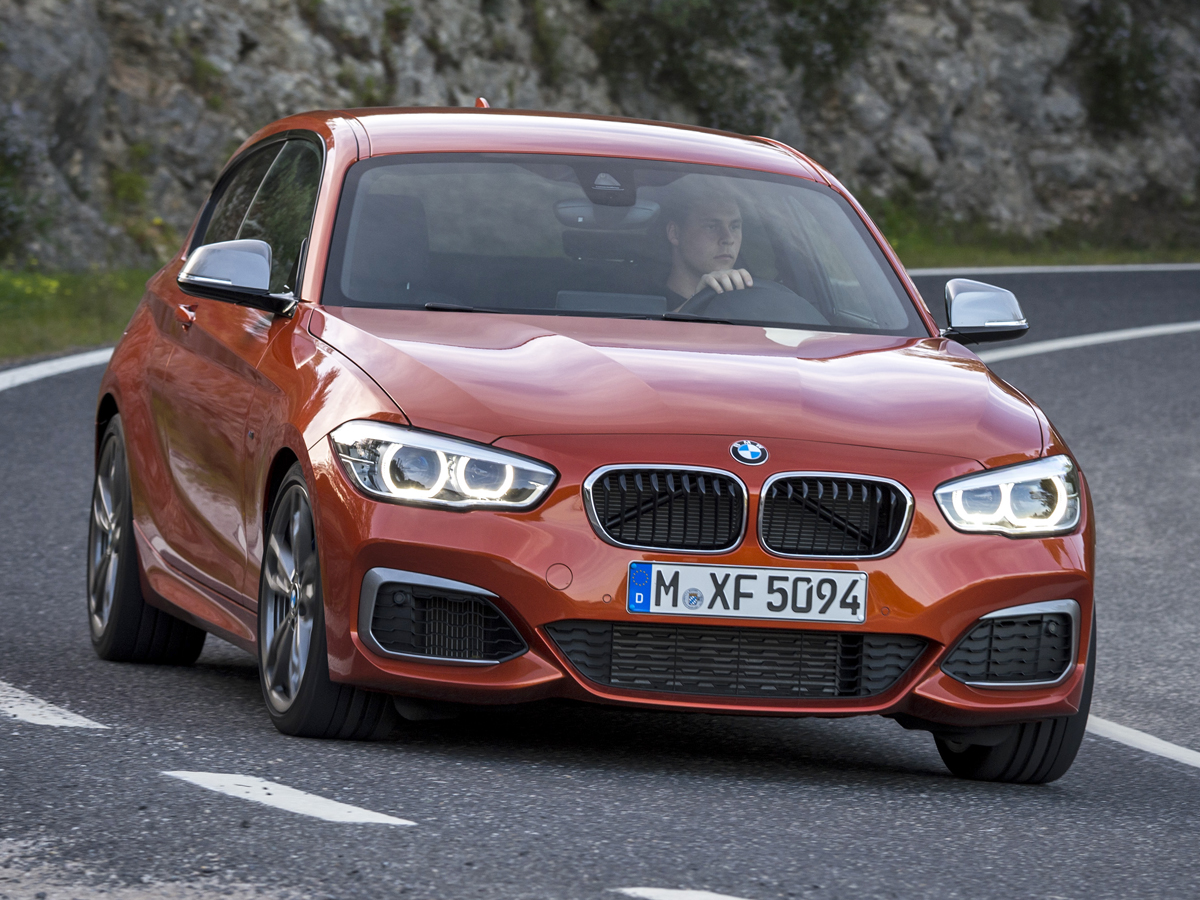
The M135i was handed a little extra oomph at the 2015 facelift.
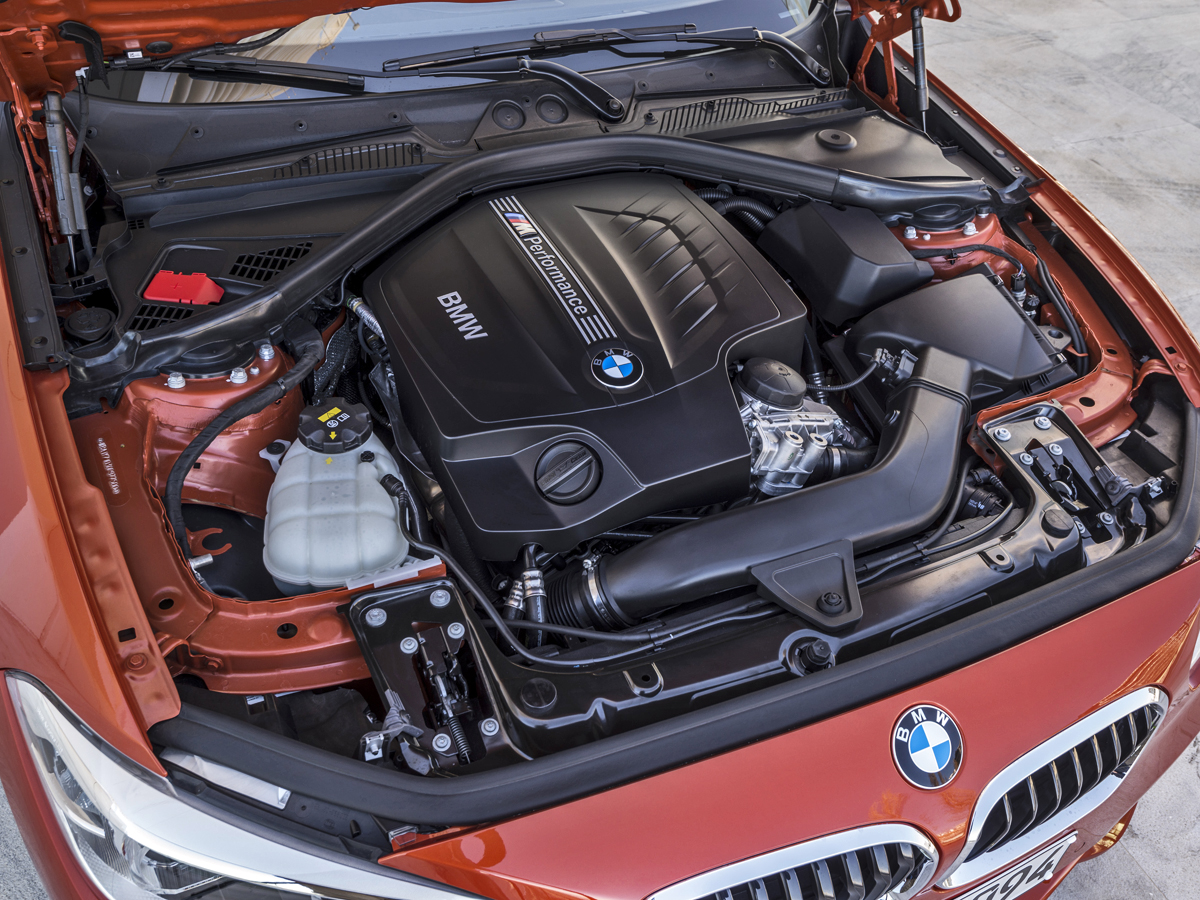
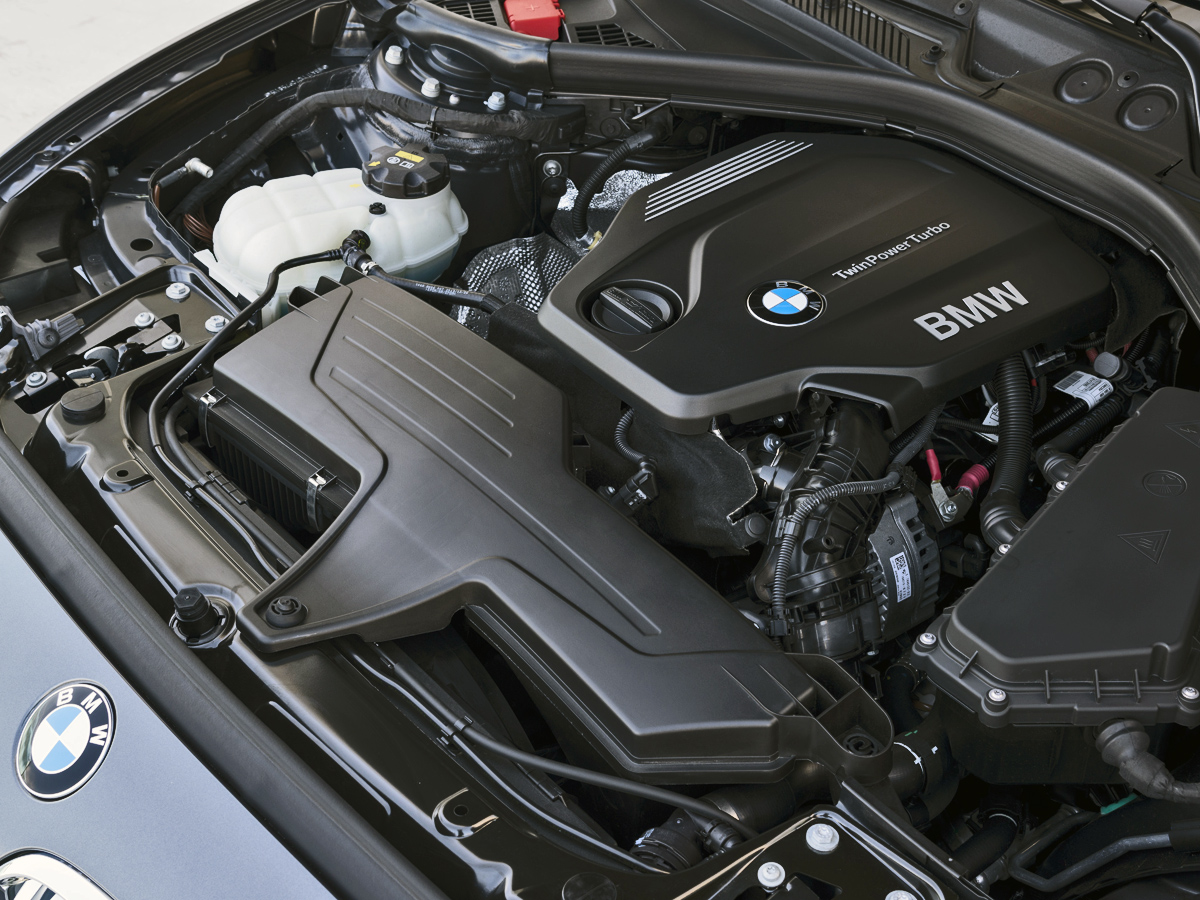
Moreover, the 116i fell away and the 118i adopted the role of entry-level derivative; it switched from the N13 engine (the “Prince” mill co-developed with Peugeot and Citroen) to a turbocharged 1.5-litre, 3-cylinder motor (the B38 unit, which was also utilised in Mini’s model range) worth 100 kW and 220 Nm. The 120i (135 kW/290 Nm) joined the local range a little while later, powered by the B48 2.0-litre mill.
From July 2016, the hottest version of the F20 1 Series – now badged as the M140i – was tweaked yet again, switching from the N55 to the B58 motor, with peak outputs rising to 250 kW and 500 Nm (and the 0-100 kph sprint times falling to 4.6 and 4.8 seconds for the auto and manual versions, respectively). The 125i likewise quietly dropped its N20 engine for the 120i’s B48 unit, albeit in a higher stake of tune (165 kW/310 Nm). Interestingly, the 3-door range was culled from the South African line-up at this point.
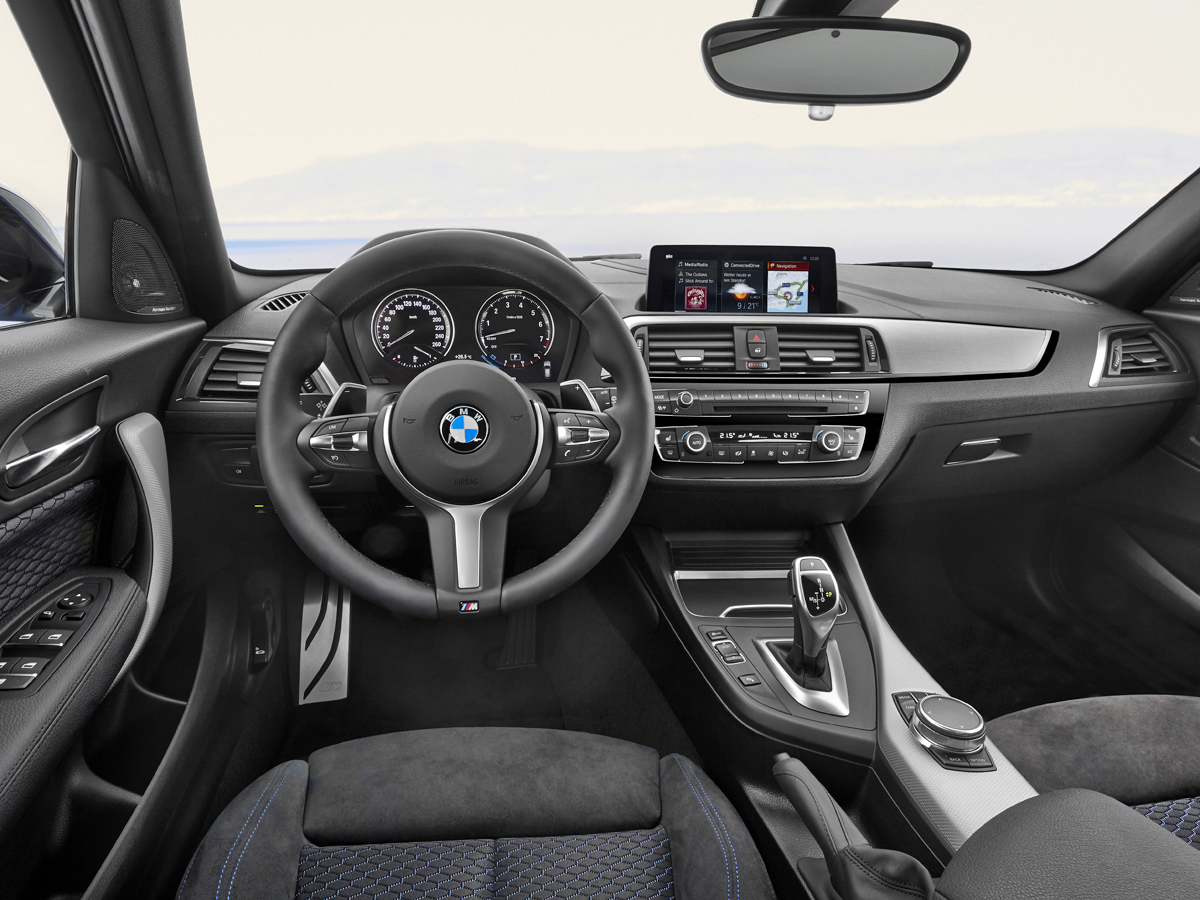
The 1 Series cabin was updated again in 2017.
The final revisions to the F20 1 Series range were announced in 2017, when BMW rolled out updates to the cabin, including fresh materials, a newly designed instrument panel and the latest version of the iDrive infotainment system. At the same time, new “Edition Shadow” limited-run models were unveiled, arriving in South Africa towards the start of 2018 in 118i, 120i, 120d and M140i guises.
The F20 1 Series was superseded by the front-wheel-drive F40 model during the 3rd quarter of 2019.
What are the advantages of an F20 BMW 1 Series?
Even the lower-powered derivatives were entertaining to drive quickly.
Rear-wheel-drive balance: As the only RWD contender in the segment, the F20 BMW 1 Series was able to outshine its rivals in terms of pure driver engagement (deftly balanced with generally impressive ride comfort). Boasting precise handling, responsive steering, a pleasingly low-slung driving position and a 50:50 weight distribution, the 2nd-generation 1 Series held great appeal among driving enthusiasts.
The latter would also have appreciated the option of a 6-speed manual gearbox, which was available on all derivatives initially, but later not offered on the likes of the 120i, 125i M Sport and M140i. That said, the ZF-sourced 8-speed automatic transmission was an absolute peach and – unlike many of the F20’s rivals of the era – featured a conventional torque converter- rather than a dual-clutch configuration.
The engine range was broad (though only a single turbodiesel was offered in SA).
Wide range of engines: While the South African market received just a single turbodiesel option – the fuel-frugal 120d, which sipped at a claimed 3.9 L/100 km in facelifted form – the turbopetrol engine line-up was pleasingly broad. Options ranged from the 1.5-litre 3-pot and 1.6-litre 4-cylinder mills (the latter in a couple of states of tune) to the 2.0-litre motor in the 125i, as well as 6-cylinder power in the M135i and M140i hot hatches. In short, there was something for most buyers.
Great infotainment (where fitted): Initially, all F20-series derivatives shipped standard with the BMW Professional RDS radio system, which was somewhat more basic than it sounded. In order to benefit from the wonderfully intuitive iDrive controller set-up, buyers had to spring for either the optional “Business” navigation system (R10 100) or the “Professional” navigation (R18 100).
Thankfully, BMW Group SA upgraded to iDrive 5.0 at the facelift, while also making the Business navigation system standard across the range and cutting the price of the optional Professional arrangement to R13 900. We’d recommend buying a derivative fitted with one of these systems – also utilised in pricier BMWs of the period – as they make a vast difference to the atmosphere of the cabin.
What are the disadvantages of an F20 BMW 1 Series?
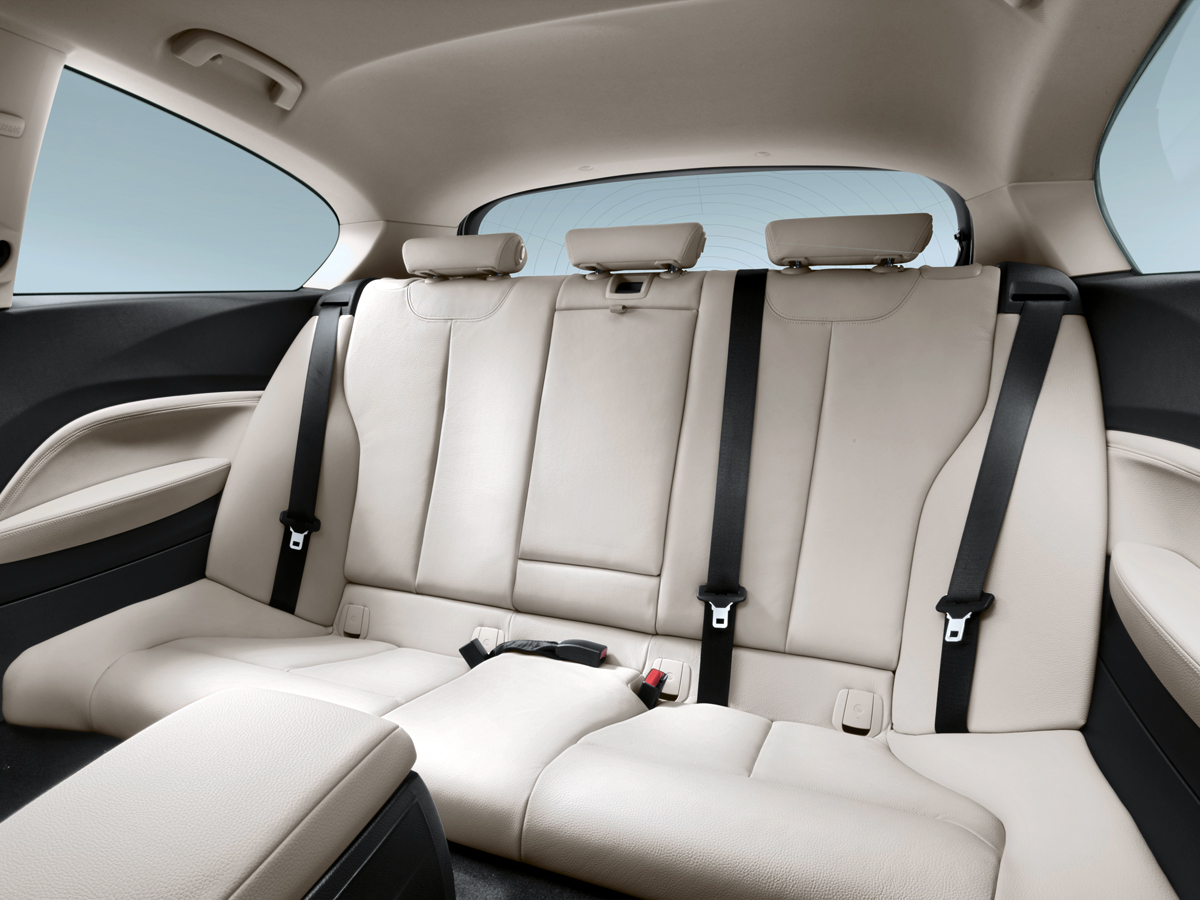
Space on the rear bench was cramped, though at least a touch better than that of the preceding model.
Tight cabin space: Yes, the F20-generation 1 Series wasn’t quite as cramped inside as its forebear, but cabin space was still clearly below the class average. With drive directed to the rear axle, a chunky transmission tunnel took an appreciable bite out of the centre-sited rear passenger’s foot space, while aft shoulder room was in fairly short supply, too.
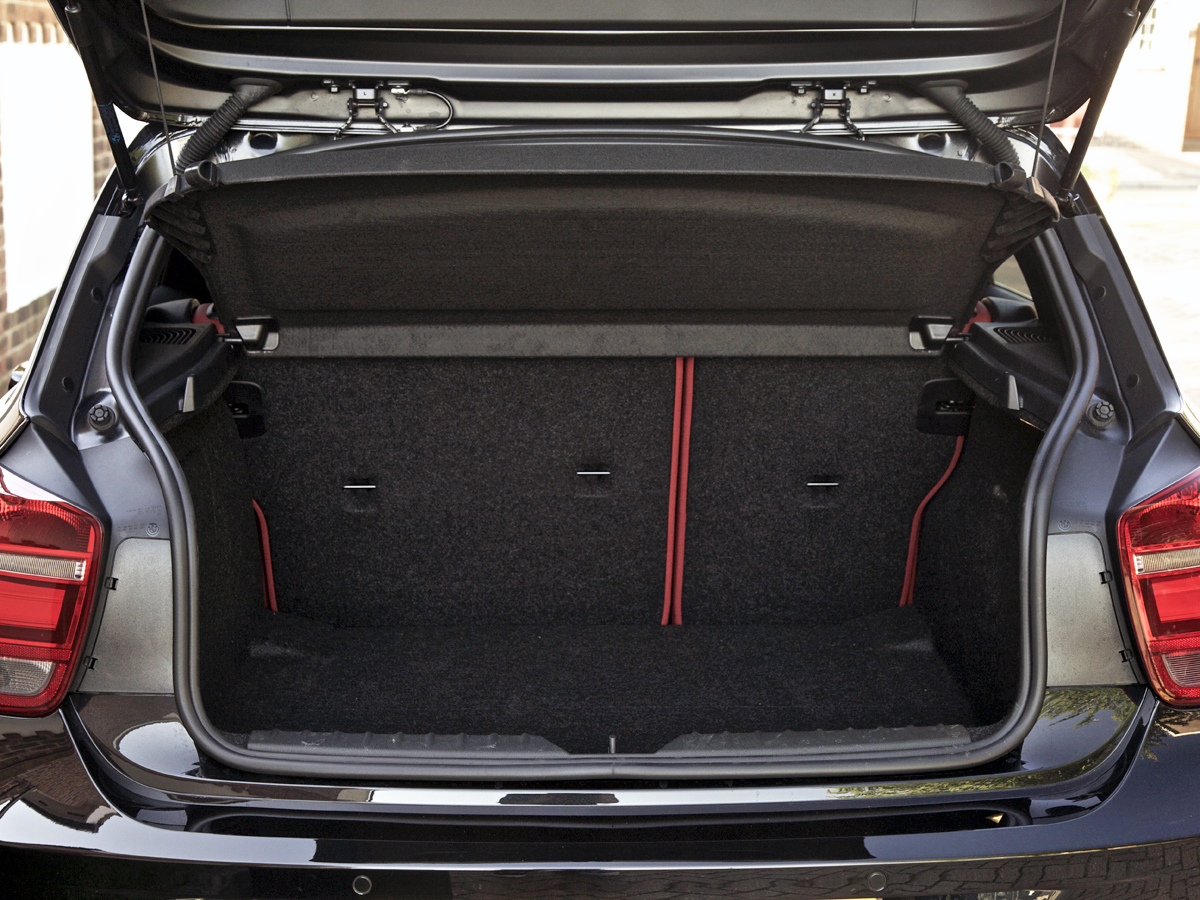
The narrow rear portals on the 5-door variant furthermore compromised ease of ingress and egress, while accessing the rear quarters of a 3-door version required even more dexterity. The luggage compartment, too, wasn’t the most capacious at 360 litres (despite not having to house a spare wheel, since run-flat tyres were standard fitment across the range), although at least a 60:40 split-folding rear bench was standard in South Africa (which wasn’t the case for some other markets).
The 1 Series wasn’t the most generous in terms of boot space, either.
Spartan equipment levels (pre-facelift): BMW Group SA was unfortunately a little stingy with standard equipment in the case of the pre-facelift model. For instance, most derivatives bar the M135i initially shipped standard with cloth upholstery, manual (rather than automatic) aircon and a basic radio system, while also doing without items such as parking sensors, a reverse-view camera, Bluetooth, cruise control and a through-load function.
Of course, those items – and many more – were indeed available, but the buyer would have had to shell out either for individual options or packages incorporating various loosely related extras. That said, much more standard kit was added at the mid-cycle refresh, including iDrive (with navigation), automatic headlights, rain-sensing wipers, cruise control, additional 12V sockets and folding rear-seat headrests.
Listen closely for strange engine rattling noises when examining a pre-facelift 120d.
Miscellaneous potential issues: Are there any potential mechanical issues to keep in mind? Well, though most of the well-publicised timing-chain problems on BMW’s N47 engine occurred in earlier model-year vehicles, it’s still worth listening out for any unusual rattling sounds when examining a pre-facelift 120d (by the way, the N20 unit in the earlier 125i was also known to suffer from timing-chain guide maladies).
In addition, certain F20 BMW 1 Series derivatives in South Africa were included in a 2013 global recall relating to a potential loss of power assistance in the braking system due to insufficient lubrication to a vacuum pump (our information suggests this was largely limited to early 125i examples). The F20 model was also part of a massive recall involving a risk of fire; in some derivatives, glycol could potentially leak from the exhaust gas recirculation (EGR) cooler and ignite in the hot exhaust gases and oil residue.
How much is a used BMW 1 Series in South Africa?
M Sport and Urban Line models in facelifted form.
The 2nd-generation 1 Series shipped standard with BMW’s 5-year/100 000 km Motorplan maintenance plan, which would have elapsed by now (at least in the majority of cases). When shopping for a used F20 1 Series, pay close attention to the vehicle’s maintenance history; there are enough examples around for you not to have to settle for anything other than a full-service record.
At the time of writing, more than 80% of the used F20-generation BMW 1 Series listings on Cars.co.za employed an automatic transmission. The 118i was easily the most common engine derivative, accounting for nearly half of all units, followed by the 120i (17%), 116i (14%) and 120d (11%).
Interestingly, there were very few examples of the 125i (which was in even shorter supply than the M135i and M140i), while the 3-door body style made up just 4% of all listings.
Model-year distribution was surprisingly even.
The distribution by model year was surprisingly even, with 2018 proving the most popular by the smallest of margins. Mileages ranged from 16 000 km (on a 2015 M135i in 3-door guise) to 237 000 km (achieved by a 2013 120d in 5-door form), with a further 11 examples showing in excess of 200 000 km on their respective odometers.
Below R150 000: As you might expect, the majority of the admittedly few options available below this mark were earlier model-year examples with relatively high mileages (mostly in 116i and 118i guises). In addition, we predictably found only pre-facelift vehicles here.
From R150 000 to R250 000: Though the 120d turbodiesel was in particularly short supply between these pricing bookends, virtually all other engine derivatives were represented (yes, there was even an M135i here). Indicated mileage, though, tended to fall on the far side of 150 000 km.
From R250 000 to R400 000: This broader pricing bracket was the most densely populated at the time of writing and comprised mostly facelifted models showing under 100 000 km. The majority of buyers would likely be shopping in this space, where we even found a handful of low-mileage M135i units (including a tasty 3-door example with a manual ‘box!).
R400 000 and up: Above R400 000, we discovered yet more M135i examples, as well as the few M140i listings on offer. In addition, there was a small collection of late model-year 118i, 120i and 120d derivatives, most featuring the limited-run Edition Shadow trim. The most expensive F20 we unearthed was a 2019 M140i 5-door auto with 27 000 km on the clock, priced at a heady R625 000.
Which F20 BMW 1 Series should I buy?
Opt for a facelifted model if your budget permits.
We’re going to assume you’re shopping for a 5-door model, likely with an automatic transmission. We’d recommend sticking to a facelifted (LCI) 1 Series should your budget allow, since these updated versions had considerably more standard kit and, in most cases, switched to somewhat more robust engines, too.
Which engine derivative should you go for? Well, as is so often the case, the answer depends largely on your requirements. Those valuing fuel economy will naturally gravitate towards the oil-burning 120d, though the 3-pot 118i is capable of being fairly frugal as well (rated to sip at 5.1 L/100 km).
The F20-gen M140i looks poised to become a modern classic.
Meanwhile, the 120i delivers a tempting blend of grunt and economy, though we’d advise buyers seeking more performance to narrow their search to an M140i, which dropped the M135i’s N55 engine in favour of the B58 (and boasted even higher outputs).
Although the comparatively understated M140i lived in the shadow of the original F87-generation M2 coupe, it offered an enviable mix of 6-cylinder verve, entertaining dynamics and ease of daily use. In fact, it seems destined to graduate to “modern classic” status…
Is the F20 BMW 1 Series a good used buy?
Facelifted models are most easily identified by their taillights, which extend into the tailgate.
All of the 2nd-gen 1 Series’ rivals rode on front-wheel-drive platforms (some with the option of all-wheel drive), with most thus benefitting from more practical packaging. The Audi A3 (Typ 8V) of the era boasted what was arguably the best-designed interior, while the closely related Volkswagen Golf 7 could also be considered a competitor (albeit sans a properly premium badge).
The W176-generation Mercedes-Benz A-Class was another contender in this segment, although it also suffered from a somewhat cramped cabin and was further hamstrung by a particularly harsh ride. Left-field choices, meanwhile, included the Volvo V40, Lexus CT200h (a Toyota Prius in a suit, not to be too unkind) and Alfa Romeo Giulietta – nameplates that have incidentally all since been discontinued.
The M140i putting its B58 motor to good use.
Though not quite as family-friendly (read: practical) as most of its direct competitors, the F20-generation BMW 1 Series was unquestionably the most rewarding car to drive in its segment. There was a certain depth to the engineering that became only more obvious with each passing moment behind the ‘wheel.
As the last of the rear-wheel-drive 1 Series models, the F20’s discontinuation marked the end of an era, but at least there are a number of tidy examples of this premium hatchback available on the used market.
Toyota Corolla Bakkie?! Why the half-ton bakkie segment died in South Africa
In September 2023, we spotted a video shot in Durban South Africa which showed an exciting vehicle that looked like a Toyota Corolla-based bakkie.
It seems Toyota South Africa very seriously considered a Corolla-based bakkie, even going so far as to build a prototype. We contacted Toyota South Africa for comment and here’s what they had to say.
We also use this video to take a deeper look at why the popular half-tonne bakkie segment died in South Africa, where cars like the Ford Bantam, Mazda Rustler, Chevrolet Utility, Opel Corsa Ute and Fiat Strada used to sell in strong numbers.
The third-generation Volkswagen Tiguan has just been revealed, but how does it stack up against its predecessor? Let’s find out.
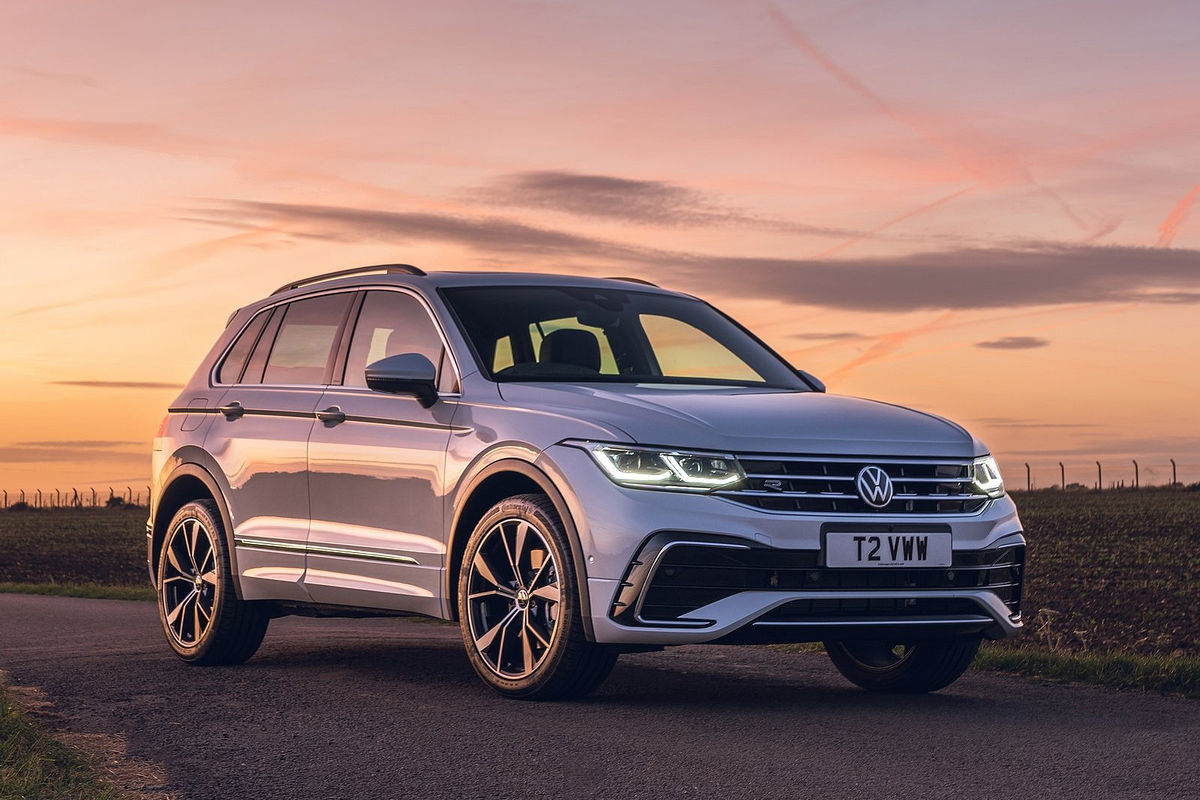
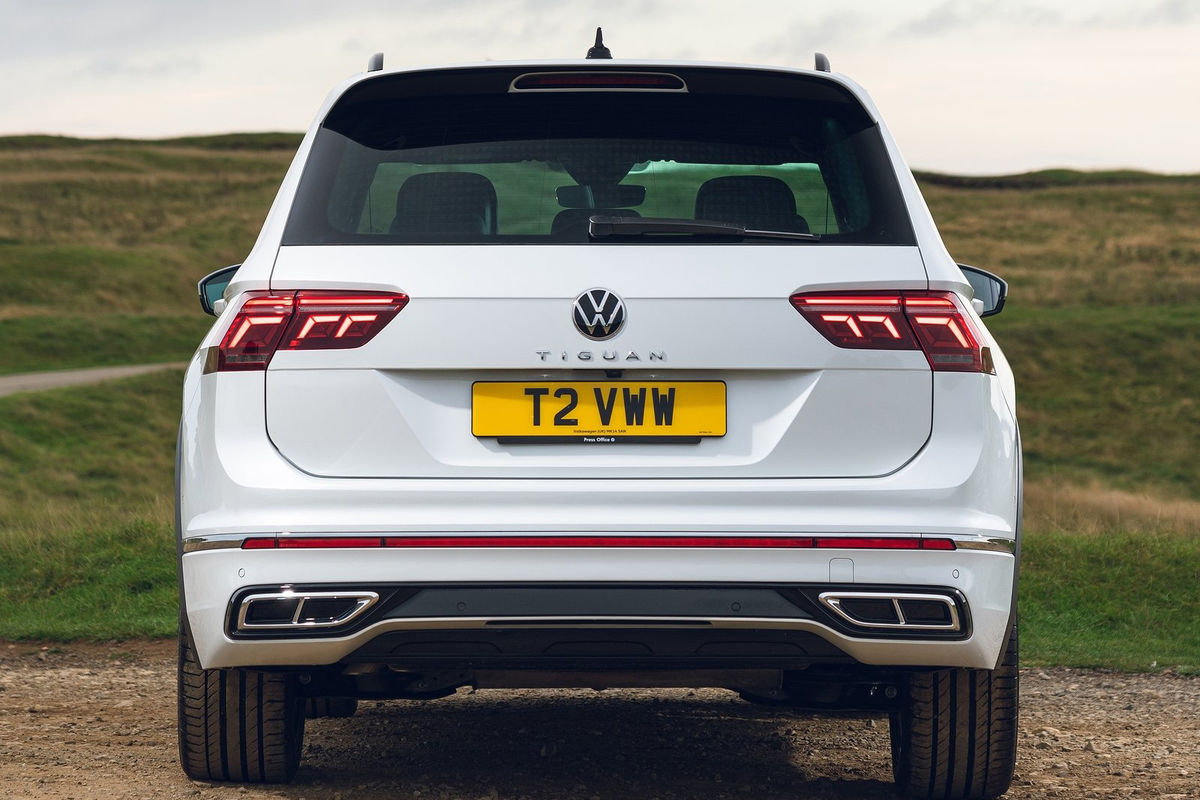
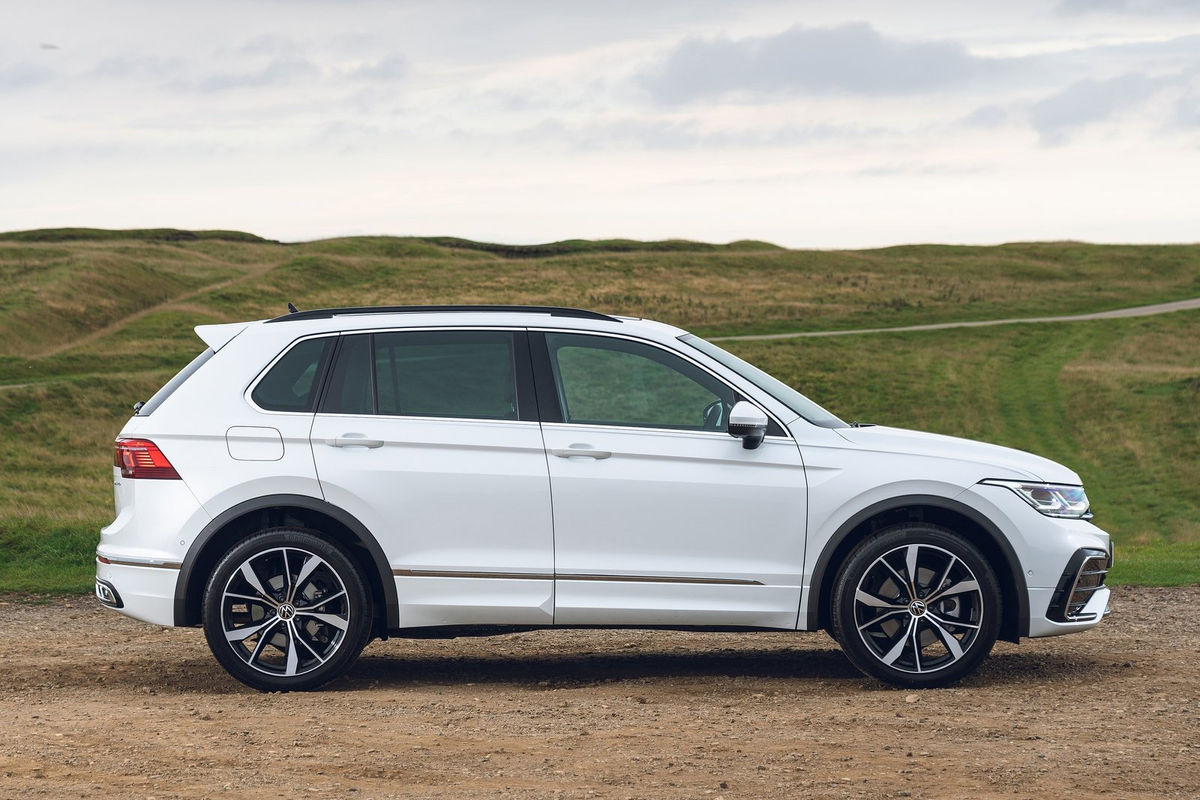
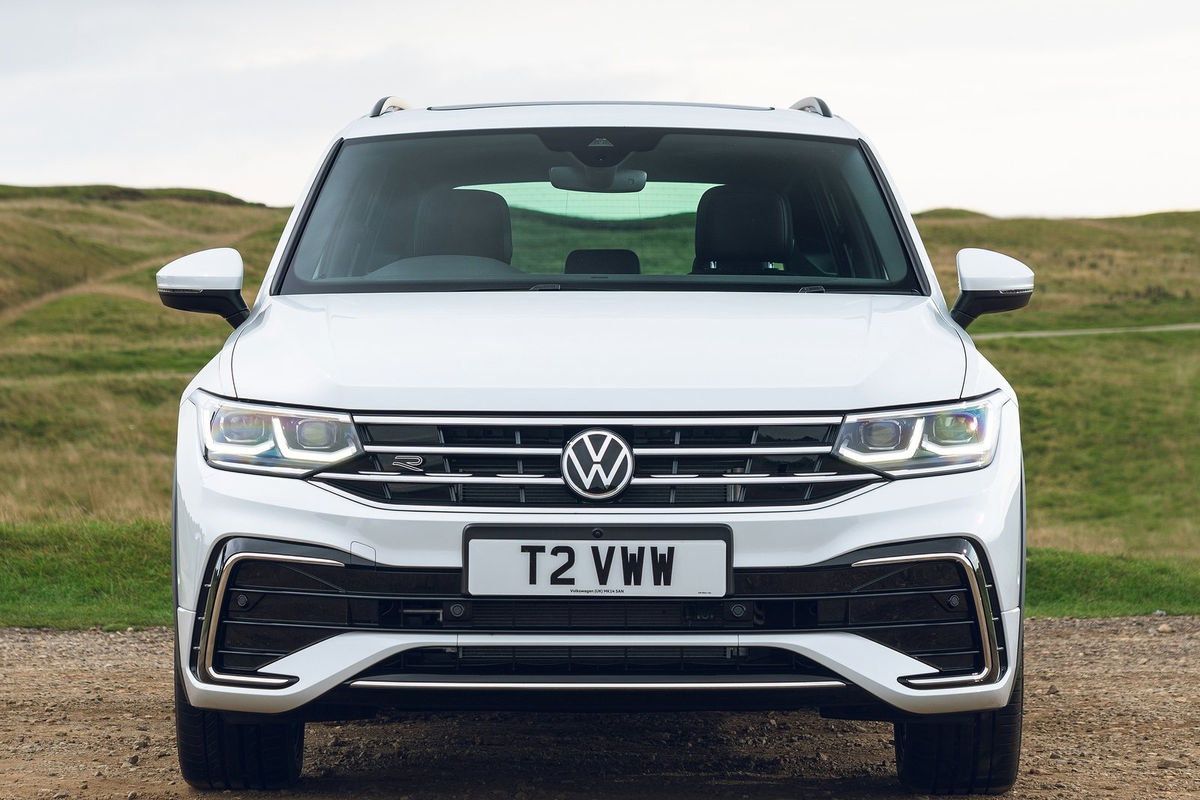
The all-new 3rd generation of Volkswagen’s popular family SUV has just been revealed. It’s one of the brand’s best-selling models and it’s vital the winning formula has not been changed too much.
In this article, we look at how the newcomer compares against the outgoing model in terms of styling, technology, engine lineup and more.
Styling is subjective and while one person may be in love with a new car’s design, another may not be as enthusiastic. Given the Volkswagen Tiguan’s popularity, it makes perfect sense for the exterior design team to not rock the boat too much with a polarising visual that’ll impact on sales.
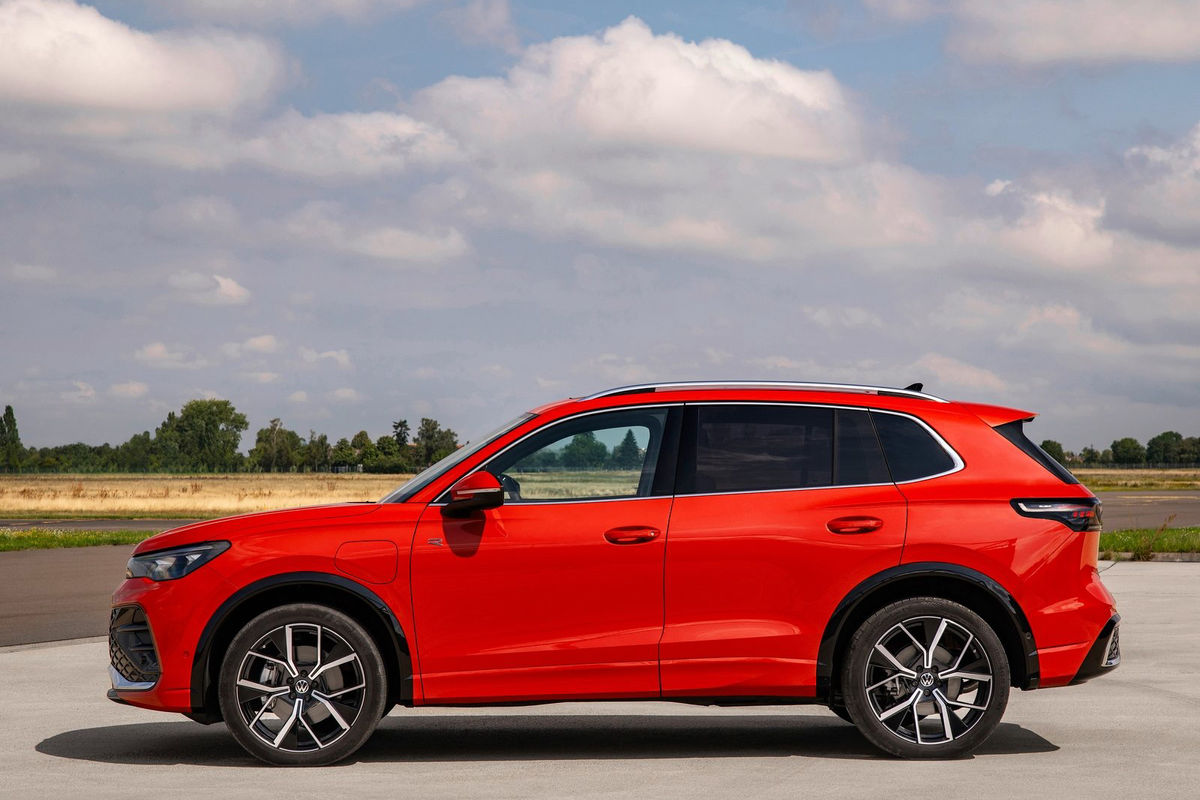
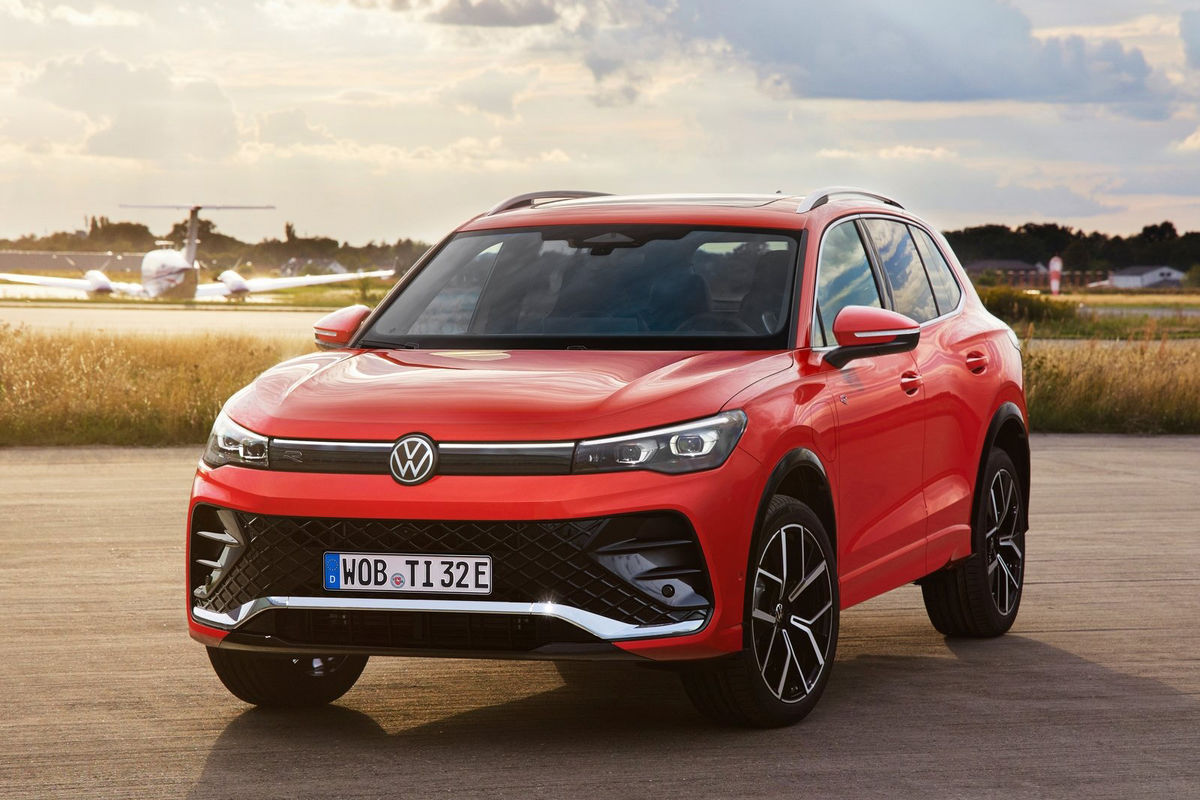
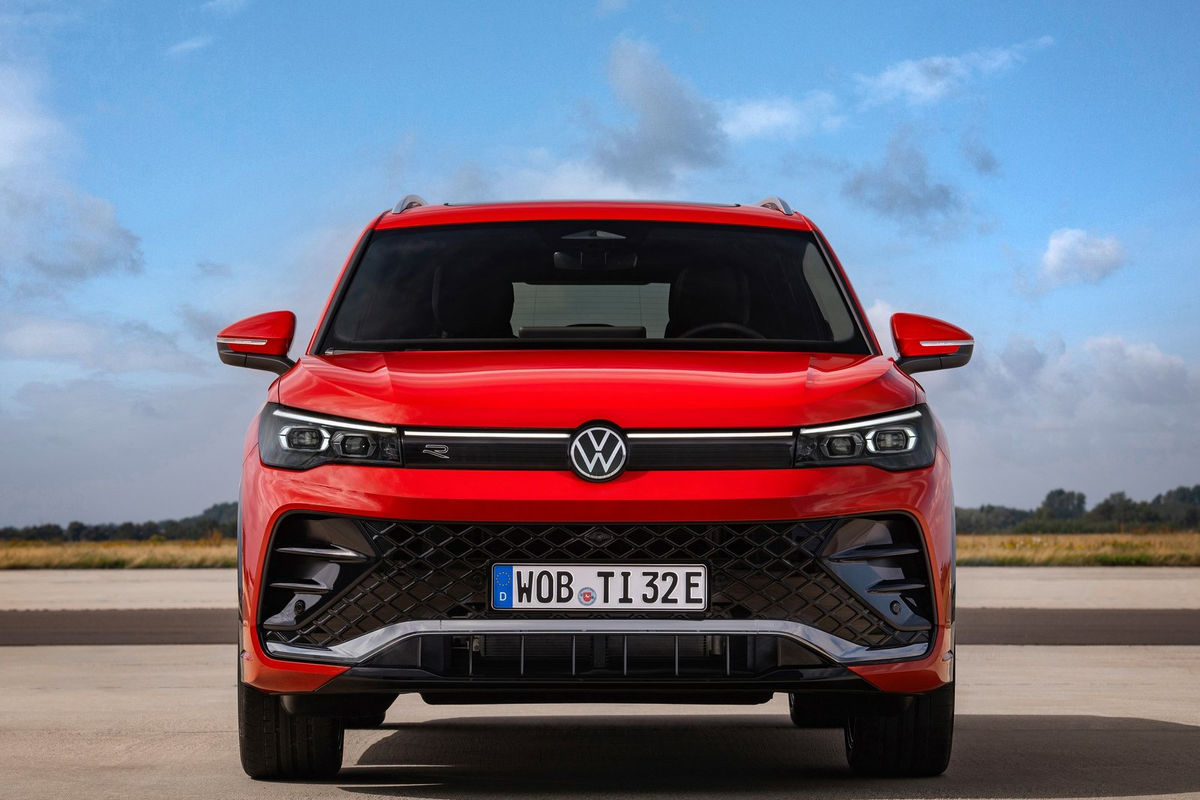
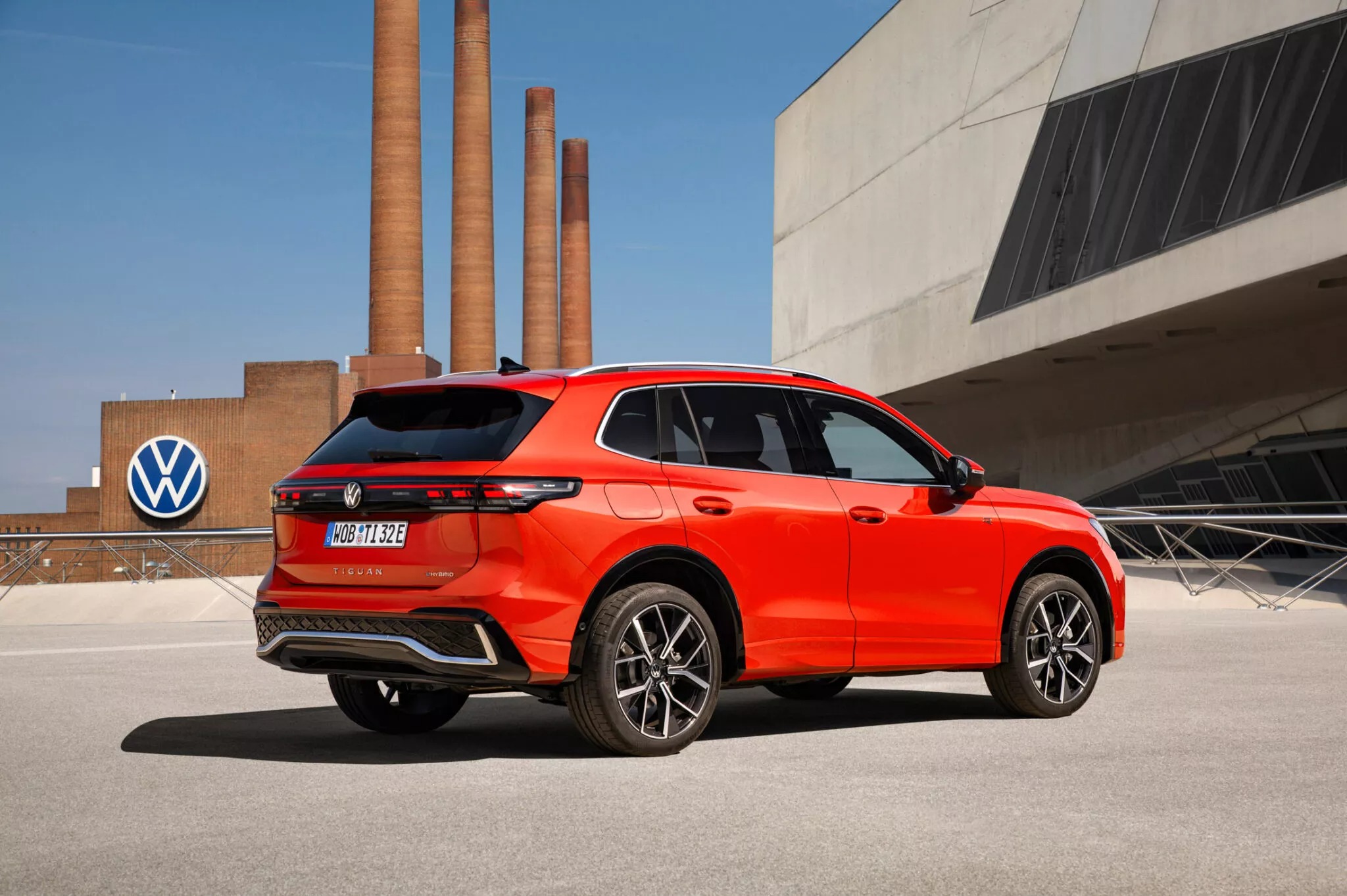
The current Tiguan is a great-looking SUV with sharp lines, smart-looking headlights and that R-Line kit adds a healthy dose of sportiness. The new Tiguan, however, adopts a more rounded and curvy approach. Some of the sharpness has been taken away, but in its place comes the freshest face from Volkswagen with the latest design trends incorporated, like the LED light bars. You can clearly see that the design language from the ID EV models has been incorporated.
Dimensions
2nd-gen Volkswagen Tiguan
3rd-gen Volkswagen Tiguan
Length
4509 mm
4539 mm
Width
1839 mm
1842 mm
Height
1673 mm (with roof rails)
1639 mm (without roof rails)
Wheelbase
2681 mm
2681 mm
Boot space
615 litres
652 litres
As you can see by the table above, the size between the two generations of Volkswagen Tiguan has not changed too dramatically, with the key differences being the overall length and increase in boot capacity.
The 3rd-generation Volkswagen Tiguan makes use of the latest MQB Evo platform which is said to offer more refinement and make provision for electrification and other smart technologies.
Cabin differences
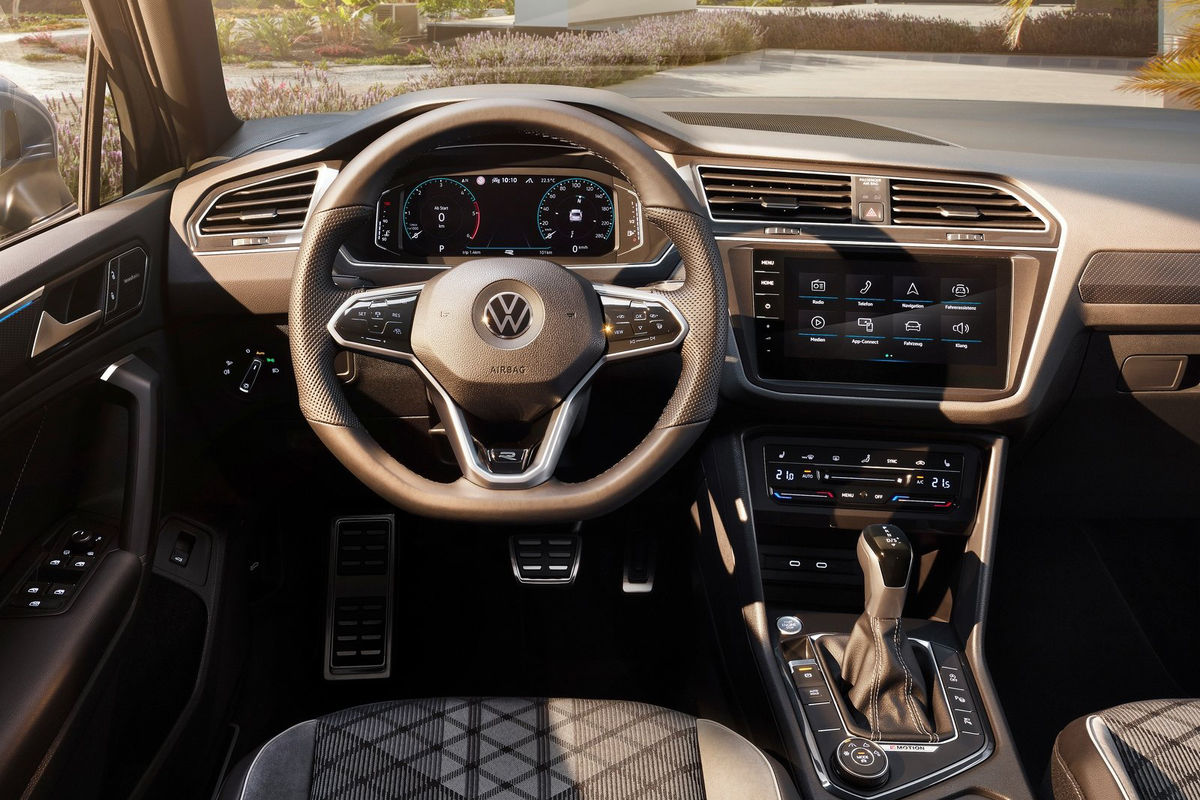
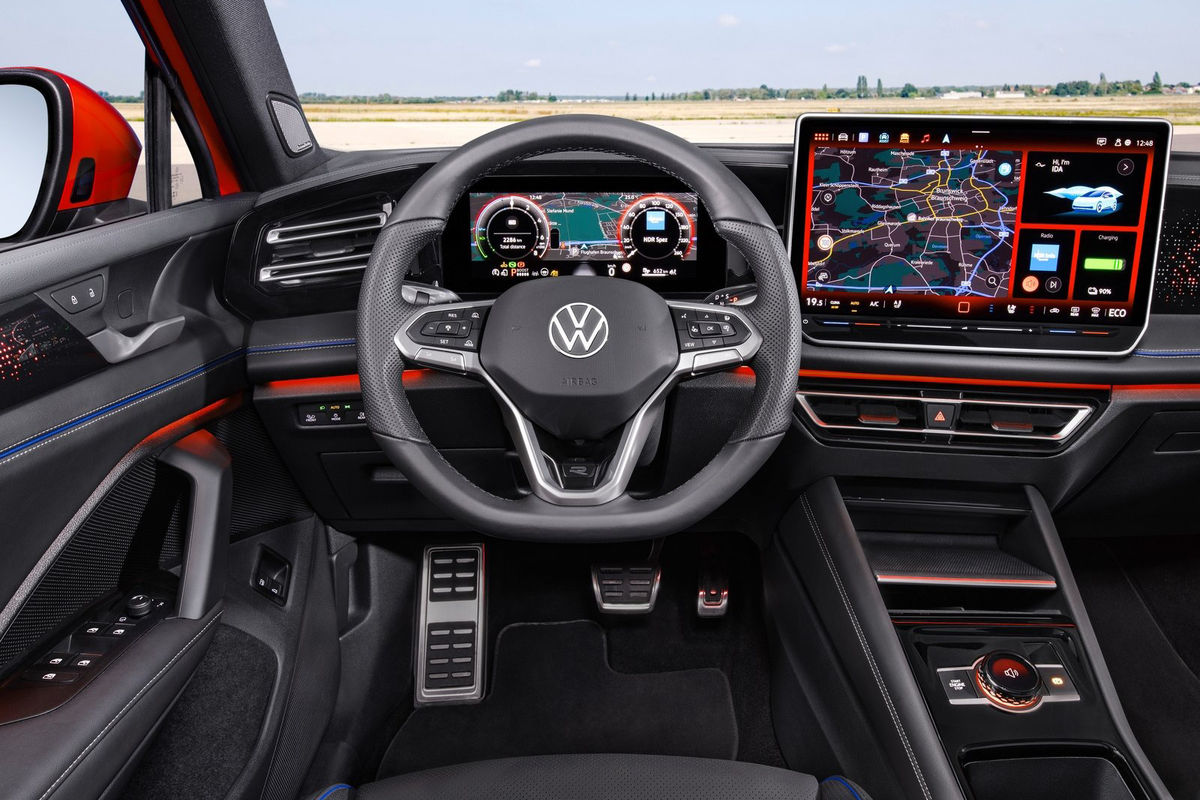
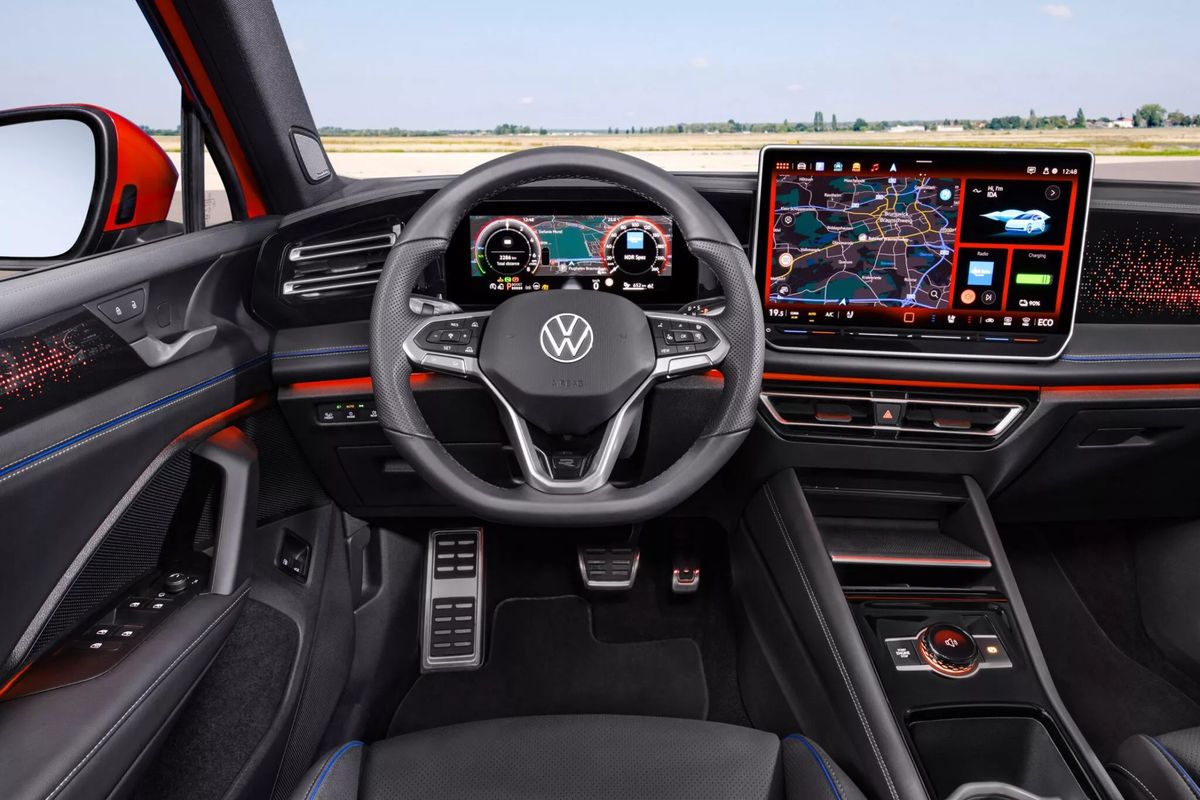
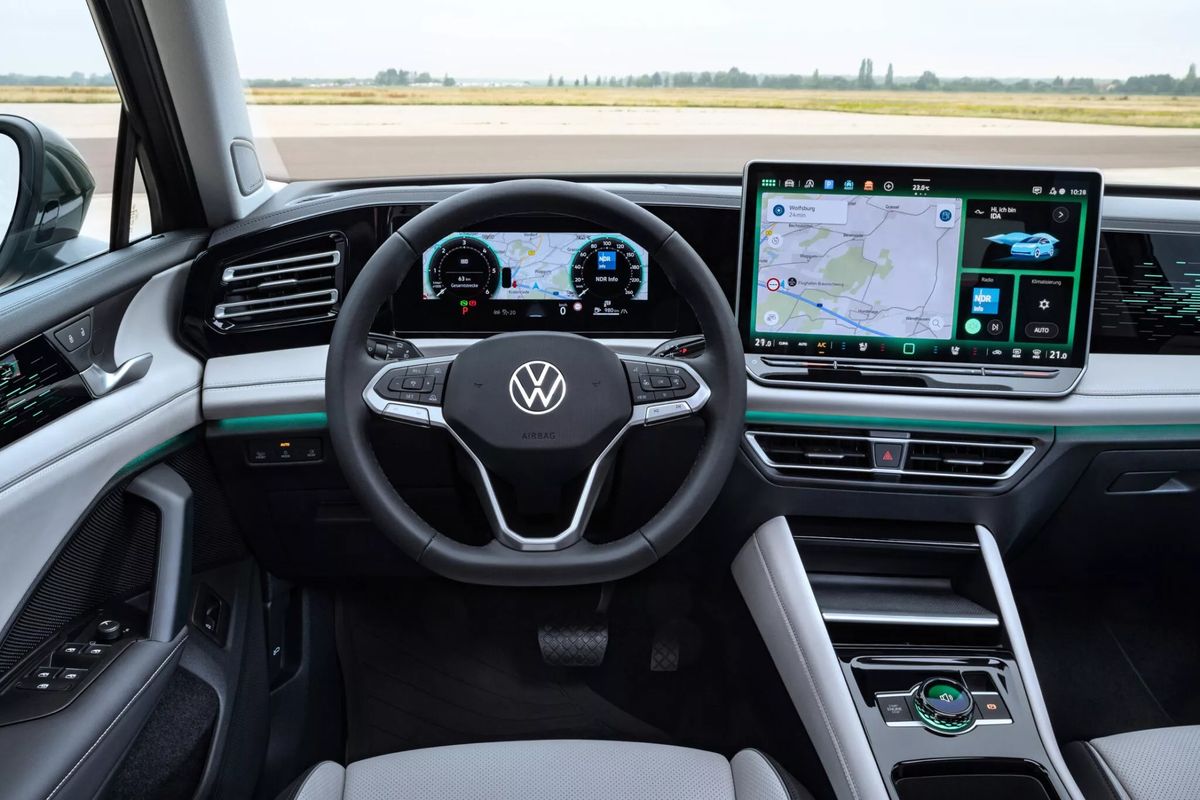
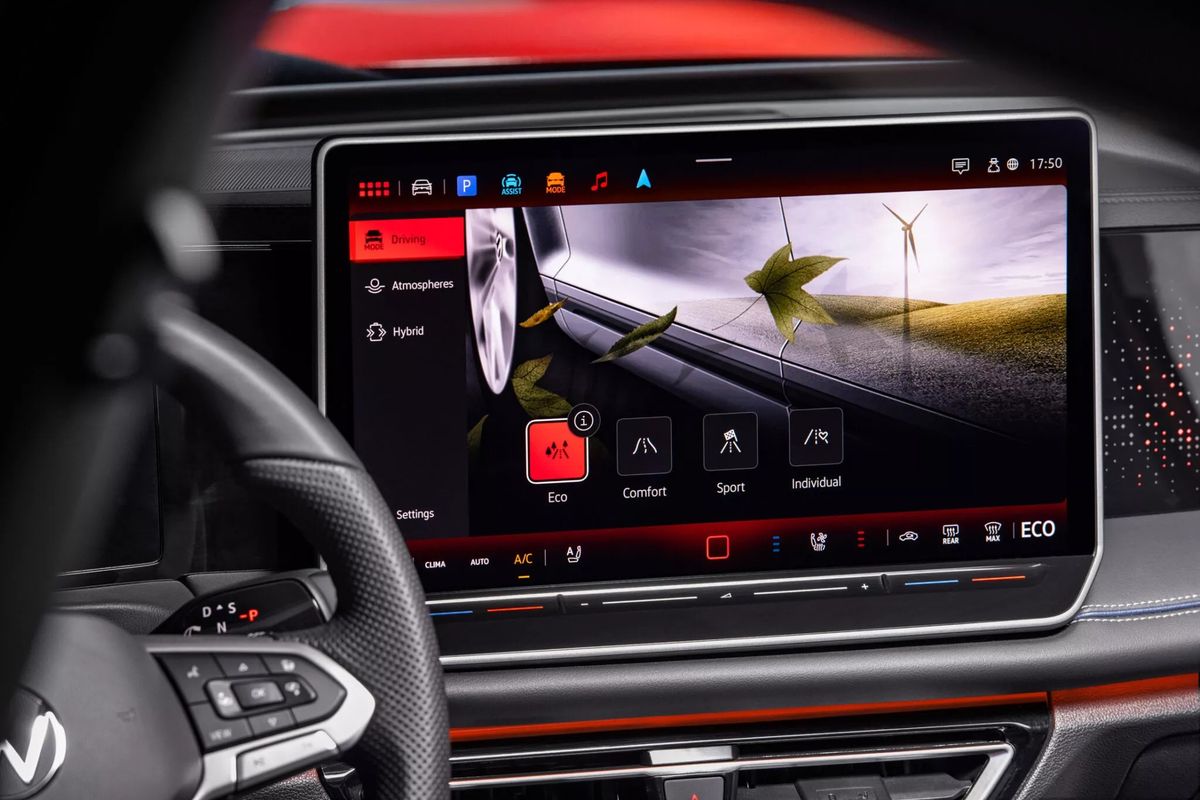
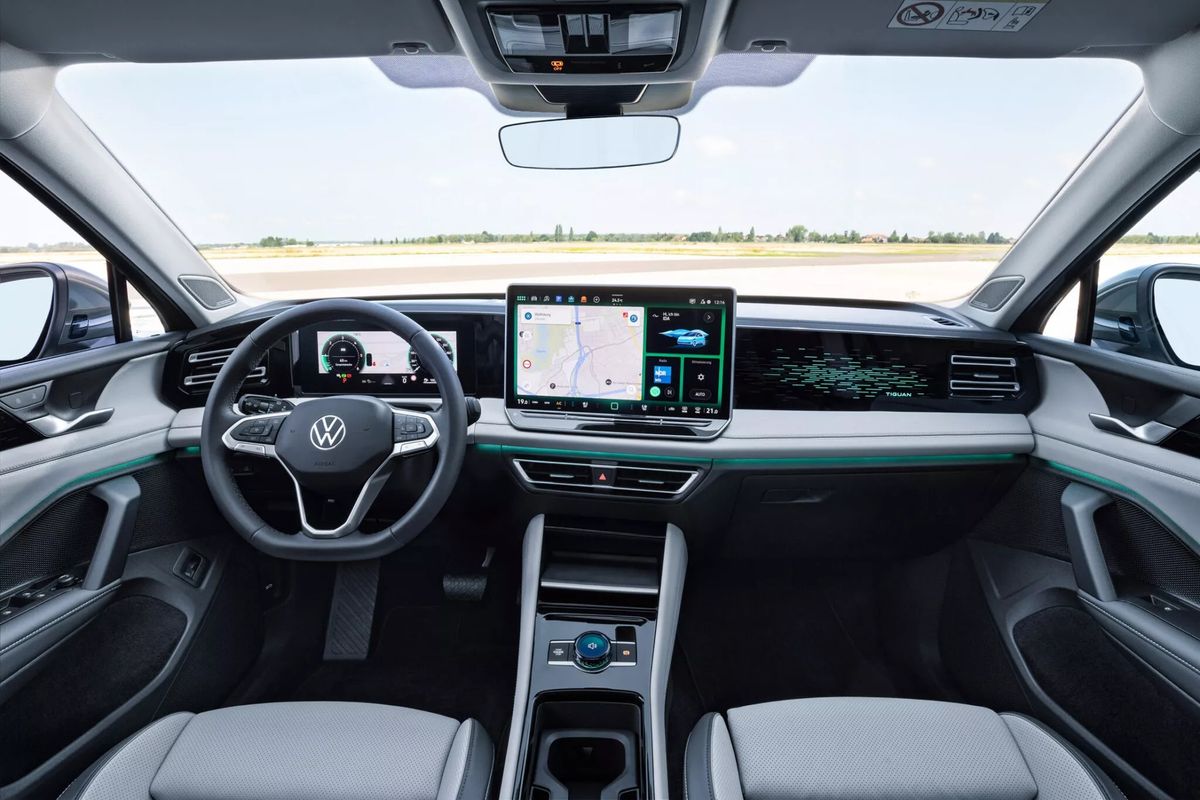
The big changes can be found in the cabin, with Volkswagen ditching the hit-and-miss haptic capacitive switchgear on the steering wheel for a more natural and direct button approach. The digital dashboard has been given a modern look, but the biggest talking point will be the large 15-inch infotainment screen in the middle of the dashboard.
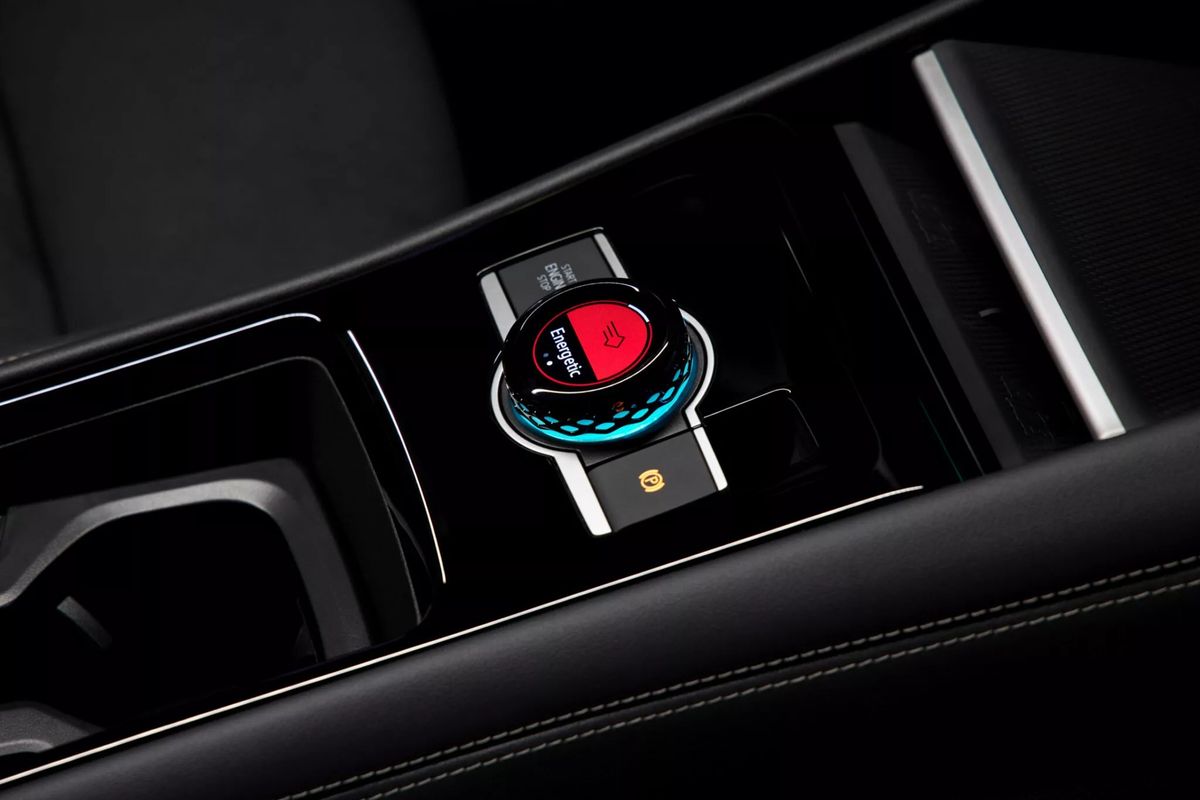
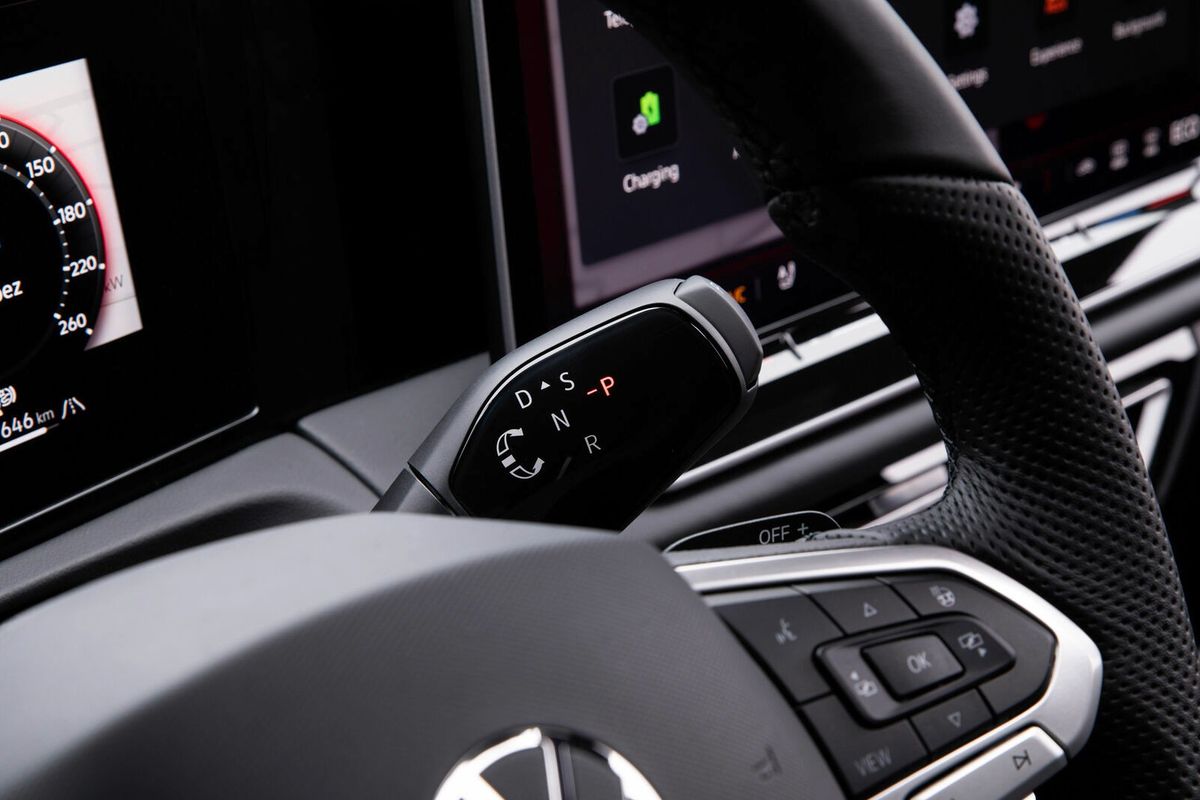
There’s also a new heads-up display, a repositioned gear selector that can be found behind the right-hand side of the steering wheel as well as numerous semi-autonomous safety technologies. There’s even a new voice control assistant called IDA.
Tiguan Engines on offer
2nd-generation Volkswagen Tiguan
3rd-generation Volkswagen Tiguan
1.4 TSI 110 kW and 250 Nm
1.5 eTSI with 95 kW / 110 kW
2.0 TSI 162 kW and 350 Nm
1.5 eTSI PHEV with 148 kW / 197 kW
2.0 TSI R 235 kW and 400 Nm
2.0 TSI with 148 kW / 192 kW
2.0 TDI 130 kW and 380 Nm
2.0 TDI with 140 kW
At the time of writing (September 2023) we have no confirmation on the 3rd-generation Tiguan engines for the South African market. Given the European push into electrification and lower emissions, it should come as no surprise that hybrid technology dominates the lineup.
We don’t think we’ll see the plug-in hybrid derivatives launched in South Africa anytime soon as the additional taxes levied on electrified vehicles (including hybrids) make them less attractive for retail. If we were to bet on the engine allocation, we’d predict the lineup would mostly be carried over, with turbocharged petrol and diesel four-cylinder engines, as well as a potent R flagship following on in 2025.
When the facelifted Jeep Gladiator is coming to SA
Stellantis has confirmed when the recently facelifted Jeep Gladiator bakkie is scheduled to arrive in South Africa…
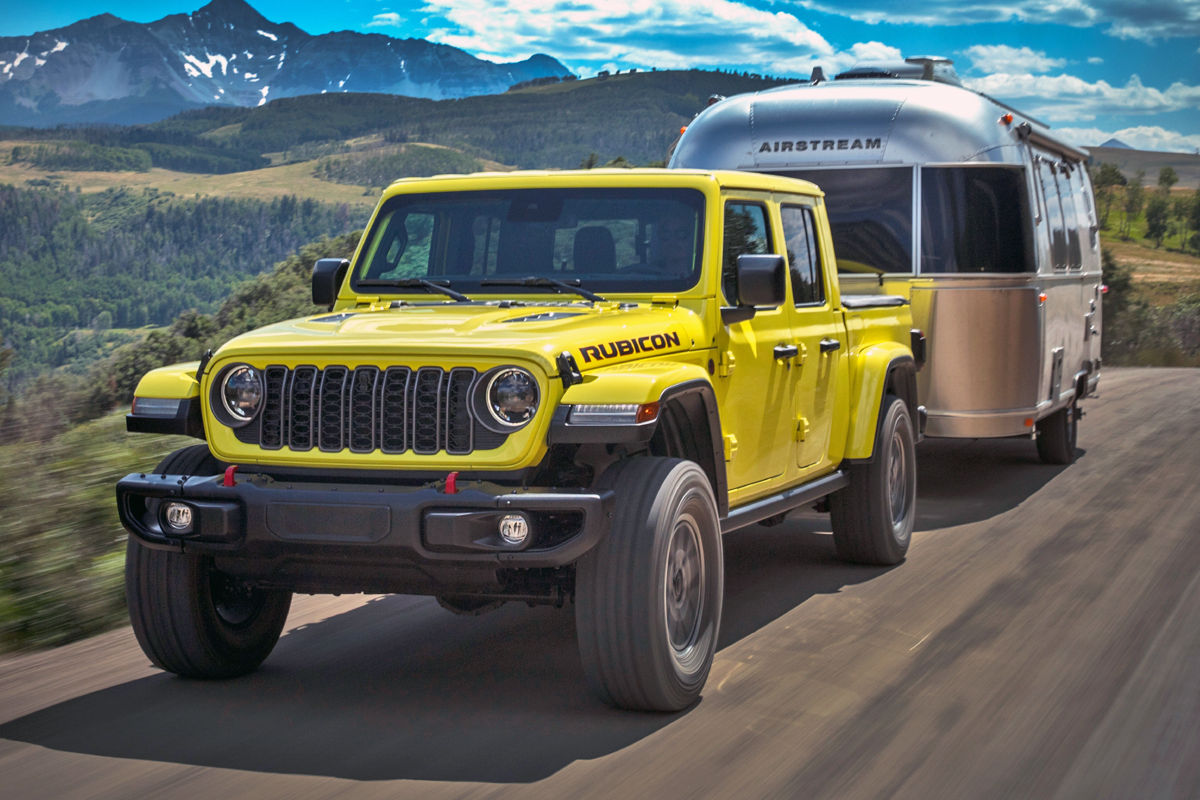
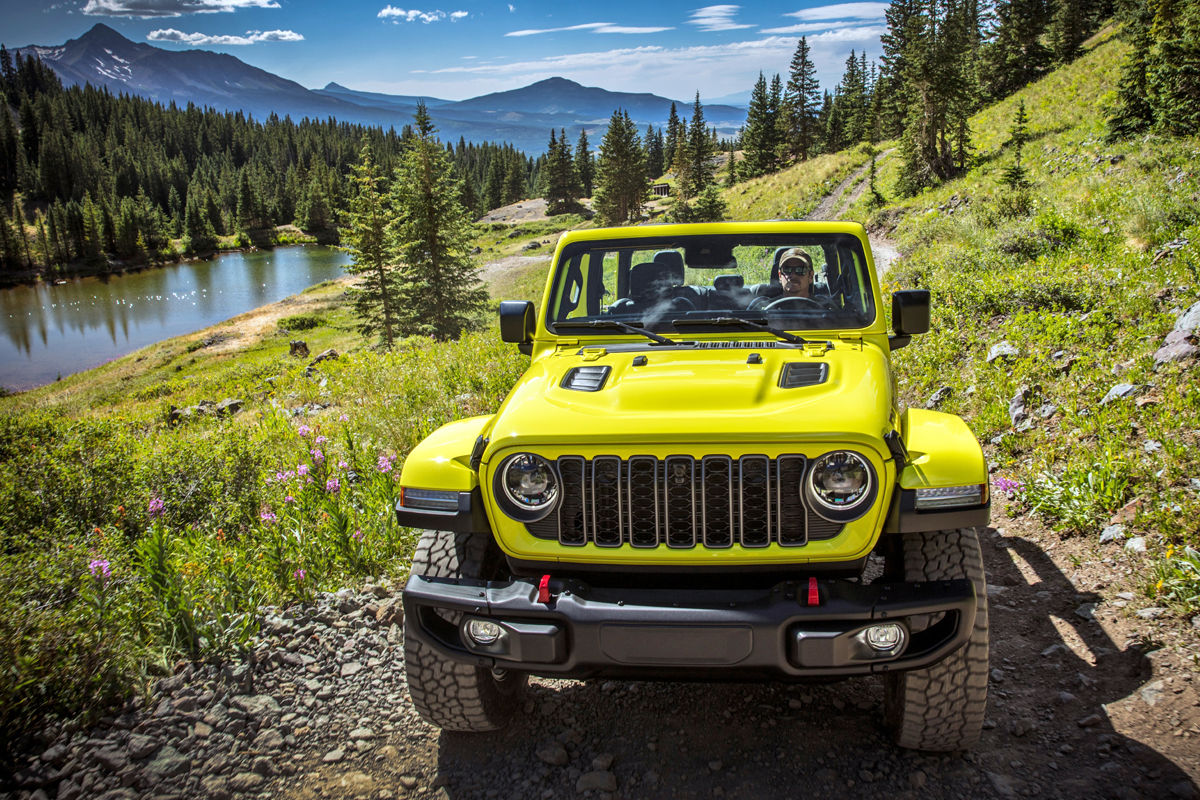
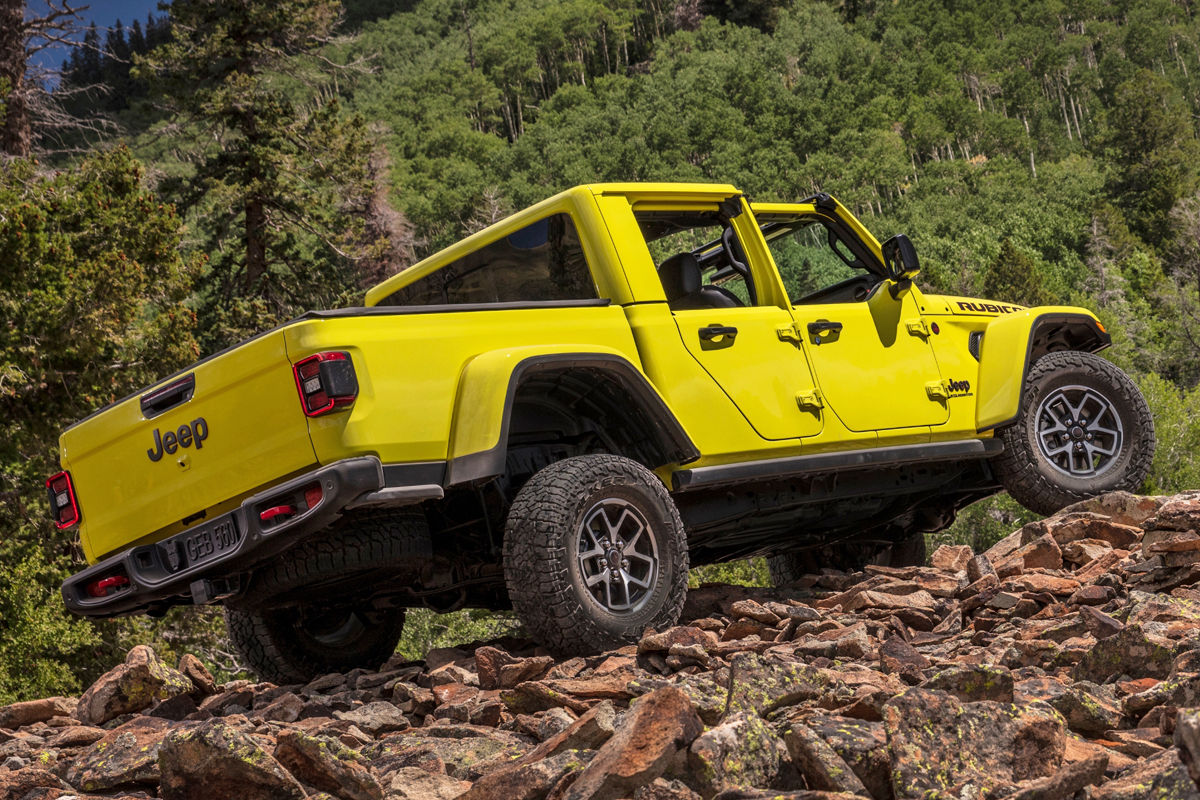
Stellantis recently revealed a facelifted version of the Jeep Gladiator. Now the multinational automotive group has confirmed when the refreshed version of the Wrangler-based off-roading bakkie is due to arrive in South Africa.
According to Stellantis SA, the updated Gladiator is scheduled to make local landfall only “from Q3 2024 onwards, as the final production timelines have not been confirmed as yet”. That means we’re facing a wait of at least a year.
Note the new grille design.
Unwrapped at the 2023 North American International Auto Show in Detroit, the refreshed Gladiator double-cab bakkie gains “greater capability, advanced technology and more refinement”, according to the automaker.
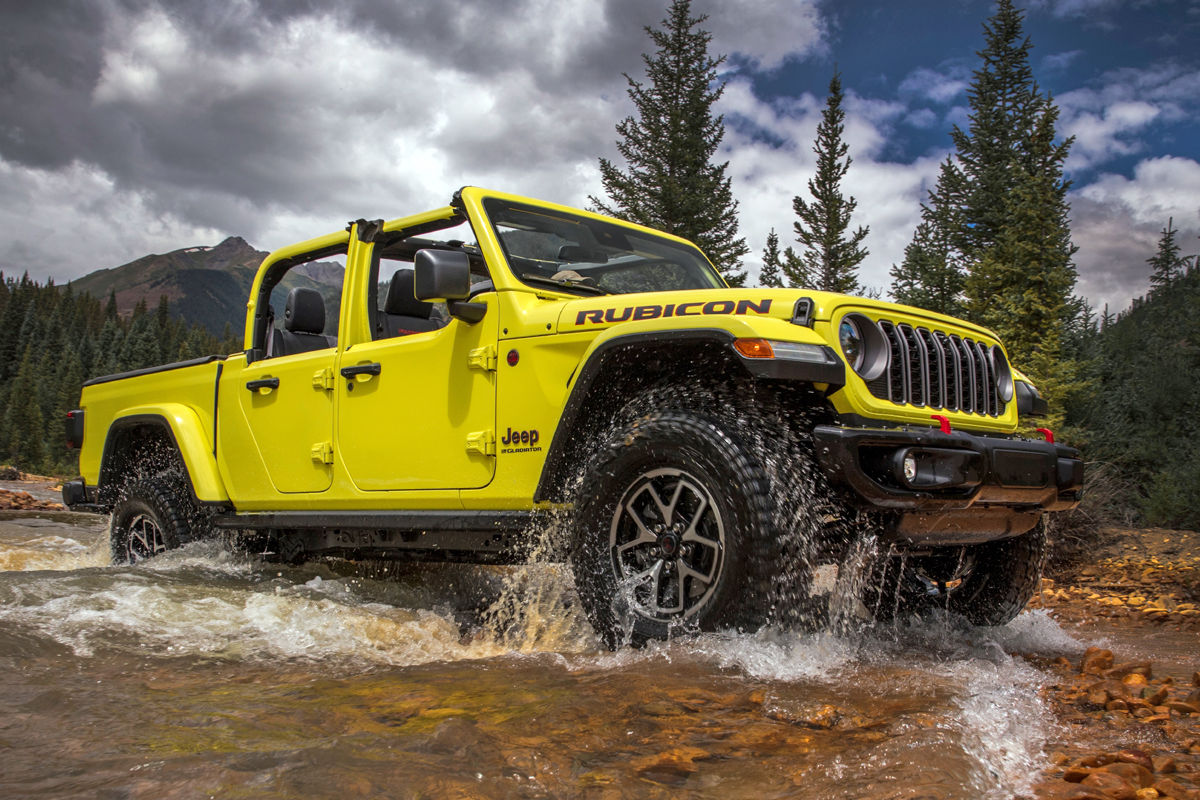
The styling tweaks are subtle. For instance, the slimmer 7-slot grille scores an updated look featuring black textured slots, “neutral grey metallic” bezels and a body-colour surround. There’s also a new “trail-ready stealth antenna” integrated into the front windshield (replacing the previous steel mast item), along with fresh alloy-wheel designs.
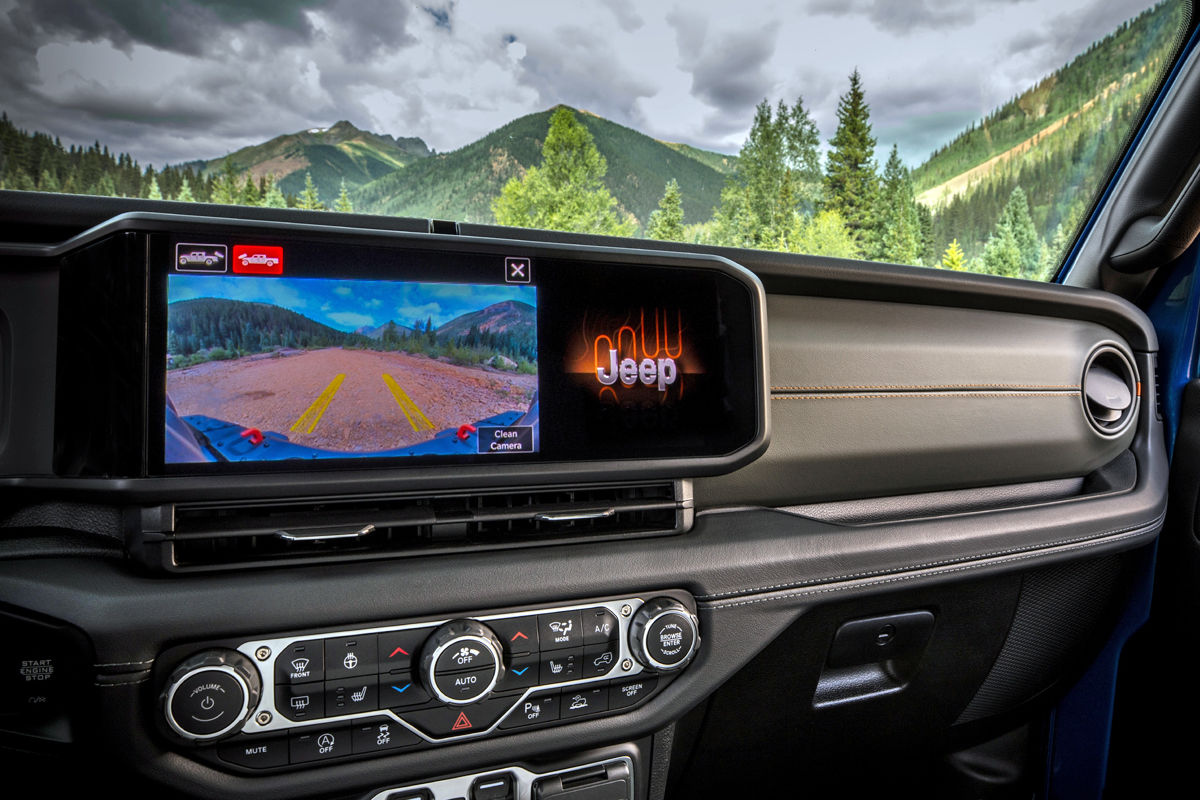
The larger touchscreen is the main update to the Gladiator’s cabin.
Though specifications for South Africa have yet to be confirmed, the US-spec Gladiator will be offered in a choice of 9 exterior hues (including a fresh “Anvil” colour), while the updated cabin features a new 12.3-inch touchscreen, 12-way power adjustable front seats, a smattering of added soft-touch surfaces and a pair of extra airbags. In North America, the renewed Gladiator will be available in Sport, Sport S, Willys, Mojave, Mojave X, Rubicon and Rubicon X guise.
Power again comes from the American brand’s naturally aspirated 3.6-litre Pentastar V6 petrol engine. From what we understand, this motor’s peak outputs are unchanged at 209 kW and 347 Nm. Drive is delivered to all 4 wheels via either a 6-speed manual gearbox (a cog-swapper not currently available in SA) or an 8-speed automatic transmission.
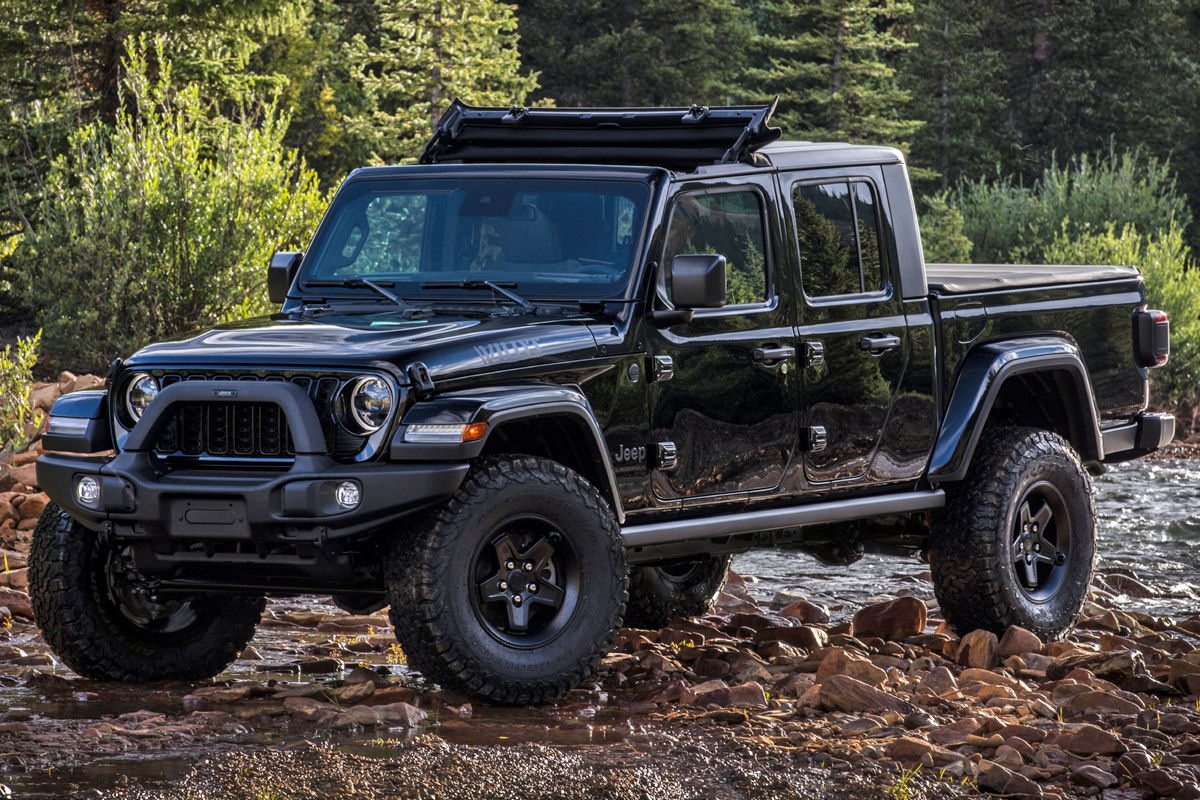
This is the US-spec Gladiator Willys derivative, complete with an upfit package by AEV.
The pre-facelift model was revealed in November 2018 but arrived in South Africa only in June 2022, offered exclusively in Rubicon form. At launch, it was Mzansi’s most powerful and most expensive double-cab bakkie, labels that have both since been inherited by other models (the Ford Ranger Raptor and Ineos Grenadier Quartermaster, respectively).
Over the opening 8 months of the year, Jeep has sold 187 examples of the Gladiator in South Africa, translating to a monthly average of about 24 units. The single derivative offered locally is currently priced at R1 329 900.
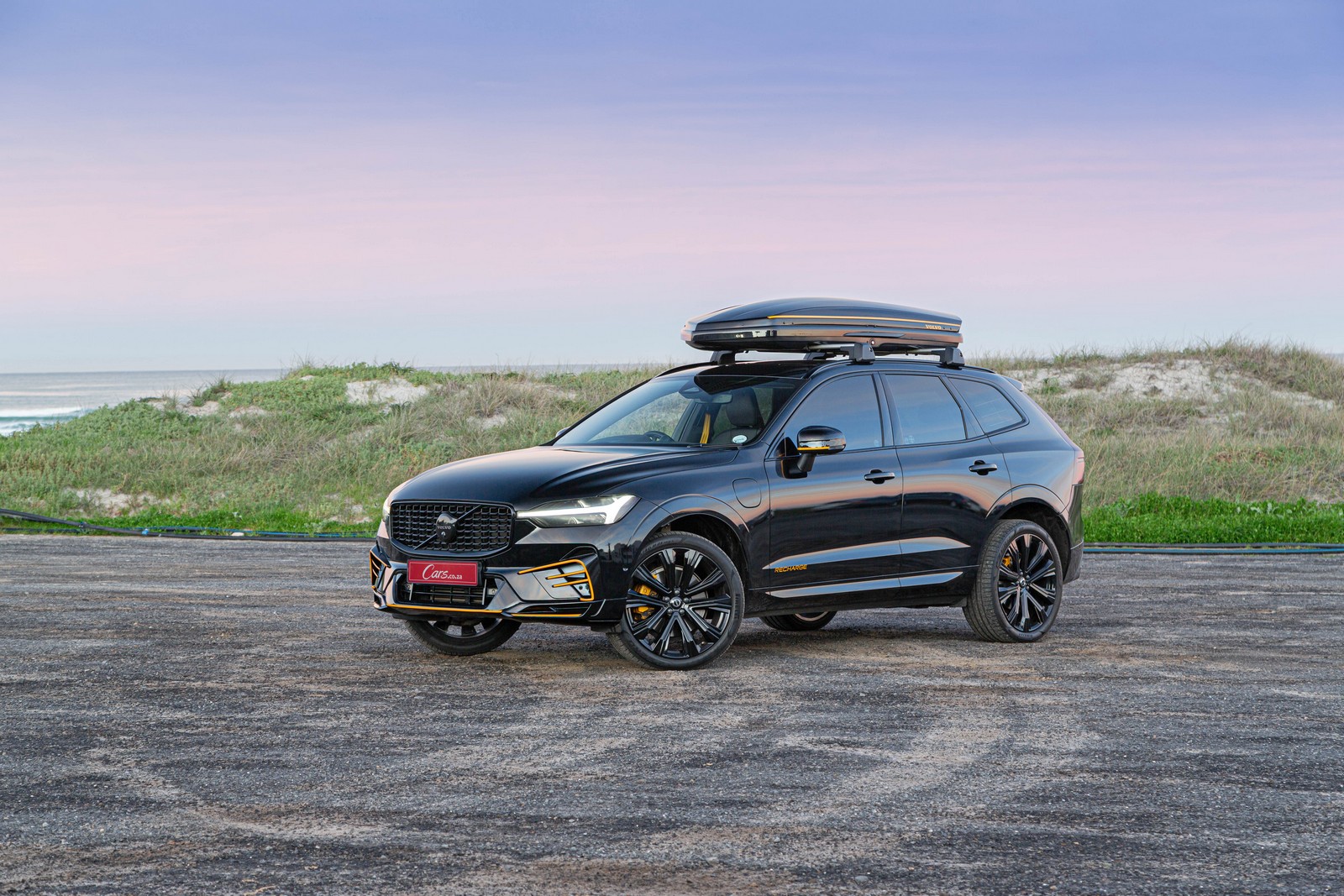
Volvo is a quintessentially understated premium car brand that exudes sophistication and champions its safety tech… Okay, so what on earth is this then? Meet the Volvo XC60 Beast, a wild one-off derivative that’s unique to the South African market.
We like: Murdered out look, outrageous sports exhaust, performance and efficiency
We don’t like: Not for sale
FAST FACTS
Model: Volvo XC60 T8 Beast 2.0
Price: R1 314 000 (before accessories)
Engine: 2.0-litre turbocharged, supercharged, electric-assist 4-cylinder petrol
The Beast is so much more than just a kitted Volvo XC60.
The 2nd-gen Volvo XC60 is a perennial frontrunner in the executive SUV segment. The model has a World Car of the Year title and a few CarsAwards category wins under its belt and offers safety, tech, refinement and luxury in abundance. Like most of the Swedish brand’s models, the XC60 errs on the side of conservativism; it quietly embodies Volvo’s values of providing safe transport in a sustainable way…
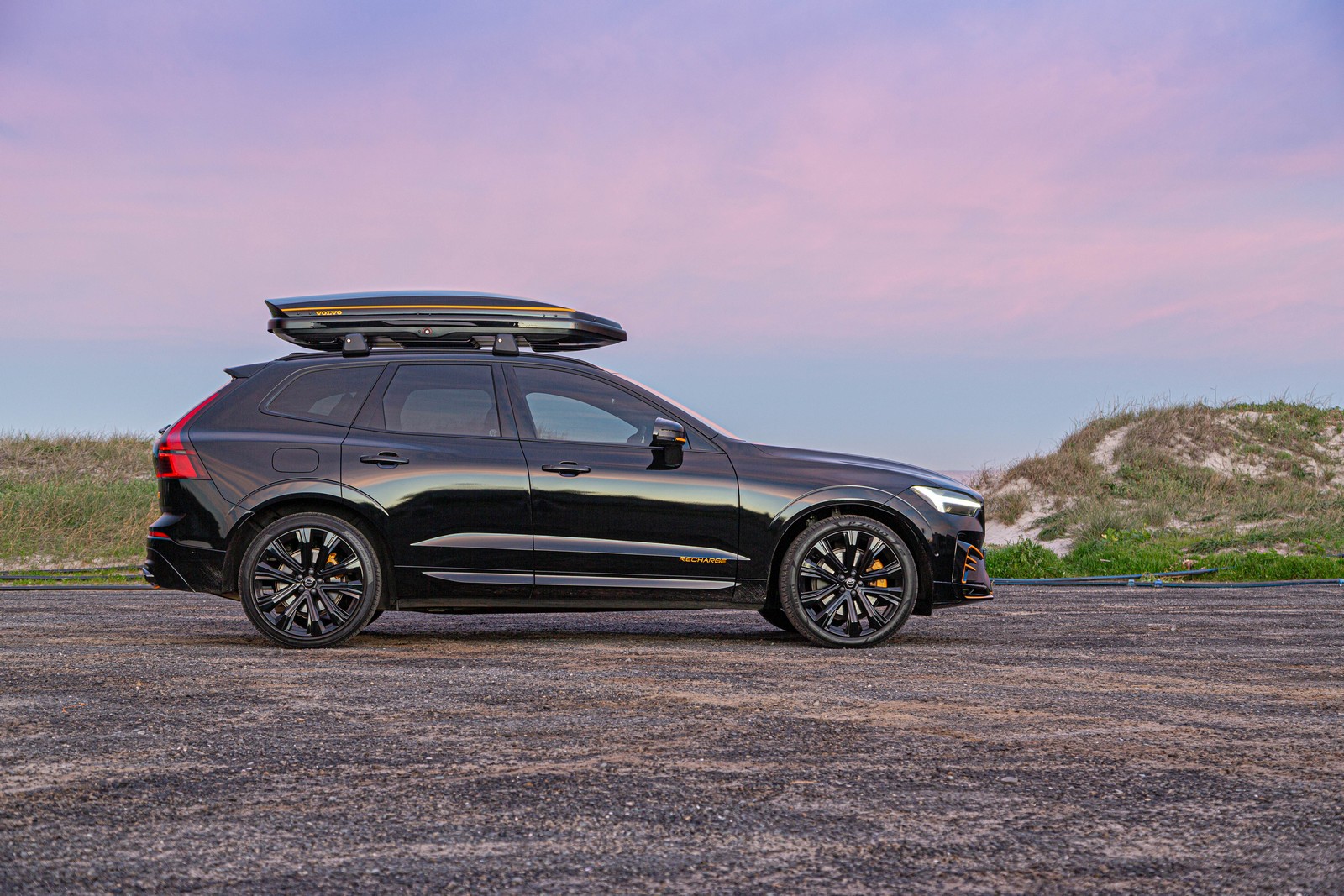
Well, cue the “record scratch” sound! What do we have here, then? Looking every bit like Sweden’s contribution to the Mad Max and Death Race movies set in a stark dystopian future, this unique one-of-a-kind vehicle is Volvo Car South Africa’s “accessories brochure on wheels”. This is not the brand’s first venture into building one-offs, previously there was an off-road and adventure-focused Volvo XC90.
Officially called the Volvo XC60 T8 Beast 2.0 (the XC90 was Beast 1.0), this creation features numerous cosmetic and mechanical enhancements. Right now, there’s nothing else quite like it on the market, but the Volvo XC60 rivals the German trio of the Audi Q5, BMW X3 and Mercedes-Benz GLC. If you’re after something different in this segment, the Alfa Romeo Stelvio and new Lexus NX are worth a look too.
We loved the “murdered out” look and so did many onlookers.
How the Volvo XC60 Beast fares in terms of…
Design and Packaging
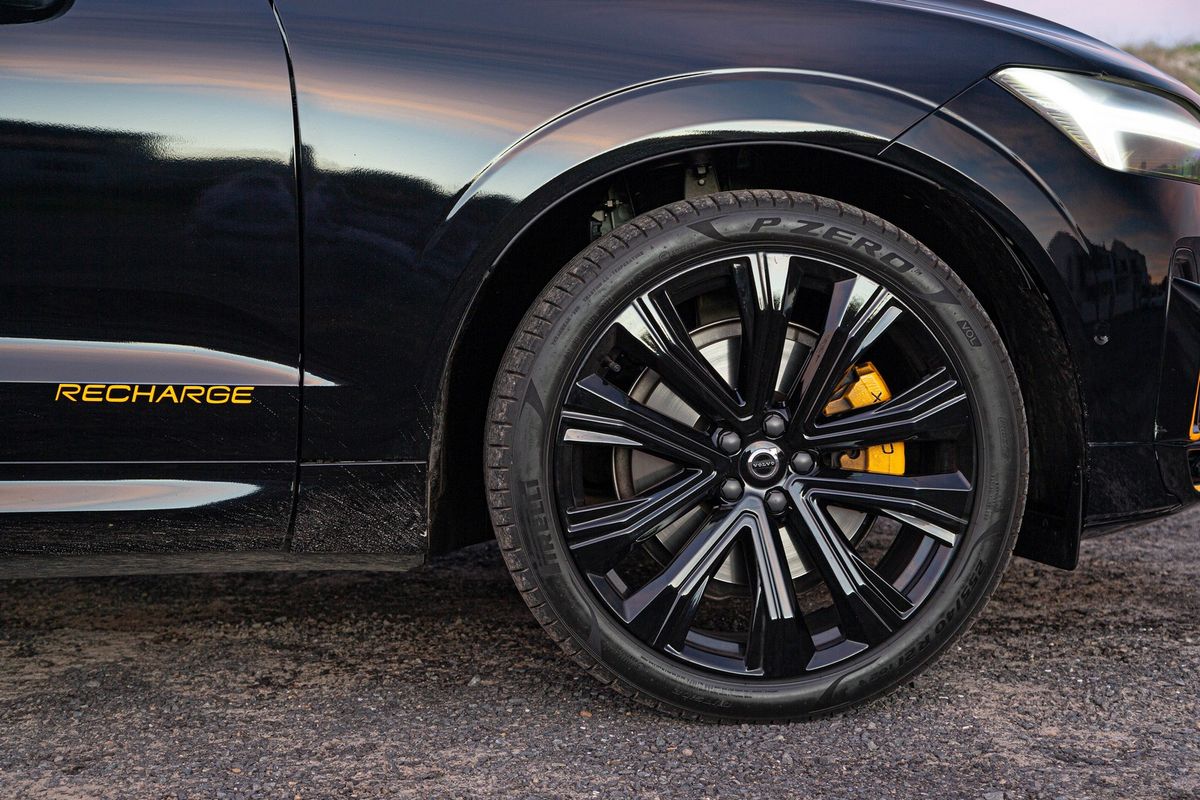
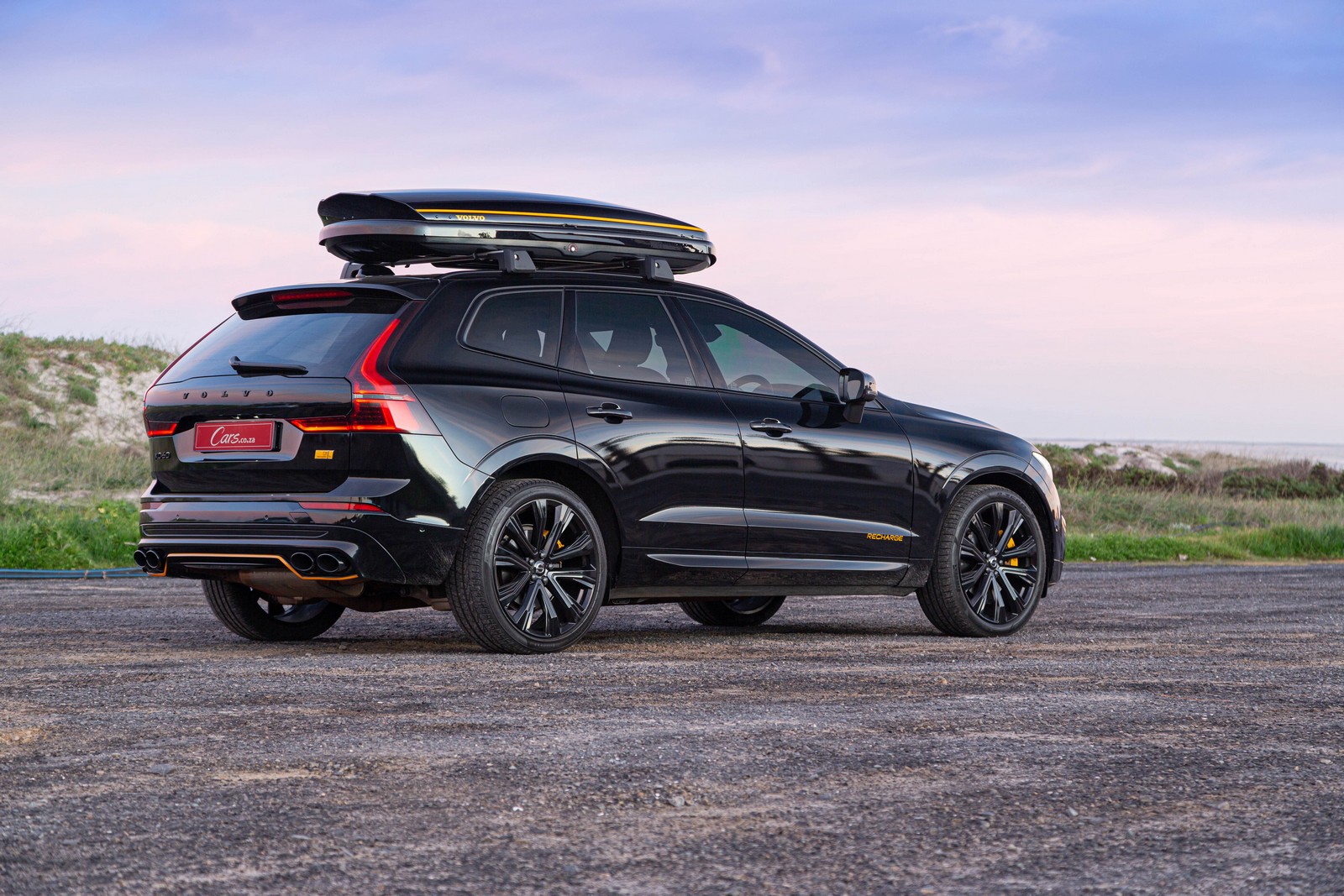
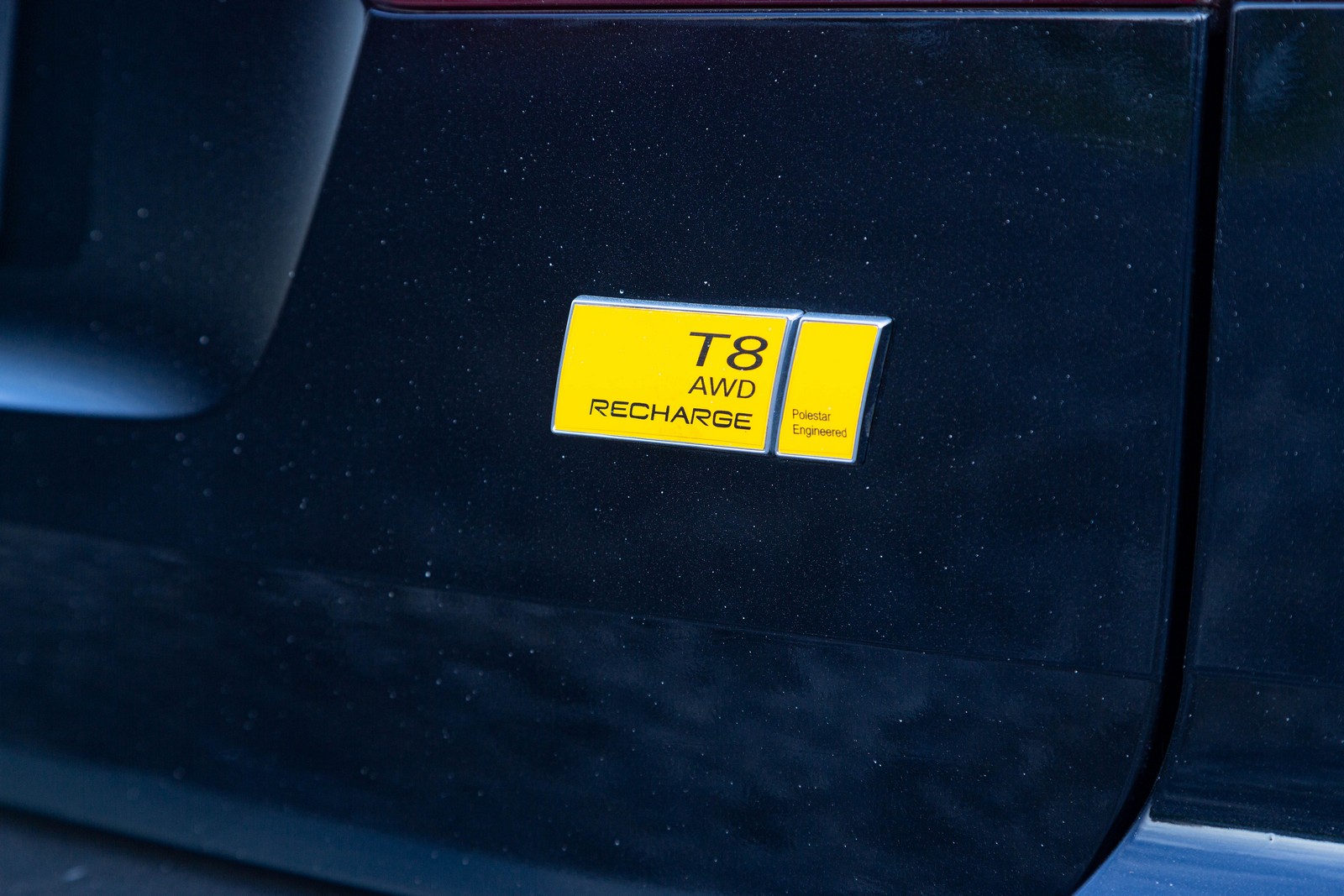
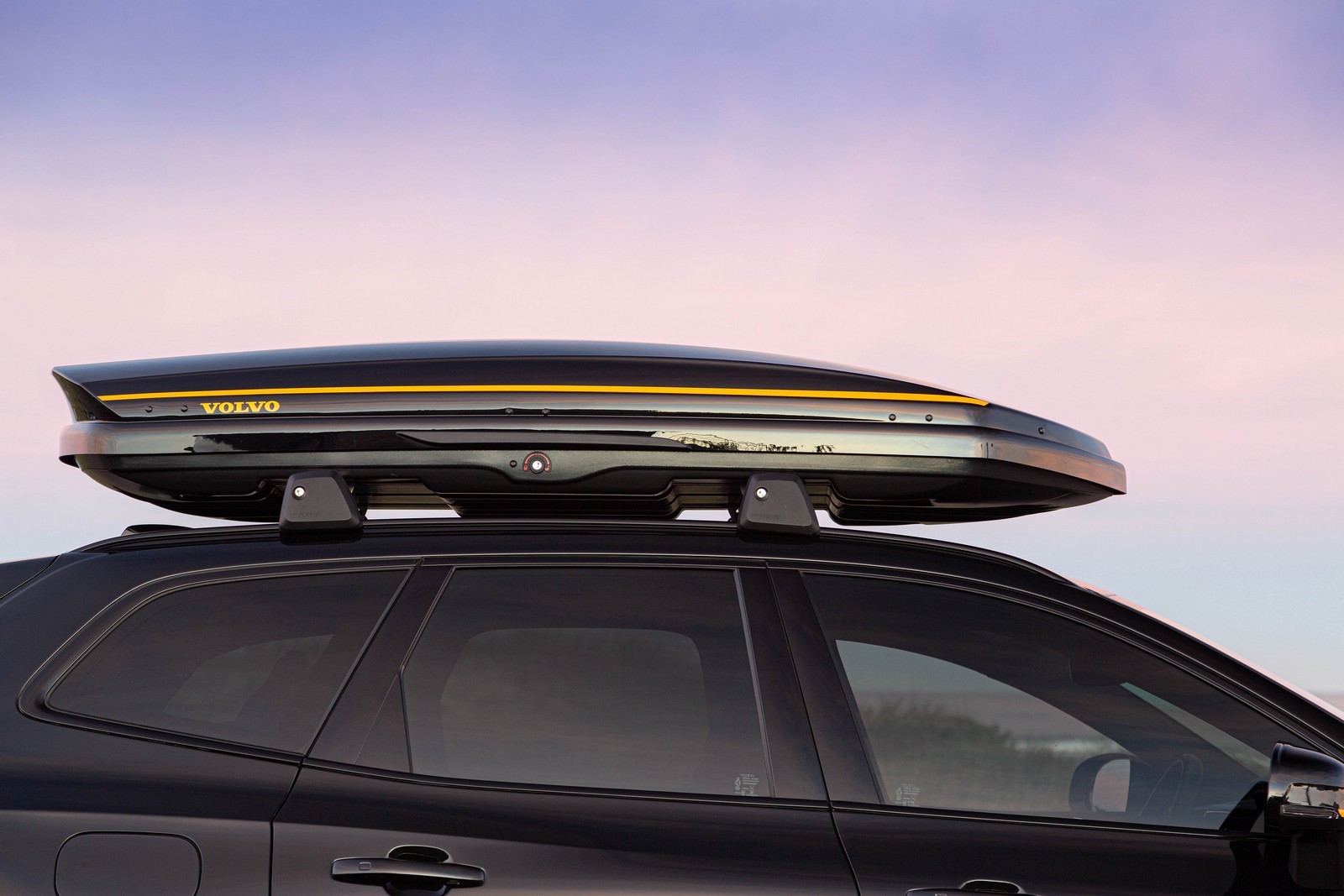
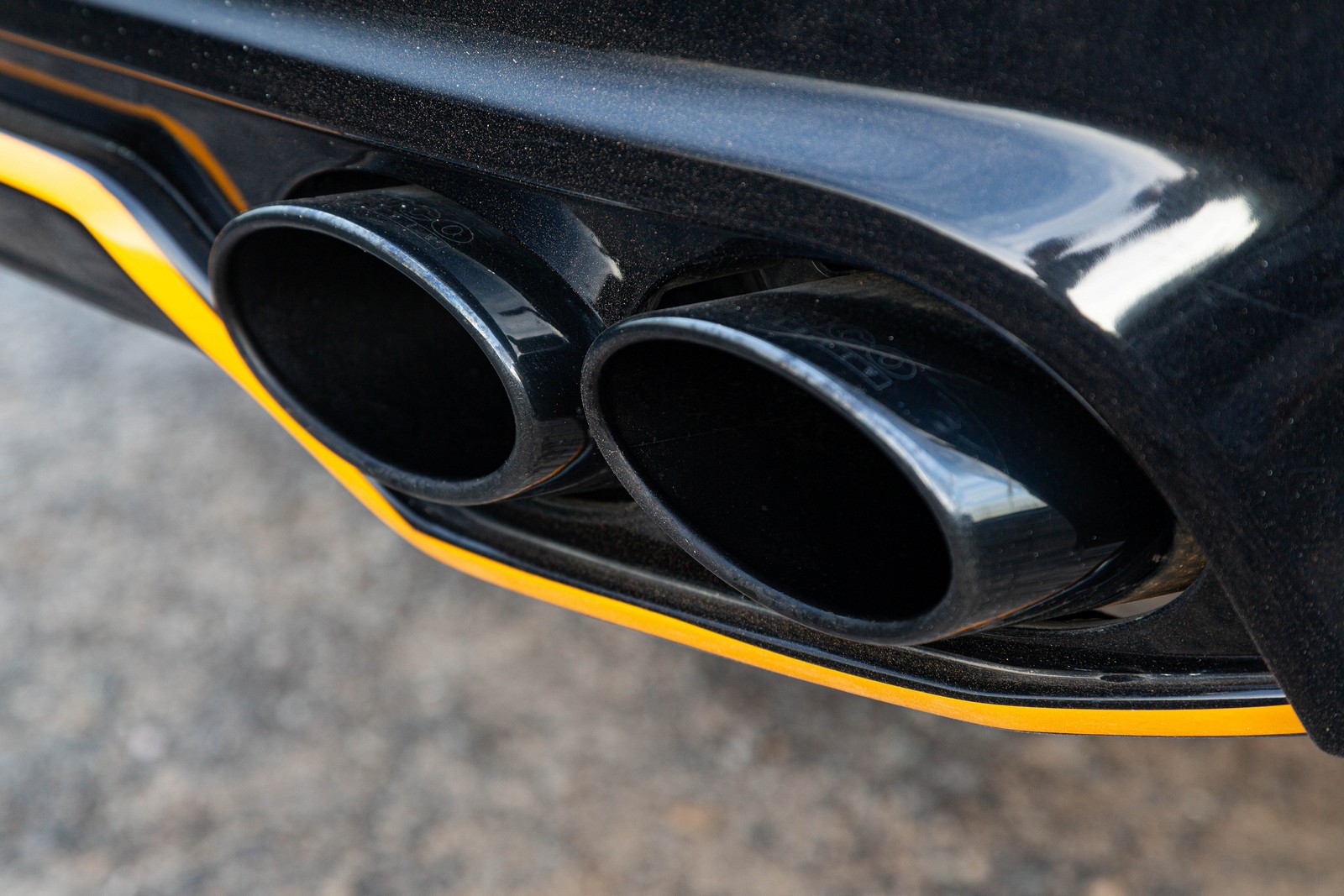
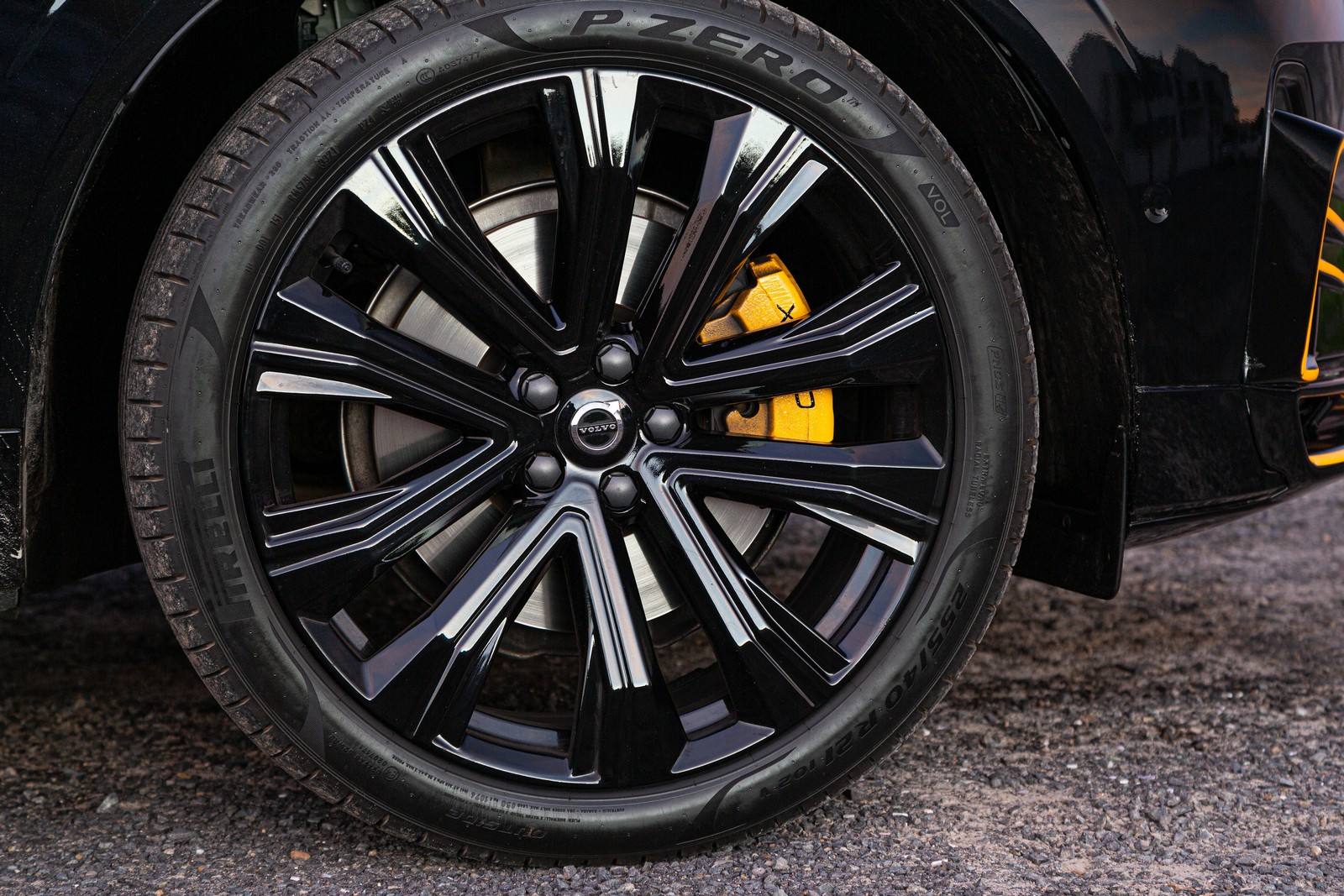
The Volvo XC60’s styling is best described as neat and elegant or, if we have to be critical, inoffensive… or “safe”. So, Volvo Car SA – which clearly had a “Hold my Aquavit” moment – decided to adorn its executive SUV with black 21-inch 5-spoke diamond cut alloys, a glossy black wrap, yellow edge detailing and -brake callipers, a custom set of bumpers, as well as a subtle “Polestar Engineered” badge on the tailgate. An aero-tuned branded roof box rounds off the package but, in case you missed them, the four large-bore ends of the sports exhaust system protrude from the rear valance, but more on those later.
A subtle badge to let you know this is not a boring Swede.
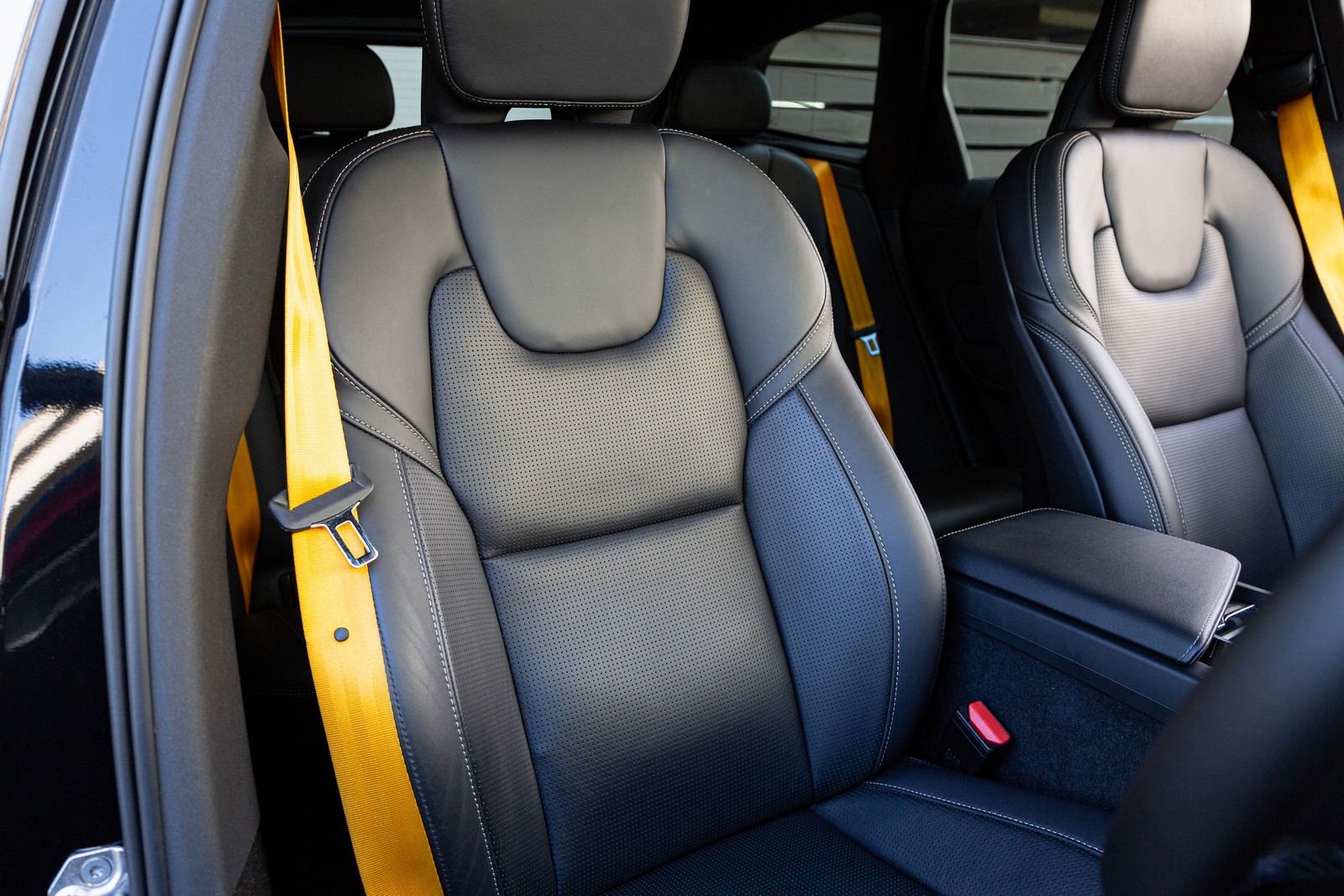
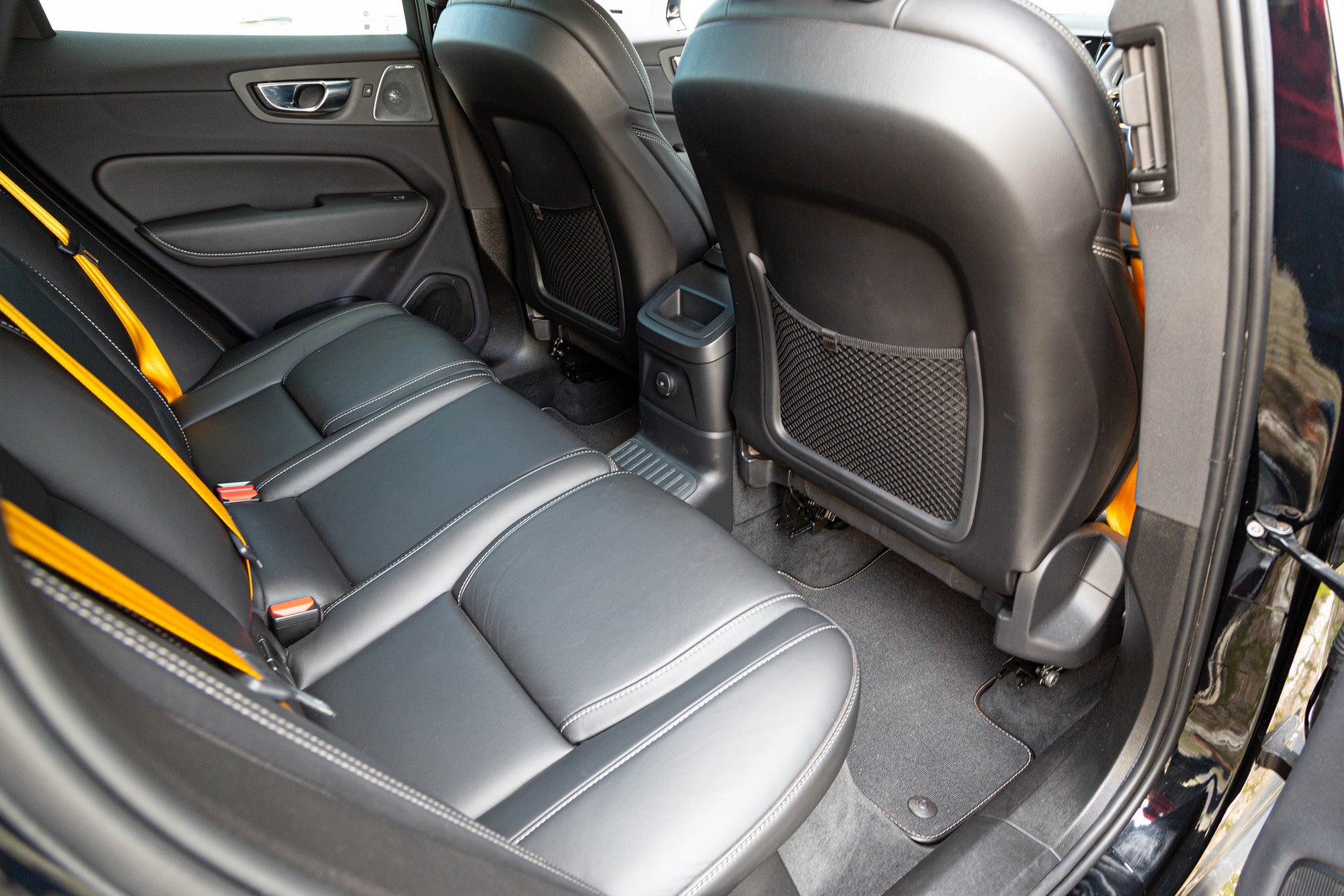
Inside, it’s business as usual for Volvo. The XC60 Beast (2.0) has a smart, well-appointed cabin that looks luxurious and feels suitably upmarket. Volvo Car SA played it safe here, but you know you’re in something special when the leather-trimmed sports seats are flanked by yellow Polestar seatbelts!
We loved the yellow seatbelts.
Performance and Efficiency
Start the Volvo XC60 Beast up and you get… silence. See, if you look past the wild add-ons, this is still a T8 Twin Engine AWD plug-in hybrid (PHEV). A PHEV utilises an internal combustion engine as well as an electric motor, but, unlike conventional hybrids, the Volvo can operate on battery power alone for longer (up to certain speeds); its default setting at start-up is electric, which explains the lack of aural drama.
As is the case with the XC60 T8 Twin Engine AWD PHEV, the XC60 Beast features a 233 kW/400 Nm 2.0-litre turbo- and supercharged 4-cylinder petrol engine, while the hybrid component (including an 18.8-kWh battery) adds 107 kW and 309 Nm. The combined outputs are respectable: 340 kW/709 Nm.
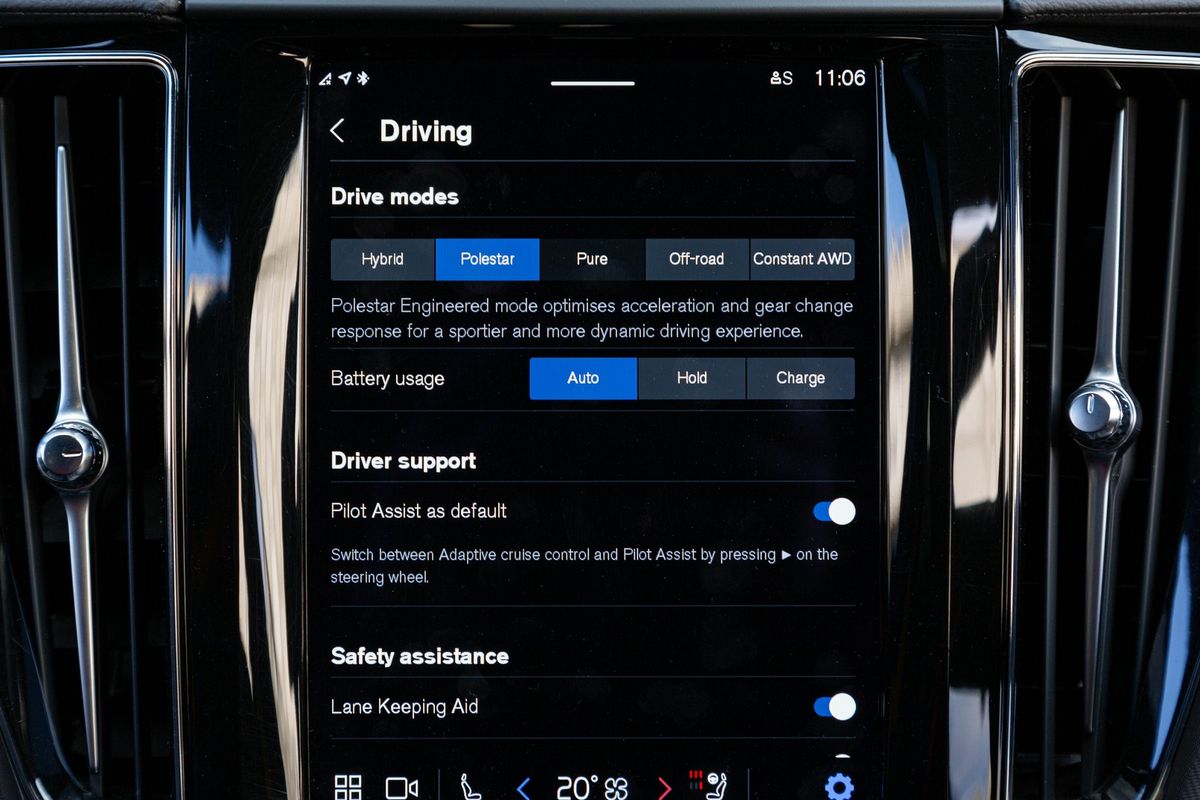
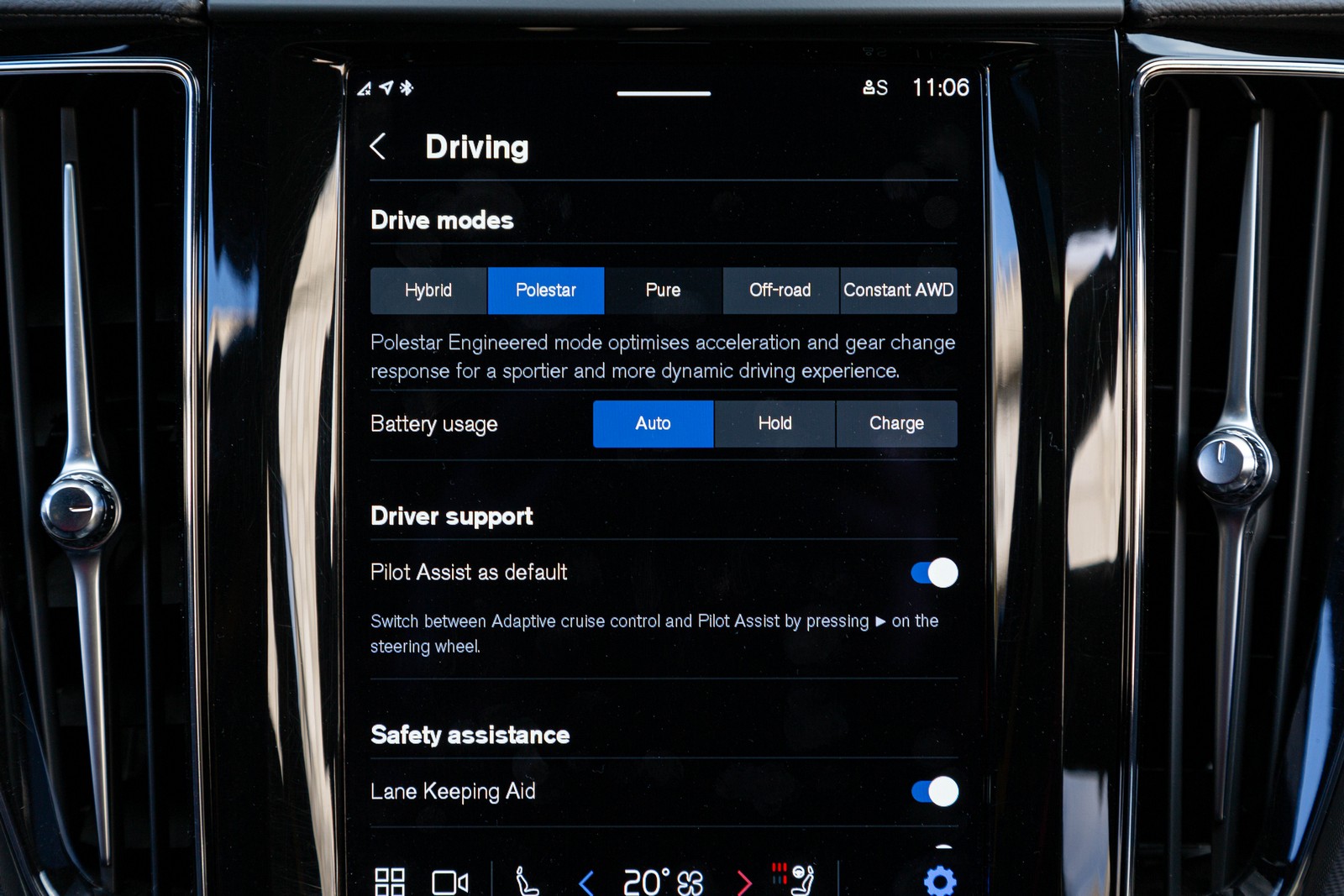
The software upgrade adds a Polestar driving mode.
Unique to this derivative, however, is a Polestar software upgrade. While increases in power and torque aren’t mentioned, the brand claims a more responsive engine and quicker gear shifts. To be fair, the derivative on which the XC60 Beast is based is quite potent as is. How does this translate to the road?
With the battery at full capacity (you can charge via a home power socket, make use of one of the many charging stations dotted around SA’s big cities or let the Volvo’s petrol engine top up the hybrid battery) and Polestar mode activated (to make full use of the powertrain), it was time to unleash the XC60 Beast.
A roof box is a criminally underrated accessory!
Using our test equipment, we recorded a best 0-to-100-kph sprint time of 4.96 seconds, which was fractionally off Volvo’s claim for the T8 Twin Engine AWD. It was a bit slower than we expected, so we can’t speak for the claim that the Polestar tuning delivers sharper, more responsive performance.
Perhaps the additional aerodynamic drag (created by the roof box) and -weight (added by the sports exhaust system and body kit) contributed to the test unit’s slightly slower acceleration time, but there’s no denying that a sub-5 second run is still ballistically fast for a 2.1-tonne family car. Just to remind you, Volvo fitted all of its vehicles with a top speed limiter capped at 180 kph, in the interests of safety.
Well played Heico Sportiv!
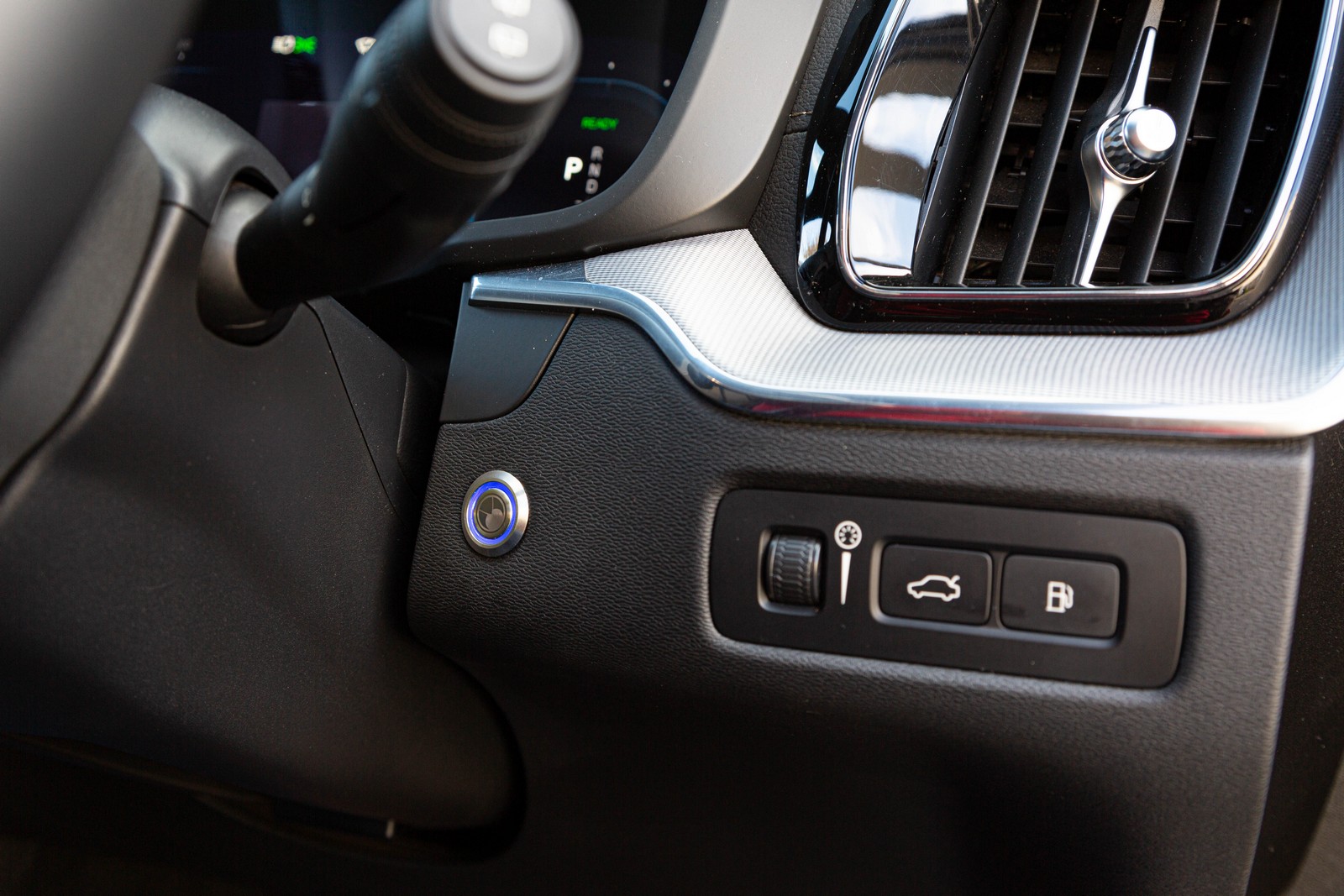
The exhaust note, on the other hand, is deeply satisfying. To open the flaps of the Heico Sportiv-sourced sports exhaust, all you need to do is press a subtle button located behind the multifunction ‘wheel.
In case you’ve never heard of it, Heico Sportiv is a German tuning company that has specialised in producing Volvo addenda since 1972 and its stainless steel plumbing creates a meaty roar when the XC60 Beast is accelerating hard (punctuated by raucous pops when you shift up at the redline). Push the button again, though, and the pipes’ valves close to emit a more civilised, neighbourhood-friendly tone.
A discreet button to activate that tasty exhaust.
Spiderman taught us that “with great power comes great responsibility”; if you drive “enthusiastically” quote often (with the sportiest drive mode engaged), the Volvo’s fuel consumption will spike. In our experience, the twin-charged XC60 Beast can consume unleaded at 10 L/100 km if you’re “always in a hurry”, but then, the T8 Twin Engine does allow you to get the best of both worlds… if you know how.
When you activate the Hybrid mode, the powertrain adopts a more relaxed demeanour, which is to say that the mapping prioritises efficiency. The hybrid battery pack (with an effective capacity is 14.4 kWh) is said to allow up to 81 km of pure-electric range and, by driving with due restraint (using the accelerator pedal sparingly), the author commuted to the office (a 20-km return trip) on battery alone – with ease.
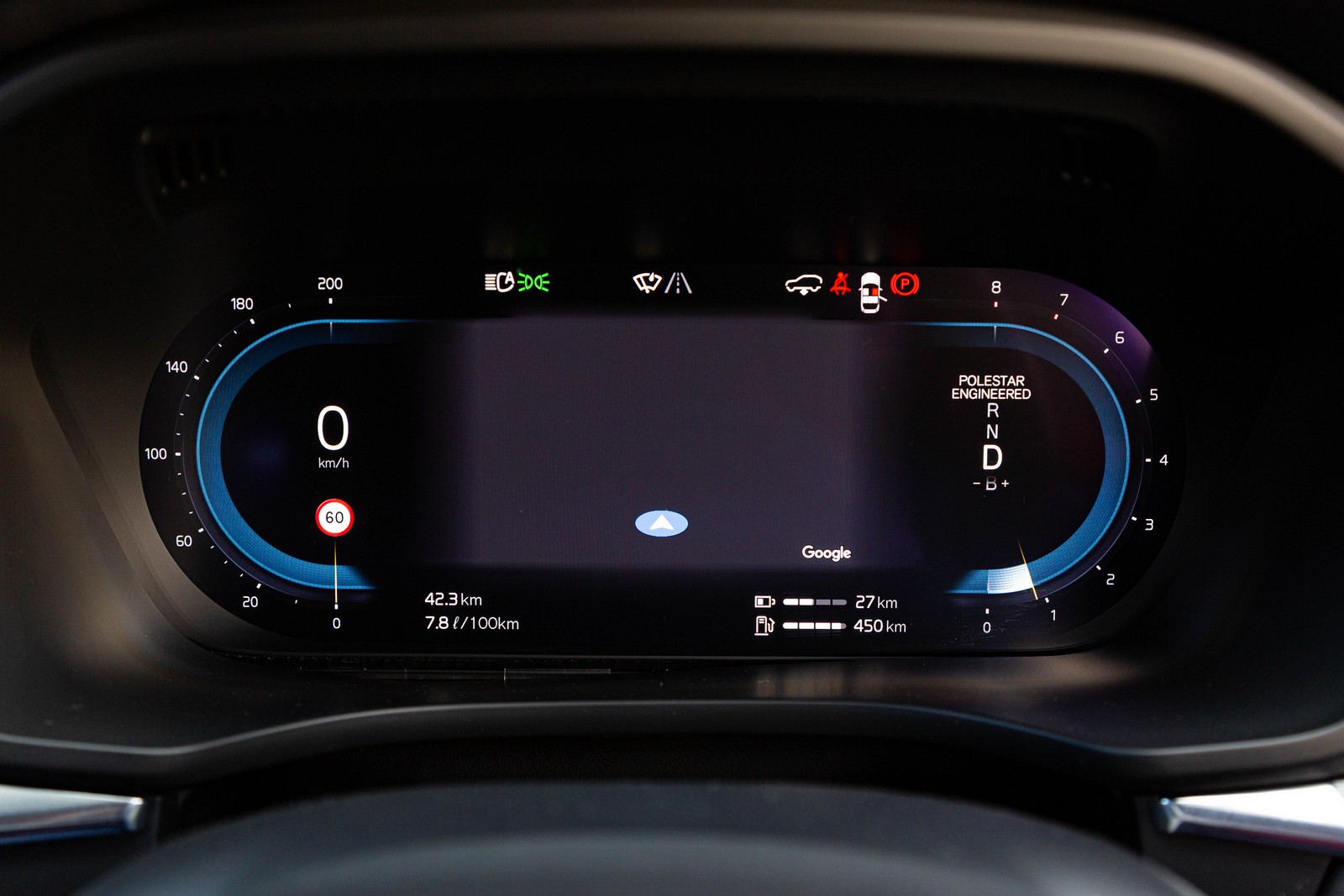
The Google-powered digital display.
Volvo states an extraordinarily low average consumption figure of 1.6 L/100 km for this derivative, but you’re more likely to see returns of around 4 L/100 km, mostly because the hybrid system has less of an effect at highway speeds. Drive like us with the exhausts open, and you’ll get 7.8 L/100 km. We’ve previously achieved 2.9 L/100 km with this derivative’s standard sibling.
Ride and Handling
The gloss wheels wrapped in tasty Pirelli P Zero rubber.
Despite the XC60 Beast’s hardcore looks, there’s still a comfy and luxurious Volvo under the sheet metal, so we weren’t expecting the test car to corner like a “track car”. Volvo Car SA says the Polestar tune includes tweaks to the vehicle’s air suspension- as well as all-wheel-drive settings (ostensibly in aid of enhanced cornering ability), but the test unit’s handling didn’t feel much different to that of its sibling.
Still, despite being fitted with decidedly large wheels, the XC60 Beast delivered an impressive ride quality. The suspension favours pliancy – a refreshing alternative to the overly sporty German setups.
The Beast is a practical and luxurious family car.
Comfort and Features
Volvo XC60 derivatives are well equipped, at least to levels befitting their respective price points. As a reminder, the car’s infotainment system is powered by Google. Right now, Volvo Car SA offers its executive SUV in 4 trim levels, but there are a number of option packs available to, shall we say, enrich the ownership experience. We’ll mention a few examples here:
The power seat pack (R7 850) adds power adjustability and memory function; the light pack (R11 750) adds LED headlights with active cornering and front fog lights; and the lounge pack (R33 500) adds 4-zone climate control with a cooled glove box, panoramic sunroof, Harman Kardon audio, air purification.
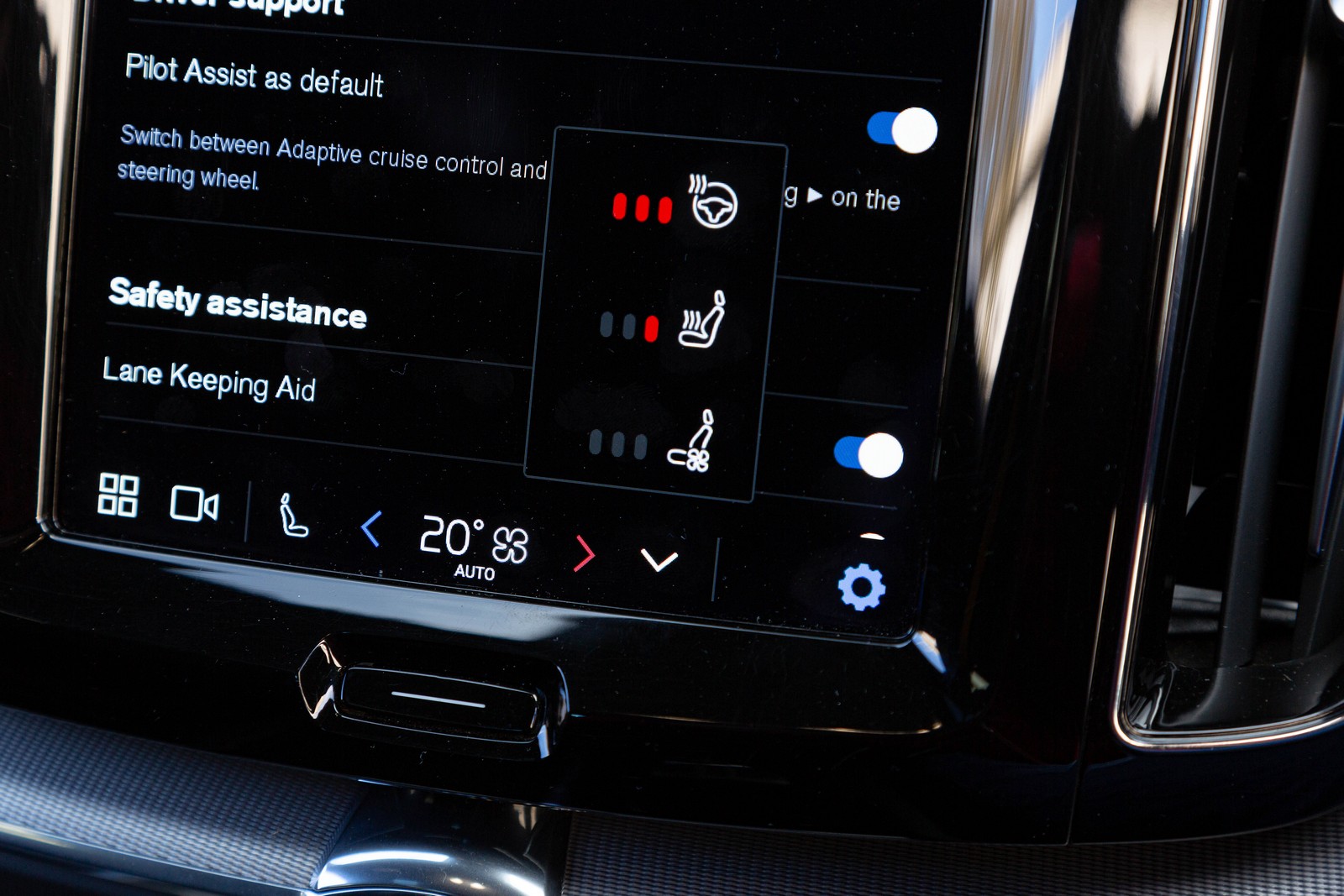
Heated seats and heated steering wheel are a treat in winter.
Prospective buyers can specific numerous single options too, such as the head-up display (R15 750), a 360-degree camera (R15 550), air suspension (R27 750) and massage functionality (R10 600). The roof box retails for R13 455, while the Polestar performance software upgrade is said to cost R18 745.
Price and After-Sales Support
Volvo XC60 T8 Twin Engine AWD Plus Dark (Sept 2023)
R1 314 000
The Volvo XC60 derivatives come standard with a 5-year/100 000 km warranty and maintenance plan.
Verdict
The one-of-a-kind Volvo XC60 Beast.
As Volvo, um, charges towards an all-electric and emission-free future, it’s comforting to see that enthusiast-oriented and radically packaged derivatives such as the Volvo XC60 Beast can still see the light of day. That exhaust note is wicked and those outrageous looks turned heads wherever we went.
Should you buy one? Sadly, you can’t, because this creation isn’t for sale. But, don’t let that stop you from taking a 2nd look at the standard Volvo XC60 T8 Twin Engine AWD – a fantastic PHEV that blends efficiency, performance and luxury in one well-appointed package. Most of the Beast’s fun bits are available individually as accessories, so a buyer could, in fact, create their own XC60 Beast.
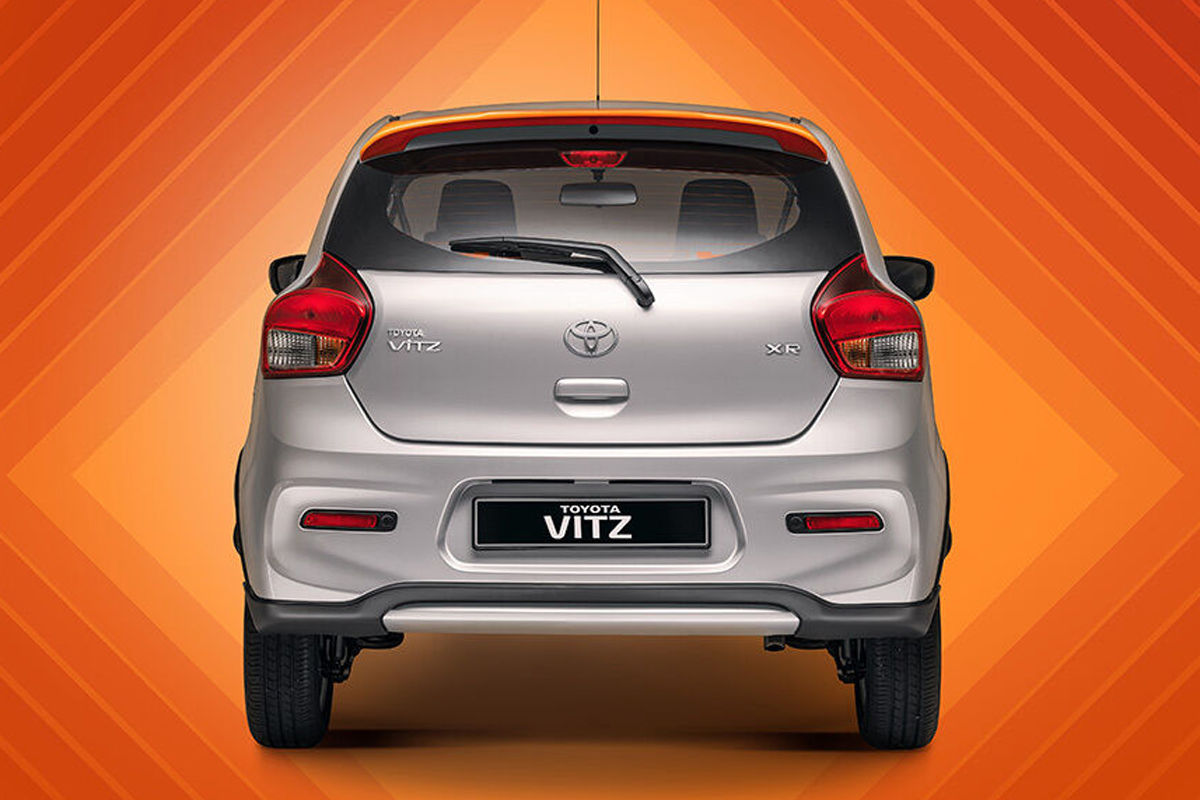
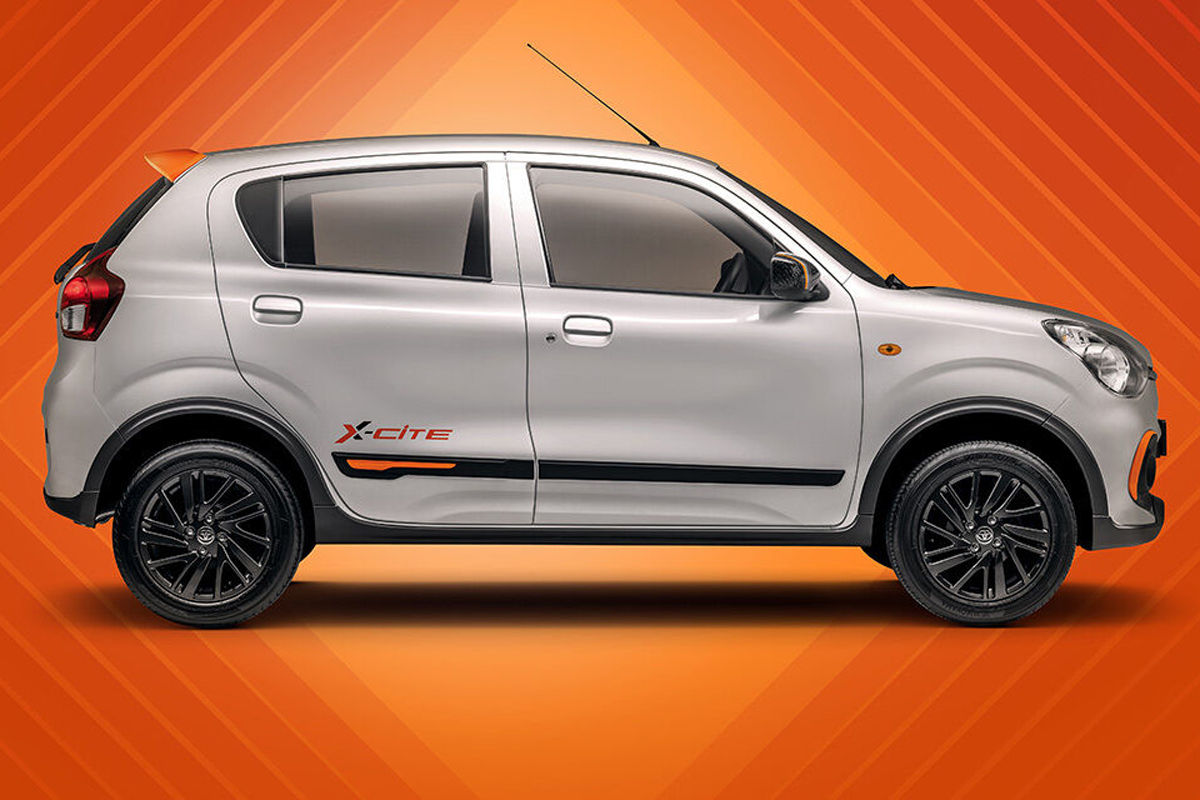
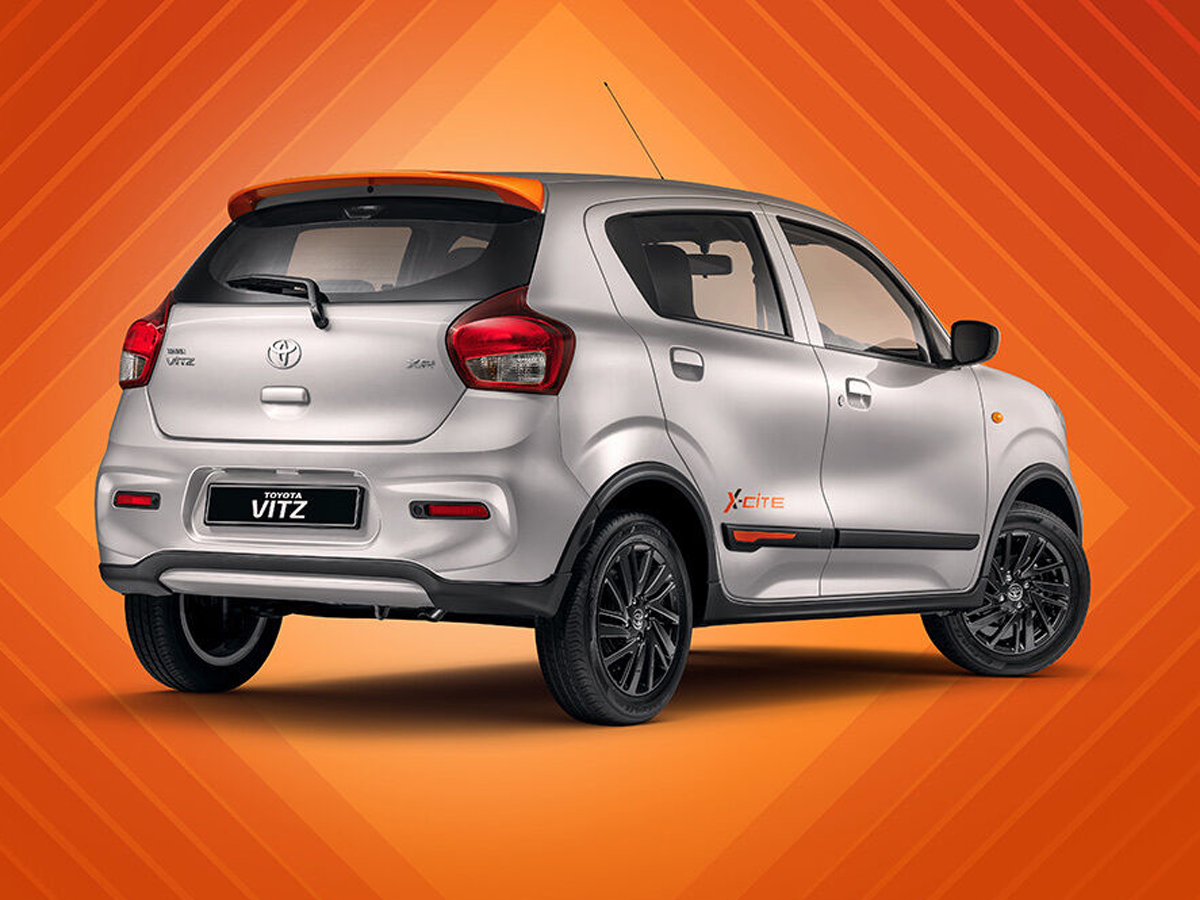
Toyota’s cheapest new car is now available in a fresh form: meet the Vitz X-Cite. Here’s how much this jazzed-up budget hatchback will cost you in South Africa…
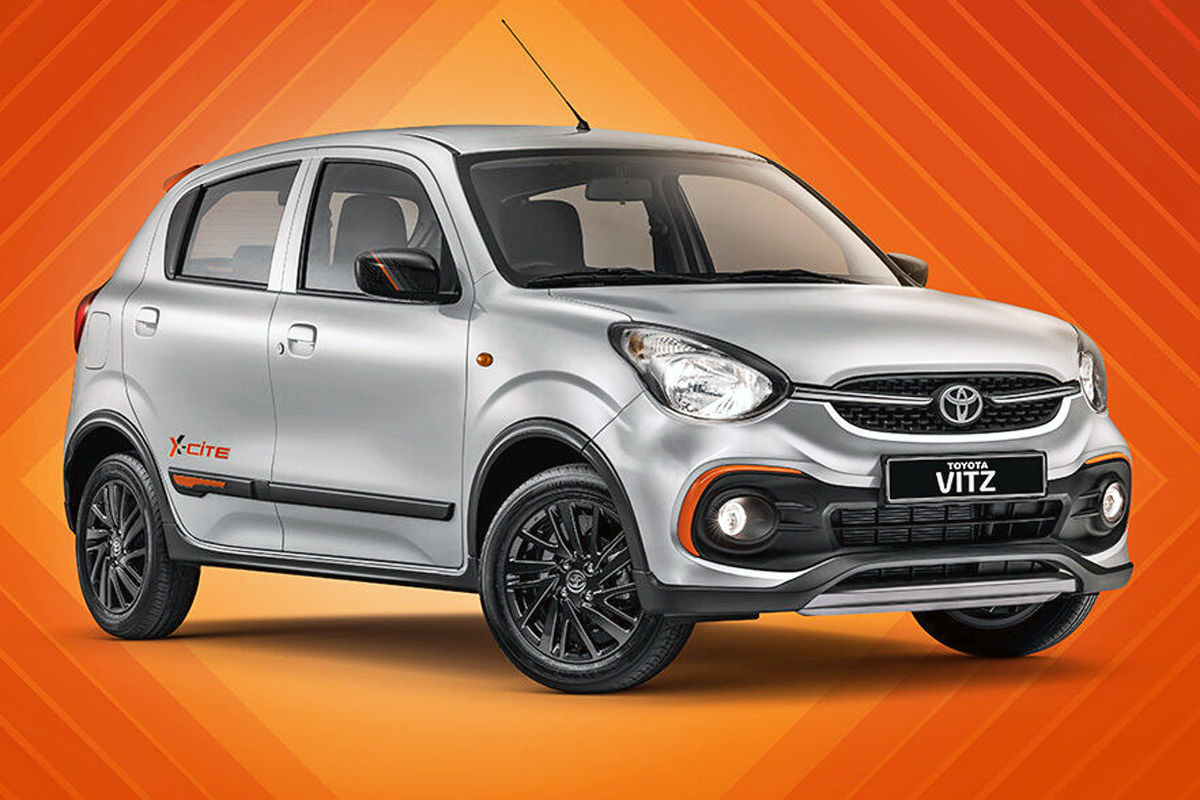
Toyota South Africa Motors has quietly rolled out the new Vitz X-Cite, a fresh version of the Indian-built budget hatchback that features a raft of visual updates.
Of course, the Japanese firm’s “X-Cite” badge is by no means new to Mzansi, with the since-discontinued Aygo having once worn this nameplate. In that case, however, it was applied to a derivative set apart by its black canvas roof.
First spotted on Toyota’s website by IOL Motoring, the Vitz X-Cite is offered in both base and XR guise, and its arrival sees the range expand to 5 derivatives. Interestingly, the new X-Cite variants are available in a choice of 5 colours, compared with the 7 offered on the standard models.
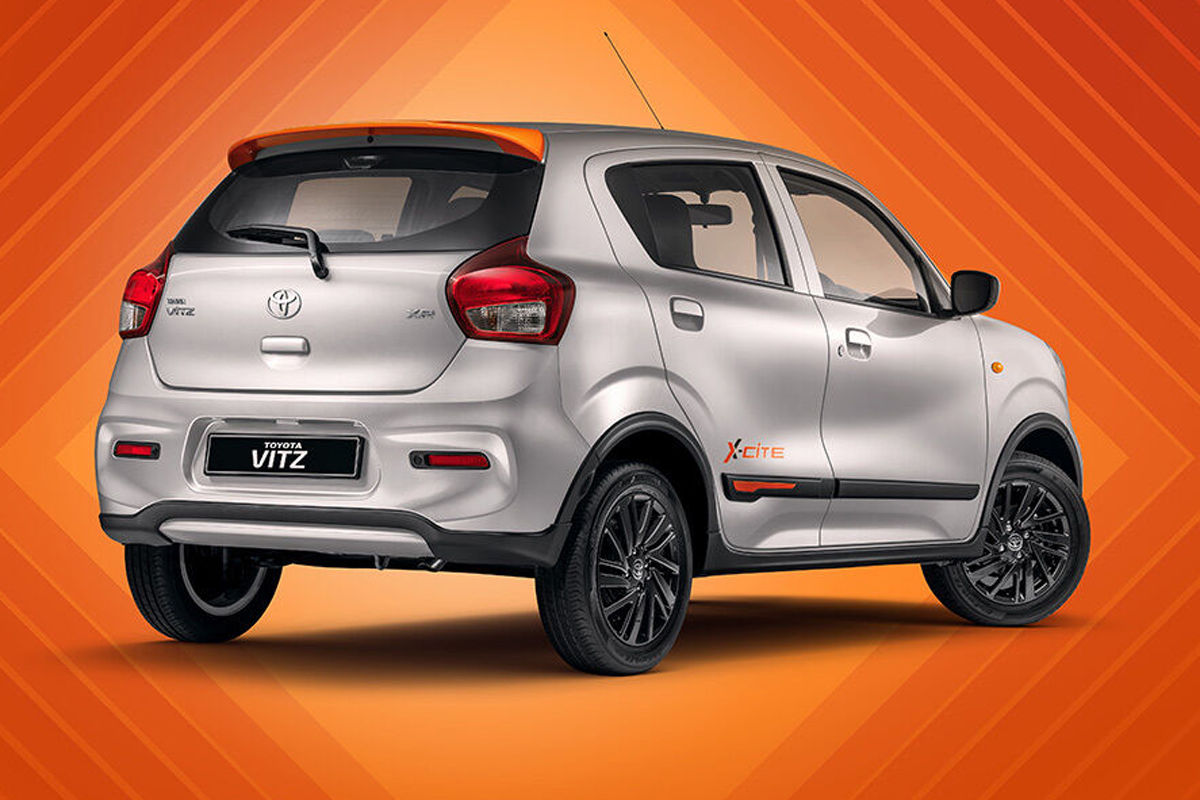
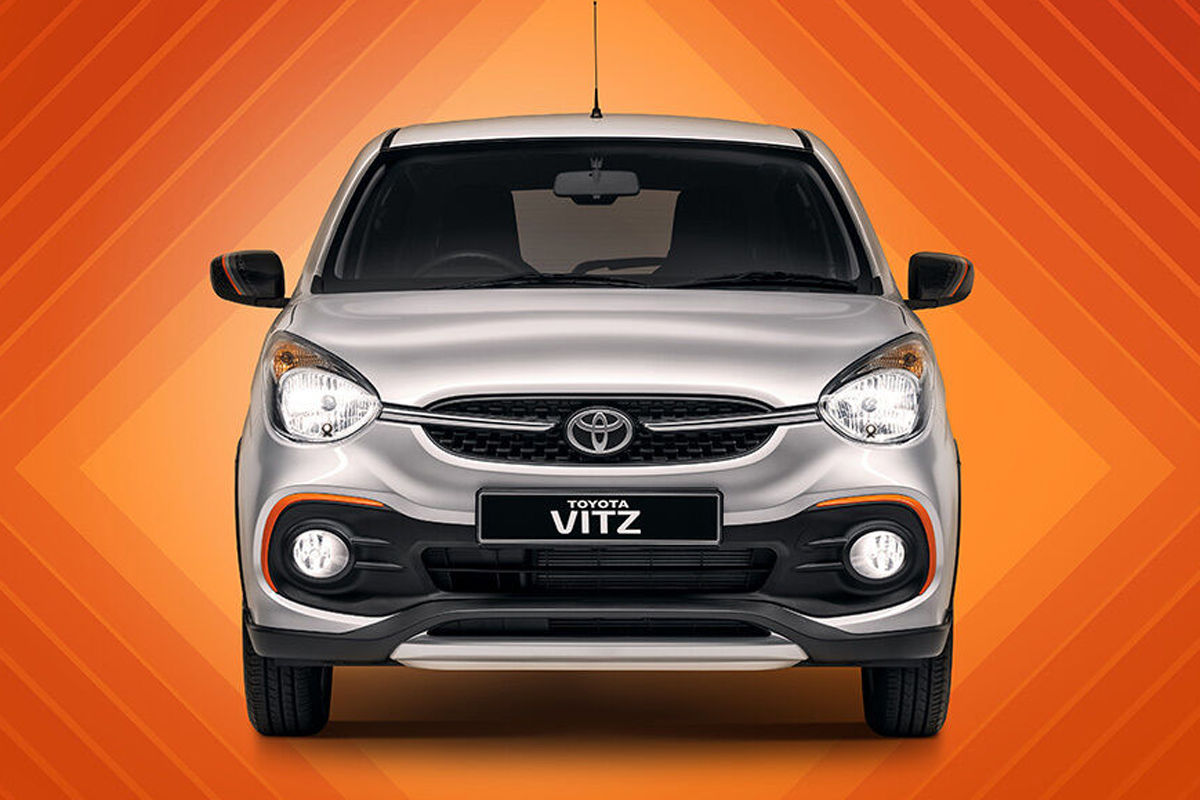
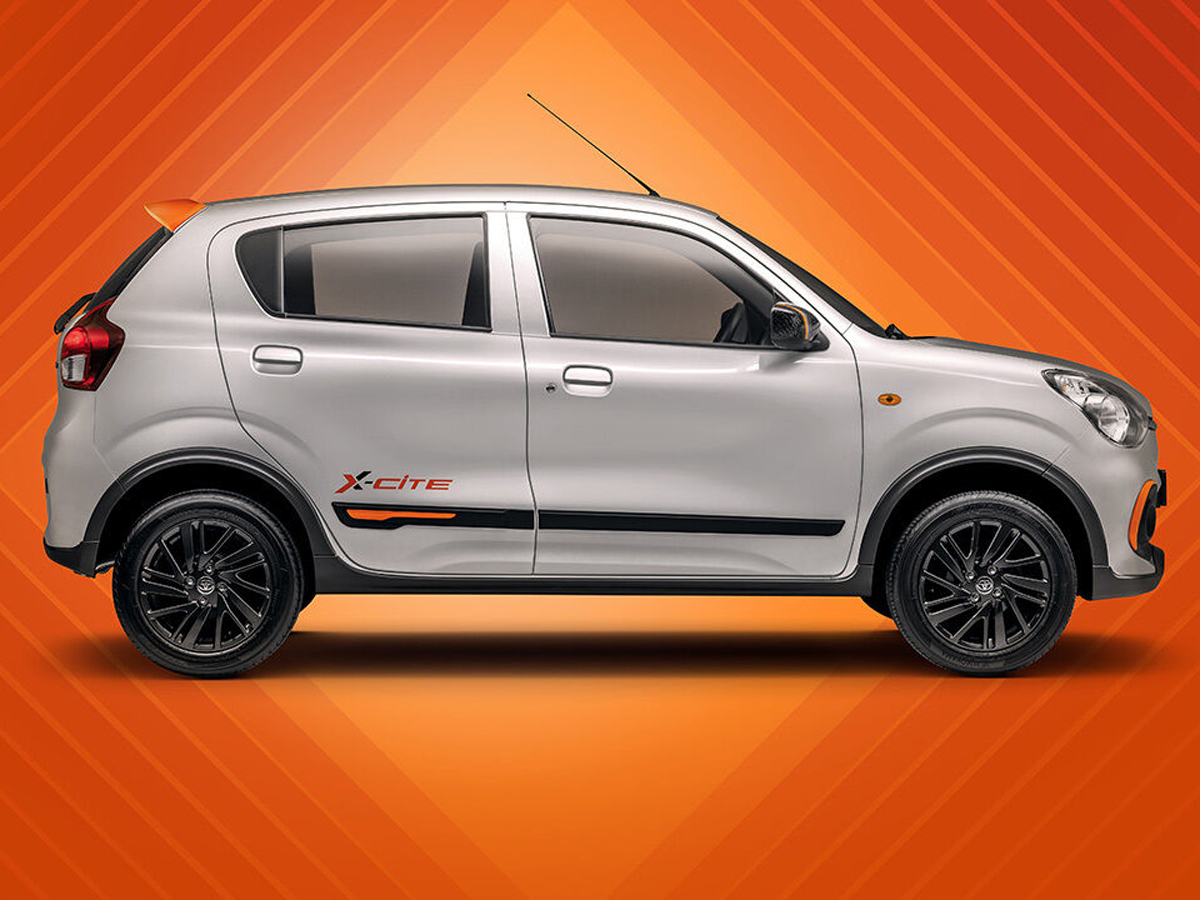
The X-Cite is distinguished by its orange trim accents – which have been applied to the rear spoiler, black side-mirror caps, side mouldings and front foglamp surrounds (the latter in the case of the higher-spec XR) – along with black plastic trim running along the wheel arches, side skirts and lower bumpers, fore and aft. “X-Cite” decals have also been applied to the rear doors.
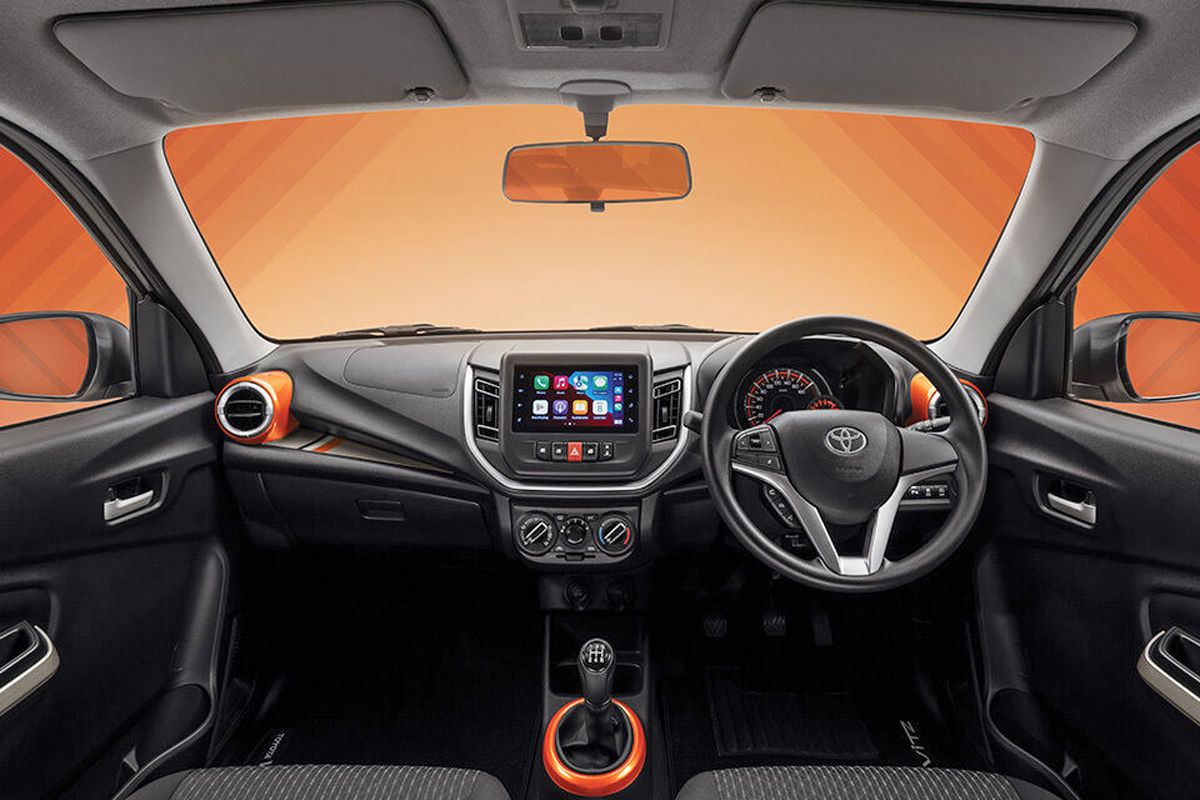
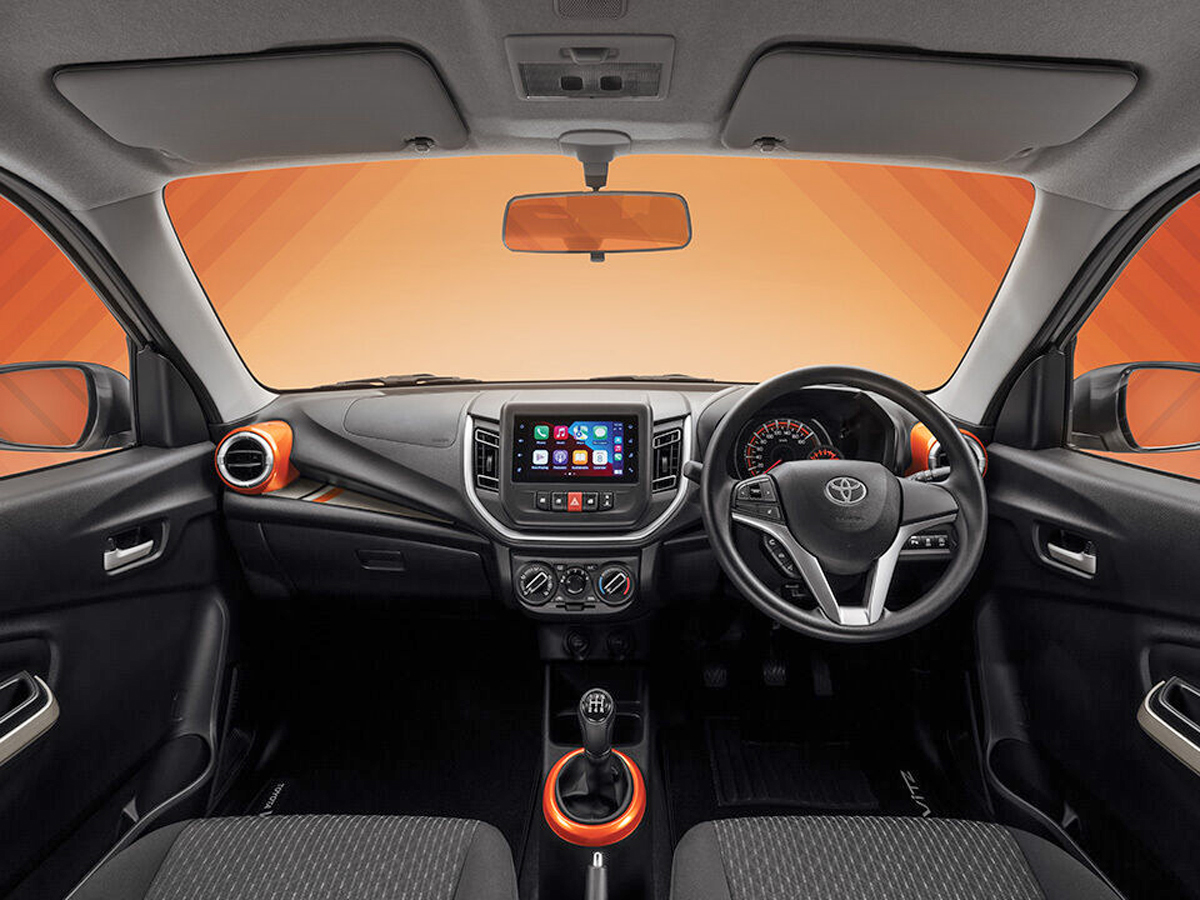
Inside, you’ll find yet more orange detailing (which the brand describes as a “refreshing citrus hue”), including to components around the air vents, gear-lever base, window switches and on the interior door panels. According to the specifications listed on Toyota SA Motors’ website, the Vitz 1.0 X-Cite furthermore gains a single-din audio system (a feature missing from the standard base model) that includes Bluetooth, an auxiliary port and a USB port. The XR version, though, retains its touchscreen system.
So, how much do the new X-Cite models cost? Well, back in the 2nd week of August, we noticed Toyota SA Motors had effectively cut Vitz pricing by R20 000 with a special “deal assist” offer, which remains in place today (September 2023). The X-Cite derivatives, meanwhile, are listed at the pre-deal prices: the Vitz 1.0 MT X-Cite thus costs R189 900, while the Vitz 1.0 XR MT X-Cite comes in at R219 900.
As with other derivatives in the Vitz line-up, the X-Cite models draw their urge from a naturally aspirated 1.0-litre, 3-cylinder petrol engine. This motor sends 49 kW and 89 Nm to the front axle through either a 5-speed manual gearbox or an automated manual transmission with the same number of cogs (though X-Cite variants are currently offered in 3-pedal form only).
Reviving a nameplate that has roots stretching back to 1998 and was once applied to the Yaris offered in the automaker’s domestic market of Japan, the Vitz arrived in South Africa in April 2023 to replace the Agya. Built by Maruti Suzuki in India (and effectively little more than a rebadged Celerio), the Vitz is yet another result of Toyota’s collaboration with its likewise-Japanese alliance partner.
How much does the Toyota Vitz X-Cite cost in South Africa?
Toyota Vitz 1.0 MT: R169 899 on special offer
Toyota Vitz 1.0 MT X-Cite: R189 900
Toyota Vitz 1.0 XR MT: R199 900 on special offer
Toyota Vitz 1.0 XR MT X-Cite: R219 900
Toyota Vitz 1.0 XR AMT: R214 900 on special offer
The prices above include a 2-service/30 000 km service plan and a 3-year/100 000 km warranty.
After months of teasers and spy shots, the 2024 Volkswagen Tiguan breaks cover with updated powertrains, new tech and a fresh look.Herewith the key details…
The 2024 Volkswagen Tiguan has been revealed and it brings a number of upgrades to the party. Volkswagen has taken note of the feedback from customers and product testers, and the result is a thoroughly updated new model.
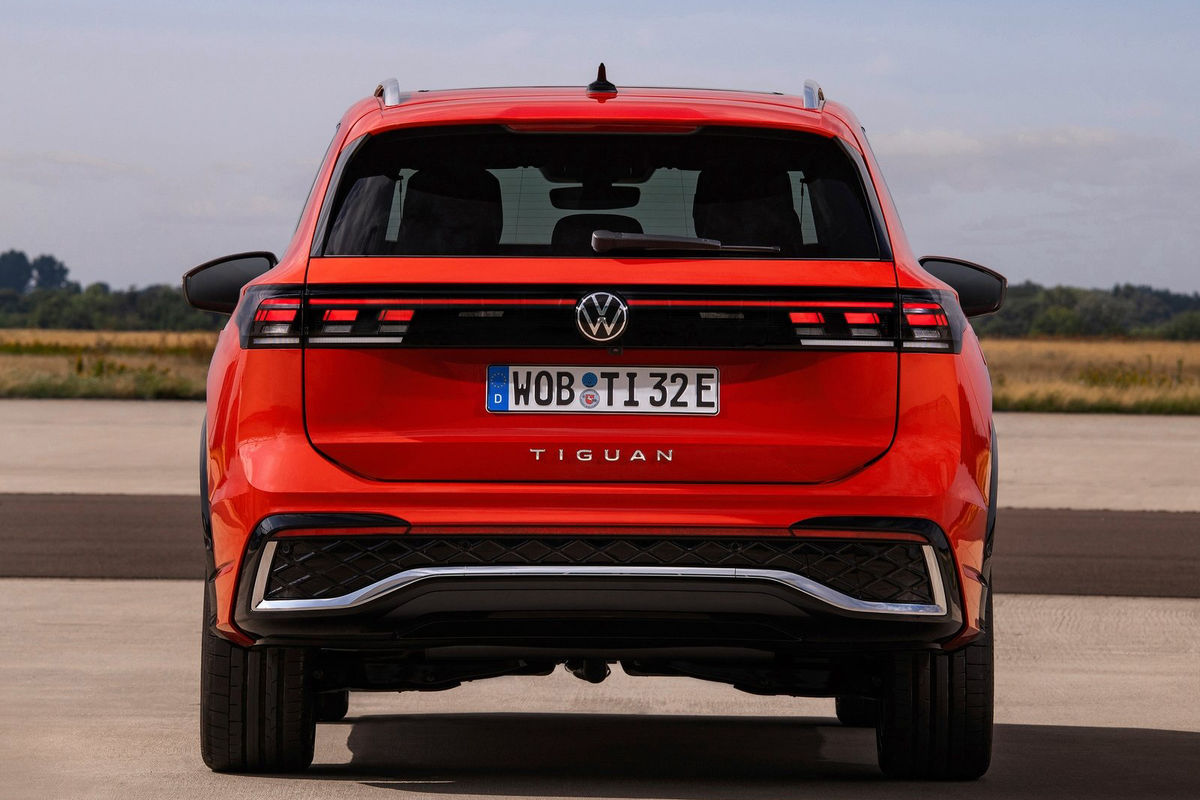
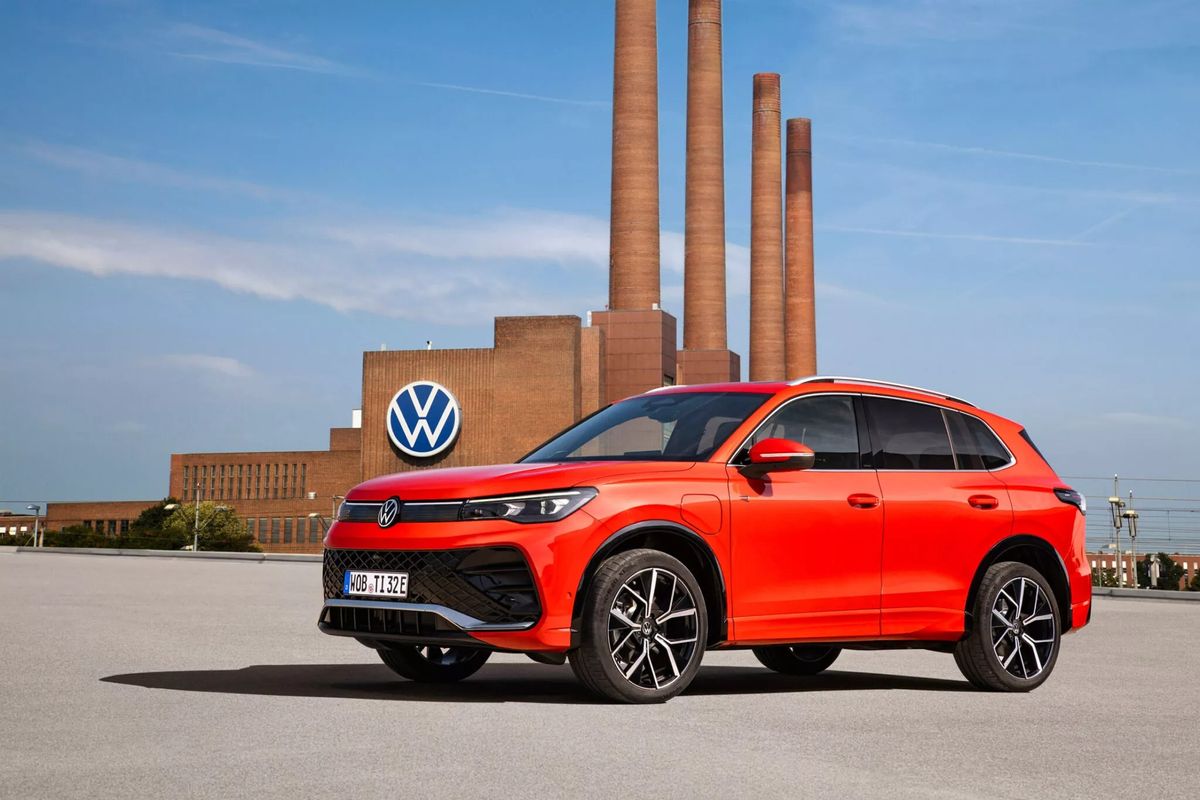
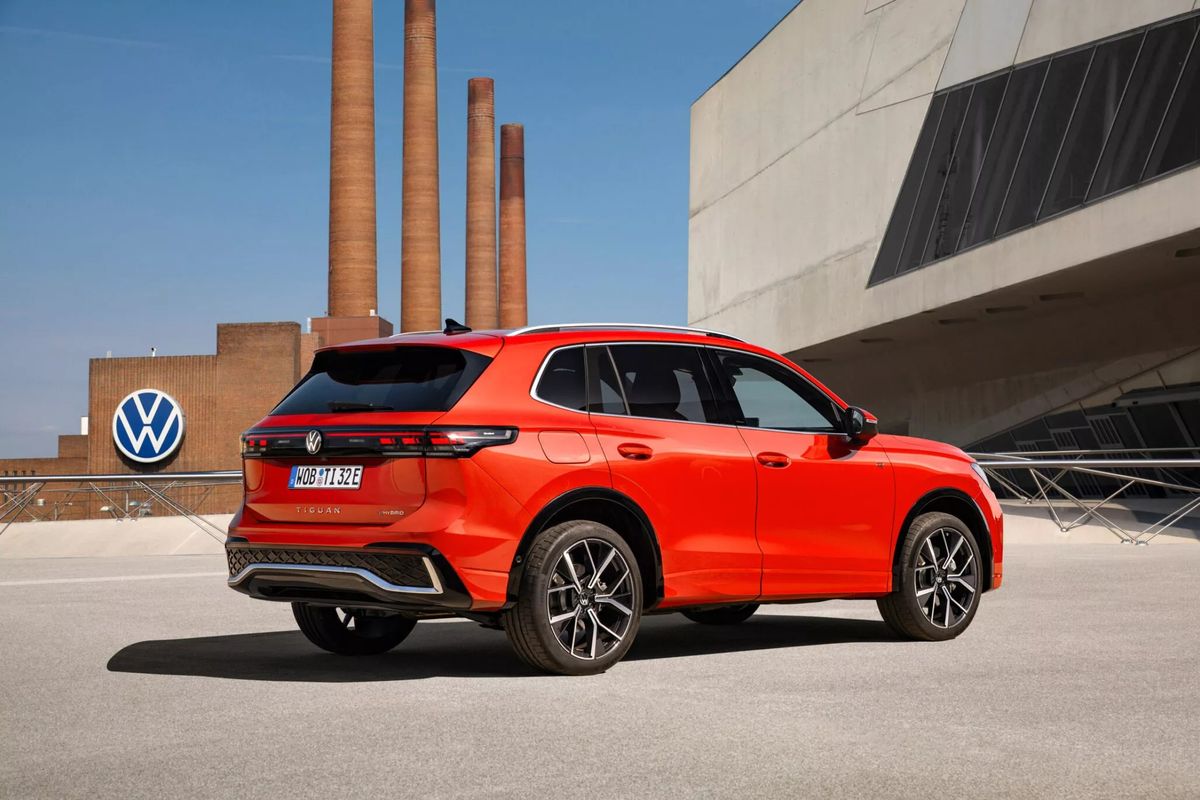
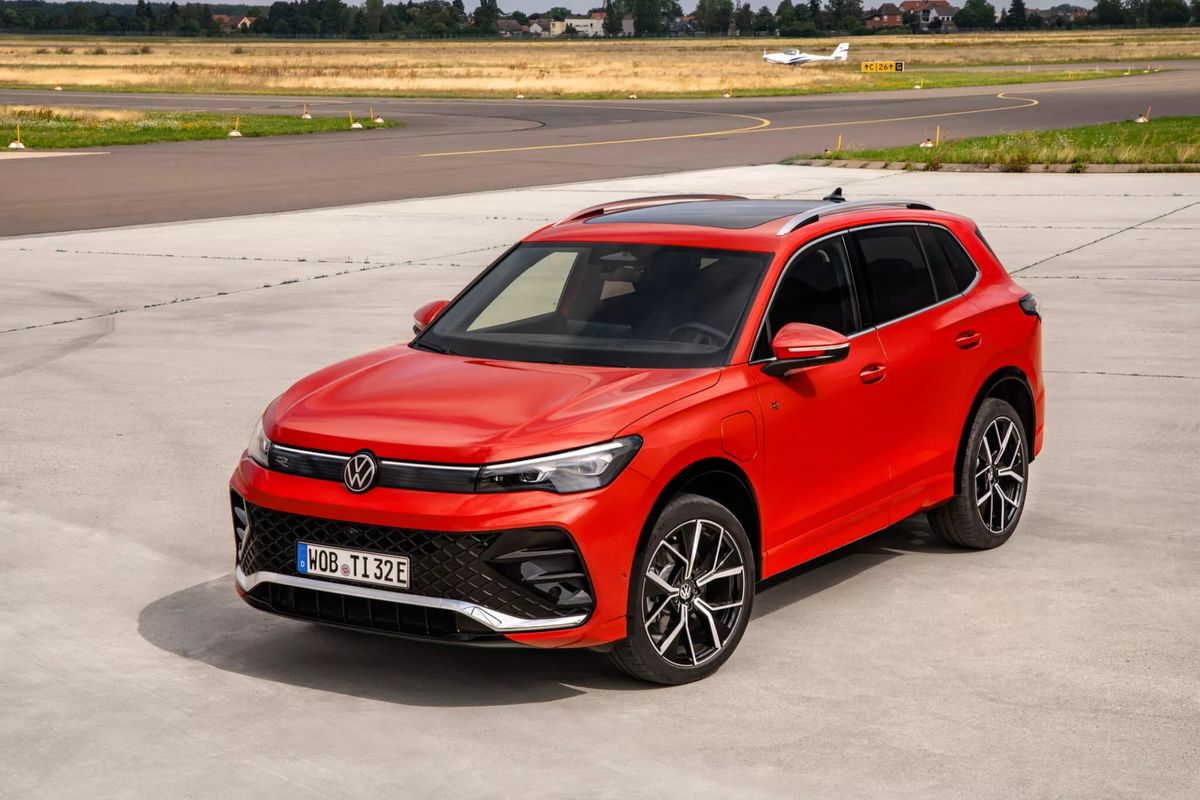
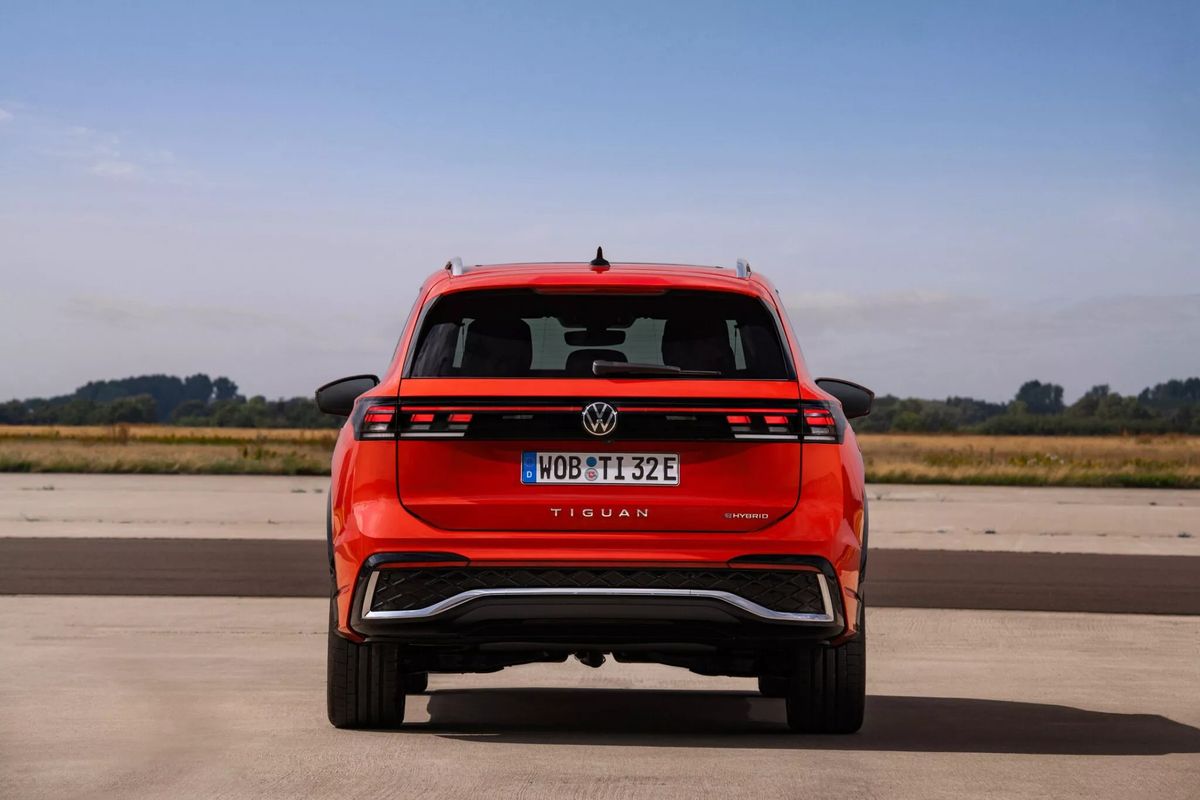
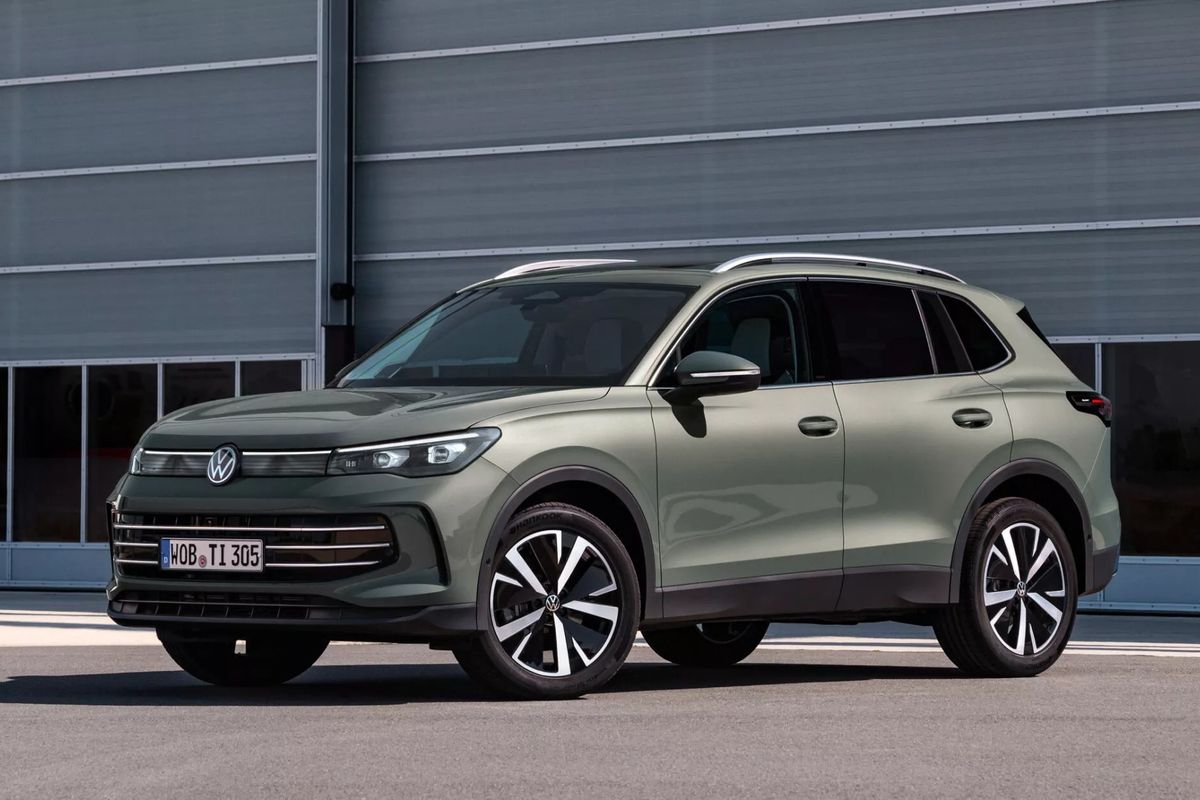
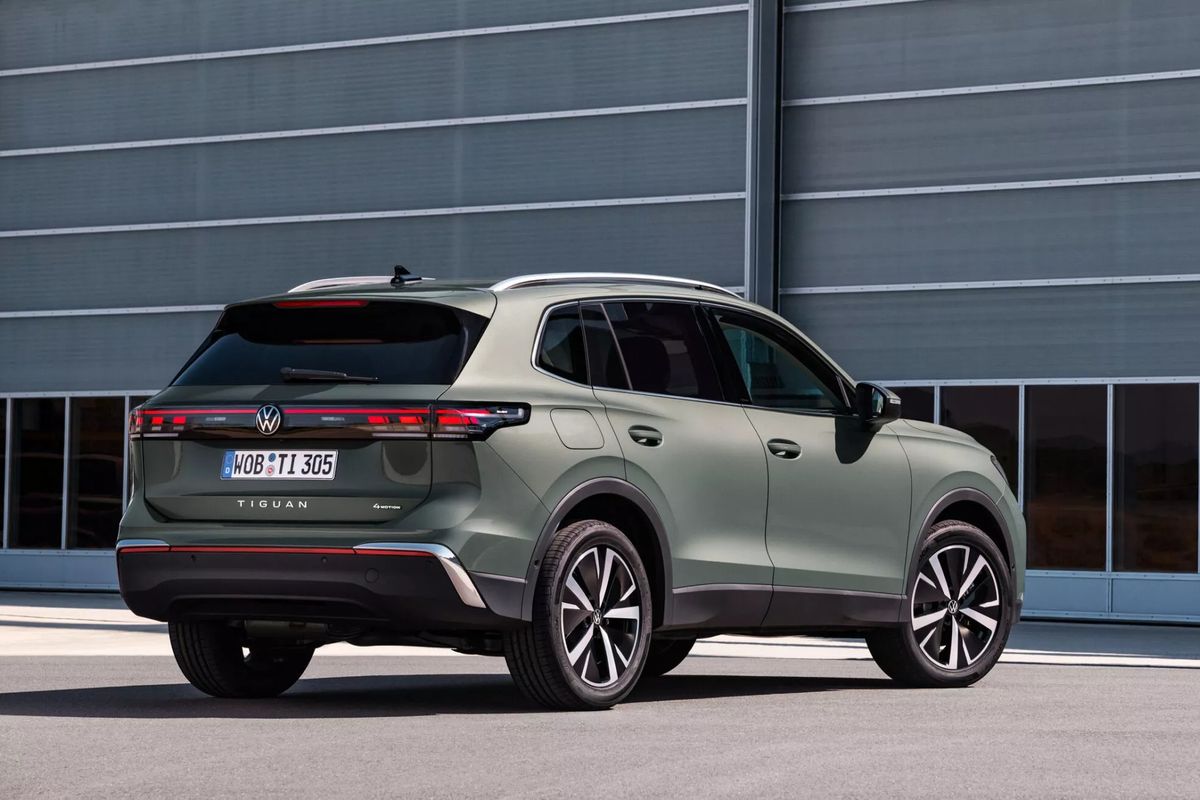
The third-generation 2024 Volkswagen Tiguan gets a bold new look and the Wolfsburg-based brand released images detailing a standard model in green and an R-Line derivative in red. There’s a lightbar at both the front and the rear, and depending on trim, different bumpers.
The new Tiguan is now more sophisticated than the model it replaces.
In terms of footprint, the 2024 Volkswagen Tiguan stands 4 539 mm long (30 mm longer than before), 1 639 mm tall (4mm taller), 1 842 mm wide (same as before) and has the same wheelbase of 2 680 mm. Under the skin, the third-generation Volkswagen Tiguan rides on the new MQB Evo platform and features 10 mm additional legroom while space in the load bay has increased by 33 litres, up to 648 litres.
The Tiguan’s interior represents a marked improvement over its predecessor.
The cabin architecture is all-new and in pictures, at least, represents a significant improvement over its predecessor in terms of design and material quality. Many of the current Volkswagen products suffer from quirky touch-sensitive buttons but Volkswagen has listened to customer feedback and opted for tried-and-trusted physical buttons instead.
There’s a brand-new 12.9-inch (15-inch on higher grades) tablet-style touchscreen with the firm’s latest MIB operating system with OTA update capability while a 10.3-inch digital instrument cluster adds extra flair to the cabin.
2024 Volkswagen Tiguan Engines
A wide range of powertrains will be offered for the new Tiguan.
Volkswagen has given the Tiguan range a diverse array of engines for customers to choose from. The front-wheel Tiguans feature two mild-hybrid 1.5 turbocharged petrol engines, as well as a 2.0 diesel. Outputs range from 95 kW to 110 kW for the two petrol-hybrid derivatives while the diesel engine offers 110 kW.
In addition to the front-wheel drive derivatives mentioned above, the Tiguan will also be available in 4Motion all-wheel-drive guise powered by an updated 2.0-litre turbopetrol engine with either 148 kW or 192 kW while the 2.0-litre turbodiesel 4Motion derivative will offer 140 kW. The new Tiguan makes use of a 7-speed dual-clutch transmission.
Volkswagen says the new Tiguan features updated 4Motion hardware to reduce vibrations. The new Tiguan is available with the optional DCC Pro adaptive dampers for additional comfort and sportiness, depending on mode.
There are also new plug-in hybrid powertrains with a 19.7 kWh battery giving 100 km of pure electric range. The charging speed is up too, with DC charging now possible. There will be 2 PHEV models and both will be front-wheel driven and feature 1.5-litre turbocharged 4-cylinder petrol engines with electric assist. Outputs are 148 kW and 197 kW respectively. The plug-in hybrid Tiguans are paired with a 6-speed DSG.
A 232 kW Tiguan R is also in development with the same 2.0-litre turbocharged petrol engine found in the new Golf 8 R.
When is the new 2024 Volkswagen Tiguan Coming to South Africa?
The new 2024 Volkswagen Tiguan is due in South Africa in 2024. Local pricing and specification will be communicated closer to the launch.