The brand-new all-electric Audi Q6 e-tron has been revealed and it’s under consideration for the South African market.
This is the all-new Audi Q6 e-tron and its arrival marks the debut of the Premium Platform Electric architecture. It’s essentially a shared platform with the Porsche Macan. The new Q6 also marks the debut of a new-look e-tron design language as well as interior.
Under the Q6 e-tron’s body lies a newly-developed lithium-ion battery with a capacity of 100 kWh (94.9 kWh usable) which gives the car a range of 625 km. There are two powertrains on offer from launch, a standard Q6 with 285 kW and a sportier SQ6 with 380 kW. These models will feature quattro all-wheel drive, with rear-wheel-drive derivatives following later.
The Q6 e-tron is good for a 0-100 kph dash in just 5.9 seconds, while the SQ6 goes predictably quicker at 4.3 seconds. A top speed of 210 and 230 kph is claimed respectively.
This new PPE platform features 800-volt technology and its capable of fast charging at 270 kW. This means 255 km of range is possible in just 10 minutes at a suitably powerful station. Generally, the Q6 e-tron can do a 10-80% charge in around 21 minutes. At home, the car can accept up to 11 kW. Impressively, the Q6’s brake recovery can harvest up to 220 kW!
Like most of the latest generation of Audi products, the Q6 e-tron features a fancy lighting system with unique digital signatures. Impressively, the rear lights can communicate with other traffic in the event of accidents as part of the Car-to-X technology.
Audi Q6 e-tron interior
The Q6 e-tron cabin features a new layout with a digital instrument cluster, large infotainment screen and front passenger screen. The software is Android Automotive OS which makes its debut in Audi, plus it features over-the-air updates.
There’s an extensive use of recycled materials in the assembly, like the seats. The PPE platform is designed for packaging and practicality, and Audi claims there’s 526 litres of space. Fold the rear seat bench down and storage increases to 1529 litres. There’s also a front storage area that can hold 64 litres.
Audi Q6 e-tron coming to South Africa?
Audi South Africa says the new Q6 e-tron is under consideration for our market, with a local introduction in either the last quarter of 2024 or early 2025. As always, we’ll update you if we hear more.
Manual vs Automatic Cars: Which is better for you?
It is one of the biggest arguments in the motoring world: manual vs automatic! Here we unpack pros and cons of both, as well as what’s best for you!
The manual vs automatic gearbox debate has raged for as long as cars have been offered with either. For quite some time, there would be strong arguments and good cases for choosing each, but given the recent advances in tech, automatic transmissions have come a long way. Still, there are many motorists who firmly believe in the power of the manual gearbox.
Generally, a car with a manual gearbox features three pedals; clutch, brake, accelerator. An automatic vehicle has two pedals; brake and accelerator.
Manual Gearbox Pros
Engagement: When driving a manual gearbox, you’re focused and concentrating on timing those gearshifts, balancing the clutch and some motorists feel this is the best way to drive as you’re in complete control.
You can start a car with a flat battery: Flat battery? No problem, simply clutch in, engage 2nd gear and either push the vehicle or roll down a hill. Release the clutch and the engine should start.
Honda Civic Type R: one of the finest manual gearboxes ever created.
Manual Gearbox Cons
Harder to master: Learning the art of simultaneously releasing the clutch and gently accelerating takes time and concentration.
Uncomfortable in traffic: The constant clutch in, clutch out gets tiring in gridlock traffic.
Clutches are expensive: The clutch is a wear n tear item and generally excluded from warranties. Misuse can result in premature failure and will be a costly exercise to replace.
Not compatible with modern tech: Many semi-autonomous technologies like emergency braking and adaptive cruise control are not offered on vehicles with manual gearboxes.
Hyundai I30 N DCT: A good hot hatchback is transformed into great thanks to this ‘box
Automatic Gearbox Pros
Ease of use: Simply select Drive and away you go with both hands on the wheel. It doesn’t get easier or simpler than that. Bonus: it’s impossible to stall an automatic!
Smoother drive: Most autos are silky smooth, you just don’t feel the gearshifts anymore.
Quicker: In a race between a manual car and a DCT, the car’s computer can change gears quicker than humans.
Lighter on fuel: Some autos, like the CVT are engineered to keep the engine in that perfect sweet spot of performance and efficiency.
Automatic Gearbox Cons
Pricey: In comparison to a manual version, some automatics are bit more expensive, but this is rare these days as automatics are more popular.
Less control: While we appreciate how easy it is to drive an auto, its also not very involving and you may get distracted or lose focus.
Some automatics feature discrete gear selectors, increasing cabin space
Manual vs Automatic: Our choice?
Here at Cars.co.za, our content team has the chance to drive around 100 vehicles each year and some of the senior members have been behind various steering wheels for well over a decade. We’ve noticed a remarkable decline in the number of manual gearboxes offered by car brands in South Africa. In 2023, less than 10% of our road tests featured cars with a manual gearbox.
The incredible rise of the automatic as well as side technologies like dual-clutch transmissions, continuously variable transmissions (CVT)and automatic manual transmissions (AMT) have proven to be quicker, easier to use and require less maintenance.
While we’d savour every single moment with a high-performance vehicle equipped with a slick manual gearbox like the BMW M2, the reality is that the automatic version is faster in a straight line and easier to use on a daily basis.
April 2024 is expected to be a mixed bag with increases in the petrol price on the cards while the price of diesel is set to be reduced according to unaudited mid-month data released by the Central Energy Fund (CEF).
South African motorists and consumers have endured two consecutive fuel price increases this year, adding pressure to fragile household budgets.
With half of March now behind us, projections based on unaudited mid-month fuel price data point to marginal increases for both grades of petrol while the price of diesel is due to be reduced.
The data indicates a potential petrol price increase of around 10 c/l for ULP95 while ULP93 could see a price bump of 9c/l. In contrast, the price of wholesale diesel could see reductions between 34 c/ and 38 c/l. The price illuminating paraffin may also see a price slash of 47c/l.
The Automobile Association (AA) commented, “The decrease in diesel and paraffin prices is certainly good news; diesel is a big input cost in major sectors such as agriculture, mining, manufacturing, and retailing, and an increase here often contributes to increased prices of basic commodities.”
“If the Rand/US Dollar exchange rate, as well as the movement in international product prices, continues in its current downward trajectory, there is a likelihood that by the time the Department of Mineral Resources and Energy (DMRE) makes the official adjustment for next month, the under-recovery will be significantly less and result in a much-needed price decrease,” says the AA.
Fuel Price Forecast for April 2024
Fuel Type
Mar’ 24 Inland
Mar’ 24 Coast
Apr’ 24 Inland*
Apr’ 24 Coast*
Petrol Unleaded 93
R24.13
R23.41
R24.22
R23.50
Petrol Unleaded 95
R23.41
R23.73
R23.51
R23.83
Diesel 0.05%
R22.42
R21.70
R22.08
R21.36
Diesel 0.005%
R22.62
R21.91
R22.24
R21.58
*April figures are forecast figures and not official.
New Toyota Hilux GR Sport III: more SA details uncovered
We have the lowdown on the widebody Toyota Hilux GR Sport III ahead of its launch in SA, including new details. Here’s everything from fresh images, detailed specifications and, of course, pricing…
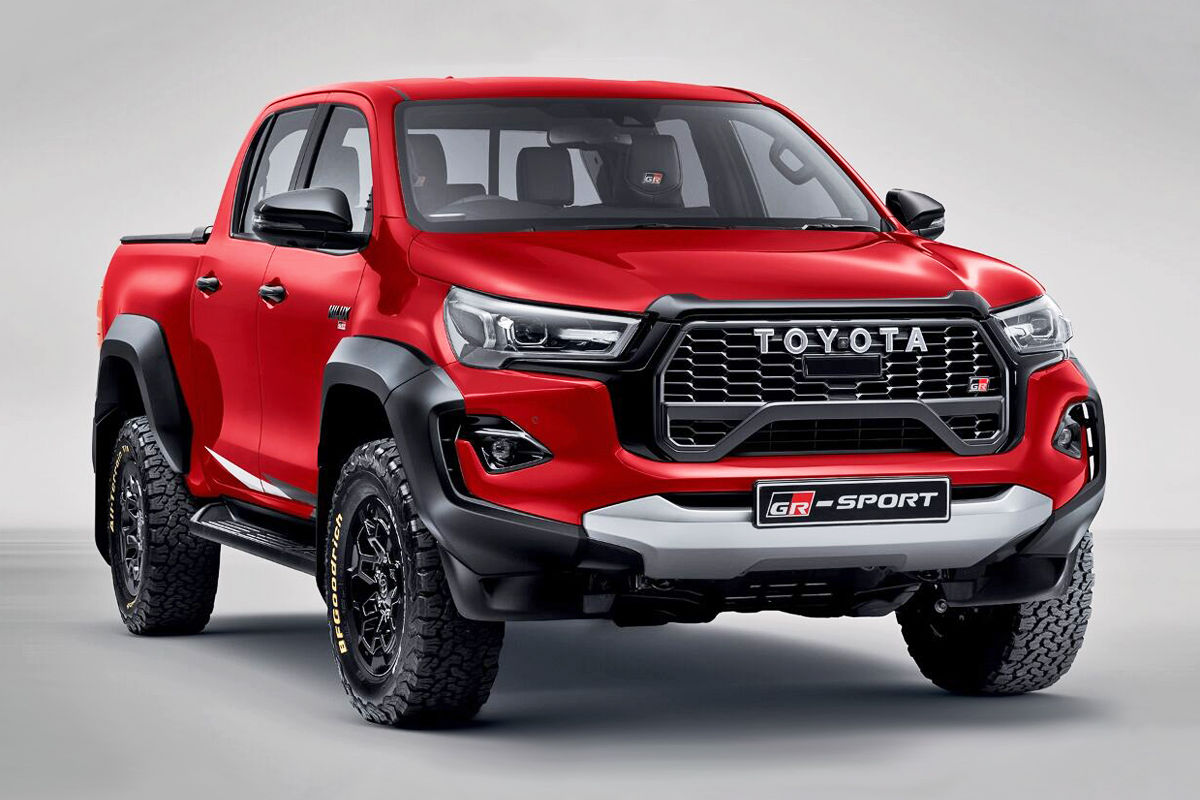
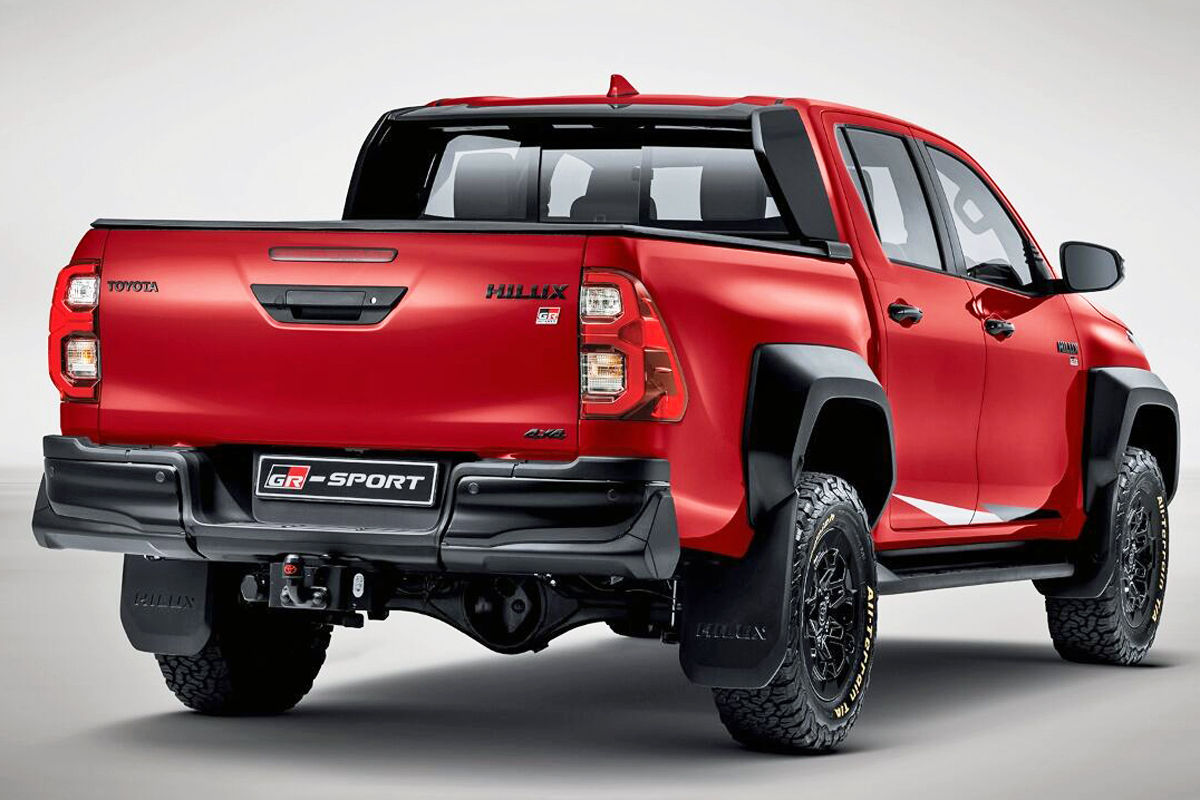
Earlier in March 2024, Cars.co.za unearthed local pricing for the new widebody Toyota Hilux GR Sport III. Now, we’ve managed to lay our hands on detailed specifications for this upcoming double-cab bakkie, along with fresh SA-specific images of the 3rd iteration of the so-called “GR-S” model.
As a reminder, our information suggests the new Hilux 2.8 GD-6 DC 4×4 GR Sport III will be priced from R999 000, slipping in just under the 7-figure mark. For the record, that represents a R51 400 premium over the outgoing version, which topped out at R947 600. The latest model retains the outgoing version’s uprated 2.8-litre, 4-cylinder turbodiesel engine (and 6-speed automatic transmission), which means peak outputs again sit at 165 kW and 550 Nm.
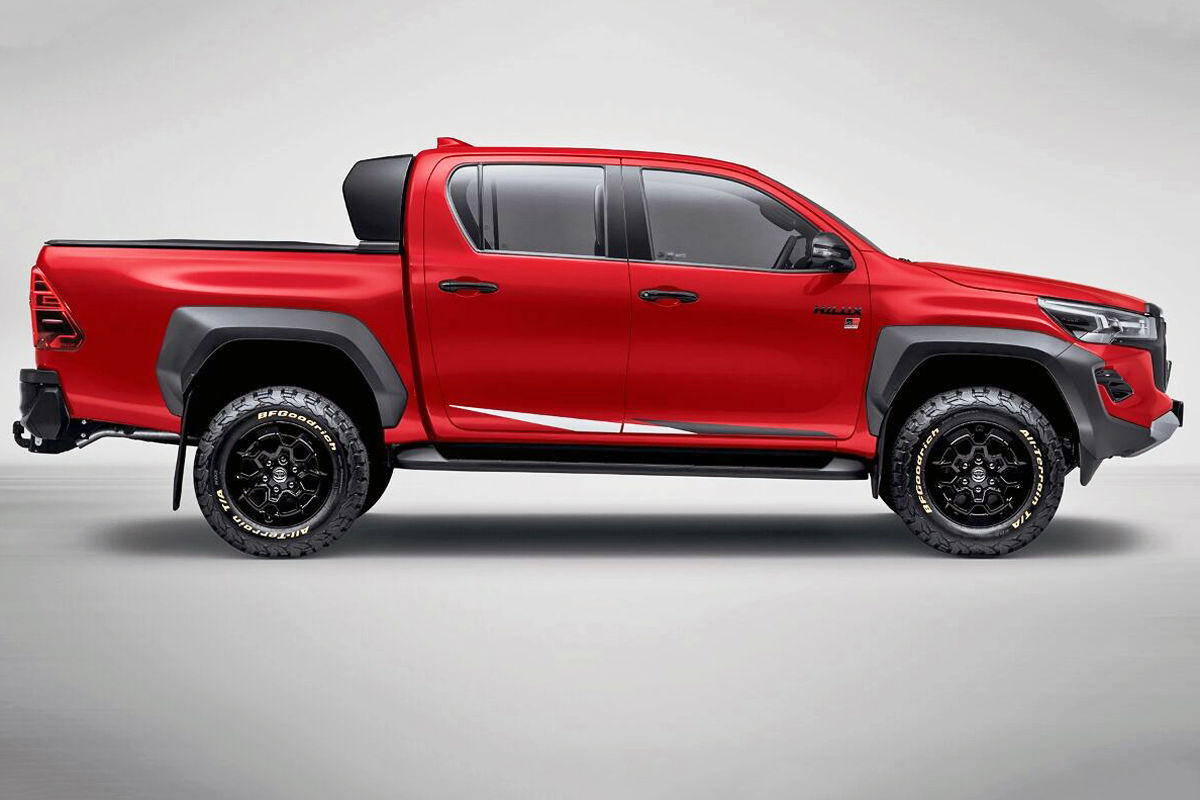
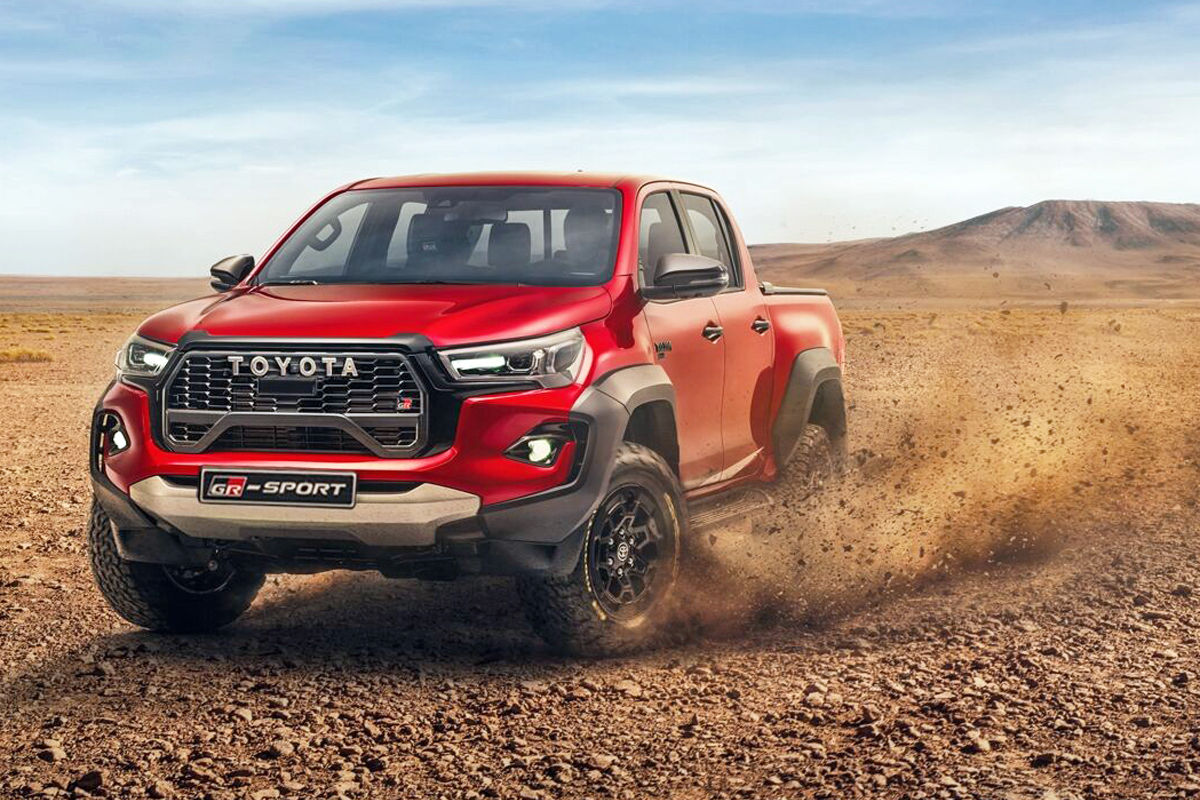
Note the new widebody configuration.
So, what sets the Hilux GR Sport III apart from the previous version? Well, the most obvious change is the upgrade to a widebody configuration (courtesy of wider tracks). We can confirm that while the Prospecton-built newcomer measures 5 325 mm from nose to tail (just like the standard double cab), its overall width increases from 1 900 mm to 2 020 mm.
At 1 865 mm, the GR Sport III also stands 50 mm taller than standard, thanks to a combination of its revised suspension system (which includes new monotube dampers) and chunkier tyres. On the latter topic, we can confirm that the SA-spec model rides on BFGoodrich all-terrain rubber in 265/65 R17 size (compared with the standard Legend and Legend RS tyres, which measure 265/60 R18).
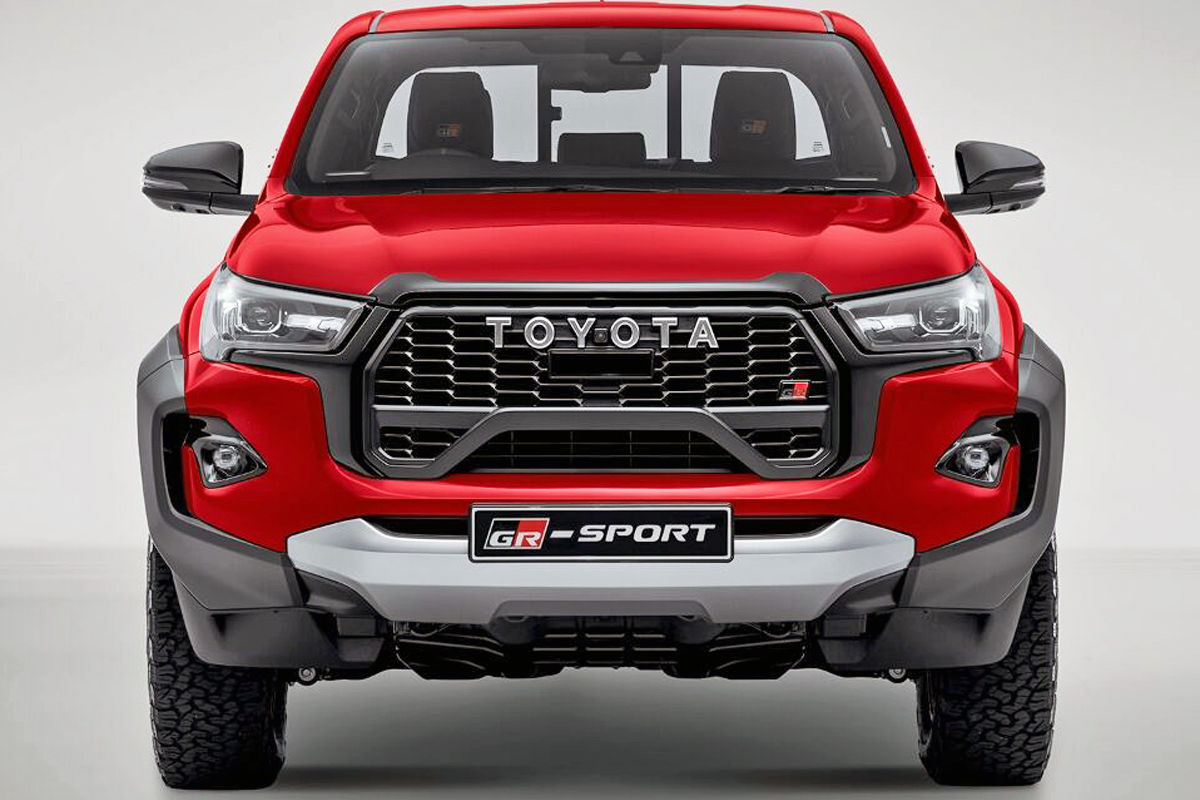
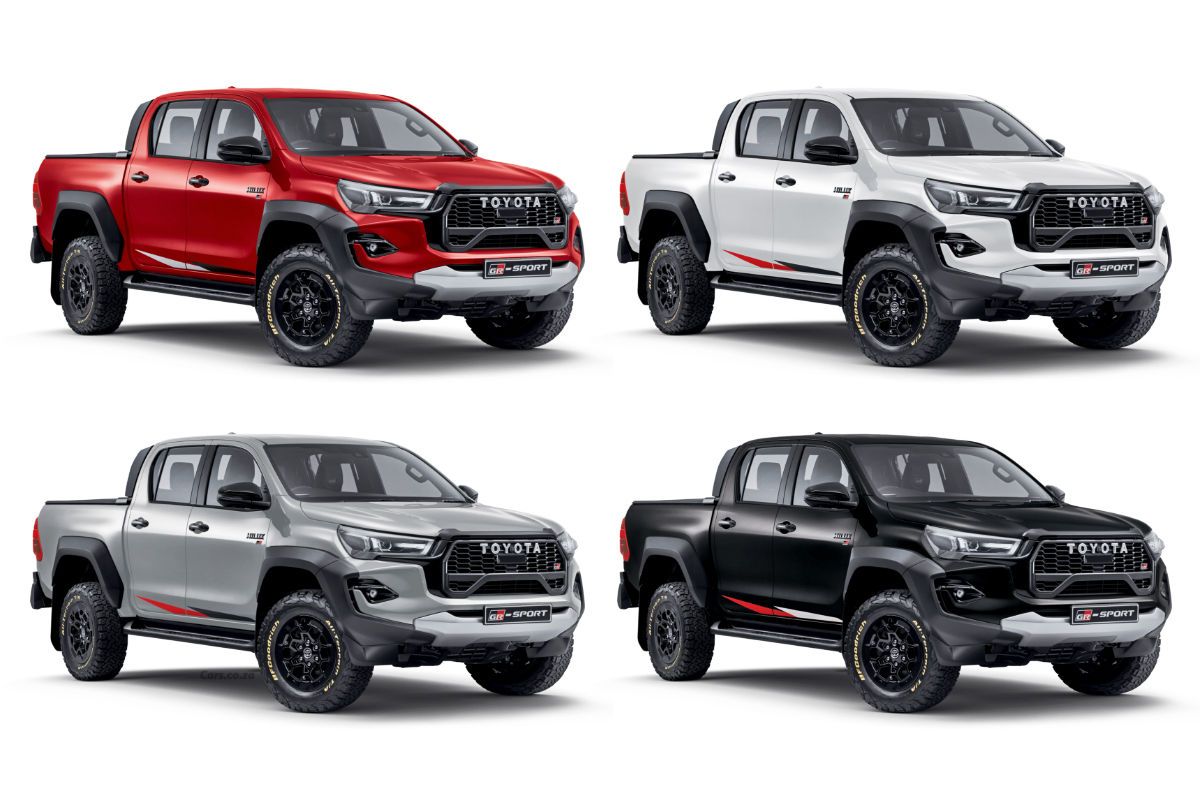
The GR Sport III will be offered in these 4 paint colours.
The new model’s payload capacity matches that of its forebear at 790 kg, again seeing it slot in between the 2.8 GD-6 Legend RS 4×4 6AT (775 kg) and the 4.0 V6 Legend 4×4 6AT (835 kg). The GR-fettled model’s braked towing capacity likewise remains 3 500 kg.
We expect the new Hilux GR Sport III to again be offered in a choice of 4 exterior paint colours: red, white, black and grey. The GR-branded Hilux furthermore features subtle 2-tone decals running along the lower edges of its doors, along with model-specific bumpers (fore and aft) and a new black grille featuring bold “Toyota” lettering.
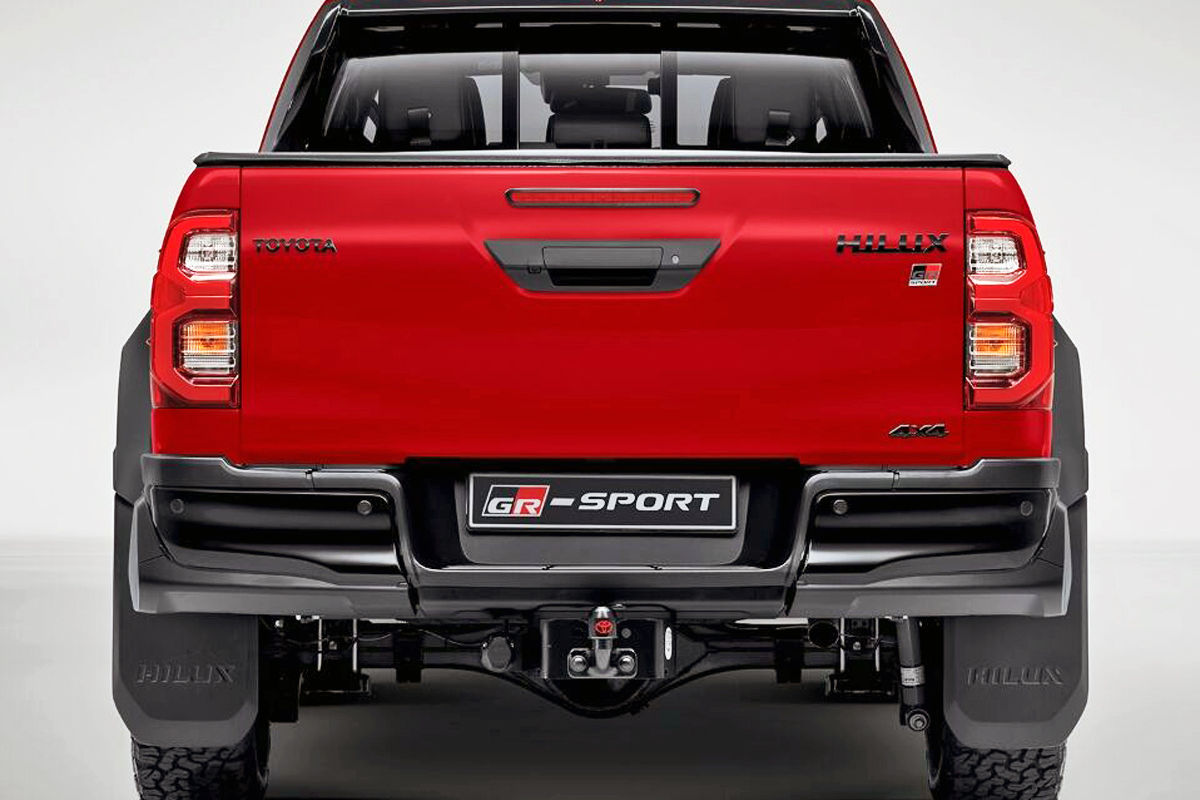
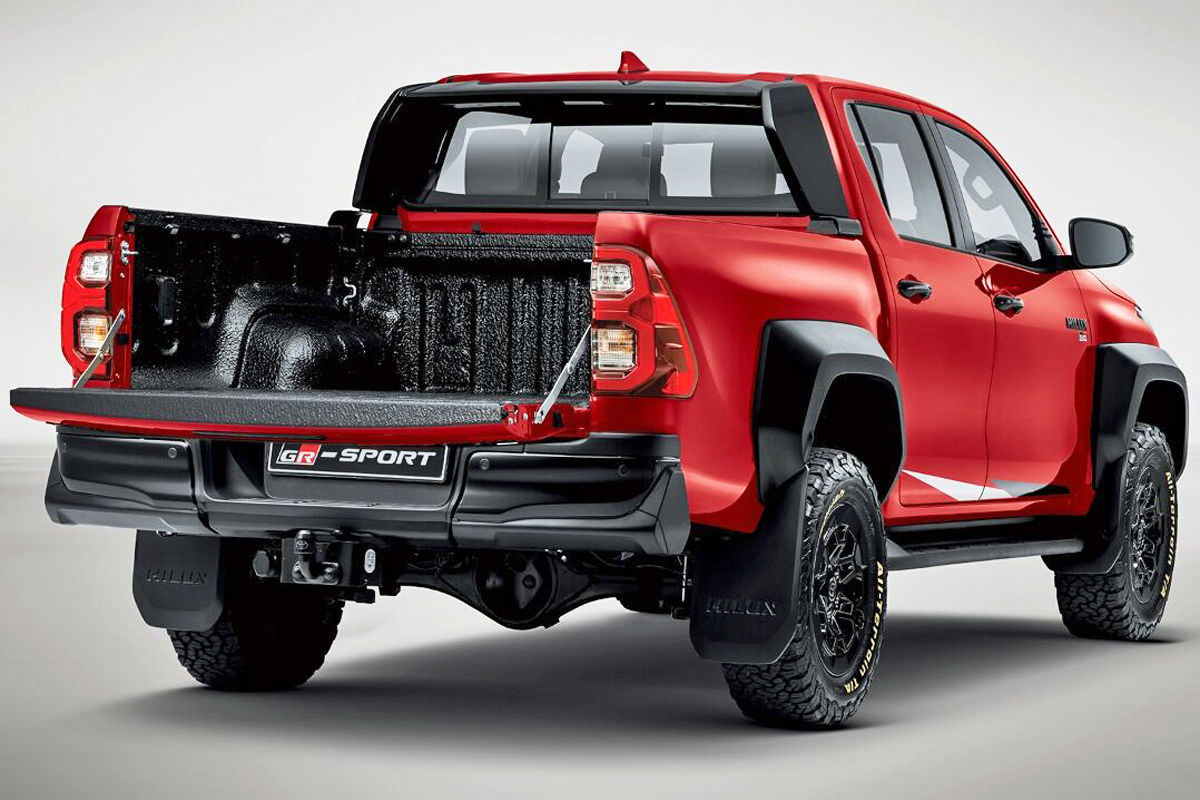
A towbar and rubberised load area come standard.
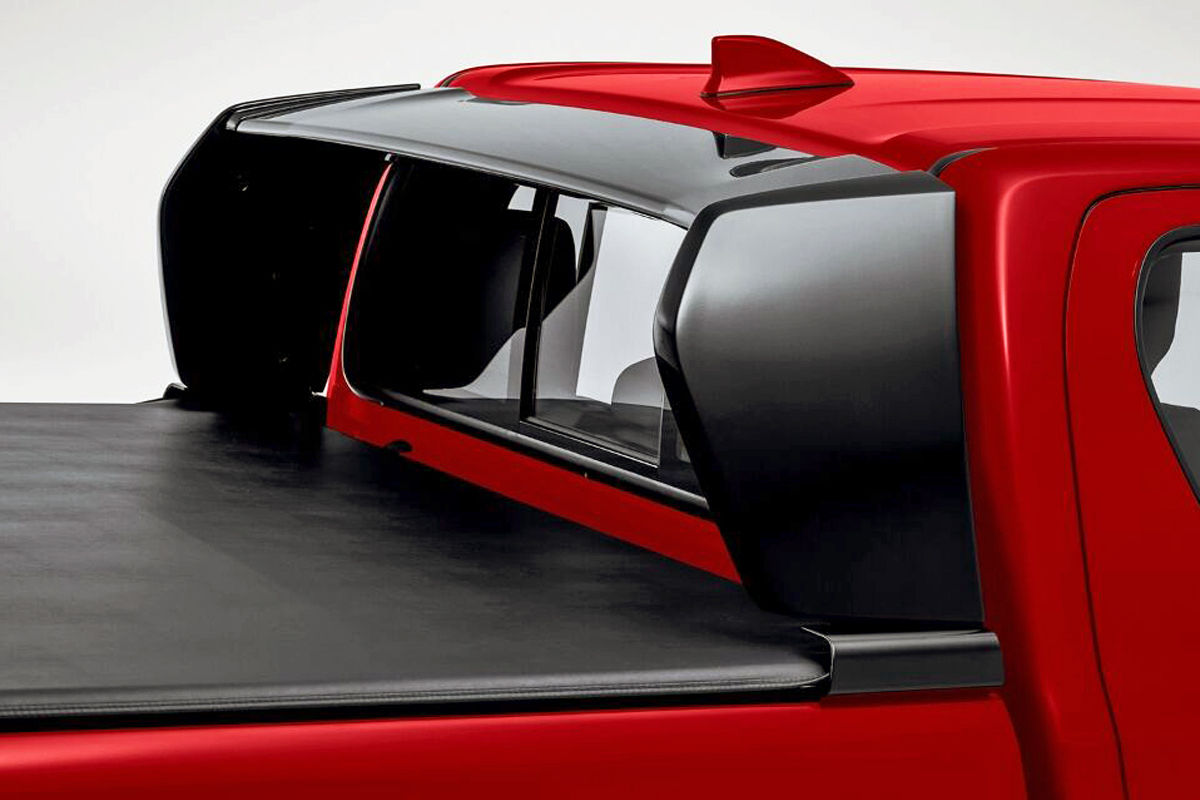
Other exterior updates include chunky black overfenders, a silver-coloured front bashplate, black side steps, a black styling bar, a towbar, a tonneau cover and a rubberised load bay (the latter complete with a 12V socket).
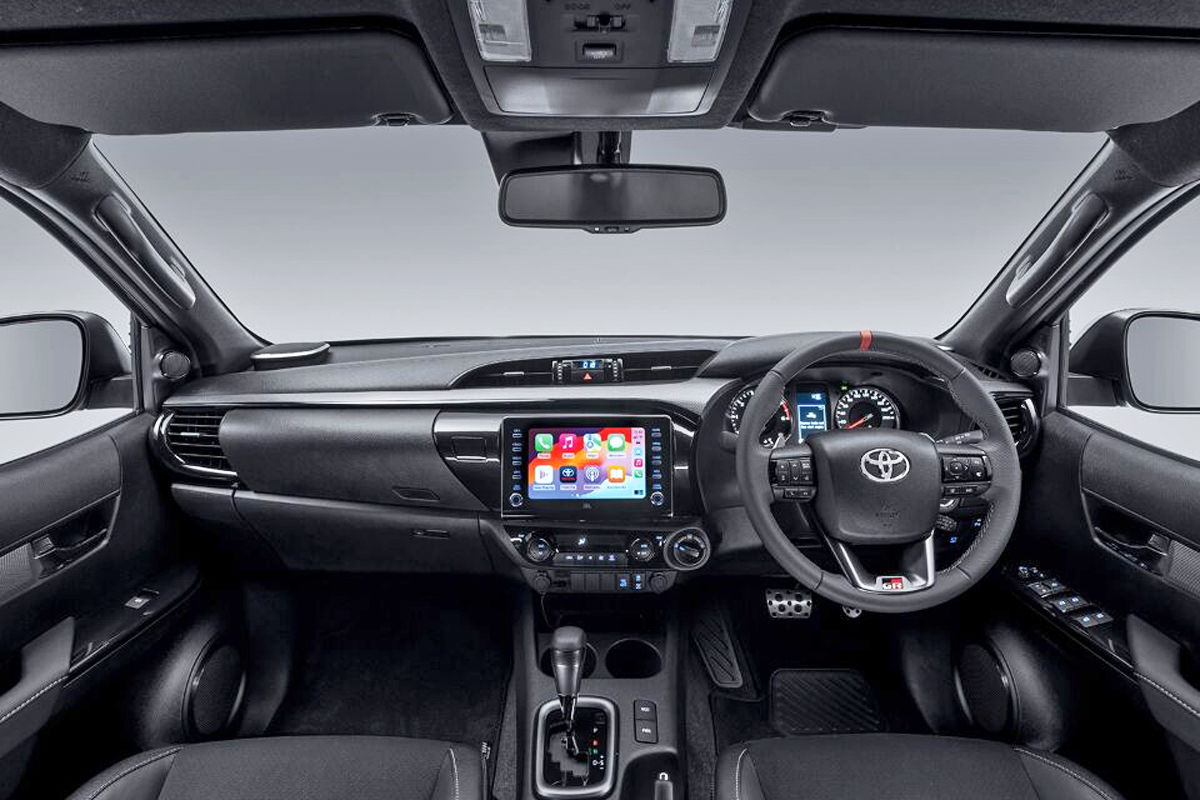
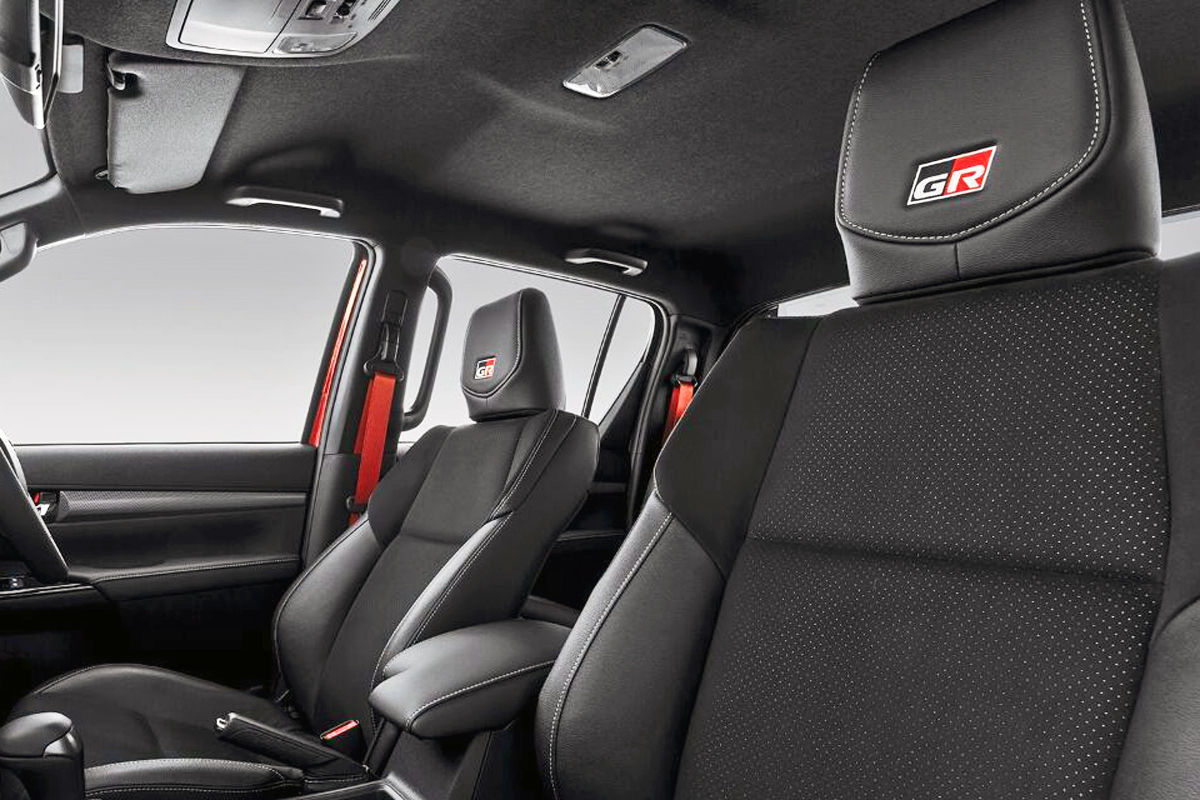
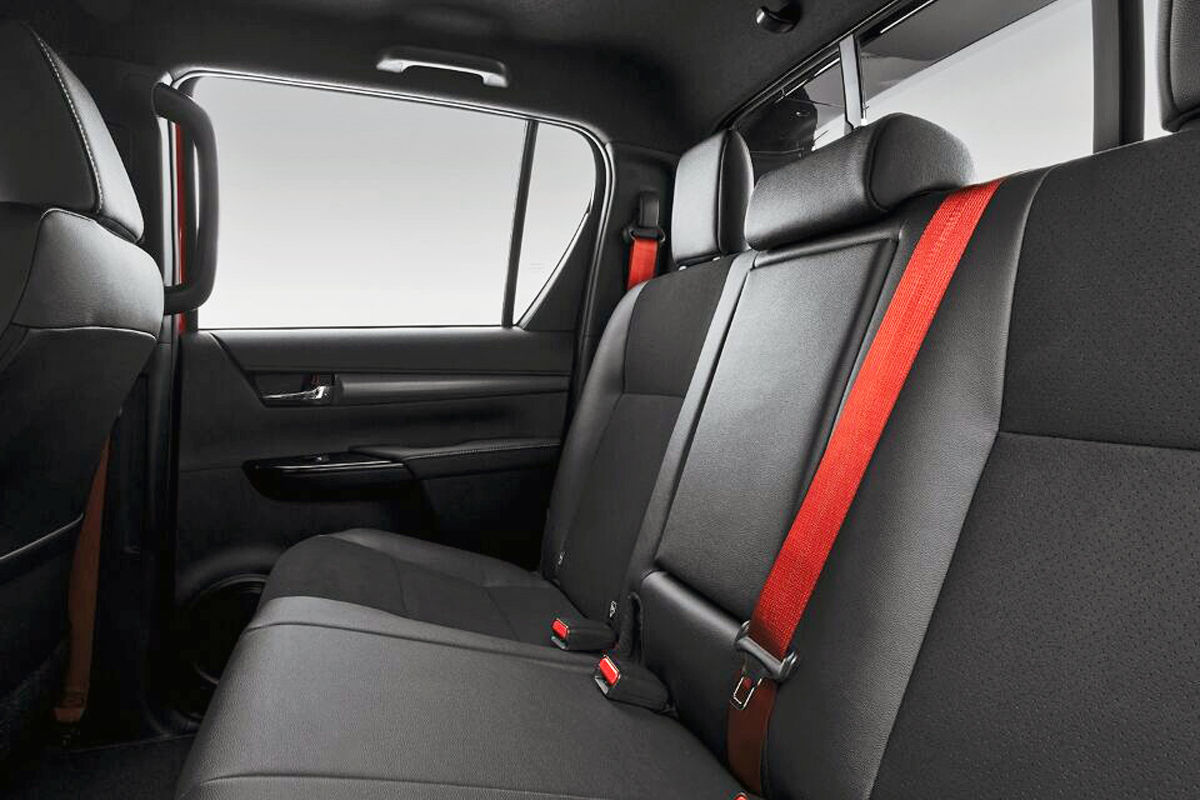
Inside, you’ll find an upholstery mix of leather and Alcantara, along with GR branding on items such as the carpets, start button, steering wheel and front-seat headrests. The seatbelts, meanwhile, are red, a hue that’s repeated on the tiller’s 12 o’clock marker. We’ve also discovered that the GR Sport III’s 9-speaker JBL sound systems gains DAB audio, while Toyota’s so-called Display Audio touchscreen scores a panoramic view monitor.
As a reminder, Mzansi has seen 2 versions of the Hilux GR Sport before now. The first came in mid-2019, with a revised iteration (complete with the aforementioned extra power and torque) hitting the local market in September 2022. Both, of course, featured standard bodies.
VW Tiguan R pulled from SA configurator (but some stock remains)
The Volkswagen Tiguan R has been removed from the German automaker’s local configurator, though the company tells us there’s still some stock available in SA…
Thinking of buying a Volkswagen Tiguan R new? Well, you’d better act fast because the high-performance SUV has been pulled from VW’s local configurator, effectively meaning it’s no longer available to order in South Africa. That said, VW says there’s enough stock in the country to see us into the 2nd half of the year.
We recently noticed that the Tiguan R was no longer listed on the German brand’s configurator (though the standard models remain), so asked Volkswagen Group Africa whether the 235 kW all-paw SUV was indeed still available to buyers in Mzansi.
“There is stock for the current Tiguan R until run-out in the 2nd half of 2024,” Volkswagen’s local division told Cars.co.za, confirming the model had indeed been removed from the configurator. This suggests local buyers can no longer spec a Tiguan R from the factory, instead being limited to units that have already been built.
Using the “MasterCars Finder” tool on VW’s website, we found just 7 new examples of the Tiguan R available through the German firm’s local dealer network at the time of writing. All were at dealerships in Gauteng, with 4 listed as 2023 model-year units and 3 bearing 2024 registration years. Prices ranged from R1 118 950 to R1 267 449 (including pre-selected options, of course).
Whether production of the Tiguan R has indeed ended for all markets has not been confirmed, though the Wolfsburg factory will surely already have shifted its focus to building the new-generation Tiguan range.
For the record, the 3rd-gen Tiguan – which was revealed in September 2023 – is scheduled to launch in South Africa at some point in the 2nd half of 2024. However, VW has yet to announce that it will indeed build a high-performance R derivative based on the new version (rumours, however, suggest such a model will reach production).
The outgoing Tiguan R was revealed back in July 2020 but launched in South Africa only in October 2022 (we have a certain global pandemic to thank for much of that delay), at a starting price of R999 900. The last base price we saw for this flagship derivative before it disappeared from the configurator was R1 080 200.
As a reminder, the Tiguan R’s turbocharged 2.0-litre, 4-cylinder petrol engine sends 235 kW and 400 Nm to all 4 wheels via a 7-speed dual-clutch transmission. The Wolfsburg-based firm claims a 0-100 kph time of 5.1 seconds and a top speed of 250 kph.
Compared with the standard version of the SUV, the R-badged model’s suspension is lowered by 10 mm, while adaptive dampers are included as standard. Identifying exterior features include matte-chrome side-mirror caps, a high-gloss black rear diffuser, black wheel-arch extensions, 20-inch “Misano” alloy wheels and a panoramic sunroof.
Inside, the Tiguan R sets itself apart with features like premium Nappa leather seats (complete with the “R” logo), a digital instrument cluster (with an integrated lap timer) and “Carbon Grey” decorative trim. There were also a number of options on offer, from an Akrapovič exhaust system and 21-inch “Estoril” rims to a head-up display, induction smartphone charging and a Harman Kardon sound system, not to mention adaptive cruise control.
If you’re in the market for an electric car but don’t necessarily want to break the bank, what are the 5 cheapest electric cars for sale in South Africa? Let’s take a closer look!
Electric Vehicles (EVs), for the most part, are still prohibitively expensive in South Africa but if you’re shopping for the cheapest electric cars currently available in South Africa then this list is for you!
In 2023, 931 fully electric cars were sold in South Africa and combined with the sales of Hybrids and Plug-In Hybrids, totalling 7 693 units, the New Energy Vehicle (NEV) sector represented only 1.45% of South Africa’s total new car sales volume in 2023.
Nonetheless, with more EV products due to reach South Africa in 2024 and beyond, buyers will have more choice and with brands such as Ora and BYD now on local soil, cheaper electric cars will hopefully become a more common sight on South African roads.
Here are the cheapest electric cars currently available in South Africa.
Two derivatives are available, the ORA 03 300 (300 km claimed range) and the ORA 03 400 (400 km claimed range). Both offer 128 kW and 250 Nm of torque but the 03 300 uses a 48 kWh battery while the 03 400 uses a larger 63 kWh battery.
The BYD Atto 3 electric crossover arrived in South Africa in early 2023 and it’s currently the socond cheapest electric car on sale in South Africa. Featuring a sleek design and an electric motor that produces 150 kW and 310 Nm of torque, the Atto 3 is capable of 320 km on a single charge thanks to its standard 50.1 kWh battery. If you opt for the Atto 3 Extended (R835 000), range is boosted to 420 km using a larger 60.4 kWh battery.
Volvo is currently leading the EV sales erm, charge, in South Africa with a 16.6% market share and the firm’s new EX30 compact SUV is set to solidify Volvo’s success on local soil.
The EX30 is offered with either a single or dual electric motor setup, the former producing 200 kW and 343 Nm while the latter produces a heady 315 kW and 543 Nm. The EX30 Single Motor uses a 51 kWh battery that offers a range of 343 km while the 69 kWh Extended Range battery offers 480 km on a single charge.
The Mini SE has been on sale since 2020 and it features a single electric motor that produces 135 kW and 270 Nn of torque and comes equipped with a 32 kWh battery pack that allows for a driving range of 215 km, which is significantly less than what’s offered by the other electric cars on this list.
SAIC Maxus, or Maxus Electric Vehicles as it’s called in South Africa, recently launched a range of commercial EVs, including Mzansi’s first EV double cab bakkie, the Maxus T90EV double cab.
The T90EV is offered in 4×2 guise only and uses a single electric motor that delivers 150 kW and 310 Nm. With an 88.5 kWh Ternary Polymer Lithium battery, the T90EV claims an electric range of 330 km.
We recently tested the sporty looking (and limited release) GT derivative of the Omoda C5 compact family car. The GT makes quite a statement, thanks to its bold styling pack and punchy powertrain, but does it offer enough over and above extra visual appeal?
We like: Styling, level of tech and safety features, strong engine, fuel economy.
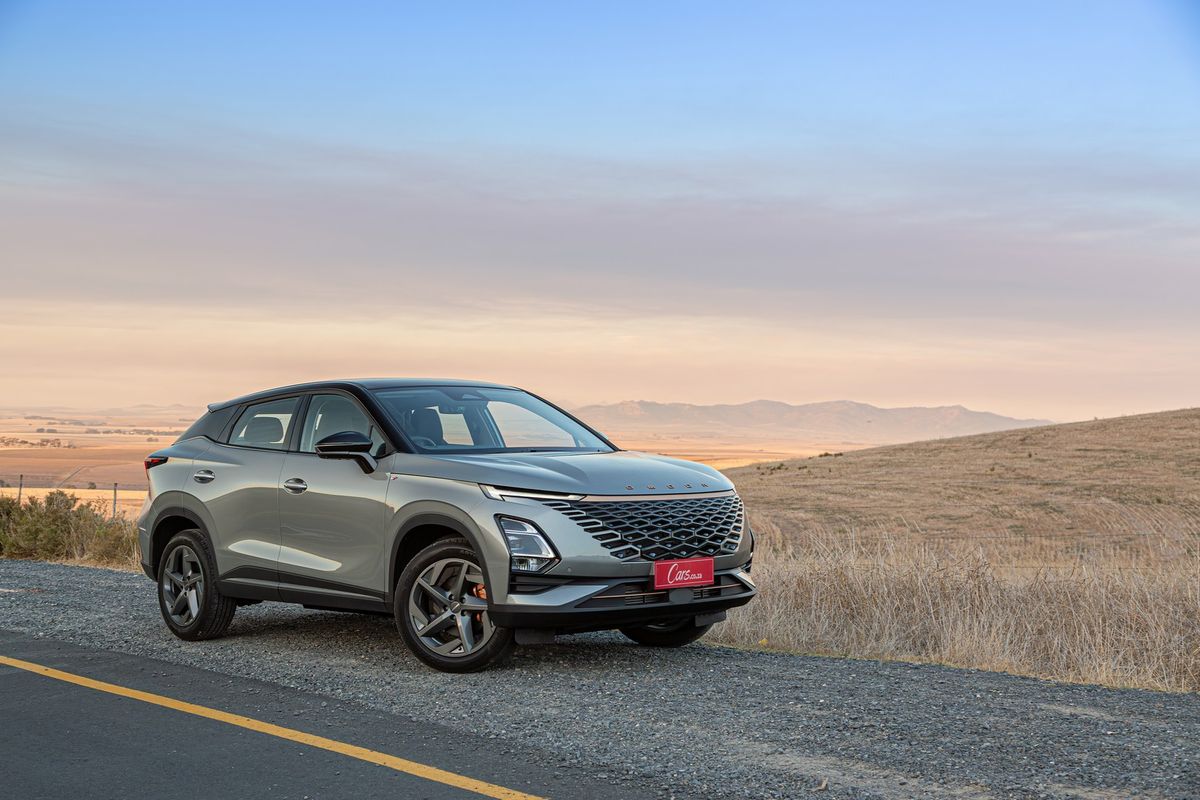
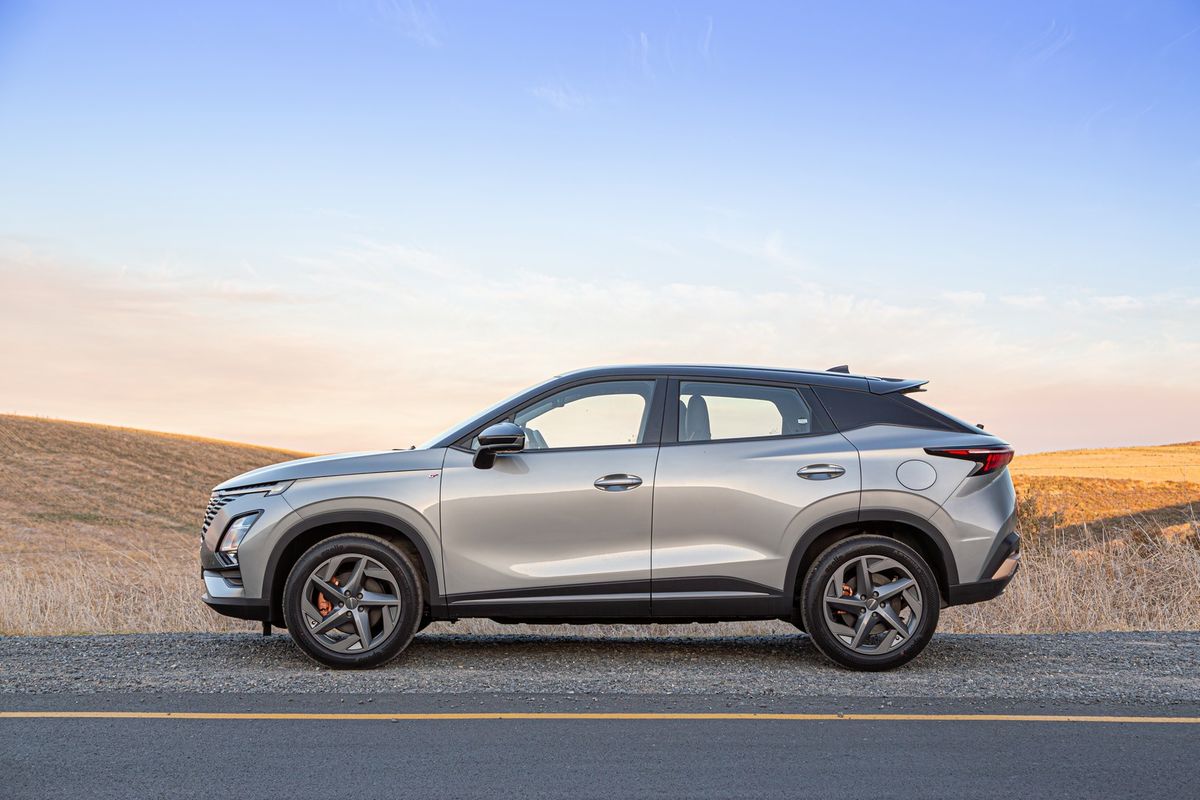
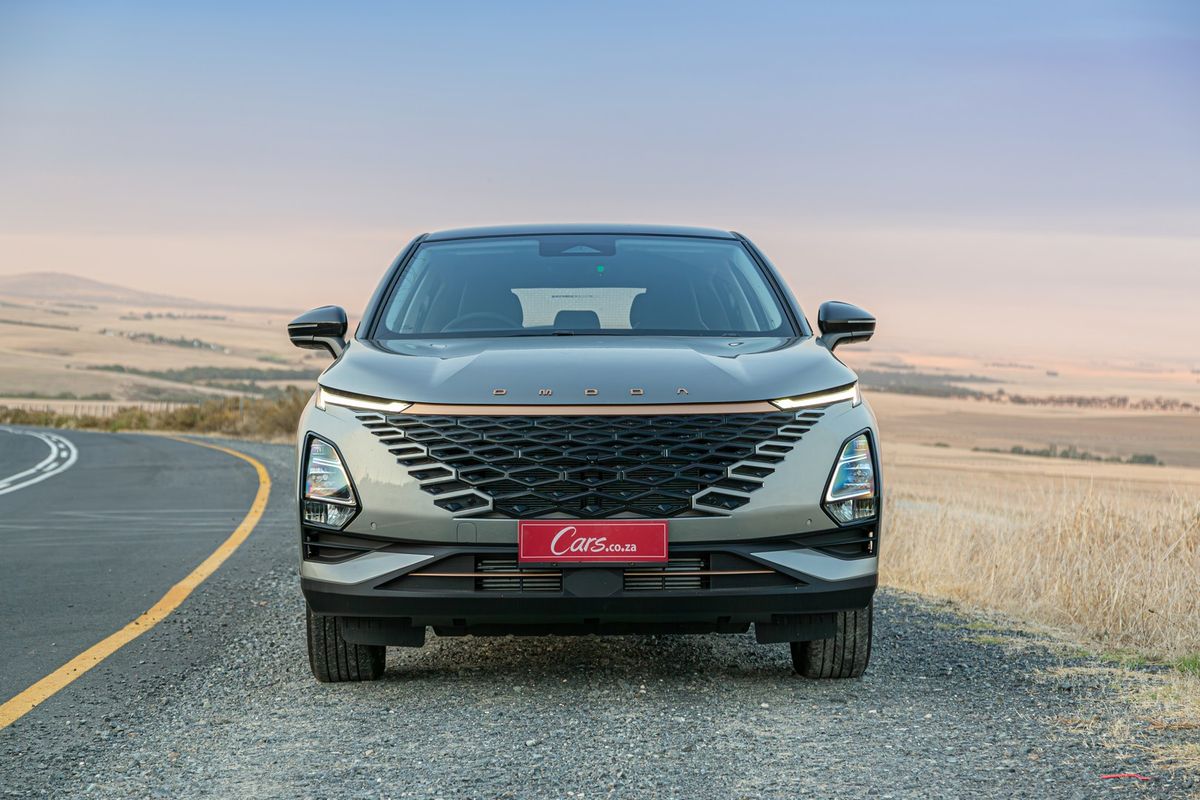
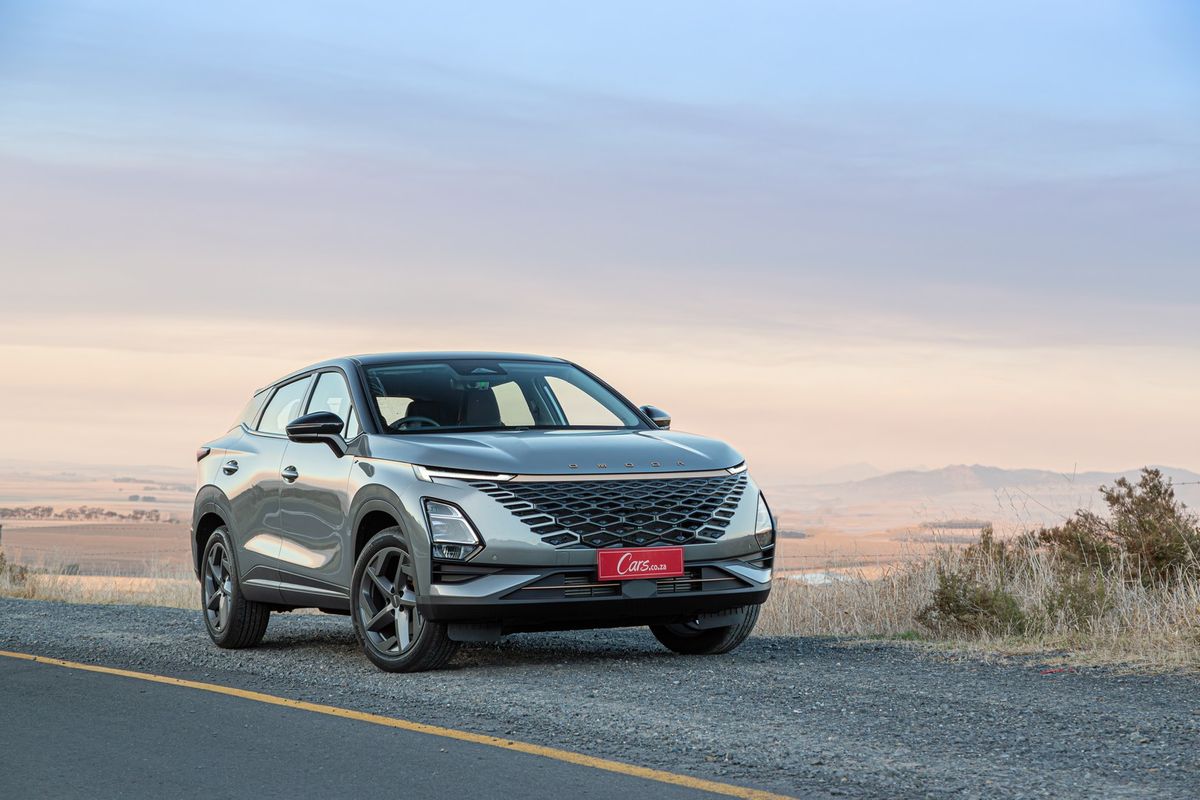
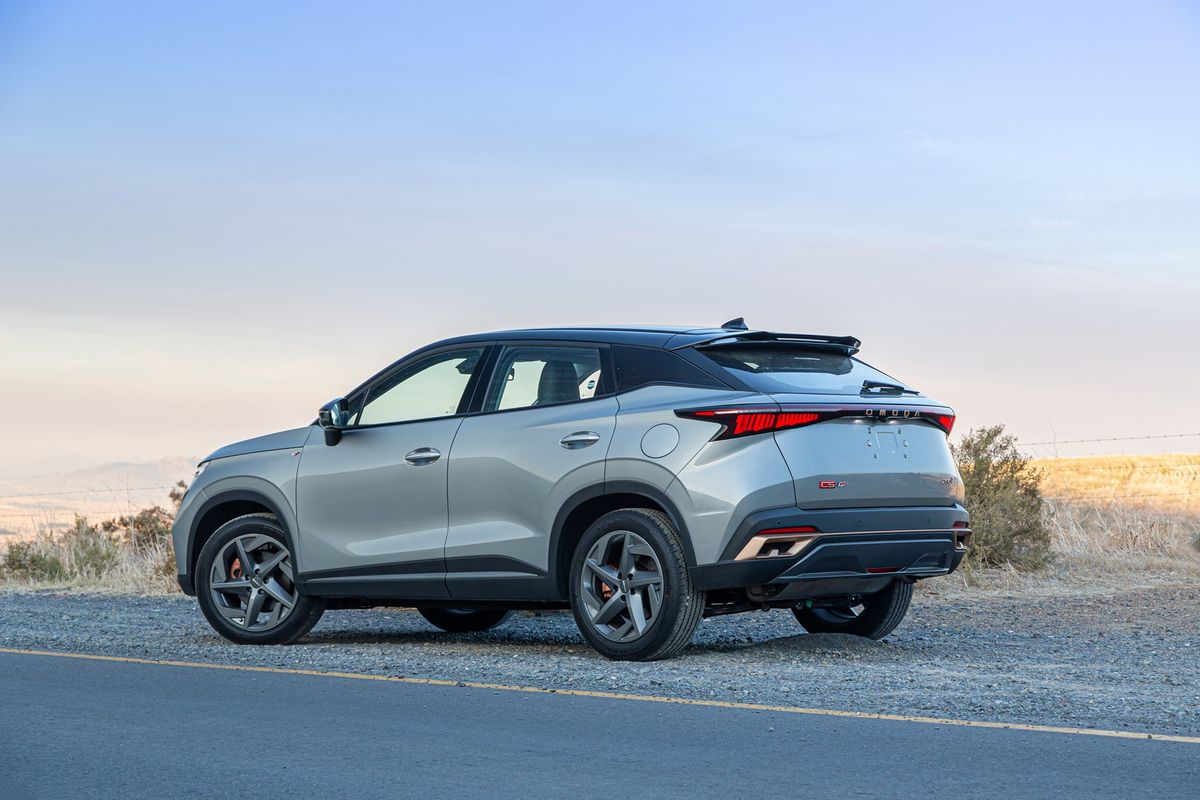
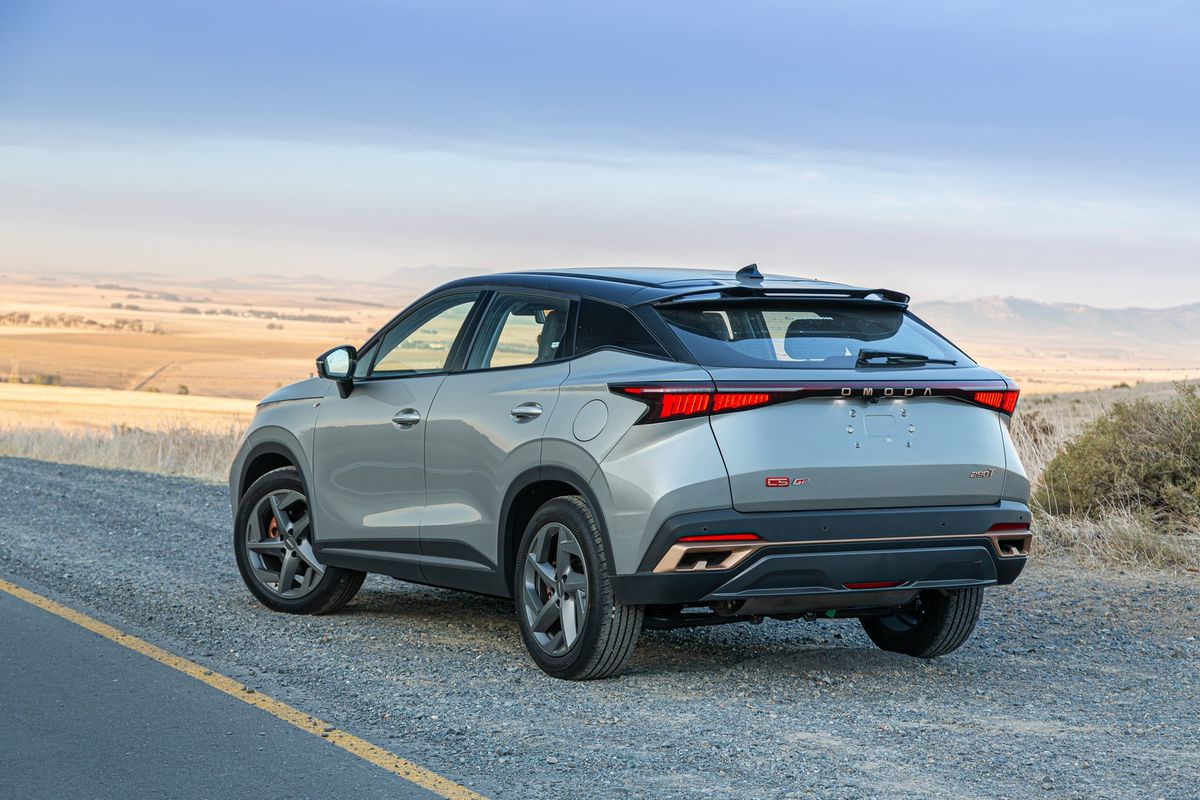
The 1.6TGDI 290T GT sits atop the Omoda C5 range. It feaures a more powerful engine (a 1.6-litre-, as opposed to 1.5-litre, turbopetrol motor) and sporty add-ons, such as a rear spolier and rose gold-tinted accents. Chery SA says it made only 77 units of the Omoda C5 GT available and they’re all spoken for, but we wouldn’t be surprised if more stock arrived (and turned up on our listings page) at some point.
Chery South Africa released 77 units of the Omoda C5 GT, but we’d bet more examples will be made available.
Compared with its sister brand Chery, Omoda is trendier, slightly more upmarket and aimed at younger buyers. The C5 shares is underpinnings and most mechanicals components with the Chery Tiggo 4 Pro, which was a finalist in the 2023/24 #CarsAwards. If you have almost R600k to spend and desire a stylish (boutique) small crossover, you’d be forgiven for being daunted by the plethora of models in the market.
Conservative buyers tend to “take the legacy route” (prefer offerings from long-established brands). They should consider the Opel Mokka, Kia Seltos GT-Line, Mazda CX-30, Volkswagen T-Roc and Ford Puma, but don’t forget the Haval H6 GT – a luxurious family car that also falls into this price bracket.
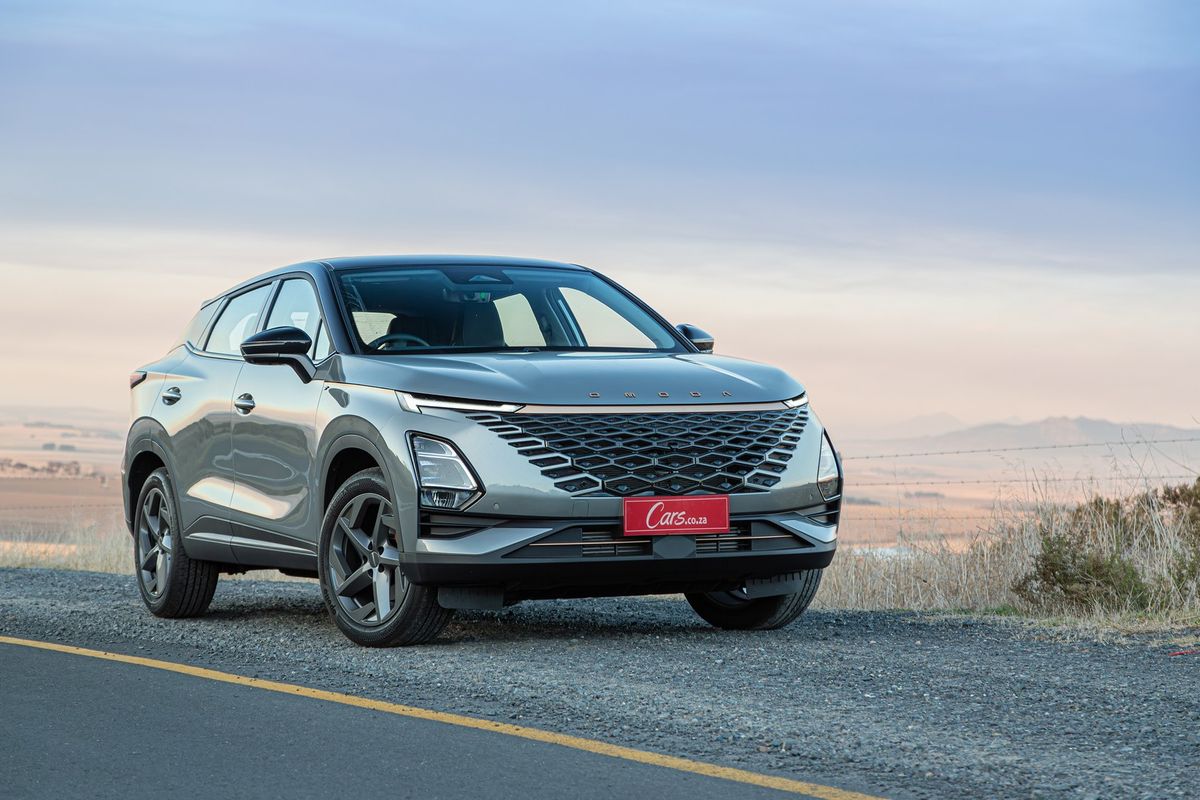
Note how the lettering on the bonnet matches the rose-gold accents on the grille and bumper.
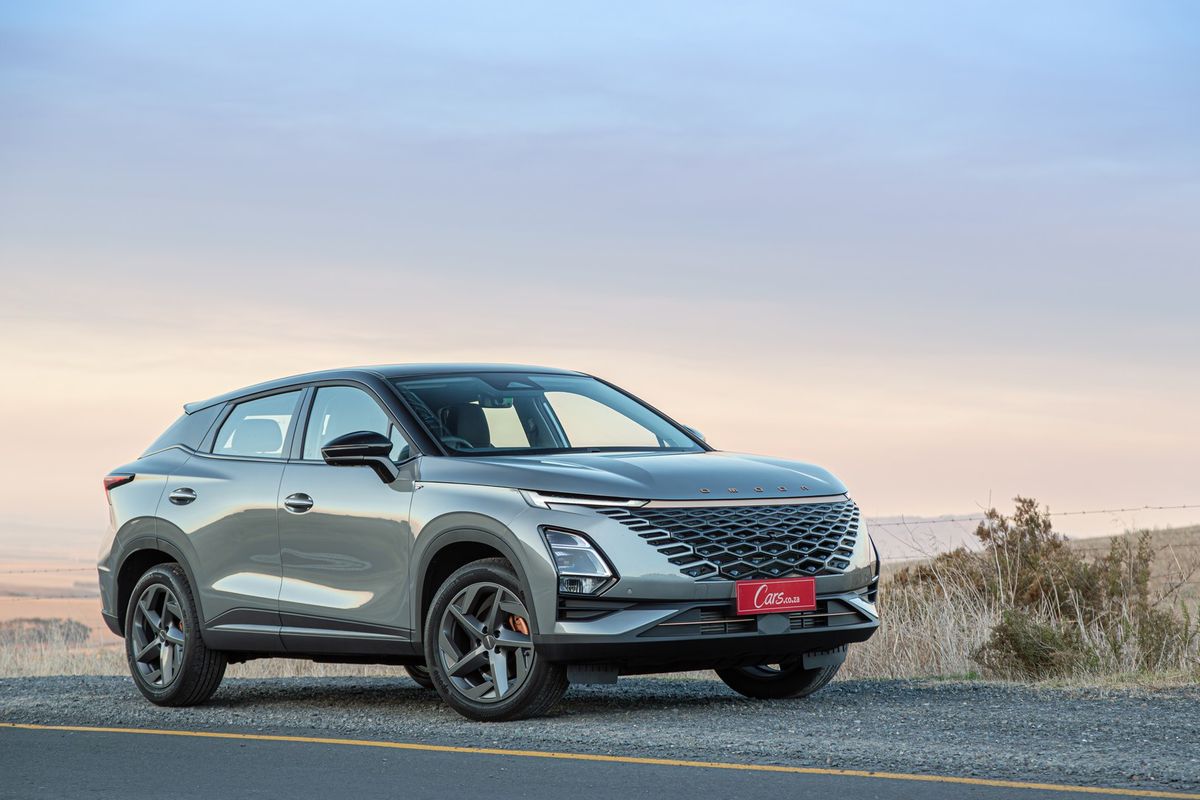
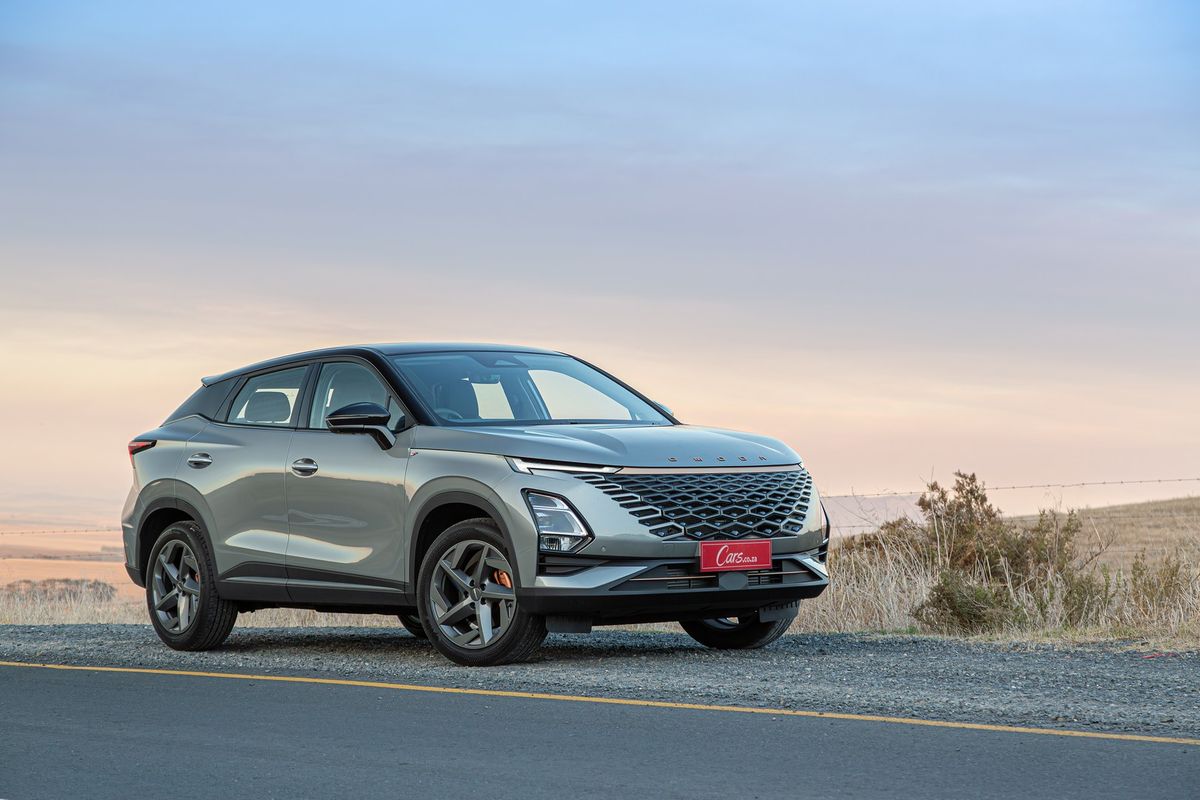
The C5 (standard versions are designated 1.5T 230T) is distinctively styled, which we appreciate, seeing as car designs have become quite samey in the quest to satisfy aerodynamic- and safety requirements.
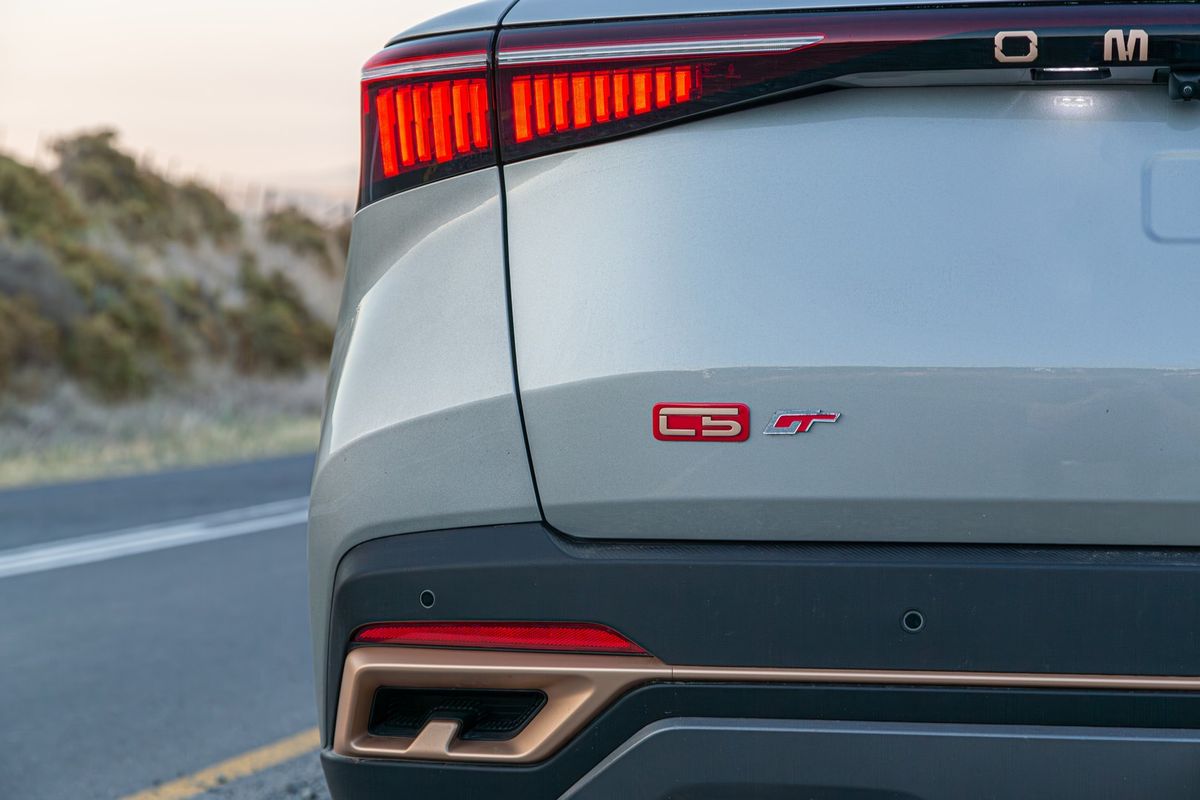
Compared with its brethren, the Omoda C5 GT takes things up a notch with various rose-gold accents, orange brake callipers and GT badges. Unfortunately, the quality of the GT badges on our test unit was poor – it looked as if they’d been damaged – but we were told those on customers’ cars look far better.
Whereas the rose-gold bumper trim is suitably grand, the rear GT badge looks insubstantial and a trifle worn…
When you climb inside the Omoda C5 GT, you’re greeting by a plush and smart-looking cabin. The layout is not radically different to that of lesser C5 derivatives, but the sporty-looking front seats (replete with contrast stitching that echoed the smattering of glossy rose-gold interior inserts) did stand out nicely.
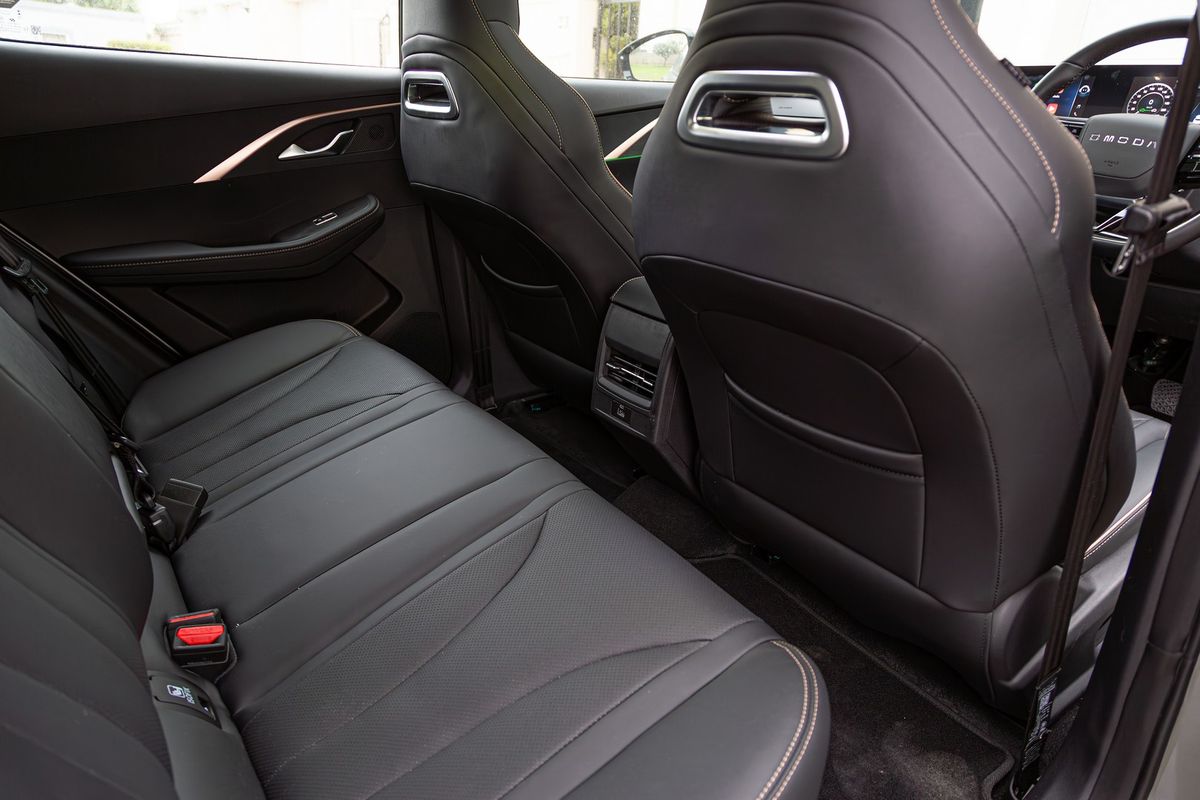
As in most small crossovers, rear legroom is tight, but adults of average height should be able to contend with short trips when seated at the back, where the sunroof helps to alleviate that “hemmed-in feeling”.
The front sports seats look purposeful; rear legroom is limited, but that’s on par for the segment.
Performance and Efficiency
Given its traditionally sporty “GT” designation and loftier peak engine outputs (145 kW and 290 Nm), it’s not unreasonable to expect that the 1.6T 290T will deliver superior performance to its 1.5T 230T siblings. The 1.6-litre 4-cylinder turbopetrol engine has been transplanted from the Chery Tiggo 7 Pro Max and it drives the front wheels via a 7-speed dual-clutch transmission. The claimed 0-100 kph time is 7.8 sec.
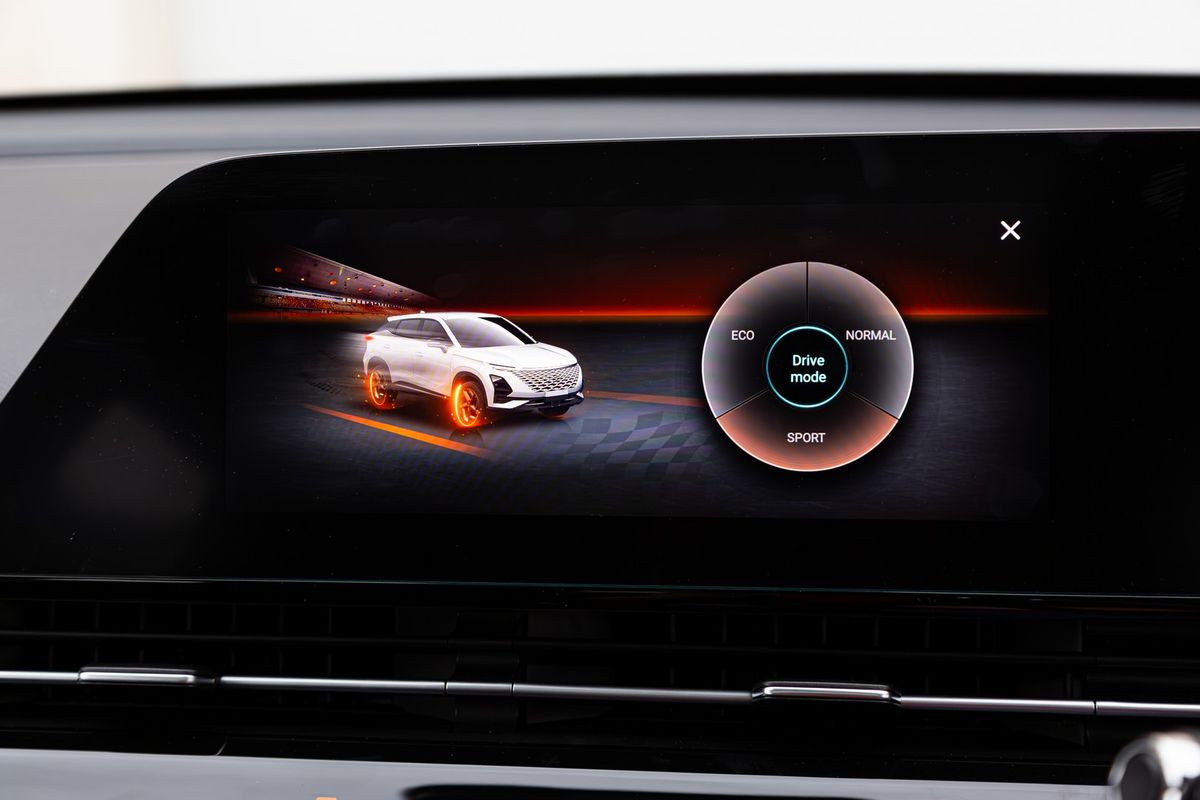
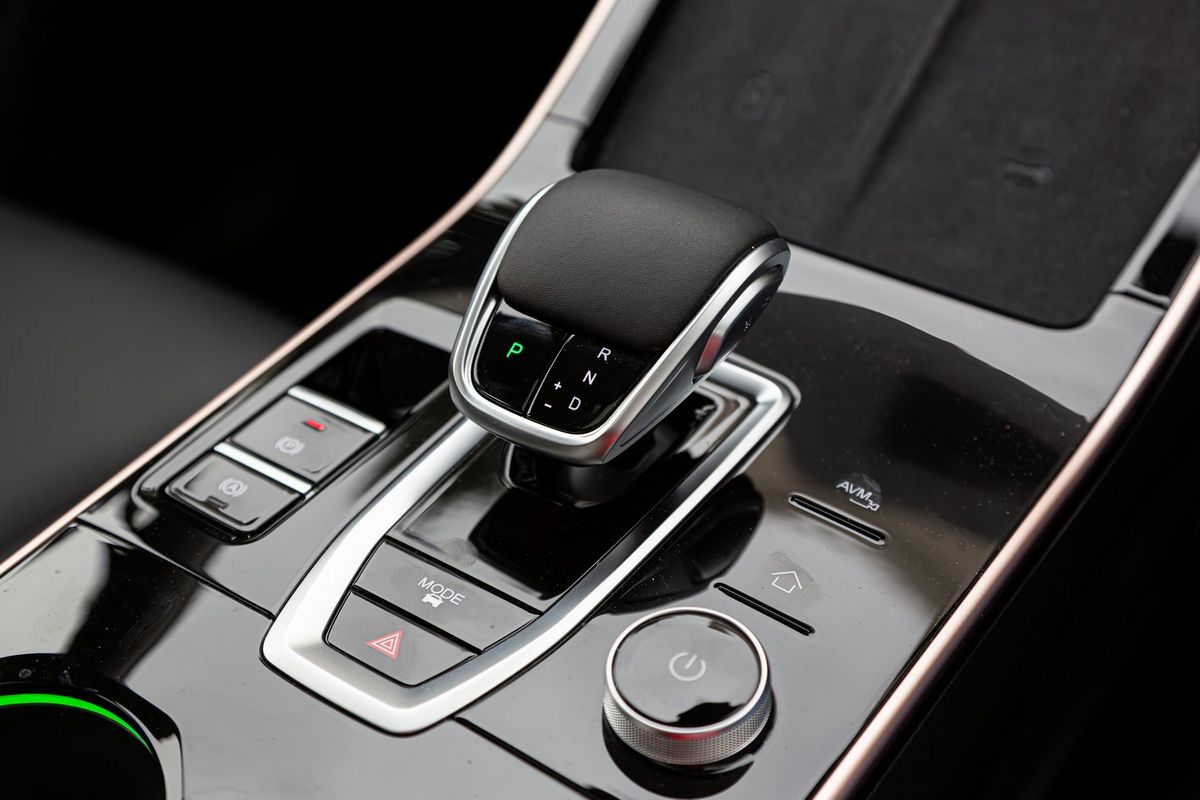
The Omoda C5 GT offers a choice of 3 drive modes and, to its credit, the steering setup is configurable.
However, when we performed a full-bore acceleration run with the Omoda C5 GT on our regular test strip (we had engaged its sportiest drive mode beforehand), we couldn’t achieve a better 0-100 kph time than 8.44 sec (according to our test equipment), which was disappointing. There’s no launch control function (we certainly looked for it) and, despite trying various techniques, the car’s mapping insisted on sending a wad of torque to the front wheels promptly, which resulted in wheelspin and, obviously, a slower time.
Thankfully, a car’s performance is not measured exclusively by its 0-100 kph time… It’s arguably more important for a powertrain to offer accessible performance; ideally, it should be able to deliver short, sharp bursts of acceleration, such as when you need to take a gap in, or overtake, traffic in a hurry.
In that respect, the GT nails it. Irrespective of which drive mode (Normal, Sport or Eco) you’ve engaged, the Omoda C5 GT will thrust forward eagerly when required. We do wish the 1.6T 290T came fitted with steering wheel-mounted ‘shift paddles; not only would they add driver involvement, they’d befit a GT.
Although the test unit failed to deliver a 0-100 kph time close to its maker’s claim, its fuel consumption was fair.
In the recent past, several models that Chinese brands have introduced in the local market have returned higher-than-expected fuel consumption figures. Granted, most manufacturers’ fuel efficiency claims are optimistic and don’t bear out in real-world conditions, but still, we’ve encountered notable discrepancies.
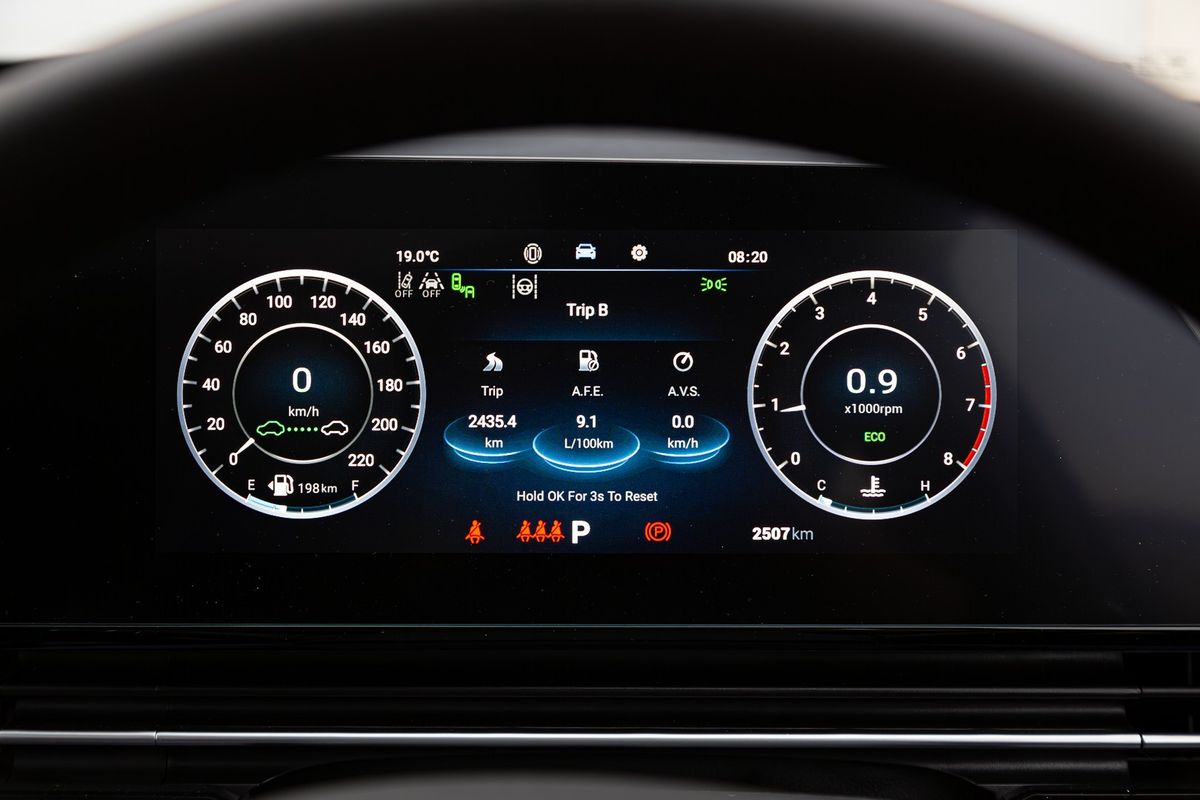
But that was not the case here. The Omoda C5 GT, which is said to consume 6.9 L/100 km, managed 9.1 L/100 km during its test period, which we think is reasonable, given how spiritedly we drove the test unit.
The futuristically styled Omoda C5 is one of the most distinctive models in its segment.
As a driver’s car (to use the term loosely), the 1.6T 290T GT is undermined by a throttle mapping that is too sensitive – even to very minor accelerator pedal inputs. It’s usually a case of too much, too soon.
Even when a driver applied a mild level of pressure with their right foot to make the Omoda C5 pull away from a standstill, the test unit tended to surge forward abruptly. A smooth wave of acceleration required the gentlest of touches, so it’s likely that customers will need time to get used to the GT’s eagerness.
Then, once it’s in motion, the vehicle can hesitate to accelerate… When you then apply more pressure on the right pedal, it suddenly produces a burst of thrust. There needs to be a happy middle ground!
Ride and Handling
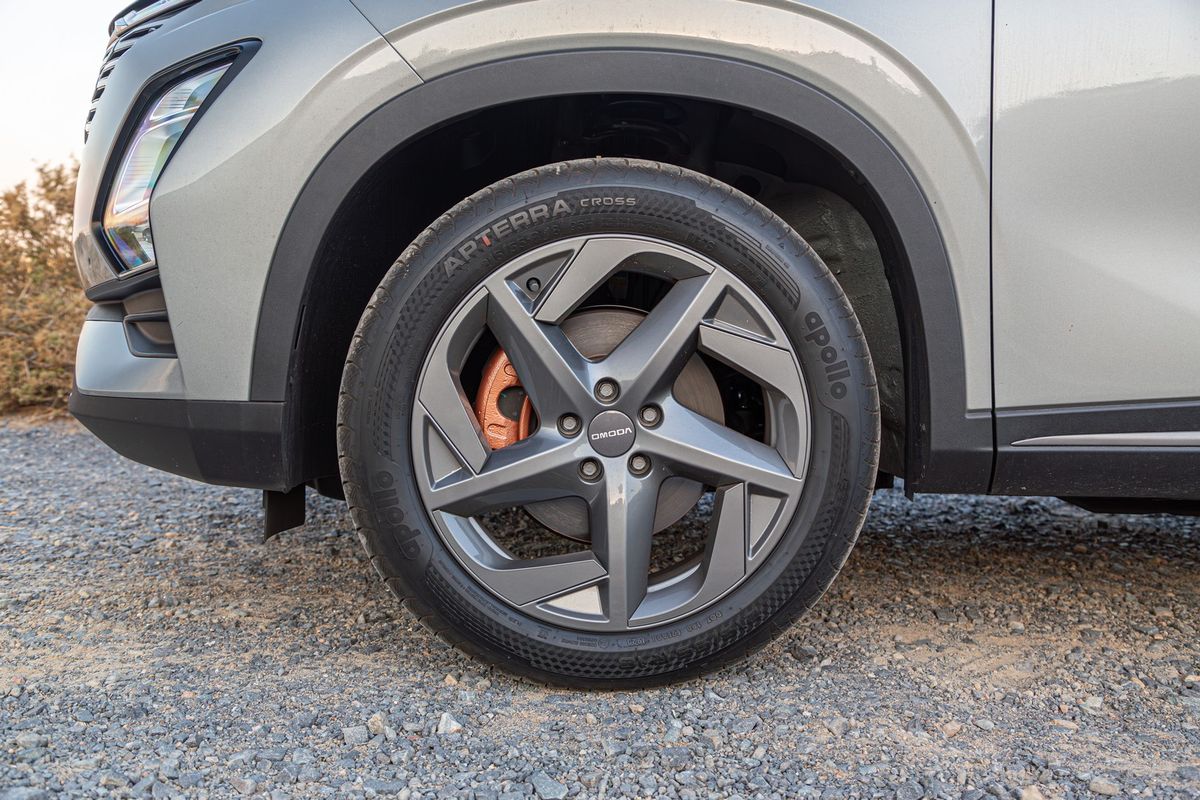
The 18-inch alloys are shod with Apollo tyres; the latter tended to scrabble for grip and deliver a jittery ride quality.
By small crossover standards, the Omoda C5 GT’s ride quality proved to be on the firm side of pliant. Even though its alloy wheels were wrapped in plump tyres, the GT struggled on poor-quality surfaces; its ride wouldn’t settle on any road other than a freeway. It was particularly fidgety on those urban roads that have tree roots under them (rear passengers even remarked how stiffly sprung the Omoda felt).
What’s more, when its default drive mode was active, the test unit’s steering felt uncomfortably vague and light – on the open road, the tiller seemed to require constant adjustments. Fortunately, the steering setup can be customised… If you select Sport, the ‘wheel gains some artificial weighting and resistance, making it far easier/more pleasant to steer the car. We assume the light steering setup is meant to make it easier to navigate urban driving conditions – and a quick parallel parking test in the city confirmed this.
Comfort and Features
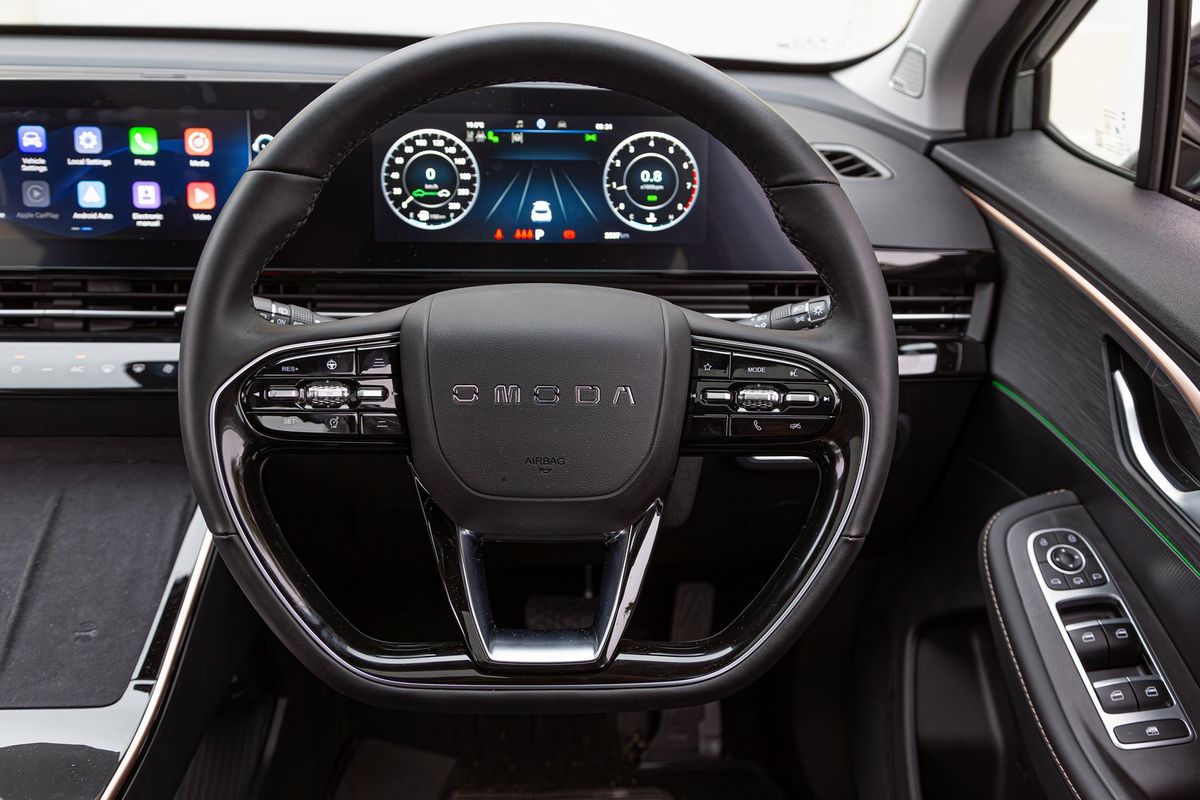
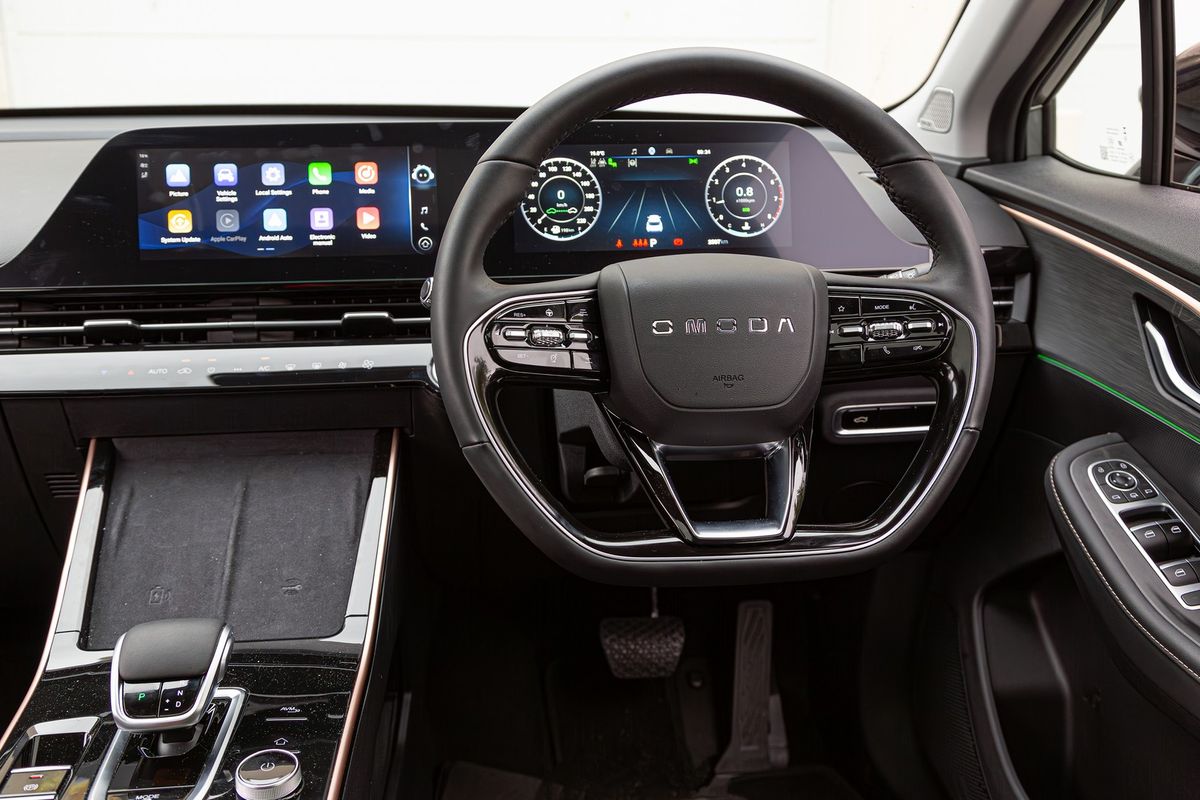
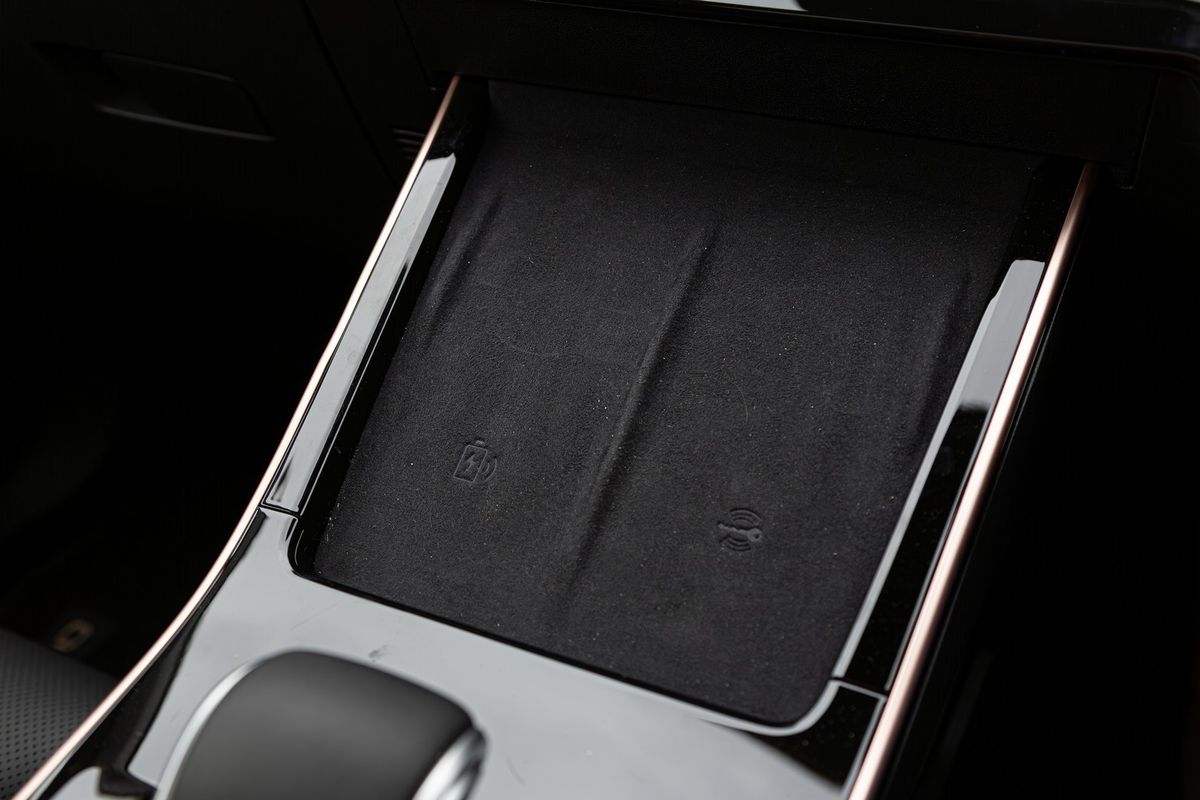
The Omoda’s cabin is smartly finished and packed with tech; note the large wireless charging pad.
One of the key reasons that Chinese brands have made such major inroads into the South African new-vehicle market, is sheer value for money. At their respective price points in the small crossover and family car (medium SUV) segments, the firms’ models offer myriad standard comfort, tech and safety features.
A glance at the Omoda C5 GT’s spec sheet shows seat heating is the only obvious omission… It’s odd, because the faux leather sports seats feature ventilation, which is a treat on searing hot summer days.
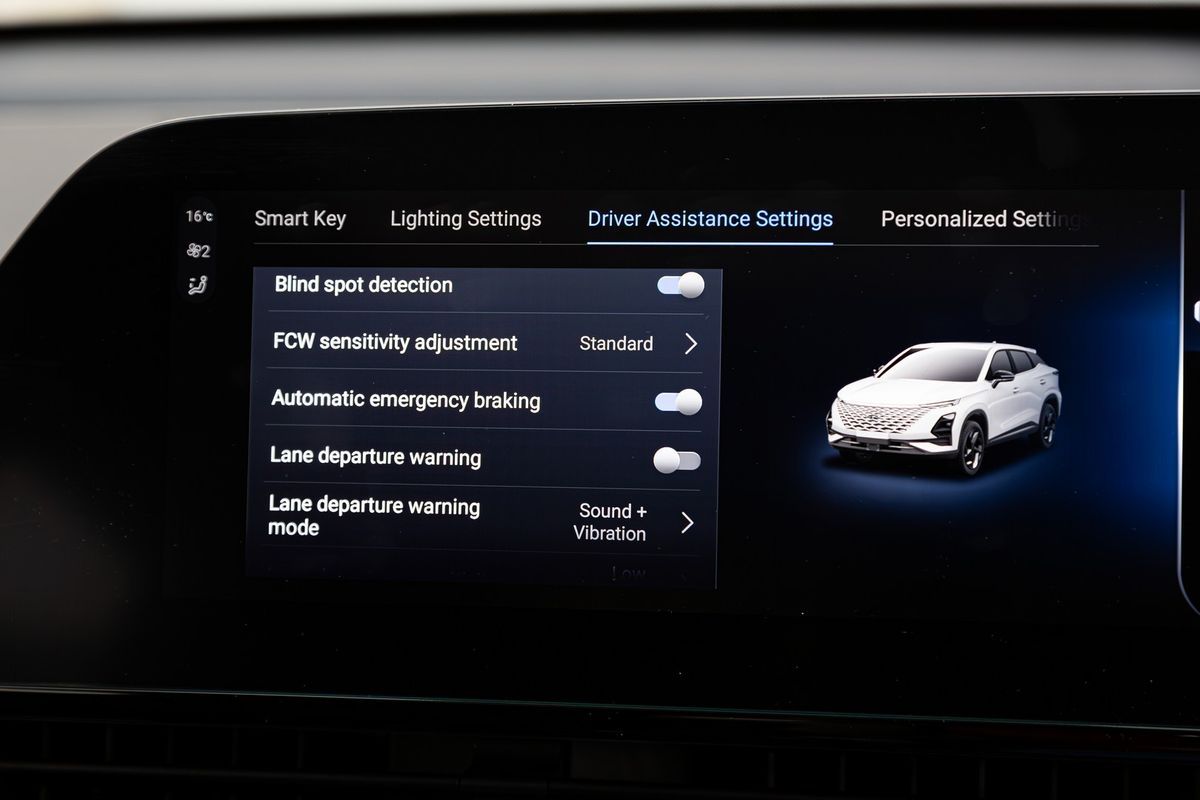
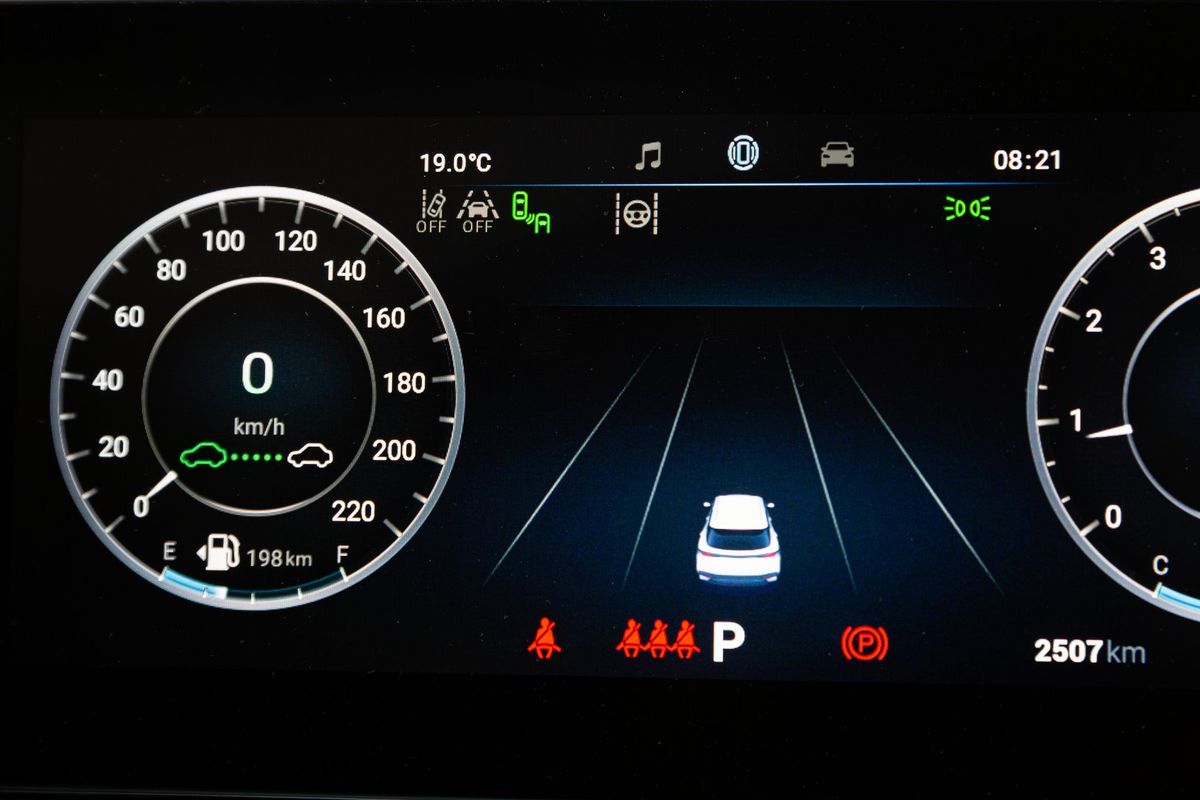
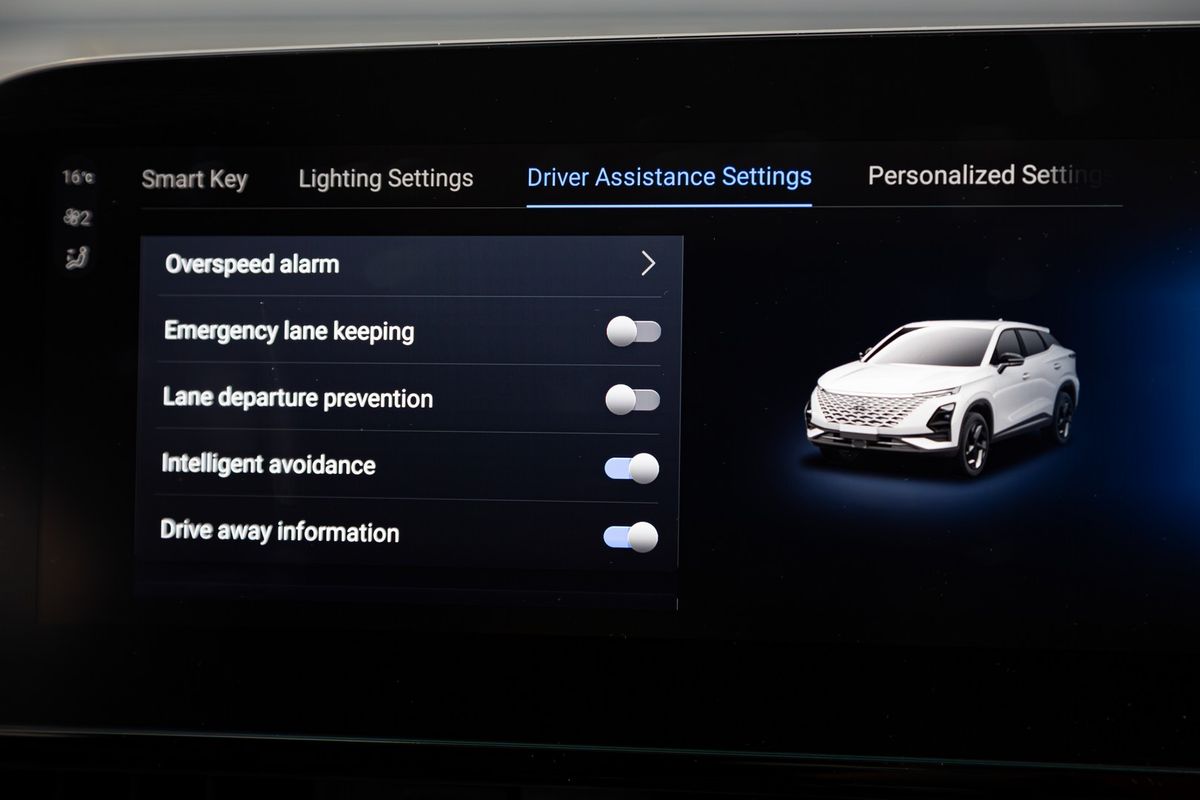
A multitude of driver-assistance systems is a big bonus in a small crossover model.
The derivative’s list of safety features is impressively comprehensive, with features such as automatic emergency braking, blind-spot detection and lane-keeping assist, BUT adaptive cruise control as well!
When you activate all of the above, the Omoda C5 GT will stay in its lane and maintain a healthy gap to cars ahead of it, which is great when you’ve had a tiring work day and just want to relax on the trip home.
Our test team appreciated the provision of adaptive cruise control in the Omoda C5 GT.
It’s not perfect, though – Omoda has a few issues to rectify. First, we couldn’t find a way to deactivate the start/stop function. We get why it’s there, but every time the vehicle restarted, it would deactivate the audio system! Also, the C5 GT has a warning chime for everything. Car starting: Ding. Car warming up to temperature: Ding. Car warmed up: Ding. Seatbelt: Ding. ACC active: Ding. You get the picture.
It all gets a bit much from a sensory point of view. Because the warning chimes sound the same, when you hear an electronic Ding! you don’t know whether it’s a simple notification or a serious alarm. Also, please can the infotainment system’s diction be refined? The wording of some of the text is clumsy.
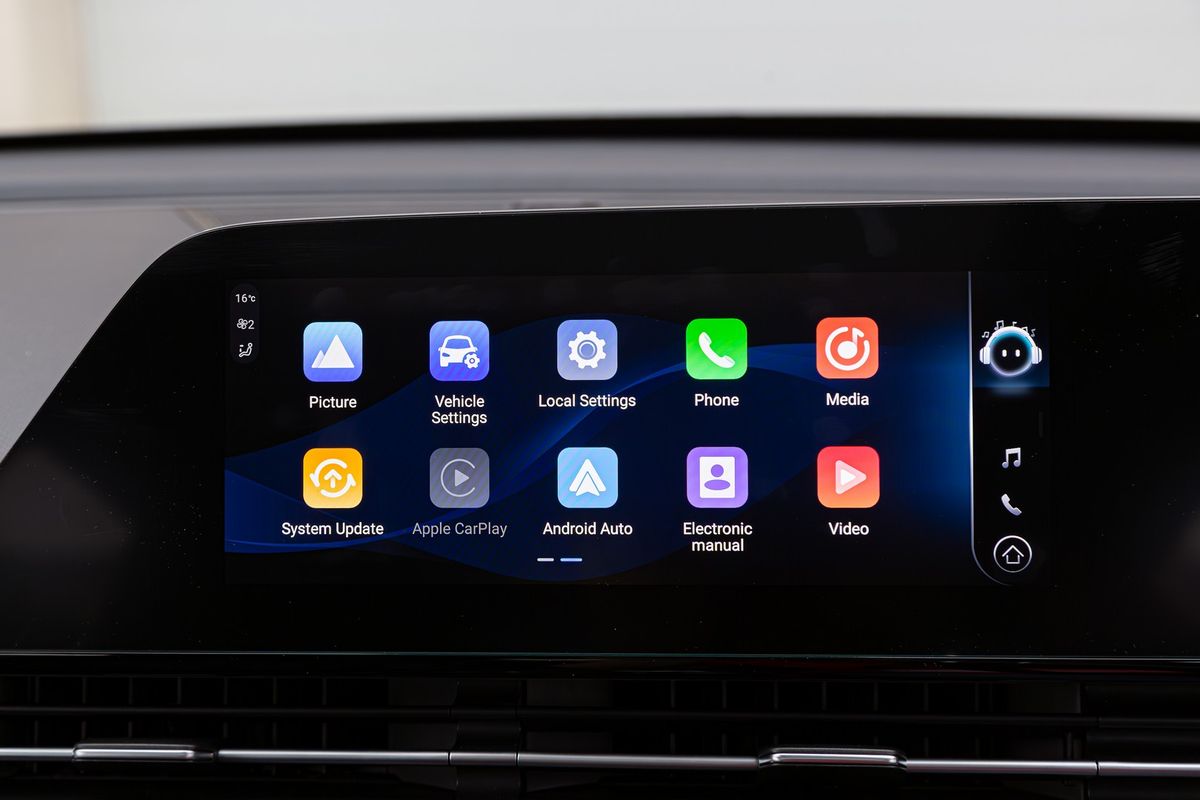
The infotainment system works reasonably intuitively, but some of its diction seems clumsy.
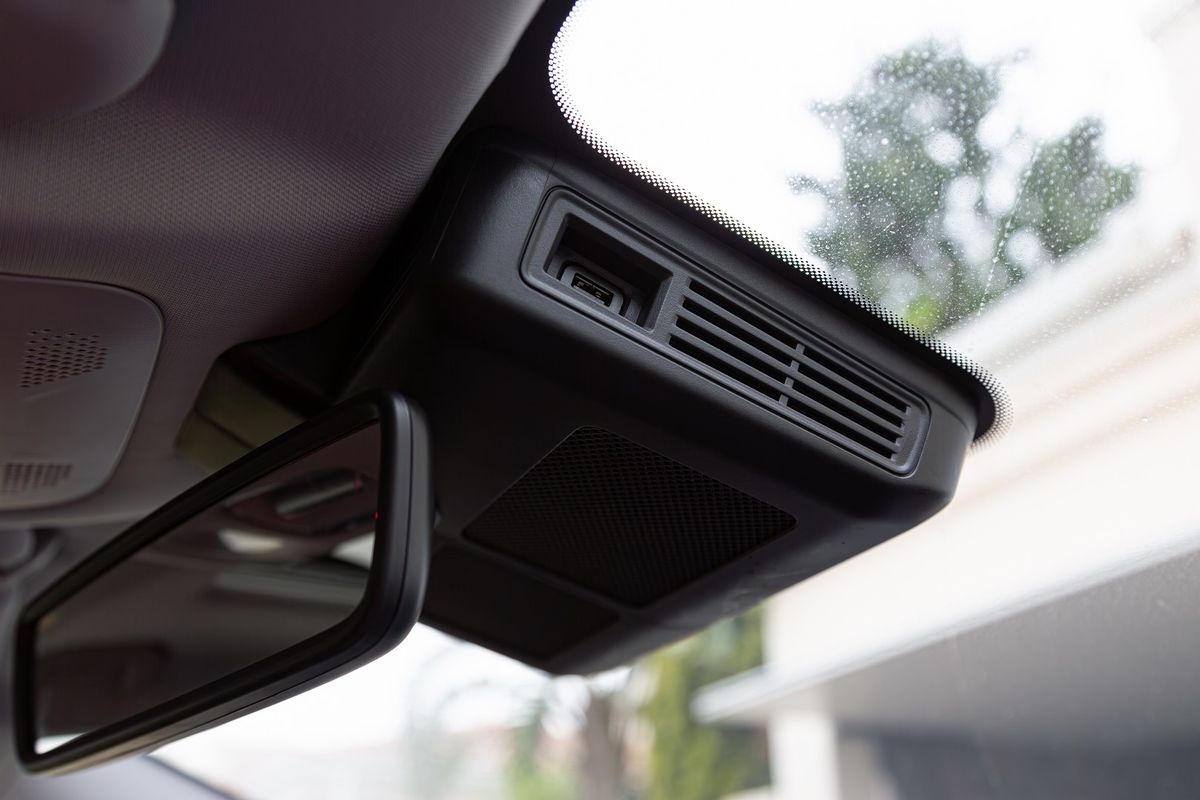
Now that we have listed our criticisms of the electronic system, it’s only fair to mention some of its most outstanding features. The Voice Control is one of the best we’ve experienced; you can activate a number of features using the “Hey Omoda” oral prompt; Android Auto/Apple CarPlay is standard and a multitude of USB ports are dotted around the cabin. There’s even a slot in the rear-view mirror for a dashcam.
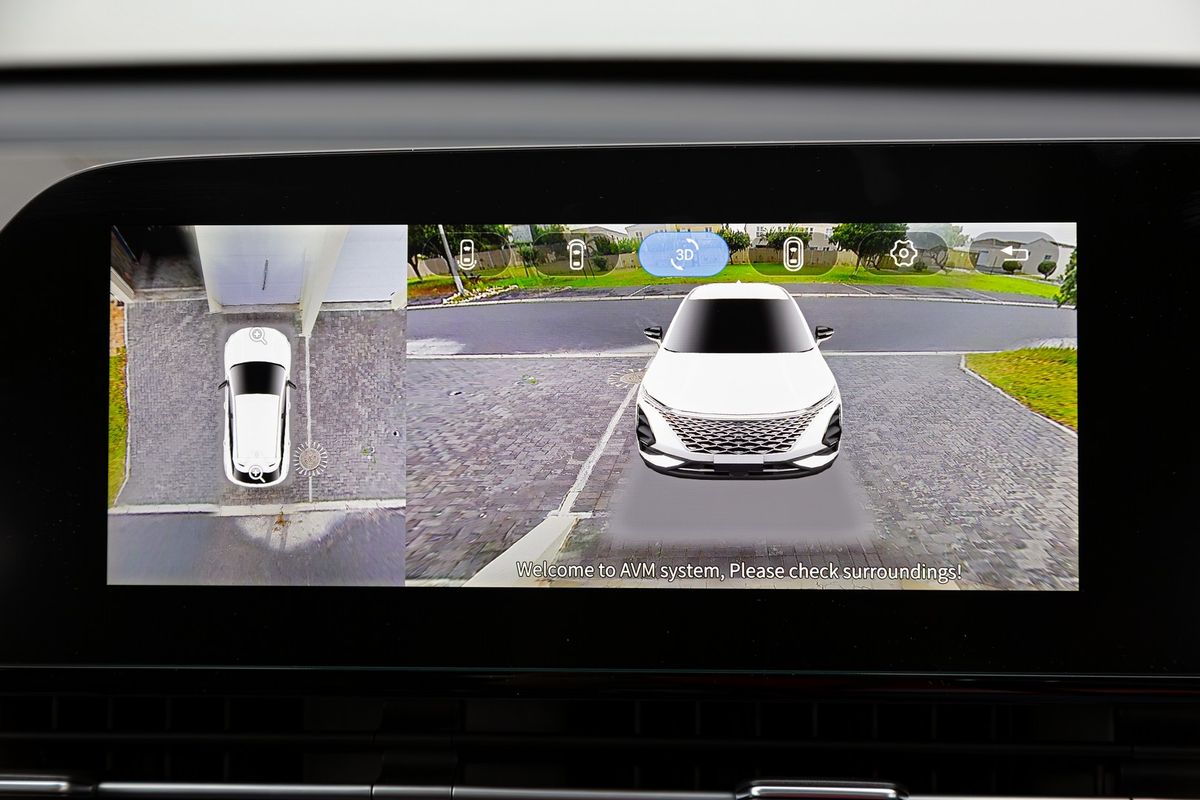
The large wireless charging pad (below the fascia) is easy to access, but we’d prefer one that would hide your device/s from prying eyes. A surround-view camera system, fore and aft parking- and tyre pressure sensors, LED headlamps, an 8-speaker Sony audio system and an ambient lighting system are fitted too.
Even though the Omoda C5 GT is compact, the 360-degree surround view is still very useful – a nice-to-have feature.
Omoda C5 GT price and After-sales support
The Omoda C5 1.6T 209T GT retailed for R589 990. The vehicle was sold with a 5-year/150 000 km warranty, a 5-year/70 000 km service plan and a first-owner-only 10-year/1 million km engine warranty.
Watch Ashley Oldfield’s previous video review of the Omoda C5:
Verdict
While most of the models that Chinese brands, not least Chery, have launched in Mzansi recently have exceeded expectations, the GT derivative of the Omoda C5 does not hit the mark. At this price point –given its claimed performance, but uneven driving experience – the “flagship” C5 needs improvement.
An plethora of features and surfeit style are not more important that getting the basics right. A remap of the throttle response, a softening of the rear suspension and a rejig of the in-car user experience would make the Omoda C6 1.6T 290T GT, or rather subsequent releases of the derivative, more accomplished.
In Omoda’s defence, it is still early days for the brand in our market and, given its rapid product turnover, you can be certain that development of a model-year update or facelift is already well underway. At the price, the GT doesn’t offer appreciably more than a standard C5 so, for now, shop around a bit more.
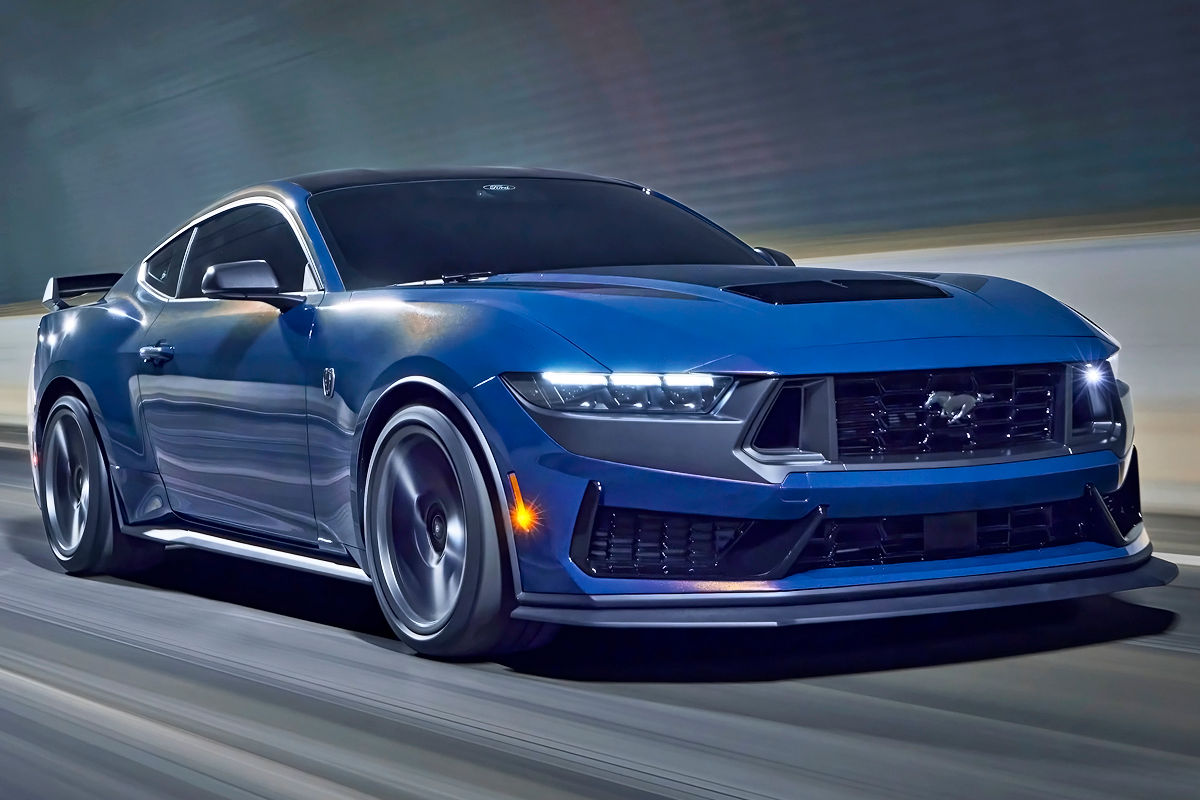
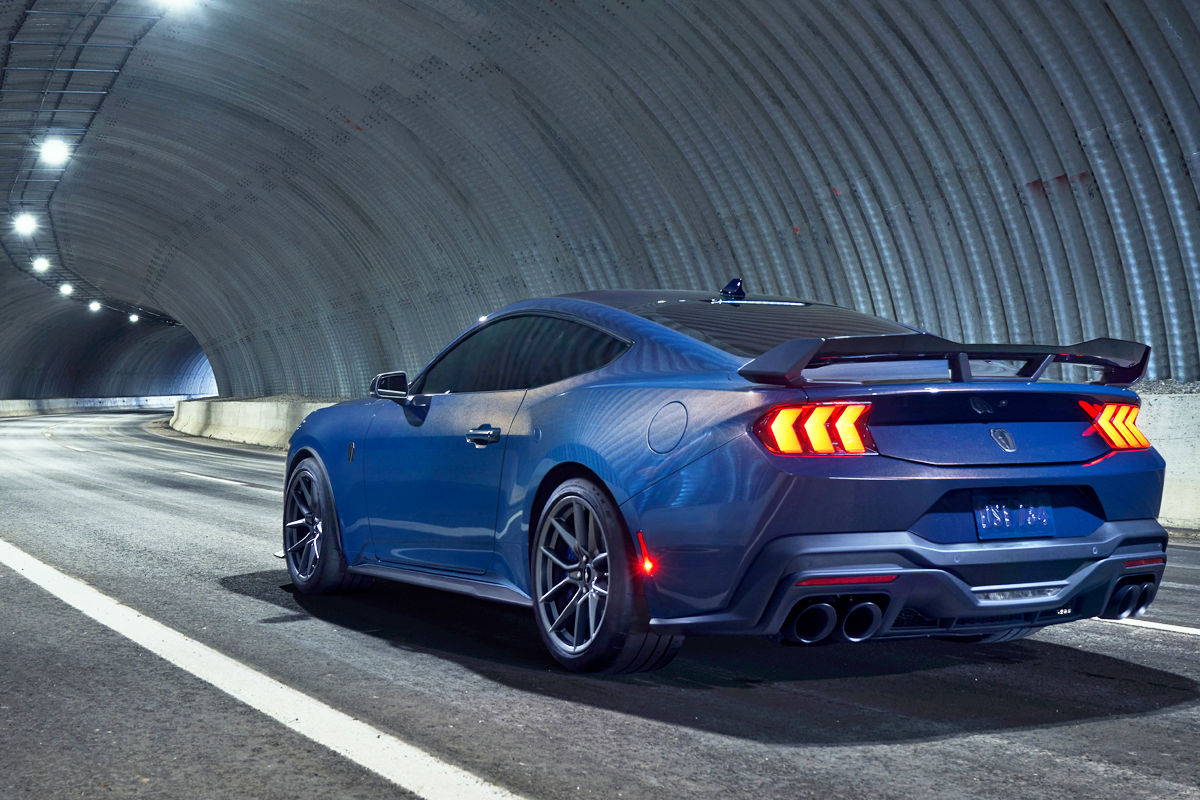
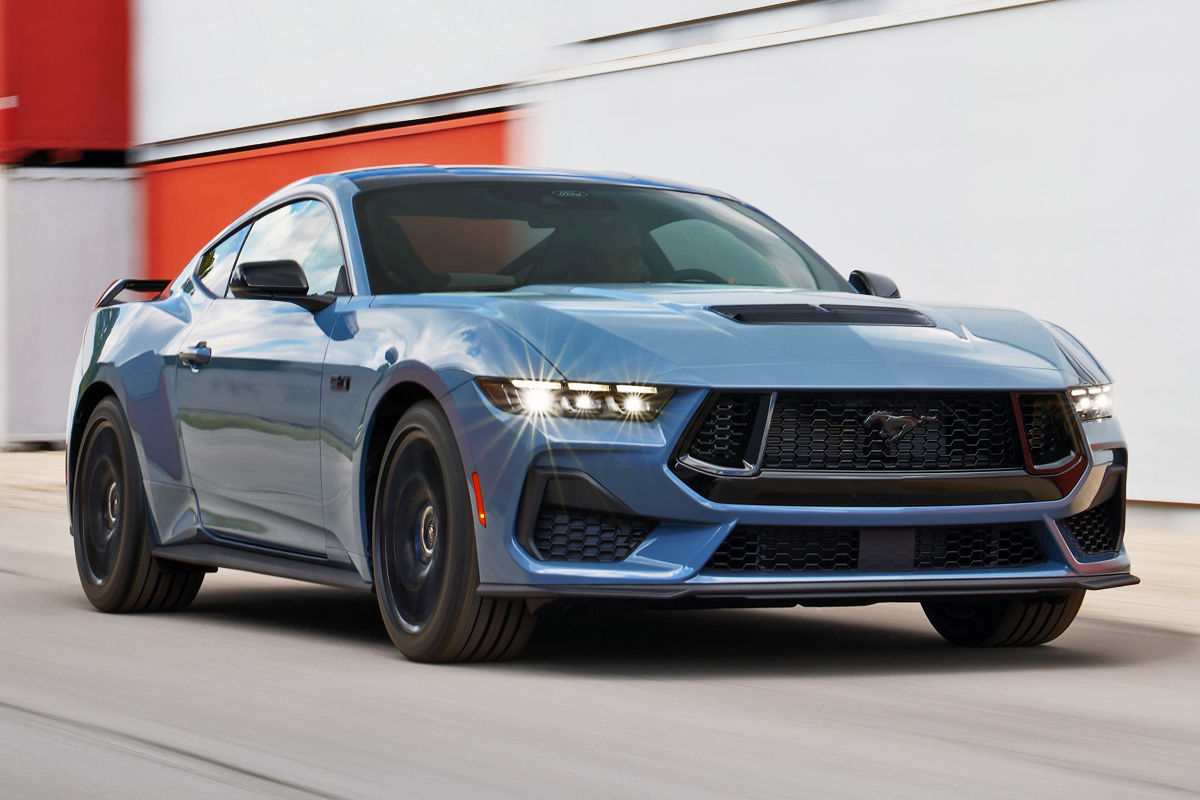
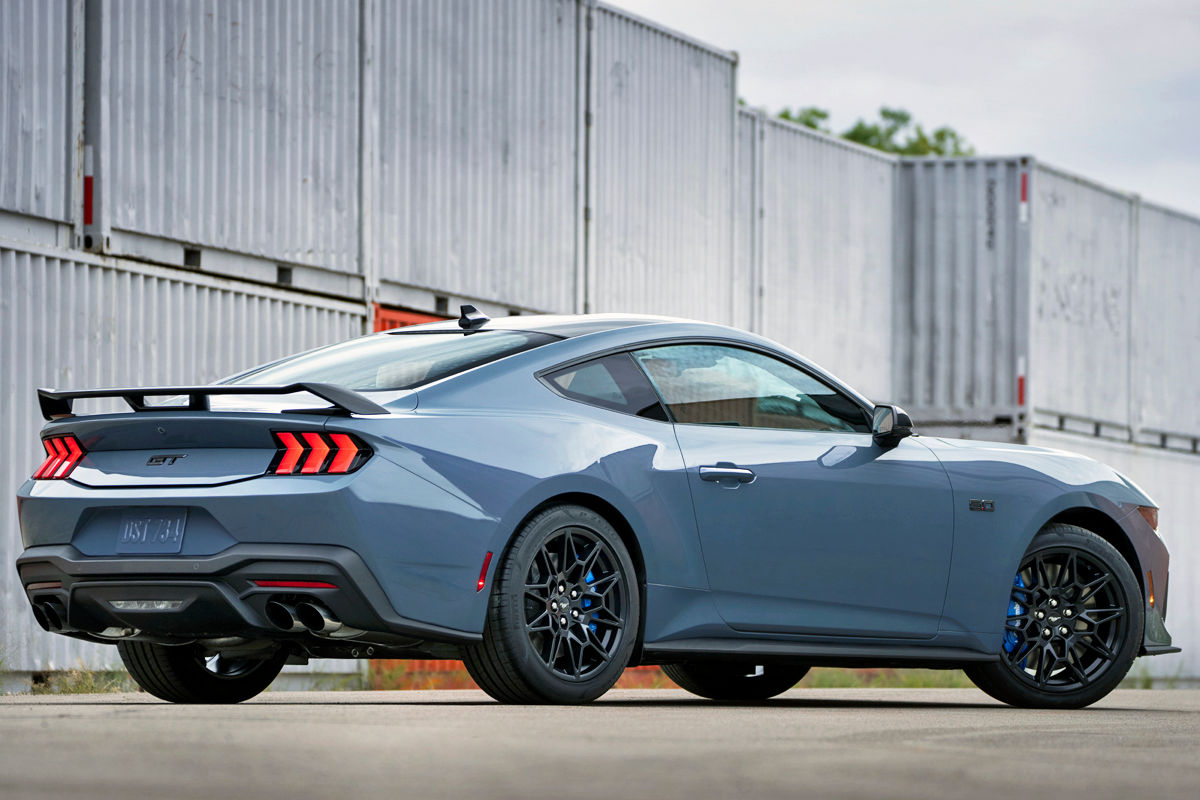
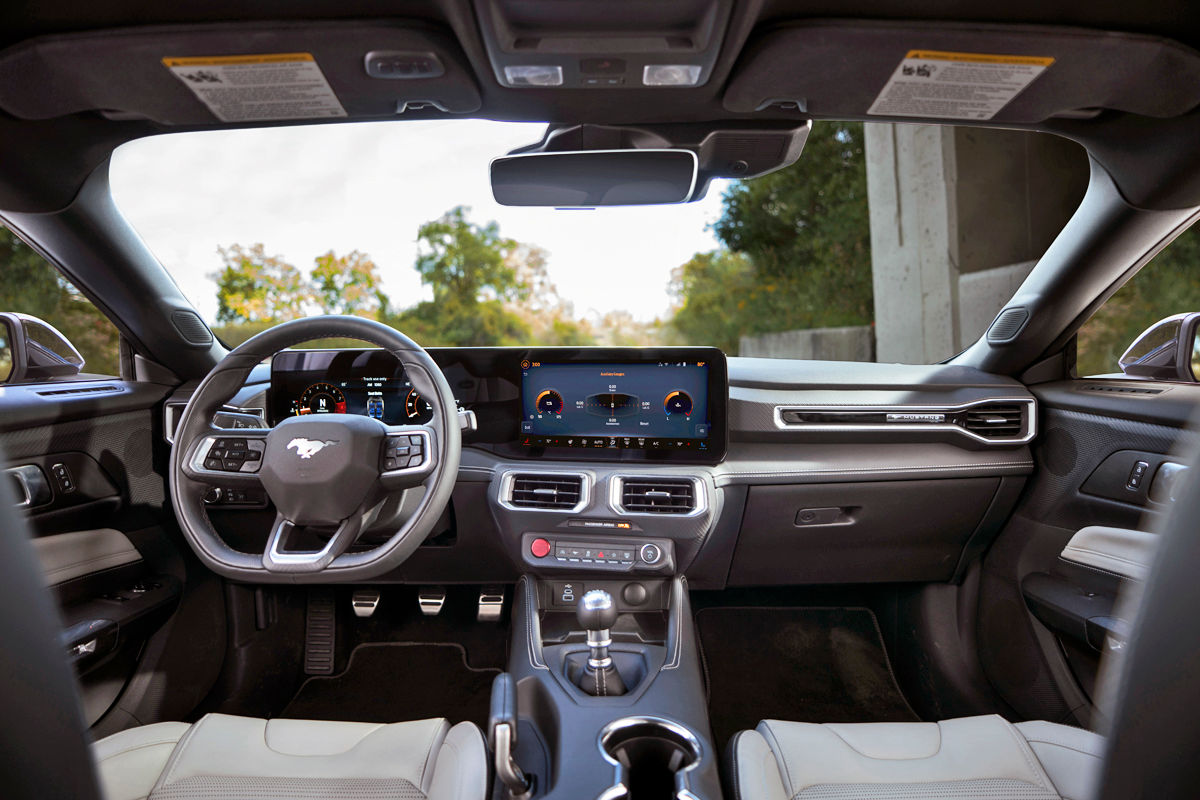
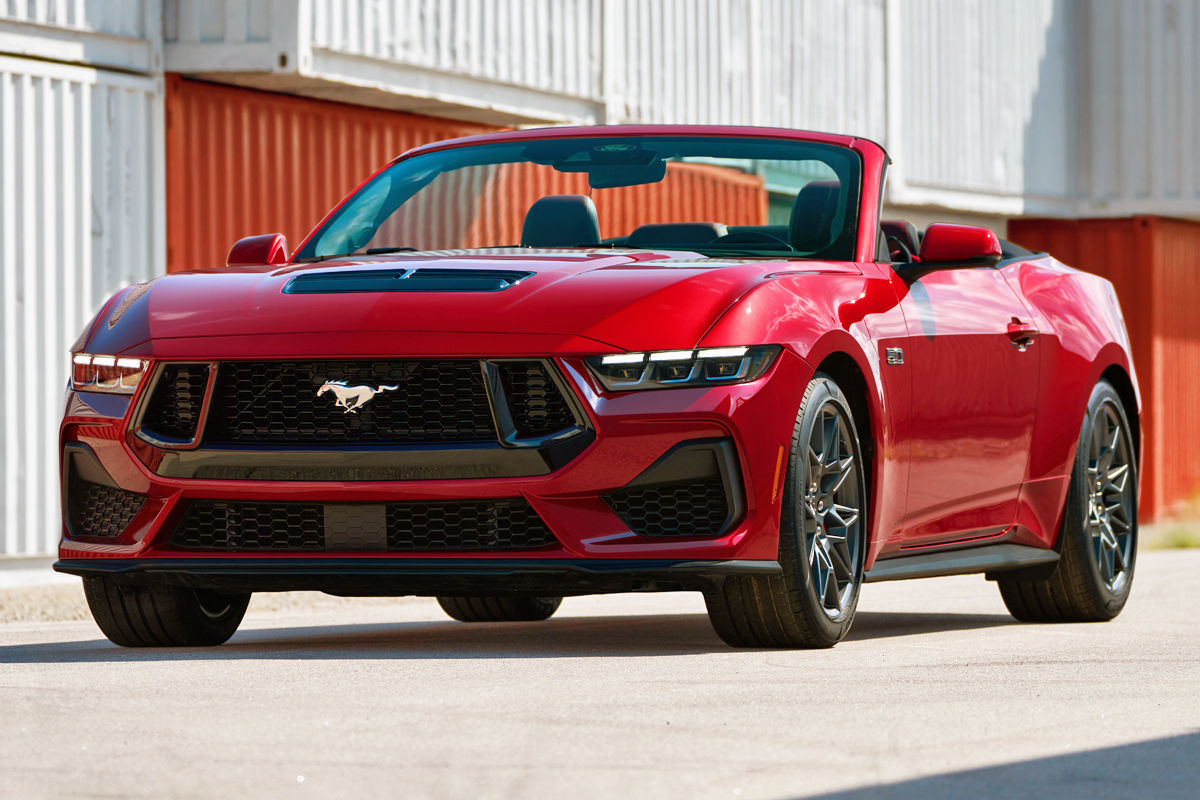
The launch of the new Ford Mustang in South Africa has been pushed back to the 2nd half of 2024. Delay aside, at least we’re getting the mighty Dark Horse…
Waiting for the new Ford Mustang? Well, prepare to practice a little more patience because the Blue Oval brand has confirmed to Cars.co.za that its 7th-generation pony car will now launch locally only at some point in the 2nd half of 2024.
In November 2023, Ford South Africa said the S650-generation Mustang – which was revealed back in September 2022 – was scheduled to make landfall in “early 2024”. Since we’re fast heading towards the end of the 1st quarter, we asked the Dearborn-based firm’s local division for an update on launch timing for this model.
“The next-generation Mustang is set to launch locally during the 2nd half of 2024,” Ford SA told us, without providing a reason for the postponement. That said, recent rumours out of Australia (including a report from Drive) suggest the start of right-hand-drive production at Ford’s Flat Rock assembly plant in Michigan has been delayed.
Indeed, launches of the new Mustang in fellow right-hand-drive export markets such as Australia and the United Kingdom have likewise been rescheduled for the 2nd half of the year. This comes after a handful of pauses early in the 7th-gen Mustang’s production cycle saw initial left-hand-drive deliveries in North America held up.
So, what can we expect from the Mustang when it does arrive in South Africa (presumably in both fastback coupé and convertible form)? Well, though the engine line-up for SA has technically not yet been confirmed, we strongly suspect our market will receive only the 5.0-litre V8 “Coyote” engine and again do without the updated turbocharged 2.3-litre, 4-cylinder EcoBoost engine (a powerplant that was dropped in SA in 2019 after it didn’t prove popular with local buyers).
In SA-spec form, the updated naturally aspirated 8-cylinder unit is expected to offer peak outputs of 362 kW and 567 Nm (up from the outgoing S550-gen model’s 330 kW and 529 Nm), likely in conjunction with Ford’s 10-speed automatic transmission. But Mzansi is also in line to receive the new Mustang Dark Horse, which the company promises will deliver “the highest level of performance in the all-new Mustang family”.
The Mustang Dark Horse is powered by a “specially modified” version of the free-breathing 5.0-litre V8, here producing 372 kW (and an unchanged 567 Nm). The automaker furthermore claims to have improved the aerodynamics, tyres, steering and cockpit to create what it calls a model “beyond any 5.0-litre Mustang before it”. Whether or not SA will receive the option of the Tremec-sourced 6-speed manual transmission (in addition to the 10-speed auto) remains to be seen, but enthusiasts will remain hopeful.
As a reminder, almost a decade ago (in August 2014), Ford announced that its engineers had finished construction of the very first right-hand-drive 6th-generation Mustang, confirming the production version would be exported to more than 25 right-hand-drive markets, including South Africa. This marked the first time right-hooker Mustangs were available directly from the factory.
In December of the following year, the Mustang officially launched locally, with the range comprising 6 derivatives. There were fastback and convertible body styles, manual and automatic transmissions, and 4-cylinder and V8 engines. In July 2019, the refreshed Mustang arrived, with the line-up also gaining the Bullitt special edition at that point. The Mach 1 followed in 2021, before the California Special touched down in 2022. Production of the S550-gen model ended in April 2023.
If you’re in the position where you need to move people plus luggage, and a 7-seater bakkie-based SUV won’t cut it, then this is the Buyer’s Guide for you! Multi-Seater MPVs are hugely practical, but what products are available in South Africa and what should you consider buying? Read on…
For the purpose of this Buyer’s Guide, we have focused on vehicles that offer at least 7 seats. Offroad credentials are not required, but the focus here is rather on passenger comfort and practicality. There’s something on this list for everyone!
Pricing is accurate as of March 2024.
Multi-seater MPVs in South Africa
Hyundai Staria
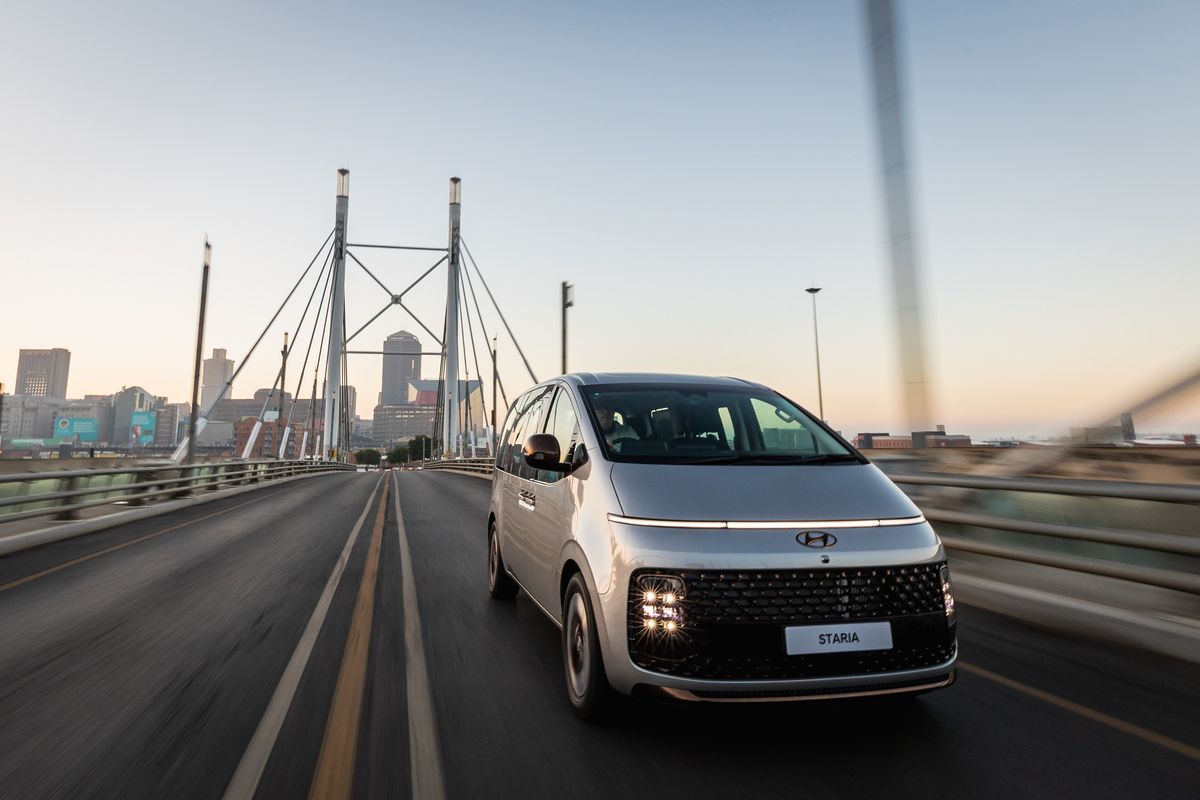
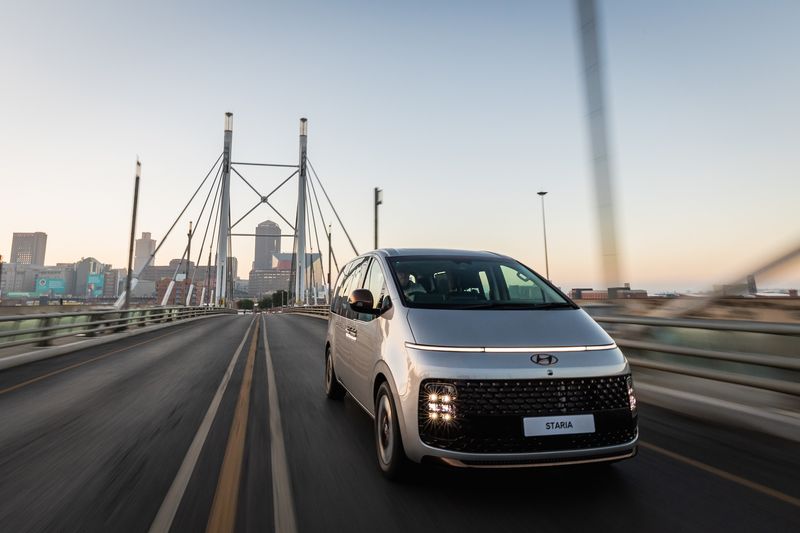
The Hyundai H1 replacement is straight from the future design-wise.
The popular Hyundai H1 has been replaced by the futuristic-looking Hyundai Staria. The Staria offers generous levels of space, a willing turbodiesel engine and plenty of comfort features.
Hyundai is bullish with its Staria and the range is all-encompassing with multiple derivatives on offer including a 9-seater, an 11-seater, a 5-seater Multicab and a Panel Van.
Price Range: R669 500 – R1 263 900
Pick of the Range: Hyundai Staria 2.2D Elite
Reason to Buy: Value for money, comprehensive aftersales, features galore
Criticisms: That styling won’t be to everyone’s tastes
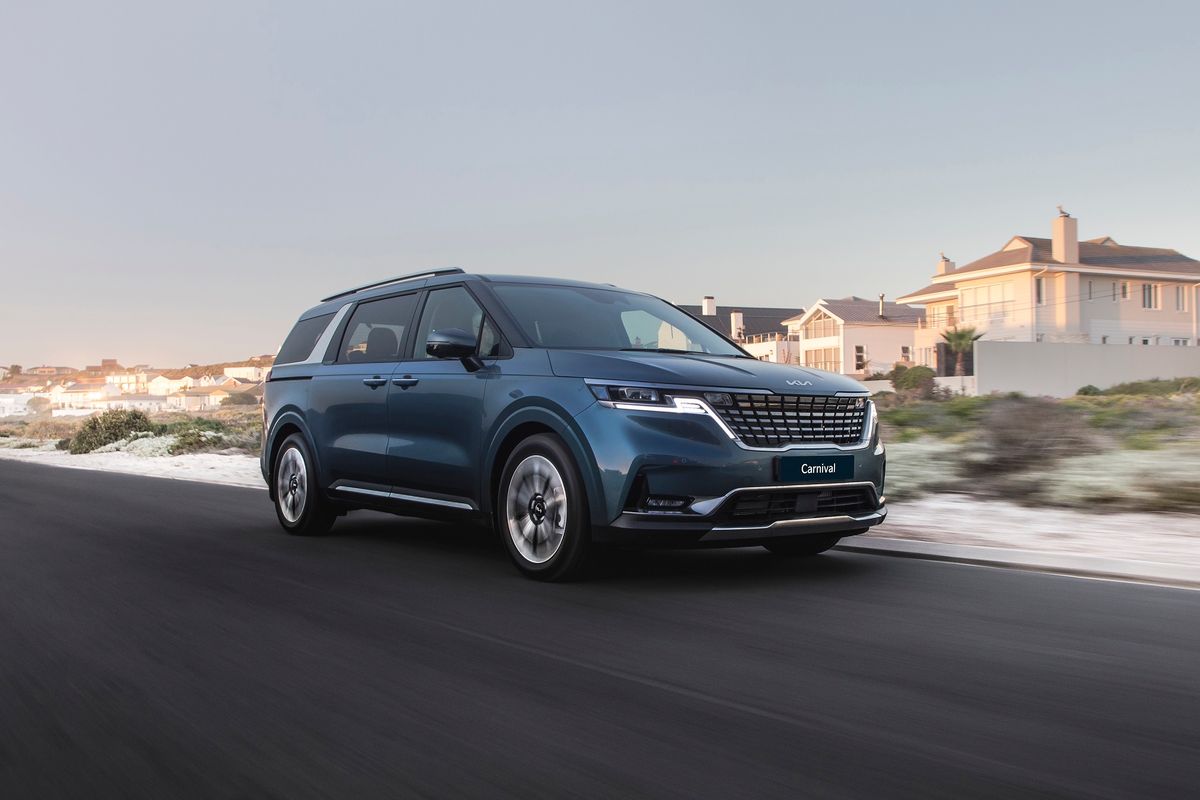
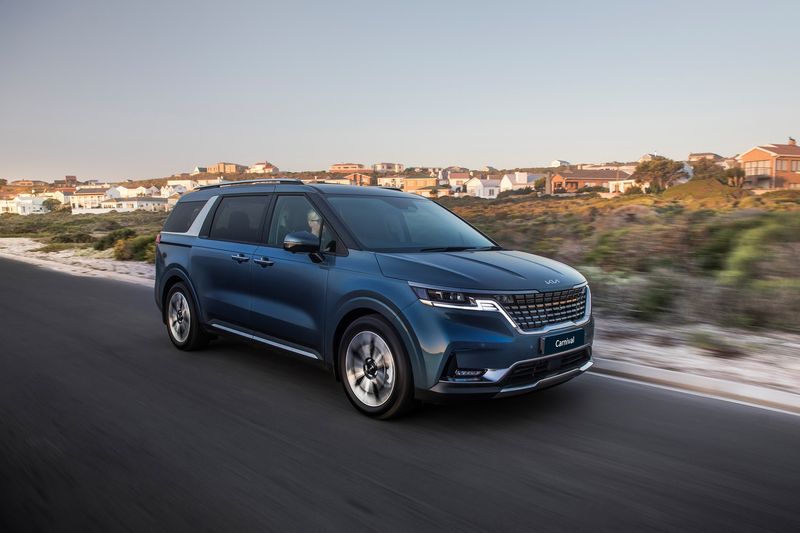
The fresh-looking Kia Carnival comes packed with features and excellent road manners.
Move over Kia Grand Sedona, the Kia Carnival has arrived! With the name change comes a smart-looking family-orientated MPV. There are 4 derivatives offered, with the choice of 7 or 8 seats, all sharing a common turbodiesel engine. Fit and finish is deeply impressive, as are the levels of comfort. The best part is that the Kia Carnival drives rather well and doesn’t feel like a minibus.
Price Range: 923 995 – R1 148 995
Pick of the Range: 2.2CRDi SX Limited 7-seater
Reason to Buy: Refinement, driving dynamics, gadgets galore, safety features.
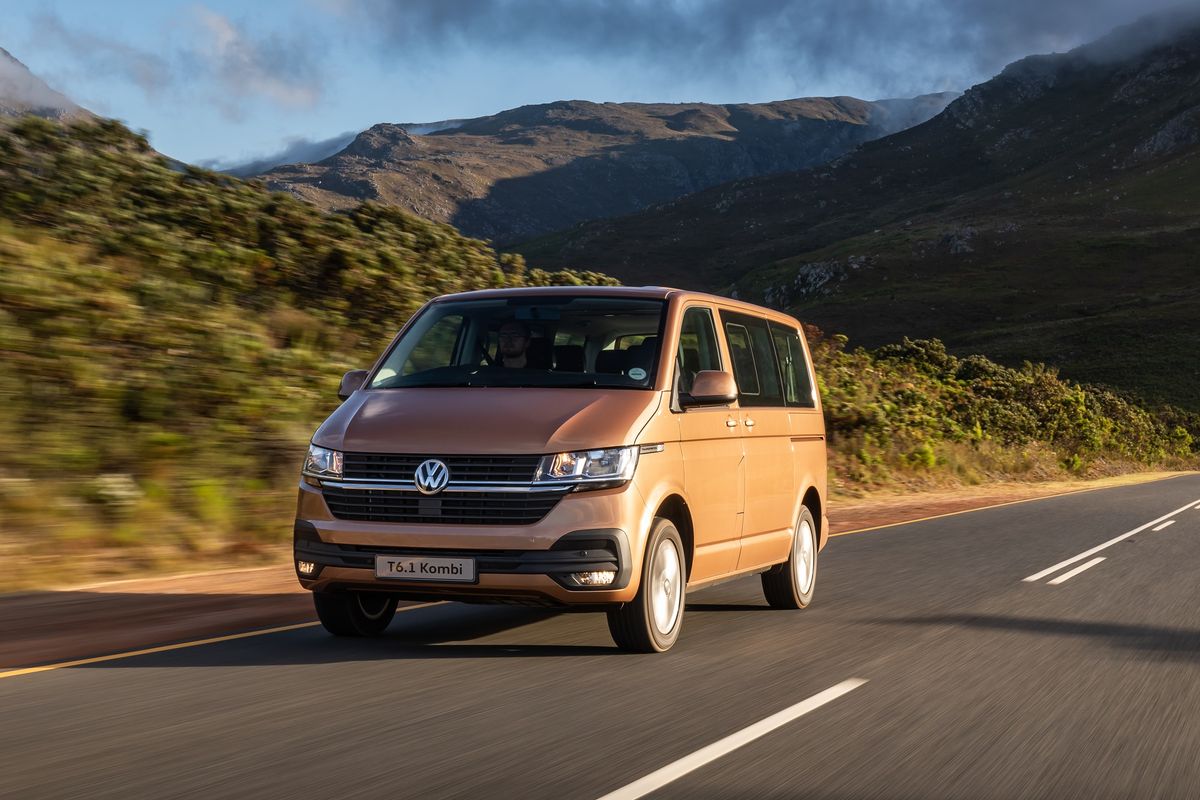
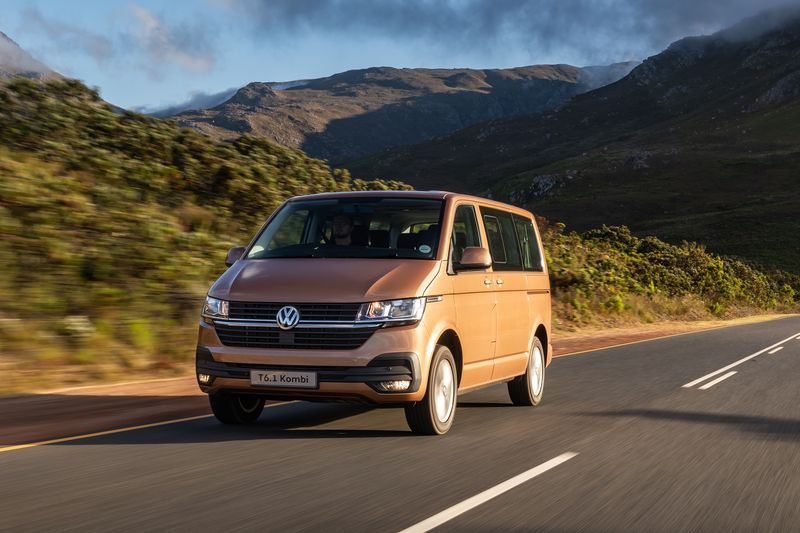
The iconic nameplate carries on with the T6.1 generation
The Volkswagen Kombi is probably the most iconic nameplate in the world of people carriers. It has been around since 1950 and represents family and freedom of the open road. Fast forward to 2022 and we have quite a diverse lineup from VW. Short and long-wheelbase Kombis are on offer and for those with deep pockets wanting it all, the Caravelle. All of which are powered by strong diesel engines. The T6.1 model touched down in 2021, but there’s already a T7 version that will be joining the range soon enough.
Price Range: R861 400 – R1 479 400
Pick of the Range: 2.0BiTDI 146 kW crew bus LWB 4Motion
Reason to Buy: Refinement, engine performance
Criticisms: Expensive, standard spec is lacking in comparison to Korean rivals
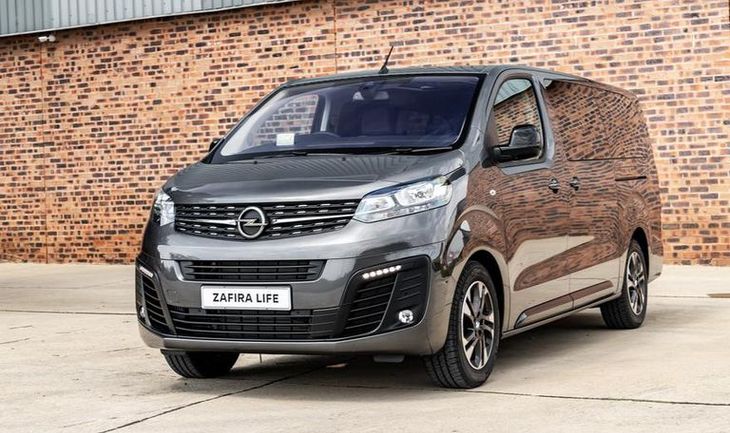
Opel has welcomed the new Zafira Life to the South African market with 2 derivatives on offer including the family orientated Zafira Life Edition and the range-topping Zafira Life Elegance which is aimed at businesses or families who seek higher levels of comfort. The Zafira Life can seat up to 8 passengers and a willing 2.0-litre turbodiesel engine with 110 kW and 370 Nm is found under the bonnet. With competitive pricing, the Zafira Life is well-poised to steal a few sales from its more established rivals.
Price range: R834 000 – R964 900
Pick of the range: Zafira Life 2.0TD Elegance
Reason to buy: Competitive pricing
Criticsms: Suspension not as forgiving as we’d hoped
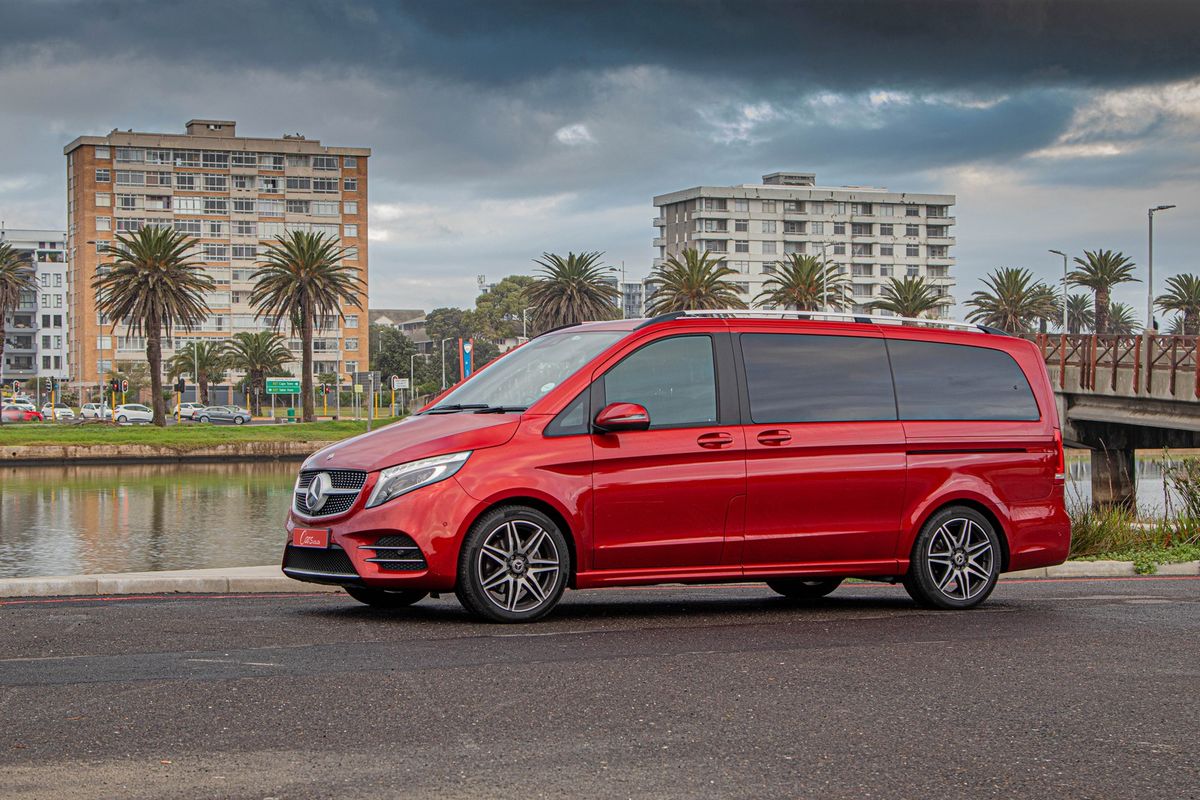
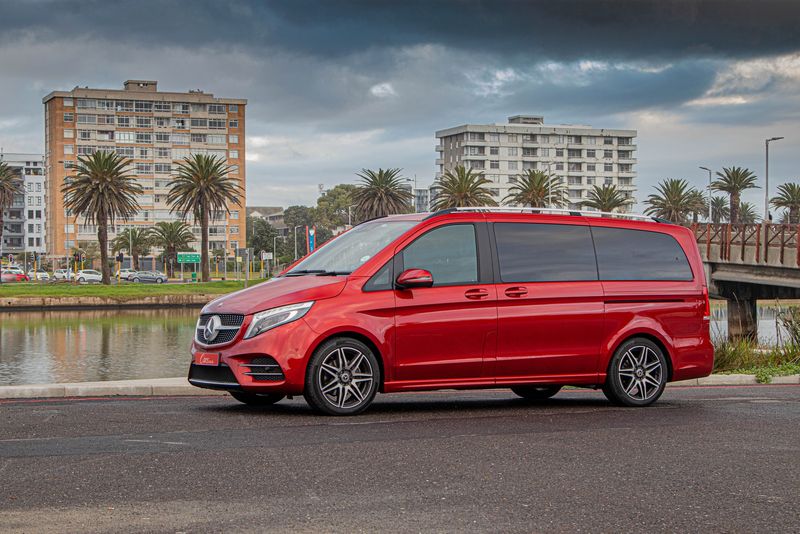
The Mercedes-Benz V-Class has become an icon of luxury in South Africa. The Vito offers similar levels of practicality, but with less luxury. The majority of the range use the 2.1-litre turbodiesel engine, with the entry-level models making do with a 1.6-litre turbodiesel. Mercedes-Benz has tried to cover all the bases, with basic panel vans and crew cabs offered, going all the way up to high-end luxury transport. The elephant in the room is the price, they’re priced higher in comparison to the rest of the models on this list.
Price Range: Approximately R736 381 – R2 303 001
Pick of the Range: Mercedes-Benz V220d
Reason to Buy: The ultimate people carrier
Criticisms: Expensive, interior fit and finish not good enough for the price
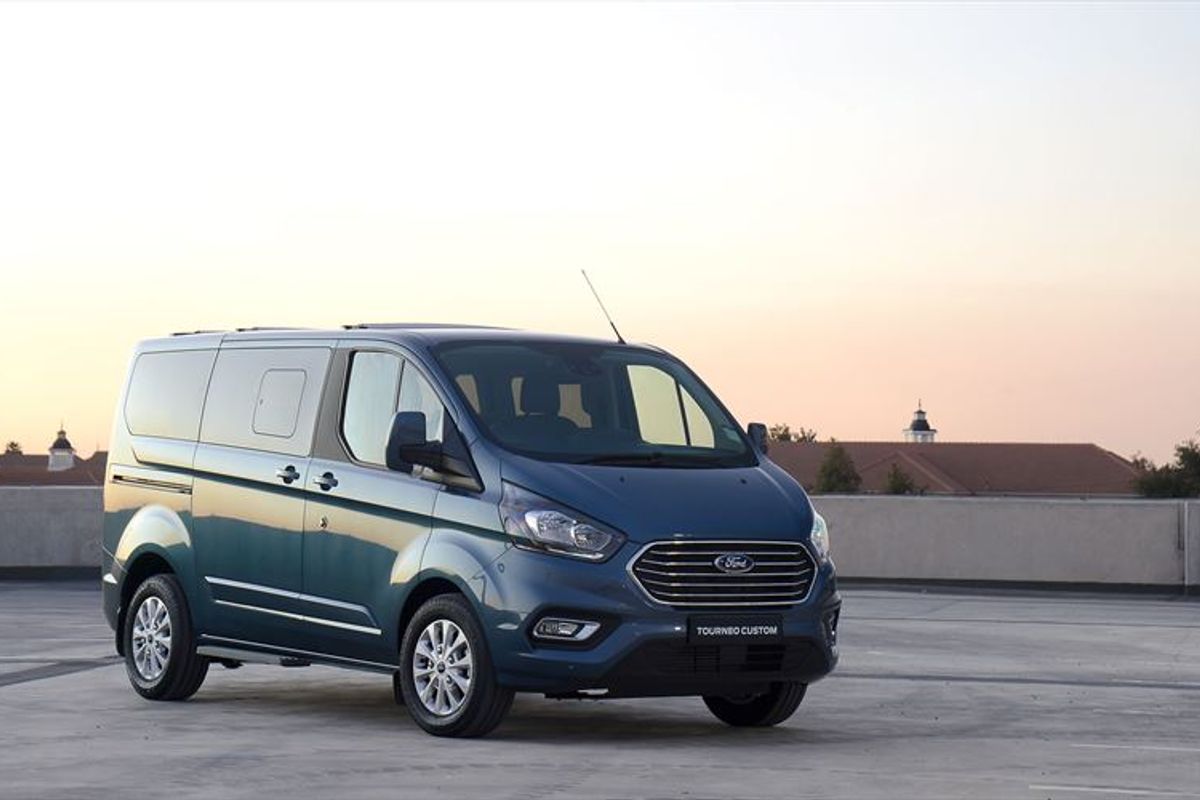
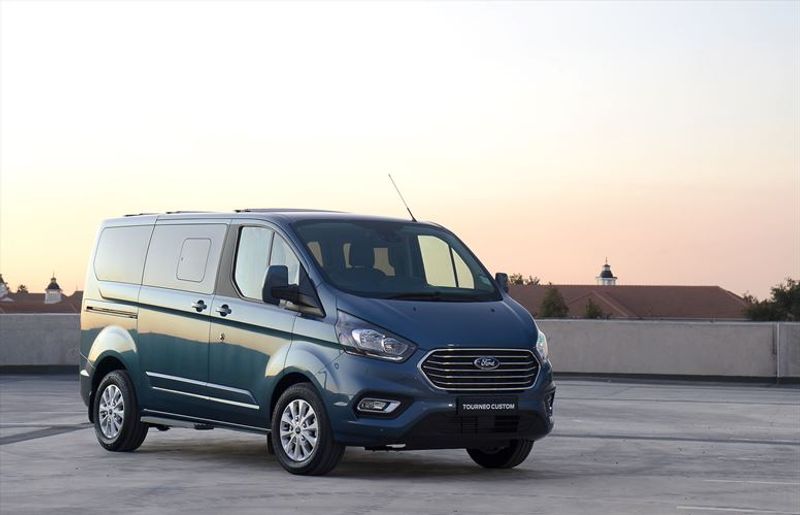
The Ford range of vans are very popular in Europe.
The Ford vans are very popular in Europe, but you don’t see many of them on the roads in South Africa. The Blue Oval offers the Tourneo Custom as its passenger-carrying van and it’s available with 2.0-litre and 2.2-litre diesel setups. As far as body styles go, there are long wheelbase and short wheelbase options, with 3 levels of trim. There are 8 seats on offer and they can be rotated and stowed to increase practicality.
Price range: R706 600 – R843 900
Pick of the Range: Ford Tourneo Custom 2.0SiT LWB Trend
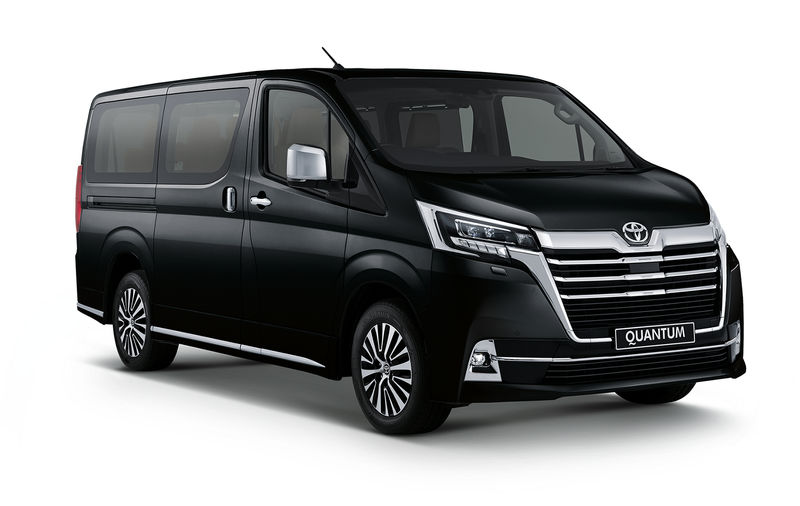
The Quantum VX offers luxury on par with the V-Class
Now before you laugh at us and say, ‘this is just a normal taxi’, there’s a reason it’s here. The Toyota Quantum is the backbone of SA’s public transport system, ferrying hundreds of thousands of people around the country. Reliability and toughness are in abundance, and these things are built to last. Toyota offers a full spectrum of Quantum body styles too, ranging from panel vans, crew cabs, and passenger-carrying derivatives. There’s space for 14 people in some models, while others have the capacity for 11. If luxury is what you’re after, then look to the VX range, which takes the fight straight to the Mercedes-Benz V-Class. All models use the 2.8-litre turbodiesel and outputs range from 115 kW to 130 kW.
Price Range: R 543 900 – R1 198 900
Pick of the range: Toyota Quantum 2.8 LWB bus 6-seater VX Premium
New Ineos Grenadier Quartermaster chassis cab revealed
Ineos has revealed a new chassis cab version of its Grenadier Quartermaster bakkie and it may well come to South Africa further down the line. Here’s what we know so far…
Ineos Automotive has taken the wraps off a new chassis cab version of its Grenadier Quartermaster bakkie, a model the company says is “aimed at specialist vehicle converters and commercial body builders worldwide”.
So, will we see this fresh chassis-cab derivative – which interestingly retains the standard bakkie’s double-cab configuration, complete with 5 seats, and will be built alongside this model (and the station wagon) at the company’s Hambach facility in France – here in Mzansi?
Well, Ineos Automotive South Africa told Cars.co.za the following: “At present, the Grenadier Quartermaster chassis cab is not available to order in SSA [Sub-Saharan African] markets, but we are keeping this under review.”
The chassis cab is already listed on Ineos Automotive SA’s configurator.
Interestingly, however, the new body style has already been added to the automaker’s local configurator (alongside the Grenadier station wagon and standard Quartermaster bakkie), though only with a “register your interest” link for now. If it were to come to South Africa, of course, it would surely become the country’s most-expensive chassis cab, considering the standard Quartermaster holds that title in the double-cab space, currently kicking off at a cool R1 717 100.
Ineos Automotive says the new chassis cab was developed “in tandem” with the standard Quartermaster and is as such “engineered to deliver a class-leading combination of off-road capability and load-carrying versatility, with the comfort, safety, refinement and features that today’s drivers expect”.
No maximum payload figure is listed.
Like the standard Quartermaster, the chassis cab boasts 3 227 mm between its axles (for the record, that’s 305 mm longer than the station wagon’s wheelbase), though features an exposed ladder frame aft of the passenger cabin, providing aftermarket vehicle converters with a “wide range of body building options”. While the braked towing capacity again comes in at 3 500 kg, Ineos Automotive unfortunately doesn’t list a maximum payload for this new derivative.
The heavy-duty solid beam axles, 2-speed transfer case and up to 3 locking differentials, though, are all carried over from the standard Quartermaster, while power again comes from BMW’s turbocharged 3.0-litre straight-6 engines (offered in 210 kW/450 Nm petrol and 183 kW/550 Nm diesel flavours), each driving all 4 wheels via a ZF-sourced 8-speed automatic transmission.
Engine choices will again include BMW’s B57 turbodiesel and B58 turbopetrol inline-6 units.
“In the first year since the Grenadier launched, we have already seen a number of specialist conversions, `particularly with emergency services such as fire, police and inshore rescue, so launching the Quartermaster chassis cab is a natural step that takes our off-road expertise into many commercial areas that need a class-leading 4×4,” said George Ratcliffe, Ineos Automotive’s commercial director.
“The Grenadier’s body-on-frame construction already provides huge versatility for customisation and we know from customer configurations that our vehicles are being used equally between commercial and leisure users. The ‘blank canvas’ chassis cab variant allows even greater versatility, from the basic trayback for agricultural use through recovery and emergency services to tourism, presenting an ideal platform for an overlanding camper,” adds Ratcliffe.