10 best-selling bakkies in South Africa: September 2023

The sales figures are in, bakkie fanatics! This is your monthly look at South Africa’s best- and worst-selling bakkies for September 2023…

In September 2023, South Africa’s new-vehicle industry registered a year-on-year decline of 4.1% to finish on 46 021 units. Yet again, the light-commercial vehicle (LCV) segment was the only sector to see growth, with registrations in this space coming in at 13 169 units, or 4.6% more than in the same month in 2022.

So, what happened on the list of South Africa’s best-selling bakkies? Well, there was again very little movement in the rankings, particularly in the upper half of the table. That meant the Toyota Hilux was again top of the charts, with 3 249 units of the Prospecton-produced bakkie registered around Mzansi in September 2023.

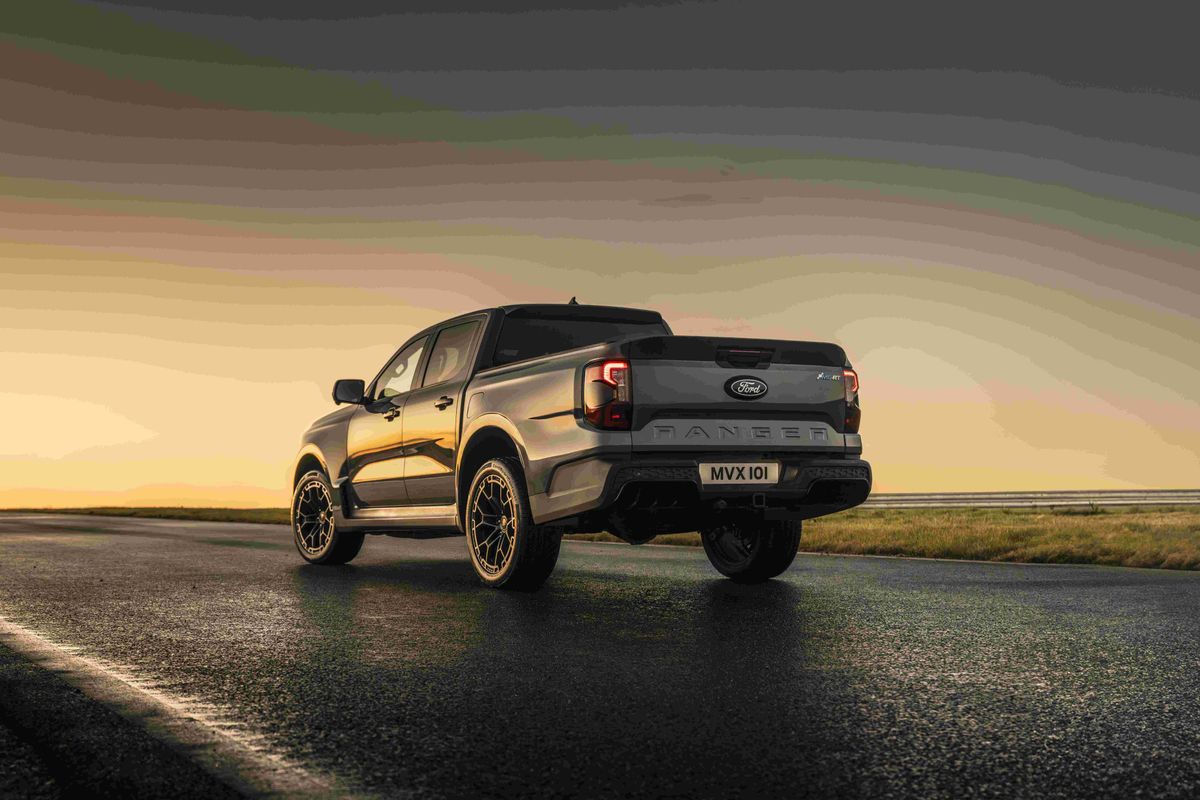
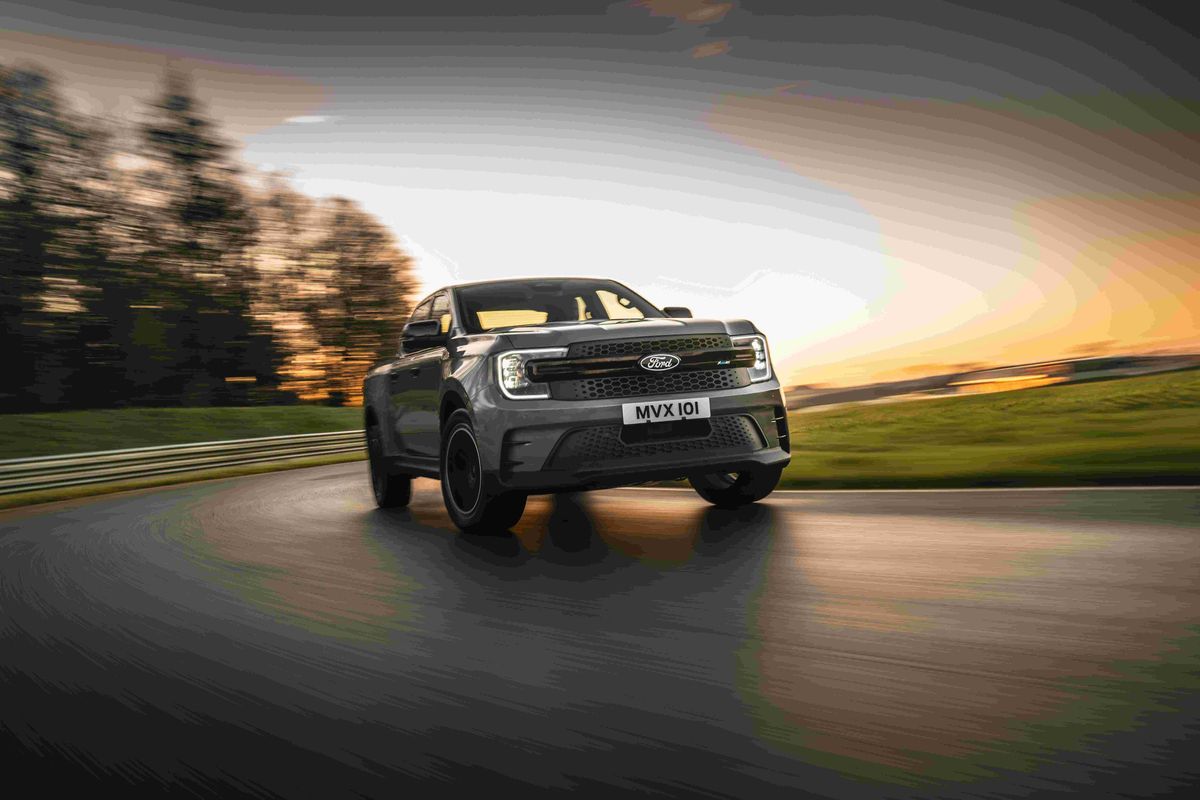
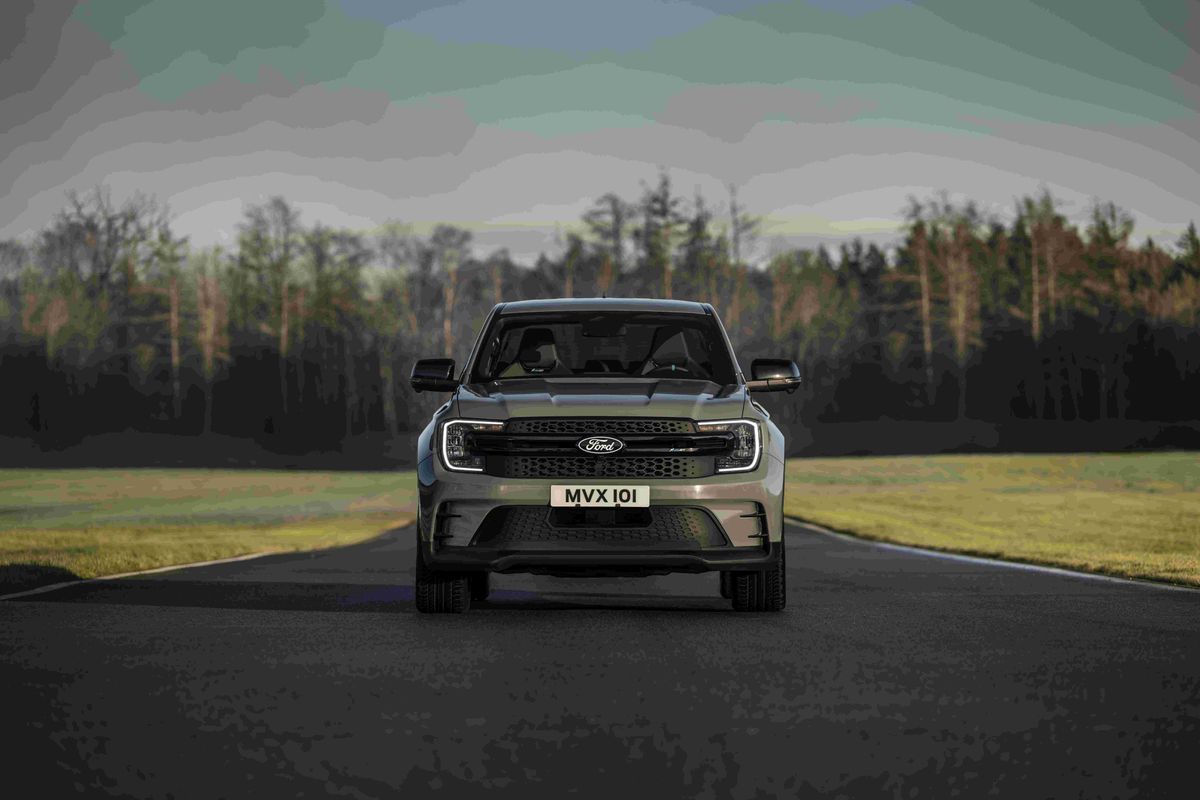
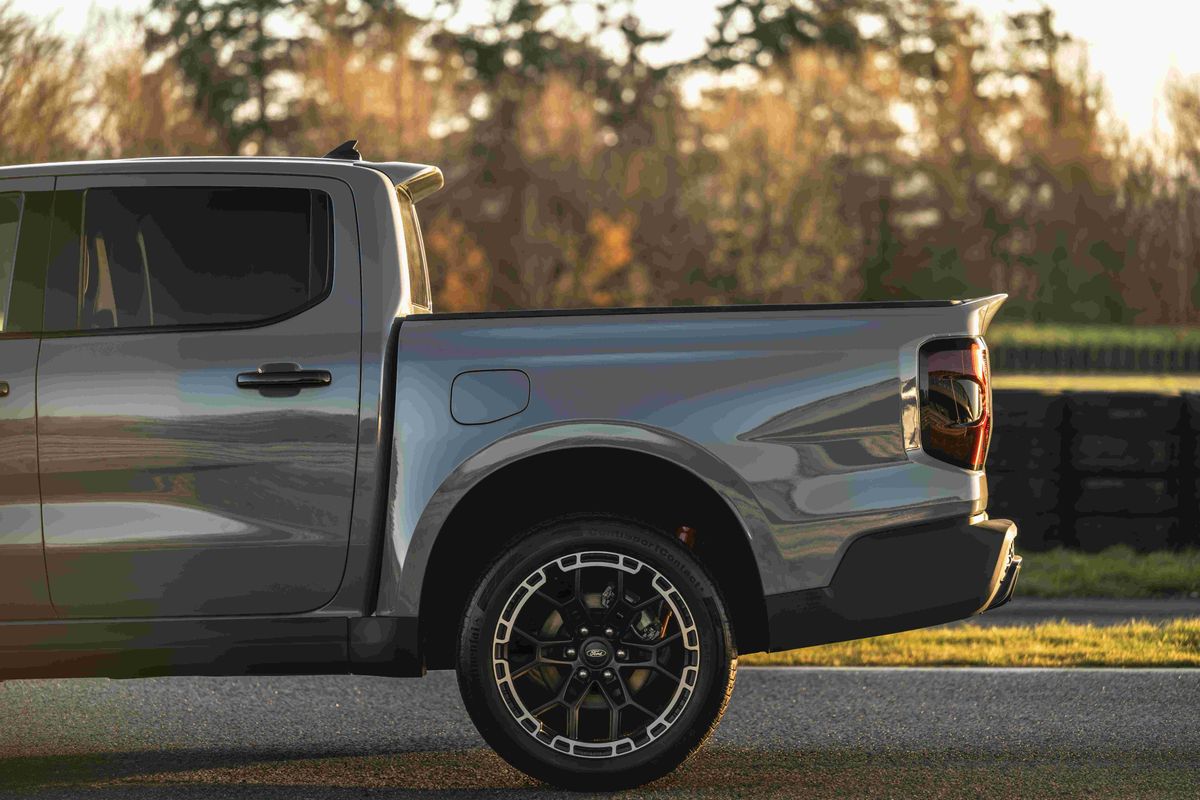
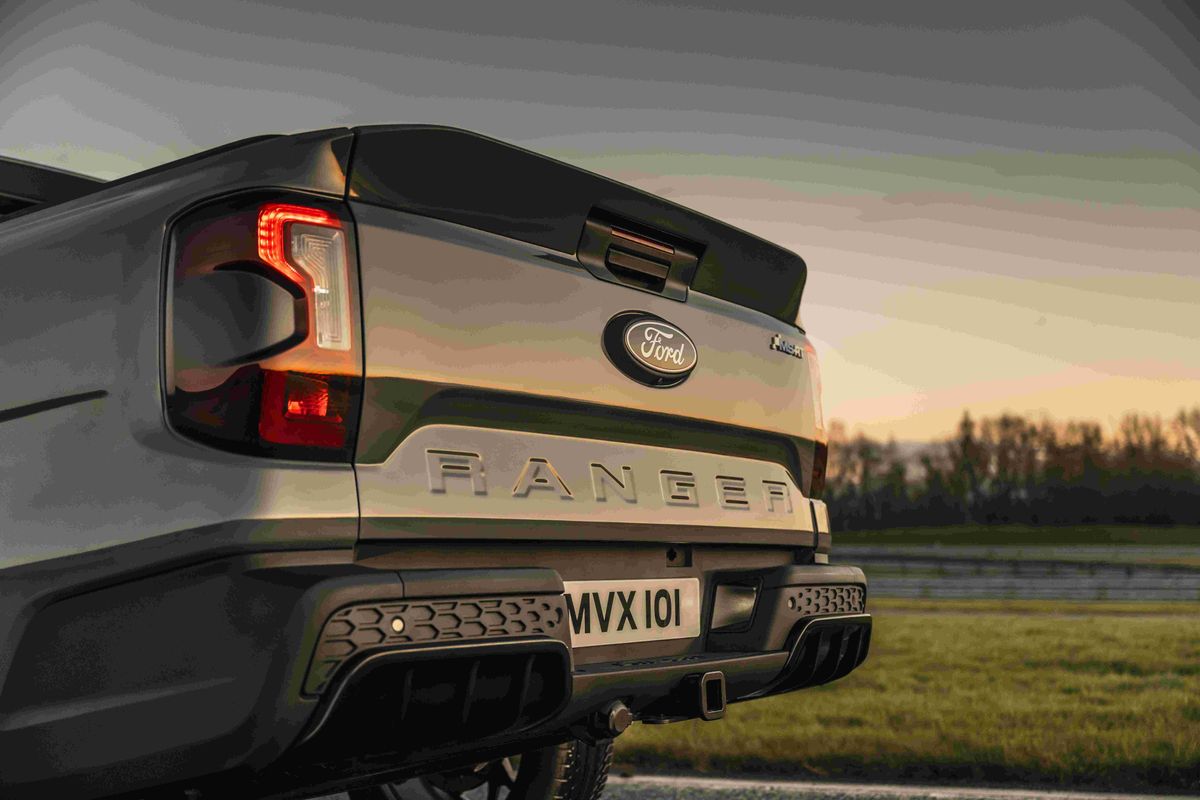
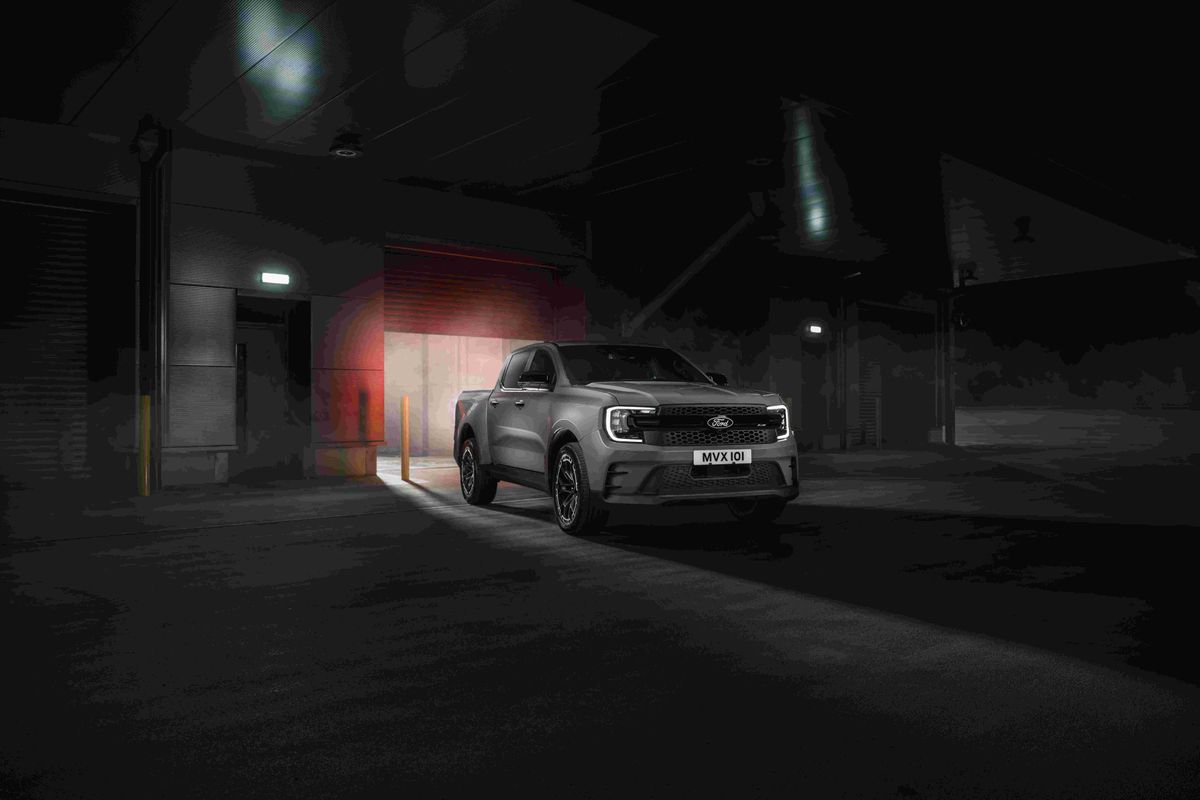
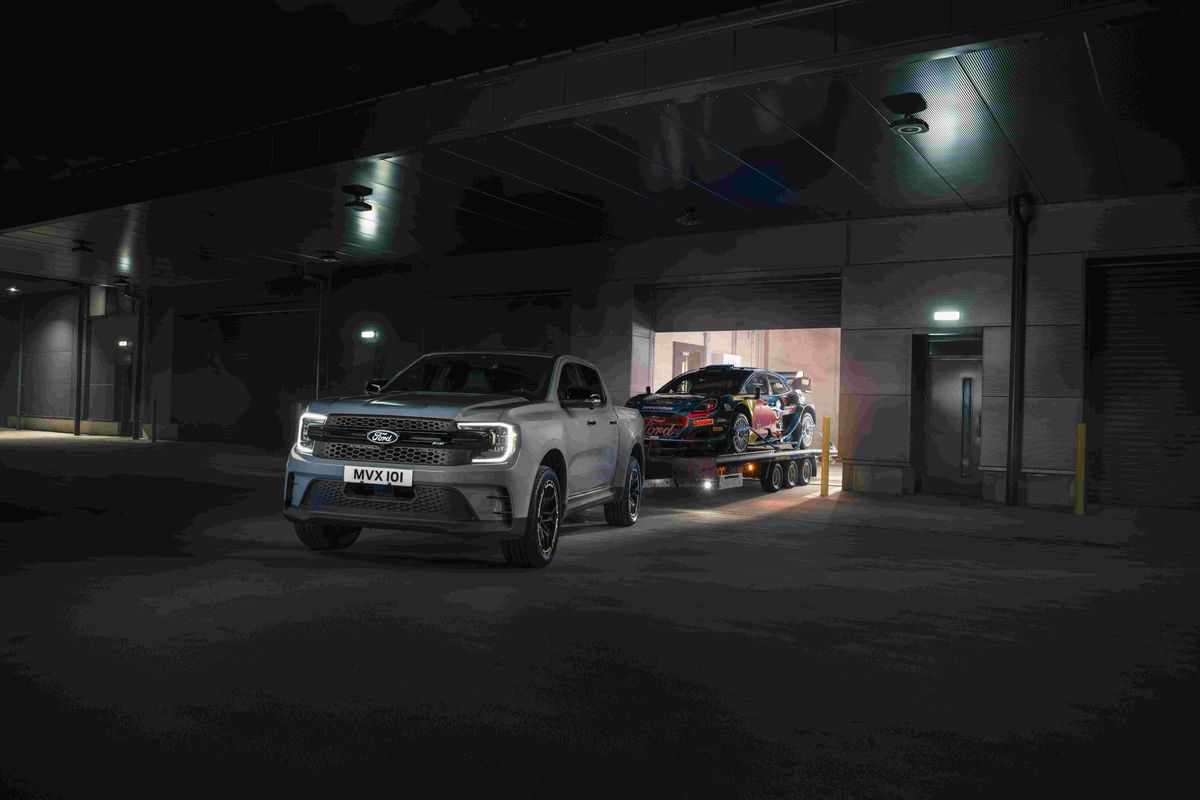
With 2 413 registrations, the Silverton-built Ford Ranger again claimed the runner-up position, ending the month 836 units off the pace (it’s interesting to note, however, the Ranger was slightly ahead of the Hilux in the year-to-date double-cab sales race at the end of August 2023). The Struandale-made Isuzu D-Max completed the podium once more, with 1 639 registrations.

With production scheduled to cease at Rosslyn in March 2024, the Nissan NP200 (997 units) dipped into 3 figures last month, though the half-tonner was still comfortably in 4th place. The KwaZulu-Natal-assembled Mahindra Pik Up (578 units) likewise retained 5th spot, with the Chinese-built GWM P-Series (376 units) holding steady in 6th.

The evergreen Toyota Land Cruiser 79 (325 units) – an updated version featuring the brand’s 2.8-litre turbodiesel engine and an automatic gearbox was revealed back in August – climbed a position to 7th in September 2023, forcing the locally manufactured Nissan Navara (287 units) down to 8th, with the latter posting its 2nd-weakest effort of the year thus far. The Ford-built Volkswagen Amarok (273 units) kept 9th place, while the Mitsubishi Triton returned to the top 10 with 80 registrations.

Best of the rest in September 2023: bakkies outside the top 10

The GWM Steed was knocked out of the top 10 in September.

So, what about the bakkies that didn’t manage to crack the top 10 in September 2023? Well, the GWM Steed (76 units) was relegated by the Triton, while JAC’s T-badged bakkies (the Chinese automaker unfortunately reports only a combined figure for its T6 and recently updated T8 line-ups) was next on 59 units.

The rationalised Mahindra Bolero line-up had to settle for just 20 registrations in September 2023, while the Peugeot Landtrek finished the month on 13 units. As was the case in August 2023, the Mazda BT-50 (6 units) and Jeep Gladiator (4 units) failed to make it into double figures.

Export winners in the bakkie segment in September 2023

The Prospecton-built Toyota Hilux led the bakkie export race last month.

What about the export market? Well, the Toyota Hilux also pushed ahead of the Ford Ranger in this space, with 5 741 examples of the Japanese bakkie shipped off in September 2023, compared with 5 536 units of the Blue Oval brand’s contender.

The Navara (427 units), D-Max (413 units) and NP200 (25 units) again made up the numbers on the export charts. As has been the case for several months now, the official Naamsa report furthermore showed a few imported models being exported from local shores in September 2023, this time in the form of the GWM P-Series (69 units), Mitsubishi Triton (26 units) and GWM Steed (2 units).

10 best-selling bakkies in South Africa for September 2023

1. Toyota Hilux – 3 249 units

2. Ford Ranger – 2 413 units

3. Isuzu D-Max – 1 639 units

4. Nissan NP200 – 997 units

5. Mahindra Pik Up – 578 units

6. GWM P-Series – 376 units

7. Toyota Land Cruiser 79 – 325 units 

8. Nissan Navara – 287 units

9. Volkswagen Amarok – 273 units

10. Mitsubishi Triton – 80 units

Related content

SA’s best-selling 1-tonne single-cab bakkies YTD (Aug 2023)

This Toyota Corolla Quest bakkie was ‘under study’ for SA

It’s official: Stellantis to assemble 1-tonne bakkie in SA

SA’s best-selling brands and vehicles in September 2023

South Africa’s new-vehicle sales fell 4.1% year on year in September 2023. Here’s your comprehensive overview, including Mzansi’s most popular brands, best-selling vehicles and plenty more…

In September 2023, South Africa’s new-vehicle industry registered a year-on-year fall of 4.1% to finish on 46 021 units. While that made it 2 consecutive months of year-on-year declines in sales, it’s worth pointing out September at least represented a marginal (though not even 1%) increase over August 2023’s effort of 45 679 registrations.

Industry representative body Naamsa said “various external business factors”, such as rising fuel prices, “ongoing challenges” in transport logistics, Eskom’s “incapacity to meet industry’s energy demands”, the volatility in commodity prices and the overall “intricate external environment”, again exerted “significant pressure” on the market’s key performance indicators.

As such, export sales saw a decline of 12.6% to 36 247 units in September 2023, though this part of the industry was nevertheless still 8.3% ahead compared with the same period in 2022, with the year-to-date total reaching 285 200 units. At 401 315 units, Mzansi’s new-vehicle sales over the opening 9 months of 2023 were also ahead (by 2.5%) of the equivalent reporting period last year.

“Despite these challenging market conditions, the industry has displayed a modest yet commendable resilience in year-to-date new-vehicle sales and export performances for September 2023,” Naamsa pointed out.

Overall, out of the total reported industry sales of 46 021 vehicles, Naamsa estimated 37 149 units (or 80.7%) represented sales via the dealership channel, while 13.6% were sales to the vehicle-rental industry, 2.9% to industry corporate fleets and 2.8% to government.

In September 2023, SA’s new passenger-vehicle market registered a year-on-year decline of 8.4% to end on 29 669 units, though was well supported by rental fleet buyers, with the latter accounting for 18.9% of those sales. Yet again, the only sector to experience growth was the light-commercial vehicle segment, which enjoyed a 4.6% year-on-year increase to 13 169 units in September 2023.

Year to date, the industry’s new-vehicle export performance is up 8.3%.

According to Lebo Gaoaketse, Head of Marketing and Communication at WesBank, September 2023’s sales performance suggested “uncertainty” was “getting the better of consumers and business”.

“September sales show the biggest decline in market performance year-on-year since December 2021. However, comparisons remain theoretical given the market’s prolonged recovery from the pandemic and a broader context and assessment is necessary for a more realistic view of activity and sentiment,” said Gaoaketse.

“The fact that there are now 2 consecutive months of strain – September seemingly bigger than August – provides some measure of concern for new vehicle sales. But it is the signs of the trend that are concerning, not the outright numbers,” he added.

Meanwhile, Brandon Cohen, chairperson of the National Automobile Dealers’ Association (NADA), said retailers were witnessing “strong evidence” of pent-up demand for new vehicles, but added many consumers were adopting a “wait-and-see” approach when making their purchasing decisions.

“Sales remain under pressure, and September was generally a challenging trading month, although there were some sparks of positivity. Applications to financial institutions for financing were slightly up, as were approvals, as consumers test the waters regarding their creditworthiness for a loan,” explained Cohen.

New-vehicle sales summary for September 2023

  • Aggregate new-vehicle sales of 46 021 units decreased by 4.1% (1 963 units) compared to September 2022.
  • New passenger-vehicle sales of 29 669 units decreased by 8.4% (2 723 units) compared to September 2022.
  • New light-commercial vehicle sales of 13 169 units increased by 4.6% (581 units) compared to September 2022. 
  • Export sales of 36 247 units decreased by 12.6% (5 217 units) compared to September 2022.

10 best-selling automakers in South Africa in September 2023

Kia was the only top-10 brand to climb the rankings in September 2023.

Another month, another example of crushing sales dominance from Toyota. The Japanese automaker finished September 2023 on a heady 12 704 units (or a market share of 27.6%), even more than it managed in August. The Volkswagen Group was again 2nd, though likewise enjoyed some month-on-month growth to reach 6 316 registrations, while Suzuki (4 478 units) again placed 3rd.

Ford (2 807 units) retained the 4th position it grabbed in August 2023, which meant Hyundai (2 665 units) again had to settle for 5th place. Similarly, Nissan (2 130 units) clung to 6th, while Isuzu (1 990 units) held steady in 7th.

Meanwhile, Kia recorded a tally of 1 703 units, which was enough to lift the Korean firm off the bottom of the table and secure it a more comfortable 8th spot. With 1 702 registrations, French brand Renault was a single unit behind in 9th, while Chinese contender Haval (1 532 units) dropped 2 rankings to complete the table in 10th.

After breaking into the top 10 in July 2023, Chery (1 240 units) had to be content with 11th place once again, though that still put the Chinese automaker some way ahead of the BMW Group (1 037 units), Mahindra (784 units) and Mercedes-Benz (692 units).

1. Toyota – 12 704 units

2. Volkswagen Group – 6 316 units

3. Suzuki – 4 478 units

4. Ford – 2 807 units

5. Hyundai – 2 665 units

6. Nissan – 2 130 units

7. Isuzu – 1 990 units

8. Kia – 1 703 units

9. Renault – 1 702 units

10. Haval – 1 532 units

10 best-selling vehicles in South Africa in September 2023

The Suzuki Swift was the only top-10 vehicle to move up the rankings in September 2023.

Yet again, the Toyota Hilux led the sales charge, finishing September 2023 with a whopping 3 249 registrations (the 5th time this year the Prospecton-built bakkie has breached the 3 000-unit mark). The Kariega-manufactured Volkswagen Polo Vivo (2 698 units) again placed 2nd (bolstered by 1 200 sales to the rental industry), with the Silverton-produced Ford Ranger (2 413 units) likewise holding steady in 3rd.

There was no movement across the next 3 positions either, with the Toyota Corolla Cross (2 259 units), Isuzu D-Max (1 639 units) and Toyota Hi-Ace (1 462 units) again ranking 4th, 5th and 6th, respectively. That meant the top 6 once more comprised exclusively locally built models.

Meanwhile, the Suzuki Swift (1 291 units) – which ranked as the best-selling imported vehicle in September 2023 – climbed a place to 7th, pushing its nose ahead the likewise Indian-sourced Toyota Starlet (1 247 units), which slipped a position to 8th. The locally built Volkswagen Polo hatchback (1 148 units) and soon-to-be-axed Nissan NP200 (997 units) rounded out the table.

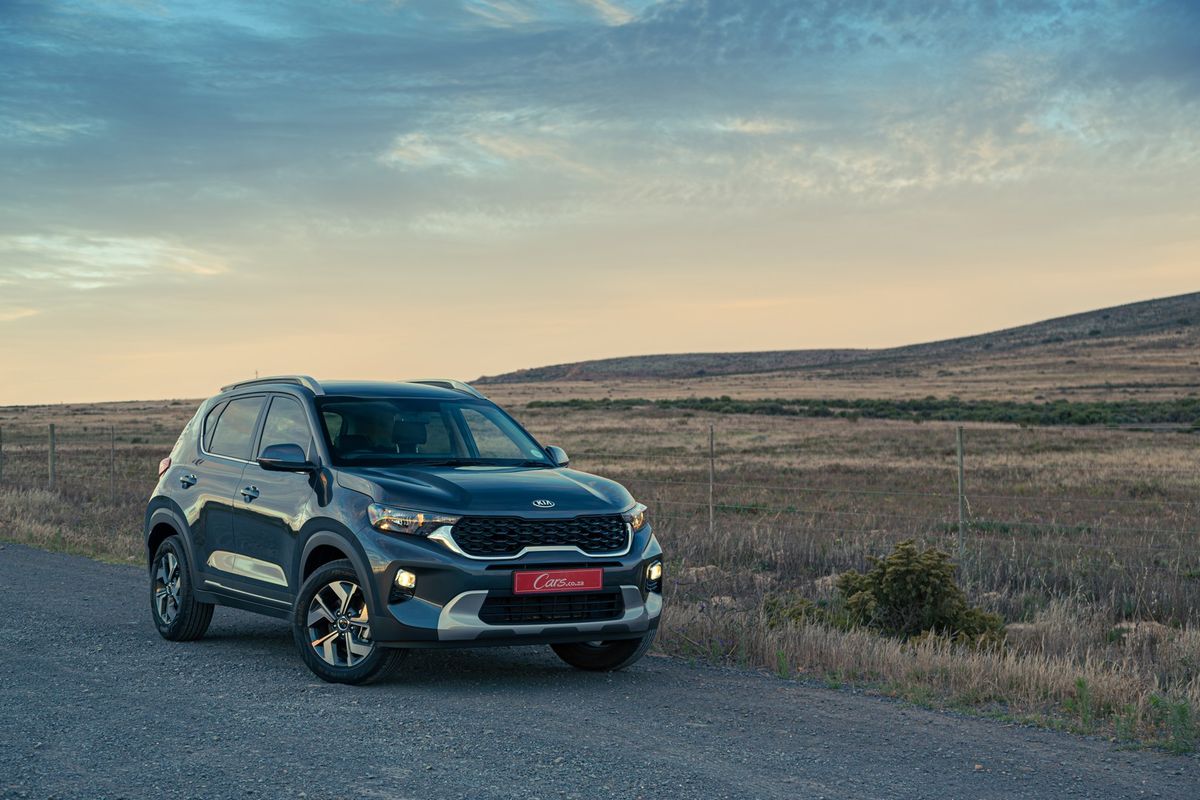
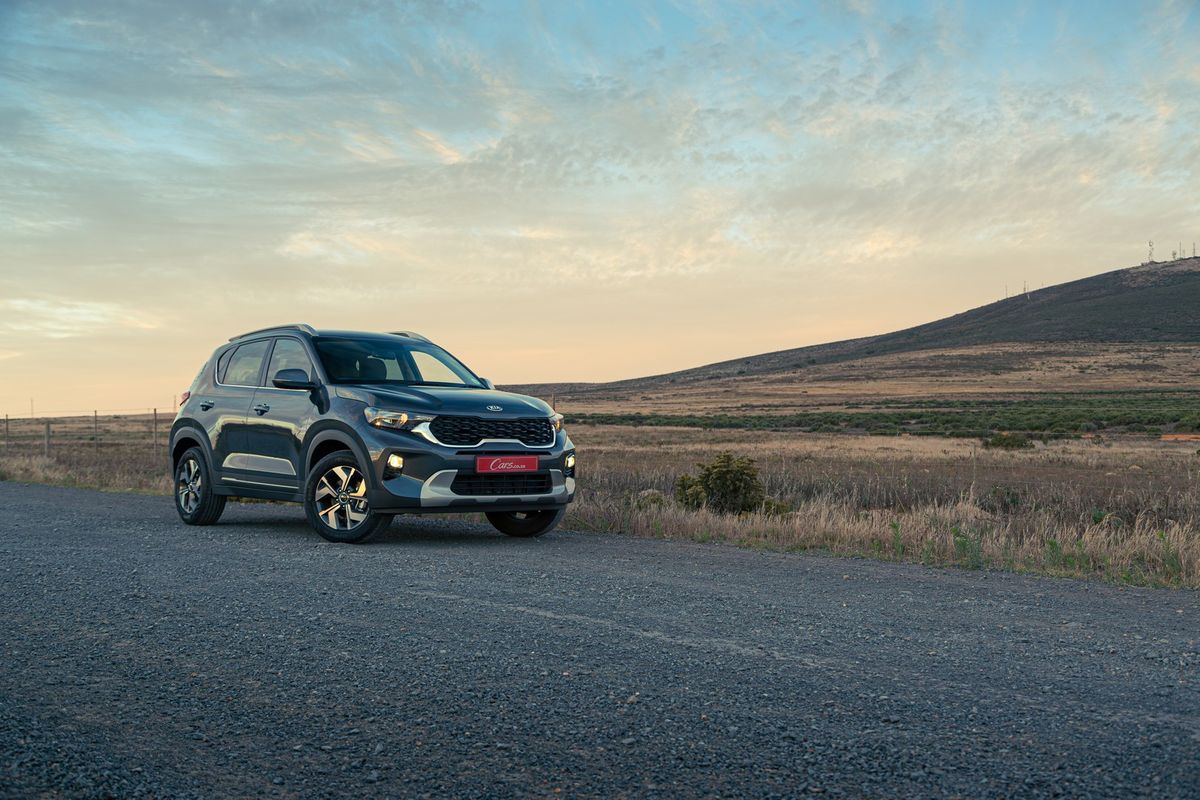
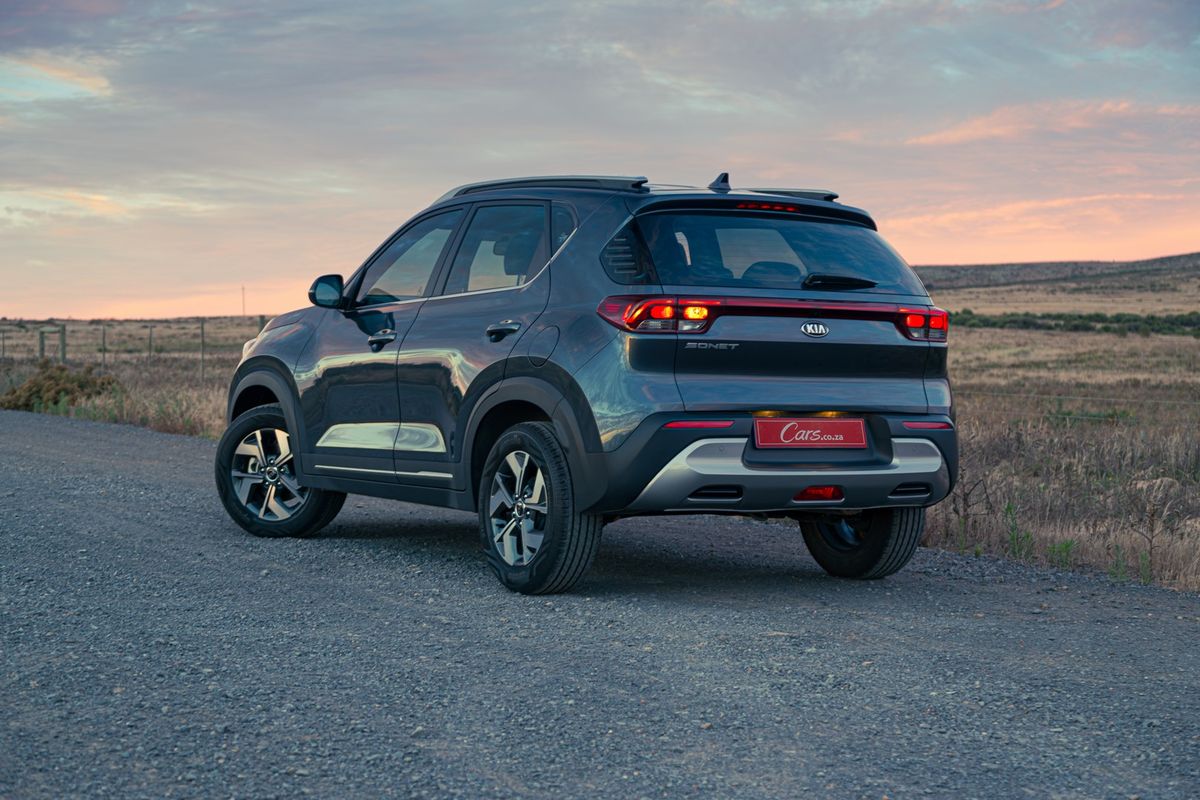
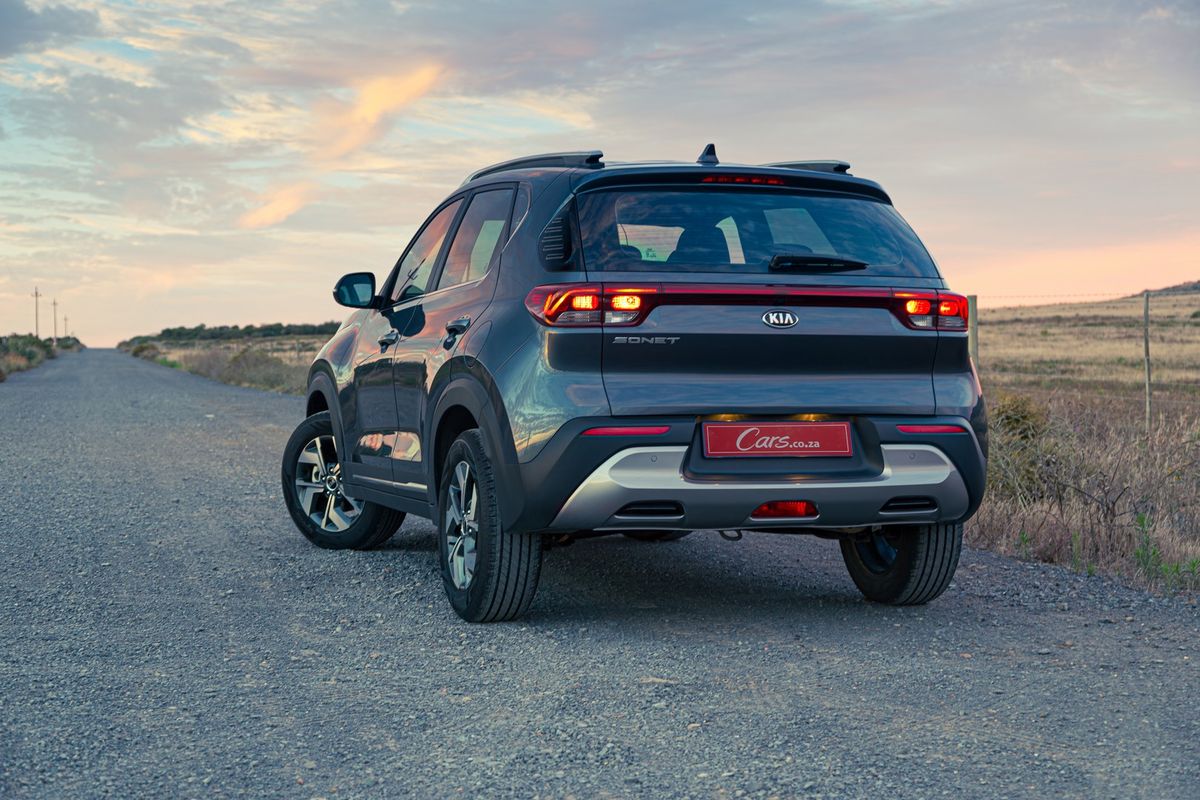
So, what about models that were bubbling under in September 2023? Well, the recently facelifted Hyundai Grand i10 (949 units) range – which now includes sedan derivatives, along with hatch and light-commercial panel-van variants – was next, ahead of the Toyota Fortuner (893 units), Chery Tiggo 4 Pro (858 units), Nissan Magnite (797 units) and Kia Sonet (743 units). Special mention must also go to the new Suzuki Fronx, which hit a total of 527 registrations – all via the dealer channel – in its 1st full month on sale.

1. Toyota Hilux – 3 249 units

2. Volkswagen Polo Vivo – 2 698 units 

3. Ford Ranger – 2 413 units 

4. Toyota Corolla Cross – 2 259 units 

5.  Isuzu D-Max – 1 639 units

6. Toyota Hi-Ace – 1 462 units

7. Suzuki Swift – 1 291 units

8. Toyota Starlet – 1 247 units  

9. Volkswagen Polo (hatch) – 1 148 units

10. Nissan NP200 – 997 units

Top 10 vehicles exported from South Africa in September 2023

VW’s Kariega plant exported 11 402 examples of the Polo hatch in September.

For the 5th month on the trot, the Volkswagen Polo hatchback topped the export charts, with a whopping 11 402 examples shipped off from the Kariega factory in September 2023. The Rosslyn-built BMW X3 was 2nd on 6 230 units, with the Munich-based automaker reporting detailed sales figures for the 1st time this quarter.

Meanwhile, the Toyota Hilux (5 741 units) pushed ahead of the Ford Ranger (5 536 units) in the exports race in September, with the popular Prospecton-built and Silverton-made bakkies settling for 3rd and 4th, respectively.

Once again, the Nissan Navara, Isuzu D-Max, Toyota Fortuner, Toyota Corolla Cross, Nissan NP200 and Toyota Corolla Quest made up the export numbers. As always, we should point out Mercedes-Benz did not submit detailed figures, so it’s not clear how many new C-Class sedan units were exported during the month (but for the record, Naamsa’s estimate for September 2023 stood at 5 905 units).

1. Volkswagen Polo (hatch) – 11 402 units

2. BMW X3 – 6 230 units

3. Toyota Hilux – 5 741 units

4. Ford Ranger – 5 536 units

5. Nissan Navara – 427 units

6. Isuzu D-Max – 413 units

7. Toyota Fortuner – 148 units

8. Toyota Corolla Cross – 129 units

9. Nissan NP200 – 25 units

10. Toyota Corolla Quest – 3 units

Vehicle-sales outlook in SA for the remainder of 2023

So, what does the future hold for South Africa’s new-vehicle market? Well, Naamsa warns the automotive industry “continues to grapple with concerns over consumer affordability”, despite the fact the South African Reserve Bank (SARB) maintained the repurchase rate at 8.25% last month.

“The most recent SARB report indicates a 0.3% contraction in household consumption expenditure, with household debt surpassing household disposable income by 62.5% in the 2nd quarter of 2023. Additionally, the industry faces potential upward pressures stemming from an elevated inflation outlook, fluctuations in the exchange rate, rising fuel prices and increased energy costs,” the industry representative body cautions.

“On the positive side, Stats SA reported that the manufacturing and finance industries were the core drivers of GDP growth in the 2nd quarter of 2023, recorded at 0.6%. Motor vehicles, parts and accessories, and other transport equipment grew by 9.5%, contributing 1.0% to the GDP. This unequivocally demonstrates that, despite the less-favourable economic prospects, the outlook for the South African vehicle market in 2023 remains distinctly optimistic.”

Naamsa adds the year-to-date new-vehicle sales volumes and exports have “held their own, indicating a positive trajectory” toward achieving the organisation’s annual forecasts of 563 000 units for the former and 380 900 for the latter.

Meanwhile, WesBank’s Gaoaketse says while the “cold data shows 2 months of negative growth, a market of 46 000 units is in line with volumes during 2019”.

“This indicates a continued resilience and sustained slow recovery as experienced and predicted in the aftermath of the pandemic. Whilst there is no doubt that the market has major headwinds to overcome, new-vehicle sales continue to defy the odds,” he points out.

The average value of new vehicles financed by WesBank in September 2023 was almost R400 000.

“The reprieve in September from further interest-rate hikes will be welcomed in constrained household budgets. But other economic pressures from fuel prices, inflation, restricted income growth and the energy crisis will continue to play on consumer and business confidence and sentiment to make new-vehicle purchase decisions.”

According to NADA’s Cohen, there are currently (and will continue to be) attractive deals on offer for new-car buyers, despite the challenges facing the industry.

“Original Equipment Manufacturers (OEMs), distributors and importers have begun offering a wide range of incentives and discounts on vehicles, from luxury to budget cars. Banks are also introducing innovative finance schemes to stimulate buying activity. The market currently offers favourable opportunities for buyers seeking a good deal,” concludes Cohen.

Related content

NP200 going, Almera gone: where to from here for Nissan SA?

The cars and bakkies SA’s government bought in August 2023

South Africa’s 15 best-selling passenger vehicles in H1 2023

Celebrating 50 years of BMW in South Africa – BMW Group SA Chronicles (Ep 1)

In this 6-part video series, Cars.co.za collaborated with BMW Group South Africa to take a deep dive into the history of this iconic brand in South Africa, and in the process of filming this series, we assembled a never-seen-before gathering of classic BMWs.

This series represents an unprecedented attempt to visually showcase, for the first time, the South African BMW story, as told by the cars themselves.

BMW is a brand that has woven itself into the fabric of South African motoring as well as our culture. We even have our very own proudly South African nicknames for iconic BMWs.

However, in many ways, South Africa has played an important role in the story of BMW itself, with a number of unique models developed and sold in our market which went on to inspire the development of models for the global market.

Presented by radio and motoring personality, Jacob Moshokoa, the series also features interviews with key players in the history of BMW in South Africa, all of whom played pivotal roles in building the brand and the cars themselves.

Keen on buying the BMW book mentioned in the video? Buy it here!

6 Highly Collectable SA Special Editions

BMW 530 MLE: Restoration of an SA icon

Order a 1/18 scale model of a BMW from SentiMETAL

Order a A2 or A3 print of a 325iS, 333i, or other unique-to-SA BMWs

Other ‘BMW 50 Years’ series episodes:

Mzansi’s love for BMW M cars – BMW Group SA Chronicles (Ep 6)

The story behind BMW’s iconic TV adverts + BMW SA exports – BMW Group SA Chronicles (Ep 5)

BMW 333i and 325iS – BMW Group SA Chronicles (Ep 4)

The M1-engined 745i – BMW Group SA Chronicles (Ep 3)

How BMW’s SA race cars were born – BMW Group SA Chronicles (Ep 2)

Fuel Price Going Up in October 2023

As September draws to a close, fuel price adjustments for October 2023 are looming and unaudited month-end data indicates that the price of petrol and diesel will increase substantially.

Motorists and the South African economy must brace for another consecutive fuel price increase for October 2023. 

The upward trajectory of international oil prices in September is the main contributing factor for the increases, further deepened by a generally poor Rand-US Dollar performance during September 2023. 

The latest data available from the Central Energy Fund points to the following potential increases: 

Petrol 93 – up by about 77c per litre 

Petrol 95 – up by about  83 c per litre 

Diesel 0.05% – up by about  R1.65 per litre 

Diesel 0.005% – up by about R1.62 per litre 

Illuminating Paraffin – up by about R1.50 per litre

The Automobile Association (AA) commented, “As was the case with the previous increases, these latest significant adjustments are mainly attributable to rising international oil prices. While the weaker Rand/US Dollar exchange is also playing a role in the hikes for all fuels, its contribution is less substantial than the international product prices” 

The projected fuel price increases come at a difficult time for consumers who are already overburdened with the rapid rise in general living costs. The recent spell of increases will continue to put pressure on food inflation in the short term. 

“These increases are going to hit all consumers hard, and they come at a time when most South Africans are feeling extreme financial pressure. It remains concerning, however, that in the face of these increases, government remains silent on its plans, if there are any, on a way forward to deal more effectively with fuel price increases,” notes the AA. 

With the December holiday season fast approaching, motorists are advised to budget for further fuel prices increases. Motorists can also cut fuel costs by minimising trips through effective planning and by keeping their car in good mechanical condition while also making sure that tyres are correctly inflated to help reduce fuel consumption. 

Predicted Fuel Price for October 2023 

Fuel Type Sept ’23 Inland Sept ’23 CoastOct ’23 Inland*Oct ’23 Coast*
Petrol Unleaded 93R24.14R23.42R24.91R25.19
Petrol Unleaded 95R24.54R23.82R25.37R24.65
Diesel 0.05%R23.82R22.33R25.47R23.98
Diesel 0.005%R23.29R22.58R24.91R24.20
*October figures are forecast figures and not official.

Related Content 

Most Fuel Efficient Budget Cars in SA

10 Fuel Efficient Used Compact SUVs under R300k

10 Fuel Efficient Used Cars Under R200k in SA

10 Fuel Efficient Used Family SUVs Under R400k 

5 Fuel Efficient Used Double Cab Bakkies Under R500k

Is it time for South Africa to Switch to EVs? 

5 Ways to Beat the Fuel Price Hike

Volkswagen Tiguan (2016-2021) Buyer’s Guide

Thinking about picking up a pre-facelift Mk2 Volkswagen Tiguan? Read on to find out which variants were offered in SA and what you’re likely to pay on the used market, plus a look at this crossover’s strengths and weaknesses…

In 2019, the Volkswagen Tiguan graduated to the role of the German brand’s best-selling model globally, a title it has held since. Yes, Wolfsburg’s compact crossover has outsold its Polo and Golf hatchback siblings for the past few years, despite being only in its 2nd generation.

Indeed, more than 6 million units of the Tiguan had been produced by 2020. The original version (which debuted in 2007) accounted for 2.8 million of those, with in excess of 19 000 examples registered here in South Africa. The 2nd-generation model has proved even more popular, despite having since been joined by smaller, more affordable crossover siblings in the form of the T-Cross, Taigo and T-Roc.

Built on the A2 version of the VW Group’s ubiquitous MQB platform, the AD/BW-generation Tiguan offered more space and technology than its predecessor, while also benefitting from far sharper styling and improved safety levels (scoring 5 stars from Euro NCAP in 2016). The 3-row Allspace furthermore joined the range in this generation, offering an extended wheelbase and 7 seats.

In this buyer’s guide, we’ll focus on the pre-facelift model. For the record, the refreshed Mk2 Tiguan hit the local market in mid-2021, bringing updated styling and a raft of divisive touch-sensitive controls in the cabin.

Volkswagen Tiguan model line-up

At launch in SA, only 1.4 TSI derivatives of the Mk2 Tiguan were on offer.

The 2nd-gen Volkswagen Tiguan made its debut at the International Motor Show (IAA) in Frankfurt in September 2015, though it took almost a year for the German crossover to arrive in South Africa.

At launch in August 2016, only turbocharged EA211 1.4-litre, 4-cylinder petrol engines were available, offered in 2 outputs (both driving the front axle) with the 92 kW version using a 6-speed manual gearbox and the 110 kW version a dual-clutch transmission with the same number of cogs. Spread over 2 trim levels, this resulted in an initial 3-variant line-up:

  • 1.4 TSI (92 kW/200 Nm) Trendline 6-speed manual
  • 1.4 TSI (92 kW/200 Nm) Comfortline 6-speed manual
  • 1.4 TSI (110 kW/250 Nm) Comfortline 6-speed DSG

By March 2017, the local range had swelled to 7 derivatives thanks to the arrival of a trio of turbodiesel variants and a turbocharged 2.0-litre, 4-cylinder petrol model. The latter TSI-badged powerplant took the form of the familiar EA888 from an earlier version of the Golf GTI, directing a healthy 162 kW and 350 Nm to all 4 corners through a 7-speed DSG (and available in conjunction with the Highline trim level).

And the oil-burners? Well, the EA288 2.0 TDI unit was offered in 3 states of tune, starting with an 81 kW/280 Nm version featuring the mid-tier Comfortline grade and a 6-speed manual gearbox driving the front axle. The higher-output iterations both boasted 4Motion all-wheel drive, delivering either 105 kW/340 Nm (Comfortline) or 130 kW/380 Nm (Highline) through a 7-speed DSG.

The 7-seater Allspace was 215 mm longer than the standard body style.

The 7-seater Tiguan Allspace – which boasted an extra 110 mm between its axles and an additional 215 mm of length overall – made local landfall in April 2018, with all 4 derivatives shipping standard with VW’s dual-clutch cog-swapper. The entry-level Allspace Trendline used the 110 kW 1.4 TSI lump, while a 132 kW/320 Nm version of the 2.0 TSI made its debut in all-paw, Comfortline guise, slotting in below the 162 kW Highline. The sole diesel option in the Allspace line-up was a 2.0 TDI Comfortline 4Motion variant offering 110 kW (with the 5-seater version seemingly also upgrading from 105 kW at this point) and 340 Nm.

Around August 2018, VW South Africa quietly added a DSG-equipped 1.4 TSI Trendline derivative to the local 5-seater Tiguan range, handing it the 110 kW/250 Nm tune (rather than the 92 kW configuration from the manual version of the Trendline). By June 2019, the self-explanatory new Black Style package became available on the Tiguan, though it could be ordered (for R25 200) only in conjunction with the R-Line kit on Comfortline and Highline models.

The facelifted Tiguan hit the local market in July 2021, with the updated Allspace following in April 2022 and the long-awaited 235 kW Tiguan R finally blasting onto showroom floors in October 2022.

What are the Volkswagen Tiguan’s strengths?

High perceived build quality and a logical layout of instruments.

Cabin build quality and layout: While the Mk2 Volkswagen Tiguan’s sharp exterior styling certainly turned heads, it was the interior that was perhaps most impressive. Drawing on a recipe it had already come close to perfecting with the Golf 7, VW handed its compact crossover a pleasing mix of high-quality materials and clever layout. Ergonomic yet easy on the eye, the well-insulated cabin – which could be further enhanced with the optional fitment of items such as the highly configurable active info display – was classy enough to give more traditionally premium brands a serious run for their money.

Practicality and space: The 5-seater version of the AD/BW-generation Tiguan was 60 mm longer and 30 mm wider than its forebear, while also gaining an extra 77 mm in its wheelbase. As a result, space in the rear was plentiful, while the 40:20:40-split bench featured the ability to slide fore and aft through 180 mm. With the rear pews shoved forward, luggage space measured a claimed 615 litres, a figure that ballooned to 1 655 litres with the same seats folded down.

Plenty of packing potential with the Allspace’s seats dropped.

Of course, the long-wheelbase Allspace offered even more versatility, boosting boot and utility space to 700 and 1 775 litres respectively, when the 3rd row was not deployed.

Oomph-to-economy ratio of diesels: Though the 1.4 TSI models were more affordable and the 162 kW 2.0 TSI the fastest accelerating, the 2.0 TDI derivatives offered a compelling mix of under-bonnet verve and potential frugality. The middling 105 kW version of the EA288 engine unsurprisingly delivered the most balanced blend, able as it was to sip at a claimed 6.1 litres per 100 km (a particularly impressive figure considering the presence of all-wheel drive) and hit 100 kph from standstill in a claimed 9.5 seconds.

Is the VW Tiguan a reliable and comfortable vehicle?

The R-Line kit included sports suspension and larger wheels, which impacted ride quality.

Firm low-speed ride with R-Line kit: The vehicles that appeared in the marketing material at the time of VW’s local launch predictably all wore the R-Line package. While this optional exterior kit – which included sporty R-style bumpers, chunkier side sills and a larger rear spoiler – added a generous dollop of visual pizazz, it also brought with it a compromise to the otherwise commendable ride quality. Thanks to the sports suspension and 19-inch alloy wheels (wrapped in 45-profile tyres), Tiguan models such equipped displayed a distinct brittleness to the low-speed ride quality on anything but billiard-smooth tarmac.

Possible leaks through sunroof seals: A tilt-and-slide panoramic sunroof was available as an option across the range, with many South African buyers springing for this extra. However, we’ve heard of several instances – both locally and overseas – of water leaking into the cabin owing to blocked (usually pinched-shut) drainage channels in the sunroof seals. When inspecting a potential 2nd-hand buy, make sure to check the cabin for obvious signs of damp.

The Mk2 Tiguan thankfully didn’t use the problematic DQ200 transmission.

A note on DSG reliability: Though the DQ200 (dry clutch) version of VW’s DSG transmission is the gearbox that became notorious for reliability issues, it wasn’t offered in this generation of the Tiguan. Instead, the 1.4 TSI used the DQ250, while the 2.0 TSI and 2.0 TDI both employed the likewise wet-clutch DQ500. By all accounts, these were far less problematic cog-swappers, with the DQ500 perhaps the best of the bunch. Still, it’s worth noting no dual-clutch unit is immune to potential issues, so pay close attention to the transmission’s behaviour when test driving.

Miscellaneous points: Similarly, we should make clear the 1.4 TSI unit used in this generation of the Volkswagen Tiguan was the EA211, not the earlier EA111. As with the DSG example above, the patchy reliability of the older engine (particularly in twin-charged form in the pre-facelift Mk5 Polo GTI) – which was known for maladies such as excessive oil consumption and stretched timing chains – shouldn’t necessarily be applied to the newer powerplant. That said, it’s always prudent to limit your search to models with a comprehensive maintenance history.

For the record, the EA211 switched from the EA111’s timing chain to a belt, with VW initially declaring it good for the life of the vehicle. Still, we’d suggest having the belt at least inspected – if not changed – if the mileage is high. The EA888 (in 2.0 TSI models), meanwhile, has been known to suffer from a leaking water-pump housing; the pump and thermostat are packaged together in a plastic housing, which is prone to early failure. The EA288 has perhaps the best reputation of the trio, though like most oil-burners can be susceptible to clogging of the diesel particulate filter (DPF).

How much does a used Volkswagen Tiguan cost in SA?

This is what the Tiguan looked like sans the popular R-Line package.

From launch, the Volkswagen Tiguan shipped standard with a 3-year/120 000 km warranty and a 5-year/90 000 km service plan (with intervals of 15 000 km). The later model-year examples should thus still enjoy some coverage. Regardless, always favour vehicles with a full service history – and preferably a verifiable one.

The Tiguan was available with all manner of options (individual and as part of wider packages), so make sure you’re comparing apples with apples on the used market. For instance, some models for sale might be fitted with the larger 8.0-inch Discover Pro navigation unit, the 400-watt Dynaudio surround-sound system, adaptive cruise control or the off-road package (reserved for 4Motion variants and featuring an improved approach angle).

A whopping 75% of the used AD/BW-generation Volkswagen Tiguan stock listed on Cars.co.za at the time of writing featured petrol power, mostly in the form of 1.4 TSI models. Unsurprisingly, just 10.5% were fitted with a manual gearbox, while 42% came with VW’s 4Motion system. Interestingly, the 7-seater Allspace body style made up a significant 30% of total listings.

Mileage varied from around 10 000 km through to 211 000 km, the latter achieved by a low-output, manual-equipped 2018 version of the 2.0 TDI Comfortline. As is so often the case, white was the most common exterior paint colour, accounting for 47% of all listings, followed by silver (21%) and grey (18%). 

  • Below R300 000: Choice here was quite limited, with the base 92 kW version of the 1.4 TSI powertrain unsurprisingly the most common. We did, however, also find a 2.0 TDI model in this price bracket, though like the example mentioned above, it had more than 200 000 km on its odometer.
  • From R300 000 to R450 000: You’ll likely find yourself shopping between these bookends should you be in the market for a low-mileage, mid-spec, late model-year 1.4 TSI derivative. That said, this bracket contained far more options, including many 2.0 TDI variants, a handful of 2.0 TSI derivatives and the 7-seater Allspace body style. Mileage here topped out at only 120 000 km.
  • From R450 000 to R600 000: At the time of writing, this was easily the most densely populated pricing bracket, accounting for nearly half of all pre-facelift listings. As you might expect, most here were high-spec models equipped with an automatic transmission, while 51% featured 4Motion.
  • R600 000 and up: The 2.0 TSI powertrain was the order of the day above R600 000, though we also discovered a few late model-year (high-spec) examples the 1.4 TSI and an equal number of low-mileage 2.0 TDI derivatives here. Of course, it’s worth noting a budget past this point is virtually enough to get you into a facelifted model instead.

Pick of the range?

Is the R-Line package worth the ride-comfort trade off?

So, which derivative should be at the very top of your shopping list? Well, when it comes to medium- to long-term ownership prospects, we’d argue the 2.0 TDI powertrain makes the strongest case for itself.

If you’re looking for the most frugal version, the 81 kW front-wheel-drive derivative (with a manual gearbox and a claimed consumption of 5.2 litres per 100 km) is a great pick, while those who seek more oomph and prefer all-wheel drive have the option of the 105 kW (or later 110 kW) and 130 kW states of tune, both standard with 7-speed DSG transmissions. The only caveat here would be that buyers who do mostly short trips might want to consider a petrol engine instead, in order to avoid any DFP clogging issues.

Unless low-speed ride comfort is far down your list of priorities, we’d furthermore advise sticking to examples without the R-Line kit. That said, the best plan is to test drive an example with the package and one without. Then, once you’ve experienced the difference in ride quality yourself, you can decide whether the more appealing exterior styling is worth the trade-off.

Is the VW Tiguan a good used buy?

There are a number of alternatives to the pre-facelift Tiguan Mk2.

Any alternatives to consider in this space? Well, the Tiguan’s VW Group sibling, the Audi Q3, makes for an interesting rival, though the premium badge means you’re likely to pay more (and there isn’t the option of a TDI mill unless you roll back to the previous generation). 

The Tiguan’s key competitors from Japan are the XA50-generation Toyota RAV4 (but, again, there are no oil-burning options here), later versions of the J11-generation Nissan Qashqai (plus the closely related Renault Kadjar) and the KF-generation Mazda CX-5, which is perhaps the most compelling of the bunch. Other strong sellers in this segment include South Korean twins, the Hyundai Tucson and Kia Sportage.

Looking for something a little more left-field? Consider the underrated P84-gen Peugeot 3008, which was available locally with the frugal 2.0-litre HDi oil-burning powerplant. Care even less about resale value? Well, thanks to the fire scandal (which involved only one engine derivative, the 1.6 EcoBoost), there are still countless good deals to be had on later versions of the C520-gen Ford Kuga

But back to the Volkswagen Tiguan. With new-car prices (including those of the refreshed model currently on the market) having skyrocketed over the past couple of years, a nearly new example of the pre-facelift Mk2 Tiguan could make for an attractive purchase. It’d be perhaps even more tempting to save a little cash and opt for a well-looked-after earlier model-year specimen. Either way, there are plenty of options in the used space thanks to the fact that the Tiguan has remained VW’s best-selling model range worldwide for the past few years.

Looking for a Volkswagen Tiguan to buy?

Find one on Cars.co.za here

Looking to sell your car? You can sell it to our dealer network here

New-Gen Peugeot 3008 Revealed

Right now the new-gen Peugeot 3008 is electric only, but internal combustion power is still on the cards!

The Peugeot 3008 has been quite the breadwinner for the French brand since its debut back in 2007. The car took a huge leap forward with the unveiling of the 2nd-generation model in 2016, which brought a chic design both inside and out, connectivity and a pleasant drive.

Now the fresh new-gen Peugeot 3008 has been revealed, boasting a wild new look and new platform. Physically, the new model features a longer wheelbase which will increase rear passenger legroom. This new STLA medium platform will be used across the Stellantis family, so expect many new models from Peugeot, Opel, Chrysler, Citroen, DS, Jeep, Fiat, Alfa underpinned by this architecture. This platform will also be able to support mild hybrids and plug-in hybrids, which will come later.

Right now, the Peugeot 3008 will be electric only, with the three variants separated by outputs and battery size. At the bottom of the range is the single motor with 157 kW and 343 Nm, which gives it a 0-100 kph time of 8.7 seconds and has a range of 525 km from a 73 kWh battery.

At the top of the pile is the twin-motor all-wheel drive model with 240 kW and 509 Nm, which is capable of dashing to 100 kph in 6.4 seconds. Peugeot claims the same range (525 km) as the entry-level model, which we find difficult to believe as surely the heavier mass of the additional motor will impact the range…

What about the other powertrains on offer? Nothing was confirmed immediately for the new-gen Peugeot 3008, but a report from Australia’s Carsguide confirms internal-combustion power is on the cards.

Peugeot Australia boss Kate Gillis said, “We’re not only on an electrification journey, consumers are [too] … and that’s why choice is so important for us. They’re going ‘ok, am I ready for electrification? Maybe not, but I love the style, I love the design, can I get in that now’, well you can with a combustion engine. So, PHEV (plug-in hybrid electric vehicle) is a step in the direction of electrification – there’s a lot of confidence and safety for people – so why wouldn’t we give our customers that choice?” she told Carsguide.

Peugeot said the new electrified 3008 will be hitting European showrooms in February 2024 with the hybrid models arriving by the end of the third quarter of 2024.

Further Reading

Peugeot 3008 Launch Review

Want to buy a new or used Peugeot? Browse units for sale

All-new Toyota GR Corolla Review – Is this the best Hot Hatch you can buy?

We shut down a mountain pass to allow us to fully experience the 221 kW Toyota GR Corolla. Ciro De Siena answers the question: is this the best hot hatch you can buy right now?

We feel that if you asked any petrolhead which car brand would be building the most exciting enthusiast-focused cars in 2023, very few would have guessed Toyota.

But the reality is that the storied Japanese firm is cranking out some of the best performance cars in the world right now, from the GR Yaris to the GR Supra to the GR 86, and all with manual gearboxes.

The latest addition to this exciting stable is the GR Corolla. Employing the same (but highly fettled) motor as the GR Yaris, the GR Corolla is a mean-looking machine, offering 221 kW, all-wheel drive and yes, a manual cog swapper.

We shut down the dramatic Bainskloof mountain pass outside Cape Town, South Africa for this shoot and we sincerely hope you enjoy watching this as much as we enjoyed making it.

Want to purchase a new or used Toyota Corolla? Browse units for sale.

The prices and specifications of the new GR Corolla here.

Toyota GR Corolla Price in South Africa (September 2023)

1.6T GR-Four Core – R841 000

1.6T GR-Four Circuit – R902 400

Baby Toyota Land Cruiser Due in 2024

Toyota is quietly working on a baby Land Cruiser that’s due to be revealed in 2024. The concept you see here previews what’s coming.

At the reveal of the brand-new Toyota Land Cruiser Prado, the brand shared a teaser image of a smaller offroad-focused SUV and the shape more or less matches up with the Toyota Compact Cruiser EV concept that was shown back in 2021.

Despite the EV tag, we understand the baby Toyota Land Cruiser will be offered with petrol, diesel, hybrid and electric powertrains. Toyota has quite the array of engines to choose from, but these depend on the platform used. At this point its unclear whether the newcomer will use the TNGA setup (RAV4, Corolla Cross) or the GA-F ladder frame (Land Cruiser 300, Lexus LX).

The info comes straight from Japanese publication BestCar who claim the baby Land Cruiser will be aimed squarely at the Suzuki Jimny market, but will be longer to give it the advantage when it comes to boot space.

If you look at the current local Toyota lineup, we think a baby Land Cruiser is well positioned as an offroad-focused SUV. The Corolla Cross does feature adequate ground clearance, but it lacks dedicated 4×4 mechanical bits.

Baby Toyota Land Cruiser

The RAV4 has all-wheel drive fitted in some derivatives, but no low-range transfer case. There is the Fortuner, but what if you don’t need something that big or 7 seats? Enter the mini Land Cruiser! Now, imagine if Ford could bring the Bronco to SA in right-hand drive? We’d have quite the fight on our hands.

When will the baby Toyota Land Cruiser be revealed?

We expect the baby Land Cruiser to be revealed in 2024 and we’re hoping it will be assembled in right-hand drive. If it is, an introduction to SA is highly likely.

Further Reading

Meet the brand-new Toyota Land Cruiser Prado!

The Lexus GX is a posh Prado

BMW M2 (2023) Review

The eagerly awaited 2nd-generation BMW M2 has arrived in SA with huge tyre tracks to fill, so to speak. Should you dig deep for the most powerful model in its segment?

We like: Still a thoroughly engaging piece of performance hardware, comfort and daily driver talents enhanced, impressive digital integration.

We don’t like: Polarising styling, expensive compared with rivals, tricky to master, but when you do…

FAST FACTS

  • Model: BMW M2 coupe auto
  • Price: R1 503 975 before options (September 2023)
  • Engine: 3.0-litre 6-cylinder turbocharged petrol 
  • Power/Torque: 338 kW/550 Nm
  • Transmission: 8-speed automatic 
  • 0-100 kph: 3.96 sec (tested)
  • Fuel consumption: 9.7 L/100 km (claimed)
  • Luggage/Utility space: 390 litres

Serious about buying/selling?

Some dealerships regularly offer great deals. See our New Car Specials!

Looking to sell your car? Sell it on Cars.co.za for free

Where does the BMW M2 fit in?

BMW M2 Front
That styling isn’t going to win over everyone, but there’s so much more to this car than design

The M2 is the entry point to BMW’s M-car line-up and, given the success of the first model (F87), much was expected of the new G87 – the single-turbo M2 and twin-turbo M2 Competition (and other variants) tallied up sales of almost 60 000 units globally. The new model has much to live up to and BMW M hopes that if the G87 delivers an enthralling driving experience, buyers won’t mind the coupe’s polarising looks.

If you’re in the market for a premium-badged compact performance car, you’re spoilt for choice at the moment. The 338 kW BMW M2’s main rivals are the Audi RS3 (294 kW) and Mercedes-AMG A45 S 4Matic+ (310 kW). It’s interesting to note that those two both are all-wheel drive, so if you want a direct rear-wheel-driven rival to the M2, then look no further than the Porsche Cayman GTS 4.0 (294 kW).

Compare the specs of the BMW M2 with those of its Audi RS3 and Mercedes-AMG A45 S rivals

How the BMW M2 fares in terms of…

Design and Packaging

Rear-wheel drive CHECK, big turbo engine CHECK.

Visually, the new BMW M2 is, well, “a lot” – from some angles, the coupe’s multi-surfaced sheet metal looks a trifle awkward. Perhaps that is to be expected: the slinky curves of the first-gen model have been replaced by something best described as overtly angular, even blocky. There are some considerable changes under the skin, but let’s first address one of the big complaints of this generation: its weight.

Tipping the scales at 1 754 kg (which is 104 kg more than its predecessor), there’s no denying that the coupe has bulked up, but bear in mind that the model’s dimensions have grown too. The new BMW M2 is 112 mm longer, 33 mm wider, but sits 8 mm lower, than its predecessor. Importantly for cabin space, the wheelbase is now 53 mm longer, but the M2’s target market will probably not care much about that.

No Competition badge here

Assembled in Mexico, the new BMW M2 is sold as just that, an M2 coupe. There’s no Competition or CS version (at least, not yet) and the single-derivative lineup keeps things refreshingly simple. The recipe is oh-so-simple and pure, with a 3.0-litre inline-6 turbopetrol engine driving the G87 model’s rear wheels. Customers have the choice of an 8-speed auto transmission or a 6-speed manual gearbox (on order).

Performance and Efficiency

A manual is available, but the auto is best for daily driving

At this point, nobody will surprised to learn that the BMW M2 “gets down the road in a blind hurry”. The 3.0-litre inline-6 turbopetrol engine (with outputs of 338 kW and 550 Nm) is a treat and makes the M2 the most potent of all the compact sportscars (including the Mercedes-AMG A45 S 4Matic+ and Audi RS3 “hyper hatchbacks”). This engine is a tweaked version of the S58 found in the bigger BMW M3 and M4, but unlike its bigger siblings, which feature all-wheel drive (xDrive), the M2 is rear-wheel driven.

As before, you can configure the vehicle’s powertrain and chassis characteristics to your heart’s desire (well, practically) and programme the M1 and M2 buttons on the multifunction steering wheel to engage your preferred settings at the press of an appropriate thumb (left for M1 and right for M2).

If you’re not in the mood for “shenanigans”, switch everything to the most docile settings and drive to work calmly. If you, like us, are addicted to the noise of a well-tuned performance car, push the exhaust button on the centre console. If you want to loosen your teeth fillings en route to your destination (via, say, rough, uneven or potholed back roads), firm up the chassis setup entirely… but more on that later.

We LOVE this level of customisation

Haven’t the drivers of modern performance cars been spoilt rotten by all-wheel drivetrains and dual-clutch automatic transmissions? All you need to do to exact a ferocious turn of vehicular speed is flex your right foot to experience head-snapping pre-programmed gear shifts, while vast reserves of four-wheeled traction (and driver aids) help you keep your machine on the road (out of the proverbial hedge).

Yet, the BMW M2 doesn’t quite offer that level of instant accessibility. You can’t just get in, punch the M2 button and expect instant driving perfection. Yes, the 8-speed transmission shifts hurriedly, but this is a car that you’ll need to figure out and take a measured approach, something enthusiasts will relish doing.

The M2 button on the M2. Press for happiness

The perfect example to highlight that is our 0-100 kph test. Generally, we’d set the timing equipment up, activate the car’s sportiest settings/launch control and mash the accelerator pedal. Most performance cars will set off in a quick but undramatic fashion and invariably get close to the claimed 0-100 kph time.

First time out in the BMW M2? It spun its Michelin Pilot Sport rear boots and wiggled its tush; so much for optimal traction and acceleration, then! First run to 100 kph? 4.77 sec, some way off the 4.1-sec claim.

The digital dashboard is customisable with themes

Reading the owner’s handbook and digging into the car’s onboard menu provided a solution; by adopting optimal settings, the M2 (now on warm tyres) sped from 0 to 100 kph in 3.96 sec on its 3rd run. When we tested the Audi RS3, it did it in 3.86 sec (on the same surface, but aided by its all-wheel drivetrain).

Seeing as it produces 550 Nm of torque (available from as low as 2 650 to 5870 rpm), the new BMW M2 has no shortage of overtaking grunt on tap. Therefore, there’s no need to pin the accelerator pedal to the footwell floor – or change to a sportier drive mode – to execute rapid overtaking manoeuvres. The 8-speed automatic transmission is well-mapped and there are 3 shift programmes to choose from.

You can have an ultra-smooth flutter of a gear change (ideal for the daily commute) or, at the other end of the scale, a bolt-action thud that makes your head nod. Lovely. You can also utilise the shift paddles (don’t they look just awesome?), but note that the downshifts aren’t always as snappy as the upshifts.

Three gearbox shift settings and they’re quite different

BMW reckons the M2 has a potential range of 536 km from its 52-litre tank (that is based on an average consumption of 9.7 L/100 km). Sorry, we don’t buy that! It’s near-impossible to drive an M2 sedately; its power corrupts every fibre of your being. The best economy figure we could muster was 11.7 L/100 km.

Ride and Handling

A great car needs great rubber and once these Michelins are warm, its showtime

Before we discuss the M2’s handling abilities, the question that needs to be answered is: “Could it be your everyday car?” Realistically? Yes. The BMW M2 is certainly a firmly-sprung sportscar, but even in its most comfortable settings, it’s no worse than, say, a Renault Megane RS Trophy or Honda Civic Type R. Having commuted in an M2 on a particularly congested route, we’d say it could well be a fine “daily”.

The main irritation came from the large wheels (fitted with low-profile tyres), because the road noise they generated on some surfaces couldn’t be drowned out by the excellent Harman Kardon audio system. The adaptive dampers (fitted as standard for the first time) work tirelessly to absorb road imperfections.

If you’re that worried about ride comfort, then consider the BMW M240i xDrive, which offers most of the M2’s performance, a softer ride and the bonus of all-wheel drive – just know, it WON’T be an M car…

BMW M2 launch Control
The view most other road users will see

We put everything in the M2 (including ourselves) into Sport Plus and headed for our favourite section of serpentine tarmac. To further enhance the M2’s dynamism, BMW equipped the model with wider front and rear tracks, which – to put it very simply – reduces the transfer of weight under hard cornering and improves grip. With its exhausts popping and motor snarling, the BMW M2 is eminently engaging to pilot.

If you pitch the M2 into corners aggressively, the car feels fun and playful without a hint of understeer. As you exit bends, you can apply the throttle liberally – you’ll be surprised by just how much grip is at your disposal (be wary of how dry or slippery the road might be before you do that, though). If you’re feeling brave and have a budget for new tyres, you can play with the 10-stage traction control and drift analyser.

BMW M2 drift analyser
A drifting mini game… Not for public roads.

While this author was not brave (or foolish?) enough to really push the handling limits of the M2, our in-house race ace Ashley Oldfield had this to say: “This M2 feels more planted at the rear and seems less prone to bouts of snap oversteer than the previous M2 Competition. The front end tucks in faster than you think possible, thanks in part to the very fast steering setup, which is better than ever on this model.

“The multifunction steering wheel’s weighting feels superb and even with the electric assistance, you get some of that dearly-missed feedback through the rim when you’re fully concentrating on extracting maximum performance out of the M2. Having said that, thanks to its longer wheelbase and wider tracks, the G87 M2 has arguably lost some of the previous-gen M2 model’s visceral ‘on-the-edge’ character.”

Comfort and Features

We hope you like carbon fibre

When you climb inside the G87’s cabin, you’re greeted by the latest iteration of a BMW M cockpit. The fascia is dominated by an infotainment screen (powered by the Operating System 8) that spans across most of the dashboard. It has “the wow factor”, but it’s not exactly user-friendly, at least not initially.

So many apps, so many ways to do similar things.

All the usual creature comforts are provided, thankfully, and tech-savvy owners will appreciate the Apple CarPlay/Android Auto compatibility, wireless charging pad and USB connectivity.

However, we would have liked to access the climate control functions through buttons rather than via the touchscreen menu. If all else fails, say: “Hey BMW, set cabin temperature to 20 degrees” to get a result.

BMW M2 Infotainment
The simple layout is the best execution

Our test unit featured the M Race track package (R100 000), which included some tasty carbon fibre trim, a carbon-fibre roof, M Carbon bucket seats, as well as a higher top speed – but we didn’t test the latter feature, of course. Customers have 7 exterior colours and a pair of wheel designs to choose from.

BMW M2 interior
These seats look the part!

These optional front seats are terrific – not only do they look appropriate for a car like the M2, but they’re both supportive and comfortable (once you’ve taken the time to adjust them exactly to suit your frame). Impressively, the M2 logo is illuminated at night and the seats reduce the car’s weight by about 10 kg.

Price and After-Sales Support

BMW M2 coupe autoR1 503 975

The BMW M2 coupe auto comes standard with a 5-year/100 000 km maintenance plan.

Verdict

M stands for Mega. We will miss cars like this in the future.

This marks the end of an era for BMW M. This M2 will be the last M car to feature a manual ‘box and, as widely reported, it’s the last model not to feature hybrid/electric assistance. We suspect this will be the final rear-wheel-drive M car and, from here on, every M will have xDrive and some form of electrification.

Compared with its rivals, the new BMW M2 seems steeply priced (okay, apart from the 4.0-litre Porsche Cayman), but the reality is that it does not have an extensive options list, plus it’s the latest and most powerful model in the segment. “Still, it seems like a lot of money for a baby M,” detractors may say. “Is the M4 that much more expensive?” Well, the M4 coupe demands R2.1 million-plus these days, so the new M2 costs a notable R600k less. For what it’s worth, its nearest Porsche rival begins at R1.8 million.

BMW M2 rear

Should you buy one? The M2 is a more practical “daily” than the previous M2 Competition and boasts the latest generation of in-car connectivity, but these are not factors that will wow BMW M aficionados.

We found ourselves asking: Is the M2 still capable of challenging us? Does it reward with a thoroughly engaging driving experience (once we’ve taken the time to get to know it a bit better)? Does it still sound like a deranged beast when you demand full-bore acceleration from it? Yes is the answer on all counts.

That’s why the new BMW M2 is likely to be one of the finest machines we’ll get to drive in 2023. Enjoy cars like these while they’re still around.

Related content:

BMW M2 International launch review with video

BMW M2 launched in SA – All the details

Porsche 911 (997) GTS vs GT3: Classic Comparison

Which collectable 997-series Porsche 911 is the more prudent purchase and which is the more satisfying to drive? We line up examples of a GTS and a GT3 to find out.

IMAGES: Charles Russell

The nomenclature consists of 3 letters: G, T and S. During the past few decades, many sportscar makers have employed the GTS designation in naming selected models, so much so that the abbreviation has become synonymous with “sportiness”, but the value of the respective distinctions can vary dramatically.

Even Porsche is guilty of applying the GTS badge randomly; those letters have been used on race cars (the 904 Carrera GTS), as well as road cars other than the 911 (back in the Nineties, the 928 sports tourer and, more recently, on Porsche’s Cayenne premium SUV range, for example).

As expected, when Porsche returned this particular badge to the 911 range in late 2010, a lot was expected of this new model. It was quite clear that the Zuffenhausen-based brand aimed to bridge the gap between the sportier Carrera S and the more track-oriented GT3 derivatives.

The model is based on the Carrera S with the optional Powerkit, which, fortunately, also included the Sports exhaust system and, although this specific 911 GTS has the classic rear-wheel drive configuration, it was clad in the wider body of the all-wheel-drive version.

Besides, who could ignore the allure of those motorsport-inspired centre-lock RS Spyder wheels? It makes sense to weigh up the pros and cons of each model. Is it as straightforward as simply discarding the 911 GTS and opting for the track-inspired 911 GT3?

As I arrive at our rendezvous for the morning’s proceedings, the sight of two 997-series Porsche 911s is more than enough to justify that pre-sunrise alarm clock disturbance of around 2 hours ago. The cars’ owners are utter petrolheads, but their respective car collections are very different.

However, parts of their history and recent purchases do show some interesting similarities. Which model is the 1 to consider though, even if you factor in that the 911 GTS is more affordable than the 911 GT3?

First up: the 997-series Porsche 911 GTS

I happened to have had a great run with a 911 GTS press car on this very mountain pass, and getting behind the wheel again several years later brings back very exhilarating memories. Today, the interior of this GTS still feels rather modern.

Specifications

  • Model: Porsche 911 (997.2) GTS
  • Engine: 3.8-litre, flat-6 petrol
  • Power: 300 kW at 7 300 rpm
  • Torque: 420 Nm between 4 200 – 5 600 rpm
  • Transmission: 7-speed dual-clutch (PDK), RWD
  • Weight: 1 420 kg
  • 0-100 kph: 4.6 sec (claimed)
  • Top speed: 306 kph

Given the dark Aqua blue metallic exterior finish, the lighter Sand beige full leather interior is a welcoming contrast and lifts the interior – especially on this crisp autumn morning – even more so compared to the usual dark interiors that seem to be most Porsche buyers’ preference.

There are only a few buttons above the gear lever that will be of consequence for this test. These include one for the Sports exhaust, which allows for a fruitier engine sound at the mere push of a button, followed by those to engage the Sport Plus driving mode and toggle the suspension settings respectively. As expected, I select Sport Plus first… I have a mountain pass in front of me, after all.

I pull away and immediately the car feels ready to be driven hard and to its limit. The PDK transmission keeps to its gear selection programme, but I override the electronic system by calling the steering wheel-mounted paddles into action. There is (what feels like) very little inertia in the engine.

As I feed in the power through the accelerator pedal the rev needle rises towards 3 000 rpm, then faster towards 5 000 rpm, but it is from here to the 7 400 rpm redline that the engine gives it best. Now the Sports exhaust makes its voice heard as the hollow metallic sound permeates the cabin. It only further encourages you to pull on the right paddle and make the rev counter needle swing past 6 000 rpm again.

The optional carbon ceramic braking system feels quite effective, you can really lean on the anchors repeatedly. As this car has only 33 000 km on the odometer, the cabin emits no notable creaks or rattles. But, apart from the engine delivery, what is an especially joyous experience is having all this feedback through the steering wheel, replete with its hydraulically assisted system.

The steering wheel also points the car in the desired direction eagerly while those wide wheels and tyres (8.5×19-inches with 235/35 ZR19s front and 11×19-inches with 305/30 ZR19s rear) provide copious grip. I’m impressed; the 911 GTS is still a proper sports car, but also one that can be driven every day.

And the shape of the 997-series Porsche 911 GTS is so true to the 911’s classic form – another reason why the owner likes this specific car so much…

Time to pilot the 997-series Porsche 911 GT3

After parking the 911 GTS at the foot of the pass, I settle myself into the 911 GT3. For a moment, it doesn’t feel too different: it is also a 997-series model, but while the GTS is based on the second-generation 997, this is a Gen1 997 GT3.

Specifications

  • Model: Porsche 911 (997) GT3
  • Engine: 3.6-litre, flat-6 petrol
  • Power: 305 kW at 7 600 rpm
  • Torque: 305 kW at 7 600 rpm
  • Transmission: 6-speed manual, RWD
  • Weight: 1 395 kg
  • 0-100 kph: 4.3 sec (claimed)
  • Top speed: 310 kph

The interior shows its age more than the 911 GTS (it has fewer luxuries and features), but to the true driver that would matter little. There is a basic steering wheel devoid of the small displays that feature in the spokes of the 911 GTS’s tiller.

The centre console is less cluttered than that of the 911 GTS too, and the Alcantara-clad stubby gear lever draws my attention almost as much as the double rear wing that looms in the views of the side and rear mirrors. And it has a manual gearbox – now that’s a rarity in a Porsche 911 these days! Excuse my enthusiasm, but a standard 1st-gen 997-series 911 GT3 had slipped through my fingers – until today.
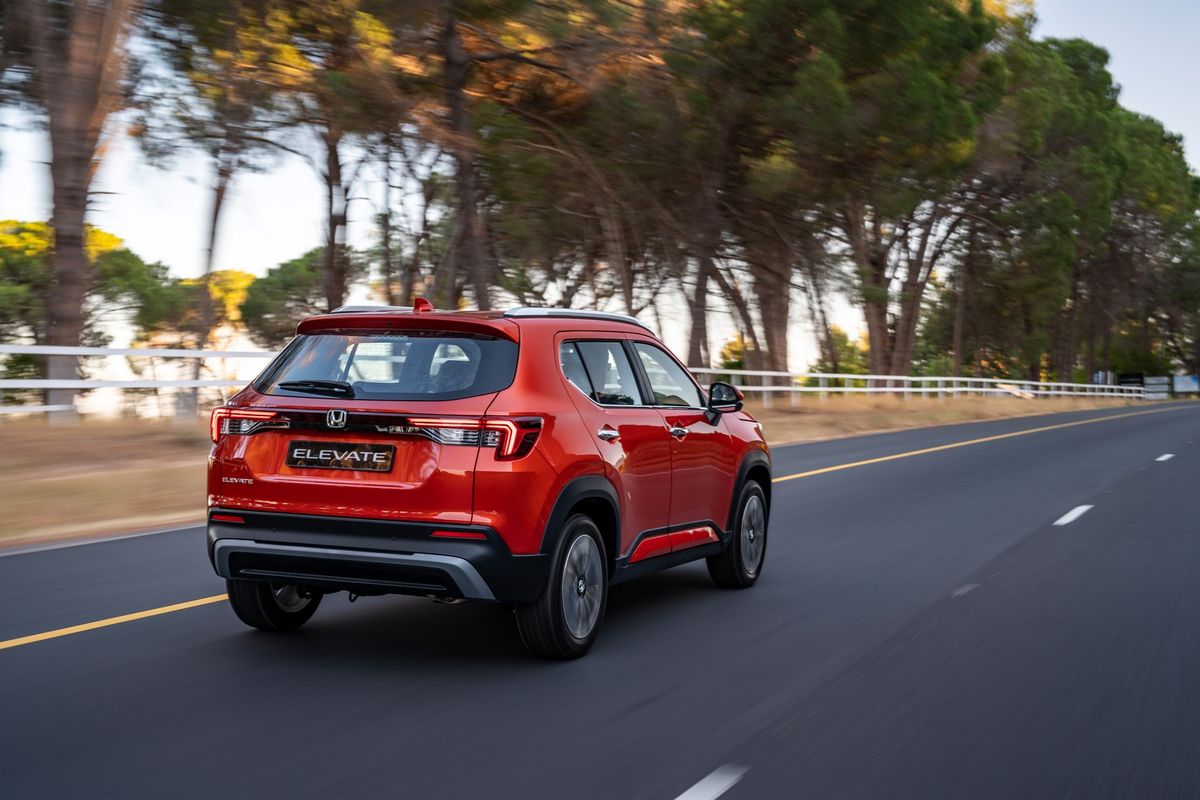
The moment I turn the key the 911 GT3 produces a slightly wilder exhaust note than the 911 GTS. A quick glance through the simplistic steering wheel reveals a rev counter marked to an 8 400-rpm redline.

I press the clutch and immediately notice that it is slightly heavier than a standard 911’s clutch action but, then again, you would expect that of a 911 GT3. I try to pull away, but promptly stall the car. That’s rather embarrassing. I turn the key again as the owner walks over to me and says: “Don’t worry, it still happens to me!”

Once I pull away smoothly, I again savour the feedback, even at low speeds, through the steering wheel. Every time I shift a gear I experience a form of euphoria… the 911 GT3 is such an utterly wonderful car to drive. The short gear lever allows for snappy, direct and smooth gearshifts. It simply encourages you to pull or push it into the next gear to experience the upper echelons of the rev range or to execute a throttle blip before engaging a lower ratio.
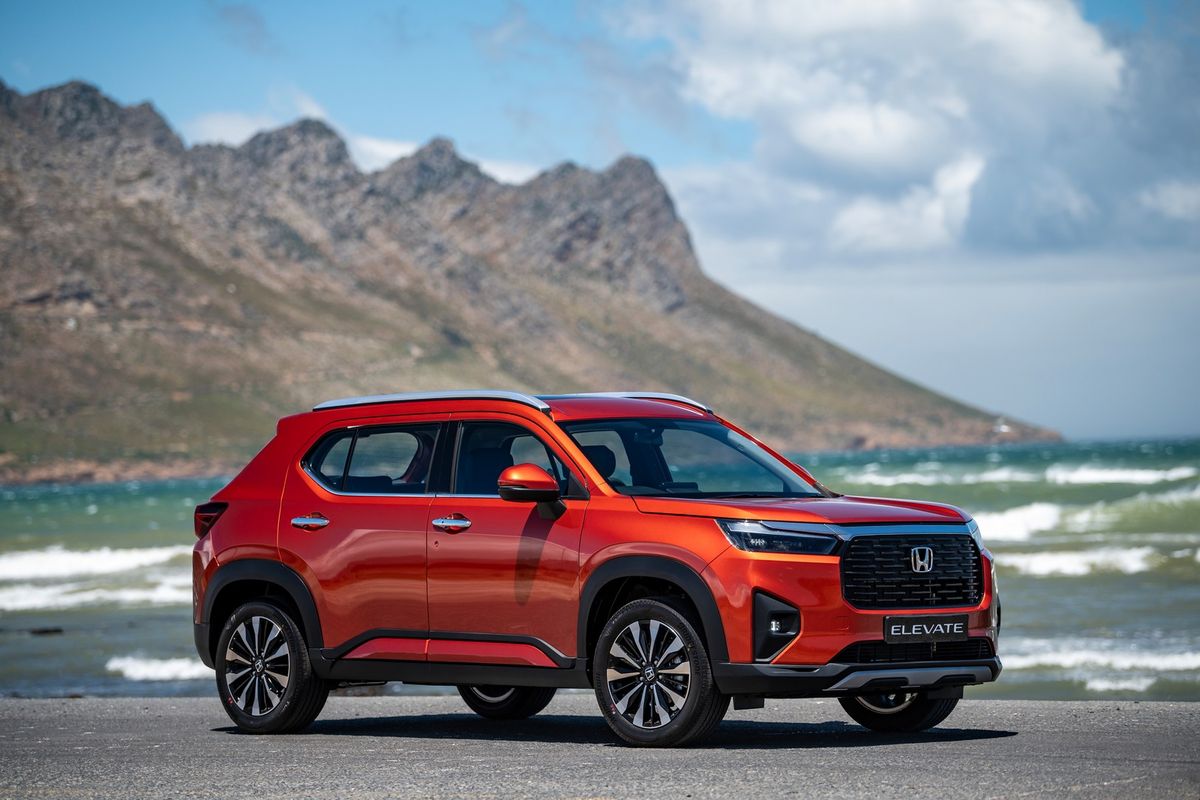
The howling engine note never abates. Shift early (at 5 000 or 6 000 rpm) and the 911 GT3 already offers a serious amount of pace. But, as I keep my foot flat and run the engine all the way past 8 000 rpm, I’m starting to focus on the abundance of grip, the way that leading edge of the low front splitter darts into your desired direction while the white centre line of the asphalt dances beneath the apron.

At these high engine speeds, the motor is even more responsive and you can manage your pace with small inputs through the throttle pedal.

It is such a thrilling and wholesome driving experience that if I had the money to buy the 911 GT3, I would have handed it to the car’s owner shortly after I pulled into the lay bay. I let the engine idle a little and then switched it off. “Seems like you enjoyed it?” comments the owner. Yes, and how.

The winner? However, when the owners bought their respective cars (used, not new), the 911 GT3 traded for exactly 50% more than the 911 GTS. But now I can see why; the former does offer more to the discerning buyer/driver. It is without a doubt the more exciting, involving and focused car.

But hang on a minute… The 911 GTS ticks more boxes than the 911 GT3. It is better equipped and for some enthusiasts the clean and traditional 911 shape without the fixed rear wing will be more appealing than the motorsport-inspired front nose and an interior that is much more basic than those of more luxuriously trimmed versions.

As an everyday proposition, the 997-series Porsche 911 GTS is the clear winner. However, for those special weekend drives, or a drive you’ve promised yourself after you’ve successfully achieved an objective or finished a particularly arduous task during the week, I have to recommend the 911 GT3.

As we wrapped up the morning’s proceedings, the two owners swapped cars for the 30 km drive back home. The owner of the 911 GTS had never driven a 997-series Porsche 911 GT3 before and during the next 5 minutes he phoned me twice.

He was immensely impressed by how great the car was and told me: “Wow, this is really something special, the engine is so strong and marvellous!” Ah, another 911 enthusiast is convinced.

Search for a Porsche 911 listed for sale on Cars.co.za

Find exclusive car-themed merchandise at the SentiMETAL Shop

Related content:

Porsche 911 (993) GT2: Classic Drive

Porsche 356 vs Porsche 912: Classic Comparison

Porsche 911 Targa ‘Edition 50 Years’ (2022) Launch Review

Porsche 911 GT3 (2022) Launch Review

Porsche 911 GTS (2021) Launch Review

Porsche 911 Turbo S (2020) Launch Review

Porsche 911 GT3 RS (2020) Review