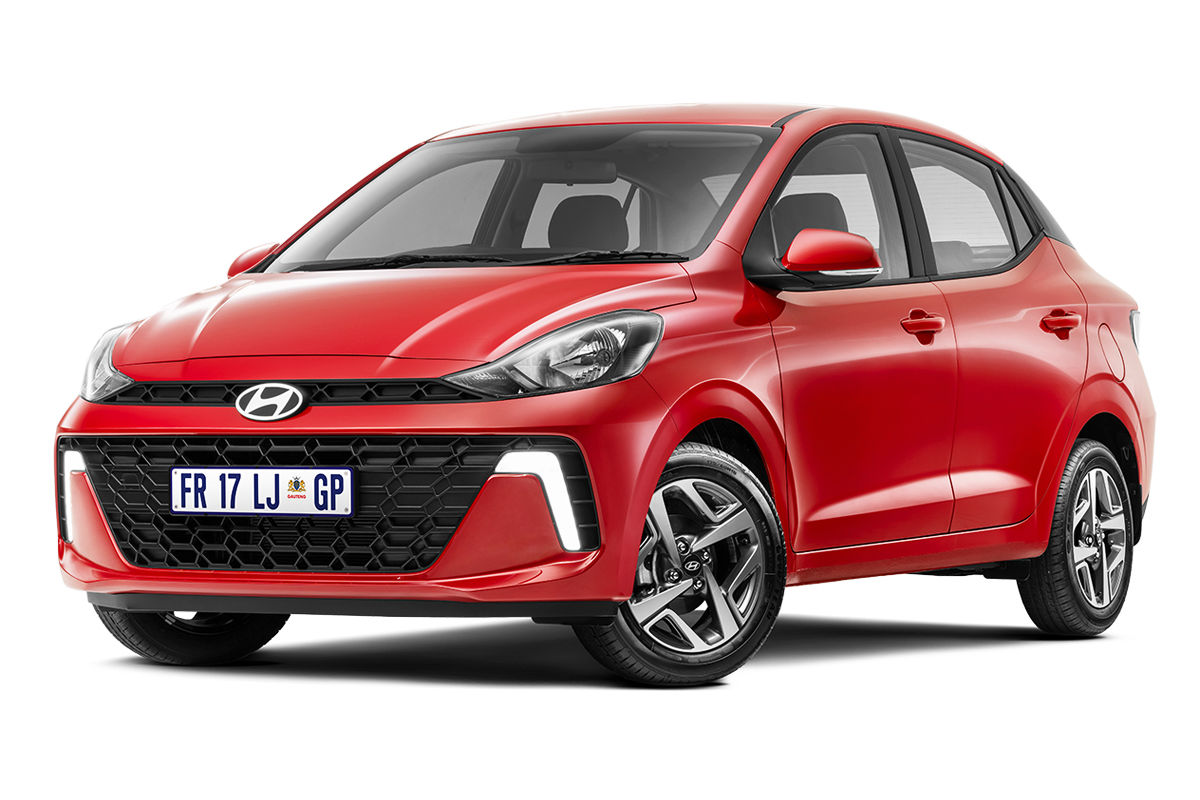
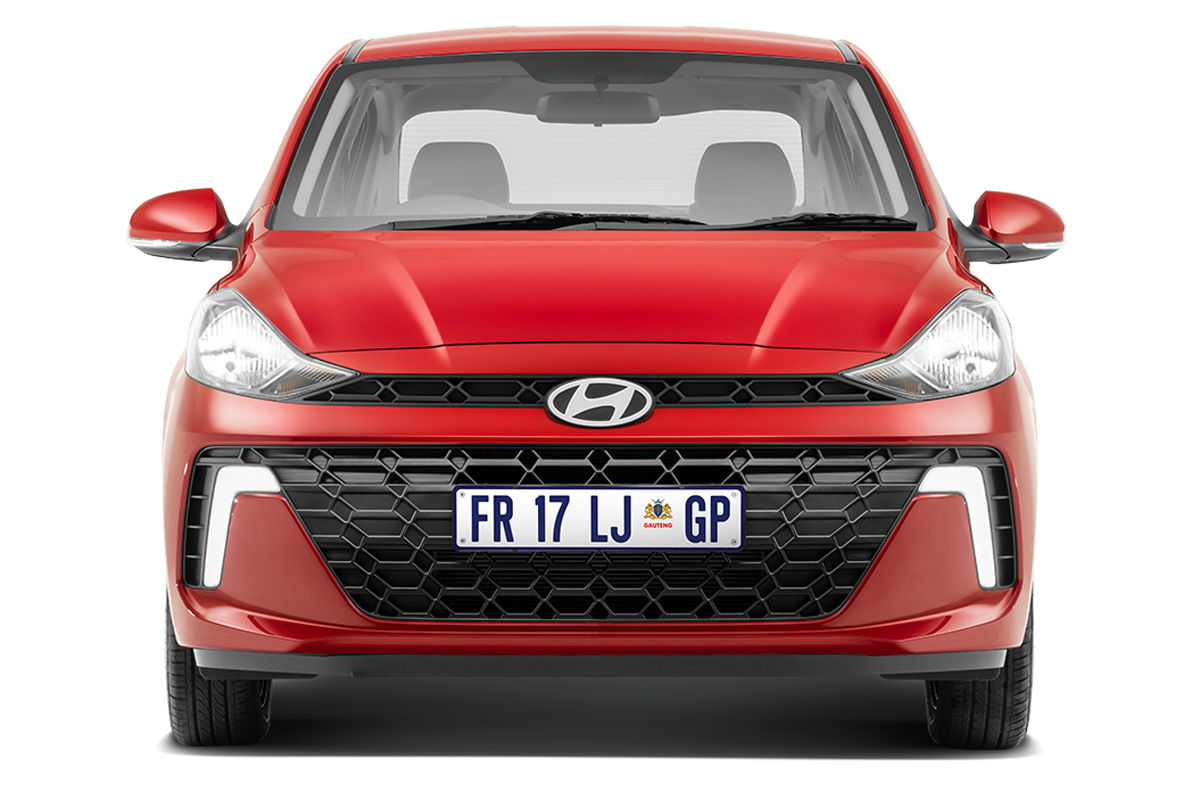
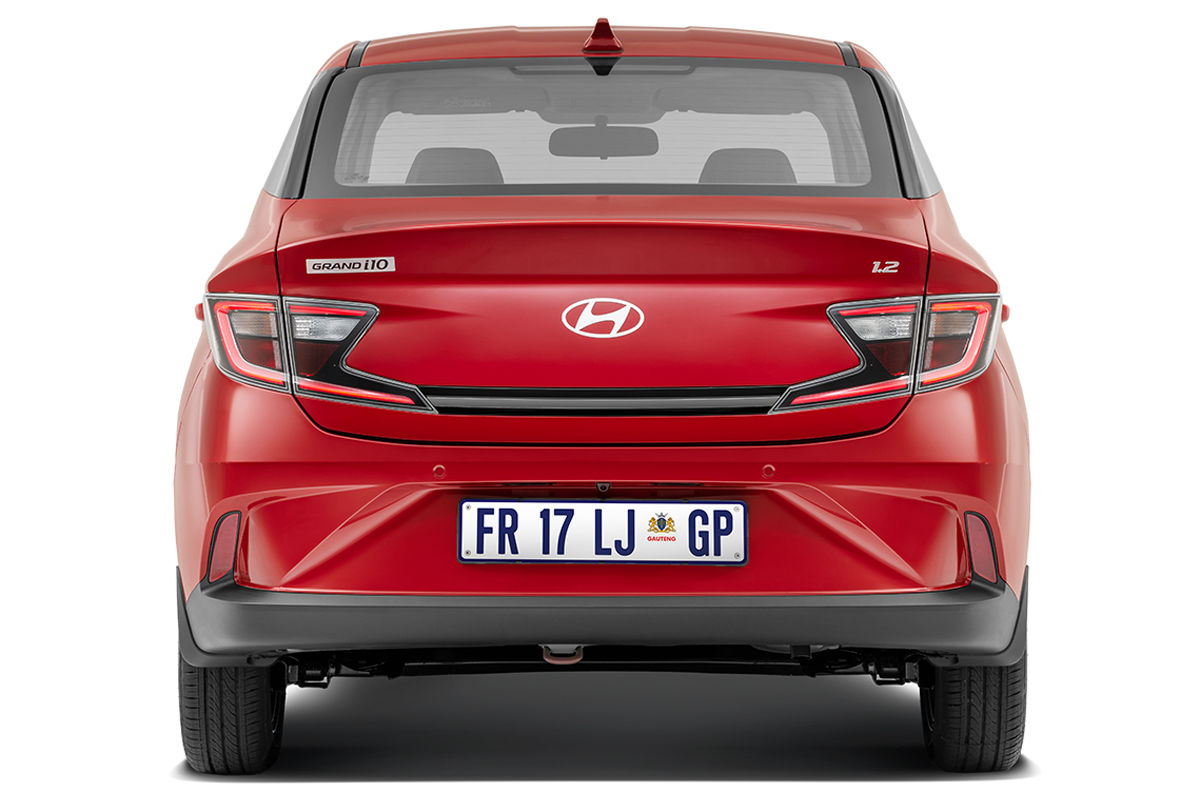
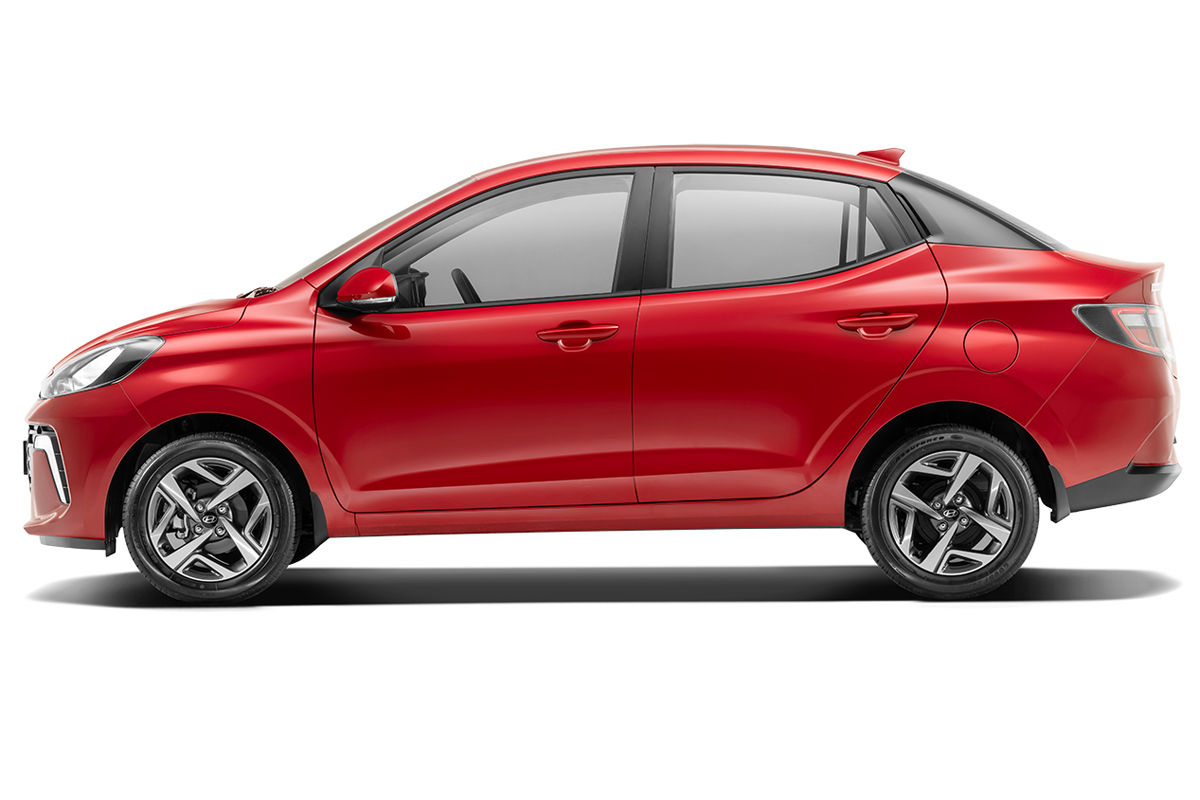
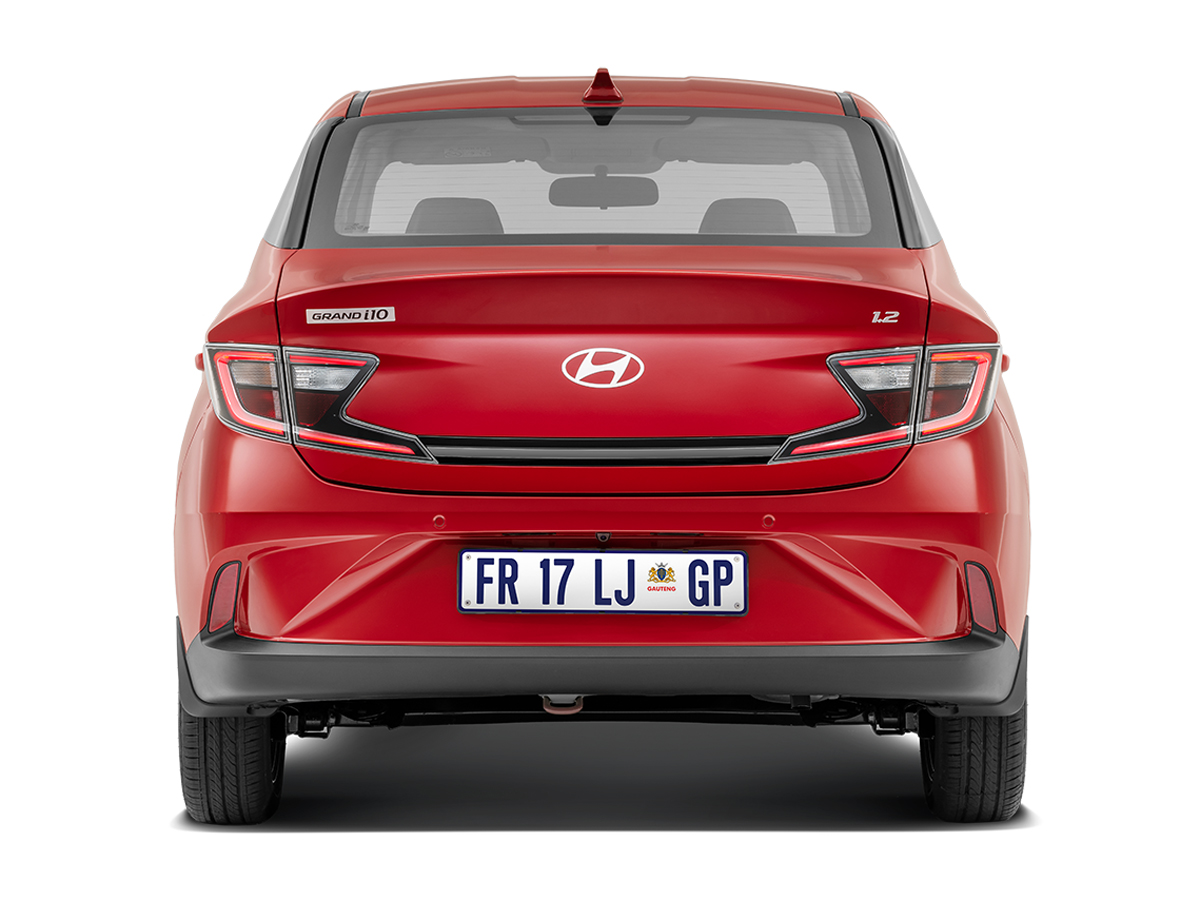
Hyundai Automotive SA will soon launch its first sedan since the Elantra (remember that?). Here’s a look at the new Grand i10 Sedan, including prices and specs…
We’ve already brought you pricing for the soon-to-launch refreshed Hyundai Grand i10 range, which – unlike the hatchback-only pre-facelift line-up – is set to gain a pair of sedan derivatives in South Africa. Now we’re going to narrow our focus to the 4-door versions; we’ve come across some fresh local details.
The new Grand i10 Sedan will be the first sedan in Hyundai Automotive SA’s product line-up since it discontinued the Elantra (around the final quarter of 2021). As a reminder, the local 6th-gen Elantra portfolio was topped by a Sport-badged version powered by a 150 kW 1.6-litre, 4-cylinder turbopetrol.
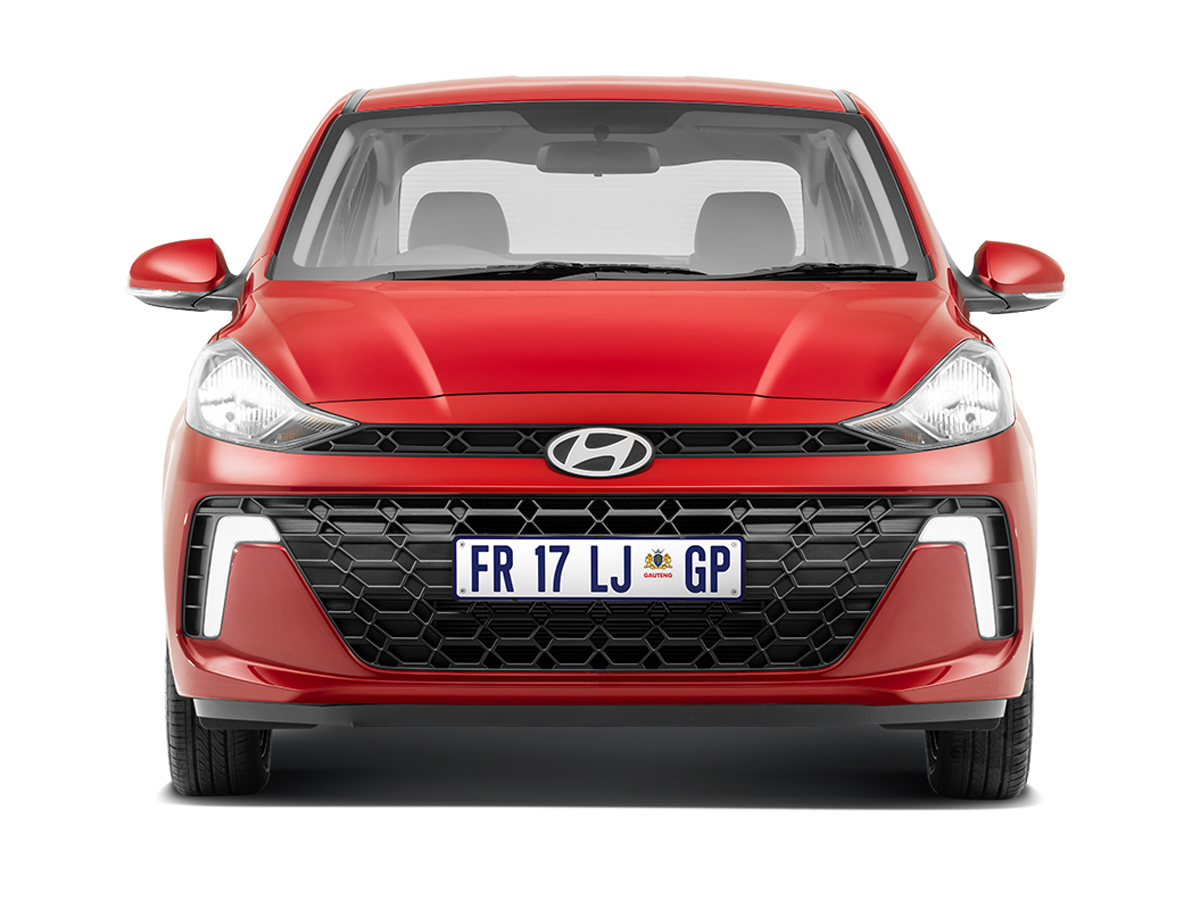
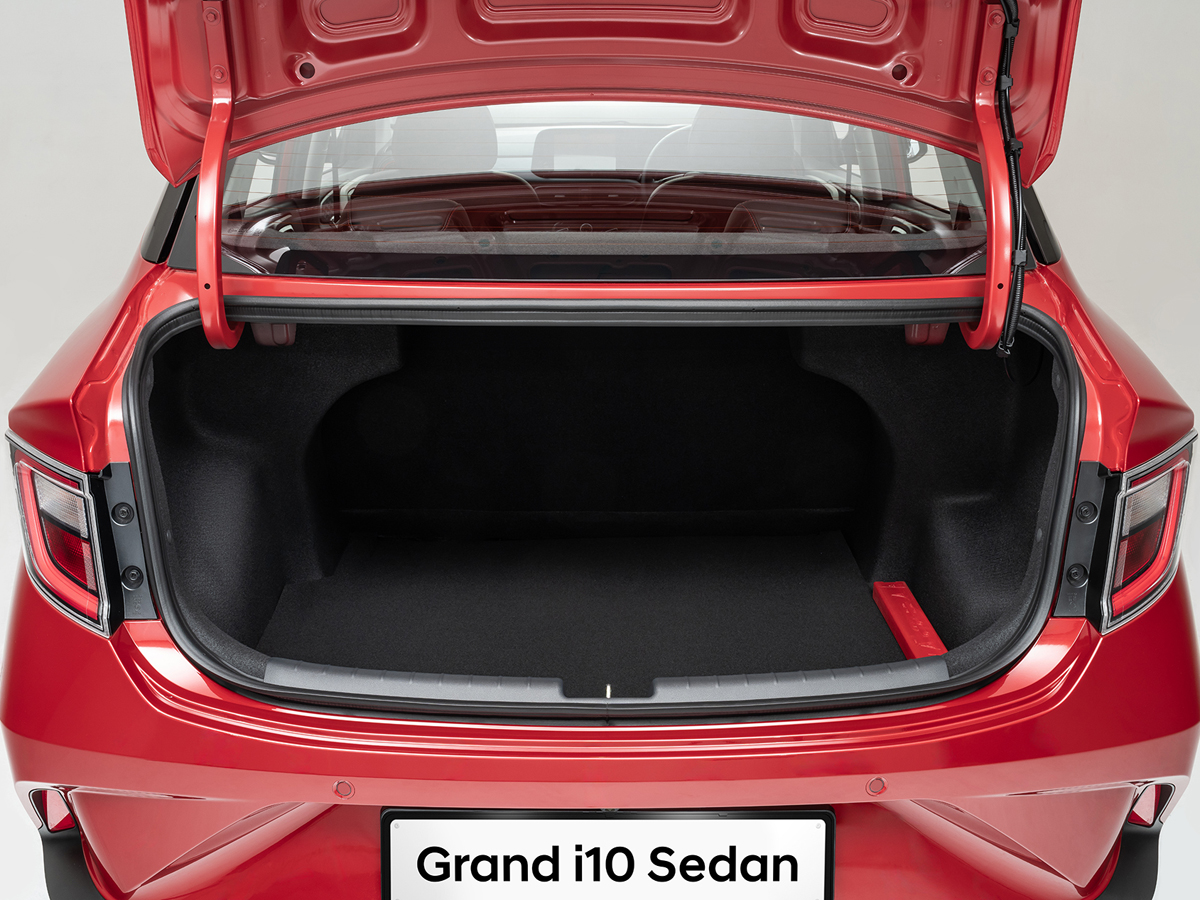
Naturally, the fresh-faced Grand i10 Sedan is an entirely different prospect, concentrating on economy over performance and packaged into a decidedly more compact body. The Indian-built newcomer measures 3 995 mm from nose to tail, with a wheelbase of 2 450 mm (and a ground clearance of 157 mm). Thanks to its 3-box configuration, the sedan also boasts what appears to be a rather capacious luggage compartment, which the Korean firm claims is capable of swallowing 402 litres.
Both derivatives will feature the Fluid trim level and employ Hyundai’s familiar naturally aspirated 1.2-litre, 4-cylinder petrol engine, which delivers 61 kW and 114 Nm to the front axle. The 2 variants – which each tip the scales at under a tonne – are distinguished by their transmissions, offering either a 5-speed manual gearbox or a 4-speed automatic cog-swapper.
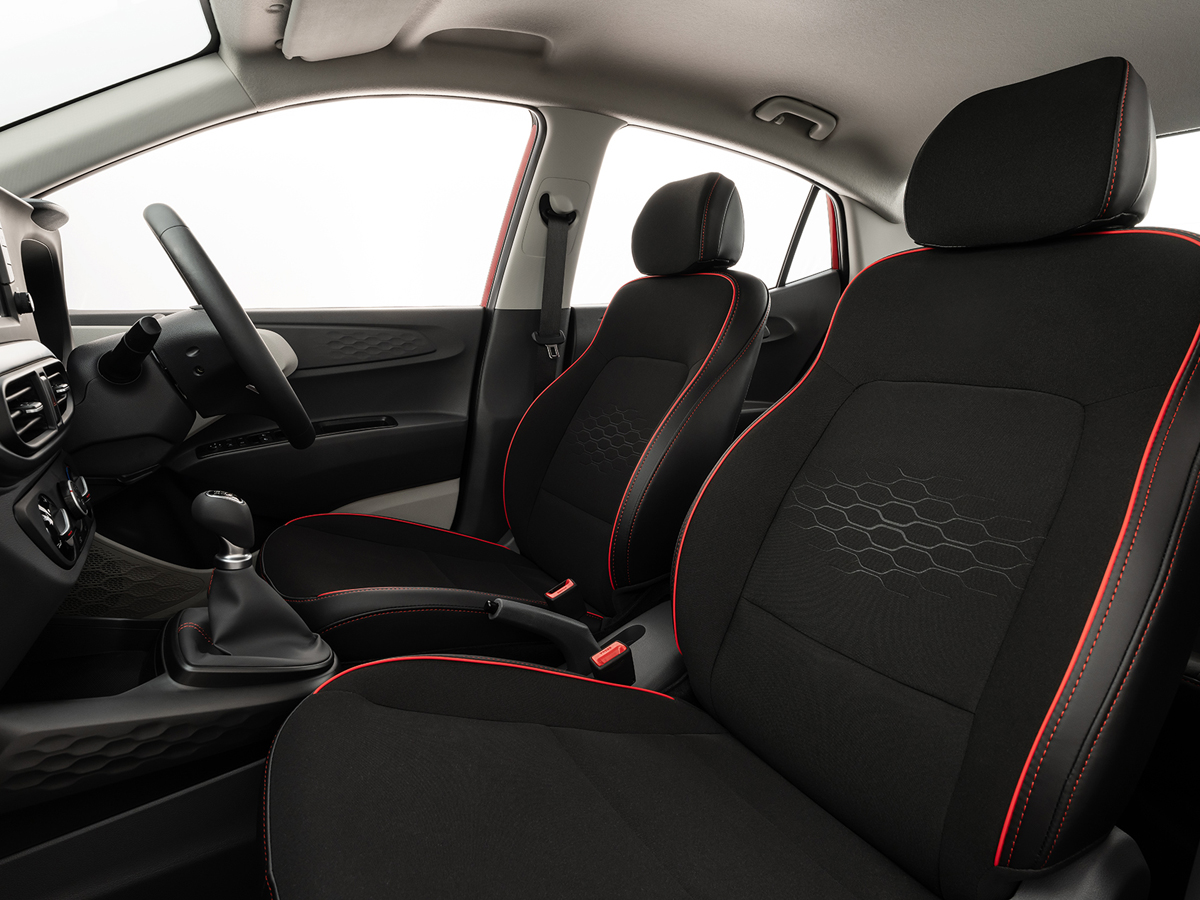
The front seats in the SA-spec Grand i10 Sedan feature red detailing.
Needless to say, they’re not built for performance. The 1.2 Fluid 5MT will complete the 0-100 kph sprint in a claimed 12.3 seconds before topping out at 167 kph, while the self-shifting derivative requires 14.5 seconds to reach 3 figures and runs out of puff at 160 kph. Claimed consumption, though, is more impressive, with the manual model said to sip at 5.5 L/100 km and the auto at 5.9 L/100 km.
The Grand i10 Sedan is known as the Aura in India, where it’s produced alongside the hatchback (which wears the Nios badge in that market). Its main local competition will include the Suzuki DZire and Honda Amaze, which like the Hyundai each come in at under 4 metres long.
What about safety equipment? Well, dual front airbags ship standard, as are ABS with EBD (working with ventilated discs fore and drums aft) and ISOfix child-seat anchors. However, it’s worth noting stability control – a feature missing on the Amaze, but included on the DZire – is not present, while the middle-sited rear passenger in the Grand i10 Sedan has to make do with a lap-belt.
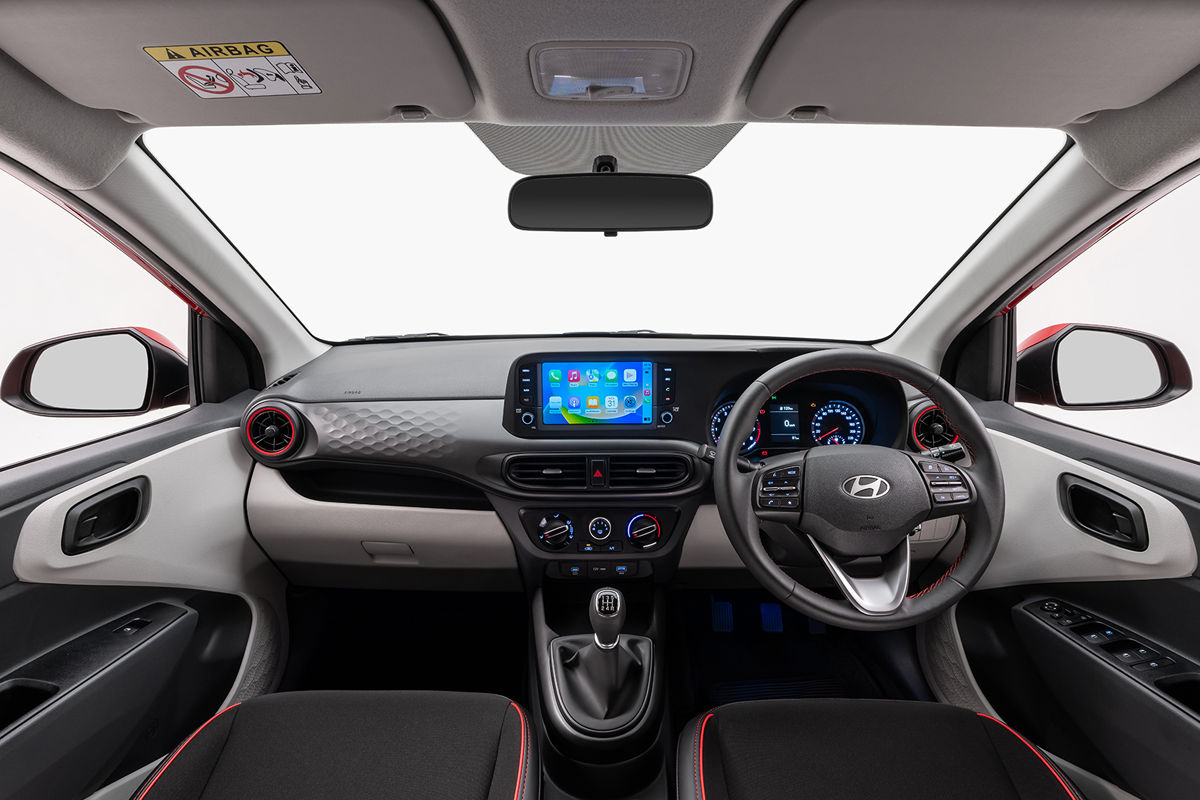
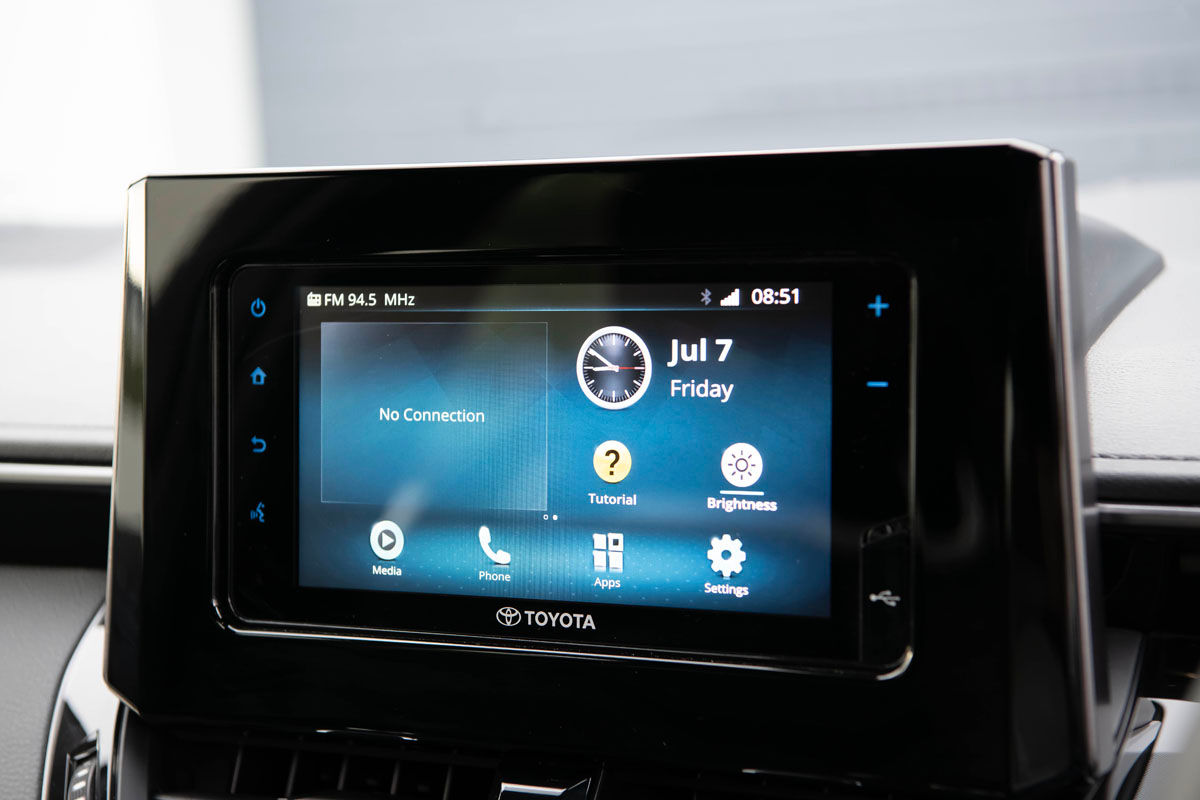
Meanwhile, the list of standard features includes 15-inch alloy wheels, LED daytime running lights, an 8-inch infotainment touchscreen, a 3.5-inch TFT LCD instrument cluster, a reverse-view camera, rear parking sensors, cruise control, manual aircon (with vents for the rear quarters), height-adjustable front seats, black cloth-and-vinyl upholstery (with red detailing) and artificial leather trim for the steering wheel and gear lever. Hyundai Automotive SA will offer the newcomer in a choice of 6 exterior colours.
How much does the Hyundai Grand i10 Sedan cost in SA?
Grand i10 1.2 Fluid sedan – R279 900
Grand i10 1.2 Fluid sedan 4AT – R309 900
The prices above include a 5-year/150 000 km vehicle warranty, a 7-year/200 000 km powertrain warranty and a 1-year/15 000 km service plan.
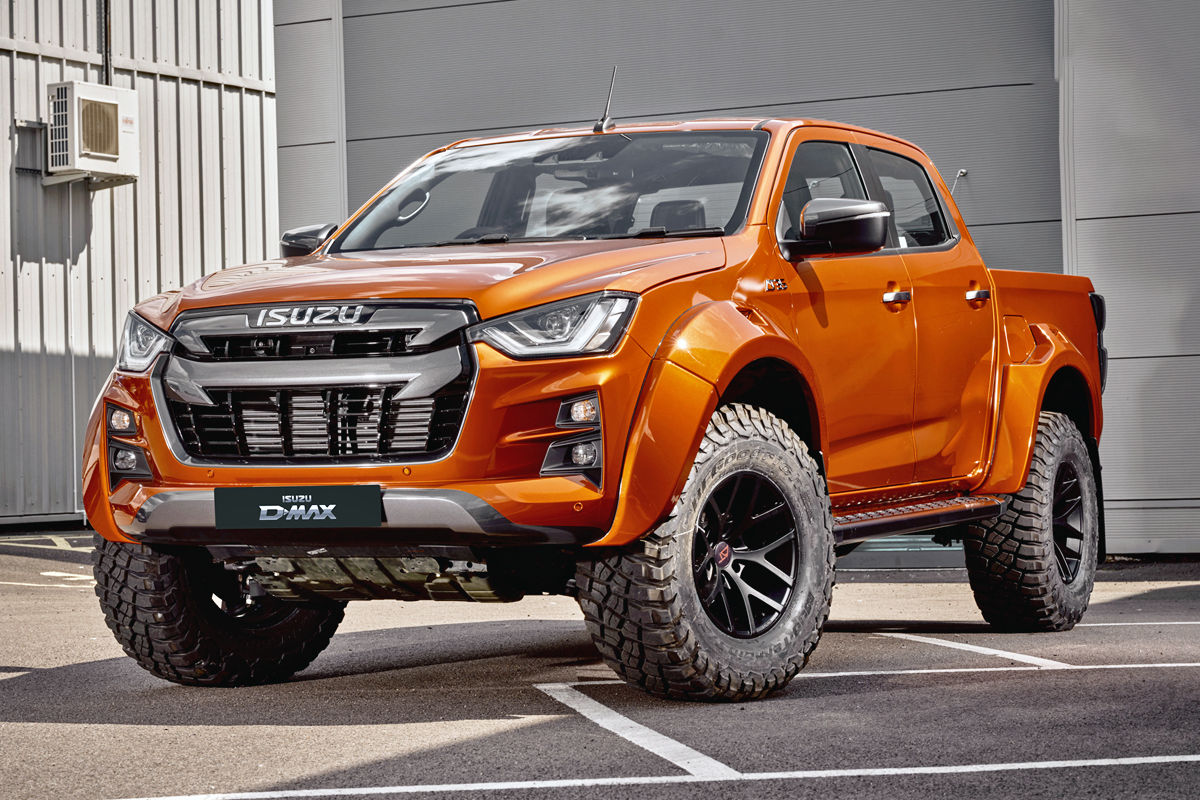
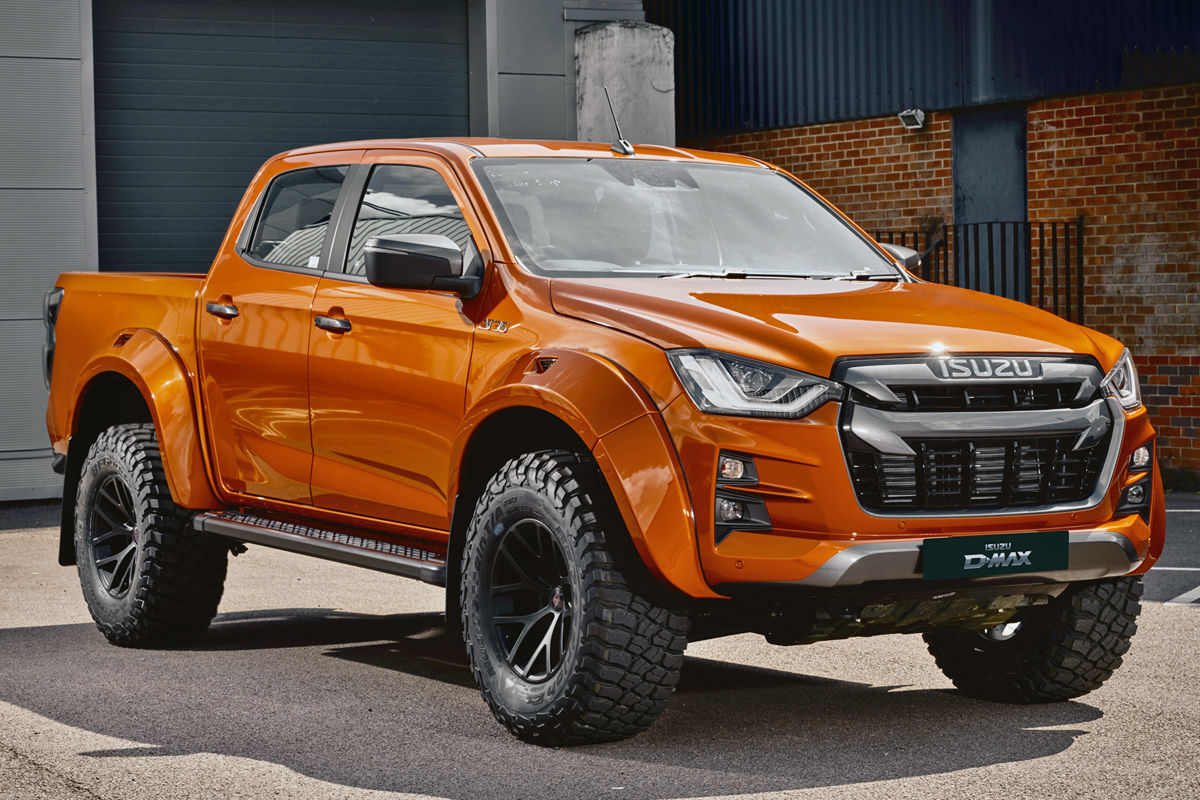
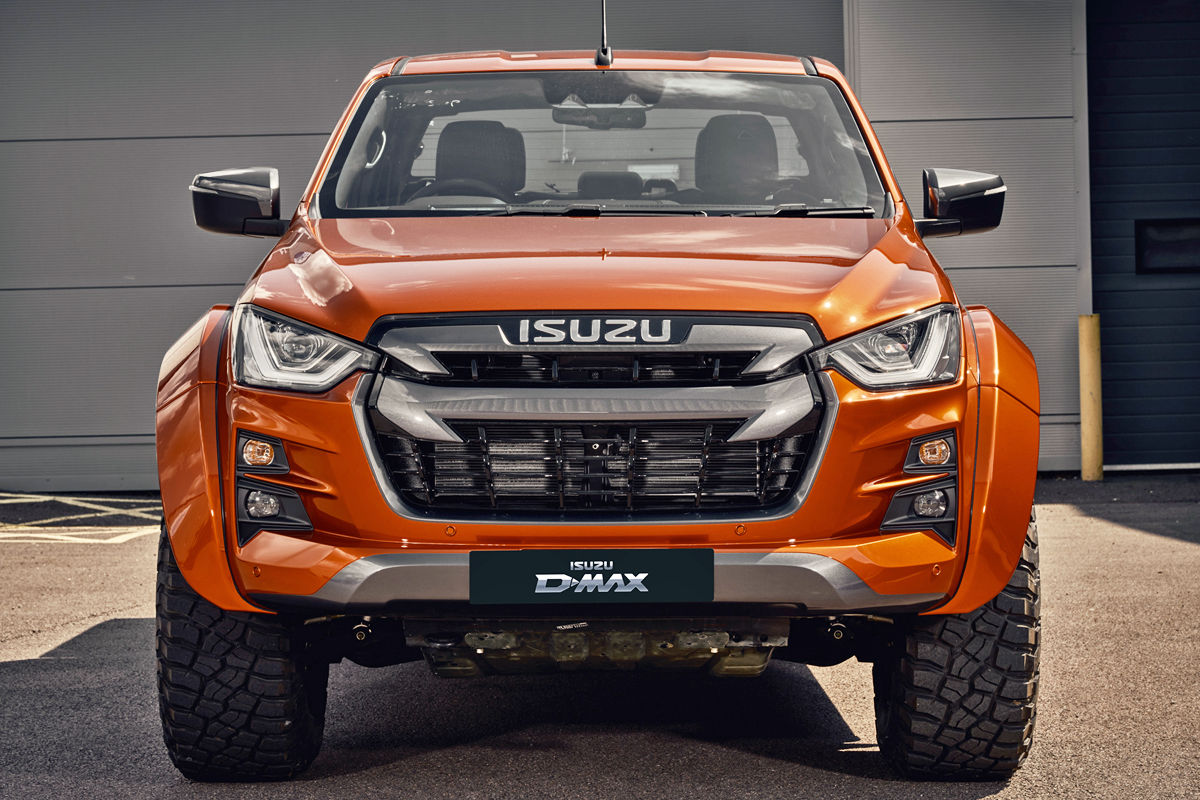
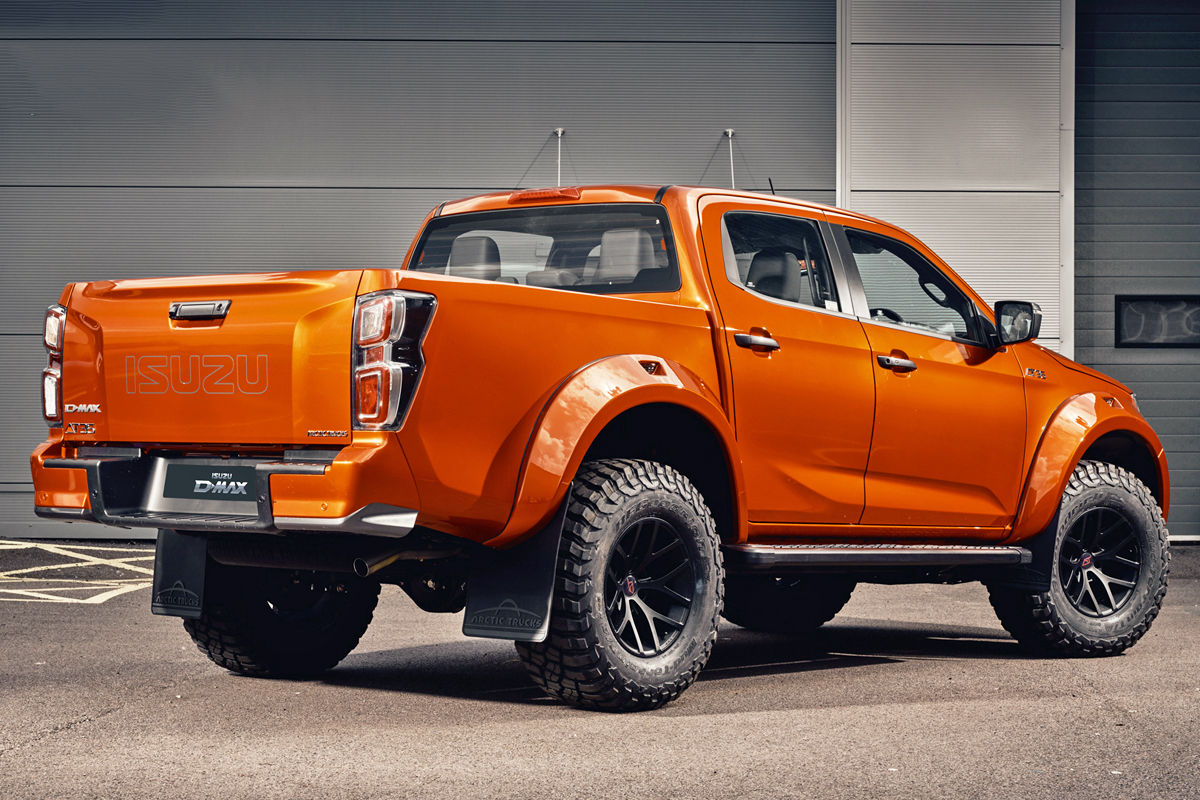
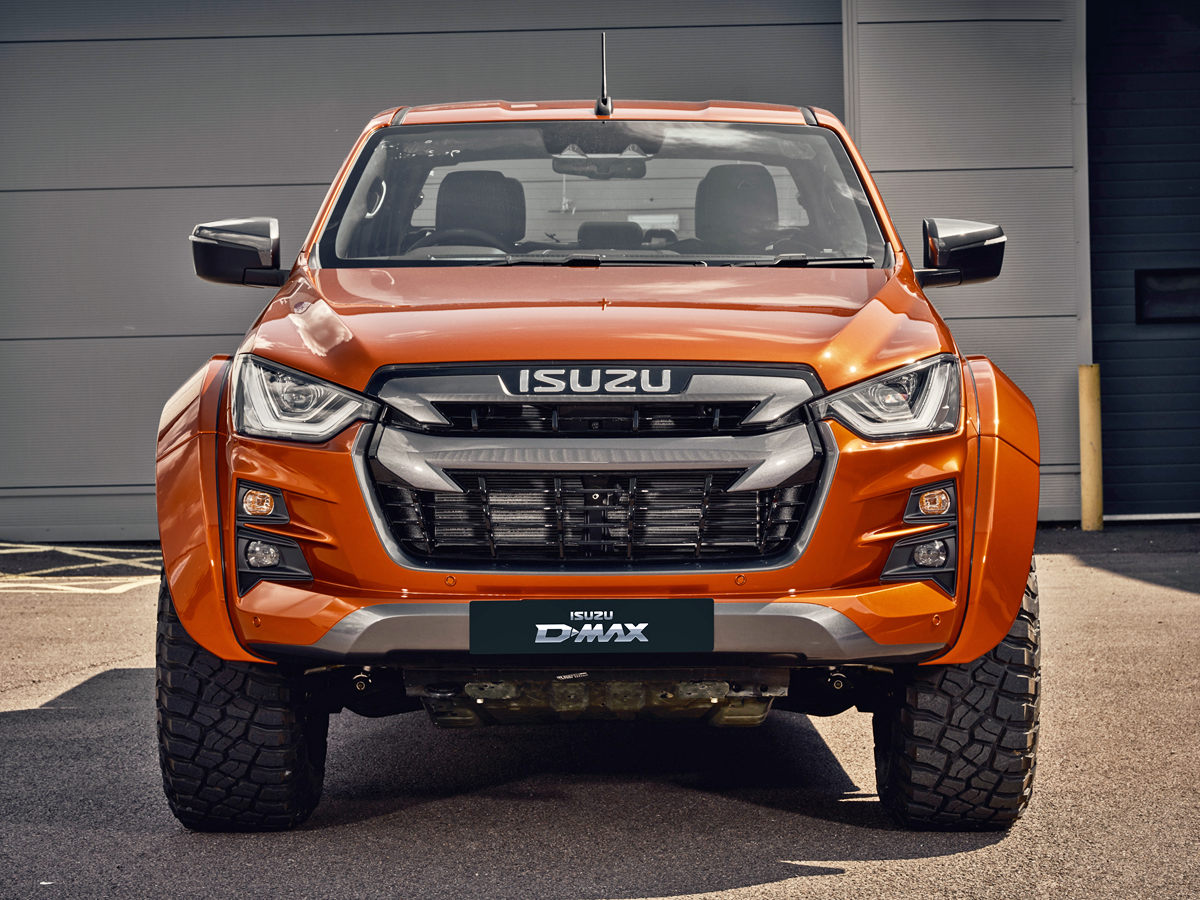
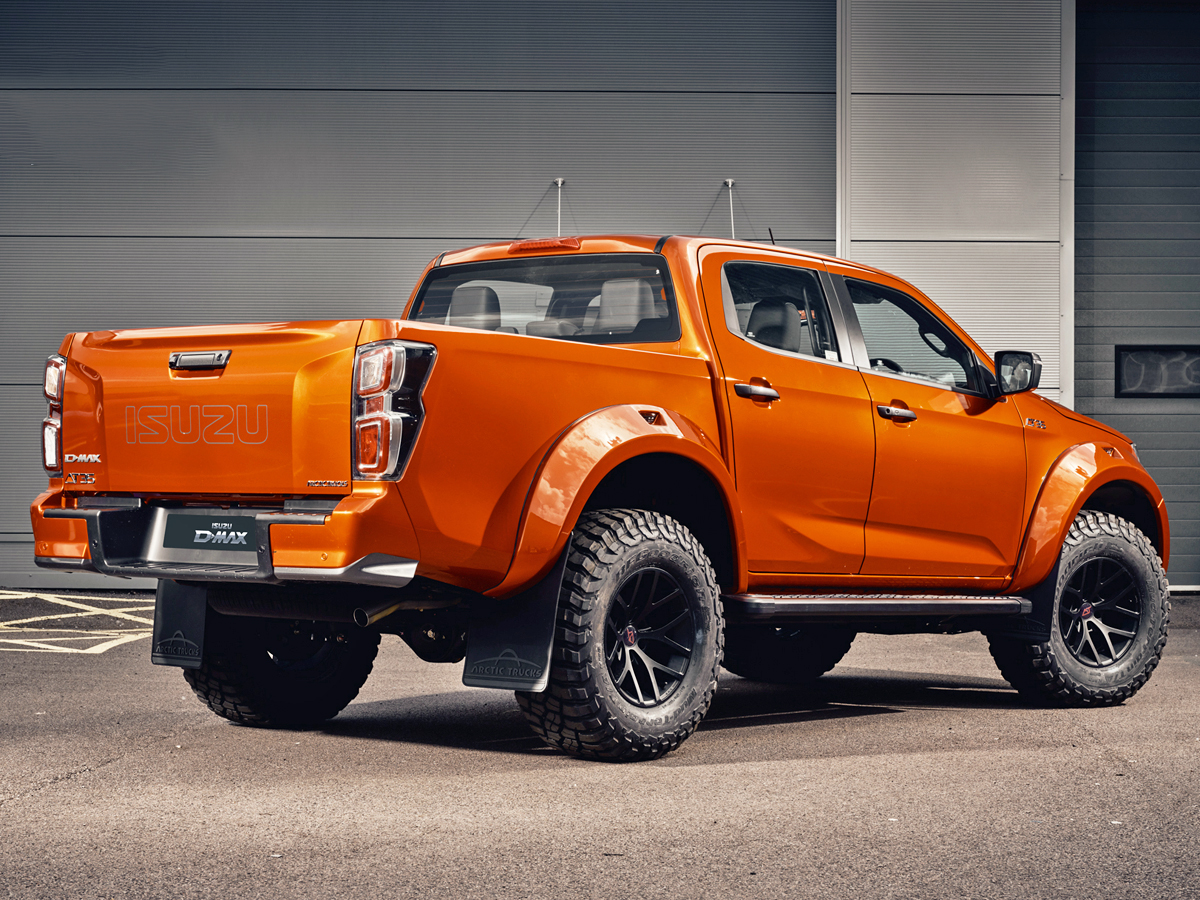
The 2nd-gen Isuzu D-Max Arctic Trucks AT35, which was exhibited at NAMPO, has now been launched in Mzansi. The off-road-optimised double cab, which will be produced in limited numbers, is the latest entrant to the R1-million-plus bakkie club.
Isuzu Motors South Africa confirmed the D-Max Arctic Trucks AT35 for the local market in mid-May, but at the time, it didn’t say how much the bakkie would cost. However, the Gqeberha-based subsidiary of the Japanese brand has now confirmed the 2nd-gen AT35 3.0TD 4×4 will be priced from R1 120 620.
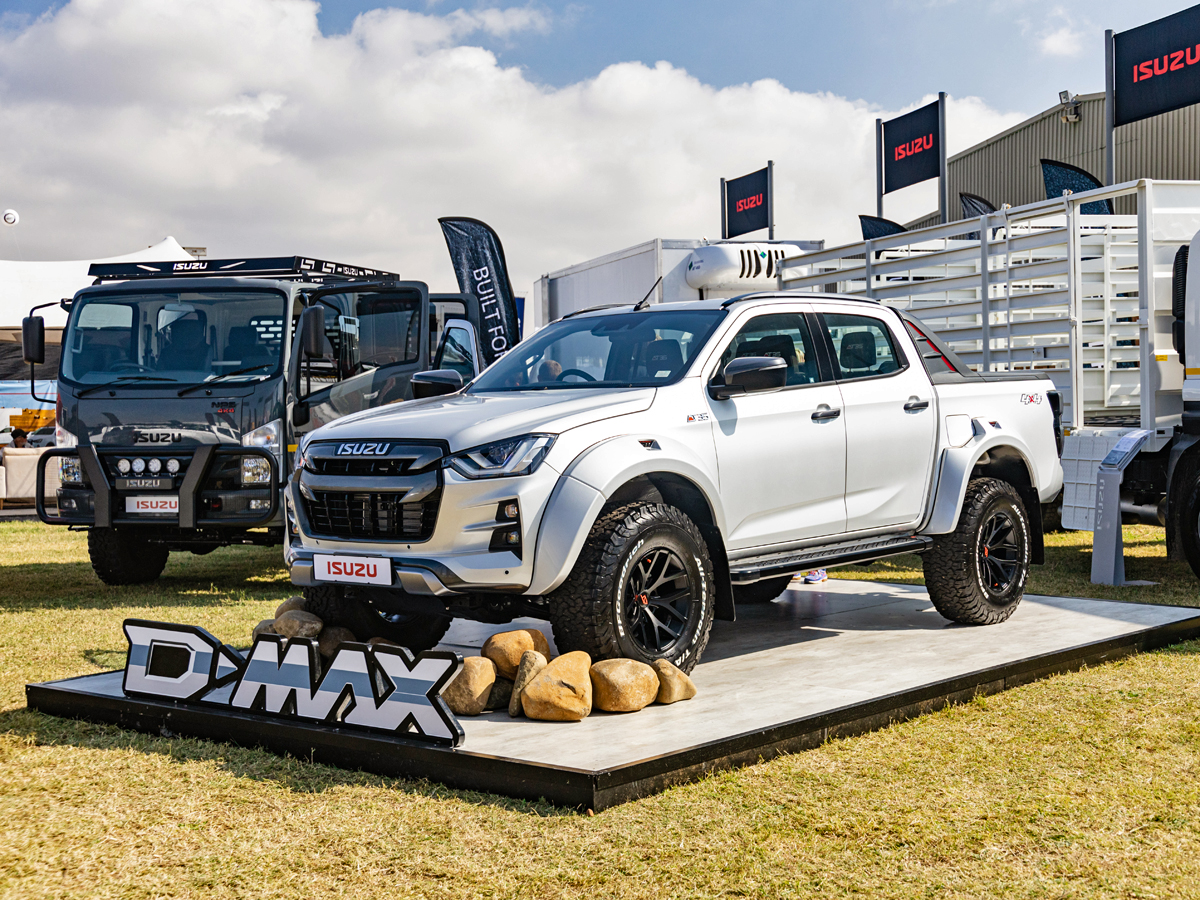
The Isuzu D-Max Arctic Trucks AT35 was displayed at NAMPO 2023 in May.
For the record, that makes Isuzu’s newcomer South Africa’s 4th-most expensive double-cab bakkie, behind the Volkswagen Amarok 3.0TDI V6 Aventura 4Motion (R1 138 200), Ford Ranger 3.0 V6 EcoBoost Raptor 4WD (R1 184 100) and Jeep Gladiator 3.6 Rubicon (R1 329 900). It is, however, the country’s most expensive 4-cylinder bakkie.
Offered in “limited” numbers and set to be available “on special order” through Isuzu’s local dealer network, the AT35 is based on the D-Max 3.0TD V-Cross 4×4. The beefed-up flagship commands a R241 420 premium over that derivative and sits right at the summit of the local D-Max line-up, arriving as the 28th variant in the range (along with a further 5 variants in the prolonged-lifecycle Gen 6 portfolio).
So, what makes the AT35-badged model special? Well, developed in collaboration with Icelandic specialists Arctic Trucks, the 2023 D-Max Arctic AT35 is again locally assembled at Isuzu’s plant in Struandale, Gqeberha. As was the case when it assembled the previous-generation version of this butch bakkie, the Eastern Cape plant is the only Isuzu facility in the world accredited by Arctic Trucks to produce the D-Max AT35.
According to the Japanese firm’s local division, the AT35 gains its various model-specific enhancements in a dedicated Arctic Trucks conversion area within the factory’s body shop, where Isuzu says its “most skilled artisans and technicians craft the bigger wheel wells and arches to accommodate the large 35-inch tyres and beefed-up suspension”. After painting, the vehicle follows the standard D-Max assembly line, where it also gains a specially developed suspension lift kit and Bilstein dampers. The final step in the transformation is the “off-line fitment” of larger wheel-arch mouldings.
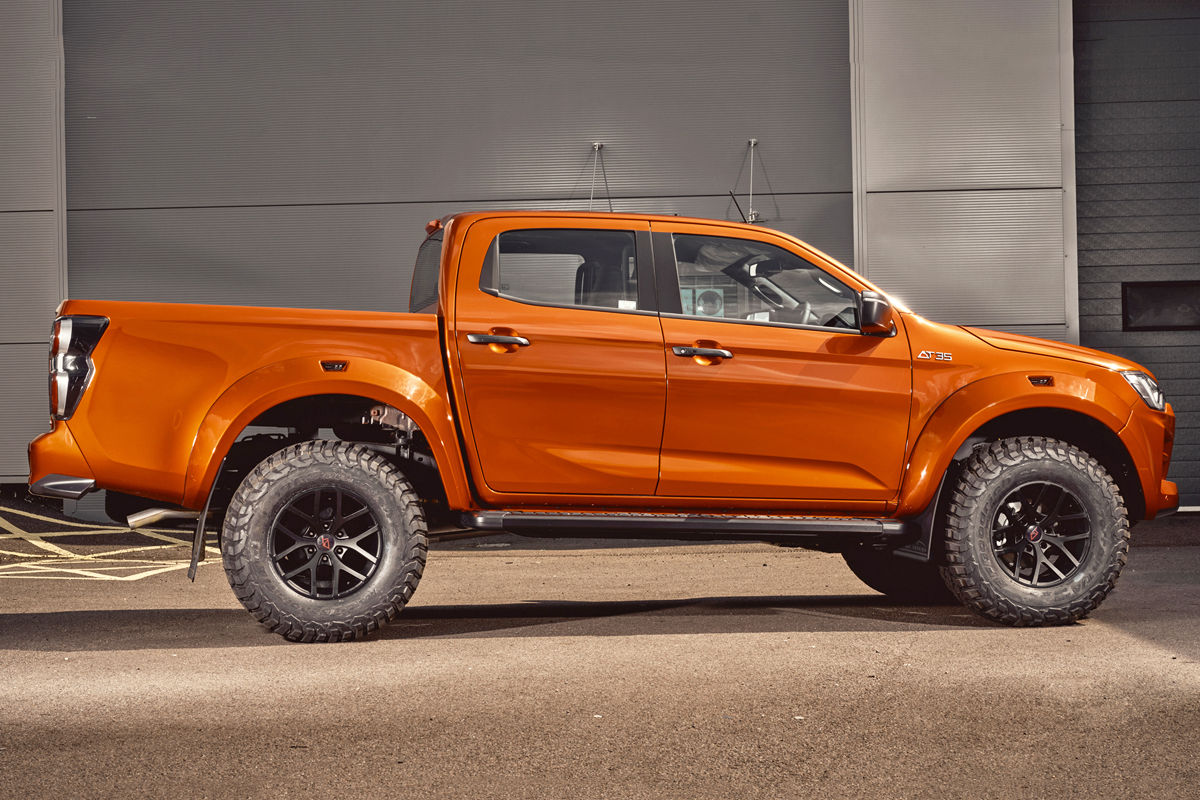
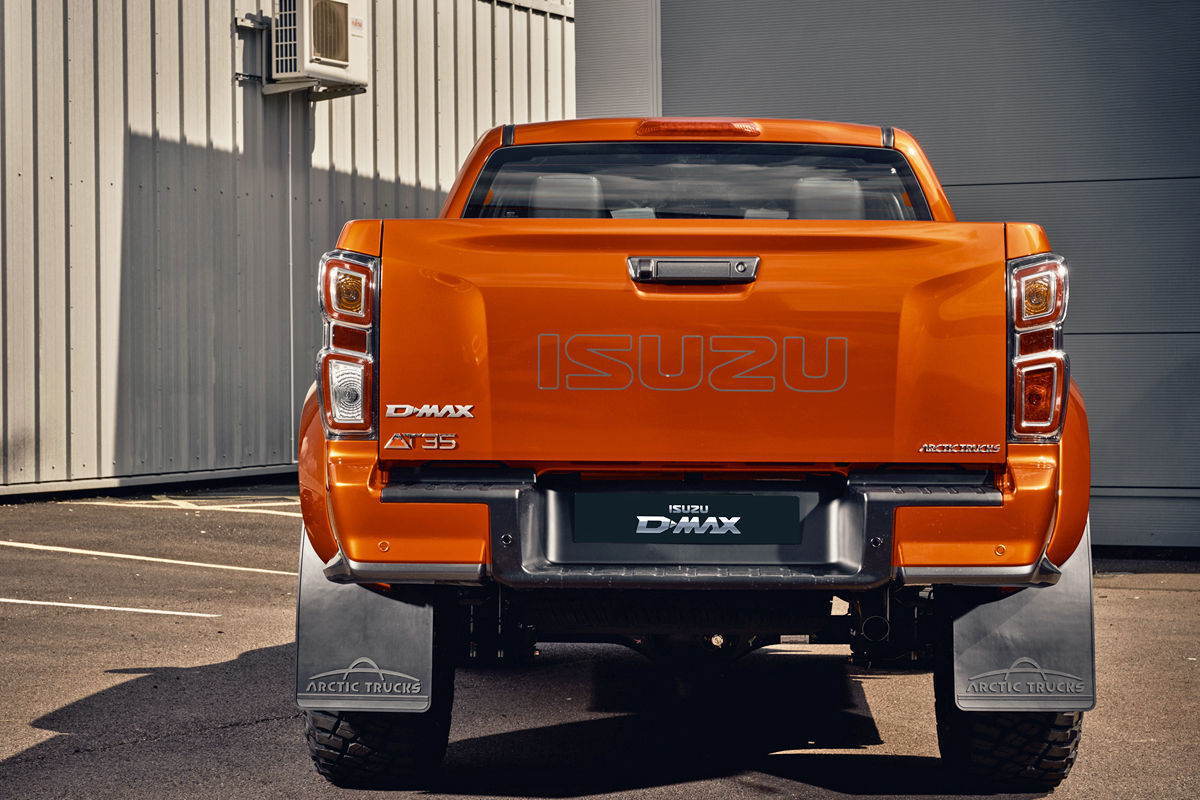
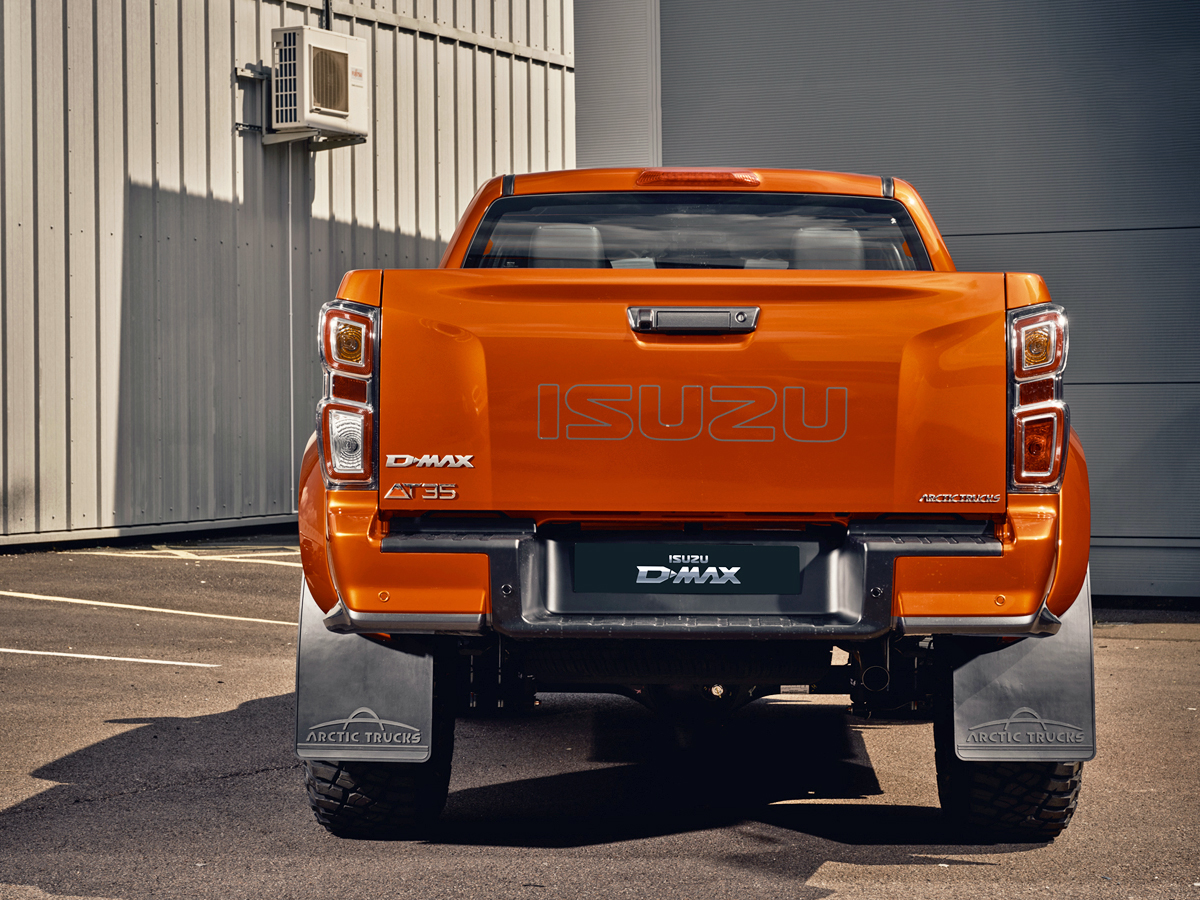
Besides a markedly increased ride height and wider track, the AT35 boasts special chrome badges on its front fenders and tailgate, along with wider-profile side steps, “Arctic Trucks” mudflaps and 35-inch BF Goodrich all-terrain tyres wrapped round 17×10-inch AT black alloy wheels.
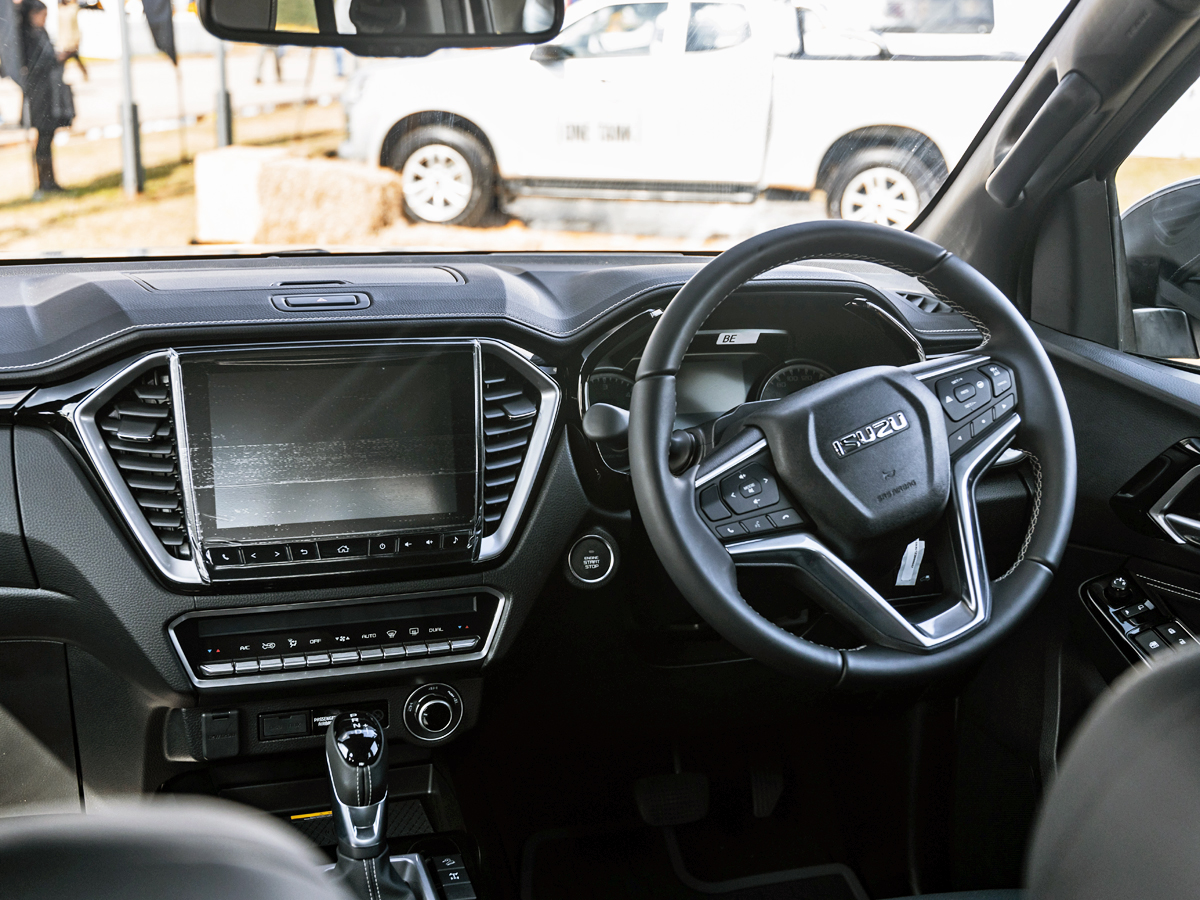
An 18-inch spare wheel is furthermore fitted beneath the load box, while a “ResQ Puncture Repair Kit” is also provided. Inside, the bakkie’s leather-trimmed seats score yet more “AT35” logos, a treatment repeated on the gearshift shroud and floor mats.
The AT35 flagship is based on the V-Cross derivative that previously topped the range.
The “purpose-designed” lift kit and tyres increase the ground clearance from the standard figure of 232 mm to 266 mm, while also boosting the bakkie’s overall height from 1 810 mm to 1 875 mm. The claimed wading depth of 800 mm climbs to 865 mm, while the approach angle improves to 33 degrees, the departure angle to 23 degrees and the break-over angle to 34 degrees.
So, what about the powertrain? Well, despite its suspension upgrade and beefier-than-standard body, the AT35 is no match for the 292 kW V6-powered Ranger Raptor under the bonnet as the Isuzu sticks with the standard 3.0-litre, 4-cylinder turbodiesel engine familiar from other D-Max derivatives. As in other applications, the oil-burner generates an unchanged 140 kW and 450 Nm, peak outputs that are delivered to all 4 wheels via a 6-speed automatic transmission as standard.
How much does the Isuzu D-Max Arctic Trucks AT35 cost in SA?
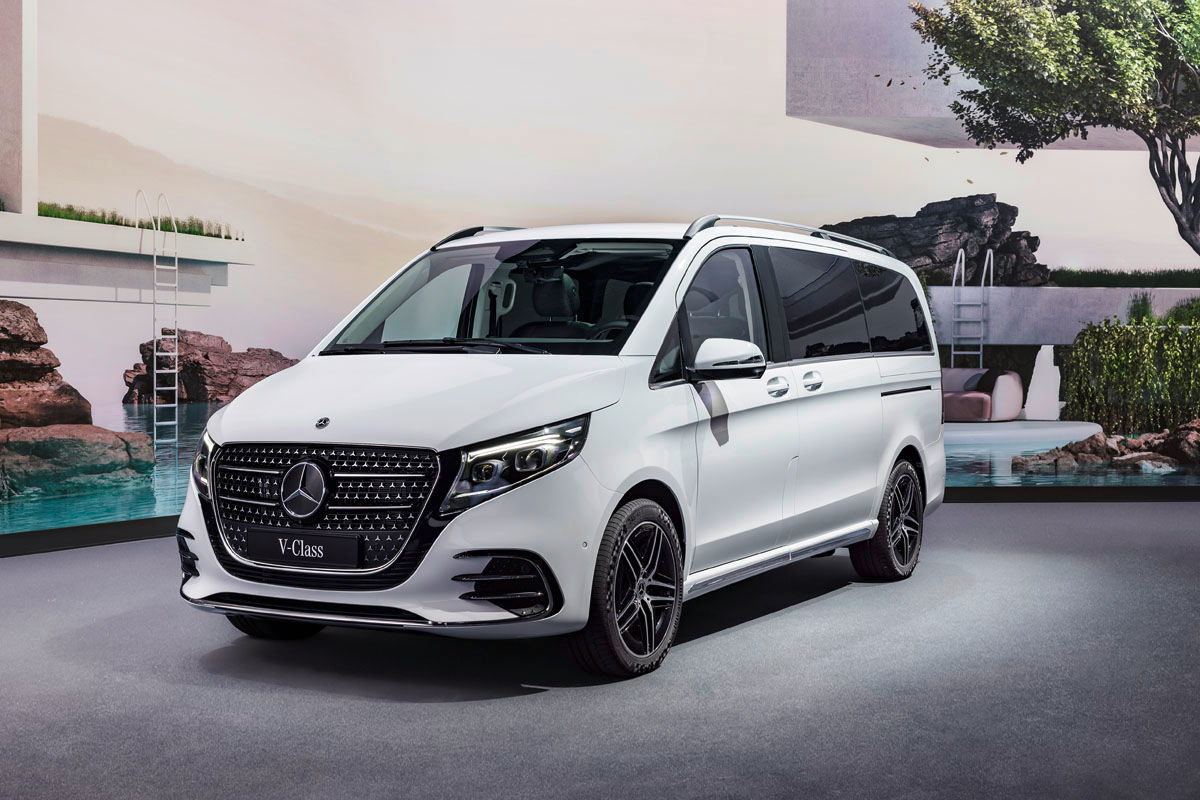
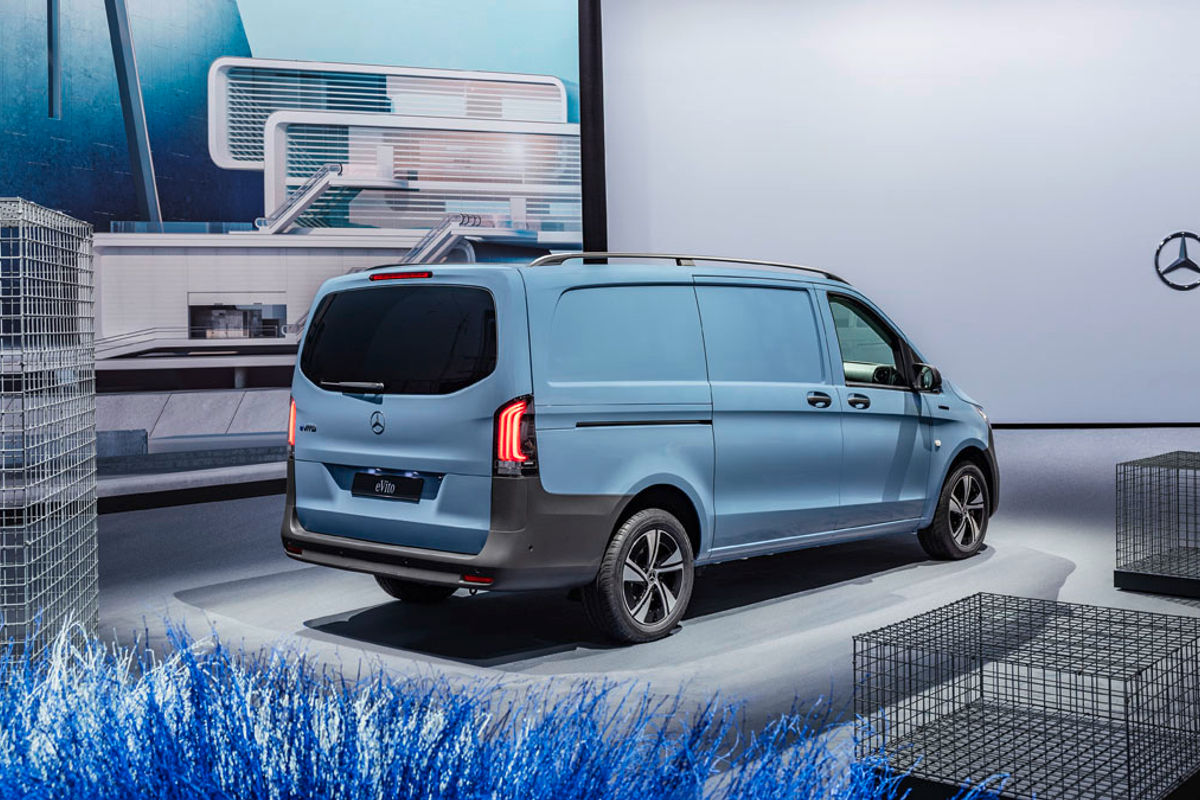
The 2024 Mercedes-Benz V-Class has been revealed. Here’s a look at the updates, what’s new and when the model is coming to South Africa.
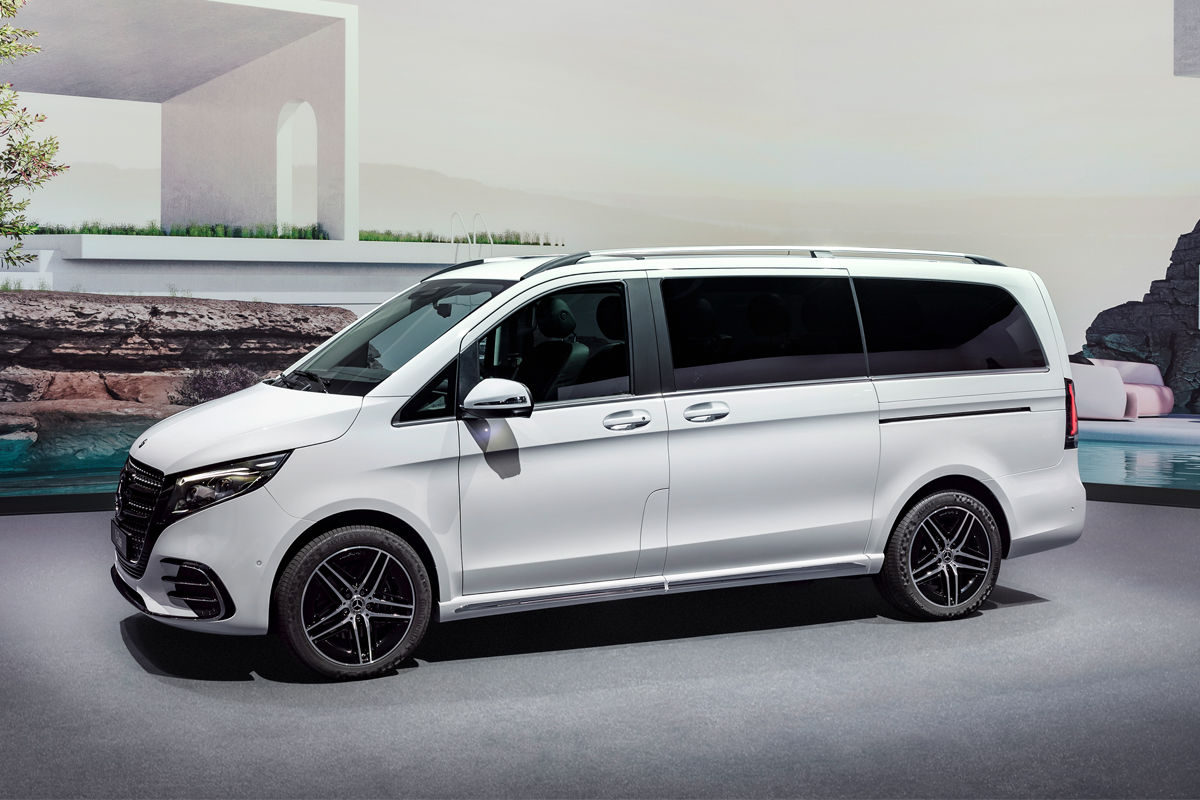
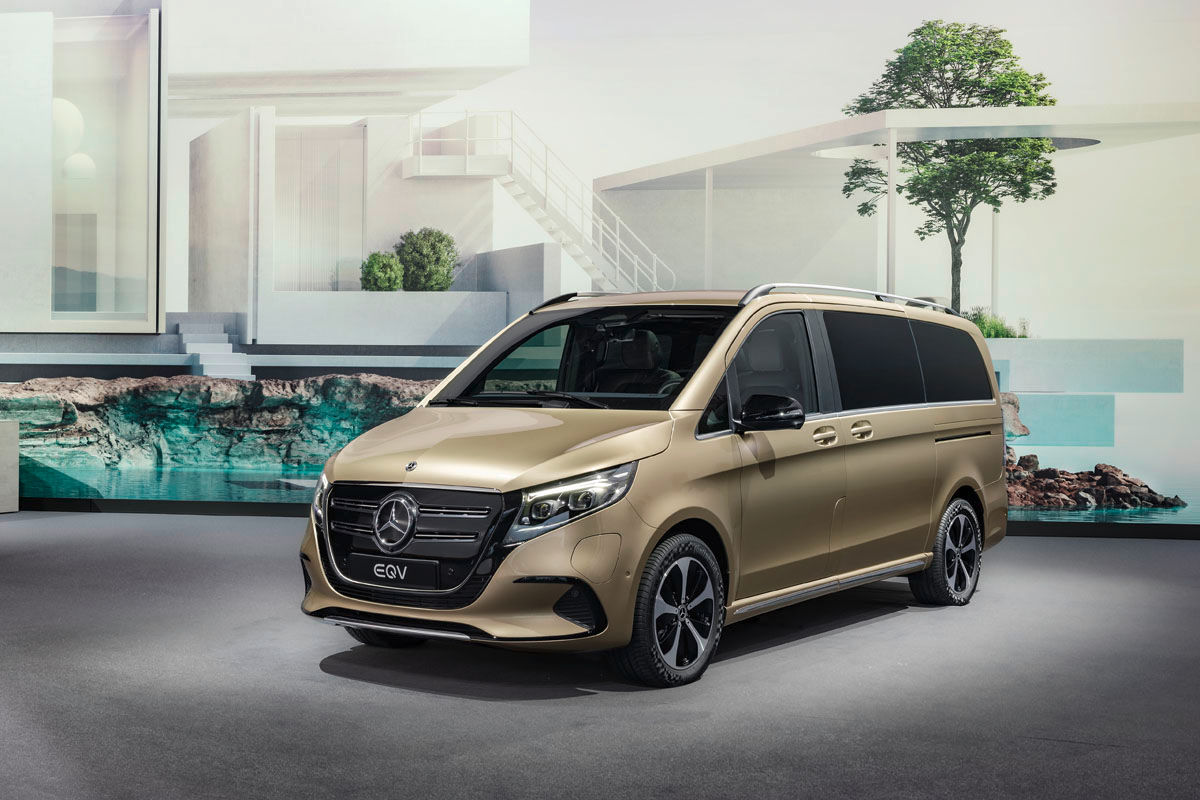
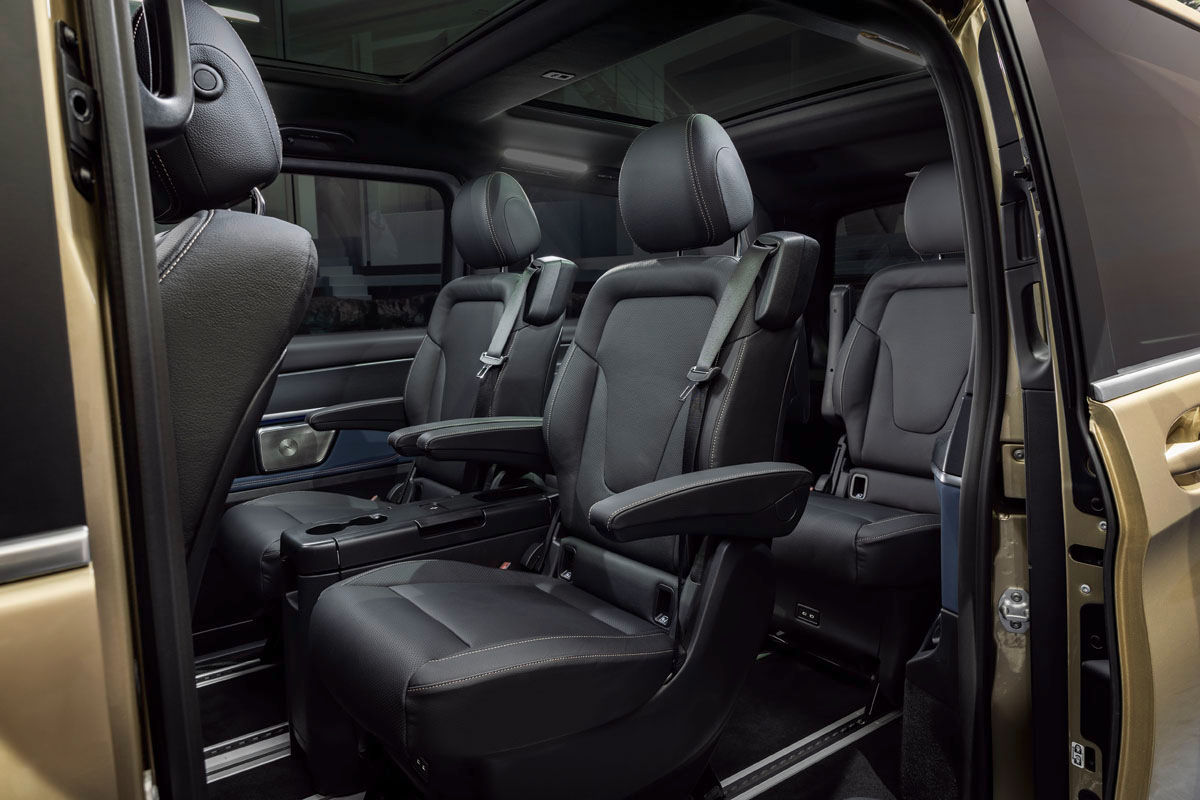
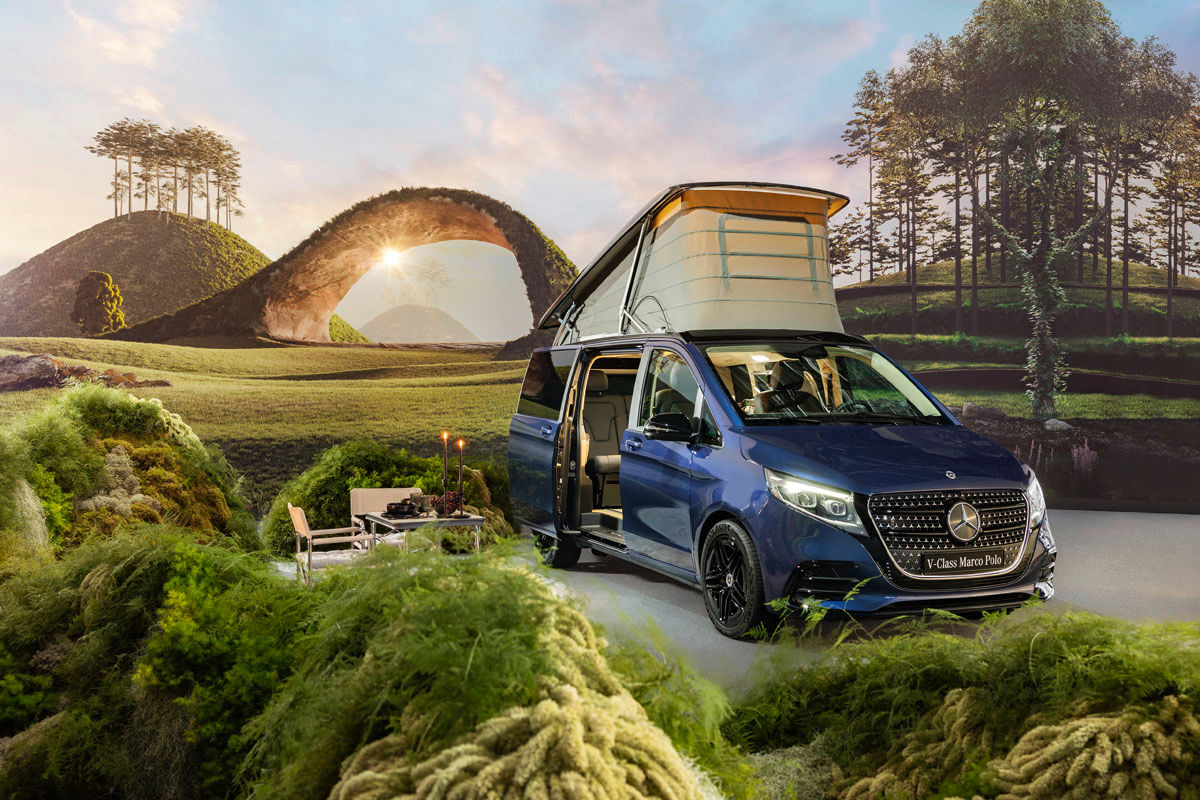
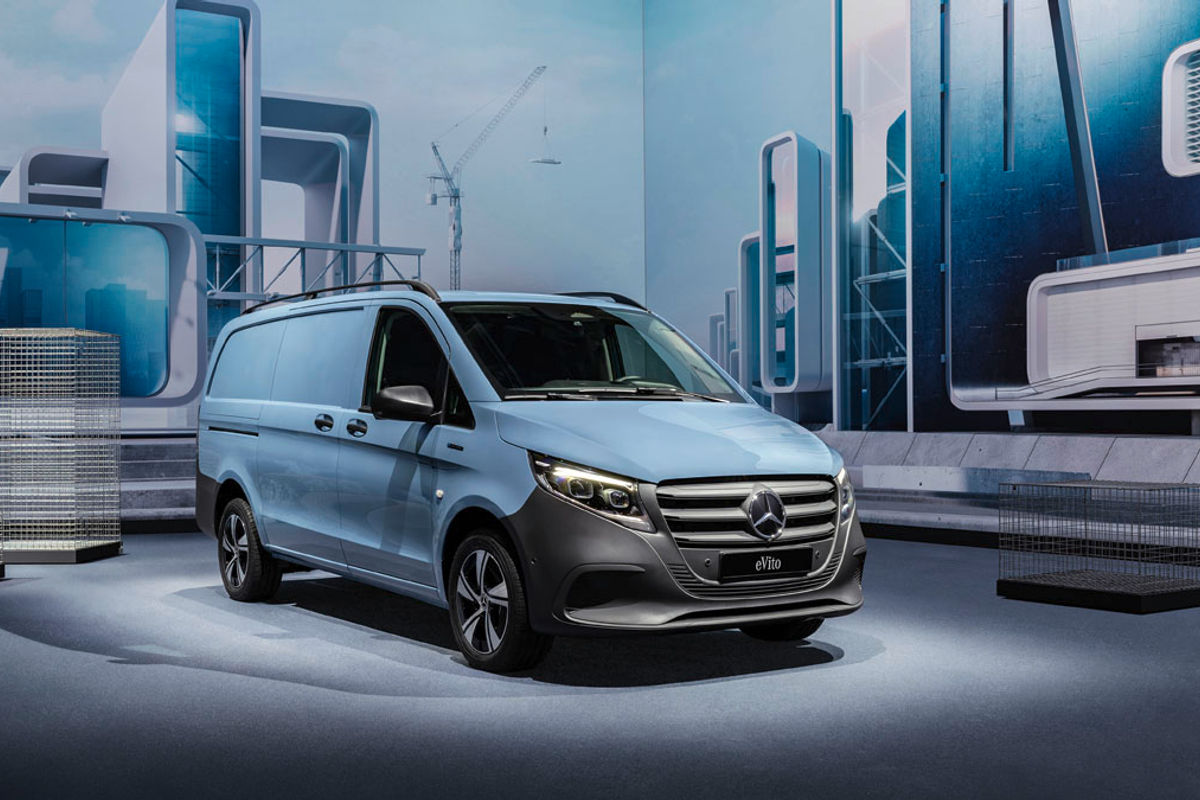
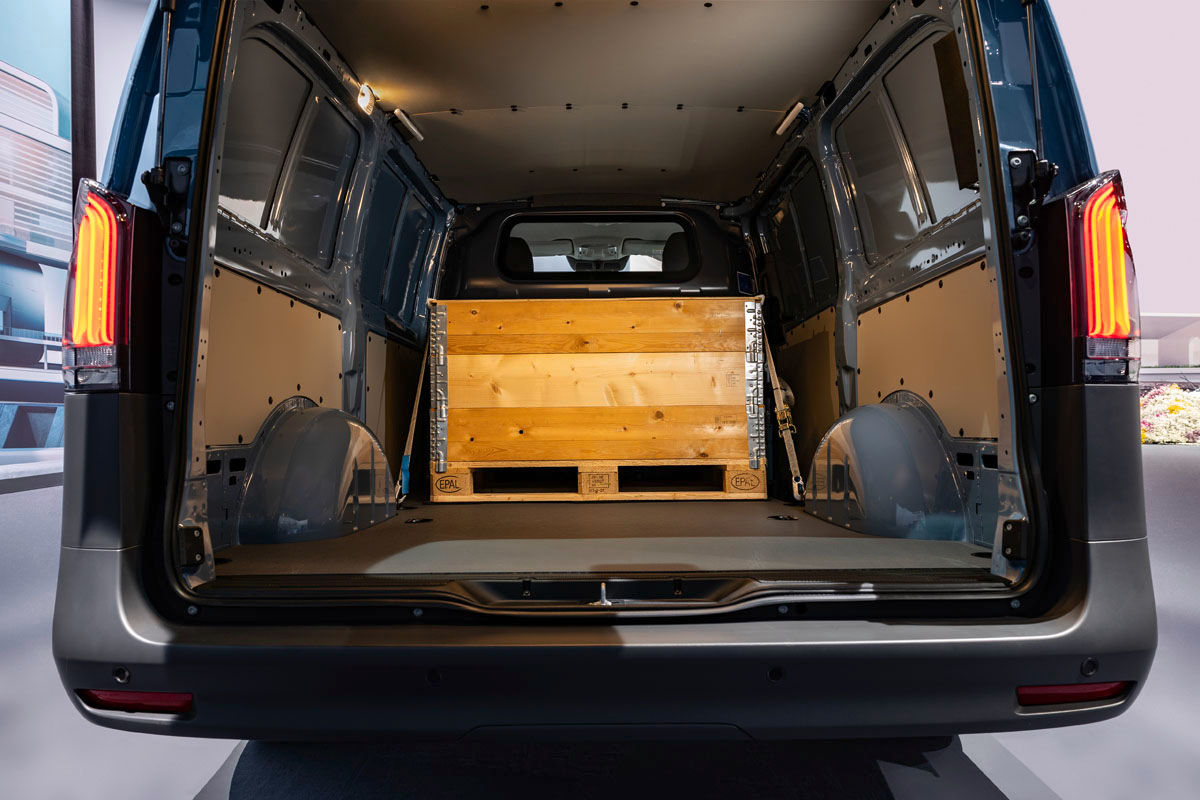
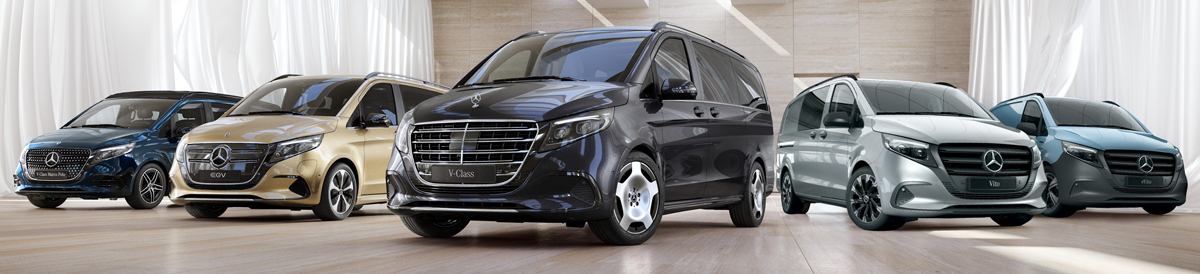
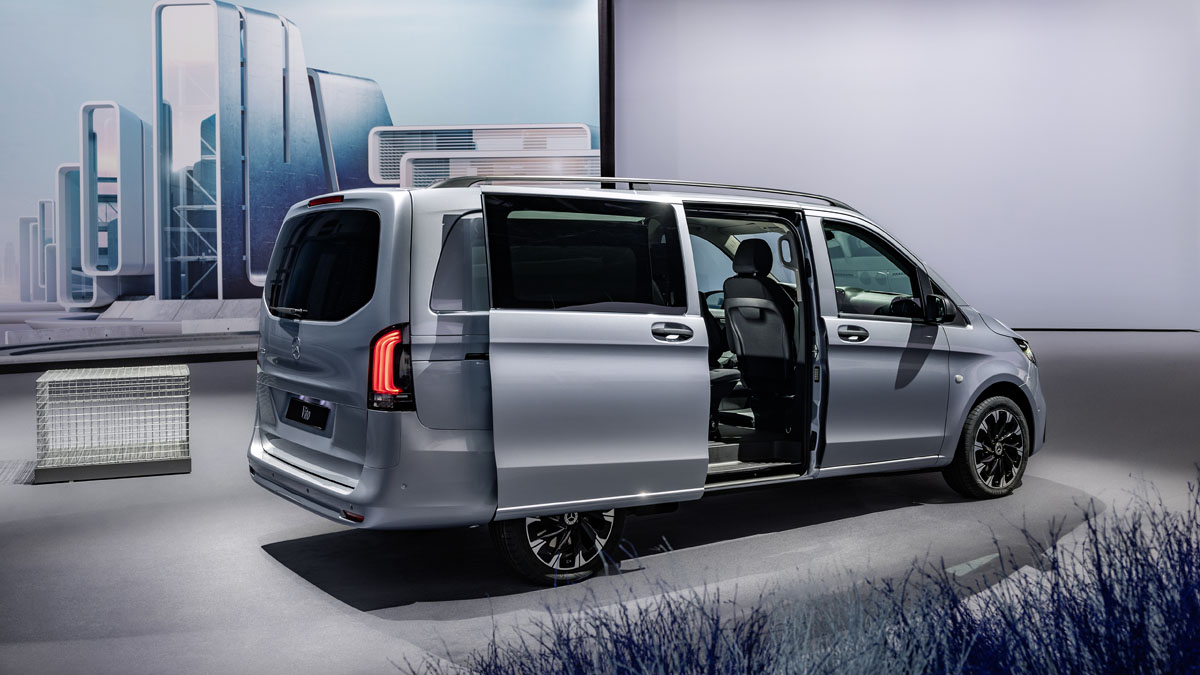
After a short teaser campaign, the 2024 Mercedes-Benz V-Class range has been formally revealed. The changes are extensive, with a new exterior look that brings it right up to date with the rest of the Mercedes-Benz range, as well as substantial cabin and tech upgrades. The 2024 Mercedes-Benz V-Class family comprises the all-electric EQV, V-Class, V-Class Marco Polo touring van, Vito and eVito.
Locally, the V-Class has proven popular and while we don’t have sales figures (because Mercedes-Benz South Africa) doesn’t report to Naamsa, we understand that the luxury van sells in good numbers.
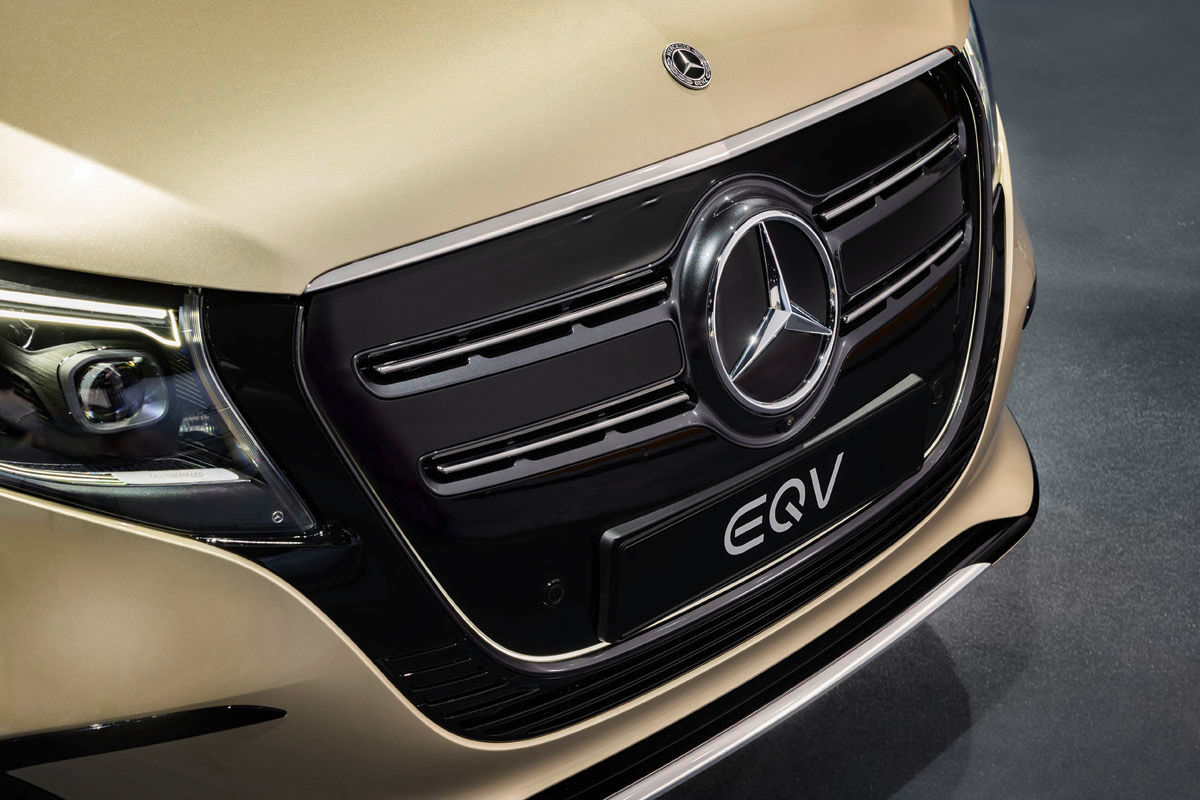
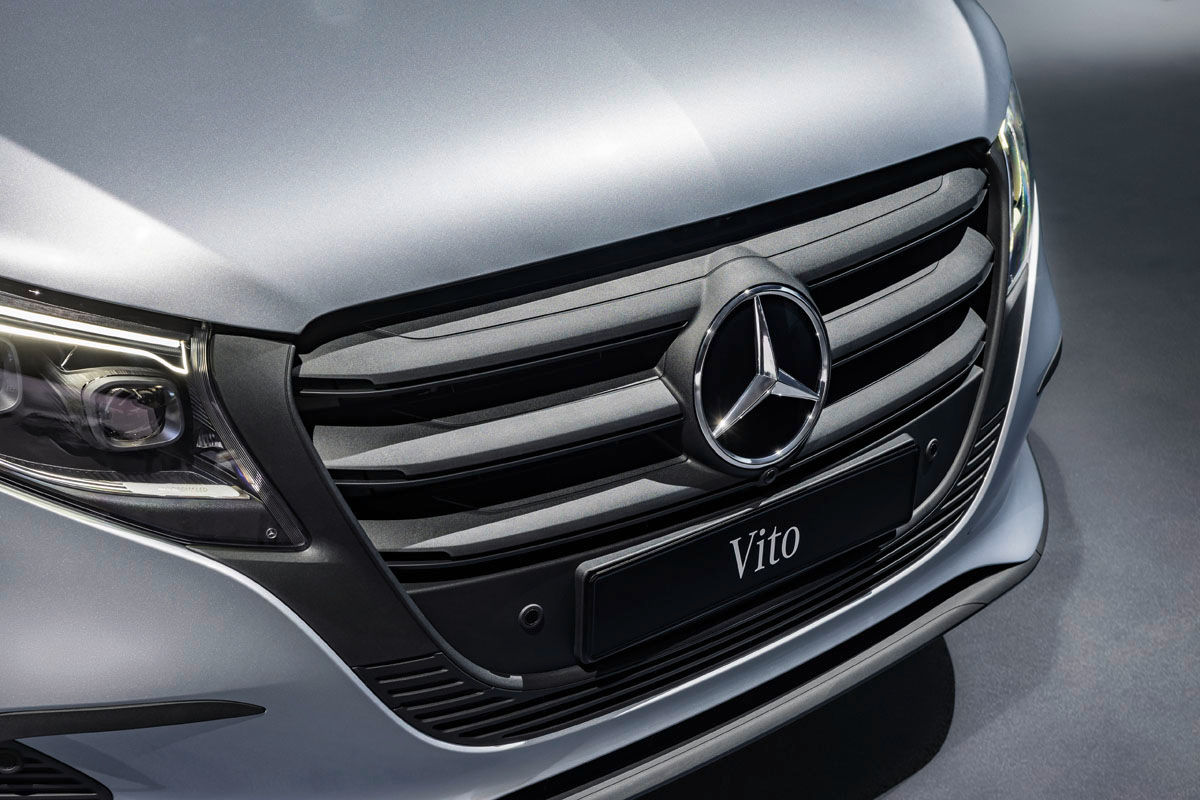
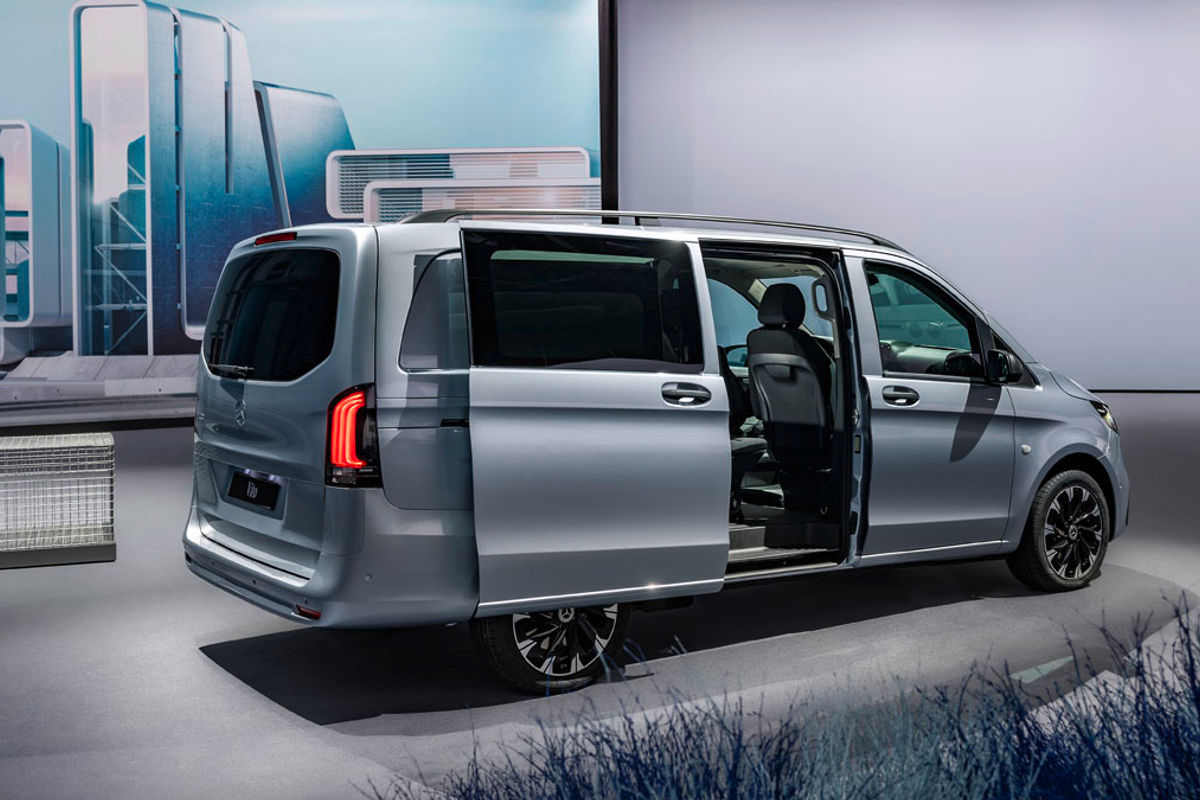
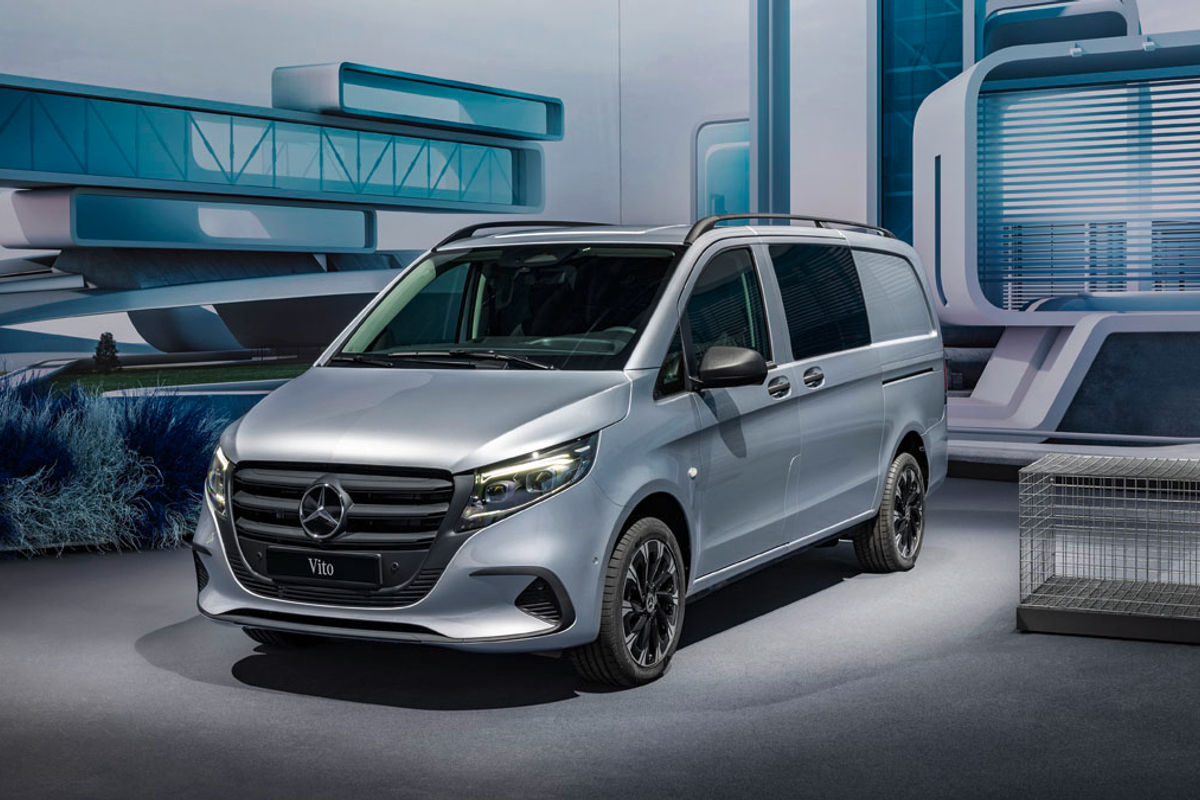
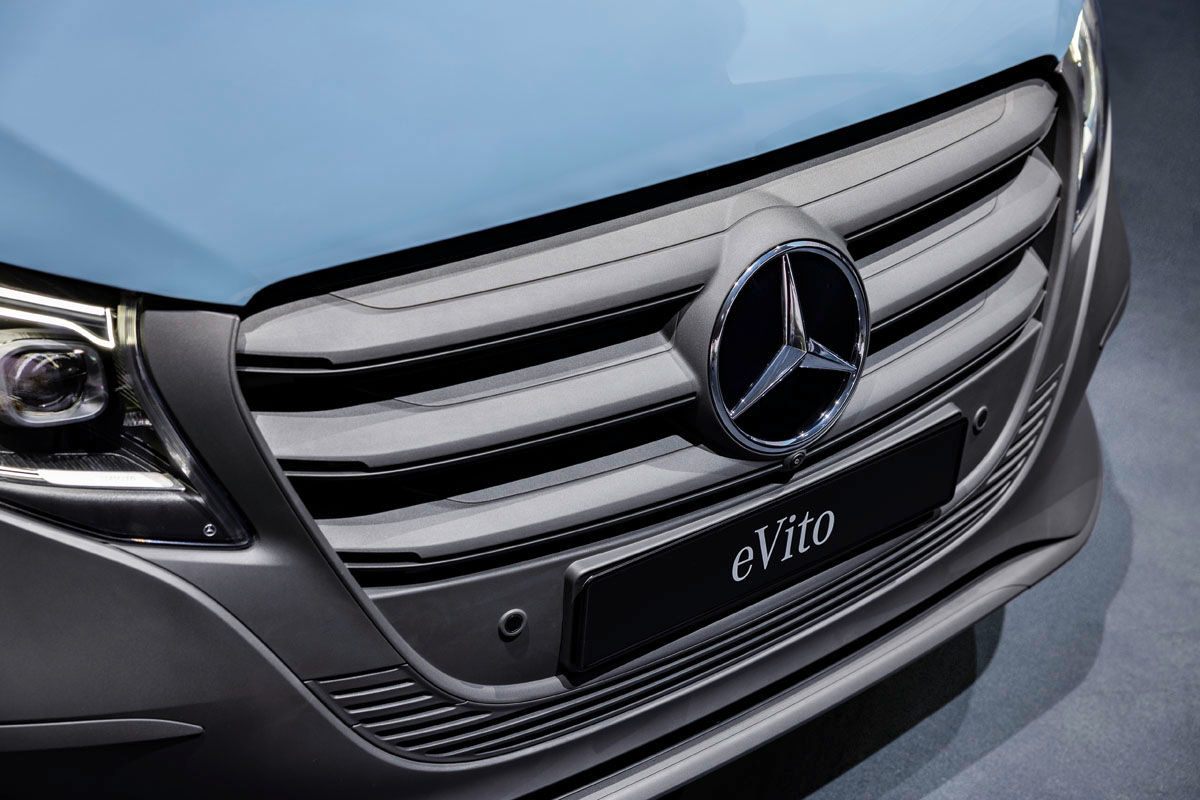
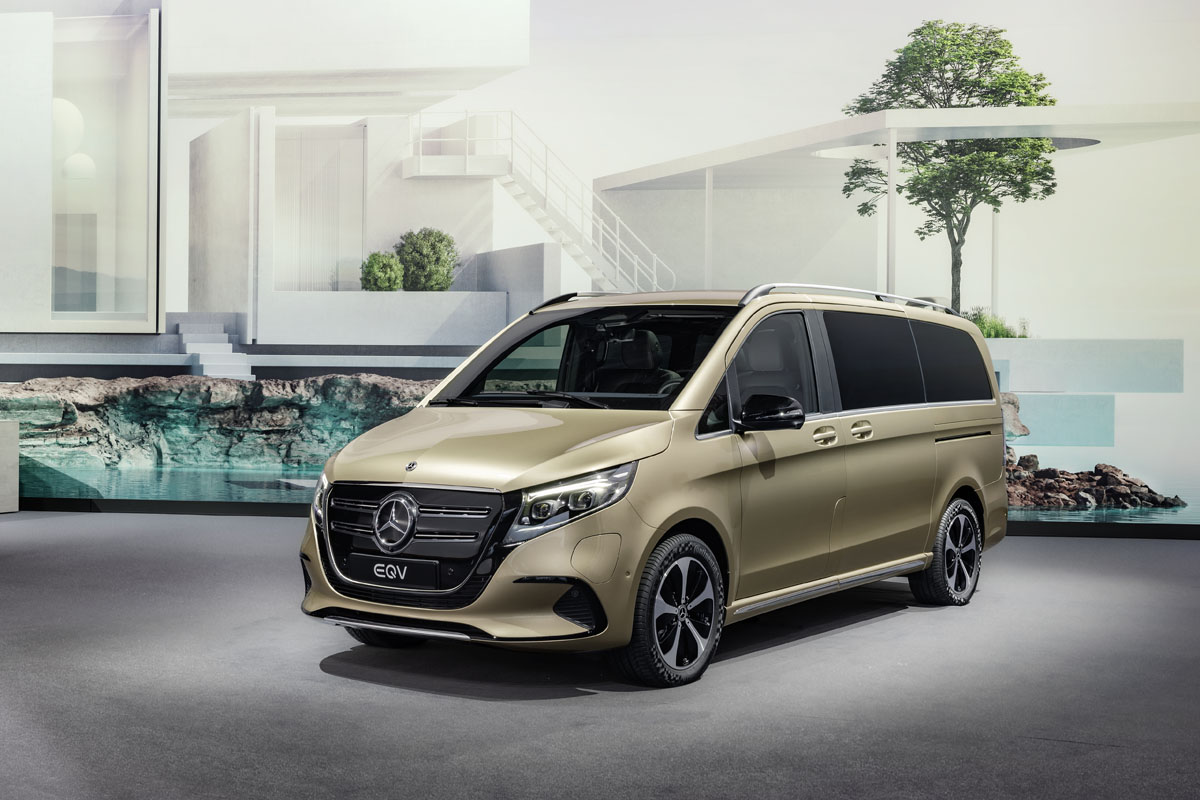
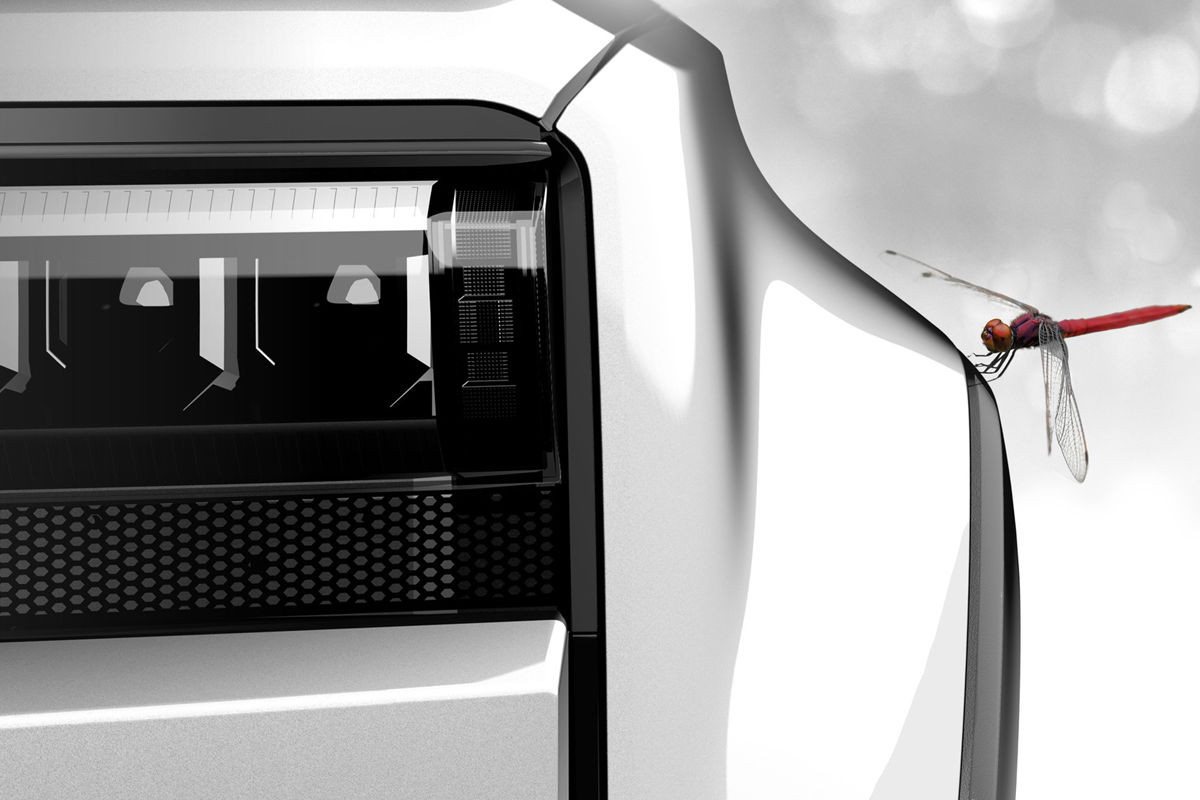
You can distinguish the updated Mercedes-Benz V-Class with its new front treatment (all variants get the update). The ICE version gets a bold radiator grille, while the EQV gets a sleek and clean closed-off front.
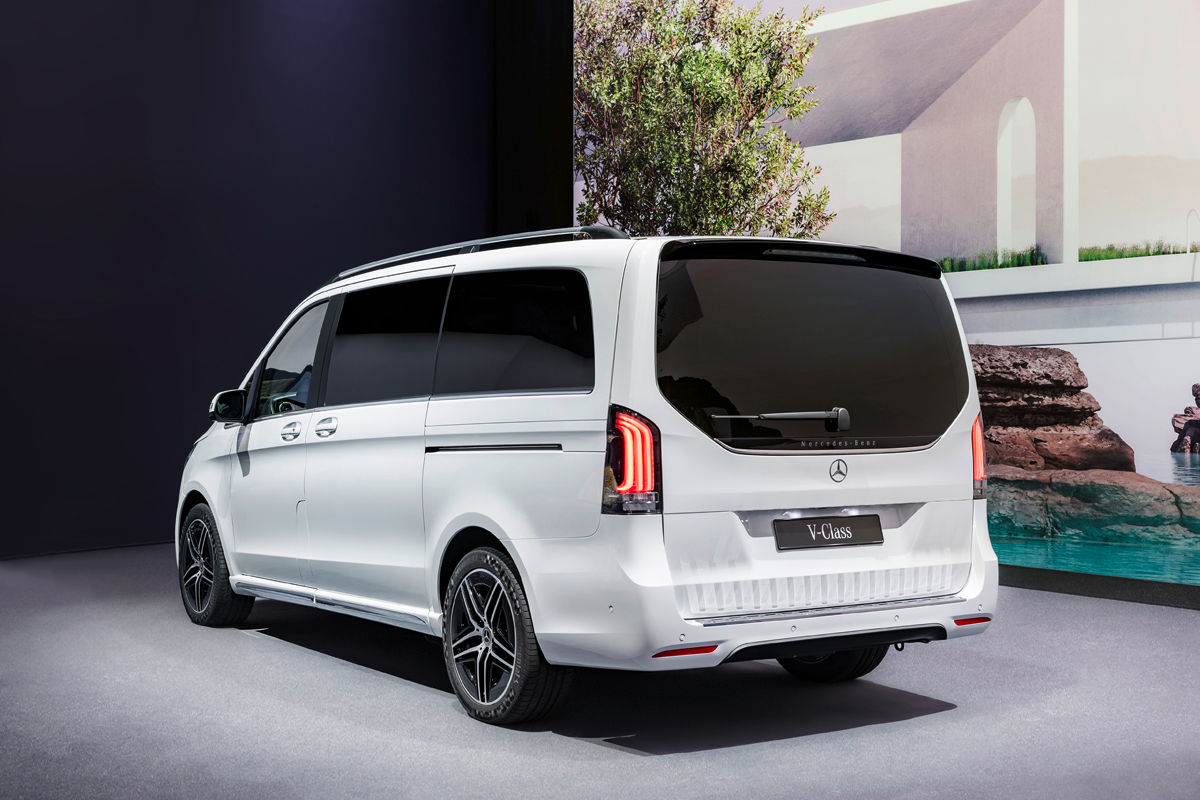
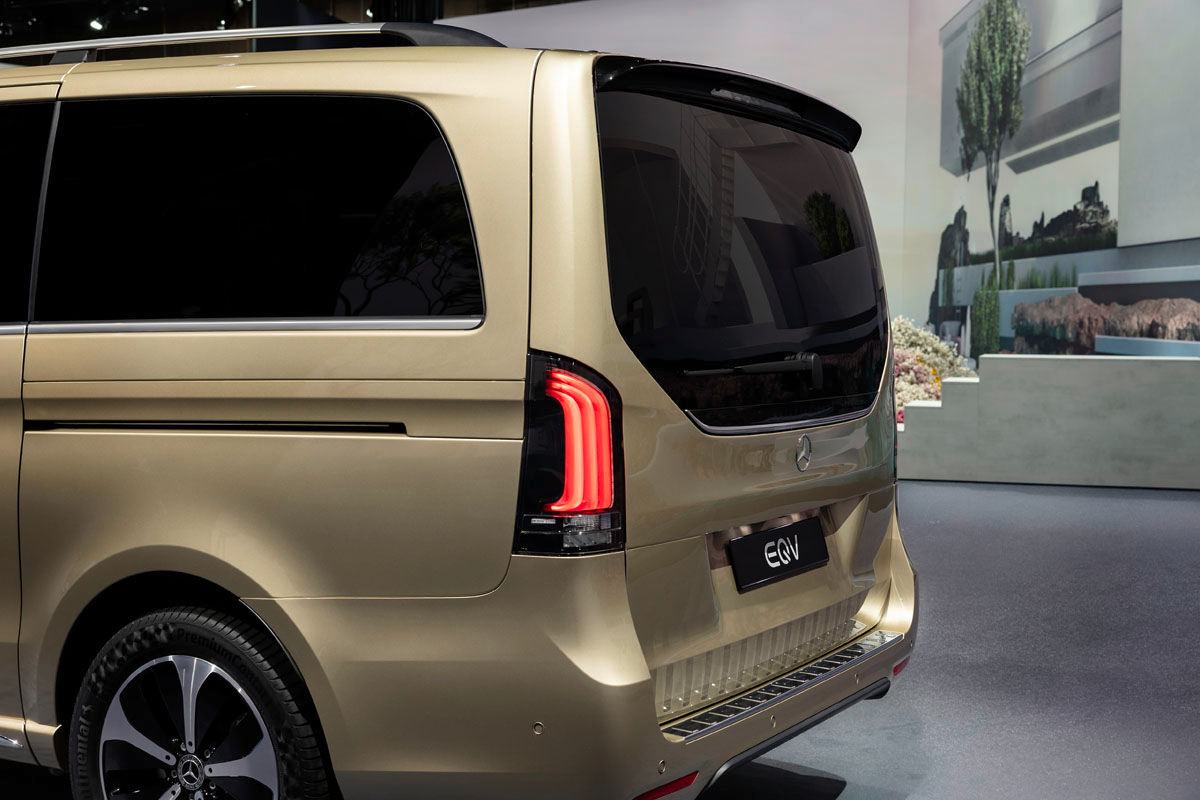
Meanwhile, all 2024 variants are adorned the sharper new-look headlights with an LED light band around the grille. For the first time, the iconic Mercedes-Benz star makes an appearance on the bonnet. The rear gets redesigned LED taillamps and there’s a neat chrome trim strip with Mercedes-Benz lettering.
There are new aerodynamically-tuned alloy wheels available in 17-, 18- and 19-inch sizes. Customers get an additional 5 paint colours to choose from.
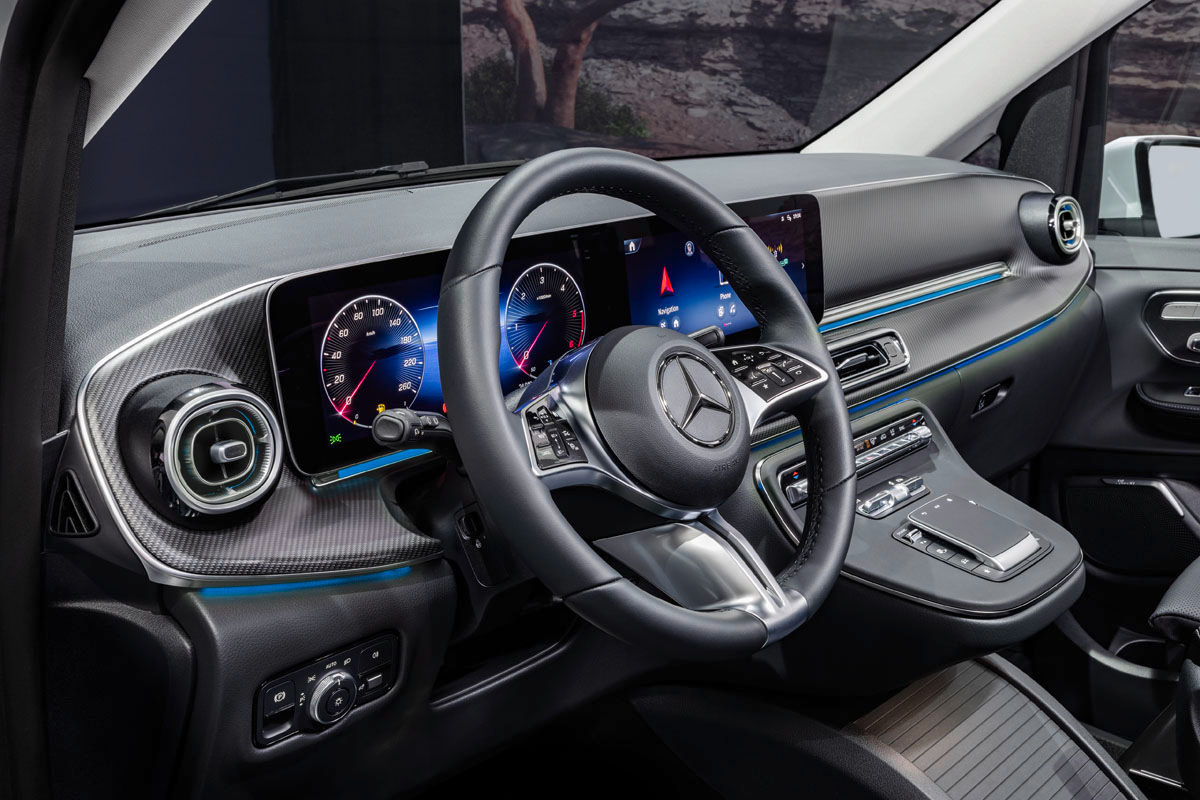
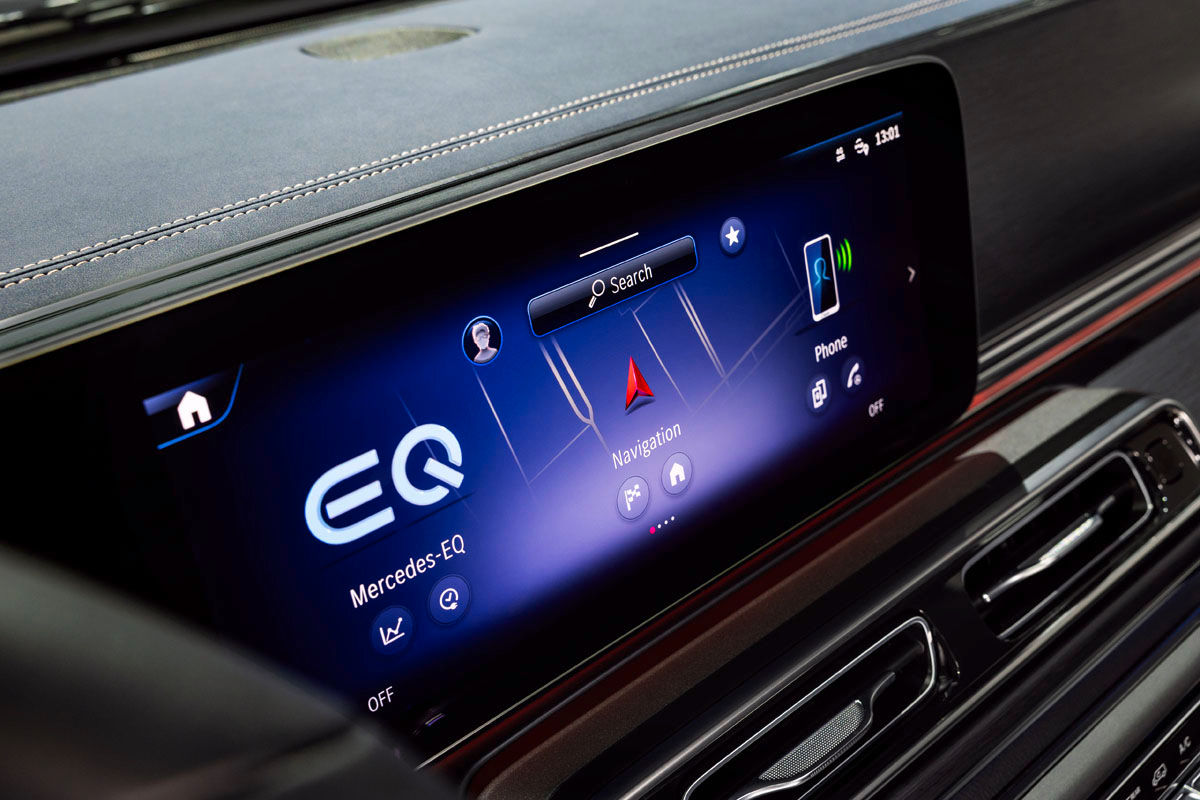
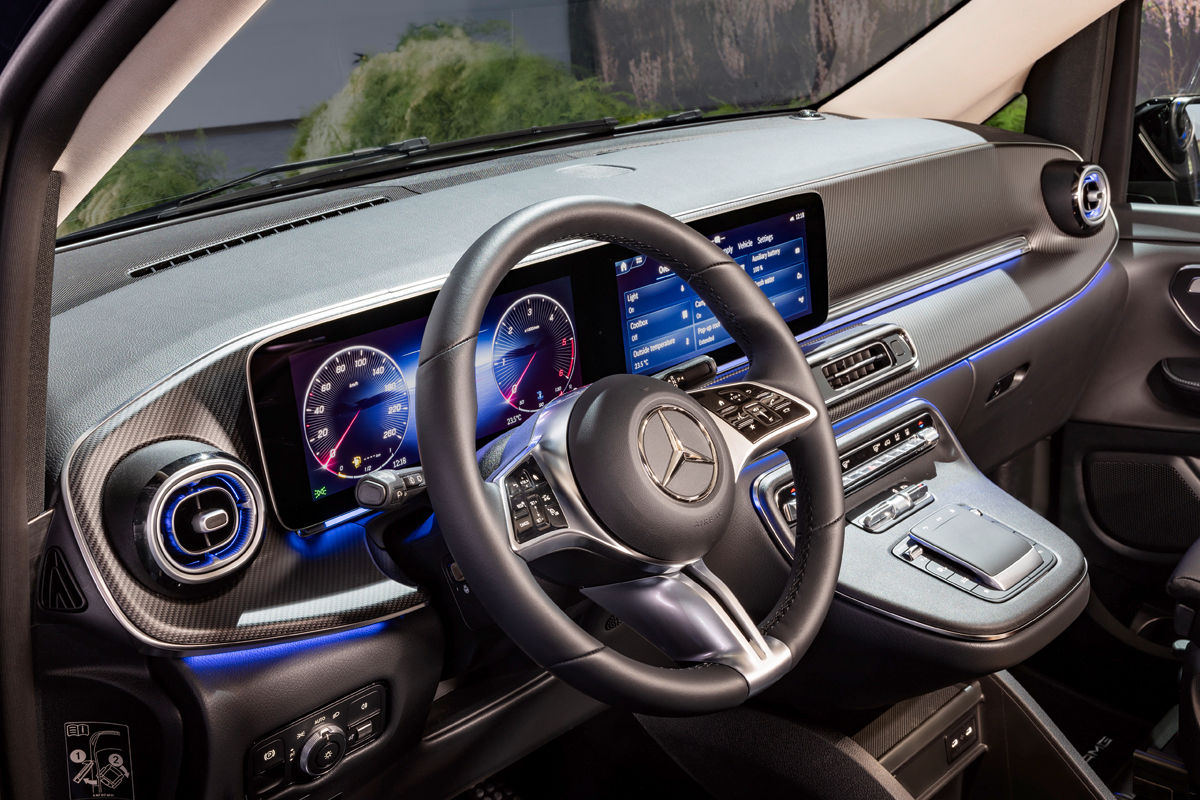
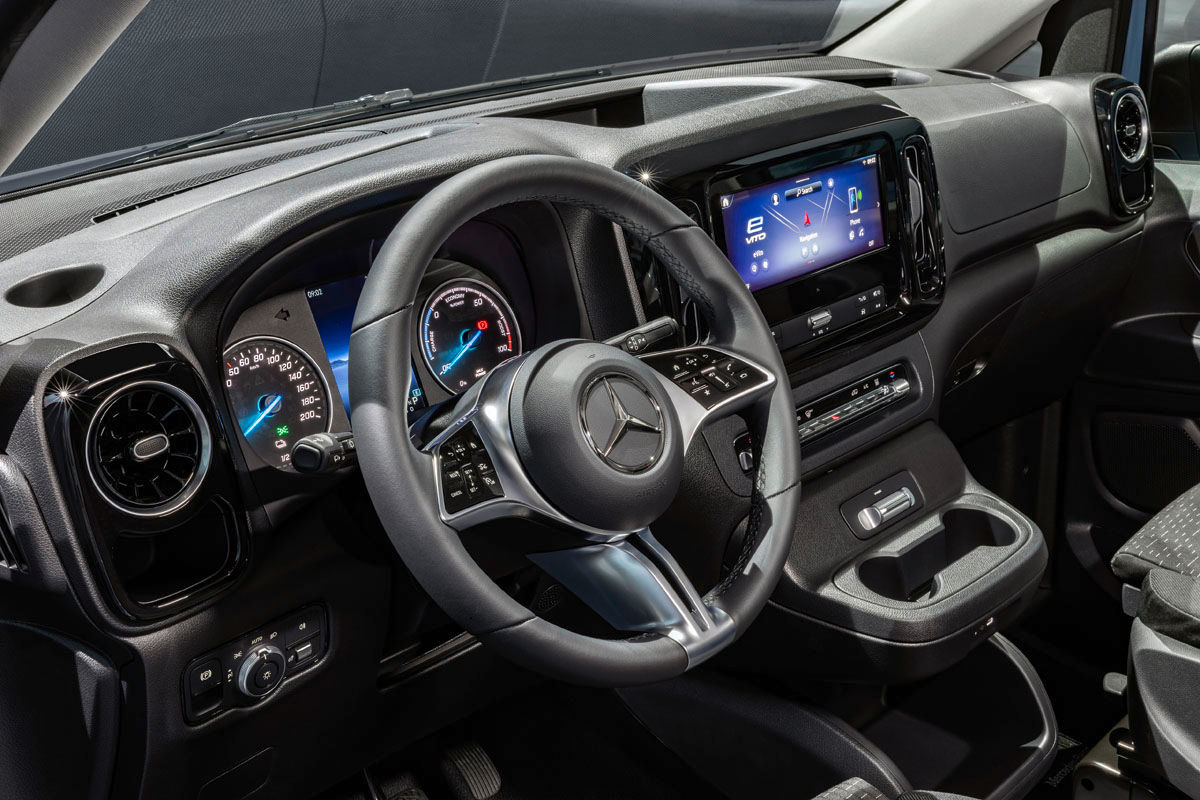
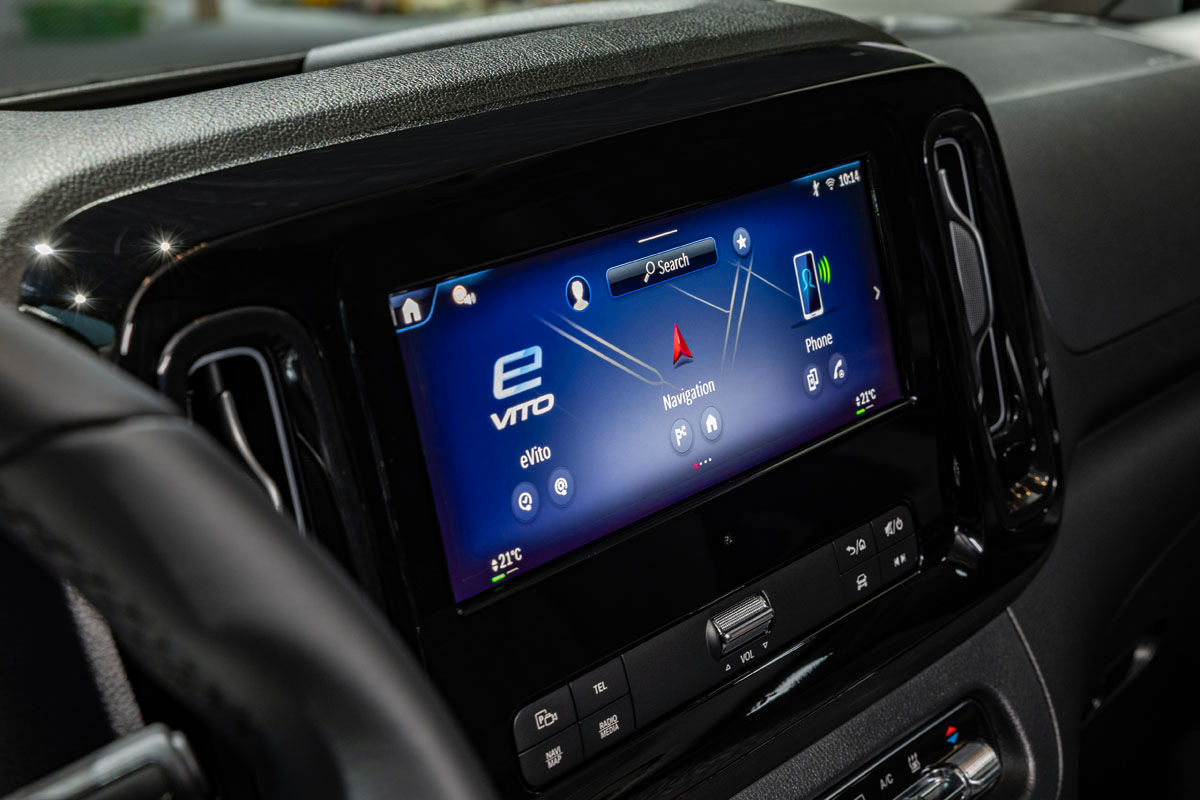
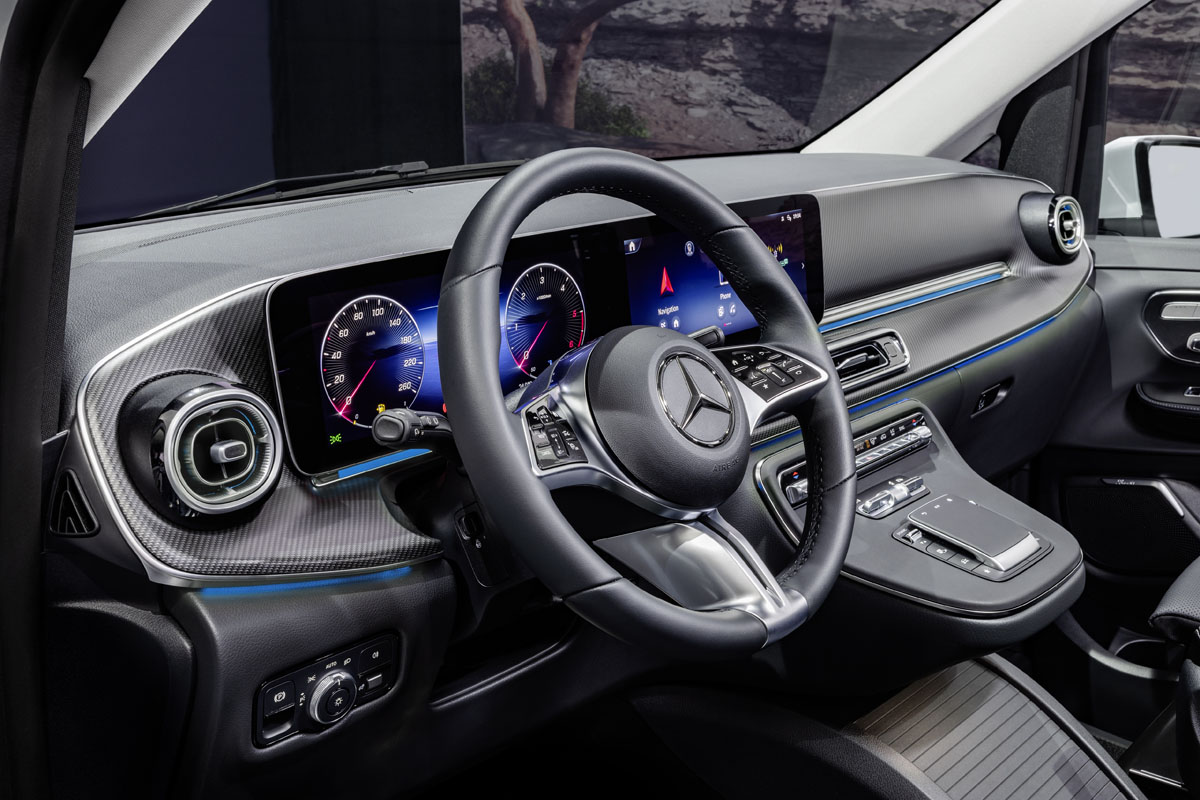
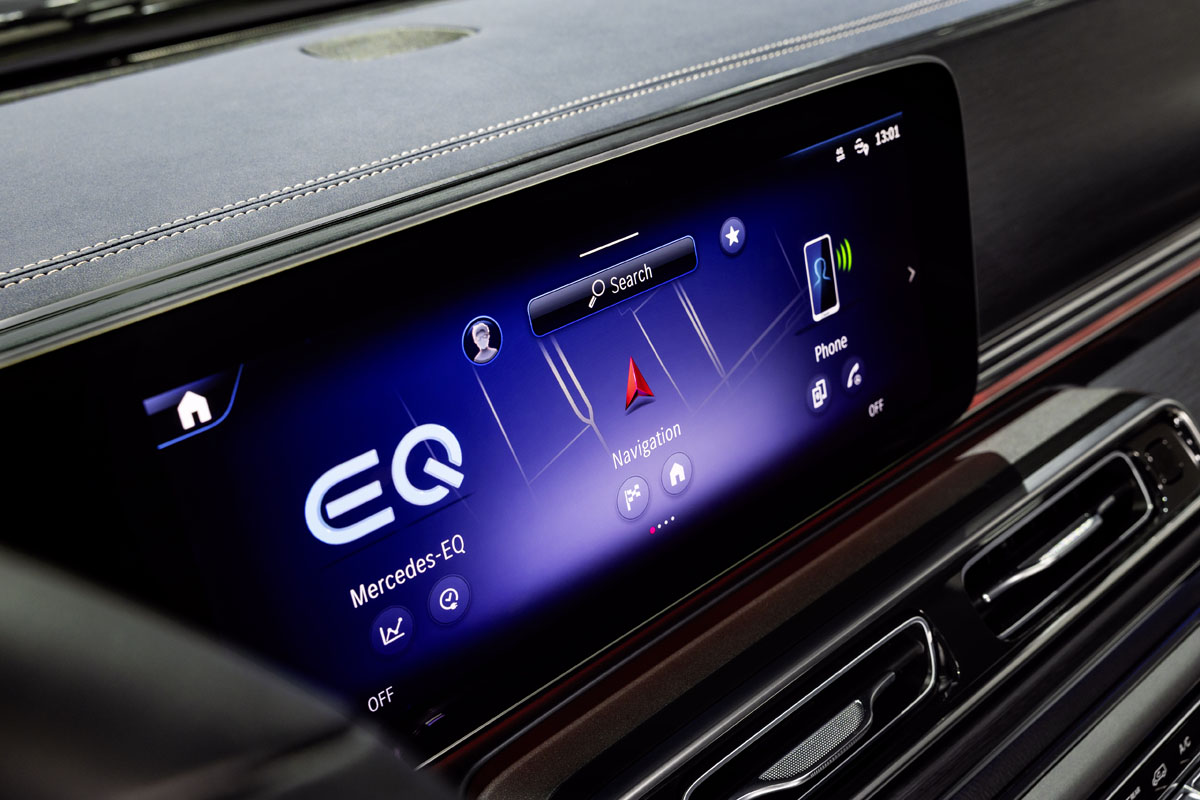
Inside, the biggest change is the introduction of the MBUX digital instrument cluster and infotainment system. The two integrated 12.3-inch (widescreen) displays bring new levels of tech, connectivity and appeal while the commercial-focused Vito and eVito get a 10.25-inch central infotainment unit with a 5.5-inch colour instrument cluster. What’s more, the MBUX features the digital assistant “Hey Mercedes”, which allows hands-free functionality for navigation inputs, climate settings and audio system choices.
It appears that the W447-gen V-Class will continue to use the existing engine and transmission options as there was no mention of powertrains in the release. As a reminder, the V-Class is offered with 2.0-litre turbodiesel engines in various states of tune. The flagship V300d packs a 174 kW/550 Nm punch!
There was no data on the all-electric EQV either, but the outgoing version had a claimed range of 405 km and a peak system output of 150 kW.
And finally, the Sindelfingen-based brand is offering the updated V-Class in Entry-level, Style, Avantgarde and Exclusive trim levels. Optional design packages include AMG Line and Night packages.
Mercedes-Benz Vans has rejigged its comprehensive options list and combined individual items into equipment packages. SA specification has yet to be confirmed, but we hope we get all the goodies!
The 2024 Mercedes-Benz V-Class sees the Three-pointed Star’s commercial division adopt an ever-more premium strategy and the Van/MPV family will also incorporate the modular and scalable Van Electric Architecture (VAN.EA) from 2026. The European market is ground zero for electrified mobility and ‘Benz reckons electric vans should account for more than 50% of its volumes by 2030. So far, more than 40 000 battery-electric vans have been sold, with the brand’s eVito leading the sales race.
Mercedes-Benz Vans South Africa has confirmed that the updated V-Class range will be touching down in 2024. Marinus Venter, the division’s general manager of product and marketing, had this to say:
“We are delighted to introduce the latest versions of the V-Class and Vito, (they represent) another step forward in our commitment to enhancing luxury in private life and elevating premium character in business. These new editions exemplify our dedication to innovation, design and quality. Although we have no confirmed timeline as of yet, we hope to see these vehicles in SA in the next 18-24 months.”
“We are thrilled to announce that the highly anticipated EQV and eVito will be making their debut in South Africa in 2024. Along with the launch of the eSprinter in our local market in 2024, our lineup of electric vans will establish our position as market leaders in electric drive and digital experience,” he added.
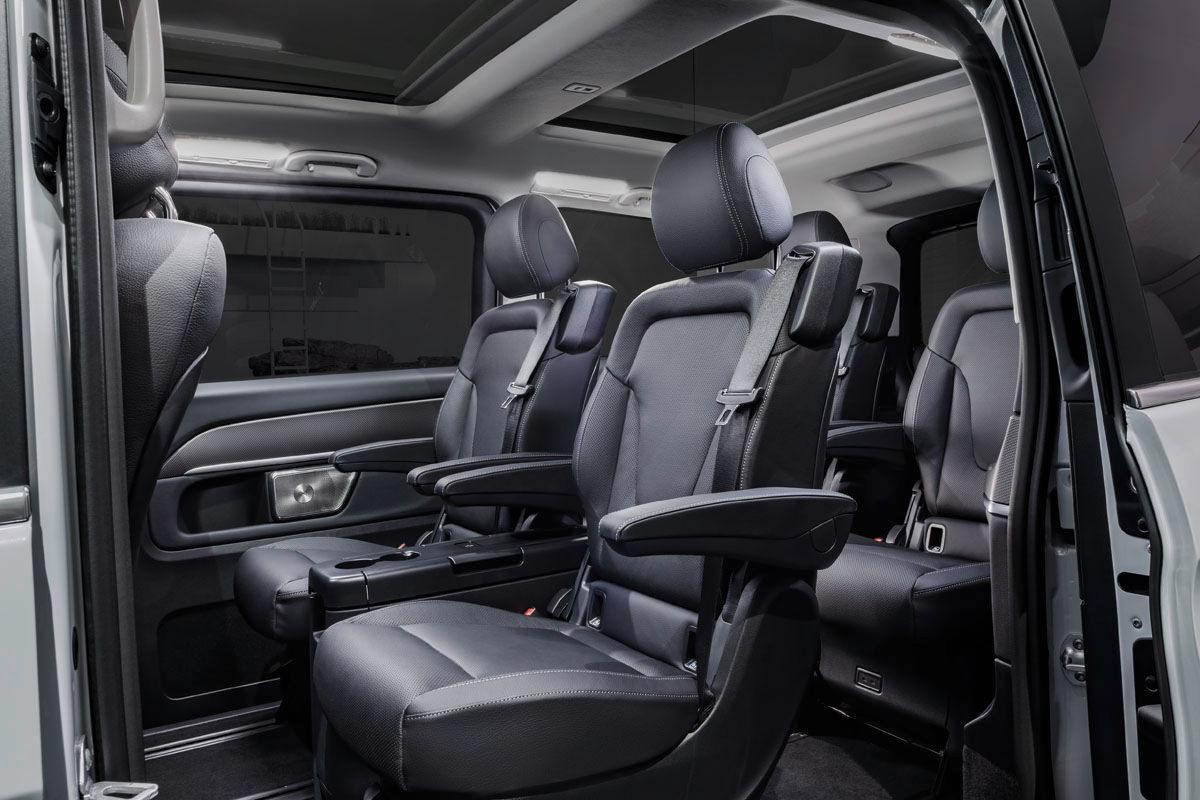
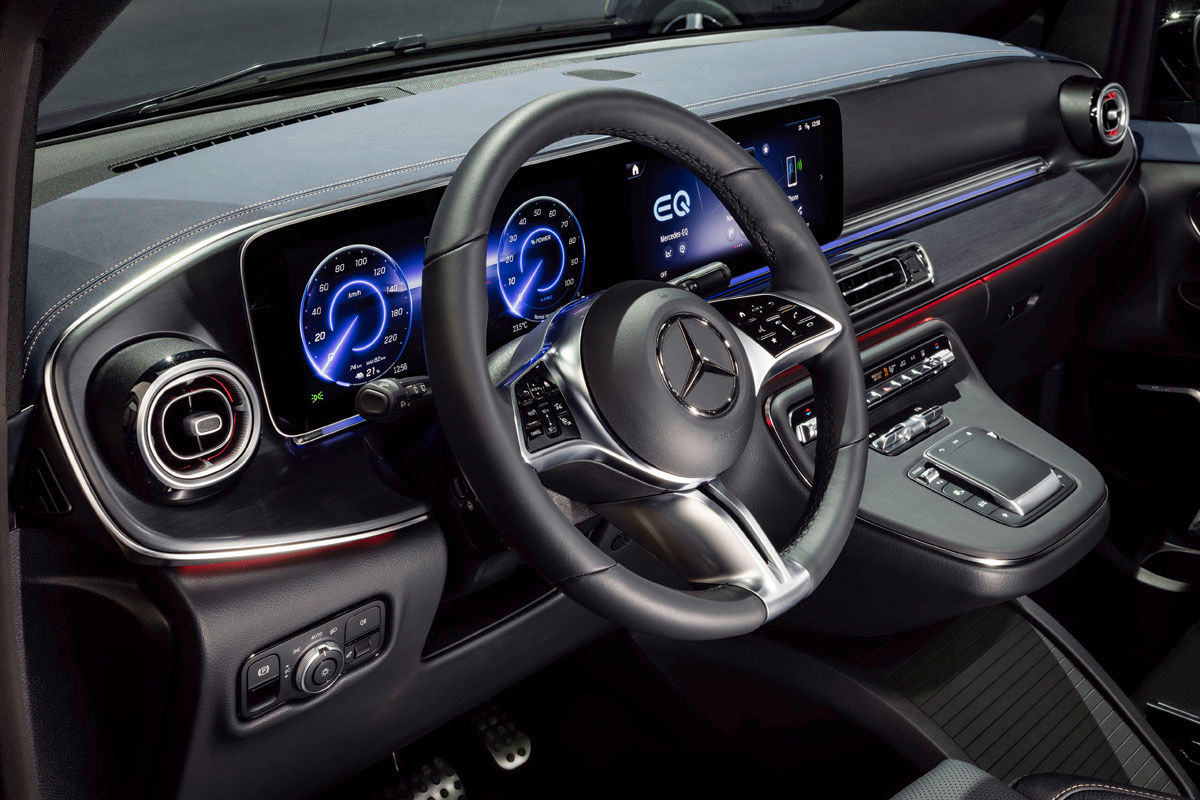
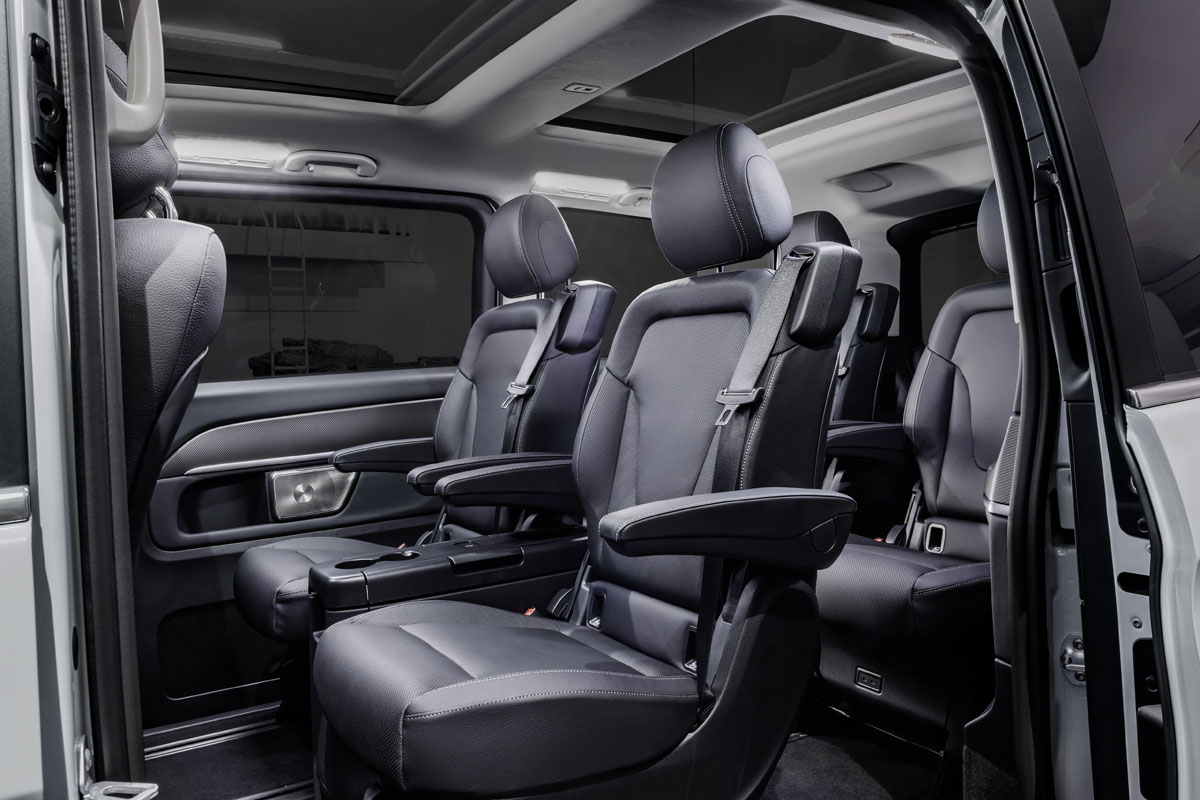
Der neue Mercedes-Benz EQV – Interieur
The new Mercedes-Benz EQV – Interior
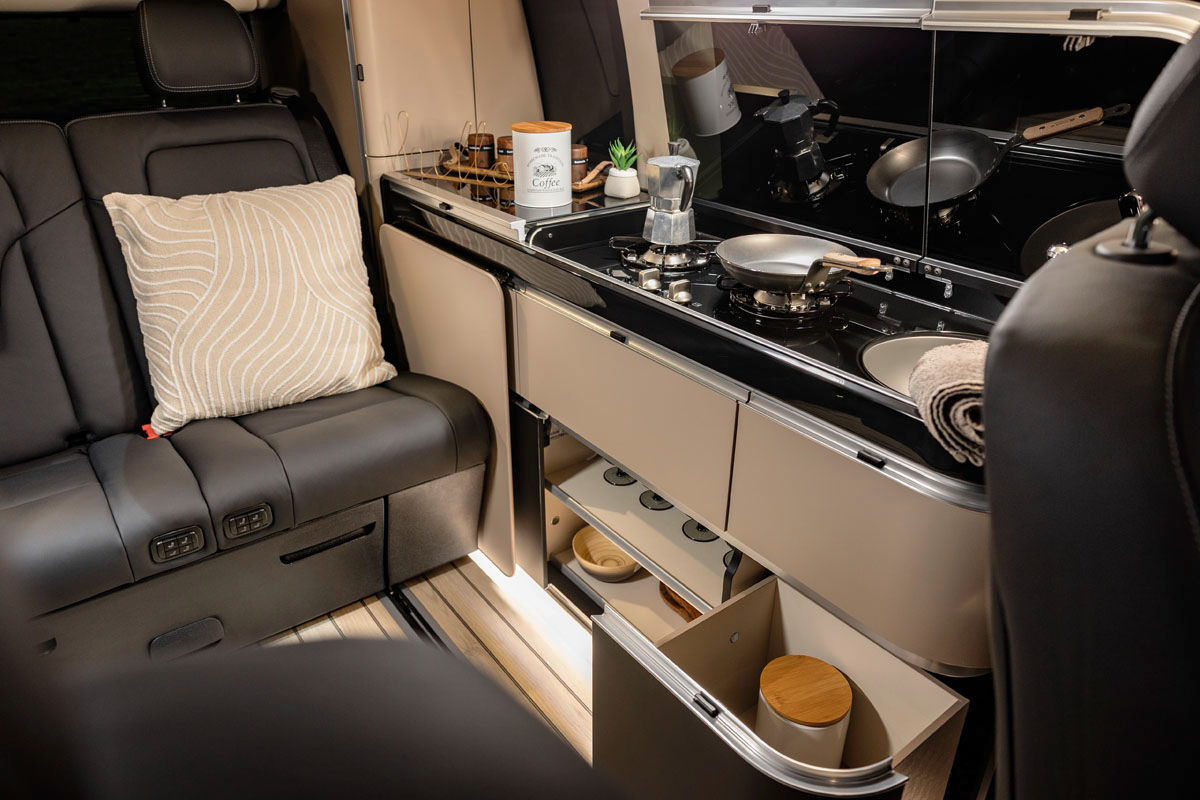
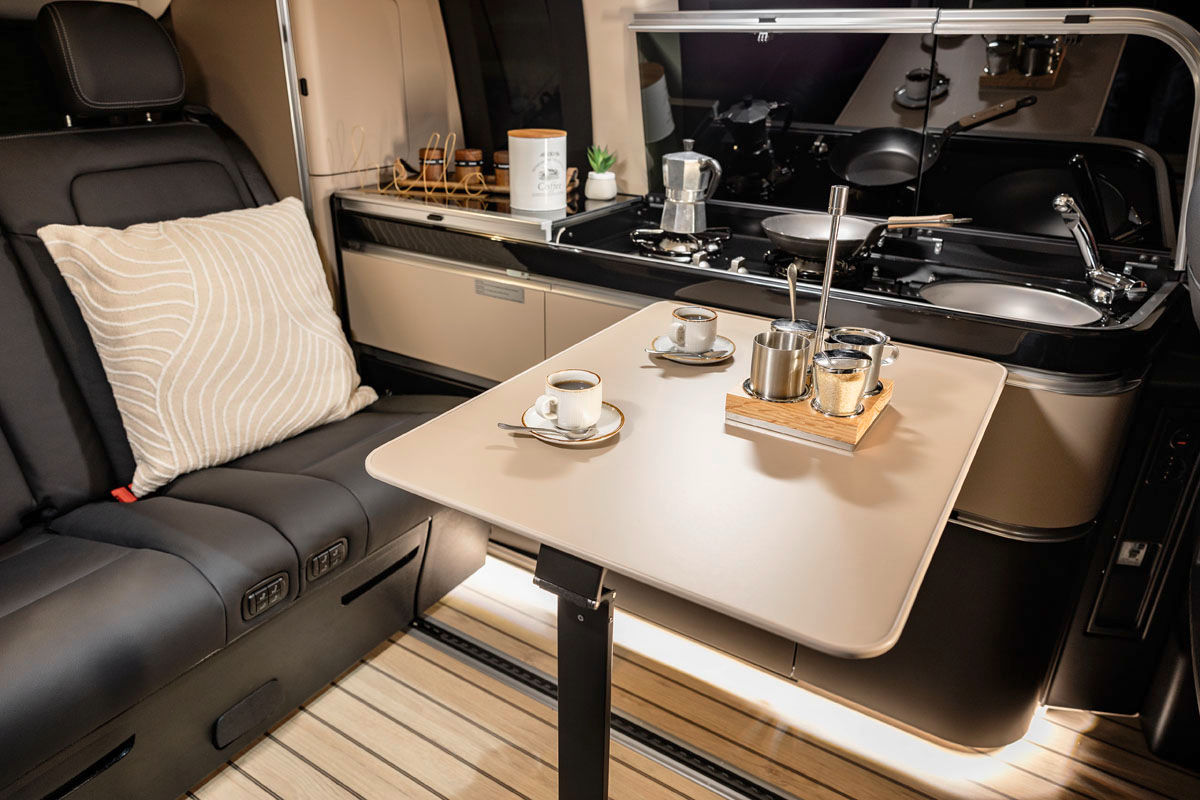
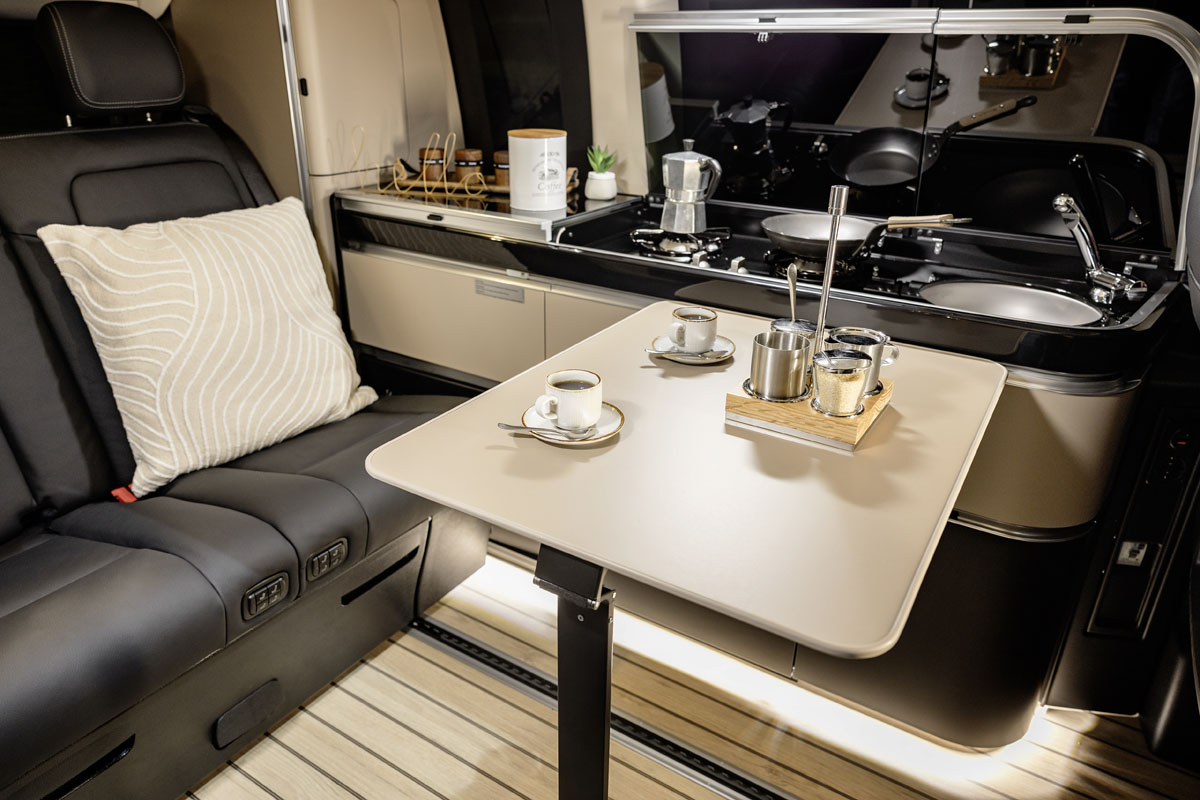
“Currently, we do not have conclusive information about when the V-Class Marco Polo will arrive in South Africa, (but we can) confirm a new Sprinter motorhome conversion option is coming in early 2024, in collaboration with VanPartners. Like the Marco Polo, our Sprinter motorhome conversion epitomises luxury camping by prioritising comfort, spaciousness and safety in every step of the vehicle’s design.”
New Toyota Land Cruiser Prado: 2 Front-End Designs?
Toyota has released a fresh batch of Land Cruiser Prado teasers, suggesting there could be 2 distinct front-end designs available, depending on the market…
Toyota has dropped a fresh batch of teaser images giving us a glimpse at what is surely the all-new Land Cruiser Prado. However, from what we can tell (and based on information previously shared by Drive), the new-generation model will feature 1 of 2 distinct front-end designs, depending on where you live.
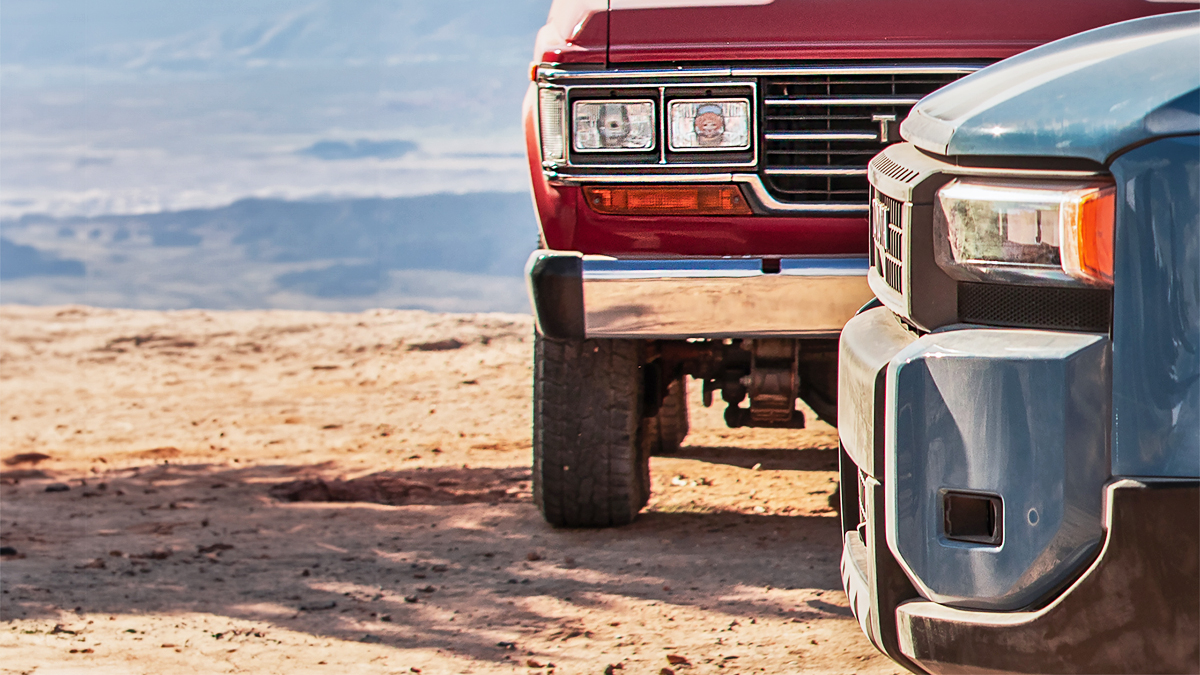
Announcing a reveal date of 2 August 2023, the Japanese automaker’s divisions in the United States and Europe each released a single teaser image that incorporates a closely cropped shot of the new model’s nose alongside a 1980s FJ62-generation Land Cruiser.
This seemingly retro-inspired version – complete with bold “Toyota” lettering across its grille – may well end up being unique to the United States and certain markets in Europe.
This teaser image was released by Toyota’s US and European divisions.
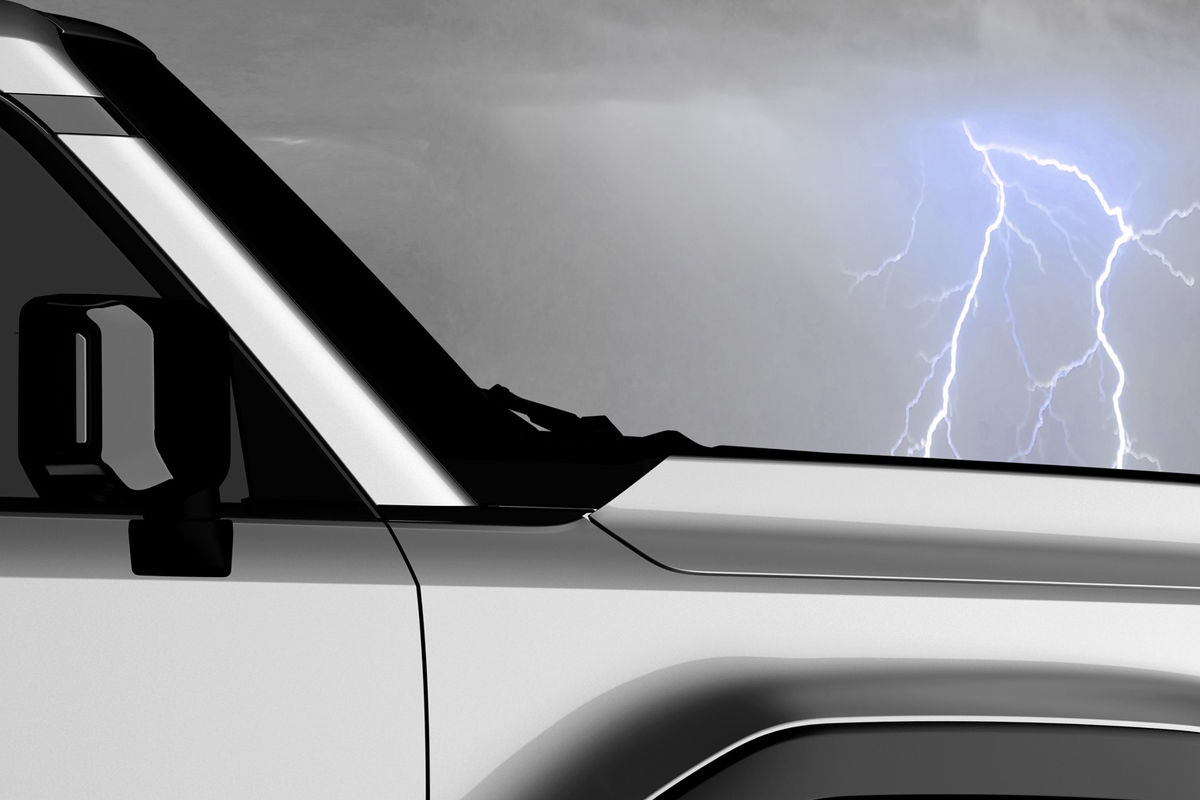
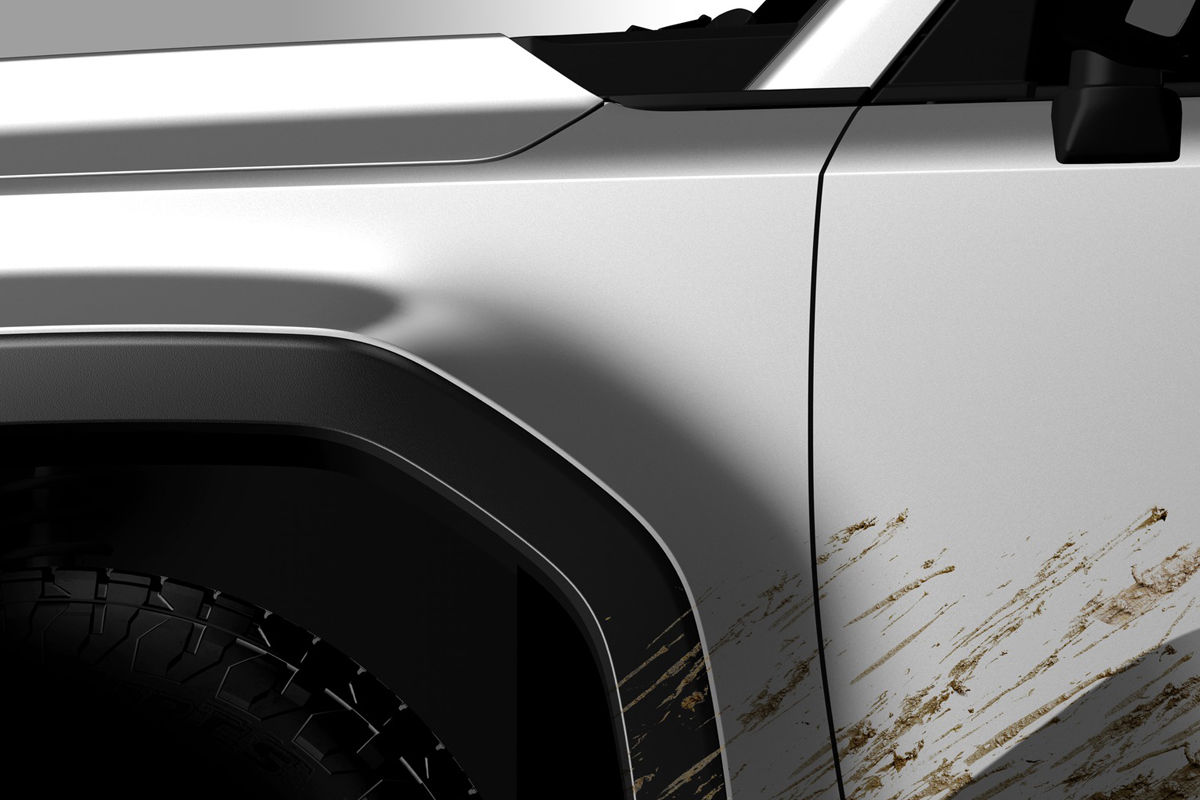
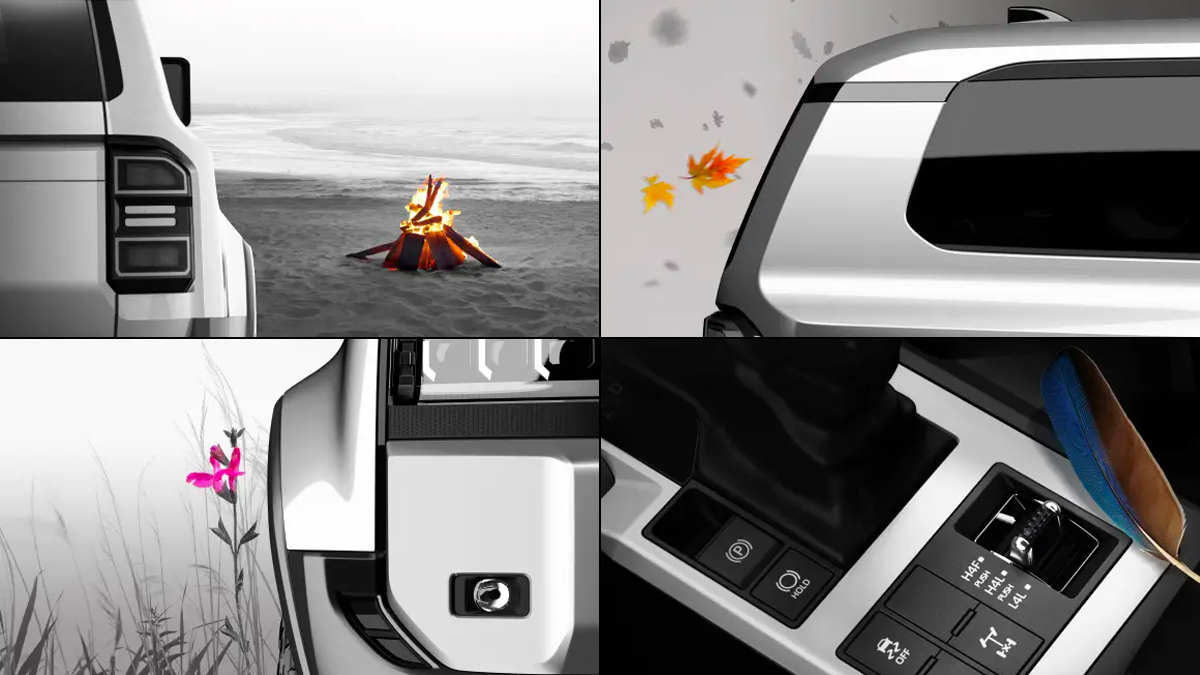
Meanwhile, Toyota’s Japanese and Australian arms released a completely separate (though perhaps more revealing) set of teaser images, depicting what appears to be a slightly different front-end design. These largely black-and-white shots furthermore show elements of the taillights, chunky fenders, D-pillar and off-road controls.
Intriguingly, each of these 4 divisions referred to the upcoming model simply as the “all-new Toyota Land Cruiser”, with no mention of the Prado badge at all. There have, of course, been rumblings of the Prado successor being badged as the Land Cruiser 250.
For the record, the outgoing J150-generation Prado is known simply as the “Land Cruiser” in Europe, where it’s positioned below the Land Cruiser 300. Neither model, of course, is currently offered in North America.
A combination of teaser images shared by Toyota’s Japanese and Australian divisions.
Regardless of what it’s called, the Prado replacement is expected to share much with the recently revealed new-gen Lexus GX. Like that model, the newcomer will ride on Toyota’s TNGA-F platform, though whether both the twin-turbocharged 3.5-litre V6 and turbocharged 2.4-litre hybrid petrol motors carry over remains to be seen.
We’d speculate markets such as South Africa will push on with turbodiesel power, likely in the form of the 2.8-litre, 4-cylinder engine employed by the outgoing model. However, the inclusion of a lightning strike in 1 of the teaser shots may well be a hint at some form of electrification; it’s worth noting the 2.8-litre GD-6 oil-burner is already in line to receive mild-hybrid assistance in the Hilux and Fortuner.
The J150-generation Land Cruiser Prado was revealed back in 2009 and launched locally in the same year. The current range comprises 5 derivatives, 3 powered by the aforementioned 2.8-litre turbodiesel unit and 2 by Toyota’s long-in-the-tooth naturally aspirated 4.0-litre V6 petrol mill (which will surely fall away with this generation).
Check back on 2 August 2023 to see the first all-new Land Cruiser Prado in 14 years…
Mitsubishi Outlander: Should you choose it over a Fortuner?
The Mitsubishi Outlander – a well-made and family-friendly 7-seater with part-time off-road capability – is such an underrated SUV in the South African market. Ashley Oldfield puts the latest iteration of the Japanese model through its paces.
South African buyers have always favoured the more off-road-baised bakkie-based adventure SUVs such as the Toyota Fortuner, but now there’s an all-new Outlander for your hard-earned money.
Is it a very practical 7-seater? What’s the boot space like? Is the engine strong enough to move people and things around faster than an ox wagon? We answer all these questions and more in this in-depth review of the Mitsubishi Outlander.
Spec Check! Toyota Land Cruiser 79 vs Ineos Grenadier Quartermaster
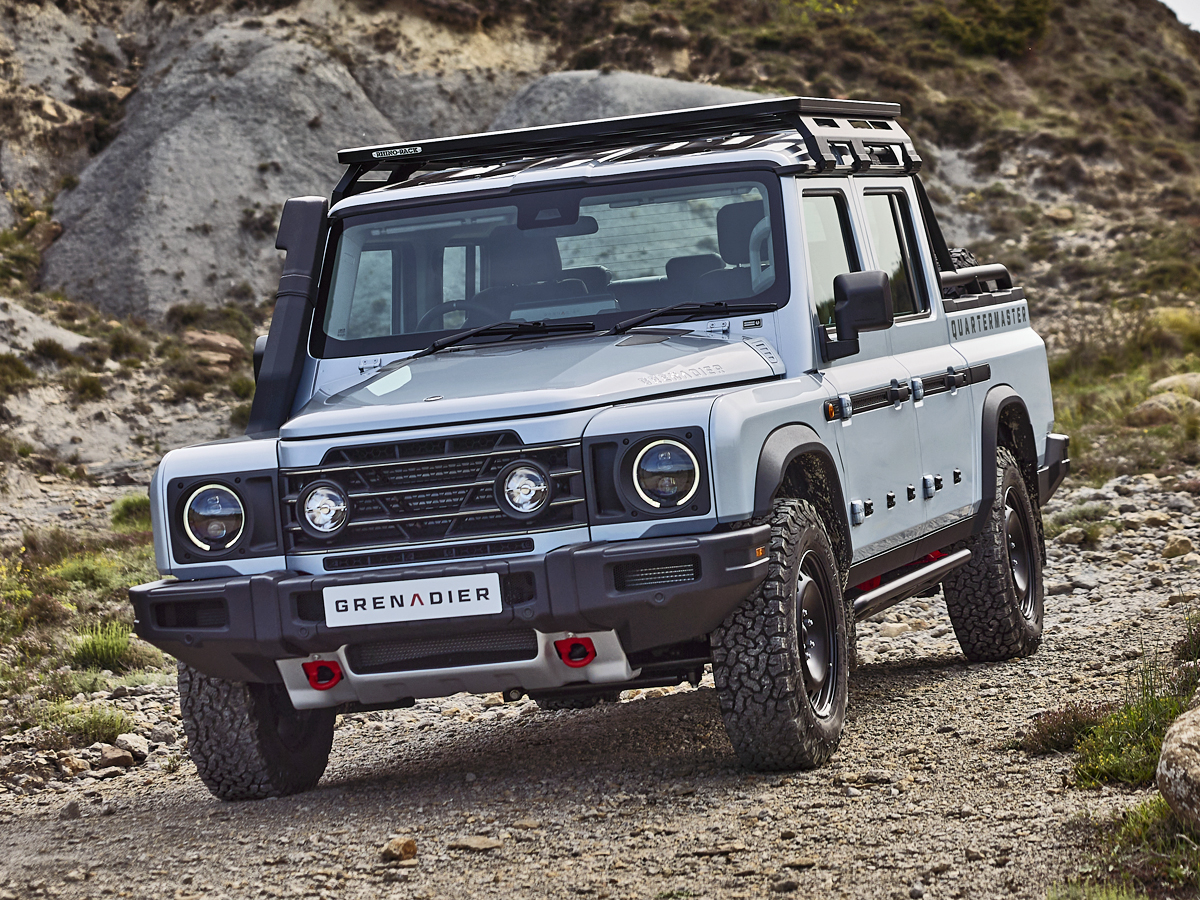
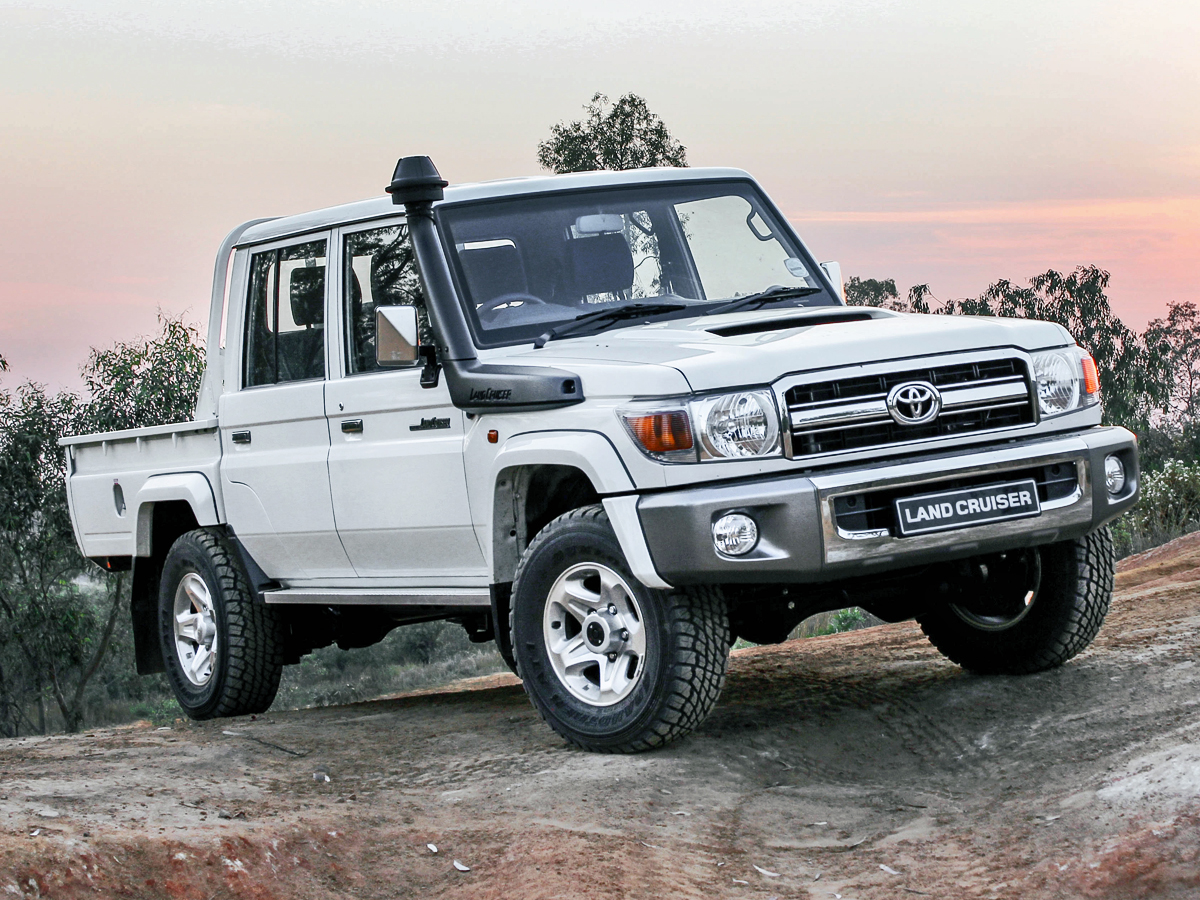
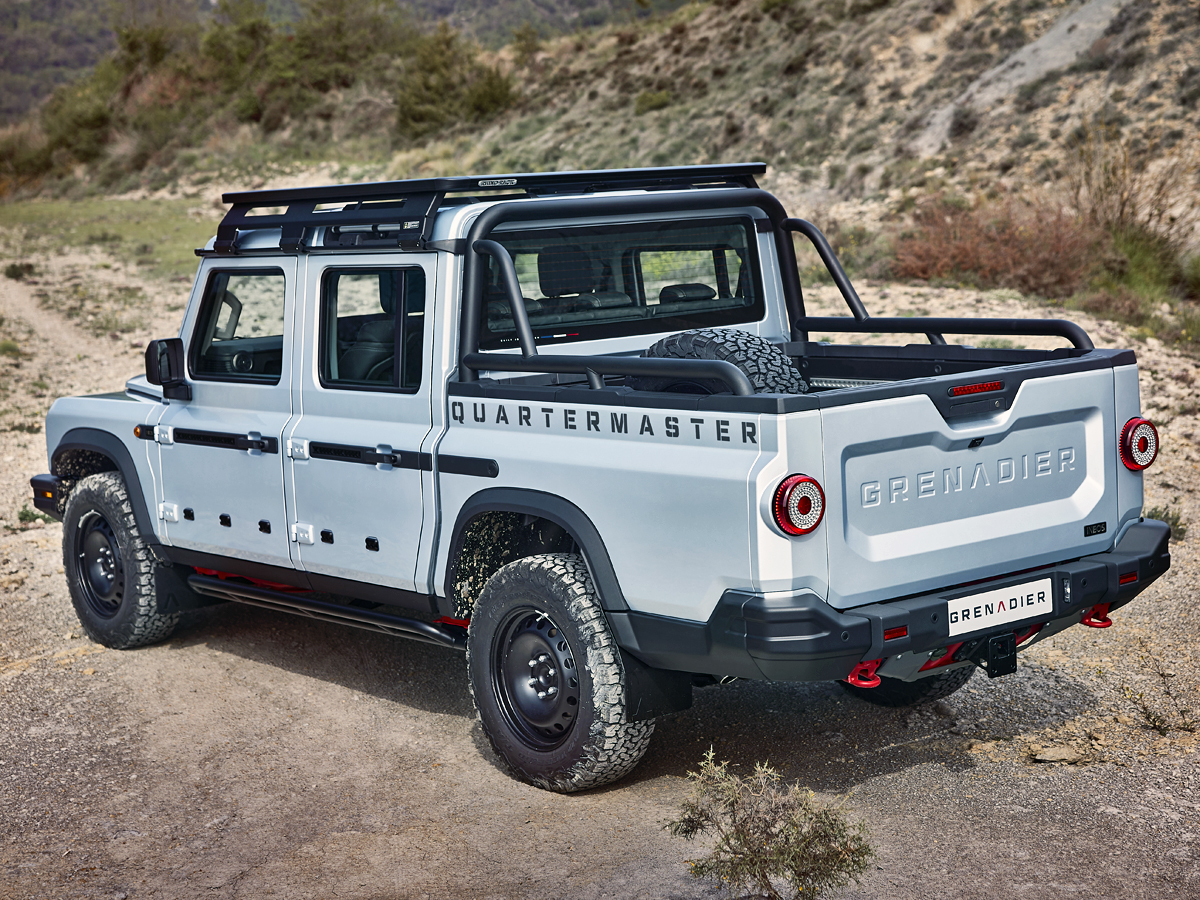
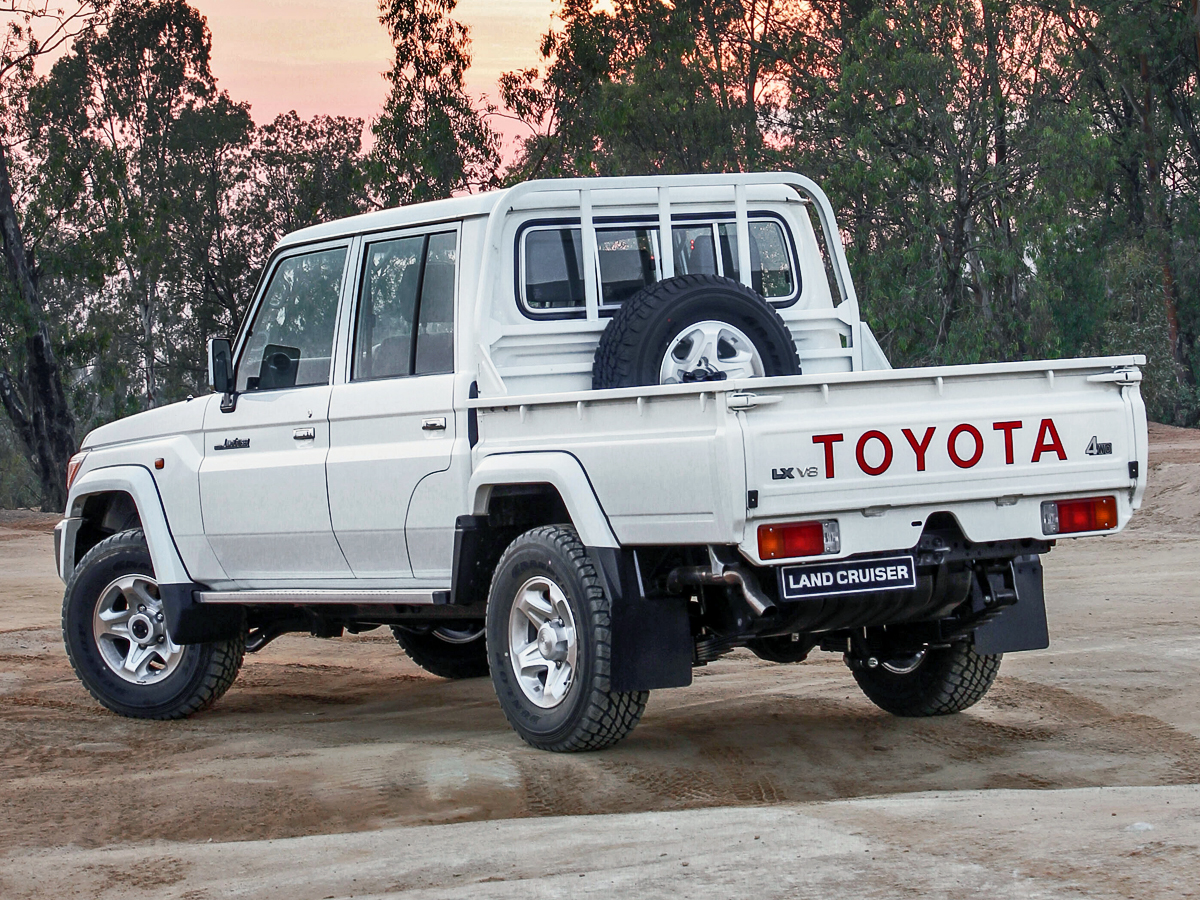
The Ineos Grenadier Quartermaster has the Toyota Land Cruiser 79 double cab squarely in its sights. So, how does the newcomer stack up in a purely technical comparison? Let’s dive into the details…
One has been in production for nearly 40 years. The other has just made its debut. Yes, an intriguing “old versus new” battle is brewing. The fresh-faced Ineos Grenadier Quartermaster bakkie is heading to South Africa, where it will square up with the venerable Toyota Land Cruiser 79 double cab.
Of course, Ineos is a company that has only just dipped its toe into the automotive waters, first with the Grenadier wagon and now with the closely related Quartermaster bakkie. Though conceived as an unofficial successor to the original Land Rover Defender, the vehicle in the new Quartermaster’s sights is the Land Cruiser 79, specifically in top-spec LX double-cab form.
Before we have the opportunity to sample the Quartermaster in the real world, we thought we’d line it up for an on-paper battle with the popular yet long-in-the-tooth Land Cruiser 79 4.5D-4D LX V8 double cab. For the record, we’ve gone with most basic version of Quartermaster (rather than the up-specced Trialmaster or Fieldmaster), in diesel flavour.
We’ll focus on technical details here rather than more subjective matters such as styling. It’s also worth keeping in mind the Ineos bakkie features far more creature comforts than the more utilitarian Toyota, as well as a longer list of official accessories. Again, we’ll exclude such features for now.
While it’d be no easy feat taking on as established a player as the Land Cruiser 70 series (in a market such as South Africa, no less), it’s certainly a worthwhile exercise seeing how the 2 compare on paper. Let’s dive right in…
Engine and Transmission
The flagship Land Cruiser 79 employs the Japanese firm’s familiar 1VD-FTV engine, which takes the form of a 4.5-litre V8 turbodiesel unit. While it’s not the most powerful mill considering its displacement, the quad-cam 32-valve motor is well known for its low-down grunt, with peak twisting force on tap from just 1 200 r/min and sustained all the way through to 3 200 r/min. Thanks to its relatively low state of tune, the D-4D engine is suitably under-stressed, which typically translates to increased reliability.
And the Quartermaster? Well, Ineos has turned to the BMW Group for powerplants, with the new bakkie available with the German firm’s petrol- and diesel-flavoured 3.0-litre straight-6 engines. Despite its smaller capacity (and fewer number of cylinders), the BMW-sourced oil-burner makes more power and torque than the Toyota’s burly V8, while also using less fuel, according to the respective manufacturers’ claims.
Toyota Land Cruiser 79 DC
Ineos Grenadier Quartermaster
Engine
4.5-litre V8 turbodiesel
3.0-litre straight-6 turbodiesel
Power
151 kW
183 kW
Torque
430 Nm
550 Nm
Fuel consumption (claimed)
11.9 L/100 km
10.5 L/100 km
Transmission
5-speed manual
8-speed automatic
4×4 system
Part-time
Permanent
Transfer case
2-speed
2-speed
Differential locks
Front and rear
Centre (front and rear optional)
Other drivetrain differences include the fact the Land Cruiser 79 features a 5-speed manual gearbox compared with the Quartermaster’s ZF-sourced 8-speed automatic transmission. Moreover, the Toyota employs a part-time 4×4 system while the Ineos has gone the permanent 4×4 route. Finally, the 79-badged model ships standard with front and rear differential locks, items that are optional on the base Quartermaster (which scores a centre diff lock as standard) in South Africa.
Dimensions, Load Carrying and Off-Road
What about the tale of the tape? Well, the Quartermaster is 165 mm longer than its Japanese rival, as well as considerably wider and taller. The newcomer furthermore features an additional 48 mm between its axles, along with 29 mm of extra ground clearance and 100 mm of added wading depth.
Ineos claims “class-leading off-road ability” and approach, breakover and departure angles “unrivalled by any other series production pick-up”. The Quartermaster certainly has a higher approach angle, but the Land Cruiser 79 hits back with a more impressive departure angle. Unfortunately, Toyota doesn’t list an official breakover angle so it’s not possible to beat the tie in this regard.
Toyota Land Cruiser 79 DC
Ineos Grenadier Quartermaster
Length
5 235 mm
5 400 mm
Width (including mirrors)
1 870 mm
2 146 mm
Height
1 945 mm
2 019 mm
Wheelbase
3 180 mm
3 227 mm
Ground clearance
235 mm
264 mm
Approach angle
33 degrees
36.2 degrees
Departure angle
27 degrees
22.6 degrees
Breakover angle
Not listed
26.2 degrees
Wading depth
700 mm
800 mm
Payload capacity
1 095 kg
760 kg
Towing capacity (braked)
3 500 kg
3 500 kg
While braked towing capacity is 3 500 kg in each case, the Toyota has a distinct edge in the load-carrying department. The Land Cruiser 79 double cab’s payload capacity comes in at 1 095 kg, while the Quartermaster has to settle for a relatively modest figure of 760 kg.
Pricing, Warranty and Service Plan
Ineos has officially opened the local order books and released pricing for the new Grenadier Quartermaster … and even the base model comes in well above the Land Cruiser 79 4.5D-4D LX V8 double cab’s sticker price of R998 500. Yes, the Quartermaster starts at R1 717 100, which makes it a whopping R718 600 more expensive than its foe.
A service plan is optional in both cases, while the Ineos warranty is a couple of years longer. However, it’s worth keeping in mind Toyota Motors South Africa has an extensive dealer network (numbering nearly 200 dealerships at last count), while Ineos is still very much in the process of establishing a local presence.
Toyota Land Cruiser 79 DC
Ineos Grenadier Quartermaster
Price
R998 500
R1 717 100
Warranty
3-year/100 000 km
5-year/100 000 km
Service Plan
Optional
Optional
Dealer network
Extensive
Limited
So, based on technical (on-paper) considerations alone, which of the 2 contenders has your vote? We can’t wait to put the new Grenadier Quartermaster to the test in the real world and deliver a definitive answer. Watch this space…
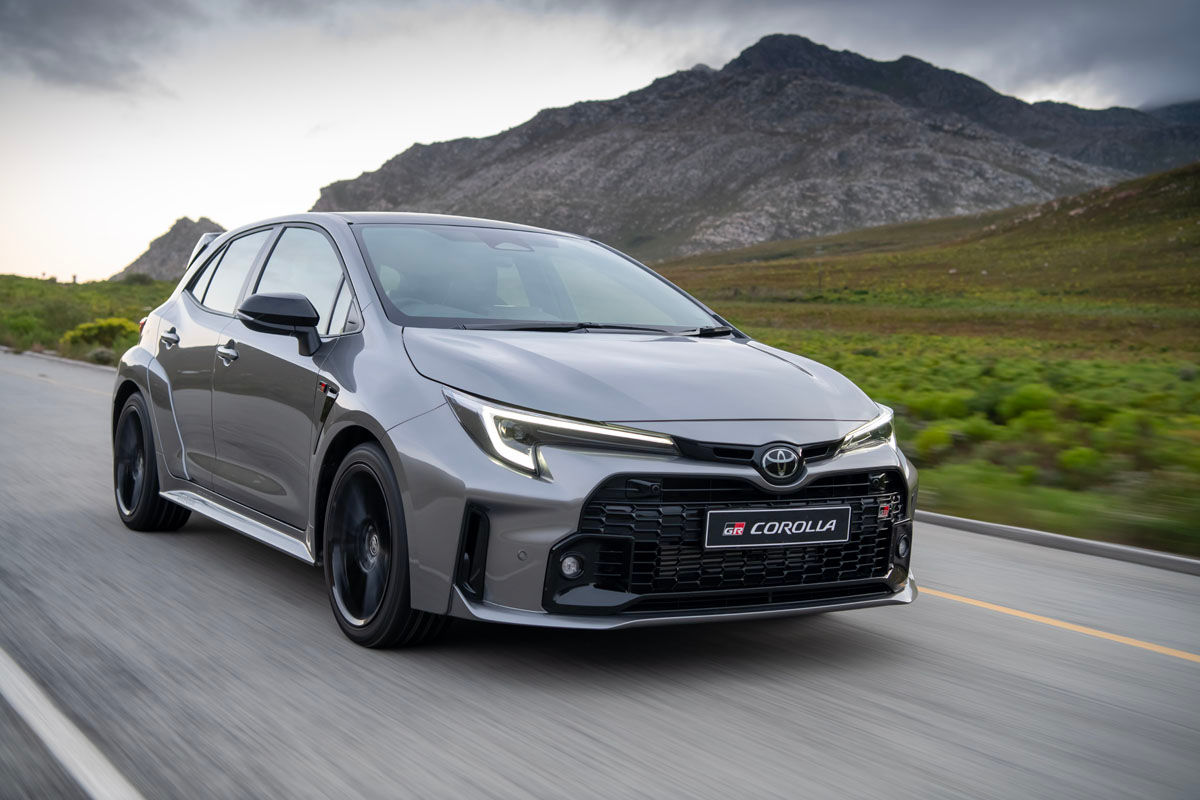
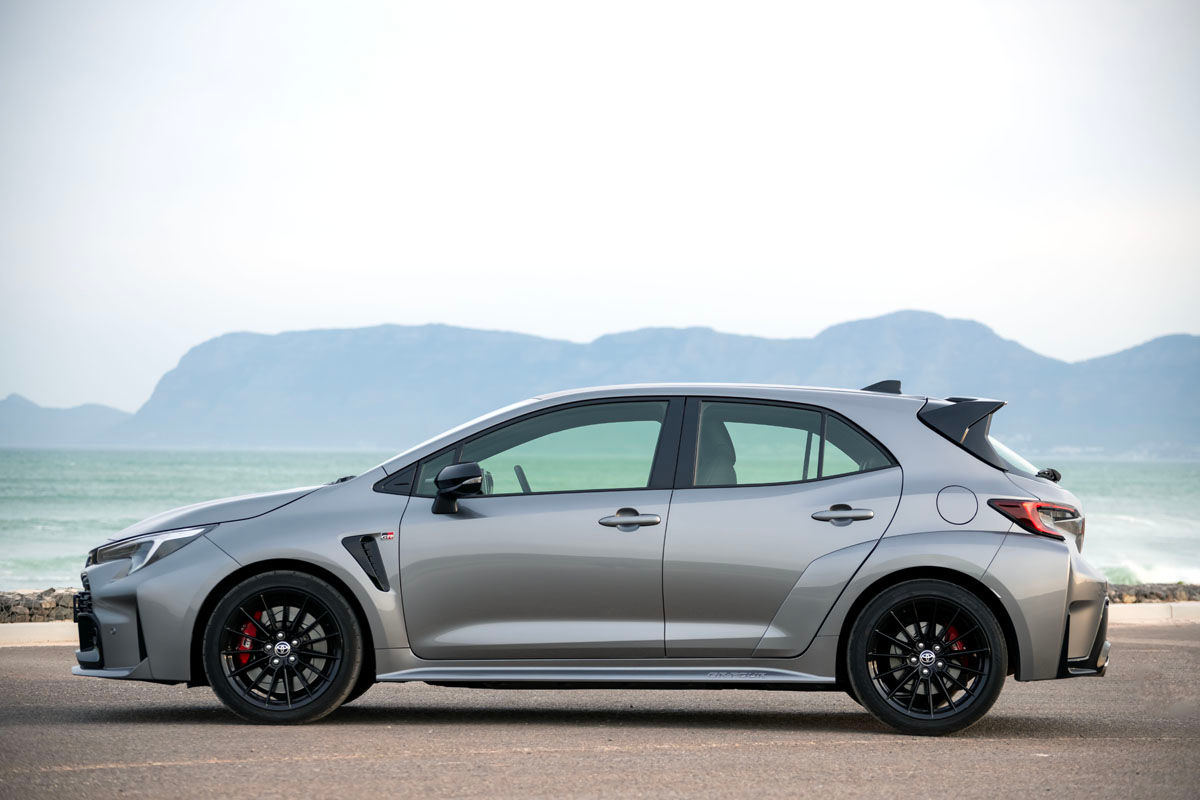
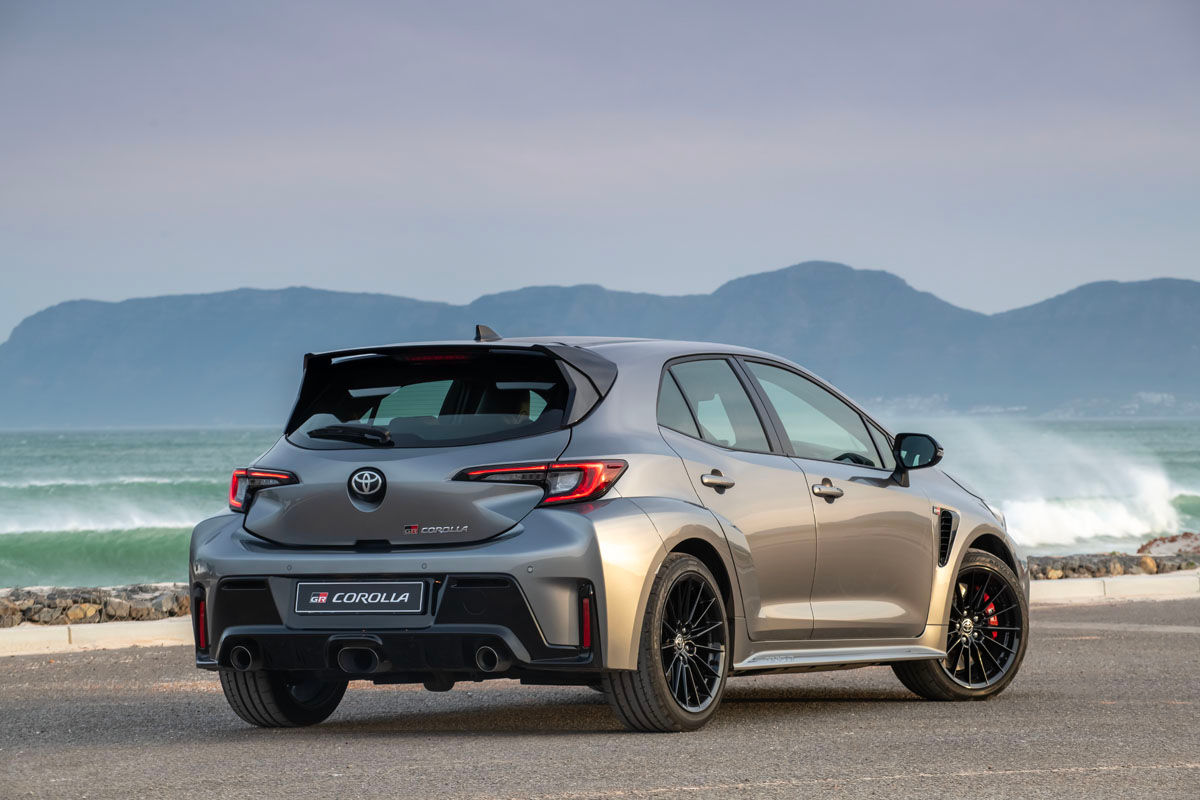
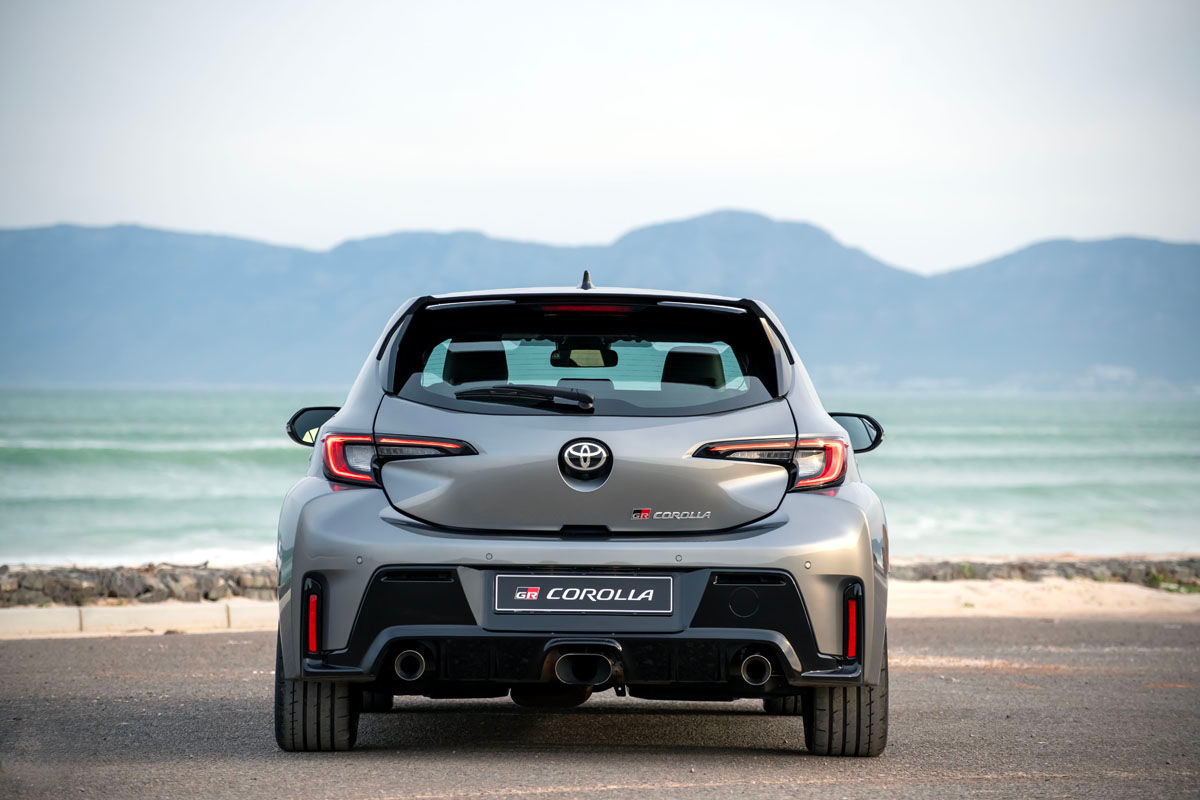
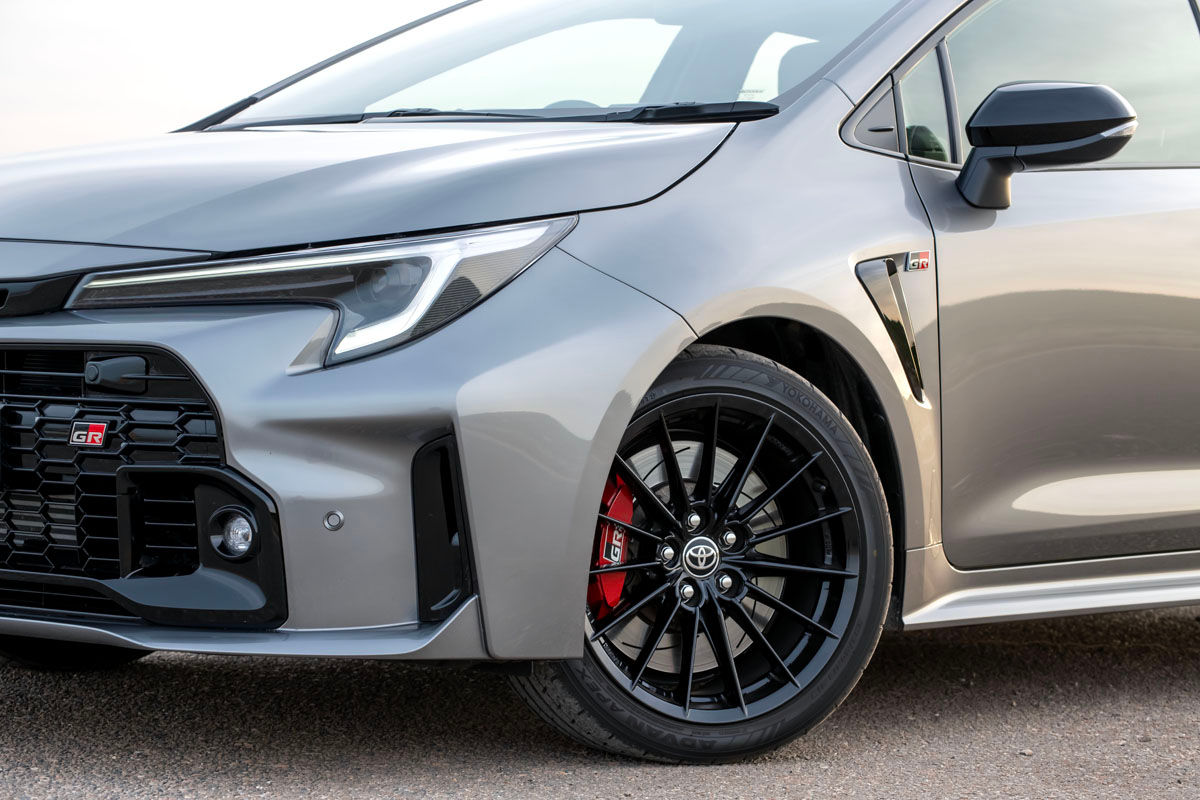
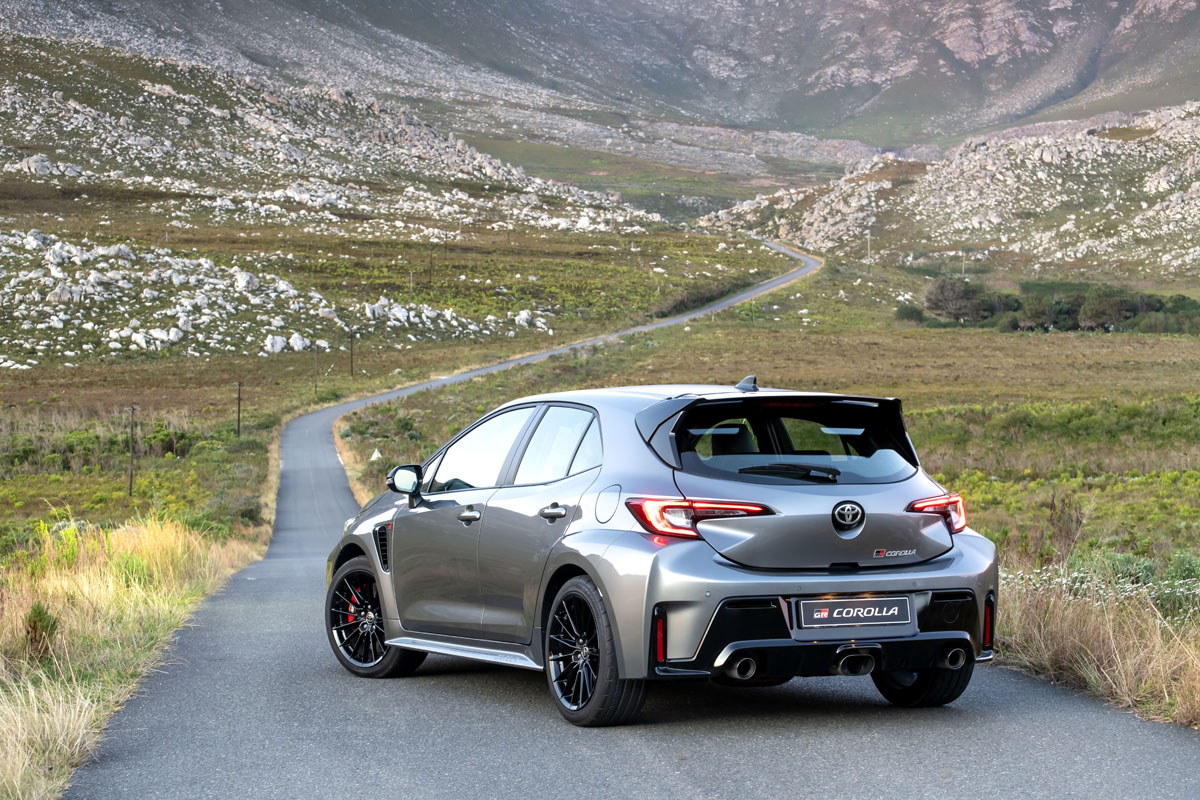
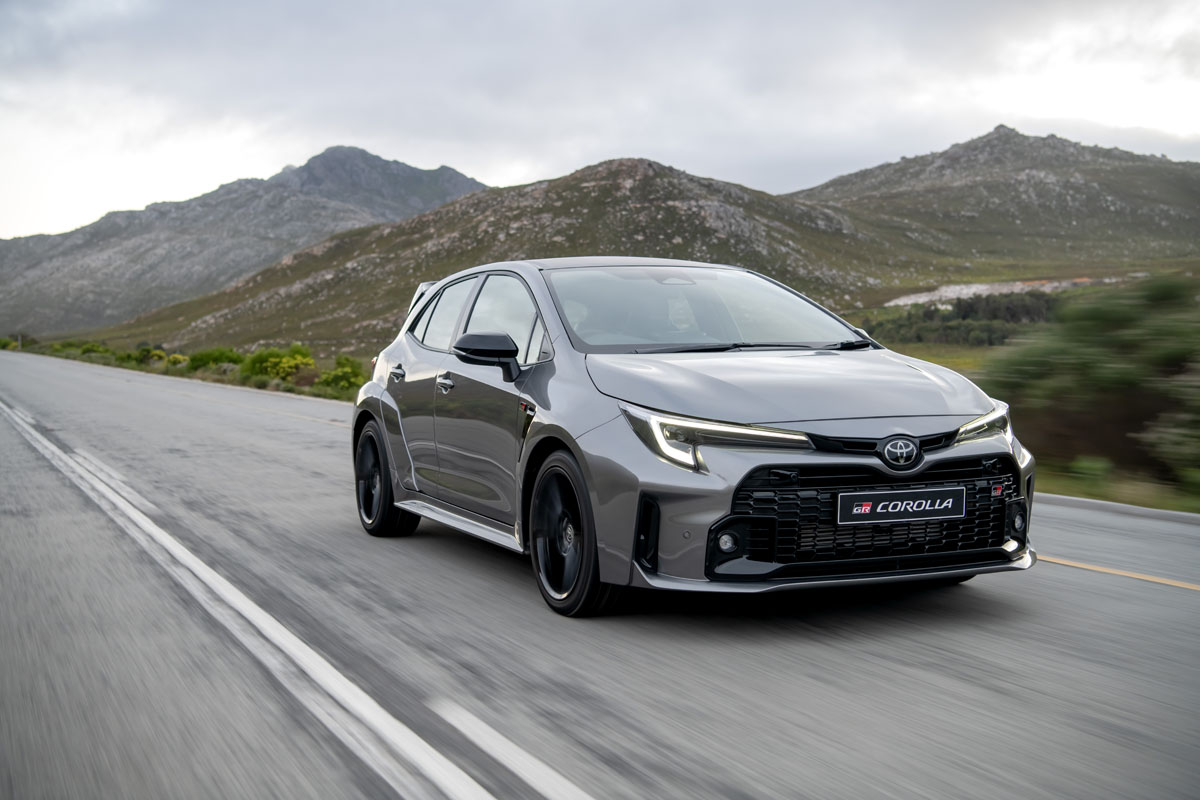
The venue: Zwartkops Raceway. The weapon of choice: Toyota’s latest Gazoo Racing creation – the GR Corolla. Does this model live up to the reputations of its celebrated predecessors and, is it a genuine, more visceral, alternative to the Golf R? Read on…
Just over a decade ago, Toyota enthusiasts were hard-pressed to find a sportscar in the Aichi-based firm’s stable that was worth getting excited about. Then came the 86 (now known as the GR86), the advent of Gazoo Racing (GR) – Toyota’s motorsport division – and soon after, fiery iterations of the Yaris. First, the high-performance GRMN, followed by the GR Yaris – the 3-pot turbopetrol supermini with all-wheel drive and performance beyond its credentials. Meanwhile, the 1st production car to wear the GR prefix was the 5th-gen Supra, which is now available in manual guise, but that’s a story for another day.
Corollas and Motorsport, though?
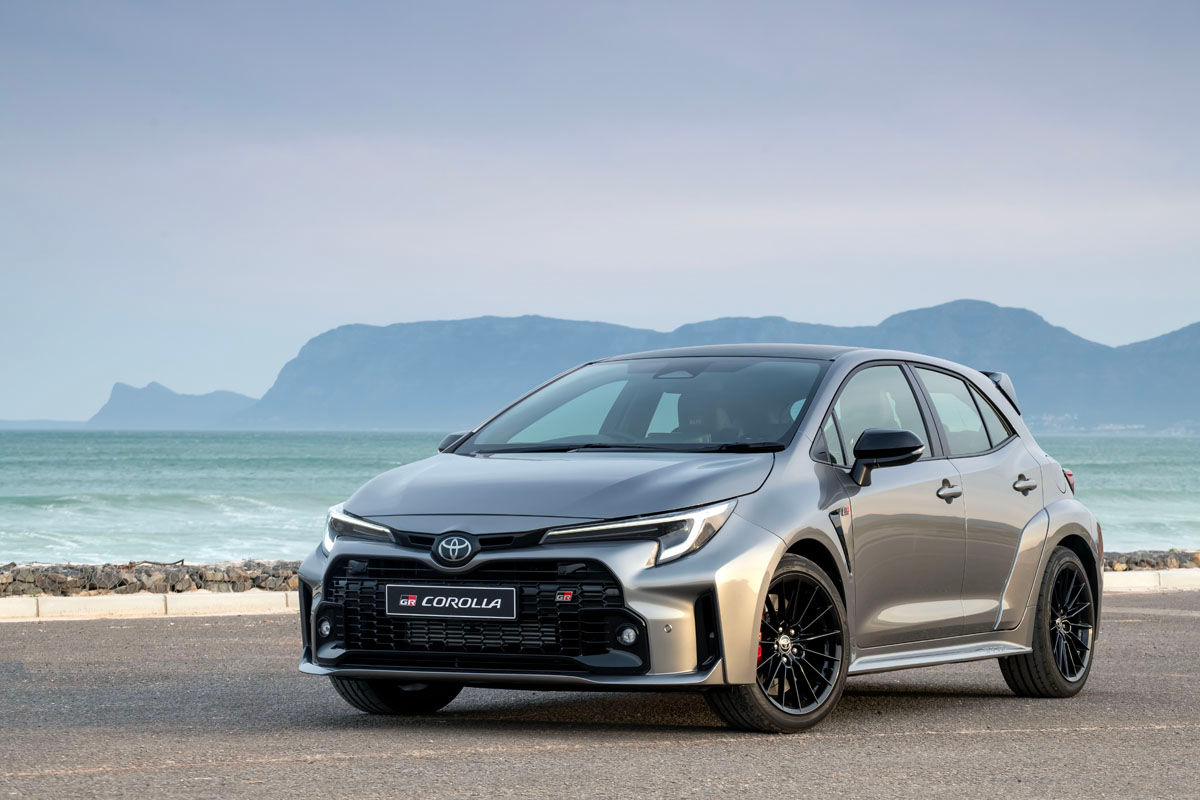
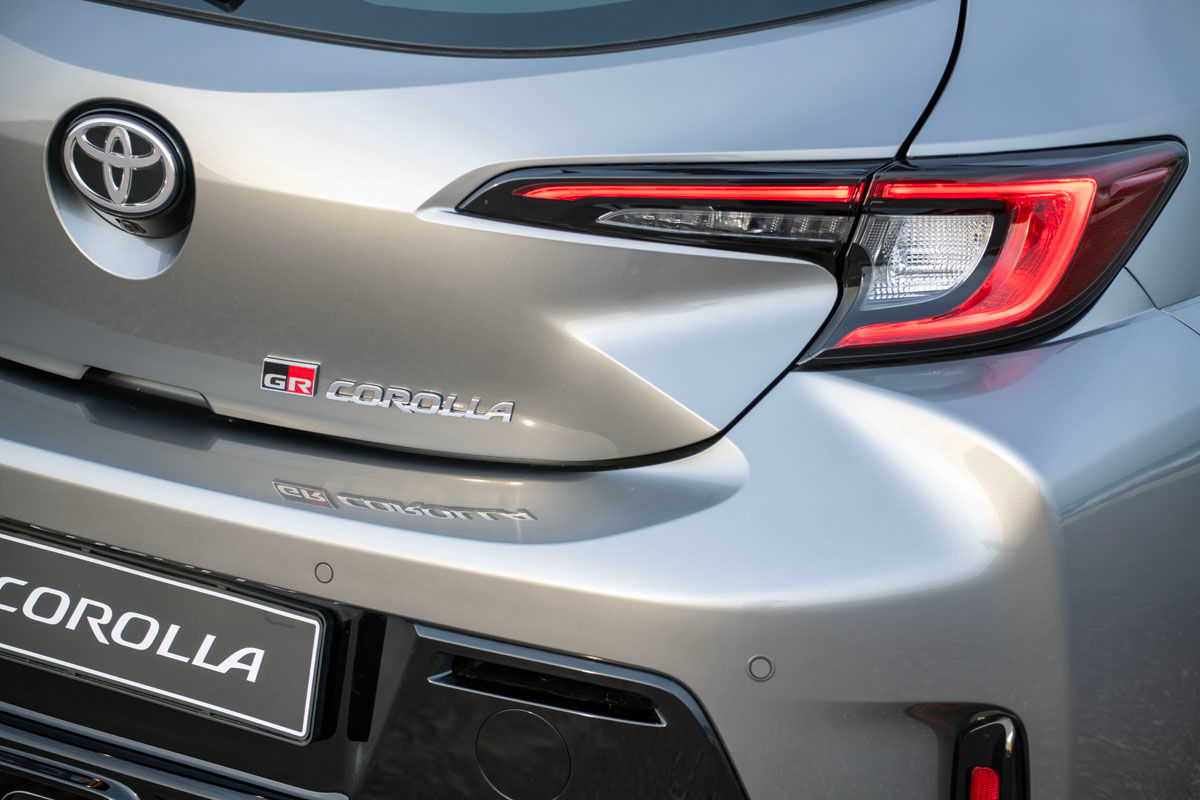
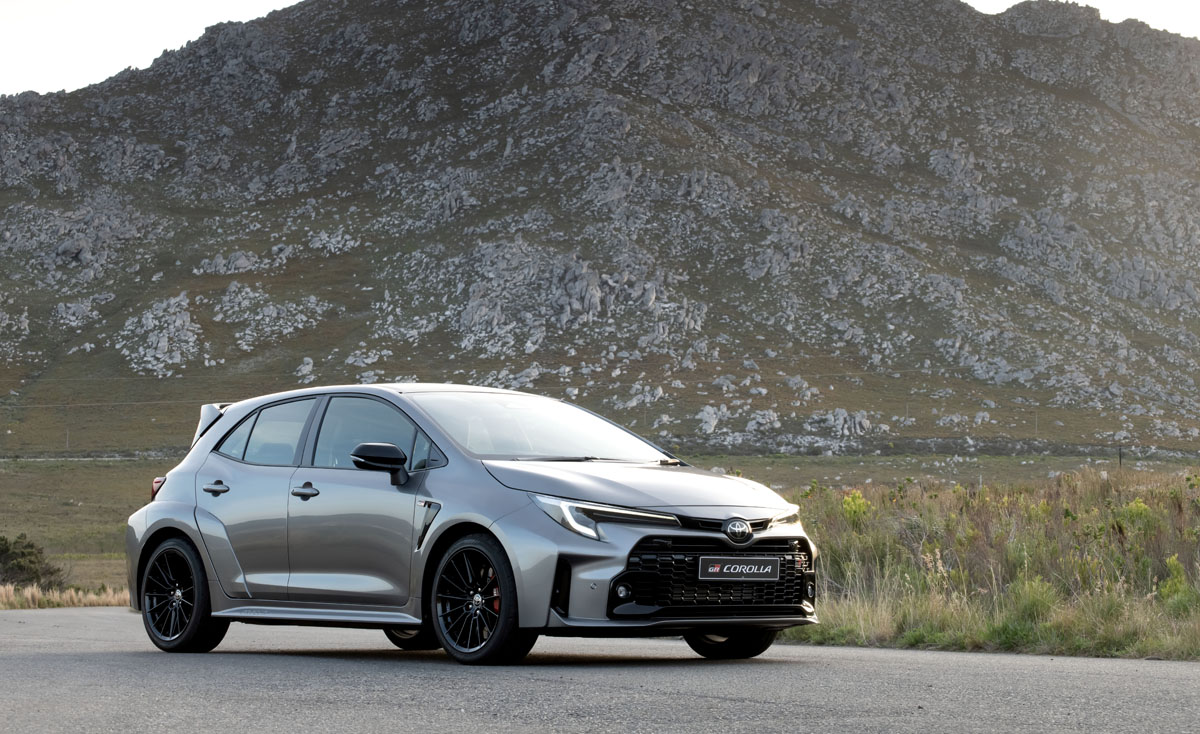
Of course! How short have our memories become now that the internet remembers everything for us? Globally and internationally, on tarmac and gravel, Corollas have excelled; sedans, coupes, hatchbacks and fastbacks, maybe a wagon or two – don’t sleep on the pedigree of the Corolla. The GR Corolla is no exception – it’s based on the current-gen hatchback, but seriously augmented for speed and handling.
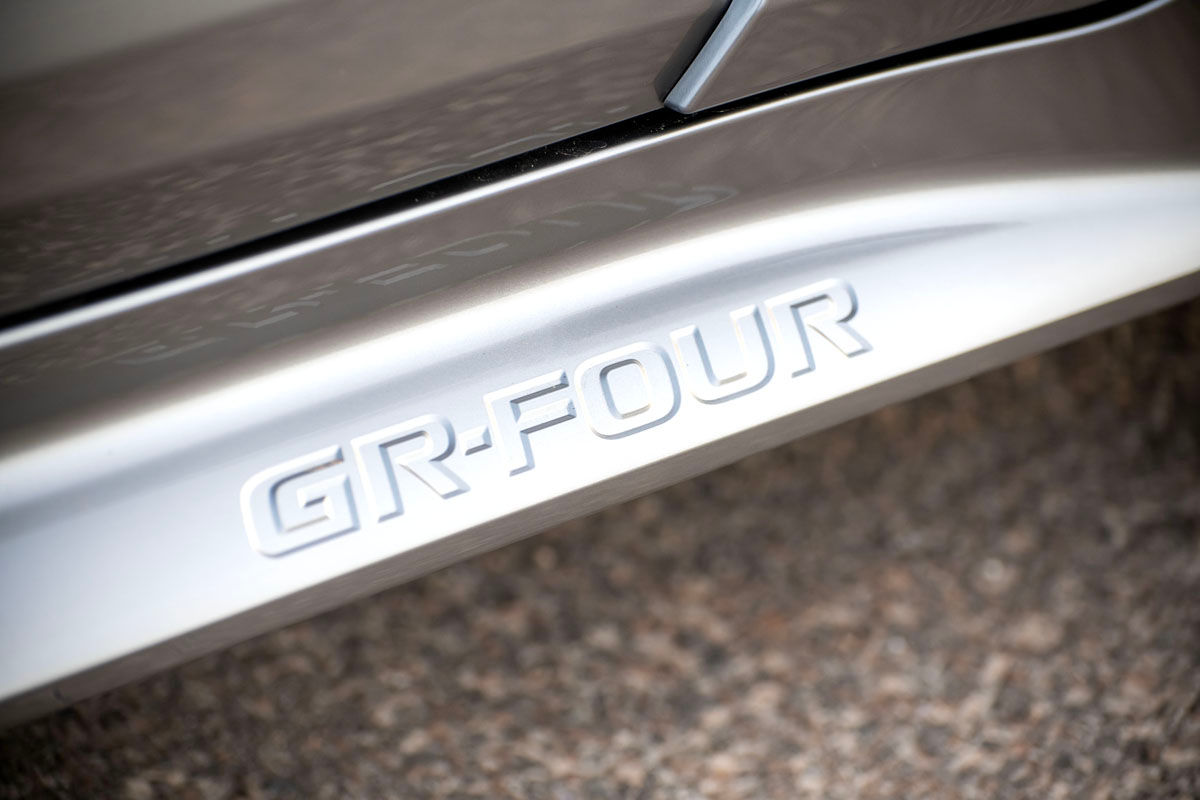
Toyota proclaims the newcomer has been developed for drivers by drivers, and honed under motorsport conditions. Like the GR Yaris, the GR Corolla boasts a 1.6-litre 3-cylinder turbopetrol (now with 221 kW and 360 Nm) and it’s said to accelerate from 0 to 100 kph in 5.29 sec and go on to a top speed of 230 kph. In my experience, the all-paw hot hatchback feels quicker than that; its launch control, aided by a configurable GR-Four all-wheel drivetrain, gargled like a demon and spat us at the horizon at a rapid rate.
No, this is not your parents’ Corolla
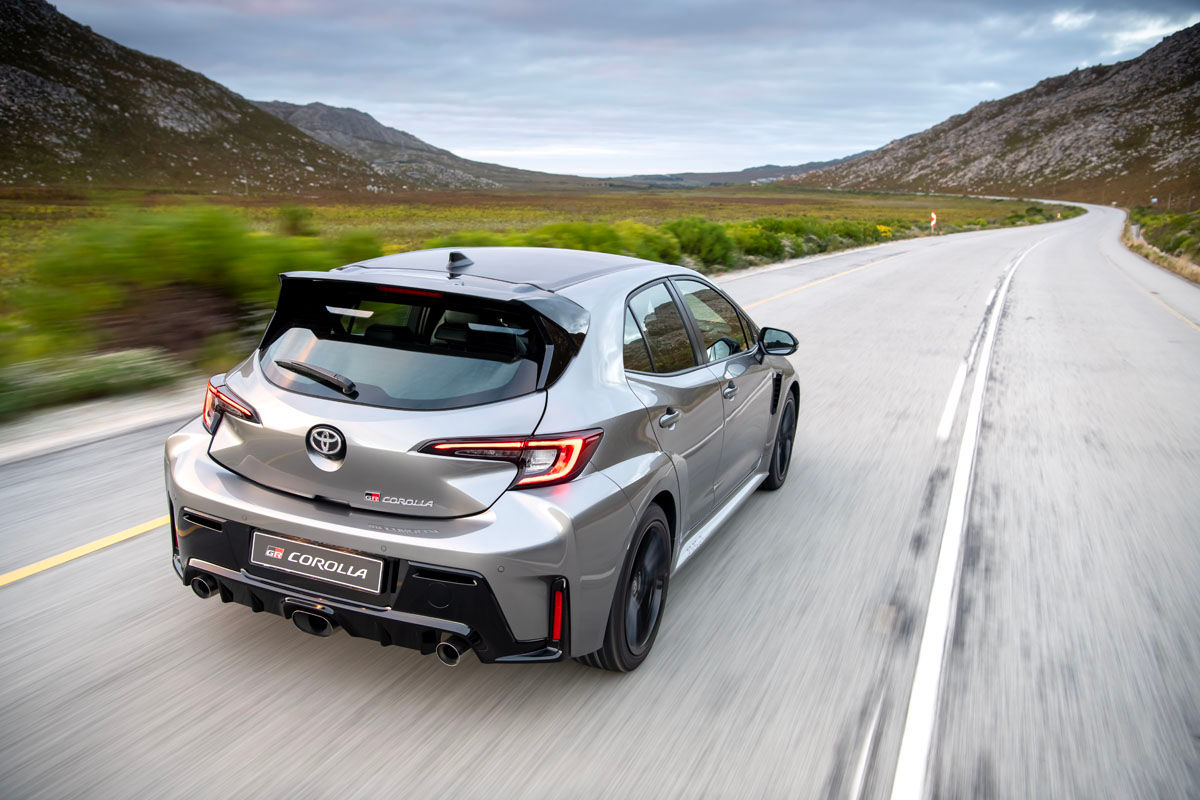
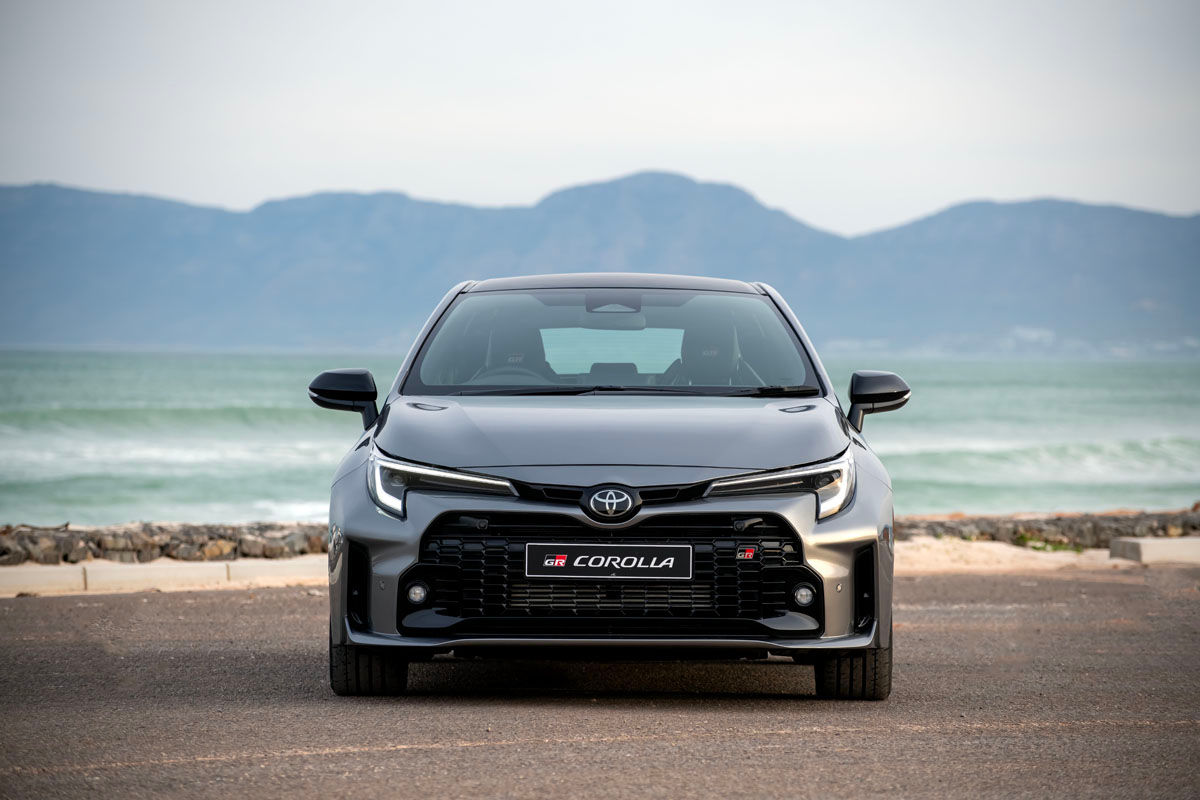
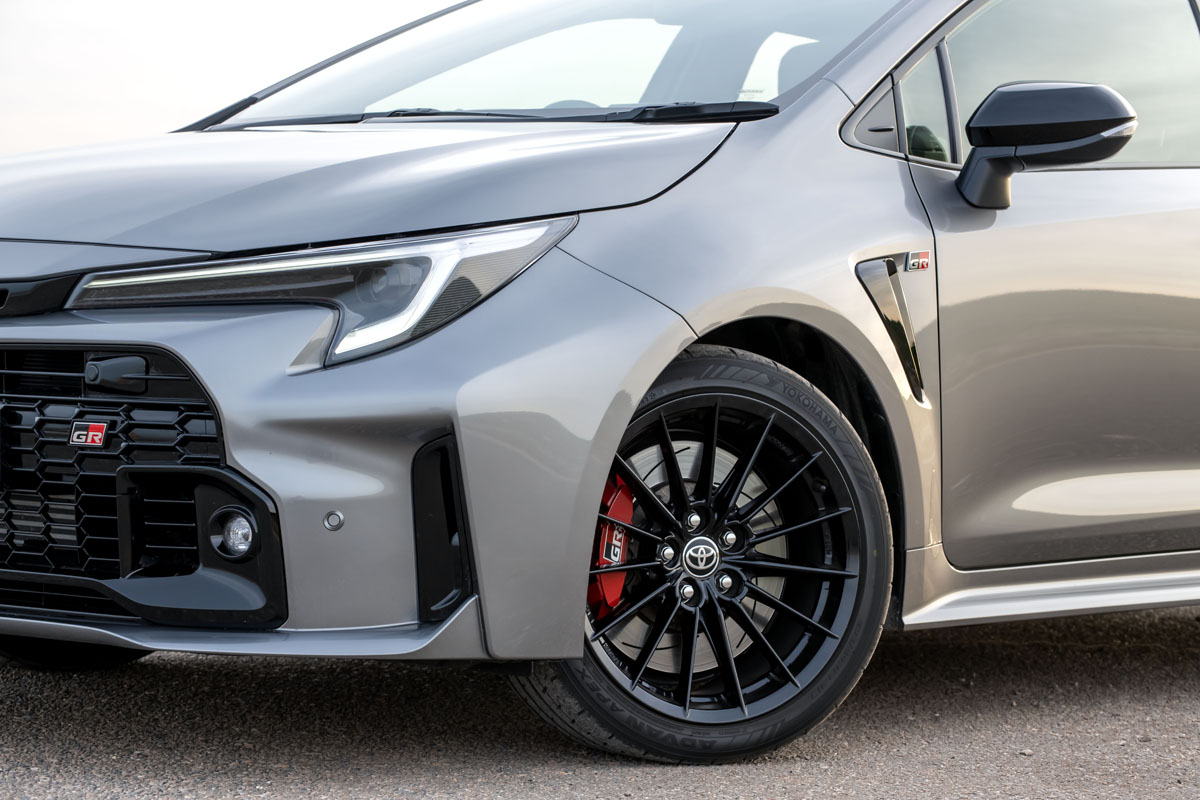
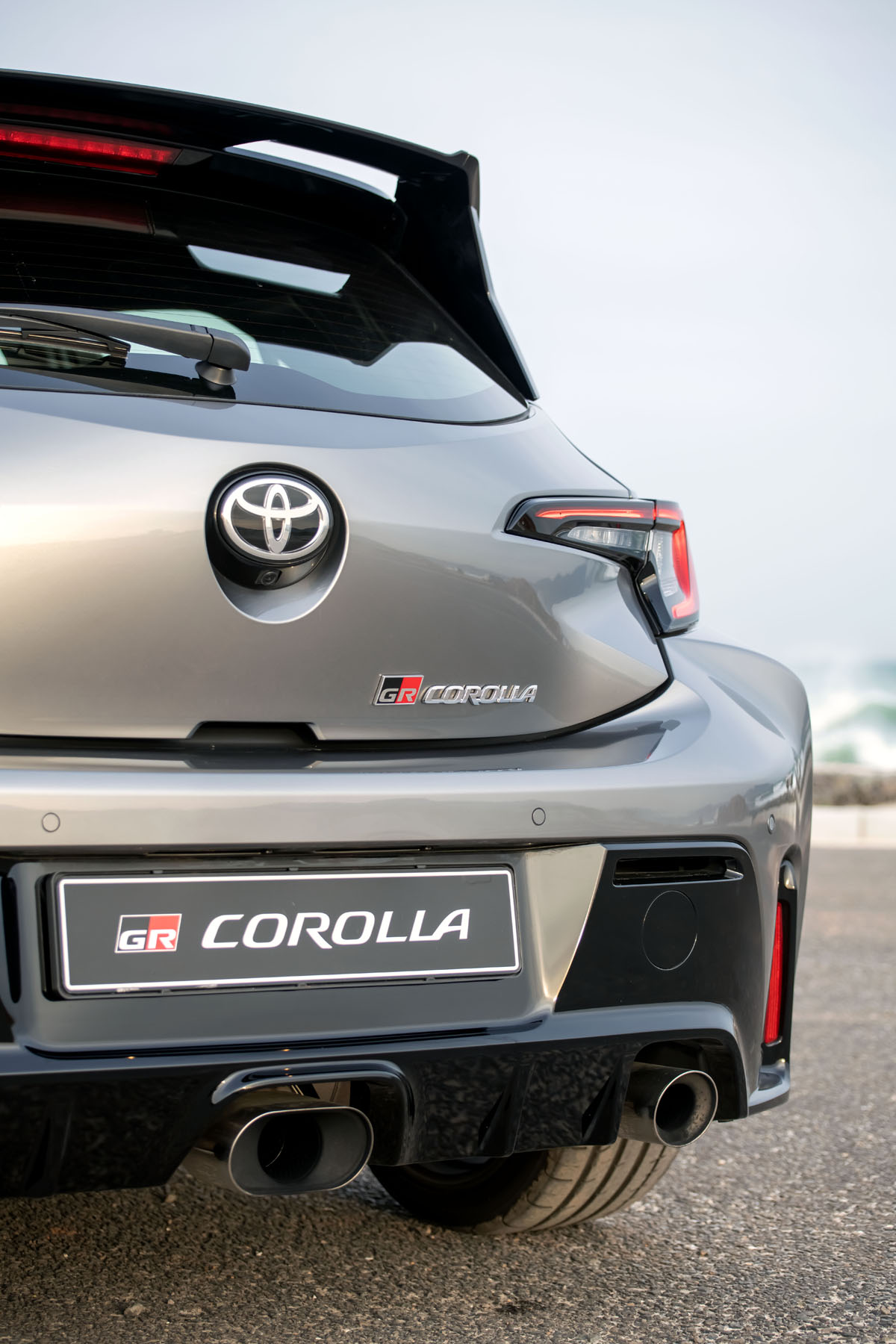
Compared with its demure brethren, the GR Corolla has a much wider stance thanks to pumped-up wheel arches, in which sleek matte black 215/40 R18 aluminium wheels have been tucked away. It also benefits from a strengthened cooling system, several lightweight components, and a centre-mounted (and functional) exhaust muffler, for that (frankly prerequisite) rowdy 3-pipe aural presence.
Then there’s the array of air vents and -dams designed to keep operations cool (and help the GR slice through the air). My favourites are the ones on the bonnet, with the black plastic colour coded to that carbon-fibre roof. I am a fan of this emphatically sporty aesthetic. Who knew GR was onomatopoeic?
Growling aside, the GR Corolla also features Toyota’s intelligent manual transmission, which is optimised for those rapid (or rabid?) launches the newcomer will often be tasked to perform. When the asphalt gets twisty, Gazoo’s fettled suspension shines the most. The hardware is a tried and tested setup: McPherson struts at the front, trailing wishbones at the rear, with 1 or 2 limited-slip differentials to maximise traction.
My track time at the ‘wheel of the GR Corolla was nothing short of thrilling. Each time I pitched the chassis deeply into each of Zwartkops’ eight turns, I marvelled at the feedback from the Toyota’s helm (of which there is plenty), the sharpness of the brakes and the way the suspension stays admirably flat.
The GR Corolla’s handling felt predictable and forgiving, plus it allowed me to get to grips with the car’s controls quite quickly. It encourages you to rotate the all-paw performance hatchback either via the steering wheel or loud pedal – and is happy for you to mix it up. It certainly inspires confidence to know that you can probably get yourself out of any trouble (you’ve put yourself in) with a few deft corrections.
GR Corolla is like its sibling, but less frenetic
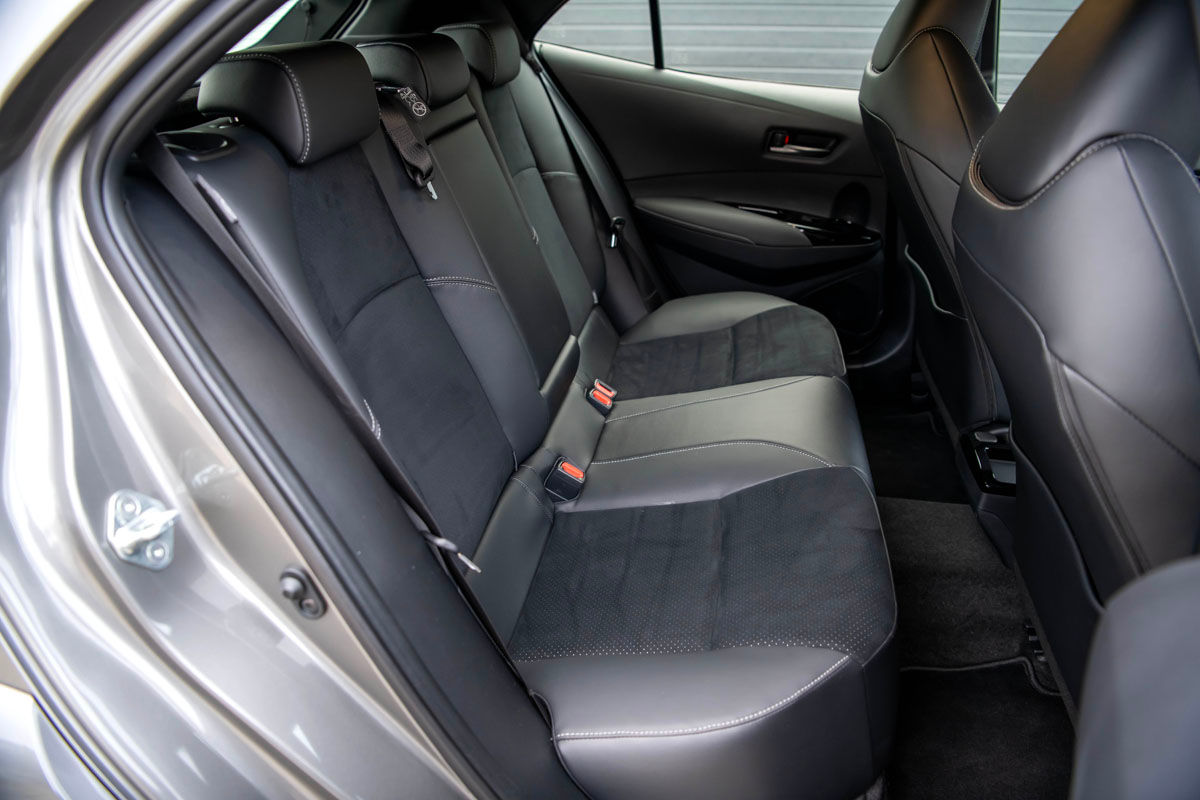
Even when near the limits of its adhesion, the GR Corrola doesn’t feel scary to pilot; in fact, it’s marginally less frenetic than its smaller Yaris counterpart. The hardware is similar – they’re similar machines – but bigger means different and, in this instance, I’d wager the dynamics have calmed down. But like, by a whole 1%. So really not a lot at all. And, in exchange, you get 2 extra doors and a more spacious cabin.
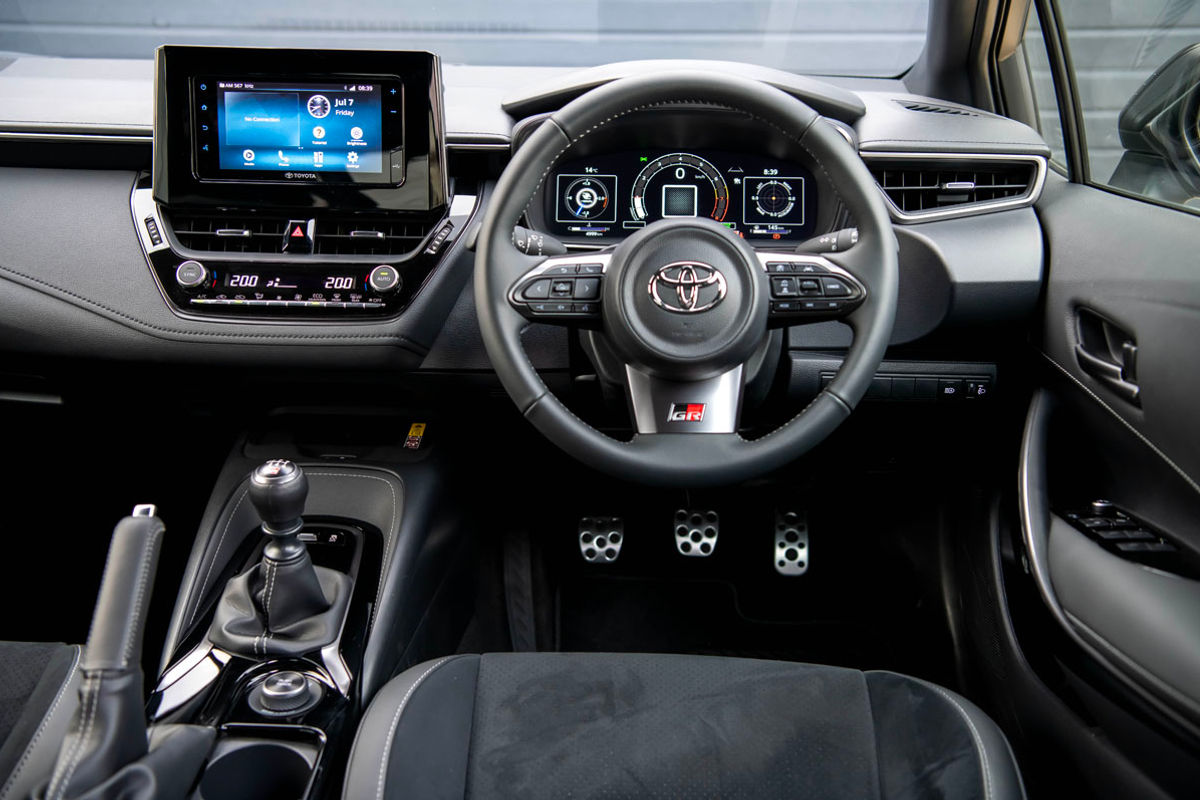
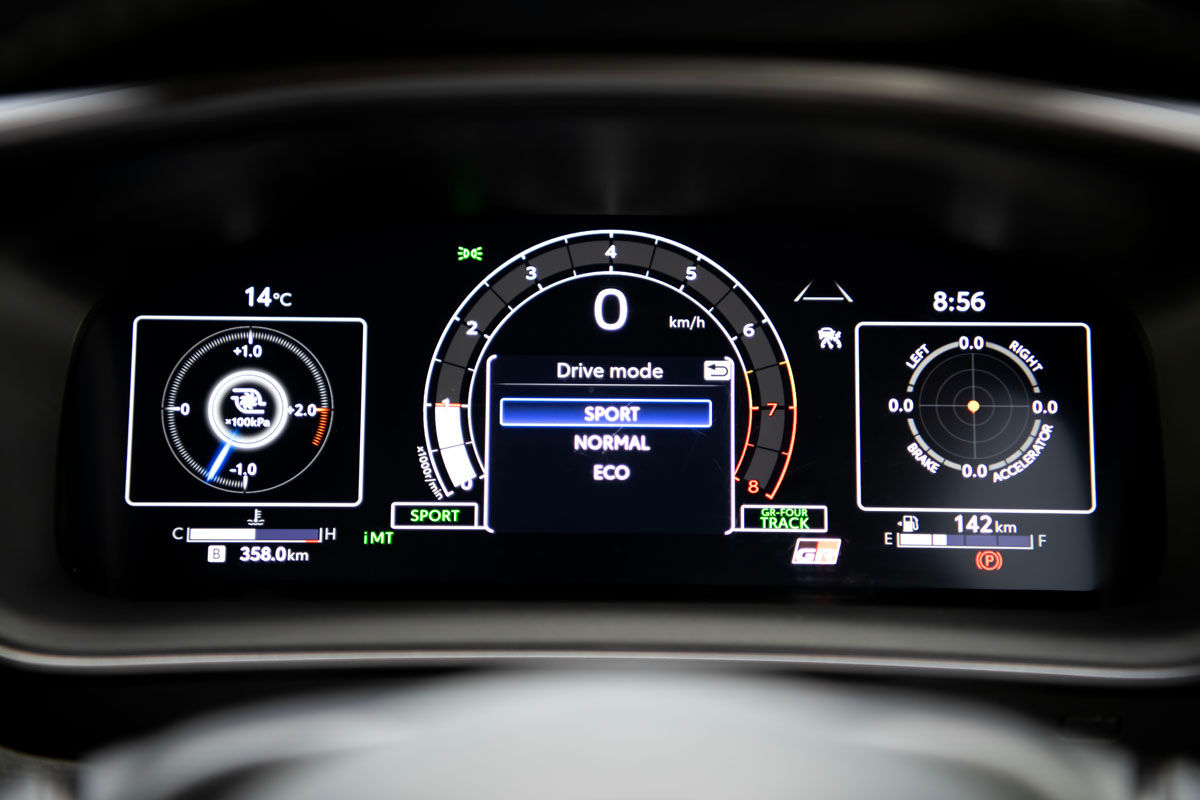
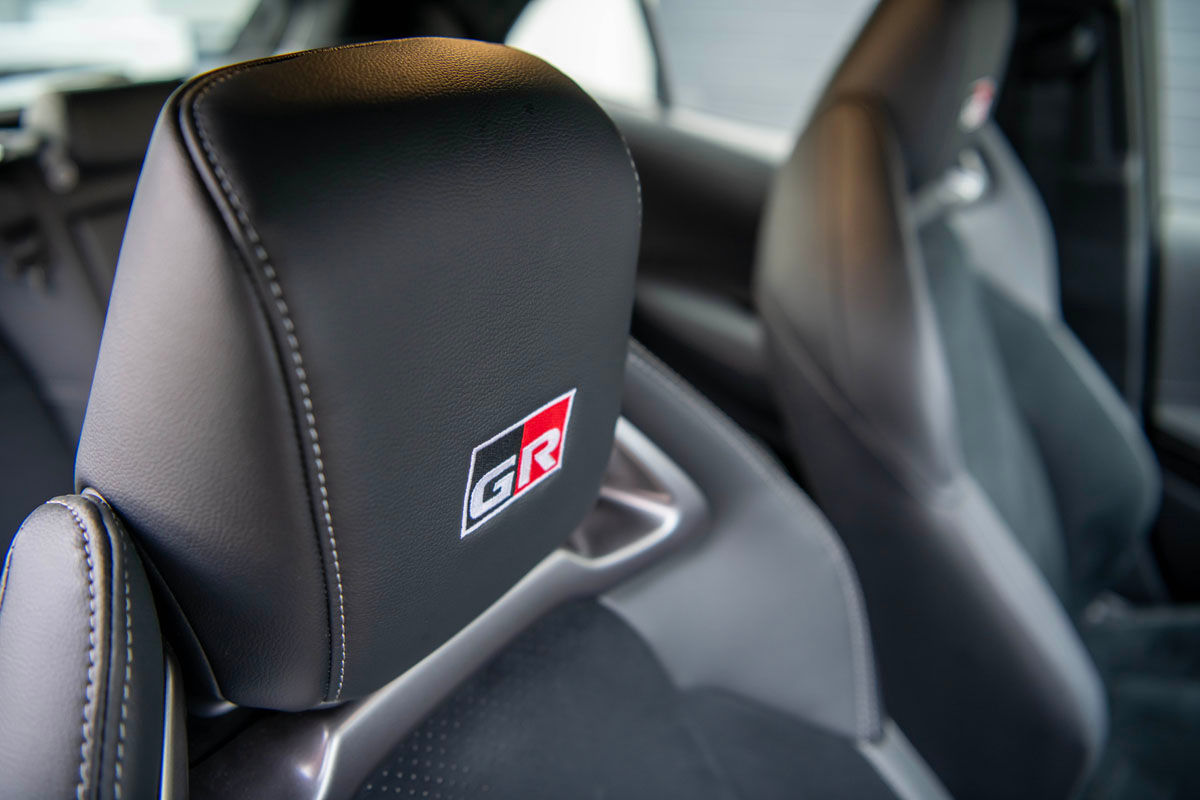
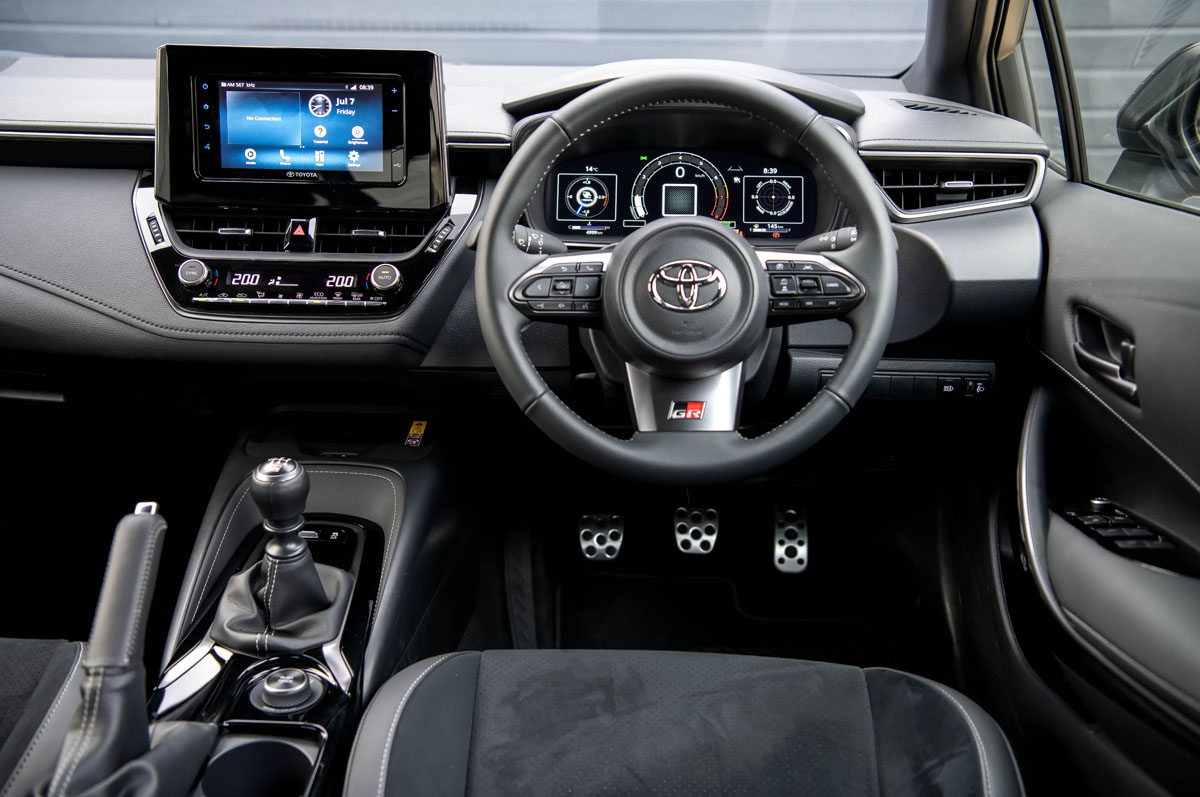
With the Corolla safely pitted, I could finally reflect on a cabin that feels mature, but still special thanks to lashings of carbon fibre and strategically applied GR badges. The interior features a digital instrument cluster, and can be had in black with white or red stitching. There are four exterior colours – red, white and black (typical GR palette), with midnight grey on offer on the Circuit grade (R902 400) exclusively.
The Toyota GR Corolla 1.6T GR-Four Circuit is the higher-end and more track-focused version compared with the entry-level Core grade (R841 000), which loses the Dual Torsen LSD. The Core GR Corolla also misses out on that carbon roof and hood vents, plus the heads-up display and gloss-black lower grille treatment, which is a great pity. I’d say just shell out the extra R60k and get one in its beefiest form.
And, if you want one, you better move quickly. Toyota only brings 5 of these in every month, which I think means that the lucky few who manage to buy one, will take it in any damn trim they can get it… I would.
Summary
Considering there is only a R10 400 difference between the top-rung GR Corolla and the Volkswagen Golf 8 R (July 2023) – and Toyota and VW are archrivals, remember – comparisons between this model and the apex Golf are inevitable. The two cars are both potent all-wheel drive performance hatchbacks, but whereas the clinical German offering grips tenaciously at each corner, the Japanese car’s GR Four systems seem lairier – more playful. Plus, its 3-pot, manual-shift powertrain makes it feel unconventional, or rather characterful, in a class of car that typically favours inline fours mated with auto transmissions.
But, in a way, the GR Corolla doesn’t have conventional rivals – apart from perhaps the GR Yaris, because Toyota performance enthusiasts won’t be looking elsewhere. They’re a committed bunch who cannot believe their good fortune to have a pair of strong contenders within their favourite stable. That storied stable extends deeply into the past with monikers such as RSI and RXI, TRD and Twincam. After a day at the ‘wheel, I can say with authority: the GR Corolla has earned its stripes… and a place in this legacy.
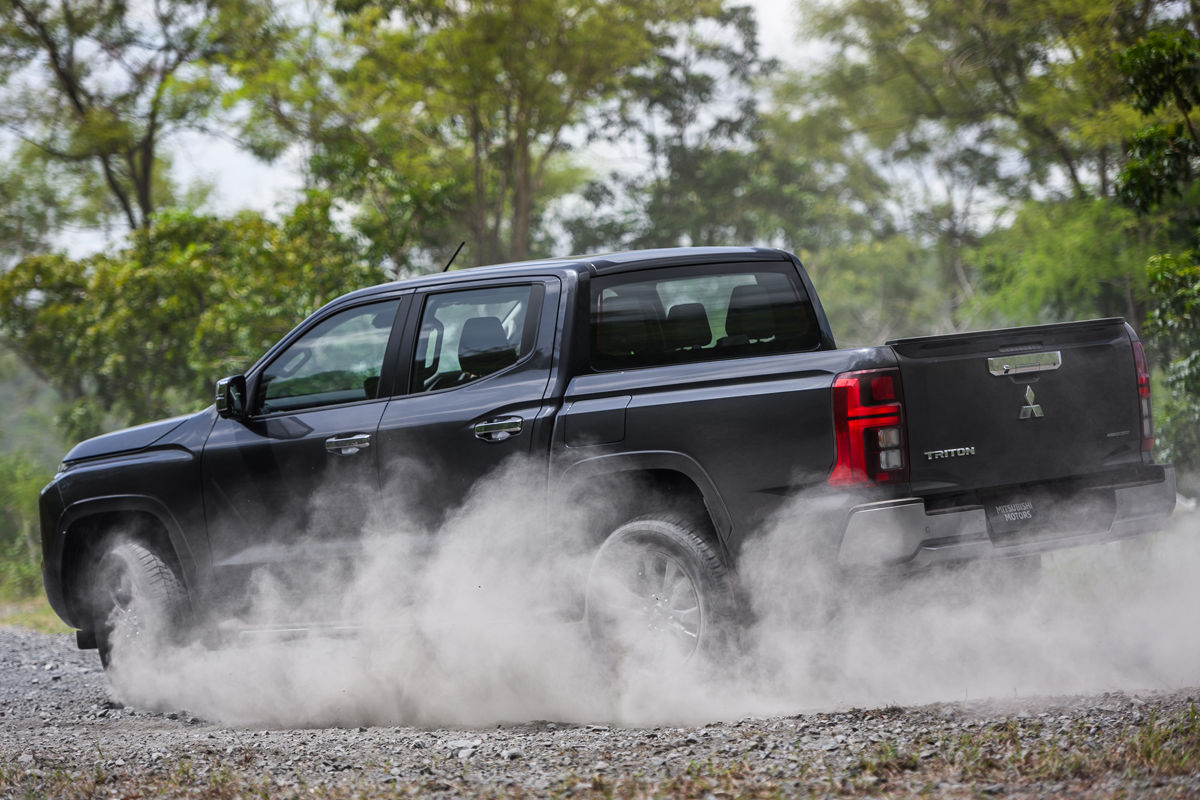
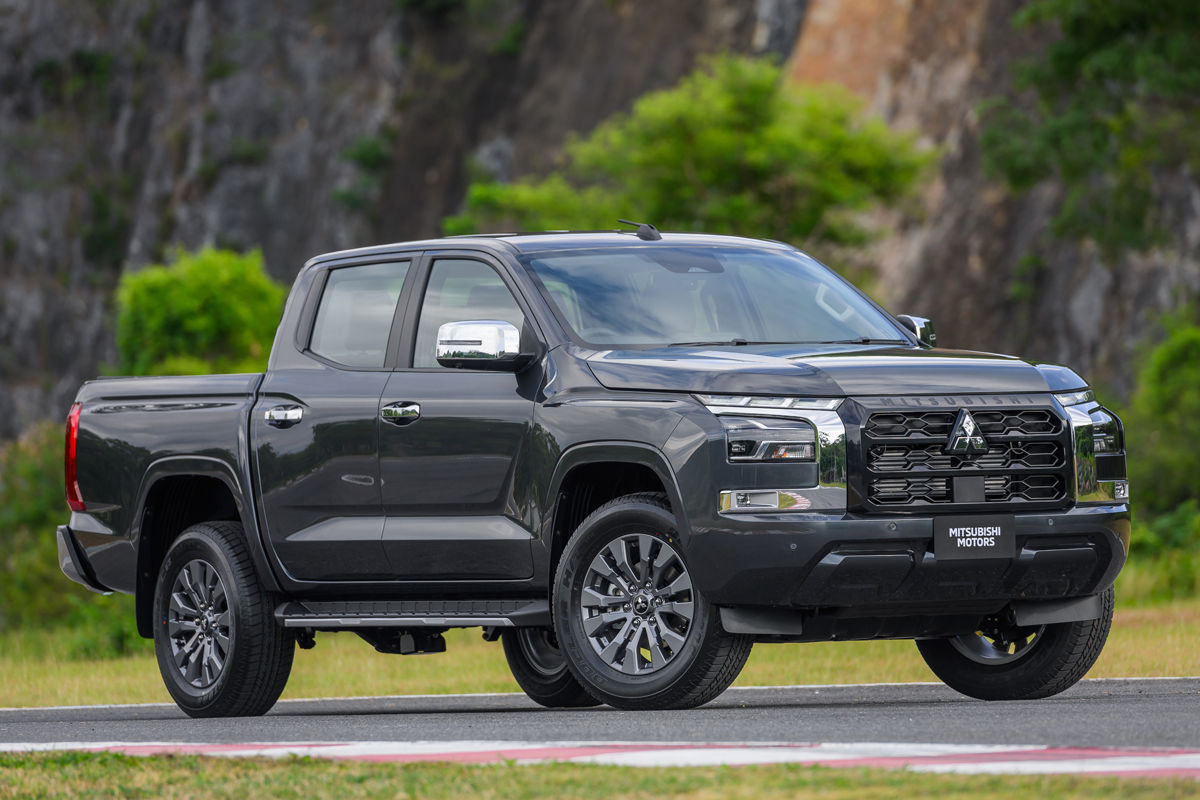
Meet the new Mitsubishi Triton, which debuts with a “beefed-up” body and more power than its predecessor. Let’s take a closer look at this boldly styled new-gen bakkie…
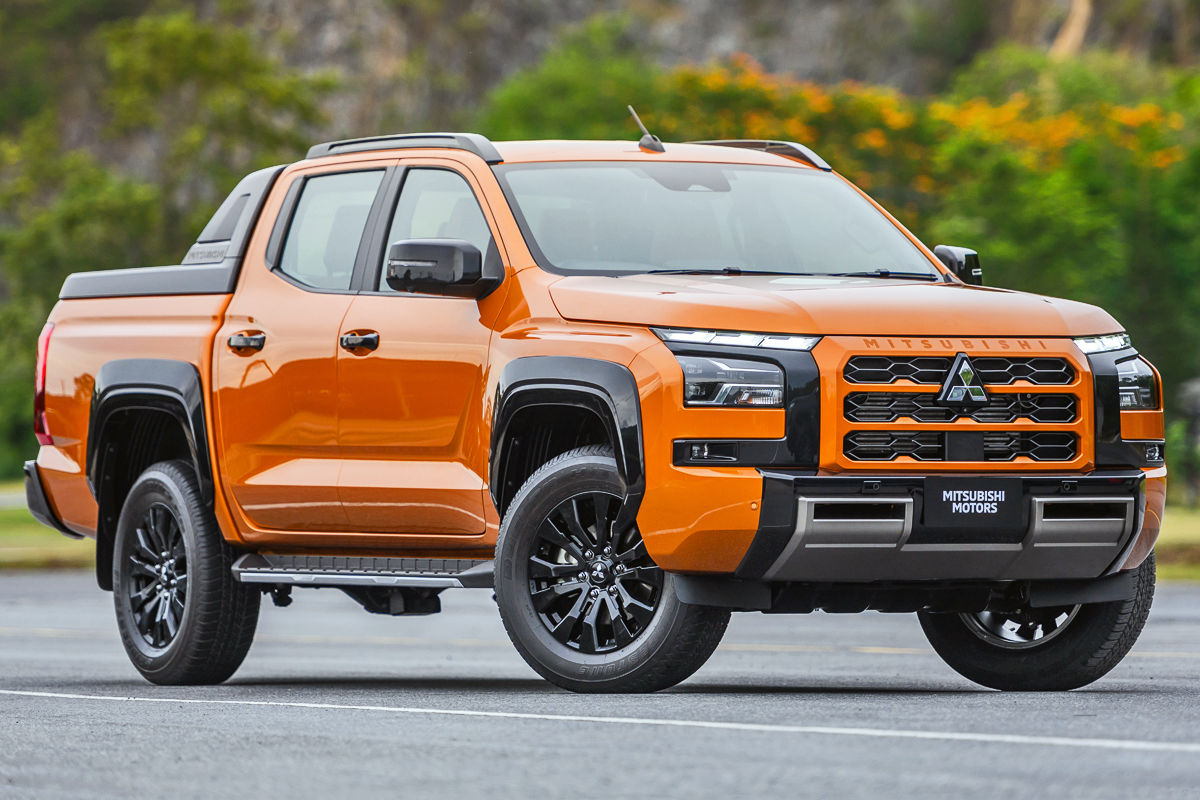
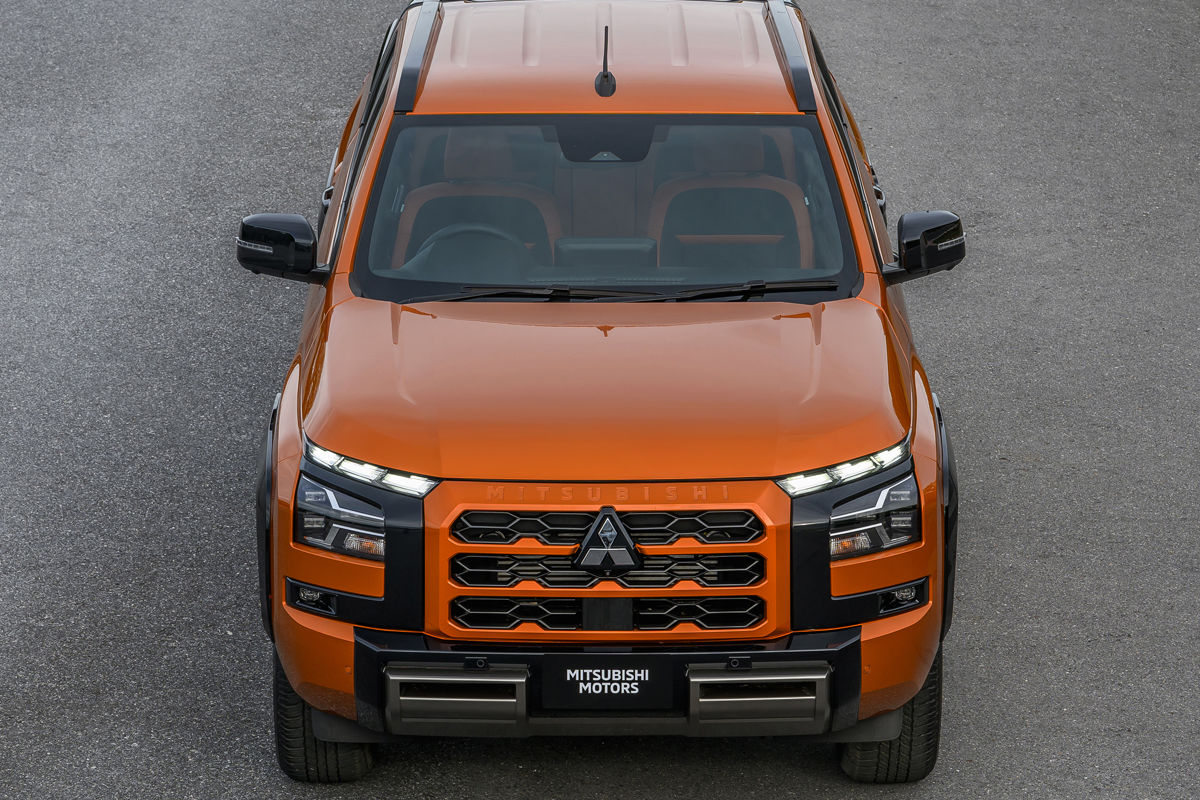
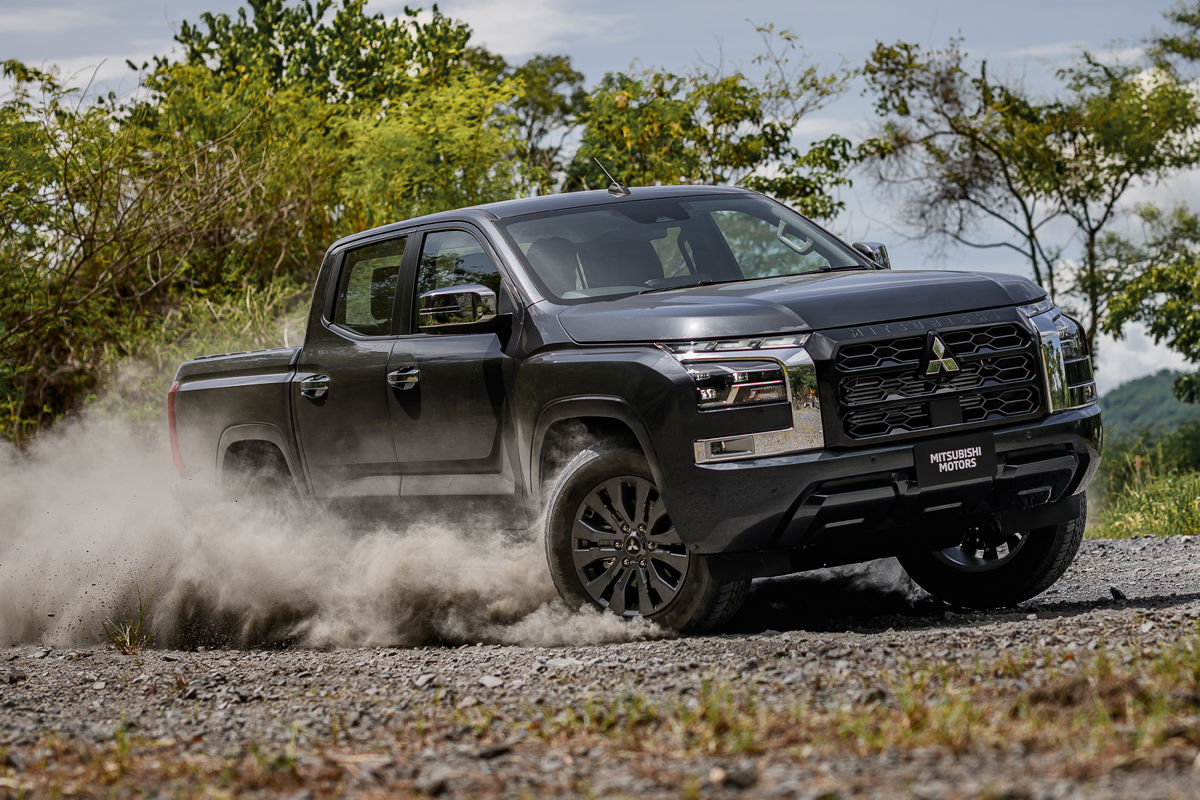
The wraps have finally come off the new Mitsubishi Triton bakkie, which debuts with bold styling and extra power in its renewed bid to take on the likes of the Toyota Hilux, Ford Ranger and Isuzu D-Max.
Revealed in Thailand, the 6th-generation Triton – which is known as the L200 in some markets – seems likely to launch in South Africa at some point in 2024.
Mitsubishi bills the newcomer as a “global strategic vehicle”. We expect the next-generation Nissan Navara to be closely related to this model considering the 2 brands are part of the Renault-Nissan-Mitsubishi Alliance.
According to the Japanese automaker, “all elements” of the Triton have been “completely reimagined”, from the interior and exterior design to the chassis, ladder frame and powertrain. The new bakkie measures 5 320 mm (+15 mm) long and 1 865 mm (+50 mm) wide, while the wheelbase has been stretched 130 mm to 3 130 mm. The load-bay length is 35 mm up on that of the preceding model (at 1 555 mm), with the braked towing capacity of top-spec models rated at 3 500 kg (an increase of 400 kg).
Yes, the fresh-faced bakkie features what Mitsubishi describes as a “beefed-up body size” compared to its forebear, built on a “newly developed” ladder-frame platform and powered by a likewise “newly developed” engine set to be offered with a higher output and “improved environmental performance”.
The new Triton will be offered in the 3 traditional body styles (depending on the market, of course): double cab, club cab and single cab. Mitsubishi says the new ladder-frame chassis boasts a 65% greater cross-sectional area than that of the previous model, achieving a bending rigidity increase of 40% and a torsional rigidity increase of 60%.
New Mitsubishi Triton’s powertrain options
As a reminder, the outgoing Triton employs a 2.4-litre, 4-cylinder turbodiesel engine that generates 133 kW and 430 Nm. Though it shares this displacement, the Japanese firm says the “4N16” motor in the latest model is “newly developed”.
A trio of tunes will be available (again, likely depending on the market), with the high-output version featuring twin turbochargers and offering peaks of 150 kW and 470 Nm (the latter from just 1 500 r/min). Mitsubishi also plans to offer versions of this engine with a 135 kW/430 Nm configuration and a 110 kW/330 Nm tune.
What about gearboxes? Well, the 6-speed automatic transmission (complete with a “sport” mode) is carried over from the previous model, while a 6-speed manual cog-swapper (with a shift-by-wire set-up) will also be available.
The new Triton continues to use Mitsubishi’s so-called “Super Select 4WD-II” and “Easy Select 4WD” systems. That means it’s equipped with a centre torque-sensing limited-slip differential capable of distributing driving force at a ratio of 40:60, front to rear. Drivers will have the option of selecting 2H, 4H, 4HLc or 4LLc, while as many as 7 drive modes will be on offer.
Mitsubishi Triton adopts bold new styling
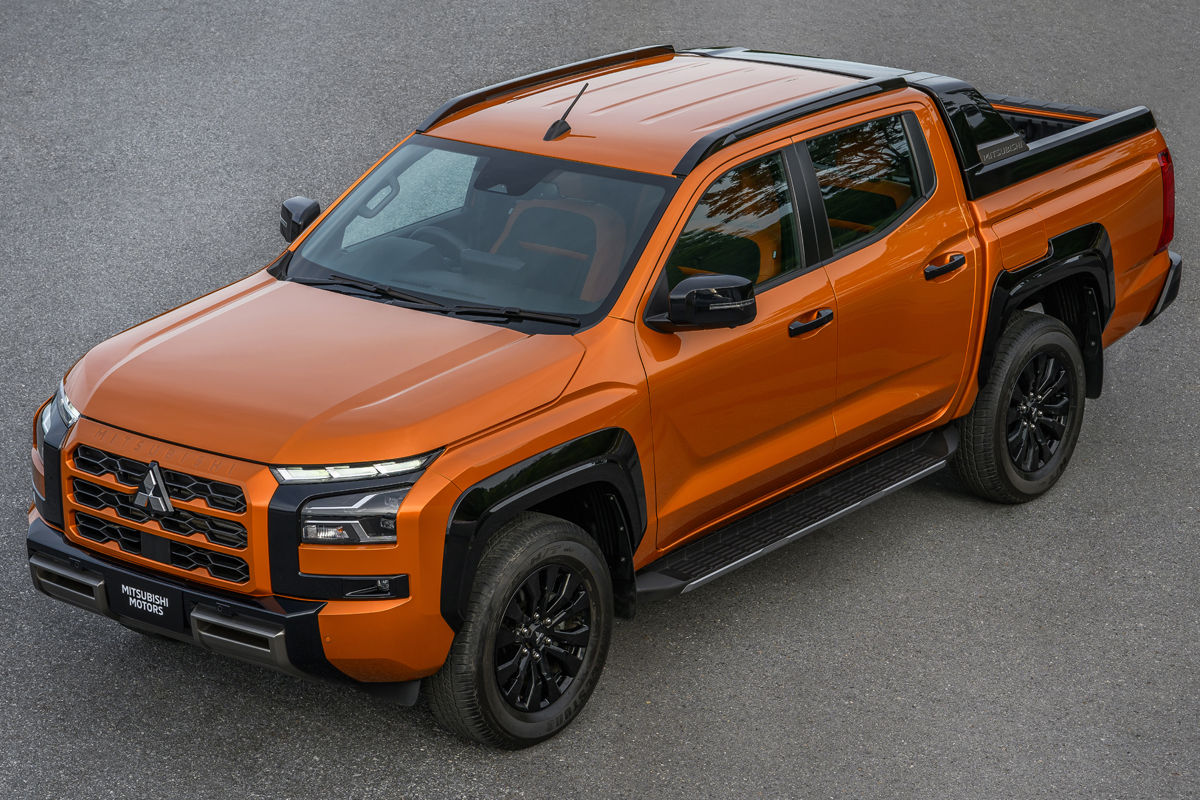
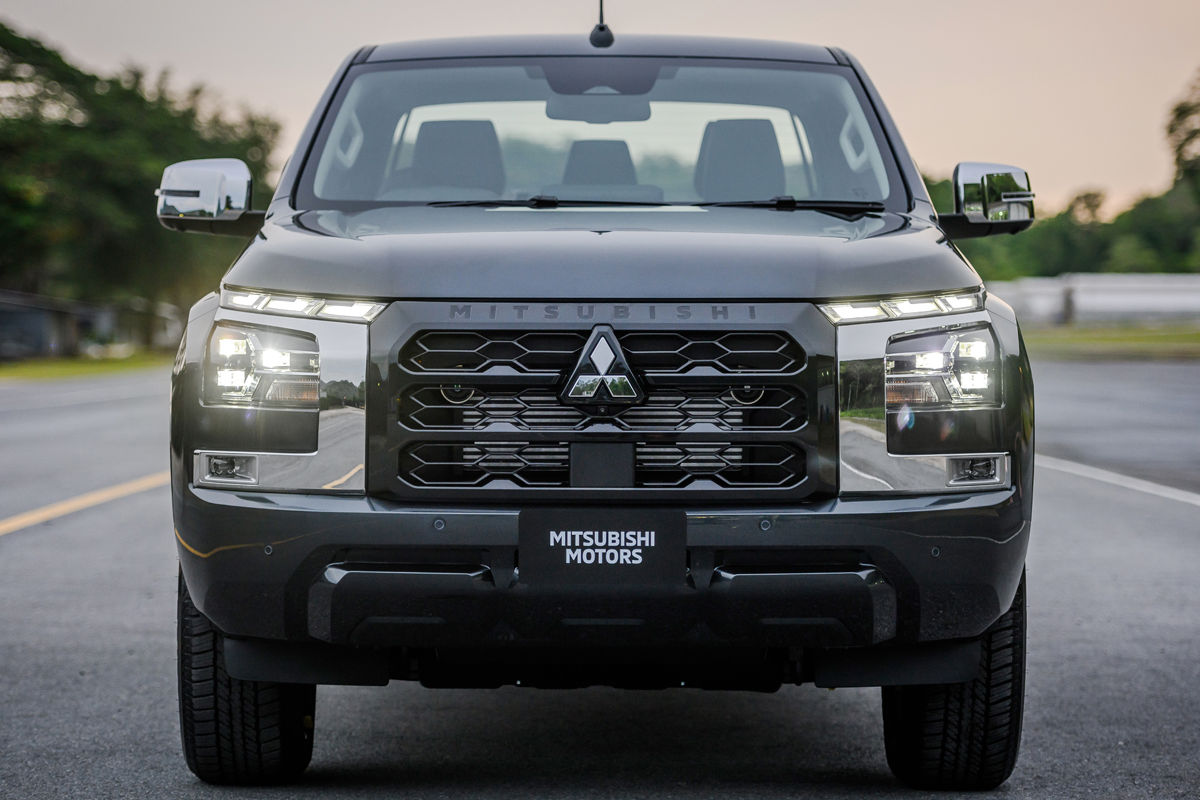
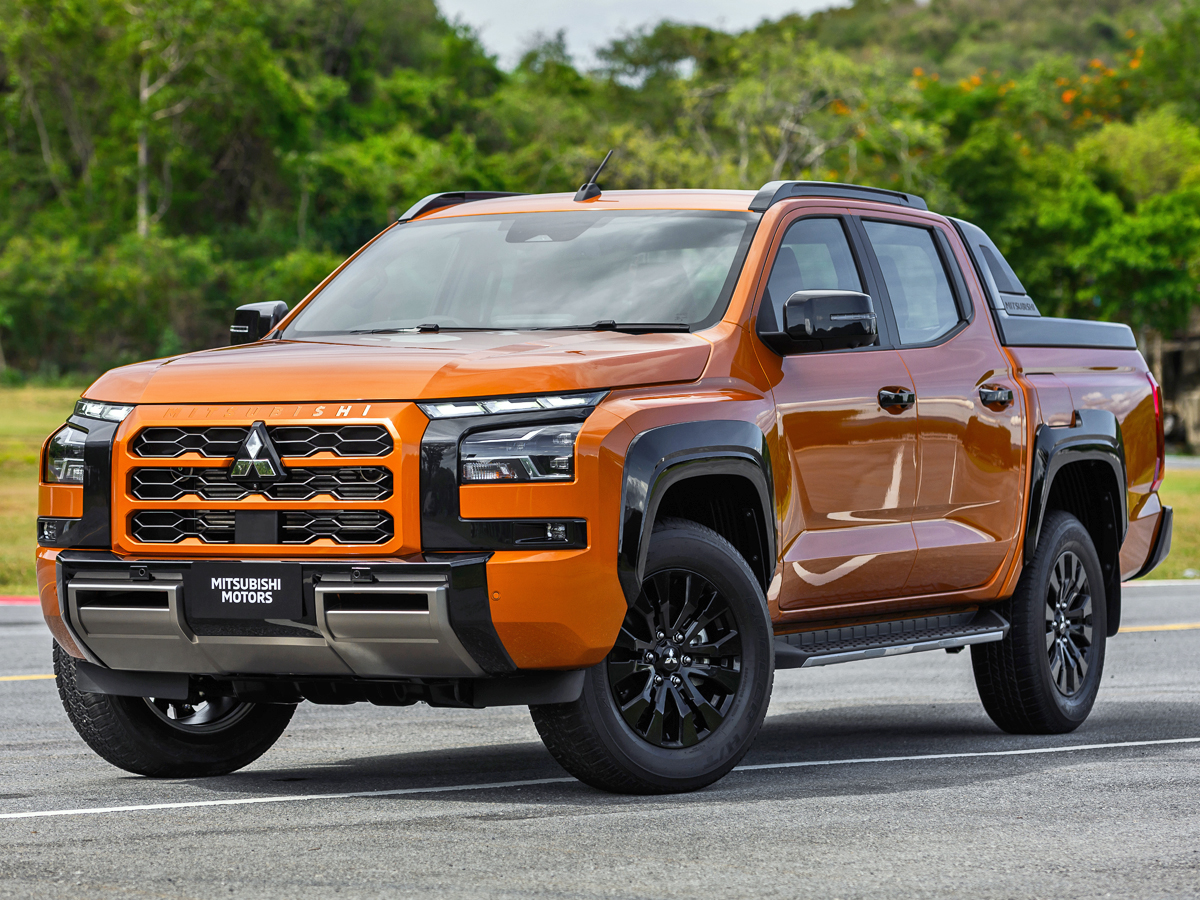
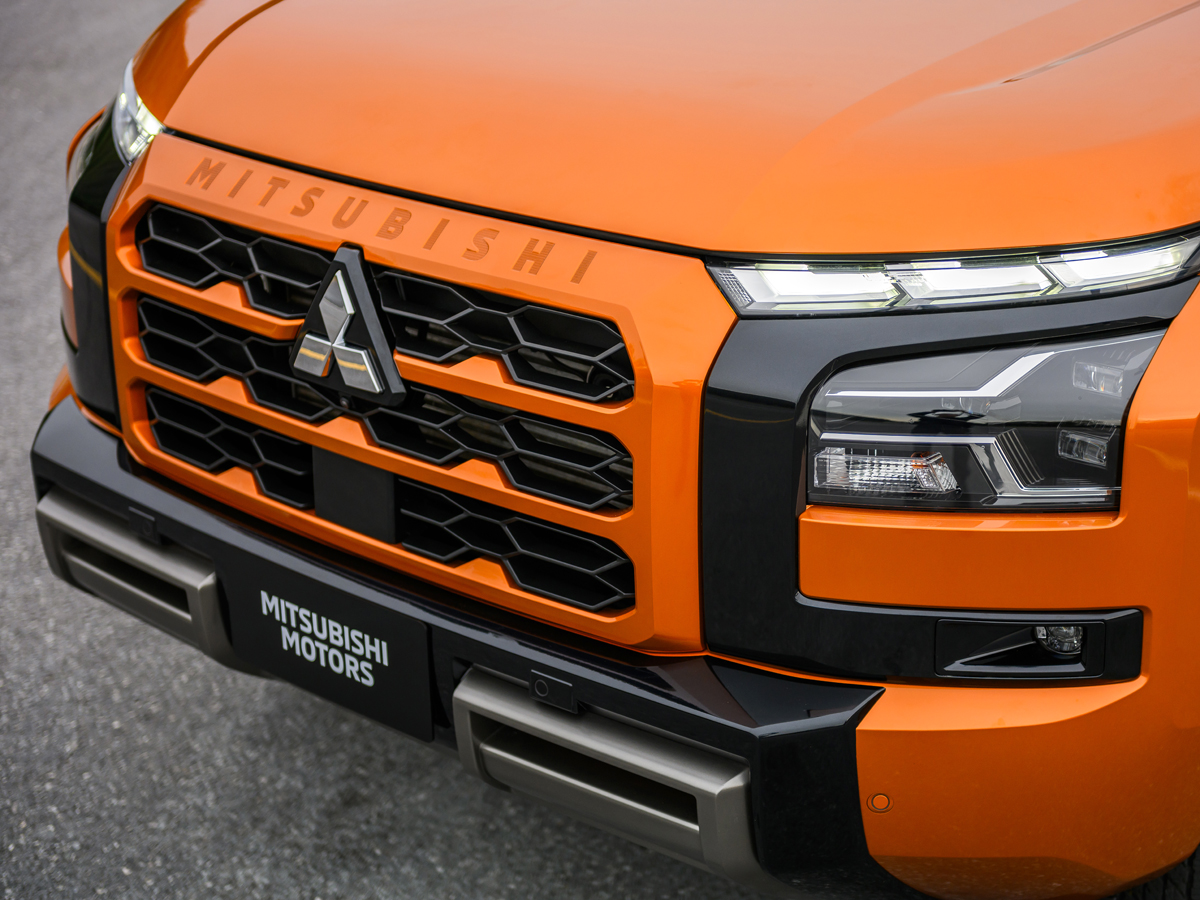
The new Triton features the latest interpretation of Mitsubishi’s “Dynamic Shield” design philosophy, dominated by daytime running lights featuring 3 L-shaped LED elements (apparently resembling the “sharp gaze of a hawk”). The 3-piece headlights are positioned right below these.
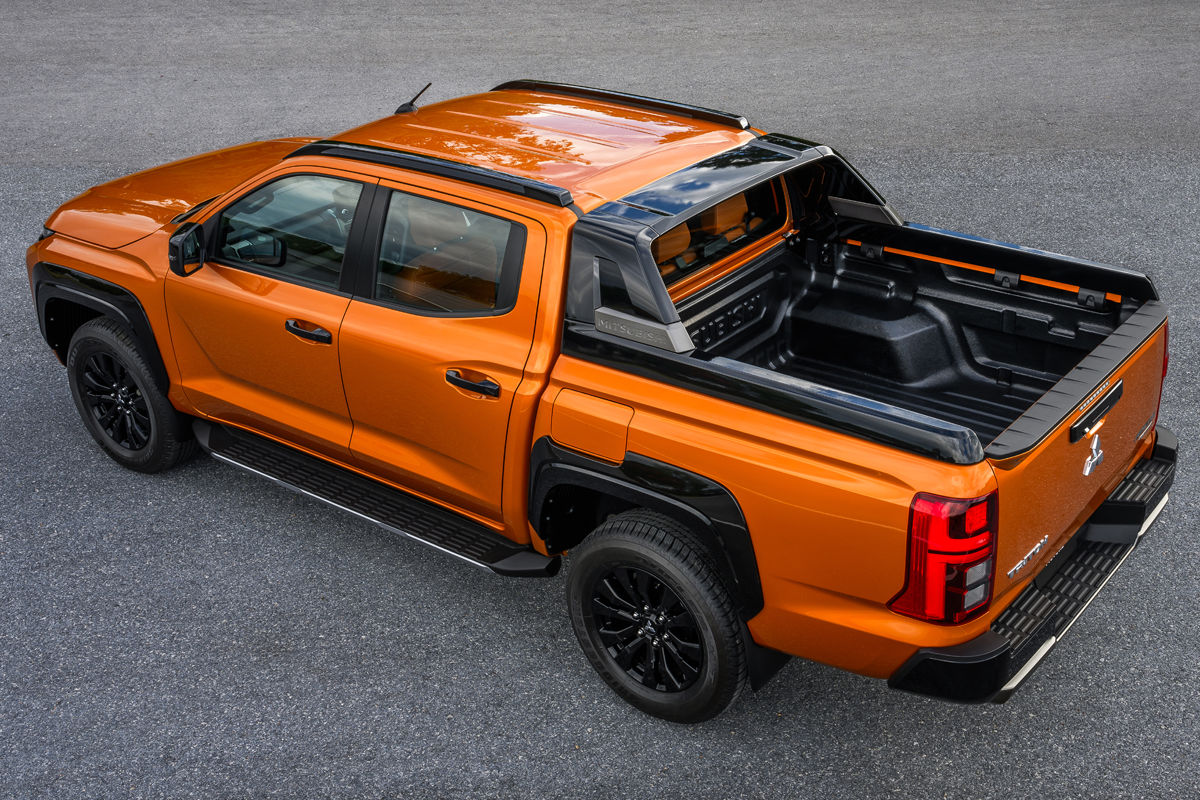
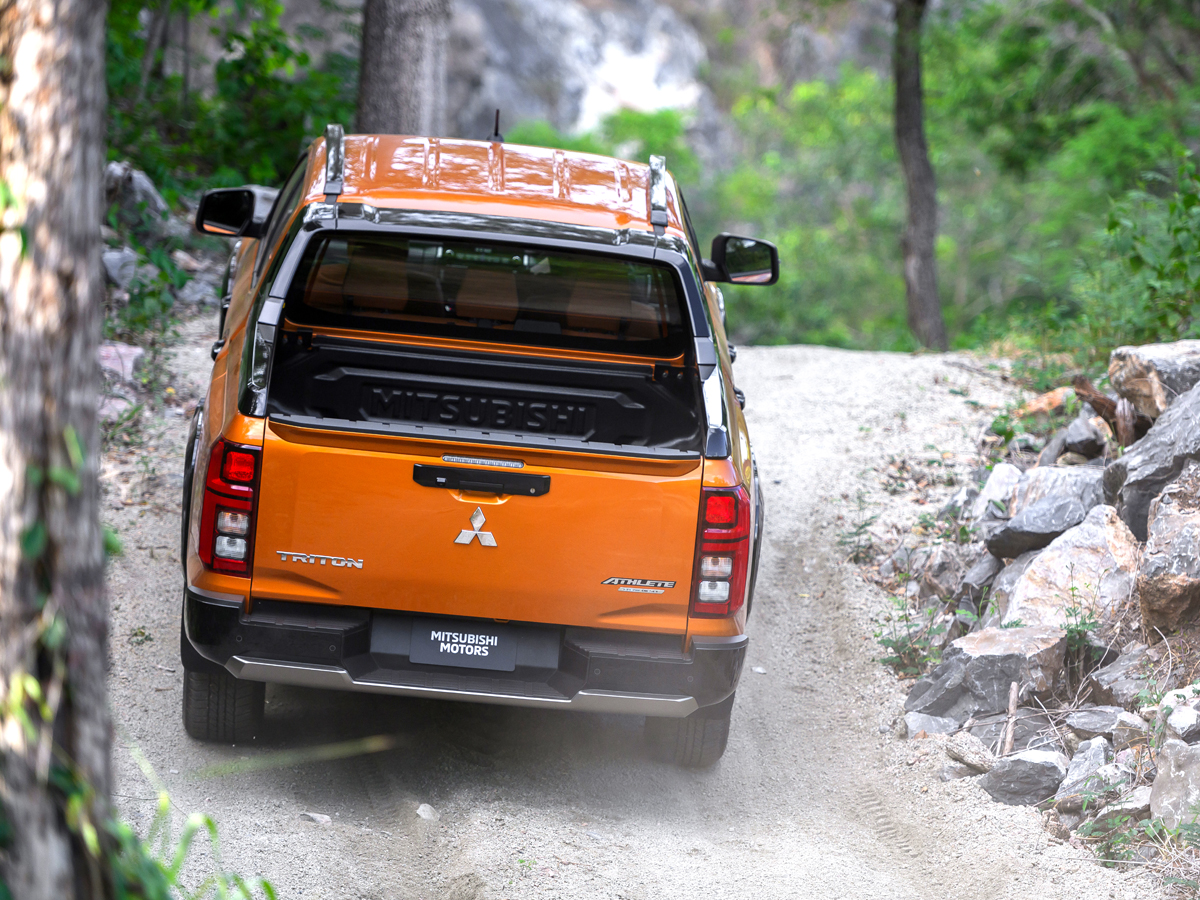
Round back, you’ll find T-shaped taillights and even a rear spoiler designed to “improve aerodynamics”. Mitsubishi claims the door handles are “bigger and easier to grip” than before, while the wider side steps are said to feature improved water drainage.
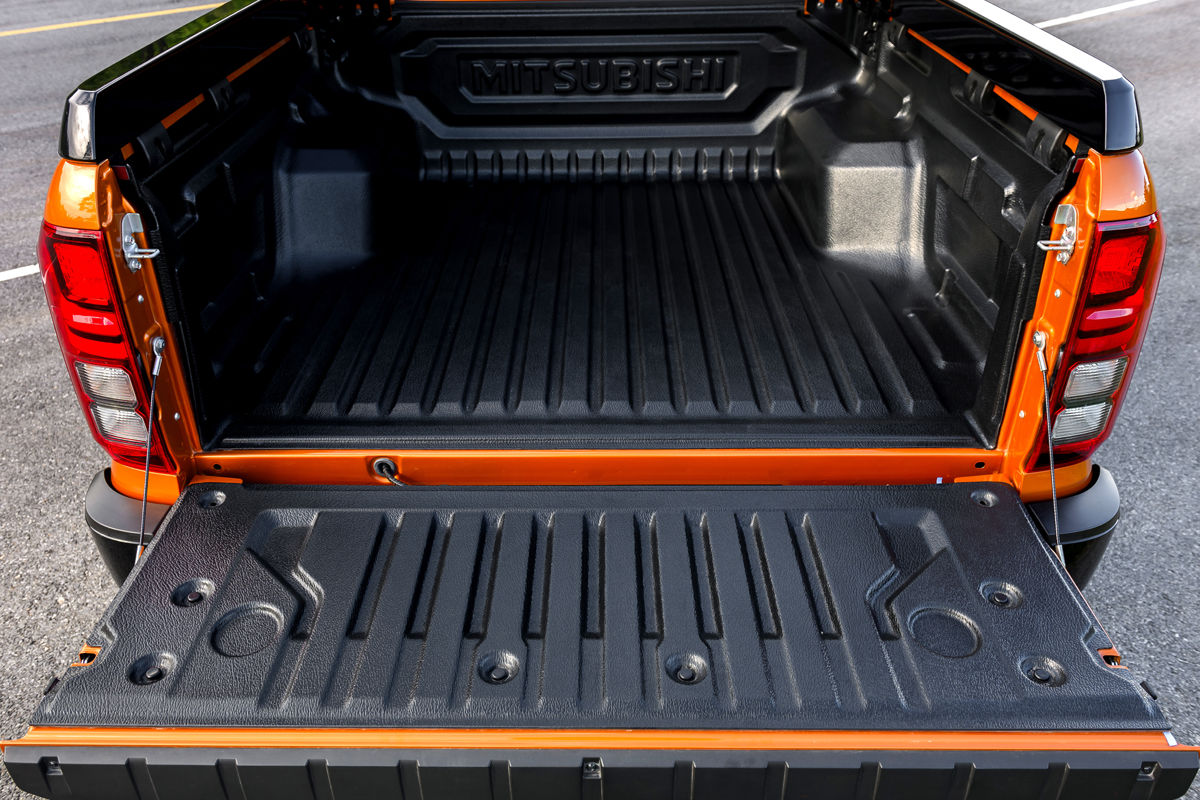
On bakkies boasting the highest trim level, the grille is finished in the same colour as the body, while the side-mirror caps, front-end garnish, exterior door handles and front bumper are black. The underside of the front and rear bumpers, meanwhile, come in a dark titanium hue. There’s also a black finish for the styling bar, roof rails, over fenders and cargo bed.
The load-bed height has been lowered by 45 mm to 820 mm, while the upper surface area of the bumper corner has been enlarged and reinforced with a frame, allowing it to be used as a step. Mitsubishi has yet to release payload and towing-capacity figures.
A closer look at the new Mitsubishi Triton’s cabin
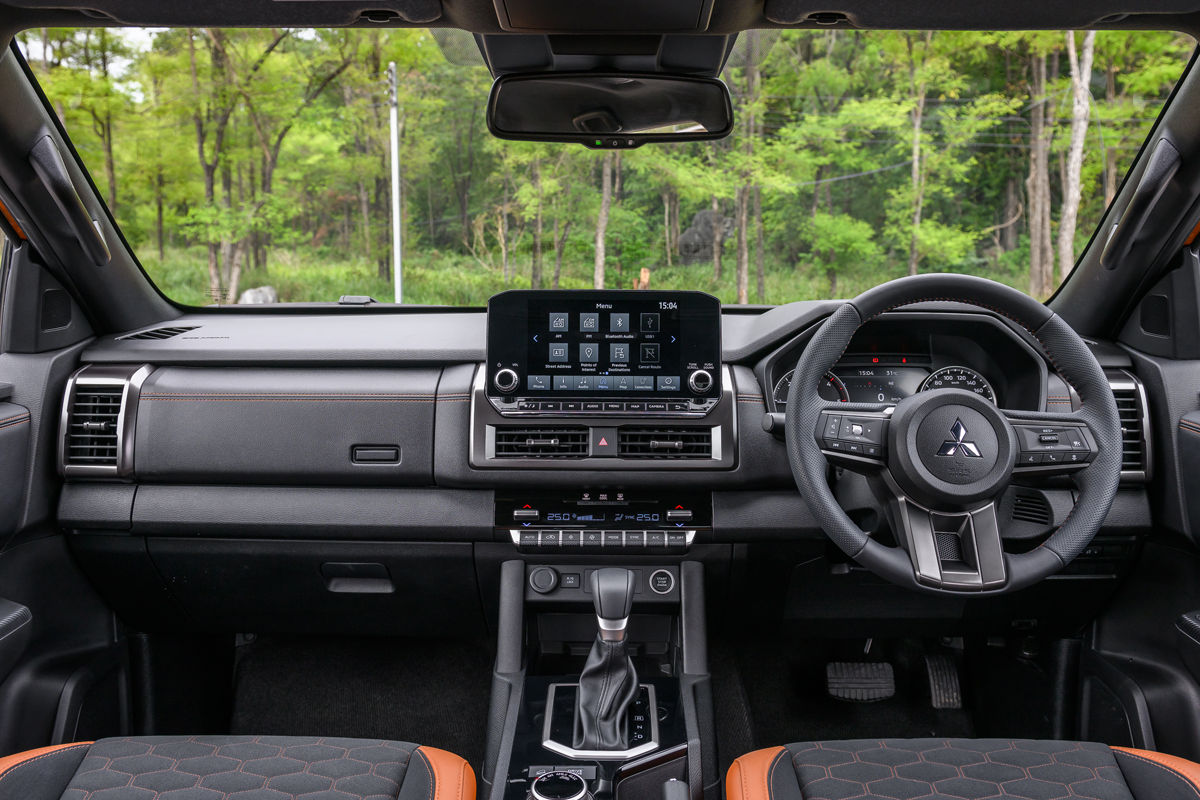
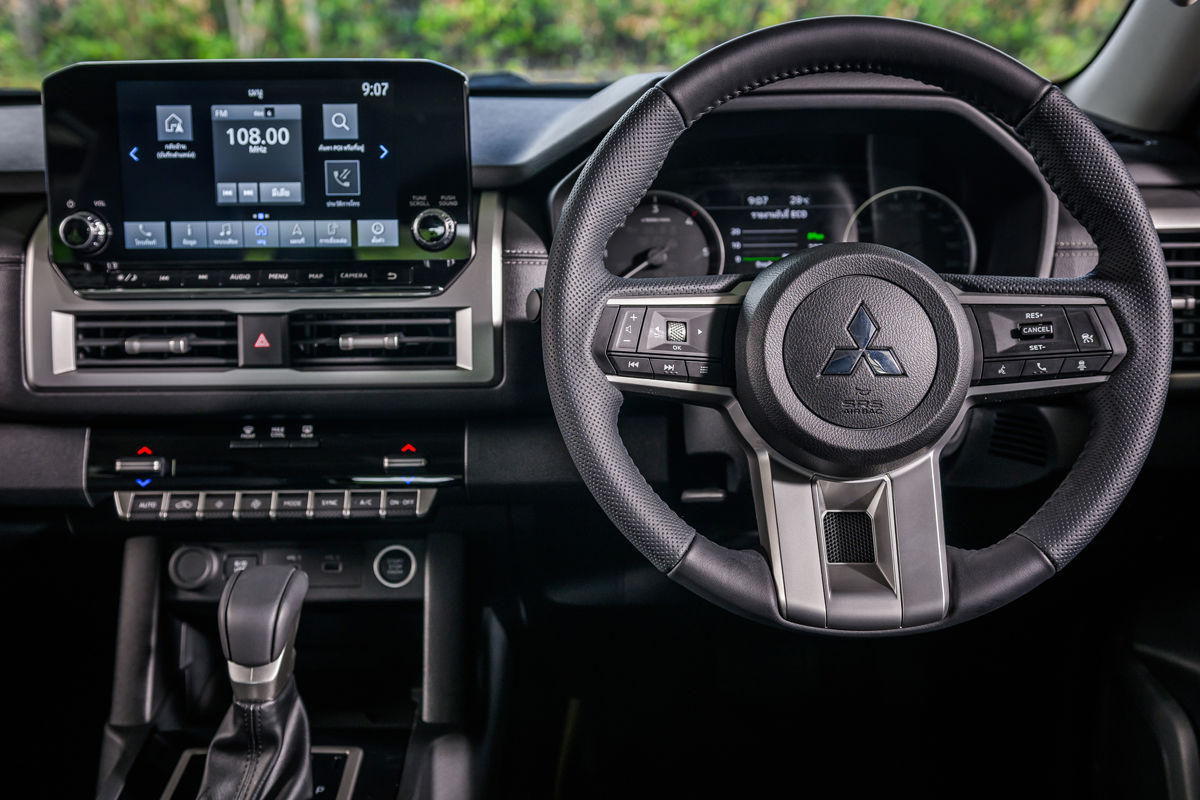
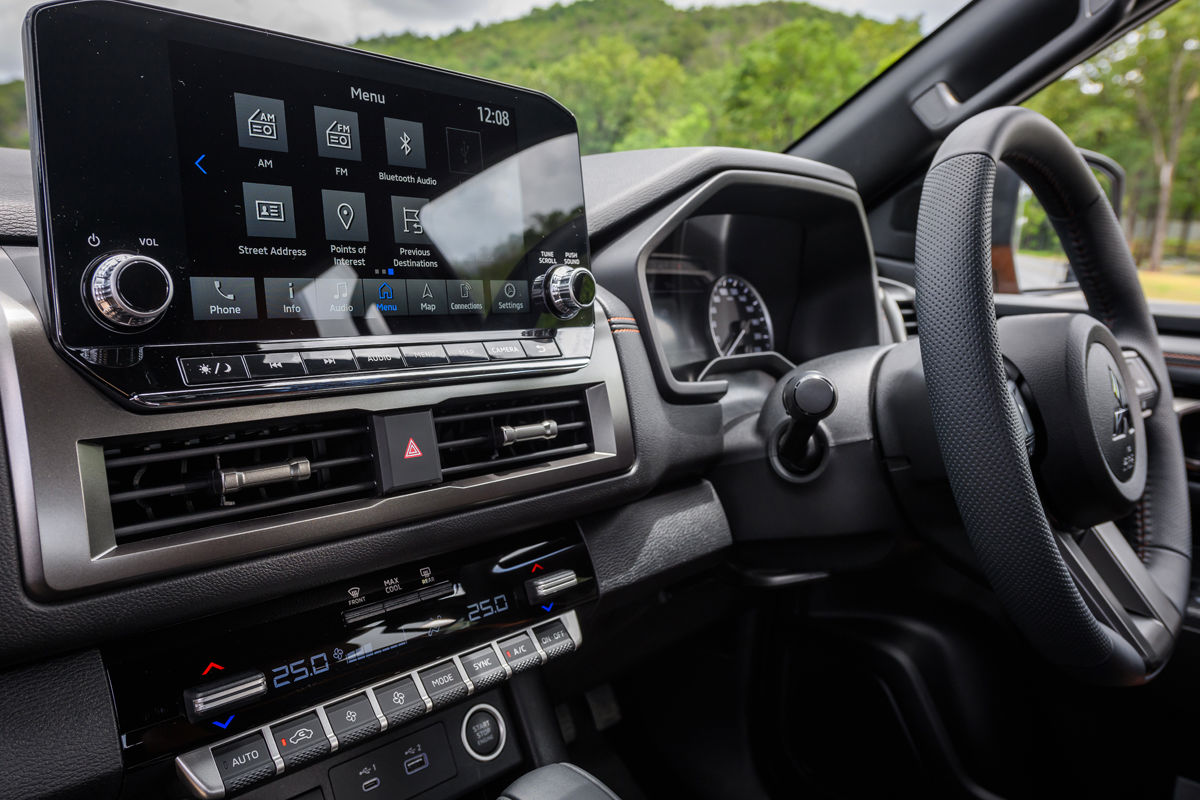
Inside, the new Triton makes use of numerous geometric shapes and metallic elements. The centre console has a cup holder able to accommodate 2 “large” cups, while the console box can swallow 4 (600 ml) plastic bottles. The instrument panel and centre console feature USB A and C sockets for charging devices; in addition, a wireless charger is sited at the bottom of the centre part of the instrument panel. The infotainment screen measures 9.0 inches in diameter.
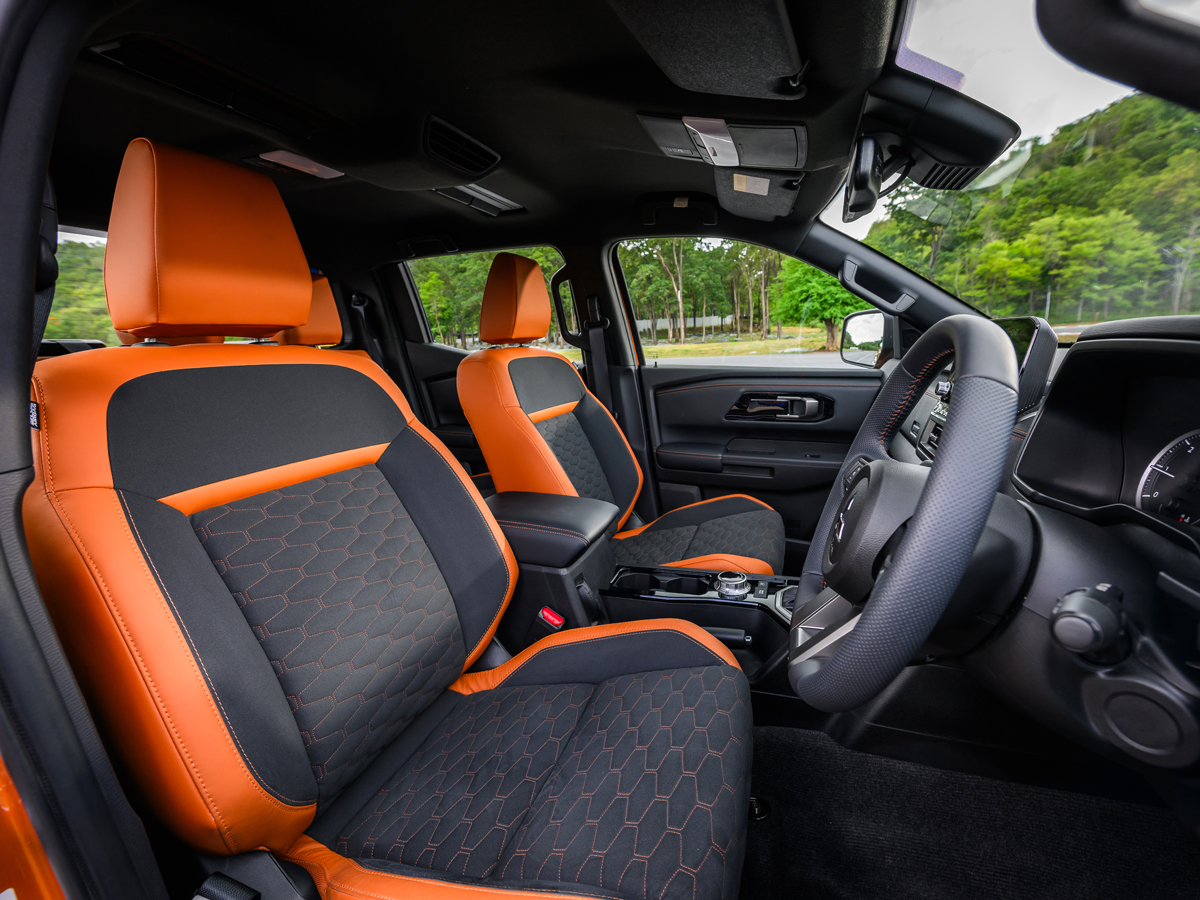
Mitsubishi claims the front seats have been redesigned to “reduce driver fatigue”, while the hip point has been moved 20 mm up in a bid to improve visibility. Furthermore, ingress and egress have ostensibly been made easier thanks to a more vertical A-pillar design (in turn allowing wider door openings).
Serial spanner wielders will be glad to hear the location of the engine’s drain bolt has been changed to enable oil to be replaced without having to remove and replace the under-body cover. In addition, the service hole size has been increased to enable garage jacks to be used without an attachment.
“As a pick-up truck that fits for a new era, we have developed the all-new Triton with even more Mitsubishi Motors-ness,” said Takao Kato, president and chief executive officer at Mitsubishi Motors. “The key features of the all-new Triton were exclusively developed by Mitsubishi Motors, including a robust ladder frame and body, tough chassis, powerful and driver-friendly engine and 4WD system that achieves excellent road handling and stability.
“The all-new Triton is an extremely important model that will provide foundational support for Mitsubishi Motors, as well as the first global strategic vehicle to be rolled out at the start of our growth phase,” Kato added.
The outgoing Triton has been somewhat under-appreciated by South African bakkie buyers, with just 380 units (or an average of around 63 units a month) sold locally in the first half of 2023. That saw the Japanese bakkie miss out on a spot on the list of South Africa’s 10 best-selling bakkies in H1 2023. It’ll be interesting to see how the new Triton performs once it touches down on local soil.
The BMW XM Label Red, which is billed as the most powerful road-legal M model in history (boasting 550 kW!), has been confirmed for SA. But just 5 units are coming…
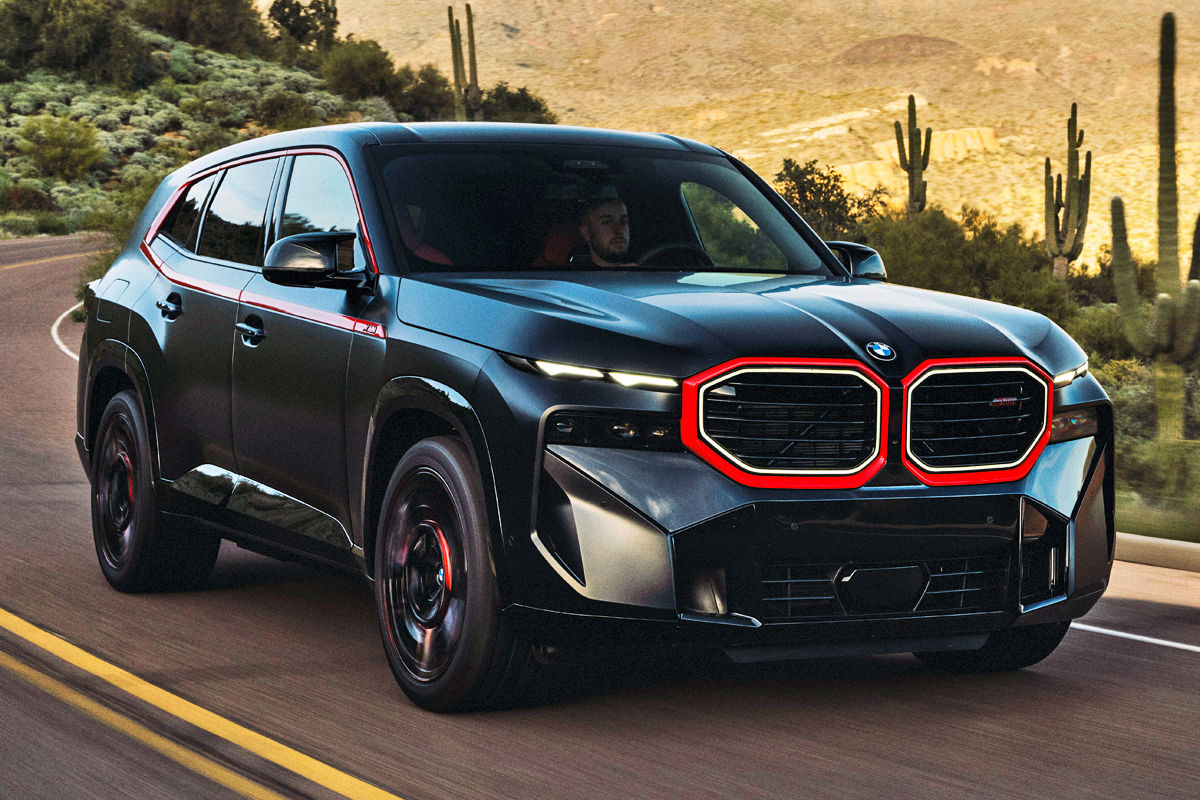
Think BMW’s “standard” 480 kW XM could do with even more oomph? Well, you’re in luck: the new BMW XM Label Red – which is the most powerful road-legal M model yet – has been confirmed for South Africa. Just 5 units are earmarked for the local market, with an expected arrival in the 1st quarter of 2024.
As a reminder, the standard XM is the M division’s 1st high-performance vehicle featuring an electrified drive system, here comprising a “high-revving” twin-turbo 4.4-litre V8 petrol engine and an electric motor integrated into the 8-speed M Steptronic transmission. Total hybrid system outputs stand at a lofty 480 kW and 800 Nm.
And the mighty XM Red Label? Well, the fresh flagship version pushes those maximum outputs to a whopping 550 kW and 1 000 Nm (respective increases of 70 kW and 200 Nm). That renders it the most powerful BMW M model ever made and also means it boasts more oomph than the likes of the 490 kW/850 Nm Lamborghini Urus Performante and the 520 kW/900 Nm Aston Martin DBX707.
Local pricing for the Spartanburg-built Label Red variant has yet to be announced, though the 550 kW version will surely command quite a premium over the R3.4-million “standard” XM.
Is the BMW XM Label Red both powerful and efficient?
According to the Munich-based firm, the XM Label Red is able to complete the 0-100 kph sprint in just 3.8 seconds, shaving a full half-second off the standard model’s claimed time. Its top speed is electronically limited to 250 kph, but rises to 290 kph on cars fitted with the M Driver’s Package (an item BMW Group SA promises will be “standard issue” on local-spec cars).
The XM Label Red employs a high-voltage lithium-ion battery integrated into the underbody area and featuring a usable energy content of 25.7 kWh. According to the German firm, this enables a pure-electric range of up to 83 km on the WLTP cycle, with a pure-electric top speed of 140 kph. BMW claims a combined consumption of just 1.6 litres per 100 km (again, on the WLTP cycle). For the record, the hybrid model’s combined charging unit enables AC charging at speeds up to 7.4 kW.
The newcomer furthermore scores model-specific chassis technology. Adaptive M suspension Professional (featuring electronically controlled dampers and active roll stabilisation) is standard, along with integral active steering. The M Sport braking system comprises 6-piston, fixed-calliper items at the front and single-piston, floating-calliper units at the rear.
How else is the Label Red different from the standard XM?
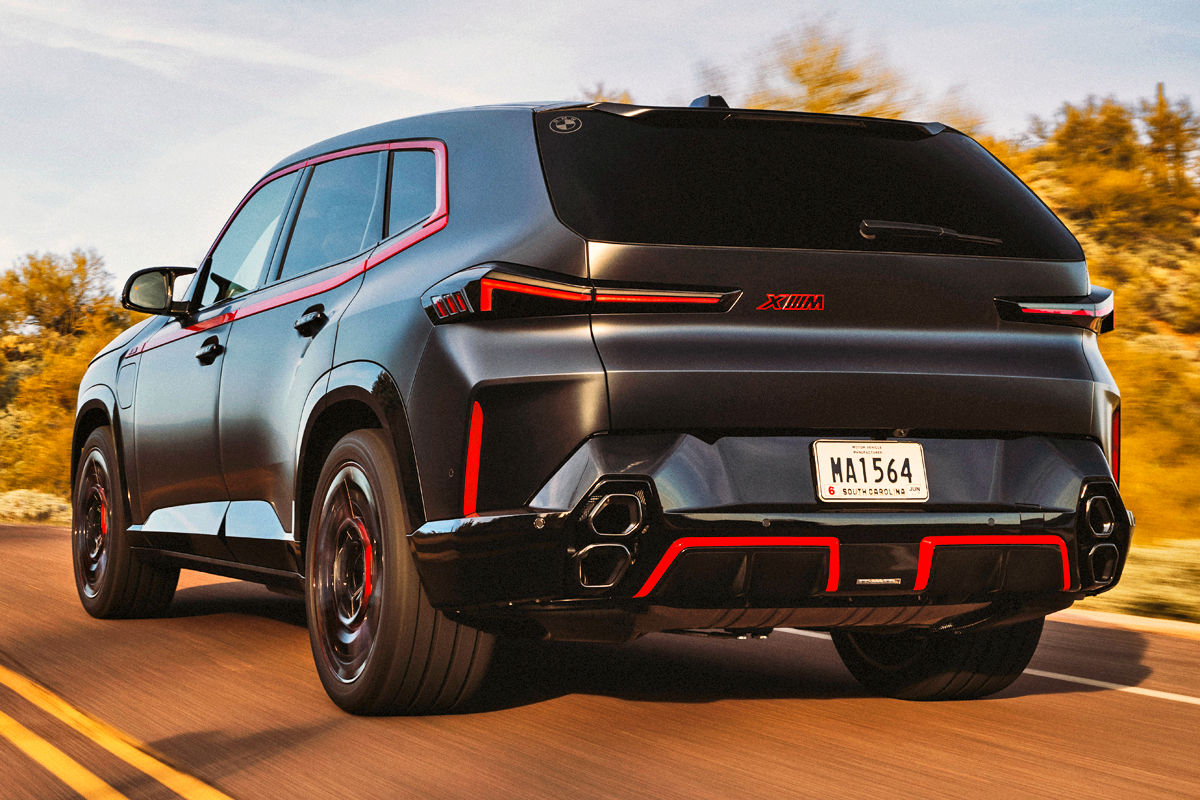
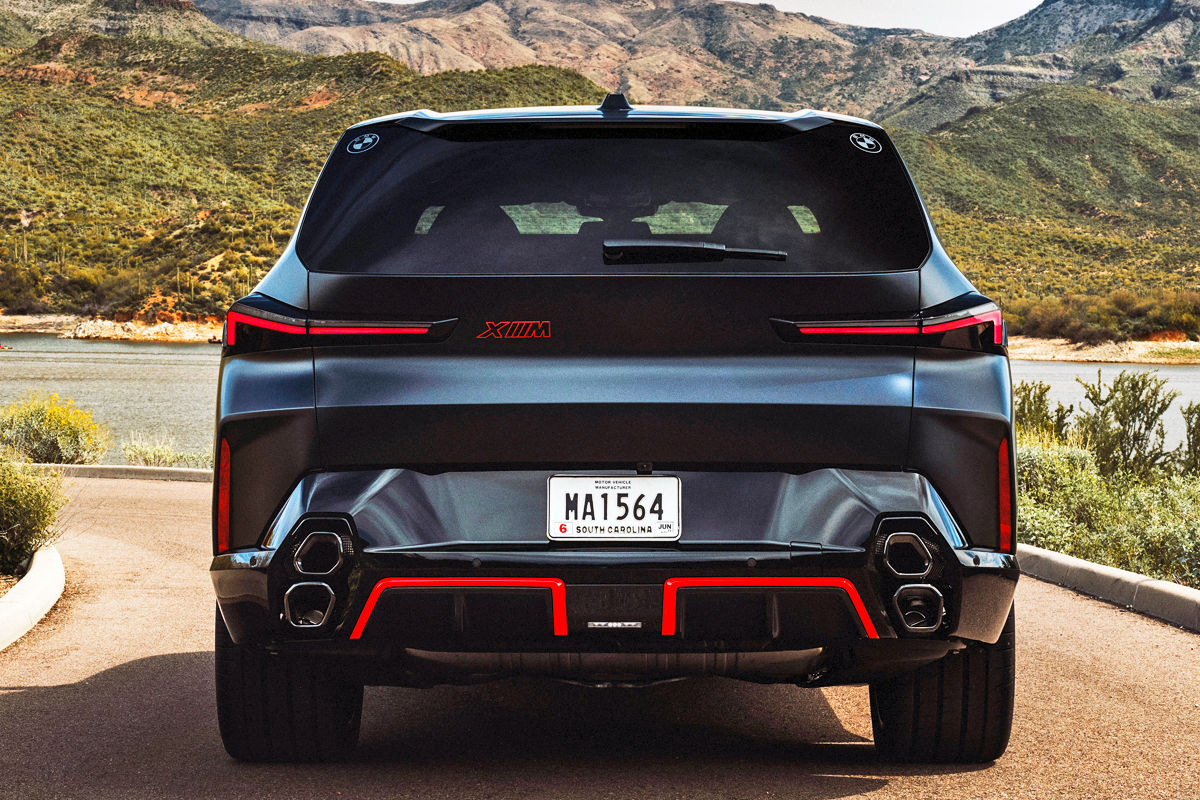
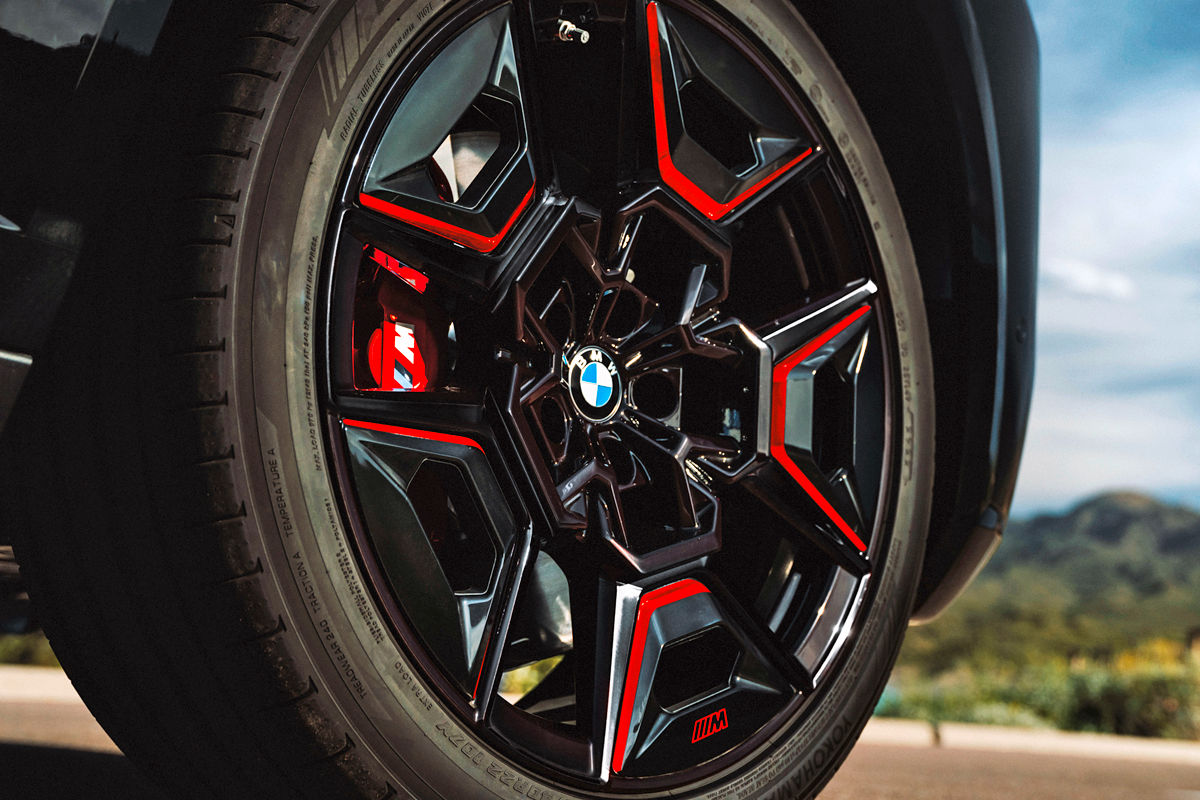
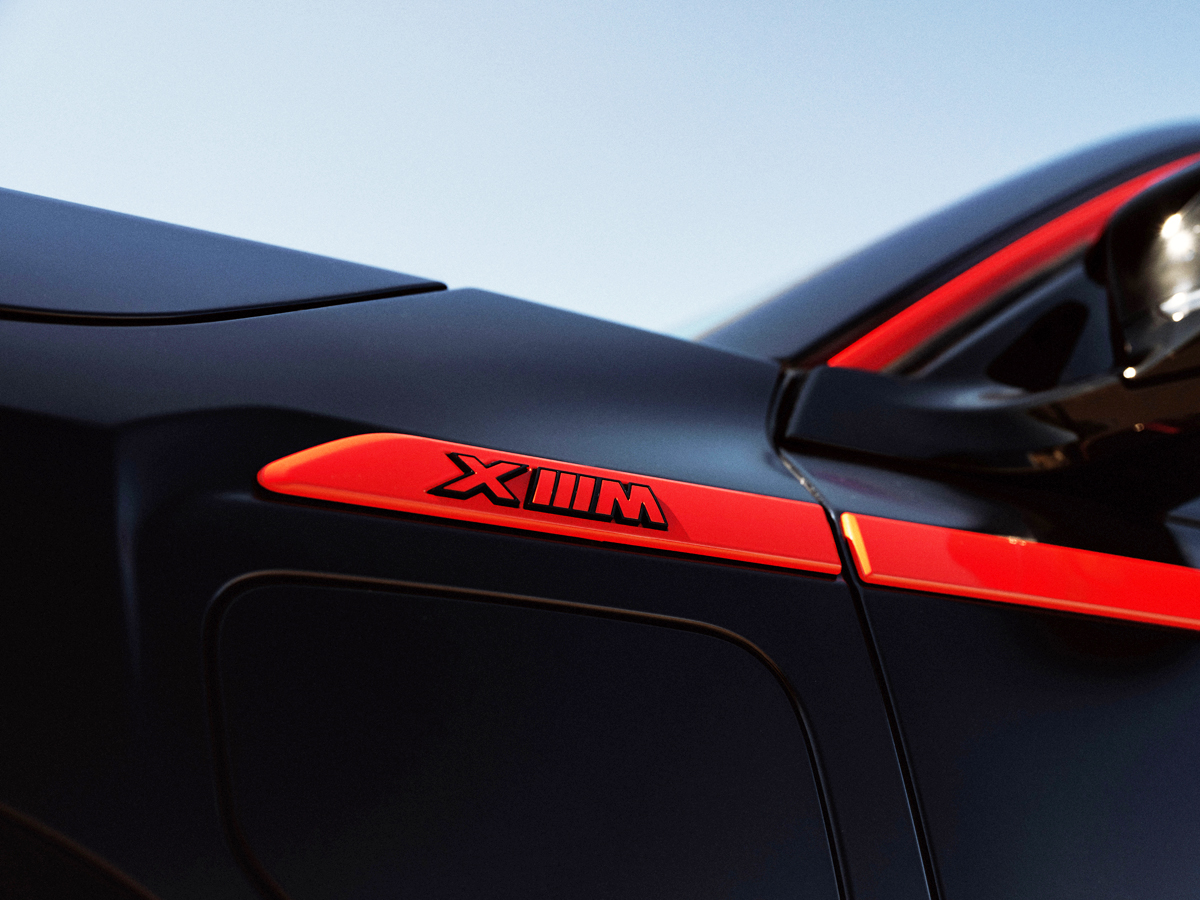
So, is the Label Red visually distinguished from the standard version, too? It is indeed, gaining Toronto Red accents (though more subtle black trim also can be specified). The use of the crimson hue extends to the badges and wheel inserts as well. In South Africa, the BMW XM Label Red will be fitted with 22-inch light-alloy wheels as standard, while the surrounds for the grille and diffuser elements will ship in high-gloss black.
There will be a single solid paint colour and 8 metallic options on offer, though customers can also choose from the more than 50 BMW Individual special paint finishes. In addition, BMW will offer a limited-edition variant of the XM Label Red, which will feature a Toronto Red metallic finish for the grille surround and rear diffuser insert, and boast a body paint finish in BMW Individual Frozen Carbon Black metallic.
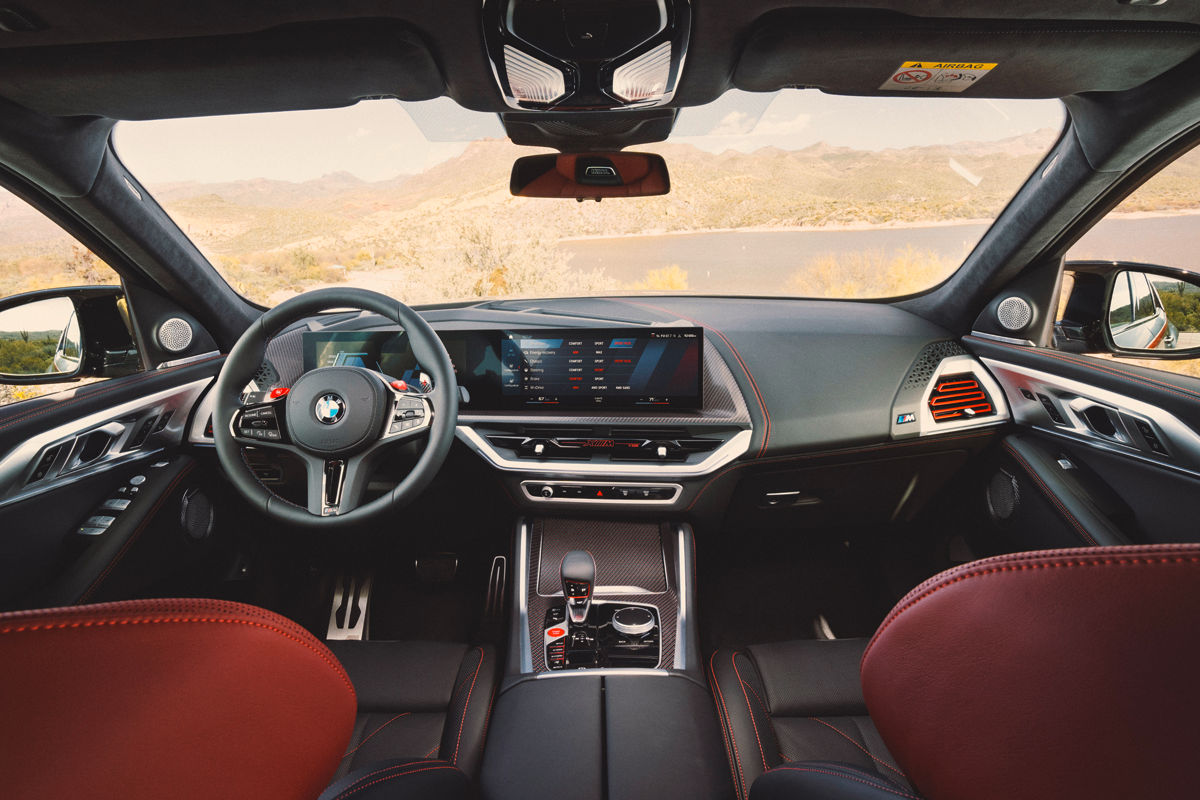
Inside, you’ll find a black-and-red colour scheme, along with a 3D headliner and black trim for the pillars. The diamond-shaped upper sections of the backrests and the integrated head restraints feature a red finish, complemented by red contrast stitching for the black surfaces of the seats, instrument panel, interior door trim and centre console. You’ll also notice the red “XM” badge below the control display and the interior trim strip in carbon-fibre satin effect, with red-and-blue accent threads.
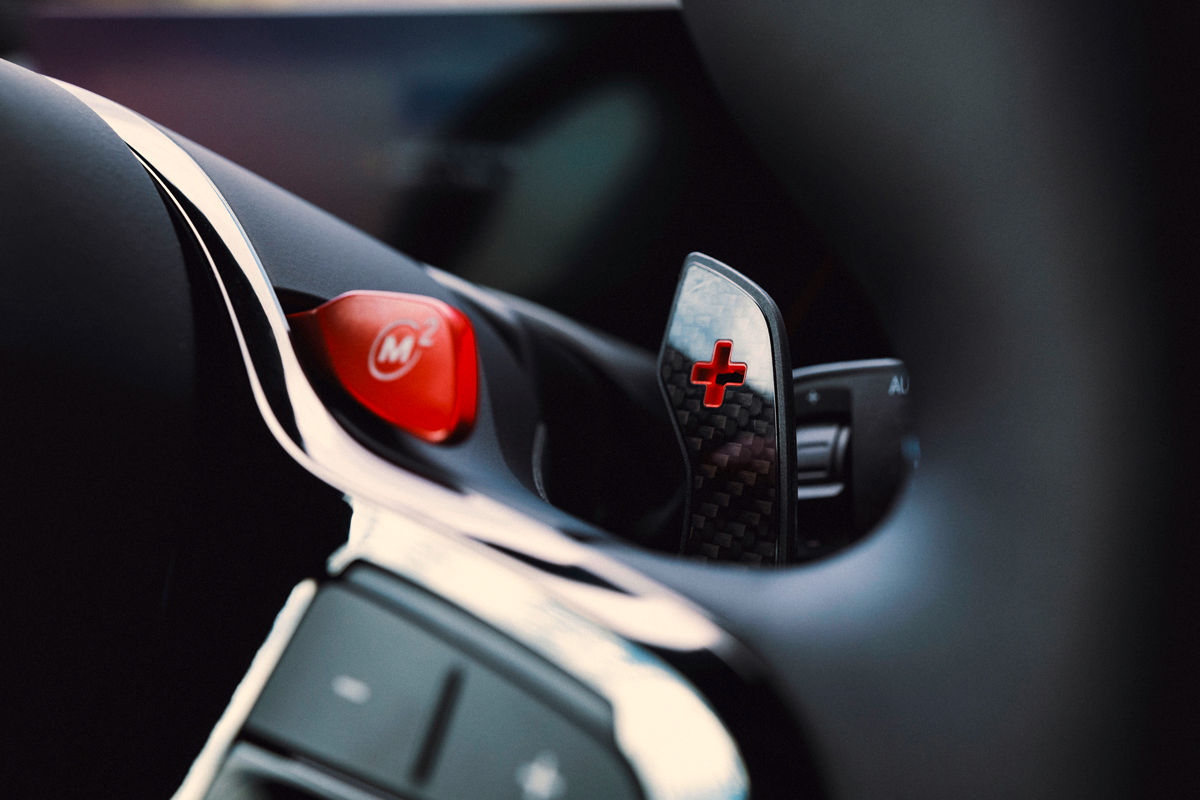
The M leather steering wheel features trim elements in black chrome, plus M buttons and gearshift paddles with carbon inlays (and “plus” and “minus” symbols in red). The XM Label Red is further set apart by the symbol identifying “Boost Mode” on the left-hand shift paddle.
If you convert your petrol-powered car to run on liquefied petroleum gas (LPG) you will achieve the same mileage as you do now, but the cost of filling up will be around R13 per litre, instead of more than R22 per litre (inland price of 95 unleaded in July 2023).
Fuel prices are an unavoidable burden for South African car owners. Swipe your card for those fuel reward points all you like, but any feeling of financial smugness is undone by the first Wednesday of the following month – that’s when the national fuel prices are adjusted, usually upwards…
Government inflates the pump price for petrol and diesel by a ridiculous amount, with layers of taxation that hardly benefit the maintenance of our nation’s road infrastructure (which is what it is supposed to do). But what if drivers could choose a fuel type that costs nearly half the price of 95 unleaded petrol?
For years, South Africans have been seduced by the slick marketing of fuel-saver systems and remarkable engine mapping software that’s optimised for economy. But those doodahs are based on fantasies – not engineering facts. So why would the promise of 40% cheaper pump fuel be any different?
It really works
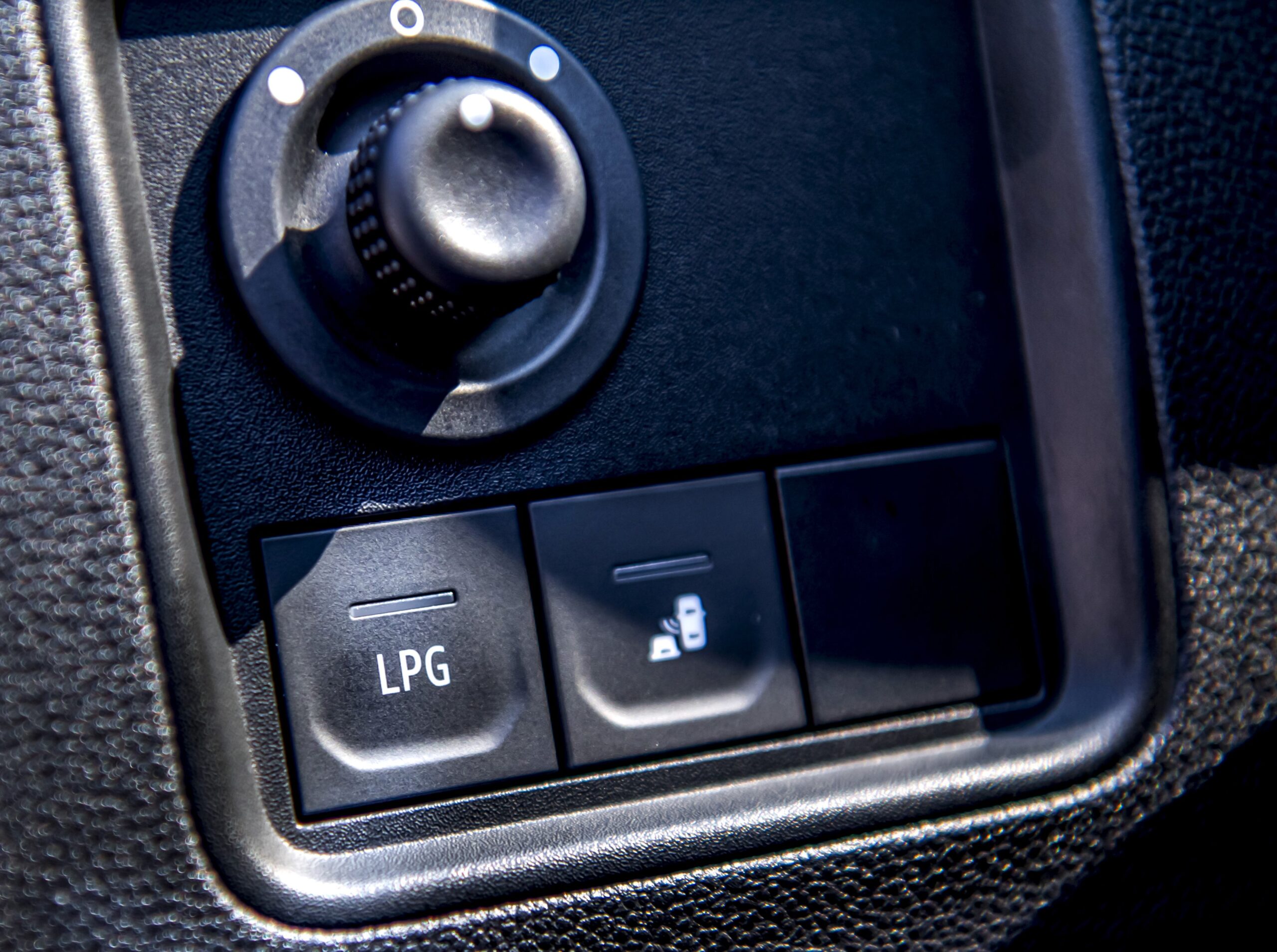
Some brands do embrace LPG. With switch-tanks, controllable from the cabin.
Liquefiedpetroleum gas (LPG) is a proven fuel alternative for internal combustion vehicles; in fact, it’s estimated that 26 million cars in the world run on LPG. Your German luxury sedan, or SUV, can be easily configured to run on LPG, provided it consumes petrol. And with South African LPG prices about 40% more affordable than 95 unleaded petrol, you can drive almost twice as far as you would for the cost of a tank of fuel-pump petrol by switching to LPG. You’d nearly half your fuel expenses, in other words.
What are the technical issues of converting to LPG? Not all fuel types are similar, and fuel quality varies wildly – especially in South Africa. A benefit of LPG is that it’s a cleaner-burning fuel than petrol or diesel, with lower contamination risk. Considering the injection systems pressure of a new turbopetrol engine, LPG’s clean burning properties and low contaminant risk are bound to benefit engine life.
LPG’s energy density is similar to those fuel types that it would replace, plus it delivers a comparable driving performance. So, if you can fill up with LPG, at the cost of approximately R13 per litre (July 2023), instead of paying nearly 40% more for petrol (the coastal price of 95 unleaded was R21.74 per litre in July 2023), why aren’t more South Africans converting their vehicles to LPG?
The cost of converting to LPG
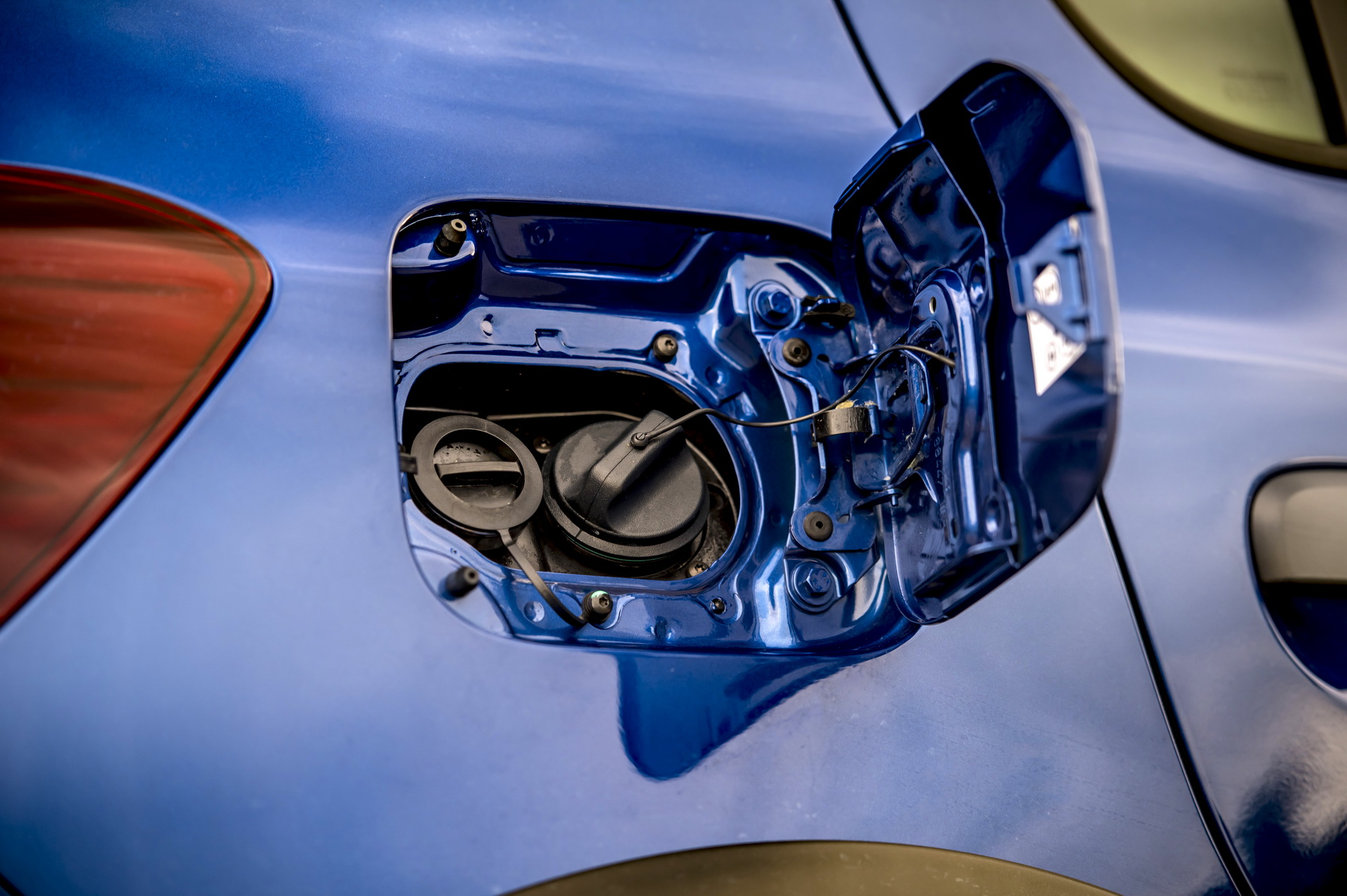
Two pump type nozzles and added complexity.
The Eskom crisis has convinced and conditioned South Africans that when it comes to matters of energy, they are best served with self-sufficiency. We’ve all become experts at calculating the cost and benefit ratio of going off-grid, for electricity, but are the numbers for LPG convincing enough?
A rounded purchase cost for an LPG automotive conversion is about R25k, with installation costs adding another R2 950. You’d need to consume 30 tanks of fuel to recoup the initial investment in LPG, which would take about 4 years of driving. But would you keep a car for more than 4 years? That’s the question.
Fuelling vehicles is mostly about cost – but also convenience. And with the legacy petrol and diesel infrastructure being so well developed and distributed, most drivers never think how inconvenient alternative fuels and energy sources could be until it’s too late… and they are stranded.
If you can’t refuel everywhere, what’s the point?
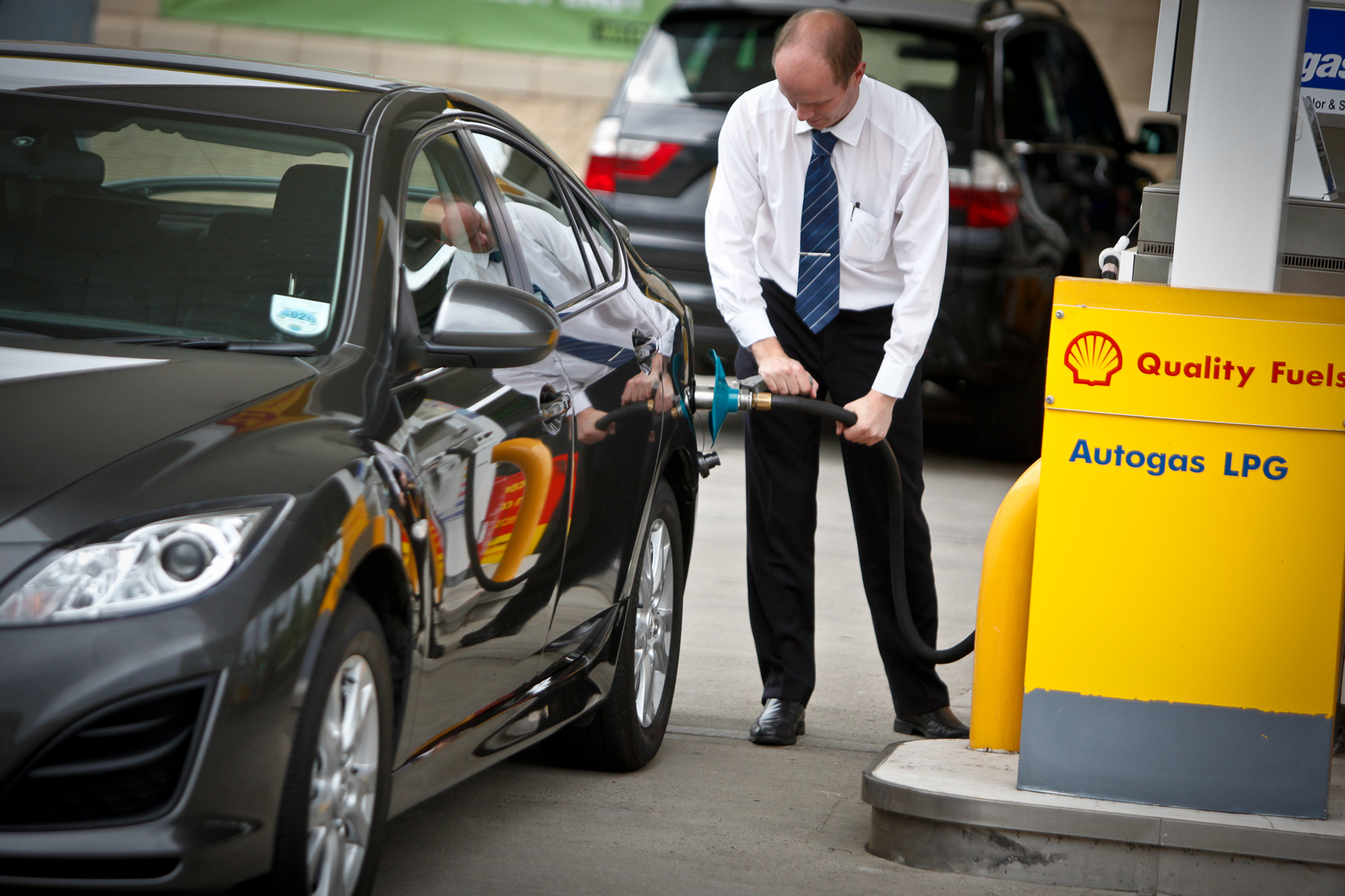
In Europe, there’s reasonable LPG pump distribution. South Africa? Not so much. At all.
Running out of gas at home is annoying, especially when you’ve marinated steaks for an evening meal. Not every cylinder can be refilled by every gas service provider, and it’s a chore to uncouple, carry, bump your shin, refill, and recouple gas cylinders. But it’s something you only need to deal with once a year.
With an LPG car, the refuelling convenience factor is a rounding error, and the administrative burden is potentially massive. You can’t roll up at your local gas service provider to fill up. LPG cars have the same problem as hydrogen vehicles and EVs in South Africa: the infrastructure is simply wildly inadequate.
There is one LPG service station in KZN, commissioned and operated by Isinkwe. A few LPG refuelling stations exist in Gauteng, of which Sasol runs one, and Cape Town has a station or two, too.
It takes much less time to refuel an LPG car than recharge a battery electric vehicle (BEV), but the fuel type won’t become viable unless exponentially more service stations are distributed. And it’s unlikely that vehicle brands will invest in supporting it, as has been the case with EV infrastructure. Be sure, too, that Government won’t provide support to enable an alternative fuel source that will reduce its tax revenue.
The risk of voiding your warranty is real
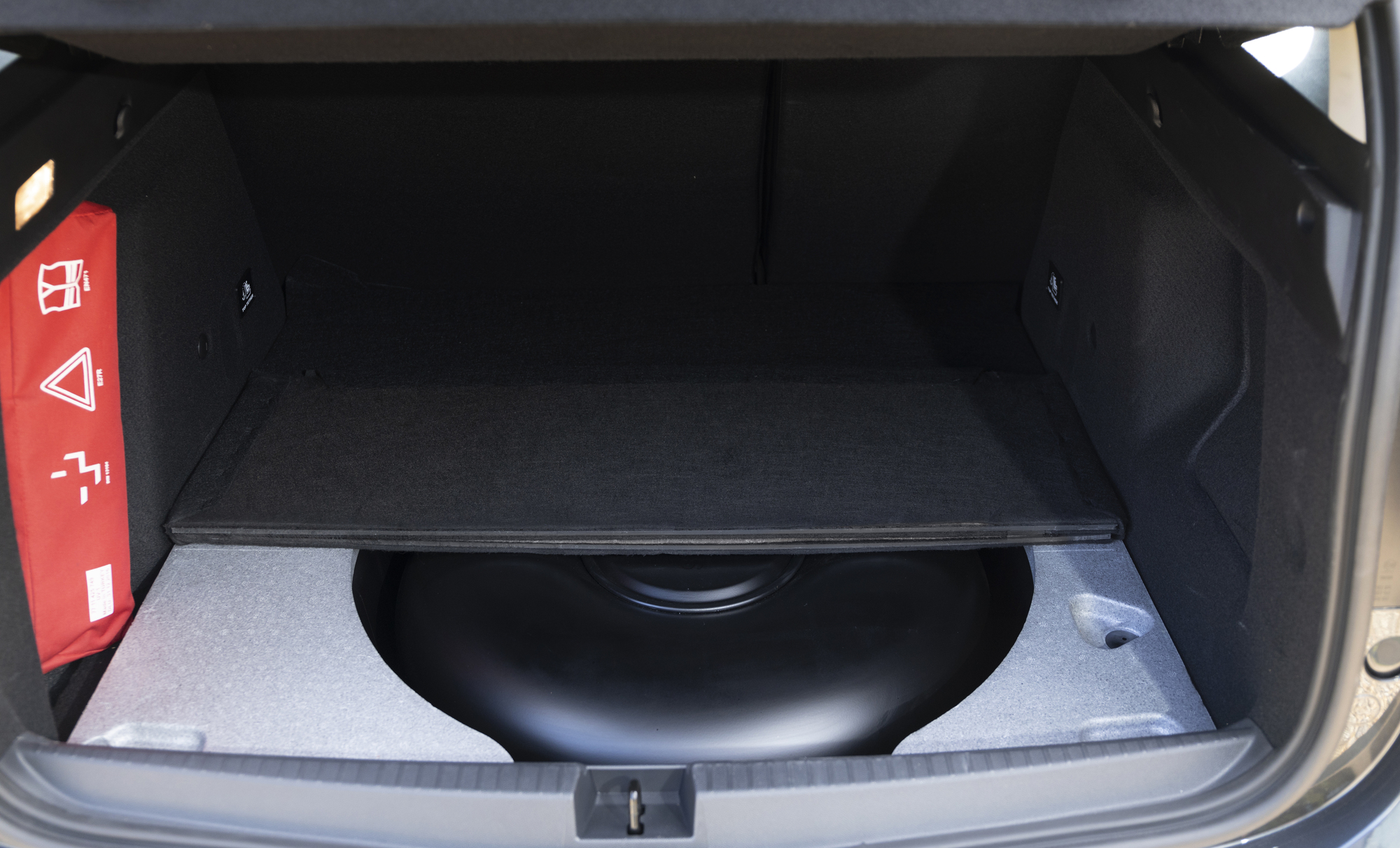
LPG tanks often go under the luggage floor. Bye-bye full-size spare wheel.
Perhaps the most notable obstacle to embracing the 40% fuel cost discount offered by LPG, is that your car’s manufacturer is likely to take issue with any unapproved modifications that you make to the vehicle (such as implementing an LPG conversion) while it’s warranty is still in effect.
Suffice it to say, vehicle ownership in South Africa is expensive, and you don’t want the equity in your vehicle to get lit-up by a warranty dispute. Although LPG is proven, it could become a point of dispute with any mechanical issue regarding your car’s powertrain, fuel system or electrical architecture.
What about dual-fuel engines? Aren’t they a thing in other markets? They are. Brazil is perhaps the best example – in its huge car market, many vehicles run on dual-fuel engines capable of burning ethanol.
But does it make sense to grow mielies to fuel cars? Probably not. Maize is a South African staple food and serves a much better purpose in tummies than in fuel tanks.
Will LPG make sense for some?
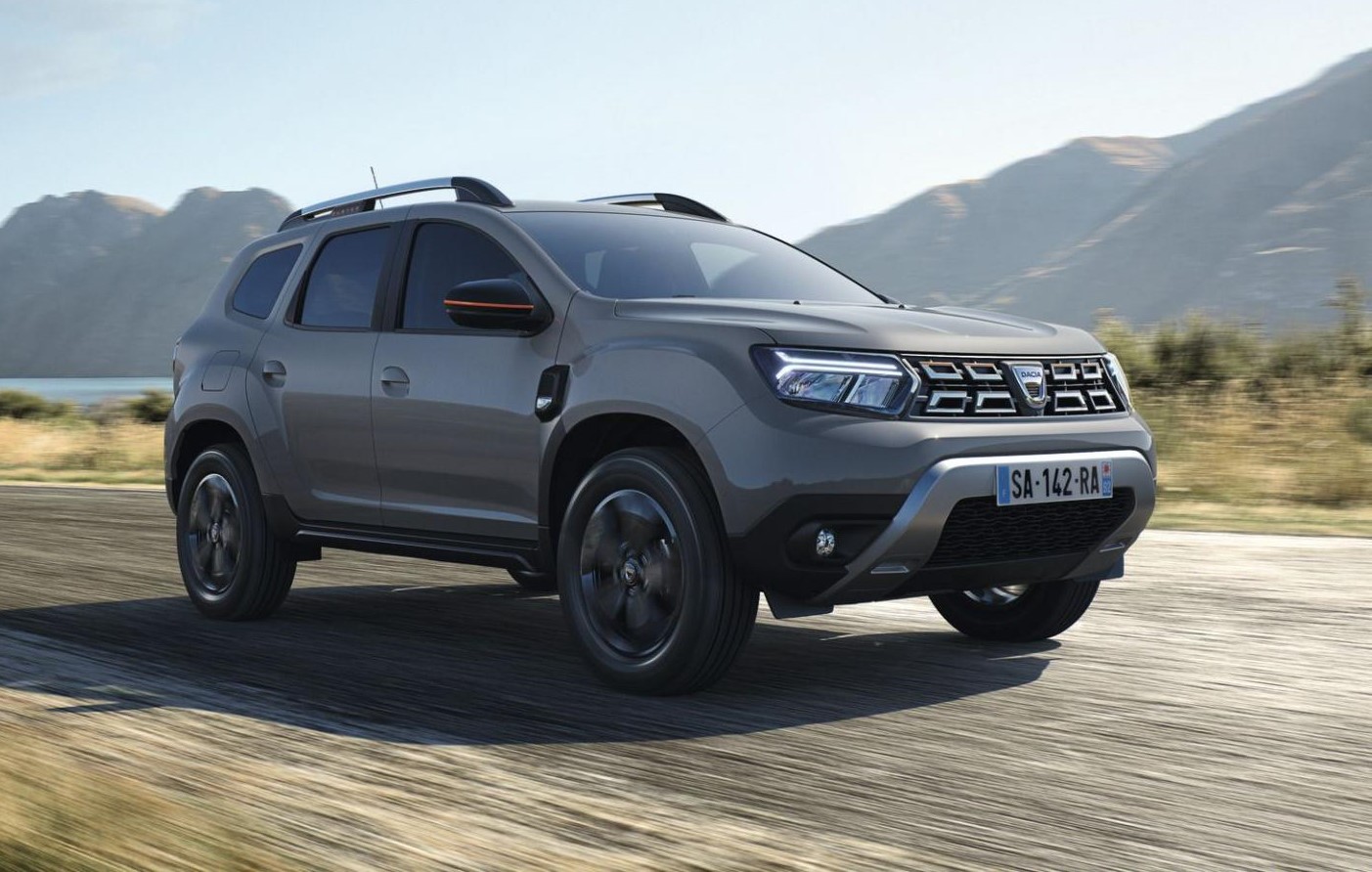
Duster offers LPG compatibility. But the diesel one is so good, why would you bother?
Renault does produce a dual-fuel capable Duster, powered by the TCe 100 ECO-G engine. It has 2 fuel tanks (50 litres of unleaded petrol and 42 litres of LPG) and a claimed range of 1 000 km. Performance? When burning LPG, the 1.0-litre turbopetrol TCe 100 ECO-G engine produces 10 Nm more torque.
The repayment arithmetic with LPG isn’t that great, and your warranty risk is real, even on unrelated vehicle issues. But does that mean LPG and its enticing 40% pump price discount serves no purpose for all South African car owners? Perhaps not.
If you own an out-of-warranty petrol bakkie or SUV, which will be moderately heavy on fuel, and only use it in an urban environment, LPG could be a win for you. But that is a very narrow use case.