VW Udara? Trademark filing hints at new small bakkie’s name
Volkswagen has applied to trademark the Udara badge, which may well end up being used on the firm’s long-awaited new small bakkie. Here’s what we know so far…
German automaker Volkswagen has filed a trademark application for the “Udara” badge, a fresh nameplate that rumours suggest will be used on the company’s long-awaited small bakkie.
The eagle-eyed folks over at CarBuzz uncovered VW’s latest trademark application, which was filed with the German Patent and Trademark Office as recently as 8 February 2024. A quick Google search suggests Udara has multiple meanings across many languages, from “exalted” in Sanskrit to the name of the African star apple fruit (chrysophyllum albidum) in the Nigerian language of Igbo. Interestingly, Udara is also a genus of butterflies.
So, what makes it likely that the Udara name will be applied to the upcoming unibody bakkie rather than another as-yet-unrevealed model? Well, back in November 2023, Brazilian publication Automotive Businessreported that Volkswagen’s São José dos Pinhais factory would produce a new small bakkie internally known as “Project Udara”. The report furthermore claimed the new bakkie would likely be launched in Brazil in “early 2026”.
Why is this news potentially of significance to South Africa? Well, VW’s Volkswagen’s local division plans to build a mystery “SUV-ish” model – based on the MQB-A0 architecture and positioned below the imported T-Cross – at its Kariega facility in the Eastern Cape. And Martina Biene, chairperson and managing director of Volkswagen Group SA, revealed to Cars.co.za back in April 2023 that “there is hope” an SA-built bakkie would be spun off this newcomer, hinting at a “bigger than half-tonne” model with a 750 kg payload.
Biene furthermore told us that the mystery SUV (which subsequent reports suggested could wear the “Yeah” moniker) “is kind of in partnership with Brazil”, so there’s at least a chance the new Udara unibody pickup could also be the small bakkie that VW hopes to eventually produce at Kariega. Of course, if that indeed ends up being the case, there’s no guarantee the Udara badge would be used in Mzansi.
Interestingly, reports out of Brazil suggest the sub-Amarok Udara will be larger than the long-in-the-tooth Saveiro, a model that has technically never been on the table for South Africa as it’s produced only in left-hand-drive form. Indeed, some publications make reference to the Tarok concept of 2018, which measured 4 914 mm from nose to tail.
It’s worth noting that VW has offered a small bakkie in SA before in the form of the Mk1 Golf-based Caddy, which traced its origins all the way back to 1978. Volkswagen’s facility in Uitenhage (which has, of course, since been renamed Kariega) produced this model from 1981 until 2007. In addition, the German firm currently has an SA-built bakkie in its range, since the 2nd-generation Amarok is manufactured by Ford alongside the Ranger at the Blue Oval brand’s Silverton factory.
The facelifted Mercedes-Benz GLE incorporates a more powerful GLE450d turbodiesel derivative. This week, we drove the new addition to the premium SUV line-up on the Garden Route to see what the revised Three-pointed Star has to offer!
Mountain passes are best traversed in low-slung sportscars, but not always…
At the foot of the Robinson Pass in the Garden Route, I found myself comfortably ensconced in the facelifted Mercedes-Benz GLE. This latest iteration of Benz’s premium SUV – and its Coupe variant – arrived in local showrooms in November 2023 with a mildly revised grille and bumpers (“a light nip and tuck”, as they say). This week, we finally had the opportunity to experience the changes in the metal.
The latest Mercedes-Benz GLE SUV and GLE Coupe are lined up and ready to drive!
While the GLE retains a dapper, oh-so-sophisticated appearance, perhaps the most significant update pertains to the model’s powertrains. All turbodiesel and -petrol powerplants are now supplemented with 48V mild-hybrid technology (including an integrated starter generator). As a result, Mercedes-Benz engineers have been able to squeeze more performance and, supposedly, efficiency from its engines.
The range starts with the turbodiesels: the 3.0-litre GLE300d now develops 198 kW and 550 Nm, while the outgoing GLE400d has been superseded by a more powerful GLE450d that produces 270 kW and 750 Nm from its enhanced 2.9-litre 6-cylinder engine. The turbopetrol-powered GLE450 offers 280 kW and 500 Nm. All variants are paired with Mercedes-Benz’s 9-speed automatic transmission.
For performance enthusiasts, the updated Mercedes-AMG GLE53 and -63 can be expected in local showrooms later this year!
What’s the Mercedes-Benz GLE like to drive?
With an updated front end, the latest GLE has a commanding presence.
Our launch route started at Ou Baai Golf Estate in George and, after setting the GLE300d’s drive mode to “Comfort”, we began driving towards Oudtshoorn via the Robinson Pass.
The GLE’s chunky, well-bolstered seats were particularly comfortable and our route was loaded into the large 12.3-inch infotainment system featuring the firm’s MBUX Augmented Reality Navigation, which is optional. The leather-wrapped steering wheel features a comprehensive control stack that allows you to control both the infotainment system and the configurable 12.3-inch instrument cluster with ease.
The updated GLE features a plush interior with a large digital interface.
I was pleasantly surprised by the 2024 Mercedes-Benz GLE’s forgiving ride quality and responsive steering feel. More so, with peak outputs of 198 kW and 500 Nm of torque on offer, the GLE300d wasn’t short of pulling power – the “starter GLE” could accelerate up to highway speeds with minimal effort.
In the twisty corners of Robinson Pass (and with the Sport drive mode engaged), the GLE hid its heft remarkably well. The ‘Benz’s kerb weight is no less than 2 165 kg… and yet it could comfortably tackle corners at pace – and with minimal body roll. Driver engagement is enhanced with gearshift paddles mounted behind the steering wheel and we found the transmission responsive and well-calibrated.
With the outside temperature nearing 41 °C near Oudtshoorn, the GLE’s automatic aircon (climate control) system worked hard, but quite effectively to keep us cool and content.
After a quick coffee stop at the Tall Goose in Oudtshoorn, we switched to the newly introduced GLE450d derivative and were soon back on the road.
With mild-hybrid technology, the updated GLE offers stronger performance.
The performance hike was immediately noticeable! The GLE450d pulled strongly towards the horizon and piled on the pace quickly and effortlessly. Mercedes-Benz reckons this derivative can accelerate from 0 to 100 kph in 5.6 seconds, which is mightily impressive for a car that weighs close to 2.2 tonnes.
The extra performance, however, takes its toll on fuel efficiency. While ‘Benz claims 7.5 L/100km, you’ll likely see figures closer to 10 L/100 km – and above. Our trip computer was indicating 11.5 L/100 km.
The Outeniqua Pass was the highlight of our drive back to George; the burly GLE450d made light work of the sweeping bends, proving that a sizeable premium SUV can indeed deliver impressive dynamism.
Mercedes-Benz GLE prices in South Africa
Mercedes-Benz GLE300d 4Matic
R1 964 600
Mercedes-Benz GLE 300d 4Matic 7-seater
R1 984 000
Mercedes-Benz GLE450 4Matic
R2 075 400
Mercedes-Benz GLE450 4Matic 7-Seater
R2 094 800
Mercedes-Benz GLE450d 4Matic
R2 041 500
Prices include a 2-year/unlimited km warranty and a 5-year/100 000 km maintenance plan.
Summary
The Mercedes-Benz GLE competes against the likes of the BMW X5, Audi Q7 and Range Rover Velar, but none of the V167’s rivals offers a turbodiesel powertrain that can match that in the GLE450d. However, the GLE is a pricier proposition with pricing starting from R1 964 600 for the GLE300d 4Matic, while the GLE450d 4Matic is priced from R2 041 500. Remember, Mercedes-Benz does offer a wide range of optional equipment which will inevitably bump up the final purchase price.
As for the pick of the range, the Mercedes-Benz GLE450d 4Matic is the one to have! The GLE can be had in both standard SUV or Coupe body shapes with the former being the more practical option. A 7-seater option is also available for buyers who need a premium SUV with more people-carrying ability.
While this was a fairly short drive, we will hopefully have the facelifted Mercedes-Benz GLE on test soon for a thorough evaluation.
In the latest instalment of our Street Smart series, brought to you by Absa Vehicle and Asset Finance, Jacob Moshokoa explains how the interest rate affects your car loan repayments and how you can be prepared to deal with financial upheavals.
PARTNERED CONTENT
Finance is scary and, let’s face it, a contract can feel like something that your ex’s divorce lawyer drew up. So, before you buy something that you may end up having to sleep in, let’s investigate a little more.
So, you have your eye on a sexy new car – great. But before you make a shortlist, visit showrooms and go for test drives it’s important to take a long, hard look at your finances.
Everything has become so expensive and costs add up. Now, very few people (apart from the smartest ones of all) know why stock markets react like an insane border collie with ADHD every time a coconut falls off a tree on some small island, but the reality of the world is this: it’s a financially volatile place.
While there are some events that we just can’t plan for or explain, it’s important to understand how all these things affect your wallet, and the biggest culprit out there is the INTEREST RATE.
How will the interest rate affect your spending power?
When it comes to financing, the interest rate is the difference between eating pre-made schnitzels for dinner at the end of the month – or house-brand baked beans on toast.
The interest rate affects everything… Credit cards, home loans, car instalments, clothing accounts, everything that you must pay off.
In a nutshell, when the interest rate goes up, you pay more for your credit, and when it goes down, you pay less. And, you need to make sure that you are prepared for all the bumps and scrapes.
There are so many factors that affect the interest rate: inflation, wars, financial markets, the value of the dollar, what the Kardashians wore last Thursday etc. Honestly, there’s nothing you can do about it.
But you can prepare yourself for interest rate fluctuations, because your financial life could get as bumpy as a ride in the back of a beat-up jalopy as it bounces its way over a road full of potholes.
Some points to bear in mind about the interest rate
The type of interest rate that you choose is important. A fixed rate gives you the security of paying a set amount for the loan without having to ride the rollercoaster interest rate hike cycle on which most of South Africa finds itself now – great. But, a linked interest rate will benefit you when the interest rate comes down again and your buddies are stuck paying a higher fixed interest rate.
Save. Save. Save. You need to aim at saving at least 20% of your earnings. Do whatever it takes. You don’t need to subscribe to so many streaming services. Also, stop buying lattés every morning and get a flask. Save as much as you can. There is no way around this. The more you save, the less money you’ll need to borrow. The less interest you pay, the quicker you pay off your stuff.
Have a budget; know exactly where your money goes. Keep track of what your bank fees are, the costs of food, electricity, petrol and so on – everything that you habitually spend money on. Budgeting is the one surefire way to get control of your finances. Do it… budget every single cent.
Stop trying to save money now and again in the hopes of being prepared for “a rainy day.” No, that usually fails – having a firm grasp on your spending and saving habits is the only umbrella you need.
Now you understand how the interest rate affects your car finances. You’re budgeting properly and saving at least 20% of your earnings, or you’re at least a daily coffee shop muffin away from that goal.
Great. So, now ask yourself – can you truly afford the car that you want to buy, or should you lower your expectations a little? Fortunately, your bank could help you find a great car suited to your budget…
Okay, that’s enough scary finance talk for now. Now, go watch that review of the latest and greatest coupe while you try to convince yourself it’d be the perfect family car!
For extra information on how you can become a better consumer, keep a lookout for more episodes from our Street Smart series and be sure to visit the Absa blog.
Earlier episodes in our Street Smart video series:
Absa’s Fulufhelo Mandane discusses what you need to consider before you start shopping for a vehicle, the costs of ownership and your various finance options. Absa First-time Buyer Guide to Vehicle Finance
Absa’s Gordon Wood details how the new Aftermarket Guidelines, which were introduced in the motor industry last year, affect you as a vehicle owner. Absa’s Guide to Responsible Vehicle Ownership
New car pricing has made many sportscars unattainable for motoring enthusiasts, but your dream set of wheels may be closer than you think. Here’s a look at some hard-to-ignore fun used cars for sale from recent model years that we’ve spotted on our site.
The new-car price list makes for a sobering read; it has become difficult for everyday driving enthusiasts to purchase their dream set of wheels. We’ve seen many comments from social media users who say they’d “rather buy a demo- than new model, once prices have come down”, or something to that effect.
Naturally, highly popular models will have price tags closer to what they originally sold for, but given the tough economic climate, some dealers may offer you a good deal to “keep the metal moving”. If a model that was launched in 2022 was listed at a price beyond your reach, what is it priced at now?
Search for your dream car on Cars.co.za!
Using Cars.co.za’s comprehensive Used Car Search Tool, we have identified performance-oriented derivatives from volume brands that are no older than 3 years and still have the balance of the factory-approved warranty and service plan for extra peace of mind. We started by looking at cars that retailed for well under R1 million when new. It’s fascinating to see depreciation and supply/demand forces at work.
Remember that you can save these searches and even set up alerts on Cars.co.za, so the moment a vehicle matching your filters is loaded, you’ll get an email.
Finally, if these vehicles are still priced beyond your reach, check out our detailed Buyer’s Guides, which focus on popular models with high mileage, what to pay for a good example and common faults.
There are some cracking used fun cars for sale on Cars.co.za right now!
Used Car Bargains: Used Fun Cars for sale on Cars.co.za
Toyota GR Yaris
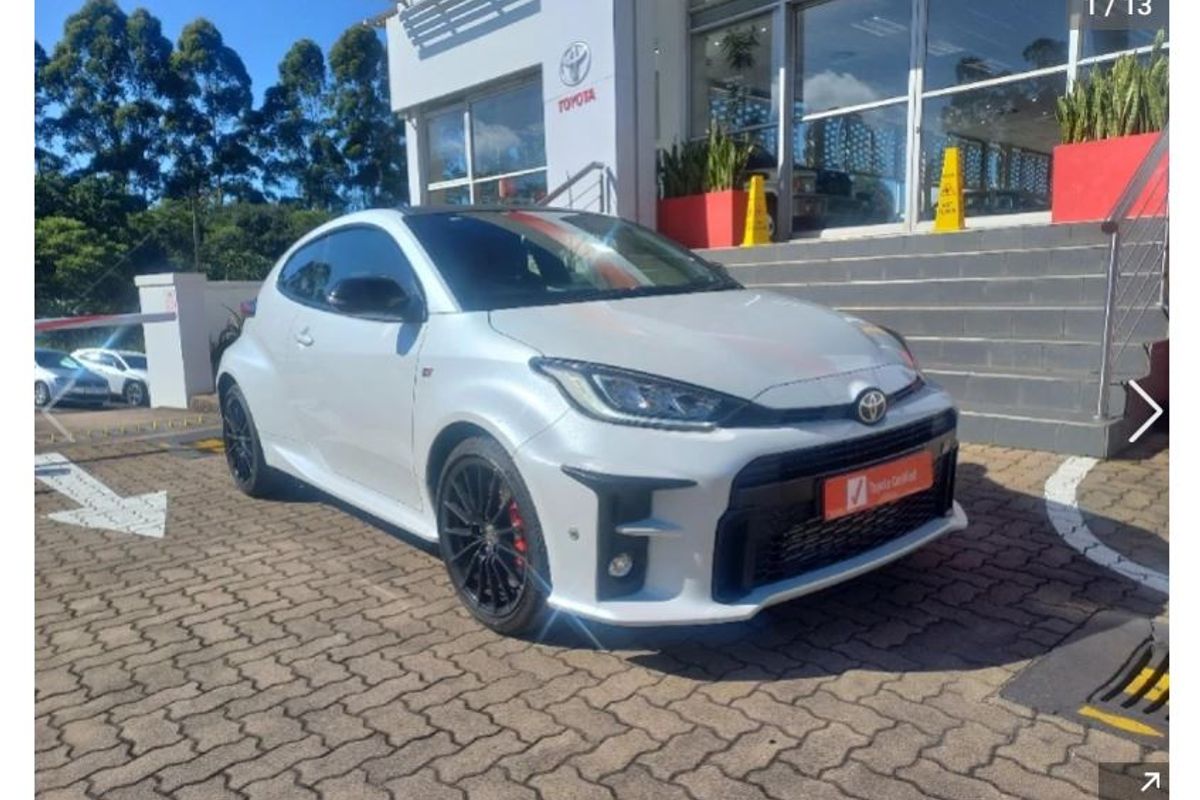
It’s still hard to believe that Toyota – traditionally, a conservative car brand – would produce an all-wheel-driven hot hatch, but the GR Yaris (conceived as a limited-edition model that would enable the Japanese brand to compete in the World Rally Championship) proved that the impossible was, indeed, possible. As one of the most fun-to-drive small hatchbacks of the modern era, the GR Yaris is a pukka enthusiast’s car.
Currently, the GR Yaris has a new-car price of R848 600 (February 2024, thankfully Toyota decided to keep building it) and we’ve all heard the cries of “I am not paying R850k for a Yaris.” So, we went digging and found the above example. There are similar units for similar money with similar mileages. The GR Yaris would make for a brilliant weekend toy… or you can daily it – and win our respect forever.
The Abarth 695 is the creation of zany Italians who thought it wise to shove a rorty 1.4-litre turbopetrol engine into a stylish city car. With a sporty suspension setup and loud exhaust, the 695 is a hoot to drive and a reminder that you don’t need crazy power under your right foot to have fun behind the ‘wheel.
Unfortunately, Abarth’s products are priced for well-moneyed hardcore enthusiasts (as opposed to everyday fun car seekers), but don’t be put off by the dear new-car prices. Our deep dive into the listings highlighted this gem for R419 900. Right now, the Abarth range starts from R579 900.
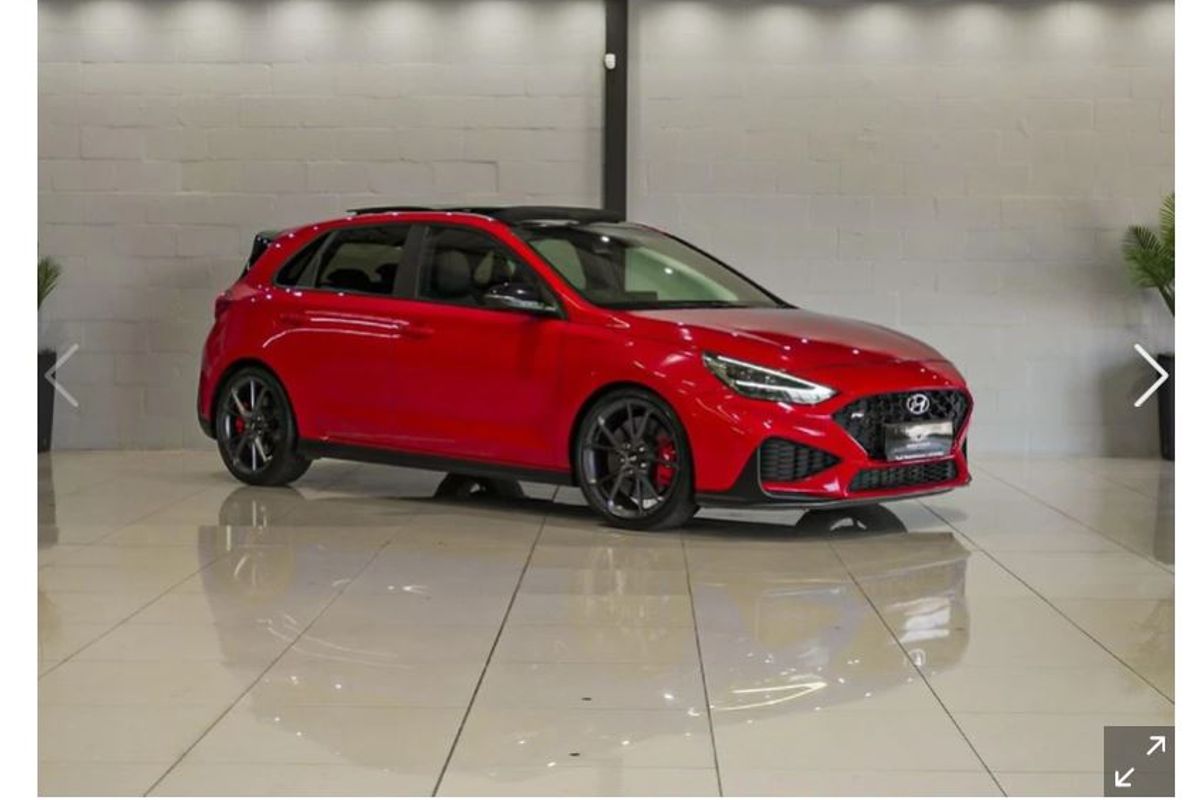
The Hyundai i30 N is one of the very few cars that rival Volkswagen’s iconic Golf GTI as a truly versatile hot hatch. Recently endowed with a dual-clutch automatic transmission, Hyundai’s punchy creation offers genuine day-to-day usability plus brilliant dynamics. However, brand new it costs R848 900.
Given the fact that these are not that popular, there are some bargains to be had. The DCT is preferred, but pre-facelift units with a 6-speed manual gearbox are fetching lower prices. The best part? Hyundai sold the i30 N with a 5-year/75 000 km maintenance plan, plus a 5-year/150 000 km general- and a 7-year/200 000 km drivetrain warranty, much of which will still be available to the buyer of a used example.
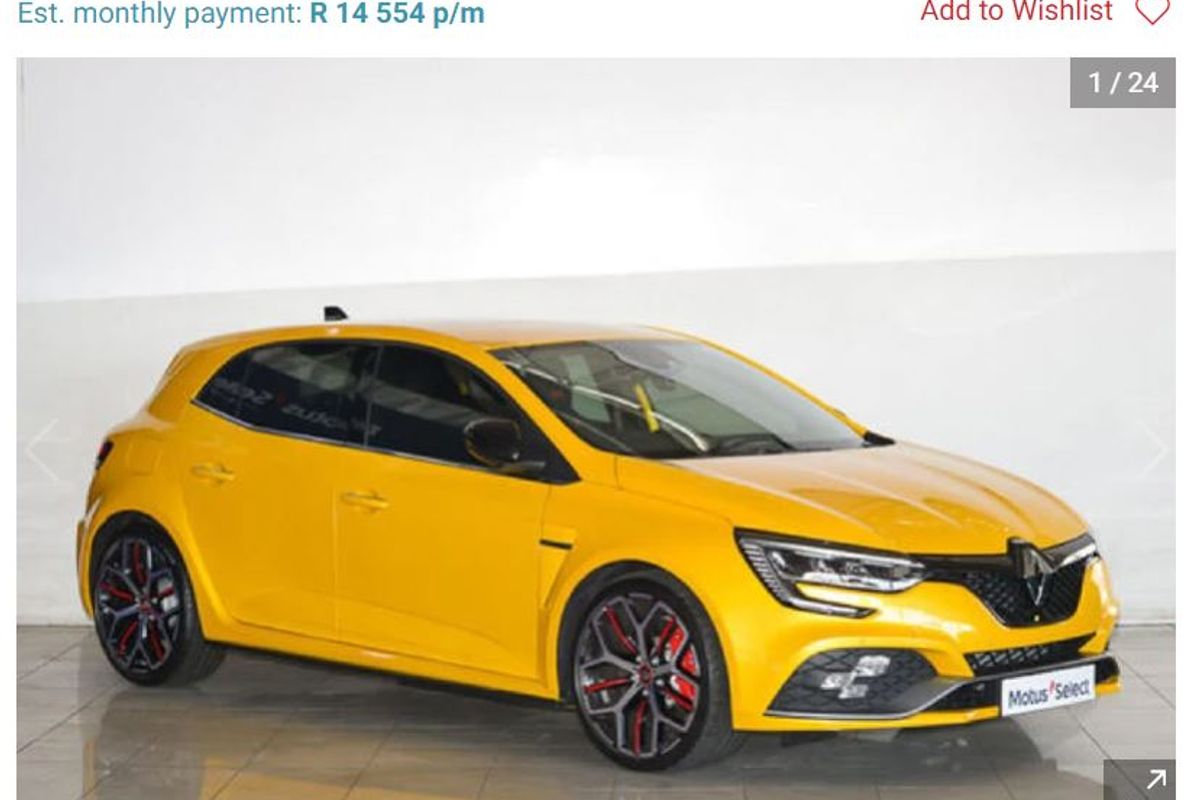
What would you pay to own one of the last of its kind? Yes, the Renault Megane RS hot hatchback era is over. At R949 999, however, the latest and greatest RS300 Trophy is decidedly pricey, even if its handling is some of the finest we’ve ever experienced and that Akrapovic exhaust is what dreams are made of.
Our dive into the listings revealed an assortment of Megane RS units for sale, but if you’re an aficionado you will surely want the latest iteration (identifiable by its solid tail-light clusters). One of those will set you back about the same as a (much milder) new Volkswagen Golf GTI before options. You’re welcome.
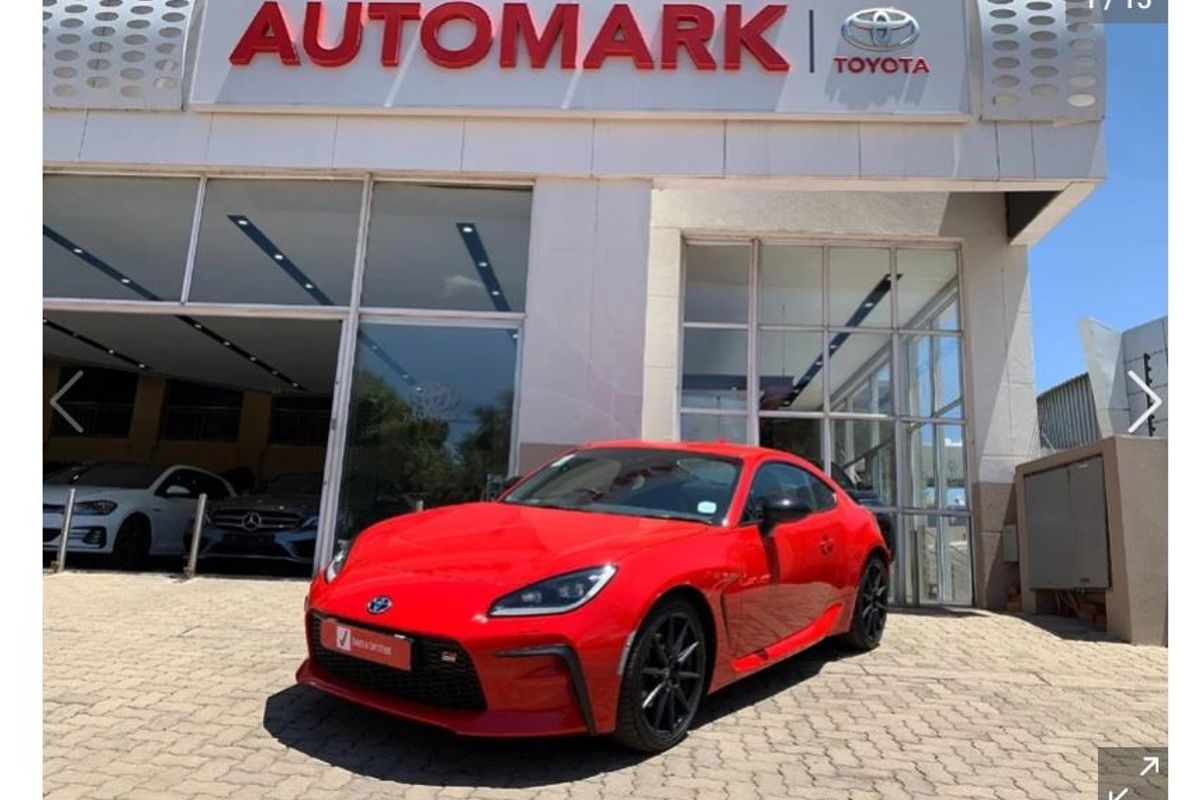
If you crave a rear-wheel-drive sportscar that’s a sheer joy to drive – and don’t want a convertible – the Toyota GR86 should be your first choice (if a roadster’s your bag, consider a demo Mazda MX-5). The model is entirely fit for purpose – that’s why it took Toyota UK only 90 minutes to sell its 2-year allocation of GR86s in 2022. Sadly, the model’s premium pricing means few will get to experience “driving nirvana”.
But, these niche sportscars are slowly becoming more affordable… if you are willing to keep an eye out for an excellent “lightly used” example. Fresh out-of-the-box units cost R763 100, but demo units are popping up priced under R600 000 (with the balances of their warranties and service plans still in play).
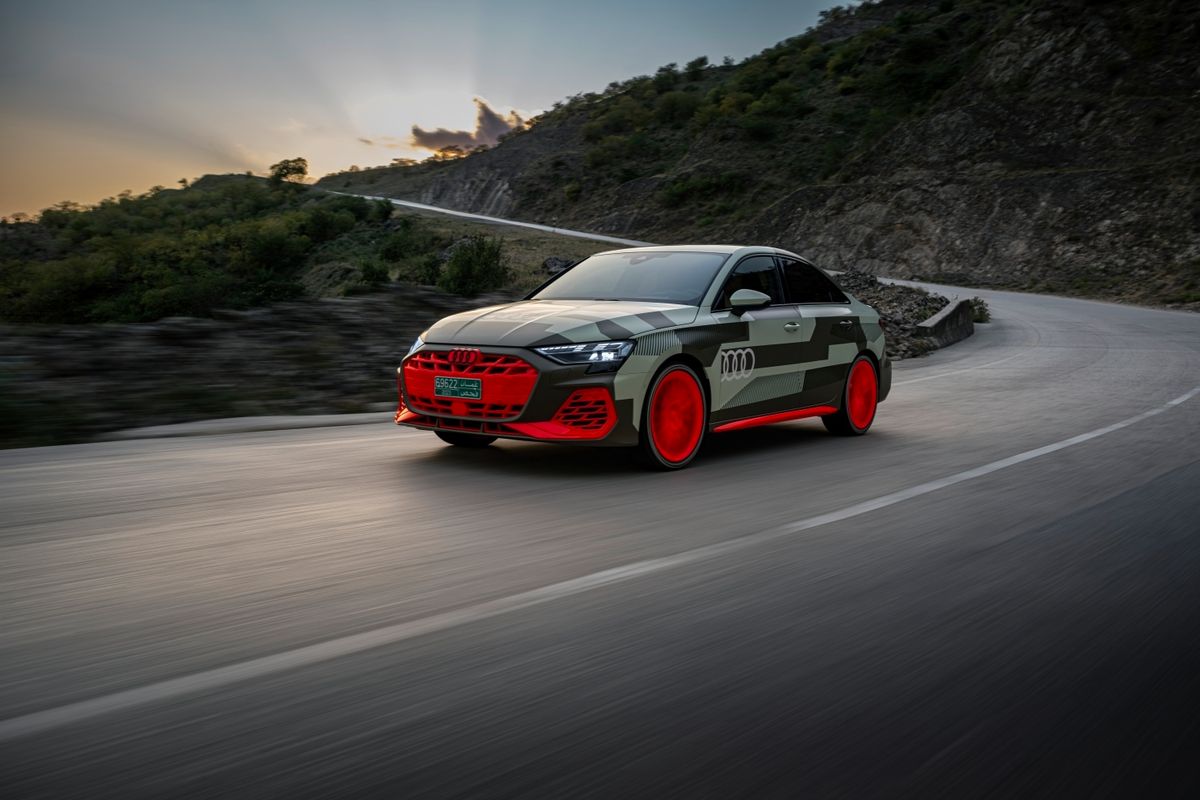
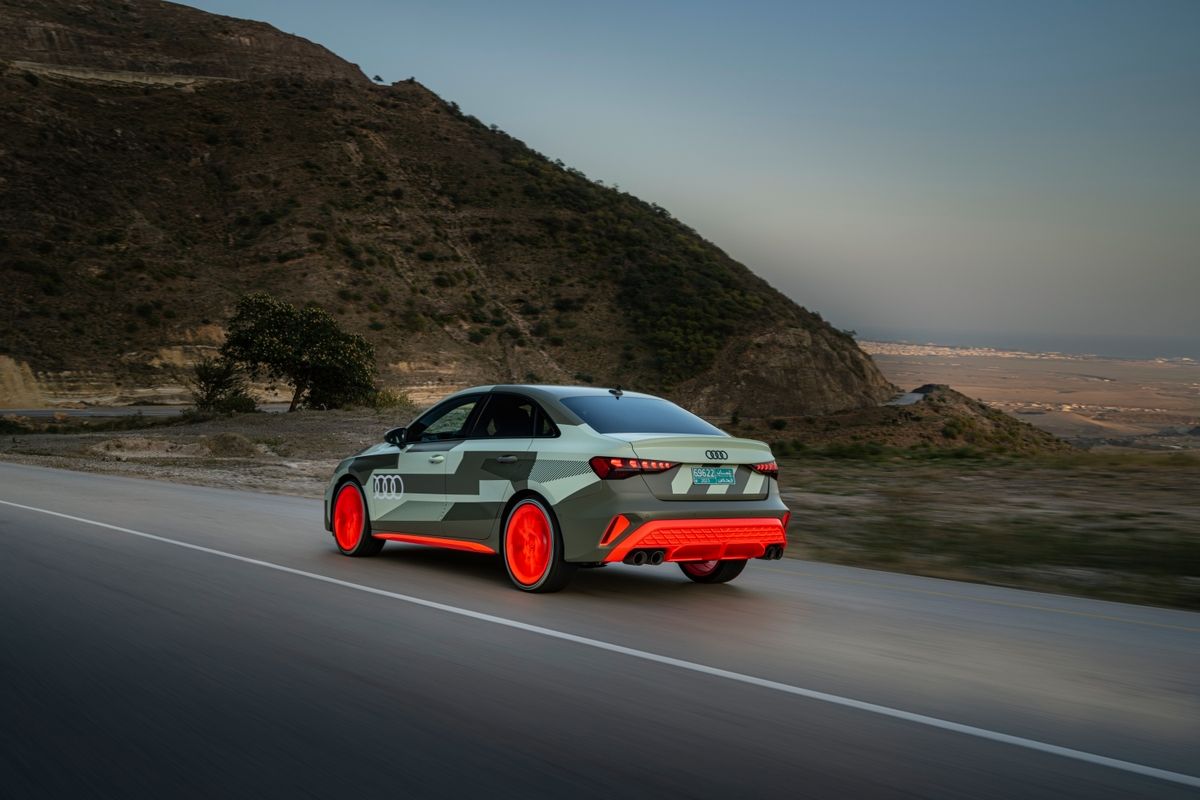
2025 Audi S3: Performance Upgrades Galore For Facelift
The 2025 Audi S3 facelift is due for an imminent reveal and the German carmaker has released some details about its power increase and dynamic enhancements.
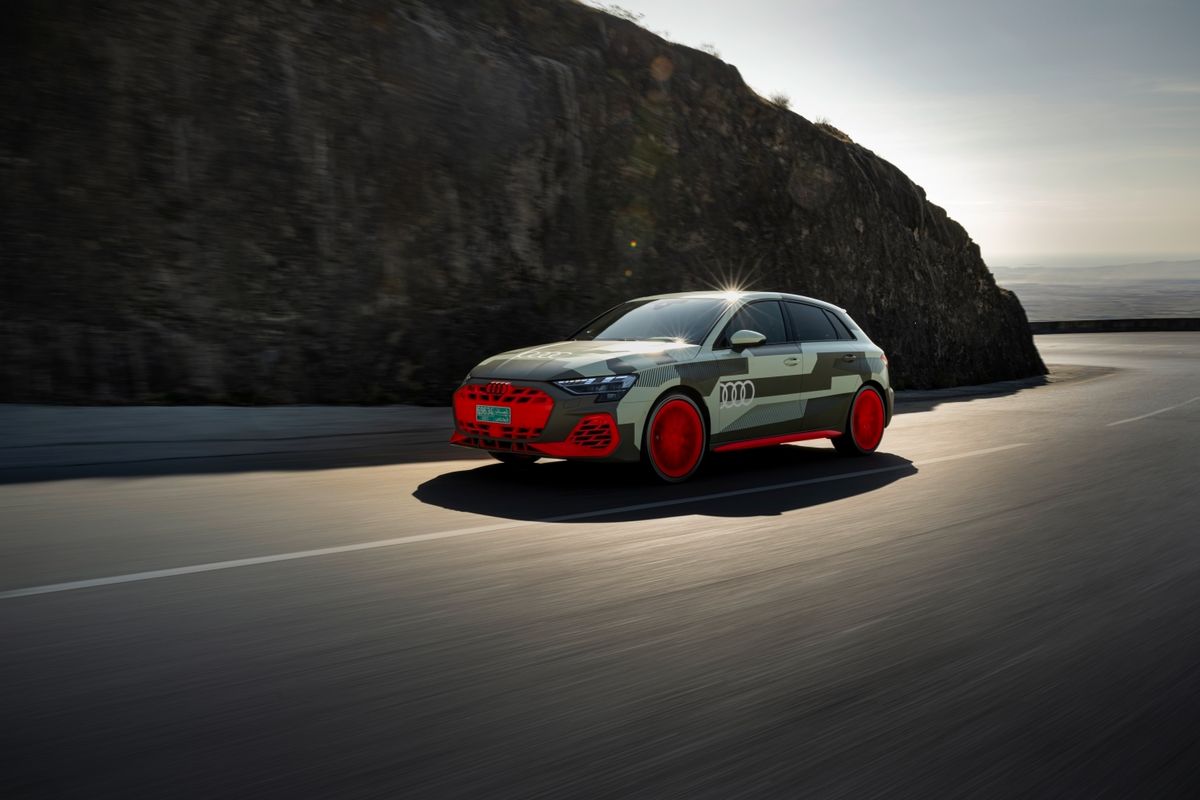
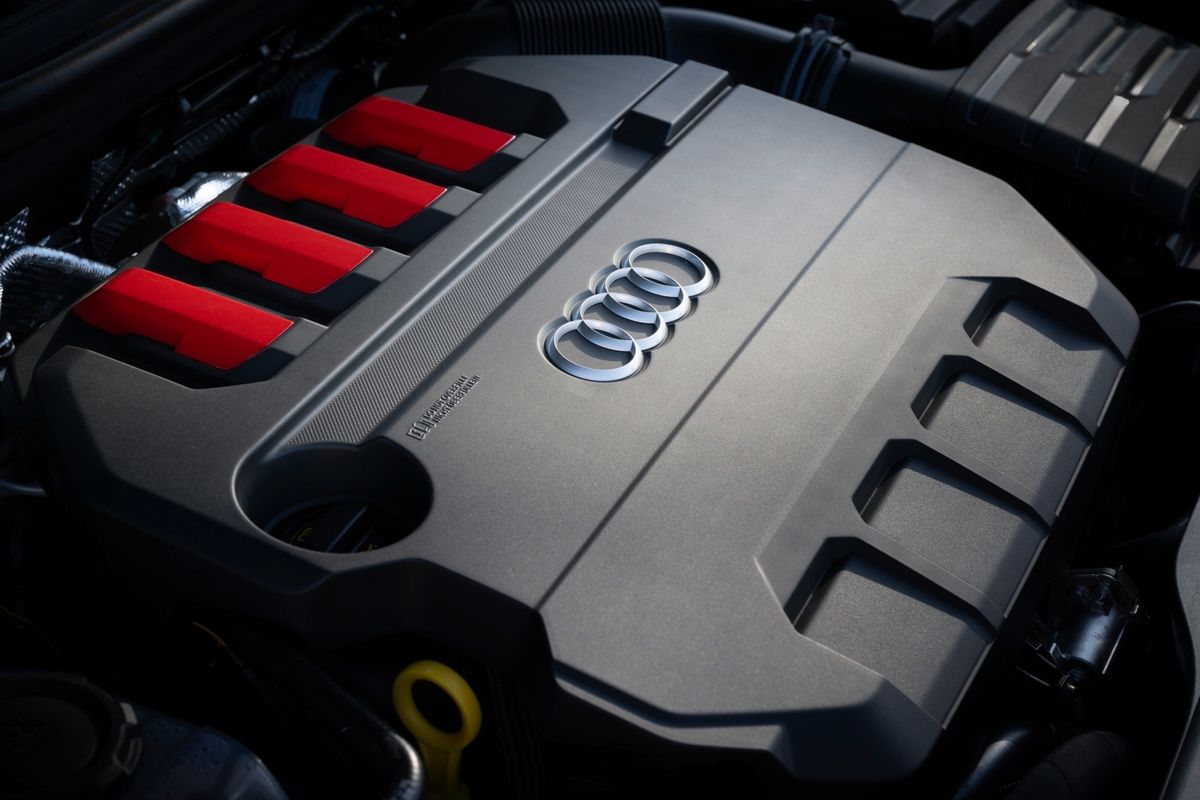
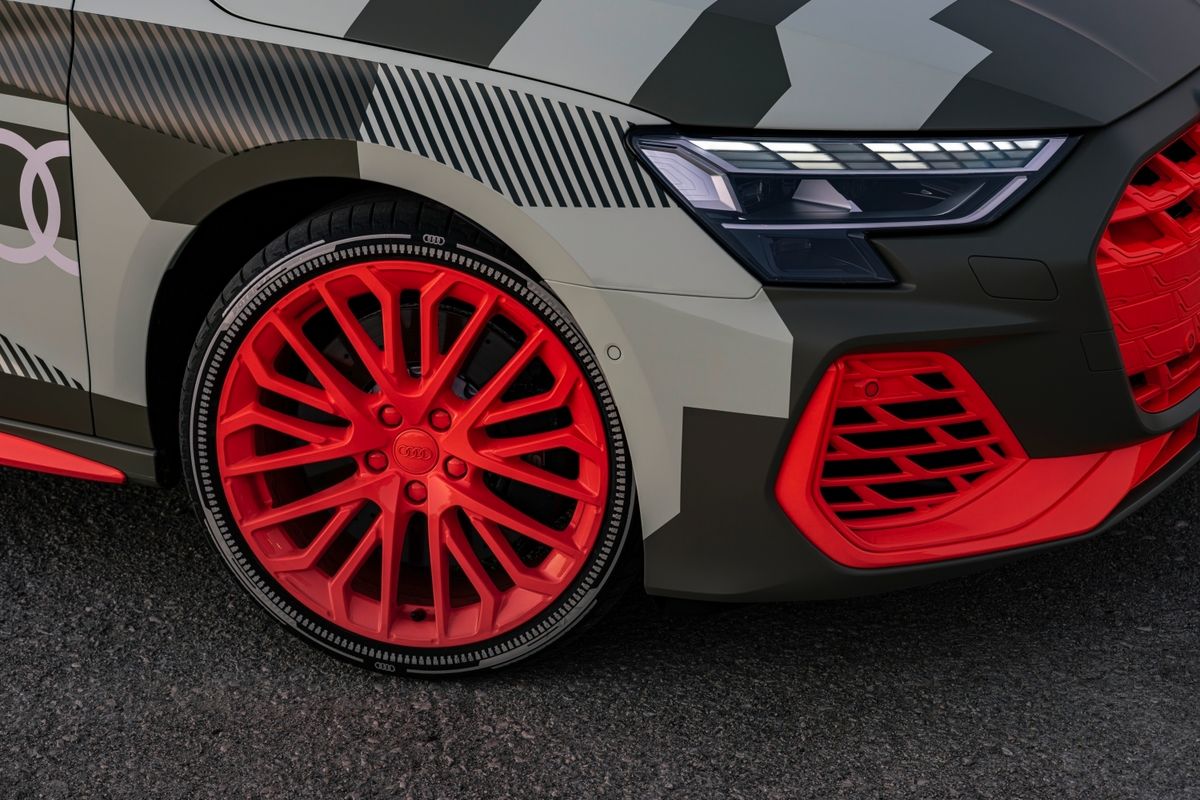
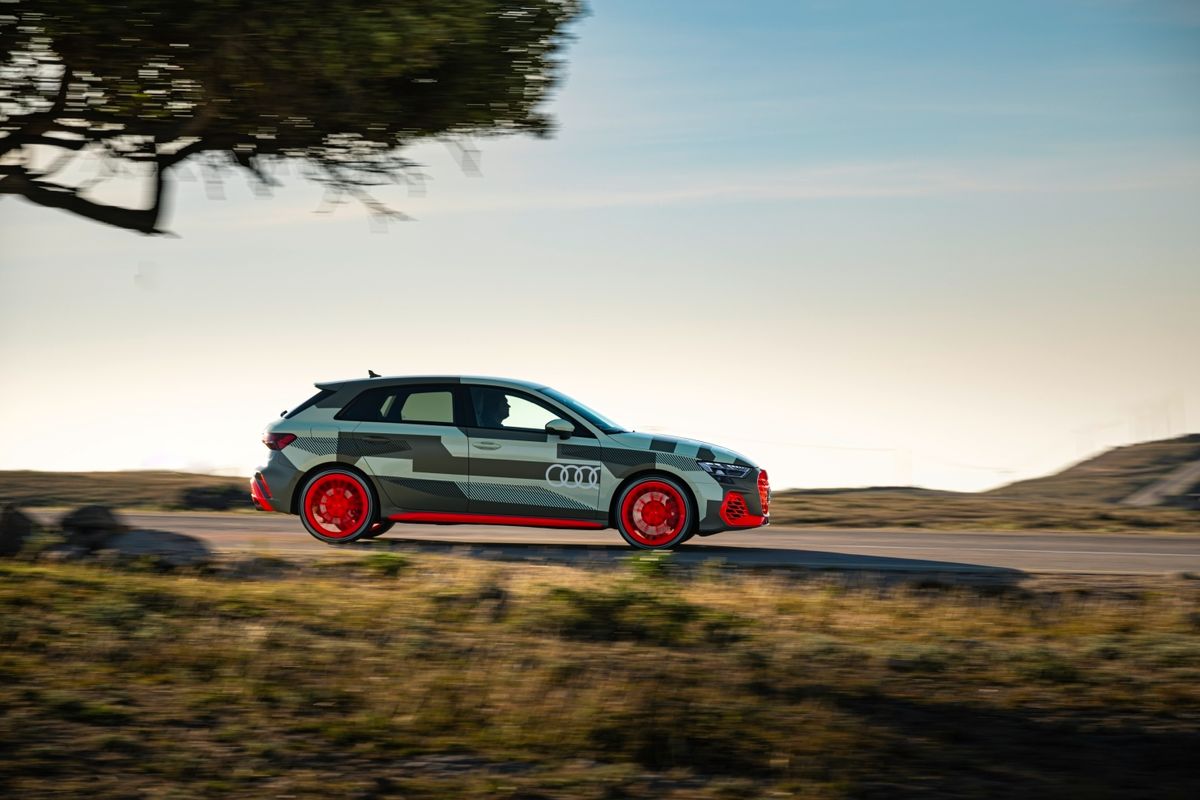
The 2025 Audi S3 facelift is a current work in progress, but the Ingolstadt-based brand has given us a preview of what’s to come. While what you see here is not the complete and production-ready car, the engine outputs, performance and dynamic upgrades have been signed off. We expect the design to be formally revealed in the coming months.
For this facelifted model, Audi has extracted an additional 17 kW and 20 Nm from the 2.0-litre turbocharged four-cylinder petrol engine. With outputs of 245 kW and 420 Nm, the 2025 Audi S3 will sprint to 100 kph in a claimed 4.7 seconds. Impressively, all 420 Newtons are available from 2 100 to 5 500 rpm.
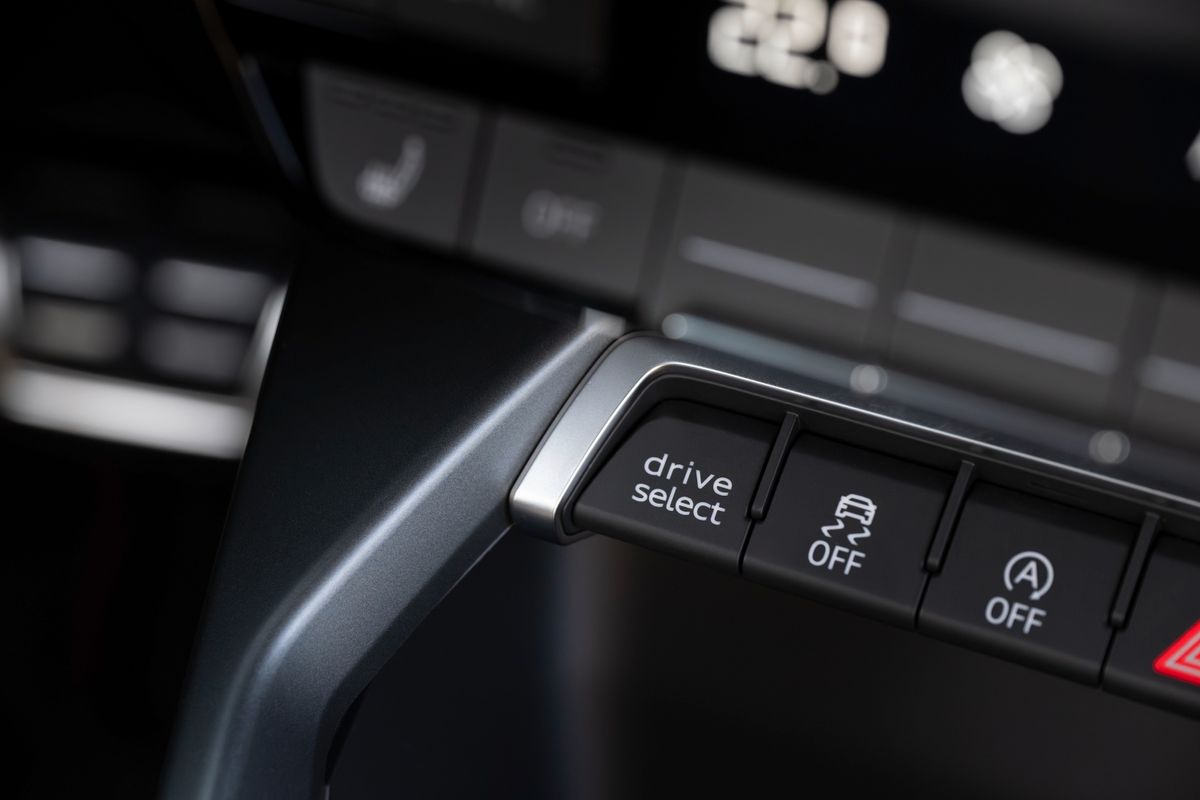
Audi has also introduced the torque splitter technology into the facelifted S3. This torque distribution hardware is from the Audi RS3 flagship and sends the power to the rear wheels. Yes, Drift Mode!
There have been some tweaks to the engine mapping to improve power delivery and performance. Audi has introduced a Dynamic Plus driving mode as well as revisions to the 7-speed S tronic dual-clutch gearbox. Audi is claiming the gearshift times have been halved under full load.
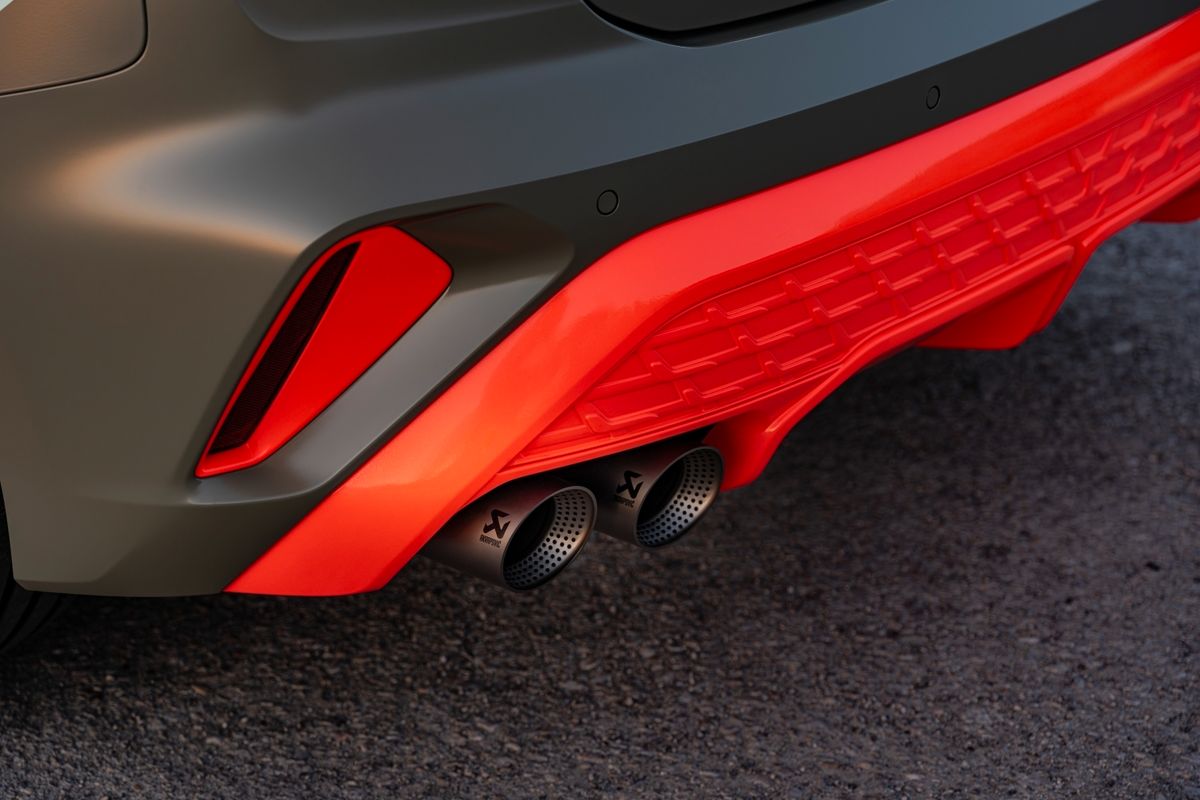
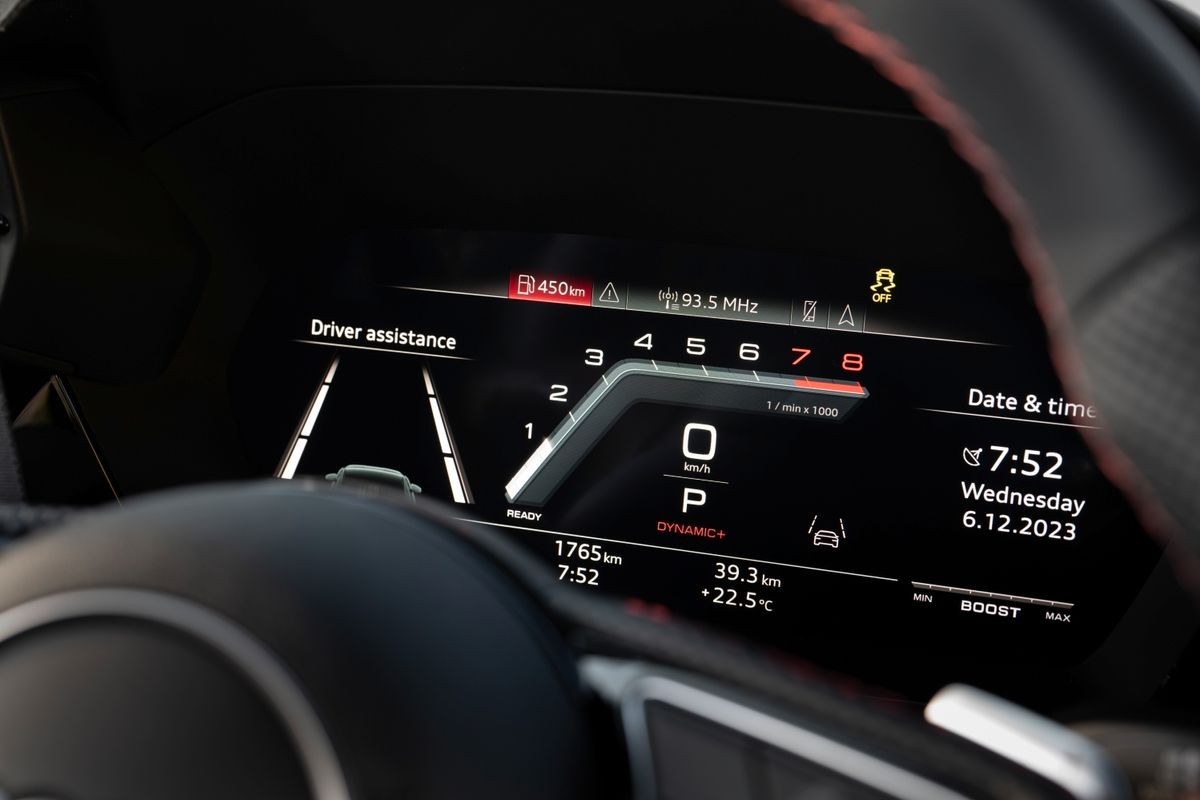
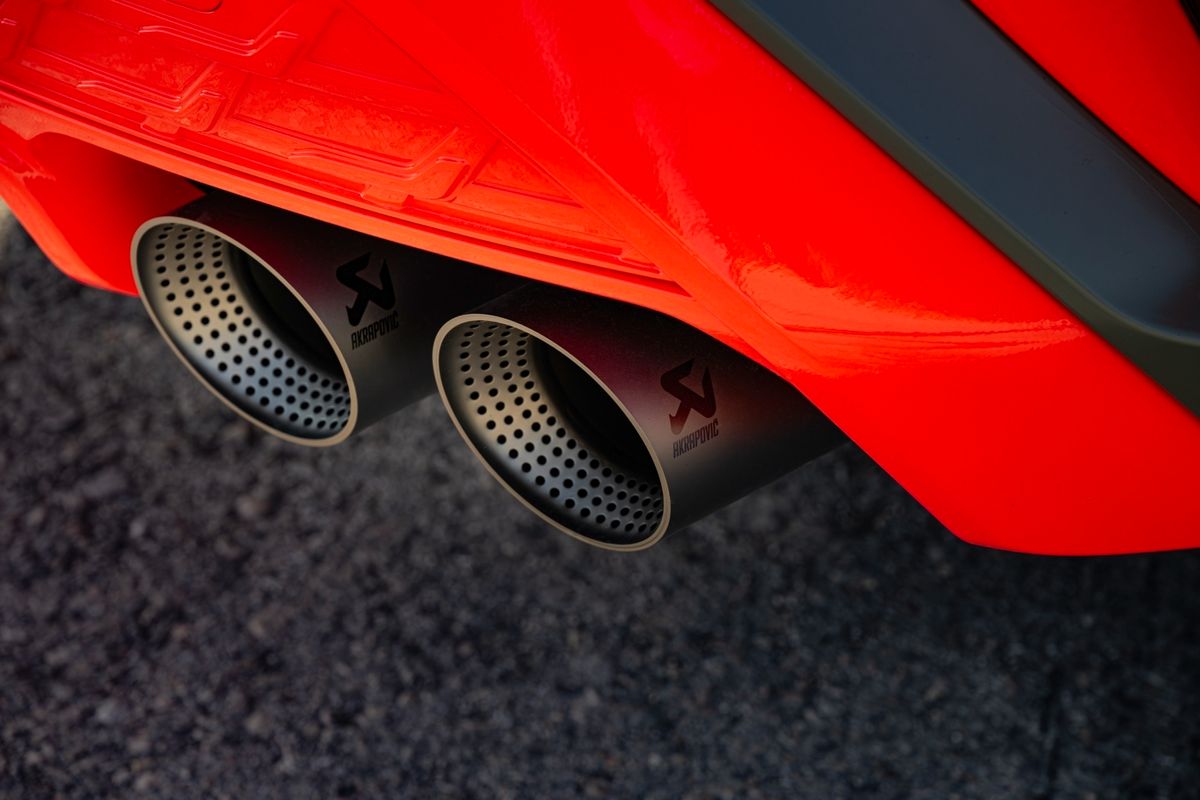
Dynamic Plus mode makes its debut in the 2025 Audi S3 and sends as much power as possible to the rear axle, as well as increasing the idle speed for more responsiveness. It also adjusts the gearbox mapping for later upshifts and earlier downshifts. In the photographs, you’ll spot Akrapovic exhausts, so you can be assured of a more entertaining engine note.
It’s not just the powertrain that has been upgraded with Audi saying there’s a new sportier setup for the front axle and the camber profile of the tyre has been adjusted to improve steering response and lateral grip. The progressive steering setup has been enhanced for improved steering feel and feedback. The brakes are uprated with higher load capacity and the new wheels are wrapped in sporty rubber sourced from Falken.
When will the 2025 Audi S3 arrive in South Africa?
Audi South Africa has a busy year ahead with a number of new and updated products arriving on our shores. The facelifted Audi S3 will go on sale in SA from the 3rd quarter of 2024.
Haval Jolion and H6 hybrids: warranty and service plan extended
The Haval Jolion and H6 hybrids now ship standard with an extended warranty and service plan in South Africa. All the details of the upgraded cover for the HEV variants…
Haval Motors South Africa has quietly upgraded its standard aftersales cover for the Jolion and H6 hybrids, extending both the vehicle warranty and the service-plan distance of these dual-powered models.
Previously, the Jolion HEV (hybrid electric vehicle) and H6 HEV derivatives each shipped standard with a 5-year/100 000 km vehicle warranty, but the Chinese firm’s wholly owned local subsidiary has now upgraded this arrangement to 7 years or 200 000 km. Interestingly, however, the hybrid battery warranty is unchanged at 8 years or 150 000 km.
Meanwhile, although the standard service-plan time parameter remains 5 years, the distance limit has been extended from the previous cap of 60 000 km to 75 000 km. As before, service intervals come in at 15 000 km. Big thanks to the eagle-eyed vehicle-information specialists over at duoporta.com for alerting us to these aftersales upgrades.
As a reminder, the 8-strong Jolion range includes 2 hybrid derivatives: the Jolion 1.5 HEV Luxury (R549 950) and the Jolion 1.5 HEV Super Luxury (R579 950). These variants combine a naturally aspirated 1.5-litre, 4-cylinder petrol engine – which drives the front axle via a continuously variable transmission (CVT) – with an electric motor and a battery pack.
Total system outputs for the Jolion HEV – which touched down in South Africa at the start of 2023 – stand at 140 kW and 375 Nm, while the fuel-consumption figure is listed as 5.0 L/100 km. This translates to a theoretical range of 1 100 km from the 55-litre tank.
On the other hand, there’s currently just a single version of the H6 hybrid on offer in Mzansi, with the H6 1.5T HEV Ultra Luxury (R679 950) slotting in at the top of the line-up. Having launched locally in September 2022, the H6 HEV employs a turbocharged 1.5-litre, 4-cylinder petrol mill and hybrid gubbins, resulting in maximum system figures of 179 kW and 530 Nm. Combined fuel economy is a claimed 5.2 L/100 km.
Haval Motors SA’s hybrid line-up will soon welcome another derivative thanks to the inclusion of a dual-powered variant in the new GWM Tank 300 range. From what we understand, the Tank 300 2.0T HEV 9HAT 4×4 Super Luxury will also score the latest 7-year/200 000 km warranty and 5-year/75 000 km service plan.
Despite its niche positioning, the Toyota FJ Cruiser spent 12 years on the market in South Africa. Here’s what you need to know when shopping for a used example of this retro-styled off-roader…
Toyota has long held a reputation for playing it safe. Indeed, for a lengthy period, before the debut of the first GR-branded production car in 2019 (a move that has since spawned a string of stirring performance cars, including the GR Yaris and GR Corolla), the Japanese giant’s bread-and-butter line-up consisted of decidedly conservative models. The Toyota FJ Cruiser, however, was a notable exception.
Of course, erring on the side of caution – be it in terms of exterior design, powertrain choice, engineering decisions or pretty much any other automotive metric – was an approach central to the Aichi-based manufacturer’s sustained dominance of the motor industry. But it’s also what made the reveal of the Toyota FJ Cruiser production model, way back in 2005, rather unexpected.
Not your grandmother’s Toyota…
You see, the retro-styled 4×4 (incidentally, produced by Toyota subsidiary Hino in Japan) represented everything consumers didn’t expect from the otherwise strait-laced brand. It was an uncharacteristically rebellious departure from the path of convention that Toyota had followed for so very long.
Originally conceived with young North American buyers in mind – the FJ40-inspired concept was penned by a then-25-year-old working at the brand’s California-based design studio – the body-on-frame SUV borrowed many of its greasy bits from the highly capable J150-generation Land Cruiser Prado.
While the version offered in South Africa (our market had to wait 6 years for the FJ to arrive) came with part-time 4×4 and a 5-speed automatic transmission, North America also received a rear-wheel-drive derivative, as well as the option of a 6-speed manual gearbox in conjunction with permanent 4×4.
The SA-spec FJ came with part-time 4×4 and a 5-speed auto.
Fascinatingly, the low-volume off-roader was discontinued in the United States as early as 2014, with several other global markets following suit by 2017. However, despite the FJ’s niche positioning (and persistent rumours of its impending demise), it remained in production until December 2022, before Toyota SA Motors finally confirmed to Cars.co.za (in April 2023) that it had been put out to pasture.
That meant this 4×4 was a constant on Mzansi’s new-vehicle market for a considerable 12 years. For now, the FJ Cruiser remains a single-generation vehicle, but there are rumours that Toyota could revive the nameplate for use on a smaller (likely battery-powered) model, perhaps previewed by the clearly FJ-inspired Compact Cruiser EV concept of 2021…
Toyota FJ Cruiser model line-up in South Africa
The original sketch of the 2003 concept.
Displayed in show-car form in 2003, the production version of the FJ Cruiser was revealed at the 2005 North American International Auto Show in Detroit. The 4 670 mm-long SUV was initially built exclusively in left-hand-drive guise, with right-hand-drive production commencing only towards the end of 2010.
The availability of right-hooker units saw the FJ Cruiser finally greenlit for South Africa, with the local launch taking place in August 2011. The only powertrain on offer was Toyota’s ubiquitous naturally aspirated 4.0-litre V6 petrol engine (1GR-FE), which drove all 4 of the model’s wheels via a 5-speed automatic transmission as standard. The line-up initially comprised the following 4 derivatives:
4.0 V6 Base 4×4 5AT (200 kW/380 Nm)
4.0 V6 Sport 4×4 5AT (200 kW/380 Nm)
4.0 V6 Trail 4×4 5AT (200 kW/380 Nm)
4.0 V6 Desert 4×4 5AT (200 kW/380 Nm)
The Sport version came exclusively in Raven Black.
While the Base model was easily identifiable by its black grille, silver front-bumper section and fabric upholstery, the Sport variant was available only in Raven Black, a paint colour offset by extra chrome detailing. Meanwhile, the Trail derivative came exclusively in Grey Metallic and came fitted with items such as a roof rack (with integrated driving lamps) and special “Trail” badges. Finally, the Desert variant was fitted with a nudge bar, rock rails and a tow bar, and shipped in the distinctive Sandstorm hue.
Trail- and Desert-badged FJ Cruisers were effectively limited-edition versions, so had fallen away by the time Toyota SA Motors implemented one of the few updates to the local line-up in August 2013. At that point, the range comprised only the standard (previously Base) derivative and the Sport variant. Both, however, gained a Crawl Control function (operated via a speed-selector dial housed in a new overhead console) and – perhaps more importantly – an 87-litre supplementary fuel tank. The latter’s capacity eclipsed that of the 72-litre main tank and afforded the thirsty V6 a far more palatable cruising range.
A significant upgrade to FJ’s infotainment system was rolled out in 2022.
By the opening quarter of 2016, the Sport derivative had been scrapped, leaving the standard FJ Cruiser to soldier on virtually unchanged for a further 7 years. However, it’s worth noting this model was quietly handed an infotainment upgrade in 2022, which saw the addition of a touchscreen system, compatible with Apple CarPlay and Android Auto.
For the record, the majority of FJ Cruisers shipped in 2-tone form (with an Ivory White roof), though there were some monotone units (with a body finished in Ivory White or Red) available, too. All came with 6 airbags, ventilated brake discs (fore and aft), stability control, active traction control and rear ISOfix child-seat anchors.
What are the advantages of an FJ Cruiser?
The FJ boasted oodles of off-road substance beneath its style.
Proper off-road ability: The FJ was far more than merely an exercise in retro-inspired styling. Instead, the ladder-frame SUV was a proper Land Cruiser with genuine off-road ability. Fitted with a low-range transfer case, the part-time 4×4 system offered H2, H4 and L4 settings, allowing the driver to select a terrain-appropriate mode via the old-school transfer-case lever.
Employing a 100 mm shorter wheelbase (at 2 690 mm) than the J150-gen Prado, a whopping 245 mm of ground clearance and usefully stubby overhangs, the FJ Cruiser boasted a 34-degree approach angle, a 29-degree breakover angle and a 31-degree departure angle.
These impressive off-roading credentials were complemented by an electrically activated rear differential lock, Toyota’s clever selectable Active Traction Control (ATRC) system, the aforementioned Crawl Control function and a heavy-duty 4-link rear suspension set-up. While the suspension system afforded the FJ Cruiser a compliant on-road ride quality, it’s worth noting body roll through faster corners was pronounced (the SUV’s kerb weight was on the far side of 2 tonnes, after all).
The FJ Cruiser was only available with a V6 petrol engine.
Well-proven engine: Throughout its 17-year global production run (and its 12-year life on the local market), the FJ Cruiser was available with just a single engine option: the atmospheric 4.0-litre V6 (1GR-FE) petrol motor. This dual-VVTi-equipped unit was well proven, having done duty in the likes of the Prado, Hilux, Fortuner and Land Cruiser 70 series over the years, not to mention multiple overseas products (think 4Runner, Tundra, Tacoma, etc).
Endowed with more power in FJ Cruiser guise than in 175 kW Hilux form, the 6-cylinder engine offered its 200 kW at 5 600 rpm, with peak twisting force of 380 Nm on tap from 4 400 rpm. Drawing its urge from this relatively large-capacity and free-revving petrol motor, the FJ Cruiser was rather well suited to dune driving. Note, however, that the recommended service intervals were relatively short at 10 000 km.
The FJ was anything but conventional – it had suicide rear doors and a side-hinged-, instead of a flip-up tailgate.
Bursting with character: Despite wearing a Toyota badge, the FJ Cruiser was anything but conservative. Drawing inspiration from the original 1960s FJ40 (note the mesh grille with bold “Toyota” lettering, the closely set circular headlamps and the bolt-upright windscreen), the chunky 4×4 screamed “retro cool”.
Other decidedly quirky touches included reverse-hinged (or so-called “suicide”) rear doors, a side-hinged tailgate (playing host to a spare wheel), a 3-arm front wiper system and a hose-down rubber floor (plus water-repellent upholstery for the seats in some derivatives).
In short, it was downright wacky for a Toyota and, for many, an instantly likeable vehicle.
What are the disadvantages of an FJ Cruiser?
The FJ Cruiser was offered in petrol form only.
No diesel option: Would the FJ Cruiser have been more popular if Toyota had made it available with a turbodiesel motor? Well, though the free-breathing V6 petrol fitted the SUV’s character to an absolute tee, one of Toyota’s trusty oil-burners (either the 3.0 D-4D or the 2.8 GD-6) would have made for an interesting alternative – and perhaps facilitated a slightly higher (than 1 500 kg) braked towing capacity.
After all, the 6-cylinder petrol unit was heavy on fuel, with Toyota listing a combined consumption figure of between 11.4 and 11.9 L/100 km (though real-world figures settled far higher). Still, at least the addition of a supplementary tank in 2013 afforded the FJ Cruiser a little more overlanding potential.
The driver’s view out of the FJ faced many obstacles.
Poor outward visibility: Visibility issues are often a downside of an unconventional exterior design and that was certainly the case with the FJ Cruiser. Thanks to chunky C-pillars, the clamshell door arrangement, relatively small glass areas and the positioning of the spare wheel on the tailgate, the driver had to contend with significant blind spots.
Thankfully, the side mirrors were large and a reverse-view camera was standard on all South African derivatives (though projected its video feed to only a small section of the rear-view mirror). As an aside, keep in mind the upright positioning of the windscreen made the glass particularly prone to stone chips.
The rear bench lacked natural light and was tricky to access.
Claustrophobic rear quarters: Though the FJ Cruiser looked like a 3-door (the back portals were tiny and did without exterior handles), it was technically a 5-door capable of seating 5 occupants. However, the rear quarters were claustrophobic thanks to small, fixed windows and a distinct lack of natural light.
Access to the bench was awkward, too, since the reverse-hinged rear doors could be opened only once the front items were ajar. That said, Toyota listed the FJ Cruiser’s luggage capacity as 0.99 m³ (which translates to a scarcely believable 990 litres), while the double-folding rear bench featured removable cushions and could split 60:40. Furthermore, the side-hinged tailgate offered additional access to the luggage compartment via a nifty hatch-type rear window.
How much is a used Toyota FJ Cruiser in South Africa?
Despite a lengthy local lifecycle, there aren’t many FJs available on the used market.
Initially, the Toyota FJ Cruiser shipped standard with a 3-year/100 000 km warranty and a 5-year/90 000 km service plan (the latter extendable up to 7 years or 200 000 km). However, in May 2018, Toyota SA Motors revised the terms of its standard service plans, switching from the “number of years” parameter to “number of services” instead. As such, the FJ’ shifted to a 9-service/90 000 km arrangement.
It’s interesting to note that FJ Cruiser owners tend to hang on to their vehicles for quite some time, which is perhaps part of the reason there’s anything but an oversupply on the used market.
This is also likely a ringing endorsement of the vehicle’s heady mix of reliability, off-road capability and downright likeability. In short, FJ Cruiser units remain highly sought after and, as a consequence, this nameplate holds its value very well (something that’s generally a Toyota strength anyway).
Early models tend to have racked up considerable mileage.
Of the handful of used Toyota FJ Cruiser models listed on Cars.co.za at the time of writing, more than 70% were registered before 2014 (with virtually no listed models in the 5-year period from 2015 to 2019). Indicated mileages ranged from just 9 000 km on a 2022 vehicle to 360 000 km on a 2011 model. In fact, almost a 3rd of all FJ Cruiser listed had more than 200 000 km on their respective clocks.
Below R350 000: Predictably, all examples listed below this mark were from the opening 3 model years. In addition, every FJ Cruiser in this space showed in excess of 180 000 km on its odometer (with most well past the 200 000 km mark).
From R350 000 to R450 000: This pricing bracket again featured only units registered in 2011, 2012 and 2013. That said, there were at least a few options in the sub-150 000 km segment here.
From R450 000 to R700 000: Despite considerably wider pricing bookends than those above, we found even less choice here. Still, there were a couple of late model-year FJ Cruisers on offer, each showing considerably lower mileage.
R700 000 and up: At the time of writing, spending upwards of R700 000 would get you behind the wheel of a 2021, 2022 or 2023 FJ Cruiser that had done well under 50 000 km. The most expensive example we could find was a 2022 model (with 13 000 km on the clock) priced at R889 990 – yes, far higher than the 2023 retail price of R813 000.
Which Toyota FJ Cruiser should I buy?
Opt for a post-2013 model, if possible.
Considering the FJ Cruiser was only ever available with the 4.0-litre V6 petrol engine, mated with a 5-speed automatic transmission, there are no powertrain decisions to make here. Furthermore, special versions such as the Trail, Desert and even Sport are tough to come by on the used market, so most buyers will end up opting for a so-called Base or standard derivative.
What additional advice can we give you? Well, we’d recommend narrowing your search to a post-2013 example, as such examples came equipped with the factory-fitted supplementary fuel tank, which made a considerable difference to the cruising range.
Note the infotainment upgrade.
In addition, keep in mind you’ll likely have to search long and hard (and perhaps even pay a bit of a premium) should you wish to benefit from the 2022 infotainment upgrade.
Finally, we should point out that the FJ Cruiser has always been a popular base for off-roading accessories. While there’s no harm considering a vehicle fitted with aftermarket parts – which could range from steel bumpers and roof racks to full exhaust upgrades and lift kits – make sure the accessories come from reputable companies and that they’ve been fitted correctly.
The first prize remains a completely unmodified FJ’ – or one featuring Toyota-supplied accessories.
Is the Toyota FJ Cruiser a good used buy?
The FJ had few direct competitors.
During its protracted run on South Africa’s new-vehicle market, the FJ Cruiser had few obvious rivals. The J150-gen Land Cruiser Prado may have been mechanically similar, but it was far more conventional than its quirky Hino-built cousin – and could furthermore be purchased in turbodiesel flavour.
Perhaps the closest thing to an FJ Cruiser competitor was the Jeep Wrangler (both the JK series and the current JL generation), which could likewise be had with an atmospheric V6 petrol motor. We’d argue the 3-door Wrangler was likely nearer to the FJ’ in spirit than the 5-door model.
The FJ boasts significant heritage.
Meanwhile, buyers shopping at the extreme ends of the off-roading market might have considered the Suzuki Jimny and the Mercedes-Benz G-Class (and even perhaps the original Land Rover Defender 90 somewhere in between), though neither was anything near a direct opponent to the FJ. And, of course, the revived Ford Bronco remains off the table for Mzansi as it’s still offered only in left-hand drive guise.
Ultimately, the FJ Cruiser stood apart – both in the Toyota stable and on the broader market. Though its undeniable road presence and retro-styled exterior may be what initially grabs your attention, rest assured that there’s “an abundance of substance” – not to mention genuine off-road ability – beneath that strangely shaped sheet metal. Despite its idiosyncrasies and compromises, the FJ Cruiser was both very much a part of the Land Cruiser family and a welcome departure from the norm for Toyota.
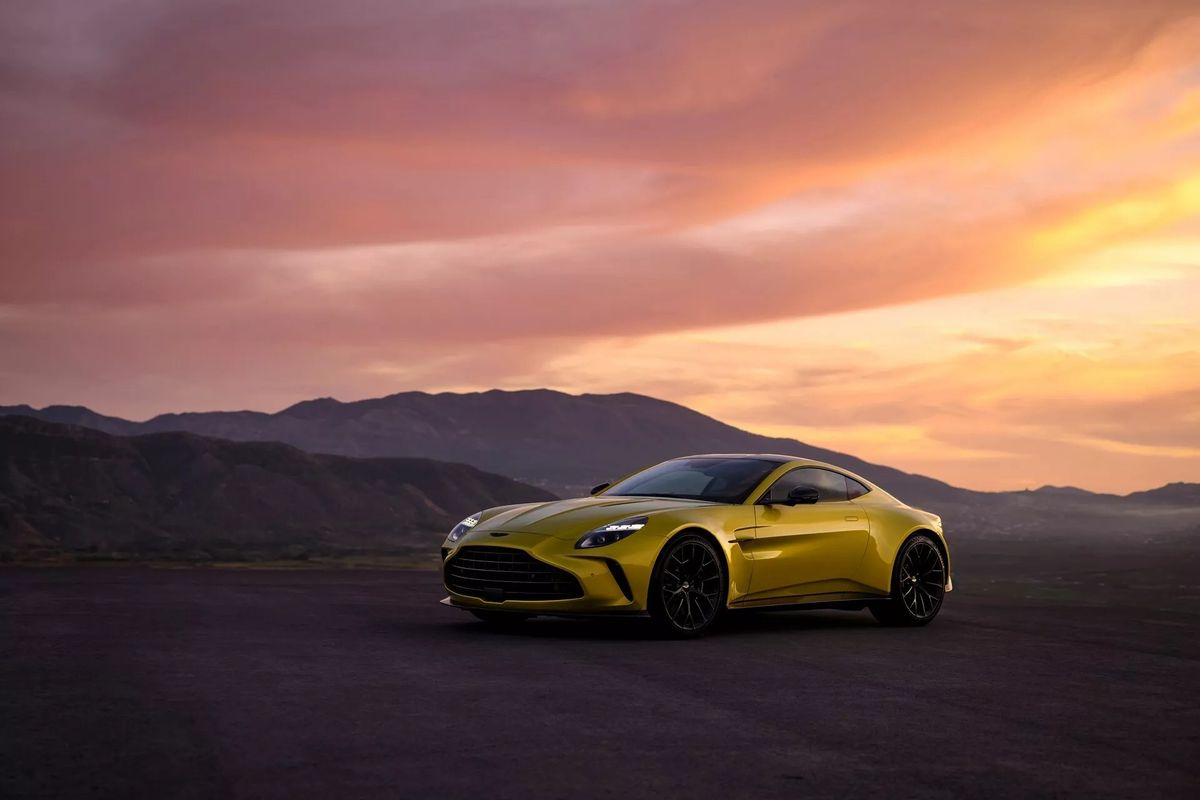
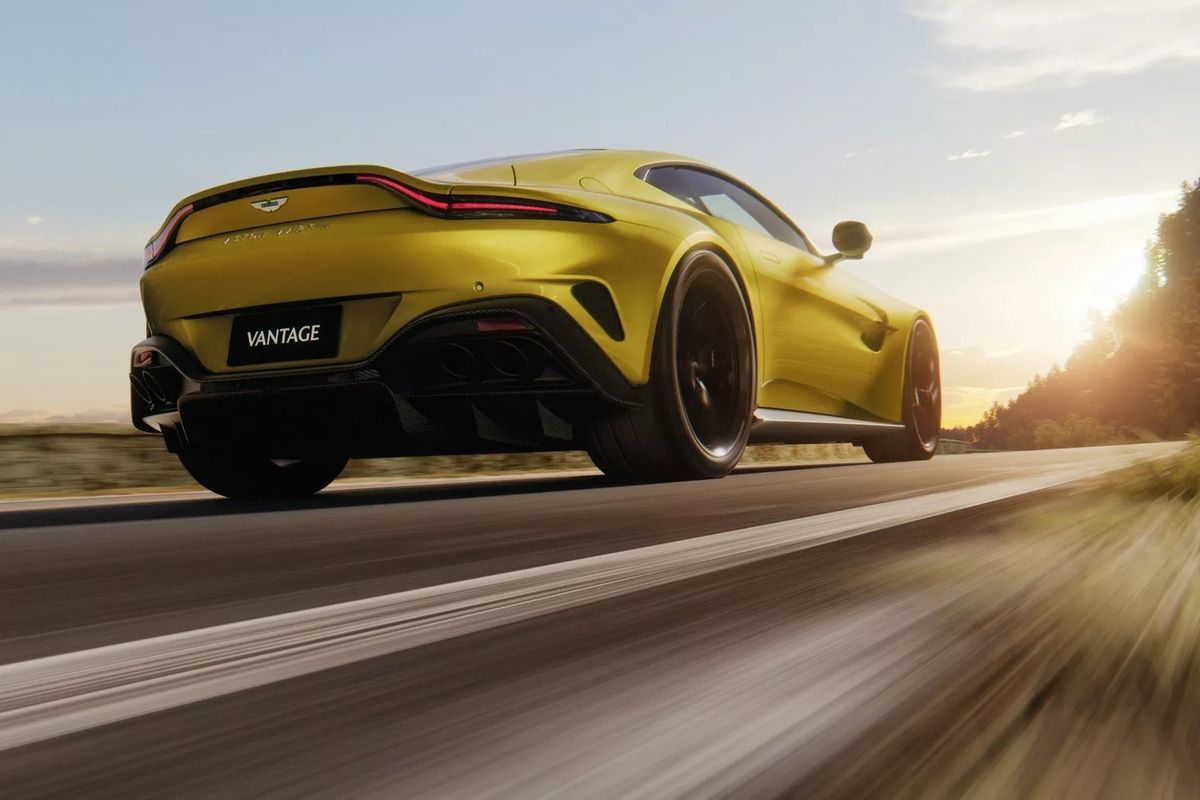
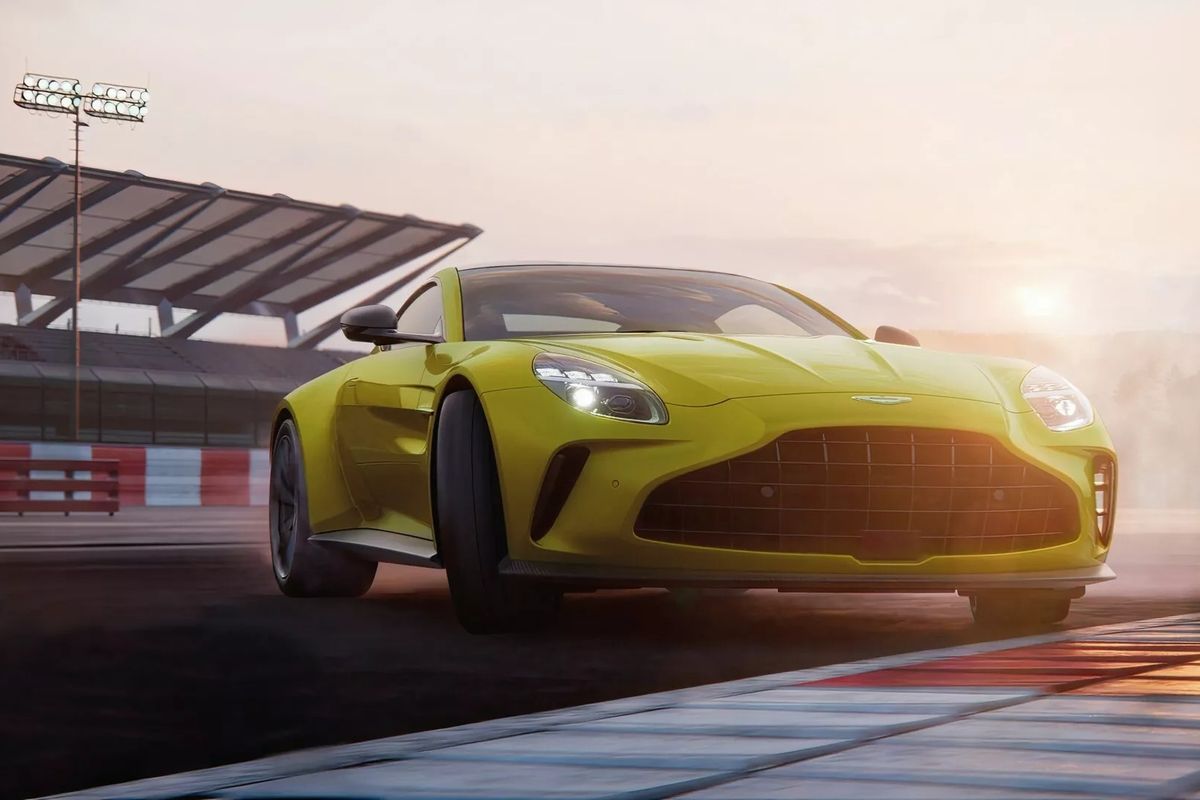
2025 Aston Martin Vantage Facelift Announced With Almost 500 kW
Here’s the 2025 Aston Martin Vantage Facelift which has been given an update both in terms of looks and performance.
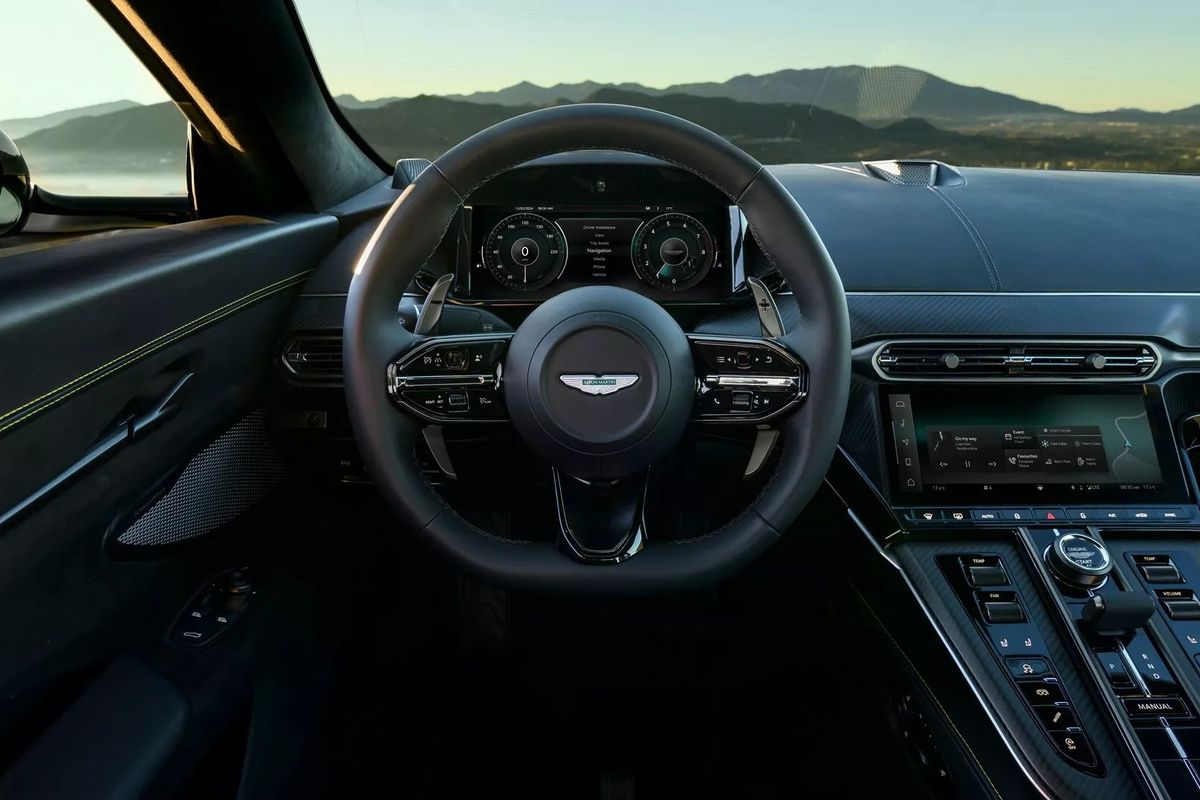
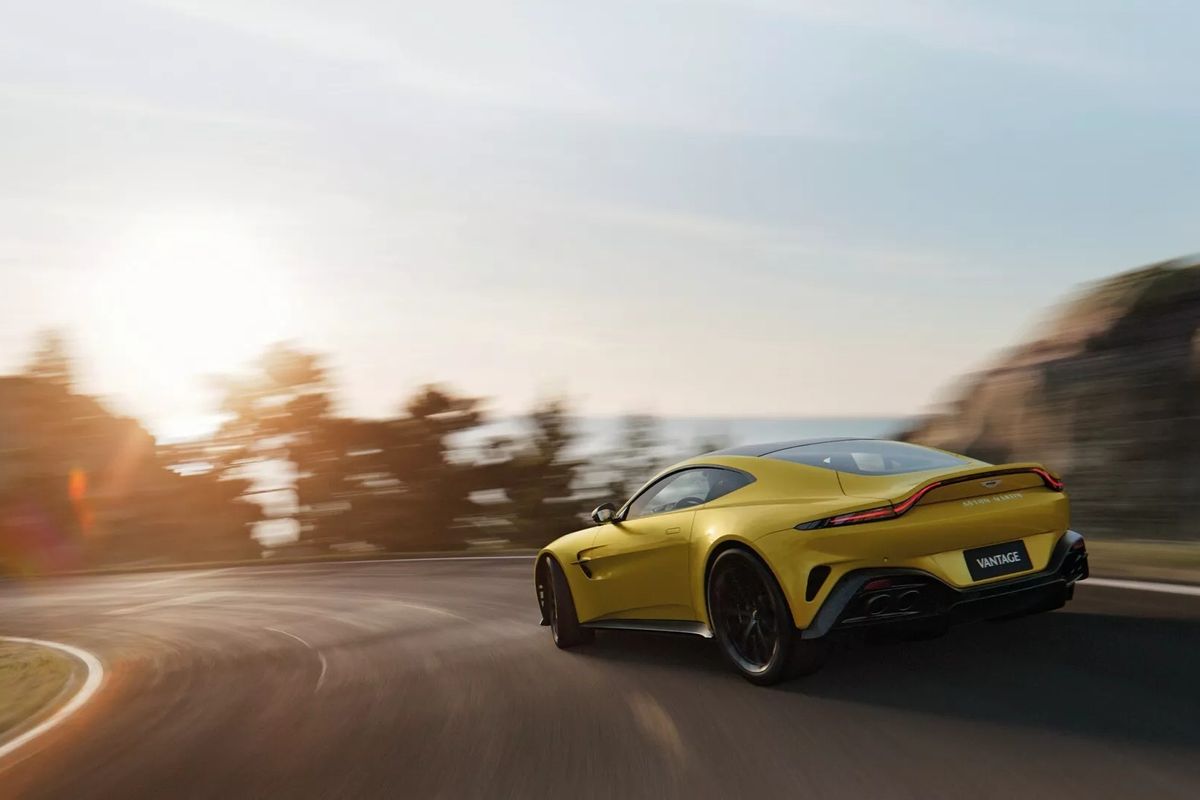
The 2025 Aston Martin Vantage facelift was announced overnight and the new model gets revised styling and a substantial power bump.
Let’s talk about the performance. The AMG-sourced 4.0-litre twin-turbocharged V8 packs 489 kW and 800 Nm, with power driving the rear wheels via an 8-speed automatic transmission. In comparison to the previous model, there are gains of 112 kW and 115 Nm, making this Vantage one quick customer.
Aston Martin is claiming this is the most driver-focused and fastest Vantage in the nameplate’s 74-year history. The power increase comes curtesy of larger turbochargers and modifications to the engine block itself. A 0-100 kph time of 3.4 seconds and a top speed of 325 kph is being claimed by the British carmaker, thanks to a new launch control system. Other noteworthy changes included improvements to the suspension setup and intelligent adaptive dampers have been installed.
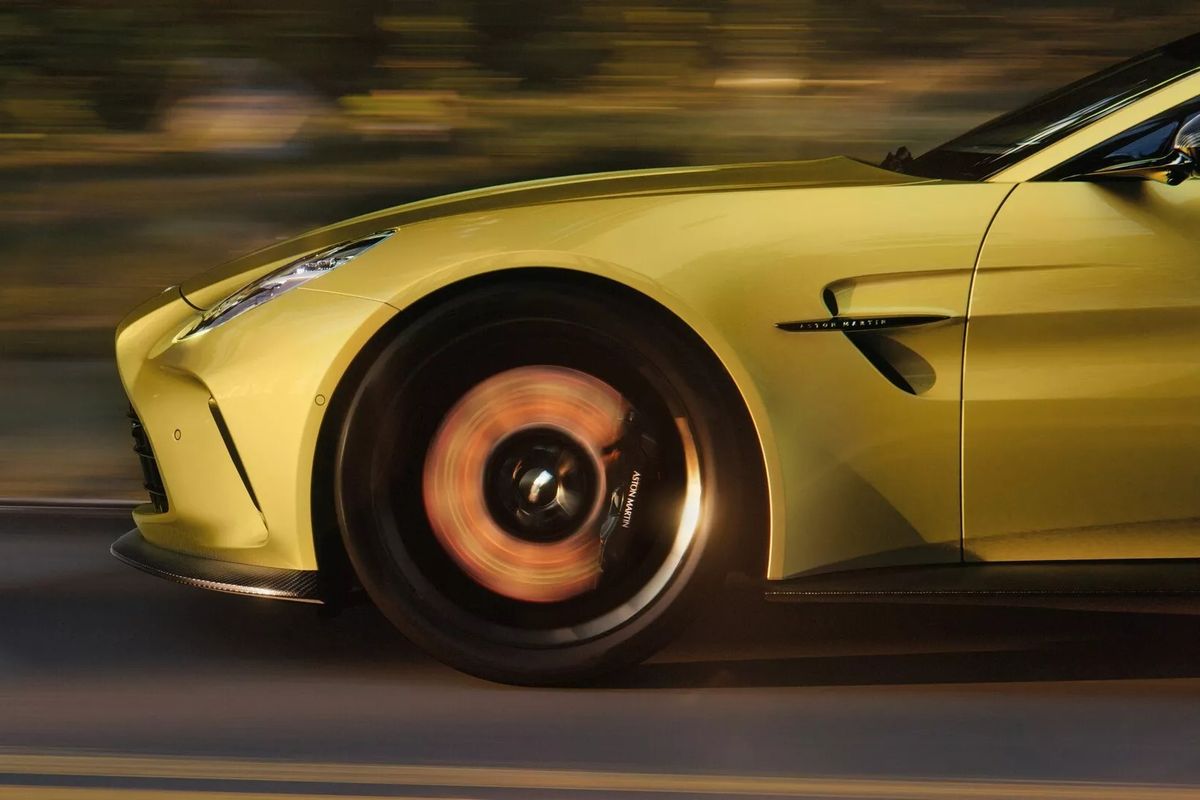
The 2025 Aston Martin Vantage facelift has 21-inch forged wheels wrapped in trick Michelin Pilot Sport 5 S rubber. Customers can opt for carbon ceramic brakes which will save 27 kg of weight.
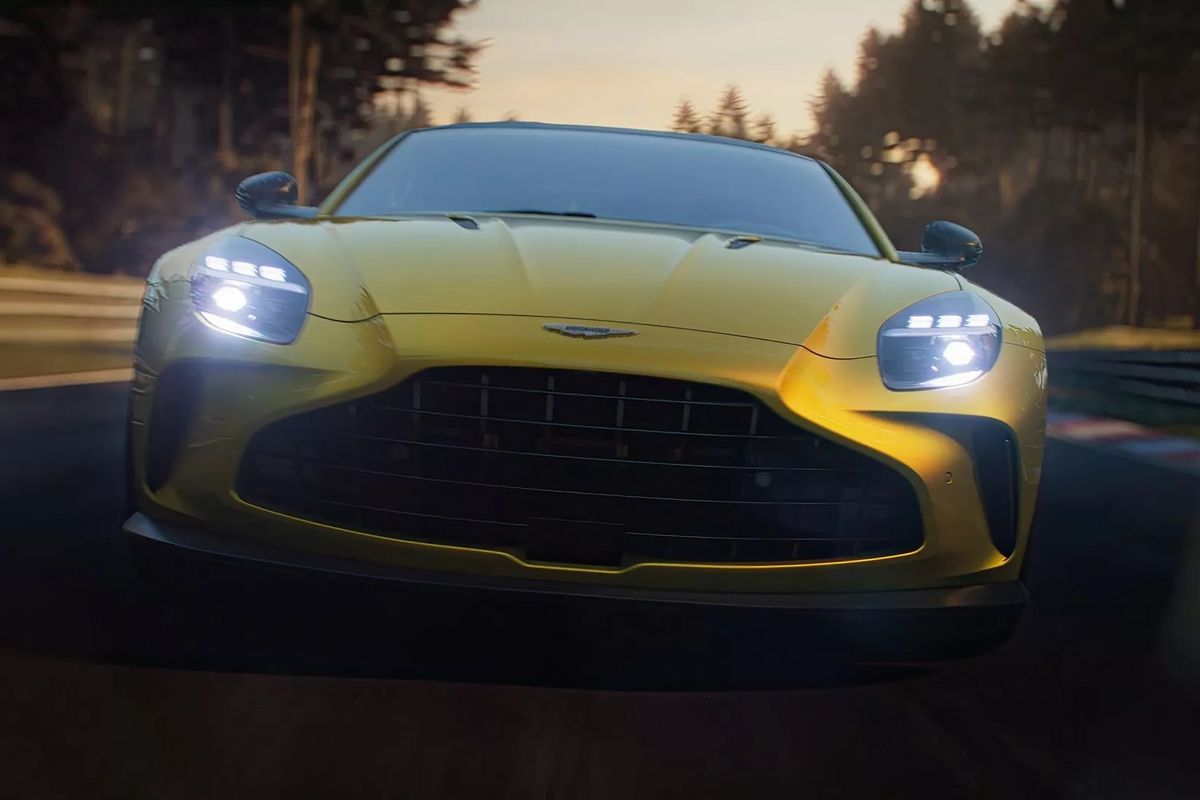
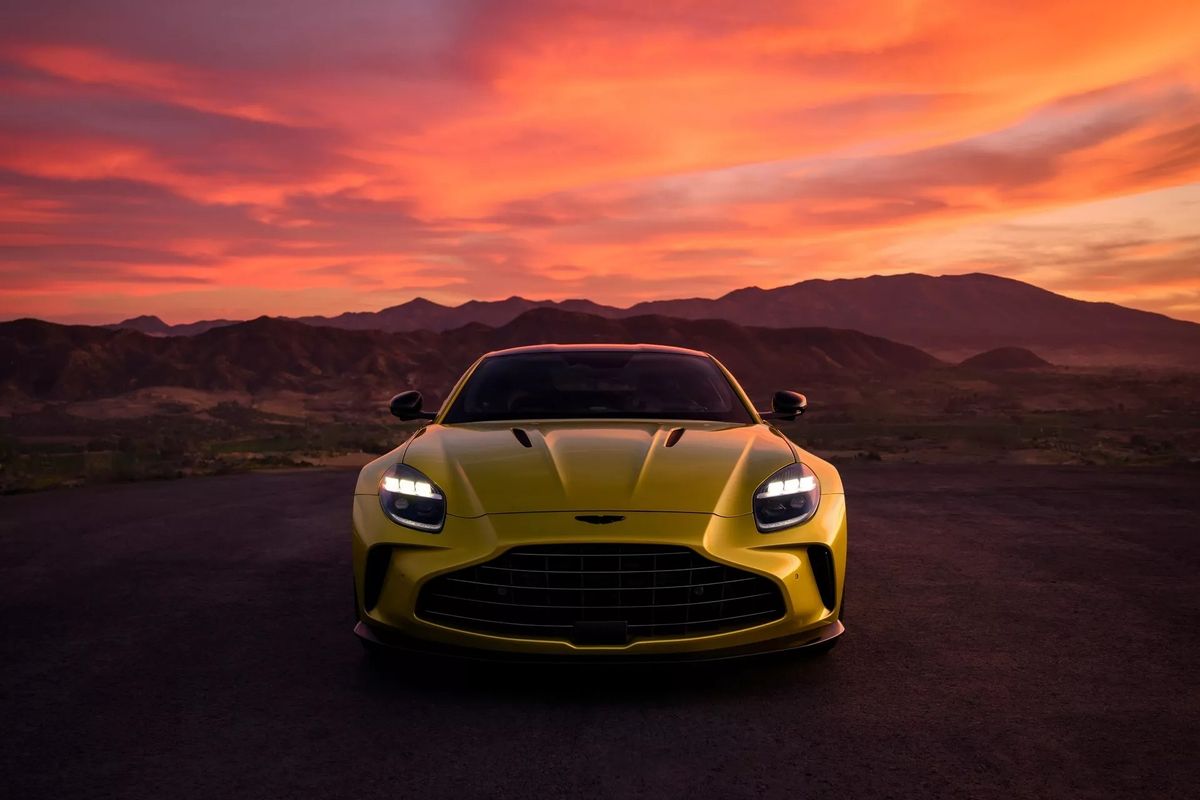
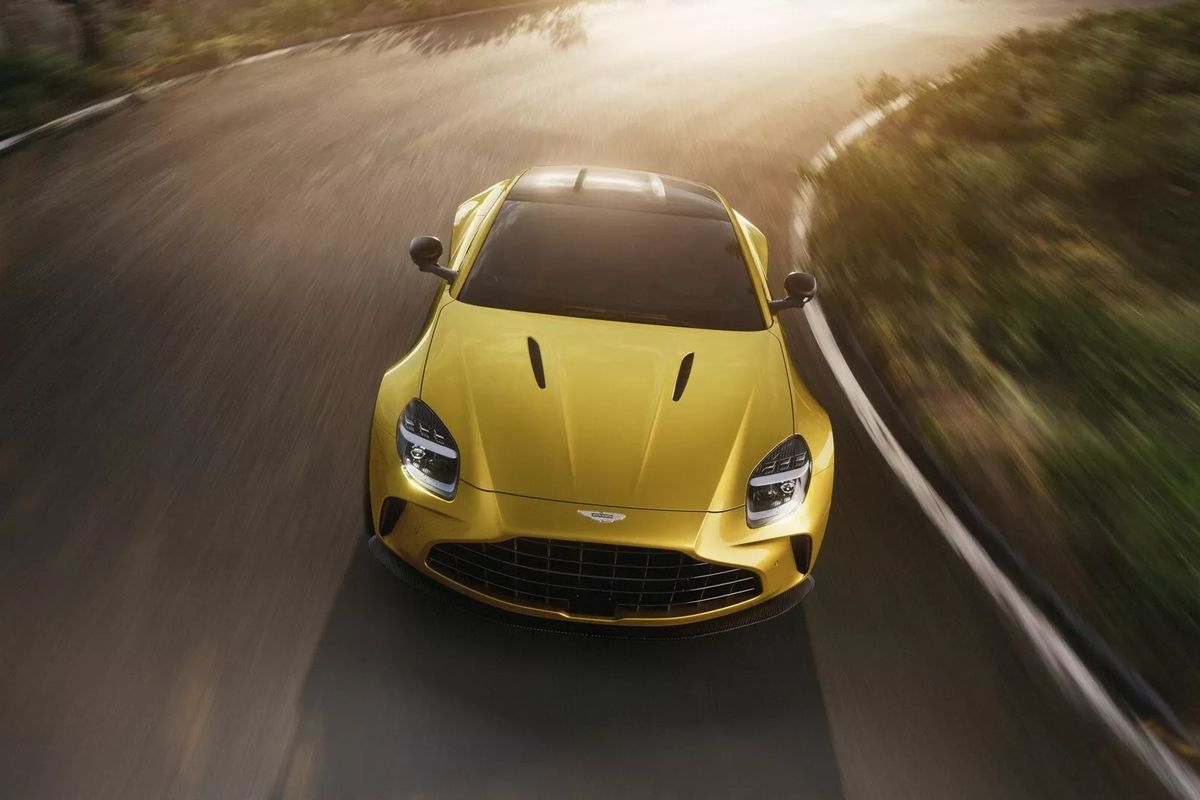
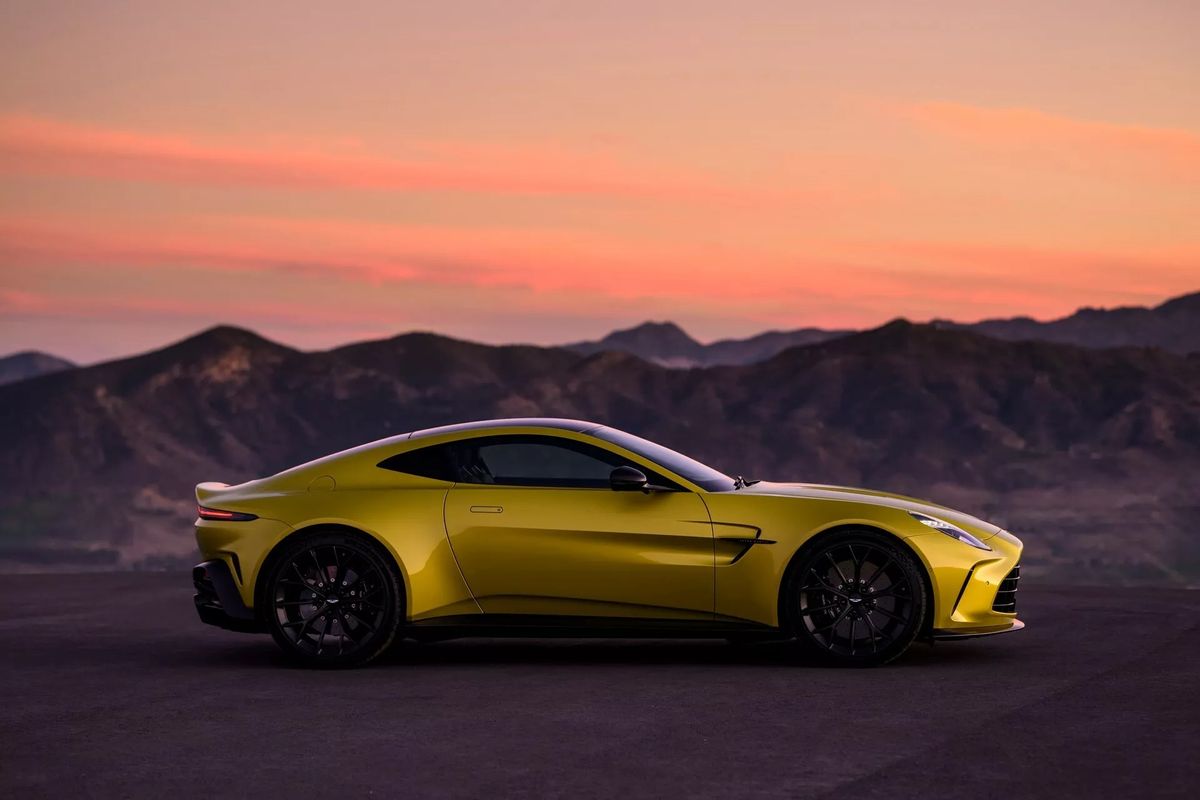
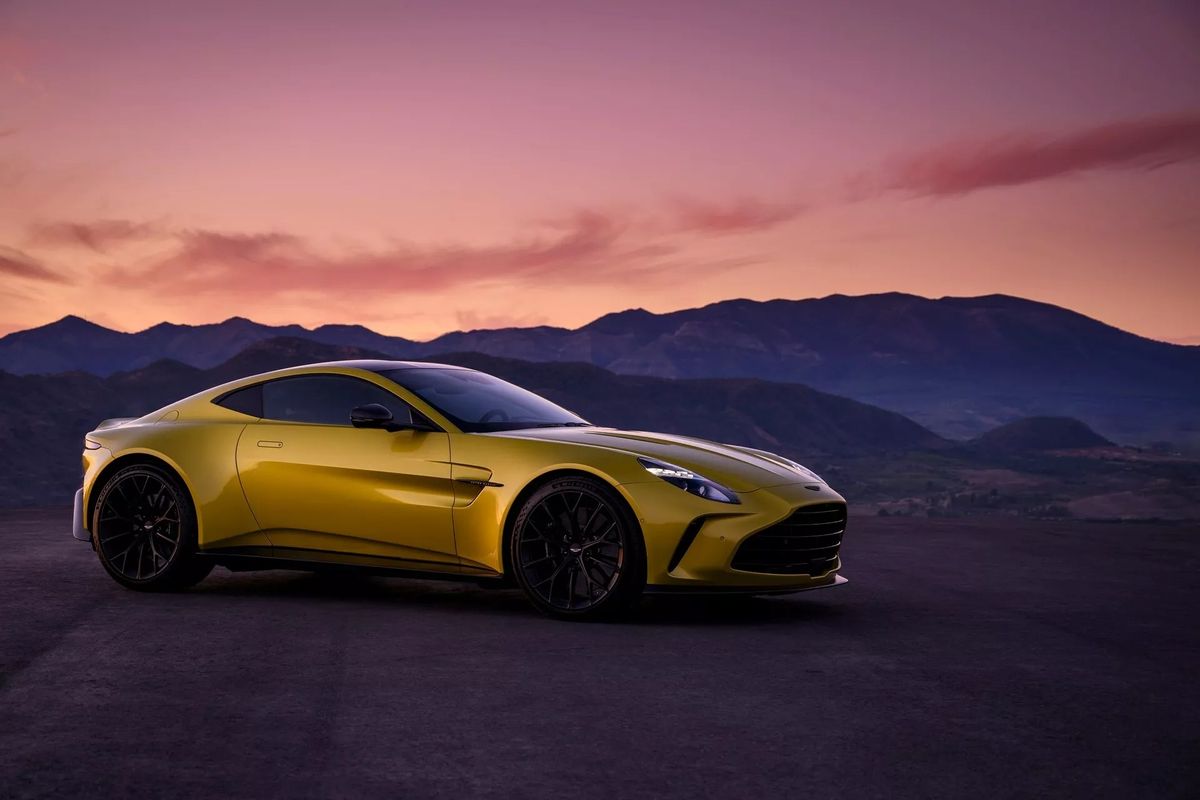
Let’s be blunt for a second, when it comes to design, Aston Martin knocks it out the park and the updated Vantage is no different. This is one gorgeous and striking car. Aston Martin has fitted a gaping grille and new-look Matrix LED headlights, as well as large exhaust pipes and wide rear bumper.
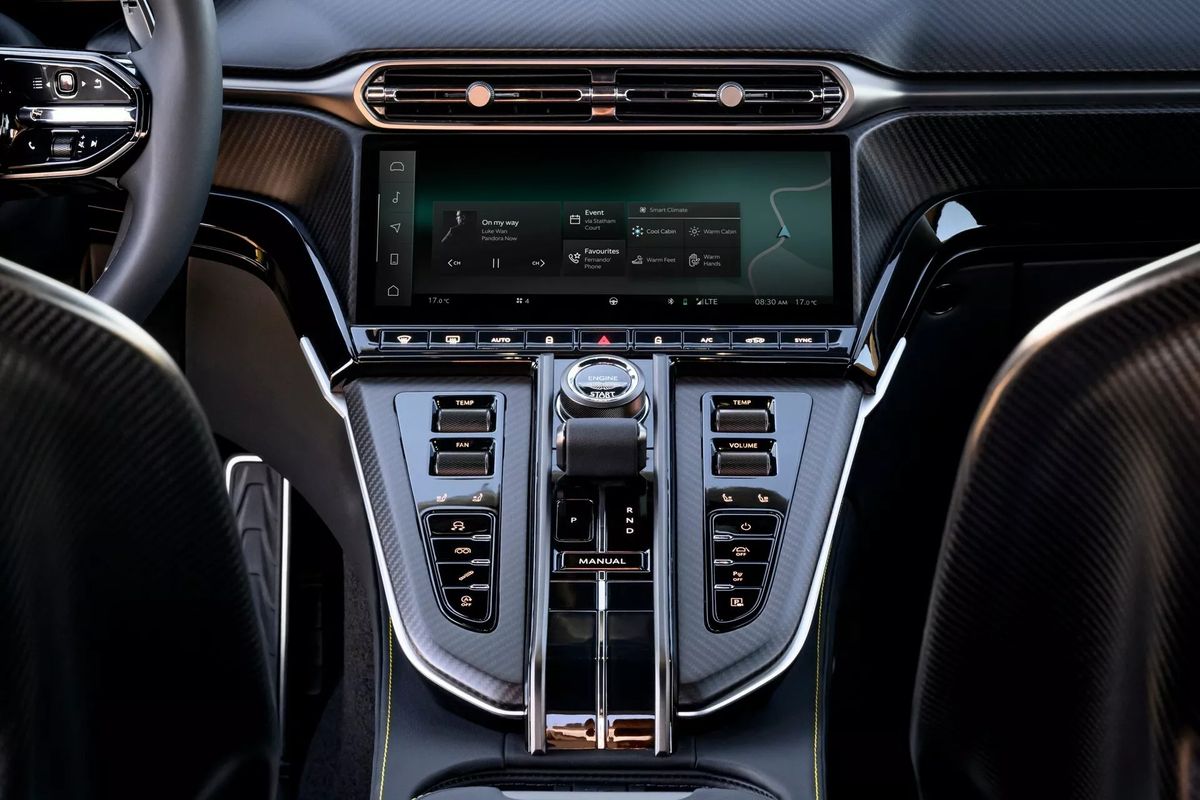
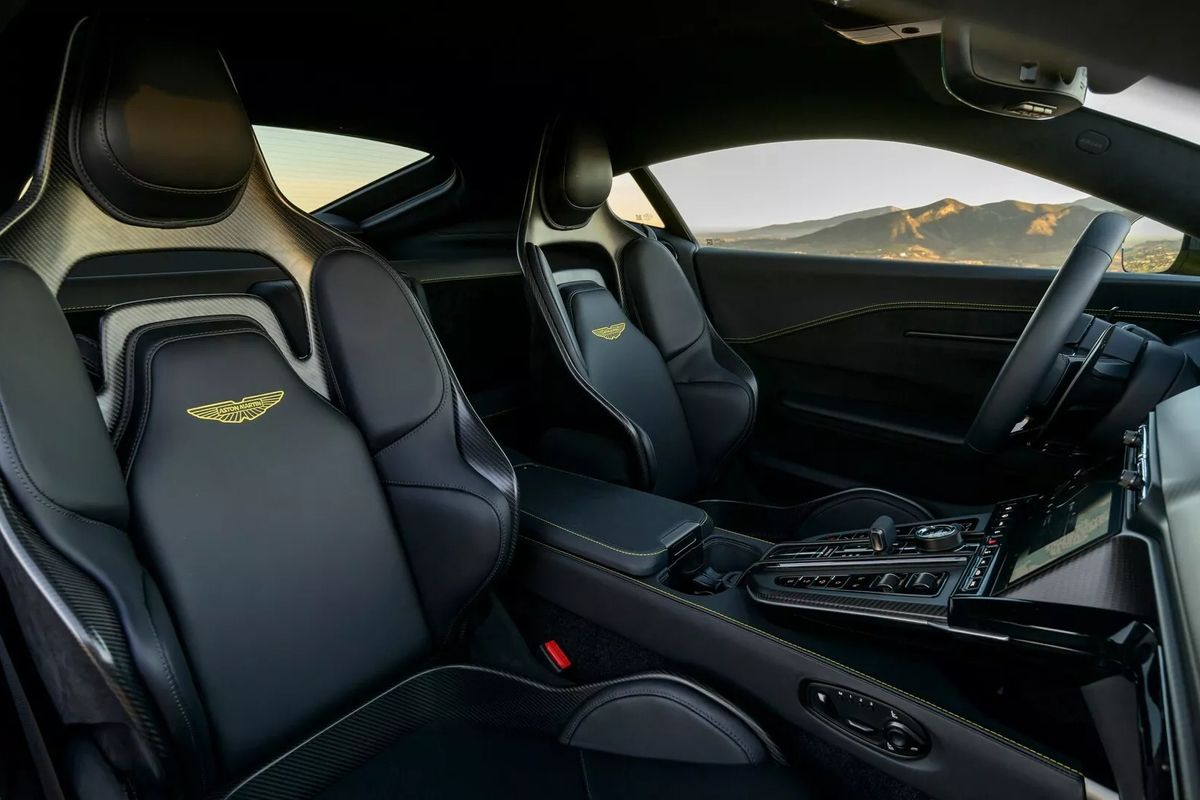
Climb inside and you’ll encounter a new 10.25-inch infotainment system, sporty seats, enhanced dashboard and an 11-speaker audio system.
When will the 2025 Aston Martin Vantage Facelift come to South Africa?
Production of the newcomer will commence in the first quarter of 2024, with customer deliveries beginning in the second quarter of 2024.
The facelifted Mercedes-Benz GLE has officially arrived in SA, with all derivatives now featuring mild-hybrid powertrains. Here’s a look at pricing for the updated SUV…
At the start of 2023, the facelifted Mercedes-Benz GLE was revealed. Now, the updated V167-generation SUV has quietly arrived in South Africa.
The refreshed range kicks off with the GLE300d 4Matic, which starts at R1 964 600. Note this model is also offered in 7-seater form, pushing the starting price to R1 984 000.
While the pre-facelift version of this derivative used a 2.0-litre, 4-cylinder turbodiesel engine generating 180 kW and 500 Nm, the updated model’s more powerful oil-burner gains a 48-volt system and integrated starter generator, effectively rendering it a mild hybrid. Peak outputs improve to 198 kW and 550 Nm, with an additional 15 kW and 200 Nm (courtesy of the mild-hybrid gubbins) briefly available.
Again fitted with a 9-speed automatic transmission as standard, the GLE300d’s claimed 0-100 kph time thus falls from the outgoing model’s 7.2 seconds to just 6.9 seconds, while the top speed rises from 225 kph to 230 kph.
Meanwhile, priced from R2 075 400 (or R2 094 800 in 7-seater form), the GLE450 4Matic now makes 280 kW and 500 Nm courtesy of its turbocharged 3.0-litre straight-6 petrol engine, resulting in a 0-100 kph sprint time of 5.6 seconds and a top speed of 250 kph, according to Mercedes-Benz.
Finally, the new GLE450d 4Matic replaces the old GLE400d, with its upgraded 2.9-litre 6-cylinder turbodiesel heart now generating 270 kW and a whopping 750 Nm. With pricing starting at R2 041 500 (or R2 060 900 for the extra row of seats), the German automaker says this derivative is also capable of reaching 3 figures in 5.6 seconds, with a maximum speed of 250 kph.
Depending on the model, the updated GLE can be specified with the AMG Line exterior package for an additional R65 800, while the Night Package (R16 900), AMG Line interior package (R27 900), Exclusive trim package (R9 600) and Driving Assistance Plus package (R42 200) are also available.
Other options include various alloy-wheel designs (measuring up to 22 inches in diameter), Nappa leather for the dashboard (R32 000), a head-up display (R23 200), power-closing doors (R11 800), the Off-Road Engineering package (R12 600) and air suspension with adaptive damping (R38 300).
GWM P-Series in SA: service plan doubled to 10 years!
Haval Motors South Africa has quietly doubled the GWM P-Series bakkie range’s standard service plan length to a whopping 10 years. Here are all the details…
Haval Motors South Africa, which distributes the Haval, GWM, Ora and Tank brands locally, has quietly doubled the GWM P-Series bakkie line-up’s standard service plan length to 10 years.
Previously, the Chinese bakkie came standard with a 5-year/100 000 km service plan, but the wholly owned subsidiary has now extended this arrangement to 10 years or (an unchanged) 100 000 km. Hat-tip to our learned colleagues over at duoporta.com for alerting us to this fascinating upgrade!
As before, service intervals for the 2.0-litre, 4-cylinder turbodiesel engine – which does duty across the range – are set at 10 000 km or 1 year. So, for new P-Series owners who cover an average of up to 10 000 km per year, servicing would effectively be covered for a full decade.
The service-plan upgrade applies to all 17 derivatives in the current P-Series range, including the commercial single-cab, commercial double-cab and so-called passenger double-cab variants. In addition, of course, the P-Series continues to ship standard with a 5-year/100 000 km warranty.
Having touched down in Mzansi back at the end of 2020, the P-Series portfolio welcomed a new top-spec LTD derivative in May 2023. As Haval Motors SA hinted at last year, the range is likely to expand further in 2024, with the flagship GWM Shanhai Cannon – which may well wear a different badge once it arrives in SA – pencilled in for a local launch within the next few months.
In April 2023, a facelifted version of the P-Series bakkie – which is also known as the Cannon, Ute or Poer, depending on the market – was unveiled in its domestic market of China, sporting fresh front-end styling and an extensively overhauled interior. It’s still not clear whether this updated model in on the cards for SA.
In 2023, the Chinese-built GWM P-Series ranked 7th on the list of South Africa’s best-selling bakkies, with 4 462 units (a year-on-year increase of 6.7%) registered. In January 2024, the Chinese bakkie placed 6th on the table, with 351 units sold.