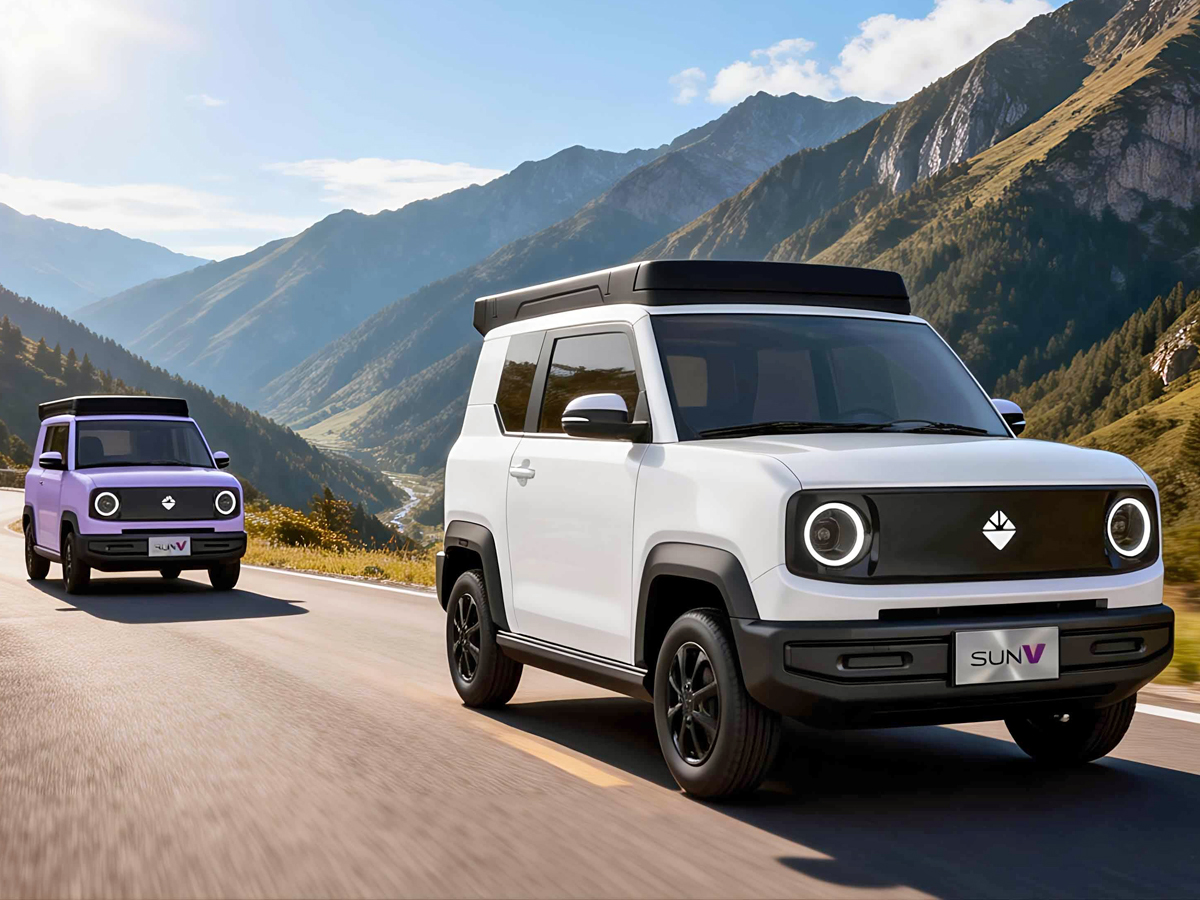
The Solarky sunV – which the Chinese automaker describes as the world’s first “mass-produced solar-powered electric vehicle” – appears to be planned for South Africa…
Solarky’s sunV seemingly planned for South Africa
Already available in RHD markets such as Thailand
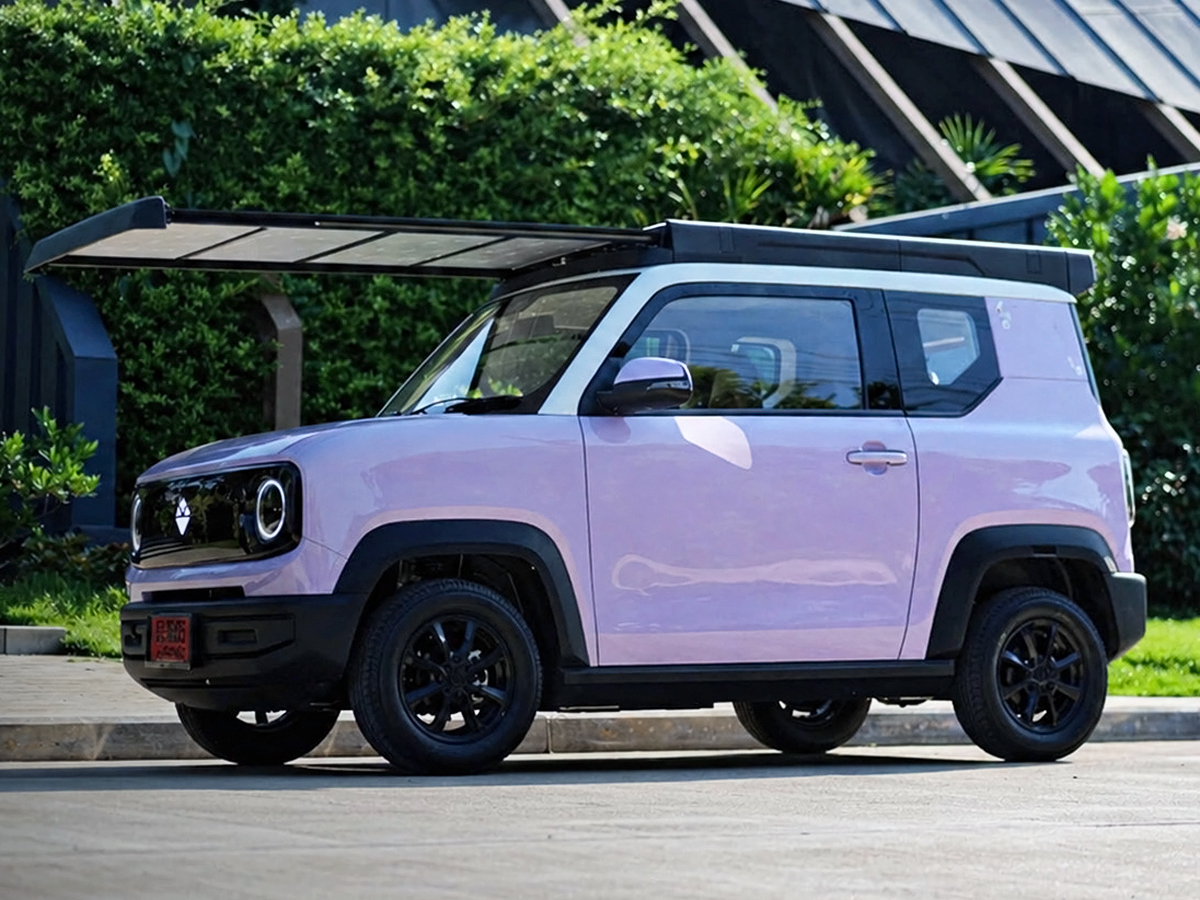
Features “extendable” solar panel mounted on roof
Chinese automaker Solarky Mobility Technologies is seemingly keen to launch the Solarky sunV in South Africa, billing this photovoltaic-panel-equipped model as the world’s first “mass-produced solar-powered electric vehicle”.
Established as recently as 2023, Solarky is also known as the Shenzhen Shengqi New Energy Vehicle Technology Company. On its social-media platforms, the company says it “focuses on markets in Southeast Asia and Africa, with established collaborations in Thailand, Indonesia, South Africa and Tanzania”.
Though we’ve yet to unearth any official information about a Solarky collaboration or new-vehicle distribution agreement in Mzansi, we can confirm the Chinese company applied to trademark the “Solarky” badge in South Africa in January 2025. This application was still pending at the time of writing.
In addition, we discovered that Solarky filed to protect the exterior design of the sunV in July 2025 (the month in which the vehicle was revealed), with an official registration taking place in March 2026. In its application, the firm described the model as a “photovoltaic electric vehicle”.
The Solarky sunV hit the market in Thailand in December 2025, before rolling out to fellow right-hand-drive nation Tanzania earlier this year. This small 4-seater EV has also been launched in Indonesia, where it wears the “MAB” badge under a collaboration with Indonesia’s PT Mobil Anak Bangsa (MAB).
So, what do we know about the Solarky sunV? Well, it measures just 3 150 mm long (with a wheelbase of 2 070 mm) and features a rear-mounted electric motor that generates modest outputs of 15 kW and 85 Nm. The vehicle’s top speed is listed as 80 kph, while it offers a claimed 190 mm of ground clearance.
As a pure electric vehicle, the sunV features a 10.2 kWh lithium iron phosphate battery pack that provides a single-charge range of 151 km (according to the NEDC standard). But the on-board photovoltaic system is ostensibly capable of adding 50 km of “free daily driving”.
Indeed, Solarkey says the sunV’s roof features a 1.6-square-metre solar panel, which is “extendable” to 3.2 square metres. This, according to the company, enables “auxiliary vehicle charging under sunlight”. More local info as we have it…
Frequently Asked Questions (FAQ)
Q: What is Solarky and what is its current status in South Africa?
A: Solarky (also known as the Shenzhen Shengqi New Energy Vehicle Technology Company) is a Chinese automaker established in 2023 that focuses on solar-powered electric vehicles. While no official local distribution agreement has been announced in South Africa, Solarky applied to trademark its brand name locally in January 2025 and officially registered the design patent for its “sunV” model in March 2026.
Q: What are the performance and battery specifications of the Solarky sunV?
A: The ultra-compact, 4-seater sunV measures just 3 150 mm in length and is powered by a rear-mounted electric motor delivering 15 kW of power and 85 Nm of torque, pushing it to a top speed of 80 kph. It features a 10.2 kWh lithium iron phosphate (LFP) battery pack, which yields a standard electric driving range of 151 km on a full charge (NEDC cycle).
Q: How does the sunV’s solar-charging technology work and what is its real-world benefit?
A: The defining feature of the sunV is its integrated rooftop photovoltaic system. It features a 1.6-square-metre solar panel that can slide open and extend to 3.2 square metres. According to Solarky, this monocrystalline solar array generates enough auxiliary electricity under typical sunny conditions to add up to 50 km of free daily driving range, greatly reducing the need for plug-in charging for short urban commutes.
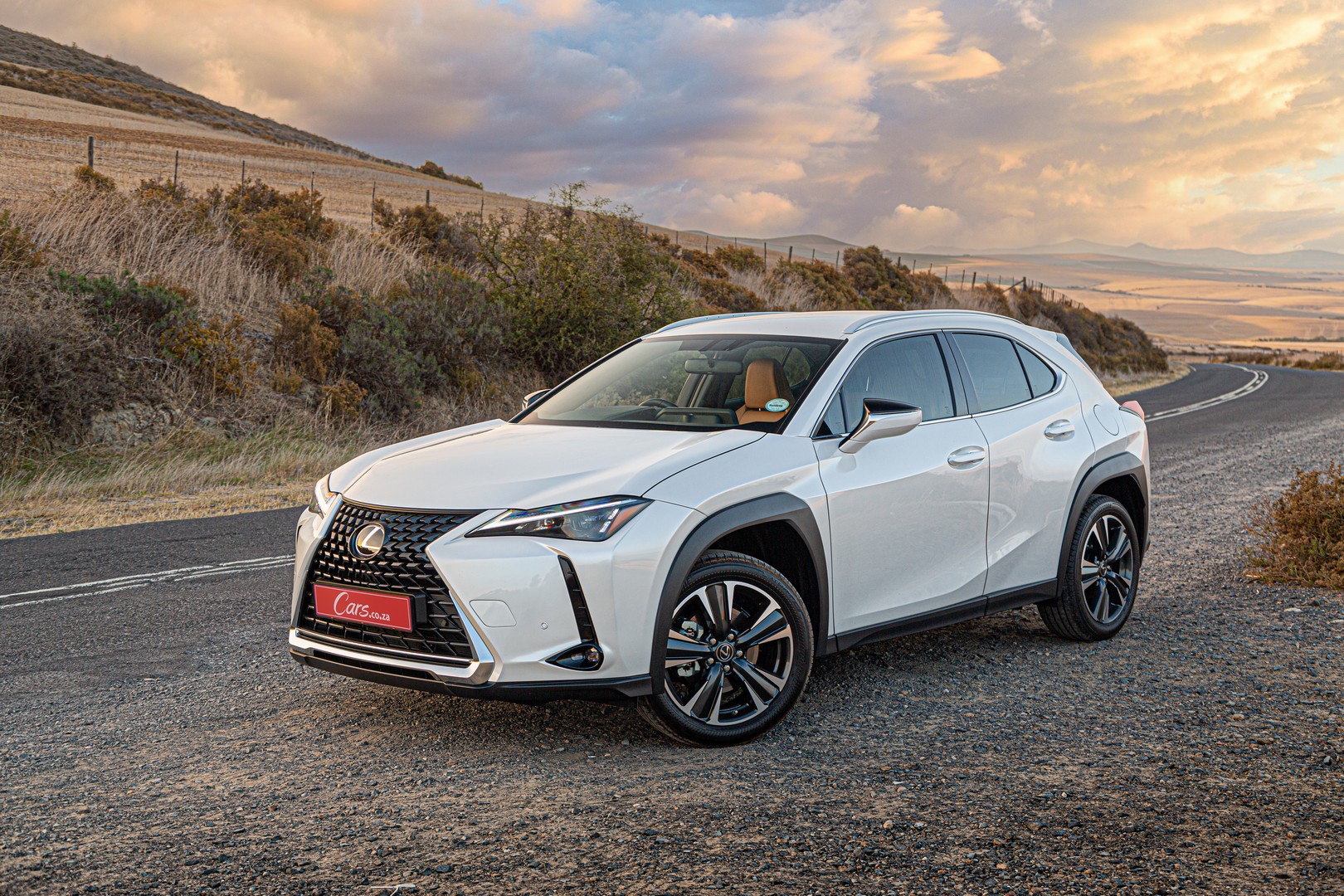
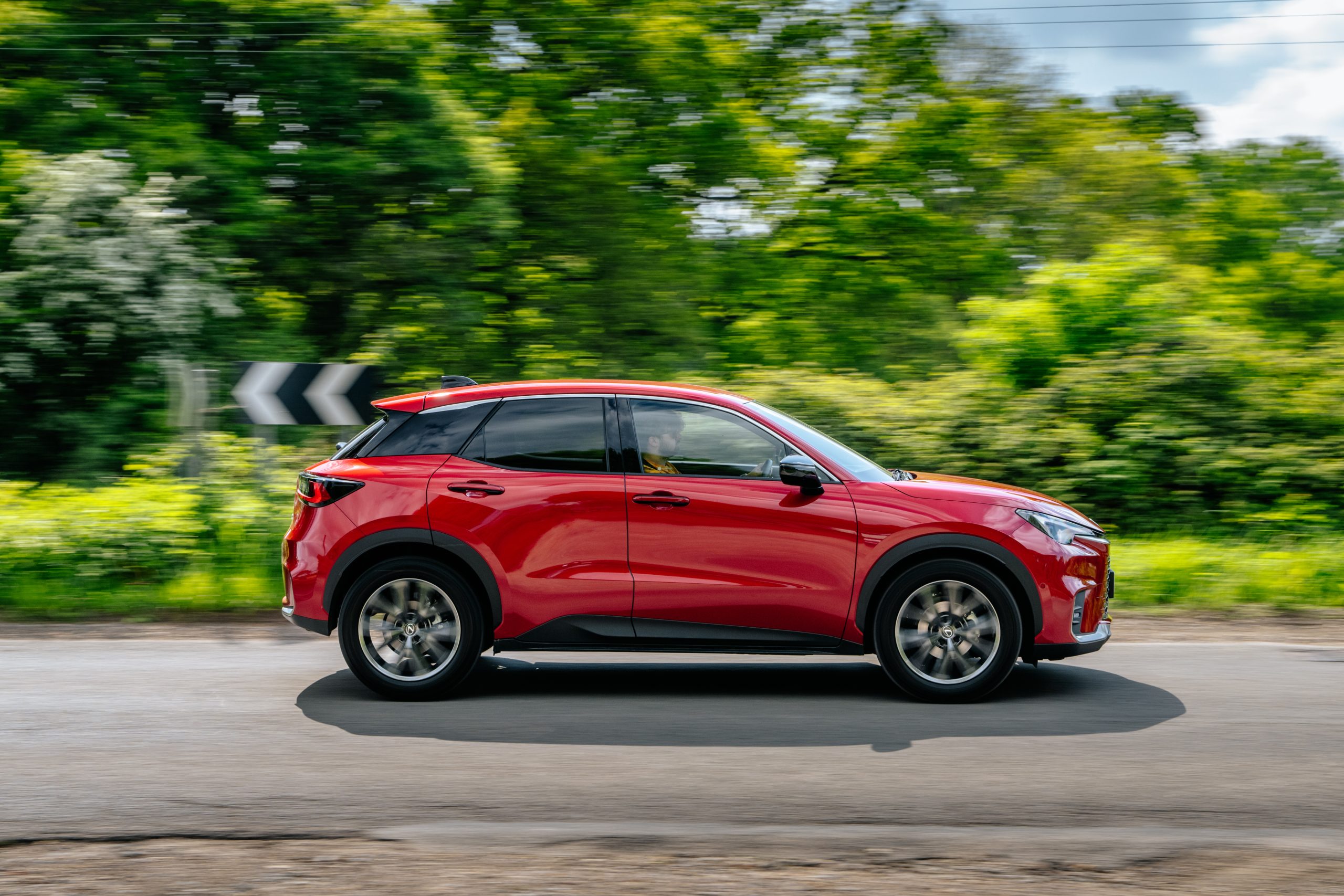
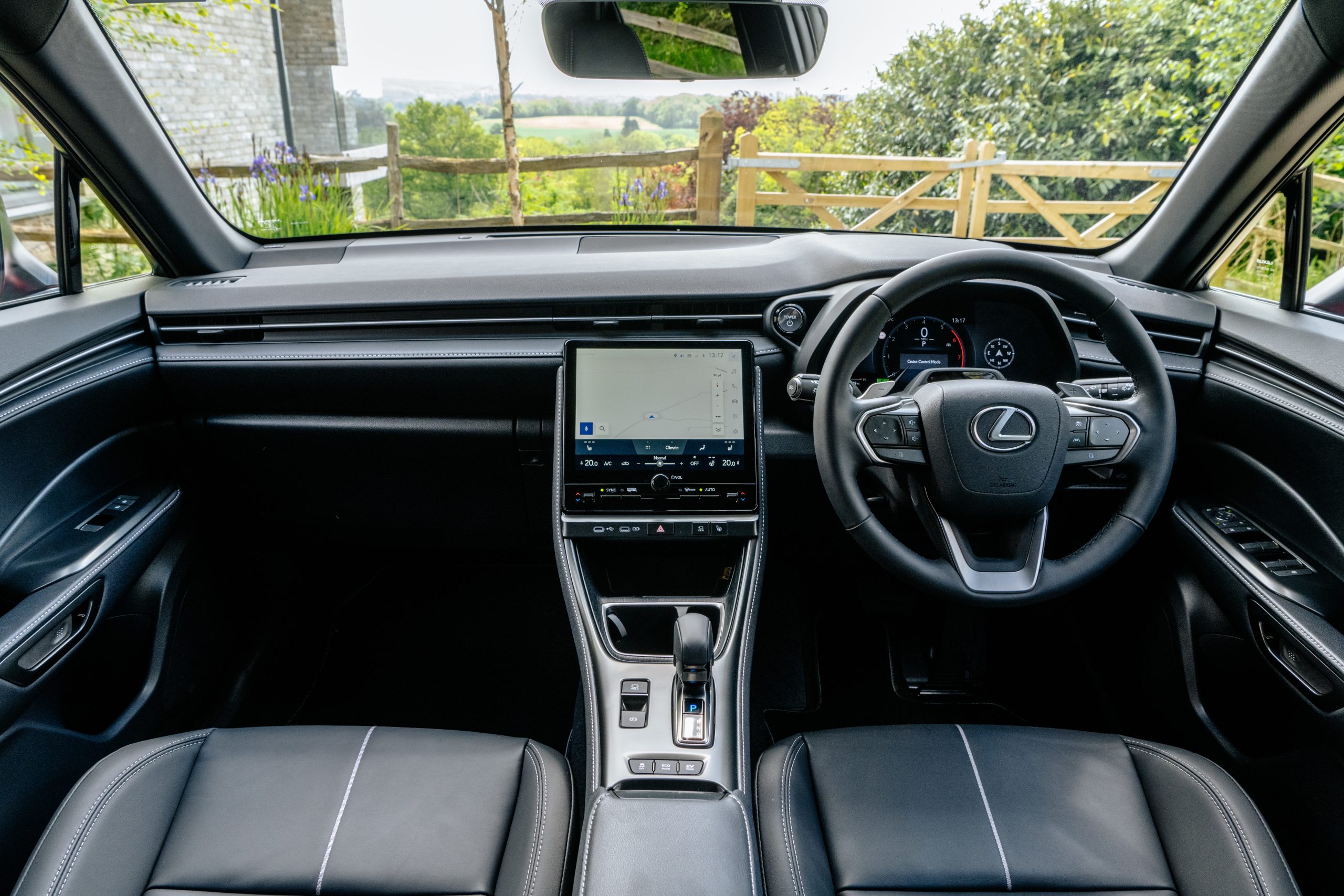
The Lexus LBX is under consideration for South Africa as a replacement for the UX, which is getting on in its years. Here’s a first look.
The Lexus LBX could be a new entry-point to the premium Japanese brand and, following a recent conversation with Toyota South Africa Motors (TSAM), we’ve been informed it’s under consideration for a South African market introduction at some point.
The Lexus UX is getting on in years, plus it’s a little pricey in comparison to the BMW X1 and Audi Q3.
Given the age of the Lexus UX, we feel its priced a little too high in comparison to its immediate rivals from Audi and BMW. Using the Cars.co.za Comparison Tool, the sole Lexus UX derivative is the 300h in EX trim which retails for R957 100, as of July 2026. The equivalent BMW X1 and Audi Q3 are priced at R813 899 and R814 200 respectively.
It’s also worth mentioning the UX’s boot capacity is compromised by its hybrid battery.
Last updated back in 2023, the Lexus UX has only mustered 37 units over the past 18 months in terms of sales.
The Lexus LBX is an interesting proposition. LBX stands for Lexus Breakthrough Crossover, and the engine offered is a 1.5-litre self-charging 3-cylinder petrol engine. In total, there’s 100 kW and 185 Nm, giving the LBX a claimed 0-100 kph in around 9.2 seconds. Its fuel consumption is of more relevance, with Lexus claiming around 4.5 L/100 km.
Interestingly, the Lexus LBX range starts from £29 995 in the United Kingdom. Some quick calculations factoring in the current exchange rate, import duties and dealer margin puts this vehicle around the R850 000 mark, making it more competitive. Let’s not forget that Lexus products are generally well-equipped from the get-go with virtually no optional extras.
With the Lexus LBX under consideration, we feel that its only a matter of time before the vehicle makes landfall in South Africa.
The Lexus LBX (Lexus Breakthrough Crossover) is the premium brand’s smallest SUV to date. It is built on the GA-B global compact car platform and brings high-end luxury, advanced safety, and high-efficiency hybrid drivetrains into a compact footprint.
What engine powers the standard Lexus LBX?
The standard Lexus LBX uses a highly efficient 1.5-litre three-cylinder self-charging hybrid engine combined with an electric motor. The system produces a total combined output of 100 kW (136 hp) and delivers power smoothly through an electronic Continuously Variable Transmission (eCVT).
Is there a high-performance version of the LBX?
Yes, Lexus has introduced the high-performance Lexus LBX Morizo RR. This performance-focused version borrows its drivetrain from the Toyota GR Yaris, featuring a 1.6-litre turbocharged three-cylinder petrol engine pushing out an impressive 224 kW and 400 Nm of torque paired with full-time all-wheel drive.
How fuel-efficient is the self-charging hybrid Lexus LBX?
The self-charging hybrid model of the LBX is designed for maximum efficiency, offering a very low combined WLTP fuel consumption range of approximately 4.4 to 5.0 litres per 100 km (or around 3.8L per 100km depending on testing cycles and trim).
What standard warranty and maintenance support does Lexus SA offer for new hybrid cars?
Lexus passenger vehicles in South Africa typically include a 7-year / 100,000 km manufacturer’s warranty and a matching 7-year / 100,000 km maintenance plan. Hybrid owners also benefit from specialized coverage, with high-voltage hybrid drive battery packs often carrying a dedicated 8-year or 195,000 km warranty.
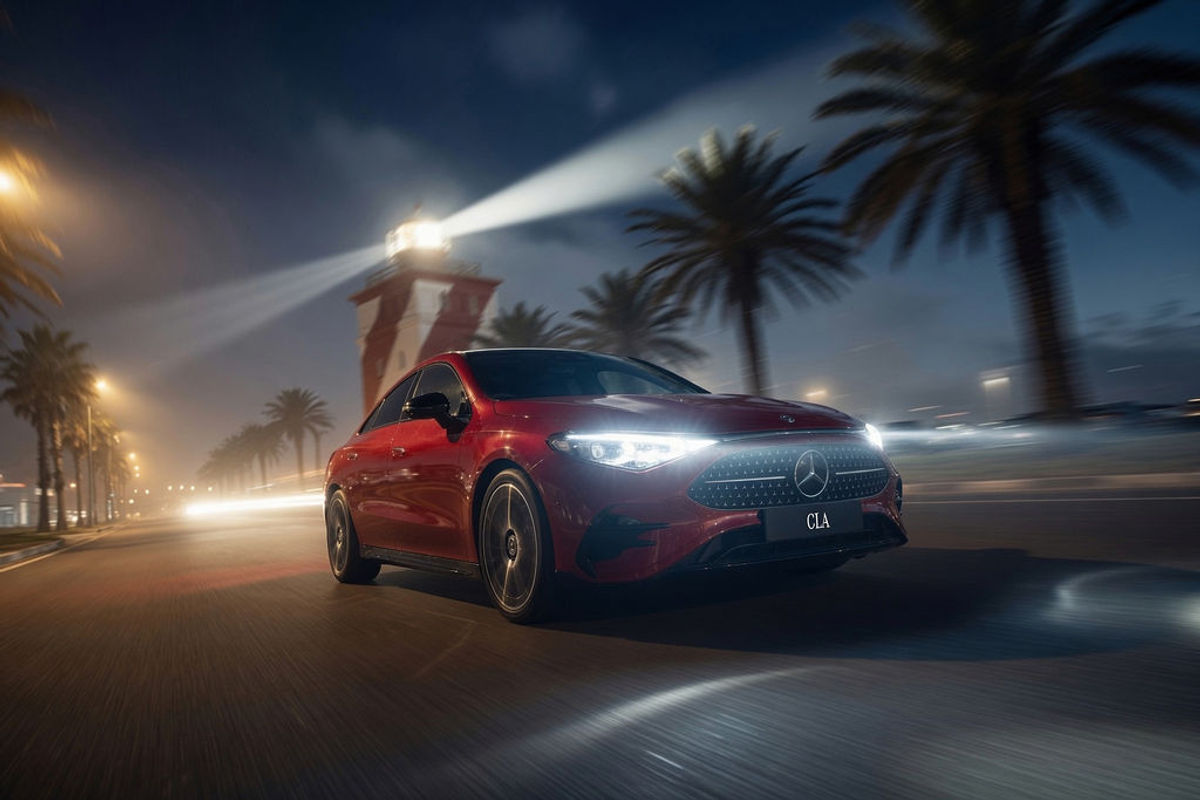
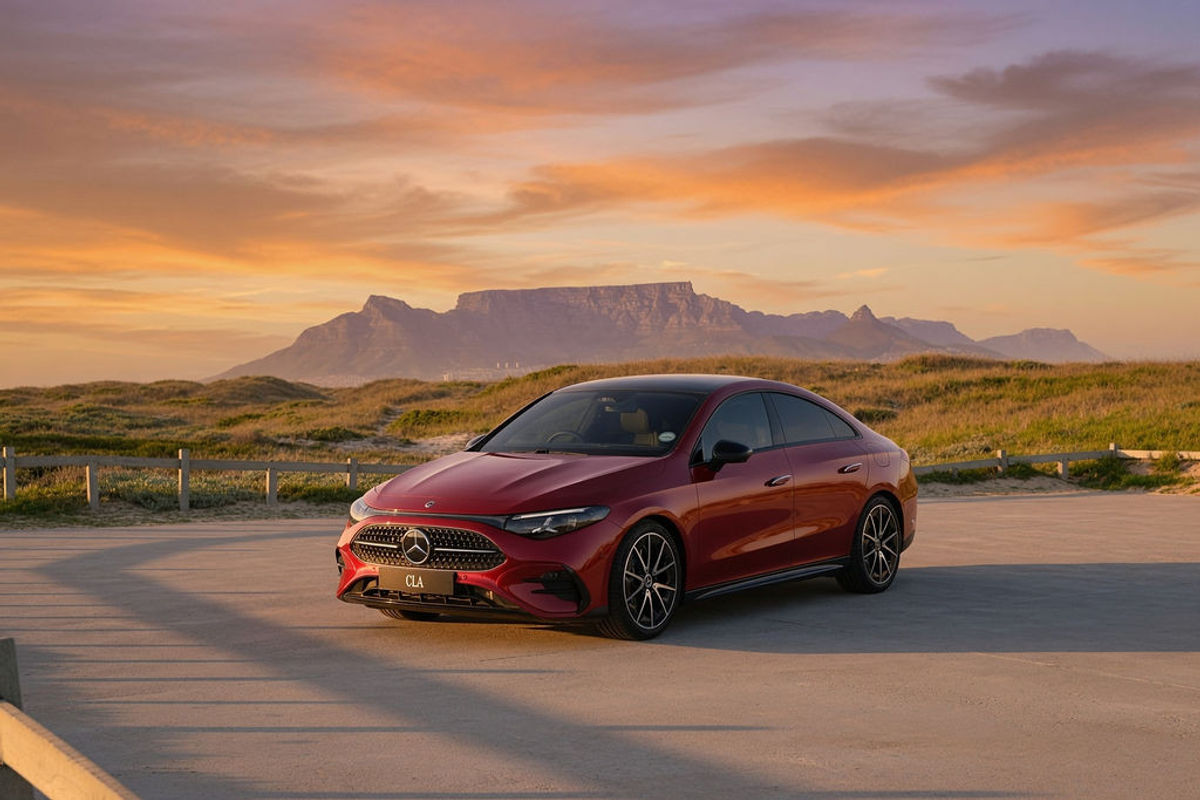
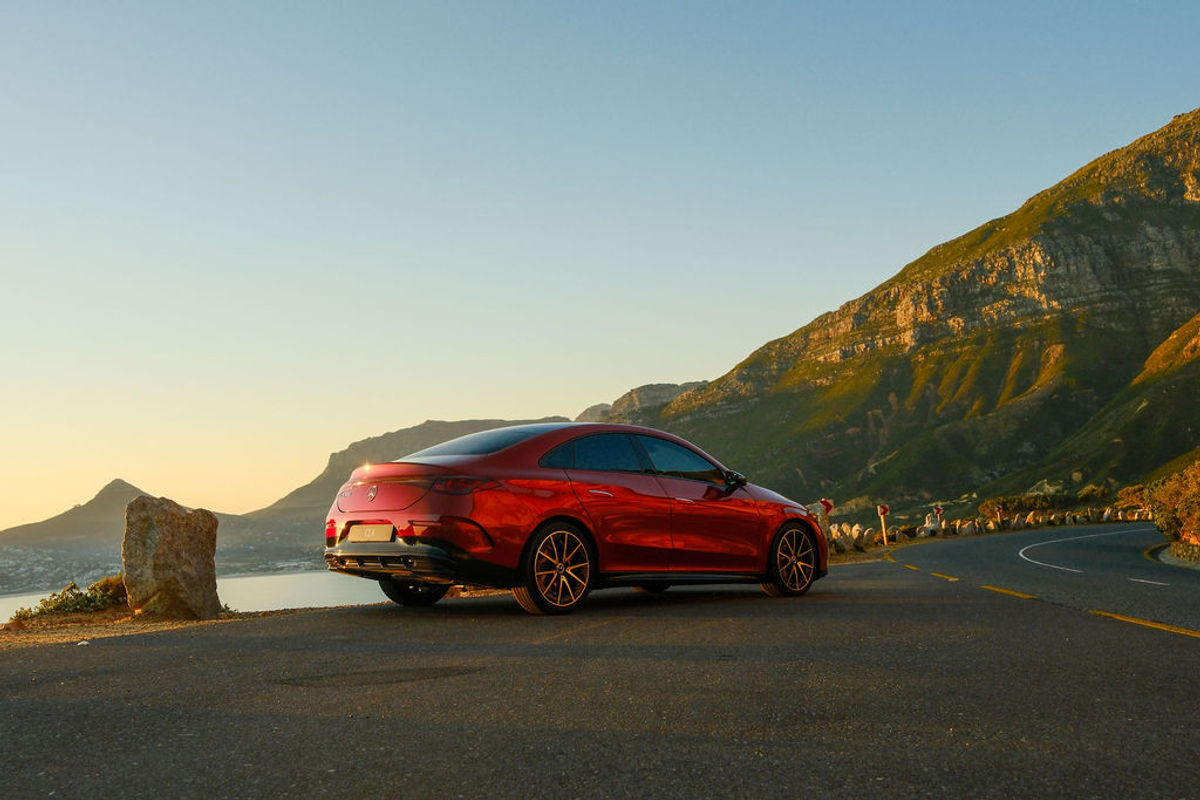
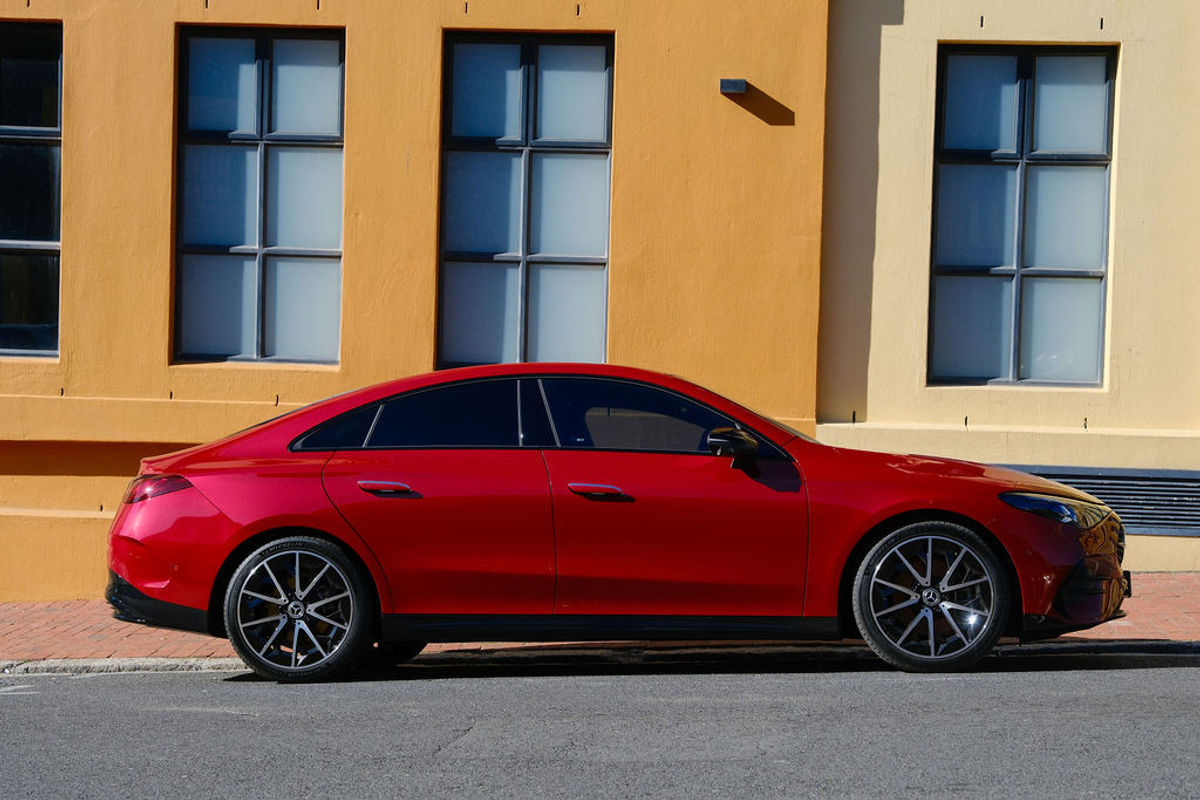
Mercedes-Benz CLA (2026) Launch Review
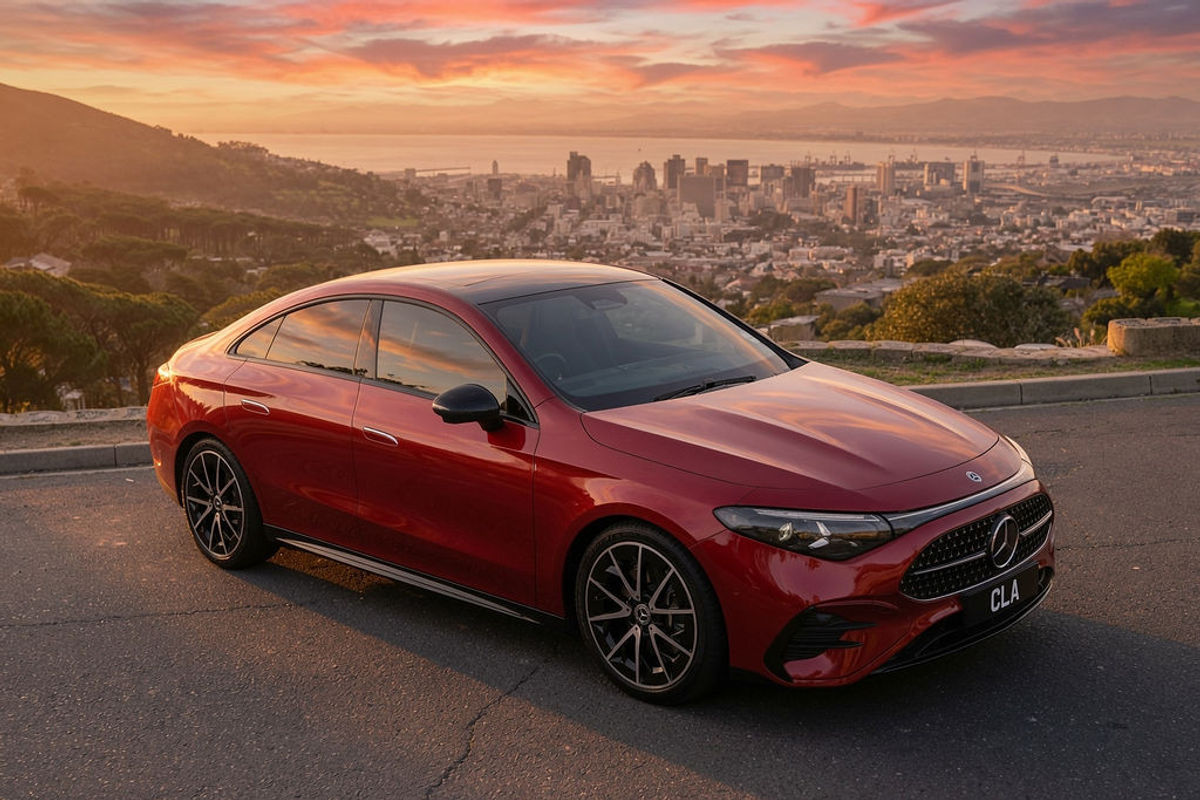
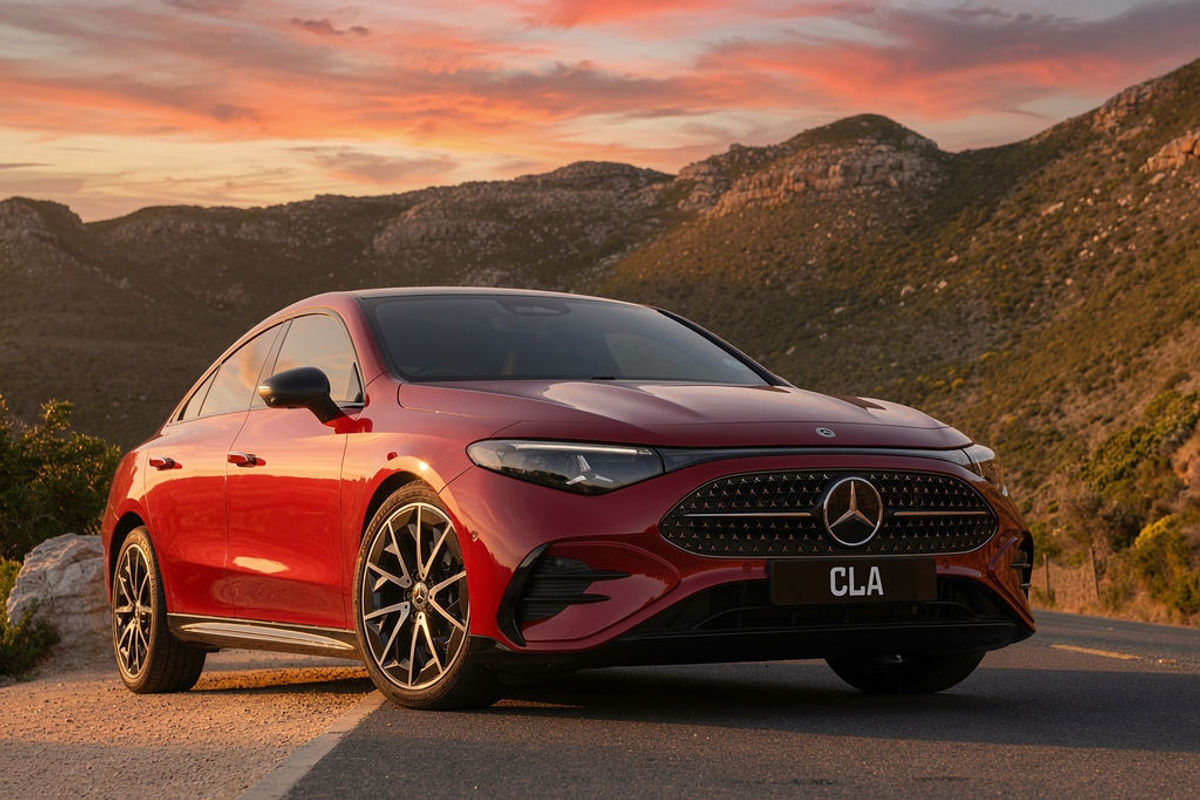
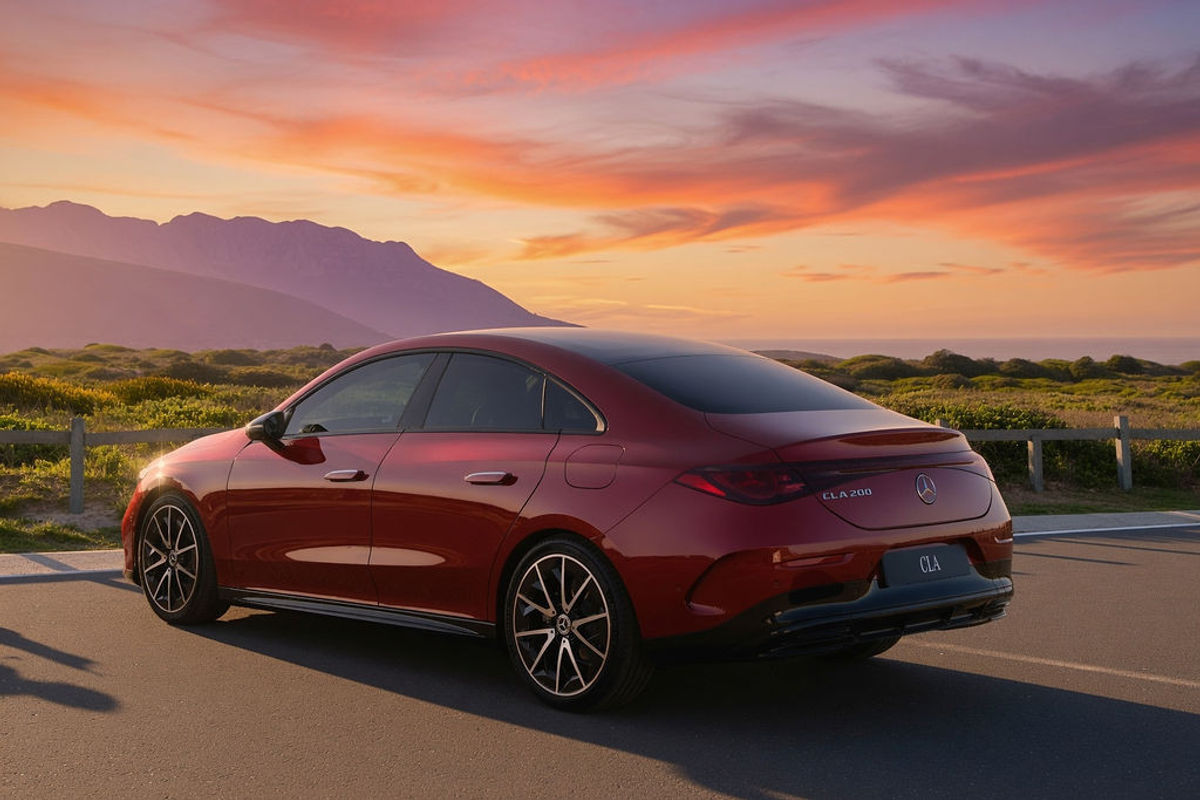
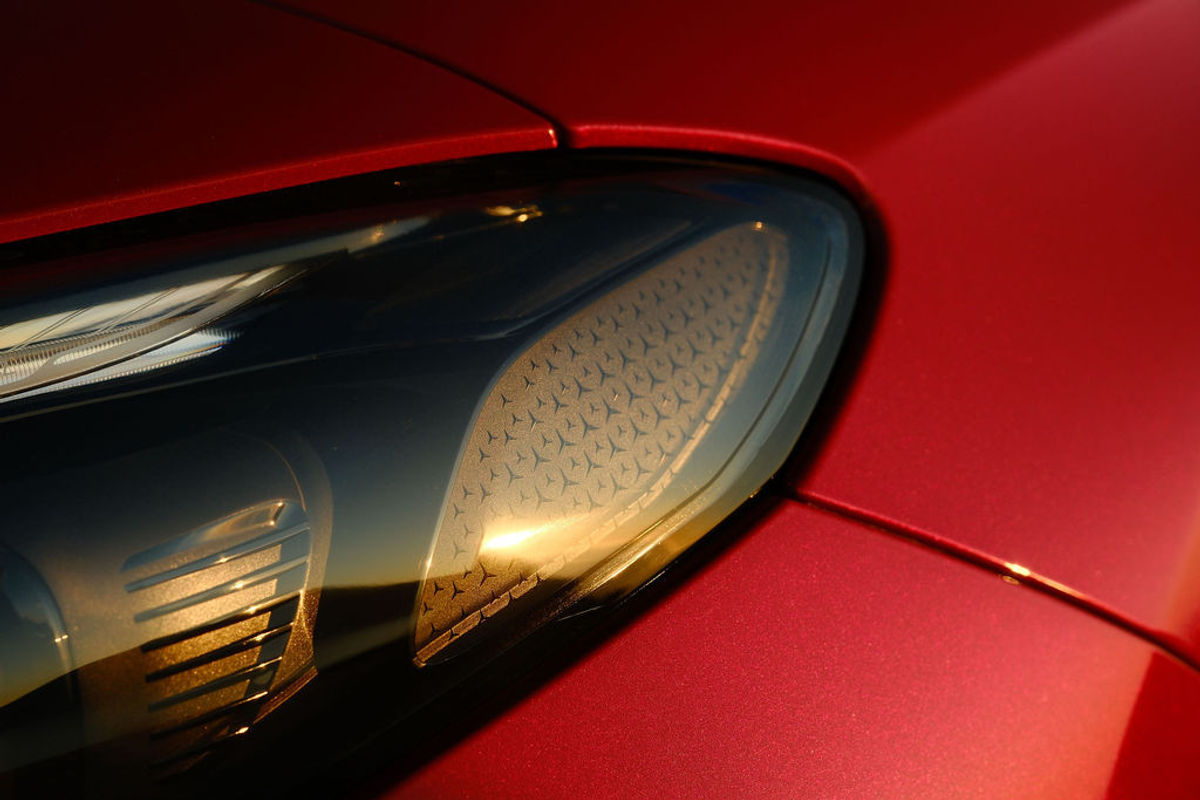
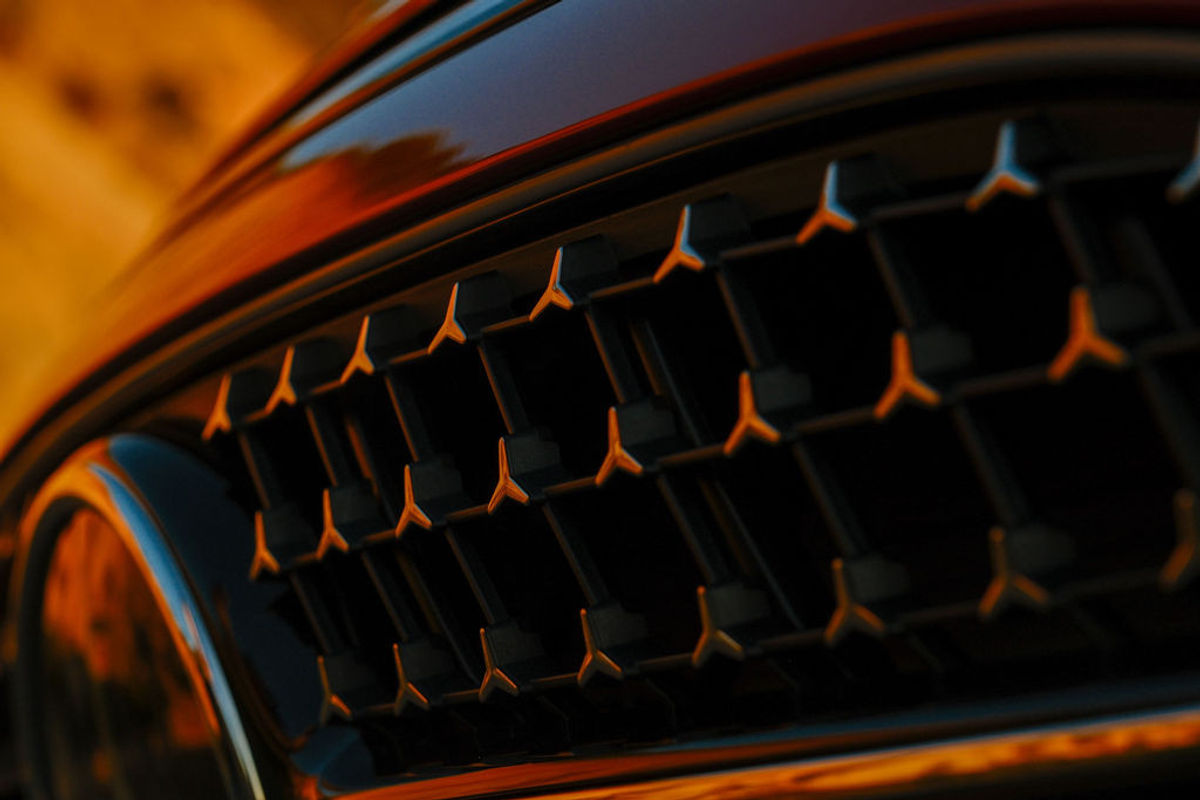
The new Mercedes-Benz CLA200 arrives as a sleek antidote to the SUV-dominated landscape, blending striking coupe-sedan styling with cutting-edge software. Does it offer enough performance for its premium price tag?
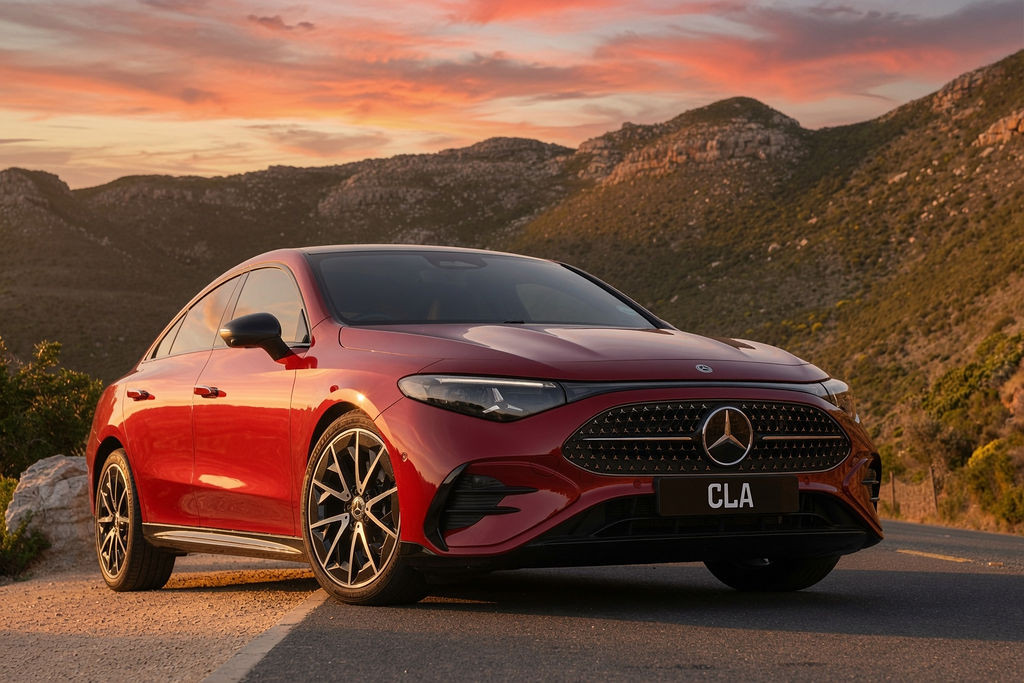
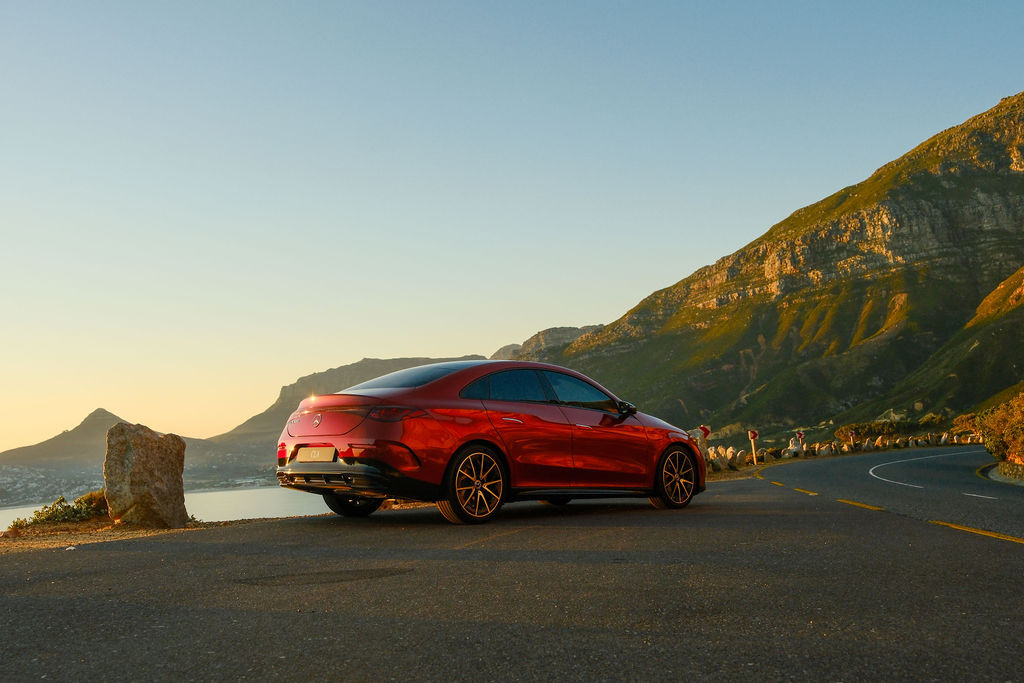
It is refreshing to see that traditional sedans are still available in South Africa. If you want to stand out from the endless crowd of SUVs, a highly stylised coupe-sedan like the new Mercedes-Benz CLA is a brilliant way to do it. Growing significantly in size to mirror the current C-Class, this 3rd-generation model arrives locally exclusively in CLA200 guise. It pairs a high-tech, electrified drivetrain with an avant-garde interior, aiming to appeal to buyers who value design and technology over pure utility.
SA is initially getting only the CLA200.
How the Mercedes-Benz CLA fares in terms of…
Design & Packaging
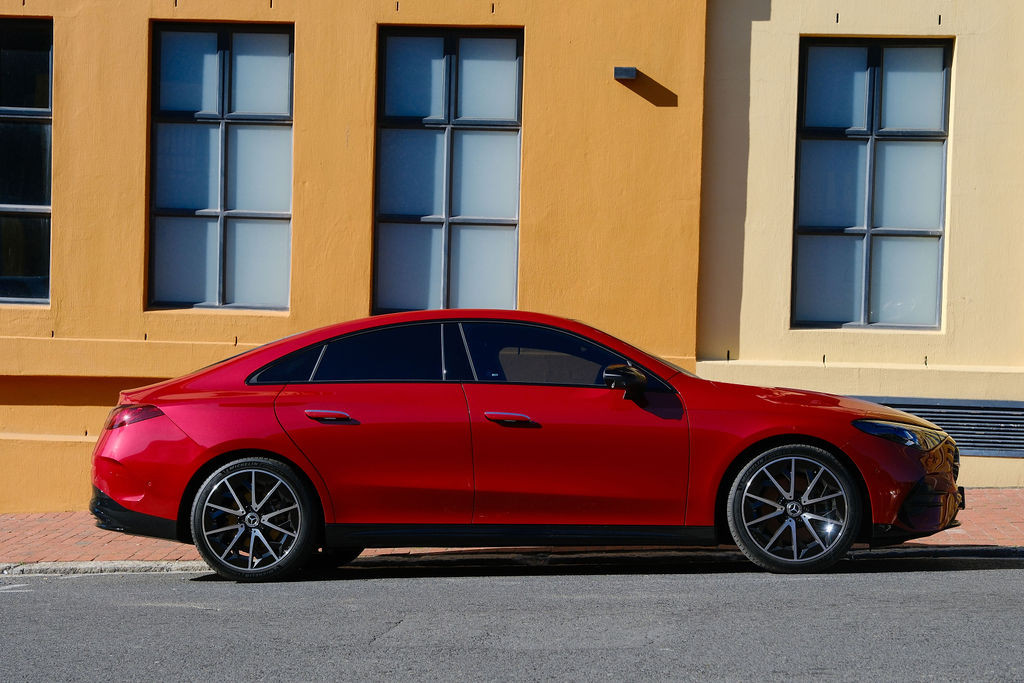
By stretching the length to 4 723 mm and extending the wheelbase to 2 790 mm, Mercedes-Benz has successfully liberated much-needed cabin space. Rear passengers now enjoy vastly improved legroom, and rear headroom is notably better than its predecessor’s, making the coupe-like roofline far more liveable.
The CLA has grown in length to almost C-Class length.
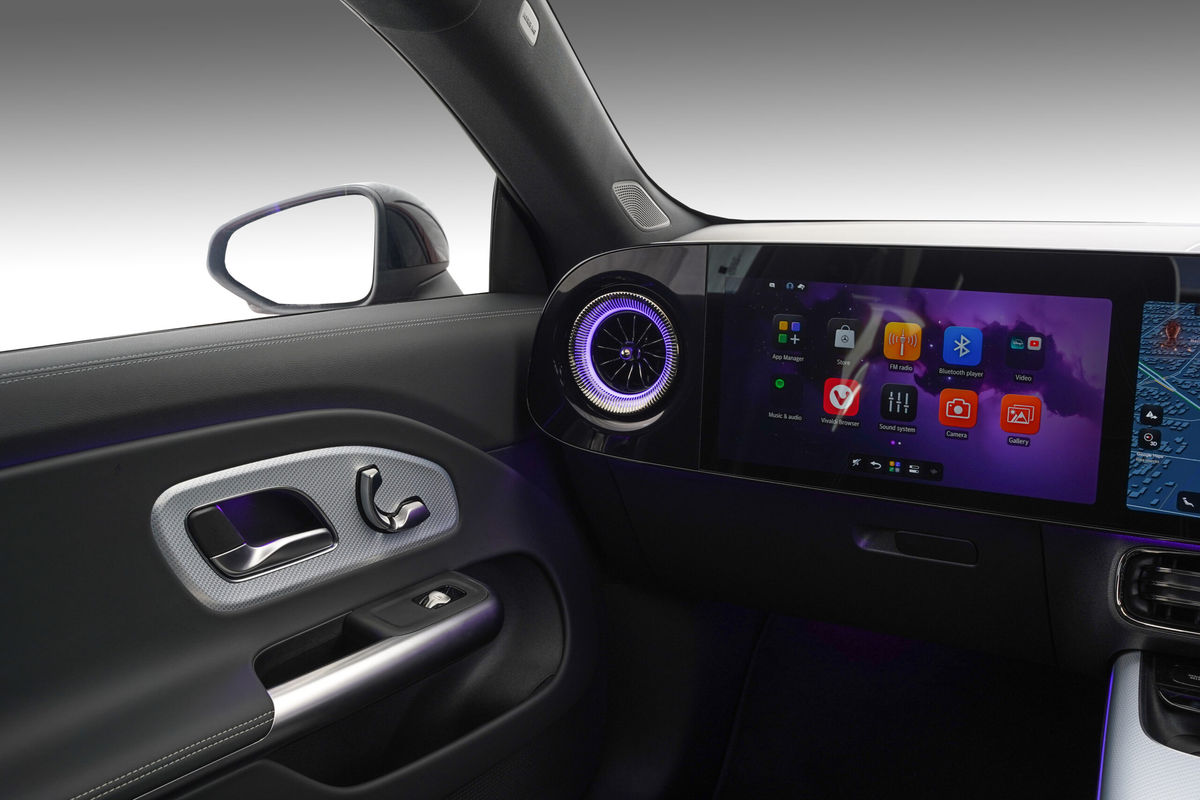
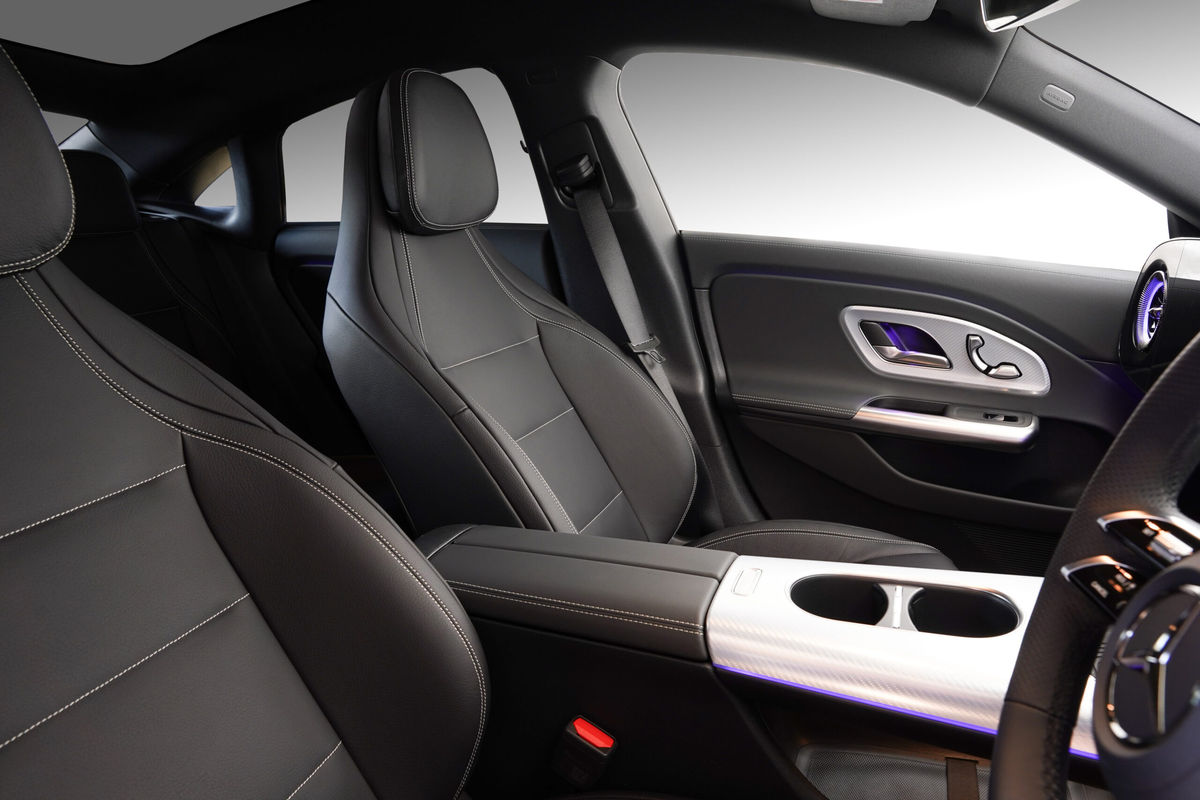
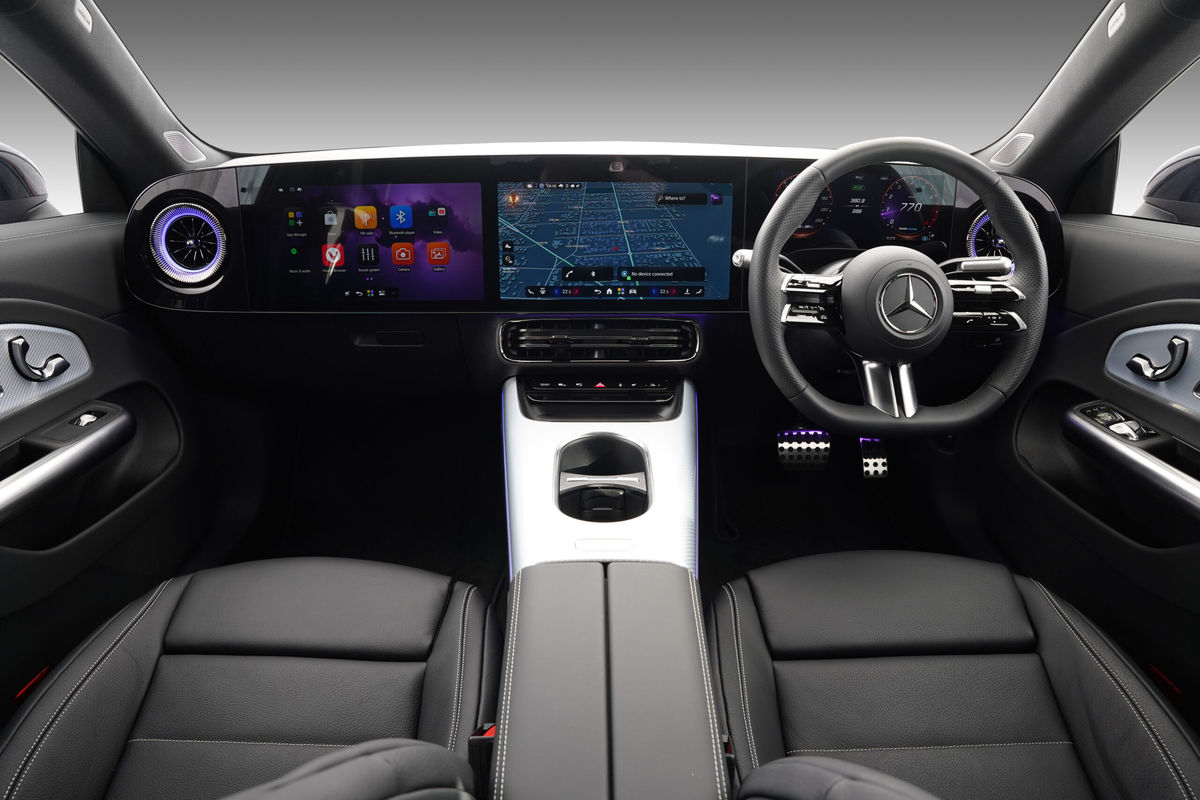
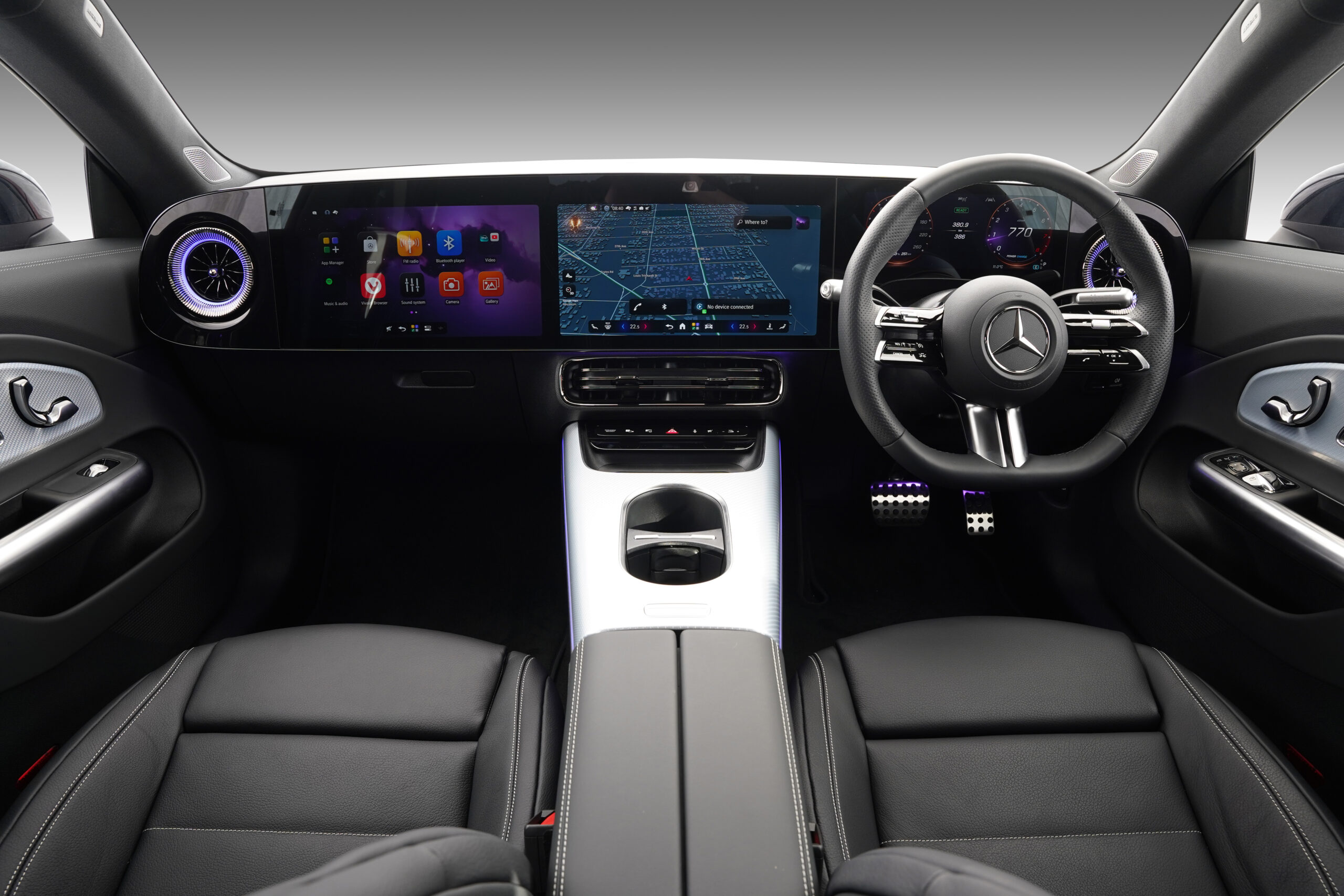
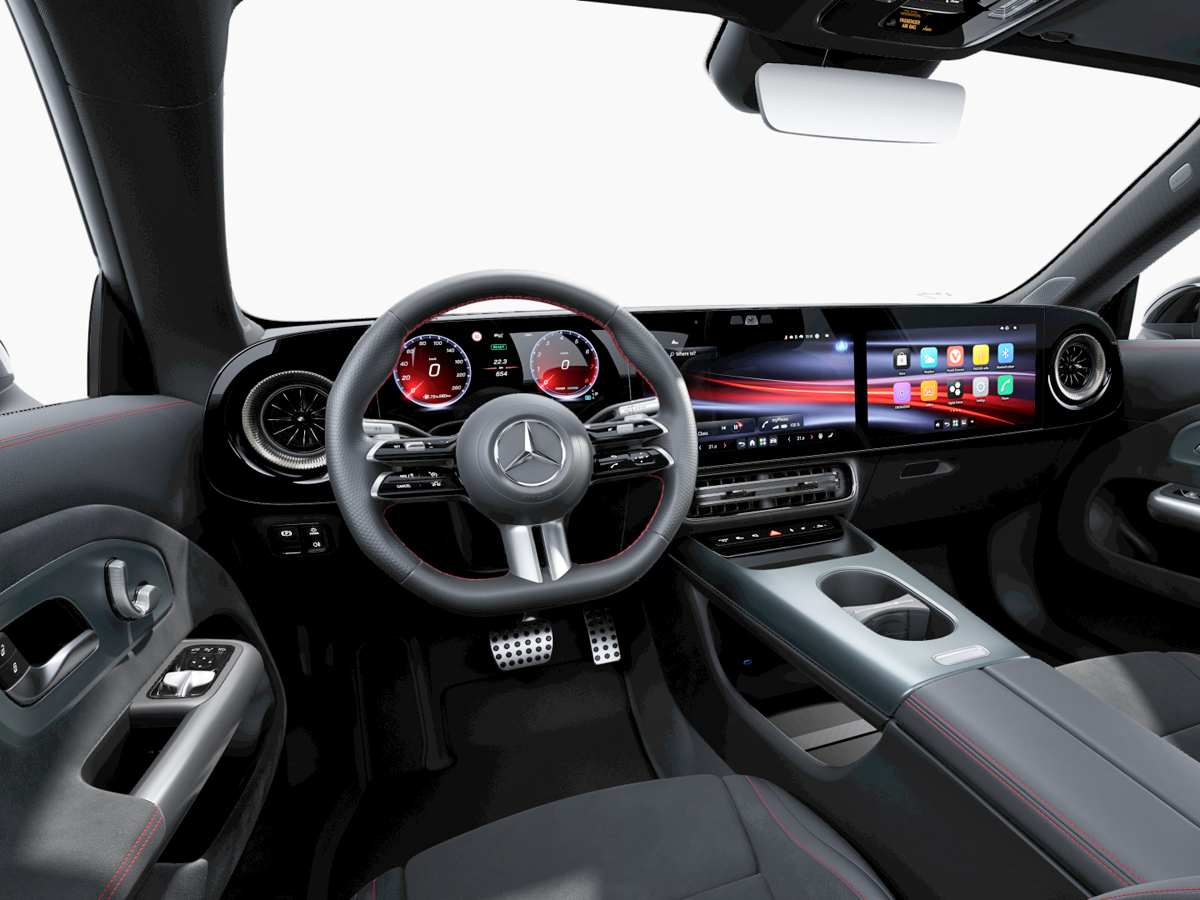
The undisputed highlight is the new cabin architecture, dominated by the optional floating triple-screen MBUX Superscreen. It provides an immediate “wow” factor. The 3rd display sits in front of the passenger and serves up games and streaming apps when parked, although it can also assist with navigation tasks on the move.
The software is powered by the new, highly responsive Mercedes-Benz Operating System (MB.OS). This system utilises generative AI within its “Hey Mercedes” voice assistant. The conversational assistant is so advanced it feels as though it could easily help me reorganise my investment portfolio or compile a sports-science meal prep plan if we spent more time together.
Ride, Handling & Comfort
Triple-screen setup is particularly eye catching.
Ride refinement in the new CLA is highly polished. For a car styled with sporty intentions, it manages to avoid feeling overly stiff or punishing. Instead, the chassis behaves with great compliance, absorbing South African road scars, expansion joints and dips with impressive composure.
The low-slung stance does have its drawbacks, however. Taller speed bumps can occasionally catch the underside of the front bumper if you are not careful with your approach speed.
In terms of steering and handling, the front end is responsive and predictable. The physical comfort of the cabin is top-notch, keeping road noise well isolated, resulting in a serene cruising environment that feels distinctly premium.
Performance & Efficiency
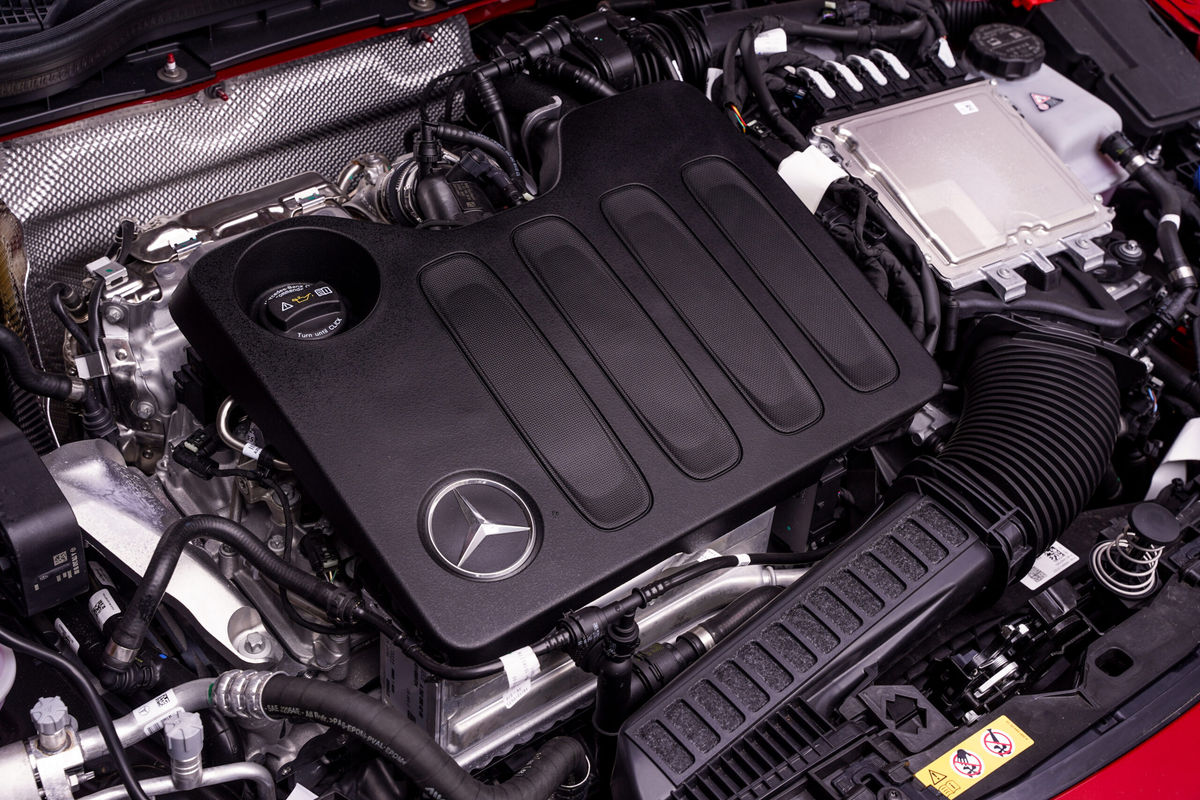
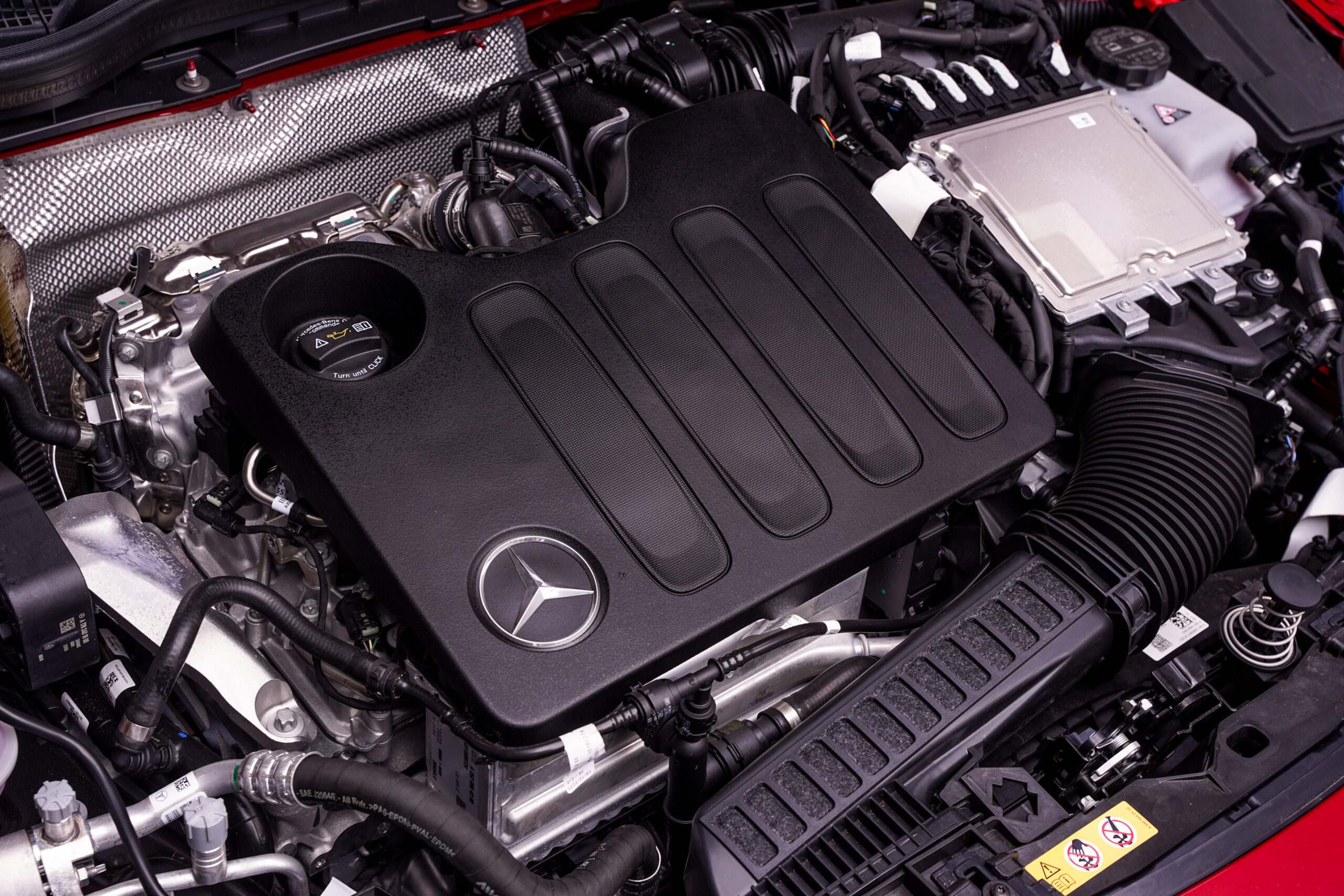
SA has the 1.5-turbopetrol engine, combined with a small hybrid setup.
Under the hood, the South African market receives a 1.5-litre, 4-cylinder turbopetrol engine paired with 48V mild-hybrid technology and a small electric motor.
Step on the throttle and you are greeted by synthesised engine noise through the speakers, creating a rorty, low-rev thrum designed to make the vehicle feel faster than it actually is. It dispatches the 0-100 kph sprint in a claimed 8.0 seconds. While faster variants will inevitably arrive, the CLA200 feels a little lacklustre in the performance department for a vehicle at this price point.
Where it shines is the exceptional drivetrain configuration. Having driven countless Chinese cars this year, jumping into the CLA highlights the massive gap in gearbox and engine calibration. The Benz’s throttle application is buttery smooth, shifting is seamless, and there is none of the jerky, clunky behaviour that plagues newer entrants. It is a masterclass in modern drivetrain integration.
Mercedes-Benz CLA200 Price & Aftersales support
The CLA200 is sold as standard in Progressive guise, with buyers able to option the AMG Line or AMG Line Plus packages to enhance the exterior design. The pricing includes a 5-year/unlimited kilometre warranty and a 5-year/100 000 km maintenance plan.
Mercedes-Benz CLA 200 Progressive
R939 519
Pricing correct as of July 2026.
Verdict
Pricier than competitors; will the market accept it?
The new Mercedes-Benz CLA200 is a highly appealing, visual tour de force that successfully keeps the premium sedan alive. It drives beautifully, offers superb ride refinement, and features a cabin that sets a new benchmark for digital integration in this class. The sheer sophistication of its drivetrain calibration demonstrates that German engineering still holds a significant advantage over its emerging rivals in the ICE space.
However, forking out nearly R1 million for a 1.5-litre engine that delivers merely adequate performance is a tough pill to swallow. While the cabin technology and exterior drama will easily win over style-conscious buyers, those seeking true performance may want to wait for the hotter AMG derivatives to arrive on local shores.
Can Changan make it in South Africa?
Our recent trip to Chongqing China gave us access to Changan’s factory and R&D centre, showing us just how big the brand really is and the impact it’s had in China. As one of the top 5 automotive brands in that country, can Changan also win the hearts of South Africans?
It’s been only 9 months since Changan relaunched in South Africa and times have certainly changed since the brand first had a limited presence locally under a different distributor. Now, imported and distributed through Jameel Motors – claimed to be one of the world’s largest independent automotive distributors – the brand is back in a time where the local market is seeing a major shift in consumer behaviour.
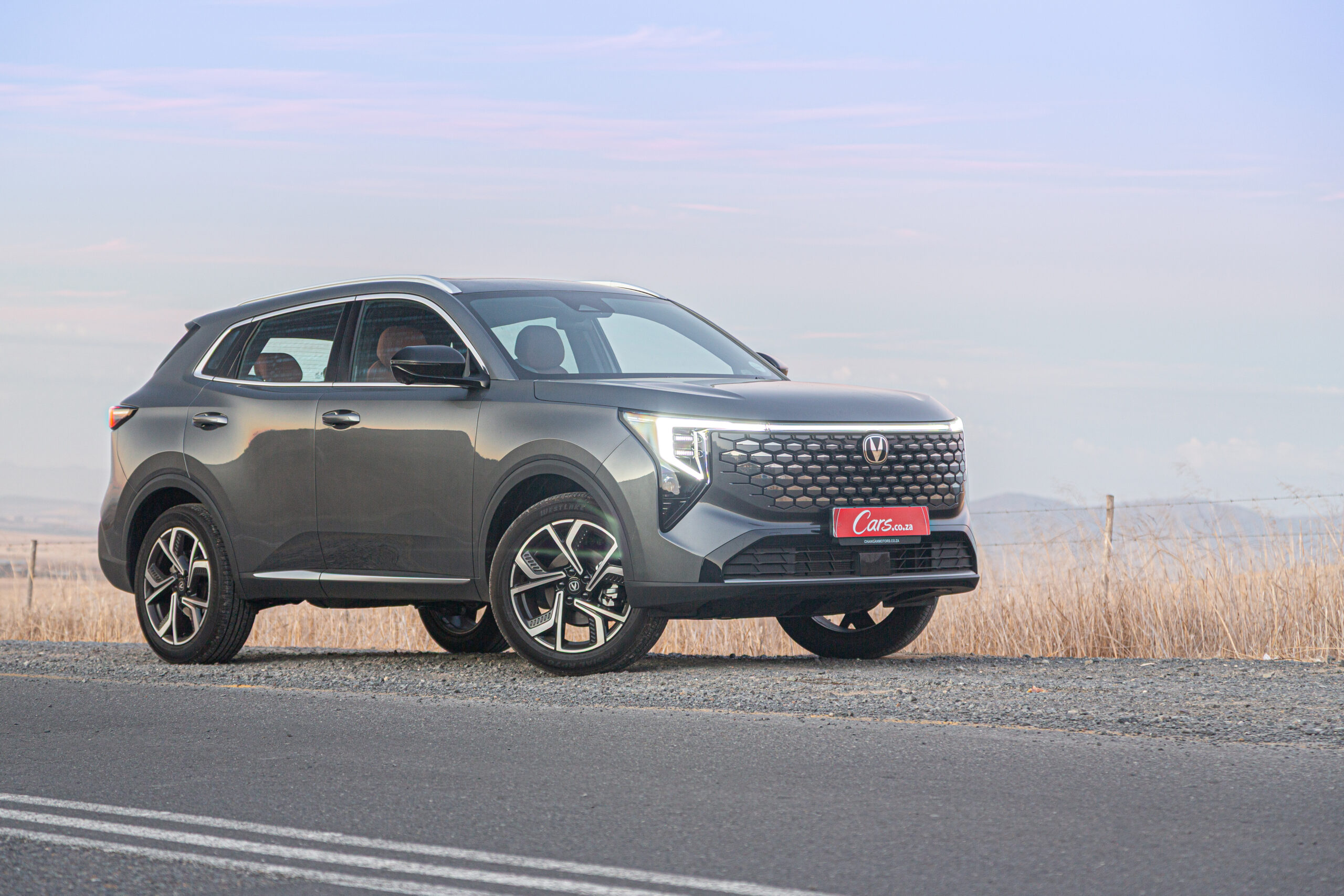
The Uni-S midsize SUV is the latest model to join the local Changan stable.
The rapid adoption of Chinese vehicles in South Africa is something even the most seasoned of motoring journalists couldn’t have predicted. After all, South Africans have tended to be fiercely brand loyal.
In hindsight, however, the writing was on the wall long before this shift happened, due in part to traditional car makers inflating prices, especially post COVID-19. The media as well as consumers often lamented that cars’ prices were too high and the Chinese listened… For some years, pioneers such as GWM and Chery slowly started making inroads as more and more people started realising the stigma that China exports only cheap, mass-produced goods was unfounded.
We all know what happened next… More brands joined, more people converted, and now many Chinese carmakers feature in the top 10 sales charts. In June 2026, out of the 38 393 cars that were sold in South Africa, more than 11 000 of those were from Chinese brands. Let that sink in.
New week, new brand…
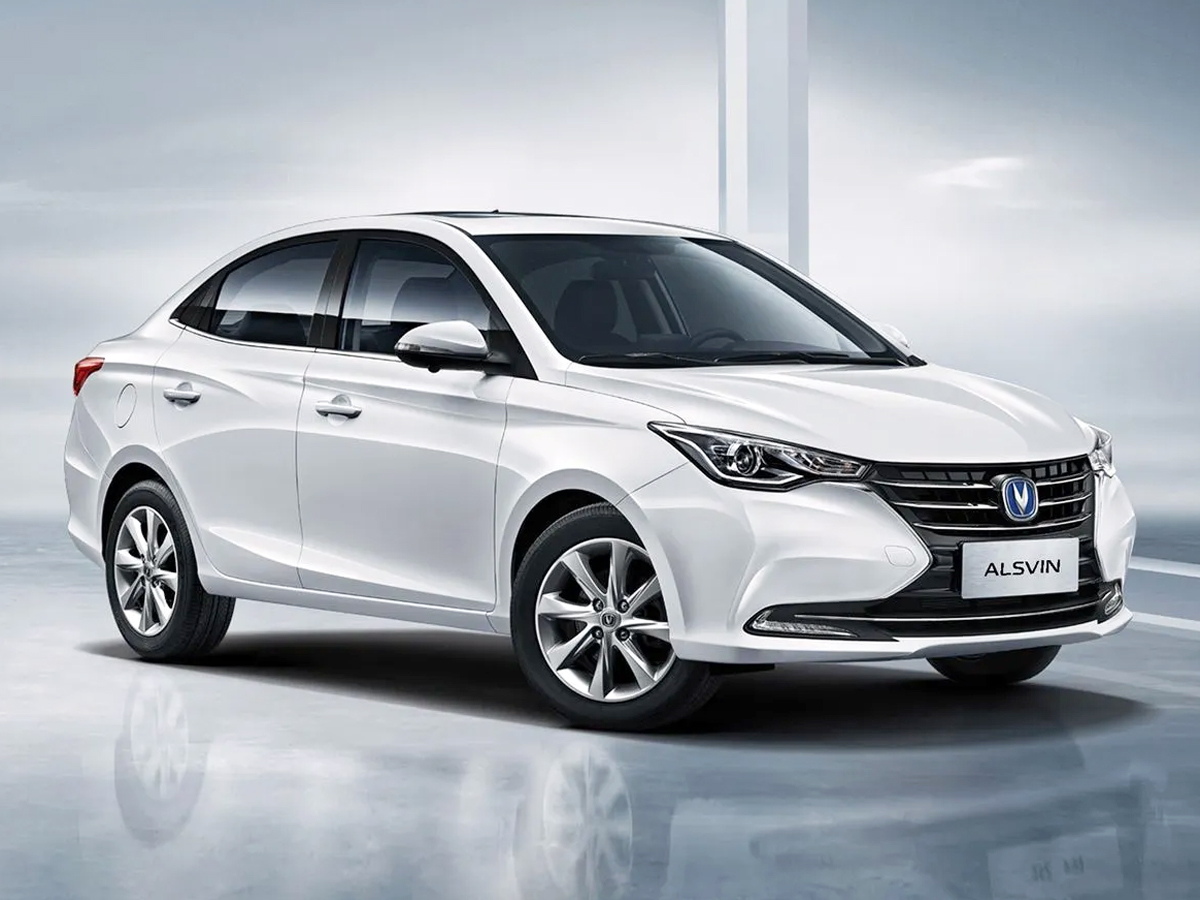
The Changan line-up spans everything from the budget Alsvin sedan to a range-extender lifestyle double cab.
For Changan, this means it’s entered the market at the best and worst of times. On the one hand, people have embraced Chinese cars, making them easier to sell. On the other, the rate of this acceptance has happened very rapidly. It almost feels like one day it was GWM and Chery, and then the next day we had Omoda, Jaecoo, BAIC, GAC, JAC, Geely, Lepas, Jetour, iCaur and on and on.
How can Changan stand out in a crowded market?
The main challenge newcomer Chinese brands face is how to cut through the noise to reach in-market consumers. This is where marketing and positioning play a critical role. Changan has an advantage, though – nearly 70 years of experience in making cars. They’ve also had several noteworthy joint ventures with brands such as Ford, Mazda, Suzuki and Stellantis.
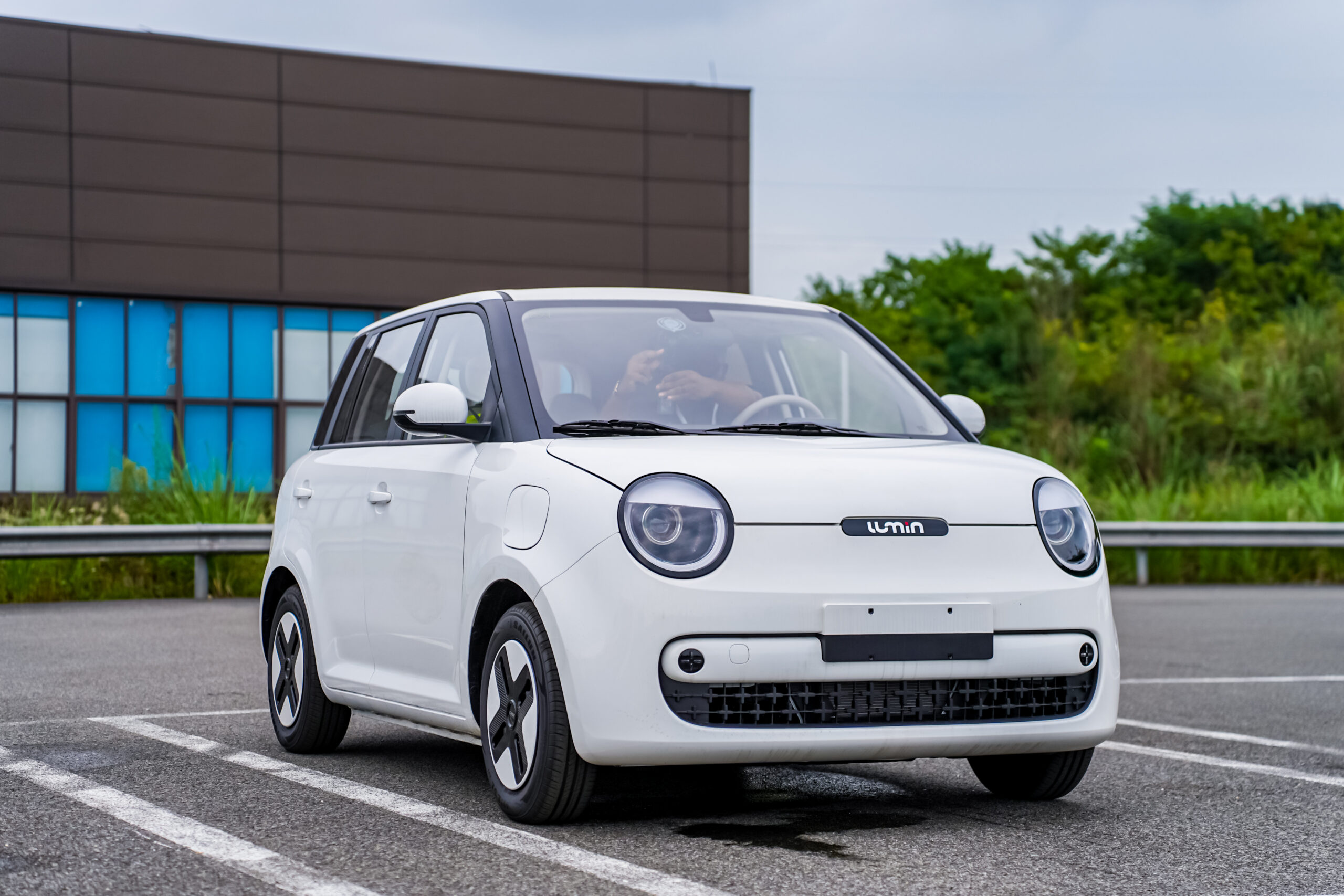
One of the vehicles Changan has earmarked for the South African market is the cute Lumin city EV.
When I recently visited their factory and R&D centre in Chongqing, China, my eyes were opened to the scale of the operation. As is industry standard when partaking in plant and development-centre tours, our cell phone cameras were taped shut, so there aren’t any photos. But I’ll paint a picture…
Changan has 506 welding robots that can produce a body-in-white (the skeleton of a car) in 55 seconds. On a low-volume day, they produce 800 cars and on a high-volume day, 1 200 vehicles are built.
For audio lovers, their R&D centre has a Dolby Atmos studio where they tune Meridian speakers to give you the best audio quality on their higher-end vehicles.
Driver and passenger safety is also taken very seriously, with numerous tests being done to ensure that their cars meet stringent safety standards. We even had the opportunity to witness a crash test, which was both fascinating and jarring as the noise of a crash test is much louder than you’d expect.
Being a government-owned entity, Changan has what seems like endless resources to make its cars quieter, smarter and more efficient.
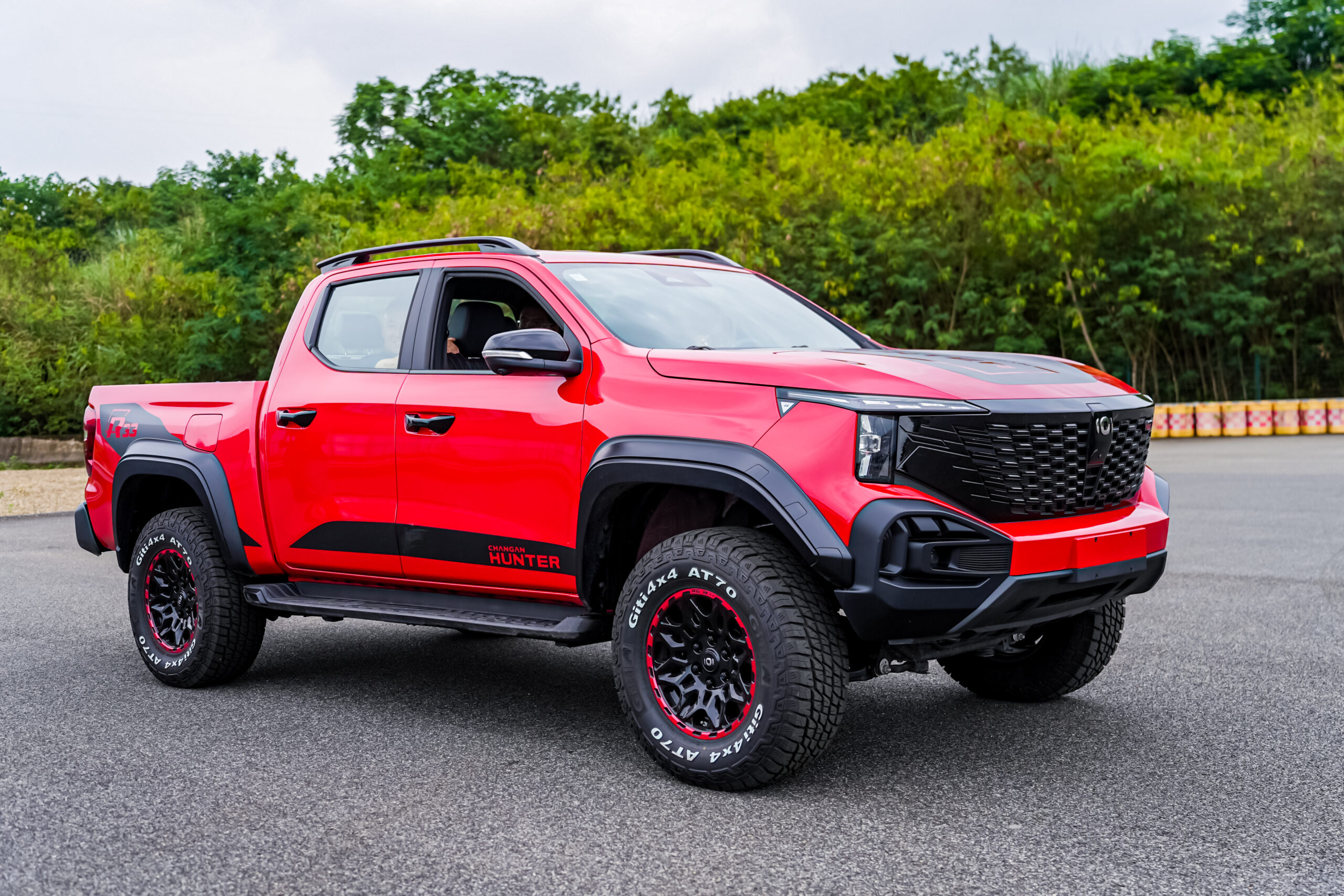
And, of course, Changan has even started penetrating the notoriously brand-loyal bakkie market.
It’s critical that South African consumers know all of this because such context helps refute the negative claims that Chinese cars are cheaply made or inferior to their European counterparts.
At the same time, you can’t blame locals for being sceptical; the majority of South Africans simply don’t know the history of Chinese vehicle brands such as Changan and others like GWM, which is a 42-year-old company and Chery, which is 29 years old.
Visiting Changan’s factory confirmed our market is undergoing a change which will not be stopped. This is a repeat of what happened when the Korean vehicles entered our market years ago. In the beginning, people were very sceptical, but fast forward to 2026 and it’s second nature to recommend a Hyundai or Kia. I reckon that, by 2030, Chinese brands will carry the same weight as their Korean equivalents, perhaps even sooner.
Back to Changan South Africa. It certainly has its work cut out for it in a crowded market, but with the right strategies to drive awareness, it too can find bigger success locally. Changan’s current lineup and it future products are appealing. This appears backed up by a robust dealer network of 33 outlets, swelling to 40 by year-end. Aftersales support is equally critical for the success of a brand, and it seems as if Changan is up for the challenge. Let’s see how things play out…
Kia SA rapped over knuckles for ‘insensitive’ Tasman advert
SA’s advertising watchdog has ruled against a Kia advert for the Tasman bakkie, saying it’s “likely to cause sectoral offence to those affected by neurological conditions”…
TV advert for Tasman attracts complaint
Advertising watchdog rules against Kia SA
Kia SA ordered to “remove or amend” ad
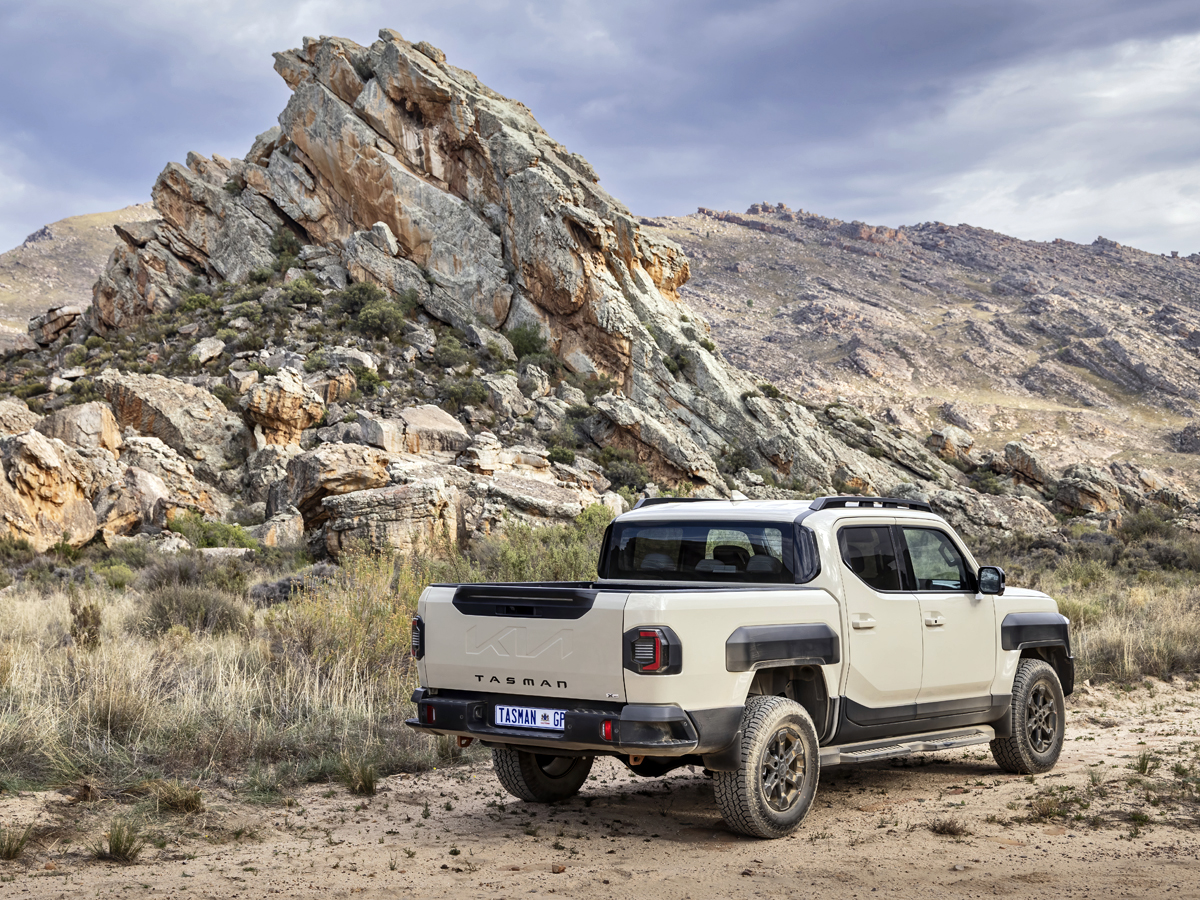
South Africa’s advertising watchdog has ordered Kia South Africa to “remove or amend” a television advert for the Tasman bakkie, ruling that its content is likely to cause offence to “those affected by neurological conditions”.
In its ruling, the Advertising Regulatory Board (ARB) explained it had received a complaint about a local TV commercial for the Tasman. The advert in question – which Cars.co.za understands was created by the Cape Town-based OFyt advertising agency and produced by Patriot Films – opens on a man entering a shop carrying various boxes. He is shaking and a few smaller boxes fall from the pile.
The advert in question was still on Kia SA’s YouTube channel at the time of writing.
The ad for the bakkie – a model that hit the market in SA in April 2026 – then cuts to a man trying to weigh bird seeds. He is likewise shaking and seeds falls from his scoop. According to the ARB, various scenes follow, each showing individuals finding it difficult to complete tasks – from reading a newspaper to drinking a cup of coffee – because they are shaking.
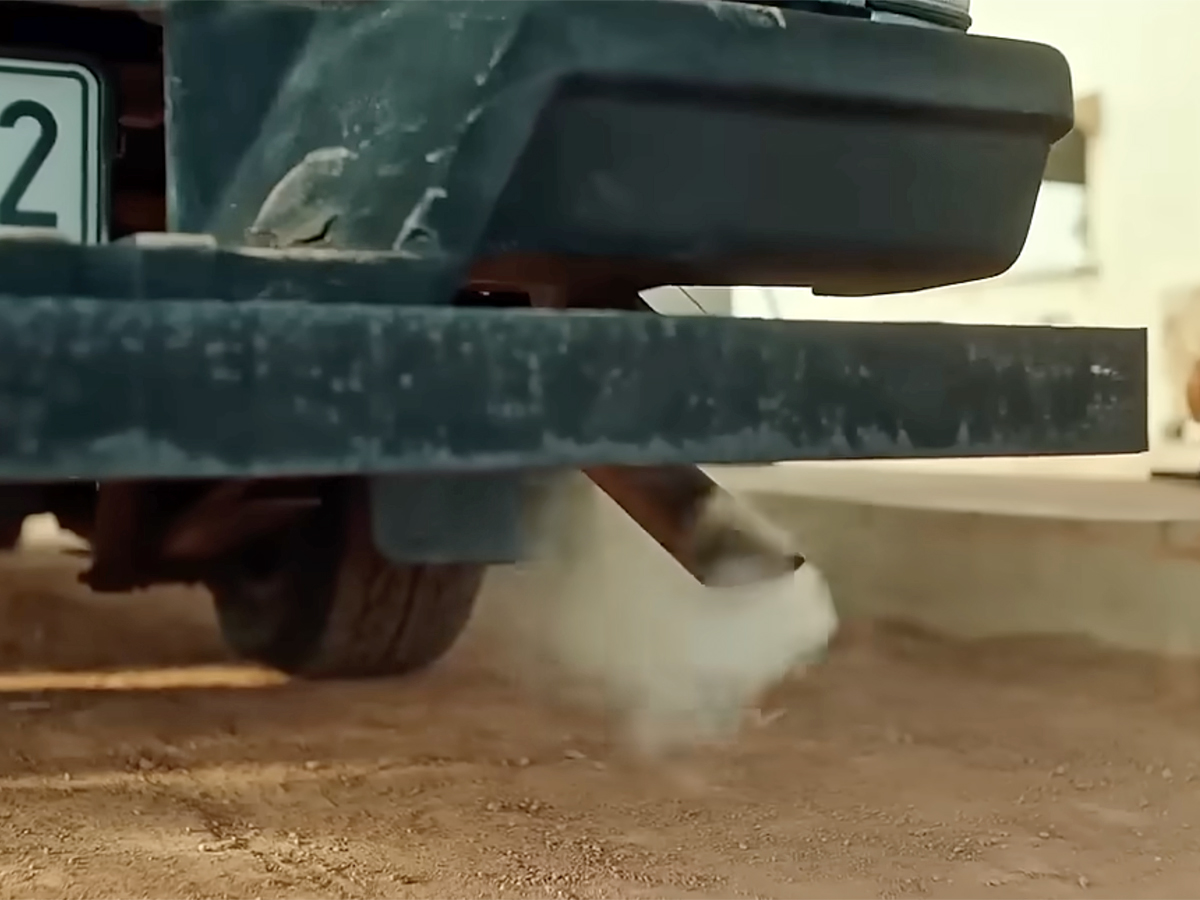
A shaking exhaust pipe is then shown. One of the shaking people sits in a bakkie, which itself is shaking, and watches a man crossing the parking area carrying some piping. The latter individual is not shaking, climbs into his Tasman (which doesn’t shake) and drives away, while the shaking people look on. The text “Built for rough” and “Tuned for smooth” appears on the screen, before the Tasman driver is shown enjoying a smooth ride.
Consumer complaint against the Tasman advert
A still image from the Kia Tasman advertisement.
According to the ARB, the complainant stated the commercial depicts individuals shaking uncontrollably in a manner that “closely resembles” symptoms associated with Parkinson’s disease and other neurological disorders. As someone who has a close family member suffering from Parkinson’s disease, the complainant found the advert “deeply upsetting, insensitive and inappropriate”.
The complainant further stated that Parkinson’s disease is a “serious and debilitating medical condition” that affects not only those diagnosed but also their families and caregivers who witness the daily struggles associated with the illness. According to the complainant, using movements that resemble such symptoms for entertainment or comedic effect can be perceived as “mocking or trivialising those conditions”.
Kia South Africa’s response to the complaint
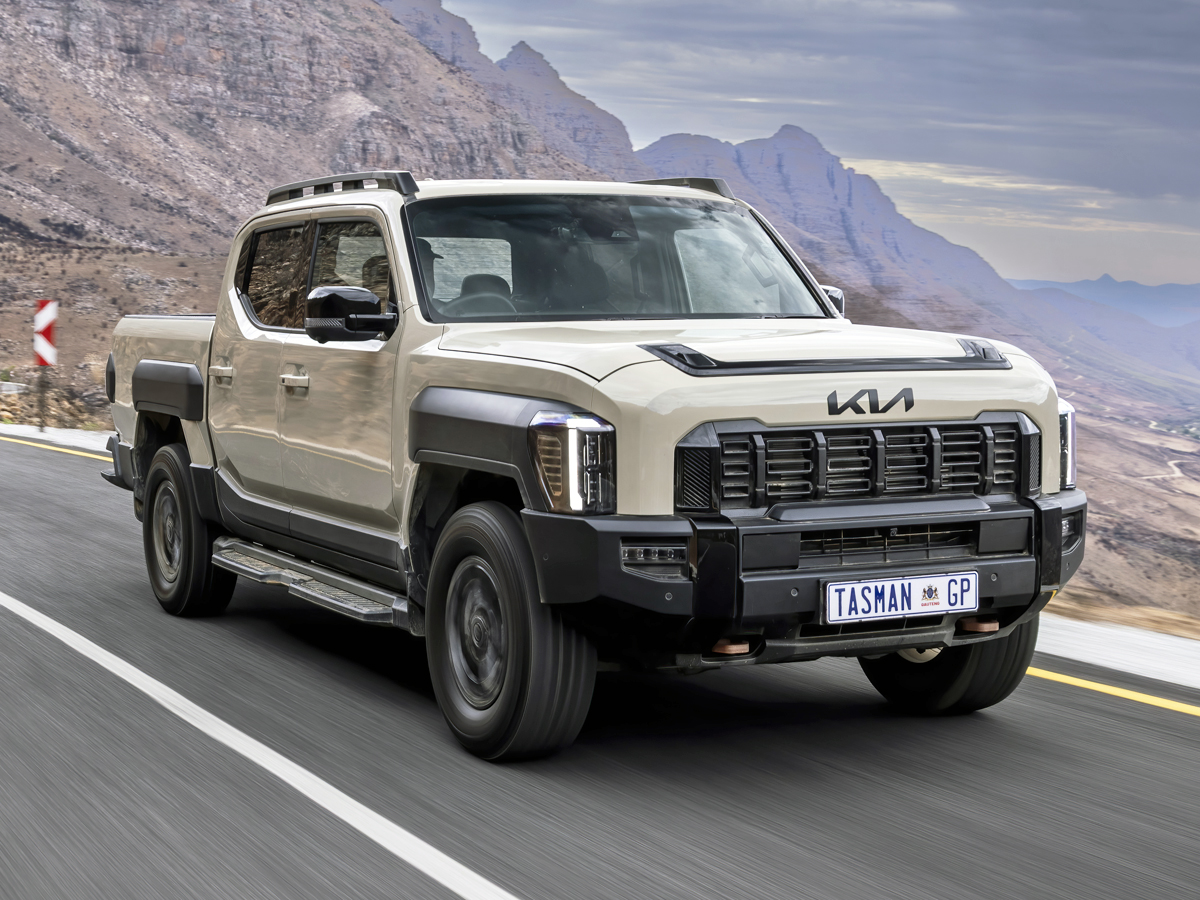
The Tasman hit the market in SA in April 2026.
According to the ARB, Kia SA responded that the shaking of the various individuals in the advert represents the “rough, uncomfortable ride experience that those vehicles deliver on South African roads”. This, the advertiser said, is directly attributable to the bakkies they drive. The rattling exhaust pipe is shown as a deliberate visual connector, “making the causal link between the vehicle and the physical experience explicit and unmistakable.”
Kia furthermore told the ARB that before being aired, its advertising agency had “voluntarily submitted” the commercial to an experienced legal practitioner who assessed that the treatment constitutes hyperbole and raised no concern that the depiction “could be misconstrued as representing Parkinson’s disease or any other medical condition”.
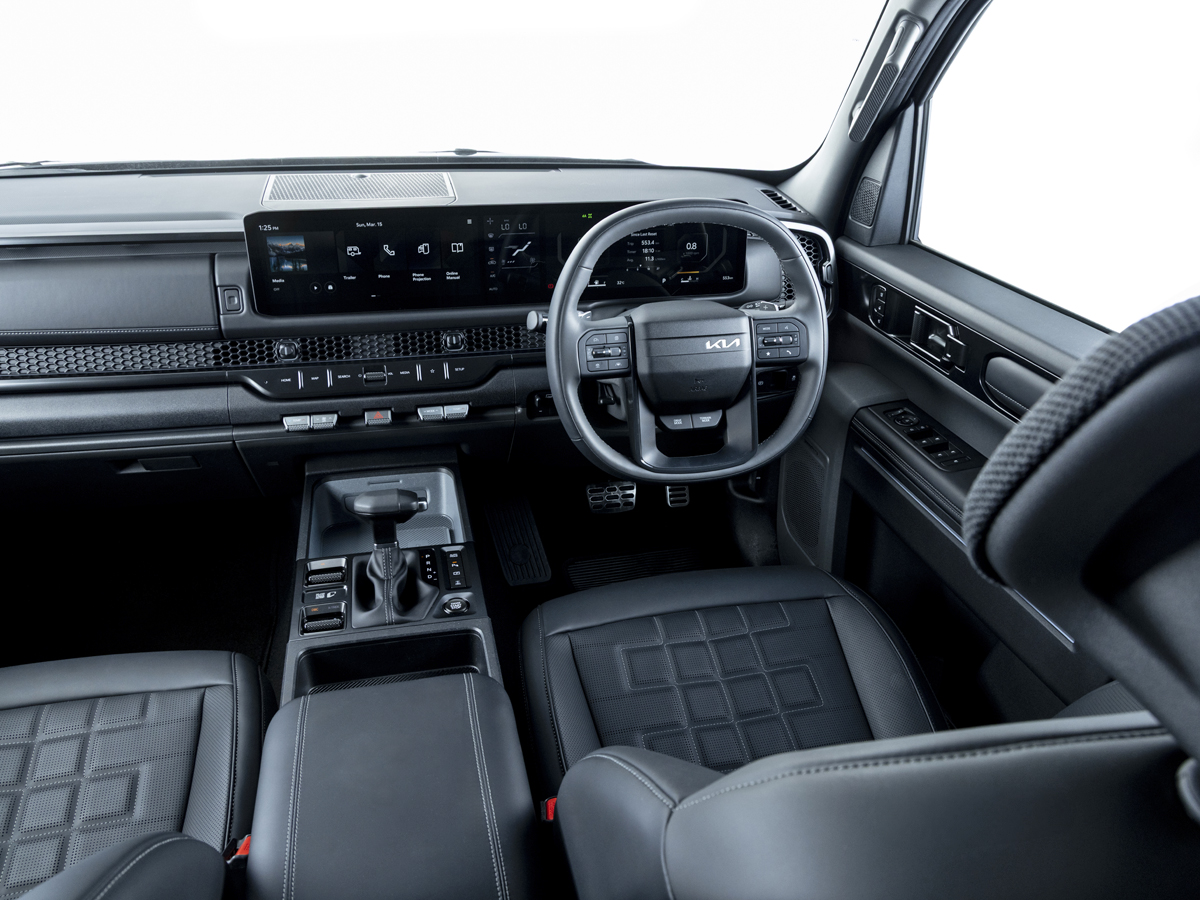
The interior of the Kia Tasman.
In addition, Kia SA referenced the Code of Advertising Practice, which permits parody in South African advertising, emphasising that the shaking of the individuals (along with the shaking of the bakkie’s exhaust) explicitly shows why they shake. The shaking, Kia SA said, is multidirectional – forwards, backwards and lateral – which are “precisely the axes of vehicular movement over uneven terrain”. In the same environment, however, the Tasman driver does not shake.
The South Korean brand’s local division said this “provides a visual logic” against which a viewer would have to work to reach the complainant’s interpretation. The company furthermore stated the shaking depicted is “physically distinct from a Parkinson’s tremor”, that the commercial “makes no reference to any medical condition” and that “there are many other possible causes for extreme trembling beyond the complainant’s interpretation”.
The ARB’s ruling against Kia SA’s Tasman advert
In the matter, the ARB said it had considered Clause 1 of Section II of the Code of Advertising Practice, which states: “No advertising may offend against good taste or decency or be offensive to public or sectoral values and sensitivities, unless the advertising is reasonable and justifiable in an open and democratic society based on human dignity, equality and freedom”.
Though the ARB said it “accepts” there is no intention to depict Parkinson’s or any other neurological disorder (and that viewed as a whole the reasonable consumer will understand that the characters are not suffering from such a disorder), it added that this context is not set up from the beginning of the commercial.
The Tasman range in SA currently comprises 3 derivatives.
“Given this, the Directorate considers the inadvertent outcome of the depiction of individuals shaking severely may reasonably be understood for at least part of the commercial to be a neurological disorder. A reasonable viewer of this commercial is likely to wonder why the individuals are shaking,” explained the ARB.
“The effect of this shaking on ordinary activities like carrying a box, reading a newspaper or drinking coffee is not immediately apparent. Before the later context provided by the shaking bakkie, the initial most likely impression is that the individuals are experiencing some form of neurological disorder.”
The ARB suggested the depiction of a shaking bakkie exhaust came too late in the advert.
The ARB said the subsequent explanation for the individuals’ shaking “does not retrospectively dispel the initial impression created by the commercial”. It also points out it does not regard the “depiction of a neurological condition as offensive in and of itself”.
“Rather, when the apparent symptoms of such a condition are used as the basis for humour, and the product being sold is offered as an antidote to those symptoms, the Directorate finds that the commercial may be perceived as making light of those symptoms.
Kia SA has been instructed to remove or amend the advert.
“Because the commercial is likely to create an initial impression that the individuals depicted are suffering from a neurological condition, the directorate concludes that it is likely to cause sectoral offence to those affected by neurological conditions. This is prohibited by Clause 1 of Section II of the Code, and the complaint is upheld,” the ARB said.
In its 8 July 2026 ruling, the ARB instructed Kia South Africa “to remove or amend the commercial depicting shaking individuals immediately as deadlines permit”. At the time of writing, the 45-second advertisement was still showing on Kia SA’s YouTube channel, with a 30-second version likewise still up on the brand’s Facebook page.
Frequently Asked Questions (FAQ)
Q: Why did South Africa’s advertising watchdog rule against the Kia Tasman TV commercial?
A: The Advertising Regulatory Board (ARB) ruled against the advert because the initial scenes depict individuals shaking uncontrollably while trying to complete daily tasks (such as carrying boxes, weighing bird seeds, reading a newspaper and drinking coffee). The ARB found that without immediate context, these severe physical tremors could easily be mistaken for a neurological condition like Parkinson’s disease, thereby making light of the symptoms for commercial gain and causing sectoral offence.
Q: What was Kia South Africa’s defence of the Tasman “Built for rough, tuned for smooth” campaign?
A: Kia SA argued that the shaking was a hyperbolic visual representation of the rough and uncomfortable ride experienced in competitors’ bakkies on South African roads, contrasted against the smooth ride of the Tasman. They noted that the shaking was multidirectional to mirror a vehicle’s movements, a shaking exhaust pipe was used as a visual connector and prior legal review concluded the content was clear parody with no reference to any medical illness.
Q: What action has the ARB ordered Kia South Africa to take and what is the current status of the advertisement?
A: In its ruling on 8 July 2026, the ARB instructed Kia South Africa to immediately remove or amend the commercial. While the regulator accepted that there was no malicious intent to mock neurological disorders, the lack of immediate context meant the initial impression remained offensive. Despite the directive, the 45-second video and its 30-second cutdown initially remained accessible on the brand’s official YouTube and Facebook channels.
Keen on a sedan with well north of 500 kW? These are the 6 most powerful sedans on South Africa’s new-vehicle market right now…
Although the broader sedan segment is a shadow of its former self – we have the seemingly relentless rise of the crossover to thank for that – there are still a few truly brawny saloons on South Africa’s new-car market. Yes, these are the 6 most powerful sedans available right now.
Note that we’ve included both traditional sedans and so-called “fastback” sedans in this exercise. Perhaps unsurprisingly, 5 of the 6 models below are German through and through, with the remaining contender hailing from a German-owned British brand. All pricing is correct in July 2026.
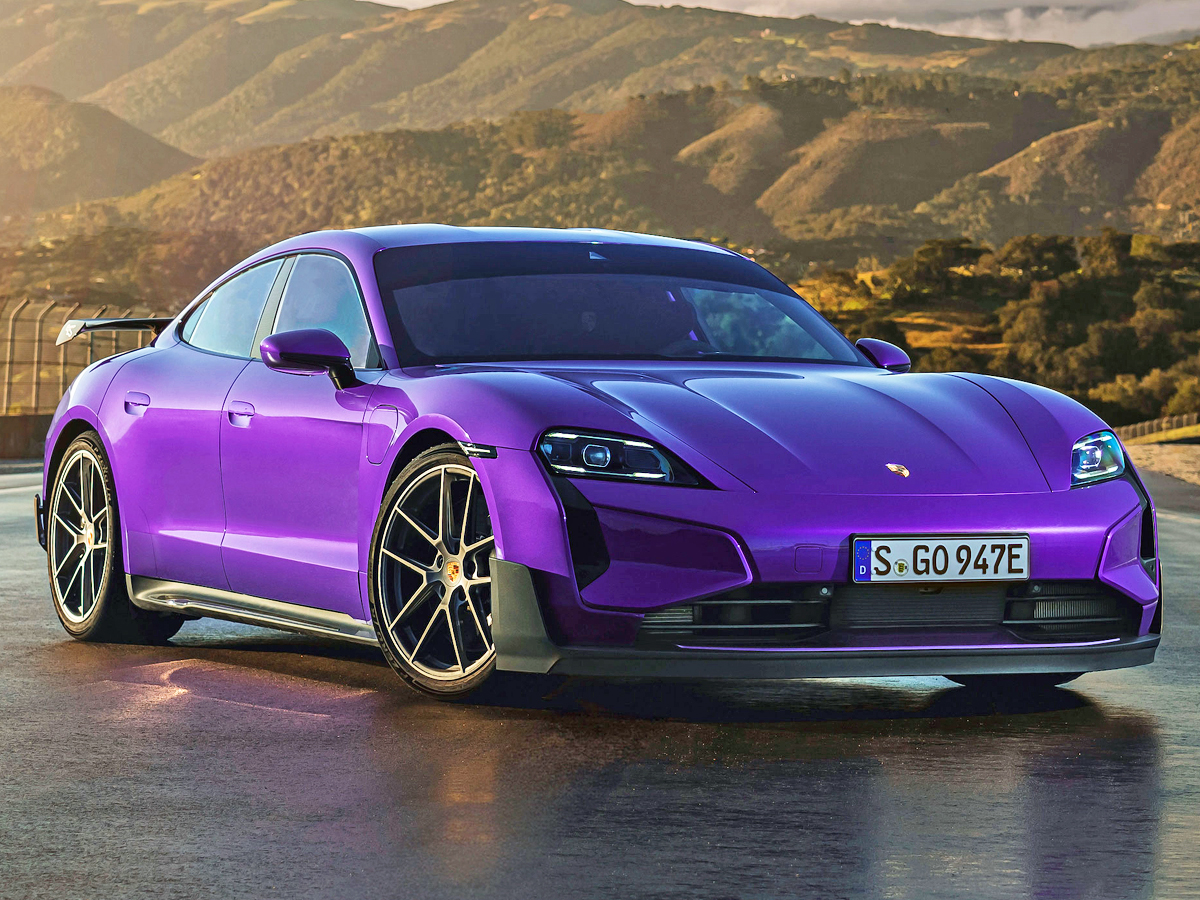
1. Porsche Taycan Turbo GT – 760 kW
On paper, the Porsche Taycan Turbo GT – which is priced from R6 024 000 – is the local market’s most powerful sedan. Note, however, that the GT’s standard output is technically 580 kW, with this figure increasing to 760 kW of “overboost power” when launch control is engaged. Equipped with an electric motor on each axle and a 105 kWh (97 kWh usable) battery pack, maximum torque comes in at a whopping 1 340 Nm.
0-100 kph time (claimed): 2.3 seconds (2.2 seconds with Weissach Pack)
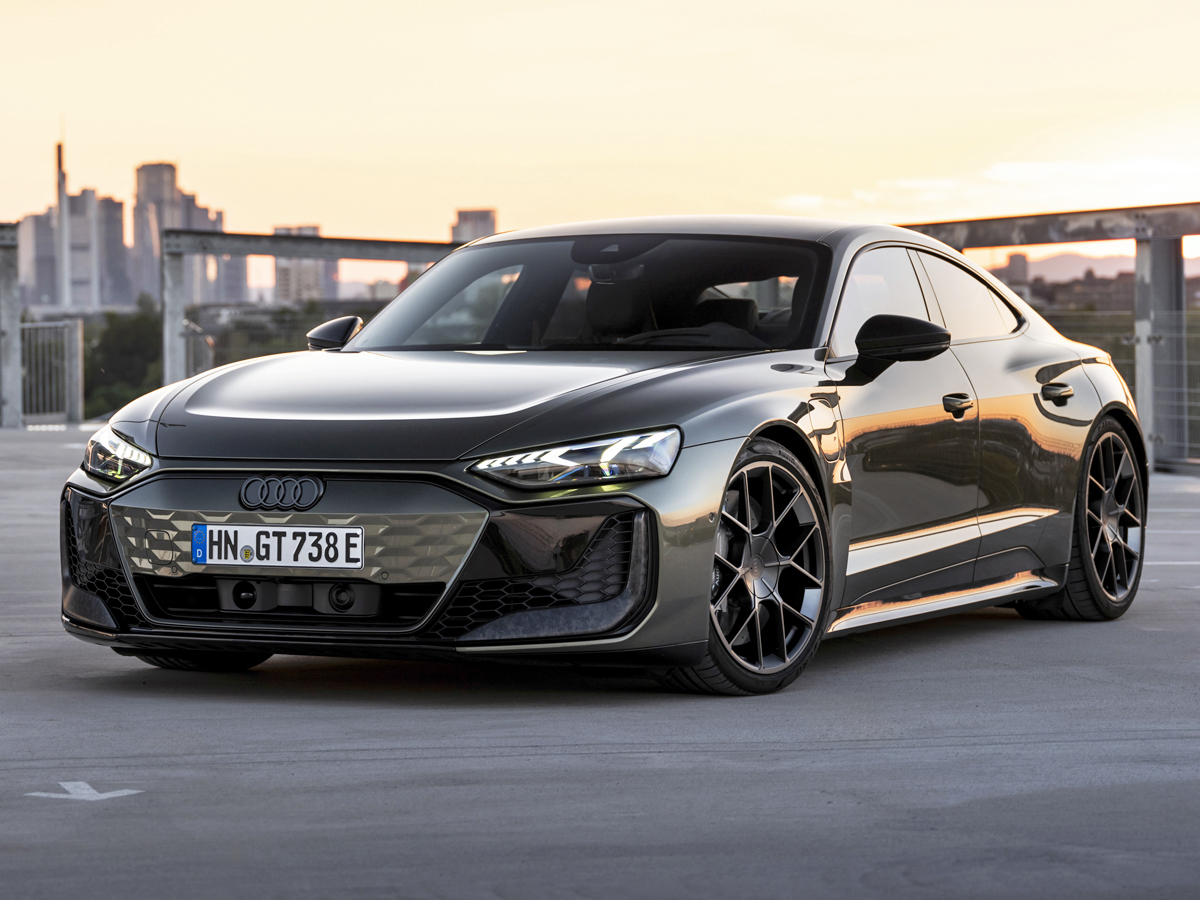
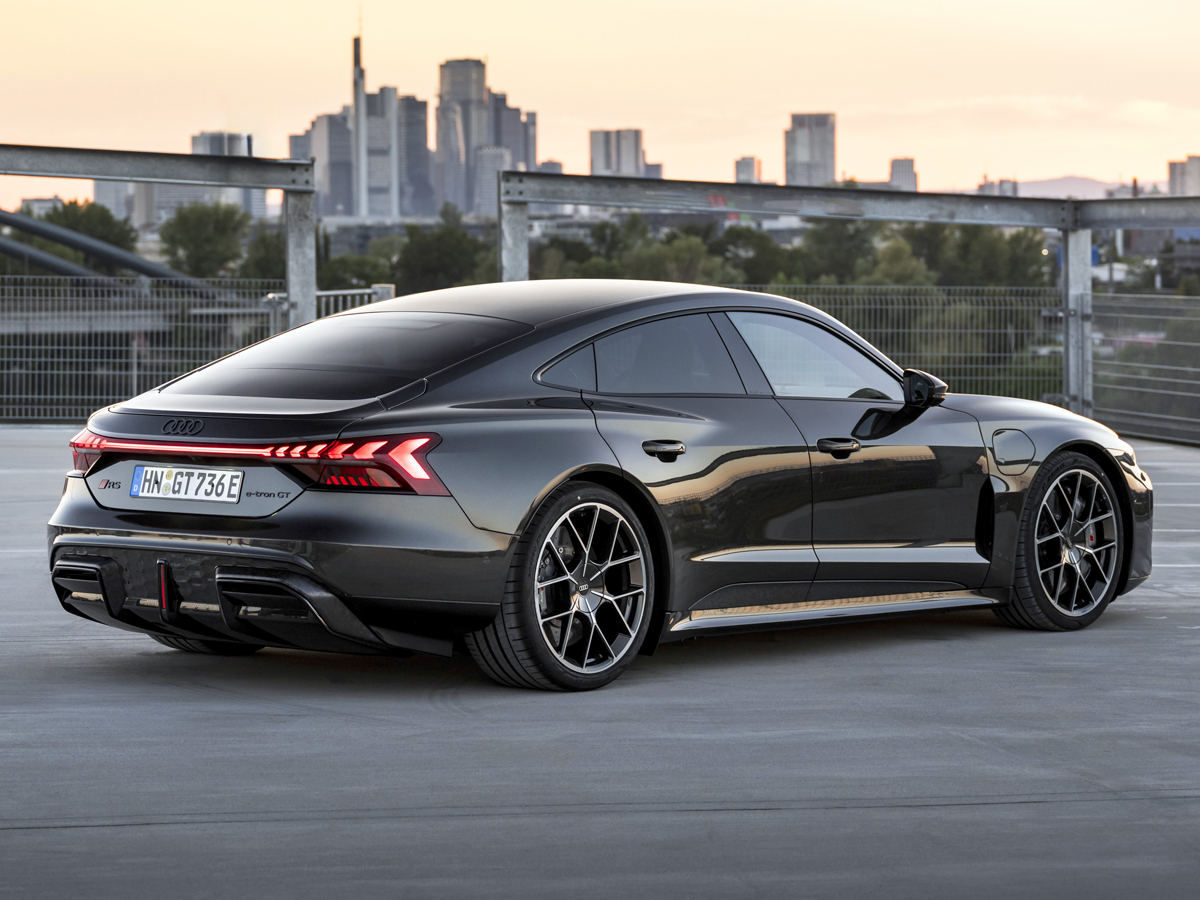
Freshly launched in South Africa (priced from R4 906 100), the Audi RS e-tron GT Performance shares plenty with VW Group sibling the Taycan Turbo GT – including its 97 kWh net-capacity battery pack. Like that model, Audi’s most powerful production vehicle has a special launch-control mode, which in this instance boosts the standard output from 550 kW and 680 kW. The German firm lists a total system torque figure of 1 027 Nm.
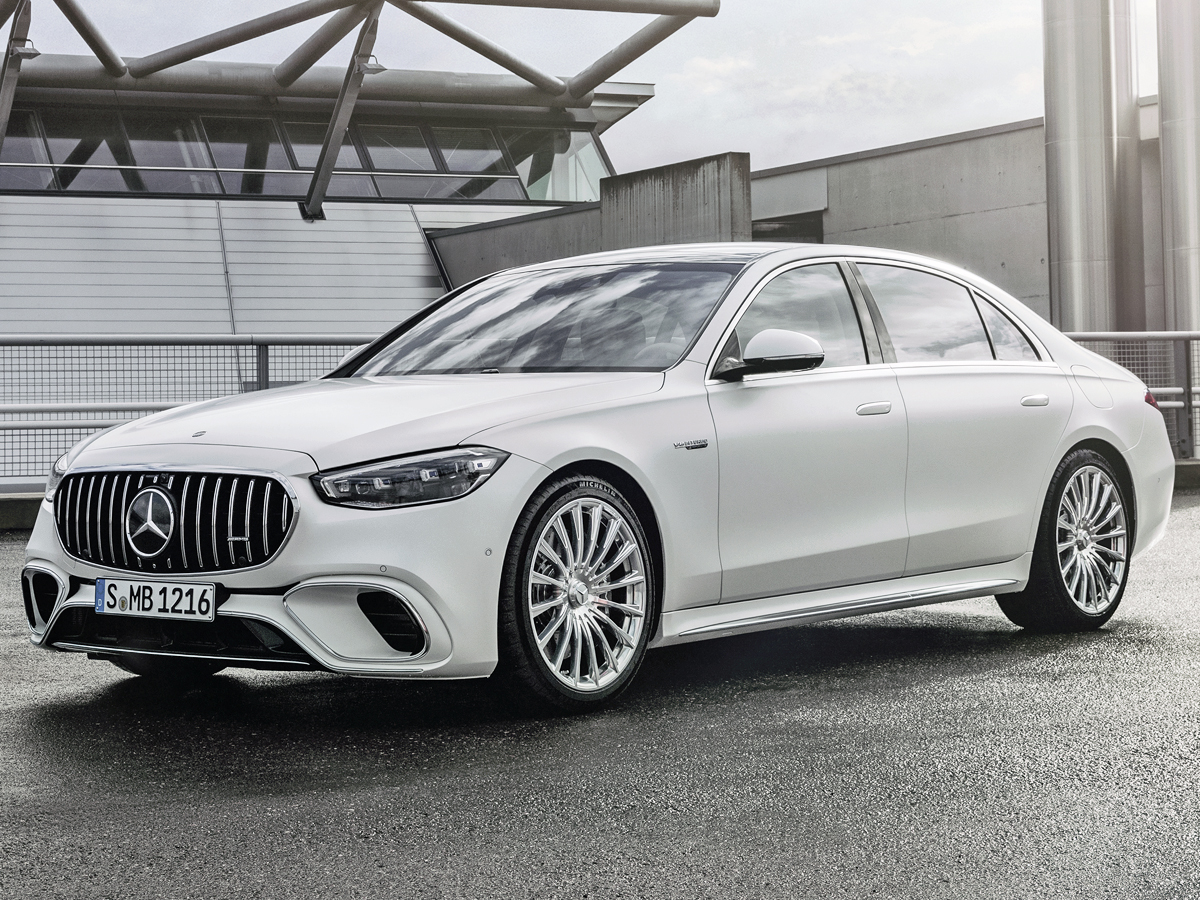
Priced from R4 609 291, the pre-facelift version of the Mercedes-AMG S63 features a plug-in hybrid electric vehicle (PHEV) powertrain worth 590 kW and a staggering 1 430 Nm. This set-up combines a twin-turbocharged 4.0-litre V8 petrol engine (and a 9-speed automatic transmission) with a rear-mounted 140 kW electric motor, a Affalterbach-developed 13.1 kWh (10.5 kWh usable) battery pack and fully variable 4Matic+ all-wheel drive.
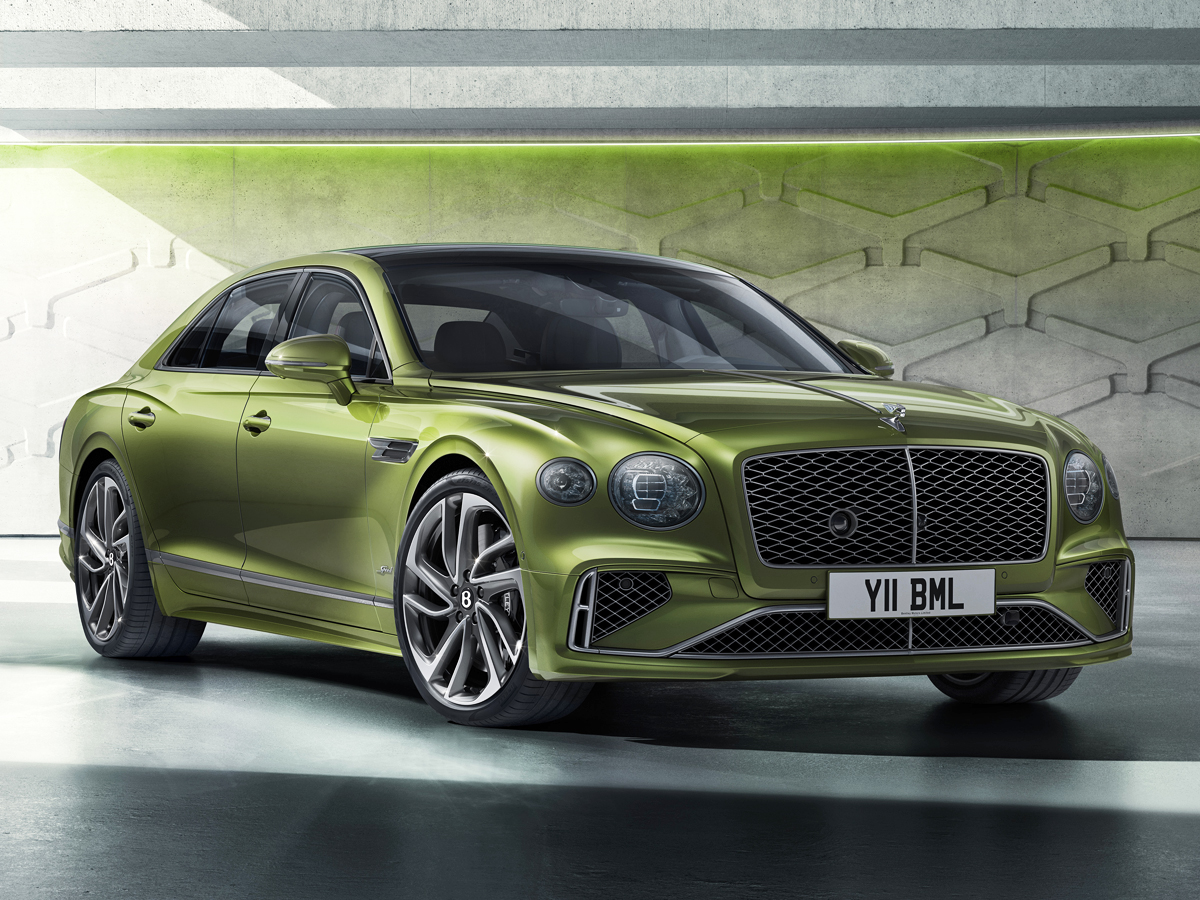
Tied for 4th place on the list of SA’s most powerful sedans, the Speed-badged version of the Bentley’s Flying Spur combines a twin-turbocharged 4.0-litre V8 petrol engine with an electric motor integrated into the 8-speed dual-clutch transmission and a 25.9 kWh (22.0 kWh usable) battery pack to form a PHEV system with peak outputs of 575 kW and 1 000 Nm. The Speed derivative is priced from R6 222 000, while the Mulliner flagship (which employs the same powertrain) kicks off at an even headier R6 720 000.
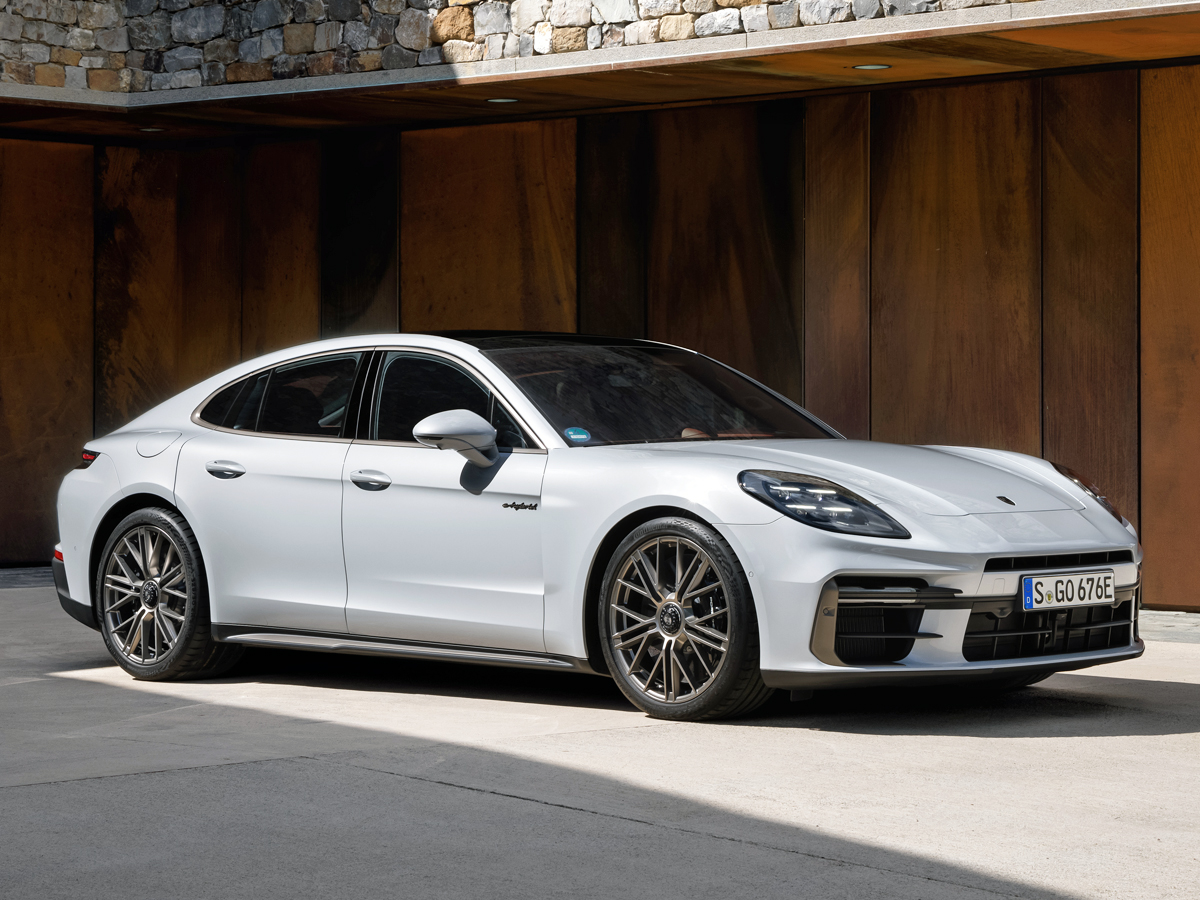
Considering both Porsche and Bentley fall under the Volkswagen Group banner, it’s perhaps no surprise the Panamera Turbo S e-Hybrid shares its PHEV powertrain with the Flying Spur Speed above. In fact, the maximum outputs are precisely the same at 575 kW and 1 000 Nm, although the Porsche has a considerably lower starting price of R4 896 000 – and is significantly quicker to 100 kph as well.
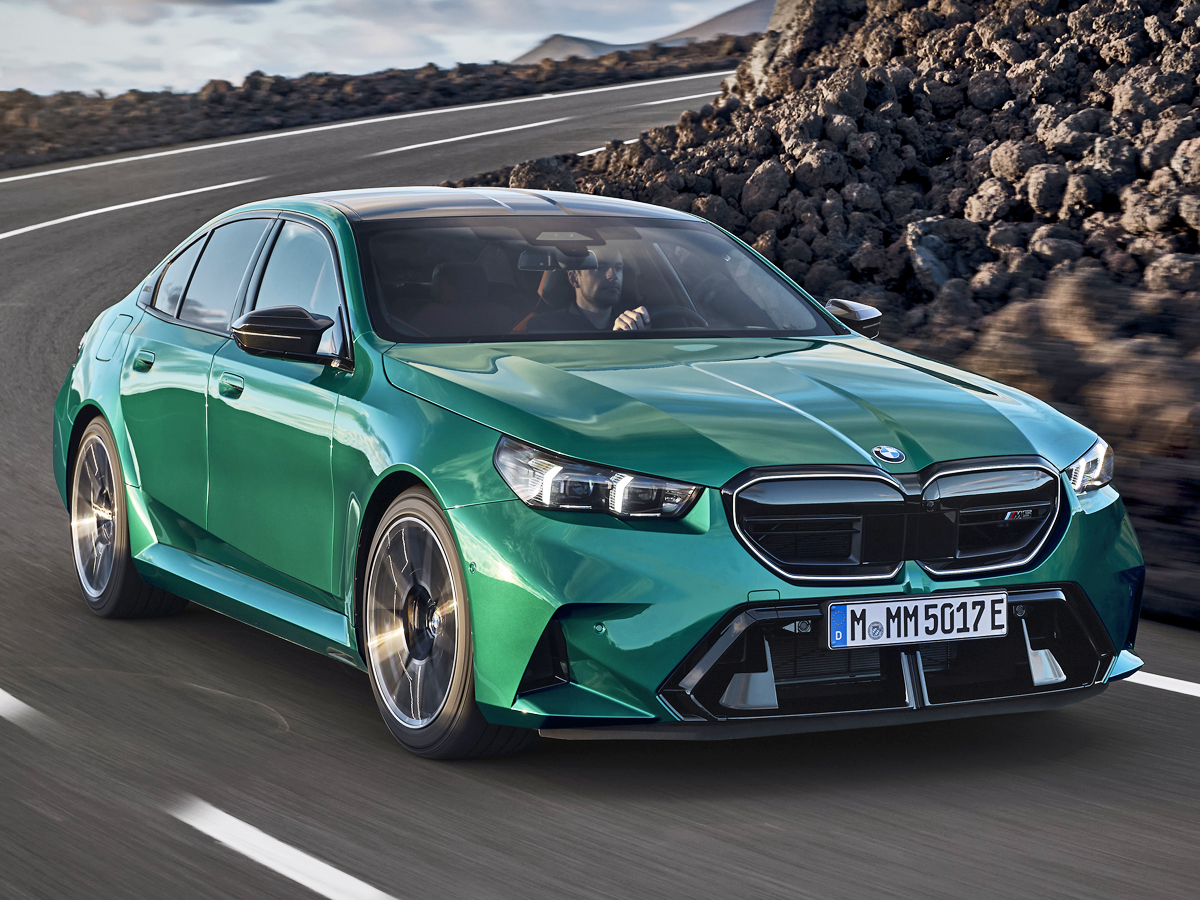
The final contender is BMW’s G90-series M5 Sedan, which kicks off at R2 782 000. The Munich-based firm’s apex sedan features a PHEV powertrain comprising a twin-turbo 4.4-litre V8 petrol engine, an electric motor integrated into the 8-speed automatic transmission and a 22.1 kWh (18.6 kWh usable) battery pack. Since the M Driver’s Package ships standard in South Africa, top speed comes in at 305 kph (rather than 250 kph).
Q: What leads the list of the most powerful sedans available on the South African market right now, and what does it cost?
A: The all-electric Porsche Taycan Turbo GT rules the roost as South Africa’s most powerful sedan. Priced from R6 024 000, it unleashes a colossal 760 kW of overboost power when launch control is engaged, pushing it from 0-100 kph in as little as 2.2 seconds when optioned with the Weissach Package.
Q: How does the performance of the newly launched Audi RS e-tron GT compare to its VW Group sibling?
A: The newly landed Audi RS e-tron GT Performance is priced at R4 906 100 and shares the same 97 kWh net-capacity battery architecture as the Taycan. Under launch control, its peak output jumps from a standard 550 kW to a substantial 680 kW, delivering a 0-100 kph sprint time of 2.5 seconds and a top speed limited to 250 kph.
Q: Which hybrid sedans offer the highest power outputs on South Africa’s premium market?
A: Leading the hybrid pack is the Mercedes-AMG S63 SE Performance, which pairs a twin-turbo 4.0-litre V8 with a rear-mounted electric motor for a massive combined 590 kW and 1 430 Nm, starting at R4 609 291. Following closely are the Bentley Flying Spur Speed (starting at R6 222 000) and the Porsche Panamera Turbo S e-Hybrid (priced from R4 896 000), which share a 575 kW twin-turbo V8 plug-in hybrid powertrain. The newly launched BMW M5 Sedan rounds out the top powerhouses with a 535 kW PHEV setup starting at R2 782 000.
Audi RS e-tron GT Performance (2026) Price & Specs
The Audi RS e-tron GT Performance has finally touched down in South Africa, arriving as the most powerful and most expensive model in the German brand’s local line-up…
RS e-tron GT Performance hits Mzansi
Arrives as Audi’s most powerful model
Starting price of just over R4.9-million
Nearly two years after its reveal, the fully electric Audi RS e-tron GT Performance has officially arrived in South Africa, billed as the Ingolstadt-based brand’s most powerful production model yet.
Priced from R4 906 100, the RS e-tron GT Performance also debuts as the most expensive model in the automaker’s current local range. As a reminder, its predecessor (which didn’t wear the “Performance” badge and had lower system outputs) was priced at R3 527 400.
While that earlier model made 440 kW, the latest RS e-tron GT Performance generates 550 kW, a figure that increases to 680 kW when launch-control mode is activated. That’s enough to see the 4-door saloon complete the 0-100 kph sprint in a claimed 2.9 seconds (or a mere 2.5 seconds when using launch control). Top speed is electronically governed to 250 kph.
Audi lists a total system torque figure of 1 027 Nm. The 105 kWh lithium-ion battery pack (with a 97 kWh net capacity) offers a claimed range of “between 533 and 592 km”. Audi says the 800-volt electrical architecture supports DC charging at up to 320 kW “under ideal conditions”.
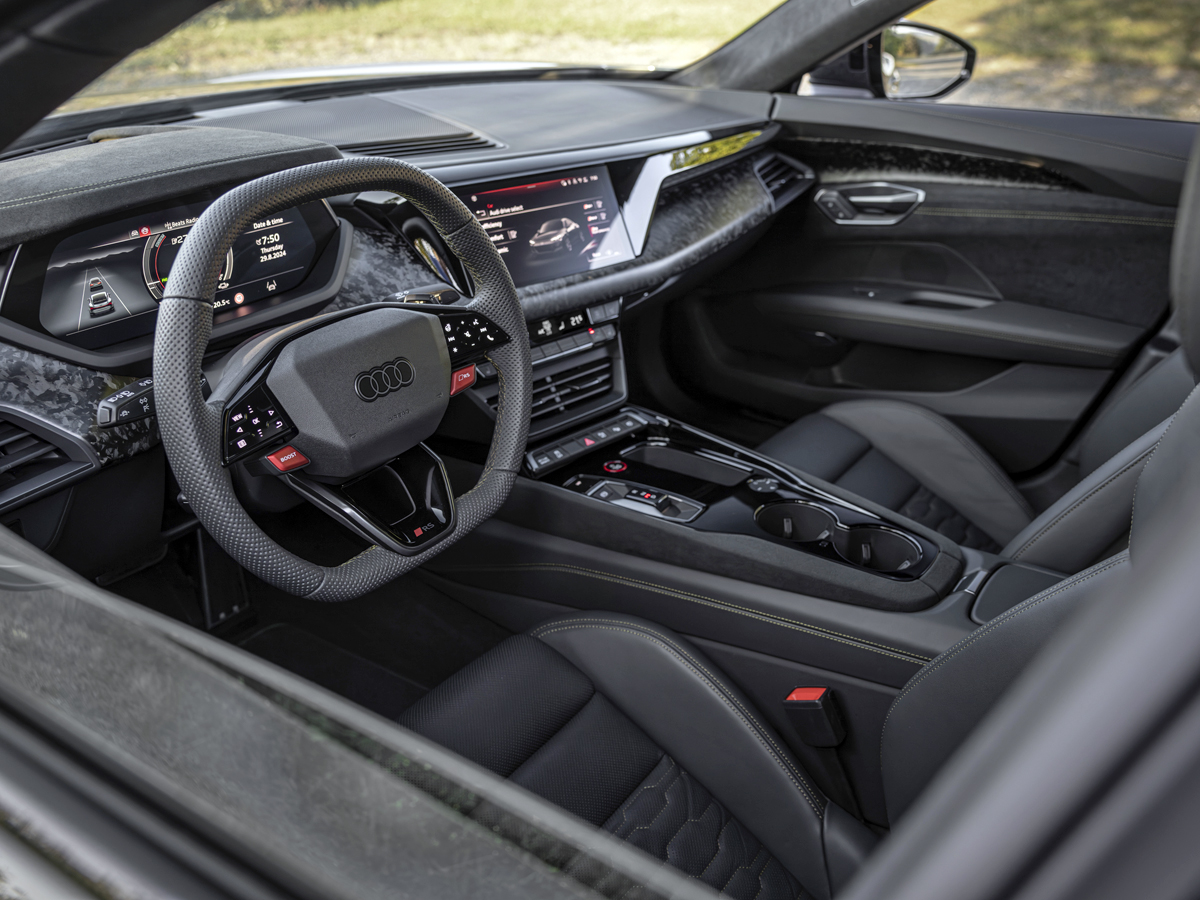
Interior
The Performance-badged model is fitted with adaptive air suspension as standard, while 21-inch Audi Sport alloy wheels frame ceramic brakes featuring gloss-red calipers. Audi SA offers a trio of exterior styling packages for this fully electric model (along with several other options): the Black Styling package (R12 500), Gloss Carbon package (R98 000) and Matte Carbon Camouflage package (R98 000).
What does the Audi RS e-tron GT Performance cost in SA?
DERIVATIVE
PRICE
Audi RS e-tron GT Performance
R4 906 100
The price above includes a 1-year/unlimited kilometre vehicle warranty, an 8-year/160 000 km high-voltage battery warranty and a 5-year/100 000 km maintenance plan.
Frequently Asked Questions (FAQ)
Q: What is the starting price of the new Audi RS e-tron GT Performance in South Africa, and how does it compare to its predecessor?
A: The new fully electric Audi RS e-tron GT Performance starts at R4 906 100, making it the most expensive model in Audi’s current local line-up. This represents a price increase of nearly R1.4-million over its predecessor, which was priced at R3 527 400.
Q: What are the performance specifications, acceleration times and driving range of Audi’s most powerful production model?
A: As Audi’s most powerful production model yet, the RS e-tron GT Performance generates a baseline 550 kW and a massive 1 027 Nm of torque. When launch-control mode is activated, power surges to 680 kW, dropping the 0-100 kph sprint time from 2.9 seconds to just 2.5 seconds, before hitting an electronically governed top speed of 250 kph. Equipped with a 105 kWh lithium-ion battery pack (97 kWh net), it offers a claimed driving range of between 533 km and 592 km.
Q: What standard features and optional styling packages are available, and what warranties are included?
A: The high-performance saloon comes standard with adaptive air suspension and 21-inch Audi Sport alloy wheels paired with ceramic brakes and gloss-red calipers. Buyers can customise the exterior with packages like the Black Styling package (R12 500), Gloss Carbon package (R98 000) or the Matte Carbon Camouflage package (R98 000). The purchase price includes a 1-year/unlimited kilometre vehicle warranty, an 8-year/160 000 km high-voltage battery warranty and a 5-year/100 000 km maintenance plan.
The new Mercedes-Benz CLA 200 has officially hit the market in South Africa. Here’s what this petrol-powered (with mild-hybrid assistance) sedan will cost you…
New CLA 200 makes landfall in SA
1.5-litre petrol mill with 48V tech
0-100 kph in claimed 8.0 seconds
The new Mercedes-Benz CLA 200 has officially touched down in South Africa. Revealed back in March 2025, the 3rd-generation (C178) version of the sleek sedan will be available – initially, at least – in just a single derivative in Mzansi.
According to Mercedes-Benz SA, the CLA 200’s base price is R937 000, though this excludes emissions tax. Once the latter is factored in, the starting price comes in at R939 519. For the record, that’s R36 645 more than the outgoing CLA 200 and just R3 987 short of the base C-Class (the C200 Avantgarde, from R943 506).
The new CLA 200 is powered by a turbocharged 1.5-litre, 4-cylinder petrol engine with 48V mild-hybrid assistance (via a 22 kW/200 Nm electric motor integrated into the 8-speed dual-clutch transmission). The petrol engine delivers 120 kW and 250 Nm to the front axle, while the international specification sheet lists total system outputs as 135 kW and 330 Nm.
That sees the CLA 200’s claimed 0-100 kph time fall to a claimed 8.0 seconds and top speed climb slightly to 232 kph, while CO2 emissions improve from 154 g/km to 123 g/km. The listed combined fuel consumption, meanwhile, comes in at 5.4 L/100 km.
Locally, the CLA 200 is offered in Progressive guise as standard, with the AMG Line package costing R47 400 and the AMG Line Plus package some R111 100. There’s also the Night Package (R19 000), along with the AMG Line Sports Seat Package (R16 000).
Other options listed on the configurator include Multibeam LED headlamps (R11 200), a head-up display (R17 800), MBUX augmented reality for navigation (R10 000) and a Burmester 3D surround-sound system (R21 500).
What does the new Mercedes-Benz CLA 200 cost in SA?
DERIVATIVE
PRICE
Mercedes-Benz CLA 200
R939 519
The price above includes a 2-year/unlimited kilometre warranty and a 5-year/100 000 km maintenance plan.
Frequently Asked Questions (FAQ)
Q: What is the launch pricing for the new Mercedes-Benz CLA 200 in South Africa?
A: The 3rd-generation (C178) Mercedes-Benz CLA 200 launches with a base price of R937 000. Once emissions tax is factored in, the final starting price is R939 519. This places the sleek sedan R36 645 above the previous-generation model and slightly under the entry-level C-Class (C200 Avantgarde) pricing threshold.
Q: What are the engine specifications, performance metrics, and efficiency figures for the new CLA 200?
A: The sedan is powered by a turbocharged 1.5-litre, 4-cylinder petrol engine featuring 48V mild-hybrid technology. The hybrid setup integrates a 22 kW/200 Nm electric motor into an 8-speed dual-clutch transmission, resulting in total system outputs of 135 kW and 330 Nm. It achieves a 0-100 km/h sprint in 8.0 seconds, a top speed of 232 km/h and a claimed average fuel consumption of 5.4 L/100 km.
Q: What trim packages and optional extras are available for the new CLA 200 locally?
A: The CLA 200 comes standard in Progressive trim. Buyers can customize the vehicle with cosmetic and performance packages including the AMG Line (R47 400), AMG Line Plus (R111 100) or the Night Package (R19 000). Premium optional extras featured on the local configurator include a Burmester 3D surround-sound system (R21 500), a head-up display (R17 800) and Multibeam LED headlamps (R11 200).
How to choose the perfect used car for your lifestyle
More South Africans are discovering the compelling advantages of purchasing pre-owned vehicles: significant cost savings, slower depreciation rates, and access to a far broader selection of makes and models than what’s available on new car showroom floors. Here we guide you on how to choose the ideal vehicle for your needs.
Knowing how to choose a used car extends far beyond simply finding the cheapest option available. The most satisfying purchases occur when buyers carefully match their vehicle choice to their actual lifestyle needs, rather than being swayed solely by attractive pricing.
Understanding your driving reality
Understanding how to choose a used car starts with honestly assessing your daily driving patterns. Urban dwellers navigating Johannesburg or Cape Town’s traffic-clogged highways have vastly different requirements from those traversing the gravel roads of the Northern Cape.
City driving favours smaller, fuel-efficient vehicles that slip through traffic and fit into tight parking spaces, whilst rural drivers often require the higher ground clearance and robust construction of bakkies or SUVs.
Consider your daily commute distance carefully. Those facing lengthy journeys should prioritise comfort features and fuel efficiency.
Diesel engines, while requiring higher initial investment, often prove more economical for high-mileage drivers, particularly when covering motorway distances. However, petrol engines remain more practical for short urban trips and are generally cheaper to maintain, especially if you are planning on long-term ownership.
Family circumstances dramatically impact vehicle requirements. Singles or couples might find a reliable hatchback perfectly adequate, but families with children need to consider boot space, rear seat comfort and safety features. Weekend adventures and holiday travel plans deserve consideration, too; if you’re planning camping trips or beach holidays, you’ll need adequate boot space and possibly towing capability.
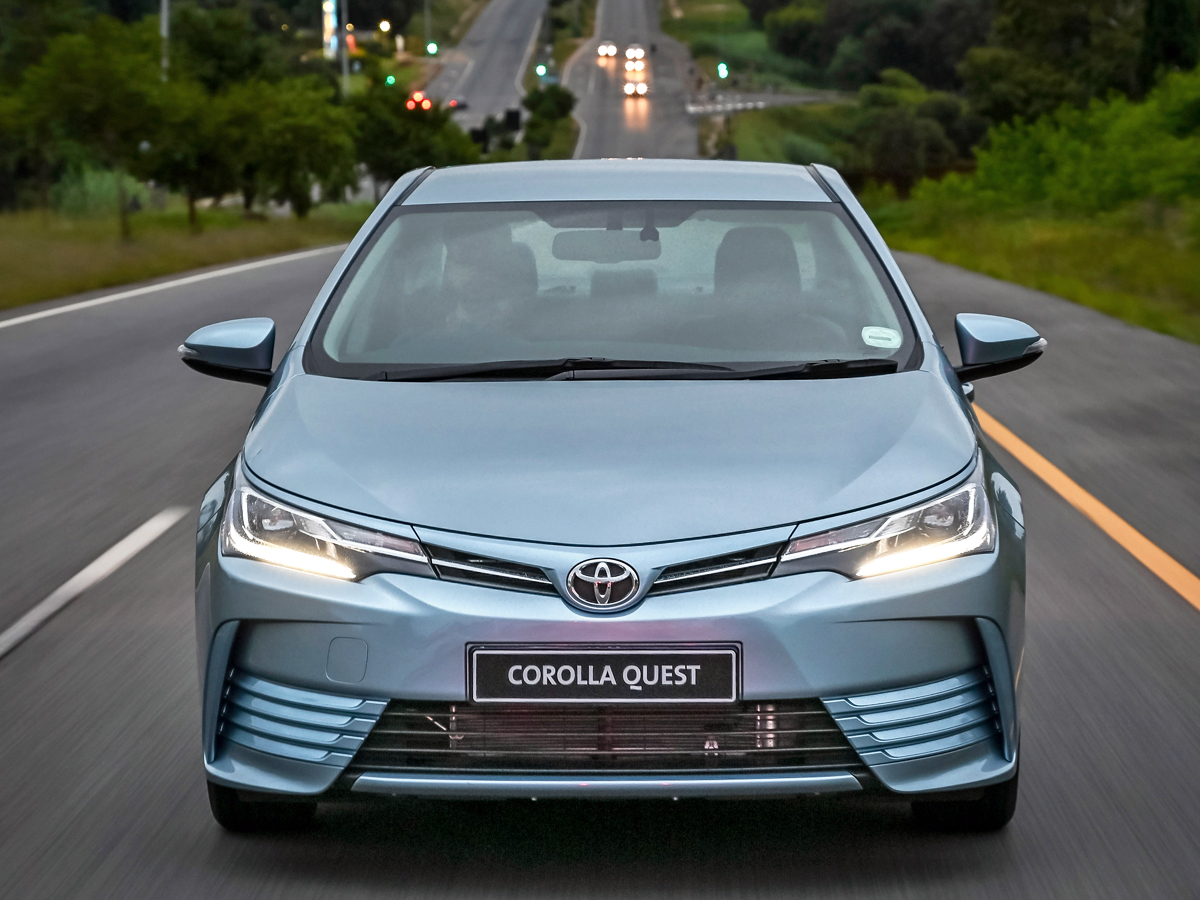
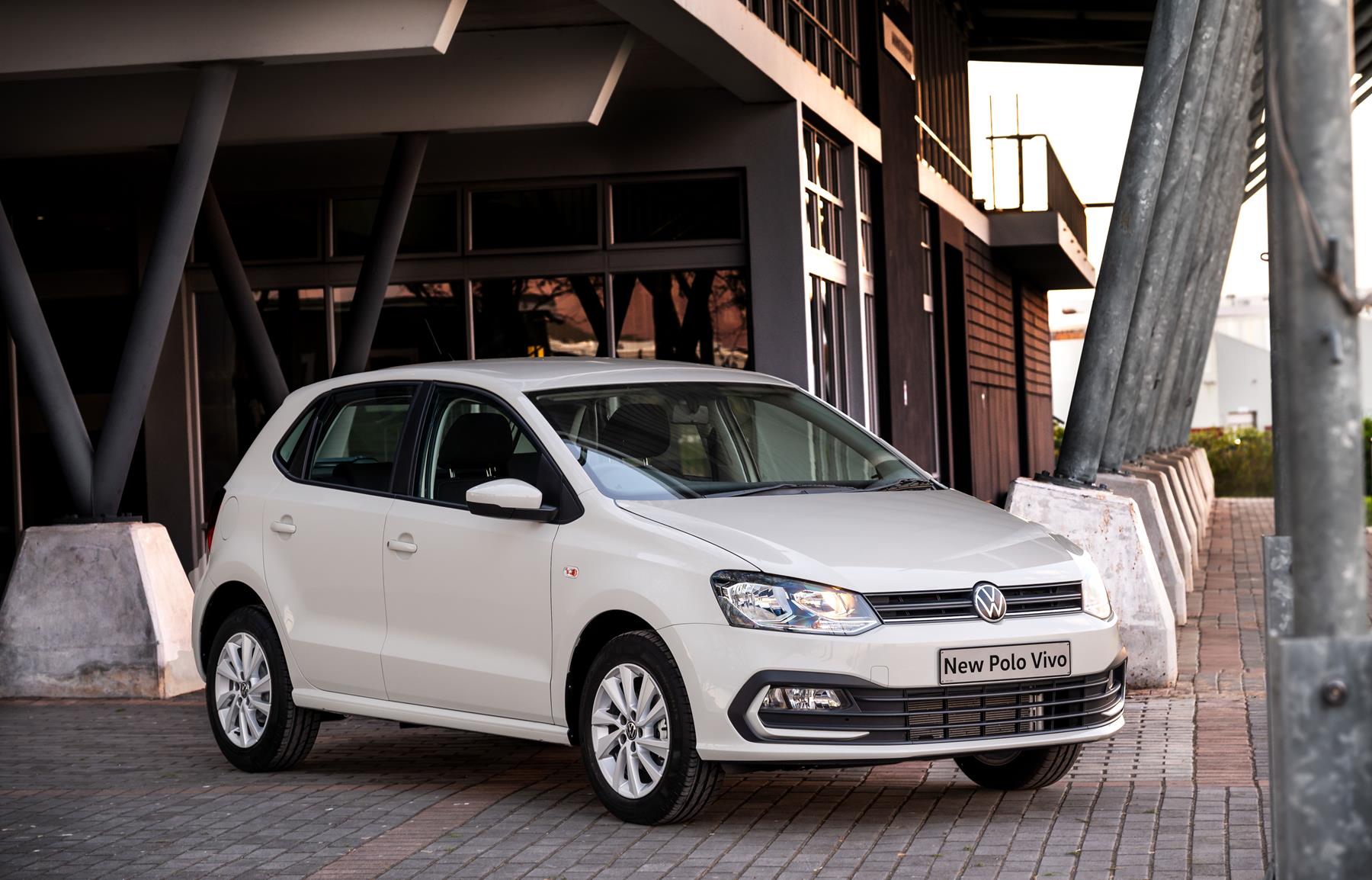
The growing gig economy has created new vehicle requirements. Ride-hailing drivers need reliable, fuel-efficient vehicles that present well to passengers. Popular choices include the Toyota Corolla Quest or Volkswagen Polo, which offer the right balance of affordability, reliability and passenger appeal.
Financial planning beyond the purchase price
Learning how to choose a used car requires setting a realistic budget that looks beyond the advertised selling price. Factor in on-the-road costs, which can amount to several thousand rand, plus insurance premiums and potential repair costs. Many buyers make the mistake of stretching their budget to the maximum purchase price, leaving insufficient funds for these inevitable additional expenses.
The financing versus cash purchase decision depends on your financial situation and current interest rates. While cash purchases avoid interest charges, financing allows you to preserve capital for other investments. However, financed vehicles require comprehensive insurance, which increases monthly costs significantly.
Research and model selection
Specific models have established excellent reputations in the South African market. The Toyota Corolla remains a perennial favourite due to its reliability and widespread dealer network. The Volkswagen Polo offers European engineering at an accessible price point, while the Ford Ranger dominates the leisure double-cab segment with its combination of capability and comfort.
Prioritise brands with affordable servicing costs and readily available spare parts. Premium European marques might seem attractive, but their maintenance costs can quickly outweigh any initial savings. Use Cars.co.za’s classifieds section to gauge market prices and availability.
Thorough vehicle inspection
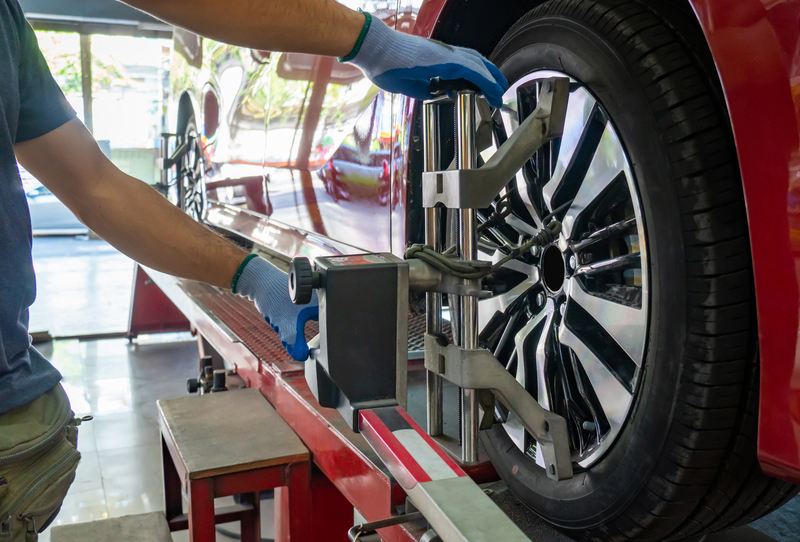
Knowing how to choose a used car means understanding that a physical inspection remains crucial despite attractive online listings. Examine the bodywork for rust, dents, and mismatched paint that might indicate accident damage. Check tyres for even wear patterns – irregular wear suggests alignment problems or suspension issues. Under the bonnet, look for obvious leaks, corrosion, or aftermarket modifications that might indicate poor maintenance.
The test drive reveals information that a static inspection cannot. Listen for unusual noises, test the brakes progressively, and ensure the engine responds smoothly to acceleration. Check that all electrical systems function correctly, including air conditioning, lights, and infotainment systems.
Consider employing a qualified mechanic for a pre-purchase inspection, particularly for higher-value vehicles. This modest investment can save thousands by identifying potential problems before you commit to purchase.
Legal compliance and paperwork
Verify that all paperwork is legitimate and current. The seller should provide registration documents proving legal ownership, and the vehicle should not be encumbered by outstanding finance. TransUnion and NaTIS checks can confirm that the vehicle isn’t stolen or still under finance arrangements.
Understanding the ownership transfer process prevents delays and complications. Ensure the licence disc is current and that all traffic fines are settled before transfer.
Insurance and running costs
Obtain insurance quotes before finalising your purchase, as premiums can vary dramatically between models. High-performance vehicles and those with poor security ratings often attract prohibitive insurance costs that can make ownership unaffordable.
Consider the total cost of ownership beyond the purchase price. Fuel consumption, service intervals and typical repair costs vary significantly between models, impacting your budget for years to come.
Purchasing channels
Dealerships offer convenience and often provide warranties, but typically charge premium prices. Private sellers usually offer better value but require more careful verification of vehicle condition and legal status.
Certified pre-owned programmes from major manufacturers offer an excellent middle ground, providing warranty coverage whilst maintaining competitive pricing.
Making the right choice
Mastering how to choose a used car requires balancing lifestyle requirements with financial constraints, while maintaining realistic expectations. A well-researched purchase that truly fits your needs will provide years of reliable service and genuine satisfaction. The key lies in being patient, thorough and honest about your actual requirements rather than being swayed by attractive pricing or emotional appeals.
Remember that the cheapest option rarely proves most economical in the long term. Invest time in research, insist on proper inspections, and don’t rush into decisions. The perfect used car exists for every lifestyle and budget – finding it simply requires persistence and informed decision-making.
Geely Coolray vs Toyota Corolla Cross – how do they differ?
The newly launched Geely Coolray takes on the similarly sized Toyota Corolla Cross. There are some interesting pricing overlaps, but their specs differ markedly…
Geely’s second (current) South African chapter is proving to be much more successful than the first. Geely is having a moment and its recent success in South Africa is not just due to Chinese ultra-value sentiment among customers.
In fact, Geely offers products that make sense for local conditions. One of those is the all-new Coolray, an affordable crossover with an ICE engine and considered specification.
What is the new Coolray?
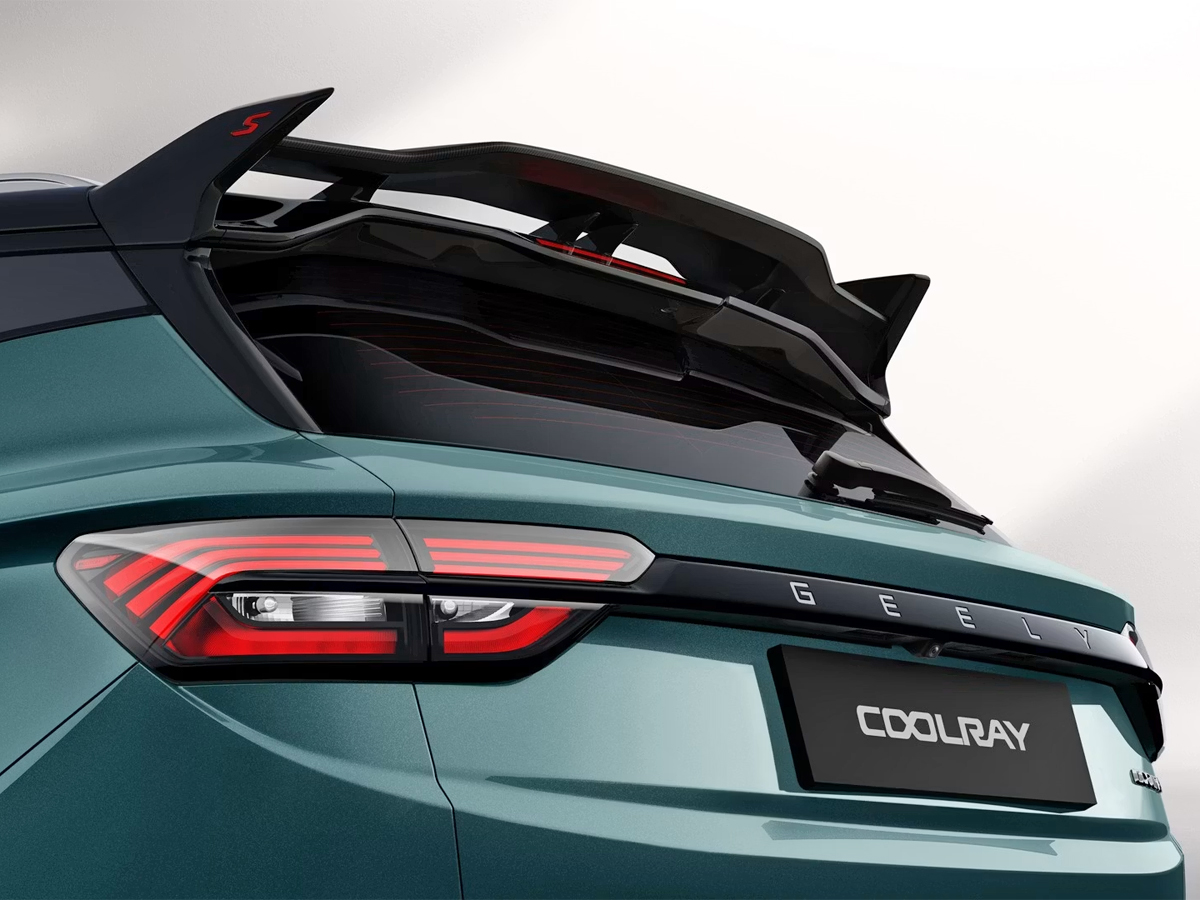
Probably not that aero-functional, but former hot hatch owners would approve.
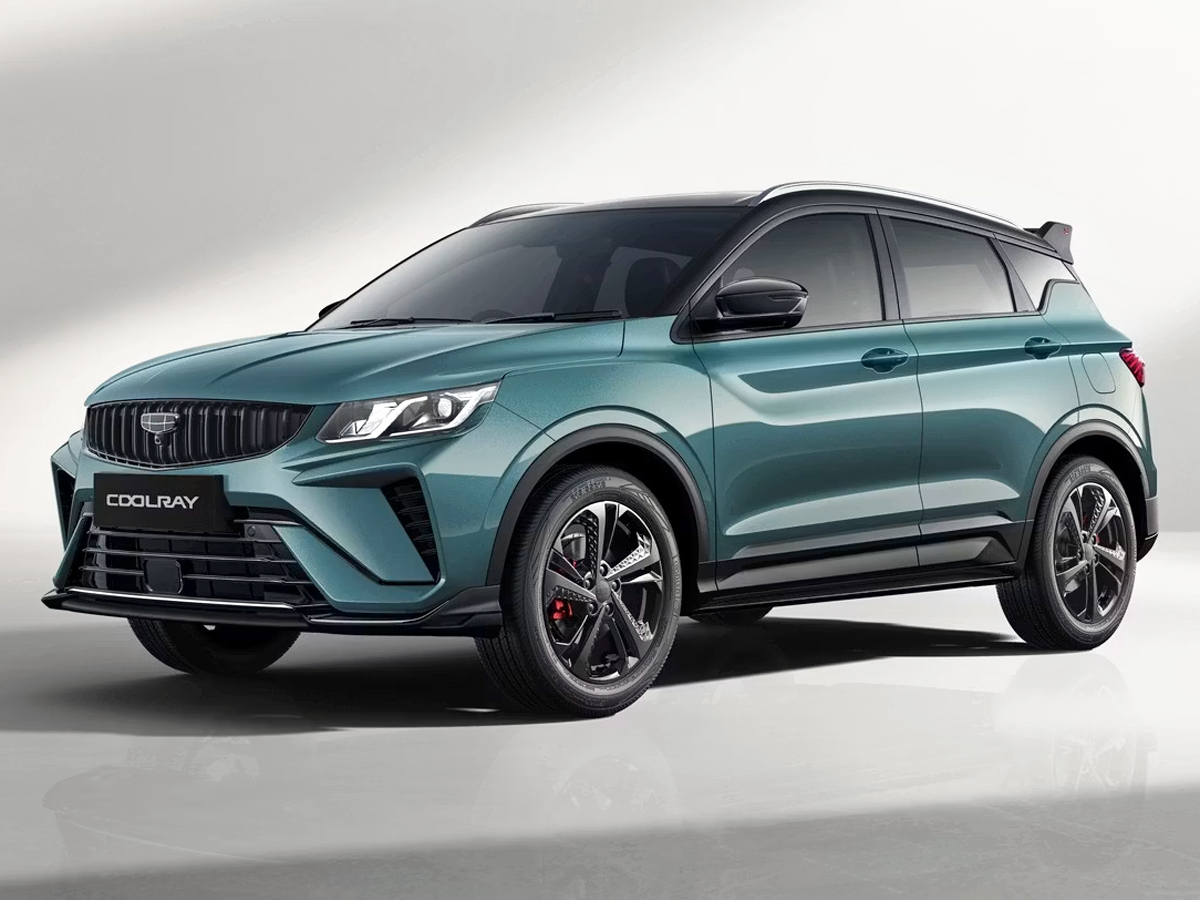
Chinese car companies are bold in everything, from design to naming. And Geely’s ‘hot’ compact crossover is no exception: it is called the Coolray, after all. Despite having seen the light way back in 2018, the Coolray midsize crossover offers a sporty and contemporary design.
The engine and gearbox are what you’d expect from a Chinese crossover of its size. The Coolray is powered by a 1.5-litre turbopetrol, rated at 128 kW and 290 Nm. They’re impressive numbers and will make light work of the Coolray’s mass at oxygen-starved Highveld altitudes.
The gearbox is a 7-speed ‘wet’ dual-clutch, which offers very rapid downshifts when you need to get into a gap in traffic, or to pull out and overtake slower traffic on the highway.
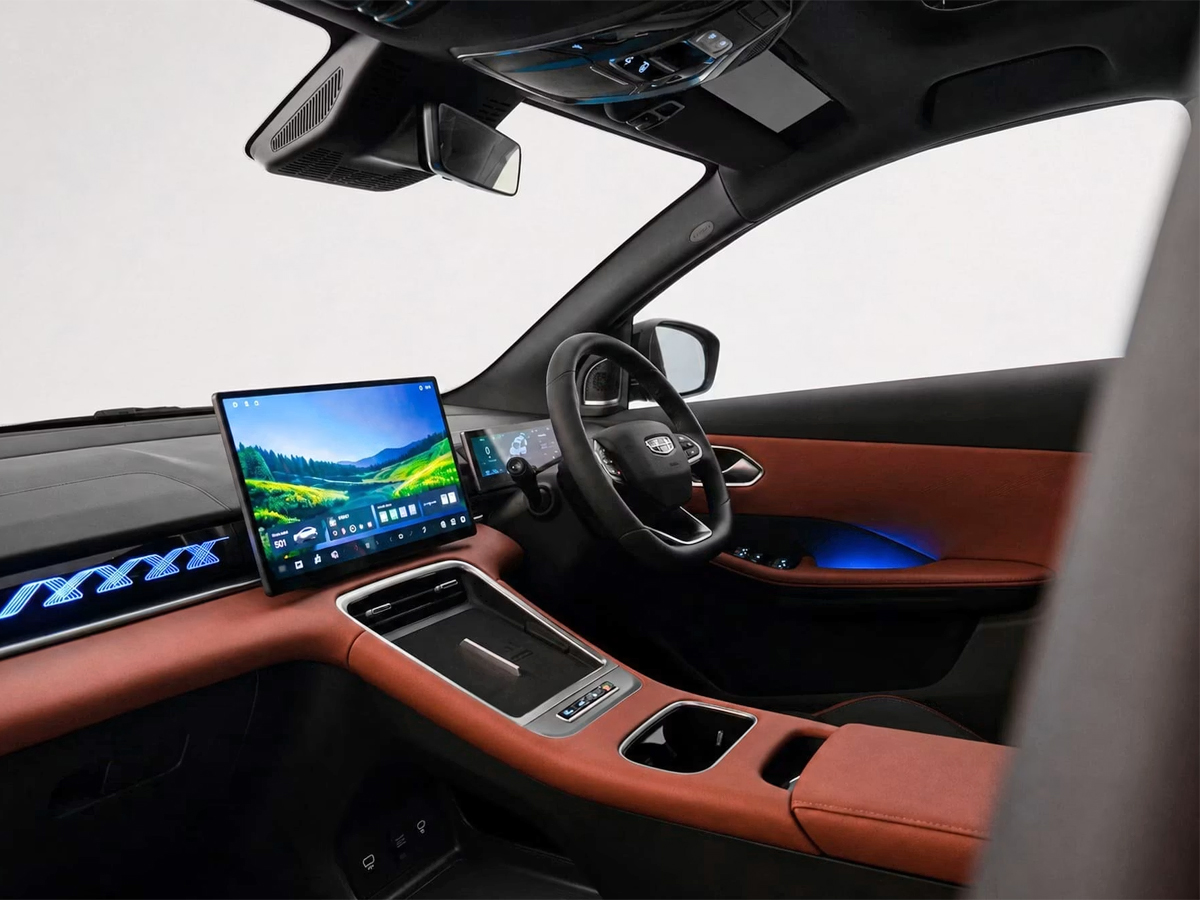
Huge 14.6-inch touchscreen is nearly twice the size of the Corolla Cross’s.
The Vertex is the top Coolray grade, yet costs just R429 900. It features 18-inch black alloy wheels that look great (but will show dirt daily in South Africa’s dusty driving conditions) and inside it features artificial-leather seats, a 72(!)-colour ambient lighting system, a 6-speaker sound system, and a wireless charging pad. The tailgate is powered, too.
Vertex safety spec is comprehensive for the price, too. The Coolray boasts a 540-degree panoramic camera system to enhance driver awareness at low speeds and in complex driving situations, especially when there’s a lot of traffic or pedestrians around.
The Vertex has many useful, rather than intrusive, driver-assistance systems, too. It features adaptive cruise control, lane-departure warning and autonomous emergency braking. The tally is completed with 6 airbags.
Are there packaging issues? The luggage capacity is quite tight, but more on that later…
What does the Corolla Cross range offer as a counter?
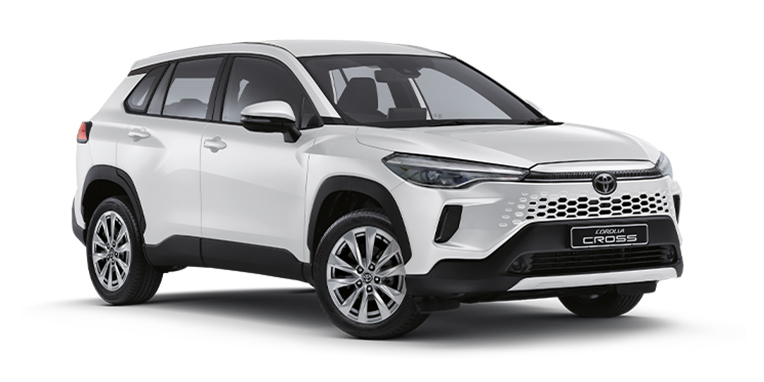
For top-spec Geely money, you only get an entry-level Corolla Cross.
Market-leading pricing, features and power ratings have helped Chinese car companies gain market share in South Africa. And comparing the Coolray to South Africa’s most established legacy mid-size crossover is telling.
If your budget tops at the Coolray Vertex’s level, you have to opt for a Corolla Cross 1.8 Xi, which is the entry-level grade. When you compare their stats, the Geely is better than the Toyota in many ways.
A Coolray has nearly 25% more engine power, and that advantage is even bigger when you compare the two crossovers at altitude. Why? The Corolla Cross 1.8 Xi has a naturally aspirated 1.8-litre engine, meaning it loses significant power at Highveld altitudes.
Conversely, the Corolla Cross will be smoother in traffic thanks to its CVT transmission compared to the Geely’s dual-clutch gearbox, a configuration that tends to feel a tad clunky in stop-start conditions.
There’s no comparison when you look at their cabin features or safety equipment. The Corolla Cross 1.8 Xi does not have autonomous cruise control, automated emergency braking, or a panoramic surround-view camera system. It also has one fewer airbag.
Comfort and convenience differences are stark. The Toyota lacks a wireless charging pad, and its 8-inch touchscreen feels ancient in comparison with the Geely’s 14.6-inch item.
You get 25% more luggage space in the Corolla Cross – that’s a big difference.
Here the Toyota claws back some ground… For road trips and long-distance driving, the Corolla Cross might lack performance, but Toyota knows the South African market better than any other brand. That’s why the Corolla Cross 1.8 Xi has real-world features that really benefit owners.
The first is luggage space. All the infotainment screens and safety features in the world won’t be much help if your boot can’t take all your family’s holiday paraphernalia. The Corolla Cross 1.8 Xi offers 440 litres of packing room, which bests the Coolray’s 330-litre figure by a third.
And then there’s the spare-wheel issue…
Coolray looks terrific. But before your road trip: know that it doesn’t have a spare wheel – at all.
Nobody thinks about their vehicle’s spare wheel until they are stranded next to the road, at night, in a high-risk area, and discover there isn’t one.
The issue is that many European product planners have a mandate to reduce vehicle weight and downsize full-size spare wheels to emergency space-savers. Chinese product planners are even more minimalist; they don’t include any spare wheel at all.
Full-size spare wheels still carry real value for new-car buyers in South Africa, with good reason. Potholes and construction site debris (such as nails and screws) pose a real risk of punctures.
The Corolla Cross 1.8 Xi does not have a full-size spare wheel, but it does have a decently sized space saver, which can get you home if you get a puncture some distance from the next city or town. Geely’s Coolray Vertex does not even have a space-saver spare wheel. It only has an emergency repair kit, which is totally impractical for South African conditions.
So, Geely Coolray or Toyota Corolla Cross?
The Geely Coolray Vertex is much better equipped than a Toyota Corolla Cross 1.8 Xi. The Chinese crossover has more power and better overtaking performance, too.
But, for buyers who need the packing space and some form of spare wheel redundancy when driving long distances or on weekend away trips, the Corolla Cross is superior.