Land Rover has released teaser images of the new Range Rover Electric, while also starting a “waiting list” ahead of pre-orders opening in South Africa in 2024…
There’s a new Range Rover Electric on the horizon, with the British brand having released a handful of teaser images. Interestingly, the battery-powered version of the L460-genertaion SUV has already effectively been confirmed for Mzansi, with Land Rover South Africa opening an official waiting list.
According to Land Rover SA, adding your name to this waiting list will “ensure you’re among the first to place a pre-order in 2024, and to receive exclusive updates about this iconic new Range Rover”, which will employ an 800V architecture.
So, what else do we know about the electric newcomer? Well, the Whitley-based automaker says the first fully electric Range Rover will “amplify” the SUV’s “modern luxury credentials”, adding that its “go-anywhere capability will ensure towing, wading and all-terrain technology surpass any other luxury electric SUV”.
Still, it is careful to point out that towing will “substantially” impact EV range, while also adding drivers should “always check [the] route and exit” before taking advantage of the upcoming model’s 850 mm claimed wading depth.
The firm furthermore promises the Range Rover Electric will “deliver performance comparable to a flagship Range Rover V8”, saying prototype testing is well under way with the aim of creating the “quietest and most refined” Rangie yet.
The new model will be built on the automaker’s Modular Longitudinal Architecture (MLA) in Solihull alongside the mild- and plug-in hybrid versions of the Range Rover. Meanwhile, the vehicle’s battery packs and electric drive units be produced at the new Electric Propulsion Manufacturing Centre in Wolverhampton.
“Since going on sale in 2021, the latest-generation Range Rover has set a new benchmark for desirability. Across the globe, we’re seeing the highest levels of client demand in our 53-year history,” said Geraldine Ingham, Managing Director, Range Rover.
“Because of this unprecedented success story, we’re now opening the official waiting list for the opportunity to be among the first to place a pre-order for the most anticipated Range Rover of recent times. Marking a new era for the Range Rover brand: the original luxury SUV is now available as an all-electric model.”
Check back soon for more official information as it becomes available…
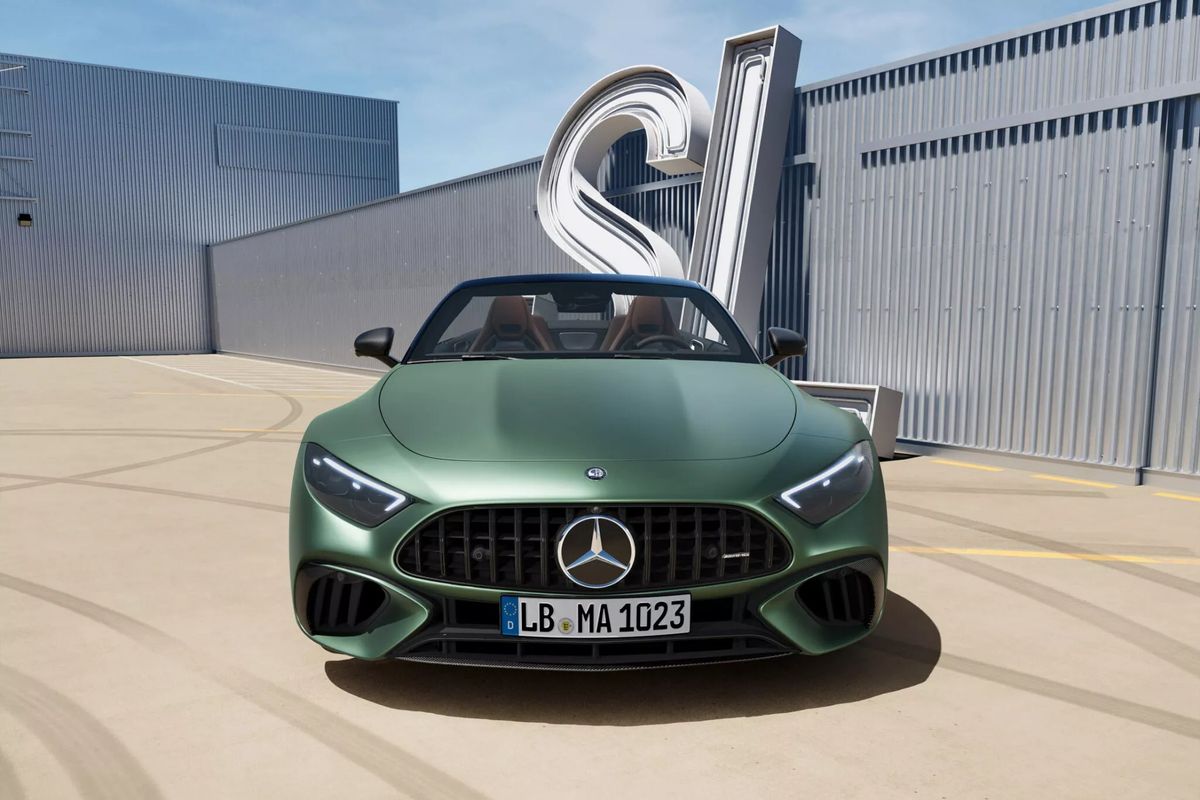
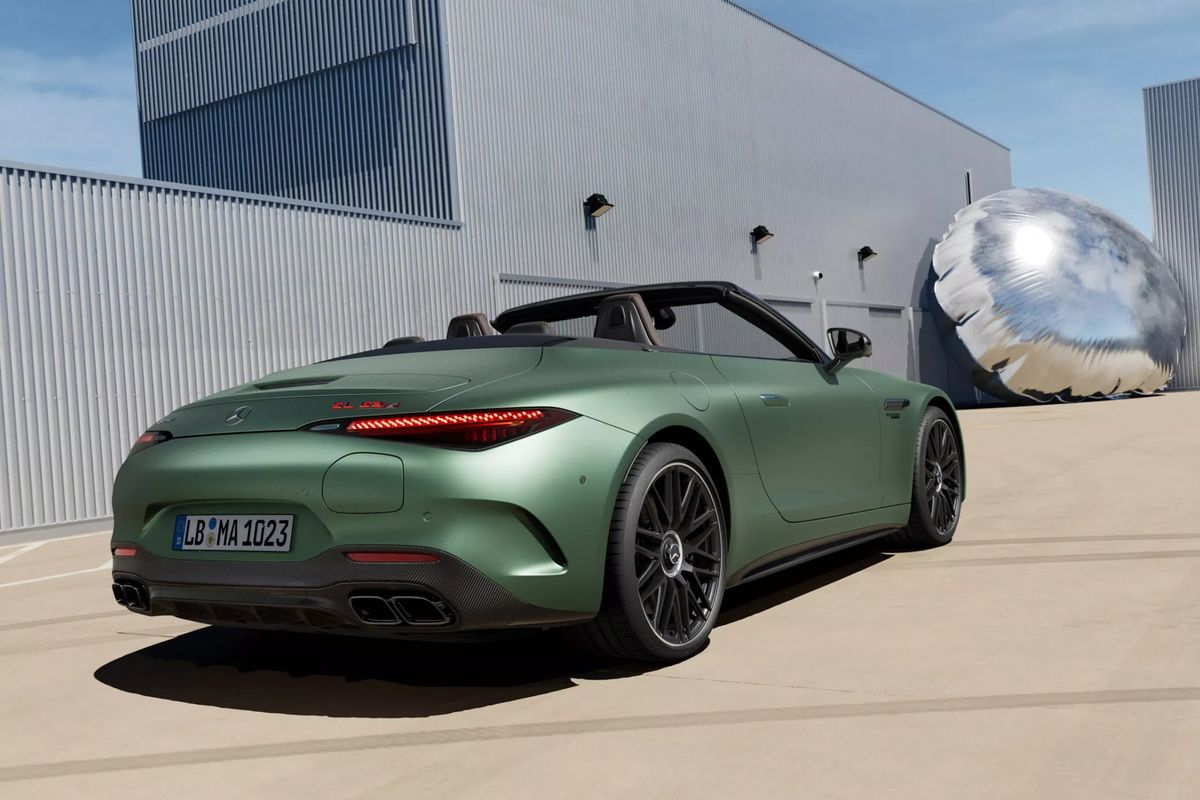
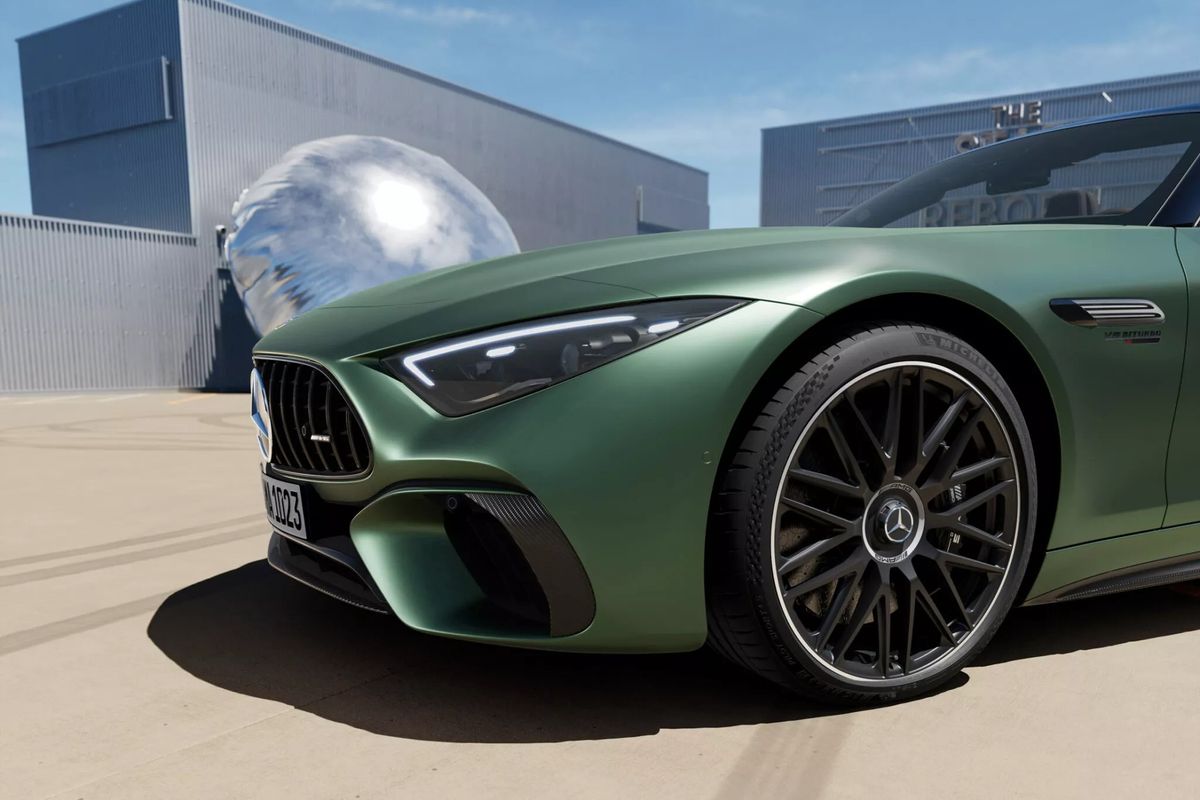
Flagship Mercedes-AMG SL 63 SE Performance Unleashed with 600 kW
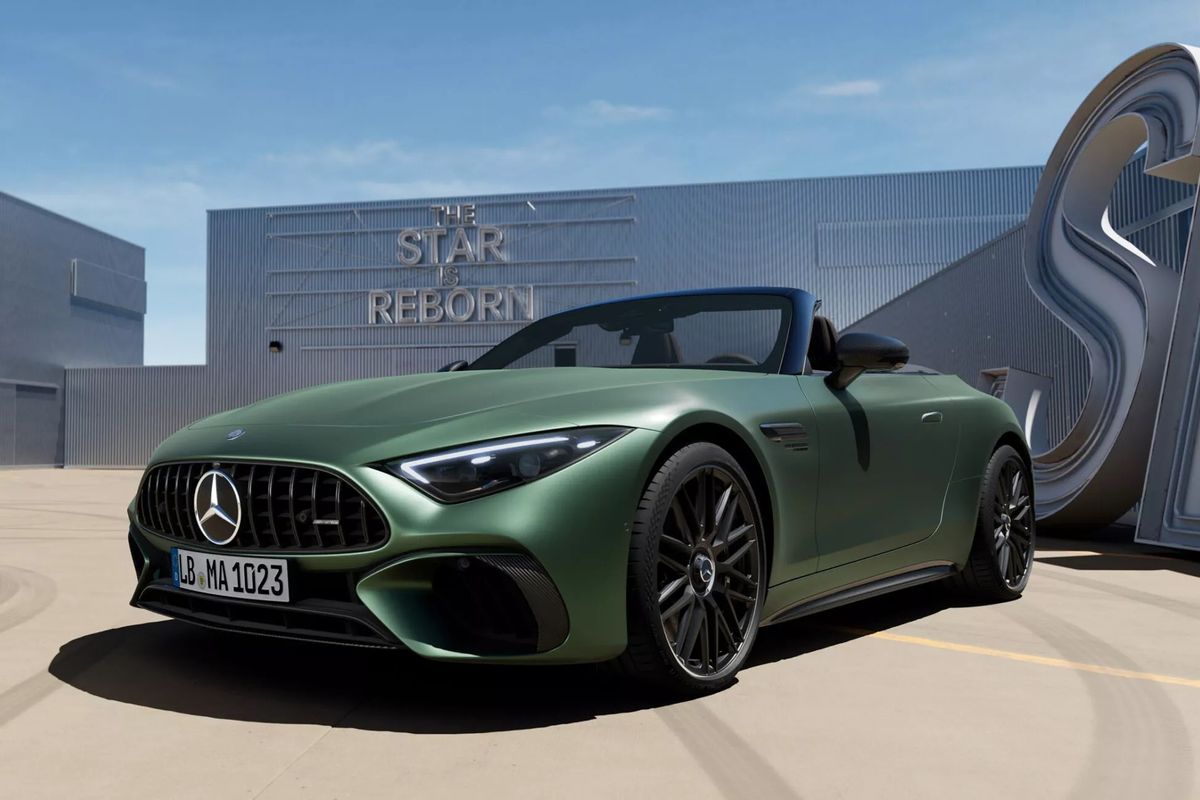
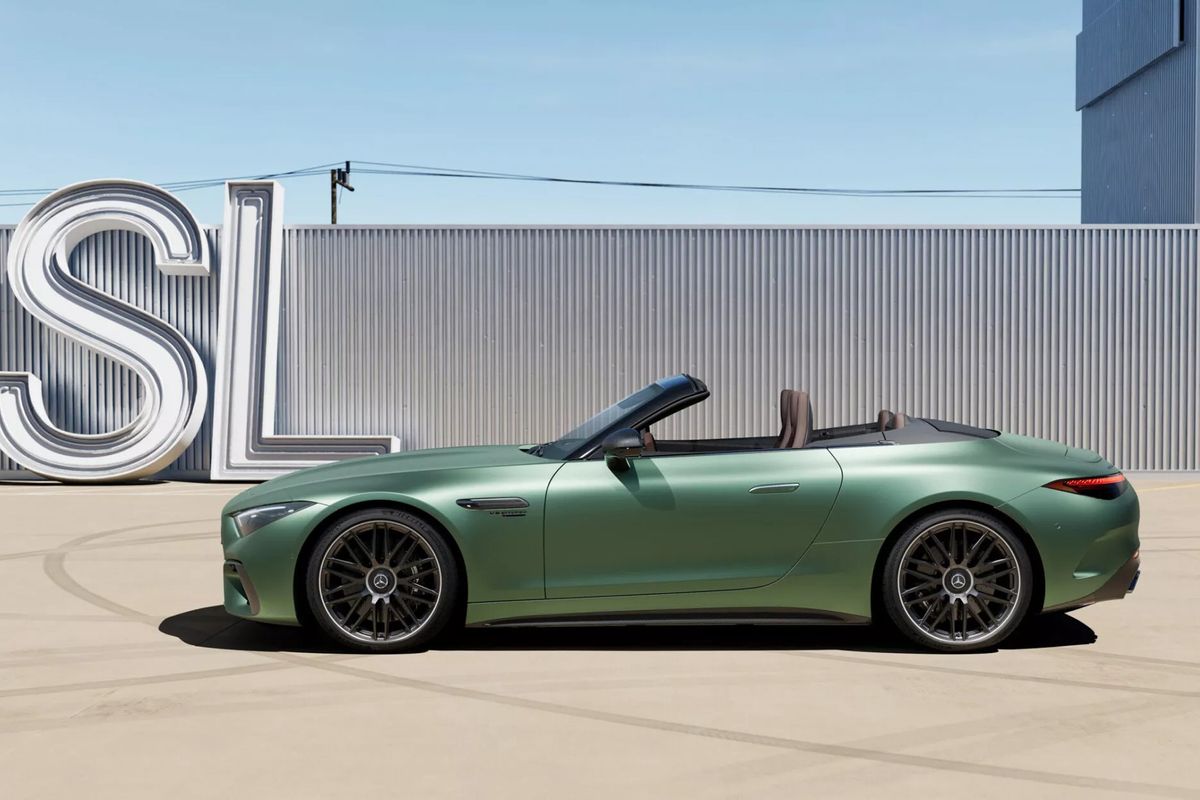
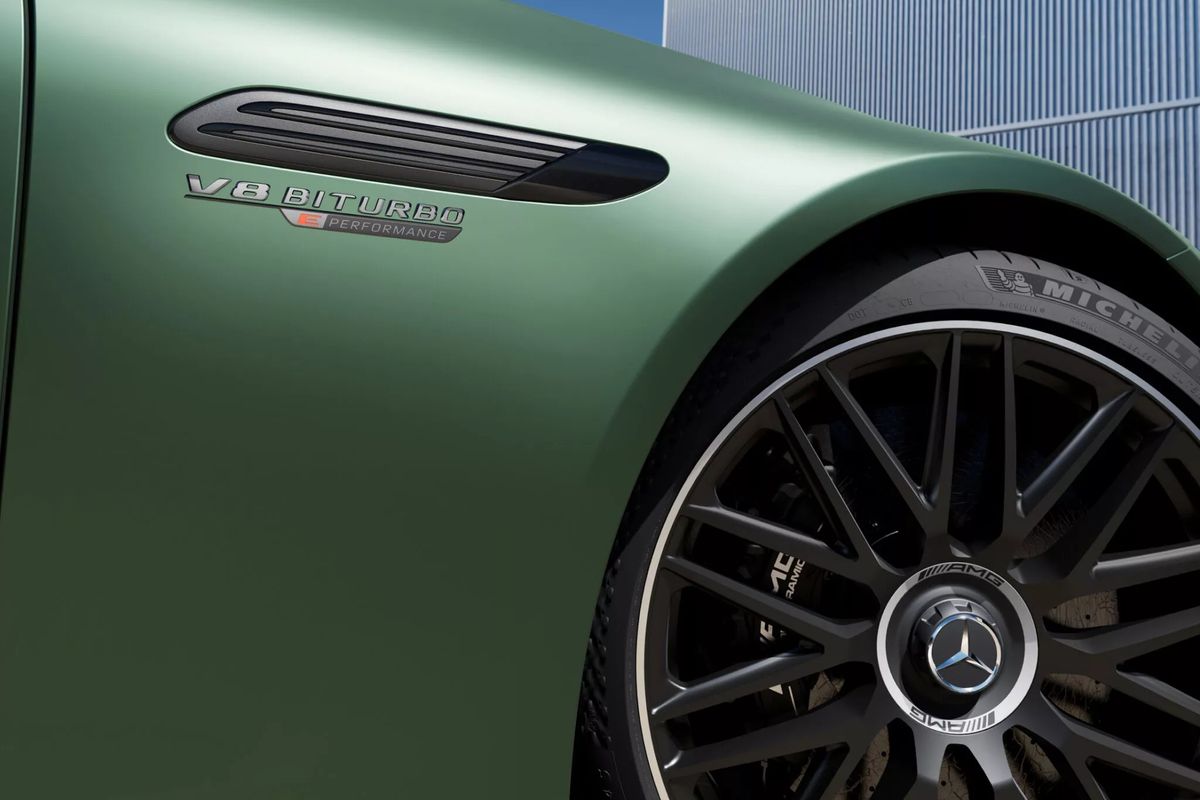
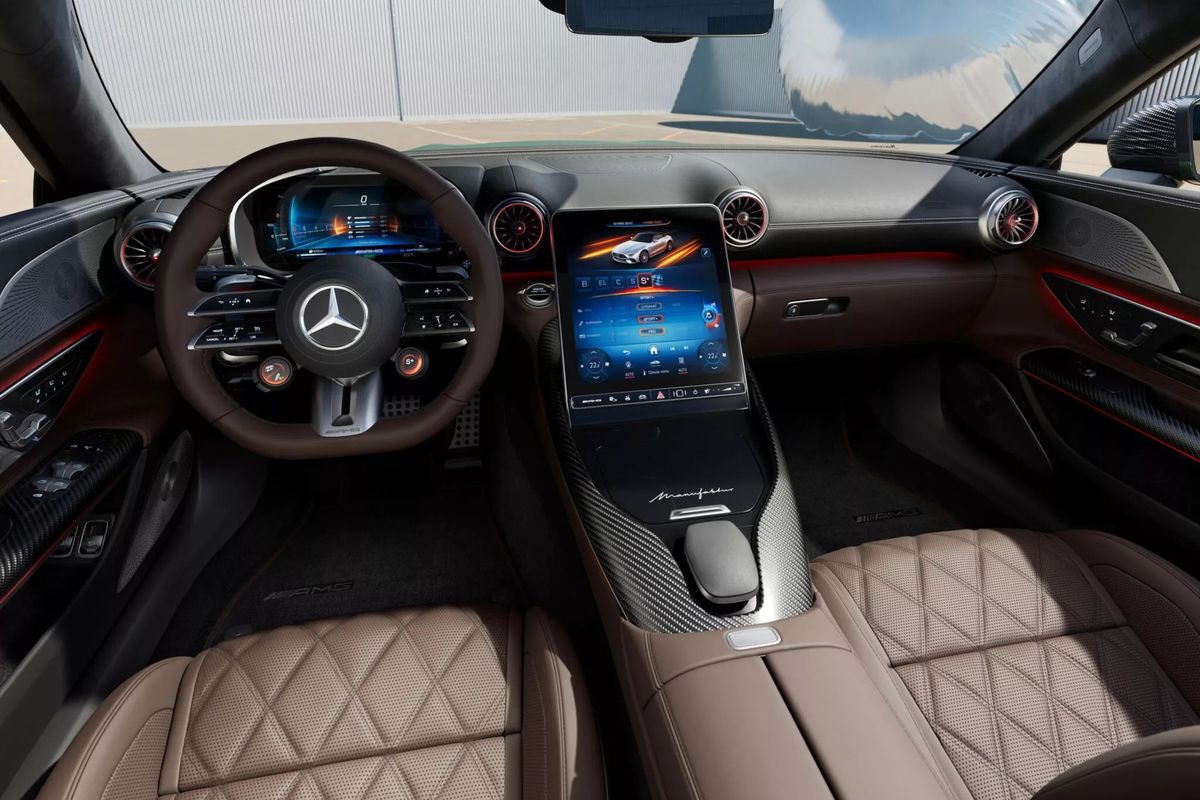
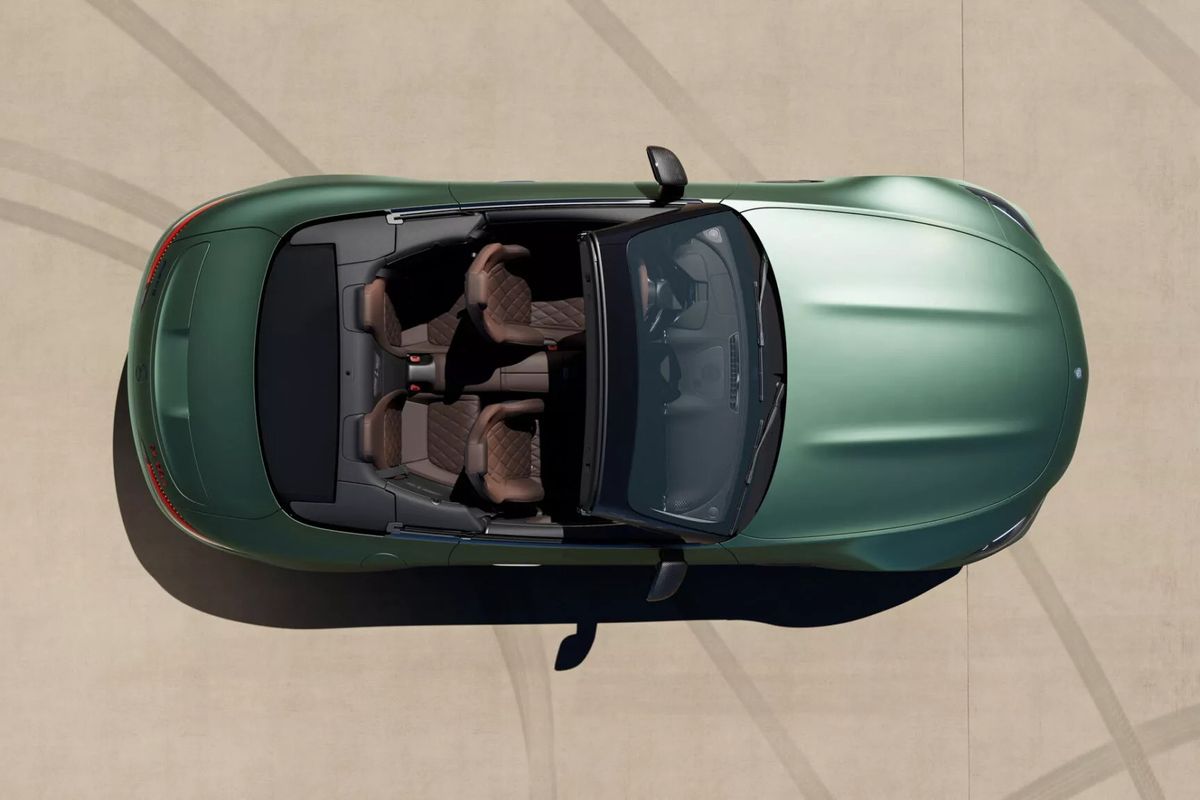
Meet the most powerful SL ever! Armed with a turbocharged V8 and an electric motor, this is the Mercedes-AMG SL 63 SE Performance.
There are a number of superlatives on offer here with the new Mercedes-AMG SL 63 SE Performance. It’s the first plug-in hybrid SL firstly, and secondly, it’s the most powerful SL ever built.
With outputs surpassing the monstrous SL65 Black Series from 2008 (V12 twin turbo 493 kW 1000 Nm), the new Mercedes-AMG SL 63 SE Performance packs 600 kW and 1 420 Nm from a twin-turbocharged petrol 4.0-litre V8 with electric assistance. The engine alone makes 450 kW and 850 Nm.
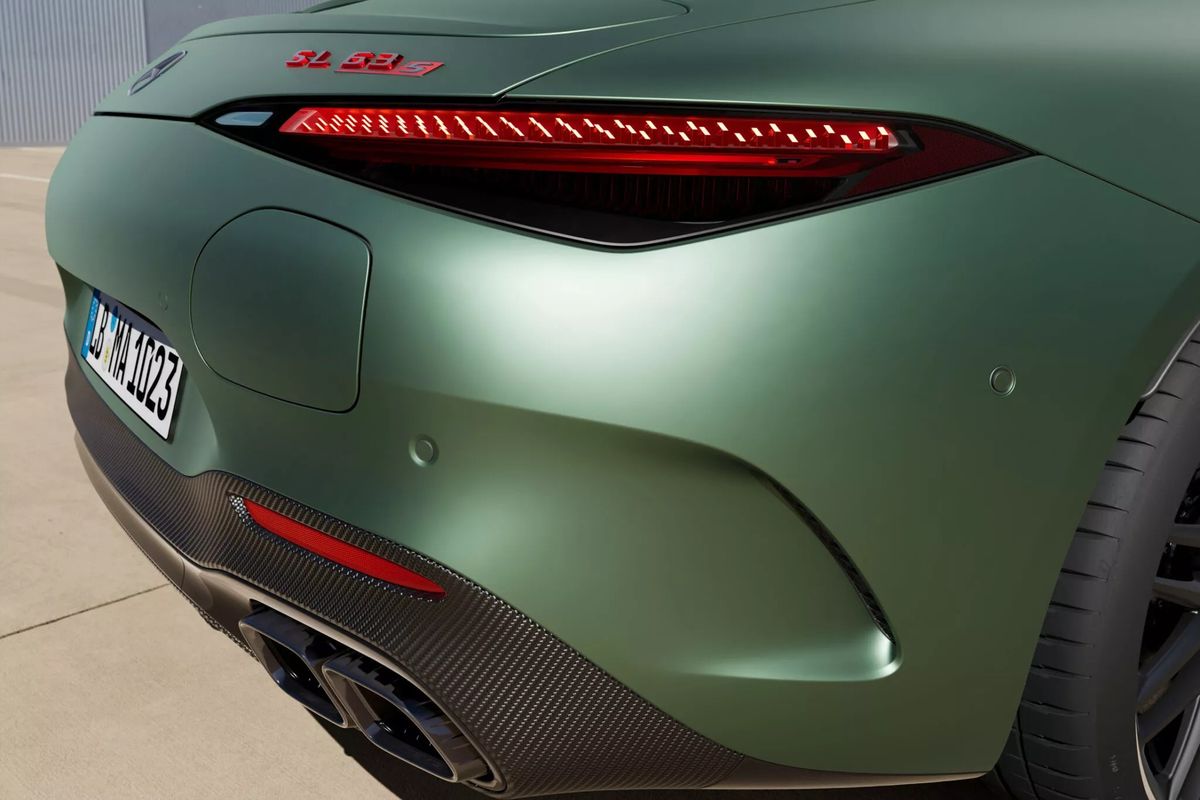
You can spot this model with its charging flag located on the rear bumper
All that grunt is sent to all four wheels and Mercedes-AMG says its new flagship cabriolet can hit 100 kph in just 2.9 seconds, which is markedly quicker than the non-electrified SL 63 at 3.6 seconds. The battery size of just 6.1 kWh means its optimised for performance than pure electric driving. An EV range of 13 km has been claimed.
Given the high performance on offer, it should come as no surprise that AMG has fitted the flagship SL with a number of party tricks, like the active front spoiler that deploys beyond 80 kph to reduce lift on the nose, while the boot-mounted wing is said to have been recalibrated for this model. There’s also rear-axle steering, carbon ceramic brakes active anti-roll bars and adaptive dampers.
Mercedes-AMG SL 63 SE Performance Price and Availability
Mercedes-Benz South Africa is yet to confirm if this flagship model will be coming to our shores. Currently, we have just the one SL model on offer, the 2.0-litre-powered SL 43.
We tested that vehicle towards the end of 2023 and you can watch our video review below.
10 best-selling vehicles to SA’s rental industry in November 2023
Which vehicles benefitted most from sales to South Africa’s rental industry in November 2023? Well, let’s take a closer look at Mzansi’s fleet favourites…
In November 2023, around 9.5% (or 4 299 units) of South Africa’s 45 075-unit new-vehicle market total represented sales to the rental industry. The influence of local rental-fleet buyers is even more significant in the passenger-vehicle space, with sales through this channel accounting for 12.5% of 29 384 registrations in the 11th month of the year.
So, which vehicles were most popular with SA’s rental industry in November? Well, we’ve rummaged through the official sales statistics from Naamsa and identified the 10 best-selling vehicles to rental companies last month. Interestingly, Toyota took 4 spots in the top 10, with the remaining shared among 6 other manufacturers.
The top 10 comprised 4 models built in South Africa, along with 5 imported from India and a single contender shipped over from China. The hatchback and crossover were the most popular body styles, though a pair of bakkies also made the list, along with a single sedan.
And it was that lone sedan that grabbed the top spot. Yes, the Prospecton-produced Toyota Corolla Quest was the best-selling vehicle to the rental industry in November 2023, with 416 units registered in this space. That translates to a considerable 71.5% out the prolonged lifecycle model’s total of 582 units.
Time is fast running out for the Nissan NP200 (which is due to go out of production in Rosslyn in March 2024), but the half-tonne bakkie still managed to place 2nd on this list with 352 units (out of a total of 1 152 units) registered in the rental space. The Indian-built Toyota Starlet (348 out of 1 176 units) was close behind in 3rd position.
The Renault Kwid (347 out of 589 units) was just off the podium in 4th with 58.9% of its sales coming courtesy of the rental space, while the Kariega-made Volkswagen Polo Vivo (300 out of 1 913 units) completed the top 5. Next came the Kia Sonet (226 out of 675 units) in 6th and Toyota Vitz (216 out of 855 units) in 7th, with the Chinese-built Haval H6 (201 out of 654 units) taking 8th place.
The Toyota Hilux – yet again South Africa’s best-selling vehicle overall last month, with 3 073 registrations – finished in 9th place in the rental channel with 169 units sold, while the Suzuki S-Presso (150 out of 446 units) completed the table.
10 best-selling vehicles to SA’s rental industry in November 2023
1. Toyota Corolla Quest – 416 units (out of 582)
2. Nissan NP200 – 352 units (out of 1 152)
3. Toyota Starlet – 348 units (out of 1 176)
4. Renault Kwid – 347 units (out of 589)
5. Volkswagen Polo Vivo – 300 units (out of 1 913)
Whether you suffer a mechanical breakdown, a flat tyre, a dead battery or accidentally lock your keys inside of your car, there’s no need to feel despondent when things go awry… If you invest in a roadside assistance service, help will be a phone call away.
PARTNERED CONTENT
Picture it: You’re cruising down the highway when disaster strikes. You hit an unexpected pothole, which results in a deflated tyre. Or, you’re on your way to a meeting, only to discover you have a flat battery.
These common mishaps can leave you stranded on the side of the road, feeling helpless and frustrated, which is why you’ve decided to invest in roadside assistance. But what do you actually need? Budget Insurance outlines this benefit in more detail so you can get the best service and value for money.
What is roadside assistance?
Roadside Assistance delivers a range of services that can get you back on the road if your vehicle suffers a mechanical or electrical breakdown. Expert roadside assistants are usually qualified mechanics who can resolve simple issues such as flat tyres, empty tanks or keys locked in your car on-site.
However, if the problem is more complex and requires further expertise, your car breakdown service provider will probably have to tow your car to a dealership or garage for repair.
7 Things to Ask When Getting Roadside Assistance
In South Africa, roadside assistance offerings can vary, and not all are equal. It’s not advisable to assume you’re fully covered for any eventuality. To avoid costly mistakes, ask the following questions when you’re looking for an assistance provider:
1. What are your callout limits?
Many providers limit the number of calls per insured vehicle. Ideally, you should be able to call for assistance at least 3 times per year. Make sure you know your policy limits. It’s also important to clarify whether the coverage is limited to a specific geographical area.
2. What services are covered?
What specific roadside services are included in the coverage? Common services include towing, jump-starting a flat battery, tyre changes, lockout assistance and fuel delivery. You also need to confirm if the policy covers all call-out fees and labour or if there are limitations and exclusions.
Typically, if you don’t have roadside assistance, a service provider will charge a fee to come to and charge you separately for their labour. So, make sure your provider covers both services.
3. What is your response time?
Establish what the typical response time is for the provider. In many situations, a quick response can be crucial. Find out if the service offers any emergency assistance or transport in case of a car accident.
4. Are there any vehicle eligibility restrictions?
Some vehicles may not be eligible for roadside assistance based on factors such as the age of the car, weight or extensive wear and tear. Vehicles that may also require specialised services are also ineligible.
5. Will you provide notifications for family members?
Some roadside assistance services can notify your family or designated contacts to let them know what’s happened and how long you’ll be.
Auto & General Roadside Assistance, for example, comes with a complimentary phone application that, when downloaded, can send out an automatic SOS in the event of a car accident or collision.
6. What is the cost or membership fee?
Find out what the membership fees or costs are for the benefit or service so you can compare quotes to find a good deal. Many service providers will offer different tiers of coverage or a discounted option to add the service to your existing car insurance policy.
When you take out Budget Insurance for Third Party, Fire and Theft, Comprehensive Vehicle, Motorcycle, 4×4, Building, or Home Contents, Assist Benefits are included.
7. Can you make trustworthy referrals for repair work?
You might not know who can or should assist you with a particular car issue when your car isn’t working as it should. To avoid causing any further damage or voiding your car’s warranty, many roadside assistance services can refer you to a make and model specialist you can trust.
Get a quote now
Gain peace of mind in knowing that there is always someone available to help you in your time of need. If you take out a Budget Insurance policy, you’ll get the benefit of Road Assist. You never know when disaster may strike, so ensure you have as much protection as possible for your own security.
Remember, if you want to learn more about car insurance or review your car insurance requirements with the help of experts, Budget Insurance’s team is always ready to assist. Contact them on 086 1600 120 or leave your details and they’ll call you back at no expense to you! You can also request an online quote.
BMW E30 Bakkie! 325i Convertible turned into a pick-up Video (and it’s running an E36 2.8-litre engine!)
Jacob Moshokoa checks out two incredible BMW 3 Series bakkie conversions!
There is some incredible engineering talent in South Africa. Some of the best cars in history have been conceived and built in our country. But every now and then we come across something which just blows us away, and this is one of those occasions.
In this video, we feature not one, but two BMW 3 Series bakkie conversions, hand made right here in Mzansi. And what’s fascinating is that the white E30 in this video started off in life as a 3 Series Cabriolet. Oh, and then, not satisfied with the original motor, the owner dropped an E36 328i engine into the engine bay.
We’d love to hear your thoughts on these one-off builds!
These 23 vehicles each just had their best sales month of 2023
November 2023 saw SA’s new-vehicle market suffer its biggest losses since early 2021. But, fascinatingly, as many as 23 nameplates registered their best performances of the year so far…
In November 2023, South Africa’s new-vehicle market suffered its most significant year-on-year losses since the beginning of 2021, with sales declining 9.8% to 45 075 units. Despite this subdued performance, something fascinating occurred: as many as 23 nameplates registered their strongest showings of the year thus far.
Yes, combing through the official sales figures, we found example after example of models that sold better in November than any of the preceding 10 months of 2023. So, let’s take a closer look at the performances of these nameplates (ranked by overall volume) last month, each of which bucked the market trend.
Haval’s H6 hit the 600-unit mark for the first time this year.
In November 2023, the Nissan Magnite registered as many as 997 sales, beating its previous best this year of 798 units (achieved in July). As many as 833 units came via the dealer channel, with a further 14 sold to government and 10 to the vehicle-rental industry. Interestingly, the Magnite’s best month of 2023 seemingly came courtesy of Nissan SA itself, which reported a whopping 140 single registrations (so, vehicles registered by the manufacturer for its own use).
With 986 sales, the Chery Tiggo 4 Pro likewise enjoyed its strongest month of 2023, eclipsing its year-to-date monthly average of 832 units. A neat 100 units were sold to the rental industry, with a further 3 examples purchased by the South African state.
The new 5-door models helped Suzuki’s Jimny range hit a peak in November.
Though the first registrations of the Toyota Vitz – which is currently South Africa’s cheapest new car thanks to an ongoing promotion from the Japanese brand’s local division – were reported only in April 2023, November was easily the Suzuki-built budget hatchback’s top showing of the year, with 855 units sold. The rental industry also played its part here, with 216 units sold via this channel (plus 16 single registrations).
Meanwhile, the Haval H6 (654 units, including 201 sold to the rental industry) breached the 600-unit barrier for the first time this year, with the Suzuki Fronx not far behind on 547 units (bear in mind the latter model has been on the local market for only a little over 3 months, with its maker reporting early “stock challenges”). With the new 5-door version now online, the Suzuki Jimny (350 units) likewise enjoyed its best performance of 2023 last month.
Nearly 350 examples of the Ford Everest were registered in November.
The wraps have come off the new Fiat Titano 1-tonne bakkie, which appears to be little more than a rebadged Peugeot Landtrek. But could it end up being assembled in SA?
This is the new Fiat Titano 1-tonne bakkie. Look familiar? Well, that’s because it’s effectively a rebadged Peugeot Landrek, which itself is based on the Changan Kaicene F70 offered in China.
Judging by the only images (a pair of front-3-quarter shots) released thus far, the Italian automaker has made very few changes to the bakkie’s exterior styling. We can spot a tweaked grille (with Peugeot’s lion emblem supplanted by the Fiat badge, of course) as well as a new alloy-wheel design. Other than that, the Titano looks just like the Landtrek.
So, will we see the new Titano in South Africa, playing in a segment dominated by the Toyota Hilux, Ford Ranger and Isuzu D-Max? Well, official details are still very thin on the ground, though the press material from Brazil suggests the Landtrek twin will be available in both Latin America and Africa.
Orders for the new Titano have already opened in Algeria.
For now, Algeria is the only African country for which the Titano has been confirmed, with orders having already opened in that nation. But, like the vast majority of Latin America, Algeria is a left-hand-drive market, which leads us to believe right-hand-drive production has not yet commenced.
That could change, however, considering Stellantis South Africa plans to start assembling the Landtrek at its new Coega facility near Gqeberha in the Eastern Cape in early 2026. With the multinational automotive group claiming production volumes “up to 50 000” completely knocked down (CKD) units annually, including for export, there certainly seems to be an opportunity to add the new Titano to the assembly line.
Peugeot’s Landtrek remains a fairly unfamiliar sight on SA roads.
So, what do we know about the new bakkie? Well, slotting in above the Strada (the next-gen version of this half-tonner has incidentally been pencilled in for Mzansi) and Toro in Latin America, the Titano – with production having already commenced in Uruguay – looks set to be offered on that continent with a 2.2-litre, 4-cylinder turbodiesel engine, and exclusively in double-cab form.
However, in Algeria, the Titano instead inherits the Landtrek’s 1.9-litre, 4-cylinder turbodiesel engine, which generates peak outputs of 110 kW and 350 Nm. Furthermore, Algeria will receive both single- and double-cab body styles, with the former offered in 4×2 form and the latter in 4×4 configuration (though both seemingly with 6-speed manual gearboxes only). The payload capacity is listed as “up to 1 210 kg”.
Fiat’s last stab at the 1-tonne bakkie market came in the form of the Triton-based Fullback.
Of course, not too long ago, Fiat offered a 1-tonner in the form of the Fullback, though that model was based on the 5th-generation Mitsubishi Triton and quietly went out of production around 2020. Will the Landtrek-based version see more success?
As a reminder, the Landtrek launched in South Africa towards the end of 2021, with just a pair of derivatives (4×2 and 4×4) available locally. Both employ the aforementioned 1.9-litre oil-burning motor, though in combination with a 6-speed automatic transmission. Over the past 11 months, Peugeot SA has sold 312 examples of its Landtrek locally, which translates to a monthly average of just 28 units.
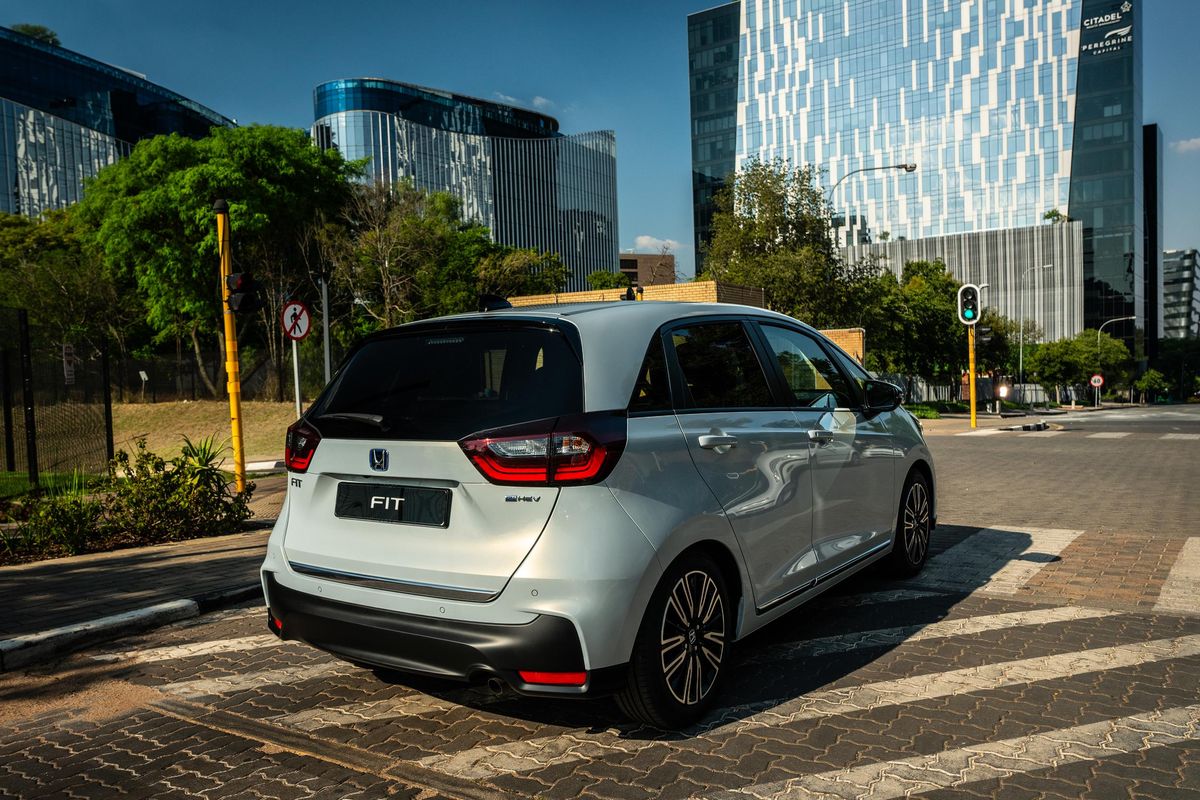
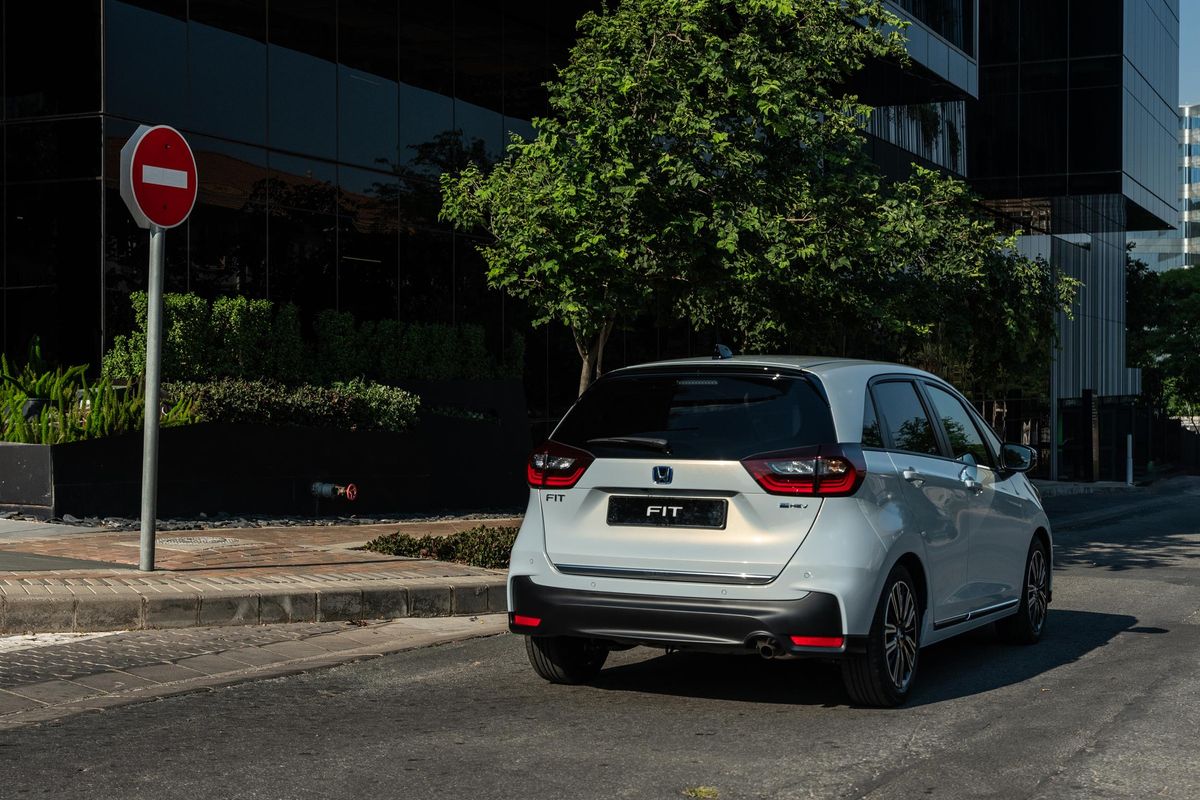
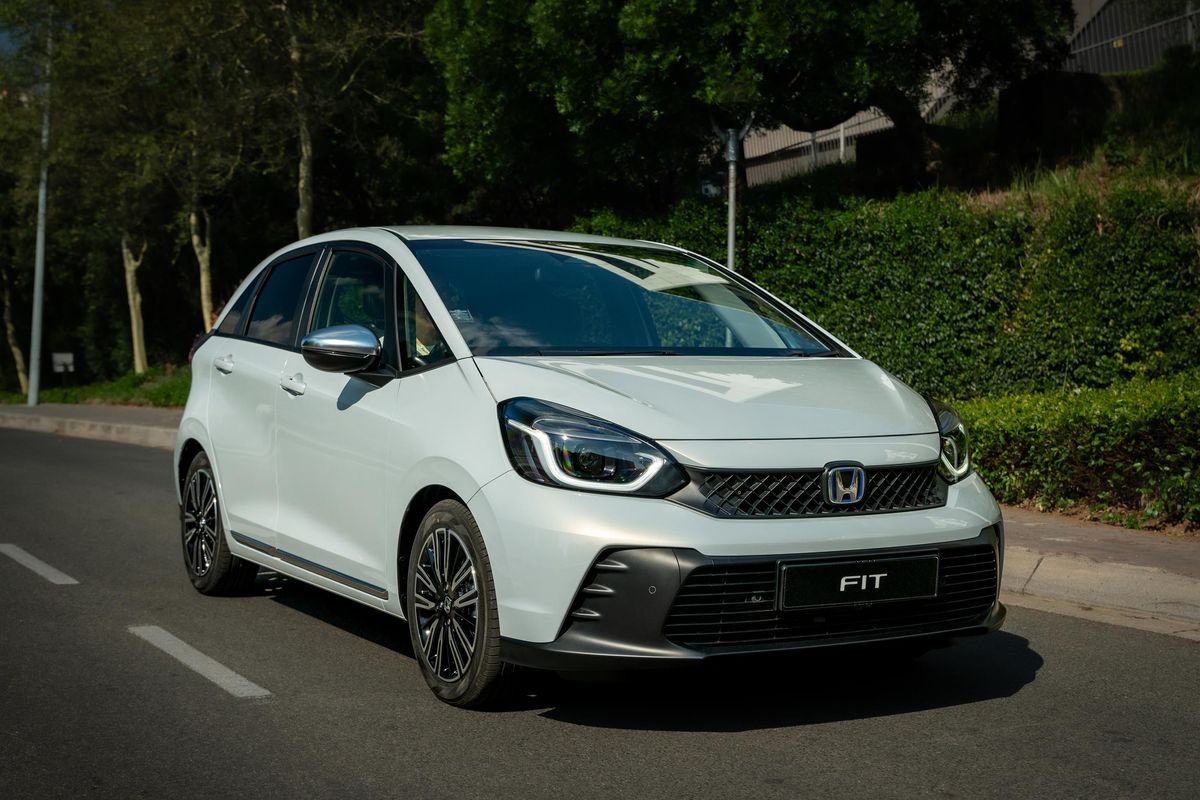
The Honda Fit e:HEV facelift has arrived in South Africa. Here’s a look at how much it costs and what has been updated.
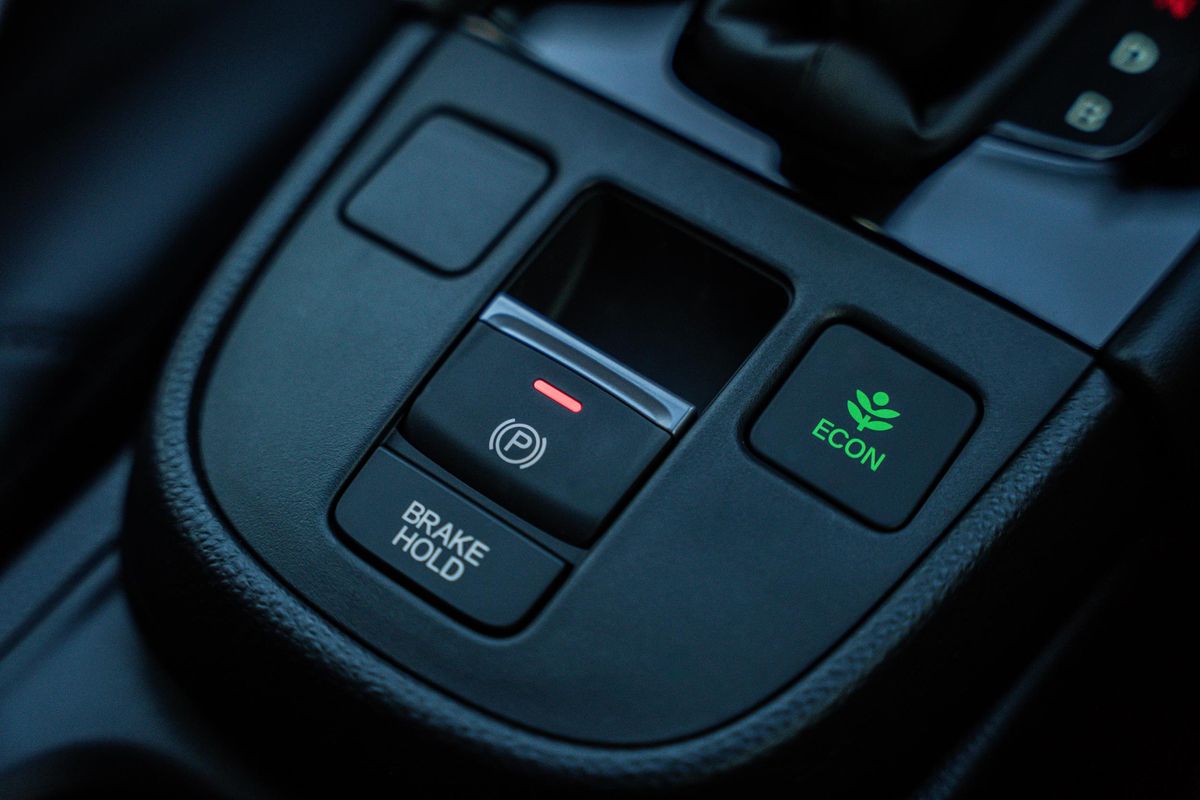
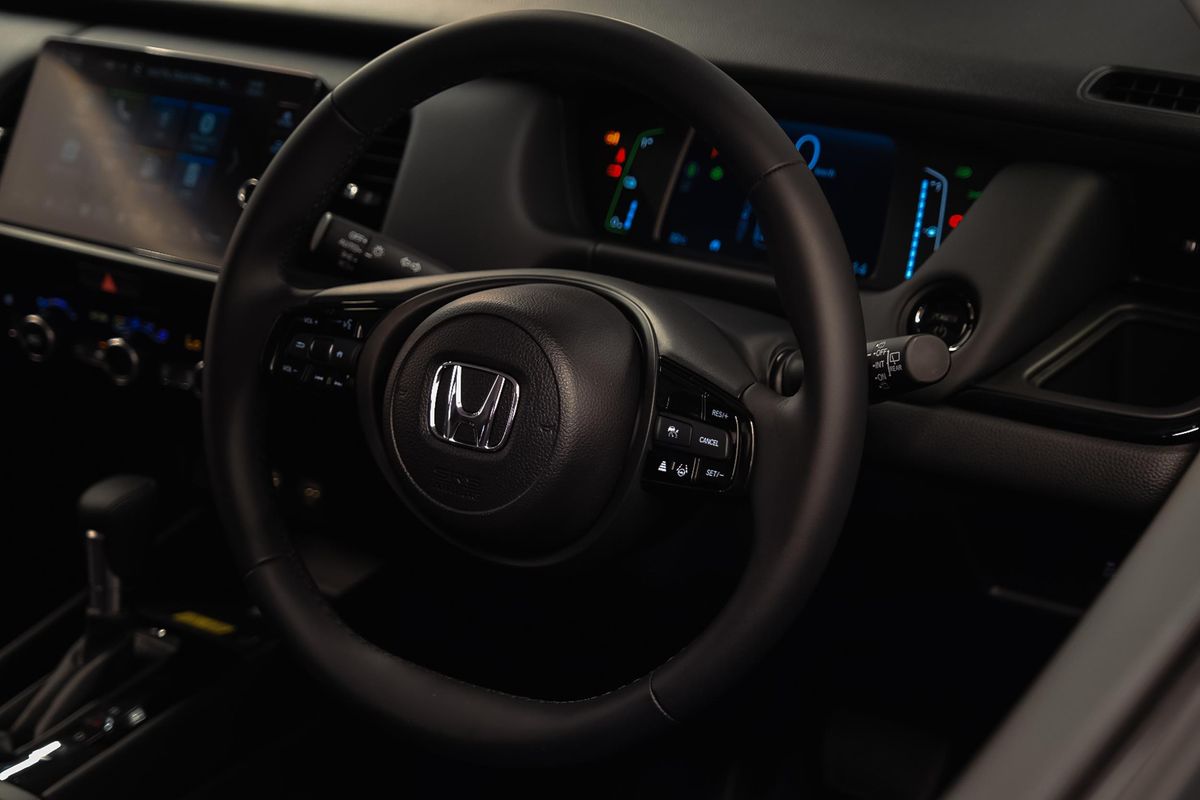
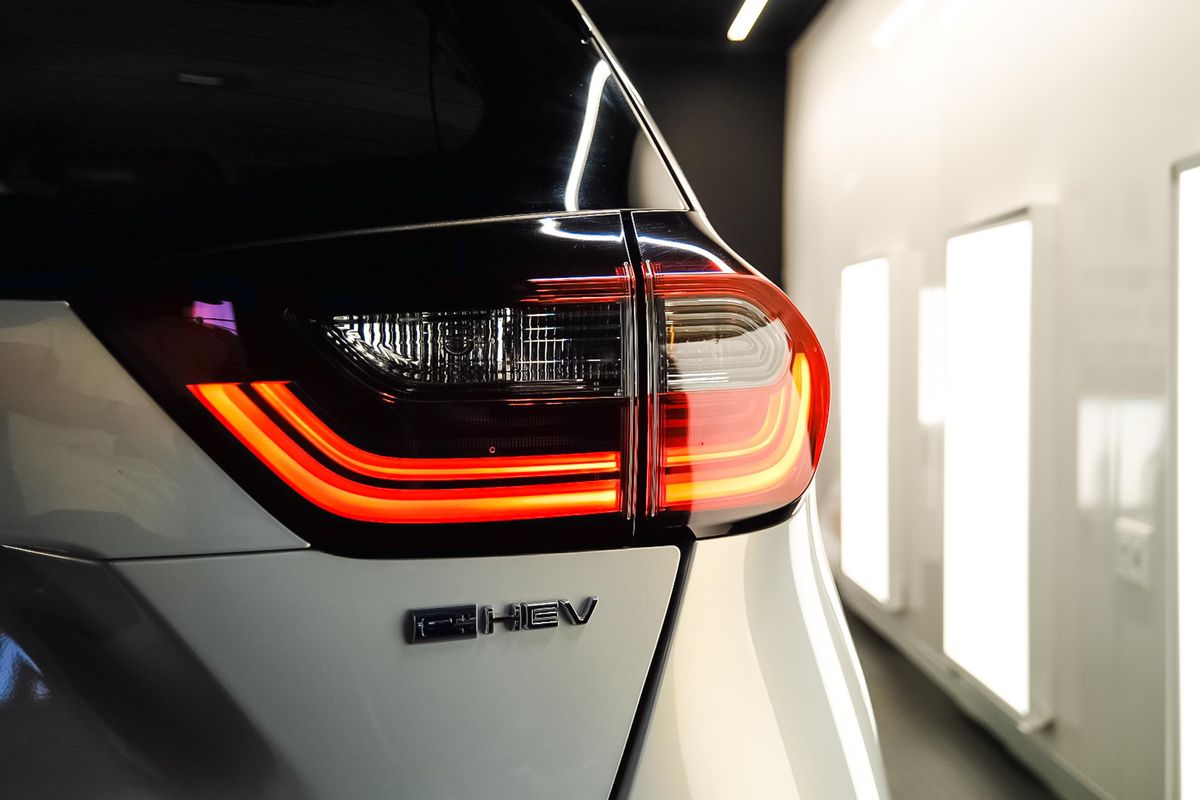
The Honda Fit e:HEV is the brand’s most frugal model offered locally in South Africa. Combining the legendary practicality with an updated and more powerful engine, the Honda Fit e:HEV should make a compelling argument for a modern and economical city slicker.
The Fit e:HEV features a sportier look, with revised bumpers to differentiate it from the other models in the range.
The real change can be found under the bonnet where there’s an increase of 10 kW to the overall power output. It now stands at 90 kW and 253 Nm for total output from a 1.5-litre electrically-assisted naturally-aspirated petrol 4-cylinder motor, with the engine power increased to 78 kW from 72 kW. Impressively, the hybrid system still claims CO2 emissions of 88 g/km and a combined fuel economy figure of just 3.7 L/100 km.
There has been a specification increase too, with the Honda Fit e:HEV gaining a wireless smartphone charger on top of the already comprehensive comfort and tech features package. As a reminder, the flagship Fit features heated seats, Apple CarPlay/Android Auto connectivity, digital instrument cluster, fast charging USB ports, and a host of semi-autonomous safety features such as radar-guided cruise control and lane-keeping assist.
How much does the facelifted Honda Fit e:HEV cost in South Africa?
The Fit e:HEV is sold with a 5-year / 200 000km warranty, a 4-year / 60 000km service plan as well as an additional extended warranty of 8-year / 200 000km covering the lithium-ion battery and other related components of the hybrid system.
5 Fuel Efficient Used Double Cab Bakkies Under R500k in SA
Fuel efficiency is an important factor to consider when buying a car but what are your options if you are shopping for a double-cab bakkie in the used car market with a budget of up to R500 000? Take a look at this list!
Double-cab bakkies aren’t typically associated with fuel efficiency but some powertrains are more fuel efficient than others. The fuel consumption return on the smaller, entry-level engines is generally better than what’s offered on the larger capacity powertrains with higher outputs.
Anyone that’s considering taking the leap to purchase a car will have to think about the operating costs (maintenance, insurance etc.) of that vehicle, including fuel costs. Fuel efficiency is therefore an important factor to consider whether you are buying a new or used car.
The real-world fuel consumption return you get will depend on many factors including driving style, terrain, load and surface conditions, to name a few.
So, if fuel efficiency is important to you and you have a budget of up to R500 000 to spend on a used double-cab bakkie, then this list will help you find one!
Note that cars between 2018 to 2023 (5 years old) are considered and this list is not exhaustive.
If you are unsure about how much you are able to afford to spend on a car then we suggest you use our new Car Affordability Calculator and you can also work our estimated monthly premiums using your Finance Calculator.
Fuel Efficient Double Cab Bakkies For Under R500k
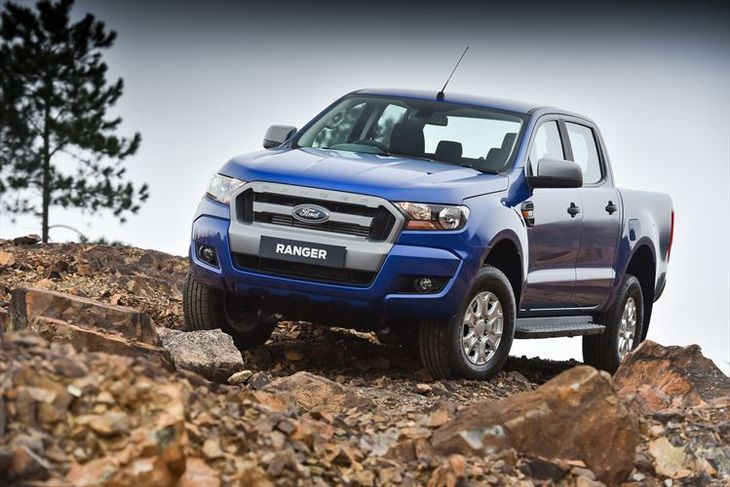
1. Ford Ranger 2.2 Double Cab Hi-Rider / XL / XL Sport / XLS – 6.5 L/100 km
The all-new Ford Ranger is here and while the current Ranger 2.0-litre turbodiesel engine is a frugal option (6.9 L/100km), the previous generation 2.2-litre turbodiesel engine is particularly efficient and there are numerous examples available on the used car market for under R500k!
The 2.2-litre turbodiesel engine is offered in 2 states of tune including 88 kW and 285 Nm and 118 kW and 385 Nm of torque.
2. Toyota Hilux 2.4 GD-6 Raider / SR – 7.1 L/100km
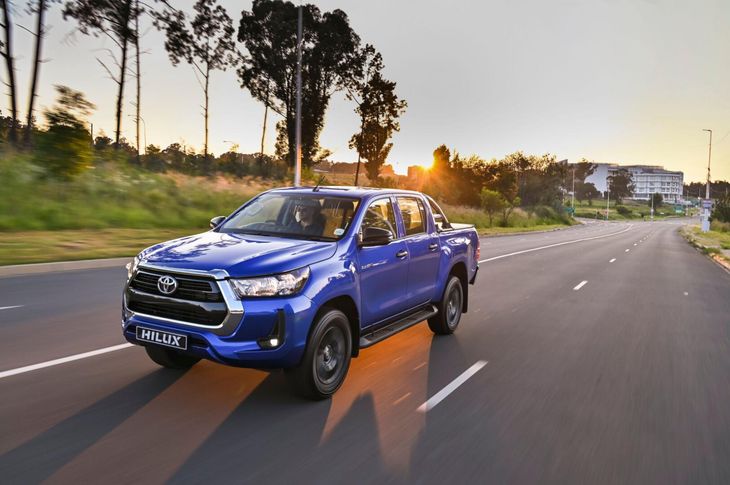
The Toyota Hilux 2.4GD-6 4×2 SR and Raider double-cab derivatives are the most fuel-efficient in the Hilux range. Its 2.4-litre turbodiesel engine produces 110 kW and 400 Nm of torque while returning a claimed fuel consumption figure of 7.1 L/100 km.
The 4×2 Nissan Navara in SE and SE Plus manual guise is a fuel efficient option to consider with a claim of 7.2 L/100km and there are numerous used examples currently for sale on Cars.co.za for under R500k. The Navara is powered by a 2.5-litre turbodiesel engine with 120 kW and 403 Nm.
The new Isuzu D-Max launched in South Africa earlier this year and the 1.9-litre turbodiesel derivatives in L and LS guise are relatively frugal. This engine offers 110 kW and 350 Nm of torque. There are already a growing number of used examples for buyers to consider.
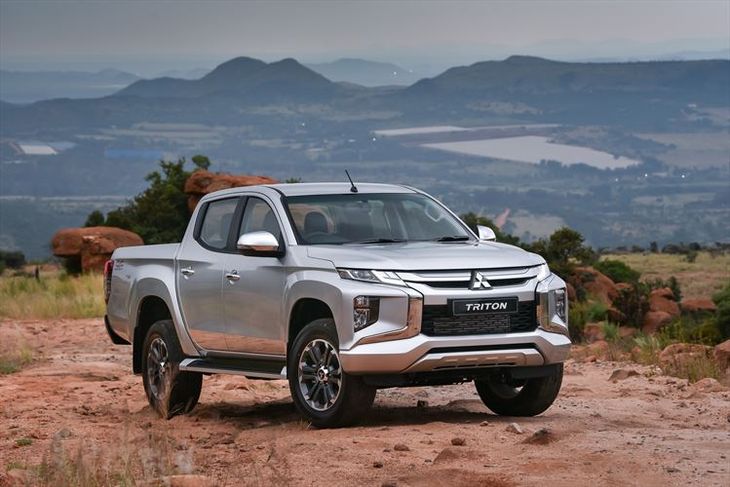
The Mitsubishi Triton is one of the most fuel-efficient double cabs you can buy and there are numerous examples on offer under R500k on Cars.co.za. The Triton is powered by a 2.4-litre turbodiesel engine and packs 133 kW and 430 Nm of torque. The manual Triton claims a fuel consumption figure of 7.5 L/100 km while its automatic counterpart claims 7.6 L/100km.
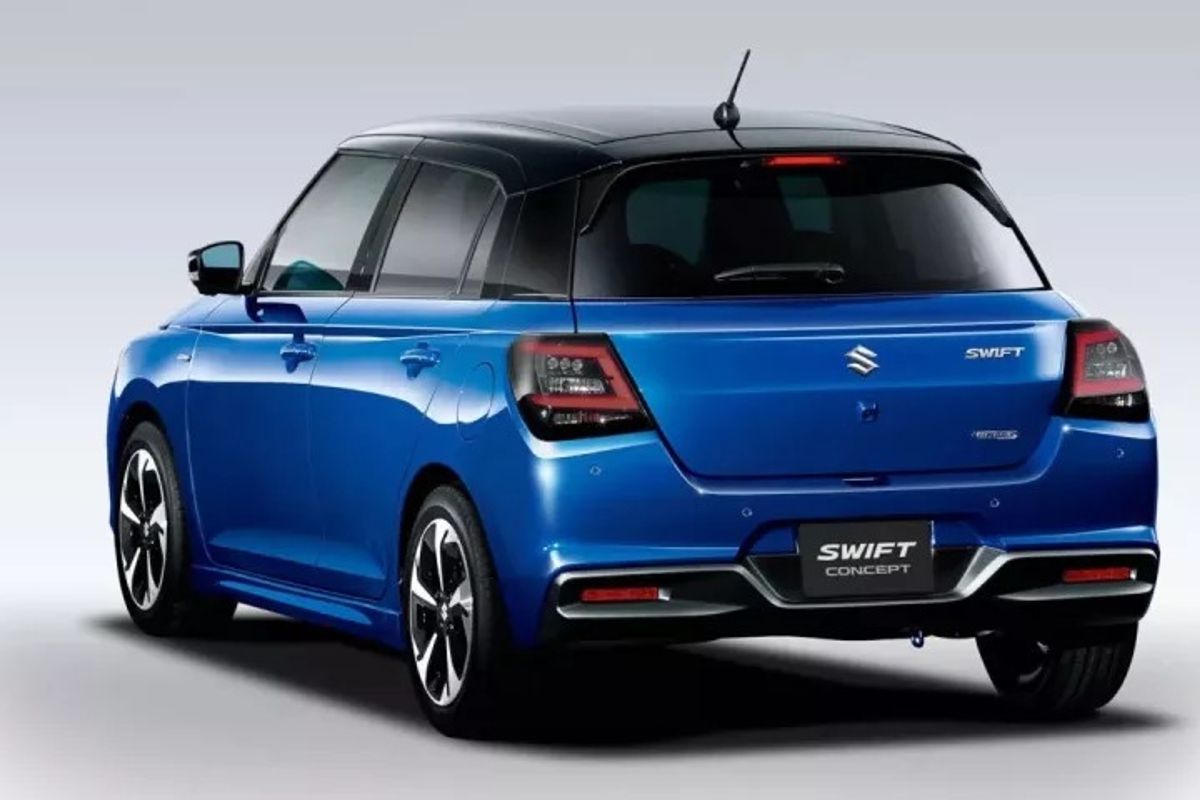
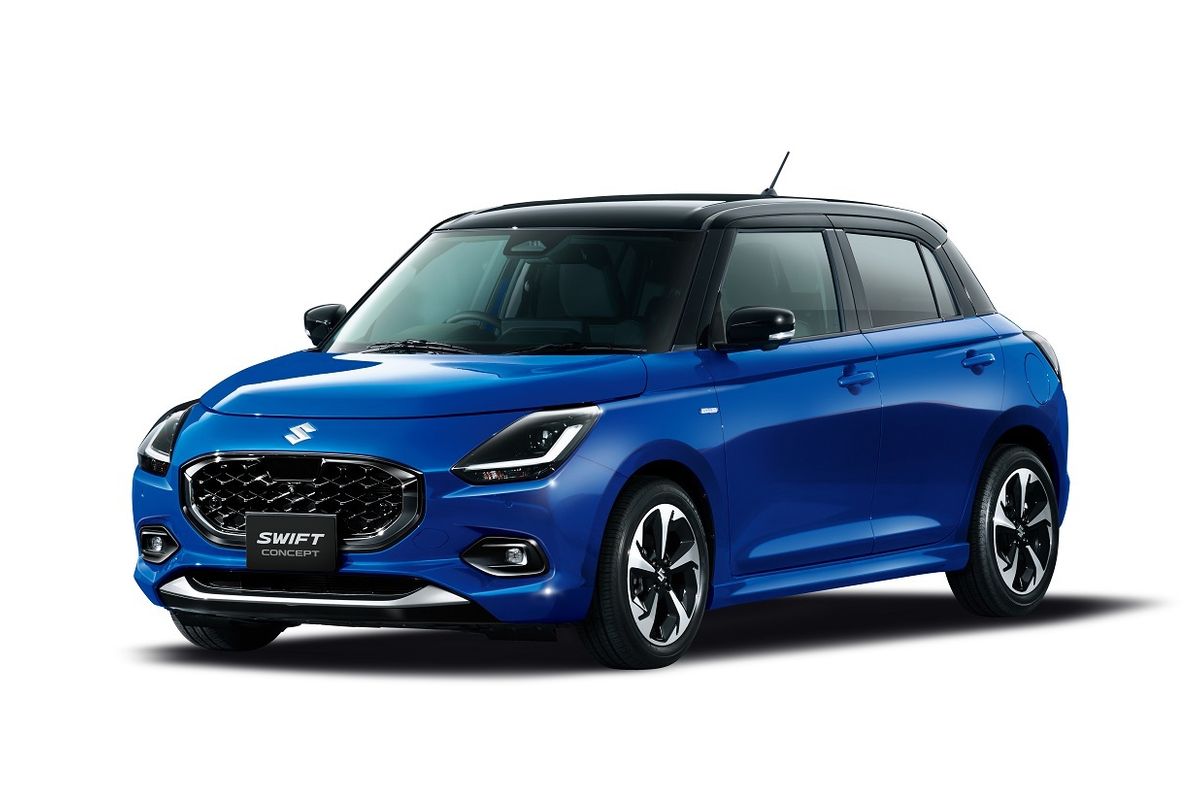
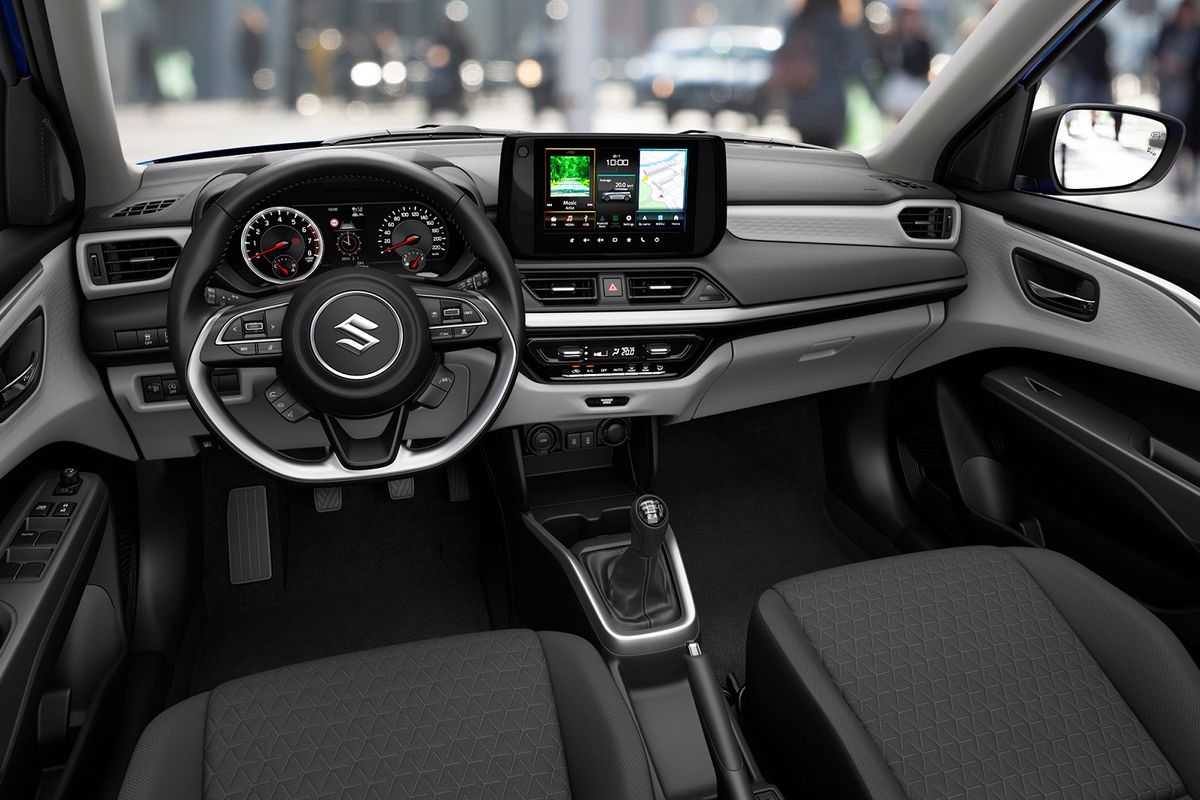
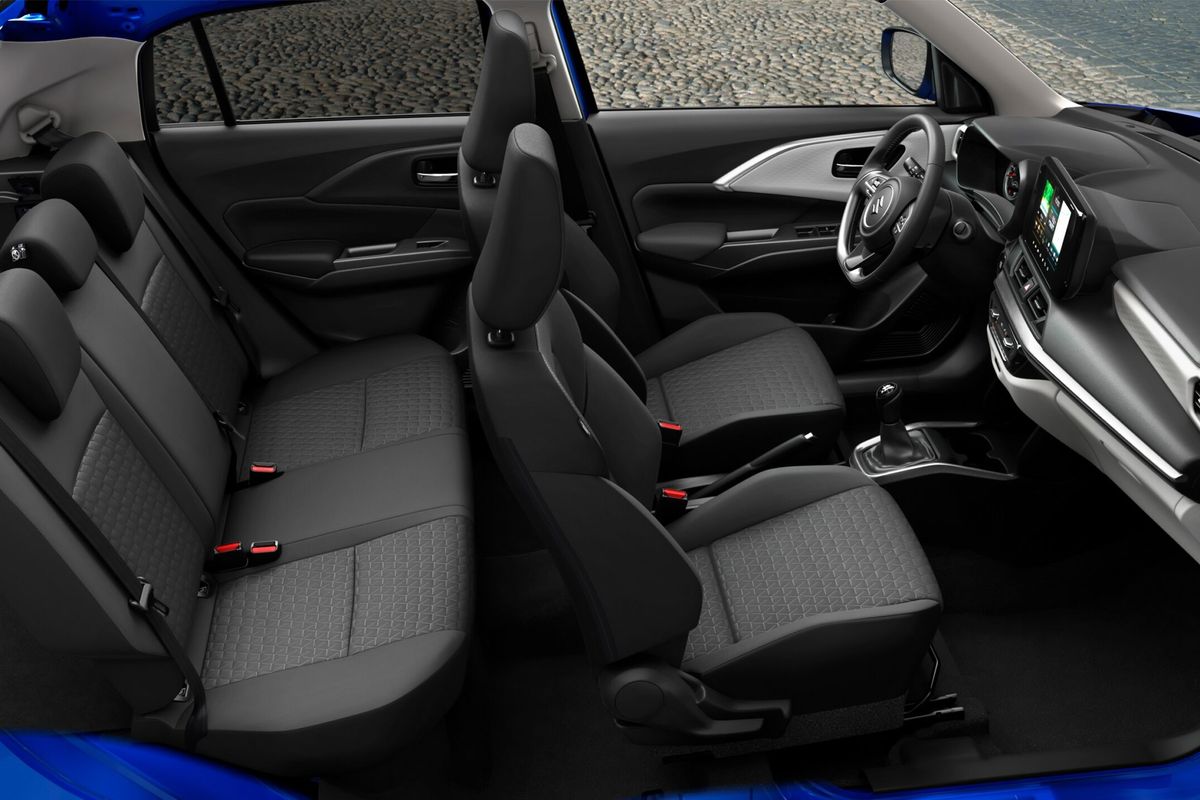
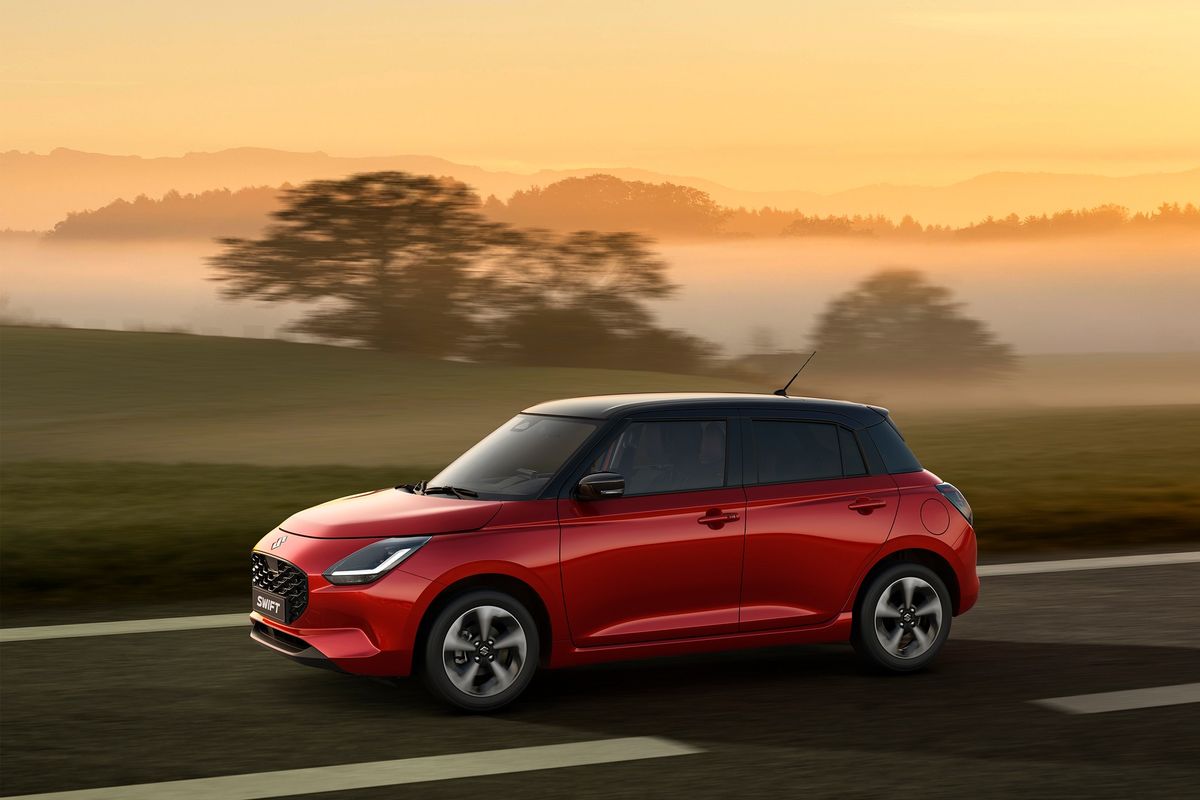
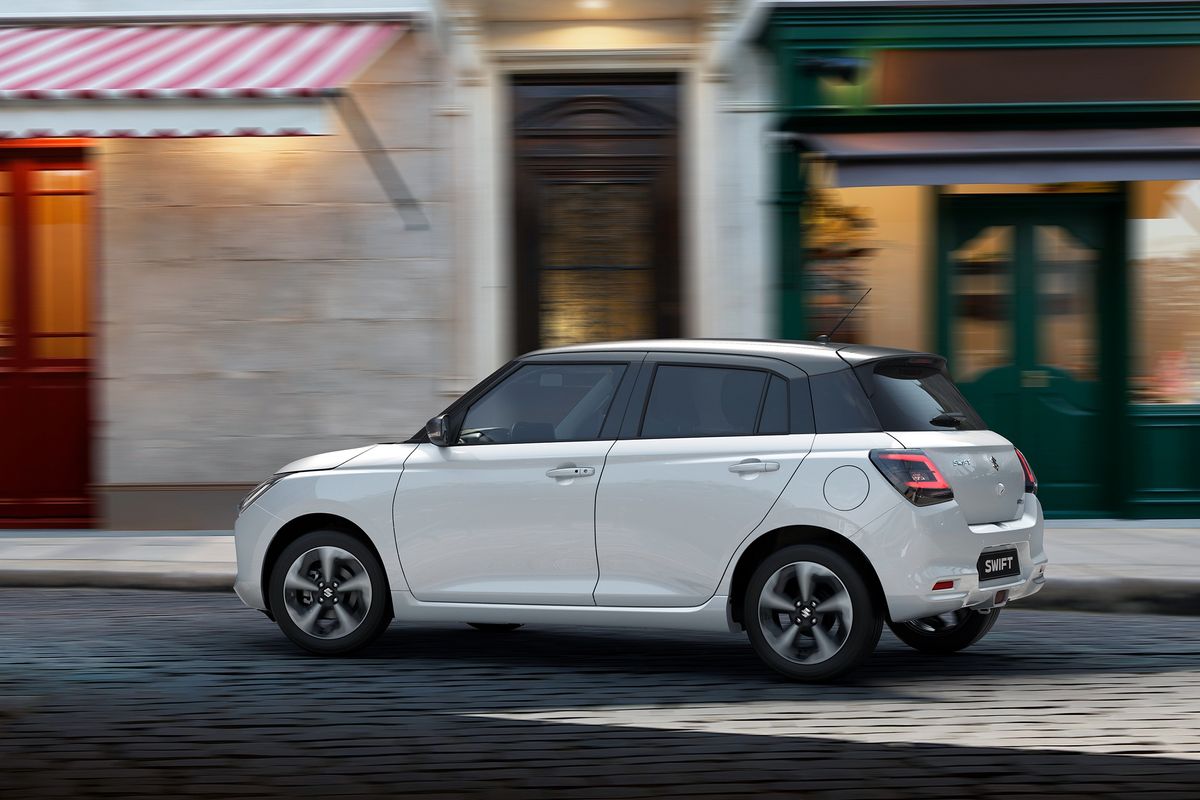
The fourth-generation Suzuki Swift has been revealed and we have some details on what’s to come.
The current-shape third-generation Suzuki Swift is approaching the end of its current lifecycle, with this generation first landing in SA back in 2018. The Japanese carmaker has been hard at work developing the next all-new Suzuki Swift and there’s been a slow trickle of information and images since the concept was shown at the Tokyo Motor Show in October 2023.
As predicted, the Swift Concept looked too refined to be a concept and we suspected correctly that its 99% the production model. The info accompanying the concept images was short and sweet, and the all-new Swift will feature a high-efficiency engine, advanced safety technology like collision mitigation braking, adaptive high beam and a driver monitoring system.
Hybrid engine
Let’s talk about that engine. We already know Suzuki is dipping its toes into hybrid powertrains, evidenced by the flagship Suzuki Grand Vitara AllGrip with its mild-hybrid setup and we know that the European market’s Euro7 regulations are strict, and we’ll be very surprised if the new model doesn’t feature some form of electrification. In fact, Autocar India has gone further to say that the new engine will be a 1.2-litre 3-cylinder with a mild hybrid system bolted on.
Interestingly, Suzuki UK says its Swift units will be arriving in the Spring of 2024 and some will feature the brand’s AllGrip Auto, which essentially is a “four-wheel drive system that engages when it detects a loss of front wheel traction. When front-wheel slippage is detected, a viscous coupling engages to transfer torque to the rear wheels, providing additional traction for driving on snow-covered roads or other slippery surfaces.”
When will the new Swift come to South Africa?
Given India and South Africa’s love for the Suzuki Swift, it will be interesting to see if the new model can continue to be the value champion. We’re yet to see the Maruiti-built version of the new-gen Swift, but will update this article when more information and images surface.
We expect the new Suzuki Swift to hit South Africa’s showrooms by the middle of 2024. We already know the new-gen Swift will be hitting European markets in Spring 2024.