Honda is preparing a new model for reveal. This is the 2023 Honda Elevate SUV that will be revealed in early June 2023. Here’s what we know so far.
Honda’s teaser video (at the bottom of this article) shows a new SUV called the Elevate. Based on our assumptions, we reckon this Indian-built SUV will be positioned to take on the Kia Seltos, Toyota Urban Cruiser and Hyundai Creta.
The brand has confirmed that the 2023 Honda Elevate will be a global model, with India being the first market to receive it. We understand the Honda Elevate will be riding on the same platform as the 5th-generation Honda City/Ballade. It’s fair to assume the powertrains from the sedan will be carried over too, and as a reminder, its a 1.5-litre naturally-aspirated petrol engine with 89 kW and 145 Nm. City/Ballade customers have the choice of either a manual gearbox or CVT.
This segment of the market is booming, both in South Africa and India. India is rapidly becoming a powerhouse for manufacturing and export of new vehicles.
According to Naamsa, the top country of origin in pure volume terms was again India, from which a whopping 165 910 vehicles (up from 129 364 units in 2021) were sourced. That translates to 51.2% of total light vehicles imported in 2022.
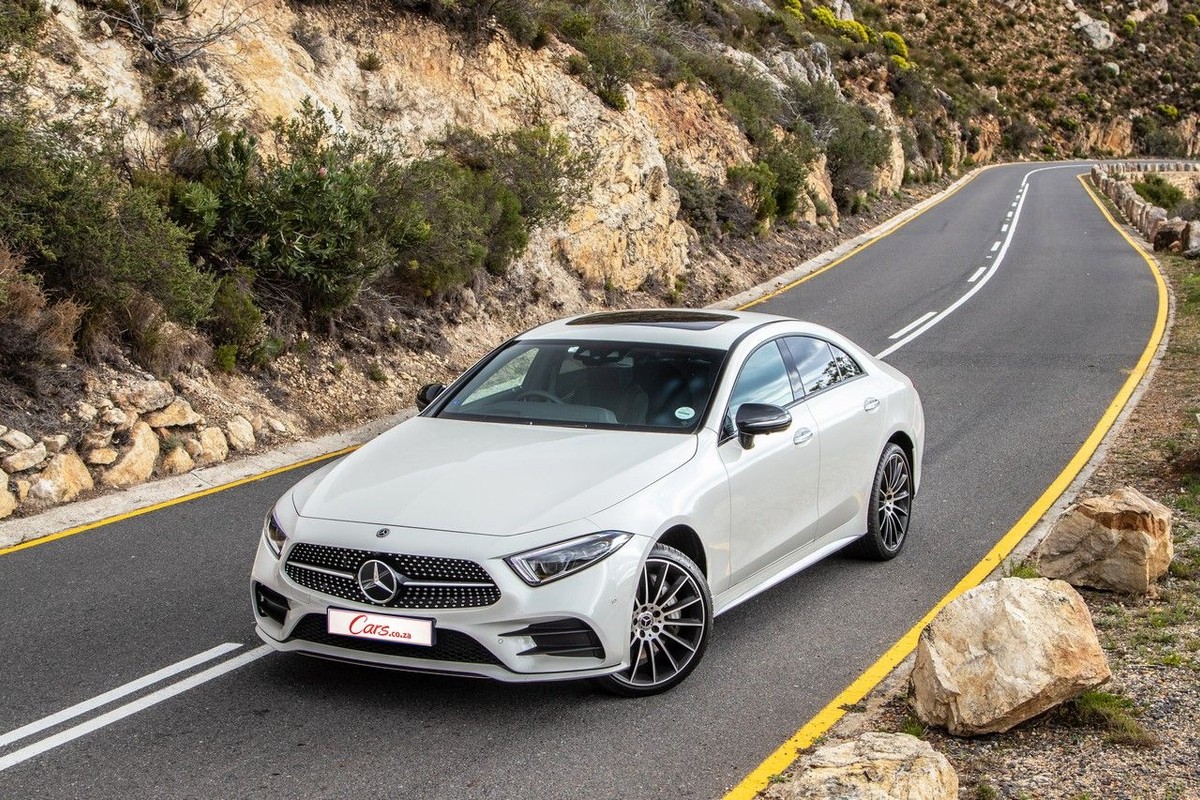
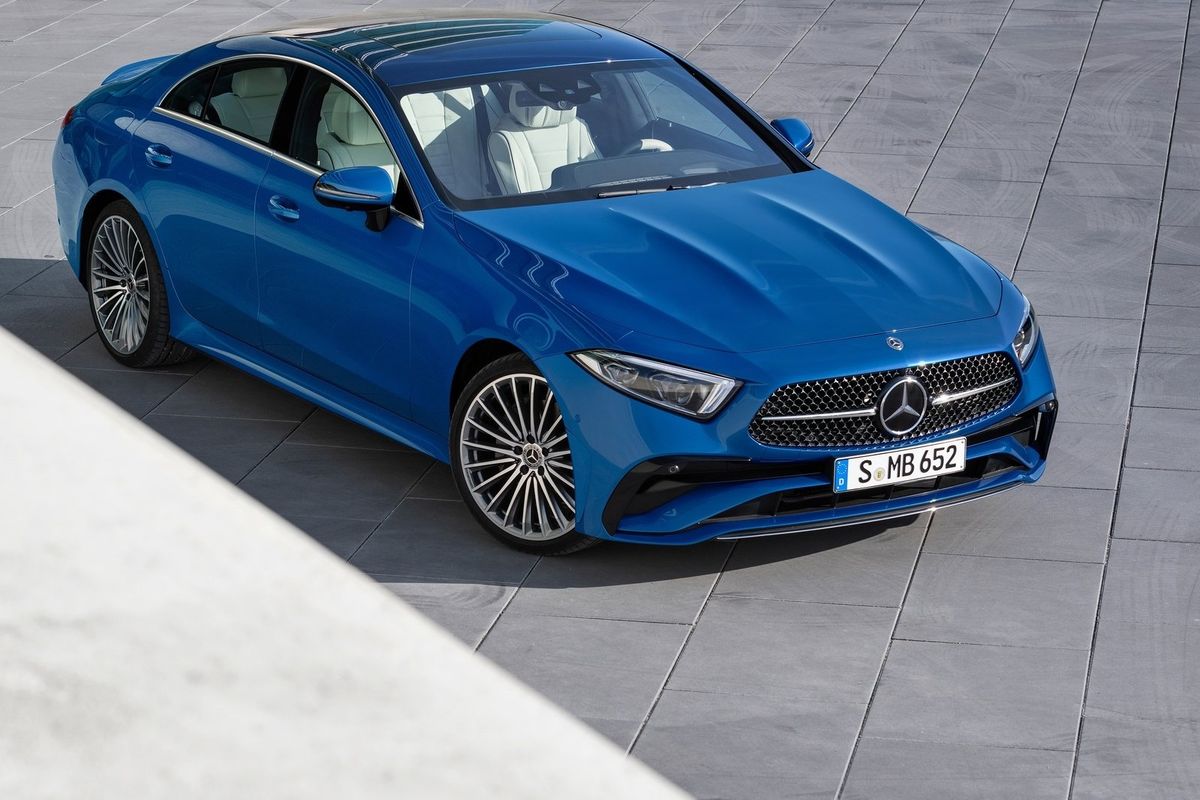
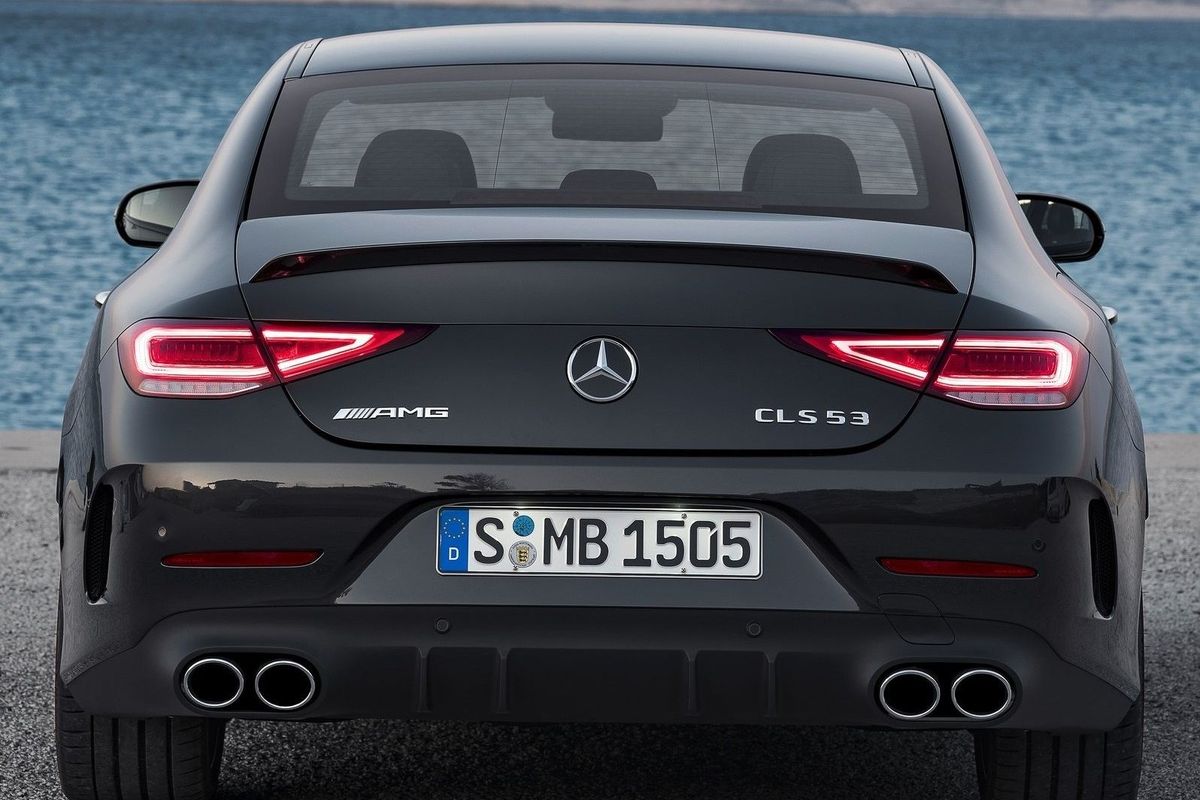
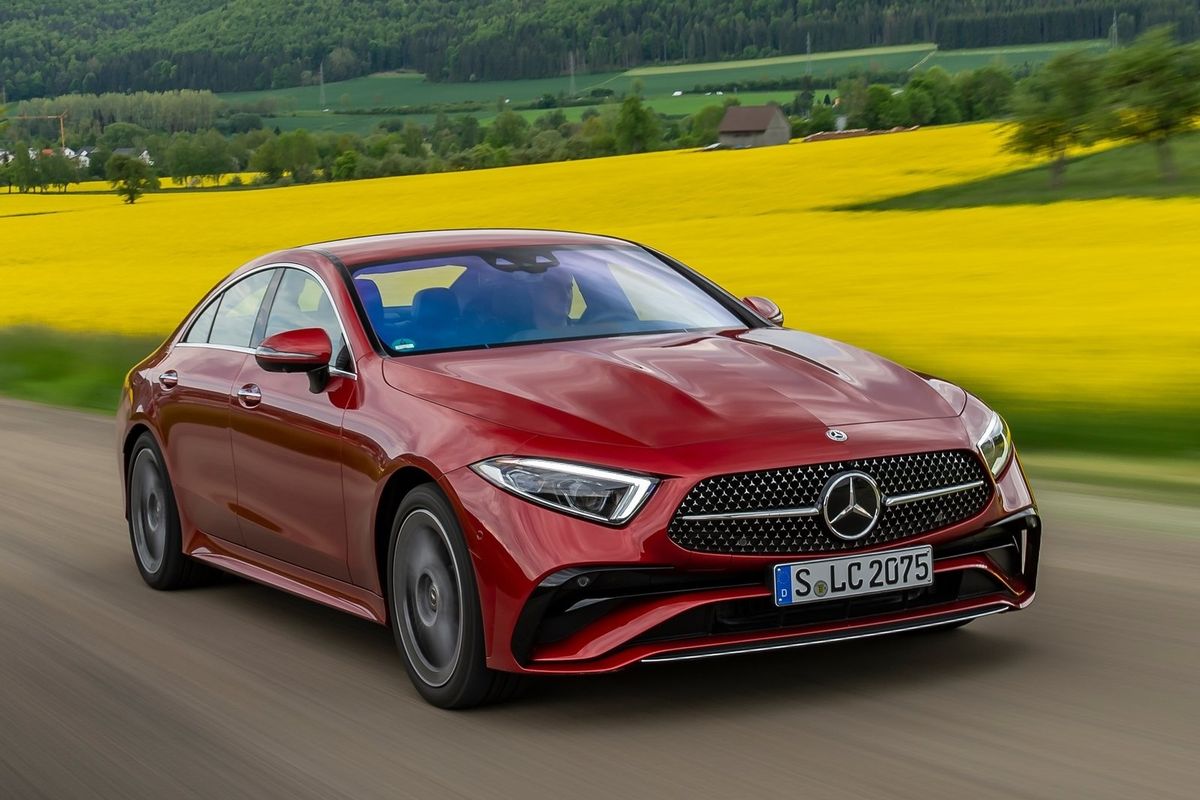
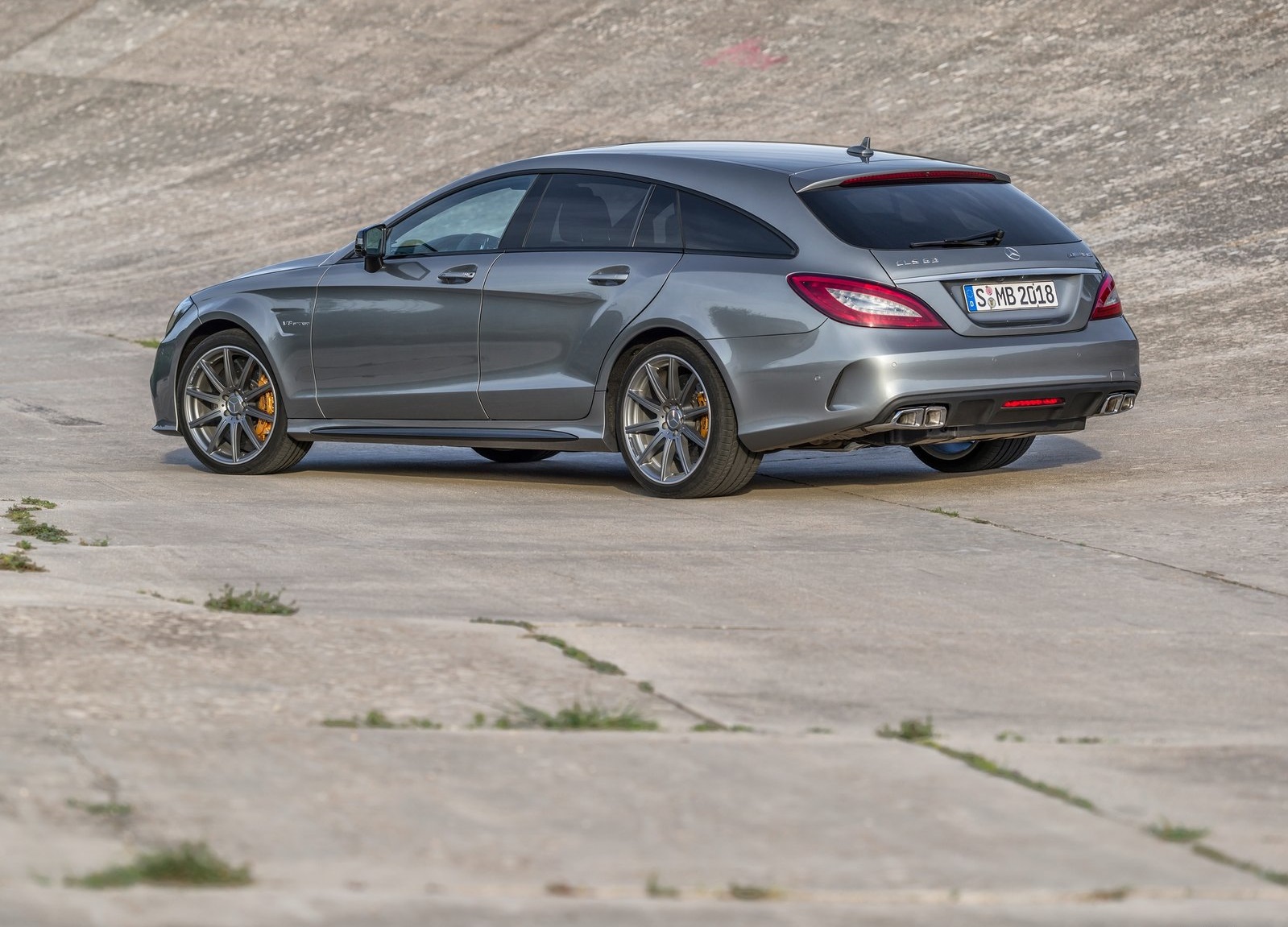
The stylish Mercedes-Benz CLS is no more. After 19 years, production will end as Mercedes-Benz ramps up the new 6th-generation E-Class.
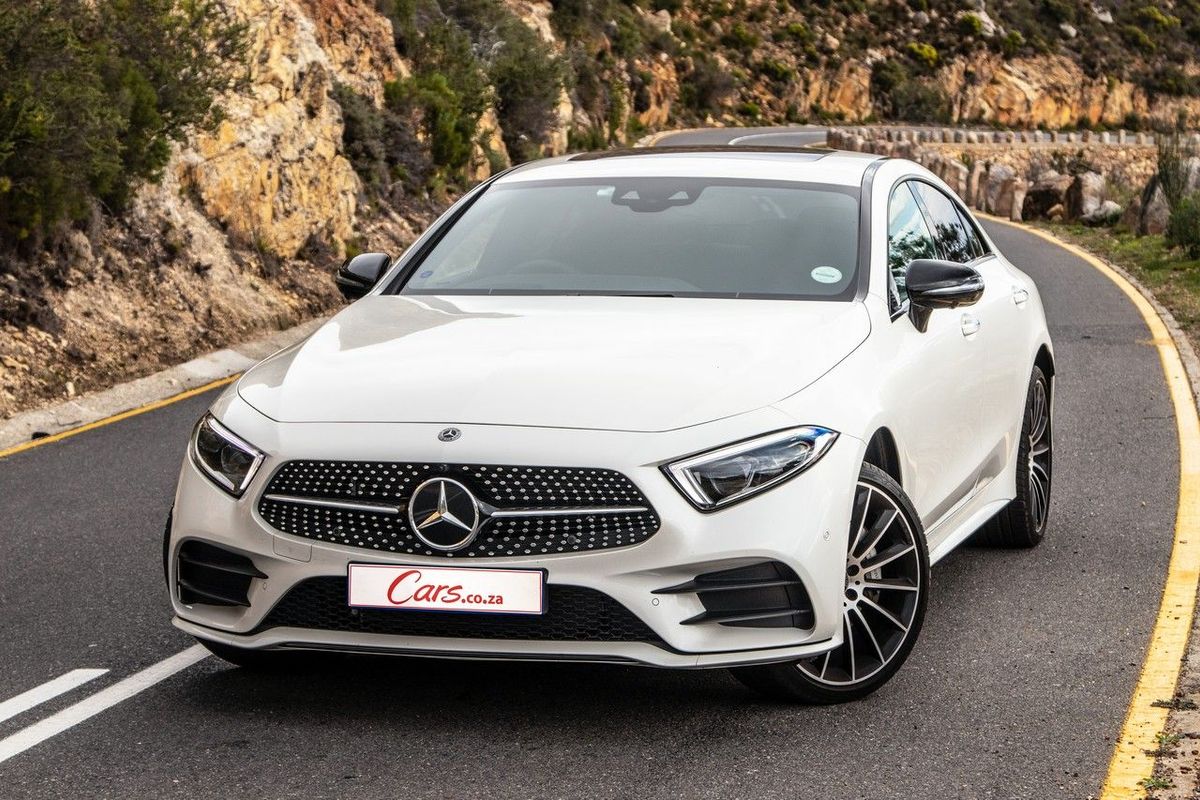
We’ll miss the Mercedes-Benz CLS, that’s for sure. Underpinned by the E-Class platform, it offered exquisite looks, a great range of powertrains and dynamics that perfectly blended refinement and engagement.
A report from UK publication Autocar says the 4-door coupe will be canned as the Sindelfingen plant in Germany ramps up production of the all-new Mercedes-Benz E-Class. It may have flown under the radar and garnered the same attention as some of the other models, but it was around for three model generations and 19 years.
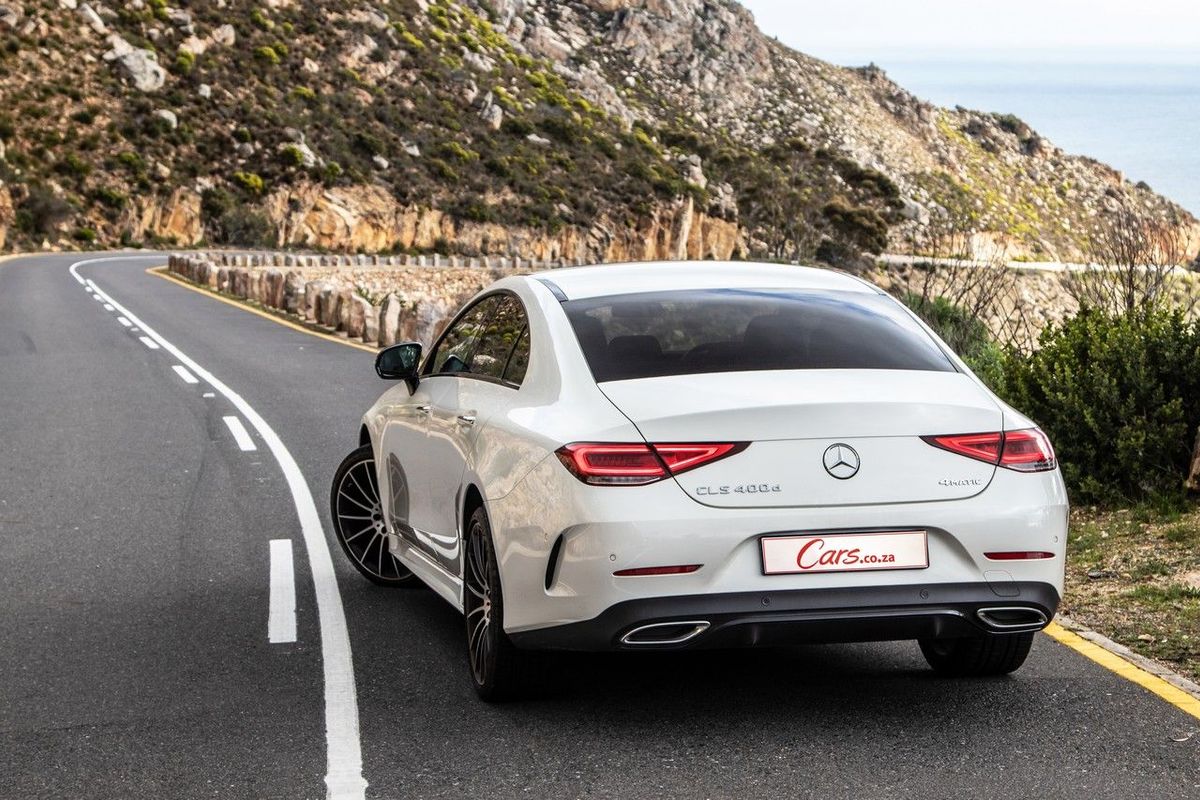
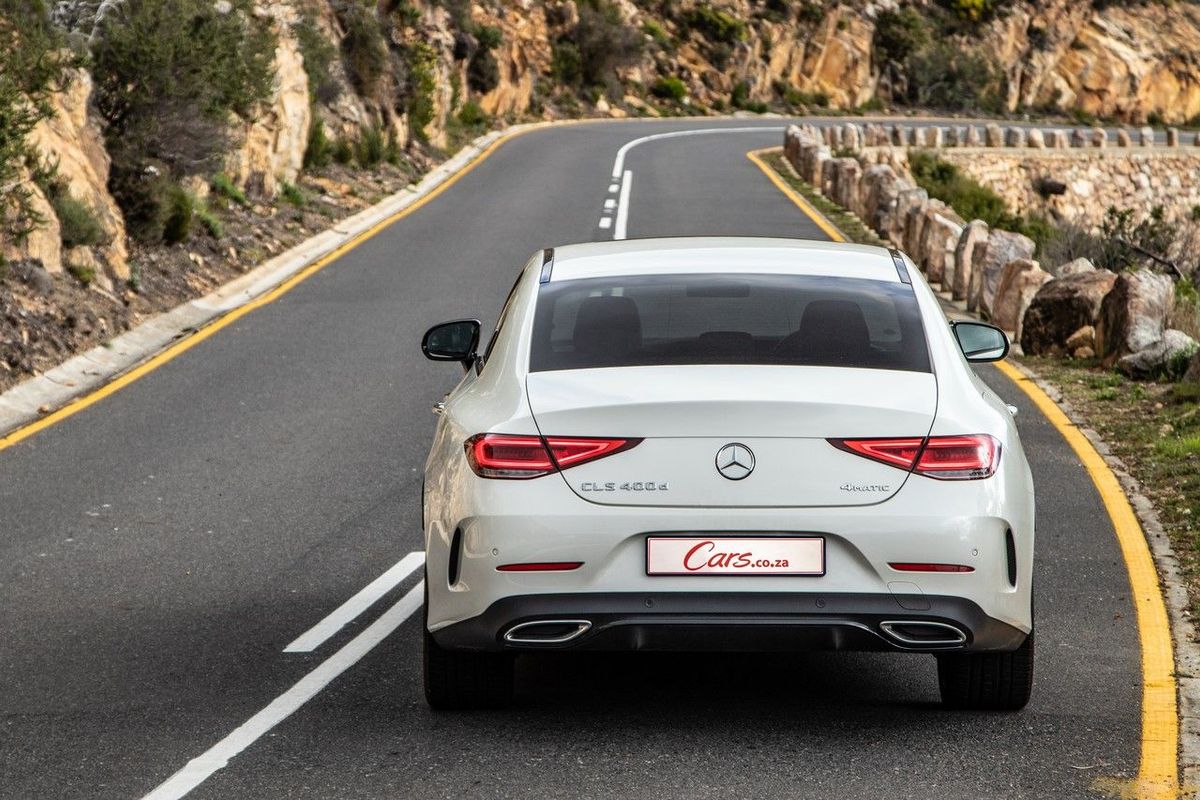
It’s worth noting the Mercedes-Benz CLS quietly left the South African new car market in the second half of 2021, and the facelifted model that was announced in April 2021 never came. At the time of its departure, there were just two models on offer, the CLS 400d and the CLS 53 AMG, the latter making use a hybridised inline 6-cylinder engine. Sadly, the last V8 in the CLS was the 2nd-gen and that 5.5-litre biturbo 8-cylinder was magnificent.
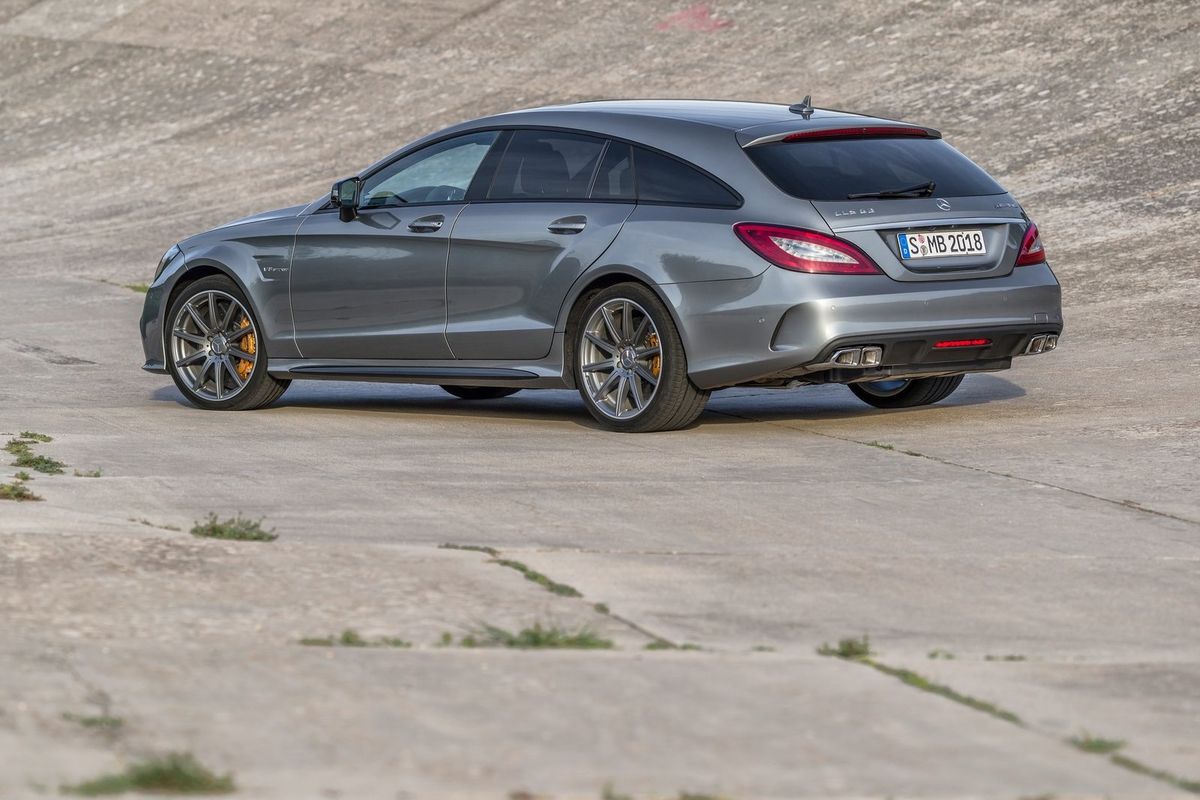
There was also a Shooting Brake derivative, but that didn’t make the second or third generation. Still, its a highly desirable model amongst enthusiasts.
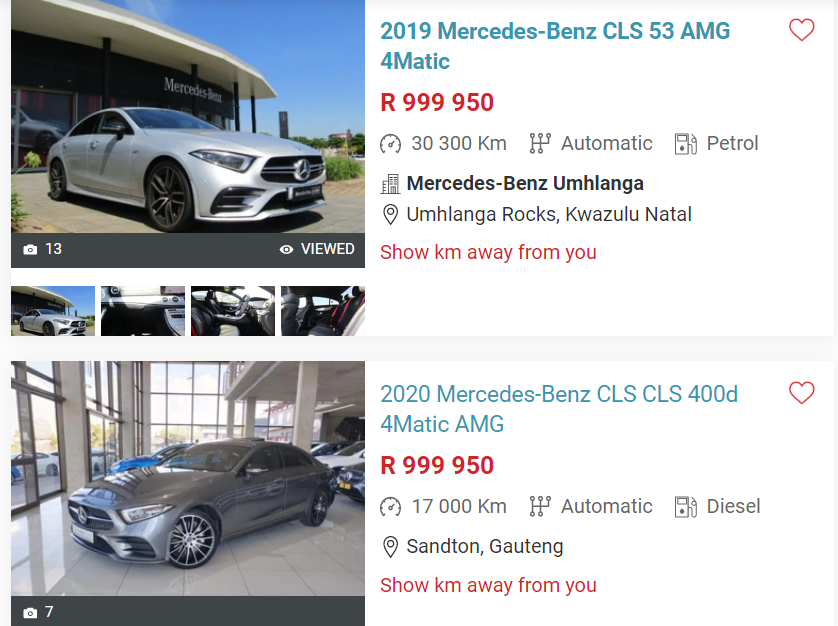
So, what if you want one? Good news, as there are a few listed on Cars.co.za and represent good value in comparison to the current new car pricing carnage. For just under R1 million, you could bag yourself a low-mileage CLS 400d…
Exactly how many model derivatives are offered in South Africa? Though local buyers still have huge choice, the number has actually fallen markedly since 2018…
According to Naamsa, South African new-car buyers have the widest choice-to-market-size ratio in the world. But the lofty local model-derivative count has actually fallen markedly – by 31.13%, according to our maths – since 2018.
The organisation describes the new-car trading environment in South Africa as “extremely competitive compared to global standards”, saying original equipment manufacturers (OEMs) continue to “introduce a growing range of model variations and body shapes of each model”.
Indeed, Naamsa lists South Africa’s new passenger-vehicle market as having encompassed as many as 43 brands and 2 513 model derivatives in 2022. In the light-commercial vehicle (LCV) segment, meanwhile, 22 brands were operating last year, with 498 model derivatives from which to choose.
While those are certainly sky-high numbers considering the local market’s size in global terms, they’re down on 2021’s figures, when 43 passenger-vehicles brands offered 3 077 model derivatives and 23 LCV brands put forward 746 model derivatives. Meanwhile, in 2020, the model-derivative count in the passenger-car space was higher still at 3 132, while the LCV figure was slightly lower at 689.
Fascinatingly, the numbers from the prior year were remarkably similar to those of 2022. Yes, in 2019, South Africa had 46 passenger-car brands offering a total of 2 507 model derivatives, along with 28 LCV brands marketing 526 model derivatives.
And 2018? Well, back then, the South African market featured a whopping 49 brands in the passenger-vehicle space, offering a heady 3 716 model derivatives between them. The LCV-brand tally stood at 30, which together provided 656 LCV derivatives. If we combine passenger-car and LCV variants, we find the market’s total model-derivative count dropped from 4 372 in 2018 to 3 011 in 2022, representing a fall of 31.13%.
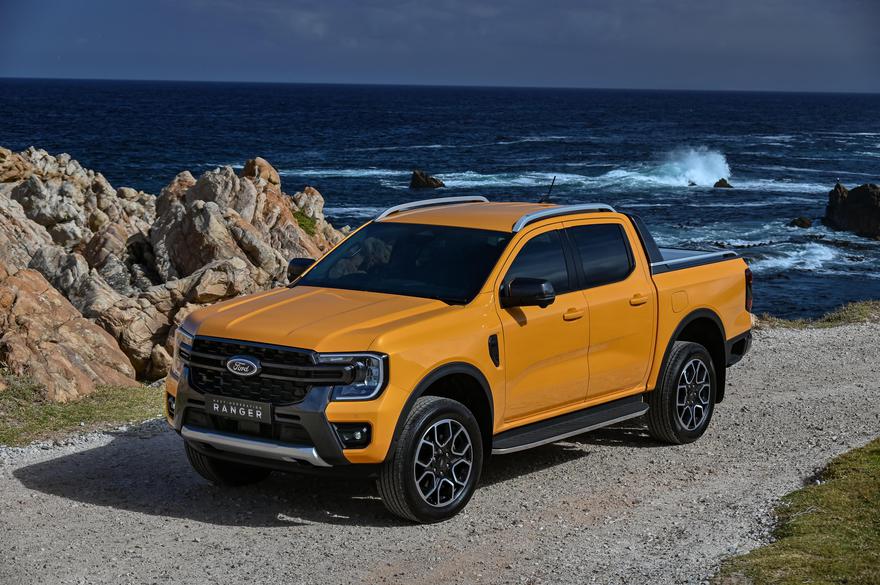
Still, there’s no doubt South African buyers remain spoilt for choice. In the LCV space, for instance, Toyota currently offers as many as 39 derivatives of its popular Hilux. Isuzu, meanwhile, markets 27 variants of its D-Max (plus another 5 in the prolonged-lifecycle Gen 6 line-up) and Ford lists 24 derivatives of its new Ranger (with more likely in the pipeline).
In the passenger-vehicle segment, we currently count as many as 31 derivatives of the 992-generation Porsche 911, as well as 24 variants of the Land Rover Defender…
Volkswagen Amarok Single Cab (2023) Price for SA Confirmed
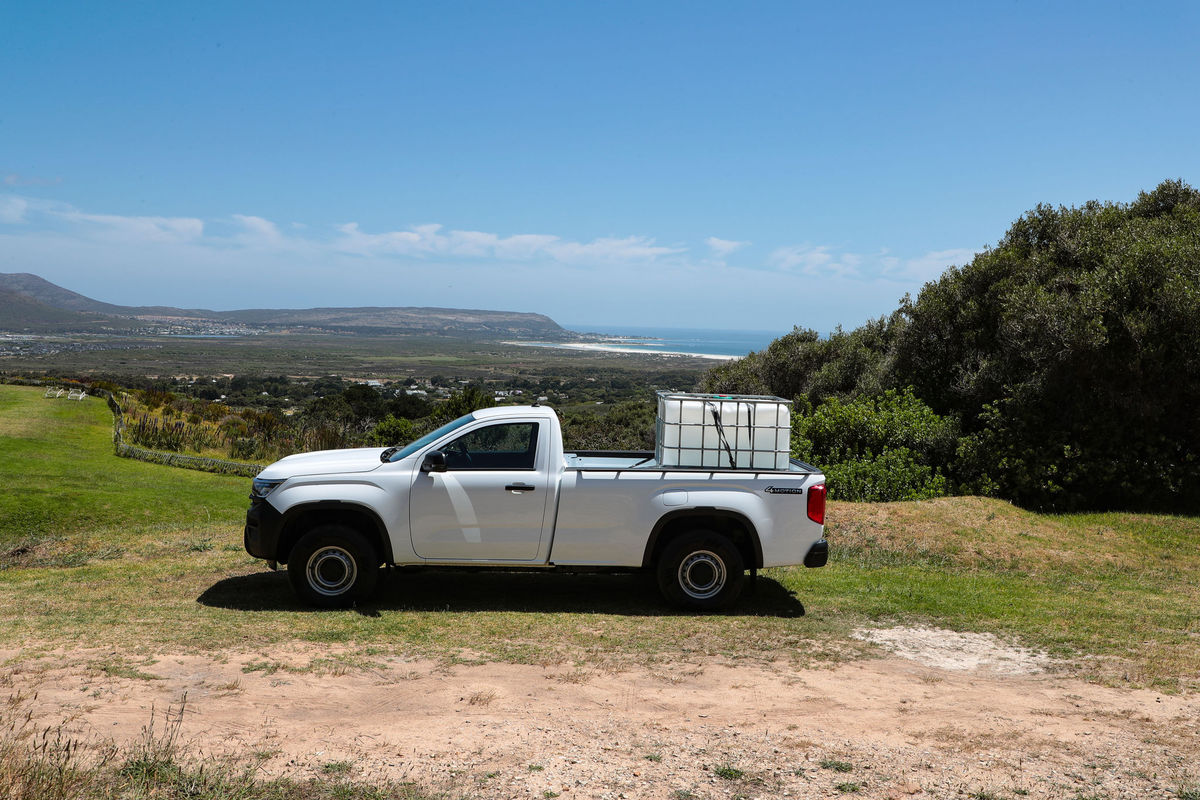
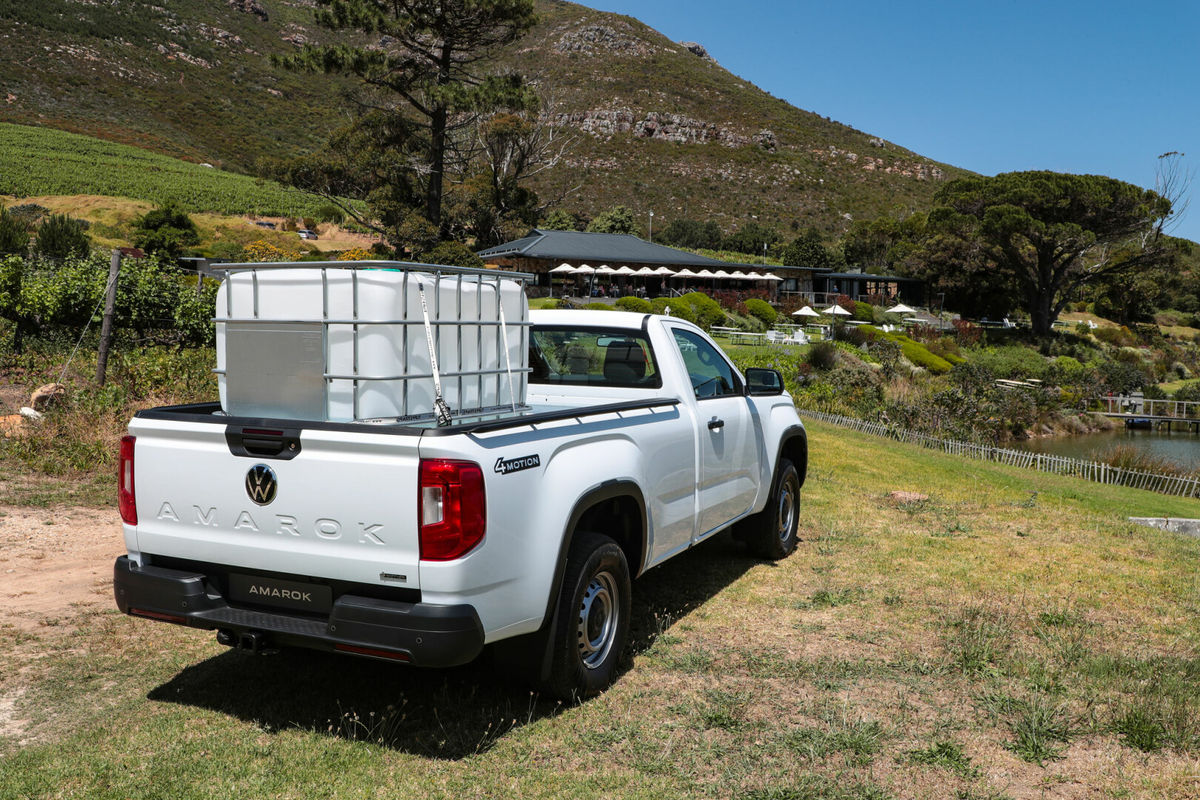
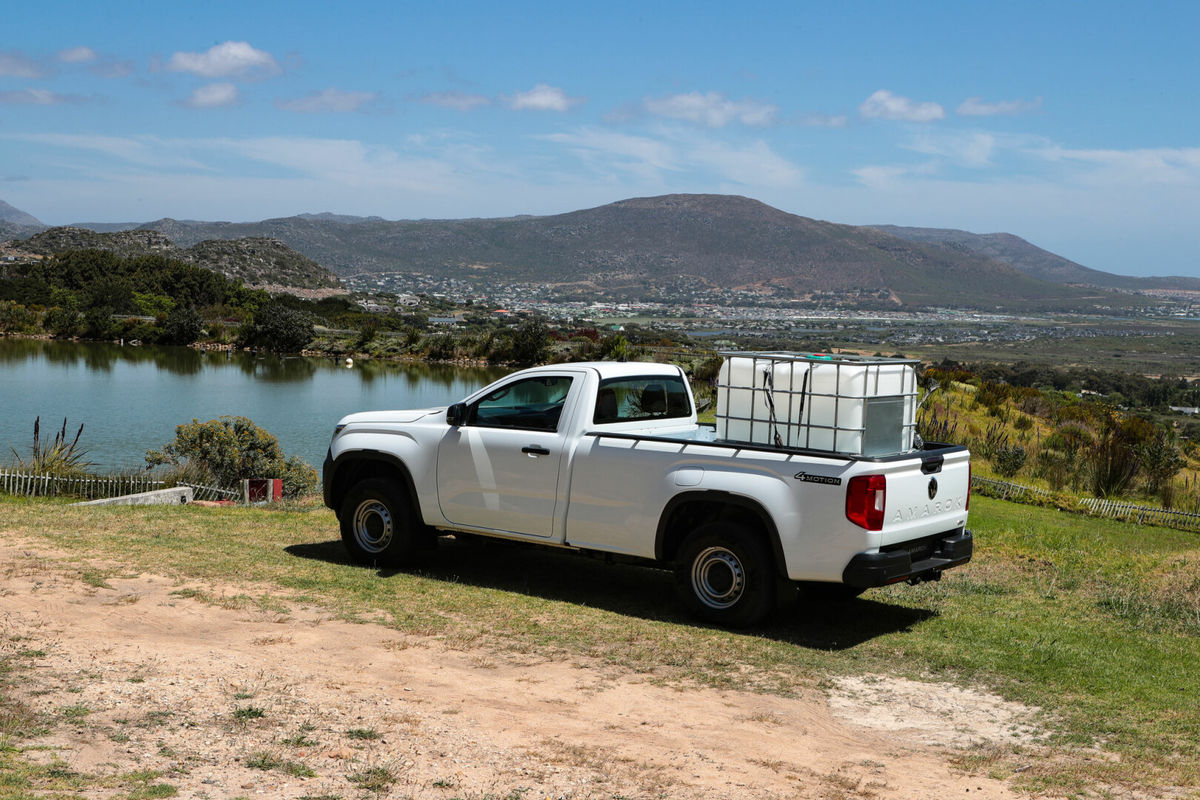
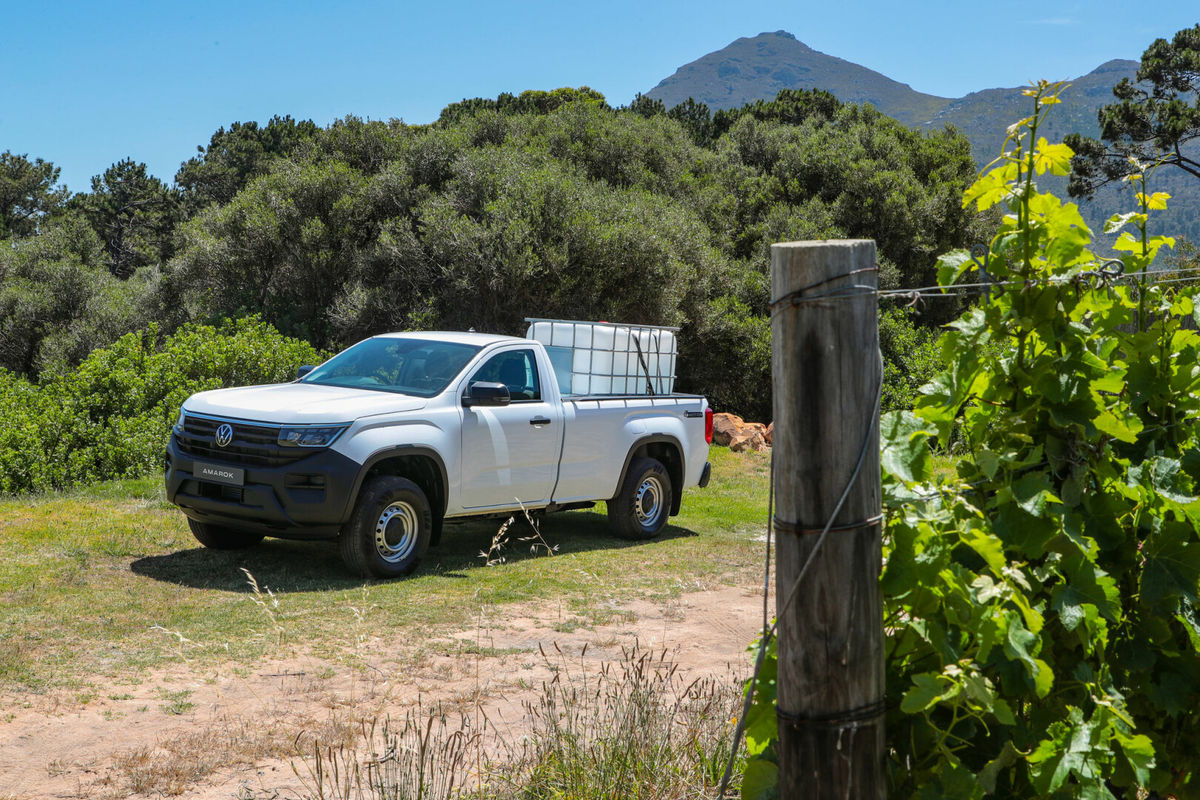
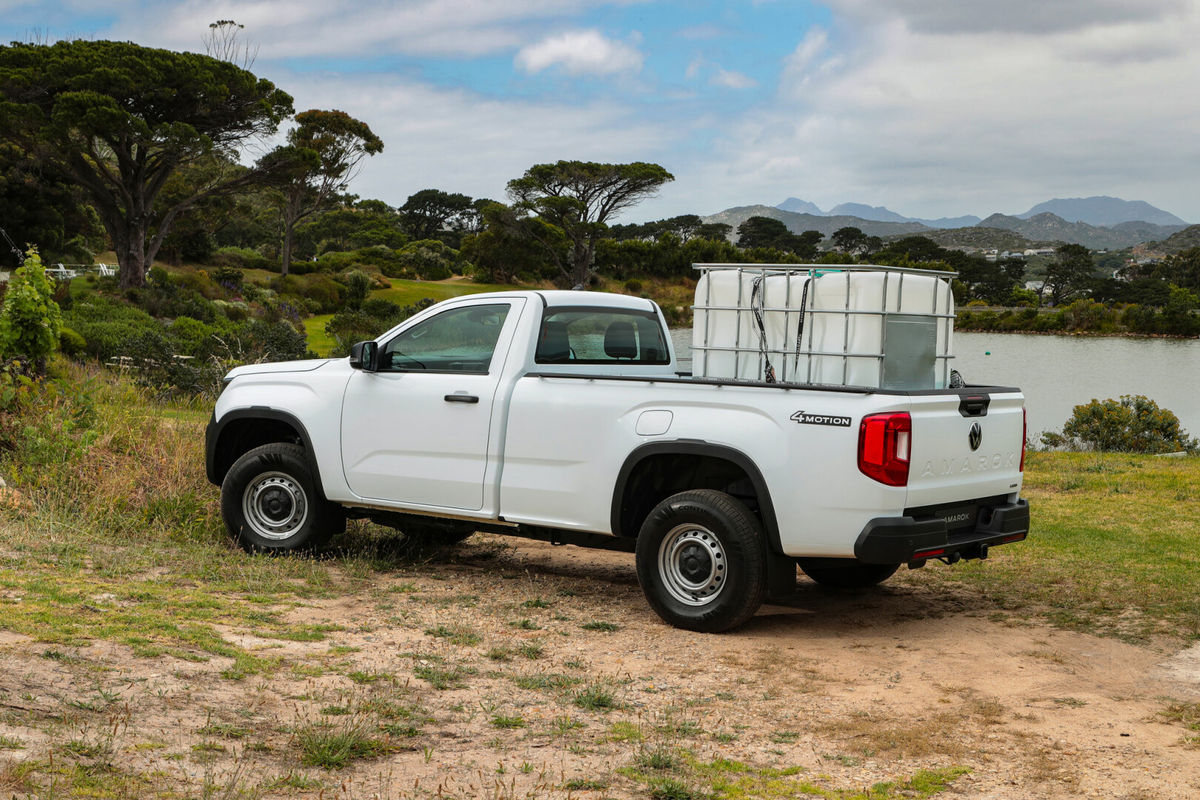
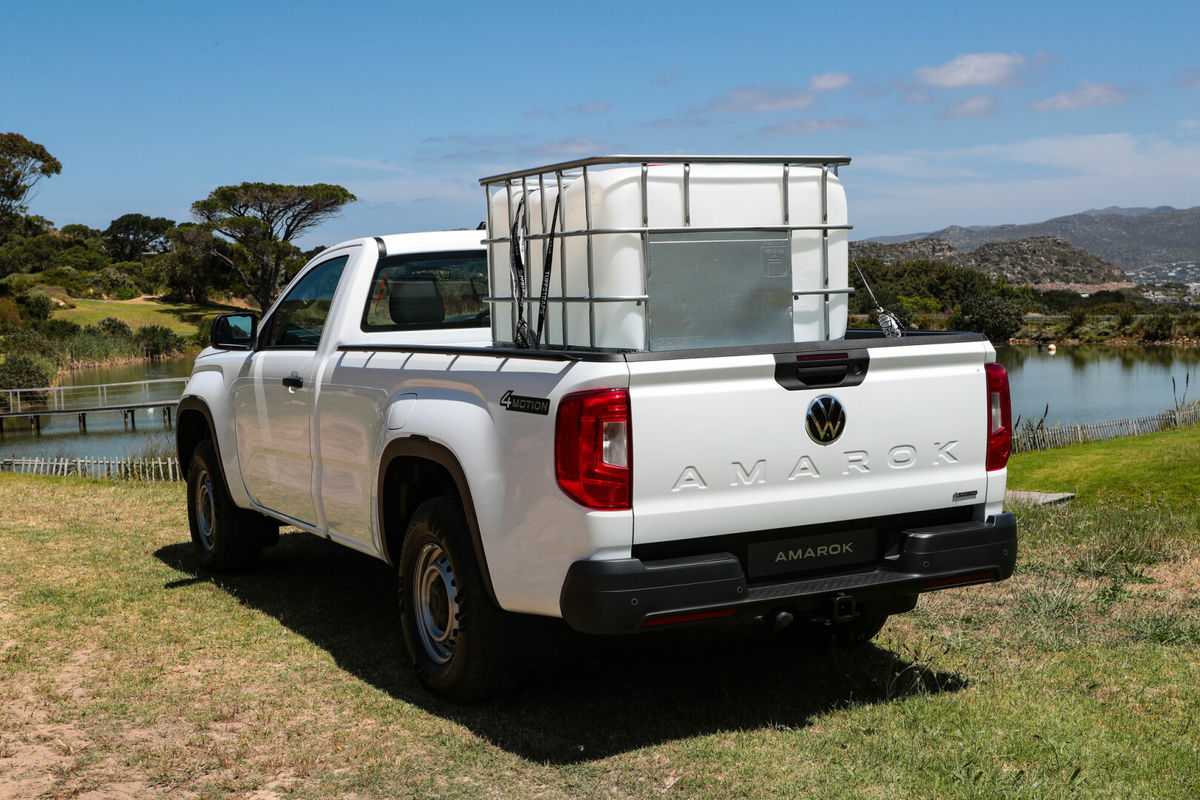
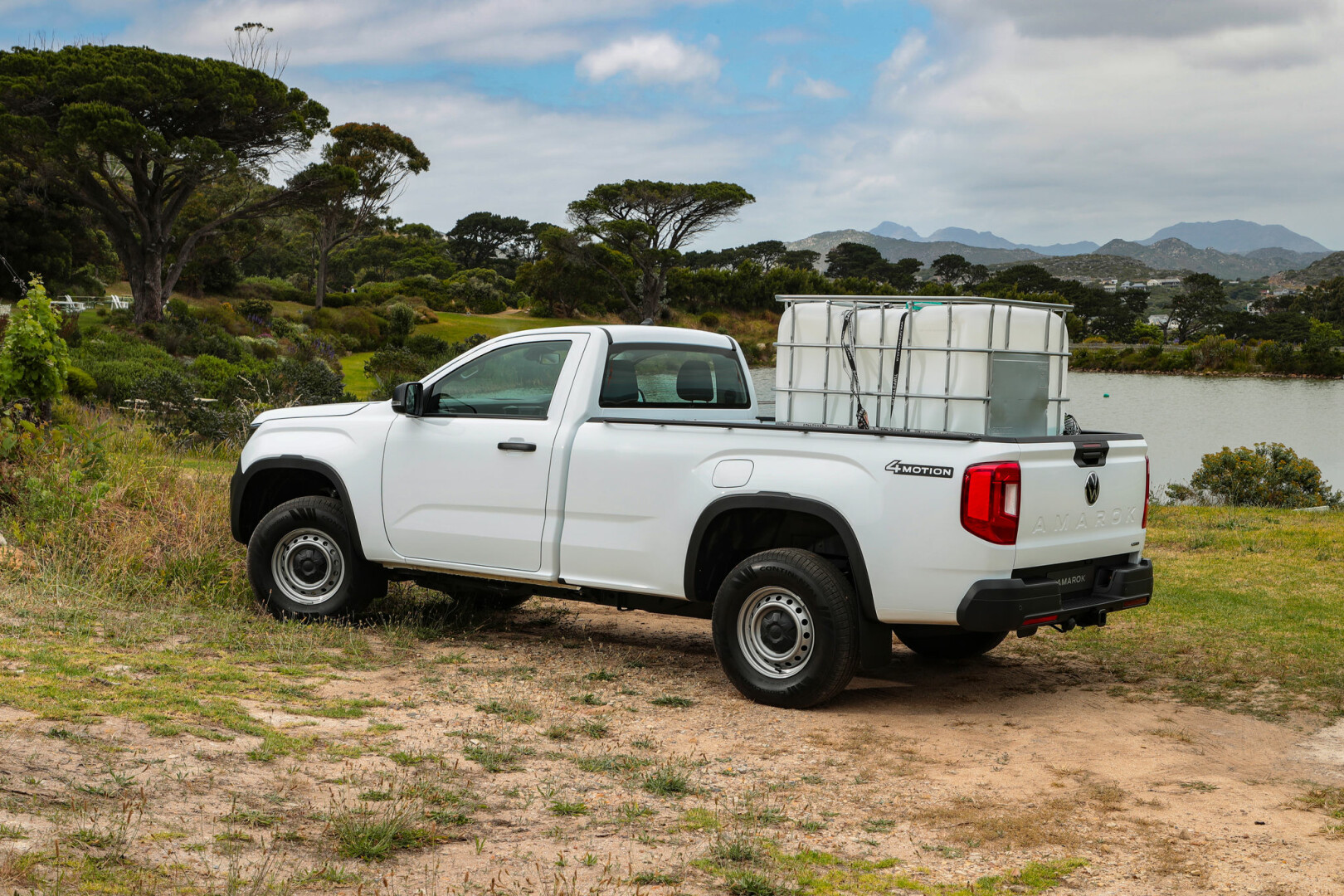
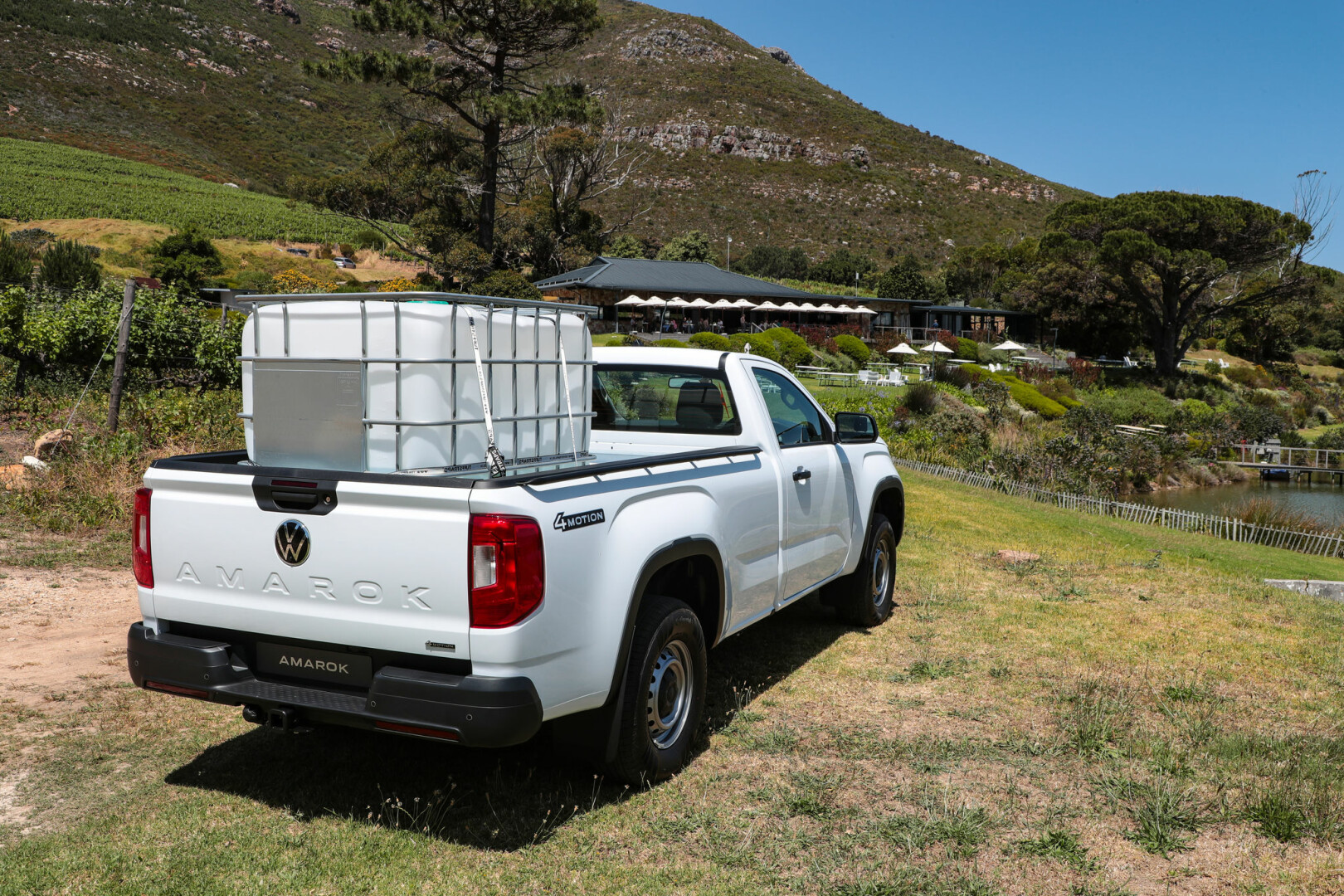
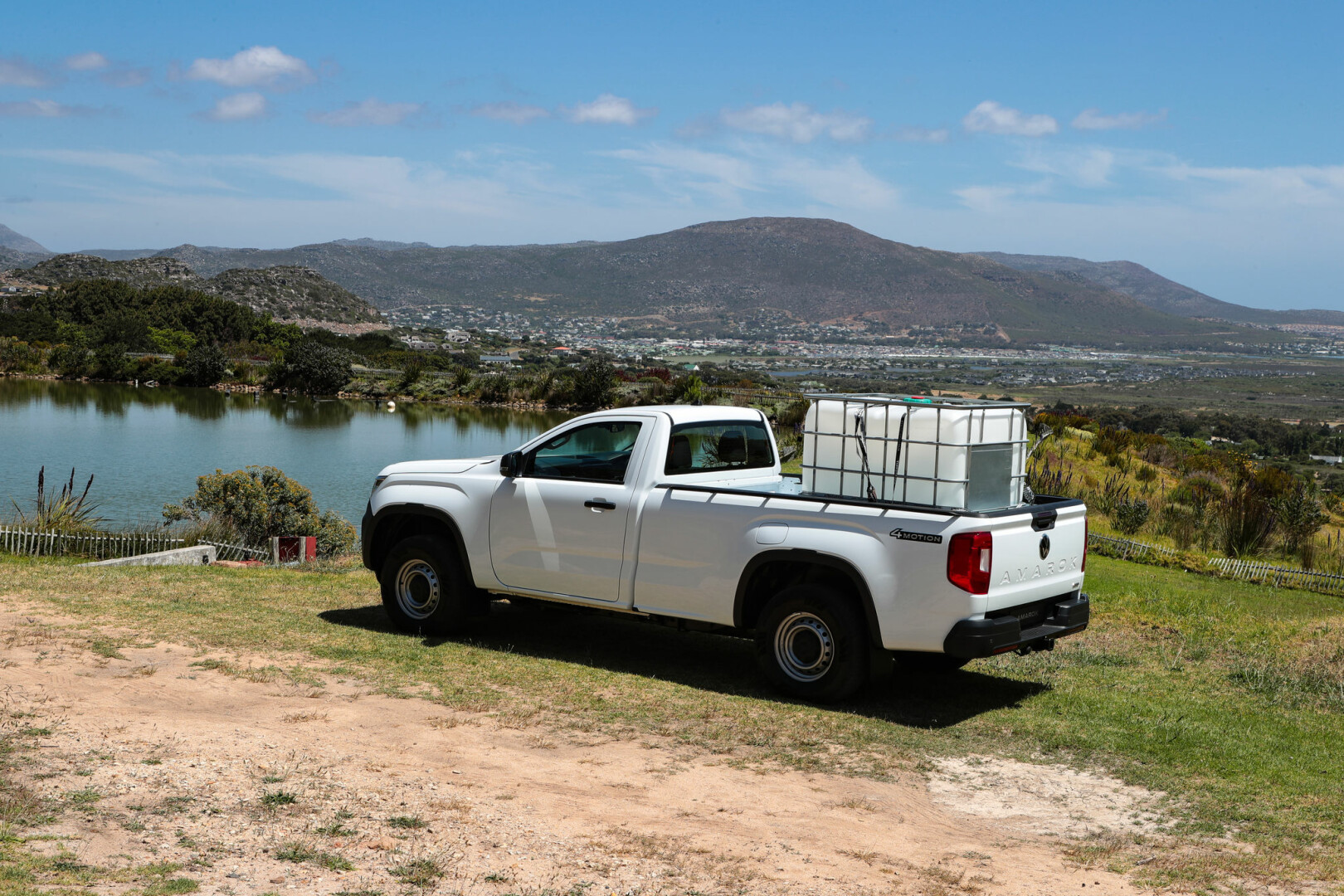
The Volkswagen Amarok Single Cab is due to go on sale in South Africa at the end of May 2023. Take a look at specifications and pricing details below!
The locally-assembled Volkswagen Amarok, which is built alongside the new Ford Ranger at the Blue Oval’s production facility in Silverton, will soon welcome the addition of a single cab to the local range. Volkswagen South Africa has confirmed that the Amarok Single Cab will go on sale at the end of May 2023 with pricing starting from R499 000!
The Volkswagen Amarok Double Cab went on sale in March 2023 with 710 units sold in 2 months. The Amarok Single Cab will appeal to commercial operations looking for a dependable workhorse.
“We are pleased to be extending the new Amarok range to include the Single Cab; the workhorse of the range. The Amarok Single Cab is a key model for increasing our volumes and market share in the rental and corporate segments as well as supporting our Sub-Saharan Africa growth plan by retailing in key African markets,” said Mark Handley, Head of Volkswagen Commercial Vehicles.
What engines power the Volkswagen Amarok Single Cab?
At launch, the Amarok Single Cab will be offered with the option of 2 turbodiesel engines.
The first engine is a 4-cylinder 2.0-litre turbodiesel engine offering 110 kW and 350 Nm and comes paired with a 5-speed manual transmission. Fuel consumption is claimed at 6.9 litres/100km.
A more powerful 2.0-litre turbodiesel engine with 125 kW and 405 Nm is also available but with a 6-speed manual transmission with a claimed fuel consumption of 6.9 L/100km. Fuel consumption for the 4MOTION all-wheel drive derivative is claimed at 7.1 L/100km.
What features are fitted as standard on the Volkswagen Amarok Single Cab?
The Amarok Single Cab 110kW derivative comes standard with:
16-inch steel wheels
Full-size steel spare wheel
Height-adjustable driver seat
LED headlights
Driver/passenger/side/curtain airbags
Bluetooth connectivity including wireless App-Connect
10-inch colour touch-screen infotainment screen
8-inch partial active-info display for the instrument cluster
Electronically foldable side mirrors
Multi-function steering wheel
Front centre armrest.
The Amarok Single Cab 2.0 TDI 125kW 4×2 and Amarok Single Cab 2.0 TDI 125kW 4MOTION derivatives offer additional specification which includes:
17-inch Combra alloy wheels
Rear differential lock
Trailer hitch
Raised suspension and improved payload capacity of over 1.2 tons.
The load compartment width between wheel arches measures 1 227 mm in length to accommodate a standard European pallet on all new Amarok Single Cab derivatives.
The new Amarok Single Cab can be had in either Clear White, Midnight Black, Bright Blue, Light Grey, Dark Grey, Deep Red, Bright Beige and Mid Blue.
The new Volkswagen Amarok Single Cab comes standard with a 4-year/120 000 km warranty and a 6-year anti-corrosion warranty. Furthermore, the 125kW models include a 3-year/60 000 km Easy Drive Service Plan. The service interval for all models is 15 000km.
World Car Awards – Do EVs still deserve their own category?
Having been a long-serving jury member of the World Car Awards programme, it has been interesting seeing it evolve into its current form. The last few rounds have also highlighted how far behind South Africa has fallen in terms of the availability of the cars that make the cut. And I have some suggestions…
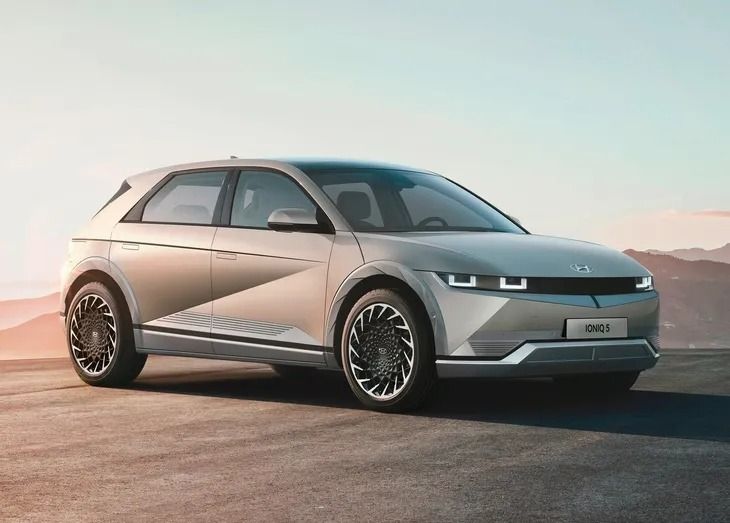
First, however, a quick look back at the finalists and winners for this year’s World Car Awards. Overall honours went to Hyundai’s Ioniq6 (an electric vehicle). In fact, it was the Korean marque’s second win on a trot, with the Ionic5 EV taking the overall spoils as well as the Electric Car of the Year and World Car Design trophies last year (as did the Ioniq6 this year).
The Hyundai Ioniq 5 EV may be used on an EV trialbasis by Hyundai SA.
At present Hyundai South Africa has no confirmed plans to bring either of these models to the market, but it will be importing Ioniq5 trial units to familiarise itself with the tech and challenges. According to a spokesperson, price remains the biggest stumbling block.
This year, the World Performance Car of the Year trophy was scooped by the Kia EV6 GT, beating noteworthy rivals such as the Toyota GR Corolla and the new Nissan Z to the prize. Similarly to Hyundai, Kia has no finalised plans to bring the EV6 to the South African market, although “studies are ongoing”.
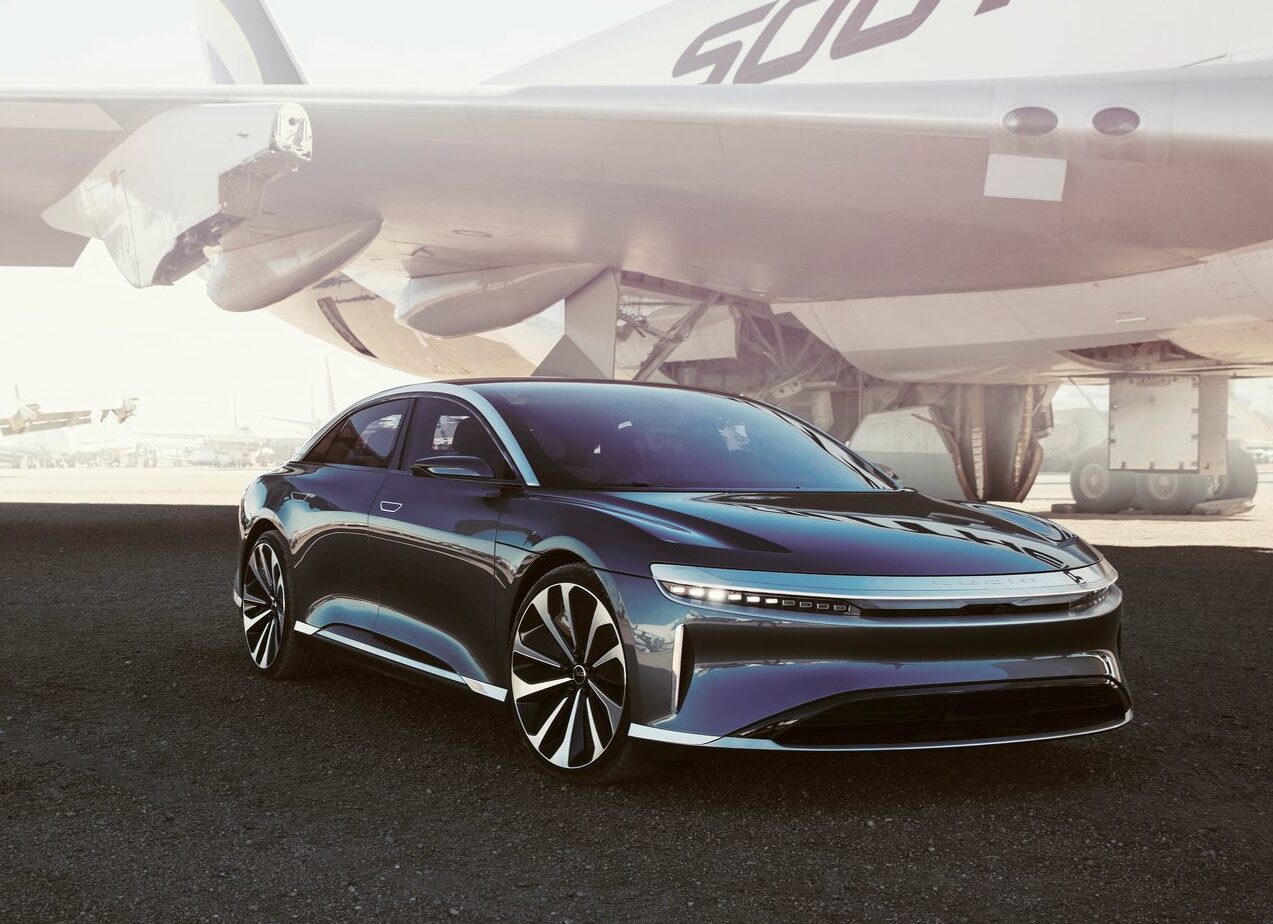
The World Luxury Car trophy went to the Lucid Air, another EV, which has no representation in South Africa, and which beat the highly-rated (and locally available) BMW i7 to the Award.
The Lucid Air (also a full EV) won World Luxury Car of the Year.
Overall there are six categories and three top finalists in each of those. This year, out of the 18 Top 3 finalist spots, 12 were occupied by EVs (though judges could also vote on the hybrid/ICE variants of the Kia Niro, BMW 7 Series/i7 and BMW X1/iX1 line-ups). The only entirely ICE top 3 finalists were the Volkswagen Taigo, Range Rover, Genesis G90, Toyota GR Corolla, Nissan Z and Citroen C3 (the latter due for launch in South Africa soon).
The World Car Awards jury is made up of around 100 judges, from 32 countries, and I can only imagine that those judges in countries that are not at the forefront of the EV revolution are in a similar position to me. To be fair, the GWM/Ora Funky Cat, GR Corolla, Citroen C3 etc will become available in South Africa, but too late for me (and my fellow South African judges) to vote on them.
Is it time for a World Pick-Up category to make the awards more globally relevant?
So, what’s the way forward? Personally, I think EVs have become so dominant on the new-vehicle launch cycle that they no longer merit a category of their own. As this year’s results have shown, EVs are capable of winning in any of the non-EV-specific categories, anyway.
To make this a truly World Car Awards programme, a way will have to be found to include developing nations such as ours. How about a World Pick-Up of the Year award or even an Affordable Car of the Year award? What categories would you suggest?
New Porsche 718 Spyder RS Revealed With GT3-Flavoured 368 kW
Likely the final combustion-engined model in the 718 series, the new Porsche 718 Spyder RS has been revealed with 368 kW of GT3-flavoured power. What a 9 000 r/min farewell…
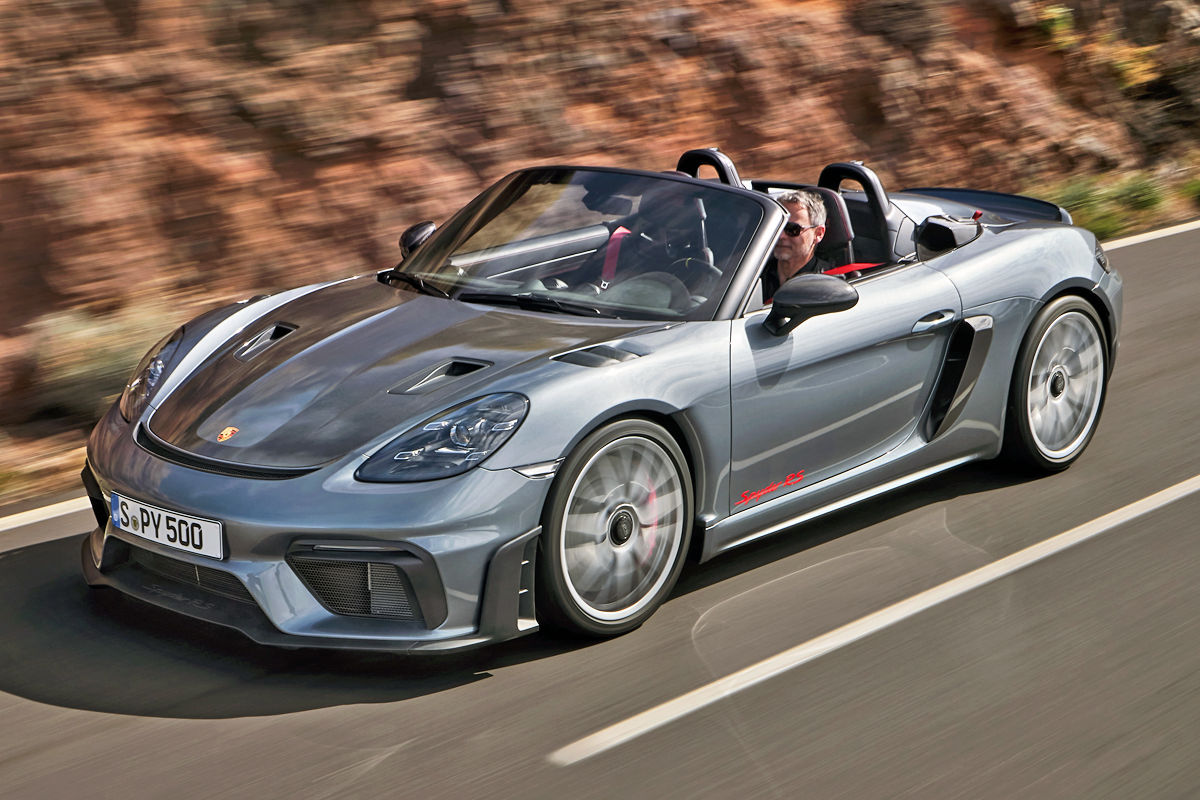
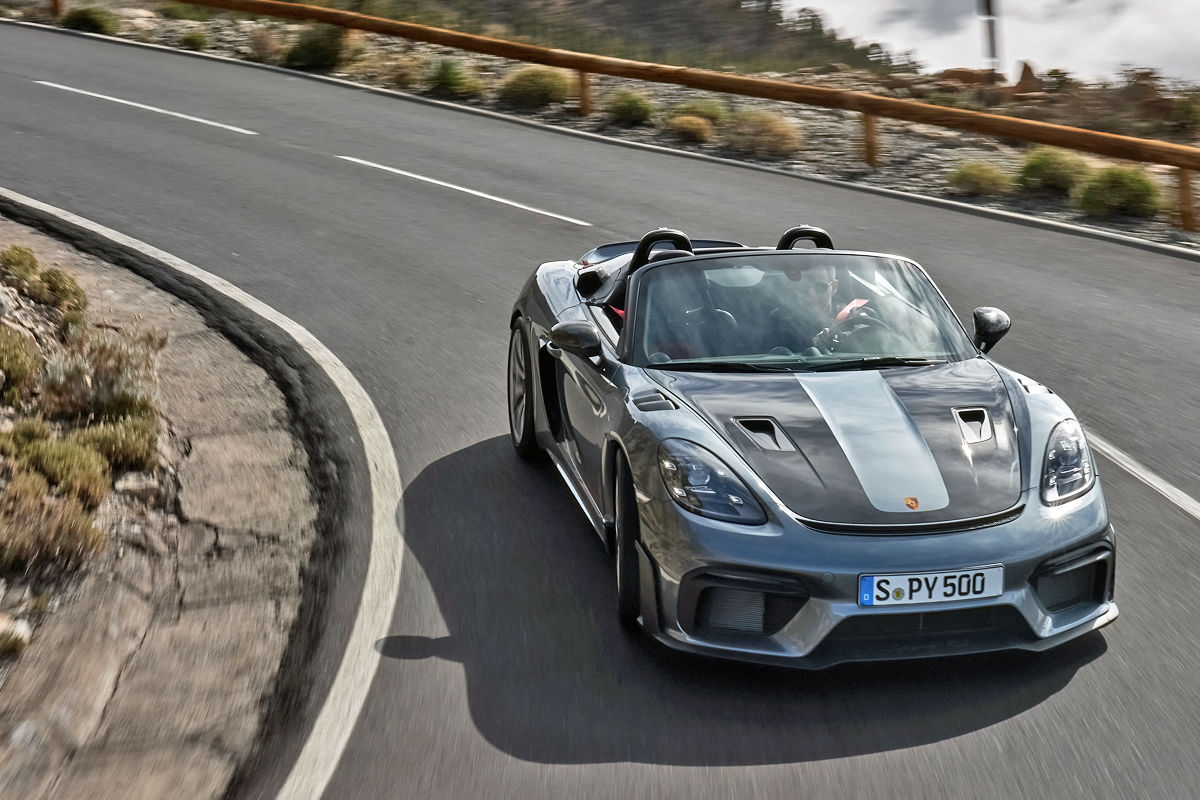
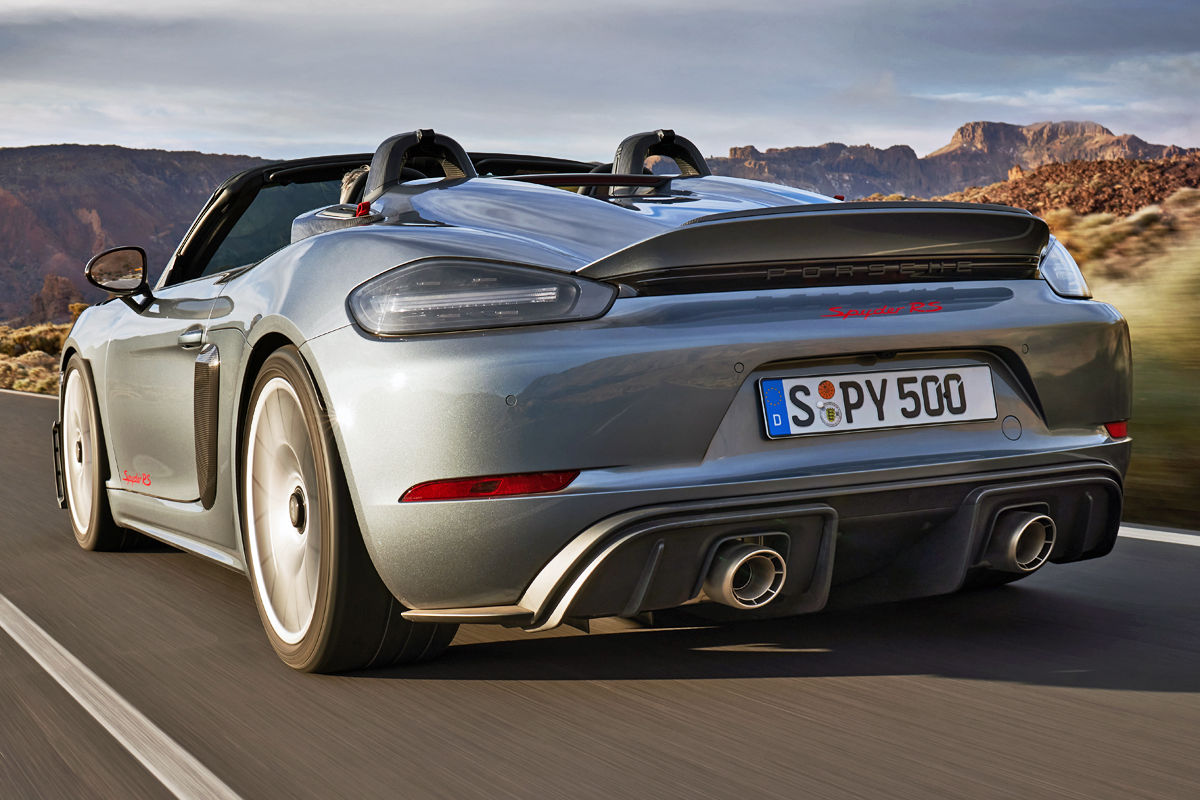
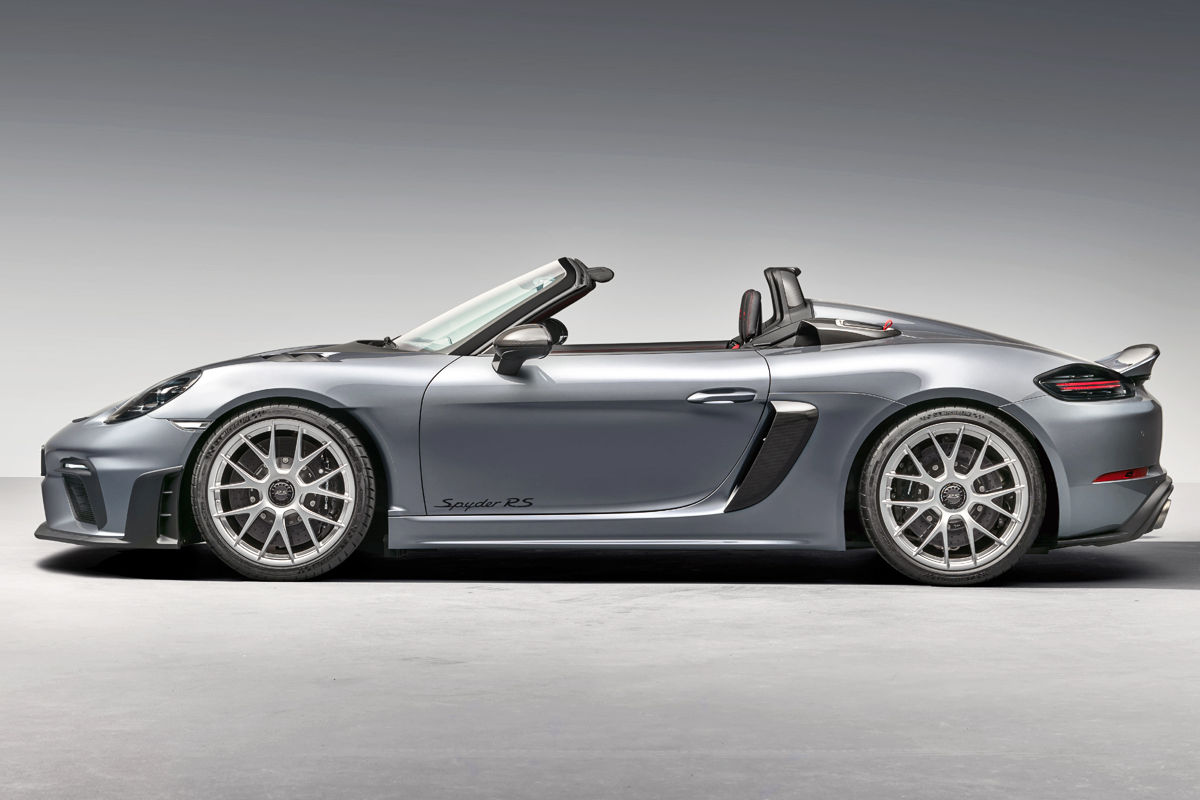
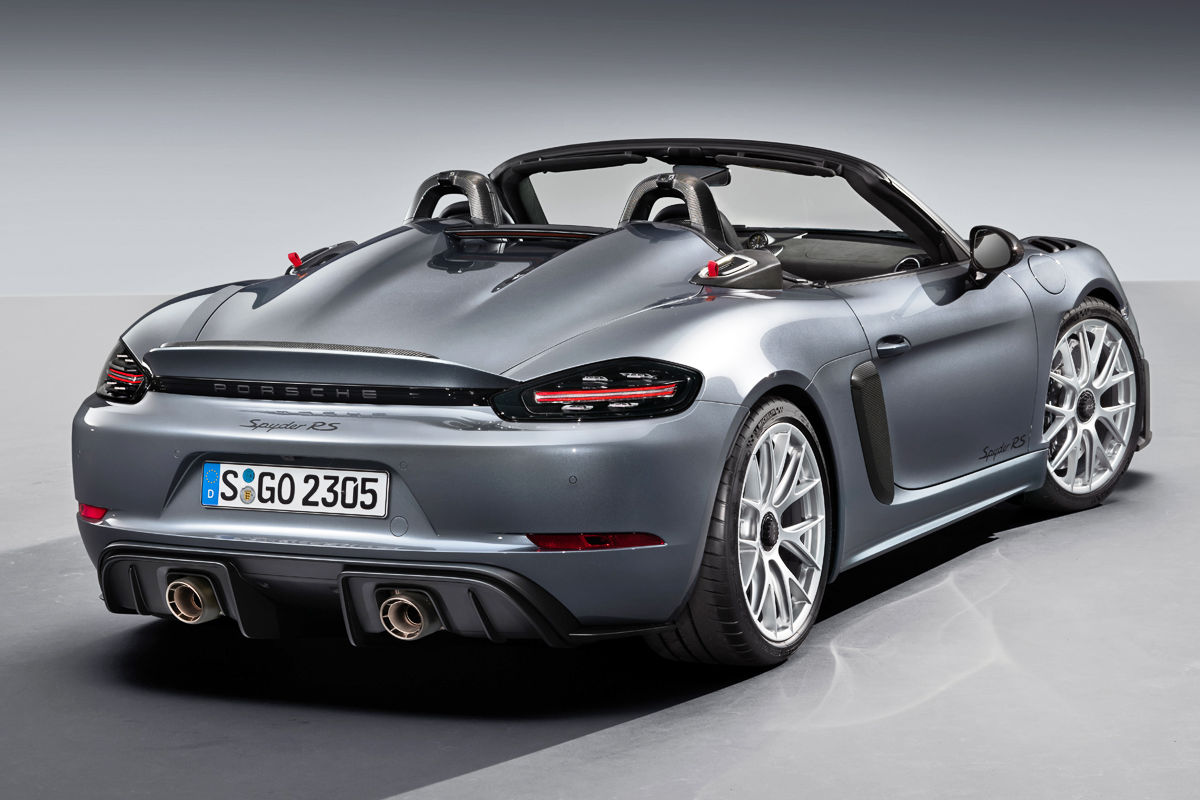
The new Porsche 718 Spyder RS has been unwrapped, billed as the most powerful version of the Zuffenhausen-based firm’s mid-engined roadster and likely the final combustion-engined example in the 718 series.
Like the 718 Cayman GT4 RS, the open-top newcomer is endowed with Porsche’s high-revving, naturally aspirated 4.0-litre flat-6 engine, borrowed from the 911 GT3 and here churning out a whopping 368 kW and 450 Nm.
The boxer engine spins to a heady 9 000 r/min and is combined with a “short-ratio” 7-speed PDK transmission as standard. Porsche claims the apex version of its 2-seater roadster will complete the 0-100 kph sprint in just 3.4 seconds, before reaching 200 kph at the 10.9-second mark. The top speed is listed as 308 kph.
According to Porsche, the new 718 Spyder RS tips the scales at 1 410 kg, which translates to a 40 kg weight saving over the standard 718 Spyder. Fascinatingly, the new model is actually 5 kg lighter than its 718 Cayman GT4 RS sibling.
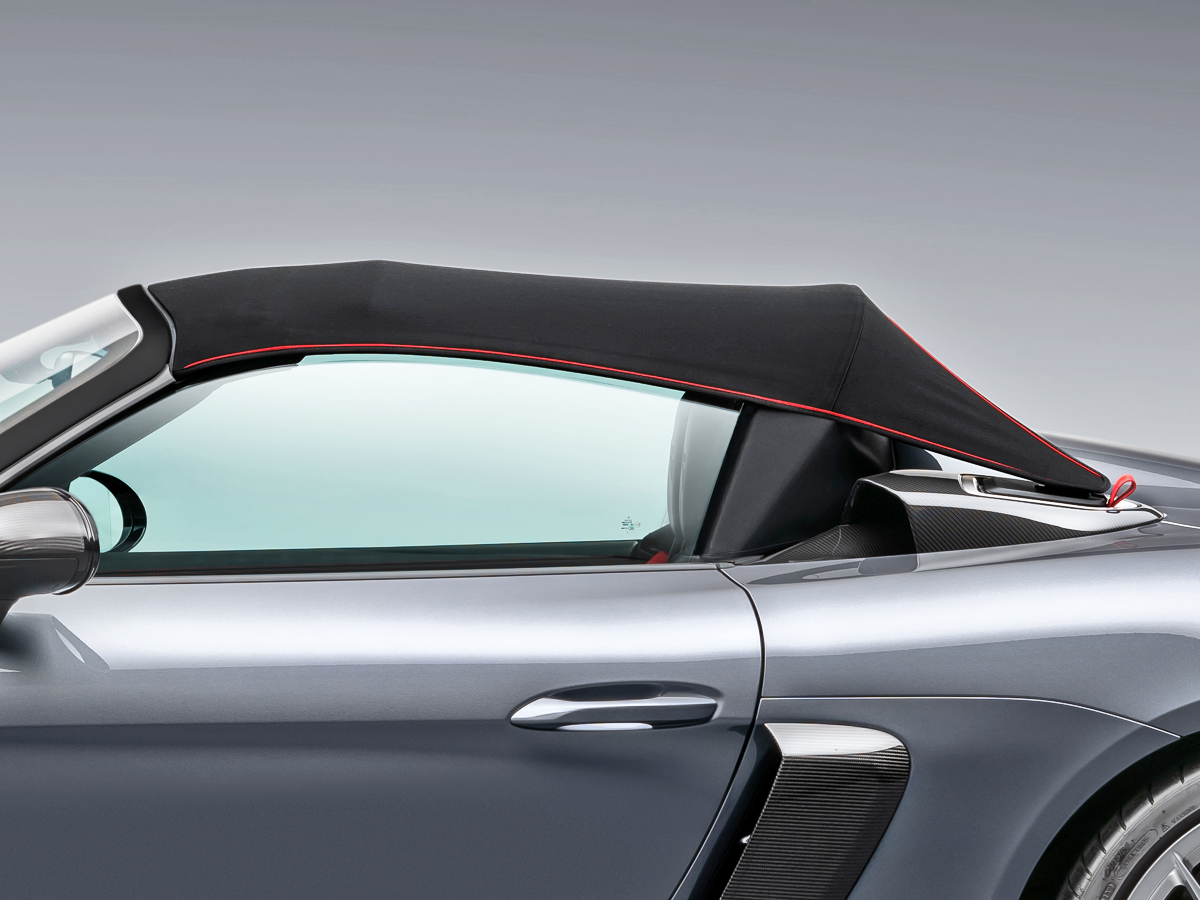
The German firm describes the manually operated, single-layer soft-top roof as being “exceptionally lightweight”, adding it allows the occupants to better experience the “highly evocative sound of the engine”. This is further heightened by the standard lightweight stainless-steel sports exhaust system. For the record, the entire roof system weighs 18.3 kg, making it 7.6 kg lighter than the version used on the standard 718 Spyder (and 16.5 kg lighter than that of the 718 Boxster).
The entire roof system is said to weigh just 18.3 kg.
Up front, the new 718 Spyder RS looks almost identical to the 718 Cayman GT4 RS, featuring a bonnet fashioned from carbon-fibre reinforced plastic (CFRP) and a wide air outlet above the bumper. However, the front spoiler lip is slightly shorter, while round back the RS-badged Spyder scores a “tear-off edge” shaped like a ducktail in place of a rear spoiler.
As you’ve likely guessed, the Spyder RS chassis borrows components from the Cayman GT4 RS and ships standard with items such as the Porsche active suspension management system and a 30 mm lower ride height. It also features a mechanical limited-slip differential, ball-jointed suspension bearings and 20-inch forged aluminium wheels. In addition, the spring and damper rates have been reduced (compared with those of the Cayman GT4 RS) to achieve a “more relaxed, characteristically convertible-style” set-up.
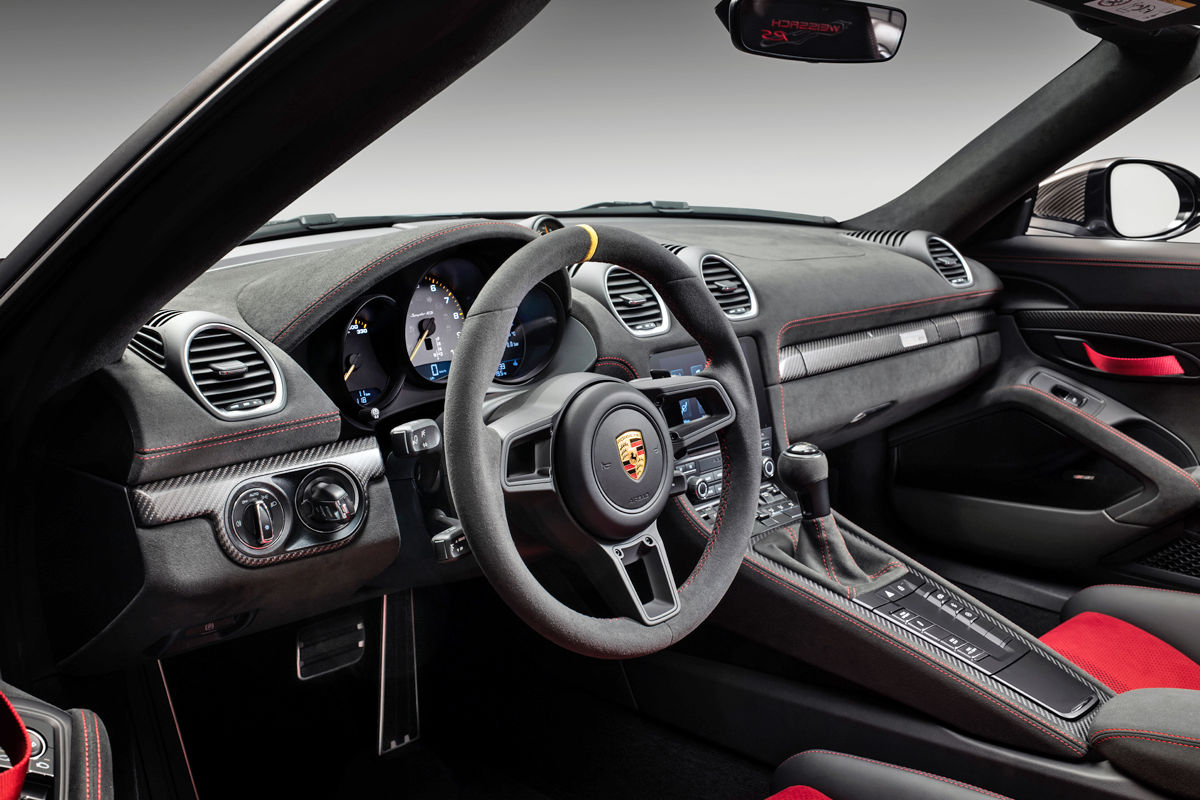
Inside, you’ll find an RS sports steering wheel trimmed in Race-Tex material and featuring a yellow centre marking. Full bucket seats made from lightweight CFRP in a carbon-weave finish are standard and employ black-leather covers with perforated Race-Tex centres in a contrasting colour.
An optional Weissach Package will also be available for the Spyder RS, along with lightweight forged magnesium wheels. Here, the sports exhaust system tailpipes are made of titanium while the upper area of the dashboard is covered with anti-glare Race-Tex (as opposed to leather).
How much does the new Porsche 718 Spyder RS cost in SA?
Toyota SA Announces NEV Strategy, Fortuner / Hilux Hybrids Coming!
Toyota South Africa Motors (TSAM) has aligned with its Toyota Motor Corporation (TMC) mothership to announce a new Global and Regional Policy which will see the local arm adopt a multi-pathway product approach that will result in an increase in New Energy Vehicles being introduced locally. See the details below!
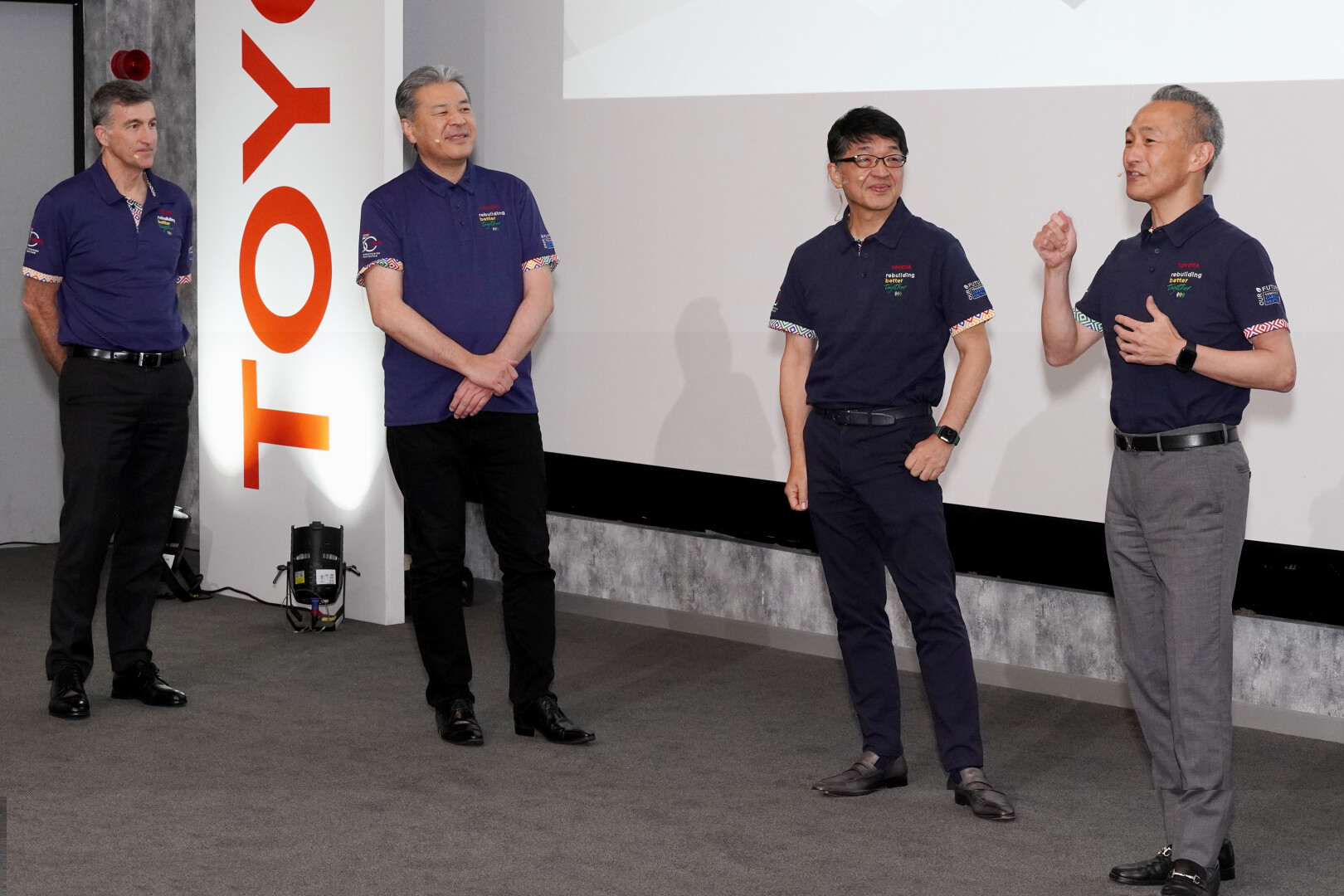
This week, TSAM welcomed Hiroki Nakajima, Executive Vice President for Toyota Motor Corporation (TMC), as well as Toshimitsu Imai, CEO of TMC Africa Region and Executive Vice President of the Toyota Tsusho Corporation (TTC), and Shinichiro Otsuka, Chief Operating Officer for TTC Africa Region, to share the new Toyota Mobility Concept that incorporates increased electrification, diversification and intelligence across Toyota’s future product range.
Toyota aims to achieve carbon neutrality by 2050 and the Japanese company is expanding its Battery Electric Vehicle (BEV) portfolio worldwide, aiming to launch no fewer than 10 new BEV models by 2026 to generate around 1.5 million sales per annum.
Apart from BEV expansion, TMC will also expand its Plug-In Hybrid Electric Vehicle (PHEV) footprint, positioning this powertrain type as a “practical BEV”.
Toyota’s local NEV strategy will see more HEVs introduced locally, with PHEVs and BEVs to follow.
More so, Toyota is considered to be a leader in producing Hybrid Electric Vehicles (HEVs) and the Japanese firm will continue to improve its product offering in this space. More than this, Toyota will also pursue mass production of hydrogen-powered commercial vehicles while exploring carbon-neutral fuels as part of the firm’s multi-pathway product approach.
Toyota will also look to infuse its products with enhanced intelligence that incorporates improved safety technology, multimedia and feature updates, including a new operating system to accompany the firm’s latest generation of BEVs.
Speaking in TSAM’s auditorium in Durban, Imai said: “Our chairman, Akio Toyoda, said ‘Let’s make ever better cars’ when he became CEO of Toyota in 2009. New CEO, Sato-san said ‘Let’s change the future of cars’. Here we can clearly see ‘Inheritance’ and ‘Evolution’. We at Toyota Africa are responsible to mass-produce happiness in Africa. There are 54 countries in Africa, each with a unique environment, market and policy to consider. Therefore, with the philosophy of leaving no one behind in Africa, Toyota believes HEV is the best immediate solution for CN, considering the existing infrastructure”.
New Toyota Hybrid Models Confirmed for SA in 2024
Locally produced petrol hybrid versions of the Hilux and Fortuner are expected to come to market in 2024.
Toyota has identified HEVs as being the most sensible form of propulsion in the South African context considering the state of electricity supply and current market conditions.
As such, TSAM will be introducing new competitive HEV products from both the Toyota and Lexus stables. Importantly, local production volumes of the Toyota Corolla Cross Hybrid will increase. As it stands, New Energy Vehicles (NEV) currently account for 3% of local sales for TSAM and the goal is to increase NEV sales to 10% (22 000 units) by 2025 and 20% (54 000 units) by 2030. Following this, TSAM will slowly introduce PHEV, FCEV and BEV products in South Africa.
From a regional perspective, Toyota aims to sell over 500 000 vehicles in Africa, with majority of those vehicles being produced by TSAM at Prospecton.
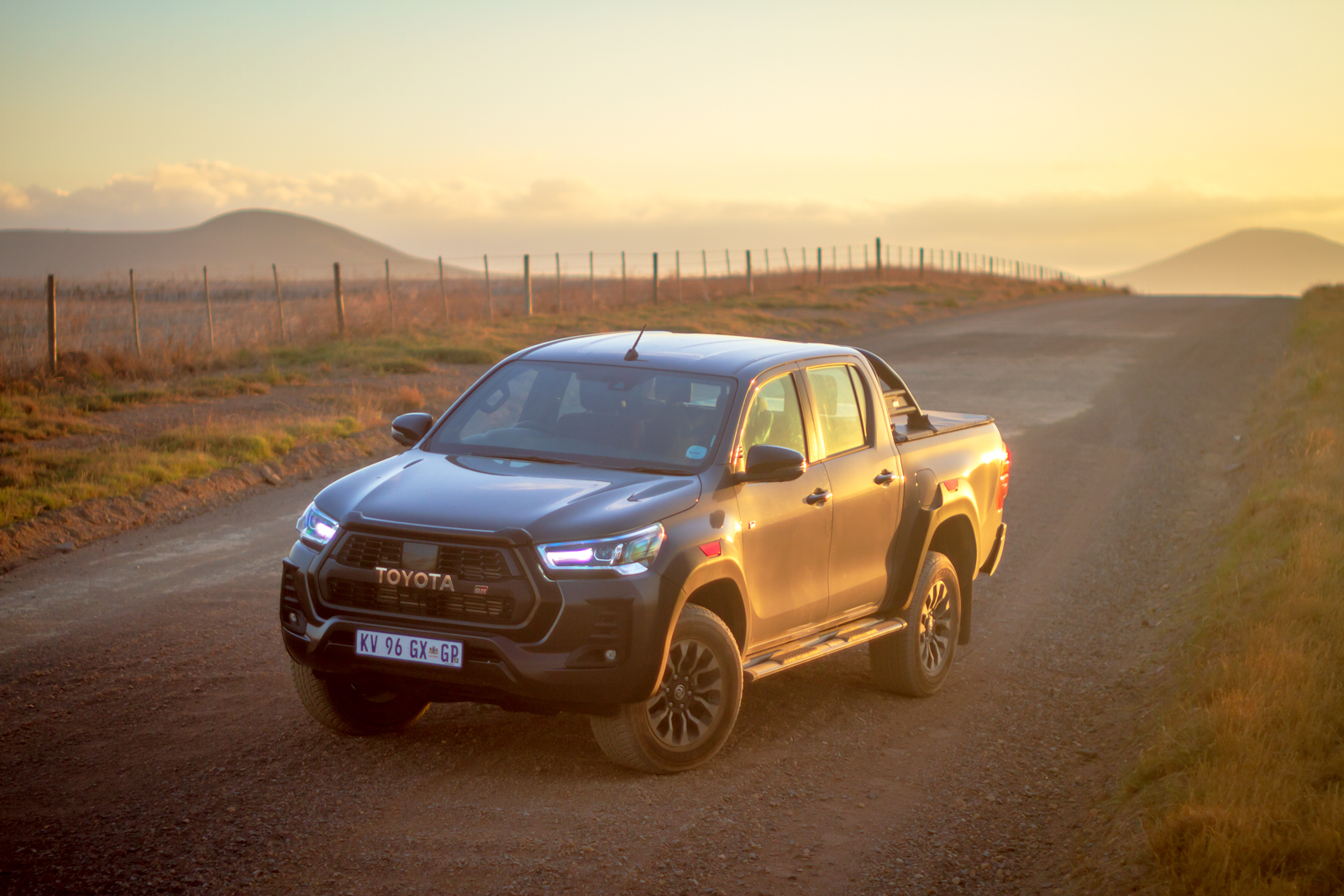
In addition to this new local product strategy, Toyota South Africa Motors (TSAM) has confirmed it will locally produce a petrol-hybrid version of both the Hilux bakkie and Fortuner SUV. These new hybrid models are expected to come to market in 2024.
Andrew Kirby, President and CEO of TSAM, said: “To tie to the themes of ‘Inheritance’ and ‘Evolution,’ and following extensive strategy planning and learnings from the 2022 flood recovery, we understand that selling vehicles is no longer business as usual. TSAM recognises the risks, opportunities, and challenges on the continent due to global automotive disruptions, and we realise the need to strengthen our foundations and step-up business reforms. We have further identified the need to accelerate three key areas as mentioned by Nakajima, Imai and Otsuka. They are our CN initiatives, the relentless pursuit of the right products for all our customers and positive regional impact. Whilst we appreciate that the last three years has enabled TSAM to strengthen its foundations, we are inspired by TMC’s new guiding principles of ‘inheritance’ and ‘evolution’ and recognise that there is a lot more work to be done to accelerate change”.
We will keep you updated as more information is released in due course.
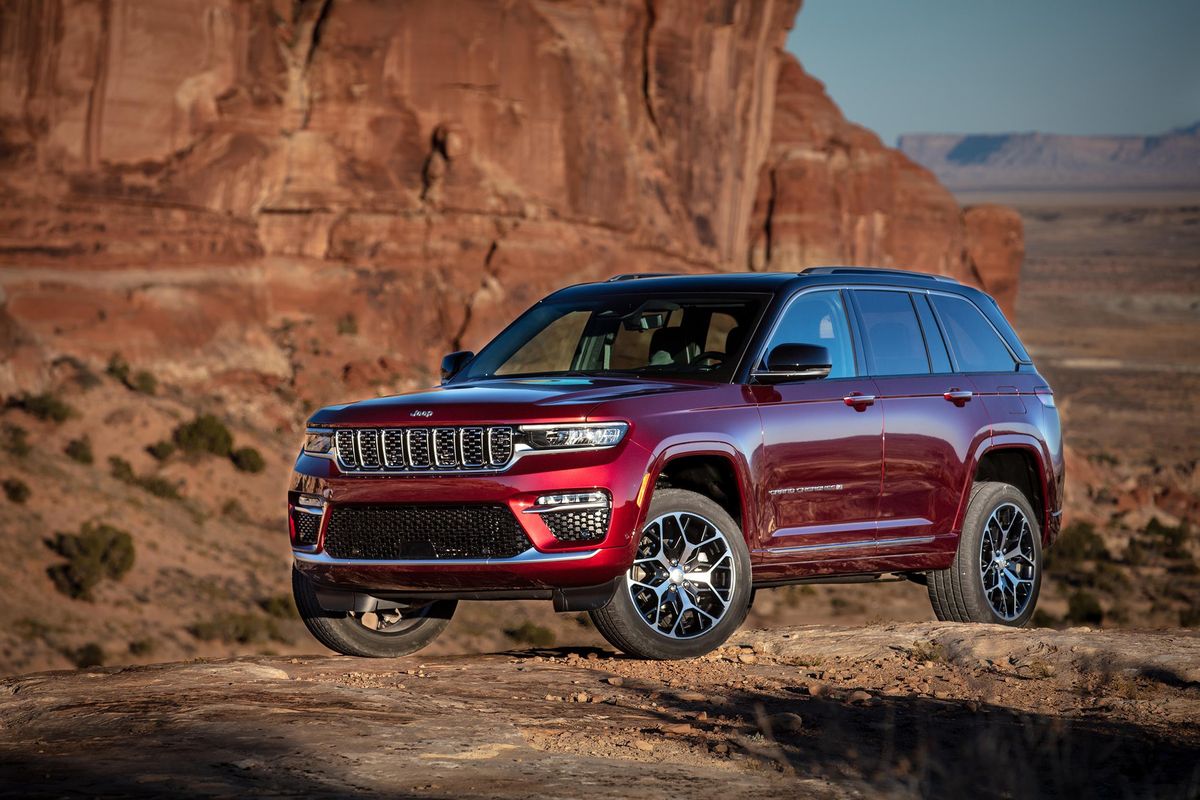
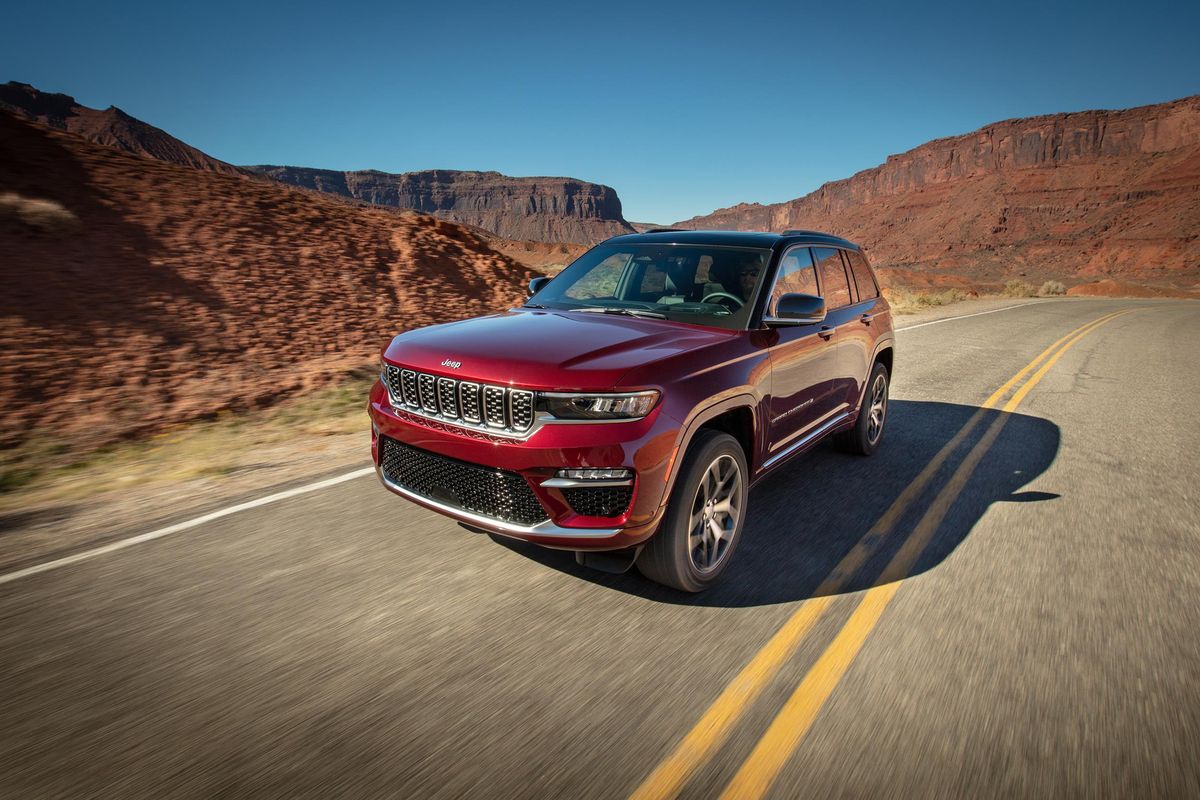
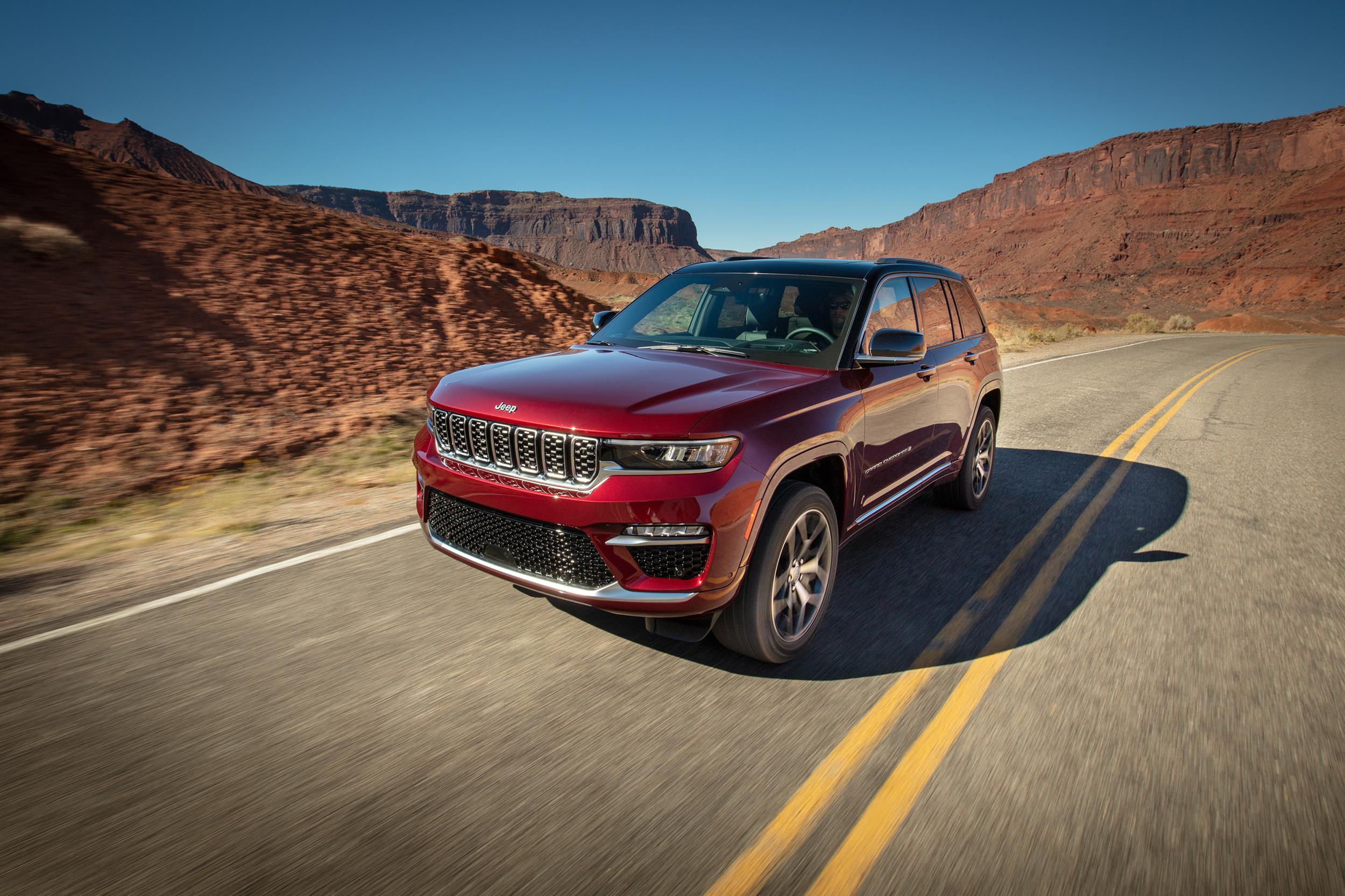
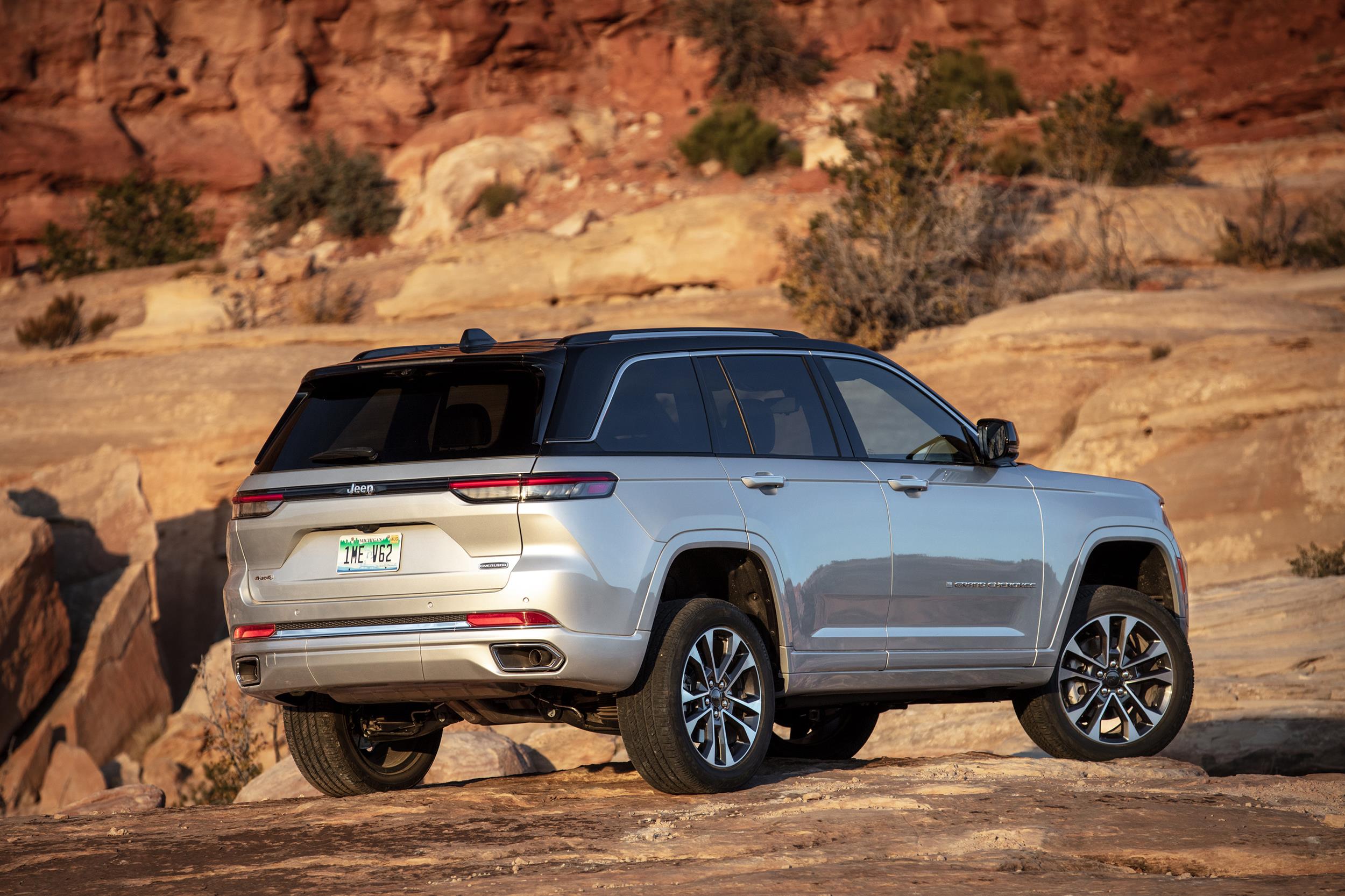
The 5-seater Jeep Grand Cherokee has touched down in South Africa. Let’s look at what’s on offer and how the newcomer costs.
After the 7-seater Jeep Grand Cherokee L touched down in South Africa in 2022, we wondered if the 5-seater Grand Cherokee would ever make an appearance. Good news then as in May 2023 sees the introduction of the 5-seater derivatives priced from R1.3 million, which should help grow the already huge 7 million unit client base.
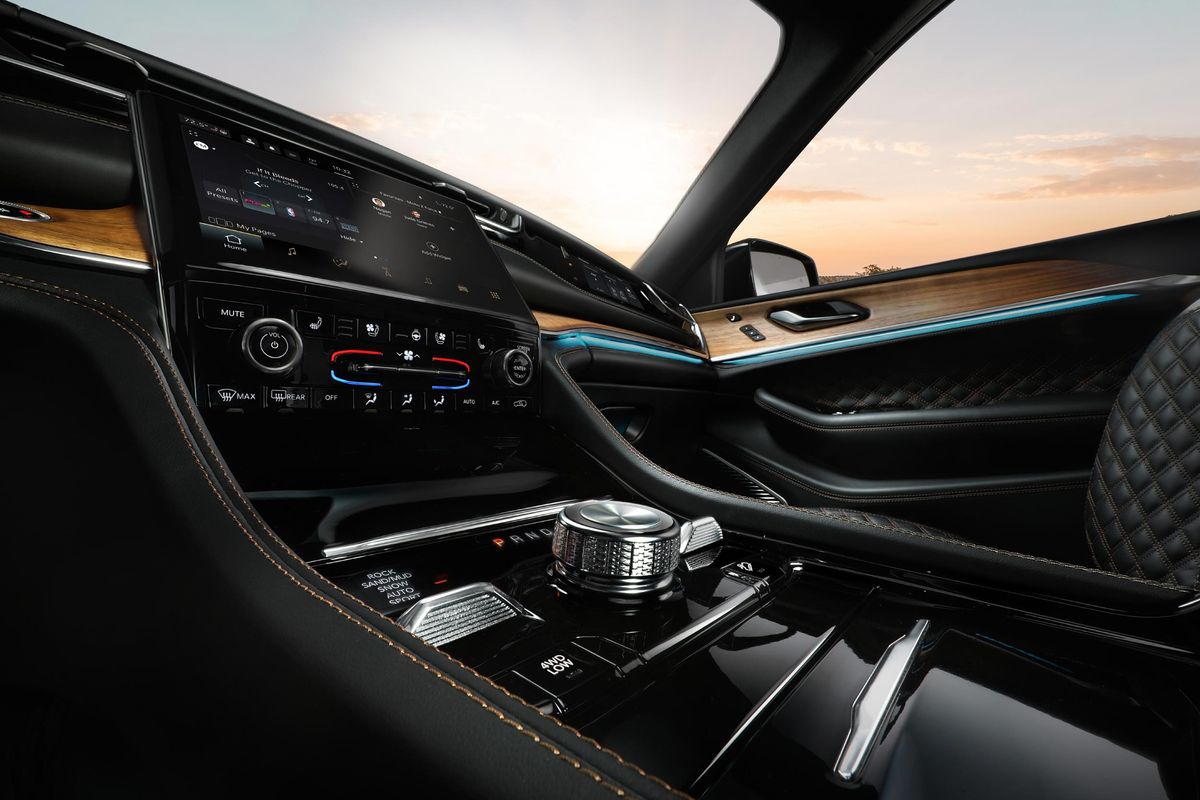
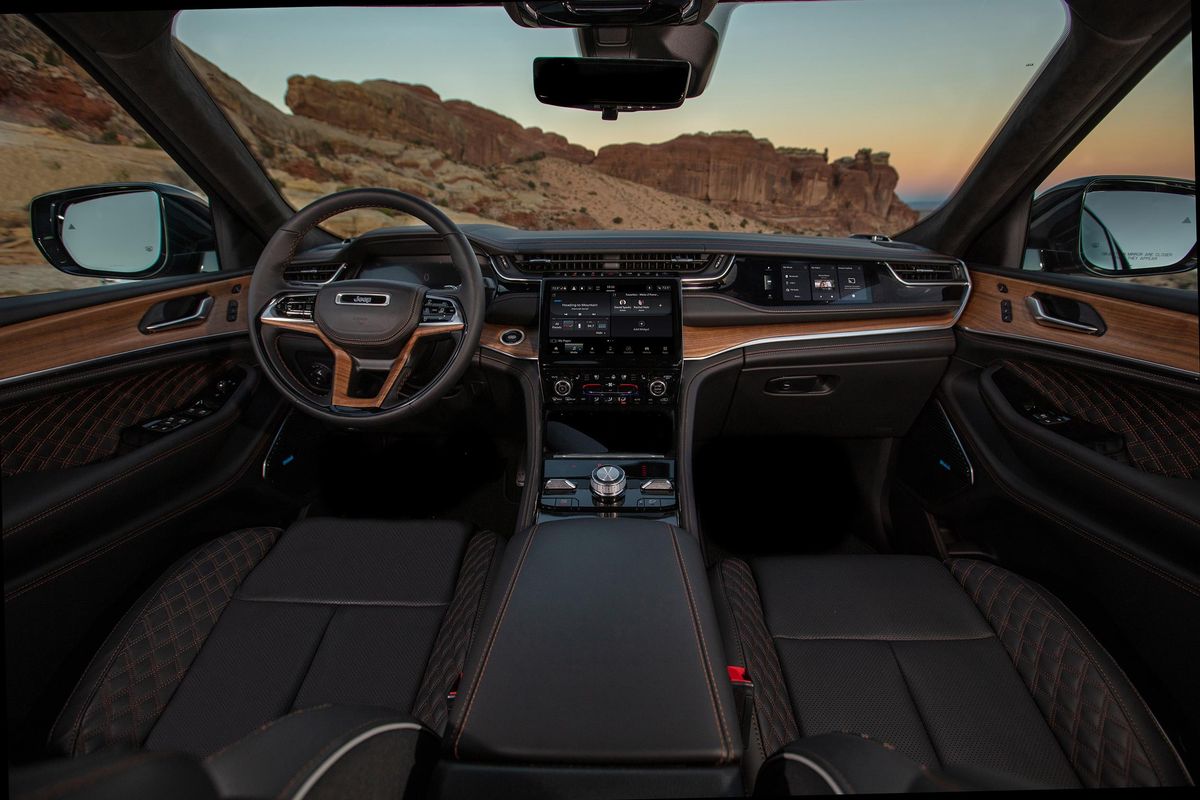
This new 5th-generation Jeep Grand Cherokee comes to market as the most technologically advanced and 4×4-capable model yet. Jeep claims this new Grand Cherokee is more capable offroad and has more technology than ever. The cabin space and practicality has grown too, with increases in total passenger volume and boot space.
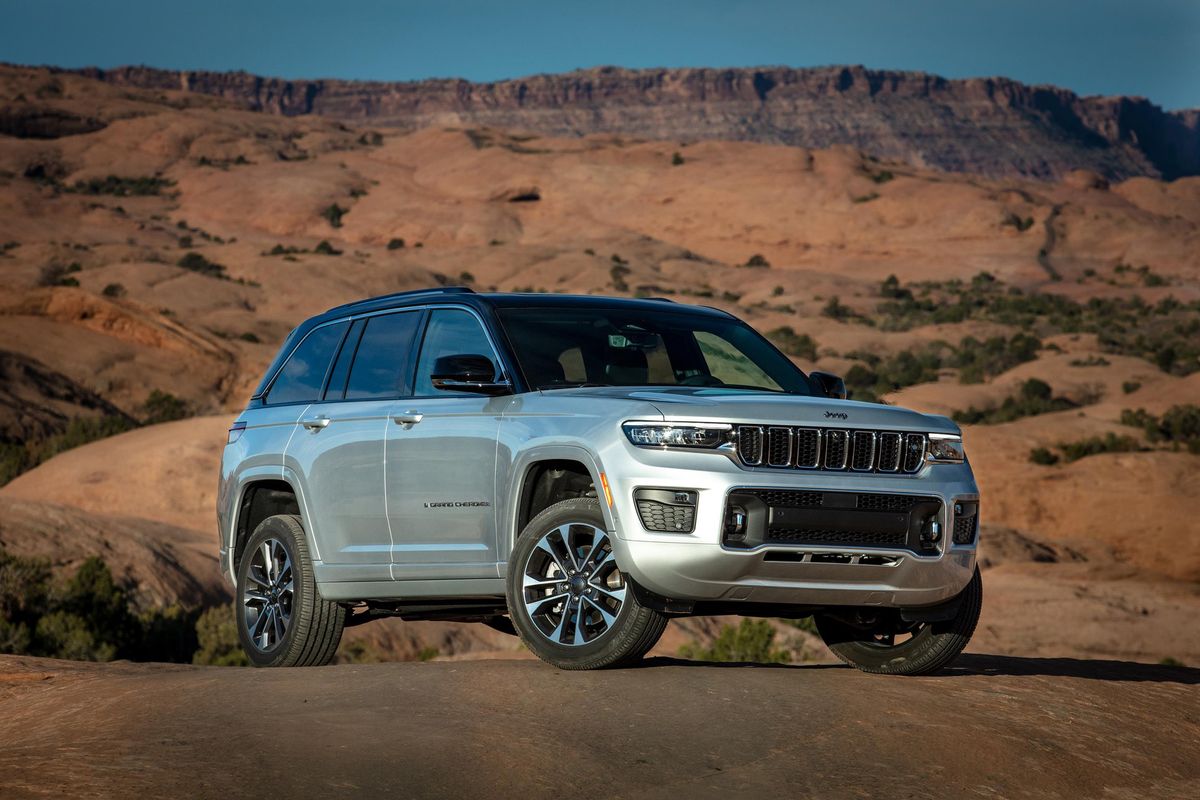
The 5-seater Jeep Grand Cherokee follows a similar pattern as its 7-seater L sibling with a three model-lineup. There are three trim levels: Limited, Overland, and Summit Reserve.
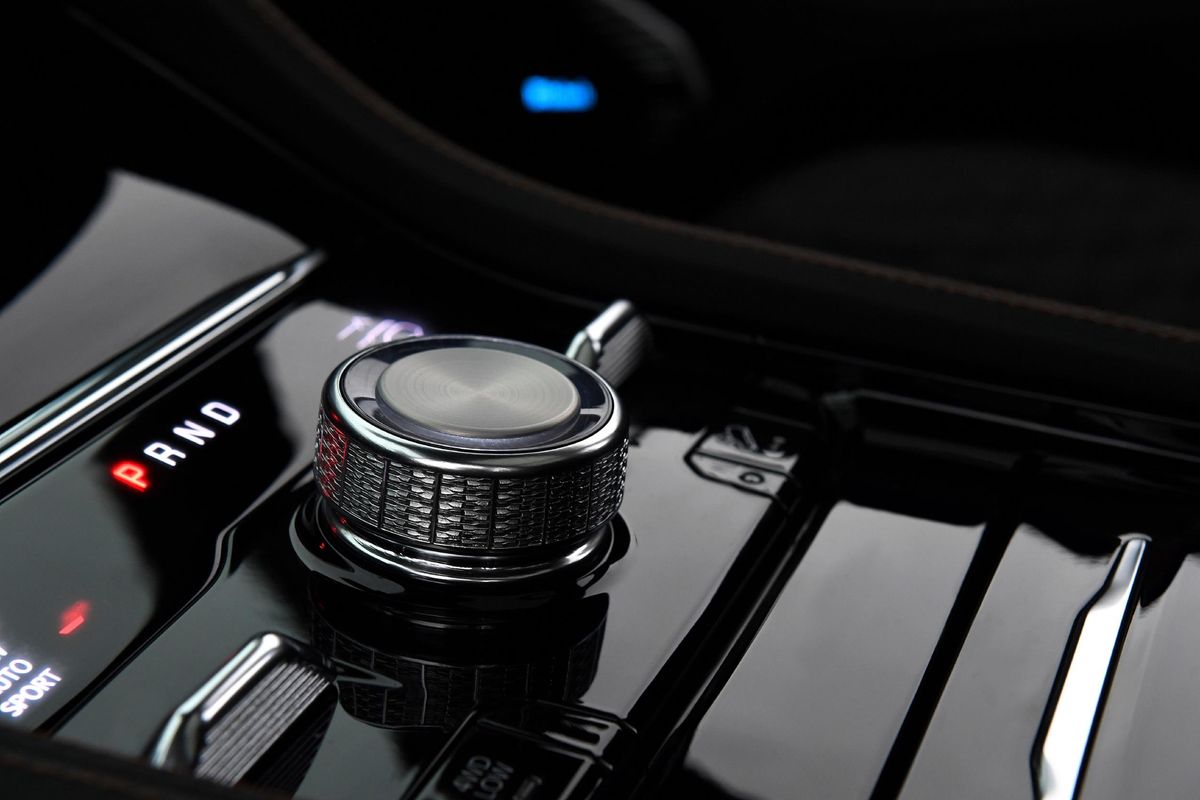
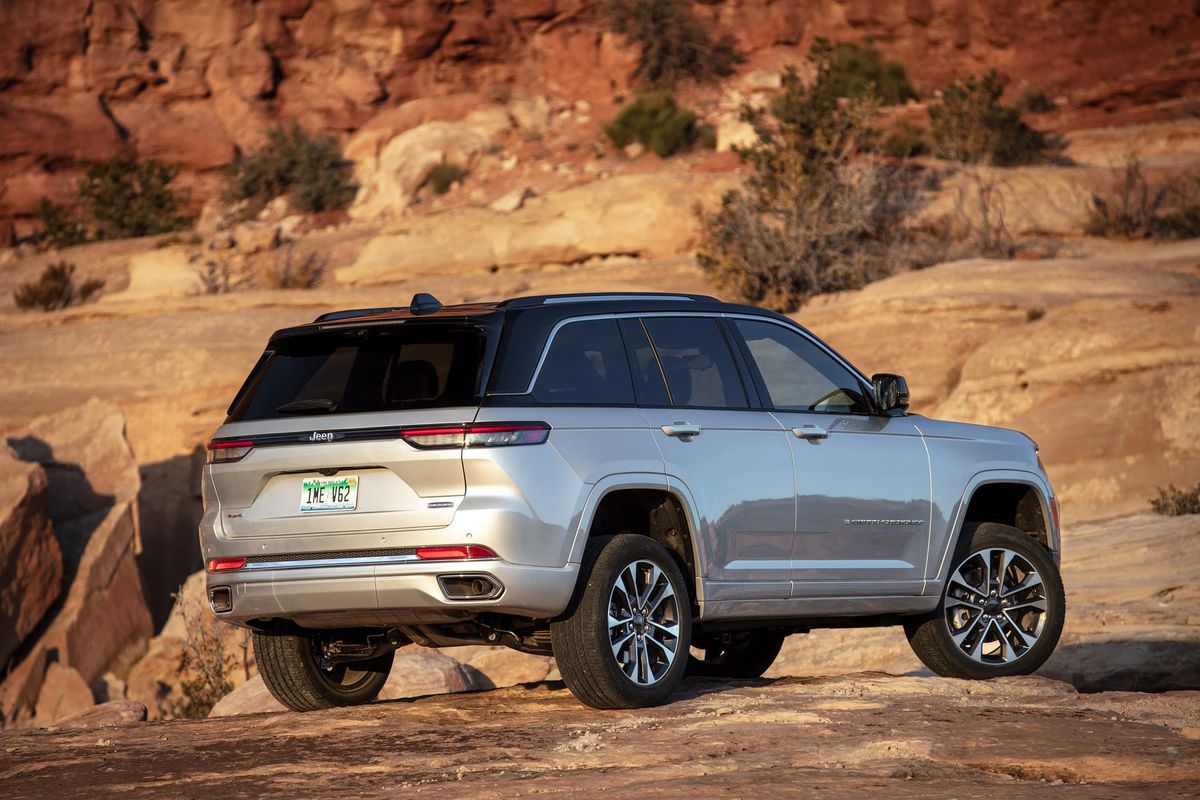
The Grand Cherokee features 287 mm of ground clearance and can wade through 610 mm of water. The air suspension features 5 height settings for comfort and capability. The Selec-Terrain system offers five available terrain modes (Auto, Sport, Rock, Snow, Mud/Sand).
There’s just one powertrain on offer, the 3.6-litre Pentastart V6. In this application it produces 218 kW and 352 Nm, and all four wheels are driven via an 8-speed automatic transmission. To assist in fuel-saving, the vehicle will automatically disconnect the front axle if all-wheel drive is not needed. If conditions change, the car will re-activate its all-wheel drive system.
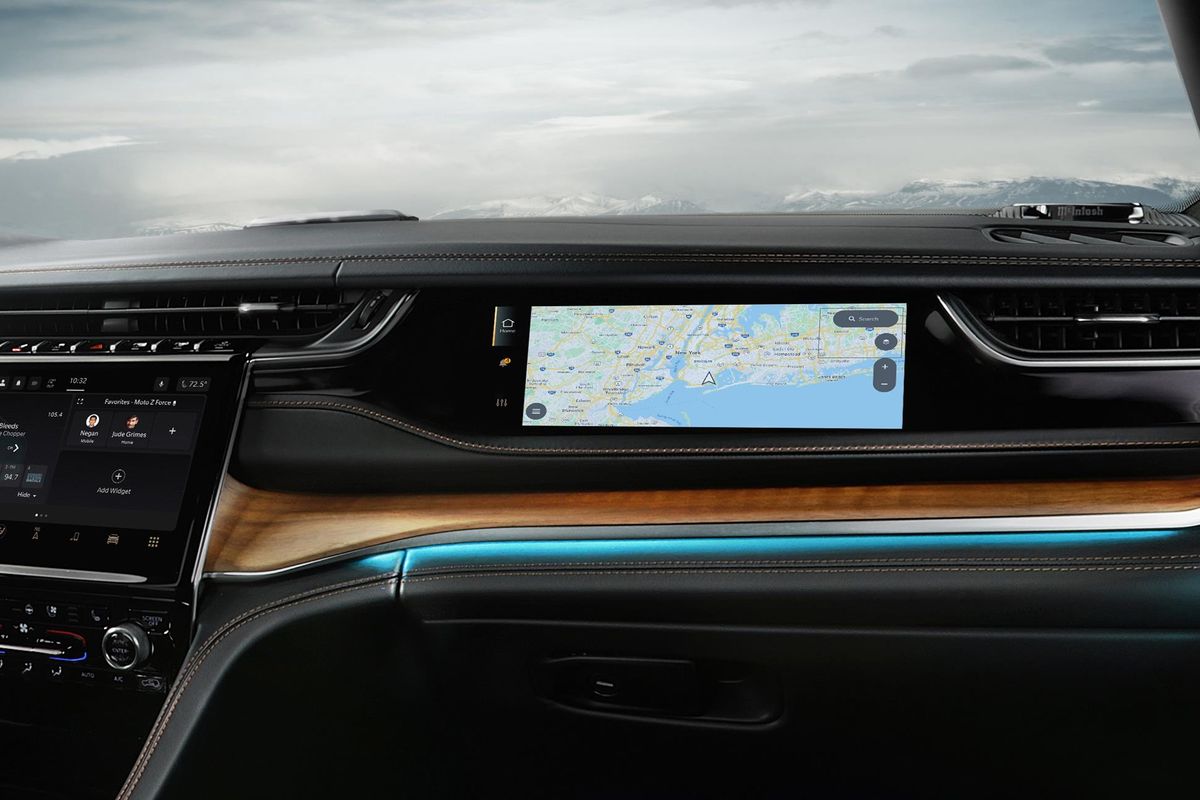
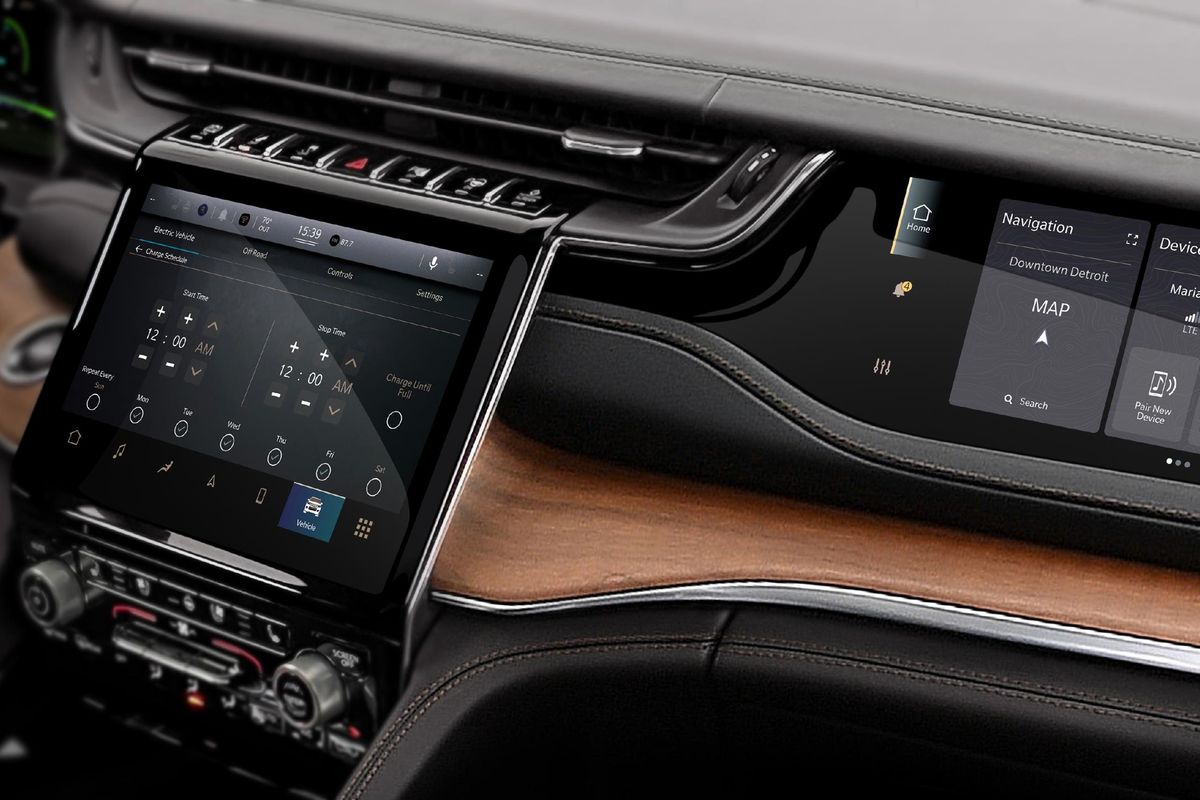
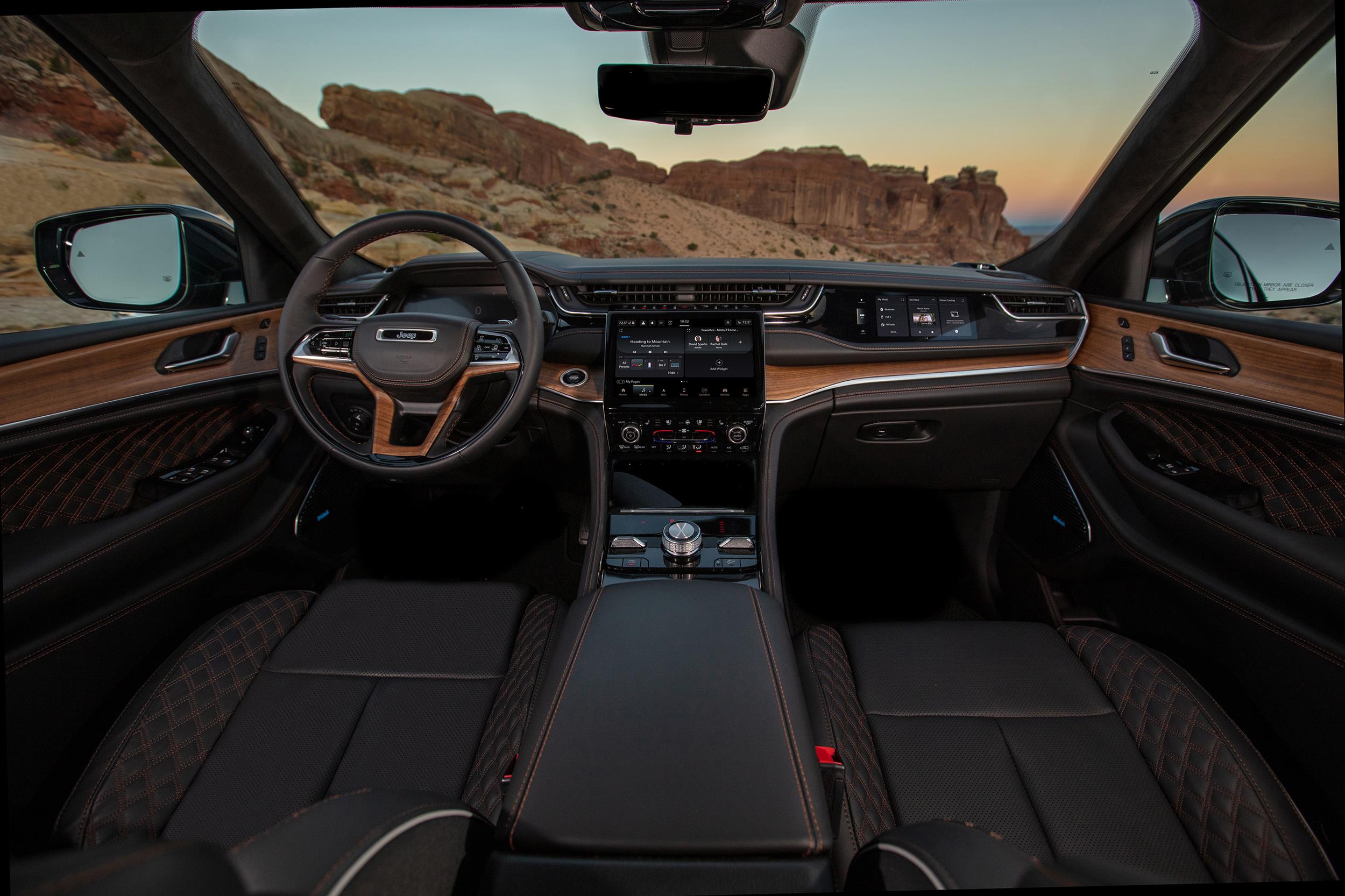
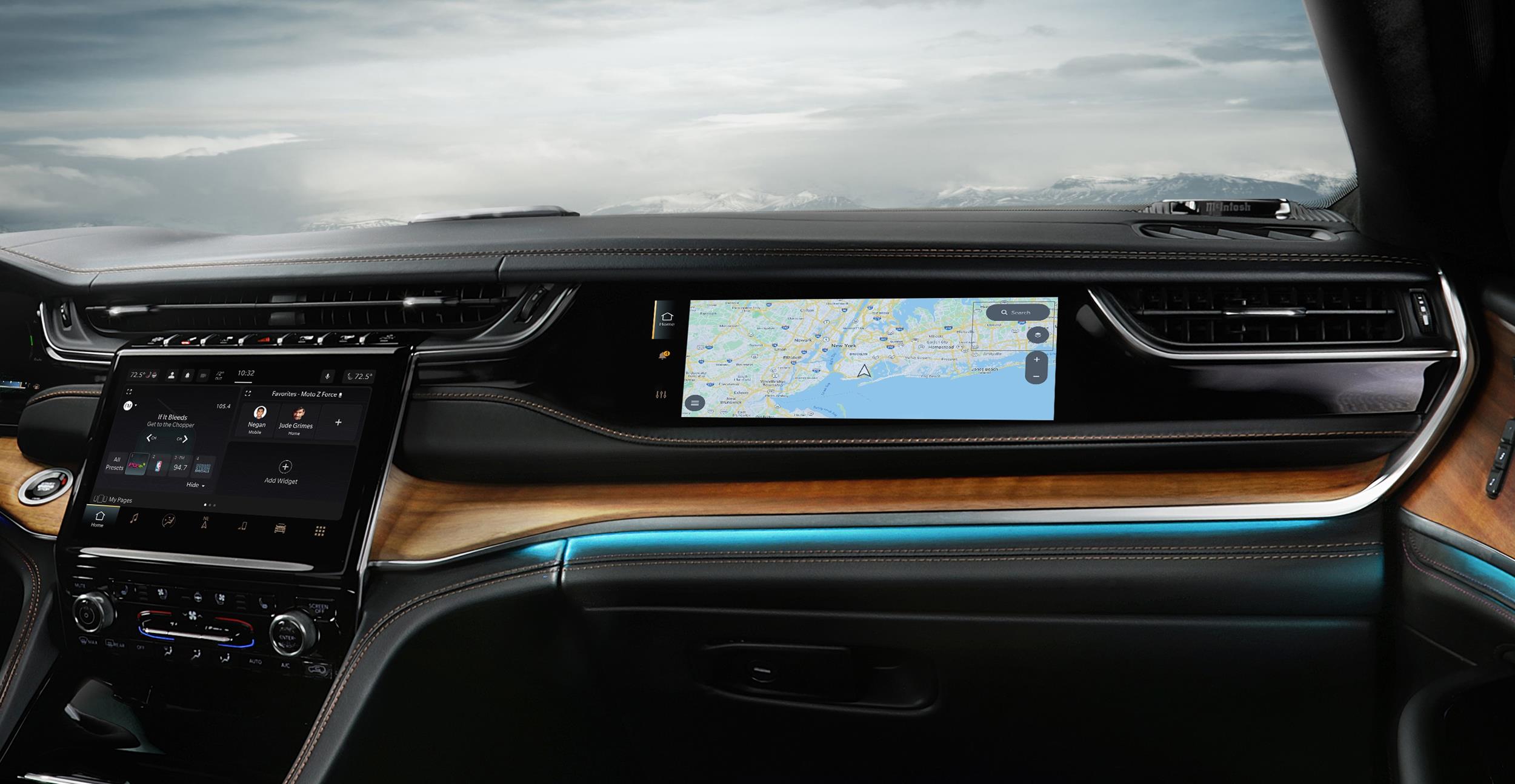
Some of the luxury features include 16-way adjustable front seats with the higher grades offering heating, cooling and massage functionality. There’s a 10.1-inch digital screen while the higher trim levels get a 10.25-inch display for the front passenger. A wireless charging and many USB charging ports have been included too, along with Wireless Apple CarPlay and Android Auto. The Summit Reserve adds on larger 21-inch wheels and a gloss black roof, to name but a few.
The new 5-seater Jeep also features an arsenal of safety tech like collision warning with active braking, adaptive cruise control, lane departure warning, blind-spot monitoring, park sensors, rearview camera and tyre pressure sensors. Higher grades get a night vision camera, auto park assist and a 360-degree camera.
For the audio fanatics, the McIntosh audio system is available with its 19 speakers and 10-inch subwoofer.
How much does the Grand Cherokee 5-seater cost in South Africa?
The newcomer is sold with a 5-year/100 000 km maintenance plan and a 5-year/100 000 km warranty.
Grand Cherokee Limited 3.6L 4×4 8AT R1 329 900
Grand Cherokee Overland 3.6L 4×4 8AT R1 539 900
Grand Cherokee Summit Reserve 3.6L 4×4 8AT R1 735 900
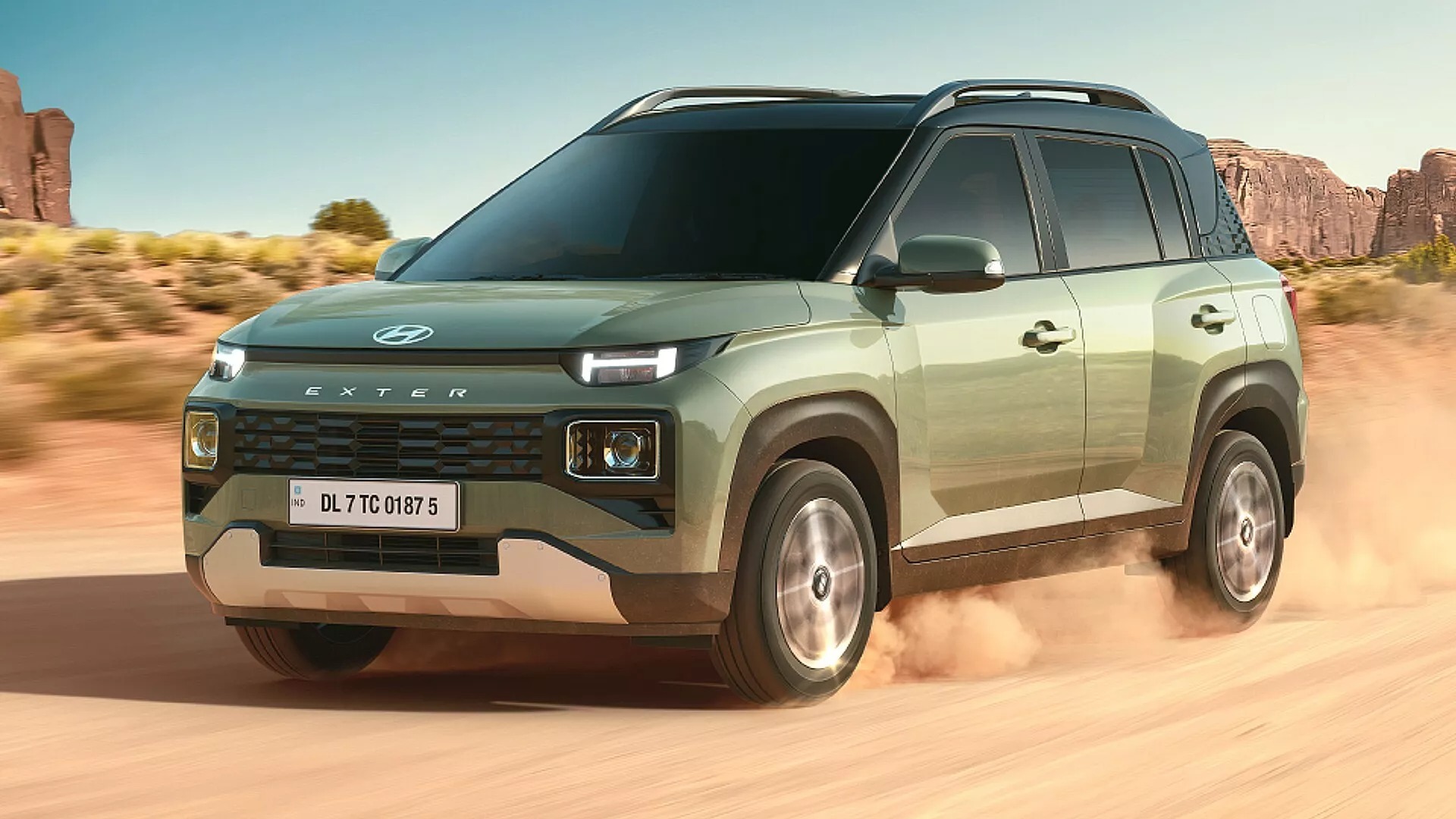
Hyundai India has opened bookings for its new small crossover for the Indian market, but will it come to South Africa? Meet the new Hyundai Exter!
In South Africa, the Hyundai Venue is the entry point for buyers looking for a compact SUV but the Korean firm has now revealed a small crossover to slot in beneath the larger Venue. Say hello to the Hyundai Exter!
Yes, its boxy design might look odd at first glance, but it’s not necessarily offensive. The new Exter adopts a rugged design with squared-off wheel arches framed with plastic cladding and sculpted bodywork. Up front, the Exter’s face gains a silver front skid plate which adds to its rugged demeanour while the low profile headlights with an H-shaped LED daytime running light design adds some distinctive character to the overall design.
Do you want to see the new Hyundai Exter in South Africa?
The Exter is powered by a 1.2-litre, naturally-aspirated petrol engine paired with a 5-speed manual or automated manual transmission. Output is rated at 61 kW and 114 Nm. In addition to this, the Indian market will also gain a bi-fuel 1.2-litre CNG engine which produces 50.5 kW and 95 Nm.
Images of the Exter’s rear end and interior have yet to be seen.
Will the new Hyundai Exter be offered in South Africa?
At this stage the Hyundai Exter has not been confirmed for introduction in South Africa but a local Hyundai spokesperson has confirmed that the model is currently “under consideration” and if the Exter does get the green light for South Africa, its arrival is likely in 2024.
This is a developing story and we will keep you updated as soon as more information becomes available.
These countries buy the majority of SA-built cars and bakkies
The majority of light vehicles produced in South Africa in 2022 were exported rather than sold locally. So, which countries receive most of our “Made-in-SA” cars and bakkies?
In 2022, a whopping 351 785 locally built new vehicles were exported from South Africa, representing a year-on-year increase of 18% and 66.9% of total vehicle production in the country. In the process, SA-built cars and bakkies were shipped off to 110 nations around the world last year.
But which countries received the majority of these “Made-in-SA” vehicles? Well, according to Naamsa, the United Kingdom was again the top export destination in 2022, accounting for 67 884 units or 19.34% of light vehicles exported. However, Germany was a mere 485 vehicles behind in 2nd, with 67 399 units (or 19.21%) sent over to the central European country.
France (23 772 units) completed the podium, though Japan (23 750 units) was right on its tail in 4th position, gaining a place compared with 2021. The United States rocketed up the table to 5th spot, with SA shipping off 20 566 units (a year-on-year increase of 171.7%) to the major North American market.
Fascinatingly, Italy (18 914 units) slipped 2 rankings to 6th, though still finished well ahead of 7th-placed Belgium (14 812 units). Australia (11 507 units), Spain (9 588 units) and the Netherlands (7 484) closed out the top 10, while the remaining 100 destinations contributed 85 268 units between them.
As a destination region, Europe continued to dominate and accounted for 72.7% of light vehicles exported from South Africa in 2022, thanks largely to both Germany and France reflecting major year-on-year increases. Of course, as Naamsa points out, the future of SA’s vehicle exports to Europe is under threat owing to increasingly strict emissions regulations in that part of the world.
Naamsa warns these regulations “could add a significant cost to any vehicle produced in the domestic market for exports to the region” and also points to legislation to ban the sale of new internal combustion engine (ICE) vehicles in the European Union by 2035 as a “significant risk to vehicle exports”.
Top 10 export destinations for SA-built light vehicles in 2022