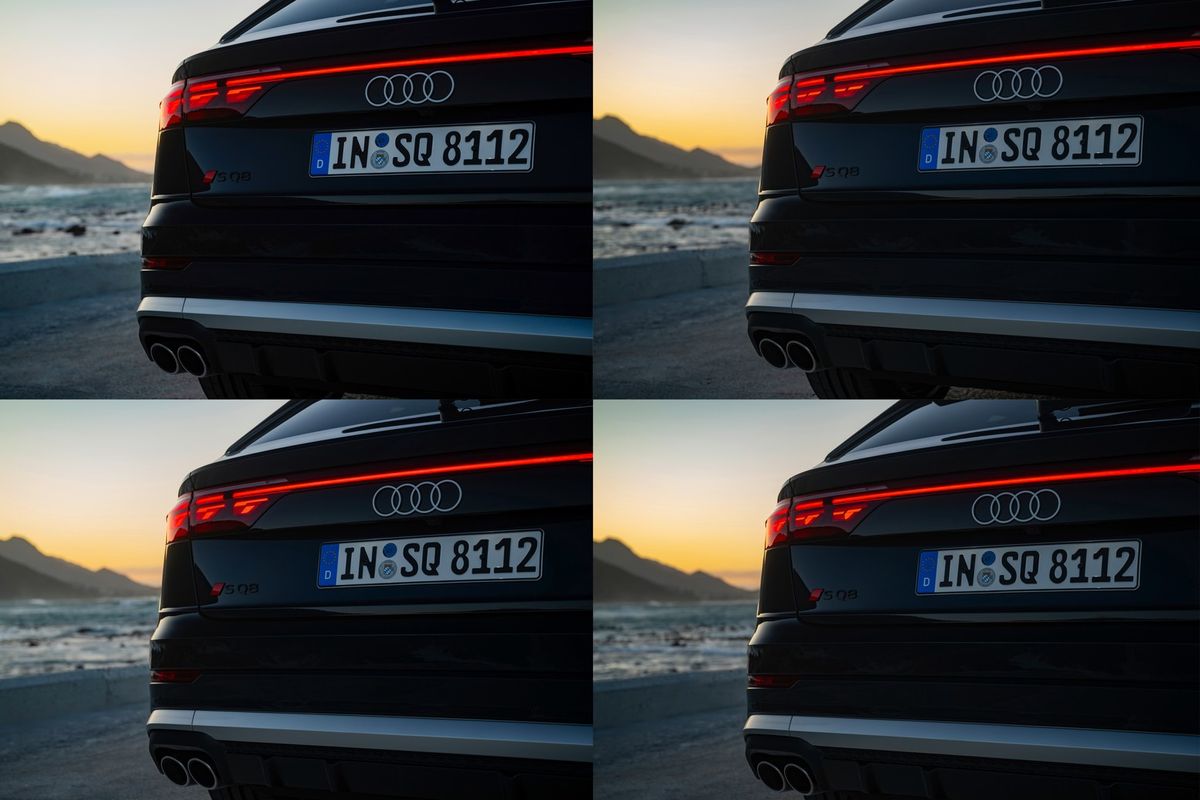
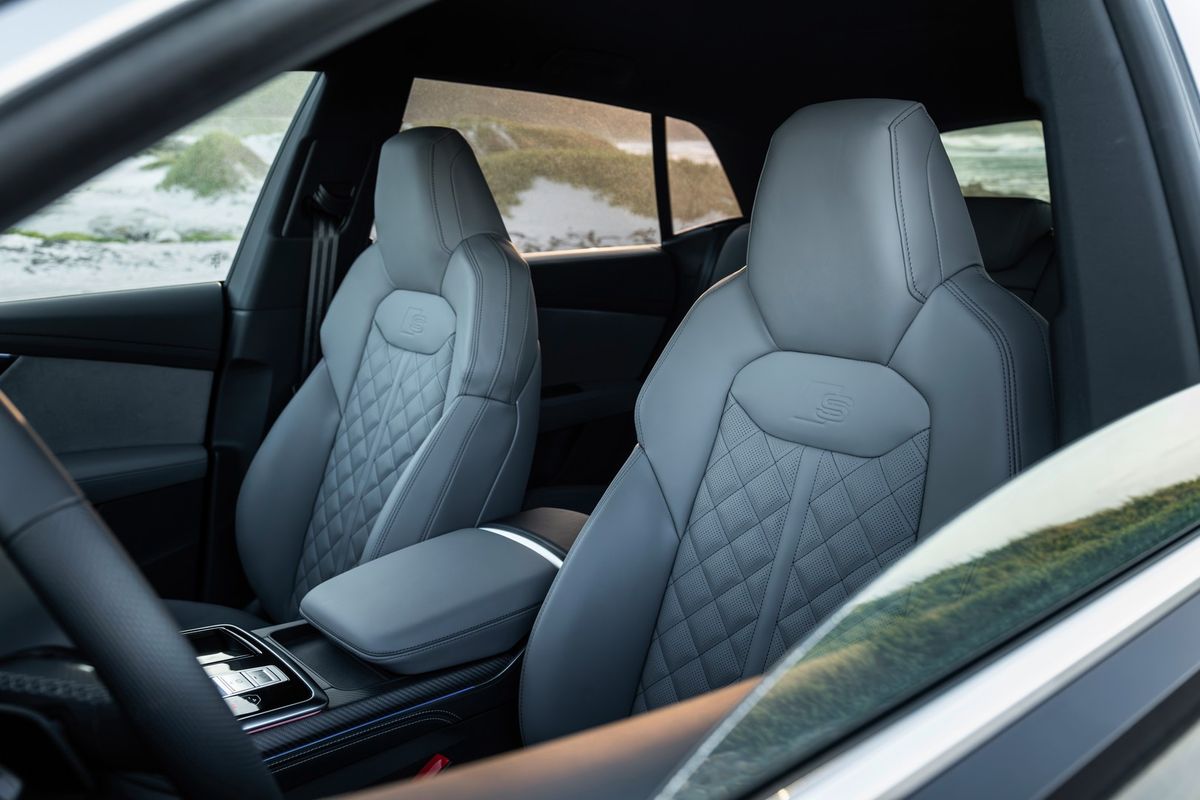
BMW M3 CS (2023) Price & Specs

The new BMW M3 CS is set to blast into South Africa in limited numbers soon. Though all local units are already spoken for, we now know pricing for this 405 kW sedan…

The new BMW M3 CS was revealed towards the end of January 2023, with the Munich-based firm’s local division confirming 20 units had been allocated to South Africa, with an expected arrival date in the 3rd quarter of the year.

As you might have predicted, all 20 units of this limited-run super-saloon have already been spoken for. Still, with the M3 CS set to hit local roads soon, you’re probably wondering how much each example cost its owner. Well, thanks to our learned colleagues over at duoporta.com, we now know the starting price.

The M3 CS kicks off at R2 971 000, which represents a R930 203 premium over the standard M3 Competition M xDrive. That also makes its more expensive than the M5 Competition (R2 472 466) and the pre-facelift X5 M Competition (R2 928 994), though not quite as pricey as the 480 kW XM (R3 400 000), which will cost even more in upcoming 550 kW Label Red guise.

As a reminder, just like the M4 CSL, the new M3 CS employs a version of the twin-turbo 3.0-litre, inline-6 engine developing 405 kW (30 kW more than the M3 Competition xDrive, but not quite as much as the not-for-SA 3.0 CSL) and an unchanged 650 Nm. However, while the M4 CSL’s 8-speed automatic transmission drives the rear wheels, the M3 CS is offered exclusively in all-wheel-drive form, complete with a fully variable active M differential at the rear.

Just like in a standard M3, a dedicated 2WD mode allows controlled drifts…

The CS-badged 4-door model – which features a model-specific frameless grille (complete with red contour lines) as well as yellow BMW Laserlight headlights – will thus complete the obligatory 0-100 kph sprint in a claimed 3.4 seconds, which makes it a tenth quicker to the mark than the all-paw M3 Competition. BMW claims the newcomer will reach 200 kph in 11.1 seconds, while the fact the M Driver’s Package ships standard results in an electronically limited top speed as high as 302 kph.

According to the German firm, the M3 CS weighs about 20 kg less than the likewise all-wheel-drive version of the M3 Competition, with the spec sheet listing an unladen weight of 1 765 kg. Much of this saving was achieved through the use of carbon fibre-reinforced plastic (CFRP), with the roof, bonnet, front splitter, front air intakes, side-mirror caps, rear diffuser, rear spoiler and various in-cabin parts all fashioned from the lightweight material.

Inside, the M3 CS features electric and heated M Carbon bucket seats with integral head restraints and illuminated model badges. These special pews are upholstered in Merino leather with a black-and-red colour scheme and contrast stitching. This 2-tone finish is repeated on the pair of seats at the rear, while the door panels are trimmed in black leather.

How much does the BMW M3 CS cost in South Africa?

BMW M3 CS – R2 971 000

The purchase price includes a 2-year/unlimited kilometre warranty and a 5-year/100 000 km maintenance plan.

Buy a used BMW M3 on Cars.co.za!

Related content

BMW M2 (2023) International Launch Review

BMW M4 CSL Coming to SA in Limited Numbers

Sorry, Folks: New BMW 3.0 CSL Not Coming to SA

Dino 246 GT: Classic Drive

Right now, all the focus might be on Ferrari’s 296 GTB, offering a V6 for the first time in the modern era. However, close to 60 years ago Enzo Ferrari and his team already developed a great V6-engined sports car – the Dino 246 GT.

We are truly spoiled for choice today. If you want a Ferrari sports car, you can have one of their (very good) “bread-and-butter” cars, or you can purchase one of their limited-edition exotics. Then there is also the option to join the Corse Clienti program where you can indulge in the track-only, race and F1 cars. All these different portfolios have grown over the years. Today Ferrari offers a variety of drivetrain options, from a V6 hybrid, V8, V8 hybrid and thankfully still a V12.

But this diversity has almost always been the case with Ferrari – even during its earlier years Ferrari developed 4-cylinder and inline 6-cylinder engines in some of their race cars as well as V12s.

Dino 246 GT front three-quarter view

However, in 1965, Ferrari released a car and decided to name it after Enzo’s late son (Alfredo, nicknamed Dino), who passed away at the age of 24 in 1956; he had already named the engine after his son, who suggested a V6 for F2 racing. The result was that eventually the Dino 206 GT sportscar was launched.

Only 152 of these lightweight sportscars were manufactured before the model was upgraded to the Dino 246 GT. The result was an increase in engine capacity from 2.0-litres to 2.4-litres, while the bodywork was also different. Looking at pictures, you may find the differences difficult to spot, but when an expert points them out, you’re almost surprised at how obvious they are.

Dino 246 GT rear three-quarter view

Many Ferrari enthusiasts scoffed at the idea of a V6-engined car that was never officially named a Ferrari, but “only” Dino. That would be a mistake, as this is a fully-fledged prancing horse in the same way as any other car that has been adorned with the Ferrari badge.

Secondly, as mentioned, Ferrari has always been known for developing a variety of engine configurations, so it matters little how many cylinders are powering the rear wheels. Just before sunrise on a mild Cape Town morning, Graham Webb pulls in with his 1971 Dino 246 GT.

Specifications

  • Model: 1971 Dino 246 GT
  • Engine: 2.4-litre, V6 petrol
  • Power: 143 kW at 7 600 rpm
  • Torque: 225 Nm at 5 500 rpm 
  • Transmission: 5-speed manual, RWD
  • Weight: ±1 100 kg
  • 0-100 kph: N/A
  • Top speed: 235 kph (claimed)
Behind the 'wheel of the Dino 246 GT

In terms of classic Ferrari owners, he is on the younger side, being only in his mid-30s. However, during our chat, it becomes clear that he has had an appreciation for classic cars since he was a young boy. It helped that his father was, and still is, a complete petrolhead and exposed him to cars from a young age.

“The first time I saw the car was when I was 19. That was also the first time I met Dicken, the previous owner. But, I think at that stage everybody wanted to buy the car from him. He told me to save up the money and then one day we could talk.

“It is a very unique-looking car, and that is what drew me to it. I wouldn’t say I’m not into fast cars, but I lean more towards the appreciation of elements like the sound and the feel of the car, as well as the mechanical nature of them. I’m precious about my cars, but at the same time I like to use them.”

Dino 246 GT rear view

Graham admits that in the near future the car will need some serious attention and possibly a complete restoration. It is during this process that he plans to take it back to its factory blue colour. Design is objective, but the Dino’s proportions… its elegant and soft lines are simply gorgeous.

The flowing lines cover a compact shape that screams ’60s sports (and race!) car. The fat tyres (205/70 14-inch) are also an immediate reminder of its age while the two neat exhaust pipes are an indication that there must be some level of performance under the rear engine cover.

Graham is eager to hand me the key and having driven a 206 GT, I am particularly keen to sample the “updated” version. As I turn the small chromed lever (so tiny and neatly hidden) to open the door, I get into the very tight cabin.

When I close the door, I immediately feel cocooned in the car and very much an integral part of it. My knees do point up a little, past the steering column, but that is part of the experience of several ’60s and early ’70s sports cars. The seat base is also very close to the floor, the result is that you sit very close to the ground but the positioning of my feet on the pedals is fine.

The steering wheel rim does block the final couple of thousand revs on the tachometer, but I soon get used to listening to the engine or peeking around the ‘wheel to see the needle climb. The seat offers some adjustability – it can be moved forward or backward on the railing.

It is helpful that the classic three-spoke steering wheel is large, because at parking speeds with no assistance, you need some muscle and leverage to turn the wheel. However, the moment the car starts to move little effort is needed.

Dino 246 GT instrumentation

As I pull away and make my way around the number of corners that litter the picturesque Chapman’s Peak Drive outside Hout Bay, it is the view through the windscreen that immediately draws me in and is also one of the highlights of the driving experience.

There is a smooth dip in the middle of the body towards the nose of the car while the beautiful fenders covering the front wheels perfectly indicate to you where each wheel is situated. It immediately made me think of the view racers must have had when piloting the racing versions of these cars during its era.

I first rev the engine to about 4 500 rpm, being quite impressed by the torque on offer. But later I keep the throttle pinned for a little longer and the engine is only too happy to rev past 6 000 rpm towards 7 000 rpm. There is no tapering off of the rate at which it revs, and from here on you can’t help but rather let the engine race higher before you change gears. There is also the engine sound to be enjoyed as it passes 5 000 rpm.

Don’t rush a shift though, but once the next gear is engaged, you can enjoy the acceleration and try to find that balance of the car through the next corner. It is such a vastly different experience to today’s modern cars that it almost made me wish that I got to experience this era of cars in period. I find myself constantly thinking about the experience on hand and not about whether the Dino will connect quickly enough with my smartphone!

Dino 246 GT engine bay

I enjoyed this car as much as I did the 206 GT. One will have to drive them back-to-back for a clear and informed decision. But, in essence they give the same experience. It rates as undeniably one of the purest classic sports cars drives I’ve had. This is owing to a combination of factors.

From the Dino’s small footprint on the road, a compact engine and a driving position (although not ideal) that puts you at the front of the car and gives you a perfect view over the short nose, so that you can place the wheels perfectly on the road. I’ll admit, another reason I’m drawn to this car is just the romantic thought of the Italian masters shaping this car back in the 1960s.

Summary

Driving here this morning was a little hard work, but so engaging and refreshing. It is hard to argue Graham’s words. I will pick this Dino 246 GT above several other – more powerful – Ferraris of the same era and, probably, even over a few Prancing Horses that followed after the Dino.

Dare I say it, but this is Ferrari’s Lotus, a true lightweight sports car, which gives a rather impressive experience from behind its thin-rimmed wheel. It is a winner.

Search for a new/used Ferrari listed for sale on Cars.co.za

Find exclusive car-themed merchandise at the SentiMETAL Shop

Related content:

Naturally aspirated Ferrari 12Cilindri revs up

How to buy a new Ferrari: A beginner’s guide

Ferrari F430: Classic Drive

Ferrari F355 Challenge: Classic Drive

Ferrari F40: Enzo’s Greatest – SentiMETAL Ep13

Ferrari Roma Spider (2023) Price & Specs

Ferrari 296 GTS: Drop-topping at its finest? 

Mercedes-Benz GLC (2023) Launch Review

A new Mercedes-Benz GLC has landed in South Africa to renew the Three-pointed Star’s quest for supremacy in the Executive SUV segment. Is it premium enough to justify its hefty price tag? We drove the new model at its local launch in Cape Town.

What’s new with the GLC?

If you ever needed more proof that SUVs are the vehicles of choice in the premium sector, here it is: the GLC recently superseded the long-serving C-Class as Mercedes-Benz’s best-selling model globally.

This is the 2nd-generation GLC, replete with a new chassis, a fresh design as well as a tech upgrade. It’s based on the underpinnings of the W206-generation C-Class and features a very similar interior to the sedan, but has some interesting off-road tech for an SUV that’s likely to spend little time on gravel roads.

Mercedes-Benz GLC front
The new GLE is 60 mm longer than before and comes standard in Avant Garde spec for SA.

Most of the new techy additions to the GLC are assigned to the options list though. Features such as the air suspension and rear-wheel steering are available as part of the Engineering Package, for example.

Speaking of packages, ‘Benz has made it easier for buyers to sift through the options list by bundling features that are often selected together. While that means you can’t spec your GLC to your exact preference, it takes a lot of the hassle out of selecting from hundreds of items on the configurator. 

All the powertrains in the range make use of mild-hybrid tech (including a 48V electrical architecture) in order to minimise fuel consumption and support the internal combustion engine (ICE) when required.

What’s the interior of the GLC like?

Mercedes-Benz GLC interior
The Interior is tech-laden featuring 2 extremely hi-res screens.

Effectively a clone of the C-Class’ interior, the front of the GLC’s cabin is decked out in hi-resolution screens. The centre touchscreen houses all vehicle controls, plus media, navigation and system settings in its menu. There’s a lot to work through – it’s initially overwhelming – but if you get stuck, you can always use the voice prompt “Hey Mercedes” and ask the MBUX to access functions on your behalf. 

The instrument cluster has multiple themes and designs to choose from and is easily navigable through the multifunction steering wheel’s capacitive-touch controls (of which there are many… don’t be too surprised if you find your palms pressing something randomly when you’re twirling the ‘wheel).

All GLC derivatives come with the Avant Garde pack and full MBUX system as standard, so the basic specification is higher than usual.

I do like that the wireless charging pad is situated under the centre console ahead of the cupholders. It makes it a little harder to get to your phone and, therefore, your device is less likely to distract you when you’re driving. You are more likely to forget your ‘phone when you step out of the vehicle, however.

Meanwhile, Android Auto and Apple Carplay look incredible on the big central screen and can be accessed wirelessly or through the USB-C port. 

Thanks to its 2 888-mm wheelbase, the new GLC is 60 mm longer than its predecessor and the longest model in its class, which endows it with the most rear occupant space and the largest load-bay capacity. 

What are the engines like?

Mercedes-Benz GLC side profile
Mercedes-Benz has standout engines, especially the frugal but powerful 220d.

At launch (May 2023), there are 3 derivatives to choose from (2 diesel and 1 petrol), all with 4Matic all-wheel-drive. We spent the day driving the entry-level 220d; its 2.0-litre turbodiesel engine produces 145 kW and 440 Nm of torque. The mild-hybrid system makes 17 kW and 200 Nm of boost available when required, and mostly at low speeds, in order to save as much fuel as possible when accelerating.

If you seek a good balance between performance and economy, this engine feels like the best option. We have extensive experience with this drivetrain in the GLB and know that it can easily return 5.5 L/100 km in mixed driving conditions. I’ve always found that this engine and gearbox (9-speed auto) combination provides adequate acceleration from all speeds – it doesn’t feel noticeably deficient in any department.

Those who want a bit more shove from their turbodiesel-engined GLC can opt for the 300d. It also uses a 2.0-litre mill, with significant outputs of 198 kW and 550 Nm of torque. This powertrain (also with the 9-speed auto) will perform excellently on the open road while returning reasonable fuel economy.

The petrol engine available in the range powers the GLC 300 – it’s a turbocharged 2.0 litre, but with 190 kW and 400 Nm of torque on tap. SUVs and diesel usually go better together, but if you happen to have a sponsored fuel card and an unlimited budget, the revvy petrol motor may provide the most excitement!

What’s the GLC like to drive?

Mercedes-Benz GLC rear driving
Appreciably more dynamic on the twisties but still comfortable over some of the rougher surfaces.

Each new generation of Executive SUV feels a little more planted when cornering briskly and, therefore, seems nicer to drive than its predecessor. Our GLC rode on standard coil springs and its ride quality was notably less bouncy and crashy than that of the previous-gen model. The cabin is particularly quiet and well-insulated – it’s an area in which ‘Benz is keen to show its refinement and justify its premium billing.

Throttle and steering responses liven up markedly when you switch the drive mode from Comfort to Sport. The steering weighs up noticeably but isn’t so hefty that it feels exaggerated. The GLC wasn’t designed to be sporty, but it’s dynamic enough that you can have a bit of fun when the road gets twisty.

I would like to test a GLC equipped with the Engineering Package (with the air suspension setup and the rear-wheel steering), as the option should further improve the ride and dynamism at low speed. The air suspension also allows for an increase in ride height when required (in off-road scenarios, for example).

While the GLC is an asphalt-road-biased vehicle, Mercedes-Benz has fitted the model with useful off-road kit (if you ever find yourself in a tricky situation on your way to that well-off-the-beaten-path guest house). The camera system can project an image of the Benz’s lower extremities and what is just in front of the bumper via a transparent bonnet image between 0 and 8 kph (Land Rover has a similar system). Between 8 and 20 kph, the image is projected slightly forward so you can see upcoming obstacles. 

Mercedes-Benz GLC pricing & after-sales support

The new GLC is sold with a 2-year/unlimited km warranty and a 5-year/100 00 km service and maintenance plan.

Mercedes-Benz GLC220d 4MaticR1 211 220
Mercedes-Benz GLC300 4MaticR1 328 500 (excluding CO2 tax)
Mercedes-Benz GLC300d 4MaticR1 410 194
Mercedes-Benz GLC front driving
The new GLC is more expensive than its rivals but features a high level of standard spec.

Summary

The new Mercedes-Benz GLC introduces a higher standard specification to the Executive SUV segment; the bundling of options does make it much easier for buyers to spec the derivative of their choice, but bear in mind that when you add to the standard Avant Garde spec, it will drive the price up substantially.

The engine range available at launch covers all the bases and there are Mercedes-AMG versions on the way (either late in 2023 or early in 2024). The turbodiesel and turbopetrol engines in Mercedes-Benz’s arsenal are top-tier – the brand’s engine and drivetrain tech puts the GLC ahead of the competition.

The interior, which features the full MBUX system and comprehensive phone connectivity as standard, looks impressive in any specification; the cabin materials feel premium and, hopefully, the build quality will stand the test of time, because it’s not been Mercedes-Benz’s strongest trait of late.

The new Mercedes-GLC’s prices do appear to be on the high side considering the newcomer is around 10% more expensive than the equivalent BMW X3 and even pricier compared with the long-serving Audi Q5. On the face of it, the 2nd-generation GLC does seem to have better standard spec than its direct rivals, but be sure to do a side-by-side comparison if you really want to dig into the minutia.

New Mercedes-Benz GLC Specs & Prices in South Africa

Abarth 695 Competizione (2023) Price & Specs

The Abarth brand is back in South Africa, thanks to the arrival of the Abarth 695 Competizione. Here’s how much you’ll pay for this feisty little hatch (or cabriolet)…

For a moment there, it seemed Stellantis brand Abarth had quietly quit South Africa. But rumours of its local death were seemingly greatly exaggerated, with the 695 Competizione having now made landfall.

Yes, thanks to the vehicle-information gurus over at duoporta.com, we know the local Abarth 695 (rather than 595) range effectively comprises 4 Competizione derivatives: a pair of hatchbacks and a pair of cabriolets. Pricing starts at R579 900 and runs through to R627 900.

All variants are powered by the Fiat-backed brand’s turbocharged 1.4-litre, 4-cylinder petrol engine, which here delivers 125 kW and up to 250 Nm to the front axle via either a 5-speed manual gearbox or a automated manual transmission (for latter for an extra R18 000) with the same number of cogs.

Cabriolet and hatchback body styles are on offer.

The obligatory 0-100 kph sprint takes a claimed 7.3 seconds in the manual version and a tenth of a second longer in the automated-manual model, while top speed is listed as 218 kph in both cases. For the record, the latter derivative can be optionally equipped (for an additional R2 000) with paddle shifters.

Meanwhile, the 3-door 695 Competizione’s specification highlights include items such as 17-inch alloy wheels, quad tailpipes, rear parking sensors, tyre-pressure monitoring, a cloth/suede upholstery combination and as many as 7 airbags.

As a reminder, the Abarth 695 is based on the Fiat 500 but scores all manner of go-faster bits. The range was last updated in October 2021, before briefly disappearing from Fiat SA’s website earlier this year.

We’ll update this story once more details around local specifications are revealed…

How much does the Abarth 695 Competizione cost in SA?

Abarth 695 Competizione 1.4T – R579 900

Abarth 695 Competizione 1.4T auto – R597 900

Abarth 695 Competizione 1.4T cabriolet – R609 900

Abarth 695 Competizione 1.4T cabriolet auto – R627 900

A 3-year/100 000 km warranty and a 3-year/60 000 km service plan are included in the purchase price.

Related content

Fiat 500X (2023) Launch Review

Jeep Grand Cherokee (2023) Price & Specs

Opel Corsa Lite 1.2T (2023) Price & Specs

Mercedes-Benz V-Class Special Edition (2023) Price & Specs

The new flagship van from Mercedes-Benz South Africa is about to hit showrooms. Here’s all you need to know about the Mercedes-Benz V-Class Special Edition.

If you wanting the most luxurious people carrier in South Africa, you should have the Mercedes-Benz V-Class right at the top of your list. It features luxury seating for 6, with the option for 7 and 8, depending on derivative. All are powered by 2.0-litre turbocharged diesel engines in various states of tune.

As the current generation makes way for the facelift model (teased in May 2023), Mercedes-Benz South Africa has announced the V-Class Special Edition.

The key differences between the standard V-Class and the V-Class Special Edition are to be found in the visual department. It gains the AMG bumper with chrome elements replaced by a gloss black finish, 19-inch AMG light-alloy wheels finished in black, gloss black exterior mirrors, black roof rail, LED Intelligent light system with black detailing and the chrome belt-line has been replaced by a black anodized strip.

AMG Roof Box is one of the coolest accessories!

The V-Class Special Edition gains a unique colour too, called Sodalite Blue, which you can see here. The biggest talking point is arguably the AMG Roof box. It’s not just any roof box, but rather one specifically designed by AMG and it features trick aerodynamics to help it slip through the air a bit easier. It’s important to note the AMG Roof box has a speed rating of 130 kph.

Mechanically, there are no changes to the engine line-up and the V-Class special edition adds onto the V300d. Under the bonnet is a 2.0 4-cylinder turbocharged diesel engine with 174 kW and 550 Nm, paired to a 9-speed automatic transmission. Mercedes-Benz claims a 0-100 kph in just 7.8 seconds and is said to consume 8.0 L/100 km.

The V-Class Special Edition is one very comprehensive package when it comes to features. Under the skin, the Agility Control Suspension replaces the sports suspension and the selective dampers help with driving comfort. There are stowage nets behind the front two seats, two individual captain’s chairs for the second row and a 3-seat bench for the third row. All seats are finished in black Nappa leather.

Luxury features include heated seats, Burmester surround sound system, MBUX infotainment with Apple CarPlay/Android Auto, panoramic sliding roof, 360 degree camera, powered tailgate, deployable table, and even cupholders that will keep your drinks warm or chill them.

How much does the Mercedes-Benz V-Class Special Edition cost in South Africa

  • Mercedes-Benz V-Class Special Edition V300d R2 190 000 (Including VAT)

The above price includes a 7-year / 140 000 km Premium Drive plan and all accessories.

Here’s How Many EVs and Hybrids Were Sold in SA in Q1 2023

Wondering exactly how many EVs and hybrids were registered in South Africa in the opening quarter of 2023? Well, we have the sales figures…

The opening quarter of 2023 has come and gone, which had us wondering: exactly how many electric vehicles (EVs), traditional hybrids and plug-in hybrids were sold in South Africa over this 3-month reporting period?

Well, thanks to the release of Naamsa’s quarterly review of business conditions for South Africa’s motor-vehicle manufacturing industry, we have the answer.

First, let’s remind you of 2022’s efforts in this section of the local market. Last year, overall new-energy vehicle (NEV) sales – so, registrations comprising EVs, traditional hybrids and plug-in hybrids – reflected a whopping year-on-year increase of 431.7% from 896 units in 2021 to 4 674 units in 2022. Note, of course, this tally comprised just 0.88% of SA’s total new-vehicle sales for the year.

During the 1st quarter of 2023, NEV sales by 14 automotive brands increased by 18.8% year on year, growing from 1 401 units in the opening quarter of 2022 to 1 665 units in the same period in 2023. By our maths, that translates to 1.96% of the industry total (84 774 units) for the first 3 months of 2023.

As you might have guessed, traditional hybrids made up the bulk of that figure (nearly 85%, in fact), with 1 408 units registered locally from the start of January to the end of March 2023. Key local players in this segment include dual-powered versions of Toyota’s Corolla hatch and sedan, the Corolla Cross and the RAV4, plus various Lexus models as well as the Honda Fit and Haval’s H6 and Jolion hybrids.

Hybrid versions of Toyota’s Corolla Cross (seen here in GR Sport trim) likely drove much of the volume.

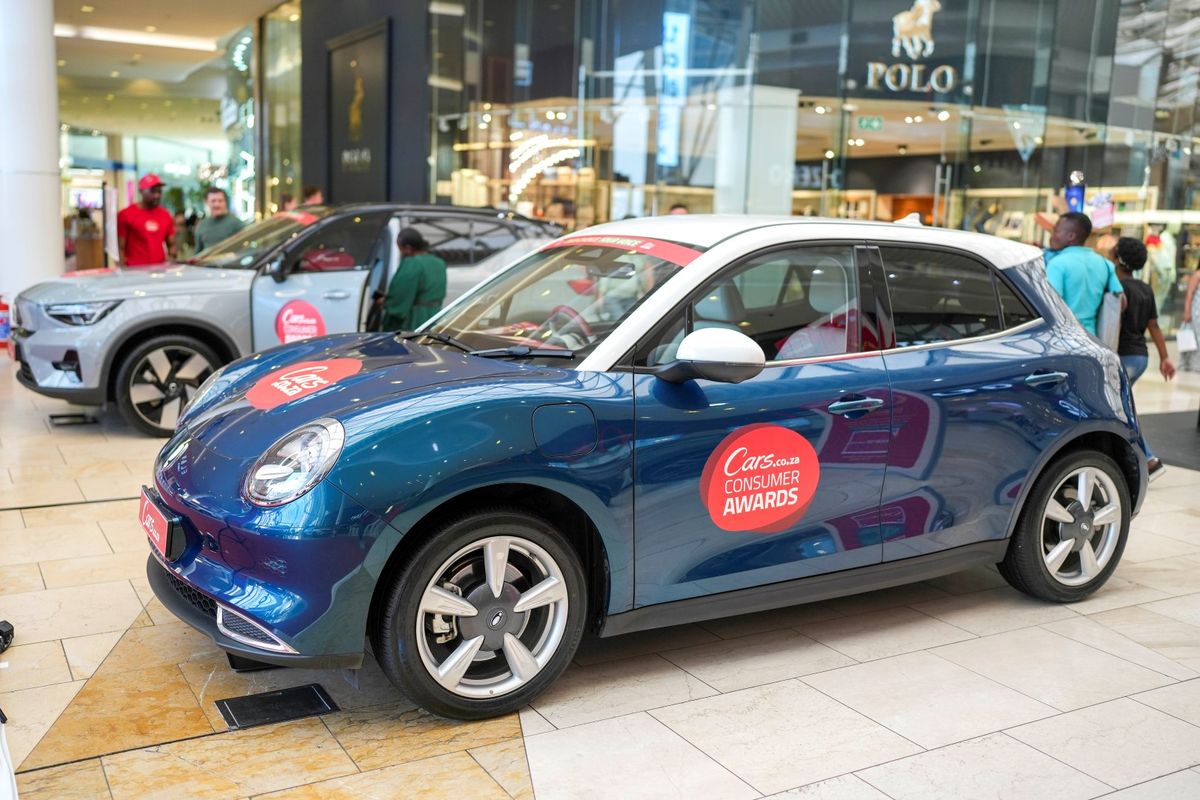
Fully electric cars, meanwhile, accounted for 232 units in the opening quarter, more than double the figure achieved in the corresponding period in 2022. Right now, the least-expensive EV in the country is the Mini Cooper SE Hatch 3-door (R742 102), while the likes of Volvo, BMW and Mercedes-Benz offer various battery-powered models below the R1.5-million mark. The upcoming GWM Ora, however, looks set to be priced from R716 900.

Finally, just 25 units of plug-in hybrid electric vehicles (PHEV) were sold in South Africa in Q1 2023, down from 32 in the same period in 2022. Examples of such vehicles include T8 versions of Volvo’s XC60 and XC90, along with BMW’s X5 xDrive45e and P300e and P400e derivatives in Jaguar Land Rover’s line-up. From what we understand, mild-hybrid powertrains are not included in the Naamsa’s broader NEV figures.

So, why haven’t NEVs really taken off in South Africa? Well, there are many possible reasons, though Naamsa says the “high upfront purchasing cost” (linked to higher production costs, mainly related to battery production) has been the “main inhibitor” to increased NEV uptake in South Africa.

Naamsa says this is “exacerbated by the effects” of the value-added tax (VAT), the ad valorem excise duty based on a sliding scale up to 30%, and the import tariff, not to mention “limited product availability” and “awareness issues emanating from range anxiety, security of electricity supply and a limited understanding of the technology”.

Buy a used electric car on Cars.co.za!
Related content

Why you won’t see VW hybrids in SA before 2027

5 most powerful electric cars in South Africa (2023)

BMW iX1 (2023) Prices & Specs for South Africa

BMW Touring Coupe Concept Revealed

The German carmaker has wowed the crowds at the annual Concorso d’Eleganza Villa d’Este with the BMW Touring Coupe Concept.

The BMW Touring Coupe Concept is the latest concept vehicle to make an appearance at the Italian classic car event. The German carmaker has a reputation for using this event to showcase its creations over the years and 2023 is no different.

This is the BMW Touring Coupe Concept, essentially a highly modified Z4 M40i with a fixed metal roof. The shape will be familiar to many of the BMW fanatics, as its reminiscent of the iconic Z3 M Coupe, nicknamed the ‘clown shoe.’ Right now, its a one-off creation, but BMW hasn’t ruled out production.

Could it make production for those who want to buy it?

BMW Group Design Director Adrian van Hooydonk said that “at least two to three people” expressed interest in the newcomer. “[The Concept Touring Coupe] is a one-off at the moment,” van Hooydonk said. “Right? And there’s no concrete plans to put it in production. But, we made the agreement before we set sail for Lake Como that, if there’s enough interest, we will take a look at it. That could be a very low-volume version, like 50 cars or so.” he told media at the event.

To convert a standard Z4 M40i to this striking concept, the electrically folding fabric roof has been removed to make space for the hard coupe roof. The paint is a unique creation called Sparkling Lario and features flakes of blue glass. Also noteworthy are the massive wheels, which are 21-inch units at the back and 20-inch alloys at the front.

Inside, the cabin is largely the same as the standard BMW Z4, but the upholstery has been sourced from Italian leather specialists Poltrona Frau and has a two-tone finish. The attention to detail is impressive for a one-off creation as the car’s entertainment system features an accurate depiction of the vehicle.

Let’s hope BMW builds a few as its one of the more striking and interesting designs to come from the brand of late.

Car Theft: What to do when your vehicle is stolen

Car insurance serves to provide you with financial cover if your car gets stolen or hijacked, but what steps should you follow after suffering such a loss? Here’s a step-by-step guide, plus tips to reduce your likelihood of becoming a victim of car theft.

PARTNERED CONTENT

My car has been stolen! Now what?

Many people become panicked and flustered when their car is stolen or hijacked, but it is, unfortunately, an all too regular occurrence in motoring life. Take a deep breath and follow these recommendations:

1. Contact your vehicle tracking company. If your car was bought through a vehicle finance agreement, many vehicles must have an anti-theft vehicle tracking device to qualify for car insurance.

2. File a police report. Remember that you must provide specific information, including the number of your driver’s license, vehicle registration details, the make, model and colour of your car, as well as the vehicle’s identification number (VIN). The best advice is to keep all this information in a safe place so you can easily retrieve all of it in case of an emergency, such as a car accident or vehicle theft/hijacking.

3. Notify your insurer. Once you’ve filed the police report, you must contact your car insurance company. The firm’s consultant will also require details from you, including the relevant police case number and ask for details such as where the car was parked/located and when it was stolen/hijacked.

4. Investigation. Once all the reports have been processed, the police and insurance company will investigate.

5. File a car insurance claim. You can file a theft-related car insurance claim if your vehicle is not recovered within the allocated time. Depending on your policy, your insurer will cover the trade, retail or replacement value of your stolen vehicle (if you own it outright) or settle your car-finance agreement based on the value of your car and pay the remainder of the claim into a designated bank account.

6. Excess and cover limits. Please note that you may be responsible for paying an excess before your insurer will pay out your claim. More: Car Insurance Tips: The Excess & Deductibles

Most car insurance policies cover car theft. More: How to Distinguish Between Types of Car Insurance

What will the insurance company pay out?

The sum that your car insurance company will pay out for a theft-related claim will depend on the value of your unrecovered vehicle (as stipulated in your policy) and your excess.

Therefore, be sure to read your car insurance policy thoroughly and speak to your consultant, if necessary, to understand your coverage and any potential payouts in the event of a theft.

The likely insurance payout for a stolen car will also depend on the type of car insurance policy you have. Comprehensive- and 3rd-Party, Fire and Theft car insurance cover theft, but 3rd-Party Only does not.

If your car is not recovered, your insurer will pay you out the stipulated value of your vehicle, minus the excess. The actual cash value is usually the market value of your vehicle when it was stolen. That value is based on factors such as the car’s age, its general condition and mileage at the time it was lost.

A new car will, for instance, receive a much higher payout than an older car. The excess refers to the amount you must pay out-of-pocket before your car insurance will pay out a claim.

More: How To Work Out Car Insurance Excess & Deductibles

Ways in which to deter car theft 

Car theft remains a major worry for South African motorists and, therefore, the short-term insurance industry. There isn’t a quick fix for this problem, but being vigilant and implementing added security measures are probably the best ways to keep thieves at bay – the more deterrent there are, the better.

Following some of these safety tips and precautions can help deter car thieves:

  • Be aware of your surroundings. If you notice any suspicious activity or behaviour, leave the area immediately
  • Park in safe, well-lit areas that preferably have on-site security. Avoid parking in secluded places, even if you are in a bit of a rush
  • Don’t leave valuables in your vehicle. Laptops, phones or bags left in plain sight could be a target for thieves who make break your window to get in. If you must leave valuables in your vehicle, ensure they are stowed away from sight or locked in the boot/load bay
  • Invest in anti-theft devices, such as an alarm system, gear lock or immobiliser
  • Install a vehicle tracking system
  • Keep your keys secure. Don’t leave your keys in an easily accessible location
  • Repair broken windows or locks as soon as possible
  • Check that your car is locked. Be mindful of remote jamming, especially at busy malls and shopping centres
  • Make sure your vehicle’s doors are locked while you are driving it

Ensure your insurance policy is up to date

Do you want to learn more about car insurance or review your car-insurance requirements with the help of experts? Budget Insurance’s team is always ready to assist; contact them on 086 1600 120 or utilise their online car insurance calculator, which gives you an accurate and budget-friendly quote in minutes.

Related content:

How to Distinguish Between Types of Car Insurance

Is your car insured against unexpected risks?

Find the type of car insurance that suits you

Buying a new car? Ways to lower your insurance premium

How Your Mood Affects Your Driving

5 Ways To Ensure That Your Car Insurance Claim Will Be Paid

You Can Recover Your Insurance Excess if an Accident isn’t Your Fault

Does car insurance cover items stored in your car?

How To Work Out Car Insurance Excess & Deductibles

5 Ways to Lower Your Car Insurance Premiums

10 Practical Tips to Decrease Your Insurance Costs

Car Insurance Tips: The Excess & Deductibles

Why Road Assist is a must for motorists

4×4 vehicles need extra insurance

Does Car Insurance Cover Natural Disasters?

Advice from a Car Insurer: What you should do if you’ve been in an accident

35 Units of Mercedes-AMG GLB 35 for SA

Better late than never, right? It seems the Mercedes-AMG GLB 35 has finally – and rather quietly – arrived in South Africa, though just 35 units are available…

When the Mercedes-AMG GLB 35 4Matic was revealed back in 2019, the German firm’s local division suggested there were no plans to bring the 225 kW crossover to South Africa. Then, in 2022, Mercedes-Benz SA hinted at a “special limited-edition” GLB 35 for the local market.

Now, finally, that vehicle appears to have materialised. According to Mercedes-Benz SA’s website, just 35 units of the GLB 35 are available to local buyers, sold exclusively through the Stuttgart-based automaker’s online store (note there’s a refundable R10 000 “reservation fee”).

The main image on the Mercedes-Benz SA website shows the facelifted Mercedes-AMG GLB 35.

Here’s where it becomes a little confusing, though. The main image on the website shows the recently facelifted version of the GLB 35, while every example listed in the online store appears to be a pre-facelift model. So, it’s not exactly clear which version South Africa has received.

Still, from what we can tell, the base price is R1 404 350, a figure that includes the manufacturer’s 5-year/100 000 km maintenance plan (for the record, the 165 kW GLB 250 starts at R1 050 287 in AMG Line guise). At the time of writing, all 35 units of the Mercedes-AMG GLB 35 were still listed in Mercedes-Benz SA’s online store, though some are tagged with an “estimated arrival” of May or June, while the remainder were shown as being “available”.

The examples on the Mercedes-Benz SA online store all appear to be pre-facelift models.

They all appear similarly specified (though it’s not clear whether the 7-seater box has been ticked), listed at either R1 425 723 or R1 443 023, with only Mountain Grey Metallic, Patagonia Red Metallic and Digital White Metallic exterior colours on offer. From what we understand, all units feature 21-inch AMG Multispoke matte-black alloy wheels, a panoramic sunroof and AMG red-contrast stitching.

As a reminder, the Mercedes-AMG GLB 35 employs a turbocharged 2.0-litre, 4-cylinder engine delivering 225 kW and 400 Nm to all 4 corners via an 8-speed dual-clutch transmission. The pre-facelift version will complete the 0-100 kph sprint in a claimed 5.2 seconds, while the refreshed model – which gains a mild-hybrid system – is a touch slower at a claimed 5.5 seconds (likely due to the extra weight).

We’ll update this story if any additional local information comes to light…

How much does the Mercedes-AMG GLB 35 cost in SA?

Mercedes-AMG GLB 35 4Matic – R1 404 350

The price shown above includes a 5-year/100 000 km maintenance plan as well as Mercedes-Benz SA’s 2-year/unlimited kilometre warranty.

Buy a used Mercedes-Benz GLB on Cars.co.za!

Related content

The ultimate Hillclimb Monster? Scribante’s wildly modified GT-R wins again at Simola 2023

We take a closer at the monstrous Scribante GT-R that recently took a class victory at the 2023 Simola Hillclimb!

Now sporting military green livery, the Scribante GT-R gained notoriety around the world, especially for its wild aero set-up.

The car and driver have been successful at the annual Simola Hillclimb three times now, taking a dramatic win in the Super Saloon class at the 2023 event held recently in Knysna, South Africa.

An absolute crowd-pleaser, we spend time with the Scribante team and take a deep dive into what makes this machine so special.