SA’s best-selling imported vehicles in October 2023
Locally built models dominate the list of South Africa’s best-selling cars and bakkies, but what about imported vehicles? Here are the most popular imported cars of October 2023…
In October 2023, as many as 8 of South Africa’s 10 best-selling vehicles were locally built. But what about imported models? Well, we sorted through the figures to pick out the most popular models shipped in from overseas last month.
As a reminder, nearly 65% of light vehicles sold in South Africa in 2022 were imported rather than produced in Mzansi. According to Naamsa, the top country of origin in pure volume terms last year was India, from which a whopping 165 910 vehicles were sourced. That translates to 51.2% of total light vehicles – yes, more than half – imported in 2022.
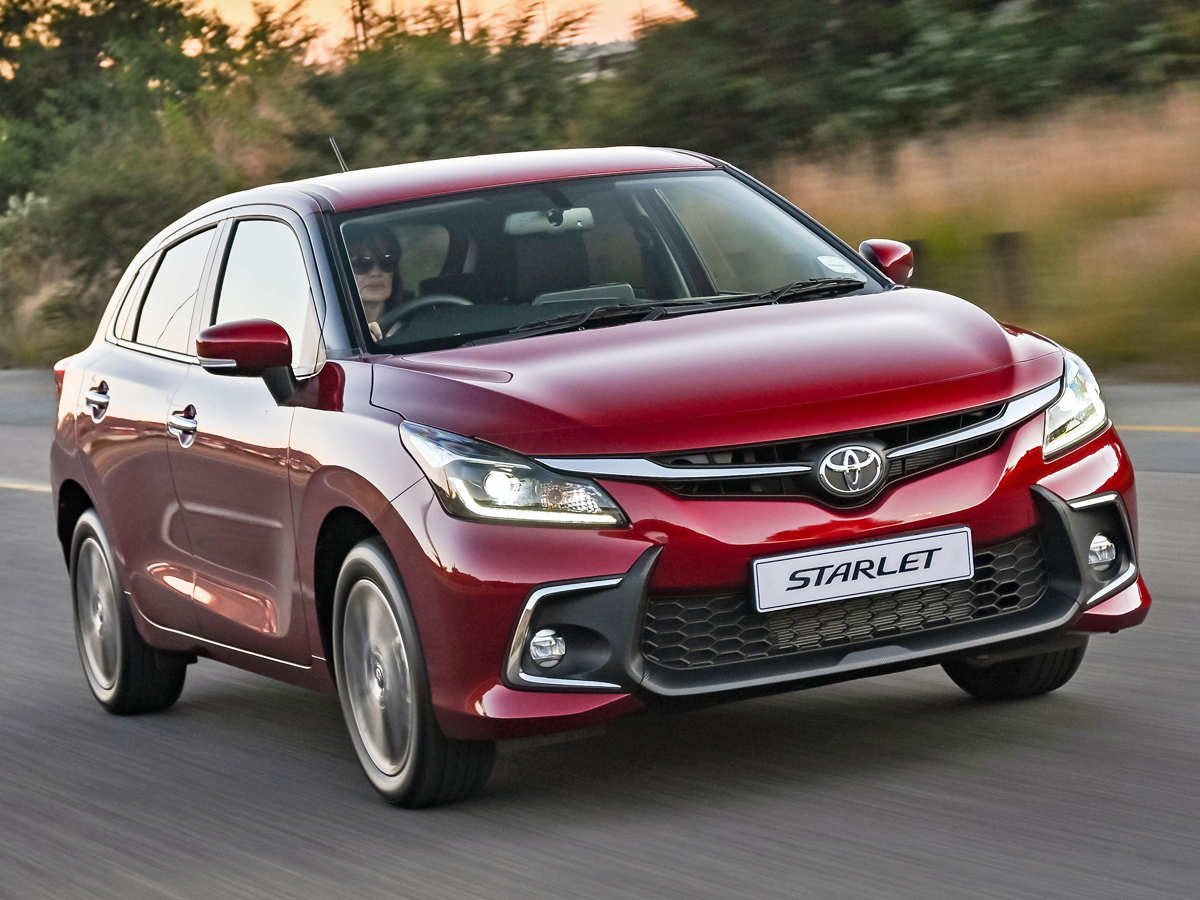
Toyota’s Starlet was SA’s top-selling imported car last month.
So, it comes as no surprise that most models in the top 10 best-selling imported vehicles for October 2023 were sourced from the subcontinental nation, which has transformed itself into a global production hub for budget vehicles.
Last month, the Toyota Starlet (1 363 units) – which is manufactured by Maruti Suzuki in India – was SA’s top-selling imported car, just ahead of the Suzuki Swift (1 248 units) produced in the same country. The Chinese-made Chery Tiggo 4 Pro completed the podium with 856 registrations.
The only Chinese-made model in the top 10 was the Chery Tiggo 4 Pro.
The Celerio-based Toyota Vitz (779 units) grabbed 4th position with its highest tally since launching locally, sneaking in ahead of the likewise Indian-built Nissan Magnite (715 units). The Hyundai Grand i10 range – which now comprises both hatchback and sedan derivatives built in India – took 6th place, finishing the month on 705 units (680 in the passenger-car segment and 25 in the light-commercial vehicle space).
Another Indian-made model in the form of the Renault Kwid (661 units) claimed 7th spot, just ahead of the Spanish-built Volkswagen T-Cross (641 units) – the only model in the top 10 sourced from Europe – in 8th. The Hyundai i20 (635 units) and Volkswagen Polo Sedan (628 units) completed the table, with both models shipped over from India.
SA’s best-selling imported vehicles in October 2023
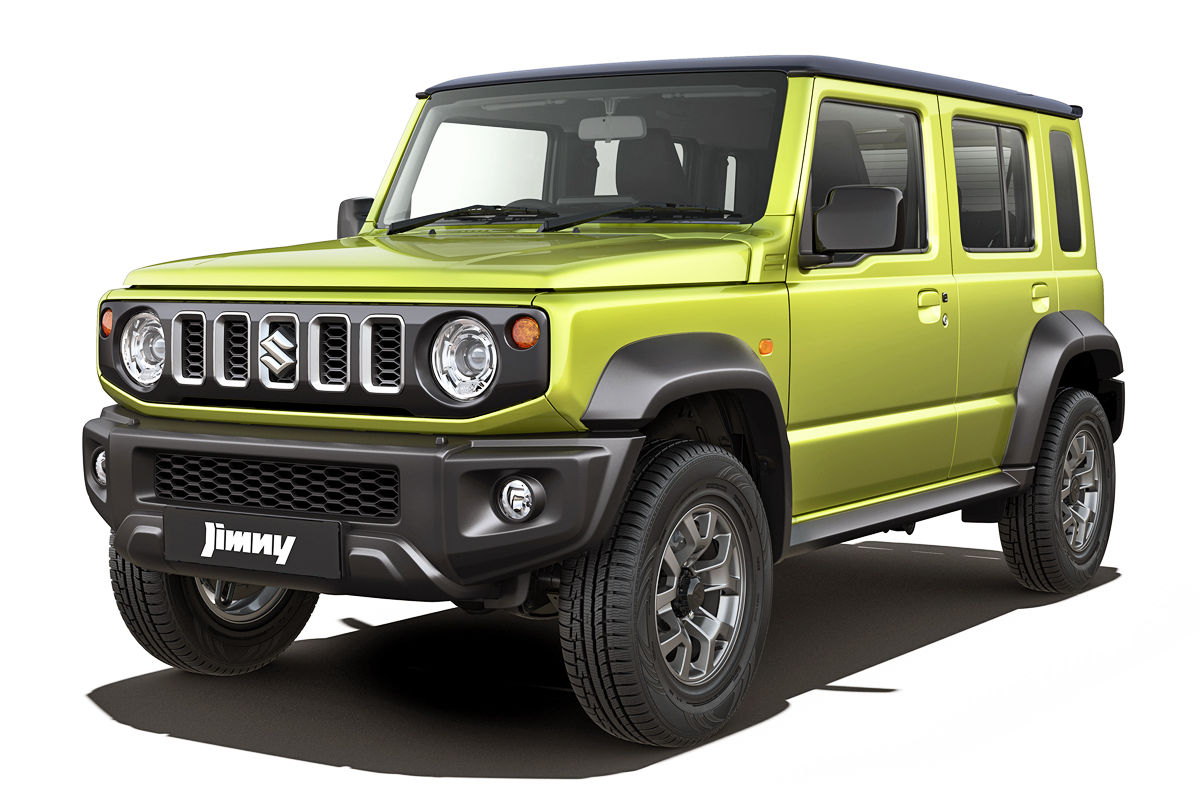
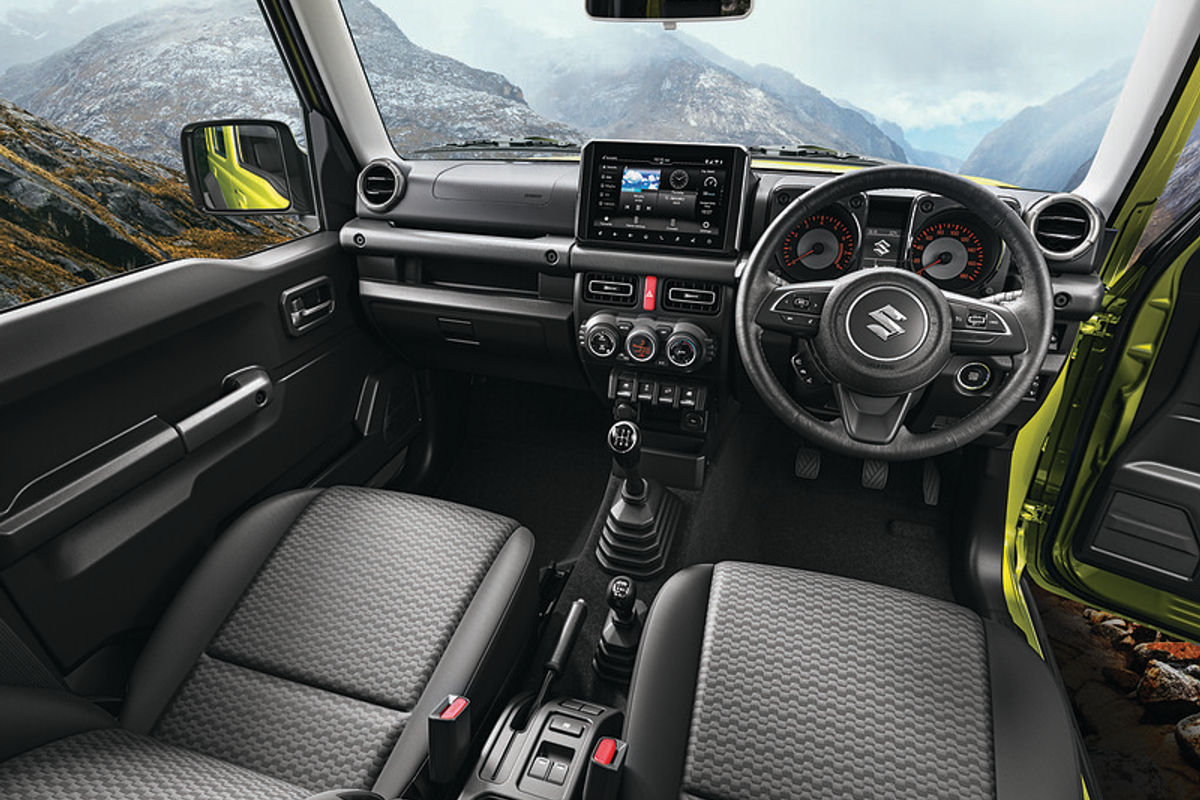
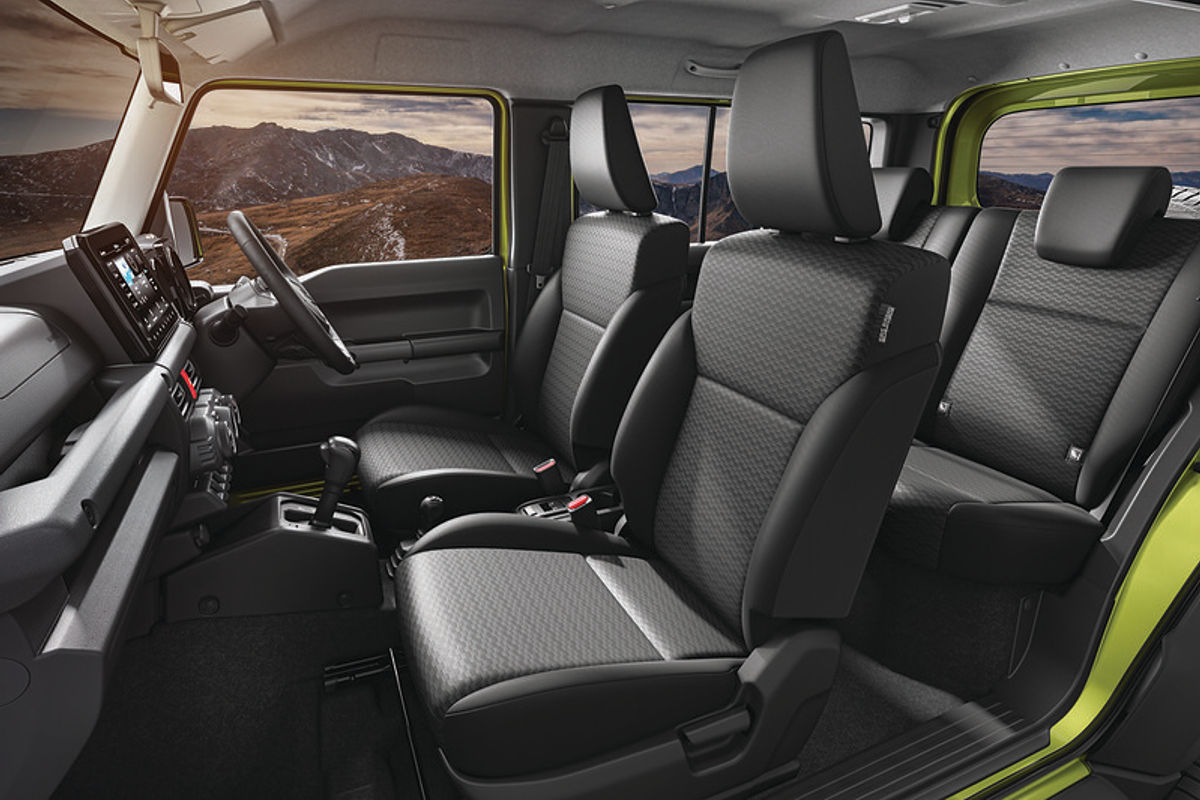
After a long wait, the more practical Suzuki Jimny 5-Door has finally arrived in South Africa. Here’s how much you can expect to pay...
The arrival of the Suzuki Jimny 5-Door in South Africa addresses its one glaring flaw: practicality or lack thereof. The 4th-generation Suzuki has proven popular locally, with over 11 000 units finding homes in our market since its introduction in 2018.
What’s Changed?
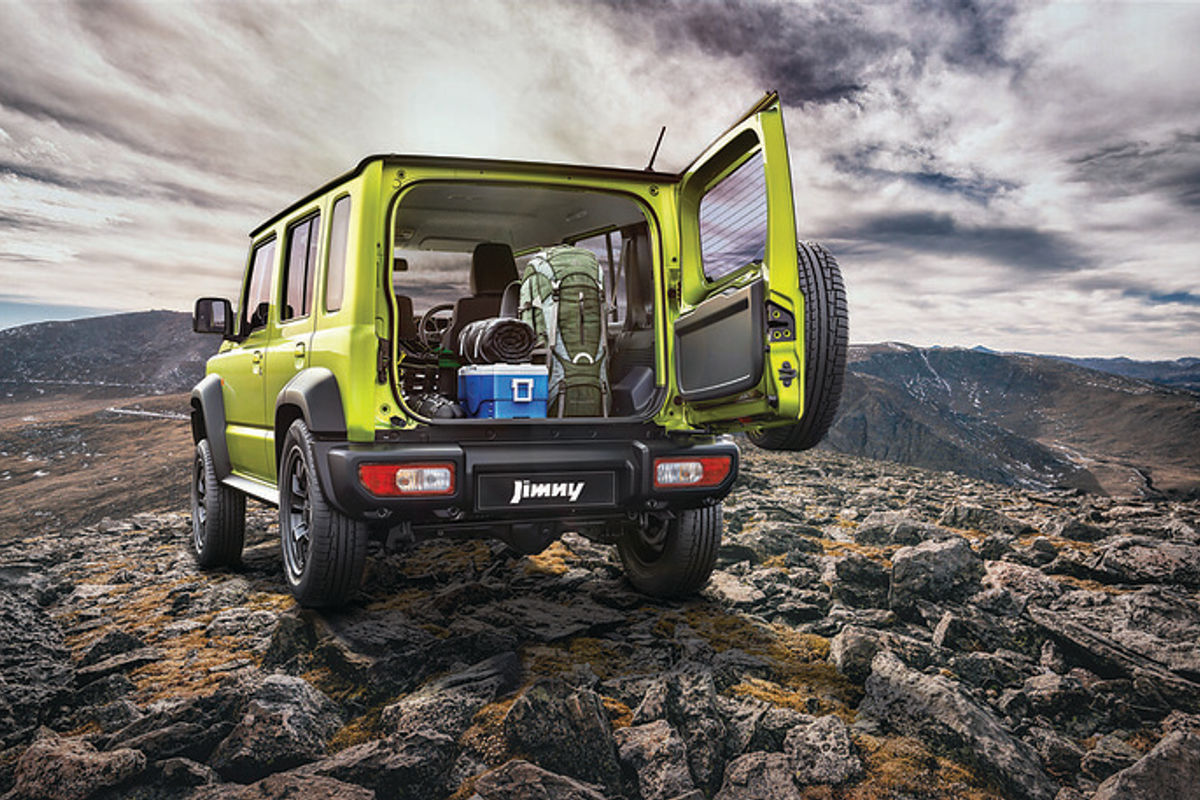
The Suzuki Jimny 5-Door’s primary difference over its 3-door sibling is the 340 mm extension in its wheelbase. This means more cabin space as well as boot space, which is now rated at 211 litres (an increase of 126 litres over the 3-door). Fold the rear seats down and you gain over 1 100 litres of cargo-carrying capacity.
Crucially, the legendary off-road capabilities are not radically affected. The critical numbers of approach, departure, ramp/breakover and ground clearance are rated at 36 degrees, 47 degrees, 24 degrees and 210 mm, respectively, and are not too far off the shorter 3-door model. It retains a part-time 4-wheel drive system with a low-range transfer case, as well as hill-descent control.
The engine and transmission has been carried over and as a reminder, it’s the K15B 1.5-litre naturally aspirated motor with 75 kW and 130 Nm on offer. Customers have the choice of either a manual gearbox or an automatic transmission. As far as fuel economy goes, the Jimny 5-Door is said to consume just 6.4 L/100 km, while the auto is a touch thirstier at 6.7 L/100 km.
Trim Levels
Jimny 5-Door GL
15-inch alloy wheels
7-inch touchscreen infotainment
Apple Carplay / Android Auto
Reverse camera with rear park distance control
Grey grille with chrome accent
Electrically-adjustable door mirrors
Steering-wheel audio controls
Front and rear electric windows
Front and rear cabin lights
2x 12V power sockets
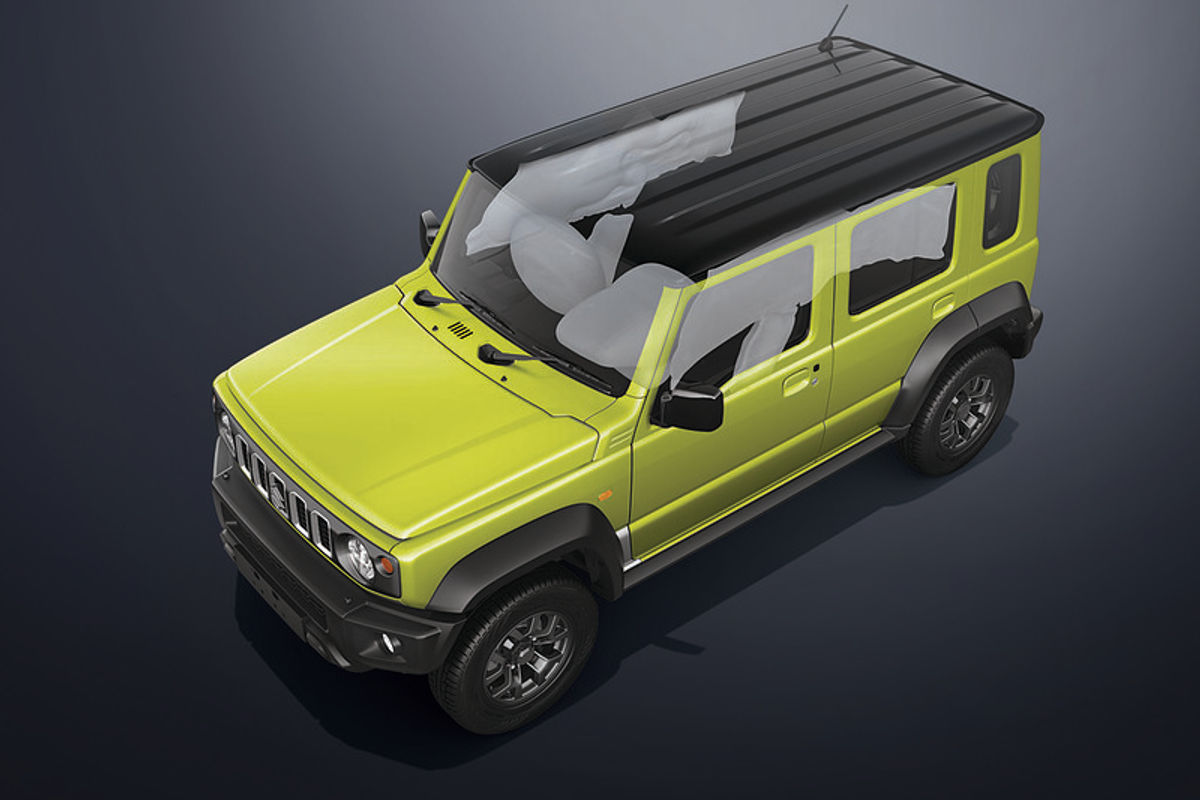
Dual front airbags
ISOFIX child seat mounts
Anti-lock brakes
Stability Control
AllGrip Pro 4WD system
Jimny 5-Door GLX (the above content plus)
Automatic LED projector headlamps with washers
9-inch touchscreen infotainment
Cruise control
Automatic climate control
6 airbags
Front fog lights
Electrically fold in mirrors
Leather covered steering wheel
How much does the Suzuki Jimny 5-door cost in South Africa?
The new 5-door derivative is sold with a 5-year/200 000 km warranty and 4-year/60 000 km service plan.
MrHowMuch: What’s it like to be a #CarsAwards Judge?
Popular South African motoring Youtuber, MrHowMuch, is a #CarsAwards judge and we’re keen to pick his brain about his testing experience at Gerotek as well as his thoughts on the finalists. Here’s what MrHowMuch has to say about South Africa’s ultimate motoring awards programme!
More than this, all 39 finalists also went on public display at the Mall Of Africa in Midrand this weekend to give the public the opportunity to see the cars in the metal and to engage with the judges.
Earlier this year, a pool of 65 semi-finalist vehicles in 13 categories were chosen by Cars.co.za’s respected, highly knowledgable and experienced editorial team. The team put all the semi-finalists through a rigorous scoring process based on “Filters of Eligibility” and “Pillars of Success” to arrive at 39 finalists represented in 13 categories (3 vehicles per category).
The scores from all 20 judges represent 50% of the final result while the remaining 50% is determined by the Cars.co.za Ownership Satisfaction Survey that includes feedback from thousands of vehicle owners, based on their experiences of their vehicles and the service they receive (less than four years old and serviced through franchised outlets).
The winners in each category as well as the coveted Brand Of The Year Award will be announced in early 2024.
MrHowMuch: What’s it like to be a #CarsAwards Judge?
We asked #CarsAwards judge, MrHowMuch, a few questions to learn more about what he thought about the testing process for the Cars.co.za Consumer Awards. Here’s what he had to say!
1. Introduce yourself and briefly tell us what you do for a living.
Hello there, My name is Bongani but I’m more commonly known as MrHowMuch. By profession, I’m a full-time Aircraft Engineer who just happens to run an automotive YouTube Channel called MrHowMuch.
2. How many #CarsAwards have you judged and what does it mean to you to be chosen as a judge?
This was my first time being a part of the #CarsAwards judging panel and as someone who is new to the industry, this for me is the highest honour anyone in motoring could wish for.
3. What #CarsAwards categories did you judge?
Leisure Double Cab , Budget Hatchback and the Premium Crossover.
4. You’ve just returned from extensive testing at Gerotek, how was it? Briefly tell us about your experience!
Being a first-time judge, I have to say that I was very impressed. The whole testing process was done to world-class standards, from the facilities to the cars and even the judging criteria itself, no shortcuts were taken.
5. The #CarsAwards is regarded as the most respected motoring awards programme in South Africa. In your opinion, what makes the Cars.co.za Consumer Awards unique?
The relatability of these awards to the average South African consumer is what makes it special, even the criteria used for testing is what a buyer would want to know when buying their next car.
Everything there is to test, we tested, from the exterior design, interior build quality, comfort on different road conditions and more importantly the safety features in each of these cars.
What test obstacles at Gerotek did you find to be the most illuminating in terms of testing the finalists and why?
There was a section with sprinklers where we got to test the handling and grip of each of the vehicles under wet conditions, that particular test is important to a lot of South Africans given how our roads easily flood during the rainy season.
7. Out of all the cars you tested, what car stood out the most for you and why?
The Ford Ranger Raptor, it’s everything in one.
You get the practicality of a double-cab bakkie, the 292 KW of a performance car and the off-roading ability of a 4×4.
8. What cars do you think will win in each category (share your predictions with us) and importantly what car brand do you think will win the Brand Of The Year Award and why?
Brand of the Year – I would have to say BMW. From the sedans, M Performance cars and even their wide variety of SUVs, BMW has been doing very well across the board. It’s clear South Africans love them as a brand, there’s always BMWs on delivery trucks, BMWs on highways and even in parking lots so I think they might stand a chance of taking it this year.
9. If you attended the Cars.co.za #CarsAwards Roadshow at Mall Of Africa, tell us what you enjoyed most about the experience!
For the most part, consumers only see us on their televisions and cellphone screens. They communicate with us through comments across various platforms but this was different. We got to meet face-to-face , answer questions in real-time, take pictures and bring smiles to the people who support us. Being there was a very rewarding part of the whole programme.
10. Give us 3 words that capture the essence of the 2023/24 #CarsAwards.
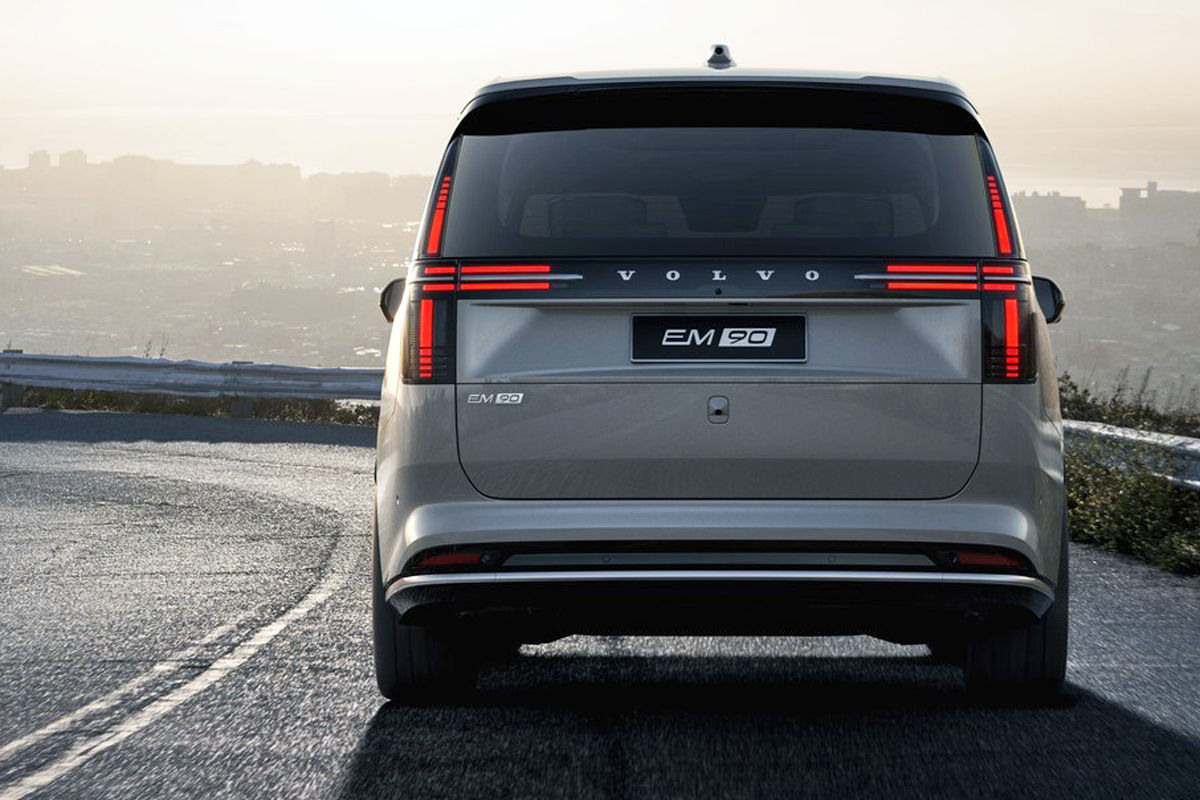
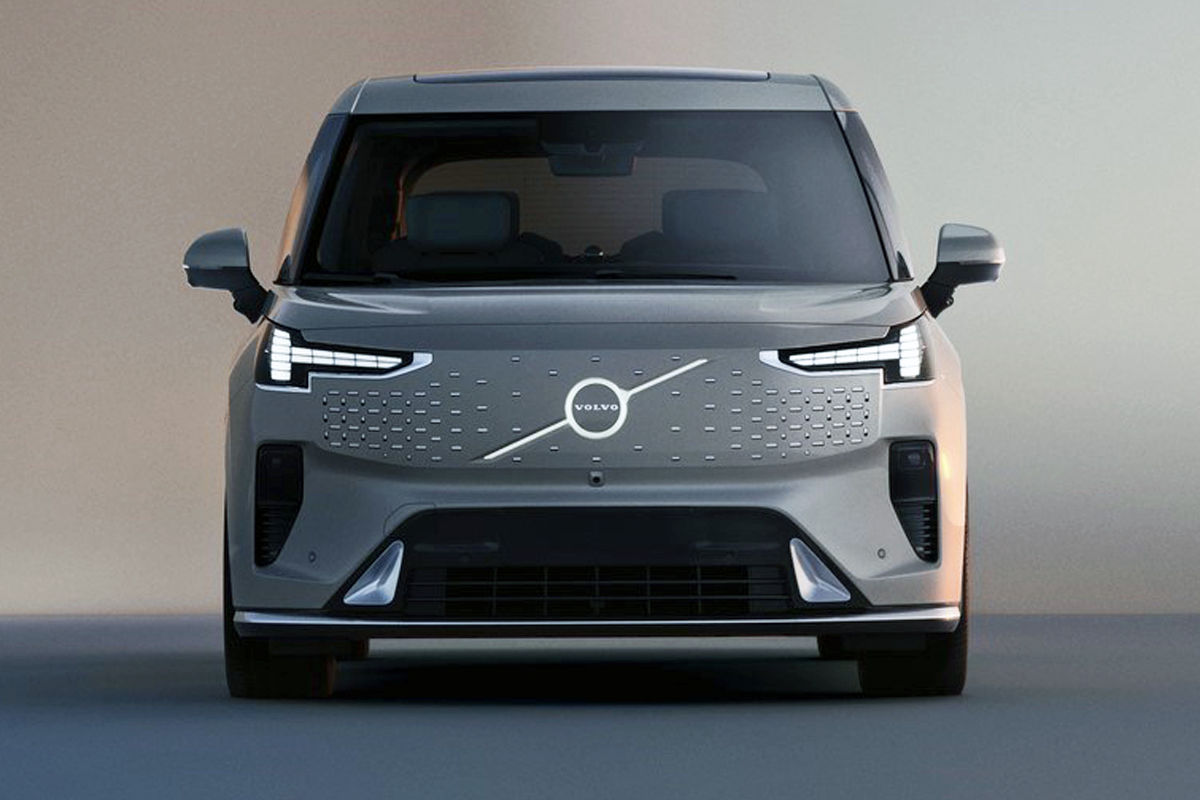
New Volvo EM90 luxury MPV revealed as V-Class rival
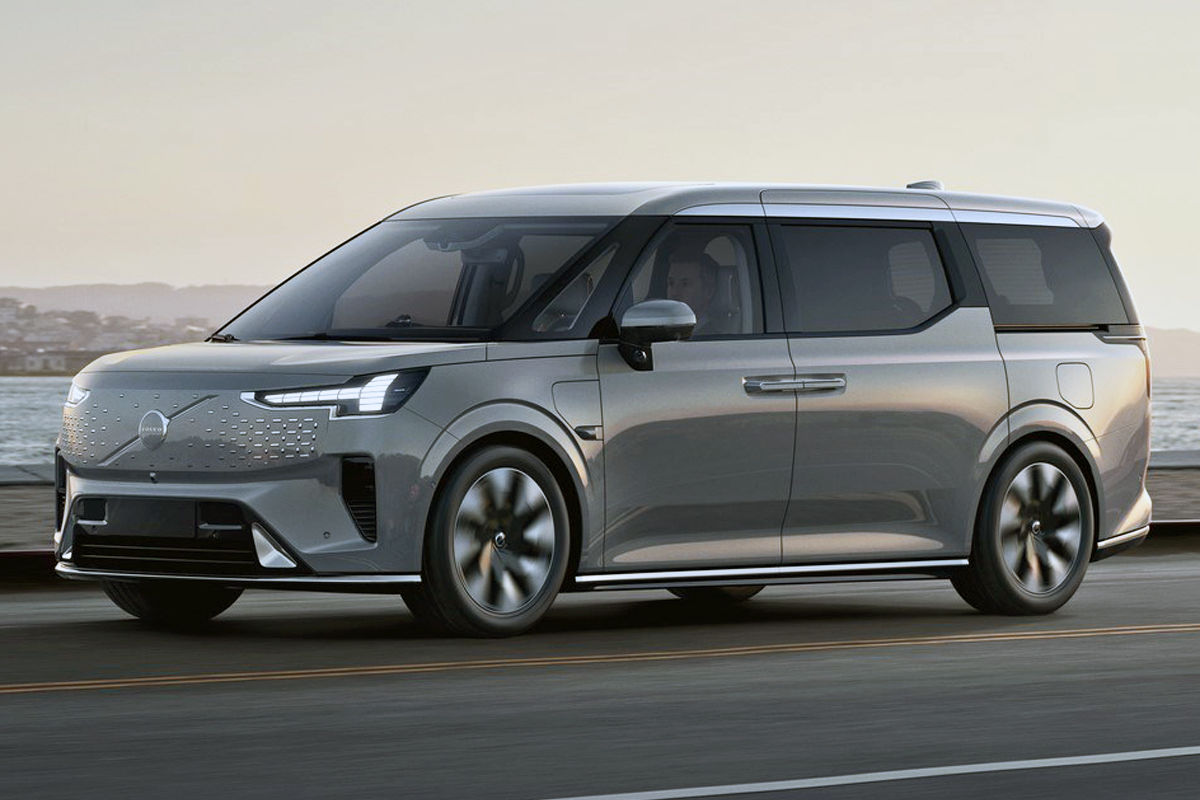
Meet the new Volvo EM90, a fully electric luxury MPV boasting 200 kW and a claimed range of 738 km. Should the likes of the Mercedes-Benz V-Class be worried?
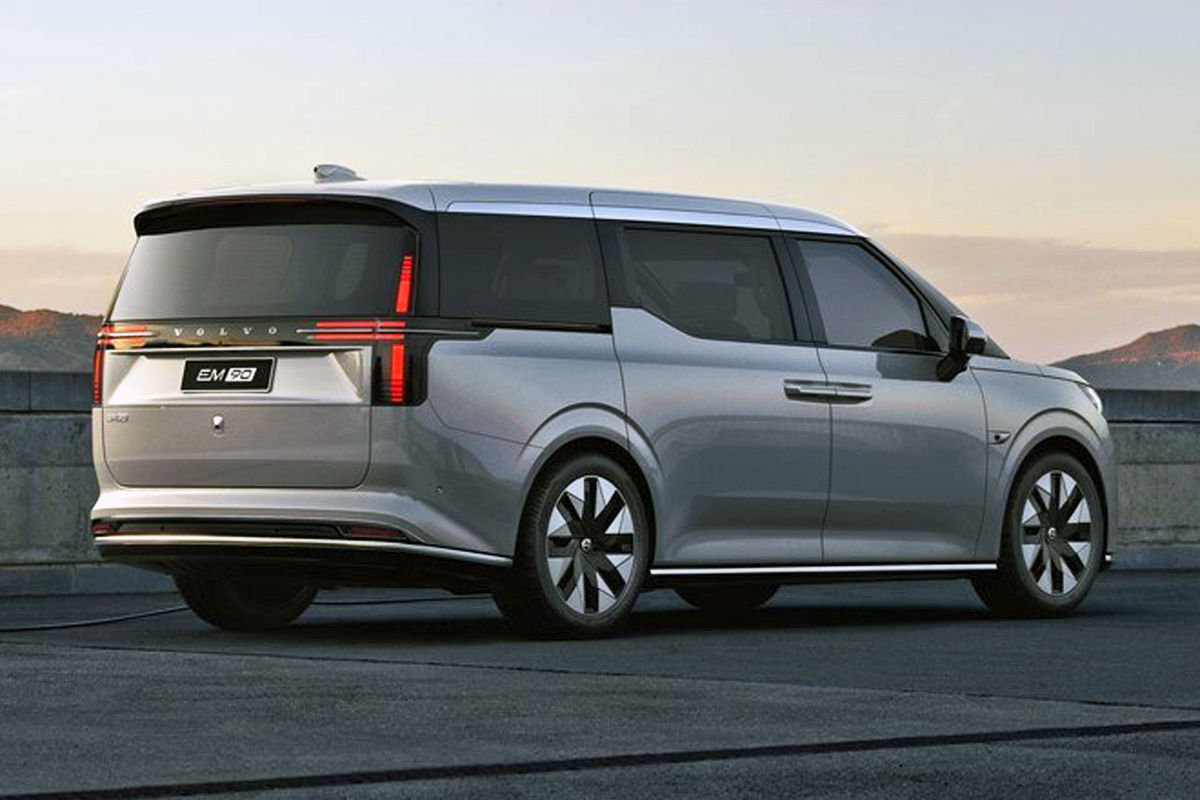
Back in August 2023, we shared a teaser video confirming the new Volvo EM90. Now the Swedish brand has whipped the wraps off its fresh-faced fully electric luxury MPV, which looks set to take on the likes of the Mercedes-Benz V-Class – or, more specifically, the fully electric EQV derivative.
Arriving as the automaker’s first multi-purpose vehicle (MPV) in 96 years of operation, the EM90 is reportedly based on the Zeekr 009, a model offered in China by another of Volvo parent company Geely’s brands. The EM90, of course, made its debut in China, where pre-orders have already opened.
Powered by a 200 kW electric motor sited on the rear axle (a peak torque figure has not yet been released), the new EM90 has a claimed 0-100 kph time of 8.3 seconds. According to the Gothenburg-based firm, the 116 kWh battery pack affords the premium MPV a range of up to 738 km, according to the China Light-Duty Vehicle Test Cycle (CLTC). Meanwhile, charging time from 10 to 80% is “expected to be under 30 minutes”.
Furthermore, Volvo says the new MPV is “equipped with all the hardware necessary” to enable bi-directional charging, effectively meaning the EM90’s battery pack will be able to charge other electric vehicles and appliances.
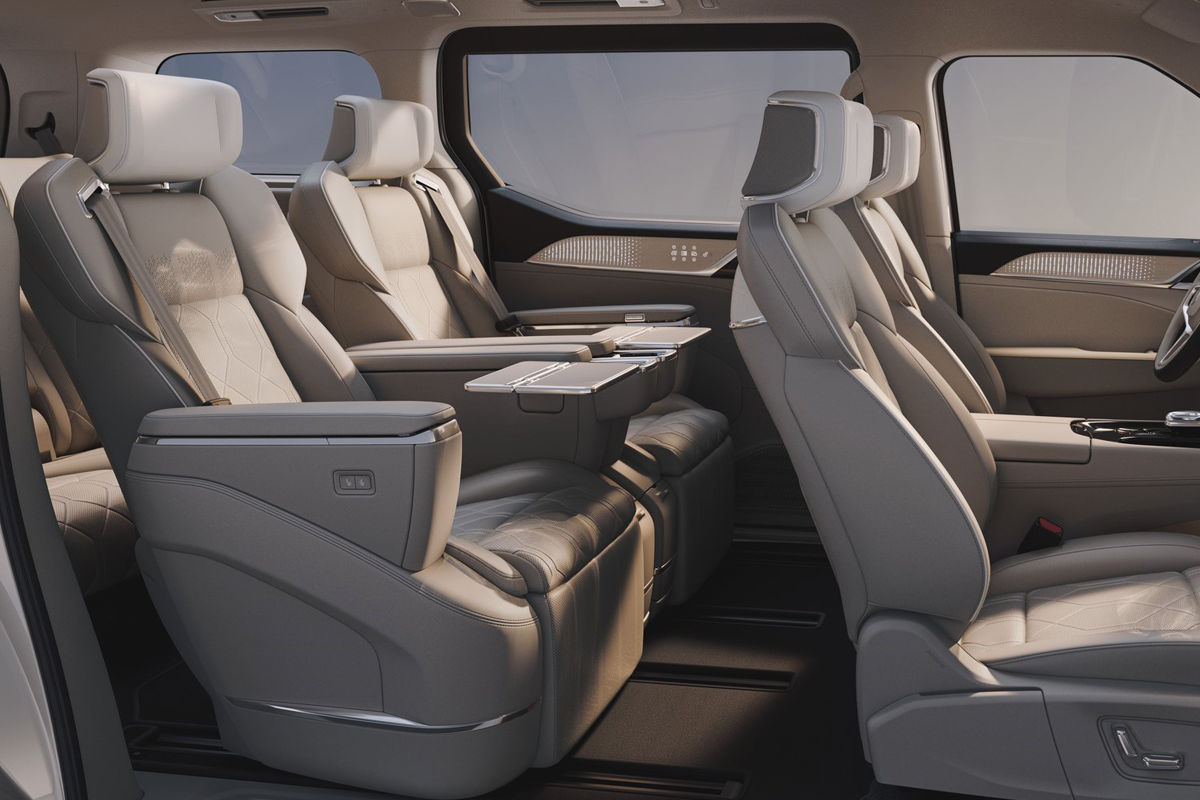
Billed as a “premium 6-seater that provides everyone with their own zone and personal space”, the new Volvo EM90’s 2nd row features lounge seats that each offer a massage function, individual heating and ventilation options, “zero-gravity” cushions (with a 7-layer structure) as well as built-in tables and cupholders.
A panoramic sunroof provides natural light to the cabin and comes with a curtain and multiple ambient lighting settings. Up front, you’ll find a 15.4-inch infotainment screen (linked to a sound system with 21 Bowers & Wilkins speakers), while an additional 15.6-inch screen is mounted in the roof. The latter folds down to provide entertainment for passengers and supports mobile screen projection.
The EM90 rides on 19- or 20-inch aero wheels, while dual-chamber air suspension is standard. It also comes fitted with a broad range of advanced driver-assistance systems.
For now, the new EM90 has been confirmed only for China, though we’d expect the luxury MPV to roll out to other markets in due course. Volvo Car South Africa has yet to announce its plans in this regard, but we will update this story should any more information comes to light.
UPDATE: Greg Maruszewski, Managing Director at Volvo Car South Africa, says: “Local demand for electric vehicles continues to grow at an encouraging pace and we’re well aware that many high-profile South Africans appreciate the space and comfort offered by luxury MPVs. While we have no official announcements to make right now regarding a possible local introduction, we do believe the high-end, fully electric EM90 will be very well received in South Africa by individuals seeking business-class levels of comfort and refinement.”
All-new Lexus RX 500h F Sport Video Review – Don’t overlook this brilliant SUV
The brand-new 5th-gen Lexus RX 500h has touched down in SA and we put Ciro De Siena behind the wheel. Is this one of the biggest luxury SUV surprises of 2023?
With the LS400 over 30 years ago, Lexus immediately began a legacy of building exceptionally high-quality vehicles. Sure, there were some hiccups along the way but the RX, now in its 5th generation, sees Lexus do what they do best.
This all-new Leux RX is without doubt one of the best SUVs in its segment, and its a pity that South Africans often overlook it as it just doesn’t sell in big numbers at all. But of course, motorists are spoiled for choice in this segment.
In this video, Ciro De Siena makes a strong case for moving this car up your shopping list if you’re currently considering a new premium SUV.
The Kia Sportage, which now offers advanced driver-assistance systems throughout its range, also has an updated line-up of derivatives. We drove the Korean brand’s (now somewhat repositioned) family SUV in Cape Town.
What’s new on the Kia Sportage?
The updated Kia Sportage features more standard safety equipment across the range.
Instead of waiting 3 years for a facelifted version of the Sportage to arrive, Kia SA has opted to roll out updates to the model as soon as they’ve become available. The rapid pace of tech advancement means that waiting 3 years to introduce an update/facelift could leave a model technologically disadvantaged –or outmatched by newer rivals. I expect updates to be implemented continuously in most cars in future, because many vehicle upgrades comprise software installations rather than physical enhancements.
This update to the Kia Sportage sees ADAS (Advanced Driver Assistance System) become standard throughout the range. Previously, it was only available on GT Line derivatives and above, but now LX and EX versions are equipped with lane-following assist, lane-keeping assist and forward-collision avoidance.
The Sportage diesel secret weapon
Under 6 L/100 km is easily achievable in the frugal diesel derivative.
Globally, there has been a major shift away from turbodiesel engines in passenger cars in favour of fully- or hybrid petrol-electric power units. In Europe, diesel is regarded as a “dirty fuel” for its cities and hybrid and electric cars are subsidised to the point that they are more affordable than their diesel equivalents!
In South Africa, however, there are no incentives to go electric or hybrid. Because our Government taxes imported electrified vehicles heavily, a turbodiesel car is a more affordable option than a hybrid or EV.
Consider the frugal 1.6-litre 4-cylinder turbodiesel in the Kia Sportage. A fuel consumption figure of just 4.9 L/100 km (claimed) is excellent for a family car; its running costs would be lower than a turbopetrol- and probably on par with a petrol-hybrid derivative. We averaged 6.0 L/100 km on our round trip of 100 km, so the average driver should have no problem achieving figures “in the mid-5s” in the long run.
With 100 kW and 320 Nm of torque on tap, it’s not a punchy engine, but its performance is adequate. Even when a Sportage 1.6 CRDi is loaded to near its capacity, the powerplant’s decent reserve of torque will enable Kia’s family car to accelerate up to legal speeds quite easily. It’s a great drivetrain (the motor is mated with a well-calibrated and slick-shifting 7-speed dual-clutch automatic transmission) for those looking to reduce running costs without having to give much away in driveability or performance.
That premium feel from Kia
There is no lack of premium feel in the Sportage, it’s a very upmarket product.
The Kia Sportage is a quality piece of kit; after all, it’s a finalist in the Family Car category of the 2023/24 Cars.co.za Consumer Awards. The Sportage – now in its 5th generation – is the culmination of constant improvements on the part of the Korean marque; its evolution into a luxury car is particularly noticeable.
In terms of build quality and refinement, the Sportage compares favourably with any German brand’s product of the same size and application. Interior ergonomics are excellent and there are nifty touches too, such as the ability to control the audio volume and aircon system via the same knob on the fascia.
The Kia’s levels of ride quality and cabin refinement (especially noise suppression) are some of the best you’ll experience in a new car that costs less than R1 million… My only gripe with the Sportage is that its suspension setup feels a little too firm over bumpy surfaces, such as gravel- or potholed asphalt roads.
How much is a Kia Sportage?
The Sportage is a finalist in the Family Car Category of CarsAwards.
Kia has one of the best warranties in the segment (valid for 5 years, irrespective of mileage), which is complemented by a 6-year/90 000 km service plan. The Sportage range’s prices (November 2023) are:
Kia understands that Chinese brands’ models such as the Haval H6 and Chery Tiggo 7 and -8 offer incredible value for money. Kia’s response is that it sells a more premium and much more refined medium SUV and, if you drive those models and a new Sportage back to back, you do notice the difference.
In a way, Kia South Africa is targeting the luxury end of the market, such as buyers who want to replace their BMW X3 or Mercedes-Benz GLC executive SUVs – but not for the R1-million-plus prices they now demand. At R650k, you wouldn’t notice much of a downgrade in quality if you bought a new Sportage.
Juliet McGuire: What’s it like to be a #CarsAwards Judge?
If you’re wondering what it’s like to be a #CarsAwards judge, then our veteran judge, Juliet McGuire, is probably the best person to ask. We directed some questions at her to gain some insight into her experience as a judge but also to get her opinion on the process of car testing for the Cars.co.za Consumer Awards. Take a look!
More than this, all 39 finalists also went on public display at the Mall Of Africa in Midrand this weekend to give the public the opportunity to see the cars in the metal and to engage with the judges.
Earlier this year, a pool of 65 semi-finalist vehicles in 13 categories were chosen by Cars.co.za’s respected, highly knowledgable and experienced editorial team. The team put all the semi-finalists through a rigorous scoring process based on “Filters of Eligibility” and “Pillars of Success” to arrive at 39 finalists represented in 13 categories (3 vehicles per category).
The scores from all 20 judges represent 50% of the final result while the remaining 50% is determined by the Cars.co.za Ownership Satisfaction Survey that includes feedback from thousands of vehicle owners, based on their experiences of their vehicles and the service they receive (less than four years old and serviced through franchised outlets).
The winners in each category as well as the coveted Brand Of The Year Award will be announced in early 2024.
Juliet McGuire: What’s it like to be a #CarsAwards Judge?
We asked our long-time #CarsAwards judge, Juliet McGuire, a few questions to learn more about what it’s like to test cars for the Cars.co.za Consumer Awards. Here’s what Juliet had to say!
1. Introduce yourself and briefly tell us what you do for a living.
I am Juliet McGuire and I am a motoring journalist and award-winning automotive content creator. Some might even say “influencer” but who’s counting?
2. How many #CarsAwards have you judged and what does it mean to you to be chosen as a judge?
This is my sixth year! This is hands down my favourite event to be a part of. I think it’s such an honour because there’s nothing else like it in South Africa. I think it’s an event that many aspire to be involved in and I get to say I am one of the OG’s 😉
3. What #CarsAwards categories did you judge?
Electric Vehicle, Compact Hatchback, Compact Family Car, Family Car, Premium Crossover and Performance Car.
4. You’ve just returned from extensive testing at Gerotek, how was it? Briefly tell us about your experience!
I am shattered. But all jokes aside, it’s one of the most vigorous tests that one can do on a car. I love it and I hate it. Only because it’s seriously exhausting, but it needs to be. I love how I get to drive the cars back-to-back, in all different types of conditions and scenarios.
5. The #CarsAwards is regarded as the most respected motoring awards programme in South Africa. In your opinion, what makes the Cars.co.za Consumer Awards unique?
It’s unique in just about every way. Not only does it involve some of the most experienced and highly regarded motoring journalists and content producers in the country, but it also gives customers a chance to have their say. We, as judges, can only add so much. We do not live with these cars. We do not experience them on a day-to-day basis and so the Cars.co.za Owner Satisfaction Survey just adds that extra layer of validation and accountability. The #CarsAwards is a true reflection of what is the best of the best on offer in South Africa right now.
What test obstacles at Gerotek did you find to be the most illuminating in terms of testing the finalists and why?
I always find the mountain pass (handling track) the best. It gives me a good idea of performance, acceleration, cornering, handling, dynamics and ride quality all in one place. The other obstacles are almost a warm-up to this as the grand finale. It either confirms all your thoughts and feelings or completely debunks them.
7. Out of all the cars you tested, what car stood out the most for you and why?
Probably the GWM Ora. And that is only because I hadn’t driven it yet. It’s such a funky little thing and I foresee it doing quite well in South Africa. I also love anything that will take on a Mini 😉
8. What cars do you think will win in each category (share your predictions with us) and importantly what car brand do you think will win the Brand Of The Year Award and why?
9. If you attended the Cars.co.za #CarsAwards Roadshow at Mall Of Africa, tell us what you enjoyed most about the experience!
I adored interacting with customers/fans/shoppers who came to chat to the judges. I think the whole experience was, again, so unique. It offers potential car buyers such an incredible opportunity to really get all the information they need to make the best decision. I also think it gives manufacturers the opportunity to really engage with potential customers. I hope to see more representatives from the manufacturers next year!
10. Give us 3 words that capture the essence of the 2023/24 #CarsAwards.
Toyota offers as many as 4 full-fat GR models in South Africa. So, which is the top seller, year to date? Let’s take a closer look at the fascinating sales statistics…
Toyota South Africa Motors’ line-up of full-fat GR products (so, excluding GR-Sport derivatives in the Corolla Cross, Hilux and Land Cruiser 300 ranges) includes as many as 4 models. So, which is leading the pack in local sales, year to date?
Before we dive into the figures, it’s worth keeping in mind limited numbers of each of these GR products – which, as performance derivatives, tend to be low-volume models anyway – are made available locally. So, one could argue the figures below are more representative of availability than outright popularity.
The GR86 leads the charge GR range in local sales, year to date.
Over the opening 10 months of 2023, the GR86 finds itself in pole position, with 55 units registered (exactly half of the GR total of 110 units). Priced at R755 500 in 6-speed manual guise and R794 000 when fitted with an automatic transmission with the same number of cogs, the GR86 represents the entry point to full-fat GR ownership. As a reminder, the GR86’s naturally aspirated (Subaru-sourced) 2.4-litre, flat-4 petrol mill makes 174 kW and 250 Nm.
Next comes the GR Yaris, with 28 units registered around Mzansi, year to date (despite no sales reported in October 2023). For the record, this small hot hatch generates 198 kW and 360 Nm from its turbocharged 1.6-litre, 3-cylinder petrol motor, which feeds all 4 wheels via a 6-speed manual gearbox. There’s just a single derivative on offer (the base version was discontinued locally in mid-2022) in the form of the aptly named Rally, which now retails for R840 200.
Toyota SA Motors has registered 28 units of the GR Yaris in 2023 so far.
What about the GR Corolla, for which order books opened back in May 2023 before the local launch a couple of months later (with very few examples set aside for South Africa, we should add)? Well, 17 units have been registered, with the first coming in July 2023. The GR Corolla 1.6T Core is currently priced at R841 000, while the GR Corolla 1.6T Circuit comes in at R902 400.
In either case, the hot hatch employs the same turbocharged 1.6-litre, 3-cylinder petrol engine as the GR Yaris, though here it’s been tuned to deliver 221 kW and 370 Nm to all 4 wheels via a 6-speed manual ‘box.
Finally, 10 units of the recently updatedGR Supra have been sold between the start of January and the end of October 2023. No registrations were reported for the past 2 months, with 6 coming in July. Now generating 285 kW and 500 Nm from its (BMW-sourced) turbocharged 3.0-litre, straight-6 petrol engine, the A90-series Supra is offered in both 6-speed manual (R1 488 400) and 8-speed automatic (R1 524 400) guise.
Flat Out in the Epic Toyota Dakar-Winning Hilux: Proudly Made in South Africa!
South Africa’s engineering is simply world-class and for decades now, the Toyota Hiluxes which have conquered the Dakar Rally multiple times have all been built in South Africa!
In the hands of Nasser Al-Attiya and local heroes Giniel De Villiers and Paul Botteril, the Dakar Hiluxes have been a formidable force in what is without a doubt the greatest rally in the world, the Dakar Rally!
In this mini-documentary, we had exclusive access as we joined the team for testing and took a tour of the workshop where the magic happens.
We hope you enjoy this and that it gives you all the proudly Mzansi feels!
Rebaneilwe Semakane – What’s It Like Being a #CarsAwards Judge?
You might have seen our social media channels awash with Cars.co.za Consumer Awards content and you might be wondering what it’s like to be a #CarsAwards judge. We interviewed #CarsAwards judge, Rebaneilwe Semakane, to gain insight into what it’s like to be judge. Take a look!
More than this, all 39 finalists also went on public display at the Mall Of Africa in Midrand this weekend to give the public the opportunity to see the cars in the metal and to engage with the judges.
Earlier this year, a pool of 65 semi-finalist vehicles in 13 categories were chosen by Cars.co.za’s respected, highly knowledgable and experienced editorial team. The team put all the semi-finalists through a rigorous scoring process based on “Filters of Eligibility” and “Pillars of Success” to arrive at 39 finalists represented in 13 categories (3 vehicles per category).
The scores from all 20 judges represent 50% of the final result while the remaining 50% is determined by the Cars.co.za Ownership Satisfaction Survey that includes feedback from thousands of vehicle owners, based on their experiences of their vehicles and the service they receive (less than four years old and serviced through franchised outlets).
The winners in each category as well as the coveted Brand Of The Year Award will be announced in early 2024.
Rebaneilwe Semakane: What’s it like to be a #CarsAwards Judge?
We asked our #CarsAwards judge, Rebaneilwe Semakane, a few questions to learn more about what it’s like to test cars for the Cars.co.za Consumer Awards. Here’s what Rebaneilwe had to say!
Introduce yourself and briefly tell us what you do for a living.
I am Rebaneilwe Semakane, a motoring journalist, entrepreneur, broadcaster, jack of all trades, master of none. I have been winging it for the past 4 years, and it seems to have yielded positive results.
How many #CarsAwards have you judged and what does it mean to you to be chosen as a judge?
This is my first time! I came to the testing day once back in 2019 or so – I was absolutely intrigued by how strenuous the process was and always wanted to be part of this. Being a judge means a whole lot me, to be trusted with such a huge responsibility is such an honour. It also means a lot in terms of inclusivity and visibility – especially in terms of being a woman in the industry.
What #CarsAwards categories did you judge?
I did Premium Crossover, Compact Hatchback and Compact Family Car.
You’ve just returned from extensive testing at Gerotek, how was it? Briefly tell us about your experience!
Look, I was knackered. After the first car went around the course I started to have some doubts, like “Yoh, I have to do this 8 more times?” But I had a stellar time. Some cars were completely new to me, so that was a nice treat and also, testing the cars outside of the usual highway driving we do was interesting and has allowed me to see cars a little differently now.
The #CarsAwards is regarded as the most respected motoring awards programme in South Africa. In your opinion, what makes the Cars.co.za Consumer Awards unique?
The individuality of this programme is highlighted by the emphasis on including the consumer. Many awards just judge internally, and consumers are surprised to see who wins, but having a say makes all the difference. The real judges are the actual customers who buy these cars to be honest. Also, it’s Cars.co.za. Who doesn’t like Cars.co.za?
What test obstacles at Gerotek did you find to be the most illuminating in terms of testing the finalists and why?
I think the mountain pass was the best part for me – I could not stop raving about my experience on it! It is both riveting and intimidating. It tests the car holistically in my opinion. It mimics a mountain pass, all the bends, dips and curves definitely allow you to see which car is best.
Out of all the cars you tested, what car stood out the most for you and why?
The Volvo XC40 was actually the most pleasant for me. I have always attached Volvos to a very older and mature audience, but it handles like a charm and looks the part. Seems to be a perfect all-rounder in that segment. I really think we should be seeing this car as often as we see say, a Suzuki Swift.
What cars do you think will win in each category (share your predictions with us) and importantly what car brand do you think will win the Brand Of The Year Award and why?
Entry-Level Hatchback – Suzuki Swift Budget Hatchback – Toyota Starlet Compact Hatchback – Volkswagen Polo Entry-Level Crossover – Haval Jolion Compact Family Car – Haval Jolion S Family Car – Kia Sportage Premium Crossover – BMW X1 Executive SUV – BMW X3 Premium SUV – Land Rover Defender Adventure SUV – Ford Everest Leisure Double Cab Bakkie – Volkswagen Amarok Aventura Performance Car – Toyota GR Yaris Electric Vehicle – Volvo XC40 Brand of the Year – Suzuki
If you attended the Cars.co.za #CarsAwards Roadshow at Mall Of Africa, tell us what you enjoyed most about the experience!
The Roadshow was a stunning way to get customers involved and to meet the fans of the brand and the judges. It was family-friendly, super fun and interactive, adding to the uniqueness of this awards programme.
Give us 3 words that capture the essence of the 2023/24 #CarsAwards.