The head of VW SA Interview – Secret new model, Golf 8 R, Polo theft challenges, half-tonne bakkie?
In an exclusive interview with us, Volkswagen South Africa’s new managing director Martina Biene shares some insights about the Golf 8 R delay, Polo theft challenges, a half-tonne bakkie and a secret new model to built right here in SA.
We were grateful to be joined by Martina Biene, MD of Volkswagen SA, for a wide-ranging and candid interview with Ciro De Siena in our Cape Town podcast studio. Martina offered us tonnes of info about the future of Volkswagen in South Africa, including plans for hydrogen, plug-in hybrids, the cost of new Polos, the challenges around the the theft of Polo, the secret new model that they will be building in Kariega, the possibility of a half-tonne bakkie and the widely discussed delay of the Golf 8 R launching in South Africa.
We hope you enjoy this exclusive interview and we’d love to hear your thoughts in the comments below.
BMW vs Mercedes-Benz: premium sales race after Q1 2023
BMW and Mercedes-Benz have resumed their fight for sales dominance in the premium market. So, which of these Teutonic foes is leading the global race after the opening quarter of 2023?
With the opening quarter of 2023 now behind us, it’s time to see which German automaker is leading the premium sales race. So, let’s examine the latest global sales figures from BMW and Mercedes-Benz.
In Q1 2023, the BMW Group – which, as a reminder, comprises the BMW, Mini, Rolls-Royce and BMW Motorrad brands – reported a worldwide sales figure of 588 138 units, interestingly representing a year-on-year drop of 1.5%.
Meanwhile, Mercedes-Benz Cars (which includes Smart but seemingly excludes Mercedes-Benz Vans products) ended the same January-to-March period on 503 500 units, or a year-on-year improvement of 3%. Add 98 900 sales from Mercedes-Benz Vans in Q1, however, and the Stuttgart-based firm’s total swells to 602 400 units.
Of course, as always, it’s worth examining the statistics a little more closely. For instance, BMW’s figures show the Mini brand accounted for 68 541 units of the group’s tally, while a further 47 935 units came courtesy of the motorcycle division, plus another 1 640 units from luxury marque Rolls-Royce.
BMW says the new M3 Touring (seen here wearing M Performance parts) was “in very high demand” in Q1 2023.
The BMW brand thus contributed 517 957 units, which is a few thousand more than the Mercedes-Benz brand (keep in mind the latter’s total of 503 500 units also includes Smart models, since the company hasn’t made a Mercedes-only figure available).
What about the fight in the fast-growing all-electric premium sector? Well, the BMW Group says it registered 64 647 fully electric BMW and Mini vehicles (up 83.2%, year on year) in the first quarter of the year, while Mercedes-Benz reported year-on-year growth of 89%, finishing on 51 600 battery-powered sales (including Smart).
Meanwhile, the BMW M division grew its sales 18.9% year on year to finish the first quarter on 46 430 registrations (note this includes not only full-fat M products but also M Performance models), ahead of Mercedes-AMG’s total of 40 300 units (up 44%, year on year).
In South Africa, it’s not clear how well each firm performed in Q1 2023, since BMW reports sales figures for only every 3rd month and Mercedes-Benz unfortunately doesn’t share registrations with Naamsa at all (but you can check out SA’s best-selling passenger vehicles for Q1 2023 here)…
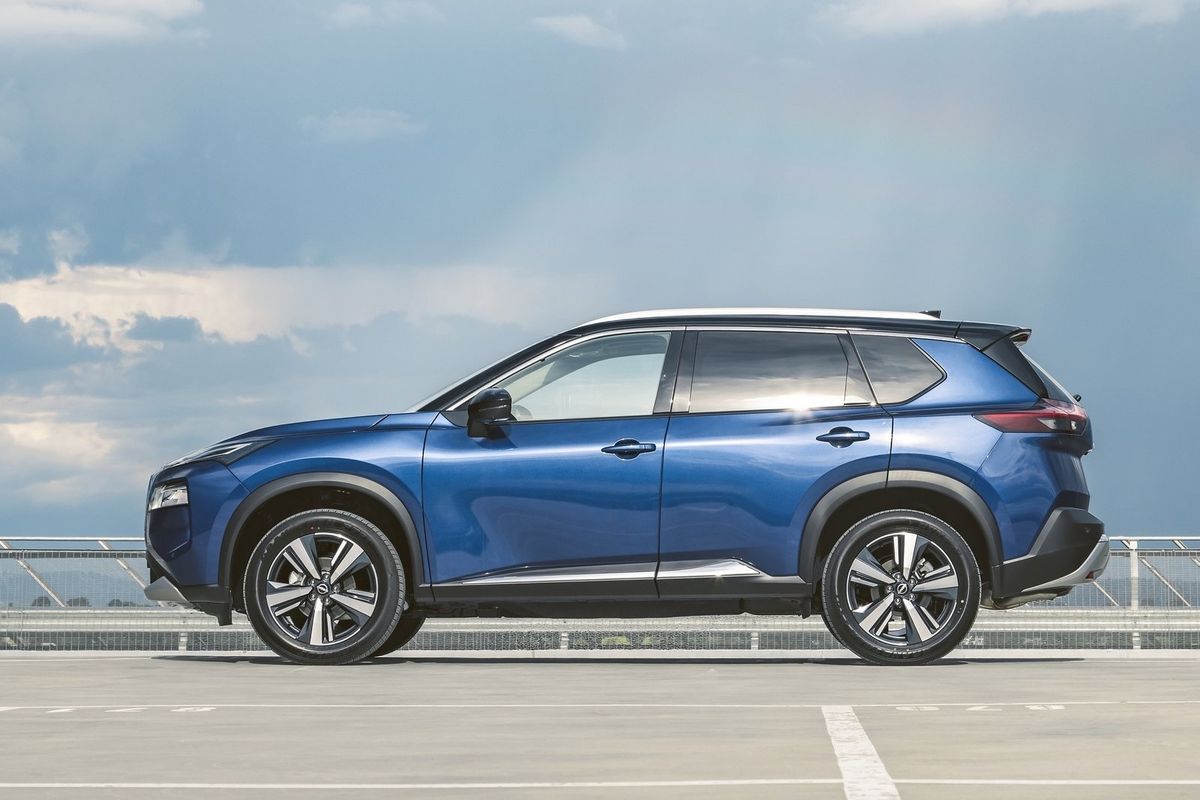
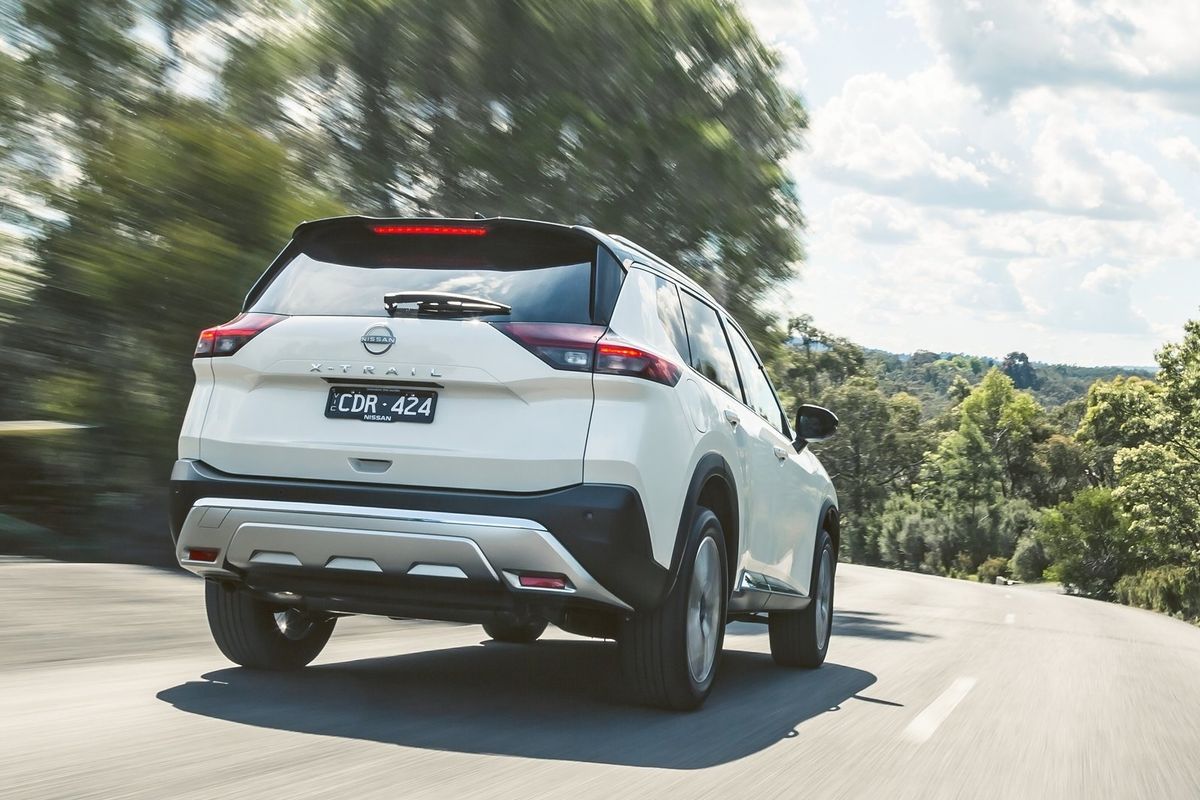
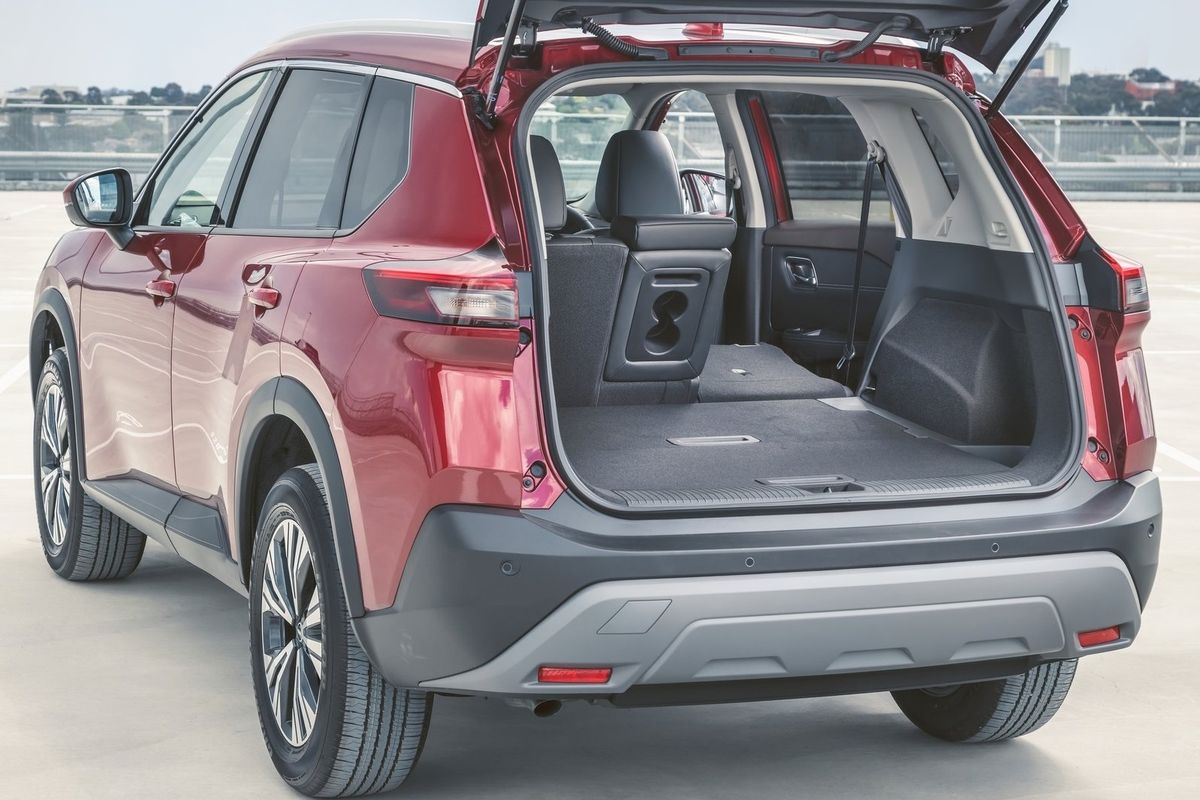
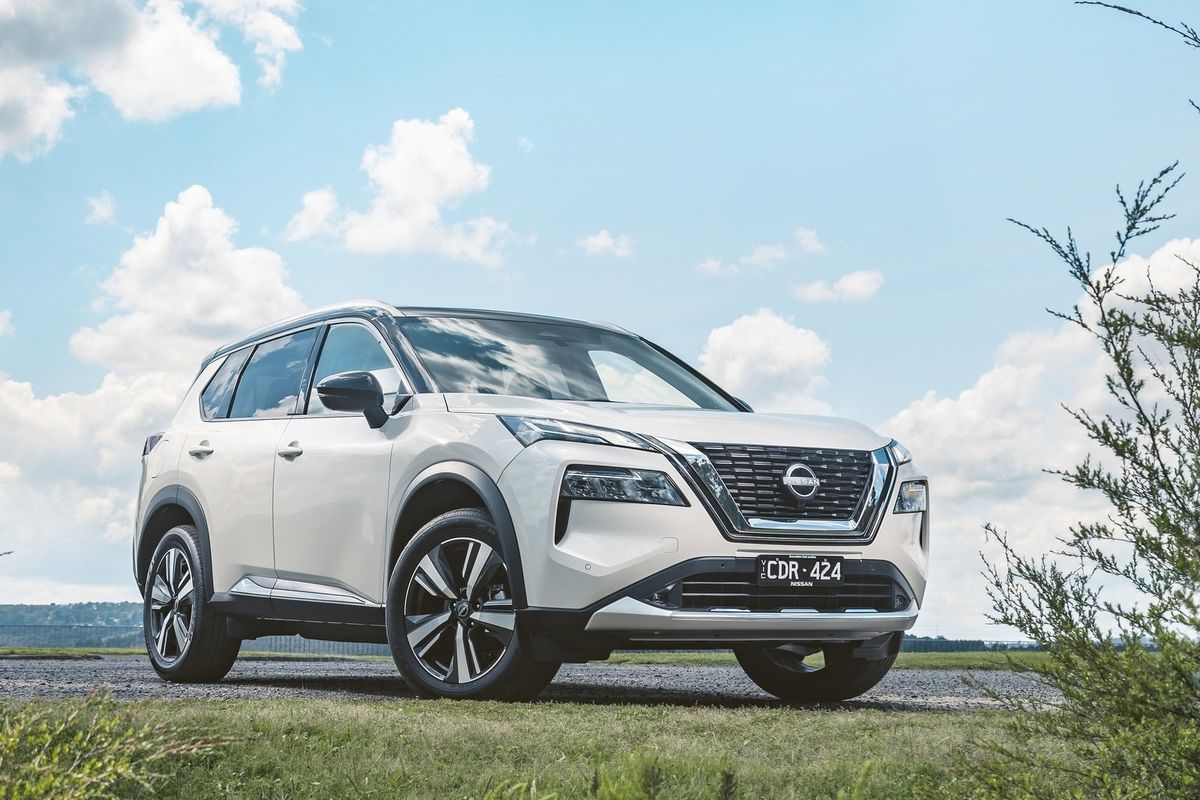
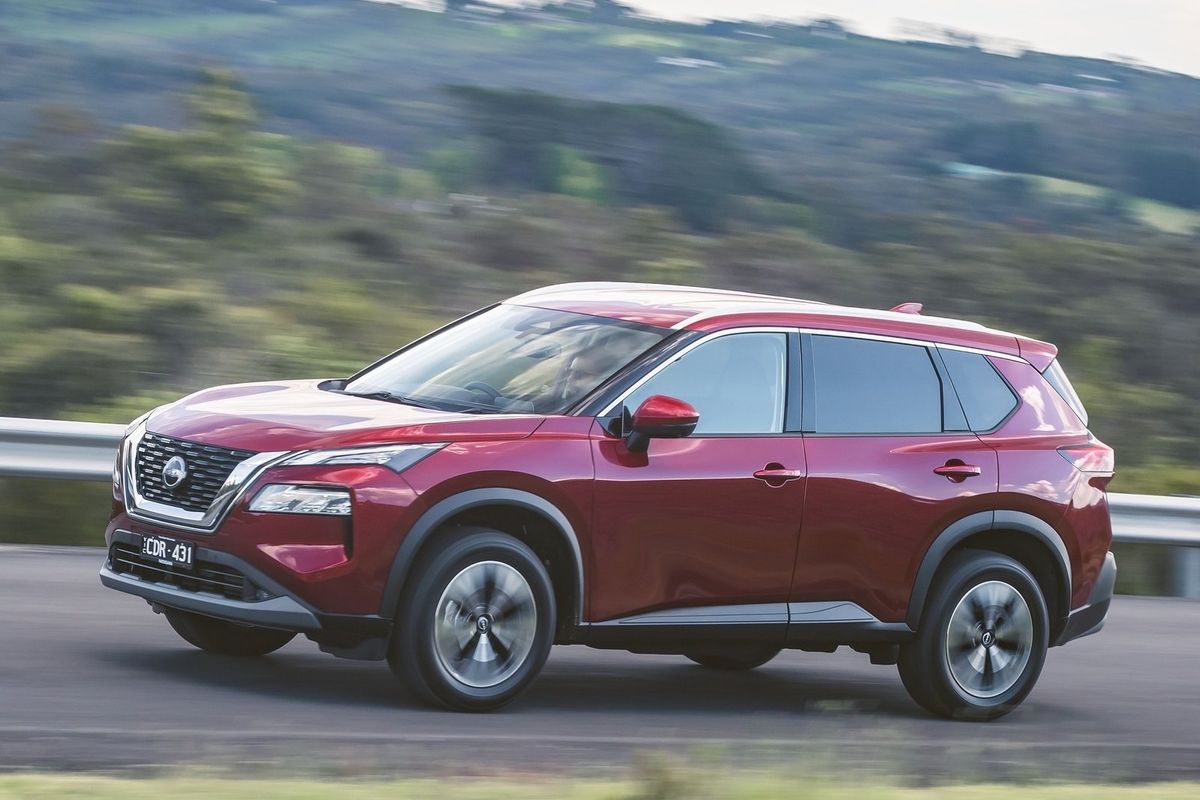
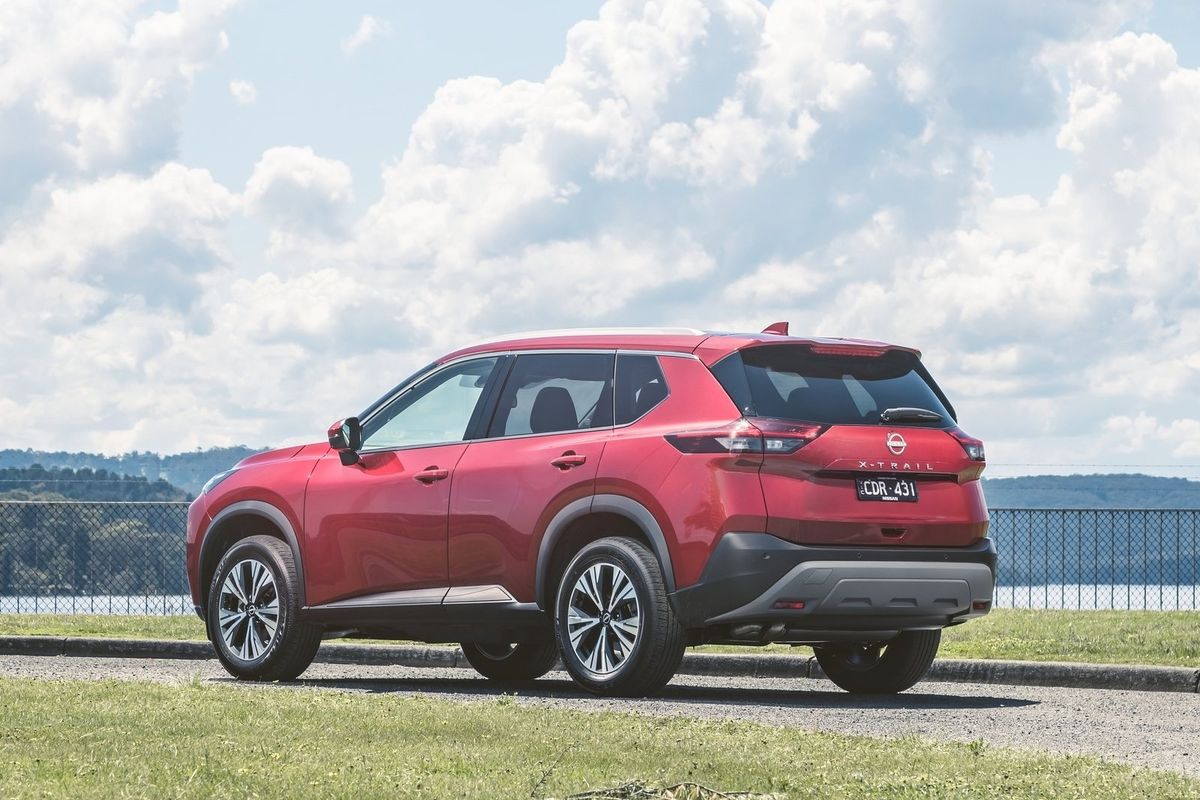
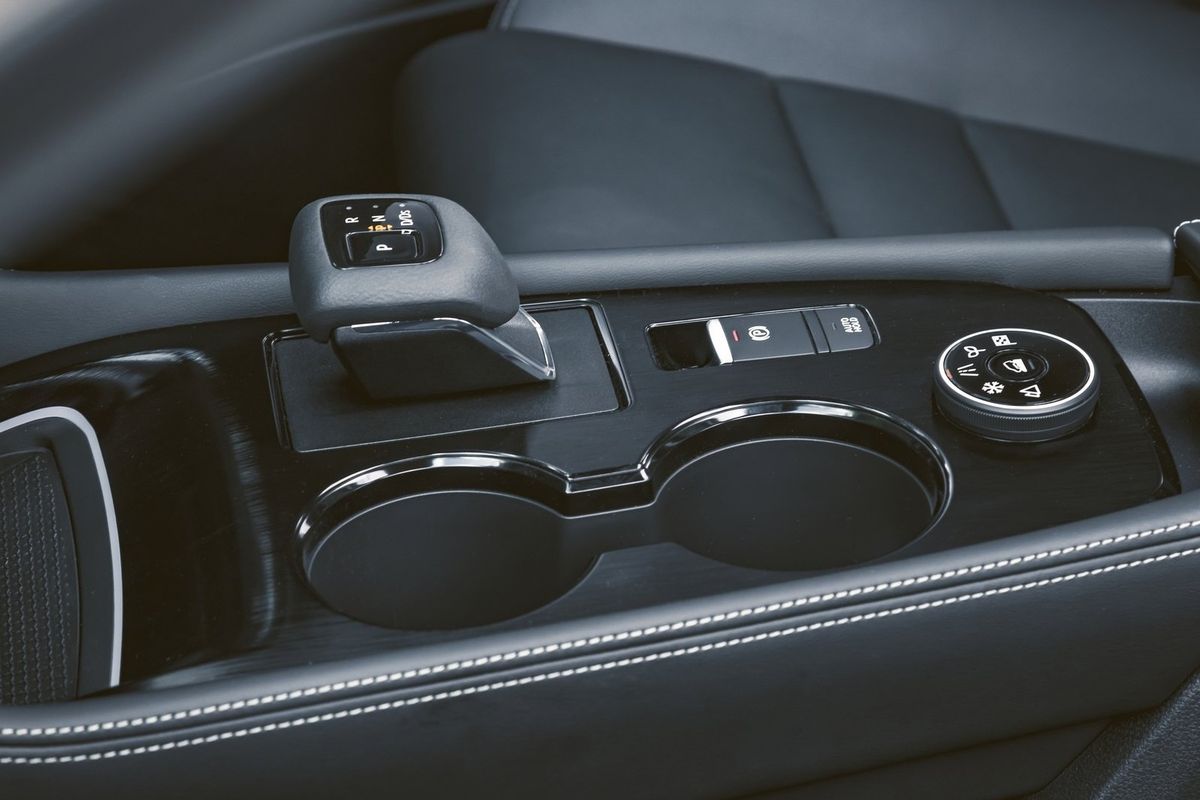
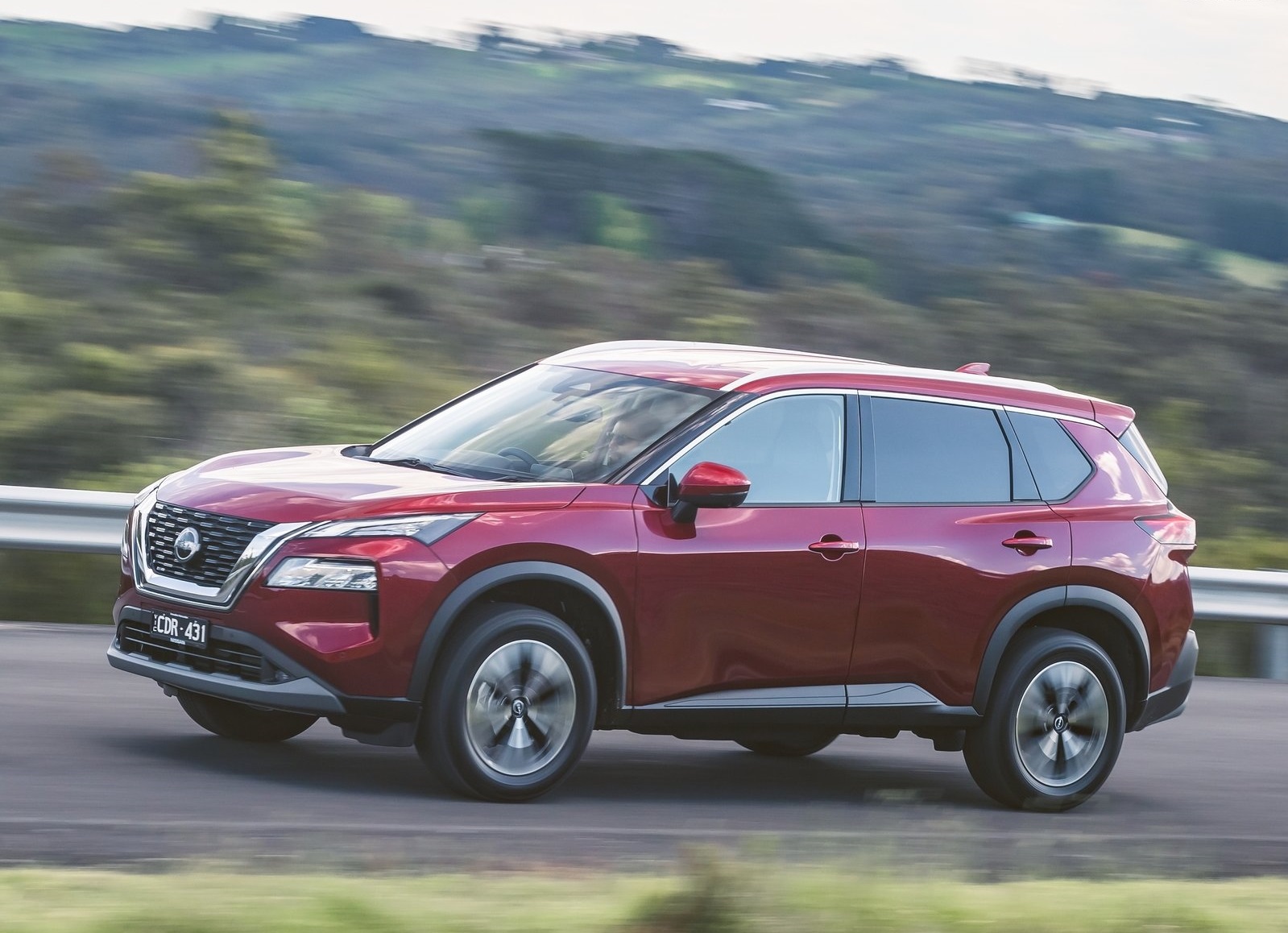
The new Nissan X-Trail is powered by a 2.5-litre naturally-aspirated petrol engine which produces 135 kW and 244 Nm. The vehicle is front-wheel driven and features a Continuously Variable Transmission (CVT).
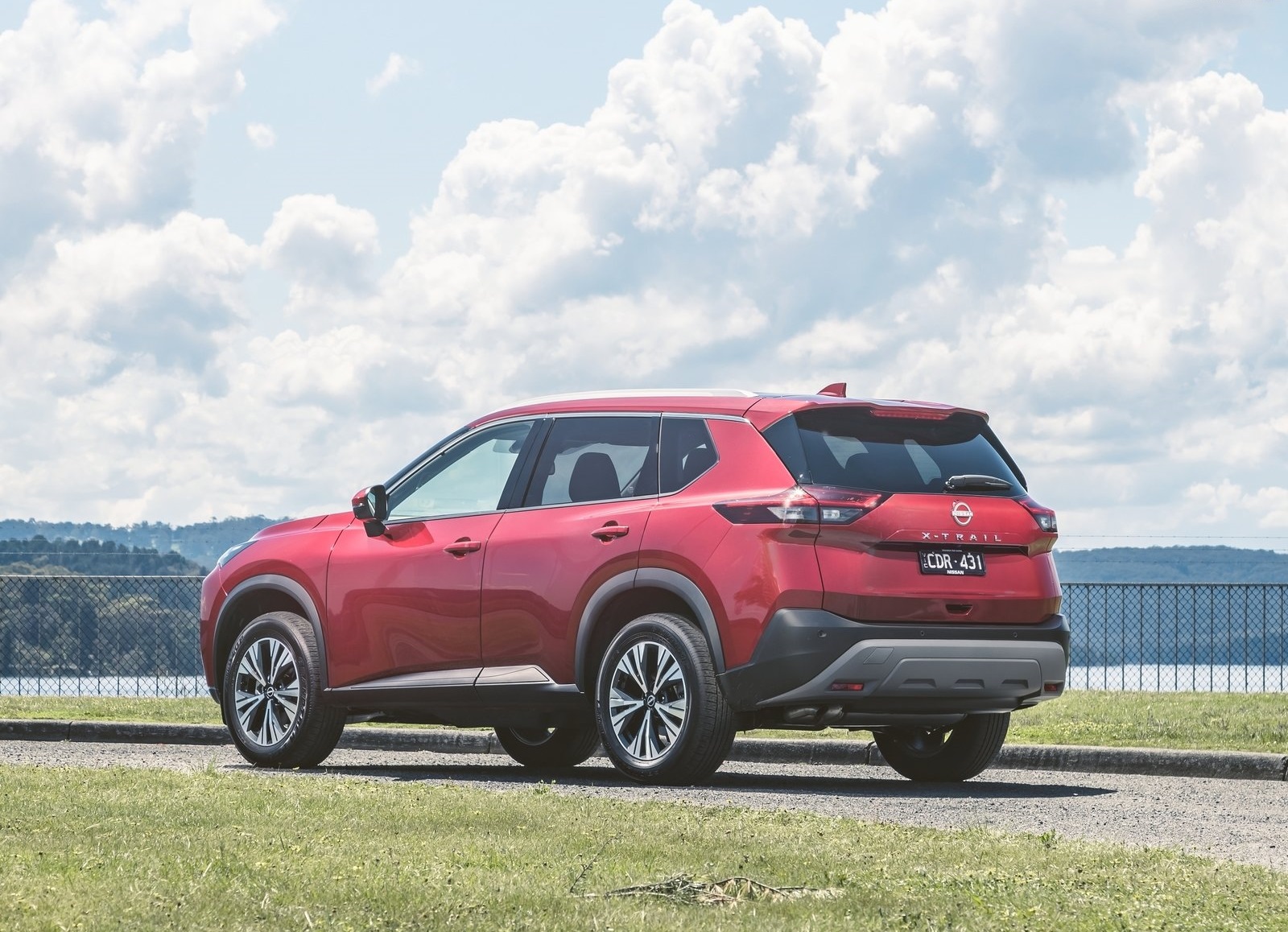
Nissan South Africa will be offering in the new X-Trail in a 3-model model lineup. There are three trim levels; Visia, Acenta and Acenta Plus. It’s important to note the Acenta Plus flagship is available in four-wheel drive. The four-wheel drive model is a 7-seater vehicle, whereas the standard X-Trail is a 5-seater.
The e-Power powertrains for both the Nissan Qashqai and the new X-Trail are confirmed for 2024. Customers have five basic colours, five colour variations and two-tone combinations to choose from.
Trim Levels
Visia
Intelligent Emergency Braking with junction assist & pedestrian/cyclist detection
Rear emergency braking with pedestrian detection
Intelligent Blind Spot Intervention
Lane departure warning
Intelligent Lane Intervention
17-inch wheels
Black cloth seat trim
Tilt & telescopic steering wheel adjustment
60/40 split fold second row seat with manual recline and centre armrest
Reverse parking camera
Rear parking sensors
Rear Cross Traffic Alert
Intelligent Driver Alert
Speed limiter with Intelligent Cruise Control
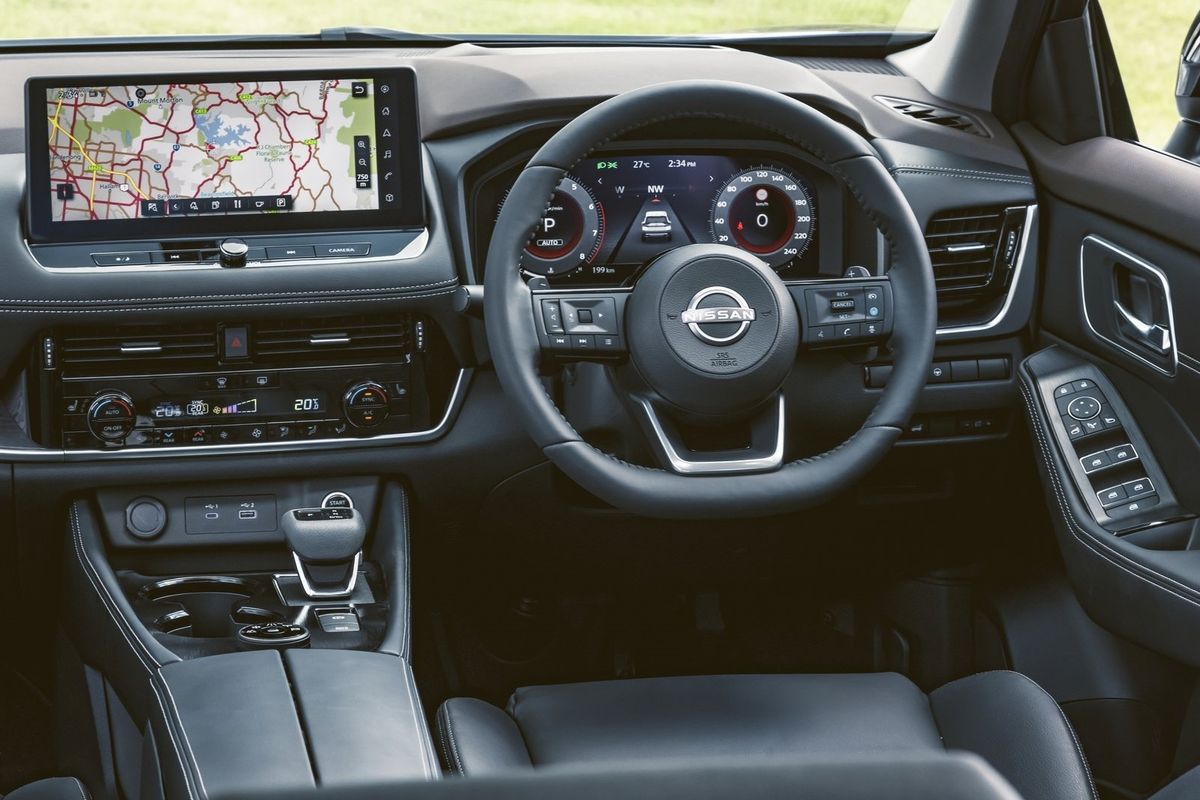
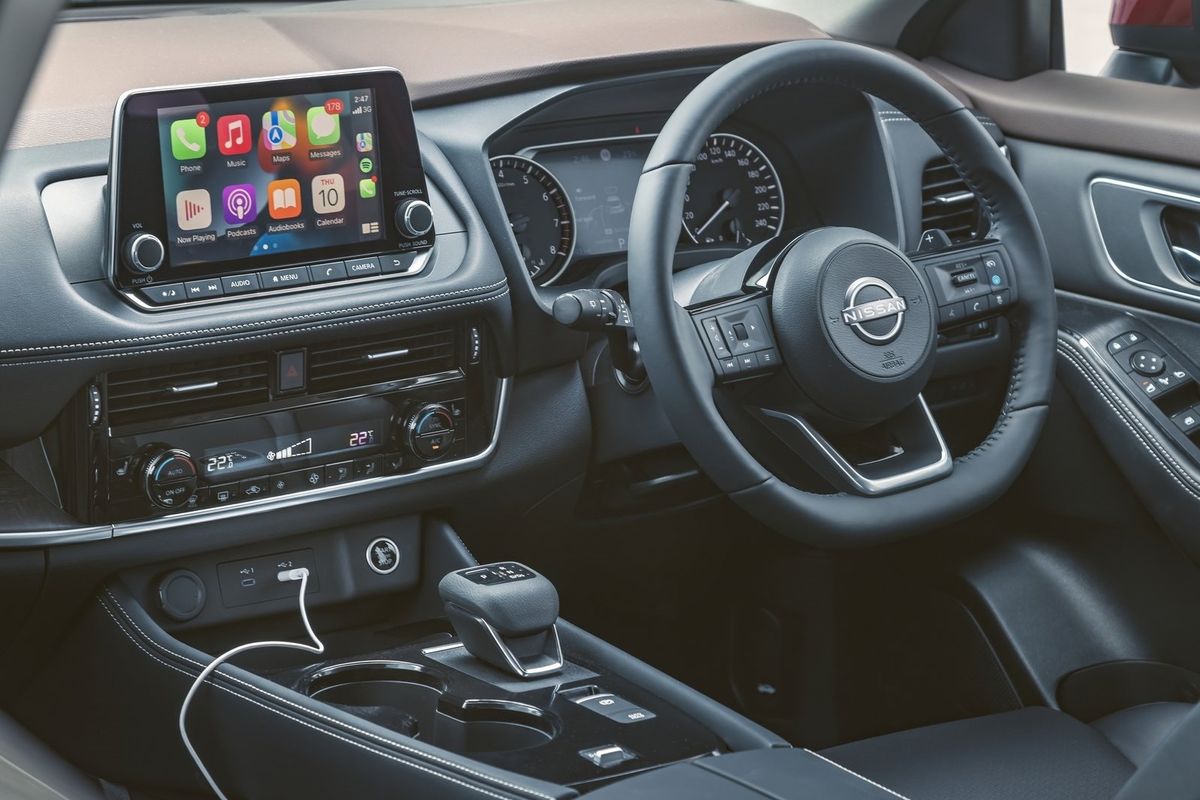
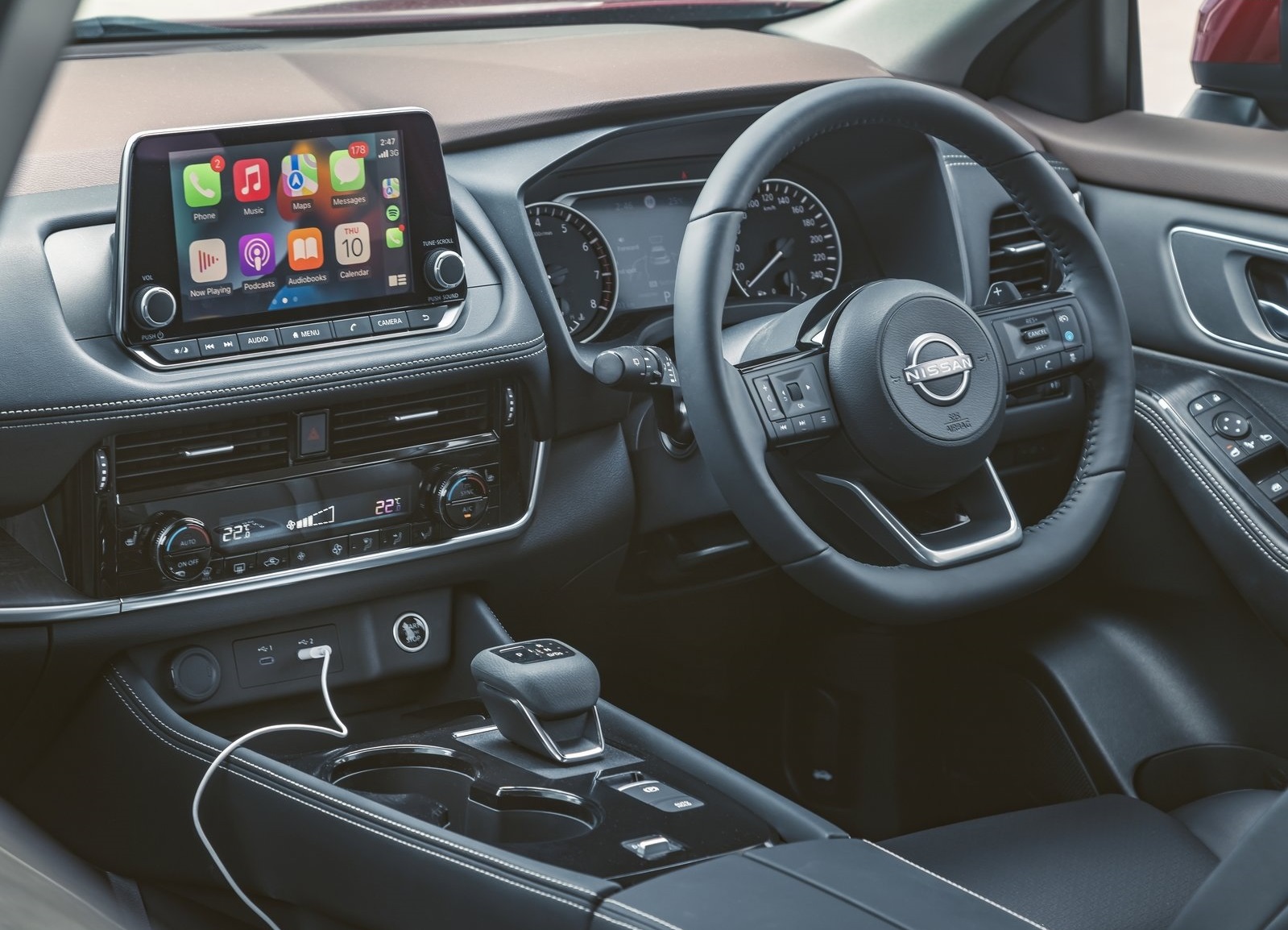
8.0-inch touchscreen display
Apple CarPlay & Android Auto, Bluetooth phone & audio streaming
Voice recognition
6 speaker audio system with AM/FM radio and DAB+ digital Radio
BMW M340i (2023) Review – Huge jump in price but is it still the pick of the range?
The BMW M340i has often been billed as the ‘baby M3’ for its adequate power and M-tuned handling. How does this new facelifted model stack up now that the price has been jacked up?
BMW’s sub-halo 3 Series has just received the company’s midlife facelift and on the surface at least, the results look impressive. Ciro De Siena took the car out to his favourite country road to find out if the M340i offers “enough BMW” this side of the M3.
In this review, we focus on the driving dynamics of the car and take a look at the new, revised interior of the M340i, which now features the new curved touchscreen and BMW’s iDrive 8 infotainment system.
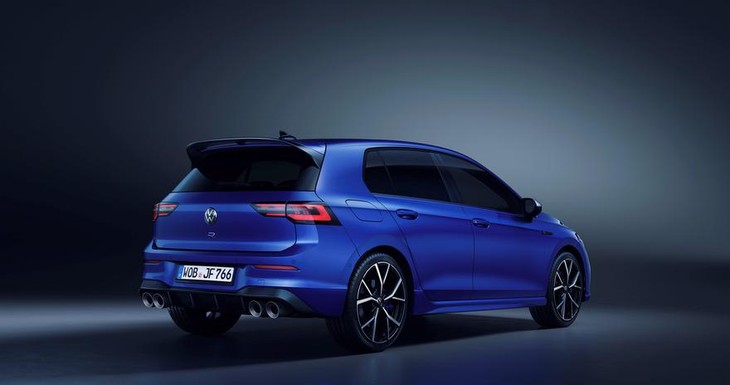
Volkswagen South Africa has confirmed price and specification details for the Golf 8 R. Here’s how much you can expect to pay for it, plus we examine the options on offer.
Covid-19-related delays, the semi-conductor shortage and the impact of Russia’s invasion of Ukraine are but some of the contributing factors that have resulted in the long wait for the Golf 8 R to reach South Africa.
The Golf 8 R was due to go on sale locally in Q3 2022, which is now, but Volkswagen South Africa has confirmed that the local launch has been further pushed out to 2023 which will undoubtedly further frustrate local Golf R fans who have been eagerly waiting to finally get their hands on Volkswagen’s latest hot hatch.
What engine will power the VW Golf 8 R?
The new VW Golf 8 R will land in SA in April 2023.
A turbocharged 2.0-litre EA 888 petrol engine will offer no less than 235 kW and 400 Nm of torque and will be paired with an updated, quick-shifting 7-speed dual-clutch transmission. The Golf 8 R is also equipped with a new 4Motion all-wheel-drive system with R-Performance Torque Vectoring which is linked to the Vehicle Dynamics Manager (VDM), electronic centre and rear differential and Adaptive Chassis Control to deliver precise and agile dynamic handling ability.
As far as performance is concerned, the Golf 8 R will take just 4.8 seconds to reach 100 kph from standstill and will go on to reach a top speed of 250 kph. Claimed fuel consumption is said to be 7.8 l/100km.
What features will be fitted as standard on the VW Golf 8 R?
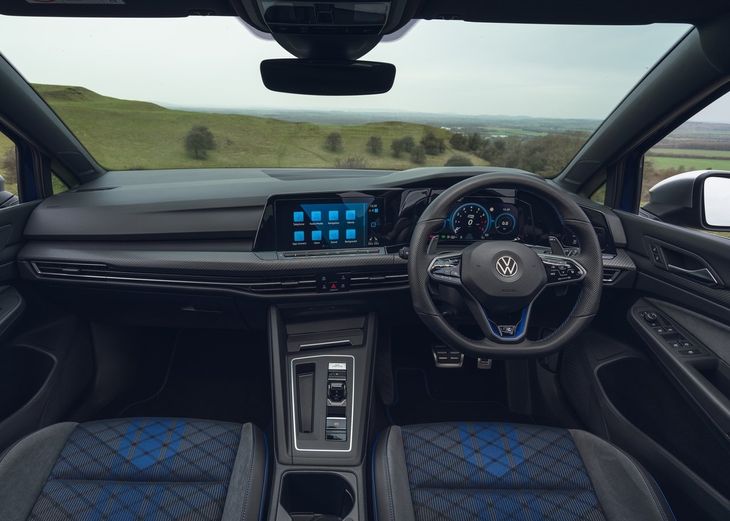
The Golf 8 R will feature the firm’s latest digital and infotainment technology.
The VW Golf 8 R will be fitted with standard features including mobile inductive charging, a panoramic sunroof, Keyless Entry with safelock, an electric tailgate and luggage compartment as well as Volkswagen’s Discover Pro infotainment system with satellite navigation, Wireless App-Connect and Voice Control. Nappa leather upholstery will also be standard along with a Light and Vision Package including high-beam control light assist.
The Golf 8 R will ride on 19-inch Estoril alloy wheels as standard and will be offered with a choice of 3 exterior colours including Pure White, Lapiz Blue Metallic and Deep Black Pearl.
Buyers will also be able to choose from a selection of optional features including IQ.Light LED Matrix Headlights (R11 000), Akrapovič Exhaust (R73 000), Head-Up Display, Harman Kardon sound system (R12 600), Parallel Park Assist, Rear Assist with a rearview camera (R5000), Blind spot monitor with Rear Traffic Alert and Lane Assist with electronically folding side mirrors (R13 700), Travel Assist with Lane Assist and Adaptive Cruise Control (R12 500), IQ.Drive Adaptive Cruise Control with Front Assist, Autonomous Emergency Braking System (R12 000) as well as the Black Performance Package with drift mode, an increased top speed of 270 km/h and black 19-inch Estoril alloy wheels (R27 400).
How much will the VW Golf 8 R cost in South Africa?
Volkswagen Golf 8 R 2.0 TSI 235 kW DSG R912 800
The new Golf 8 R will be sold with a 3 year/120 000 km warranty, 5 year/ 100 000 km EasyDrive Maintenance Plan with service intervals every 15 000 km.
The new Mahindra Scorpio N has arrived in South Africa and our video man, Ciro De Siena, spent some time with the newcomer to bring you this consumer-rich review. Watch the video!
Mahindra has embarked on an assault of the South African market with a slew of new models, which boast high quality and high levels of specification. The brand’s latest model is this, the Scorpio N, which our video journalist found is a huge leap forward from the previous generation.
Mahindra is a full subsidiary of Mahindra and Mahindra, the Indian parent company. They have been trading in South Africa for 18 years and now have 74 dealerships across the country.
Join us for a thorough tour of the top-spec ZL8 model and let us know what you think of the newcomer in the comments below.
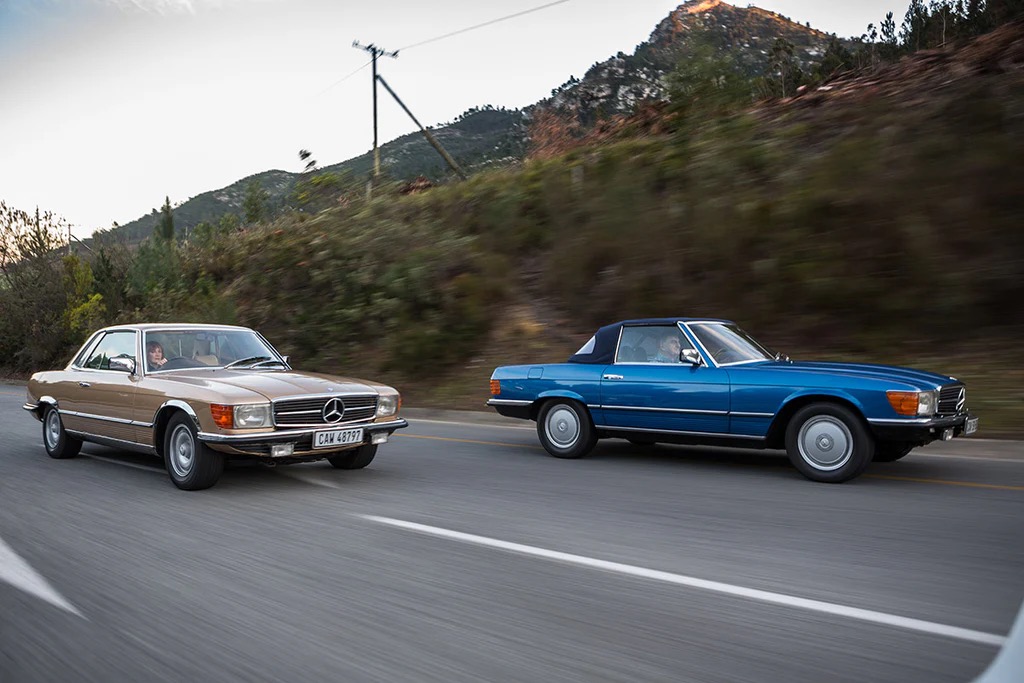
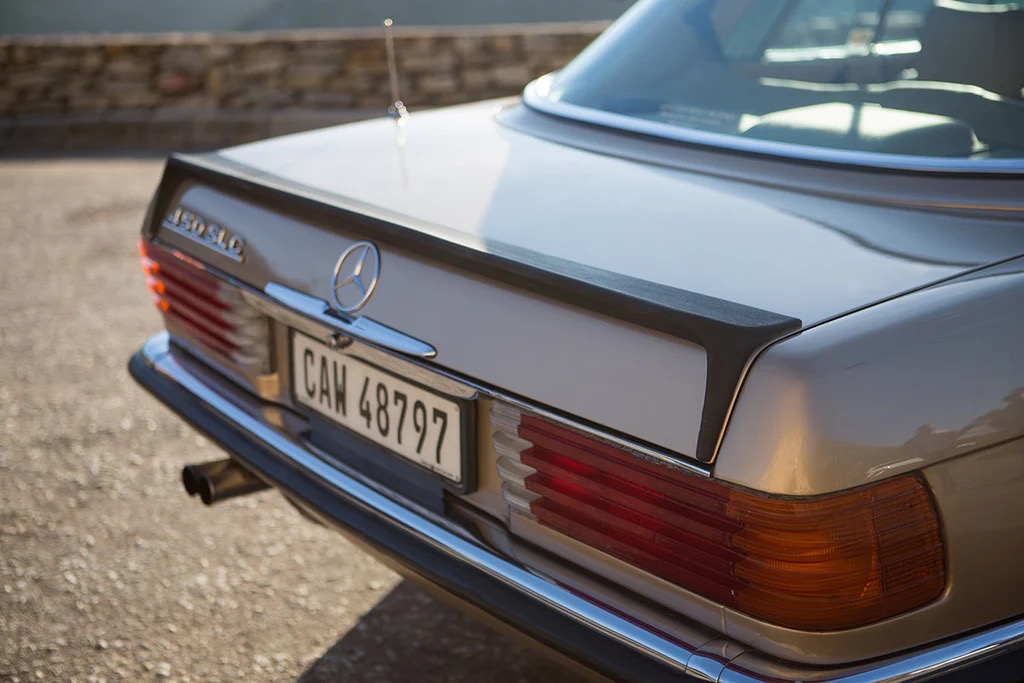
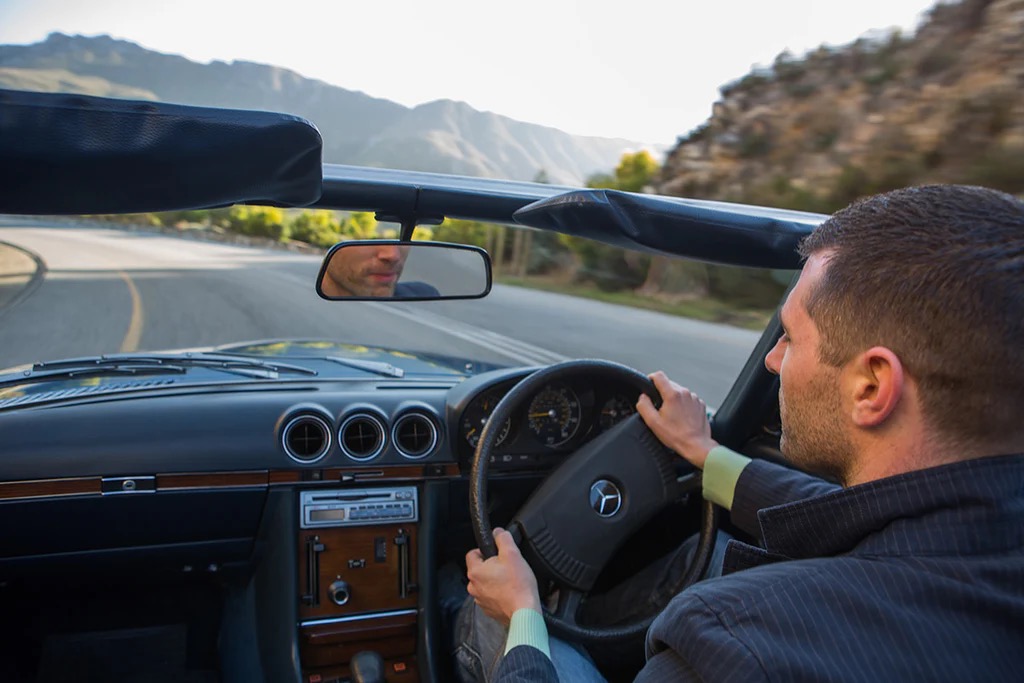
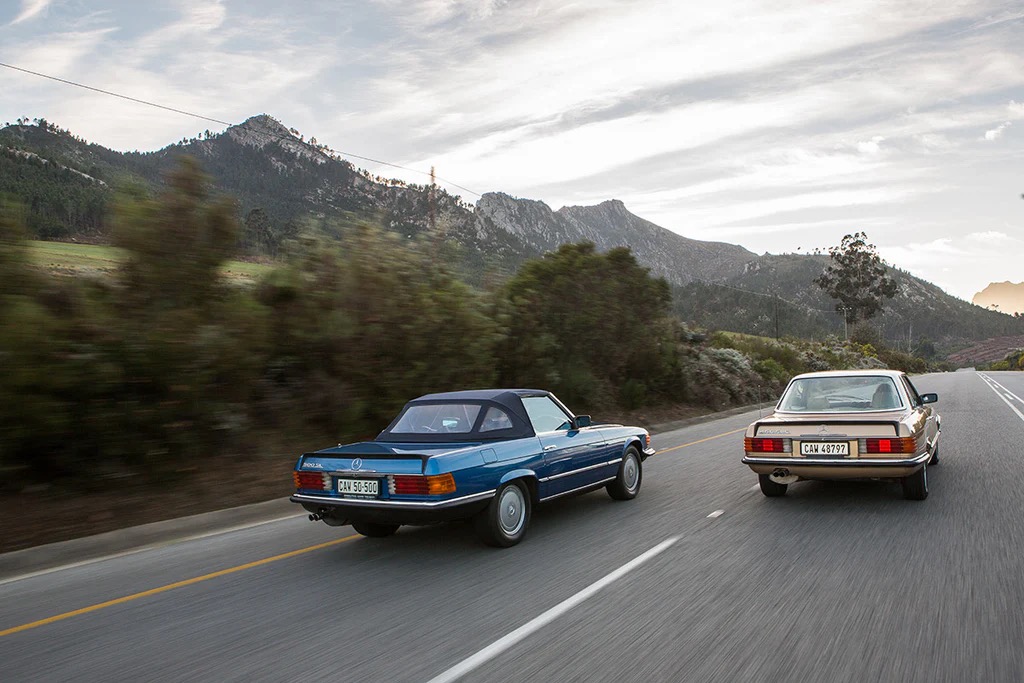
With perfectly formed roads sweeping high up from George and offering much to the keen driver, Mercedes-Benz’s C107-series 450SLC coupe and R107-series 350SL roadster make ideal, entertaining transport for the “job”.
IMAGES: Charles Russell
What is the value of a car? It is a question that will fuel many debates. The easy answer is: “Whatever a buyer is willing to pay for the vehicle”. Depending on your preference, though, there are cars that might seem like a bargain, especially compared to certain other models. Or, if your taste is similar to that of current market favourites, you might need to fork out more than you planned or anticipated.
Mercedes-Benz’s SL range has one of the longest family trees in the manufacturer’s history. Of course, there is the small matter of the car that laid the foundation for this range – the astonishingly beautiful 300SL. The square design of the R107 SL might not appeal to all buyers, but as the years have passed, their values have bottomed out and have slowly started to climb. They don’t quite come close to that of the more valuable Pagoda models though. The C107 SLC, however, is an altogether different story…
The comparison
After a morning spent in both of these cars, the similarities and differences quickly surface. From a distance, the coupe might seem little more than a hard-top version of the R107 SL. But, when you view them side by side and drive them back-to-back, you realise they were built for discrete market segments.
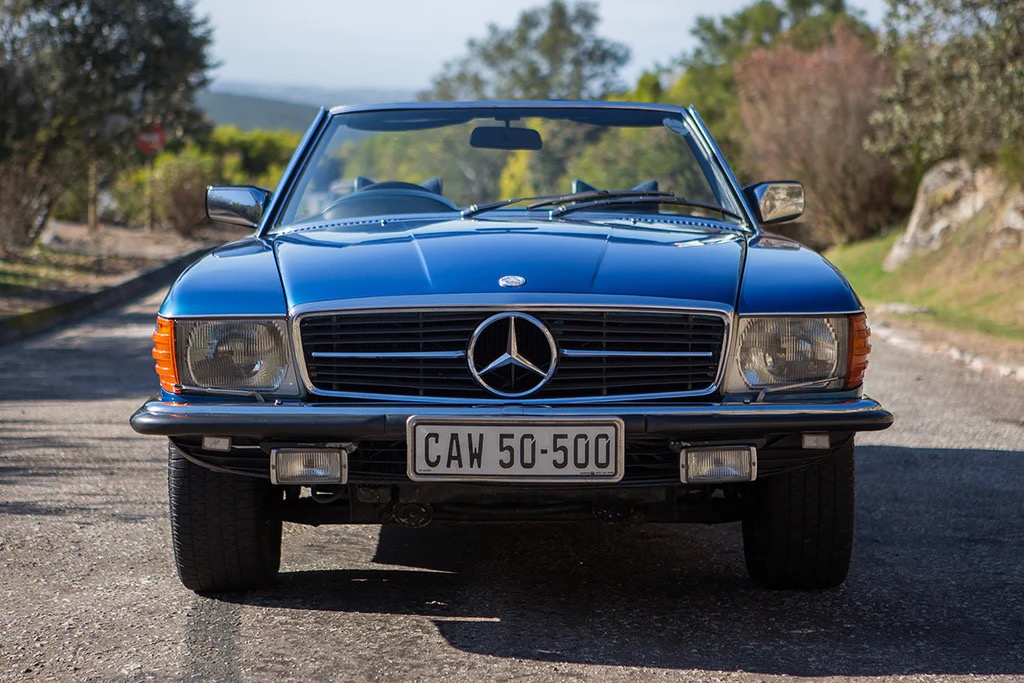
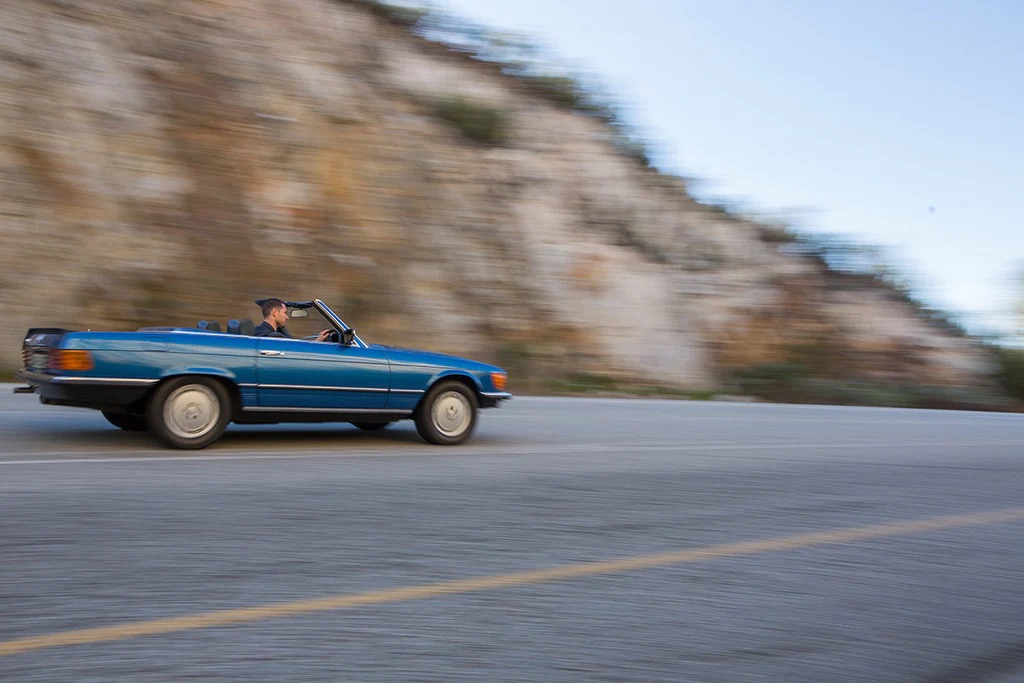
These cars belong to a collector in George. The owner purchased the Mercedes-Benz 350SL in 1989 (the previous owner had the incorrect 500SL badge fitted). I’m not objective, but the SL is finished in the perfect colour; first, it’s an uncommon shade for an R107, and second, because the interior matches the exterior perfectly. It has done 81,000 miles (130 000 km), although it is hard to find signs of the mileage.
This SL was produced in 1978 (registered in 1979), a year when only 743 of the 350SLs were made. When production ended, a total of 15 304 of the 350SL had rolled off Mercedes’s production line.
At the front, the headlights are adorned with petite wiper blades, a very uncommon sight in South Africa, which points to this SL’s roots… It was probably originally earmarked for the UK market as the water temperature is indicated in Fahrenheit and the oil pressure in lb/square inch.
Specifications
Model: Mercedes-Benz 350SL (R107, E35)
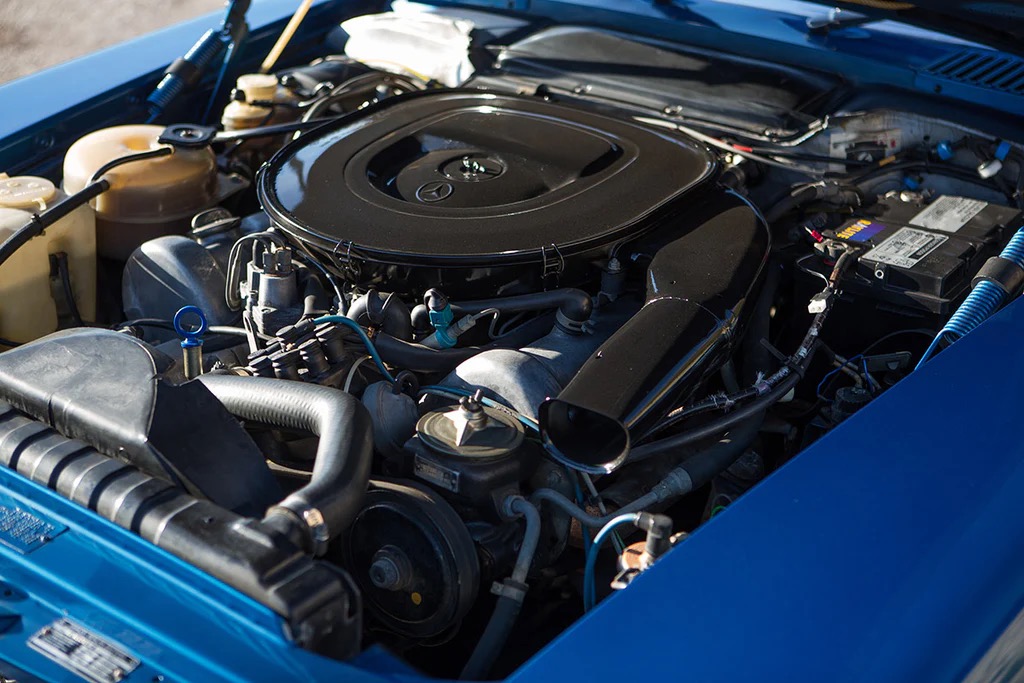
Engine: M116, 3.5-litre V8, petrol
Power: 149 kW at 5 800 rpm
Torque: 285 Nm at 4 000 rpm
Transmission: 3-speed auto, RWD
Weight: 1 540 kg
0-100 kph: 10.1 sec (claimed)
Top speed: 200 kph (claimed)
Years produced: 1971–1980
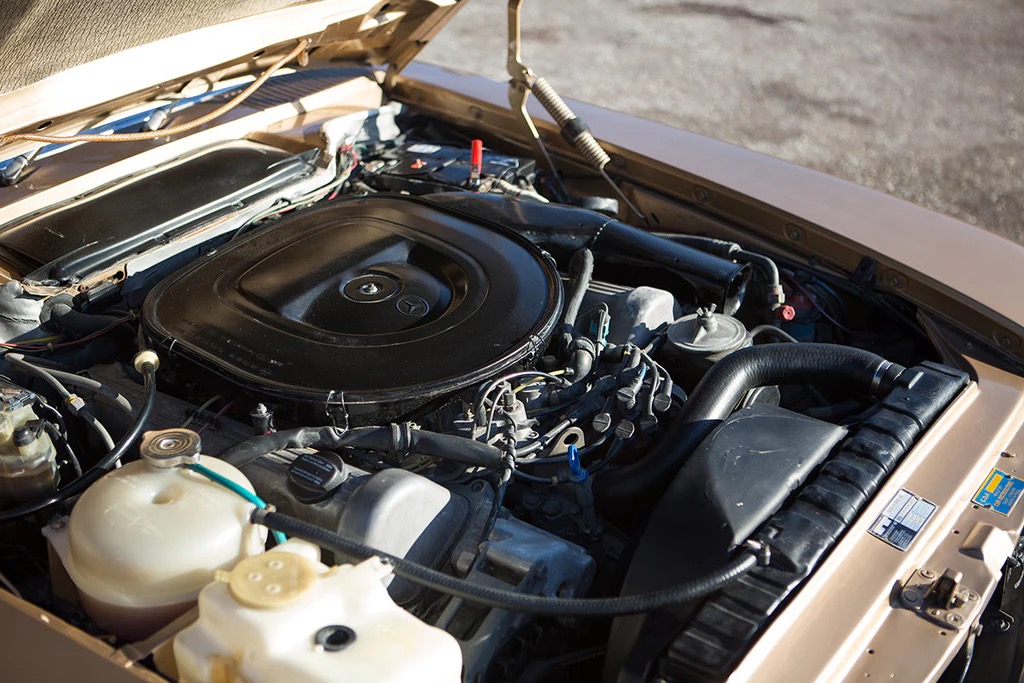
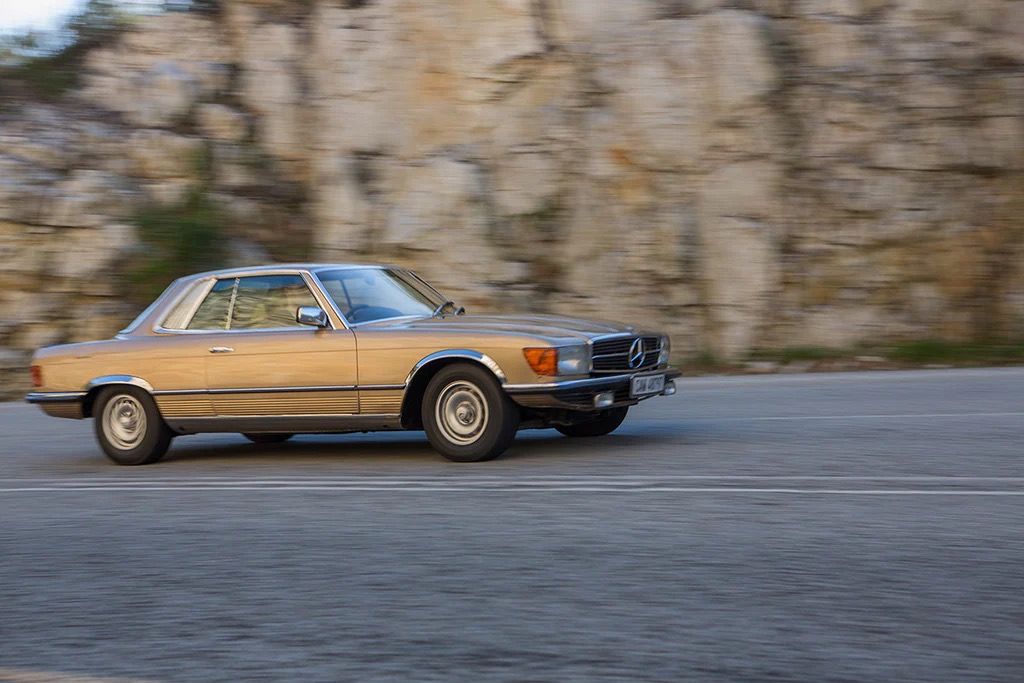
The SLC was unveiled at the 1971 Paris Motor Show, 2 months after production was halted on the 280SE 3.5. Interestingly, this 450SLC is a more recent purchase by the owner, who merely wanted to add the car to his collection of Mercedes-Benz coupes. Compared to the 3.5-litre V8 in the SL, the SLC has the stronger 4.5-litre V8 engine. Both examples are installed in conjunction with automatic transmissions.
While our photographer, Charles captures the first pictures, I take a proper look and the longer wheelbase of the SLC is immediately visible. This lends the SLC a different stance, especially from a front three-quarter view and in profile. In terms of elegance and style, the longer rear half of the SLC certainly looks classier than the shorter and compact dimensions of the SL. The more than 30 cm longer wheelbase plays another vital role once behind the wheel, which we will get to shortly.
Specifications
Model: Mercedes-Benz 450SLC (C107, E45)
Engine: M117, 4.5-litre V8
Power: 162 kW at 5 000 rpm
Torque: 360 Nm at 3 250 rpm
Transmission: 3-speed auto, RWD
Weight: 2 120 kg
0-100 kph: 9.3 sec (claimed)
Top speed: 210 kph (claimed)
Years produced: 1972–1980
Behind the ‘wheel of the Mercedes-Benz 350SL
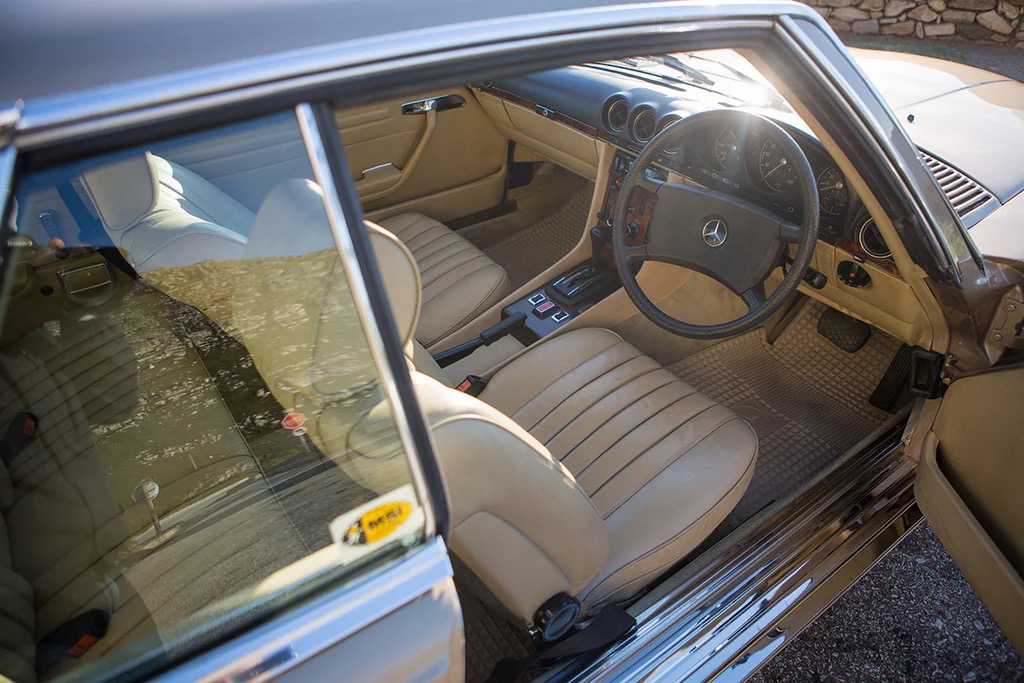
I open the heavy, solid door of the Mercedes-Benz 350SL, and the compact cabin is roomy enough for two adults. The area behind the front seats offers additional luggage space.
As I start the engine, you realise this is a smaller V8 engine compared to Mercedes’s larger capacity V8 engines of the time. The engine’s voice is not as deep and purposeful as that of the 450SLC.
As I pull away, I point the nose of the Mercedes-Benz 350SL along the mountain pass’s corners that flow up the side of the valley, and the SL quickly settles into a comfortable rhythm. I am probably working the engine slightly harder than I would have if it was a 500SL.
Even so, the engine pulls with a level of vigour I didn’t expect, especially as you approach the final 3rd of the rev range. With the steering wheel close to the dashboard, you feel in total control. This feeling is highlighted by the sensitive steering the moment you turn either side from dead centre.
It’s apparent from the scuttle shake that it is a cabriolet (although the cabin still feels solid), but honestly, as I settle into a relaxing cruise, appreciating the view, I soon forget about the slight body flex. With the speedometer at an indicated 100 kph, the engine revs in top gear at 3 000 rpm.
As I pull into the lookout point I park the Mercedes-Benz 350SL and discuss my findings with the owner. He was keen for me to immediately slide behind the wheel of the 450SLC. I oblige and with the engine ticking over, there is already a slightly more serious tone from under the bonnet.
Unlike today’s powerful machines with engineered exhaust tones, the aural experience from these earlier cars is dominated by their engine sounds.
The cabin feels familiar to that of the 350SL, although there is a welcoming amount of space for small, adult passengers in the rear. The odo indicates 170 000 km, most of which was clocked up by previous owners; the current owner bought it 12 years ago. Since then, it has been resprayed in the original colour.
A similar view over the bonnet could fool you into believing you are driving an SL. However, the moment you reach for the safety belt, you realise it is a different car; it is positioned further back.
I press the accelerator closer to the floor and there is a noticeable amount of available torque, especially below 3 000 rpm. In the 350SL you have to use slightly higher revs to keep up. But, press the long pedal to the stop, and the slight gain in horsepower and 26% gain in torque suddenly comes into play. The 450SLC pulls stronger and, owing to its longer wheelbase, is marginally more stable through the corners.
It feels as if the car settles quicker and is more composed than the Mercedes-Benz 350SL. The unyielding road behaviour had me pushing the car a little harder; after all, it was Mercedes-Benz’s sporting coupe.
By moving the transmission lever into the “S” position, the ‘box immediately switches to a lower gear. It retains a gear for a few seconds longer as the rev needle climbs closer to the red line and shifts to the next gear only around the 5 500 rpm mark.
Which one?
After driving both cars it is clear they’re from the same era; they offer very similar driving experiences. Of course, the SL’s roof can be lowered, enough of a feature for many buyers to not even consider the SLC. As a long-distance cruiser or even just for a Sunday drive, you can make a strong case for the SLC.
The pillarless side profile and those unique vertical blinds are two elements which make it so attractive. Motorsport enthusiasts will also point you in the direction of small victories the SLC achieved at the time, such as the 11th Rally Bandama in the Ivory Coast in 1979. A 450SLC 5.0, driven by team Mikkola/Hertz won this 5 500-km African event.
Summary
However, as one fellow enthusiast and collector once told me: “If the roof drops, the price goes up.” A valid remark but, if you can appreciate the breeze offered in the 450SLC when all the windows are open, it is possibly just as attractive an experience as that offered in the Mercedes-Benz 350SL.
As so many SLCs were produced, it is understandable that the general buyer doesn’t regard them as collectors’ pieces – and that will probably be the case for the immediate future. However, as demand for the R107-series SL increases, its 2-door sibling is unlikely to stand in its shadow for much longer.
Back from the dead? 5 axed vehicles returned to the charts last month
Every now and then, a discontinued nameplate briefly returns to South Africa’s new-vehicle sales charts. Remarkably, there were 5 such instances in March 2023. Let’s take a quick look at the fleetingly resurrected…
We noticed something rather interesting when combing through South Africa’s detailed new-vehicle sales charts for March 2023. Sales of as many as 5 nameplates that are technically no longer available locally were reported, each adding a tiny handful of registrations to its brand’s overall tally.
Yes, this quintet of vehicles briefly returned from the dead, appearing on the sales charts despite no longer being listed on their respective manufacturer’s local website. How, you ask? Well, we’re guessing it’s simply a case of old stock finally having been shifted. Let’s take a closer look…
Jaguar XF
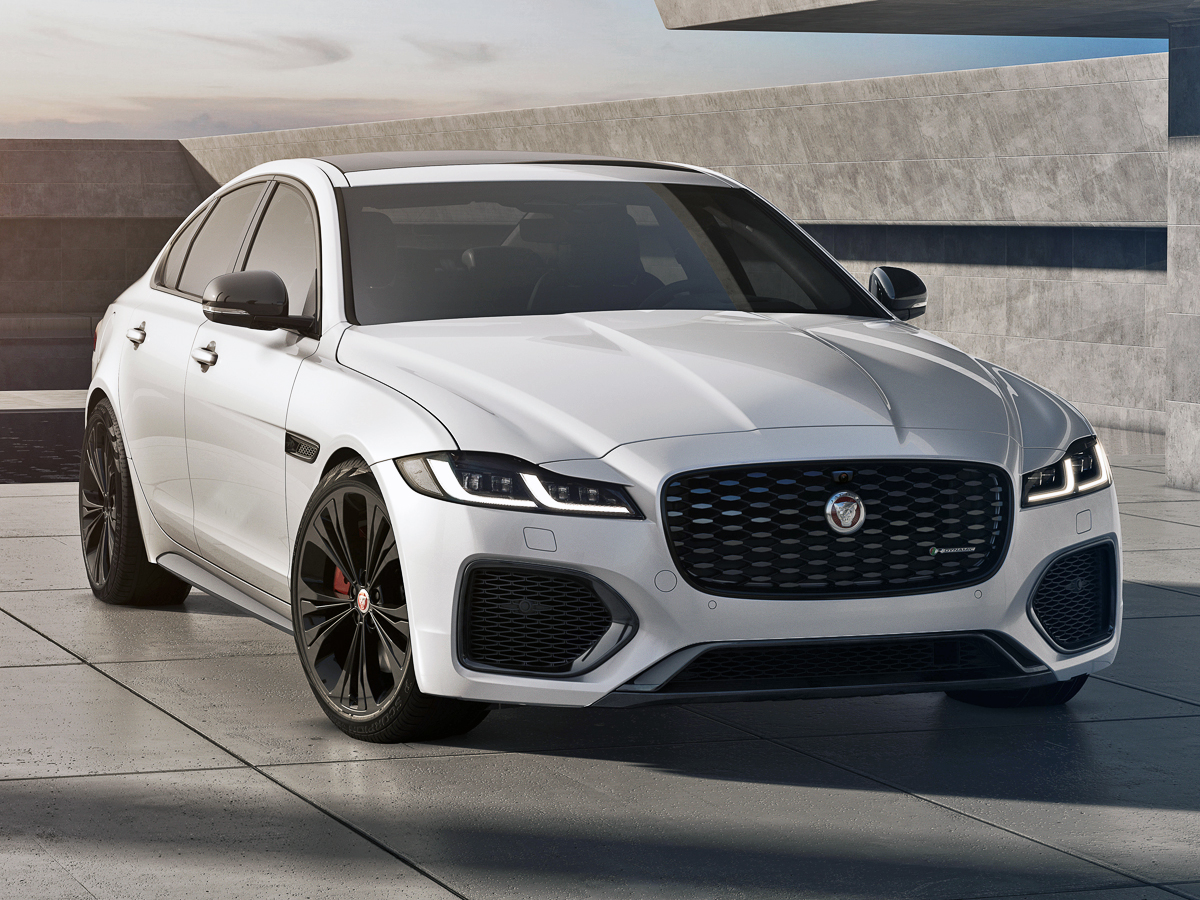
The Jaguar XF was quietly discontinued in South Africa around November 2022, with the British firm’s local division confirming to Cars.co.za the following month that the sedan was officially “no longer available in South Africa” (bringing to an end the brand’s long run of saloon models, with the XE axed in 2021 and the XJ killed off in 2019). However, a single example of the XF luxury sedan was – rather unexpectedly, it must be said – registered in March 2023, after having not appeared on the charts for months.
Mahindra XUV500
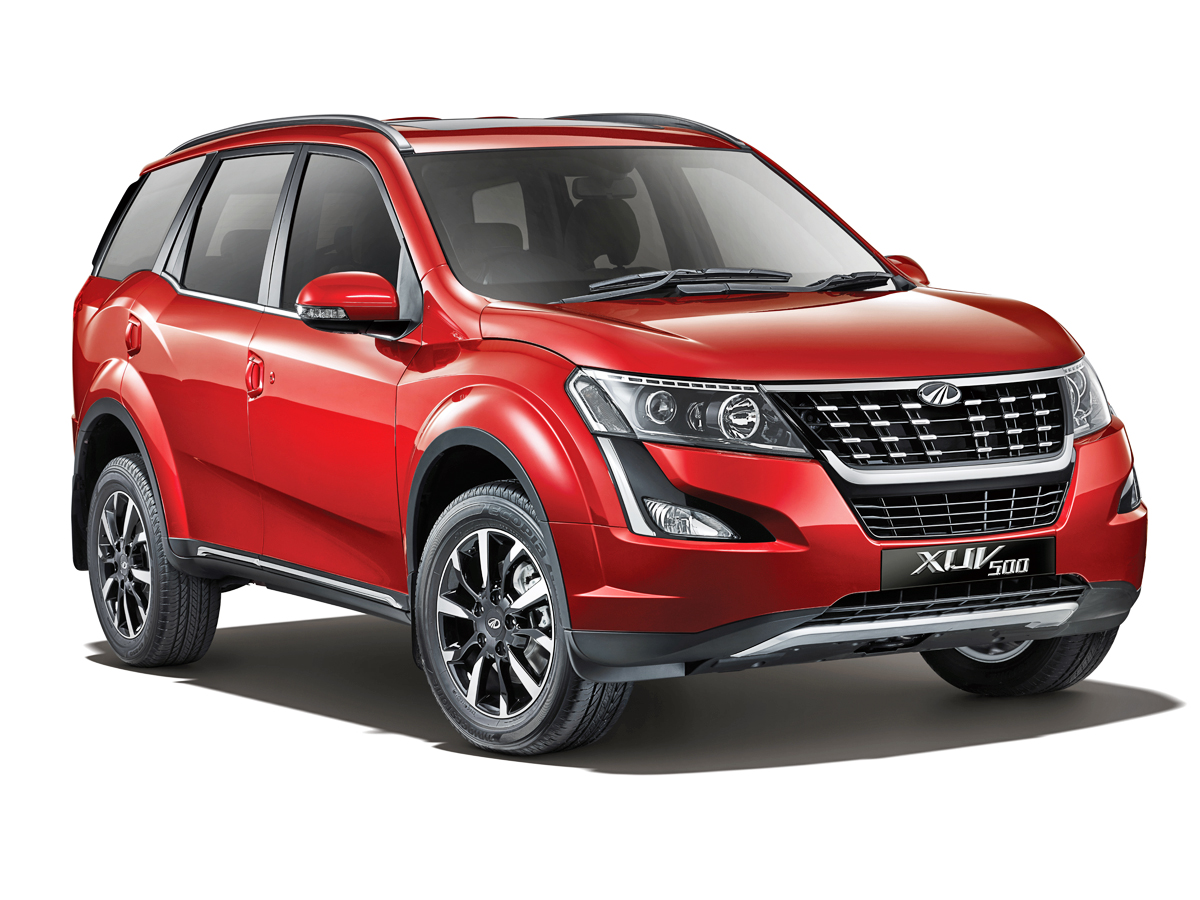
The Mahindra XUV500 – which had last received an update in 2018 – was put out to pasture towards the end of 2022, when the new XUV700 touched down in South Africa as its successor. Despite the lack of new XUV500 stock coming into the country, the Indian brand’s local division sold 2 units in March 2023 (along with 4 units in the opening month of the year and zero in February).
Mahindra KUV100 Nxt
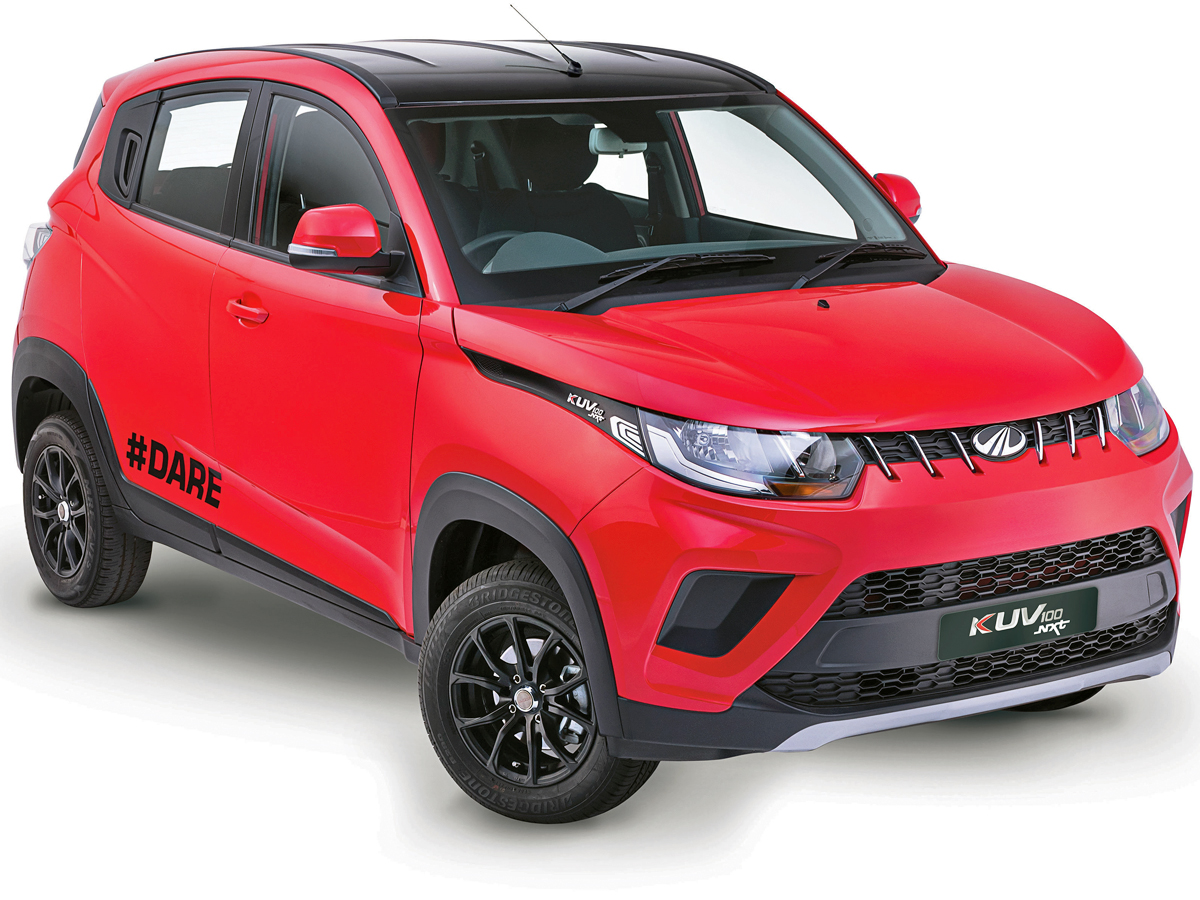
When recently examining the performances of SA’s least-expensive new cars, we noticed Mahindra KUV100 Nxt sales had tapered off markedly through 2022 (falling from 175 units in May to just 5 units by December). Now, the diminutive model has disappeared from Mahindra South Africa’s website, but 3 examples were nevertheless registered on the sales charts in March 2023.
Toyota Prius
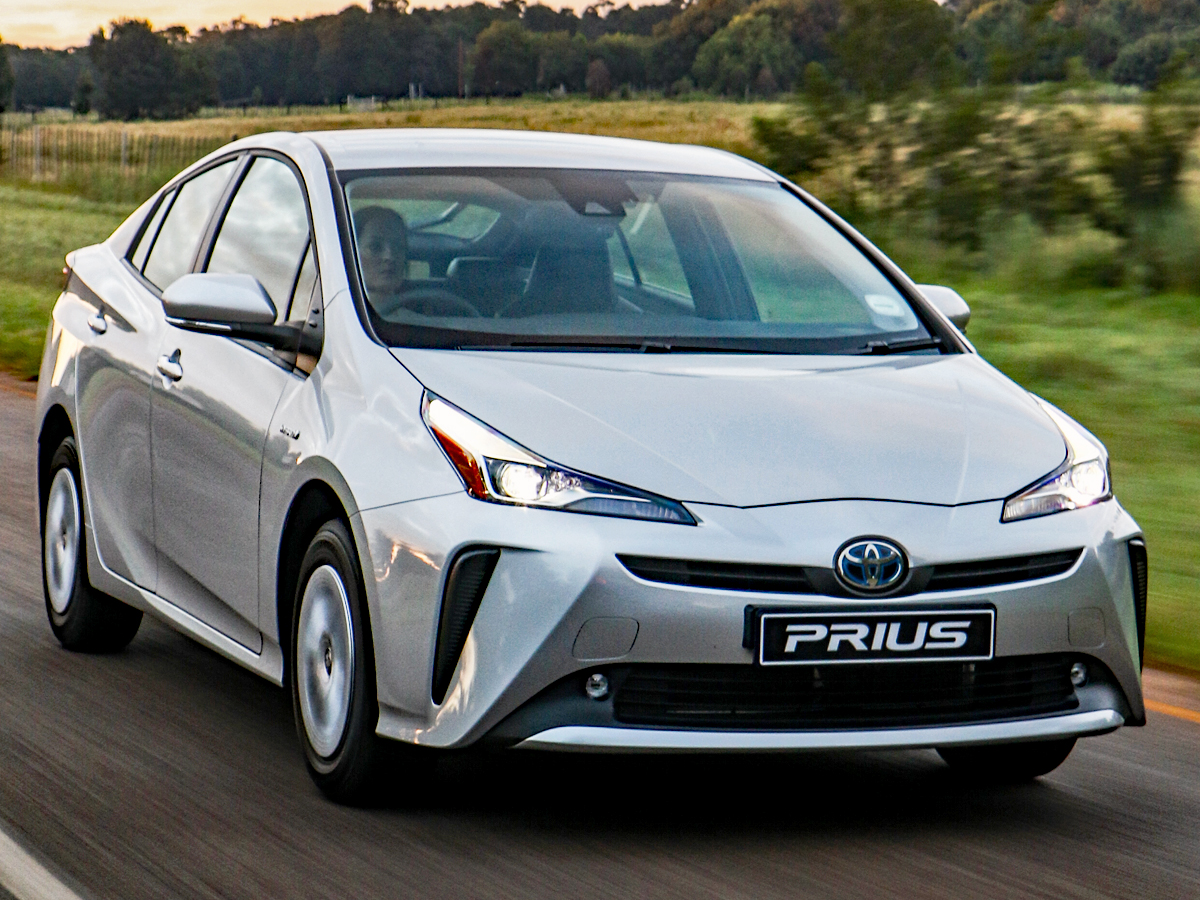
In September 2022, after a 17-year run on the local market, Toyota South Africa Motors silently pulled the plug on the Prius nameplate, putting its pioneering hybrid out to pasture for good. In addition to the 3 units registered locally in March 2023, the Japanese firm sold 2 examples in the opening month of the year (and none in February).
Nissan Terra
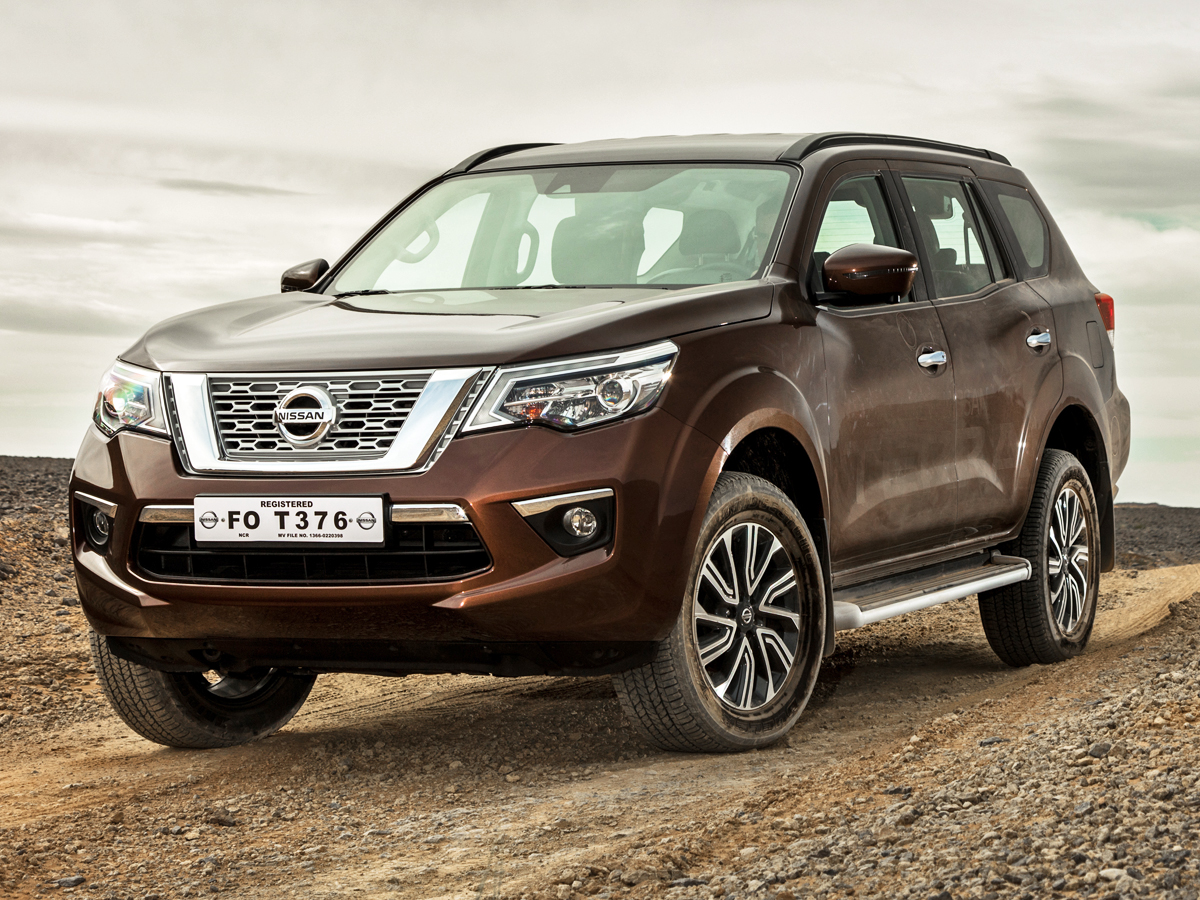
In April 2022, Nissan South Africa told Cars.co.za all of its “limited” Terra stock had already been “allocated to customers”, with no plans to import more units. Indeed, the so-called “Fortuner fighter” didn’t even make it onto Nissan SA’s website. Somehow, though, 4 more examples of the ladder-frame SUV found homes in March 2023, in addition to a single unit registered the preceding month.
6 more cars to exit SA in the coming weeks or months
Any honourable mentions? Well, there are at least 6 models that will be scrapped locally in the coming weeks or months. For instance, stock of the no-longer-in-production Ford EcoSport appears to be fast running dry, with just 280 units sold locally in March 2023 (down from 866 units in the same month in 2022).
The Kia Rio should be around until the end of the year (the next-gen model unfortunately won’t be produced in right-hand-drive form), but its tally slipped to 185 units last month. Time is running out for the Toyota Agya (178 units), too, which will soon be replaced by the Vitz (which is effectively a rebadged Celerio).
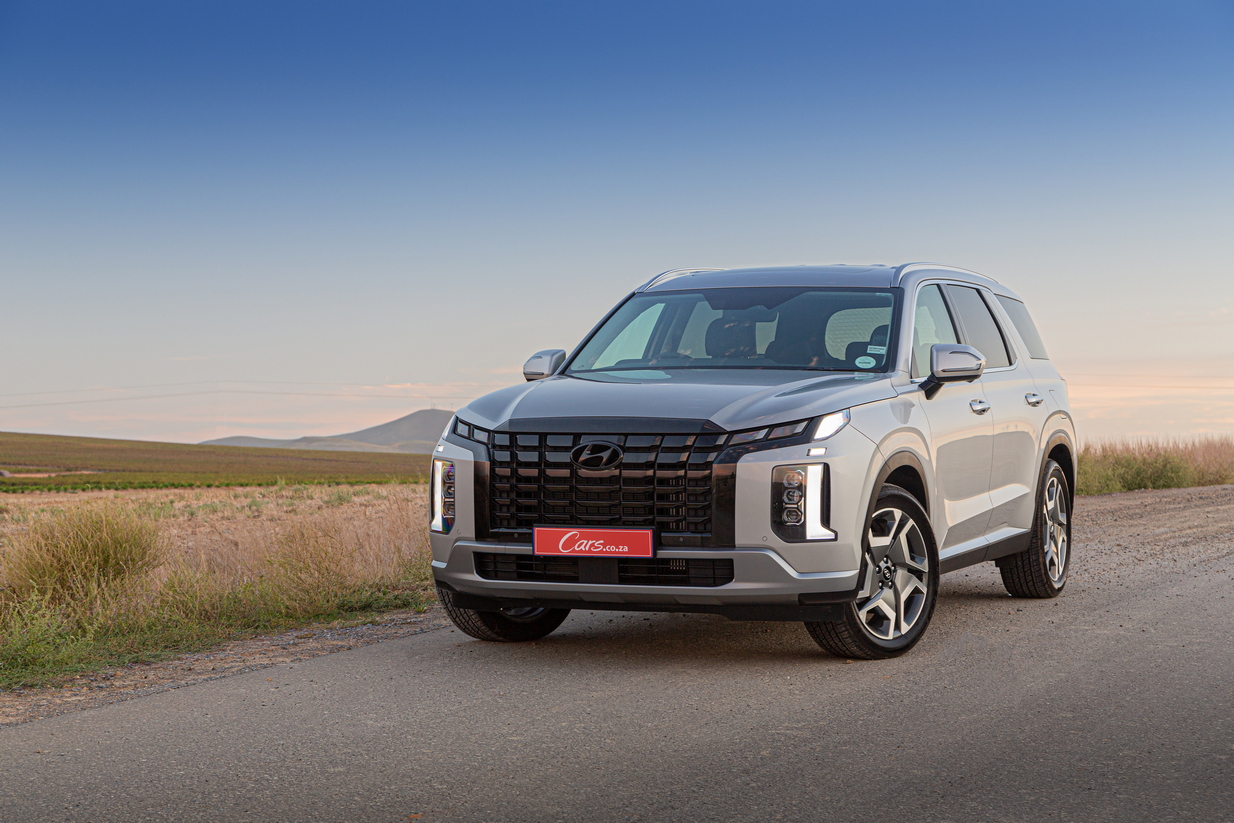
It’s not often that one can say that a R1-million-plus vehicle represents “excellent value for money”, but in the case of the updated Hyundai Palisade, that statement rings true.
We like: Spaciousness, build quality, infotainment and safety tech, value for money
We don’t like: Some may find it a little underpowered, comparatively low tow rating
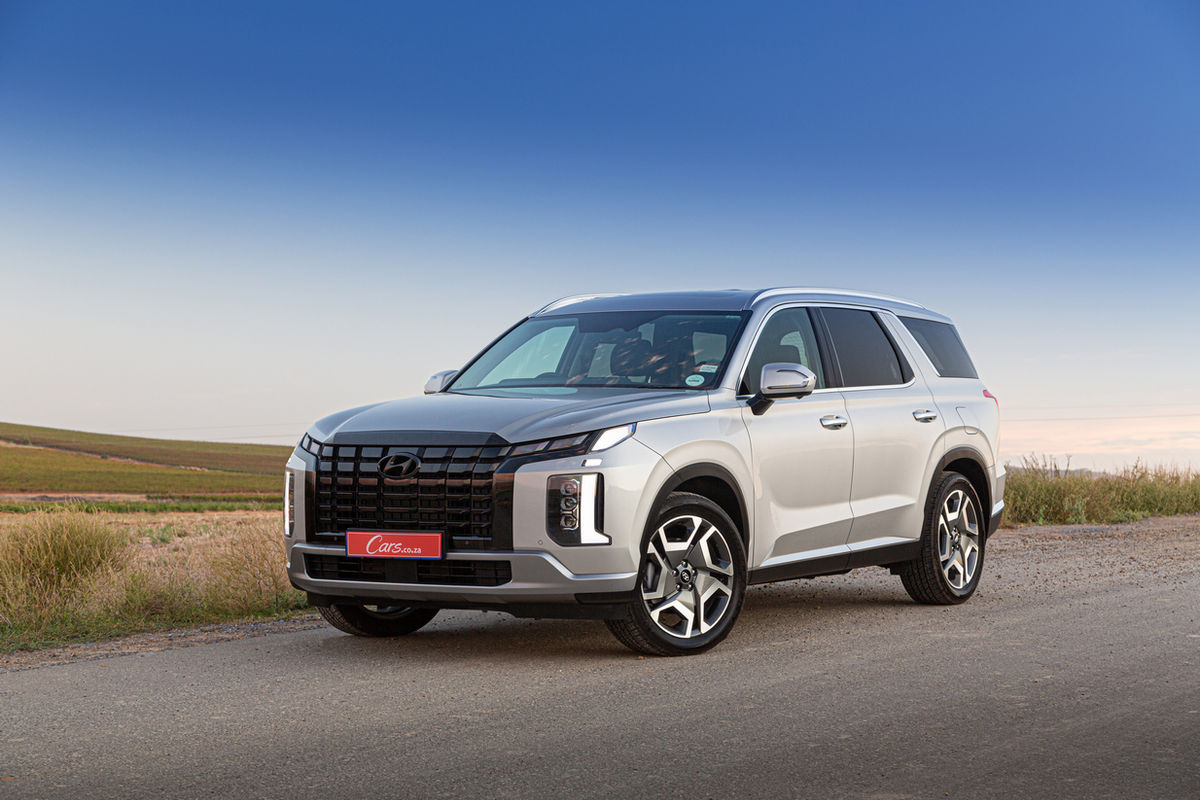
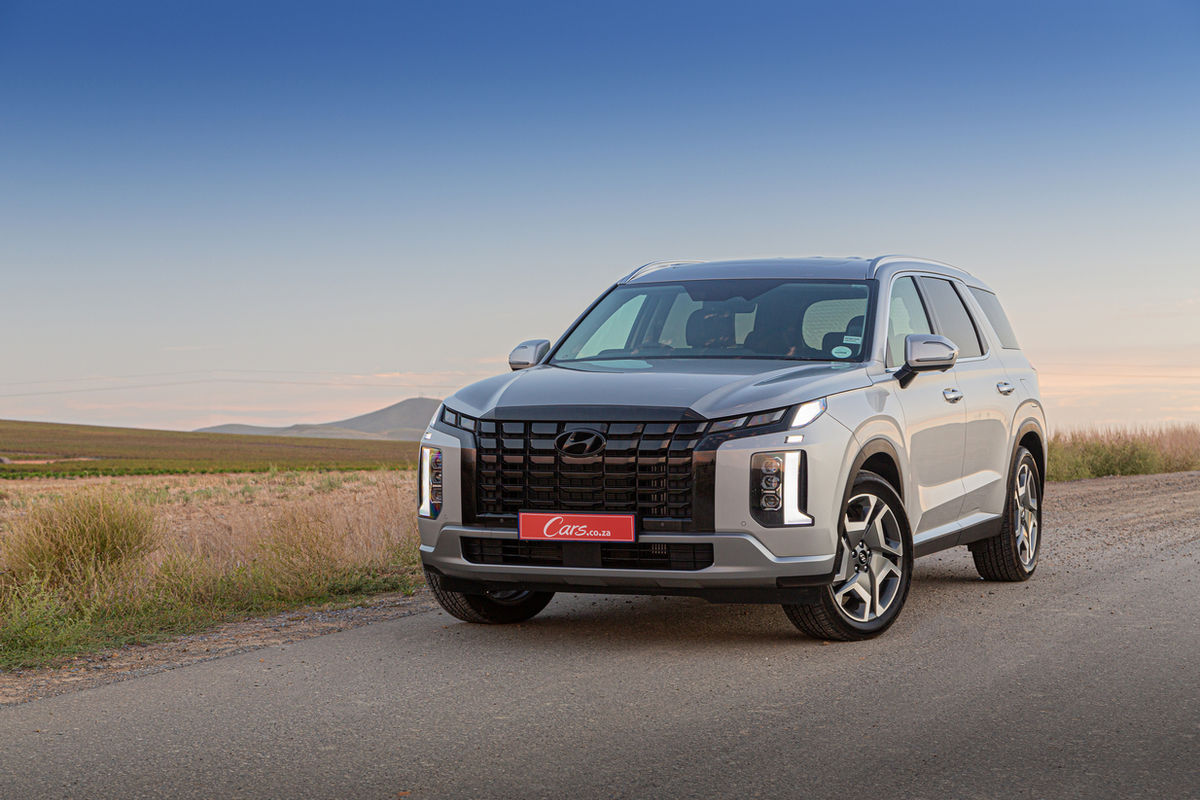
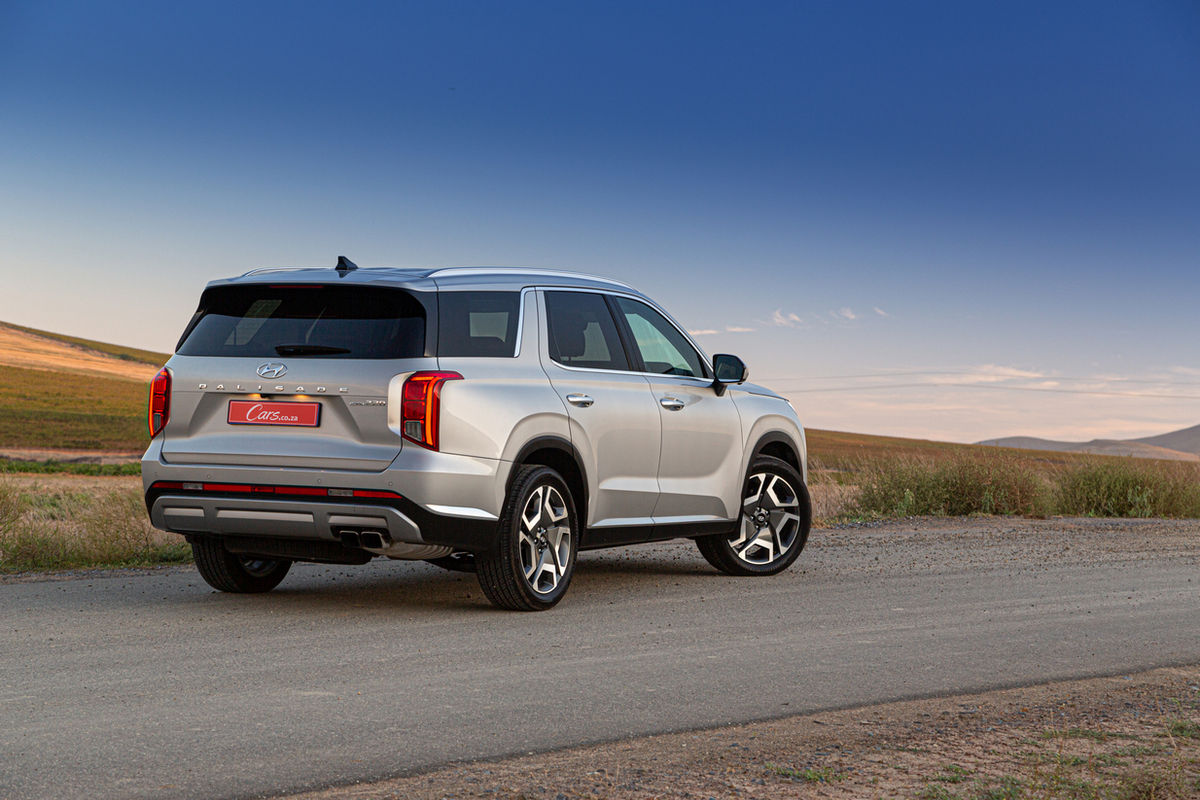
The front-end execution of the 2023 Hyundai Palisade is now much bolder and SUV-inspired, courtesy of a blacked-out grille.
What’s new about the 2023 Hyundai Palisade?
When the Palisade arrived in South Africa about 2 years ago, a few detractors remarked that a Hyundai with a price tag in excess of R1 million had “little to no chance of succeeding” in our market. Whether it has “succeeded”, or not, is debatable – Hyundai Automotive SA has sold just over 250 units of the model to date, but given the recent arrival of the facelifted version, it seems that the Palisade is here to stay.
The 2023 Hyundai Palisade is only slightly pricier than the pre-facelift model but sports an extensively revised cabin loaded with the latest tech, as well as fresher exterior styling. Therefore, the model is now arguably better priced than before and could make a bigger dent in the market. But where does it fit in?
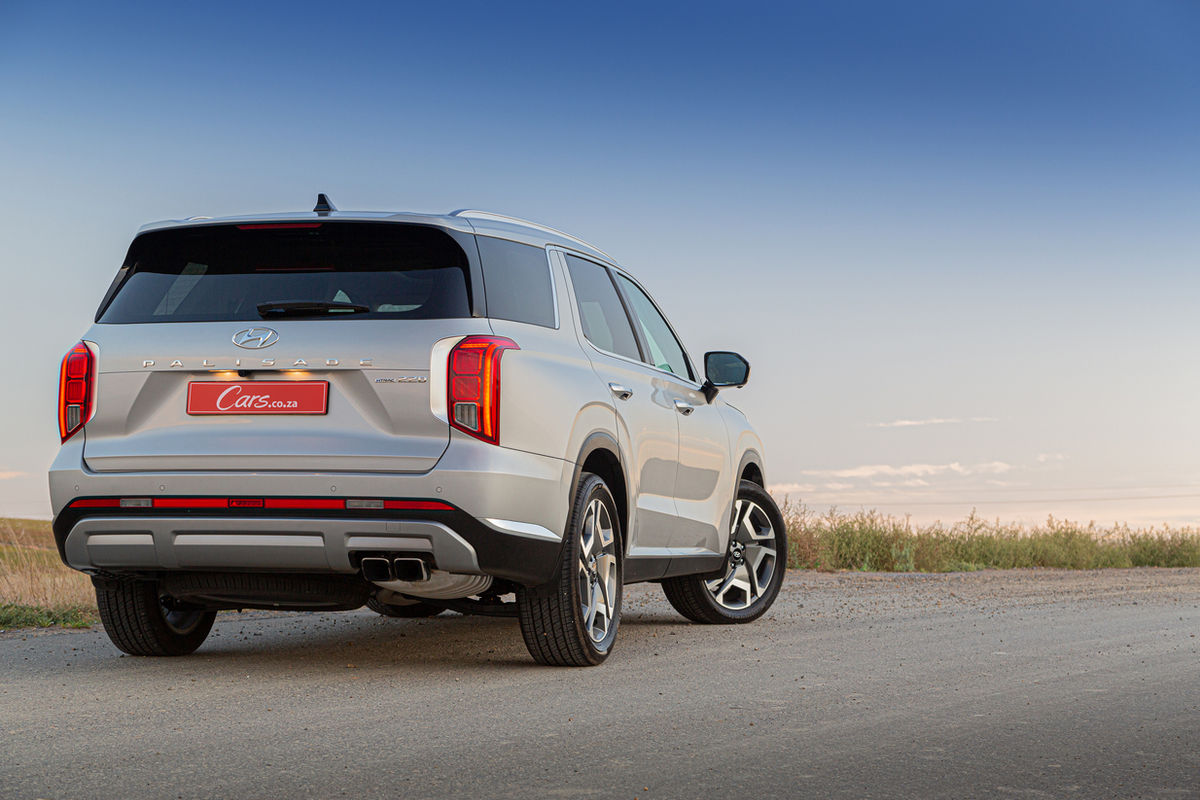
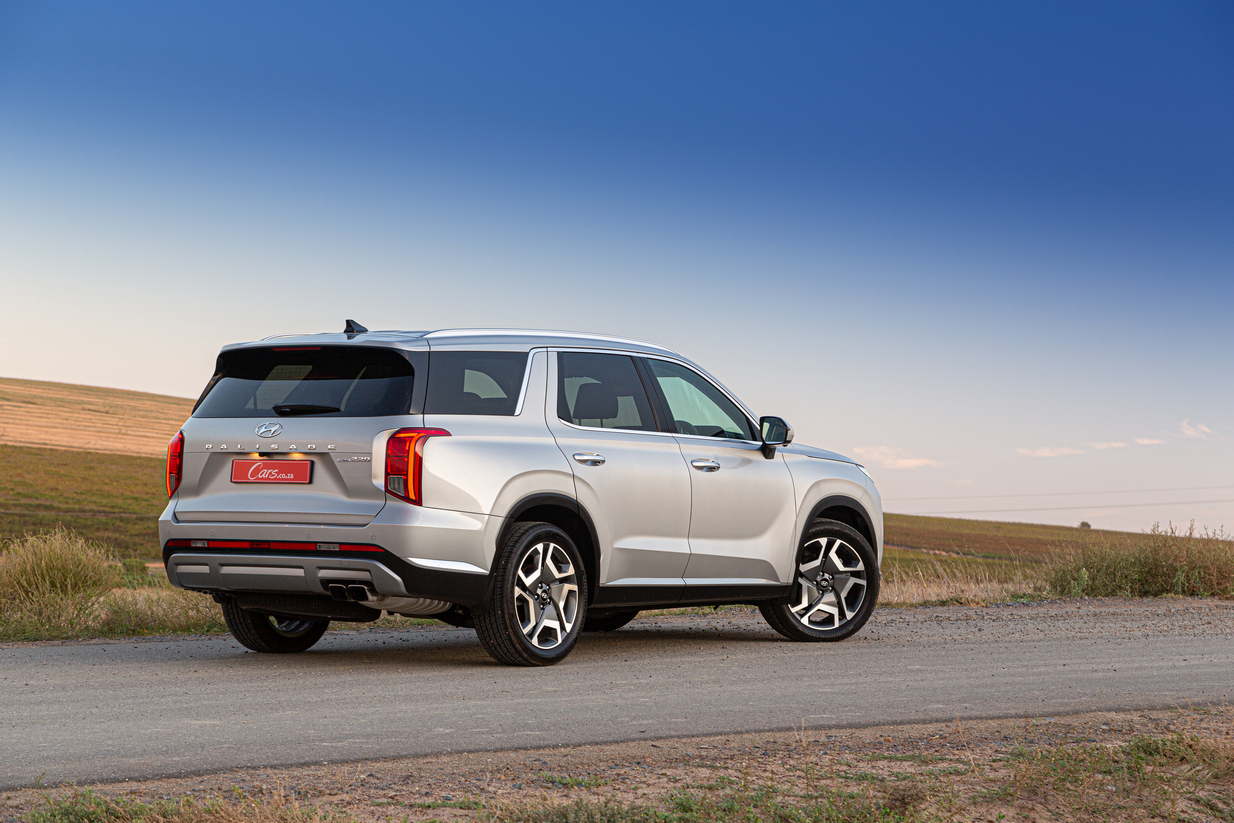
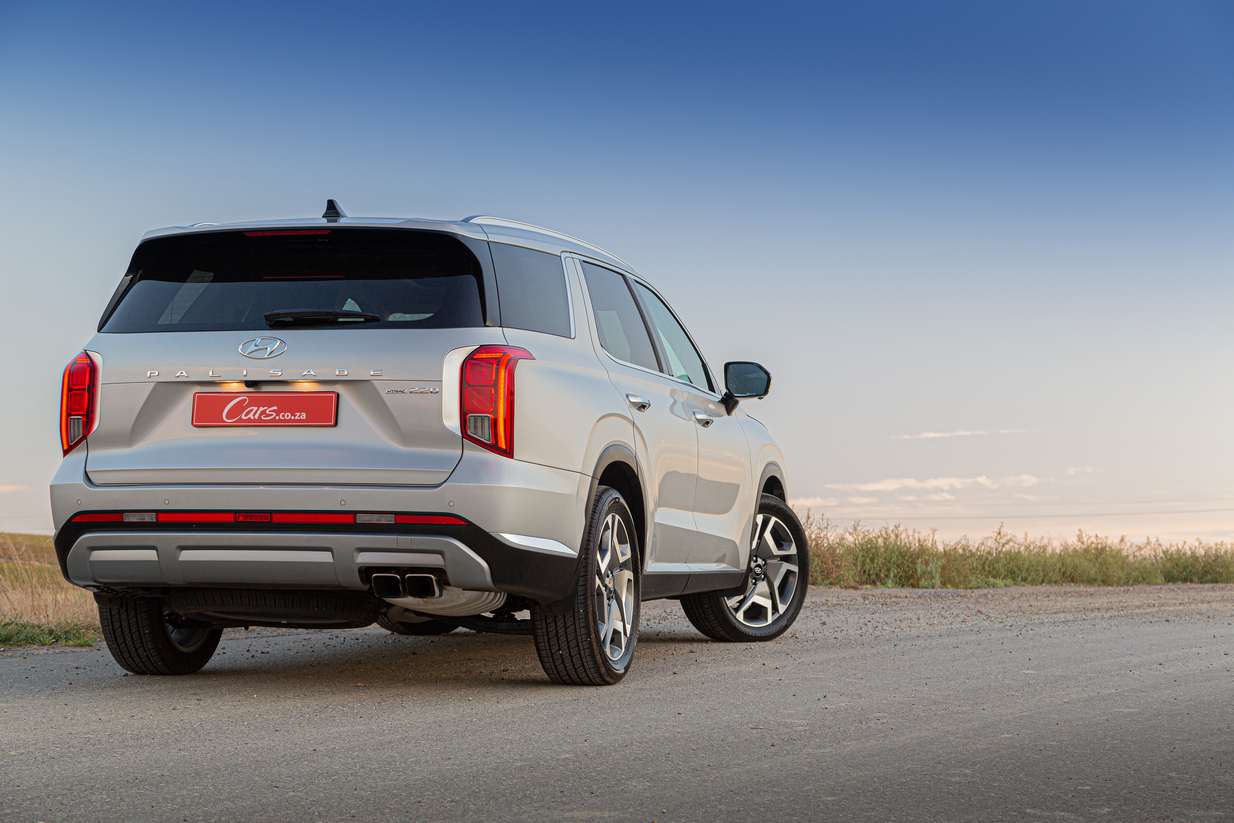
The revised tail lamps help to broaden the look of the 2023 Hyundai Palisade at the rear.
What we have here is essentially a large family car disguised as an SUV. While it does offer a modicum of “off-road” ability, it is not really a 4×4 in the mould of a Ford Everest or Toyota Land Cruiser Prado, which are similarly priced. No, the unibodied Palisade (as opposed to the Toyota and Ford, both of which are based on ladder-frame chassis) is designed for maximum spaciousness, refinement and practicality; plus it’s capable of getting its tyres slightly dirty when required. So, it’s not quite an adventure SUV, then…
It’s easy to distinguish the facelifted Palisade from its predecessor. Up front, the shapely, chrome-finished grille has made way for a squared-off maw clad in piano black, flanked by vertical arrays of “ice-block” lamps and elongated LED running lights on either side. The updated Palisade certainly has a more commanding presence and drew many favourable comments during the model’s tenure in our test fleet.
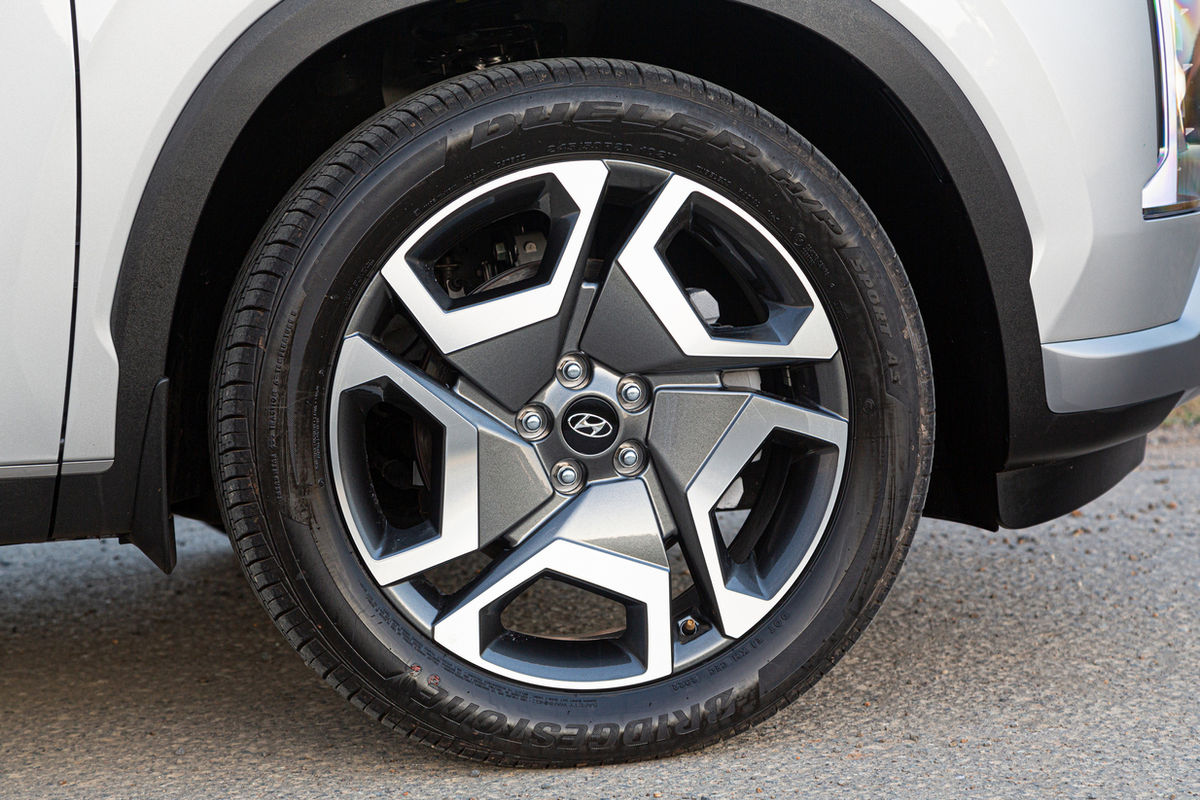
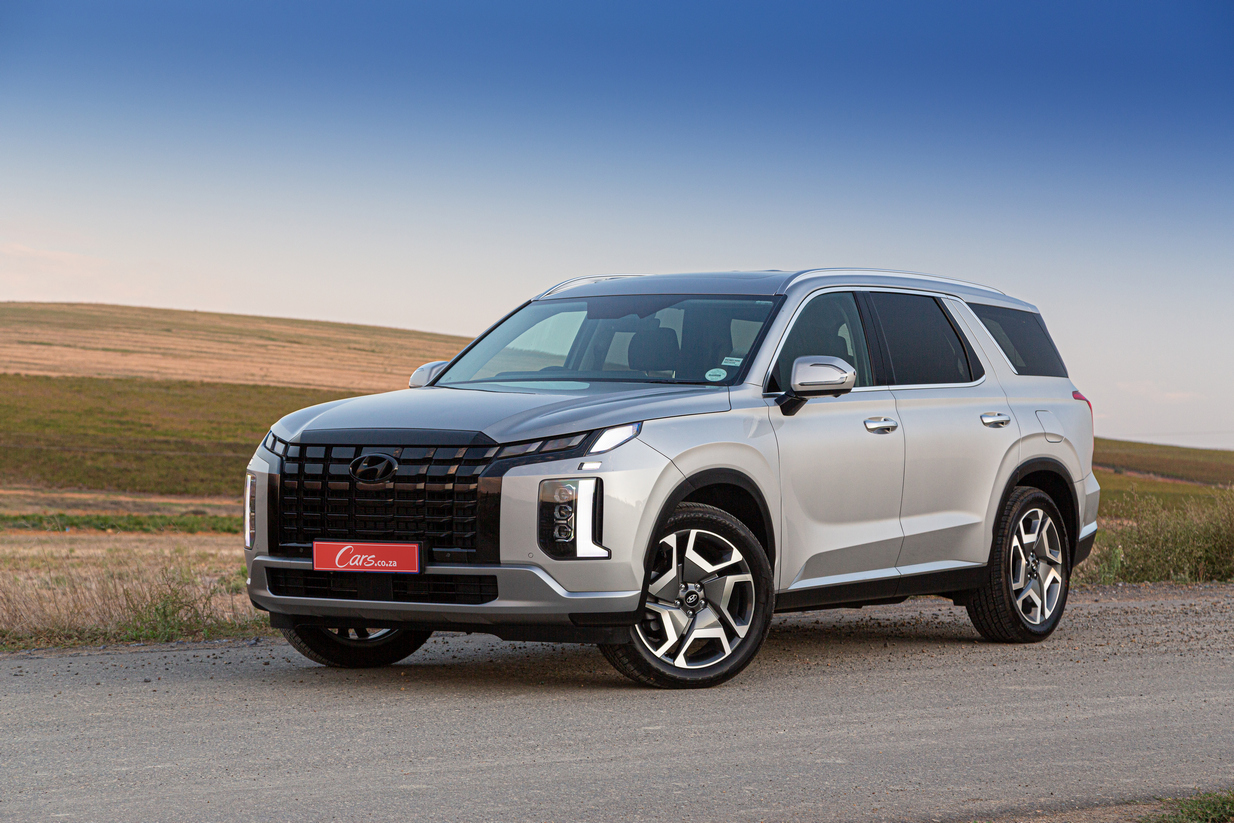
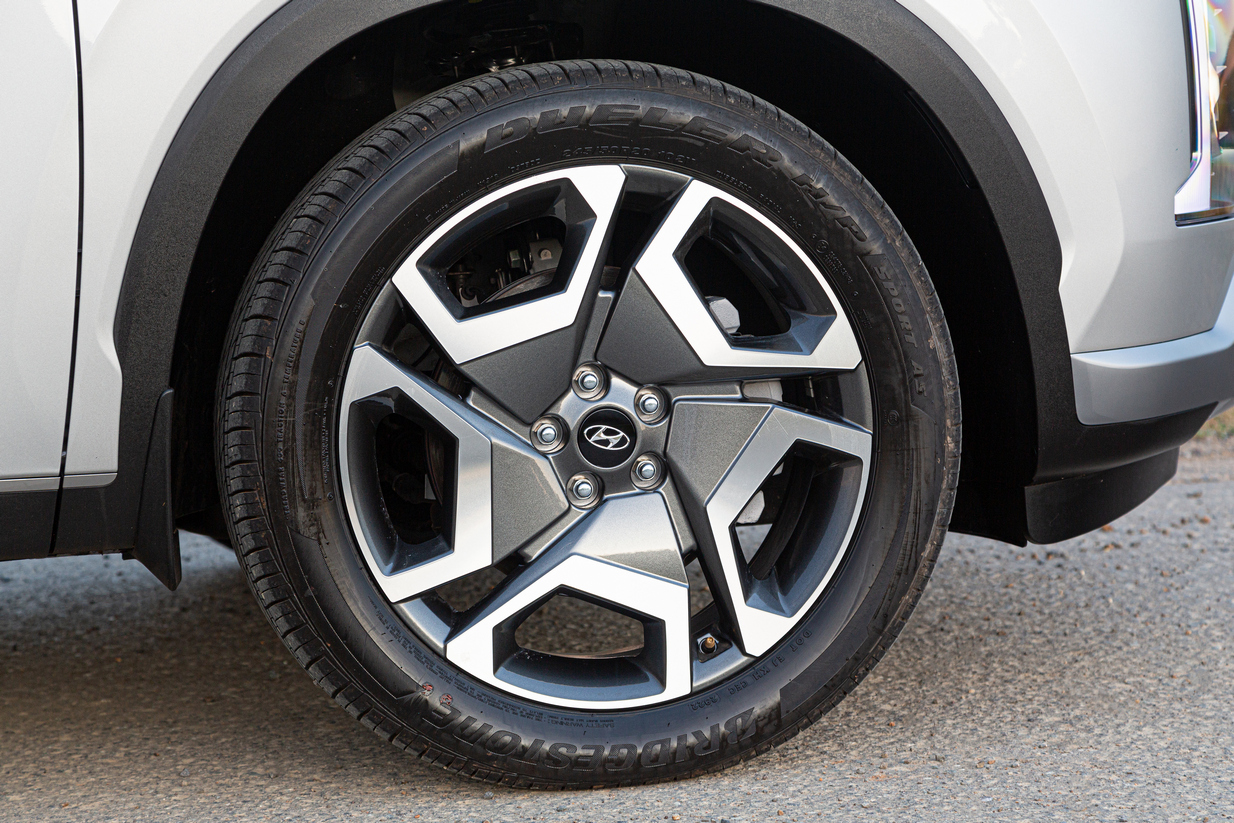
The 2023 Hyundai Palisade is slightly longer than the pre-facelift version and fitted with revised 20-inch alloys.
As for the flanks, eagle-eyed observers will notice the revised 20-inch alloy wheels and, perhaps, that the model has grown 15 mm longer. At the rear, changes are minimal; the most notable update is that the tail lamps are more integrated into the flow of the rear bumper (to accentuate the width of the vehicle).
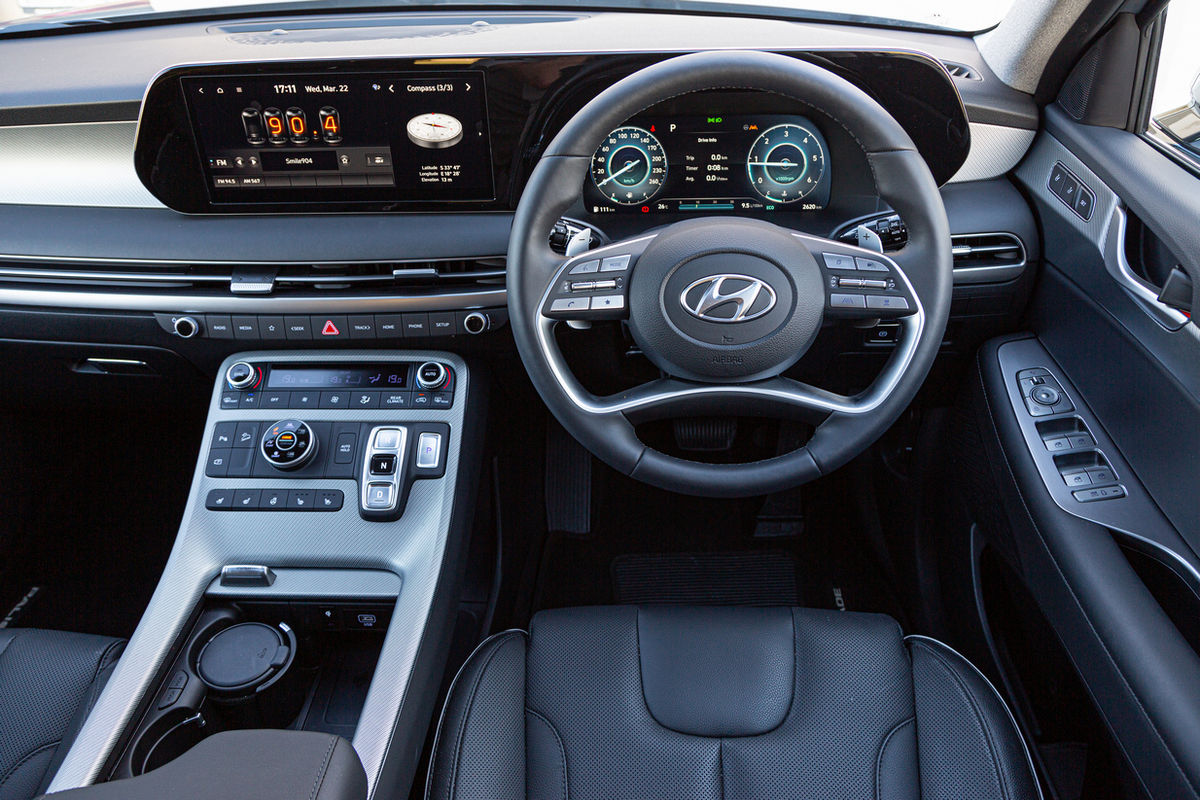
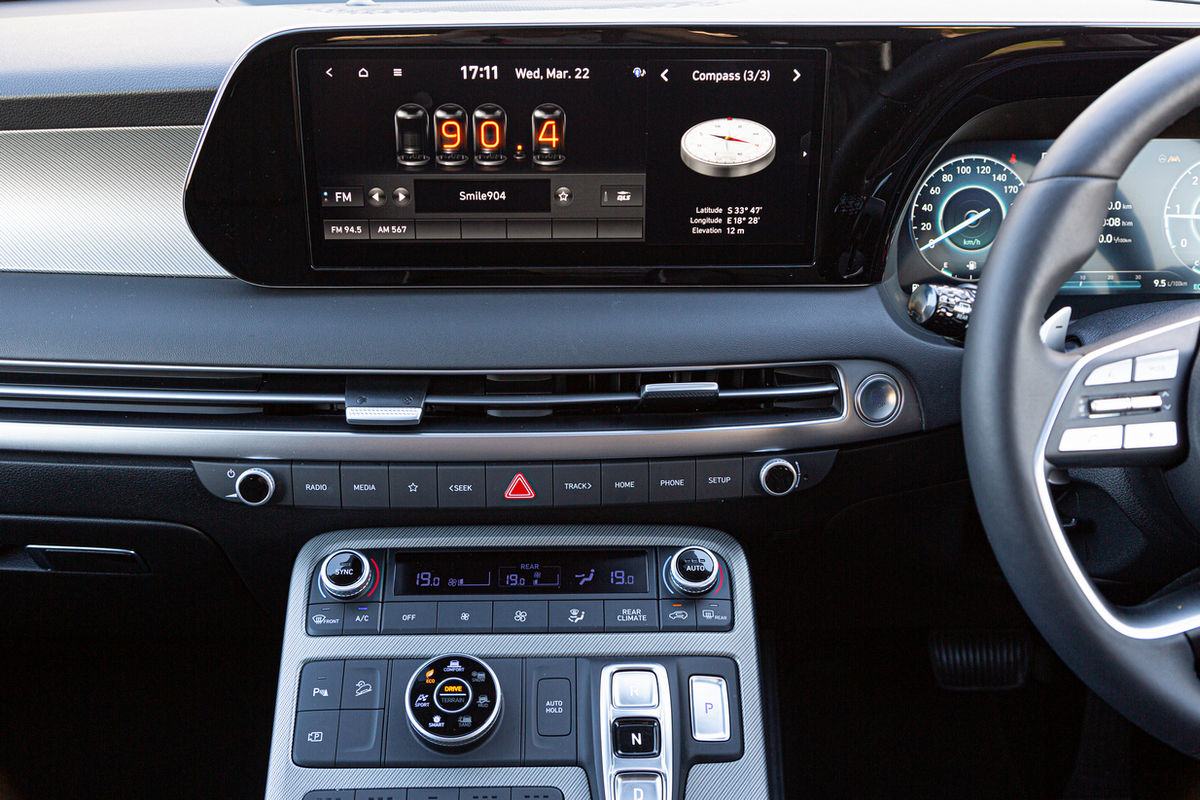
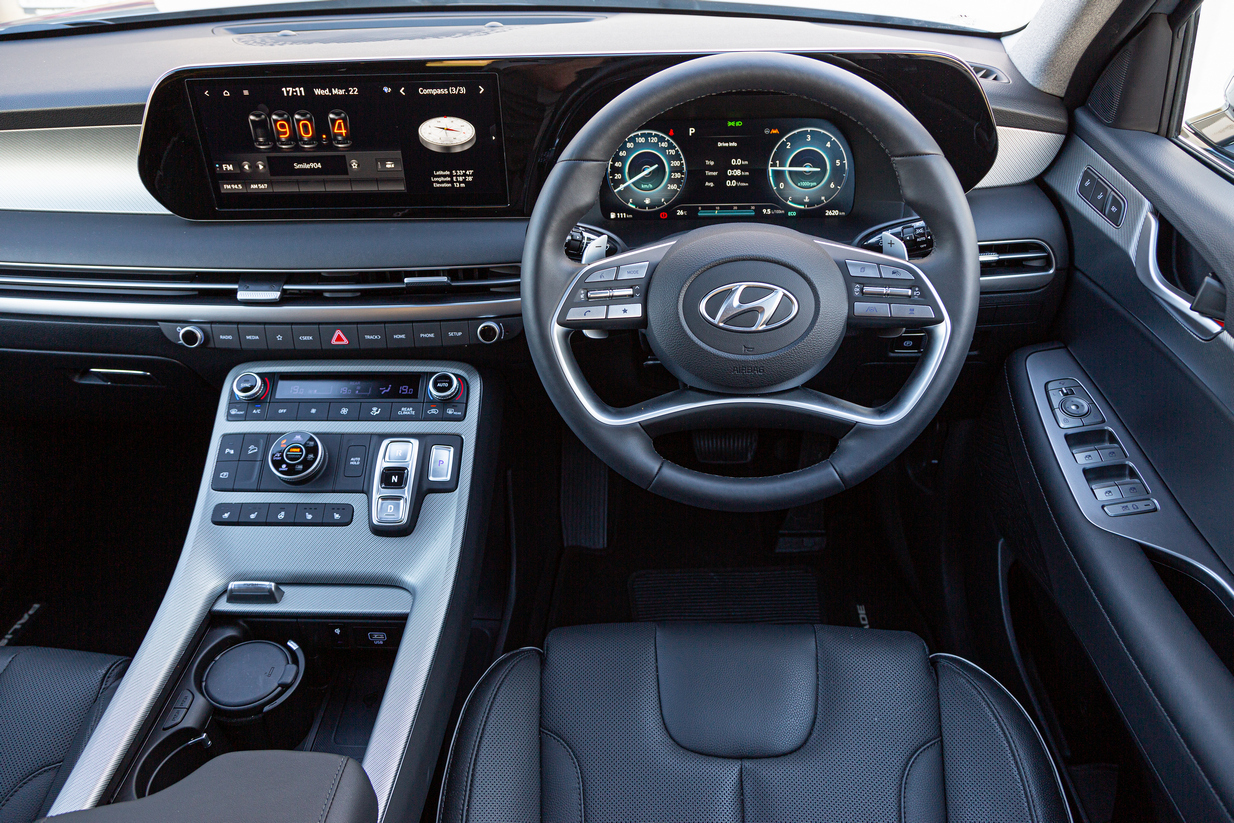
Inside, the most obvious revision is the larger (12-inch) infotainment touchscreen (more on that later). Fit-and-finish is excellent – top-notch materials give the Palisade a cabin ambience worthy of its price tag. We liked the satin silver mesh-like trim on the centre hang-down section and transmission tunnel in particular… It looks classy, doesn’t show dust as easily as piano black, and seems scratch resistant.
The 2023 Hyundai Palisade’s interior has exemplary fit-and-finish, with quality materials and tasteful trims.
When seated in the cossetting driver’s chair, the elaborate width of the Palisade cabin is immediately apparent – the front passenger seat seems further away from the driver’s than even in the new Everest, for example, which is anything but a narrow vehicle. Overhead, there is a sunroof (not panoramic), and a second sunroof, which is individually operated (from the front), for 2nd-row passengers.
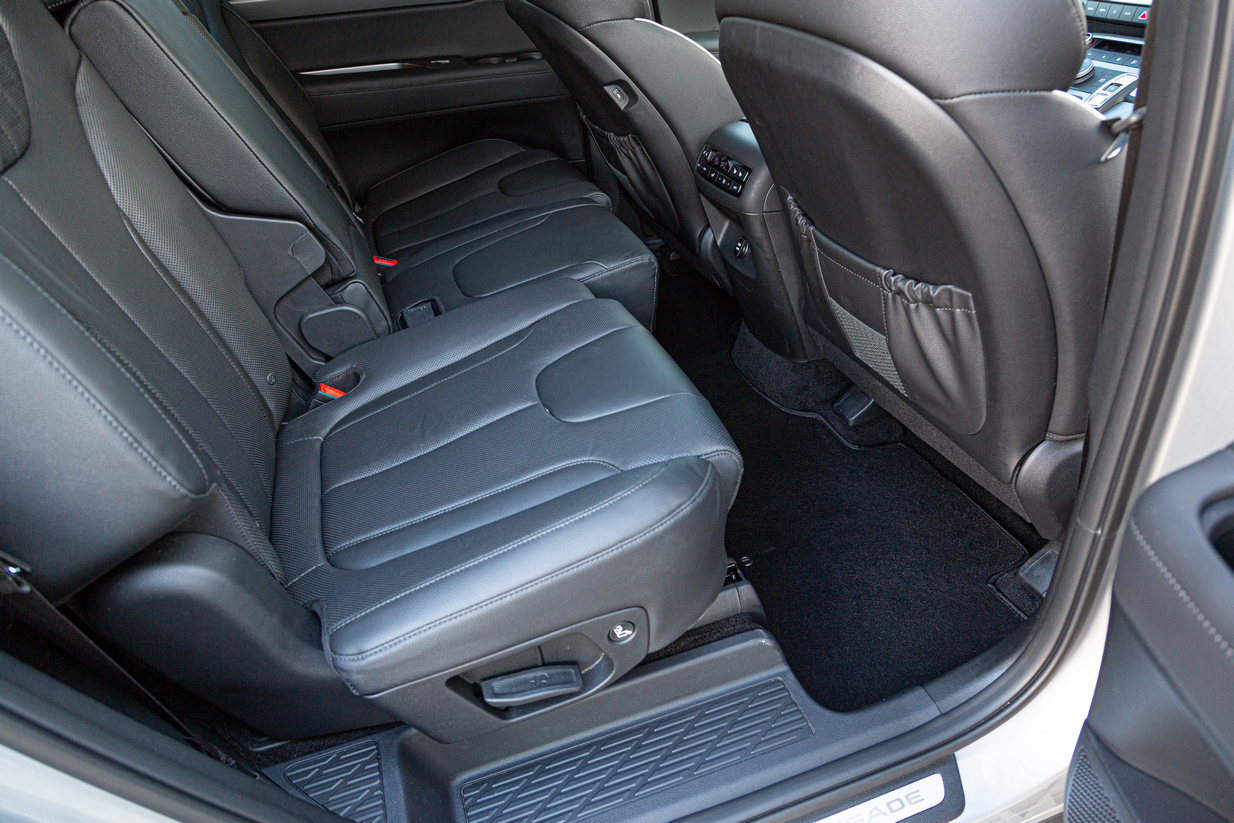
The test vehicle was an 8-seater – with a bench in the 2nd row, as opposed to the pair of captain’s chairs in the 7-seater version (there is no price difference between them). The middle row can, in actual fact, accommodate a trio of 1.8-metre tall adults in comfort, with plenty of knee-, shoulder and head-room for all. It can also slide fore – to increase comfort for those in the 3rd row, or aft – to free up more legroom.
The 2nd row can slide fore and aft and it’s easy to flip a section forward to allow easy access to the 3rd row.
Furthermore, 2nd-row passengers have access to their own climate control system and the seats are heated and ventilated! The rear doors boast two drinks holders each, as well as window blinds. A 12V power outlet is provided and USB-C ports have been integrated into the front seatbacks – very neat!
Folding and sliding the 2nd row forward (to gain entry into the 3rd row) is as easy as pressing a little button. While three safety belts are provided for the occupants of the rearmost row, which can definitely accommodate 3 children or 2 smaller adults, the space is too tight to seat three 1.8-metre adults, for example. Still, the space is impressive and, once again, drinks holders and USB-C outlets are provided.
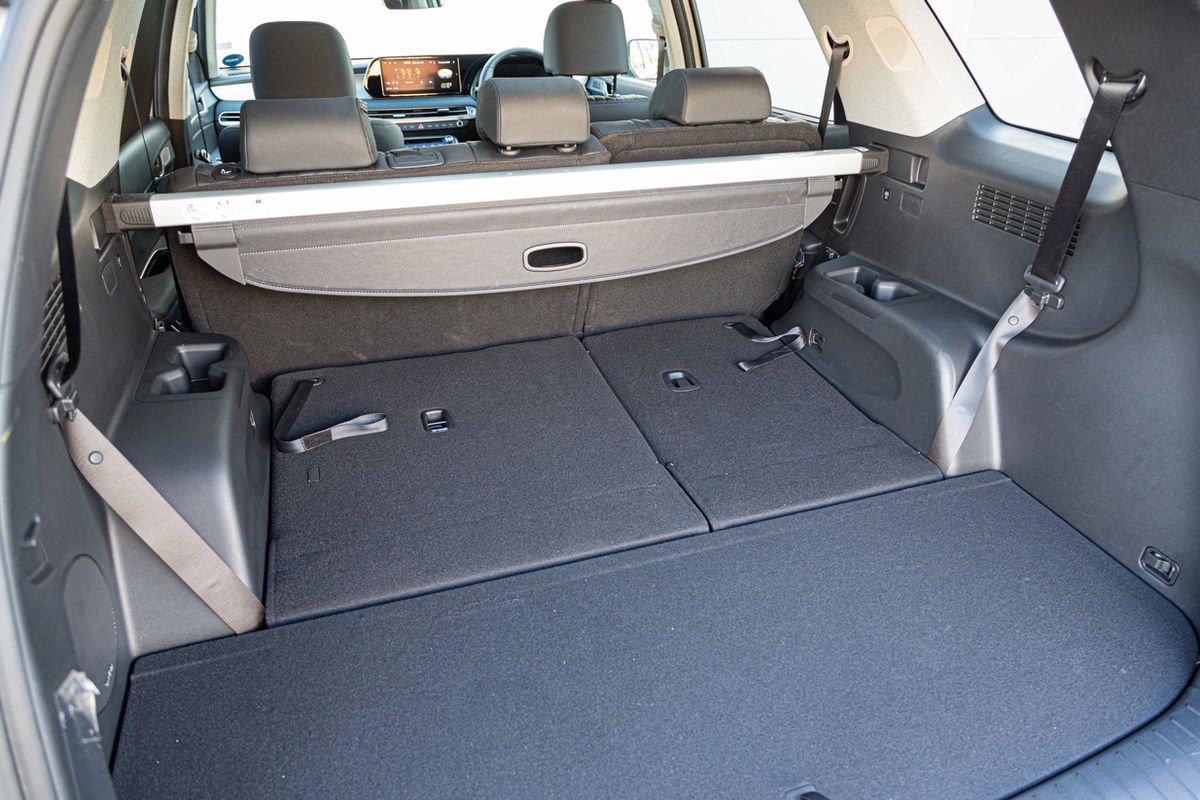
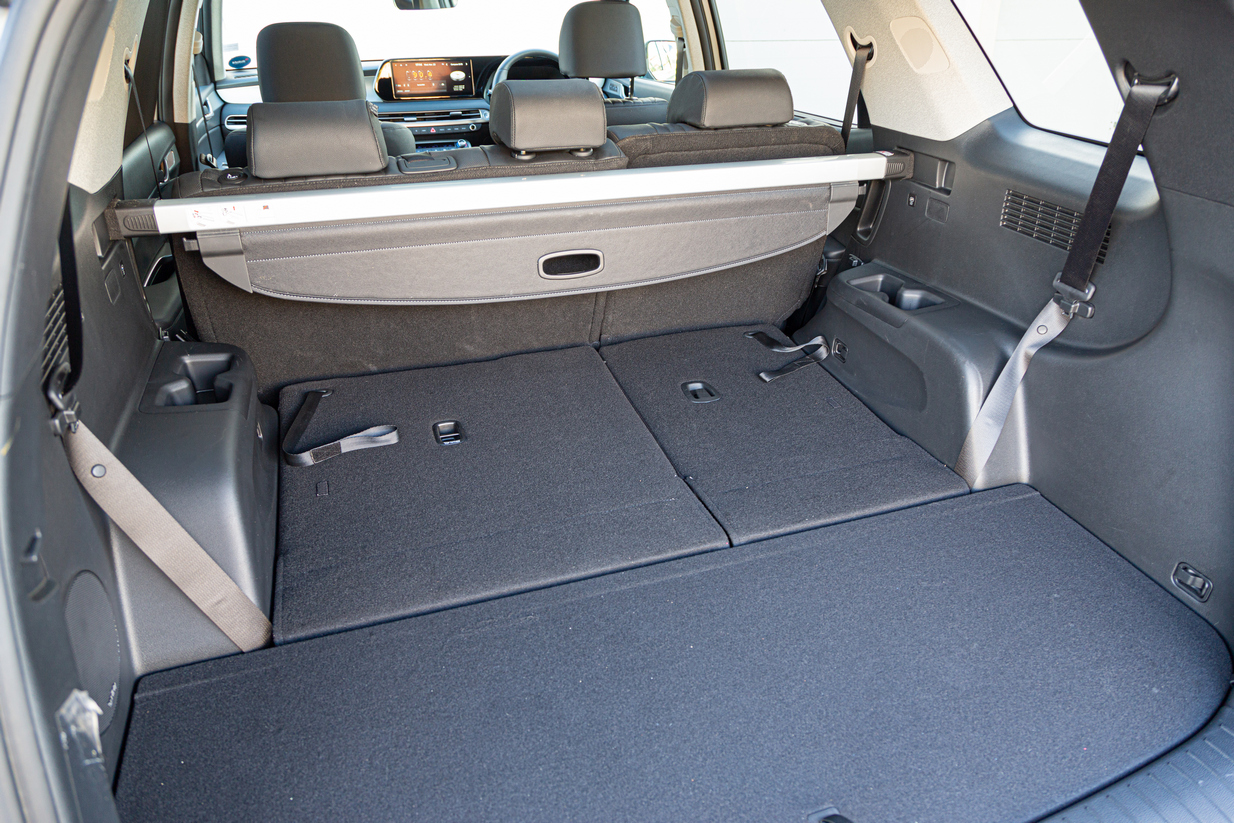
When its rear seats are stowed, the Palisade’s load bay extends to offer plenty of additional luggage space.
The most impressive aspect of all, perhaps, is that even when all its seats are occupied, the Palisade provides a decent amount of luggage space behind the 3rd row. The boot floor also lifts up to reveal even more packing space for some soft bags (the spare wheel is mounted underneath the vehicle).
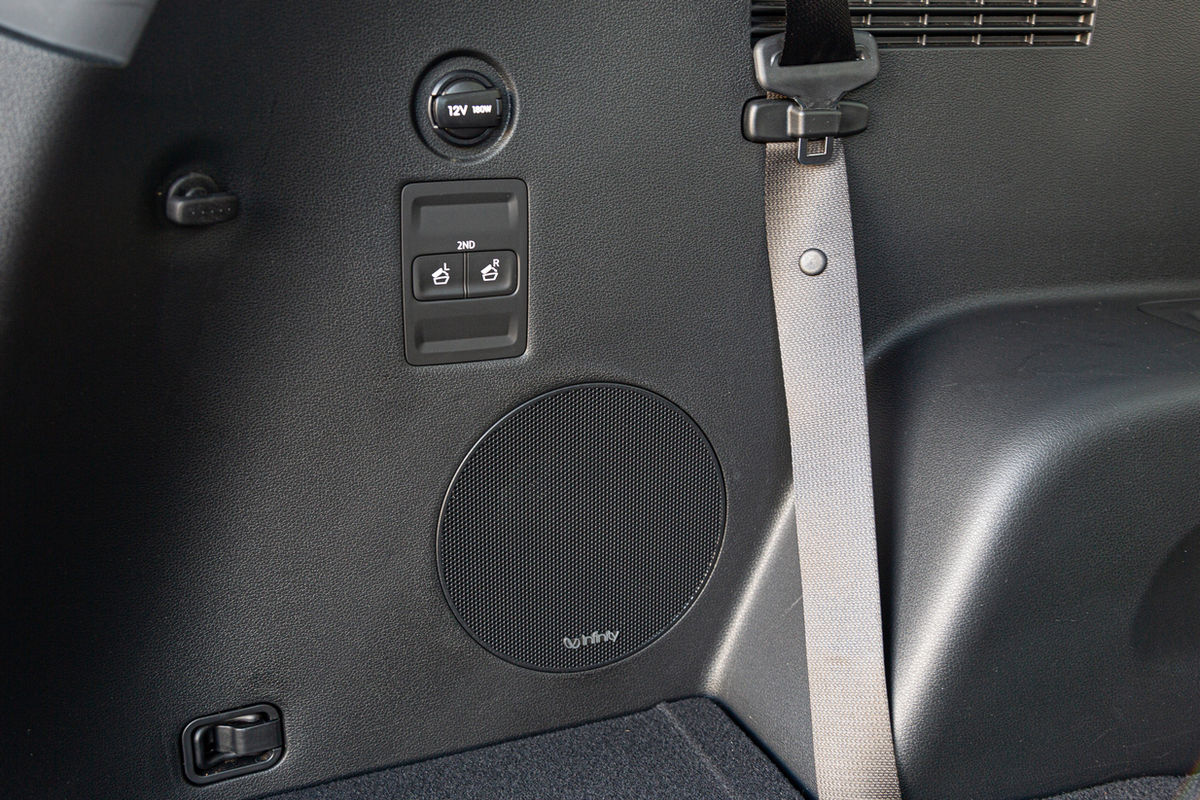
To fold down the rearmost row, all you have to do is pull on the cords on the seatbacks. Suffice it to say, when the 3rd row is folded away, the load bay is nicely square-shaped and positively cavernous. Two buttons (mounted on the side of the load bay) allow you to fold down the 2nd row remotely, and then the space is van-like. We’re confident no other SUV at the price offers as much utility space as the Palisade.
Whereas the 2.2-litre 4-cylinder turbodiesel engine is a bit of a workhorse, it’s an admirably frugal motor.
Performance and Efficiency
If there is a weak link in the Hyundai Palisade’s armoury, it’s located under the pseudo-SUV’s bonnet. Don’t misunderstand us: there is nothing inherently wrong with the 2.2-litre 4-cylinder turbodiesel, it’s just that the 142kW/440Nm powerplant is outgunned by its major rivals. When you stand outside the vehicle while its engine is running, you’ll also notice that it generates quite an agricultural sound. Inside, however, Hyundai has done an impressive job of stopping that engine noise from entering the cabin.
The gearbox is an 8-speed automatic that does an impressive job of keeping the Palisade in its peak-torque band, so it never really feels underpowered. However, when cruising at near the national speed limit with a full complement of passengers and luggage on board, overtaking manoeuvres require some planning (and sufficiently large gaps). Around town, however, you’re unlikely to find it underpowered.
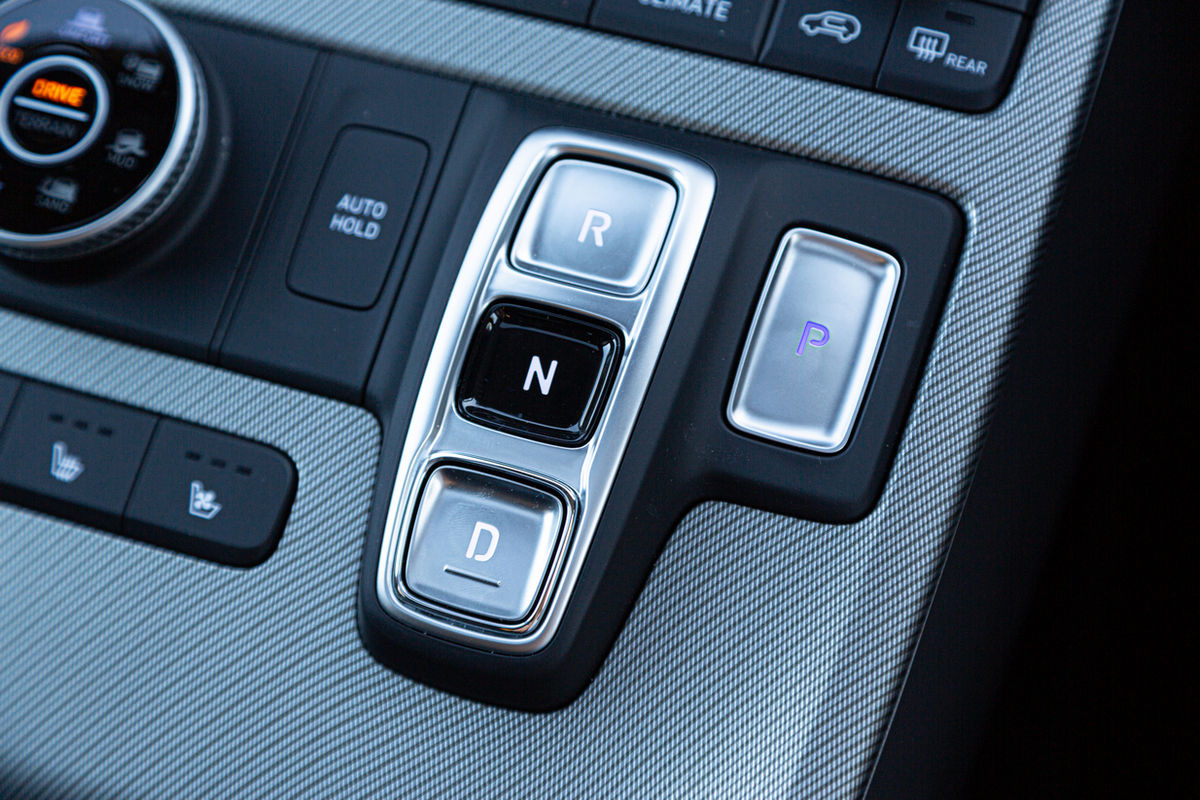
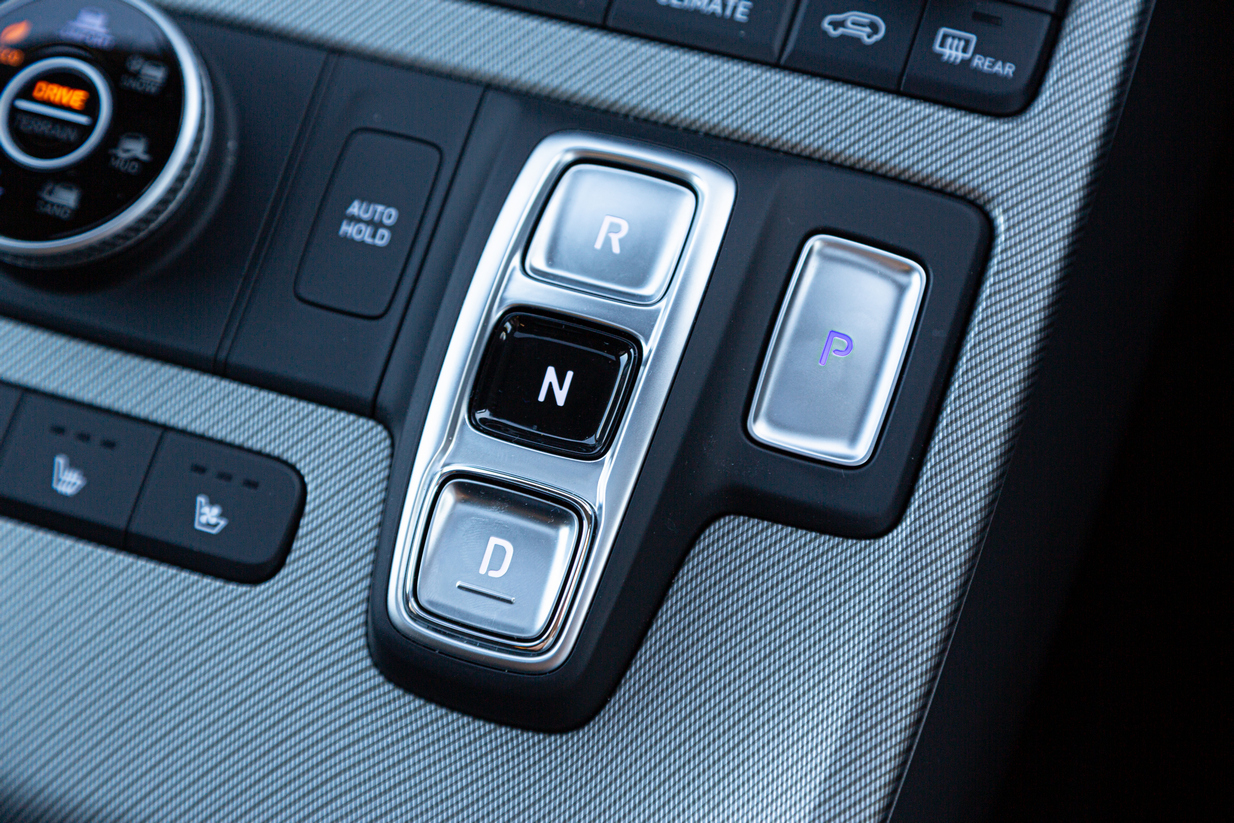
The 2023 Hyundai Palisade has a transmission console, not a -lever. Note the adjacent buttons for seat heating and cooling.
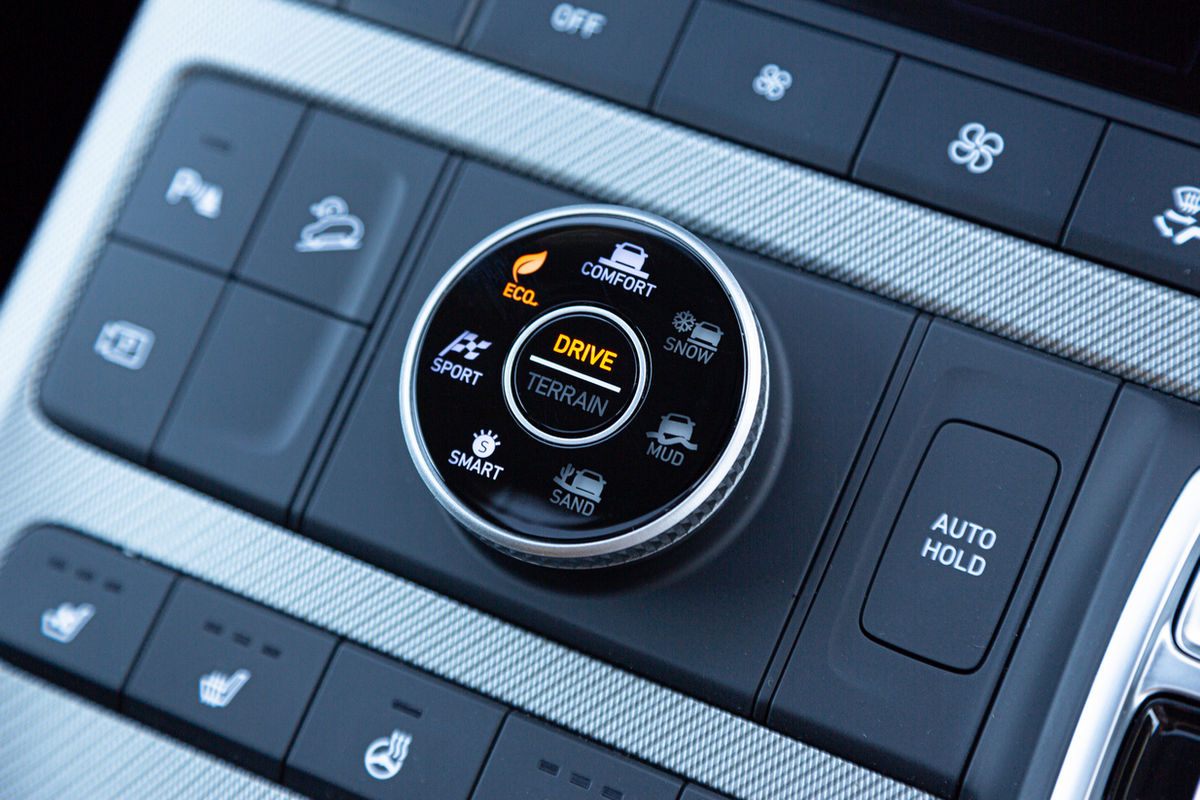
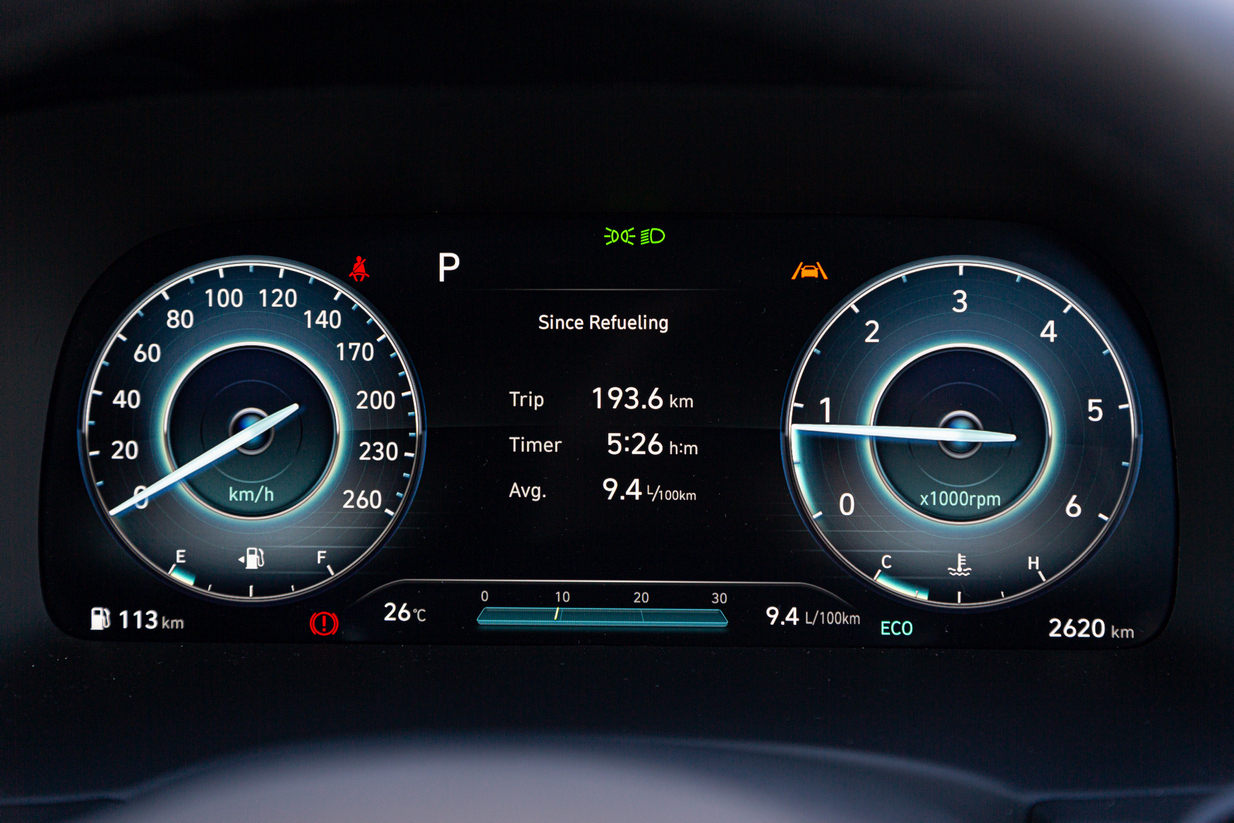
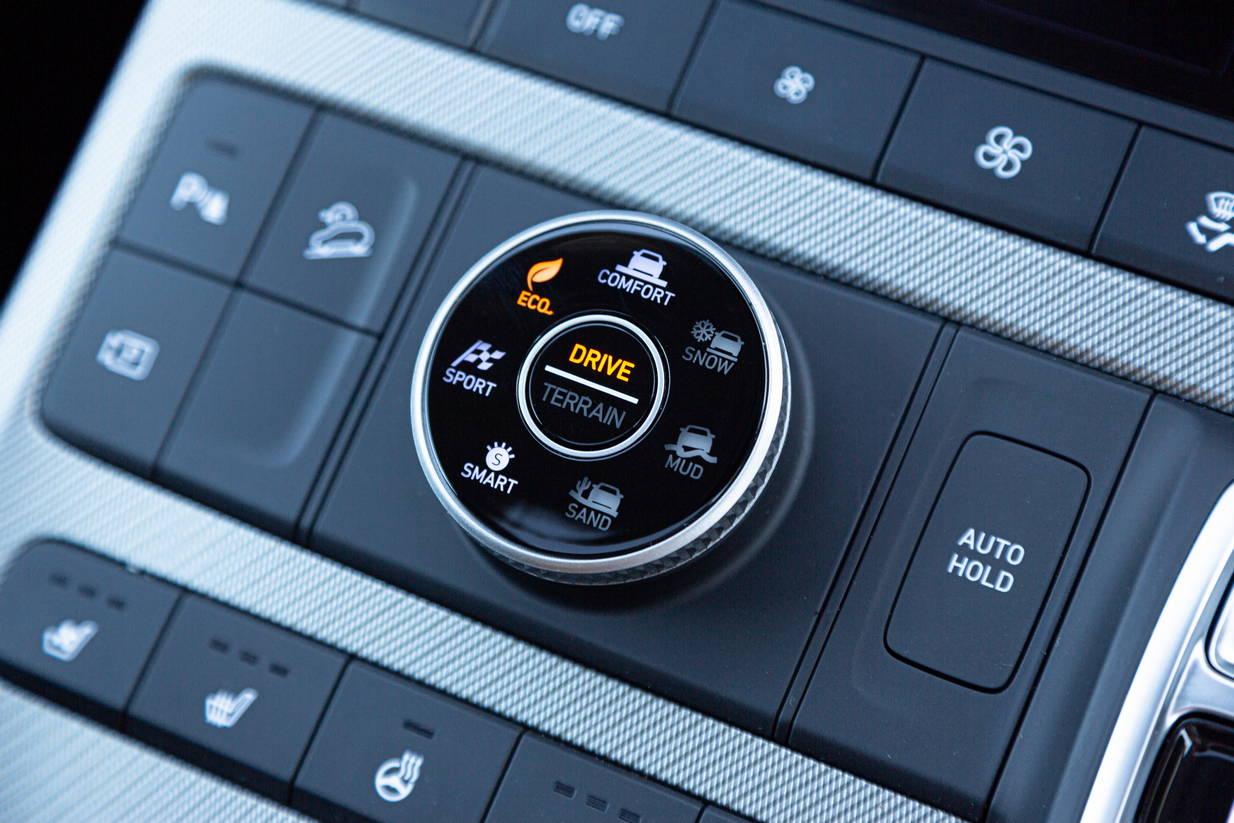
The key attribute that plays in its favour in this regard is weight. Thanks to its unibody construction, the Hyundai Palisade is about 500 kg lighter than its Everest and Prado rivals and, as a result, it has less weight to lug around. This also has a positive impact on fuel consumption. Hyundai claims an average figure of 8.2 L/100 km, and we achieved an indicated figure of just below 10 L/100 km (in a mix of urban and freeway driving), which is fair for a vehicle of this size (and its likely usage patterns); it’s certainly more efficient than the Everest. There are 4 drive modes to choose from: Smart, Sport, Comfort and Eco.
The Palisade may not suit buyers who need a strong towing vehicle though. Its maximum tow rating (for a braked trailer/caravan) is 2 200 kg, compared with 3 500 kg for the Everest and 3 000 kg for the Prado.
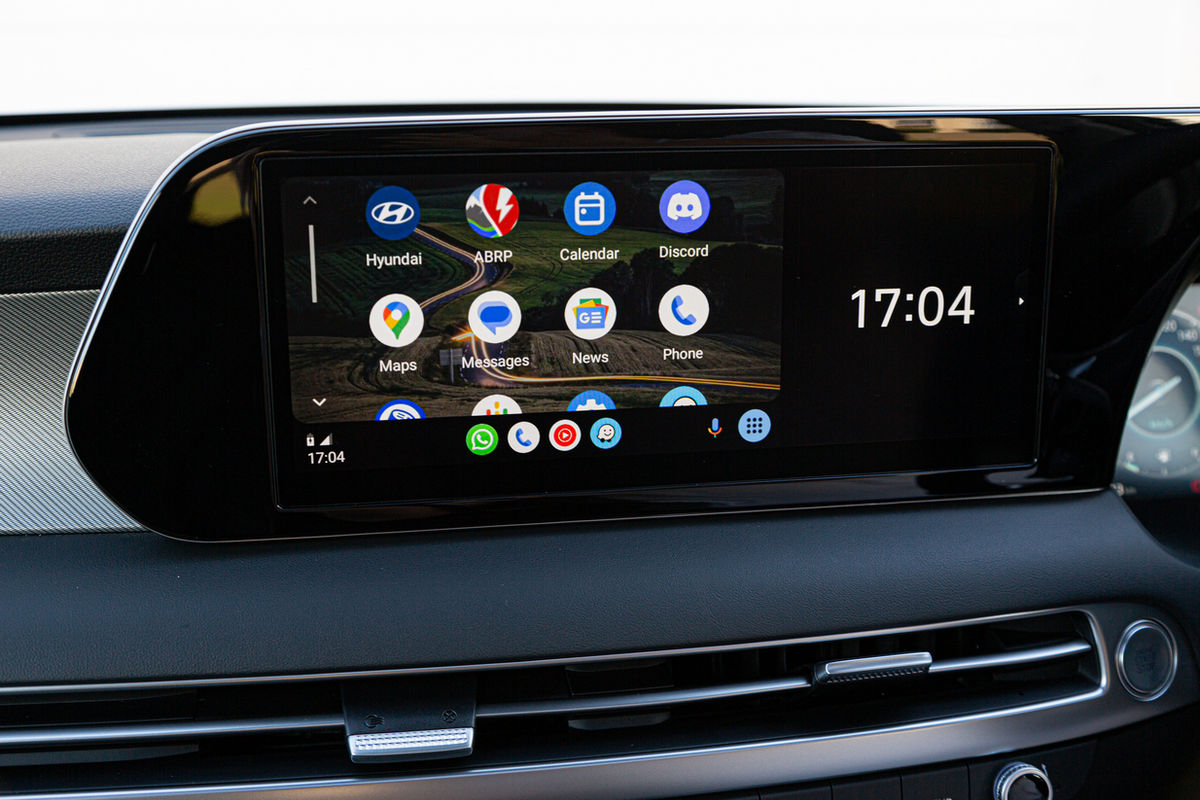
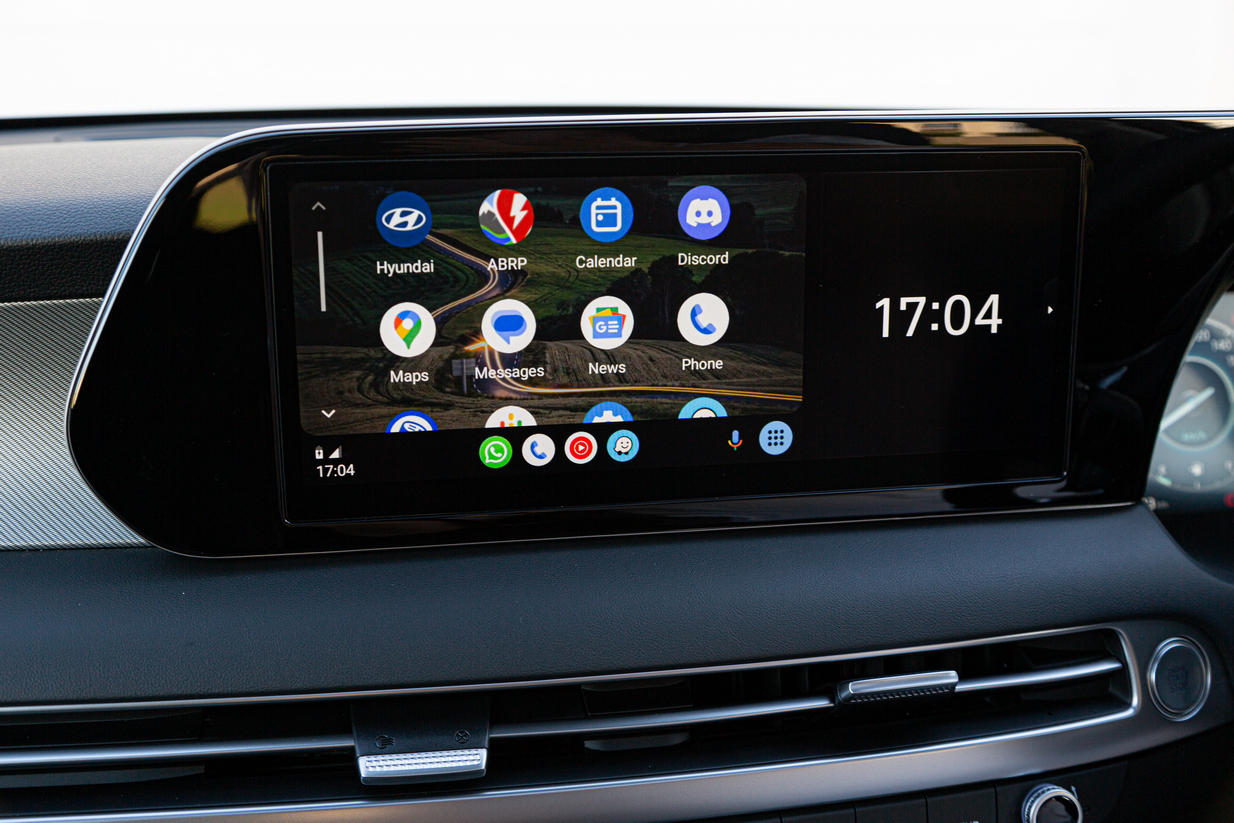
The enlarged (now 12-inch) infotainment touchscreen supports Apple CarPlay, as well as Android Auto.
Comfort and Features
As we mentioned in this model’s Launch Review, there are no options to choose from when buying the Palisade – it’s an “all-in” vehicle, which is impressive when you consider its long standard features list.
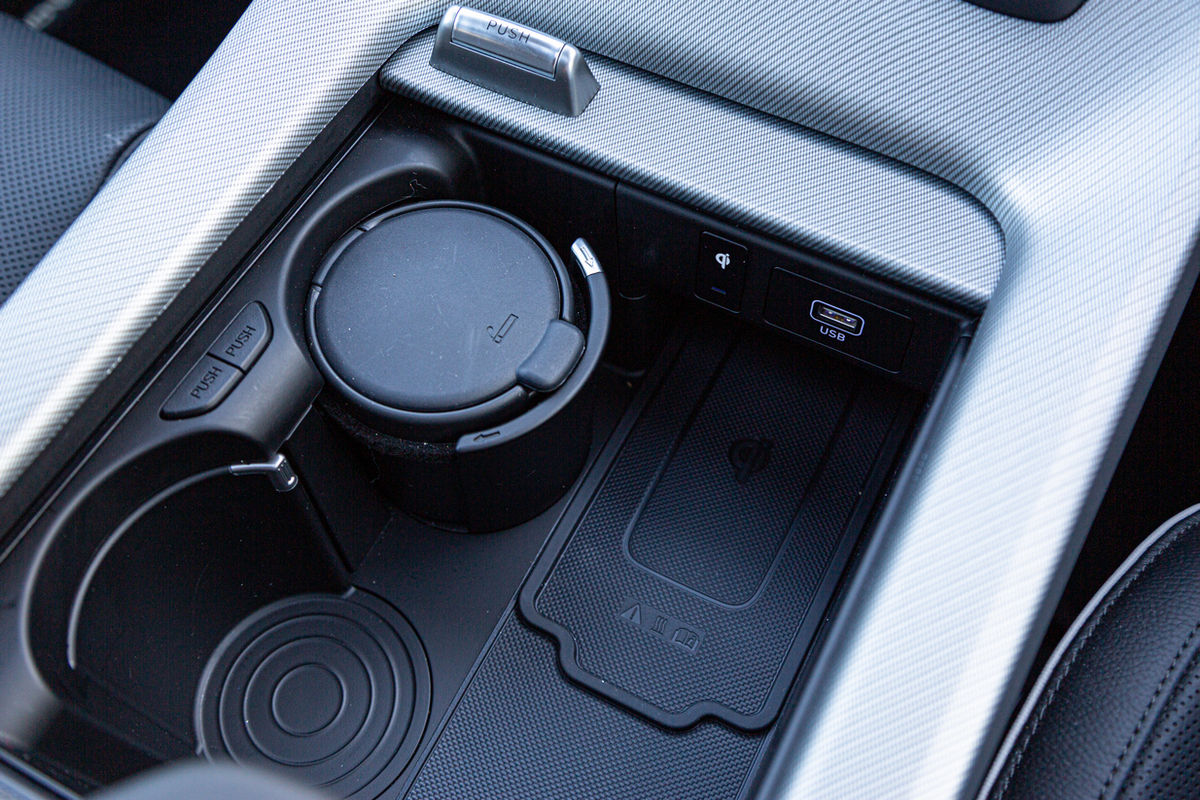
Of course, the updated infotainment system is a highlight, with slick graphics and some nifty features. You can, for example, access the car’s Infinity audio system to talk to passengers in the rearmost row (yes, the Palisade is that big). While it doesn’t feature built-in navigation, it does have Apple CarPlay and Android Auto functionality, and the wireless charging pad has been upgraded to a faster (15W) unit.
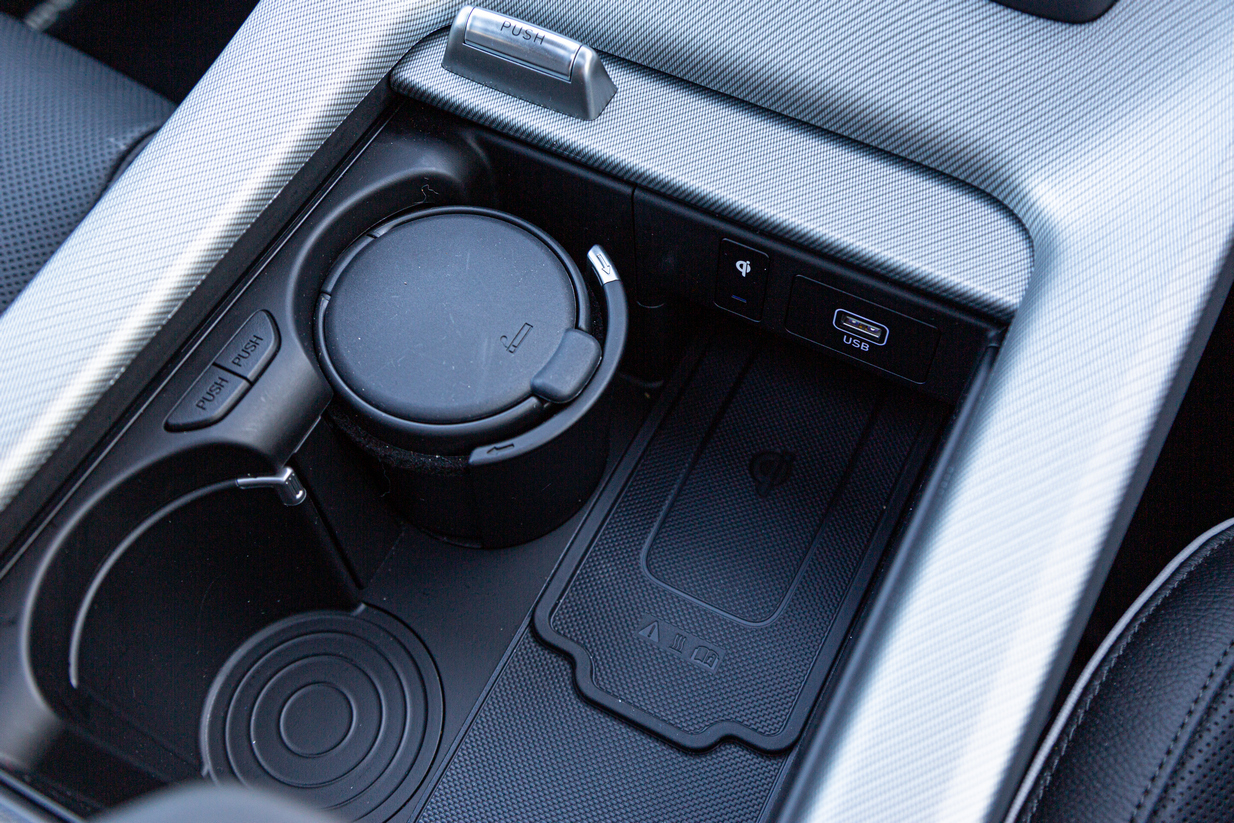
Hyundai has upgraded the Palisade’s wireless charging pad to a 15W unit, which charges devices faster than before.
The front seats are heated and ventilated, while there are 2 memory settings for the driver’s chair. The rim of the multifunction steering wheel is also heated. The front of the cabin features dual-zone climate control, plus there are numerous storage areas as well as a pair of USB outlets (1 USB-A and 1 USB-C).
Another key focus area was safety. In addition to the expected features, the Palisade now offers forward-collision avoidance, lane-keep assist, blind-spot monitoring, adaptive cruise control and even “safe exiting” (an alert goes off if you attempt to open the doors while traffic is closing in on the vehicle). The model scored 5 stars in a recent round of ANCAP (Australian) crash testing for right-hand-drive vehicles.
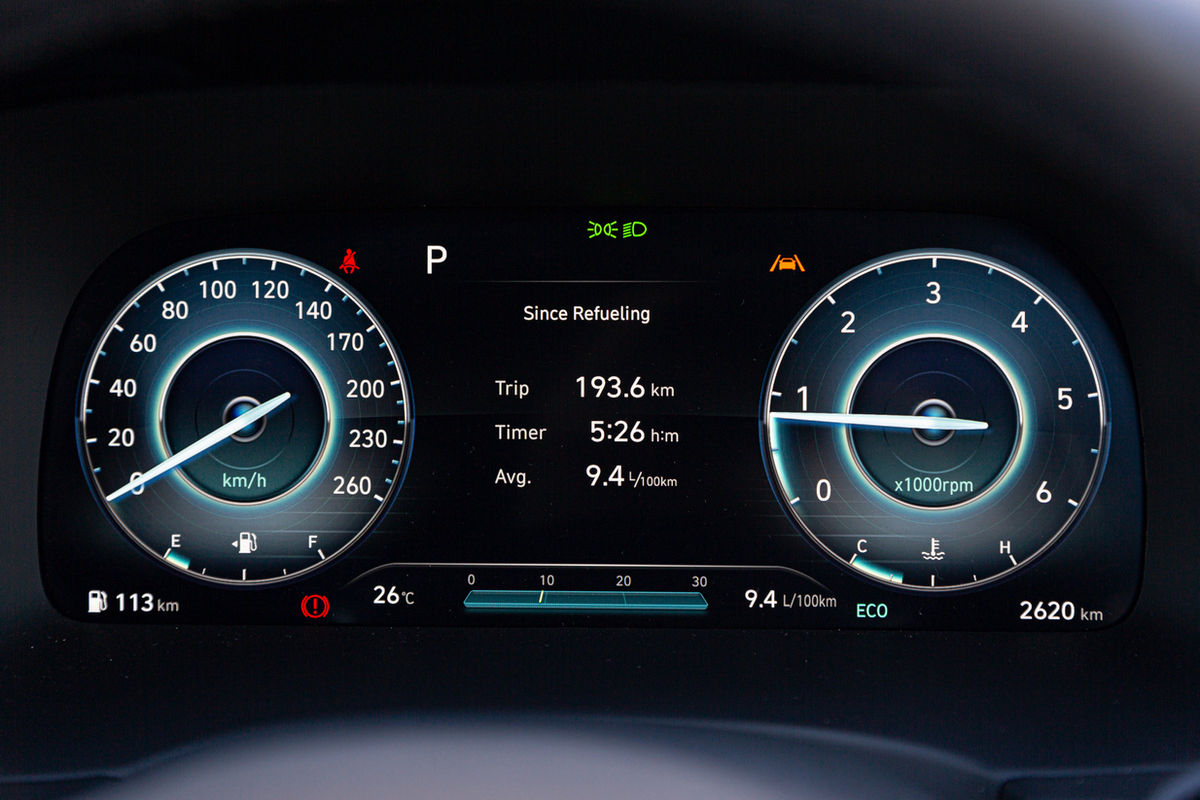
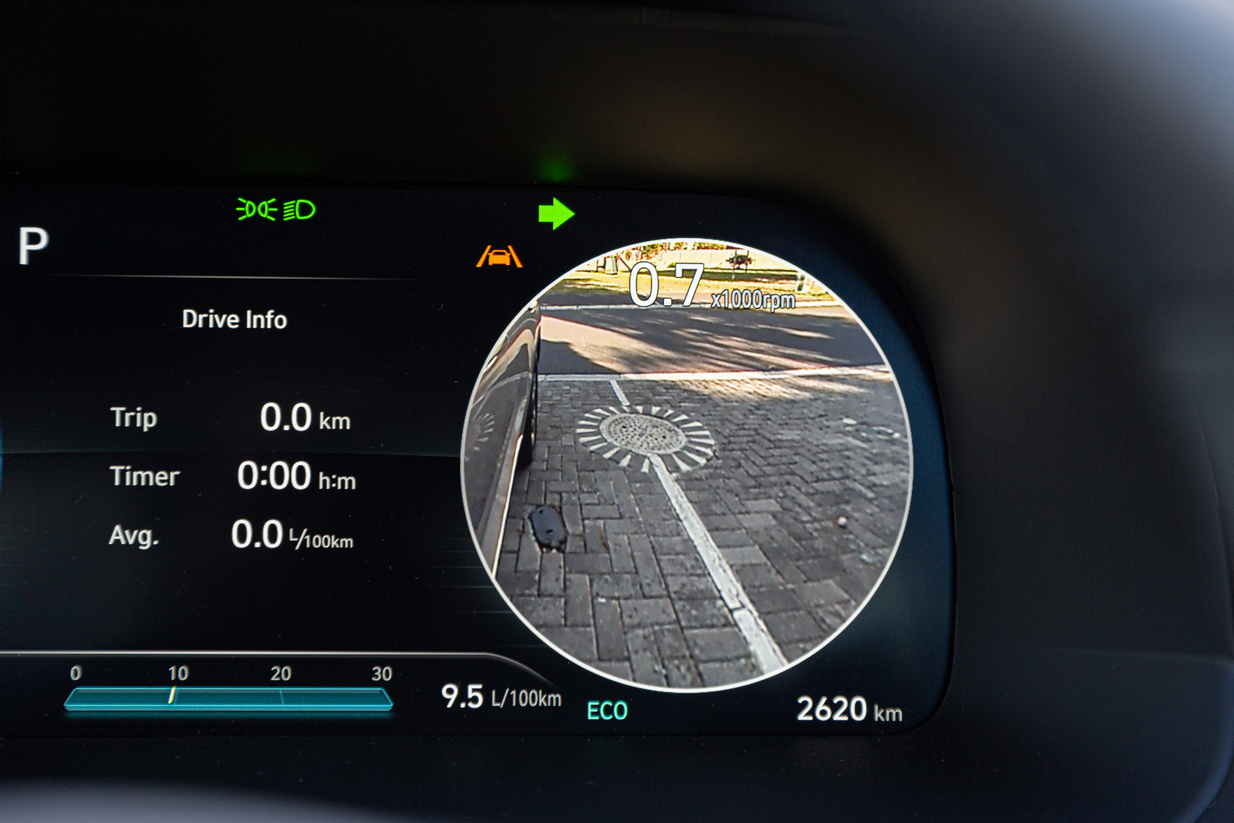
When you use the indicator stalk in the Palisade, a camera relays the relevant blind-spot view on the digital instrument cluster.
Ride and Handling
The Palisade is Hyundai’s biggest passenger vehicle to date, and given its unibody construction, the firm’s designers could focus on maximising cabin space – and on-road dynamics!
There are inherent advantages to unibody construction, including improved torsional rigidity and overall refinement, as well as a lower centre of gravity. The Palisade also has a wider footprint than its rivals and a relatively lower vehicle height (as well as mass). Consequently, Hyundai’s contender is more car-like to drive than the Everest and Prado, as well as more refined, and less “top-heavy” by comparison.
When most people hear “20-inch wheels and tyres” they expect a firm ride quality, but the Palisade’s suspension is pliant.
While the Everest did impress with regards to its on-road dynamics “for a ladder-frame chassis-based vehicle”, there are no such caveats when it comes to the Palisade. It offers superior refinement, feels more secure when cornering at higher speeds and rides well on its standard 20-inch wheels.
The downside to its passenger-car-like construction is that the Palisade is not much of an off-roader. Its ground clearance is meagre compared to those of its rivals, and its tyres are very much road-biased.
The Palisade offers 7 drive modes that are tailored to various on- and off-road driving conditions.
The model does offer selectable “off-road” modes, including mud, snow and sand, and it copes admirably with poor gravel surfaces, but it’s no rockhopper. There is no low range or diff-lock. Its approach/departure angles are also not competitive with those of comparatively-priced off-roaders.
Price and After-Sales Support
The Hyundai Palisade 2.2D 4WD Elite 8-Seater costs R1 099 000 (the same as the 7-seater version). There are no add-on options to specify and the price includes a 5-year/150 000 km vehicle warranty, a 7-year/200 000 km drivetrain warranty and a 7-year/105 000 km service plan. Very impressive!
The updated Hyundai Palisade is not aimed at off-road fanatics, but buyers of large family cars that appreciate SUV-like styling.
Verdict
In many ways, you can consider the Hyundai Palisade an SUV-styled Kia Carnival (which is its cousin). That is a compliment, seeing as we rate the Kia minivan as arguably the finest large family vehicle of all.
However, for those buyers who don’t like the style of a “bus”, and prefer the design and visual appeal of an SUV, the Palisade will be a particularly tempting proposition. Yes, it could do with a little more grunt, but if you’re not going to tow large trailers, or go bundu-bashing, we think the Palisade is the best large “family-oriented” SUV that R1.1 million can buy in the new-vehicle market. And that’s some achievement!
Fresh front-runners! SA’s 20 best-selling passenger vehicles in Q1 2023
We’ve tallied up the figures to identify South Africa’s 20 best-selling passenger vehicles for Q1 2023. And there was plenty of movement on the list of SA’s favourite new cars in the 1st quarter of the year…
The opening quarter of the year has already come and gone, giving us an opportunity to sort through the sales figures and list South Africa’s best-selling passenger vehicles for the year so far. So, which were the country’s most popular new cars in Q1 2023?
Well, before we dive into the individual model sales figures, it’s worth noting total domestic new-vehicle sales stood at 139 437 units after the first 3 months of 2023, representing an increase of 2.4% compared with the same Q1 period in 2022. The passenger-car market accounted for 93 100 of those year-to-date registrations, down 0.6% on the opening quarter of last year.
There was plenty of movement on the list when compared with 2022’s final standings. As an overview, Toyota grabbed 5 of the top 20 spots, while Volkswagen and Renault each took 3 positions. In addition, a trio of Chinese vehicles made the cut. Right, let’s take a closer look at the numbers, starting with the top 5…
Toyota’s Corolla Cross out in front after Q1 2023
The Prospecton-built Toyota Corolla Cross was SA’s top-selling passenger vehicle after the opening 3 months of 2023, with 5 564 units registered (with its strongest showing of 2 042 units coming in January). As a reminder, the Corolla Cross placed 4th on this list for the whole of 2022, despite production having been interrupted by the KwaZulu-Natal floods, but finds itself leading after the intial quarter of this year.
The Toyota Starlet (4 624 units) – which is produced by Maruti Suzuki in India, shares much with the Baleno and is the highest-ranking hatchback on the list – placed 2nd (up from 6th last year), just 41 sales ahead of the Kariega-manufactured Volkswagen Polo Vivo (4 583 units). In 2022, VW’s prolonged lifecycle model claimed the title of SA’s strongest-selling passenger car, but currently finds itself in 3rd.
The imported Suzuki Swift hatchback (4 114 units) was off the podium in 4th position (down from a strong 2nd last year), but still well ahead of the locally produced Volkswagen Polo hatch, which rounded out the top 5 with 2 967 units. The Polo was South Africa’s 2nd best-selling passenger vehicle in 2019, 2020 and 2021 (behind its Vivo sibling each time), but fell to 5th in 2022, a place it has thus far maintained in 2023.
A couple of Chinese crossovers crack the top 10
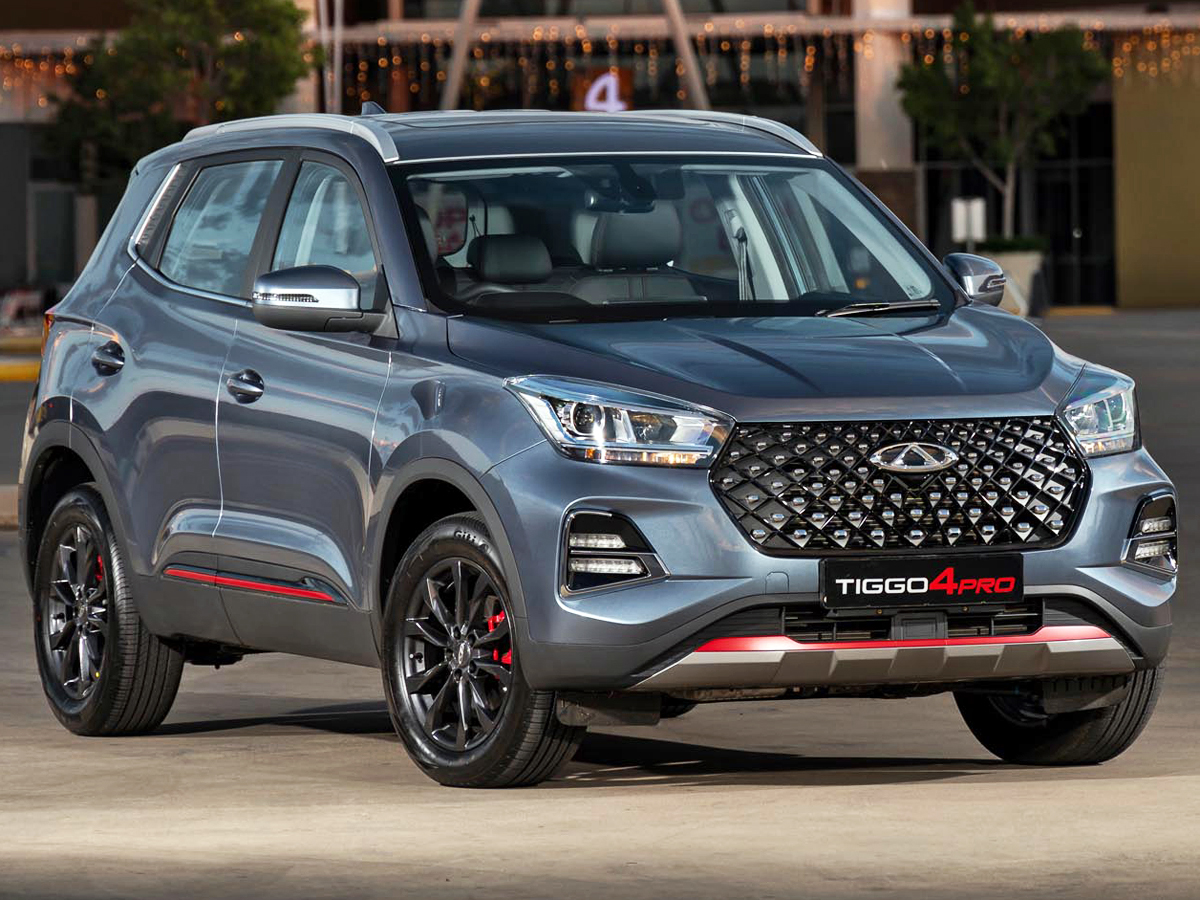
The 6th-placed Chery Tiggo 4 Pro (2 730 units) was hot on the Polo hatchback’s heels in Q1 2023, so it will be extremely interesting to see whether the Chinese crossover – a new entrant on this list – is able to leapfrog the German supermini by the time the first half of the year comes to a close.
Meanwhile, the resurgent Toyota Fortuner finished the reporting period on 2 643 units – more than half of which were registered in March 2023 – seeing it slot into 7th. With the Japanese firm’s locally built adventure SUV having recently benefited from an update, it looks well placed to return to the top 10 in 2023 after having justmissed out last year.
Another crossover followed in 8th place in the form of the Spanish-built Volkswagen T-Cross (2 613 units), finishing just ahead of the Haval Jolion (2 392 units), which was the 2nd Chinese crossover to crack the top 10 (and held steady in 9th). The final spot went to the Hyundai Grand i10 (up from 18th in 2022), which ended Q1 2023 on 2 286 registrations. For the record, we’ve excluded sales of the light-commercial Cargo derivative seeing as we’re concentrating on the passenger-car space here.
More Indian-built budget cars (and a local favourite)
The Renault Kiger (2 188 units) narrowly missed out on a top-10 placing, while the likewise Indian-built Nissan Magnite (1 989 units) – the pair of budget crossovers ride on the same Renault-Nissan-Mitsubishi Alliance CMF-A+ platform – ended Q1 2023 in 12th position, up 7 spots compared with its 2022 effort.
The 5th and final locally produced model here was the Toyota Corolla Quest, with the Japanese firm’s prolonged lifecycle sedan – Mzansi’s most popular saloon in Q1 2023 – placing 13th (up 10 places) with a total of 1 984 registrations. Next came the Renault Triber (1 924 units), followed by the Suzuki Baleno (1 889 units), which fascinatingly managed 40% of the volume achieved by its Starlet cousin.
Kwid and outgoing Urban Cruiser take a tumble
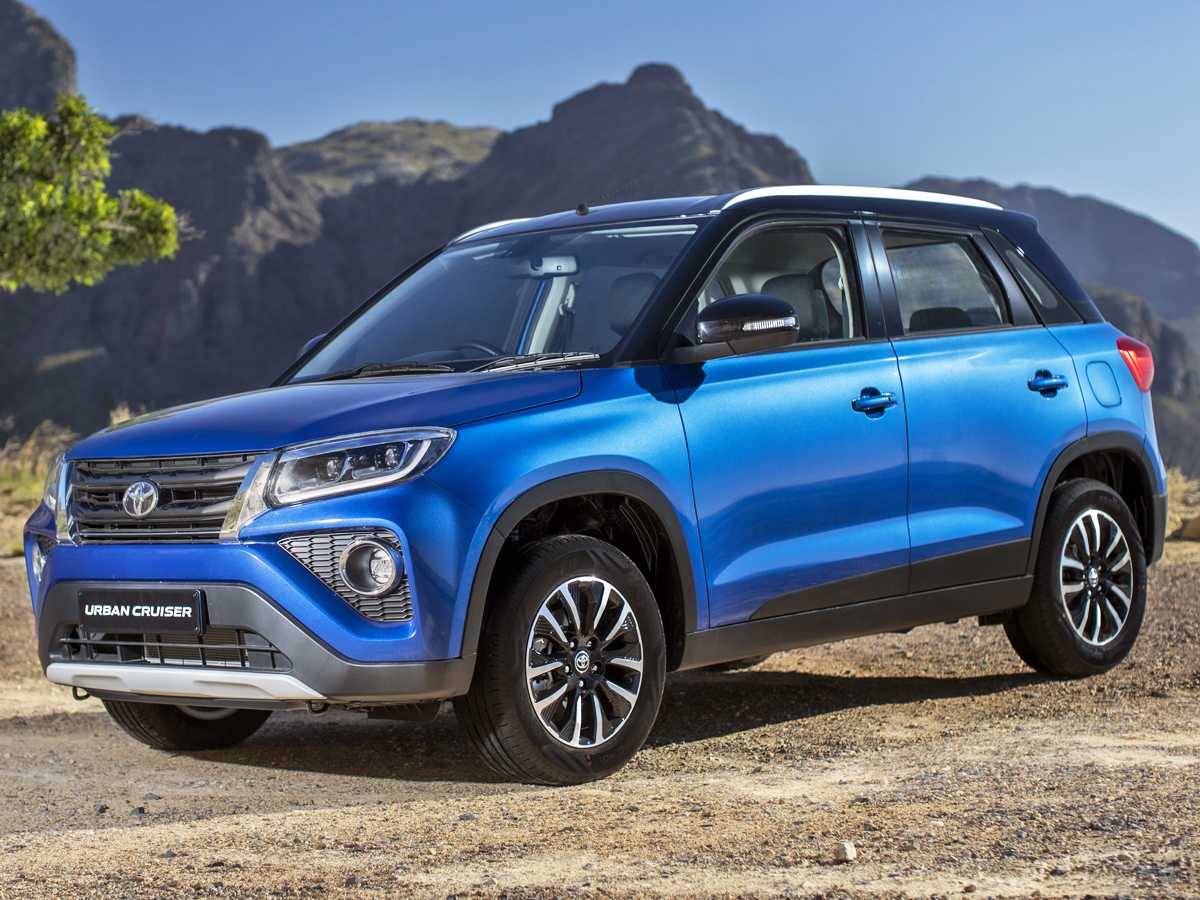
Sixteenth place went to the Hyundai i20 (1 595 units), while the Toyota Urban Cruiser (1 594 units) was just a single sale behind in 17th (down from 3rd last year). Of course, production of the outgoing Urban Cruiser – which was SA’s best-selling crossover in 2022 – has now ended, and Toyota SA Motors is preparing to launch the larger (Hyryder-based) version in the very near future.
The long-in-the-tooth Nissan Almera sedan (1 516 units) placed 18th, while the Renault Kwid was close behind in 19th. For the record, the Kwid cracked the top 10 in 2022, though only just managed to make it into the top 20 in Q1 2023. The final spot on the list went to the Haval H6 (1 488 units), the 3rd Chinese crossover featured here.
Big names missing from the top 20 in Q1 2023
So, what about models that finished inside the top 20 in 2022 but were nowhere to be seen after the opening quarter of this year? Well, The Kia Picanto (1 467 units) missed out by just a few sales, while the Hyundai Venue (1 090 units) found itself well off the pace.
As many as 4 more models that secured a place on the 2022 list likewise failed to crack the nod in Q1 2023, though each has effectively been discontinued locally. Yes, the Suzuki Vitara Brezza (944 units), Ford EcoSport (972 units), Toyota Agya (650 units) and Hyundai Atos (547 units) are all on runout stock, which explains their respective dips in performance.
SA’s 20 best-selling passenger vehicles for Q1 2023