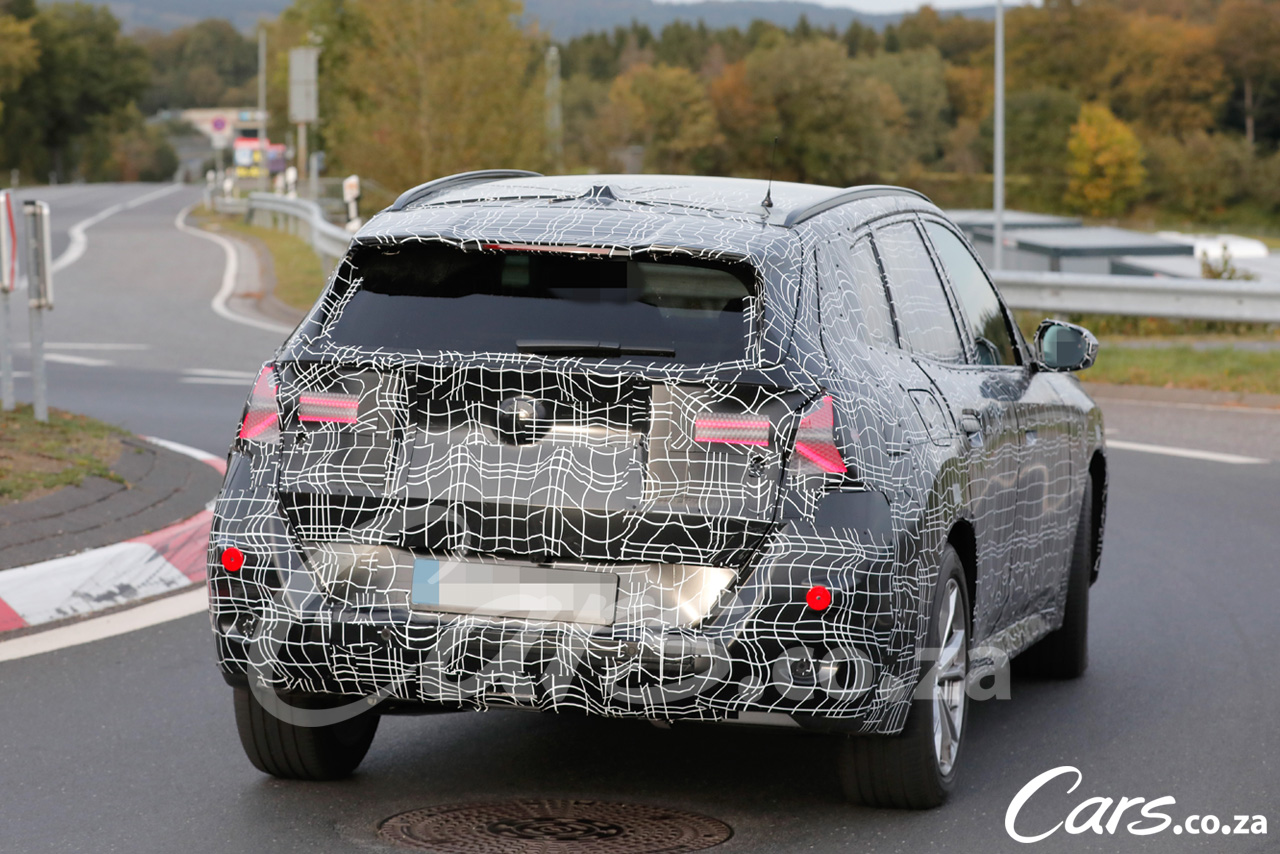
The spy photographers have spotted the brand-new 2025 BMW X3 and here’s what we know so far.
Picture credit: S. Baldauf/SB-Medien. We have paid for these photos and at the photographer’s request, have watermarked them.
Development work on the brand-new 2025 BMW X3 is well underway and our spy photographers have spotted one of the prototypes out and about.
While BMW has made quite the statement with its Neue Klasse platform, the new BMW X3 is expected to retain its CLAR platform, albeit with some updates. BMW will be offering its X3 with both an electric lineup as well as a family of internal-combustion powertrains.
The next-gen BMW X3 will receive quite the visual update with new daytime running lights, bold squared kidney grille, flushed door handles. At first glance, these DRLs look quite similar to those of the current-shape X1. We’ve yet to see any interior photographs, but we’d be surprised if the cabin didn’t get the big curved infotainment screen.
Our spy photographers say the vehicle here is the BMW X3 M50i, which will be the quickest X3 before the all-new X3 M Competition makes its debut. We understand that the M50i should retain the iconic 6-cylinder turbocharged petrol engine, while the flagship M Competition will gain some form of hybrid technology.
The best news is this new-gen 2025 BMW X3 will be assembled right here in South Africa at BMW Group South Africa’s plant in Rosslyn, Pretoria. Dr Milan Nedeljkovic, Chairman of the Board of Management for BMW Group SA said, “From 2024 we will produce the BMW X3 in SA as a plug-in hybrid and export it to the world. To this end, the BMW Group is investing R4.2 billion in the site over 5 years.”
When will the 2025 BMW X3 be revealed?
We expect this new-generation BMW X3 to be revealed before the end of 2023 or early 2024, and marketed as a 2025 model.
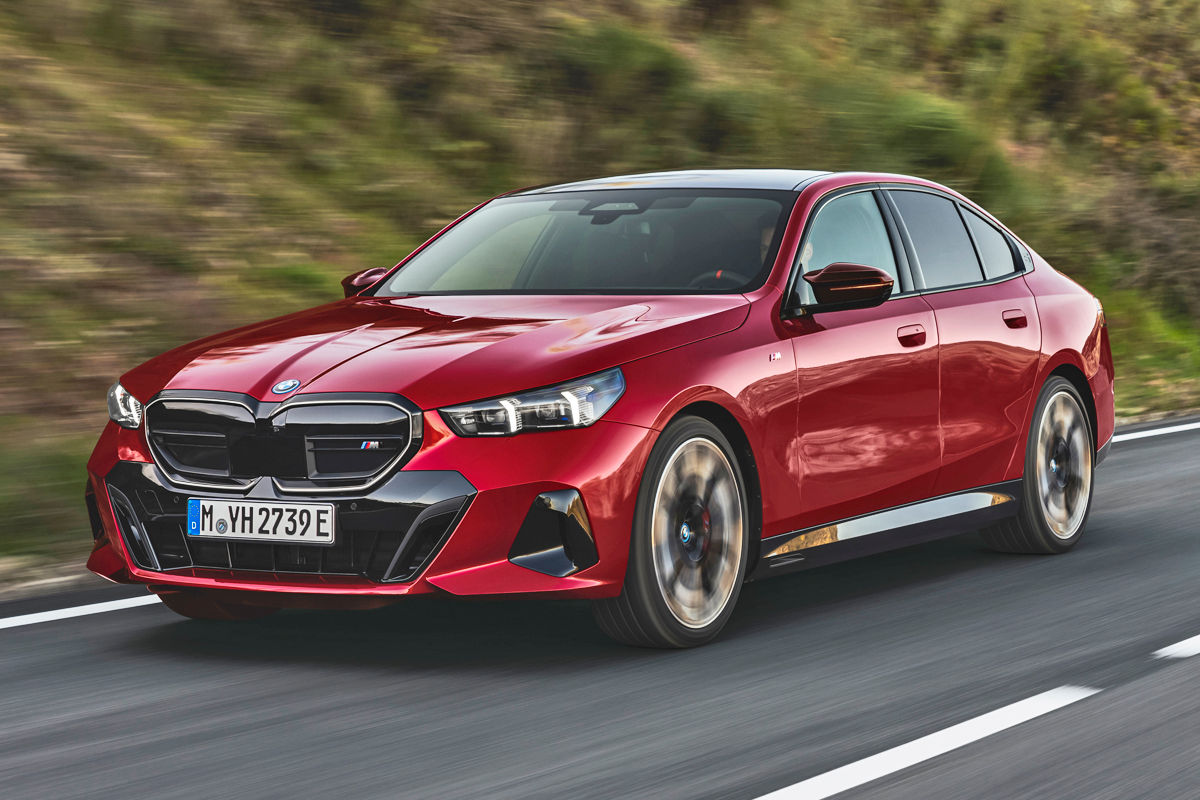
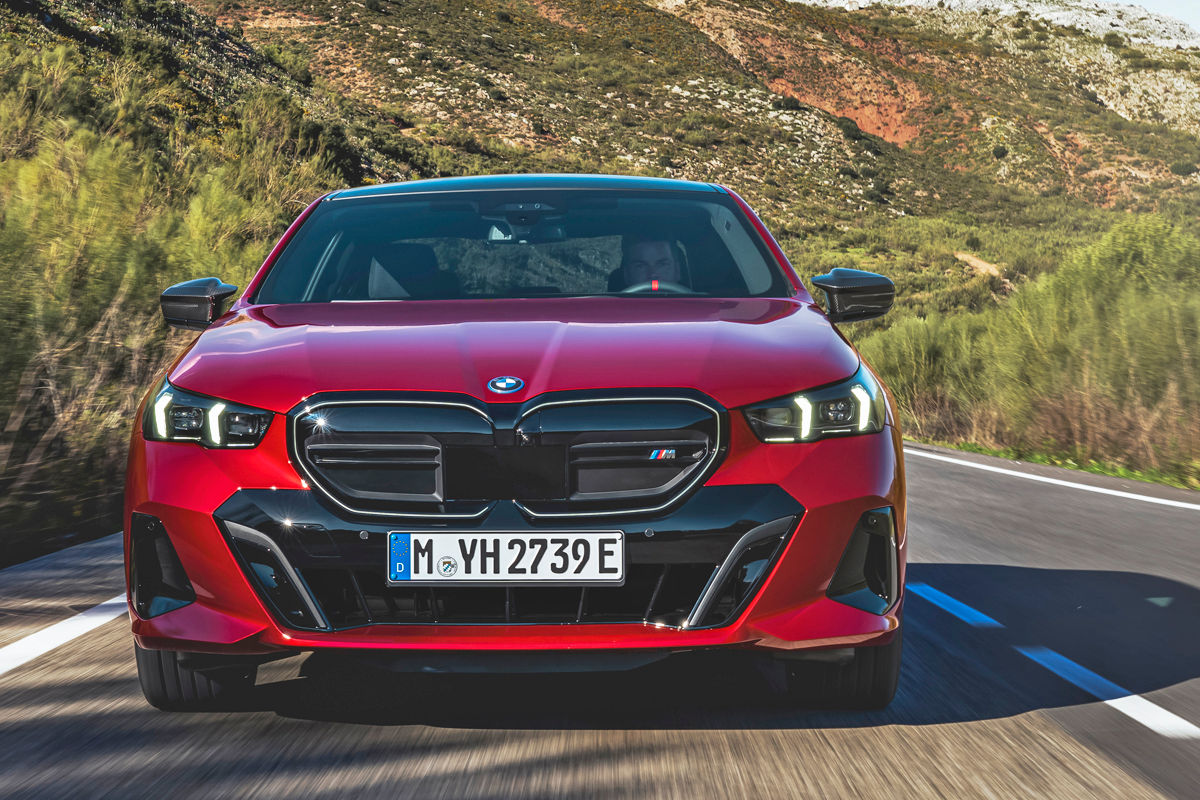
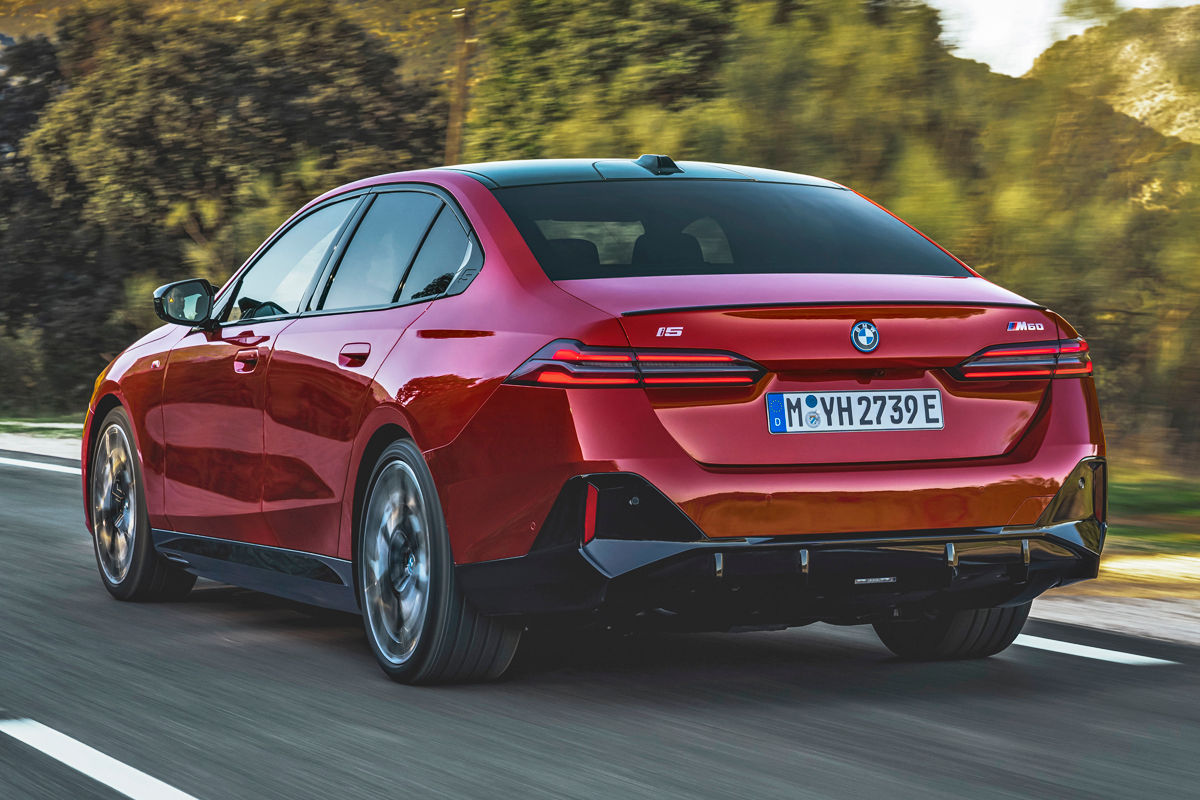
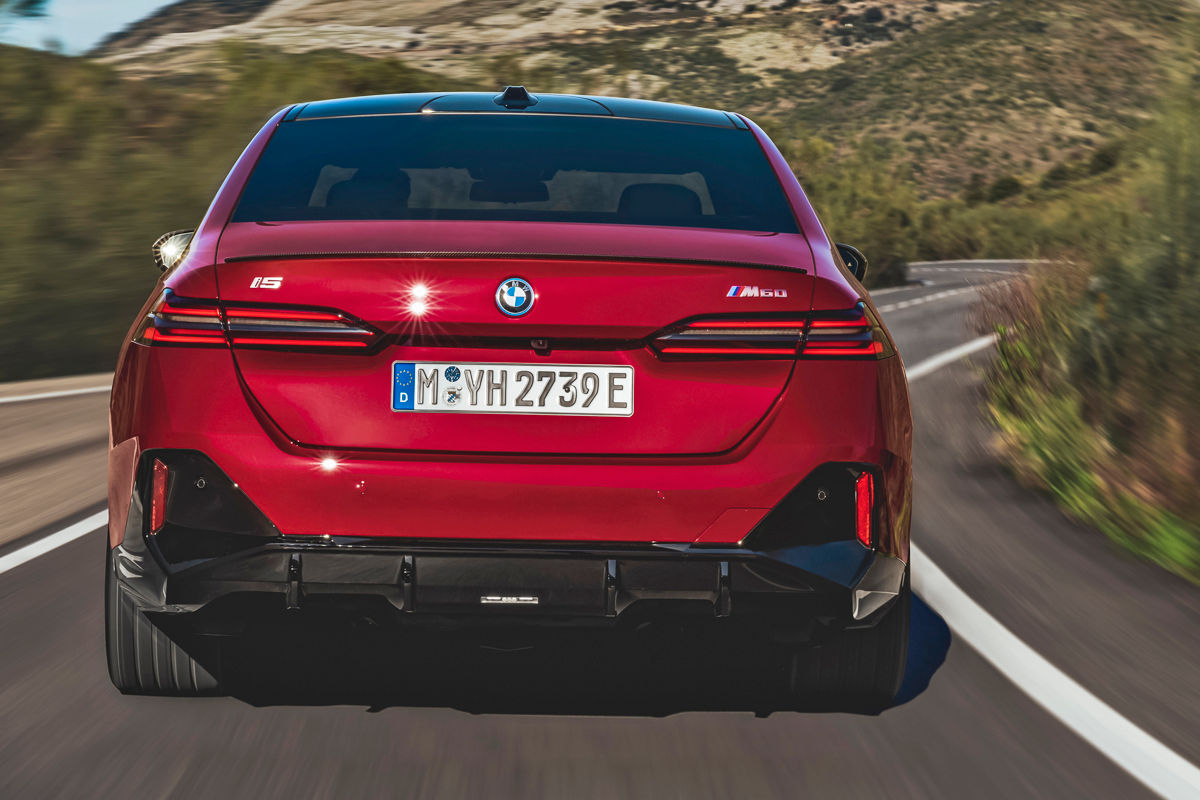
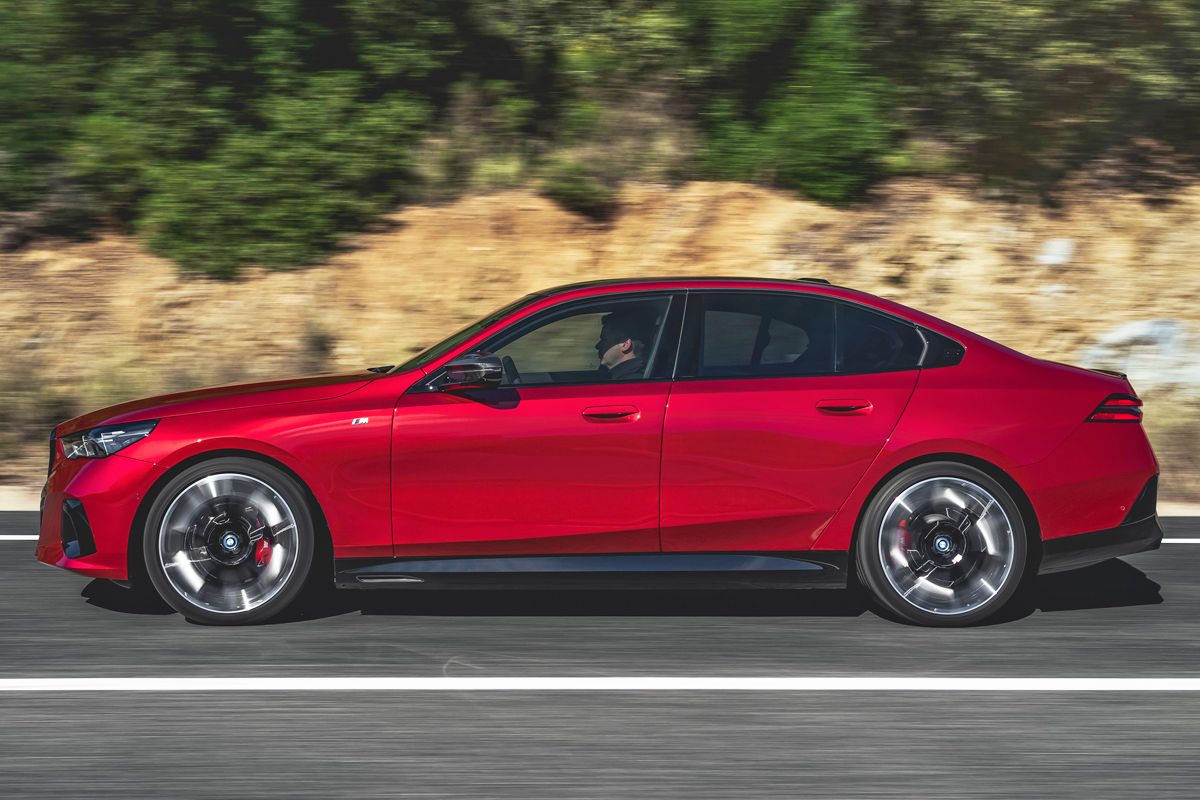
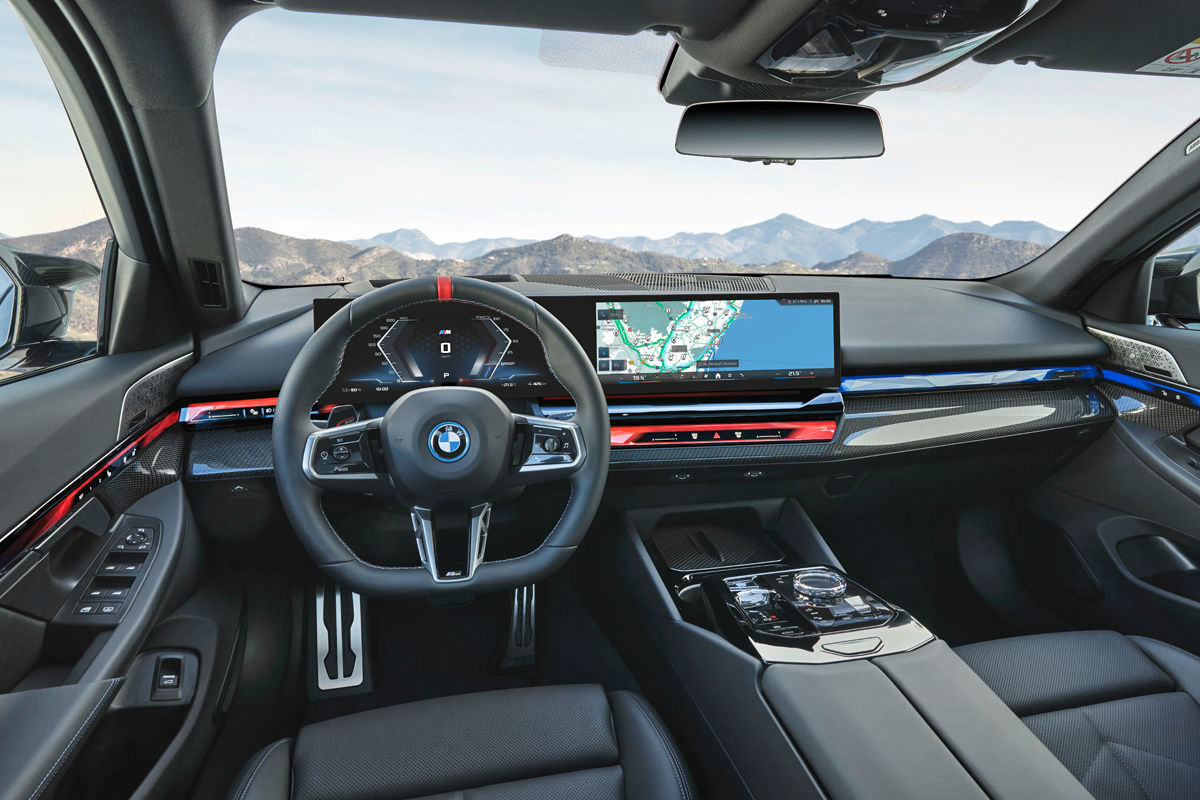
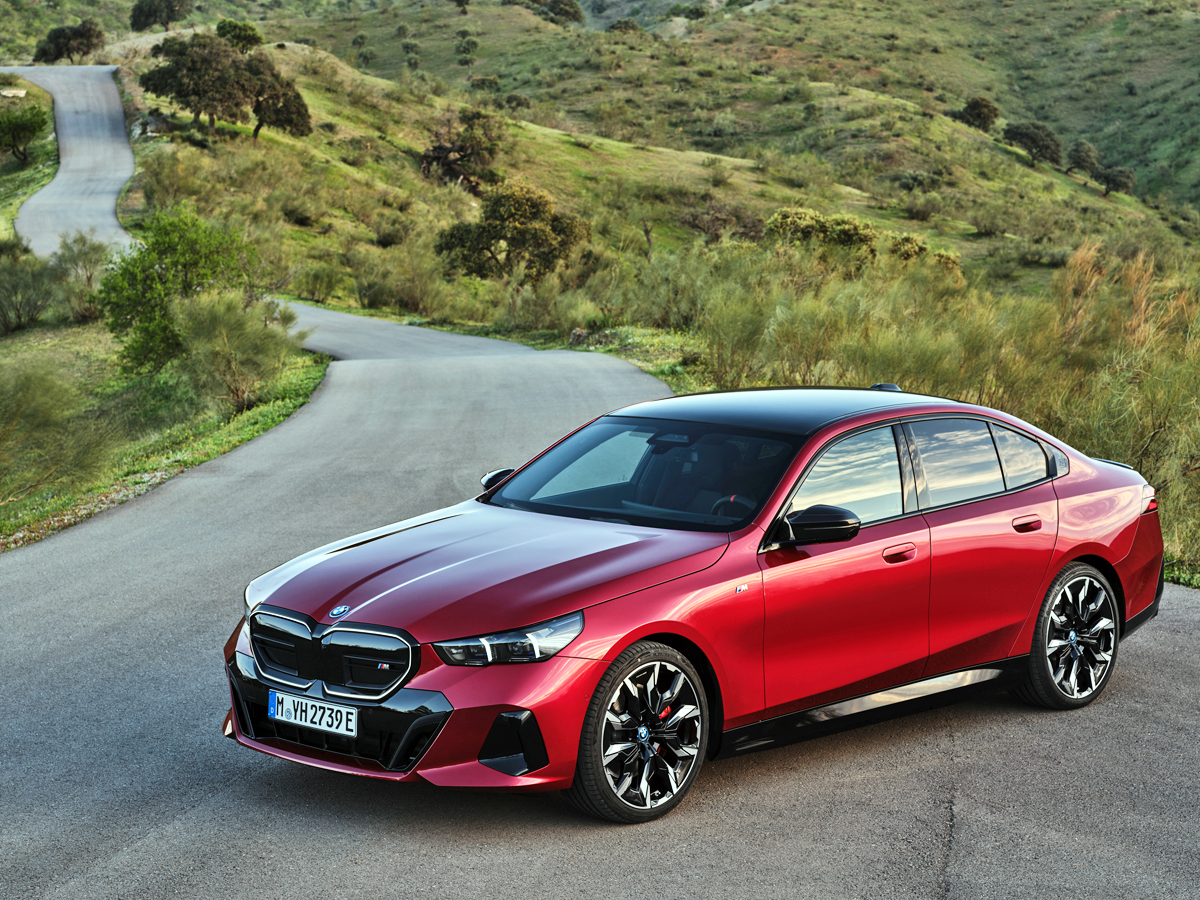
The BMW i5 M60 xDrive has quietly arrived in South Africa. Here’s how much the fully electric M Performance version of the latest 5 Series sedan will cost you…
The G60-generation BMW 5 Series range in South Africa has been quietly expanded with the arrival of the fully electric BMW i5 M60 xDrive sedan.
As a reminder, the latest-generation 5 Series was revealed in May 2023, before we brought you local pricing for the diesel-powered 520d earlier in October. Now, the i5 M60 xDrive has been added to BMW’s local configurator.
Courtesy of an electric motor on each axle, the new i5 M60 xDrive generates a whopping 442 kW and 795 Nm, with the latter figure climbing further to 820 Nm when M Sport Boost or the M Launch Control function is activated. As a result, the Munich-based firm says the M Performance saloon can complete the obligatory 0-100 kph sprint in just 3.8 seconds, while its top speed is electrically limited to 230 kph.
The high-voltage, lithium-ion battery has a usable energy content of 81.2 kWh and is located in the vehicle’s underbody. BMW claims a WLTP range of up to 516 km. Interestingly, the i5 M60 xDrive comes with a new “Max Range” function, allowing single-charge range to be increased “by up to 25% if required by limiting power and speed, and deactivating comfort functions”.
So, how much does it cost? Well, pricing for the i5 M60 xDrive starts at R2 190 000, though various optional packages are also available. For instance, buyers can specify the Deluxe Package for an additional R35 000, which sees the audio system upgraded to a Bowers & Wilkins surround sound system and adds seat heating (front and rear) plus ventilation (front only).
There’s also the M Carbon exterior package (R35 000), Equipment Professional package (R40 000) and M Sport Pro package (R20 000). Individual options, meanwhile, include items such as 21-inch alloy wheels (R15 000) and various paint finishes.
How much does the BMW i5 M60 xDrive cost in South Africa?
BMW i5 M60 xDrive – R2 190 000
The price above includes a 2-year/unlimited kilometre warranty (plus a separate 8-year/100 000 km warranty on the battery pack) and a 5-year/100 000 km maintenance plan.
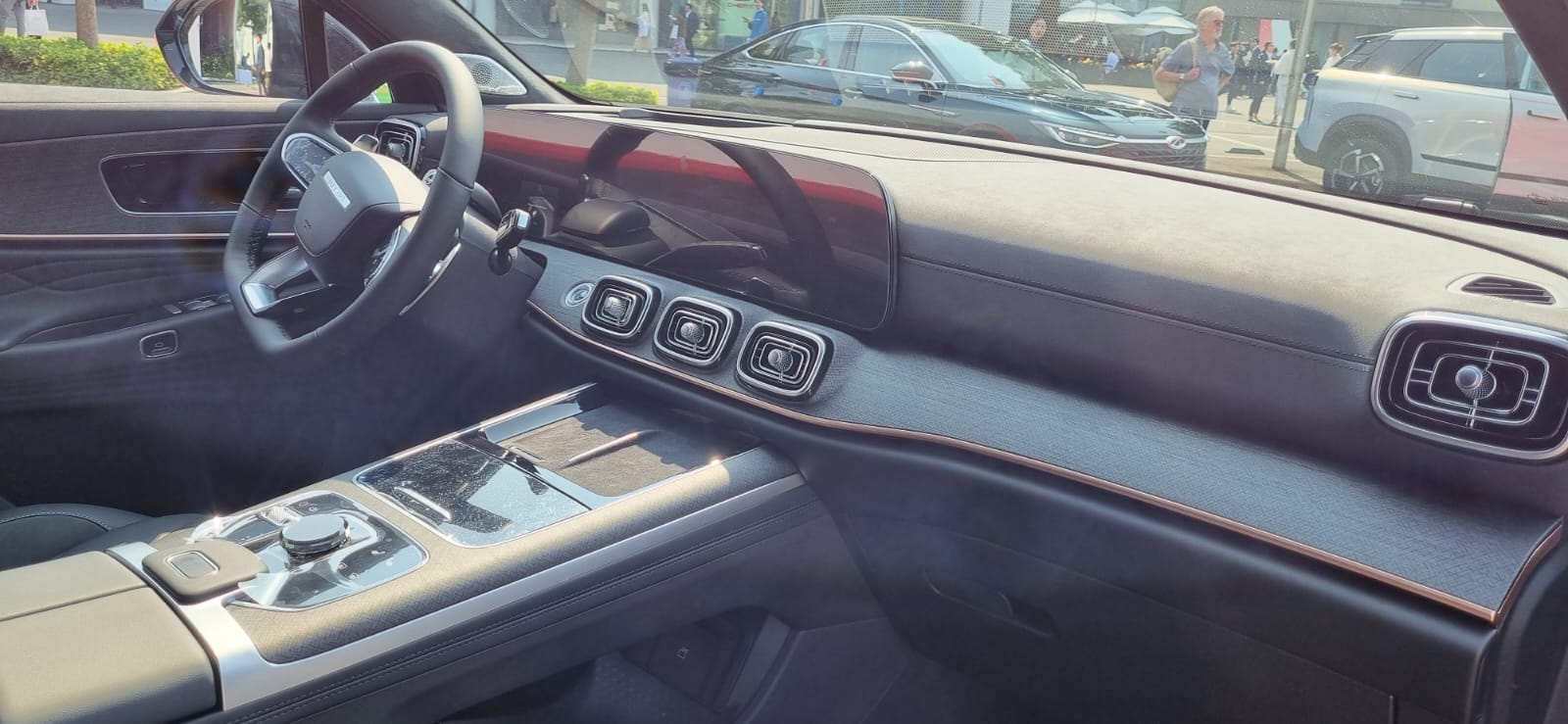
Chery, which recently expanded its line-up and introduced its Omoda sub-brand in South Africa, will step up its new-product rollout next year when it launches two Jaecoo models, a pair of plug-in hybrids (PHEVs) and the Omoda flagship – the C9.
Having sold a remarkable 20 000 units in less than 18 months since its return to our market, a resurgent Chery South Africa (Chery SA) was sitting just outside the top 10 best-selling brands list for the new vehicle market year-to-date by the end of September (in 11th spot).
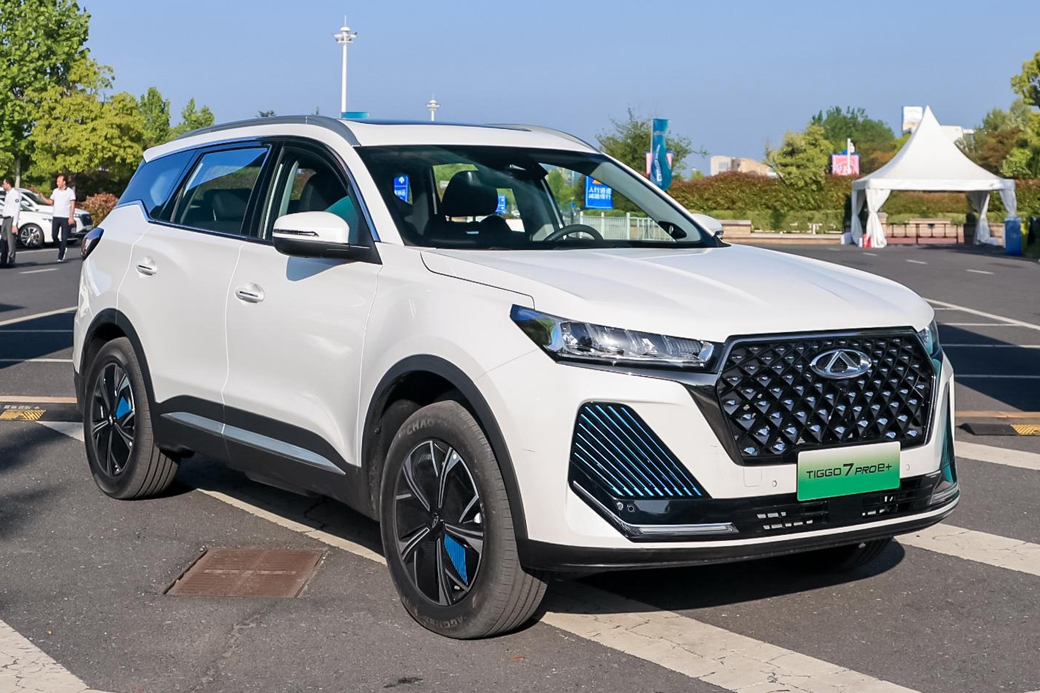
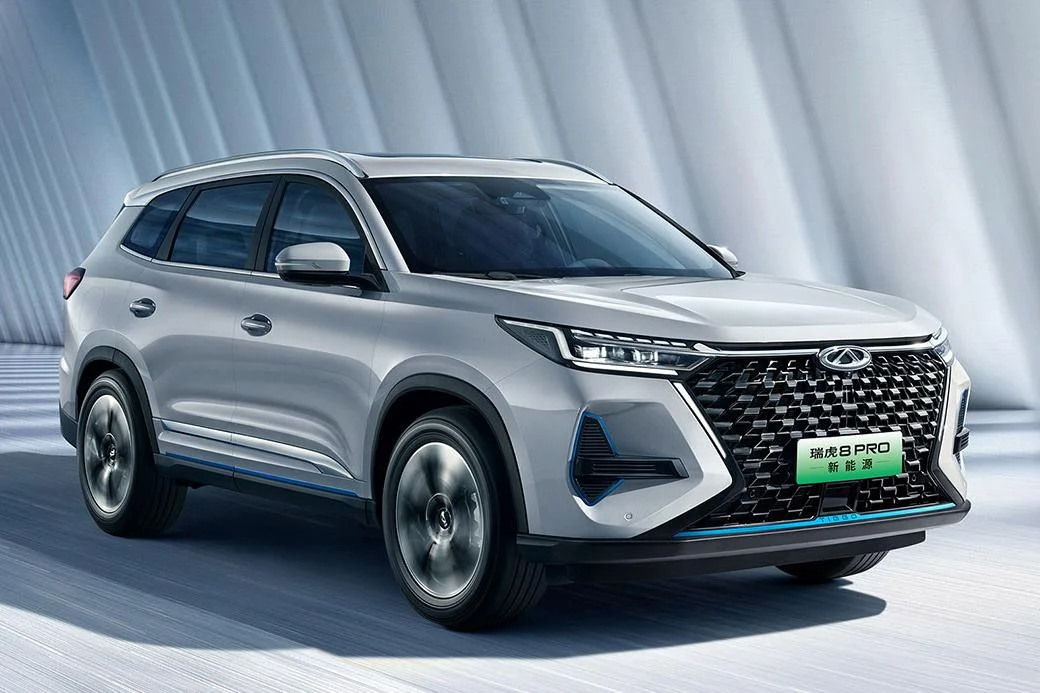
One could attribute the momentum to the introduction of keenly priced, well-specified models in the small and compact crossover segments, but importantly, those product launches have occurred at regular intervals! This week, Chery SA followed up the Tiggo 8 Pro Max (one of the Chinese brand’s 2 finalists in the 2023/24 CarsAwards) with the Tiggo 7 Pro Max and an entry-level Tiggo 4 Pro derivative.
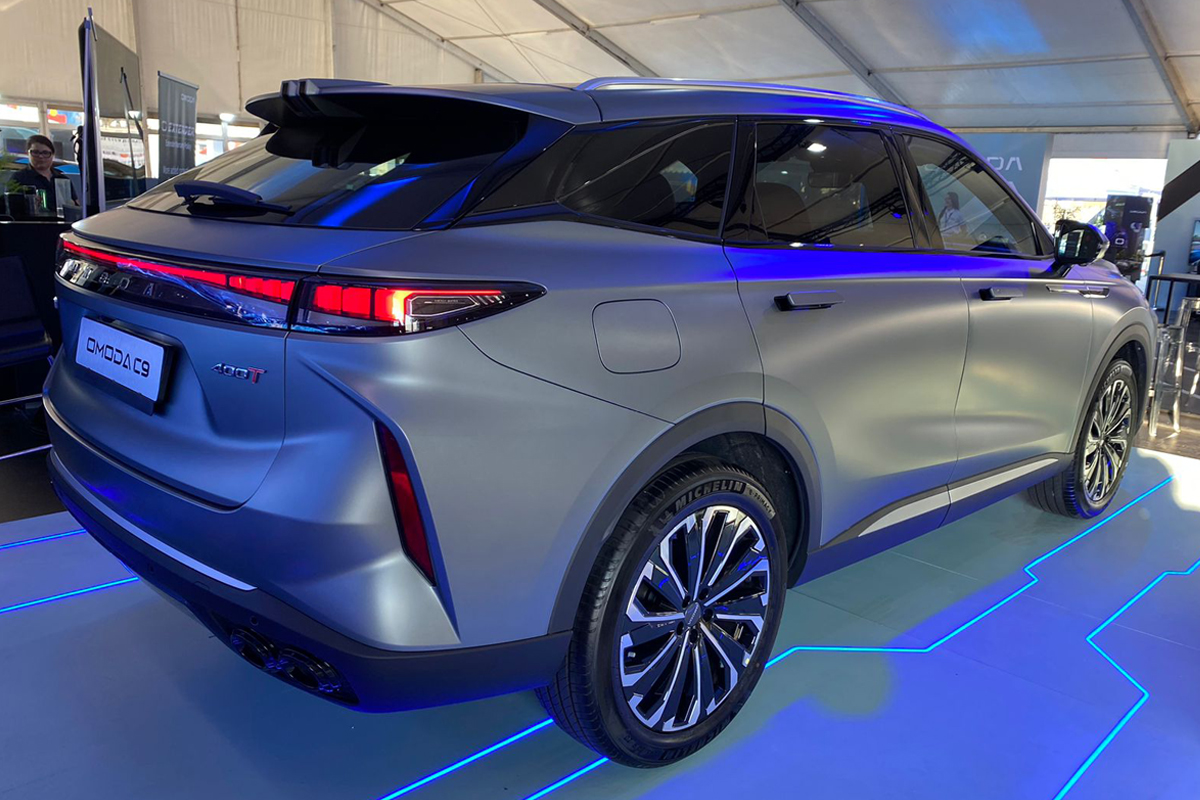
Chery South Africa gave a sneak peek of the Omoda C9 at the Johannesburg Festival of Motoring.
But that’s just a taste of what’s to come in the next year and a half. By mid-2025, Chery SA will have launched 2 models of its other sub-brand, Jaecoo, PHEV variants of its Tiggo 7 Pro and Tiggo 8 Pro, a new range-topper for its Omoda brand, as well as its first battery-electric vehicle (BEV) in Mzansi.
“We can proudly say: ‘This time, Chery is a success in South Africa’ (thanks to) an entirely updated model line-up, but our expectations remain high,” Chunqing Chen, vice president of Chery International and director of Chery SA, said this week. “We’re inspired to pursue even better ways to serve our customers and meet their needs.
“Our product plan for the next 10 years is quite comprehensive (it even includes a bakkie spun from a new scalable platform… eventually), but the highlights of next year will be the introductions of plug-in hybrid derivatives (on Chery’s side) and our expansion of the Omoda and Jaecoo luxury car line-up.”
Omoda C9 – Q1 2024
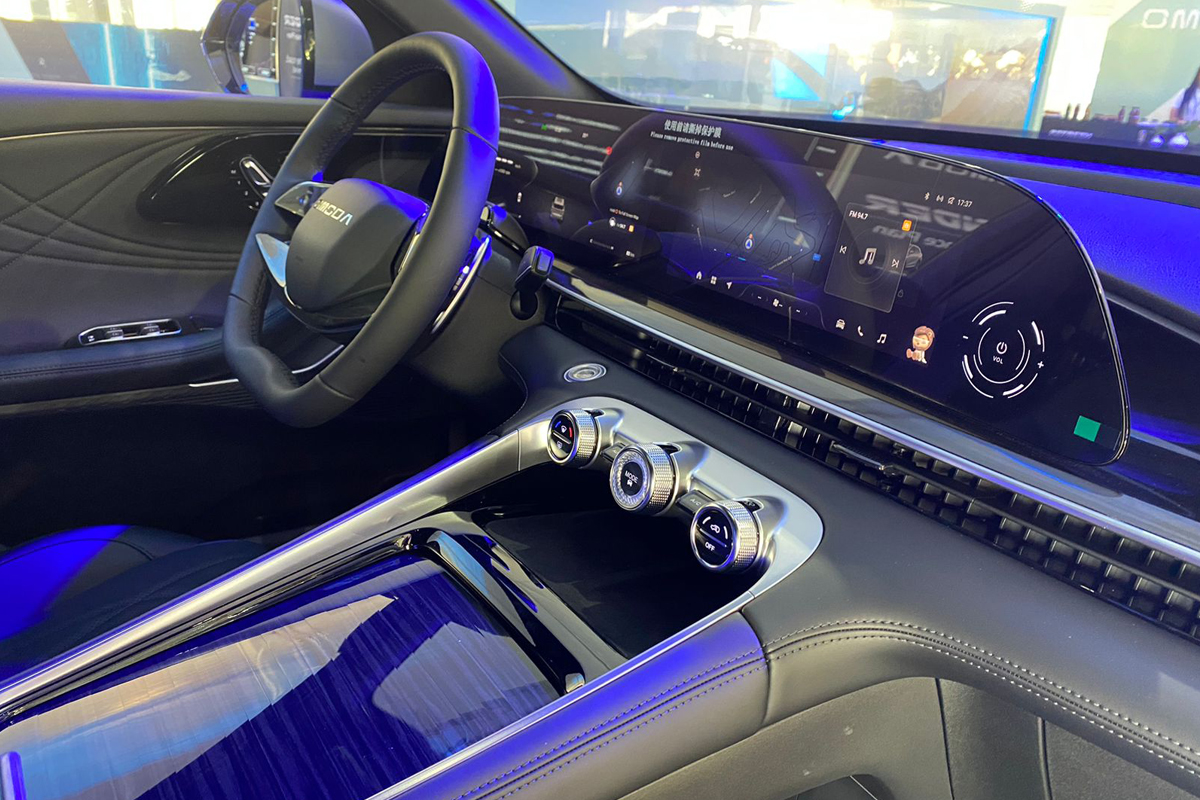
Chery SA previewed the model that is destined to be the flagship Omoda in South Africa at the recent Johannesburg Festival of Motoring. The C9 is so new that Chery does not even have official photos of the model yet, but then the arrestingly styled coupe-SUV is not so much “new” as a repackaged version of the RX – a product of one of Chery’s other sub-brands, Exeed.
In terms of dimensions, the C9 falls into the German premium brand-dominated executive SUV segment – and it is specified and finished accordingly. The model is reportedly 4 781 mm long, 1 920 mm wide and stands 1 671 mm tall, which makes it 29 mm longer, 2 mm wider and 50 mm taller than a BMW X4.
Apart from its distinctively sculpted sheet metal, the C9 features pop-up door handles and inside, it has a finely stitched leather trim, electrically adjustable heated/cooled seats (with massage function at the front), dual 12.3-inch screens (integrated in a single, curved panel), a 50W wireless charger, a 9-speaker Sony audio system, a panoramic sunroof and more.
The Omoda C9 is powered by a 2.0-litre 4-cylinder turbopetrol motor with 193 kW and 400 Nm that drives either the front- or all wheels (AWD) via an 8-speed automatic transmission.
Jaecoo J7 – Q1 2024
Omoda is but one half of a division that Chery refers to as O&J. The “J” stands for Jaecoo, a portmanteau of “Jae” (a contraction of the German word for hunter Jager) and “cool”. Another upmarket sub-brand, with a striking design language and a high level of technology, one could say that Jaecoo is for Chery, what Haval and Tank are for Great Wall Motor.
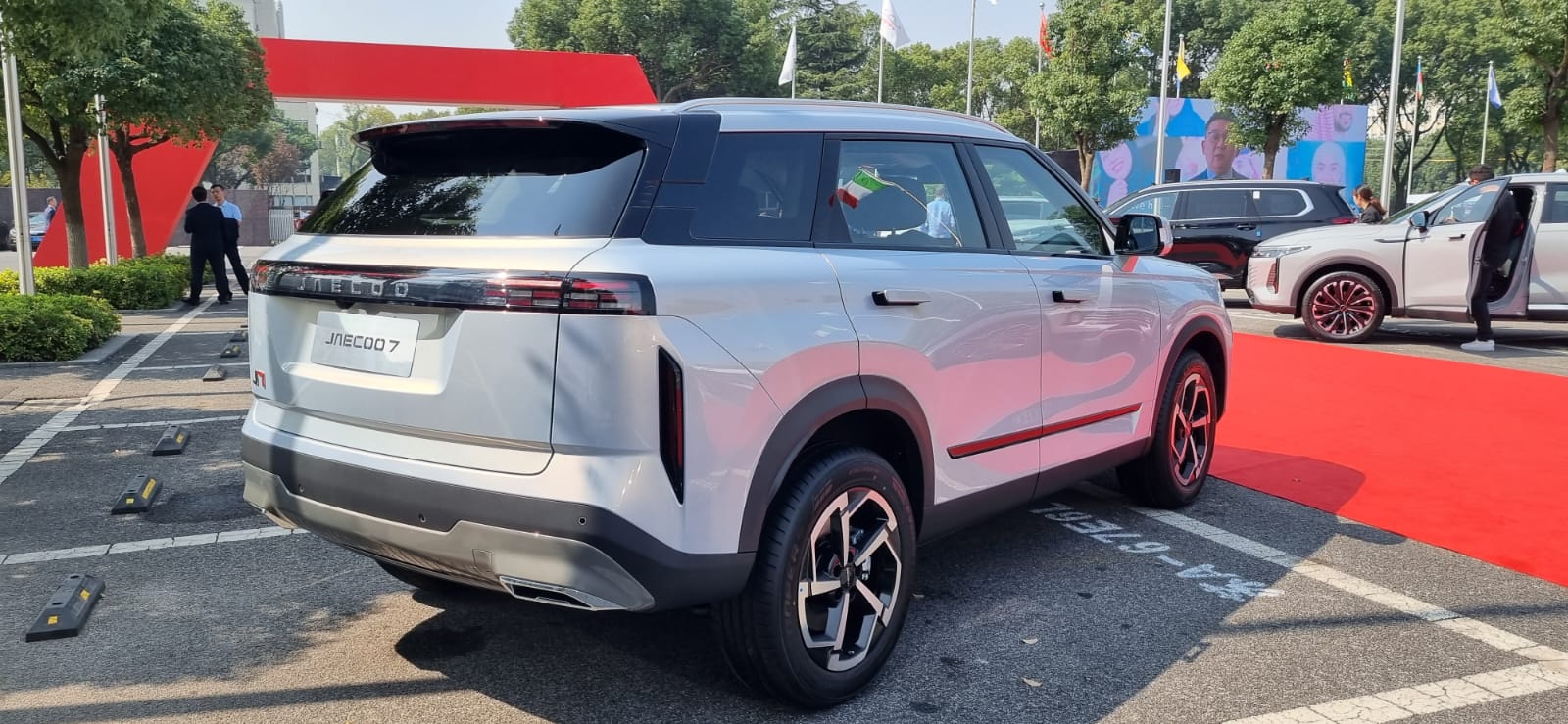
Measuring 4 500 mm in length, 1 865 mm in width, 1 680mm in height and with a 2 650-mm wheelbase, the boldly styled, unashamedly blocky Jaecoo 7 is a premium compact crossover. We imagine it is what the Jeep Cherokee would have looked like by now if (then) Fiat Chrysler Automobiles hadn’t made the 4th iteration of that model so darn curvy and, sad to say, indistinct. The Jaecoo 7 is much more macho.
Its grille takes inspiration from Mercedes-AMG’s Panamericana treatment, and it is flanked by slim, technical-looking LED headlamps; the rear styling, by contrast, is Range Rover-esque. The chunky and angular aesthetic continues in the cabin with (ahem) Jeep-style door handles and straight lines perpendicular to each other with a big, portrait-oriented infotainment screen on the fascia.
Under the Jaecoo’s clamshell bonnet is a 1.6-litre 4-cylinder turbopetrol engine that develops about 140 kW along with 275 Nm of torque. The J7 is likely to be made available in both front- and all-wheel-drive guises in conjunction with a 7-speed dual-clutch automatic transmission.
Jaecoo J8 – Q4 2024
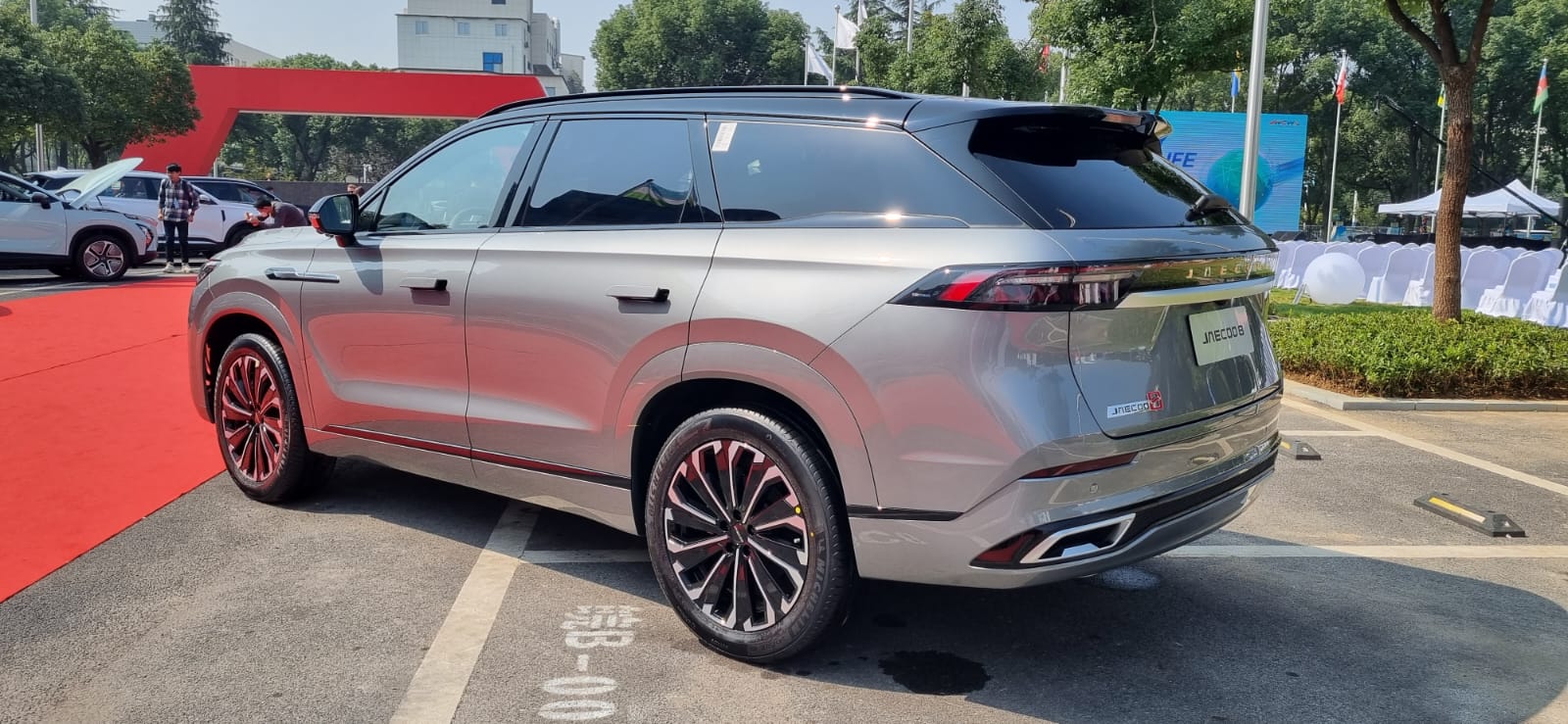
The J7’s bigger brother looks quite imposing too, but its exterior execution is less overtly off-roader-inspired and more akin to that of a conventional luxury SUV. In fact, the Jaecoo J8 is slightly bigger than the Omoda C9 at 4 815 mm in length, 1 924 mm in width and 1 710 mm in height. It also has a 2 800-mm wheelbase, which makes it rather roomy and puts it well and truly in the Executive SUV category.
It looks striking by virtue of its bold grille, full LED lights (fore and aft), contrasting black roof (and pillars), as well as ornate 20-inch wheels. Its luxurious interior, however, is the coup de grace.
The J8’s cabin, which we understand could be available in 2- and 3-row configurations, takes cues from models such as the new Mercedes-Benz GLC, with Nappa leather upholstery, a plush headliner, soft-touch surfaces, polished metallic finishes (including the air vents), electrically adjustable seats, climate control settings for each row, LED ambient lighting, a panoramic sunroof, a 14-speaker audio system and the latest connectivity features built into the 24.6-inch curved infotainment screen/instrument cluster.
Build quality is said to be very impressive indeed and the newcomer’s suite of safety systems reportedly includes 10 airbags, automatic emergency braking, a tyre pressure monitoring system, driver fatigue monitoring, L2.9 advanced driver assistance systems and plenty of other features.
The Jaecoo T8 is powered by a 2.0-litre 4-cylinder turbopetrol engine, which produces 183 kW/385 Nm, is mated with a 7-speed dual-clutch automatic transmission, and drives either the vehicles’ front or all wheels (depending on the configuration that will be offered in our market).
Chery SA already has 80 dealers in its sales network. Still, considering the decidedly premium-brand positioning of Omoda&Jaecoo (O&J) products, the local subsidiary of the Chinese brand feels that its dealer footprint needs to expand to meet the expectations of a new, more diverse clientele.
“Omoda&Jaecoo is an important step forward for Chery Group’s globalisation strategy. The consumer market is updating and iterating, and we are keenly aware of the need for more diversified products to meet more market segments,” said Tony Liu, the executive deputy general manager of Chery SA.
“Omoda&Jaecoo (O&J) and Chery focus on different market segments. (Therefore) we are opening more than 30 Omoda dealerships and with Jaecoo joining (Chery SA’s product line-up in due course), the expansion of our dealer network will certainly continue in the next few years,” he added.
Chery Tiggo 7 Pro and 8 Pro PHEVs – Q4 2024
Although Toyota South Africa was considering the introduction of a plug-in hybrid (PHEV) derivative of its RAV4 late last year, at the time of writing, no manufacturer or importer offered a compact crossover or medium SUV with a PHEV configuration in South Africa.
That situation looks set to change at the very least by the end of next year, however, when PHEV derivatives of the Tiggo 7 Pro 5-seater and Tiggo 8 Pro 7-seater will spearhead Chery’s new-energy vehicle offering in Mzansi. The derivatives’ “e+” power unit utilises a 1.5-litre turbopetrol engine combined with 2 electric motors for a total system output of 180 kW/510 Nm. The 19-kWh hybrid battery component of the power unit is said to offer a pure electric range of a handy 75 km.
It’s been reported that the PHEVs’ 11-speed-ratio direct hybrid transmission sends power to all wheels via the on-demand all-wheel drive system, which offers a choice of no fewer than 9 drive modes.
Chery claims the Tiggo 8 Pro PHEV will accelerate from 0 to 100 kph in 7.5 sec and be able to travel almost 1 000 km on a full tank and -charge (including the 75 km of pure electric range).
Chery E5 – Q2 2025
Since the Omoda C5 small coupe crossover made its debut in the South African market earlier this year – watch our video review of the model – it has drawn much attention by virtue of its distinctive design (outside and in-), generous standard specification and sheer boutique appeal. Still, there is not much to distinguish the (for now, standalone) Omoda model from its similarly sized Chery peers, mechanically.
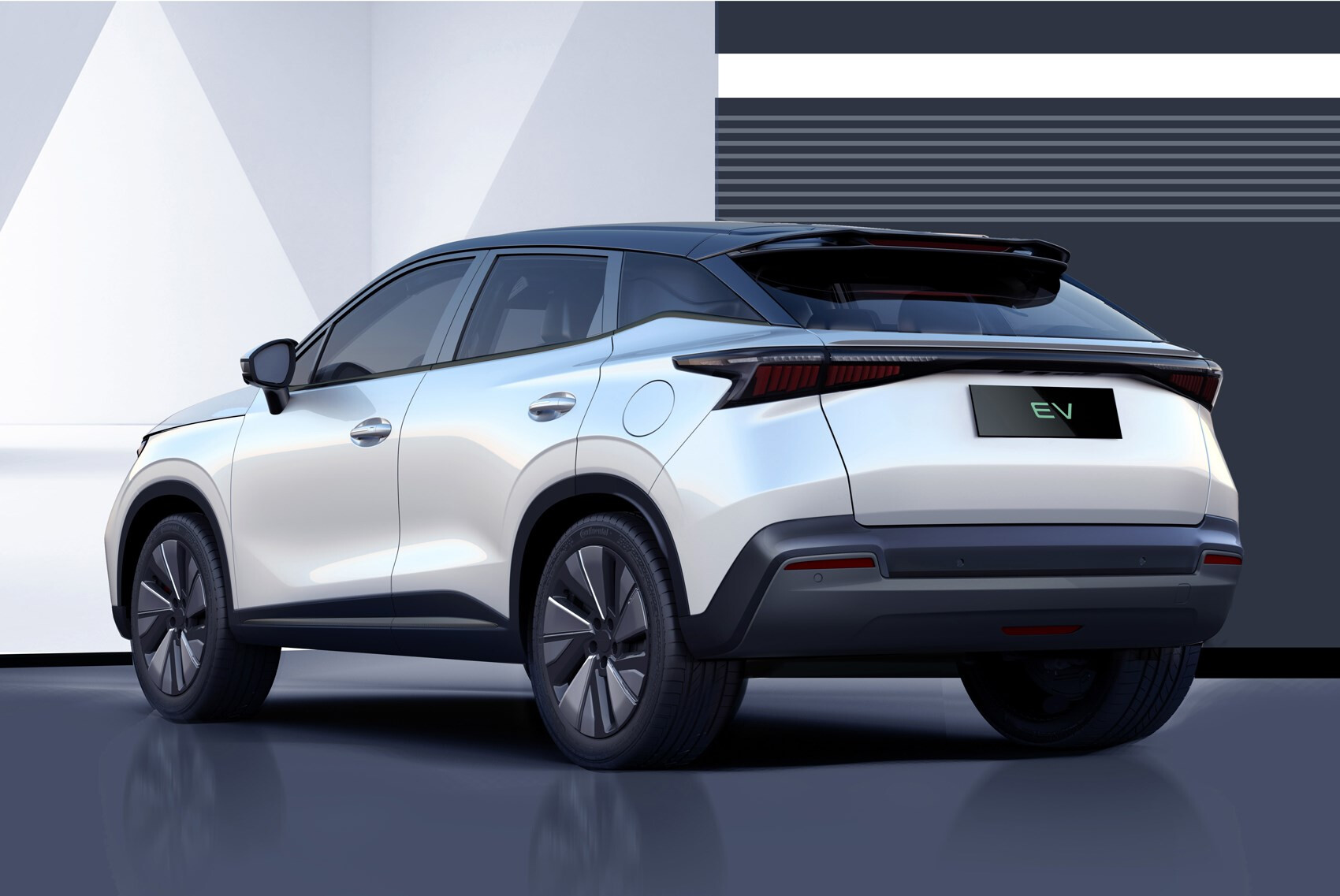
That will change dramatically, however, when the battery-electric version of the Omoda C5 debuts in Mzansi during the first half of 2025. Unveiled in its home market in May, the Omoda E5 is instantly recognisable as a relative of the C5, but the fact that it has a smoothed-out frontal design is telling – there is no need for an oversized grille to supply air to help cool an internal-combustion engine!
Indeed, the Omoda E5 will be Chery SA’s first BEV in the South African market. It is powered by a 150 kW/340 Nm single electric motor (mated with a 61-kWh battery) that drives the vehicle’s front wheels. The Chery Group states that the newcomer can sprint from a standstill to 100 kph in 7.6 seconds.
Apart from the sleeker front end, the Omoda E5 sports elongated and more angular LED daytime running lights, restyled headlights, aero-optimised alloy wheels and simpler (neater) rear bumper garnishes.
Cars.co.za’s new MD – Amasi Mwela joins the team, company history and latest news
Amasi Mwela has had a wide-ranging and fascinating career across finance, banking, insurance and tech industries, and we are delighted that he joined Cars.co.za in our 14th year of business to help steer the company across new frontiers.
Not only is he an utter professional, but he is by all accounts regarded as a generous and kind soul, with a human-centric approach to management and a pleasure to work with.
Our business is already on a stronger footing since he joined and as we say, onwards and upwards.
In this podcast, our video guy Ciro De Siena is joined by Amasi to discuss his background, his vision for the future of Cars.co.za, Ciro’s history with the company and latest updates including the return of the Cars.co.za Consumer Awards and our hugely successful new Whatsapp the Dealer feature.
VW gives new small bakkie the green light – report
A fresh report out of Brazil claims Volkswagen has given its rumoured new small bakkie the green light. Could this be the unibody pickup earmarked for production in South Africa, too?
Volkswagen has given its new small bakkie project the “green light”, according to a fresh report out of Brazil.
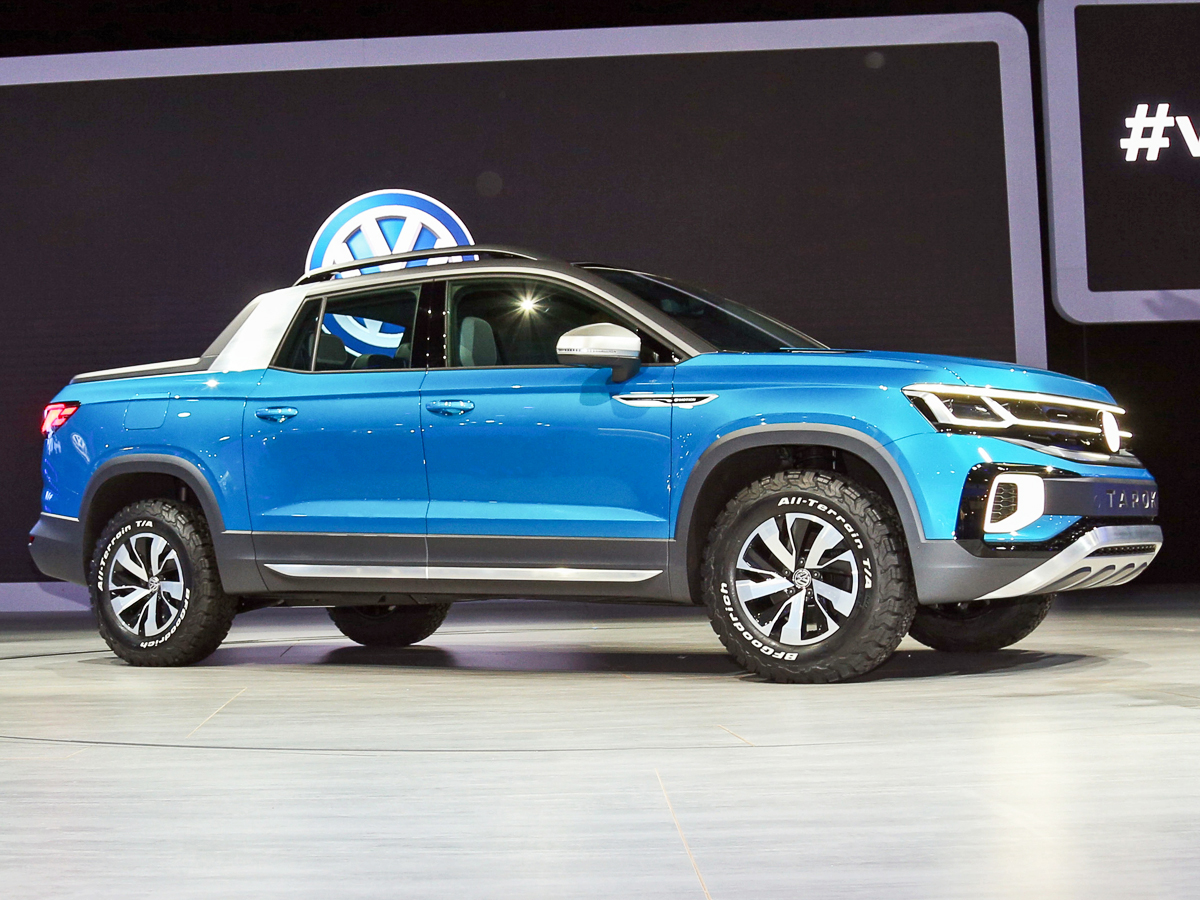
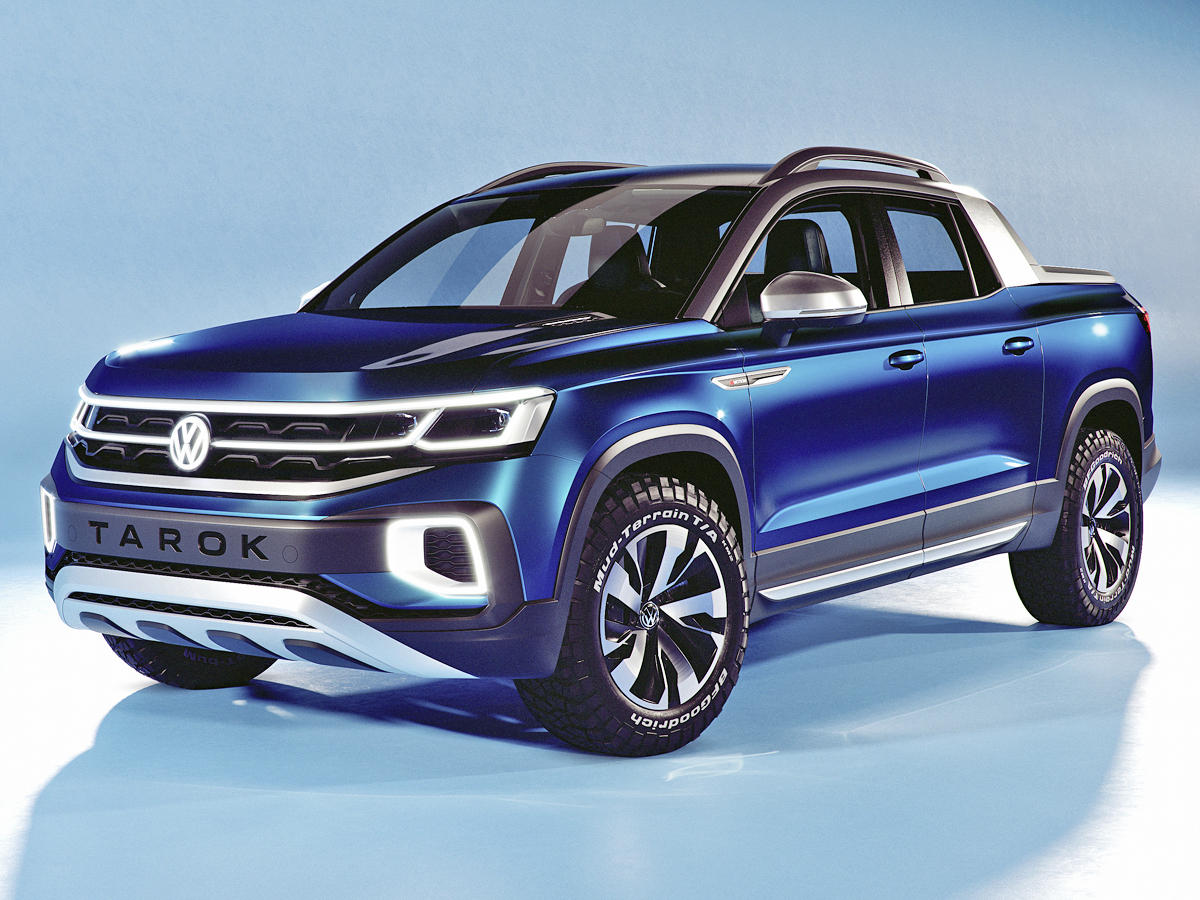
Motor1.com’s Brazilian division says the new compact unibody bakkie will be produced in double-cab form, further speculating it will resemble the Tarok concept revealed at the São Paulo International Motor Show back in 2018.
The Tarok concept was revealed in Brazil in 2018.
Though that sub-Amarok pickup was intended to go into production – with Brazil named as the initial market – the project was ultimately shelved. Interestingly, however, Motor1.com claims the latest reportedly approved new version will be smaller than the 4 914 mm-long Tarok concept, adding it will likely be built on the same platform as the T-Cross, with production likely to start in 2025.
Of course, that crossover – along with the likes of the Polo hatchback – uses the MQB-A0 architecture, which will also underpin the mystery “SUV-ish” model that is planned for production at VW’s Kariega facility in South Africa. As a reminder, this as-yet-unrevealed model – internally known as the “A0 Entry SUV” – is expected to be positioned below the T-Cross.
Furthermore, Martina Biene, chairperson and managing director of Volkswagen Group SA, revealed to Cars.co.za back in April 2023 that “there is hope” for a Kariega-built half-tonne bakkie, which would be closely related to the mystery sub-T-Cross model. She said production of the latter would provide “an opportunity for an even bigger than half-tonne bakkie”, suggesting a payload of 750 kg.
Considering Biene also told us the upcoming A0 Entry SUV “is kind of in partnership with Brazil”, there’s at least a chance that the new unibody pickup referred to in this latest report could also be the small bakkie that VW SA hopes to eventually produce in Kariega.
The rumoured new bakkie is expected to be smaller than the Tarok concept.
This latest report follows the same Brazilian publication’s claim earlier in the week that the Wolfsburg-based automaker’s upcoming small Polo-based SUV will wear the “Volkswagen Yeah” badge (though the website interestingly also spells the alleged nameplate “Yeh” elsewhere in the article).
In this latest instalment of our “What To Buy” car-buying advice series, we turn our attention to the popular double-cab bakkie market and pose the question: Should you buy a new GWM P-Series or rather purchase a used bakkie? Let’s take a closer look!
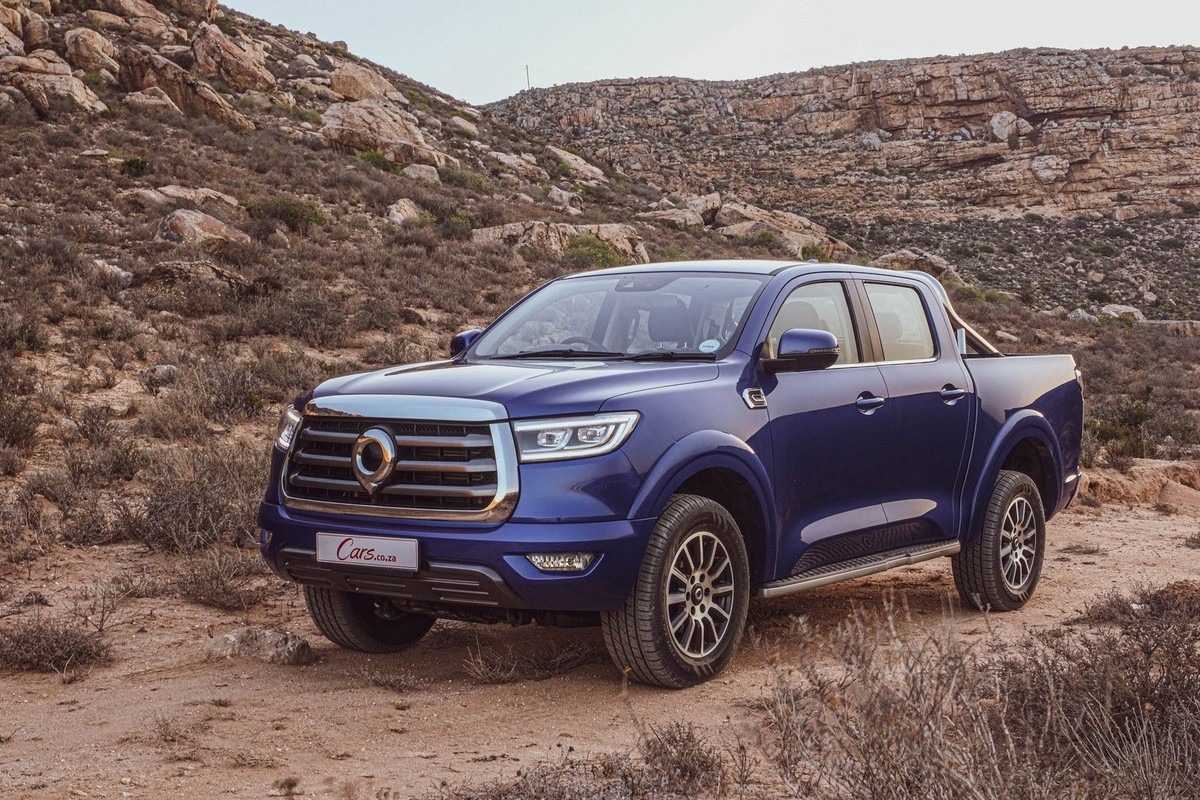
So, you’re in the market for a double-cab bakkie, but you have a critical decision to make: Should you buy a new GWM P-Series (and save thousands of Rands) or buy a used bakkie?
The Case for Buying a New GWM P-Series
GWM P-Series 2.0TD LT 4×4
Price: R653 750 (as of October 2023)
We Like: Value for money, standard features, advanced safety tech, interior design, keen pricing
We Don’t Like: Engine performance is underwhelming
Ever since its arrival in South Africa in 2020, the GWM P-Series has found favour with leisure double-cab bakkie buyers who want “bang for buck”. The P-Series, particularly in LT 4×4 guise, represents excellent value for money with its keen pricing and fully loaded standard specification, which its traditional – and more expensive – rivals struggle to match. More than this, the P-Series’ interior styling and -execution are arguably leaps and bounds better than what’s offered by the now-ageing Toyota Hilux, for example.
The P-Series employs a 2.0-litre 4-cylinder turbodiesel engine with outputs of 120 kW/400 Nm and while those outputs don’t compare favourably with those of its rivals, the P-Series’ performance, if somewhat underwhelming, is still adequate for the bakkie to perform its function as a modern leisure double cab.
Overall, the P-Series is a compelling buying proposition for those seeking a stylish leisure double-cab bakkie, new for less than R660 000.
If you’re not convinced, however, what options are available to you in the used car market for the same money? Here are some alternative used bakkie options to consider!
Note that our search parameters include 4×4 double cab bakkies from 2017 to present with mileages of under 100 000 km.
3 Used Bakkies to Buy Instead of a New GWM P-Series
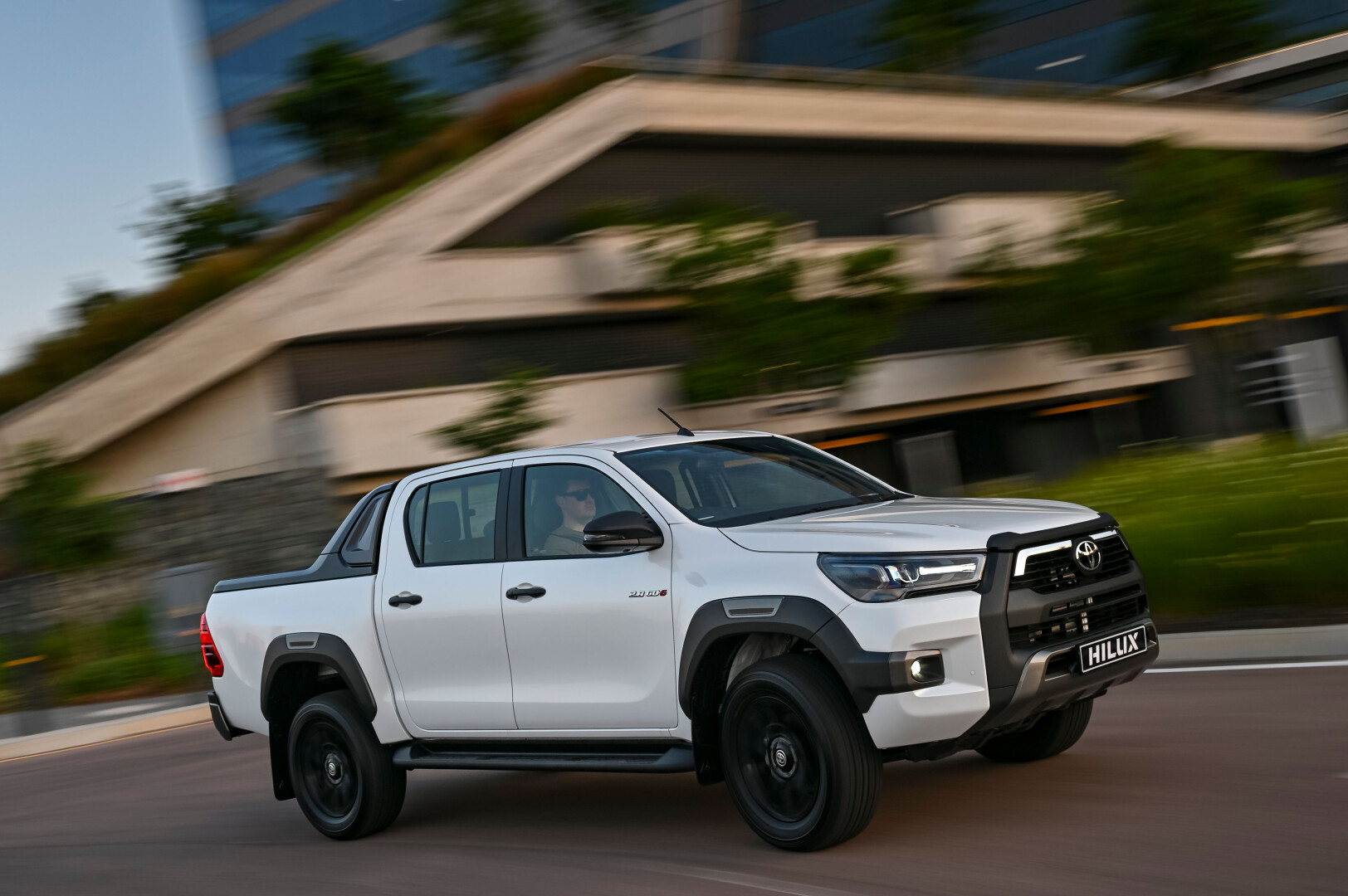
Toyota Hilux
The Toyota Hilux is an SA favourite and there is a wide selection of used examples listed on Cars.co.za. Buyers can choose between Toyota’s 2.4-litre turbodiesel engine with 110 kW and 400 Nm of torque or opt for the more powerful 2.8-litre turbodiesel engine with outputs from 150 kW and 500Nm.
While the Hilux arguably falls short of the P-Series in terms of standard spec and interior execution (this model was launched in 2016, after all), the Toyota makes up for it with its reputation of being one of the most capable 4×4 bakkies that money can buy with the backup of an extensive local dealership network.
At the R500k mark, you are most likely to find 2.4GD-6 units in SRX or Raider trim grade. Most of these have mileages of under 100 000 km and still fall within the 3-year warranty period. If you want a 2.8GD-6 derivative, however, you may have to settle for a pre-2020 example with a mileage of nearly 100 000 km.
The Hilux is sold with a 3-year/100 000 km warranty and a 9-services/90 000km service plan so if you manage to buy a 2021/22/23 example, you’re likely to inherit the balance of this support. Note that the Hilux holds its value well in the used market, which means you are likely to obtain a favourable selling price when you decide to sell it down the line.
The new Ford Ranger may hog the limelight, but there are many low-mileage examples of the previous-gen model in the used market. Buyers are spoilt for choice with derivatives such as the Wildtrak, FX4 and Thunder on offer, including Ford’s 2.0-litre single-turbodiesel engine with 132 kW and 420 Nm of torque as well as the firm’s more potent 2.0-litre bi-turbodiesel engine with 157 kW and 500 Nm of torque.
Depending on what you choose to buy, you’re likely to benefit from the balance of Ford’s 4-year/120 000 km warranty. Bear in mind that although a 6-year/90 000 km service plan was standard on the Ranger up to the end of October 2021, service or maintenance plans were optional on the bakkie thereafter. Check whether the previous owner of a prospective purchase specified such a plan and whether it is still valid.
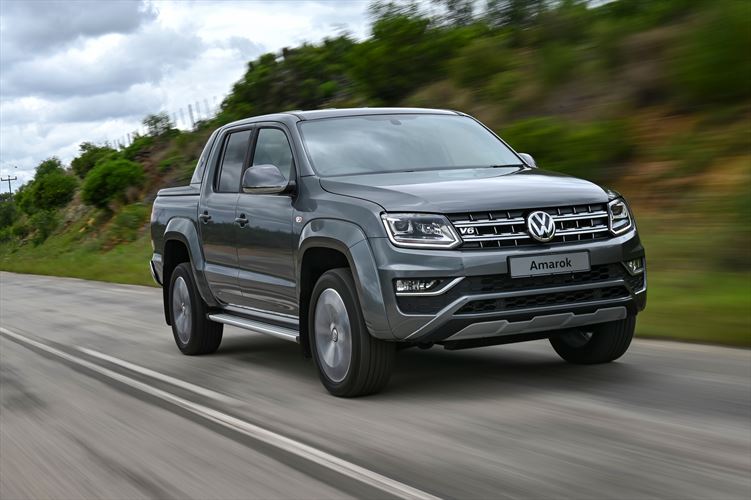
The previous-gen Volkswagen Amarok 3.0TDI V6 still holds appeal with its 3.0-litre V6 turbodiesel engine providing ample pulling power with no less than 165 kW and 550 Nm of torque on offer. The Amarok has long been commended for its SUV-like driving character and on-road comfort. While its cabin feels a little old school by modern standards, there is no doubt about its enviable build quality.
At R500k, there are fewer Amaroks to choose from than Rangers and Hiluxes, but that is to be expected seeing as the VW bakkie’s sales figures paled in comparison to those of the Ford and Toyota. Most of the V6 derivatives listed for sale on Cars.co.za are 2018 and 2019 examples, but notably Highline Plus (full) spec examples – that version was notably a Cars.co.za Consumer Awards category winner.
The previous-generation Amarok was sold with a 3-year/100 000 km warranty and a 5-year/90 000km service plan, so you may be able to “inherit” the balance of the warranty and service plan depending on what used Amarok you choose. Having said that, bear in mind that aftermarket warranties and service plans are available and these can be financed when you purchase your used bakkie.
Cars.co.za was invited by BMW Group South Africa to attend the 2nd annual President’s Green Hydrogen Summit in Cape Town and witness the signing of a historic Memorandum of Cooperation between Anglo American, Sasol and BMW SA.
The Century City Conference Centre was filled to the brim with delegates from all over the world for the summit and, following a presentation by SA’s Minister of Electricity, Dr Kgoshientso Ramokgopa, to the attendees, the President of the Republic dialled in via video call to address the summit, beginning his speech with commentary about the Springboks’ win over France, which was well received by all.
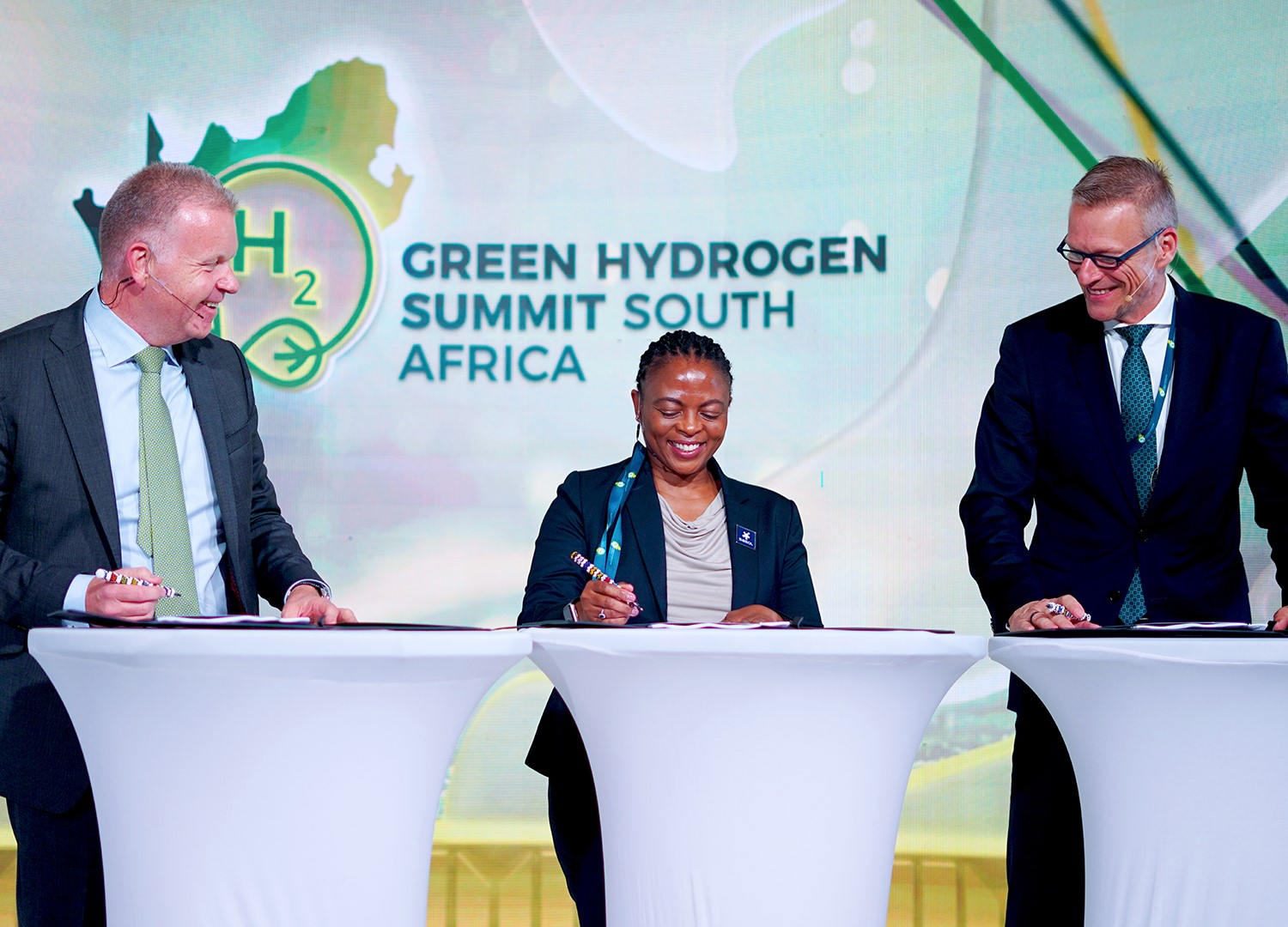
From left: Craig Miller, Priscilla Mabelane and Peter van Binsbergen sign the historic memorandum in Cape Town.
The CEO of Anglo American Platinum, Craig Miller, the Sasol Executive Vice President for the Energy Business, Priscillah Mabelane, and the CEO of BMW Group South Africa, Peter van Binsbergen, then joined each other on stage to sign the memorandum in a very public manner indeed. The memorandum commits the three multinationals to a partnership that aims to accelerate the adoption of hydrogen mobility in South Africa in both the commercial and passenger segments.
The vehicles in question, which create the demand for hydrogen, are known as FCEVs (fuel-cell electric vehicles) and they truly do come in all shapes and sizes.
Anglo American & Sasol are no strangers to hydrogen
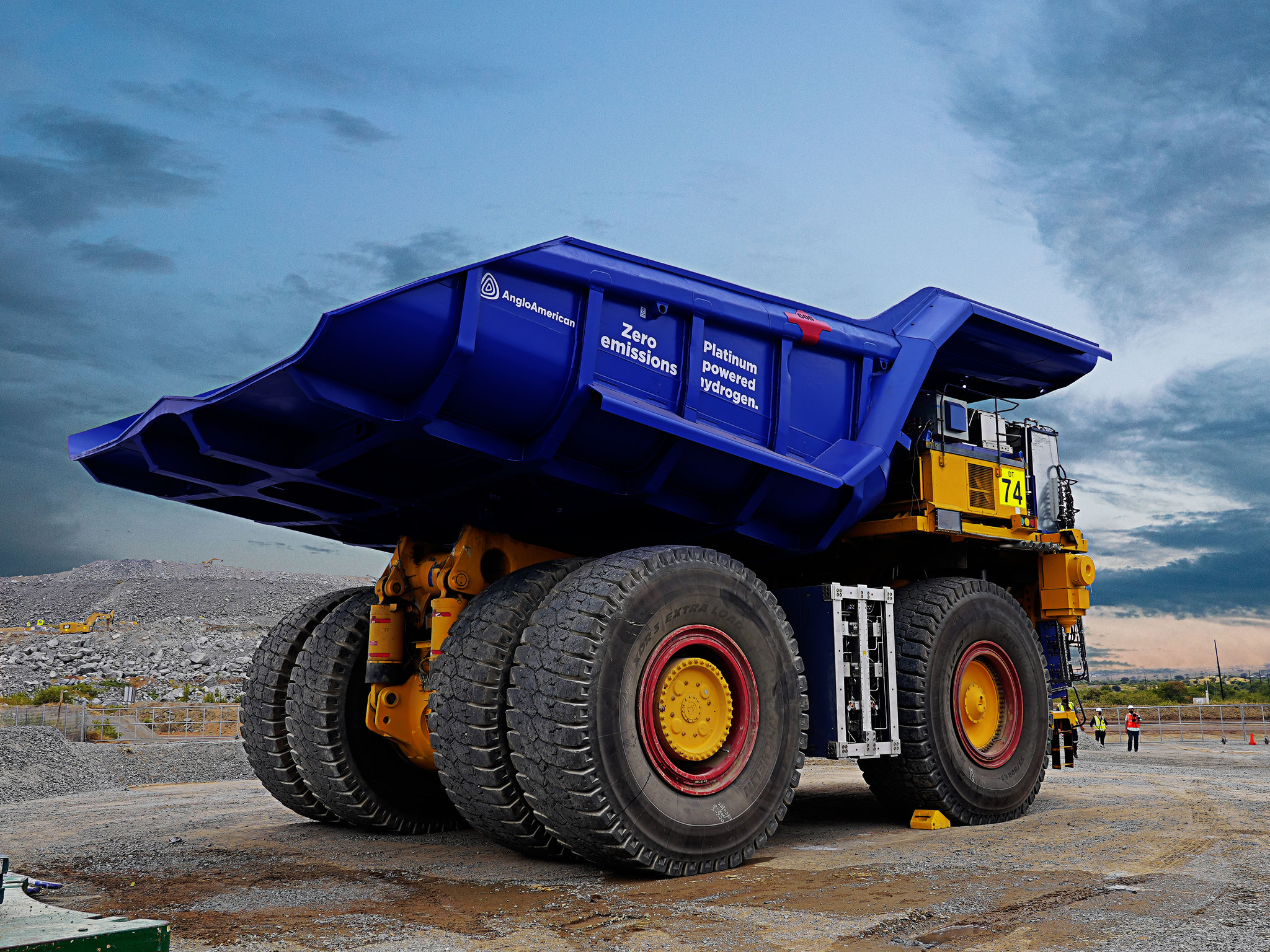
Anglo American in South Africa operates the world’s largest FCEV hydrogen mine truck, a 290-tonne carrying behemoth earth-mover operating at the Mogalakwena mine outside Polokwane, with green hydrogen being produced on site.
Anglo American expects the FCEV market to increase demand for platinum group metals by about 5 million ounces per annum by 2050, which will be a boon for the South African mining industry.
Sasol has been working with the element for 20 years already. In June this year, the company produced its first green hydrogen (as opposed to grey hydrogen, which is produced using energy from coal power stations) and while they are currently only producing 150 kg per day, that figure will balloon to 5 500 kg per day in the near future, when a 69-MW wind plant and 4-MW solar plant come online in June 2024.
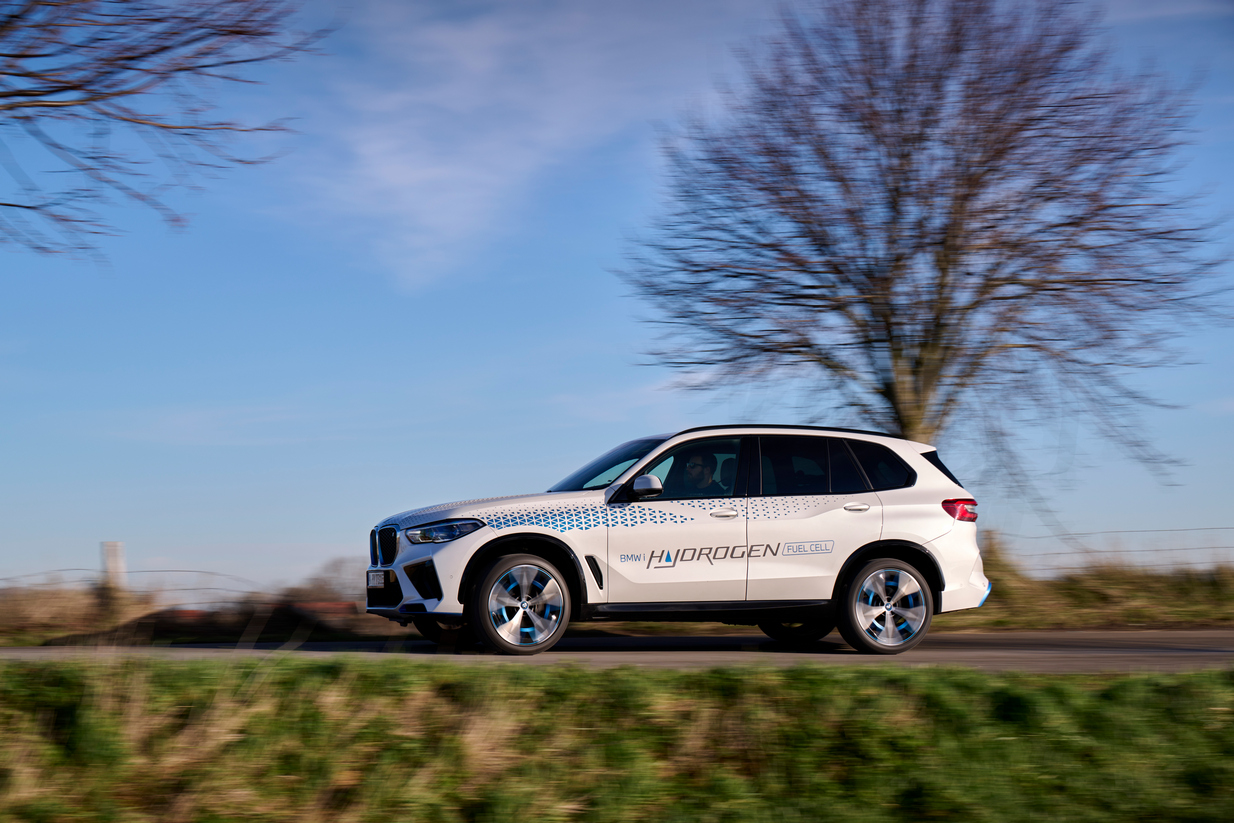
BMW Group South Africa has been selected by BMW Group Global to be one of a handful of countries that will test hydrogen vehicles in real-world conditions. We have already driven the iX5 Hydrogen in Belgium last year and you can read that review, or watch the video, here:
Much to the excitement of attendees at the summit, BMW SA secured a test unit of the iX5 Hydrogen for display at the summit, placing it in the lobby for all to get acquainted with.
Sasol will also supply BMW Group SA with a mobile hydrogen refuelling unit (which we suspect will be placed at the Rosslyn plant), which will enable the real-world testing of the FCEVs.
Cars.co.za spent some time with the firm’s CEO at the summit and asked when South African motorists might find a BMW FCEV on local showroom floors; no date has been set, but it will be after 2030.
Van Binsbergen told us that the technology has not matured yet to the point where it is commercially viable – much testing still needs to happen – and he also believes that hydrogen needs to become cheaper per kilogram for the whole ecosystem to make sense to the average motorist.
BMW Group SA’s Peter van Binsbergen says hydrogen-powered BMW models WILL be launched, but only after 2030.
What will happen now however is that BMW will produce a batch of road-legal iX5 Hydrogens, which will be dispatched to all corners of the globe for real-world testing, including right here in South Africa.
BMW Group is pursuing a multiple-drivetrain strategy for its global business. The company believes that there is no silver bullet to carbon-neutral mobility, and a variety of solutions is required to service vastly different markets around the world, a stance that we agree is prudent and positive going forward. BMW believes that hydrogen-powered vehicles will eventually make up about 10% of the cars it sells globally.
It is possible that the iX5 Hydrogen will not become a series production vehicle, but the learnings and technology will be implemented in a wide range of BMWs in due course.
Rest assured that, at some point, SA motorists will have petrol/diesel-powered, hydrogen-powered, hybrid- and battery-electric vehicles (BEVs) to choose from, which is quite exciting in and of itself.
A demonstration of a hydrogen fuel-cell vehicle being refuelled – looks familiar, doesn’t it?
Okay, what happens now?
A massive game of chicken and egg, that’s what; for hydrogen cars to be adopted and work on our roads, Sasol needs to roll out the infrastructure across its network of fuel retailers across South Africa, but until there are FCEVs on our roads, there will only be demand from industrial and commercial players.
What is particularly exciting about green hydrogen, however, is that it will be produced locally; it doesn’t have to cross borders, it doesn’t have to be paid for in dollars, it doesn’t have to be loaded onto a ship, traverse vast oceans and then be offloaded in South Africa and, most importantly, the supply of which is not at the mercy of cartels such as Opec. It has the potential to provide South Africa with a fuel that has a much more stable price and a much more predictable supply.
The fuel price is, of course, a major pain point for all South Africans and, at least initially, the price of hydrogen will likely be on a gradual downward trajectory for many years to come as the technology matures and more suppliers come online.
A BMW iX5 Hydrogen is being tested near Antwerp.
There are some use cases which already make sense, say (for instance) forklifts in a warehousing environment, which is already happening in BMW plants around the world and is apparently already in use in some warehousing sites in South Africa (outside of the BMW Group).
Additionally, an FCEV powertrain is better suited to trucks and buses than a BEV one, in our opinion. If you look at the case of buses used in public transport, the buses travel a predictable route and duration, and return to the same depot every evening. This is an almost perfect fit for a hydrogen ecosystem.
It would also make much sense at facilities that require a variety of vehicles to operate, such as airports.
SA is well-placed to manufacture green hydrogen
That’s because we have sun and wind in abundance and this project is so important to the President that essentially the entire project reports directly to his office. In the South African context, the production of green hydrogen has the potential to create jobs, drive investment and even create an export programme.
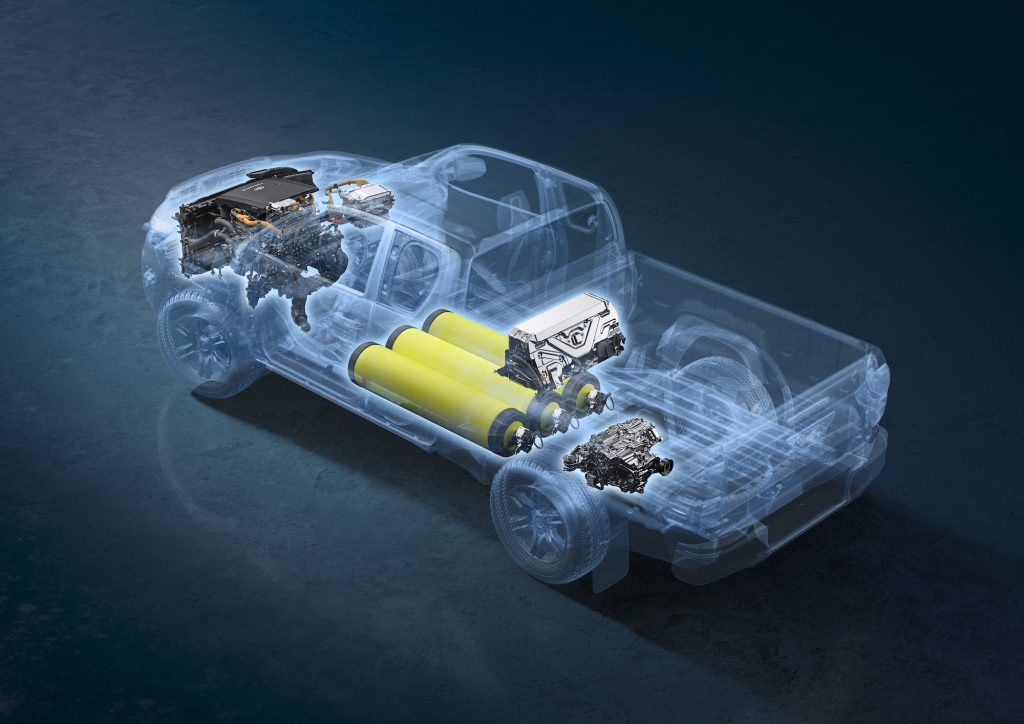
Toyota has produced a Hilux prototype that utilises elements of the Mirai hydrogen fuel-cell electric vehicle.
BMW was an early player in the hydrogen space; it unveiled the 745 Hydrogen in the early 2000s. However, that was a hydrogen vehicle that utilised an internal combustion engine, where cooled hydrogen was stored on board the vehicle and injected into the cylinders to create combustion.
Van Binsbergen told Cars.co.za that BMW was no longer pursuing that technology, and fuel cells would be the focus of the company in perpetuity.
The iX5 feels exactly like an electric vehicle to drive, and in terms of fuel economy, is said to be capable of travelling 500 km on 6 kg of hydrogen on the WLPT cycle. Doing some rough maths, 1 kg of hydrogen should be good for 100 km of range, and it is predicted that hydrogen will be commercially viable at around $2.50 per kg, or around R45, which means it would cost around R45 in fuel to travel 100 km.
A BMW iX5 Hydrogen’s infotainment screen displays the vehicle’s efficiency in kgH2/100 km.
A petrol-powered X5 might use around 10 L/100 km, which at current fuel prices costs around R250. Therefore, hydrogen really does have the potential to bring running costs down for the average motorist.
There is no indication of what FCEVs might sell for, however, but we do expect that they will be pricier than their traditional ICE-powered siblings. However, given the multiple commercial use cases for hydrogen, it may well be that the last South Africans to make use of hydrogen will be everyday motorists.
Even so, it’s encouraging that large players have already spent years in discussion to get to this point and have now publicly committed to developing the hydrogen ecosystem to the benefit of all South Africans. The ball is certainly rolling and, while it may be early days for sure, we have no doubt that hydrogen is part of the future of our country, both industrially and in the hands of consumer motorists.
We will eagerly be watching this space and will, of course, keep you updated as the story progresses.
Toyota’s new bakkie concept is actually Hilux sized
Toyota has revealed fresh versions of its new boxy workhorse bakkie concept, which interestingly shares its wheelbase with the current-generation Hilux…
At the end of 2022, Toyota revealed the IMV 0 Concept in Thailand, before showing off a few interesting applications of this flexible bakkie concept – since christened “Rangga” in that country – in August 2023. Now, ahead of a display at the Japan Mobility Show 2023, further fresh iterations have been unwrapped.
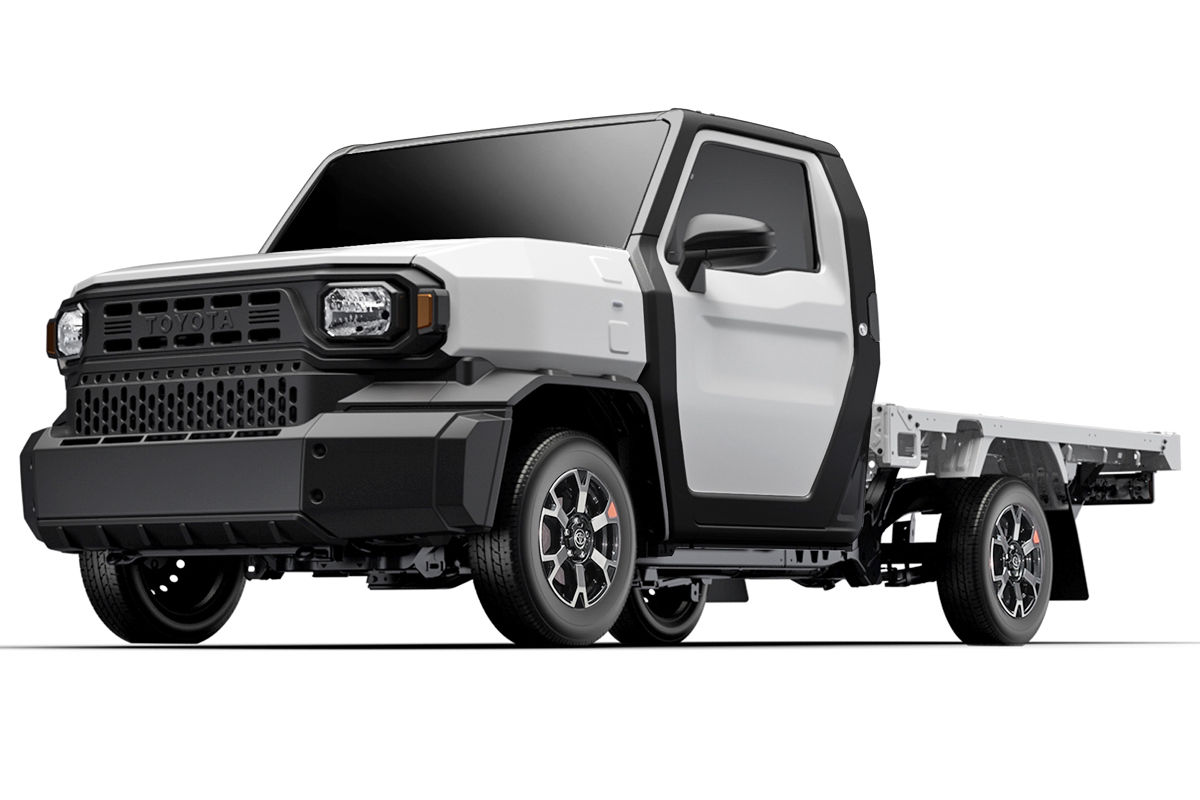
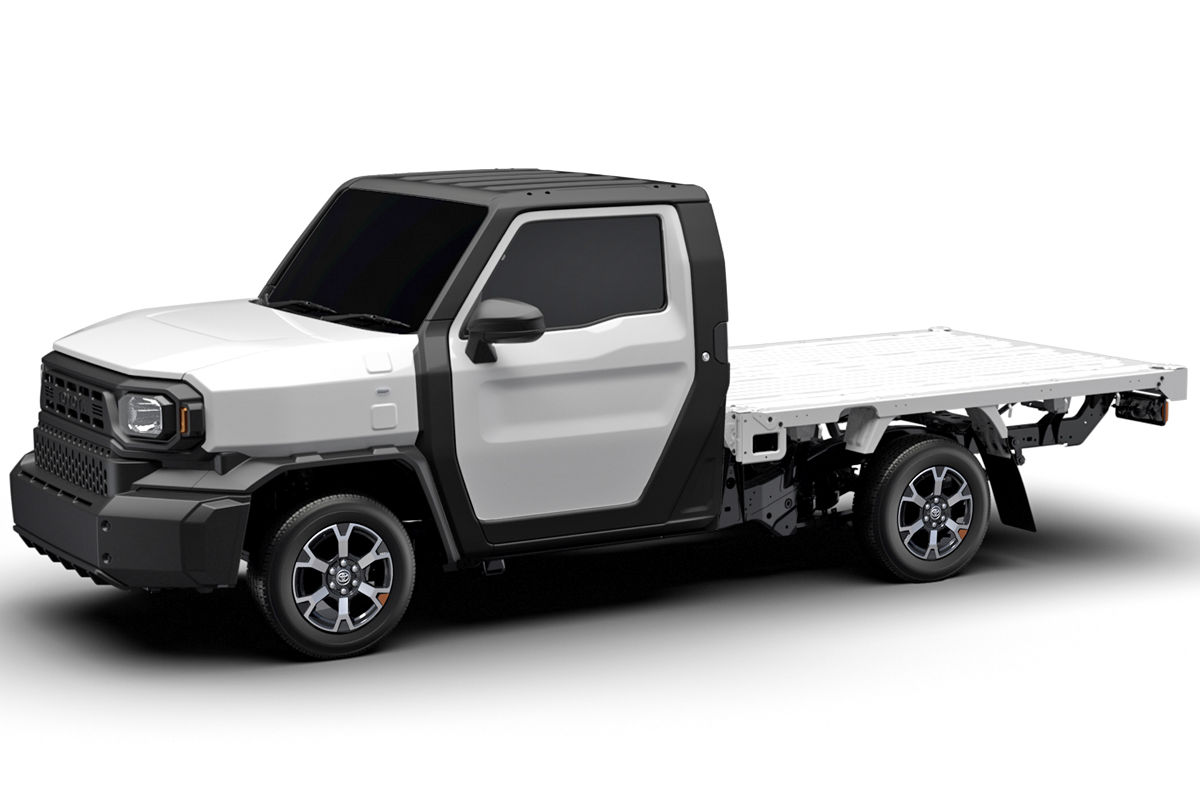
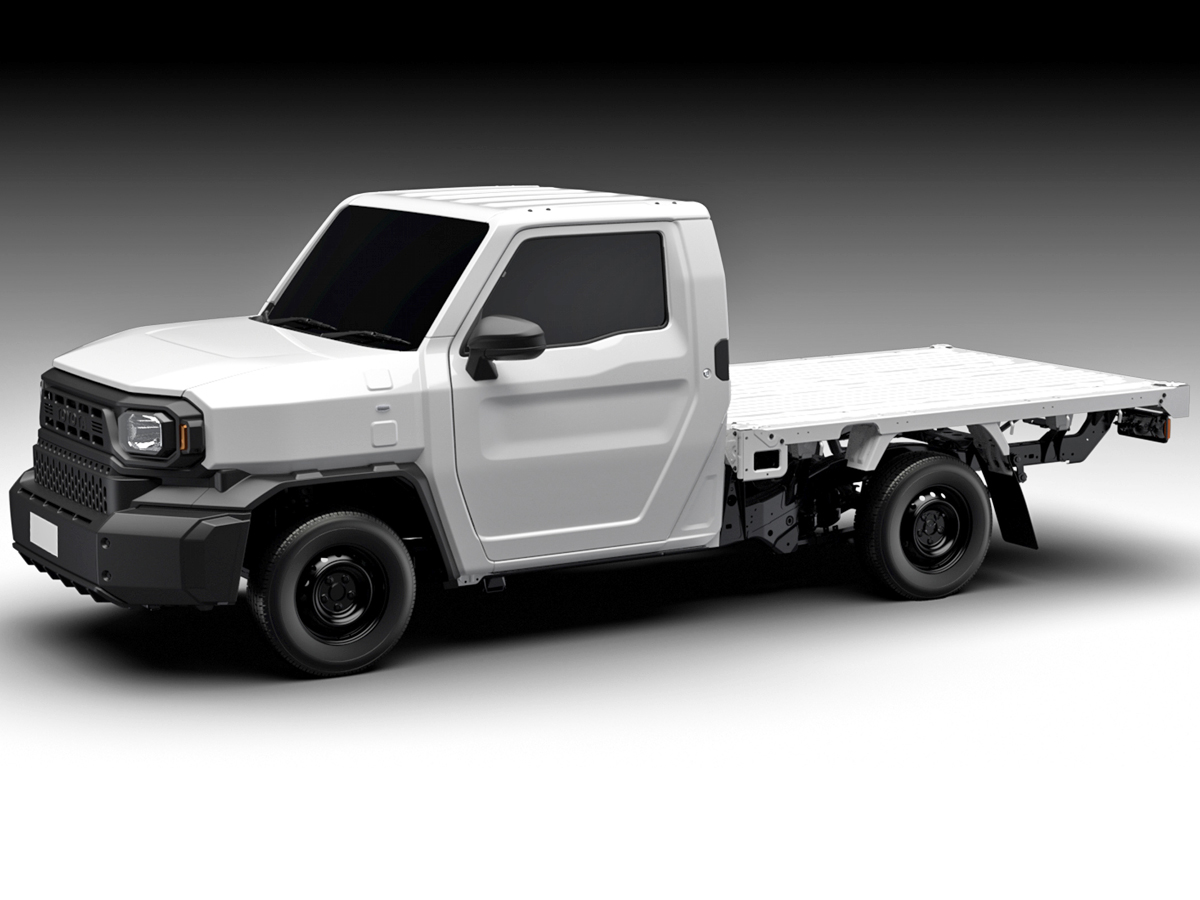
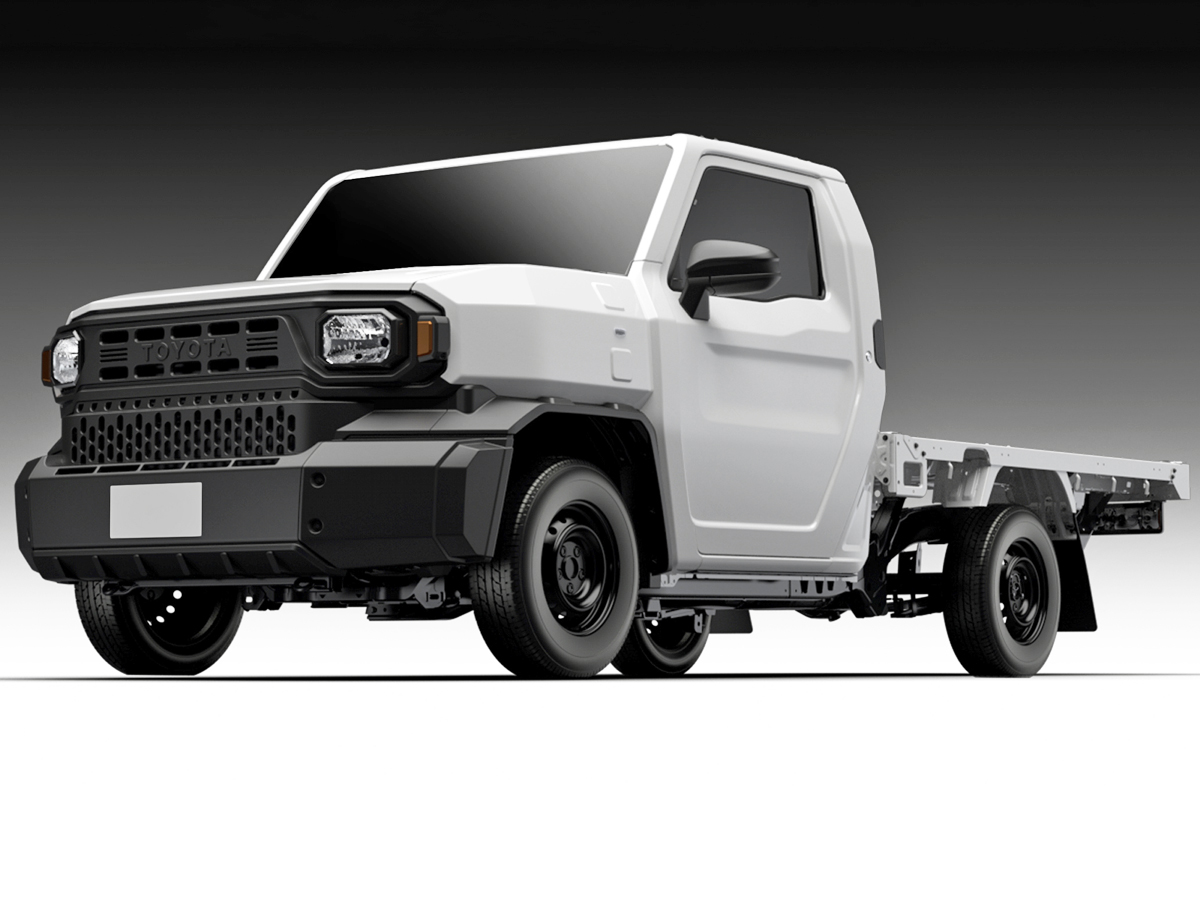
In addition, though the Japanese automaker has released very little official technical information on the IMV 0 Concept, it has at least finally confirmed the boxy ladder-frame bakkie’s dimensions. Fascinatingly, its wheelbase is listed as 3 085 mm, precisely the same distance between the axles of the current-generation Hilux. So, the newcomer is not nearly as compact as previously thought…
The concept measures 5 300 mm from nose to tail, which is 30 mm longer than a single-cab Hilux but 25 mm shorter than extended- and double-cab versions of Toyota’s strong-selling bakkie. The IMV 0 Concept is 1 785 mm wide (a mite narrower than a standard Hilux) and stands 1 740 mm tall. Still no word on payload capacity or engine options, though.
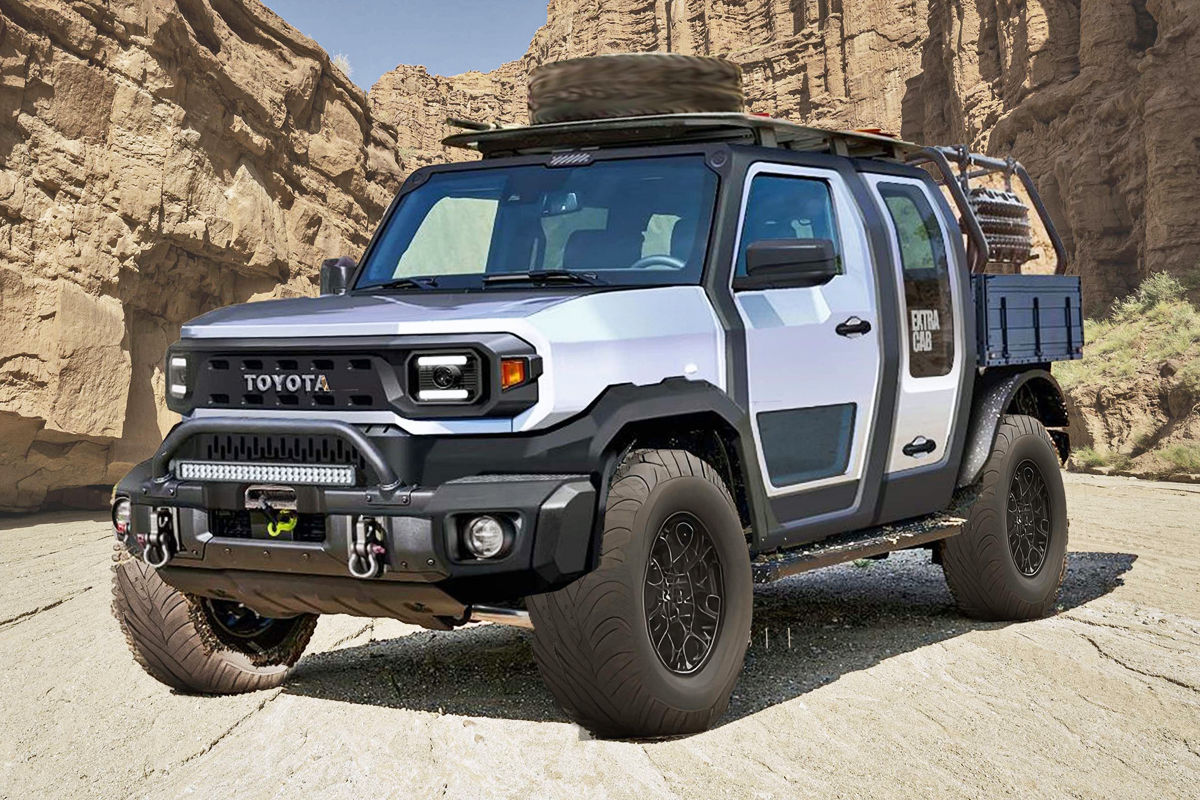
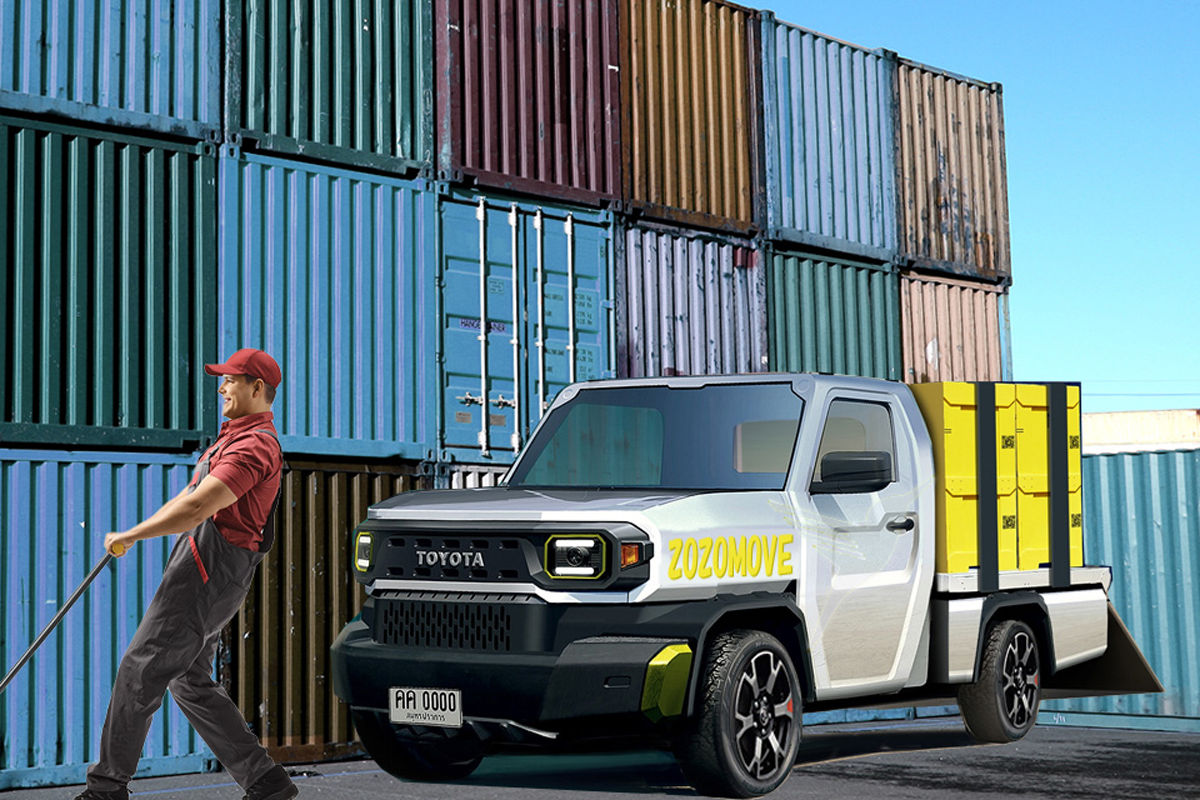
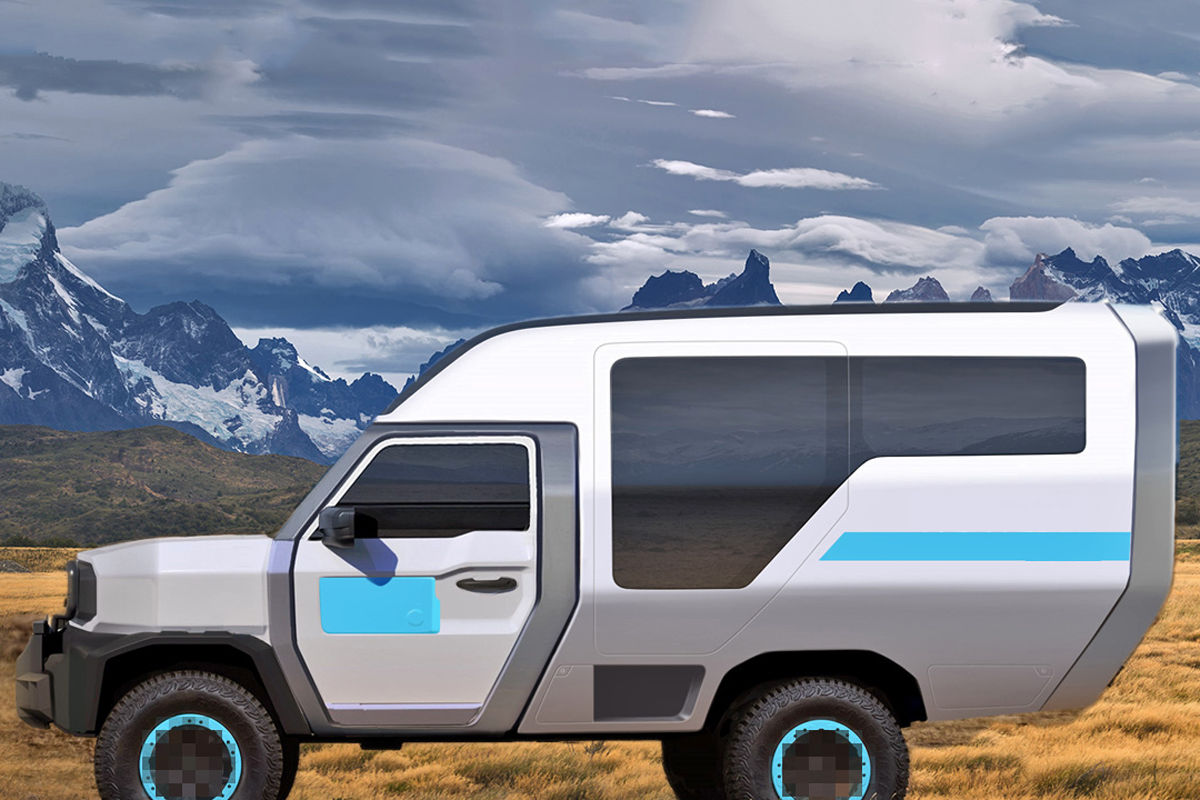
Billed as a “mobility solution that works with users to fulfil their vision”, the IMV 0 Concept is listed as a 2-seater vehicle and shown mostly in single-cab form. However, perhaps the most interesting iteration features an extended-cab body style, along with a raft of overlanding kit (from a front-mounted winch and an LED bar to chunky all-terrain tyres and a roof-mounted storage system.
Toyota says the IMV 0 Concept “supports future mobility lifestyles by offering the potential for further customisation, from business to leisure applications”. In short, customisable parts can be bolted onto the bakkie’s deck section, allowing the vehicle to be set up for various applications.
While potential conversion applications for the Rangga concept shown at the Gaikindo Indonesia International Auto Show 2023 included a mobile café, an ambulance, a mobile EV charging service and even a pace car, images released ahead of the Japanese display show the concept as a single-cab workhorse, a motorhome, a Red Cross disaster-relief vehicle and the aforementioned overlander.
It’s not yet clear exactly when the IMV 0 Concept/Rangga will reach production, though some reports suggest it could be as early as 2024, with an initial market launch likely to take place in Thailand before the vehicle rolls out to other emerging markets, such as Indonesia.
Whether or not such a model is on the cards for South Africa remains to be seen, but it’s worth keeping in mind that earlier in 2023, as reported by IOL Motoring, Toyota SA Motors executives hinted at an upcoming model that could slot in below the Hilux and likely be built at the same factory in KwaZulu-Natal. Considering the IMV 0 Concept seemingly shares its underpinnings with the current-gen Hilux (and Fortuner), could that mean local production is on the horizon?
GR Corolla vs GR Supra Video – Manual Hatch vs Manual Sportscar, which one should you buy?
Toyota is on such a roll right now with its GR range of performance enthusiast machinery. We get behind the wheel of the new GR Supra and GR Corolla on a closed mountain pass.
This is a curious question but when life gives you a closed mountain pass and two exciting performance cars, well then you chase each other up the pass, don’t you?
And while you’re at it, you might as well answer the questions, which is better, and which one should you buy?
Cars.co.za‘s professional racing driver Ashley Oldfield and relative muppet Ciro De Siena did just that in this video, with Ciro in the all-wheel-drive car (mostly in an act of self-preservation) and Ashley in the near-300 kW rear-wheel-drive Supra.
Yes, these cars are not exactly rivals, but if you’re in the market for something to set your hair on fire, they both do the job.
The popular Indian-built baby SUV has received an update! Here’s what we know so far about the facelifted Kia Sonet.
The Sonet is Kia South Africa’s most popular model. In September 2023, over 740 units found homes locally and it’s easy to see why. It offers good value for money, combining fresh modern looks, generous level of standard equipment and a comprehensive aftersales package.
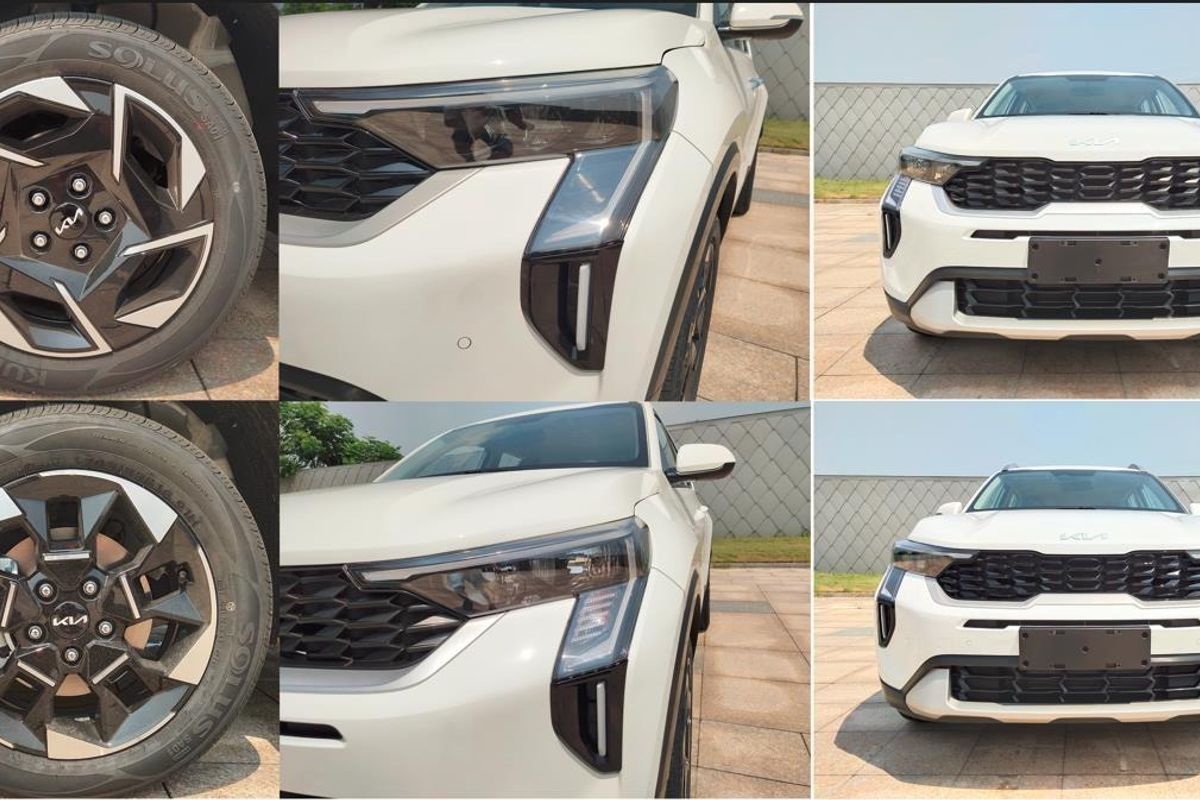
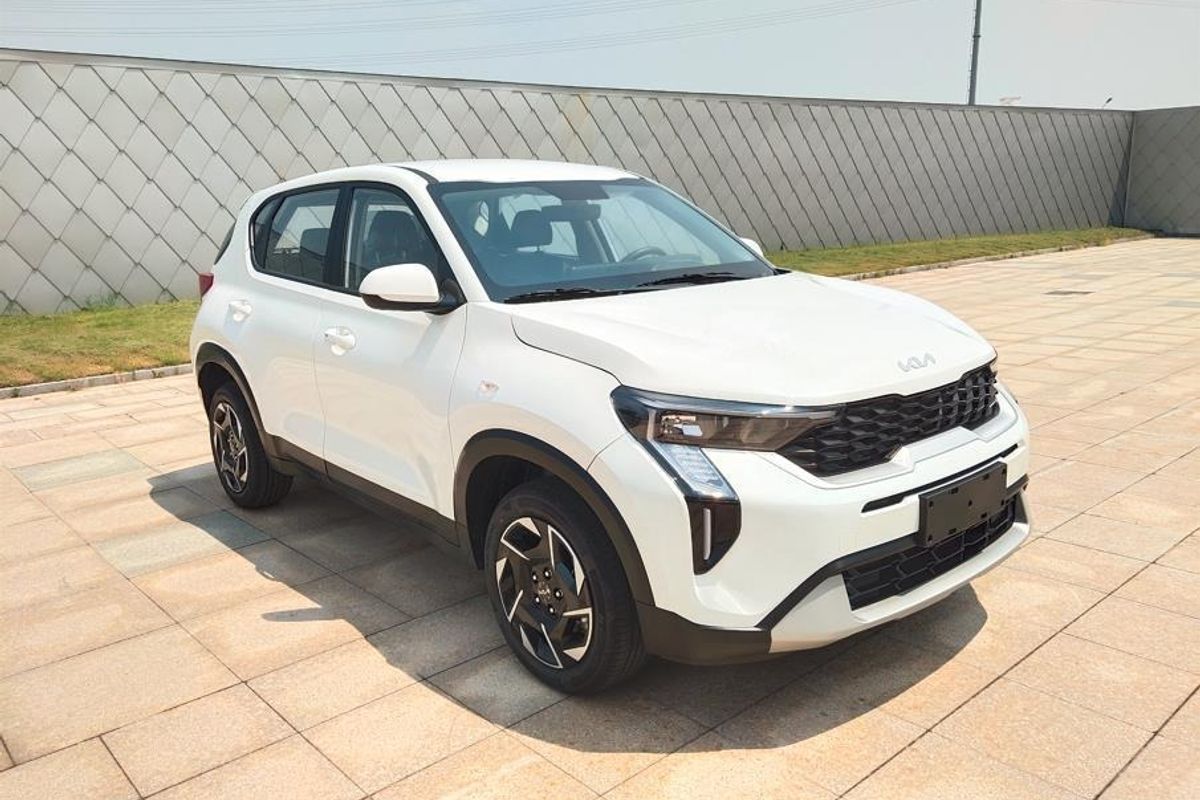
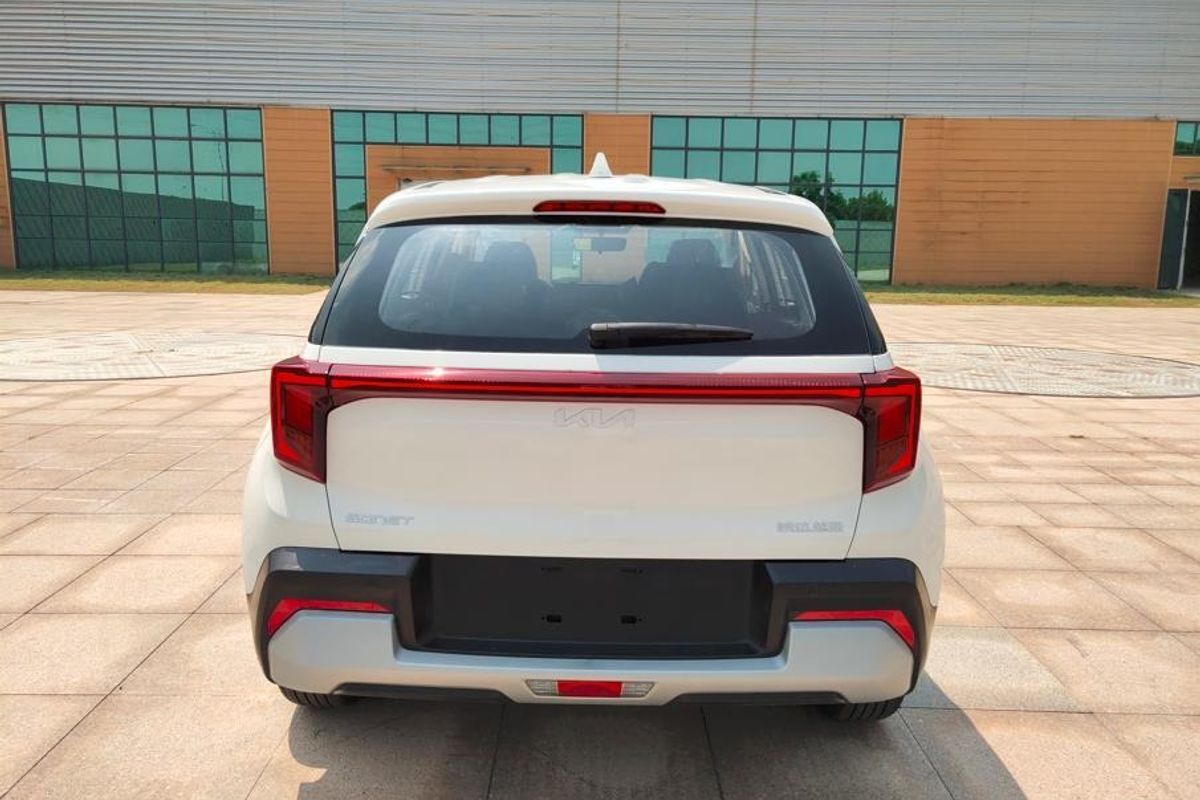
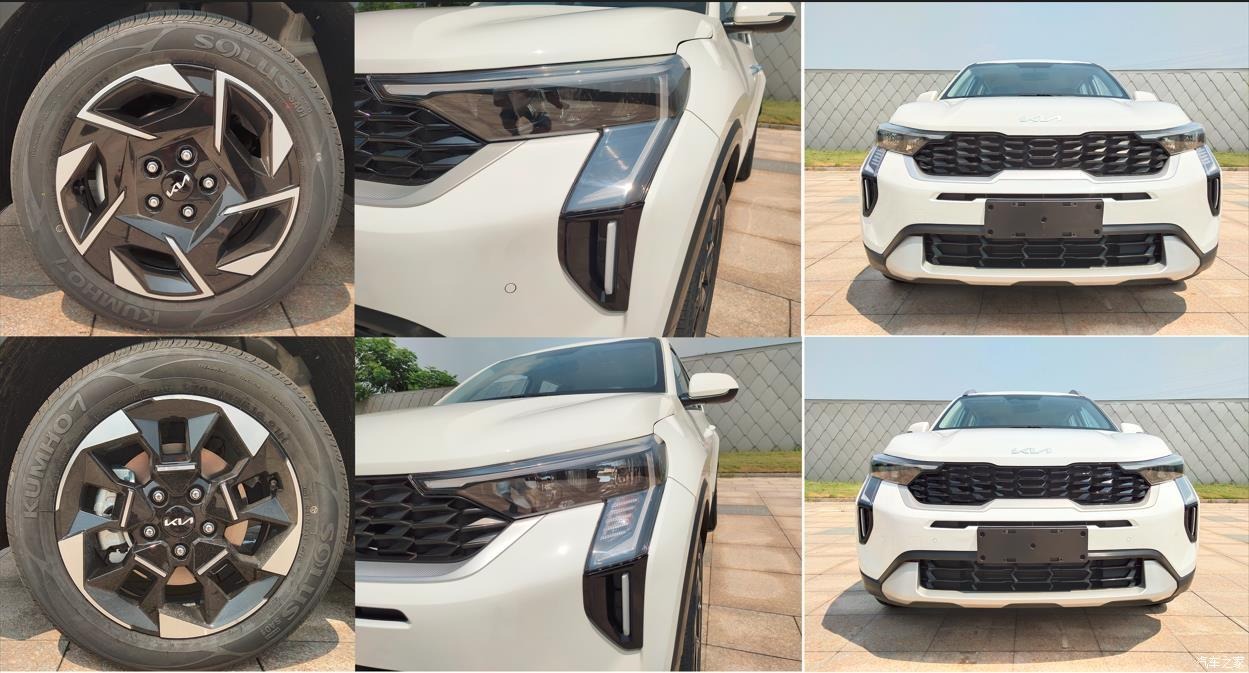
Now, the facelifted Kia Sonet has leaked out. The images come from China and we can see some substantial visual changes on the outside. There’s a new-look front with redesigned headlamps and daytime-running lights, while the rear gets the currently fashionable LED lightbar across the tailgate. There are some new wheel designs too.
There were no interior photographs, so we cannot comment on the cabin updates. We expect the engine lineup to be carried over and our market has a diverse selection of powertrains. There’s a 1.5-litre naturally-aspirated petrol four-cylinder which makes 85 kW and 114 Nm, and a 1.0-litre turbocharged three-cylinder petrol with a punchy 88 kW and 172 Nm. Both manual and automatic gearboxes are offered.
When will the facelifted Kia Sonet arrive in SA?
Multiple Indian publications (the Sonet is assembled there) have reported that a reveal is likely before the end of the year, and we estimate the updated Sonet will be landing in South African showrooms before the middle of 2024.