Volkswagen Tiguan Diesel (2023) Review


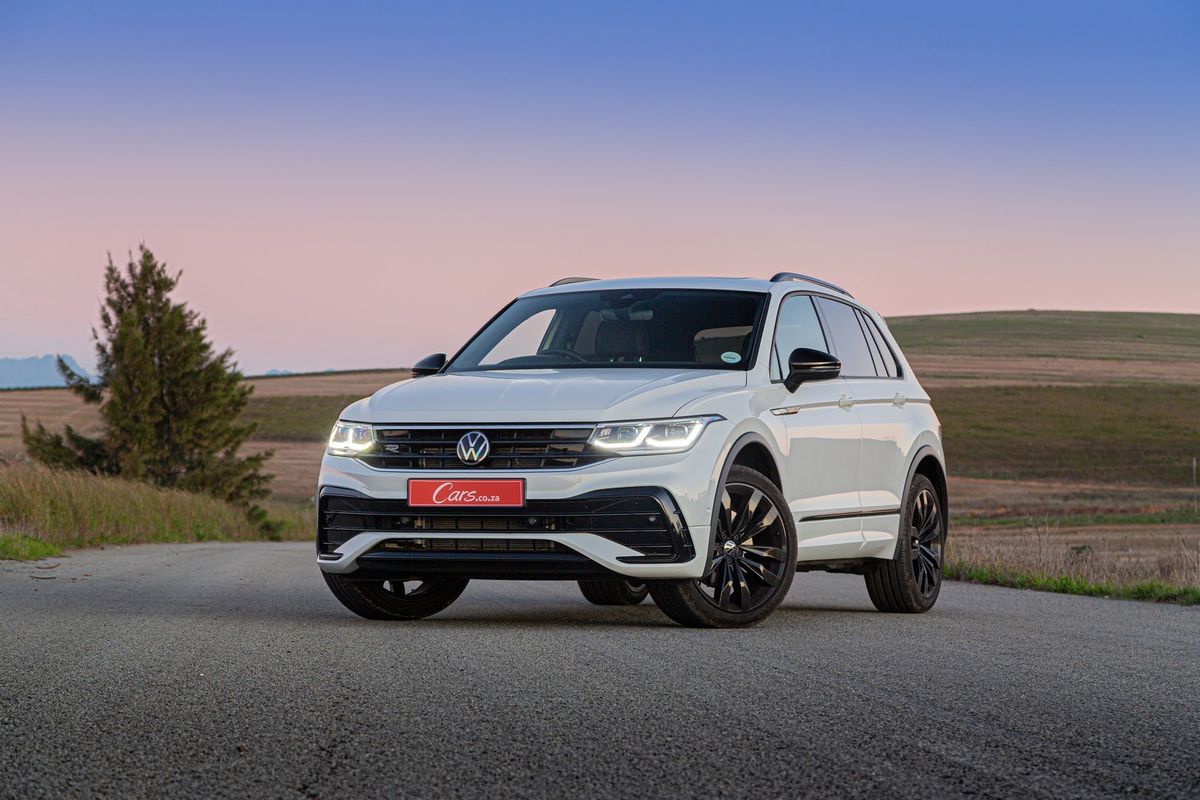
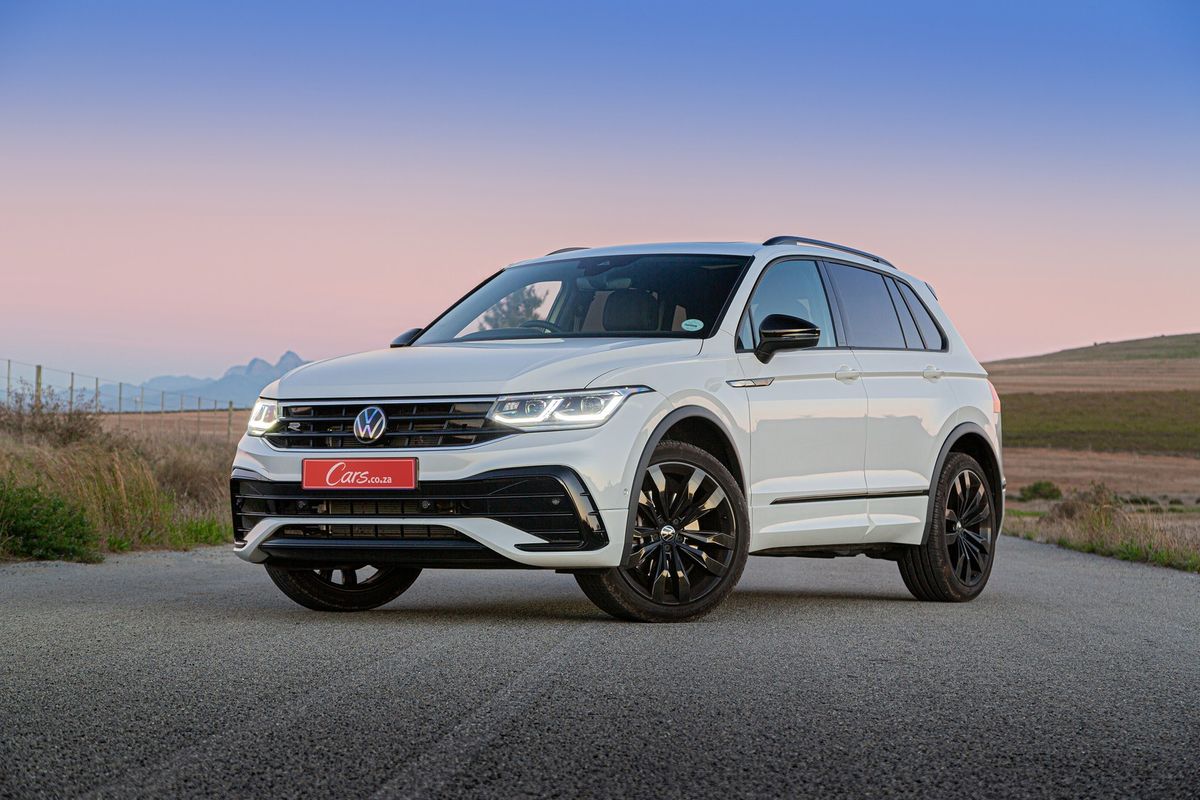
The Volkswagen Tiguan range now includes a turbodiesel-powered derivative, but is the new 2.0TDI 130kW 4Motion R-Line the pick of the line-up? Let’s find out.
We like: Performance, fuel consumption, styling, practicality, image
We don’t like: Stiff ride, pricey compared with rivals, engine sounds unrefined.
FAST FACTS
- Model: Volkswagen Tiguan 2.0TDI 130kW 4Motion R-Line
- Price: R794 300 (April 2023)
- Engine: 2.0-litre 4-cylinder turbodiesel
- Power/Torque: 130 kW/380 Nm
- Transmission: 7-speed dual-clutch
- Fuel consumption: 6.6 L/100 km (claimed)
- Performance: 0-100 kph in 8.3 sec (claimed)
- Luggage/Utility space: 520-615-1655 litres
Serious about buying/selling?
Browse the latest Volkswagen Tiguan specs and prices.
Some dealerships regularly offer great deals. See our New Car Specials!
Looking to sell your car? Sell it on Cars.co.za for free
Where does the 2023 Volkswagen Tiguan Diesel fit in?
The Volkswagen Tiguan has been a mega success for the Wolfsburg-based brand; during its life cycle, the German family car has become the brand’s most popular SUV and product (at the cost of the iconic Golf). In the current model’s line-up, there’s a Tiguan to suit nearly every taste and/or requirement.
For those who need extra load capacity or people-carrying ability, there’s the Tiguan Allspace, which is a 7-seater, while the performance-oriented Tiguan R can liven up any school run. What’s more, buyers have an assortment of trim levels and drivetrains to choose from. What the range was missing was a turbodiesel derivative, but no more… the 2.0TDI 130kW 4Motion R-Line is the subject of this review.
Given how the market has switched from business-class sedans to family SUVs, it should come as no surprise that there are many, many options if you’re shopping in the R800 000 bracket. The Tiguan’s traditional rivals include the Toyota RAV4, Haval H6, Hyundai Tucson, Kia Sportage and Mazda CX-5. However, not all of these have all-wheel drive or diesel engines on offer, so we’ve narrowed it down:
Compare the Tiguan 2.0TDI 130kW 4Motion R-Line with rivalling Tucson and CX-5 derivatives
Bear in mind that the Tiguan also goes up against premium-brand offerings, such as the BMW X1, Mercedes-Benz GLA and Volvo XC40, at this price point. They’re not as spacious as the VW, however.
Compare the Volkswagen Tiguan to the BMW X1 and Volvo XC40.
How the 2023 VW Tiguan Diesel fares in terms of…
Performance and Efficiency
It stands to reason that we’d begin this review with the powertrain! This Tiguan is propelled by a 2.0-litre 4-cylinder turbodiesel engine with peak outputs of 130 kW and 380 Nm. Power is directed to all 4 wheels via the familiar 7-speed Direct Shift Gearbox, which is a dual-clutch automatic transmission.
This EA288 diesel engine is certainly not a newcomer – it has served in Volkswagen products since 2016. For the record, the South African-spec 2.0TDI (130kW 4Motion R-Line) produces 10 kW and 20 Nm less than its counterparts in overseas markets. Fortunately, that deficit does not have a significant impact on performance. According to our test equipment, the Tiguan’s punchy diesel motor and 4Motion all-wheel drive helped it reach 100 kph from zero in 8.78 sec, which is not too far off VW’s claim of 8.3 sec.
The engine is a willing performer – it pulls strongly right from pull-away. The powerplant’s redline may be at 4 500 rpm, but there’s no need to rev all the way to that point; peak torque (380 Nm) is available from 1 750 to 3 000 r/min and the powertrain mapping will do its utmost to keep the revs in that band anyway.
Unfortunately, the Tiguan’s DSG tended to shift quite sluggishly in the default drive mode (Normal), which we remedied by actuating shifts manually, either by using the ‘wheel-mounted paddles or tapping the transmission selector. We suspect the model’s low mileage (it was almost brand-new) was partly to blame for its lack of punch and once run in, the Tiguan TDI is likely to feel more responsive.
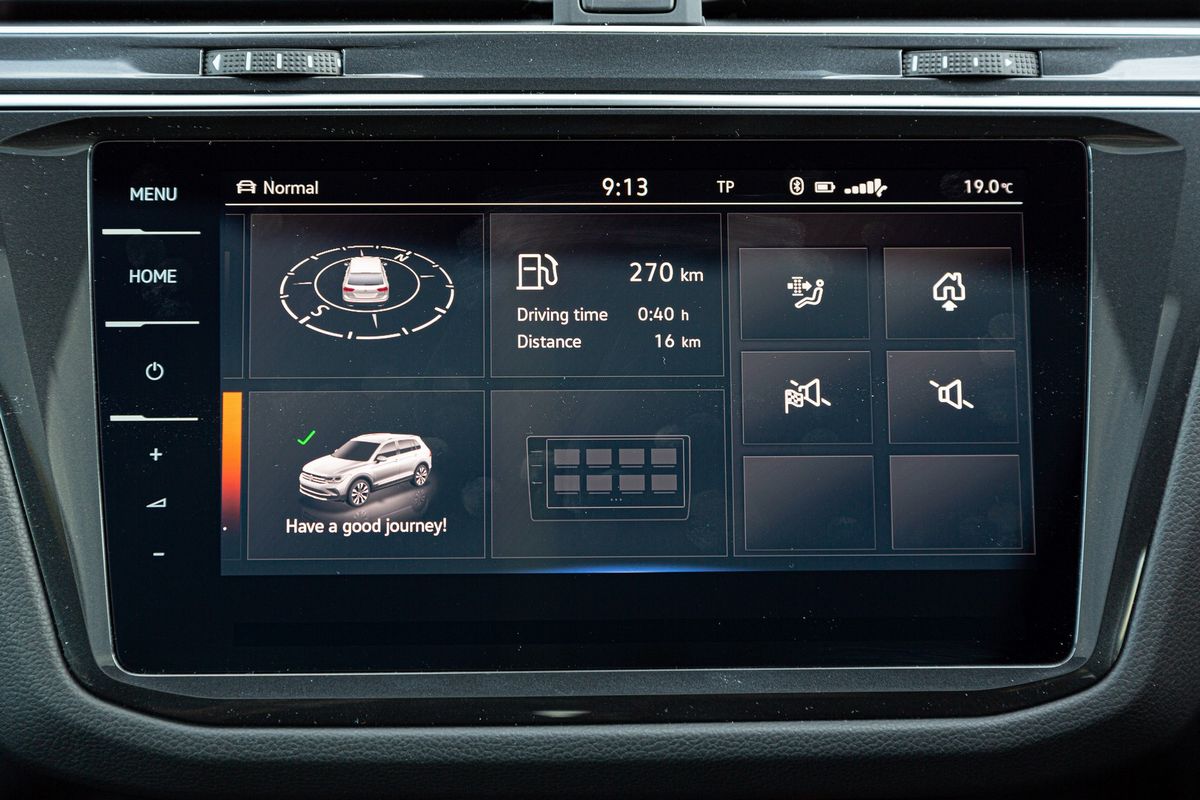
Other available drive modes are Sport and Eco; while Sport sharpens up the sensitivity of the accelerator pedal and makes the ‘box gear up/down faster – Eco does the opposite.
Because the 2.0TDI has the 2nd-highest torque figure in the range (it’s only 20 Nm short of the flagship R model) it can execute rapid overtaking manoeuvres with ease. All those Newtons will also be useful when you’re towing trailers or caravans. This derivative is rated to tow braked trailers of up to 2 200 kg.
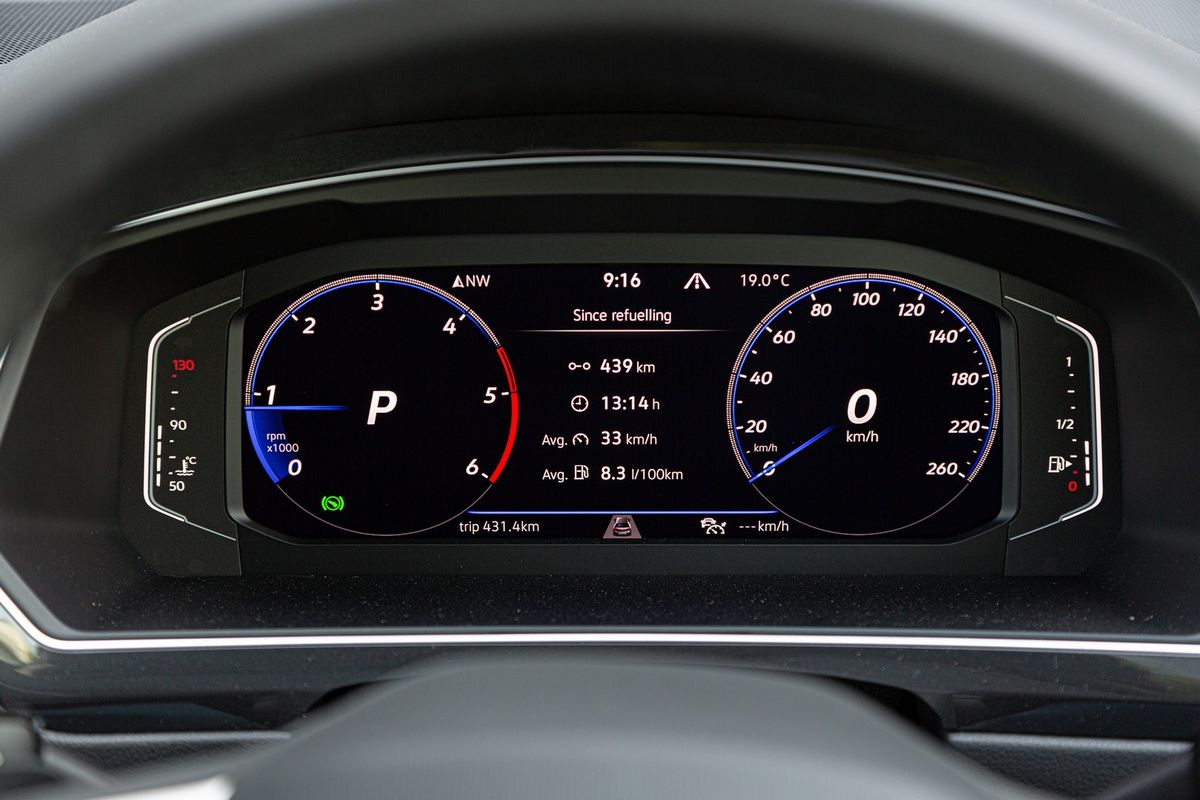
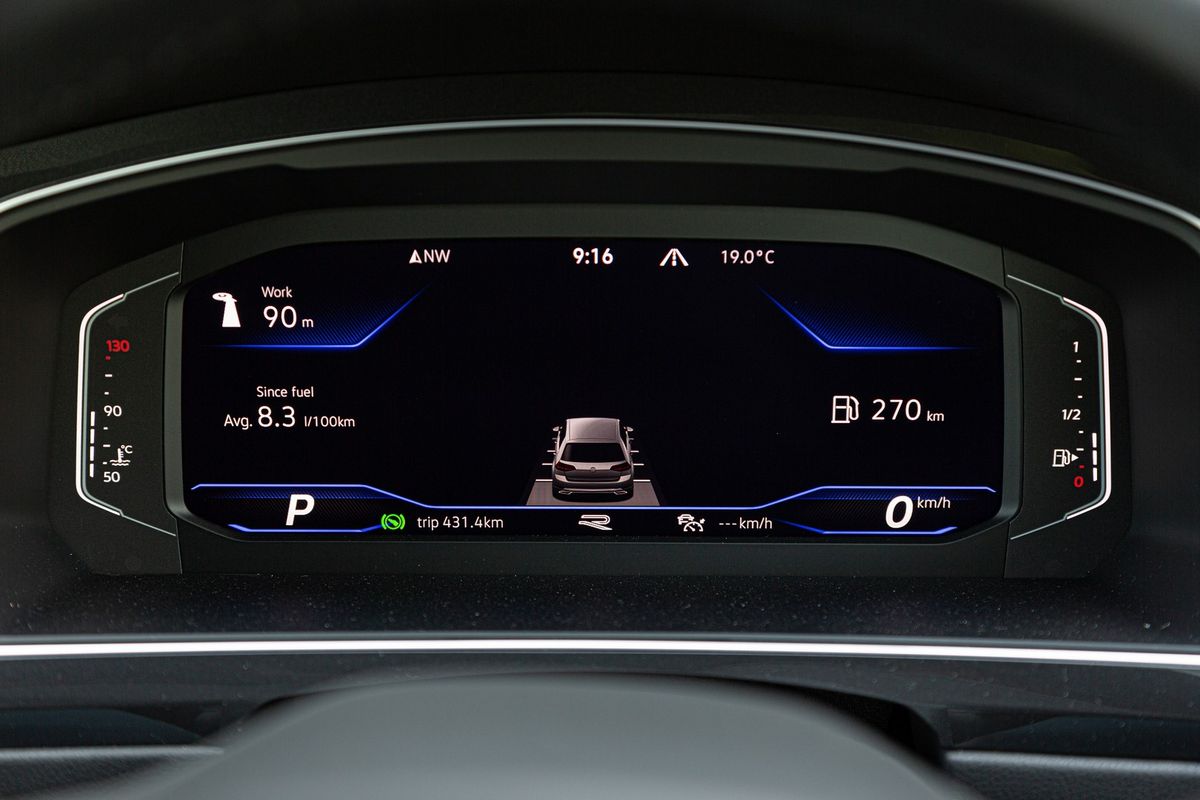
On paper, the 2.0TDI is the most frugal Tiguan. It has a claimed average fuel consumption of 6.6 L/100 km, but if you use it as a family car – or for commuting – in congested traffic (either of which could be the derivative’s primary role), expect returns of around 8 L/100 km. If you hit the open roads frequently, you should see returns in the low 7s, though. A 58-litre fuel tank gives it an estimated range of 879 km.
As for downsides, well, this engine is not a cutting-edge powerplant anymore. While there’s merit in sticking with a motor that’s tried and tested in South African conditions, the VW’s mill either sounds too grumbly or just unrefined – it depends on which tester you speak to. Some testers lamented the motor’s excess vibrations and diesel clatter at idle and that, at full throttle, the engine noise was quite invasive.
Ride and Handling
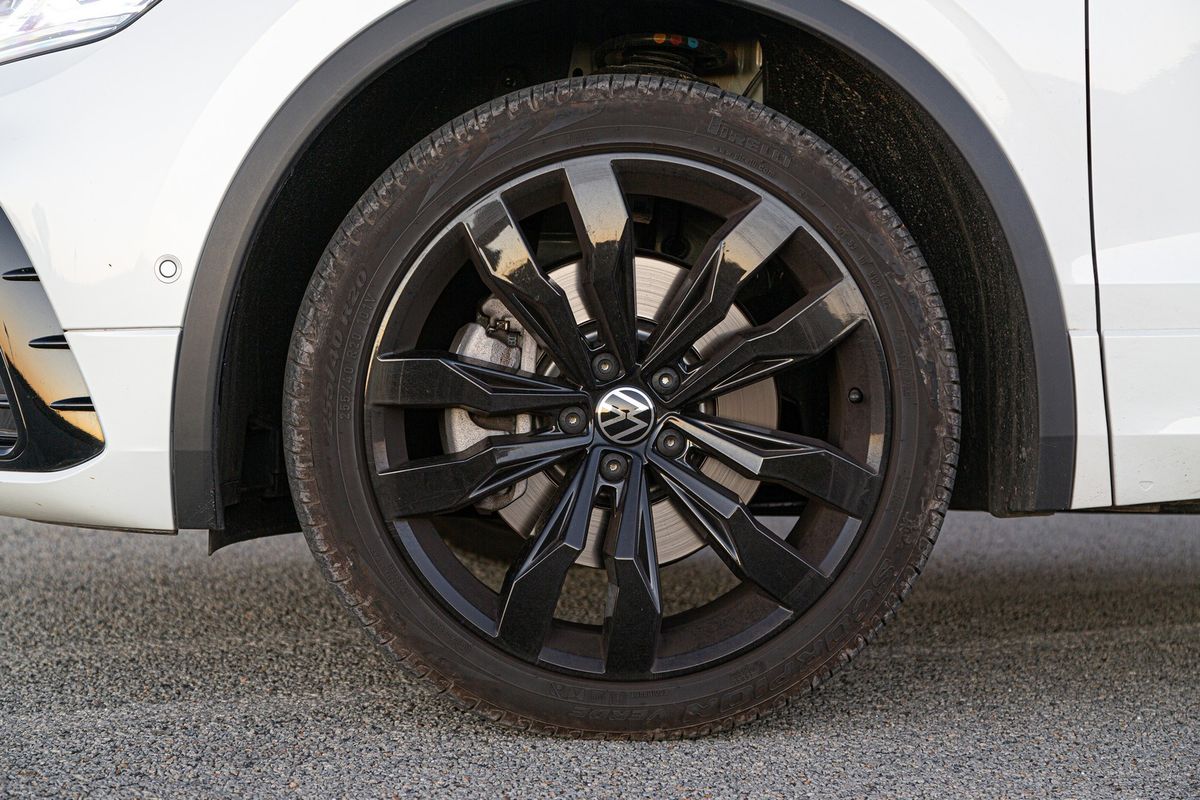
The Tiguan is based on Volkswagen’s MQB A2 platform, which also underpins the Audi Q3. This modular architecture has a reputation for endowing models with spaciousness, practicality and pleasant on-road manners. However, in this case, that resolved ride quality is undone by the test unit’s optional 20-inch wheels (shod with 255/40 tyres). Not only do they make the ride choppy – they increase road noise too.
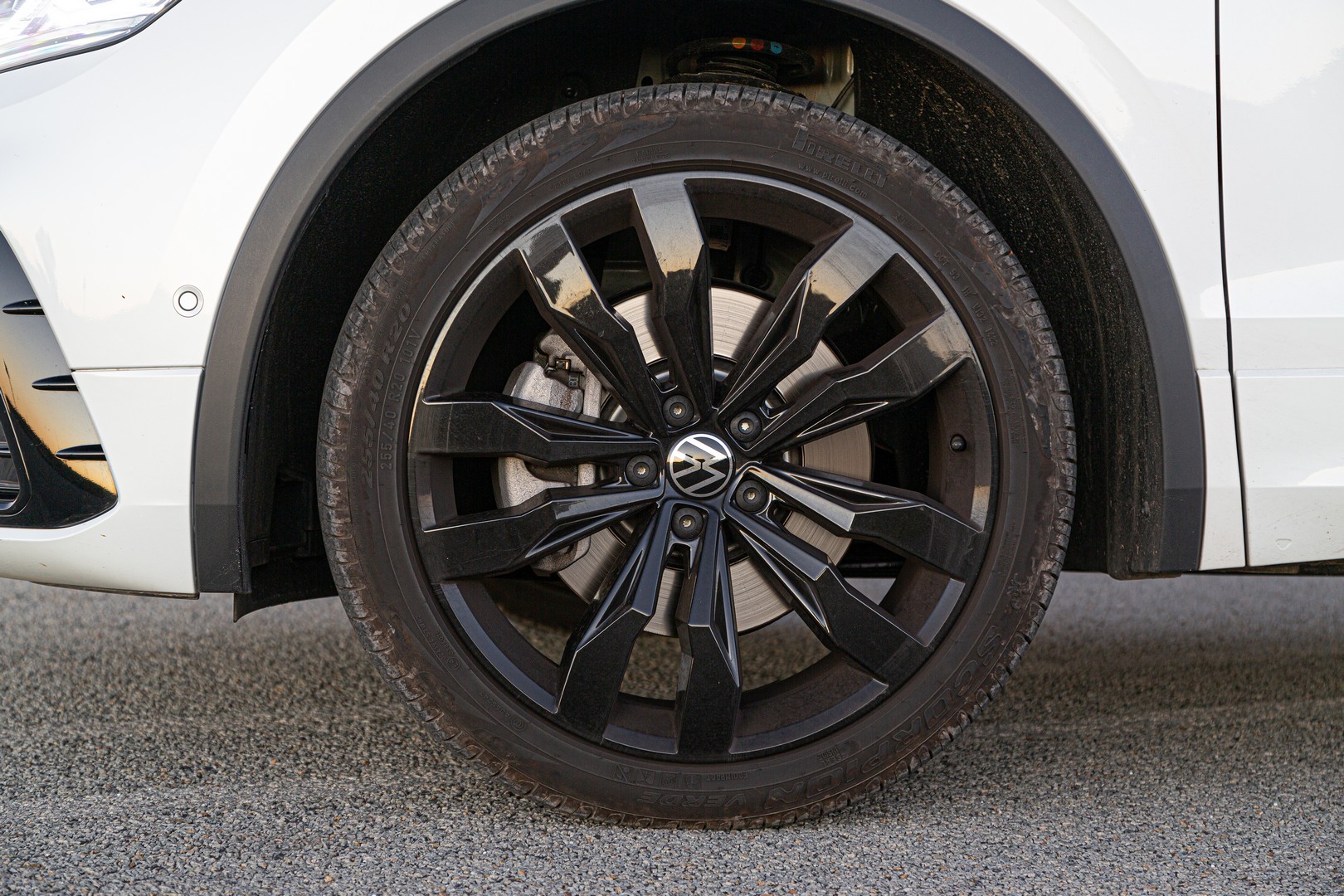
As a result, the 2.0TDI 130kW 4Motion R-Line’s ride quality was always on the firmer side of pliant and, when traversing less-than-smooth asphalt roads, the Tiguan’s suspension never felt quite composed.
When it comes to handling, the Tiguan offers one of the sportier driving experiences in its class (for what that’s worth) and despite the VW’s raised ride height, its body roll is well-controlled. Moreover, we know the chassis can handle more power with ease, as demonstrated by our time with the muscular Tiguan R.
The steering setup is admirably quick and accurate. The ‘wheel action is light, but given the VW’s role as a family vehicle, you’ll appreciate how easy the 2.0TDI is to manoeuvre in the tight confines of the city.
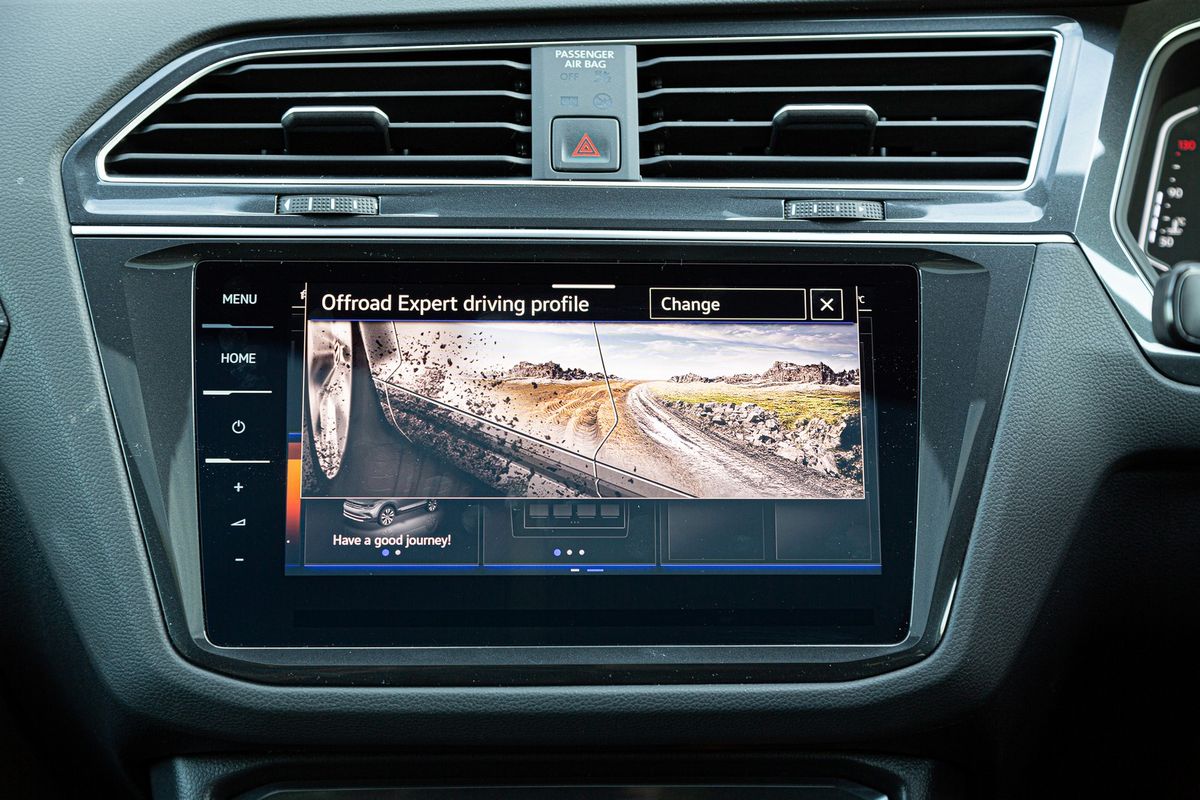
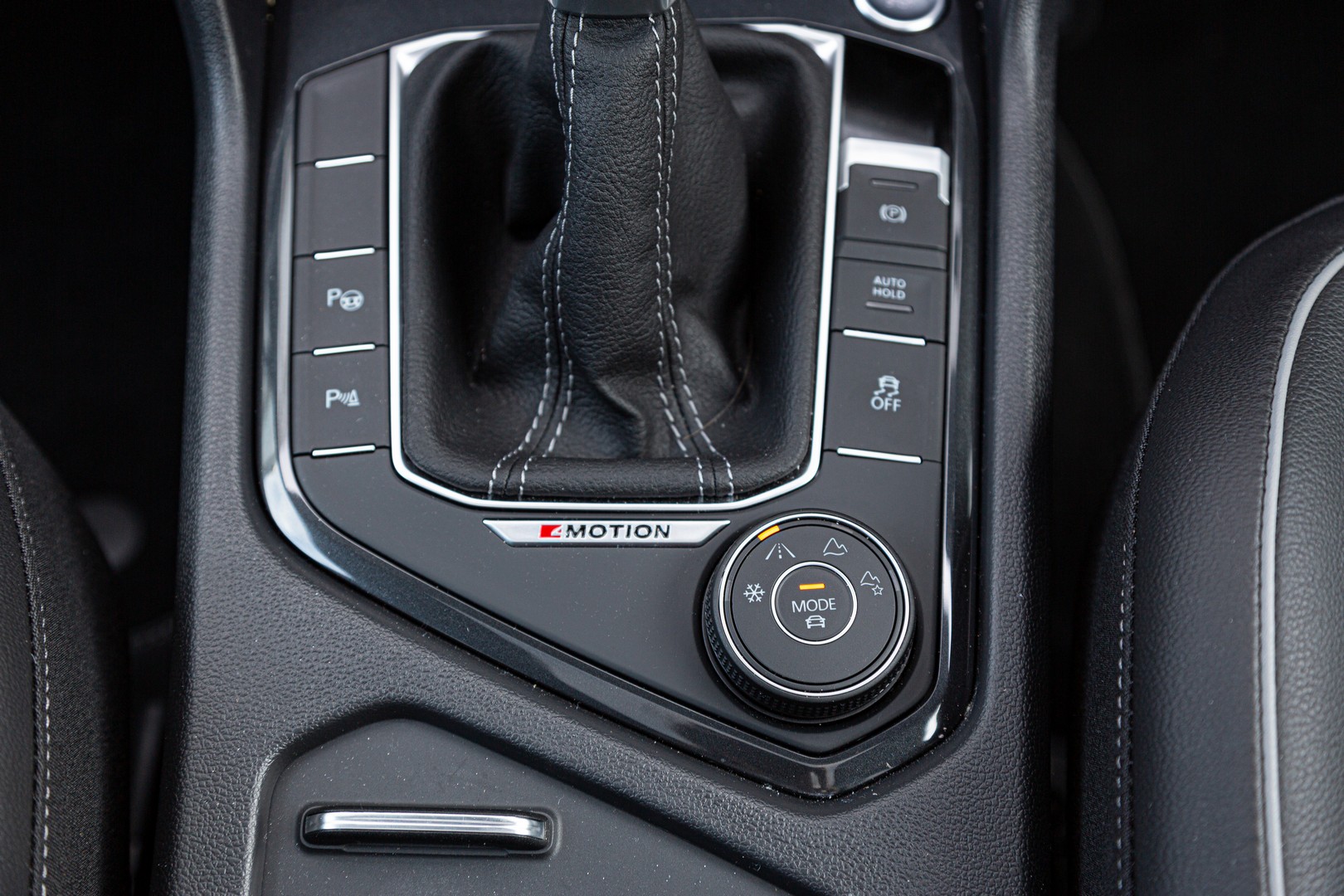
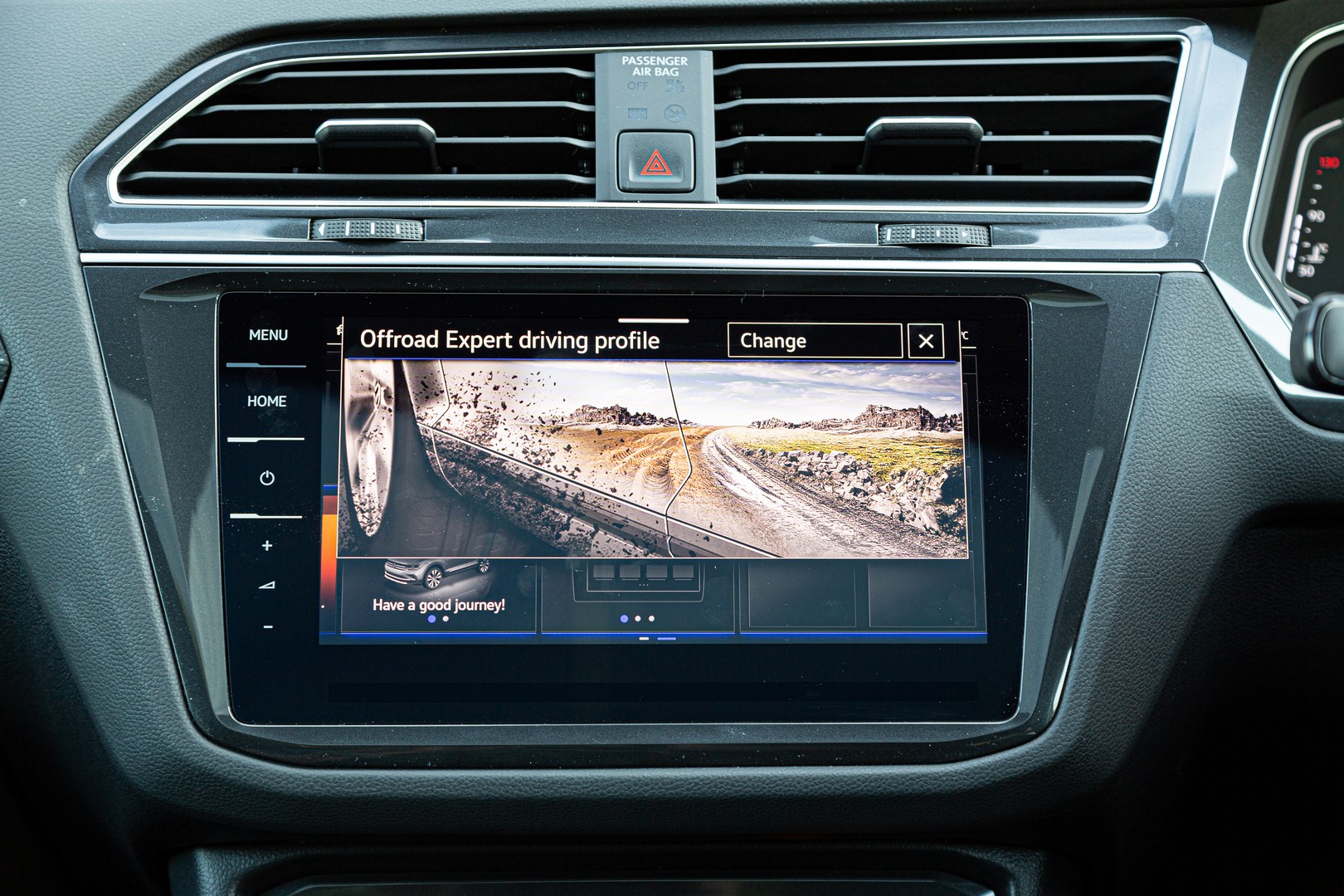
Reasonable dirt-road prowess comes courtesy of 4Motion all-wheel drive, 200 mm of ground clearance (to keep the vulnerable underbody clear of rocks and other minor obstacles), plus you can choose from a number of off-road drive modes. Look, the Tiguan’s not designed to tame off-road courses, but because all 4 of its wheels provide power and grip, the 2.0TDI will remain sure-footed on slippery or sandy roads.
Design and Packaging
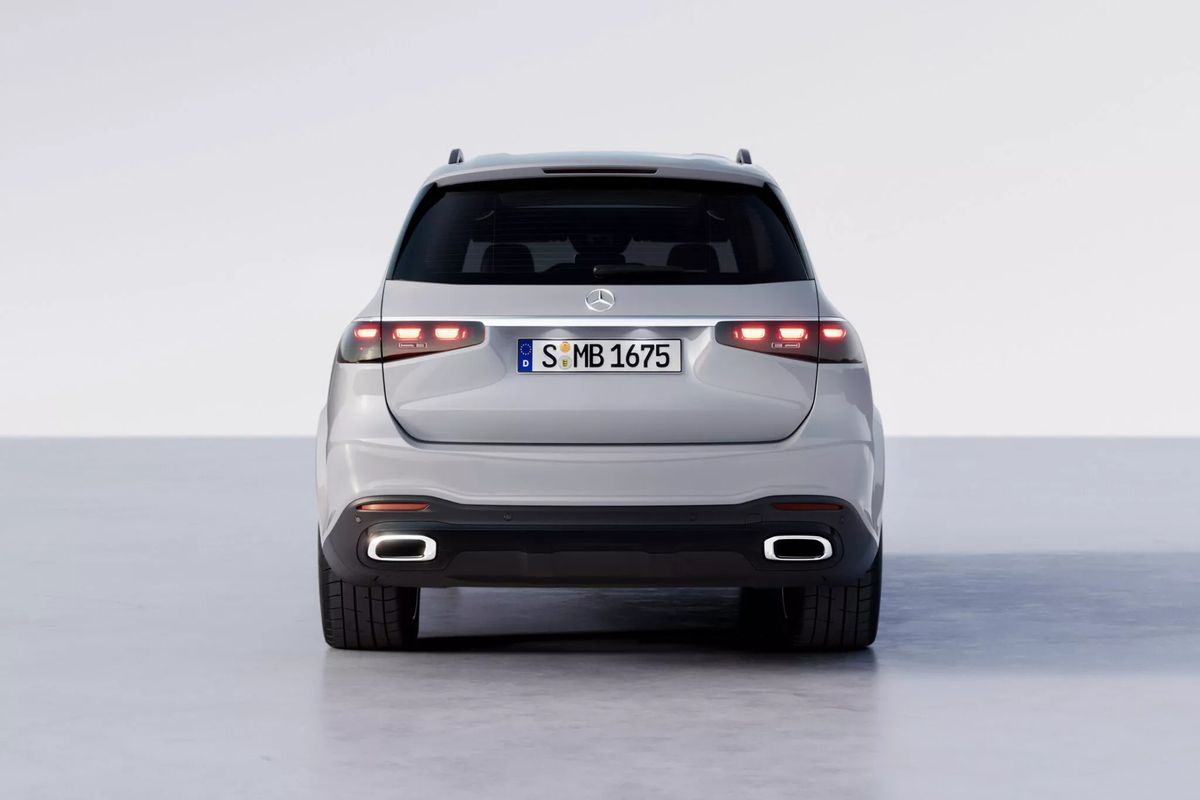
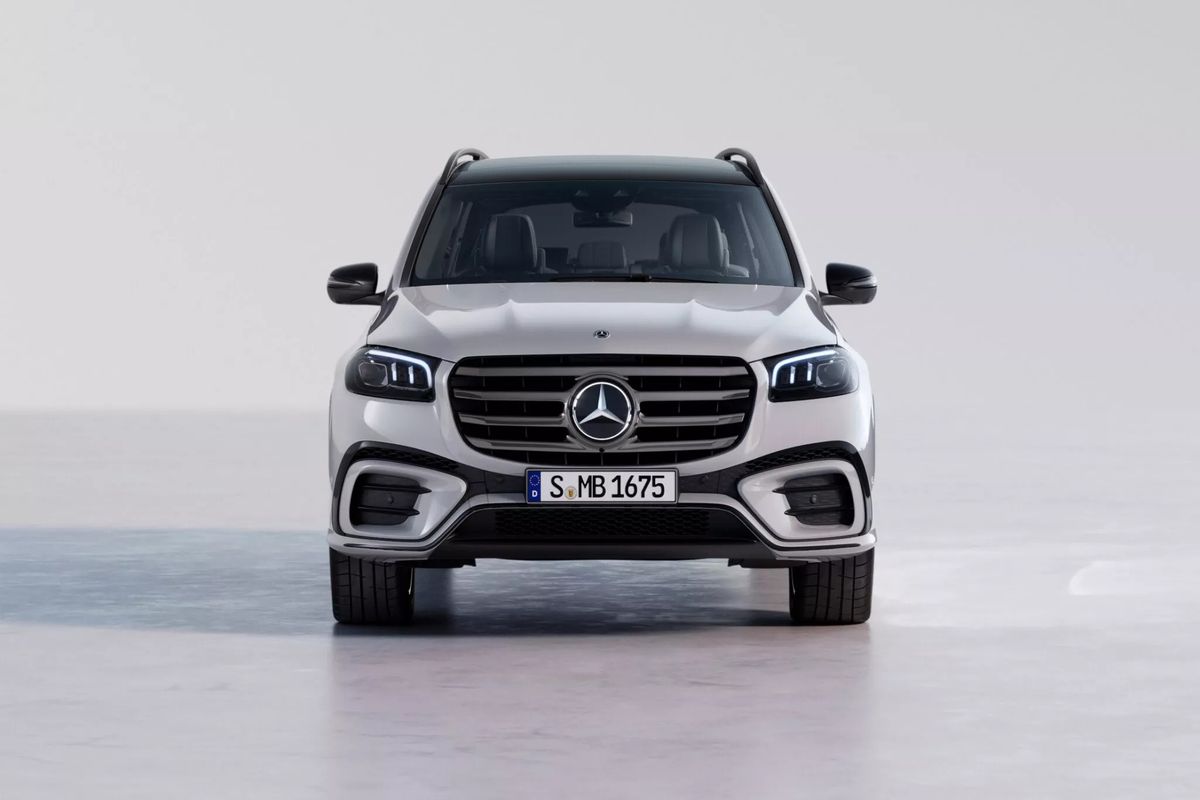
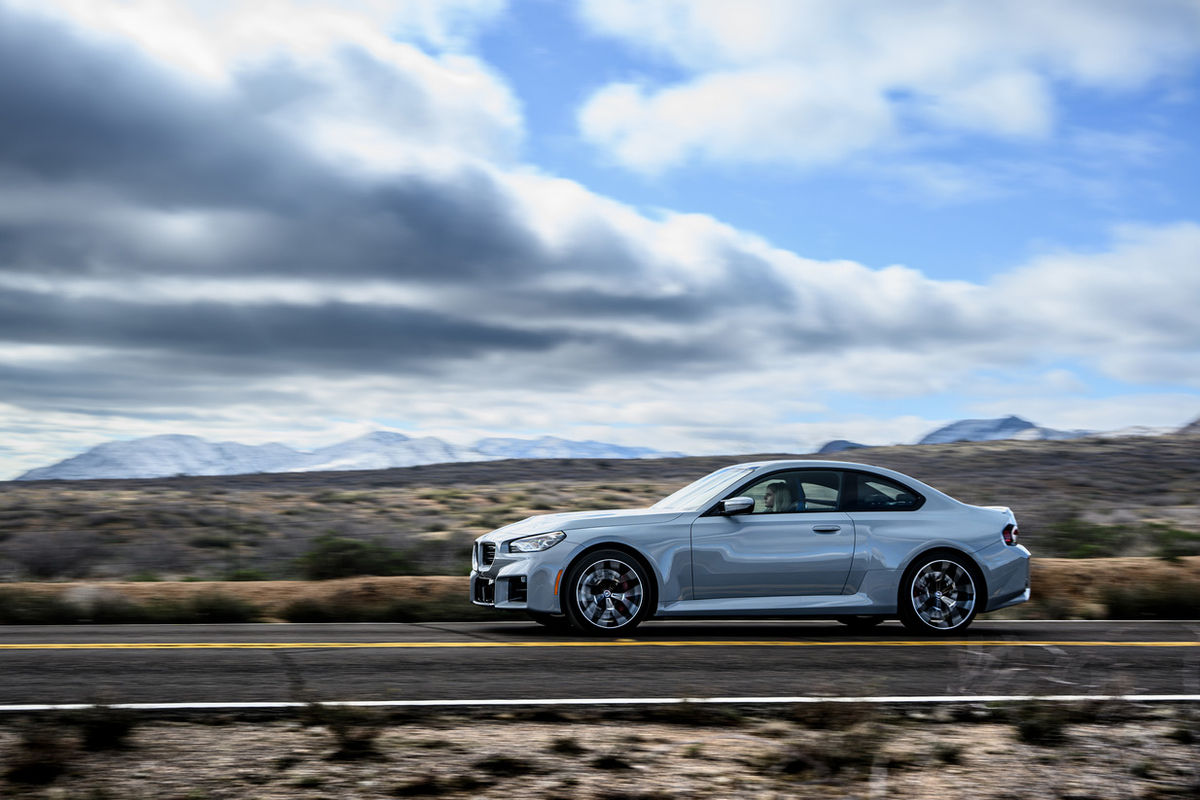
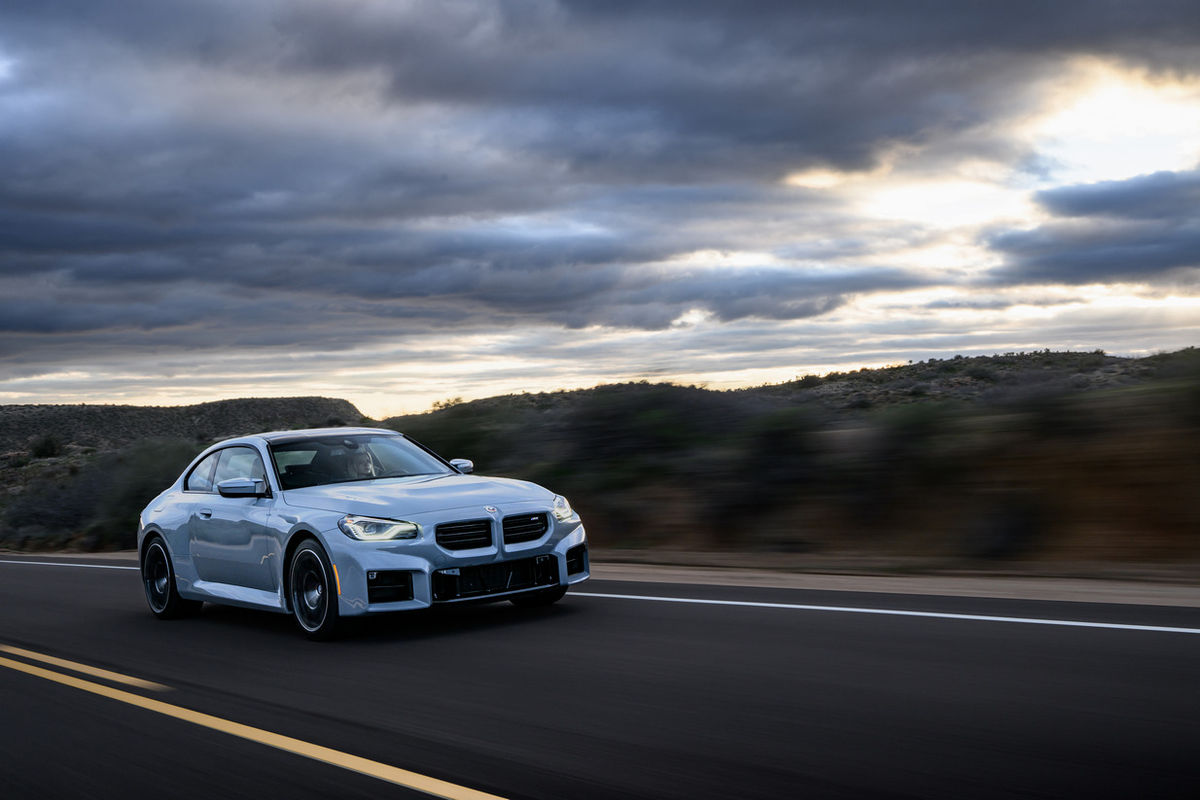
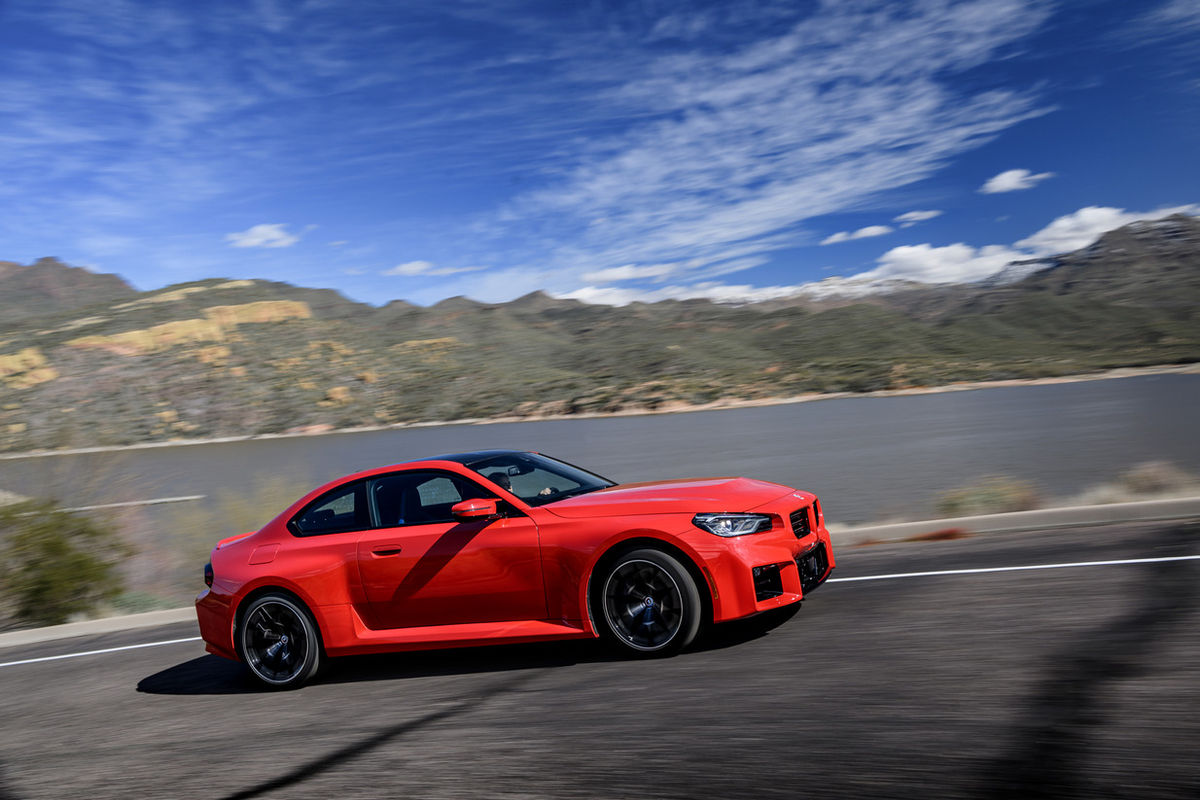
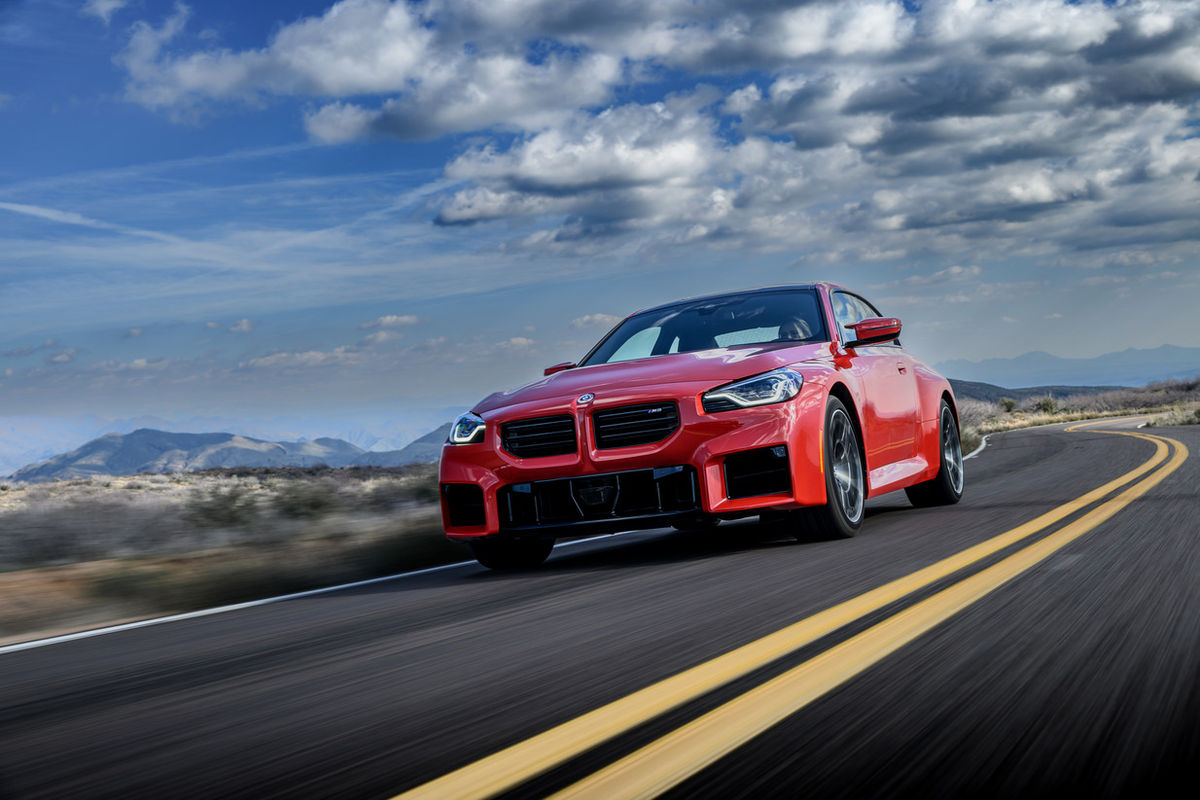
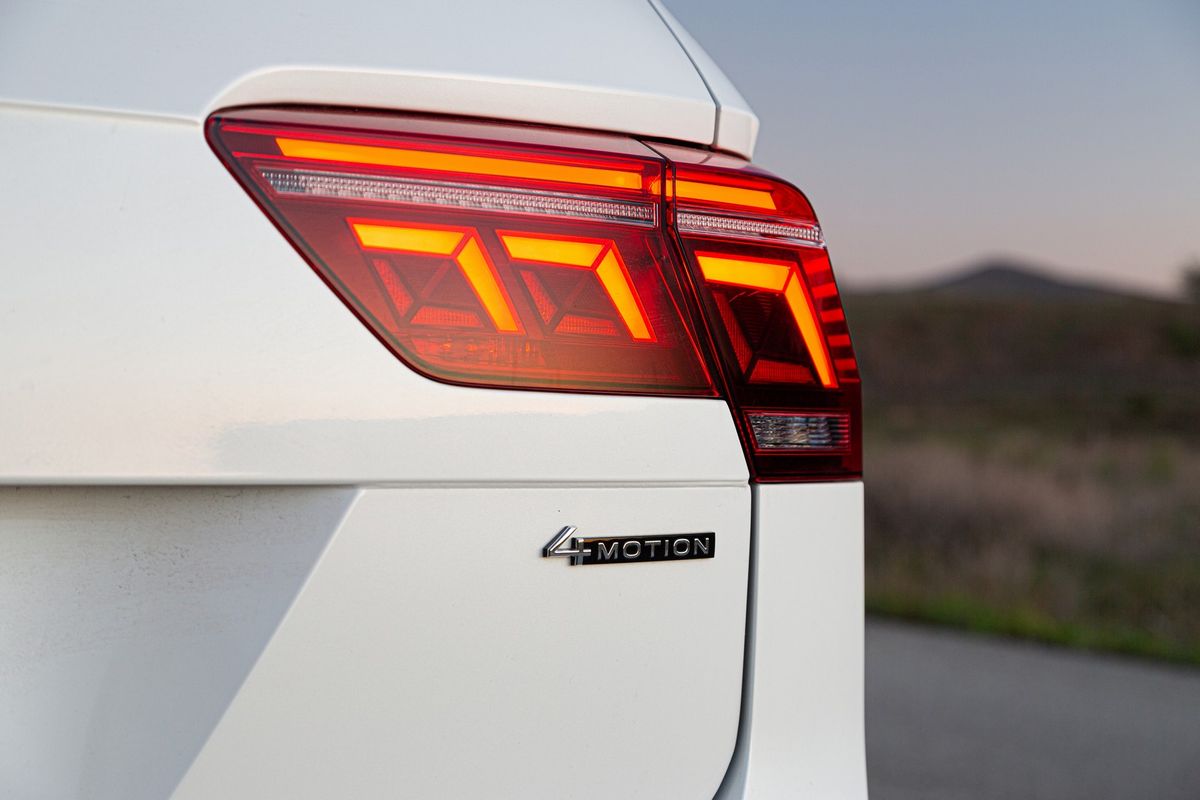
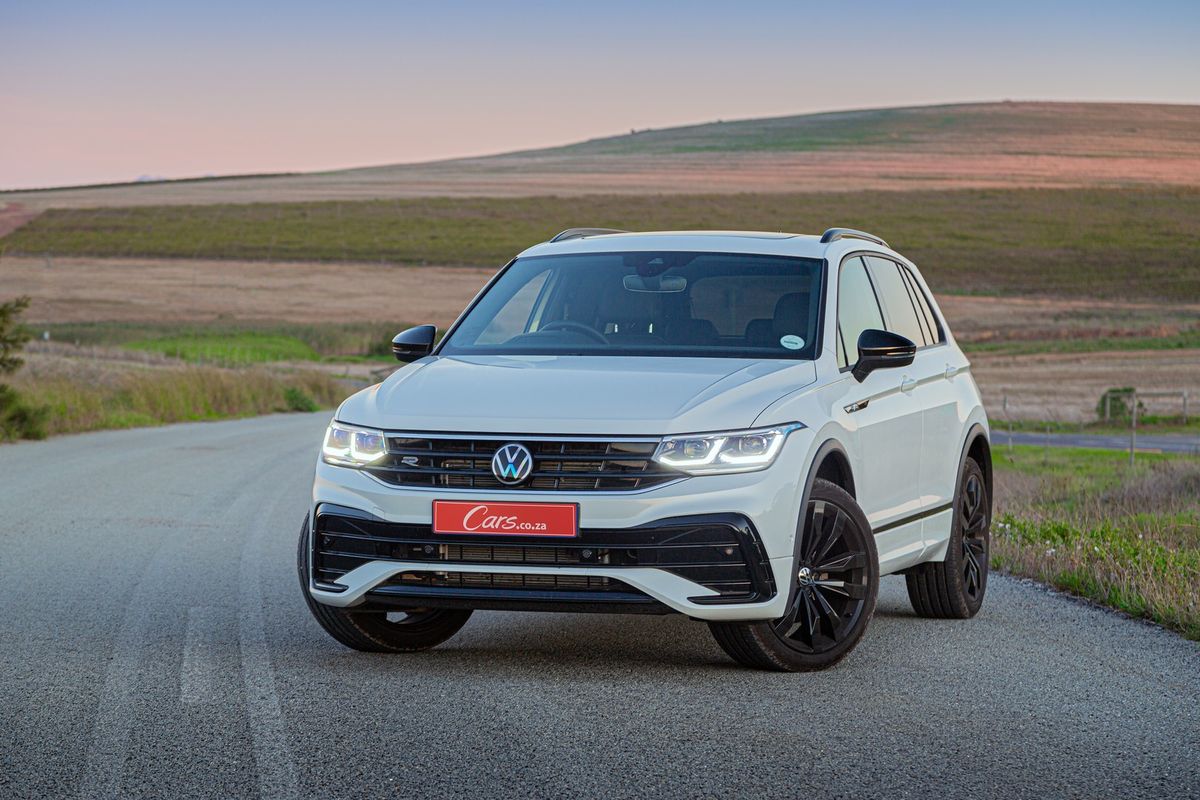
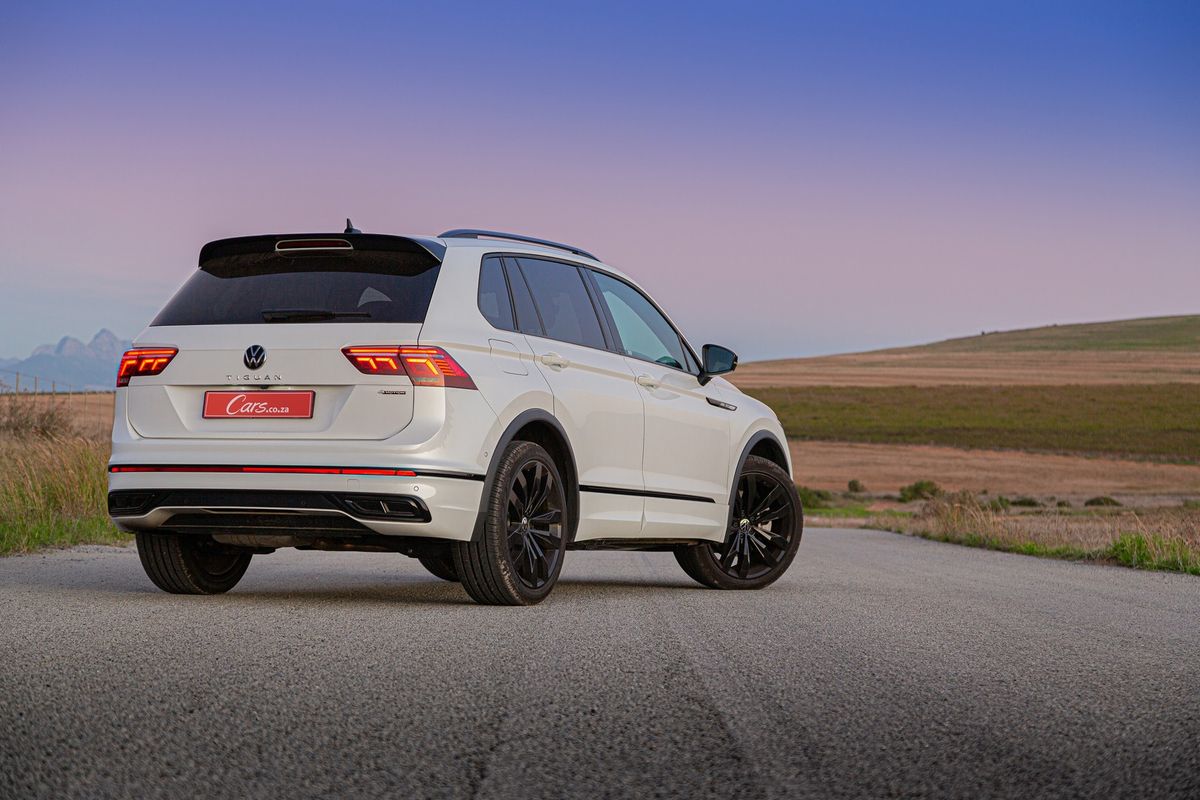
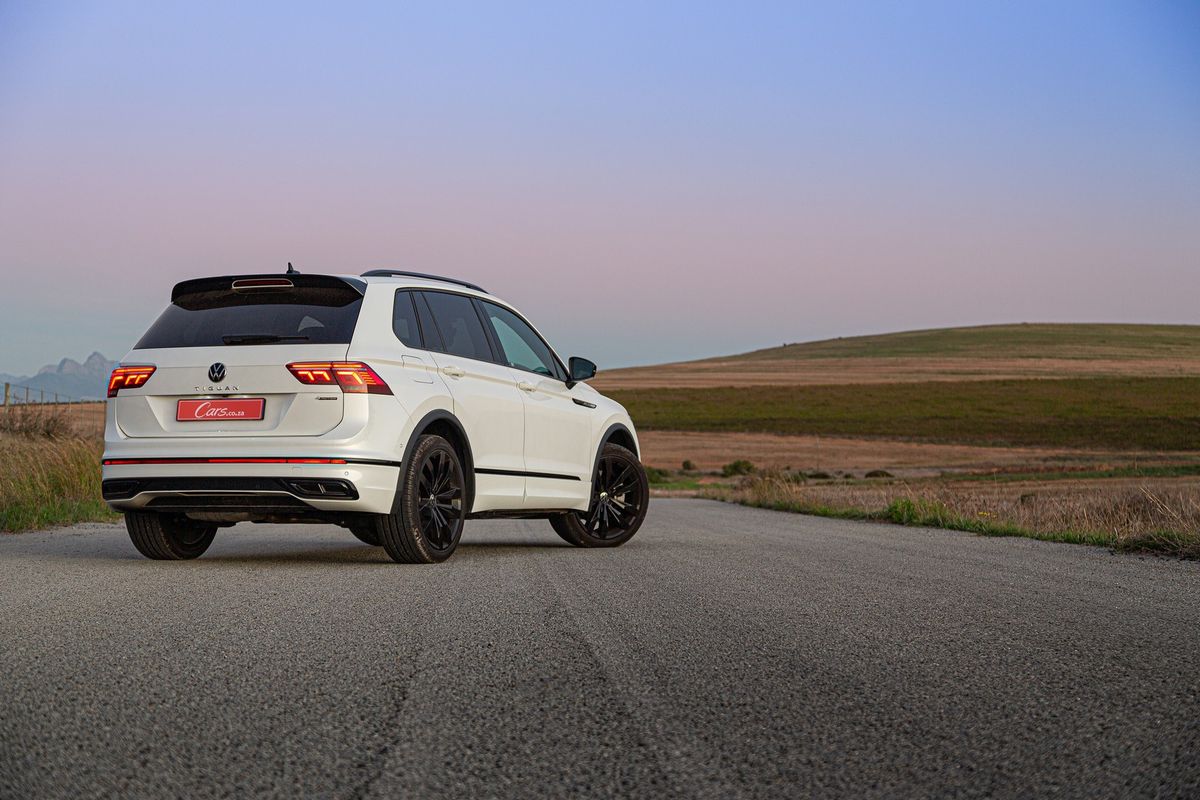
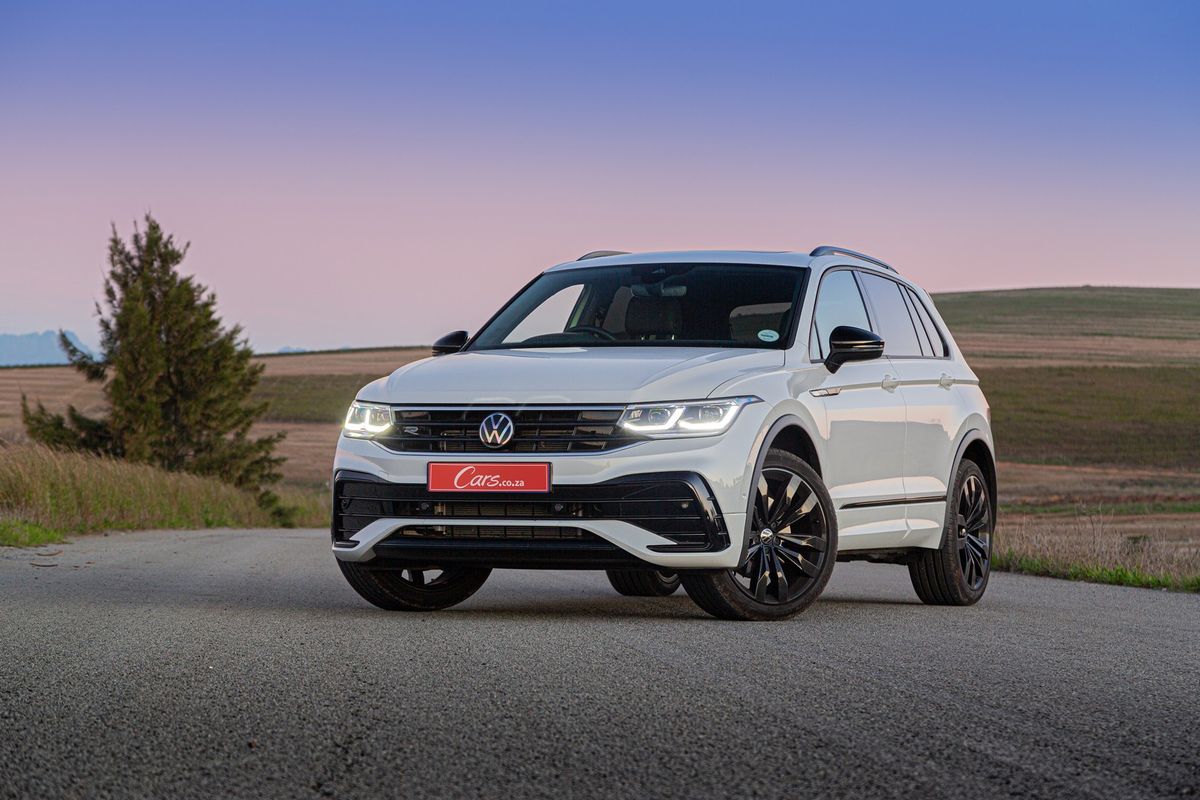
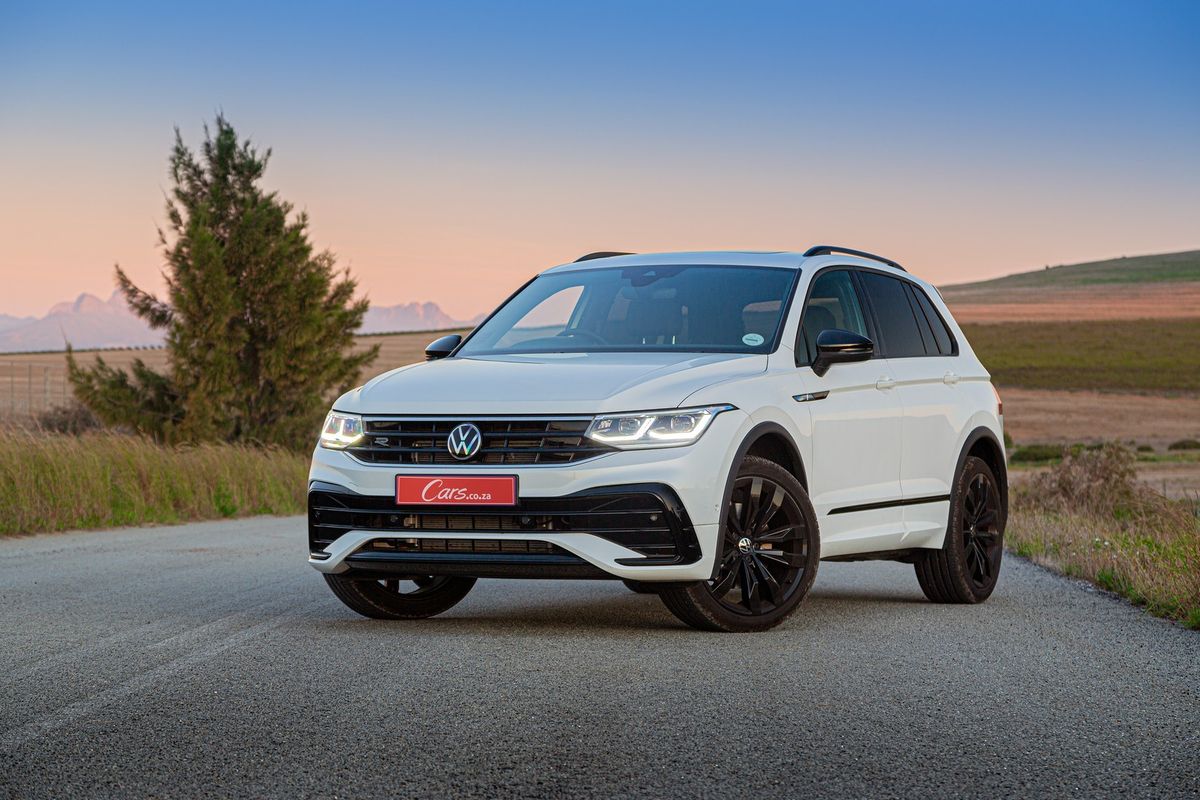
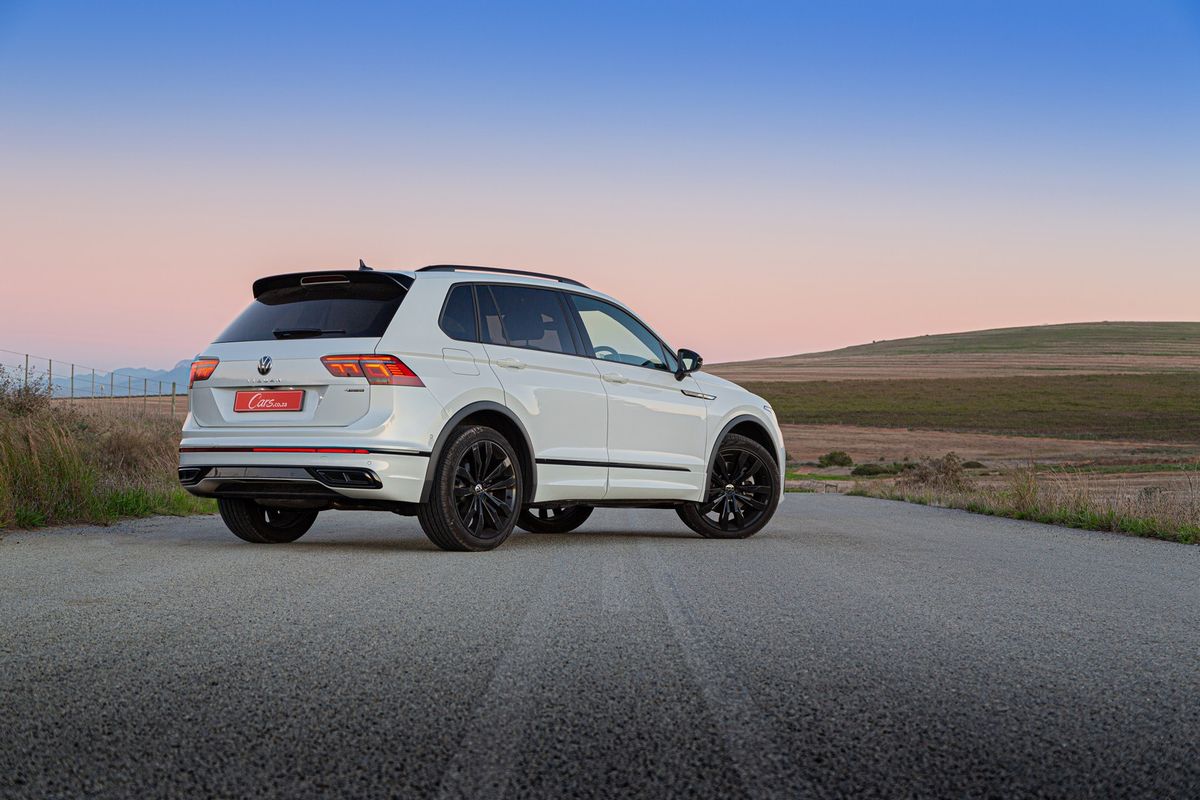
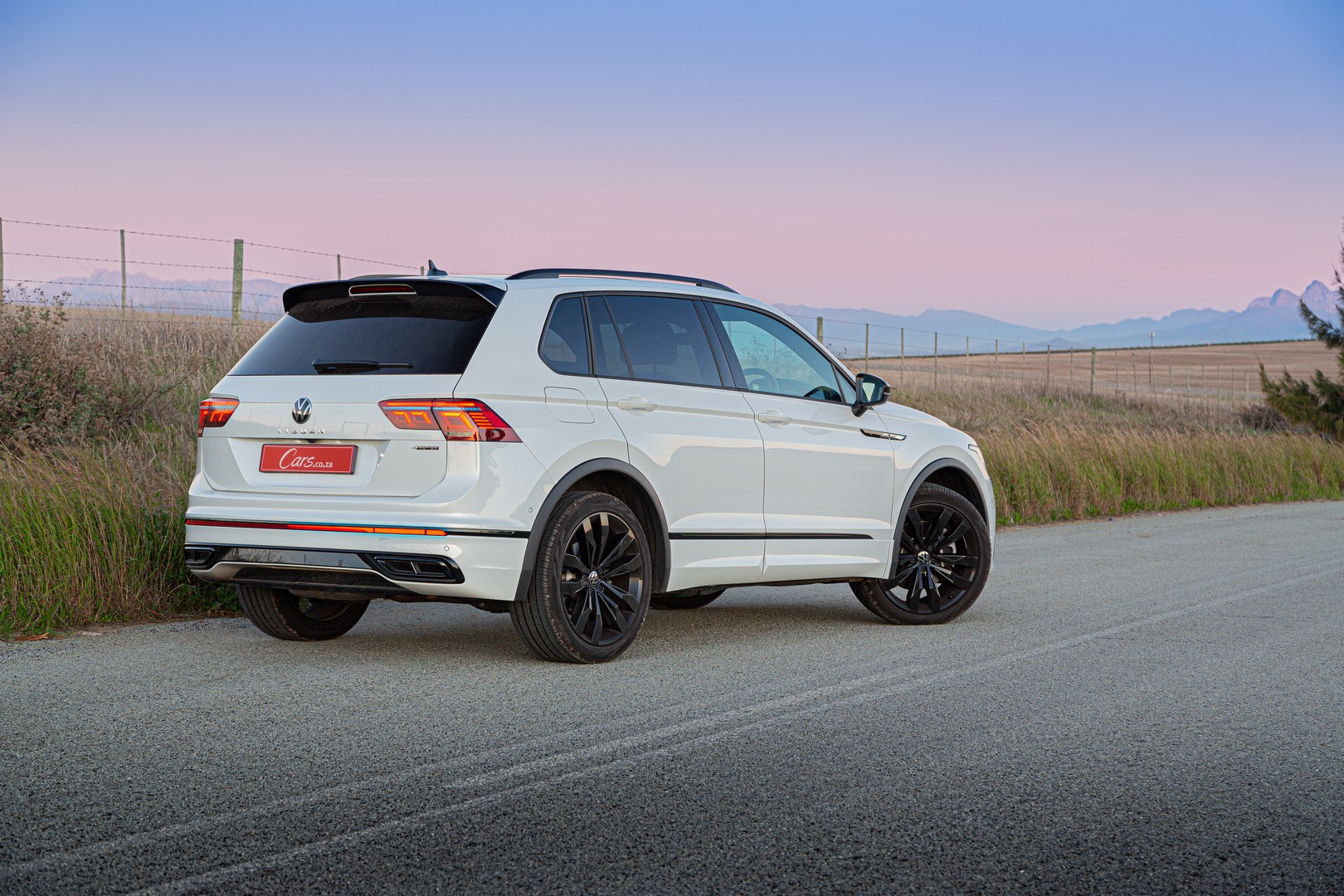
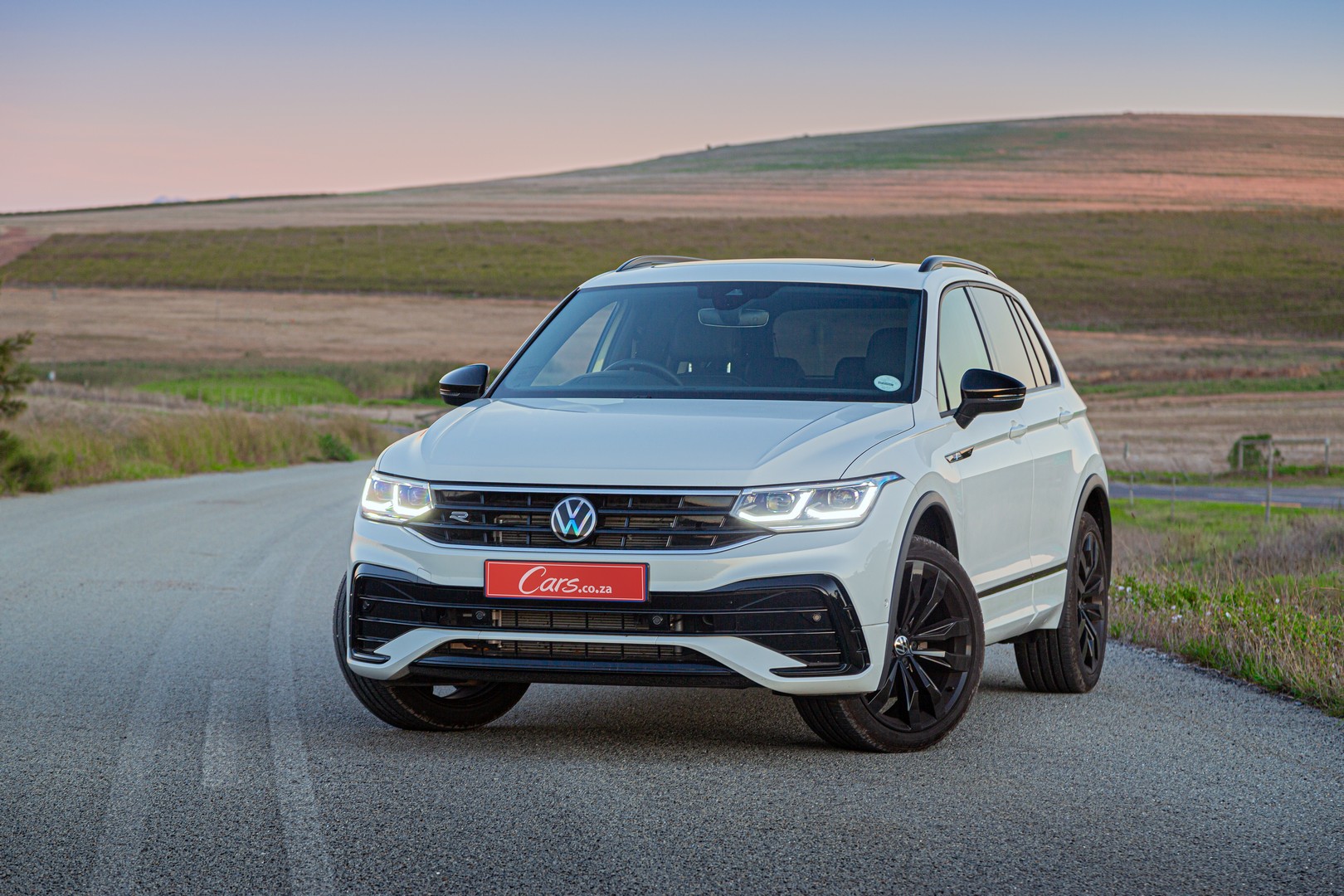
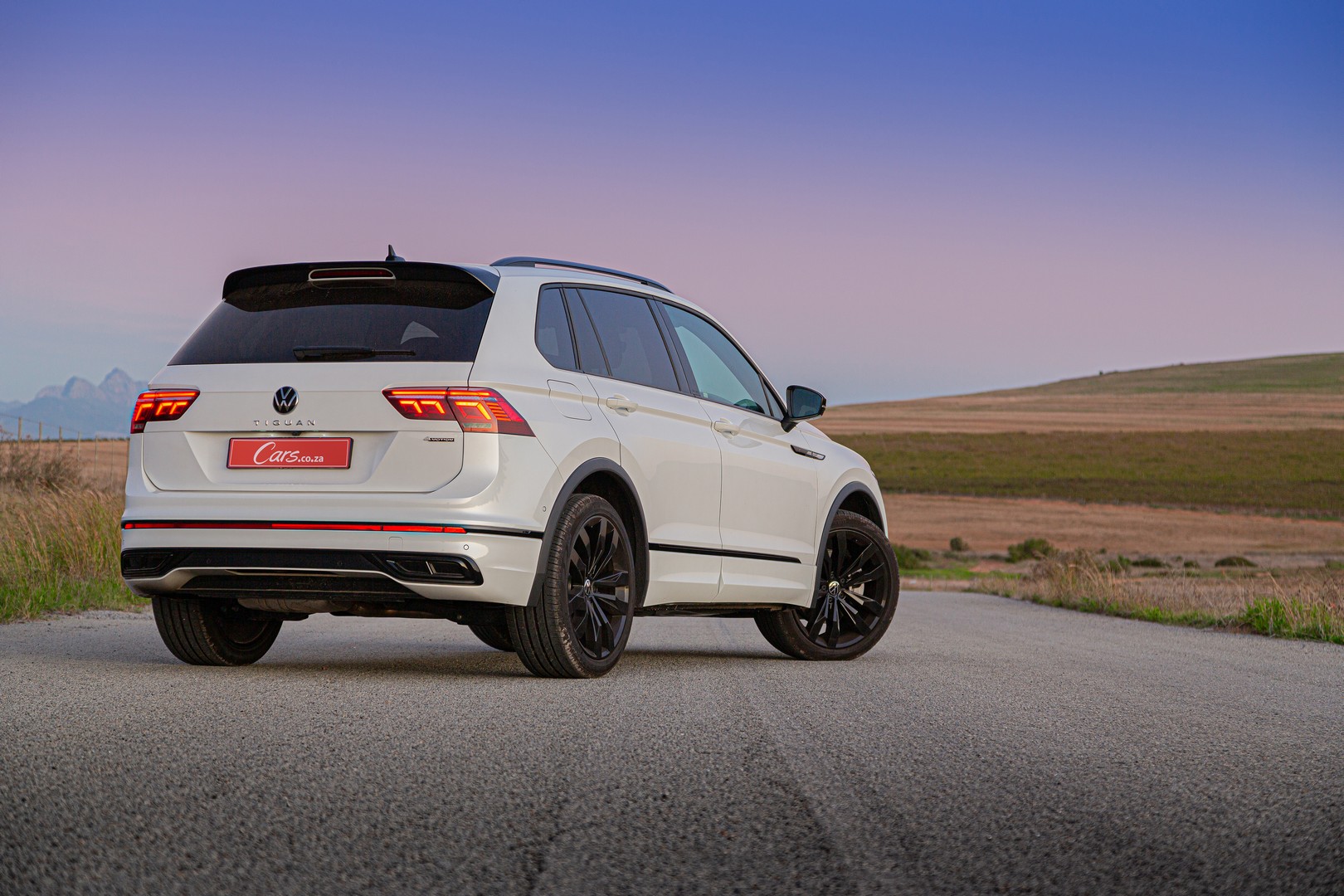
The Tiguan simply looks best in R-Line garb, which explains why we’ve seen very, very few non-R-Line examples. The R-Line’s sporty trim makes the VW one of the most attractive vehicles in its class. The test unit was equipped with the Black Style option pack (R30 000), which includes 20-inch black alloys, rear privacy glass, black mirrors and black roof rails, all of which contrasted well with the white exterior.
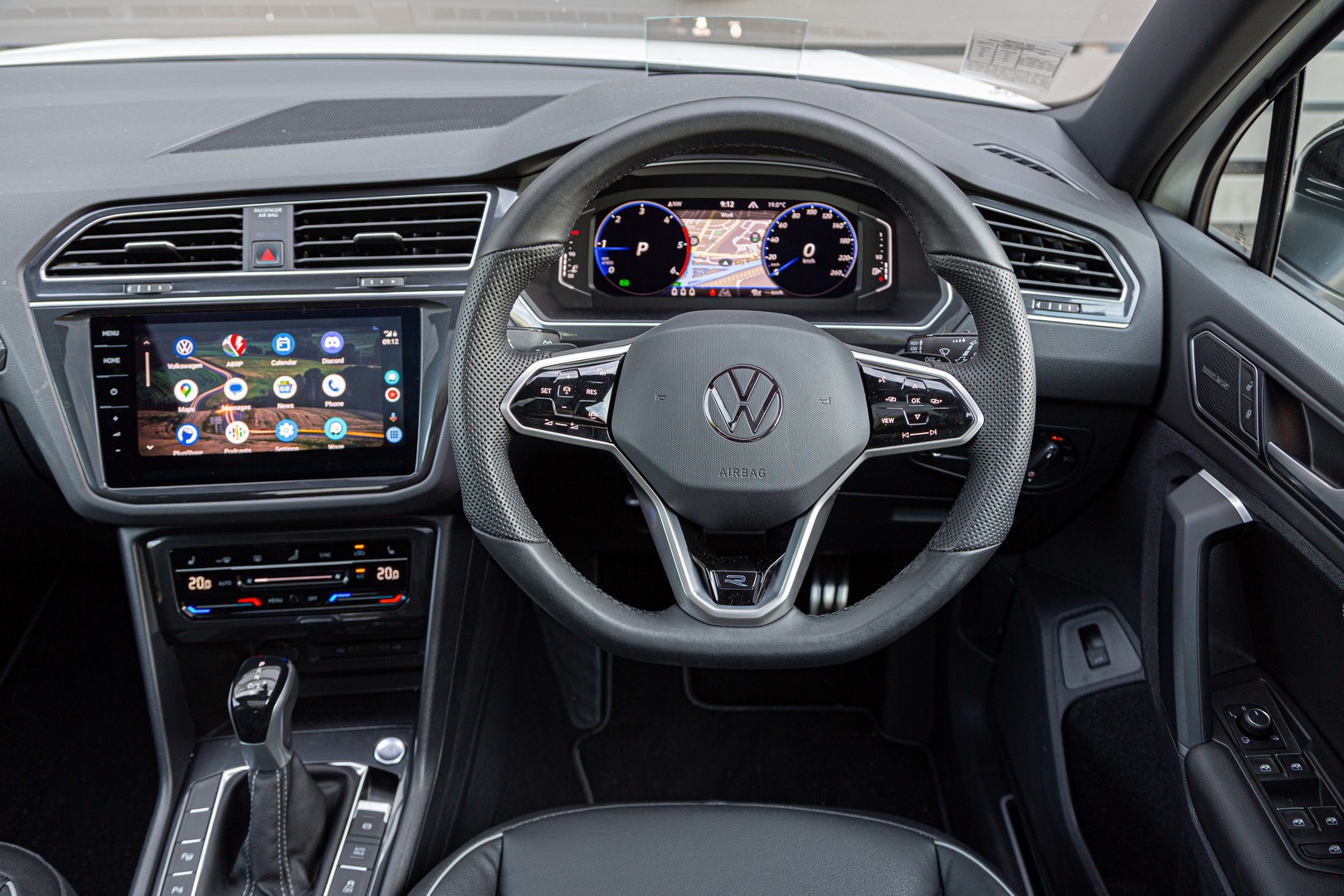
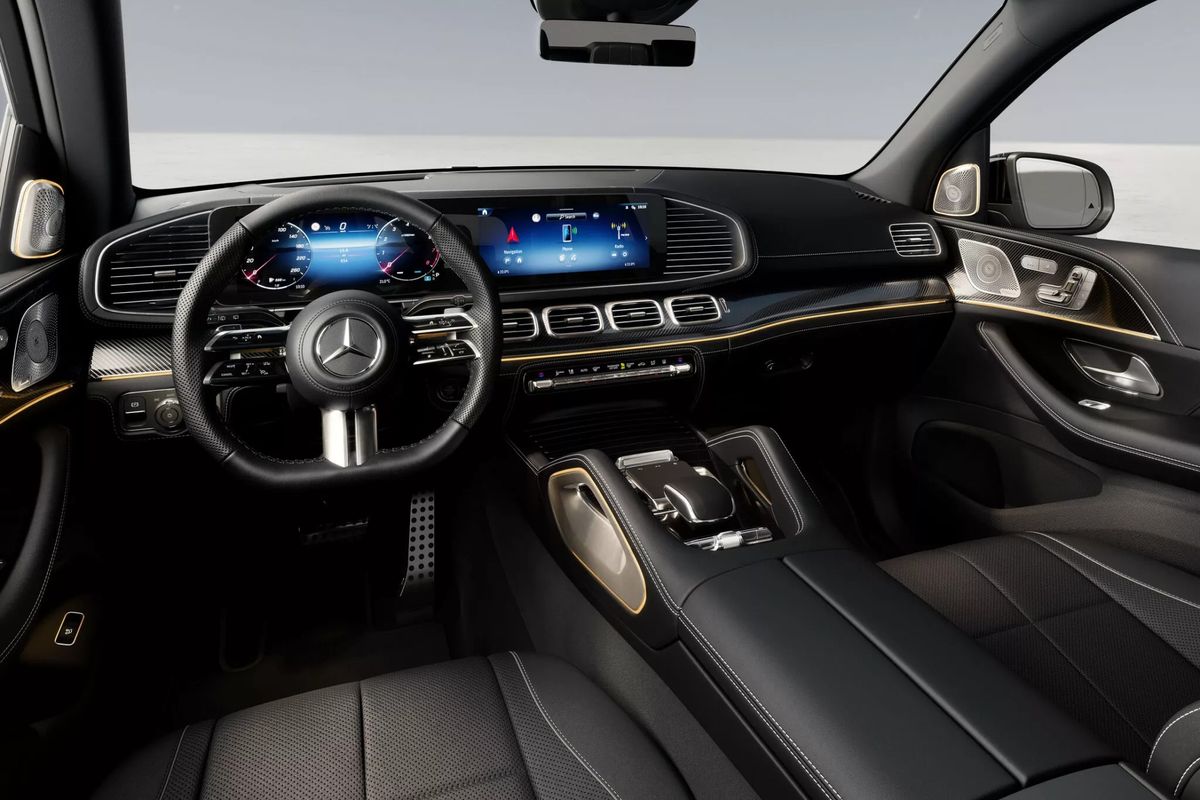
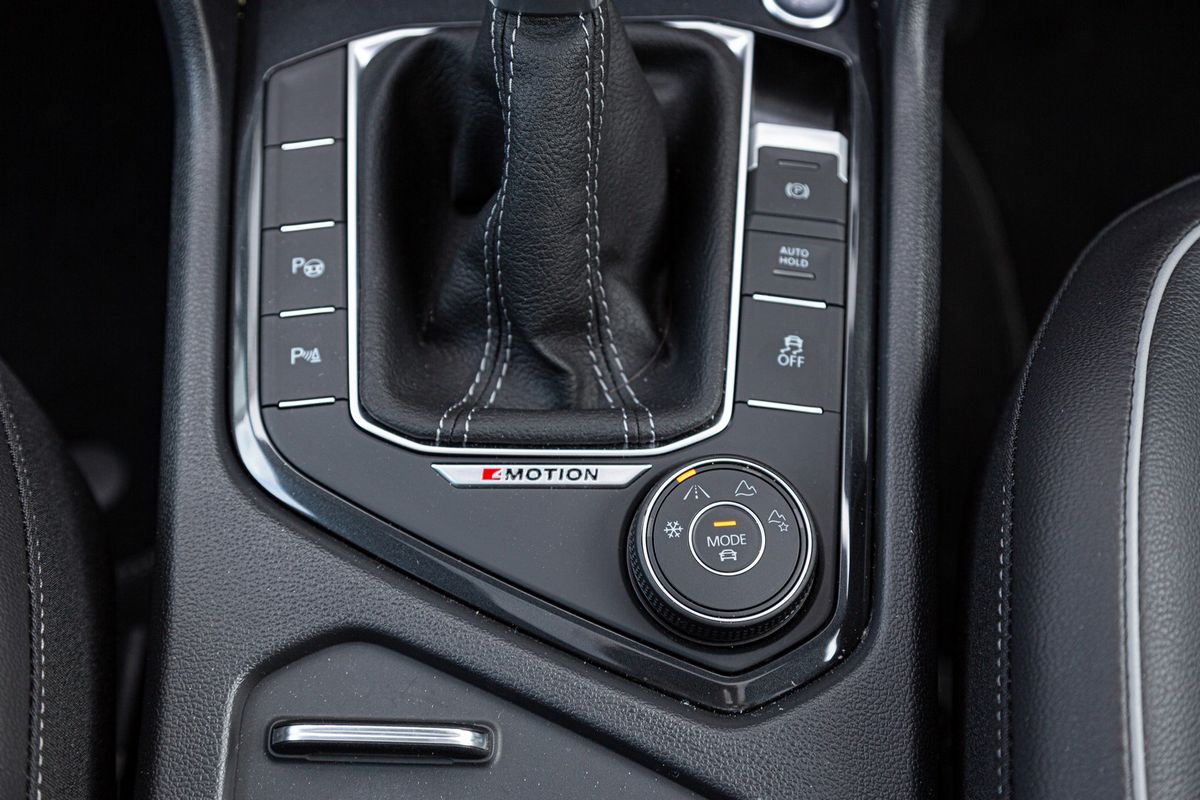
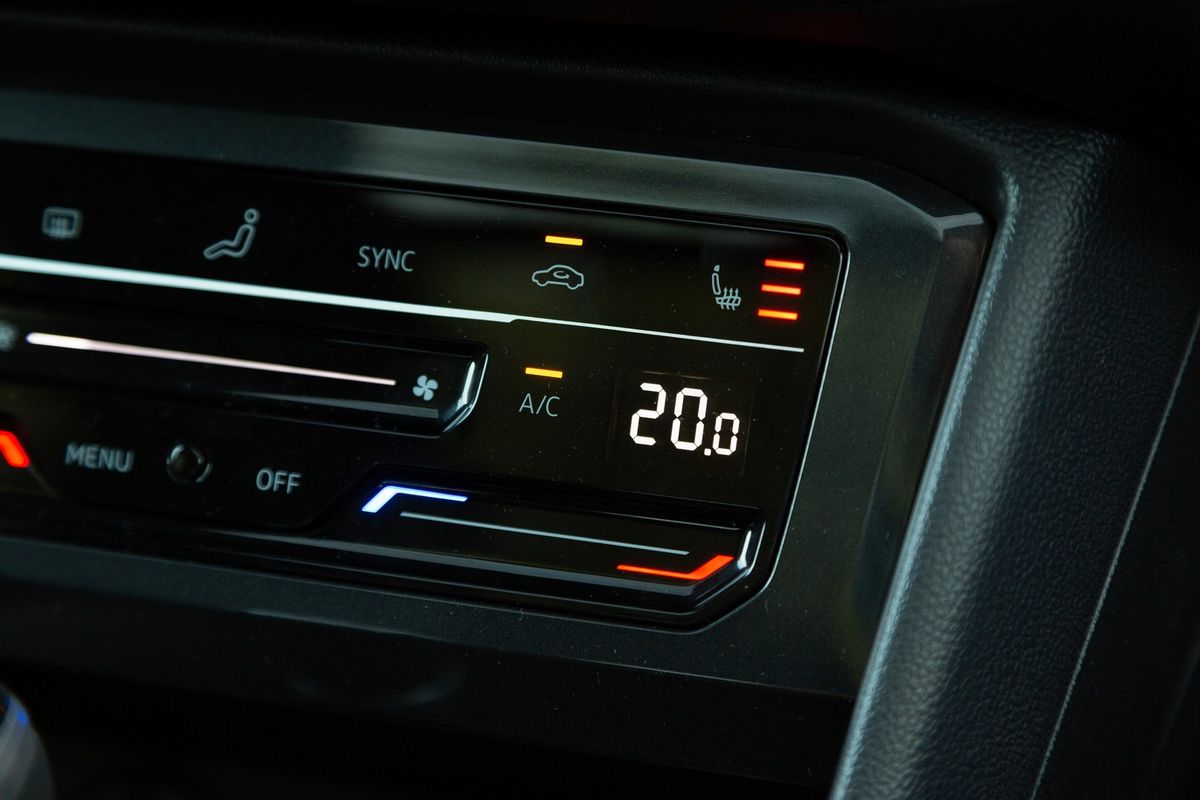
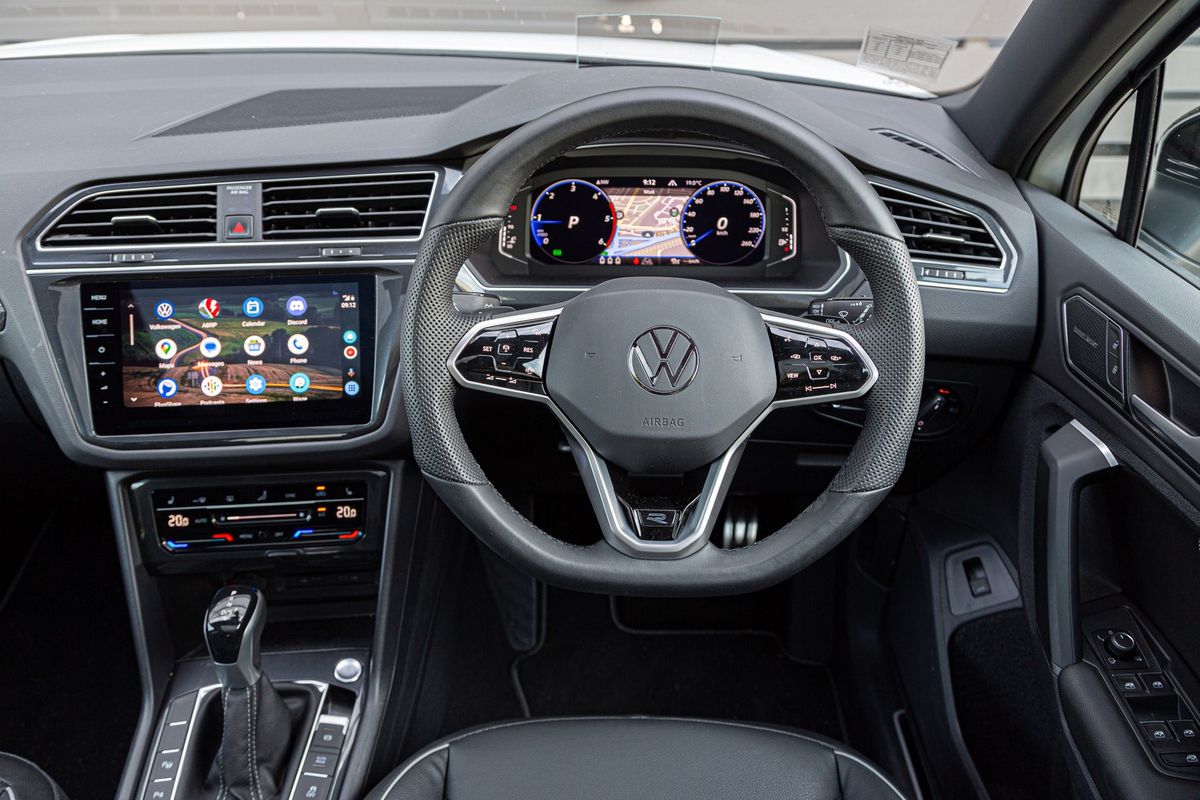
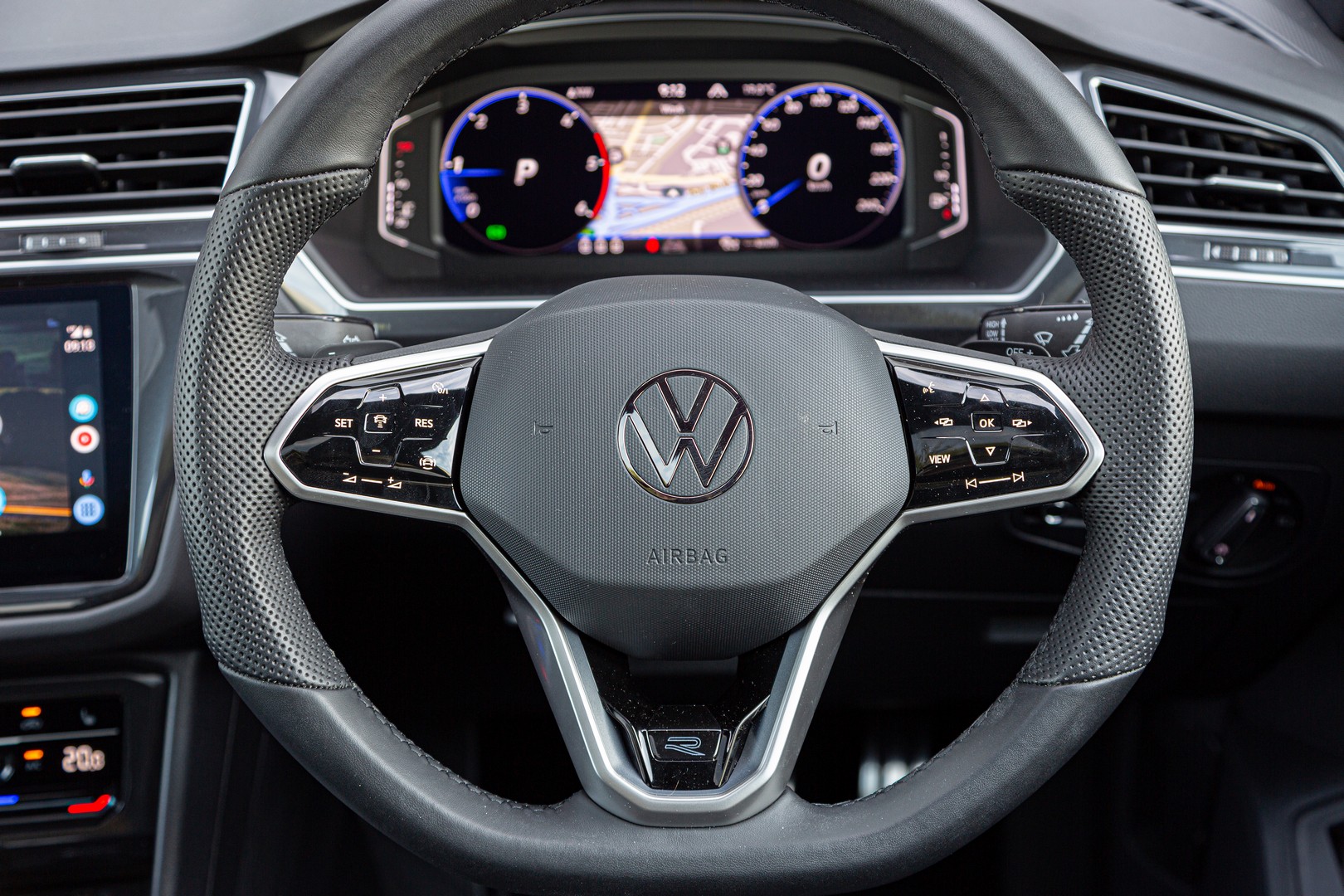
Inside, the cabin looks modern and feels well assembled, but past experience with this facelifted Tiguan has shown that while the interior looks impressive, its execution, well, needs work. You see, Volkswagen has done away with physical buttons and replaced them with gimmicky touchpads that aren’t the most intuitive to operate. At least VW has confirmed that it will revert to traditional buttons in future models…
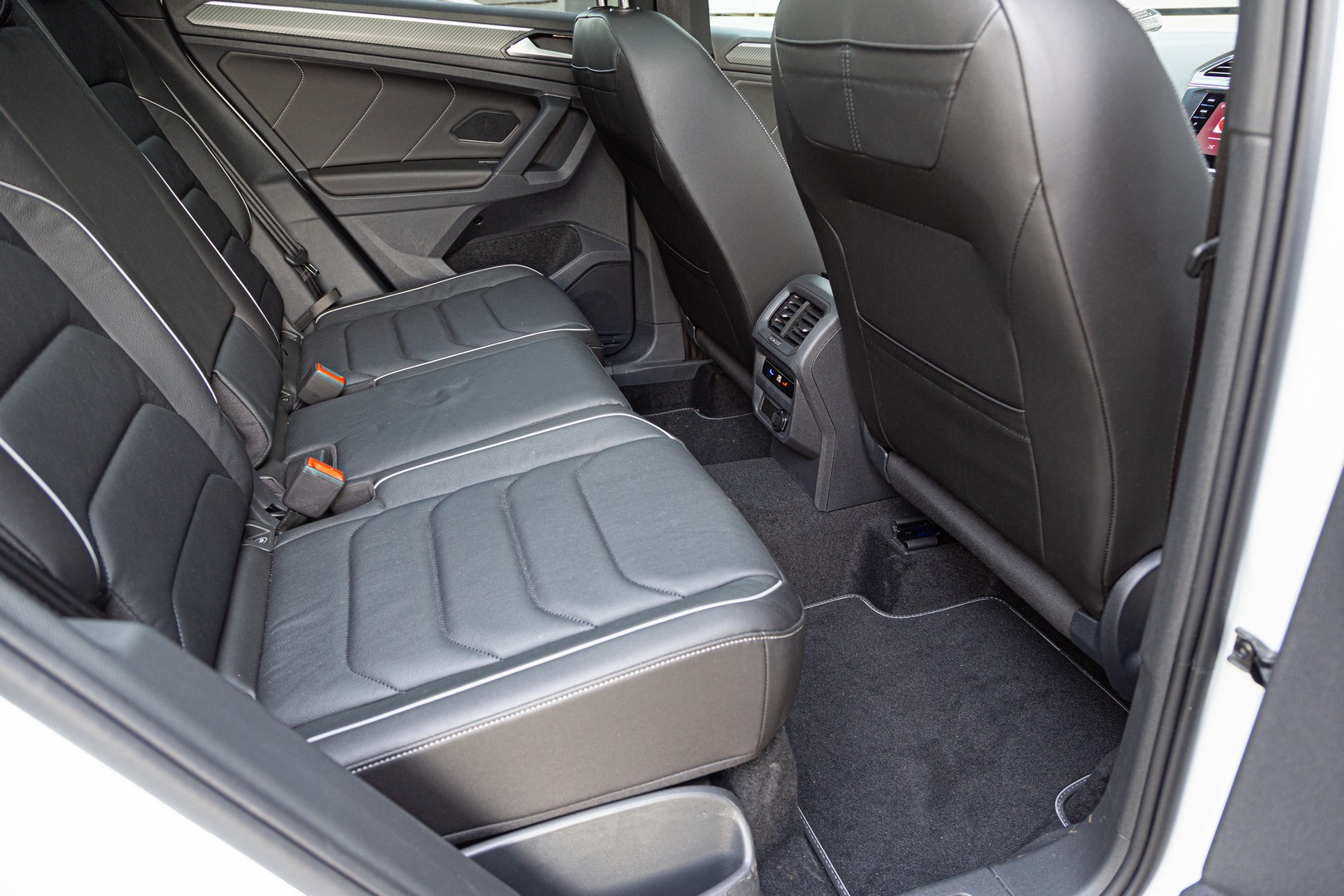
The Tiguan’s practicality is ace. At 520 litres (with the rear seatbacks upright), the Tiguan has one of the biggest load bays in the segment, with the RAV4 leading the pack with a massive 733 litres of capacity. The rear seats are easy to fold flat, which allows the stowage of larger items, such as mountain bikes.
MORE: What is the Volkswagen Tiguan like to live with for a few weeks?
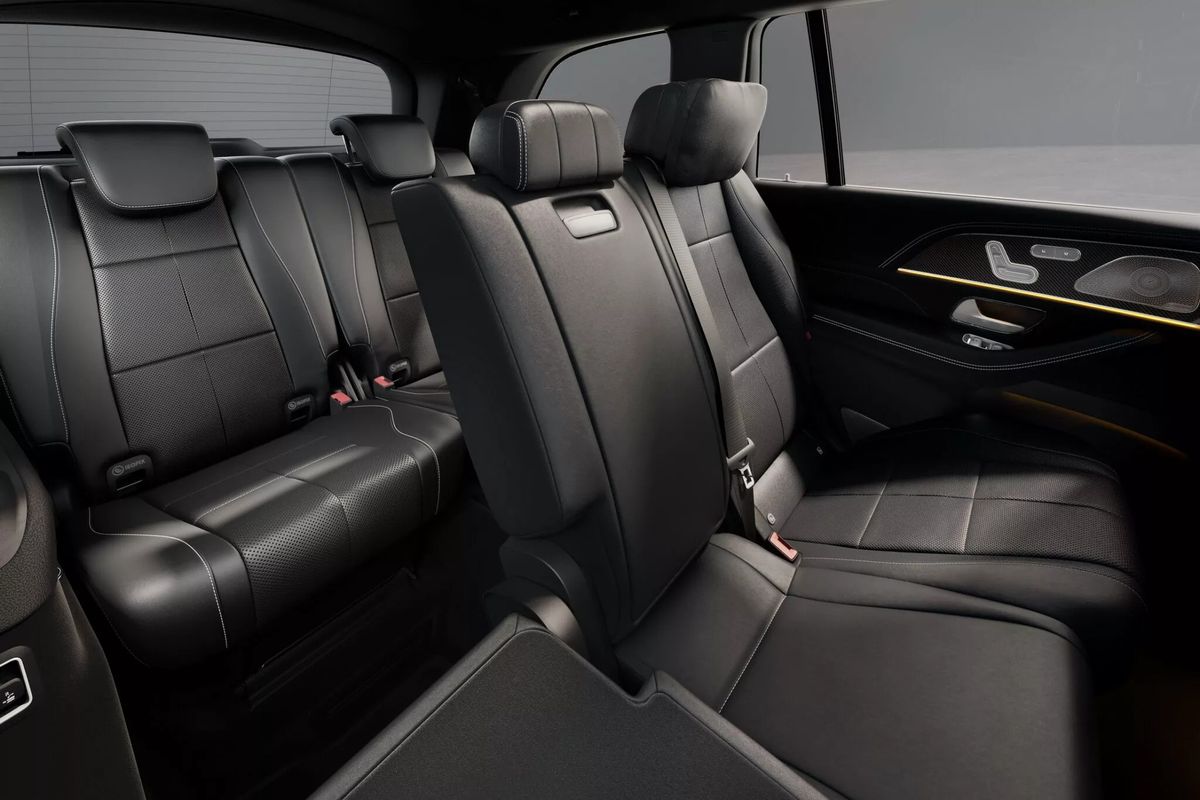
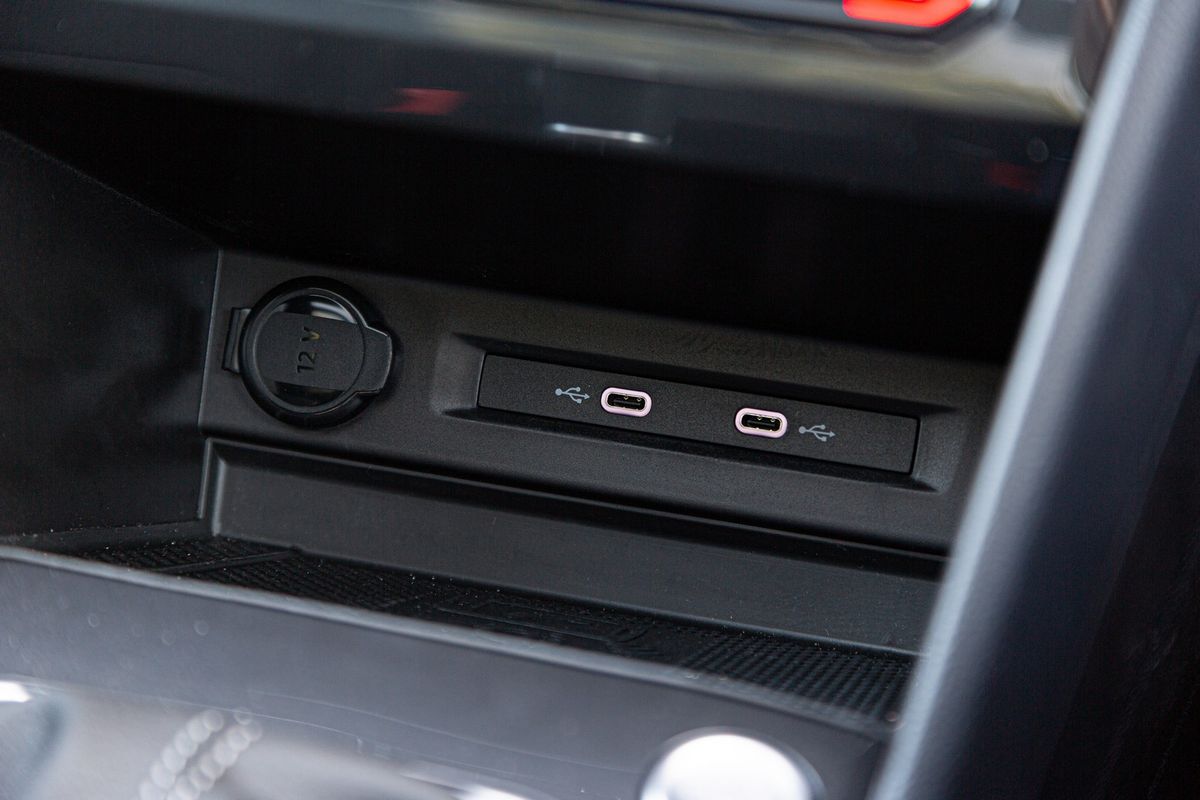
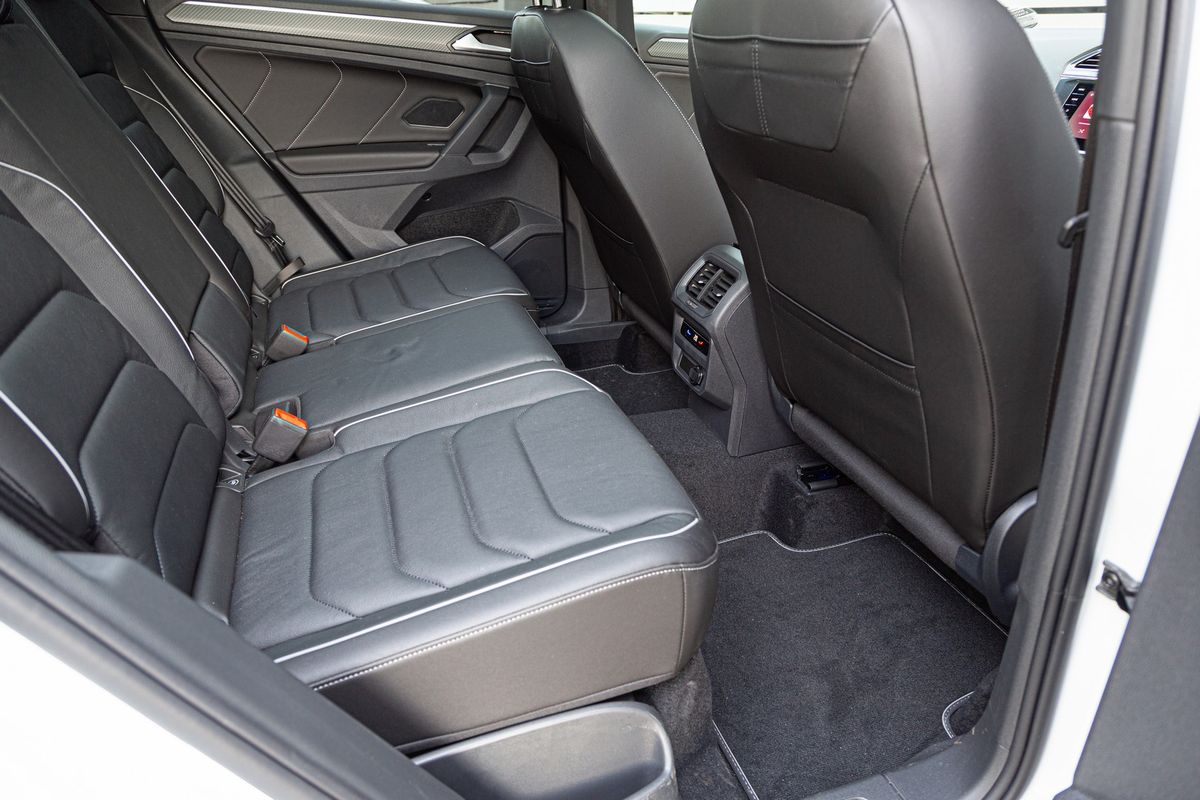
As a family car (medium SUV), the Tiguan also needs to provide generous and comfortable cabin space for its occupants… and it sure does! There is ample rear leg- and headroom; so much so, that the VW can transport a quartet of adults in comfort over long distances. Separate ventilation and temperature controls at the back further add to the appeal, plus there’s a 12V power socket for charging devices.
Tech and Safety features
As is usually the case, Volkswagen loaded its media test unit with a host of optional features, which hiked the premium for this 2.0TDI substantially beyond its list price. Do you need to tick all the boxes to get the best “Tiguan experience”? No, of course not – the car is reasonably well-equipped as standard.
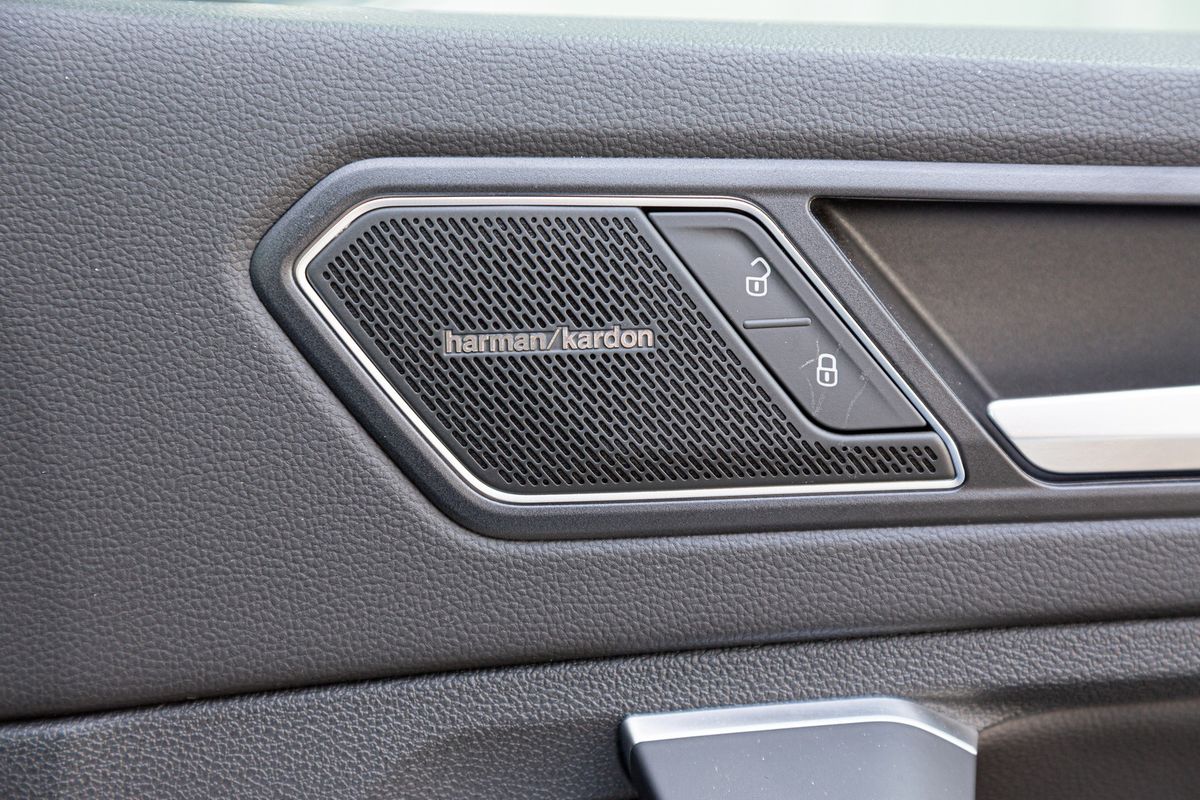
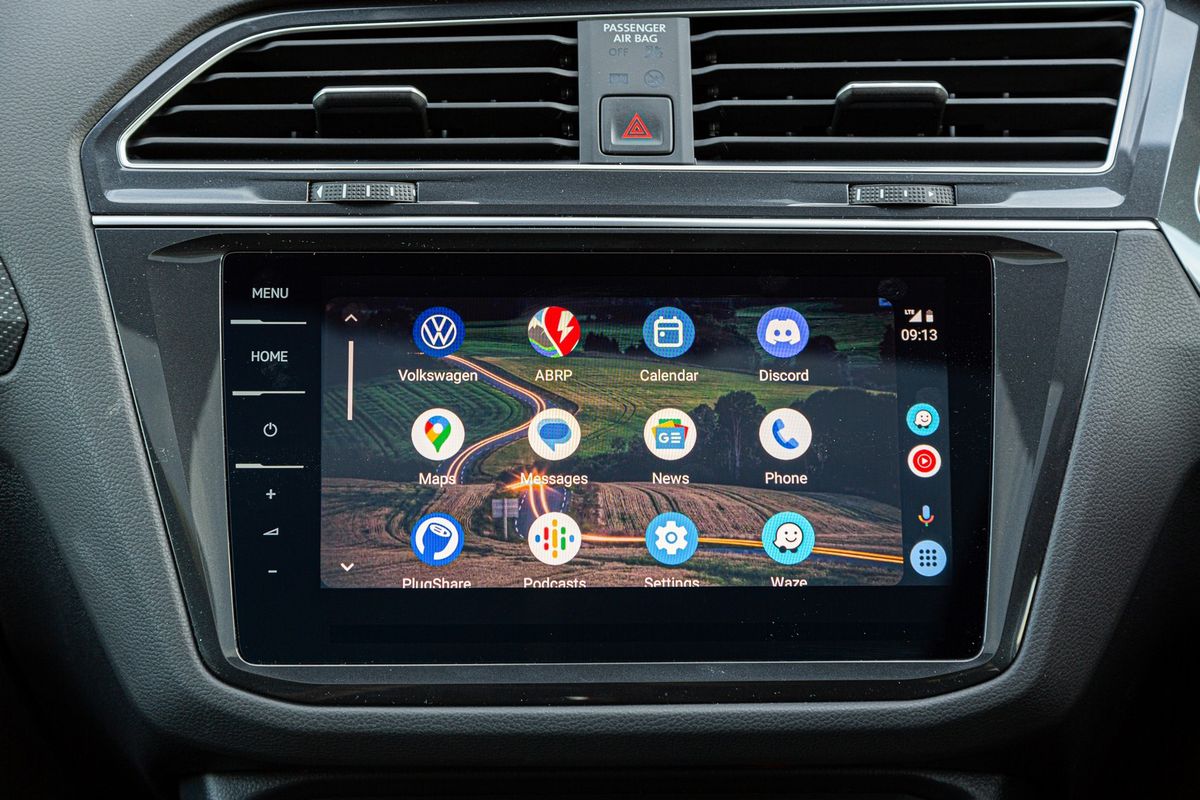
But you can sweeten your ownership experience by making some choice selections, such as the Harman Kardon audio system (R12 600), mobile phone connectivity with wireless charging (R4 300), Discover Pro navigation (R19 000), head-up display (R11 550), fold-away towbar (R10 300), Matrix LED headlights (R15 250), a panoramic sunroof (R17 500) and park assist with rear-view camera (R6 600).
We don’t think the head-up display is worth your time because, in our experience, the Tiguan’s rough diesel vibrations at idle shook the screen, so much so that some of the smaller text was illegible.
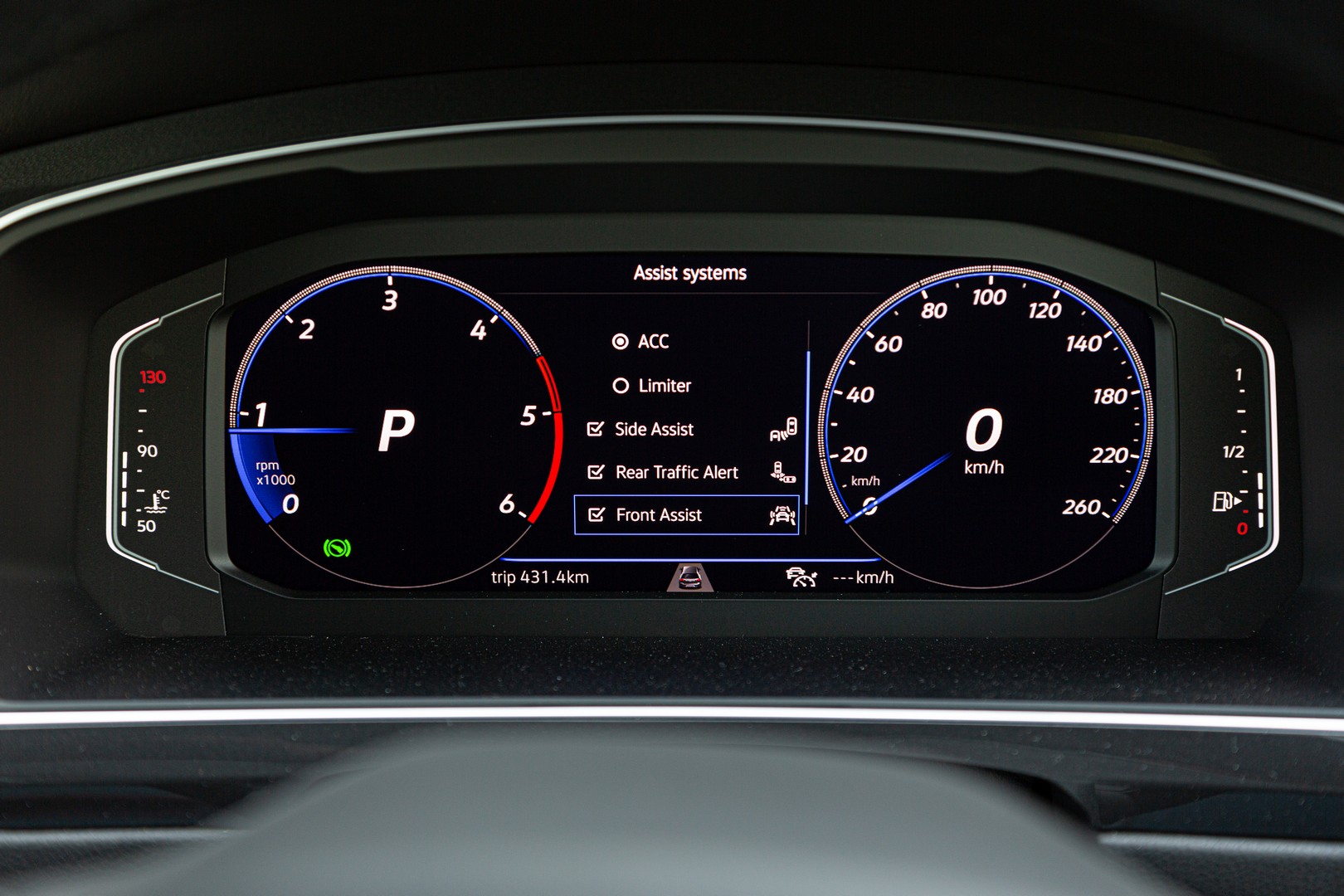
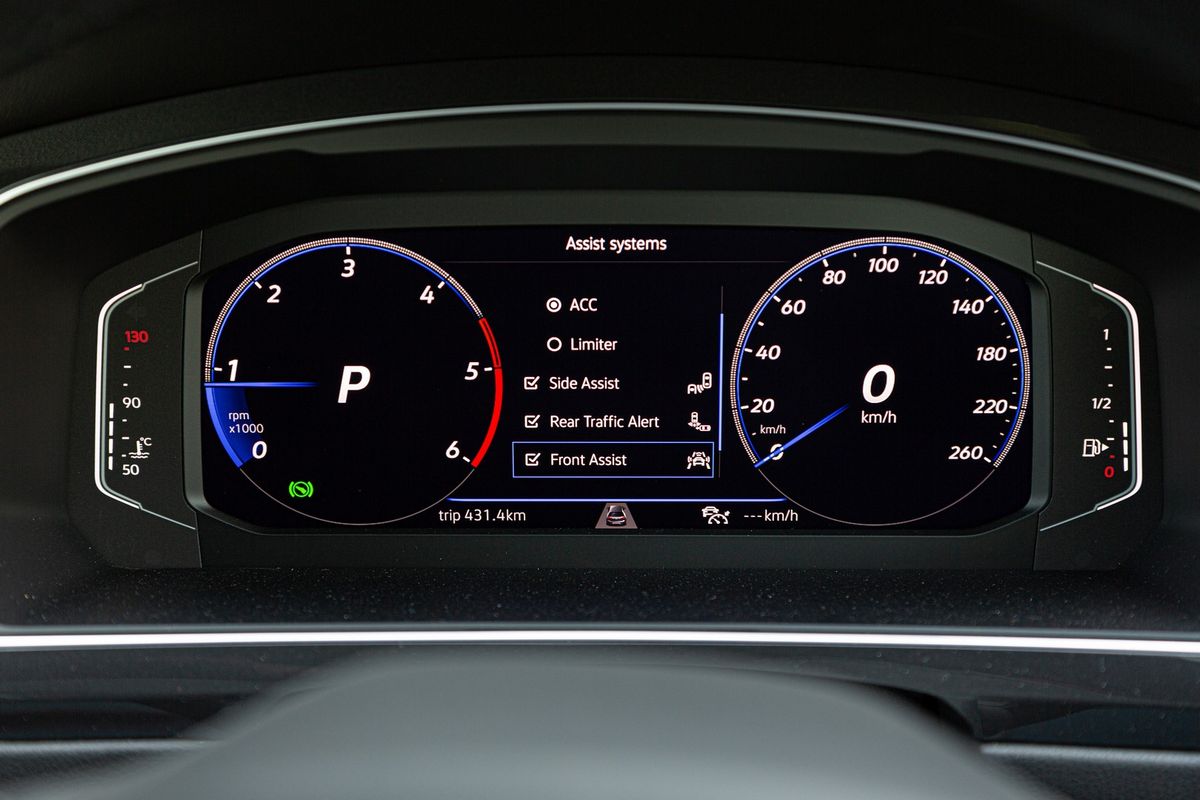
The test unit also came with the Volkswagen IQ Drive safety package (R20 600), which includes features such as adaptive cruise control, speed limiter, forward-collision warning, front assist, autonomous emergency braking, lane change/side assist and park distance control with front and rear sensors.
All told, the list price of R794 800 ballooned to R970 550, so be mindful of how many options you tick on the configurator. Given VWSA’s stock shortages/supply-chain issues, many dealerships will have pre-configured cars, so shop around for a unit that has the feature mix you need to avoid being wait-listed.
Price & After-sales Support
The Volkswagen Tiguan 2.0TDI 130kW 4Motion R-Line retails for R794 800 (April 2023) and is sold with a 3-year/120 000 km warranty and a 5-year/90 000 km service plan.
Verdict
With the addition of the turbodiesel-powered derivative, the Volkswagen Tiguan lineup is now almost comprehensive (all that’s missing is a hybrid!). However, the 2.0TDI’s engine is showing its age by virtue of its middling refinement. Yes, the 2.0TDI’s in-gear shove and long-distance fuel consumption eclipses that of its equivalently-priced 2.0-litre turbopetrol sibling, but it’s a noisier/less sophisticated proposition. Still, this diesel engine is a proven quantity: it’s suited to SA conditions and the quality of local diesel.
When it comes to specifying your Tiguan, we suggest sticking with the smaller (19-inch) alloys wrapped in higher-profile rubber as they’ll benefit the German family car’s overall ride quality, while rendering the wheels a bit less vulnerable to pothole impacts. If you’re set on buying a higher-end Tiguan derivative, we think you should drive the 2.0TSI (petrol) and 2.0TDI (diesel) versions to see which one you prefer.
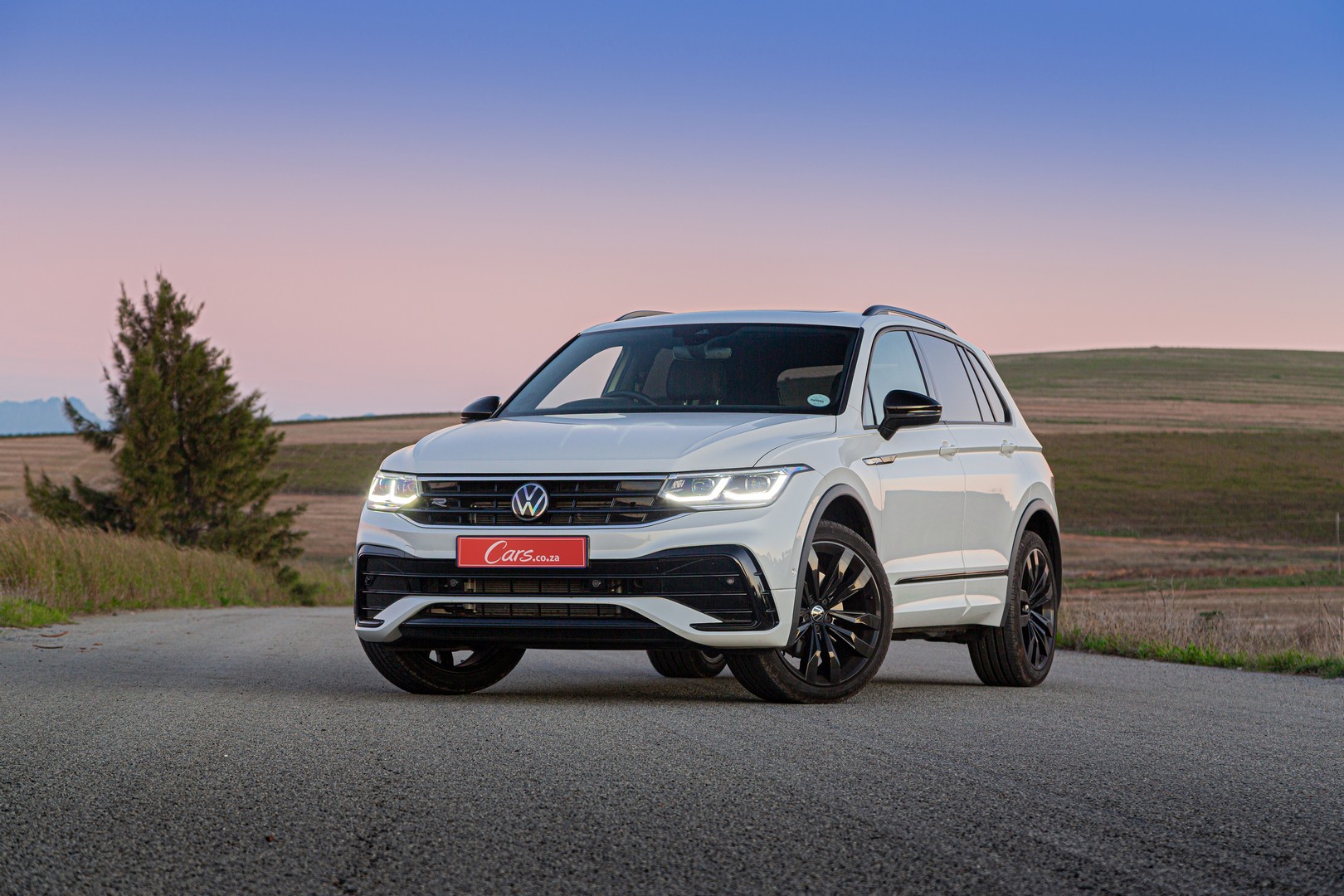
There may not be many turbodiesel-powered offerings in the family-car market, but the Tiguan, which was upgraded in 2021) is nonetheless the longest-serving and most expensive of them. The 2.0TDI 130kW 4Motion R-Line is almost R30k dearer than the (also long-serving) Mazda CX-5 2.2DE AWD Akera and almost R45k pricier than the still-new (but front-wheel-drive) Hyundai Tucson 2.0D Elite.
Considering that Hyundai is preparing to launch a higher spec, all-wheel-drive N Line version of the Tucson 2.0D soon, it may be worth waiting for that derivative to arrive before making your final decision.