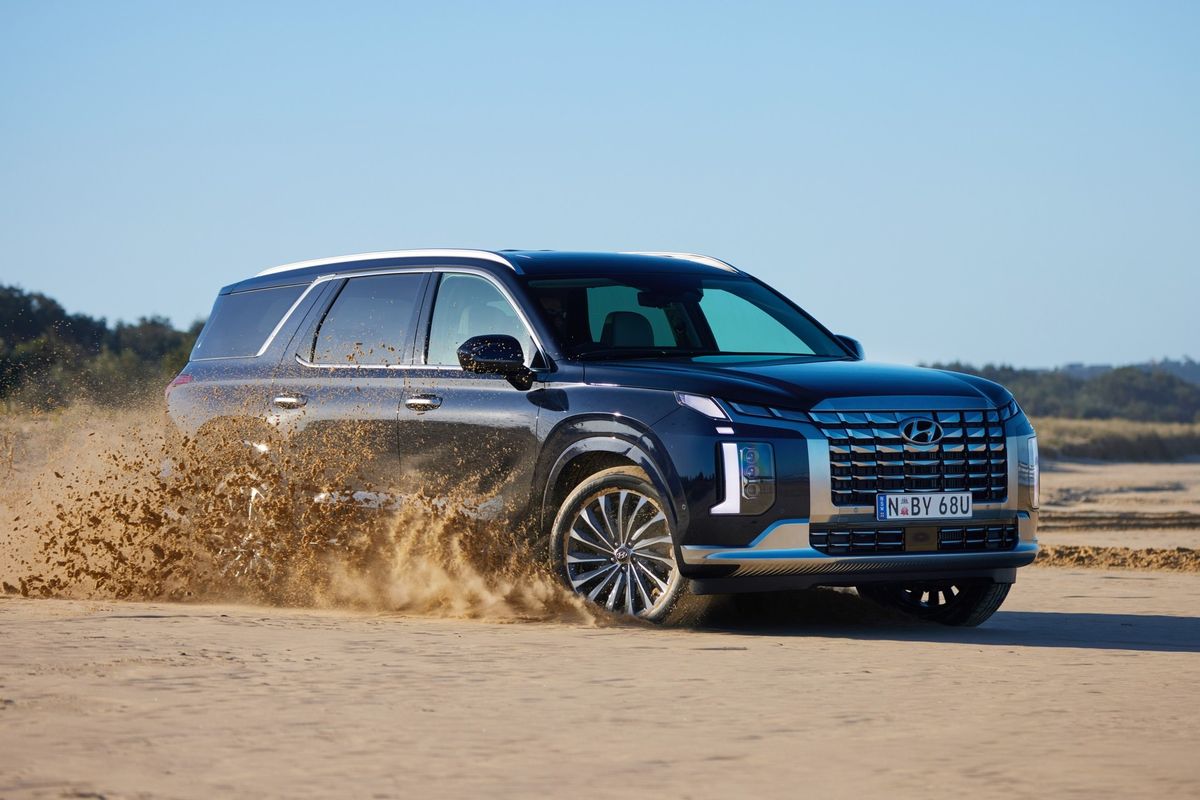
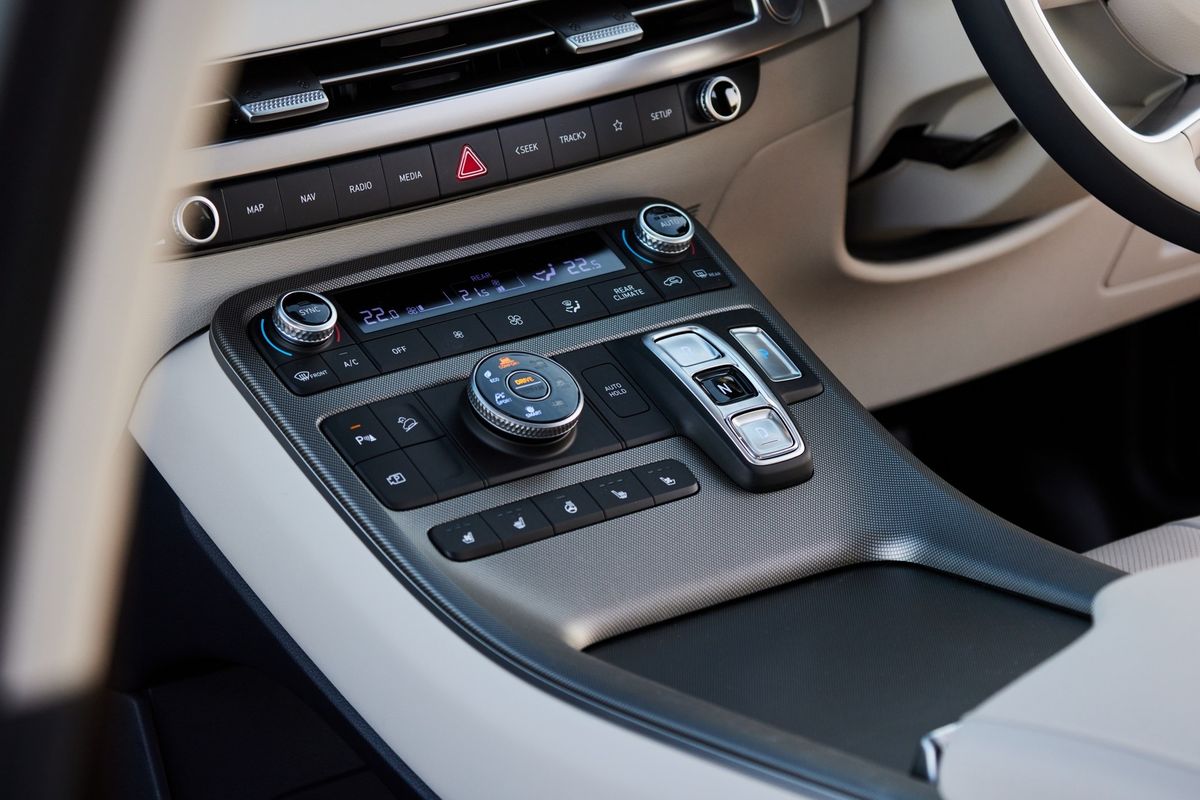
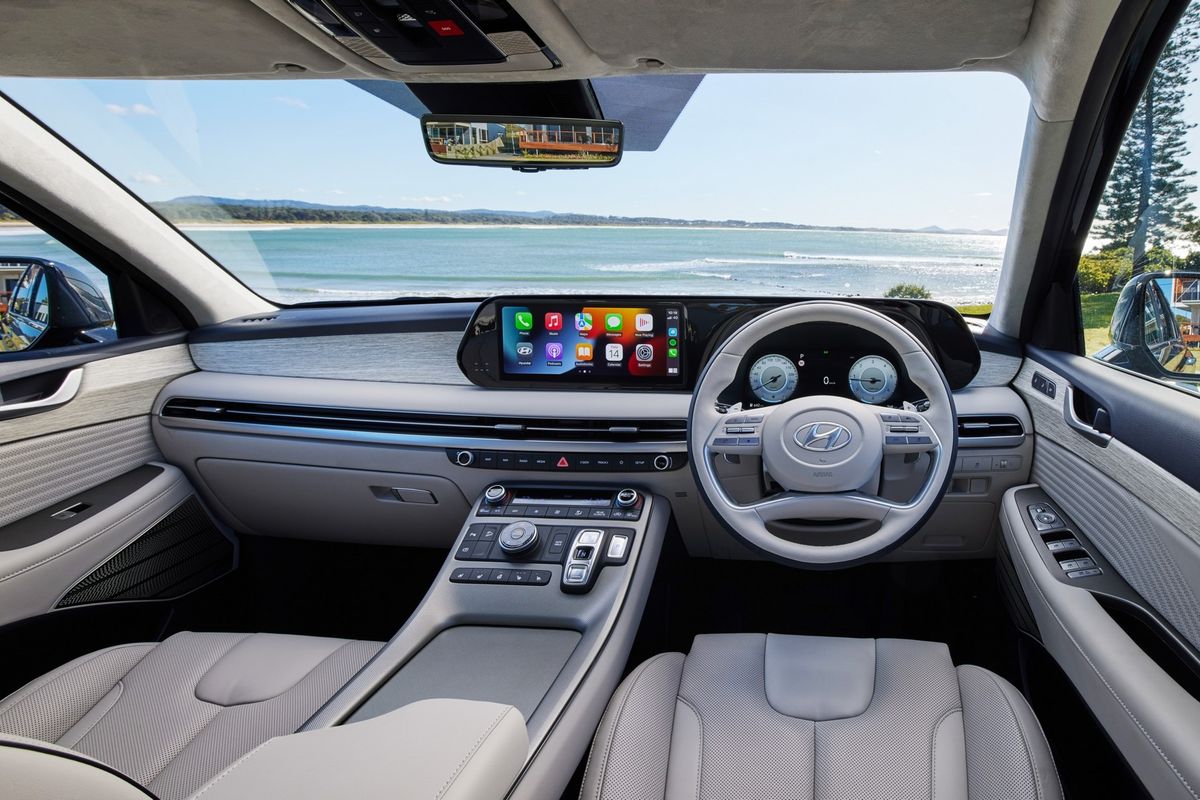
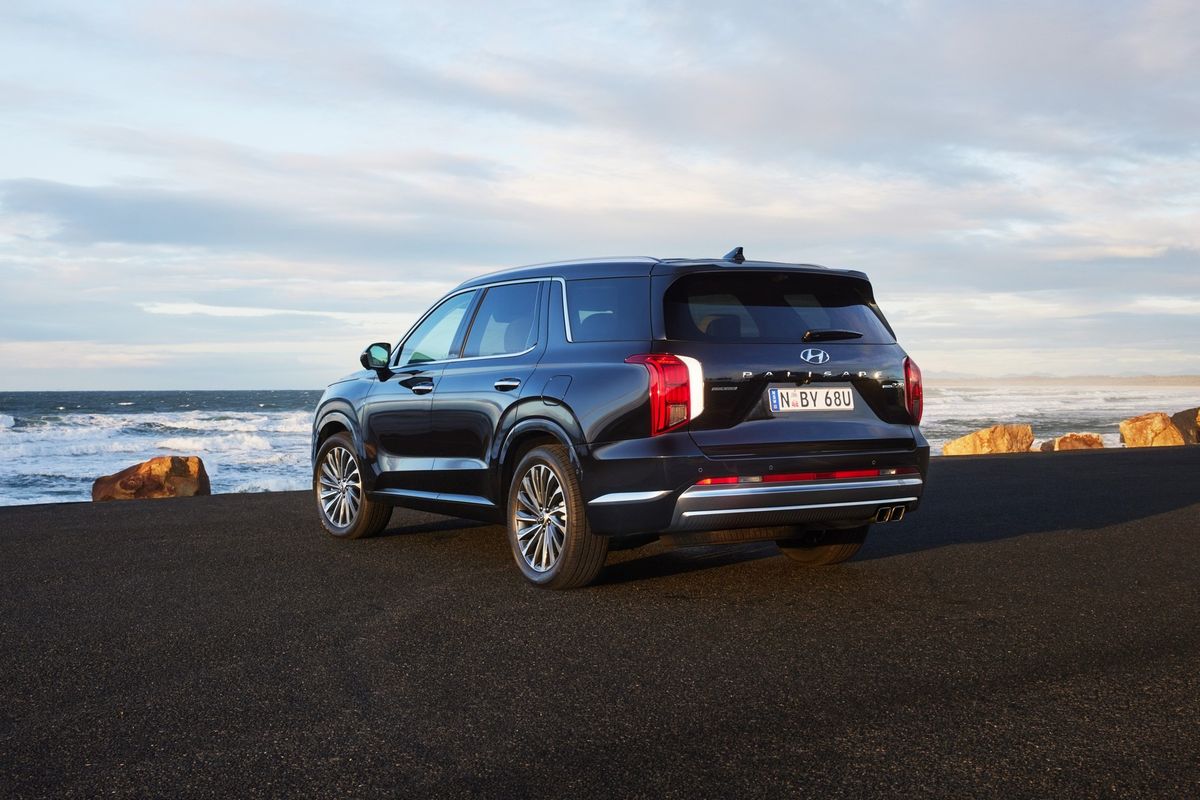
The flagship Hyundai Palisade SUV has been updated and gone on sale in South Africa. Here are some specifications and pricing for this large SUV.
Since its introduction back in 2021, the Hyundai Palisade has sold just 256 units, something which Hyundai South Africa hopes to change with the MY23 Palisade, which comes to market with fresher looks and even more convenience features.
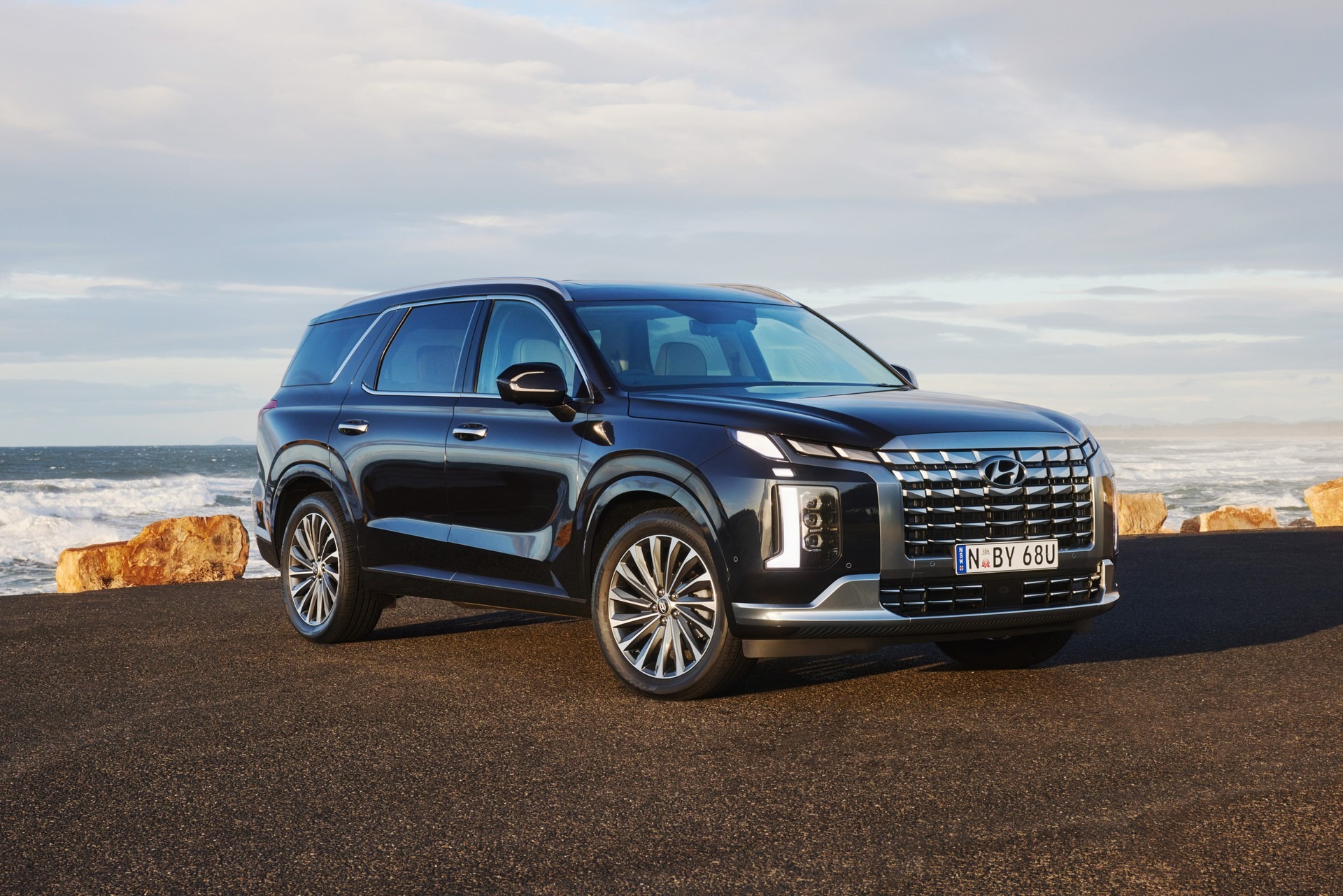
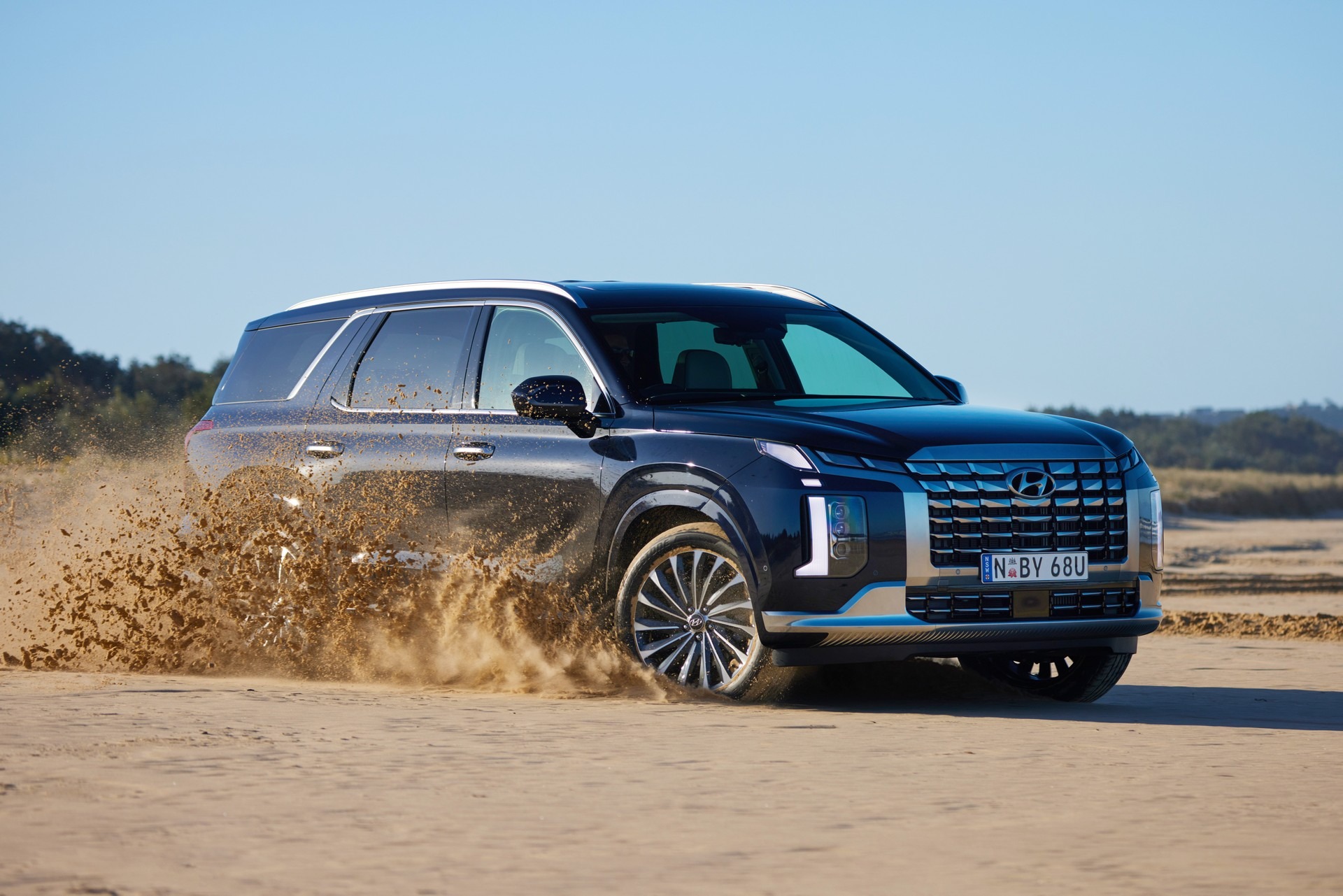
There are some slight visual updates, with the main one being the bold grille that you’ll find on most modern Hyundai products, like the Venue and Tucson. The rear design has changed slightly, with a new-look twin exhaust and LED tail lamps. The vehicle now rides on 20-inch alloy wheels.
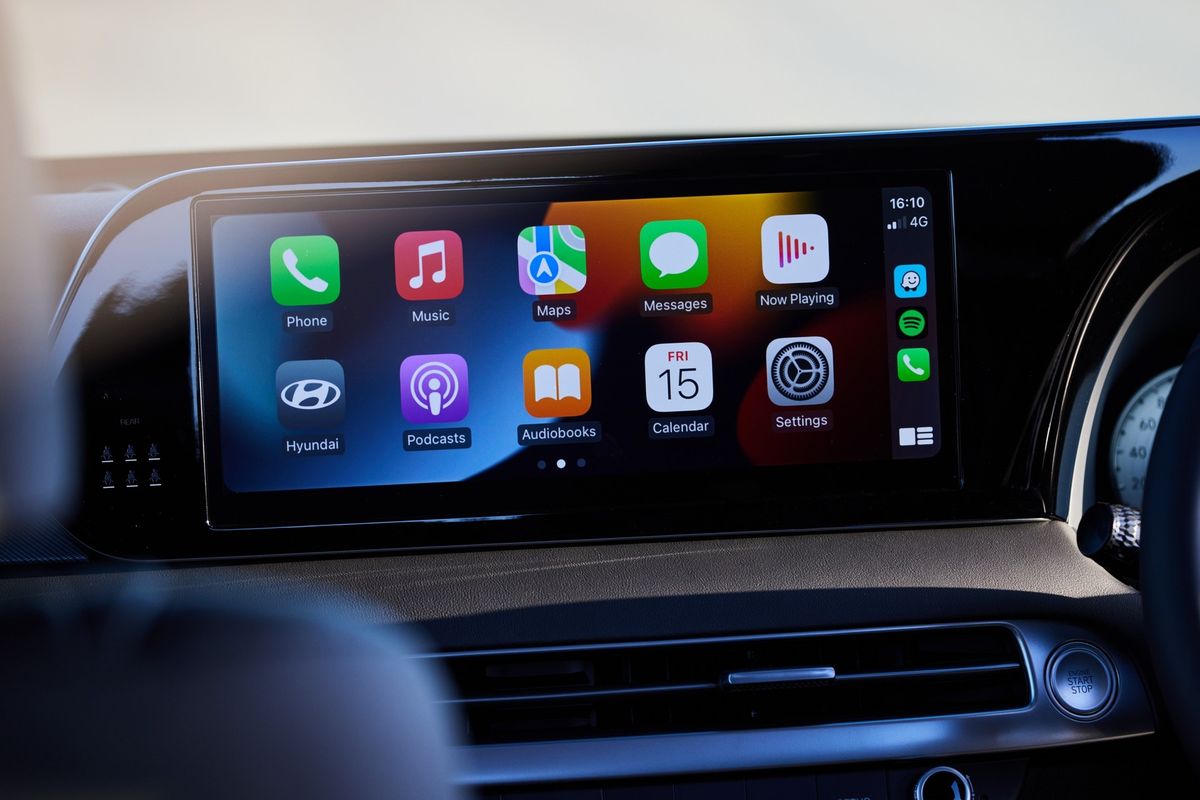
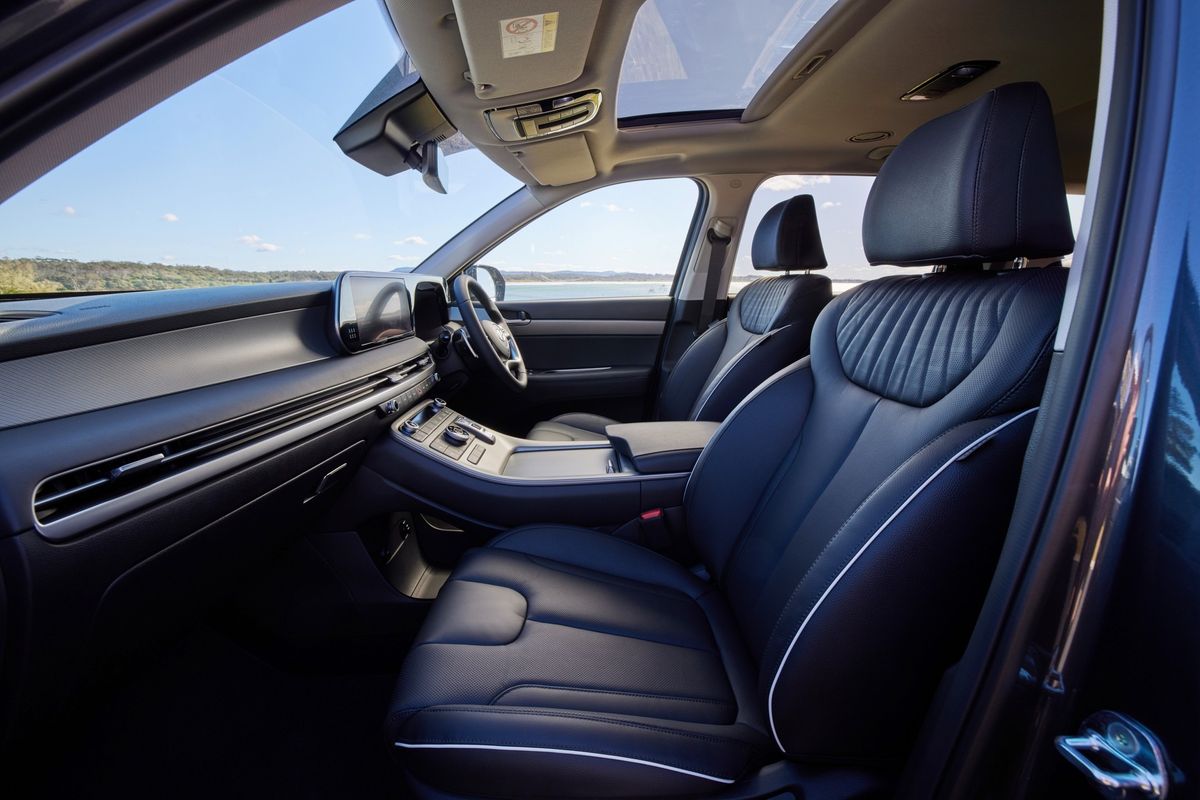
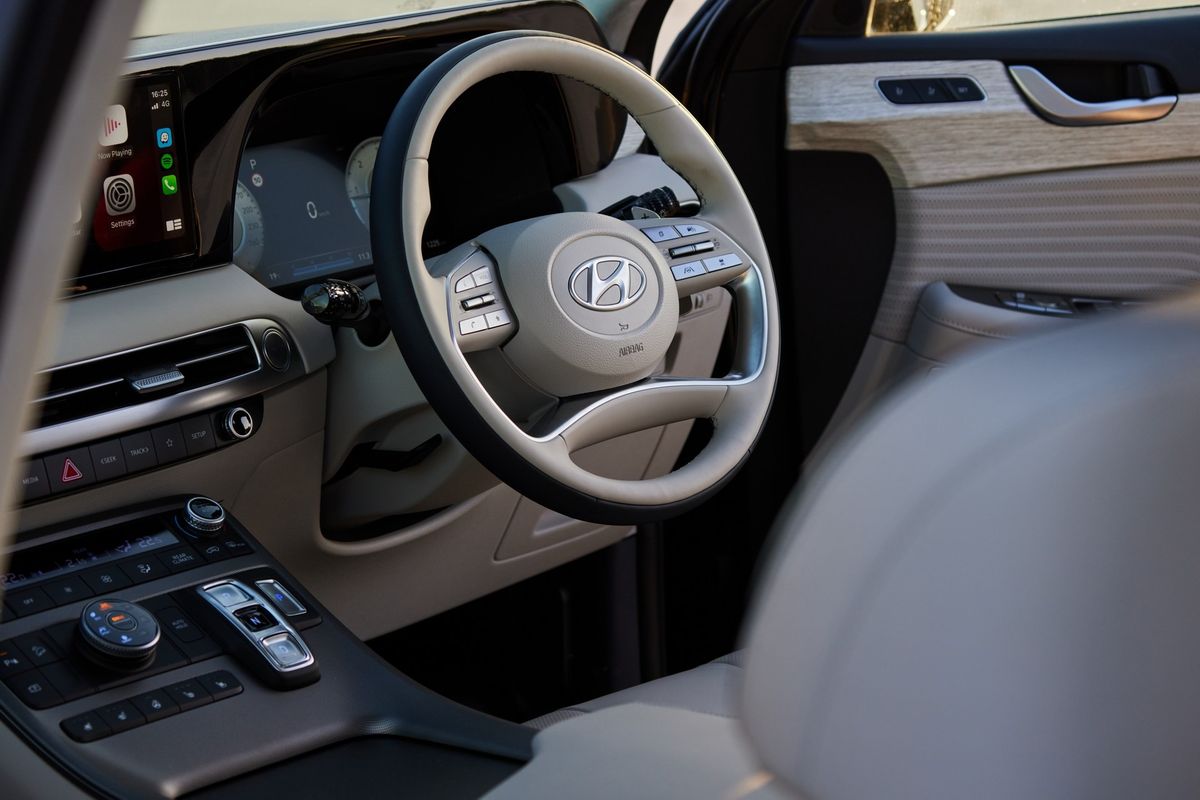
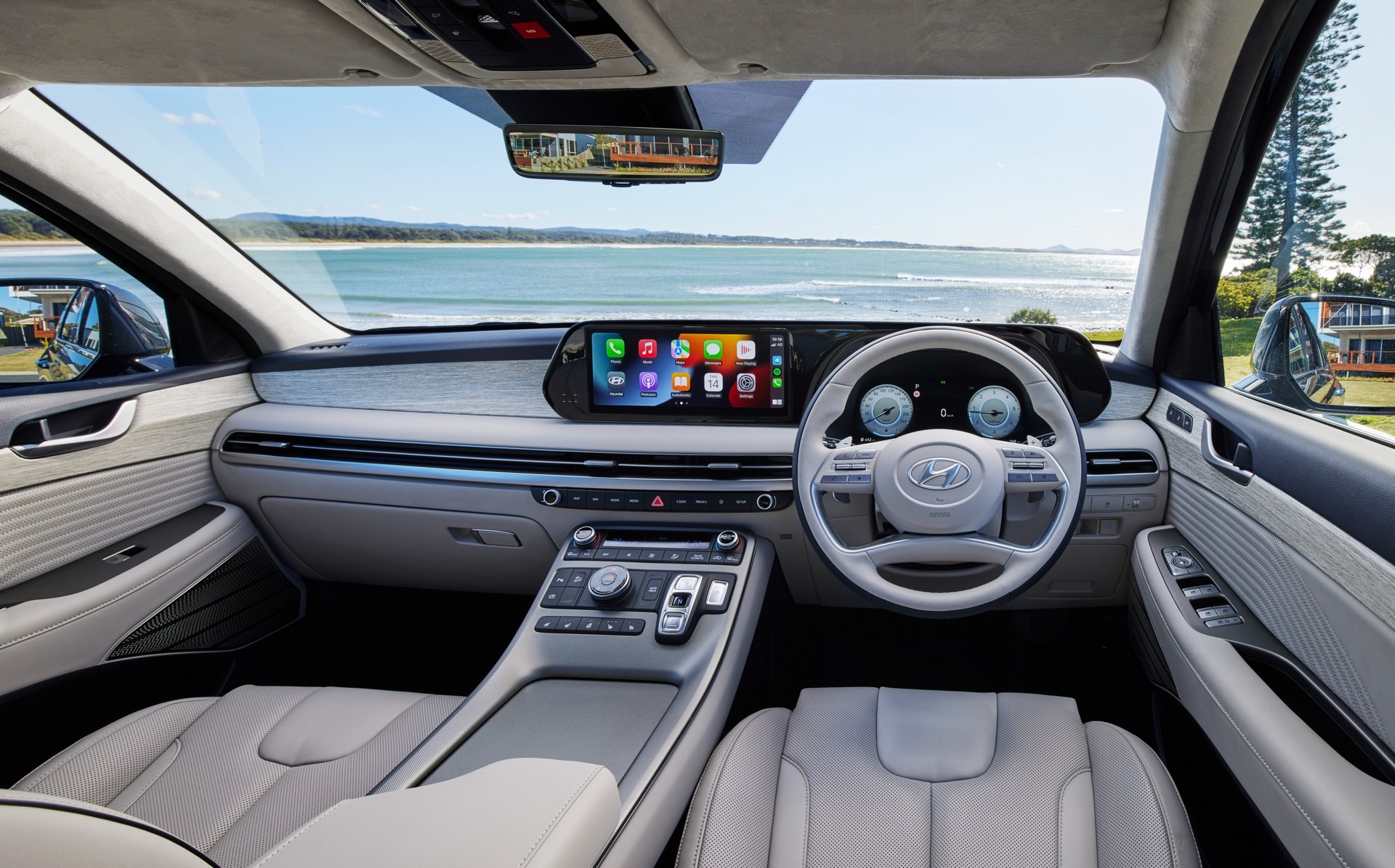
The updated model boasts additional features over the outgoing Palisade. The MY23 now has multi-collision brake, heated steering wheel, ventilated seats for the first and second row, 12.3-inch infotainment system, Infinity 12-speaker sound system, full parking camera + surround view, blind spot view, lane keep and follow assist, forward collision avoidance, a new 12.3-inch digital dashboard, adaptive cruise control and auto up/down window operation for all passengers.
Engine and Powertrain
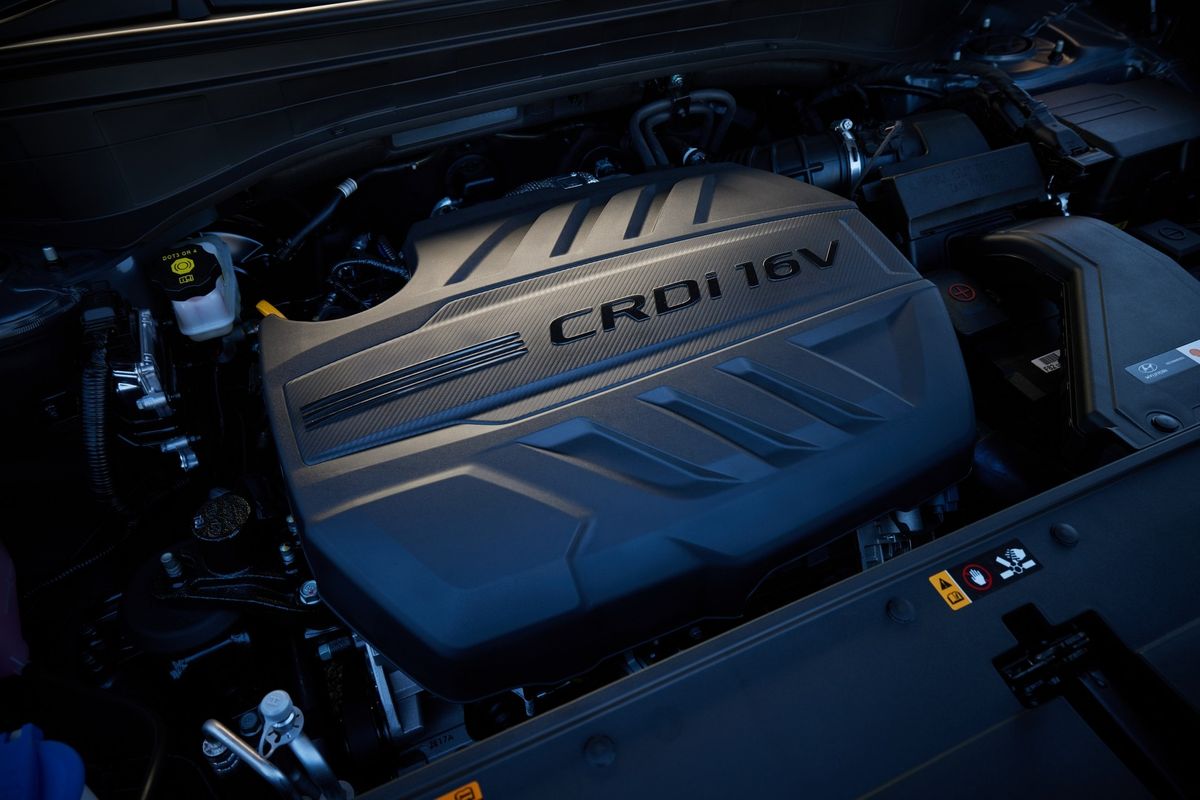
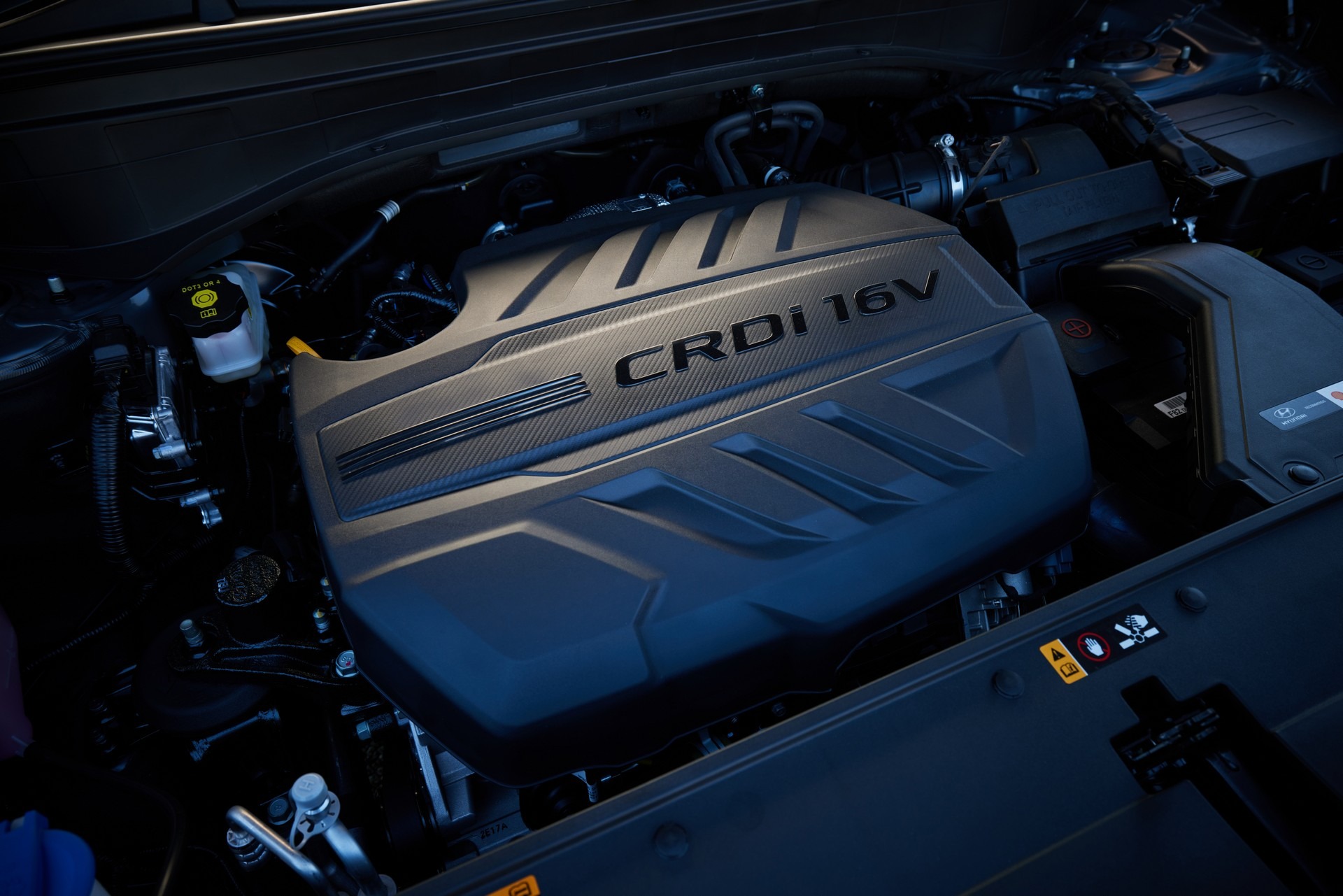
Under the bonnet of the updated Hyundai Palisade is a 2.2-litre turbocharged diesel 4-cylinder that produces 142 kW and 440 Nm. The gearbox on duty is an 8-speed automatic transmission, and power is sent to all four wheels.
Hyundai Palisade Features
There’s just one trim level for the Palisade MY23, called Elite. Customers can choose from one of five colours.
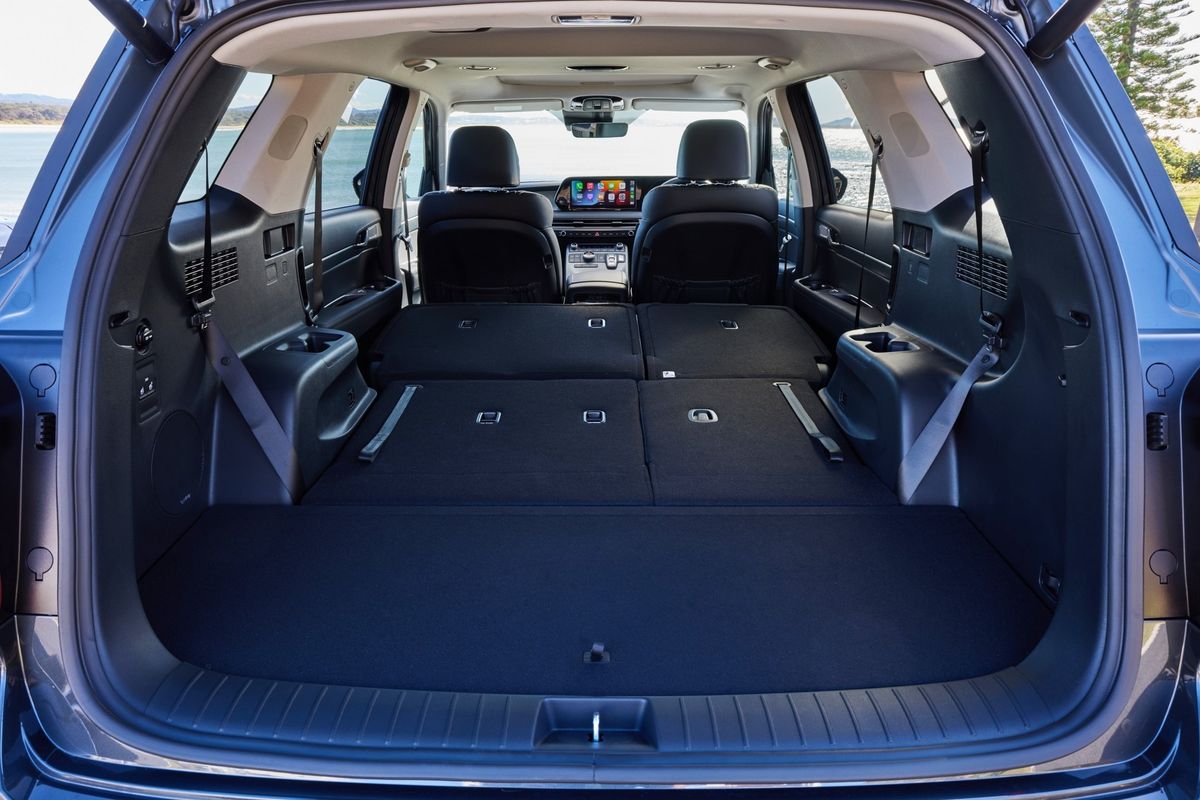
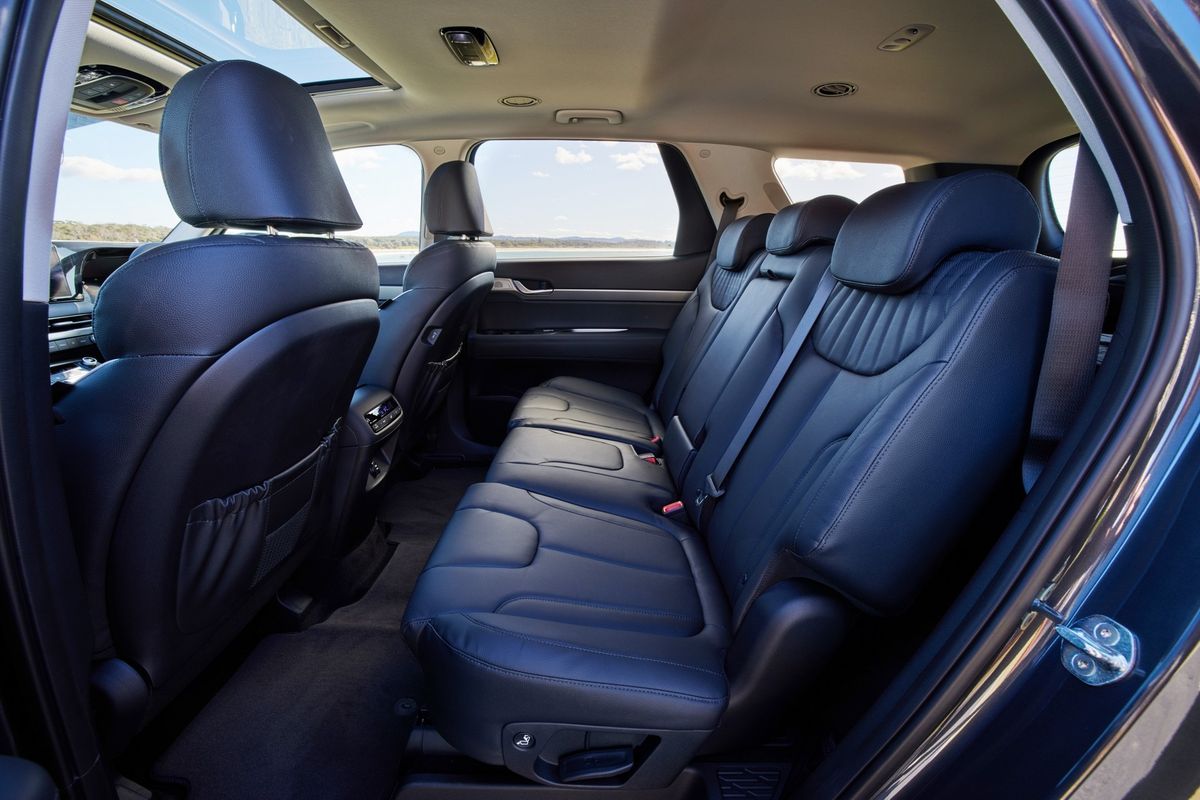
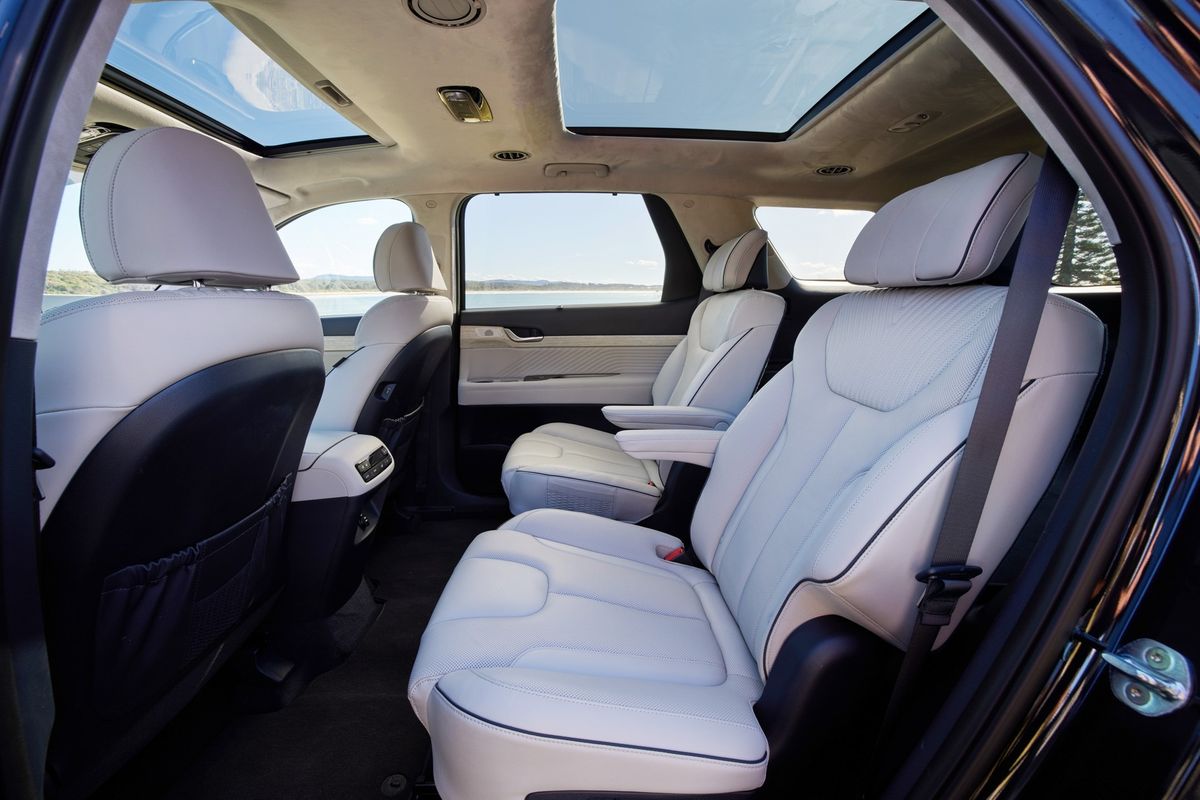
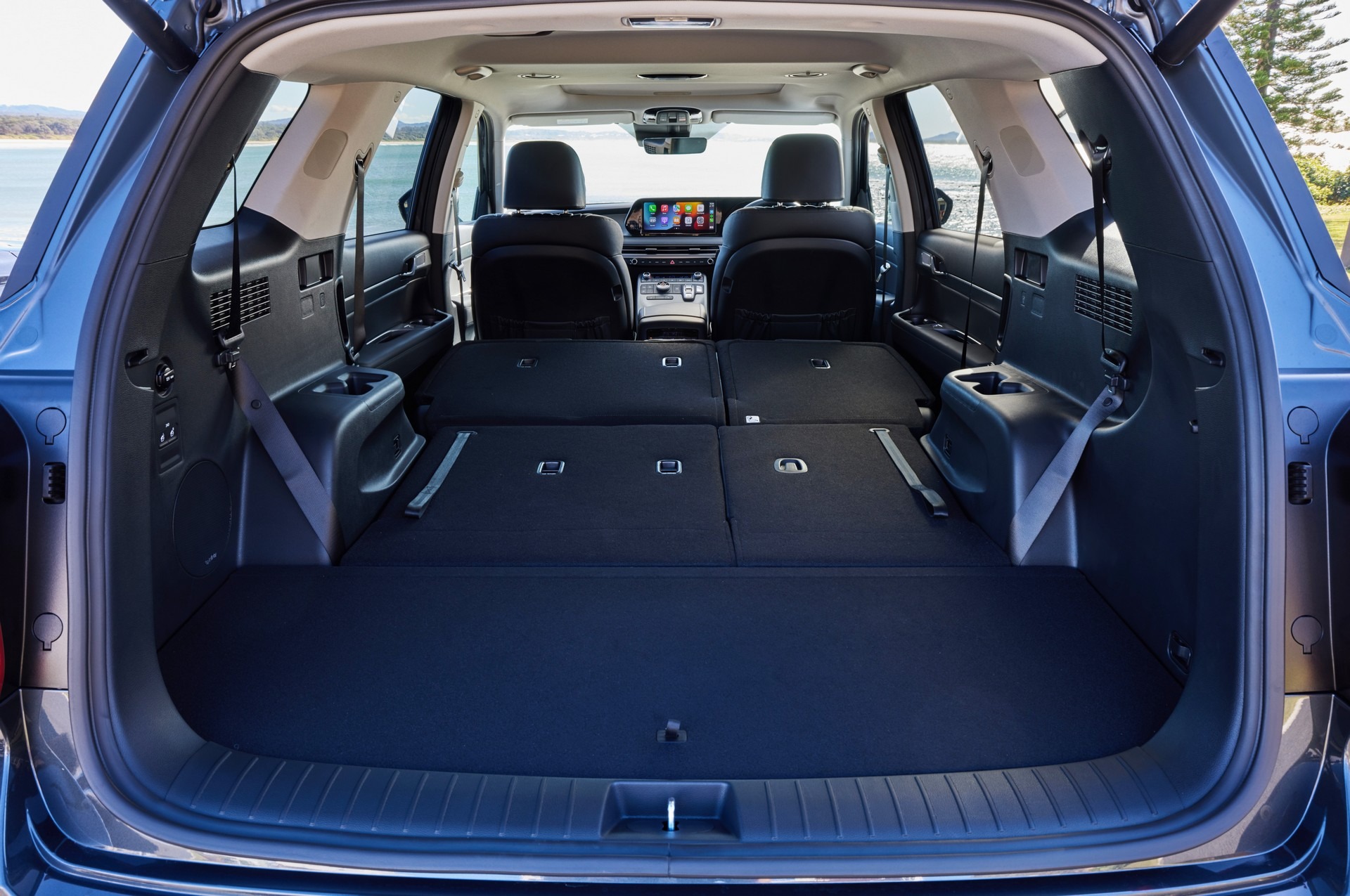
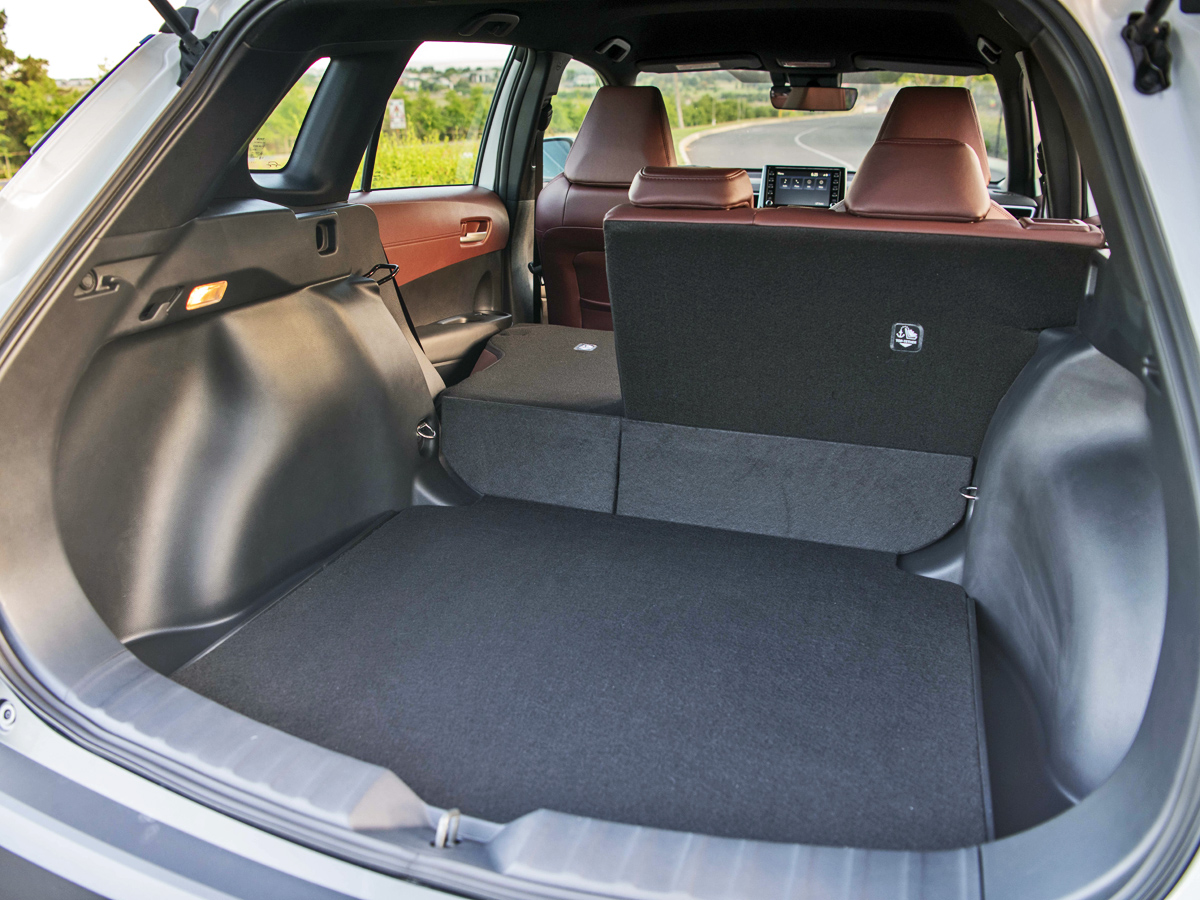
Standard specification was already generous, and as a reminder, it comes with LED headlamps, dual sunroof, fog lights front and rear, multi-function steering wheel that’s now heated, a 12.3-inch digital instrument cluster, 12-speaker audio system from Infinity, Apple CarPlay/Android Auto, tri-zone air conditioning, 2nd row heated and ventilated seats, wireless charging, USB ports for the 1st, 2nd, 3rd row, 10-way driver seat adjustment with memory function, rear window privacy blinds, smart power tailgate, surround view parking camera and the seats can be configured in many ways to accommodate passengers and cargo.
Hyundai has thrown in some offroad driving modes too and while there’s no low range, you can get Mud/Snow/Sand, as well as your usual drivetrain modes like Comfort/Eco/Sport.
As far as safety is concerned, the updated Palisade features things like semi-autnomous forward collision avoidance, blind spot collision avoidance, blind spot viewer on the dashboard, front and rear park distance, and 7 airbags. The vehicle scored a 5-star rating in the Australian ANCAP test.
How much does the Hyundai Palisade facelift cost in South Africa?
The updated Hyundai Palisade is sold with a 7-year / 200 000 km warranty and 7-year / 105 000 service plan.
Palisade R2.2 Elite 7-seater 8AT AWD R1 099 900
Palisade R2.2 Elite 8-seater 8AT AWD R1 099 900
New Mercedes-Benz E-Class ‘Superscreen’ Has Built-In Selfie Camera
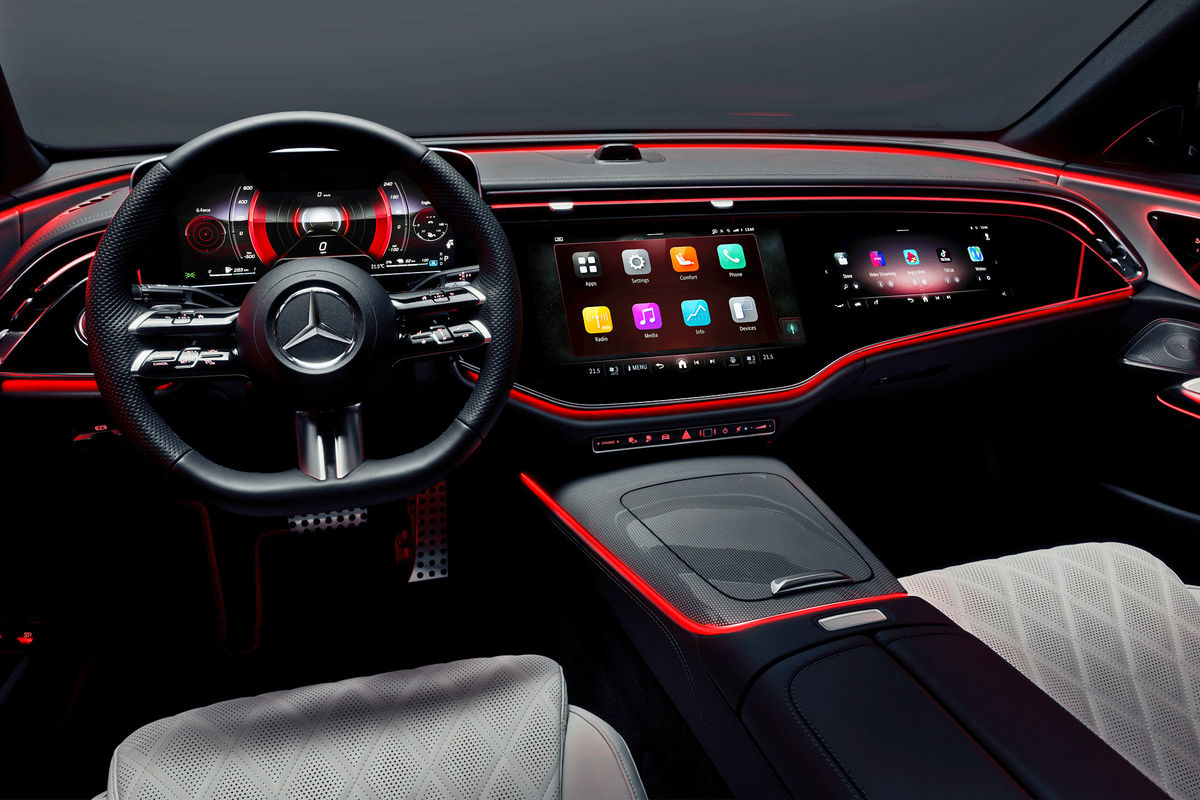
Mercedes-Benz has revealed the interior of its next-gen E-Class, which will be offered with a new MBUX Superscreen complete with a built-in selfie camera and TikTok…
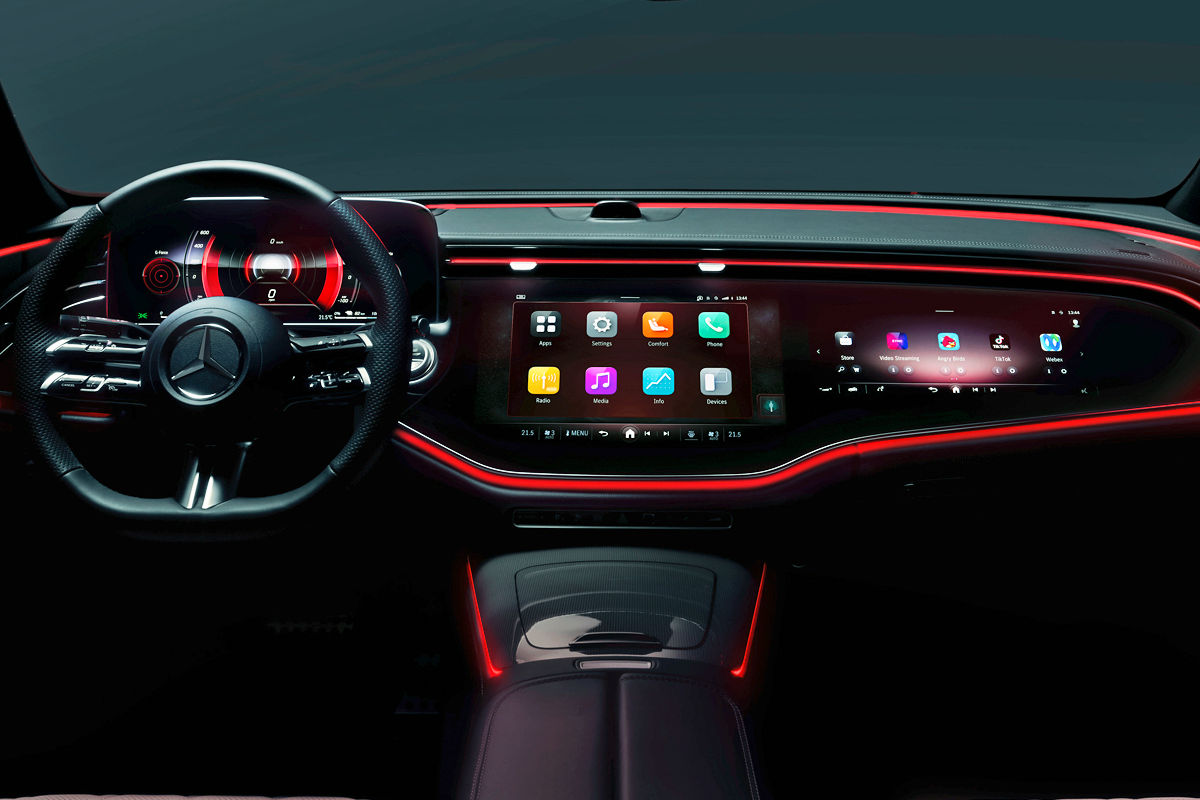
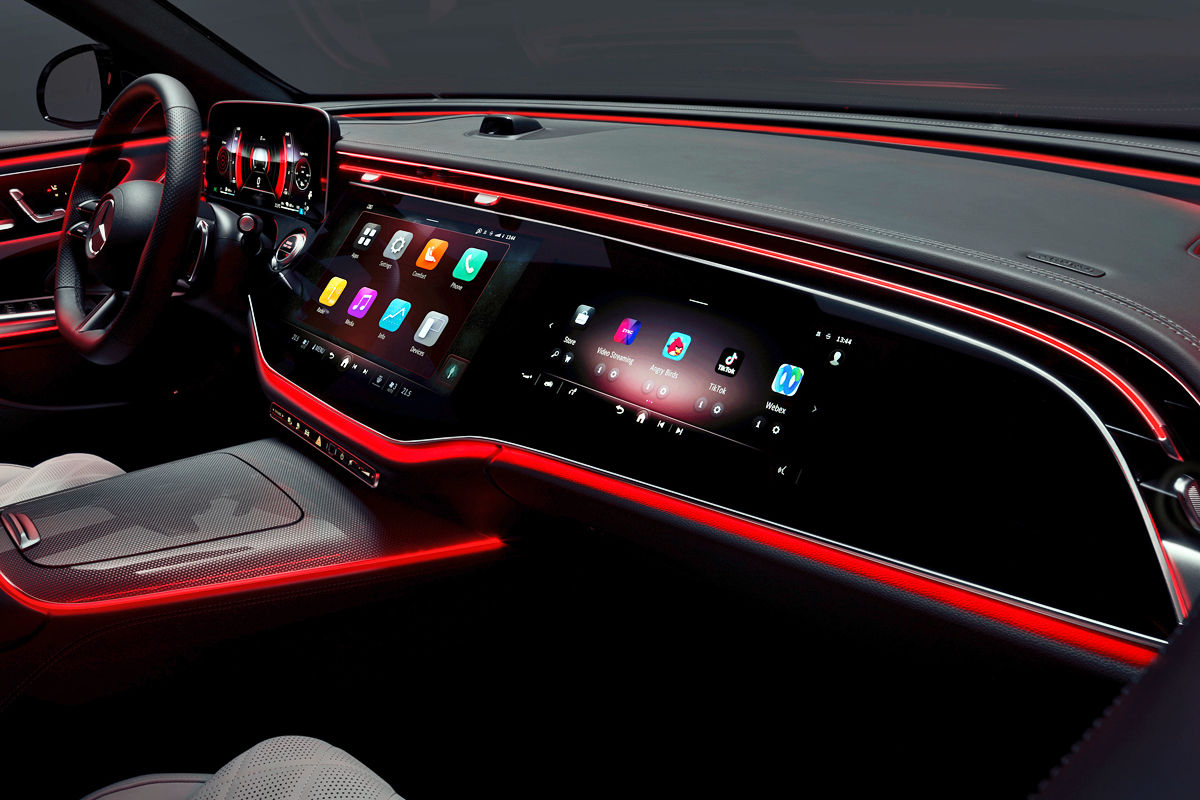
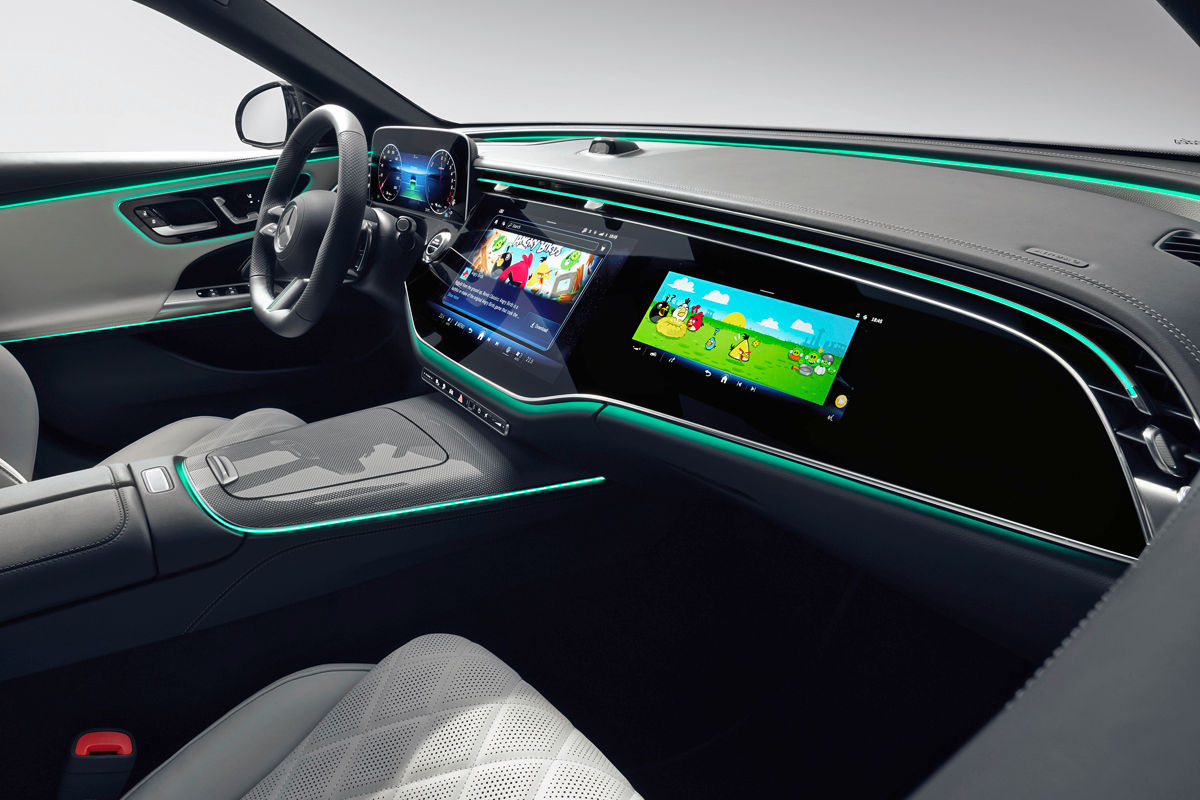
Mercedes-Benz is preparing to whip the wraps off its new W214-generation E-Class. But before we see the outside, the Stuttgart-based firm has given us our first official look at the cabin, which will be available with a new MBUX Superscreen featuring an integrated selfie camera and built-in apps such as TikTok and Angry Birds.
The German automaker promises the next-gen E-Class will provide its occupants with a “particularly immersive entertainment experience”. In addition, the company says the electronic architecture is “more software-driven and less hardware-driven” that previous iterations, which should allow for fuss-free updating of the various interior systems in the future.
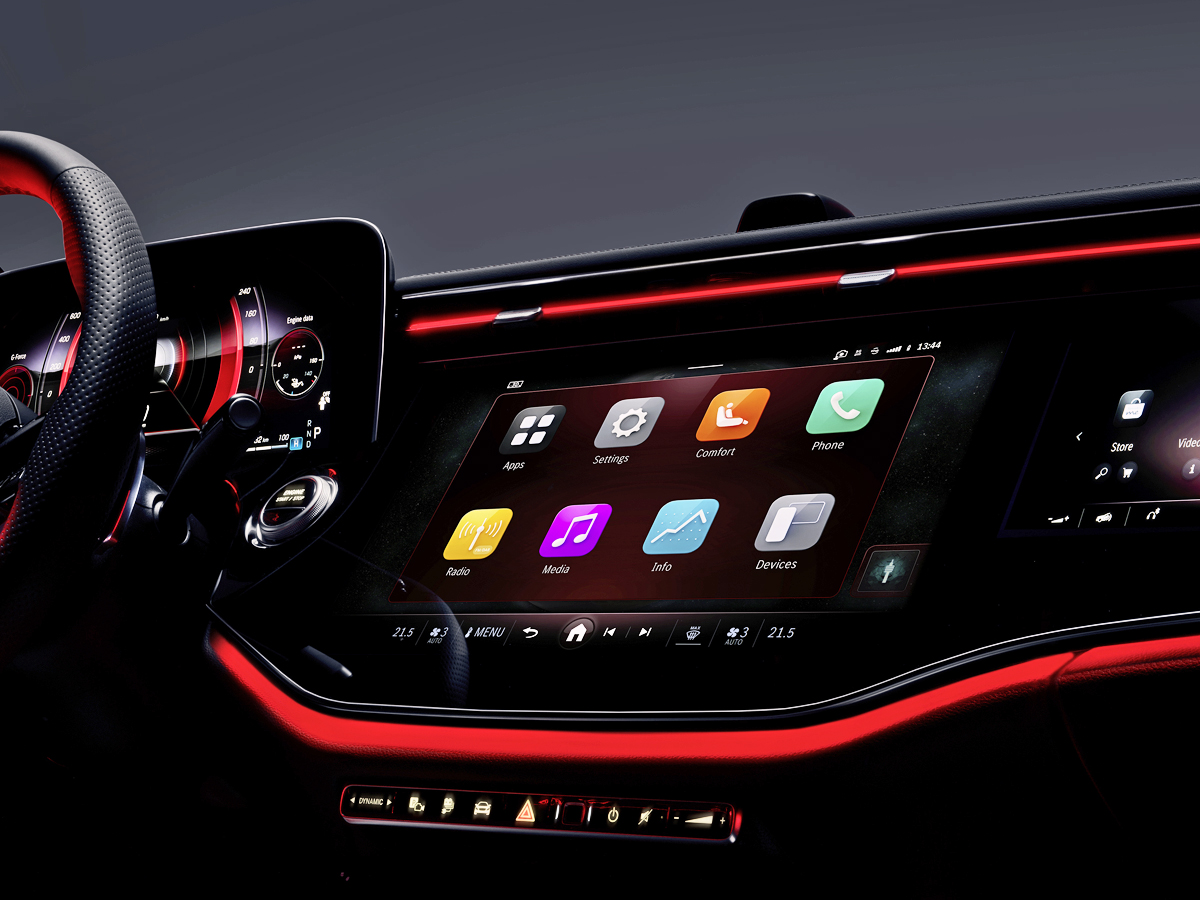
Like the Hyperscreen arrangement in the likes of the S-Class and the EQS, the new E-Class dashboard is dominated by digital displays. If the optional front passenger screen is specified, the large glass surface of the MBUX Superscreen extends to the central display, too.
The main icons are now simpler in design and colour-coded to match smartphone tiles.
Mercedes says the front passenger has the option of enjoying video streaming “even when the driver at the wheel is looking over at them”. Won’t that distract the driver? Well, the company claims an “advanced camera-based visual shield function” reduces the display’s brightness and thus “reduces the risk of distraction for the driver”.
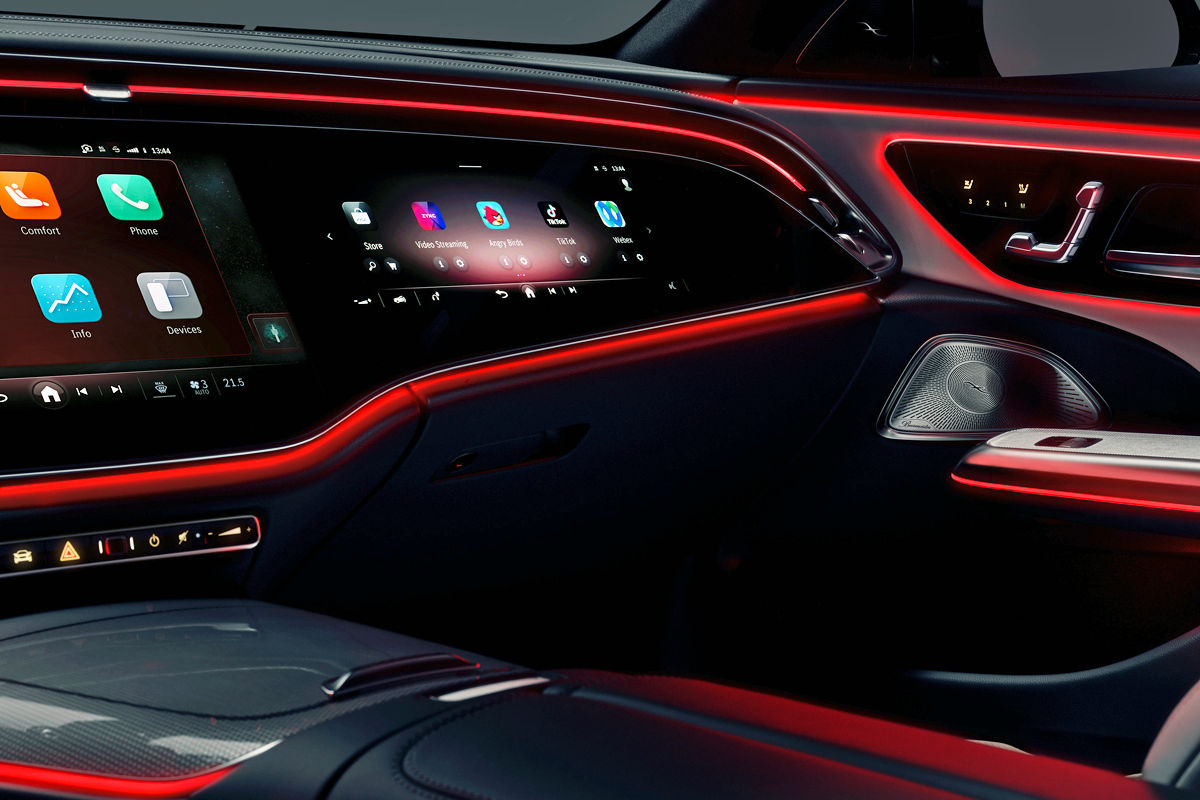
Interestingly, the new system will also allow the installation of 3rd-party apps. At launch, Mercedes says TikTok, Angry Birds, Webex, Zoom and Vivaldi will be available on the central display. In addition, the ZYNC entertainment portal will optionally offer video streaming, on-demand content, interactive experiences, local video programmes, sports, news, games and more on the central and passenger displays, via a single user interface.
The optional MBUX Superscreen will furthermore come with a selfie and video camera sited on top of the dashboard. Provided the vehicle is stationary, the driver will be able to participate in online video conferences or take “personal” photos and videos (for the record, Mercedes says it is “currently looking into” getting this technology approved in various markets). What about music? Well, there’s a new (optional) Active Ambient Lighting with Sound Visualisation arrangement, which produces a visual interpretation of any audio content played through the entertainment system.
Though an official reveal date has yet to be confirmed, we do know the new E-Class will hit Europe (in saloon form first) in the 3rd quarter of 2023. As a reminder, the E-Class and its predecessors together form the best-selling model series in the history of Mercedes-Benz.
In the penultimate episode of the Toyota GR Yaris Cup, we head to the iconic East London circuit and make a second visit to Killarney Raceway in Cape Town.
With a definitive lead in the championship, the people in charge make some small tweaks to the performance of the GR Yaris field in order to close the gaps between the drivers. Our racing driver Ash is hit with a power deficit but is he fast enough to make up for the lack of performance?
At his home track in Cape Town, Ash is determined to wrap up the first-ever GR Cup championship but it requires nothing less than a perfect weekend points haul. With the field getting ever closer and drivers looking to get their elbows out, can he get the job done?
Toyota, Suzuki, Daihatsu Sportscar Collab On The Cards
A fresh report from Japan suggests that Toyota, Daihatsu and Suzuki are working together on a mid-engined sportscar. Here’s some early details.
BestCarWeb.jp reckons the collaboration between the three brands of Daihatsu, Suzuki and Toyota will result in a mid-engined sportscar appearing in the next few years. Impressively, there’s a claim that it won’t be completely electric either, instead making do with a hybrid petrol setup.
How realistic is this claim? Well, Toyota’s current strategy in terms of performance and sporty-biased cars is quite comprehensive as almost every product in its line-up is offered with some form of GR/GR Sport tune. Then there are the thoroughbreds like the GR Supra, GR86, GR Yaris and GR Corolla.
Right now, we’d say that Toyota’s TNGA (Toyota New Global Architecture) platform is perhaps the most modern and versatile of all the scalable and modular platforms, underpinning everything from a tiny Yaris to a family-sized Land Cruiser 300 along with some Lexus models. Impressively, TNGA can support front-, rear- and all-wheel drive configurations, as well as hybrid and full electrification.
BestCarWeb reckons the TNGA platform will be used, with the front suspension of the Yaris being adopted. Interestingly, the report says the powertrain will come from Suzuki and that’ll be a 1.0-litre turbocharged K10C petrol three-cylinder.
This motor is commonly known as the Boosterjet and was available overseas in the Baleno and will be fitted to the Suzuki Fronx. Naturally, this engine will have mild-hybrid technology. Outputs of around 90 kW / 200 Nm are expected and while that may not seem like much, the sportscar will be compact, likely tipping the scales at 1 ton.
As far as styling and design goes, the original report suggests that it will be Daihatsu who will be penning the looks of the newcomer. Hopefully, it’ll look as exciting as the Toyota Sports EV concept.
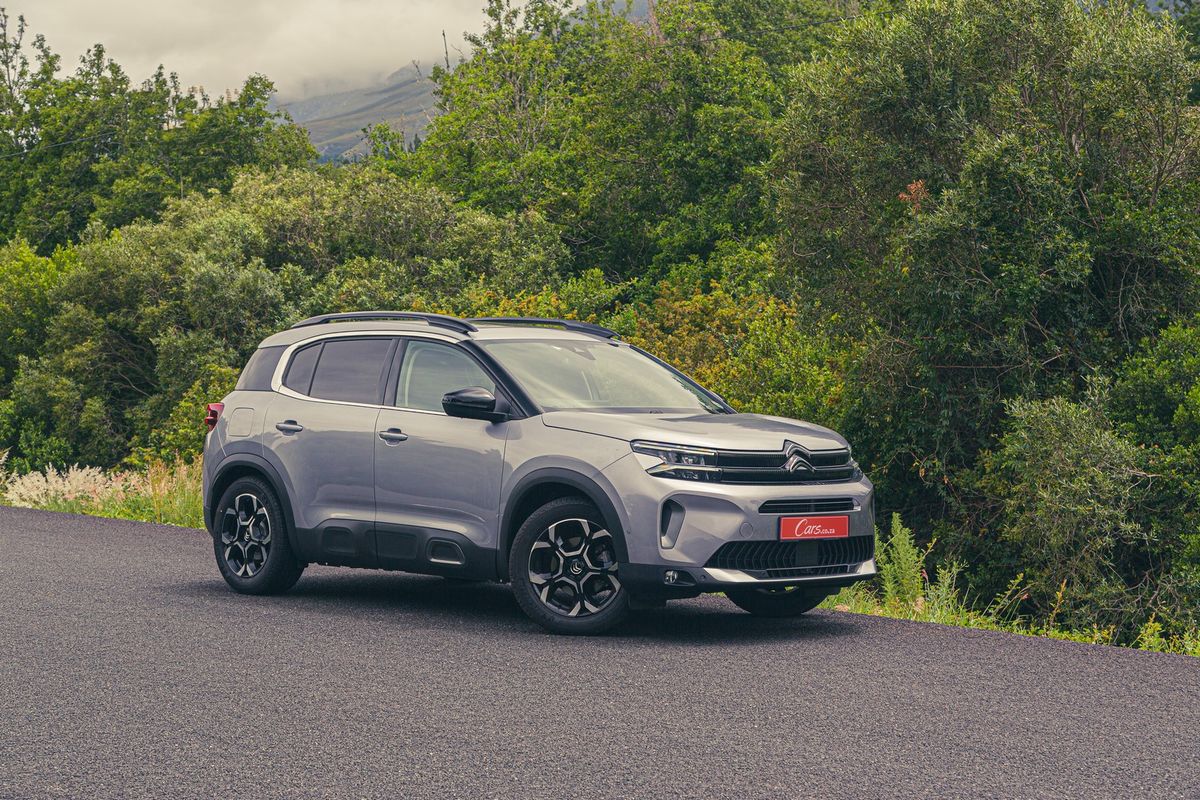
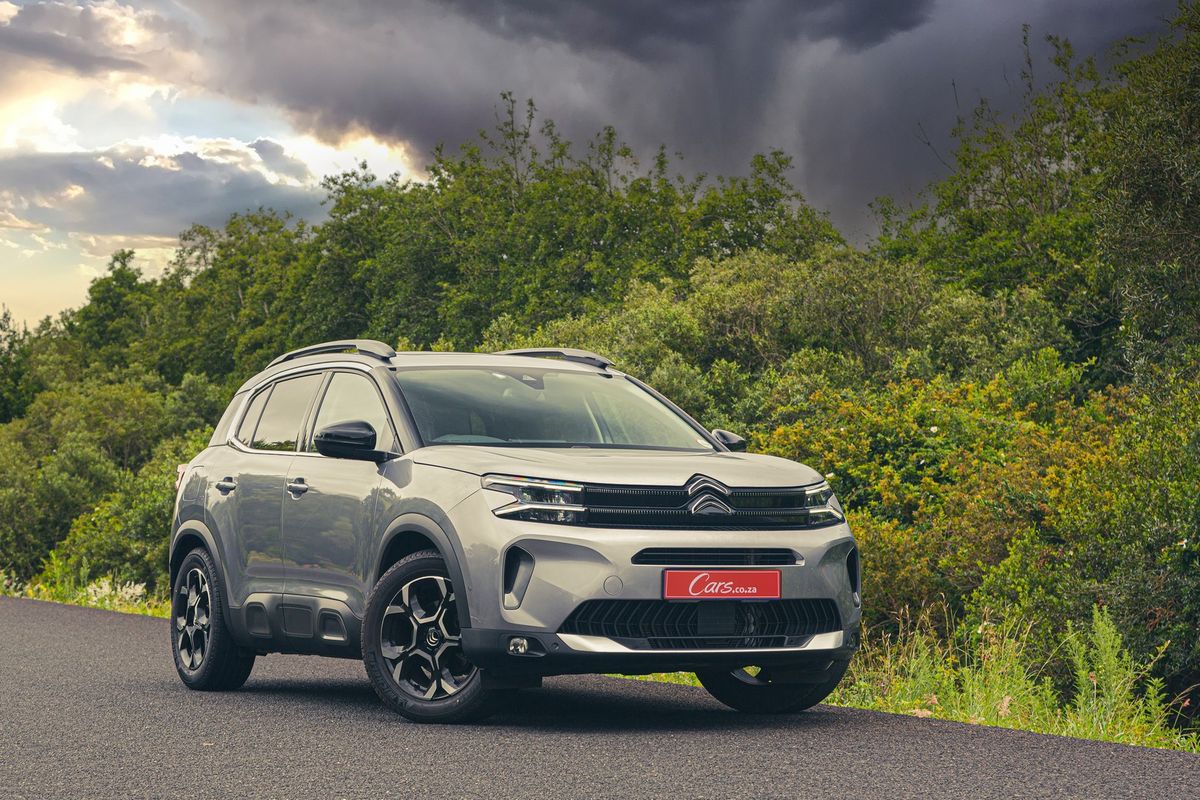
Citroen C5 Aircross (2023) Review
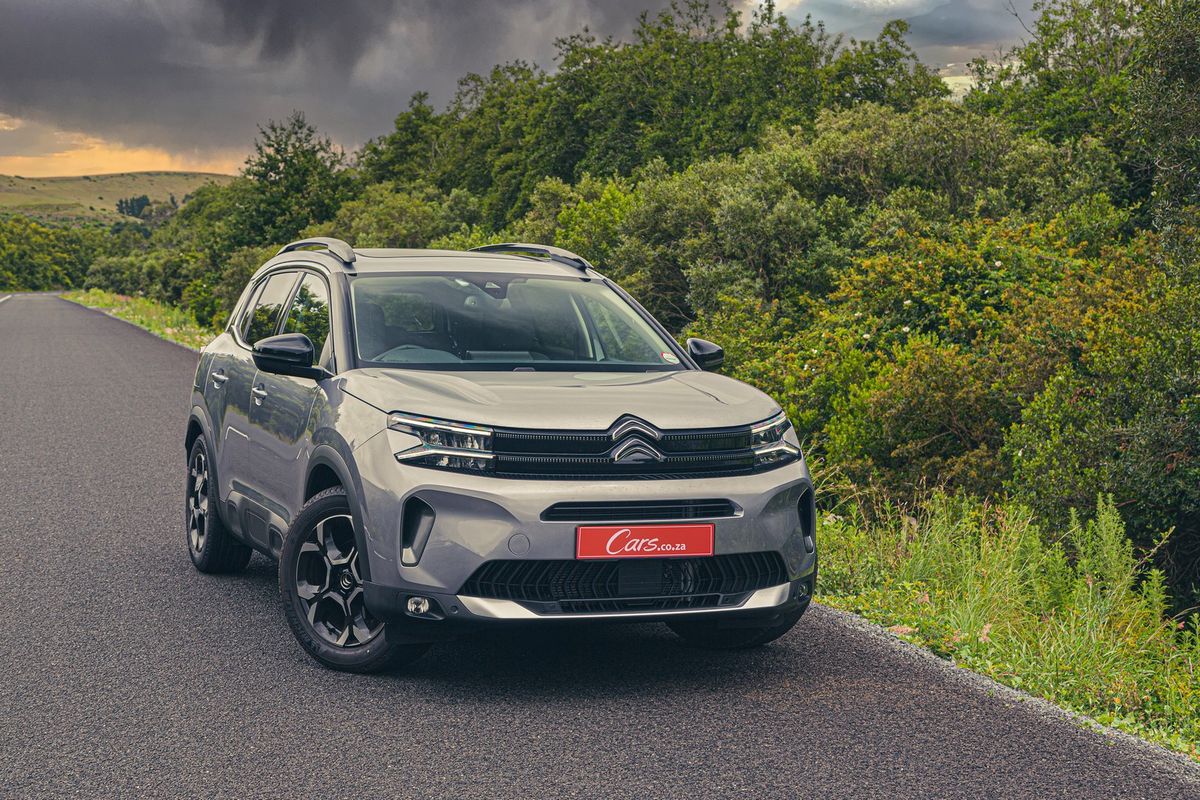
The stylish and practical Citroen C5 Aircross has been updated and we recently put a 1.6T Shine derivative through its paces. It faces stiffer competition than ever, so do the French medium SUV’s charm and quirks give it an edge over conventional rivals?
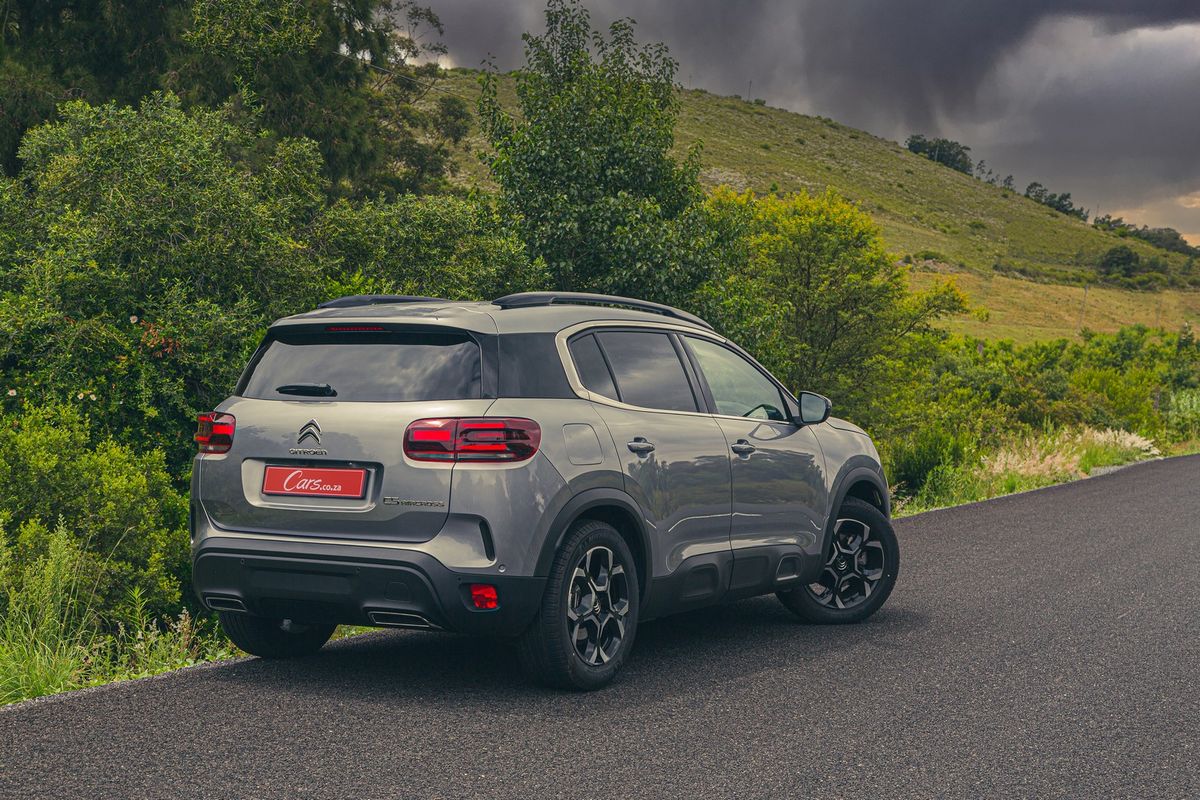
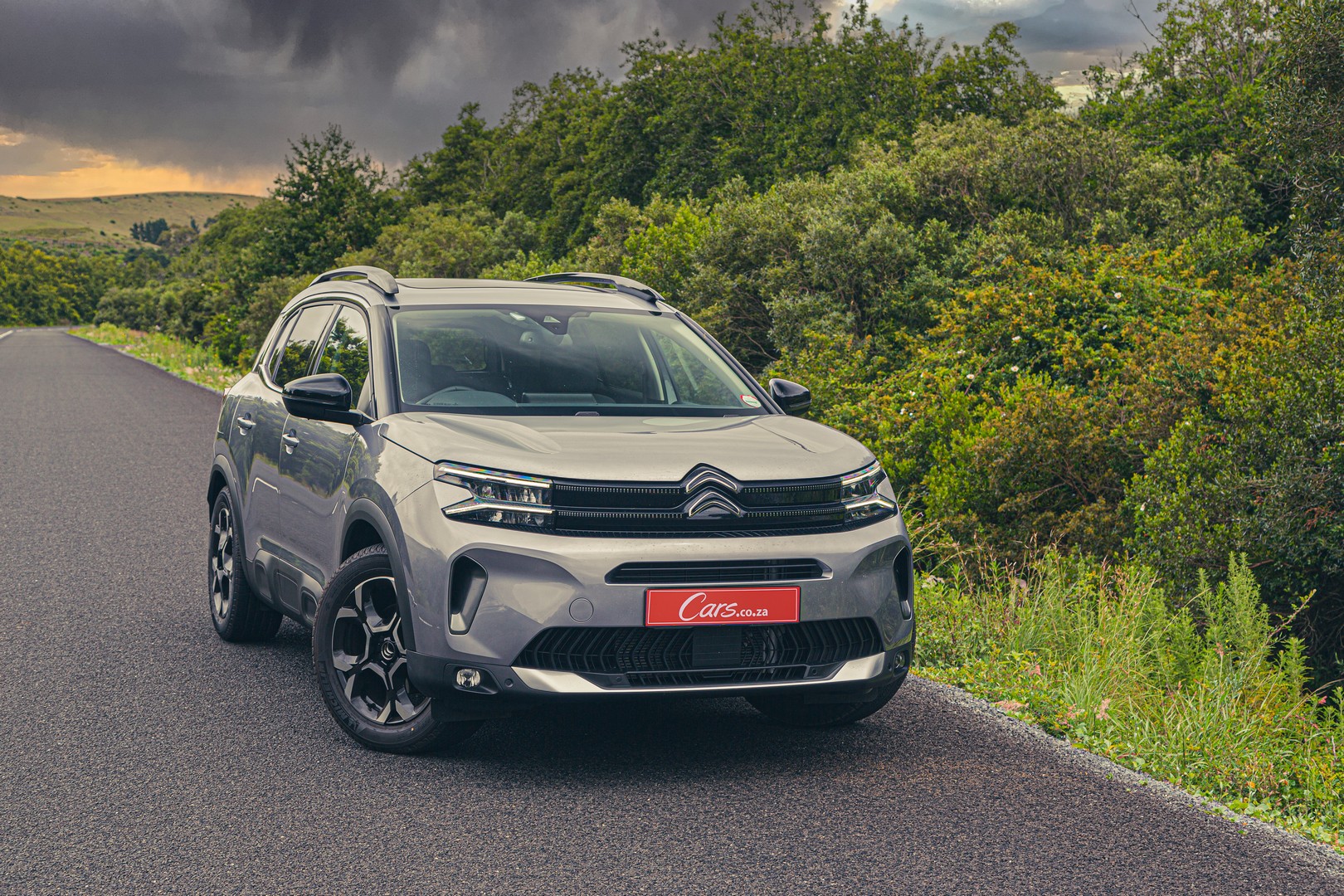
There’s a new face and some updates to the Citroen C5 Aircross.
As professional motor journalists, we try our best to keep our biases in check, but we won’t lie: we like the Citroen C5 Aircross. When the French brand launched the medium SUV upon its return to the local market in 2019, Cars.co.za testers lauded the vehicle’s fresh styling, the abundance of space and tech, as well as its competitive asking price. In fact, back in 2021, the pre-facelift Citroen C5 Aircross went up against the Toyota RAV4 and the Mazda CX-5 in the Best Family Car category of #CarsAwards.
The C5 Aircross has received a facelift and upgrade for 2023. The changes are substantial – both inside and out – but sadly, some of the family car’s eye-catching design quirks have been omitted – it now looks more conventional. While the cabin gets a nip and a tuck, the vehicle’s unchanged, mechanically.
The new-vehicle market’s medium SUV segment is nothing short of a cutthroat environment in 2023 – frankly, it’d be easier to count the brands that don’t offer a family car priced around the R650 000 mark. As of February 2023, your best offerings are the Kia Sportage, a stylish and accomplished family SUV brimming with tech, and the Toyota RAV4 hybrid, which is light on fuel and features all-wheel drive.
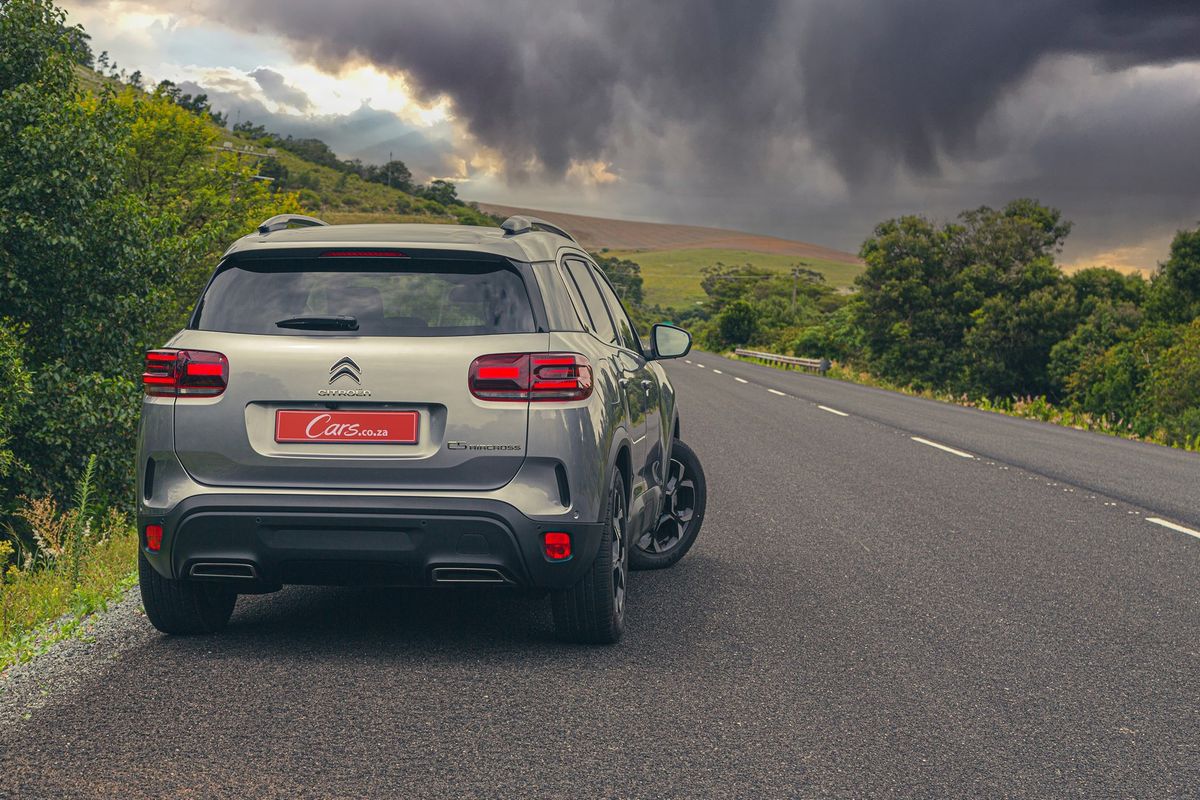
The C5 Aircross’ tail-lamp clusters have been redesigned.
Styling is subjective, but we feel the facelifted C5 Aircross now looks a bit boring; it’s missing some of its predecessor’s visual appeal. In an era when car design seems rather safe and sadly, stagnant, Citroen’s styling cues should remain quirky and interesting. The previous car was arguably more eye-catching…
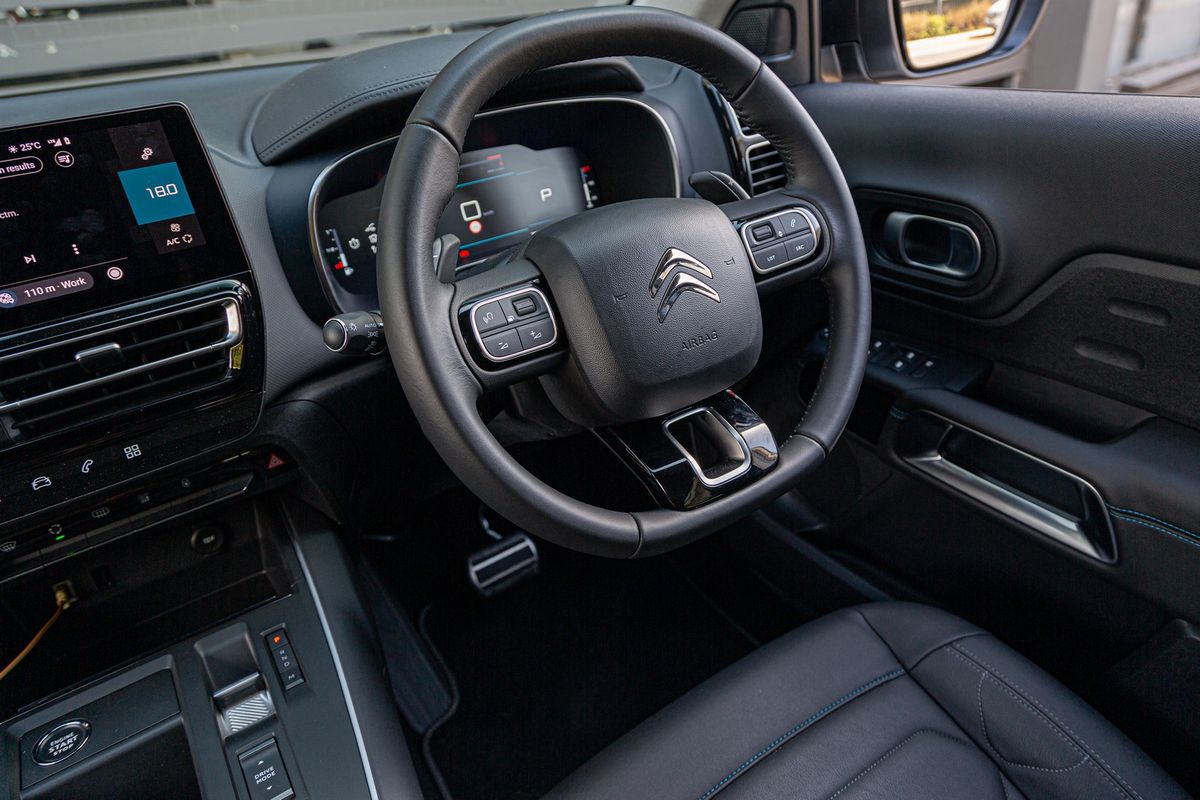
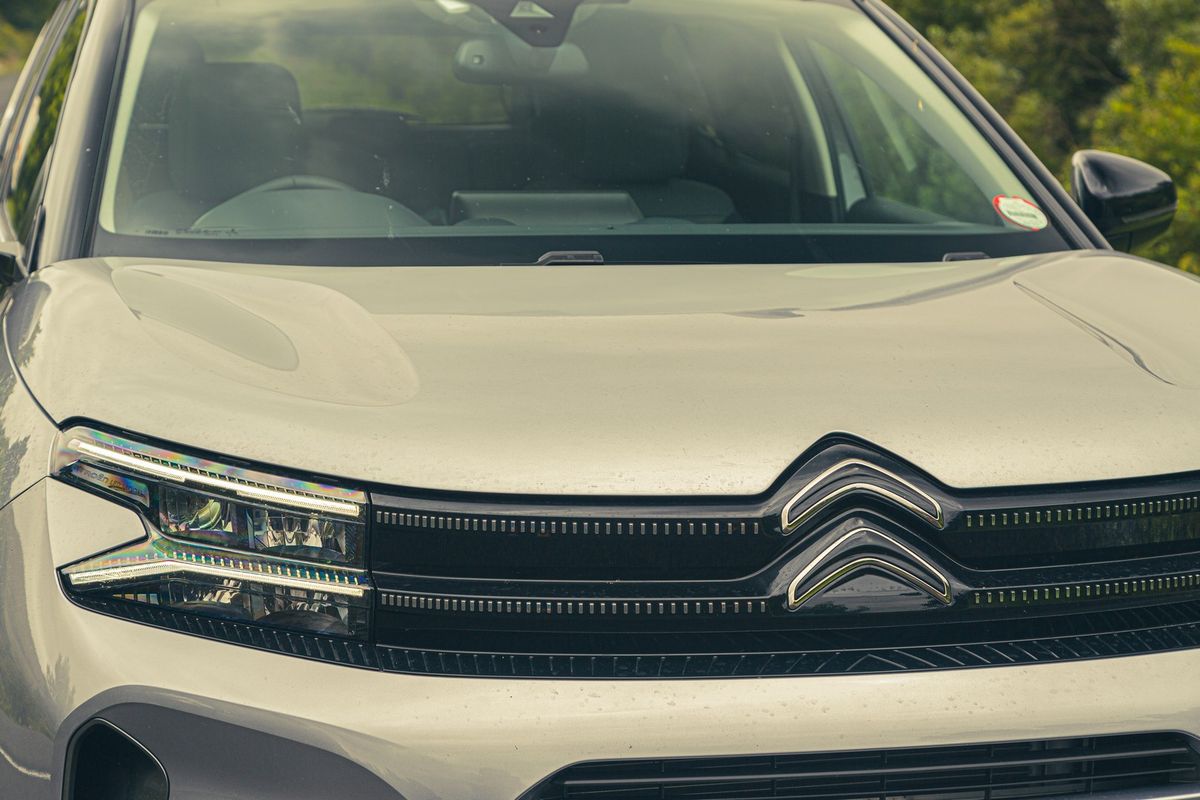
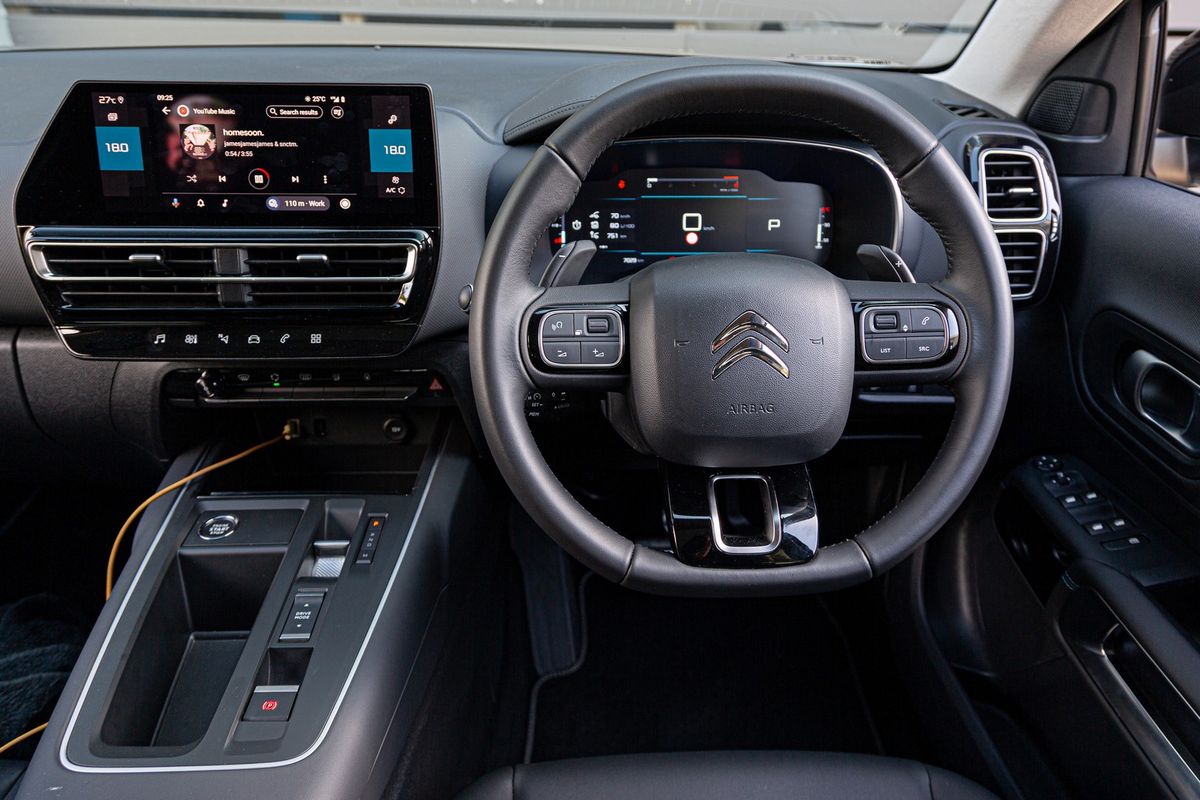
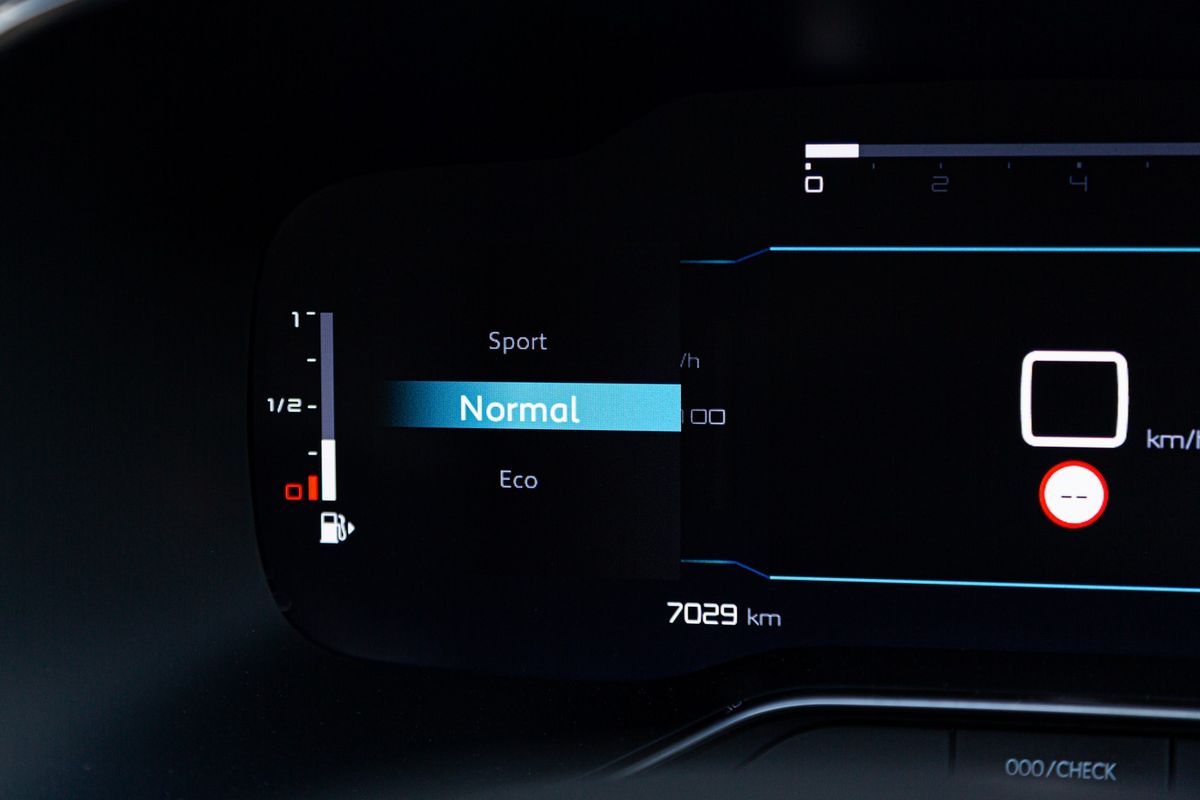
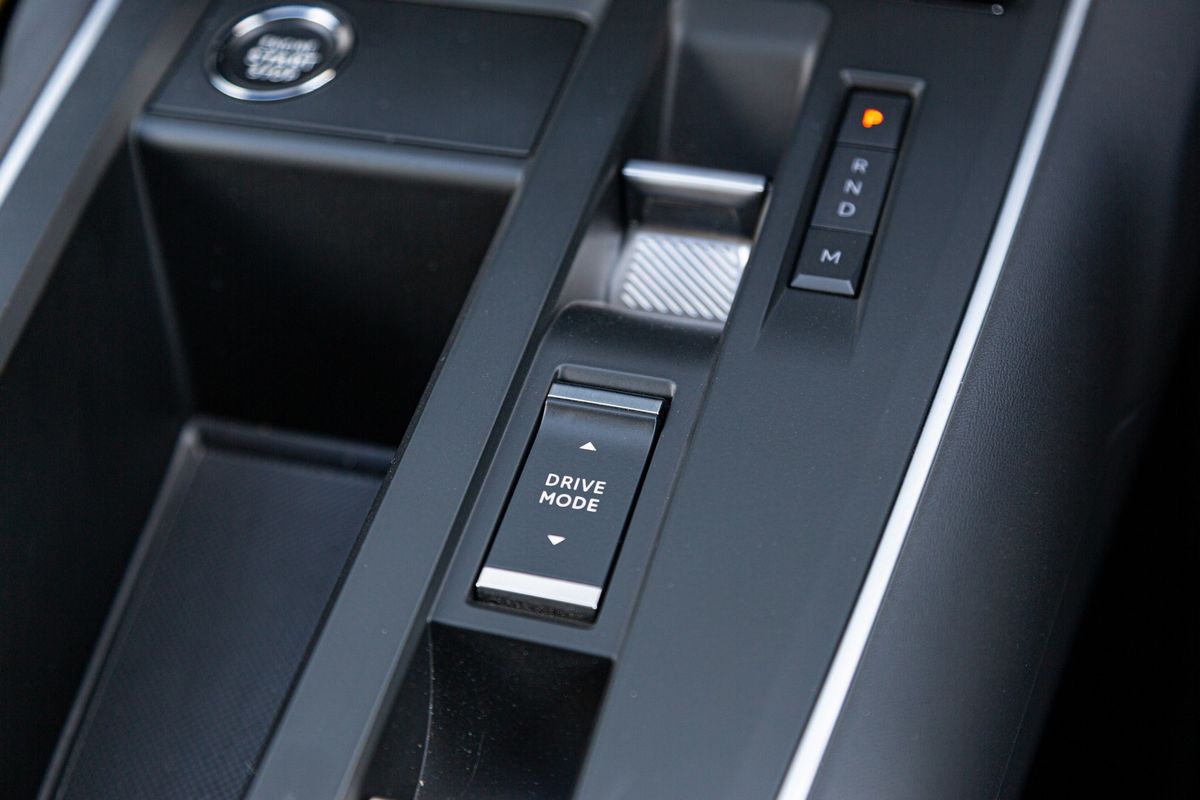
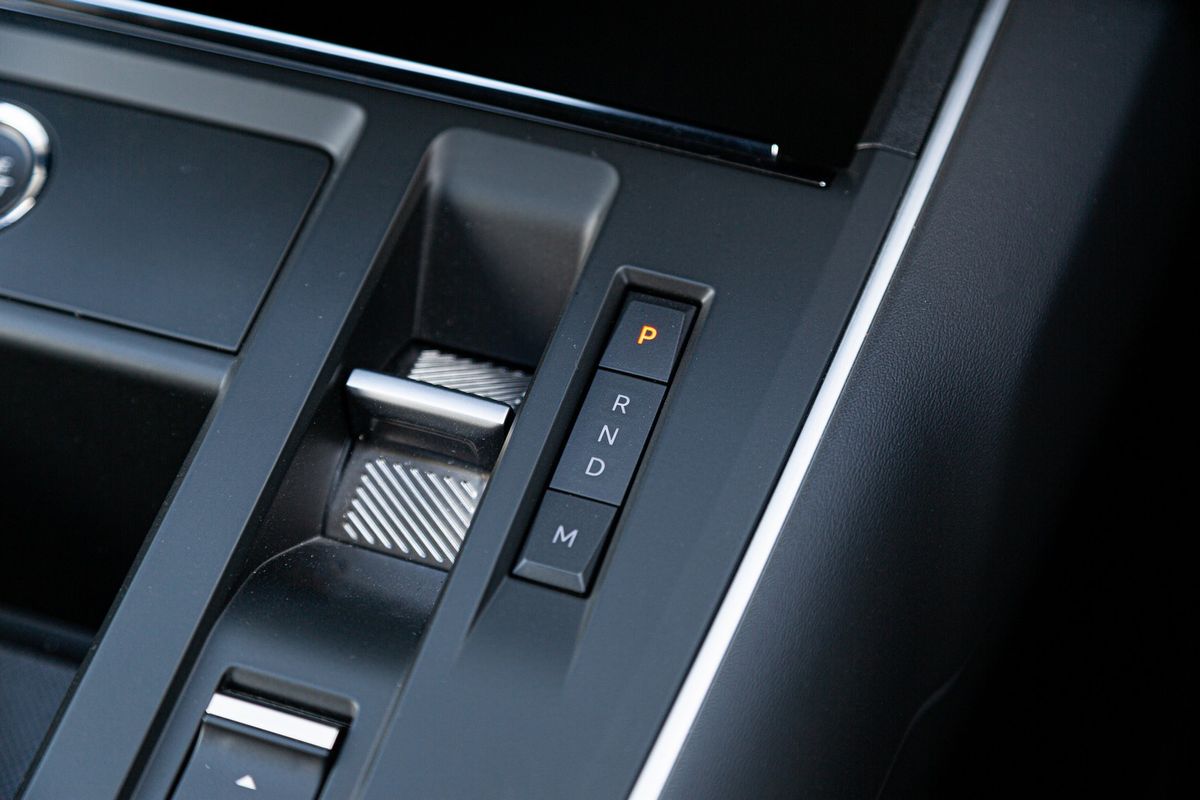
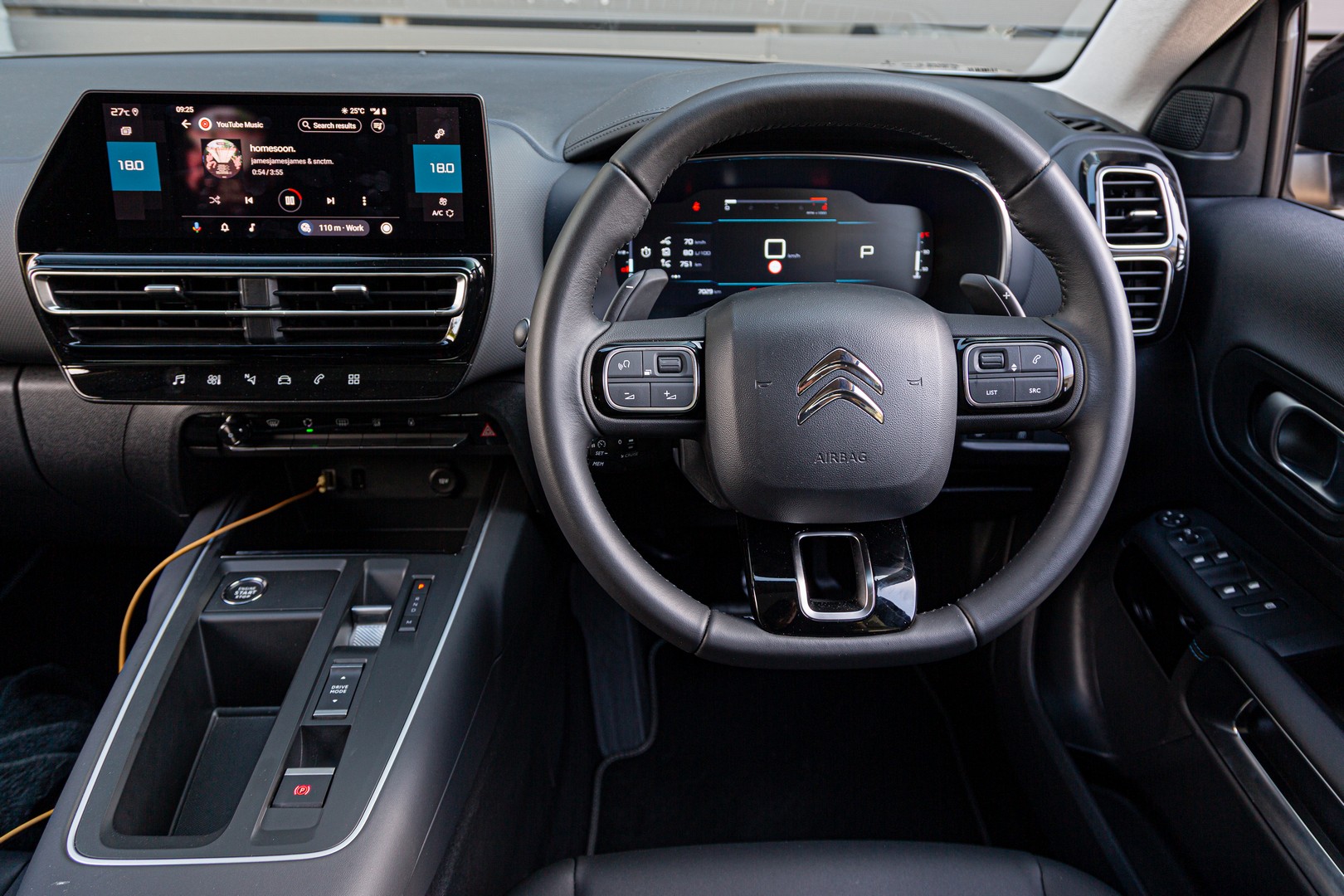
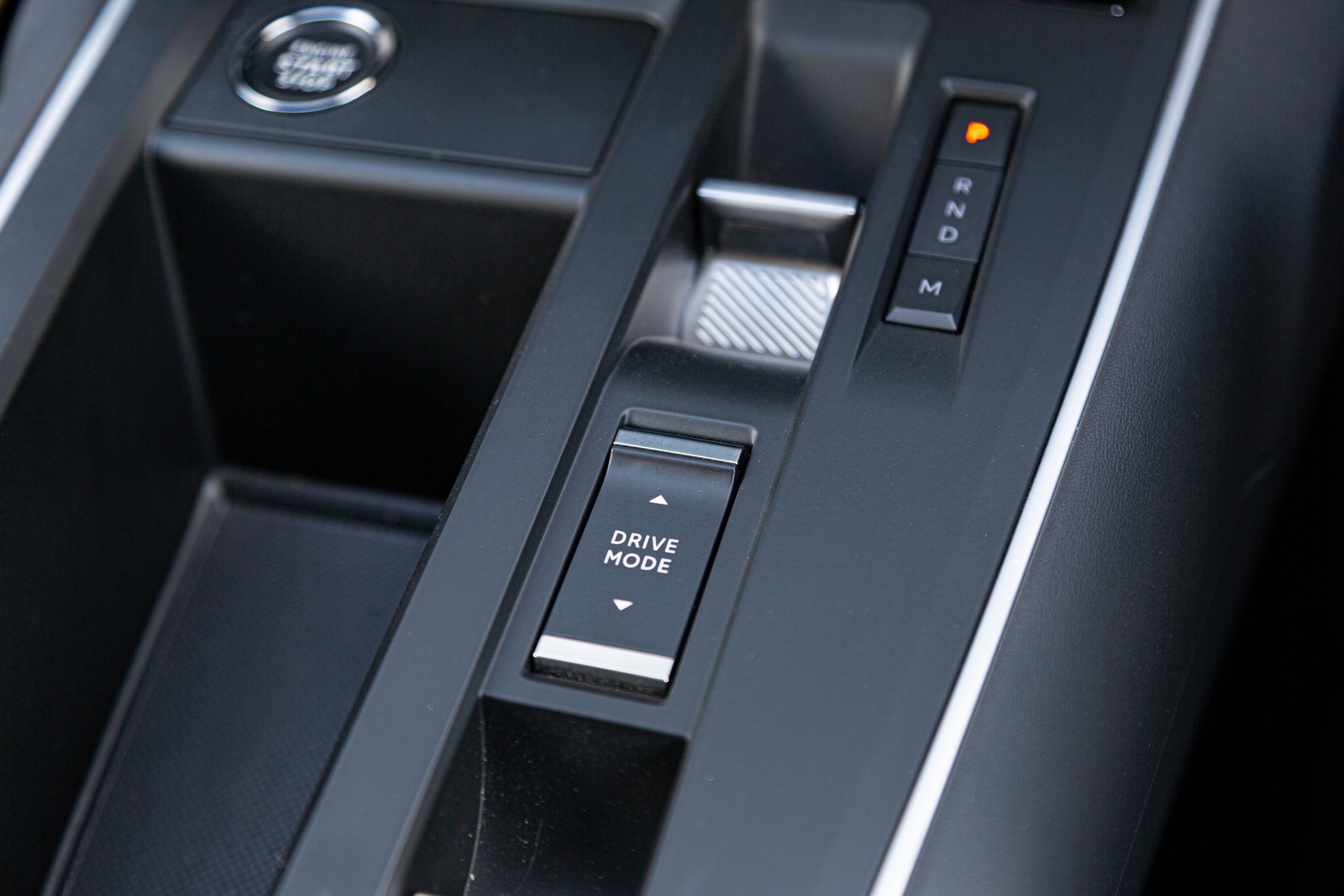
The new-look front end is characterised by a restyled bumper, -headlight clusters and -daytime running lights, while the rump features a revised tail-lamp arrangement. The most notable changes appear in the cabin: the conventional transmission lever has been replaced by a smarter, neater selector switch, which frees up space, plus drive modes have been introduced (Eco, Normal and Sport). On the pre-facelift car, there was a sport button only – it essentially forced the transmission to hold onto the gears a bit longer.
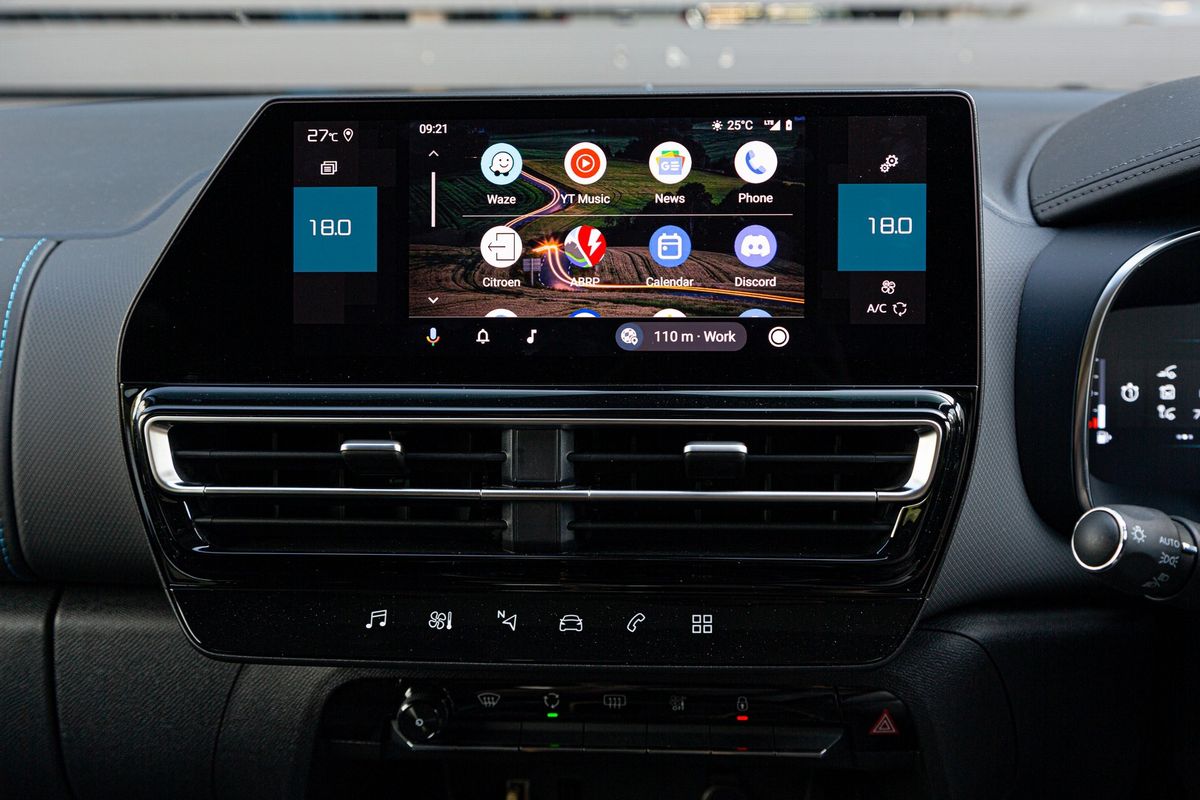
The transmission selector switch and bigger infotainment touchscreen are new.
From the driver’s seat, it’s apparent that Citroen has updated the fascia and infotainment setup with the slightly larger touchscreen repositioned for a better user experience. The fit-and-finish is generally okay, but there are some cheap-feeling materials that feel out of place in a vehicle that costs almost R700 000.
Cabin space is still exceptionally generous
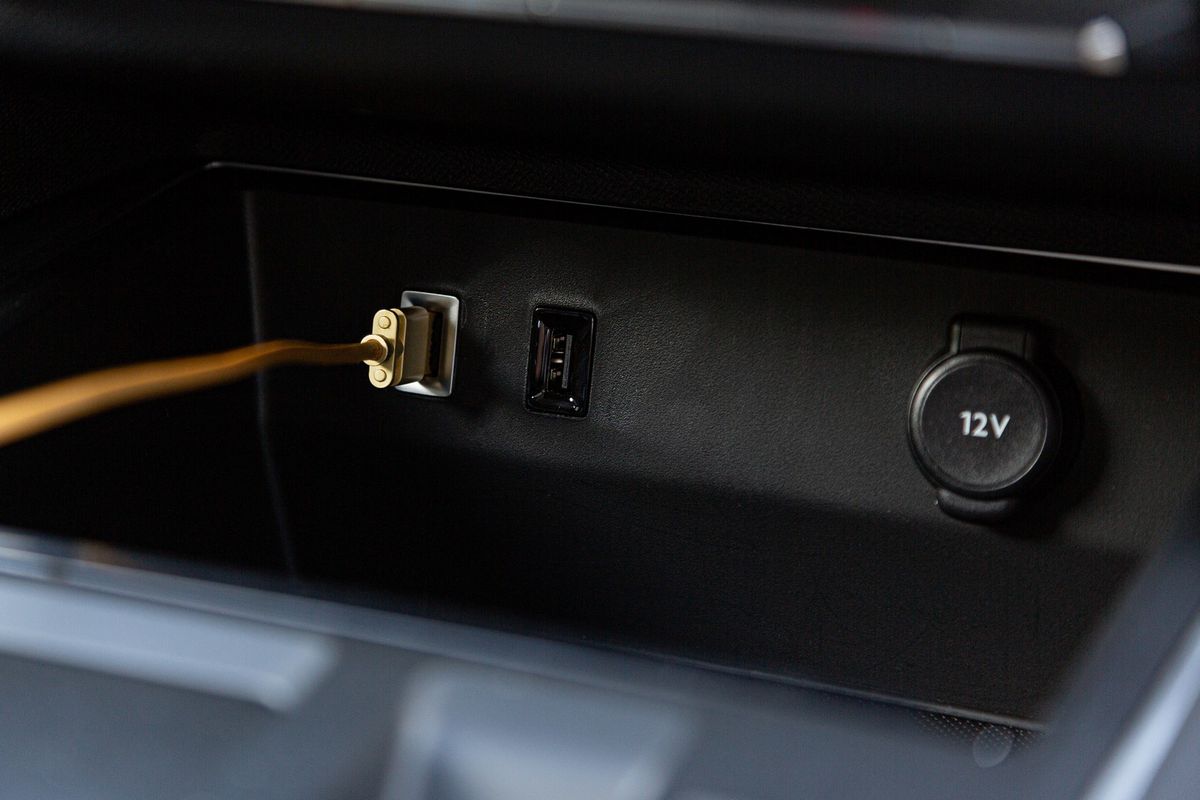
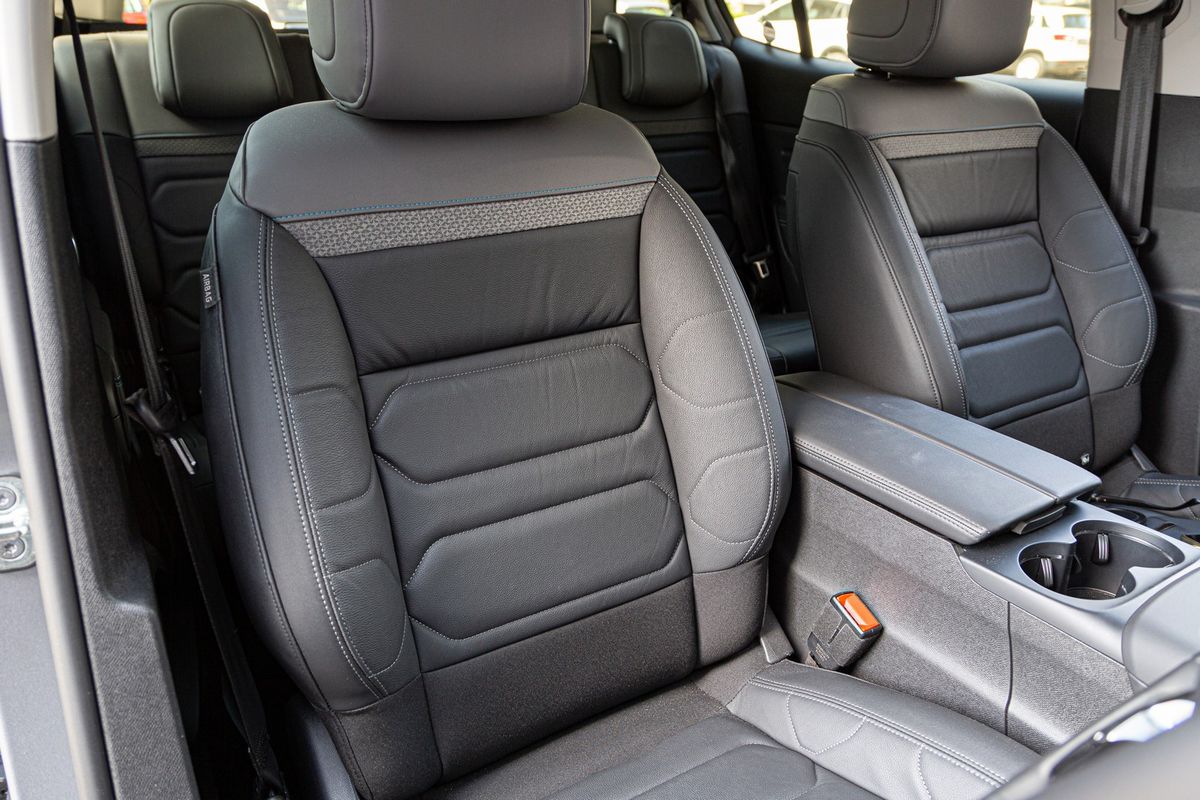
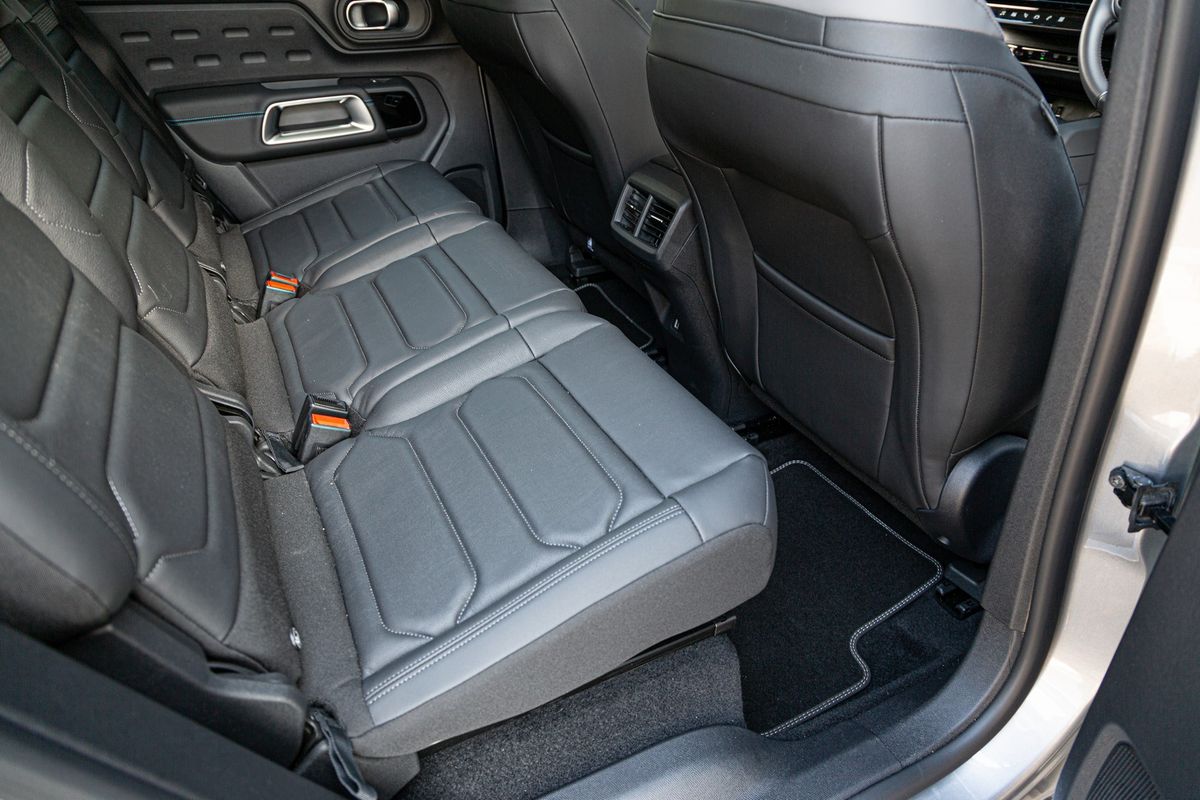
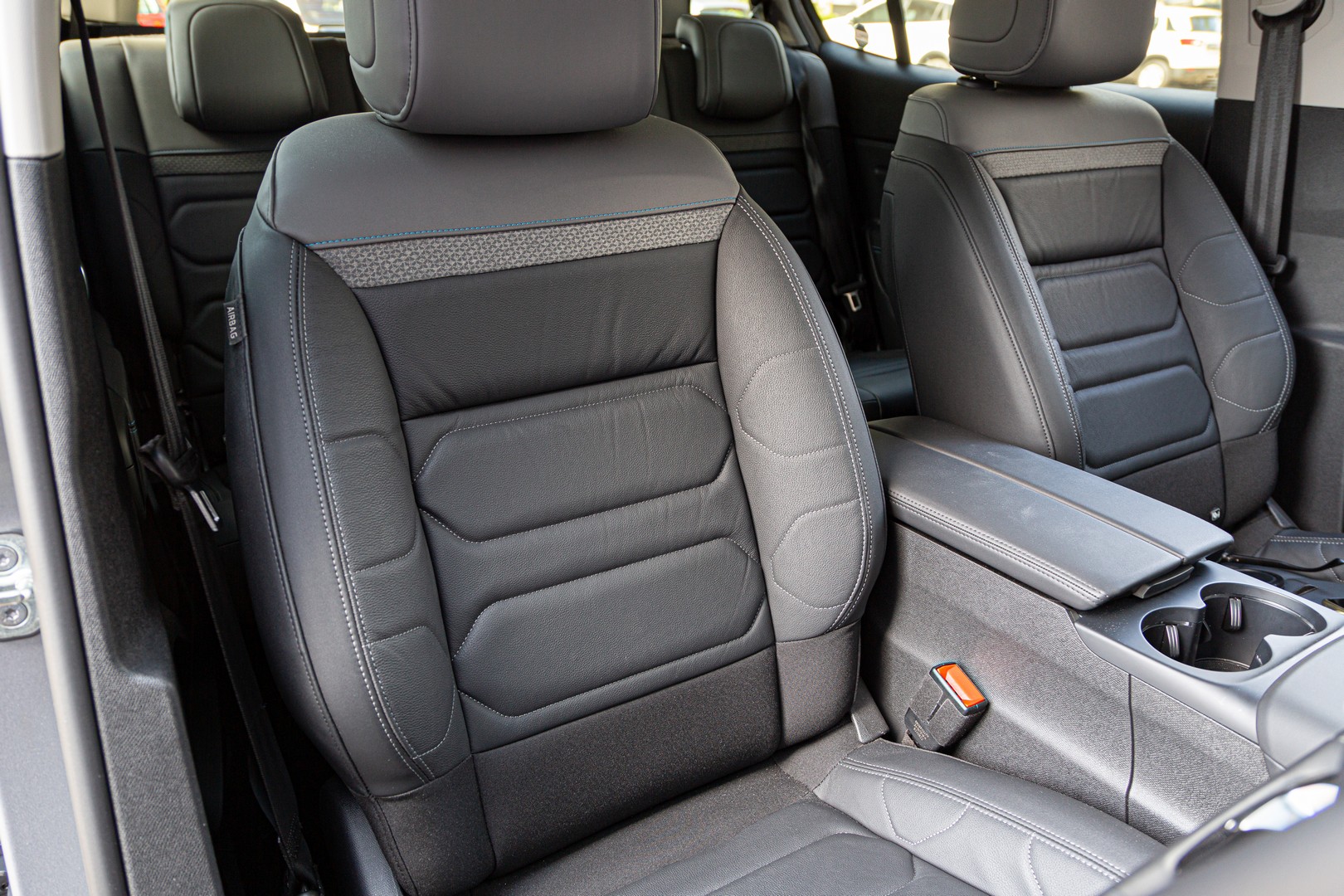
Space and practicality remain major strengths of the C5 Aircross package. Thanks to a wheelbase that measures 2 730 mm, the Citroen has plenty of space for all occupants and second-best-in-class load capacity (it loses out to the Toyota RAV4). The seats look stylish (and are superbly comfortable), there’s an abundance of interior storage solutions (the central armrest is deep enough to take a pair of 2-litre bottles) and rear legroom is generous (even for adults). Rear occupants also get a USB charging point.
Ride and Handling
Meanwhile, the Citroen C5 Aircross continues to deliver a refined, comfortable driving experience.
The range-topping 1.6T Shine derivative’s 18-inch alloys look the part and they’re shod with 235/55 tyres that have adequate sidewall depth to help the suspension soak up road imperfections, which is just as well, seeing as many of our roads, not just the minor ones, are in a sorry state (with myriad potholes).
Citroen’s lounge-like seats are some of the best in the business.
The 1.6T Shine’s general ride quality favours occupant comfort, which is praiseworthy, considering that so many carmakers have tried to imbue their medium SUVs with a sporty bent – often at the expense of refinement. Citroen has done no such thing – the C5 Aircross rides pliantly and the cabin is well insulated from road-, wind- and engine noises; this model is one of the best in the segment, refinement-wise.
As before, the steering setup is lighter than average (it would benefit from more heft), but that lightness is a boon when you need to execute tight parking manoeuvres within the confines of a bustling city.
The Citroen C5 Aircross offers class-leading on-road refinement and a cossetting ride quality.
Citroen claims its family car has a ground clearance of 230 mm, which means there’s some breathing room if you do decide to venture off-tar or hop on a pavement, but there’s no all-wheel drive capability.
Performance and Efficiency
The 1.6T Shine is powered by the same 121 kW/240 Nm 4-cylinder turbopetrol motor as its predecessor, which remains mated with a 6-speed automatic transmission. Citroen claims a 0-100 kph time of 10.5 sec and, when we tested the SUV’s acceleration, our gear showed that that time was almost bang-on.
New drive modes and a new gear selector
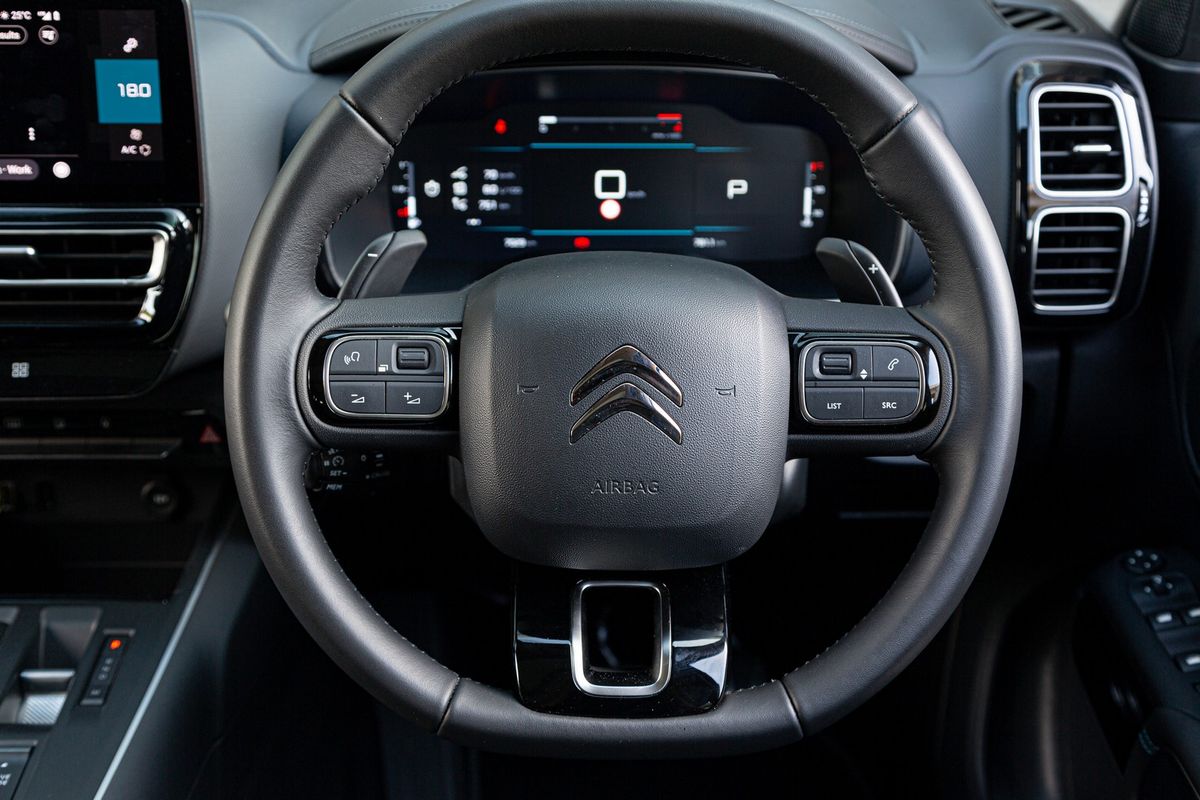
Granted, 10.5 sec doesn’t sound brisk, but the C5 Aircross’ in-gear acceleration feels livelier than that. There are shift paddles mounted on the steering wheel, but, as before, the car’s transmission swaps cogs so slickly and efficiently that they seem a bit superfluous; we can’t say they’re a joy to use either…
A staple of Stellantis-group products, this engine-transmission combo is tried and trusted. Some of the Citroen’s rivals, such as the CX-5, have naturally aspirated (non-turbo) engines, which can feel sluggish in Gauteng’s thinner air. The C5 Aircross, however, is almost unaffected by altitude-related power loss.
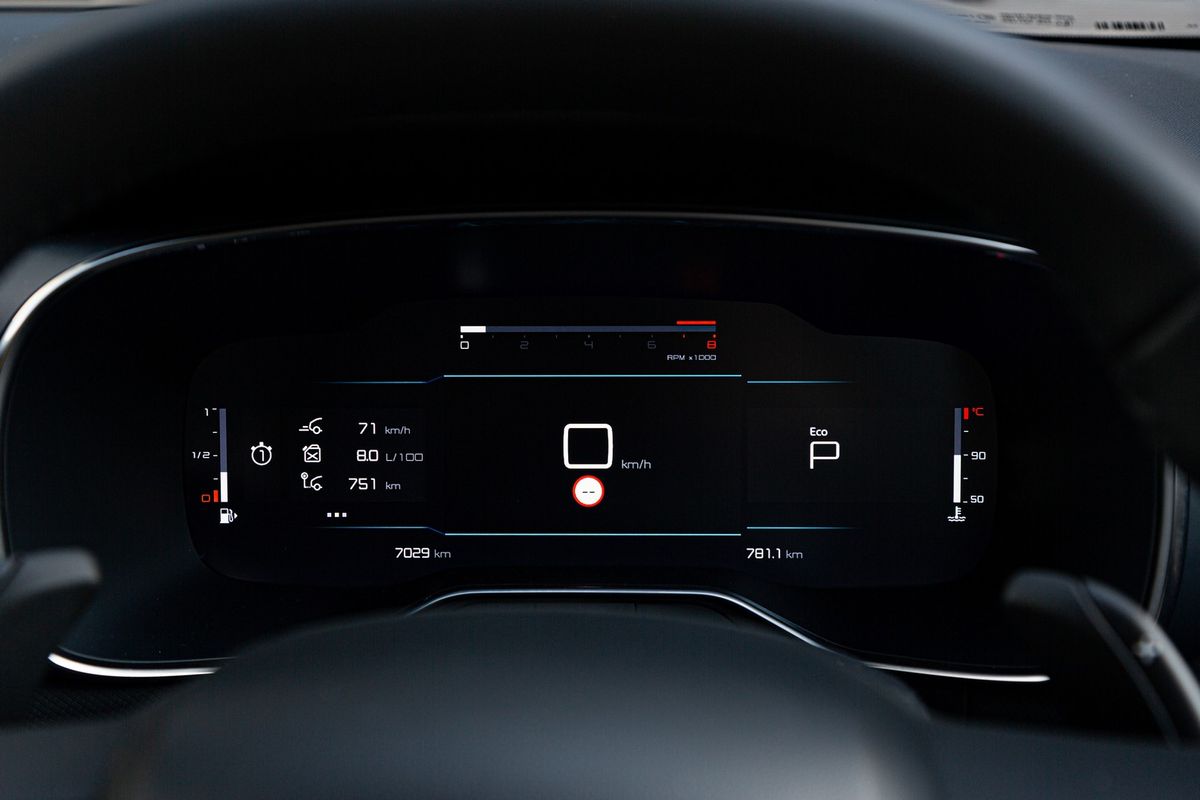
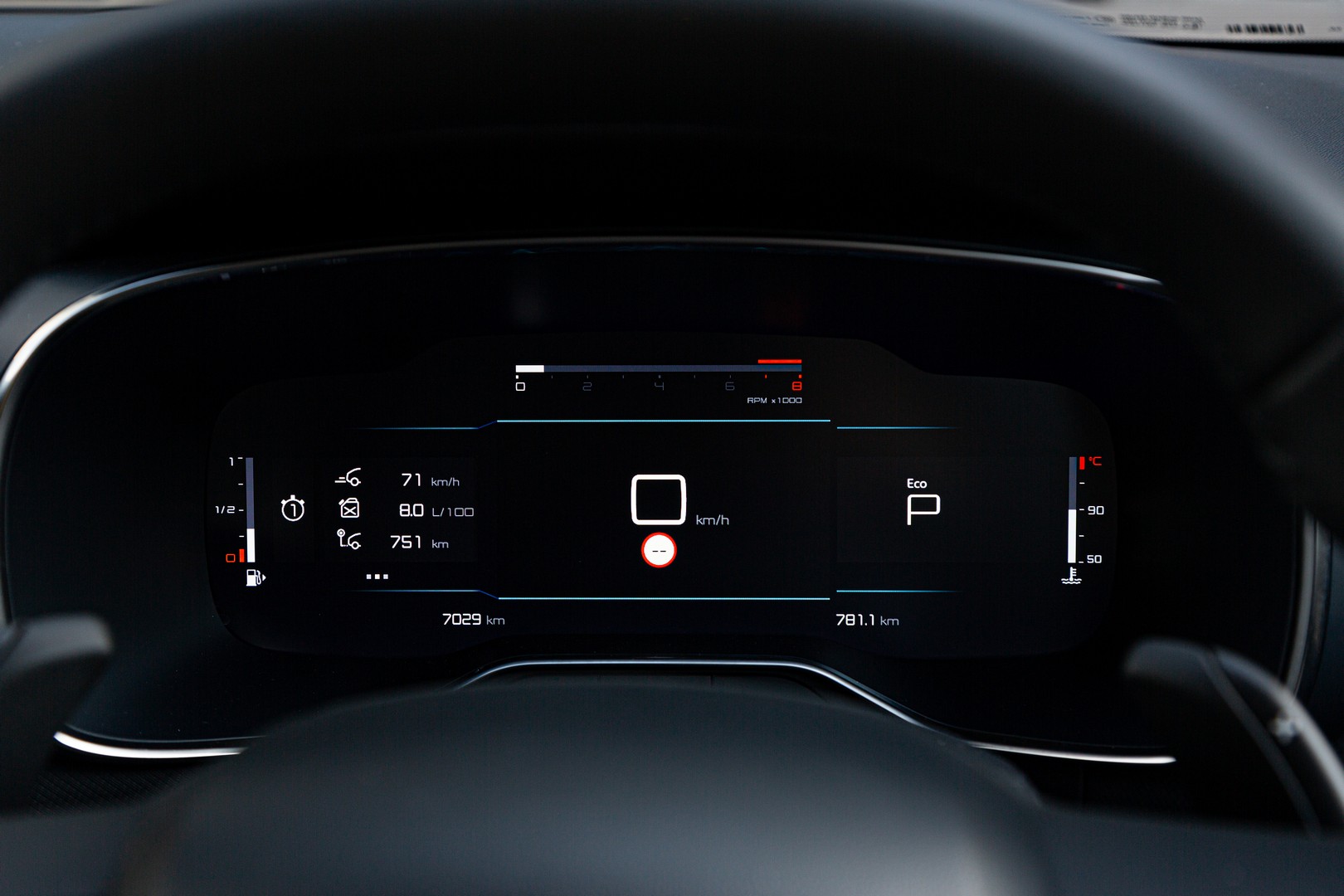
The digital instrument cluster has easily legible graphics.
Citroen claims an average fuel consumption of 7.9 L/100 km for the C5 Aircross and, by the end of the test unit’s tenure in our fleet, the 1.6T Shine indicated a return of 8.0 L/100 km. That looks quite okay, but then we drove on the open road most of the time, so we assume that the French car’s consumption will increase with prolonged town driving, where it will be thirstier than its rivals. It has a 53-litre fuel tank.
Tech and Safety features
All C5 Aircross derivatives are well equipped; the 1.6T Shine comes with nice-to-haves such as LED daytime running lights, front fog lights, dual-zone climate control, cruise control with speed limiter, 6-speaker audio system, Apple CarPlay/Android Auto and 2 pairs of USB-A ports and 12V power outlets.
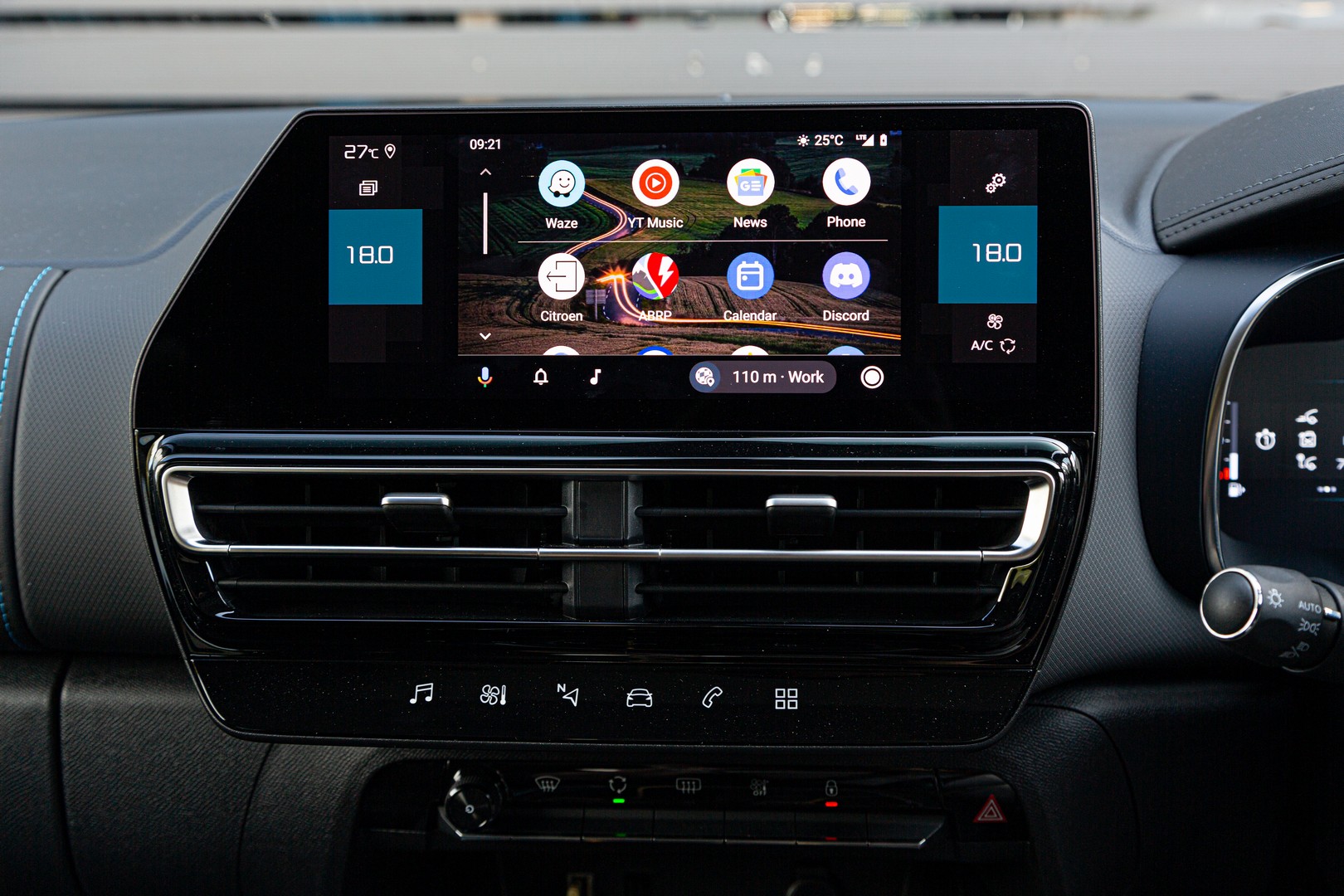
Apple Carplay/Android Auto is standard, but there’s no button to adjust the temperature.
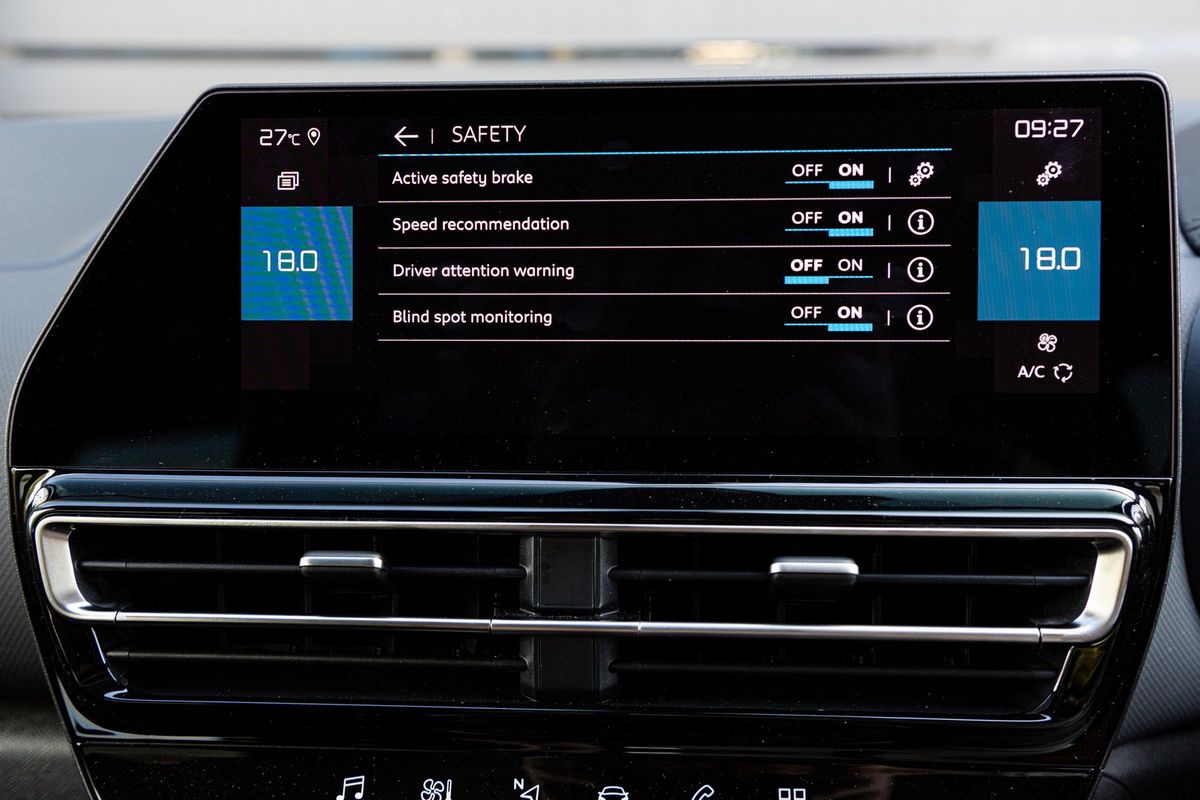
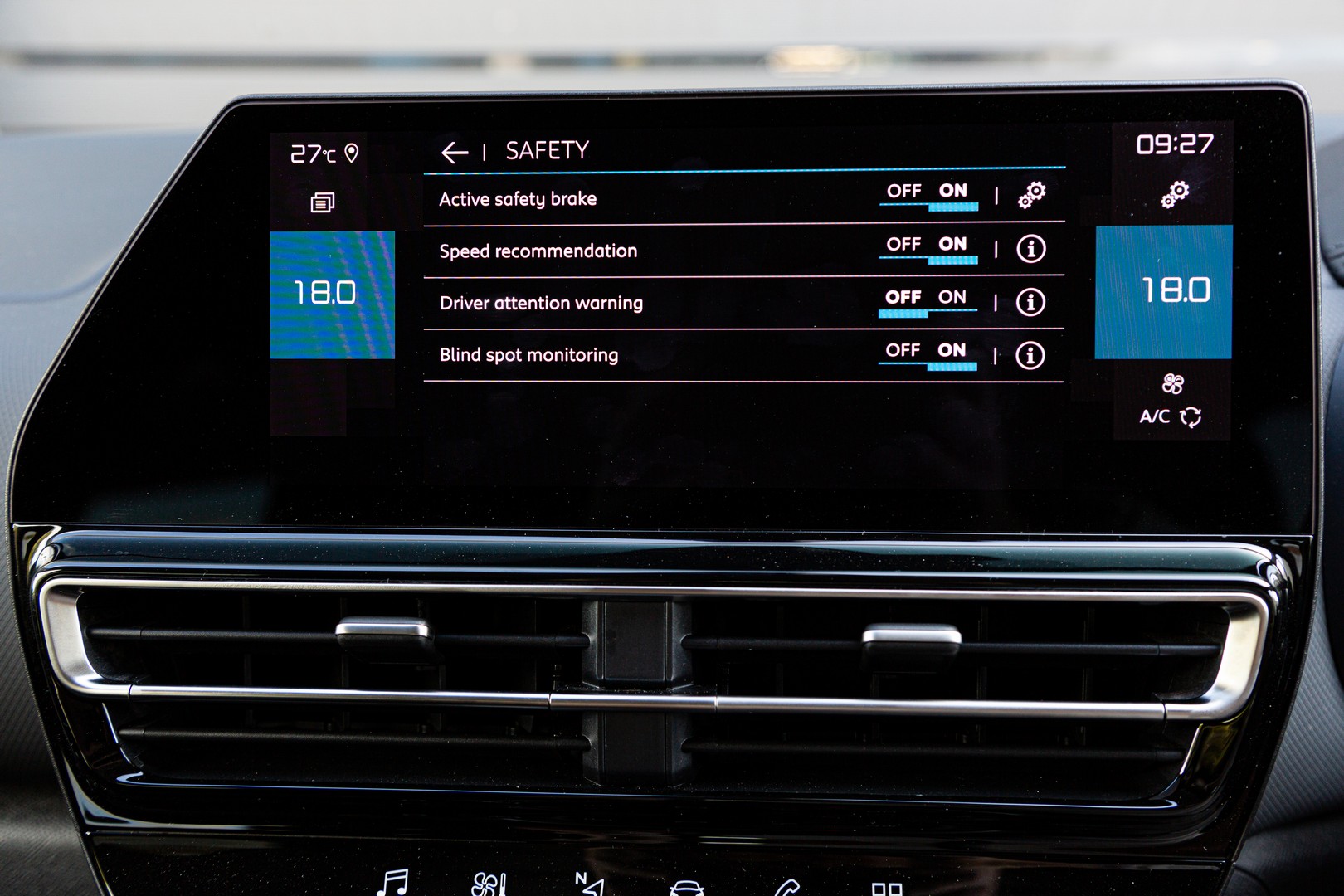
Flagship Shine trim adds the following: powered tailgate, roof rails, electrically adjustable driver’s seat, keyless start, front/rear park distance control, reverse-view camera, 180-degree park assist, as well safety technologies such as active safety braking, collision detection alert and blind spot monitoring.
The top-spec has excellent driving assists
Frustratingly, our criticisms of the pre-facelift C5 Aircross have not been addressed with this new model. You are still unable to adjust the climate control unless you access a relevant menu on the touchscreen. There are no physical ventilation controls, so if you have Apple CarPlay or Android Auto running, you’ll have to exit these connectivity apps to adjust your cabin temperature… and then activate them again.
Price and After-sales Support
The Citroen C5 Aircross 1.6T Shine retails for R683 900, which includes a 5-year/100 000 km warranty as well as a 5-year/100 000 km maintenance plan.
Verdict
The Citroen C5 Aircross still exudes nonconformist appeal, but it’s a harder sell.
Has Citroen done enough with the updated C5 Aircross to stay competitive now that the medium SUV segment hosts new arrivals from several brands? We don’t think so, and the problem is two-fold: the package has not been improved in notable ways, plus the price of the vehicle has increased significantly.
Back in January 2021, the C5 Aircross retailed for R509 000 and now, merely 2 years later, there’s been more than a 25% increase in price, with very little other than a new face and updated trim to show for it.
It’s a pity, because the Citroen’s nice to drive, spacious and generously specced – in those respects, it is every bit good as the best models in the segment. Its predecessor was priced keenly, which was quite the sweetener, but that’s no longer the case; most of the C5 Aircross’ rivals offer superior value.
Refreshed BMW X5 and X6 M Competition Go Mild-Hybrid
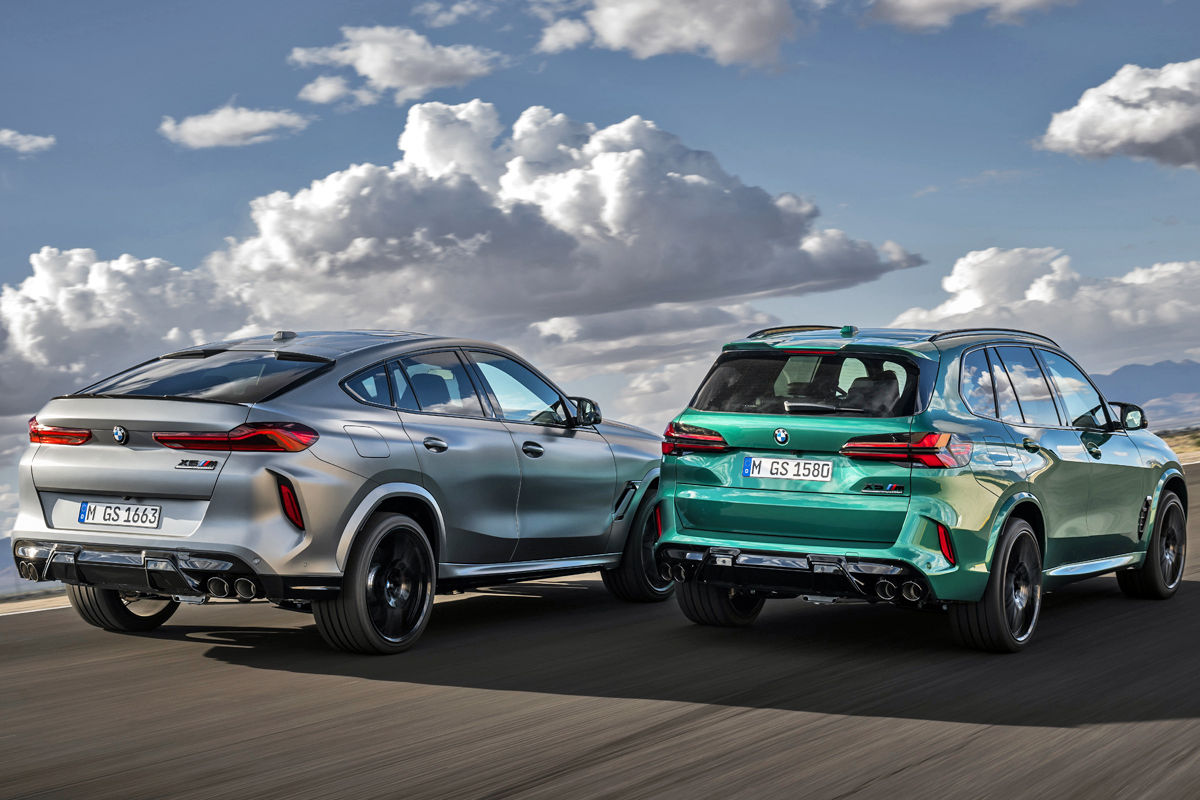
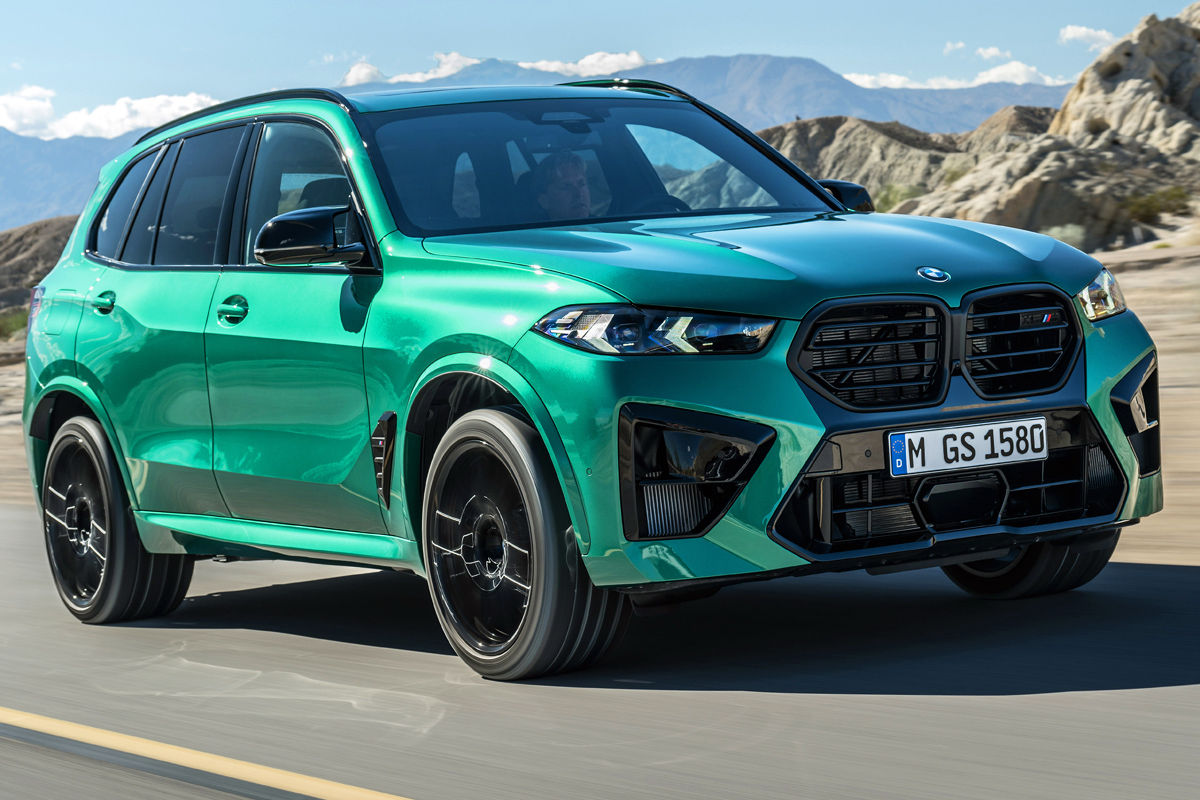
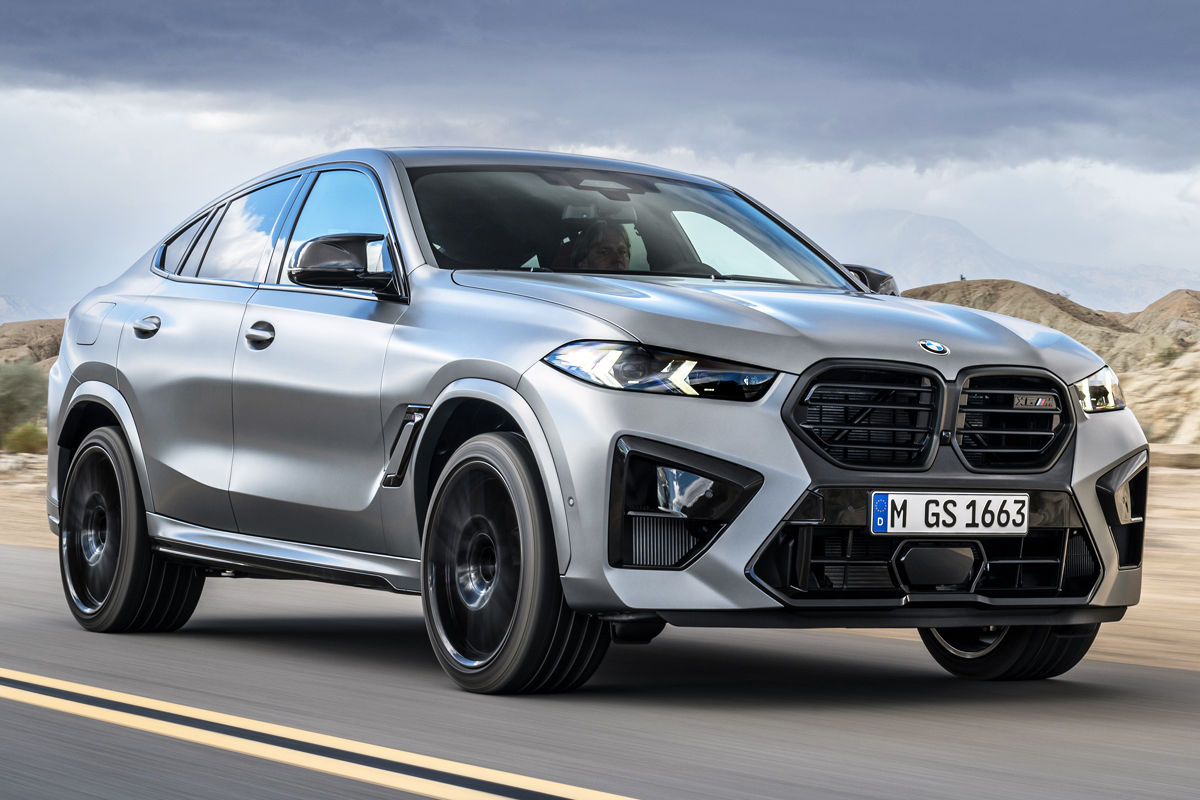
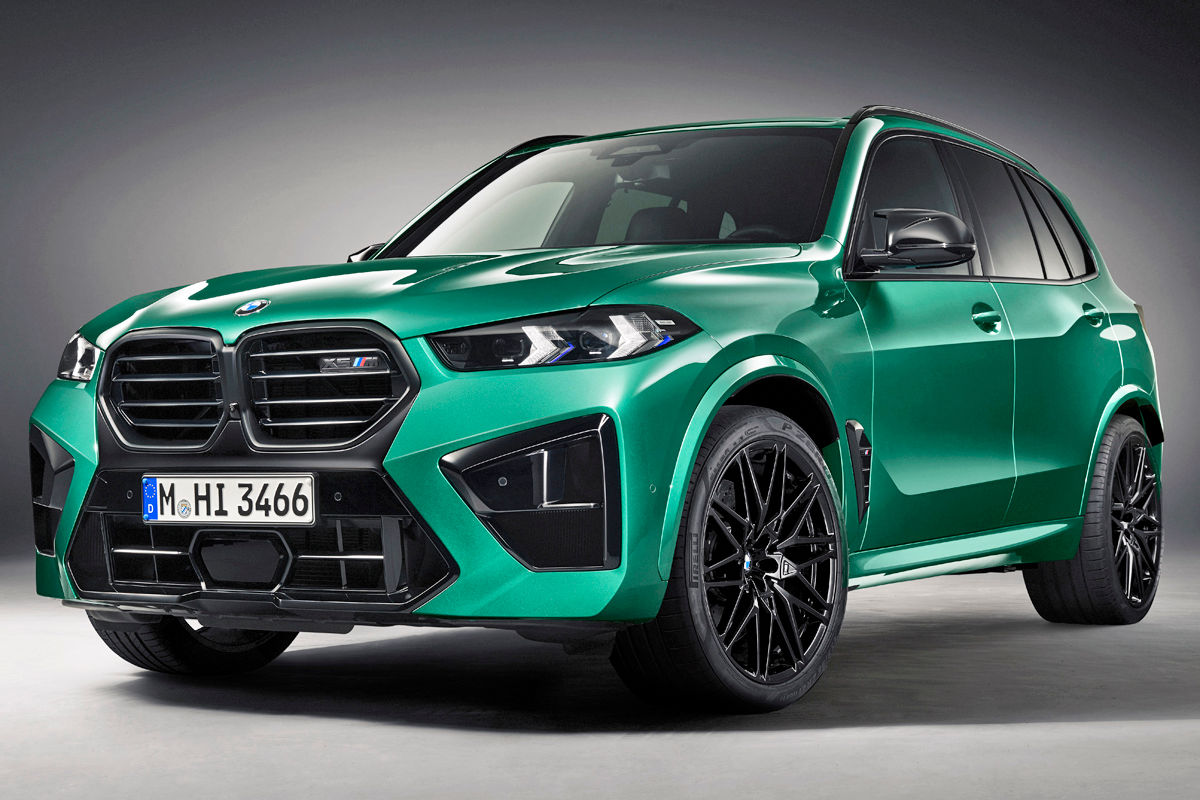
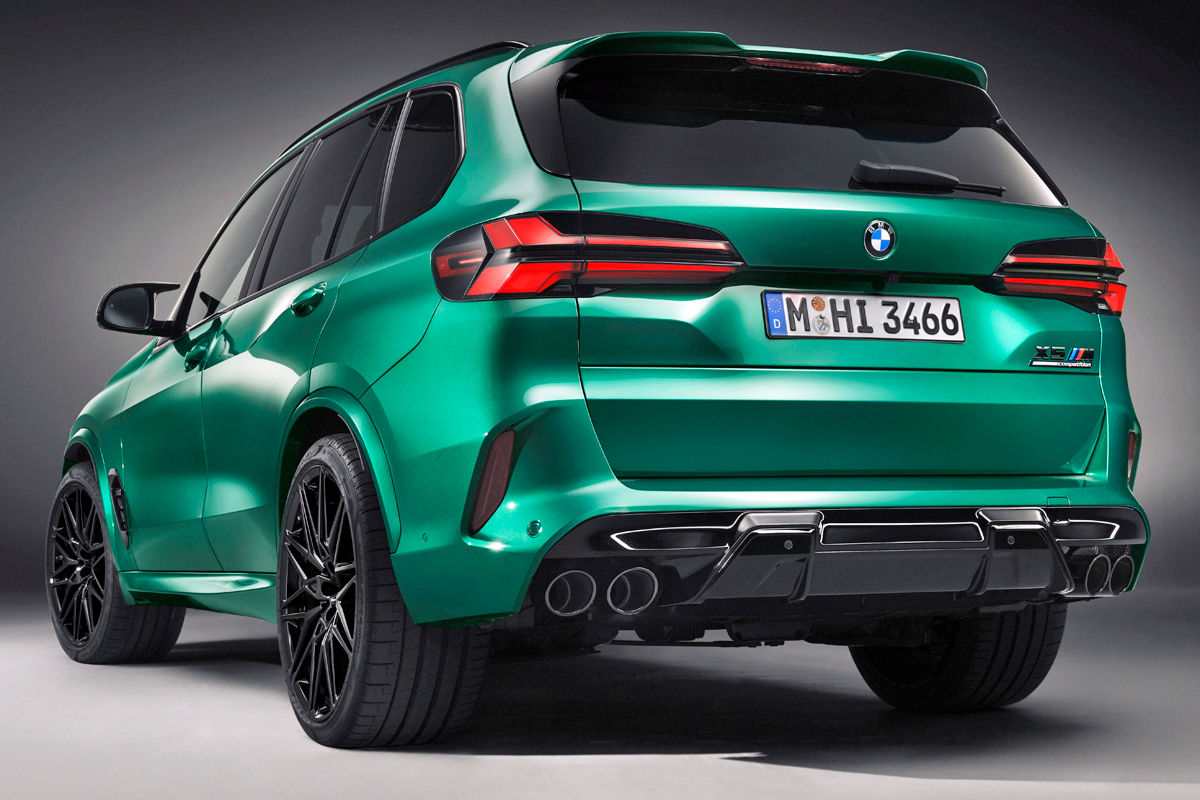
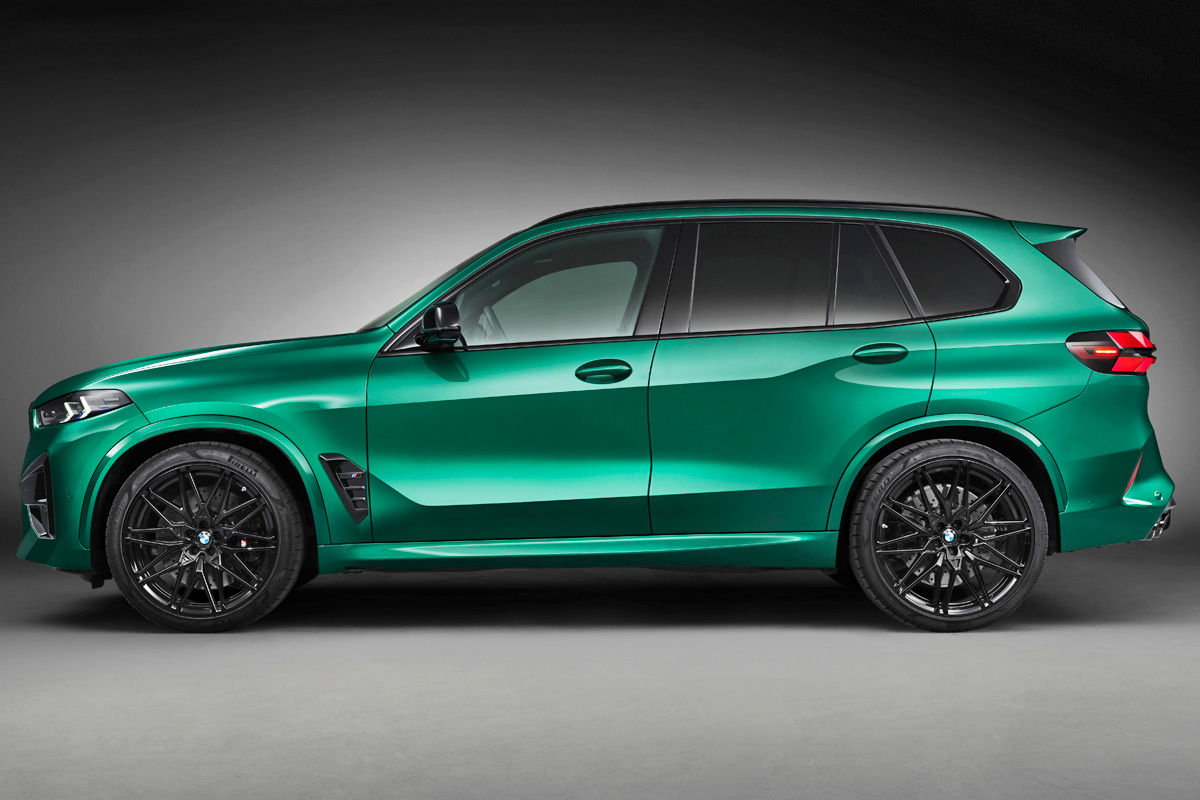
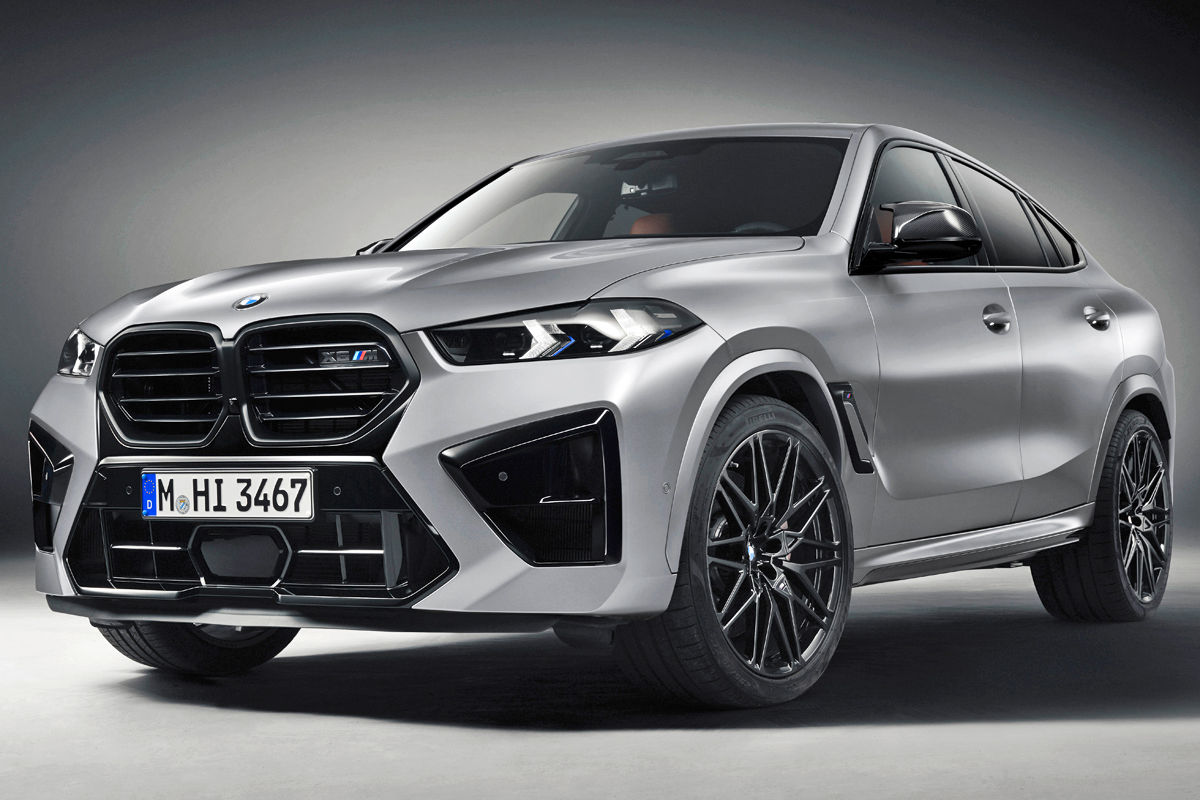
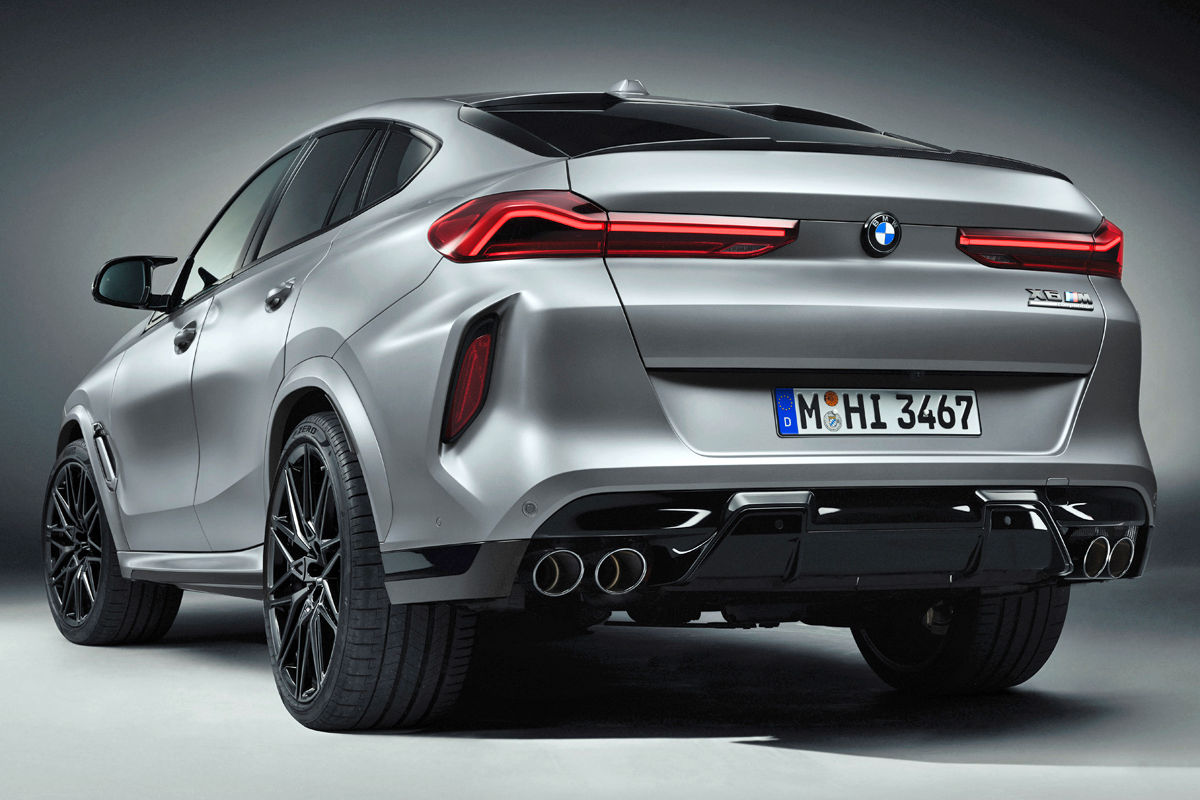
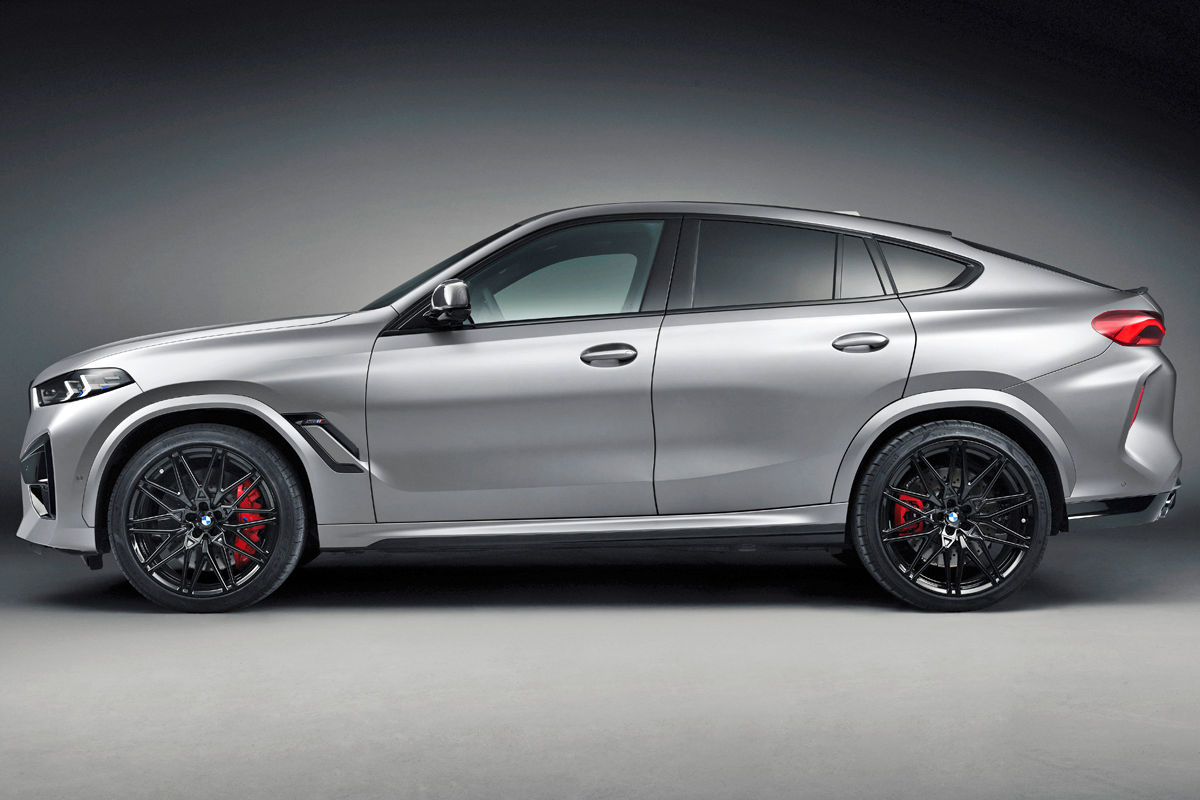
BMW has revealed facelifted versions of its X5 M Competition and X6 M Competition, with both V8-powered high-performance SUVs gaining mild-hybrid assistance…
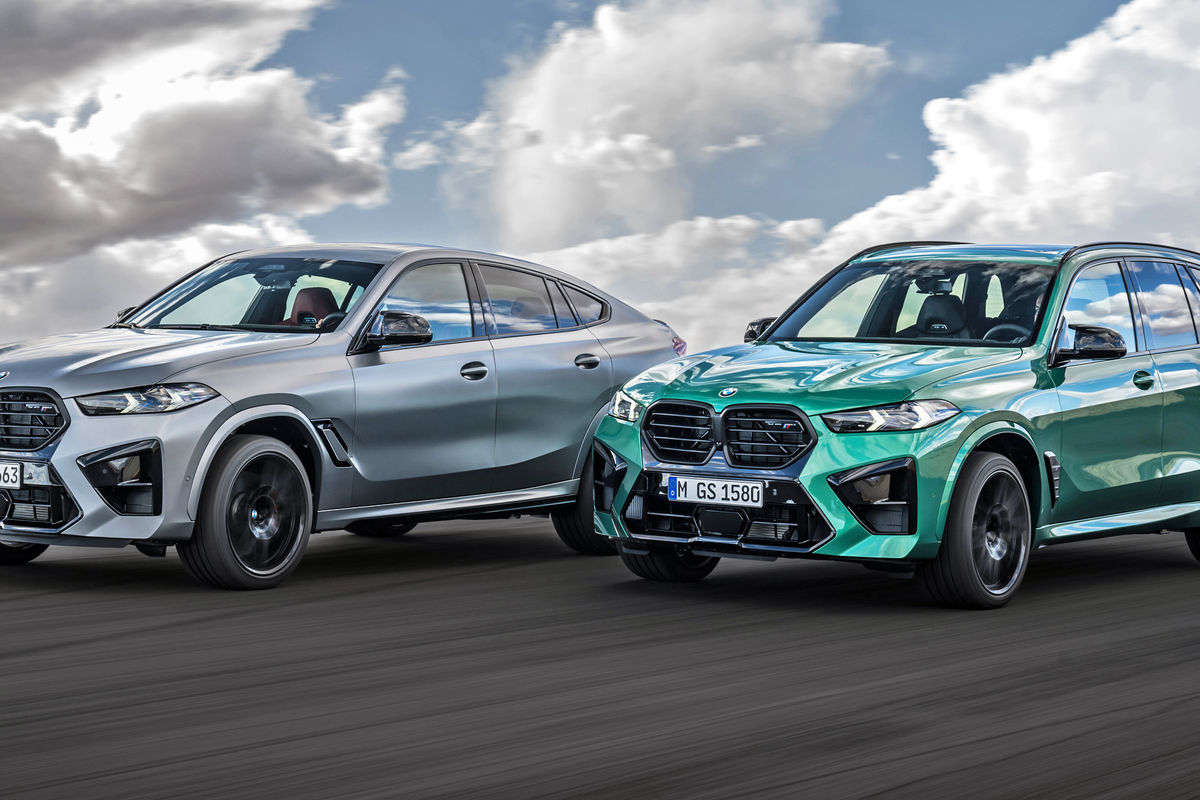
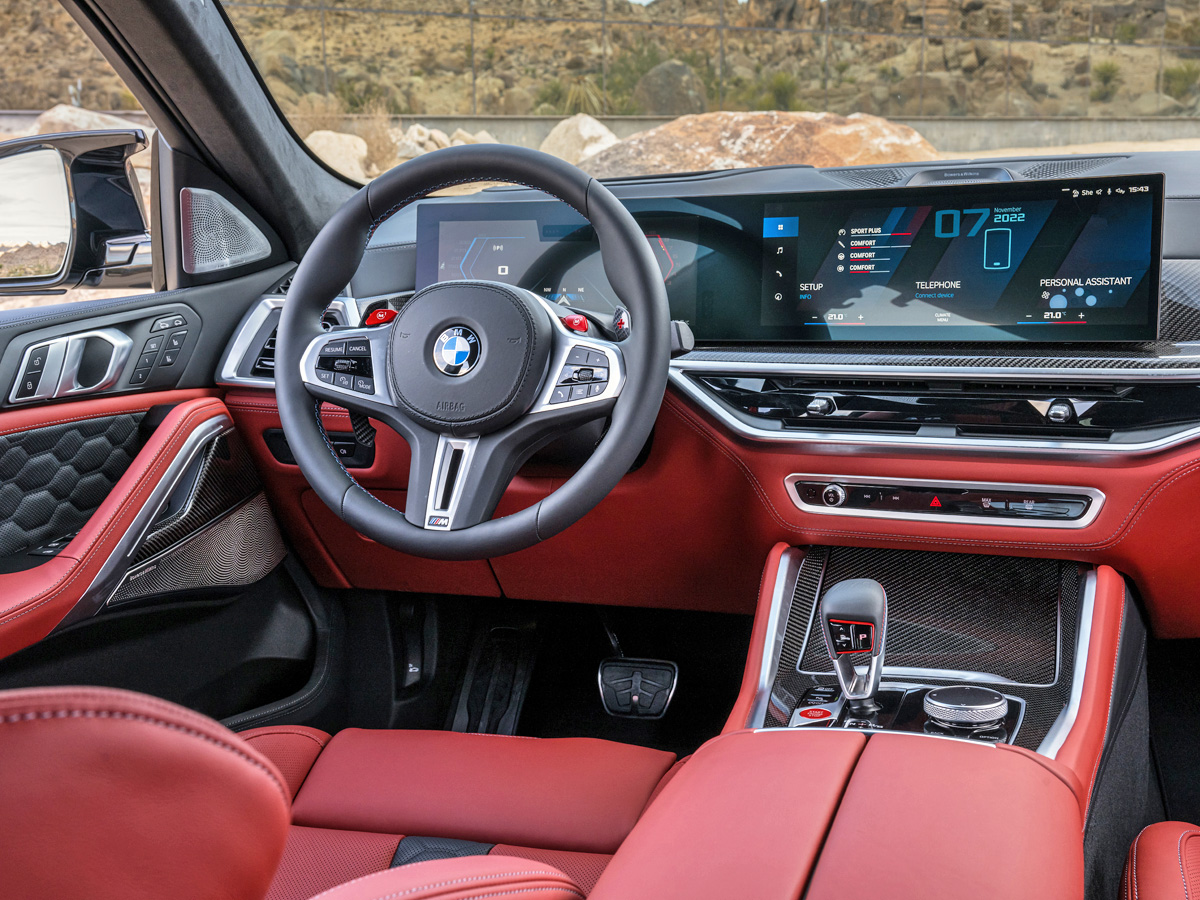
The BMW M division has rolled out its first high-performance models featuring 48V technology, with the refreshed X5 M Competition and X6 M Competition going the mild-hybrid route.
Following hot on the heels of the likewise facelifted standard iterations of the G05-generation X5 and G06-generation X6, the full-fat M versions have been electrified, while also scoring design updates and fresh technology. Both versions are scheduled to arrive in South Africa from the 3rd quarter of 2023.
While the twin-turbo 4.4-litre V8 petrol engine’s peak outputs of 460 kW and 750 Nm are unchanged, the new electric motor integrated into the revised 8-speed M Steptronic transmission delivers up to 9 kW and 200 Nm of additional power and torque, while also functioning as a crankshaft-mounted starter generator. Energy is supplied by a 48V battery – which is charged through what BMW describes as “highly efficient adaptive recuperation under braking and on the overrun” – housed in the engine compartment. Of course, this adds more heft, with the updated X5 M Competition’s listed unladen (DIN) weight coming in at 2 400 kg, an increase of 90 kg compared with the pre-facelift version.
The 8-cylinder unit, meanwhile, gains a reinforced crankshaft drive, “further developed” turbocharging, a new air-intake duct and an “optimised” oil supply system and oil separation process. The Munich-based automaker claims the tweaked V8 and the mild-hybrid gubbins take the performance of the SUV twins “to an even more enthralling level”. However, it’s worth noting the claimed 0-100 kph time actually slows a tenth of a second to 3.9 seconds. The WLTP combined fuel economy figure fascinatingly also worsens slightly (now ranging from 12.7 to 13.1 litres per 100 km, up from 12.5).
How else have the X5 and X6 M Competition changed?
BMW has also incorporated new catalytic converters, which ostensibly improve the petrol engine’s emissions. Both the X5 M Competition and X6 M Competition furthermore benefit from a “newly adapted” version of the M xDrive all-wheel-drive system, which teams up with an active M differential at the rear axle, while the latter’s toe-in values have been modified for “greater poise at high speeds”. The standard adaptive M suspension Professional system features reworked electronically controlled dampers and active-roll stabilisation, while the steering has also been revised.
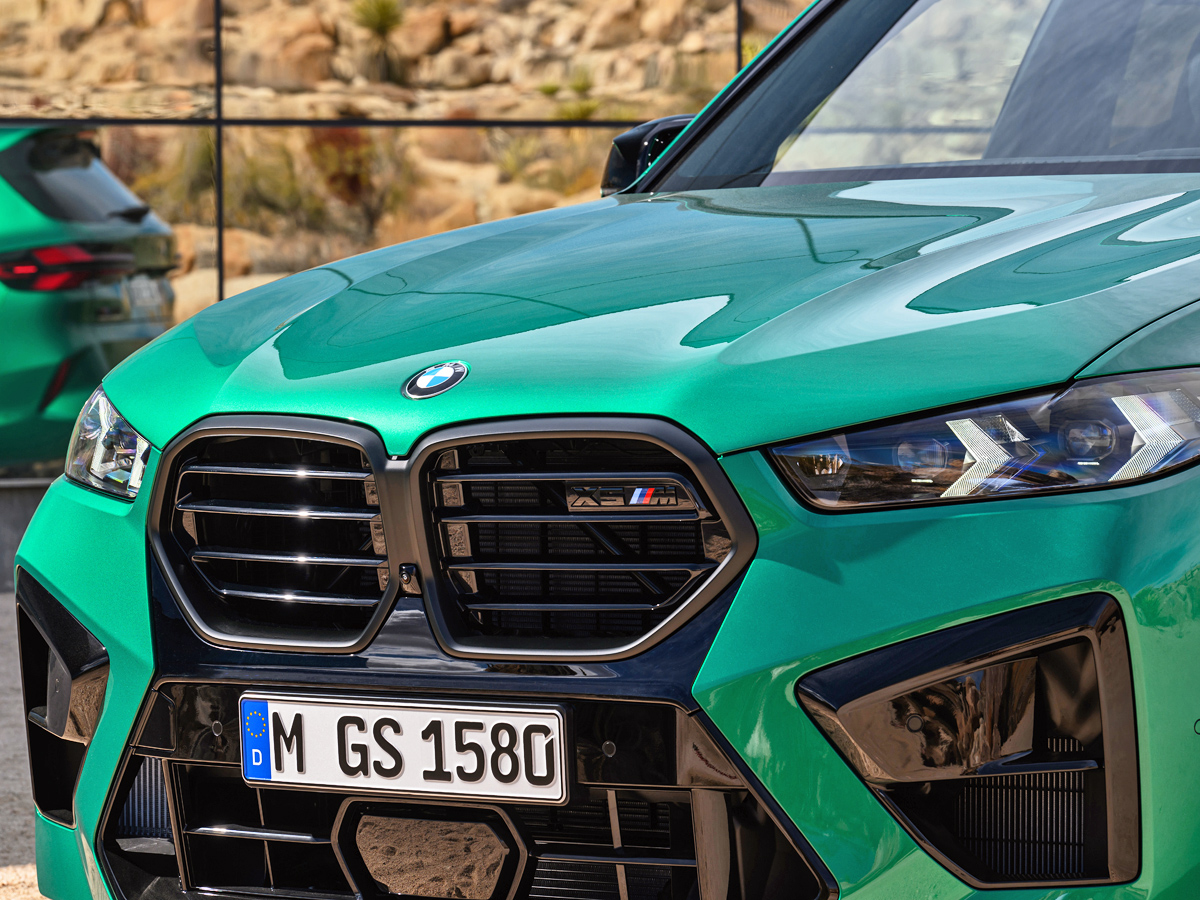
What about styling? Well, the main changes come up front, where both models now boast matrix LED headlights with adaptive control and the “BMW Selective Beam” non-dazzling high-beam system. The outline of each of the new headlight units is 35 mm narrower than before, while the grille is now all-black in colour, features larger model badging and together with the central lower air intake forms an X-shaped motif.
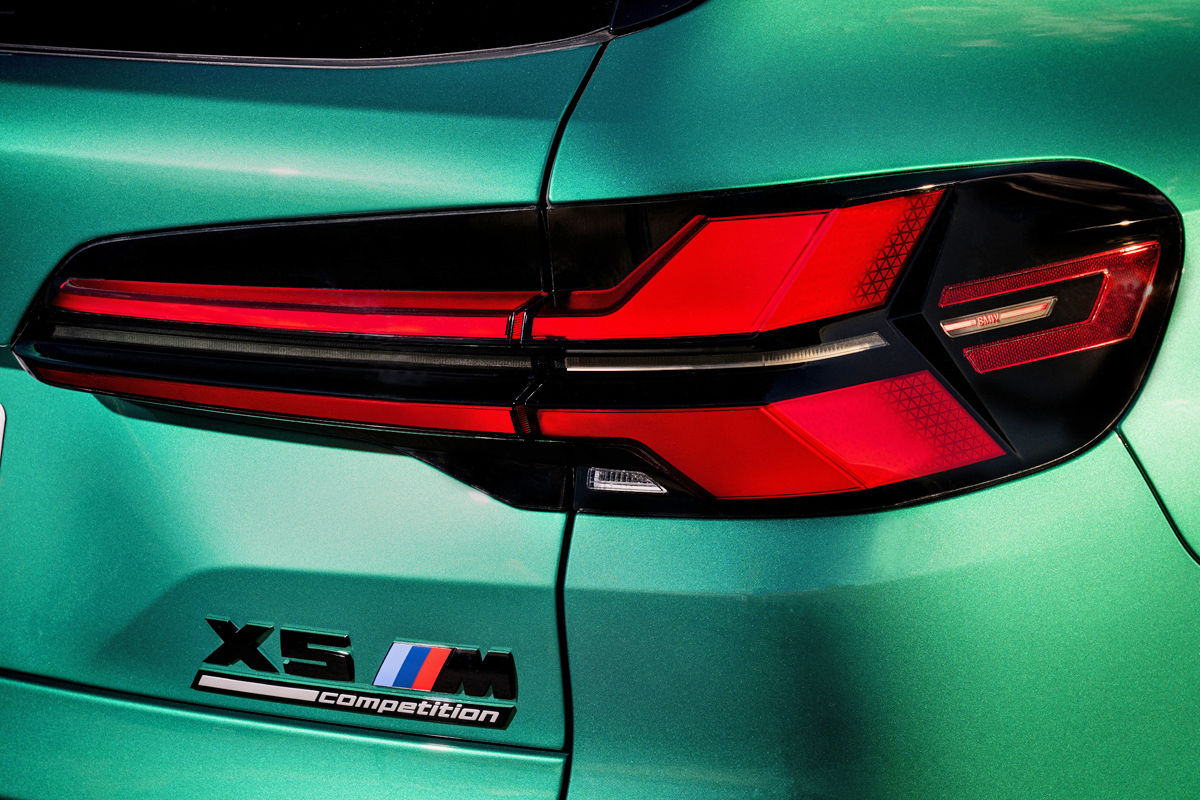
Round back, a prominent diffuser insert extends downwards at the lower edge of the rear apron and provides a border for the 2 pairs of twin-tailpipes. The X5 M Competition also gains X-shaped fibre-optic light-guide elements in its taillights and brake lights. Both models ship standard on 21-inch M light-alloy wheels at the front paired with 22-inch items at the rear.
A look inside the facelifted X5 and X6 M Competition cabins
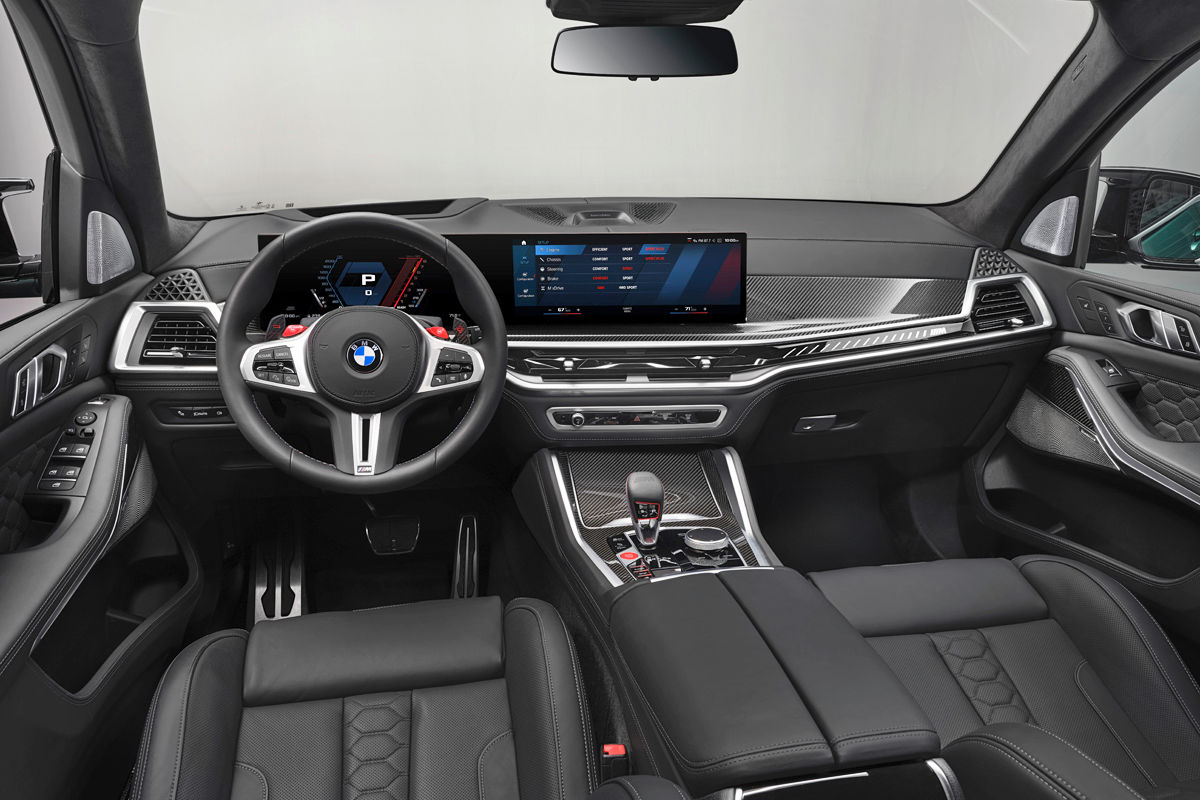
The most obvious update inside is the adoption of the latest BMW Curved Display, which is formed (under a single piece of glass) by a 12.3-inch information screen behind the steering wheel and a control display with a diagonal of 14.9 inches.
Other new features inside include a broad interior trim strip in Fineline Black wood with a high-gloss metal effect, an ambient light bar with backlighting (and the addition of an “M” logo to its graphic) and an M leather-trimmed steering wheel with new carbon gearshift paddles.
Technology updates come in the form of fresh automated driving and parking systems. The standard front collision warning’s range of functions, for instance, has been extended so that it now also reduces the risk of a collision with cyclists, pedestrians and oncoming traffic when turning off a road. The lane-departure warning function has likewise been upgraded with the addition of lane return with steering assistance, while available options now include automatic speed limit assist, an exit warning function, active navigation, route speed control, traffic light recognition (though this won’t be available in all markets), an emergency stop assistant and a lane-change and merging assistant.
There’s also a new (optional) Parking Assistant Professional that makes it possible to control automated parking manoeuvres into and out of spaces – as well as other “full manoeuvres” covering a distance of up to 200 metres – from outside the vehicle using the My BMW App on an Apple iPhone.
Here’s How Many EVs and Hybrids Were Sold in SA in 2022
Exactly how many electric vehicles and hybrids were sold in South Africa in 2022? Let’s take a closer look at the sales figures…
According to figures released by Naamsa, sales of electric vehicles (EVs), traditional hybrids and plug-in hybrids in South Africa increased a whopping 431.7% year on year in 2022. Still, we should point out the final “new-energy vehicle” tally of 4 764 units represented a mere 0.88% of the country’s total new-vehicle market for the year.
As we’ve noted before, South Africa is still without a truly affordable electric car (though GWM’s Ora sub-brand may well change that in the near future), with the least expensive option currently being the 3-door Mini Cooper SE Hatch, which retails for R742 102. The cheapest hybrid, meanwhile, is Toyota’s locally built Corolla Cross 1.8 Hybrid XS, which kicks off at R442 400.
According to Naamsa, 502 fully electric vehicles were registered in South Africa during 2022, a figure that grew from 218 units in 2021. Fascinatingly, plug-in hybrid electric vehicles (PHEVs) were again less popular than fully electric models, with just 122 examples sold locally during the year.
As expected, traditional hybrids – including the likes of dual-powered versions of the Corolla hatch and sedan, the aforementioned Corolla Cross and the RAV4, plus various Lexus models as well as the Honda Fit and Haval’s H6 and Jolion hybrids – accounted for the bulk of the so-called new-energy vehicle registrations, reflecting a sales total of 4 050 units for the year.
Where is SA in the global transition towards NEVs?
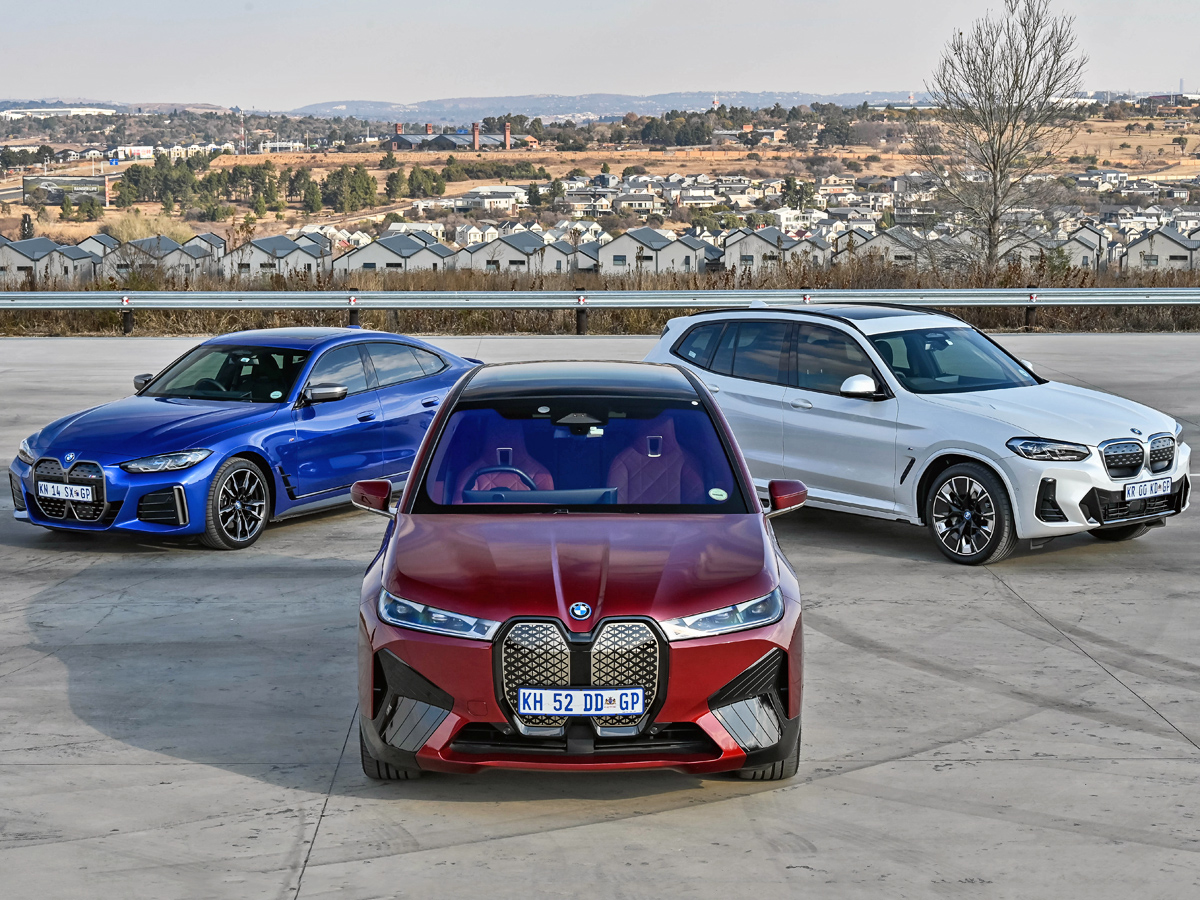
Automakers such as BMW Group SA are rapidly expanding their EV line-ups.
Naamsa revealed the figures alongside a lengthy “thought leadership discussion document” on the topic of new energy vehicles (NEVs) in South Africa.
“The global transition towards NEVs is a critical step to secure the future of the automotive industry in South Africa. Our rapid adoption to newer technologies is critical for the domestic automotive industry’s long-term success and growth. The only way to have a successful automotive manufacturing base is to keep up with technological developments,” said Naamsa CEO, Mikel Mabasa.
“The South African automotive industry cannot be running on one development technology track whilst the rest of the world is way ahead on the same track. If we want to remain globally competitive, we have no option by to play with the big global players who are leading the NEV charge,” he explained.
“Regrettably, South Africa has been painfully slow in finalising its governance and policy transformation priorities. We need to urgently enhance existing auto policies to facilitate a high-yielding business environment, including developing an attractive fiscal and regulatory framework that makes South Africa a highly competitive and compelling location for NEV production.
“The rapid technological advancement in the automotive industry and the global commitment by world economies to a greener future, mean the evolution in vehicle production will rapidly develop in the next 10 years, far more than it did in the last 100 years. This evolution requires a clearly thought-out public policy regiment and prudent fiscal planning,” Mabasa added.
You can download the full Naamsa discussion document here
Toyota Corolla Cross Hybrid GR-Sport (2023) Price & Specs
Toyota South Africa Motors has expanded its Corolla Cross range with a 2nd GR-Sport derivative, this time boasting hybrid power. Here’s what it costs…
When the Toyota Corolla Cross GR-Sport debuted in South Africa in September 2022, it was available only with the standard 1.8-litre petrol mill. But now a new hybrid version of the GR-Sport derivative has joined the line-up as part of a range-wide specification update.
Yes, Toyota South Africa Motors has launched the box-fresh Corolla Cross 1.8 Hybrid GR-Sport – or GR-S, for short – variant, slotting the newcomer in at the very summit of the local range. As with all other derivatives in the Corolla Cross line-up, this hybrid GR-Sport version is produced at Toyota’s Prospecton facility in KwaZulu-Natal.
As a reminder, while the standard naturally aspirated 1.8-litre, 4-cylinder petrol engine makes 103 kW and 172 Nm, the hybrid powertrain combines an electric motor and a small battery with a 1.8-litre Atkinson cycle petrol mill. Total system power delivered to the front axle through a continuously variable transmission (CVT) stands at 90 kW, while Toyota opts not to list a combined torque figure (though the petrol engine peaks at 142 Nm and the electric motor at 163 Nm).
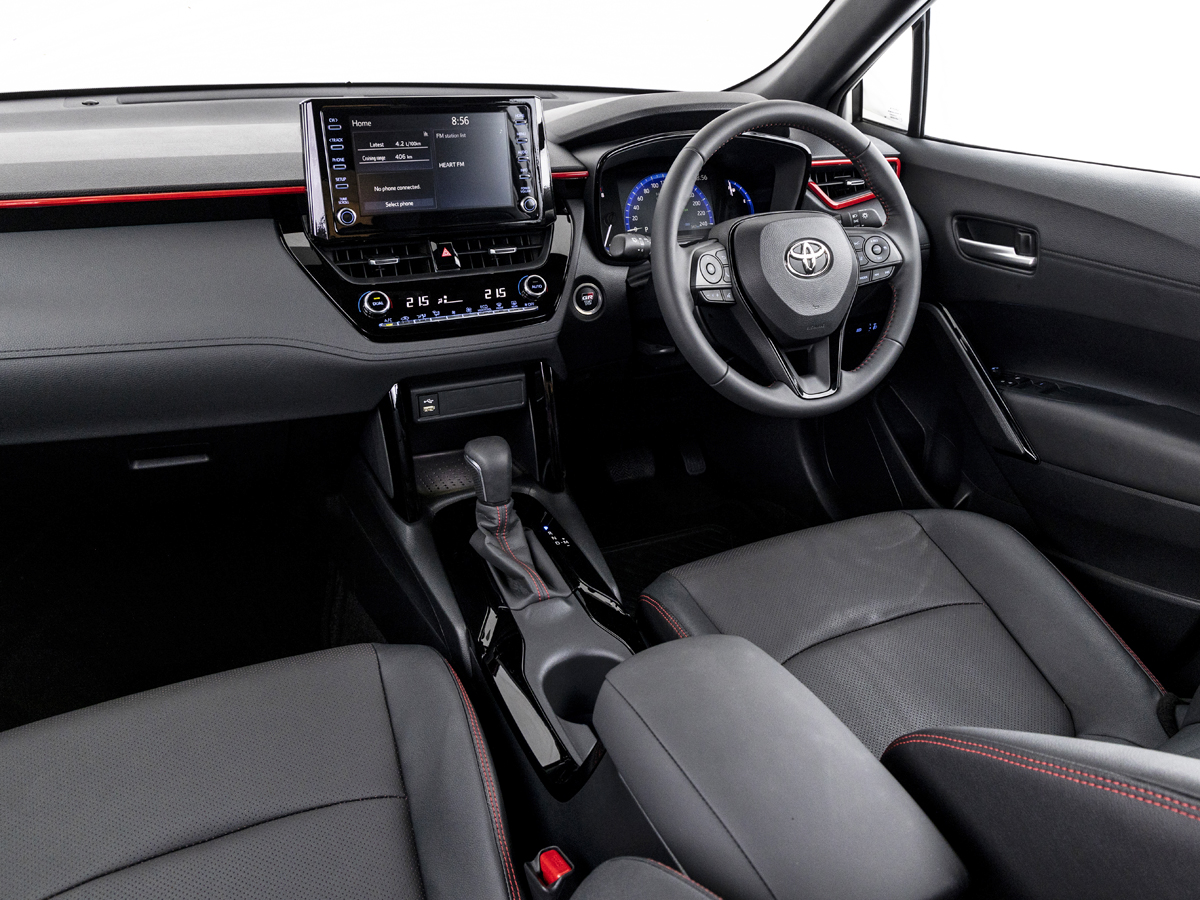
The GR-Sport’s cabin boasts leather upholstery with red stitching.
Priced from R495 200, the 1.8 Hybrid GR-Sport is most expensive Corolla Cross derivative yet, commanding a R15 000 premium over the 1.8 Hybrid XR. The new grade boasts the same lofty specifications as that model, along with various GR-Sport goodies, including specially tuned suspension and steering set-ups. Cosmetic upgrades again include black 18-inch alloy wheels (wrapped in the same 225/50 R18 rubber as used by XR models), a black roof, black side-mirror caps and a sportier treatment for the grille and front bumper.
There’s also a faux-diffuser round back as well a GR-Sport badge for the tailgate. As with the non-hybrid 1.8 GR-S, 3 exterior paint colours are on offer, each combined with a black roof: Glacier White, Arizona Red and Chromium Silver. Inside, you’ll find more GR-Sport badges, along with leather upholstery with red stitching (as opposed to partial leather offered on the XR), piano-black trim and model-specific treatment for the CVT shift lever and knob.
Specification updates for the rest of the Corolla Cross range
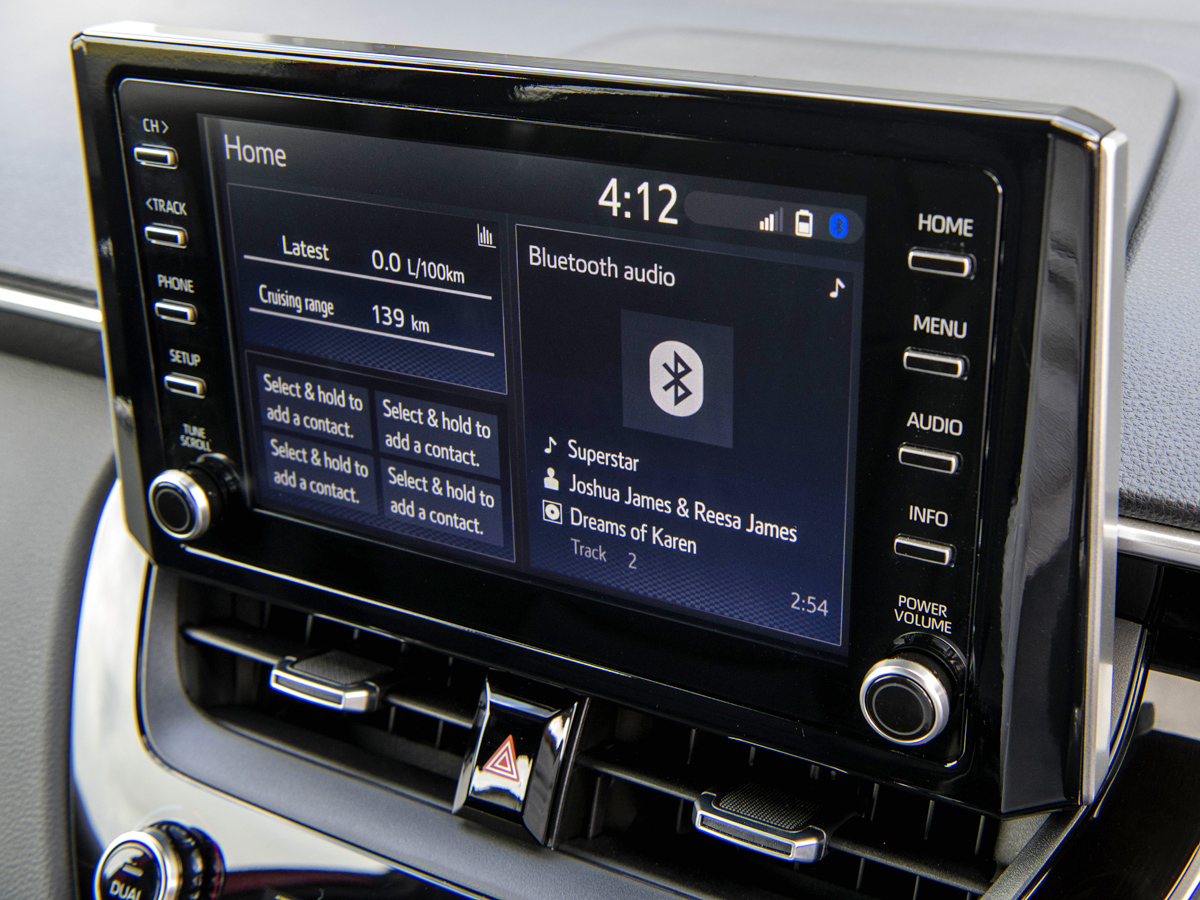
Even the base Xi model is set to gain the 8-inch touchscreen system.
While the Corolla Cross line-up’s powertrain options, exterior colour choices and interior trim will all remain unchanged, the range is also set to see some interesting tweaks for 2023. The hybrid models, for instance, will score “improved” headlights complete with blue inserts, while the base Xi trim level will upgrade from halogen to LED headlights, bringing it in line with the rest of the range.
The entry-level Xi model will furthermore gain Toyota’s “Display Audio” system, comprising an 8-inch touchscreen with Android Auto and Apple CarPlay functionality. It will also benefit from voice command, a reversing camera and an updated 4.2-inch colour multi-info display. Finally, the mid-tier XS will score additional cupholders in its rear armrest.
How much does the Corolla Cross 1.8 Hybrid GR-Sport cost?
Toyota Corolla Cross 1.8 Hybrid GR-Sport – R495 200
A 6-service/90 000 km service plan will again be included as standard, along with a 3-year/100 000 km warranty (with the hybrid battery further covered by an 8-year/195 000 km warranty).
Toyota is reportedly working on a 7-seater Corolla Cross to compete with other 3-row crossovers such as the Hyundai Grand Creta…
A fresh report out of India claims Toyota is hard at work developing a 7-seater Corolla Cross, though it’s not yet clear whether such a model would be offered outside of the subcontinent.
According to Autocar India, the rumoured 3-row version of the Corolla Cross would gain around an extra 150 mm between its axles, which would take its wheelbase to 2 790 mm (and see it compete with the likes of the Hyundai Grand Creta). That, says the publication, would be enough to allow the Japanese firm to squeeze in a 3rd row of (2) seats, which would fold neatly into the floor when not in use.
It’s worth noting the standard Corolla Cross – which Toyota South Africa Motors builds at its Prospecton facility in KwaZulu-Natal – is currently not offered in India. In fact, the report suggests the proposed 7-seater version would be produced alongside the (likewise 3-row) Innova Hycross at the Bidadi factory in Bengaluru.
By lengthening the wheelbase by around 150 mm, there would be space for an extra pair of seats.
Employing a version of the TNGA-C platform, it would furthermore share that model’s powertrain options for India, which take the form of a naturally aspirated 2.0-litre petrol engine and a hybrid arrangement based on the same 4-cylinder unit.
The Autocar India report suggests the 7-seater Corolla Cross would require longer rear doors (in order to ease ingress to the 3rd row), changes to the C- and D-pillars, and even some styling tweaks. The publication puts forward the idea Toyota would differentiate this larger version by revising the front bumper, grille and headlights, while also redesigning the rear.
So, if a bigger Corolla Cross were to make it to production, would we see it here in South Africa? Well, it’s perhaps too early to say. There’s the question of production (would Toyota SA Motors be prepared to import the 7-seater body style from India or would it have to build it at Prospecton?) as well as the potential for cannibalisation of RAV4 and even Fortuner sales. The upcoming introduction of the new, larger Urban Cruiser (known as the Hyryder in India) will further muddy the waters.
As a reminder, the Corolla Cross line-up – which offers the option of hybrid power and has current pricing bookends of R371 200 and R495 200 – managed a whopping 15 855 registrations in South Africa in 2022, putting it 4th on the list of the country’s best-selling passenger vehicles for the year.
Round 4 of the GR Yaris racing series heads to Red Star Raceway where Ash is forced to start from the back. How far up the field can he get?
In episode 3 of our Toyota GR Yaris cup season, our in-house racer Ash heads to Red Star Raceway, a track with nearly as many corners as Spa Francorchamps in half the length. Can he get to grips with the track quickly enough to be on pace with the local legends he’s up against?
There are some dodgy overtaking manoeuvres and the final heat takes place as the sun sets showing off beautiful glowing brake discs. Ash is forced to start from the back in heat 2 due to new regulations, but how far can he make his way up the field in just 6 laps?