SA’s top 10 automakers: 2022’s winners & losers by market share
We’ve crunched the numbers and calculated market share to see which of South Africa’s top 10 automakers grew and which ones shrunk in 2022…
The year 2022 was an intriguing (not to mention encouraging, considering the multitude of headwinds facing the market) one for South Africa’s new-vehicle industry, with total sales growing 13.9% year on year to 528 963 units. But which of the country’s mainstream automakers grew along with – or indeed faster than – the local market? And which ones shrunk?
Well, we’ve spent some time consolidating the sales figures for South Africa’s 10 best-selling automakers of 2022, which in turn gave us the opportunity to compare the latest numbers with 2021’s statistics. As a result, we were able to identify the winners and losers out of the top 10 companies last year.
Of course, we should point out a couple of caveats. Toyota’s figures, for instance, include the Lexus and Hino brands, while the Volkswagen Group incorporates Audi sales. In addition, Chery started reporting local sales figures to Naamsa only in July 2022, so unfortunately couldn’t be considered for this list. BMW and Mercedes-Benz, meanwhile, don’t consistently communicate full figures to the organisation (though both German firms may well have finished just outside the top 10 anyway).
Still, this certainly proved a worthwhile exercise, giving us a useful overview of the respective performances of the main players in South Africa’s new-vehicle market (scroll to the bottom of the story to see the full top-10 list). Here’s what we found…
Just 2 automakers in the top 10 shed sales in 2022
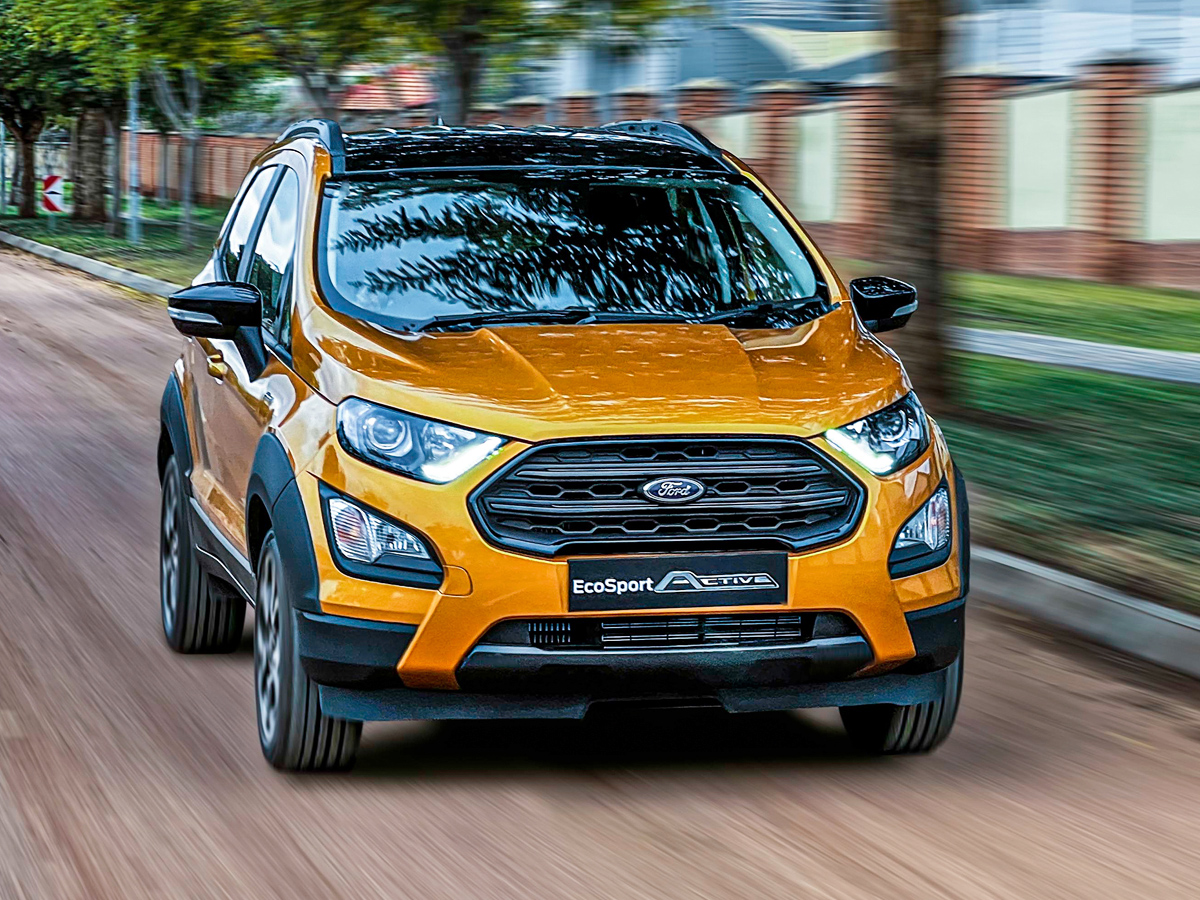
Ford sales in South Africa fell nearly 16% as the company shifted further from passenger cars.
In pure volume terms, only 2 automakers out of the top 10 shed sales compared with 2021. Ford Motor Company of Southern Africa – which has gradually shifted its global and local focus away from passenger cars towards light-commercial vehicles – was the hardest hit, with its registrations falling 15.39% year on year to 26 335 units.
The Blue Oval brand was heavily reliant on the Ranger bakkie (17 342 units), which accounted for a hefty 65.85% of the automaker’s local sales. When all was said and done, Ford fell from 4th place in 2021 to 7th position in 2022, with its market share declining from 6.70% to 4.98% over the same period.
The Volkswagen Group’s slowdown wasn’t quite as extreme as that of its Dearborn-based global alliance partner, with the German firm’s 2022 total falling 2.48% year on year to 69 801 units. Its top seller was again the Polo Vivo, with SA’s most popular passenger car making up nearly 30% of the firm’s local sales.
Meanwhile, registrations of the likewise Kariega-built Polo hatchback fell nearly 14% (to 15 697 units), resulting in the supermini being overtaken on the passenger-vehicle charts by the likes of the Suzuki Swift, Toyota Urban Cruiser and Toyota Corolla Cross. Still, even though the VW Group’s market share in South Africa dropped from 15.41% to 13.20%, the automaker quite comfortably held onto 2nd place in the overall list.
The biggest volume growers in the top 10 in 2022
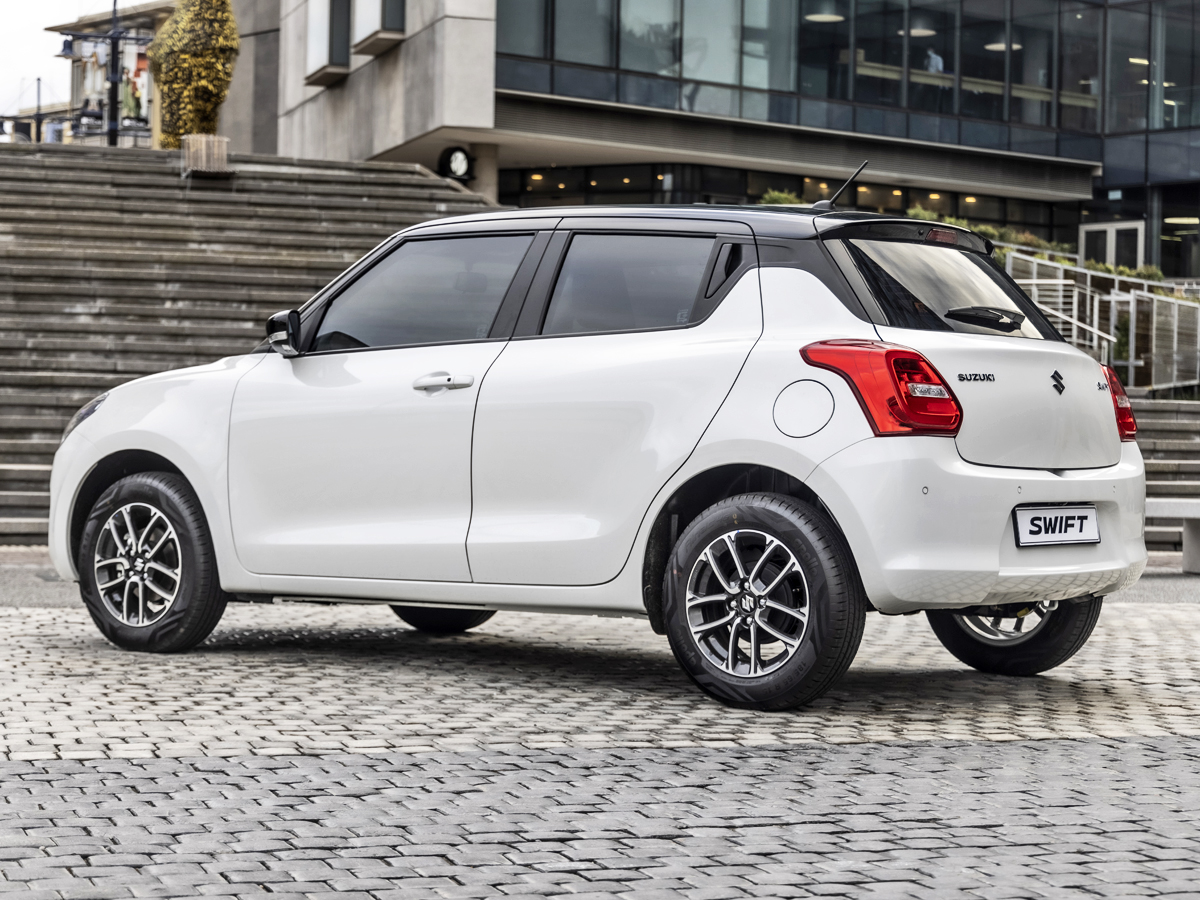
The Swift helped Suzuki to a record sales total (and 3rd place overall) in 2022.
So, which automakers in the top 10 experienced the strongest year-on-year growth? Well, as you might have guessed, Suzuki Auto South Africa was the standout brand here, swelling its sales a whopping 71.04% (compared with 2021) to 47 178 units. The Japanese firm’s local division thus rocketed up the rankings from 6th to 3rd, boosting its market share from 5.94% to a very respectable 8.92% in the process.
A little more unexpectedly, Renault also registered impressive year-on-year progress, finishing on a final tally of 27 251 units (+29.61%). Though its market share increased only marginally (from 4.53% to 5.15%), the French firm’s performance was enough to see it climb a spot to 6th overall.
Of course, much of the sales growth both Suzuki and Renault enjoyed in 2022 can be traced back to the budget products they import from India. Every model in Suzuki Auto SA’s range (bar the outgoing Vitara), for instance, is now sourced from the subcontinental country, including the aforementioned Swift hatchback that claimed 2nd spot on the list of SA’s best-selling passenger vehicles in 2022 (with 17 282 sales). Renault, meanwhile, relied heavily on the likes of the Kwid, Kiger and Triber to boost its sales volumes last year.
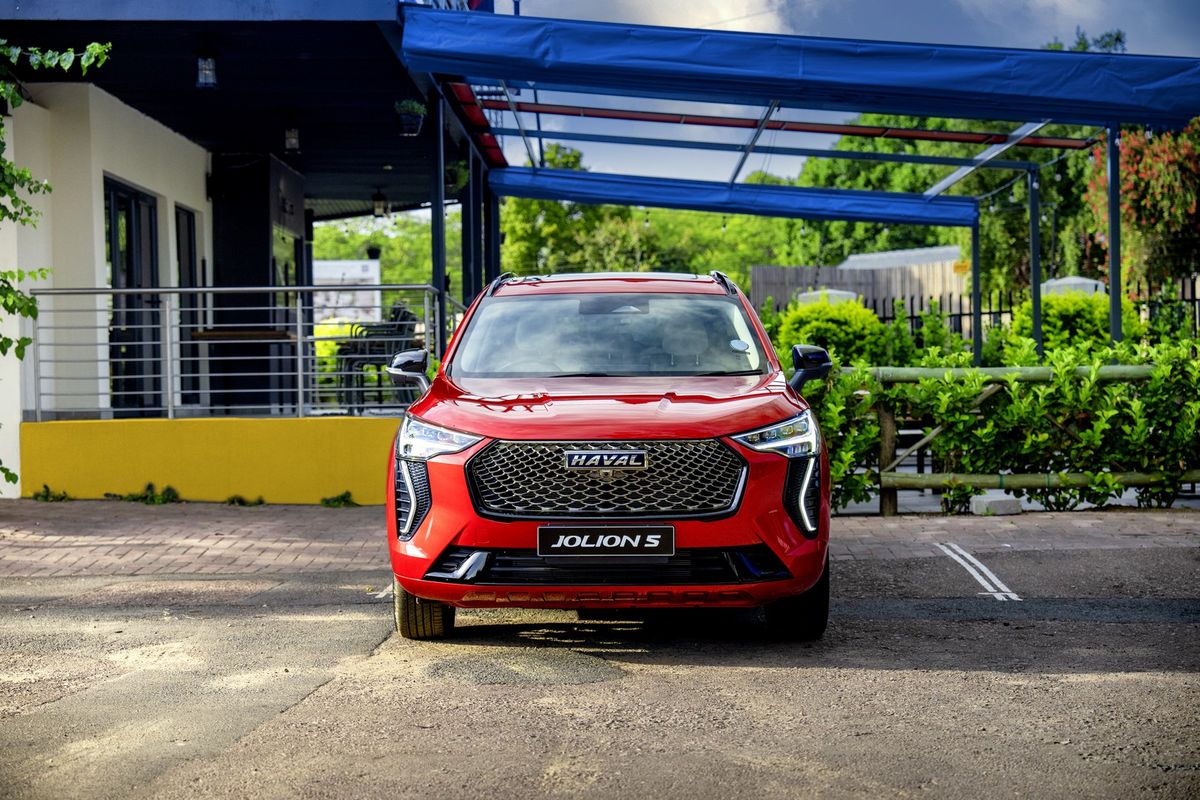
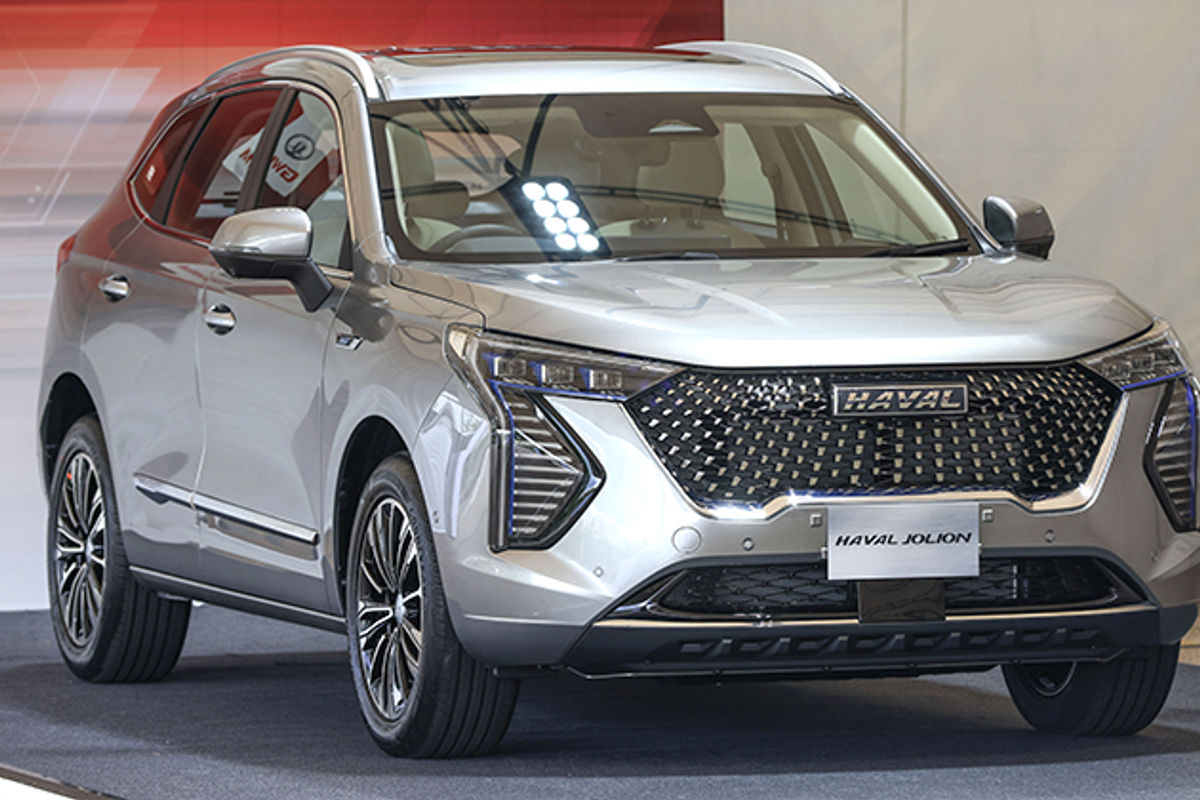
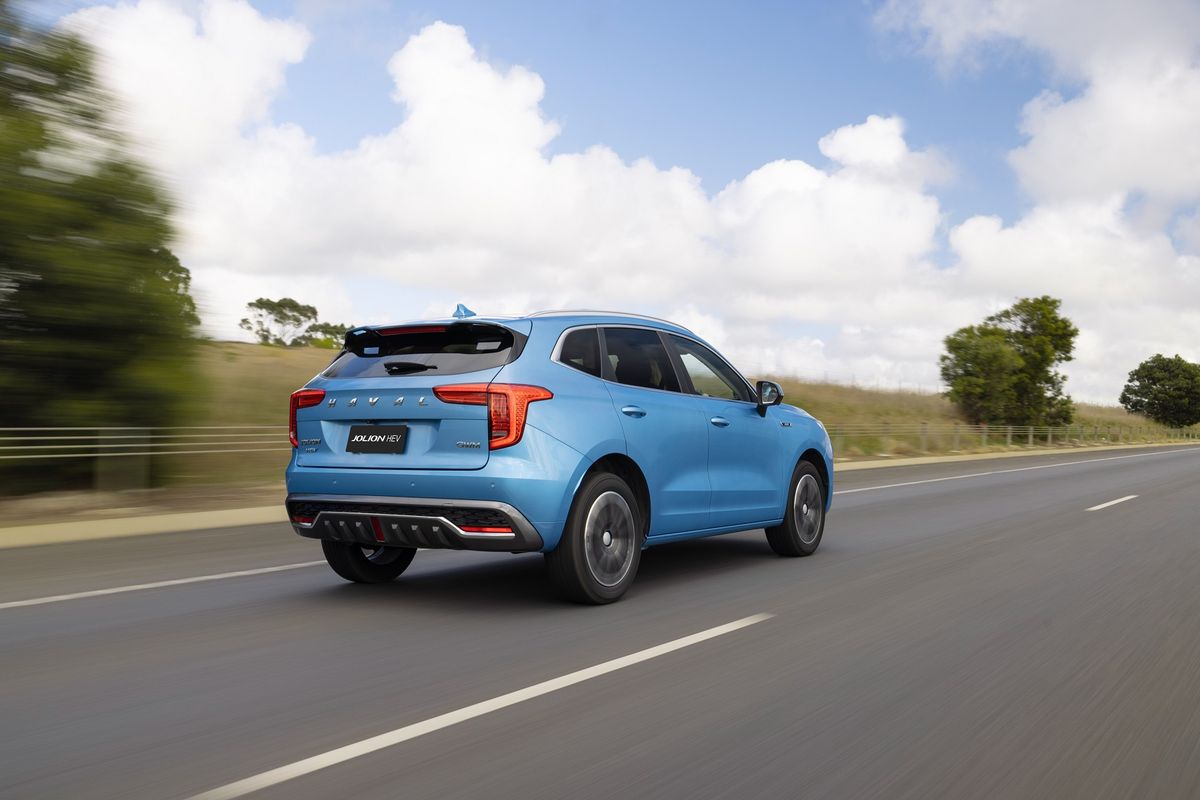
However, there was another brand that also continued its sharp upward trajectory in 2022. Haval posted total sales of 22 644 units last year, an improvement of 18.79% compared with 2021. The Chinese automaker thus climbed a place to 9th overall (just behind Kia), while also edging its market share forward from 4.10% to 4.28%.
Other interesting bits and bobs from the top 10
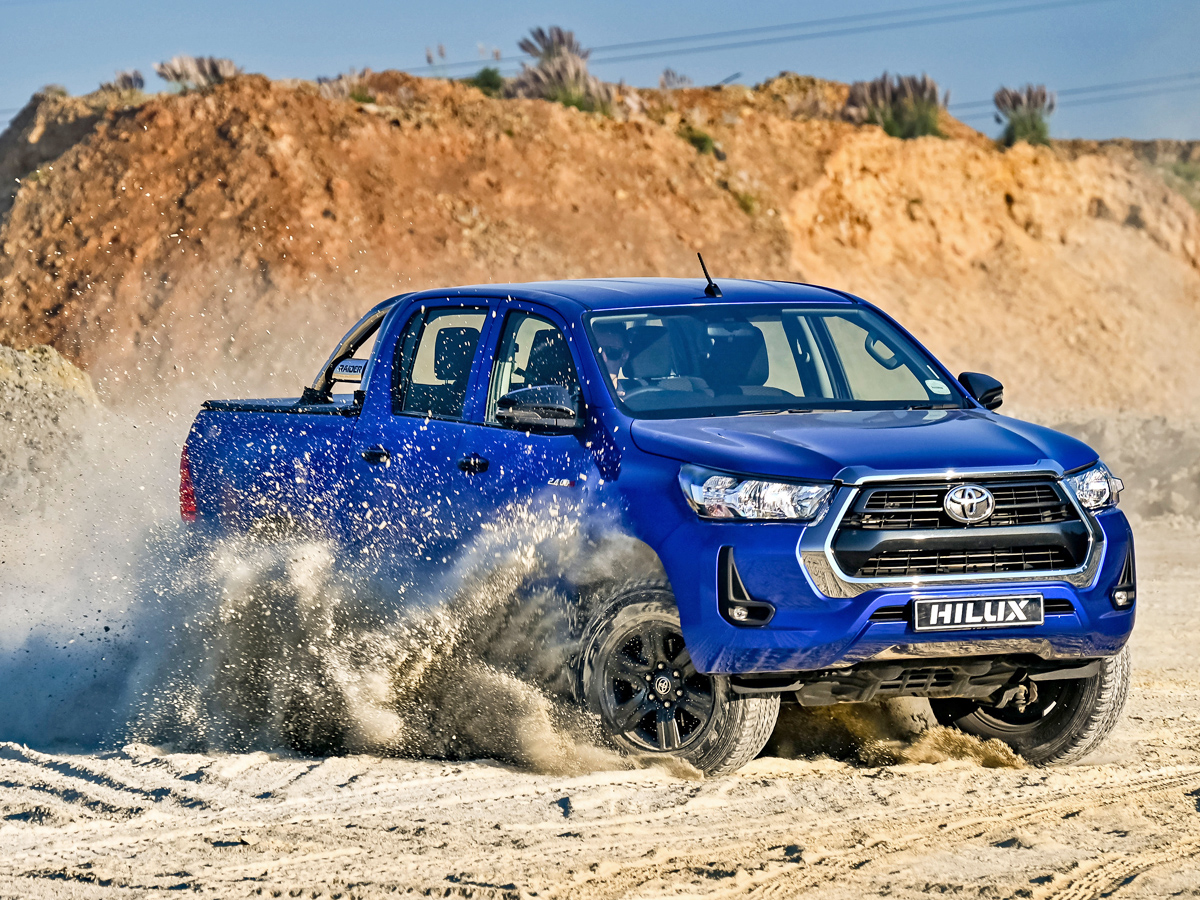
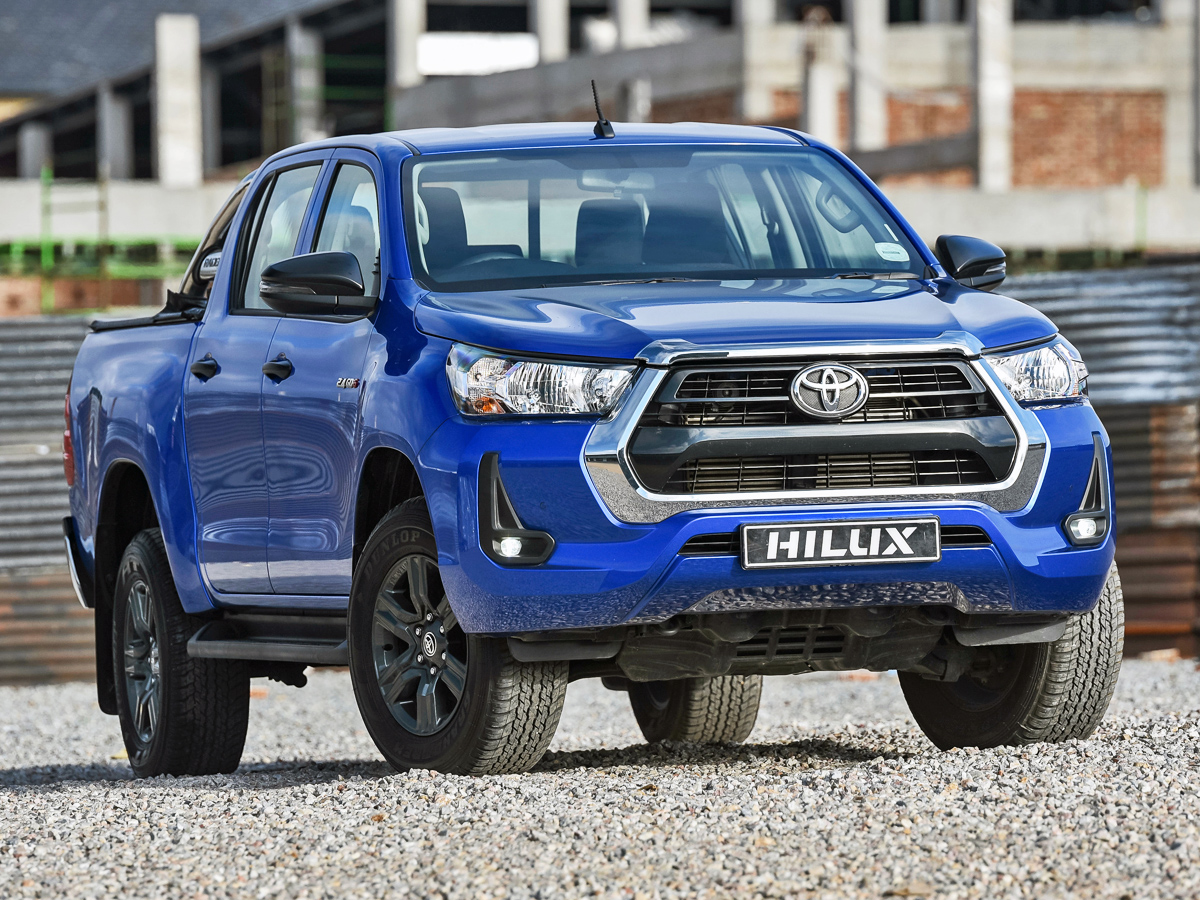
On its own, the Hilux sold more than the entire (5th-placed) Nissan brand.
No prizes for guessing Toyota was again the best-selling automaker in 2022, meaning the Japanese firm has led the South African new-vehicle market for 43 years straight. With 32 203 sales, the Hilux was again the country’s top seller, accounting for almost a quarter of the company’s 132 035 units. Despite immense production challenges at Prospecton caused by the KwaZulu-Natal floods in mid-April, Toyota still managed to grow its sales 12.22% year on year (though its market share fell slightly, from 25.33% to 24.96%).
Though Hyundai expanded its sales 7.67% to 36 047 units, it ended up dropping off the podium to 4th largely thanks to Suzuki’s resounding success. Nissan (30 487 units, up 1.04%) held steady in 5th and Kia (22 766 units, up 12.92%) in 8th, while Isuzu fell a place to 10th despite growing sales 7.05% year on year to 21 274 units.
Our Garden Route-based motoring journalist, Gero Lilleike, spent the holiday season driving the Volkswagen T-Roc 1.4TSI Design. In a crowded segment, does the entry-level T-Roc make a strong case for itself – and should you consider buying it?
Now, a year later, I was afforded an extended (end-of-year holiday) test of Volkswagen’s larger, facelifted T-Roc and I undoubtedly had high expectations of Wolfsburg’s stylish (or “boutique”) small crossover. How well would the T-Roc serve me throughout my wild holiday adventures? I was keen to find out!
In this holiday review, my aim is to share my T-Roc holiday experience with you, including the things I loved (there’s a lot to love) and the things I didn’t. Hopefully (if you get to the end of this article) you should have a better idea if the entry-level T-Roc 1.4TSI Design should be on your shortlist – or not.
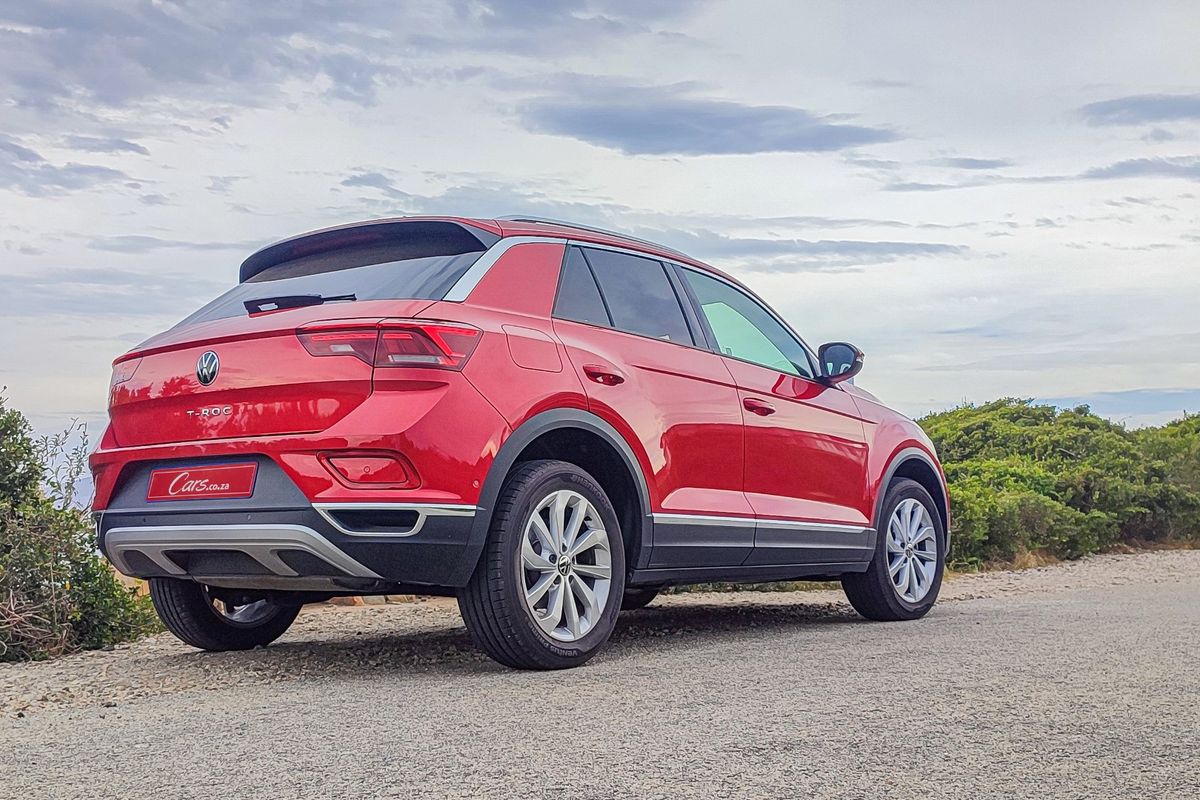
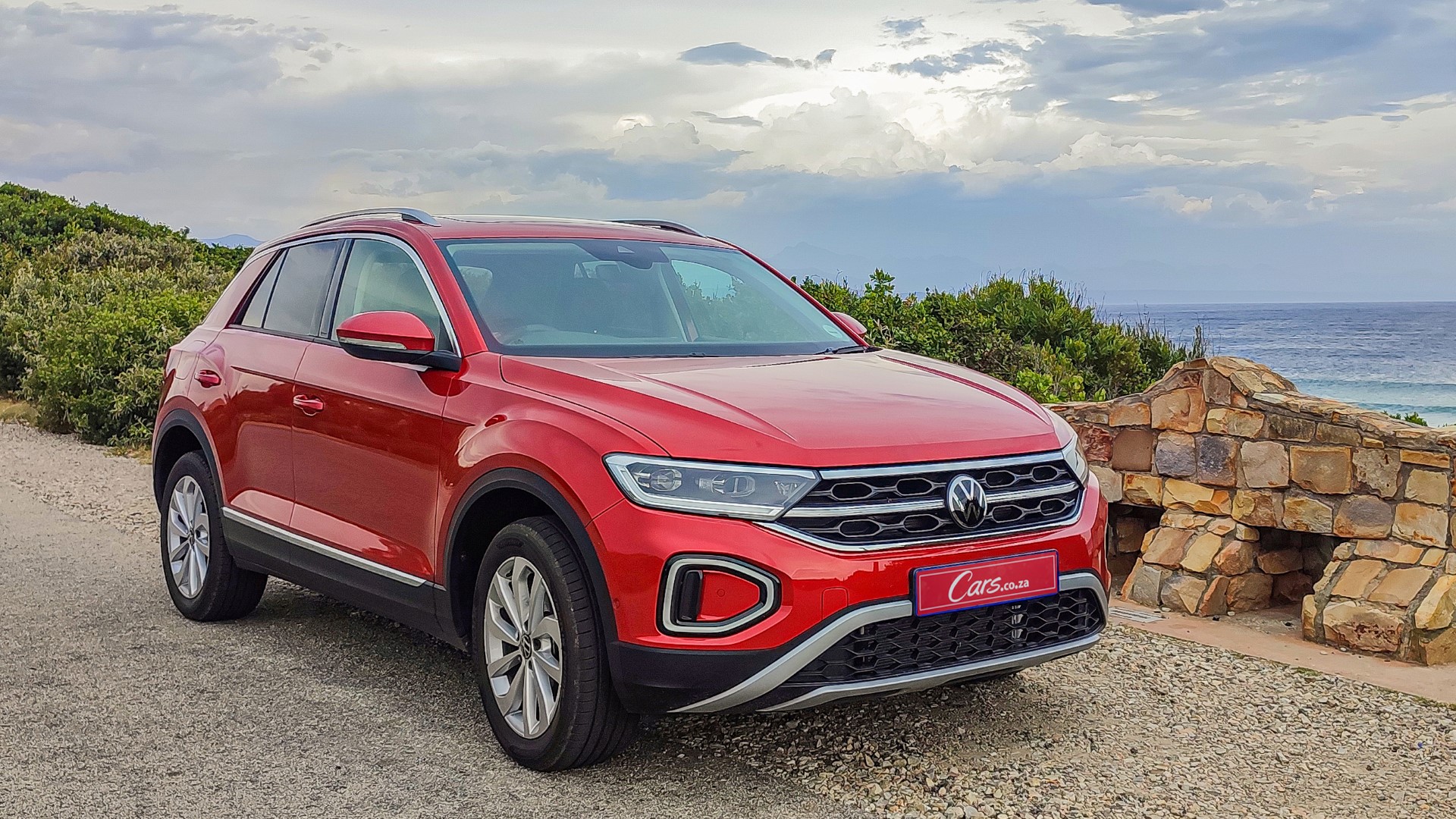
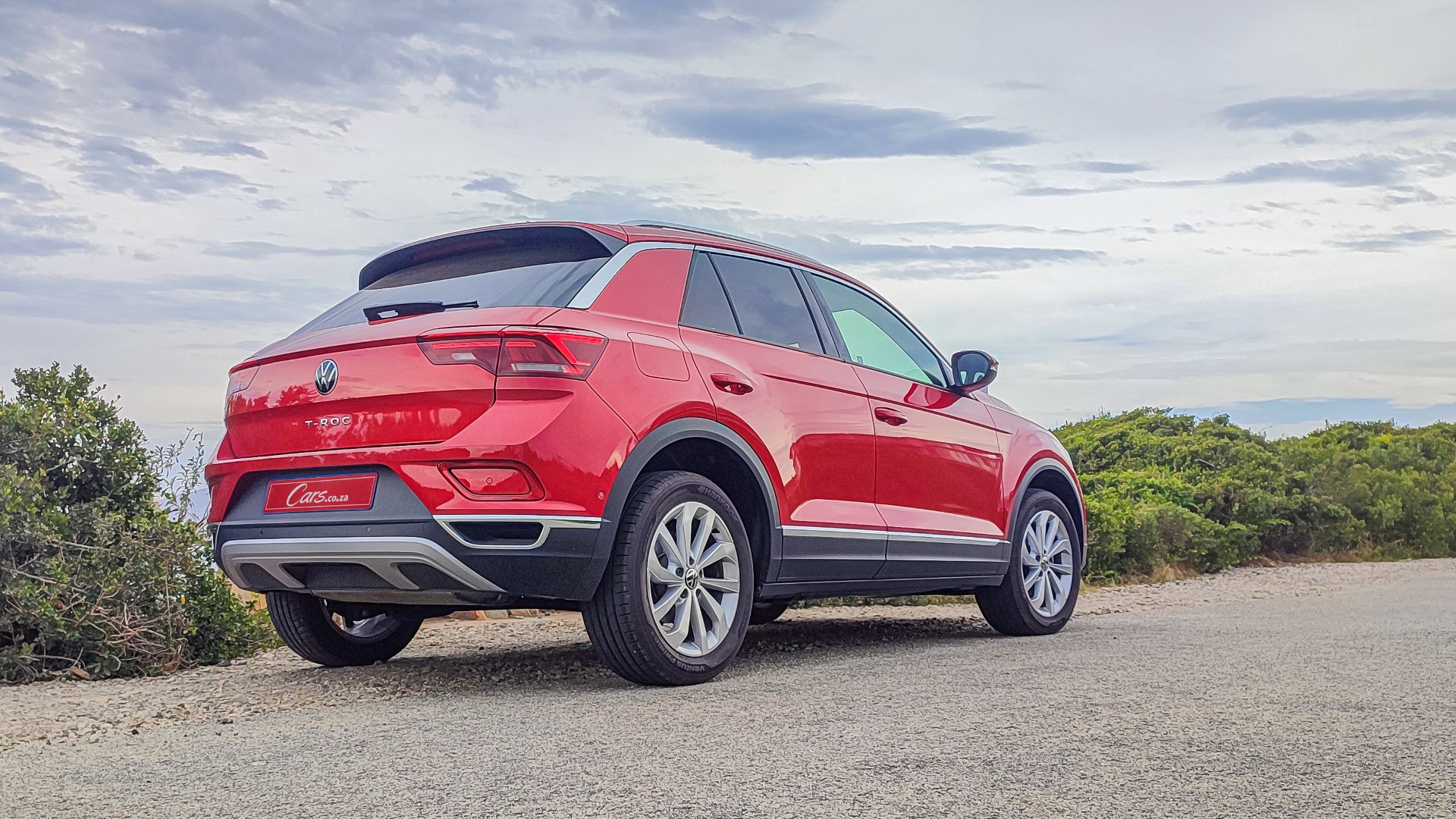
The T-Roc has an elegant design, accentuated with neat chrome trim to complete the look.
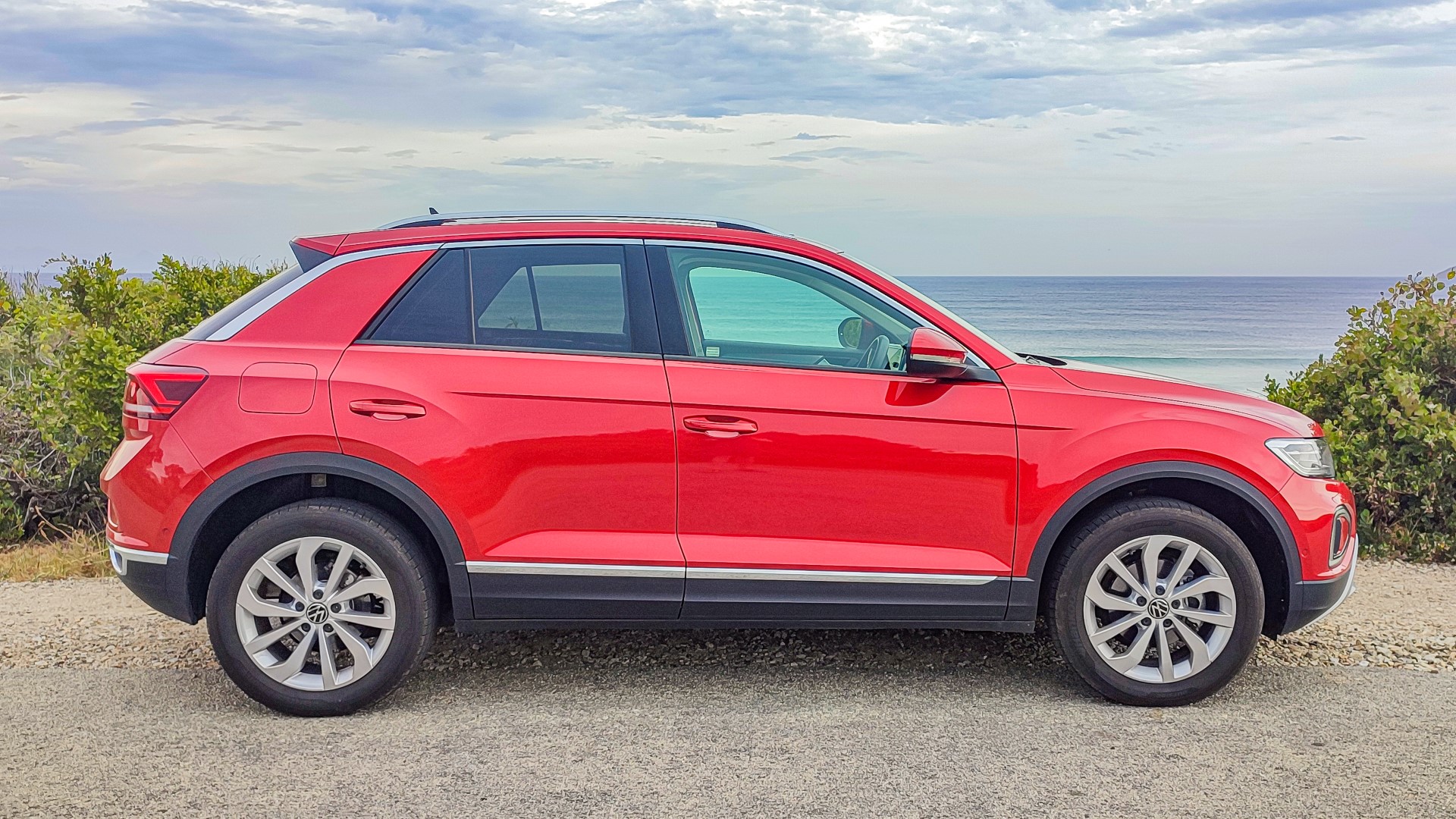
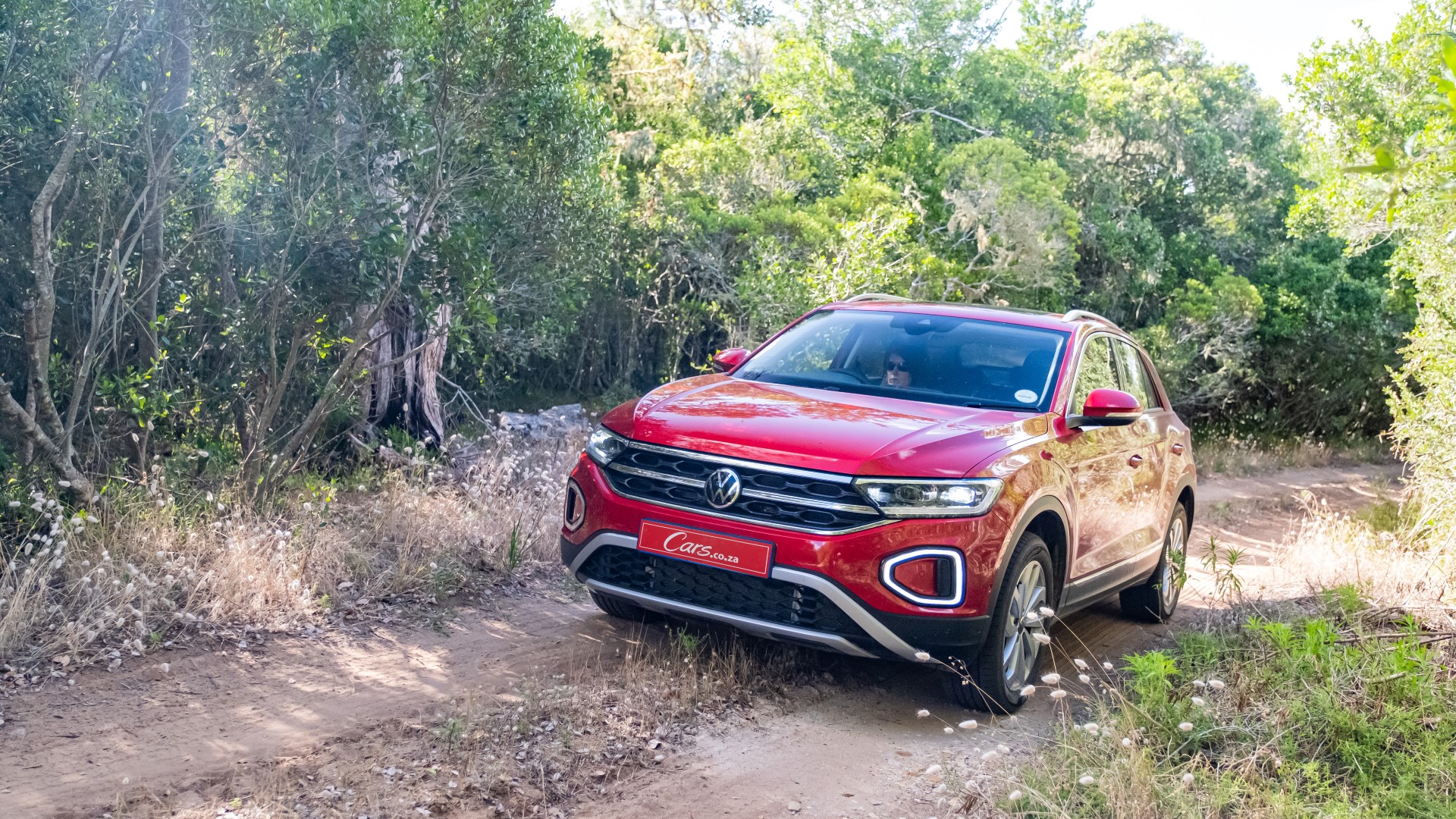
Design is subjective, but the T-Roc must score some style points – it’s one of the best-looking compact SUVs on the market today, especially when finished in Kings Red, as seen here. Would you agree?
It’s not a brash or bold design, but rather a clean, sophisticated and uncluttered one. The T-Roc is well-proportioned with a tapering coupe-like roofline that many potential buyers will find attractive.
Chrome elements (on the roof rails, window line, beltline and grille) give the T-Roc a sophisticated, upmarket look and, should you decide to do some gravel travel with the T-Roc (more on this below), all-around plastic cladding provides much-needed lower-body protection from scratches and scuffs.
The T-Roc comes fitted with 17-inch “Johannesburg” alloy wheels and this test unit was equipped with optional extras such as a panoramic sunroof (R15 500) and IQ Light Matrix LED headlights (R17 000).
Let us know if you like the look of the T-Roc!
What’s the interior of the Volkswagen T-Roc like?
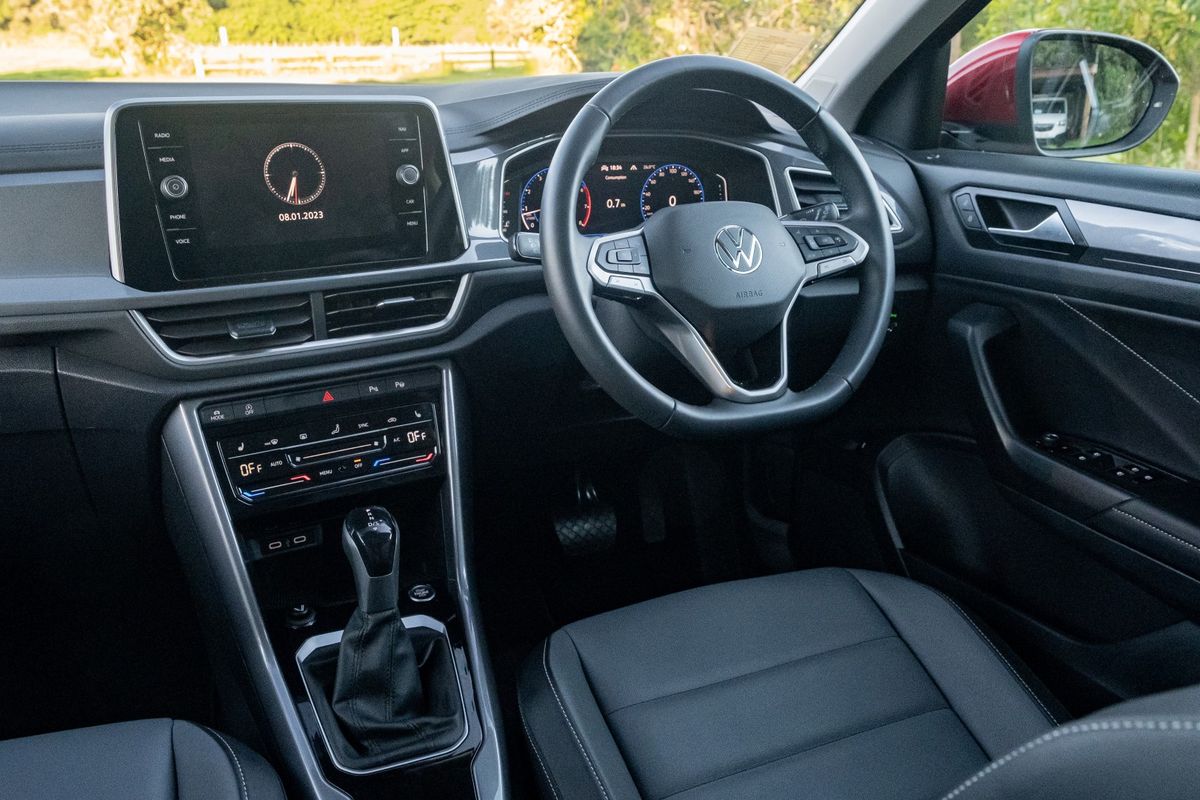
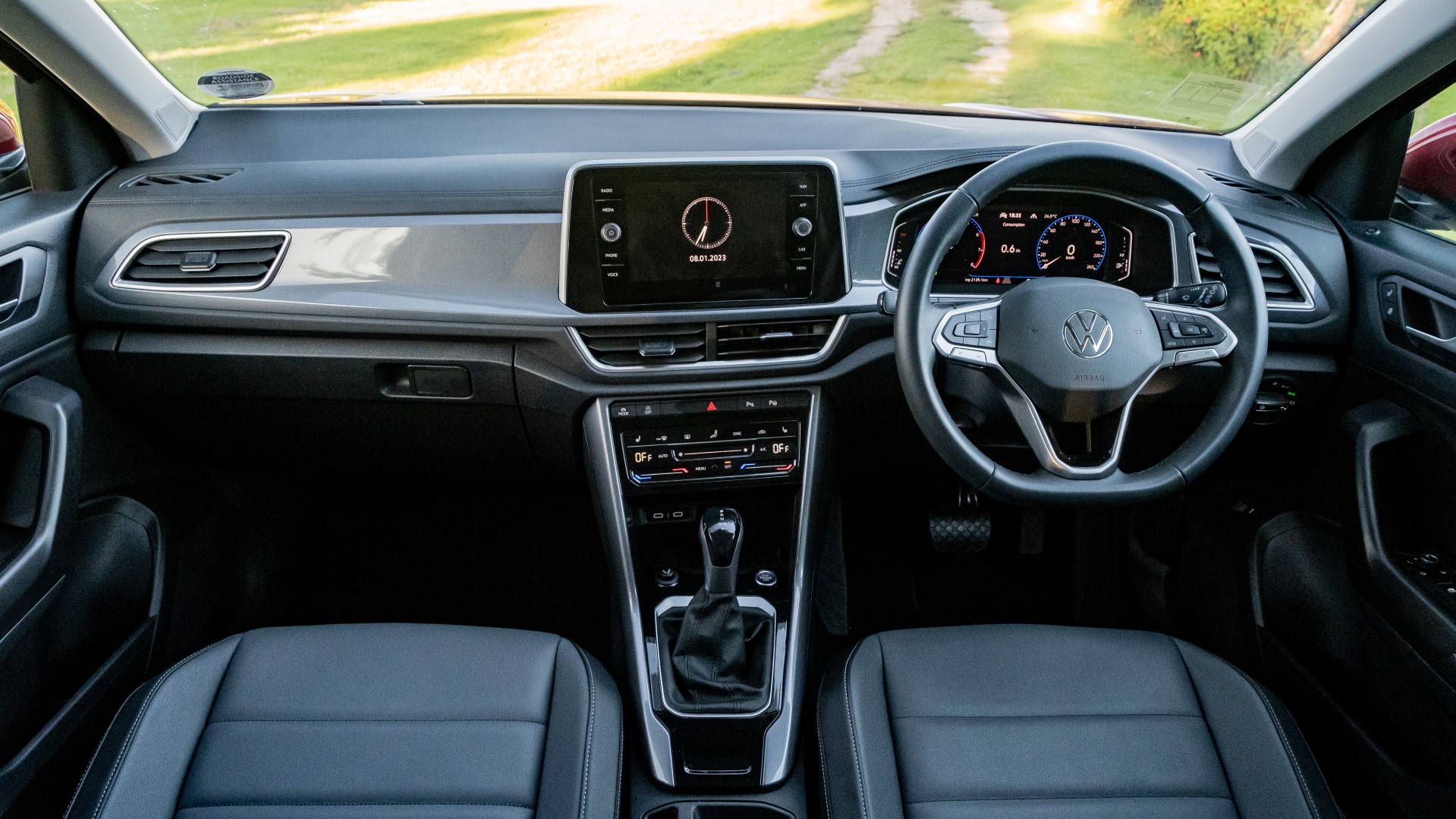
The T-Roc’s interior is familiar and comfortable while also offering good perceived build quality.
The T-Roc’s interior exudes a sense of quality; there’s a distinct solidity to the fit and finish of the cabin trim. Indeed, the perceived build quality is excellent and, moreover, Volkswagen has used a desirable mix of soft-touch surfaces and hard-wearing plastic elements to create a pleasant interior environment.
The cabin insulation is top-notch too – it contributes to the (recently facelifted) T-Roc’s overall refinement, which is just another highlight in a lengthy list of positive attributes (more below)!
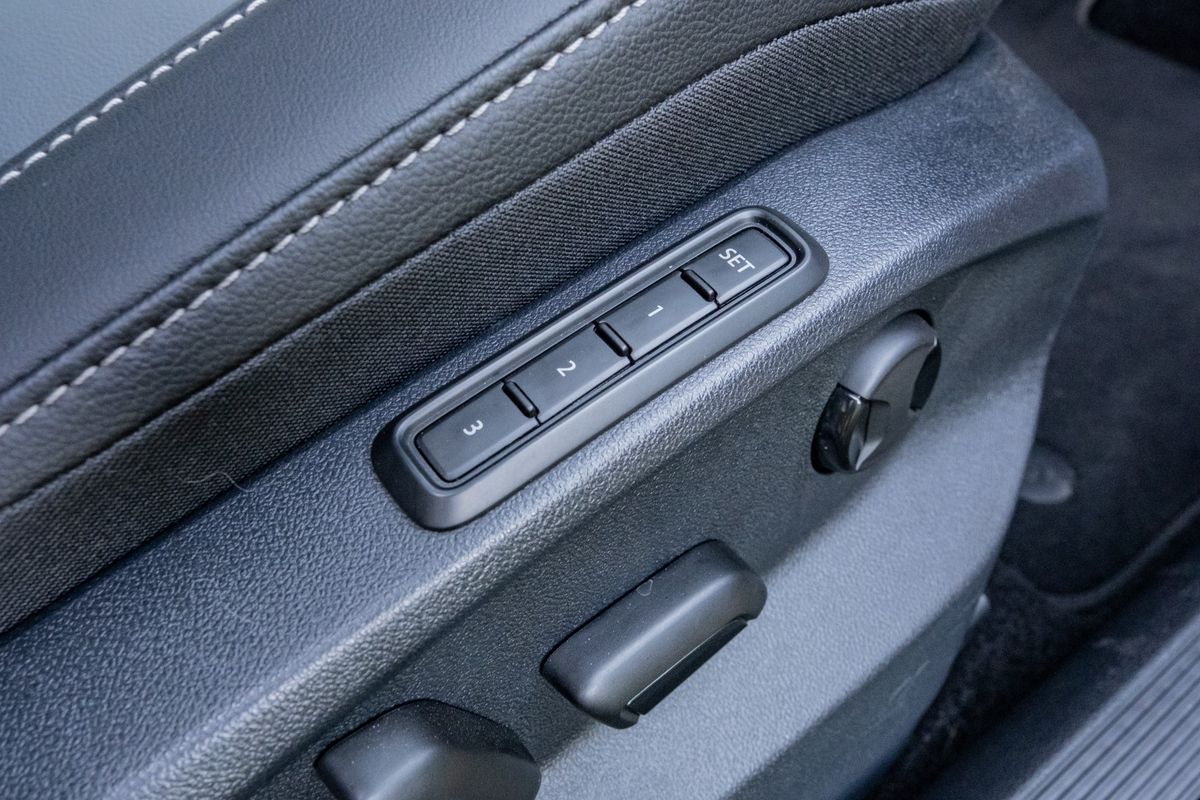
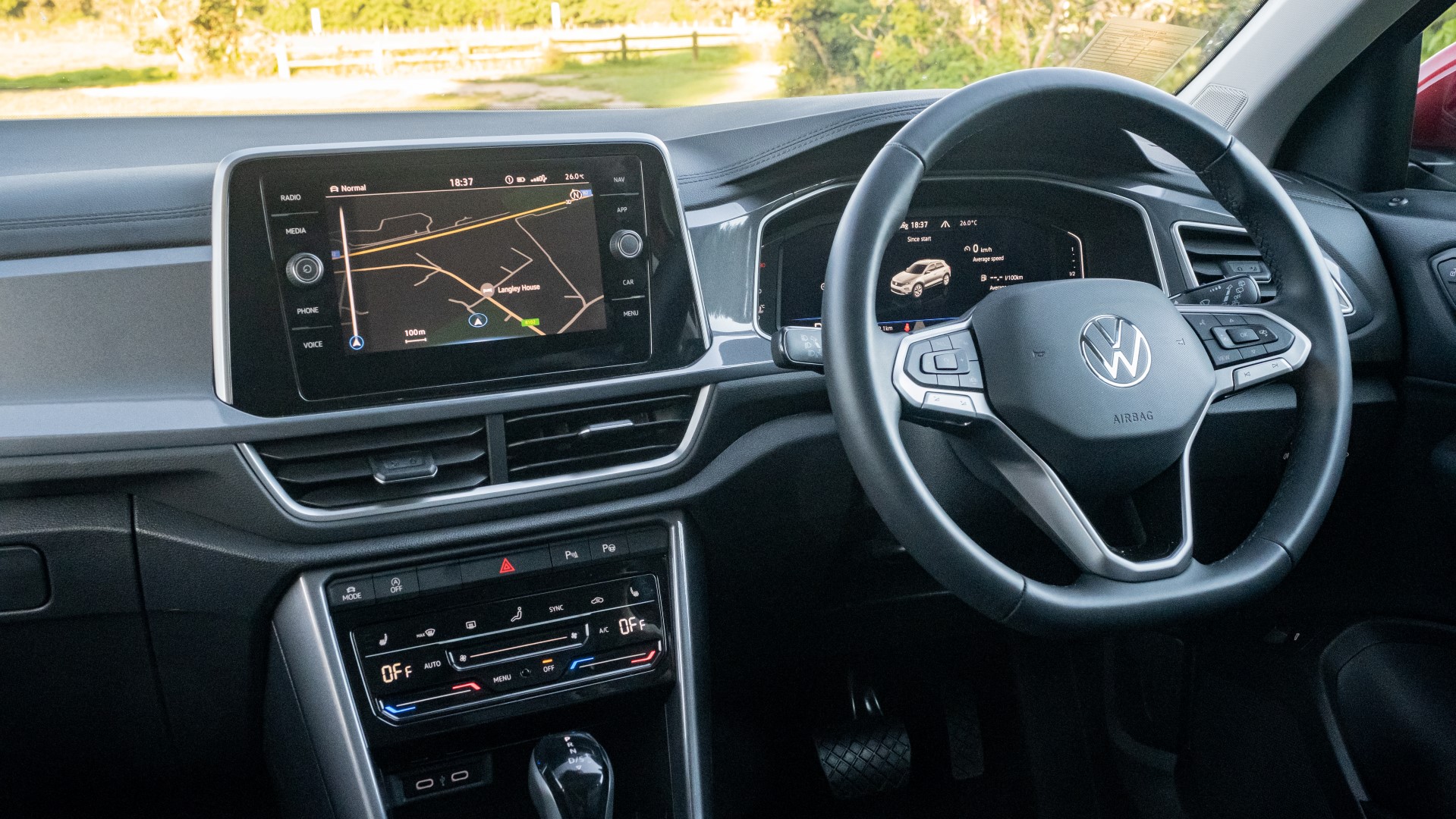
The seats are well-contoured and suitably bolstered to provide maximum comfort on long drives and the platinum grey leather trim adds some tasteful contrast to the interior. Volkswagen’s optional Discover Media infotainment system (R18 800, with integrated navigation, Apple CarPlay and Android Auto functionality, Bluetooth and voice control) was fitted and I was quite impressed with how it seamlessly connected with my smartphone while providing, well, superb audio quality for my music playlists!
Together with a digital Active Info Display, the T-Roc offers seamless integration (Navigation is optional).
The infotainment screen displays the feed from the optional reverse-view camera (R4 800), but it does not have dynamic guidelines, so you also have to rely on your side mirrors when reversing at an angle!
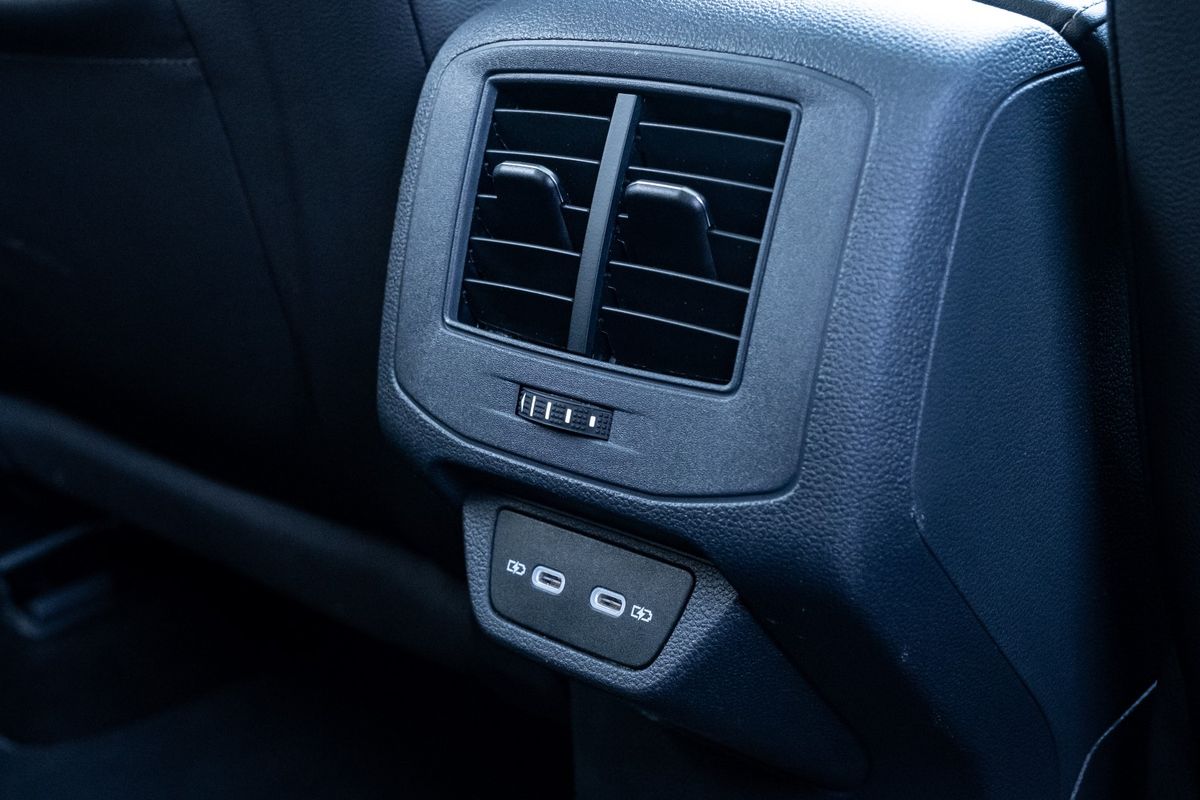
There is also ample charging capacity for devices, with 4 Type-C charging ports (2 front, 2 rear) as well as an optional inductive charging pad (R4 200) for easy wireless charging on the move.
Volkswagen’s digital Active Info display is also useful in that it’s easily configurable (using the controls mounted on the steering wheel) and, once you have set it up to your exact preference, vital information is displayed directly in front of you, which eliminates the need to flip through the trip-computer menus.
As far as driver assistance is concerned, this base T-Roc is equipped with adaptive cruise control as standard, but if you want, you can additionally specify technologies such as lane-keep assist, a lane-change system, Travel Assist, Traffic Jam Assist and Emergency Assist. Standard safety features include half a dozen airbags, ABS with EBD, brake assist and electronic stability control with traction control.
Overall, the T-Roc’s interior is not only attractively designed with good ergonomic functionality… it’s equipped with an adequate number of comfort features.
How practical is the Volkswagen T-Roc?
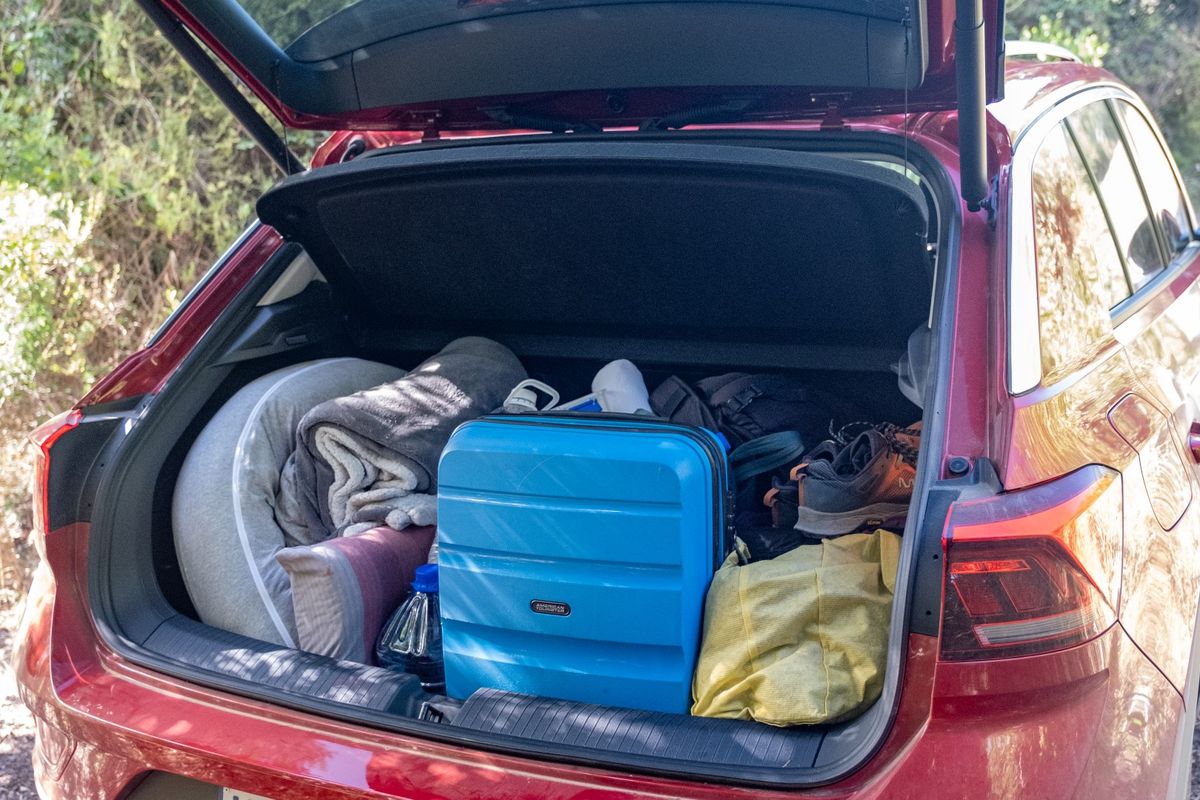
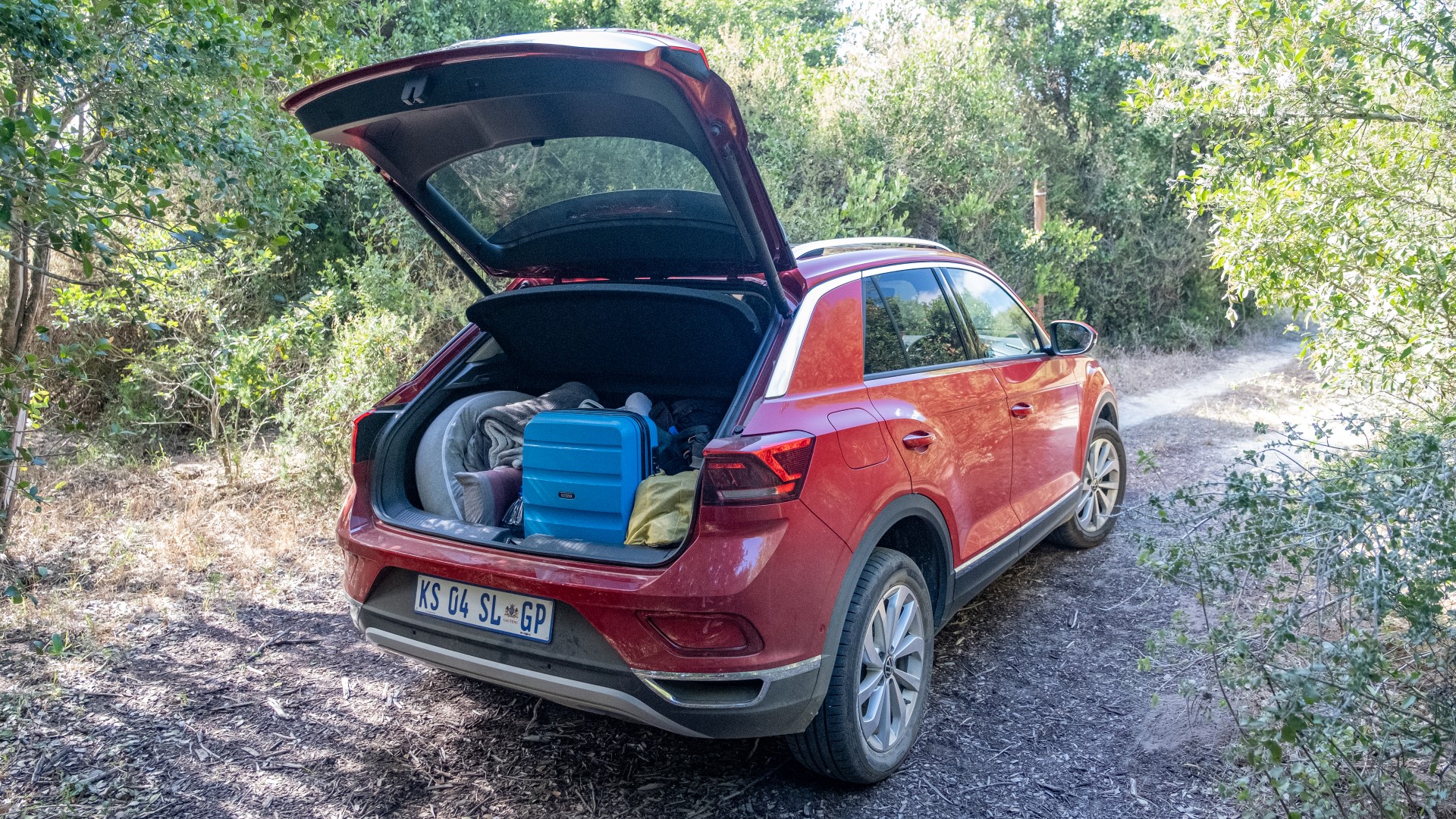
The T-Roc fully loaded for a holiday excursion to the Southern Cape.
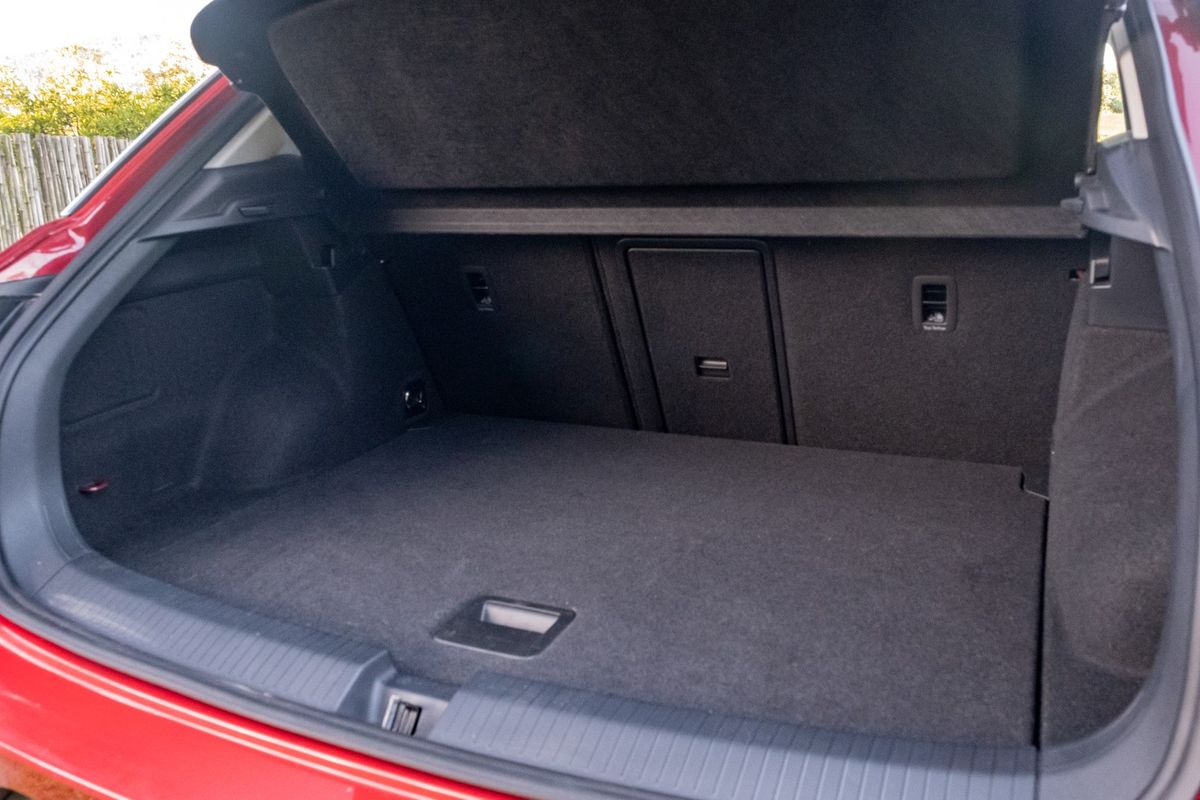
It is tricky to work out in which segment the T-Roc sits just by looking at it. It’s almost the same length as the “smaller” T-Cross and rides on a 2 590-mm wheelbase, which is 11 mm shorter than that of its Audi Q2 cousin. But the Volkswagen’s arguably better packaged than the Audi – it’s 26 mm longer overall and offers notably more space in the load bay (445 litres versus 405 litres, according to stated figures).
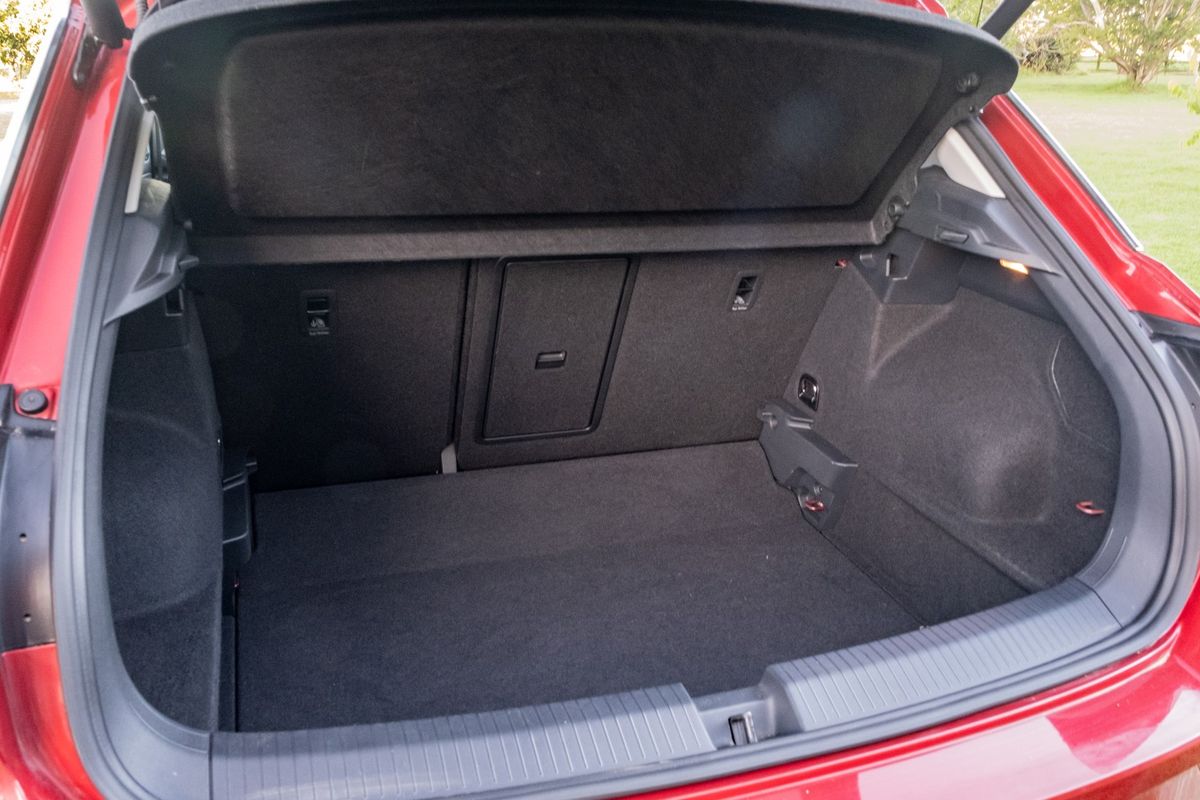
Meanwhile, the load bay floor can be adjusted to either hide delicate/valuable items or increase the load volume, while 60:40 split folding rear seats provide extra flexibility should you need to load larger items.
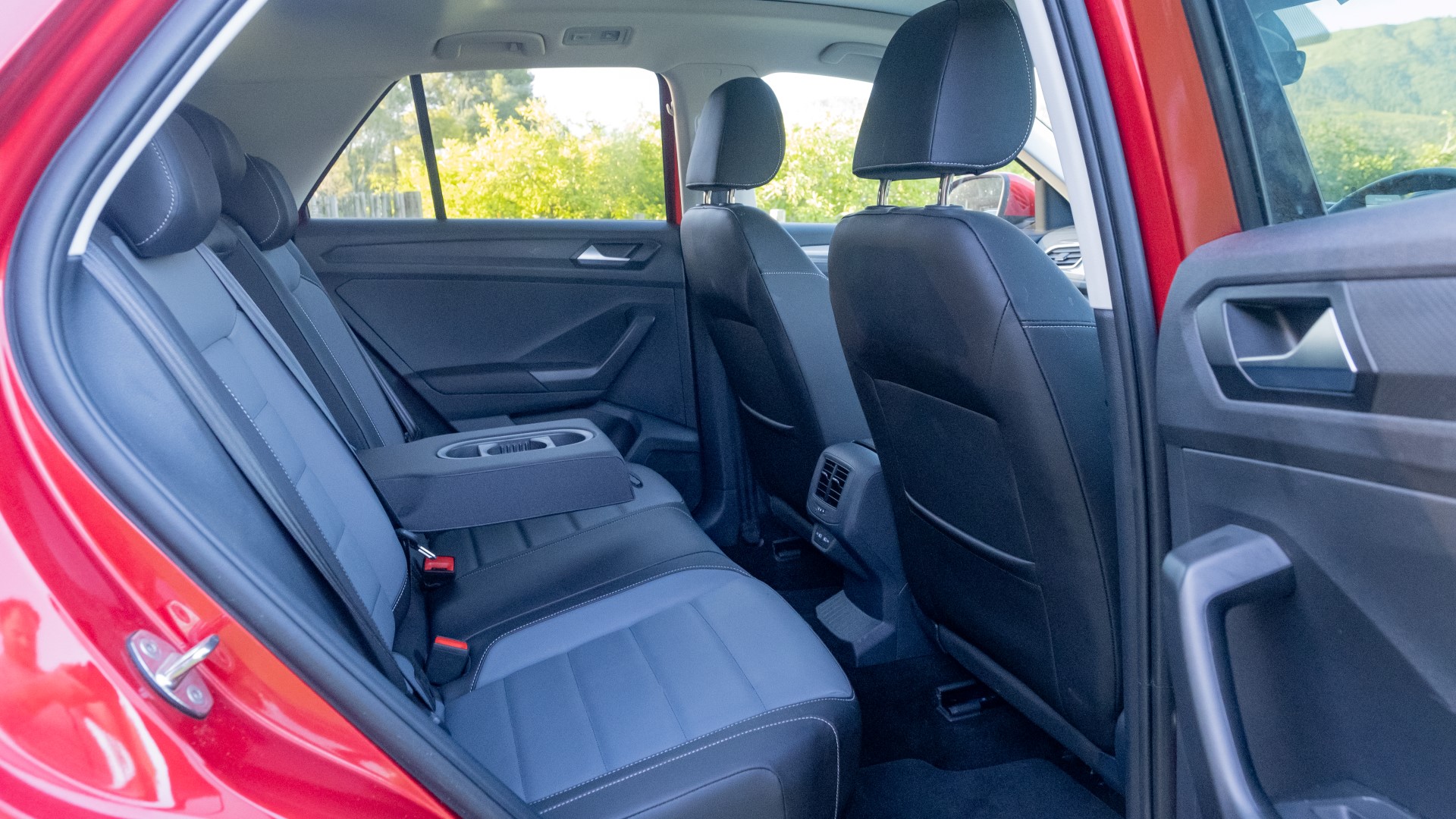
Rear legroom in the T-Roc is average but not generous.
As far as rear passenger comfort is concerned, legroom is adequate for adults – but not generous – and the central armrest is equipped with a convenient cupholder.
There are admittedly larger and more spacious new vehicles available at this price point (R563 800), so buyers will have to decide whether the T-Roc’s sheer stylishness makes up for its limited interior space.
How does the T-Roc 1.4TSI perform on the road?
The T-Roc is superbly comfortable on tar while also returning good fuel economy.
I travelled almost 2 500 km in the T-Roc. Much of that distance comprised tar roads, but I also ventured onto a variety of dirt roads to find out how well the VW would cope with typical gravel-travel conditions.
Suffice it to say, the Volkswagen is most at home on tar and even though its suspension tune is on the firmer side of pliant, the T-Roc’s ride quality is very refined/resolved, which makes this “city slicker” surprisingly well-suited to undertaking long-distance journeys on less-than-well-maintained roads.
Not only does the T-Roc deliver amply in terms of driving comfort – it also handles rather nimbly! By small crossover standards, the Volkswagen’s steering is just about perfectly weighted, it responds accurately to inputs and it rewards its driver with precise cornering ability and negligible body roll.
The performance of the 1.4-litre turbopetrol engine is surprisingly perky, especially between 50 to 120 kph; apart from the initial turbo lag, I didn’t have any problem executing brisk overtaking manoeuvres at highway speeds. The powerplant directs its peak outputs (110 kW and 250 Nm) to the front wheels via a smooth-shifting 8-speed automatic transmission. In fact, the transmission is so slick (refined) that you’d be hard-pressed to notice when it changes gears. You can also actuate manual shifts using the ‘wheel-mounted shift paddles (if you must), but perhaps the transmission is best left to its own devices.
Understandably, the engine note does sound strained when you flatten the accelerator pedal to summon acceleration, but I wouldn’t describe the T-Roc’s mechanical soundtrack as clattery or overly noisy.
The T-Roc is a composed and sure-footed handler with a responsive steering setup.
I think this engine’s outputs are adequate for this application, even when the vehicle’s loaded, but some buyers might feel that it could do with more power and torque. If you seek punchier performance then Volkswagen’s turbocharged 2.0-litre petrol engine with 140 kW/320 Nm is also offered for the T-Roc.
With fuel prices surging, fuel efficiency may probably factor into your car-buying decision more than ever. As it happens, this T-Roc proved to be quite frugal during our test, when it returned an average of 6.7 L/100 km, which is what you would expect for a car of this size and engine capacity (note that Volkswagen claims 6.3 L/100 km). However, you will be filling up with fuel fairly often as the T-Roc is equipped with a smallish (50-litre) fuel tank which translates into an estimated range of 746 km.
How does the T-Roc perform on gravel?
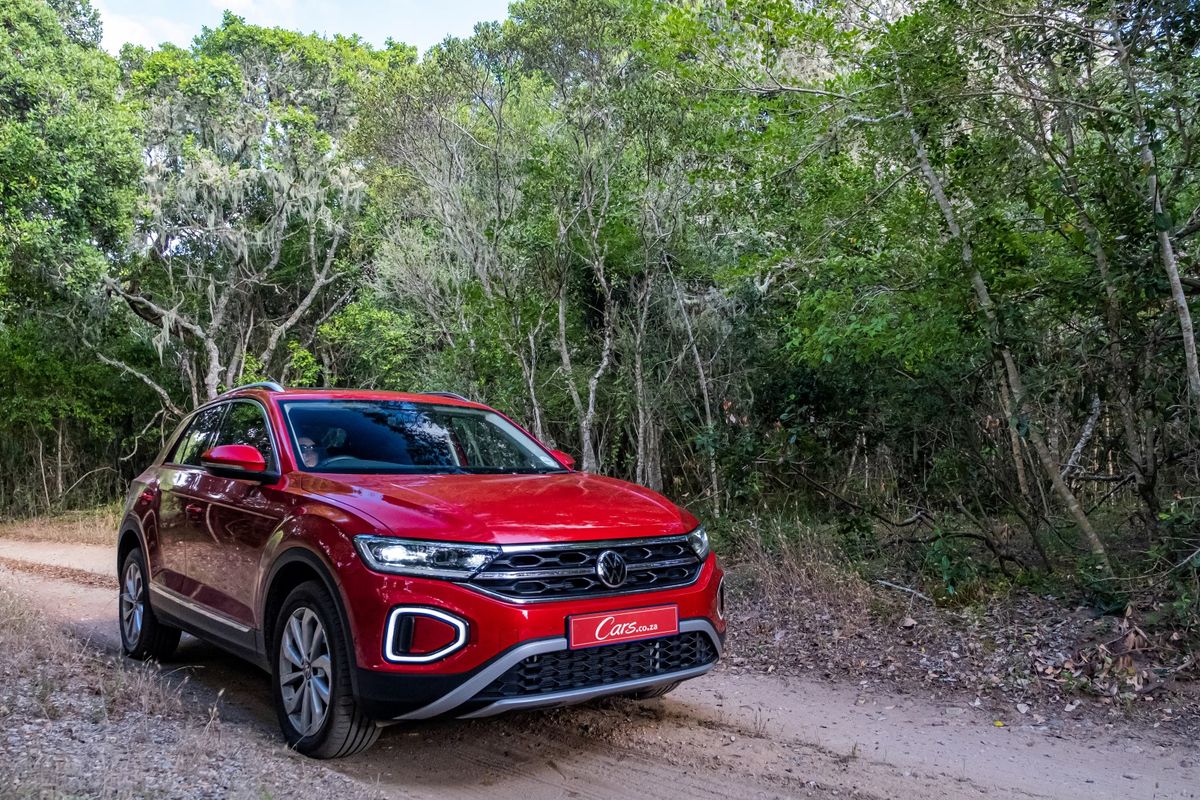
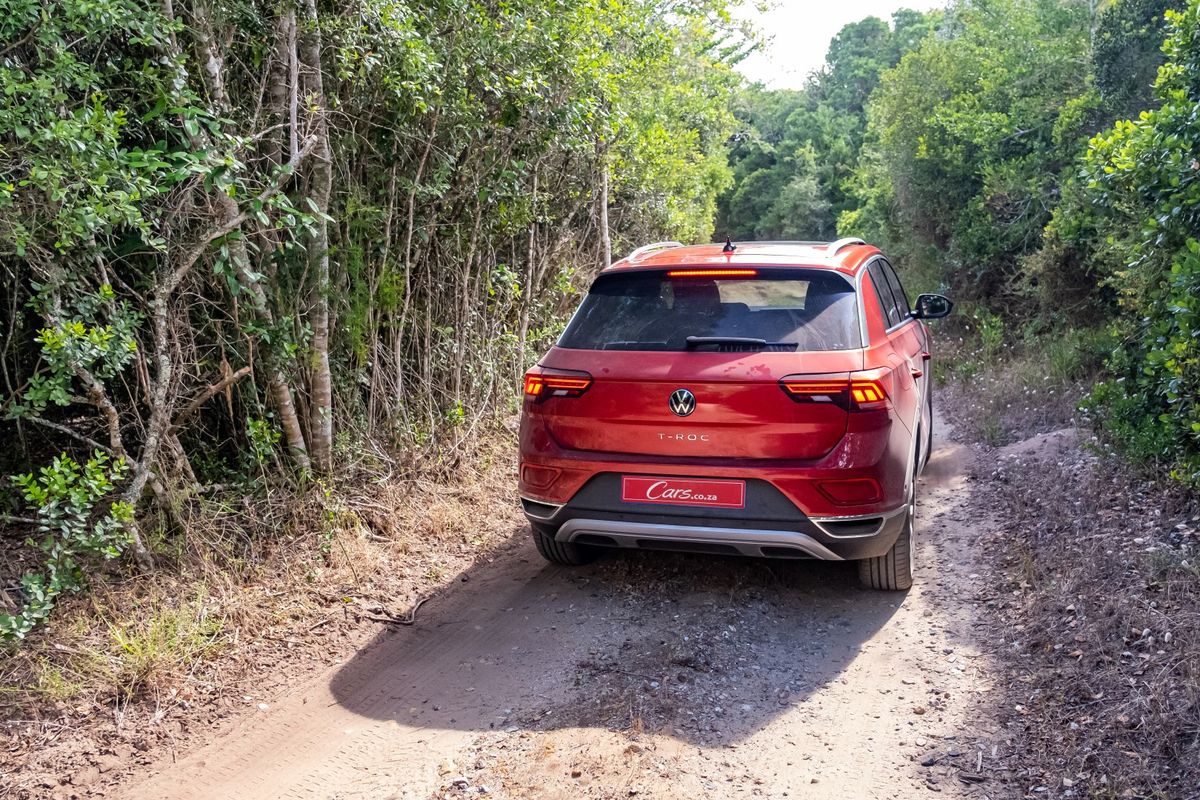
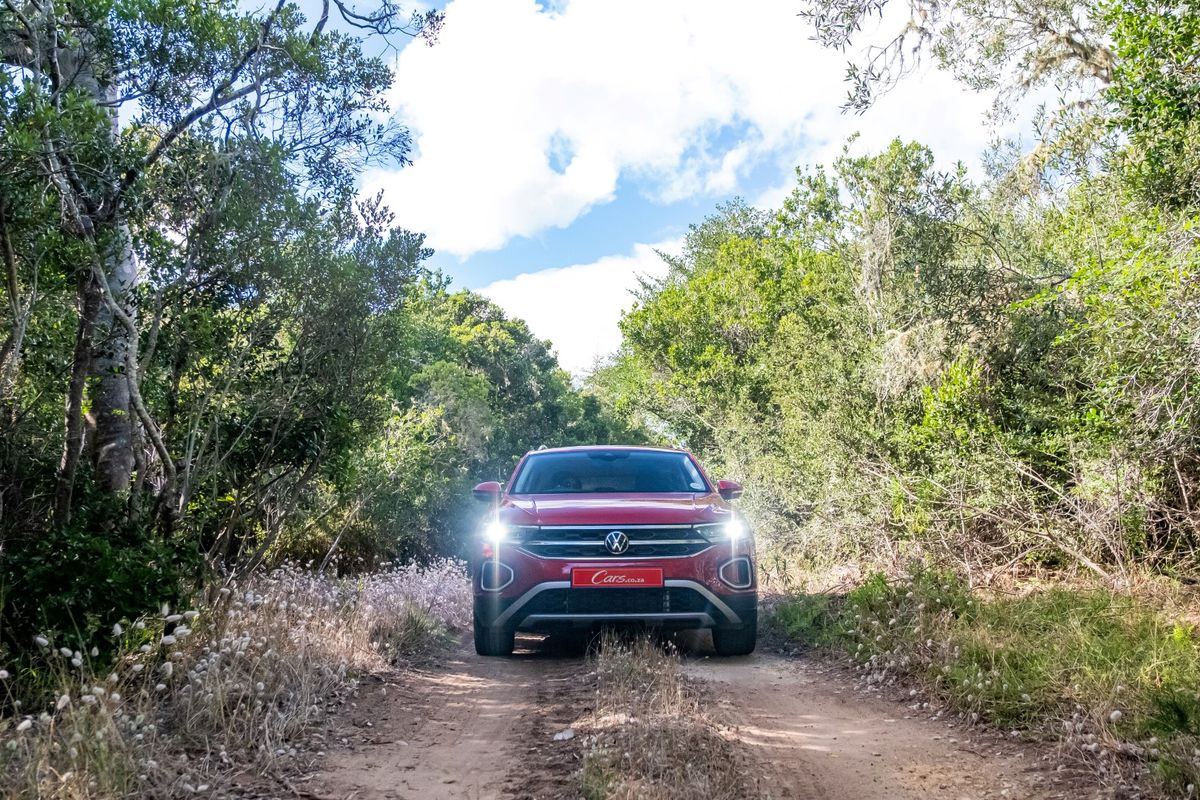
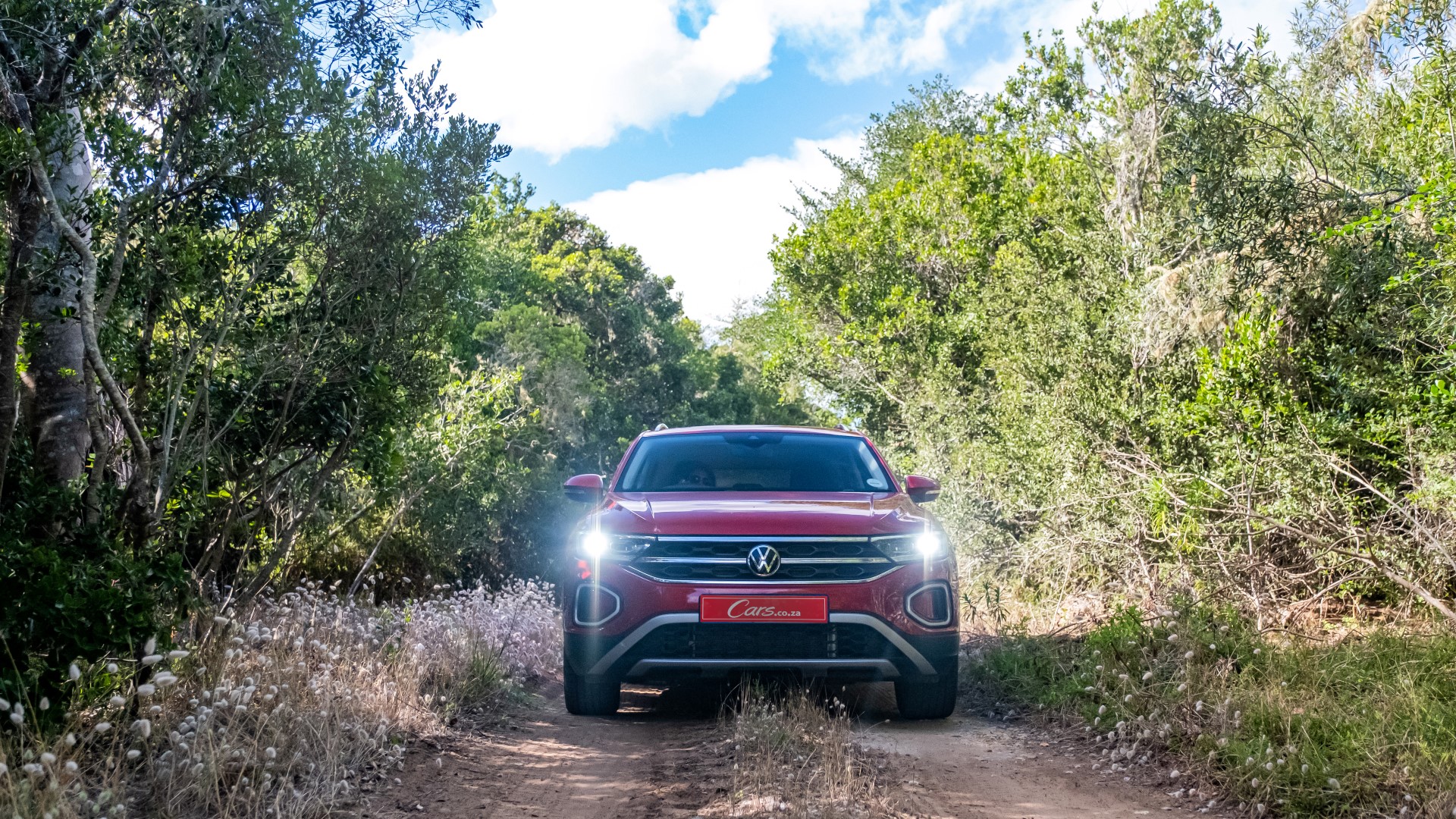
Choose your gravel road carefully with the T-Roc!
The T-Roc ventured into the wilds of a place called Platbos Forest Reserve in the Southern Cape, where dirt roads wind through the southern-most forest in Africa – and one of the last surviving indigenous forests in South Africa; some of its trees are more than 1 000 years old! It’s an incredible place…
It must be noted that the T-Roc’s ground clearance is only 161 mm, which does limit its ability to navigate more uneven – or rutted – gravel sections. We soon discovered this on an uphill section of gravel road (with slightly raised sections) where the Volkswagen’s front wheels passed the hump, only for the front-wheel-driven T-Roc to quickly lose traction with its wheels spinning out in the dust. It was during that very episode that I was reminded that the T-Roc is more of an urban queen – not a wild child.
Even so, on your average, flat sections of gravel road, the T-Roc’s composure and ride comfort must be commended; it copes well with washboard sections of gravel. However, if you regularly drive on gravel or go off-road then perhaps the T-Roc isn’t the best choice but as a “town car”, it’s bang-on perfect!
Pricing and Warranty
Pricing for the Volkswagen T-Roc 1.4TSI Design starts from R563 800, which includes a 3-year/120 000 km warranty and a 5-year/90 000 km service plan. Note that with a selection of optional extras fitted, the price of this particular test unit came to about R637 000!
In an ideal world, yes, you should! Even in its base form, the T-Roc is an excellent car that is hard to fault – a well-rounded and competent product. It looks and feels modern, performs well, returns good fuel economy and remains relatively practical despite the fact that it is an attractively styled compact car.
We don’t, however, live in an ideal world. Anyone who has been shopping for a new vehicle in the past few years will know that new-car prices have escalated dramatically… As a result, most new-car buyers have had to reconsider their budgets and, sadly, lower their aspirations, to find vehicular solutions that meet their needs and can be purchased without running the risk of being financially overburdened.
To illustrate my point, when the T-Roc was launched in South Africa in November 2020, the 1.4TSI Design was more soberly priced (R489 400). The revised T-Roc arrived in July 2022 and, unsurprisingly, its prices went up. Yes, sure, you can argue that the current pricing accounts for the updates and you wouldn’t be entirely wrong, but the fact remains — the T-Roc is a pricey proposition, and unless you can afford it, it’s a tough pill to swallow, no matter how you try to cut that cake.
Within the context of the small crossover/medium SUV market, in the R550k–R650k buying bracket, the T-Roc is up against some serious contenders, many of which are larger, are much more spacious and practical, more lavishly equipped with features and, therefore, offer considerably better value for money.
For example, the same money can buy you the new Kia Sportage medium SUV, which some regard as the best buy in the family-car segment, and you will still have some chump change left to buy ice cream for the kids! The same applies to cars such as the new Hyundai Tucson and Mazda CX-5, for example.
The T-Roc is an excellent offering but pricing will be a sticky issue for many potential buyers.
There‘s no doubt about it… Volkswagen makes excellent cars and its enviable small crossover- and medium SUV sales numbers prove that the local market values the Wolfsburg-based brand’s badge and its quality offerings. You will have to decide for yourself how much that VW badge means to you.
In 2022, Volkswagen sold no fewer than 2 407 T-Rocs units in South Africa; it averaged 201 units per month with its strongest month being July 2022 (with 347 new registrations). Despite Volkswagen’s solid sales performance in one of the hottest segments of the new-vehicle market, the firm’s steep pricing structure across its SUV range has, and will continue to, erode sales in a value-driven new car market.
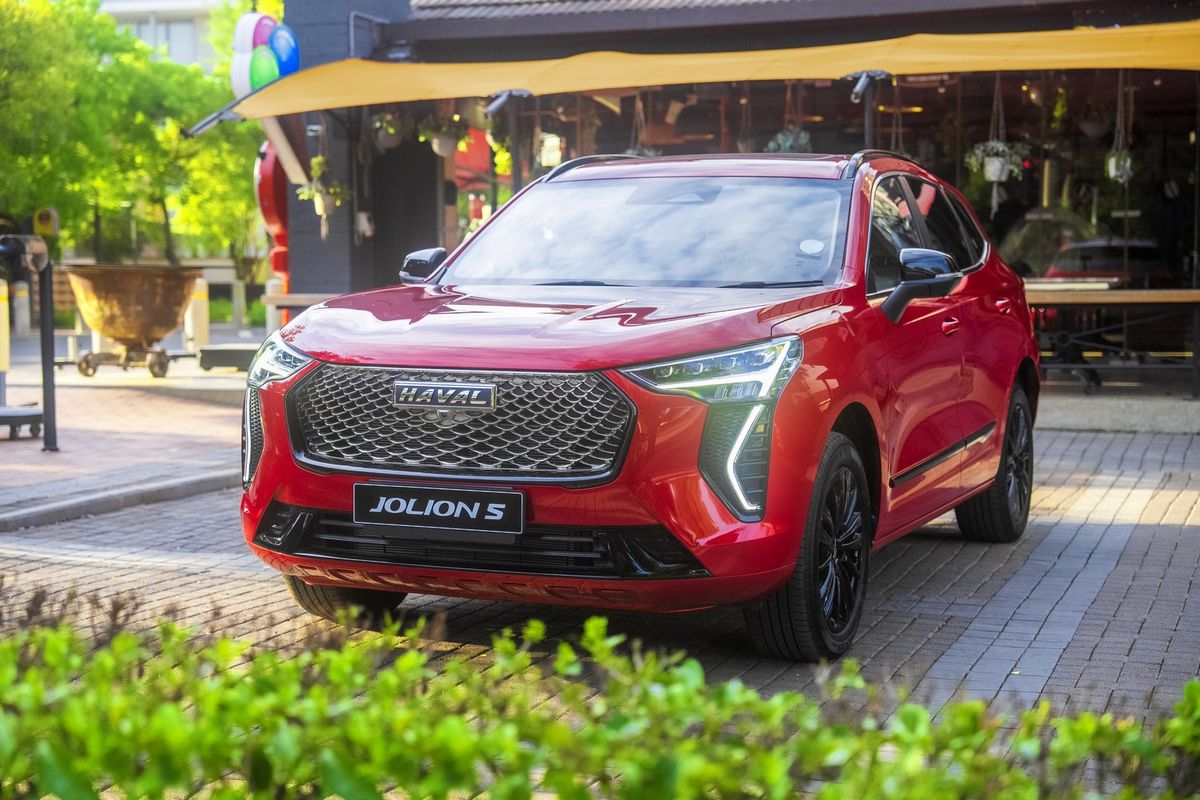
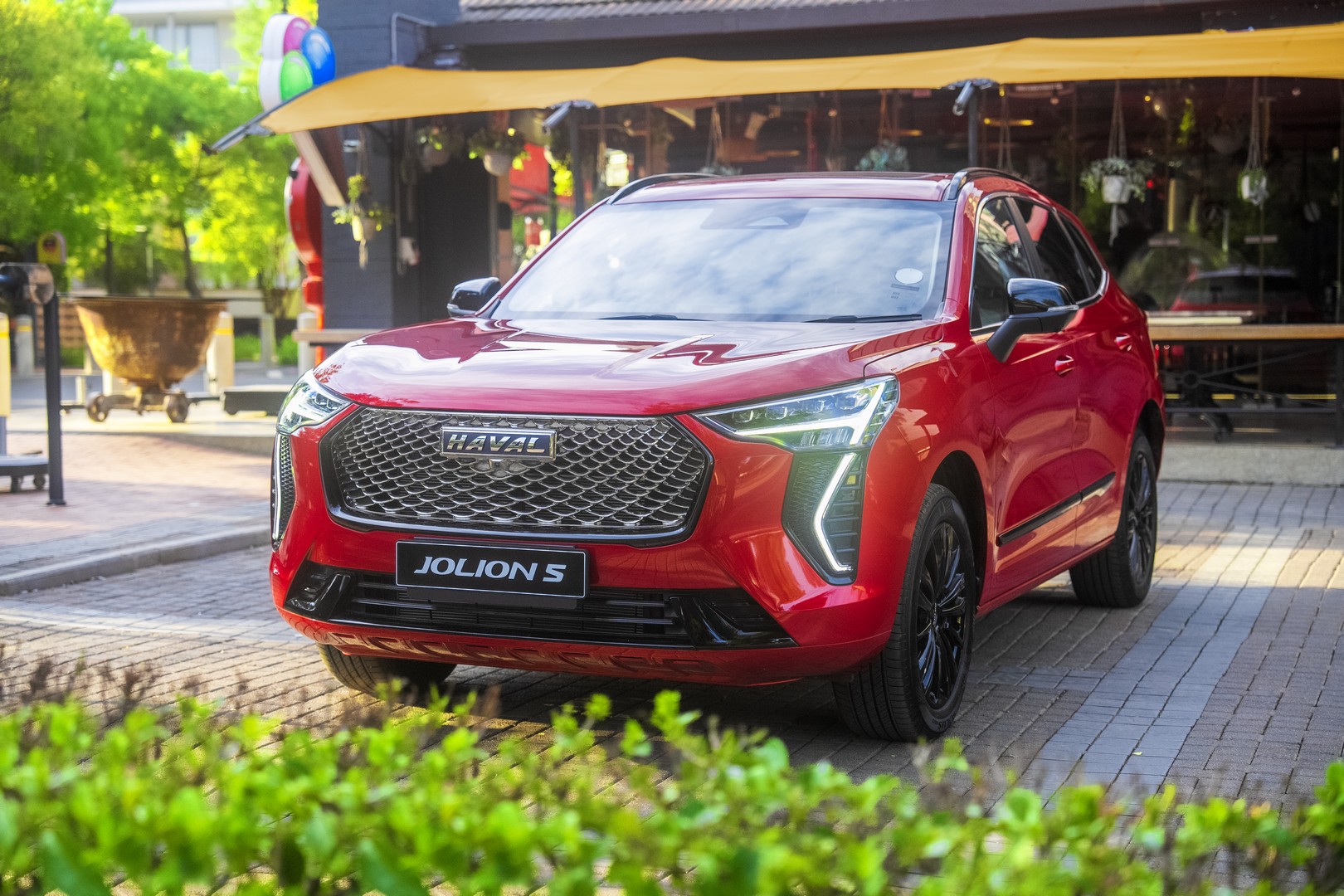
The Haval Jolion S has launched in South Africa, featuring more power and more aggressive styling. Here’s how much it costs, plus details on its new engine.
It could be said the Jolion has been an absolute winner for the Haval brand, highlighting just how rapid the Chinese carmaker has understood and rolled out appropriate products for the developing markets. The Haval of just 5 years ago is nowhere near anything like the Haval of today.
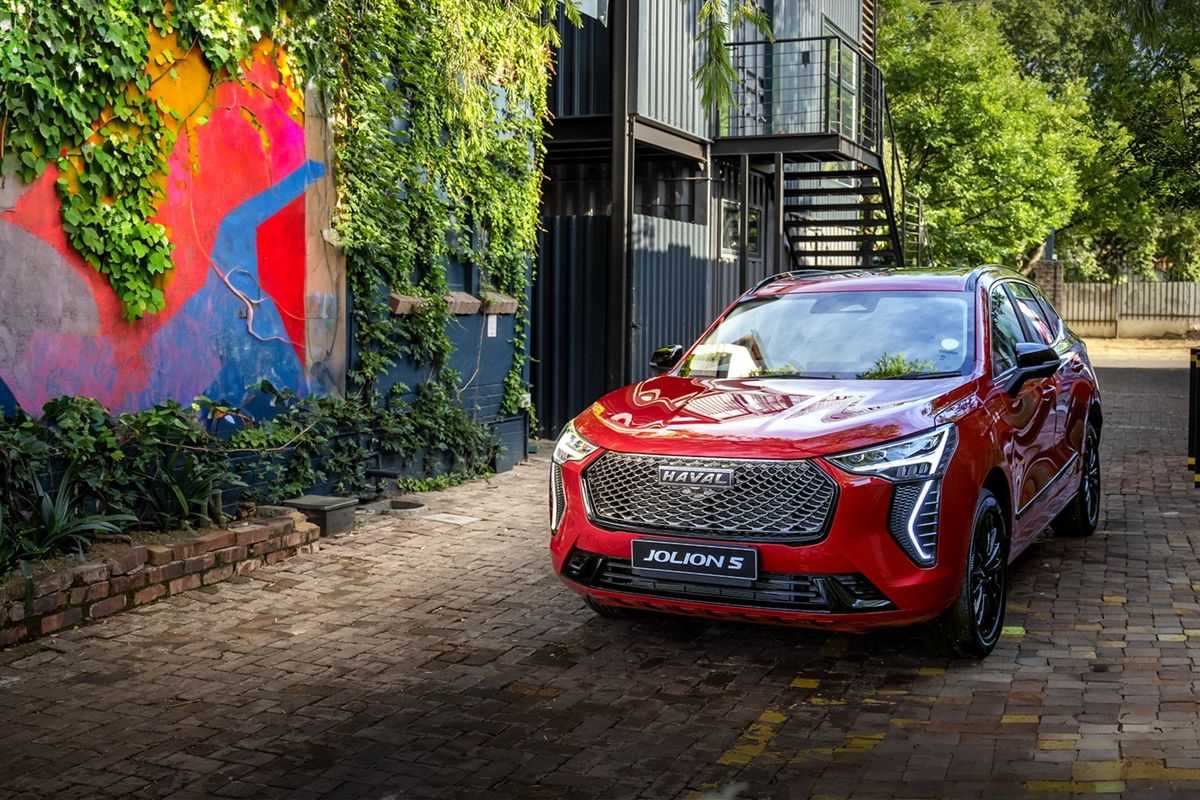
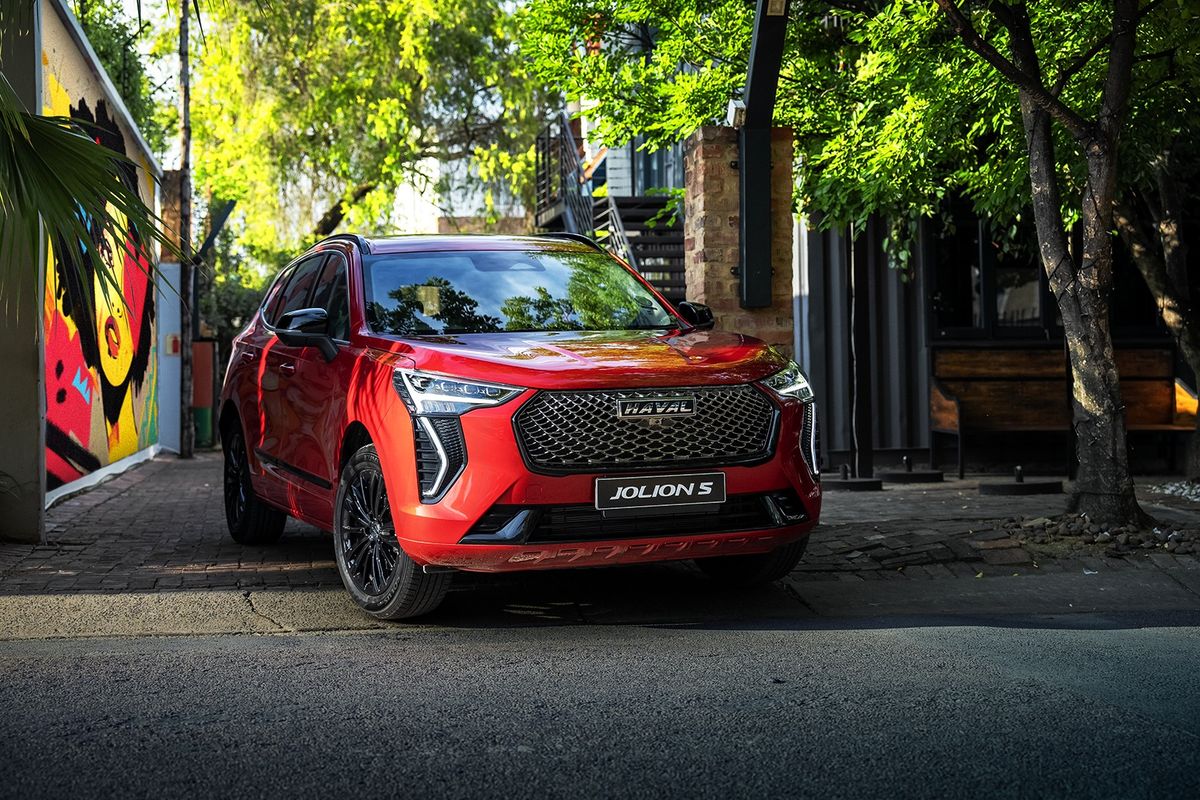
Now there’s the Haval Jolion S, bringing more performance and sportier styling to South Africa. “The contemporary Jolion range has proven its popularity with South African motorists since being introduced in 2021. Haval’s promise of reshaping tomorrow continues in 2023, by constantly refining our vehicles to give a first-class driving experience, and the Jolion S does just that, with an enhanced ride and handling performance which befits the S nameplate,” said Haval South Africa Chief Operations Officer Conrad Groenewald.
Cutting right to the chase is a new-generation 1.5-litre petrol engine that’s fitted with an upgraded turbocharger. There’s 130 kW and 270 Nm on tap, which is an increase of 25 kW and 60 Nm over the standard model. An economy figure of 7.5 L/100 km is claimed, and performance figures were not supplied. The Jolion S comes with a 7-speed dual-clutch gearbox.
It’s not just a more potent engine as a new multi-link independent rear suspension replaces the standard torsion beam setup. This will improve the ride quality, refinement and handling.
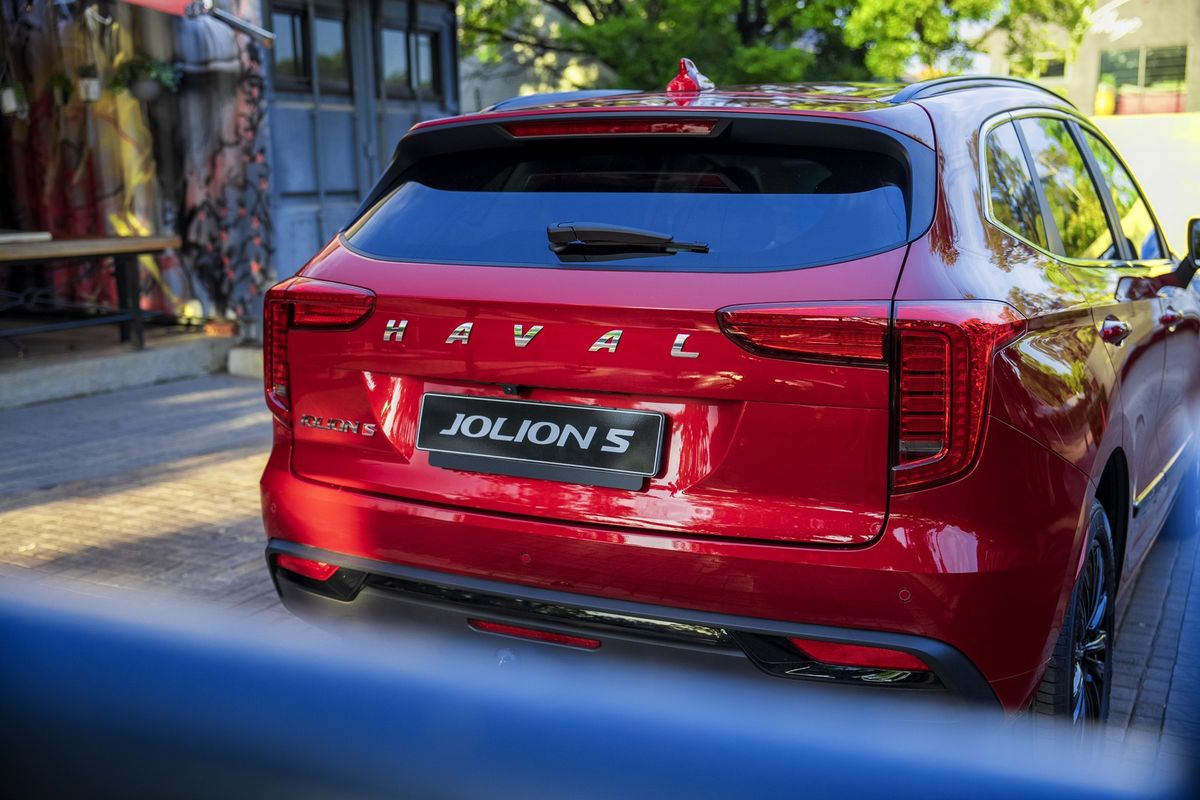
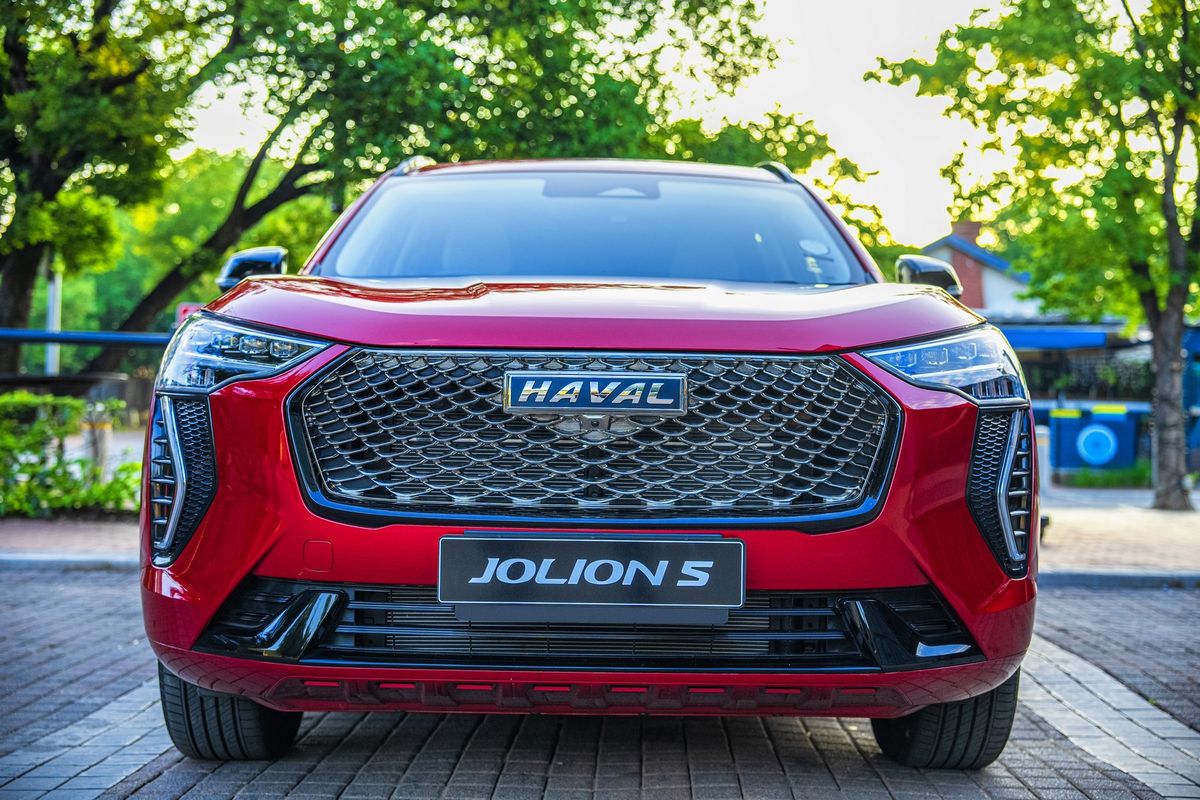
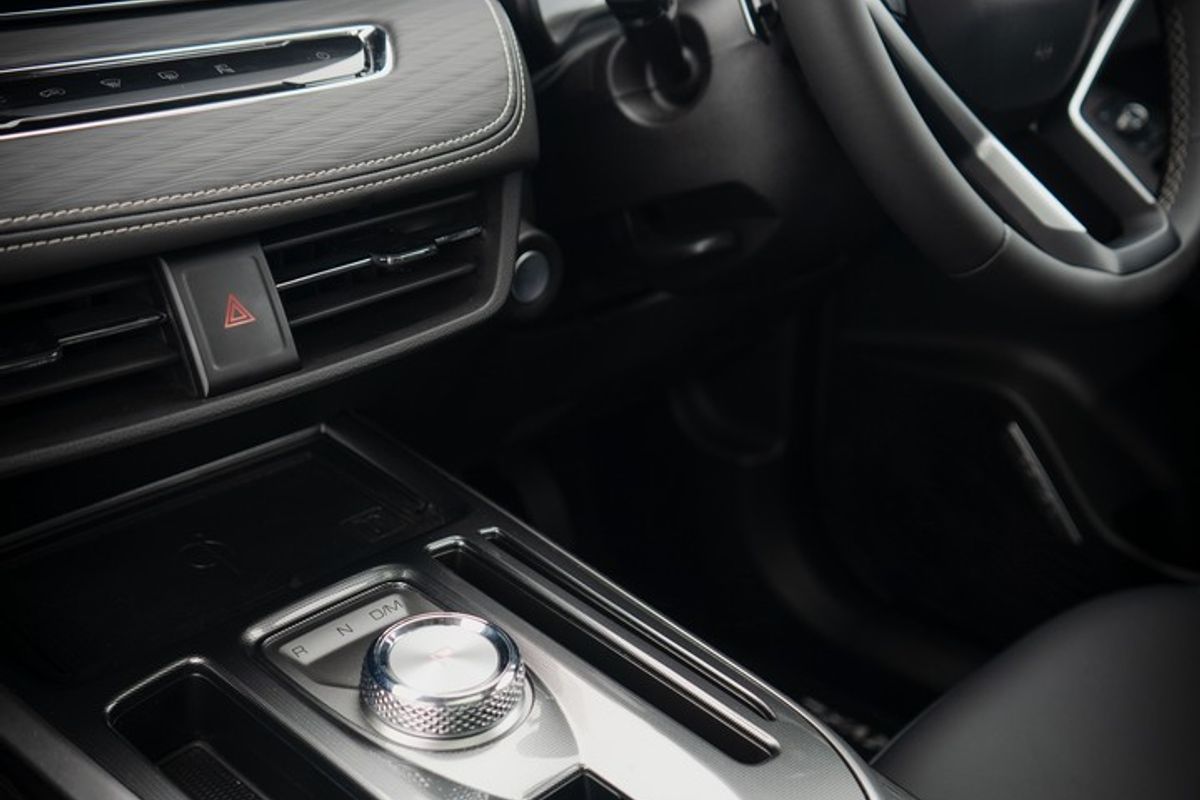
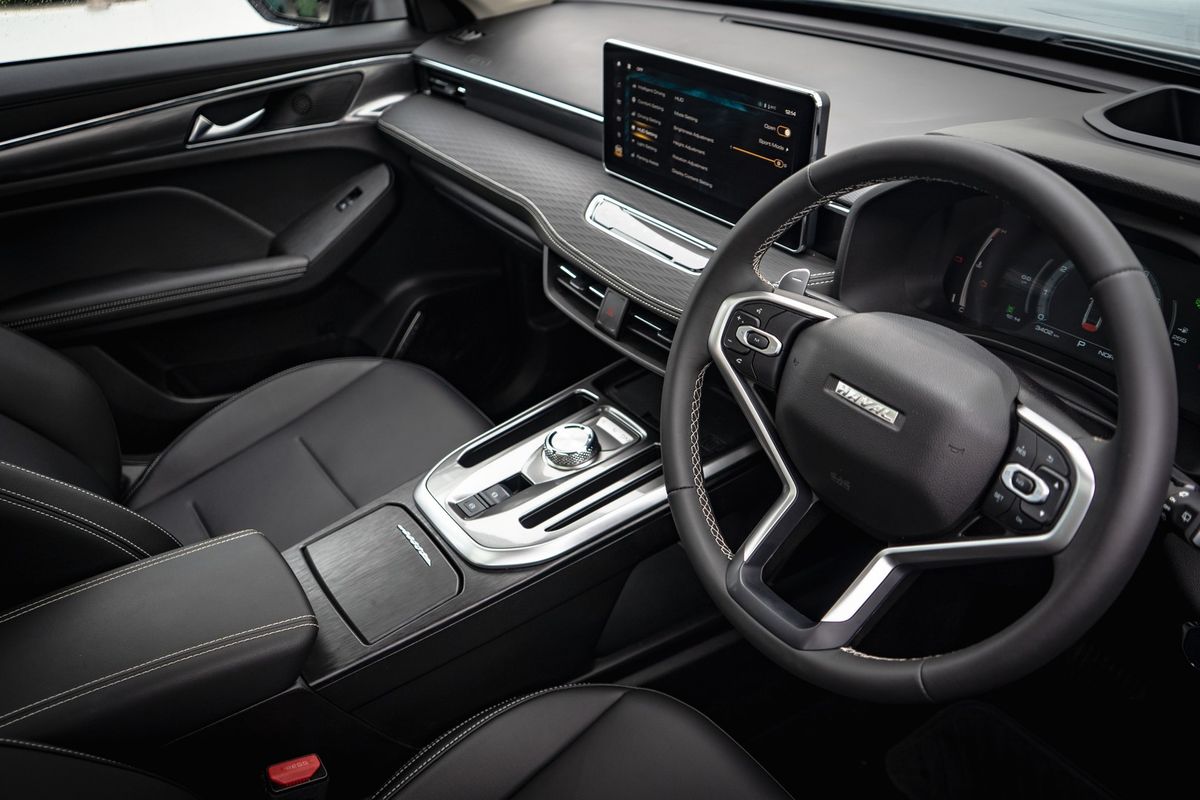
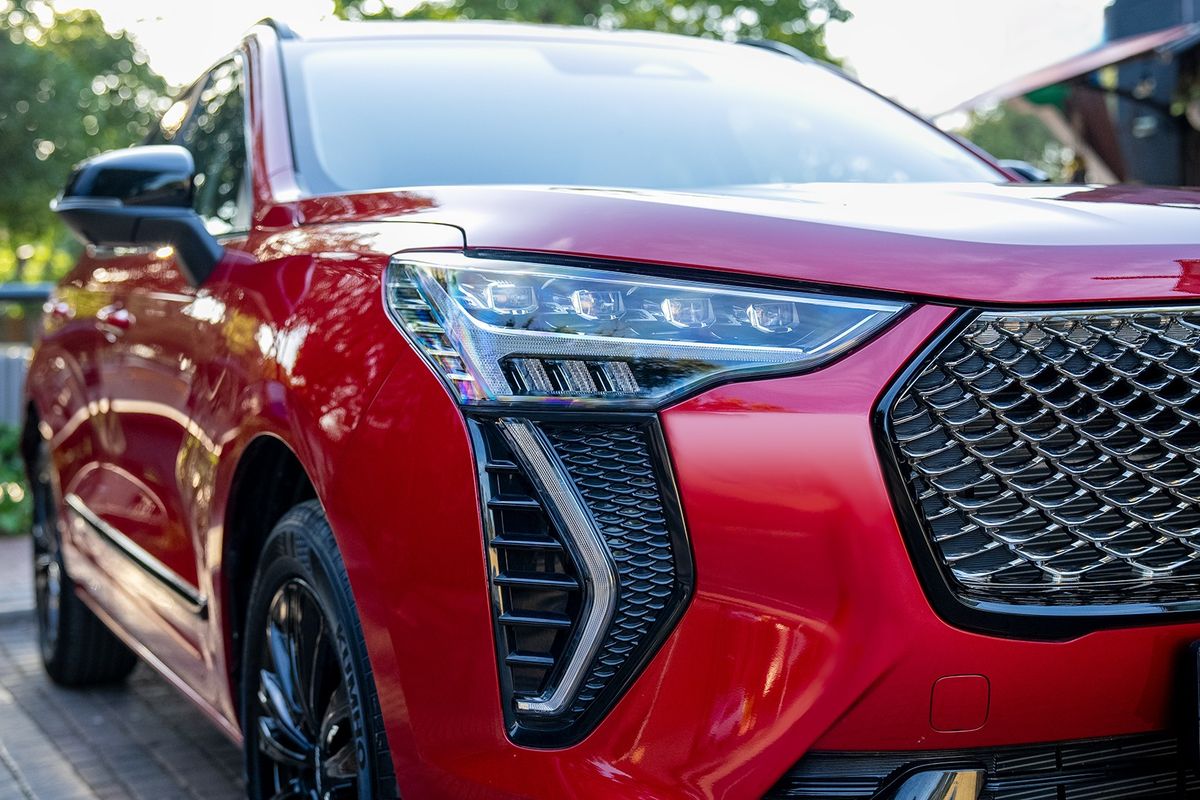
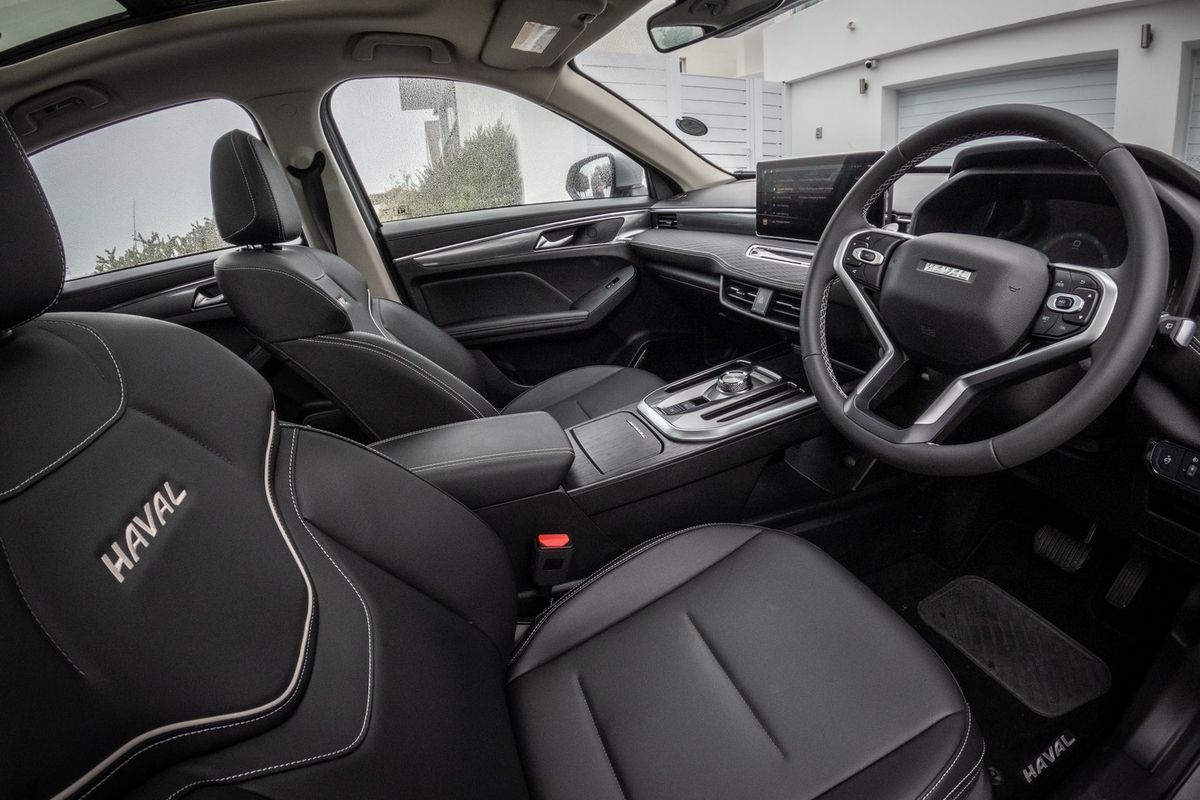
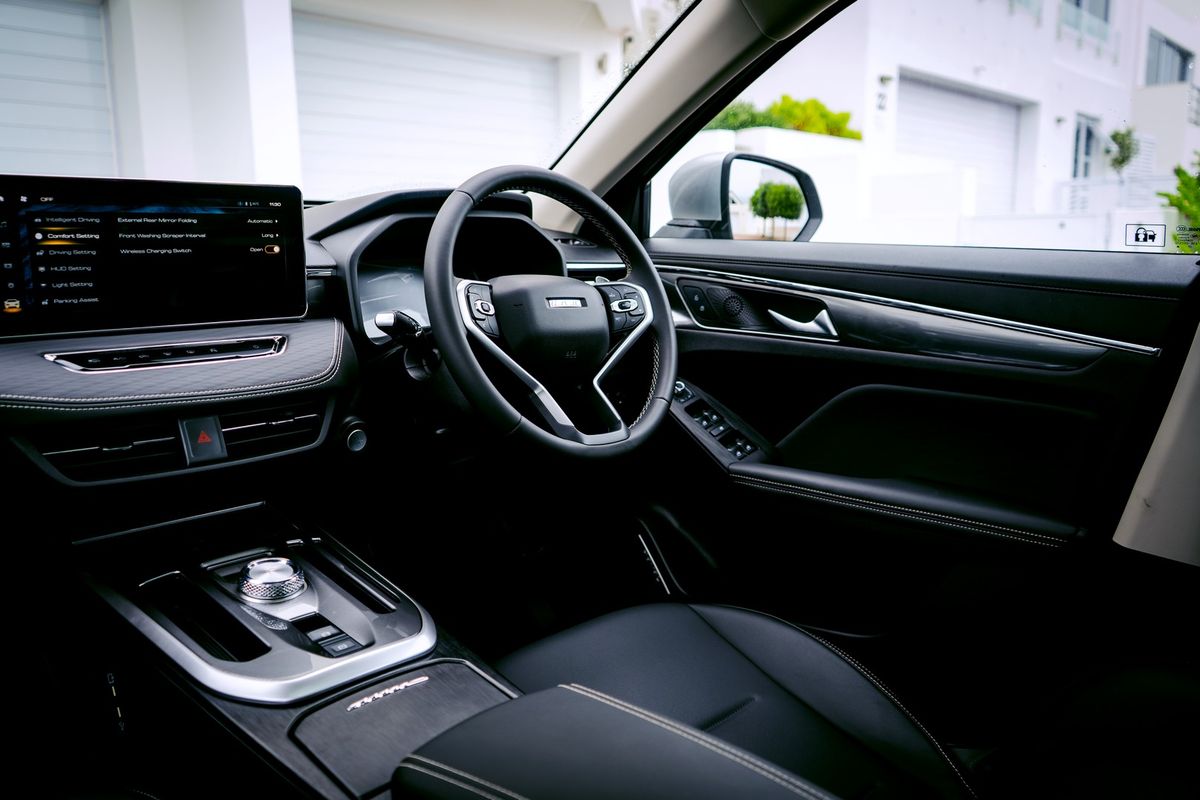
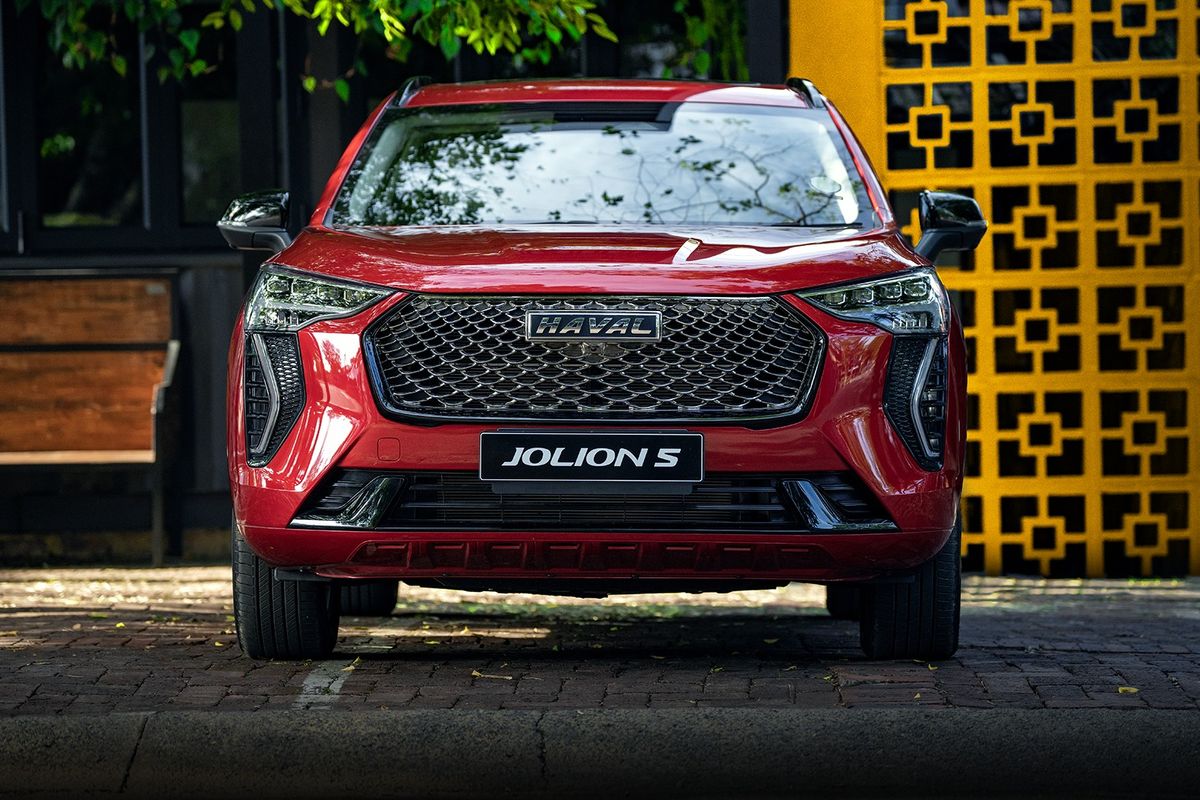
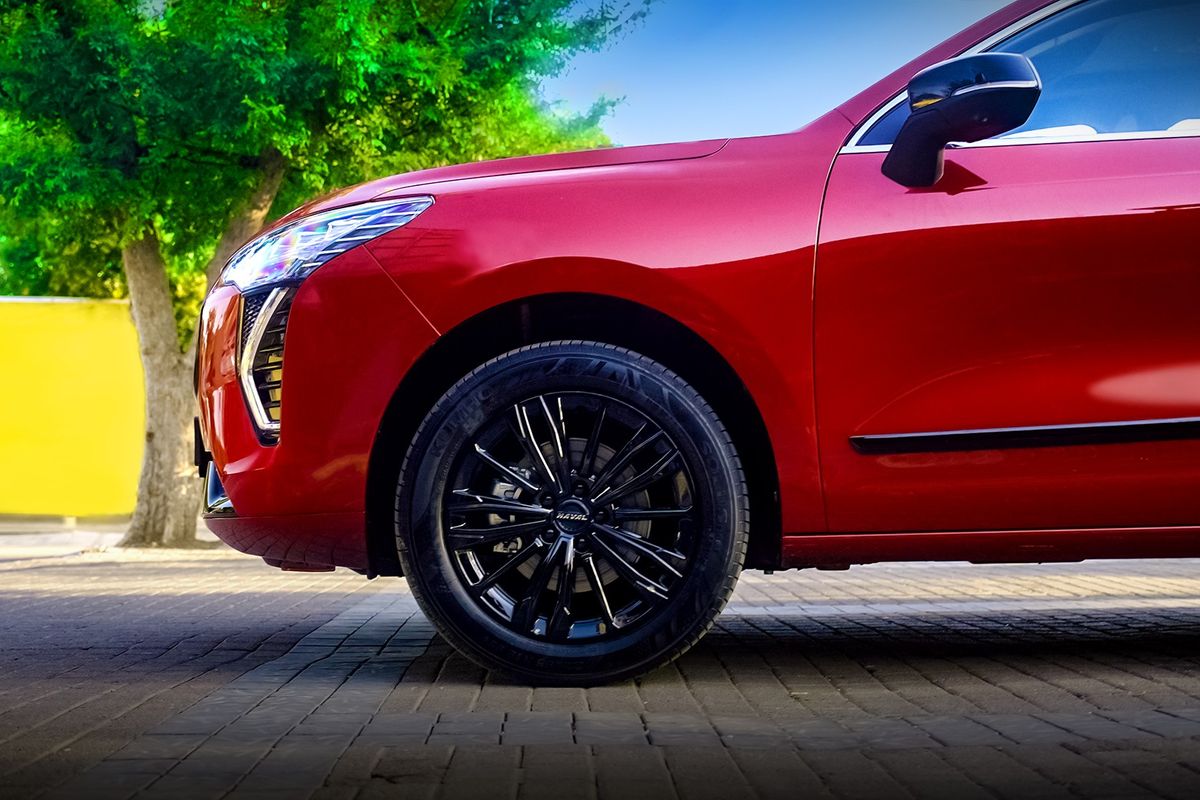
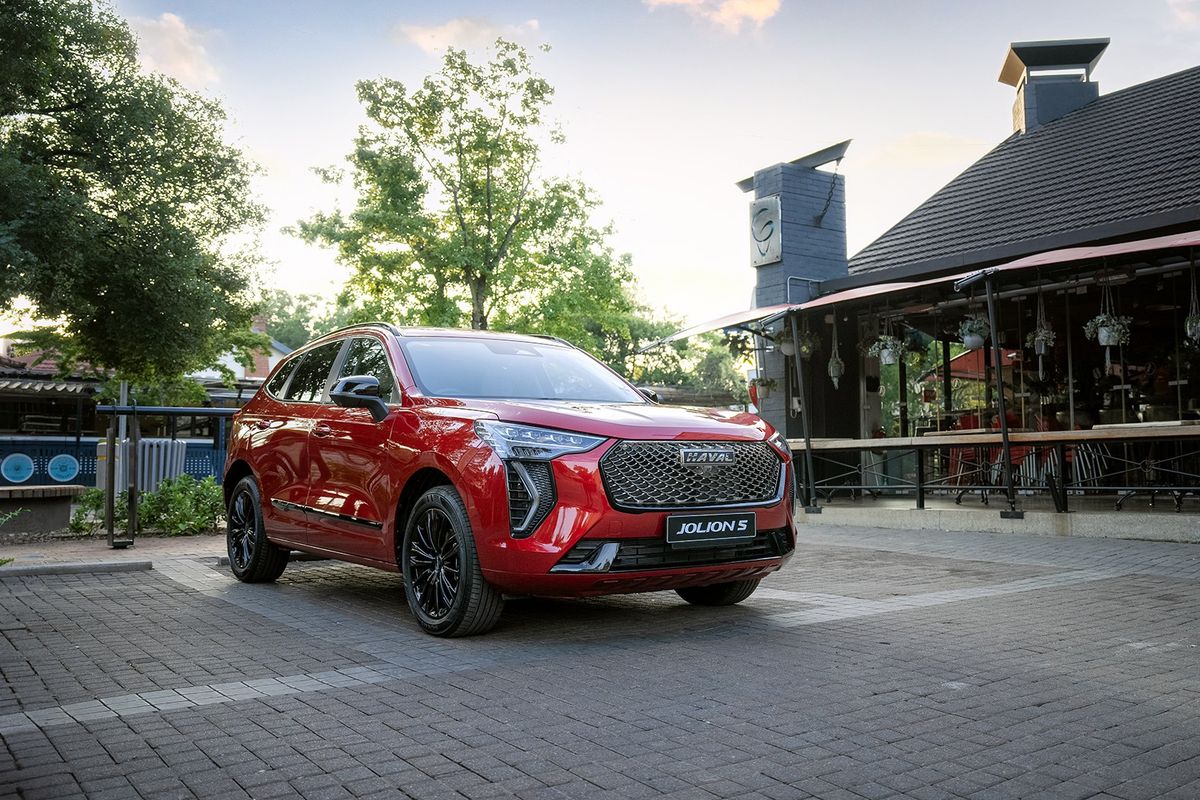
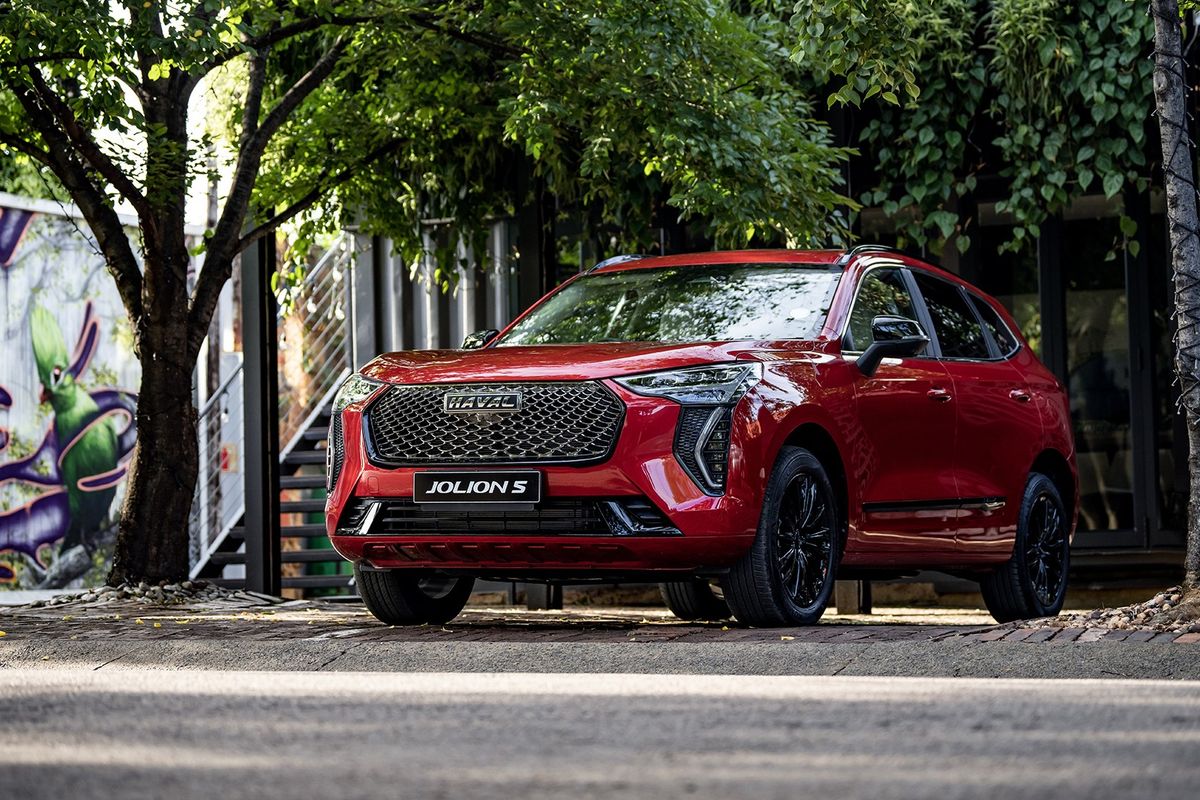
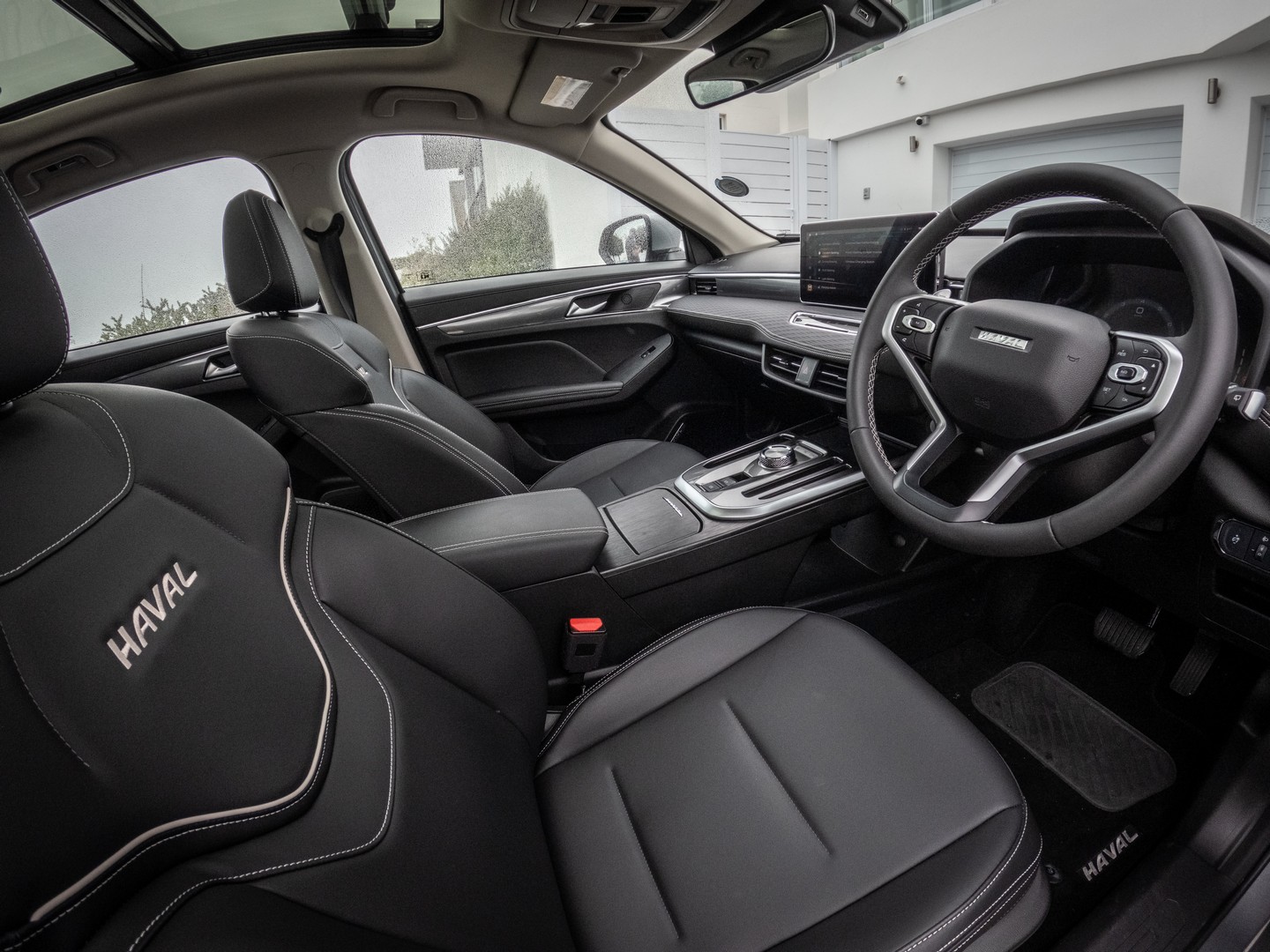
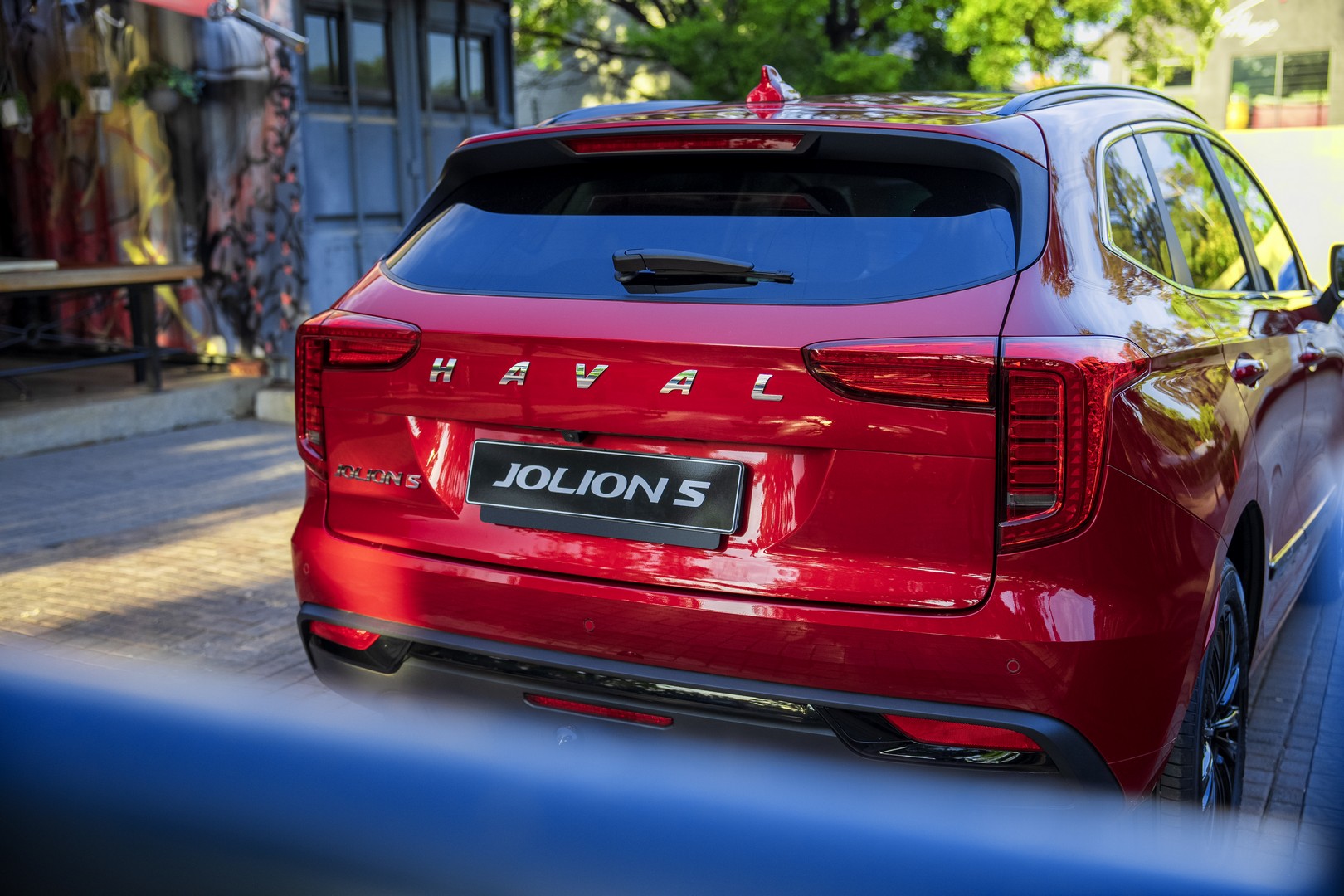
Inside, the Haval Jolion S gains the same level of specification as the Jolion Super Luxury (which is all-encompassing), but cosmetically, it features a sporty-looking honeycomb front grille and gross black detailing on the 18-inch wheels, mirror caps, roof rails, door beading and bumper garnish.
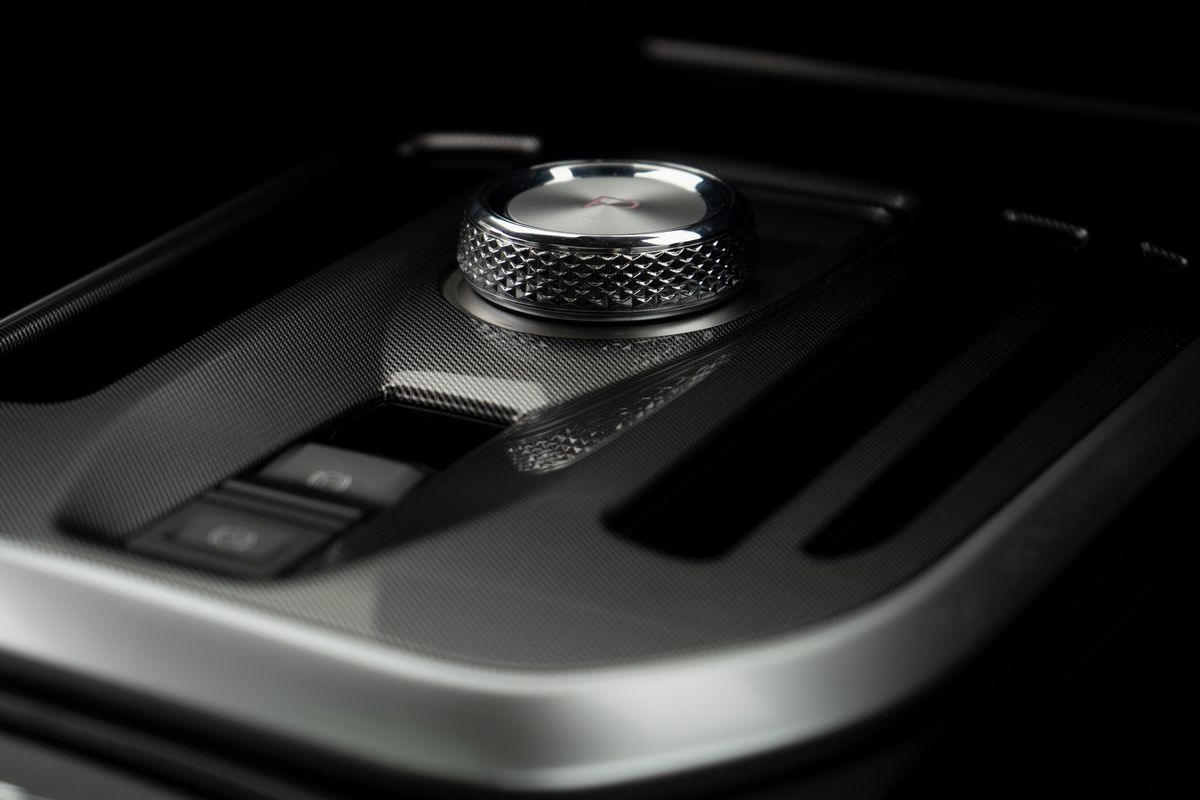
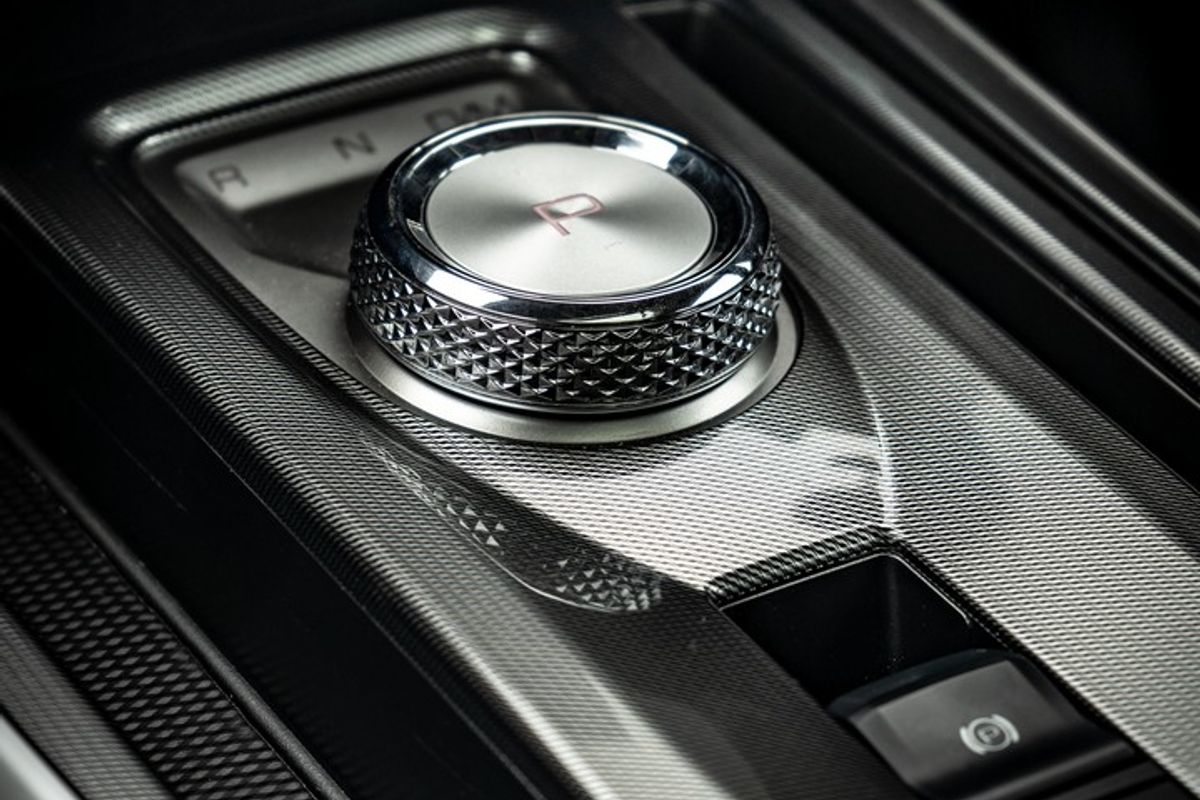
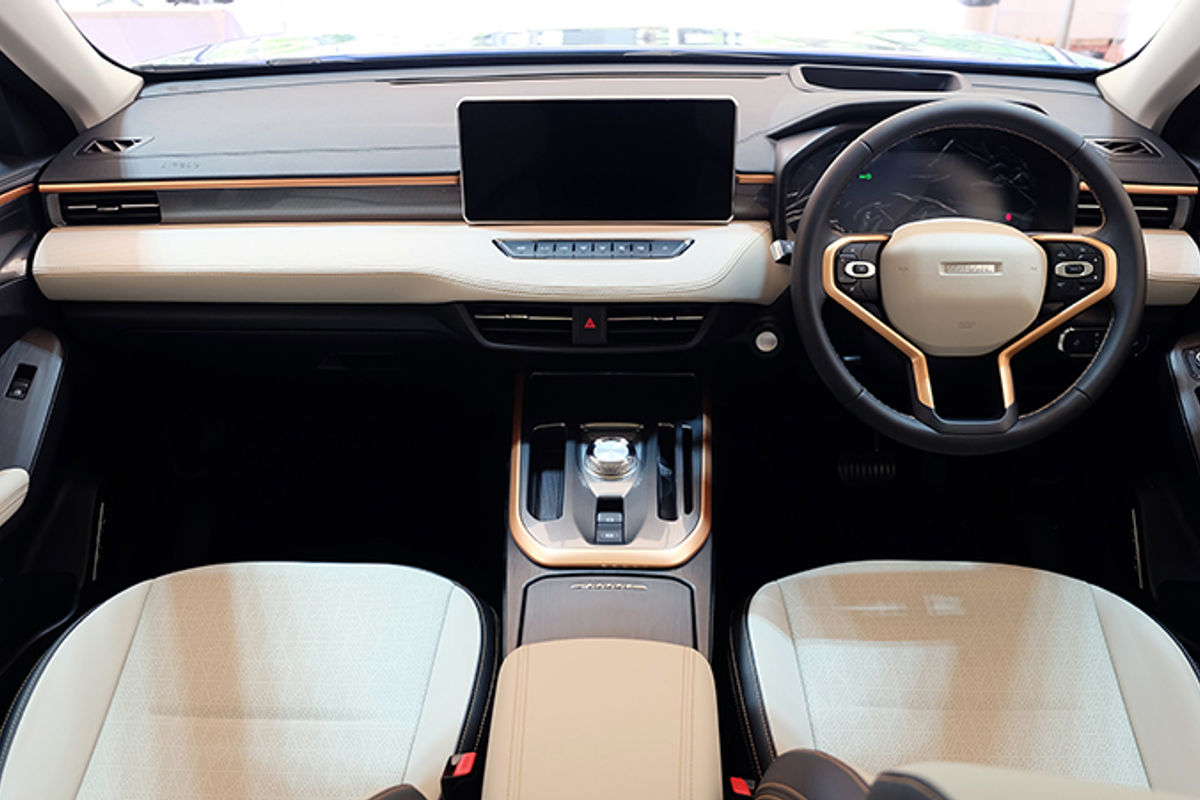
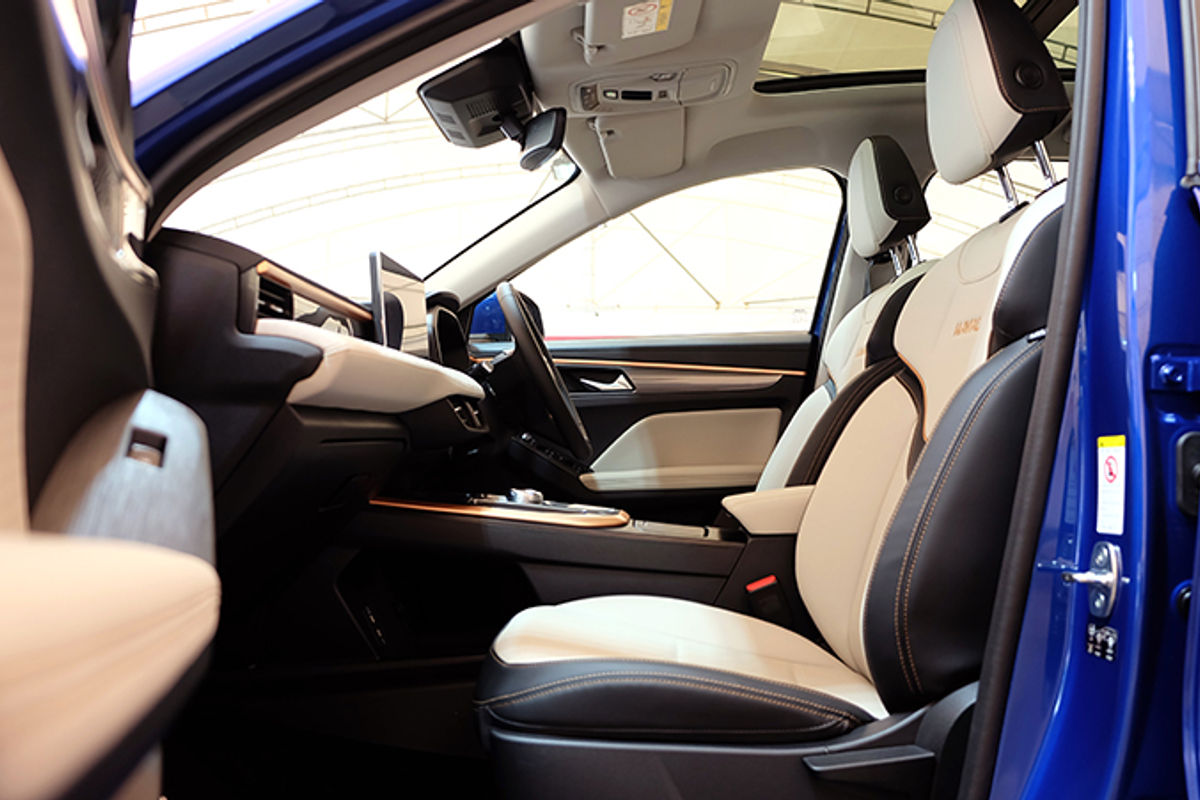
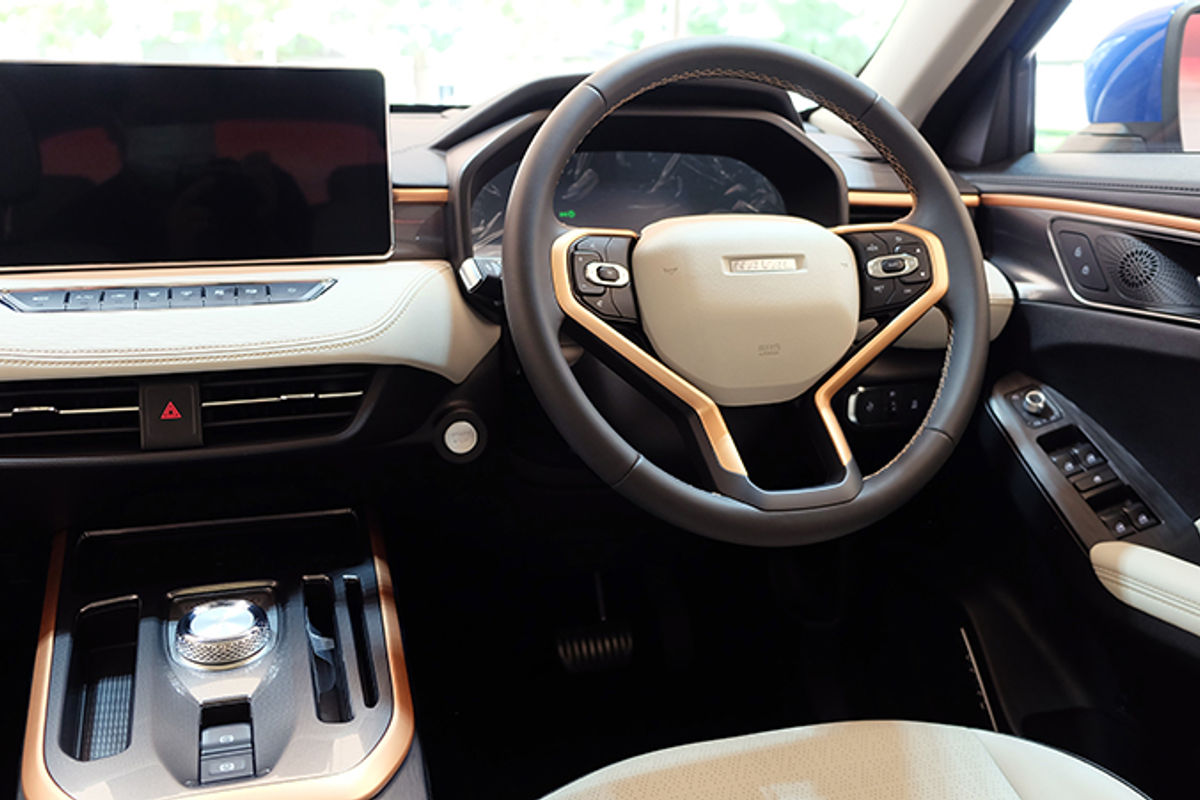
Standard features for the Jolion S include things like the 12.3-inch infotainment touchscreen, wireless charger, rotary gear selector and 7-inch digital dashboard. There are heated seats for the front two passengers, while the rear passengers have access to two USB charging ports. A panoramic sunroof and digital heads-up display are standard fare too.
BMW M Division Announces its Best-Selling Car of 2022
The BMW M division registered record sales in 2022, despite the German group’s overall sales dipping year on year. So, what was the best-selling M division car last year?
The BMW M division marked its 50th anniversary with a record sales year, registering as many as 177 257 units across its performance portfolio globally in 2022. That figure represents an impressive 8.4% increase compared with 2021. So, which model was the strongest seller for the division?
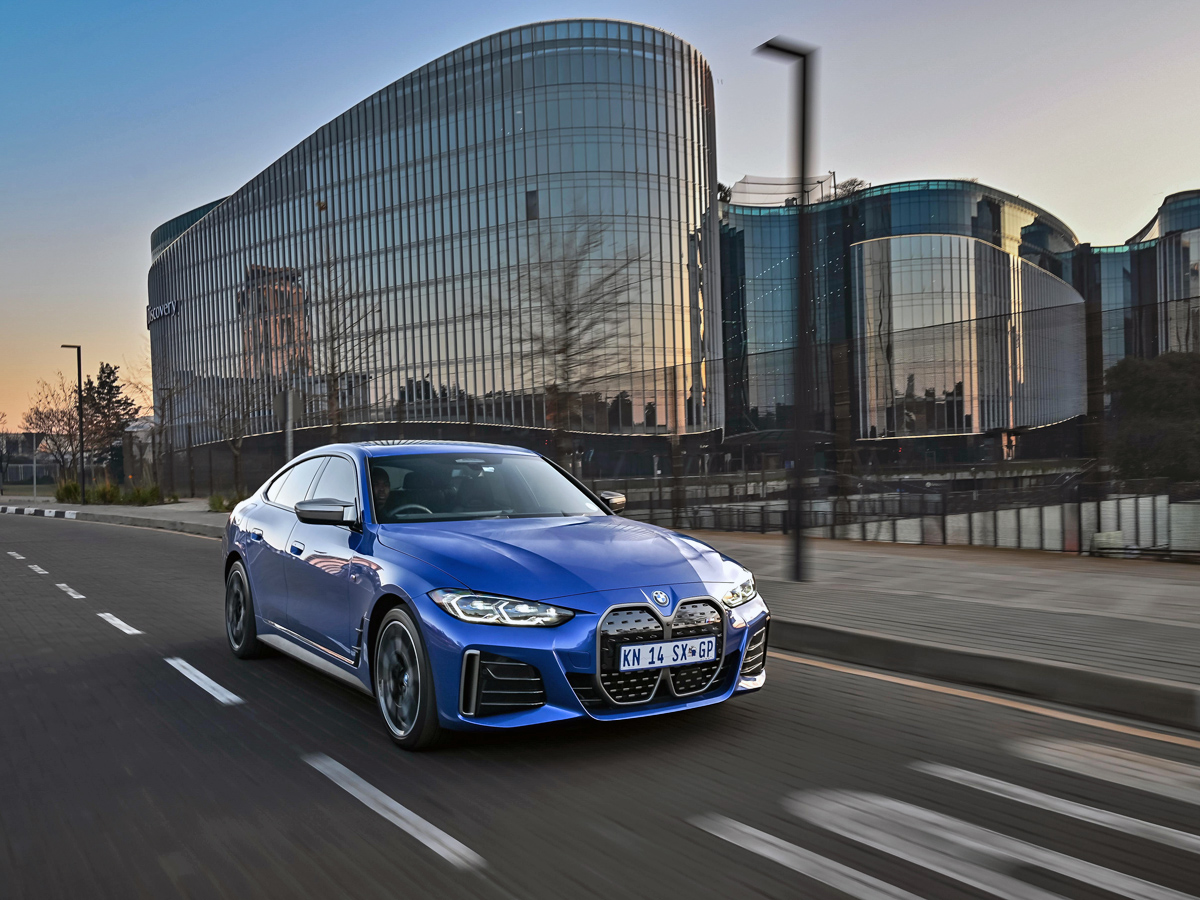
Well, the German group has revealed the i4 M50 was the best-selling BMW M automobile (remember, the division is responsible for both the M Performance and full-fat M line-ups) in 2022, marking the performance arm’s “successful start into the age of electric mobility”. Unfortunately, the company opted not to release an exact sales figure for the i40 M50.
“The best-selling BMW M automobile of 2022 is the all-electric BMW i4 M50. For us, this is a clear signal that the unique M feeling has arrived in the world of electrified vehicles,” said Timo Resch, Head of Customer, Brand and Sales at BMW M GmbH, with the brand adding the vehicle’s driving dynamics proved to be a “real crowd-puller right from the outset”.
As a reminder, the all-wheel-drive i4 M50 boasts an electric motor on each axle, which together generate maximum peak outputs of 400 kW and 795 Nm. According to BMW, the battery-powered fastback will hit 100 kph from standstill in 3.9 seconds, before topping out at 225 kph. In South Africa, it is priced from R1 637 900 (January 2023).
The i40 M50 was the M division’s strongest seller globally in 2022…
“The new sales record for BMW M Automobiles is based on our successful presence in a broad range of vehicle segments. With our wide-ranging product portfolio, we are also ideally positioned for the future,” Resch added.
Yes, BMW M says its year-on-year sales growth was “also based on sales successes in a wide range of vehicle segments”. Last year saw the debut of a number of fresh BMW M products, including the M240i xDrive, the 2nd-generation M2 coupé, the XM and the M3 Touring, while the M3 and M4 continued to pull in sales in what the firm describes as a “core segment”. The Munich-based automaker’s high-performance division added its X-badged models likewise put in an “exceptionally strong performance”.
The “most important” single market for BMW M in 2022 was the United States of America, followed by the German domestic market and then the United Kingdom. It’s not clear where South Africa – traditionally also a strong M market – ranked last year.
“The enthusiasm of the M community for emotionally powerful performance on the road and on the racetrack has carried us through the entire anniversary year. This is also expressed in a new sales record for BMW M automobiles, which gives us a positive outlook for 2023,” said Franciscus van Meel, Chairman of the Board of Management of BMW M GmbH.
So, what’s on the cards for 2023? Well, BMW M promises it will continue its “product offensive” with market launches of models such as the aforementioned XM (its first electrified high-performance vehicle) and the fully electric i7 M70. The new M3 CS has finally also been confirmed for a debut on the last weekend of January 2023 as part of the 24-hour race at Daytona.
Mazda only ever sold 3-rotor engines in Japan, oddly enough fitted to a large luxury saloon called the Eunos Cosmo. But in more recent times, these engines have become the darlings of the tuner world, well, for those interested in rotaries. This is without a doubt one of the neatest rotary builds we’ve seen in South Africa, and we hope you enjoy it as much as we did.
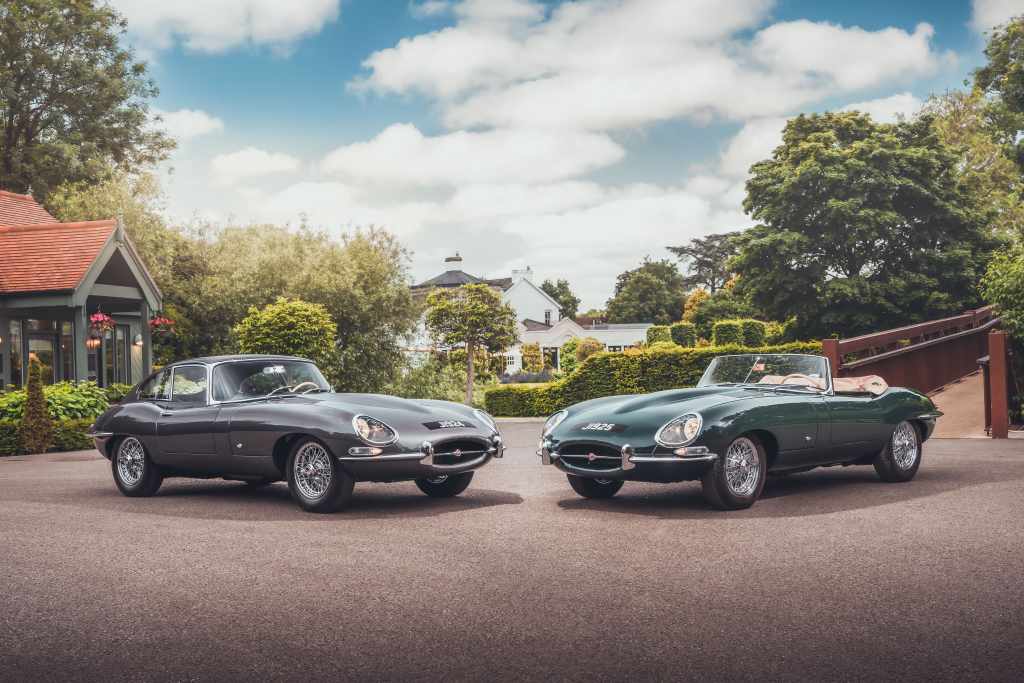
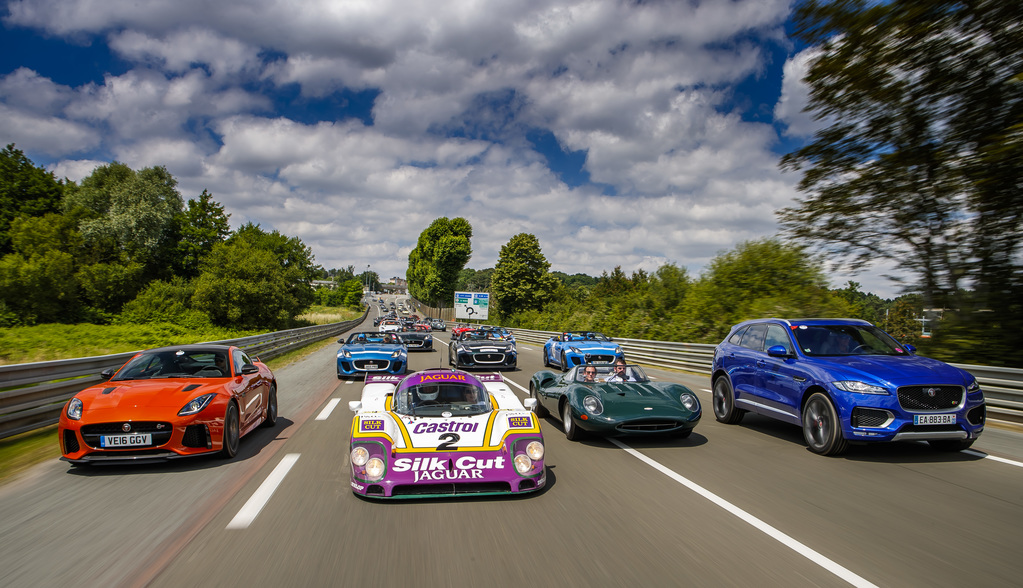
Jaguar hasn’t introduced an all-new model since 2018. Is the brand on pause – or done for?
Think of the most remarkable drive you’ve ever completed. One of those journeys where time and distance were supposed to defeat you, but the outcome was heroic.
On 15 March 1961, Jaguar’s test and development driver, Norman Dewis, was presented with a rather unusual task. He was summoned to the British company’s headquarters in the early evening and told to drive to Geneva, where he had to deliver a Jaguar E-Type to the (now world-renowned) auto show.
Coventry to Geneva is a 1 152-km journey, with the small matter of crossing the English channel adding a significant logistical hurdle.
Dewis applied all his driving skills and endurance to make the deadline on time. Having arrived in France by ferry, Dewis did most of his high-speed driving in the dead of night. You can’t imagine the fatigue factor of driving an E-Type, equipped with 1961 headlight technology, at the limit, through France.
Is Jaguar still too reliant on its E-Type mystique?
The world has changed – but has Jaguar?
Some regard the E-Type as the most aesthetically accomplished production car of all time; it emerged at Jaguar’s zenith, but the brand’s success has waned since then. When it was revealed to the world in 1961, the E-Type was strikingly futuristic, and Jaguar had a level of brand cachet that would rank with that of Tesla today. But in subsequent decades, Jaguar has struggled to create a sustainable business.
Jaguar has been in trouble for a while. A stark analysis of its business and shared technologies reveals a brand that has diluted itself. Had Jaguar not been part of the Land Rover stable, through which it benefits from the all-terrain brand’s global popularity – and revenues – it would have become wholly irrelevant.
It’s not that Jaguar has remained immovably tradition-bound… but its product strategy is troubling.
The last truly iconic Jaguar was the F-Type, which saw the company return to its sportscar roots. But two-door sportscars are a narrowing market dominated by more exotic brands with cars of much greater sophistication and profitability than the F-Type. As beautiful and tastefully nostalgic as F-Type is, it has become a flawed business case over time (the use of 2.0-litre 4-cylinder engines being a case in point).
Jaguar needs to leverage its product history and brand depth, without drowning in tradition.
The Land Rover problem
Jaguar’s destiny is too involved with that of Land Rover. But, in a world where many luxury car buyers are biased towards SUVs and crossovers, Jaguar cannot compete with Land Rover, which is the more proven and successful brand. Reconfiguring the Jaguar product portfolio to crossovers has been a bold move, but it hasn’t worked. Globally, Jaguar’s market share continues to evaporate.
So, what can Jaguar do? One must feel for Jaguar’s senior designers, engineers and even management. They have made sacrificial decisions, such as discontinuing the XJ limousine, in favour of crossovers.
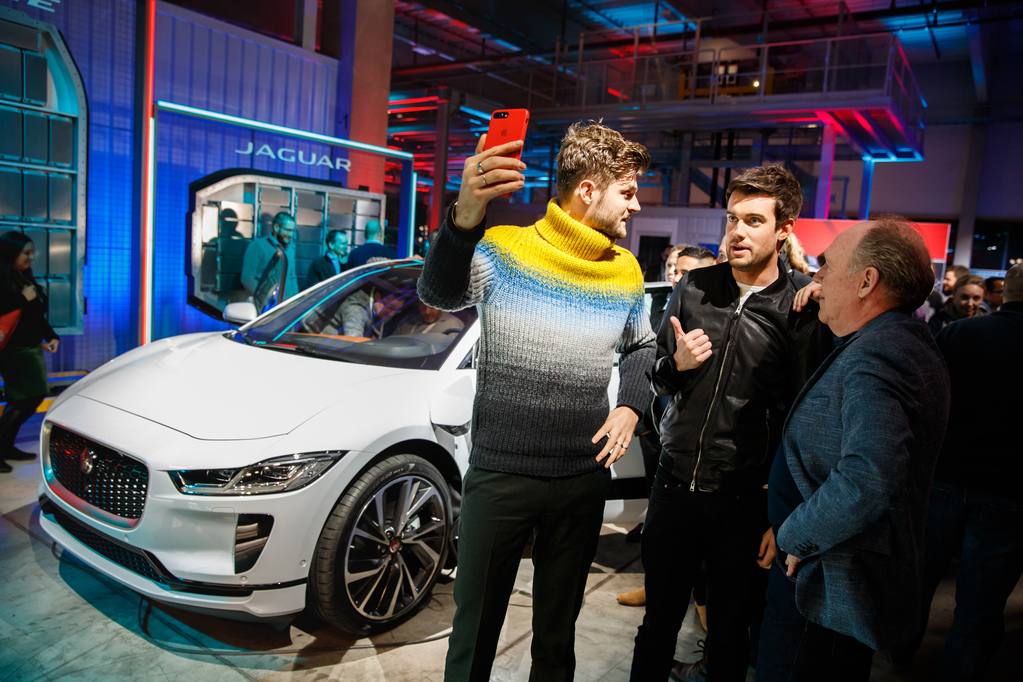
Thanks to the I-Pace, Jaguar has even been an electric-vehicle market leader, especially in South Africa. However, the I-Pace is a telling product reality that is symbolic of Jaguar’s problem. Because of battery-sourcing issues, Jaguar could never build enough of them to satisfy demand. The I-Pace is also the latest model that the brand has introduced (in 2018). Five years without a new model or platform is unheard of for a legacy car brand like Jaguar, and indicative of the brand’s “suspended animation”.
I-Pace was the last truly new Jaguar, launched in a very untraditional manner. But that was 5 years ago.
Struggling to scale its electric cars
What are the plans for Jaguar? Since 2018, Land Rover has introduced the new Defender and Range Rover, which makes Jaguar’s stasis even more apparent. The official strategy is for Jaguar to have a fully electric vehicle line-up by 2025. But the CEO who announced that plan – Thierry Bolloré – suddenly left the firm at the end of December 2022, citing “personal reasons” (he’d been in the position for 2 years).
A former Michelin and Renault senior executive, Bolloré was perceived as a cost optimisation specialist; someone who could lead Jaguar Land Rover (JLR) into profitability as it transitioned to a more electric vehicle reality. The reality has been disruption, huge losses and great uncertainty regarding Jaguar.
Jaguar is less than a quarter of JLR’s global sales, and the trend has been negative for many quarters. But can a turnaround be affected? That depends on how urgently Jaguar’s management can divorce it from tradition without sacrificing its legacy.
The truth is that Jaguar’s traditional sports and luxury car business has no future. In America, the world’s largest Jaguar market for decades, rivals from Germany and domestic American luxury car brands are too strong and model-diversified for Jaguar to challenge.
A decade ago, Jaguar knew China’s importance. Now, the Chinese market might prove crucial.
Jaguar’s only real option
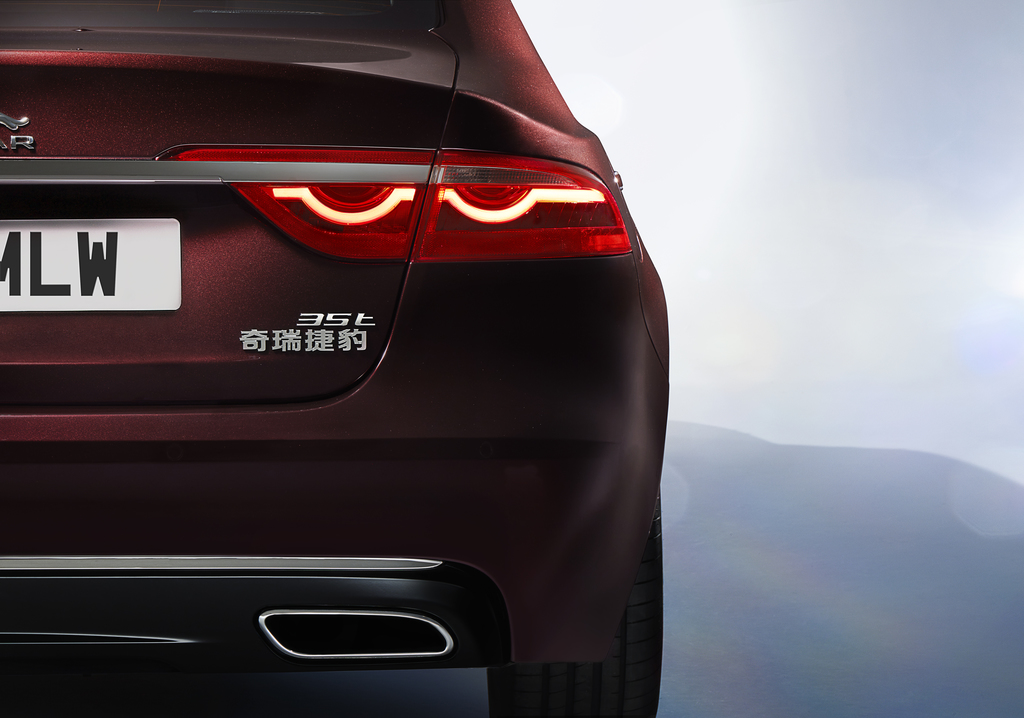
What Jaguar needs to do, is become a China-centric brand. The world’s most populous country has also become the most important global automotive market.
Although Chinese domestic brands dominate the affordable electric-car market, Chinese luxury car buyers are biased towards anything European, with some provenance. And Jaguar doesn’t have to invent tradition and legacy. It has much of that to trade on, which resonates with Chinese luxury consumer culture and buyer behaviour.
The demand for luxury sedans and limousines in China offers Jaguar a unique opportunity. Wealthy Chinese car buyers don’t want to own Chinese cars. The image statement of a European luxury car carries genuine cachet in China, which creates a survival prospect for Jaguar.
Although most Chinese entrepreneurs in the position to acquire a luxury car are first-time buyers, they have a keen awareness of brand history and narrative. Marketers can create all the Tik-Tok reels they like, but, in the luxury car market, you can’t invent history and legacy – two things Jaguar has in abundance.
The other benefit of making Jaguar a Chinese-focused brand is the lower demand for battery pack size. Battery supply is a challenge for all car companies, not only Jaguar.
In China, large sedans still have a place.
Driving expectations are much lower in China
If Jaguar reconfigures its product portfolio to become China-specific, it can decrease battery size and supplier risk. How? For all their luxury car ownership enthusiasm, Chinese drivers don’t get to do much driving distance, especially at speed.
The world’s most populous country predictably has some of the world’s worst traffic, too. That means very low average speeds – and little demand for huge electric-car range or high-speed performance.
Battery supply is the industrial sourcing nightmare for luxury car brands. If Jaguar goes all-in on China, where driving range requirements are much lower, it could use smaller battery packs, solving many cost and sourcing issues.
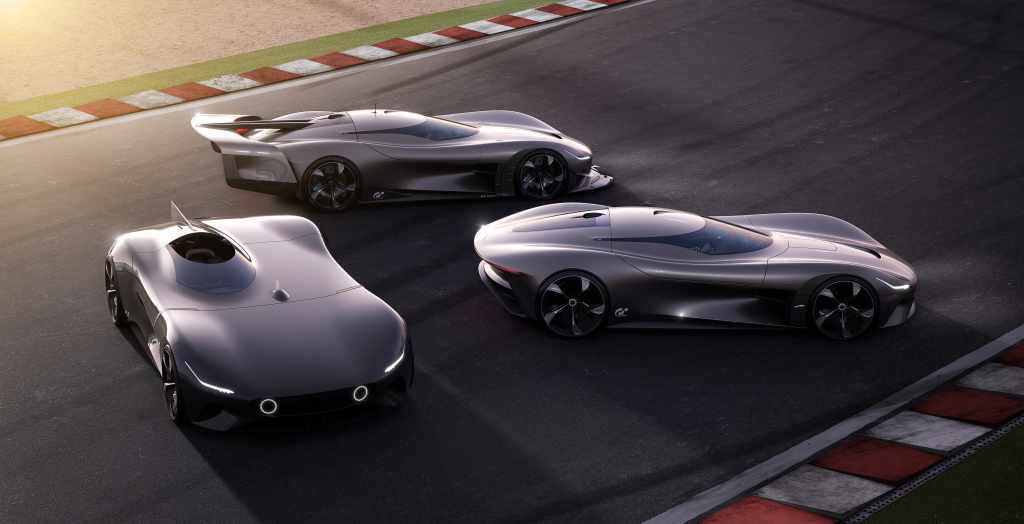
Do Jaguar’s virtual Grand Turismo cars, provide direction to what it needs to do?
Big cars with smaller batteries
Jaguar must resist doing what Lucid has with its Air luxury sedan. This electric car has a range of in excess of 500 km (on a full charge), exquisite finishes, supercar performance and a costly 118-kWh battery pack. Jaguar could use a battery less than half that size for the Chinese market to avoid all the structural cost challenges that threaten to undo Lucid, despite the technical brilliance of its product.
In early 2021, Jaguar cancelled the well-advanced development of an electric XJ sedan; that could be an ideal product for China, because the brand could use the EV “skateboard” floorplan (with its inherent packaging advantages), to create something striking that doesn’t compromise on passenger comfort.
The significant risk in all of this, however, is scale. It might sound clever to make fewer vehicles at a higher specification and sell them for greater margins, but supplier cost is the problem.
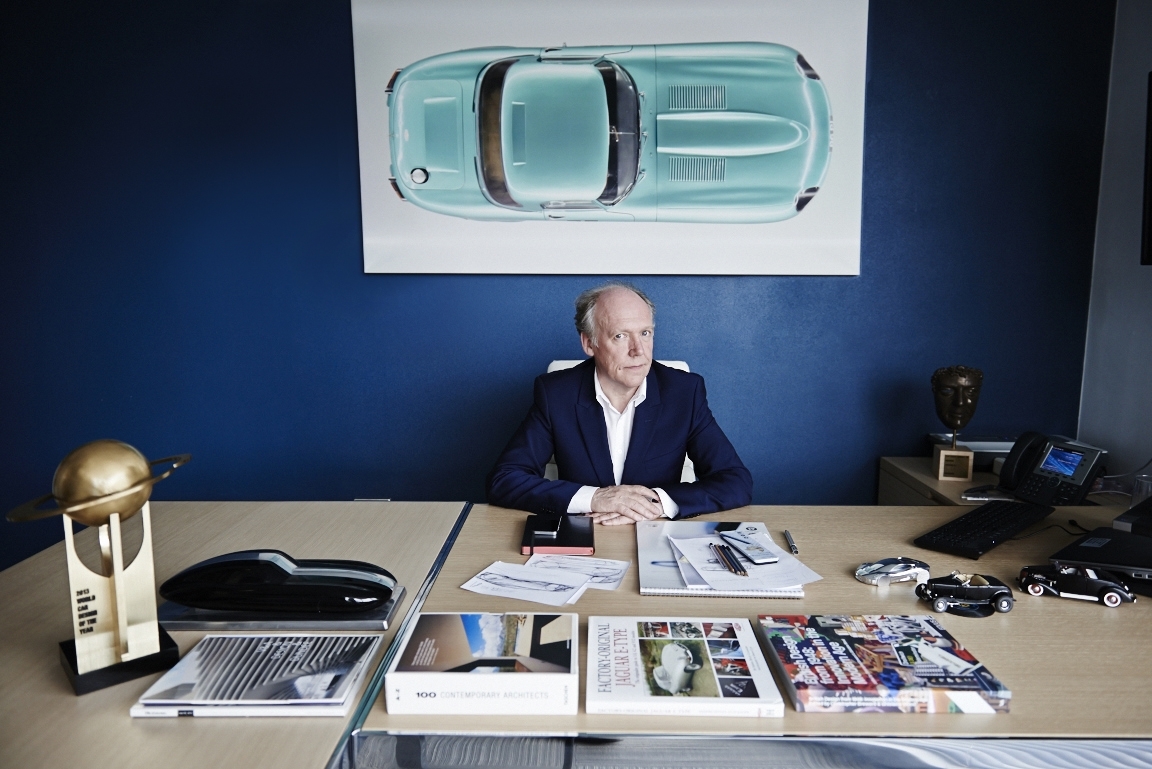
Ian Callum’s loss has been a huge issue for Jaguar.
It won’t be easy
If Jaguar’s business is going to be much smaller (selling a low volume of expensive electric vehicles), it will lack purchasing power with suppliers. And that could mean average components and finishes – precisely the opposite of what is required in the ultra-luxury market targeting Chinese customers.
Jaguar needs an “E-Type moment”. Revive the E-Type name as an electric limousine with a design so radical that even Tesla followers will be jealous. But with the departure of the brand’s renowned designer, Ian Callum, in 2019 and JLR on the lookout for a new CEO, inspired reinvention could prove elusive.
Winners & losers: SA’s best- and worst-selling bakkies of 2022
We’ve sifted through the sales figures, done some arithmetic and identified South Africa’s best- and worst-selling bakkies of 2022. Here’s where your favourite placed…
Which bakkie is the undisputed king of South Africa based purely on sales figures? And which one is the least popular? While we suspect you already know the answer to at least one of these questions, we nevertheless thought it’d be pertinent to tally up the figures from the past 12 months and list SA’s best- and worst-selling bakkies for 2022.
Before we delve into the individual model sales numbers, it’s worth taking a brief look at how the broader new-vehicle market fared in 2022. For the record, total industry sales grew 13.9% year on year to 528 963 units, with the light-commercial vehicle sector (where the bakkies below ply their respective trades) contributing 135 666 units. For context, that latter figure is 1.9% up on 2021’s effort.
The 5 strongest-selling bakkies in SA in 2022
In spite of considerable production challenges, the Toyota Hilux enjoyed another bumper year.
Despite facing critical production challenges at Prospecton in the 2nd quarter of the year (thanks to the devastating KwaZulu-Natal floods), the Toyota Hilux was again comfortably the country’s top-selling bakkie in 2022, as well as the strongest-selling vehicle overall. The Japanese stalwart’s final figure of 32 203 units was almost double that of its nearest rival and just 3 882 registrations short of its 2021 tally.
The runner-up spot again went to the Silverton-built Ford Ranger (17 342 units, down from 19 077 in 2021), though the Blue Oval brand will be hoping to improve on that showing in 2023 once the new-generation model is fully online (as it stands, only the double-cab derivatives have launched locally). The Struandale-produced Isuzu D-Max was breathing down the Ranger’s neck in 2022, finishing a mere 280 units off the pace. The D-Max’s final figure of 17 062 units (admittedly including the Gen 6 range) represented a 636-unit improvement over the previous year.
Proving a local market for a half-tonne bakkie still very much exists, the Rosslyn-manufactured Nissan NP200 (12 859 units) likewise showed some encouraging year-on-year growth, adding 1 451 units (or 12.7%) to its 2021 haul. Meanwhile, the locally assembled Mahindra Pik Up climbed a spot to grab 5th position on the list, finishing 2022 on an impressive 8 046 units (up nearly 80% compared with 4 473 registrations achieved the previous year).
The bakkies in the 2nd half of the top 10 in 2022
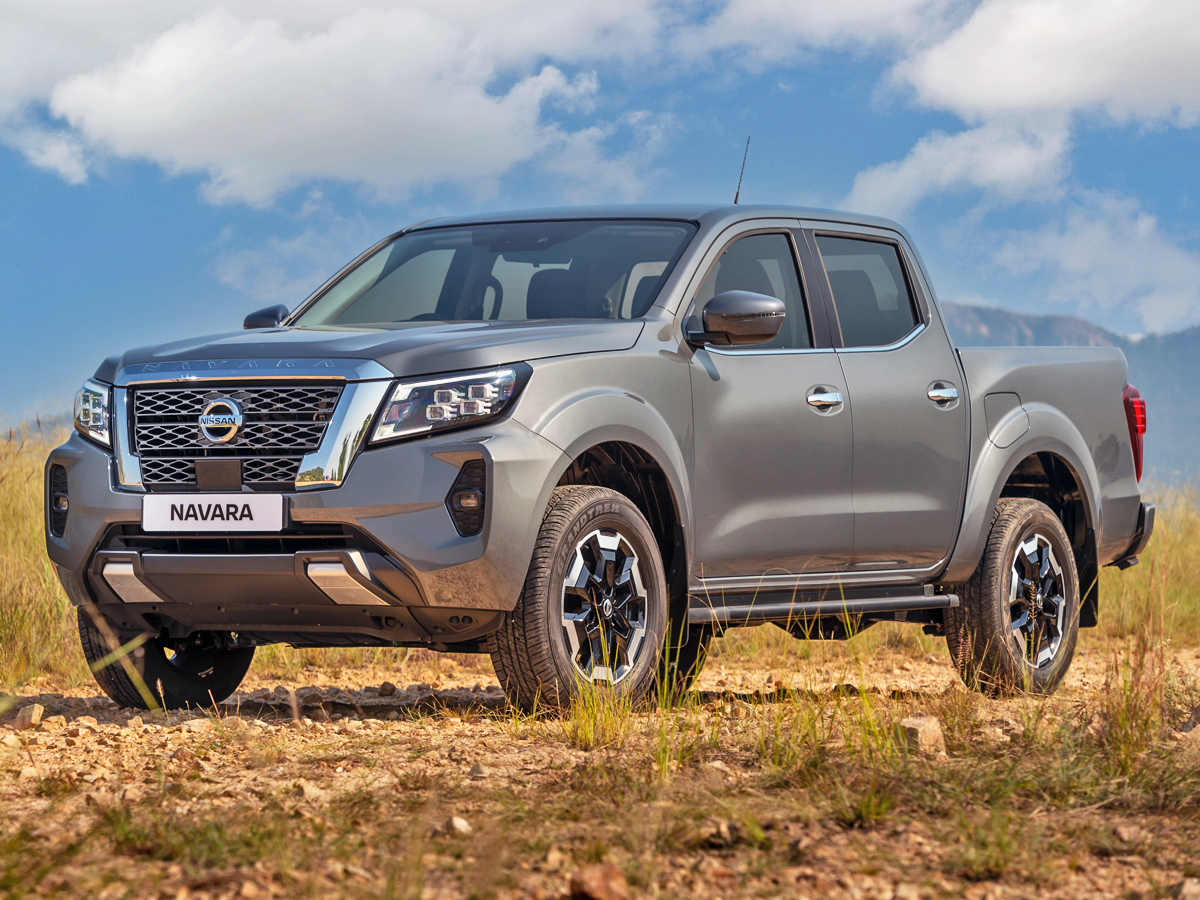
Nissan’s locally built Navara climbed 2 places in 2022 to finish 6th.
Built at Rosslyn alongside the aforementioned NP200, the Nissan Navara moved up 2 places to find itself just outside the top 5 in 2022, with 6 067 units sold (up 76.1% from 3 445 in 2021). The GWM Steed (4 522 units) also climbed the charts, finishing 7th and forcing its stablemate the GWM P-Series (4 183 units) down to 8th. Interestingly, the latter Chinese bakkie had a weak 2nd half of the year, ultimately shedding 373 sales in total compared with the previous cycle, when it placed 5th.
The evergreen Toyota Land Cruiser 79 finished the year with a total of 3 517 units, representing a 680-unit (24%) year-on-year improvement and enough to secure 9th spot (incidentally, a position lower than in 2021). As it has done so often throughout the year, the outgoing Volkswagen Amarok (1 896 units) completed the top 10. It’ll be intriguing to track sales of the new Ford-built version once it launches locally.
The 5 bakkies at the bottom of the 2022 sales charts
The Mitsubishi Triton’s struggles in SA continued in 2022, with average monthly sales of just 56 units.
What about the bakkies languishing at the foot of the table? Well, each of these slowest-selling models failed to reach 4 figures for the year, with the Mahindra Bolero settling for 812 units (after a particularly muted 2nd half of 2022). The Mitsubishi Triton (673 units) was next, settling for a lowly 12th position despite being a popular choice in other bakkie-mad markets, such as Australia, where it outsold the D-Max last year.
Unlucky number 13 went to the Peugeot Landtrek, which finished 2022 with just 426 units, a figure that would have been even lower had the Stellantis-backed brand not managed to sell a fleet of bakkies to the South African Police Service. The Mazda BT-50 was even further behind on a mere 157 units (that’s a monthly average of just 13 registrations), while the Jeep Gladiator – officially South Africa’s most expensive bakkie at a heady price of R1 329 900 – slotted into last place with 120 units sold (though admittedly was on the local market only from the 2nd half of the year).
*For the record, we’ve focused on traditional bakkies here, excluding models such as the Hyundai H100, Kia K Series, Volkswagen Transporter Pick Up and Suzuki Super Carry. We were also not able to include the JAC T6 and T8 ranges as the Chinese automaker switched from reporting individual model sales figures to a combined number from June 2022.
Haval Jolion Hybrid Price Announced for South Africa
The Haval Jolion Hybrid has been shown in Thailand and it’s significantly more powerful than the Toyota Corolla Cross Hybrid. Here’s how much you can expect to pay.
The Jolion is a major success story for Haval in South Africa and this stylish compact family SUV is fast becoming a common sight on our roads. The Jolion’s keen pricing and comprehensive standard feature set has resulted in it gaining in popularity since its local launch in April 2021.
The latest news regarding the Jolion comes out of Thailand where the model has now gone on sale. Haval, however, treated Thai media to the new Jolion petrol-electric hybrid at its Rayong production facility. Haval SA has confirmed this new hybrid model will be touching down in early 2023.
The Jolion Hybrid pairs its turbocharged 1.5-litre petrol engine with an electric motor to deliver total outputs of 140 kW and 375Nm. A 7-speed dual-clutch transmission drives the front wheels. An average fuel consumption of 5.0L / 100 km has been claimed, which is substantially better than the standard offering.
The standard Haval Jolion is only offered with a 1.5-litre turbopetrol engine with 105 kW and 210 Nm of torque.
One of the Jolion’s main rivals is the new locally-built Toyota Corolla Cross. Toyota currently offers the Corolla Cross Hybrid with 90 kW and 142 Nm generated from its 1.8-litre petrol engine and electric motor setup. As you can see, the Jolion Hybrid outmuscles the Corolla Cross Hybrid by a significant margin. Yes, that’s 50 kW and 233Nm more muscle!
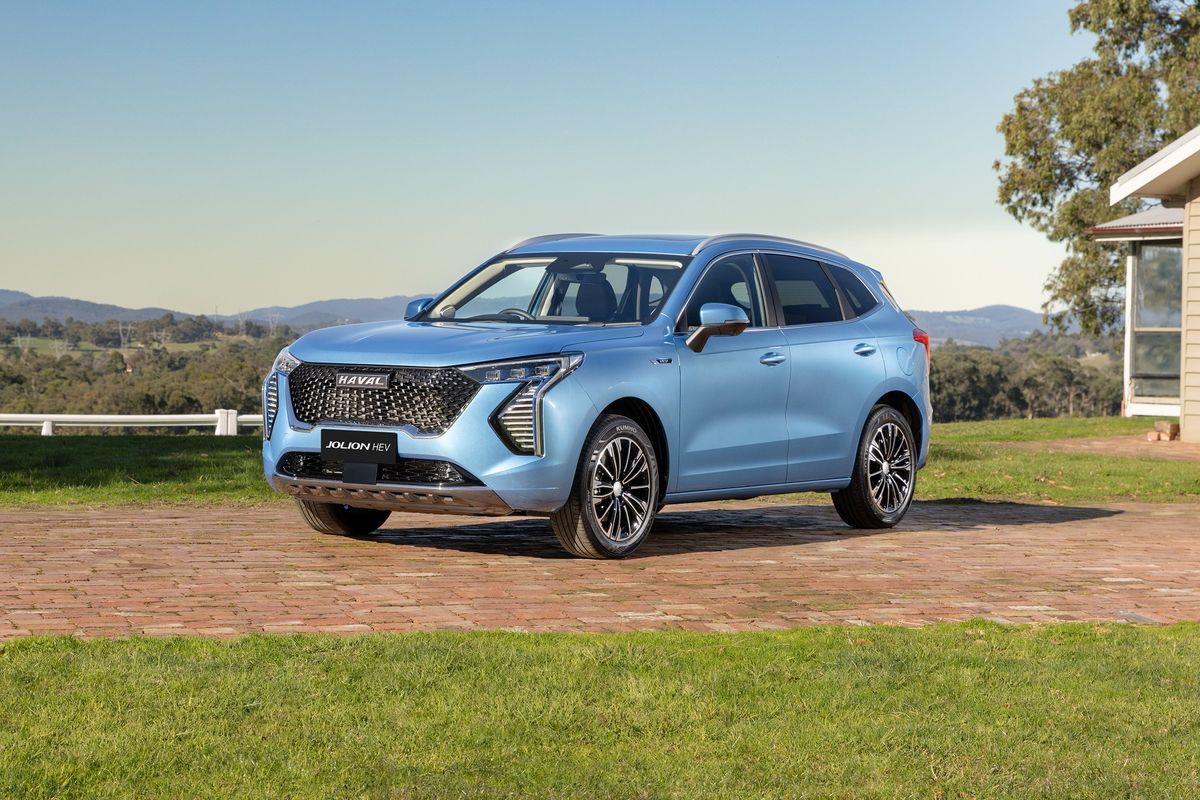
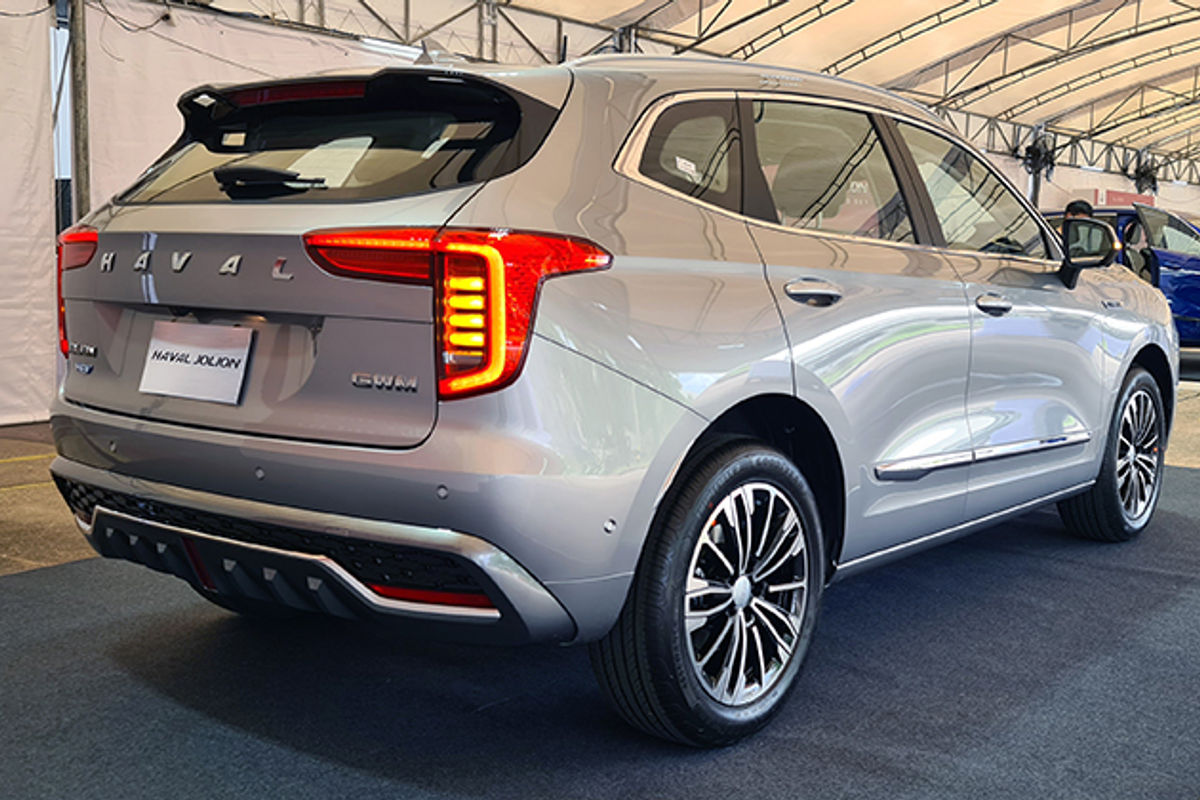
As far as styling goes, the Jolion Hybrid features a wider ‘Star Matrix’ grille and perhaps the most noticeable difference can be seen in the new LED headlight units featuring vertical daytime running lights and horizontal light strips that serve as a striking indicator system. The rear design is identical to the regular Jolion and the interior design is also carried over with a 10.25-inch infotainment touchscreen and 7-inch digital instrument cluster.
How much does the Haval Jolion Hybrid cost in South Africa?
From what we can see there will be two derivatives/trim levels of the Jolion Hybrid when it launches in early 2023.
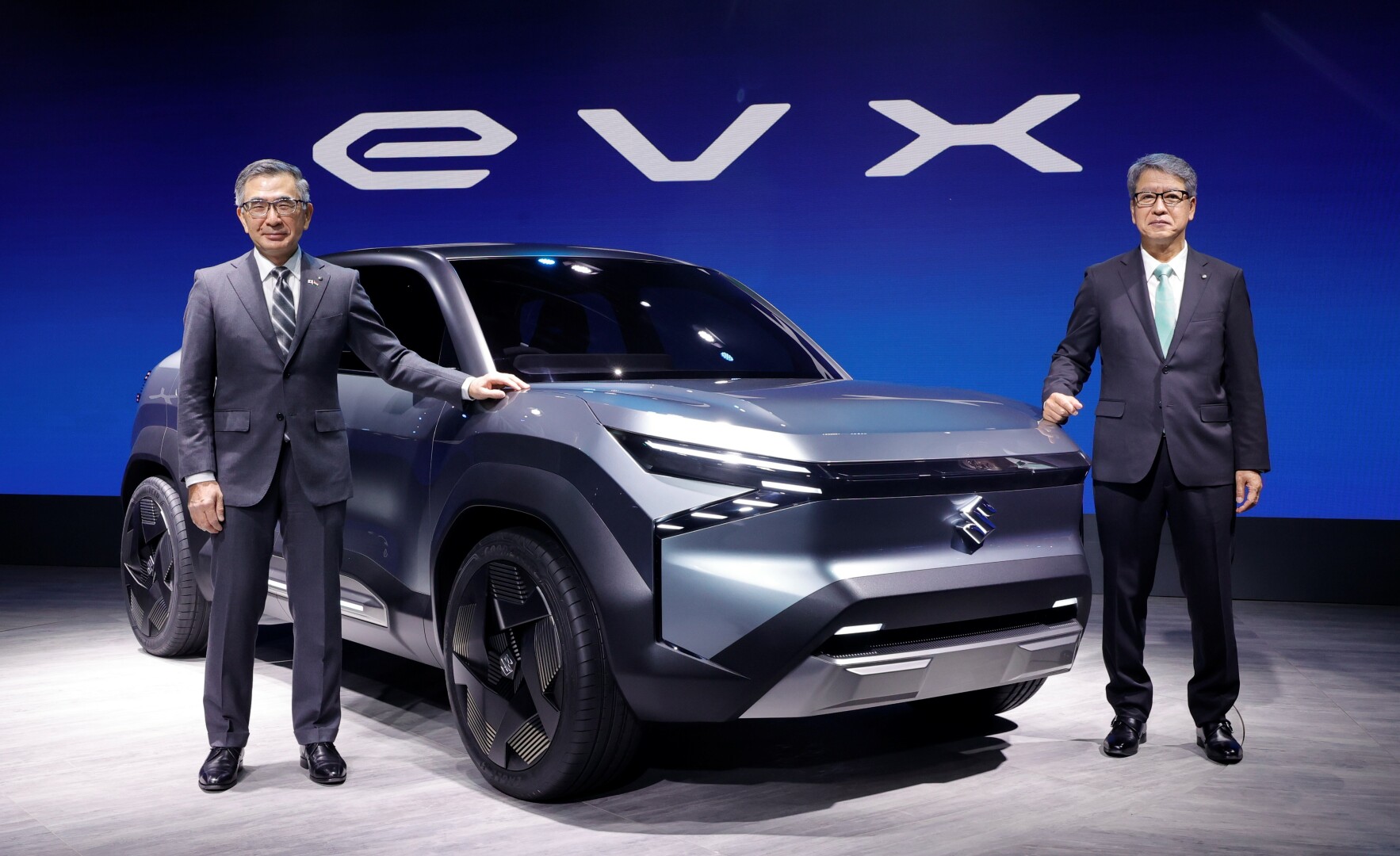
Suzuki has showcased its intention to produce its first-ever Electric Vehicle (EV) with the reveal of the Suzuki eVX Concept at the 2023 Auto Expo in India.
The 2023 Auto Expo in New Delhi, India, has been an important event for Suzuki as we’ve now seen the new Jimny 5-door come to fruition as well as a new Fronx crossover, both of which are destined to reach South Africa in 2023.
However, perhaps more importantly, Suzuki also showcased the eVX Concept which represents the firm’s intention to produce its first-ever Electric Vehicle (EV) with a production version expected to go to market globally in 2025.
The Suzuki eVX Concept is described as a 4×4 SUV that “combines Suzuki’s strong 4×4 DNA with the most advanced features currently available in battery electric vehicles (BEV).”
The eVX Concept is the precursor to more affordable EV’s on the way from Suzuki
The eVX production model will add electric power to Suzuki’s SUV range which currently includes Internal Combustion Engine (ICE) options as well as hybrid technology as is offered in the new Grand Vitara which is due to reach South Africa in 2023.
President of Suzuki, Toshihiro Suzuki said, “I am delighted to unveil the eVX, our first global strategic EV. At the Suzuki Group, addressing global warming is a priority. We are promoting a range of global measures to reduce greenhouse gas emissions. Suzuki will continue providing valuable products to our customers around the world by optimising them for the way different people live and drive.”
The Suzuki eVX Concept measures 4 300 mm in length and stands 1 800 mm wide with a height of 1 600 mm making its slightly larger than the current-generation Suzuki Vitara.
Exact powertrain details are thin at this stage but Suzuki does say that the new Suzuki eVX will be fitted with a 60-kWh battery system and electric motors, presumably one electric motor over each axle, or even better, an electric motor for each wheel, however this detail along with outputs has yet to be confirmed. Furthermore, it promises an electric-only range of 550 km, as measured in the modified Indian driving cycle (MIDC).
Regarding local availability, Suzuki South Africa commented, “Suzuki Auto South Africa will closely study its final development and its feasibility for the South African market. It will provide more information on this at the global rollout of the production version of the Suzuki eVX from 2025 onwards.”
Thinking of buying a used E90-generation BMW 3 Series sedan? Here’s everything you need to know, including the derivatives available in South Africa, what to look out for and what you can expect to pay…
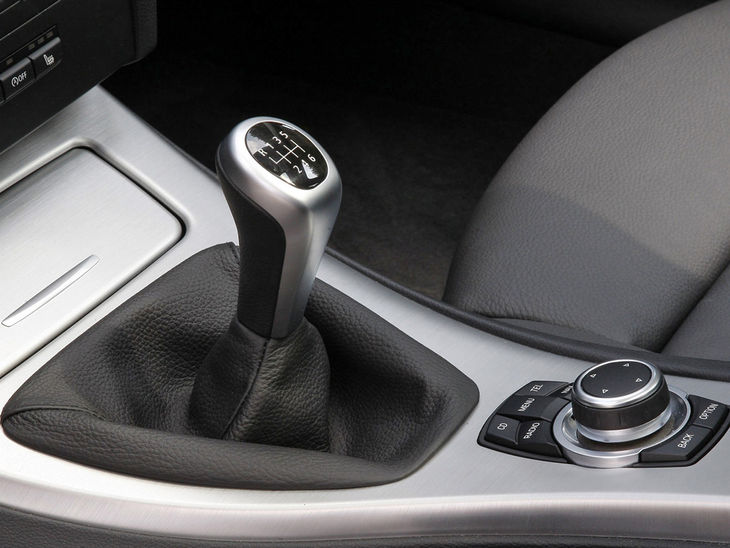
Succeeding the acclaimed E46, BMW’s E90-generation 3 Series sedan was a model of numerous firsts and a few lasts. For instance, the range included the first turbocharged petrol 3 Series variant (in the form of the 335i), while this generation also saw the introduction of the iDrive operating system and the somewhat controversial – thanks to their comfort-robbing properties – runflat tyres.
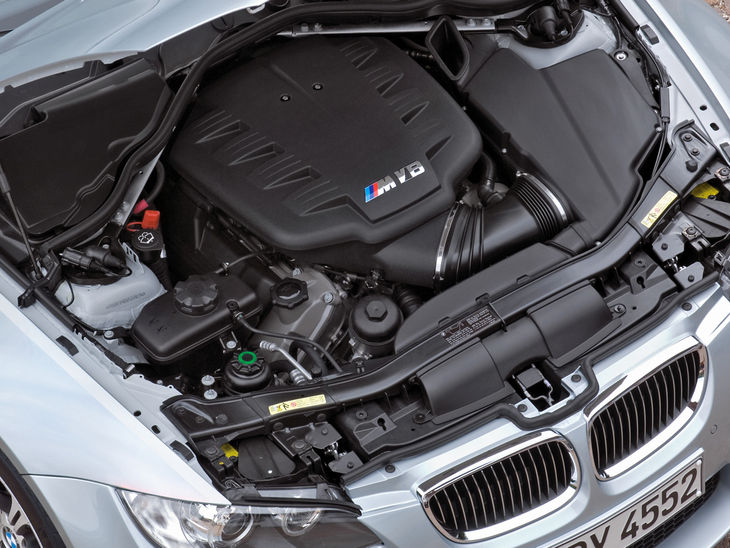
Meanwhile, the M3 of this era was the first and only iteration to employ a V8 engine. Of course, the broader E9X family was also the last 3 Series range to include the coupé and convertible body styles (which subsequently split to become the F32 and F33, respectively, in the first-generation 4 Series line-up), as well as the last to boast a high-revving, naturally aspirated straight-6 petrol engine.
The E90 was the only M3 to boast a V8 engine.
Though it was a little larger than its predecessor, the conservatively styled fifth-generation 3 Series sedan – which was no longer the entry point to the BMW range considering the original 1 Series launched in 2004 (hence the lack of a 316i or 318i in this series in SA) – was again an out-and-out driver’s car, boasting rear-wheel drive, near-perfect axle load distribution, a sophisticated suspension set-up and a range of characterful 4- and 6-cylinder powerplants (plus that V8) in petrol and diesel flavours.
While the E9X line-up also included the E91 Touring (estate), E92 Coupé and E93 Convertible (the latter featuring a retractable hardtop), here we’re going to focus on the saloon – which was, of course, produced at Plant Rosslyn in South Africa for both the local and export markets. Still, much of this discussion will apply to the other body styles as well owing to the wide sharing of powertrains and other components.
When all was said and done, BMW had built around 350 000 units of the E90-generation 3 Series sedan at Plant Rosslyn, with production running from 2005 to 2012 (around the same time the company stopped building the E91 Touring). Interestingly, the Munich-based firm continued manufacturing the E92 Coupé and E93 Convertible at other sites into 2013.
BMW 3 Series Sedan (E90) model line-up
The first official photographs of the E90 went public late in 2004.
Though the first official images were released in November 2004, the full unveiling of the E90-generation 3 Series took place only in March 2005 at the Geneva International Motor Show. A little over a year later, the German firm’s compact executive saloon was named the World Car of the Year for 2006.
The fifth-generation 3 Series hit the market in South Africa in May 2005, with the initial local line-up featuring four engine options and the choice between a 6-speed manual gearbox and a ZF-sourced automatic transmission with the same number of cogs. The following powertrain variants were offered at launch, each available with either of the gearboxes options:
320i: 2.0-litre, 4-cylinder petrol (110 kW/200 Nm)
325i: 2.5-litre, straight-6 petrol (160 kW/250 Nm)
330i: 3.0-litre, straight-6 petrol (190 kW/300 Nm)
In November 2005, the local sedan line-up expanded with the arrival of the 330d, which BMW at the time described as the “flag bearer for diesel in the 3 Series range”. Indeed, it was the most powerful oil-burner yet for a 3 Series model, offering 160 kW and 480 Nm from its 3.0-litre straight-6 engine.
At the same time, the Bavarian company added the 323i and 320i Start to the local range. The 323i slotted in below the 325i, employing a 2.5-litre 6-cylinder petrol unit generating 130 kW and 230 Nm, while the 320i Start was introduced as a fresh entry-level model (but was mechanically identical to the slightly higher-specced 320i). BMW also used this opportunity to roll out a new Sport specification, which was available in conjunction with any engine derivative and added features such as sports suspension, an aerodynamics package, exclusive light-alloy wheels, sports seats and an M leather steering wheel.
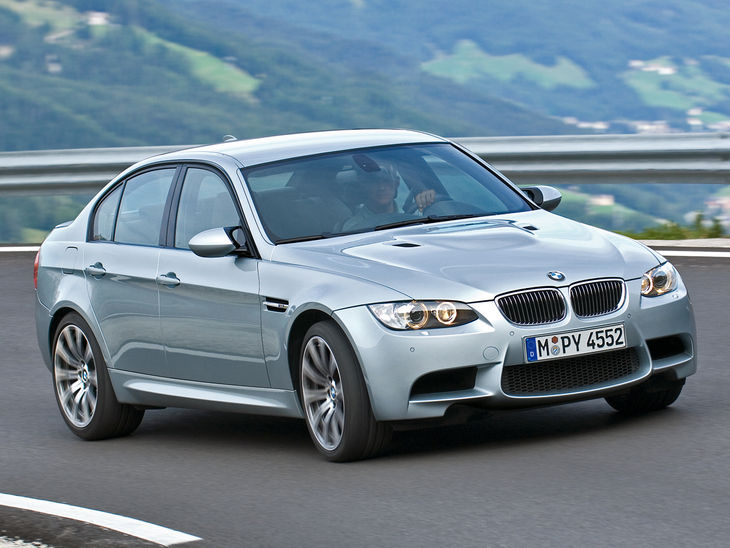
The 335i briefly played the role of flagship, before the M3 touched down.
In April 2006, the base Start specification was (seemingly briefly) extended to the 320d, before the 335i slotted in at the summit of the 3 Series portfolio in June 2007. Introducing forced induction to the range, the 335i employed a twin-turbo 3.0-litre straight-6 petrol unit churning out 225 kW and 400 Nm, offered in conjunction with a new, faster-shifting version of the 6-speed automatic transmission (or, indeed, the manual cog-swapper). BMW claimed the 335i could complete the 0-100 kph sprint in 5.5 seconds.
Around the same time, two other 6-cylinder saloon models gained an increase in power and torque thanks to “a series of engine management and component changes”. The 330i’s peak outputs improved to 200 kW and 315 Nm, while the 323i’s figures grew to 140 kW and 235 Nm (both engines thus gaining 10 kW and 15 Nm). A few months later, the 320d also quietly scored some extra oomph for new maximum figures of 125 kW and 340 Nm, while the 320i moved to 115 kW.
The V8-powered M3 saloon arrived in SA at the end of the first quarter of 2008.
In March 2008, the M3 sedan (with a front-end design matching that of the coupé) finally touched down, ditching the 6-cylinder layout used by the preceding model generations. Yes, the E90-generation M3 featured a 4.0-litre V8 engine developing 309 kW and 400 Nm – fed to the rear axle via a 6-speed manual gearbox – and revving to 8 400 rpm. The obligatory sprint to three figures took a claimed 4.9 seconds, while top speed was electronically limited to 250 kph. A 7-speed double-clutch transmission (M-DCT) arrived towards the middle of 2008, cutting the 0-100 kph sprint time to a claimed 4.6 seconds.
BMW also rolled out a limited 3 Series Sport Edition, with only 300 units (produced between June and September 2008) set aside for the South African market. The Sport Edition was set apart by items such as the full M Sports Package, 18-inch WTCC-inspired wheels, “Sport Edition” embossing on the leather sport seats, branded aluminium door sills and a handful of extra options. At the same time, BMW took a decision to no longer restrict power and torque on diesel models sold locally. The 330d thus enjoyed new outputs of 170 kW and 500 Nm, with the 320d’s maximum figures improving to 130 kW and 350 Nm.
The BMW 3 Series (E90) receives a facelift
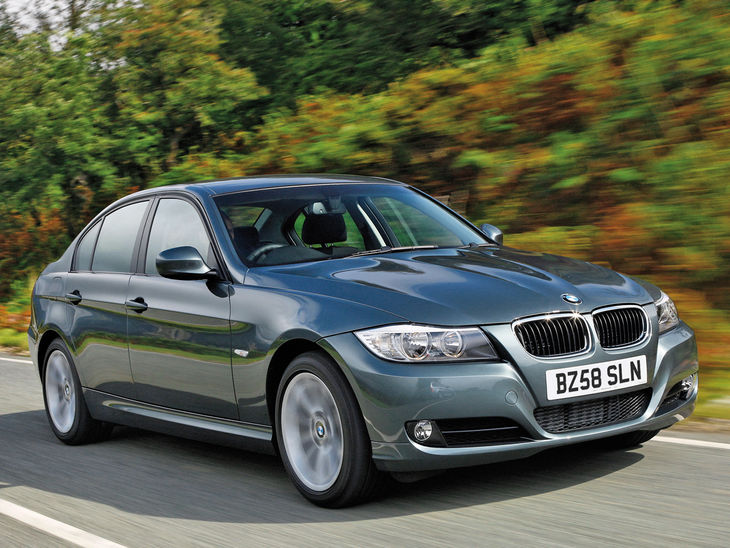
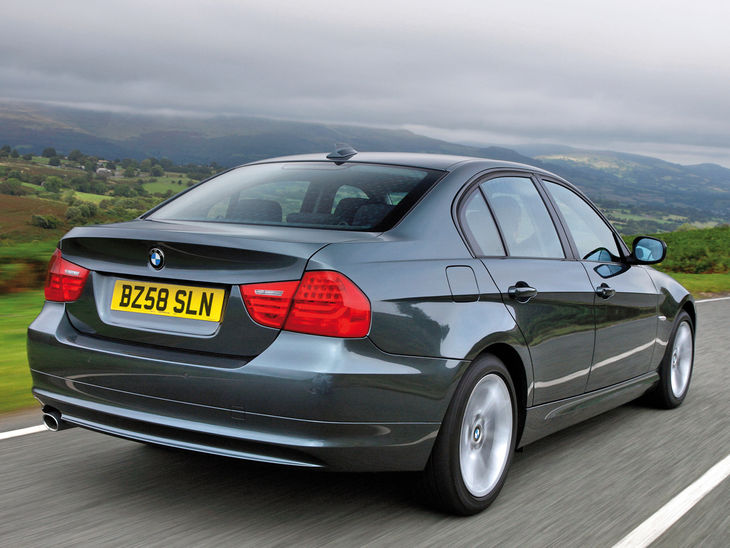
In the final quarter of 2008, the refreshed 3 Series sedan launched in SA.
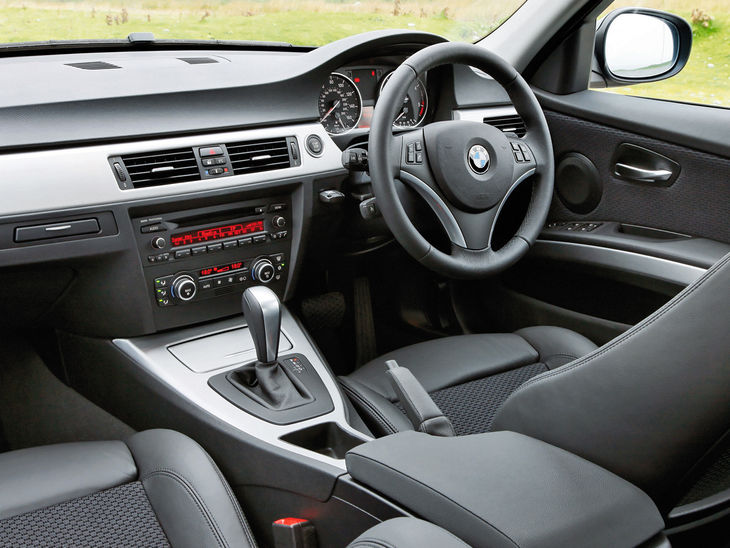
Around October 2008, the facelifted or LCI (Life Cycle Impulse) version of the E90-generation 3 Series hit the local market. Featuring fresh exterior styling and an updated interior (including a new generation of iDrive), the upgraded sedan’s powertrain line-up remained largely in place and didn’t benefit from the raft of engine updates offered in Europe. However, a fresh version of the 330d’s 3.0-litre straight-6 turbodiesel mill debuted, conjuring up 180 kW and 520 Nm, while also boasting improved efficiency.
Towards the middle of 2010, the 320d was subjected to another engine adjustment, with its outputs growing to 135 kW and 380 Nm, while 300 units of the Dynamic Edition – available only on the 320i, 320d and 335i – were confirmed for South Africa. At the same time, the 335i switched from the twin-turbo N54 straight-6 to the twin-scroll single-turbo N55 unit (but interestingly didn’t get the option of a 7-speed DCT that became available in the likewise N55-powered 335i Coupé and 335i Convertible). Peak power and torque were unchanged, though the N55 ostensibly brought a modicum of fuel savings.
By November, the 320d, 323i, 325i and 330i (the 320i joined the party in January 2011) had gained fresh efficiency tech such as brake energy regeneration, improving fuel consumption and cutting emissions. Production of the E90 at Plant Rosslyn ended in February 2012, with the F30-generation 3 Series sedan hitting the local market the following month.
Product strengths
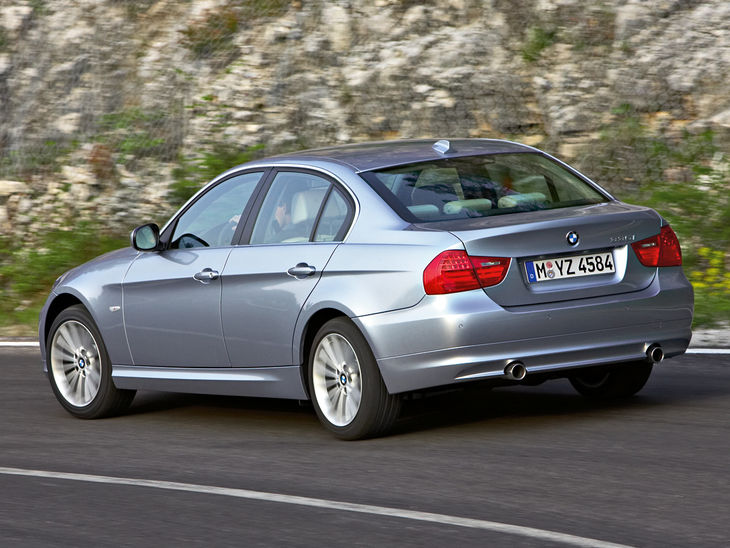
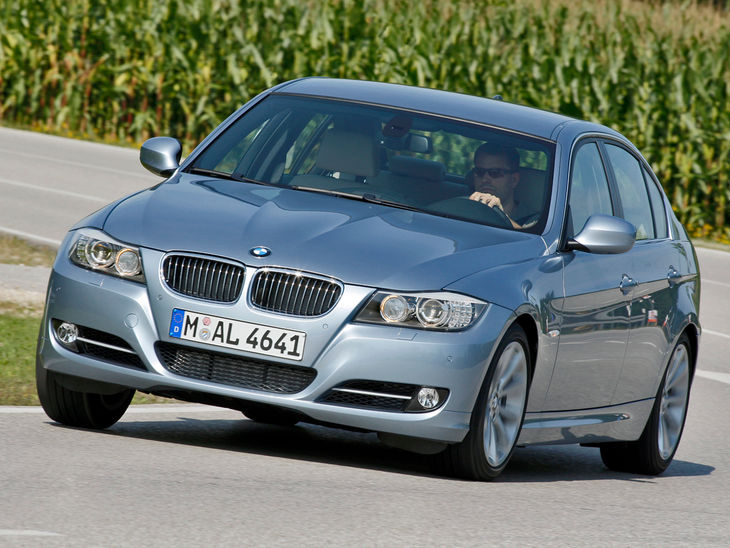
The E90 delivered class-leading dynamics. Pictured here is a 325i.
The driving experience: True to the 3 Series sedan models that came before it, the E90 was easily the segment’s best car for keen drivers. Facilitated by the classic front-engine, rear-wheel-drive layout, Munich’s compact saloon was a wonderfully balanced machine, offering communicative steering and excellent mid-corner poise. Though the serious grunt offered by BMW’s 6-cylinder engines – not to mention the naturally aspirated V8 of the M3 – were best for exploiting the well-sorted E90 chassis, even the 4-pot models were hardly a bore to pilot.
Broad engine range: With no fewer than eight distinct engine options – and the choice of either manual or automatic transmissions right across the range – the E90 line-up really offered something for everyone. Entry-level 4-cylinder models majoring in efficiency? Yes, in both petrol and diesel forms. Silky smooth straight-6 units, offered in increasing degrees of potency? Check (including three atmospheric petrol units, a turbodiesel mill and the turbocharged 335i). Big-hitting V8? Yip, the mighty M3 has you covered.
Improved practicality: Since the E90 sedan was larger inside and out compared with the E46, it was also considerably more practical. The fifth-generation saloon measured 4 520 mm long (an increase of 49 mm) and 1 817 millimetres wide (78 mm up), while its wheelbase grew 35 mm to 2 760 mm. Luggage capacity, meanwhile, came in at a decent 460 litres, though the original buyer had to pay extra (R3 000 in November 2008) to specify folding rear seats.
Product weaknesses
Plastics in the E90’s cabin can be prone to peeling.
Is the E90 saloon a reliable vehicle? That’s not a straightforward question to answer, largely thanks to the wide range of powerplants used in this generation. Some owners report years of trouble-free service, while others have nightmare tales (trawl the forums and you’ll find examples of such for virtually every engine). Thus, it’s wise to be as meticulous with maintenance as possible, whether you’re dealing with an atmospheric or turbocharged example. Let’s take a closer look at some of the major common issues below.
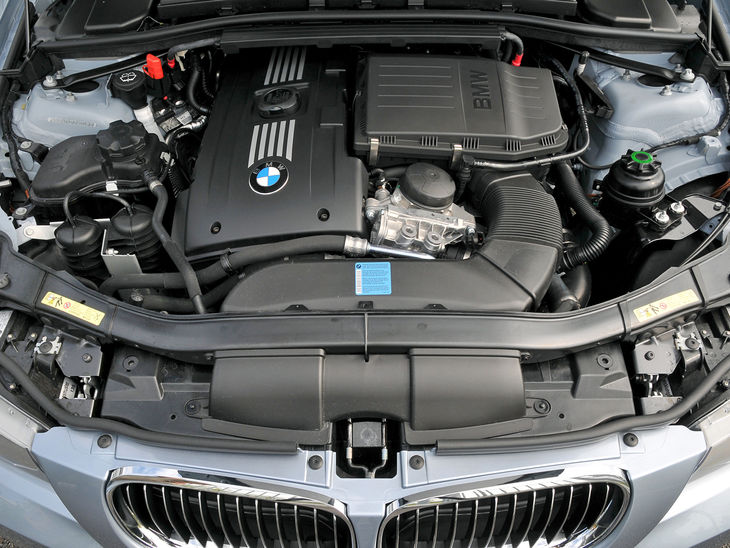
Oil-filter housing leaks: The N series of engines used in the E90 – so, all units bar the S65 mill employed by the M3 – are known to have issues with leaking oil-filter housings. While such a leak may seem little more than a driveway-staining nuisance at first, it can actually lead to complete engine failure. How? Well, oil dripping from the failing gasket can land up on the serpentine belt, quickly leading to degradation of the latter. Once the belt slips off the tensioner pulley, fragments can be sucked into the engine, quickly resulting in major damage.
Various issues with the N54: We’ve dug up various potential issues with the twin-turbocharged 3.0-litre straight-6 engine (N54) used in the pre-facelift 335i, though we suspect many would be mitigated or avoided completely with fastidious maintenance. Still, it’s worth noting reports of failures of components such as the high-pressure fuel pump, piezo-electric fuel injectors and turbocharger wastegates, as well as valve-cover oil leaks. Interestingly, the twin-scroll single-turbo N55 that was introduced with the facelift didn’t seem to suffer quite as badly.
The N54 engine used in the pre-facelift 335i has a number of potential weaknesses.
Clogged Vanos solenoids: The solenoids employed by the Vanos variable camshaft timing system (specific to petrol models) can be prone to clogging, particularly if regular oil changes have not been carried out. Once this happens, the instrument cluster may show a “check engine” light, while acceleration will be sluggish – the engine will hesitate at low revs – and fuel economy will be poor. As an aside, some SA-spec 6-cylinder models were included in a 2014 global recall that involved the checking of bolts on the Vanos unit itself.
Miscellaneous potential problems: Other fairly common potential issues include premature peeling of cabin plastics and rubber, along with electrical problems (in 2013, as many as 50 000 BMW models were recalled in South Africa after the German firm discovered a battery cable connection to a fuse box could degrade over time). While we’ve also heard of timing-chain failures on pre-facelift 320d models (using the N47 engine), these interestingly don’t appear nearly as common in South Africa as in some overseas markets.
Finally, it’s worth noting the E90 shipped standard on runflat tyres, which not only detracted from the ride quality (particularly on models with large alloys and sports suspension) but also resulted in plenty of road noise. While some owners may have switched to conventional tyres, be aware there’s no room for a spare in the luggage compartment.
What to pay?
As you might expect, the manual gearbox was not as popular as the auto in the E90.
All E9X models came with a 5-year/100 000 km maintenance plan. When scrutinising a potential purchase’s service history, pay close attention to the frequency of scheduled maintenance after that cover had elapsed. While a verifiable full service history is always a strong selling point, it’s especially important with the E9X. Buying from a particularly fastidious owner – who would have had oil changes performed more frequently than technically necessary, according to BMW’s recommendations, anyway – is a solid plan.
We should also point out the fifth-generation 3 Series was – in true German form – available with a multitude of individual extras, in conjunction with various model lines and likewise optional packages. Thus, make sure you’re comparing apples with apples when trying to decide between two or more candidates.
At the time of writing, around 79% of all E9X-generation 3 Series models listed on Cars.co.za were of the sedan variety, followed by the coupé (14%), convertible (6%) and wagon (1%). More than two-thirds featured an automatic rather than manual transmission, while petrol (77%) was the dominant fuel type and the 320i (42%) the most common powertrain. Mileage varied from 21 000 km through to 330 000 km. White (35%) was the most popular exterior paint colour, with silver (18%) and grey (14%) next.
Below R100 000: There were a surprisingly large number of listings sporting 5-figure price tags, though most were early model-year examples with high mileage. As you might expect, the base 320i was the overwhelmingly dominant powerplant in this space.
From R100 000 to R150 000: This is where we found the bulk of E9X stock, including plenty of facelifted (sub-100 000 km) 4-cylinder models and a small handful of 6-cylinder vehicles. It’s here that most buyers in the market for a fuel-frugal 320d saloon would likely find themselves shopping.
From R150 000 to R200 000: While the 4-pots still dominate here, we started to see more examples of the straight-6 petrol-powered 323i, 325i and 330i, as well as the turbocharged 335i. We even found a pair of 330d sedans, each with well over 200 000 km on the clock.
Above R200 000: Above this mark, we discovered yet more 6-cylinder models, extending all the way up to R300 000. North of that, we found only V8-powered M3 listings, though the coupé and convertible body styles were both far more prevalent than the sedan. The priciest of all was a manual-equipped 2008 M3 Coupé with 52 000 km showing on the odometer and a full service history (listed at lofty R749 000, more than the 2008 base price of R703 500).
Pick of the range?
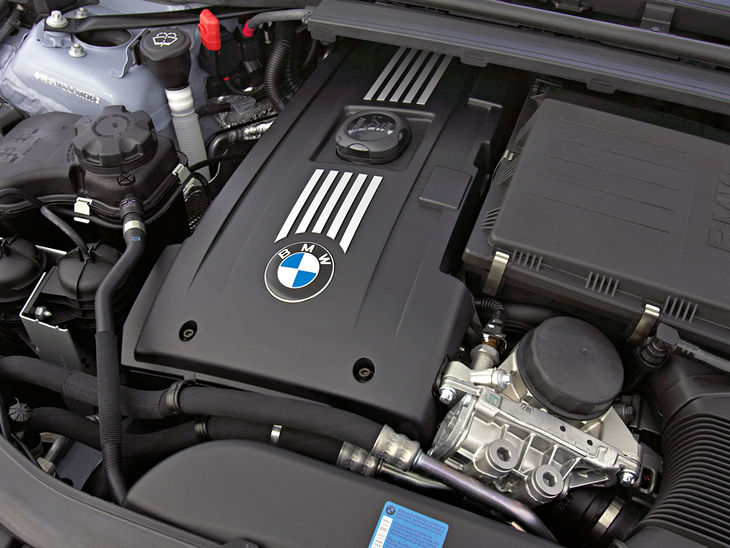
The N52 powerplant (seen here in 325i guise) offers 6-cylinder thrills.
Considering the focus of this guide and the three-box body style’s popularity in this generation, we’re going to again concentrate on the sedan here. Though the 320i is easily the most abundant derivative on the used market and the flagship M3 the most broadly desirable, we’d argue a naturally aspirated 6-cylinder represents the sweet spot of E90 ownership, particularly for keen drivers.
The N52 engine – versions of which powered the 323i, 325i and 330i – is a less complicated and thus potentially more reliable motor than the pre-facelift 335i’s twin-turbo N54, yet is still capable of delivering genuine driver thrills. A facelifted version is best, considering the mid-cycle update included various upgrades, such as the cabin gaining an improved version of the iDrive system (where optionally specified, of course). Find a late model-year example and you’ll also benefit from ostensibly better fuel economy.
If you’re unable to resist a 335i, we’d again recommend narrowing your search to a post-facelift version since it benefits from the somewhat more trusty N55 motor. Lovers of diesel will likely struggle to find many examples of the 330d on the used market, leaving them to consider the ubiquitous 320d. Still, the latter offers a strong mix of low-down grunt and economy, though be aware the N47 engine will eventually require a vibration damper change (it’s worth checking the history to see whether this has already been done).
Verdict
We’d advise opting for a facelifted E90 if your budget permits.
Obvious and similarly mainstream alternatives to the E90 3 Series come in the form of the Mercedes-Benz C-Class saloon (W204) and the Audi A4 sedan (B8). If you’re prepared to head a little left field – and out of Germany – you’ll also have the option of the XE20-generation Lexus IS and the second-generation Volvo S60, and perhaps even late model-year versions of the admittedly underwhelming Jaguar X-Type, if you’re so inclined.
Of course, there’s little doubt the 3 Series is the best to drive of the aforementioned compact executive sedans. That fact – along with the appeal of the roundel badge – helped make the E90 one of the most popular of the seven 3 Series generations currently in existence. Interestingly, the E90 may just offer better value on the used market than its arguably more sought-after predecessor, the E46.
Shop wisely and budget for meticulous maintenance, and you’ll be rewarded with a wonderful driving experience from a model that both waved goodbye to until-then signature 3 Series ingredients and ushered in features that endure to this day.