Toyota Hilux GR-Sport Scores Tougher Looks Overseas
A fresh version of the Toyota Hilux GR-Sport has broken cover in Australia, with the flagship double-cab bakkie gaining wider tracks and more aggressive styling than that of the SA-spec model…
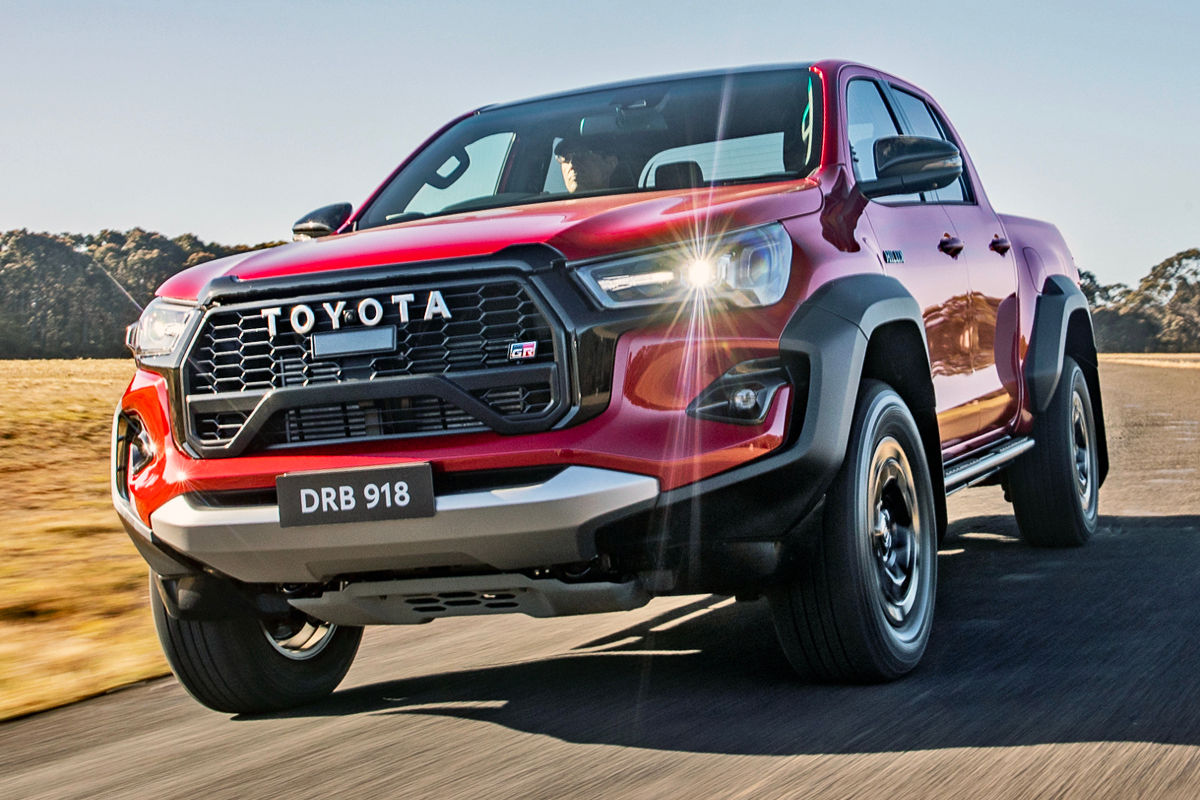
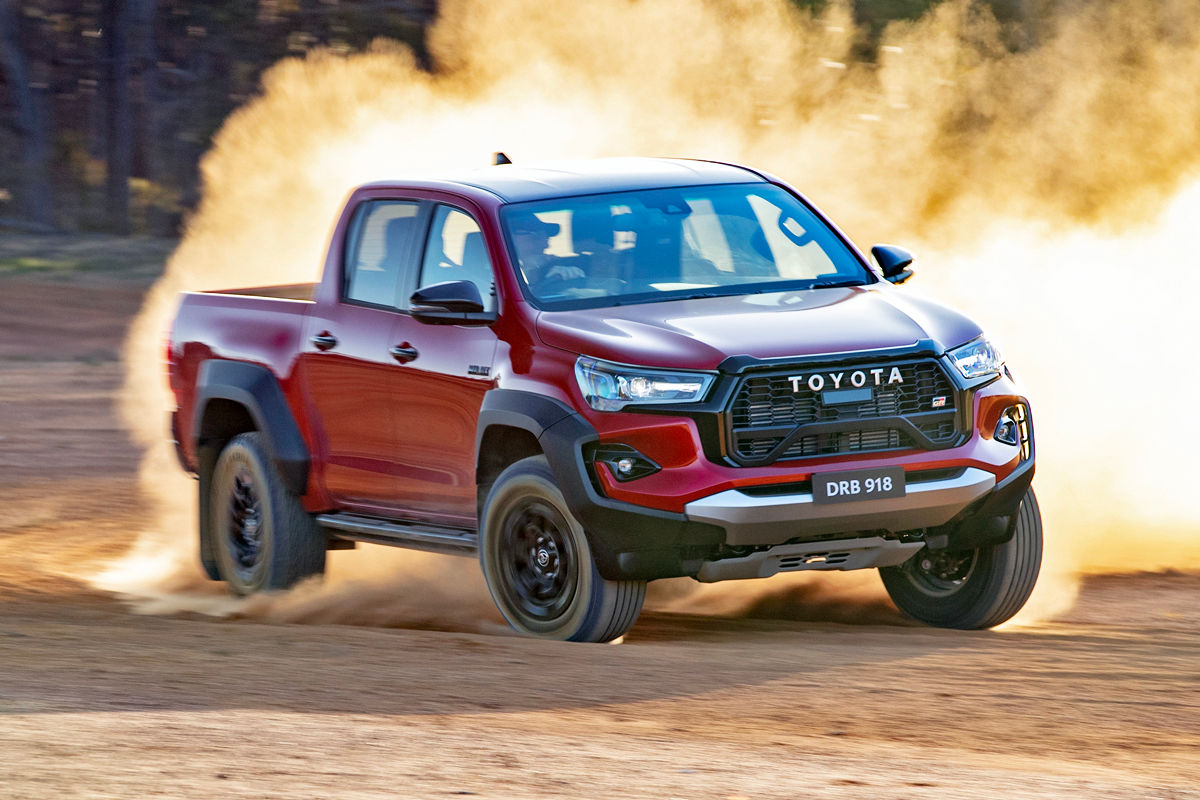
Toyota has unwrapped a new version of its Hilux GR-Sport for the Australian market, with the latest iteration boasting noticeably tougher styling than that of the halo double-cab bakkie available here in South Africa.
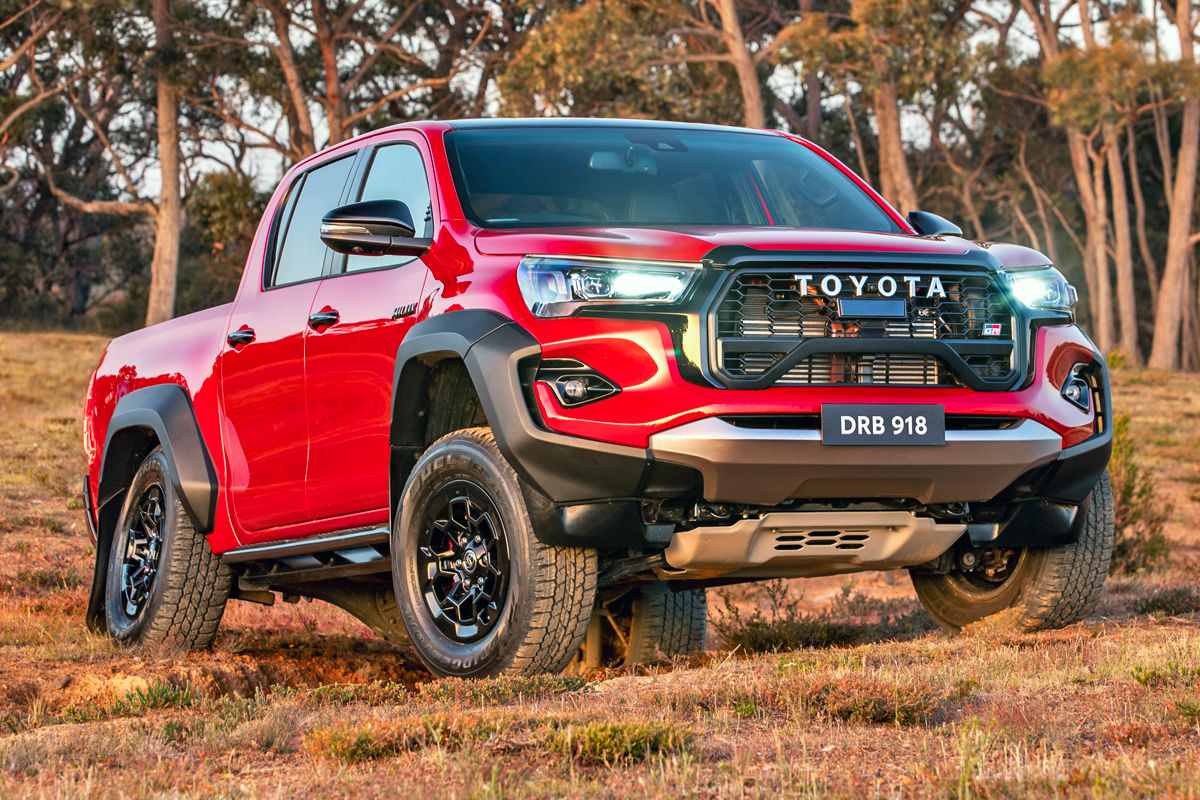
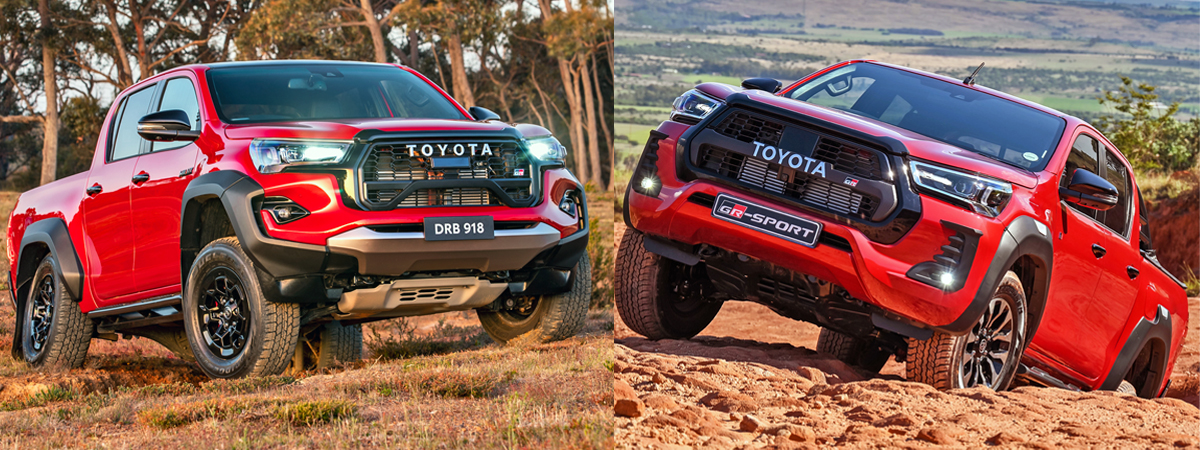
While the Australian-spec Hilux GR-Sport features the same engine tune – taking the 2.8-litre, 4-cylinder turbodiesel unit’s peak outputs from the standard 150 kW and 500 Nm to 165 kW and 550 Nm – as the version offered in South Africa since September 2022, it gains considerably wider tracks as well as a far more aggressively styled front end (improving the approach angle to 30 degrees), complete with a skid plate.
Ostensibly inspired by Toyota Gazoo Racing’s successful Dakar competitor, the front track has been extended 140 mm to 1 675 mm and the rear 155 mm to 1 705 mm, while this version also scores redesigned wishbones and a reinforced rear axle to “cater for the most demanding driving conditions”. As a result, the listed vehicle width comes in at a whopping 2 020 mm. This model is slightly shorter than the one built in SA, measuring 5 320 mm from nose to tail.
The Australian version of the left and the South African model on the right.
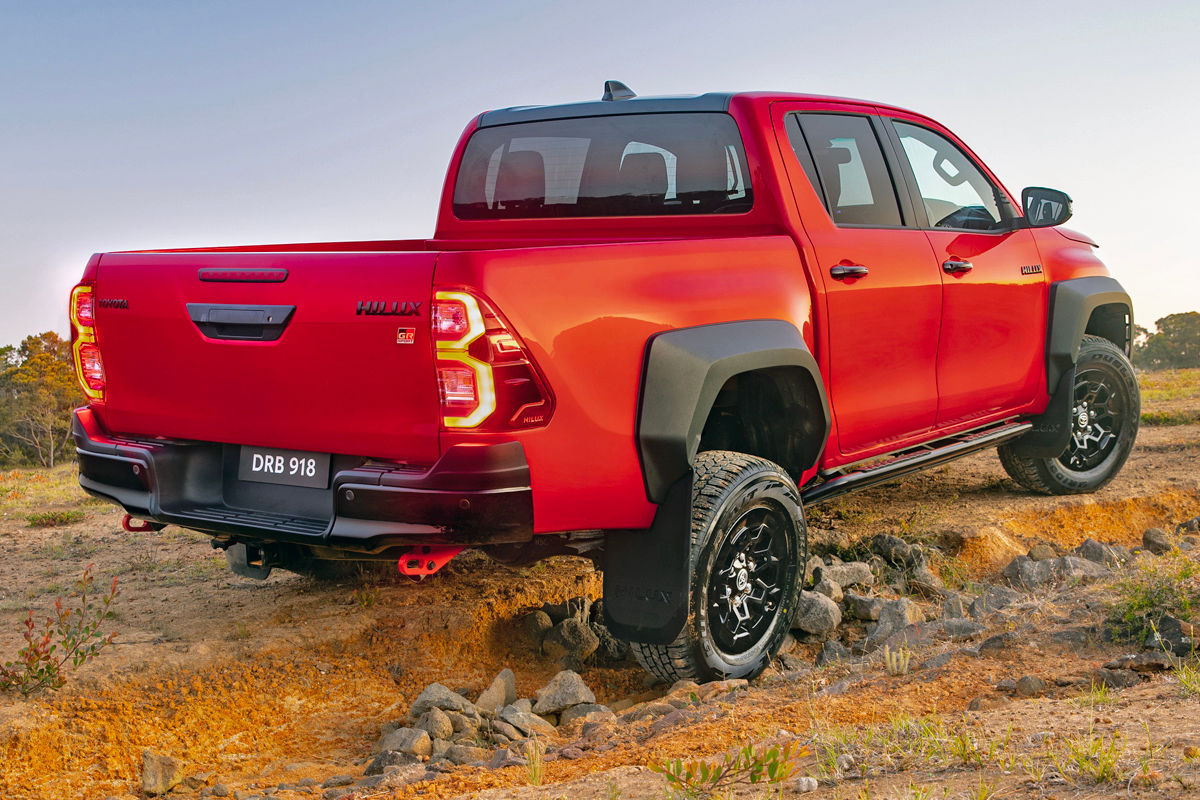
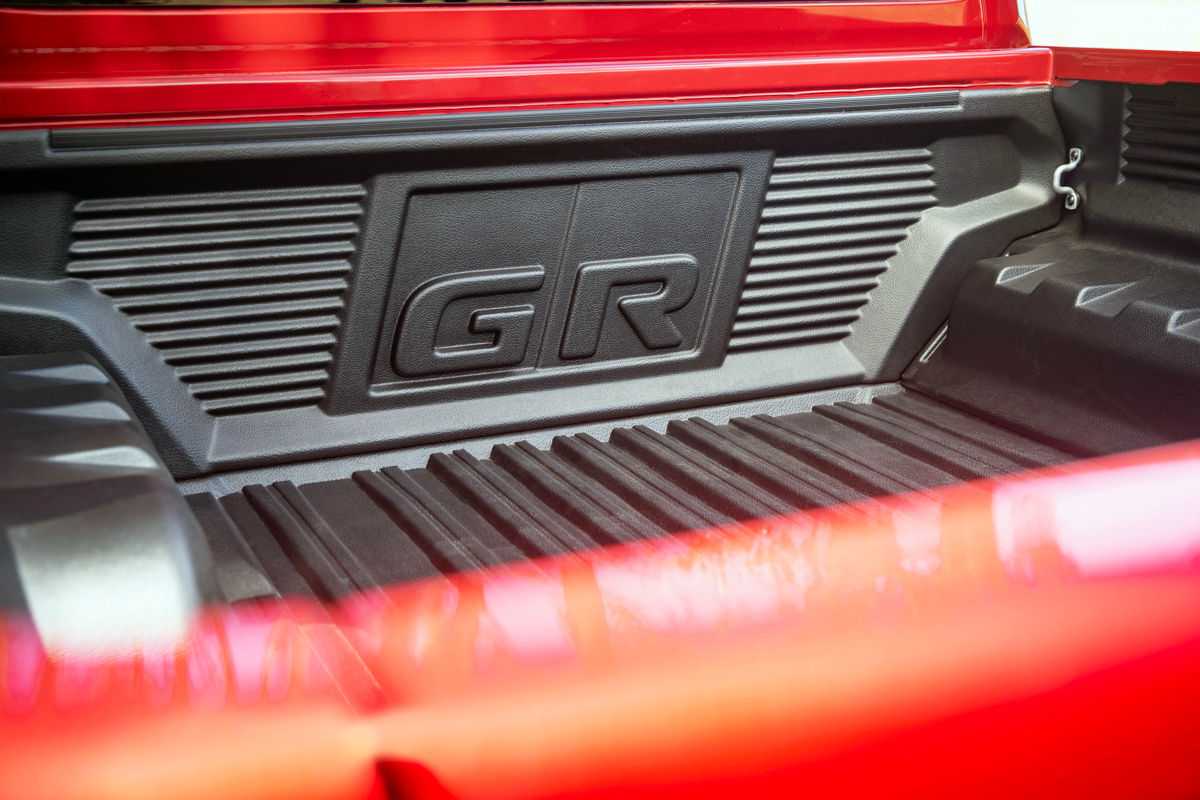
The grille, too, differs from that of the SA-spec version, as does the design (not to mention hue) of the 17-inch alloy wheels, which are here wrapped in all-terrain tyres. The black wheels furthermore frame red brake callipers (while the rear drums are replaced with discs) and the load bay features an embossed “GR” logo. Round back, you’ll likely also notice this model’s red recovery points. Interestingly, this version does without a sports bar, an item that is included as standard in SA.
Described as a “hardcore off-roader”, the new Hilux GR Sport 4×4 AT offered Down Under also gains a special suspension tune, seemingly subtly different to that applied to the SA version. According to the Japanese firm’s Australian arm, this includes dedicated monotube shock absorbers (with higher damping force and heat-dissipation capacity), stiffer coil springs and an “optimal” front-rear suspension balance. It also features a “higher ground clearance”, though an exact figure has yet to be revealed.
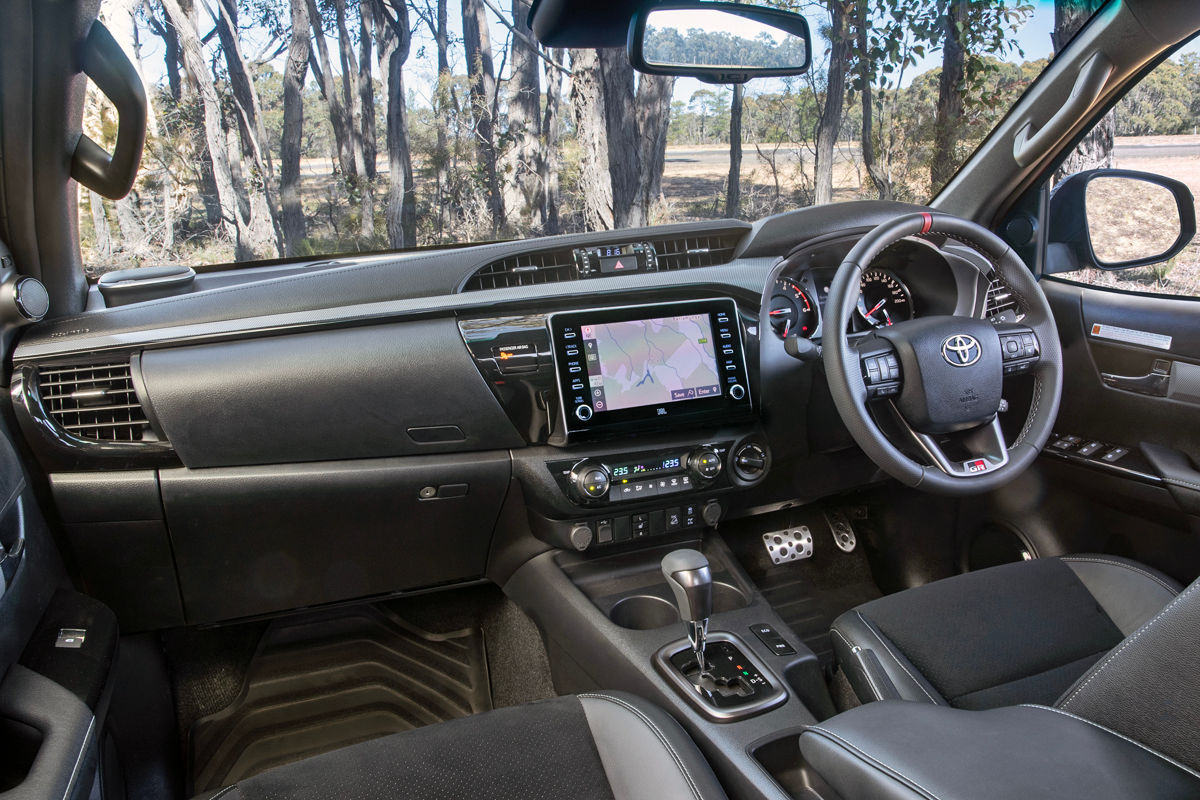
Inside, you’ll find bright sports pedals and red seatbelts, along with “GR” branding on items such as the steering wheel and headrests. While the SA-spec version features black rather than red seatbelts, it does score plenty of red contrast stitching as well as crimson-coloured trim on the facia and a GR-specific instrument cluster (features not present on the Aussie-spec model).
So, will any of these changes be implemented locally? Well, though we certainly can’t rule out the possibility, it seems somewhat unlikely considering Australia sources its Hilux units from Thailand while South Africa builds its own at Prospecton in KwaZulu-Natal…
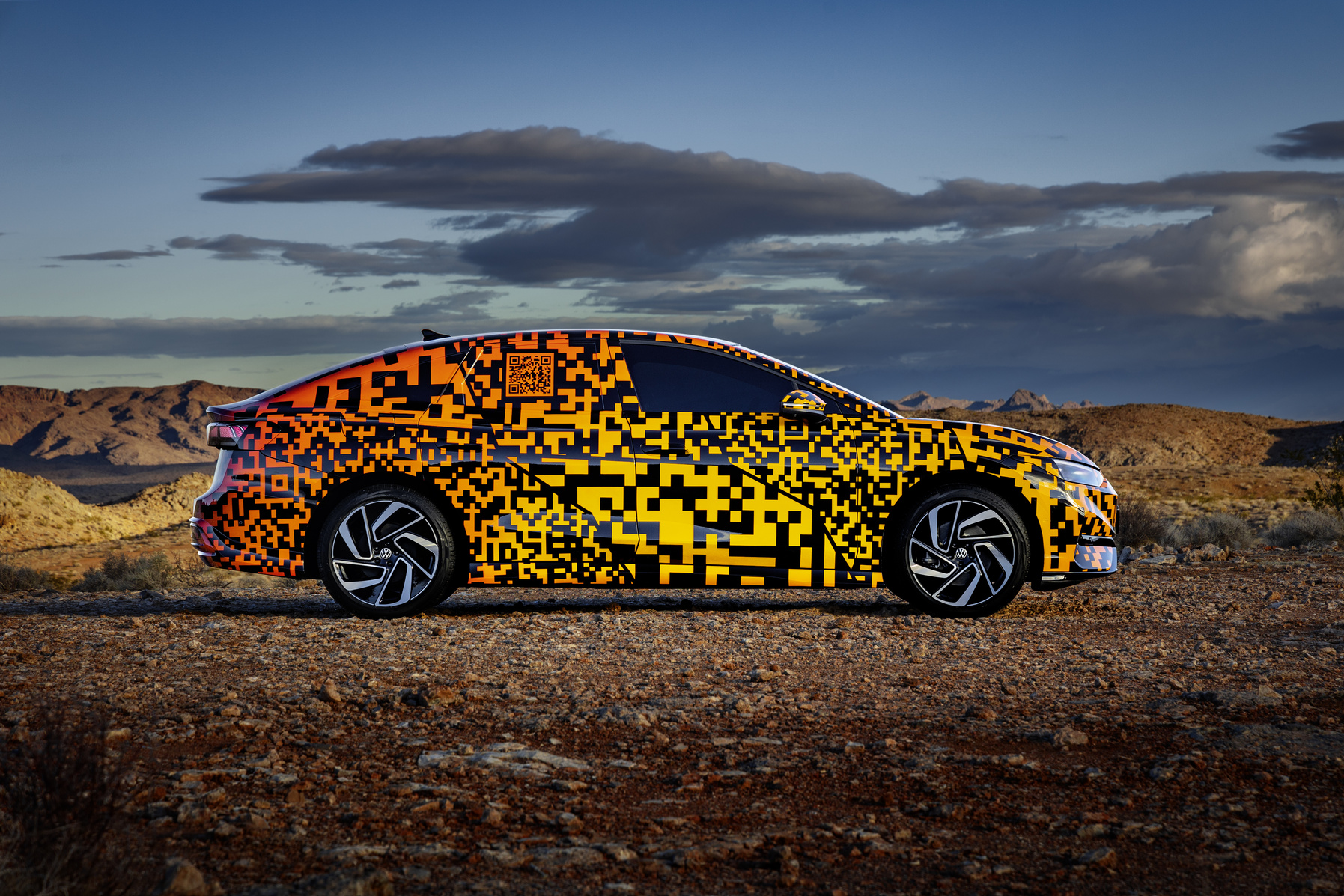
The Volkswagen ID.7 will be VW’s first fully-electric sedan and while its reveal is slated for later in 2023, some details have been confirmed.
Volkswagen will be showcasing the new ID.7 at the Consumer Electronics Show (CES) in Las Vegas. Its essentially the Wolfsburg-based brand’s first fully-electric sedan which is underpinned by the new modular electric drive matrix (MEB) platform.
The camouflage complete with QR codes is still present, but the basic shape of the vehicle is there, giving you some idea of what it will look like. “With the new ID.7, we are extending our electric model range into the upper segments. The sedan will offer top-class technology and quality. The ID.7 is one of ten new electric models that we are planning to launch by 2026. Our goal? To deliver suitable products for our customers in every single segment,” says Thomas Schäfer, CEO of Volkswagen Passenger Cars.
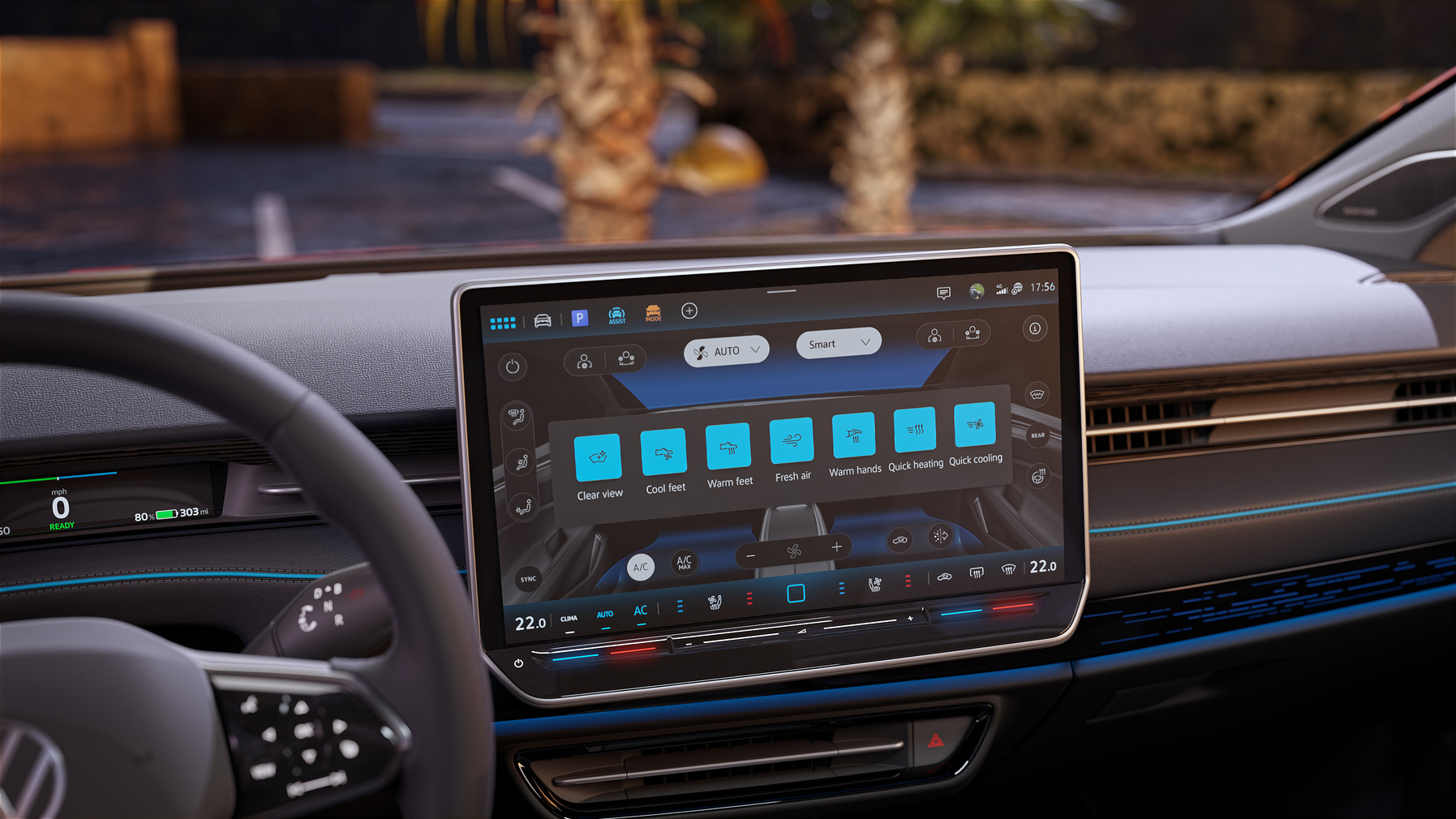
Interestingly, Volkswagen says it has responded to customer feedback and improved certain areas. Think of the criticism levelled at the brand over the capacitive touchpads, user experience and lack of physical buttons. The new ID.7 is said to feature an augmented reality heads-up display, new 15-inch screen, new ventilation controls and illuminated touch sliders. Of course voice control is standard, and you can say things like “Hey Volkswagen, my feet are cold” and the car will take the appropriate action.
Mechanically, the ID.7 is claimed to have a range of around 700 km based on the WLTP cycle. This is achieved by some trick aerodynamics and a low drag coefficient, allowing it to slip through the air easier. With a wheelbase of 2.97 metres (a bit more than a BMW 3 Series), the ID.7 interior should be spacious.
It’s good to see the sedan design not completely dead in favour of a high-riding SUV or crossover. The new Volkswagen ID.7 will be revealed in the second quarter of 2023.
New BMW i Vision Dee is a Colour-Changing Concept Sedan
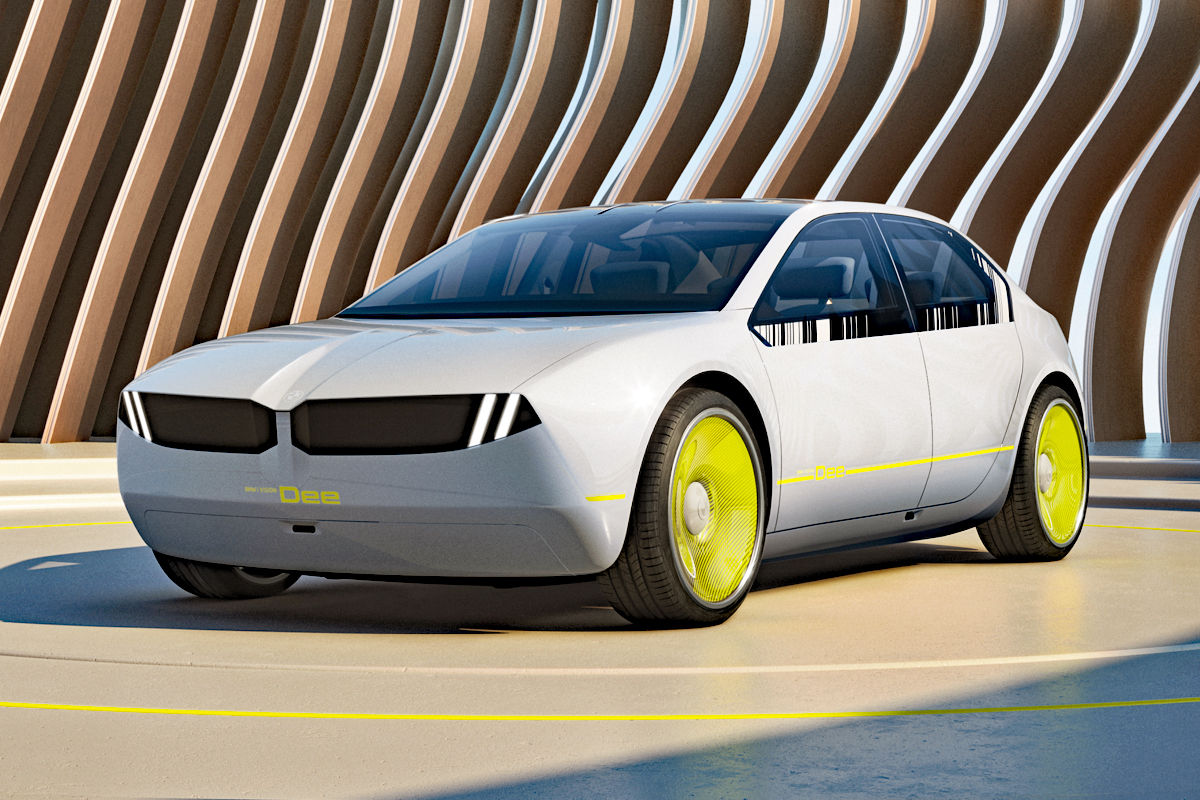
The new BMW i Vision Dee concept sports colour-changing technology, a windscreen-wide head-up display and what the firm bills as a “classic 3-box sedan design”…
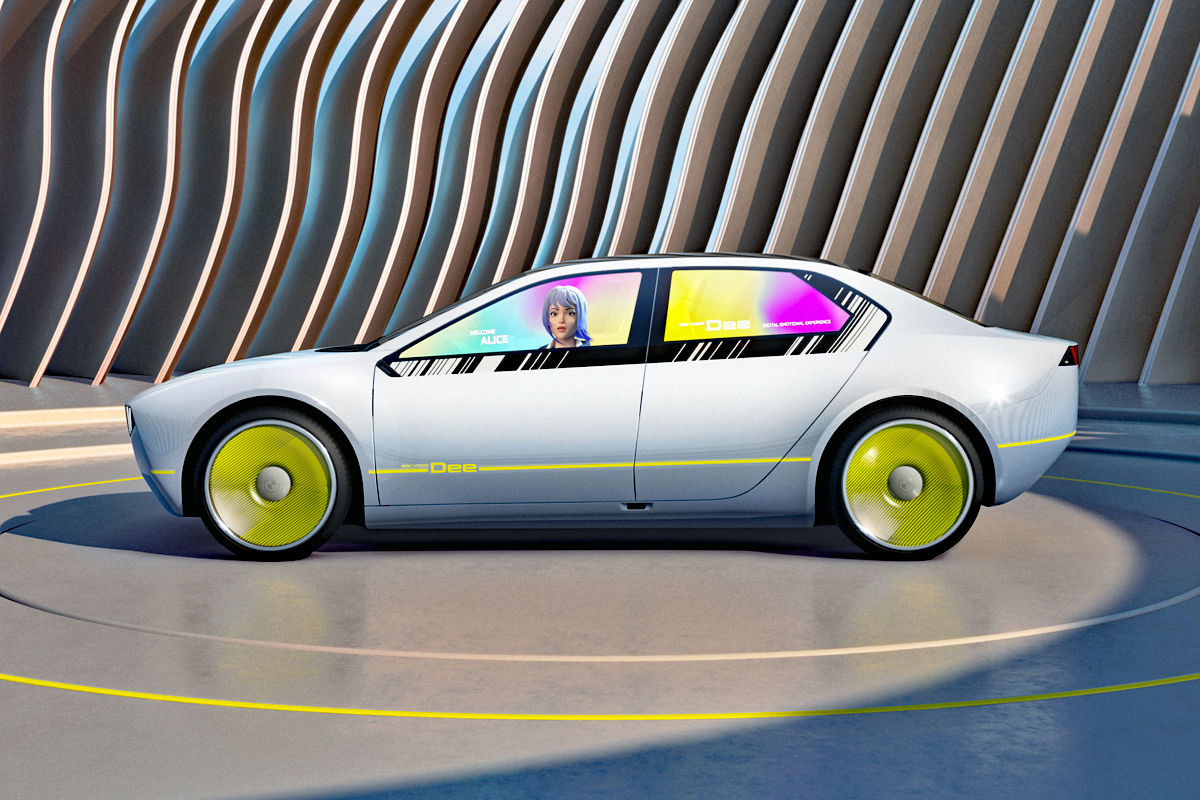
BMW has revealed its latest concept car at the Consumer Electronics Show (CES) 2023 in Las Vegas, with a firm focus on all things digital. Meet the BMW i Vision Dee, which can not only alter its exterior colour at the touch of a button but also boasts a new head-up display stretching the full width of the windscreen.
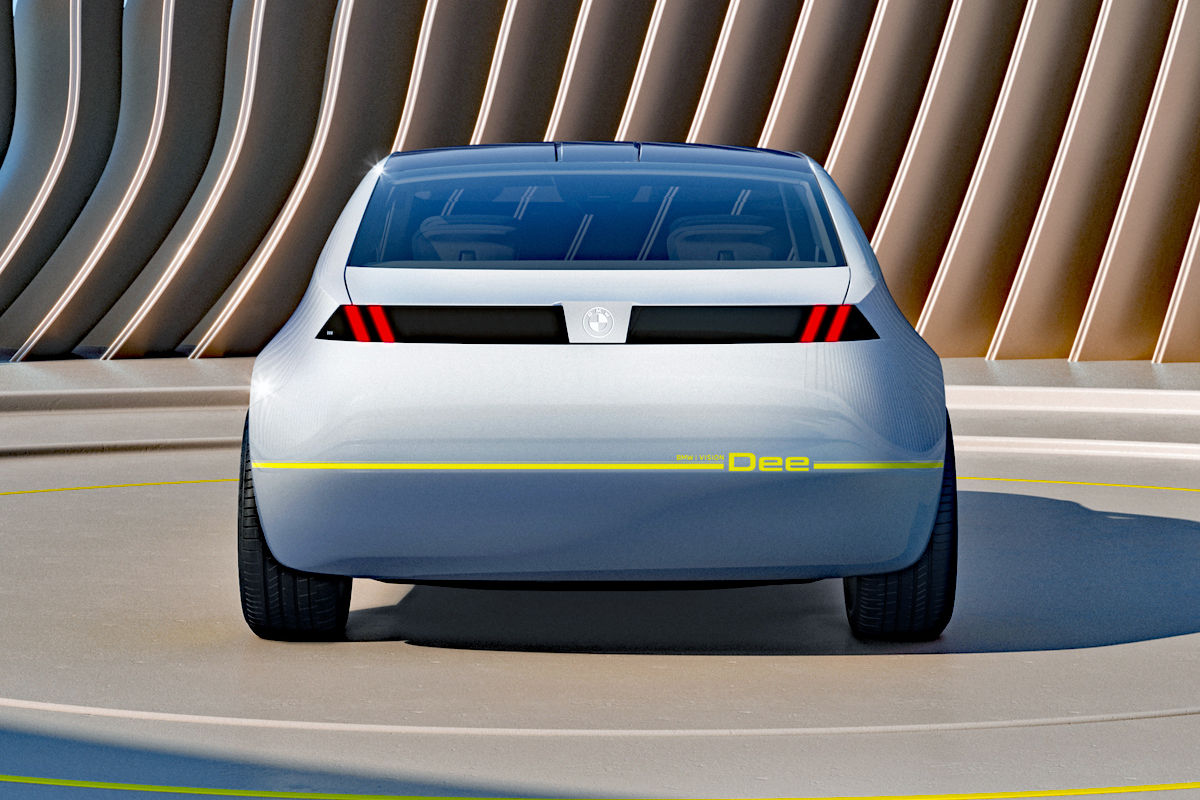
Still, what immediately struck us was the concept’s noticeably pared-down design language, which stands in stark contrast to the somewhat more divisive styling of today’s BMW models. Interestingly, the Munich-based firm says it deliberately simplified the show car’s exterior design in order to focus attention on the digital experience.
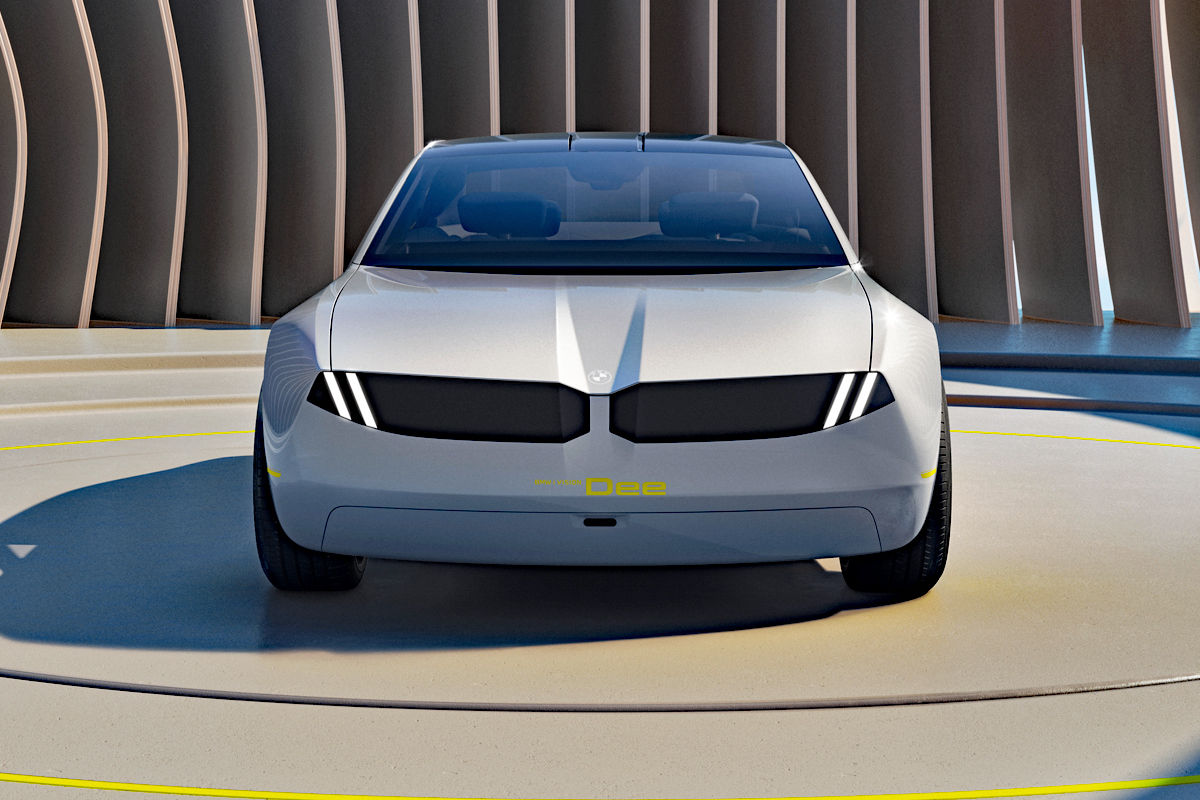
That said, BMW points out the “classic 3-box sedan design” still forms the core of the German brand and here incorporates new takes on traditional styling elements such as the kidney grille, twin circular headlights and even the famous Hofmeister kink. Equal parts retro and futuristic, if you ask us. The company has said nothing about the concept’s powertrain, but we’re guessing it’s fully electric.
Being a concept car, there’s plenty of wacky tech on display. For instance, the BMW i Vision Dee features a “personalised welcome scenario” that combines graphical elements, light and sound effects. The headlights and closed grille form what BMW calls a common “phygital” (fusion of physical and digital) icon on a uniform surface, allowing the vehicle to produce different “facial expressions”. The concept can even project an image of the driver’s avatar onto the side window to further personalise the welcome scenario.
A closer look at the BMW i Vision Dee’s fresh technology
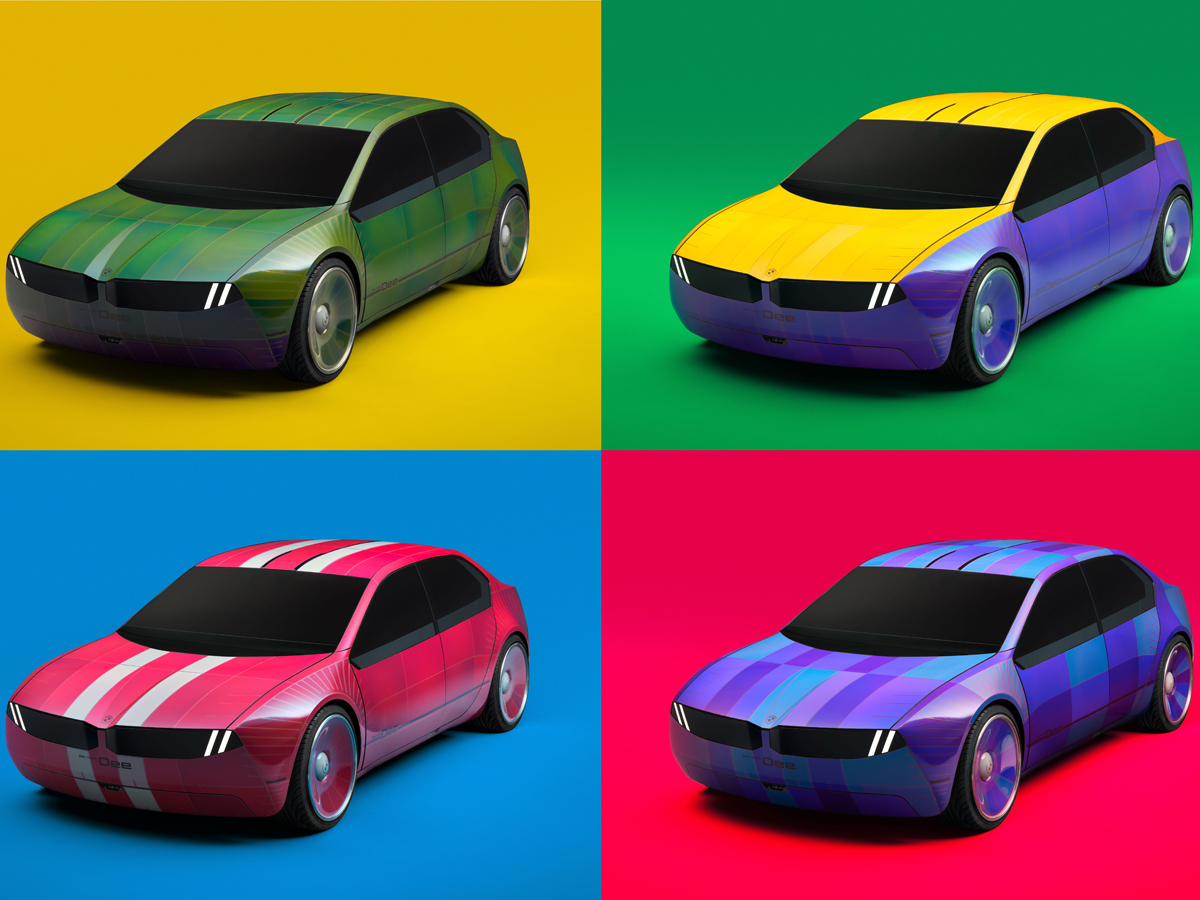
The concept’s E Ink tech effectively allows the user to design their own livery.
So, what other tech is packed into the BMW i Vision Dee (the latter stands for “Digital Emotional Experience”)? Well, the fresh-faced concept features a full-colour version of the E Ink technology that debuted on the BMW iX displayed at CES 2022. While that model could alternate between black and white only, the newcomer showcases a multi-coloured, fully variable and individually configurable exterior.
The system relies an “ePaper” film applied to the vehicle body, allowing up to 32 colours to be displayed. The surface of the concept is divided into 240 segments, each of which is controlled individually, allowing a wide variety of patterns to be generated and varied within seconds. In other words, design your own livery!
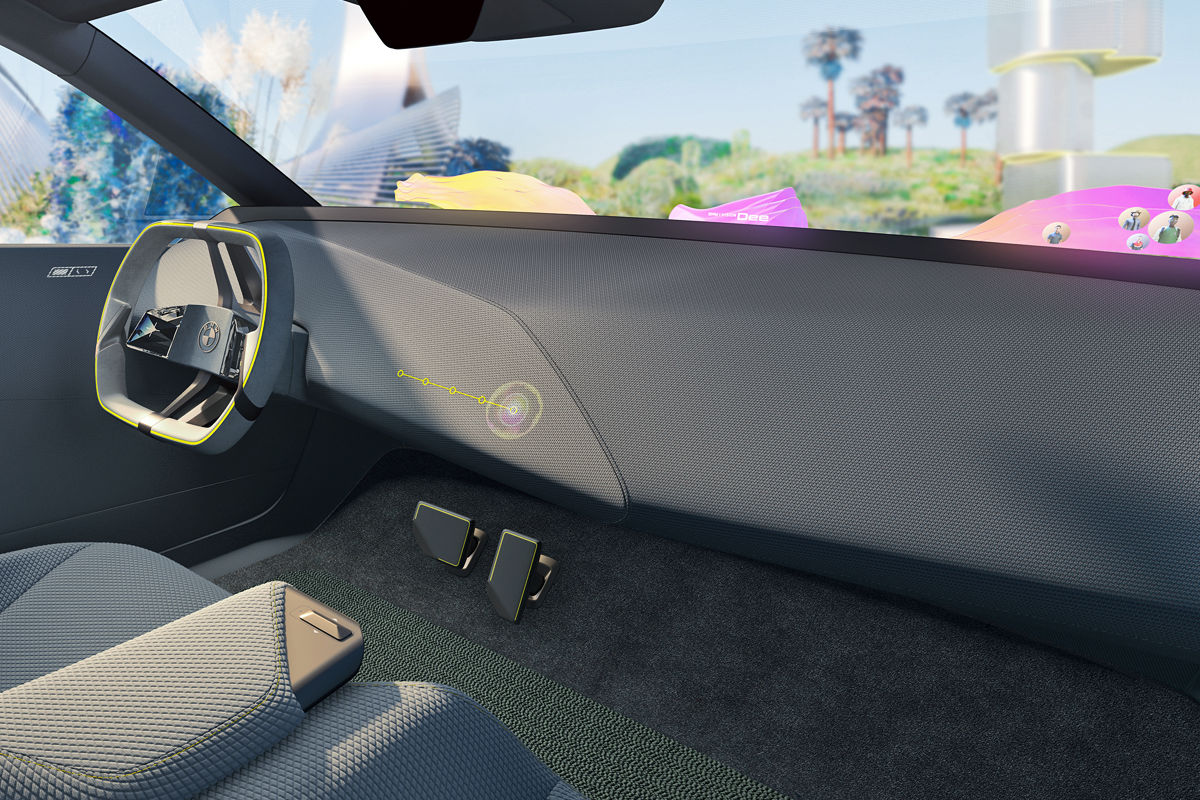
Then there’s the new head-up display, which is projected across the full width of the windscreen. BMW says a “standard-production version” of this display is planned for models of the Neue Klasse family of vehicles from 2025 onwards.
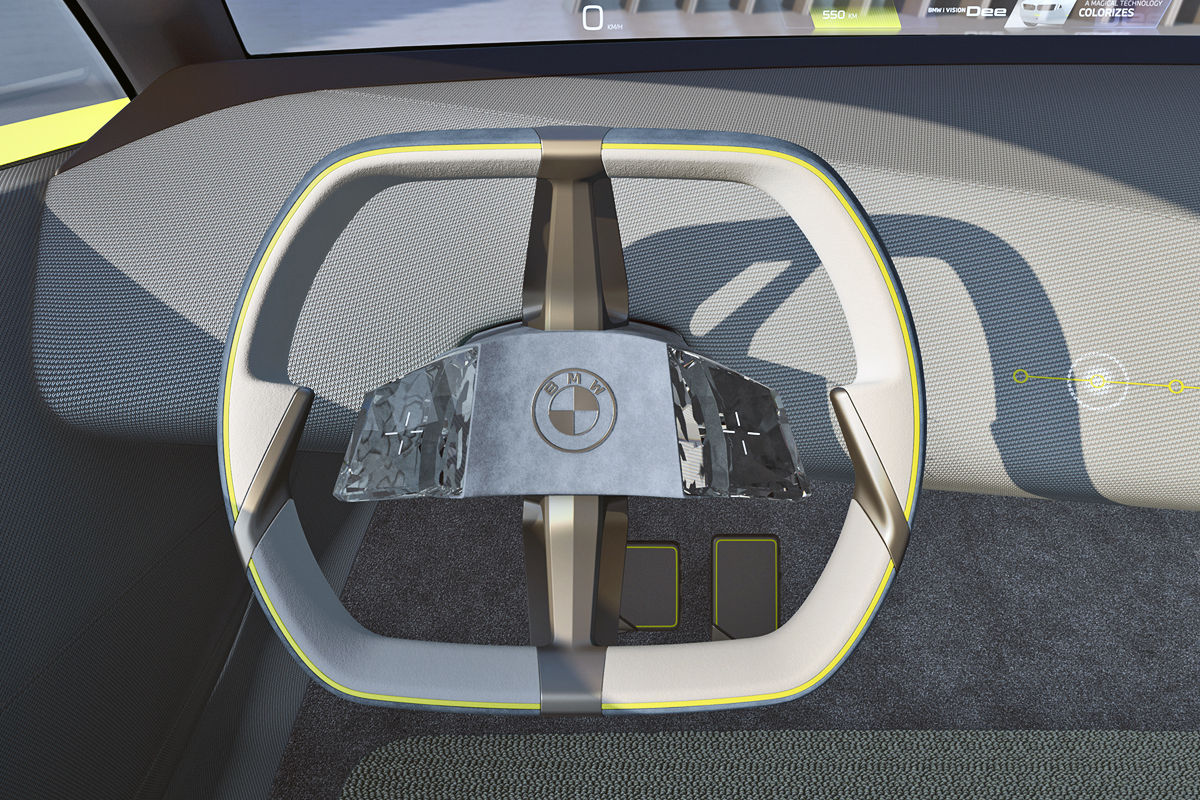
The BMW i Vision Dee furthermore features a “mixed reality slider”, which works in conjunction with the advanced head-up display. Described as the concept’s “central operating control”, the system allows the driver to decide how much digital content they want to see. The 5-step selection ranges from analogue to driving-related information, the contents of the communications system, augmented-reality projection and even “entry into virtual worlds”. Meanwhile, dimmable windows allow the occupants to “gradually fade out reality”.
“With the BMW i Vision Dee, we are showcasing what is possible when hardware and software merge. In this way, we are able to exploit the full potential of digitalisation to transform the car into an intelligent companion. That is the future for automotive manufacturers – and, also, for BMW: the fusion of the virtual experience with genuine driving pleasure,” said Oliver Zipse, Chairman of the Board of Management of BMW AG.
“At the same time, BMW i Vision Dee is another step on the road to the NEUE KLASSE. With this vision, we are looking far into the future and underlining the tremendous importance of digitalisation for our upcoming product generations.”
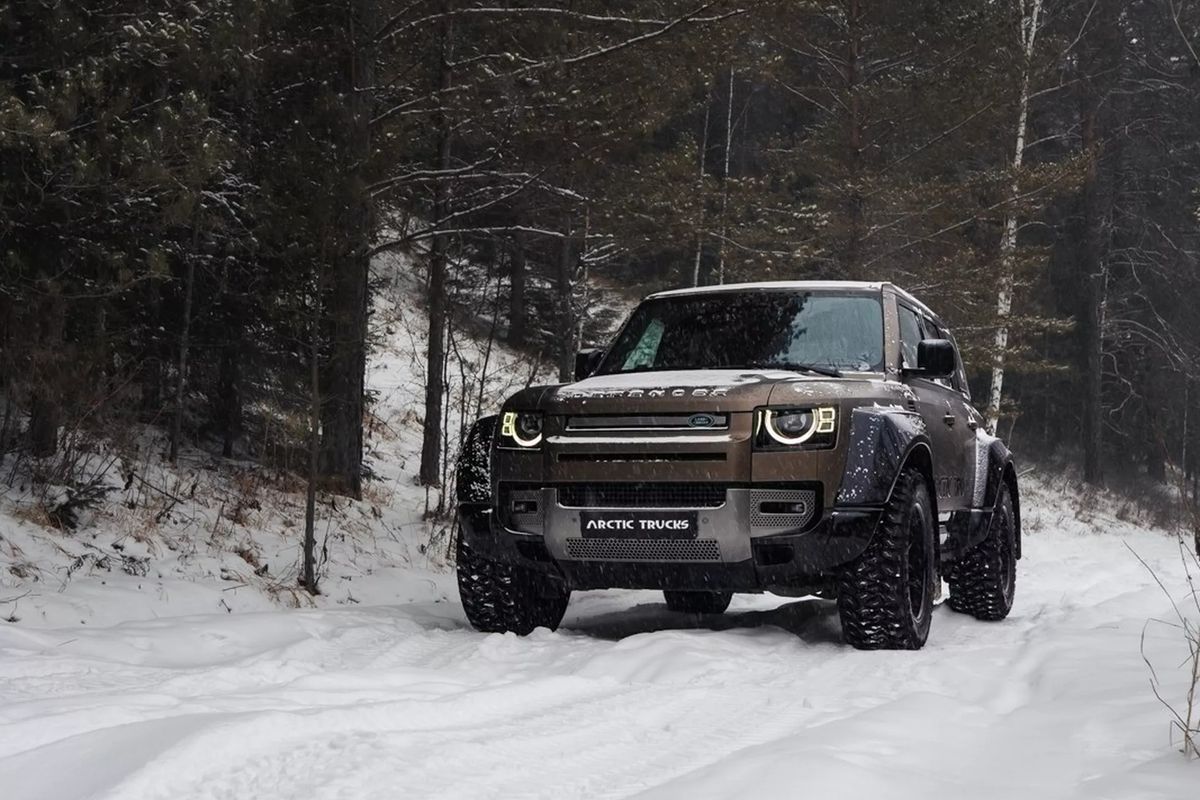
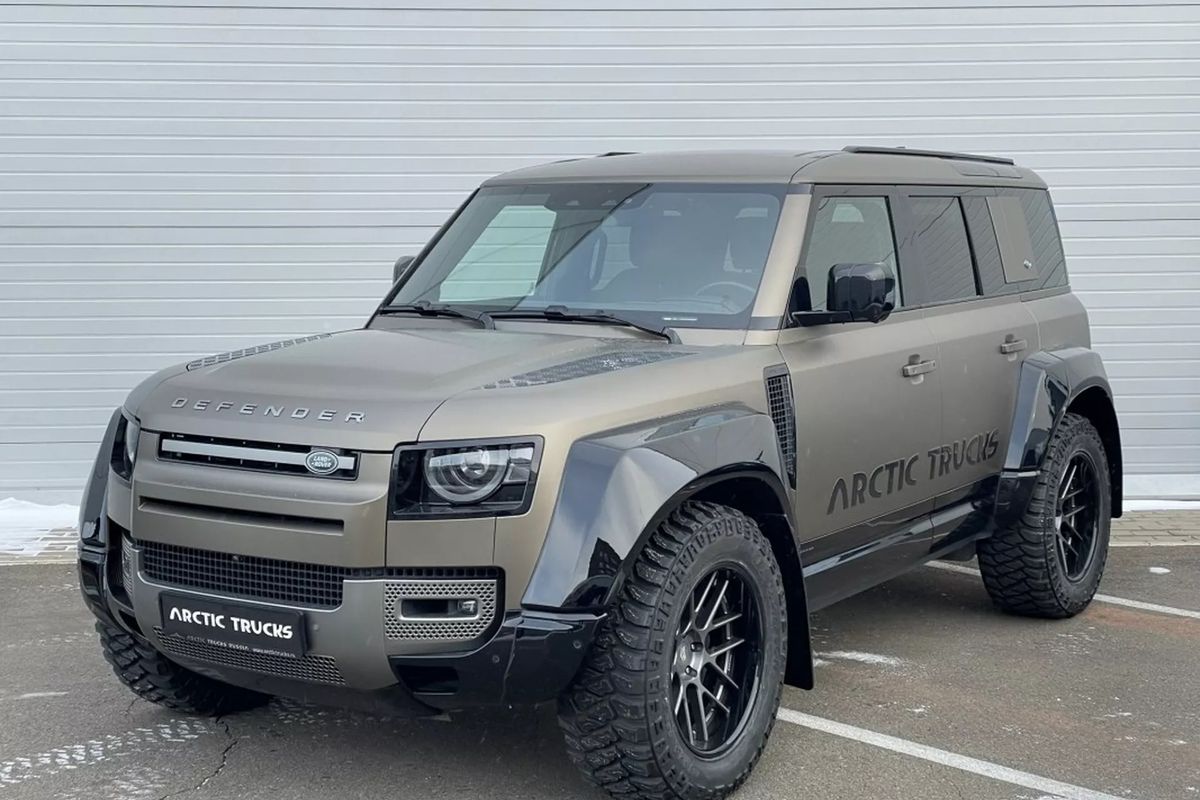
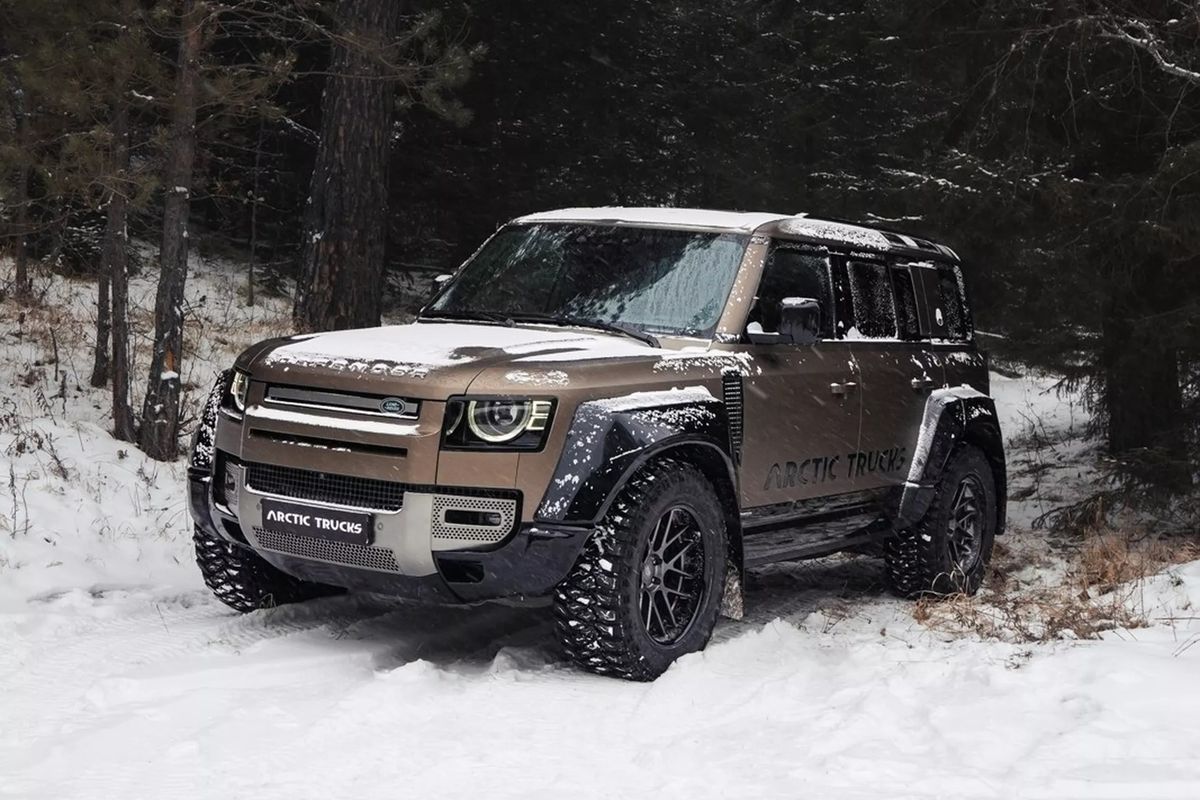
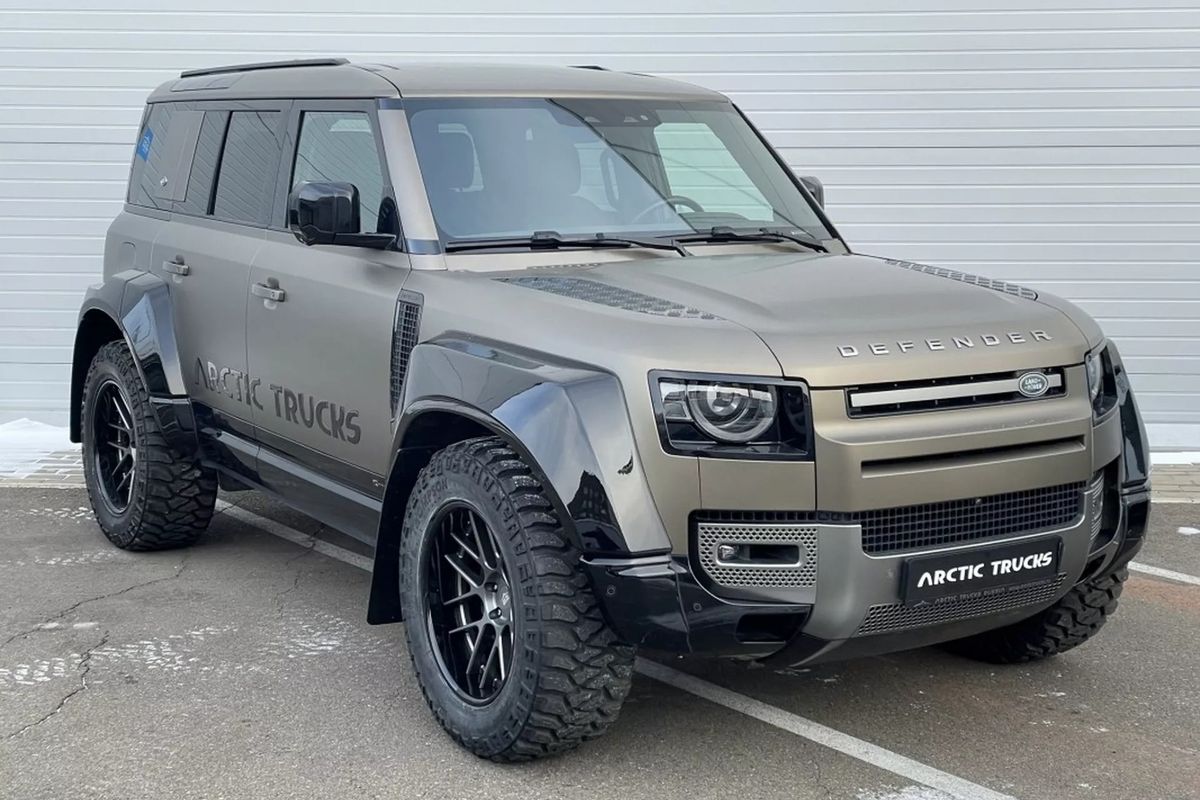
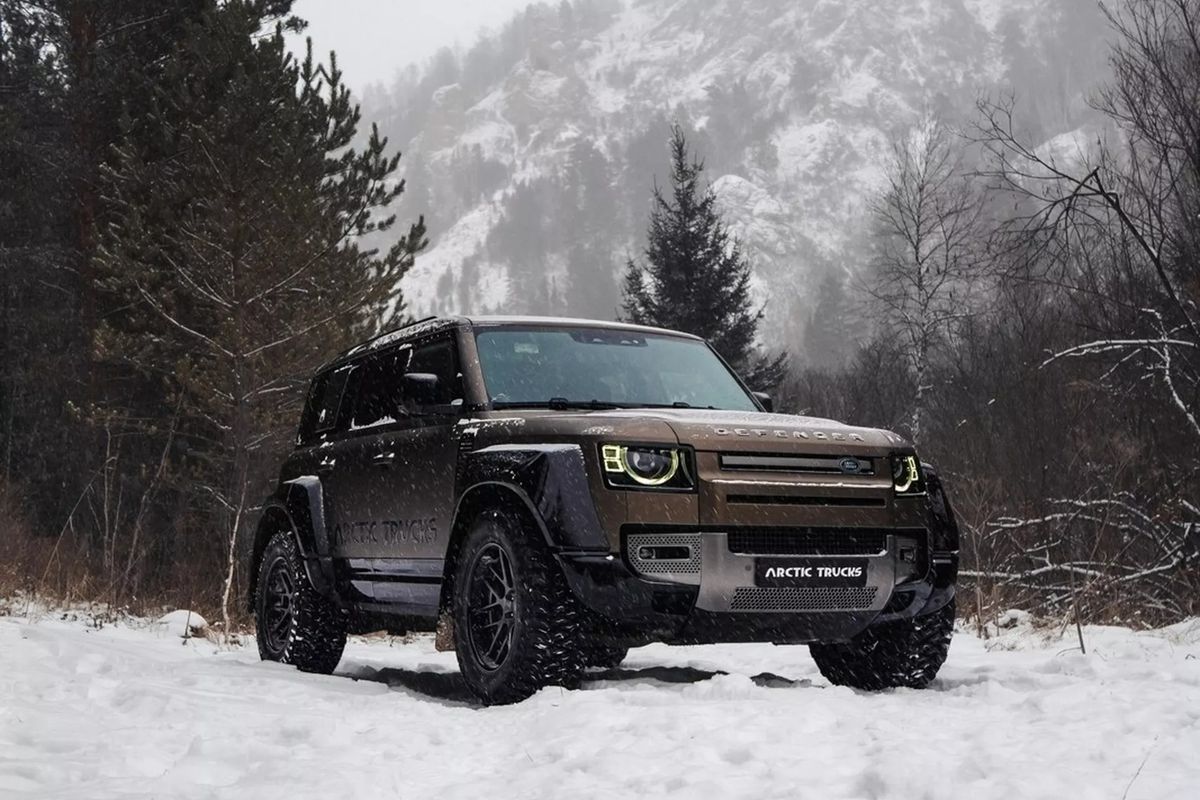
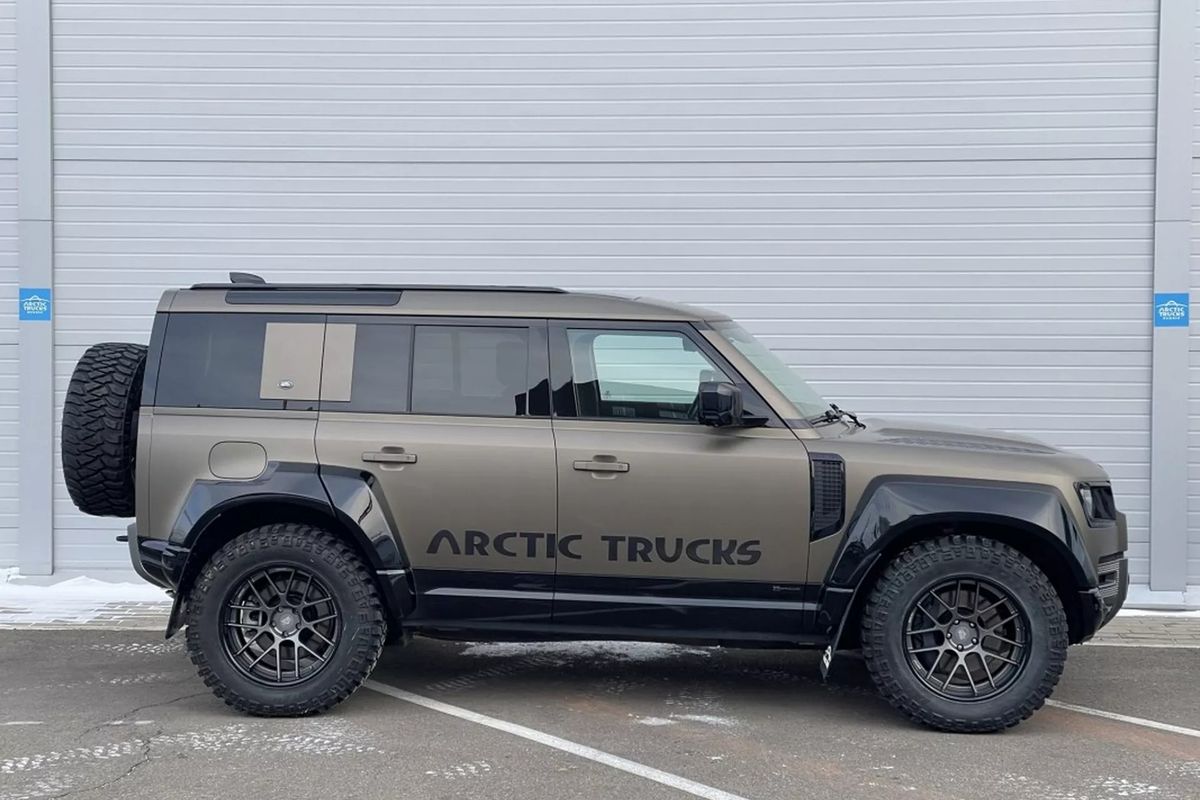
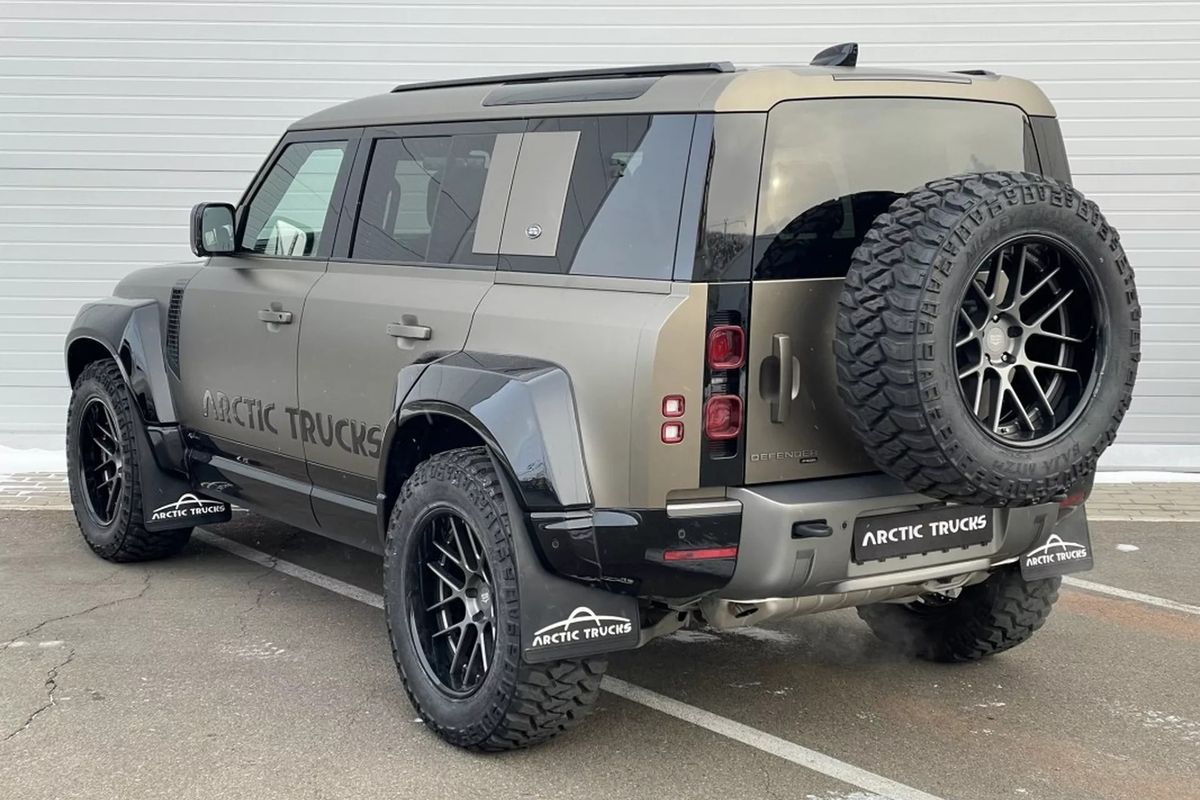
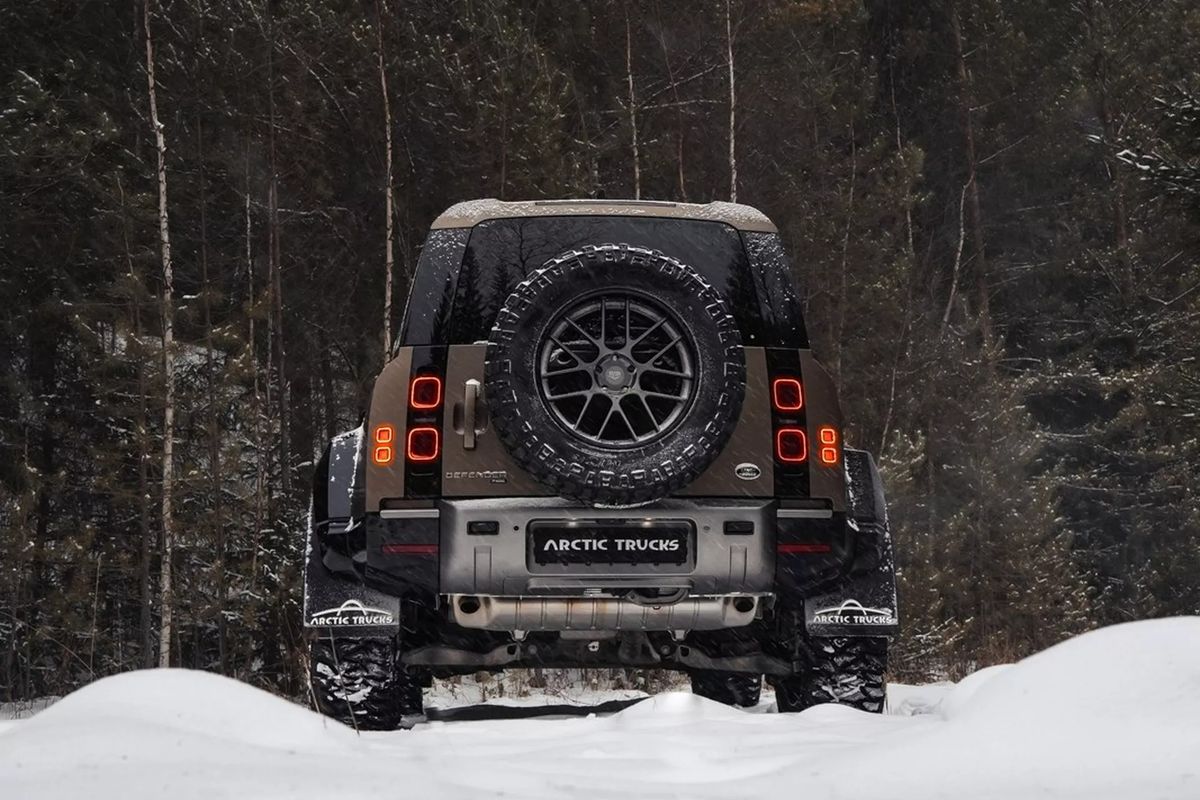
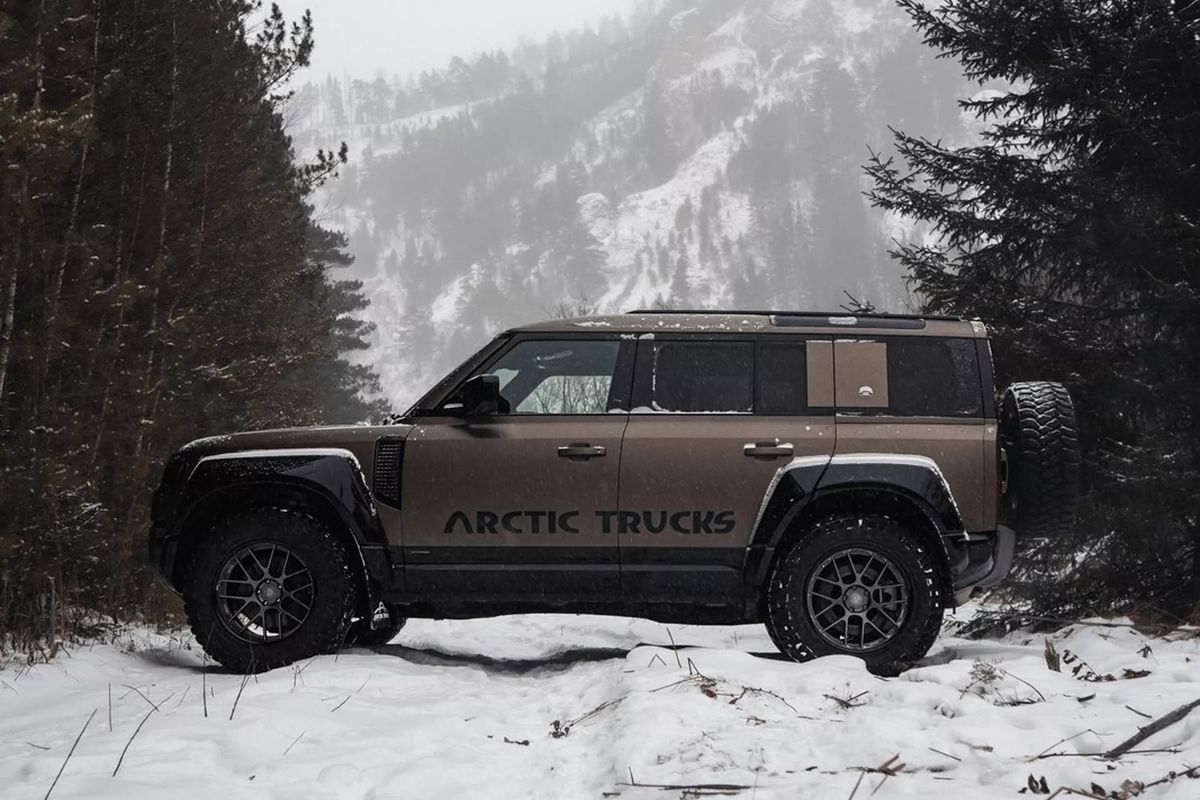
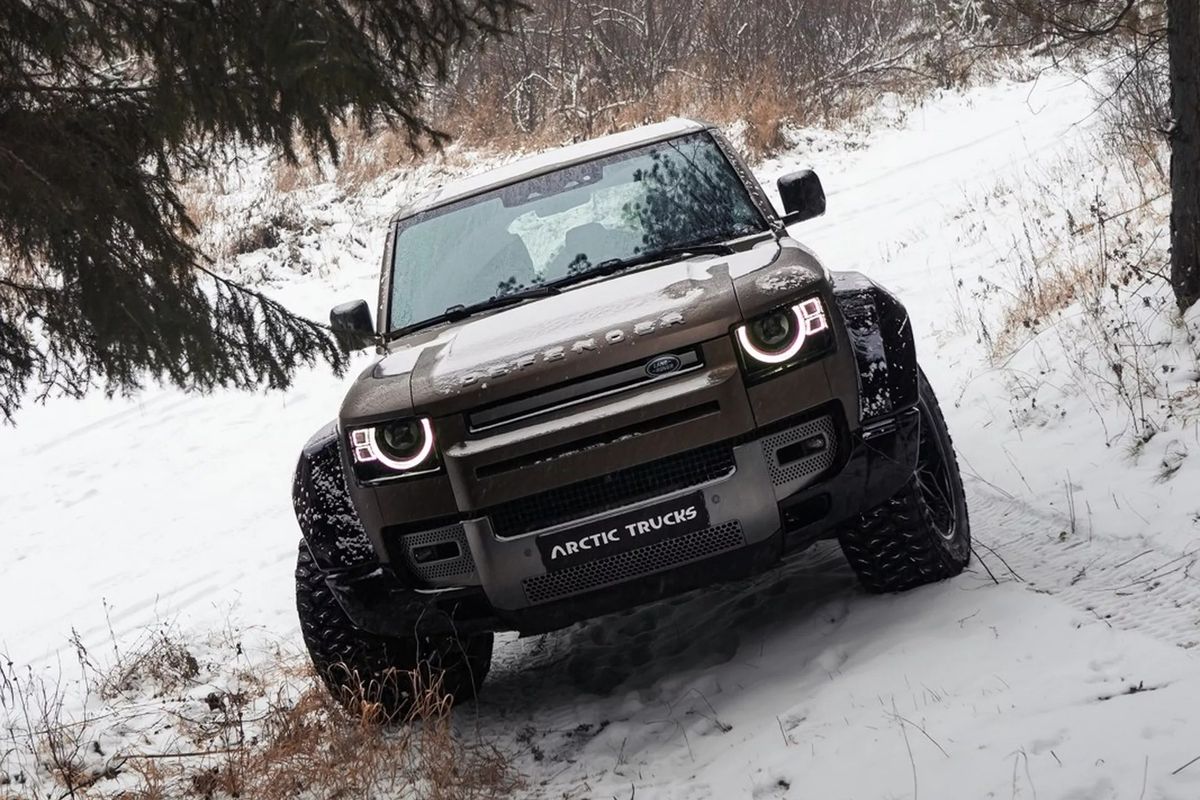
If the Defender wasn’t capable enough for your adventures, the Land Rover Defender Arctic Trucks should tick the boxes.
The Land Rover Defender has been a runaway success for the British brand, combining luxury and genuine offroad capability in a bold and macho package. A diverse array of petrol, diesel and electrified engines are offered, and its only a matter of time before an all-electric model breaks cover.
Defenders have proven popular among the 4×4 enthusiast crowd, but what if you wanted to live the LR brand ethos and go above and beyond? Granted, in the right hands, the Defender is a capable 4×4 machine, but there are limits. Enter Arctic Trucks, the offroad specialists who have engineered many products from Toyota, Isuzu and more.
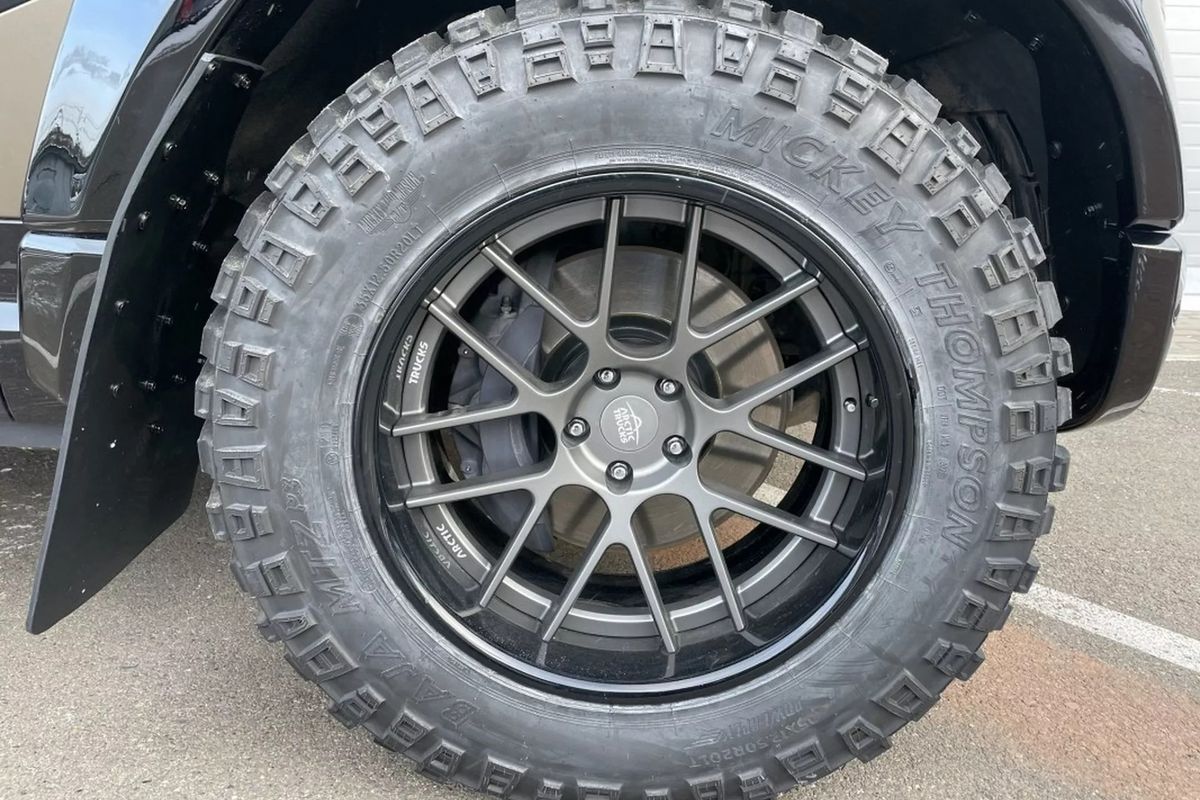
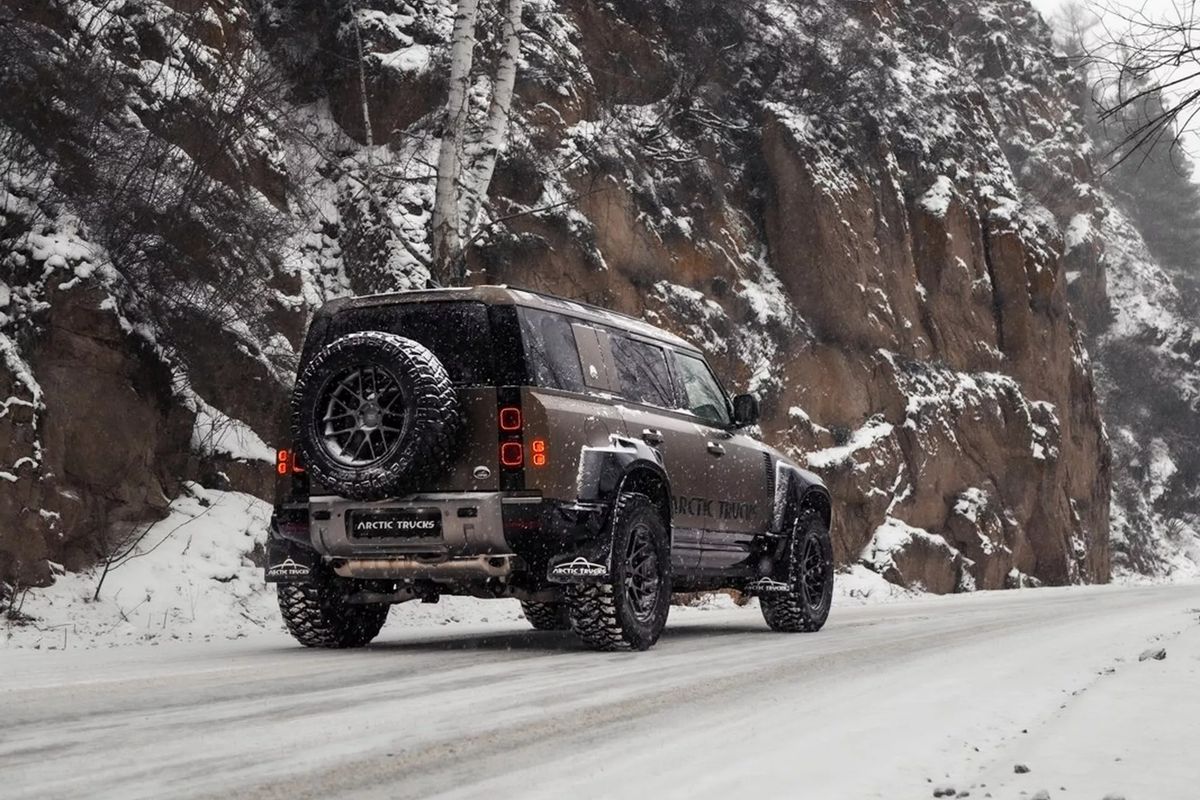
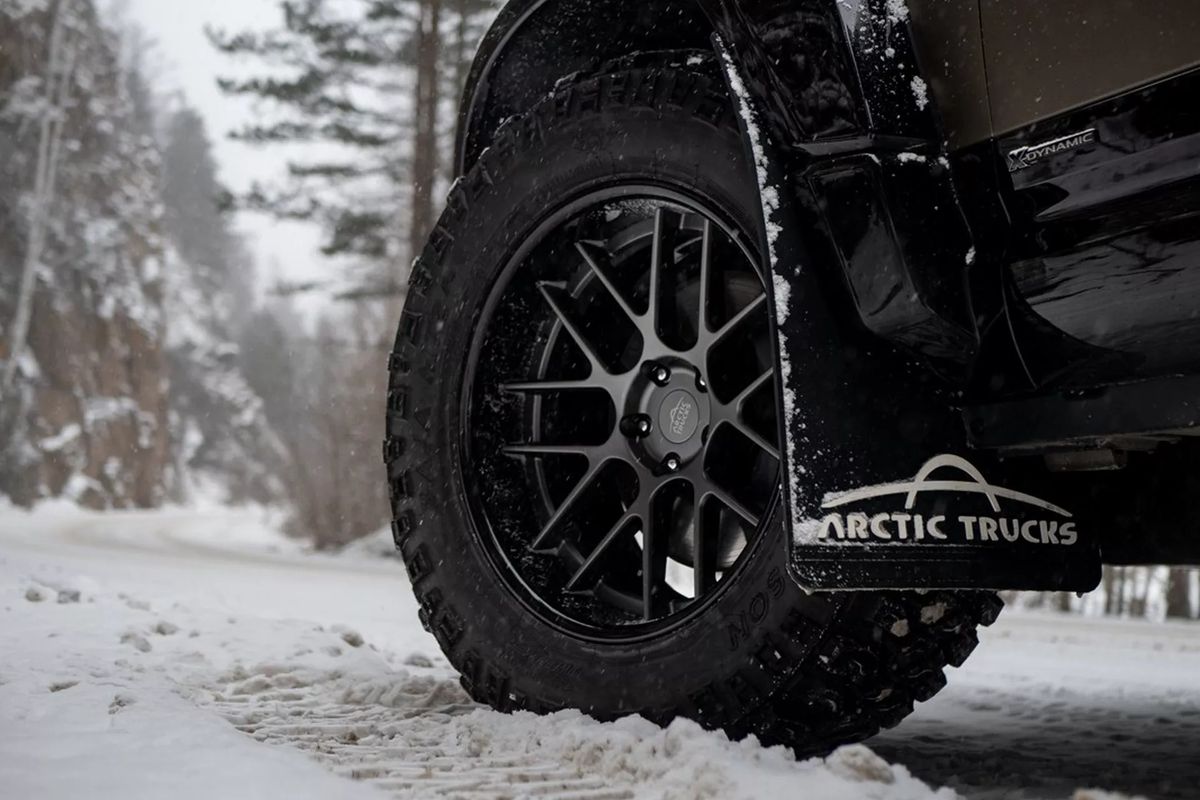
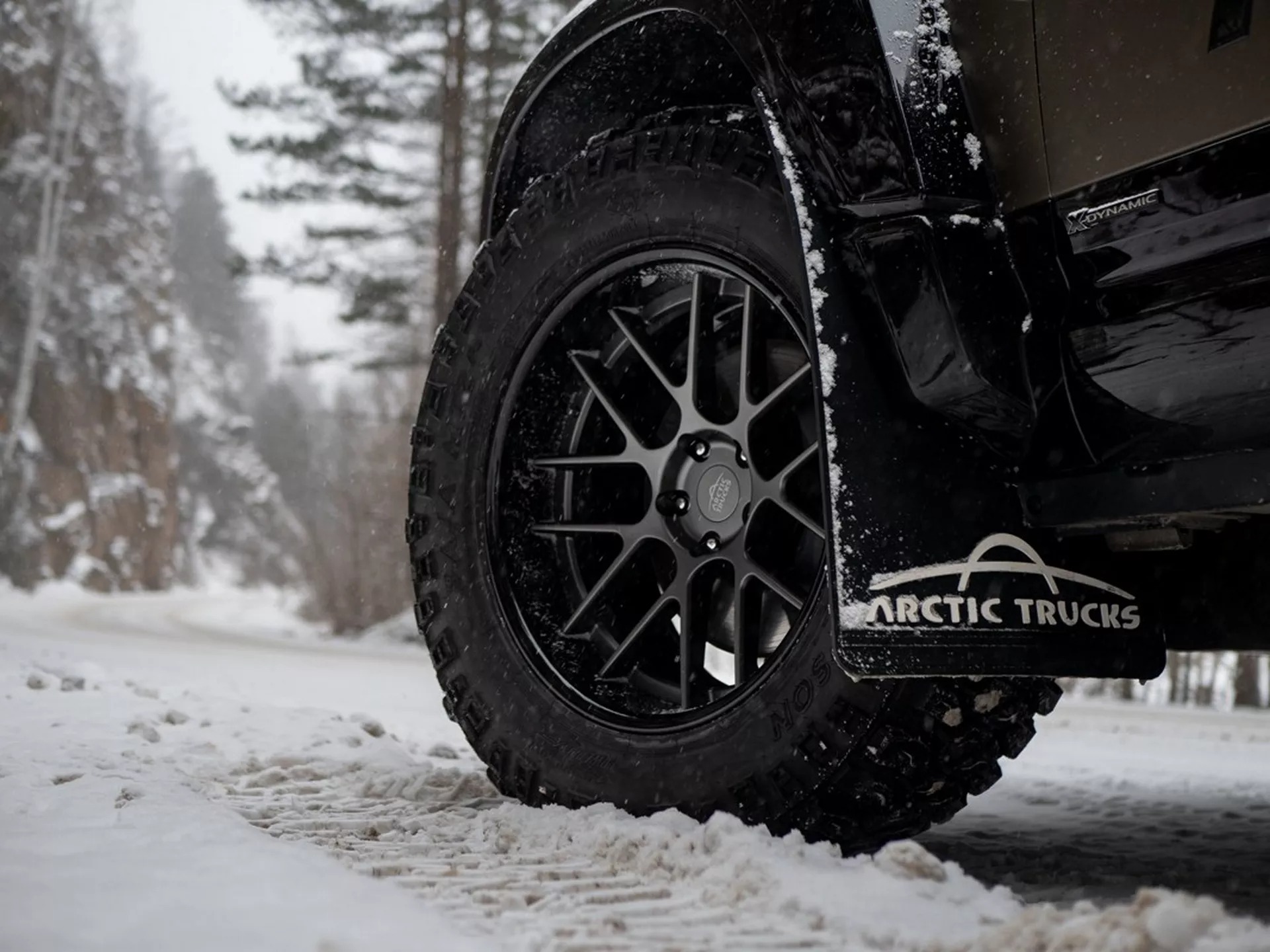
What you see here is the Land Rover Defender Arctic Trucks AT35, named after its massive 35-inch tyres. For the record, these are 315/60 tyres wrapped around 20-inch alloy wheels. To allow for such large wheels, there’s a new lift kit for the suspension and Arctic Trucks says its compatible with the OEM adaptive air suspension from Land Rover.
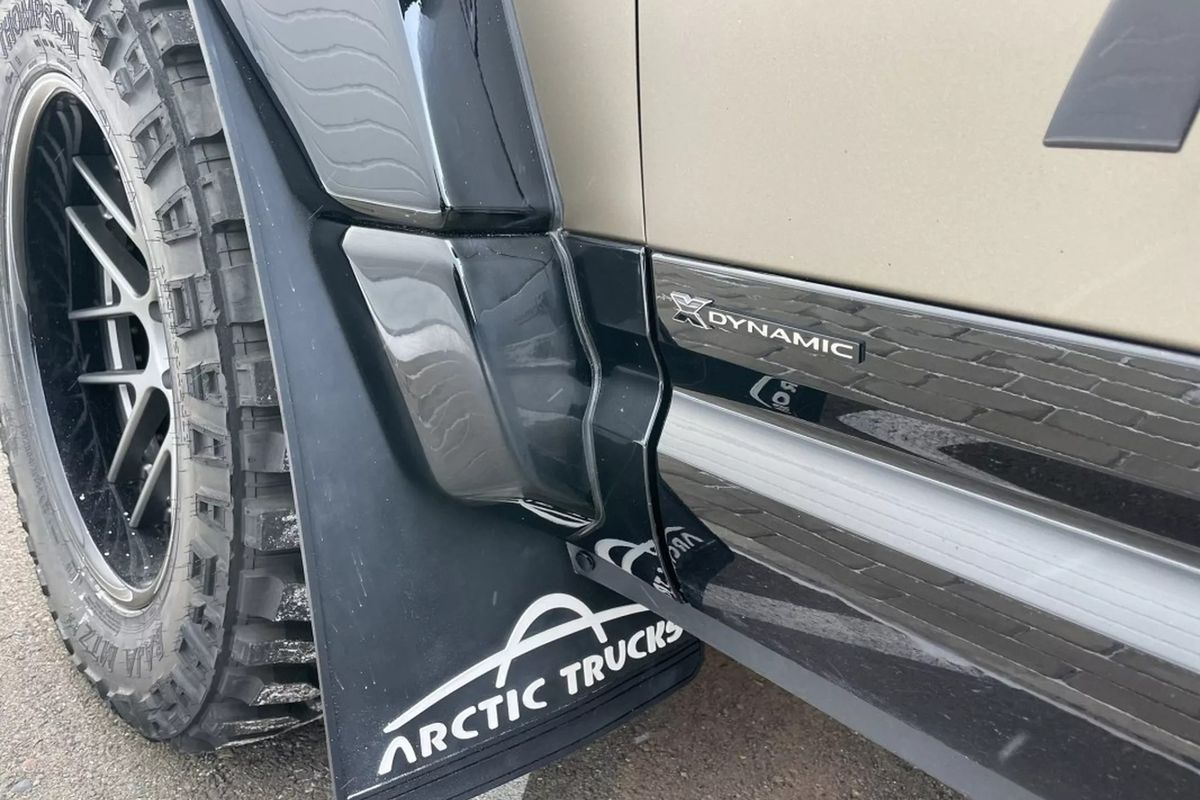
Ground clearance has been increased by up to 360 mm with the air suspension at its highest. In comparison, the stock setup can only muster just 290 mm. The package also includes fender extensions, Arctic Trucks branding, mudguards, winch and electric towbar.
Watch the Land Rover Defender Arctic Trucks in action
New Isuzu D-Max X-Rider Breaks Cover
Isuzu has revived the X-Rider nameplate for the D-Max, with the limited-edition model now available Down Under. It seems only a matter of time before such a variant is offered in South Africa…
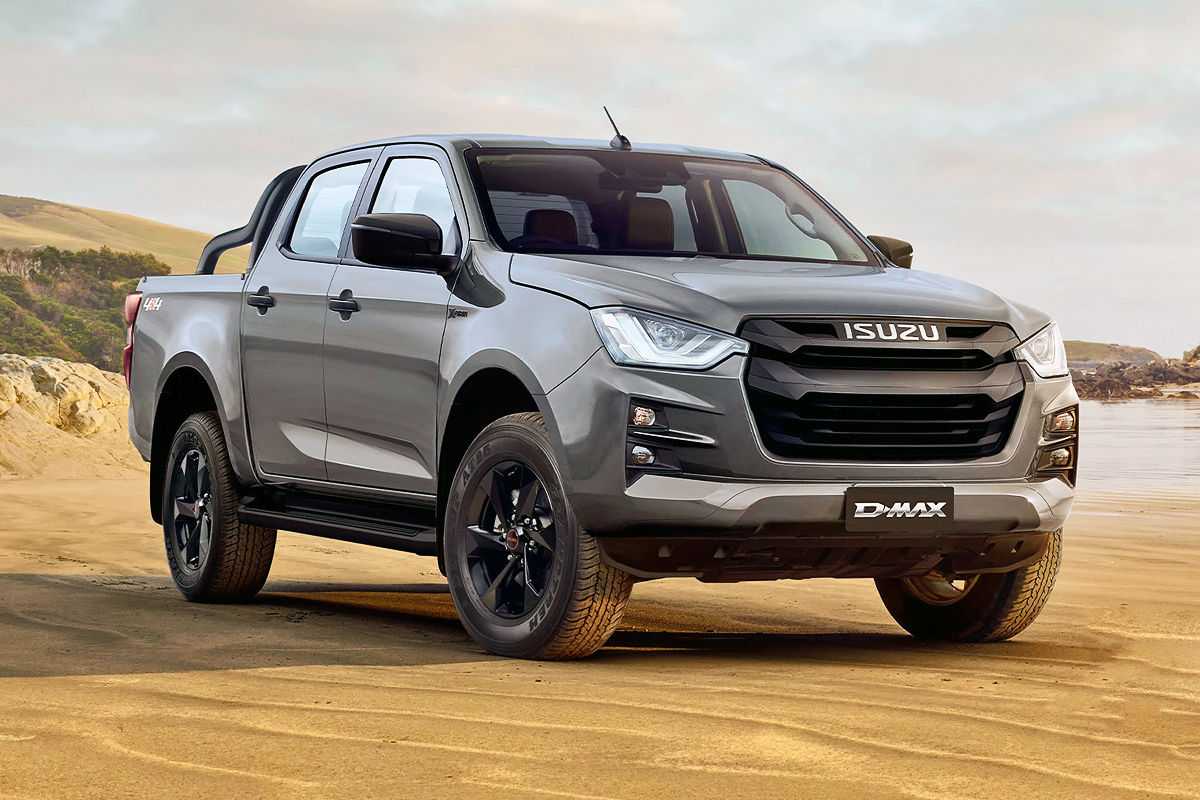
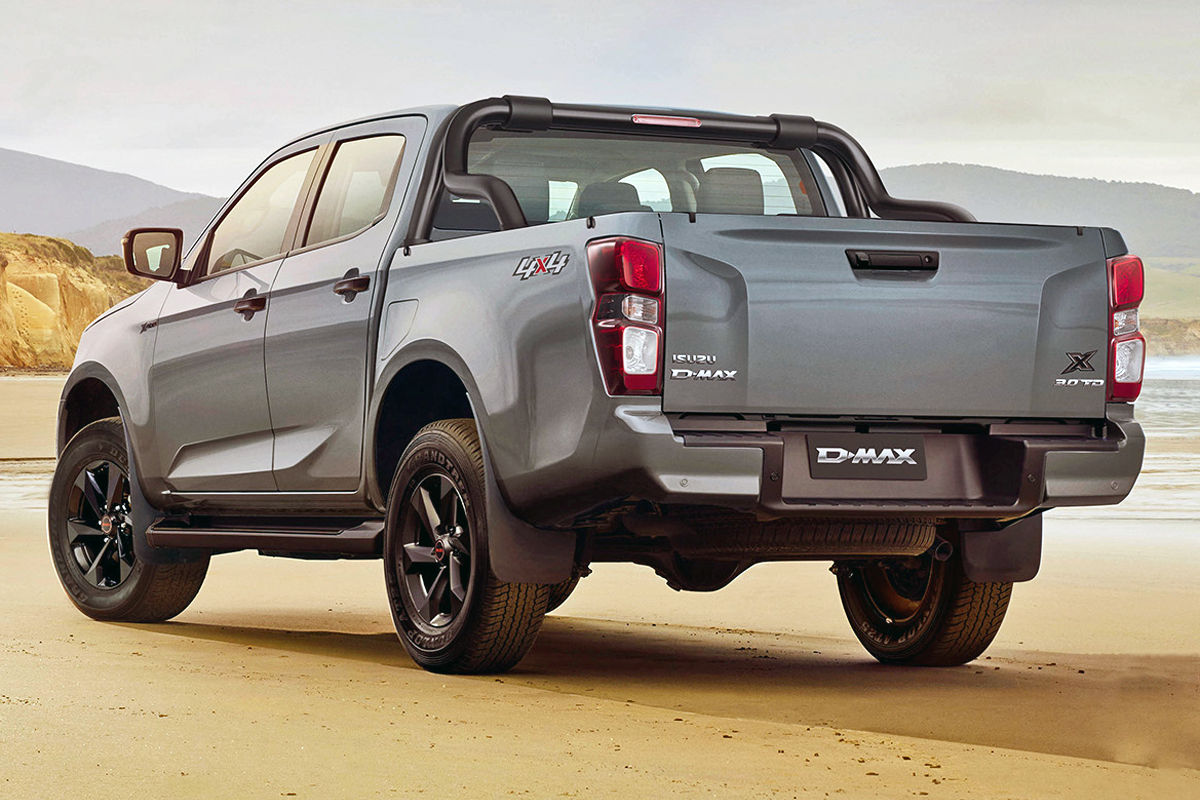
The X-Rider badge has been applied to the latest-generation Isuzu D-Max for the first time, with the subtly tweaked model debuting in Australia in special-edition form.
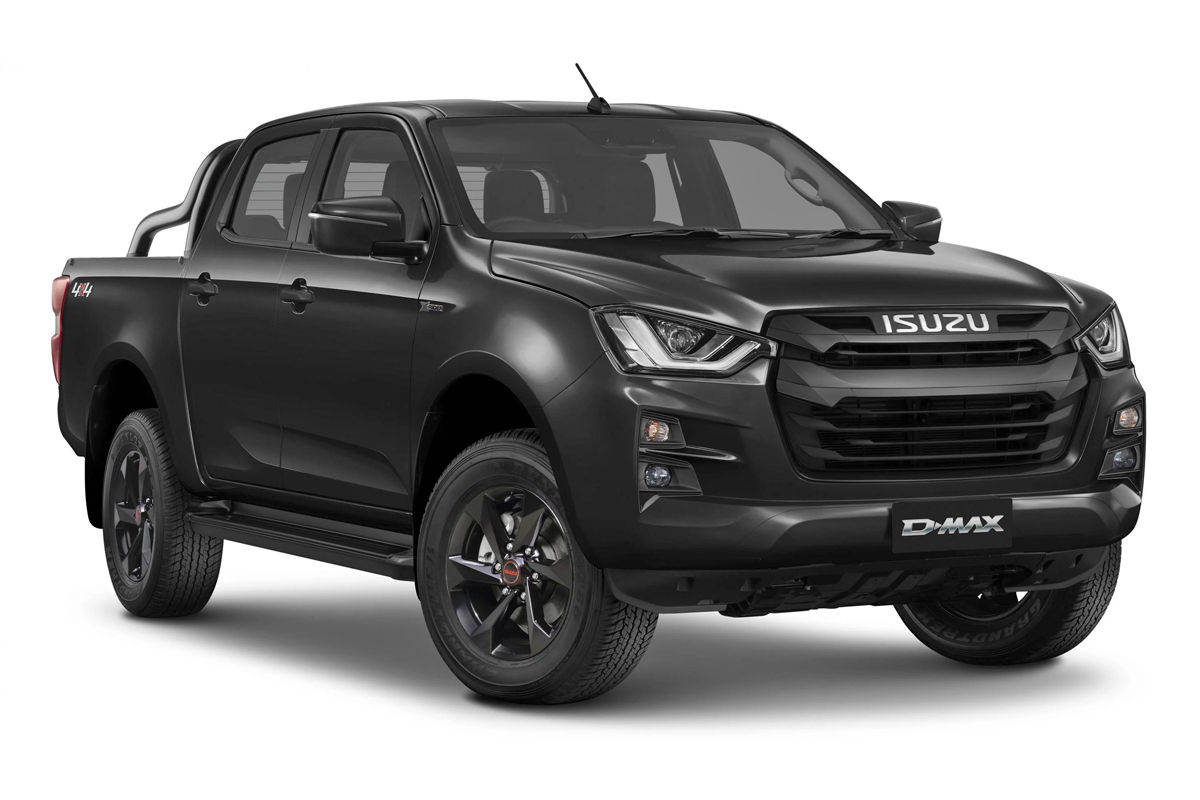
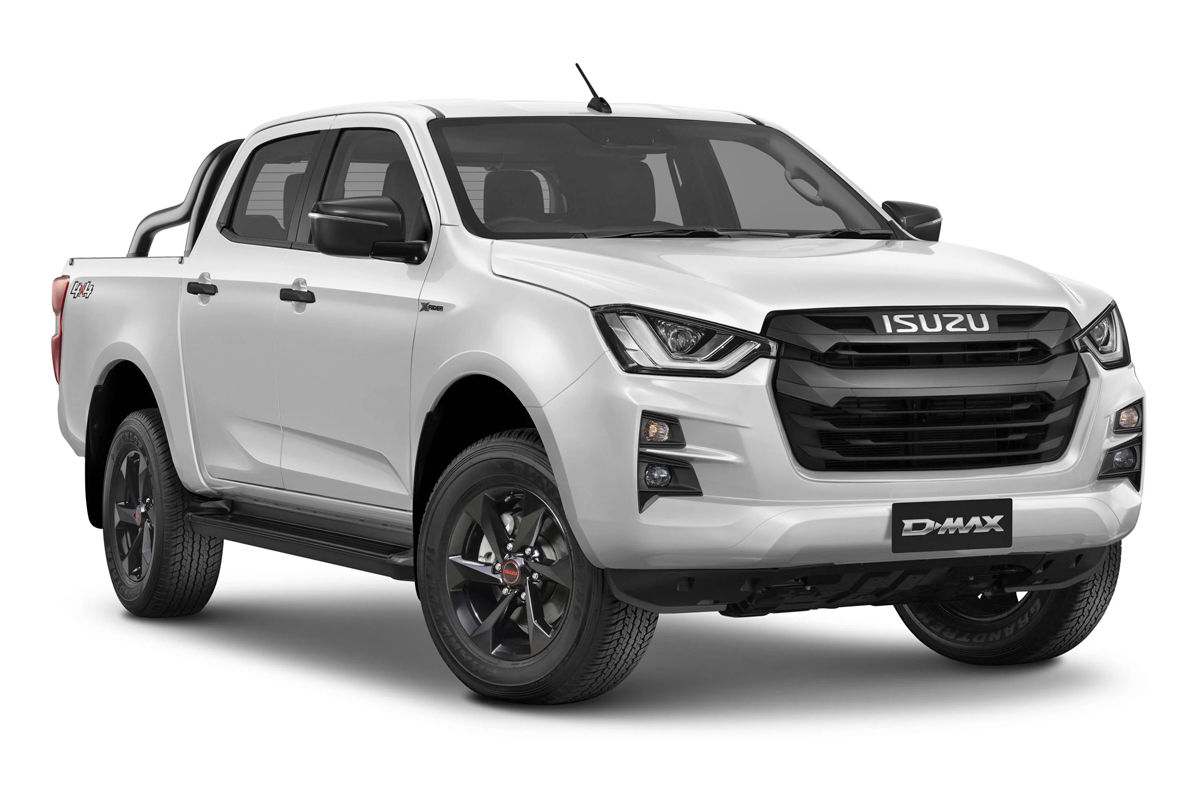
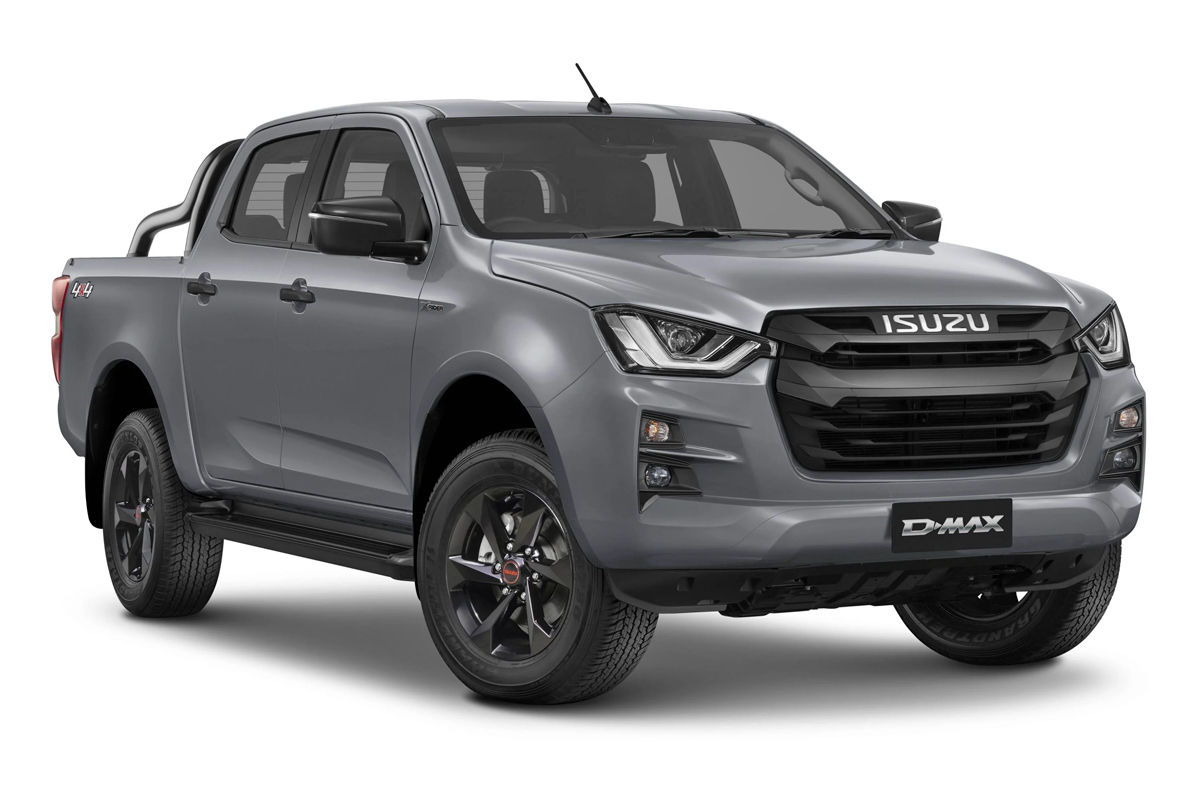
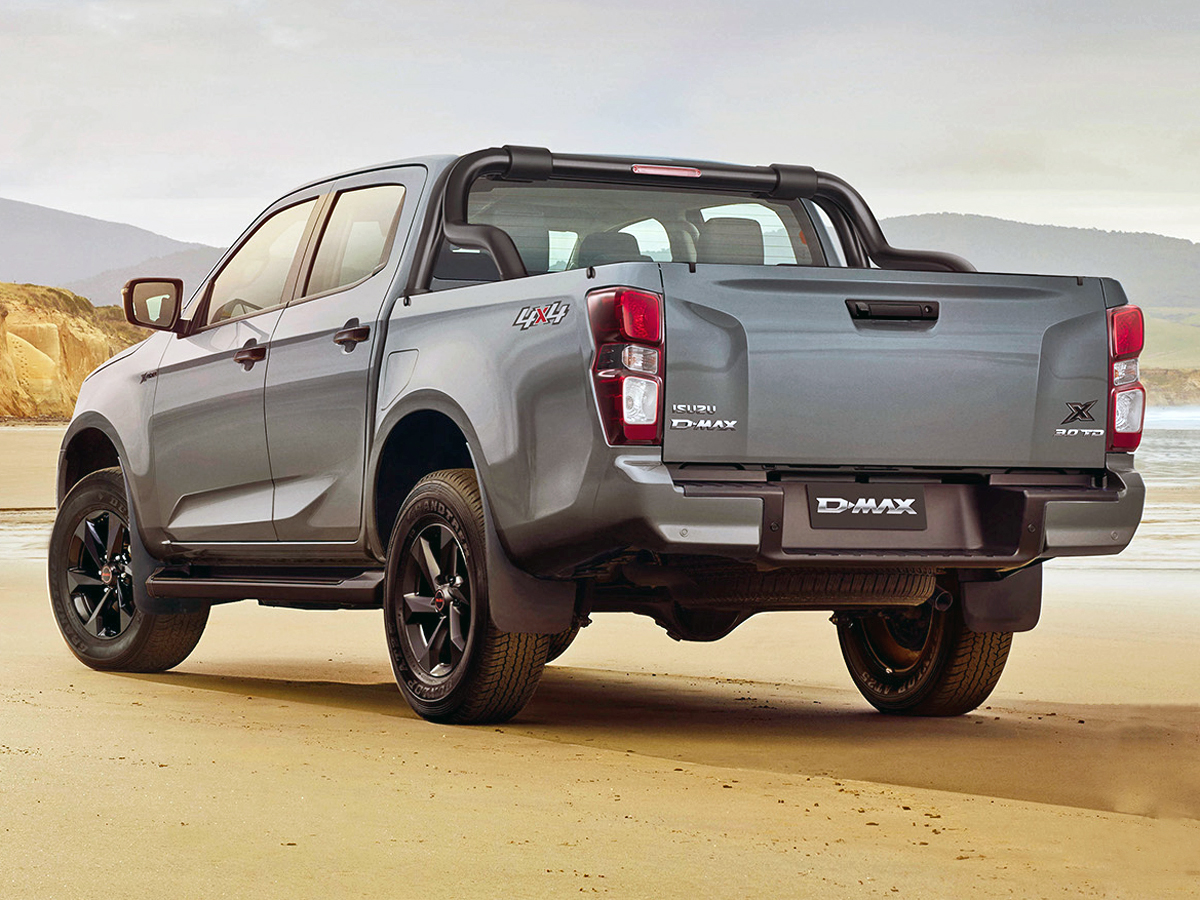
Billed as the “ultimate all-rounder”, the new D-Max X-Rider double cab offered in that market comes equipped with a black sports bar, a revised grille and 17-inch alloy wheels bearing a gloss-black finish with red accents. The same dark hue has been applied to the exterior handles, side mirrors and side steps, while the tailgate gains an “X” badge.
The Australian-spec model furthermore ships standard with a soft tonneau cover (featuring elasticised bungy looping) as well as automatic bi-LED headlamps with daytime running lights. A trio of exterior colours is on offer, including Basalt Black Mica, Mineral White and Granite Grey Mica. Inside, you’ll find what Isuzu describes as “high-quality” cloth seats.
Down Under, the X-Rider is available exclusively with Isuzu’s 3.0-litre, 4-cylinder turbodiesel engine, which delivers 140 kW and 450 Nm to all 4 wheels courtesy of a 6-speed automatic transmission. A rear differential lock and underbody protection are furthermore included.
Will we see the new D-Max X-Rider in South Africa?
Note the subtle “X” badge at the rear.
So, will this new X-Rider be offered in South Africa? Well, despite the fact the Australian market sources its D-Max units from Thailand while South Africa manufactures its own at Isuzu’s Struandale factory in the Eastern Cape, it seems highly likely the X-Rider nameplate will also return to the local line-up.
Why? Well, it’s a badge that has enjoyed tremendous success in South Africa, having first made an appearance here in July 2016 as a “special value model” offered on the KB in extended and double-cab form. By April 2017, the dual-cab version of the X-Rider had become a permanent fixture in the line-up, such was its popularity. The special-edition X-Rider Black followed in May 2018.
A new version of the X-Rider Black – based on the facelifted bakkie that had by then switched to the D-Max badge – launched late in 2019, before 3 more X-Rider Limited Edition derivatives followed at the end of 2021, effectively seeing off the RT-generation model.
We’ve asked Isuzu Motors SA if the new X-Rider is destined for the local market and will update this story once we hear back…
UPDATE: Though Isuzu Motors South Africa says it was “involved” in the development of this new model for Australia, the latest X-Rider “has not been confirmed for SA”…
A fresh report has seemingly revealed when Ford plans to start production of a fully electric Ranger bakkie, right down to the month…
Though Ford has yet to officially confirm plans to launch a fully electric version of the new Ranger (saying only it has “future-proofed” the platform), such a move seems virtually inevitable. Now, a report out of North America claims a battery-powered Ranger bakkie will go into production before the end of the decade.
According to Ford Authority, the folks over at AutoForecast Solutions – a Pennsylvania-based company that describes itself as the “premier provider of global automotive forecasting databases” – say the Blue Oval brand will commence production of a fully electric Ranger in August 2029.
The report suggests the battery-powered bakkie will be built at Ford’s facility in Tennessee, which will also reportedly produce a fully electric Bronco as well as the next-generation F-150 Lightning.
Considering the new Ranger has only recently gone into production (and the fact light-commercial vehicles tend to have lengthy lifecycles), it’s worth noting an electric Ranger would likely be sold alongside standard versions of the bakkie powered by internal combustion engines.
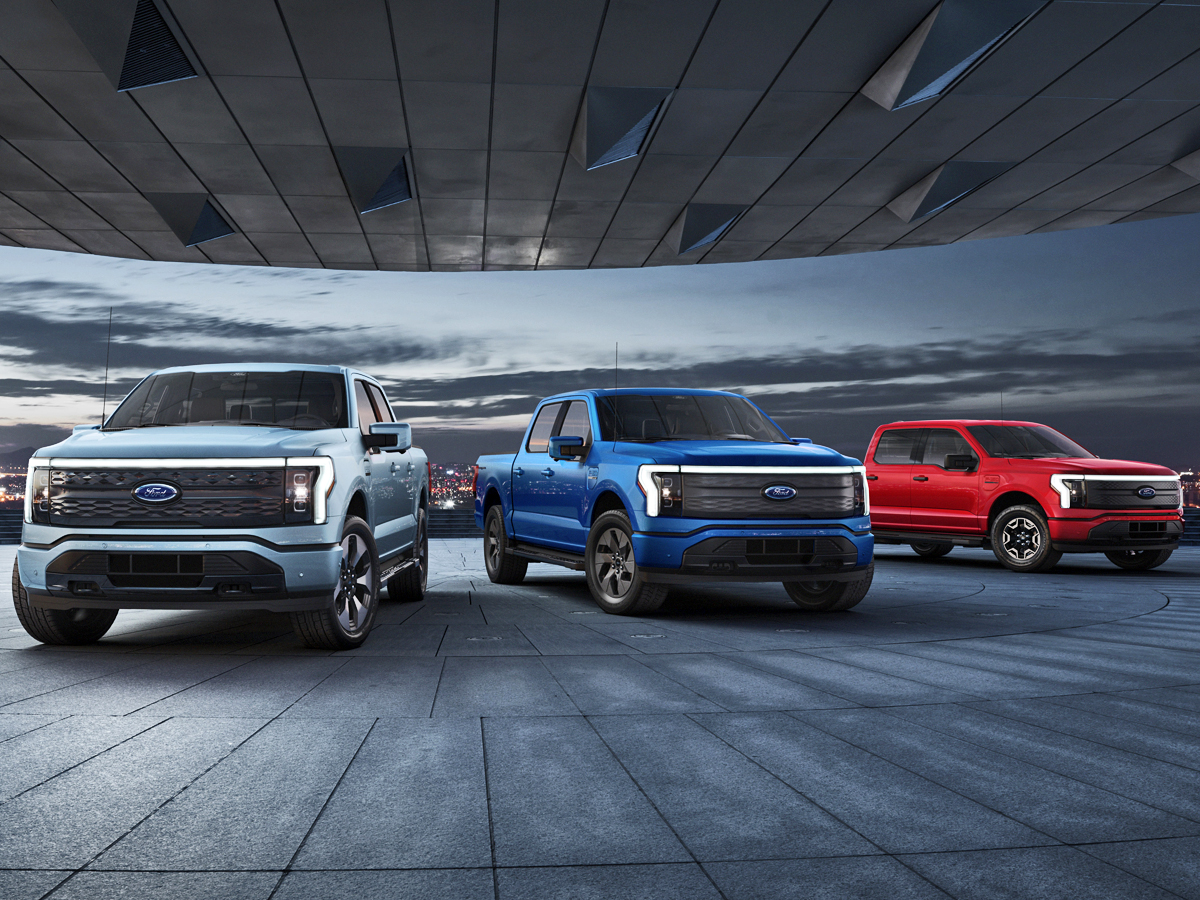
Ford already builds an electric pick-up truck in the form of the F-150 Lightning.
Interestingly, earlier reports have suggested a partially electrified iteration of the bakkie – so, with either a straight hybrid or plug-in hybrid powertrain – is also on the cards. A hybridised Ranger would surely launch before the fully electric model, possibly as early as 2025.
Of course, the Ford Authority report focuses on the United States, so it’s unclear whether the Dearborn-based firm’s Silverton facility here in South Africa would also be in line to build either hybrid or fully electric Ranger models. Bearing in mind Europe (the continent driving the global automotive landscape’s electrification through increasingly strict emissions regulations) is a top export market for Ford’s locally produced bakkie, we’d speculate the chances are pretty strong.
Since the new Amarok is built (by Ford in South Africa as part of a global alliance) on the same platform as the Ranger, hybrid and electric versions of the Wolfsburg-based brand’s bakkie are surely also on the way…
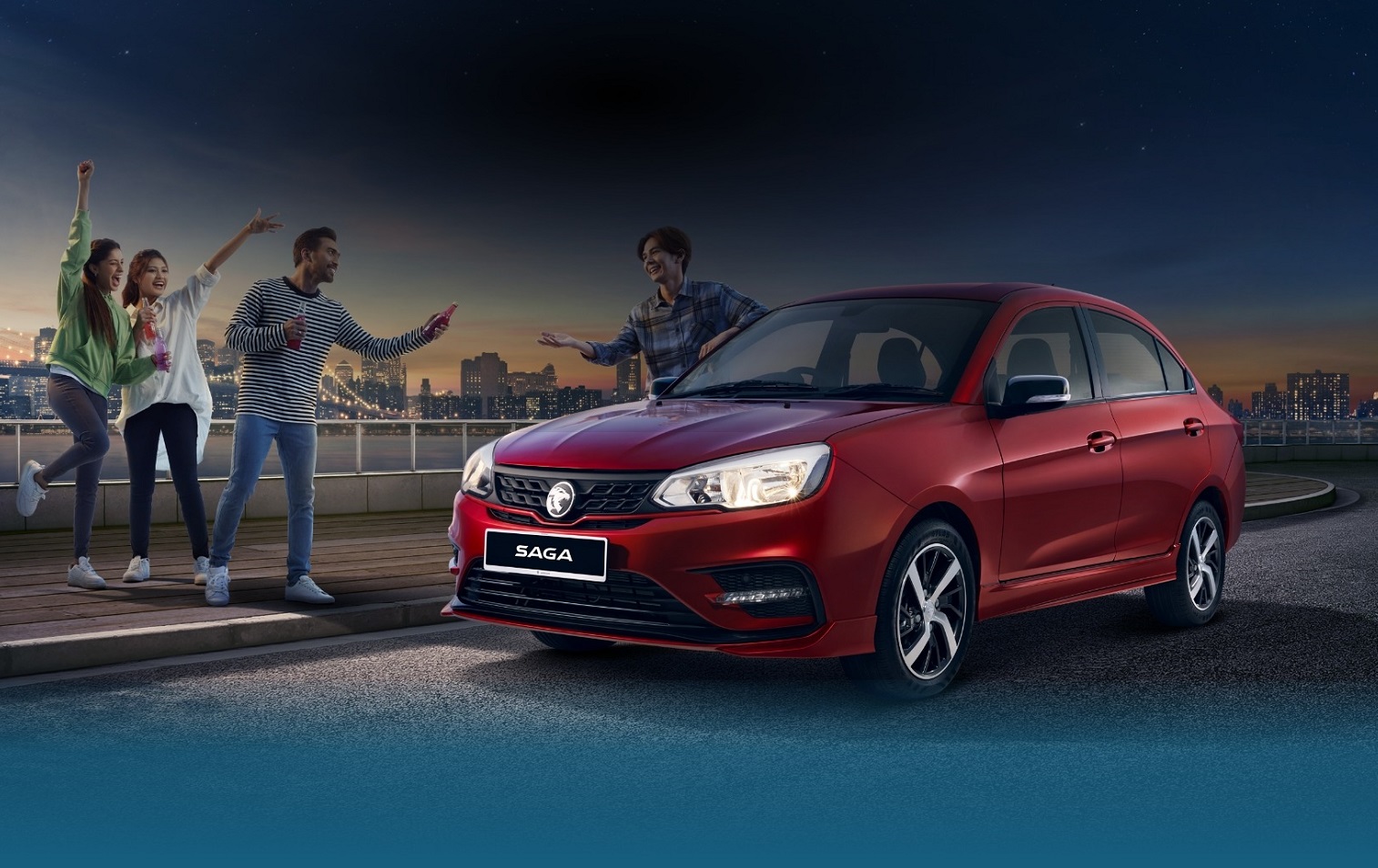
Malaysian brand Proton has confirmed that 1000 units of its vehicles have been imported into SA so far, with confirmation that the Saga sedan will be joining the local line up.
After just two months of retail operations, Proton says that its X50 and X70 SUV range have proven popular. So far, 1000 units of both models have reached our shores, and the family will soon be joined by a 3rd model in 2023.
We’ve had a taste of both the X50 and X70, and have been satisfied with what they bring to the market. As far as sales are concerned, well we can’t confirm numbers, but its interesting to note that a fair few of the smaller X50 have been snapped up by the rental market.
“The quick take up of our vehicles in South Africa is proof of the appeal of both Proton as a brand, and of our model range to car buyers there. We have a strong working relationship with CMH Group, and they have initiated many on-ground activities to give a taste of our current range to as many South Africans as possible,” said Steven Xu, Director of International Sales, Proton.
The Proton Saga will touch down, bringing an affordable sedan to market. At this stage, there are no indications of price, but given the likes of the Kia Pegas, Honda Amaze and Volkswagen Polo, we’re expecting it to come in around the R275 000 mark.
In Malaysia, the Proton Saga is available with a 1.3-litre naturally-aspirated petrol engine developing 70 kW and 120 Nm, with the option of either a manual gearbox or automatic transmission.
Fullback Reboot? Fiat to Rebadge Peugeot Landtrek
Fiat has plans to market a rebadged version of the Peugeot Landtrek, though it’s not yet clear whether the bakkie will be available outside of Brazil…
Remember the Fiat Fullback? Well, the Italian firm looks poised to re-enter the 1-tonne bakkie market, though this time with a rebadged version of the Peugeot Landtrek under the Stellantis family banner.
Initially, at least, Fiat’s upcoming pick-up will be limited to the Brazilian market, where the Turin-based company dominates the compact bakkie segments with its Strada and Toro. But there’s also a possibility the as-yet-unnamed model will be rolled out to other countries down the line.
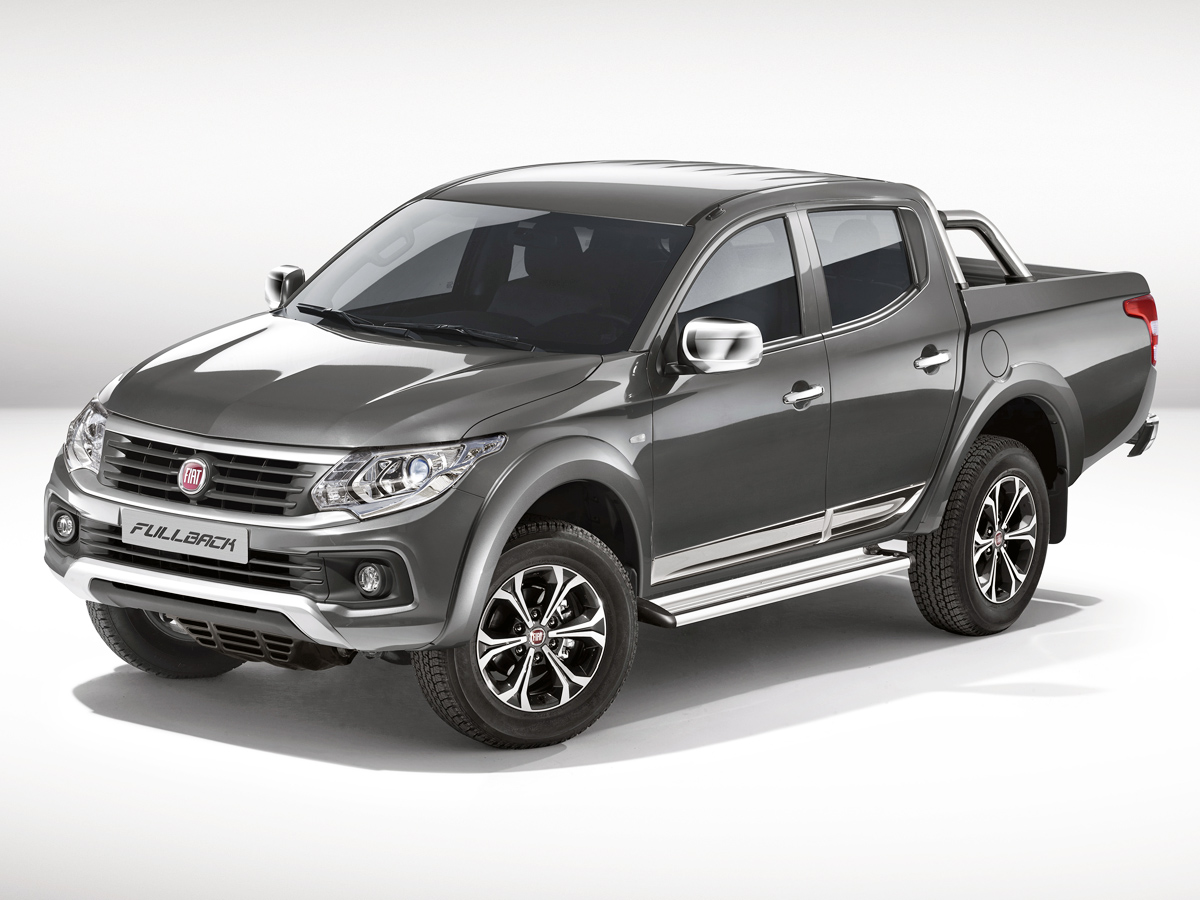
The since-discontinued Fiat Fullback was build on Mitsubishi’s Triton platform.
As a reminder, the Fullback was based on the Mitsubishi Triton and touched down in South Africa in 2016. Though an entirely competent vehicle thanks to its underpinnings, the Fullback struggled for sales, with production coming to an end in early 2020. It remained on the market in South Africa until early in 2021, before Fiat SA’s stock officially ran dry.
Judging by the single teaser image released by Fiat’s Brazilian division, the Fullback’s replacement – which is scheduled to hit that market only in the 2nd half of 2023 – will be little more than a rebadged Landtrek. Of course, the Landtrek is closely related to the Kaicene F70, which is built by Chinese brand Changan.
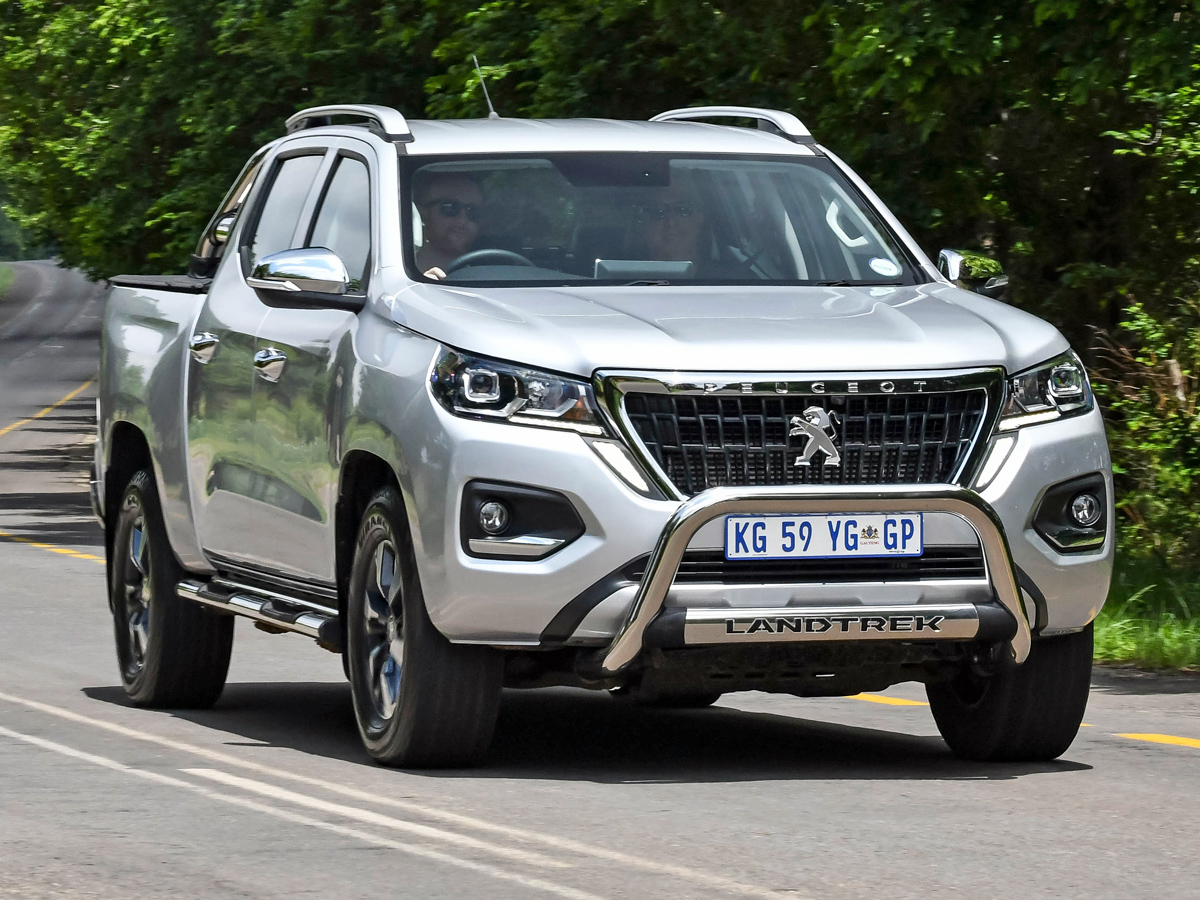
The Peugeot Landtrek remains a fairly uncommon sight on SA roads.
The Landtrek launched in South Africa towards the end of 2021, with just a pair of derivatives (4×2 and 4×4) available locally. Both employ a 1.9-litre, 4-cylinder turbodiesel engine, which generates 110 kW and 350 Nm, peak outputs that are delivered via a 6-speed automatic transmission. A turbocharged 2.4-litre, 4-cylinder petrol unit is also offered in some other markets.
Over the past 6 months, Peugeot SA has sold 236 examples of its Landtrek locally, which translates to a monthly average of just 39 units. Indeed, the Landtrek has yet to crack the list of South Africa’s top 10 best-selling bakkies, failing to trouble mid-tier sellers such as the Nissan Navara, Mahindra Pik Up and GWM P-Series, never mind segment leaders such as the Toyota Hilux, Ford Ranger and Isuzu D-Max.
Question is, would a Fiat-badged version fare any better?
Chinese giant, GWM will be launching its Tank brand locally in early 2023 and its arrival is likely to ruffle a few feathers and fling mud at the more established offroad brands such as Ford and Toyota. Here’s what you can expect!
A decade ago, GWM was very much a fringe player in South Africa with the budget-orientated Steed bakkie range being the firm’s bread-and-butter model. But GWM’s wishy-washy era ended in 2017, when its SUV brand, Haval, was launched locally and Haval has since firmly established itself as a major rival to traditionally popular SUV brands such as Volkswagen, Toyota, Kia and Hyundai.
Then, late in 2020, GWM took square aim at the highly competitive leisure double-cab bakkie segment with the arrival of the P-Series which has also been a huge success thanks to its loaded standard features list and hard-to-ignore value offering. GWM was back in the game!
GWM Tank and Ora for SA in 2023
Tank will take on established offroad brands such as Ford and Toyota.
Now, with 2023 looming large, GWM is preparing to unleash the next phase of its product offensive on the South African market with the introduction of not one, but 2 new car brands.
The first new brand to come from GWM is Tank, an offroad vehicle brand that means serious business, not only in South Africa but across the globe.
Tank’s goal is simple. As clearly stated, by 2025 GWM Tank aims to sell no less than 500 000 vehicles worldwide to ultimately become the world’s top off-road SUV brand in terms of market share. That’s an ambitious goal.
South Africans generally love exploring the outdoors and Mzansi is therefore regarded as a key market for any offroad brand.
However, Tank will be entering a highly competitive market where offroad juggernauts such as Toyota and Ford dominate the market. Will Tank succeed? We will soon find out!
What GWM Tank Products are coming to South Africa?
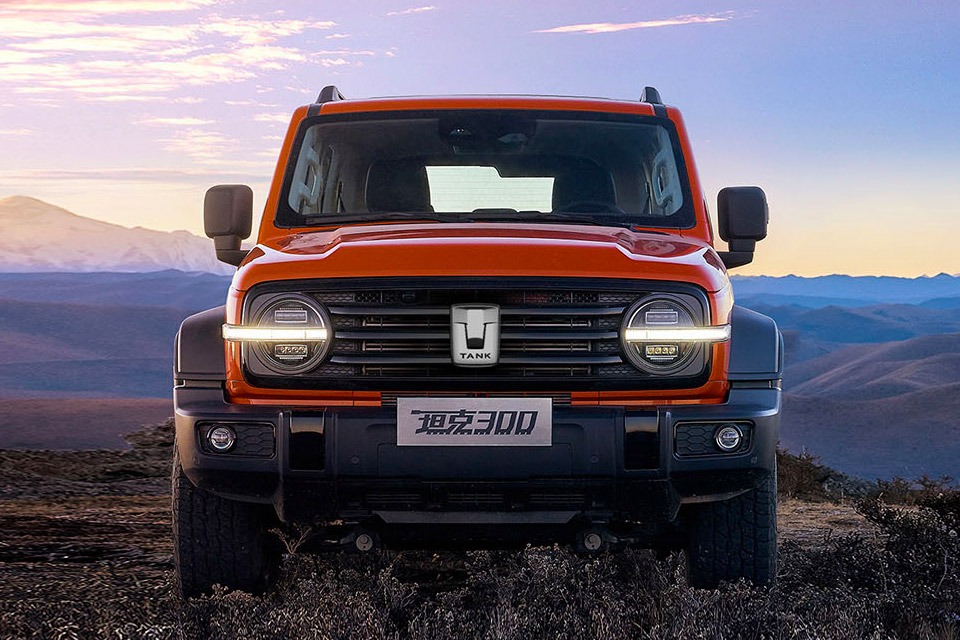
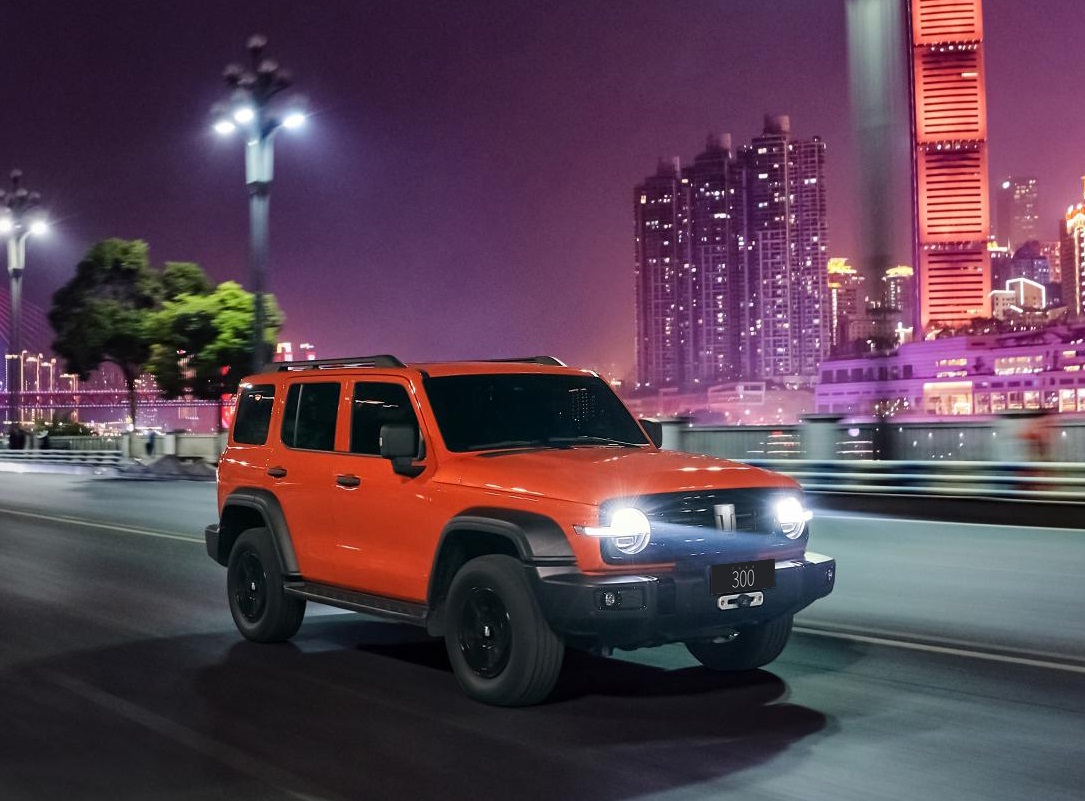
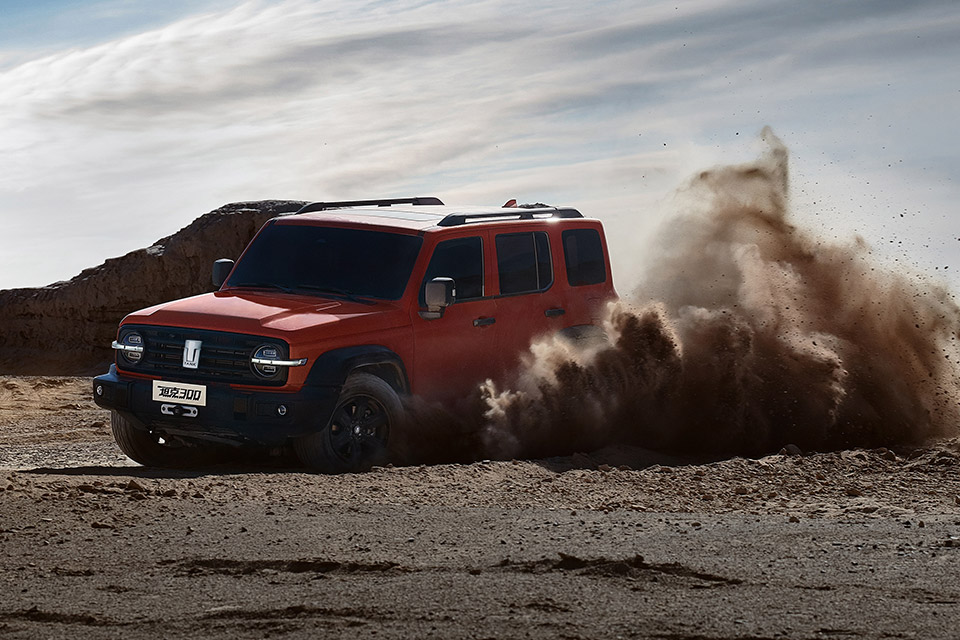
The Tank 300 is expected to reach South Africa early in 2023.
Local buyers can expect to see the Tank 300 introduced in South Africa early in 2023.
Specification for South Africa has yet to be confirmed but in China, the Tank 300 is sold in 3 different trims to appeal to different buyers including the standard Tank 300, Tank 300 City with emphasis on urban appeal and the more hardcore Tank 300 Border which is kitted for the serious offroad enthusiast.
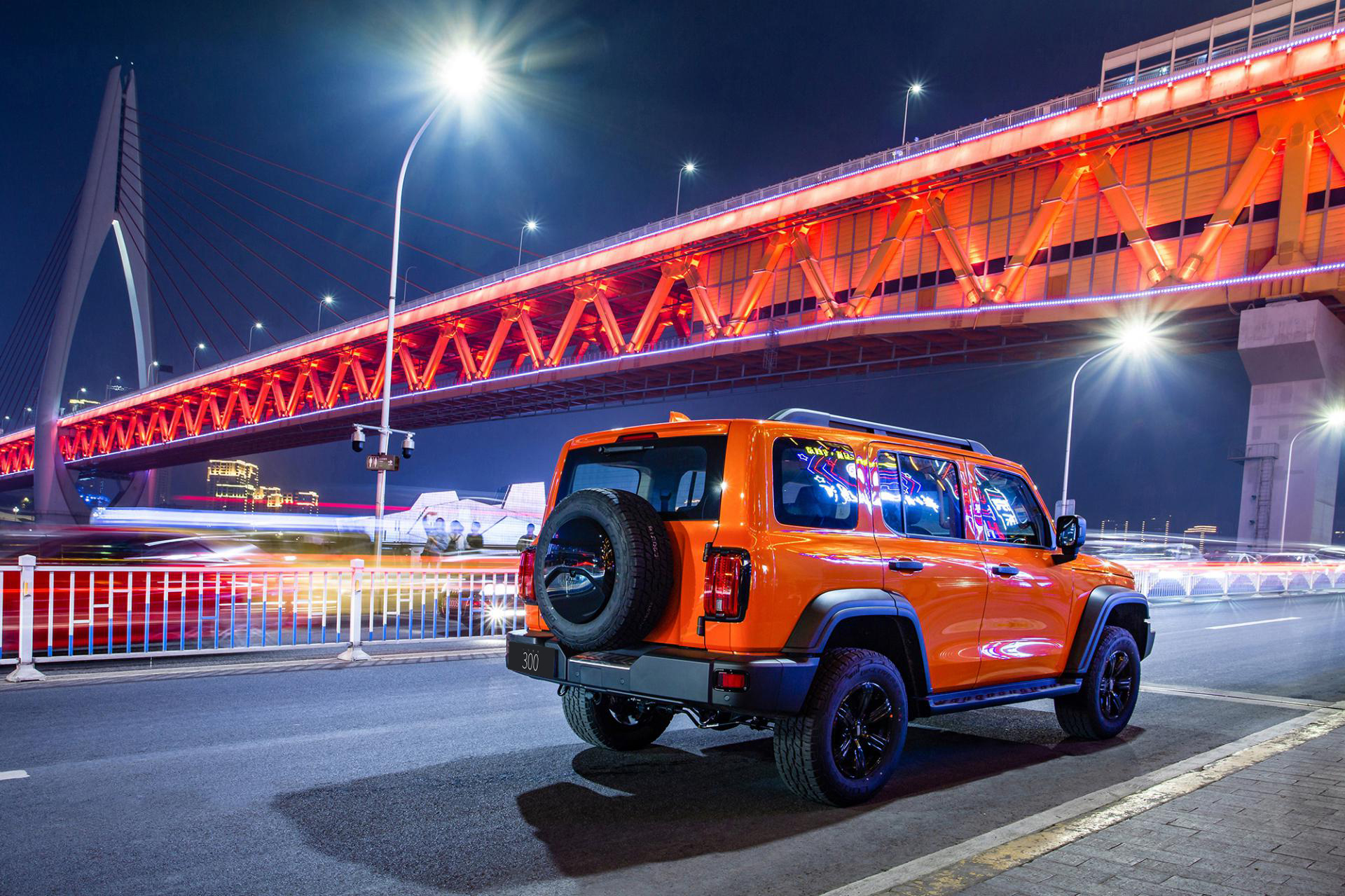
The Tank 300 is a medium-sized body-on-frame SUV that measures 4 760 mm in length, 1 930 mm wide and stands 1 903 mm tall with a generous wheelbase of 2 750 mm.
The Tank 300 stands wider and taller than a Toyota Fortuner.
To put those dimensions into perspective, the Tank 300 is just 35 mm shorter in length than a Toyota Fortuner but it stands wider and taller while also having a longer wheelbase compared to the Fortuner. Standard ground clearance for the Tank 300 is 224 mm with a wading depth of 700 mm while the offroad-biased Tank 300 offers 249mm ground clearance and 900 mm wading depth.
All iterations of the Tank 300 are powered by a 2.0-litre, 4-cylinder, turbocharged petrol engine offering 167 kW and 389 Nm of torque and come mated with an 8-speed automatic transmission as standard.
The Tank 300 will offer offroad capability to fight its tough rivals.
As far as offroad capability is concerned the Tank 300 is unlikely to disappoint with its new generation all-terrain control system that offers no less than 9 driving modes. Furthermore, depending on the specification, the Tank 300 can be equipped with up to 3 locking differentials (front, centre, rear) and is able to execute a close-quarter “Tank Turn” while a creeping function is also offered for steady offroad progress in difficult terrain.
As standard, the Tank 300 offers an approach angle of 33 degrees, breakover angle of 23.1 degrees and a departure angle of 34 degrees. The Tank 300 rides on 17-inch wheels.
What’s the interior of the Tank 300 like?
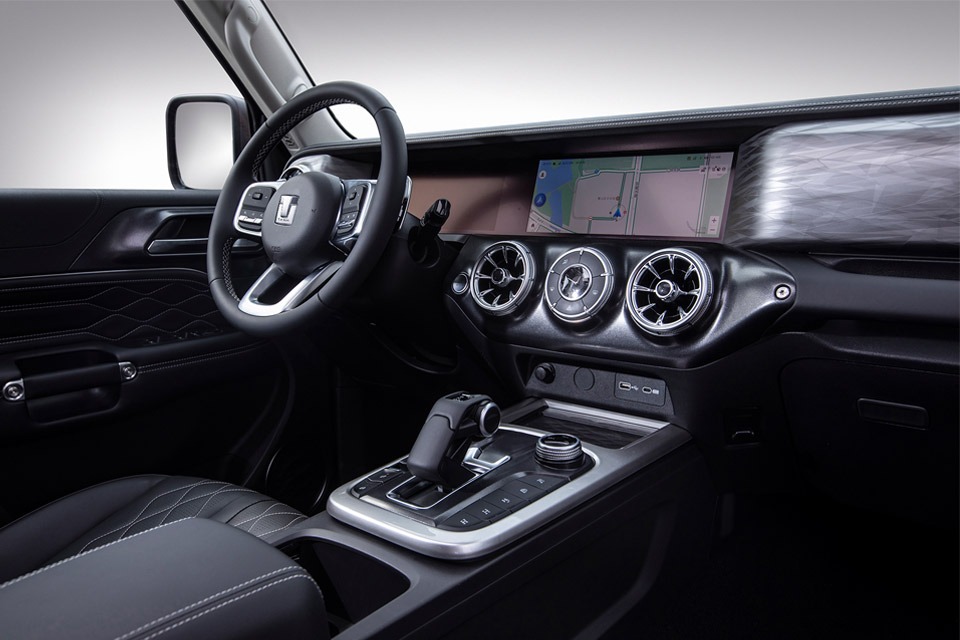
The Tank 300’s cabin is loaded with technology.
If you’re thinking that the Tank 300 is a budget offroader, you are very wrong. The interior of the Tank 300 is lavishly equipped with comfort and luxury features. Leather upholstery is standard with an 8-way adjustable driver’s seat and note the large integrated 12.3-inch digital instrument cluster and 12.3-inch infotainment system as well as the aviation-style transmission lever. Very smart, indeed…
In terms of driver assistance technology, the Tank 300 is loaded with useful features such as a 360-degree camera, 3D navigation, adaptive cruise control, lane departure warning, lane keeping assist, lane centering keeping, intelligent speed assistance, traffic jam assist, intelligent cruise assist, fatigue monitor, tyre pressure monitoring, hill hold control, hill descent control and front and rear parking sensors, to name but a few…
It remains to be seen what specifications will be offered in South Africa.
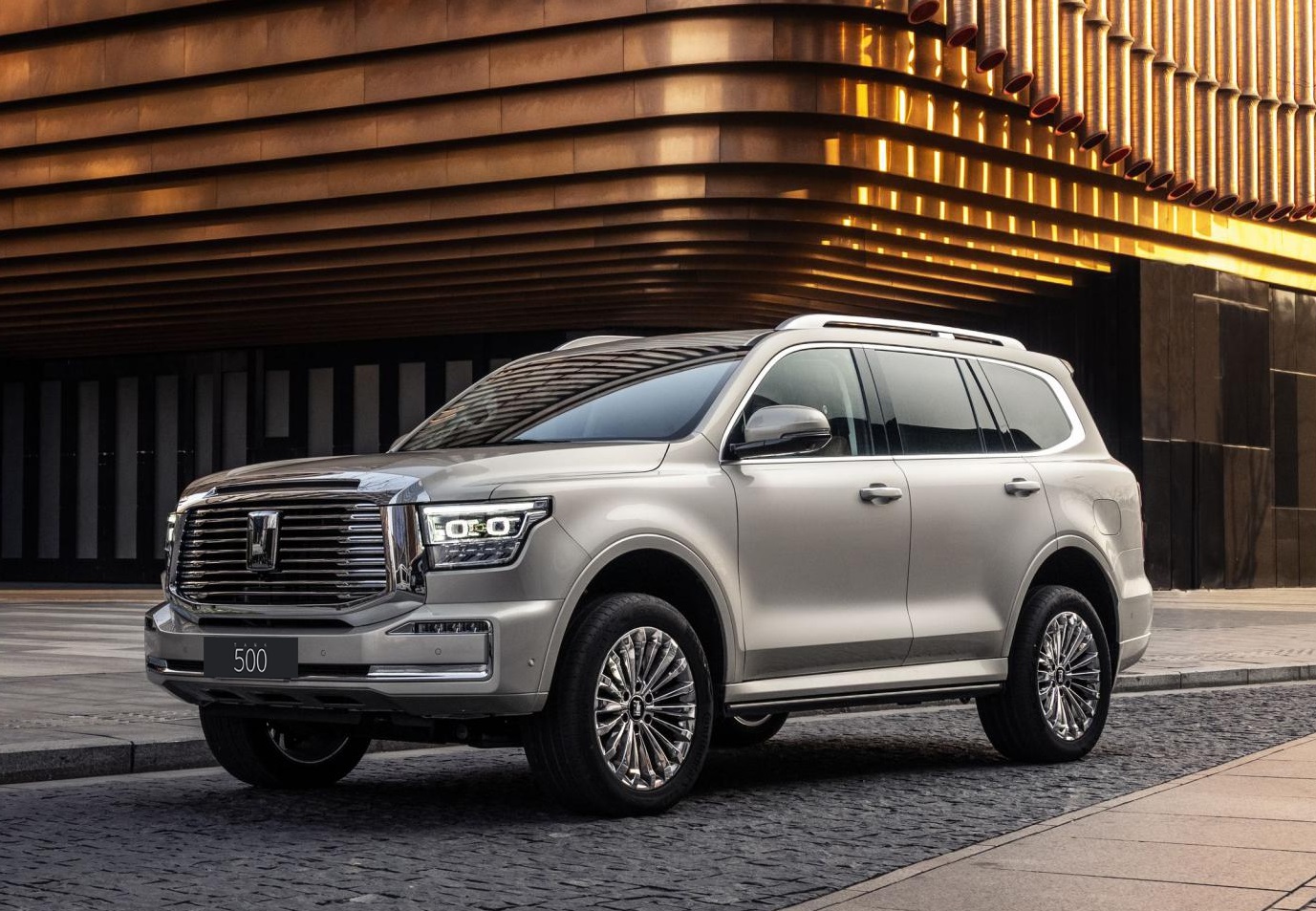
The larger and more luxurious Tank 500 is also a possibility for introduction in South Africa.
Following the introduction of the Tank 300 in South Africa, there’s also the possibility that the larger Tank 500 will also be offered locally to take on offering such as the new Ford Everest and Toyota Land Cruiser Prado and the new Land Rover Defender.
The 7-seater Tank 500 is a large, luxurious SUV that’s powered by a 3.0-litre twin-turbocharged V6 engine that offers 260 kW and 500 Nm and comes paired with a 9-speed automatic transmission.
Pricing of Tank products will be critical to the success of the brand on local soil. If you consider Haval’s strategy of offering highly specified products at competitive prices then you can expect Tank to adopt the same strategy.
We will keep you updated as official information regarding the introduction of Tank in South Africa becomes available.
From what we can gather, Tank looks to be a legitimate alternative to mainstream brands such as Toyota and Ford and it will be interesting to see how South Africans will respond to a new Chinese offroad brand in a market that is not only conservative but also brand sensitive. A few interesting conversations will be had around the braai, that’s for sure!
Are you looking forward to the introduction of Tank in South Africa?
The year is drawing to a close; it’s a spirited – and stressful – time for motorists. Now, more than ever, you need to keep a level head, because the risk of causing an accident increases tenfold when you drive while in an overly emotional – or tired – state.
PARTNERED CONTENT
Driving is dangerous and risky despite how experienced we are at it – being a safe driver requires dutiful concentration and a level head. According to the Virginia Tech Transportation Institute in the United States, motorists increase the risk of being involved in a road accident significantly “when they get behind the ‘wheel (of their vehicles) while observably angry, sad, crying, or emotionally agitated”.
The dangers of emotional driving
Emotional driving impairs our driving skills and puts us at greater risk of a car crash. Strong emotions influence our cognitive processes and decision-making abilities almost as much as drugs and alcohol.
Experiencing overwhelming emotions while driving may lead to serious distraction and can cause you to make life-threatening mistakes that you would normally never do, for example:
Speeding through a construction site
Side-swiping or rear-ending another vehicle
Missing a stop sign
Driving through a red light
Drifting off the road or into another lane
Forgetting to use your mirrors in a parking lot
Not noticing a pedestrian in your vehicle’s path
Only feeling a little emotional? Negative driving experiences, such as being cut off by another driver can easily trigger more intense emotions, such as intense anger, which may trigger a road rage incident. Suffice it to say sudden mood changes could prompt you to react in an abnormal or excessive ways.
5 common states that affect your driving capability
Of course, road rage is not the only thing people feel while driving that impairs their driving capabilities. Here are 5 common emotions (or states) that reveal how mood affects driving behaviour:
Tiredness
Everyone knows the dangers of getting behind the ‘wheel while tired. Your reaction times decrease and you’re much less aware of your surroundings.
Feeling exhausted can also put you in a bad mood and make you respond with impatience or frustration. That contributes to risky decision-making and ignoring common traffic rules.
Fear
When you feel afraid, sometimes you behave overcautiously. Driving too slowly or reservedly can be as dangerous as driving too aggressively.
Stress
We live hectic lives and our attention often gets pulled in many directions at once. Stress influences your driving behaviour – instead of focusing on the road, anxiety takes over, impacting your reaction time and making you drive with less care and concern for other road users.
Anger
This is one of the most common emotions associated with distracted driving. Road rage is all too common on our roads. This heightened anger leads to even poorer decision-making and increased aggression. Research has shown that aggressive driving contributes to 66% of all traffic deaths.
Excitement
Positive emotions can affect driving behaviour just as much as negative emotions. Imagine you’re very excited to reach a destination, such as when you’re driving to the airport or an event. This may increase the likelihood that you’ll exceed the speed limit or jump a red light in your haste to get there quickly.
Even feelings of love and happiness can affect your driving by drifting you off into fantasy (daydreams) and diverting your attention from your environment and the actions of other road users.
Tips for controlling your emotions while driving
If you let intense emotions or moods overwhelm you while you’re behind the ‘wheel, it can only put you, your passengers and other road users, including pedestrians, in harm’s way. That’s why you should learn how to recognise and self-regulate your emotions to help you drive safely, no matter what you’re feeling.
Take a Deep Breath
It sounds like a cliché, but it works. If you feel a strong emotion coming on, try taking slow, deep breaths and counting from 1 to 10. You’ll see how quickly you’ll begin to relax if you focus on your breath.
Reframe your thoughts
Our emotions often originate from a specific thought that creates a feeling. If you start to think extremely negative (or even positive) thoughts that affect your emotions – well, just think about something else. You can completely change the subject in your mind. For example, instead of focusing on the mistake you made at work, you can think about a success from the past or an exciting future event.
Choose your audio
Research proves music works to relieve mental stress, elevate your mood, and improve your quality of life. The next time you start to feel overwhelmed by emotion while driving, try turning on calming music to help soothe your stress.
Alternatively, listening to the news or talk radio could agitate or upset you unnecessarily. Switching to a light audiobook or a calming playlist instead will help put you in a better mood.
Factor in delays
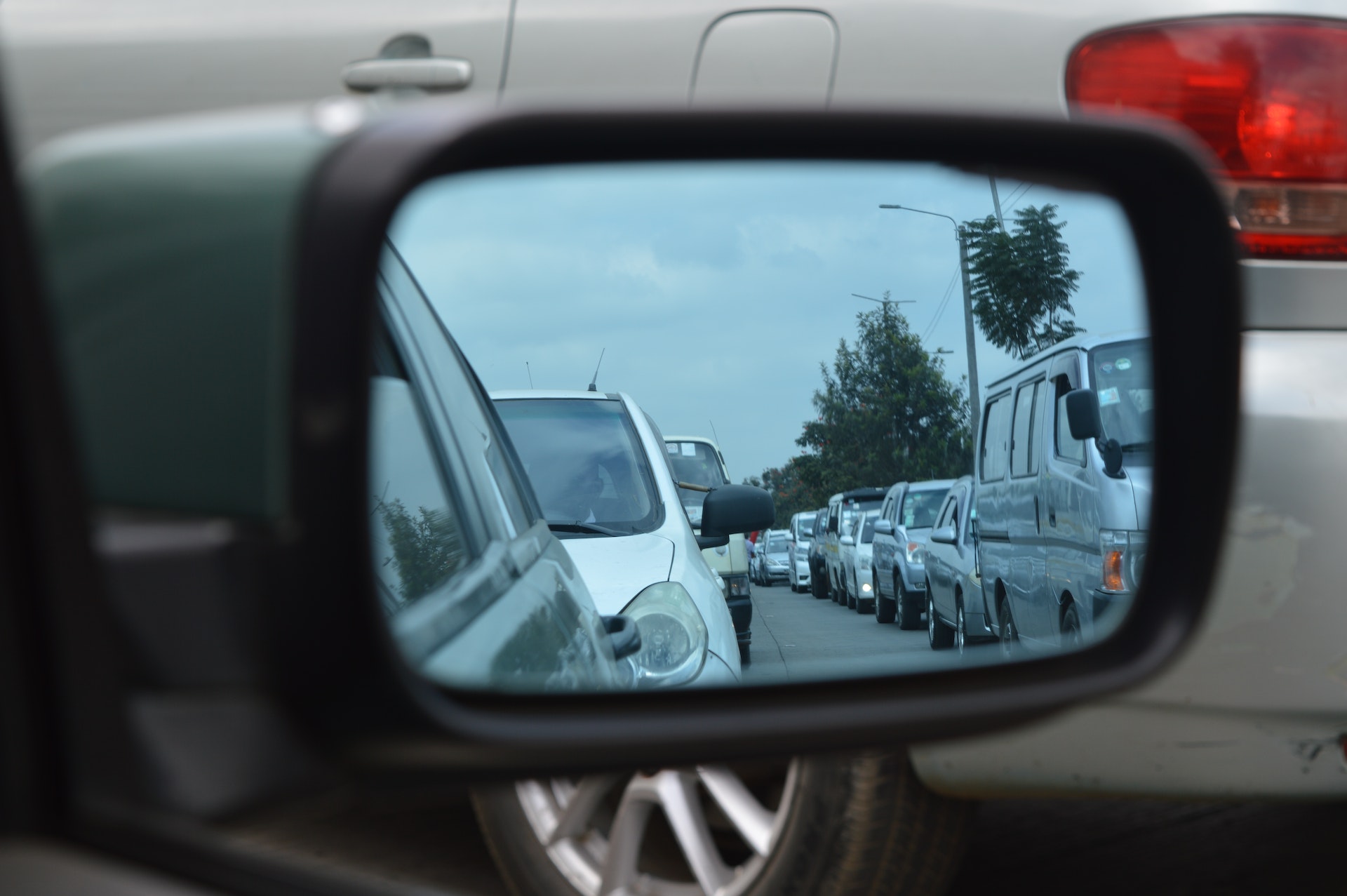
Do you feel uncontrollably frustrated or angry when you get stuck in traffic or face an unexpected delay?
Giving yourself a little cushion of time (leaving your destination earlier than you need to) will save you a lot of stress.
On your regular drive to work, try beating the morning rush by getting to work early and leaving in time to miss the afternoon traffic.
Find a good sleep schedule
When you feel rested, it’s much easier to stay alert while driving. Sleep also increases your ability to deal with being in a bad mood and the onset of sudden strong emotions. This means you’re less likely to take risks or react slowly while driving.
Stop and wait it out
Not sure that you can do anything to change how you feel at that moment?
When you’re emotional, it’s difficult to stay level-headed and think clearly, but driving off in a negative state is never a good thing. If nothing else, don’t start your car until you have calmed yourself down.
If you’re driving and find yourself in a deeply emotional state, find a safe place to pull over, gather your thoughts, and wait until you’re calm(er) before you set off again (remember the breathing exercise).
Conclusion
Moods and emotions play important roles in how we perceive (and interact with) the world. Therefore, it can only benefit you, as a driver, to pay attention to, and learn how to regulate, feelings and emotions.
Although you can learn to control your moods, it’s impossible to predict the feelings and behaviours of others. That’s why it’s vital to have a great comprehensive car insurance policy. Get a car insurance quote today; Budget Insurance’s team is always ready to help, give them a call: 086 1600 120.