Buying a vehicle is a long-term decision and we want to help you make an informed one with our Street Smart series, brought to you by Absa Vehicle and Asset Finance. In this episode, we chat with Absa’s Deen Govender about the factors that play a role in the interest rate that a financial institution will offer you on a loan.
PARTNERED CONTENT
The cost of living is rising so quickly and so too is the cost of borrowing money. When you apply for a new loan, it’s important to make an informed decision by considering factors that influence the interest rate that is offered. This could help you save a good deal of money throughout the life of the loan.
Deen Govender – Absa Vehicle & Asset Finance’s Head of Dealer Relations for Gauteng and Limpopo – tells us more.
What determines the credit assessment and interest rate?
Absa employs a risk-based pricing approach, where customers’ risk, finance structure and asset characteristics are considered on a deal-by-deal basis.
Therefore, a credit assessment and interest rate are determined by:
A customer’s income, and the sustainability of this income, in order to ascertain and ensure affordability.
Their credit score and credit history. In other words, the manner in which previous credit obligations have been managed.
Depending on the loan, the type and quality of the asset, vehicle or property.
The channel used to buy the vehicle.
The type of interest rate you select when applying for a loan. In other words, whether it is fixed or linked to the prime lending rate.
The choice between a fixed and a variable rate depends on whether a customer is willing to allow market forces to affect their monthly instalments. Generally, the fixed rate option will give one the comfort of an instalment amount that doesn’t change. However, this certainty comes at a cost because the interest rate is typically higher than the variable interest rate, which will increase or decrease in line with the prime lending rate.
Therefore, a customer needs to consider the benefit of the fixed instalment versus the variable instalment and the possible fluctuations that may occur.
Which factors will contribute to having a more favourable outcome on your application for a vehicle-finance loan?
A vehicle with a lower age is less risky for the bank to finance because of the higher value and better warranty, leaving you to focus mostly on maintenance rather than repairs. New vehicles may come at a higher price, but interest rates may be lower because of ongoing car-dealership specials and promotions.
Paying an upfront deposit on the vehicle and borrowing less money. This saves you in the long run, because the interest charged on the loan is lower.
Not taking a large balloon amount – or not taking one at all. It cannot be stressed enough that you need to prepare for this, or you will find yourself making other arrangements such as taking out a personal loan to pay off the balloon amount at the end of the contract term.
Having an existing primary banking relationship with your bank. This makes it easier to assess the recent activity on your account and other credit products.
Having a higher credit score and a longer credit history.
How can you increase your credit score?
You can work towards increasing your credit score by following steps such as:
Paying loans on time and setting up debit orders for payments.
Paying off existing loans, closing any unnecessary accounts and keeping credit use low.
Reviewing your credit score regularly, rectifying mistakes, and identifying any fraudulent activities early.
For extra information on how you can become a better consumer, keep a lookout for more episodes from our Street Smart series and be sure to visit the Absa blog.
Absa’s Fulufhelo Mandane discusses what you need to consider before you start shopping for a vehicle, the costs of ownership and your various finance options. Absa First-time Buyer Guide to Vehicle Finance
Absa’s Gordon Wood details how the new Aftermarket Guidelines, which were introduced in the motor industry last year, affect you as a vehicle owner. Absa’s Guide to Responsible Vehicle Ownership
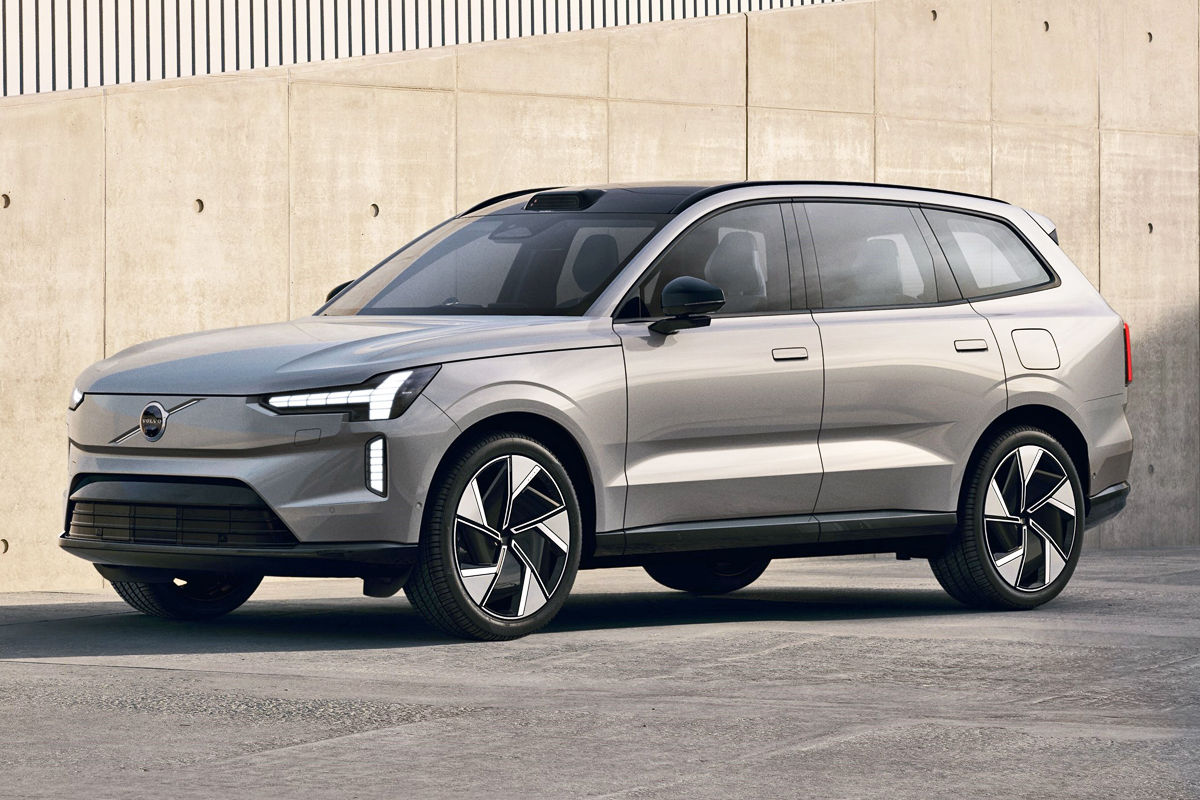
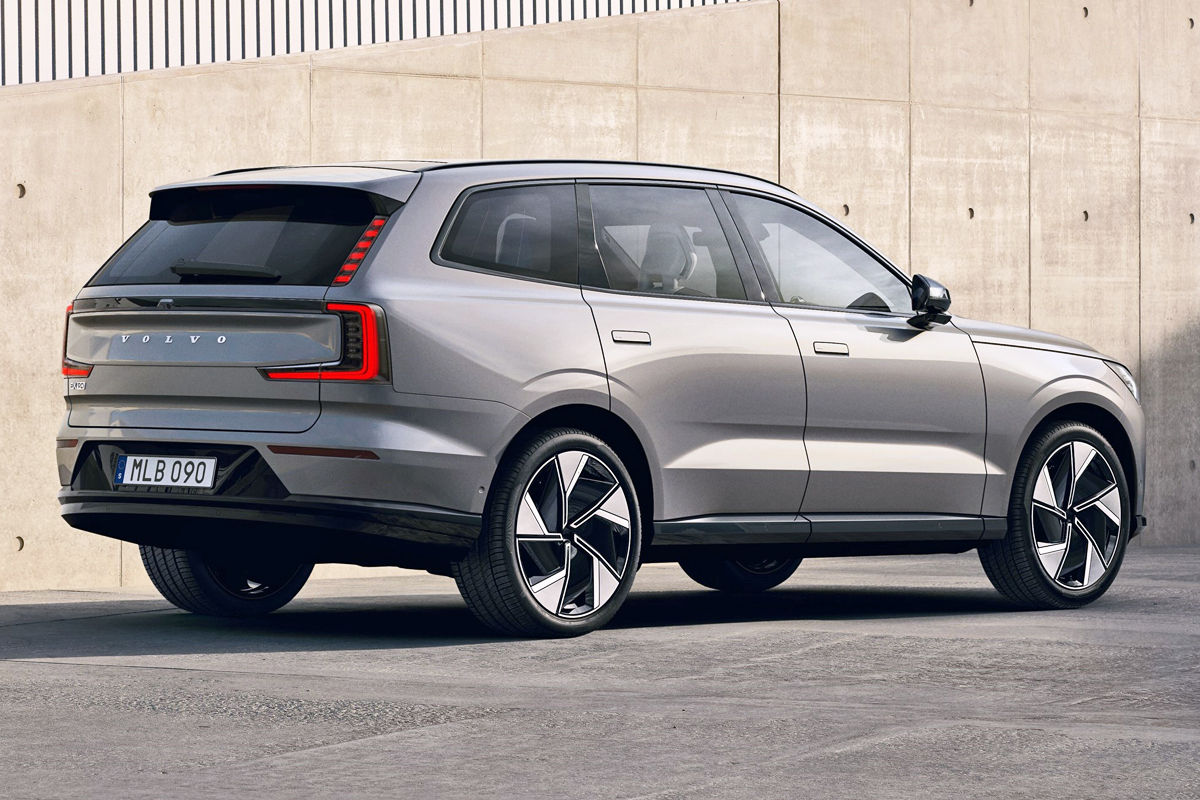
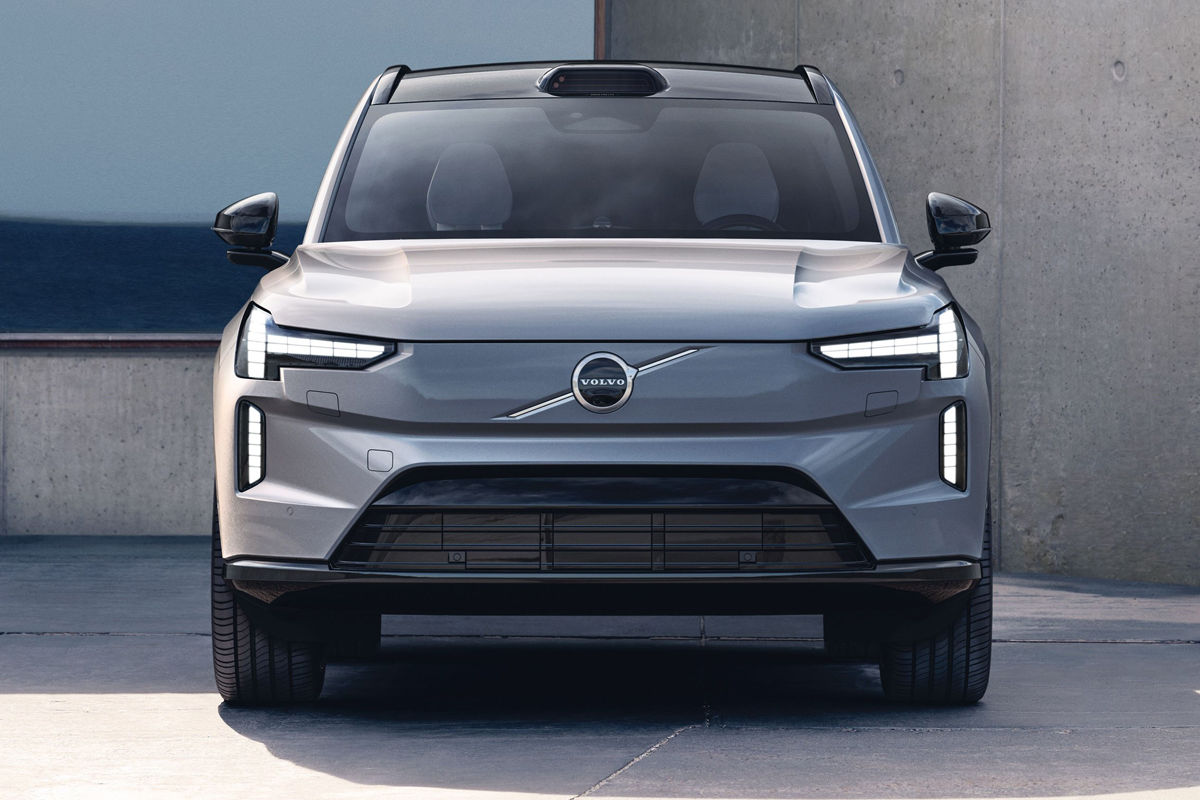
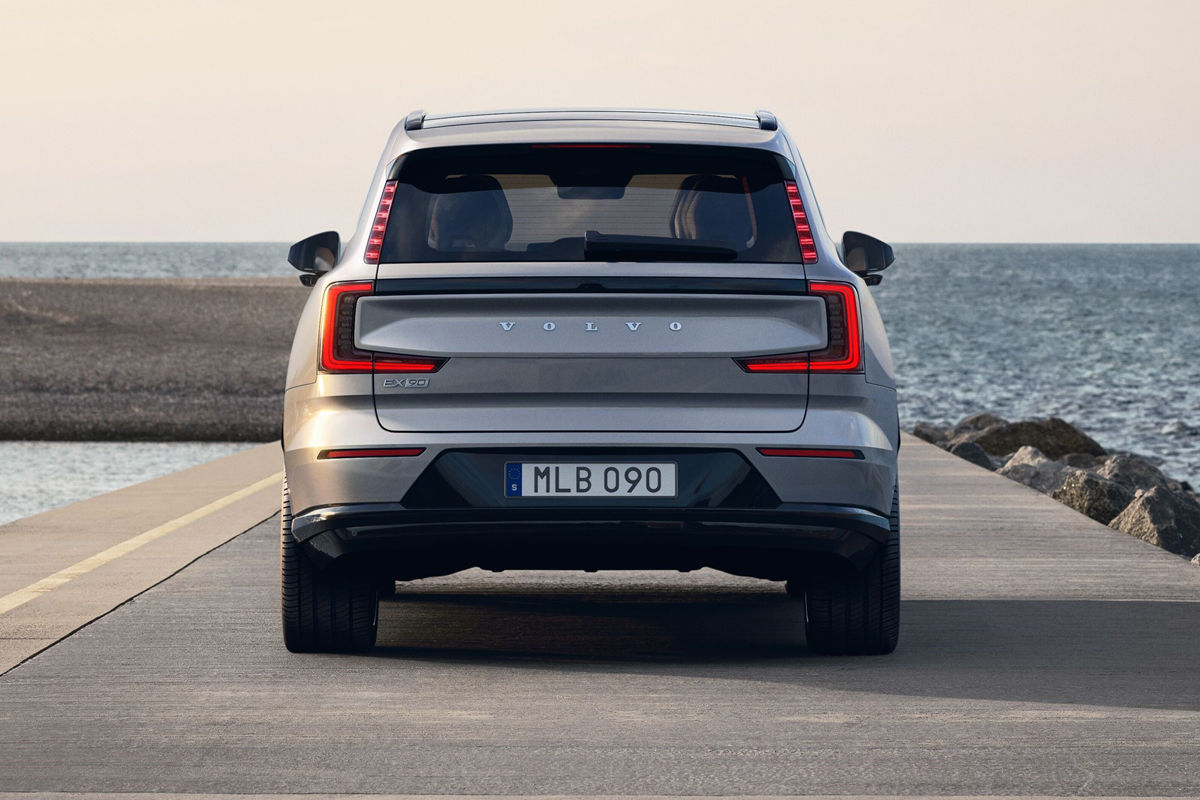
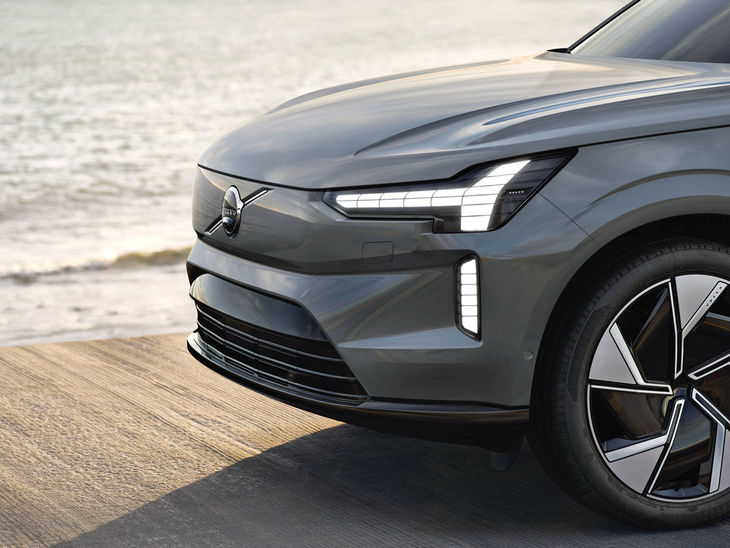
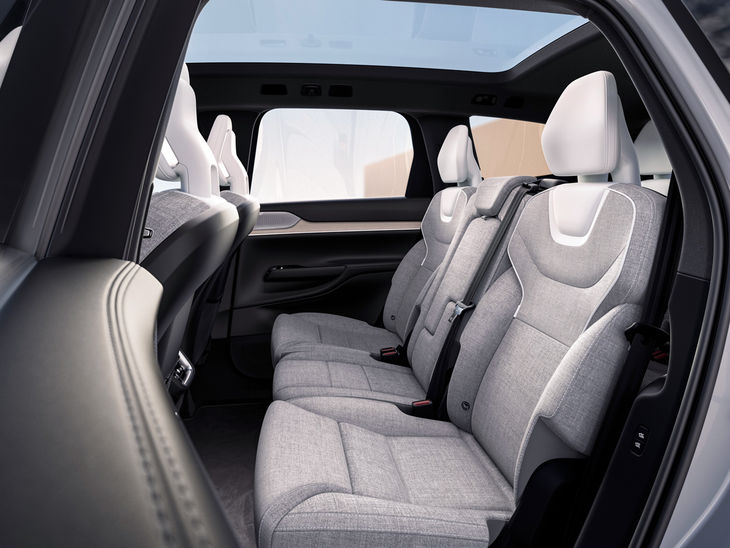
The new Volvo EX90 all-electric flagship SUV has finally been unwrapped, billed as the start of a new era for the Swedish firm and the safest Volvo yet…
Volvo, which aims to be a fully electric brand by 2030, has whipped the covers off its new battery-powered EX90 flagship SUV in Stockholm.
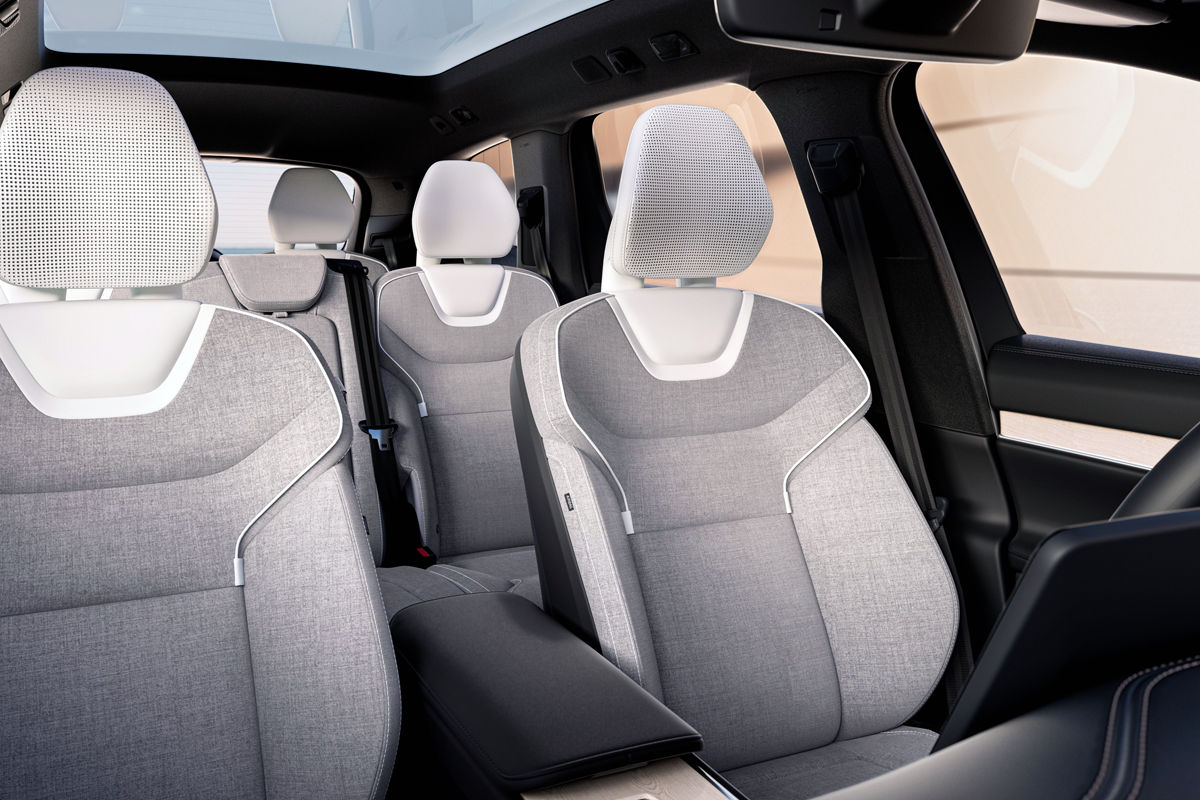
Effectively arriving as the successor to the XC90 (though the latter will likely continue alongside the newcomer for a while yet), the 7-seater EX90 is described as the safest Volvo yet and the “start of a new era” for the company. Production will start in the United States in 2023 before also expanding to China.
The new EX90 is the third fully electric Volvo following the launch of the XC40 Recharge variants and the standalone C40 Recharge. The Swedish automaker says it plans to reveal “one new fully electric car each year” as it moves towards its 2030 goal. Furthermore, it has an ambition to be a climate-neutral company by 2040.
What we know about the EX90’s powertrain so far
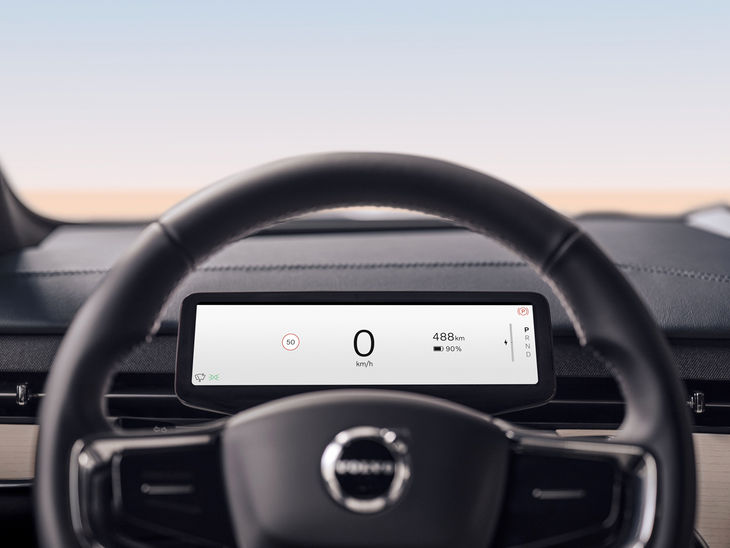
So, what’s happening under the skin? Well, the EX90 rides on Volvo’s new fully electric platform and will deliver “up to 600 km” of range on a single charge. The initially available 300 kW twin-motor all-wheel-drive version will feature a 111 kWh battery and two permanent magnet electric motors (one on each axle). There will later be a “performance version” generating peak outputs of 380 kW and 910 Nm.
Though the Gothenburg-based automaker has not yet gone into specifics around charging outputs, it has said the battery will be capable of moving from 10 to 80% in “under 30 minutes”. Selected markets will also gain the company’s home energy management system, which includes a bi-directional wall box and the ability to monitor and optimise the entire household’s energy consumption.
While Volvo promises the EX90 will deliver a “great and smooth driving experience”, it also describes the newcomer as “a highly advanced computer on wheels”, explaining it has been designed to “get better over time” thanks to regular over-the-air software updates.
Will the EX90 be the safest Volvo yet?
That extends to safety, with Volvo claiming the EX90 will “get smarter and safer over time, as it learns from new data and receives updates”. The safety system depends on cameras, radars and Lidar (note the roof-mounted sensor system), which connect to the vehicle’s high-performance core computers.
The Luminar-supplied Lidar system, for instance, is capable of picking up “small objects hundreds of metres ahead”. In the cabin, meanwhile, special sensors and cameras gauge the driver’s concentration levels and will even “safely stop and call for help” should it detect the driver has fallen asleep or taken ill.
Volvo says the sensors also help improve the “reliability and overall performance” of the Pilot Assist driving function, including new steering support for changing lanes. In fact, the company claims the EX90 is “hardware-ready for unsupervised driving in the future”.
A quick look inside the EX90’s cabin
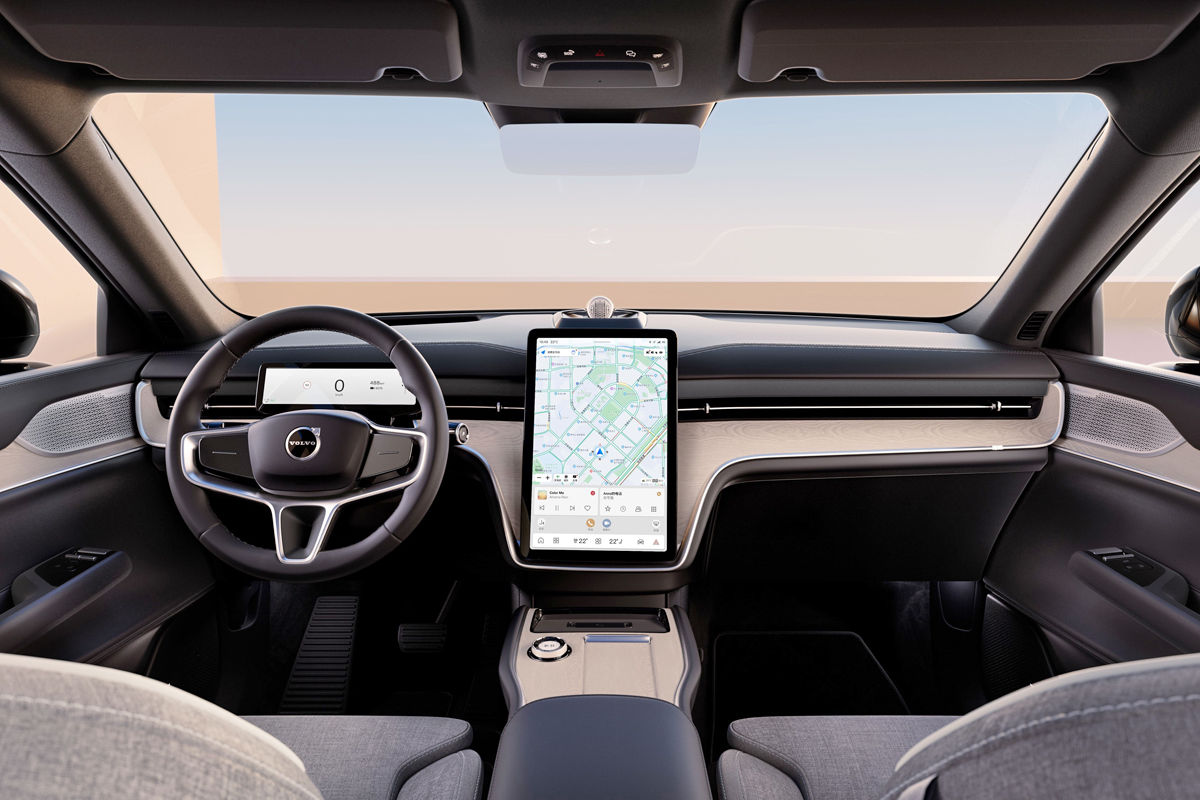
The dashboard design appears fairly minimalistic, though is dominated by a 14.5-inch centrally sited screen running infotainment powered by Android (but also compatible with wireless Apple CarPlay). The range of Google apps and services will include hands-free help from Google Assistant and Google Maps navigation. In addition, 5G connectivity will be standard “where available”. The EX90 will also come with phone-key technology as standard, with the driver’s smartphone serving as a car key and automatically unlocking the vehicle, starting a “personal welcoming sequence” and loading a personal profile.
The Swedish firm describes the cabin as being “full of natural and responsibly sourced materials”. Indeed, the EX90 contains approximately 15% recycled steel, 25% recycled aluminium and 48 kg of recycled plastics and bio-based materials, which corresponds to around 15% of the total plastic used in the car.
“The Volvo EX90 is a statement for where we are, and where we are going. It’s fully electric with a range of up to 600 km on a single charge, designed to further raise our safety standards, the first Volvo car to be truly defined by its software and part of a wider ecosystem, connecting to your home and your other devices. The Volvo EX90 is the start of something new for Volvo Cars in many ways,” says Volvo Cars chief executive, Jim Rowan.
Although Volvo Car South Africa has yet to nail down an introduction date, it says the new EX90 is indeed planned for a local launch at some point in the future.
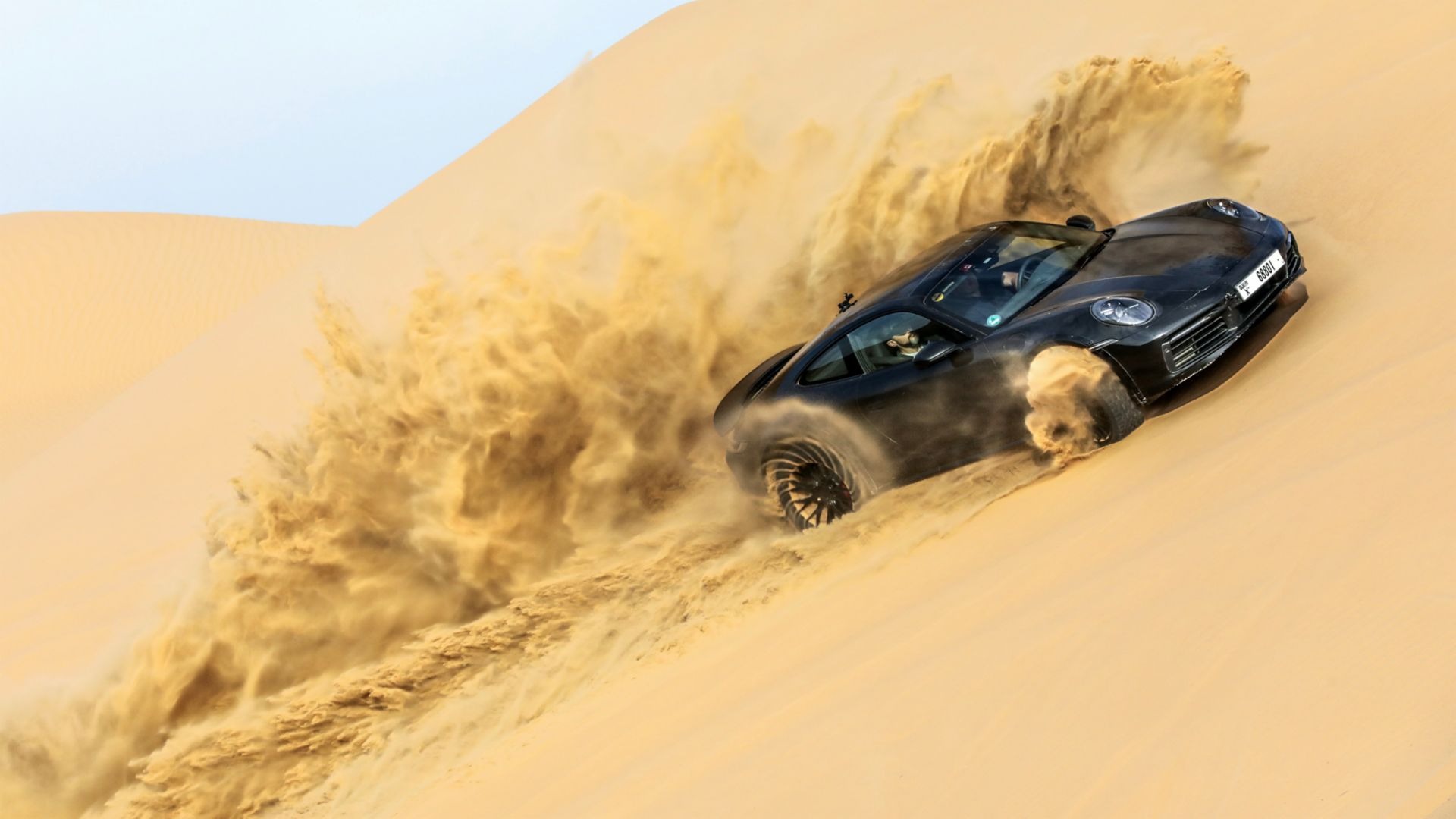
If ever you have wanted an offroad-capable two-door supercar, there’s something coming that may tickle your fancy. The Porsche 911 Dakar is coming soon!
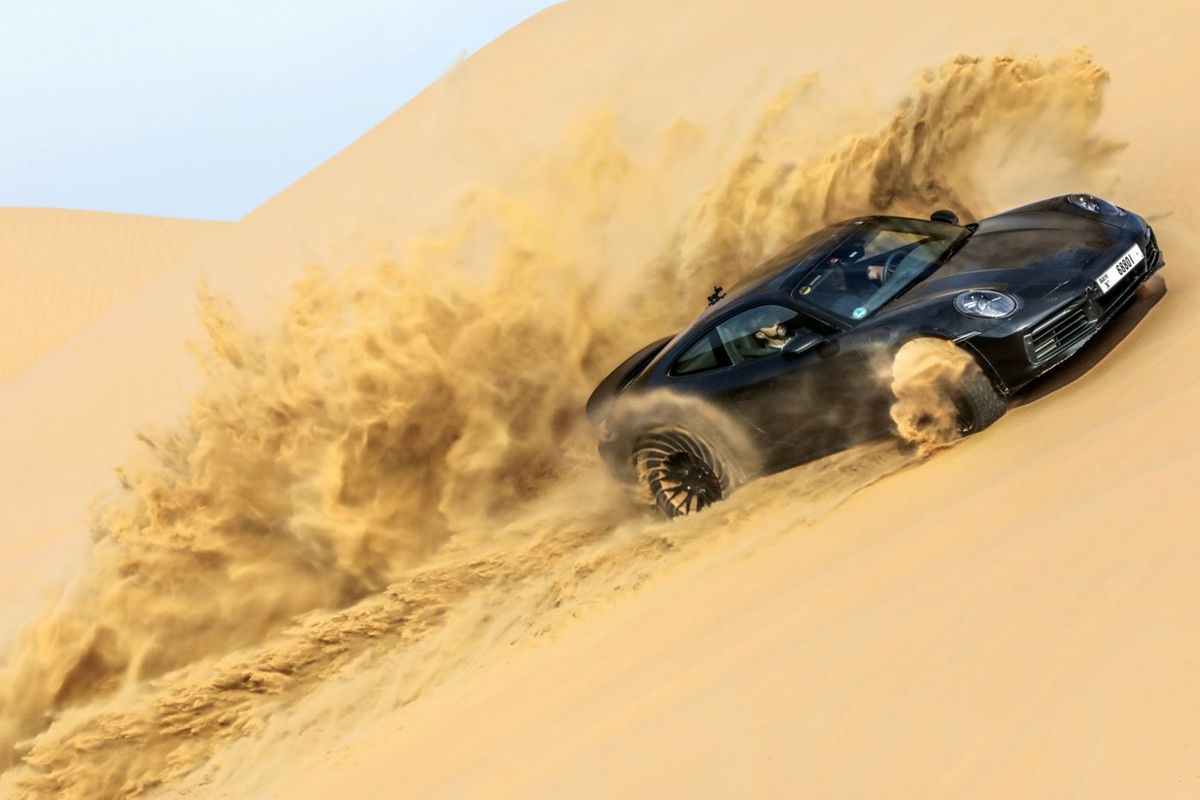
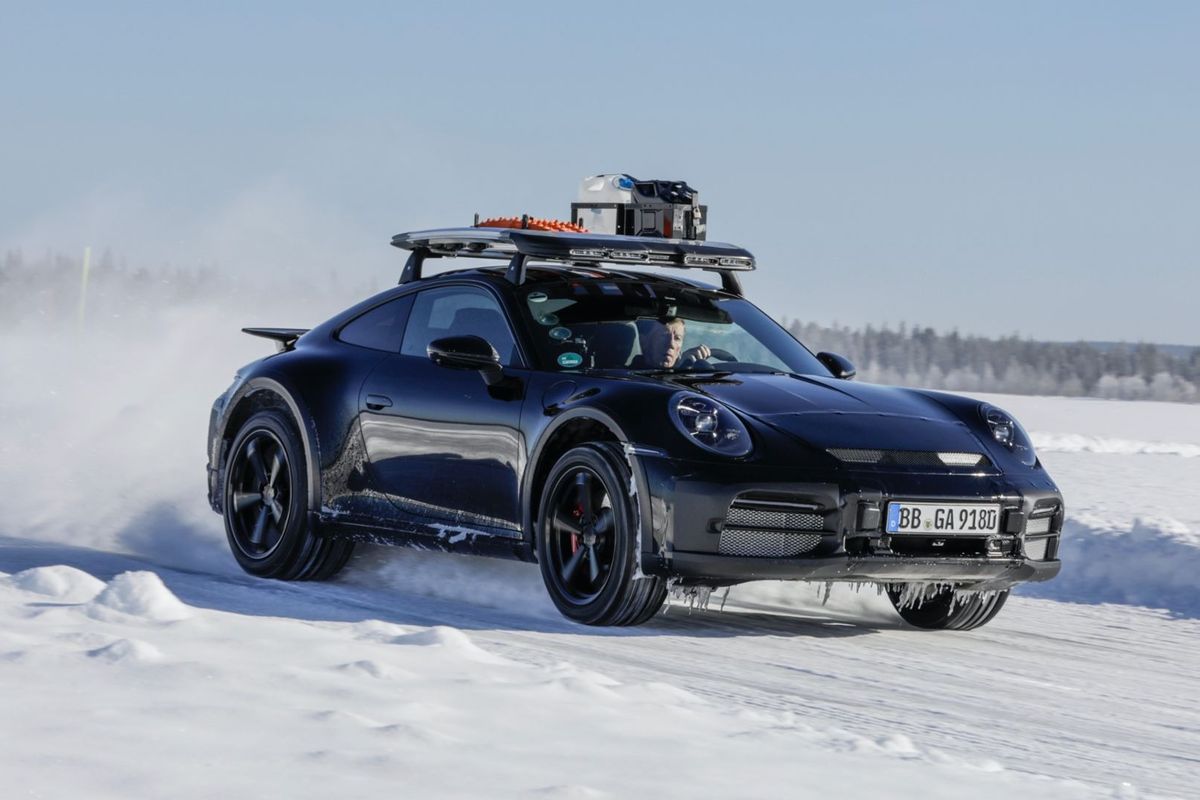
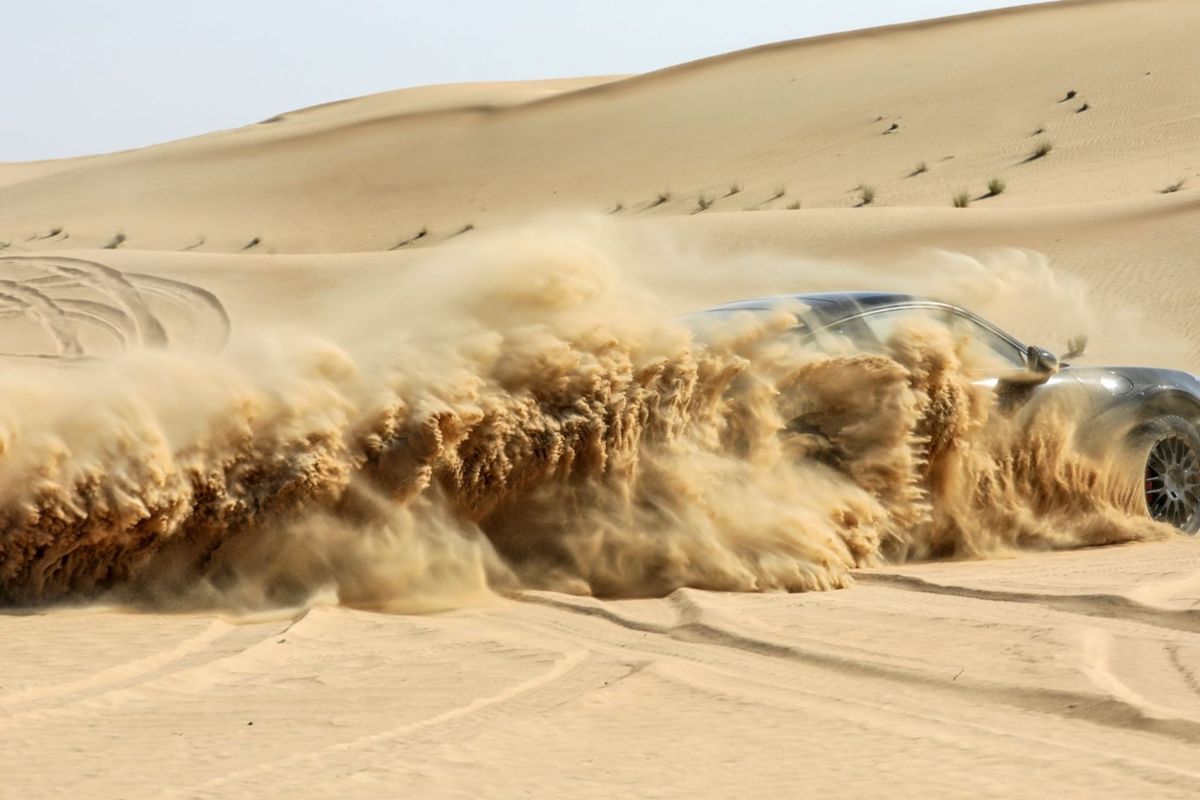
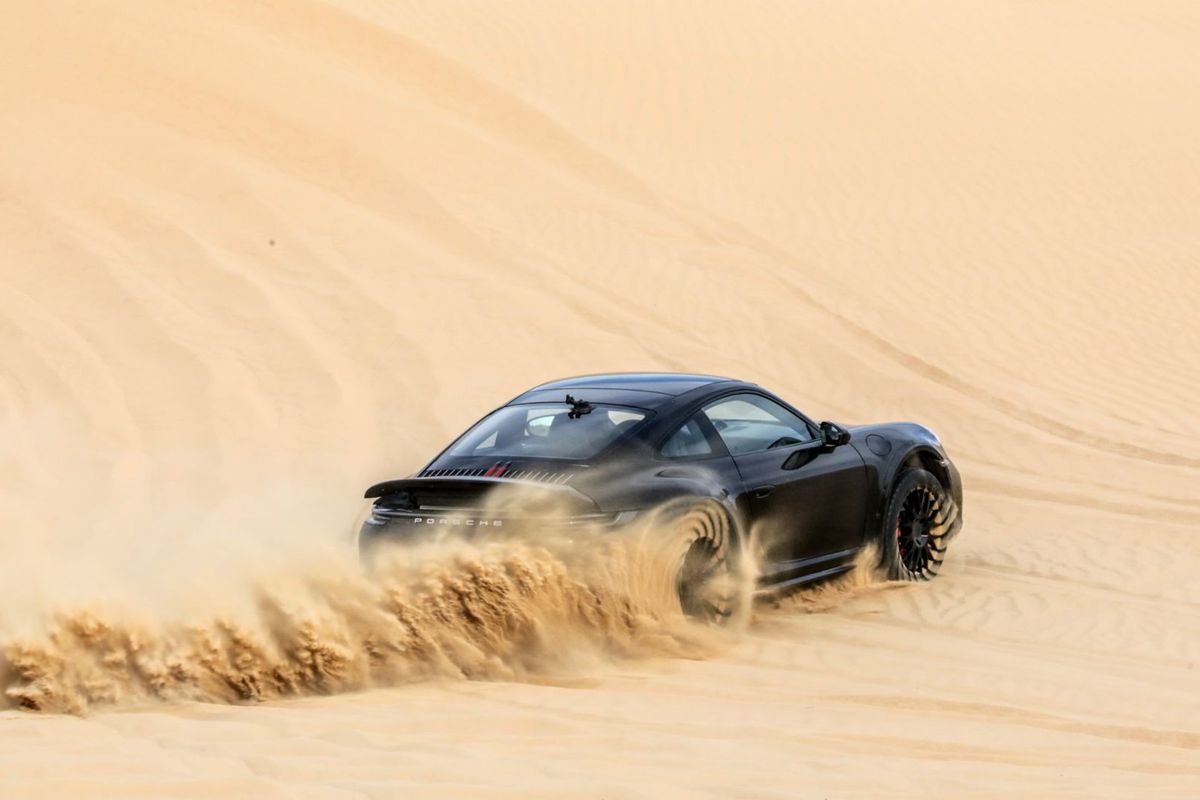
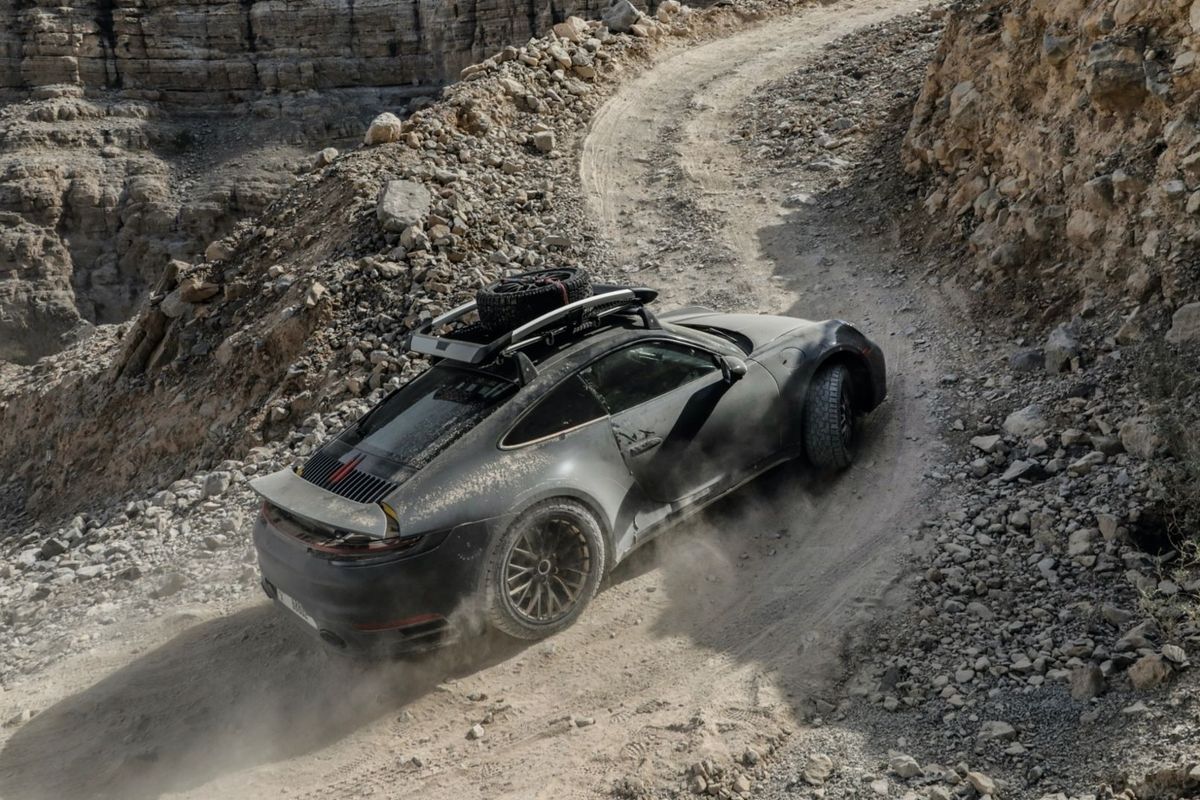
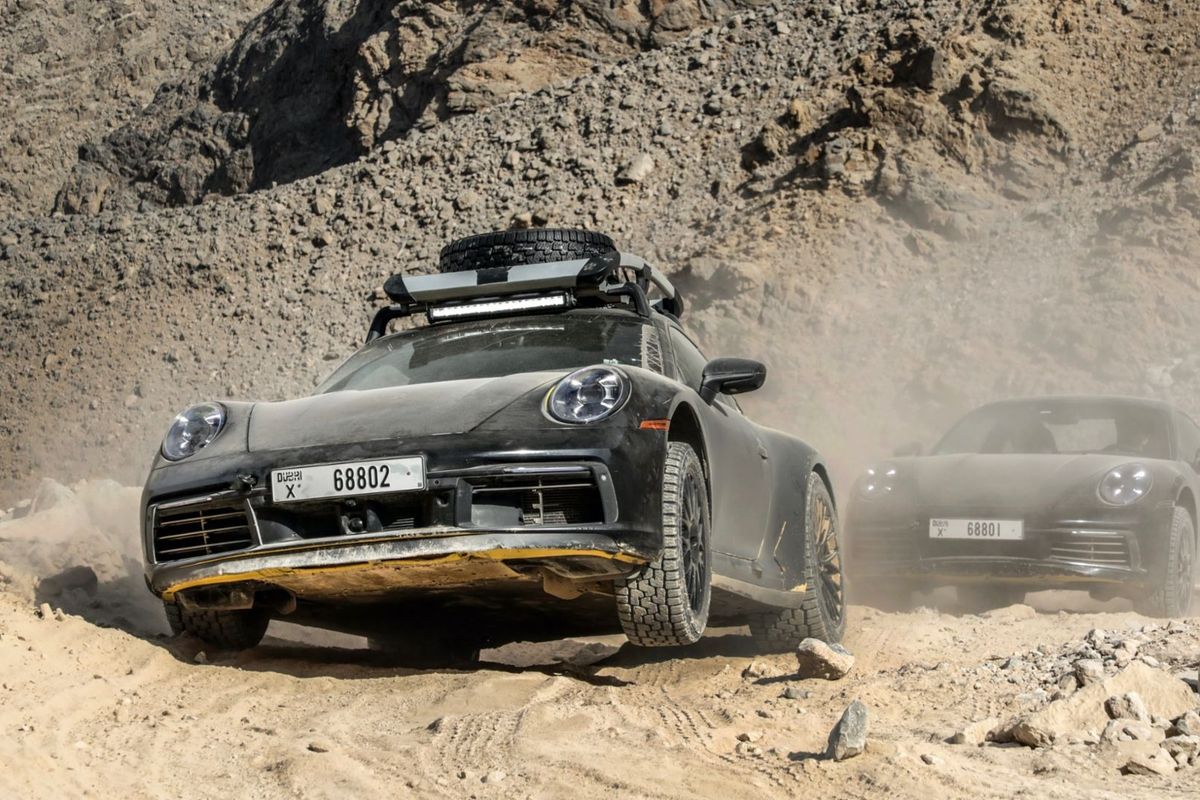
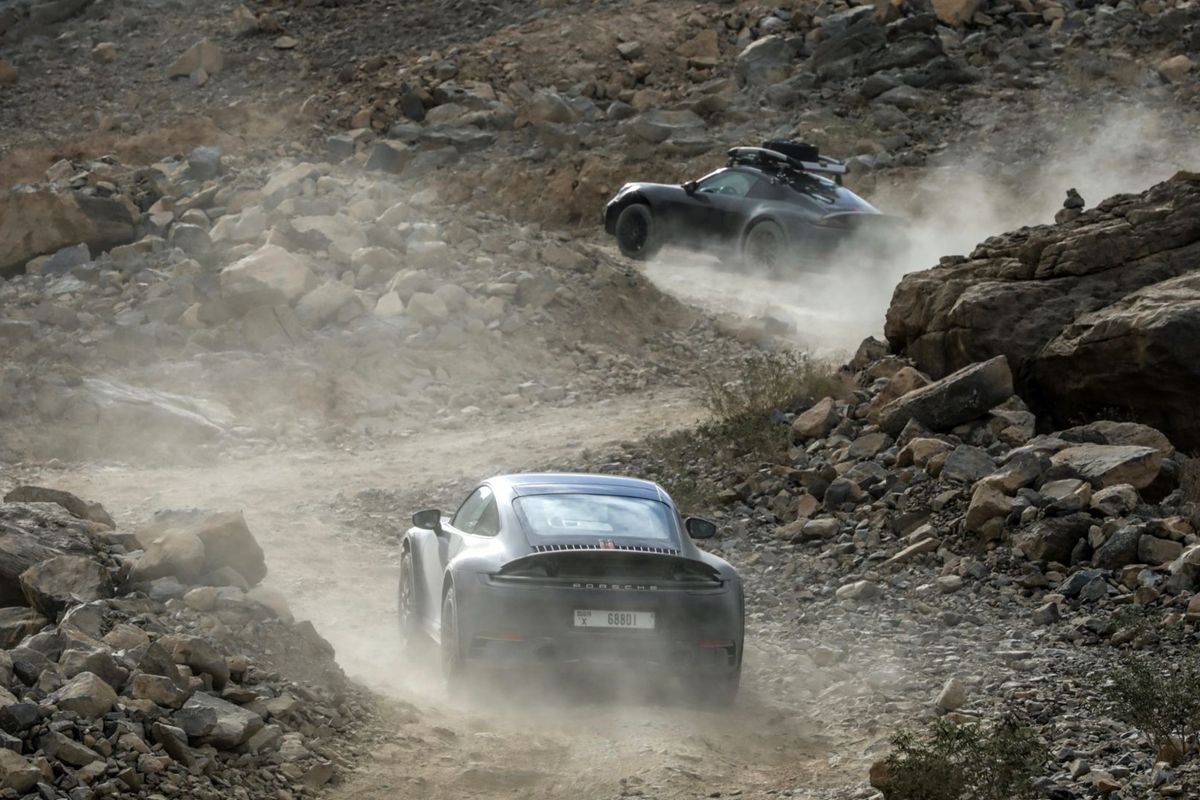
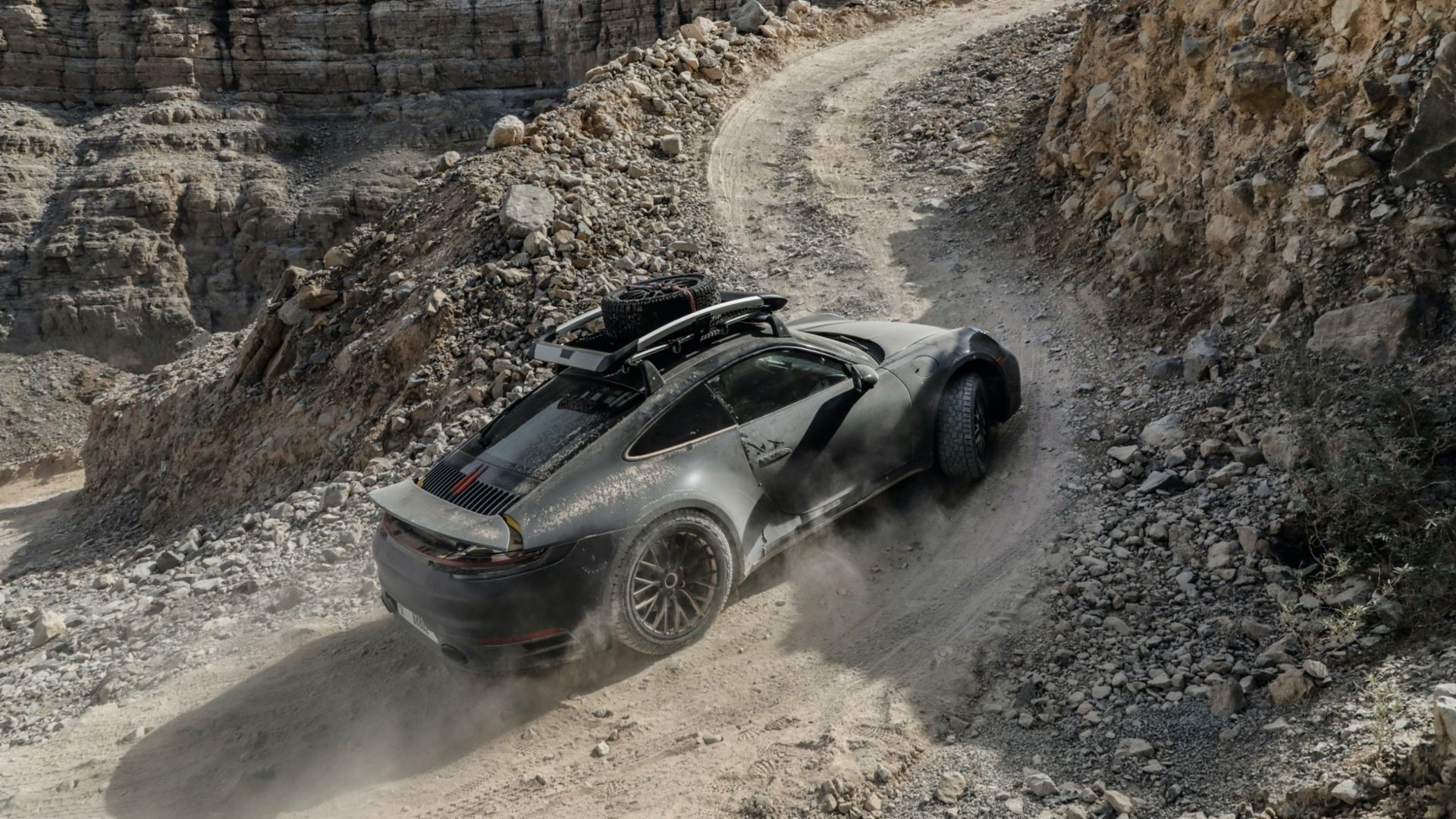
This is not the German carmaker’s rodeo when it comes to going offroading in a Porsche 911. Porsche won the 1984 Paris-Dakar rally in a modified 911 that had been fitted with an all-wheel-drive setup for the very first time. Fast-forward to 2022 and the finishing touches are being put on the brand-new Porsche 911 Dakar. What you see here are teaser images from Porsche, showing the extensive testing process the 911 Dakar has undergone to ensure its truly offroad-ready.
The idea of taking a supercar like the 911 off tar is a bizarre one, but Porsche is determined to make the concept work. The development team has completed more than 10 000 km offroad and put the mules into extreme conditions for more than 500 000 km. The 911 Dakar was even sent on some hardcore rally tracks to refine the suspension setup.
One such track is the Château de Lastours circuit in France. “All Dakar teams come here to test their cars in Europe before the rally,” says Porsche works driver Romain Dumas. “I knew what a 911 could do on the road,” says Dumas, “but I was absolutely stunned by how well the car performed here on the loose.”
Other locations that saw visits from the 911 Dakar prototypes were the ice facilities in Arjeplog, Sweden as well as the sandy trails and huge dunes of Dubai and Morocco. There are few technical details about the 911 Dakar like engines and performance, but given its offroad credentials, you can expect a reinforced chassis, offroad suspension, raise ground clearance and provision for offroad-specific accessories like roof rails.
When is the Porsche 911 Dakar being revealed?
Quite soon actually, with Porsche confirming that it will be unveiled at the Los Angeles Auto Show on the 17th November 2022 at 4am Central European Time.
All-new, BMW 7 Series In-depth Review – We drive BMW’s latest flagship in California
Join our race-ace Ashley Oldfield as he travels to California to sample the latest generation of BMW’s flagship sedan, including the i7, M760 and 740i.
Palm Springs California is a suitably swanky location for what is possibly the ultimate luxury car. Although given that 42% of BMW’s 7 Series customers are now in China, Beijing or Shanghai would have probably worked as well.
The challenge was to design a car which appealed to both these upwardly mobile, younger Chinese buyers, and the older BMW faithful. The result is a design which is quite challenging but has an undeniable presence.
We also take a look at the gigantic 31-inch rear TV which has certainly made waves and gone viral on social media.
Ashley takes all three models for a drive and also answers which new 7 Series variants will be introduced in South Africa.
So, what’s an electric BMW 7-Series like to drive? Only one way to find out.
Looking for a used BMW for sale in South Africa? We have over 4200 to choose from!
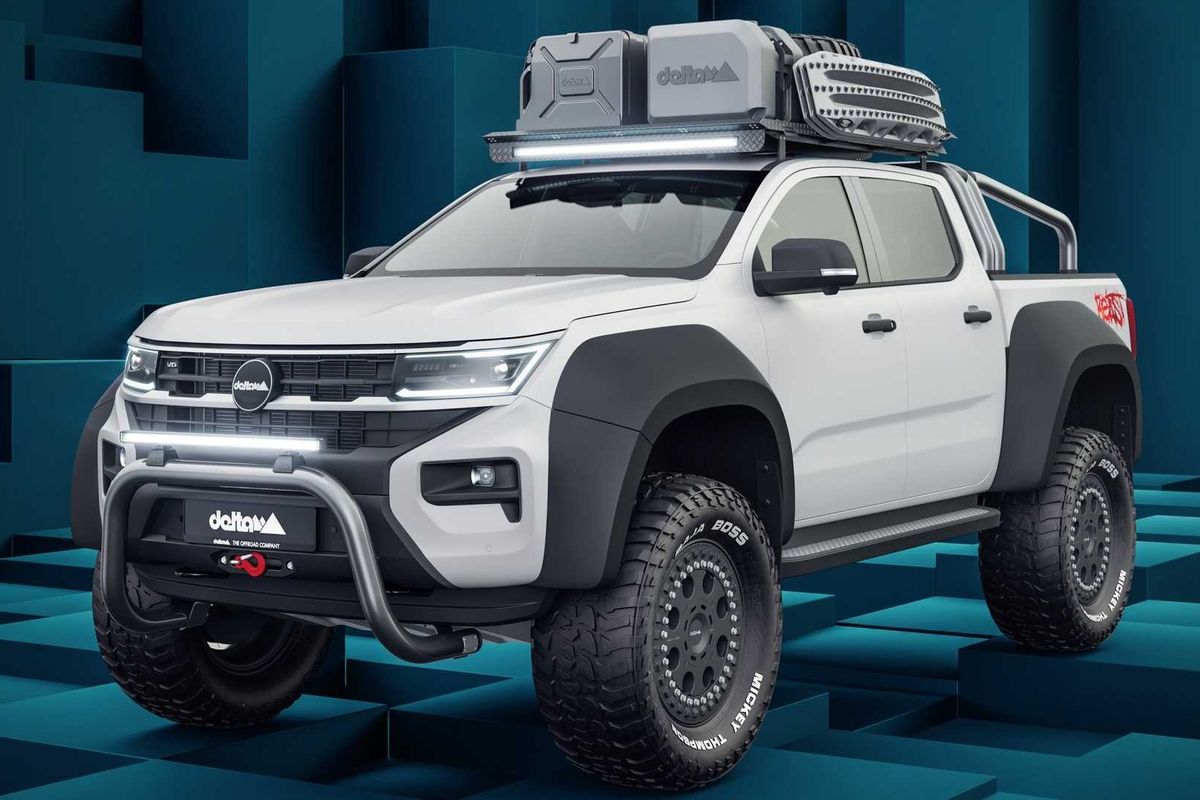
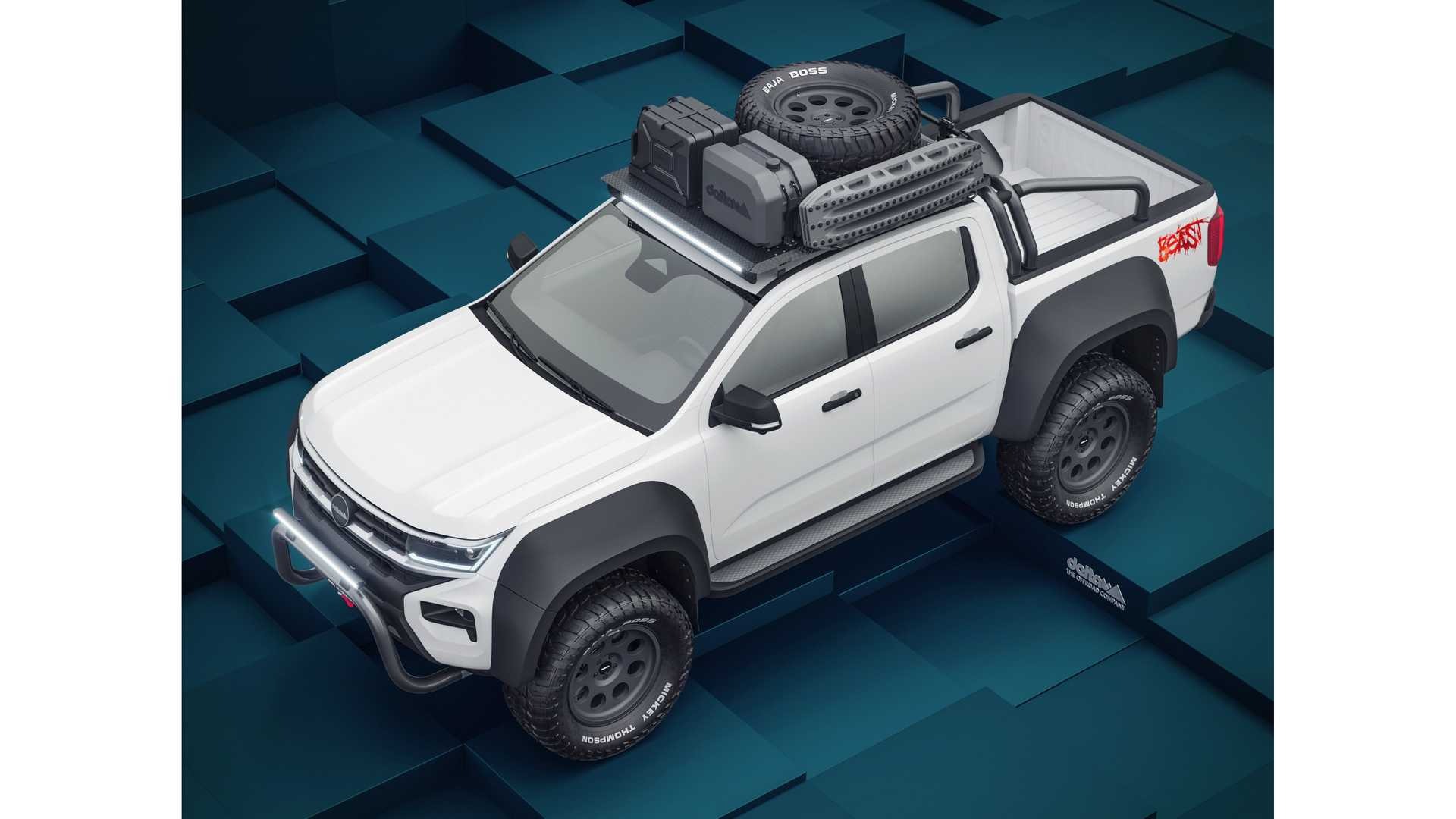
The brand-new 2023 Volkswagen Amarok will be hitting showrooms next year, but already offroad specialists are working on the custom accessories. Look what Delta4x4 is envisioning!
If you were not aware, the brand-new Volkswagen Amarok will be built right here in South Africa, by Ford SA at the latter’s facility in Pretoria. The new Amarok will share quite a few mechanical elements from the Ranger, and it will be fascinating to see just how close or far apart the two bakkies will be. 2023 will be quite the year for fans of the double-cab bakkie!
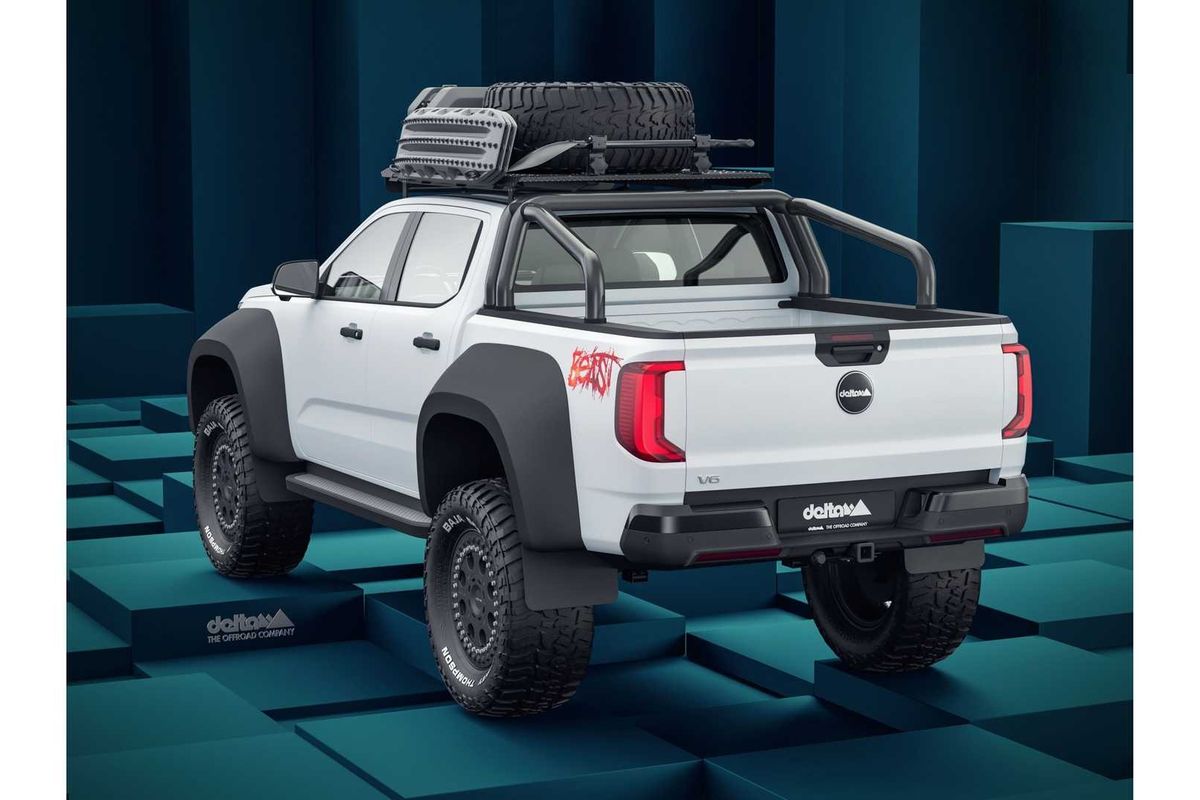
If you’re into your double-cab pickups, you’re more than likely aware about the customisation and accessories part of the lifestyle and there are many companies who specialise in making bakkies more capable and more practical than the standard offering. One such tuner is German offroad specialist Delta4x4 who is hard at work on making the new 2023 Volkswagen Amarok even more capable and hardcore.
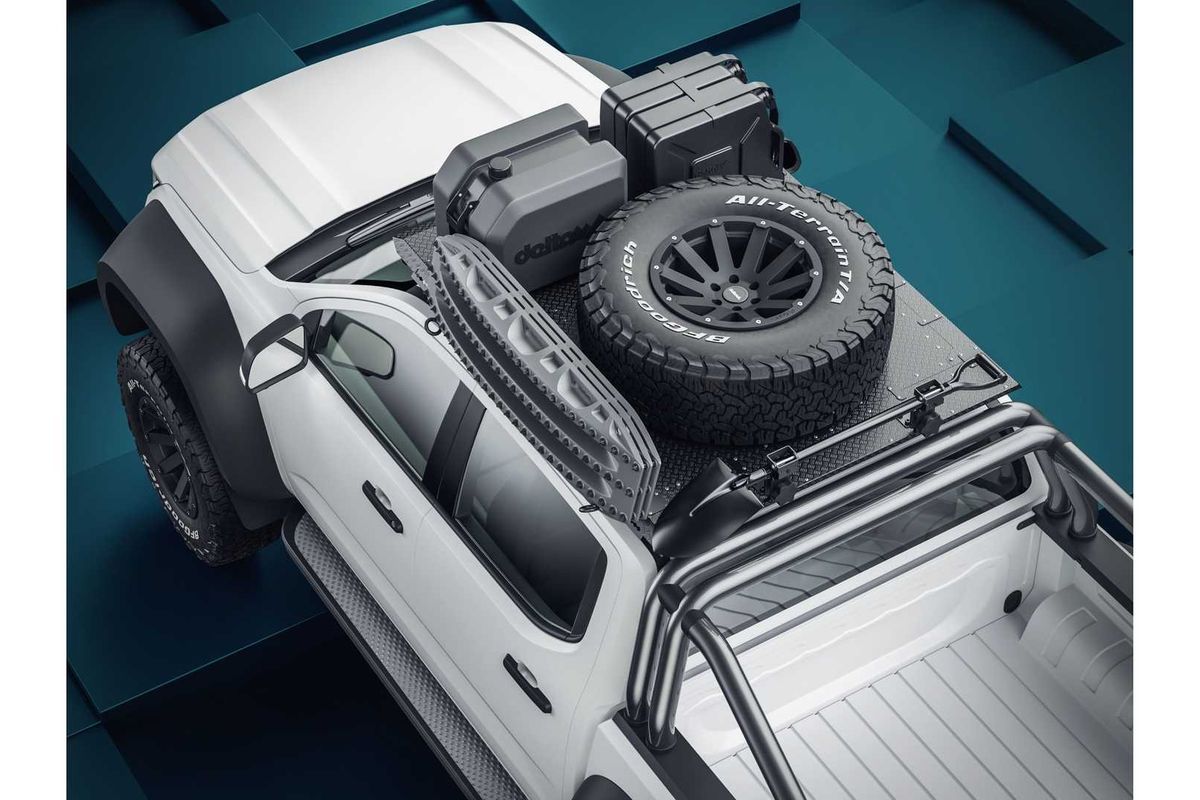
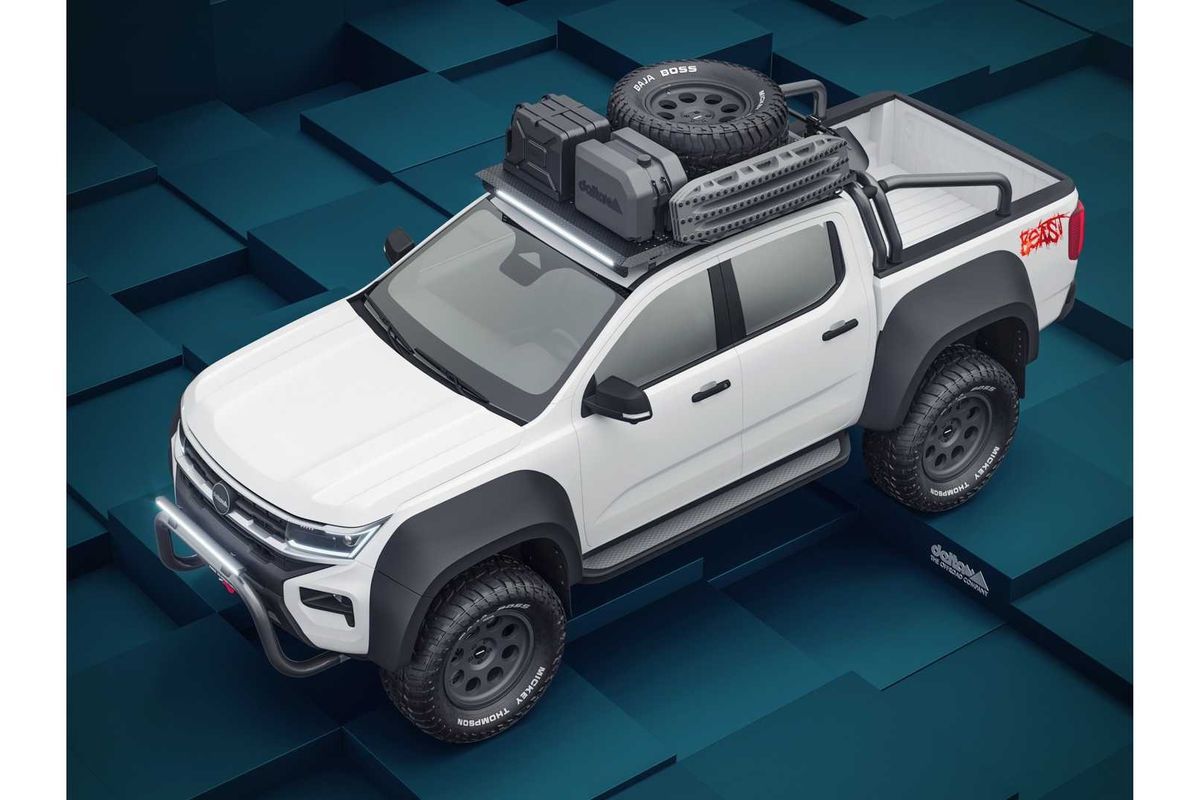
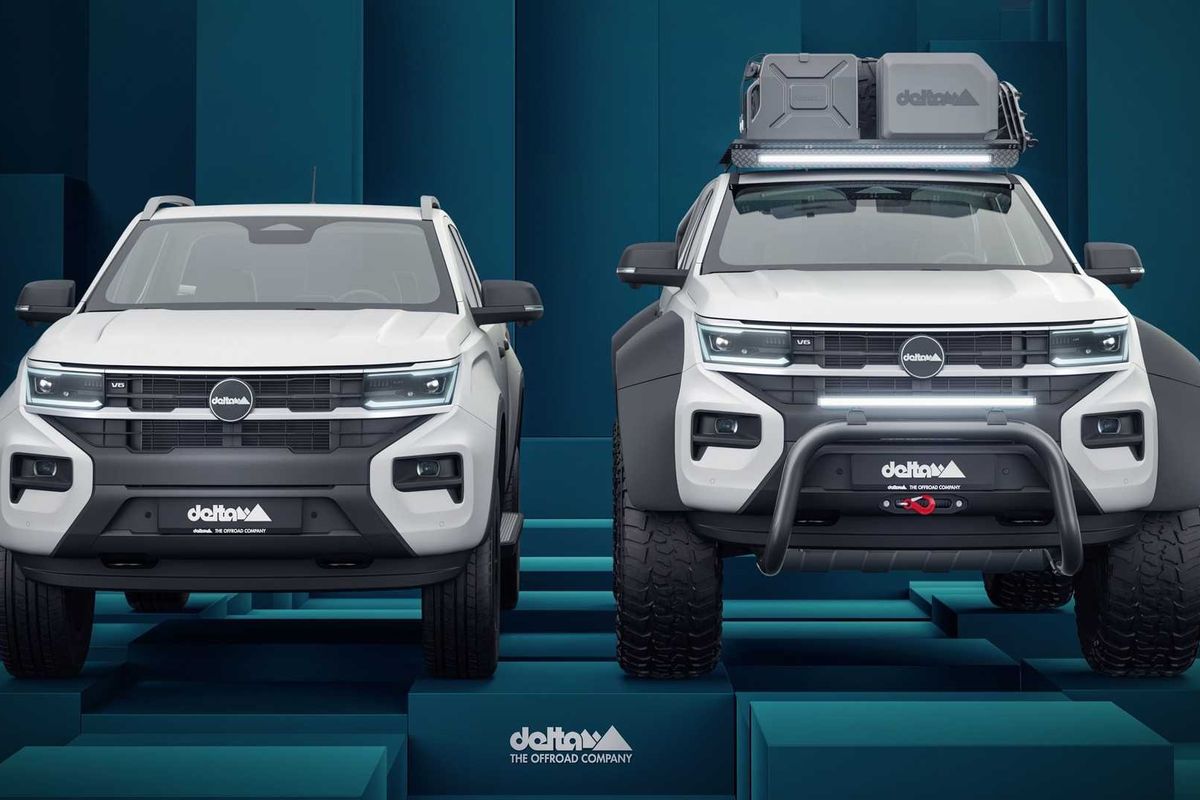
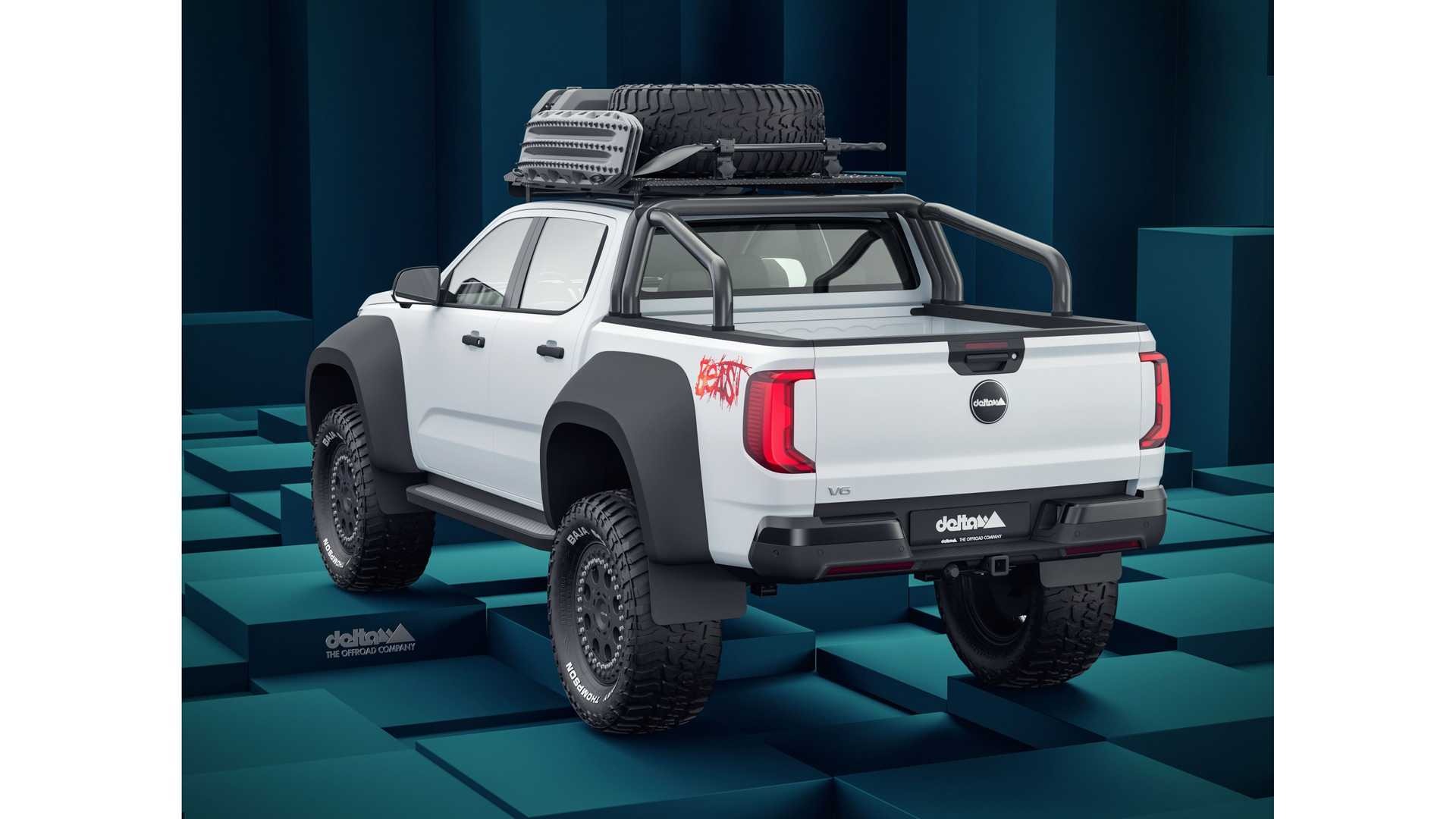
What you see here are digital renderings of what Delta4x4 has nicknamed ‘the Beast.’ The extensive upgrades will see this Amarok to sit 150 mm higher than the one that will roll off the factory floor. On each corner are beadlock wheels wrapped in high-profile chunky rubber and the wheel arches have been extensively modified to accomodate the larger wheels. Bigger arches also enhance the look and this Amarok will be quite wider.
Other nice toys added into the mix include a high-power LED on the roof as well as lighting for the front bullbar. A winch will be added too, for additional capability. A roof rack will be installed for extra storage. While there’s no tech data on any engine upgrades, the model depicted is the 3.0-litre V6, which will feature the Ford-sourced 10-speed automatic gearbox. Power outputs for the SA market are yet to be confirmed, but internationally the V6 is available in two states of tune: 177 kW and 184 kW, the latter boasting a monstrous 600 Nm.
We will be getting our first taste of the new 2023 Volkswagen Amarok towards the end of November 2022 as the international media drive will be taking place right here in the home of the double-cab bakkie, South Africa.
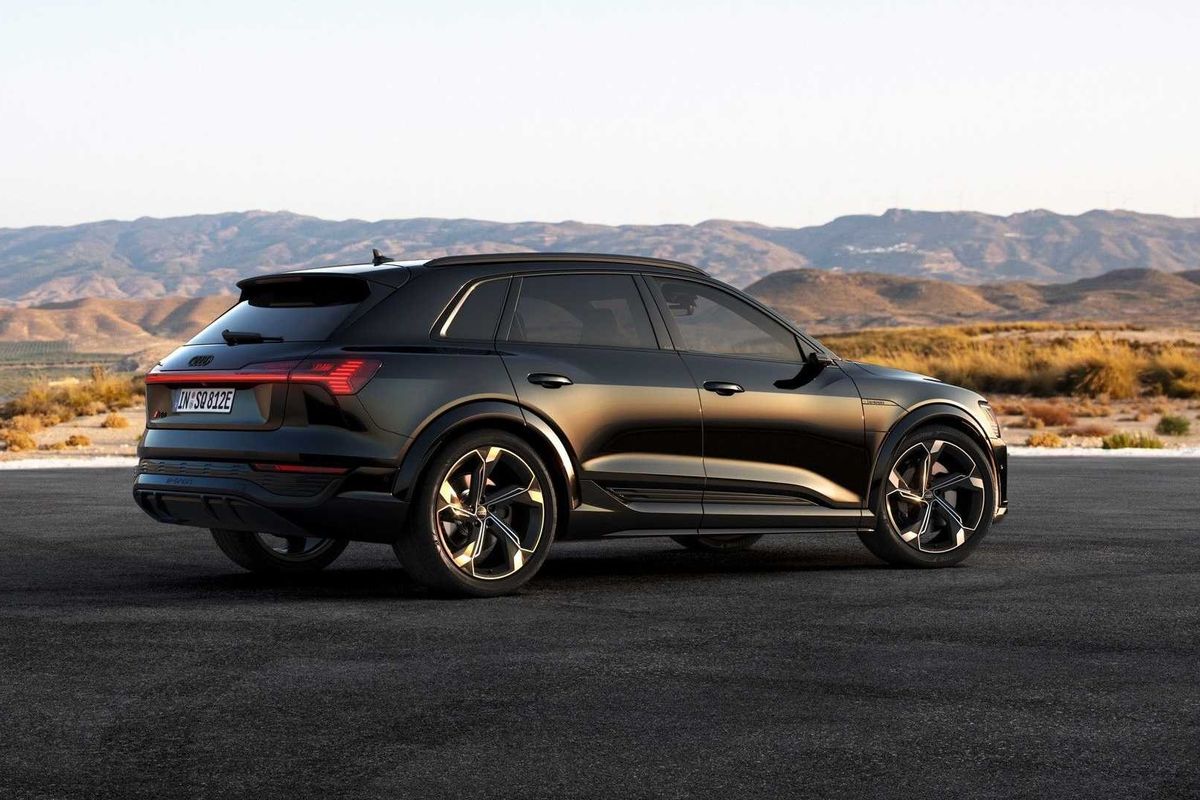
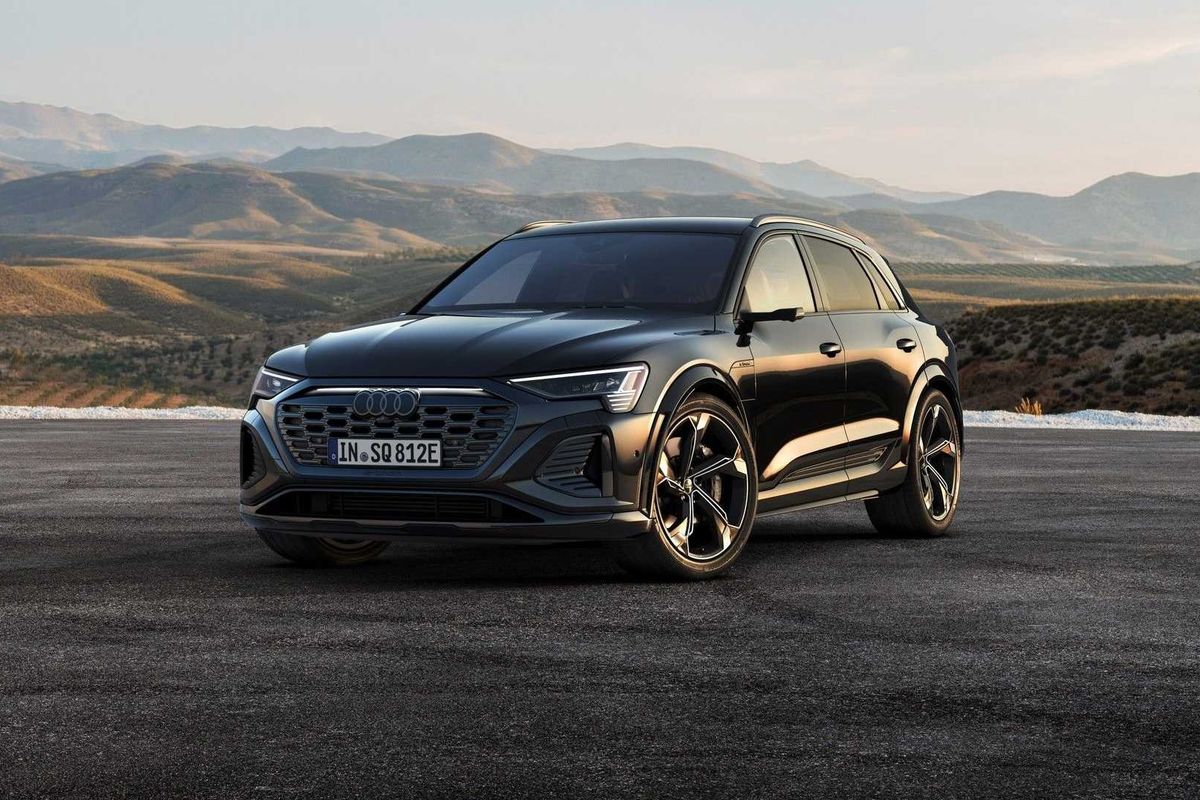
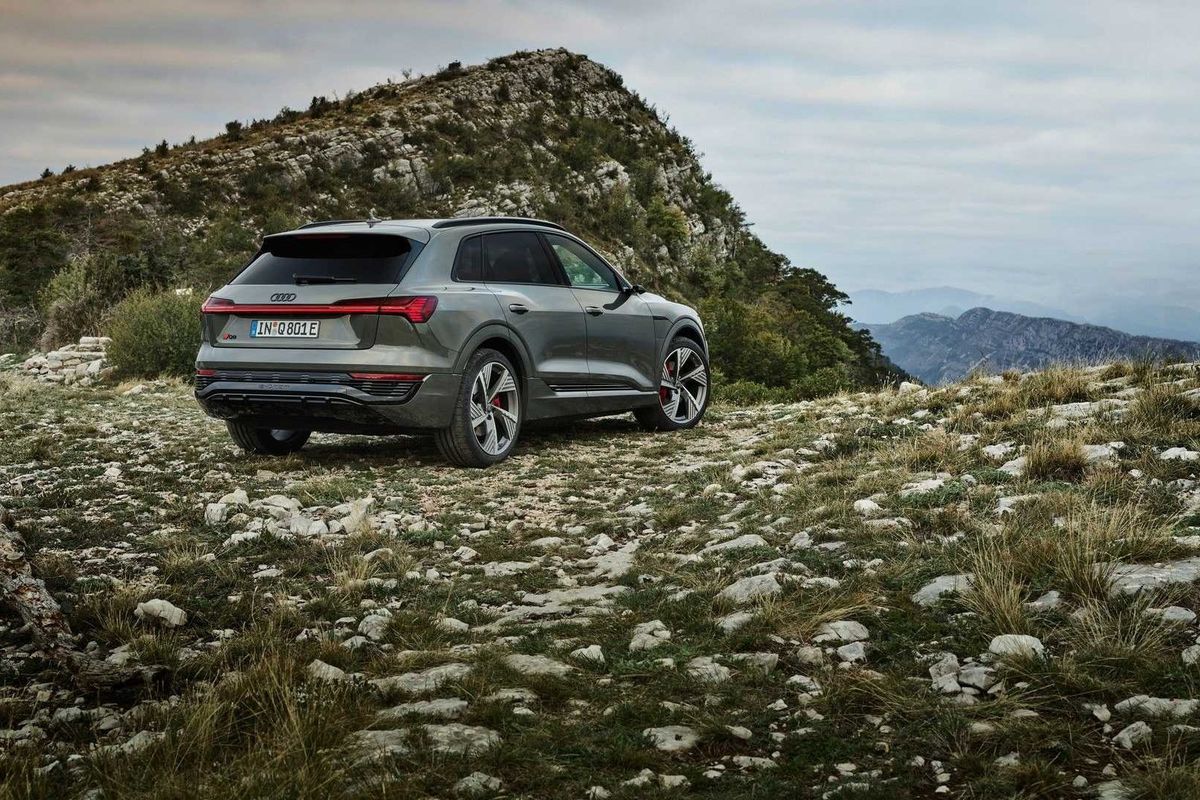
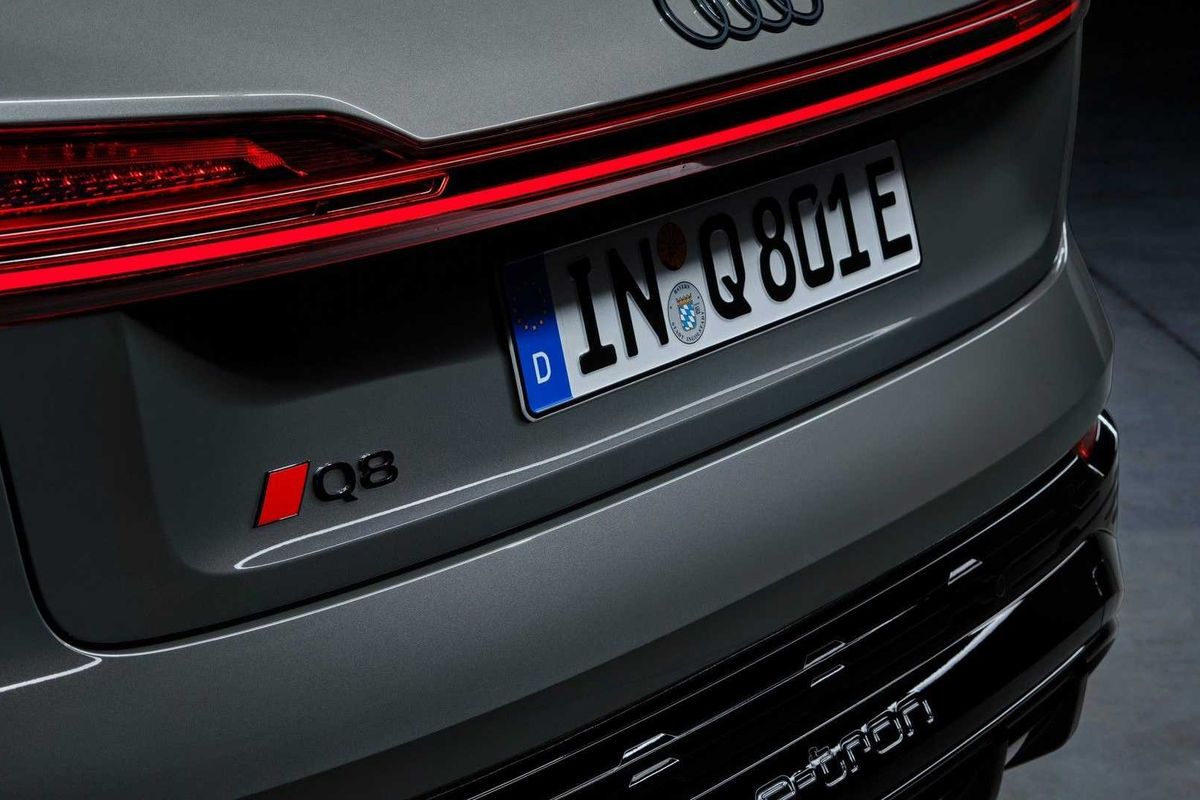
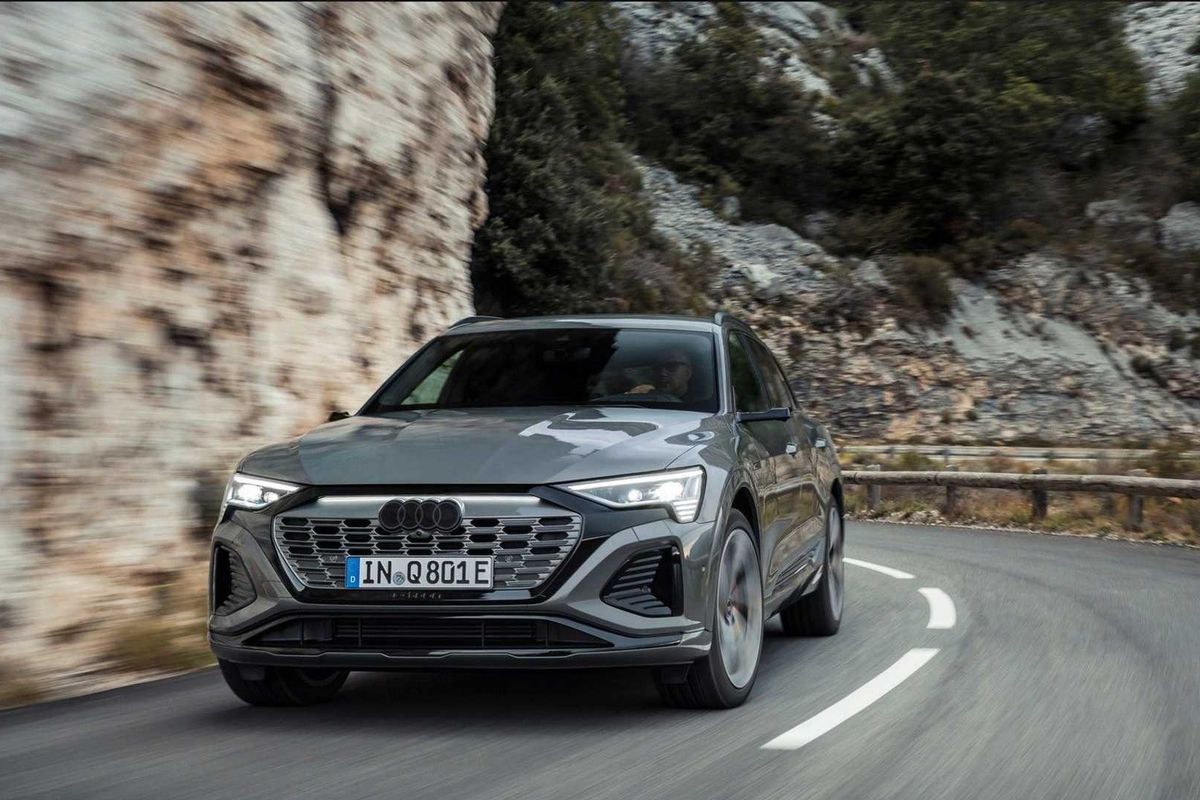
Audi Q8 e-tron Range Revealed for 2023
The Audi e-tron SUV range has become the Q8 e-tron. Here’s all you need to know about the new electric SUV from the Ingolstadt-based brand.
If you’re confused, don’t panic as we were too initially. Essentially, the e-tron SUV range has been renamed Q8 e-tron and based on that numbering system, it would be fair to assume there’s going to be a Q6 e-tron in the new future as there’s already a Q4 available in some markets overseas.
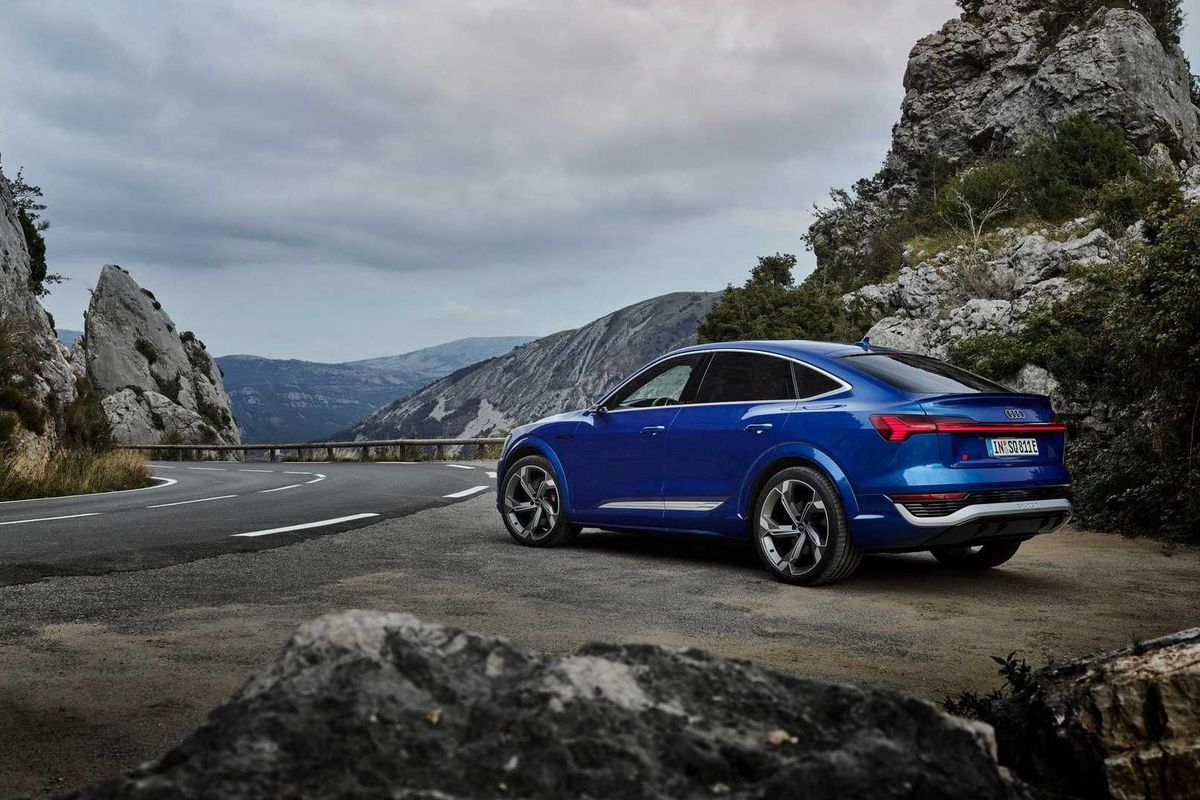
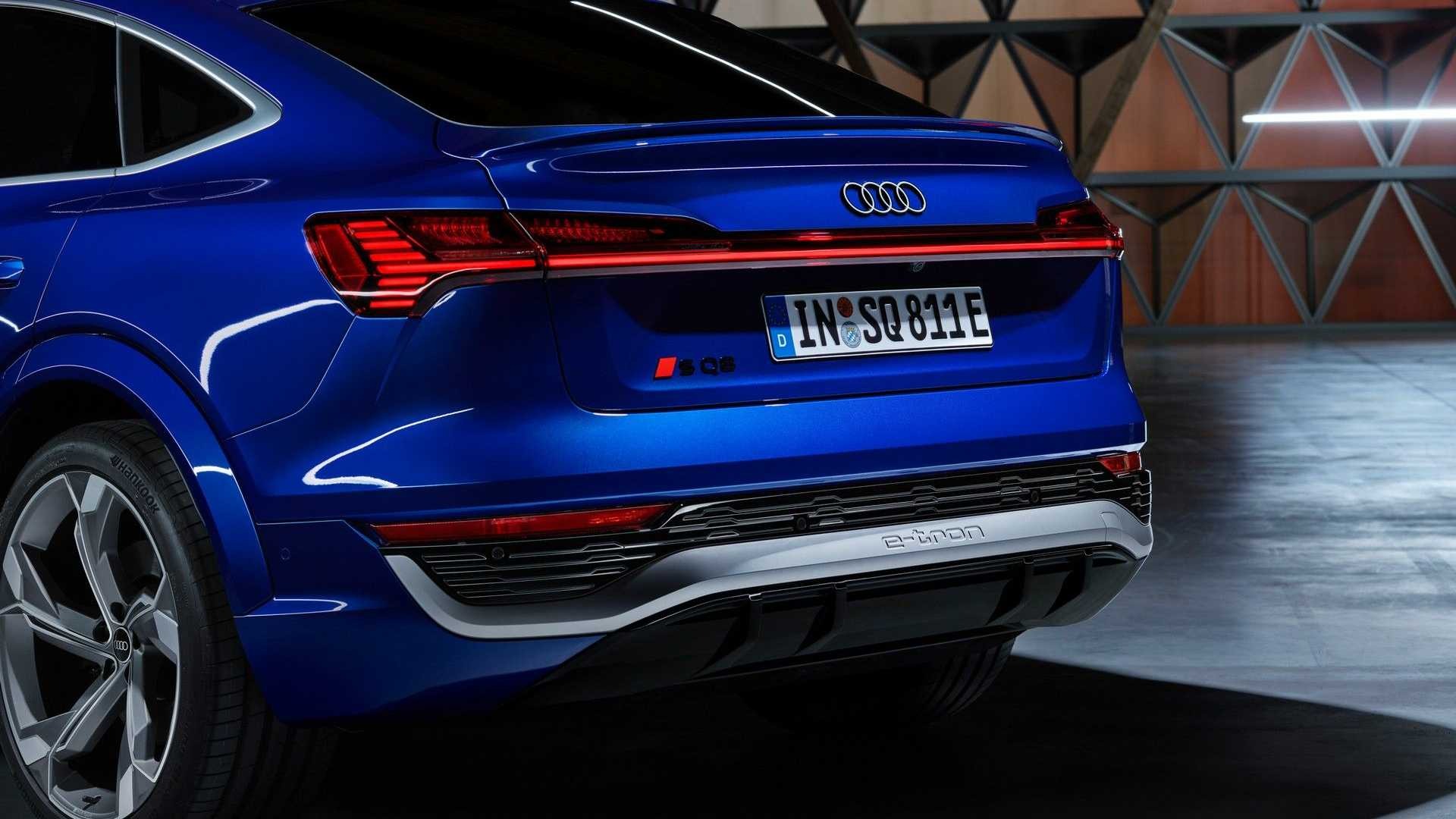
It’s not just a name change either, with numerous upgrades in terms of efficiency, technology and design applied across the range. Speaking of, the Q8 e-tron will be available in your standard SUV shape, as well as the more aggressive-looking Sportback shape. There’ll also be performance-biased S-badged models too.
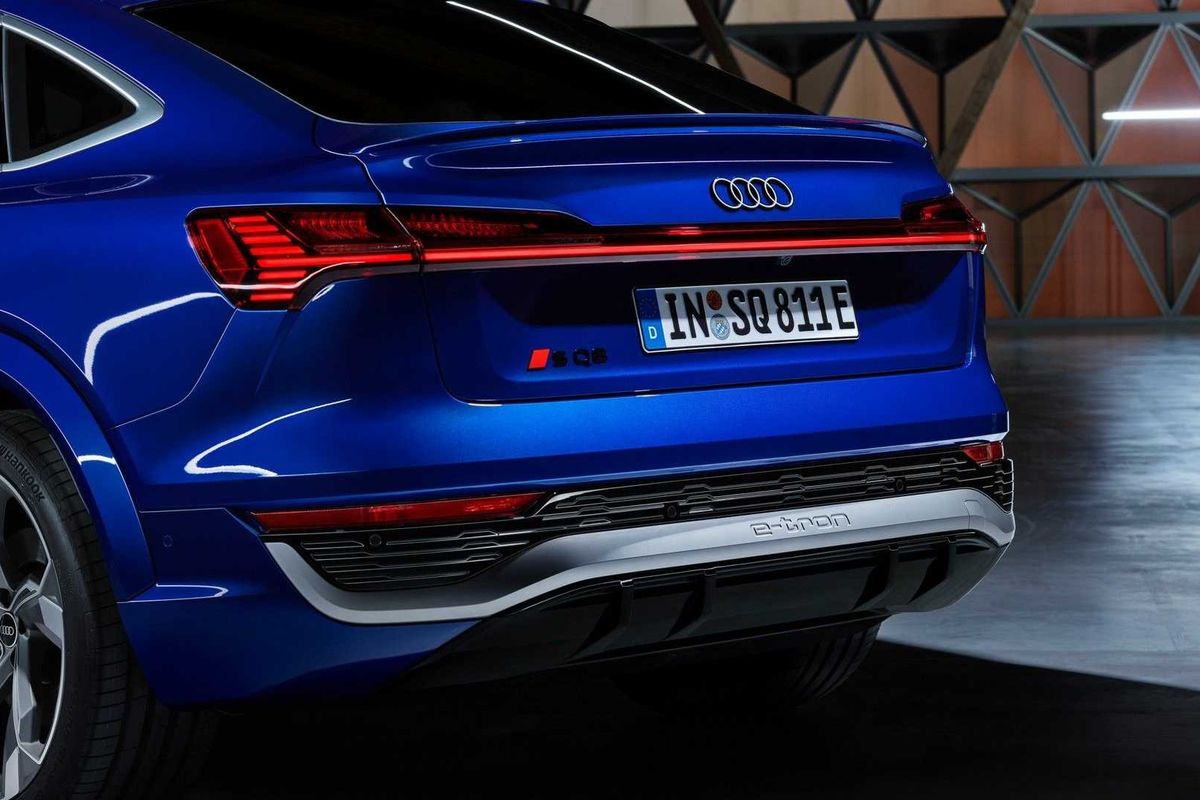
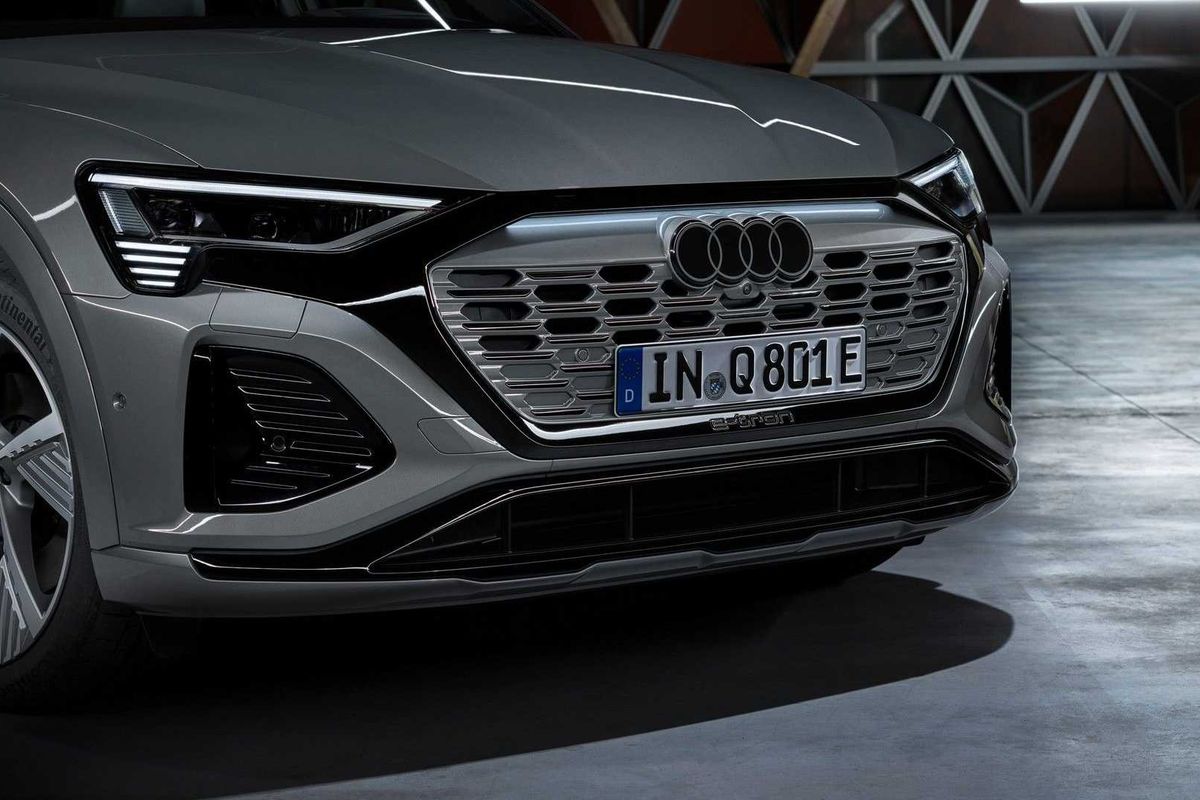
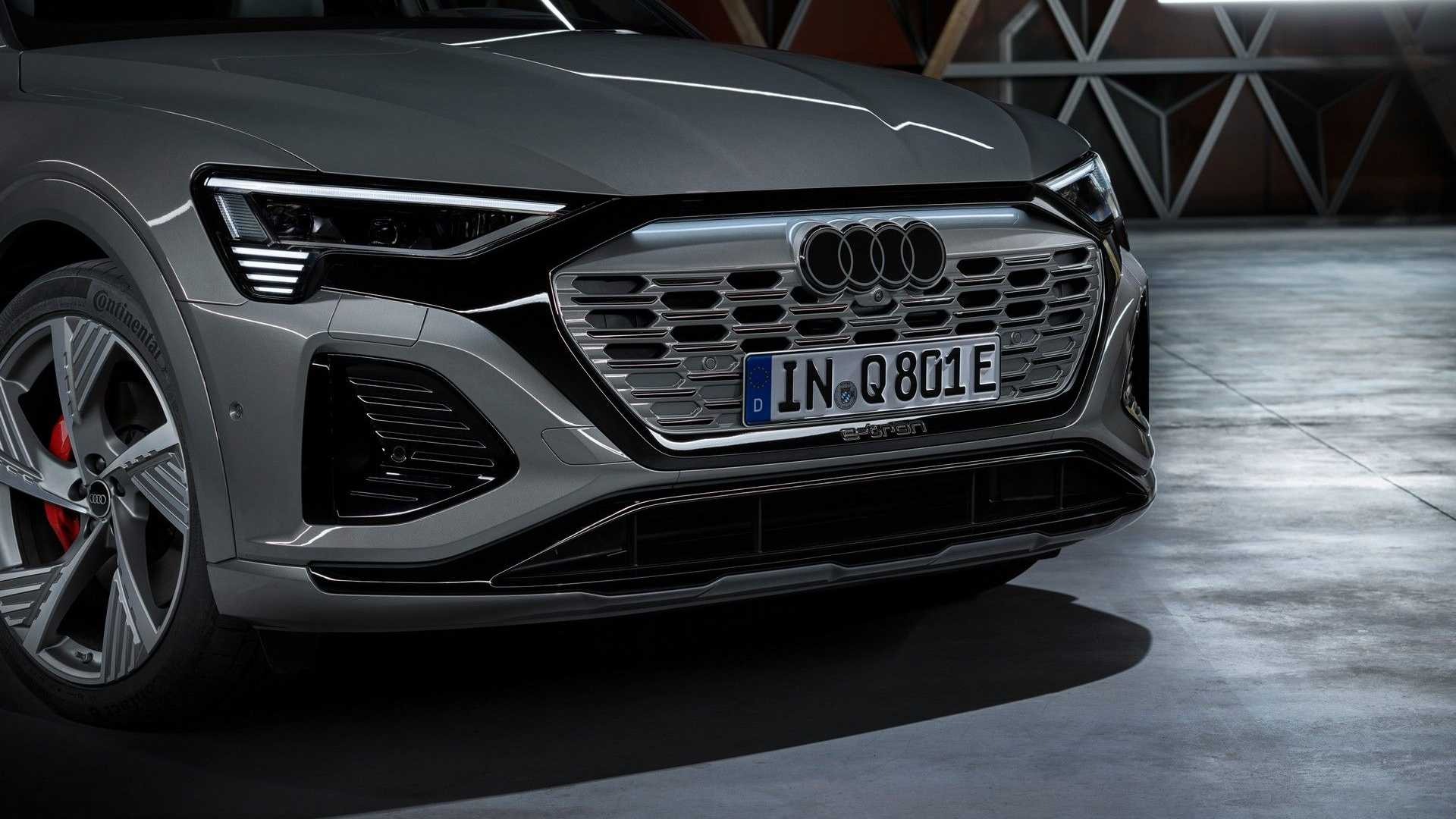
Visually, there’s a radical change to the nose with new lamps, illuminated parts of the grille and there’s a revised Audi logo. Some work has been done to the aerodynamics of the car to make it cut through the air with less resistance, and Audi claims its drag coefficient has been reduced.
The range will feature three powertrains and two battery sizes. In base trim, the Q8 50 features an electric motor on each axle producing 250 kW and 664 Nm. This battery has 89 kWh (95 kWh gross) and is said to provide a range of 491 km for the SUV and 505 km for the Sportback. This model is said to sprint to 100 kph in just 6 seconds.
Next up is the Q8 55 e-tron which has 300 kW and 664 Nm from a bigger 104 kWh battery (114 kWh gross). A range of 582 km is being claimed, with 600 km for the Sportback. This is fractionally faster with a claimed sprint time of 5.6 seconds to 100 kph.
If you’re wanting something rapid, then the SQ8 e-tron features 3 electric motors, with one driving the front wheels and two powering the rear axle. A monster 370 kW and 973 Nm are on tap, from a 104 kWh battery. A range of 494 km is claimed, with the Sportback going out to 513 km. All ranges are based on the WLTP test. From a standstill, the SQ8 variants will hit 100 kph in 4.5 seconds.
150 kW fast charging from a DC box is supported, with the 55 and SQ8 able to support 170 kW. If you plug in for 30 minutes, you should get around 420 km of range. Otherwise, 11 kW AC power for charging is standard, but you can optionally select 22 kW.
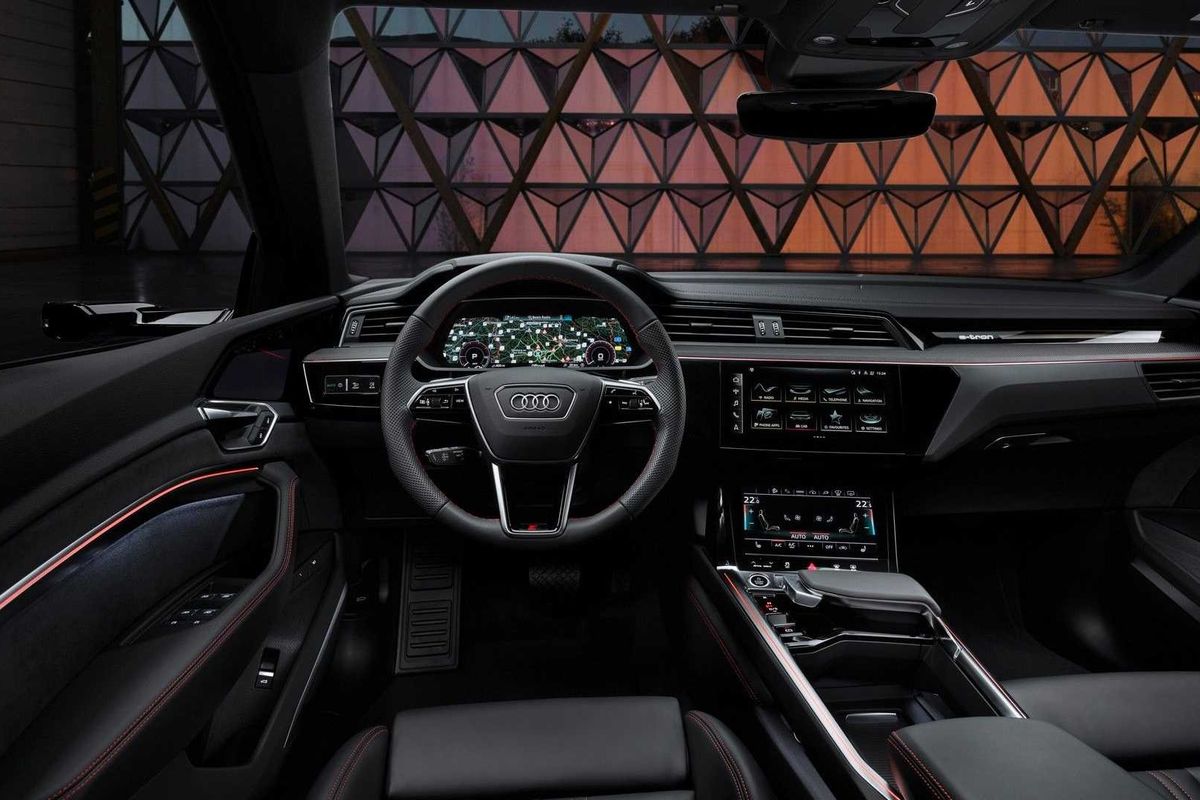
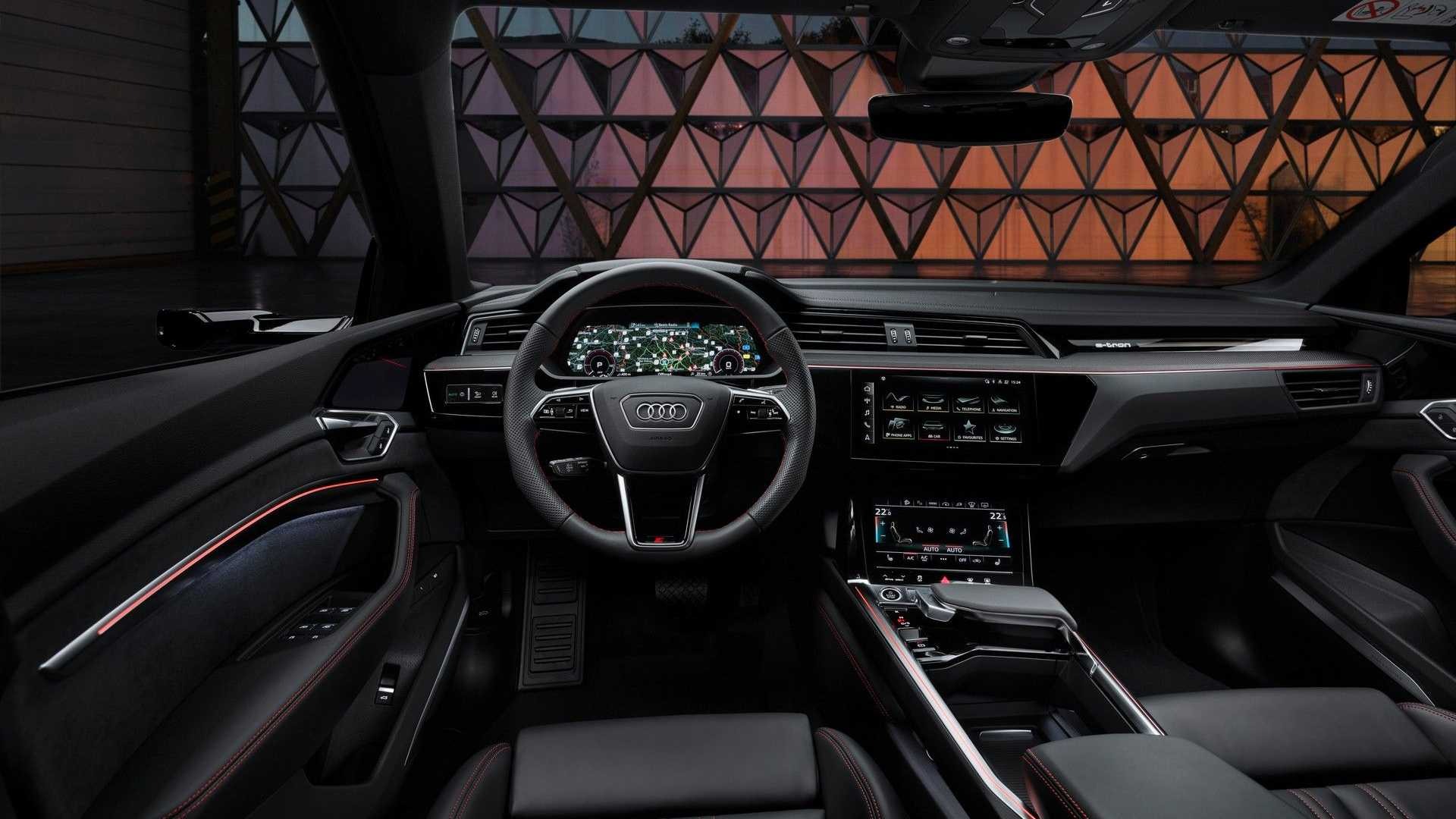
Inside is all the plush luxury you’d expect in this neck of the market. There are a few high-res displays, with the driver receiving the latest version of Audi’s excellent digital instrument cluster. Cool-looking cameras that replace the traditional side mirrors are optional.
A panoramic glass roof, two-zone climate control is standard, but customers can opt for a four-zone as well as nice things like massage front seats. Under the skin, Audi says its cabin features recycled materials for insulation, carpeting and sound dampening.
At this stage, there’s no word on local introduction, but the Audi Q8 e-tron range will be hitting European streets in February 2023.
*Update:* Audi SA has confirmed the Q8 e-tron range will be reaching our shores towards the end of 2023.
Nissan SA has quietly added a new special-edition model to its Magnite range. Here’s what we know about the Red Edition, including pricing…
The Nissan Magnite line-up in South Africa has gained two fresh derivatives, each featuring a new Red Edition package.
While official details are still thin on the ground, we do know the Red Edition is based on the Magnite 1.0 Turbo Acenta variant and is likewise available with either a 5-speed manual gearbox or a continuously variable transmission (CVT). Upgrading to the special-edition model effectively costs an extra R7 800, with the manual version priced at R298 300 and the CVT derivative at R325 300.
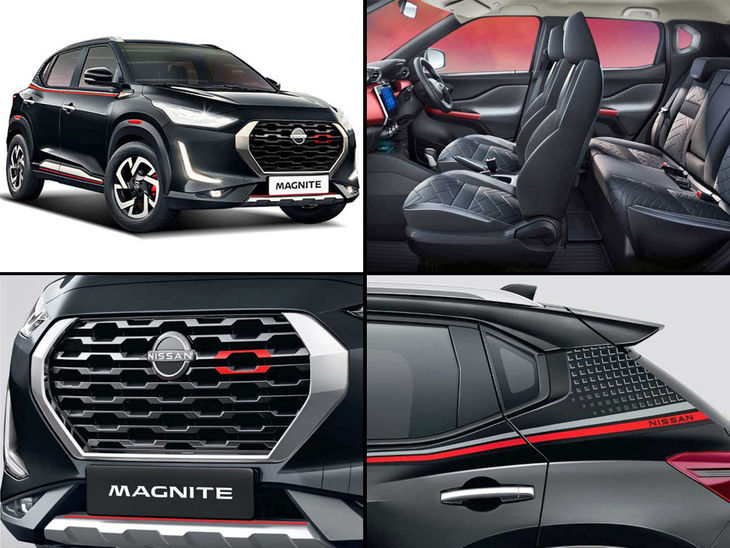
So, what do you score for the additional outlay? Well, from what we can tell (and based on the version that launched in July 2022 in India, where the SA-spec Magnite is produced), the main changes outside are the adoption of red accents on the grille, front bumper cladding, wheel arches and body side cladding. The front brake callipers, too, are finished in the crimson hue (remember, the Magnite’s rear axle makes do with drum brakes).
The Magnite Red Edition furthermore features decals running along its flanks (just below the window line), culminating in bold graphics on each C-pillar. Round back, there’s additional tailgate garnish for this variant, while “Red Edition” badging is also included.
The Nissan Magnite Red Edition is distinguised by a number of cosmetic tweaks.
It’s not yet clear which exterior paint colours will be available on the Magnite Red Edition in South Africa, but it’s worth noting the two shades on offer in India are Onyx Black and Storm White. Inside this special-edition model, you’ll find a red-hued dashboard, along with matching red accents on the seat upholstery, door-side armrest and centre console.
As a reminder, Nissan launched the front-wheel-drive Magnite locally in April 2021. All variants are powered by a turbocharged 1.0-litre, 3-cylinder petrol engine, which delivers 74 kW and 160 Nm in the case of the manual and a little less twisting force (at 152 Nm) in the case of the CVT. The former sips at a claimed 5.3 litres per 100 km, while the self-shifter comes in at 6.0 litres per 100 km.
For the past three months, the Magnite has been Nissan South Africa’s strongest seller in the passenger-vehicle space, with 412 units registered in August, 471 units in September and 735 units in October 2022.
How much does the Nissan Magnite Red Edition cost in SA?
Magnite 1.0 Turbo Acenta – R290 500
Magnite 1.0 Turbo Acenta Red Edition – R298 300
Magnite 1.0 Turbo Acenta CVT – R317 500
Magnite 1.0 Turbo Acenta Plus – R319 500
Magnite 1.0 Turbo Acenta Red Edition CVT – R325 300
Magnite 1.0 Turbo Acenta Plus CVT – R 346 500
A 6-year/150 000 km warranty ships standard, along with a 3-year/30 000 km service plan (featuring 10 000 km service intervals).
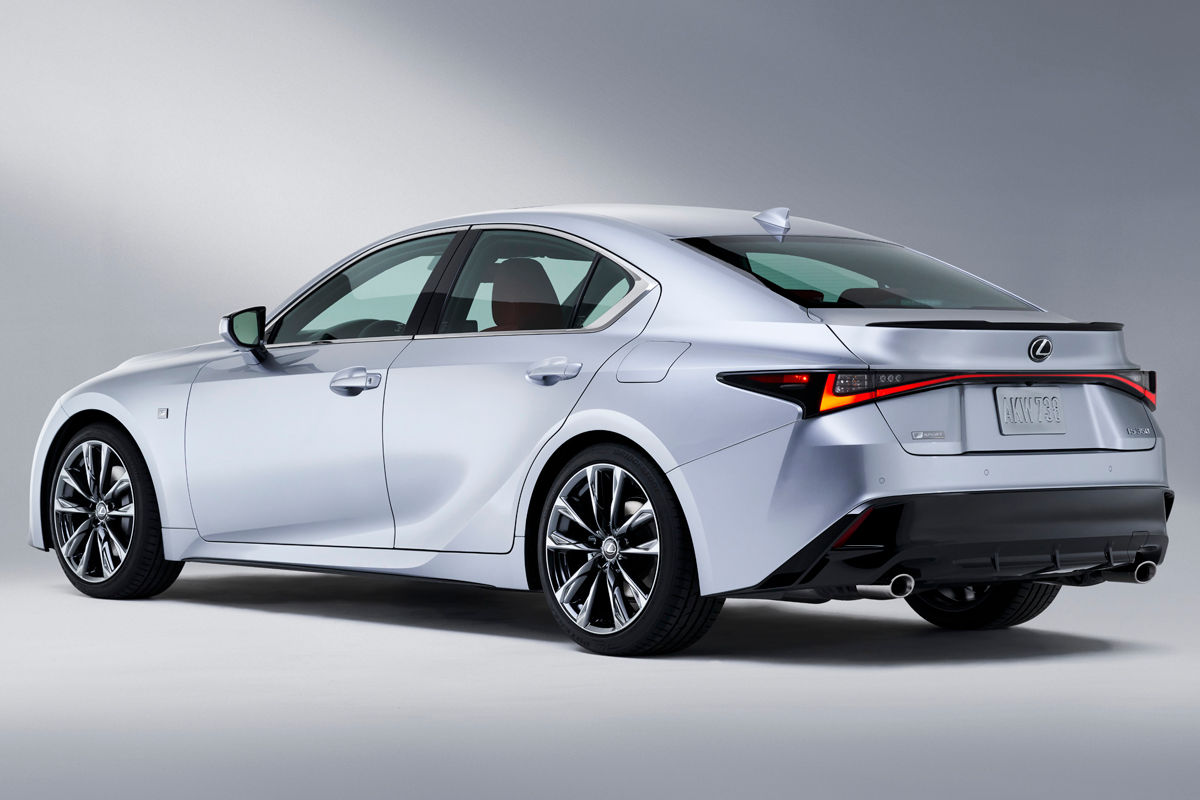
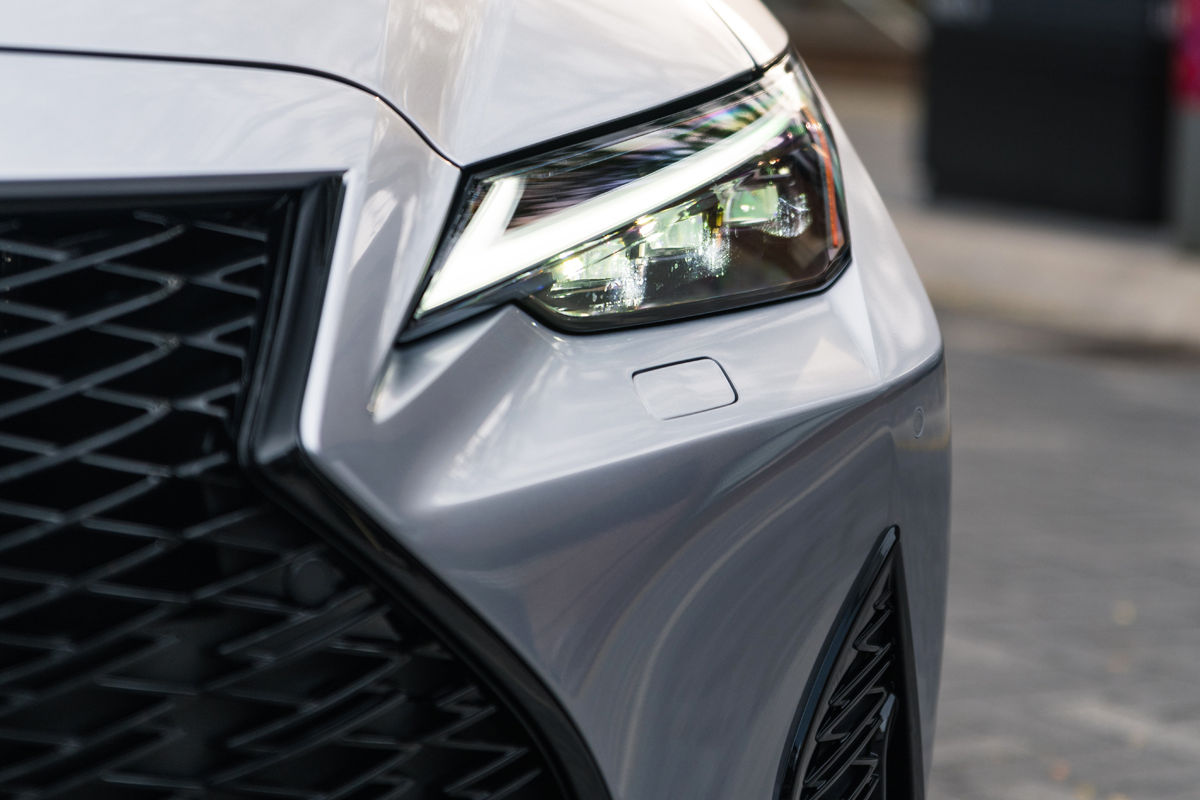
Though the latest Lexus IS hit the market in South Africa as recently as last year, the hybrid-powered sedan has already been handed a few minor updates…
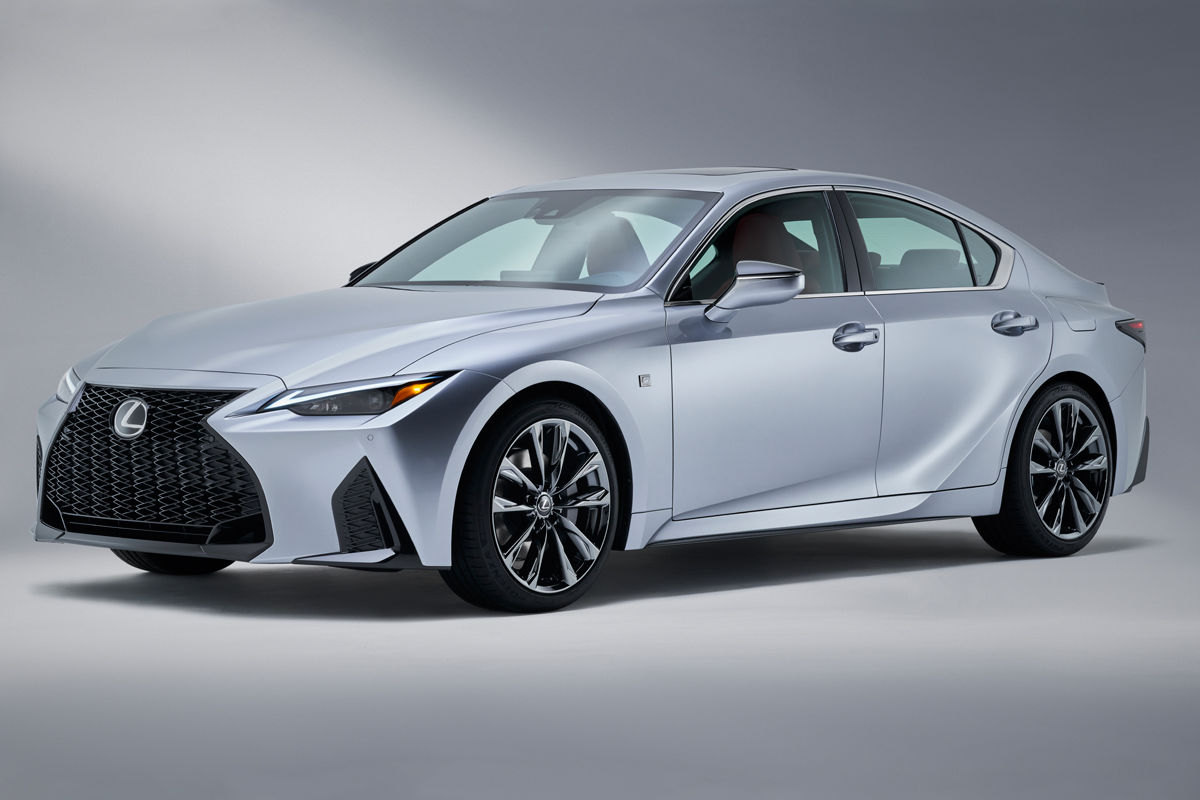
Lexus South Africa has announced a handful of small updates for its IS sedan range, which launched locally in the first quarter of 2021 and today remains a hybrid-only affair.
As before, the Japanese saloon – which counts German stalwarts such as the BMW 3 Series, Mercedes-Benz C-Class and Audi A4 among its direct rivals – is available in three specification levels: EX, SE and F Sport. Pricing now starts at R924 200 and runs through to R1 016 100.
Each derivative uses the same IS 300h powertrain: a naturally aspirated 2.5-litre, 4-cylinder petrol engine combined with an electric motor and a small battery. Driving the rear wheels through a continuously variable transmission (CVT), this hybrid set-up’s peak system power comes in at 164 kW (Lexus doesn’t list a total torque output, though the petrol engine makes 221 Nm).
Courtesy of this hybrid arrangement, the IS 300h boasts a claimed combined fuel consumption figure of 5.2 litres per 100 km, along with a 0-100 kph sprint time of 8.7 seconds and a maximum speed of 200 kph.
Lexus South Africa says the latest updates are part of its “plans to leverage its existing dominance in the hybrid-electric market” as it seeks to “expand its share even further”.
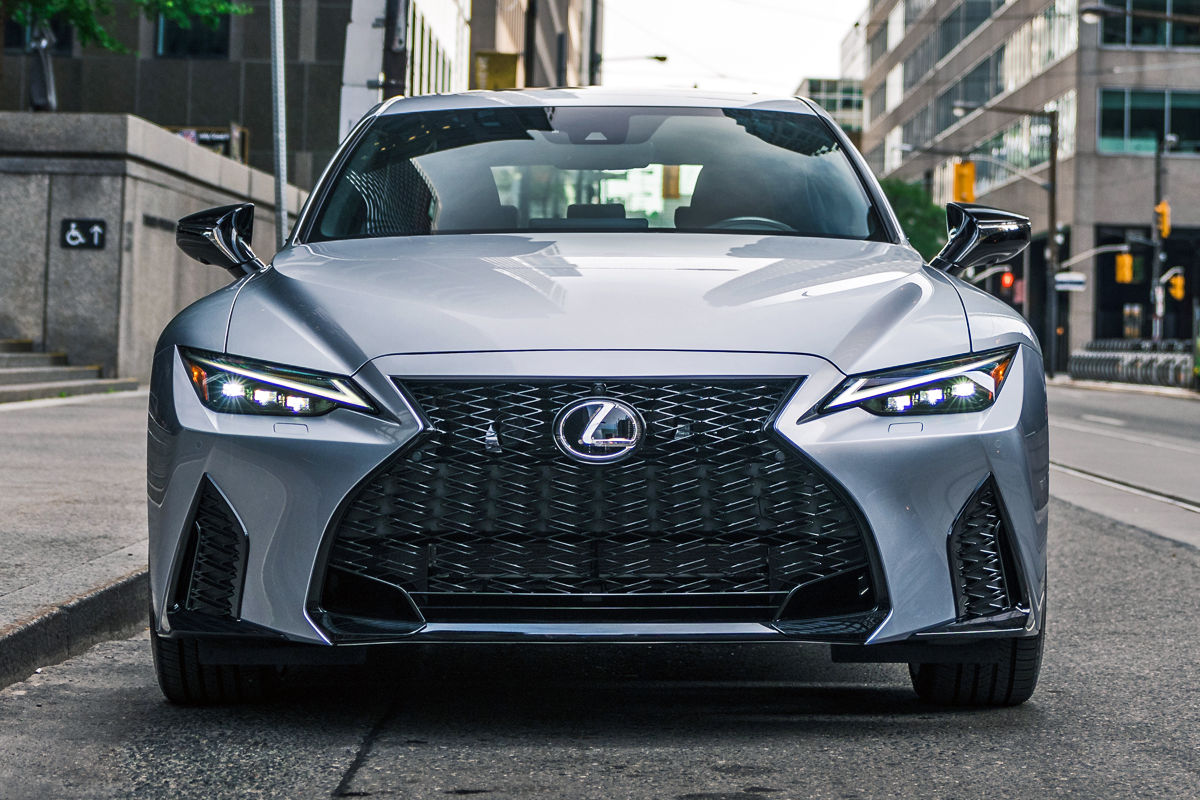
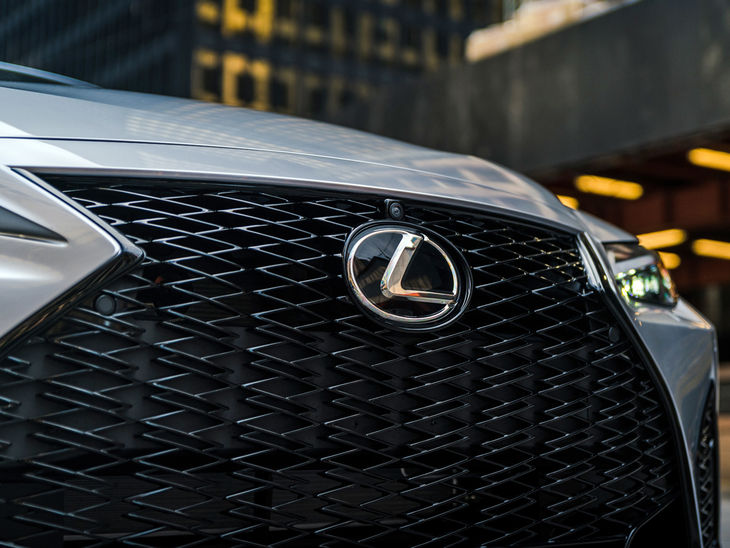
The IS 300h has ditched its blue Lexus badge in favour of a standard black version.
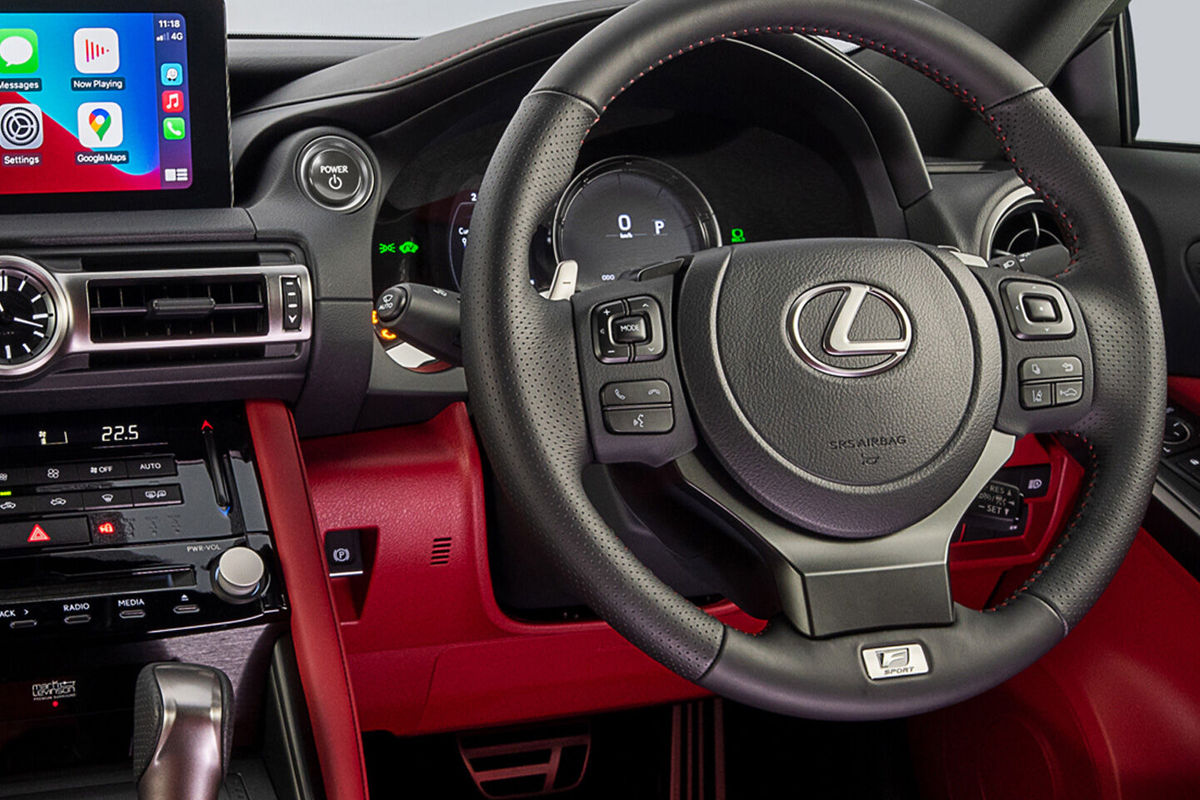
So, what’s new with the IS? Well, the changes are fairly minor. The exterior hybrid badge, for instance, has been removed, as has the blue hue previously used on the Lexus logo. Inside, the start button colour has been changed from blue to gun metallic.
Finally, the flagship F Sport trim level has gained a sunroof (this item was previously available as standard only in the SE grade), a move Lexus SA suggests was made in a bid to cater to customer requests.
As a reminder, the IS range offers oodles of standard kit, including 18-inch alloy wheels (or 19-inch items in the case of the F Sport), a 10.3-inch touchscreen system (with Apple CarPlay and Android Auto), electrically adjustable front seats (with a heating function) and a 10-speaker audio system (or 17-speaker Mark Levinson version for the SE and F Sport models).
The SE and F Sport versions furthermore boast all manner of active safety systems, along with satellite navigation, voice control and LED headlamps with automatic high beams.
How much does the Lexus IS cost in South Africa?
Lexus IS 300h EX – R924 200
Lexus IS 300h SE – R988 500
Lexus IS 300h F Sport – R1 016 100
A 7-year/105 000 km warranty ships standard, along with a maintenance plan of the same length (with 15 000 km service intervals).
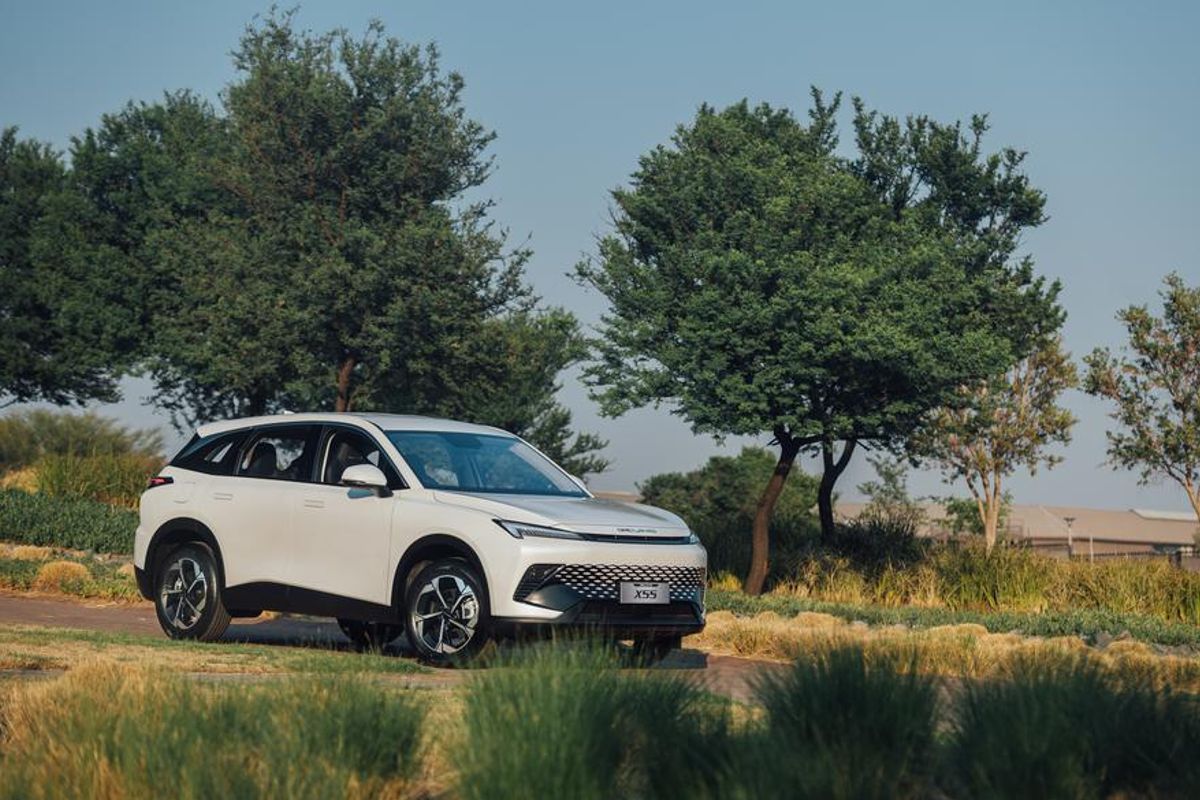
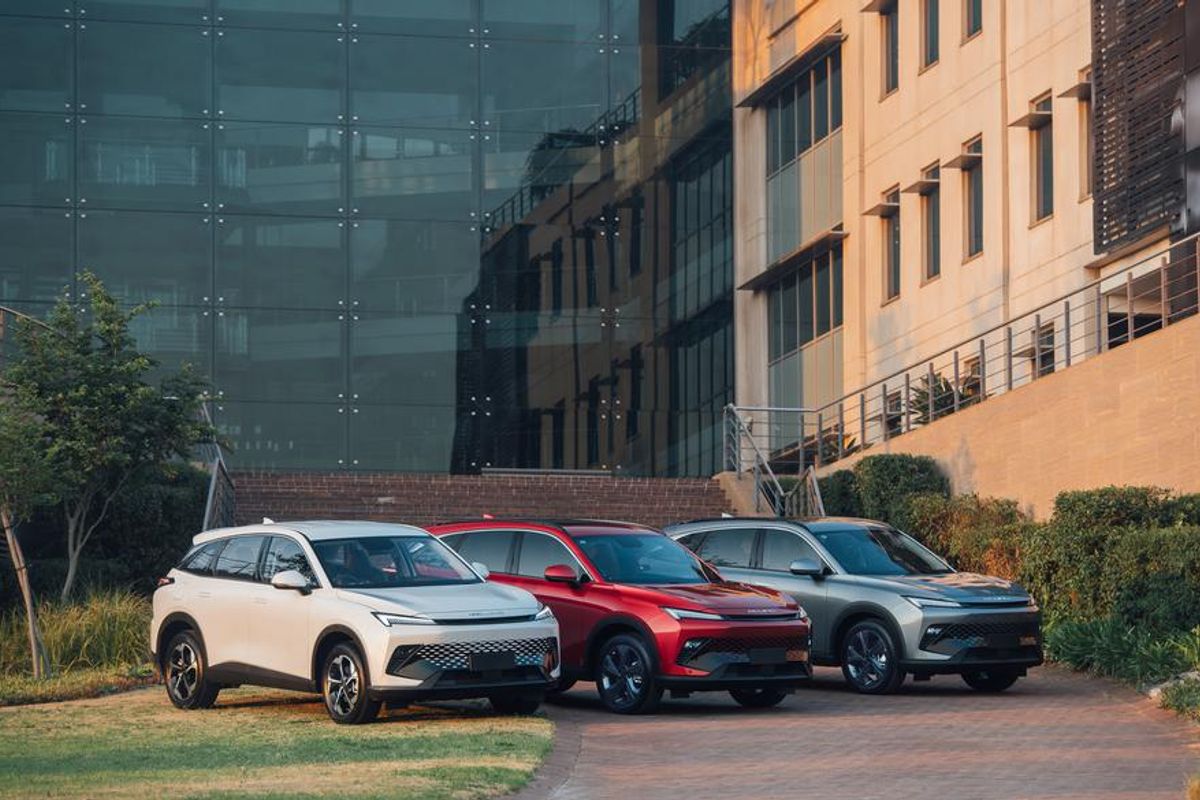
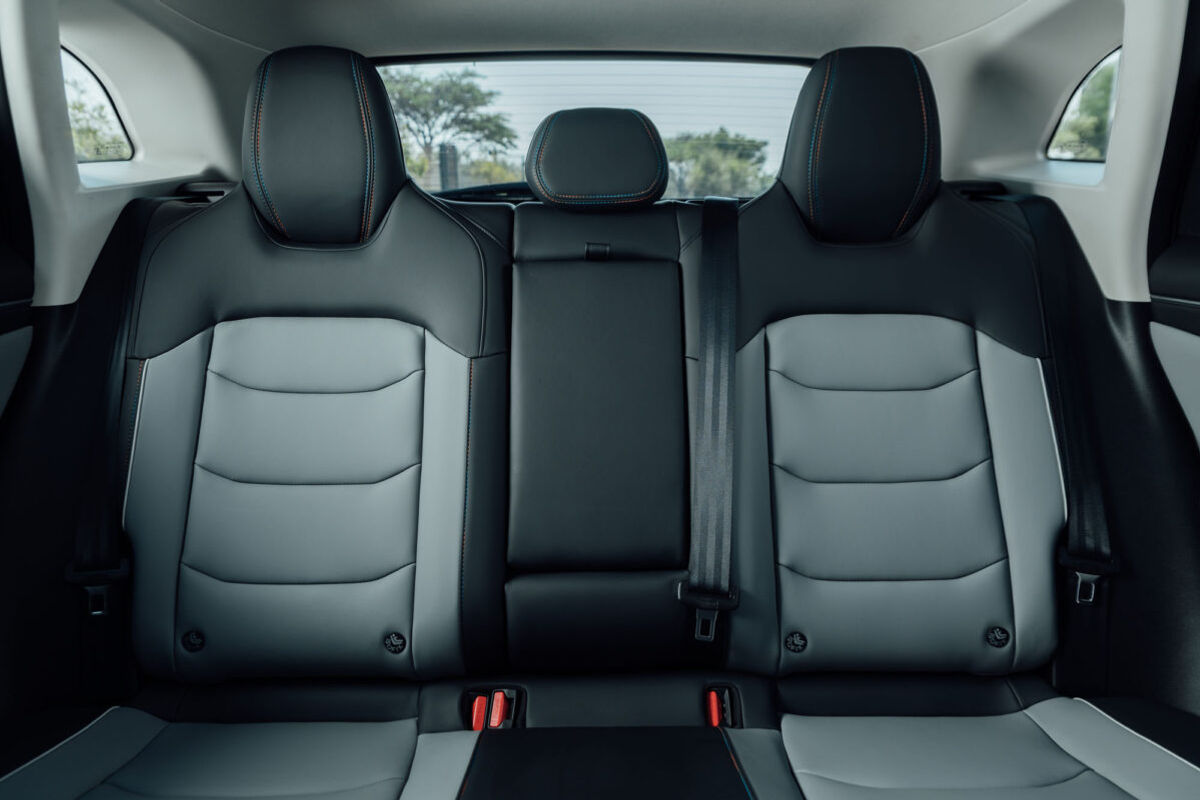
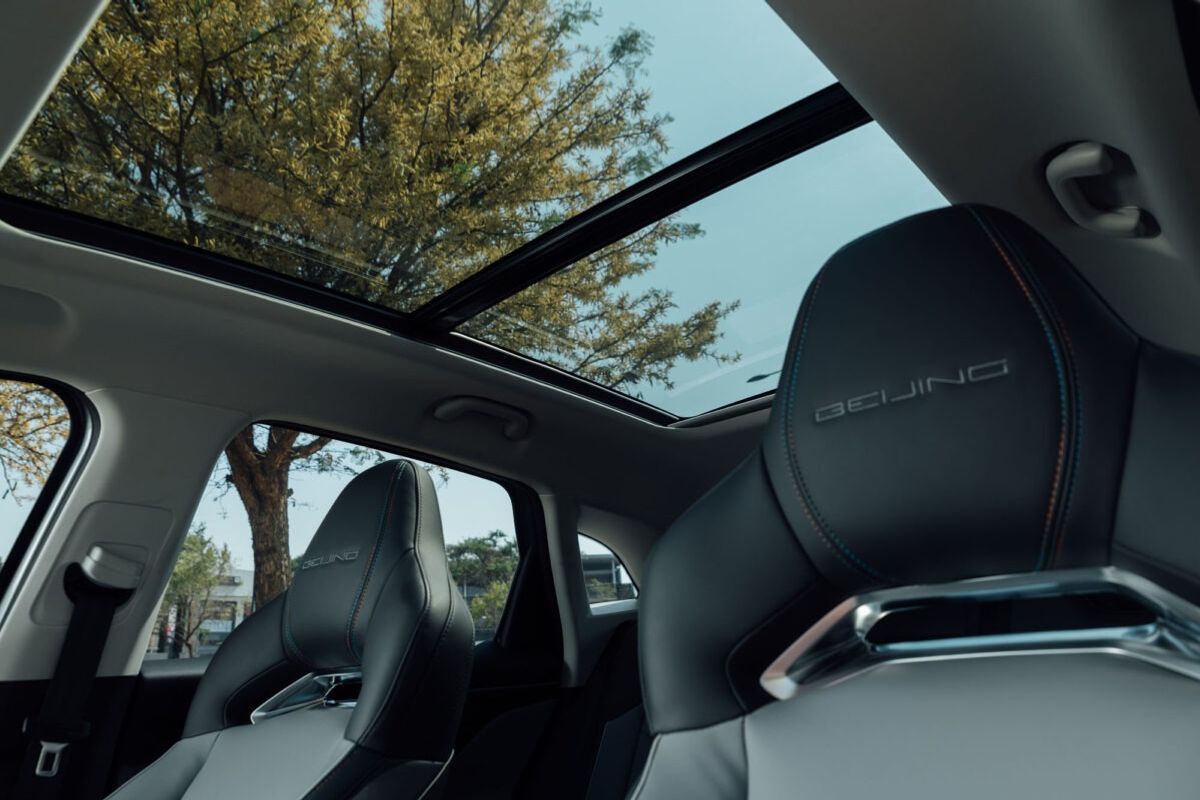
Chinese car brand, BAIC, is preparing to introduce a new SUV in South Africa in November 2022 and it’s called the Beijing X55! Take a look at what the newcomer will offer and how much you can expect to pay!
In October last year, BAIC welcomed its rugged B40 Plus SUV to the local market and while it might appeal to offroad enthusiasts, the firm lacks a more sophisticated and suave SUV option for buyers to consider. However, that’s all about to change as BAIC prepares to unleash its new Beijing X55 SUV on local soil!
Just look at it, not too bad, right?
The Beijing X55 is built on the firm’s BMFA platform (Beijing Modular Functional Architecture) and is powered by a promising (on paper that is) 1.5-litre turbopetrol engine with 130 kW and 305 Nm on offer and paired with a 7-speed dual-clutch automatic transmission. BAIC claims average fuel consumption at 7.2 L/100km. Zero to 100kph is claimed at 7.8 seconds. A total of 4 driving modes will be available for the Beijing X55 including Eco, Comfort, Sport and Smart.
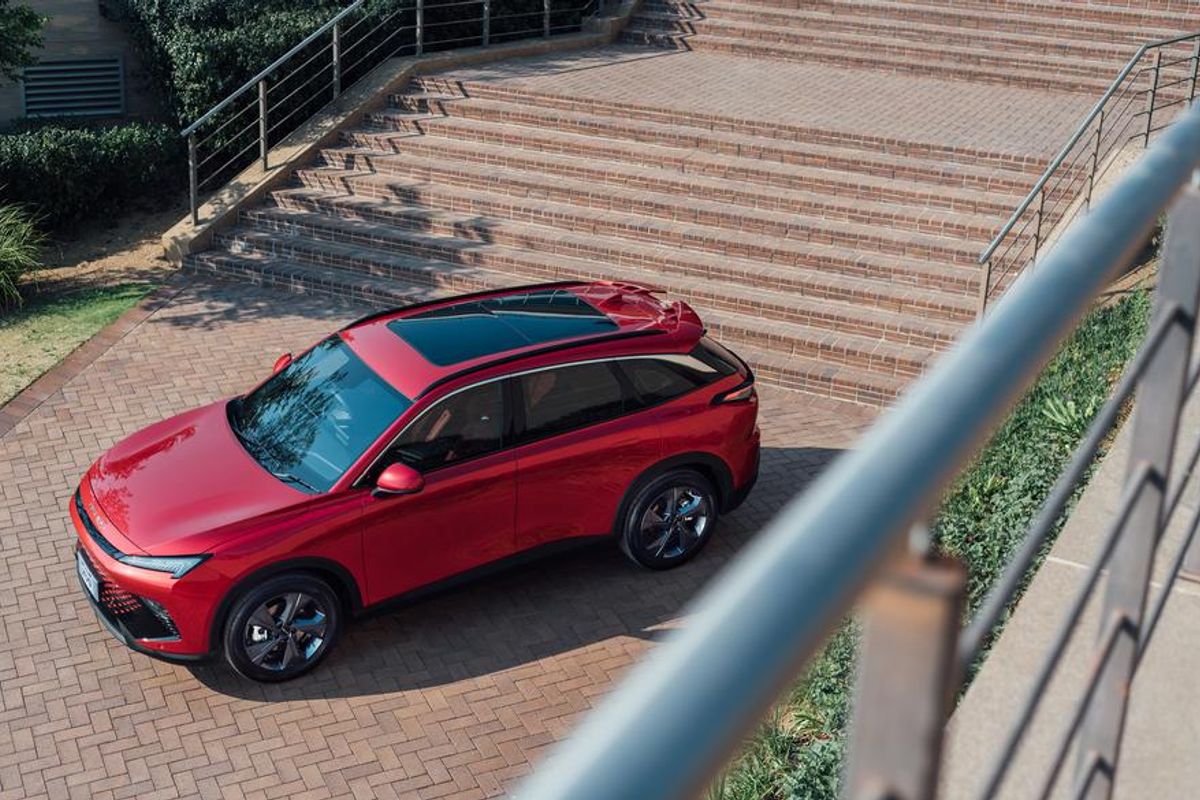
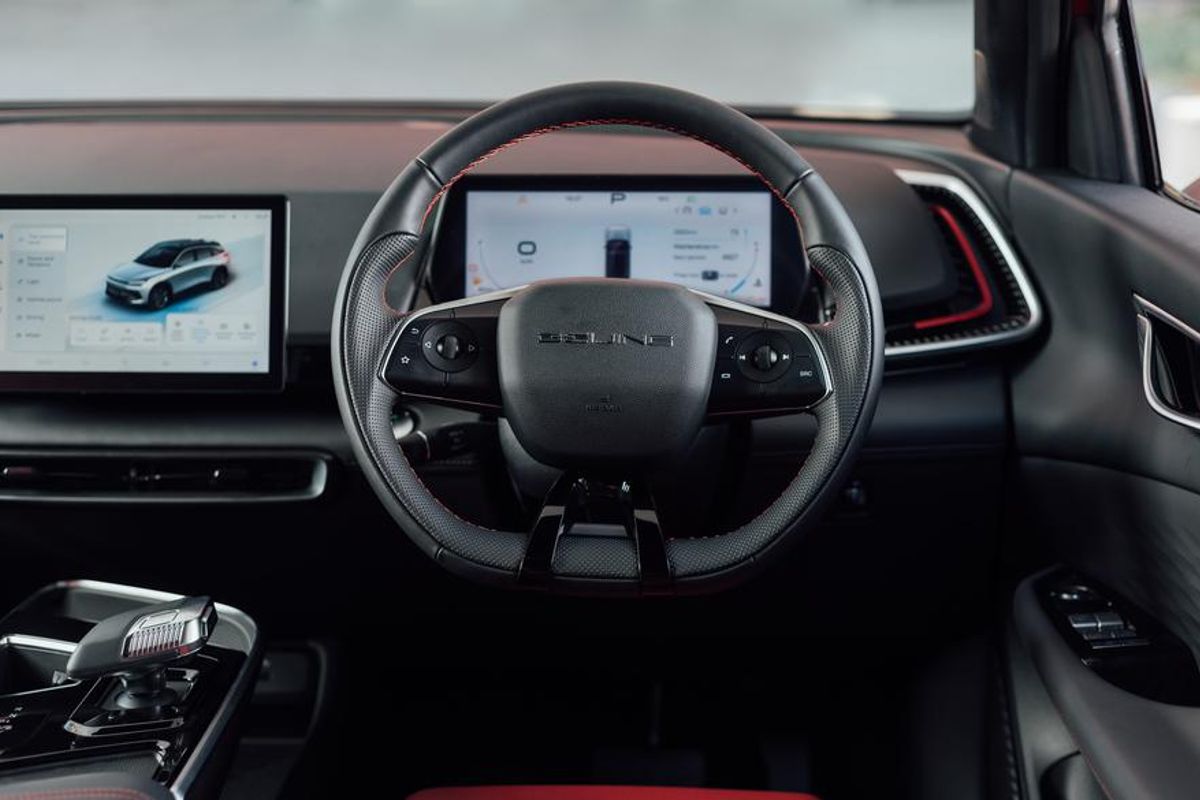
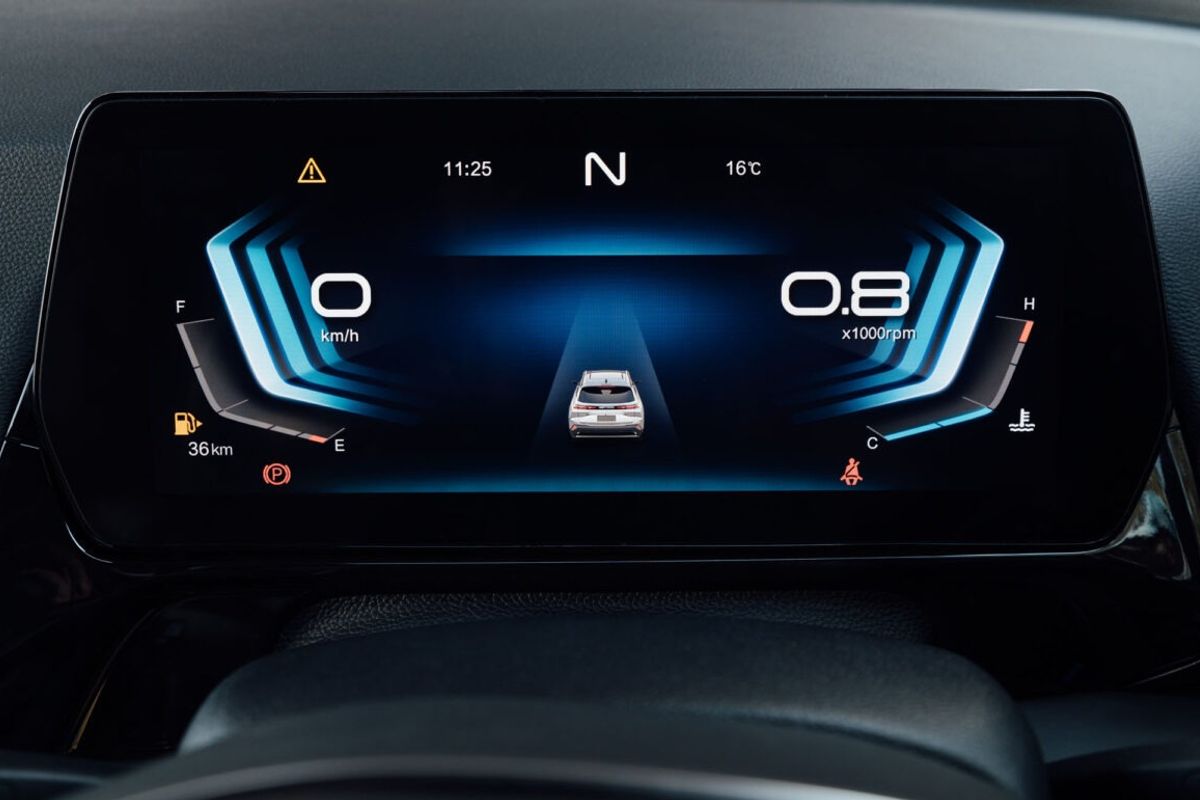
As far as notable exterior features are concerned, the BeijingX55 is equipped with hidden door handles (much like the Range Rover Velar) that pop out of the bodywork, hidden windscreen wipers, a split rear wing and a split tailgate. Inside, the Beijing X55 is equipped with ‘space-turbo’ interior with engine-style air vents, an aircraft-style steering wheel, 3D ambient lighting, a digital instrument cluster and a CarbitLink infotainment system.
Safety features include 6 airbags, ABS with EBD, emergency brake assist, electronic stability control, hill hold control, hill descent control, fatigue warning, tyre pressure monitoring as well as front and rear parking sensors.
In terms of size, the Beijing X55 is slightly bigger in all directions than its key Chinese rival, the Haval Jolion! It stands 4 620 mm long, 1 886 mm wide, 1 680 mm tall and has a wheelbase of 2 735 which gives it a spacious cabin for passengers and/or carrying luggage. Its pricing (see below) is competitively priced against the Haval Jolion and in terms of size, buyers are essentially getting a family-sized vehicle for the price of a high-end compact crossover.
We look forward to testing the BAIC Beijing X55 soon!
How much does the BAIC Beijing X55 cost in South Africa?
How the VW Polo slipped down the list of SA’s best sellers
The unthinkable has happened: Volkswagen’s Polo hatchback failed to make the list of SA’s 10 best-selling vehicles in October 2022. So, what’s behind this apparent fall from grace and what’s next for the locally built hatch?
In many ways, October 2022 was a fairly routine month for South Africa’s new-vehicle market. Total industry sales grew year on year, with Toyota dominating proceedings and the list of the country’s best-selling vehicles speckled with the usual array of locally built bakkies. Pretty run-of-the-mill stuff, right? Well, there was one particularly interesting detail we immediately noticed.
That’s right, the Volkswagen Polo hatchback was nowhere to be seen. The Kariega-produced mainstay failed to crack the list of South Africa’s 10 best-selling vehicles, instead languishing in a lowly 15th place. That’s not something you see very often, is it?
Though an exceptionally uncommon occurrence considering the Polo’s long-standing popularity in SA, the last time this happened was actually fairly recently. Yes, the Polo missed out on the top 10 in December 2021, too, though that was clearly owing to the nameplate’s switchover to the facelifted model. But what’s behind this latest dip in sales?
Supply-chain problems and production stoppages
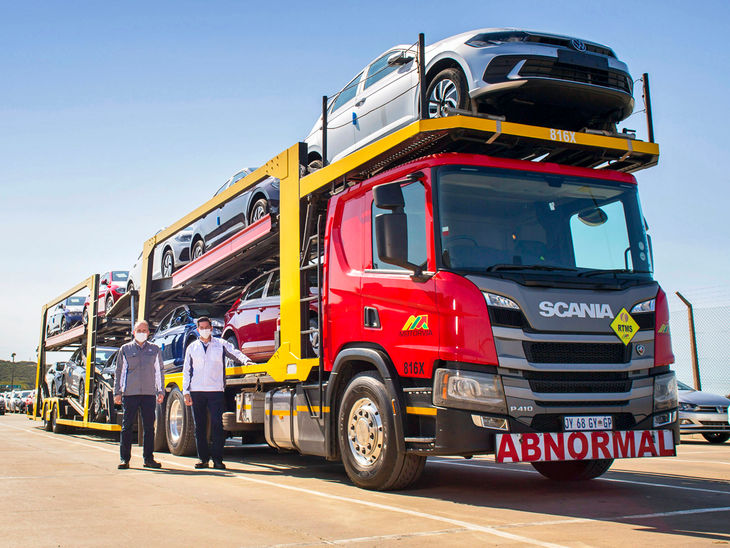
Like many factories, VW’s Kariega plant is still grappling with pandemic-related supply issues.
It’s a tricky question to answer, though it’s obvious Volkswagen Group SA has been struggling with major supply-chain headaches. As colleague David Taylor laid out in his comprehensive feature covering the delay in the local arrival of the Golf 8 R, there are countless interrelated variables that play a role in vehicle production. Remove just a single cog and everything grinds swiftly to a halt.
Thomas Schäfer, global CEO of the Volkswagen Passenger Cars Brand and former head of the South African division, furthermore recently confirmed to local media the worldwide semi-conductor shortage had been the cause of 90% of the (often last-minute) production stoppages at VW’s various factories. Kariega has certainly not been spared, as illustrated by the fact its Polo export numbers dipped from 9 656 units in September to 5 331 units in October. Local registrations of the Vivo, too, dropped 36% month on month.
“The low export figure [in October 2022] can be attributed to a breakdown in one of shops which made us lose a significant production volume. We’re also still grappling with semi-conductor chips shortages,” VW Group South Africa confirmed to us in a statement, without specifically referencing the dip in local Polo sales.
Of course, there are likely a few other factors also contributing to the Polo’s slow-but-steady slip down the list of South Africa’s best-selling vehicles. Let’s take a closer look…
Examining the Polo hatch’s sales figures in 2022 so far
The Volkswagen Polo hatch has steadily fallen down the local sales charts in 2022.
For some context, let’s first consider how the Polo hatchback performed in 2021. Last year, the 5-door hatch placed fourth on the list of SA’s best-selling vehicles, with 18 235 units registered. Just three models outsold it: the all-conquering Toyota Hilux, the more affordable Volkswagen Polo Vivo and the likewise locally built Ford Ranger.
While the Polo’s 2021 tally translated to a monthly average of 1 520 units, that mean figure has declined to 1 261 units for 2022, year to date (with 12 608 units sold in total). At first glance, it might not appear too significant a fall, but it’s opened the door for a couple of Indian-built passenger vehicles – not to mention the Struandale-produced Isuzu D-Max – to elbow their way past.
With 809 units sold (including 114 in the rental channel), October was easily the Polo hatchback’s slowest sales month of the year thus far and the first time it has both dipped below four figures and fallen from the top 10 in 2022. It’s been a sustained slide down the table, as back in January the Polo found itself in a familiar and comfortable third place. By March, it had fallen to fifth, before sinking to sixth in June and eighth in July, where it stayed until placing 15th in October.
Which vehicles are gobbling some of the Polo’s pie?
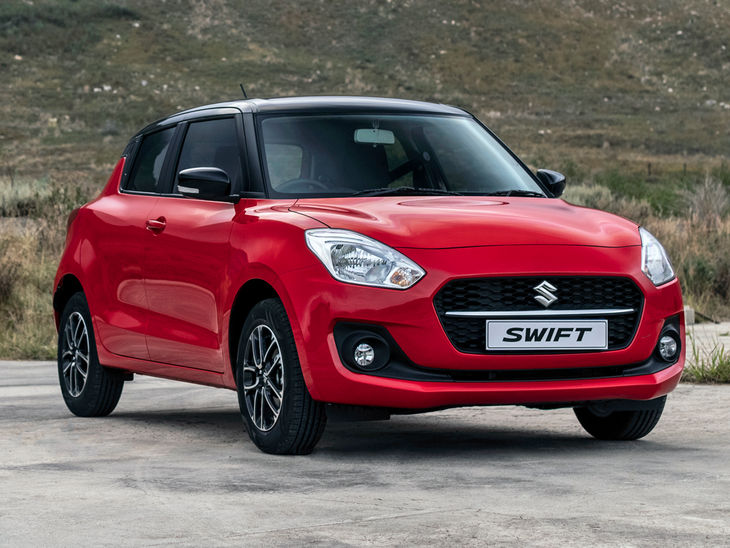
Suzuki’s Swift has hit the very summit of the list of SA’s best-selling vehicles twice in 2022.
Although it’s impossible to tell exactly where the Polo’s lost sales have gone, the most obvious candidates come in the form of increasingly popular Indian-sourced (and mostly Suzuki-built) budget vehicles. The Suzuki Swift – which was South Africa’s best-selling vehicle overall in May and June, taking full advantage of the temporary stoppage in Hilux production – is a prime example, boasting a year-to-date monthly average of 1 473 units.
The Toyota Urban Cruiser (averaging 1471 units a month in 2022) is another Indian-produced model that has sauntered well past the Polo. The Starlet, too, has surely scooped up some of VW’s dropped sales and is currently averaging more than 1 000 registrations a month.
In fact, cleverly leveraging Maruti’s gargantuan manufacturing division in India, Suzuki Auto SA is now firmly established as South Africa’s third biggest brand by volume, behind Toyota and VW. With the Polo’s tumble down the charts and the German brand seemingly struggling with other supply constraints as well, Suzuki is now snapping at VW Group SA’s heels. In fact, omit Audi sales from the equation in October 2022 and Suzuki was a mere 245 units behind the Volkswagen brand.
Though there’s also been a marked increase in the popularity of certain Chinese brands (Haval and Chery, in this case), the Polo is facing a threat from a locally produced model, too. Were it not for the KwaZulu-Natal floods that saw Toyota’s Prospecton factory shuttered for months on end, the Corolla Cross – which is larger, more powerful and potentially more fuel efficient in hybrid form, all for very similar money – would surely be ahead at this stage, too. For the record, with 11 912 examples sold so far, the Corolla Cross is just 696 units behind the Polo year to date and looks all but certain to overtake the hatchback by the end of 2022.
Playing in a segment that’s clearly in decline
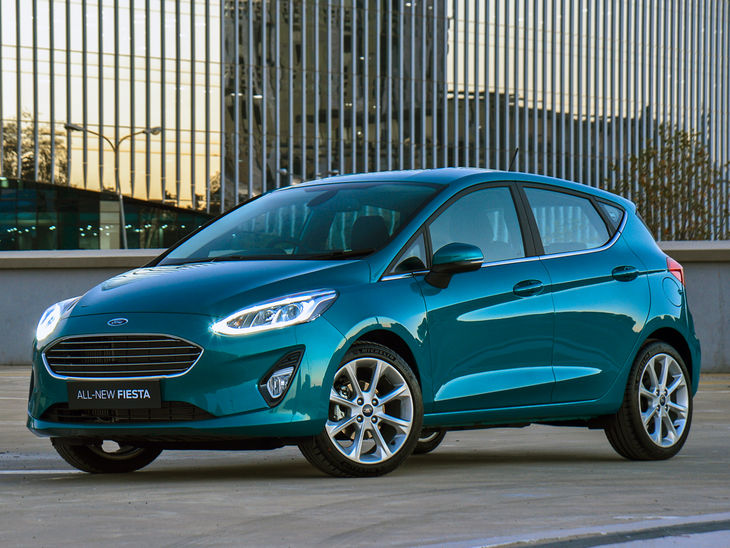
Ford pulled the plug on the Fiesta hatchback in South Africa earlier in 2022.
Of course, there’s also the fact the Polo hatchback finds itself in a sector that’s now in decline, in both local and global terms. Buyers are increasingly turning towards small crossovers at the expense of traditional B-segment hatchbacks. That fact prompted Ford to scrap the Fiesta in South Africa, before the Blue Oval brand confirmed global production would wrap up by mid-2023 as it shifts its focus towards electric vehicles. Nissan South Africa, meanwhile, also opted to axe the Micra earlier this year.
Although the Polo is still the clear volume leader in the local B-segment, sales of rivals such as the Hyundai i20, Kia Rio, Renault Clio and Opel Corsa have also decreased markedly in recent times, with many buyers seemingly migrating towards the aforementioned small crossovers or more budget-friendly hatchbacks from the sub-segment below (think Polo Vivo, Swift and Starlet).
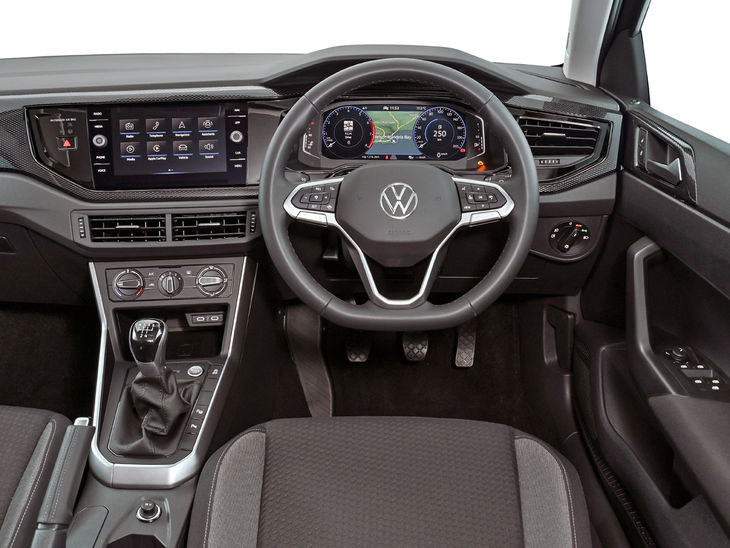
In addition, as colleague Mike Fourie so eloquently pointed out in his 2021 feature, each successive generation of the Polo has brought increased sophistication in order to cater to the European countries to which it is exported. The upshot for South Africans is a higher price-tag, which has gradually diminished the model’s relevance to our more price-sensitive market (for the record, the five-strong Polo hatch range today runs from R329 300 to R514 500).
We saw a similar phenomenon with the Golf, which has evolved to the point that VW now offers only the performance derivatives (the GTI and – in early 2023, if all goes according to plan – the R) of the eighth-generation range in South Africa. The more basic Polo Vivo, though, continues to achieve strong volumes and, with 17 704 year-to-date sales, is on track to at least match its haul of 2021.
What does the future hold for the Polo hatchback?
How much longer can the Volkswagen Polo, as we know it, survive?
So, is the clock ticking for the Polo? Though nigh on inconceivable just a few short years ago, it’s now an entirely real consideration. After all, Ford’s decision to discontinue the similarly treasured Fiesta nameplate suggests automakers are being forced to make utterly ruthless business decisions.
Though the Wolfsburg-based firm has yet to explicitly confirm the Polo – which has been the brand’s second most popular model globally for three years running – will see a seventh generation, Martina Biene, newly appointed chairperson and managing director of Volkswagen Group SA, has at least suggested the Polo and Polo Vivo currently built at Kariega “will both remain beyond 2025”.
It remains to be seen whether that means a seventh iteration will indeed see the light of day or whether the current Polo – which debuted as long ago as 2017 before being facelifted in 2021 – will simply have a longer-than-usual shelf life in markets such as ours. South African buyers certainly aren’t averse to prolonged lifecycle models, after all.
How long will VWSA be able to keep exporting to Europe?
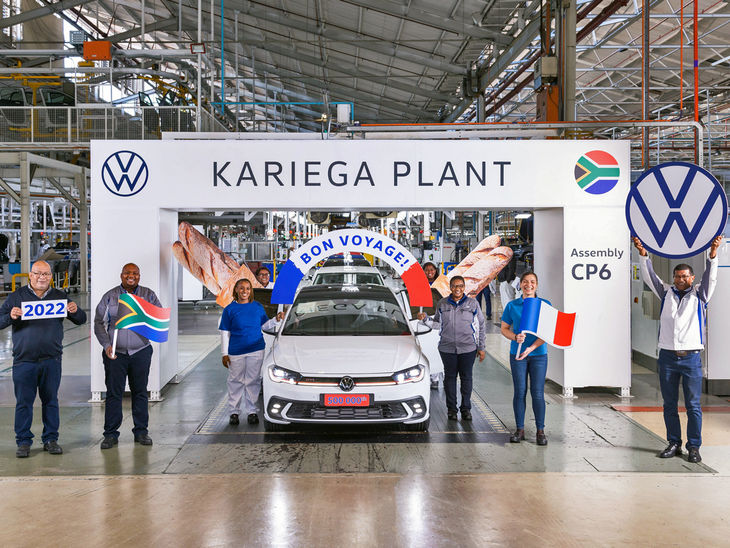
Volkswagen has built more than 500 000 examples of the sixth-gen Polo at Kariega.
Thanks to ever-tightening emissions regulations in Europe – which, we should point out, is the dominant export market for automotive manufacturers in South Africa – demand for the Polo on that continent will continue to dwindle. Building compact petrol-powered vehicles that are compliant is becoming an increasingly expensive (and perhaps even one day relatively soon untenable) exercise. With the related push to go fully electric in certain markets within the next few years, models such as the Polo are on borrowed time.
Despite describing the Polo as South Africa’s “export champion”, Schäfer knows VWSA’s long-term business model must change. In fact, he’s now advocating to “build cars where you sell them”, acknowledging there likely won’t be a market for vehicles such as the Polo in Europe in the relatively near future.
“The proposed Euro 7 regulations [cover] not only emissions, but also safety and cyber security. These three main topics will make vehicles incredibly expensive,” Schäfer explained during a local media briefing. “The regulations will probably add €3 000 or €4 000 easily per car, just for the new technology that you’d need to have in your car. For bigger cars, it’s not really such a big deal, but for smaller cars – so, Polo-sized vehicles – to add that kind of number would make them unaffordable for customers.”
A problem facing SA’s broader vehicle-building industry
Kariega is the only factory in the world currently building the Volkswagen Polo GTI.
Question is, will there be sufficient demand for the Polo in other regions – such as the rest of Africa – to justify its continued existence? It’s a query that is becoming more pressing by the day.
The answer to that question will have a significant impact on South Africa, since VW’s Kariega facility currently builds the Polo hatch for all right-hand-drive markets (while also supplementing production for left-hand-drive markets) and is the sole producer of the Polo GTI. The factory has been manufacturing Polo models since 1996, with more than one million units exported since 2002.
The situation in major European markets has set up a hurdle facing not just VW but South Africa’s automotive manufacturing industry as a whole, which risks being left behind should it not (with government’s help, we might add) quickly transition to building more so-called new-energy vehicles.
Third model to be built alongside the Polo and Vivo
Volkswagen hopes to soon add a third model to its Kariega production line.
Though VWSA knows it has to start producing electric vehicles at some stage, the company’s medium-term solution appears to involve a bid to reduce its reliance on exports to Europe. With a third, as-yet-unidentified (but also MQB-A0-based) model likely to be added to the Kariega production line soon, Volkswagen looks to be hedging its bets. Producing a new “SUV-ish” (in Biene’s words) model that will be exported to emerging markets rather than Europe will potentially afford the plant an opportunity to sustain its current production capacity, without yet switching to battery-powered vehicles.
Right now, a great many of the major export markets serviced by South Africa need electric vehicles, while local buyers are increasingly favouring keenly priced crossovers. Crucially, the Polo – though still an exceedingly accomplished offering – is neither of those things. The new mystery model, however, will theoretically fill one of those gaps (we’re speculating it will be a budget crossover positioned below the T-Cross) and perhaps its very existence will allow the Polo to live on a little longer.