Following the reveal of the facelifted BMW 3 Series, the German carmaker has announced a number of updates across its portfolio including the fitment of the new BMW Curved Display in several of its models.
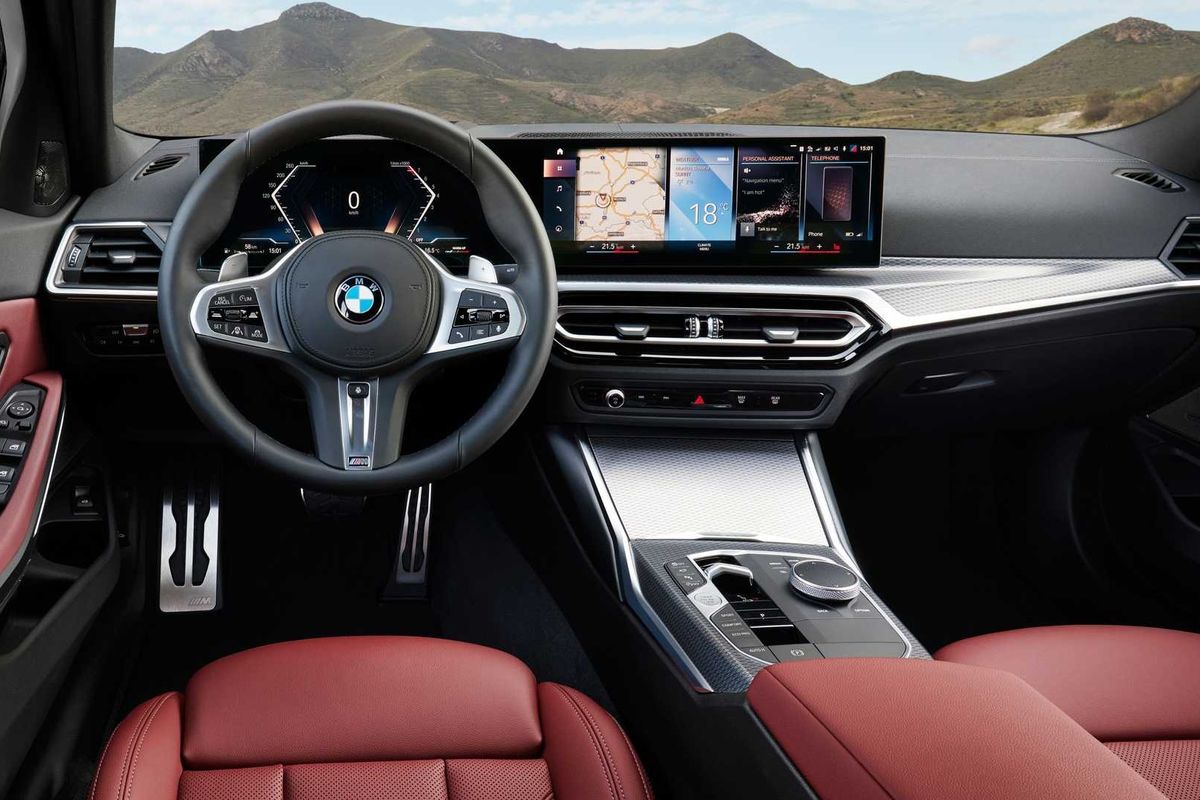
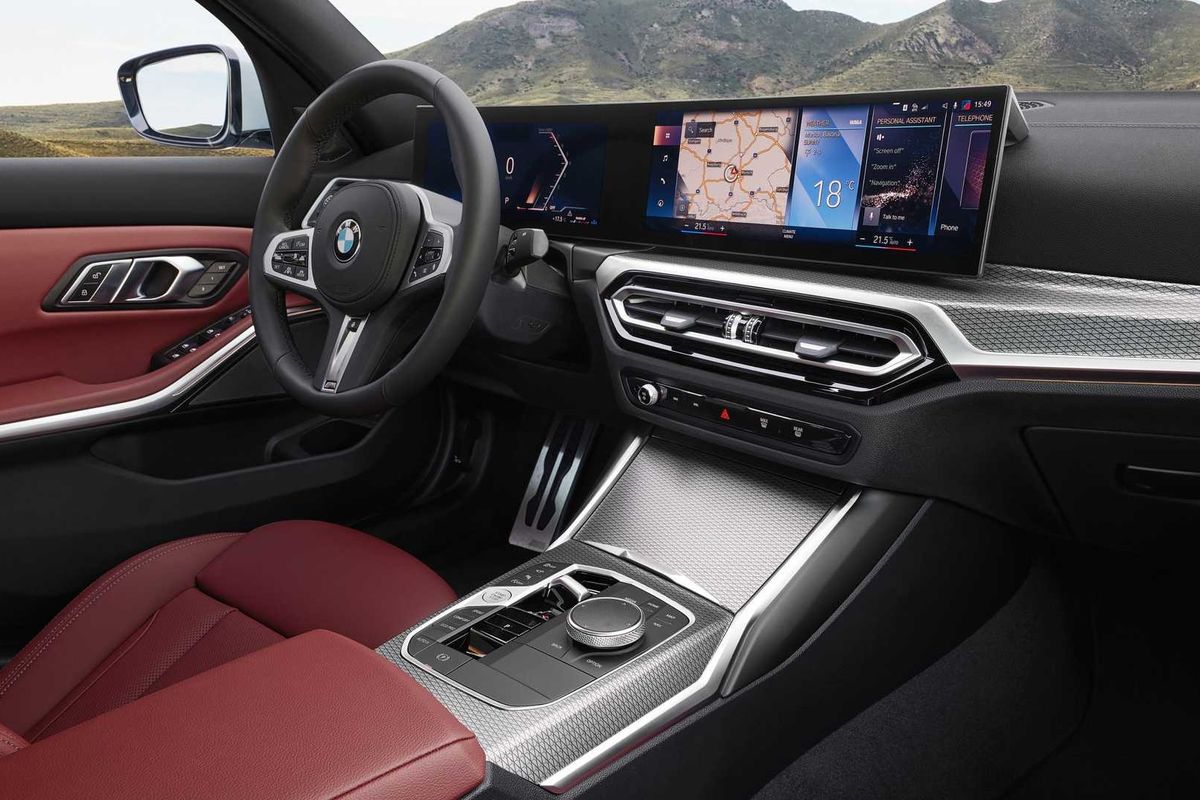
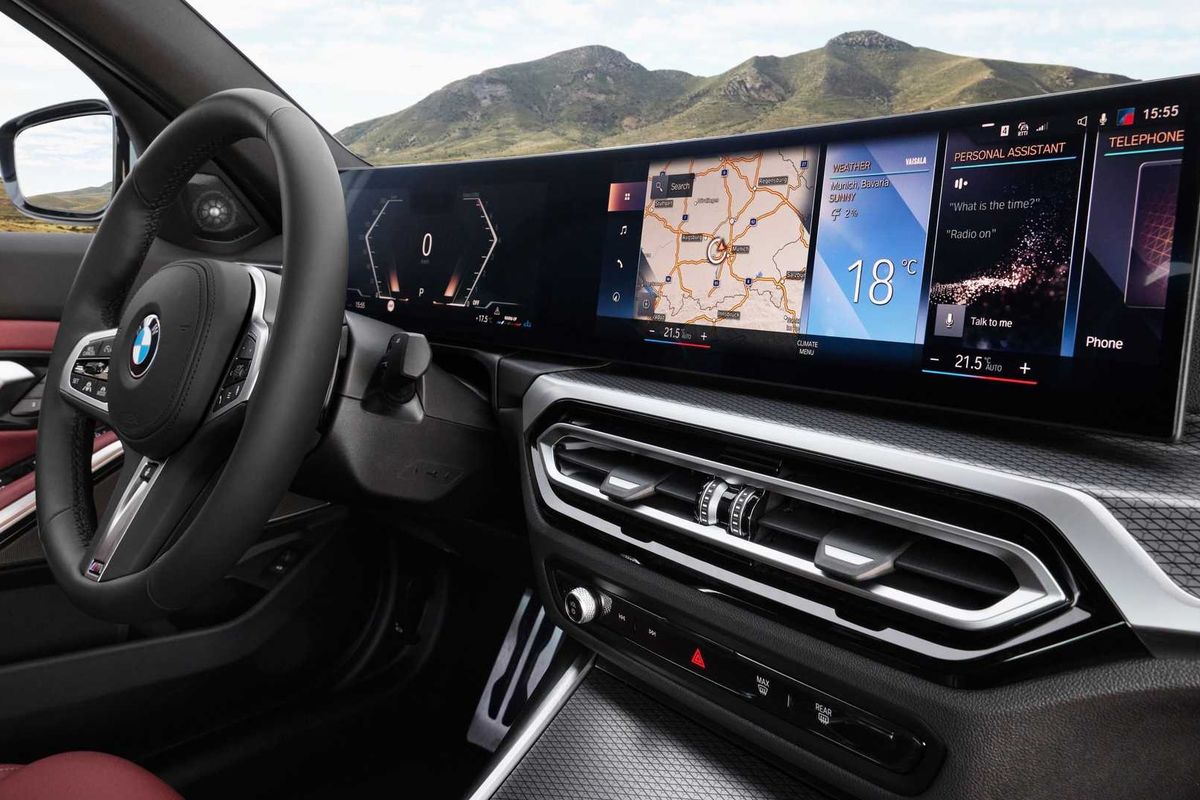
While the recent Life Cycle Impulse (LCI) update to the BMW 3 Series was fairly mild (from a stylistic perspective), the most pertinent change is in the cabin where the model has gained the BMW Curved Display with the latest iDrive 8 operating system which made its debut in the all-electric BMW i3 sedan earlier this year. The Curved Display combines a 12.3-inch instrument cluster with a larger 14.9 infotainment screen, both housed in a single curved display.
It’s unsurprising then that BMW has announced that this latest technology will trickle down to other ranges, most notably starting with the new BMW 2 Series Coupe. BMW says the system will be fitted as standard as of July 2022 and this invariably implies that the forthcoming M2 will also feature this latest technology.
But that’s not all, BMW has also announced that the 2 Series Coupe will gain a new 218i entry-level derivative that’s powered by a 2.0-litre turbopetrol engine that offers 115 kW and 250 Nm of torque and is equipped with an 8-speed automatic transmission. The 218i will slot in below the 220i which we tested recently.
Also, performance enthusiasts will also be treated to a rear-wheel-drive M240i that will stand alongside the current range-topping M240i XDrive. It will employ the same 3.0-litre, 6-cylinder engine found in its all-wheel-drive sibling with 275 kW on offer as well as an 8-speed sport automatic transmission and M differential to lay the power down to the rear wheels. The sprint from zero to 100 kph is claimed in 4.7 seconds. Steering wheel mounted shift paddles will also be fitted as standard on all 4-cylinders 2 Series models.
BMW’s Curved Display has also been confirmed for the M3 sedan as of July 2022 while new optional equipment to be offered includes an Innovation Package, wireless charging tray, Personal eSim, M trim in Aluminium Rhombicle Anthracite and a Sensatec finish for the instrument panel as well as a new Frozen Pure Grey metallic body colour.
The BMW 4 Series Gran Coupe range will expand with 2 new derivatives including a 275 kW, 6-cylinder, rear-wheel drive M440i Gran Coupe as well as a new 6-cylinder, diesel-powered 430d xDrive Gran Coupe with 210 kW and 650 Nm.
A wide range of additional optional equipment and packages will also be added across most of BMW’s model range including the BMW 5 Series, 6 Series Gran Turismo, X5 and X6 and also the Z4.
Local availability of these widespread updates has yet to be confirmed and communicated by BMW South Africa but we will keep you updated as soon as region-specific information becomes available.
The D-segment sedan still soldiers on, despite the rampant sales success of the SUV market. For many, taking ownership of a German sedan will be a status symbol and a sign that you’re successful. But which one of the 2022 sedans is worth your money?
Many years ago, it was not uncommon to see products like the Mercedes-Benz C-Class and BMW 3 Series tally up great sales in SA. Now its an anomaly to see a sedan that’s not a Toyota Corolla make substantial sales inroads. A quick glance at the BMW SA sales figures of March 2022 shows the 3 Series is the 2nd best seller after the locally-built X3. We’re pretty sure the same thing is happening with Mercedes-Benz and Audi, with GLC and Q5 outselling their sedan equivalents.
Despite market trends indicating the sedan bodystyle is not as popular as it once was, there’s still enough of a market to justify its existence, for now. In this 2022 sedans Buyer’s Guide, we look at what’s on offer, how much you can expect to pay, plus the pros and cons of each model. We also choose our pick of the 2022 sedans, the vehicle which we think offers the best value. Pricing is accurate as of May 2022.
2022 Sedans on Sale
BMW 3 Series
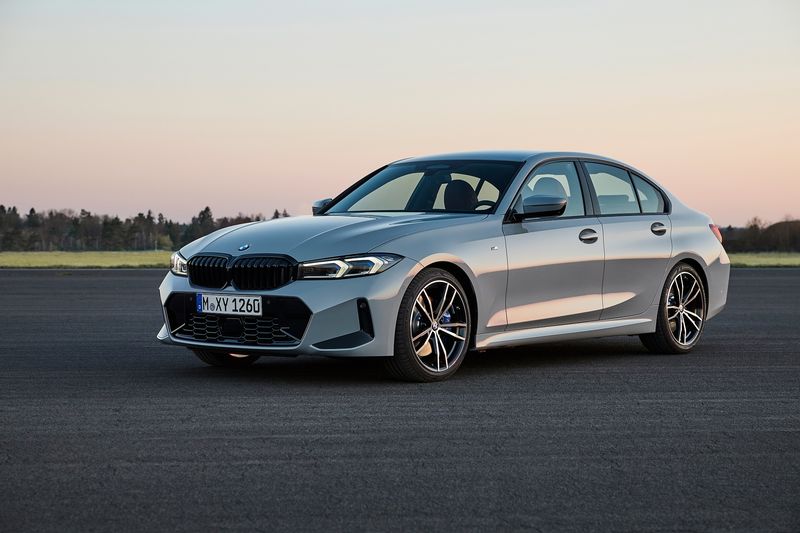
The BMW 3 Series LCI was announced in May 2022 and will be arriving in the 3rd quarter
The G20 BMW 3 Series came to market back in 2019, boasting 50:50 weight distribution, excellent dynamics and all of the luxuries you’d ever need. Customers can choose from petrol or diesel engines, and the new LCI model pictured here is due to touch down before the end of 2022.
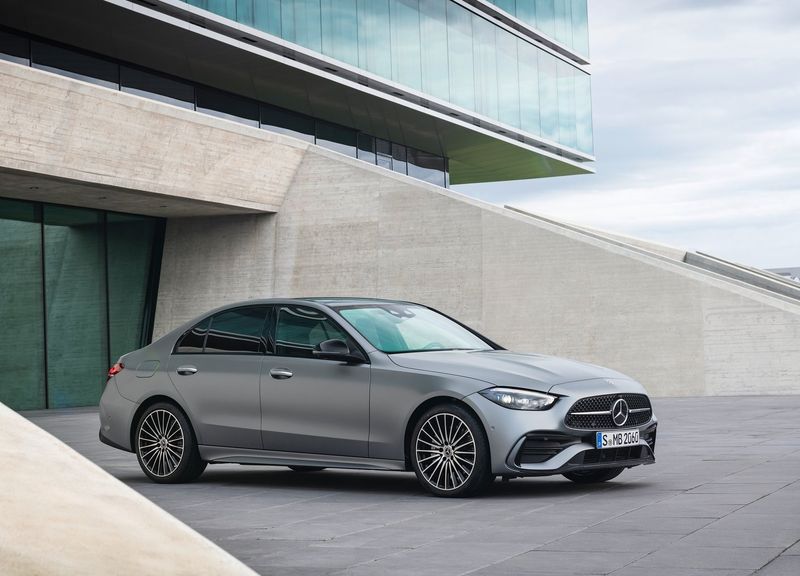
The Mercedes-Benz C-Class is built in East London, South Africa
The locally-built Mercedes-Benz C-Class has taken its time to get on showroom floors, but we think its is worth the wait. There are two engines on offer, but we think that hybridised diesel C220d is by far the superior choice. A tech-laden cabin is visually impressive, but we’re not sure everyone will like the idea of an iPad strapped to the dash.
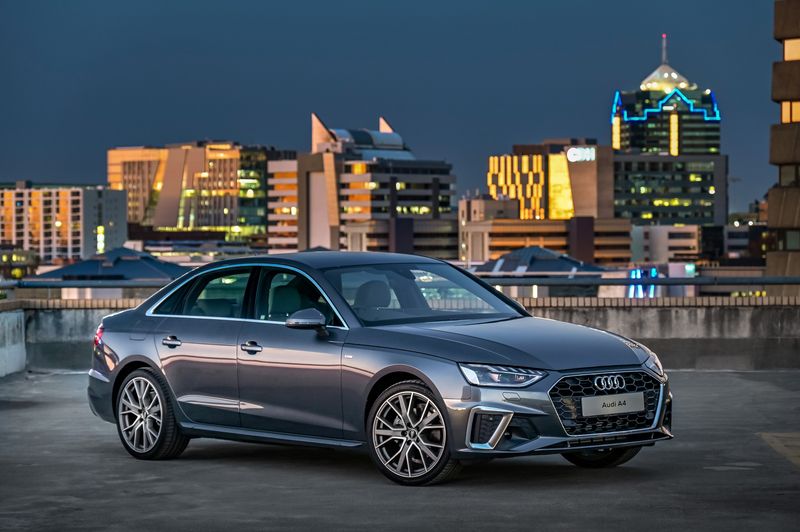
The Audi A4 quietly soldiers on and will continue to impress with its levels of comfort and refinement. The cabin feels upmarket and the Audi MMI system is one of the better ones in the segment. Customers have petrol and diesel engines to choose from. It may not have the dynamics of the BMW 3 or the luxury of the C, but at this price, you’re likely to be more than satisfied with what’s on offer.
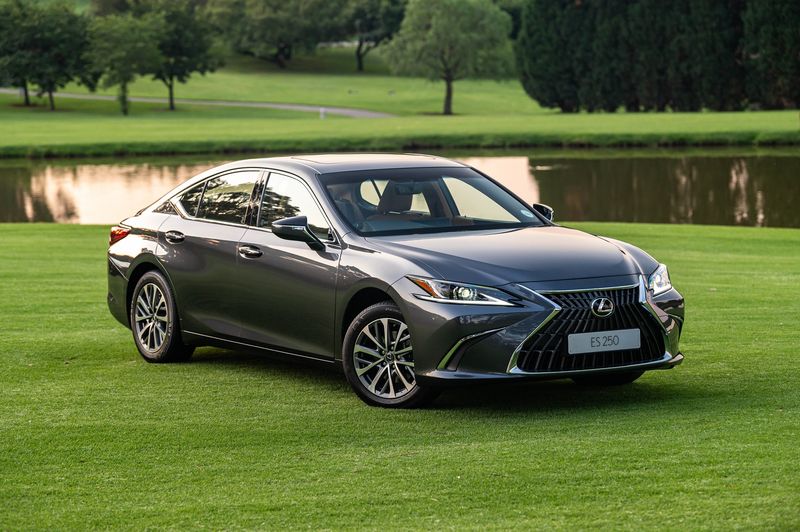
If you’re all about comfort and refinement and don’t care one bit for driving engagement, we’ve got the vehicle for you. Some have said this is the Toyota Camry that went to private school. There’s a petrol and a petrol hybrid engine on offer, with the latter boasting fantastic fuel economy. However, the battery does eat into the boot space a bit. Lexus sedans come fully loaded, with no options.
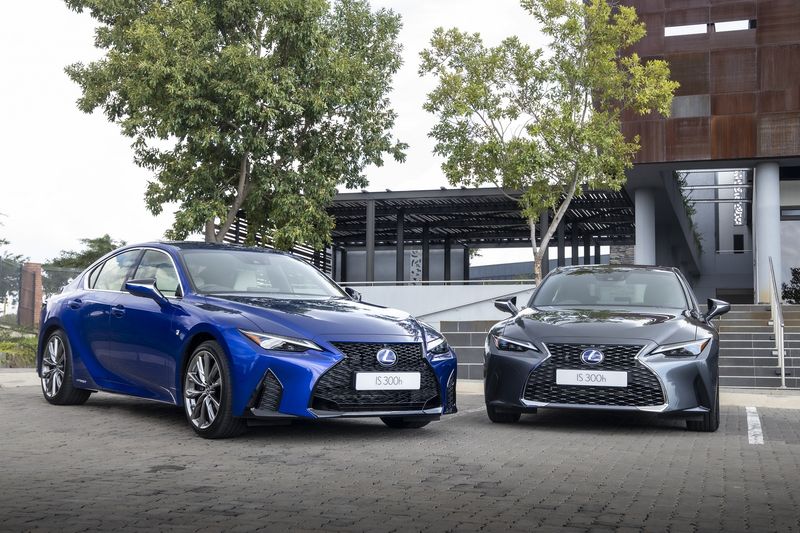
In the same vein as the Lexus ES comes the bold Lexus IS, however there’s a bit more focus on driver engagement. Did we mention those striking looks? Sadly there’s only one engine available, which is a pity as Lexus used to offer a glorious V6 in its IS sedan. As with the ES, Lexus sedans come fully loaded with standard spec.
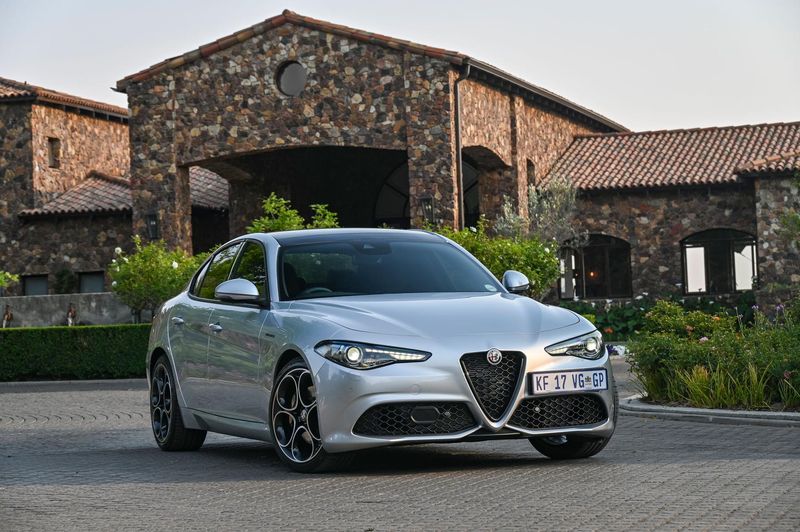
Those looks, those wheels! It can only be an Alfa Romeo.
The Alfa Romeo Giulia is something radical in this naturally conservative segment. With arguably the finest steering setup, breathtaking looks and a commendable 2.0-litre turbo petrol engine, it’s by far the best to drive. The well-equipped cabin received a big update which hopefully addressed some of the first-gen gremlins.
All-new Mazda BT-50 Review – More than just a bakkie?
The Mazda BT-50 was for many years a re-skinned Ford Ranger. This never really led to the sales success Mazda was hoping for, at least in the South African market. And so Mazda filed for divorce and went searching for a new partner.
They found it in Japan, in the form of Isuzu, and so the latest BT-50 is entirely based on the latest Isuzu D-Max.
But with particularly elegant styling and a fully revised interior, is the all-new BT-50 worthy of your consideration in such a fiercely competitive market?
In this detailed look at the Mazda BT-50, our video guy Ciro De Siena takes you on a tour of the interior, 4×4 capability and features, average fuel economy, payload capacity and tow rating and much more and the one aspect of the car which might be a deal-breaker.
Ineos Grenadier (2023) Specs & Price, Order Books Open
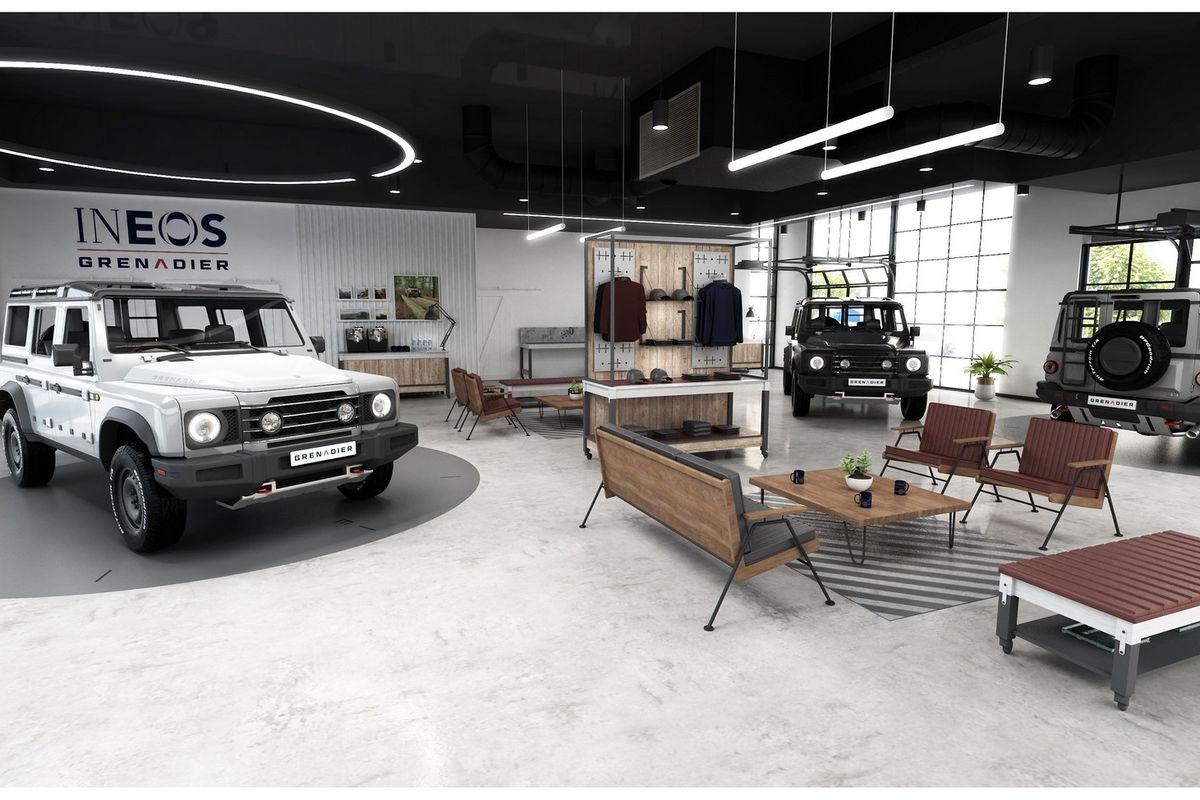
The global order books for the new Ineos Grenadier are open! See specifications and pricing for the Ineos Grenadier below!
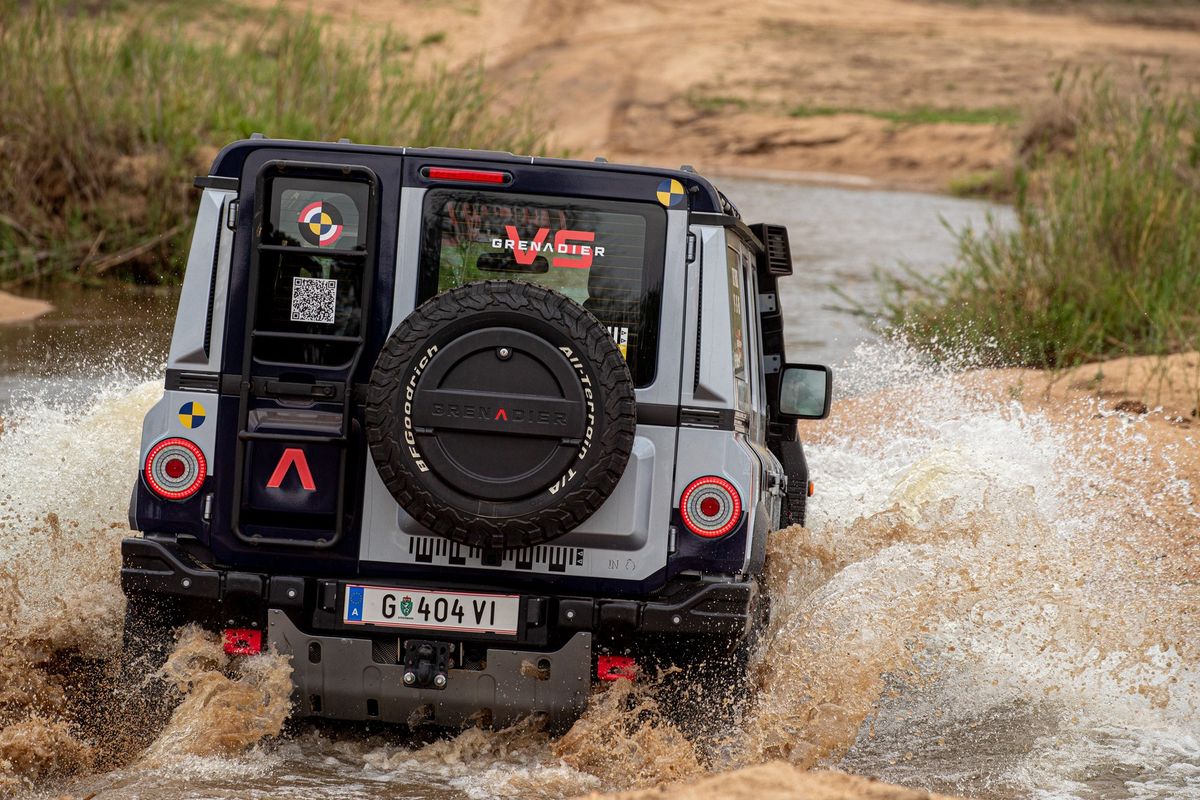
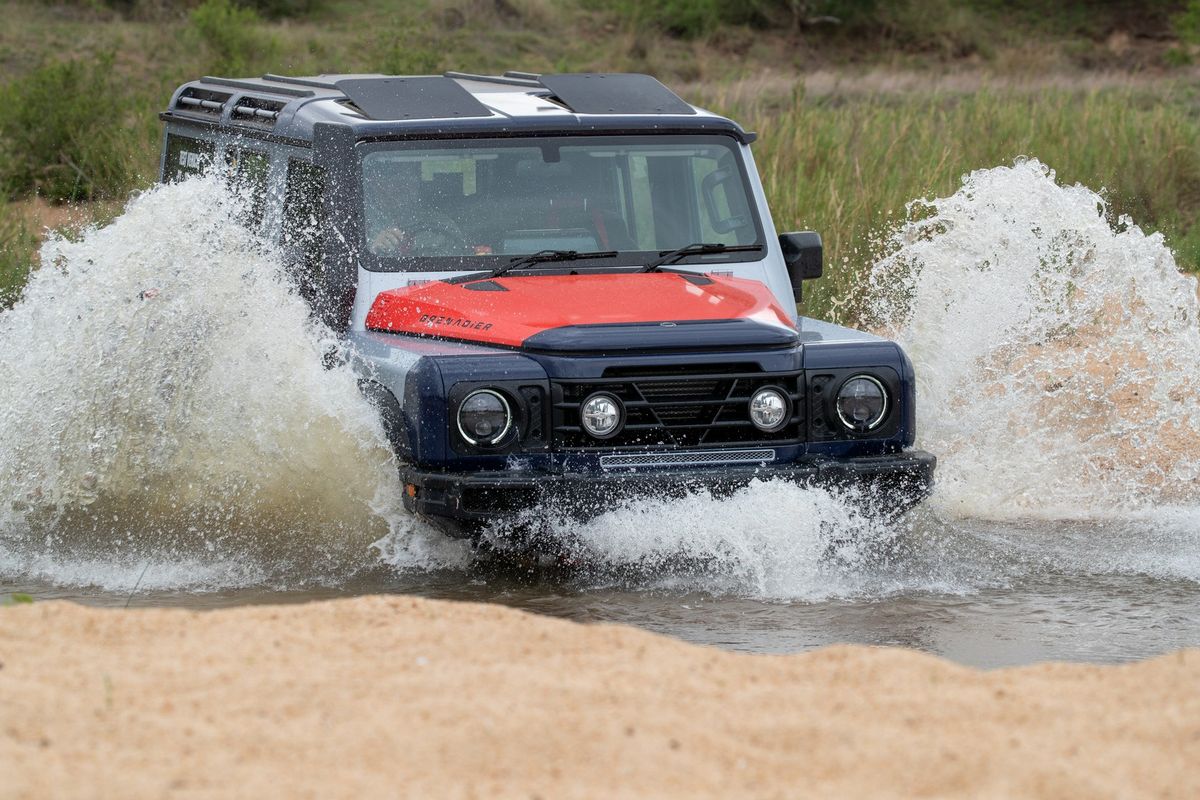
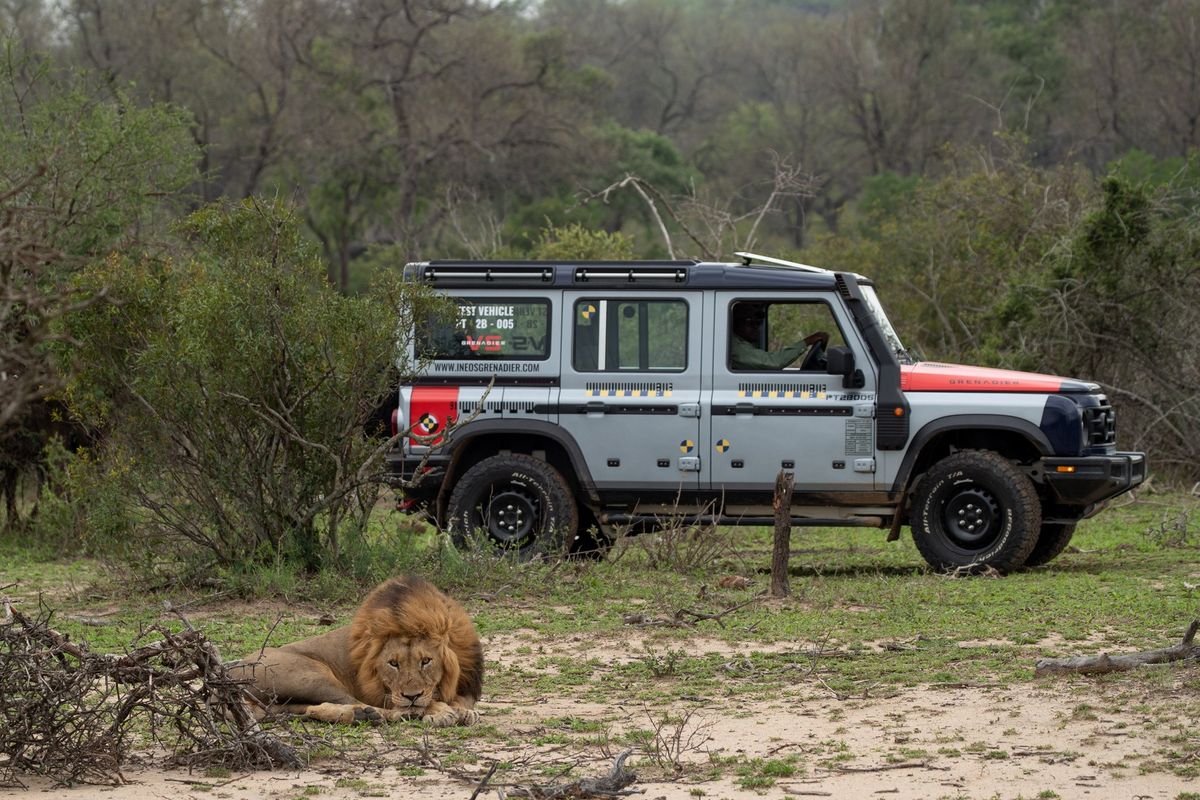
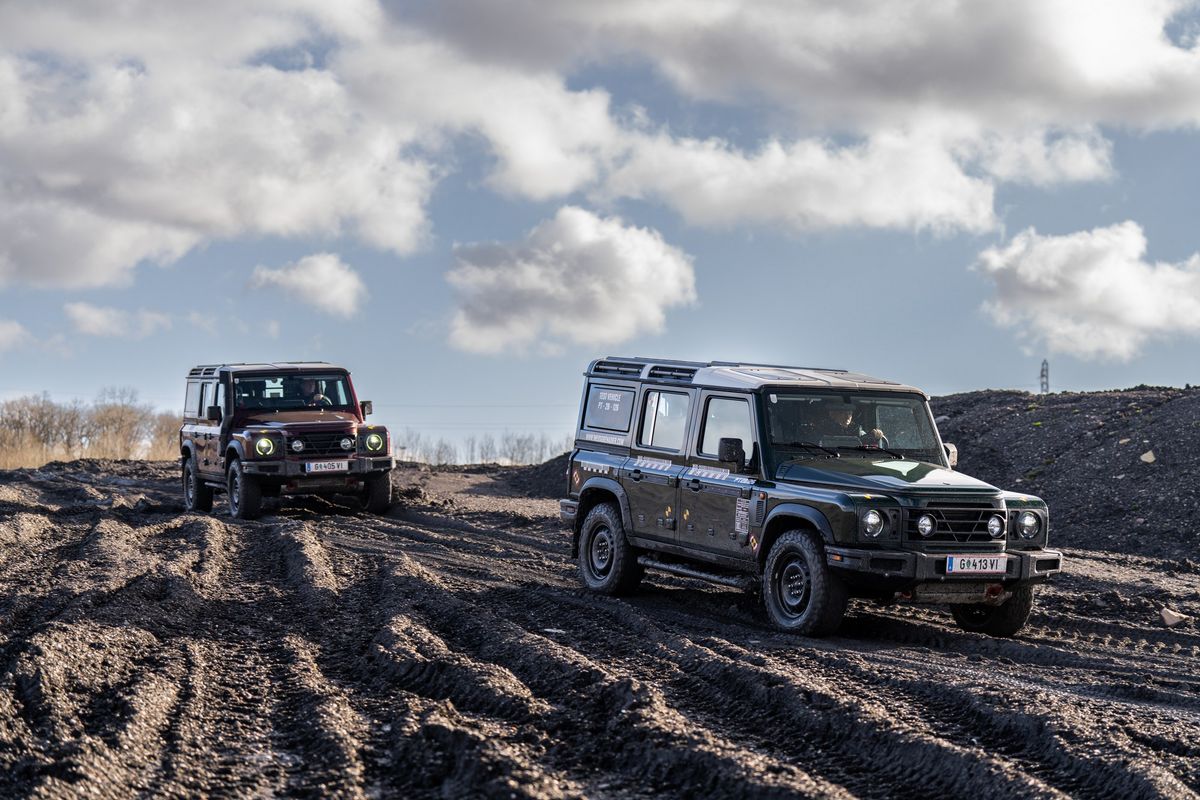
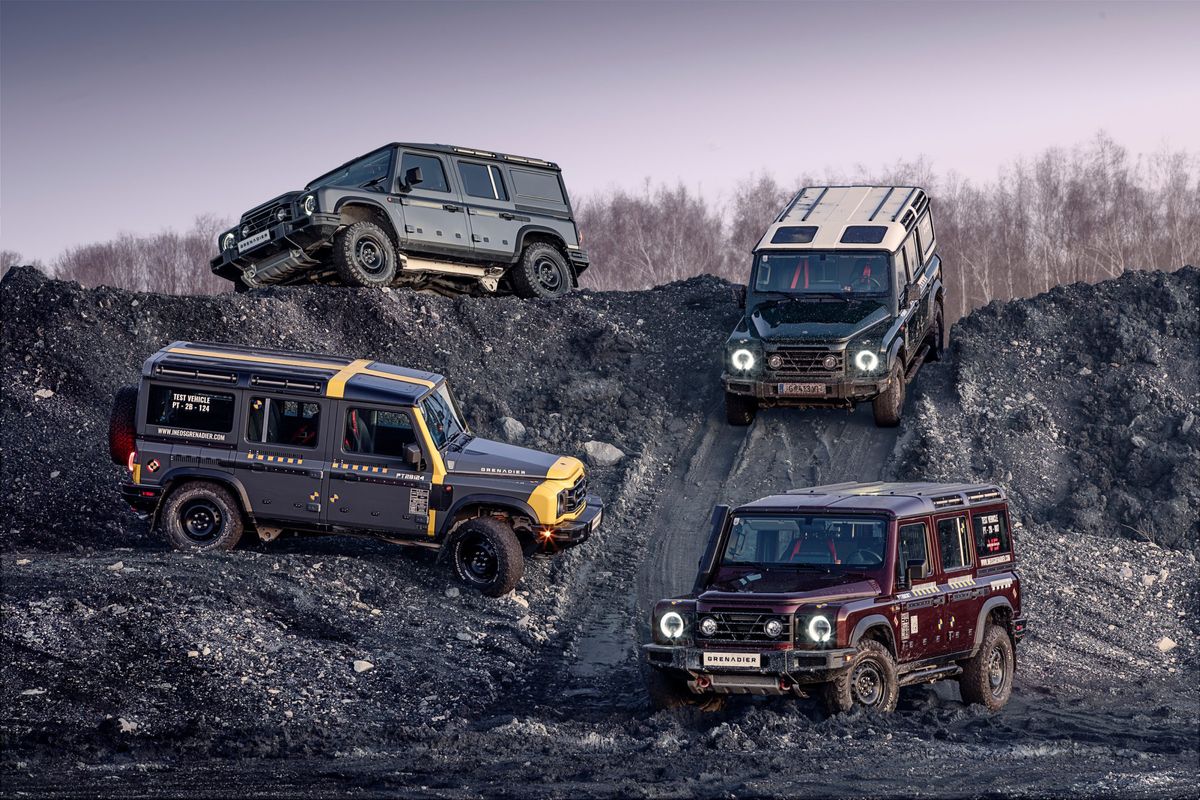
As a reminder, the Ineos Grenadier is modern 4×4, designed to take on the roughest and harshest terrain. The company Ineos has a chemical manufacturing background, with big boss Sir Jim Ratcliffe being a fan of the classic Land Rover Defender. The story behind the Grenadier’s gestation is a fascinating one.
The new Grenadier will be available to order from the 18th May 2022 and there will be one model. More body styles will be launched at a later date, but for now, the Grenadier station wagon is the starting point. It’s a 5-seater which Ineos says offers a balance between payload and passenger carrying.
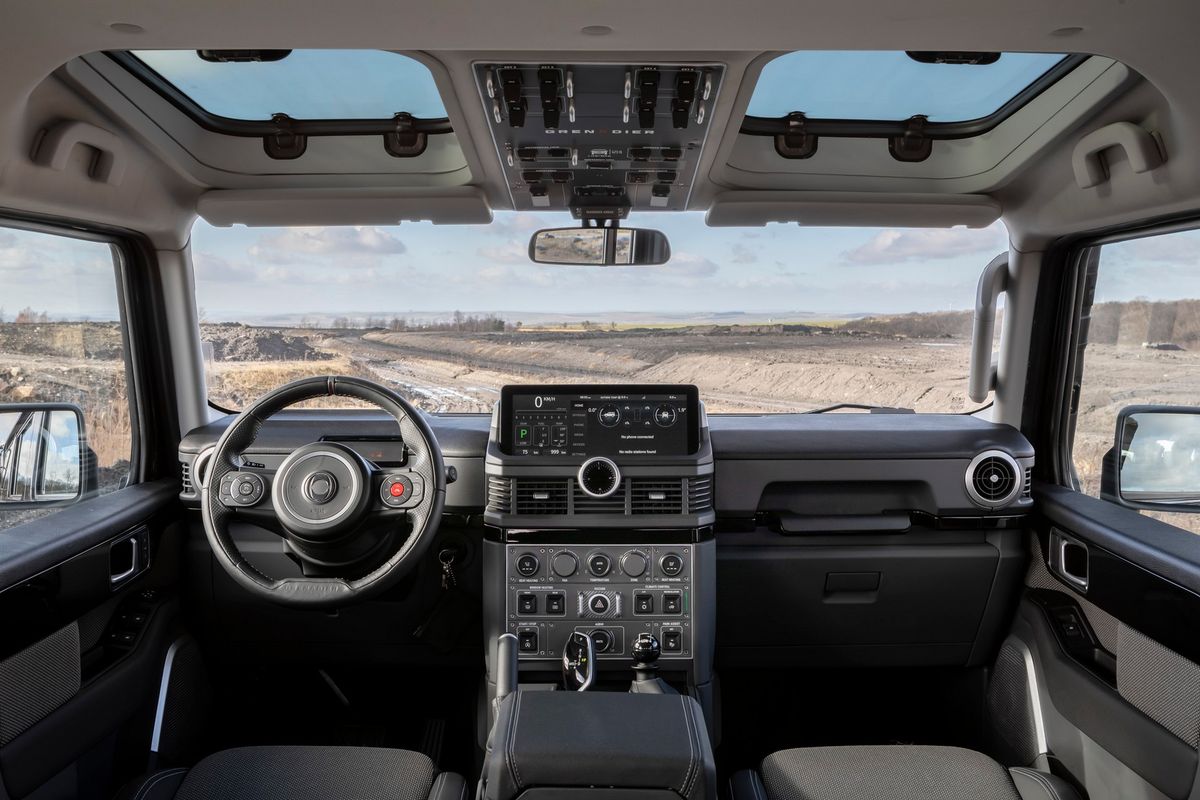
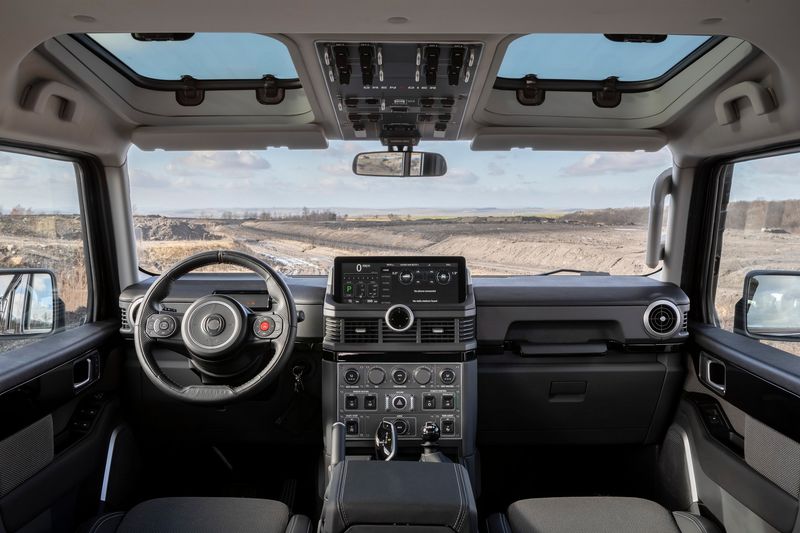
There’s an emphasis on vehicle customisation, with customers able to spec and configure to their heart’s delight, but Ineos is also offering two pre-configured editions called Trialmaster and Fieldmaster. These models feature additional accessories for customers who like to venture outdoors. The Trialmaster gets extras like front and rear diff locks, BFGoodrich All-Terrain tyres, a raised air intake, exterior utility belts, and an auxiliary battery. The Fieldmaster has things like a rear-view camera, puddle lamps, power heated door mirrors, auxiliary USB power outlets, 17-inch alloy wheels (with the option to upgrade to 18-inch alloy wheels), Safari Windows, leather upholstery, carpet floor mats and heated front seats.
Engine power comes from BMW and customers will have a choice of either a petrol 3.0-litre turbocharged 6-cylinder or a diesel 3.0-litre turbocharged 6-cylinder. For the petrolheads, these are the B58 and B57 motors. Both models will feature 8-speed automatic gearboxes from ZF.
Outputs of 210 kW and 450 kW are claimed for the petrol model, while the diesel is said to deliver 183 kW and 550 Nm. 90 litre fuel tanks ensure commendable range.
As far as capabilities go, the Ineos Grenadier looks to rank among the best in class, with some impressive figures. The vehicle comes with permanent four-wheel drive, a two-speed transfer case and centre locking differential as standard.
How much does the new Ineos Grenadier cost in South Africa?
Ineos Grenadier R1 416 985
Ineos Grenadier Trailmaster Edition R1 528 940
Ineos Grenadier Bushmaster Edition R1 528 940
So, if you’re keen, how do you buy one? The order books are now open and the enhanced configurator is live! A deposit payment of R40 000 – refundable until the vehicle contract is signed – secures a build slot. The R10 000 reservation fee already paid by customers will contribute to the deposit amount. A 5-year / 100 000 km warranty is included.
The online configurator and full information on pricing, specification and the ordering process, is available at: ineosgrenadier.com.
Facelifted BMW 3 Series Revealed with Fresh Look and New Tech
The BMW 3 Series has received its Life Cycle Impulse (LCI) update and the popular sedan now boasts not only refined styling but also a host of new interior technology. See what’s changed below!
Earlier this year, BMW revealed its all-electric 3 Series or i3 and it showcased some progressive styling cues, particularly seen on the front and rear-end. Now, it appears that the updated 3 Series has adopted some of the styling cues from its electric sibling.
What’s changed?
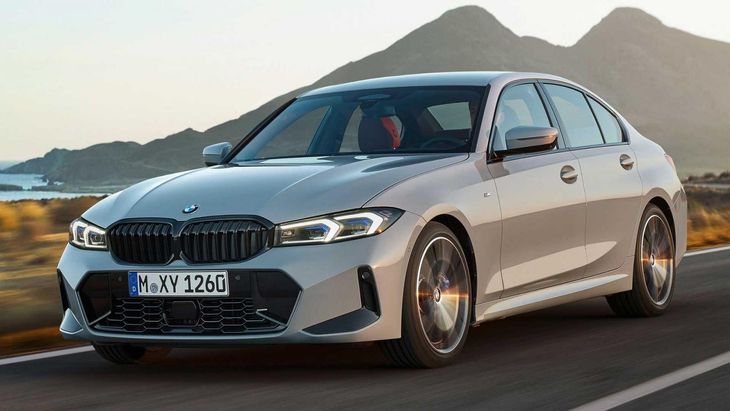
A mild stylistic revision has given the 3 Series a fresh look as part of its mid-life update.
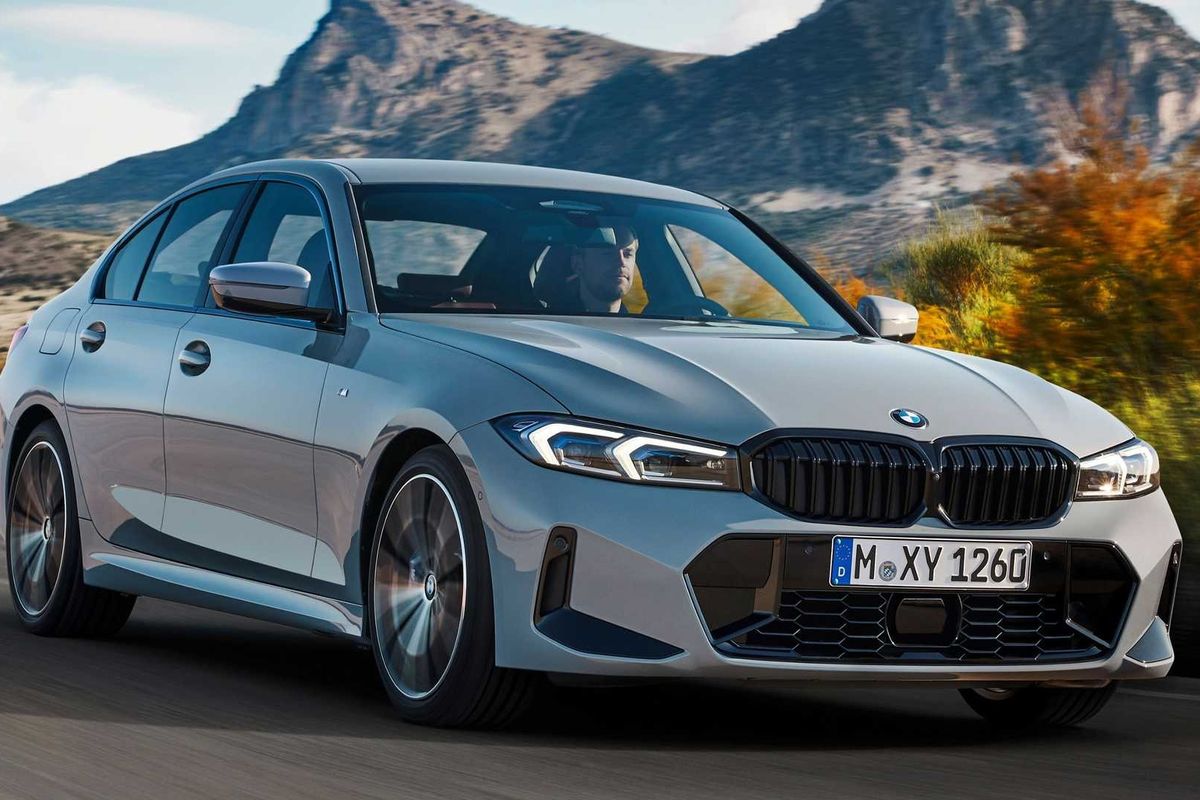
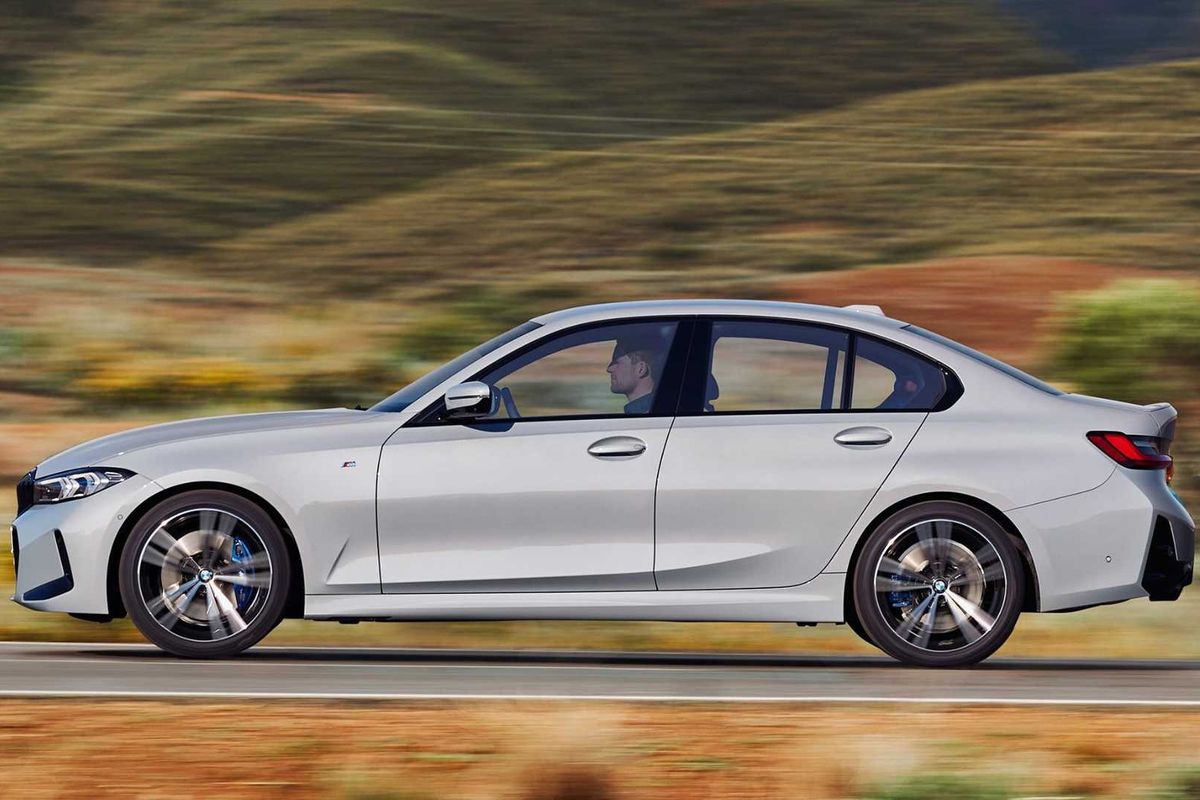
Perhaps the most noticeable change is seen on the front end where the 3 Series now wears a revised grille with new double bars and revised contours while the standard LED headlights are now noticeably slimmer with an inverted L motif for the LED daytime running lights (Adaptive LED headlights will be offered as an option). At the rear, the 3 Series also gains slimmer taillights and the tailpipe finishers, depending on the variant, are now either 90 or 100 mm in diameter. The exterior look is enhanced with the now standard M High-gloss Shadowline and standard 17-inch light alloy wheels.
Customers will be able to further enhance the exterior look with the optional M Sport package and the new M Sport package Pro. The M Sport package gains a honeycomb pattern grille, newly designed front and rear aprons and 18-inch M light alloy wheels while M Performance models gain a mesh grille, 18- or optional 19-inch M light alloy wheels, M mirror caps with a black high-gloss finish and trapezoidal tailpipe finishers. The M Sport package Pro adds features such as M High-gloss Shadowline trim, M lights Shadowline and an M Sport braking system with red callipers. Of course, customers can also opt for a selection of retrofit items from the BMW M Performance Parts range.
Buyers will also be able to choose from new body colours including Skyscraper Grey metallic and M Brooklyn Grey metallic as part of the M Sport package. The BMW Individual Frozen Pure Grey metallic and Frozen Tanzanite Blue metallic special paint finishes will also be available in addition to around 150 additional BMW Individual special paint finishes.
New infotainment system for updated BMW 3 Series
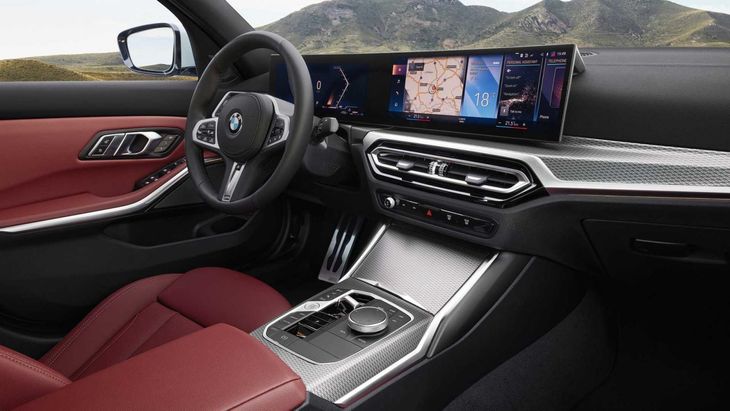
The new curved display is a major highlight inside the updated BMW 3 Series.
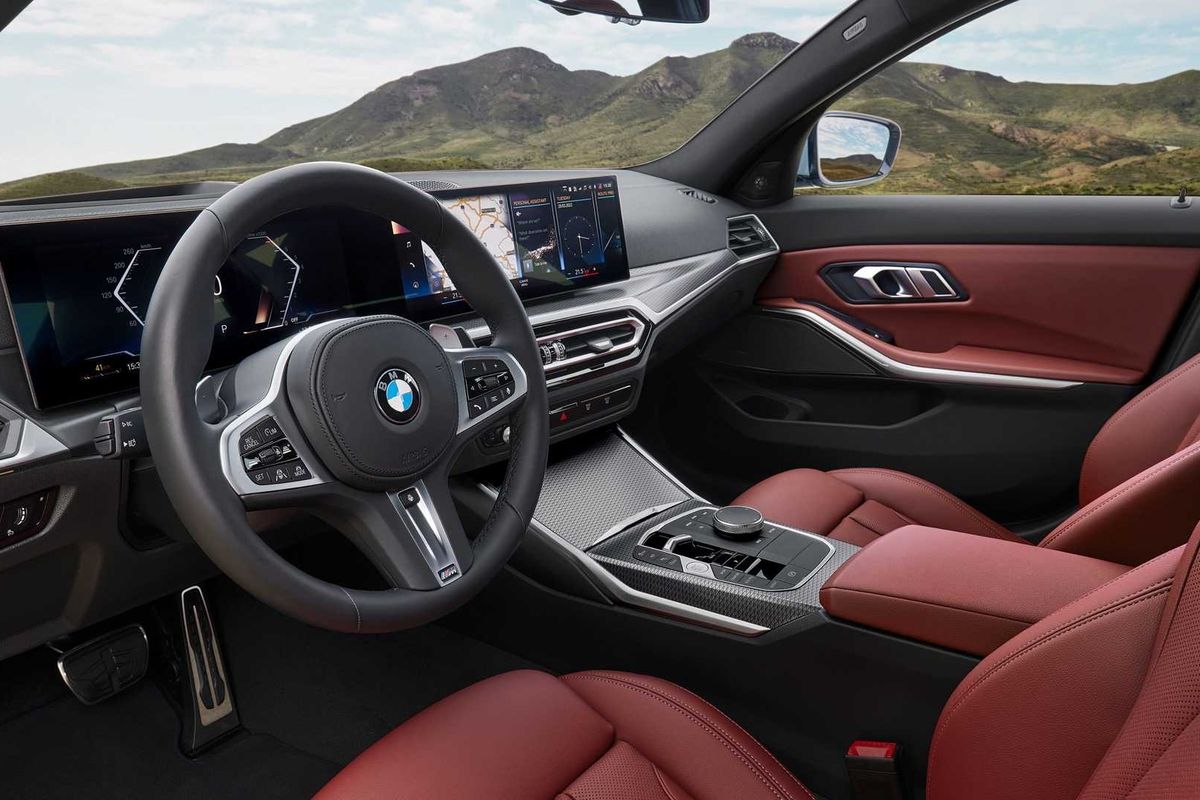
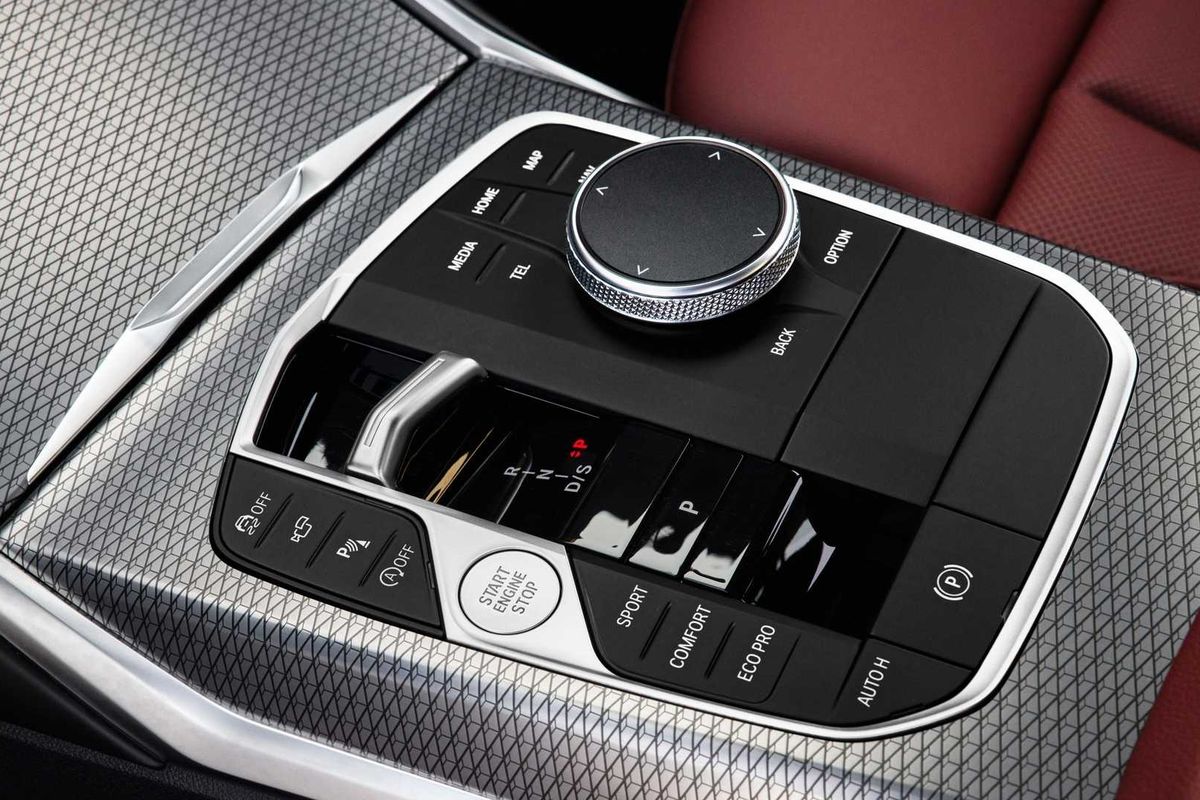
The interior of the updated 3 Series now benefits from the fitment of the standard BMW Curved Display (with BMW Operating System 8) which was previewed in the electric i3 earlier this year. The system combines a 12.3-inch instrument cluster and a 14.9-inch infotainment screen to create an interactive, driver-focused display panel. Touch and voice control functionality has resulted in a major reduction of physical buttons and controls inside the cabin. Another major change is that the 8-speed automatic transmission lever has also been redesigned and is now much more discreetly positioned within the centre console.
Other notable enhancements include 3-zone climate control fitted as standard as well as a standard automatic dimming rear-view mirror, front and rear park distance control (PDC). BMW Live Cockpit Plus with BMW Maps navigation is also standard.
How I learned to stop worrying and let Elon (Musk) take the ‘wheel!
Okay, so this revelation didn’t come to me while I was at the ‘wheel of a Tesla. In fact, I was driving a Kia Carnival. Let me explain. But let’s first dispel the notion that I don’t like driving. I’m an intrepid road tripper and adventurer; my daily driver is a Porsche Cayenne, which often brandishes a rooftop tent, a bicycle rack – or both. The German brand’s SUV is typically covered in dirt, because, as we’ve established, I like driving long distances, often on gravel.
Furthermore, let us dispel the notion that I don’t enjoy the cars themselves – I also have a 38-year-old Toyota Supra and a 46-year-old Chevrolet 4100 in my garage. Suffice to say I love cars, am quite at ease with manually shifting rear-driven six-pots and have lapped many a race circuit in anger. These are my qualifications, alas with a massive caveat… I’m also a raging nerd, a lover of technology and cinema, and thoroughly fascinated with the concept of a car that can drive itself.
So imagine my surprise and delight, when, on a recent 3 600-km round trip from Cape Town to Sun City, I was able to experience semi-autonomy at the helm of the latest flagship Kia Carnival.
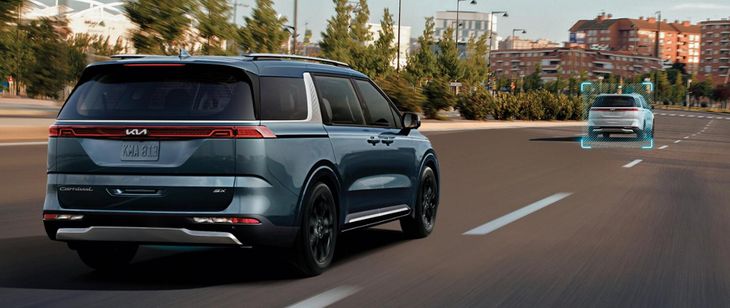
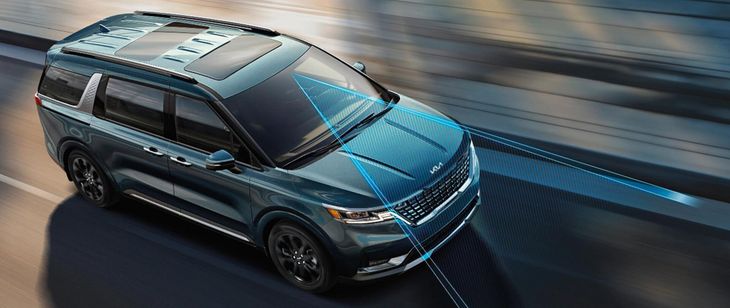
Kia Carnival’s adaptive cruise control maintains a set distance to the vehicle in front and follows it.
Yes, semi-, as in partially, autonomous. That’s the key bit. A vehicle that can drive itself entirely (make ad-hoc route decisions and execute reactive manoeuvres) without ANY input from its occupant is still a prospect for the distant future – the legislation around this alone promises to be a nightmare. But, there I was, on a twisty section of the N1 beyond Rawsonville, with my feet well clear of the pedals and my hands in my lap, watching the ‘wheel carve out gentle arcs by itself.
Okay, a reality check: the Carnival is a luxurious, not-insubstantial MPV that costs about R1-million and it was tasked with transporting me and five others in supreme comfort. The more cynical among us may remark that Kia Motors SA’s flagship is still essentially a 2-tonne four-wheeled metal box carrying precious (and comparatively squishy) cargo… So, for this exercise, I was extra careful, but what the test unit’s technology demonstrated was nothing short of staggering.
First, I put the adaptive cruise control to work. Apart from maintaining a set speed, the function allows you to choose how many car lengths you’d like it to keep between your vehicle and those ahead of it (4 lengths maximum, 1 length minimum). A radar system prompts the Carnival to automatically slow itself down or accelerate to maintain that gap. This tech meant you could tuck your takkies deep into the footwell without fear of your car flying off the rails.
On a 1 000-km trip, any driving duties you can delegate to the artificial intelligence will have a real-world effect on your energy and concentration levels, so while you’re never quite a passenger when you’re at the ‘wheel of the Carnival, it’s some tedium to unsubscribe from. Still, on a particularly entertaining mountain pass, feel free to deactivate the androids and pedal it out yourself.
I’ve overlooked the most common and accepted AI (Artificial Intelligence, in case you’re unfamiliar with the abbreviation) of all, haven’t I? I mean the automatic transmission – a luxury item that has prevailed in over 90% of the test cars I’ve driven this year. We hardly even acknowledge them anymore, so dutifully do they perform their task – it’s hard to remember that, for a long time, petrolheads scoffed at the thought of the machine “rowing cogs” on their behalf.
The Carnival’s 8-speed auto is a gem – smooth and intuitive. It dips into the 2.2-litre 4-cylinder turbodiesel’s 148 kW and 440 Nm to ensure that, come hill or valley, the Kia maintains its cadence with grace. So why did I almost forget to mention it? Well, because the sign of a good auto ‘box is that it just quietly gets on with the job. Yes, behind the steering wheel there are indeed a pair of shift paddles, but I didn’t trouble the test unit’s ones. Still, I’ve left the best for last…
The pièce de résistance, it really steers itself
Lane-keeping assist tracks the lines on the road and keeps the Carnival navigating between them.
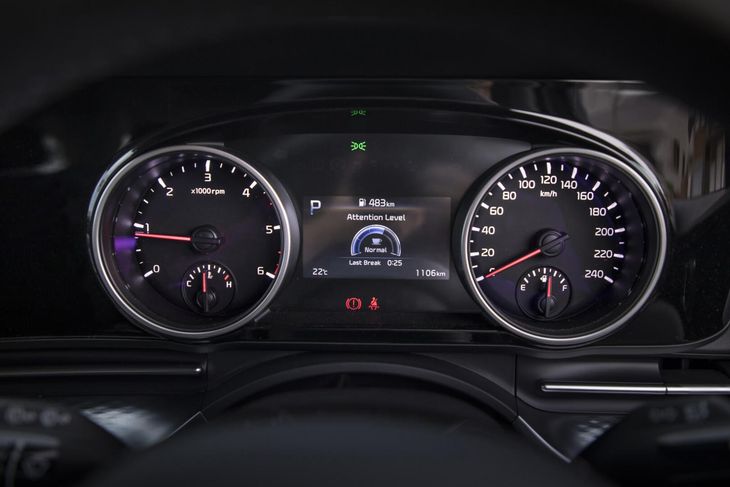
Now, bear in mind that the Kia is not meant to steer itself… it just can. In fact, if you remove both hands from the ‘wheel for too long, a prompt on the instrument cluster will instruct you to keep your digits on the rim. Most premium cars have enjoyed lane-departure warnings for a few years now, and the Carnival has this technology as well. It also has lane-keep assist (LKA) and lane-follow assist (LFA) and when you combine these technologies, well, magic happens. Kia’s flagship uses its cameras and sensors to essentially scan the road markings and lines, as well as observe the traffic ahead, and the payoff is a helm that is eerily good at steering itself, even at highway speeds.
Common sense still applies. Let me elaborate: if you steer your vehicle into a sharp bend at a ludicrous speed, you may not be able to avoid an accident even if you’re the world’s most gifted driver. In such an extreme scenario, the car’s bionic brain won’t be able to save you either. Similarly, if the road isn’t well marked (paint fades, after all, and markings are often swallowed up by massive potholes, of which there are many in Mzansi), there goes your AI’s ability to process lanes.
Yet, something quite wonderful happened during a flash storm that occurred on the road between Johannesburg and Kimberely during the trip with the Carnival. Visibility was very poor – in fact, dire – because the night sky was filled with stormy weather. The wipers were racing across the windshield at maximum velocity, auto-dimmers and fog lamps were deployed, but the green steering wheel icon was lit, indicating that the lane robots were present and able to assist.
Let me reiterate that point – in addition to my best efforts to overcome the treacherous driving conditions, the Kia’s lane technologies also had their “hands” on the ‘wheel, which provided me with just a bit more peace of mind… and that, ultimately, is the purpose of semi-autonomous driving technology. That the Carnival can “drive itself” for extended periods throughout your road trip, leaving you less stressed and fatigued, well, that’s practically science fiction.
Safety first
The systems are built primarily as safety systems, not to remove the driver from the system.
As entertaining as it was to observe these systems in action, they’re ultimately safety measures. Even though I am a seasoned driver, it felt reassuring to know that I could rely on them. Journeys with poor visibility on slippery roads are treacherous because even if you drive circumspectly, YOU may be the biggest hazard. Exhaustion, lapses of concentration – they don’t rear their ugly heads at convenient points of your journey and can happen sooner than you expect.
Every time we commandeer a motor vehicle – never mind its size and/or heft – we put our lives, as well as those of our fellow road users, at risk. Kia is but one of several automotive companies that have provided us with a rather extensive raft of electronic safety features in its vehicles, of which the Carnival is an apex example. These systems mitigate at least some of that risk we face as motorists and, best of all, without the annoyance of tugging and nudging drivers into submission (those early technologies were infamously meddlesome). With the Carnival, I experienced only the positive aspect of a self-driving car, but with the option to opt-out of the experience at the thumb of a button, if I felt like it. That, I appreciated!
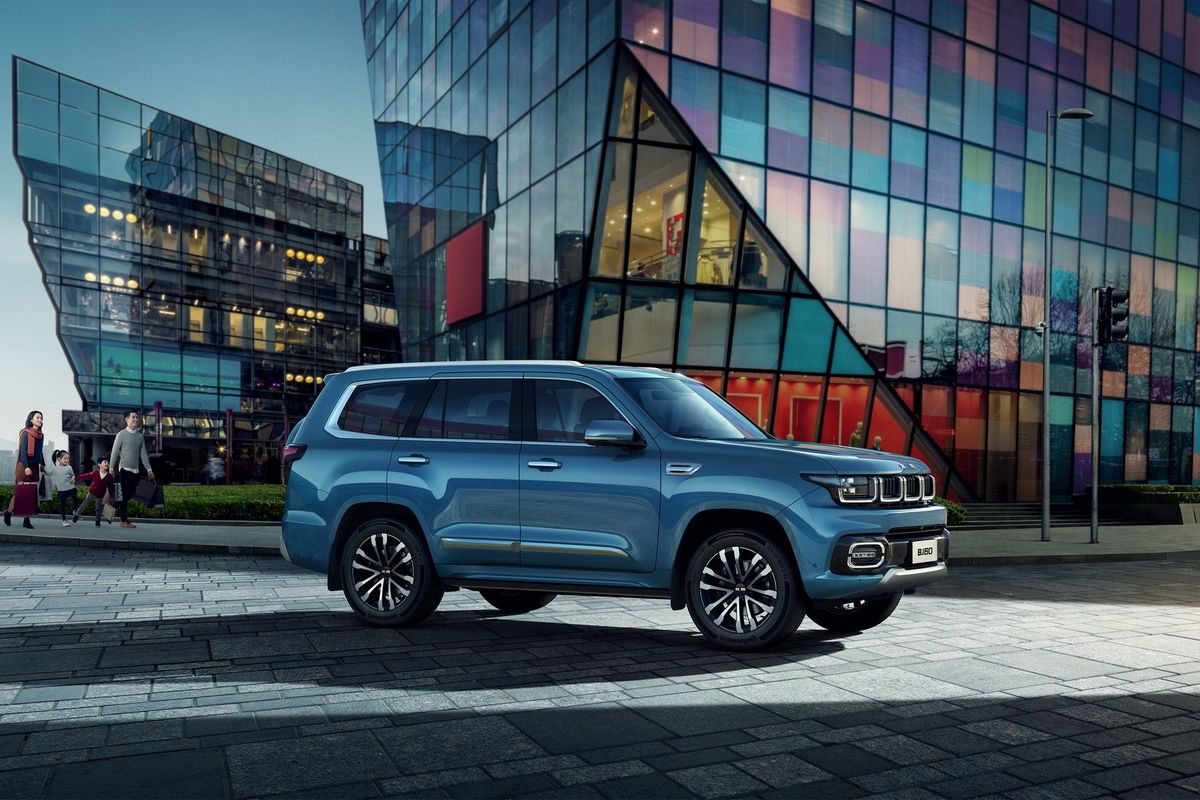
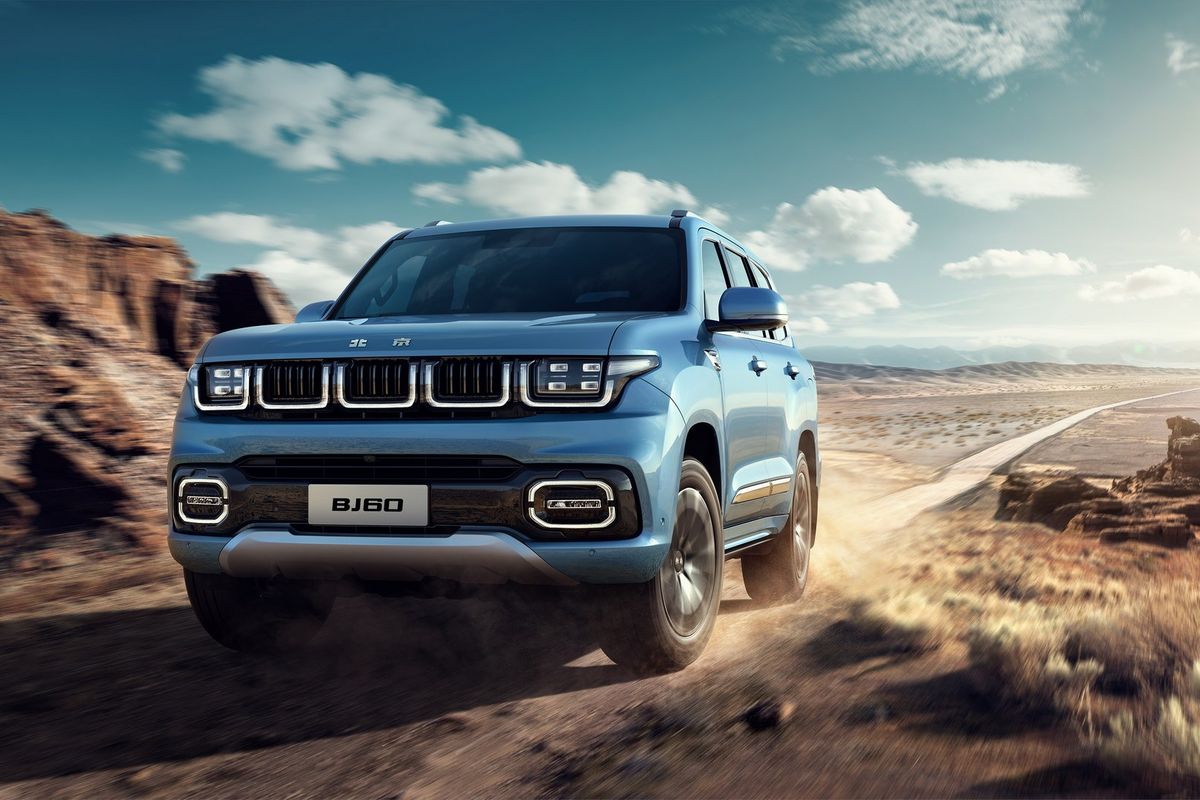
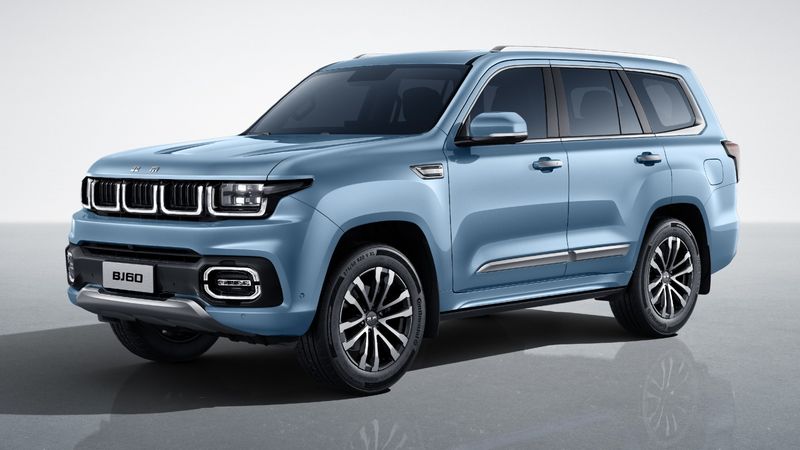
BAIC BJ60 Unveiled
Chinese brand BAIC has unveiled a bigger and more luxurious SUV model. Here’s all you need to know about the new BAIC BJ60.
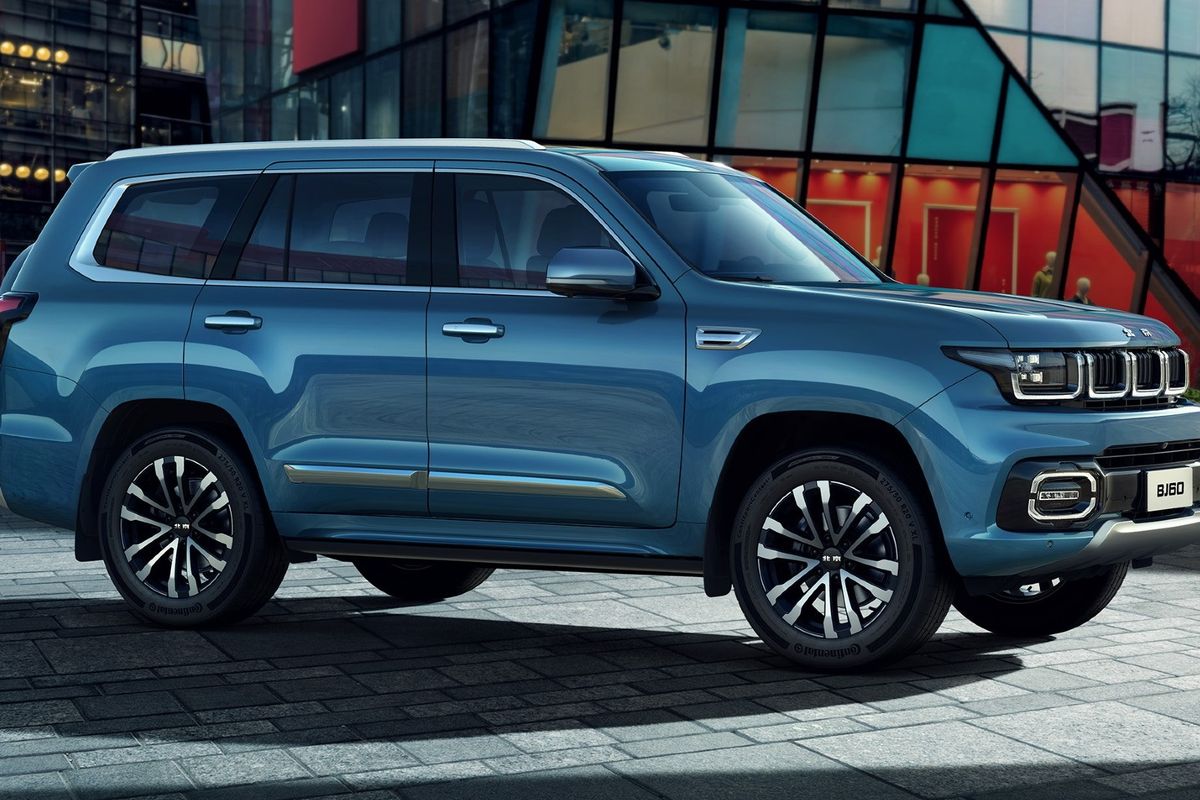
The BAIC brand has been present for some time and there’s even a factory here in SA, churning out compact products, but you don’t see many of them on the roads nor do you see a growing dealership footprint. It’s odd, considering the rampant success of fellow countrymen Haval and Chery. Our only taste of BAIC locally was the launch of the B40 Plus, an interestingly styled and capable SUV offering.
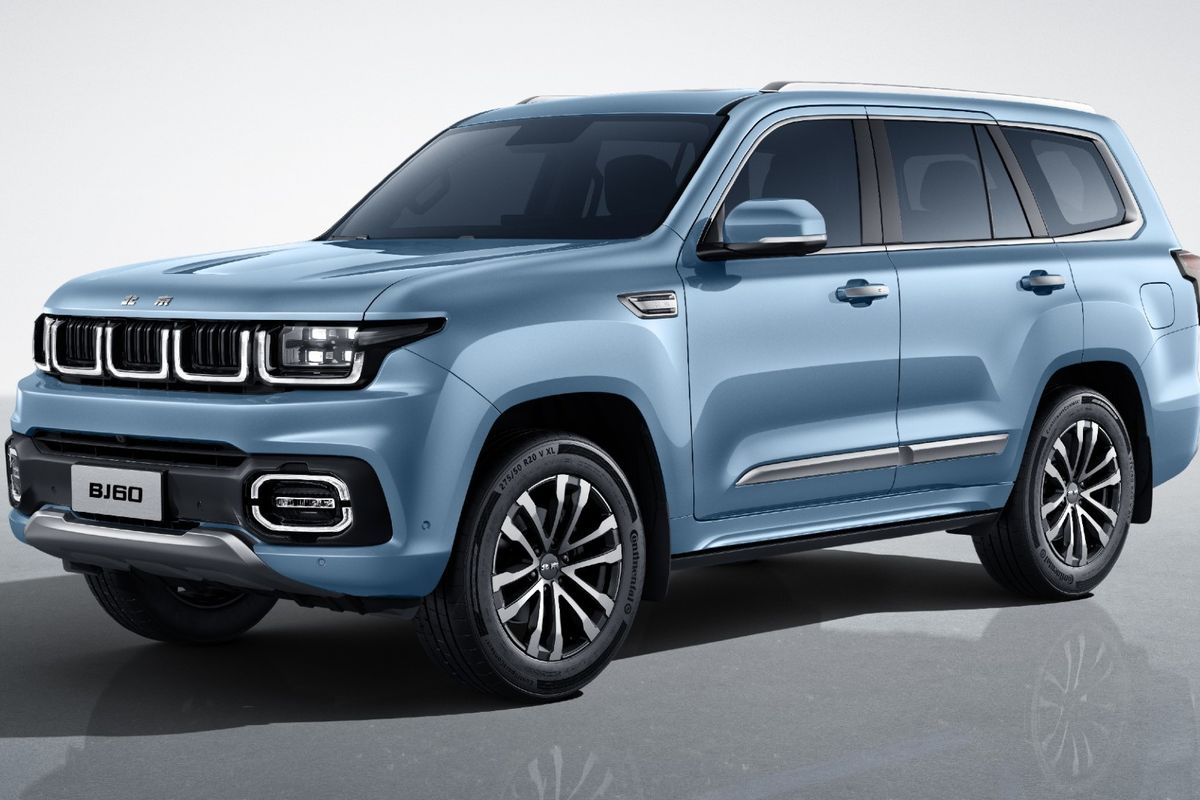
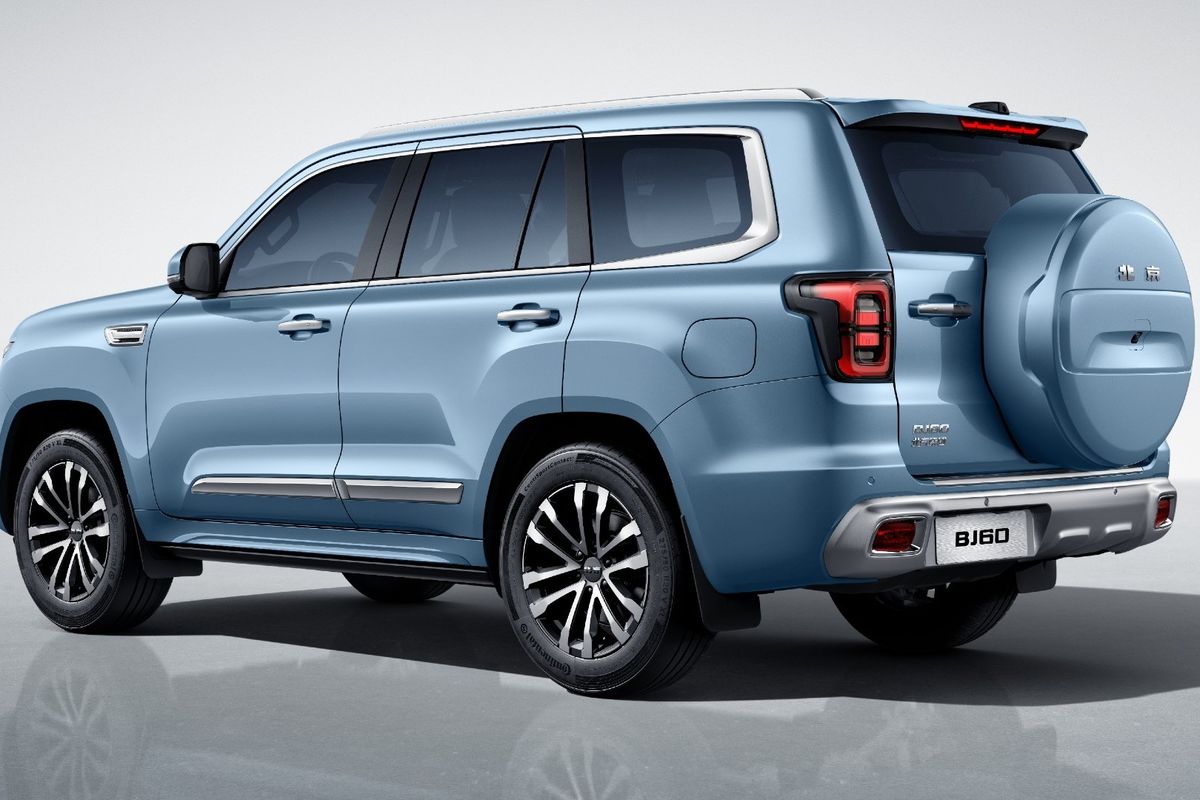
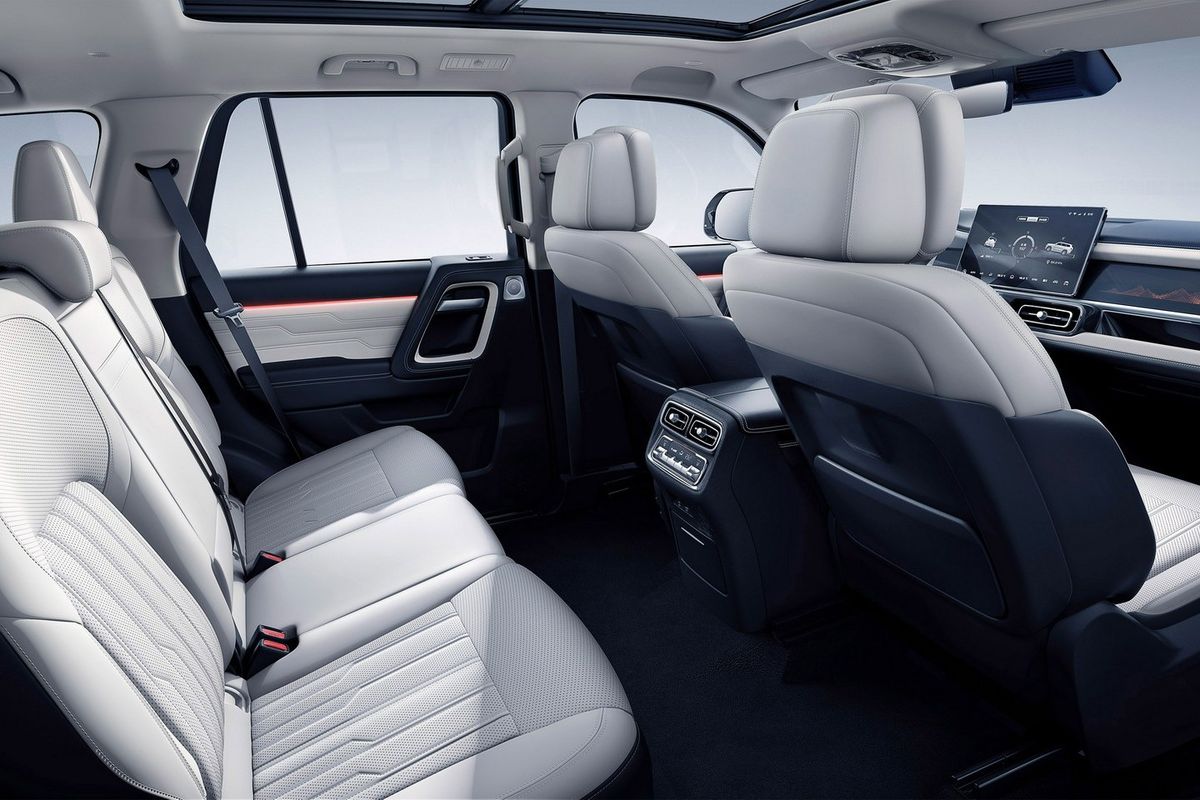
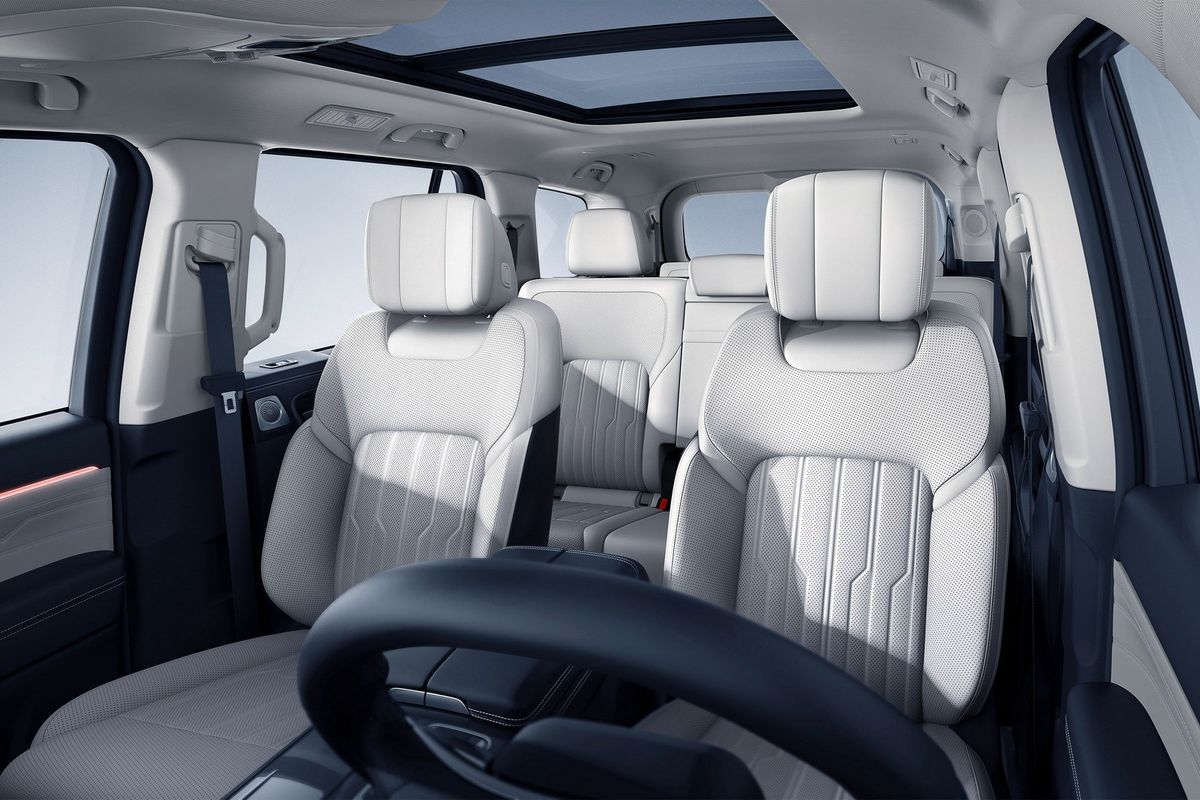
What you see here is BAIC’s latest offering, a 7-seater offroad-ready SUV. The front is very Jeep-like, strapped to a body-on-frame chassis. At over 5 metres long and with a wheelbase of 2.8 metres, this is no compact offering and we reckon its about the same sort of size as the current Toyota Land Cruiser LC300. The model shown here features large 20-inch alloy wheels.
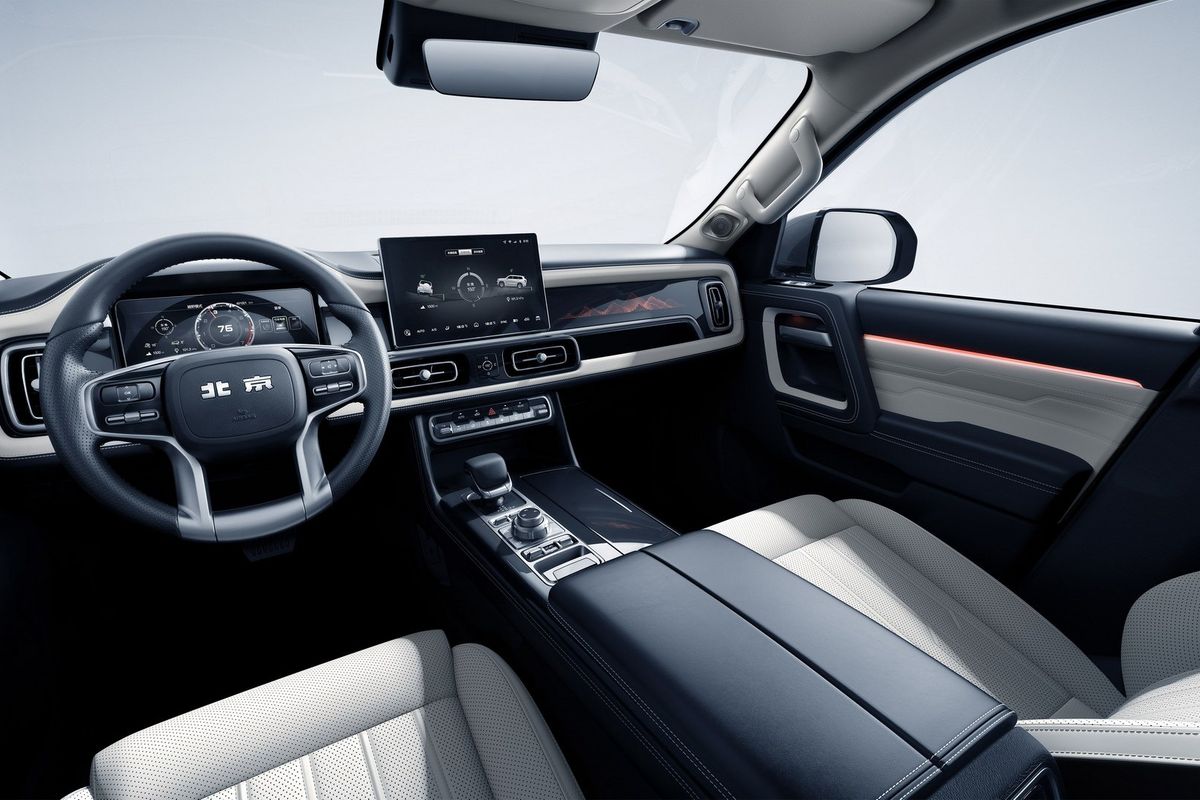
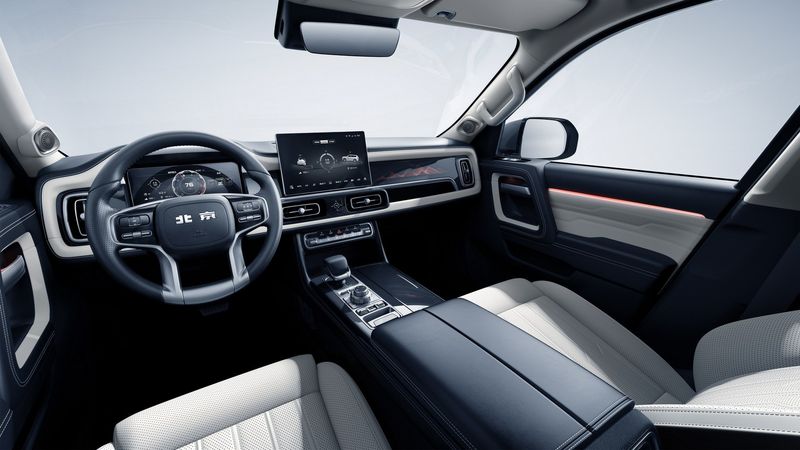
The cabin of the BJ60 looks upmarket, with an abundance of features, with white leather. The dashboard features a digital instrument setup and there’s a 12-inch infotainment touchscreen dominating the central column. Other noteworthy luxury features include a heads-up display, quality audio system, panoramic sunroof, and heated seats.
Now this is where it gets interesting, as there’s very little detail on the engine and transmission. It’s said the BAIC BJ60 is powered by a hybrid powertrain that has a total range of 1000 km and capable of hitting 100 kph in 6 seconds. We’re guessing there’s either a 4- or 6-cylinder turbocharged petrol engine under the hood, paired to an electric motor located on one of the axles. Some have said the new BAIC BJ60 will feature all-wheel drive and have offroad features like diff locks and 4×4 modes.
We’ll update this article if we hear anything from BAIC South Africa in terms of availability. We do recall at the presentation of the smaller B40 Plus that the brand is keen to expand its portfolio and given the success of products like the Chery Tiggo 8 Pro and Haval H6, this could prove a solid offering.
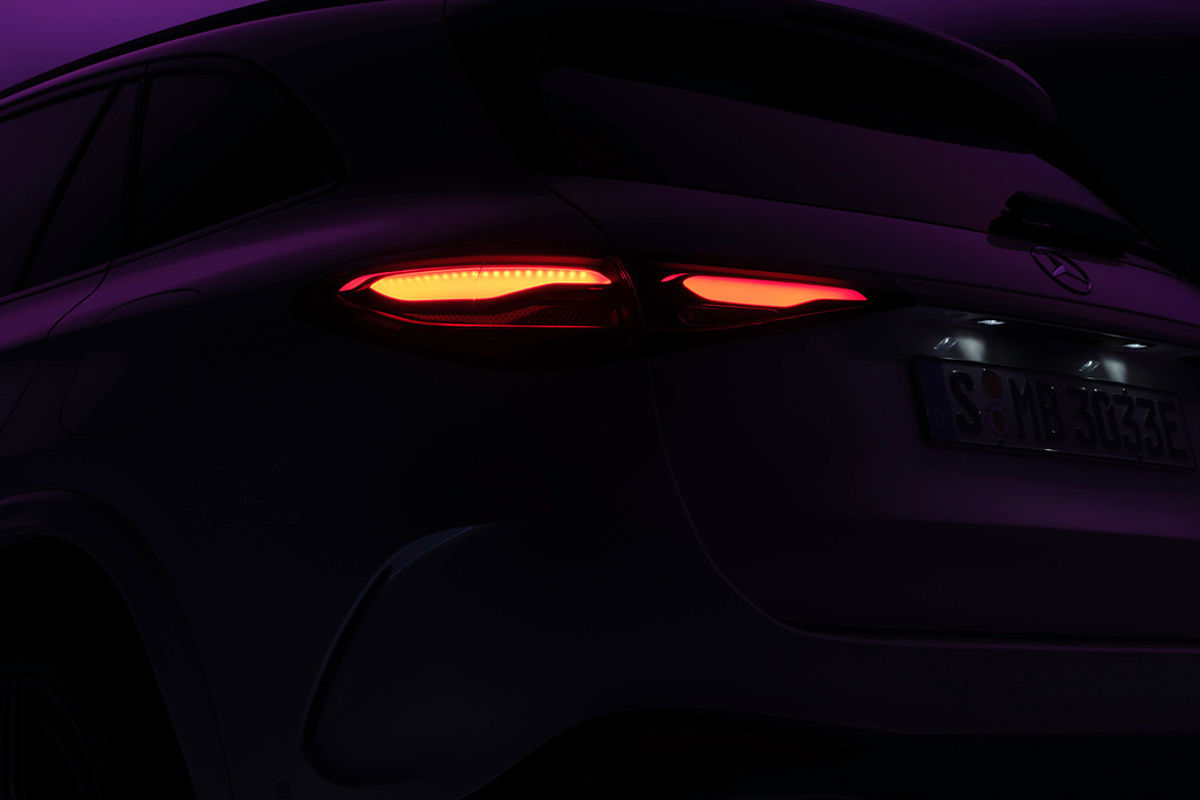
Mercedes-Benz is due to unveil an all-new GLC compact SUV on June 1 2022 and the German firm has released a teaser image showing its rear design.
The GLC has proven to be hugely successful for Mercedes-Benz and with an all-new model on the verge of reveal, the Stuttgart-based firm will look to build on the success of its predecessors.
The single teaser image you see above shows the shadowy rear end of the new GLC showcasing a sleek rear taillight design and rounded body surfaces. With some minor digital manipulation, the image reveals the GLC’s rear-end more clearly.
As part of this latest teaser campaign, Mercedes-Benz states that the new GLC “combines an expressive, sporty design with a luxurious interior” while also offering “excellent off-road properties thanks to the standard-fit 4MATIC all-wheel drive and special driving programmes”.
Importantly though, the new GLC range will also feature plug-in hybrid (PHEV) technology with an electric driving range exceeding 100 kilometres.
As the GLC is based on the new C-Class, which is built right here in East London, South Africa, it’s expected to share its powertrains which will include both mild-hybrid and plug-in hybrid options. The AMG-fettled GLC derivatives are expected to follow after the reveal of the new GLC range.
The new GLC is also expected to be physically larger than the outgoing model and this should bode well for improved interior space for both passengers and load carrying ability.
We will update this article as soon as official details for the new GLC are revealed, so stay tuned!
BMW X2 M35i Edition GoldPlay (2022): Price & Specs
Prefer your BMW X2 M35i with not-so-subtle Galvanic Gold highlights and a smattering of extra kit? Step this way to meet the X2 Edition GoldPlay, which is now available to order in South Africa…
BMW South Africa has quietly added a new special-edition version of the X2 to its local configurator, with the Edition GoldPlay package exclusively available in M35i guise.
According to the Munich-based firm’s local website, the X2 M35i Edition GoldPlay commands a R20 000 premium over the derivative on which it’s based, which takes the starting price to R960 481 (though the configurator currently forces the selection of the otherwise optional Navigation Plus and Remote Services – likely related to the semiconductor shortage – thus pushing the total to R986 937).
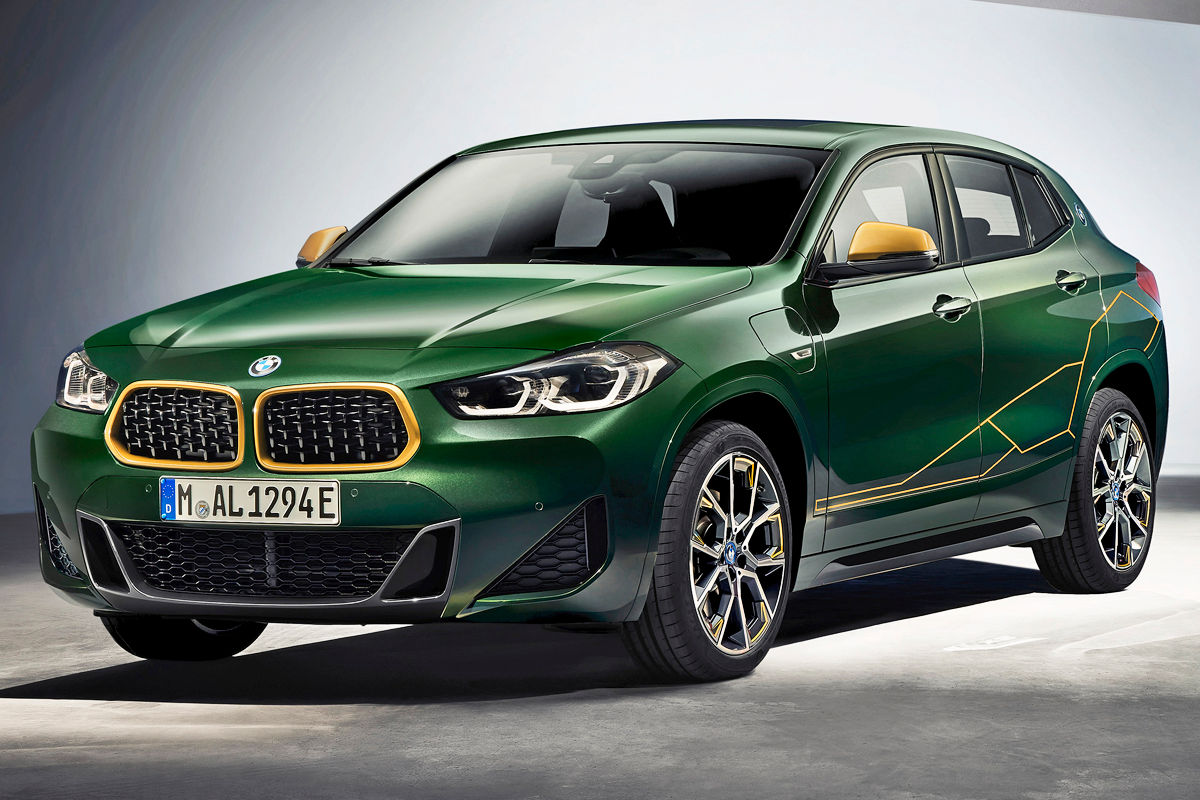
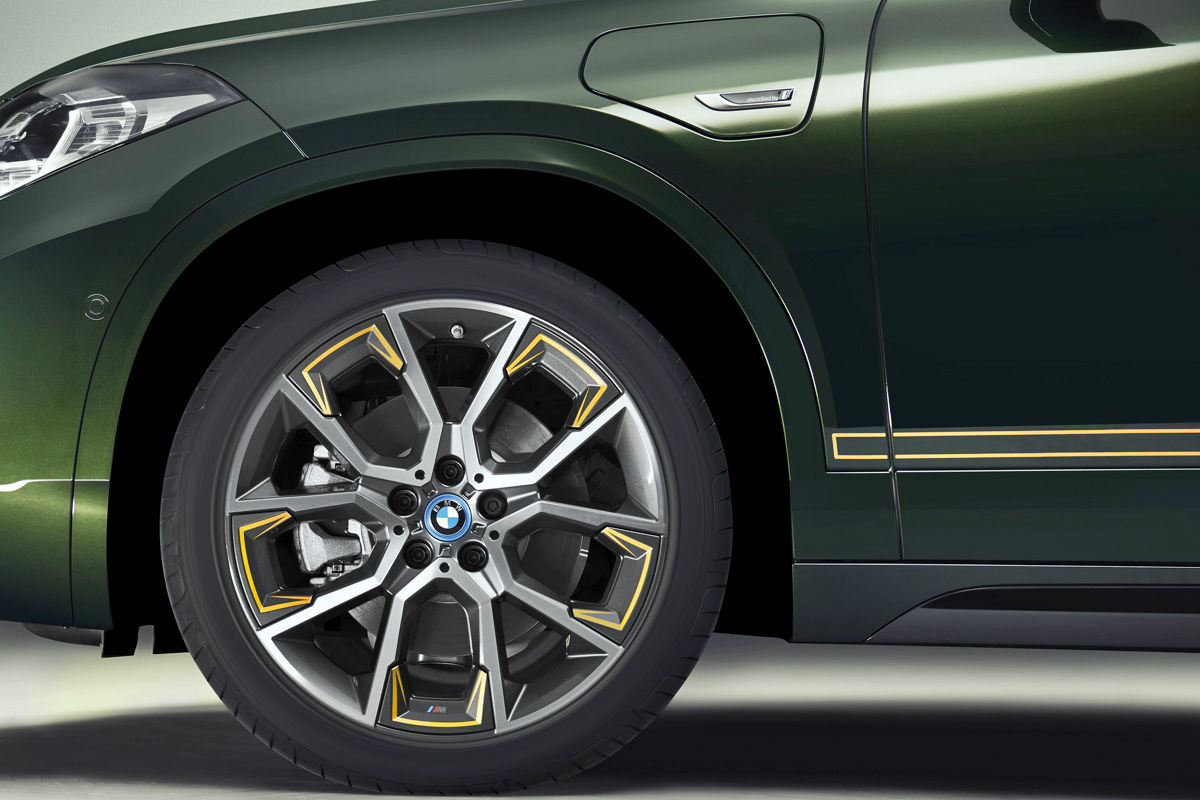
So, what do you get for the extra R20 000? Well, the most obvious addition is the Galvanic Gold foil wrapping along the X2’s flanks, which BMW promises will attract “maximum attention on any road”. This vivid hue is repeated on the kidney grille surround and side-mirror caps, as well as on sections of the likewise-included 20-inch M aerodynamic wheels.
In South Africa, these highlights can be combined with a choice of seven exterior paint colours, including two extra-cost options. If you’re a local rugby fan, we wouldn’t blame you for selecting Sanremo Green metallic – a hue reserved for this special edition – as you’d end up with an X2 effectively sporting Springbok colours, as pictured above.
However, opt for Frozen Pure Grey metallic (adding R33 400 to the bill, we should point out) and those bold decals and Galvanic Gold accents for the grille and mirror caps are automatically deleted. The grille surround is instead finished in black and the side-mirror housings gain a body colour finish, making for a far subtler package.
Choose Frozen Pure Grey metallic paint and many of the gold highlights are deleted. Far subtler, right?
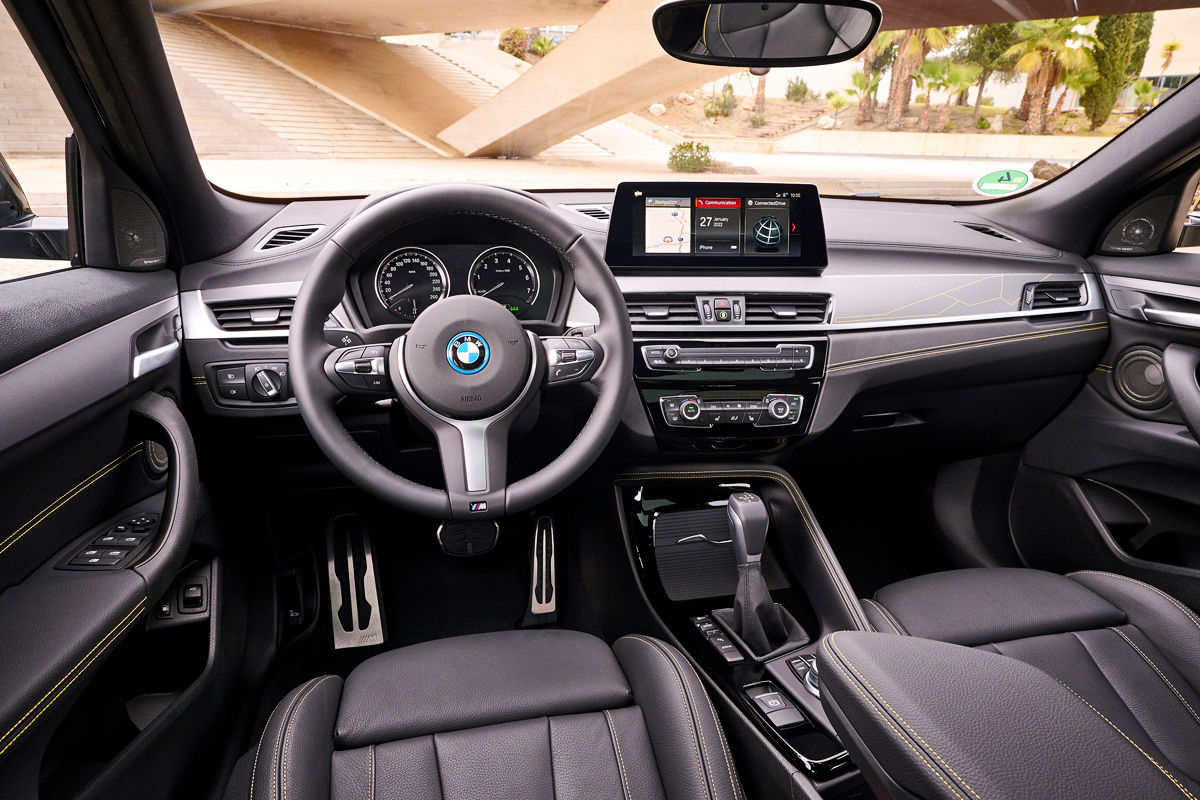
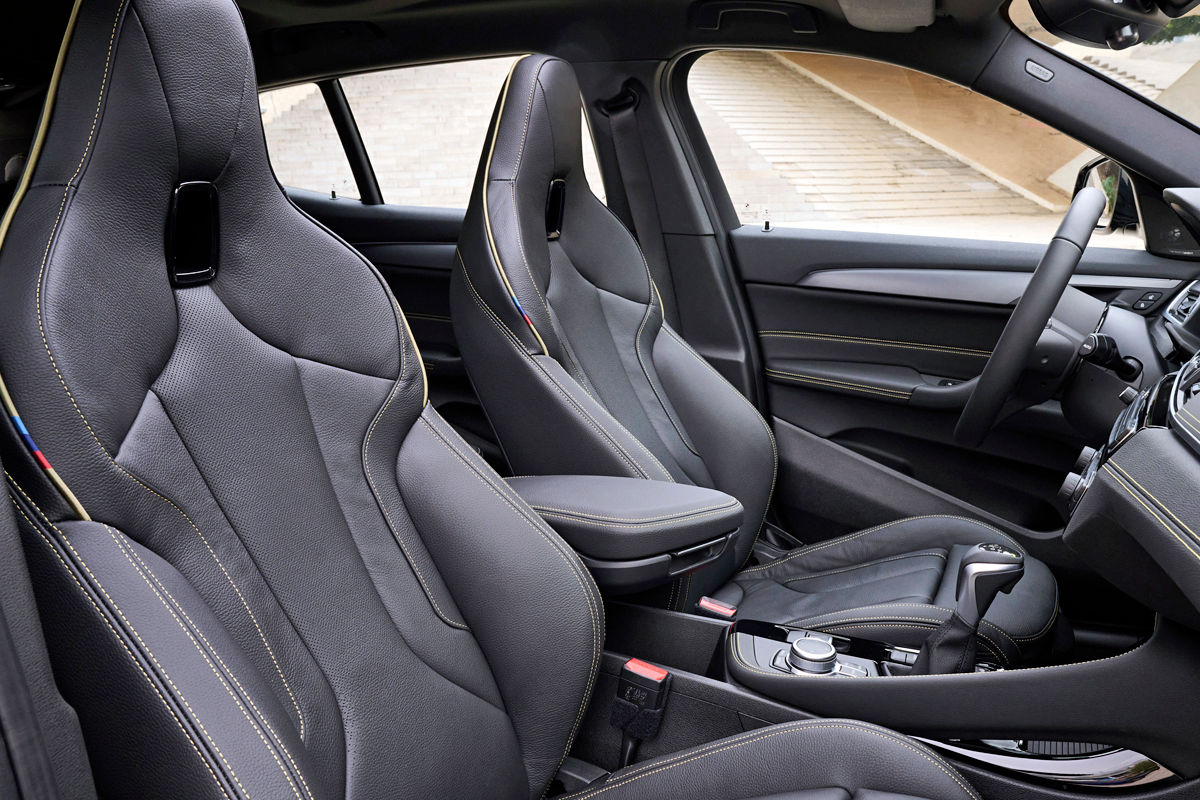
Inside, you’ll find M sport seats trimmed in Dakota leather. The black leather surfaces of the driver and front passenger seat are perforated through the centre section of the backrests, while contrast stitching and piping in Giallo Oro add a splash of colour. The M sport seats furthermore feature a high-gloss black border for the cut-out below the head restraints and an M logo on the backrest piping.
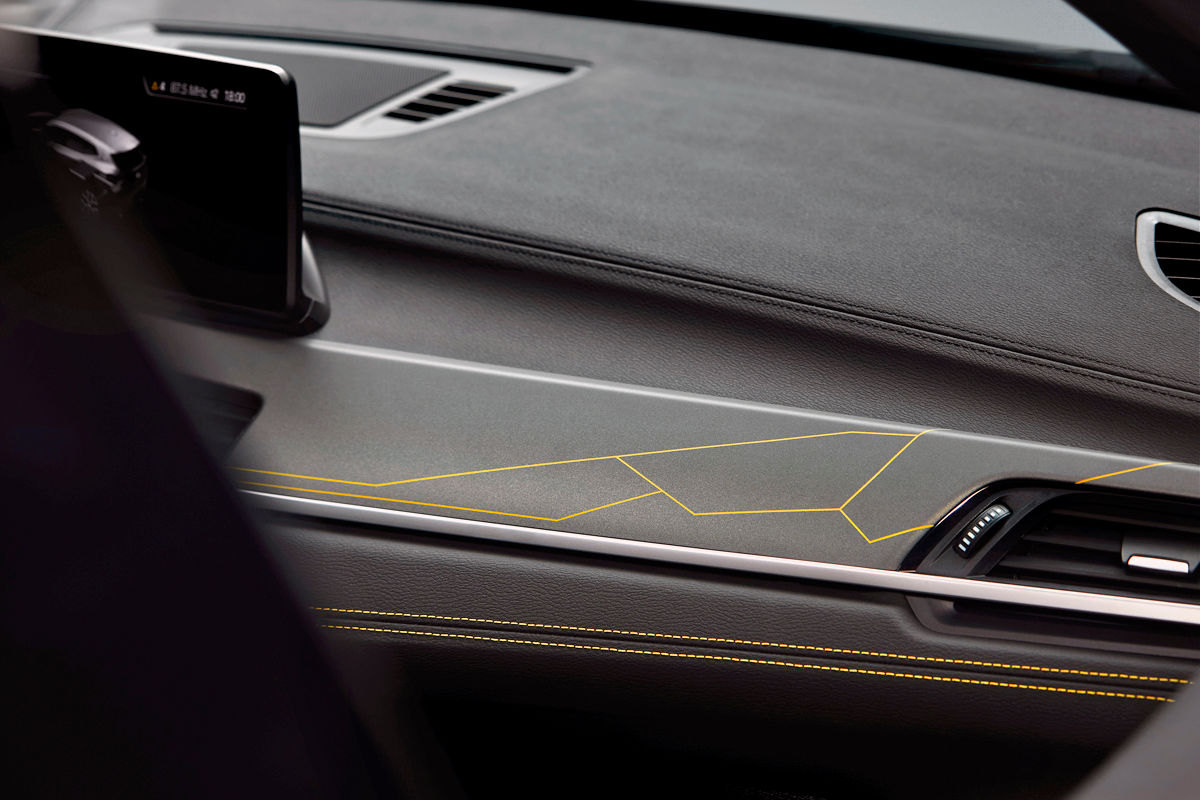
Other additions include gold-coloured contrast stitching for the instrument panel and centre console, as well as door-sill strips featuring “Edition” lettering in Galvanic Gold. Dark Graphite matte trim strips, meanwhile, are added to the dashboard on the passenger side.
The powertrain is untouched, of course, which means the turbocharged 2.0-litre, 4-cylinder petrol engine still offers 225 kW and 450 Nm to all four corners via an 8-speed automatic transmission. The 0-100 kph sprint takes a claimed 4.9 seconds, with top speed pegged at 250 kph.
How much does the BMW X2 M35i Edition GoldPlay cost in SA?
BMW X2 M35i Edition GoldPlay – R960 481
The BMW X2 M35i Edition GoldPlay ships with a 2-year/unlimited kilometre warranty and a 5-year/100 000 km maintenance plan.
Further Fuel Price Pain for June 2022
Data from the Central Energy Fund has suggested that motorists are going to suffer further fuel price increases for the month of June 2022.
Motorists have to tighten their belts yet again as the Central Energy Fund (CEF) is predicting further petrol and diesel price increases for the month of June 2022.
As it stands, petrol is expected to increase by between R1.93 and R1.97 a litre, diesel is expected to increase by between R1.60 and R1.62 a litre, and illuminating paraffin is expected to climb by a whopping R2.14 a litre.
Despite the government’s R1.50 relaxation of the GFL (General Fuel Levy) to try take the sting out of increases, this has not really helped and this relief ends this month.
“In late March government reduced the GFL by R1.50 for April and May which brought temporary relief to consumers. The big question now is how government plans to deal with rising fuel costs from June onwards, especially given that baseline prices are forecast to move significantly upwards in June. Based on current, unaudited data from the CEF petrol,” notes the AA.
“The two main factors which influence local fuel prices are the R/US dollar exchange rate and international oil prices. The Rand is currently trading weaker against the dollar and oil prices are also still high. Given this, the outlook for June’s fuel prices does not look positive,” says the AA.