The Toyota Hilux Rogue is the preview to the hardcore Raptor fighter that’s rumoured to debut in 2023.
What you see here is a creation by Toyota Australia. It’s quite the enhancement, with the official claim being ‘a significant performance and capability upgrade’ for the Toyota Hilux.
Under the skin, the Toyota Hilux Rogue gets a track increase of around 140 mm at the front and rear, while the ride heigh has been raised by 20 mm. The claim is enhanced offroad capability and on-road performance. The suspension has also been tweaked with an extension to the front suspension arm and front stabiliser bar. The shock absorber angle has also been tweaked to enhance cornering stability and ride comfort.
The rear drum brakes have been swopped out for ventilated disk units and the front brakes are now bigger in size. Thanks to these changes, roll rigidity is said to be enhanced by 20% and there’s improved steering feel.
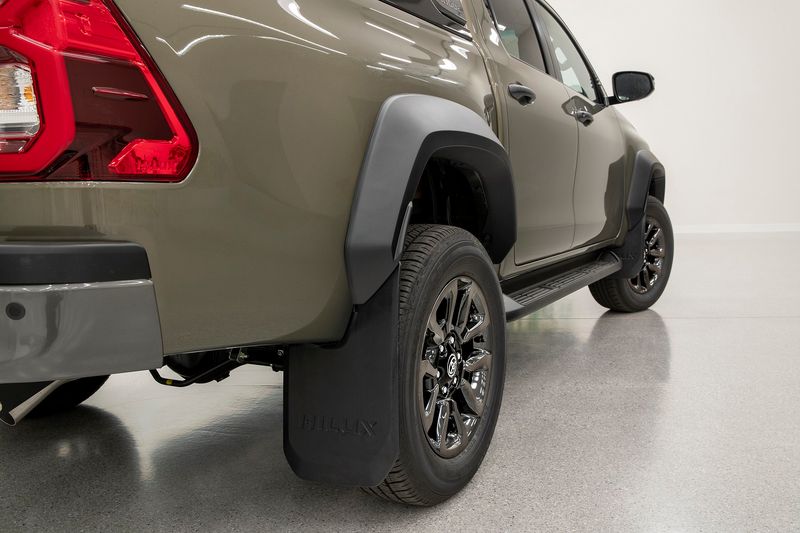
Visually, this model gains wide track over fenders and mudguards to accommodate the increased track and there’s a front body extension too. There’s no engine upgrade, but the release from Toyota Australia makes mention of the intention to launch a brand-new ‘apex offroad variant’ which we suspect is the Toyota answer to the Ford Ranger Raptor.
Where does this news leave South African Toyota Hilux fans? Well, the Rogue is set to go on sale in Australia towards the end of 2022, with the performance derivative likely revealed in 2023. Toyota South Africa is hard at work restoring its Prospecton plant which was heavily damaged due to floods earlier this year. We already know that Toyota SA has a performance Hilux in the works, dubbed GR Sport.
The Toyota Hilux GR Sport breaks the traditional GR hierarchy by offering an engine upgrade and we’re expecting to see that hit showrooms in the next few months, once the factory is back to running at capacity. We suspect there could be delays as the plant will have to clear a backlog of orders. This plant also assembles the Toyota Corolla Cross, a vehicle that has proven popular in SA since its launch.
Winners & losers: SA passenger-car sales halfway through 2022
The first half of 2022 is already behind us! Let’s take a look back at year-to-date sales figures and pick out the winners and losers on South Africa’s new passenger-vehicle market…
In the first half of 2022, South Africa’s new passenger-vehicle market enjoyed a 20.9% increase in sales compared with the same period last year. Out of an industry total of 253 442 units, as many as 176 245 new passenger vehicles were registered locally in that time. As always, there were some winners and some losers.
It’s been a remarkable year thus far, with the industry continuing its steady recovery from myriad pandemic-related challenges and the market leader’s production facility in KwaZulu-Natal being hit by devastating floods. Cat amongst the pigeons or business as usual?
Well, we decided to break out the calculator, look a little deeper and collate six months of sales figures in order to identify the winners (and, in some instances, the losers). Of course, we should point out certain brands (such as Chery and Mercedes-Benz) don’t report sales to Naamsa while some others (like Porsche) report only aggregate figures.
First, we’ll list the top-selling passenger-car brands, then the most popular passenger vehicles overall (a list dominated by hatchbacks and crossovers), before taking a detailed look at two interesting sub-segments: sedans and bakkie-based SUVs. Right, let’s jump in…
SA’s 5 best-selling passenger-car brands in 2022 so far
Despite not being able to build a single Corolla Cross, Corolla Quest or Fortuner at its Prospecton production facility since the floods of mid-April, Toyota (37 151 units, excluding Lexus) managed to retain the passenger-vehicle sales lead (note these figures don’t include light-commercial sales; we’ll examine bakkies in a separate article) in the first half of 2022, more than 8 000 units ahead of the Volkswagen brand (28 647 units, excluding Audi).
Suzuki, meanwhile, cemented itself in third place over the first half of the year, incrementally improving its tally every single month to finish the reporting period on an impressive 21 889 units. Hyundai (16 498 units) managed a comfortable fourth place, ahead of Renault (14 068 units) in fifth.
While Kia (10 204 units) didn’t manage to crack the top 5, it was the only other manufacturer to break into five figures, while Ford – having recently discontinued passenger cars such as the Fiesta and Figo – had to settle for a six-month tally of 5 536 units (thanks largely to the efforts of the evergreen EcoSport), meaning the Blue Oval brand was beaten by the seemingly ever-growing Haval (6 791 units).
If we exclude low-volume, high-end brands such as Bentley, Lamborghini and Ferrari, brands that found themselves at the foot of the passenger-vehicle table included Subaru (376 units), Citroën (250 units) and Alfa Romeo (134 units).
1. Toyota – 37 151 units
2. Volkswagen – 28 647 units
3. Suzuki – 21 889 units
4. Hyundai – 16 498 units
5. Renault – 14 068 units
SA’s 5 best-selling passenger vehicles of 2022 so far
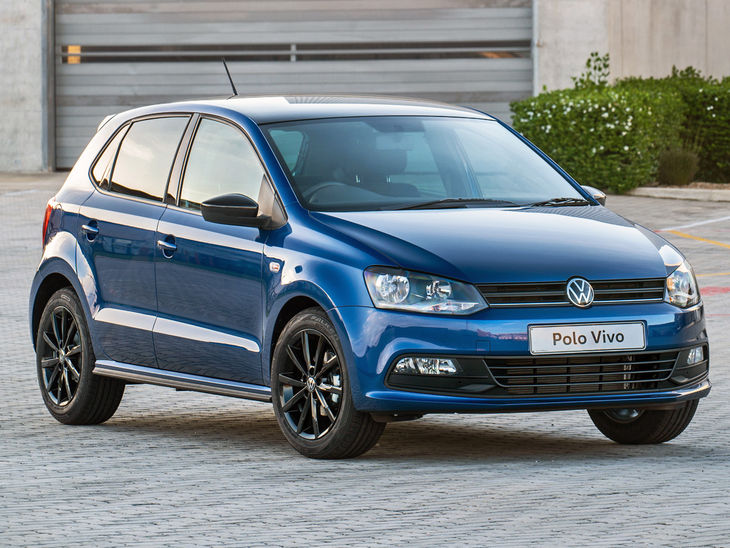
What about the top sellers in terms of passenger-car model ranges? Well, hatchbacks took the first three places, before crossovers completed the top 5. As has historically been the case, the Kariega-produced Volkswagen Polo Vivo hatchback was one of the big winners, leading the charge with nearly 9 500 units registered in the first six months of the year. The Indian-built Suzuki Swift (8 810 units) grabbed a very strong second, a mere 659 units off the pace.
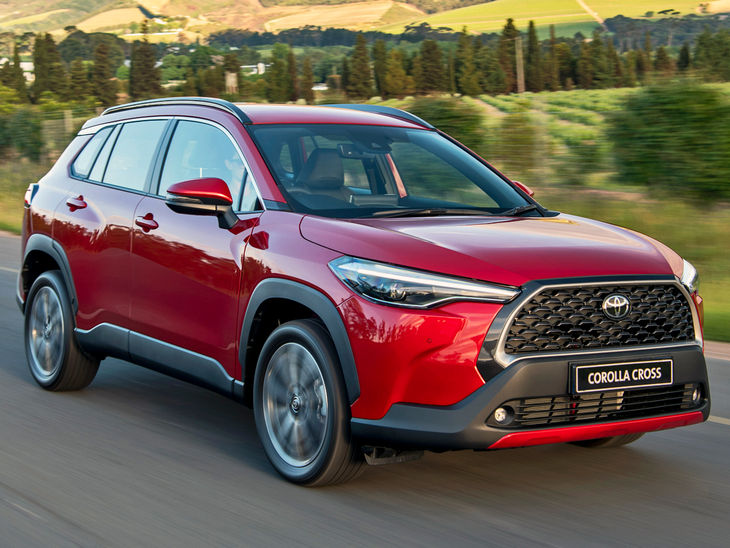
VW’s Polo hatchback (7 976 units) thus had to be content with being shoved down into an unfamiliar third place, while the likewise locally built Toyota Corolla Cross (7 216 units) took fourth despite just 362 units being registered in the final two months of the reporting period thanks to the Prospecton factory being well and truly shuttered. Had the floods never happened, the Corolla Cross would surely have given the Vivo a run for its money.
Toyota’s Suzuki-built Urban Cruiser claimed fifth spot with 7 188 units sold, keeping the likes of the Toyota Starlet (6 900 units), Volkswagen T-Cross (5 185 units) and Haval Jolion (4 843 units) out of the top 5.
Although a lack of consistent reporting from BMW and Mercedes-Benz means we don’t know how many 3 Series and C-Class units (never mind the brands’ raft of other saloons) were registered in South Africa in the first half of the year, it’s nevertheless a fascinating exercise to tally up sedan sales, particularly as many automakers have exited this part of the market in recent years owing to an apparent lack of demand.
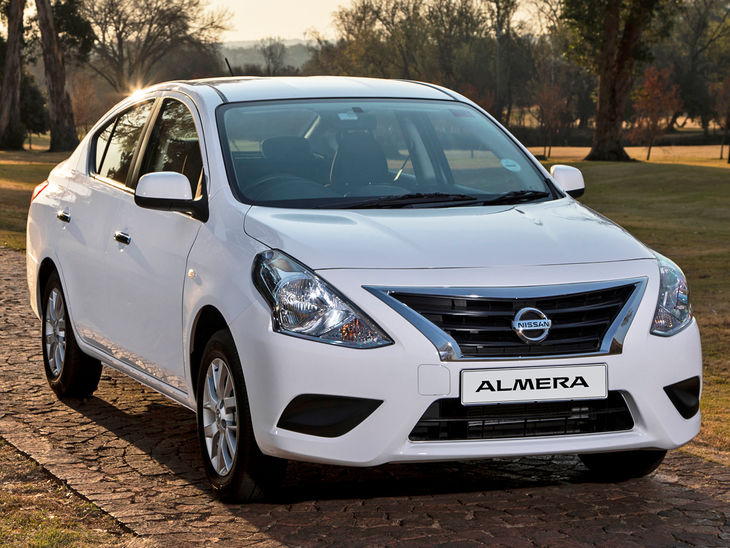
There’s certainly still demand for the Volkswagen Polo Sedan (2 944 units) – soon be succeeded by a fresh three-box model – which was 2022’s best-selling sedan up to the end of June. However, the race against the ultimately second-placed Toyota Corolla Quest (2 245 units) would have been exceedingly tight had the KZN floods not forced production of the prolonged lifecycle sedan to grind to a halt. The Nissan Almera (1 626 units) grabbed a comfortable third, with the Kia Pegas (939 units) and Suzuki Dzire (759 units) rounding out the top 5.
There was no space for the likes of the Honda Amaze (678 units), Corolla Sedan (597 units), Suzuki Ciaz (366 units), Honda Ballade (277 units), Audi A4 (260 units), Audi A3 Sedan (191 units) and Lexus ES (103 units), while the Alfa Romeo Giulia (57 units), Lexus IS (33 units), Audi A6 (15 units), Jaguar XF (4 units) and Volvo S90 (1 unit) found themselves towards the very bottom of the pile.
SA’s 5 best-selling bakkie-based SUVs of 2022 so far
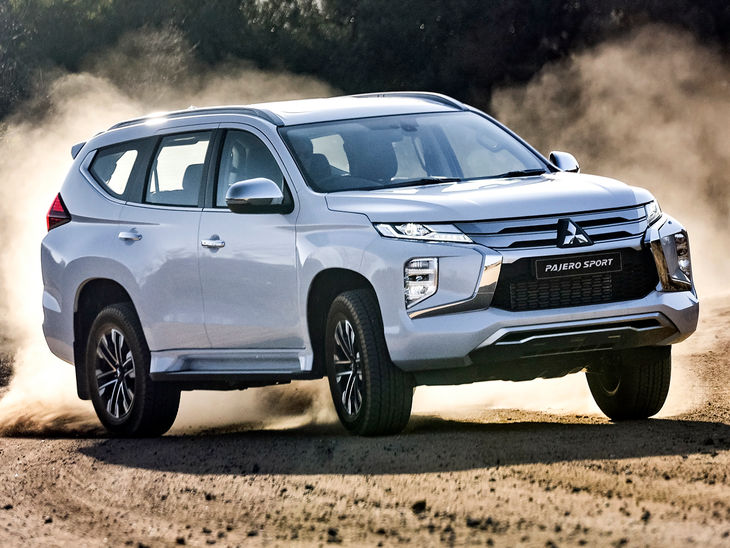
The Toyota Fortuner (3 862 units) positively dominated the seven-seater bakkie-based SUV segment, again despite a lack of local production in part of April and all of May and June. The Ford Everest (1 024 units) was the only other contender to reach four figures, while the Mitsubishi Pajero Sport (560 units) interestingly snuck in ahead of the Isuzu MU-X (485 units). With only a limited number available, the Nissan Terra closed out the top 5 with a tally of 118 units.
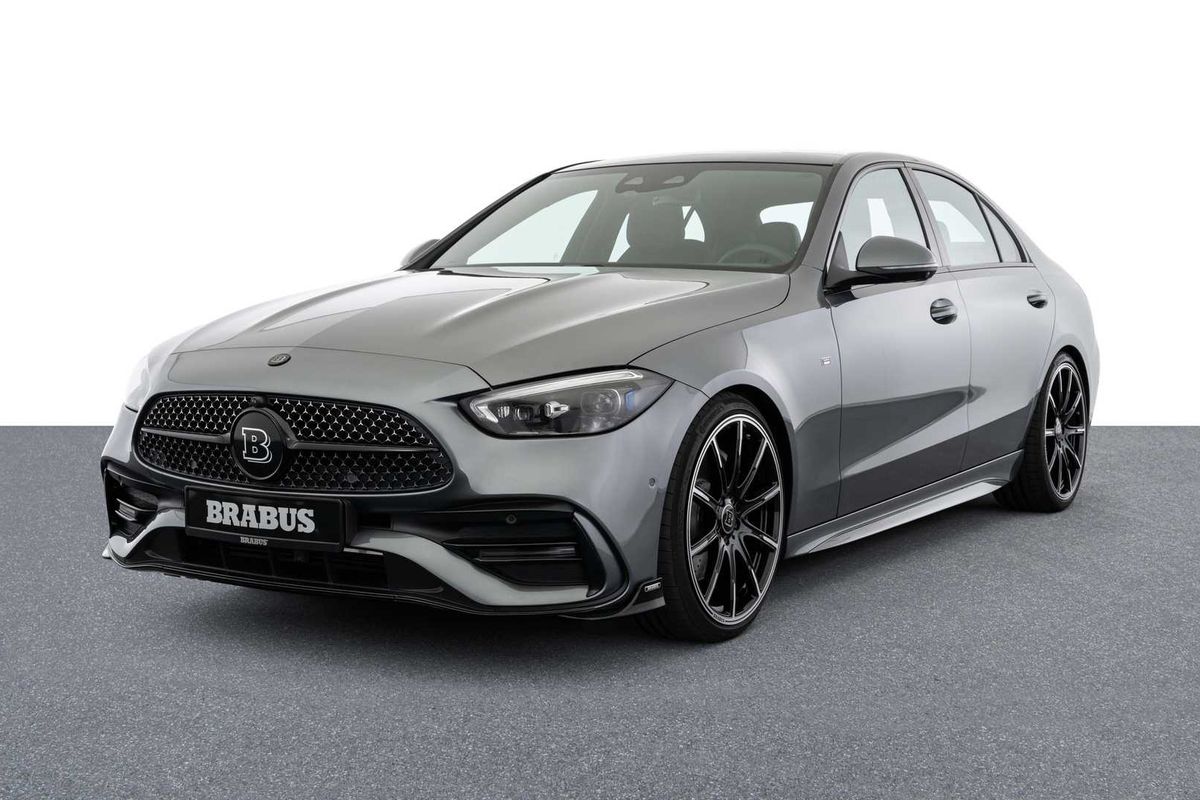
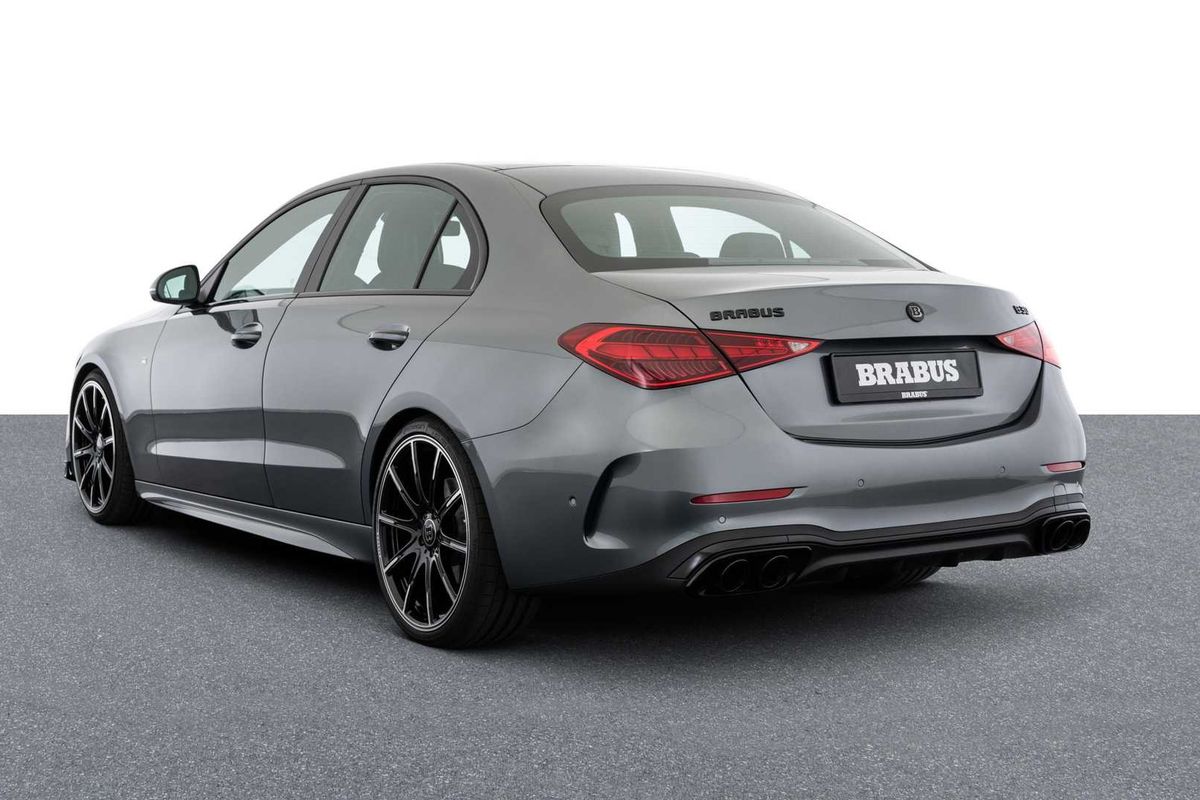
While we wait patiently for the brand-new Mercedes-AMG C63, the German tuner has announced a tasty Brabus C-Class kit to whet our appetites.
German tuner Brabus is known for spicing up the products from Mercedes-Benz and while some of the creations involve hotting up already performance-focused AMG derivatives, its kits for your run-of-the-mill Mercedes-Benz vehicles have proven popular.
The latest model to receive some goodness is the current generation Mercedes-Benz C-Class. The package is comprehensive, with visual and performance updates.
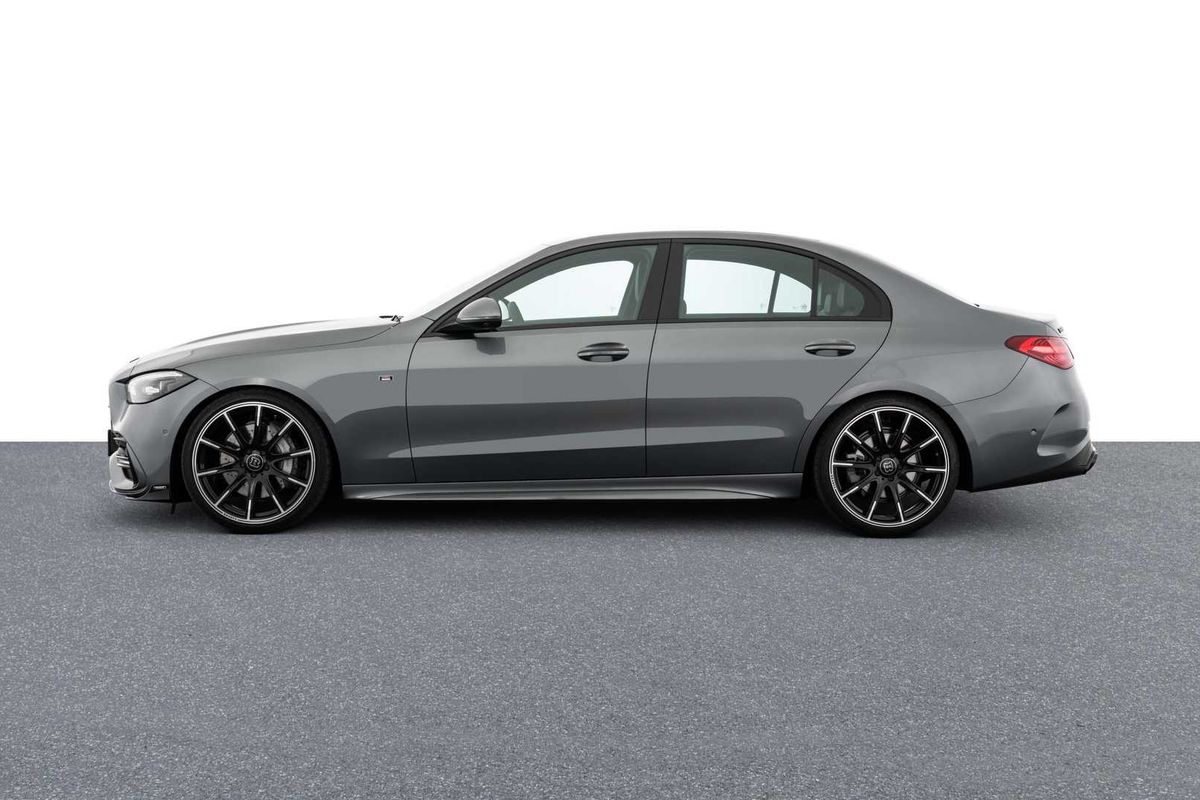
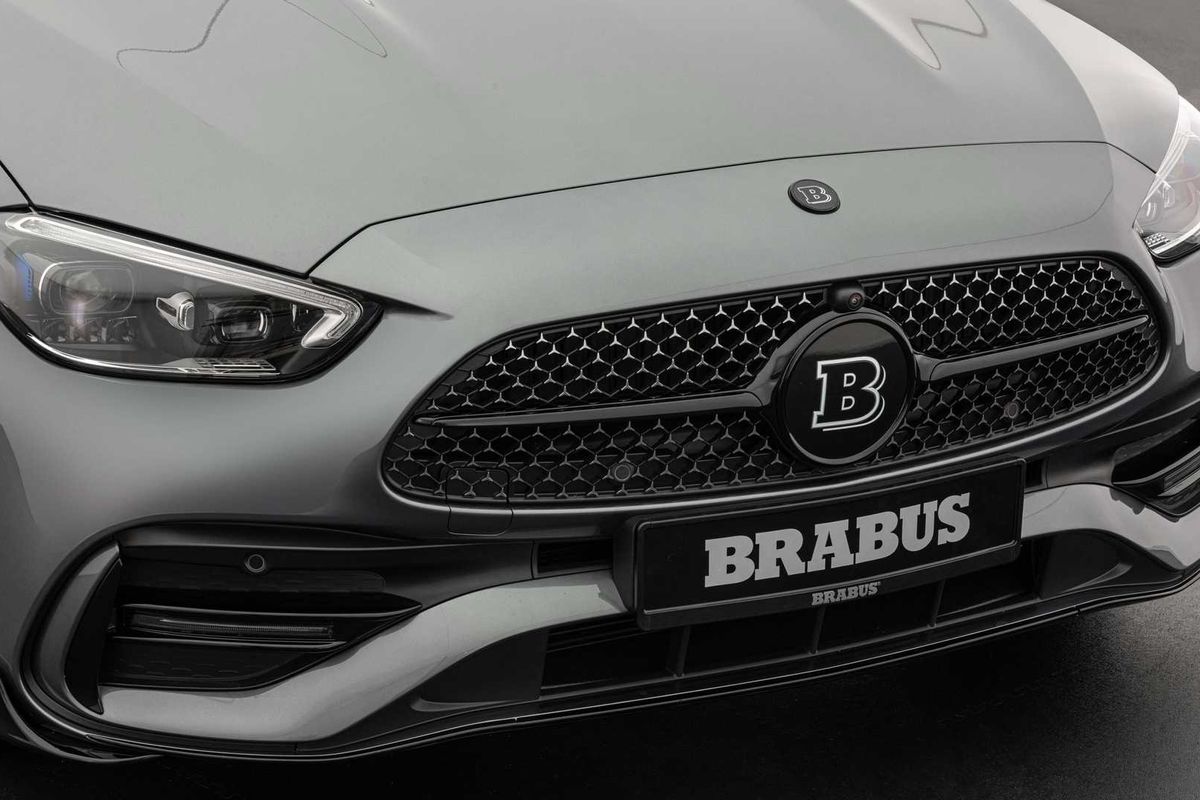
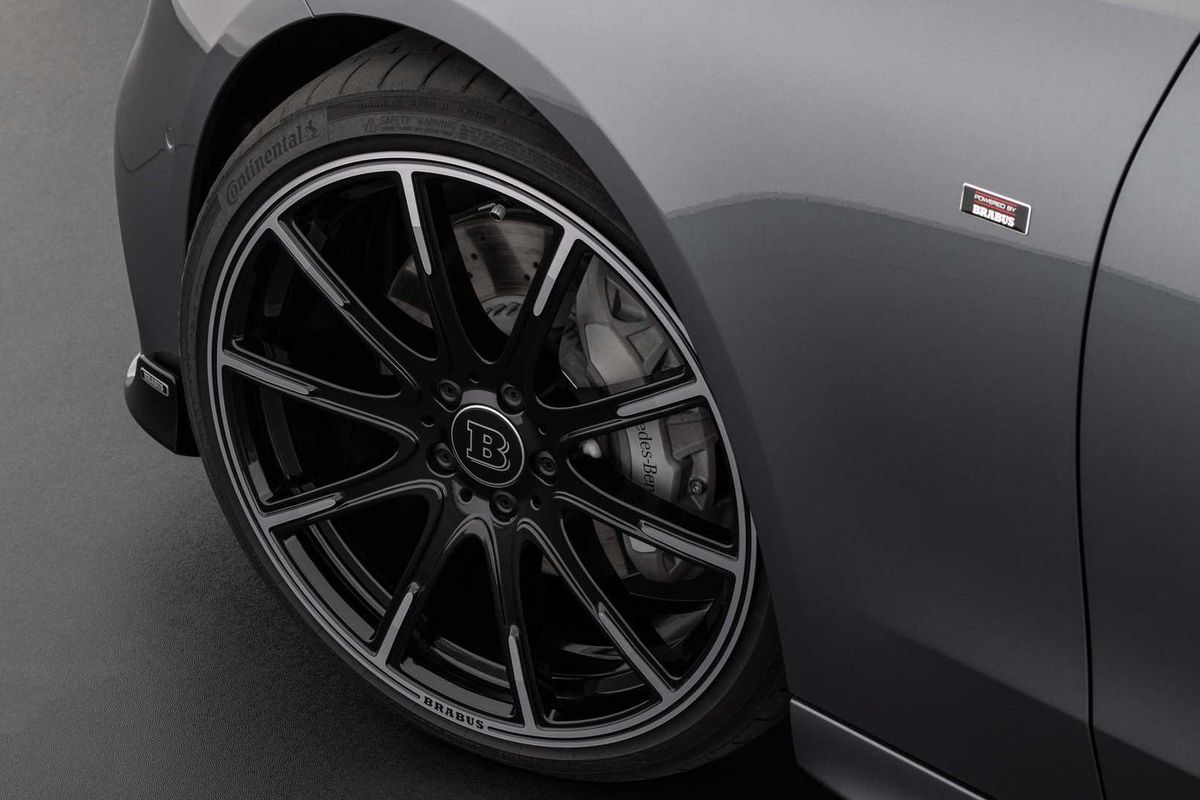
Visually, this is one very neat looking offering. The styling upgrades are tasteful and not too in your face. There are some great touches which also have function, like the spoiler corners that will reduce lift on the front axle at speed and improve stability. There are LED strips on the front air intakes too, which will really look the part at night.
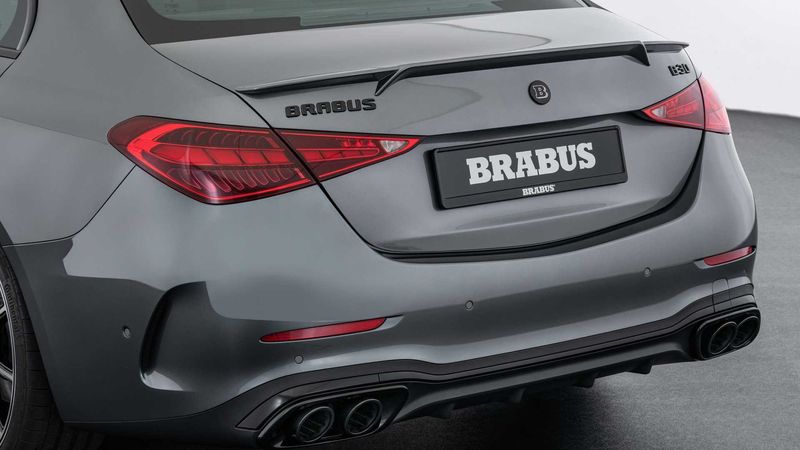
At the rear there are big quad exhaust tips, a boot lid spoiler that also helps with the aerodynamics and numerous wheel options ranging from 18- to 20-inches in size. A lowering suspension kit is offered, dropping the vehicle’s ride height by as much as 30 mm.
Importantly, there’s a performance upgrade too for the Brabus C-Class and what you see here is the C300 4Matic. The 2.0-litre turbocharged 4-cylinder petrol motor gets an extra 31 kW and 50 Nm. With the Brabus boost, 0-100 kph drops to 5.8 seconds. The diesel C300d is also eligible for an upgrade and once Brabus is done, 228 kW and 600 Nm is offered.
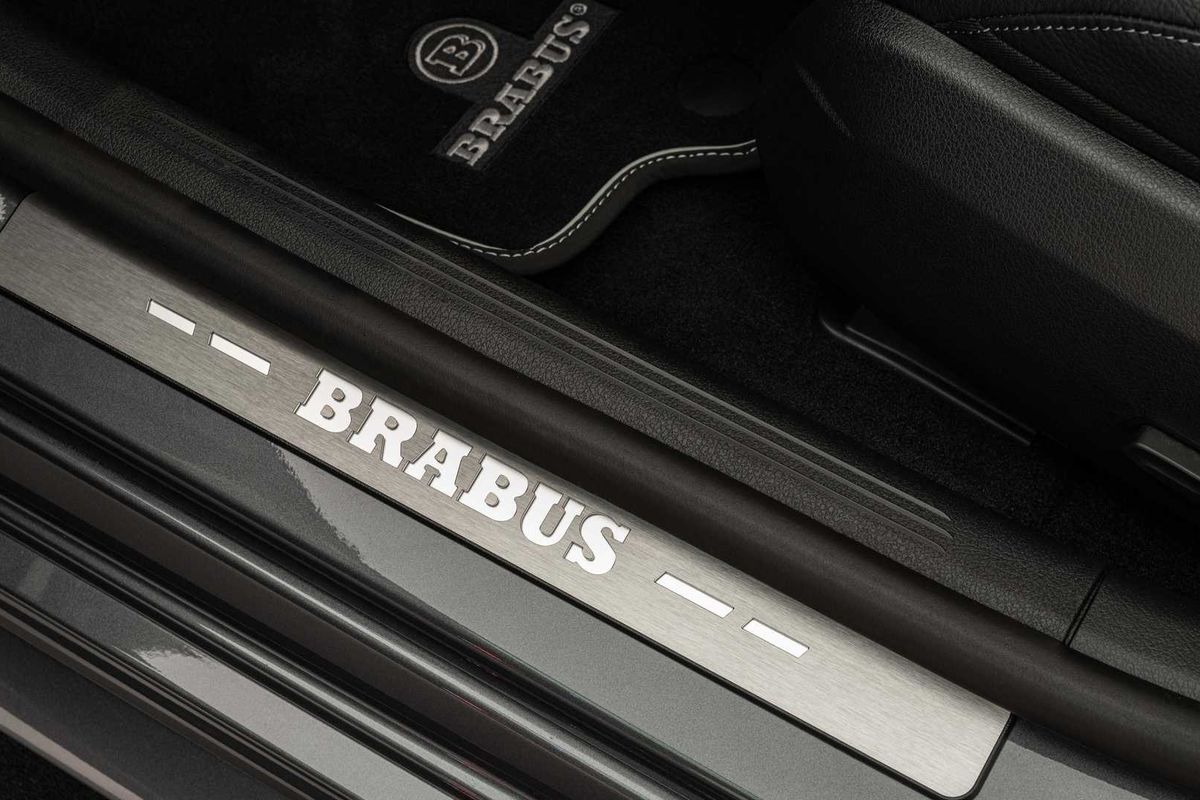
Inside, its a subtle affair for the Brabus C-Class with the tuner applying the lightest of touches with leather and Alcantara detailing, aluminium pedals and Brabus-branded floor mats.
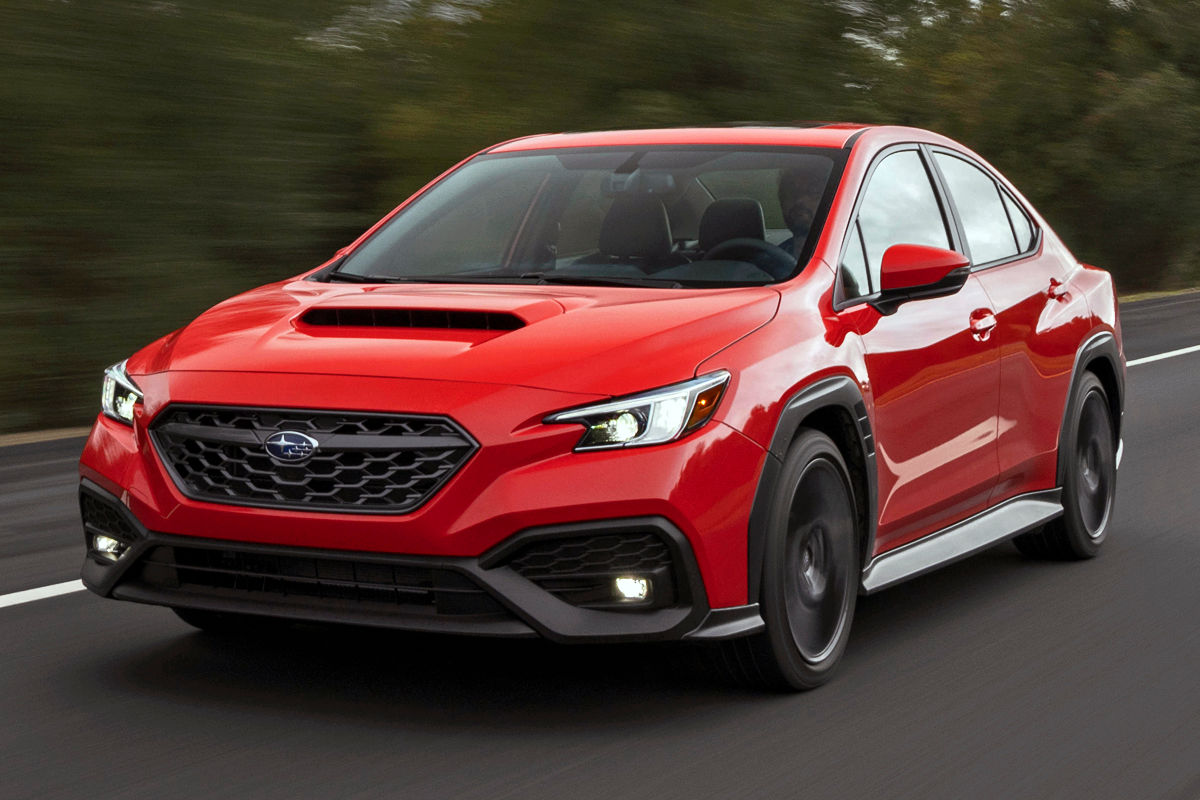
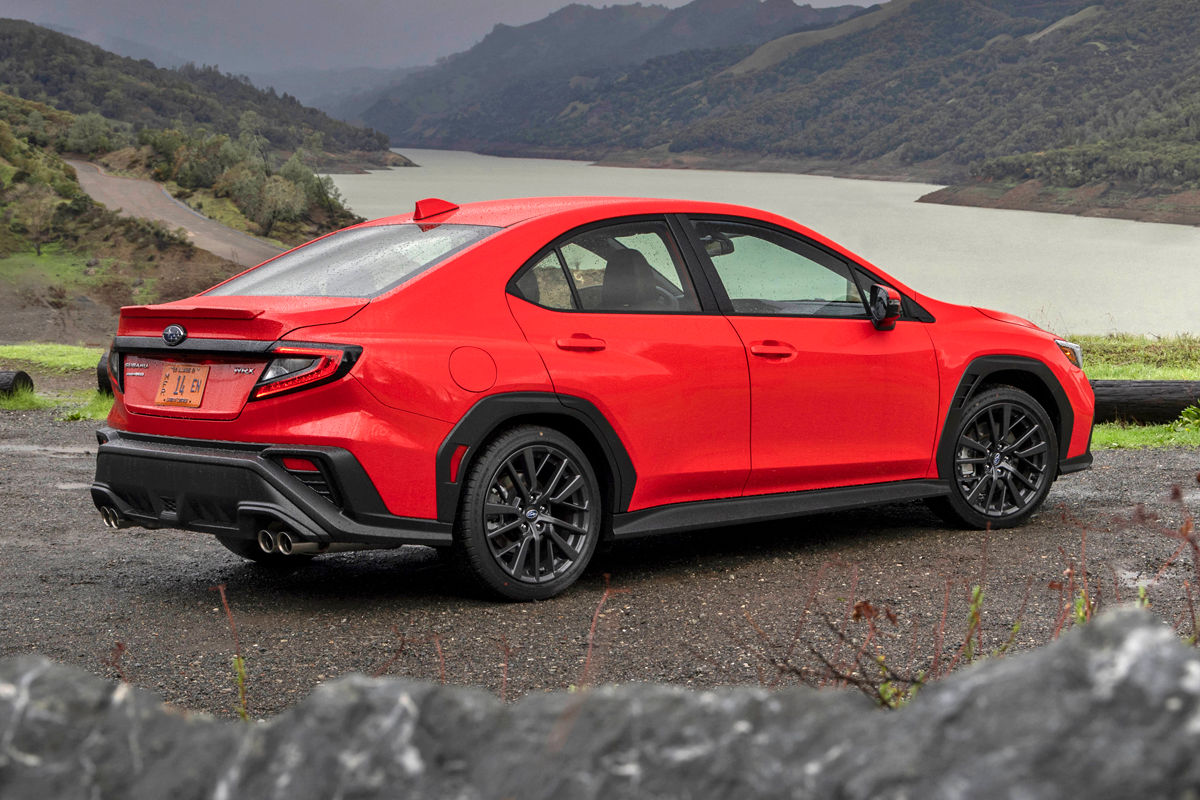
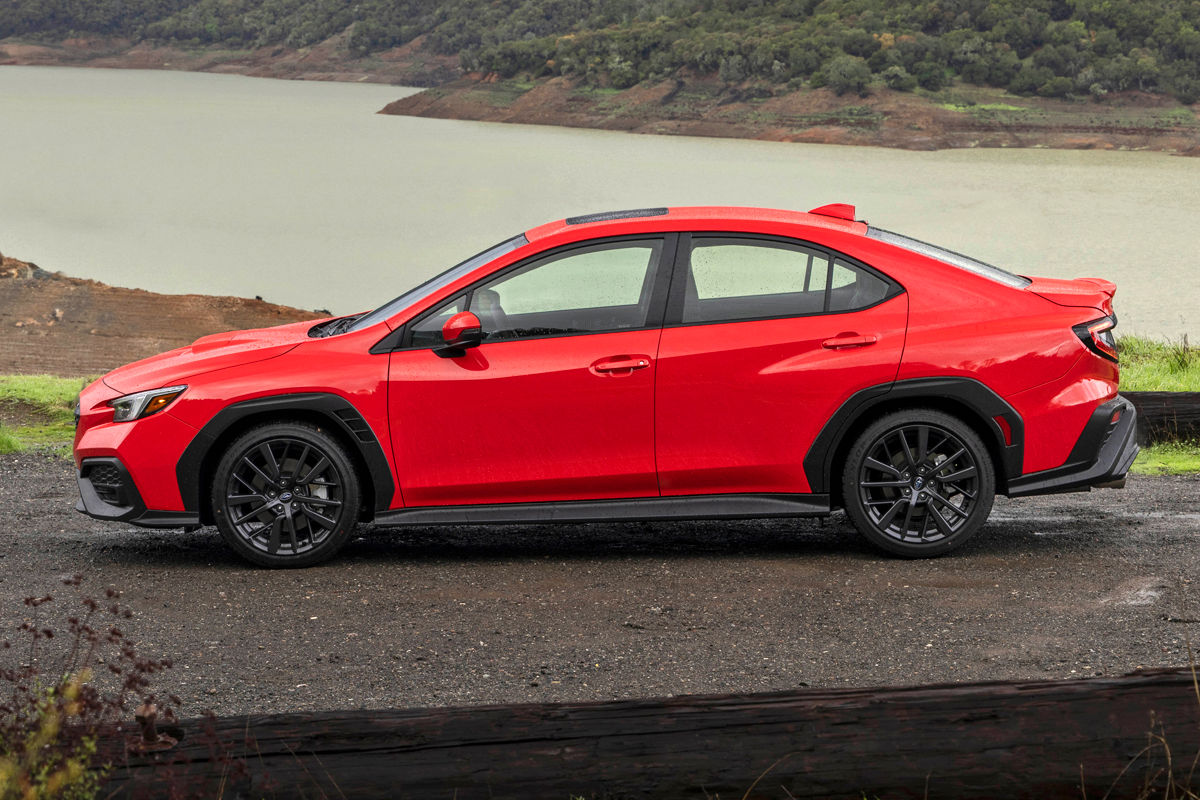
The new Subaru WRX has arrived in South Africa! Take a look at specification and pricing details below…
Japanese performance sedan fans, we have some news. The new Subaru WRX has arrived in South Africa!
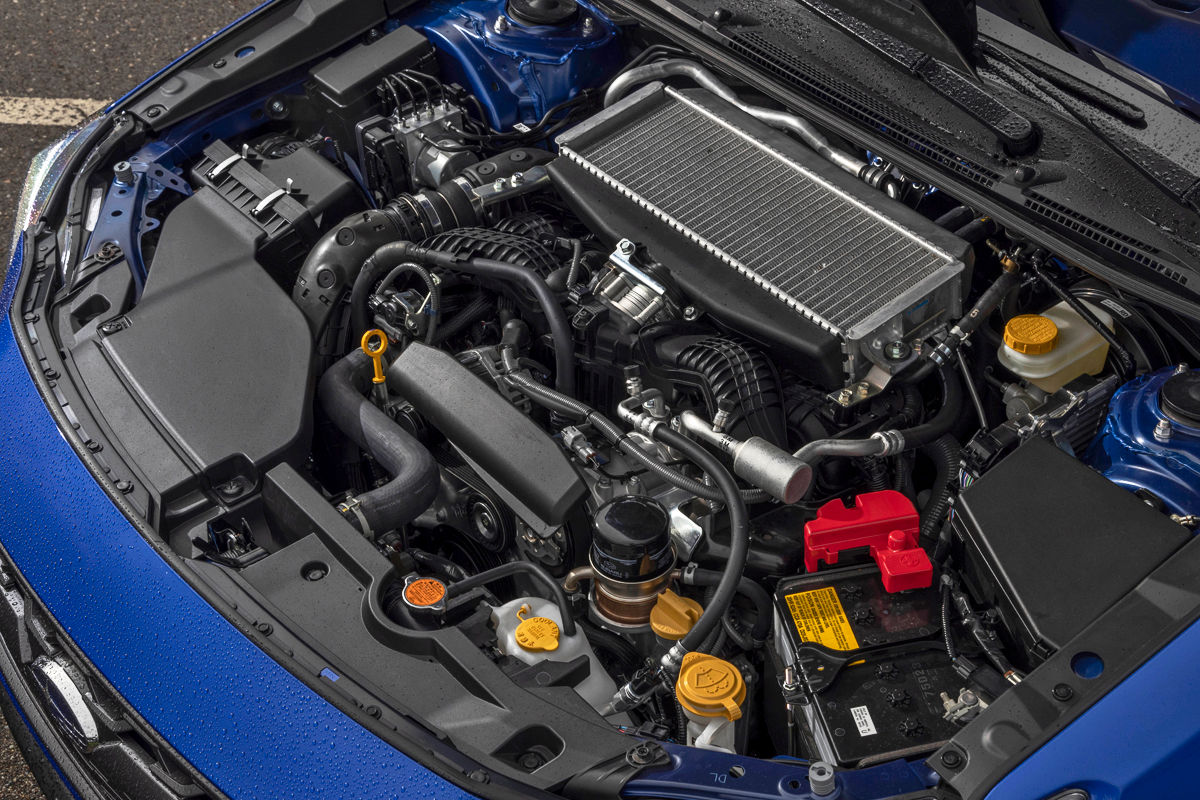
The new WRX – which was revealed in September 2021, complete with black cladding fore, aft and along its flanks – upsizes from the old 2.0-litre engine to a turbocharged 2.4-litre flat-four unit generating 202 kW (up 5 kW) at 5 600 r/min and 350 Nm (the same peak torque as the outgoing model) from 2 000 to 5 200 r/min. As before, symmetrical all-wheel drive is a standard feature.
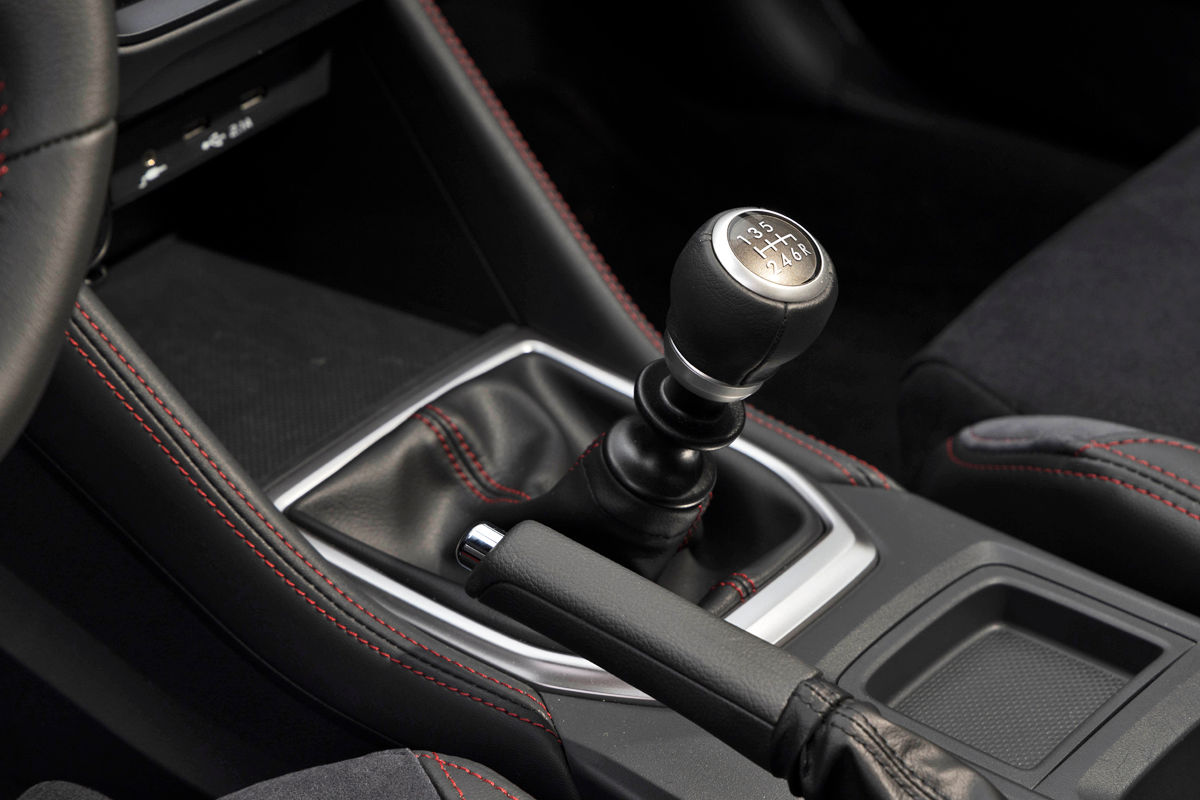
In South Africa, the new WRX range comprises 2 derivatives (just like the old line-up): an updated 6-speed manual model and a version available with something called the “Subaru Performance Transmission”. The latter is, in fact, a continuously variable transmission (CVT) with 8 steps exploitable via paddle shifters.
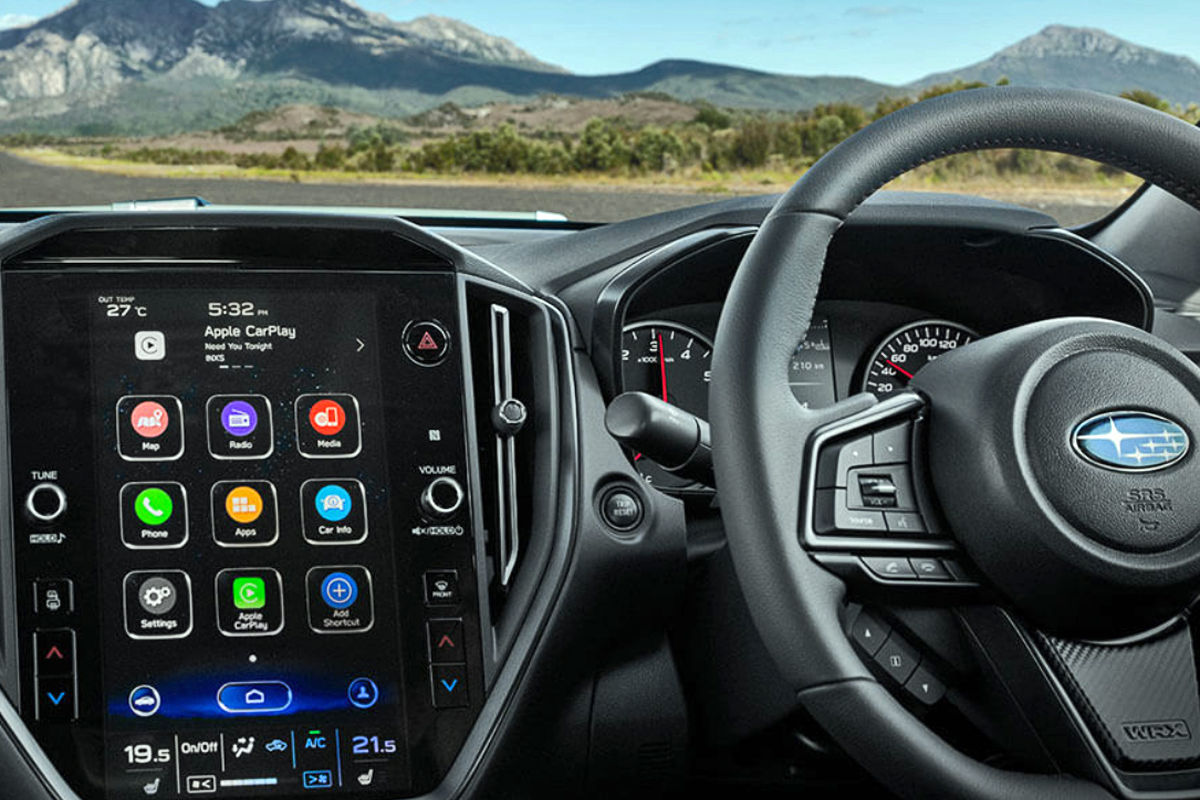
Interestingly, the CVT version ships standard with a fair bit more equipment than the manual model. Still, kit common to both includes an 11.6-inch touchscreen, a 10-speaker Harman Kardon sound system, keyless entry, push-button start, an electrically adjustable driver’s seat, heated seats (up front), a reversing camera, a sunroof, 18-inch alloy wheels, as many as 8 airbags and high-beam assist for the automatic headlamps.
However, the self-shifting version of the WRX adds items such as Si Drive (with 3 pre-set modes), 5 driving modes, adaptive dampers, an electric parking brake, a memory function for the driver’s seat, rear automatic emergency braking and the full Eyesight 4.0 driver assistance package (encompassing pre-collision braking, pre-collision throttle management, adaptive cruise control, lead-vehicle start alert, lane departure warning, lane departure prevention, lane sway warning and emergency lane keep assist).
The local WRX range includes 8 exterior paint colour options including Ice Silver metallic, Ceramic White, Crystal Black Silica, Magnetite Grey metallic, Ignition Red, Solar Orange Pearl, WR Blue Pearl and Sapphire Blue.
How much does the Subaru WRX cost in South Africa?
Subaru WRX 2.4DIT Manual – R759 000
Subaru WRX 2.4DIT tS ES CVT – R859 000
The Subaru WRX is sold with a 5-year/150 000 km warranty and a 3-year/75 000 km maintenance plan.
Of course, since Subaru’s global division has confirmed it won’t be rolling out a full-fat STI based on the new WRX, fans of the Japanese performance sedan will have to settle for the latest 202 kW version of the saloon instead.
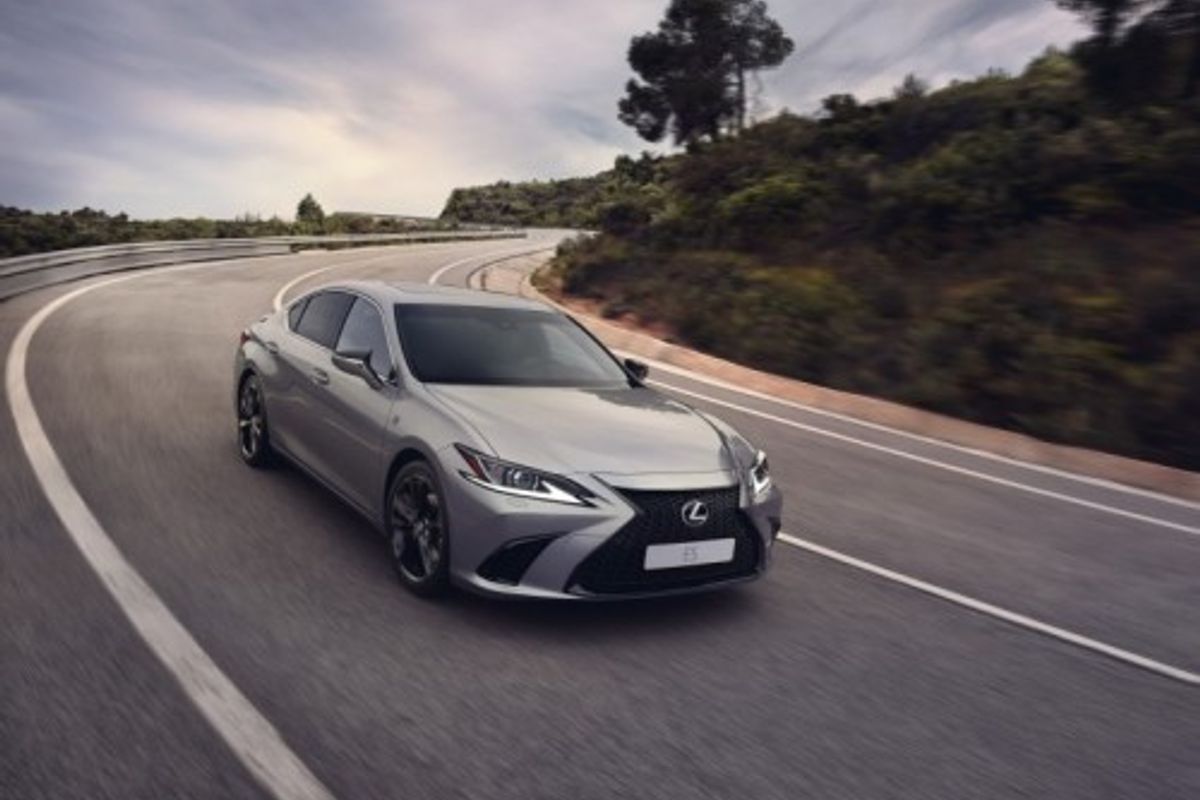
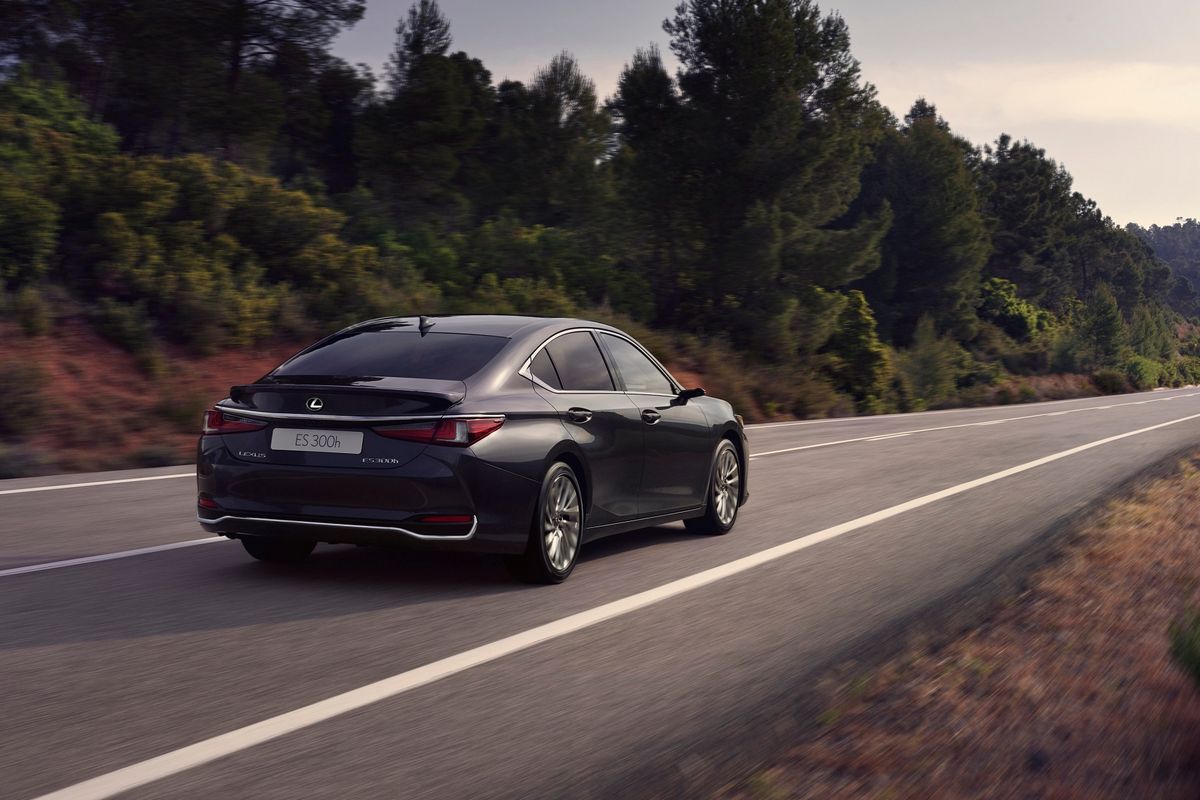
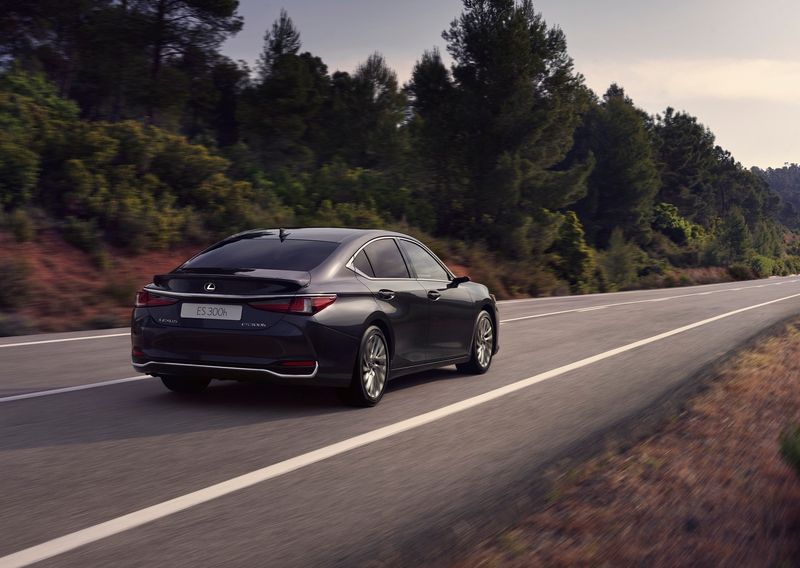
Numerous upgrades for the Lexus ES will be rolled out for the 2023 Model Year.
Despite the car-buying market showing a massive desire for the SUV, there’s just something alluring about a refined and comfortable sedan. Few brands still offer upmarket sedans, one of which is Lexus whose ES is a seriously underrated offering.
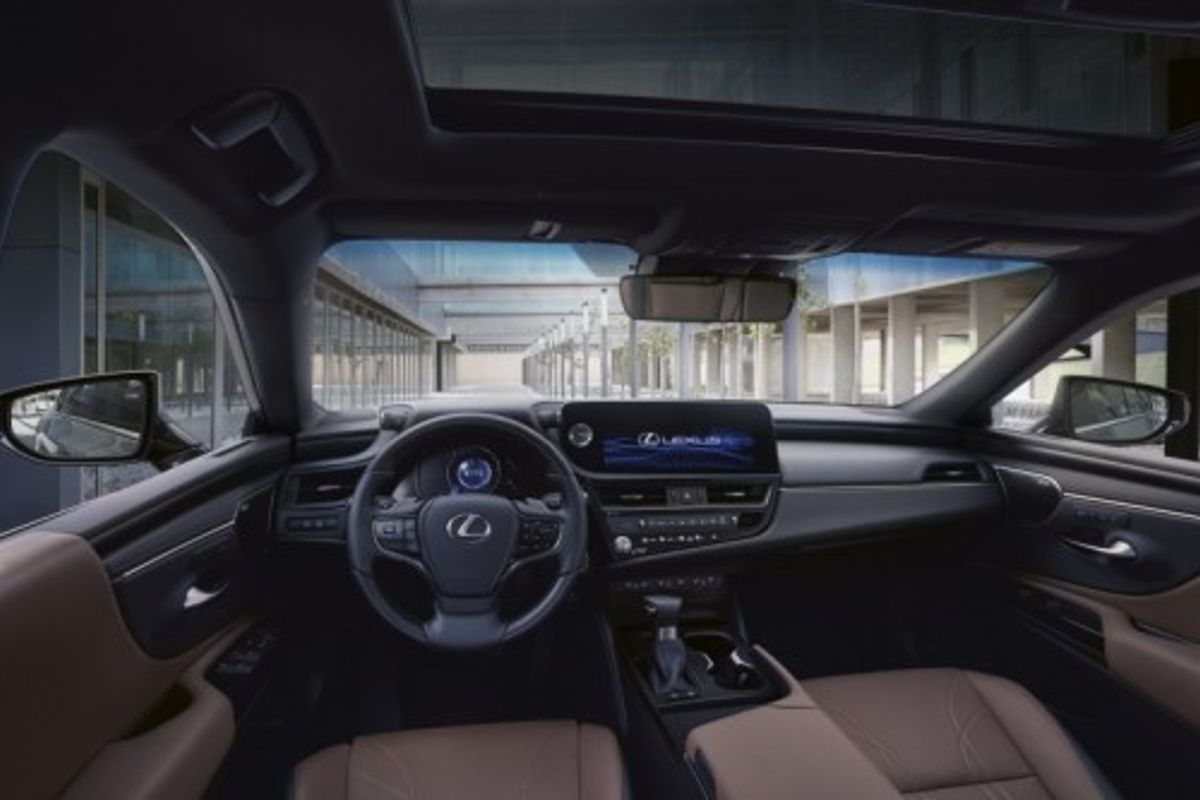
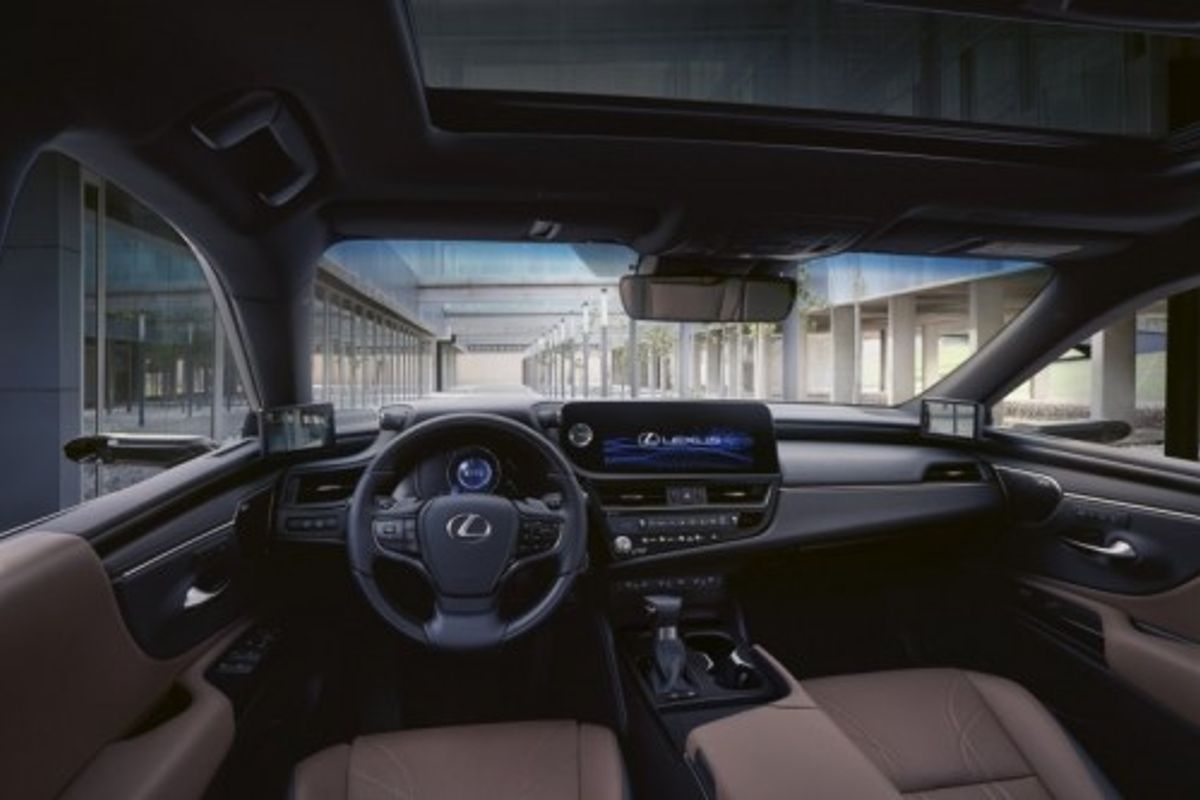
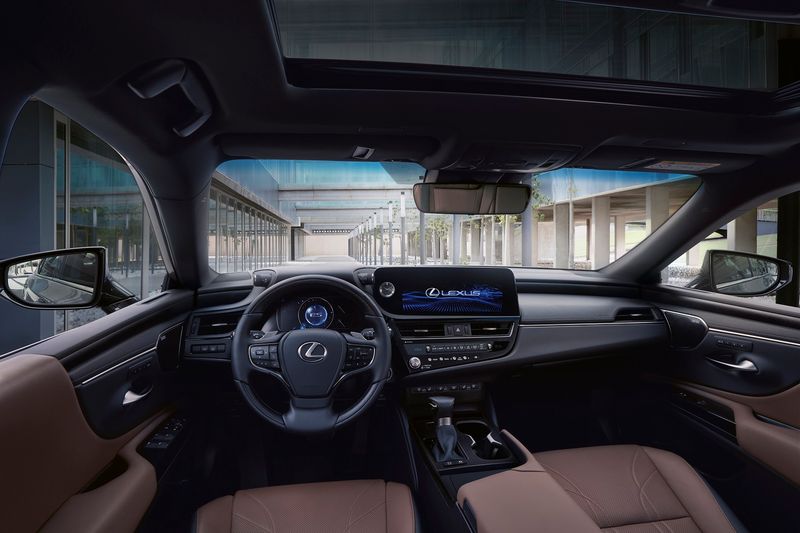
For the 2023 model year, Lexus has enhanced its ES sedan. The controversial laptop-style touchpad has been ditched, with two cup holders and a wireless charging pad replacing it. This change forms part of an entire reconfiguration of the car’s front central console and there are now USB-A and USB-C ports too. Other noteworthy updates include wireless smartphone integration, cloud-based navigation and voice recognition capability.
Yes, Lexus has joined other premium carmakers by offering a “Hey Lexus” digital assistant that allows verbal instructions to adjust climate controls, operate the audio system and activate telephone functions. There’s also app connectivity. The Lexus Link application on your smartphone will allow the car to be opened or locked, flash the hazard lights and set climate control before driving.
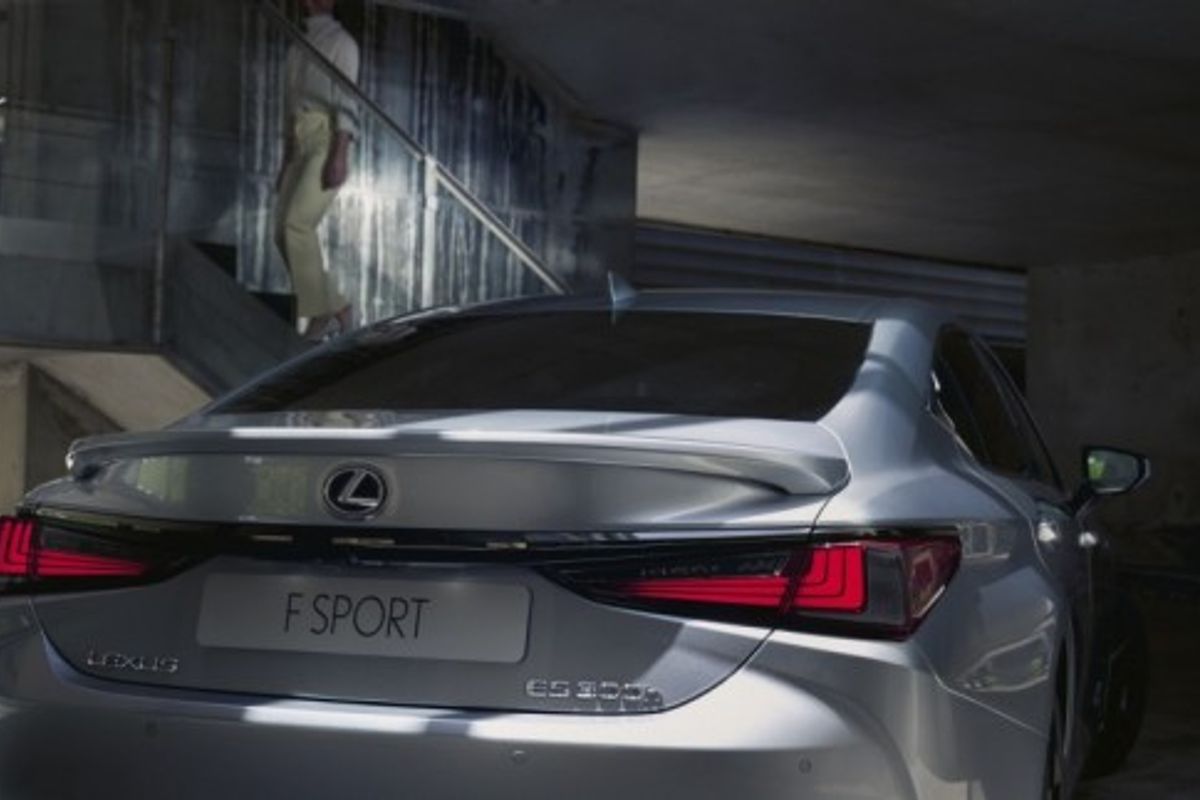
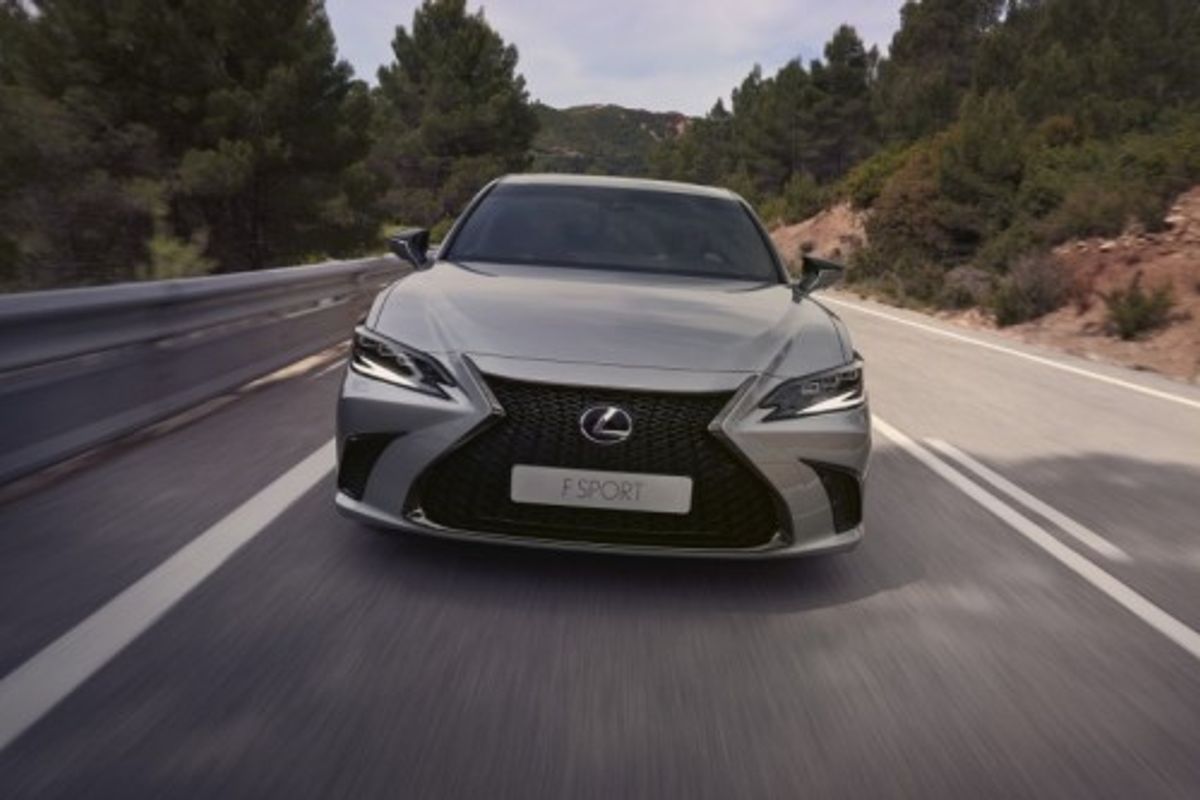
There’s a new flagship trim option, dubbed F Sport Design that features black 19-inch alloy wheels, 10 exterior colours, 4 interior colours and a subtle F Sport Design badge on each fender.
It appears the engine and transmission options have not been changed. Locally in SA, the Lexus ES is offered with two engines, both with a capacity of 2.5-litres. The naturally-aspirated 2.5 petrol has outputs of 152 kW and 243 Nm, while the hybrid 2.5 has 160 kW and 221 Nm, the latter being superior when it comes to fuel economy. It’s claimed to consume just 4.6 L/100 km and the hybrid powertrains offers a relaxing drive. Check out our review of this vehicle here.
10 best-selling bakkies in South Africa: June 2022
Since Toyota’s factory in KZN wasn’t able to build a single bakkie in June 2022, the Hilux tumbled out of the top three. Let’s take a look at the month’s best-selling bakkies…
Although South Africa’s new-vehicle market put in what Naamsa describes as an “inspiring” performance in June 2022, sales in the light-commercial vehicle segment fell a significant 20.8% year on year to 8 877 units. Much of that drop can be attributed to the fact not a single Hilux (not to mention Hi-Ace) unit rolled off the assembly line in Prospecton during the month as Toyota continued its recovery from April’s devastating floods.
Indeed, after falling to an unfamiliar second place on the list of SA’s best-selling bakkies in May 2022, the Japanese stalwart found itself outside of the top three in June. Let’s take a closer look at June 2022’s sales figures and the placings.
With the Hilux again hamstrung, the Ford Ranger took first position for the second month in a row, improving slightly on May’s tally to end on 1 601 units. It’ll be interesting to see just how consistent the Blue Oval brand’s bakkie is able to remain as the Silverton factory switches to building the new-generation Ranger (and subsequently kicks of production of the new Volkswagen Amarok) in the coming months.
The new Isuzu D-Max moved up one spot to second, though its final figure of 1 280 units seemingly also includes the prolonged lifecycle D-Max Gen 6 range. The likewise locally produced Nissan NP200 (1 249 units) also gained a place to finish in third, just a nose behind the D-Max.
Evidently relying on stock already in circulation, 969 units of Toyota’s Hilux were registered countrywide in June 2022, which was enough to see it finish the month in fourth, well ahead of the fifth-placed Mahindra Pik Up (615 units). Though the Rosslyn-built Nissan Navara (554 units) crossed the 500-unit mark and closed the gap to the aforementioned Pik Up, it wasn’t able to improve on its sixth position.
The GWM P-Series (382 units), meanwhile, climbed one spot to grab seventh. With the GWM Steed (277 units) dropping two places to ninth, the Toyota Land Cruiser 79 (297 units) moved up one to eighth. As is so often the case, the outgoing Volkswagen Amarok (184 units) closed out the top 10.
Best of the rest in June 2022
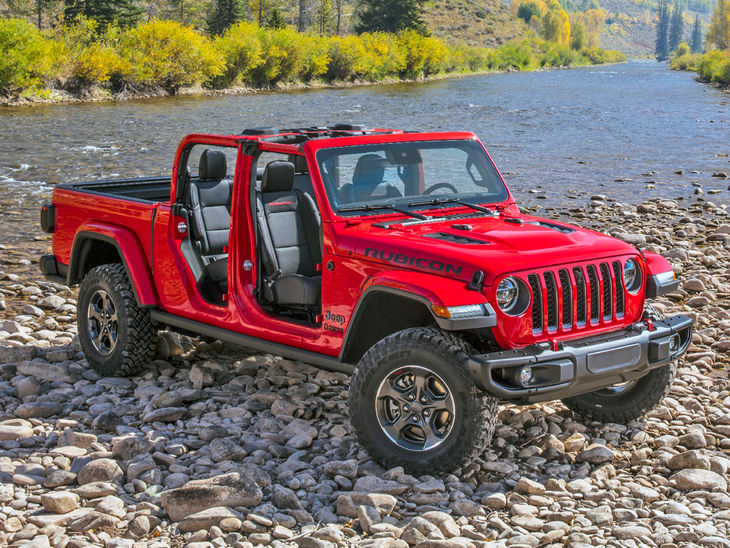
What about the segment’s smaller players? Well, the Mahindra Bolero (66) was yet again the best of the rest in June 2022, while the Mitsubishi Triton wasn’t far behind on 60 units. The long-awaited Jeep Gladiator managed 55 registrations in its launch month, while JAC reported a combined figure of 54 units for its T-badged (T6 and T8) bakkies. The Peugeot Landtrek ended the month on 29 units, while sales of the D-Max-based Mazda BT-50 fell to 17 units.
Export winners in June 2022
Ford again led the export charge, with a whopping 8 563 units of its Ranger shipped from local shores in June, streets ahead of the Isuzu D-Max (480 units) and Toyota Hilux (65 units).
10 best-selling bakkies in South Africa for June 2022
Could a Toyota Hilux rival from Kia be the double-cab bakkie we’ve all been waiting for? The Korean brand certainly has all the ingredients to produce such a model…
In all of history, there has been only one truly outspoken and gloriously unfiltered Asian automotive executive – the indomitable Soichiro Honda.
American car-company bosses make bold claims. German CEOs confidently expound their strategies for luxury-segment dominance. But Asian automotive execs? They tend to be conservative and measured in their public utterances.
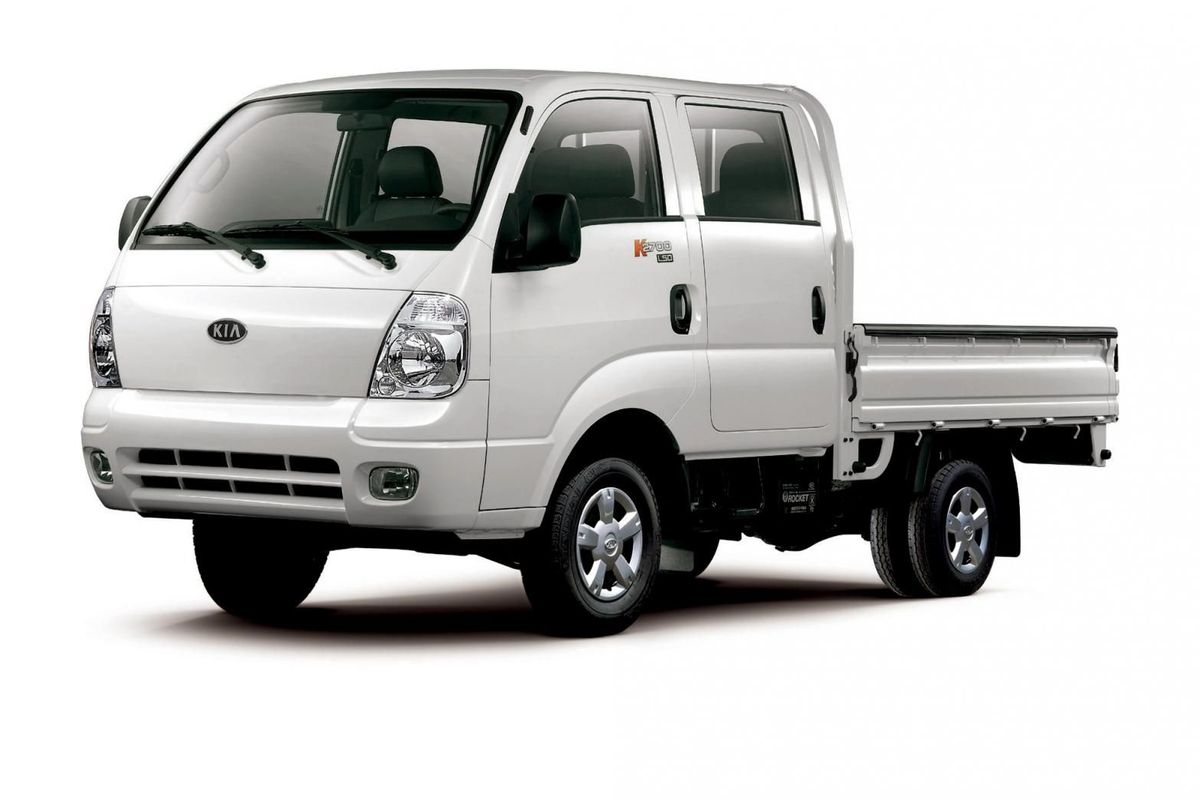
When Kia’s boss, Ho-sung Song, briefed investors earlier this year, he wasn’t being conservative, however. The CEO of Hyundai’s sister brand detailed 14 new Kia models that would be introduced by 2027, including two bakkies. And no, he was referring to a K2700 successor among those.
Going way beyond Kia’s current bakkie business
Up to now, Kia’s double-cab offerings have not quite been what traditional bakkie customers would like.
It’s telling that Song mentioned the presence of two bakkies as part of Kia’s R&D strategy. Globally, bakkies are a foolproof business (okay, unless you’re Mercedes-Benz and you overestimate demand for a pick-up that bears the Three-pointed Star, but is based on another firm’s product), but nowhere are the profit opportunities better than in North America. And that’s traditionally been a source of frustrated expectations for South African bakkie followers.
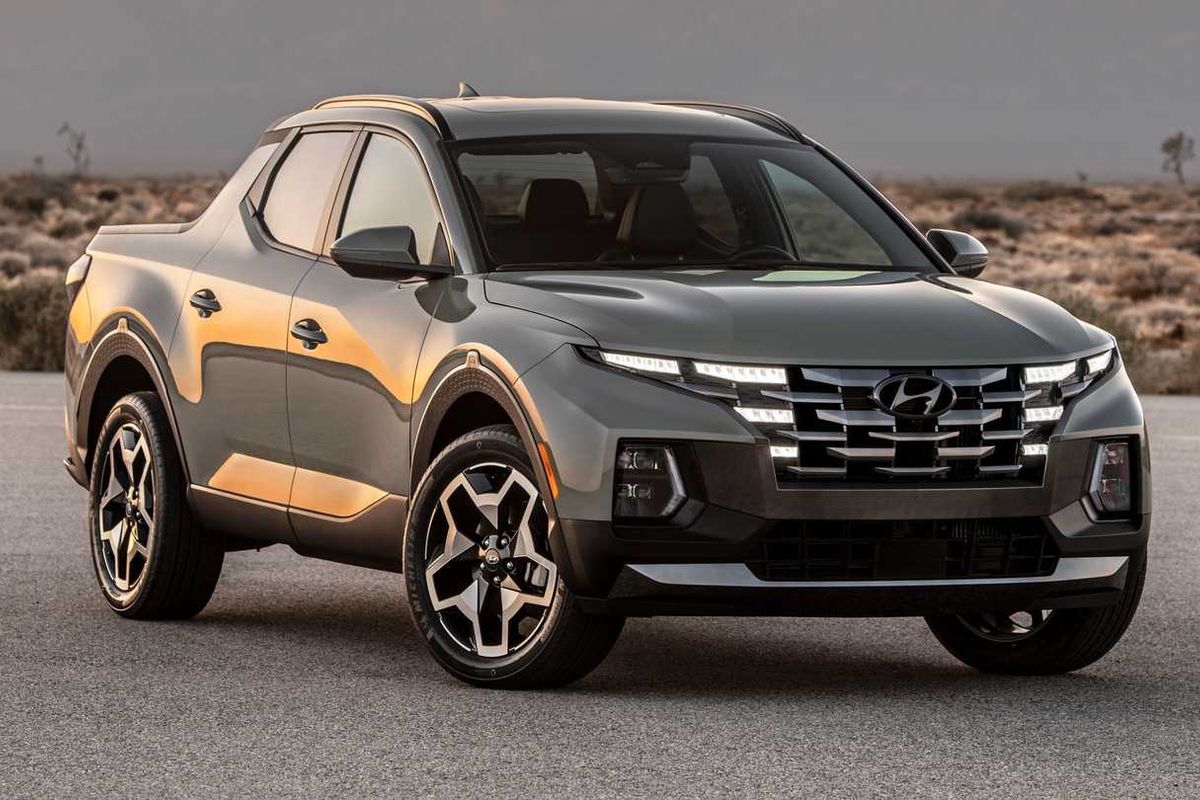
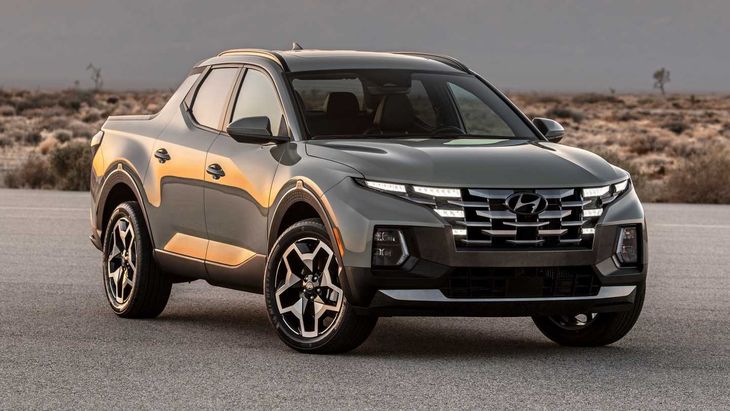
Observing all the desirable products North American bakkie buyers get – and South African ones don’t – is the bane of projected desire for local double-cab owners. But contained within the Kia CEO’s announcement about two future bakkies, is a virtual guarantee that one of these will be a “global product”. The question is: Will it be a true Hilux rival in size and structure, or something closer to the Santa Fe-derived Hyundai Santa Cruz?
The bakkie business can be very lucrative, but making a strong start is critical, even if you possess an immense design and engineering legacy. To reiterate, Mercedes-Benz proved this with its X-Class, which was an unmitigated disaster.
Diesel engines of destiny
The expectation is for Kia to have bakkies that are rugged – and larger than Hyundai’s Santa Cruz.
Kia has some significant advantages as a double-cab bakkie newbie. And a lot of that relates to engine and drivetrain technology.
With global internal combustion engine R&D having effectively ceased, we have a very good idea of what the Kia bakkie’s engine options could be. The likelihood of a new engine block architecture from Hyundai/Kia is negligible.
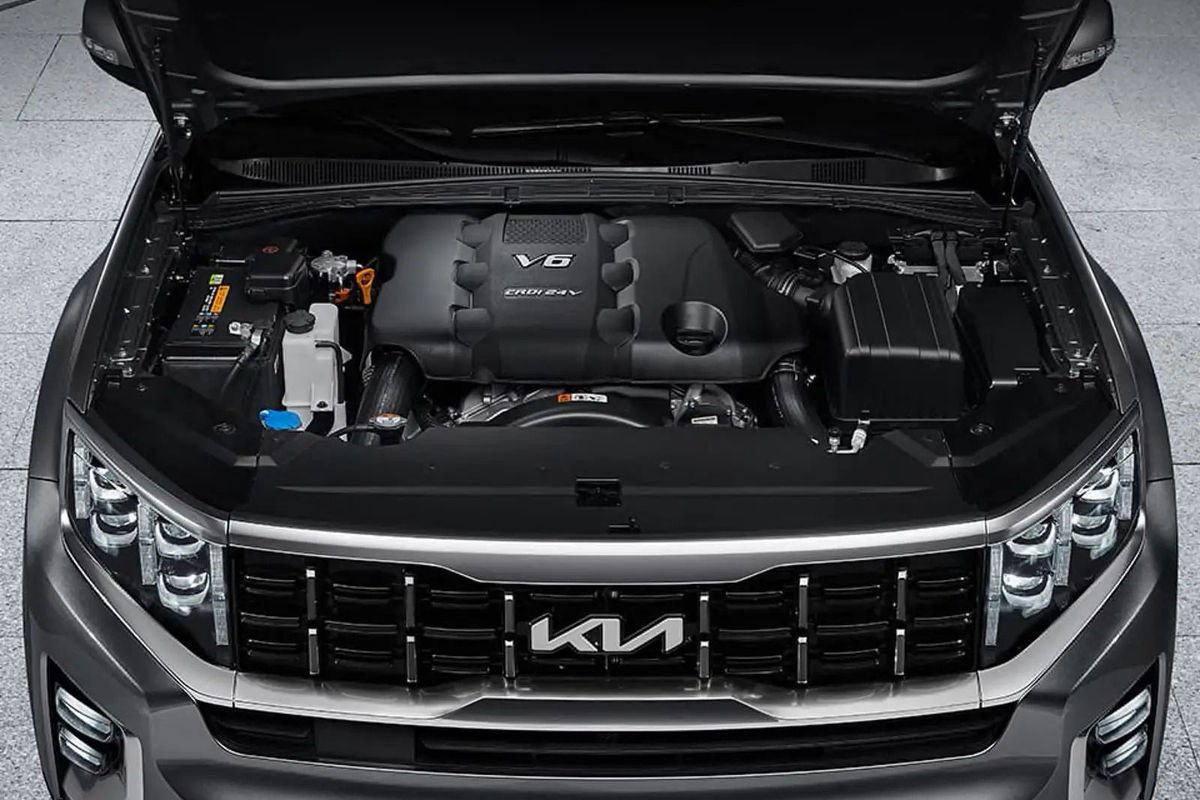
Scrutinise the available list of Korean turbodiesel engines and it’s not that difficult to identify the candidates for Kia’s forthcoming Hilux rival. Two powerplants come to mind: one a 4-cylinder and the other a V6.
The 4-cylinder turbodiesel engine most appropriate for a future Kia bakkie is easy to guess. Which Kia has a really long wheelbase, lots of weight and a turbodiesel engine? Exactly, the Carnival. And its 2.2-litre four-cylinder turbodiesel has engine outputs that would be class-average in the double-cab bakkie market: 147 kW and 440 Nm of torque.
Kia’s 2.2-litre turbodiesel engine is also linked to an eight-speed automatic transmission. With the Volkswagen Amarok and Ford Ranger having proven that double-cab bakkie buyers want more gears for better fuel economy and towing performance, this Kia drivetrain is ideal for the Korean marque’s global leisure-bakkie project.
But there’s a big diesel – ready to go
Kia has a proven V6 turbodiesel, ready to power its Hilux rival. And that’s significant.
But what of that 2nd engine option… the V6? The Amarok demonstrated that South African bakkie buyers are willing to pay a premium for V6 turbodiesel power. And the market reaction to VW’s 3.0-litre Amarok has been such that Ford’s second-generation T6 Ranger will offer a V6 turbodiesel engine too.
Kia would be foolish not to see the opportunity of a V6 turbodiesel bakkie. Unlike some of its rivals in the local double-cab bakkie market, Kia has a viable V6 turbodiesel engine, and it’s ready for deployment. In the market for luxury double-cab bakkies, Kia’s V6 engine would give it a significant advantage over Isuzu (D-Max), Mazda (BT-50), Mitsubishi (Triton), Nissan (Navara) and even Toyota – none of which have a V6 diesel available.
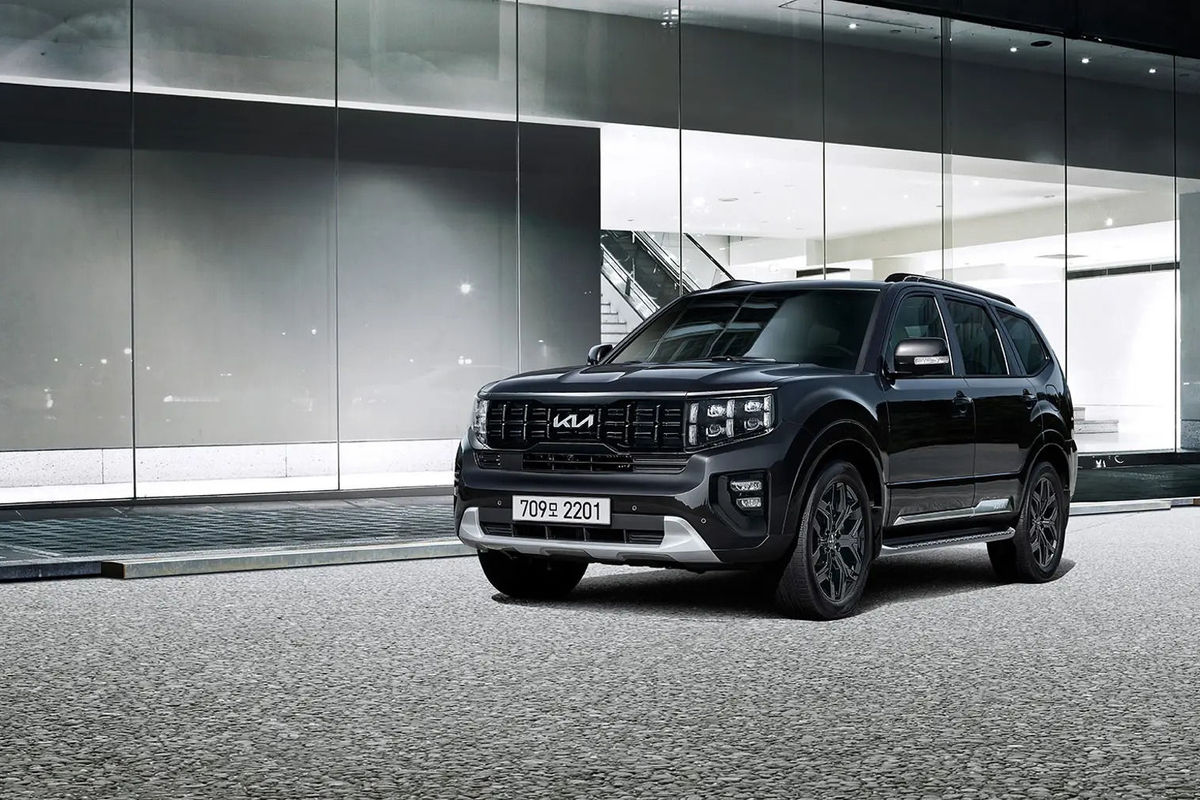
The engine in question is Kia’s 3.0 S II CRDi V6, which powers the Korean brand’s Land Cruiser 300-sized Mohave. With outputs of 191 kW and 560 Nm, the 3.0 S II CRDi V6 delivers entirely competitive power and torque numbers for a double-cab bakkie.
Will a Kia bakkie need low-range?
The Mohave demonstrates that Kia can build a big ladder-frame platform.
The ladder-frame-based Mohave has a 2 305-kg kerb weight, which is a touch more than most double-cab bakkies. Adapted and proven for its role in the huge Mohave SUV, this engine could easily be built into a double-cab bakkie.
Kia’s engineers have optimised the 3.0 S II CRDi V6 and its 8-speed automatic transmission to deal with the Mohave’s heft. There should be no “powertrain fragility” concerns about using this engine and ‘box in a double-cab.
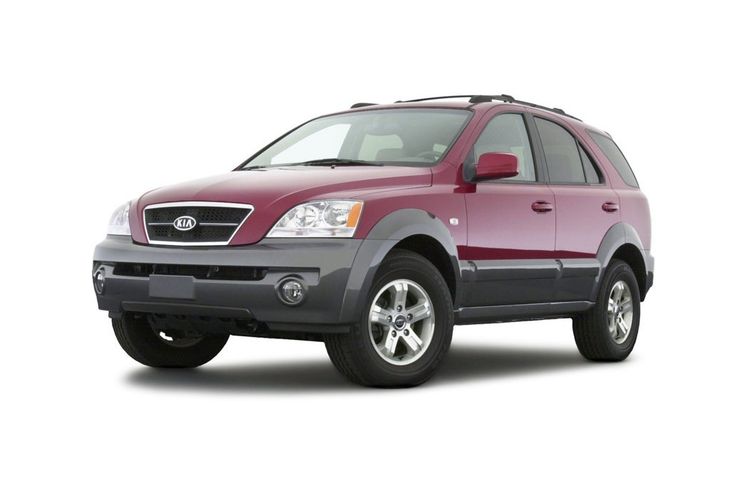
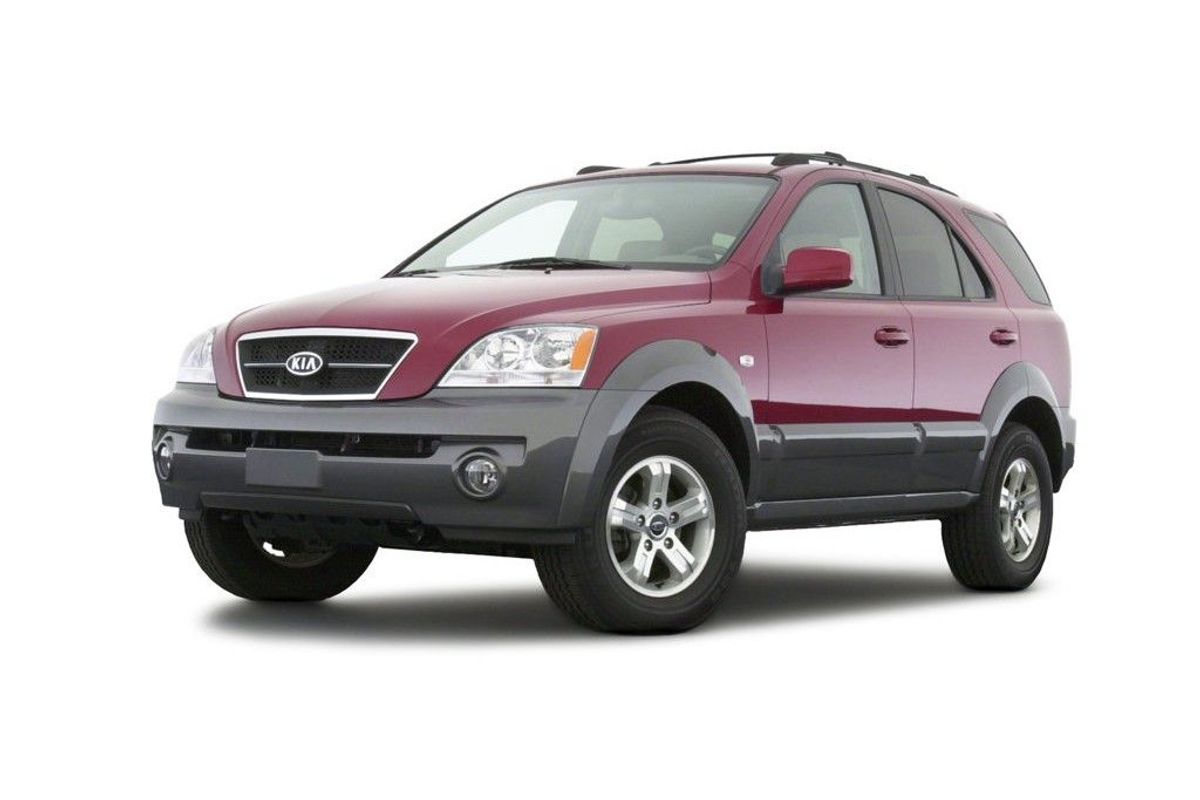
But what about off-road ability? It’s been a while since Kia marketed a vehicle with real all-terrain gearing or axles… The last Kia to feature low-range and a ladder frame was the 1st-gen Sorento, of which production ended in 2006.
There is no question that Kia is doing a meticulous market analysis of the double-cab market before finalising the specifications of its global bakkie. And as it layers buyer preferences, the success of Amarok will become apparent. Despite not offering a low-range transfer case in its bakkies, VW has established a loyal luxury double-cab following, here and in Australia.
In truth, for most bakkie buyers, low range is superfluous. It’s a mechanical feature that adds weight and complexity, along with marginal utility. With its eight-speed automatic transmission, the Amarok demonstrated that a generous spread of correctly chosen ratios can substitute for a low-range transfer case, by creating adequate gearing to conquer most all-terrain driving challenges.
Kia has all the building blocks to do better than X-Class
First-generation Sorento. The last Kia to feature a low-range transfer case. Will Kia revisit reduction gears for its bakkie?
In moments of truth, most double-cab product managers would admit that very few of their 4×4 bakkies’ owners ever engage low range. There’s a growing demand from leisure double-cab bakkie buyers for dirt-road driving stability and sand-terrain traction of all-wheel drive BUT without the weight, cost or complexity burden of a transfer case.
Unlike Mercedes-Benz’s misadventure, Kia is in a terrific position to enter the double-cab bakkie market with authority and achieve a successful outcome. It has the engine, transmission and cabin trim from its SUV line-up to create a compelling luxury double-cab bakkie. And there are no design expectations and no legacy product that needs to be emulated or improved upon.
There’s no reason that Kia could not replicate the Amarok’s configuration – and success. All the Seoul-based brand needs to do is offer luxury trim, typically excellent Korean infotainment and cabin digitisation, and the proven combination of a V6 turbodiesel engine and an eight-speed automatic transmission. Kia has all the elements at its disposal; I’d be surprised if bakkie prototypes weren’t already being put to test at the firm’s Namyang Proving Ground (R&D Centre).
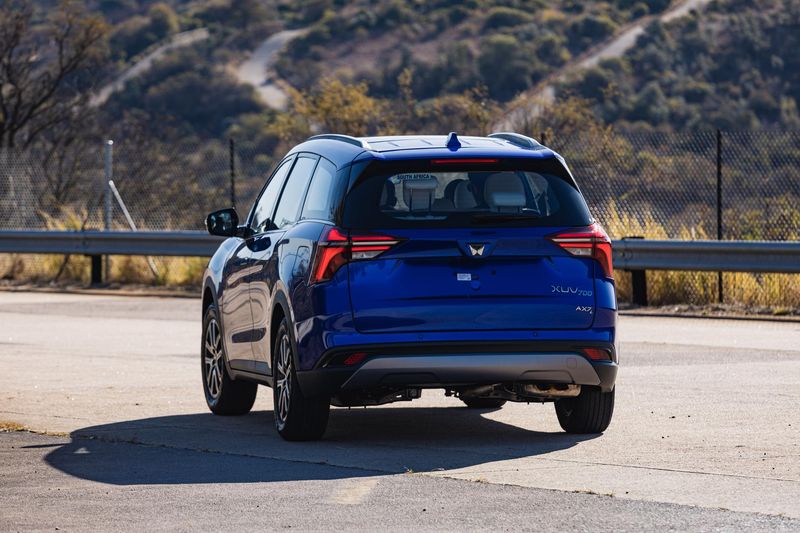
Mahindra XUV700 (2022) Pre-Launch Drive
Mahindra’s boldly styled new medium SUV – the XUV700 – will make its local debut late in 2022. We got a quick taste of what’s to come.
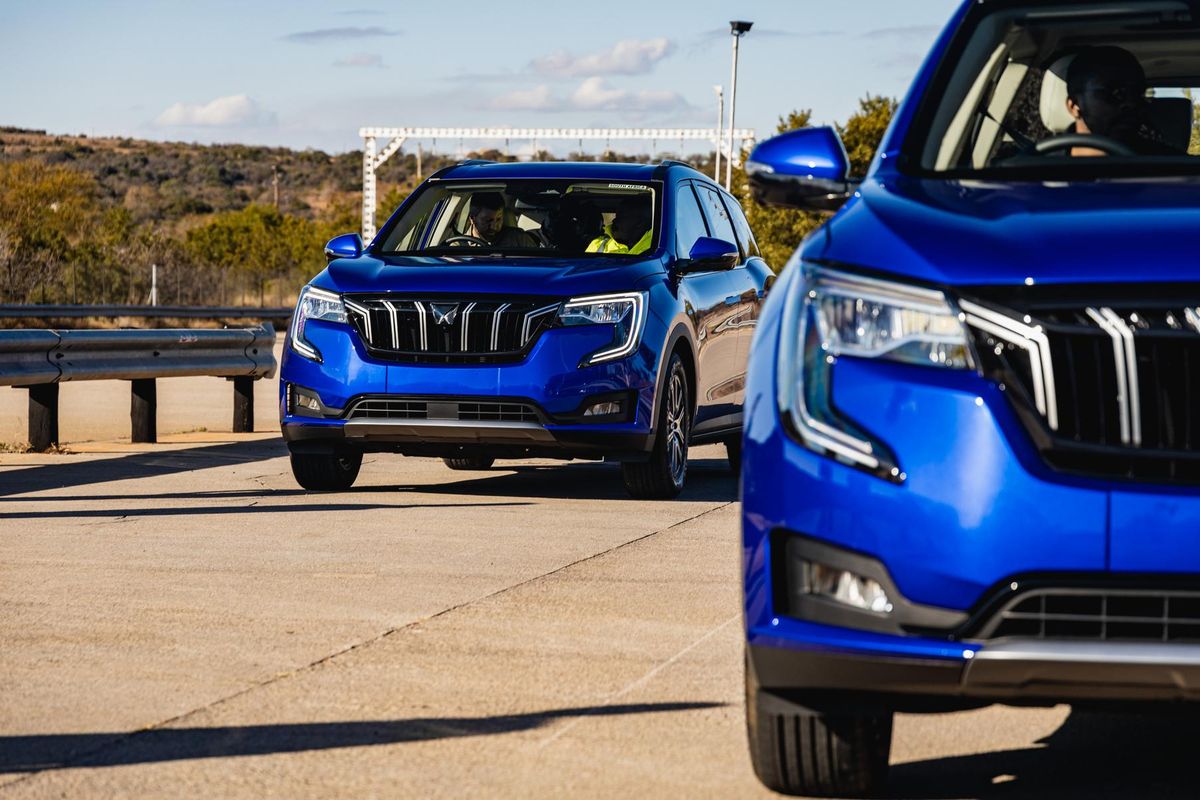
Cars.co.za (and a number of other motoring publications) recently joined Mahindra South Africa at the Gerotek Testing Facility, where the Indian manufacturer showcased some new products, as well as its new brand identity. The location, located west of Pretoria, has been used extensively for the purpose of homologating vehicles… and it’s a venue we know well; we have conducted testing for numerous iterations of our #CarsAwards awards programme at Gerotek.
What is homologation? It’s a process by which a car company tests and calibrates a new vehicle to suit local conditions. It’s a regulatory requirement that, once it’s been fulfilled, permits a manufacturer or importer to distribute that model in the local market. In other words, a new vehicle does not simply roll out of a factory overseas, get loaded onto a ship and land up in a local showroom (after being offloaded at a port).
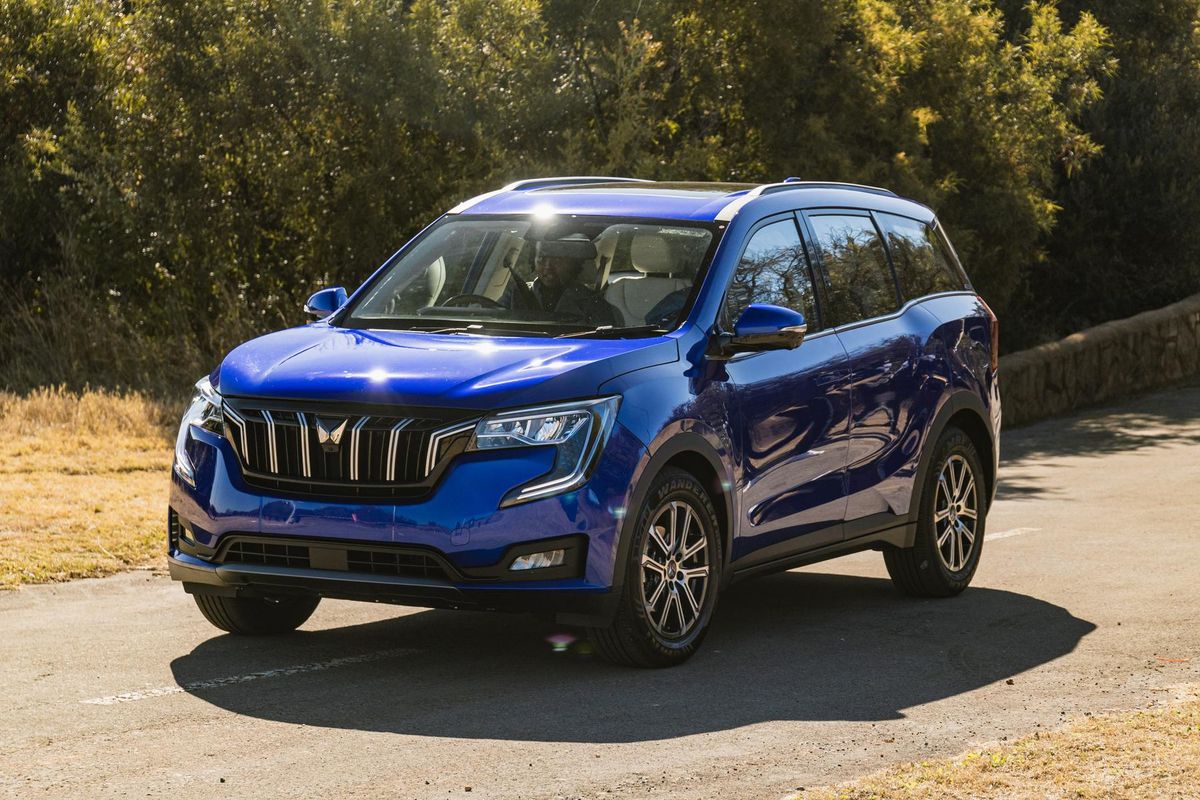
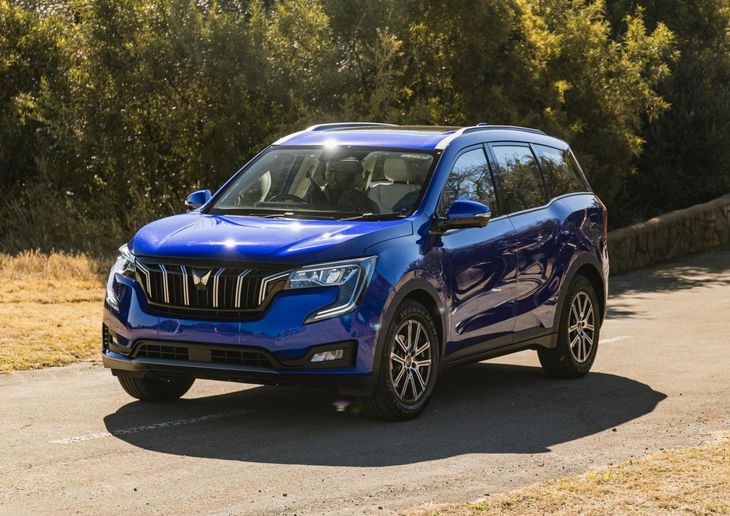
Distinctive front detailing: Sweeping LED DRLs complement lashings of chrome.
No, manufacturers/importers need to ensure that their vehicles can run on SA-grade fuel and cope with extremes in temperature, altitude, plus much more. The Mahindra XUV700 units you see here had an Indian-market specification, which means that they were fitted with some features that were particular to the subcontinent; for example, they sounded an audible warning when they achieved a triple-digit-kph speed – we’re confident that wouldn’t feature in Mzansi.
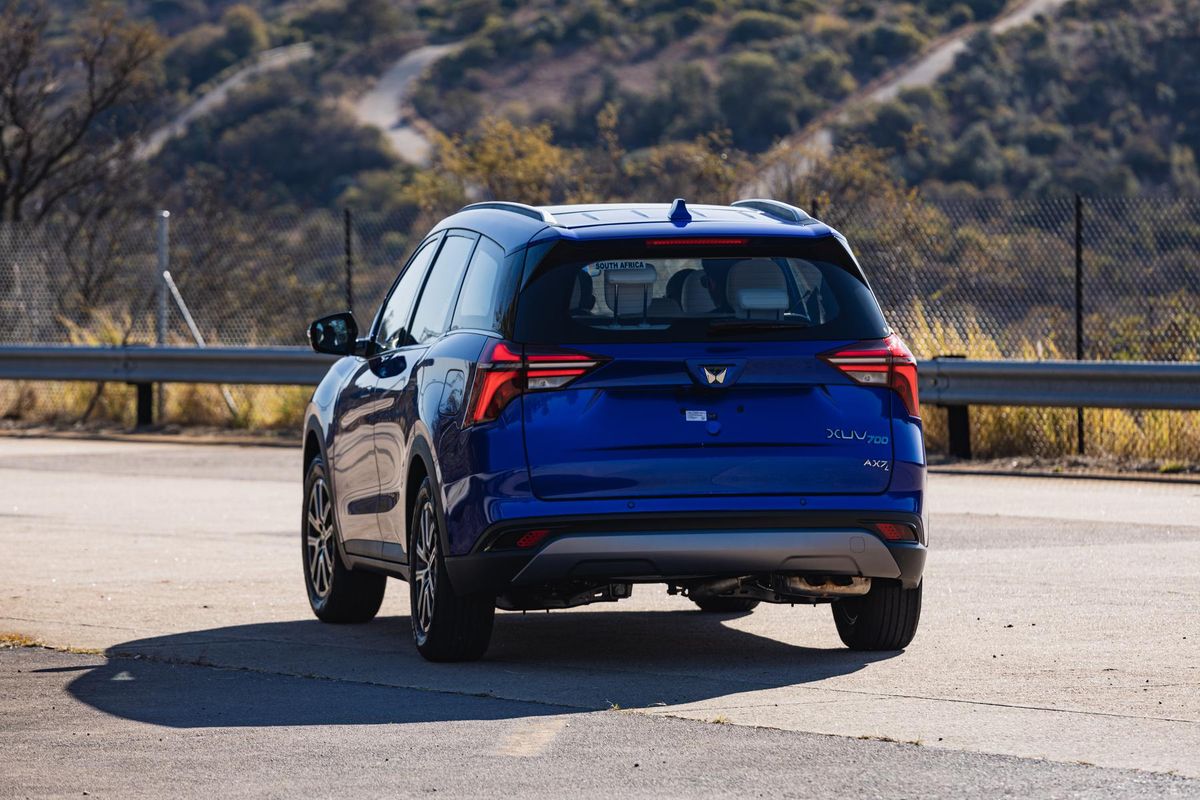
The Mahindra XUV700 is a 3-row medium SUV that should go on sale late in 2022 – it will ostensibly compete with other 7-seaters, such as the Chery Tiggo 8 Pro, Hyundai Grand Creta and Volkswagen Tiguan Allspace, as well as other 5-seat offerings such as the Haval H6, Hyundai Tucson, Mazda CX-5 and Toyota RAV4. Final specs & pricing have yet to be confirmed, but we understand that both 4×4 and 4×2 versions will be offered, in turbopetrol as well as -diesel guises.
The engines currently on offer include a 2.0-litre 4-cylinder turbopetrol motor with peak outputs of 147 kW and 380 Nm, while the 2.0-litre 4-cylinder turbodiesel produces 136 kW and 420 Nm (manual) or 450 Nm (automatic).
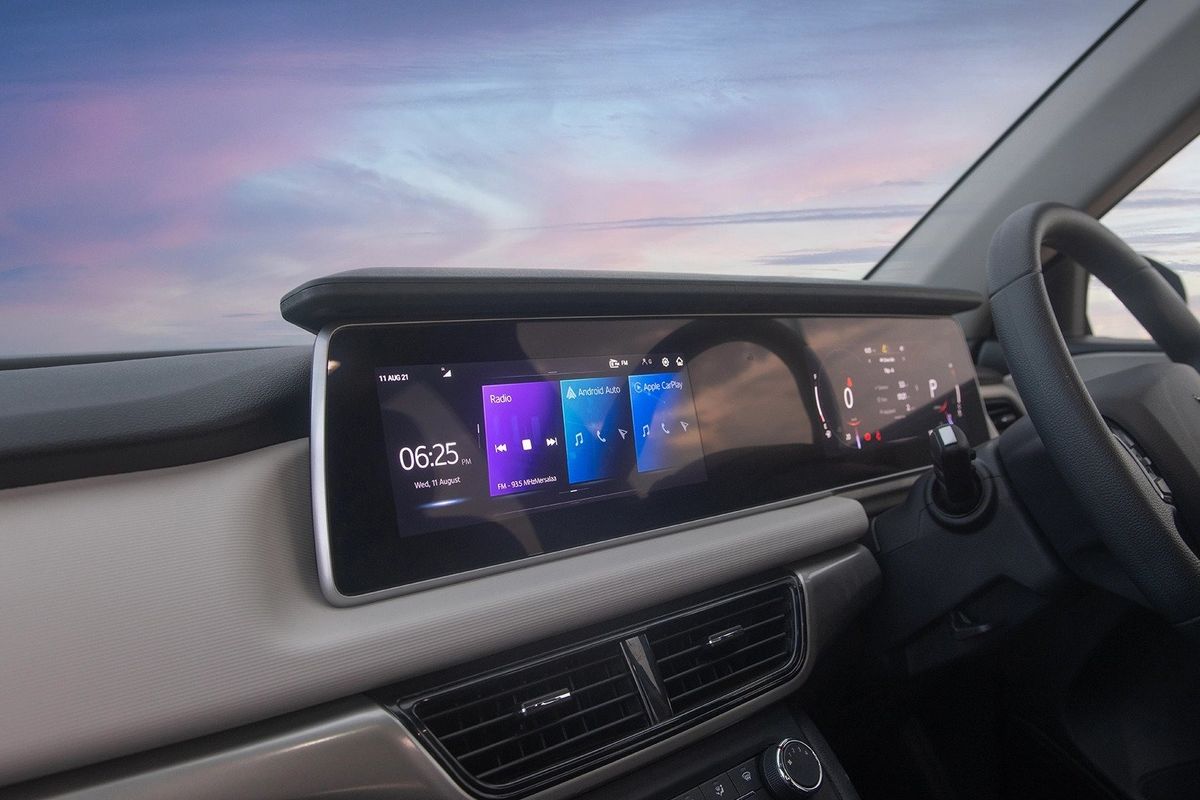
A pair of screens dominate the XUV700’s dashboard.
I think the XUV700 has a fresh and eye-catching design – C-shaped daytime running lights dominate the front-end styling. The cabin is modern, feels well-put-together and even features more than a few premium materials and finishes. There are two 10.25-inch screens perched on the dashboard, which combine into one satin-finished panel. One serves as an all-digital instrument cluster, while the other is the touchscreen of the infotainment system.
As far as its safety credentials are concerned, the XUV700 recently received a 5-star rating based on the latest Global NCAP criteria – in fact, it garnered the highest score ever awarded by the organisation, Mahindra says. Impressively, the last vehicle to receive a 5-star rating from Global NCAP was Mahindra’s XUV300.
The model’s local feature list has yet to be confirmed, but we hope that units destined for our market will get the full package of 7 airbags, automatic emergency braking, front-collision warning and driver drowsiness detection.
The XUV700 on Gerotek’s high-speed oval.
Quick Drive: XUV700
We had the chance to drive the XUV700 on Gerotek’s dynamic “mountain pass” track, as well as the high-speed oval. The unit we drove was the turbo-petrol derivative and it felt surefooted and exhibited a composed ride quality; right from the outset, you could sense that it was a product with decent levels of on-road refinement. The engine note was not too harsh/intrusive and even when called upon to perform to its peak (with 4 adults on board), the Mahindra performed willingly.
Granted, the power steering did feel a touch light, but we did not experiment with any of the XUV700’s drive modes – we simply got in and drove the vehicle. First impressions count for a lot, however, and Mahindra’s new medium SUV impressed us with the visual appeal of its cabin… It looks and feels upmarket, which represents a huge leap forward for a brand that most consumers are likely to associate with utilitarian interiors that offer little in the way of finesse.
Final thoughts
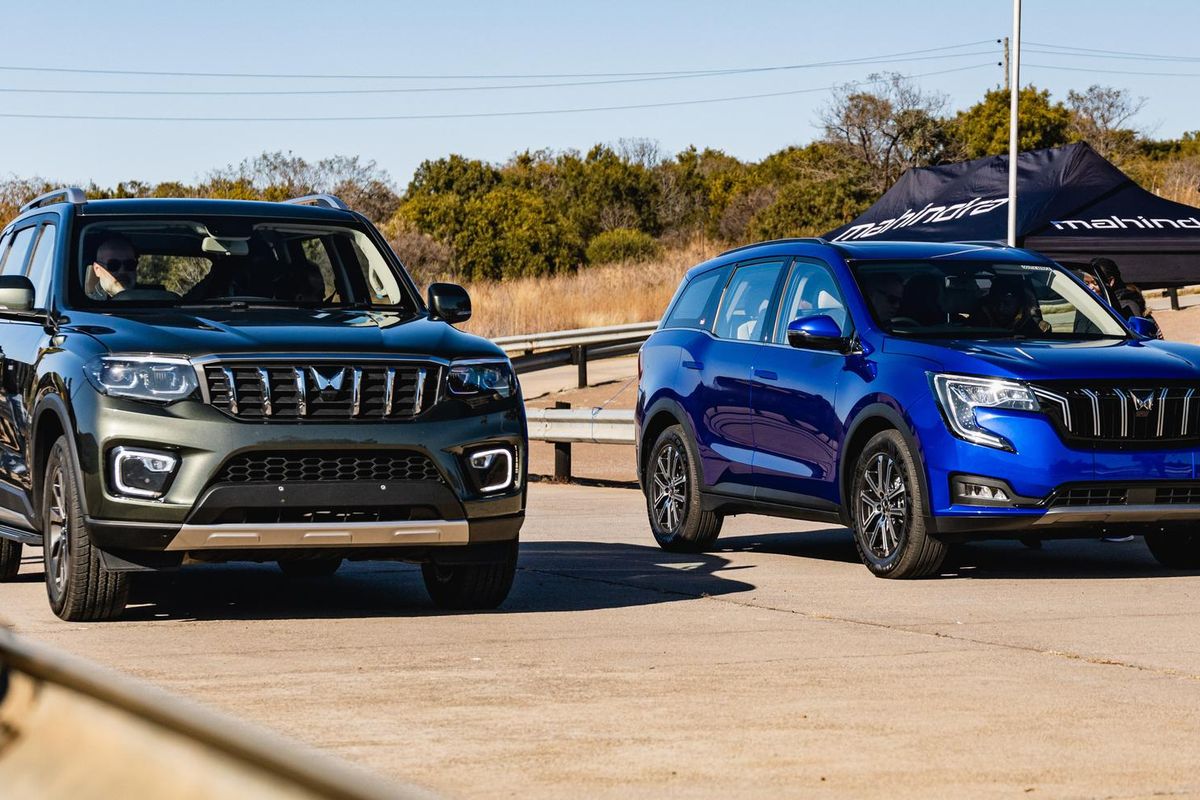
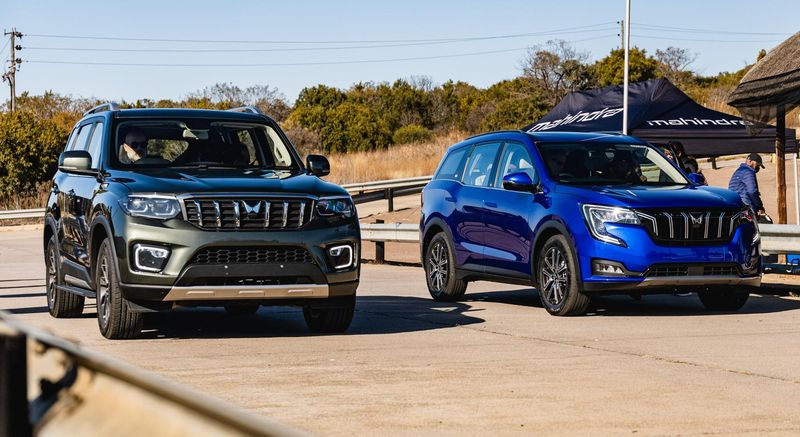
The Scorpio-N (left)and XUV700.
Along with the XUV700, we also got a look at the new Mahindra Scorpio-N (which will be launched in the Republic next year) and some kitted-out Mahindra Scorpio Karoo bakkies. The brand’s new “Twin Peaks” logo is accompanied by the brand statement of “Unleash the Explorer in You” – it communicates the Indian brand’s intentions to position its products in a more premium – yet still energetic and adventurous – space in the market.
Despite our very limited experience with the car, we were impressed with what we saw. The XUV700 is a far cry from the older-generation Mahindra products, which were all about affordability and ruggedness. It looks fresh, feels modern and may be quite capable of competing with the many models in the medium-SUV segment. Price positioning and the after-sales proposition will be critical to the 7-seater’s prospects. Expect to see it in local showrooms by the end of the year.
The pain and suffering continues for SA motorists as the price of petrol and diesel rises yet again for July 2022.
South African motorists are in for yet another month of fuel price increases in July 2022. The latest increases will see the price of fuel approach R27 a litre.
As it stands, the fuel price increases for July 2022 are as follows: petrol 93 will go up by R2.37, petrol 95 will go up by R2.57 per litre. The price of diesel also rise with 0.05% sulphur going up by R2.31, while 0.005% sulphur will go up by R2.30. Illuminating paraffin (wholesale) up by R1.66.
Back in April 2022, the SA government cut the petrol price levy by R1.50 a litre to try soften the blow, but from this week’s announcement, this cut will be reduced to 75 cents – further adding to the pain.
The price of petrol and diesel in South Africa is subject to the exchange rate (oil is purchased in dollars) as well as the price of the oil itself. The conflict in Ukraine has played a big role as Russia is the world’s 3rd largest oil producer and sanctions have blocked it from selling in Western markets.
At this stage, there seems to be no light at the end of the tunnel (could be loadshedding) and we’re expecting further increases to come.
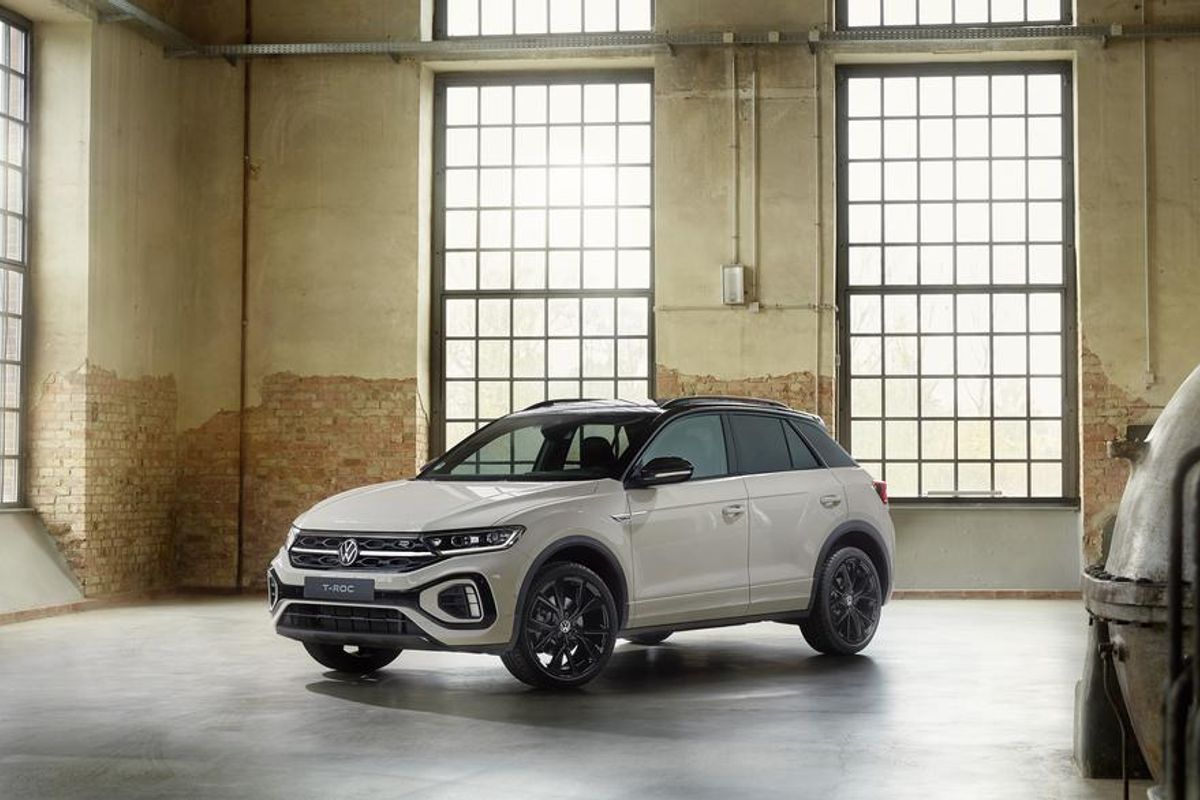
Updated Volkswagen T-Roc in SA (2022) Specs & Price
The midsized VW T-Roc SUV has been updated and the refreshed model is now available on local showroom floors!
The current-shape Volkswagen T-Roc touched down in South Africa just before the end of November 2020 and is currently available in two flavours: 1.4 front-wheel drive and 2.0 all-wheel drive. This latest round of updates came quite quickly in the product’s lifecycle, with just 2 years separating its official reveal back at the 2019 Frankfurt Motor Show, but given Volkswagen rationalisation and streamlining of its portfolio, it should not come as much of a surprise.
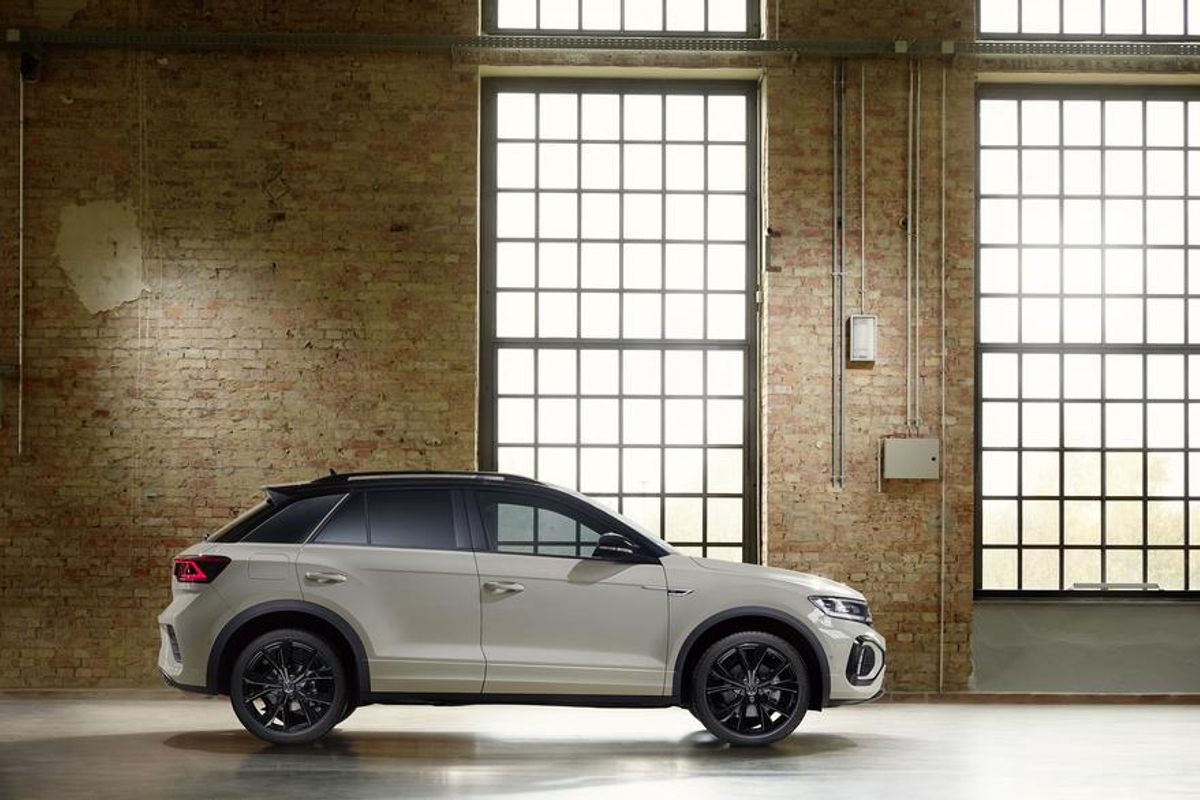
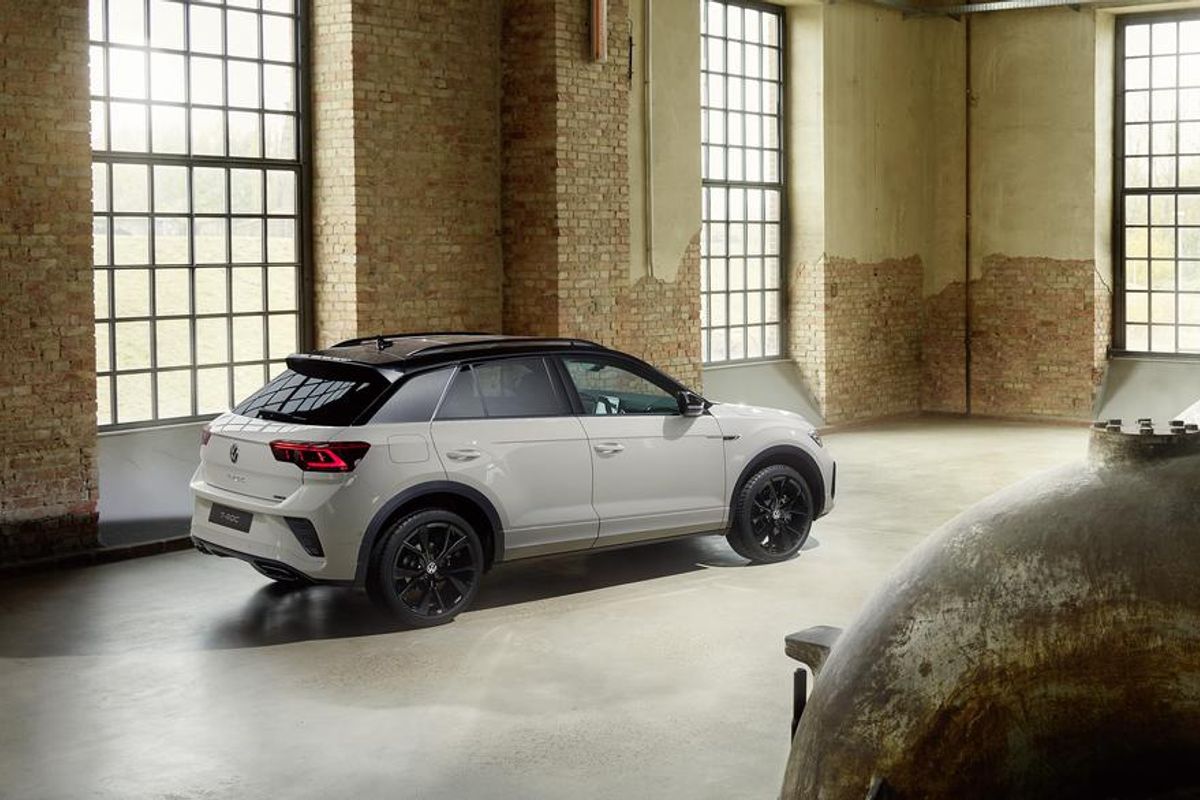
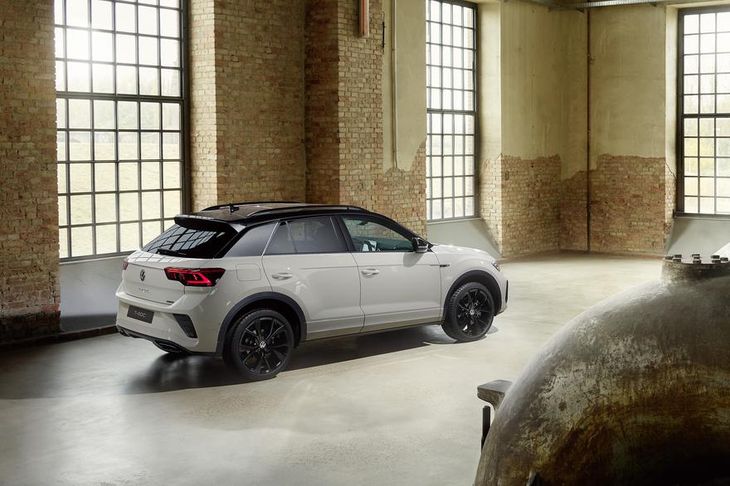
Volkswagen has refined the look of the T-Roc and a dual paint scheme gives the model some more pizazz.
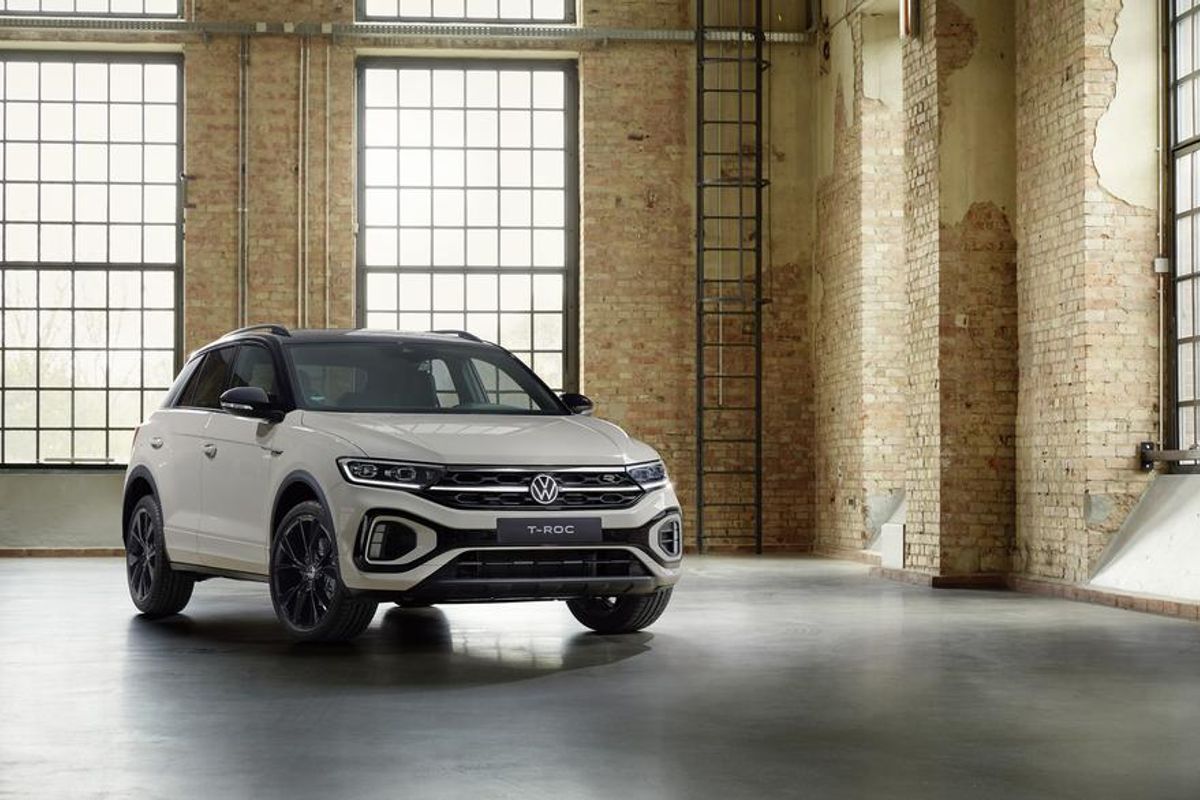
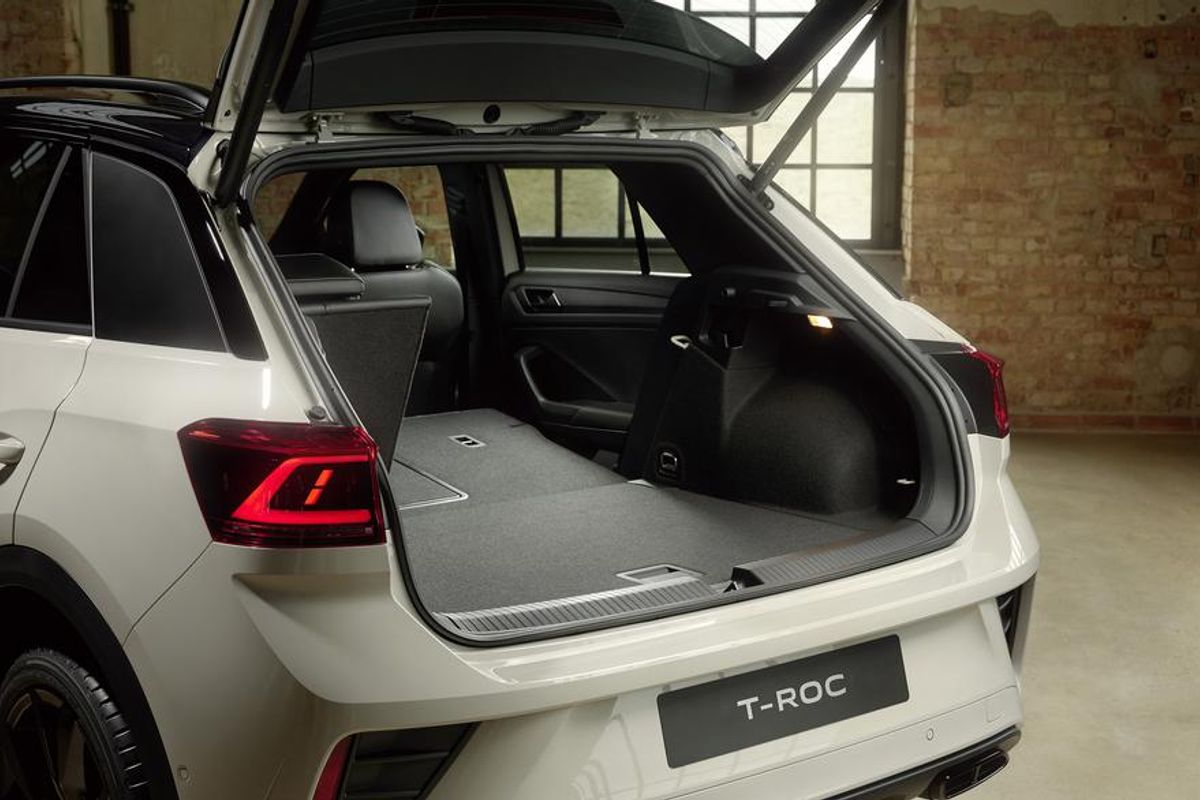
Like most recent Volkswagen product updates, the VW T-Roc gains the LED light bar that’s now common across the Polo/Golf/Tiguan range. LED headlights are standard and a keen eye will notice the new-look fog lights and daytime running lights at the front, while the rear LED light setup gets a revision. Volkswagen’s IQ.Light LED Matrix headlights and IQ.Drive assistance systems are optionally available for the T-Roc.
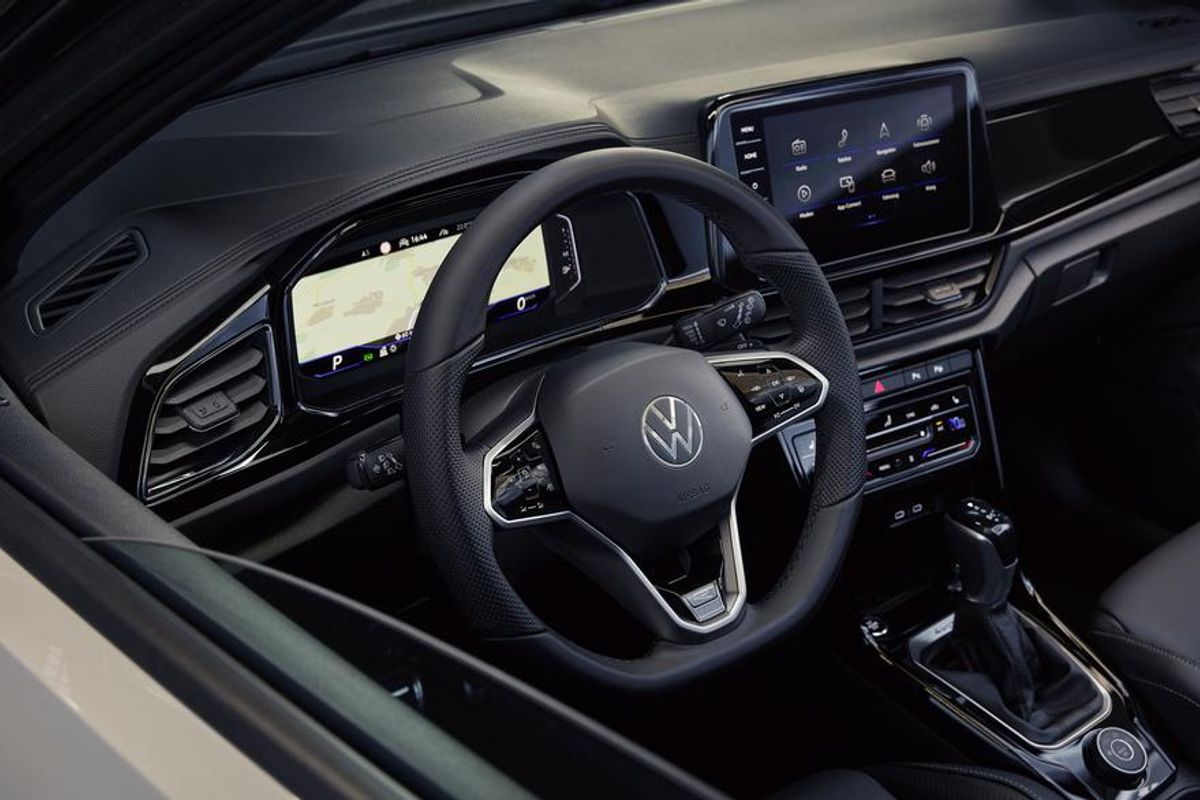
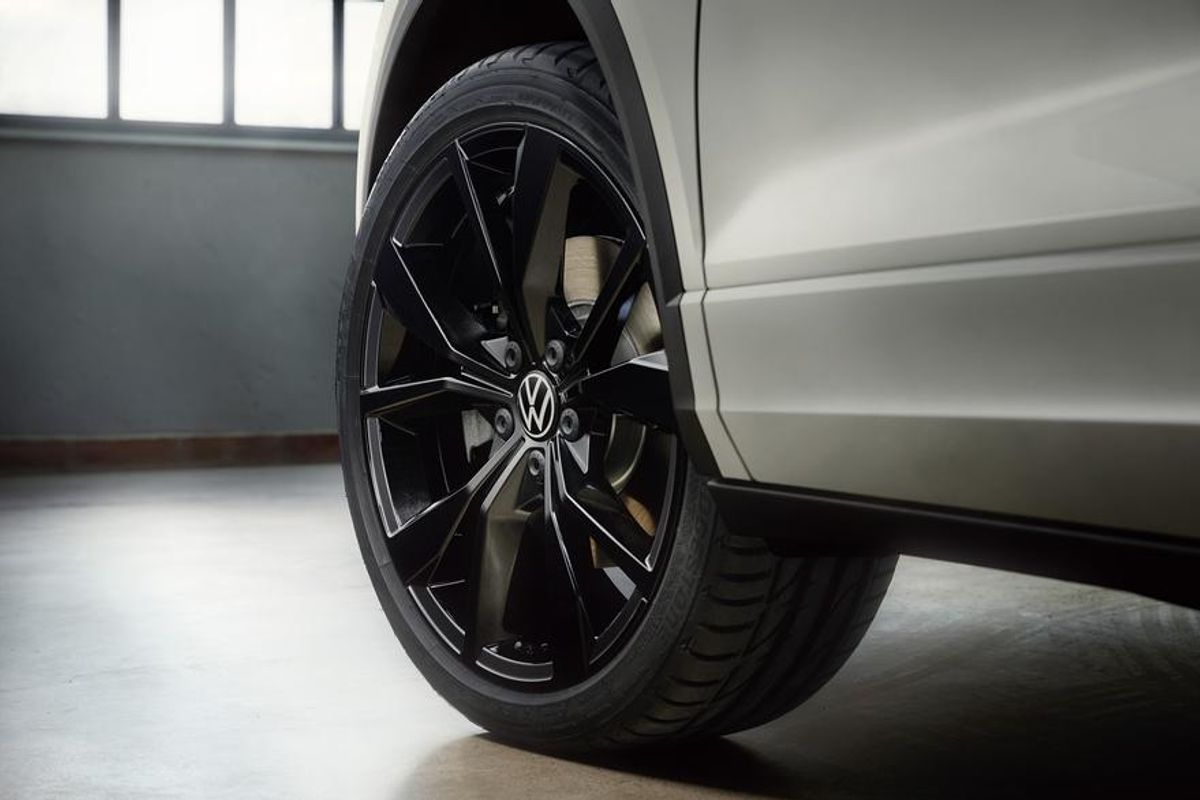
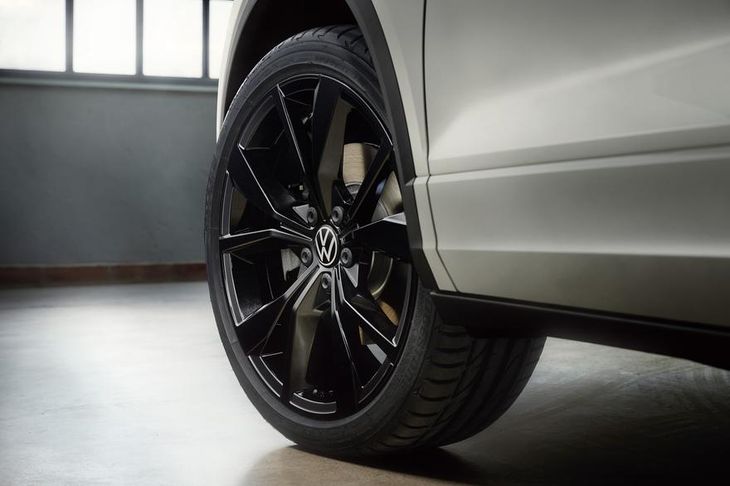
Volkswagen has enhanced the colour choices on offer which can be combined with either a black, white or Idium grey roof. There are also designed alloy wheels ranging from 17-inch to 19-inch in size on offer. Given its popularity and appeal, the R-Line visual upgrade is present, which gives you the looks of the T-Roc R without the price tag. Inside, the cabin has been updated with repositioned air vents to make way for the 8.0-inch infotainment screen.
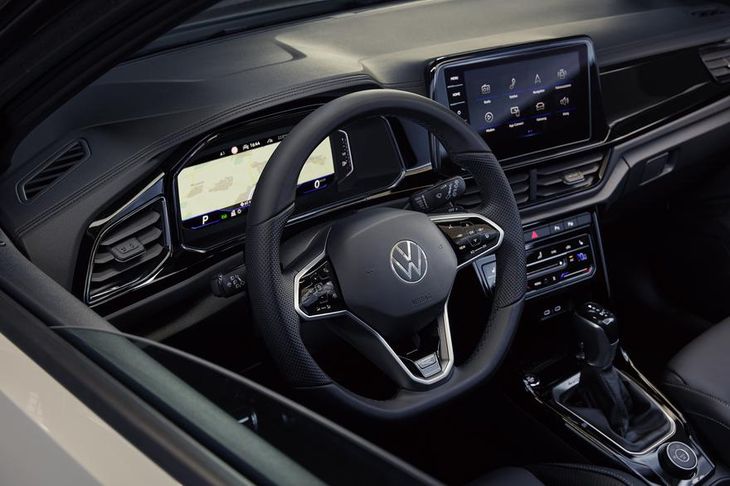
Volkswagen’s Digital Cockpit is standard on the T-Roc Design while the T-Roc R-Line gains the Digital Cockpit Pro. The Volkswagen T-Roc sees the introduction of the latest MIB3 infotainment tech and is optionally available with wireless Android Auto and Apple CarPlay. Touch-sensitive ventilation controls have replaced the physical buttons, a move seen across Polo and Golf. A newly-desgined steering wheel is also fitted.
The T-Roc R-Line is fitted with Nappa leather sports seats as standard while the T-Roc Design comes with ArtVelour seats as standard (Vienna leather seats are optional).
What trim lines are available for the VW T-Roc?
New wheel designs will be offered with the updated T-Roc.
As mentioned, there are 2 trim lines available for the updated T-Roc and they are Design and R-Line.
VW T-Roc Design standard features
The T-Roc Design is offered with two-tone paintwork, chrome elements, interior lighting and conveniance seats. Other standard features include, LED headlights and taillights, a leather- wrapped multi-functional steering wheel (with paddle shift, multi- functional sensor, Adaptive Cruise Control, High-beam control Light Assist and Autonomous Emergency Braking with Front Assist), multi-colour Digital Cockpit, 2-zone climatronic air-conditioning, Comfort Package with keyless entry, Composition Media Radio, 17-inch Johannesburg alloy wheels, Park Assist with Park Distance Control and silver anodised roof rails.
Optional features for the T-Roc Design include a tilting and sliding panoramic sunroof, Black Style Exterior Package with 18-inch Grange Hill black alloy wheels, IQ.Light LED matrix headlights, 18-inch Grange Hill and Portimao alloy wheels, 8.0-inch Discover Media (with navigation system, Wireless App-Connect and mobile smartphone inductive charging), Beats sound system, rear view camera, IQ.Drive Package (Travel Assist, Lane Change Assist, Lane Keeping system, Traffic Jam Assist and Emergency Assist), Vienna leathers seats, removable and lockable trailer hitch, black roof rails and Chrome package (rotary light switch, power mirror switch, window regulator switches, vent with chrome frames and vent with black frames).
VW T-Roc R-Line standard features
The T-Roc R-Line gains a sportier bumper design a multi-function steering wheel with touch control.
In addition to the standard features offered on the T-Roc Design, the T-Roc R-Line adds features such as Sports Comfort Package (Sports suspension, progressive steering, keyless entry, towing protection and high- beam control Light Assist), Nappa leather seats, Driver Assistance System with Lane keeping system and lane change assist, 19-inch Misano alloy wheels, Digital Cockpit Pro, IQ.Drive Package for R-Line (Autonomous Emergency Braking Front Assist, Adaptive Cruise Control with speed limiter and Proactive passenger protection system for Front Assist and side assist) and a Lava Stone dashboard, centre console and front door trim panels inserts.
Optional features include tilting and sliding panoramic sunroof, Black Style Exterior Package with 19-inch Misano black alloy wheels, IQ.Light LED matrix headlights, 8.0-inch Discover Media (with navigation system, Wireless App-Connect and mobile smartphone inductive charging), Beats sound system, Rear view camera and exterior mirror housings painted in contrast colour.
The T-Roc’s interior has been bolstered with a range of new standard equipment.
What engines will be offered with the updated Volkswagen T-Roc?
The engine lineup has been carried over and that means that the updated T-Roc Design will be powered by the familiar 1.4-litre turbocharged petrol engine with 110 kW and 250 Nm of torque and will be paired with an 8-speed automatic transmission. A more powerful 2.0-litre turbopetrol engine in combination with 4Motion all-wheel drive and a 7-speed DSG transmission will also be offered in Design and R-Line guise with outputs of 140 kW and 320 Nm of torque.
How much does the Volkswagen T-Roc cost in South Africa?
Volkswagen T-Roc Design 1.4 TSI 110kW Tiptronic – R563 800


.jpg)
.jpg)
.jpg)