Porsche 911 GT3 (2022) Launch Review

Powered by a 375-kW naturally aspirated flat-6 that screams all the way to 9 000 rpm, the new 992-generation GT3 is not only available with a manual ‘box (a rarity in day and age) – it’s technically more closely related to the Porsche brand’s motorsport efforts than ever before. Could this be the best sportscar on the planet?

What’s new with the 992 GT3?

Ever since the first (996-generation) GT3 exploded onto the sportscar scene back in 1999, it has consistently delivered the purest 911 driving experience for successive generations of the Zuffenhausen-based firm’s iconic sportscar. Granted, if you explore the alternatives to the GT3 in the vast 911 line-up, you can find ways to go more hardcore (RS) or even faster (Turbo, GT2), but when it comes to delivering driving thrills, engagement… exhilaration, then I’d argue the GT3 represents the best of Porsche, distilled into a single machine – and it has successfully portrayed that role from day one.


The GT3 may not be the most versatile of the 911 derivatives, but its razor-sharp focus makes it a hit with aficionados.

For those reasons, a new GT3 is always something to look forward to and, as we head into a future of electrified motoring, cars that are as unbridled as this are going to become increasingly rare. Perhaps, knowing this, Porsche has gone all out to make the 992-generation GT3 more of a sizzler than ever before…

That said, when you first look at the headline numbers (375 kW, 470 Nm, 0-100 kph in a claimed 3.4 sec), it may appear that not much about Porsche’s free-breathing hard charger has been changed for the 992-iteration. After all, those peak outputs only represent a 7-kW rise in power, a nominal 10-Nm hike in torque, and the 0-100-kph time is identical to that of its predecessor. But underestimate the new GT3 at your peril. This car has lapped the Nurburgring in under 7 minutes – a full 17 seconds faster than its already-brilliant predecessor. Clearly, then, some gains have been made… somewhere.


Only a visceral performance car as singular in its purpose as the GT3 could get away with gains of only 7 kW and 10 Nm. 

In developing the latest iteration of the GT3, Porsche worked more closely with its motorsport division than ever before, and so the focus fell on weight reduction, airflow management, improved braking ability, suspension tweaks and, in particular, faster, more direct steering. Has Porsche succeeded in delivering yet another cracking 911 GT3? Let’s find out.

What’s this? A manual-shift Porsche?

The last time I drove a Porsche GT model that was equipped with a manual transmission, well, um, I still had hair. And so, as I slid into the oh-so-snug carbon seats of the new GT3 and spotted its stubby gear lever, my mind initially struggled to fathom what I was looking at. The carbon seats, by the way, are part of the “free” optional Clubsport Package (which includes a roll-cage), but the catch is that the seats cost R86k. Never mind, if you’re going to be spending more than R3.1 million on a hardcore sportscar, then R86k for great-looking seats, which happen to do exactly what they’re supposed to, will probably not be too much of a stretch. I’m 1.8-metres tall and found a great driving position (height adjustment is electric) and the steering column offers generous rake/reach adjustment.


The GT3 is overtly motorsport-inspired, yet the sportscar’s driver’s seat and steering column offer plenty of adjustment.

At first glance, the cabin and fascia look much the same as those of other 992-generation 911 derivatives, but, of course, there are some subtle differences, particularly when you start playing around with the digital displays and switch between drive modes (in Track mode, the shift-indicator light arrangement is particularly striking). Speaking of the latter, there is a small dial on the steering wheel that allows you to quickly change from “Normal” to “Sport” or “Track” drive modes.

When you turn the ignition key, the GT3’s dry-sump 4.0-litre flat-6 motor barks into life and settles into quite a raucous idle. With Sport mode selected, the roaring exhaust and auto-blip boxes are pre-ticked to ensure the fullest extent of aural entertainment. It’s worth noting, however, that according to Porsche, no “sound engineering” had to be done with the GT3 – it just happens to sound, in a word, fantastic… Then again, there are continuously adjustable flaps in the exhaust system, which probably provide “additional nuances” to the soulful mechanical soundtrack.


The 911 GT3 is also available with a PDK, but the manual ‘box is such an engaging element of the car, it’s hard to resist.

The engine is pretty much the same as the unit used in the 911 GT3 R racing cars and features half a dozen individual throttle valves. A new lightweight stainless steel exhaust system saves 10 kg compared with the exhaust fitted to the GT3’s predecessor.

The smooth and the rough

As I edge out of the parking area, I’m relieved when I recall mention of the new auto-nose lift function – this system kicks in at lower speeds when the car recognises potential speed humps and comparable obstacles. It works a treat and allows me to concentrate on getting used to the clutch modulation – the leftmost pedal takes quite high, as a matter of fact.

There’s more to get used to when driving on “normal” roads. The car’s suspension is very stiffly-sprung… it’s so unyielding, in fact, that it reminds me of the ride qualities of older-generation 911 RS models. Suffice to say the GT3 doesn’t really like traversing patchy road surfaces, quick camber changes and bumpy sections. Porsche says the front axle’s spring rates are double as stiff as before and, when you’re travelling quickly over bumps, any movement of your hands on the ‘wheel is translated into action, which can make the car feel quite “darty” and intimidating. Within the first 10 km, I tell my co-driver that this GT3 feels closer to an RS than ever before. That’s not a criticism, just an indication of what Porsche’s goals were when it developed this car. I can only imagine how hardcore the new RS will be…


The 992-generation 911 GT3 has an uncompromising ride quality – a pain on the road, but a boon on a race track.

Finally, in a section of road with no traffic and a good surface, I plant my right foot. The flat-6 howls into action, the intensity (and loudness) building towards that 9 000rpm redline. Just before the needle touches the 9, I grab 2nd – the ‘box has a lovely short-throw, and solid, precise action – and the razzmatazz starts again. Gosh, I can’t recall the last time I drove a car that sounded this good and loud!

New front suspension

This is also one of those cars that gets better the more you wring its neck. It likes to be hustled. The steering is quite simply the most lively, most direct and most engaging setup I’ve experienced in a modern-day sports- or supercar. The only car I can recall that offered similar levels of steering “interactivity” was the McLaren 720S. For a rear-engined, rear-wheel-drive car to turn in with such alacrity and precision as the 911 GT3 is quite an engineering feat. No surprise, then, that the front axle is probably the single biggest difference between the 992-generation GT3 and its predecessors…

For the first time, the GT3 uses a double-wishbone front suspension set-up inspired by similar systems used in the marque’s motorsport cars. According to Porsche, the new configuration offers higher camber stiffness under high compression conditions and provides more constant support for particularly the outside wheel during hard cornering. Furthermore, the double-wishbone front axle eliminates the disturbance from lateral forces on the shock absorbers during cornering.


The GT3 is a performance machine that responds positively to being manhandled. Intense, rapid driver inputs are rewarded.

As we continue our blast on a particularly lovely piece of road (with some really challenging bends), the traction and grip provided by the chassis are particularly evident. At the rear, there is a multi-link axle with additional ball joints (providing a more precise connection to the body) that further contribute to the feeling of “directness”. It’s worth noting, as well, that both the front and the rear axle’s camber and anti-roll bar stiffness levels can be adjusted to find the ideal set-up for serious track work. Helper springs are fitted to ensure the GT3 stays in touch with terra firma, even when it’s bounding over crests.

To be honest, the full range of the GT3’s handling abilities would be best explored on a race track, because those limits are exceptionally high. During our (admittedly enthusiastic) drive, it was clear, however, that the GT3 possesses incredible grip and the lack of body roll or pitching are massively confidence-inspiring.

Big aero and weight-saving gains

Porsche says that even in standard trim, the new GT3 has 50% more downforce than its predecessor and, if you make full use of all the various adjustable bits of aero (front diffuser, rear wing), downforce can be up to 150% higher than before. That’s astonishing. You can approach corners with vast speed, scrub off some pace with the help of the enlarged brakes (408mm front discs as standard), precisely place the car in a corner, and start leaning on the throttle very early (there’s so much traction!) Our test unit was further equipped with carbon-ceramic brakes, which might be worth considering if you’re going to be using your car at the track quite often. The GT3 runs mixed rubber, with 255/35 ZR20s at the front, and 315/30 ZR21s at the rear. Both the front and rear tyres are 10mm wider than before.

The GT3 has also been lightened in several areas. According to Porsche, even one unnecessary kilogram is one too many. Therefore, the GT3 has lightweight glass and even a special LiFePO4 starter battery. Also aiding in weight reduction is the use of CFRP (carbon-fibre reinforced plastic) for the bonnet, rear wing and spoiler. As an option, the roof can also be replaced with a CFRP unit.


Every element of the GT3 is optimised to save weight, even the sports seats, which are laced with carbon-fibre.

Manual or PDK?

And what, ultimately, of that manual ‘box? Well, it’s a 6-speed gearbox and not that odd Porsche 7-speeder, because the company wanted to save weight. I’d say that if you’re going to be using your 911 GT3 mainly for the track, then the manual could be a good (certainly exciting) choice – the engagement levels are just off the charts. But it does contribute to making cruising a bit of a chore. A seventh gear would definitely have helped to make the cabin a calmer place when you’re not driving in a manner that your life depends on it.

Besides, the 7-speed PDK is a wonderful thing too; it delivers crisp, clean shifts at the flick of a paddle (I just wish the paddles felt a bit more “substantial”). And then, when you’re not blasting up a mountain pass and you are just cruising back home, it facilitates a far more relaxing experience than the manual…


All versions of the GT3 cost the same, so you won’t be able to justify your purchase with “But, I got the cheapest one they had”.

Porsche 911 GT3 Pricing

All versions of the 992-generation Porsche GT3 have the same price (R3 109 000, as of 1 March 2022), irrespective of whether you choose the 6-speed manual or the 7-speed automatic (PDK). In fact, even the Touring variant (also offered in manual and PDK), which only loses some of the extreme aerodynamic addenda, is offered at the same price.

Summary

If you’ve read this far, then you probably know what I’m going to say – JUST BUY IT! Seriously, however, if pure driving thrills are what you’re after, then the new 911 GT3 simply has to be on your radar. And here’s the thing about GT3s… they’re built tough. You can drive these cars as they are meant to be driven and, provided you follow the maintenance procedures, they almost never go wrong. They’re not temperamental, provide the same (or even heightened) thrills as exotics that cost much more and, when the time comes, you’re unlikely to struggle to find a buyer for it, so residuals are likely to be strong.

With the 992-generation GT3, Porsche has dialled the rawness, the loudness, the sheer exhilaration factors up to ten. In fact, for those GT3 customers who liked the “duality” of previous generations of the derivative, the new car might come as something of a shock. It’s much more of an “RS experience” than ever before.

Given the direction in which the automotive world is moving, raw and emotional cars such as the 911 GT3 are going to become increasingly scarce and coveted. Porsche has ensured that the GT3 version of its (992) 911 will be remembered. It won’t be the last GT3, but this feels like a statement car, a high-water mark for driver engagement that Porsche itself might never match again. It’s a magnificent machine.

Related content

Porsche 911 Edition 50Y Porsche Design – Price for SA

New Porsche 911 GTS Review – Driving some of South Africa’s best roads

Time-testing the new Porsche 911 Turbo S

Electric Jeep Coming in 2023

An electric Jeep sounds quite radical, but Stellantis has confirmed the 100% battery-electric model will be revealed in 2023.

Stellantis Group, which is Fiat, Alfa Romeo, Jeep, Maserati, Peugeot, Citroen, Opel and a few more, has put forward its 2030 strategy. Dubbed Dare Forward 2030, Stellantis has outlined plans to electrify its entire SUV portfolio.

We already have electrified Stellantis products in the form of the Opel Mokka and Peugeot 2008, but there has been nothing that’s a pure 100% electric offering. Mind you, the plug-in hybrid Renegade looks good on paper, but is highly unlikely to make its way to SA.

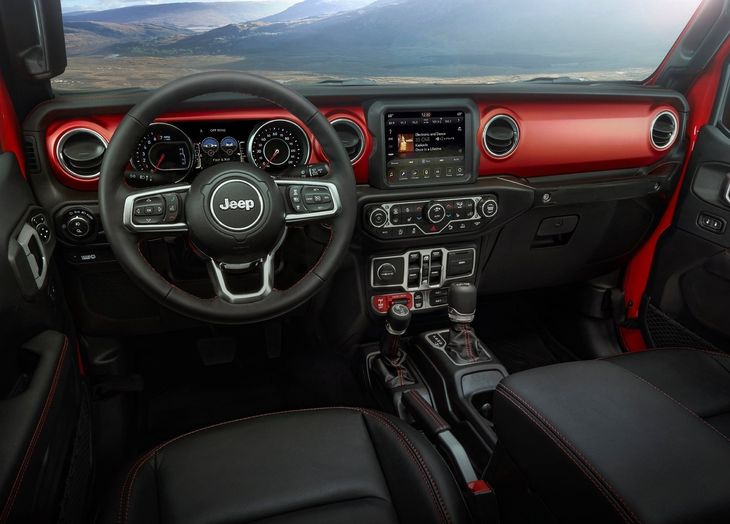
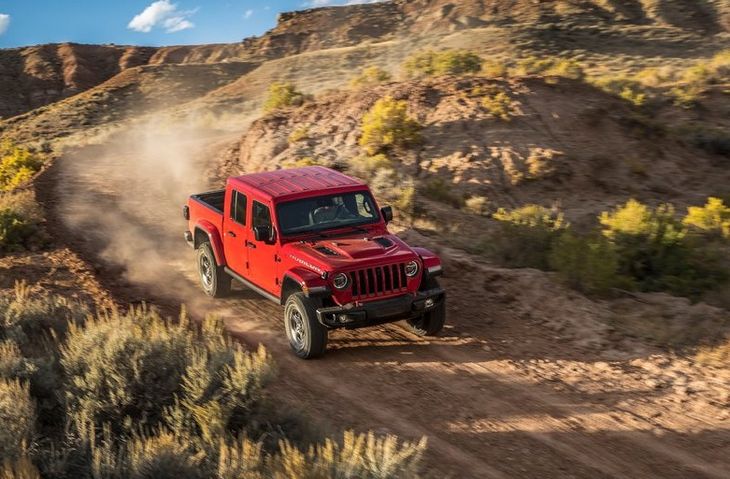
What you see here are the first images of the all-new electric Jeep. While details are scarce, we can see it is definitely a Jeep, with the trademark design elements. Under the skin, we suspect it will use the platform that underpins the e-2008. That car features a 100 kW and 260 Nm electric motor, paired to a 50 kWh battery. A claimed range of 310 km gives it an acceptable range, by modern standards.

Stellantis says its electric Jeep will be revealed in 2023 and will be going into production in November 2022 at the Stellantis facility in Poland. This factory will also be making a small Fiat crossover as well as a small Alfa Romeo SUV. The group is embarking on a massive electrification drive and there will be two more electrified Jeeps by 2024, which are said to be an offroad-focused Jeep utility vehicle as well as a family SUV.

Further Reading

Alfa Romeo Tonale Revealed

New Ford Everest Raptor: Will it Happen?

Does Ford have plans to slap the Raptor badge on its new Everest? Well, the Blue Oval brand certainly hasn’t ruled out the possibility for an Everest Raptor…

Now that the wraps have come off the box-fresh Ford Everest, there’s one burning question on the minds of go-faster off-road enthusiasts all over the country: will this new generation of SUV gain the Raptor badge?

It’s a pertinent query considering the new Everest again rides on the same (albeit modified) T6 platform as the latest Ranger. The bakkie line-up, of course, recently gained a flagship Raptor variant complete with a twin-turbocharged 3.0-litre V6 EcoBoost petrol engine boasting a whopping 292 kW and 583 Nm. The Bronco, too, has already been given the Raptor treatment, inheriting the same mighty powerplant.

Is an Everest Raptor in the works?

So, will this six-cylinder, petrol-flavoured lump be dropped into the bakkie-based SUV, too? After the reveal of the new Everest, chief platform engineer Ian Foston suggested to Australian publication CarExpert that there hadn’t been much demand from customers for a high-performance version of the ladder-frame SUV, saying “we haven’t had a massive calling for it”.

Ford Everest with ARB accessories
If an Everest Raptor comes to fruition, it will offer formidable performance on and off-road. 

Still, as Foston pointed out to Drive, should enough customers make enough noise on the subject, Ford would certainly be open to listening.

“There’s nothing to share today, but we’re always listening to our customers,” he said, adding that the company believed there was already “a good balance of off-road capability” in the range of standard variants.

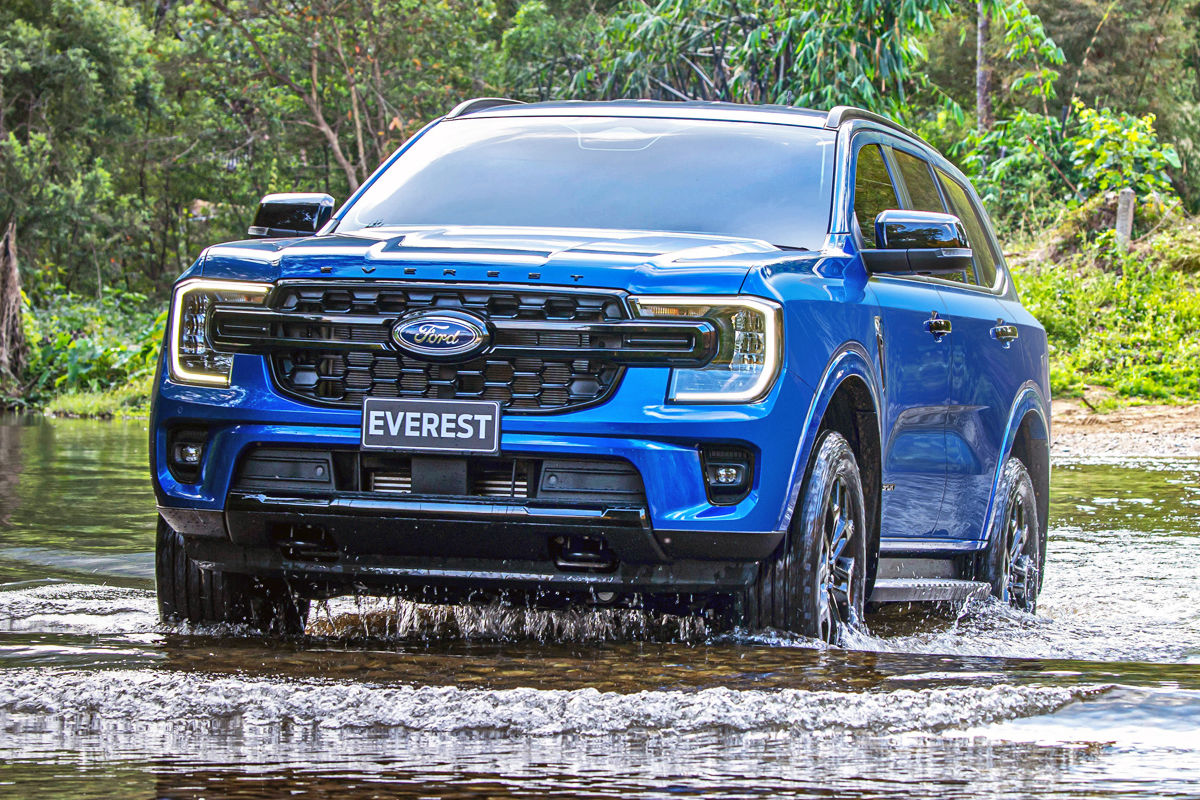
Indeed, the flagship engine in the new Everest range takes the form of a 3.0-litre turbodiesel V6 unit, which Foston claims helps to make it “super capable” in extreme off-road situations. The newcomer will be available with a permanent four-wheel drive system, a locking rear differential, underbody protection and a claimed wading depth of 800 mm, not to mention what will surely be plenty of low-down torque courtesy of that brawny turbodiesel mill. In addition, the SUV will be available with Ford-approved ARB off-road accessories (as pictured above) in certain markets.

Still, if you’d be prepared to stump up for an Everest Raptor and would prefer to experience that stonking V6 petrol engine in a seven-seater SUV rather than a bakkie body, best you make your voice heard. Ford says it’s listening, after all…

Buy a Ford Everest on Cars.co.za

Related Content

New Cars For South Africa in 2022

Buyer’s Guide: Rugged 7-Seater SUVs

8 Cool Things: New Mercedes-Benz C-Class

The new, W206-generation Mercedes-Benz C-Class is now available in South Africa. Proudly produced in the Republic (as all the previous generations of the C-Class were), ‘Benz’s business-class sedan offers a multitude of luxuries, refinements and technologies. Here are some of the highlights…

PARTNERED CONTENT

1. More distinguished styling

The new C-Class Sedan presents itself with a progressive design language, replete with reduced lines as well as dynamic proportions.

The W206-generation model is instantly recognisable as a Mercedes-Benz, because the brand’s newcomer incorporates several styling cues from its E-Class and, especially, new S-Class siblings. Note the distinctive designs of the C-Class’ grille, headlights, “power domes” on the bonnet and horizontally positioned tail lights, which now extend into the boot lid to visually widen the sedan’s width.

In South Africa, the new C-Class is offered as standard with the Avantgarde package, which includes a grille with a chromed louvre and surround, plus an integral Three-pointed Star, 18-inch 5-spoke light-alloy wheels, dynamic bumpers with air inlets with grained black diamond-pattern mesh (at the front) and mirror chrome accents, polished aluminium beltline and side-window trims, high-gloss black trim on the B-pillars and rear side-window bars and, finally, an Agility Control suspension – a passive selective-damping system that alters handling, damping and stabilisation according to the road surface.

2. Bigger & more spacious

The new C-Class is both longer (by 65 mm, to 4 751 mm) and wider (by 10 mm, to 1 810 mm), than its predecessor, although its roofline is sleeker, having been reduced by 9 mm to 1 438 mm. The increase in length is allied to a longer wheelbase, which has grown by 25 mm to 2 865 mm. The added width, meanwhile, has brought with it the adoption of wider tracks (by 19 mm front and 48 mm rear), which is why the wheels now sit further outboard within the wheelhouses.

The new C-Class is based on an updated version of the brand’s Modular Rear Architecture and features a double-wishbone suspension at the front, with a multi-link arrangement at the rear. What’s more, Mercedes-Benz has retuned the new sedan’s springs, dampers and anti-roll bars.

The newcomer’s cabin is smartly packaged and more spacious than before, especially for rear occupants, who are availed up to 21 mm more legroom, 15 mm more elbow room and 13 mm more headroom. The claimed boot capacity is unchanged (a claimed 455 litres).

3. Advanced interior architecture

While the new C-Class’ exterior design is evolutionary, its interior represents a veritable revolution in terms of business-class sedans’ cabin design. In fact, the new model sports a similar architecture to that of the latest S-Class first-class sedan. Mercedes-Benz describes it as “a comfort zone, characterised by modern luxury (and) fine materials, which invites you to linger.”

The sweeping dashboard comprises an upper and a lower section. The former sees five turbine-style and optionally illuminated vents (one each at each end of the dash and a trio in the middle) tastefully integrated into an opulent expanse of trim. The latter flows gracefully from the tiered centre console to the dashboard and is optionally available in a variety of luxurious finishes.

When you step inside the new C-Class for the first time, the Benz’s cabin feels instantly upmarket and tech-focused by virtue of the newcomer’s plush materials and trims, the standard 10.25-inch digital instrument panel (which can be upgraded to a 12.3-inch unit), which complements the 11.9-inch portrait-oriented infotainment touchscreen, not to mention the LED ambient lighting. It’s also very driver-focused – note how the dashboard and the pair of digital panels are slightly tilted towards the driver.

The driving position is ergonomically pleasing, with plenty of adjustment available for the driver’s seat and the steering column of the redesigned multifunction steering wheel, which features touch-sensitive controls on its 2 horizontal spokes (or 4, in case of the AMG sports ‘wheel).

Because many of the C-Class’ controls and functions have been incorporated into the tablet-like touchscreen’s menu, including those for the climate control, there are few physical buttons on the fascia. It’s all operated by the latest iteration of Mercedes-Benz’s MBUX system, which offers conversational speech control for most functions and wireless over-the-air software updates.

As before, the direct-shift transmission stalk is mounted on the steering column, which frees up ample stowage space in the centre console, which incorporates a pair of drink holders as well as a USB-C port and can, like the lower tier of the dashboard, be specified with various finishes.

4. Generous standard specification

Given the standard Avantgarde interior package (to match that of the sedan’s exterior), the new C-Class comes suitably well specified, replete with a Comfort seat package (with 4-way adjustable lumbar support), black Artico man-made leather trim, roof liner in crystal grey fabric, silver grey diamond-pattern trim and a high-gloss black finish to the centre console.

Apart from the aforementioned interior features, Mercedes-Benz’s new model is fitted with a leather-trimmed multifunction steering wheel, an interior lighting package (including LED ambient lighting), Keyless-Go starting function, Thermatic dual-zone climate control, cruise control, an automatically dimming rear-view mirror and driver’s side mirror, electrically folding side mirrors (that project the brand’s logo below them at night), a reversing camera allied with Parktronic active parking assist and, if more luggage space is needed, the rear seatback can fold forward.

The MBUX multimedia system, meanwhile, comes equipped with extended MBUX functions, including a communications module (LTE) for Mercedes me connect services and Advanced Connectivity Plus (including Apple CarPlay and Android Auto smartphone-mirroring tech).

In terms of driver assistance systems, the new C-Class comes standard with, inter alia, LED High-Performance headlamps (augmented by Adaptive High-beam Assist), Dynamic Select (to switch between drive modes), rain-sensing windscreen wipers, Active Brake Assist, as well as a tyre-pressure monitoring system.

5. Spell-binding optional features

As expected, there are several options with which you can spec up the new C-Class. Standard derivatives come with the Advanced package, on top of which Mercedes-Benz offers an optional Advanced-Plus package, which incorporates a larger (12.3-inch) digital instrument panel with 7 different settings and 3 different display styles, a wireless charging pad and extended lighting.

The next step up is the Premium package, which adds the Memory Package (though which the driver and front passenger can store up to 3 sets of electrically adjustable seat-, side mirror and steering column positions), a Parking Package with a 360-degree camera system, as well as MBUX Navigation Premium and MBUX Augmented Reality Navigation, the latter of which incorporates graphical navigation instructions and traffic information into live images.

The ultimate spec is the Premium-Plus Package, which adds Digital Light – an HD headlamp projection system that constantly adapts the light emitted by the headlamps to changing traffic-, road- or weather conditions, Thermotronic 4-zone automatic climate control and USB package Plus (which avails a total of half a dozen USB-C ports and two 12V sockets).

It also incorporates a head-up display that projects important driving information as a 29.5-inch image on the new C-Class’ windscreen, thereby transforming the ‘screen into a digital cockpit.

There are several more options to choose from, but one feature that’s worth mentioning is a new rear-axle steering system (a first for the C-Class) that increases low-speed manoeuvrability and improves stability at higher speeds by enabling the rear wheels to turn at up to 2.5 degrees.

6. EQ-boosted powertrains

Both turbopetrol and turbodiesel 4-cylinder engines in the new C-Class range incorporate 48V mild-hybrid technology. The EQ starter-alternator provides an added 15 kW under acceleration and a coasting function that idles the engine on a trailing throttle for added energy recovery.

The range starts with the C200, which has a 1.5-litre turbopetrol engine that produces 150 kW and 300 Nm of torque. The derivative’s claimed average fuel consumption of 6.3–7.2 L/100 km (WLTP).

The C220d, in turn, features a 2.0-litre turbodiesel engine with peak outputs of 147 kW and 440 Nm. It’ll be the more frugal of the two models, with a claimed consumption figure of 4.4–5.2 L/100 km (WLTP).

Both vehicles are rear-wheel-driven and feature a 9-speed automatic transmission.

7. AMG Line and Edition 6 versions

Although the new C-Class comes standard in Avantgarde trim, buyers may opt to specify the AMG Line package, which incorporates an AMG front apron with sporty air intakes and a chrome trim element, a diffuser-look AMG rear apron and AMG side-sill panels, at additional cost.

A new C-Class with AMG Line is instantly recognisable by the Mercedes-Benz pattern in its grille, which has an integral Three-pointed Star and a matt iridium silver (with chrome insert) centre louvre, 19-inch AMG 5-spoke light-alloy wheels, plus a pair of tailpipe trim elements integrated into the rear bumper, which are said to produce a sportier engine sound on petrol versions.

What’s more, a sports suspension with Sports Direct-Steer system is included in the AMG Line and, if the Dynamic Body Control adaptive suspension has been additionally specified, the C-Class with AMG Line’s onboard Dynamic Select menu gains a Sport+ selectable drive mode.

Inside, the AMG Line features sports front seats trimmed in Artico man-made leather and Dinamica microfibre (with grey contrast topstitching), a black fabric headliner and various sporty-looking Artico, silver-chrome-, gloss black and silver-grey criss-cross-look details.

What’s more, a multifunction flat-bottom sports steering wheel (trimmed in Nappa leather) with horizontal twin-spokes and silver chrome paddle shifters, AMG brushed stainless steel sports pedals with black rubber studs and, finally, black floor mats with AMG lettering are fitted.

To mark the introduction of the W206-generation sedan, Mercedes-Benz SA will produce only 400 units of the exclusive C-Class Edition 6, which is based on the AMG Line, but comes fitted with a panoramic sliding sunroof, as well as 19-inch multi-spoke light-alloy AMG wheels.

8. Proudly made in South Africa

The new C-Class is manufactured in Mercedes-Benz Cars’ production plants in Bremen, Beijing and East London. R13 billion has already been invested in numerous upgrades at the East London plant in preparation for the production of the new model, providing a major boost to the local automotive industry. Mark Raine, President of Mercedes-Benz Cars and Co-CEO of Mercedes-Benz South Africa says the fact that East London is one of three global manufacturing plants for the new C-Class is an unparalleled success story for the local industry.

Even before its arrival on home soil, the new C-Class drew praise for being a tremendously well-rounded proposition in the business-class sedan segment, thanks to the newcomer’s outstanding levels of comfort, refinement and quality, but also its exemplary suite of forward-looking driving assistance- and safety features, including Distronic with Active Stop and Go- and Active Lane Keeping Assist, a new centre airbag, as well as Pre-Safe Plus accident-sensing technology. 

Mercedes-Benz C-Class (2021) Specs & Price

Get a quote / Request a test drive

Related content:

Mercedes-Benz C-Class (2022) Launch Review

New C-Class: The pride of Mercedes-Benz SA

New vehicle sales in South Africa: February 2022

South Africa’s new-vehicle sales figures for February 2022 have been released, with the latest stats showing it was the country’s best sales month in nearly a year. Let’s take a look at exactly what you need to know…

According to Naamsa, South Africa’s aggregate domestic new-vehicle sales grew a strong 18.4% year on year to a total of 44 229 units in February 2022, suggesting that the local automotive industry was continuing to “gain traction”. In fact, February’s figures represented the country’s best sales month since March 2021.

The organisation furthermore pointed out that export sales for February 2022 increased an “encouraging” 12.3% year on year to 32 867 units. Following what Naamsa described as an “extended downward trajectory period since the second half of 2021”, it said the improvement in February “perhaps marked the start of a renewed upward momentum” in exports for the remainder of the year. 

Lebogang Gaoaketse, head of marketing and communication at WesBank, added that despite the traditionally short selling month and in the face of interest rate hikes and hefty fuel price increases, new vehicle sales performed “reassuringly well during the month”.

“Consumer demand was strong during February, particularly for new vehicles as opposed to used, borne out by WesBank’s 14.2% increase in finance applications for new vehicles alone,” Gaoaketse revealed. 

New vehicle sales summary for February 2022

  • Aggregate new vehicle sales of 44 229 units increased by 18.4% (6 860 units) compared to February 2021.
  • New passenger vehicle sales of 29 563 units increased by 22.4% (5 419 units) compared to February 2021.
  • New light commercial vehicle sales of 12 290 units increased by 9.4% (1 058 units) compared to February 2021.
  • Export sales of 32 867 units increased by 12.3% (3 590 units) compared to February 2021.

10 best-selling vehicles in South Africa for February 2022

Suzuki Swift hatchback

While the Toyota Hilux was yet again at the very top of the sales pile, there was plenty of movement on the rest of the list. The likewise Prospecton-produced Toyota Corolla Cross, for instance, climbed four places to grab second, just ahead of Volkswagen’s Kariega-built Polo Vivo. The Toyota Starlet fell two spots to fourth while the Toyota Hi-Ace was up three to fifth, and the Isuzu D-Max up one to sixth. Suzuki’s Swift enjoyed a particularly strong month to grab seventh, with the recently facelifted Polo hatchback having to settle for eighth. The Fortuner and Renault Kwid, meanwhile, entered the table at the expense of the Toyota’s Suzuki-built Urban Cruiser and the Haval Jolion.

1. Toyota Hilux – 3 503 units

2. Toyota Corolla Cross – 1 693 units

3. Volkswagen Polo Vivo – 1 634 units

4. Toyota Starlet – 1 607 units

5. Toyota Hi-Ace – 1 458 units

6. Isuzu D-Max – 1 401 units

7. Suzuki Swift – 1 313 units

8. Volkswagen Polo (hatch) – 1 186 units

9. Toyota Fortuner – 1 101 units

10. Renault Kwid – 1 041 units

10 best-selling car brands in South Africa for February 2022

Toyota Hilux grille

Toyota was once again the country’s best-selling automotive brand in February 2022, with its final tally more than double that of the second-placed Volkswagen Group. Suzuki Auto SA, meanwhile, managed to hold steady in a lofty third place with yet another record sales month, again breaching the 3 000-unit barrier. Nissan moved up to fifth spot, knocking Haval down one to sixth and Renault to seventh. Ford, however, again had to settle for eighth place.

1. Toyota – 13 458 units

2. Volkswagen Group – 6 153 units

3. Suzuki – 3 240 units

4. Hyundai – 3 017 units

5. Nissan – 2 126 units

6. Haval – 2 054 units

7. Renault – 2 047 units

8. Ford – 1 877 units

9. Kia – 1 737 units

10. Isuzu – 1 677 units

Top 5 vehicles exported from South Africa in February 2022

Volkswagen Polo GTI red

While the updated Volkswagen Polo hatch tumbled down the best-selling list, it rocketed to the very top of the export table, with nearly 8 500 units shipped from our shores. The Toyota Hilux was second in the exports race in February 2022, with the Silverton-built Ford Ranger close behind in third. We should point out, however, that BMW and Mercedes-Benz again did not report detailed figures for February 2022, so it’s not exactly clear how many X3 and C-Class sedan units were exported from South Africa during the month.

1. Volkswagen Polo (hatch) – 8 448 units

2. Toyota Hilux – 4 871 units

3. Ford Ranger – 4 712 units

4. Isuzu D-Max – 521 units

5. Nissan Navara – 317 units

Sales outlook

So, what’s next for South Africa’s new-vehicle market? Well, Naamsa says the “growth-positive” national budget passed in February provided “some good news for business and consumers” in the form of a cut in corporate income tax, accommodating adjustments in personal income tax brackets and no hike in the fuel or Road Accident Fund levies for the first time since 1990. However, it pointed out that such relief was short-lived, with fuel prices hitting record highs in March 2022.

In addition, Naamsa reminded us that the vehicle emissions tax rate would soon increase. Furthermore, the organisation warned of the “ripple effects” of Russia’s invasion of the Ukraine and possible “negative consequences” for South Africa in terms of our currency, global oil prices, food prices, financial markets and potential “earlier and bigger” interest rate hikes by the South African Reserve Bank to curb inflation.
“We don’t need another global economic disruption. We urgently urge all global leaders to work through the United Nations structures to find sustainable political solutions to the conflict in the region so that the people of Ukraine can avert human suffering, destruction to property and the demolition of some of their important economic infrastructure needed to sustain progress and development,” said Naamsa CEO, Mikel Mabasa.
WesBank’s Gaoaketse echoed Mabasa’s concerns around the situation in the Ukraine, saying fuel prices looked destined to rise even further amid tensions in the region.

“The situation could amplify the divide between consumer and business demand and the market’s already hampered ability to supply. This increasing amount of pent-up demand may only be balanced by affordability considerations thanks to increased running costs, and household incomes, which remain under pressure,” Gaoaketse concluded.

Kia EV6 Grabs 2022 European Car of the Year Award

Kia’s first standalone electric vehicle has been awarded the 2022 European Car of the Year title, beating out six other finalists. Yes, the EV6 is the overall winner…

The new Kia EV6 has been named the 2022 European Car of the Year, becoming the first vehicle from the South Korean company to win the award.

Once the votes from the 59-strong jury had been counted, the all-electric crossover had garnered 279 points, which was enough to see it beat the Renault Mégane E-Tech Electric (265 points) and Hyundai Ioniq 5 (261 points) to the title, sitting atop an all-electric podium.

Other finalists that had been in the running included the Ford Mustang Mach-E, Škoda Enyaq iV, Cupra Born and Peugeot 308. As you can tell, electric vehicles (EVs) dominated this year’s competition, with six of the seven finalists taking the form of battery-powered cars and the seventh (the 308) being available in petrol, diesel and plug-in hybrid form.

“It’s a great honour to have won the 2022 European Car of the Year with the EV6, the first ever Kia to win this prestigious award,” said Jason Jeong, President of Kia Europe. “The EV6 is truly a landmark development that’s been designed from the outset to make electric mobility fun, convenient and accessible by combining a highly impressive real-world driving range, ultra-fast charging capabilities, a spacious high-tech interior and a truly rewarding driving experience. The EV6 is an exciting sign of what’s still to come in our evolving electrified line-up.”

Kia EV6 front

Though none of the finalists is currently available in South Africa, there’s at least a chance the Kia EV6 will eventually be offered here, with the company’s local division having earlier indicated an intention to conduct a feasibility study on its introduction.

As a reminder, the EV6 is the Korean firm’s first standalone EV and is based on the company’s Electric-Global Modular Platform (E-GMP). Kia claims the EV6 has “class-leading” interior space, a 528 km driving range and 800-volt charging capabilities.

Revealed at the end of March 2021, the EV6 employs a Nickel-Cobalt-Manganese battery pack that is available in two sizes. The base derivative uses a 58 kWh battery with a rear-mounted motor and is good for 125 kW and 350 Nm. The all-wheel-drive version makes 173 kW and 605 Nm, with Kia claiming a 0-100 kph sprint time of 6.2 seconds. 

Specify the bigger 77.4 kWh battery and you score more range and more power. The rear-wheel-drive version boasts 168 kW and 350 Nm, while its all-wheel-drive sibling packs a hearty 239 kW and 605 Nm, with the claimed sprint time falling to 5.2 seconds. Finally, the flagship EV6 GT ships standard with all-wheel drive and the bigger battery, plus some extra power, with peak outputs of 430 kW and 740 Nm allowing a claimed 0-100 kph time of just 3.5 seconds and a top speed of 260 kph.

The EV6 has a chance to add another trophy to its cabinet, as it’s also a finalist in the 2022 World Car Awards, where it has been nominated in the overall World Car of the Year category as well as the World Car Design of the Year section. The winners of this competition will be announced on 13 April.

BMW 2 Series (2022) Price Announced for SA

The all-new BMW 2 Series will be launching in SA in the first quarter of 2022 and pricing has been loaded onto BMW SA’s website. Here’s how much you can expect to pay, plus which models are confirmed.

The all-new BMW 2 Series looks radically different from the rest of the Bavarian brand’s portfolio. When finished in the new Thundernight Metallic, the BMW M240i xDrive really looks special. Yes, you read right. With this new generation of 2 Series, xDrive has made its debut. Fear not purists, as the next-generation BMW M2 will be offered with rear-wheel drive only.

From BMW SA’s price list, it looks like we’re getting a 3-model lineup, before the flagship M2 eventually makes an appearance. The BMW 220i starts off the range, powered by a 2.0-litre turbocharged 4-cylinder producing 135 kW and 300 Nm. Power goes to the rear wheels via an 8-speed automatic gearbox. BMW claims a 0-100 kph time of 7.5 seconds.

With the price of petrol reaching silly heights, diesel may provide the answer and BMW is offering a 220d. The 2.0-litre turbocharged diesel engine produces a healthy 140 kW and 400 Nm, and is said to hit 100 kph in just 7 seconds.

For the performance fans, the BMW M240i xDrive comes out swinging with a 3.0-litre turbocharged 6-cylinder petrol engine pumping out 285 kW and 500 Nm. For the first time in the 2 Series coupe range, all-wheel drive makes its debut and this allows the M240i xDrive to hit 100 kph in just 4.5 seconds. Hopefully it will be more engaging, unlike the current BMW M135i.

When it comes to fuel economy, the BMW 220d will be the lightest consumer with a claim of just 4.8 L/100 km, with the 220i following at 6.3 L/100 km. Being a performance model, the M240i xDrive is the thirstiest at 8.0 L/100 km.

Final specifications and trim levels will be confirmed closer to the vehicle’s launch in the first quarter of 2022.

BMW 2 Series

How much does the new BMW 2 Series coupe cost in South Africa?

BMW 220i                   R765 000

BMW 220d                  R815 000

BMW M240i xDrive     R1 050 000 

Further Reading

All you need to know about the 2022 BMW 2 Series

Diesel BMW M2 M50d with NOS Video


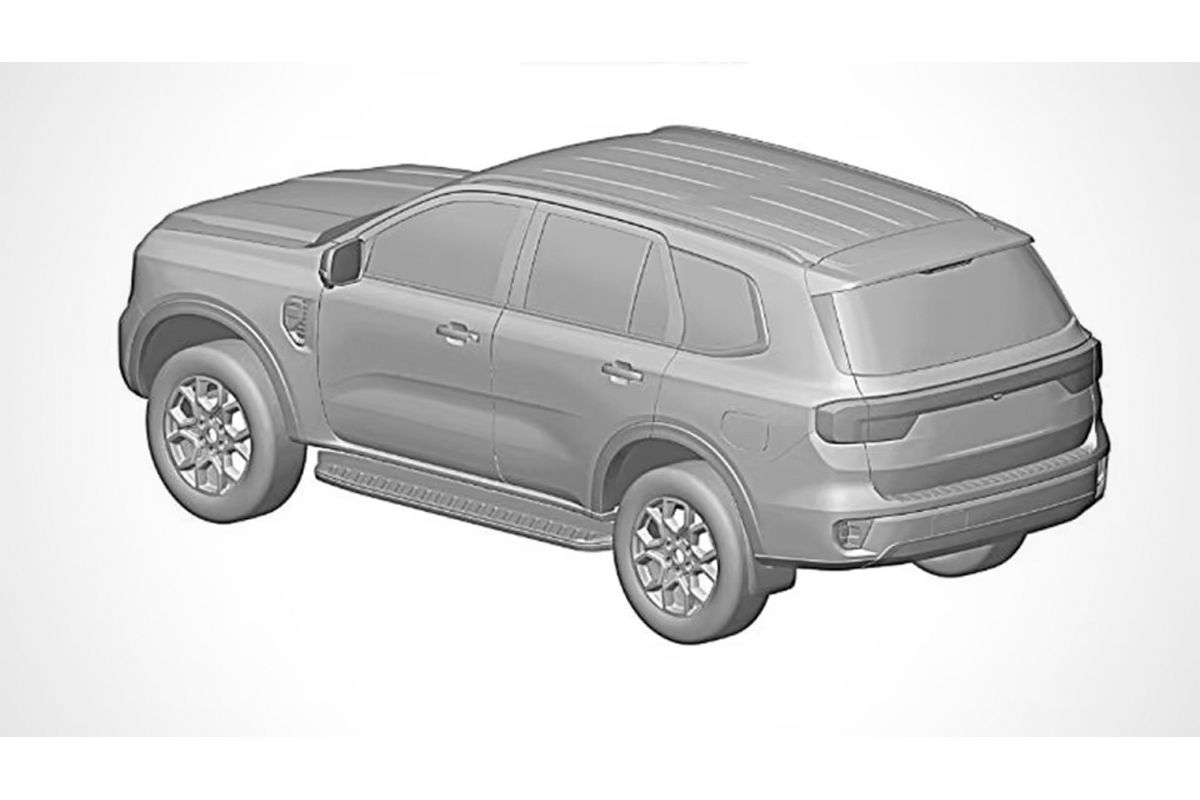
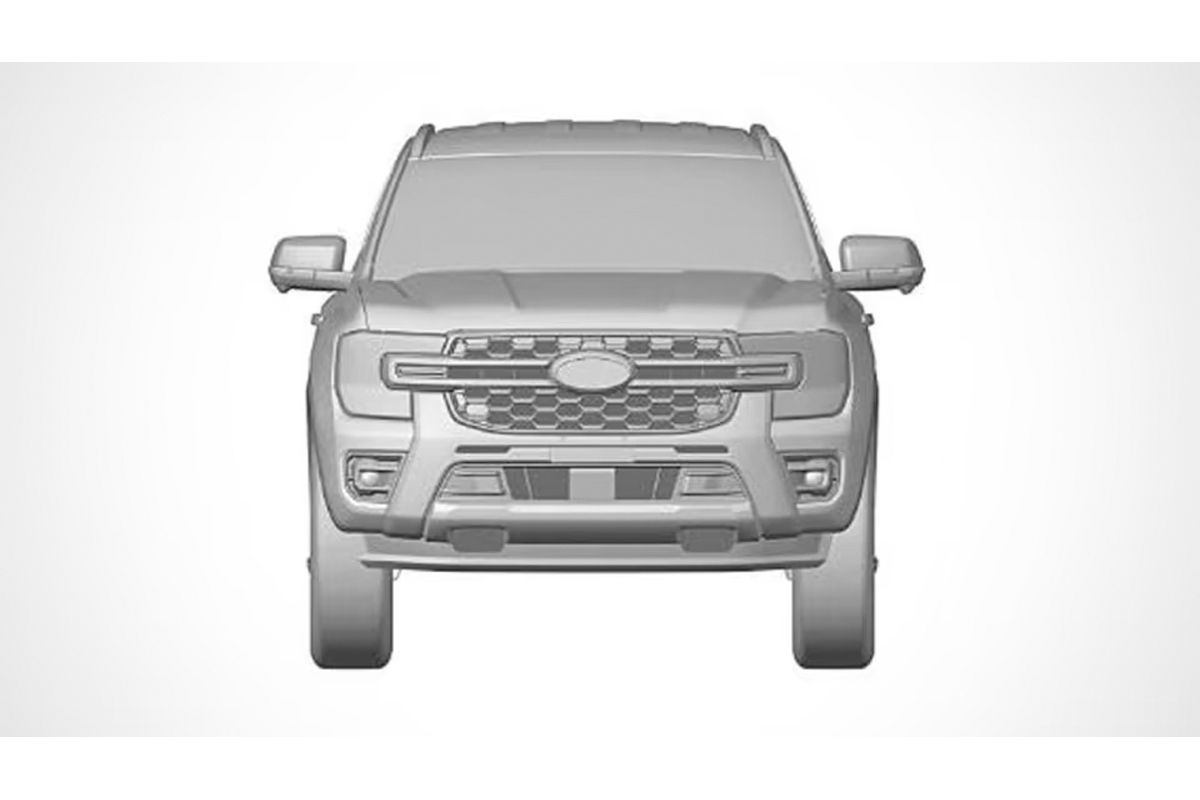
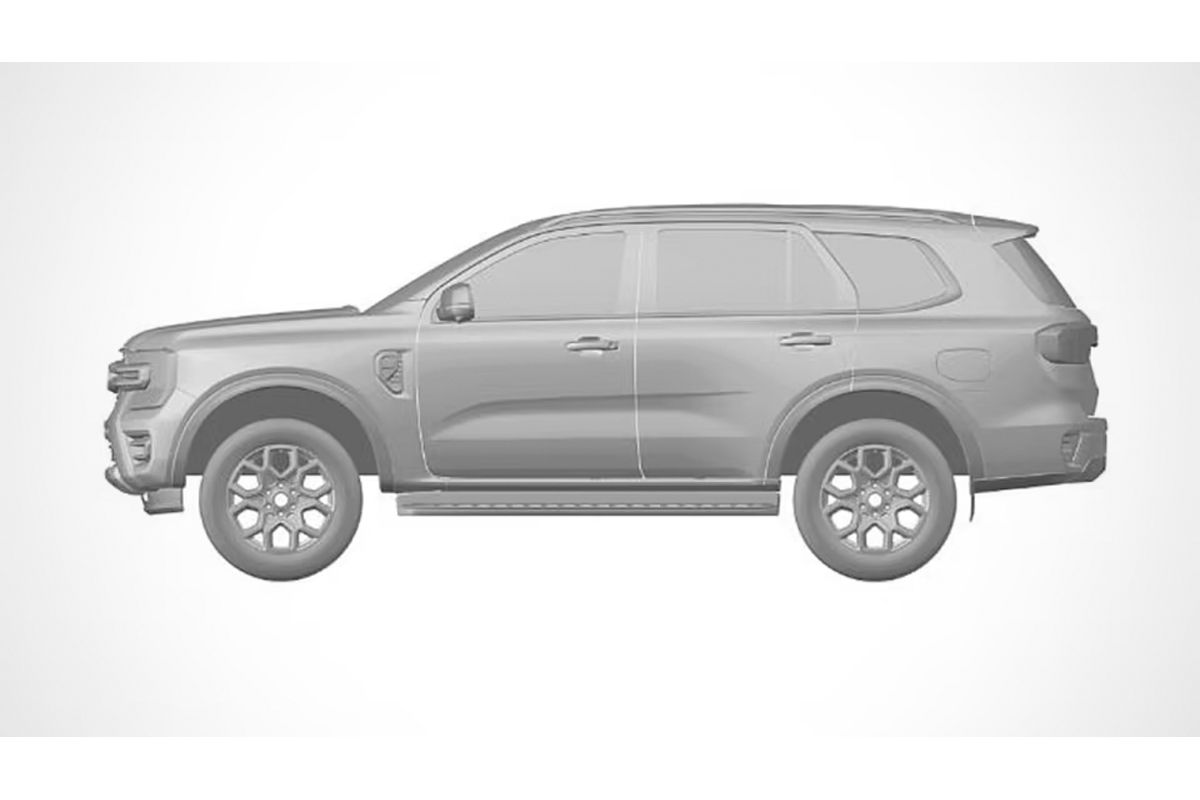
2023 Ford Everest Breaks Cover

This is the all-new 2023 Ford Everest and it looks ready to mount a challenge to the bakkie-based SUV brigade.

Read/watch our full review of the 2023 Ford Everest here

What you see here are three trim levels of the all-new 2023 Ford Everest; Sport, Titanium+ and a new flagship grade called Platinum. While it’s too early to confirm what our market will get, it’s good to see the differences. Market availability for South Africa will be confirmed at a later stage, but we estimate it’ll hit our shores in 2023.

Under the skin, there are substantial changes with a longer wheelbase and wider track, and more powerful engines on offer. The new 3.0-litre turbodiesel V6 has been confirmed, along with single-turbo and bi-turbo 2.0-litre 4-cylinder diesels. For the petrol fans, a 2.3-litre EcoBoost will be offered, but we’ll confirm closer to launch if SA will be getting this engine. The 2023 Ford Everest is available with either a 6-speed automatic or a 10-speed automatic.

2023 Ford Everest grille

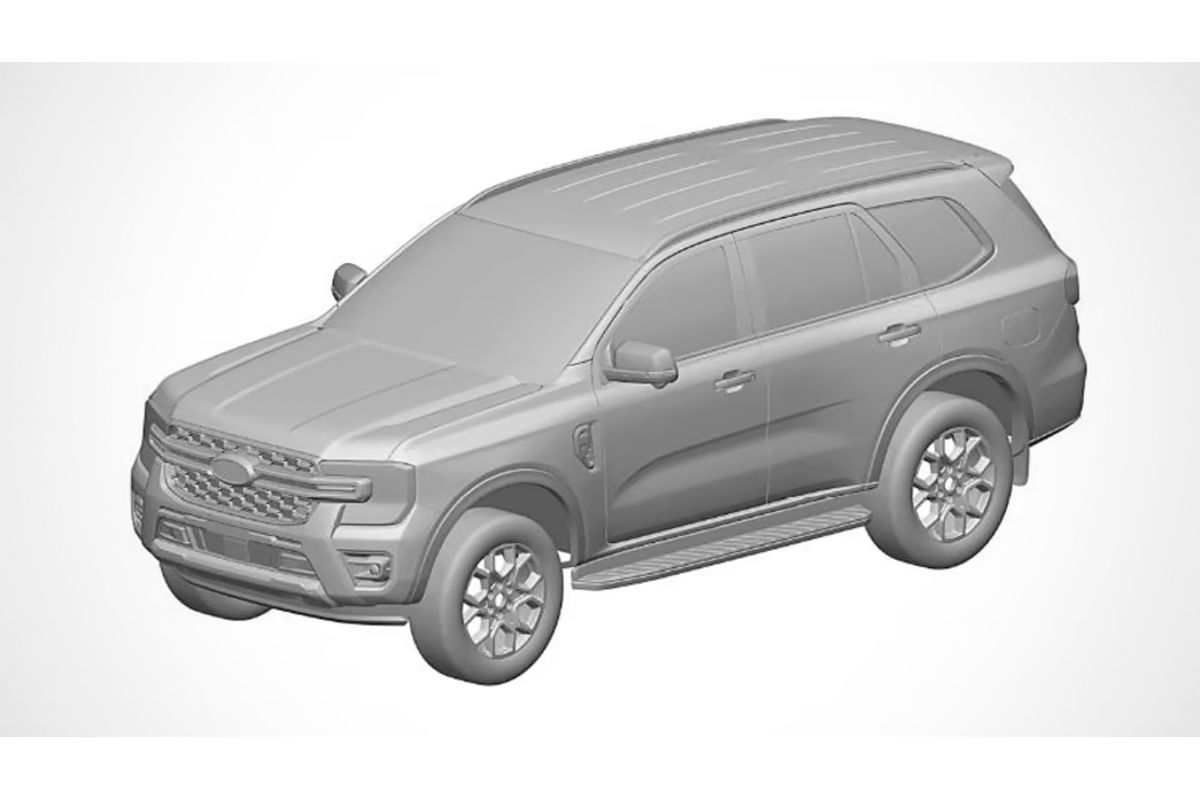
The front design is quite similar to that of the new Ford Ranger, with shared elements like the C-shaped daytime running lights. At the rear, those modern tail lights look good.

If you are the offroading type, you’ll be pleased to hear about the 2023 Ford Everest and its choice of two four-wheel drive systems, underbody protection, and off-road selectable drive modes plus rear locking differential, two functional tow hooks upfront, and provision for accessories. A wading depth of 800 mm is claimed.

The two 4WD systems available are: A two-speed electronic shift-on-the-fly transfer case, also known as a part-time 4WD system; and an advanced, permanent four-wheel drive system that uses an electronically controlled on-demand two-speed electromechanical transfer case (EMTC) with selectable drive modes.

The cabin has been given a complete overhaul and there’s now a large infotainment screen, digital instrument cluster as well as a rejigged seating setup, with Ford claiming the 3rd row of seats are now more accessible. The boot has received a rejig, with a lip that stops loose items from rolling out.

Spec level at first glance looks impressive with higher-end derivatives gaining wireless charging, leather-trimmed gear selector, electronic parking brake, heated and ventilated front seats, 10-way electrically adjustable driver seats, and charging ports for all three rows. The 2nd and 3rd row of seats can fold flat, allowing for large items to be transported.

The new SYNC4 infotainment system makes its debut in the 2023 Ford Everest. Depending on trim level, Everest comes with 8- or 12.4-inch digital instrument panels and there are high-res portrait 10.1- or 12-inch touchscreens.

As far as safety is concerned, the new Ford Everest has a number of semi-autonomous features like adaptive cruise control, lane-keeping assist, blind-spot monitoring, and pre-collision assist. There are also up to 9 airbags, including a new airbag located between the driver and the passenger.

Find a new or used Everest for sale here.

2023 Ford Everest

2023 Everest Availability in SA?

The latest Ford specs and prices here

This announcement is essentially just a first look at the all-new 2023 Ford Everest and we’re still some time away from the vehicle launching locally. As it stands, we do know that it will be assembled in Thailand and not in SA. We assume the Ford Silverton factory needs all the capacity as it will be building both the new Ford Ranger and new Volkswagen Amarok.

Range Rover (2025) Specs and Price in South Africa

The ‘big daddy’ Range Rover has much to offer in terms of luxury and style. Take a closer look inside and out of what is the most luxurious and comfortable SUV Range Rover has ever built.

Certain cars only work when you see them in the sheet metal, and the Range Rover is a prime example of that.

Revealed in late October 2021 and launched in South Africa in August 2022, this latest generation of Land Rover’s luxury SUV is reliably handsome and the depths of its detailing are clear.

How stylish is it?

Upfront, the new Rangie wears a familiar light signature and begins the three sweeping lines that all Range Rover models have featured. The front overhangs are still short, while the sill line rises in height against the falling roofline. At the rear there’s a new “boat tail”-like design and the split tailgate, which we’ve come to know the brand for, has been retained.

Overall, the idea was to build an SUV that looks like it’s carved from a solid form. The finish is flush, and the lighting is designed to remain hidden until it’s illuminated. It’s based on Land Rover’s new flexible Modular Longitudinal Architecture, also known as MLA-Flex.

Elsewhere, at the one extreme, the Range Rover can be voluminous, long-wheelbase transportation for up to 7 people, with the SUV’s first 7-seat option. At the other end of the scale, a Range Rover SV with the Signature Suite cabin makes for a lavish four-seater, with 90+ cm of legroom to stretch out in the rear.

Sandwiched in between are various configurations with five seats, short- and- long wheelbase options, and of course Land Rover’s 3-strong array of engines. 

Read more: Next-gen Range Rover to use X5M Power

How luxurious is the interior of the Range Rover?

Range Rover

Along with astronomic power and a great deal of luxury, this SUV offers an extreme level of comfort for its passengers. Starting with the seats, top end materials have been used to provide the softest feel to the driver as well as all the passengers on board. The headrests are designed can be adjusted to contour perfectly to the passengers’ head, thus offering greater comfort.

The cabin stretches from familiar luxury features through to more ambitious materials: technical fabrics with a high percentage of recycled content, for example, and a near-aniline leather that the automaker says not only feels more like furniture hide but uses fewer dyes and other chemicals in the process.

Clients can choose from over 1.6-million potential configurations, including upwards of 13 wheel designs, bespoke paint colours, sustainable wood trim, elegant metal trimmings, ceramics, and Ultrafabric sustainable leather upholstery.

There is also wood veneer surfaces with elaborate patterns laid out poshly around the cabin, formed by hundreds of individual laser-cut pieces, all laid by hand. Opt for the four-seater Range Rover SV Signature Suite and you’ll see this wood trim from front to back, extending to the centre fridge between the two rear seats.

Furthermore, there is no doubt that the 2022 Range Rover is the epitome of leading-edge technology and is loaded with some mind-blowing tech features on board. It features the Pivi Pro infotainment system: a 13.1-inch fully touch display that is convexly curved and has a floating appearance over the dashboard. The display features an inbuilt navigation system with voice recognition. It also offers wireless Apple CarPlay and Android Auto for seamless connectivity and is paired up with an industry-leading Meridian sound system that offers an immersive surround sound experience.

Meanwhile the driver’s instrument cluster – a 13.7-inch digital display – shows the status of the vehicle and the engine as well as navigation which can all be controlled with the buttons mounted on the steering wheel.

Purists may bewail the further distancing of this fifth-generation model from the more rugged designs of the earlier iterations, which undoubtedly wore their work talents more clearly on their sleeves. Even so, given the number of people who get to take their Range Rover off-road, this move toward even greater on-road civility is something that can hardly be argued with.

What engines are on offer?

Range Rover

There are 3 engines to choose from.

The range starts with a petrol-electric hybrid powertrain in the P460e comprising a 3.0-litre, straight-6 turbocharged petrol engine that’s paired with a 38.2 kWh battery pack to allow for an electric driving range up to 113 km. Total outputs for this powertrain is 338 kW and 550 Nm.

A 3.0-litre turbocharged diesel burner (D350) is available in the D350, the same used in the Defender and Discovery, and it produces a useful 258 kW and 700 Nm of torque.

The engine offering is headlined by a powerful 4.4-litre V8 turbocharged petrol engine that produces either 390 kW and 750 Nm of torque in the P530 or you can opt for the range-topping P615 SV with 452 kW and 750 Nm.

How much does the new Range Rover cost in SA?

*Note that pricing is accurate as of August 2025.

All Land Rover vehicles come with a standard 5-year/100,000km Land Rover Care Warranty and Maintenance Plans. * Prices include VAT but exclude CO2 tax.

Model Price
P460e SER3 224 900
P460e HSE R3 408 600
D350 HSE R3 433 300
P530 HSE R3 821 300
P460e Autobiography R3 911 600
D350 Autobiography R3 943 200
D350 Autobiography LR4 039 900
D350 Autobiography L (7 seats) R4 084 300
P530 Autobiography R4 355 000
P530 Autobiography L R4 456 000
P530 Autobiography L (7 seats) R4 502 800
P615 SV R4 971 300
P615 SV Black R5 269 200
P615 SVR5 487 700
P615 SV L Black R5 718 700

Search for a used Range Rover here

Sell your car on Cars.co.za

Frequently Asked Questions

What are the available engine options for the 2025 Range Rover in South Africa?

The 2025 Range Rover offers a range of engines, including a P460e petrol-electric hybrid, a D350 turbocharged diesel, and a 4.4-litre V8 turbocharged petrol engine (P530 and P615 SV).

What are the starting and top-end prices for the 2025 Range Rover in South Africa?

Pricing for the 2025 Range Rover starts at R3,395,000 for the P460e HSE Standard Wheelbase, and goes up to R5,487,700 for the P615 SV Long Wheelbase model.

What are the warranty and maintenance plans for the Range Rover?

All 2025 Range Rover models come with a standard 5-year/100,000 km Land Rover Care Warranty and Maintenance Plans.

What are some of the interior and technology features of the new Range Rover?

The interior features a 13.1-inch Pivi Pro infotainment system with wireless Apple CarPlay and Android Auto, a Meridian sound system, and a 13.7-inch digital driver’s display. It also offers a seven-seat option in the long-wheelbase version and can be configured with a four-seater ‘Signature Suite’ cabin.

Related Content

Range Rover (2025) Specs and Price

Reviews 

Range Rover (2022) Launch Review

RR Review: Fantastic, but is it worth it?

Comparisons

Range Rover vs RR Sport: What’s the difference?


Big Fuel Price Increases Expected in SA for March 2022

The fuel price forecast for March 2022 isn’t looking good as mid-month fuel price data points to significant price increases for both petrol and diesel. 

Motorists should prepare themselves for yet another increase in the price of fuel. Both grades of petrol will increase by R1.46/ per litre, diesel will increase between R1.44/l and R1.48/l and illuminating paraffin will increase by R1.21/l at midnight as we go into Wednesday.

For the first time in history, 95 octane petrol inland will rise above R21 a litre, and by a significant margin. As of Wednesday, this fuel will cost R21.60/l while at the coast it will cost R20.88/litre.

The main factors influencing the monthly fuel price adjustments are the Rand-Dollar exchange rate and the price of petroleum products such as Brent Crude Oil. During the first half of February 2022, the Rand-Dollar exchange rate has remained fairly stable and is currently around R15 to the US Dollar. The price of Brent Crude Oil, however, is surging and is currently at $93.7 per barrel.

Geo-political uncertainty as a result of conflict involving Russia and Ukraine isn’t helping matters and this upward trend is likely to persist in the short-to-medium term as the threat of a potential conflict lingers. 

The Automobile Association (AA) has called on the government to urgently address the fuel price crisis and to mitigate fuel price increases in an effort to relieve over-burdened consumers. 

“Our economy is closely linked to the fuel price; it is a major input cost in the manufacturing, retailing and agricultural sectors. We have noted before that a review of the current structure of the fuel price, as well as an audit of all the elements which comprise the fuel price, should be done sooner rather than later. We therefore call on the Minister of Finance to initiate such a review during his Budget Speech on 23 February,” says the AA.

In addition, the AA strongly believes that increasing fuel levies must be avoided.    

“We know all too well of the economic challenges facing the country, and of the importance of the revenue raised through the two main levies. We are also aware that, as was the case last year, delivering a Budget in the current economic environment is tricky and difficult and that the pressure to ease government’s financial burden is immense. However, increasing the levels of the General Fuel and Road Accident levies will be counter-productive as this will impact mostly on the poorest of the poor”

The General Fuel Levy is currently at R3.93 p/l while the Road Accident Fund (RAF) Levy is at R2.18 p/l, both of which add up to R6.11 for every litre of fuel sold in South Africa. 

Nedbank, however, predicts a General Fuel Levy increase of 30c/litre for petrol and diesel, and 15c/litre in the Road Accident Fund levy.

“Our country faces enormous and complex economic challenges. High fuel prices are adding to these challenges and instead of accepting the current model, we must seek solutions that benefit consumers, not place them in more financial distress. One immediate solution for us, for instance, is to review the funding of the poorly managed Road Accident Fund (RAF). Our reliance on the RAF is a direct result of South Africa’s poor road safety and that’s where more attention needs to be given for a long-term solution,” urges the AA.

Related Content 

Is it time for South Africa to Switch to EVs? 

5 Ways to Beat the Fuel Price Hike

Most Fuel Efficient Budget Cars in SA

Most Fuel-Efficient Double-Cab Bakkies in SA

5 Fuel-Saving Car Features & How They Work

Most Fuel Efficient Budget Cars in SA

Most Fuel Efficient Diesel Cars in SA

Most Fuel Efficient Petrol Cars in SA