Patent Images Suggest New Ford Everest Wildtrak is Coming
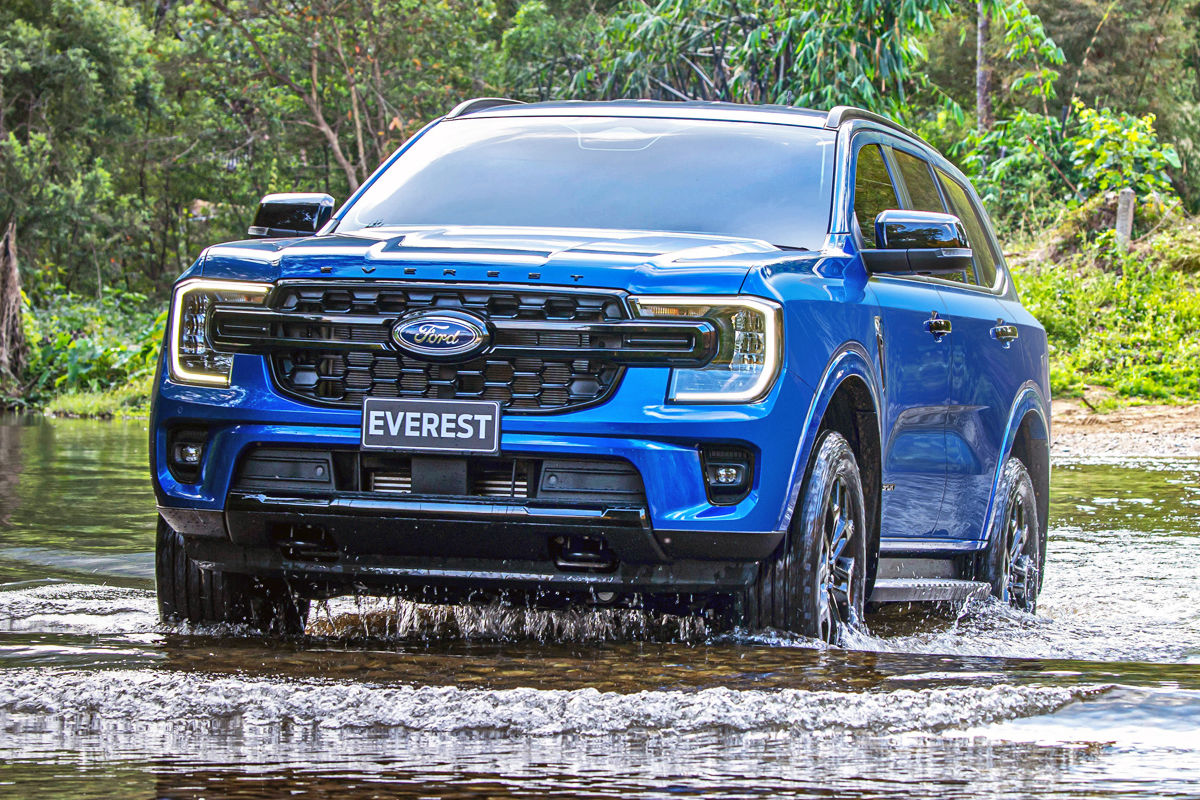
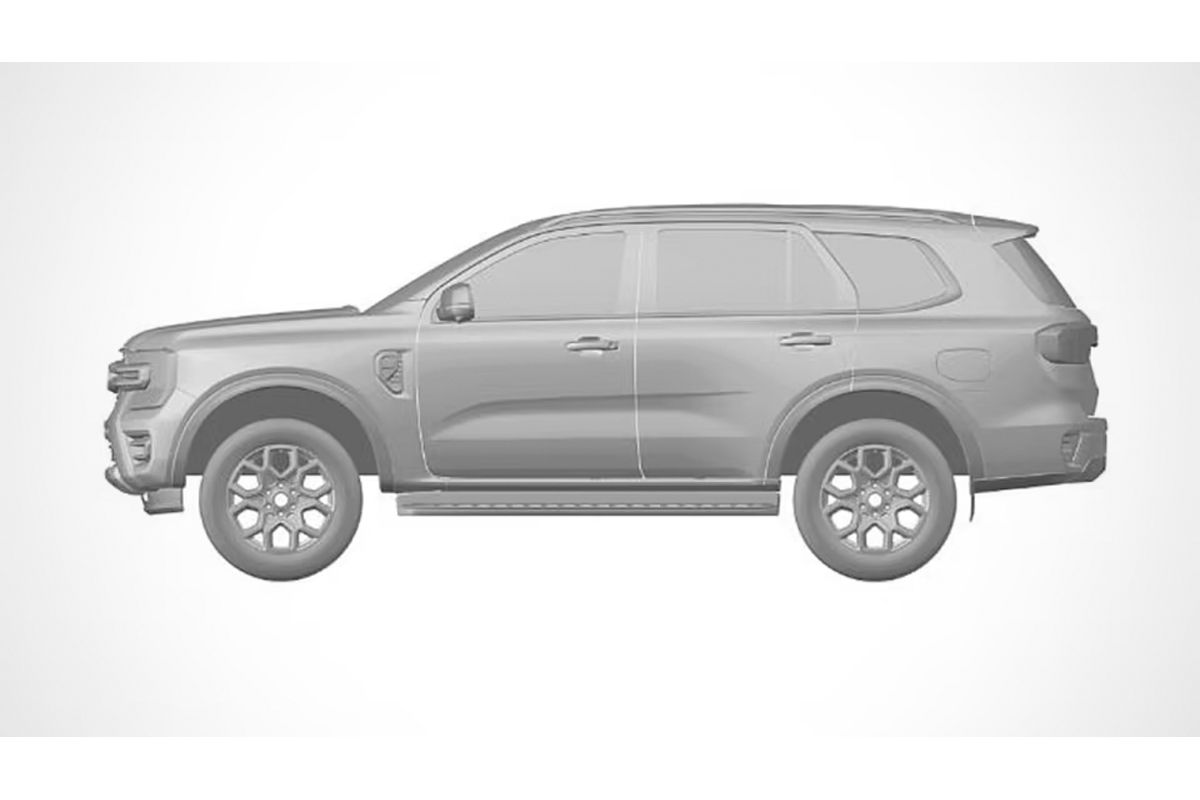
Fresh patent images filed Down Under suggest Ford is preparing to launch an unprecedented Wildtrak version of its latest-generation Everest. Let’s take a closer look…
While Ford has already hinted its new Everest won’t be given the full-fat Raptor treatment, fresh patent images filed in Australia suggest the bakkie-based SUV will receive a new Wildtrak trim level instead.
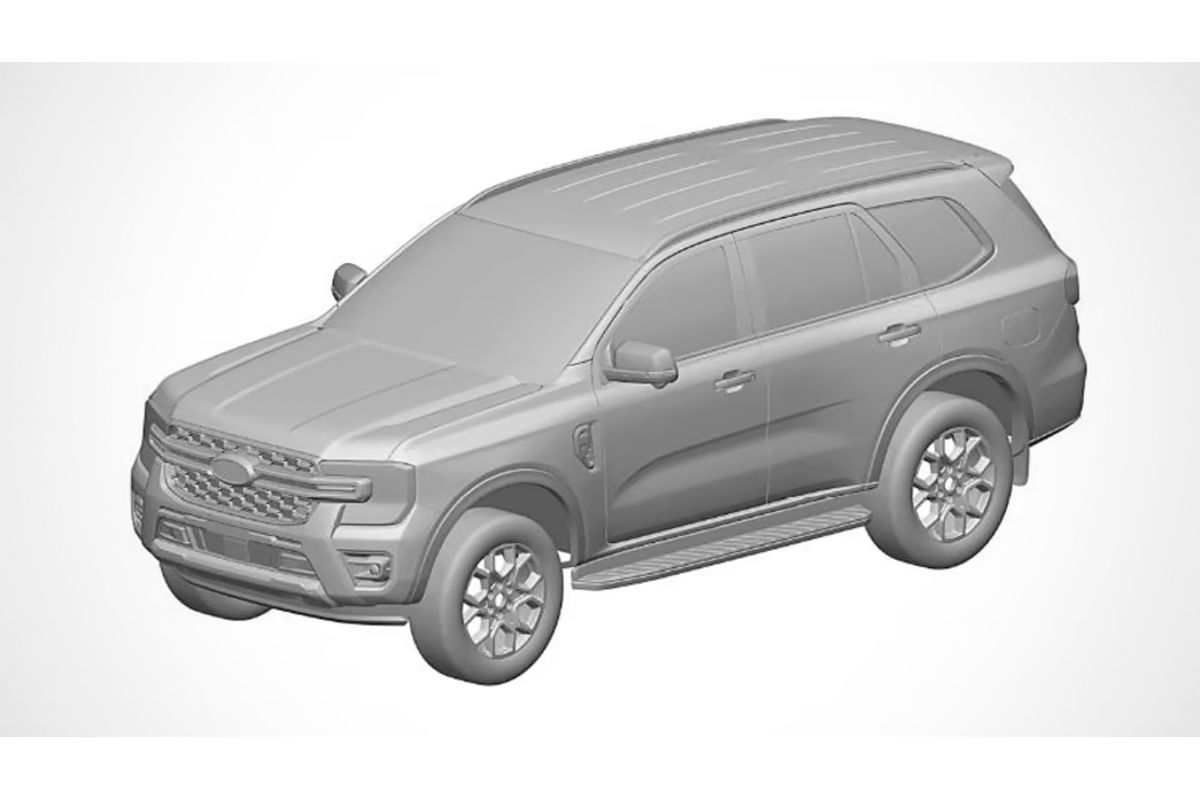
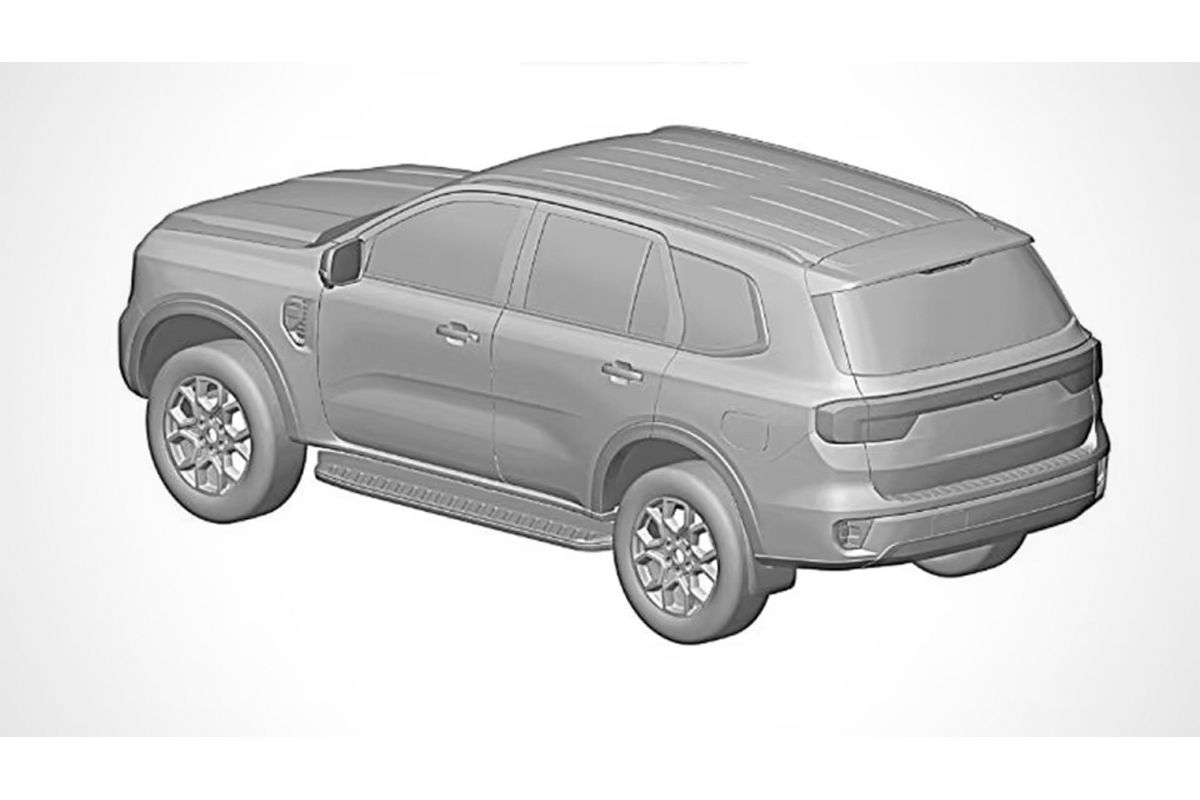
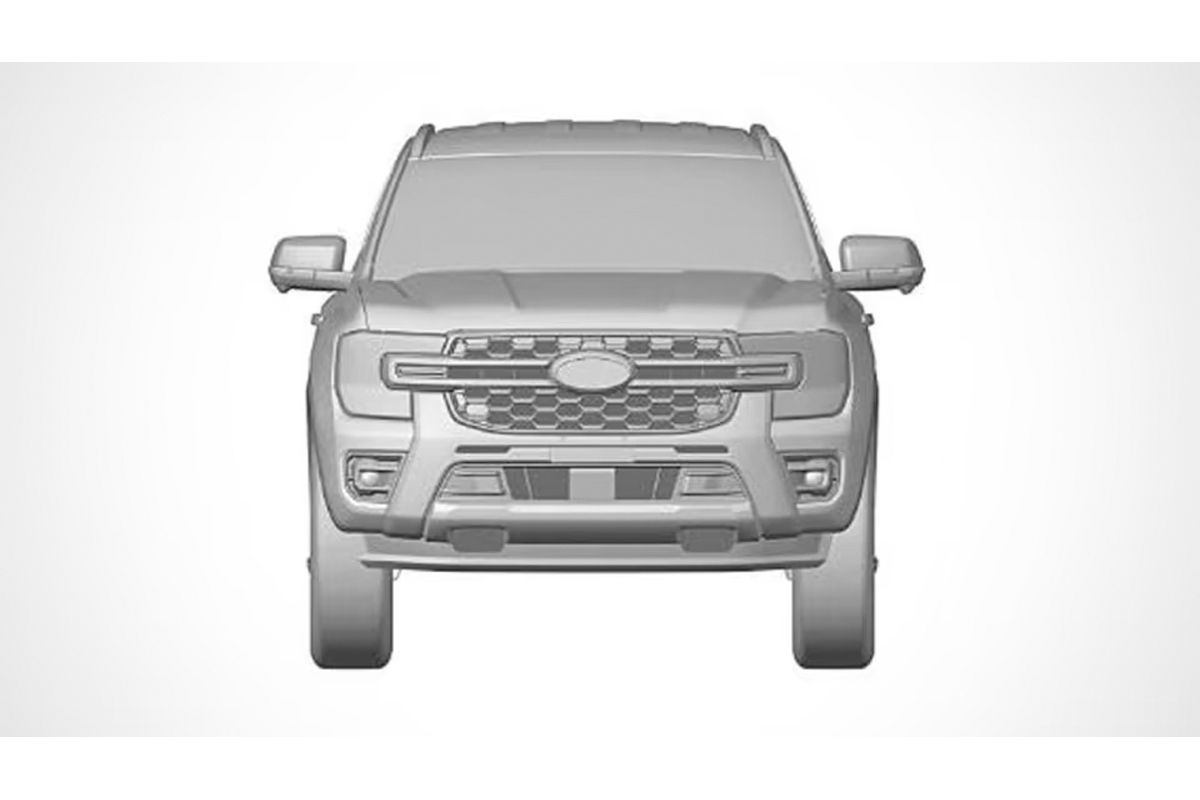
As uncovered by the studious folks over at Drive, the patent images recently filed with Australia’s intellectual property office show the Everest wearing a suspiciously similar front facia to the Wildtrak version of the new Ranger.
The pictured version of the ladder-frame SUV furthermore upgrades to fresh alloy wheels, while also sporting 360-degree camera lenses fitted to the bottom of its side-mirror caps (suggesting the rumoured Wildtrak will be positioned right at the summit of the new Everest range, according to Drive).
Of course, when the publication approached Ford Australia for comment, the Blue Oval automaker would not confirm or deny plans to extend the Wildtrak badge – previously reserved for high-end versions of the Ranger – to the seven-seater SUV.
“Ford submits design applications for various brand assets as a normal course of business, but they aren’t necessarily an indication of new branding, badging or product plans,” the Dearborn-based firm said.
If the Everest Wildtrak were to get the go-ahead, we’d think Ford’s 3.0-litre turbodiesel V6 unit would be the right choice of engine, offering a brawny 184 kW and 600 Nm through a 10-speed automatic transmission. Then, just like the Ranger Wildtrak, such a model’s cabin would surely gain extra leather (with contrast stitching), some added standard kit and the obligatory smattering of Wildtrak logos.
Should Ford choose to give the rumoured Everest Wildtrak an off-road flavour (and perhaps even the Wildtrak X badge), other likely standard features would include the brand’s permanent four-wheel drive system, a locking rear differential and underbody protection. For now, though, we’ll just have to wait to see whether this model materialises…
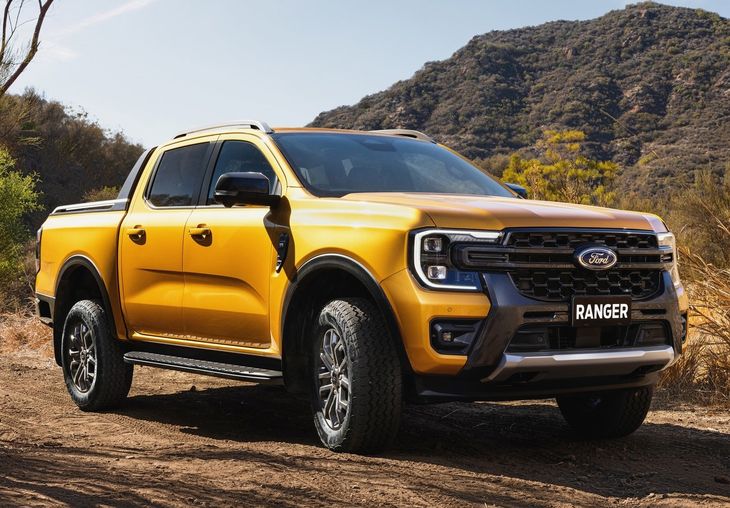
Here’s the Wildtrak version of the new Ford Ranger bakkie…
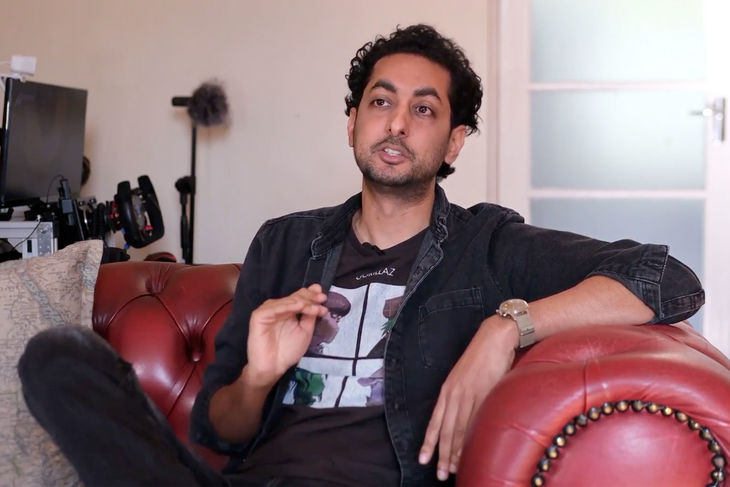
Meet Zaahir Essa – #CarsSimRacerSearch winner
Out of more than 1 000 entries from aspiring Sim Racers from across South Africa, Zaahir Essa has been chosen as the inaugural winner of the #CarsSimRacerSearch.
Zaahir is a family man and mechanical engineer by trade, but his biggest passion is racing – he has an accomplished career in Sim Racing, not to mention a fair amount of racetrack experience!
Zaahir grew up in Durban, but he doesn’t have a formal motorsport background. In fact, his introduction to the world of racing came quite unexpectedly, via a PC demo game CD that was attached to the back of a magazine, while he was in high school. One of the games on that disc was a Monaco Racing demo, and once he started playing that game, Zaahir was hooked – that’s how his love affair with the Monaco Grand Prix – and Formula 1, as a sport – began. From there he became obsessed with anything Ferrari- and Michael Schumacher-related; his passion for racing (with red cars, probably) made him take popular games like Need for Speed a whole lot more seriously than his friends (who he raced against).
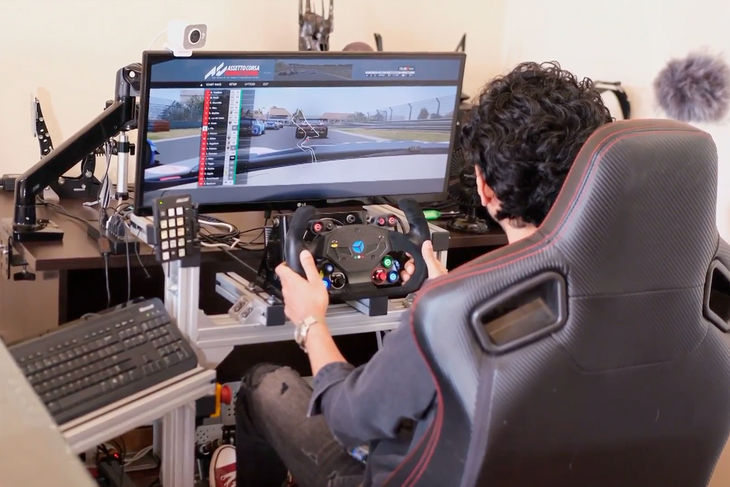
Even though he was racing on a PC keyboard, his competitive nature kicked in. The thrill of going faster and beating his competition spurred him on – he was determined to get better with whatever new equipment he could lay his hands on.
Back then, there was no real local Sim Racing scene, but when home internet access became near-ubiquitous, Zaahir really cut his racing teeth, so to speak, by competing against European racers online. Multiplayer game formats (enabled by the proliferation of the internet) really gave the sport – and Zaahir’s progress within it – a major boost. It also encouraged his quest to transfer his Sim Racing talents to the racetrack.
Formula Vee, the most affordable single-seater racing formula, was his next step. Being a firm believer that Sim Racing equips you for nearly everything you need to know about racing dynamics and car set-up, Zaahir made the transition from sim- to genuine racing with relative success. Zaahir describes his time on the track, when he competed against even tougher opposition than he had faced online, as perhaps one of the best periods of his life.
He subsequently took the skills he gained on the racetrack back to the Sim-Racing realm where more opportunities began to present themselves.
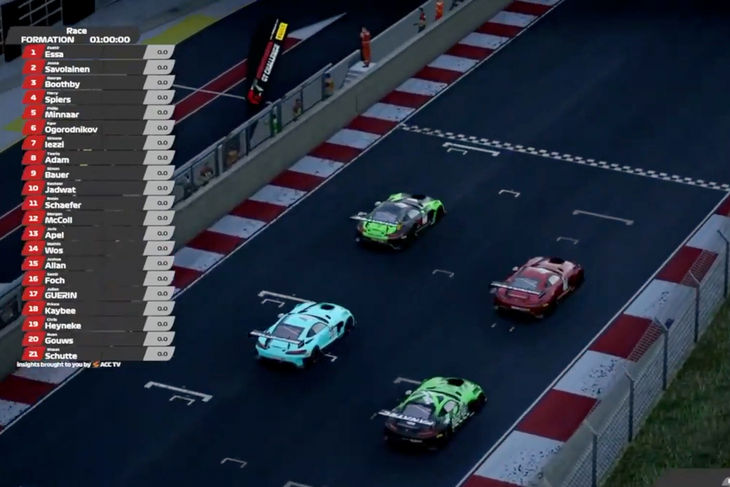
Zaahir is currently racing in the 2022 ATK Pro Series. Having come out on top in the inaugural 2020 series, he made the perfect start this year by winning the first event at the virtual Kyalami Grand Prix Circuit. What made this win all the more impressive was that this year, the ATK Pro Series attracted not only the best local sim racers, but seasoned campaigners from international markets.
Sim Racing is well and truly becoming more of its own entity, and although Zaahir and many fellow enthusiasts have wanted to use it as a platform to become real-life track racers, the emerging generation of sim racers is focused solely on achieving success in this virtual realm. It’s a development that has increased the competitive nature of the events considerably – and is generating more interest in the sport in general.
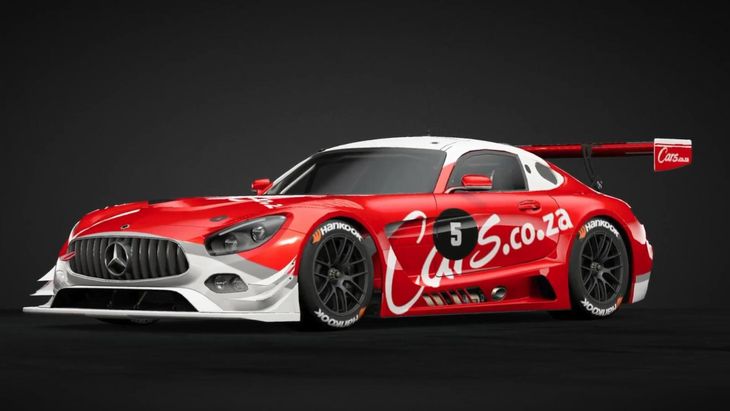
With victory in the season-opening race under his belt, Zaahir is excited by the prospect of now racing in the colours of Cars.co.za for the remainder of the 2022 ATK Pro Series. Setting his sights on overall success (again!) will allow him to take another step forward in his career and become more entrenched in this exciting sport’s growth.
“For me, there is so much potential in Sim Racing that I hope to have some kind of future in the sport given the heightened competitive level that it is reaching,” said Zaahir.
“Winning the first race of the 2022 ATK Pro Series was fantastic, because the level of talent was really high… The difference this year is that they have allowed in international talents, with quite high-profile drivers coming in, so for me winning the first race was a really good achievement.
“I am looking forward to the rest of the season. Racing under the Cars.co.za brand is going to be a fantastic opportunity. It gives me more drive to compete against those guys at that high level,” he added.
We wish Zaahir all the best with his season and will be covering his ongoing success and affiliation with the brand on our social media channels: Facebook, Twitter, Instagram and TikTok.
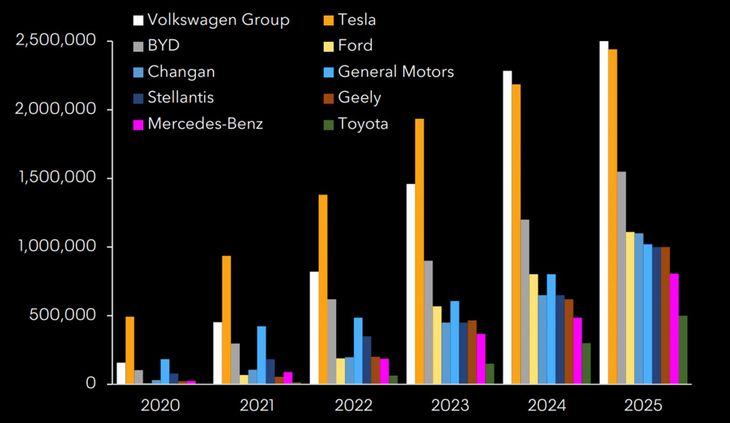
Tesla is currently the largest volume seller of Electric Vehicles (EVs) in the world, but Volkswagen is reportedly on track to snatch the top spot in 2024, according to Bloomberg Intelligence.
Tesla is currently the dominating force in the world of EVs — or at least in terms of outright sales. In 2021, Tesla recorded just under 1-million Battery Electric Vehicle (BEV) sales or 936 172 to be exact while in the same year German firm, Volkswagen, managed to move 452 900 BEVs to customers. While Tesla currently sells the most EVs worldwide, this isn’t likely to last as Volkswagen is predicted to overtake the American EV giant in 2024.
Volkswagen EV sales expected to boom!
This prediction was recently published by Bloomberg Intelligence, in a report entitled “Global Battery-Electric Vehicles: Race to the Top”. While Tesla is enjoying significant EV market share, traditional brands are playing catch up with factors such as rising battery costs and lack of scale being the key short-term challenges faced by most new EV manufacturers, barring Volkswagen.
With demand for BEVs expected to more than double by 2025, Volkswagen is expected to overtake Tesla in the EV sales race in 2024 with Chinese EV juggernaut, BYD, claiming the third spot while other manufacturers such as Mercedes-Benz, Ford, Toyota and others are lagging behind. The report does, however, foresee the gap closing significantly in the latter half of the decade as the economy of scale improves across the EV landscape.
“Looking ahead, automakers in Europe, China and elsewhere will continue to challenge Tesla via an impending wave of new models, though profit incentives are limited amid rising battery costs and a lack of scale. That may change in 2025-26 as more brands achieve critical mass on new-generation models with proprietary software. There are a number of challenging external factors to consider and bold BEV ambitions have done little to prevent crisis-level valuation multiples, stoked by recession fears, rising interest rates, supply-chain constraints and inflation,” said Michael Dean, Senior European Automotive Industry Analyst at Bloomberg Intelligence.
In an effort to improve competitiveness, Volkswagen is investing up to €30-billion in the supply chain which includes new battery-cell plants which are all expected to be fully operational by 2030.
China is a major market for EVs and for traditional brands to secure meaningful market penetration in China is no easy task because not only does Tesla have a solid footing in that market (with 473 078 sales in 2021) but local manufacturers such as BYD, Nio and Xpeng are hugely competitive in terms of technology, range offering and lower prices.
If you are interested in reading the full report, you can download it here.
Toyota RAV4 Was World’s Best-Selling Vehicle in 2021
The Toyota RAV4 became the world’s best-selling vehicle in 2021, with the Hilux also entering a reshuffled top 10 dominated by Japanese automakers. Let’s take a look at the figures…
While 2021 was yet another tricky year for automakers still grappling with production interruptions and supply constraints, the list of the world’s best-selling vehicles still makes for interesting reading. Fascinatingly, eight of the vehicles in the top 10 come from Japanese manufacturers.
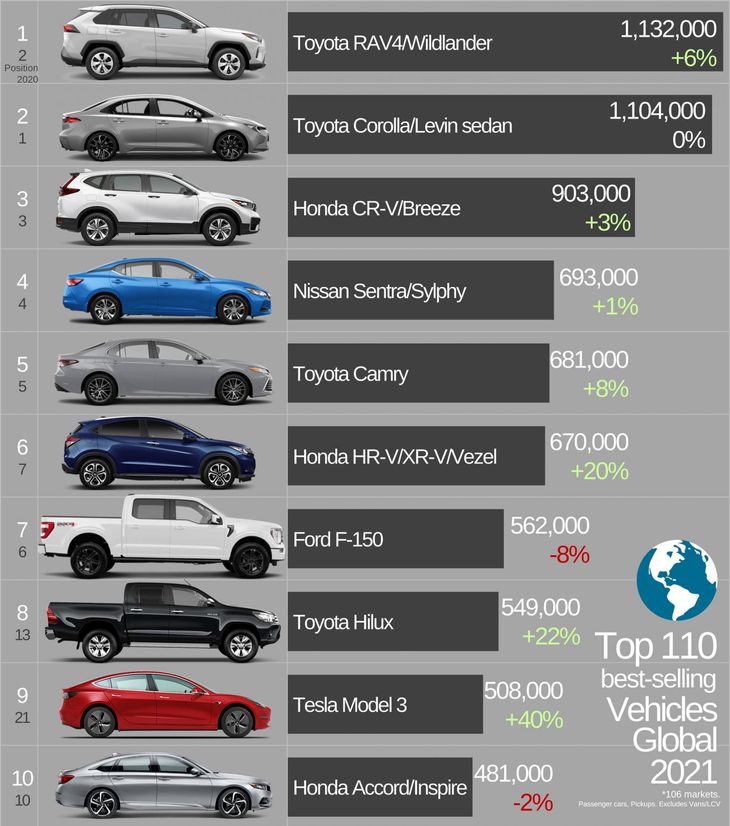
According to figures painstakingly collected by Felipe Munoz of Car Industry Analysis, who pulled data from 106 markets (including South Africa) representing 99.32% of global passenger car and bakkie sales in 2021, the Toyota RAV4 claimed the title of the world’s best-selling vehicle last year.
Worldwide sales of the RAV4 – which is known as the Wildlander in the Chinese market – increased 6% year on year to around 1 132 000 units, enough for it to climb one place to first overall, forcing the Toyota Corolla Sedan (badged as the Levin in China) down to second.
The Honda CR-V (aka Breeze), Nissan Sentra (or Sylphy) and Toyota Camry held steady in third, fourth and fifth place respectively, while the Honda HR-V (also badged as the XR-V and Vezel in some markets) improved one spot to sixth.
Owing to an 8% drop in sales, the Ford F-150 fell one place to seventh, just ahead of the Toyota Hilux, which entered the top 10 thanks to a 22% year-on-year increase in global registrations. The Tesla Model 3 was the biggest mover towards the top of the table, however, rocketing up to ninth place overall on the back of a 40% improvement in sales compared to 2020, while the Honda Accord remained in 10th.
Outside of the top 10, other big movers included the Toyota Highlander/Kluger (which climbed from 26th to 13th), the Tesla Model Y (which soared from 262nd to 19th) and the Wuling Hongguard Mini EV (which jumped from 176th to 20th).
Check out the top 10 in the image below and head over to Munoz’s website to see the rest of the top 110…
Hyundai Stargazer In The Pipeline
After the success of the Staria, the Korean carmaker is preparing to launch a smaller version called the Hyundai Stargazer. Here’s what we know ahead of the vehicle’s reveal.
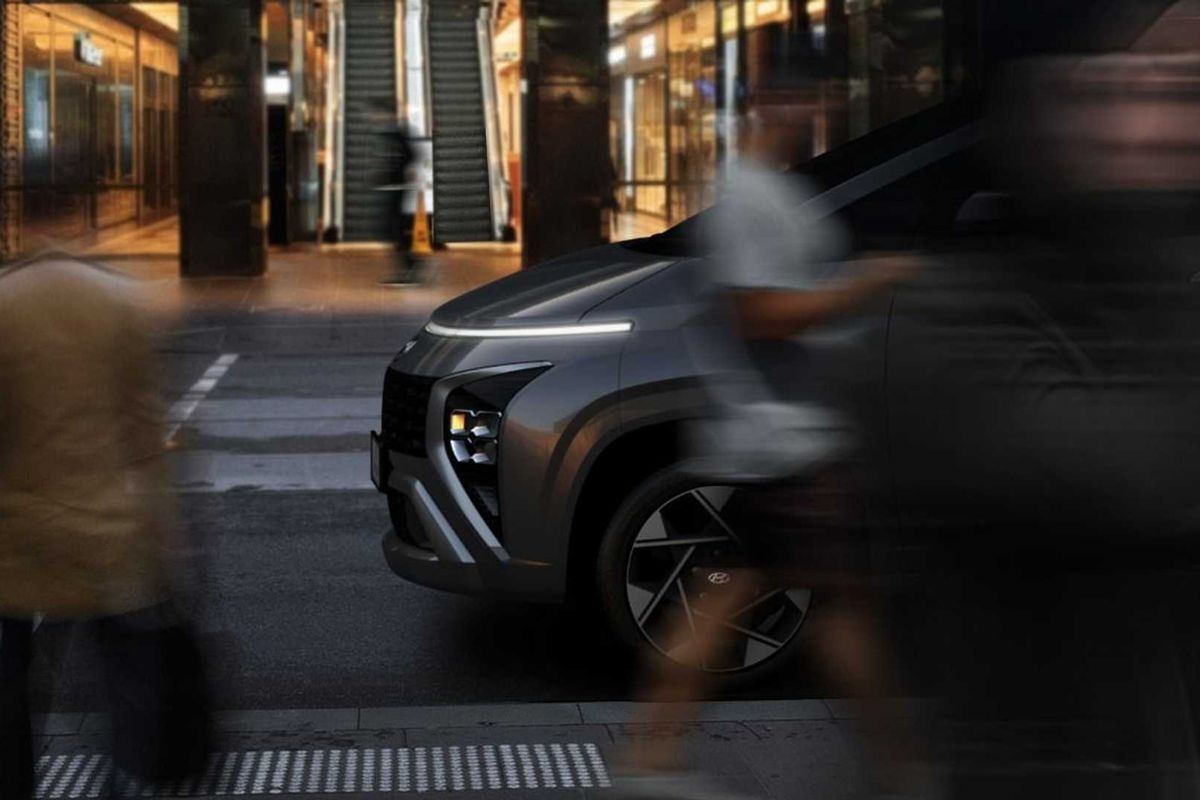
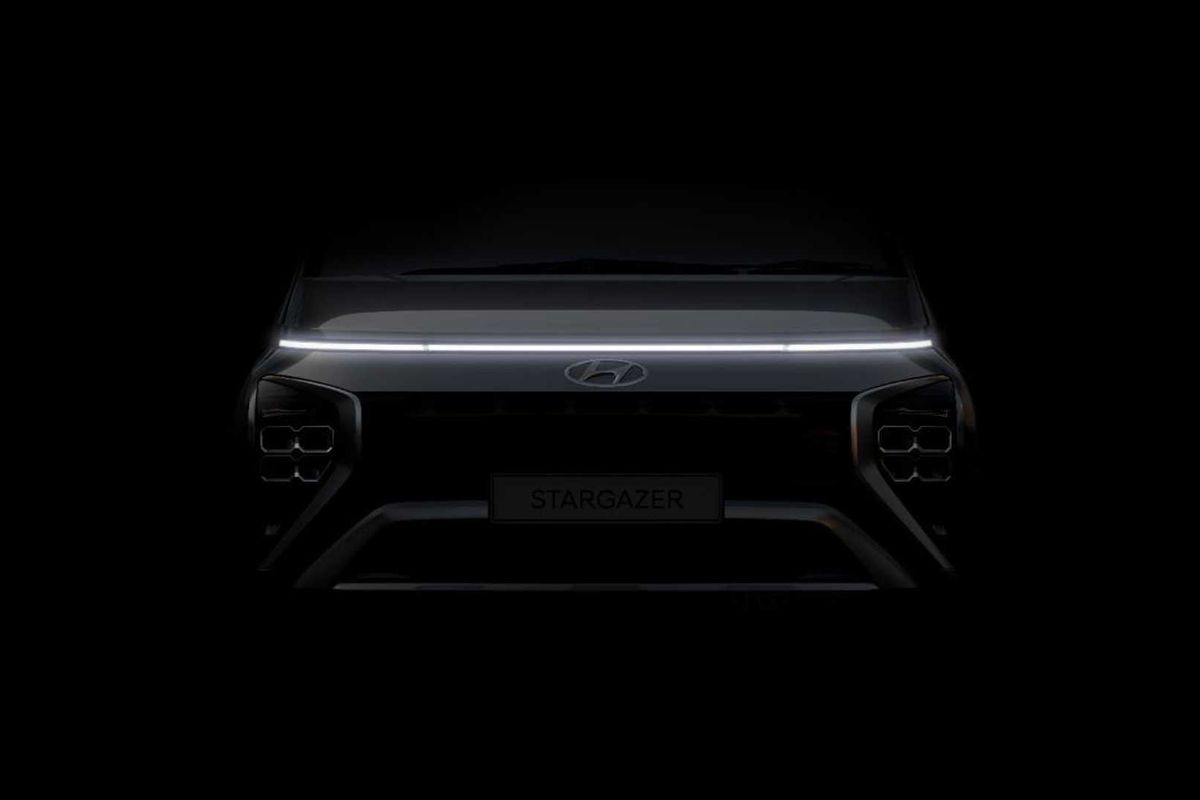
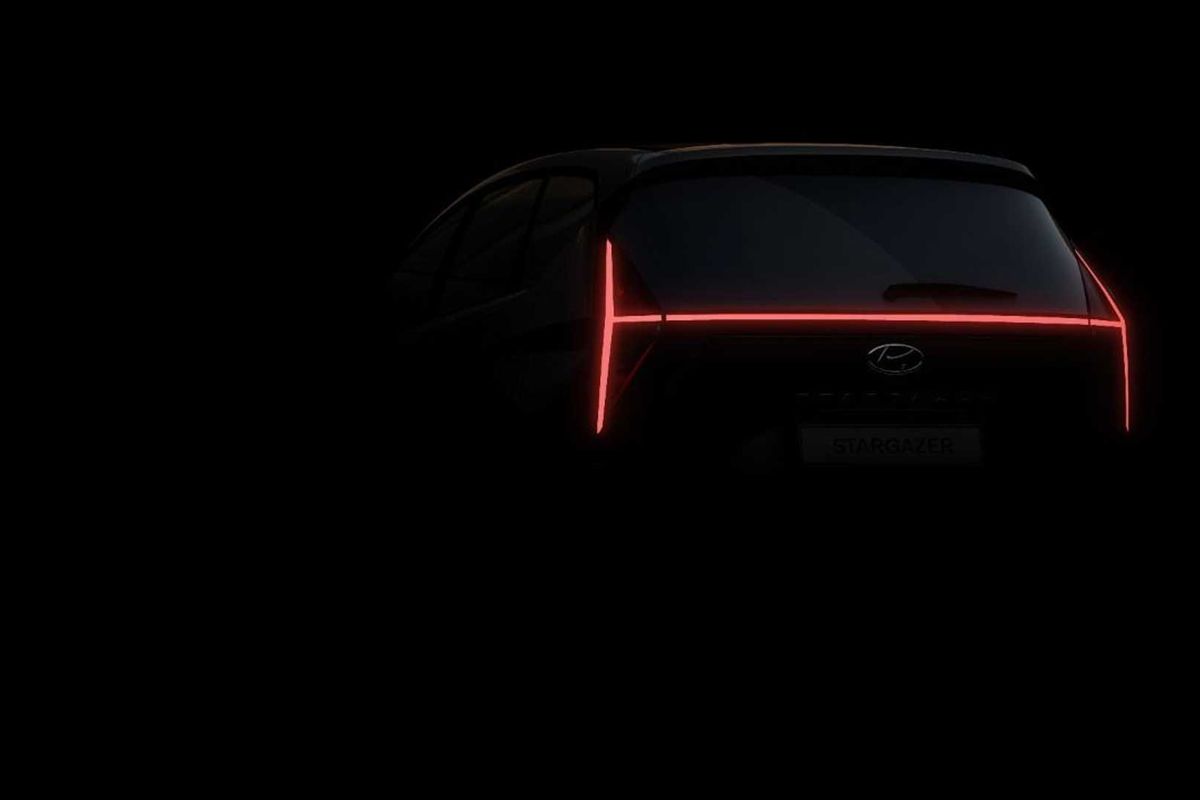
These teaser shots show the new new Hyundai Stargazer, a smaller entry-level minivan from the Korean brand. From what we can see it shares similar design elements from its bigger Staria brother.
We can see the horizontal LED lightbar stretching across the front of the vehicle, the signature language of the Staria which has polarised the public. Some people love the futuristic look of the Staria, while others are less kind. Crucially, we also see confirmation of the Stargazer name.
As far as positioning goes, the new Hyundai Stargazer is expected to be a 3-row, 7-seat pocket-friendly minivan that will take on things like the Suzuki Ertiga/Toyota Rumion, Mitsubishi Xpander and Honda BR-V.
From our understanding, the Hyundai Stargazer shares a platform with the Kia Carens (not available in SA) and given its factory location in Indonesia, we can make some educated guesses as to its powertrain options. The facelifted Hyundai Creta which is due to land in South Africa in July 2022 will be sourced from this same facility.
We can expect a 2.0-litre naturally-aspirated 4-cylinder motor, generating similar power outputs (117 kW / 191 Nm) to that of the 7-seater Hyundai Grand Creta, as well as the option of a 1.4-litre turbocharged petrol engine with 103 kW and 242 Nm. A diesel powertrain is possibly the best application for such a vehicle and the 1.5-litre 4-cylinder oil-burner is available with 81 kW and 250 Nm. We expecting automatic transmissions will dominate the lineup.
The new Hyundai Stargazer is expected to be revealed in July 2022 and we’ll update this article as soon as we have more information.
This Toyota DragLux is a drag race monster that eats supercars for breakfast. Watch the video!
When Raymond Swart pictured his dream Hilux, it didn’t have mud terrain tyres and a lift kit. Nope, he envisioned chasing supercars in his Hilux down the quarter mile.
To do so, the standard 2.5-litre diesel motor wasn’t exactly up to task. And so he approached 2JZ specialists, ICE Motorsport, to install a fully built, big turbo 2JZ under the bonnet.
A couple of manual gearboxes later, they made the switch to a high-strength auto, and the bakkie (pick-up) finally made it into the ‘9s.
Hear Raymond tell his story, we’re almost certain you’ll enjoy his enthusiasm for his vehicle as he tells us how he got to this point.
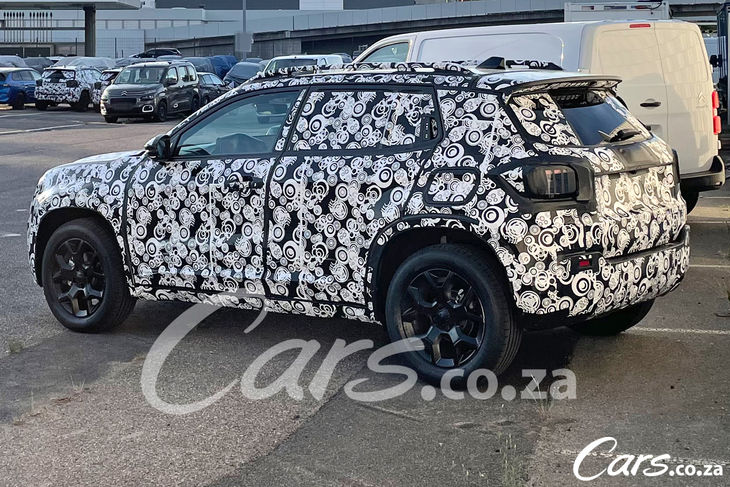
Jeep will be joining the compact SUV segment with a new product that will slot in below the Renegade. Take a look at the spy shots!
Picture credit: S. Baldauf/SB-Medien. We have paid for these photos and at the photographer’s request, have watermarked them.
The compact SUV segment is booming at this moment in time and just when you thought that the point of saturation has been reached, a new model comes to the fore. There’s always space for one more, right?
Our spy photographers have snapped images of a new compact Jeep SUV dressed in heavy camouflage. It’s name is unknown (for now) and the design details are well hidden, but the model will slot in beneath the Renegade in the firm’s lineup and features a compact footprint with short overhangs, roof rails, roof spoiler, hidden rear door handles an an exhaust tailpipe, which implies that the new model will be powered by an Internal Combustion Engine (ICE).
A compact Jeep SUV will have its work cut out as it joins a very competitive segment.
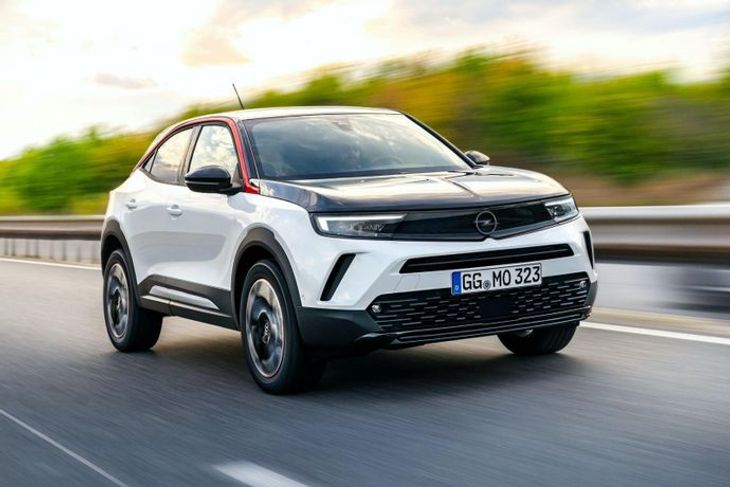
Under Stellantis, the new Jeep compact SUV will be built on PSA’s Common Modular Platform (CMP) which is dedicated to small vehicles (A,B,C segments) and can accommodate both ICE vehicles as well as Battery Electric Vehicles (BEVs). This platform currently underpins cars such as the new Opel Corsa and Mokka as well as the Peugeot 208.
Production of the new Jeep compact SUV is expected to take place in Tychy, Poland, and this is also where the equivalent Alfa Romeo Brennero and Fiat 500X replacement will be produced.
As far as powertrains are concerned, nothing is confirmed yet, but the new Jeep compact SUV is expected to be offered in both ICE, hybrid and EV guise, depending on the market. It’s not inconceivable that the new Opel Mokka’s powertrains will be used which includes 2 petrol engines, 1 diesel engine and an all-electric setup which powers the Mokka-e.
We expect a reveal before the end of 2022 or early in 2023 and we will keep you updated as soon as more details are revealed.
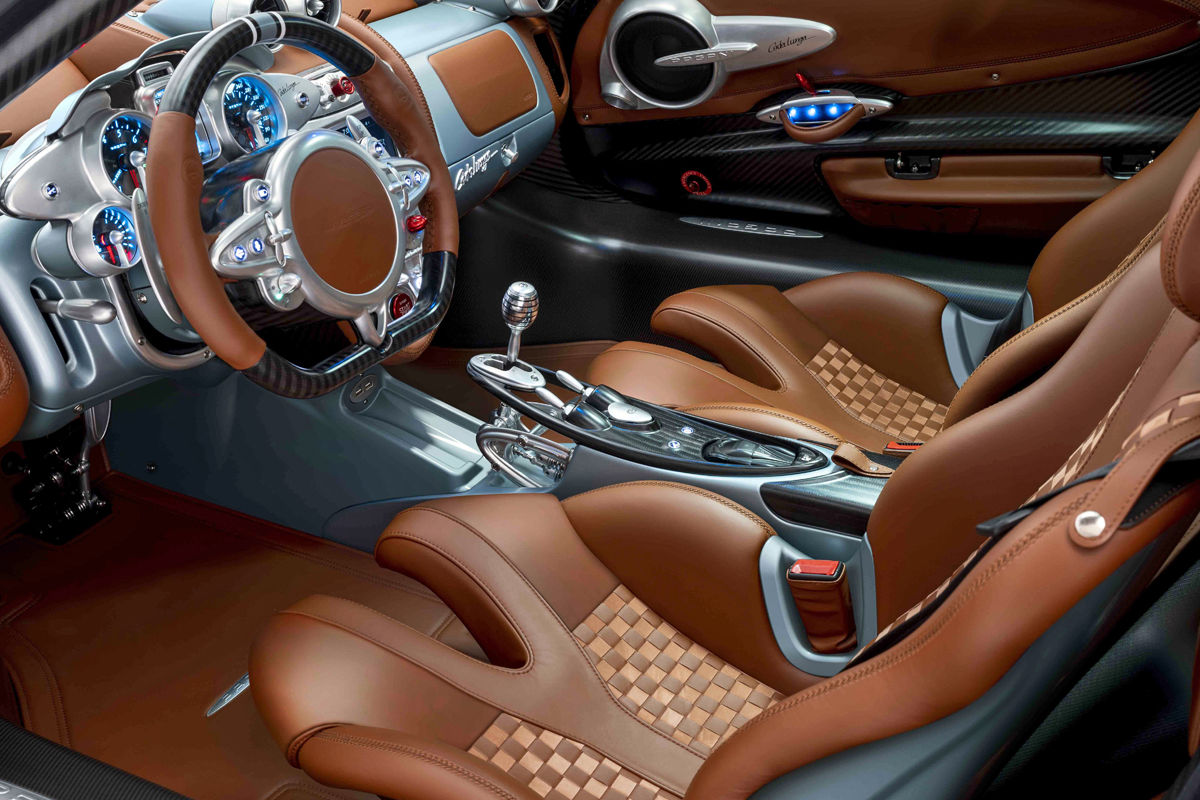
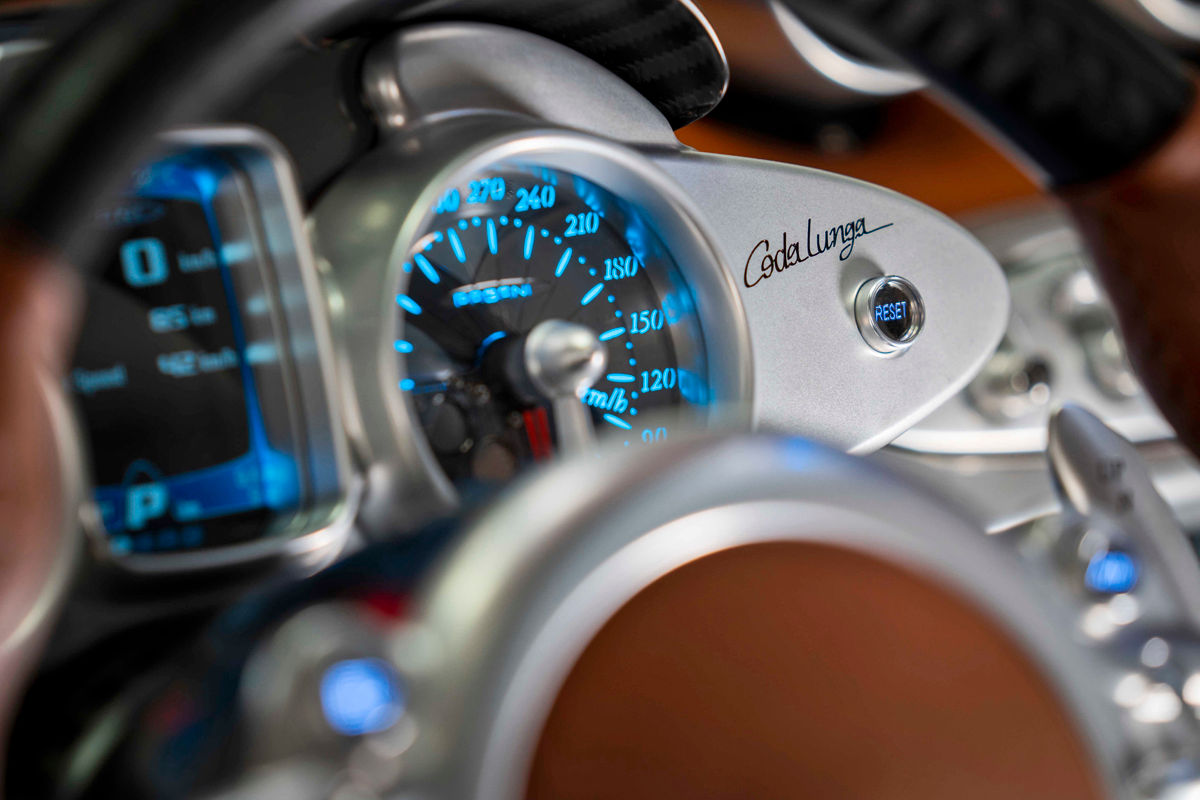
Pagani Huayra Codalunga Debuts as R118m Longtail Model
What would you do if you had around R120 million burning a hole in your pocket? Commission a special longtail version of the Pagani Huayra, of course. Meet the Codalunga…
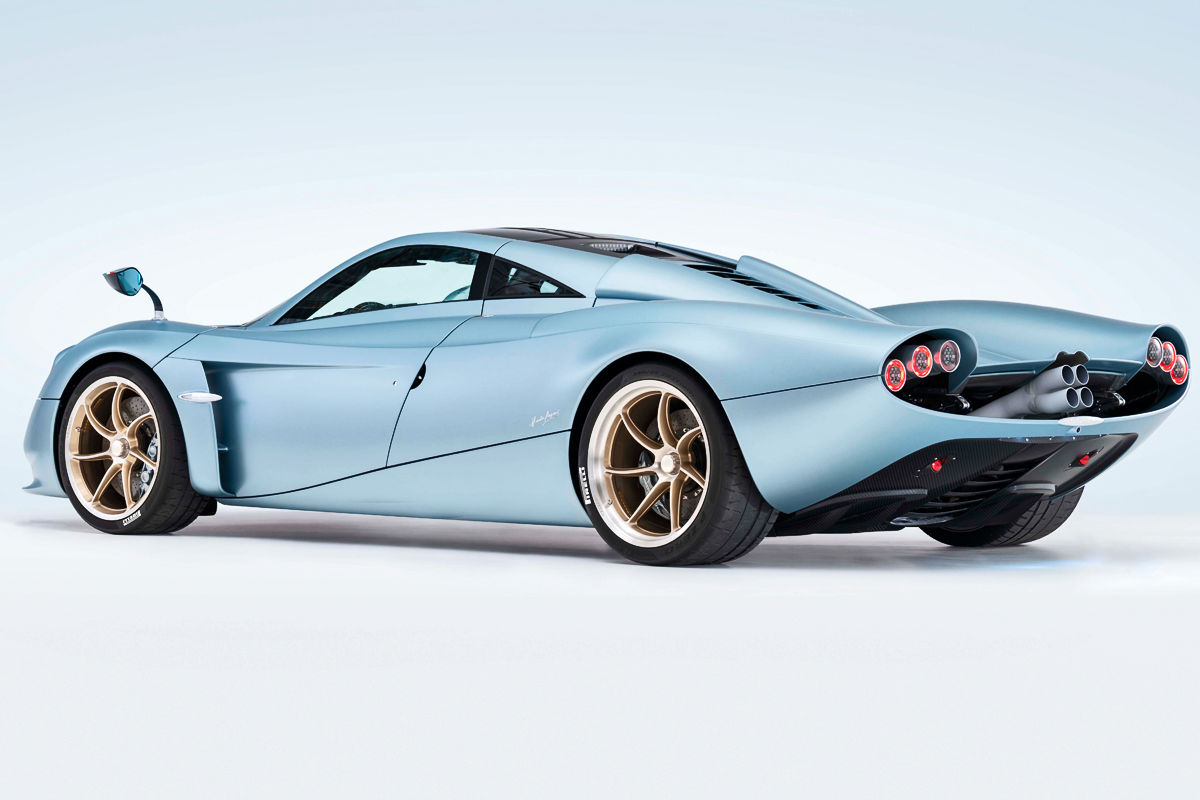
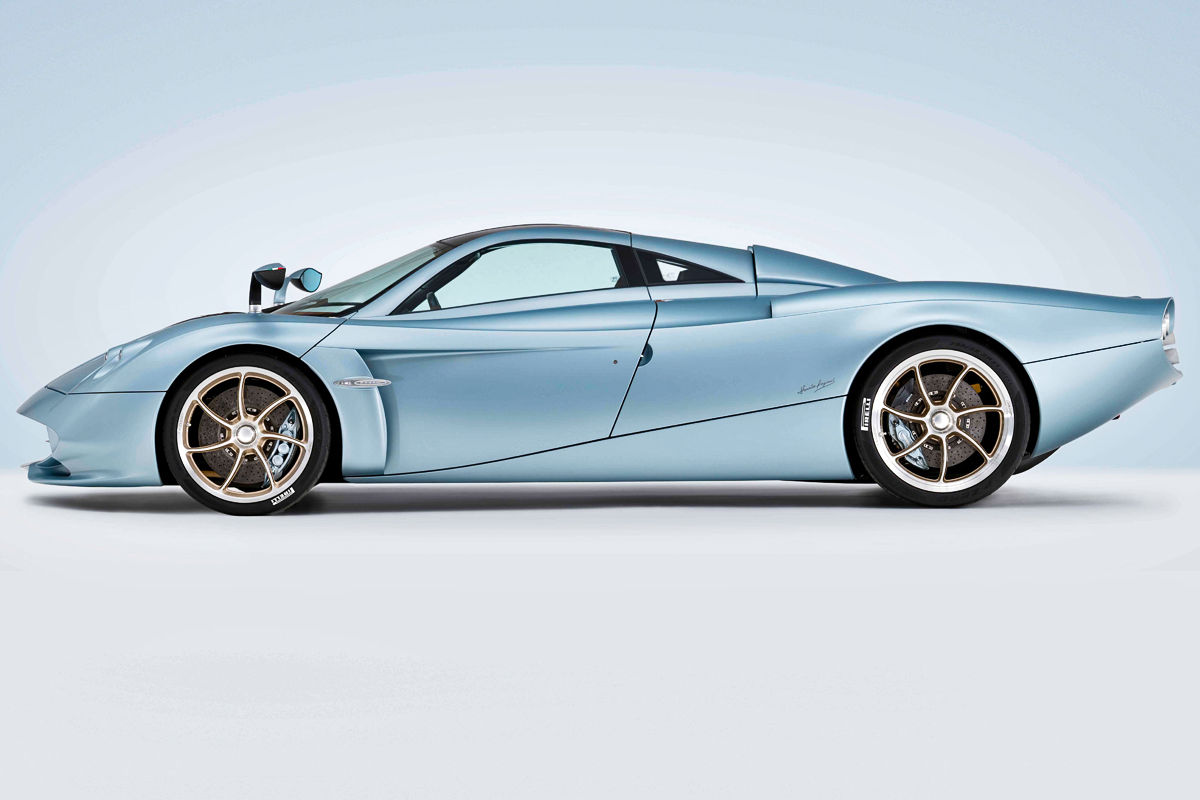
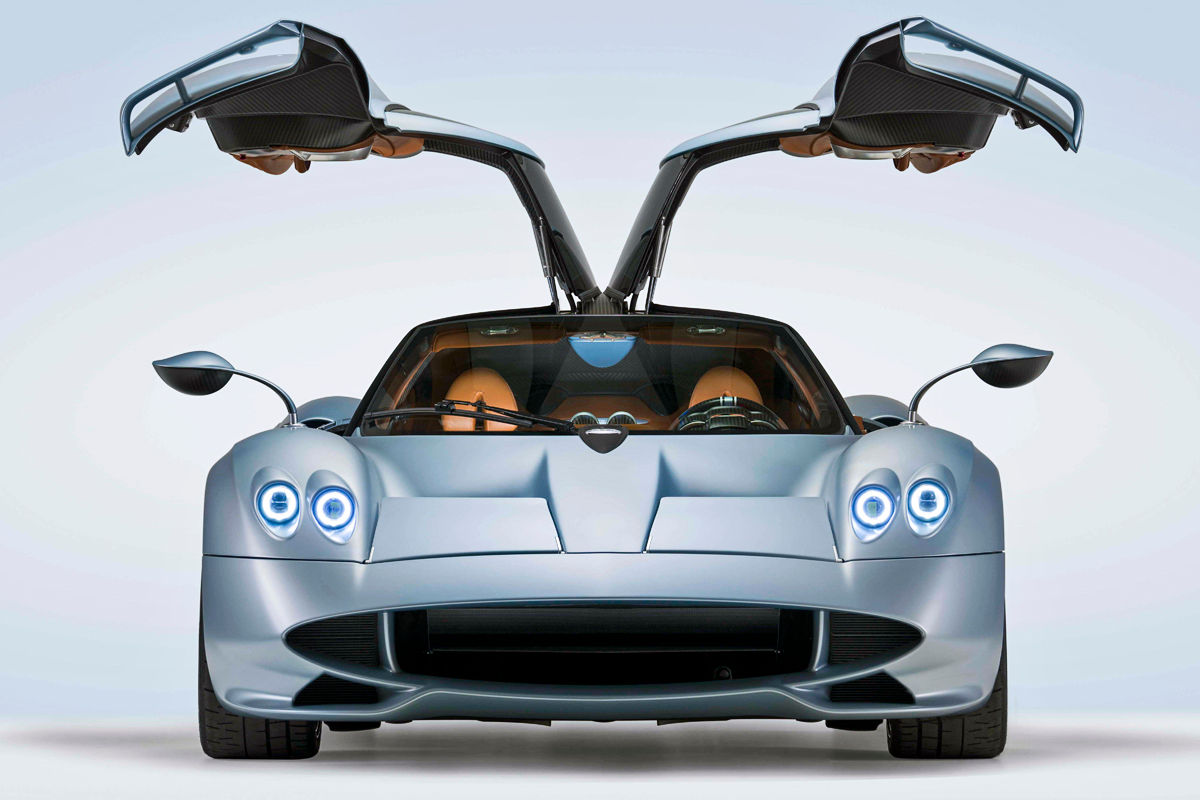
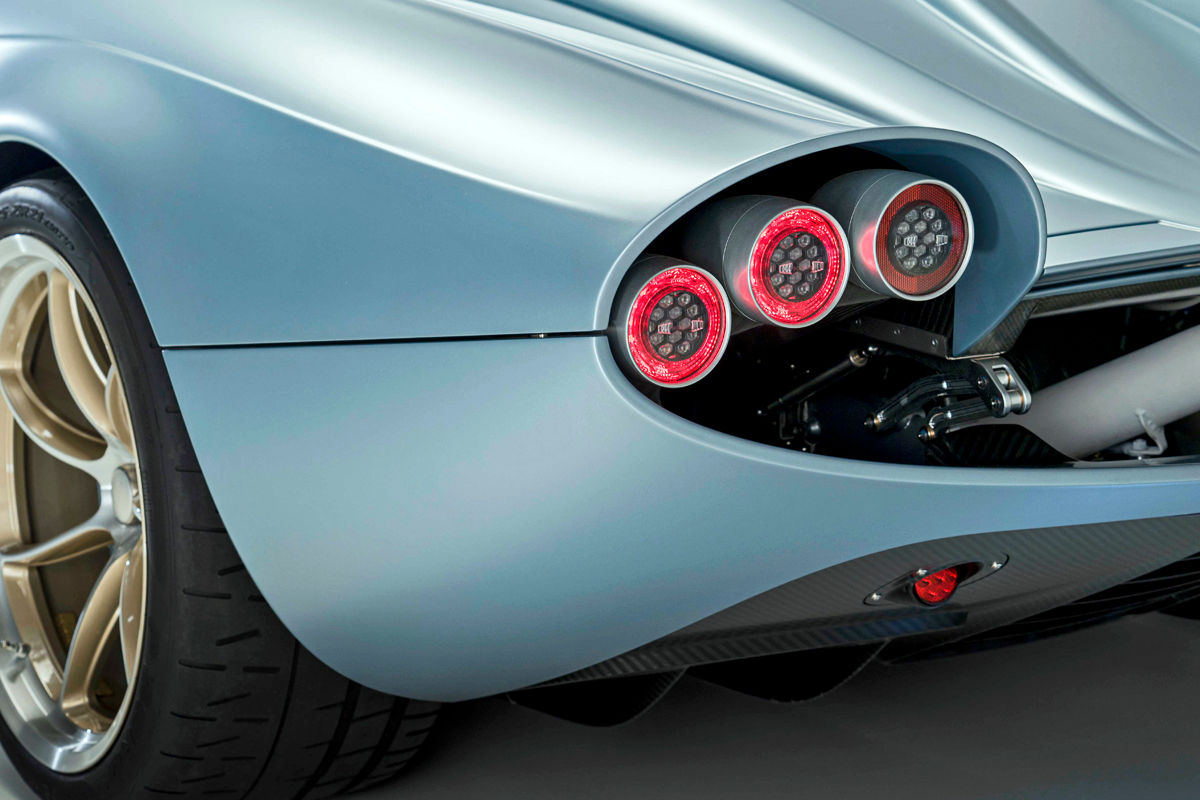
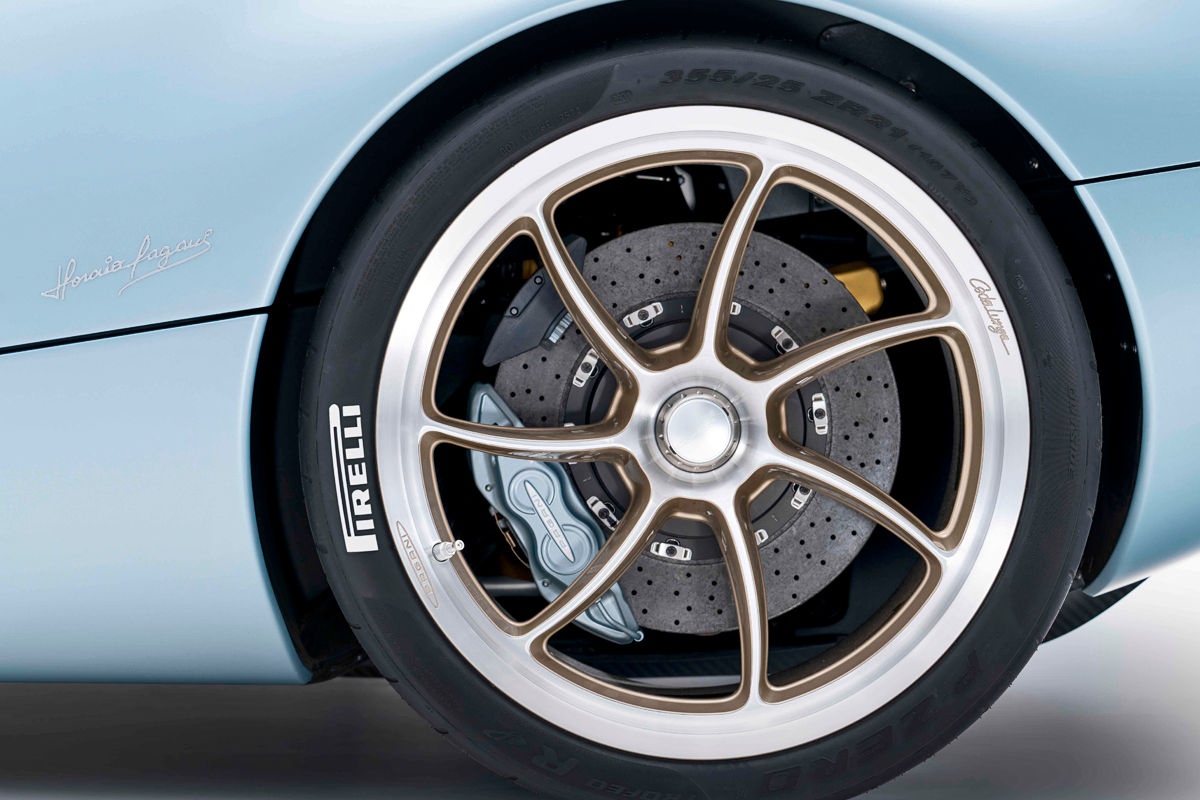
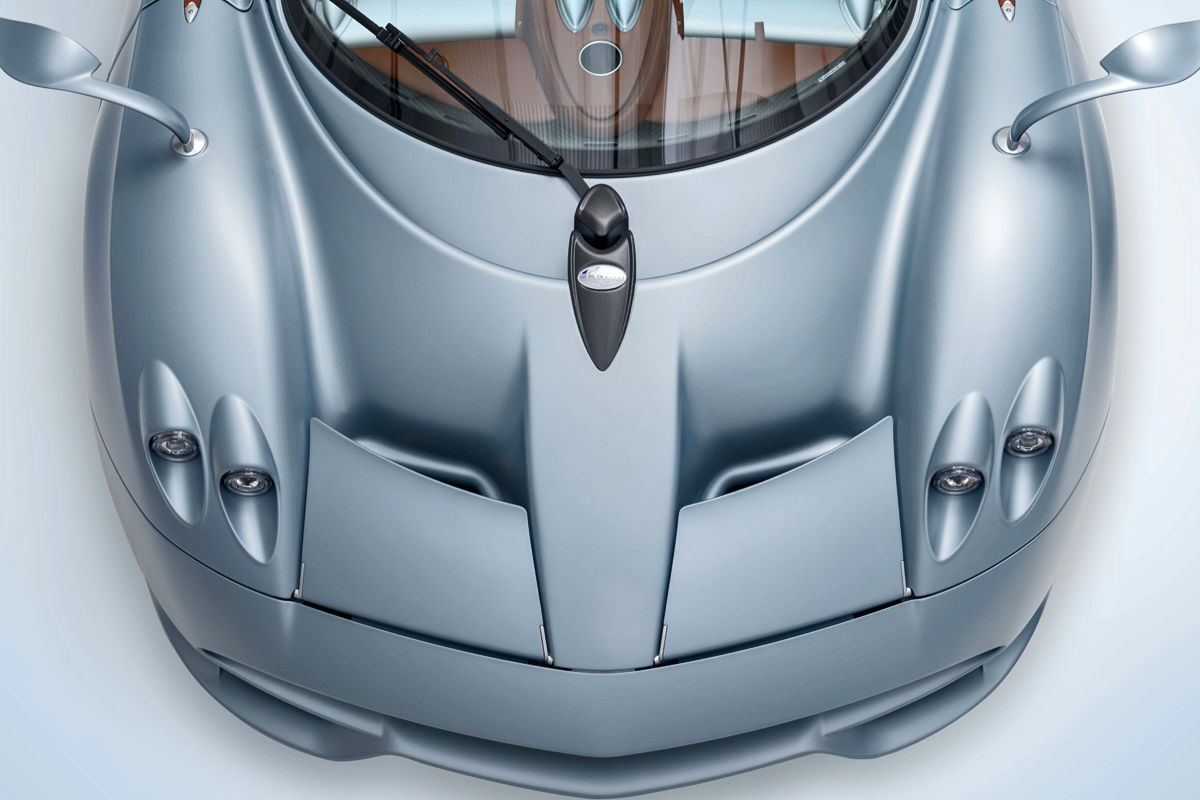
Pagani has whipped the covers off its new Huayra Codalunga, a special longtail version of the potent hypercar limited to just five units. The starting price? A cool €7 million, which translates to around R118 million at the current exchange rate.
So, where did the idea come from? Well, the Italian firm says two collectors approached founder Horacio Pagani back in 2018 to produce a longtail version of the Huayra coupé. The intention was to create “an elegant hypercar with a clean and streamlined design”, which would feel equally at home on the road and on “display at international Concours events”.
Pagani says the clients were “actively involved in the development of the project” and liaised directly with Pagani Grandi Complicazioni, the automaker’s special projects division. Even though just five units will be produced, the company claims “significant resources” were deployed to create a hypercar that would “comply with global regulatory requirements” and be fully certified.
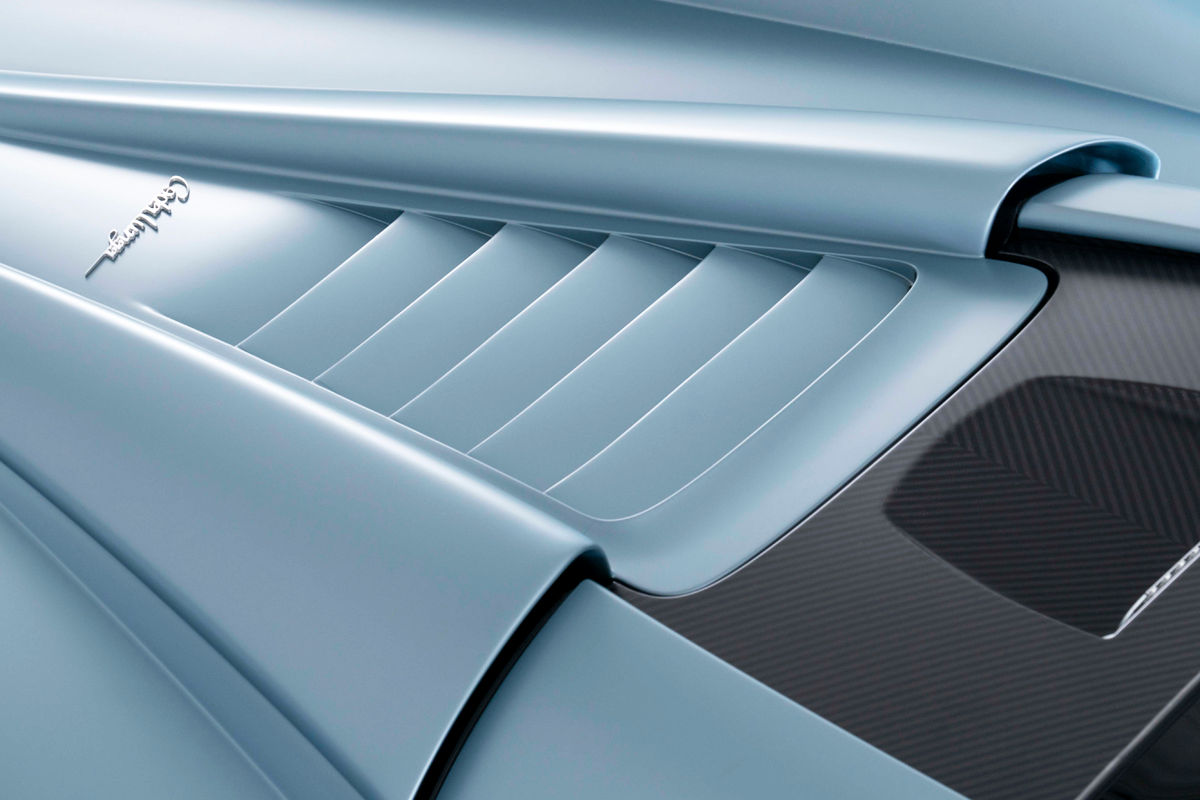
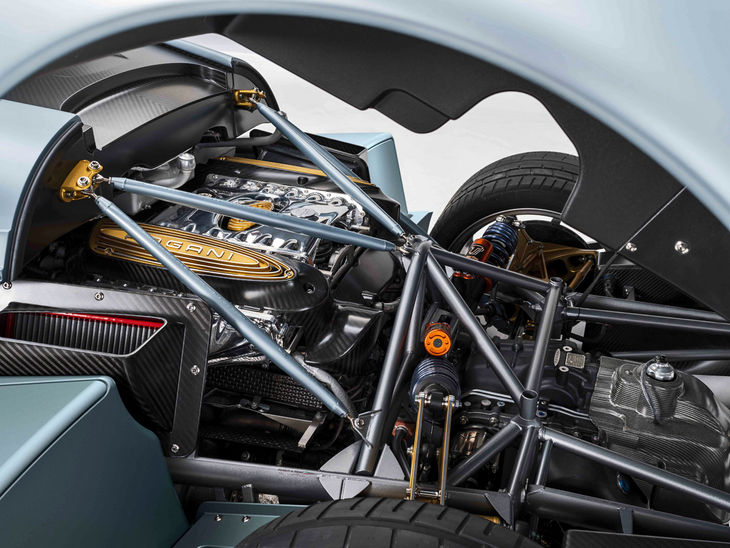
Inspired by the world of aircraft design as well as longtail Le Mans racers of the 1960s, Pagani restyled the Huayra’s rear engine cover, rendering it 360 mm longer than that of the coupé. Of course, under that lid you’ll find a twin-turbo 6.0-litre V12 petrol engine, here tuned to deliver 618 kW and 1 100 Nm to the rear axle via a 7-speed sequential transmission. Pagani has not released any performance figures.
The lack of rear grilles lends onlookers an unobstructed view of the Huayra Codalunga’s exhaust system, which is fashioned from titanium and weighs a mere 4.4 kg. It furthermore features a special ceramic coating and culminates in Pagani’s signature four tailpipes.
Pagani claims the new model tips the scales at just 1 280 kg (somewhere around 70 kg lighter than the coupé) and boasts “extremely high aerodynamic efficiency”, thanks in part to the slippery body’s extra length (not to mention the active-aero system).
Each of the five Codalunga units will be offered in a neutral colour, with either semi-matte or fully matte paint. Inside, the seats will be finished in a woven leather/nubuck upholstery, while the various aluminium components will each be machined from a single block.
“We decided to use the simple linear style of the Huayra coupé as the starting point. We made the Huayra Codalunga longer and smoother, as if it had been caressed and moulded by the wind, to design lines that were even more elegant than the coupé,” explained Horacio Pagani.
“We drew inspiration from the longtails of the 1960s that raced at Le Mans, which had very clean lines. The Huayra Codalunga comprises very few essential elements; we have taken away rather than added. Simplifying is not at all straightforward, and this vehicle is, above all, the result of a complex pursuit of simple ideas.”
New Chery Tiggo 7 Pro Review – A premium SUV for Polo money?
Like the mythical phoenix, Chery has been reborn in SA from the ashes of its previous iteration. The Tiggo 7 Pro is the 3rd model to be launched in SA since the brand’s return to SA. We review the new model from a brand that’s really gaining ground locally.
New to our shores, Chinese brands GWM, Haval and Chery are enjoying significant success in our market. But for Chery, this is not their first foray into Mzansi, and their offerings from the 2010s certainly left a lot to be desired.
However, Chery’s latest products are lightyears ahead of their previous efforts, and in many ways, far ahead of some of their competitors.
However, especially in a cash-strapped economy like ours right now, it’s the staggeringly low price of these vehicles that is making South African motorists sit up and take notice.
The Chery Tiggo 7 Pro is available for a fair bit less than a top-spec Volkswagen Polo, and in that sense alone it represents incredible value. We sent our video guy, Ciro De Siena, to bring you a detailed review of the all-new Chery Tiggo 7 Pro.
Here’s a list of new cars that have either arrived in South Africa already or are destined to reach South Africa in 2022. What are you looking forward to most?
Despite the supply difficulties the global automotive industry is facing, there’s still lots of exciting new cars headed for South Africa.
From budget cars, compact crossovers, family SUVs to luxury SUVs, bakkies, MPVs, supercars and electric cars, there’s something for everyone!
Please note that this new cars list is generated based on feedback from manufacturers as well as from what has been reported publicly either on Cars.co.za or elsewhere. We have tried our utmost to make this list as accurate and as definitive as possible but please note that we will update this list regularly as we receive relevant information from manufacturers.
It’s also worth mentioning that arrival timings for new cars are tentative and are subject to change due to ongoing changes and delays in the global supply chain.
News Cars for South Africa in 2022
Abarth – No new product confirmed.
Alfa Romeo
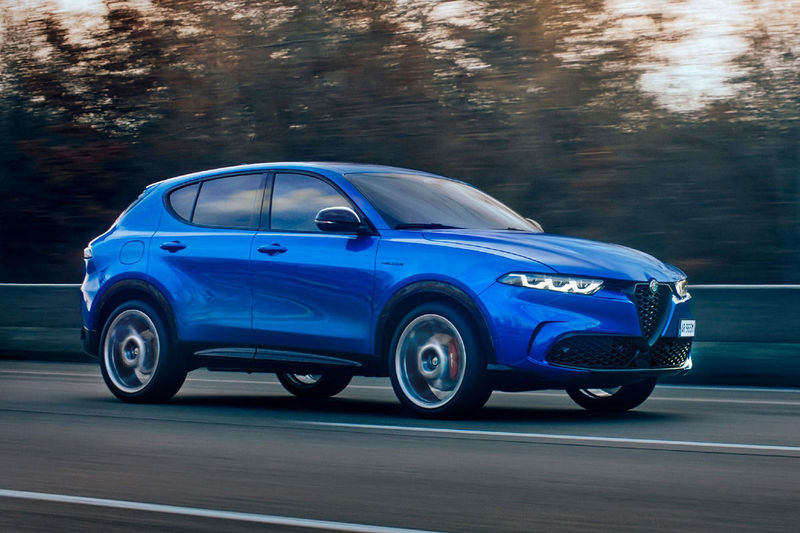
Alfa Romeo Tonale – Q4 2022
The new Alfa Romeo Tonale is due to be revealed in March 2022 with local arrival expected in Q4 2022. Alfa Romeo is keen to take advantage of the current SUV buying trend and the Tonale will slot in below the Stelvio in Alfa Romeo’s SUV range. More so, it will be built on the same Small Wide 4×4 platform that underpins the Jeep Renegade. Powertrain details have yet to be officially confirmed but a 1.3-litre plug-in hybrid EV powertrain (PHEV) is likely as well as a 1.4-litre turbocharged petrol engine. Buyers can expect a new Alfa Romeo every year until 2026.
Aston Martin
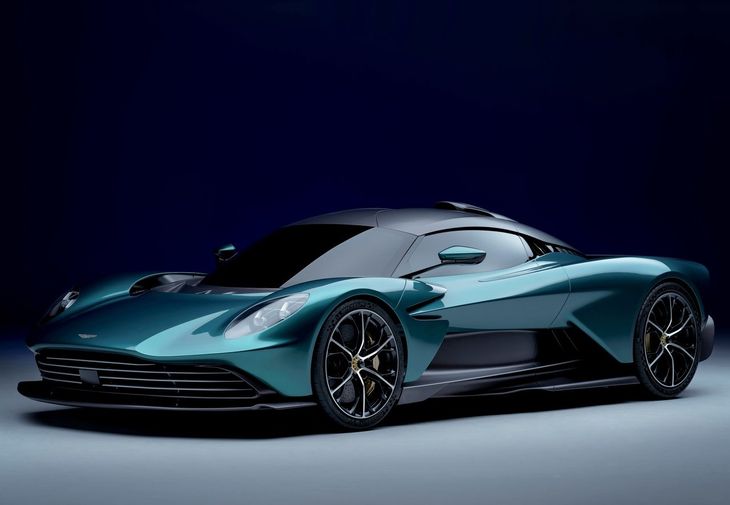
Aston Martin Valhalla – Q3 2022
The mid-engined Aston Martin Valhalla is finally expected to arrive on local soil in the second half of 2022 and will feature a potent twin-turbocharged 4.0-litre V8 engine sourced from Mercedes-AMG that combines with a pair of electric motors to produce 699 kW and 1 000 Nm of torque. This all culminates in rapid acceleration with zero to 100 kph claimed in 2.5 seconds before reaching its climax at 350 kph. Pricing has yet to be confirmed for the South African market, but don’t expect to see too many Valhallas out on the road.
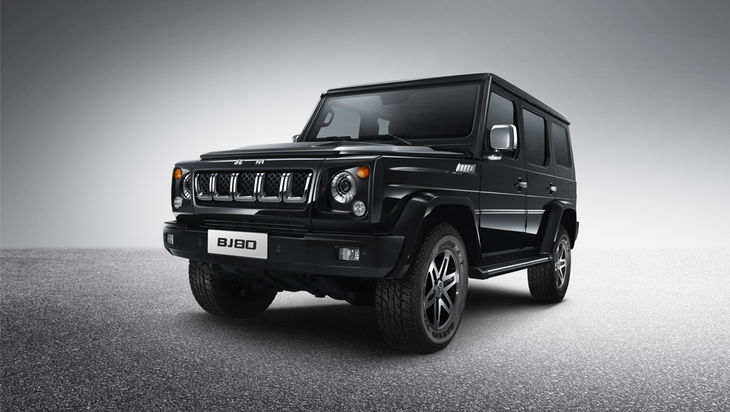
Following the local launch of the BAIC B40 Plus, BAIC South Africa has confirmed that it will introduce a new SUV product and all indications point to the larger BJ80 4×4 SUV making landfall to swipe sales from established offerings from Toyota, Ford, Mitsubishi and Haval. For all those people who want a Mercedes-Benz G-Class but can’t afford one, the BJ80 will be a more affordable alternative! Engine details have yet to be confirmed but a 3.0-litre V6 engine mated with an 8-speed automatic transmission is likely.
Bentley – No new product confirmed.
BMW
BMW 2 Series Coupe –
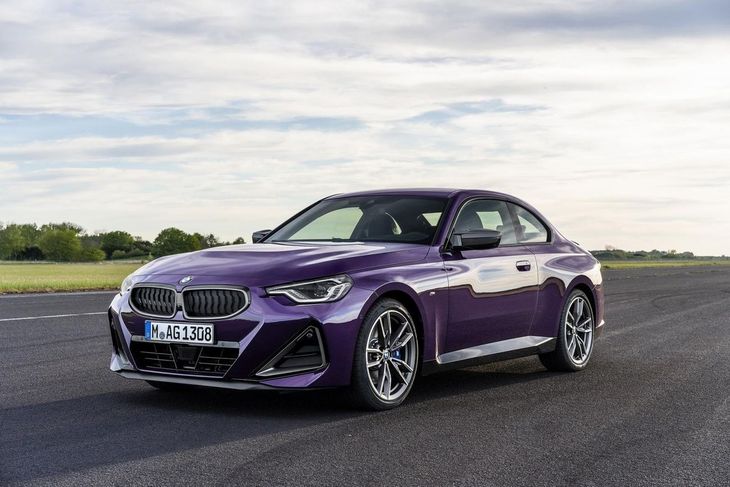
BMW’s handsome rear-wheel-drive 2 Series Coupe has arrived!. The initial South African line-up will include a 220i (135 kW/300 Nm), 220d and M240i xDrive (285 kW/500Nm), each of which will have an 8-speed automatic transmission. As for the range-topping M2, it’s expected to be revealed later in 2022 with local arrival only expected in 2023.
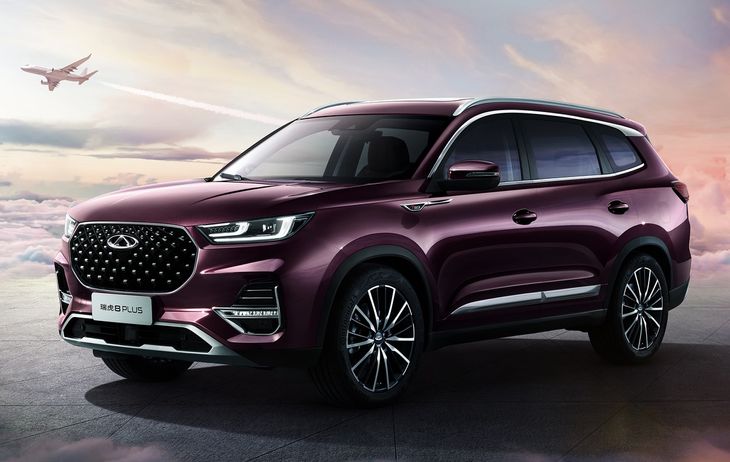
Chery is on a roll! Following the recent launch of the Tiggo 4 Pro, the Chinese firm has rapidly exapnded its local portfolio with the introduction of the Chery Tiggo 7 Pro and the 7-seater Tiggo 8 Pro flagship luxury SUV. Chery might have a few more surprises on the way in the form of the Tiggo Cross which might arrive in the second half of the year and there’s even talk of a Chery Tiggo Pup bakkie for 2023. Best to watch Chery’s product onslaught closely!
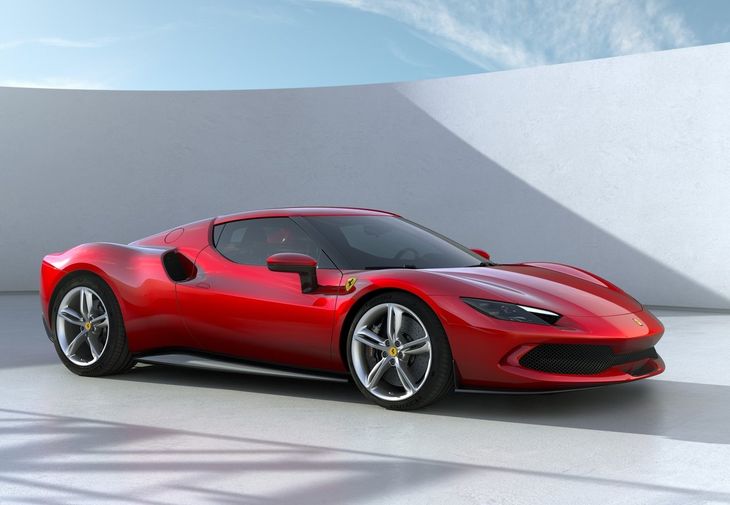
Ferrari will bring the V6-powered 296 GTB to market in 2022. The key here is hybrid technology and the plug-in setup combines with a turbocharged 3.0 V6 petrol engine to deliver 610 kW and 740 Nm and when everything is activated, the new Ferrari 296 GTB is good for a 0-100 kph of 2.9 seconds. It can also do 0-200 kph in 7.3 seconds and run to a top speed of 330 kph. The vehicle features an 8-speed dual-clutch transmission.
Ford will be producing the new Ranger locally at its upgraded facility in Silverton in 2022 for both the local and export market. It’s a bold design and based on reactions on social media, the new Ranger is expected to shake up the segment when it goes on sale. Much like the current range, the new Ranger will make use of both single and bi-turbocharged 2.0-litre diesel engines (updated) and Ford has also confirmed that a 3.0-litre V6 diesel engine will join the range and will also be built at the firm’s Struandale engine production facility in Gqeberha.
GWM
GWM ORA Cat – Not yet confirmed (under consideration)
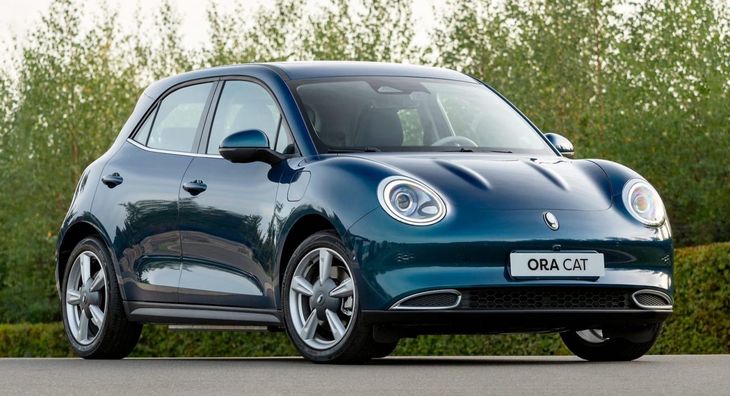
GWM is keeping its product cards close to its chest for 2022 but we foresee some big surprises from the Chinese automotive giant. GWM’s electric sub-brand, ORA, is due to launch the Cat in the UK in early 2022. The model is currently also under consideration for introduction in Australia. This is significant because the UK and Australia are right-hand-drive markets (like South Africa) and if the ORA Cat makes its way to South Africa, GWM will be the first brand to introduce a more affordable EV option to the local market. The ORA Cat, depending on the derivative, can deliver up to 126 kW and 250 Nm from a front-drive motor and importantly offer a range of up to 501 km.
We must, however, make it clear that the ORA Cat is under consideration but not yet confirmed for South Africa. GWM and SUV brand Haval have ruffled many feathers locally with products such as the GWM P-Series bakkie, Haval Jolion and H6 family car, so it’s fair to expect some surprises. On that note, GWM’s Tank brand is also expected to make a local appearance in 2022… Watch this space!
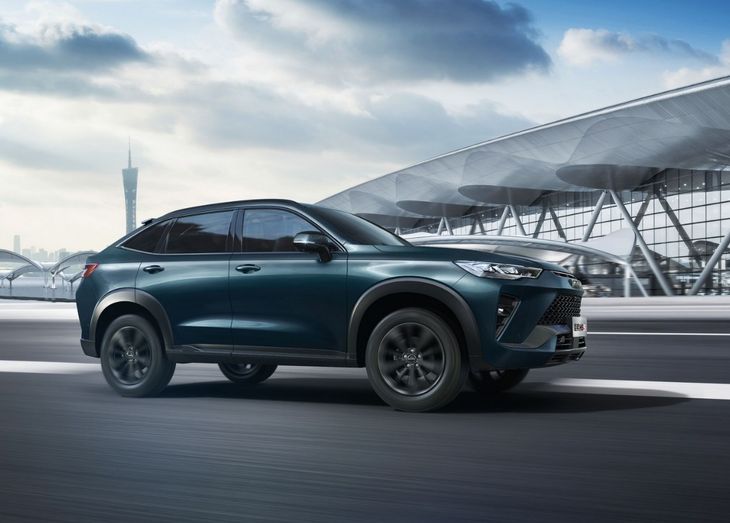
The sporty Haval H6 GT is expected to reach South Africa soon and will be powered by a a 2.0-litre turbocharged 4-cylinder petrol engine with 150 kW and 320 Nm which is mated with a 7-speed dual-clutch transmission. Local specification and pricing will be revealed closer to launch.
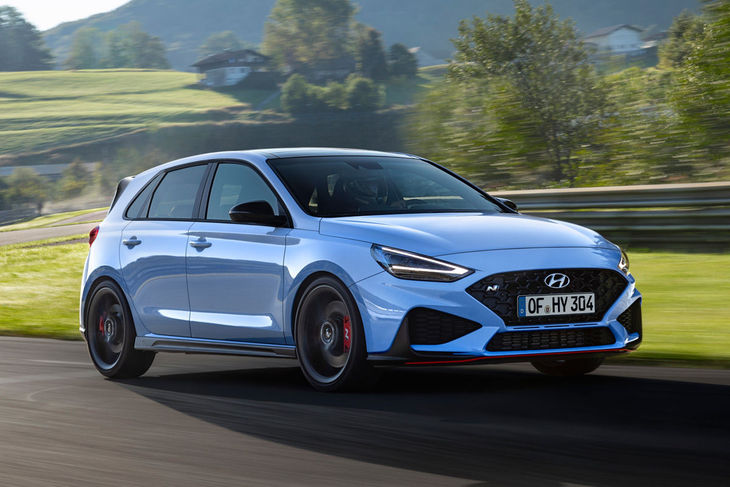
Hyundai has introduced the Kona N performance crossover and the i30 N with a dual clutch transmission simultaneously early in the year. The Kona N is powered by a 2.0-litre turbocharged 4-cylinder petrol engine which produces 206 kW and 392 Nm. All of that goes to the front wheels via an 8-speed dual-clutch gearbox and the Kona N sprints from zero to 100 kph of around 5.5 seconds, thanks to a neat overboost trick that increases power to 213 kW for a few seconds.
As for the updated i30 N DCT, it’s equippedwitha revised 2.0-litre turbopetrol engine (the same as the Kona N above) with outputs of 206 kW and 392 Nm but is now be offered with an 8-speed dual clutch transmission. Zero to 100 kph is claimed at 5.9 seconds.
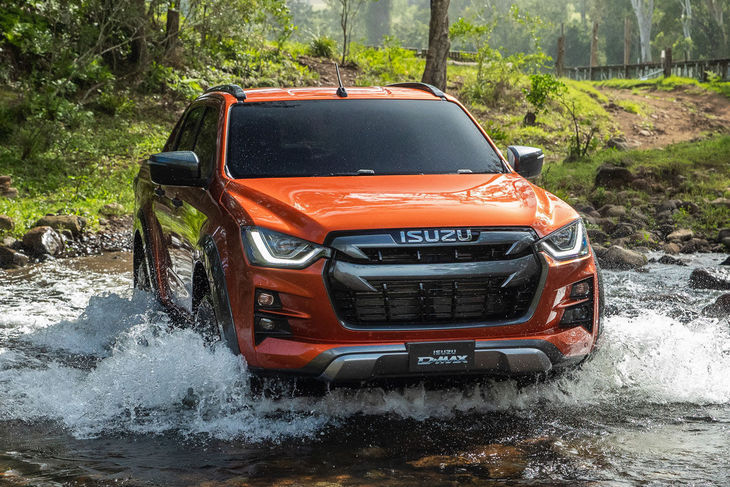
The new locally-assembled Isuzu D-Max has been launched in South Africa! The big news for the new Isuzu D-Max is the inclusion of a new 110 kW/350 Nm 1.9-litre turbodiesel engine, which is offered alongside the familiar (but updated) 140 kW/450 Nm 3.0-litre turbodiesel engine. As for the interior, the new D-Max is a vast improvement over the outgoing model with modern infotainment systems and connectivity solutions as well as a range of comfort and convenience features that customers in this segment have come to expect. See specification and pricing for the new Isuzu D-Max here!
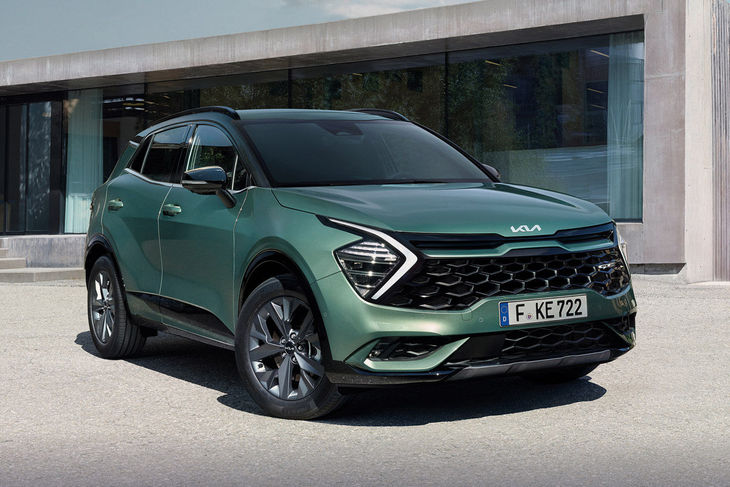
Kia’s new Sportage family car is on the way and it looks fantastic! The new Sportage not only boasts a stylish exterior look but its interior is vastly improved over its predecessor with a curved display panel incorporating a 12.3-inch digital instrument cluster and 12.3-inch infotainment touchscreen being a major highlight. The engine lineup for South Africa has yet to be confirmed but buyers can expect a wide choice of petrol and diesel engines as well as the possibility of a Sportage Hybrid which will be a direct rival to the Toyota RAV4 Hybrid. A Sportage Plug-in Hybrid is also offered in other markets but it’s not likely to be offered locally. Exact specifications and pricing details are expected closer to launch.
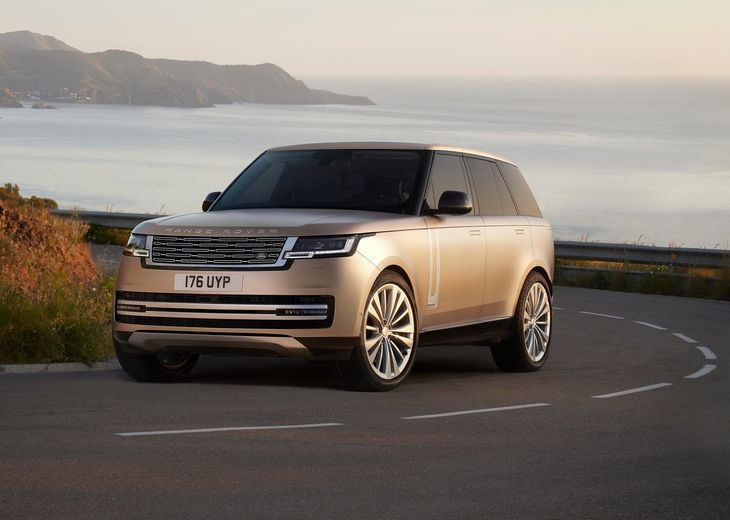
The new Range Rover was revealed earlier in 2021 and is expected to arrive locally in the second half of 2022 (see pricing details here). This new version remains instantly recognisable. With a minimalist styling theme, relying on form and proportion, instead of outrageous grille styling (like many of its rivals), the new Range Rover is a picture of elegance. The interior design features significant digitisation and instrumentation functions are relayed via a 13.7-inch TFT cluster, with the centre infotainment touchscreen being 13.1-inches in size.
Land Rover’s familiar Ingenium inline 6-cylinder turbopetrol and turbodiesel engines have been retained and there are plug-in petrol hybrids too, which offer up to 100km of pure electric driving range – ideal for crawling along in busy city traffic. Range Rover’s most potent non-hybrid in-line-6 turbopetrol engine develops 294 kW and 550 Nm.If you want a Range Rover V8, its 4.4-litre twin-turbocharged engine is sourced from BMW and configured to produce peak outputs of 390 kW and 750 Nm. Exact specification and pricing details will be communicated closer to launch.
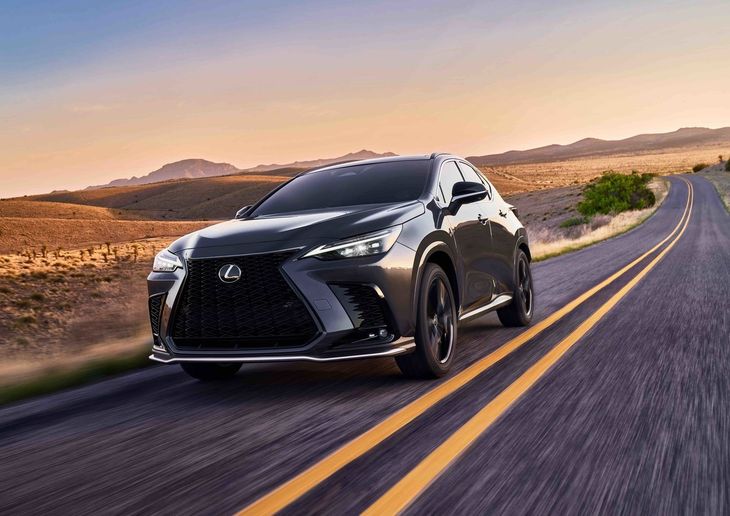
The new Lexus NX is built on an all-new platform and being a Lexus, electrification is key to the brand and the new 2022 Lexus NX will be both a hybrid electric vehicle (HEV) and a plug-in hybrid electric vehicle (PHEV). Other powertrain options include a 2.5-litre naturally-aspirated petrol engine and a 2.4-litre turbocharged petrol engine. The NX will also debut a new impressive infotainment system that will be rolled out into other Lexus models in due course.
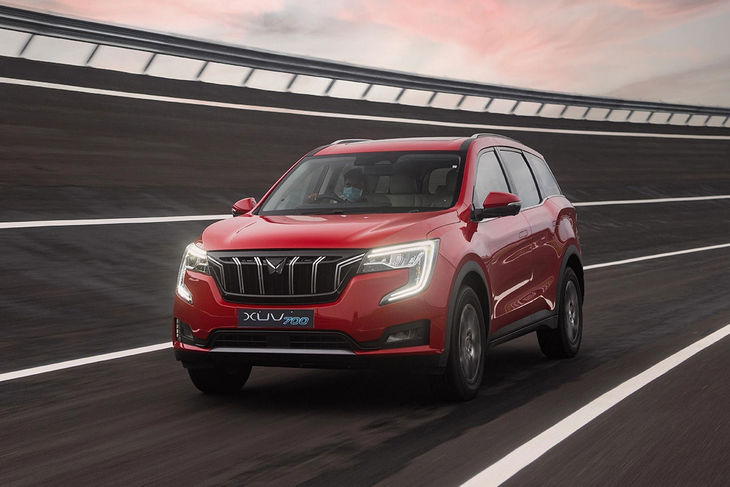
The all-new XUV700 was revealed in India in August as a replacement for the XUV500 and it’s the first model to feature Mahindra’s new “Twin Peaks” corporate logo. The XUV700 is the most luxuriously-appointed Mahindra we have yet seen and the large integrated dual-screen set up inside is a major talking point for this new model. A 2.0-litre mStallion turbopetrol produces peak outputs of 147 kW and 380 Nm in conjunction with a 6-speed automatic transmission, while a 2.2-litre mHawk turbodiesel comes in 2 stages of tune: it either produces 114 kW/360 Nm in combination with the manual gearbox or a punchy 136 kW and 420 Nm (manual) or 450 Nm (automatic) of torque. South African specification and pricing details will be announced closer to launch.
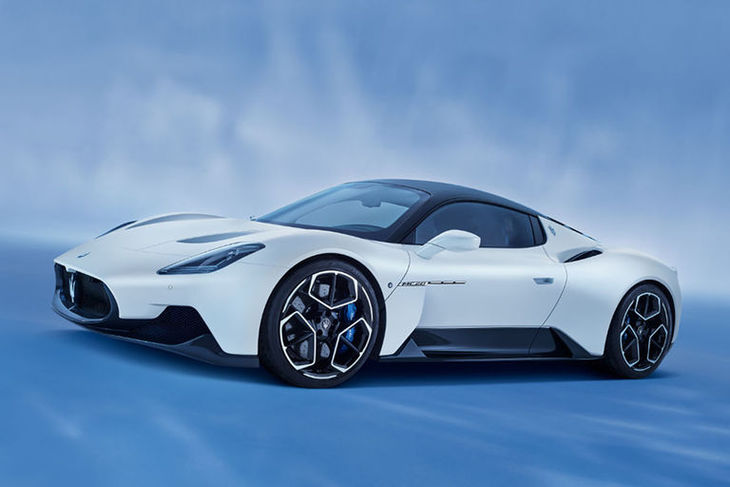
Powered by Maserati’s first in-house-designed engine in 20 years, the new carbon fibre-tubbed and butterfly-doored MC20 is powered by a twin-turbo 3.0-litre V6. It utilises its lightweight body and advanced aerodynamics to accelerate from standstill to 100 kph in less than 2.9 sec and on to a top speed of 325 kph using an 8-speed wet dual-clutch transmission. Total outputs are pegged at 463 kW at 7 500 rpm and 730 Nm of torque from 3 000 to 5 500 rpm. See local pricing details here!
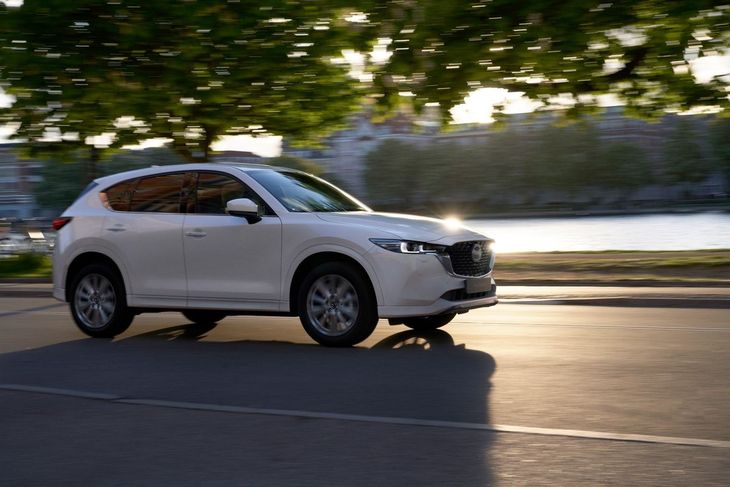
The CX-5 is a stylish and competent family SUV. With formidable rivals like the Volkswagen Tiguan, Hyundai Tucson, and the Toyota RAV4, the CX-5’s latest updates make it more competitive. Mazda has sharpened the look of the CX-5 and enhanced the interior with new trim elements and redesigned seats. As far as mechanical changes go, the 6-speed automatic transmission has been updated to be more responsive and deliver smoother acceleration. The suspension has been enhanced to reduce vibrations and road noise. All-wheel drive is now standard across the range, which will please those who enjoy driving off-tar and provide additional stability in slippery conditions. The current range of 2.0, 2.2 and 2.5-litre engines continue service in the CX-5. See local pricing and specification here!
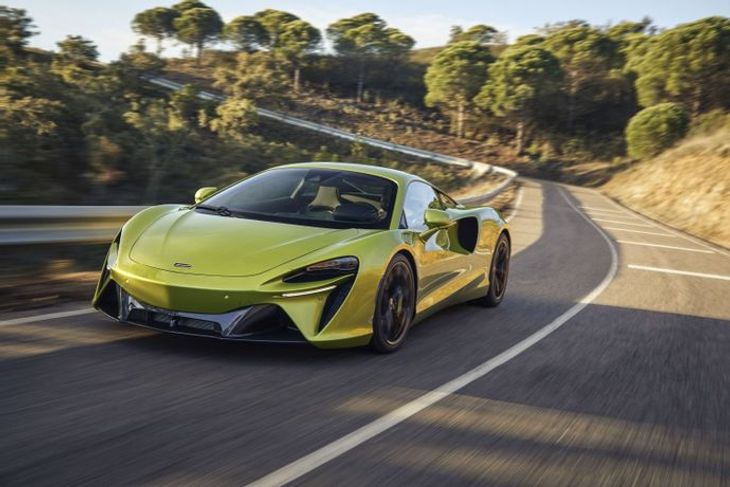
The Artura is McLaren’s first series production High-Performance Hybrid (HPH) supercar and it’s built on the new McLaren Carbon Lightweight Architecture (MCLA) which has resulted in the lightest dry weight of 1 395 kg (kerb weight of 1 498 kg) with a said class-leading power-to-weight ratio of 359 kW per ton.
The Artura is powered by an all-new twin-turbocharged 3.0-litre V6 petrol engine that develops 430 kW and 585 Nm of torque. This engine combines with a 70 kW electric motor that produces an additional 225 Nm. The Artura is equipped with a new 8-speed dual-clutch transmission. The Artura of accelerating from zero to 100 kph in 3.0 seconds flat and will reach 200 kph in just 8.3 seconds and 300 kph in 21.5 seconds. Top speed limited to 330 kph.
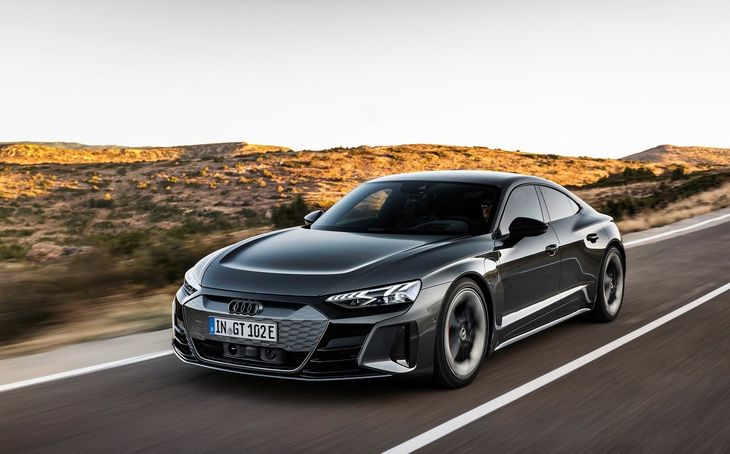
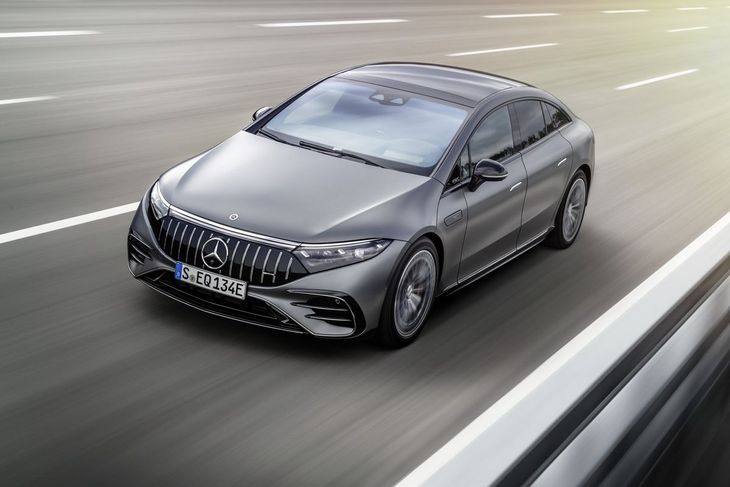
Much like Audi, Mercedes-Benz will be introducing a throng of EVs in South Africa in 2022 and will be headlined by the luxurious EQS. The first examples should be in showrooms sometime in the second quarter!
Mini – No new or updated Mini products scheduled for 2022.
Mitsubishi
Updated Mitsubishi Triton and Triton Xtreme 4×2 – Arrived!
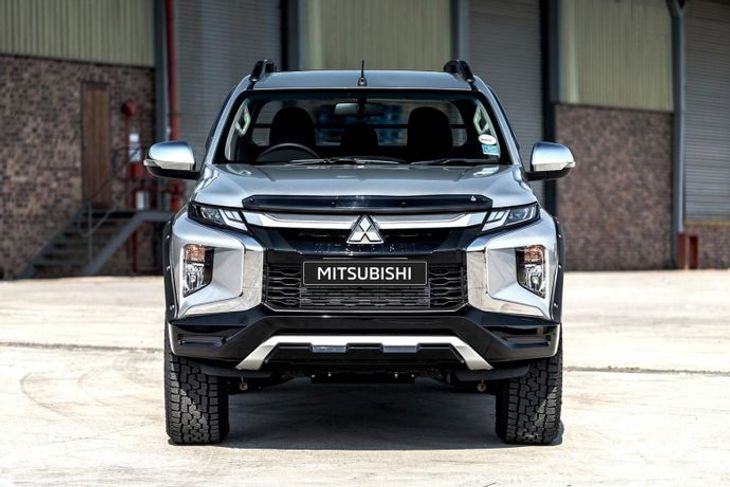
Mitsubishi South Africa will be releasing updates and new derivatives across its entire model range in 2022. The Triton double-cab bakkie has been updated in the first half of the year and the range-topping Triton Xtreme will also be offered with a new Triton Xtreme 4×2 derivative for those who buyers who love the Xtreme look but don’t necessarily need the 4×4 capability. The Triton’s tried-and-tested 2.4-litre MIVEC turbodiesel engine will remain with outputs of 133 kW and 430 Nm. See specs and pricing for the Triton here!
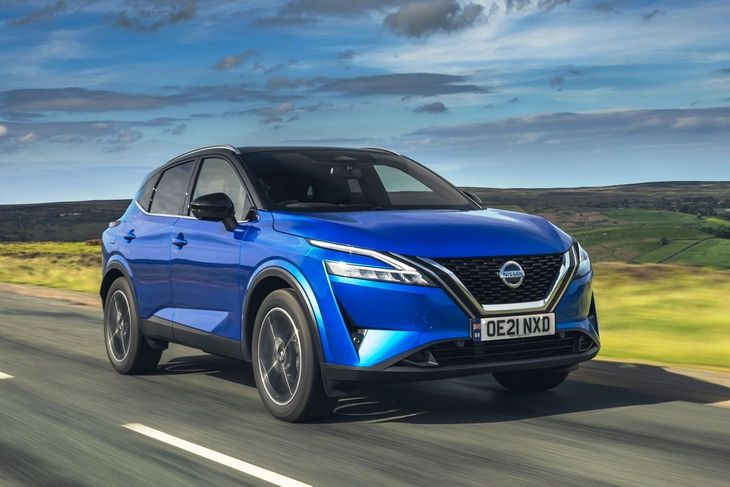
2022 is the year of the Qashqai for Nissan in South Africa. The new Qashqai was due to arrive earlier in the year but it seems its arrival has been delayed. While the local engine range has yet to be confirmed, the Qashqai features electrified powertrains for the first time. Kicking off the range is a 1.3-litre turbocharged petrol engine with mild-hybrid tech. It offers 103 kW and 240 Nm and is paired with a 6-speed manual gearbox. There’s also a 116 kW and 260 Nm derivative available. Nissan has catered for those wanting a clutchless option, with a CVT being available with either a front-wheel drive or all-wheel drive setup, called Xtronic.
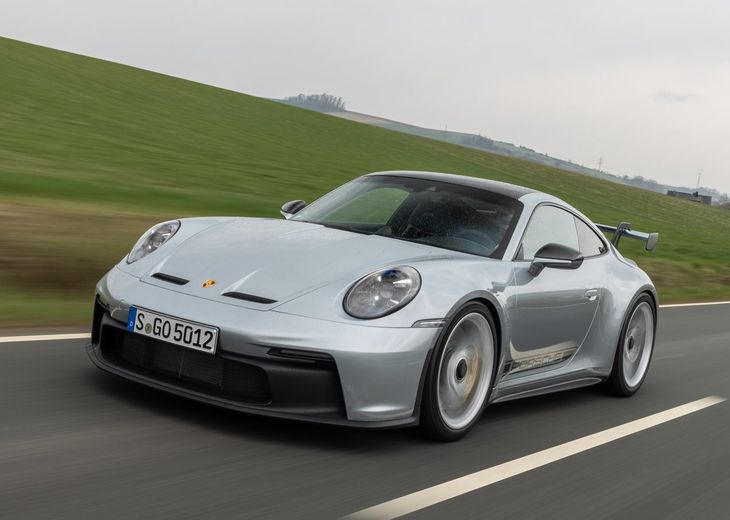
Porsche kicked off 2022 off with a mighty bang with the local introduction of the 911 GT3. Being one of the flagship Porsche 911 offerings, the performance of the 911 GT3 is nothing short of phenomenal. Power comes from the 4.0-litre flat-six petrol engine delivering 375 kW and 470 Nm. The engine has a red line of 9 000 rpm! Porsche claims a 0-100 kph in just 3.4 seconds and it will sprint to a top speed of 320 kph (318 kph with PDK). Yes, that’s right, Porsche is offering its new 911 GT3 with a manual transmission for the purest Porsche experience. Perhaps the most impressive performance figure is the 0-200 kph in just 10.8 seconds!
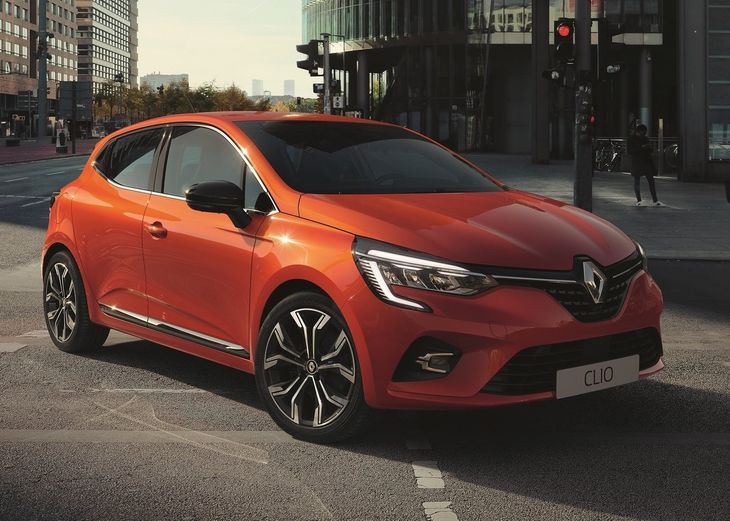
The arrival of the new Renault Clio 5 has been painfully delayed but it’s finally here! While the styling is familiar, Renault has gone to great lengths to enhance the cabin design of the new Clio and many buyers will appreciate that fact. The new 1.0-litre turbocharged 3-cylinder petrol engine is paired to a manual gearbox, which drives the front wheels. Outputs of 74 kW and 160 Nm are on offer. See specs and pricing details here!
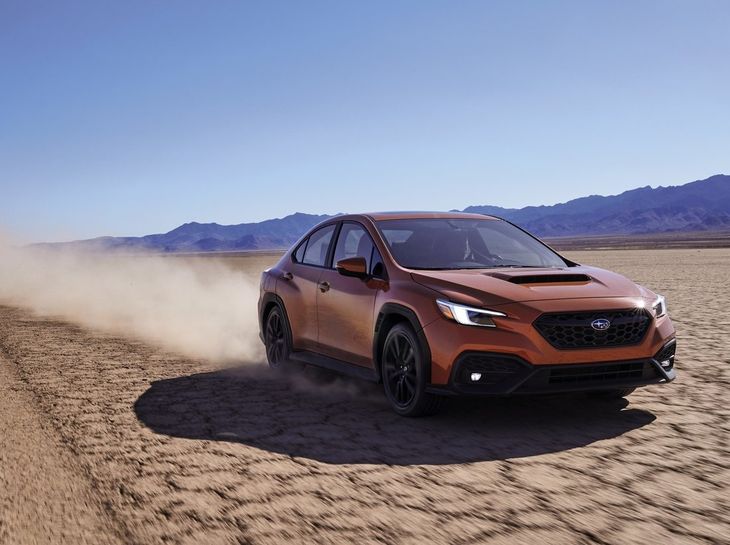
Subaru will be launching its all-new WRX on local soil in the middle of the year while the WRX wagon remains under consideration for our market (we hope it comes!). The new WRX is powered by a turbocharged 2.4-litre direct-injection flat-4 petrol engine that produces 202 kW and 350 Nm and can be mated with either a 6-speed manual or ‘Subaru Performance Transmission’, the latter of which is essentially a fancy name for a CVT. You can expect local pricing and specification to become available closer to launch.
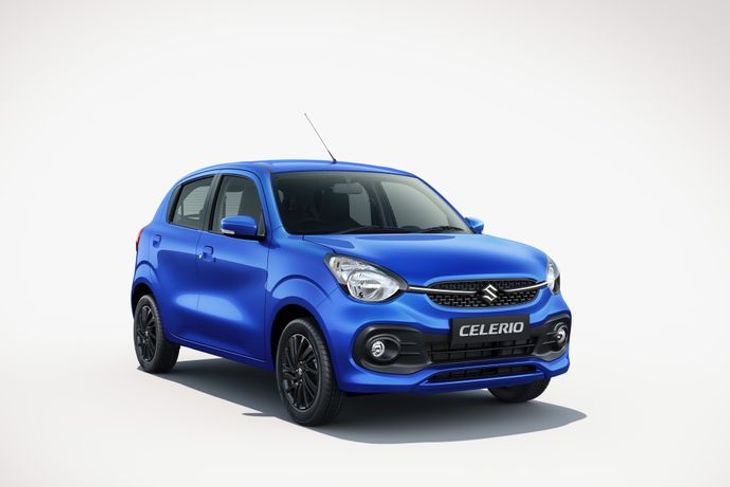
Budget car specialist, Suzuki, welcomed a new Celerio hatchback to market in 2022. The new Celerio is built on Suzuki’s HEARTECT platform, the same which underpins the Swift and S-Presso and features a rounder, more bulbous design than the outgoing Celerio.
As for the engine that powers the new Celerio, it’s a 3-cylinder, 1.0-litre, naturally aspirated engine with 49 kW and 89 Nm of torque. This engine is paired to either a 5-speed manual transmission or as Suzuki calls it, an Auto Gear Shift (AGS) transmission which is an automated manual transmission (AMT). See specs and pricing details here!
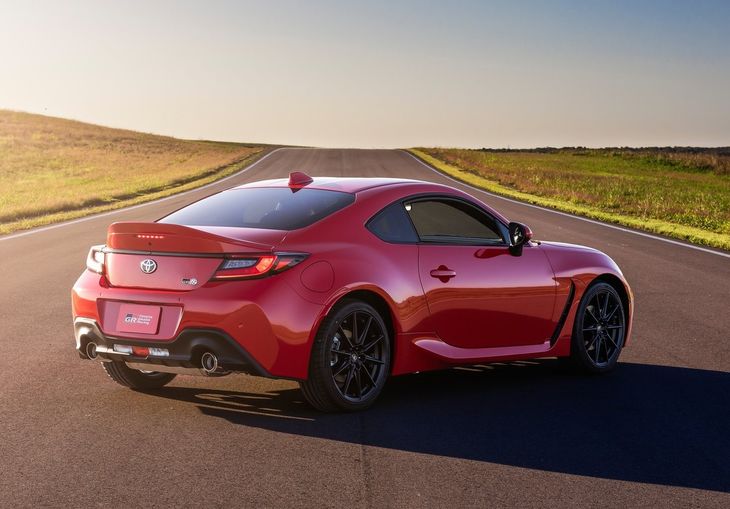
The Toyota GR86 is a lightweight, rear-wheel-drive coupe that’s been engineered from the ground up to be an enthusiast’s car. It ticks all the boxes for driving engagement; rear-wheel drive, nimble, light, manual gearbox and a rev-happy naturally-aspirated motor. It’s fitted with a lightweight, horizontally-opposed 4-cylinder 2.4-litre petrol unit that’s good for 173 kW and 250 Nm, which is a big jump from the 147 kW and 205 Nm of the outgoing GR 86. By all accounts, the new GR86 is expected to deliver a sensational hands-on driving experience.