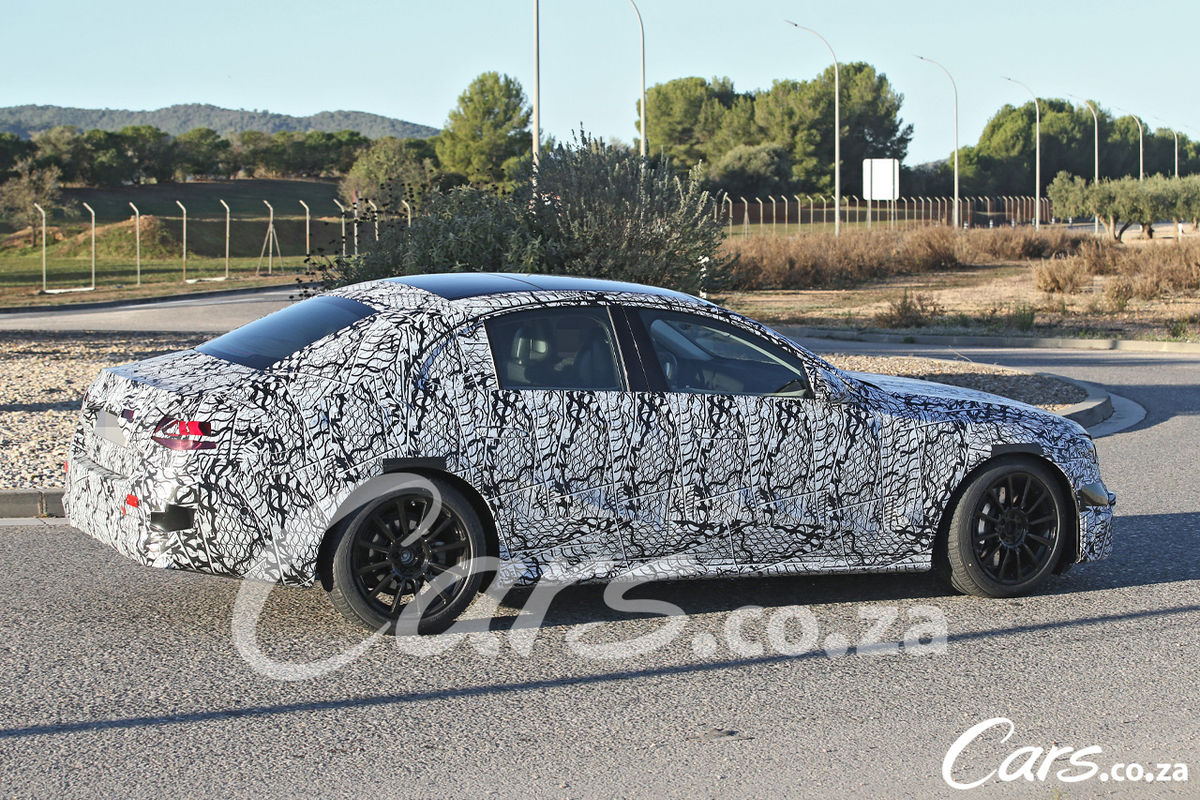
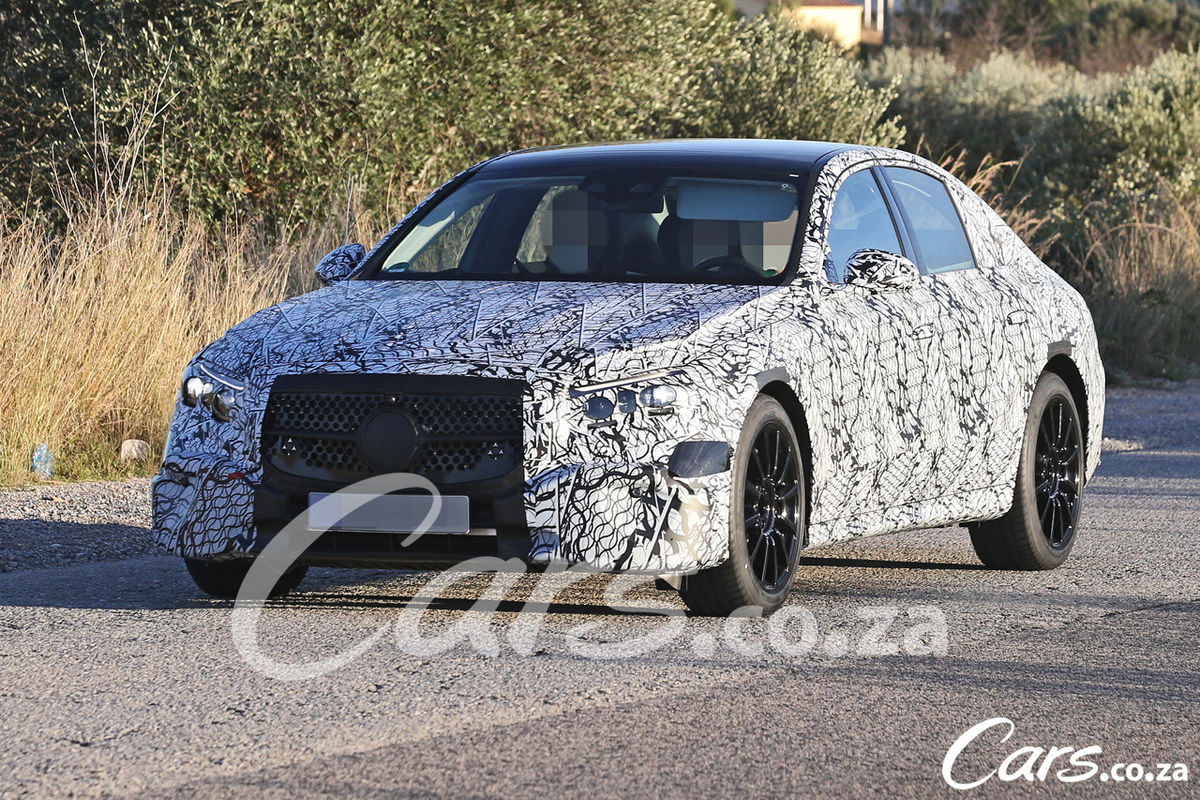
American influence could shape new Mitsubishi Triton

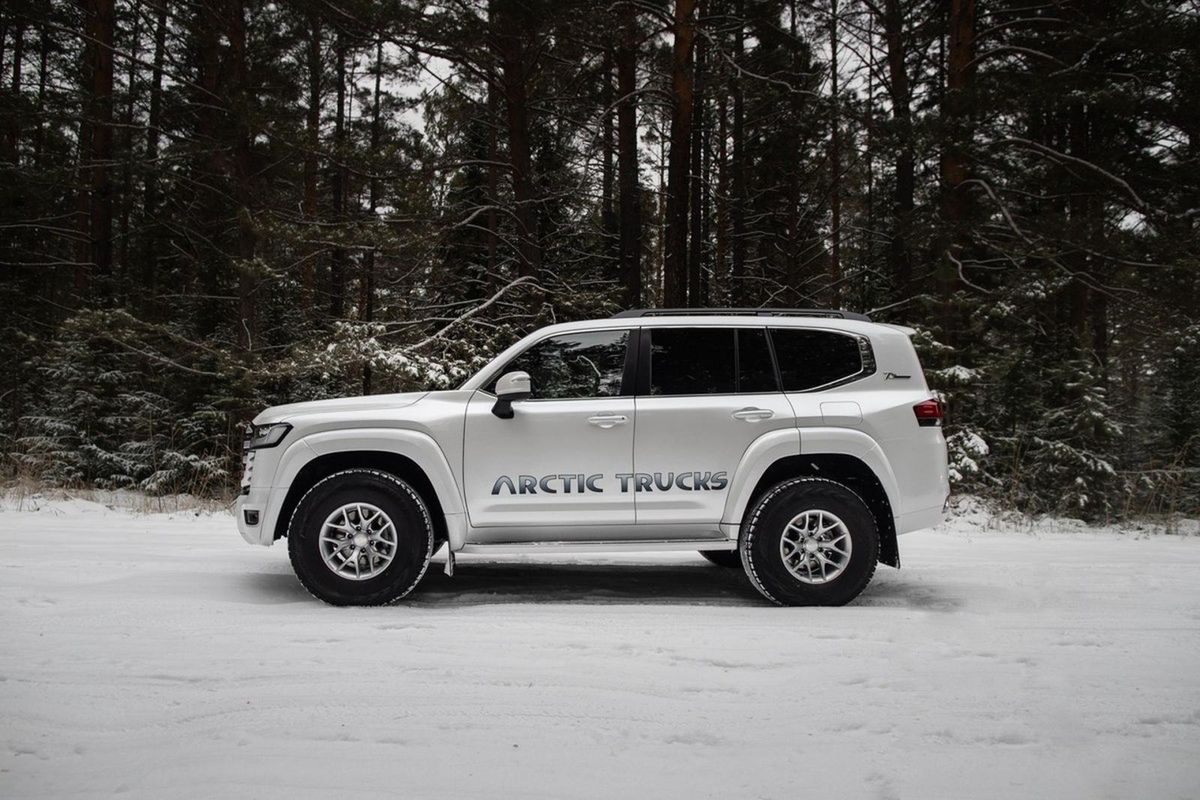
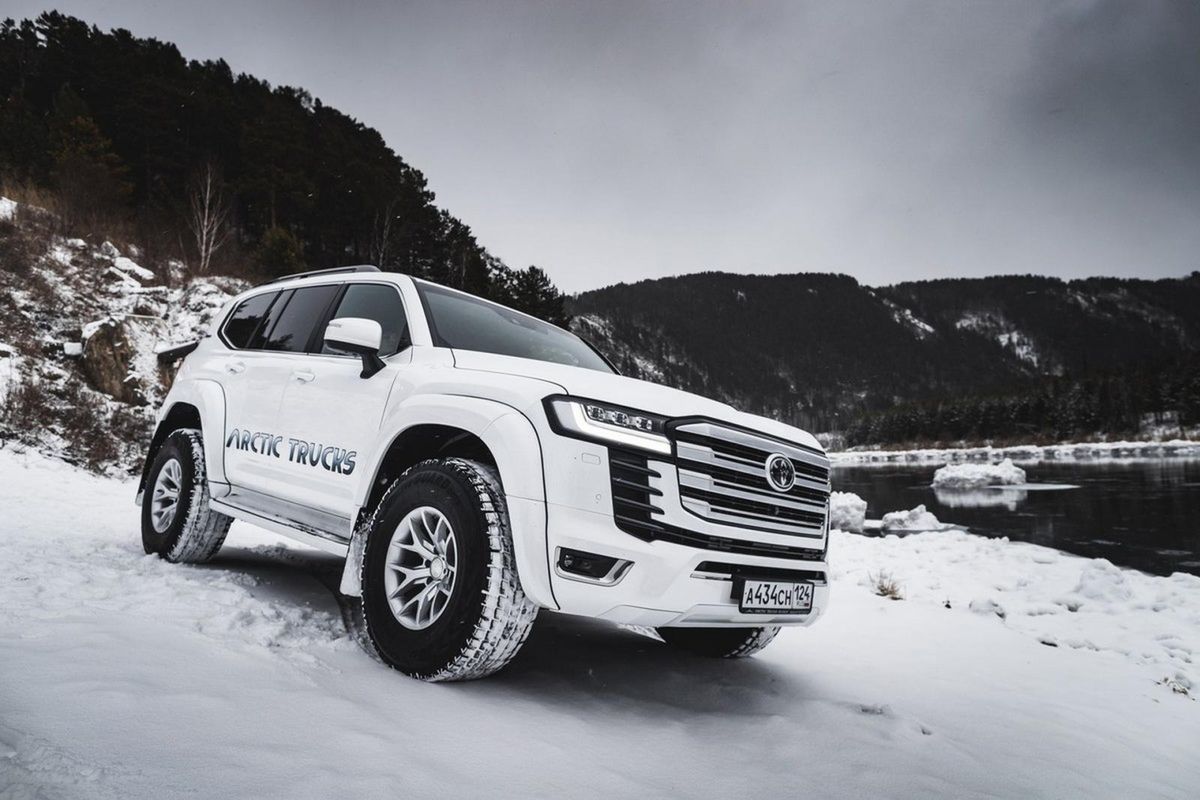
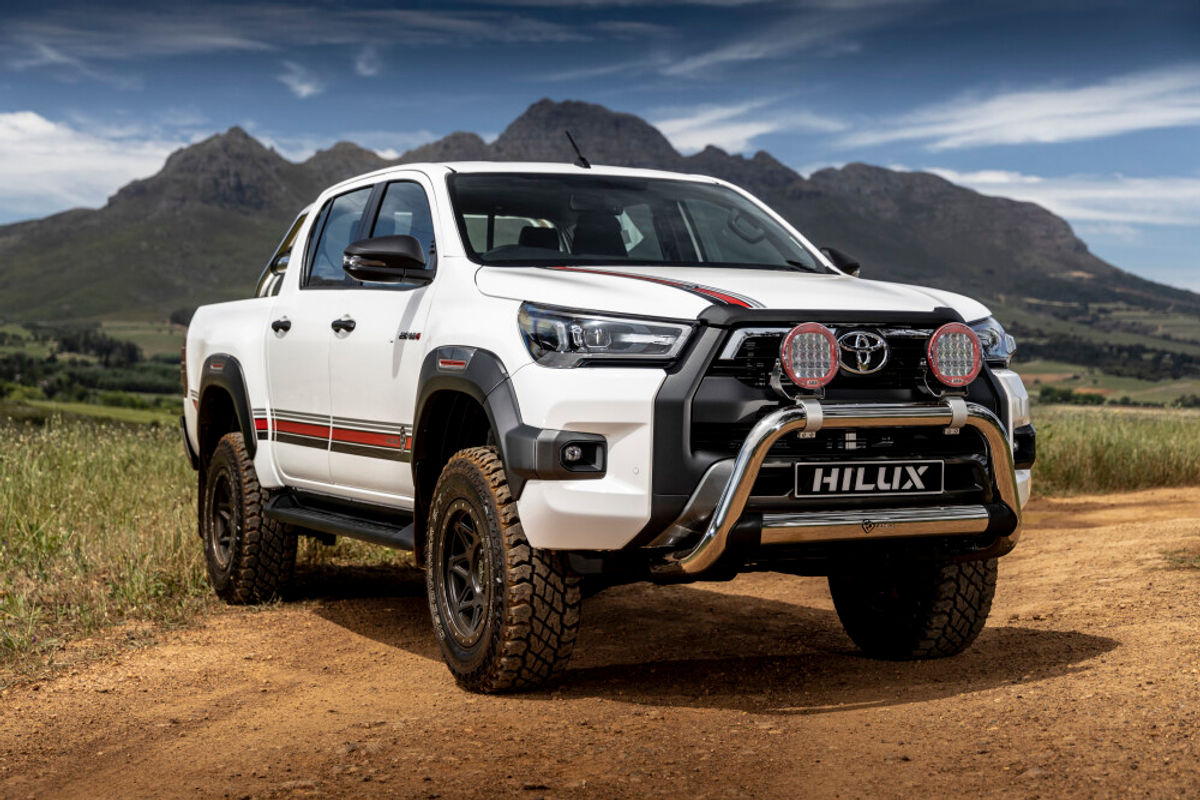
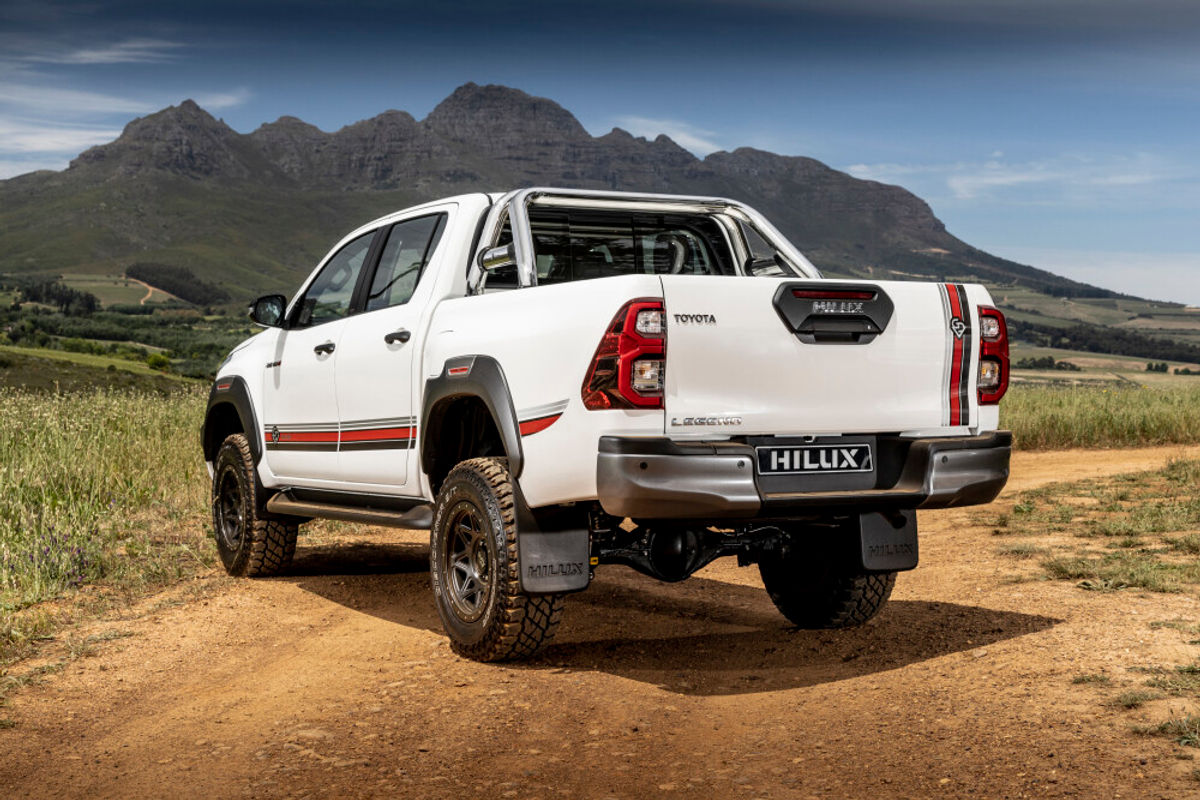
Mitsubishi Triton could be going big, if America gets its way.

The Mitsubishi Triton might soon receive a significant boost to its future product development R&D.

Demand drives innovation and the required scaling for new features, on all vehicles. That includes bakkies.

When a specific bakkie model reaches critical sales mass, product planners can start negotiating better deals on equipment and advanced technical features. The more you sell, the more revenue you have to invest in better future vehicle upgrades.

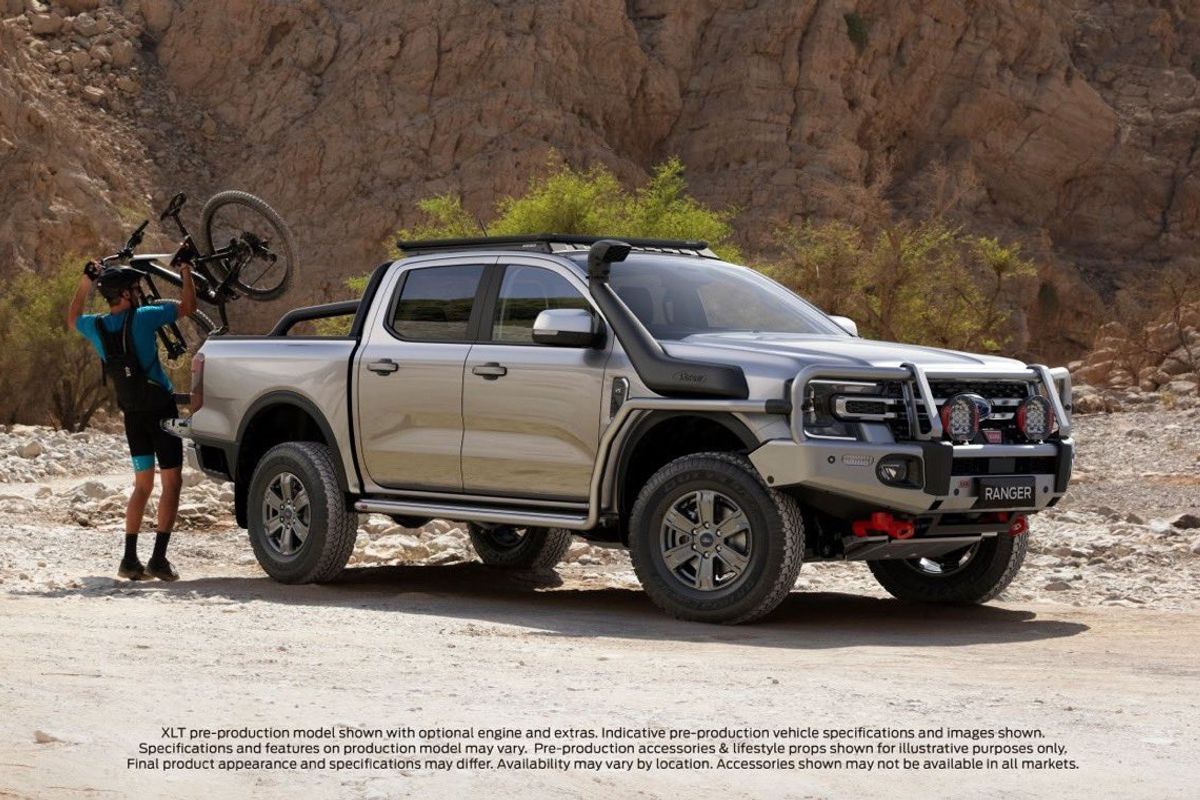
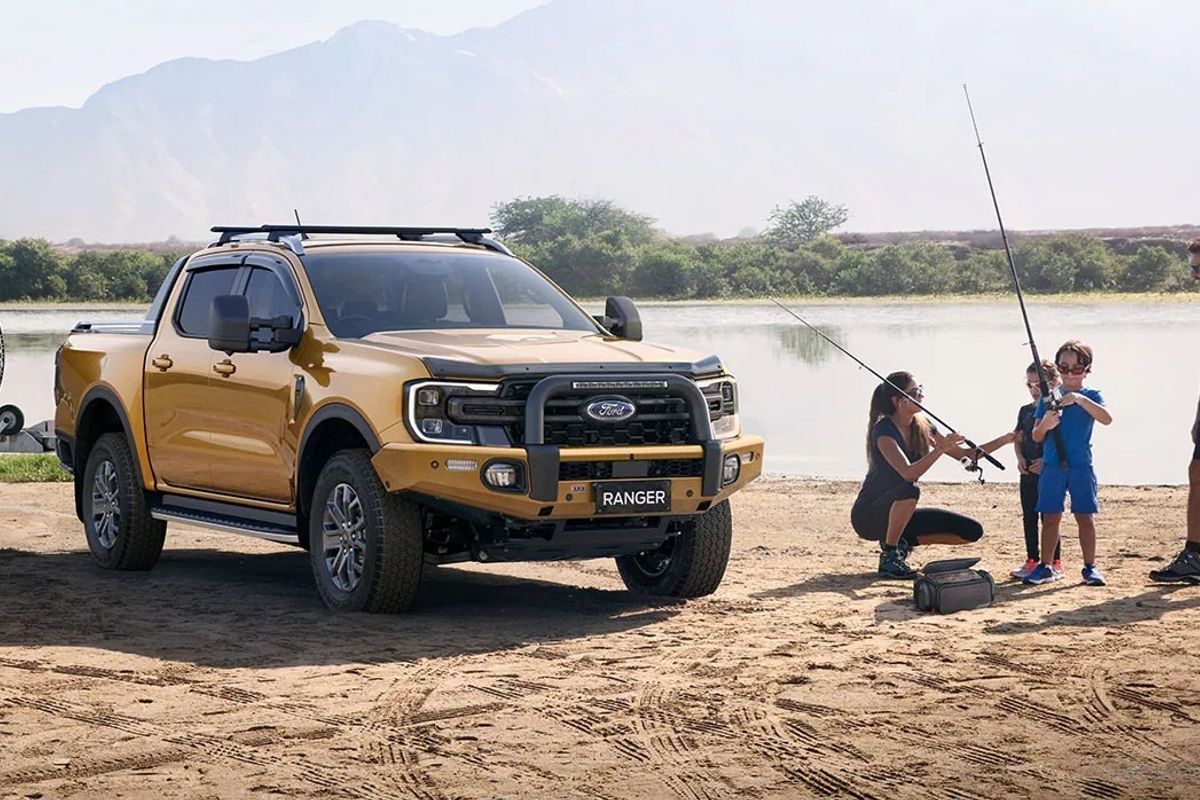
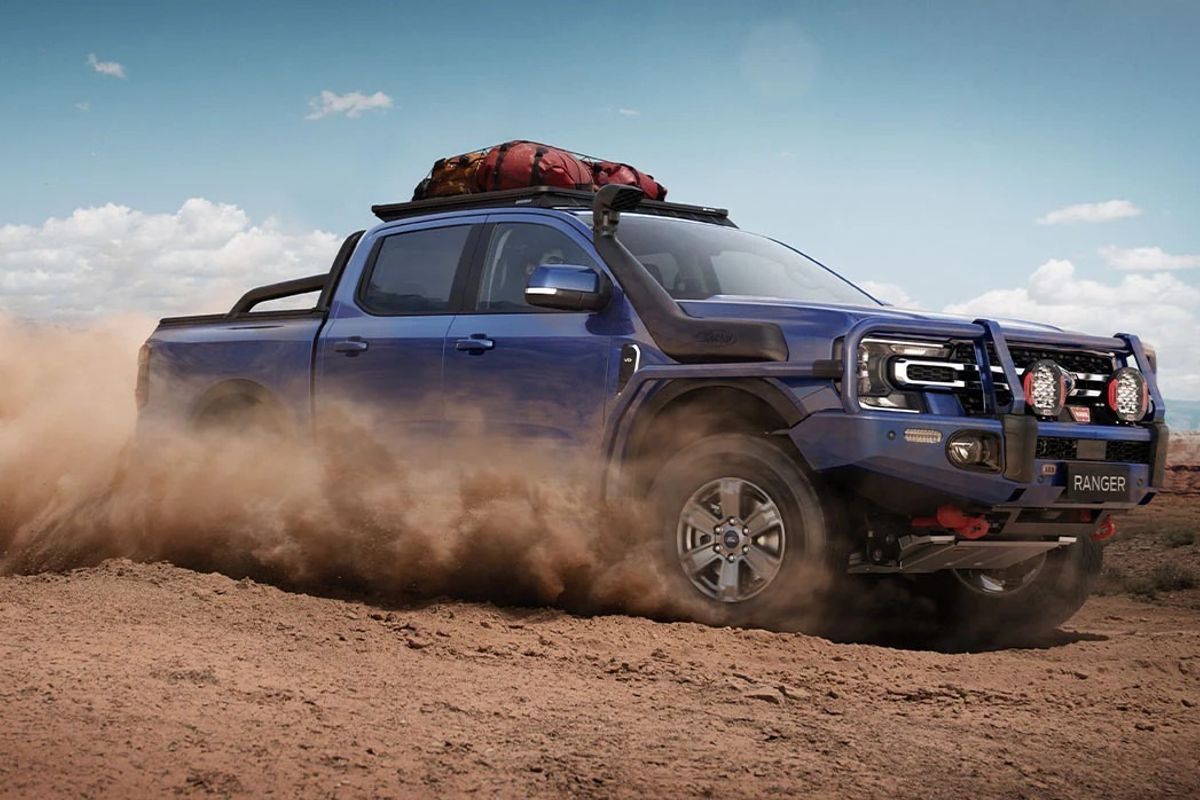
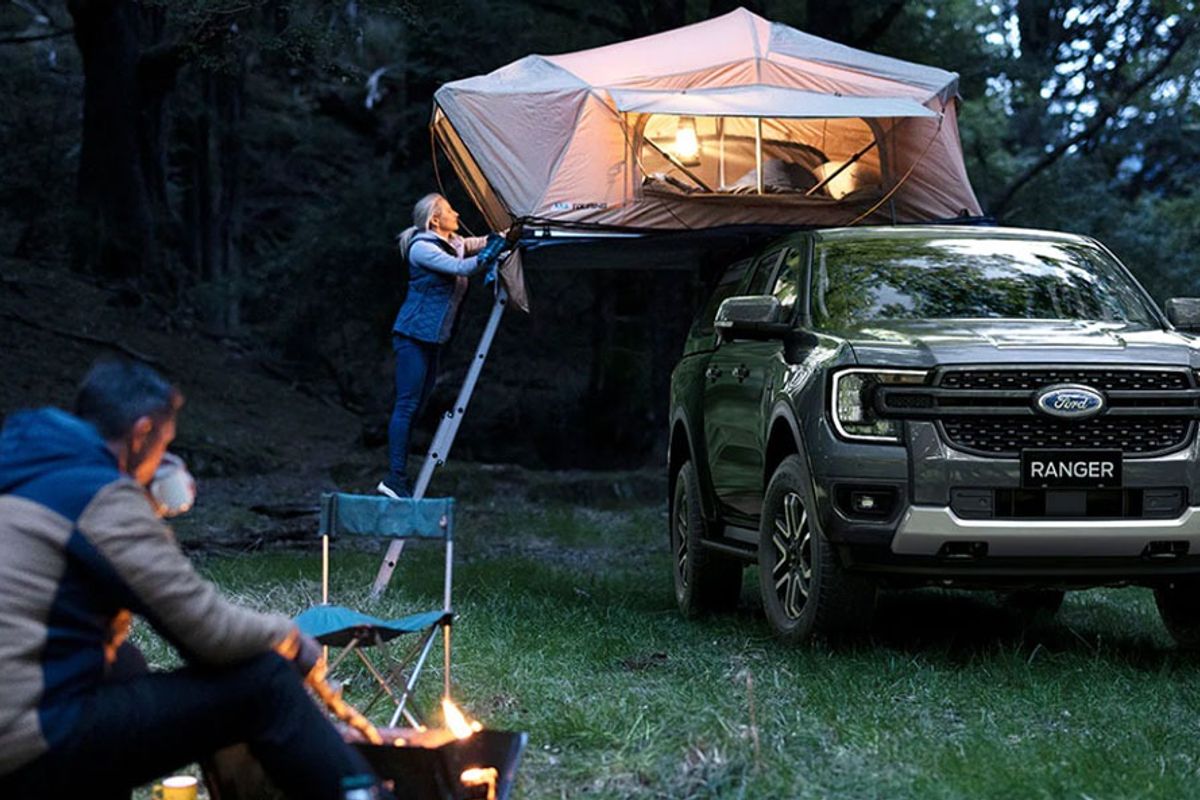
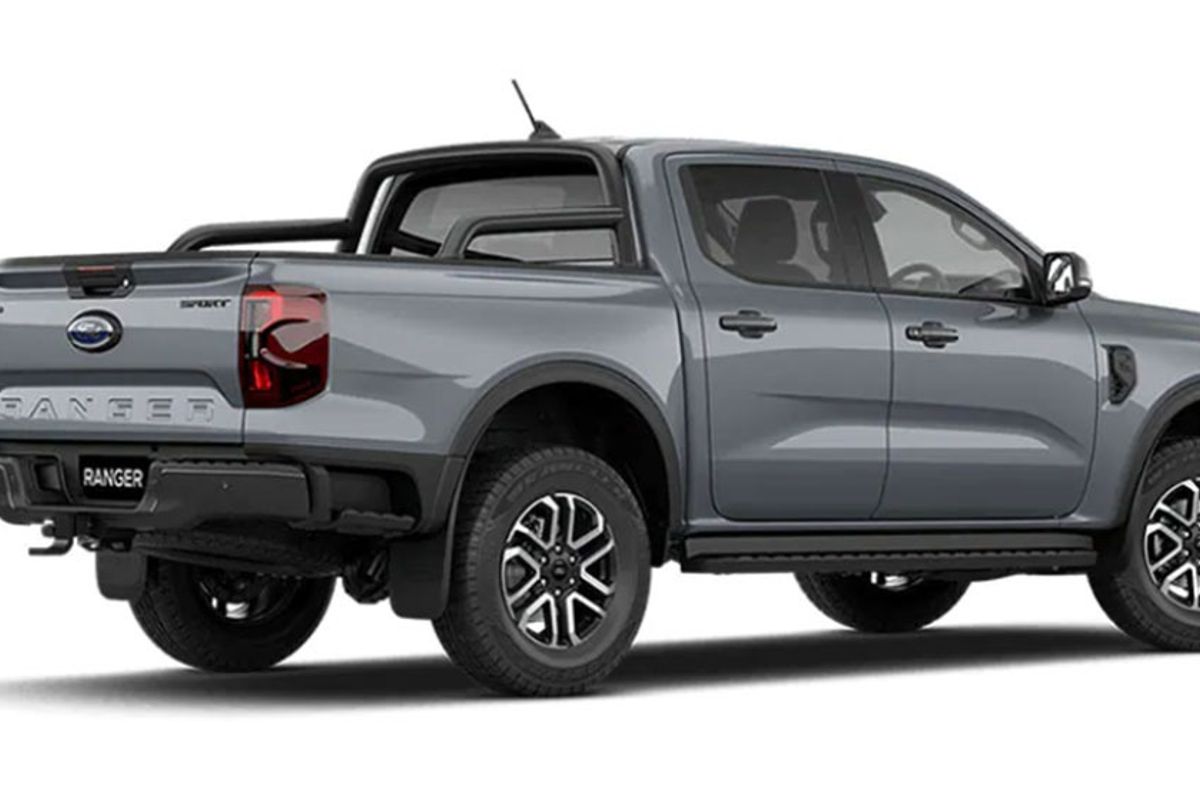
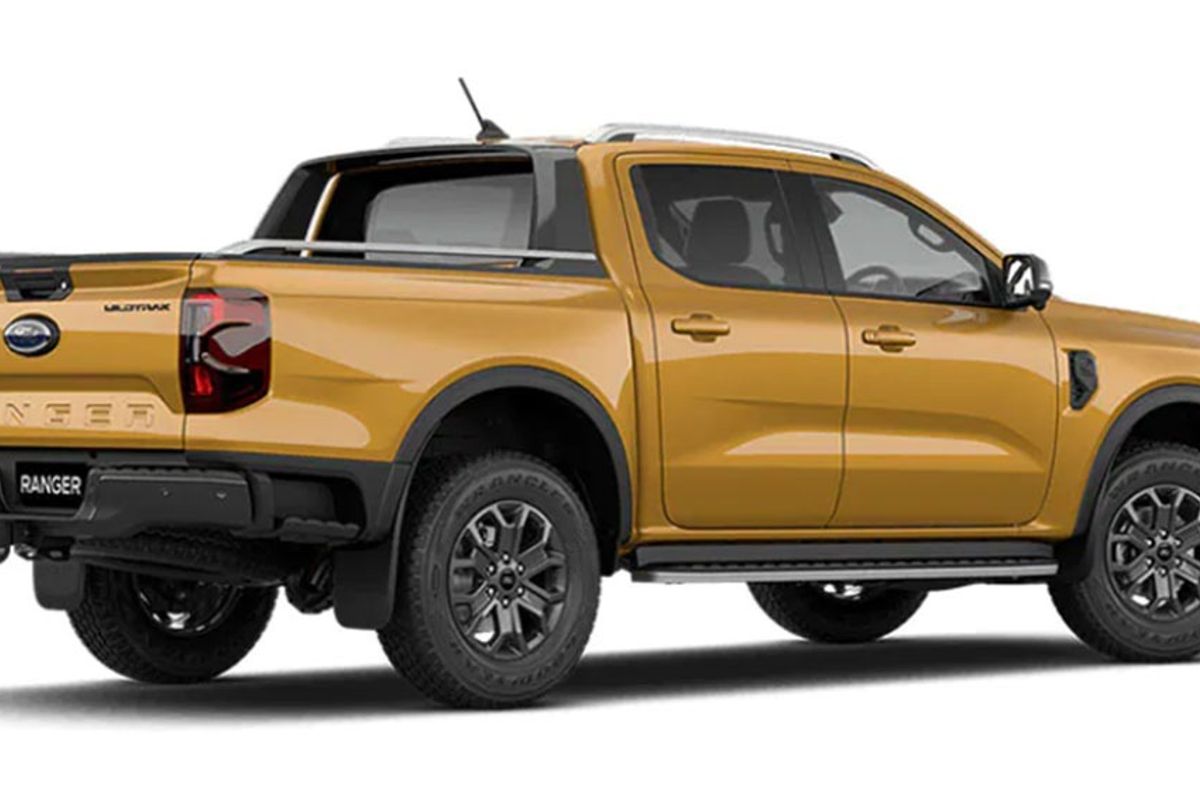
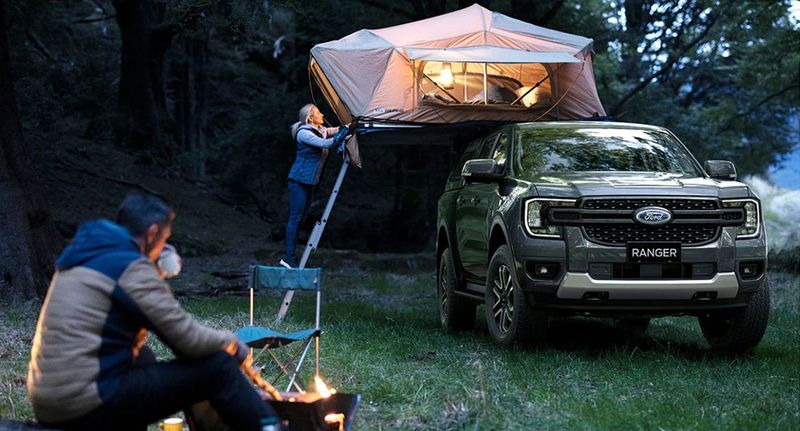
In the bakkie world, America matters. A lot! Ford has illustrated how beneficial global bakkie demand can be, after returning the T6 Ranger to North America.

With the flood of Ranger sales that Ford has managed to harvest in North America, everyone benefits. Ranger has become a truly global bakkie since reentering the American market, and that scale has allowed Ford to furnish it with the latest driver aids and assistance systems.

Ranger has also enlivened the ‘small pick-up’ market in America, comparable to a standard bakkie in South Africa. With many more Americans now buying ‘global’ double-cabs, it has opened the opportunity for some familiar names to return to the world’s most important bakkie market.

The latest among these might be Mitsubishi. The Japanese brand has experienced strong interest from its powerful North American dealer organisation, to introduce the Triton.

Great things are expected from the next-generation Triton. It will be part of an alliance project between Nissan, Renault and Mitsubishi – with the latter being responsible for most of the core engineering.

If Mitsubishi is serious about targeting the American market, again, Triton customers worldwide, should benefit. American bakkie owners have significant demands around cabin comfort and loadbox accessories.

The next-generation Triton could feature hybridisation. Mistubishi has proved the viability of its PHEV technology with Outlander and a 2.4-litre petrol PHEV could be an exciting option for Triton owners.

Even with a more robust version of the Outlander PHEV powertrain, Mitsubishi should retain its excellent SuperSelect transfer-case in 4×4 versions of the future Triton, with the ability to run in high range, with a locked centre-differential. SuperSelect is something that has always distinguished Triton from most of its double-cab rivals.

American bakkie owners are also among the most connected, anywhere. And that means Mitsubishi will have to improve its infotainment offering with the new Triton. A larger touchscreen interface, with better legibility and app connectivity, should please Triton owners in all markets.

An American influence always makes for a better bakkie. And with Mitsubishi angling for a return to the American market with Triton, future developments for the Japanese double-cab, could deliver a better bakkie for all.

Related content

Double-Cab 4×4 Bakkie Buyer’s Guide (2021)

New Mitsubishi Triton for 2022

Hyundai Staria (2021) Launch Review

Hyundai is replacing its long-serving H1 with the Staria, which, compared with other commercial vehicle-based MPVs, resembles an alien spaceship. Buses are big business in South Africa, however, so how well does this all-new Staria stack up against the competition? We drove it at its local launch in the Western Cape.

What is a Hyundai Staria?

Hyundai Staria front
The Luxury model gets a full LED strip across the front end.

Who would have thought it would be a bus, of all vehicles, that would showcase the most futuristic design that we’ve seen on a production model in a long, long time? The traditionally utilitarian segment has been turned on its head by the Staria, which appears to have set down on our Blue Marble. When stood next to the likes of the Caravelle, V-Class or Quantum, the Hyundai seems to have teleported here.

The Staria officially replaces the H1, which was a competent shuttle and mover of things rather than a vehicle that could be considered a classy hotel VIP transporter or luxury family vehicle in the way a Caravelle or V-Class could be. The Staria is clearly both of those vehicles (depending on the derivative you choose) and could be “great holiday wheels”; it comes fitted with loads of safety and in-car tech.

The Staria measures 5 253 mm in length, 1 997 mm in width, 1 990 mm in height and has a lengthy wheelbase of 3 273 mm.

What’s on offer?

Hyundai Staria rear
The Staria is slightly longer than its Volkswagen and Mercedes-Benz counterparts and has a longer wheelbase too.

There are 3 derivatives to choose from in the Staria line-up, including 9- to 11-seater versions. The range starts with the Executive, which would be the pure people carrier model. It’s only available as in 11- seater configuration, but still packs a long list of safety and tech features, which I’ll go into a bit later.

The Elite derivative features slightly different LED lights at the front and different wheels to the Executive, but slots into the middle of the range (it is available as both a 9 and 11-seater), replete with a few more passive safety features and exterior styling details than the entry-level Staria. The Luxury, finally, sits atop the range and is adorned with a full-beam LED strip across the front of the vehicle – as you see in the images above. It’s inside where the functionality is ramped up appreciably with more seating functionality, dual sunroofs, a surround camera system and a 12-speaker Bose audio setup.

What’s it like inside the Staria?

Hyundai Staria rear seats
Individual 3-point seat belts for every seat and leather as standard across the range.

We started our day in the top-spec Luxury derivative, which virtually exhibits everything that Hyundai can offer in terms of in-car technology. Not only does a digital instrument cluster panel substitute a conventional binnacle, the digital infotainment system supports wireless Apple Carplay and Android Auto, is complemented by a wireless charger and USB ports are availed in every row.

The Luxury derivative is further equipped with a surround-view camera setup, which has a neat trick of bringing up the side-camera view within the instrument dial whenever you flick the indicator stalk to signal a lane change. If you indicate left, the left dial displays the left-side camera to show you any obstacles, obstructions or kerbs that may be in your path (vice-versa happens when you indicate right).

All the seats are trimmed in comfortable, upmarket leather with the front seats offering electrical adjustment, while the first couple of rows offer heating and cooling functions for the seats. 

Hyundai Staria indicator camera
When you indicate, the corresponding side camera displays on the instrument cluster (Luxury model only).

Stepping into the rear for a second, the dual doors are electrically operated, but will remain shut if it detects a vehicle approaching quickly from behind; it will only open when it’s safe to do so. The first row in the back has a swivel function where the seats can spin round and face the rear-most row. The seats are all on rails (so can slide back and forth easily) and can be folded to free up generous utility space.

Up front, there are storage bins and pockets in the doors and a selection of cubby holes on the dash to store smaller items away from the sun – and prying eyes. The Staria’s design is so deliberately spacey that the newcomer’s infotainment system seems a little chunky (less slick of design than it could have been). The exterior promises something from the future, while the cabin design is more workmanlike (practically-minded) and obvious than I was maybe expecting. After all, the point of a bus is to be as functional as possible inside, isn’t it?

What powers the Hyundai Staria?

Hyundai Staria driving
The familiar 2.2-litre turbodiesel is employed in the Staria. No petrol model is available.

Hyundai’s 2.2-litre 4-cylinder turbodiesel gets another run in the Staria (it’s also available in the Palisade and Santa Fe), but this time it delivers 130 kW and 430 Nm. The turbodiesel also uses the same 8-speed automatic transmission as the aforementioned models, which is absolutely fine in this application. Shifts are executed quickly and smoothly with a decently quick kickdown speed when overtaking. 

As a premium people-mover, it arguably lacks a little oomph under load or when overtaking. The V300 diesel is certainly the performance benchmark, it does come at quite a large price premium. I would say the Staria’s engine performance feels very similar to the Volkswagen Caravelle in terms of punch, although the Caravelle has all-wheel drive, whereas the Staria is only available in front-wheel-drive.

The Staria’s fuel economy was quite decent during our 200-km round trip. We averaged 9.1 L/100 km, but considering much of a bus’ life is likely to be spent on freeways, you should be able to achieve lower consumption figures than ours.

Hyundai Staria any good to drive?

Hyundai Staria doors open
The doors open electrically on both sides with an electric tailgate too.

The Staria’s new platform is a vast improvement over that of the H1. Body roll is relatively well controlled, even when traversing the twisty coastal road from Gordon’s Bay to Rooi Els, it felt relatively poised.

The position of the driver’s seat is far less commercial vehicle-like than before, but it’s not quite what you would get in an SUV; there’s no denying the cab-forward position, but at least the steering wheel is positioned more towards the driver (the column is rake- and reach-adjustable too) rather than pointing up at you like it does in a truck (or a Kombi, bless it). The steering action is on the light side, which makes the Hyundai easy to park in tight confines, but when the newcomer is buffeted by a hefty crosswind at freeway speeds, you might be caught off guard by the lack of feedback through the ‘wheel.

There are 4 drive modes to choose from (Eco, Comfort, Smart and Sport) although, why you would want a Sport mode in a diesel bus remains a mystery. Smart mode seems the best for every situation as it’s a set-and-forget mode that will adapt to your driving style at that particular moment. 

The Elite and Luxury derivatives, meanwhile, come with a selection of semi-autonomous driving assists that even their Palisade premium SUV siblings can’t match. Features such as adaptive cruise control and lane-keeping assist are standard in both versions and the above-mentioned surround-view camera system puts the Staria in a league of its own in the bus segment. Standard safety features include ABS, EBD, stability- and traction control, as well as 3-point seatbelts for every seat. Seven airbags are fitted as standard too. 

Hyundai Staria Pricing

The Hyundai Staria is very competitively priced against its rivals, undercutting both the equivalent Mercedes-Benz V-Class and Volkswagen Caravelle.

Staria Executive    R789 900
Staria Elite             R959 900
Staria Luxury         R1 099 900

Summary

Hyundai Staria rear final
Staria makes a compelling case as a shuttle and a family vehicle.

The Staria poses a real threat to the bus market, and even possibly the medium-SUV market. The Executive version is particularly well priced at the rest of the derivatives retail for just under or above R1 million (November 2021). Those asking prices might make those who are looking for a large kerb-hopper think twice about how much more Hyundai’s newcomer offers for the price. 

The Staria offers a lot of (comfortable) passenger space, as well as an impressive combination of body-roll control, notable ride comfort and a lot of in-car technology. The latter truly incorporates a wide range of connectivity options. Furthermore, a commendable suite of safety- and semi-autonomous driving features are fitted to the Elite and Luxury derivatives. While the Hyundai’s exterior looks appear to have been extracted directly from Tom Cruise’s Minority Report movie, the interior doesn’t have the same sort of wow factor, but meets all the functionality needs a bus owner is ever likely to have.

Service- and Maintenance Plans: The differences


Many cars (including relatively new used ones) are covered by manufacturer warranties and have either service- or maintenance plans associated with them. What kinds of services and repairs are included in these plans? This will help you understand what your vehicle’s specific plan covers. 

PARTNERED CONTENT

Here are some insights from motus.cars, supported by Motus Ford (previously Imperial Select) as to the question of Service Plan or Maintenance Plan:

Job 1: Understand the warranty

First, just to provide you with a bit of background, bear in mind that virtually every vehicle is sold from new with a warranty that allows its owner to claim against the vehicle’s manufacturer for failures or malfunctions that occur (during normal, general use) within a certain period or mileage limit (if something breaks unexpectedly, the dealer’s workshop must repair it at no cost).


In order to preserve your car’s warranty, all repair, service and maintenance work must be carried out by franchised dealer workshops.

Most manufacturers offer general warranties that cover every aspect of the car, usually excluding its tyres and sometimes friction material that can wear down prematurely due to hard use, such as brake pads and clutch components. However, some stipulate warranties for the body and paintwork separately (usually limited by a time period) and some, but not many, distinguish between plans that cover general failures and mechanical ones.

Warranties only remain valid if vehicles are serviced or repaired by franchised dealers (outlets officially authorised to sell/maintain a brand’s products) or approved independent workshops at time/mileage intervals determined by the cars’ manufacturer or importer. While warranties tend to last only a year or two (or up to 5 or even 7 years), service and maintenance plans tend to be valid for a bit longer than warranties and are also limited in validity by vehicle age and mileage limits. They are subject to the same conditions as vehicle warranties, however.

Service and maintenance plans will only cover services if a car is within a specified acceptable mileage – i.e., if the manufacturer specifies a 15 000-km service interval and allow a 1500-km variance, you would need to perform your first service between 13 500 km and 16 500 km.


Warranties cover you against mechanical failures within a preset mileage/time period, unless they occur as a result of abuse.

Manufacturers also specify a time frame for service intervals should you not cover enough mileage to reach the service intervals timeously. This is usually annually/every 12 months. Failure to comply with these terms will result in your service plan or maintenance plan being cancelled.

What is a service plan?

A service plan generally covers all the costs involved with regular scheduled servicing, such as the cost of labour (and parts) that is scheduled to be carried out (and replaced) at specific services (such as spark plugs, air filters, oil etc.), but excludes jobs and the fitment of spares that aren’t scheduled for standard services, such as V-belts, wiper blades and brake pads.


Understanding the difference between minor and major services will take the stress out of budgeting for future vehicle maintenance.

Items generally not covered by a service plan include:

  • Internal and external trim, bodywork and paint due to normal wear and tear.
  • All glass, tyres, wheels, wheel alignment, accessories, electrical wiring components.
  • Additional maintenance that may be required as a result of the vehicle being operated in severe or unusual conditions.
  • Additional maintenance that may be required as a result of
    • Accident, damage, abuse or misuse or consequential damage as a result of such an action.
    • Failure to use the vehicle in accordance with the instructions contained within the vehicle service book.
    • Failure to ensure that the vehicle is properly, regularly and punctually serviced in accordance with the instructions and recommendations specified by the manufacturer.

A common misperception is that a service plan is comprehensive. If you suspect that one of your car’s components might have malfunctioned or is failing/has failed, the repair could be affected by a workshop as part of a warranty claim, but it’s not included in your service plan… if it occurs once the vehicle’s (previously explained) warranty has already expired, then you will have to pay the bill for repairing the problem out of your own back pocket.”


Want to make sure your vehicle will be simple to sell on one day? Uphold a comprehensive service record and ensure scheduled maintenance is carried out to the letter. 

What is a maintenance plan?

As a rule of thumb, whatever is not covered by a service plan, is covered by a maintenance plan, provided – of course – your vehicle has not exceeded the plan’s year- or mileage limit.

It covers the labour and parts costs of servicing a vehicle, yes, but also the replacement of items damaged or worn out through wear and tear. For example, a maintenance plan covers mechanical items such as the exhaust system, the engine, the clutch, gearbox/transmission and electrical components, but specifically not tyres, tyre alignment or windscreens.

Luxury vehicles come standard with 4- to 6-year maintenance plans from new, but if you’re thinking about buying such a car second-hand (which will be offered with the balance of the remaining maintenance plan), you must check that your prospective purchase’s plan is still valid (and for how long it will remain so), because that cost is built into the vehicle’s price.

Right to repair fixing
An aftermarket maintenance plan is a good idea if you own a luxury car that is out of warranty.

Many manufacturers also provide the option to upgrade a service plan to a maintenance plan – at extra cost. But do you really need it? Well, it depends on how long you intend to keep the car and its initial purchase cost – remember, an expensive car will have more expensive parts, and a maintenance plan is a good bet in that scenario. Most cars have their really big (major) services at 90 000 km – that’s when things start to fail. If you’re planning on selling your car before it hits the 90 000-km mark, you probably won’t need a maintenance plan.

If a vehicle already has an existing warranty and service plan, you may want to consider upgrading to a maintenance plan, which ensures that most expenses in terms of mechanical breakage, service costs and wear and tear costs would be covered within the duration of the plan. As ever, upgrade costs are based on duration/mileage and usually charged in lump sums, but you will be refunded a part of that cost if you sell the car before the extended plan lapses.

Browse motus.cars‘ range of quality, Motus-certified new, used and demo crossover vehicles for sale here.

If you would like to get your car valued as a trade-in, why not book a test drive, or enquire about your new dream car on motus.cars and get your current car valued at the same time!


Make use of free tools available to further help you decide what the best vehicle finance option is for you. Use these simple affordability and finance calculators to help you determine what you can afford and what finance option will be best for your needs.

Visit motus.cars for more info, or join the conversation on FacebookYouTube and  Twitter.

Related content:

What is a crossover exactly?

Looking to trade in your car? What you need to know

Top 5 Vehicle Finance Options Explained

How to calculate true cost of car ownership

Mercedes-Benz Sprinter Locally Converted

Mercedes-Benz SA has announced a local conversion project for its 23-seater Sprinter. Here’s pricing and details.

This is the Mercedes-Benz Sprinter 23-seater Inkanyezi. Before, these vehicles would be purchased by customers and then converted, but now they’re being converted by Mercedes-Benz SA at its facilities in East London.

Marinus Venter, Head of Product and Marketing, Mercedes-Benz Vans SA, announces, “To deepen our commitment to the local taxi industry and in support of the South African economy, our 23-seater Sprinter Inkanyezi vehicles are now being converted locally at our East London conversion facility. This means that taxi owners will be able to immediately operate and earn income from the purchased vehicle instead of waiting for a conversion.” 

Want to buy a Mercedes-Benz? Latest specs and prices here

Inkanyezi means ‘the star’ in isiZulu and is now available from Mercedes-Benz dealerships. It’s a long-wheelbase 516 CDI bus that can seat 23 and despite its humble role of people moving, it features what Merc claims are “best-in-class” safety tech like seat anchorage points, adaptive brake lights, while optional extras like active brake assist, distronic, parking assist, lane-keeping assist, blind spot assist with rear cross-traffic alert and a 360-degree camera are available.

Thanks to its localisation and conversion program, the optional extras like parcel shelves, USB ports and tow bar are plug and play, and Merc says they can be fitted quickly at dealers across the country.

The vehicle comes with a side step to facilitate easy access and there’s a durable non-slip Marley floor in the cabin.

The 516 CDI designation refers to the engine and this bus features a 2.0-litre 4-cylinder diesel with 120 kW and 330 Nm. An automatic gearbox is the transmission of choice and it is rear-wheel driven.

By converting the vehicles in-house, they can be sold quicker and in turn, the taxi industry can start making money off of it right away. There’s a high utilisation rate and Merc notes that its purchase price, fuel, maintenance, and repair costs make it profitable for operators.

How much does the Mercedes-Benz Sprinter Inkanyezi cost in South Africa?

Mercedes Benz Sprinter Inkanyezi 516 CDI R945 000

The above price includes VAT, and the vehicle is sold with a 2-year/unlimited kilometre warranty. Service intervals are every 20 000 km.

Further Reading

Mercedes-Benz V300 Review

Hyundai Kona N Confirmed for SA

The potent Hyundai Kona N will be coming to South Africa in early 2022. Here’s what you can expect.

The Kona N was officially revealed in April 2021 and it’ll be the brand’s first hot SUV. At the recent SA launch of the Hyundai Staria, representatives of the brand confirmed the Kona N will be arriving in January/February 2022.

It features a 2.0-litre turbocharged 4-cylinder petrol engine which produces 206 kW and 392 Nm. All of that goes to the front wheels via an 8-speed dual-clutch gearbox. This is not a straight-line specialist either with Hyundai supplying a high-performance suspension, electronic limited-slip differential and performance brakes to help it take corners at pace.

>Read More: Browse for new and used Hyundai vehicles

Hyundai says the Kona N is good for a 0-100 kph of around 5.5 seconds, thanks to a neat overboost trick that increases power to 213 kW for a few seconds. Like the Hyundai i30 N, the Kona N features 5 drive modes which all offer variations in engine responsiveness, steering feel, stability control grip and even exhaust sound.

The car features plenty of N badging as well as some great-looking sporty wheels and twin exhaust pipes. Inside, the Kona N features racing seats, a 10-inch digital dashboard and a large infotainment screen that features performance data like lap times and G-Forces.

What about the Hyundai i30 N? While the lack of a dual-clutch transmission may have turned some customers off, we loved our time with the Korean brand’s first attempt at making a performance hot hatchback. The great news is that the Hyundai i30 N has not been forgotten and the updated model you see here will be arriving alongside the Kona N.

>Read More: Hyundai i30 N Review: Better than a GTI?

It too will feature the 2.0-litre turbocharged 4-cylinder petrol engine as before, but this facelifted model now has 206 kW and 392 Nm, up from the 202 kW and 353 Nm. The big news is that the facelifted Hyundai i30 N will feature an 8-speed dual-clutch gearbox, which gives it better acceleration figures. The pre-facelift was said to hit 100 kph in 6.1 seconds, with this update 5.9 seconds is the claim.

When is the Hyundai Kona N being launched in South Africa?

Hyundai SA says its new Kona N as well as the updated i30 N will be launched locally in January/February 2022. After our first experience with the Korean brand’s first N product, we’re quite excited.

Further Reading

Hyundai Kona Review

Hyundai i30 N Review

New Mini Hatch Teased

Teaser images of the next Mini Hatch have been released, giving us some indication of what to expect when it arrives in 2023.

The Mini Hatch recently received a welcome round of updates but there’s a new generation Mini Hatch in the works and the teaser images you see here hint at what it will look like. 

As we already know, the Mini brand is expected to be all-electric by the end of the decade and earlier this year it was announced that the last combustion-engined Mini will be released in 2025. 

As for the new Mini Hatch, both Internal Combustion Engine (ICE) and Battery Electric Vehicle (BEV) variants will be offered. The new Mini Hatch, as well as a new Countryman, are expected to come to market in 2023. 

The all-new next-generation Mini EV will be assembled in China on a new platform with Great Wall Motors, BMW Group’s joint venture partner.

As seen in the images, the overall shape and design of the new Mini Hatch isn’t expected to be a radical departure from the current iteration but will be more of an evolutionary design exercise. Note that all-important circular headlights and bonnet scoop have been retained as these are crucial design cues. Other features to note include the new taillight clusters and the roof-mounted spoiler for a sportier 

The Mini Hatch will be underpinned by a modified version of the FAAR platform which will also underpin the Countryman and other BMW Group models such as the BMW 1-Series, 2 Series Active Tourer, BMW X1 and X2

Mini Strip Concept
The Mini Strip Concept shows what’s possible using sustainable, recycled materials. 

As for the interior, you can expect to see more recycled materials making their way into future Mini products, including the new Mini Hatch, as the brand seeks to be more environmentally friendly. The Mini Strip Concept (pictured above) is a good example of how Mini intends to create sustainable and eco-friendly interiors. For now though, details regarding the interior of the new forthcoming Mini Hatch are scant. 

The new Mini Hatch will be produced at the firm’s production facility in Oxford, UK, while the new Countryman will be produced in Leipzig, Germany (alongside the BMW X1/X2). 

But that’s not all, Mini will also be releasing a fully electric crossover with production starting in China in 2023. By 2027, 50% of Mini’s global sales will be electric. 

Buy a Mini on Cars.co.za

Ford Ranger Gets Mustang Love

A tuning firm from Thailand, Wat Ford, has created a sporty Ranger bakkie inspired by the Ford Mustang. 

This is what you get when you cross the popular Ford Ranger bakkie with the world’s most popular sports car, the Ford Mustang

Creative credit must be given to Wat Ford, the tuning firm responsible for this surprisingly striking Ranger Mustang. It looks pretty good, don’t you think? 

The body kit incorporates a Mustang Shelby GT350 front bumper, new headlights, Mustang emblem on the nose and white racing stripes for a more purposeful look. The stance of the Ranger Mustang has also been widened with bolt-on fender extensions and a custom dual exhaust system has also been fitted. Ride height has been lowered with air suspension and the Ranger Mustang rides on wider custom wheels too, giving the bakkie some bad-ass appeal. 

The base for this build was a Ford Ranger XL 4×2 double-cab bakkie with a 2.2-litre turbodiesel engine with 118 kW and 385 Nm and mated with a 6-speed manual transmission. 

While some might find that tidbit disappointing, this build illustrates that power isn’t everything and this is a fine example of what’s possible when you accept and embrace what you have and make the most of it and turn it into something remarkable. 

Do you like the look of this Ford Ranger Mustang? 

The all-new Ford Ranger is expected to be revealed this month, here’s what you can expect

Buy a Ford Ranger on Cars.co.za

Related Content 

Thai Ford Ranger Raptor Mod Looks Boss

6 Bakkie Drag Race! Hilux vs Ranger vs Amarok vs P-Series vs BT-50 vs Navara (all 4×4)

Ford Bantam to make a comeback?

Ford Ranger Raptor Special Edition (2021) Launch Review

Toyota Corolla Cross (2021) Launch Review

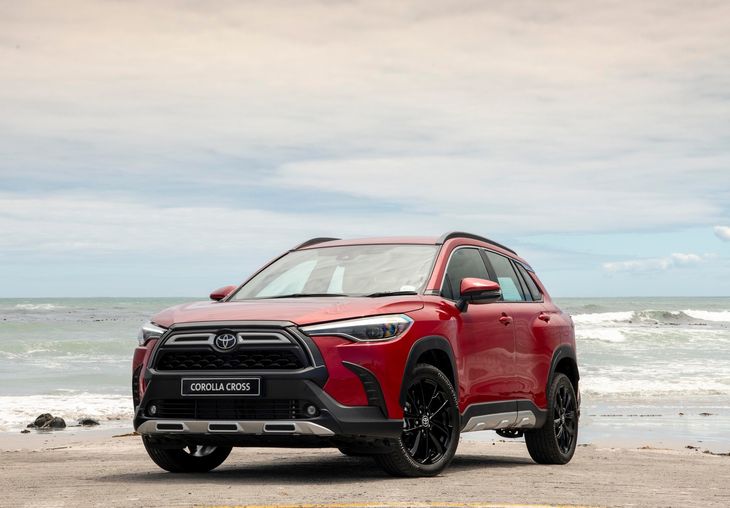
The Toyota Corolla Cross has finally been launched in South Africa and we got behind the ‘wheel of the locally-produced compact family car in the Western Cape. Given its keen pricing, practical configuration and admirable refinement, this newcomer looks set to make a big impact on the monthly new-vehicle sales stats

The introduction of the Corolla Cross is bound to be remembered as one of South Africa’s biggest vehicle launches of 2021. No fewer than 70 journalists attended the newcomer’s presentation event in the Western Cape and for good reason: not only is the Corolla Cross produced in KwaZulu-Natal (following a R2.6-billion investment in Toyota’s Prospecton plant), but it has landed slap bang in the middle of a tightly-contested segment. Whereas Toyota used to be rather underrepresented in the small crossover market (just the C-HR), the Japanese brand now offers the Urban Cruiser and Corolla Cross too!  

And the Corolla Cross will have its work cut out for it! Toyota claims there are 31 offerings in the B- and C-segment SUV market. At this price point, consumers have myriad of quality products to choose from, such as the Ford EcoSport, Hyundai Creta, Mazda CX-3, Kia Seltos, Renault Duster and the Volkswagen T-Cross, to name just a few. Let’s not forget that runaway success called the Haval Jolion either.
The Toyota Corolla Cross does have a couple of significant advantages. Its dimensions make the newcomer one of the biggest offerings in its segment; with a wheelbase of 2 640 mm and an overall length of 4 460 mm, the compact sedan/hatchback-based newcomer eclipses many of its rivals. Those proportions mean it’s spacious inside, with commendable rear legroom as well as a capacious load bay.

What’s on offer?

The new Corolla Cross range comprises 5 derivatives. There are no turbodiesel powerplants or manual gearboxes on offer, with Toyota following this segment’s trend of mating petrol motors with automatic transmissions. Customers have 7 exterior colours to choose from and the Xi entry-level derivative has cloth upholstery, whereas the XS has black leather and the XR either black- or Terra Rosa leather.

As for the engine line-up, the Toyota Corolla Cross is available with either a naturally-aspirated (non-turbo) 1.8-litre 4-cylinder engine with 103 kW and 172 Nm of torque or a 1.8-litre petrol-electric hybrid with total system outputs of 90 kW and 163 Nm. When it comes to consumption, the standard petrol derivative is said to consume 6.8 L/100 km, while its hybrid sibling is said to use only 4.3 L/100 km.

What is it like to drive?

We drove the top-spec 1.8 XR and the mid-spec 1.8 XS Hybrid on the quiet roads in and around the towns of Paarl and Malmesbury. The driver’s seat position is good – you are availed excellent outward visibility. The Corolla Cross’ interior feels quite roomy – even for tall occupants – and, when we conducted the “sit-behind-yourself test”, we were impressed by how much rear legroom was available.

The engines offer workmanlike, rather than punchy, performance. In this segment, quite a few models have small, turbocharged motors (including Toyota’s own C-HR, with its 1.2-litre turbo), but the Corolla Cross doesn’t. The outputs of the 1.8-litre naturally-aspirated motor and its hybrid equivalent seem sufficient, but they’re not going to deliver that satisfying low-rpm punch many have grown used to getting from, say, the Volkswagen T-Cross and Kia Sonet GT Line. Bear in mind, however, that turbo motors tend to deliver better in-gear performance at the expense of fuel efficiency; the Corolla Cross, by contrast, is all about efficiency.

To illustrate our point, the petrol unit that we drove indicated an average consumption figure of under 8 L/100 km, with the hybrid below 7 L/100 km – and we weren’t cruising. All Corolla Cross derivatives have continuously variable transmissions and while the “elastic” nature of a CVT won’t find favour with petrolheads, this type of automatic transmission purposely sacrifices driver engagement in the interest of optimal fuel economy. So, once you’ve adapted your driving style to the powertrain’s characteristics, you’ll reap the rewards of silky power delivery and a notably relaxed cruising experience.

In terms of its ride/handling balance, the Toyota Corolla Cross has stolen the march on many of its rivals, most of which are based on simpler light-hatchback underpinnings. The levels of comfort facilitated by the newcomer’s excellent TNGA-C platform will surely please customers. The C-HR, Corolla and RAV4 also have this platform to thank for their excellent cabin refinement and absorbent ride qualities…

Indeed, it’s a repeat performance for the Corolla Cross. The model’s basic torsion-beam rear suspension setup certainly does not make the on-road demeanour unsophisticated. It’s interesting to note that, in overseas markets, the model is available with all-wheel drive and a fancier multi-link setup at the back, which is probably even more refined. Ultimately, despite its cost-effective suspension, the Corolla Cross exhibits surefooted, but nonetheless composed, road manners. We did discern some road noise, but a thorough test (on a greater variety of road surfaces) will clarify whether this is an issue or not.

The Corolla Cross’ driving experience isn’t exactly sporty, but to be fair, that can be said of the vast majority of offerings in this segment. When you do corner a little faster than usual, the Toyota responds with mature predictability – a touch of body roll and not much in the way of feedback from the steering system. It’s not bad – it’s just insulated; if you want a touch more sportiness, well, look elsewhere.

Summary

With the new Corolla Cross, Toyota has successfully plugged the gap between its boutique crossover model – the C-HR – and the wildly popular (but increasingly expensive) RAV4 family car. If you consider that the compact family-car segment now accounts for a fair chunk of the new-vehicle sales in the Republic, Toyota South Africa Motors (TSAM) understandably wants a bigger share of it

We reckon that this car will achieve instant sales success. Its arrival comes courtesy of a massive investment by Toyota in its Durban plant, which has increased jobs both at the factory and in the immediate supply chain. Let’s hope the plant can keep up with public demand, because if the 800 pre-orders for the Corolla Cross are anything to go by, TSAM will be moving quite a few units in the coming months.

The Corolla Cross’ level of overall specification is excellent, with the flagship derivatives boasting the latest in semi-autonomous safety tech and all the modern connectivity that the younger generation desires/demands. While the model’s powerplants perform adequately, they’re not class-leading, but the rest of the package certainly ticks a multitude of those proverbial boxes, especially at the price. 

Buyers who’d like to buy into the RAV4 range, but can’t quite afford to, will find the Corolla Cross’ load bay capacity and rear legroom exceptional. What’s more, the newcomer feels very well put together with plenty of soft-touch plastics. The cabin has a rather generic layout (it’s unlikely to win any design awards), but that’s not the point – it’s ergonomically sound; everything is where you’d expect it to be.

Given the seemingly cruel and unusual punishment of never-ending petrol price increases in South Africa, we’d say that the pick of the range is the mid-spec 1.8 XS Hybrid, which offers most of the creature comforts you’d want, plus that clever powertrain (of a petrol-electric power unit mated with a continuously variable transmission) that should sip fuel if you adopt a suitably efficiency-minded driving style. 

How much does the Toyota Corolla Cross cost in South Africa?

The vehicle is sold with a 6 services/90 000 km service plan, a 3-year/100 000 km warranty, while the hybrid battery has an 8-year/195 000 km warranty.

Corolla Cross 1.8 Xi CVTR349 900
Corolla Cross 1.8 XS CVTR390 100
Corolla Cross 1.8 XS HybridR413 000
Corolla Cross 1.8 XR CVTR425 400
Corolla Cross 1.8 XR HybridR448 300

Related content:

Toyota Corolla Cross (2021) Pre-Launch Drive

Toyota Corolla Cross (2021) Specs & Price

Haval Jolion (2021) Review

Hyundai Creta (2021) Review

Kia Seltos (2020) Review

Ultimate Overland Hilux: The perfect glamping bakkie

How does one transform a standard Toyota Hilux double-cab into the ultimate overland Hilux?… and why would one want to? We had a chat with the managing director of Cape Town-based firm Alu-Cab, Warwick Leslie, to discuss the intimidating world of Overlanding, which, as it turns out, is not that intimidating…

If you think about it, Overlanding is just an extreme form of camping; it’s different to the activity of loading gear into a family car and then driving to a designated campsite, where you and your entourage will “semi-rough it” for a couple of days (while making use of various communal facilities), after which you have to pack up your detritus and return from whence you came. No, Overlanding is reserved for those who really want to rough it out in the wild; true Overlanding is, as the name suggests, “self-sustained vehicle travel over vast distances”, during which time its exponents live largely self-sufficiently. 

As for the ideal Overlanding vehicle, well, that’s a large, spacious 4×4 with good off-road ability and space for all manner of camping gear and accessories, isn’t it? But, of course, not everyone can afford a vehicle like that. Alternatively, one could attempt Overlanding with a very basic vehicle (many have), but it’s not a very practical, let alone enjoyable, pursuit. Besides, both of those kinds of vehicles need to be painstakingly unpacked and carefully re-packed to set up and break camp… and if you plan to do lots of exploring over a large area with plenty of stops in between, that can become very tiresome.

Warwick Leslie’s “Ultimate Overland” Hilux (shown here) demonstrates that, with considered modifications, a humble bakkie can be transformed into a vehicle that will not only get you to (and from) far-flung remote locations with relative ease, but allow you to enjoy the experience more when you get there – because it incorporates the living quarters entirely in its bespoke (and liberally accessorised) canopy.

Read our bakkie buyer’s guide here

Warrick says the Overlanding industry gradually rose in popularity from 2010 to 2016, but really took off after that owing to, inter alia, technological advancements in design, improved GPS mapping software and more players entering the customisation market. What’s more, in the Covid-19 era, an increasing number of people have sought less mainstream escapes to, as they say, get away from the madding crowd. Meanwhile, American consumers began to favour modified pick-ups as Overlanding vehicles and it became an international trend, from which South Africa has not been excluded.

How does one even get into Overlanding?

It’s easier to start than you might think. Start with your vehicle, a map and set yourself a challenge to spend extended time outdoors… it’s all about getting out of your comfort zone and finding enjoyment in getting truly close to nature; get involved with local clubs and get to know your vehicle to fast track the learning curve. That is the basic essence of Overlanding (without committing too much at the onset).

For many, however, like with virtually all specialist lifestyle pursuits, to get the best experience you need to invest in the right gear. Standard kit will only get so far – to find that top-tier experience, you need to spec up. But surely it takes a lot of courage to transform a perfectly utilitarian bakkie into a specialist vehicle? We set out to understand what it takes to turn a standard Hilux into an Overlanding Hilux…

Why the Toyota Hilux?

When it comes to a choice of vehicle to use for Overlanding, the Toyota Hilux double cab is one of the best (new) vehicles available from a sheer-capability-for-Rands-spent point of view. It’s reliable, comfortable, spares are readily available, it has a reasonable turning circle and loads of aftermarket accessories are available, which makes it the ideal choice – it’s the benchmark in the bakkie market.

Read: 4000 km in 4 days in the new Toyota Hilux

What modifications are required?

Not much is required to begin with, because the Hilux is an immensely capable package. It’s more a case of leveraging the vehicle’s abilities… You can, within reason, travel to certain remote locations with a 4×2 and decent ground clearance, but the ideal setup is 4×4 with low range and a diff-lock, as well as a mild shock-absorber upgrade and the fitment of all-terrain tyres. As the general standard tyre is more suited to sealed road surfaces, good multi-terrain tyres are a must. The standard suspension will not take the punishment on the longer bumpier roads so an upgrade is advisable (from a safety perspective). Other safety items include a tyre-repair kit and an air compressor; you’re going to get your hands dirty! Next, one can look at a canopy that incorporates an awning, as well as a ground tent.

Other basic items to consider fitting include a front skid plate, a long-range (larger fuel) tank, a battery system (to provide some alternating current to power basic appliances) and a fridge. Sure, all that extra gear certainly helps, but as Warwick comments: “My best adventure was in a 2-wheel-drive Kombi, with a ground tent, a cooler box and 2 chairs for four of us over 4 weeks, but the gear certainly makes your life vastly easier… If you’re in Botswana, doing your game drive, you don’t want to battle to ‘close things up’. You want to get to the next camp, pop up your tent, unpack and enjoy the sunset.”

In truth, the customer-specific nature of Overlanding means that “must-have equipment” is a matter of perspective, because everyone’s needs are different… What you want and what you need could be two different setups based on the type of journeys that you plan to undertake and, as I learnt by observing Warwick’s Hilux, it’s the result of many trips and lessons learnt about what is efficient – and what simply isn’t. You’ll learn as you go along, but be warned: customising can be a very addictive activity. Therefore, set yourself a budget and stick to it. Start small and gradually build your way up from there.

What modifications have been done to the Ultimate Overland Hilux?

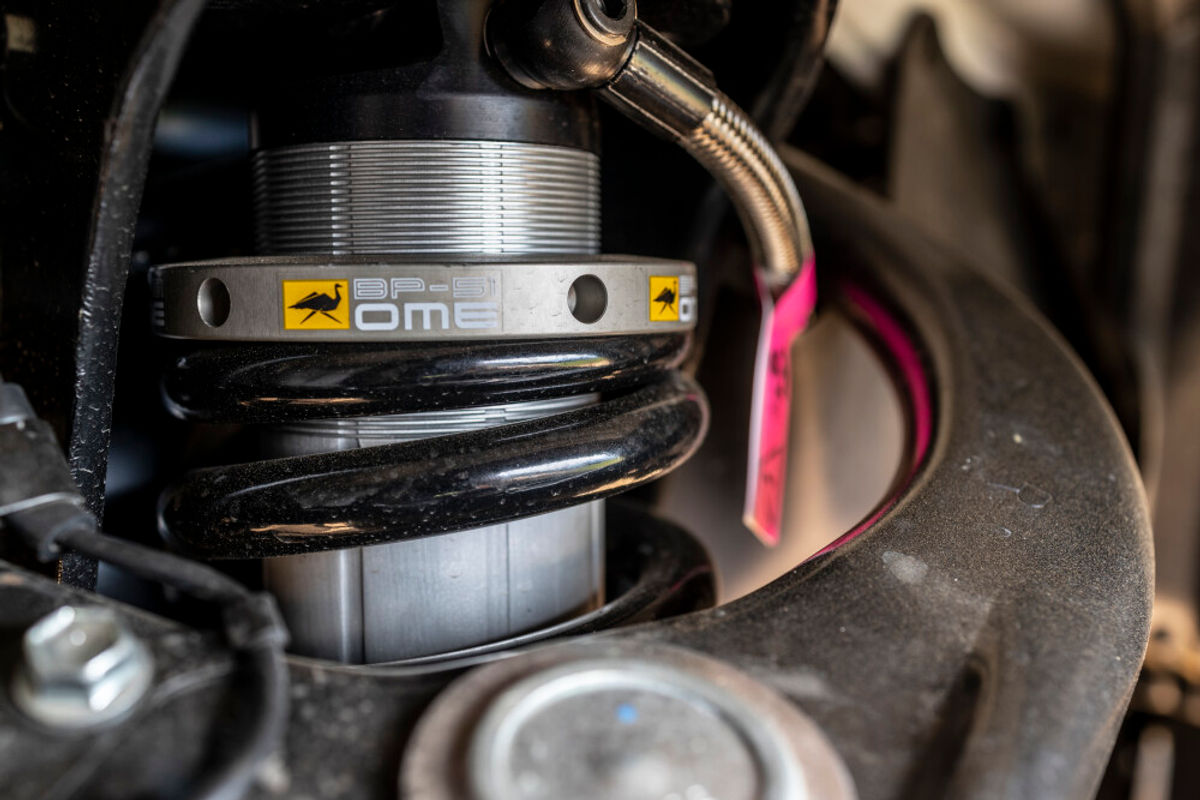
Despite dwarfing a standard Hilux, you’ll be surprised to learn that not much has been done to Warrick’s “Ultimate Overland” Hilux. Modifications include aftermarket wheels, shod with Maxxis all-terrain tyres, Gobi-X front and rear bumpers that serve as mounts from which to jack up the vehicle, skid pans, an Old Man Emu fully adjustable suspension, a torque-converter lockup kit and Power Sport 6-pot calliper brakes. Other functional items include seat covers, rubber mats, additional storage compartments, extra power points, a killer audio system upgrade, tyre-pressure monitors (which may save a tyre or two… and your life), a battery system with a solar panel and a lithium battery, 2 fridges, a water tank, lighting, as well as a 150-litre fuel tank, which is said to extend the bakkie’s range to about 1 000 km.

But the real adventurous element is the Alu-Cab Canopy Camper setup, which incorporates a rooftop tent and a 270-degree shadow awning and houses various creature comforts such as foldaway table and chairs, a solar panel and charging system, plus an imported gas furnace to beat off winter’s harshness. If you’re familiar with Karoo winters, the latter is exceedingly likely to put a smile on your face.

What about maintenance and the vehicle’s warranty?

It’s imperative that your vehicle undergoes its standard scheduled servicing as prescribed by the manufacturer and, if you’re doing a lot of dirt driving, it is advisable to change the engine’s air filter in between services. Strict maintenance of the front upper control arms will help you to avoid poor wheel alignment and -tyre wear. What’s more, strongly consider rotating the tyres every 5 000 km.

To ensure that your vehicle’s warranty will be honoured, the rule of thumb is that if an Overlanding modification you’ve implemented affects a vehicle’s system that would usually be covered under warranty (in case of malfunction or failure), it won’t be covered. Each warranty claim is, however, treated on a case-by-case basis. Old Man Emu shocks, for example, happen to be Toyota-approved. The most important step is to have a conversation with your dealer about the nature of the modifications that you intend to make to your vehicle before you commission a firm to carry them out on your behalf.

I’ve got my gear sorted… so, what’s next?

Sub-Saharan Africa offers some of the best options for the Overlanding adventurer, but plan your voyage carefully. Get involved with community pages on social media. If you’ve gotten that far, then you’re likely going to be engaging with kindred travellers who will be more than willing to help. You may even spark up new friendships that last a lifetime, ones that make you wonder why didn’t start this earlier.

Remember, there are real-life challenges, like inadvertently trespassing on property or getting to a border only to realise that it’s been closed thanks to Covid. Some areas require permits to access and, for crossing privately-owned land, make contact well before you set off. Engage on a human level and, who knows, you may gain access to locations that few people, apart from the proprietors, have seen.

When you plan your route, mark off points of bucket-list interests such as camping under the Milky Way on the Makgadikgadi Salt Pans in Botswana or nestling down at the bottom of the Baviaanskloof Mountain Reserve. Be conscious of the season during which you’ll be travelling; may overflowing rivers block your route? Just getting involved in the research will spark the interest further, believe me. 

What happens if I get stuck out there?

The chances are that you will, eventually, get stuck in sand or mud somewhere along your route, but it’s all about the adventure… if everything was always going to go smoothly, what would be the fun in that? Sure, humour me, but there are limits to this – you have to have your wits about you. Something that is often overlooked is undergoing a basic 4×4 course that, inter alia, deals with vehicle-recovery procedures. That (knowing that you can venture out further on your own), will bolster your confidence and evoke the freedom to explore more. However, it’s always best to travel in groups of vehicles.

Overlanding… the marriage of lifestyle choices

The chances are that if you’ve read the article this far, you’re likely to be keen on doing more than one outdoor activity. Perhaps you have a predilection for a little bird-watching (ahem, of the winged variety), mountain biking, kayaking, hiking, fishing or just sitting under your shaded awning while you view a herd of elephants converge at the riverside to enjoy a drink of water. I think of Overlanding as the ability to create a mission outpost beyond your conceived borders. It serves as a natural extension of the outdoor activities you’re passionate about; getting to those special places not many get to enjoy.

As Warwick enjoys fishing, it was refreshing to see various flies positioned in a custom holder attached to his bakkie’s sun visor. A painful reminder that each commute to work is a fishing trip you aren’t on.

Get out there and adventure…

While you don’t need to have a vehicle that is as extensively equipped as Warwick’s “Ultimate Overland” Hilux, it certainly helps to know that, at any time, you can pick up and go on a trip to just about anywhere (with relatively little preparation) – that is indeed a true intrinsic attraction of Overlanding. Whether the next adventure is the game-viewing trip in the Lowveld or sojourns to the surrounds of the Cederberg or the Tankwa Nature reserve or other desolate areas, including the Northern Cape close to the Orange River, it’s good to know that you can keep it simple when starting and then, who knows where to from there (as you progress on the equipment front)? Perhaps the next discovery of a once-believed-to-be-extinct tribe in Central Africa? “What are you waiting for”? Adventure awaits…

If you want more information about vehicle builds such as Warwick’s “Ultimate Overland” Hilux, visit the firm’s website at www.alu-cab.com, follow their Alu-Cab Instagram page to find more inspiration and even reach out to the chosen fitment centre on 4×4 Mega World. Other helpful resources include the app and website called Tracks4Africa, which is a community-driven map source.

New VW ID.5 Shows Coupe Style

Volkswagen has revealed its electric ID.5 boasting sleek coupe-like styling. Check it out!
So, just this week Volkswagen SA announced that it would unleash a fleet of ID.4 compact SUVs on the streets of South Africa in 2022 and now the German carmaker has announced the latest addition to its growing Electric Vehicle (EV) family. Meet the ID.5! 

The new VW ID.5, in simple terms, is the stylised SUV-coupe version of the existing ID.4 compact SUV, which is currently VW’s best-selling EV. Like the ID.4, the ID.5 is built on Volkswagen’s MEB platform. The ID.5, however, is differentiated by a sloping roofline that transitions into a rear spoiler, giving the model a sportier look, but it’s not quite extreme enough to hamper practicality. In fact, the ID.5 still offers a not-too-shabby 549 litres of loading space, which is decent. 

VW ID.5 interior
The ID.5 shares its cabin design with its ID.4 sibling. 

On the inside, the interior design mimics that of the ID.4 with a clean, modern design approach. As you would expect, the ID.5 is equipped with modern conveniences such as a mounted digital instrument cluster, comprehensive infotainment system with over-the-air updates, augmented reality heads-up display and useful driver-assist features such as adaptive cruise control and lane-keeping assist, to name a few.  

Is the VW ID.5 fast? 

VW ID.5
The ID.5 will be offered in 3 flavours with the ID.5 GTX topping the range. 

The ID.5 is expected to go on sale in Europe in early 2022 and will be offered with 3 trim levels and 3 power options, all featuring a 77 kWh battery pack. 

The ID.5 range starts with the ID.5 Pro which is powered by rear-mounted electric motors with a power output of 128 kW/310 Nm and a zero to 100 kph sprint time of 10.4 seconds. 

Next up is the ID.5 Performance which also features rear-mounted electric motors but offers 150 kW / 310 Nm with a zero to 100 kph sprint time of 8.4 seconds. 

The range-topping ID.5 GTX, however, features a dual-motor, all-wheel-drive setup (like the ID.4) and boasts a power output of 220 kW (80 kW /162 Nm on the front axle and 150 kW/310 Nm on the rear axle) and is capable of a zero to 100 kph sprint of 6.3 seconds. 

The ID.5 Pro and ID.5 Performance claim a range of 520 km (WLTP) while the ID.5 GTX claims 480 km. Charging at a 135 kW fast-charging station will replenish 320km to 390 km in about 30 minutes. 

Do you like the look of the new ID.5? 

Buy a Volkswagen on Cars.co.za

Related Content 

Is it time for South Africa to Switch to EVs? 

Fast Volkswagen ID.3 GTX Hot Hatch for Production

Volkswagen Golf 8 GTI: A Real-World Review

VW Golf 8 GTI vs Toyota GR Yaris – Quarter Mile Race