You helped us donate over R250k to Gift of the Givers in aid of the KZN Floods
We’d like to thank you for being part of the Cars.co.za community. Just by supporting our Youtube channel, you have helped us donate R255 000 to Gift of the Givers in aid of KwaZulu-Natal flood disaster relief.
Our Youtube channel receives millions of views every year, and Cars.co.za is paid by Youtube every month for the adverts that are watched on our channel. Cars.co.za’s Head of Video, Ciro de Siena, travelled to Durban to visit the Provincial Command Centre for the search-and-rescue disaster response (located at Virginia Airport). Once there, he was honoured to meet Dr Imtiaz Sooliman – the founder of the Gift of the Givers Foundation – announce the donation and gain insight to the massive effort underway.
With tens of thousands of KwaZulu-Natal inhabitants still reeling from the widespread destruction and tragic loss of life caused by the devastating floods and mudslides that affected the province this month, Government and NGOs are working around the clock to find those who are missing, repair crucial infrastructure and provide humanitarian aid. One of the NGOs at the forefront of the relief effort is the Gift of the Givers Foundation, which does incredible work throughout our nation. Cars.co.za – South Africa’s leading motoring portal – appreciates the critical role of the Foundation and, in light of the recent tragedy in KwaZulu-Natal – is proud to support Gift of the Givers again.
Last year, Cars.co.za supported the Foundation with a donation that assisted in the distribution of blankets, care packages and soup kitchen supplies to the hard-hit Western Cape towns of Touws River and Riversonderend, and now the company has announced it will be donating R255 000 to Gift of the Givers to assist in KZN flood-relief efforts. As was the case last year, Cars.co.za will be donating all its YouTube revenue from the 2021/22 financial year to the Gift of the Givers Foundation, which means that the popular channel’s viewers have directly contributed to making the donation possible.
“Before COVID-19 arrived on our shores, we had advertising switched off on our YouTube channel to give our viewers the best possible entertainment experience,” explains Hannes Oosthuizen, Consumer Experience Manager of Cars.co.za. “However, when it became clear that the revenue generated by the channel could be used for good, we switched it on, and since then all our Youtube revenue has been donated to the Gift of the Givers Foundation, this year to the amount of R255 000. We thank our viewers for their support, as it is their views that have translated into this donation,” he concludes.
If you would like to donate directly to the Gift of the Givers, here are their details:
Account Name: Gift of the Givers Bank: Standard Bank Branch: Pietermaritzburg Account number: 052137228 Branch Code 057525
Experiencing the Incredible Beauty of Lesotho in the Suzuki Jimny
What’s better than driving the uber-cool Suzuki Jimny? Joining some other Jimnys and driving through the breathtaking scenery of Lesotho!
Suzuki South Africa invited us to travel through Lesotho in the Suzuki Jimny. This 4 day adventure took us through some breathtaking Lesotho landscape. We traversed up Sani Pass and visited the Maletsunyane Falls in the Semonkong region.
It was a great experience and these little adventure ready vehicles took us up the steep passes and through the rocky river crossings with ease. Lesotho is a very underrated travel location and we would highly recommend a visit to the beautiful Lesotho.
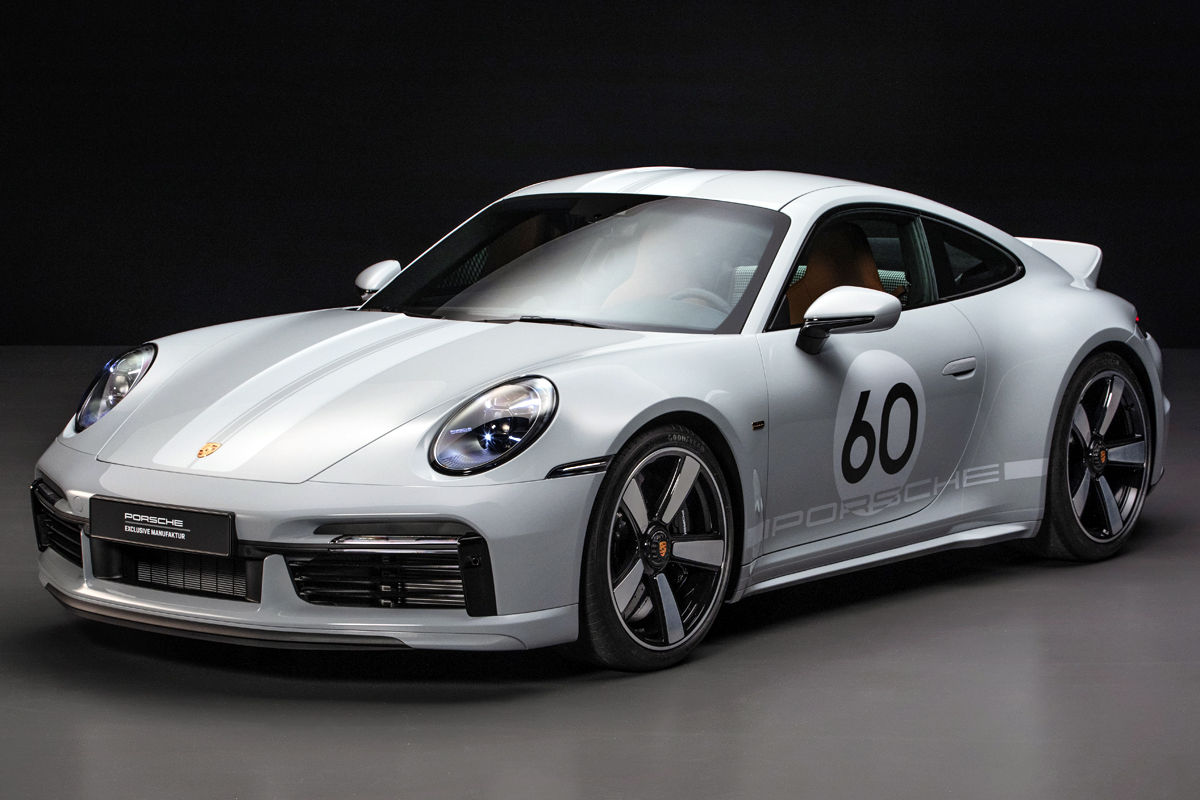
Ducktail Returns! 405 kW Porsche 911 Sport Classic Revealed
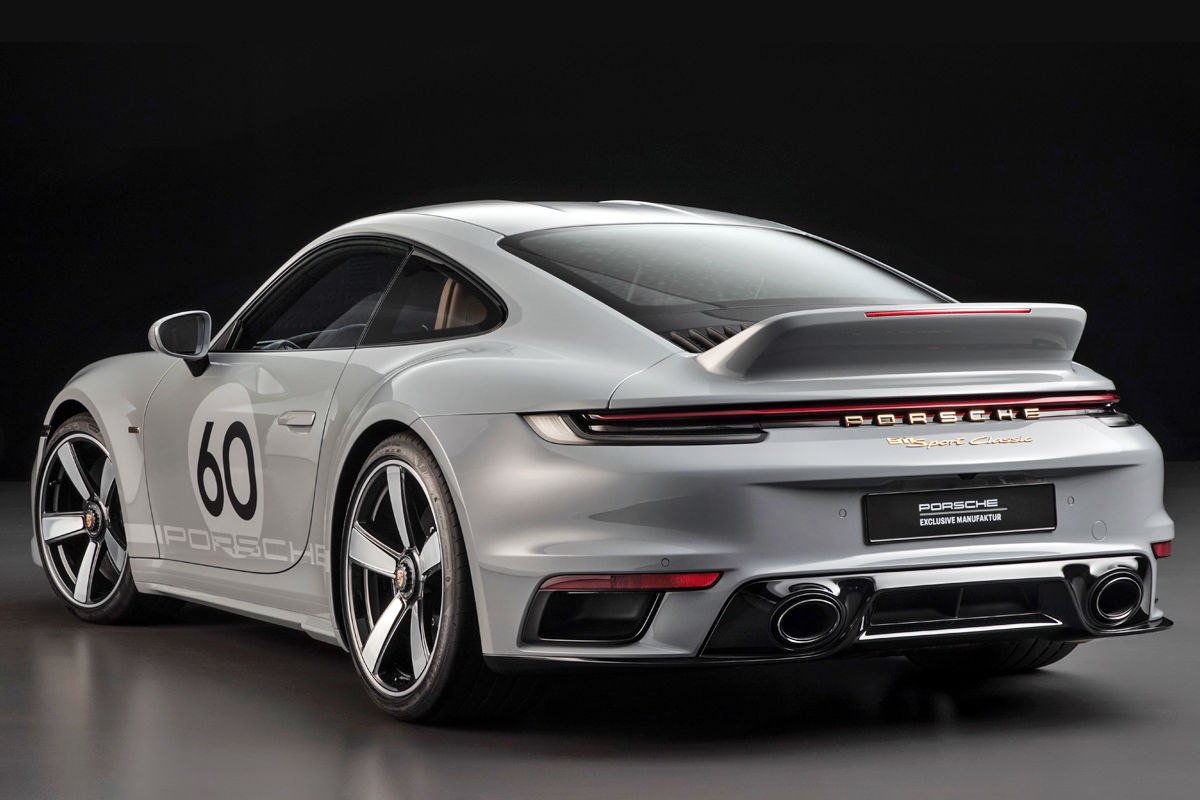
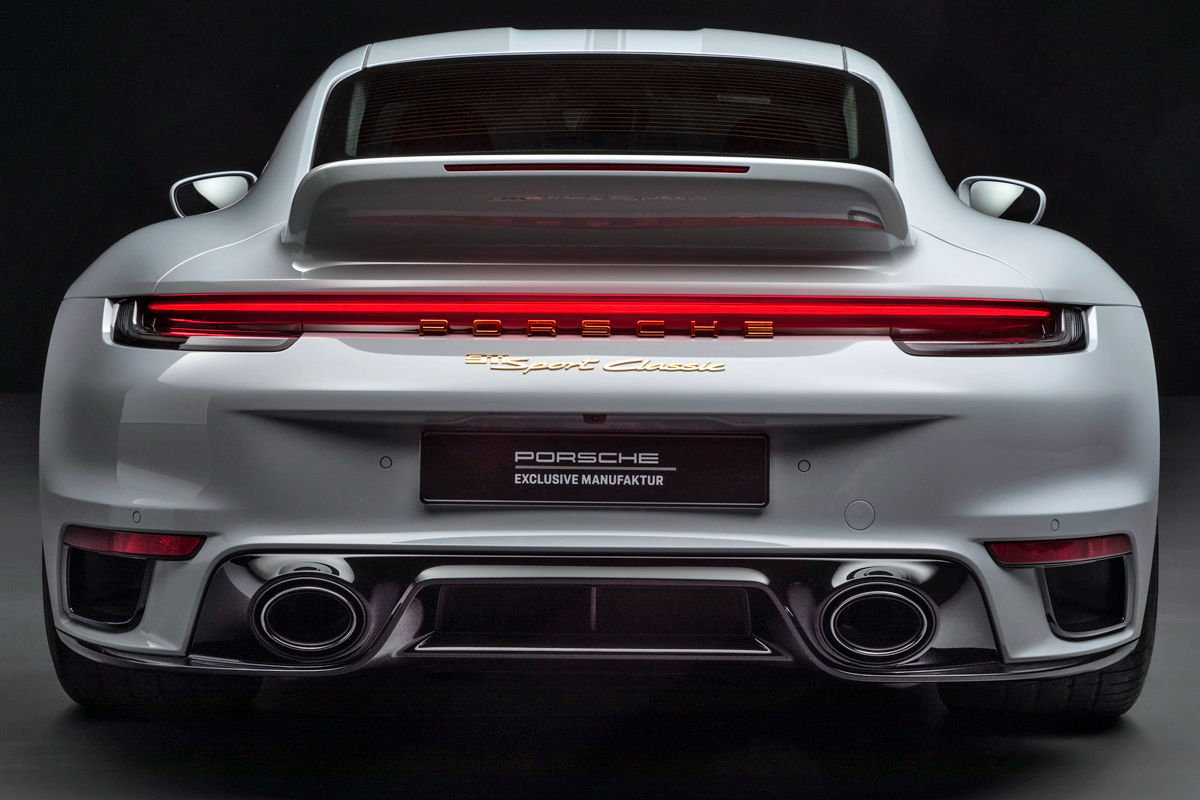
The new Porsche 911 Sport Classic arrives as a retro-styled model featuring 405 kW (directed to the rear axle), a 7-speed manual gearbox and that famous ducktail spoiler…
Porsche has whipped the covers off its new 911 Sport Classic, a limited-edition 992-generation model paying homage to the 1972 911 Carrera RS 2.7.
Arriving as the second member of the Zuffenhausen-based firm’s Heritage Design range after the 911 Targa 4S Heritage Design Edition revealed in 2020, the new 911 Sport Classic benefits from far more than a mere sticker pack or two.
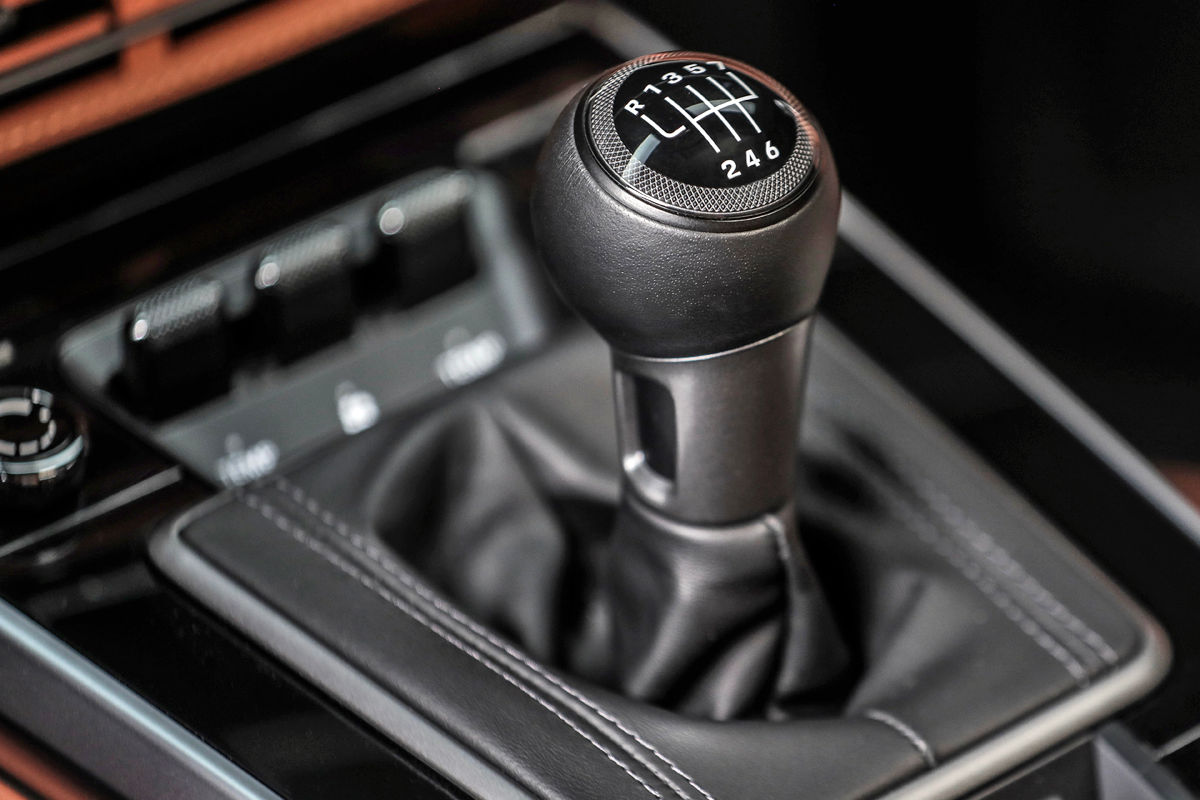
In fact, thanks to its 405 kW version of the 911 Turbo’s twin-turbo 3.7-litre flat-six engine, it’s the most powerful manual-equipped 911 available today. And unlike the aforementioned 911 Turbo, the Sport Classic model ships standard with a 7-speed manual cog-swapper (complete with an auto-blip function) and rear-wheel drive.
The suspension arrangement, meanwhile, borrows elements from both the 911 Turbo and the 911 GTS, and includes the Porsche Active Suspension Management (PASM) and sports set-up (resulting in a 10 mm drop in ride height) as standard. In addition, the German automaker says this variant’s sports exhaust system has been “specially tailored” for an even more emotive aural experience.
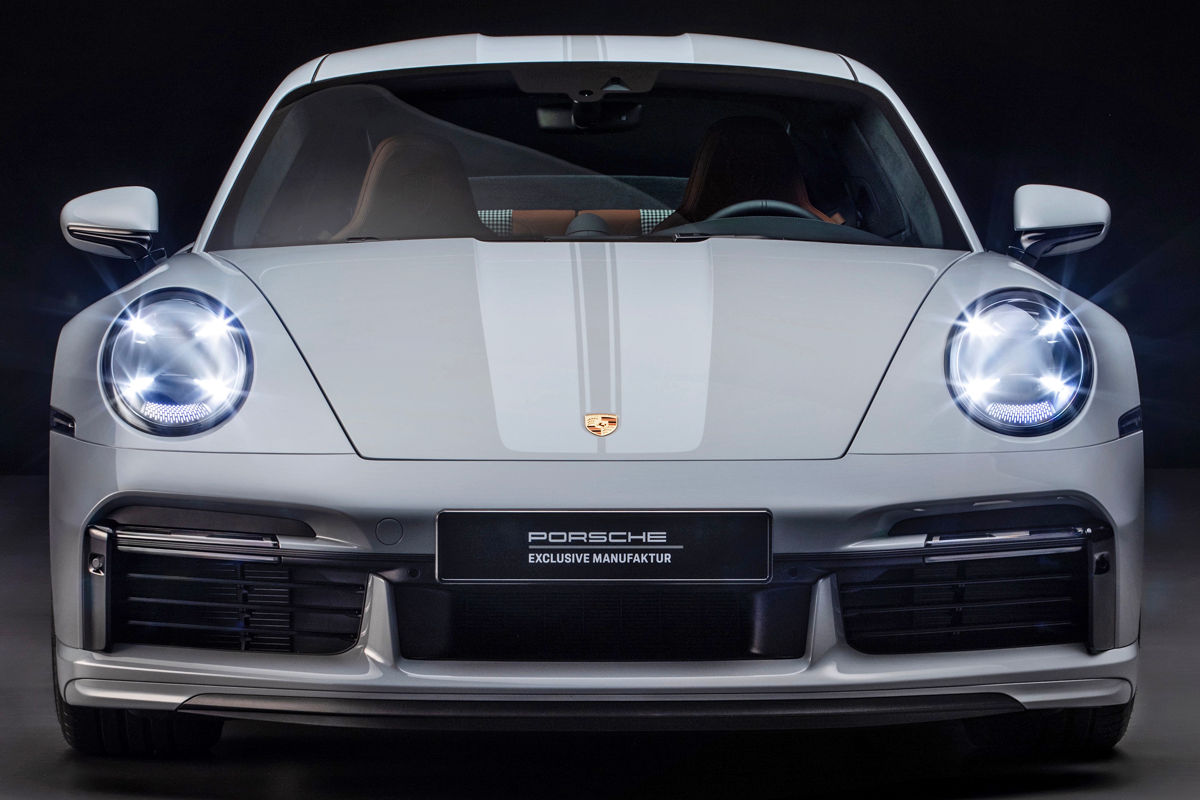
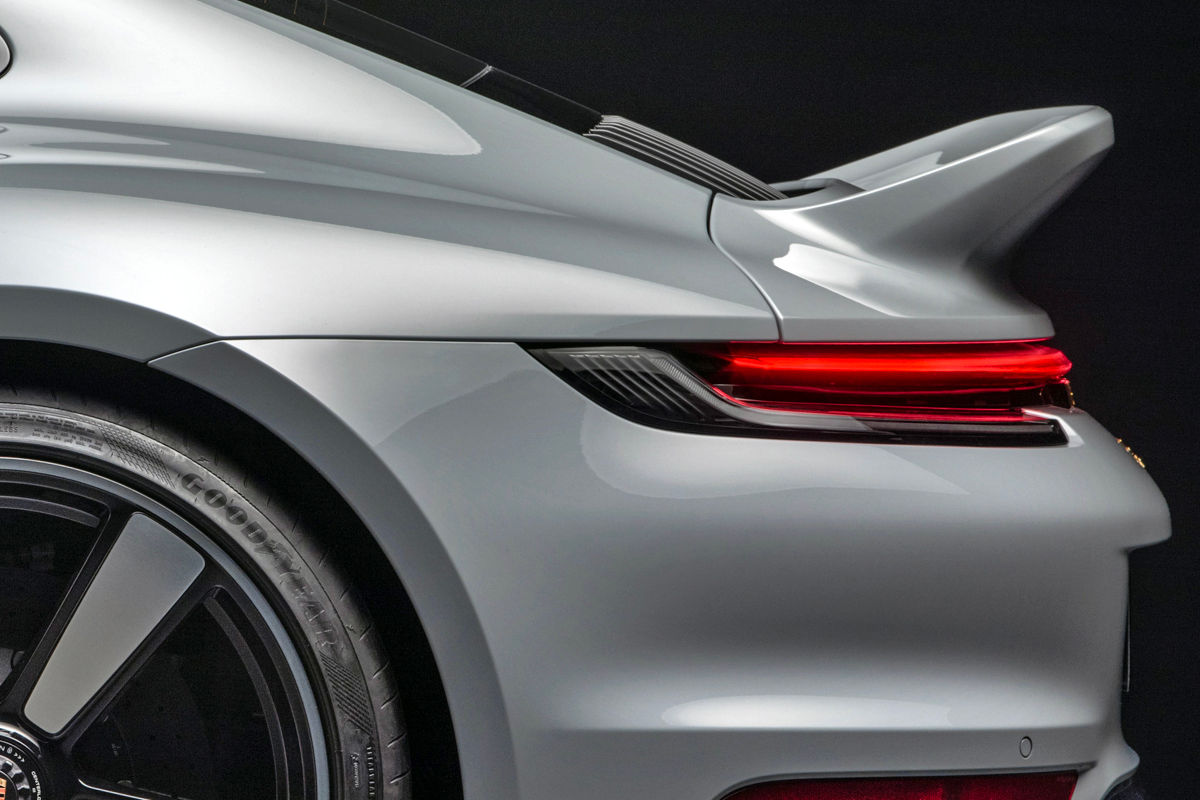
The 911 Sport Classic – the second time Porsche has used this name after the 997-based version launched in 2009 – is easily identifiable thanks to its wide body, double-bubble roof and fixed rear spoiler in the style of the ducktail Carrera RS 2.7. The launch vehicle is shown in Sport Grey Metallic paintwork, which Porsche says was inspired by the Fashion Grey hue applied to the original Porsche 356.
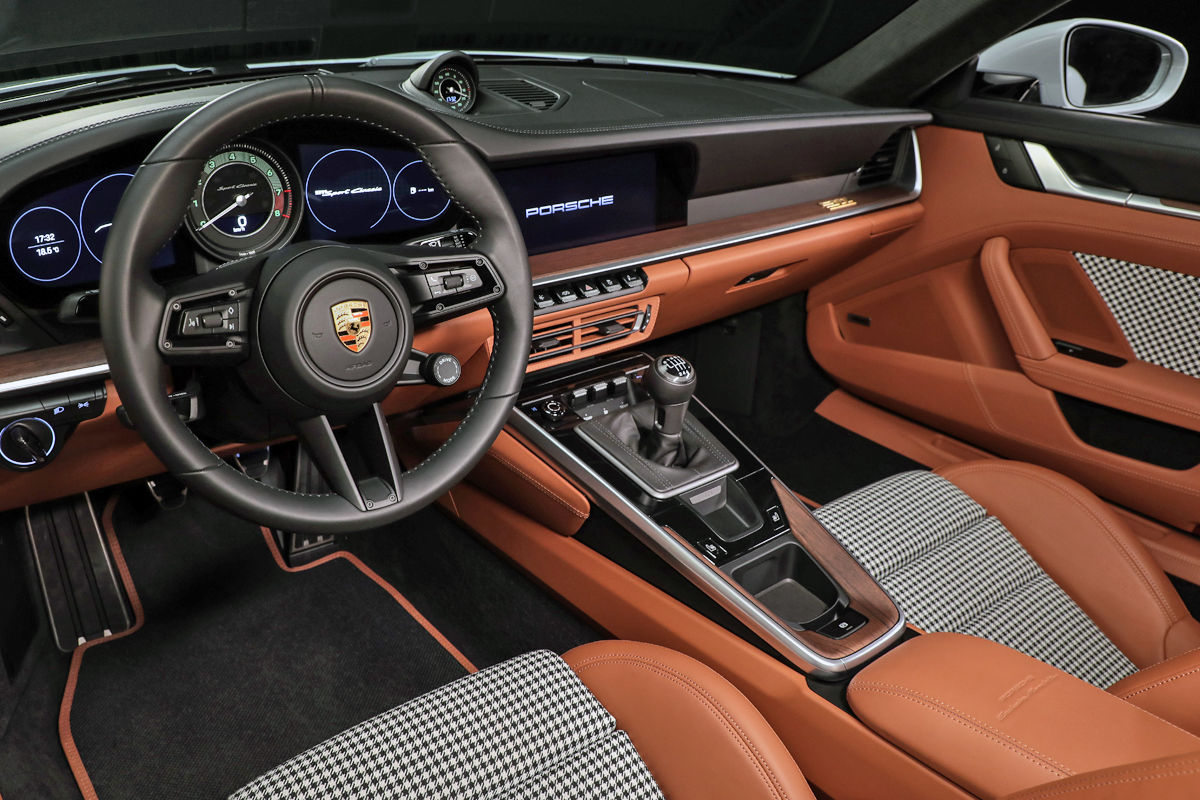
Still, if grey’s not your colour, the new 911 Sport Classic will also be available in Black, Agate Grey Metallic and Gentian Blue Metallic (while there’s always the option of providing a colour sample for Porsche to match). Twin stripes, meanwhile, are painted on the bonnet, roof and rear spoiler. Inside, you’ll find a Pepita pattern on the door panels and seat centres, along with plenty of two-tone (Black and Classic Cognac) semi-aniline leather upholstery.
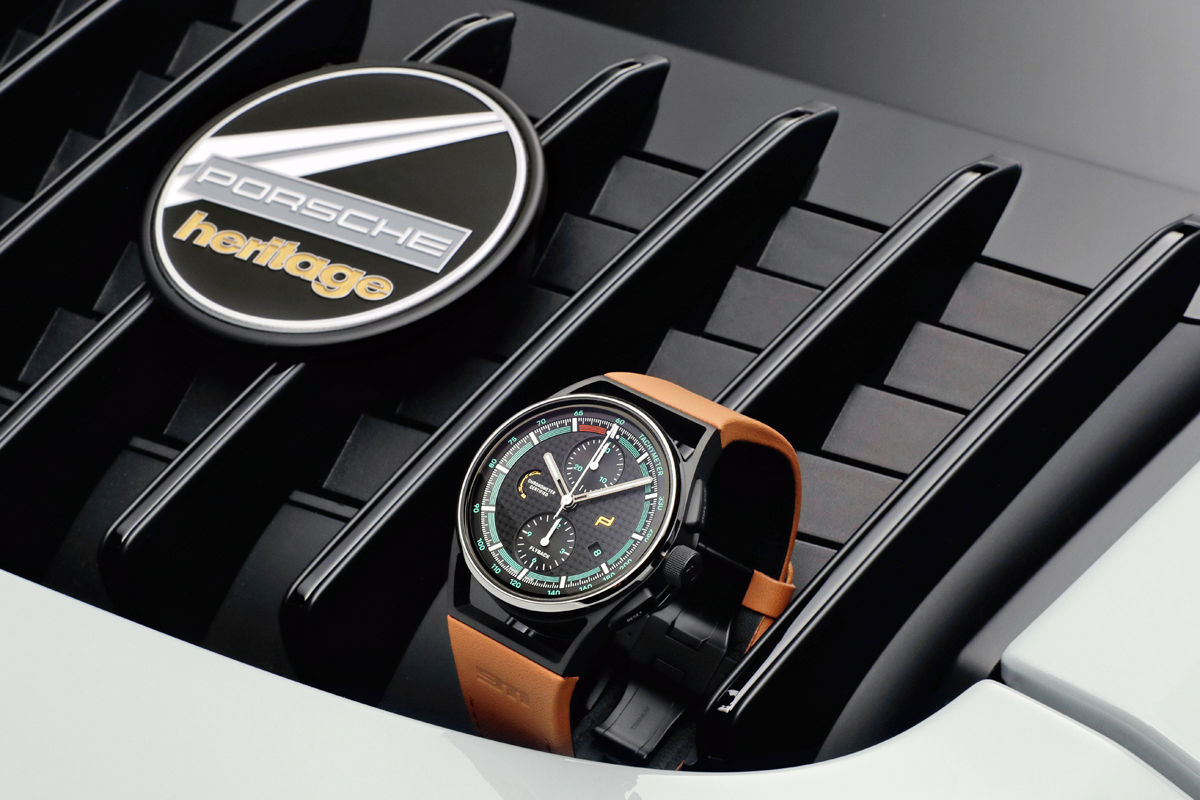
Porsche plans to build just 1 250 examples of this limited-edition model, each one available with an exclusive chronograph that picks up on the 911 Sport Classic’s various design details.
Toyota Supra Manual Goes Official
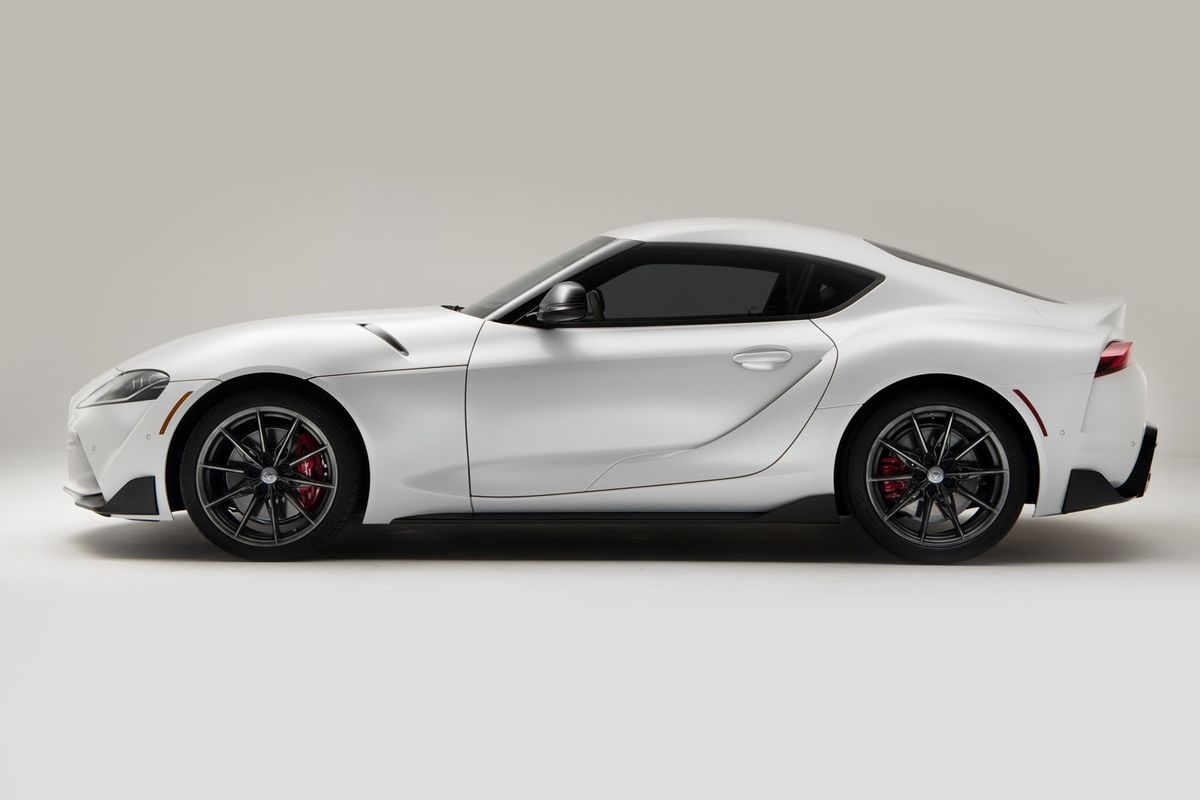
The Toyota Supra manual derivative has been officially announced, along with some updates for the 2023 model year.
The return of the iconic Supra nameplate has been quite the story for Toyota. From its co-development story with the BMW Z4, its performance, to its dashing good looks, its fair to say that the latest generation Supra is one complete package. However, enthusiasts were a bit disappointed to hear that it would be offered in automatic form only.
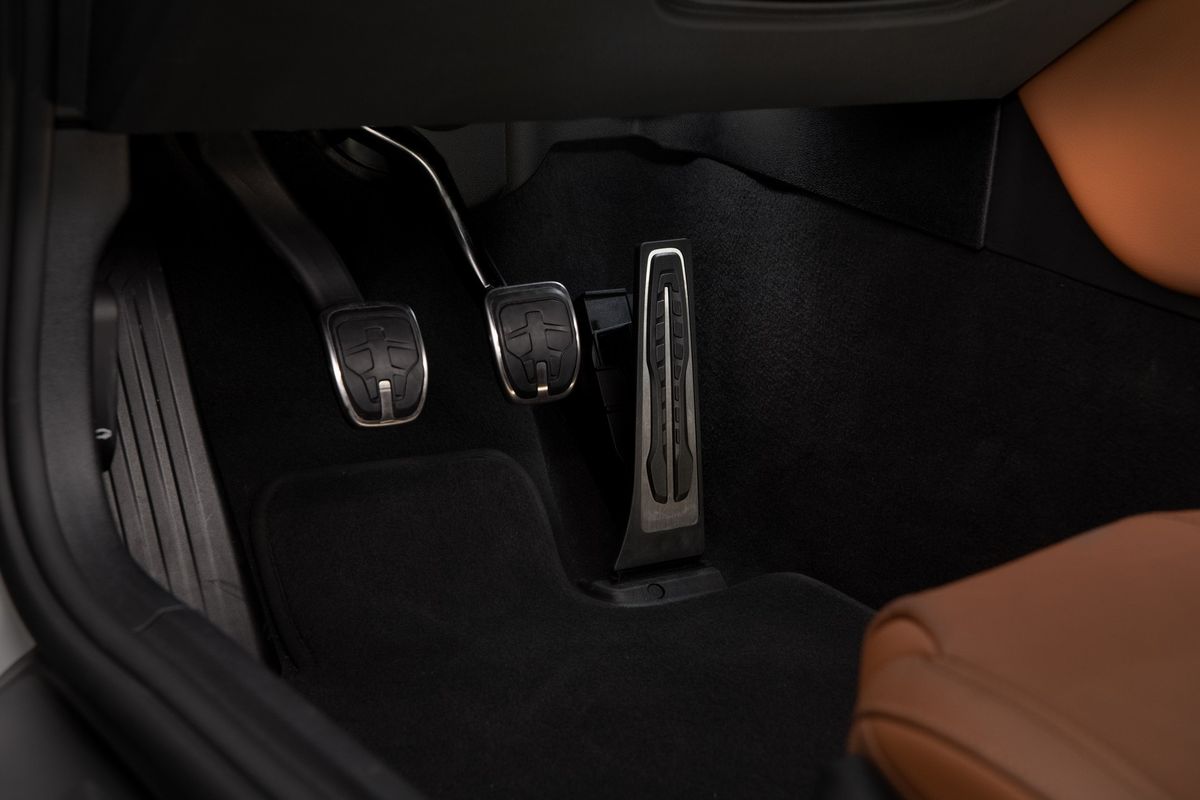
Granted, the 8-speed ZF is a terrific gearbox, perfectly mimicking the responsiveness of a dual-clutch transmission, but enthusiasts really wanted is a three-pedal stick setup. So, for the 2023 model year, the Toyota Supra manual has joined the range. We suspect the reveal for the flagship GRMN Supra may take place this year, promising supercar levels of pace.
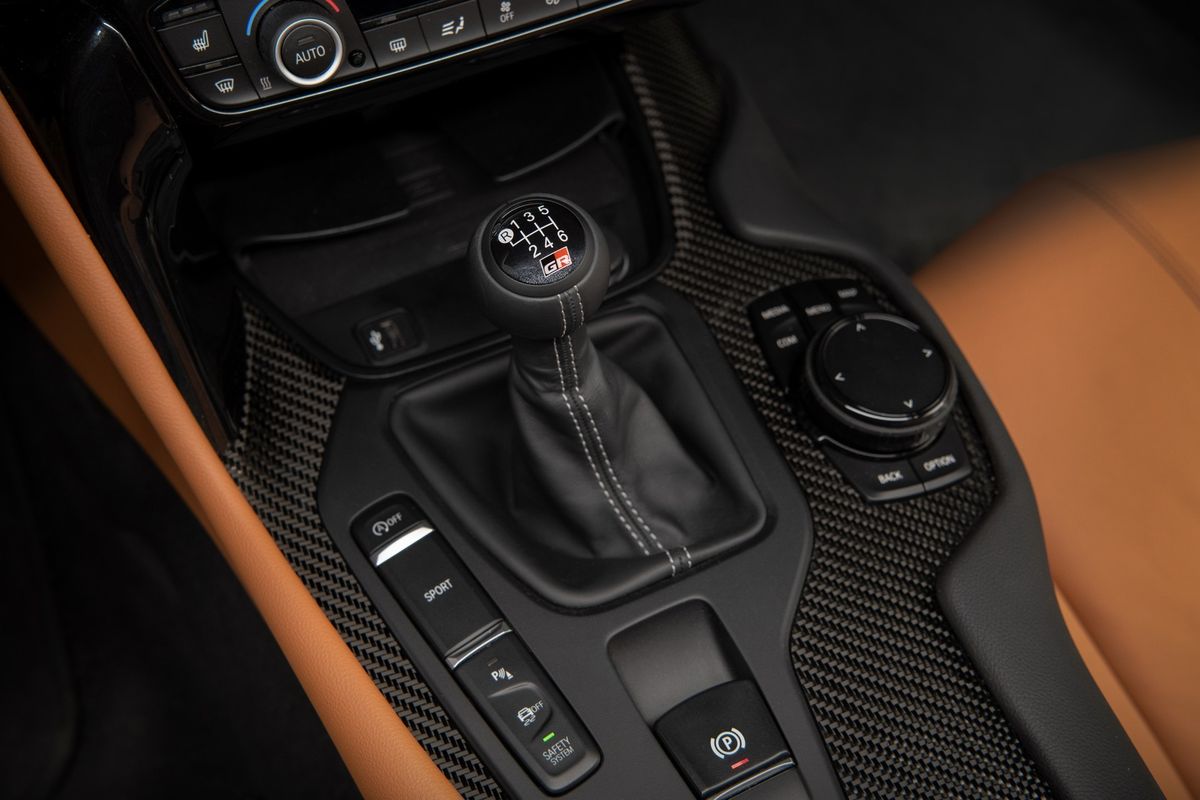
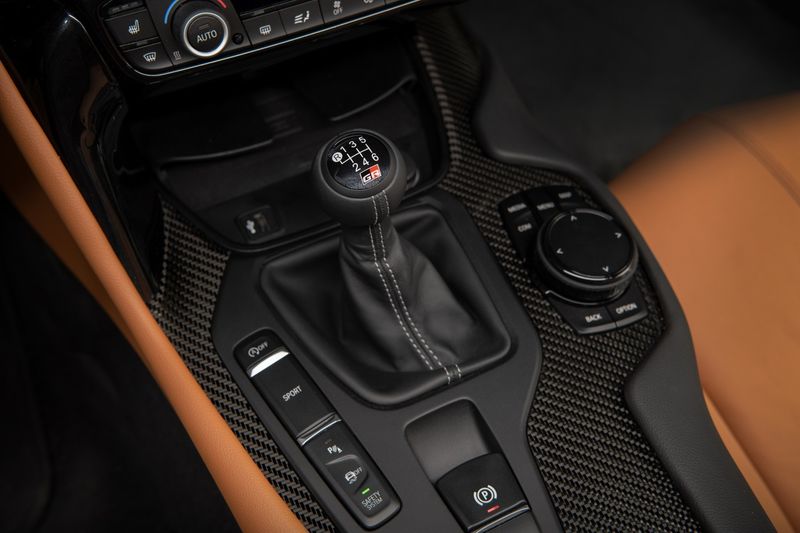
Paired to the BMW-sourced B58 3.0-litre 6-cylinder with 285 kW and 497 Nm is a new six-speed manual gearbox that Toyota claims has been specifically engineered for the Supra. Toyota says its “engineering team modified an existing transmission housing, driveshaft and gear set and removed elements that were not required, such as the acoustic package, which reduced weight.” A large diameter clutch with a reinforced diaphragm spring has also been fitted.
This is not just a case of bolting in a clutch and gearbox, as the Toyota Supra manual now has a shortened final drive ratio for improved in-gear acceleration feel, recalibrated stability control, enhanced Track mode for easier drifting and gearbox rev-matching software.
The Toyota Supra Manual also benefits from a raft of updates applied to the range. These include traction/stability control updates, retuned suspension, revised shock absorbers for better balance and comfort, an active rear differential, as well as a revised power steering setup.
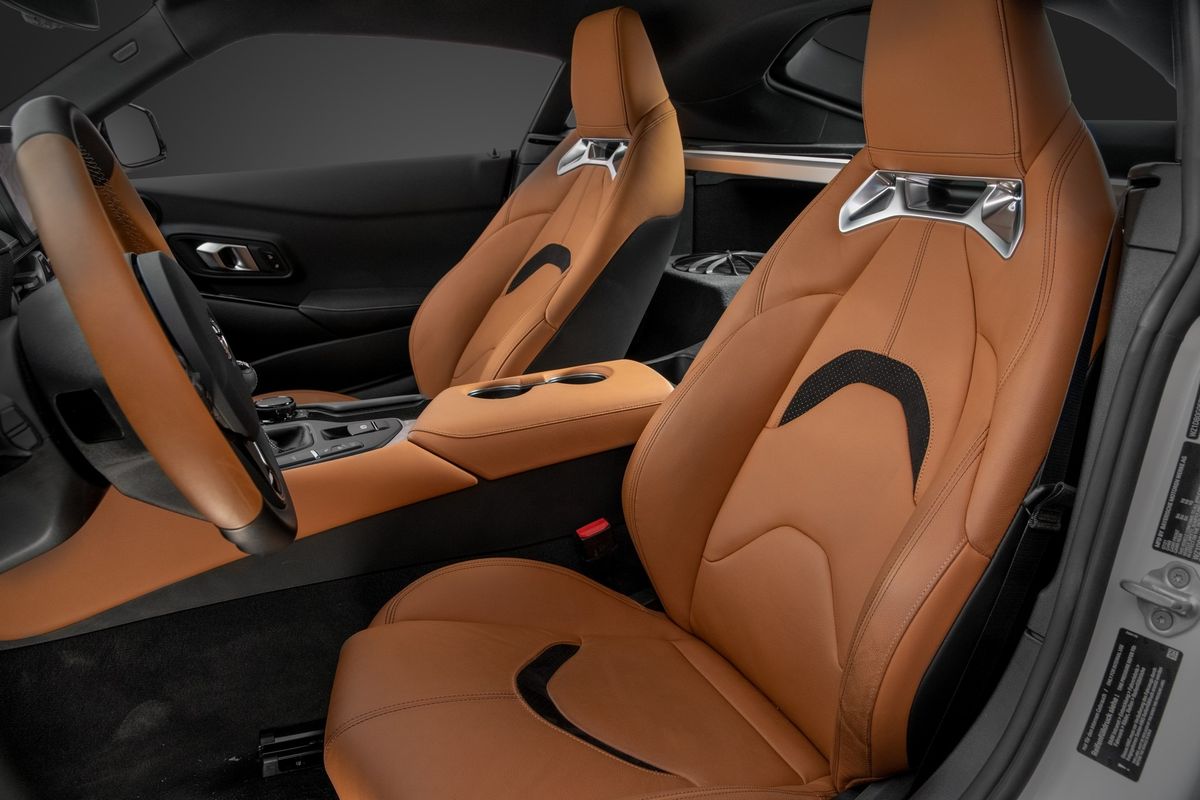
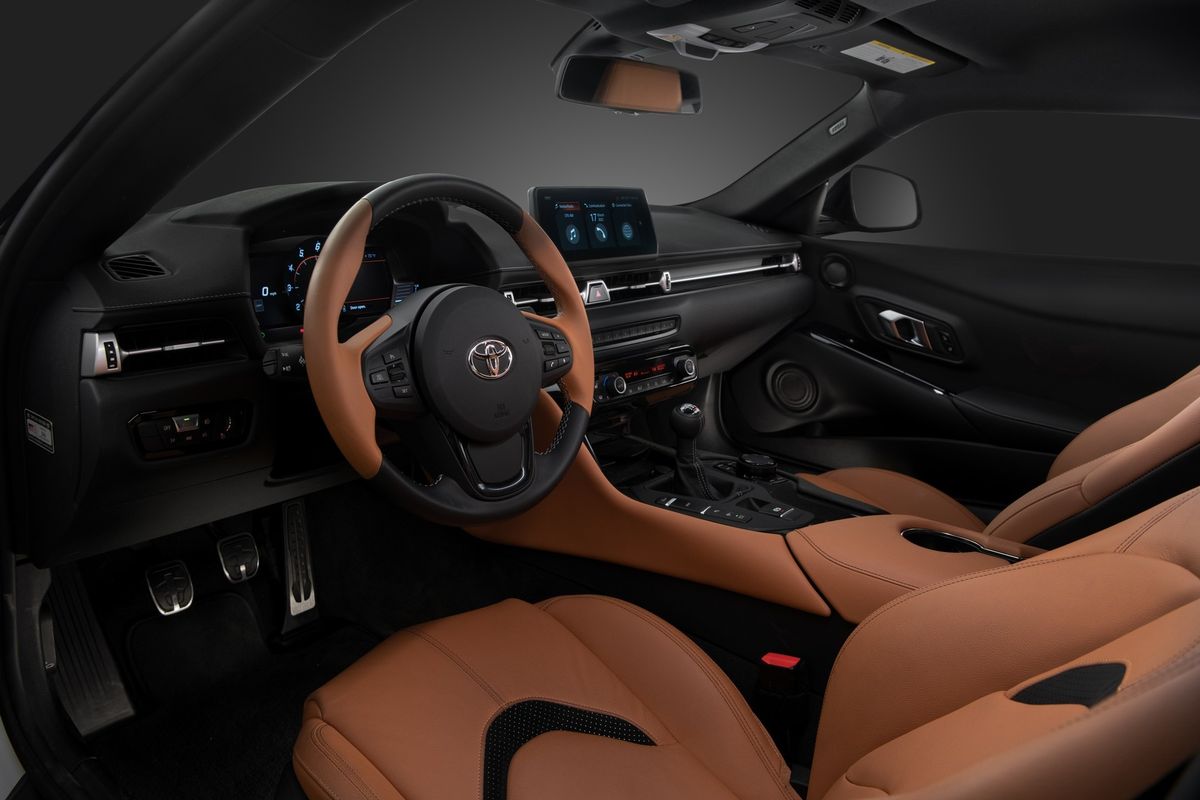
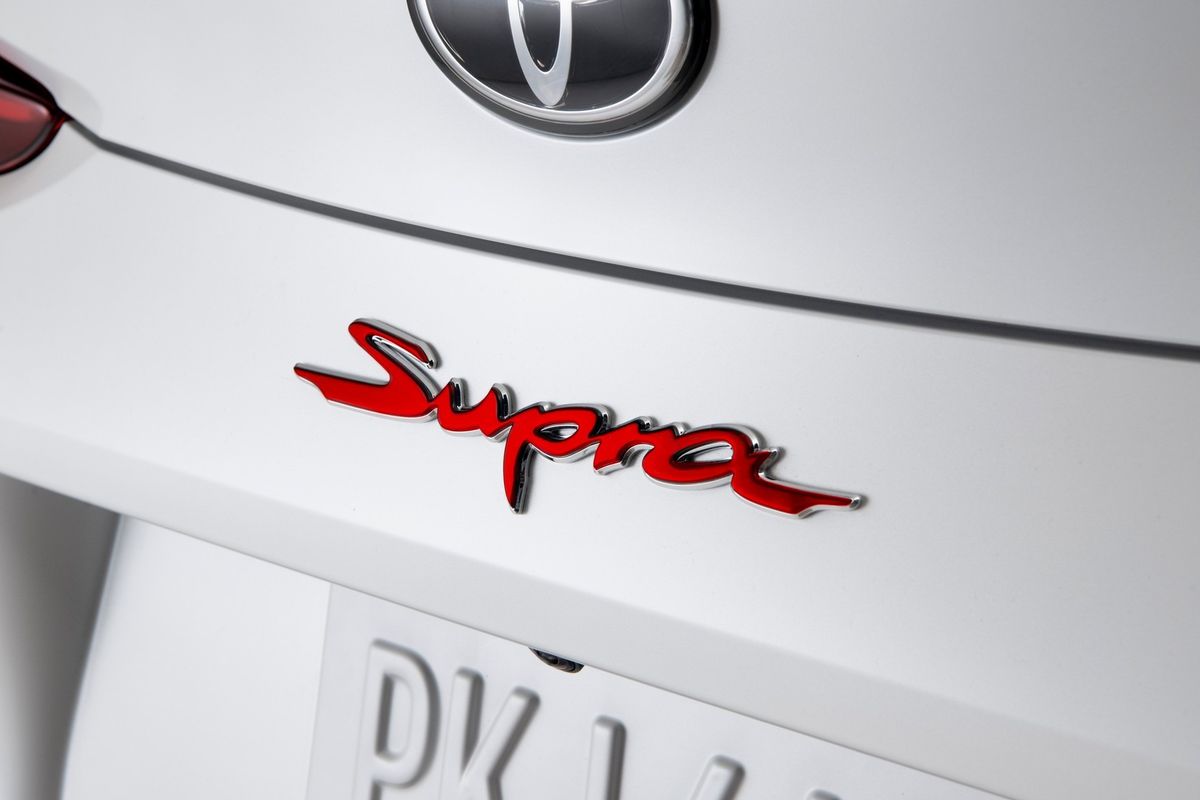
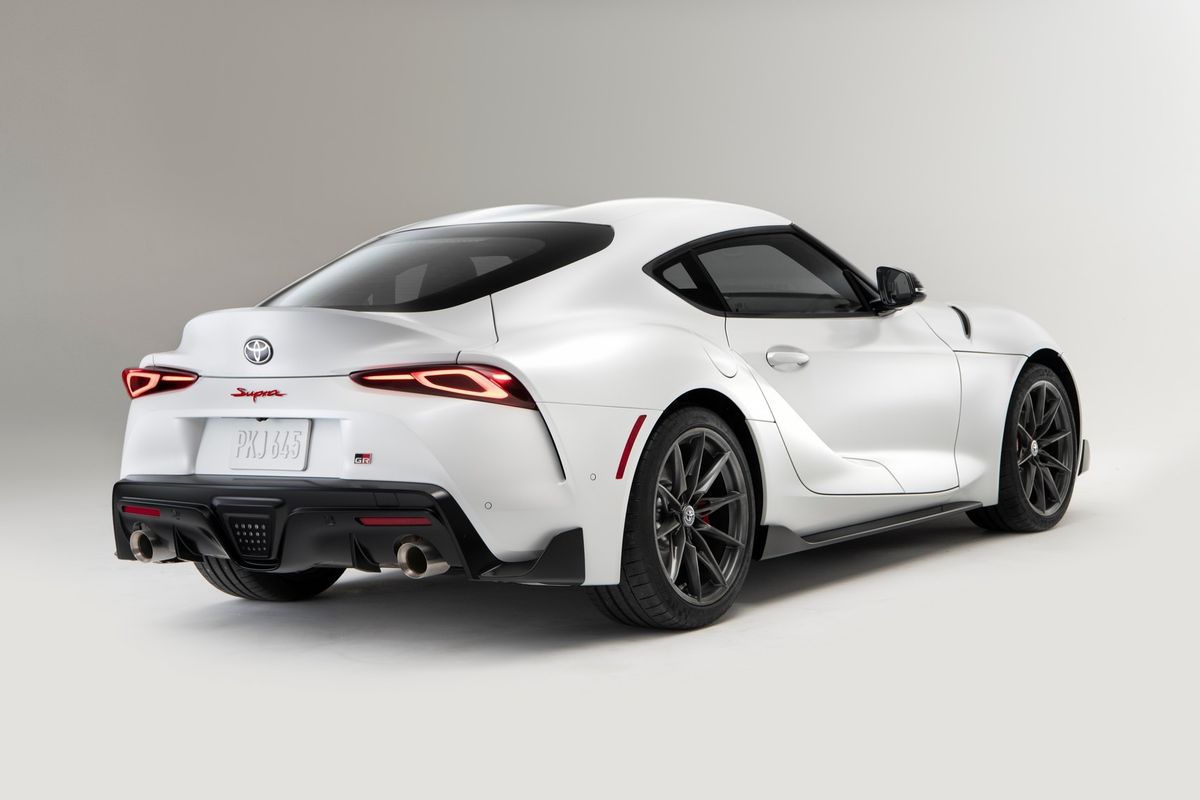
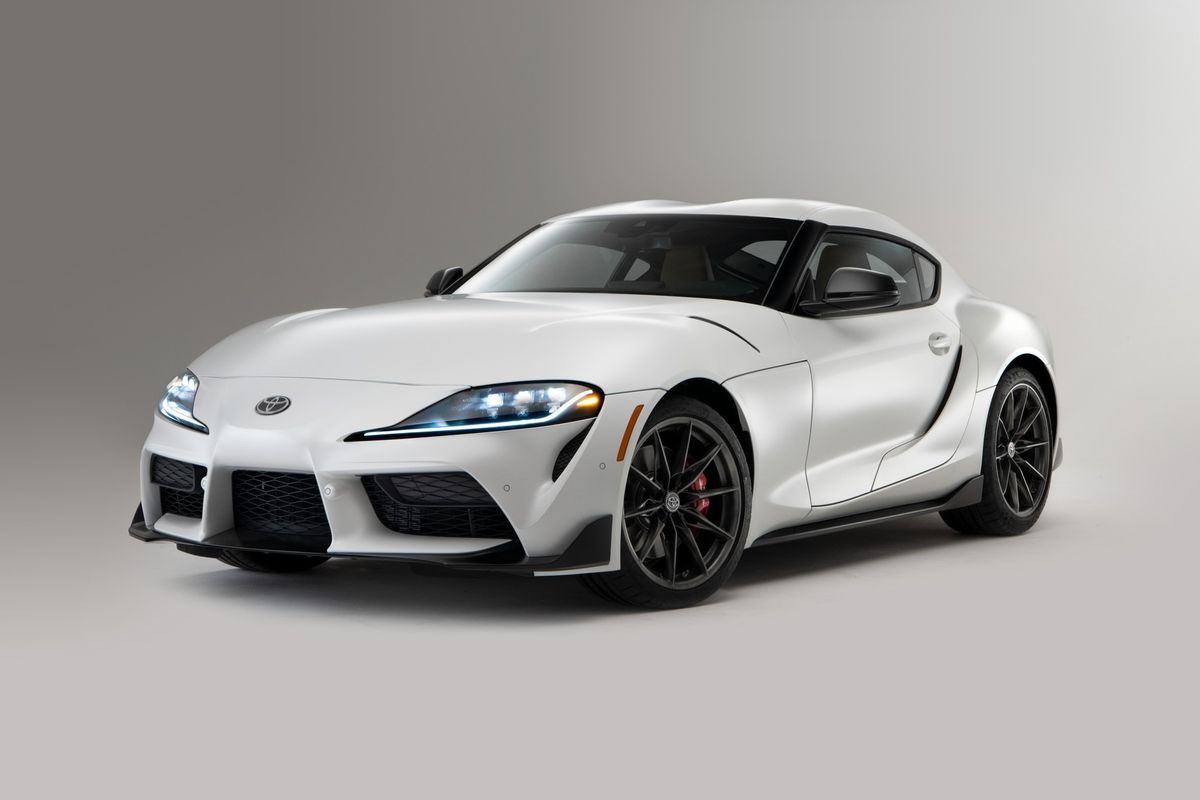
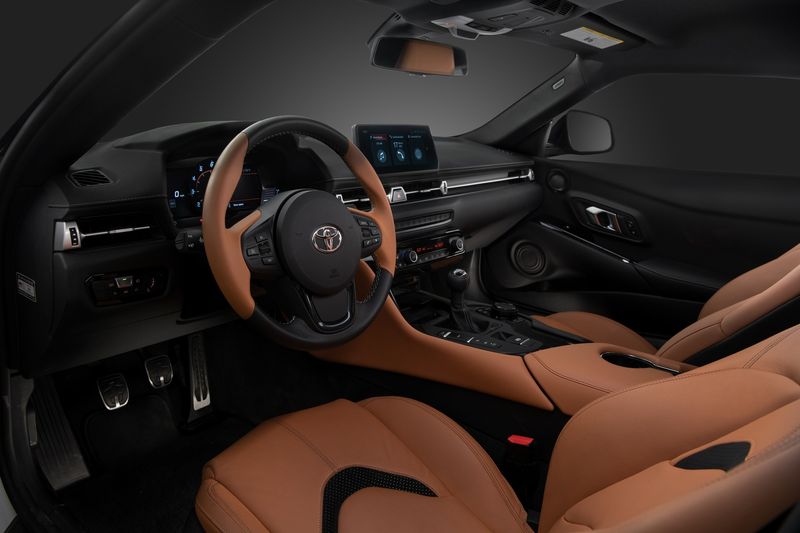
There’ll be a special model called the A91-MT Edition that will be finished in Matte White or CU Later Gray, with red detailing and 19-inch forged wheels. A red Supra badge is a nice touch, we think. Inside, the cabin gets special leather sports seats, Alcantara-wrapped gearshifter, and a 12-speaker audio system from JBL.
The updated Toyota Supra model line-up will debut at The Festival of Motoring, taking place at Kyalami Grand Prix Circuit in August 2022. Dealer ordering will open in May, with sales commencing in Q3. Both Auto and Manual 3.0T variants will be offered with pricing announced soon.
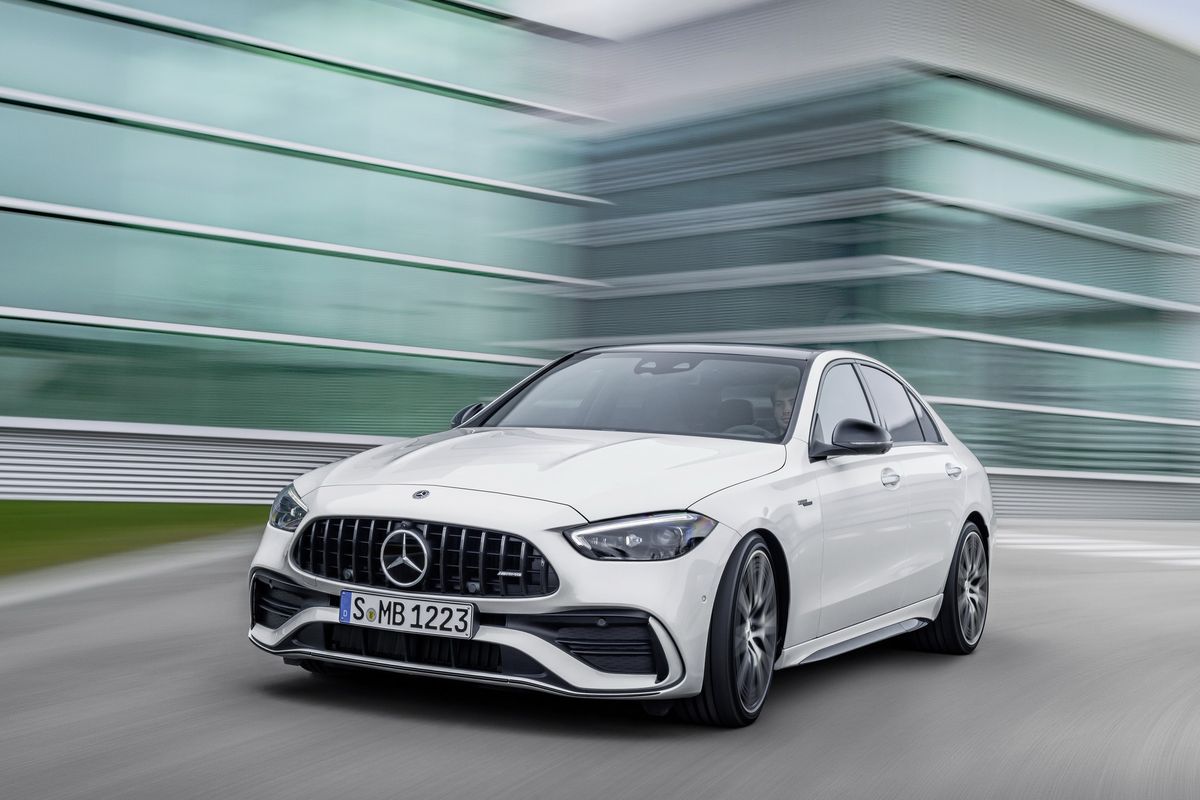
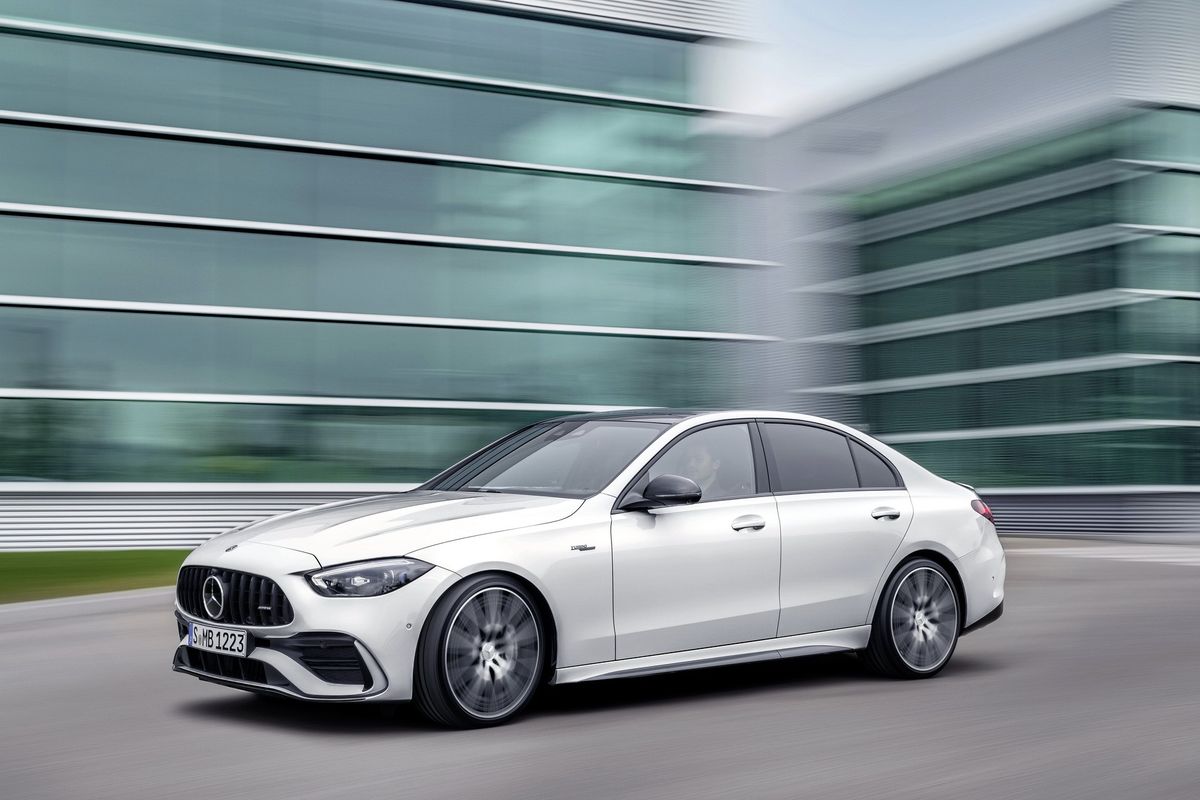
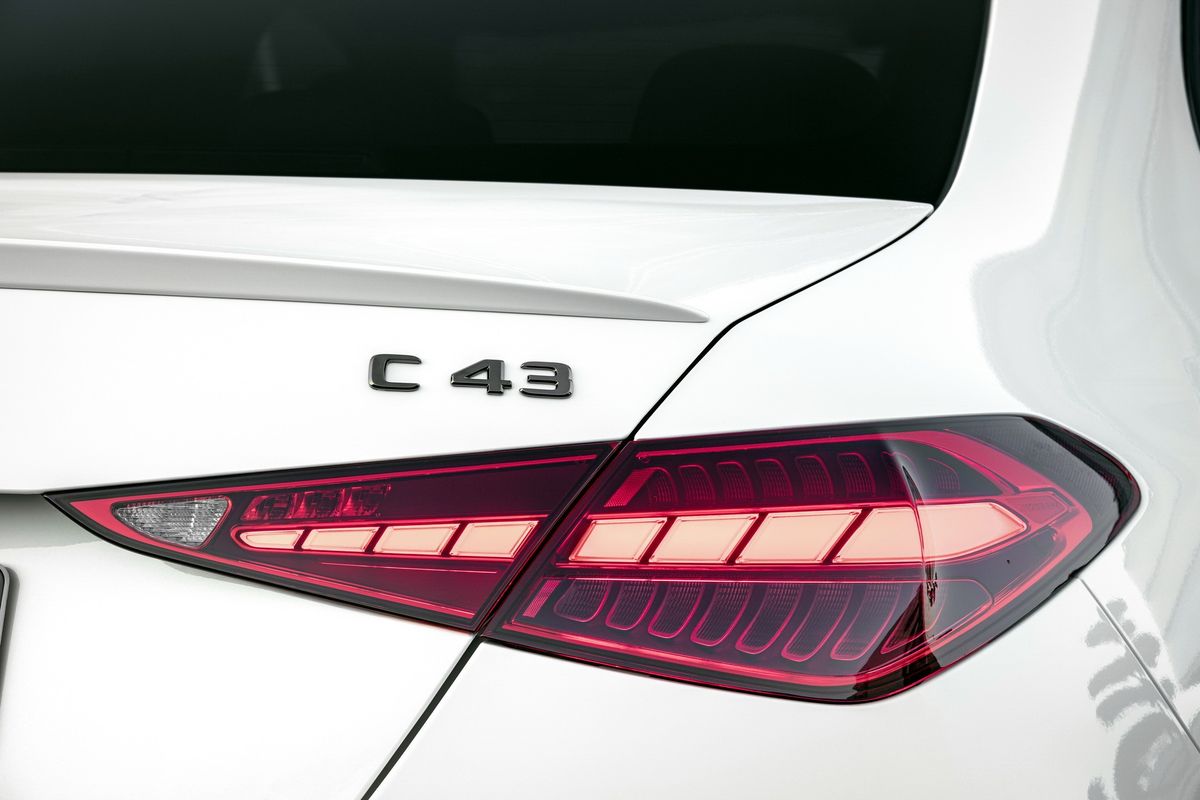
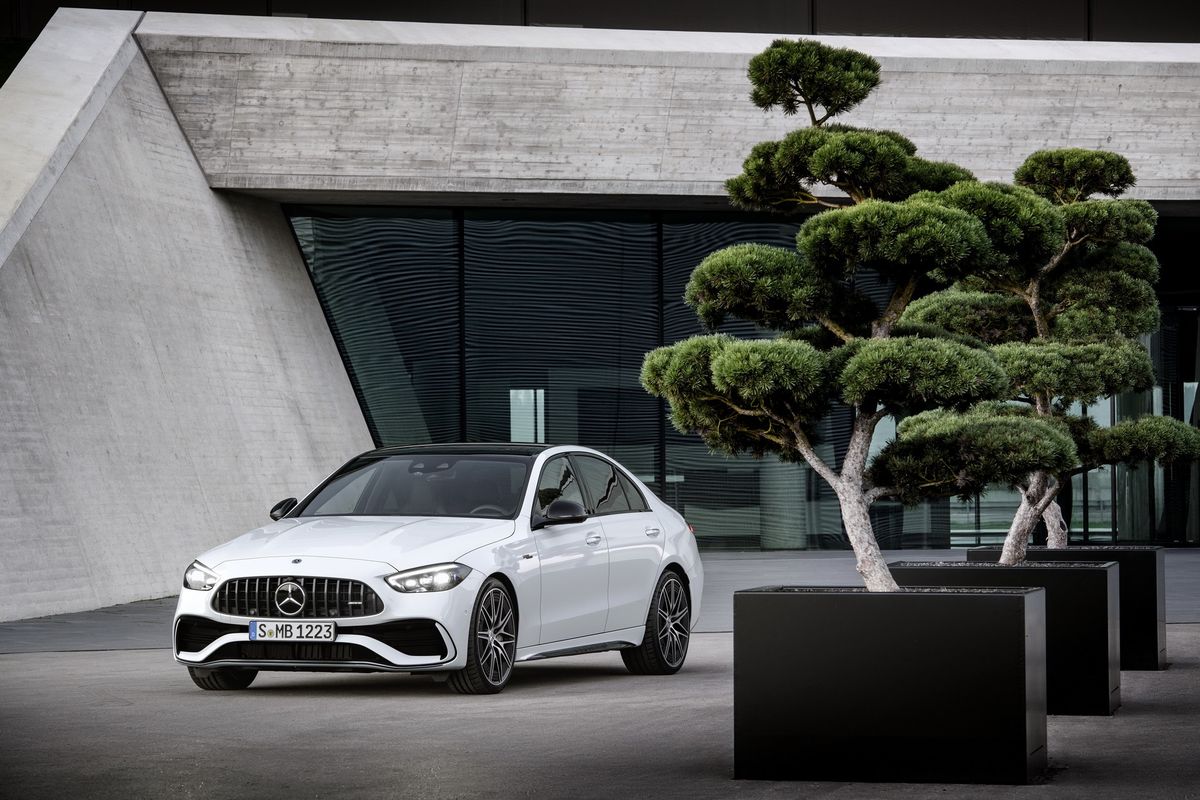
Meet the all-new Mercedes-AMG C43, the first performance model from the new C-Class range. It loses its mighty V6, but gains electric boost.
When petrolheads hear about a new AMG, the first thing that comes to mind is a roaring V8, but this was not the case for the C43, which made do with a 3.0-litre turbocharged V6. It was a terrific engine, packing 287 kW and 520 Nm and it was enough to send the sedan to 100 kph in 4.7 seconds, with a delicious soundtrack to match.
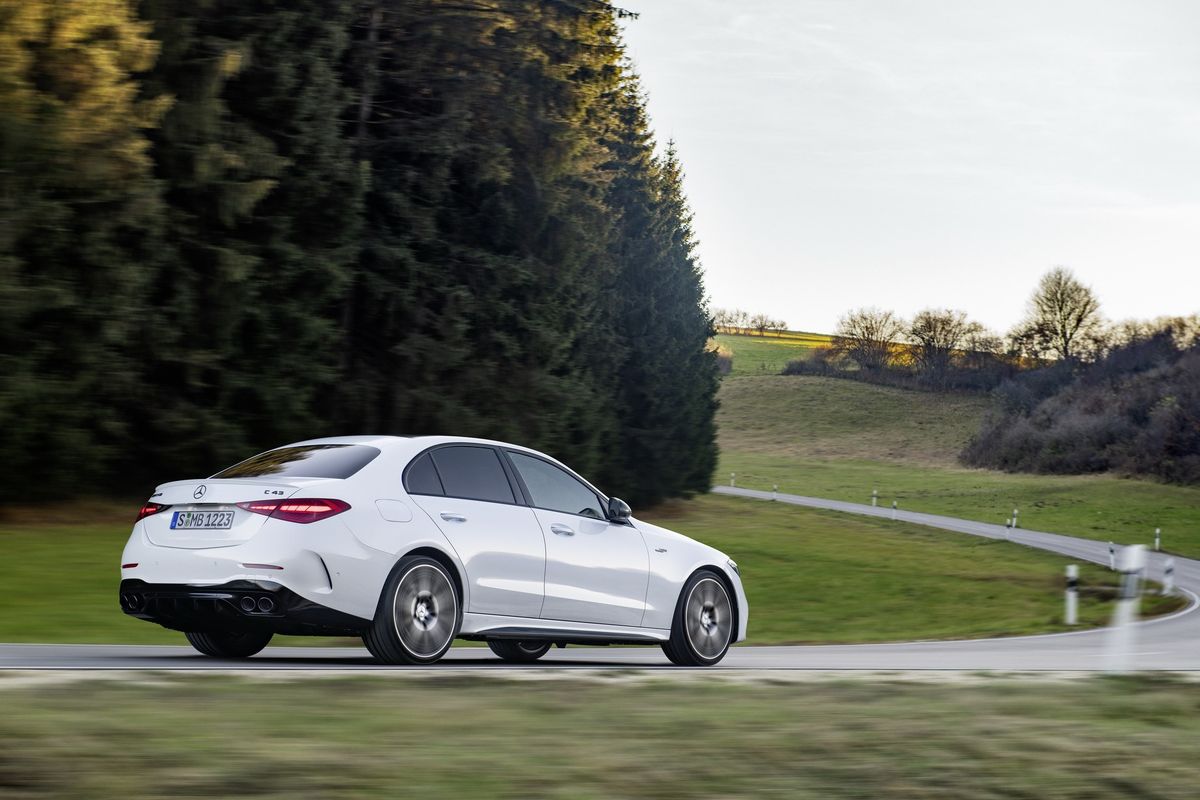
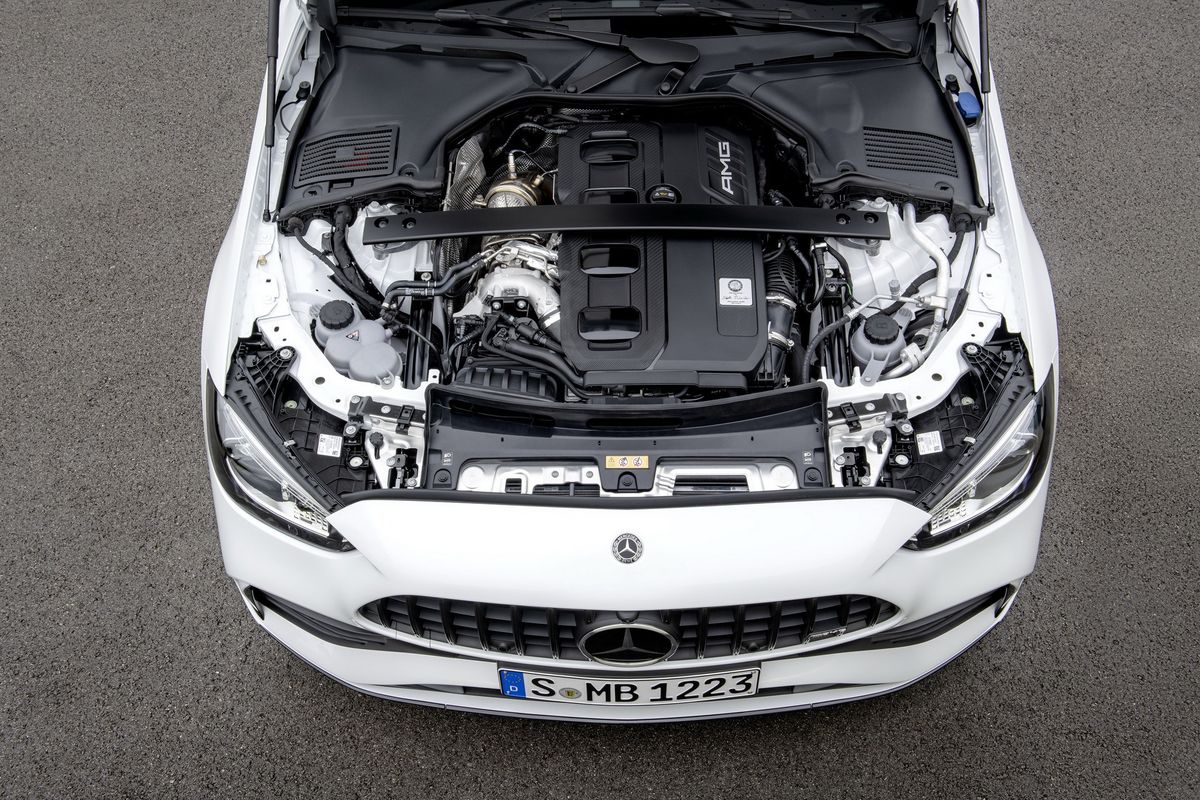
Now, for 2022, the all-new Mercedes-AMG C43 has been revealed and sadly, for the audiophiles, the delicious V6 has been ditched in favour of a 2.0-litre turbocharged 4-cylinder petrol engine, paired to a 48V mild-hybrid electric system. Thanks to all-wheel drive, the new Mercedes-AMG C43 is said to sprint to 100 kph in 4.6 seconds and run to a limited top speed of 250 kph. If you tick one of the options, this top speed can be increased. The car comes with a 9-speed automatic transmission.
If you have been following the news closely, you’ll remember Mercedes-AMG announcing the SL 43, which has a 2.0-litre engine with an electric assist. Interestingly, in the C43 application, this engine makes more power. For the tech fanatics, this is the M139I 2.0-litre engine and it comes with electric turbocharging tech, plus mild hybrid assistance. The on-paper numbers are impressive, with 300 kW and 500 Nm for the new C43, outgunning the SL 43 with its 280 kW and 480 Nm.
The electric assistance comes from the starter generator providing a 10 kW boost for short periods, which helps with performance and saves fuel. The newcomer is said to consume just 9.1-8.7 L/100 km on the WLTP cycle, which is an improvement over the outgoing model where you’d be lucky to get even close to the claim of 9.5 L/100 km.
Under the skin, there are substantial reworks to the suspension with AMG-grade springs, rear-wheel steer, and the all-wheel drive system is set to be rear-biased. This sounds like a pretty agile vehicle, and we’re keen to give it a go.
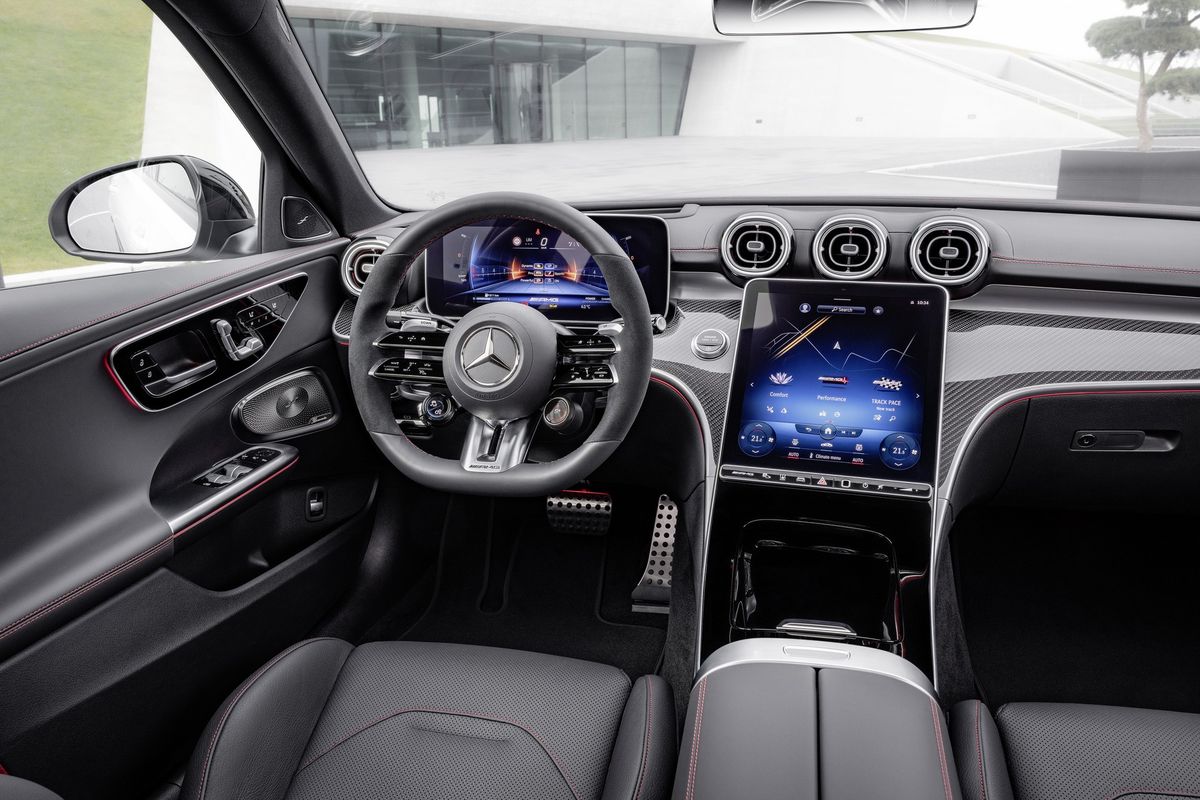
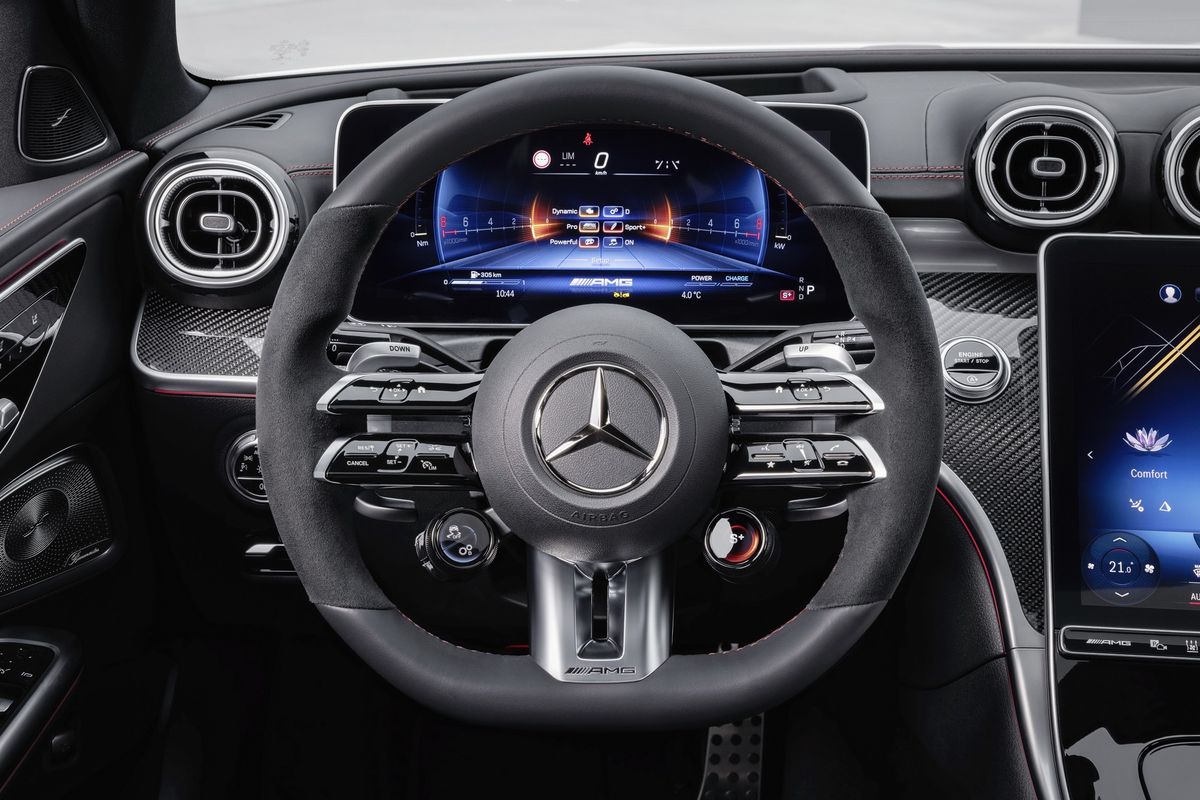
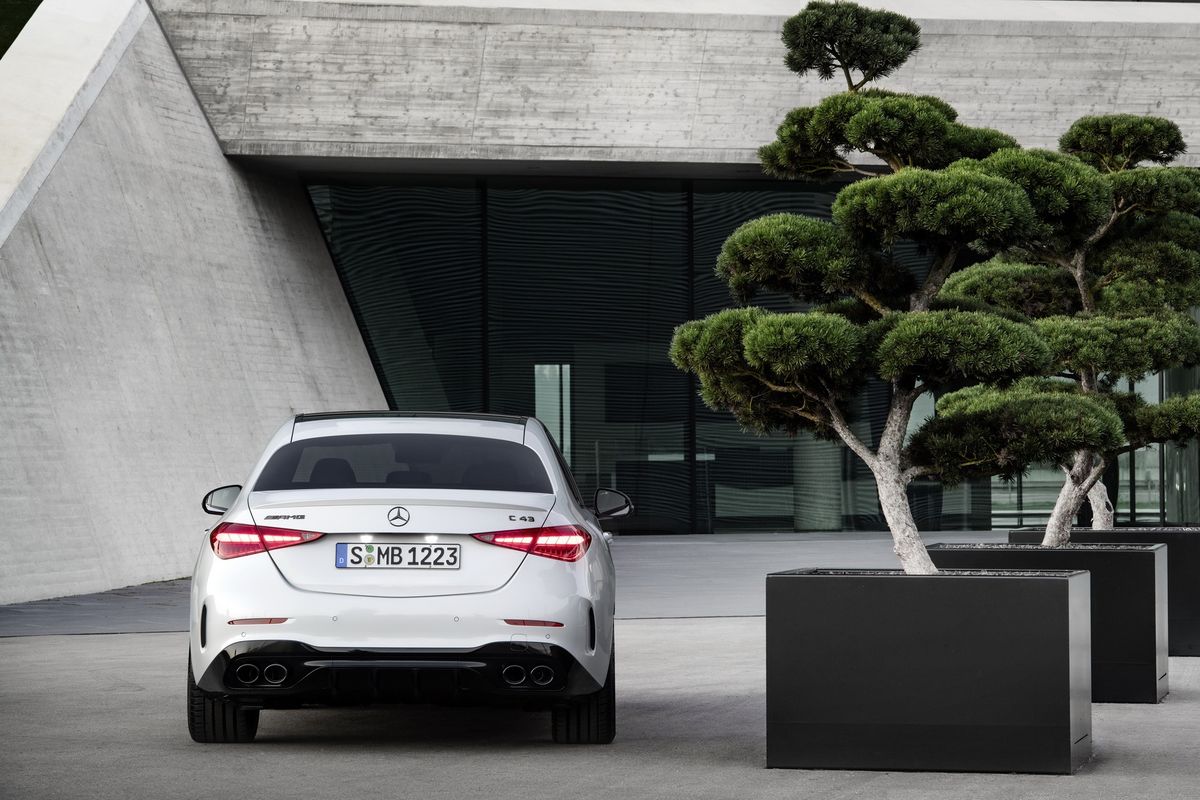
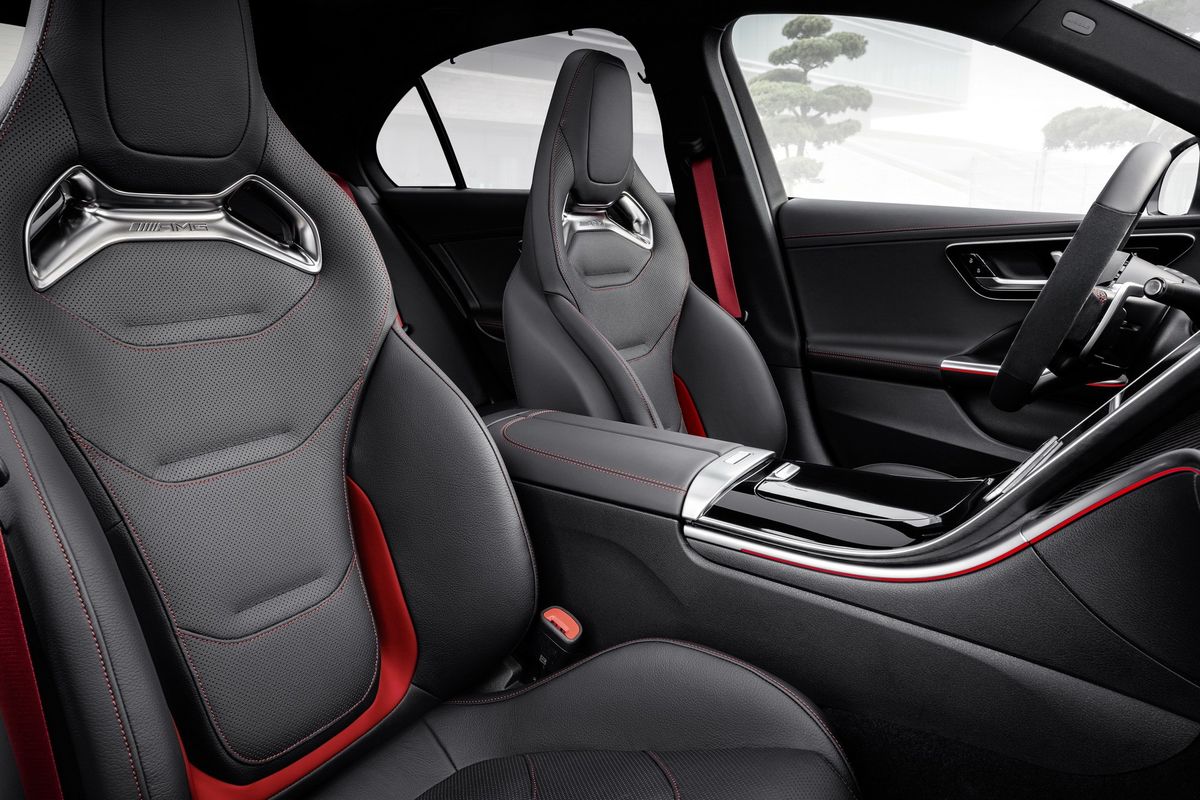
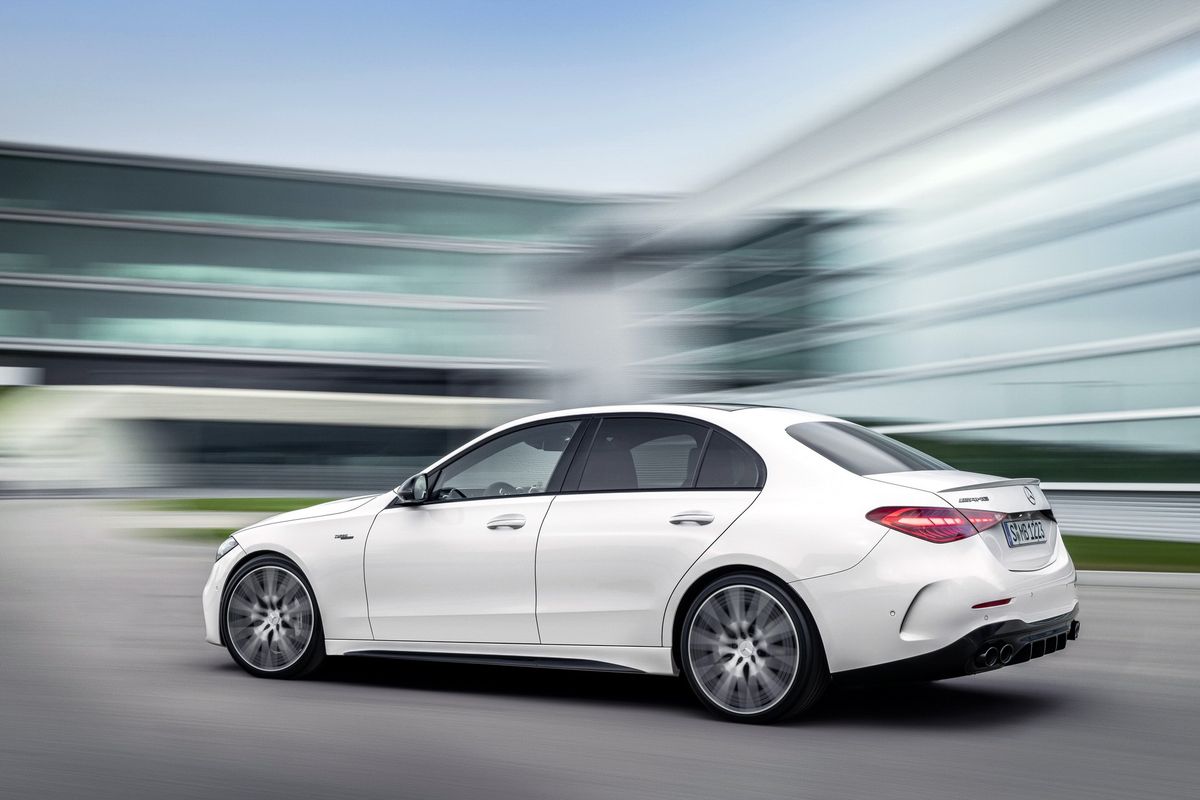
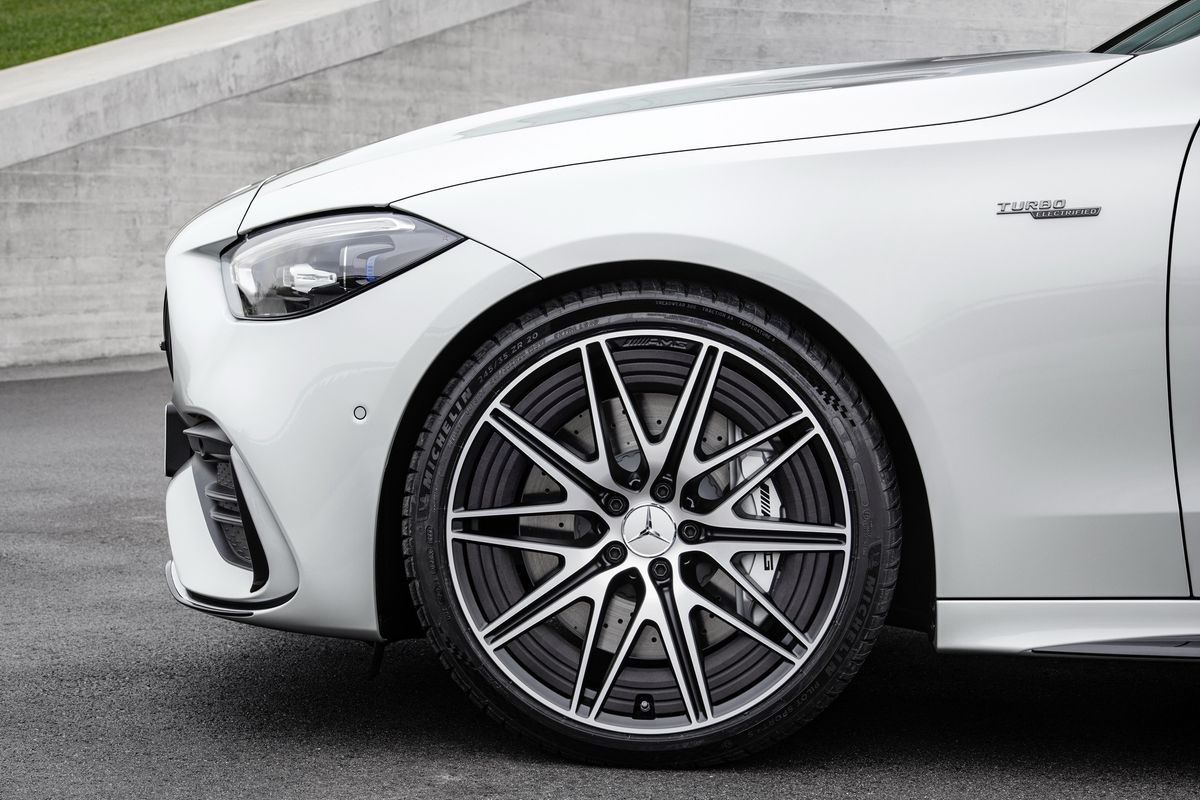
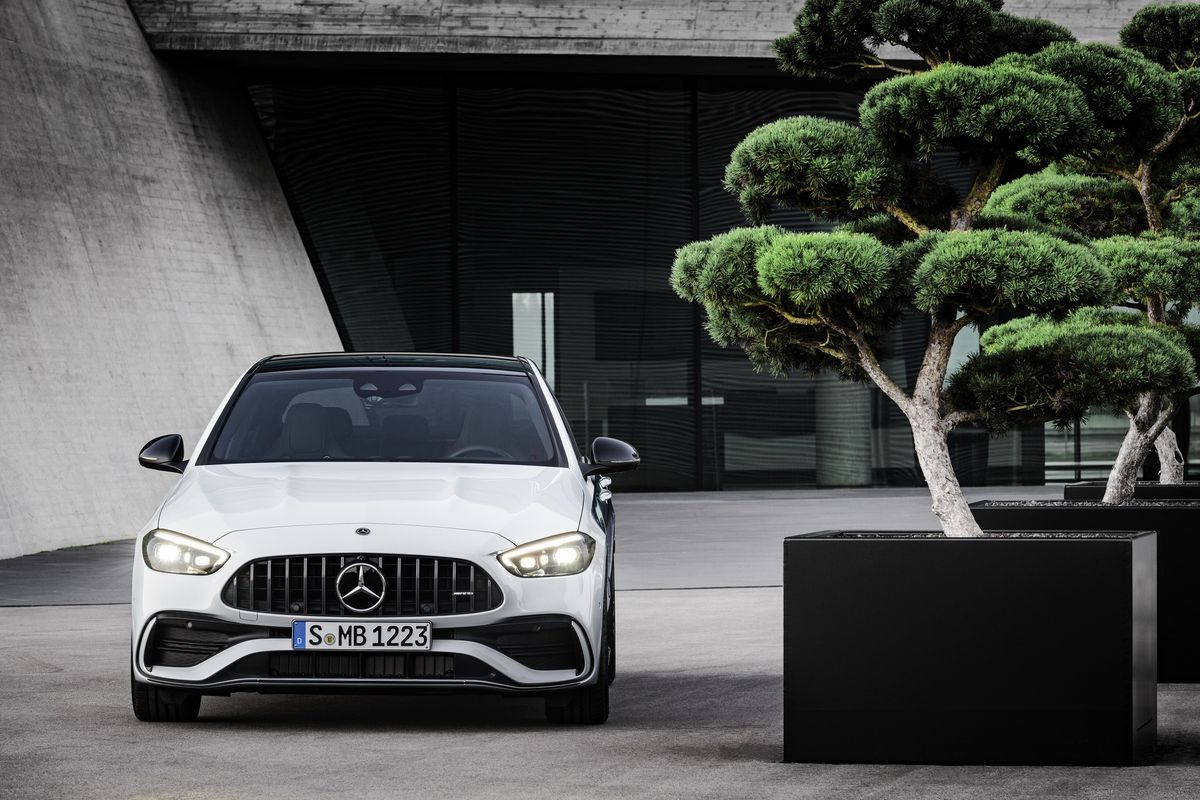
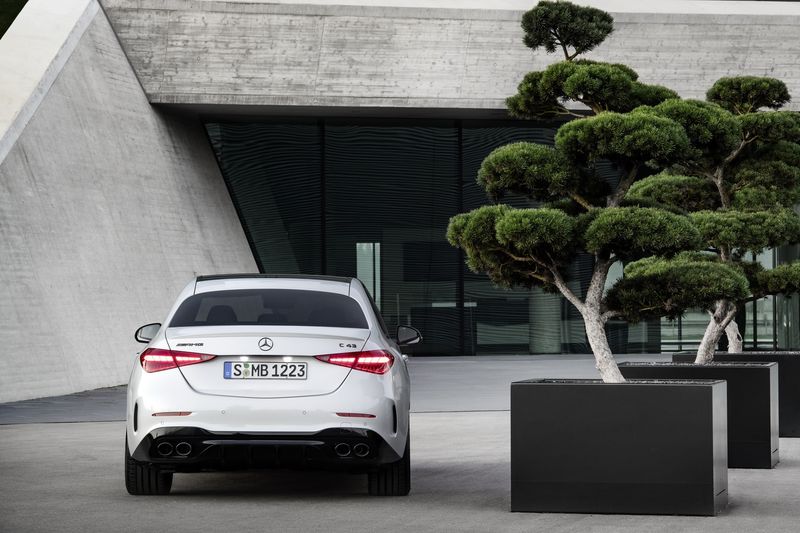
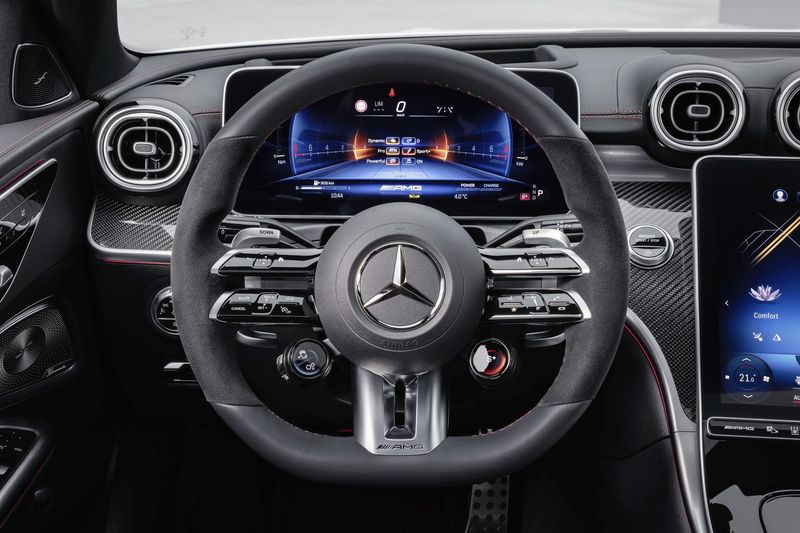
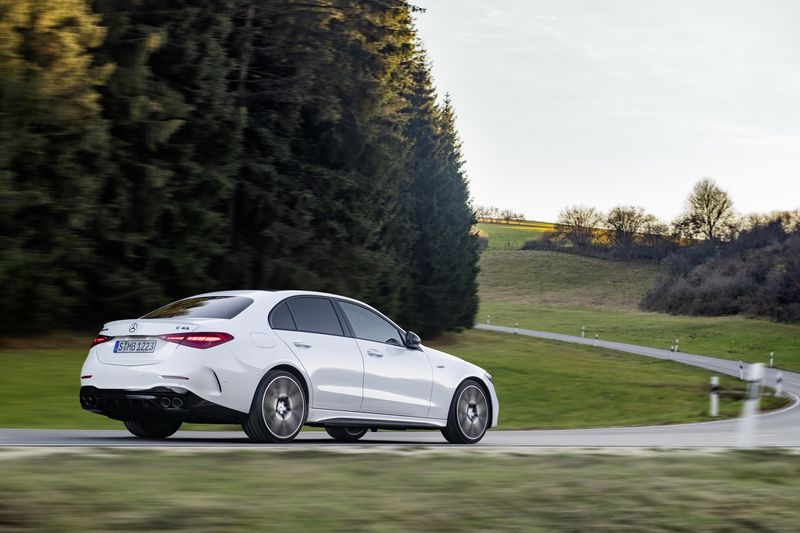
Visually, the new Mercedes-AMG C43 gets the AMG Panamericana grille, quad exhausts, big sporty-looking wheels, as well as new ‘Turbo Electrified’ badging on the flanks. Inside, AMG sports seats and flat-bottom AMG wheel. The MBUX digital infotainment system gets some AMG-styled graphics and functionality, and the very cool AMG Track Pace data logger appears to be standard.
The elephant in the room is the engine soundtrack. AMG products have a tradition for sounding emotional, loud and in your face, and a 4-cylinder can’t quite get the same response as a snorting V6 or roaring V8. The C43’s rivals like the BMW M340i xDrive and Audi S4 still feature six-cylinder engines, and it will be interesting to see and hear the newcomer at full throttle. AMG says you can option the AMG Real Performance Sound, which plays engine noise in the cabin via the speakers. The jury is still out on that…
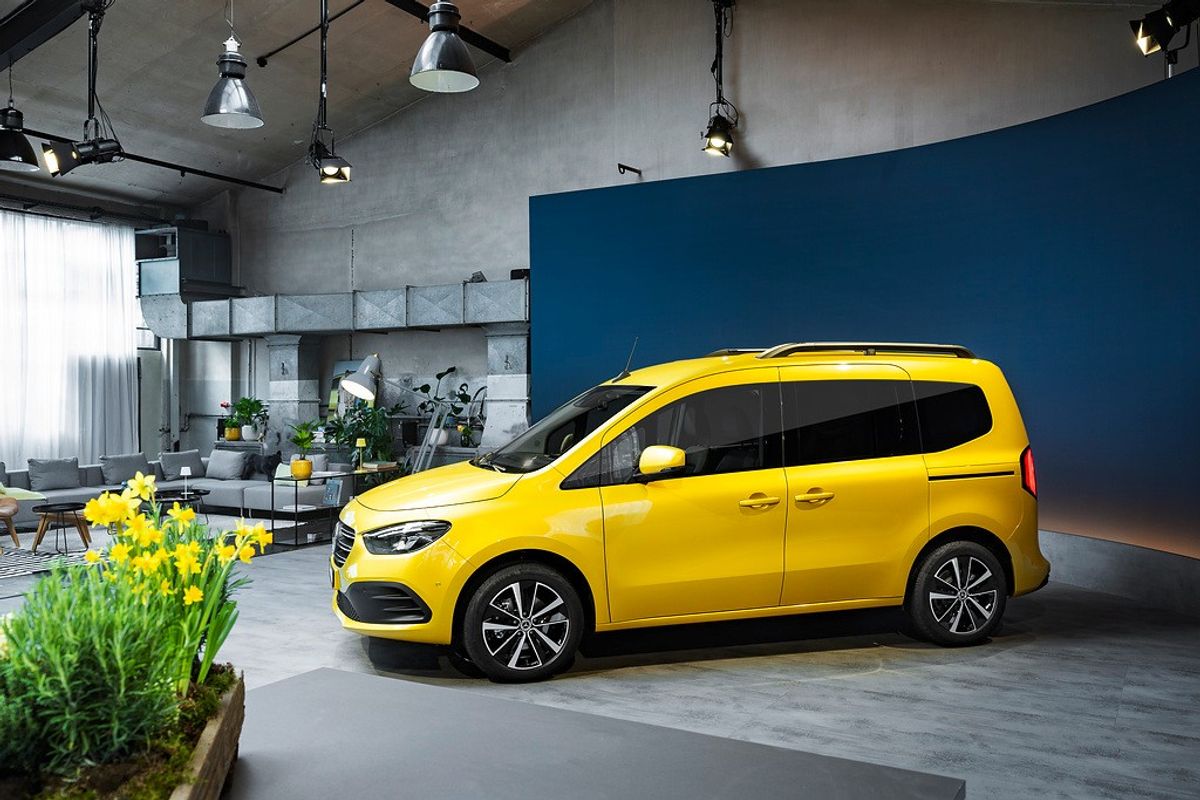
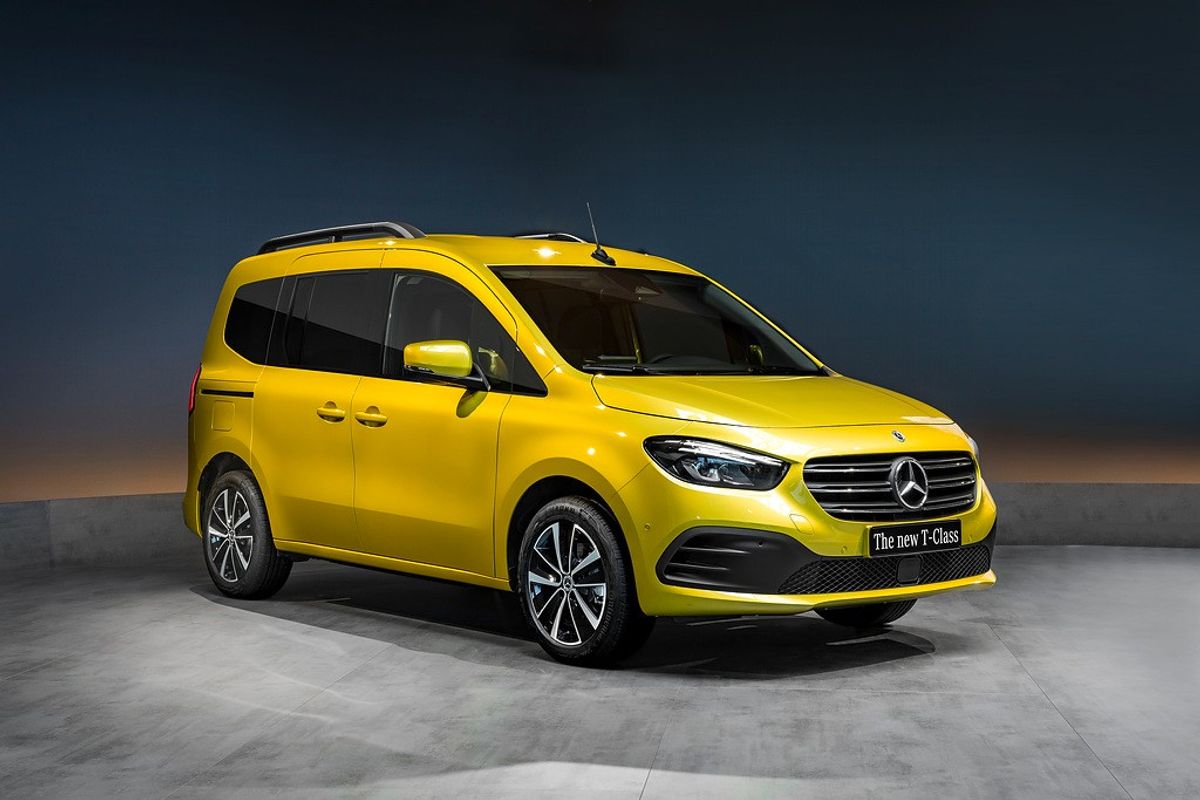
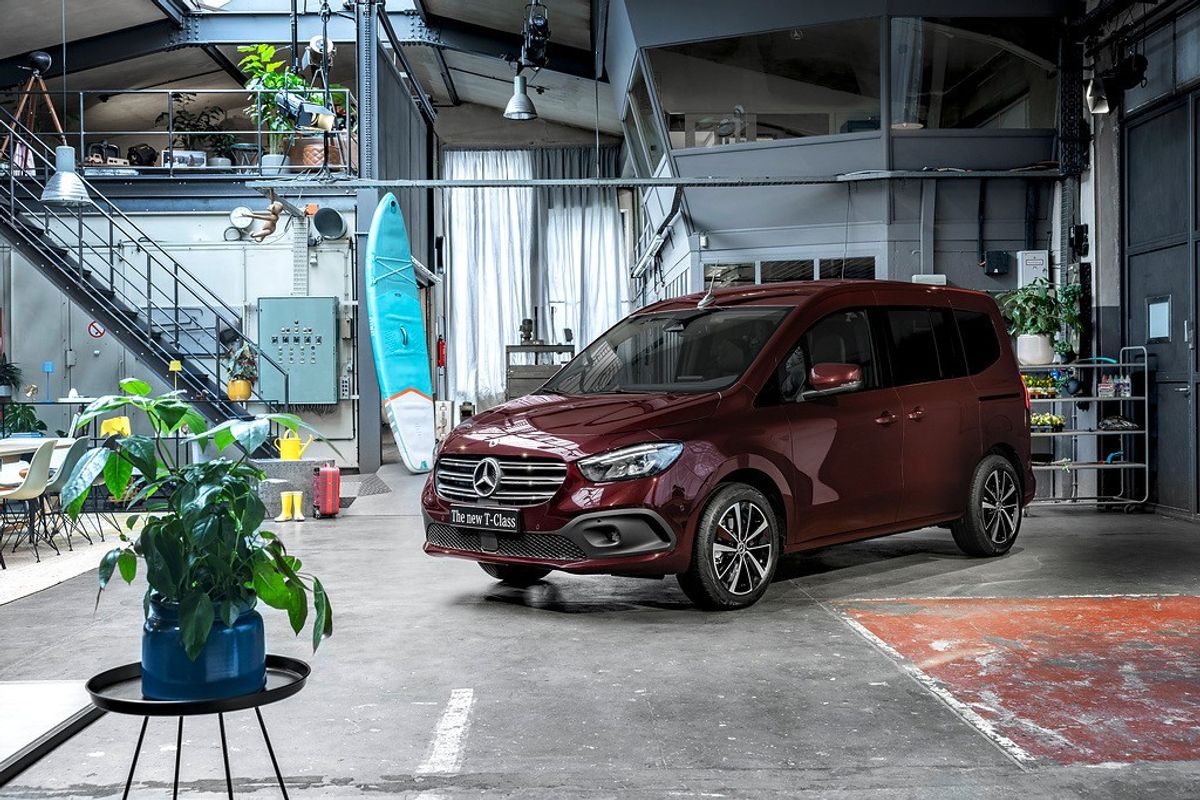
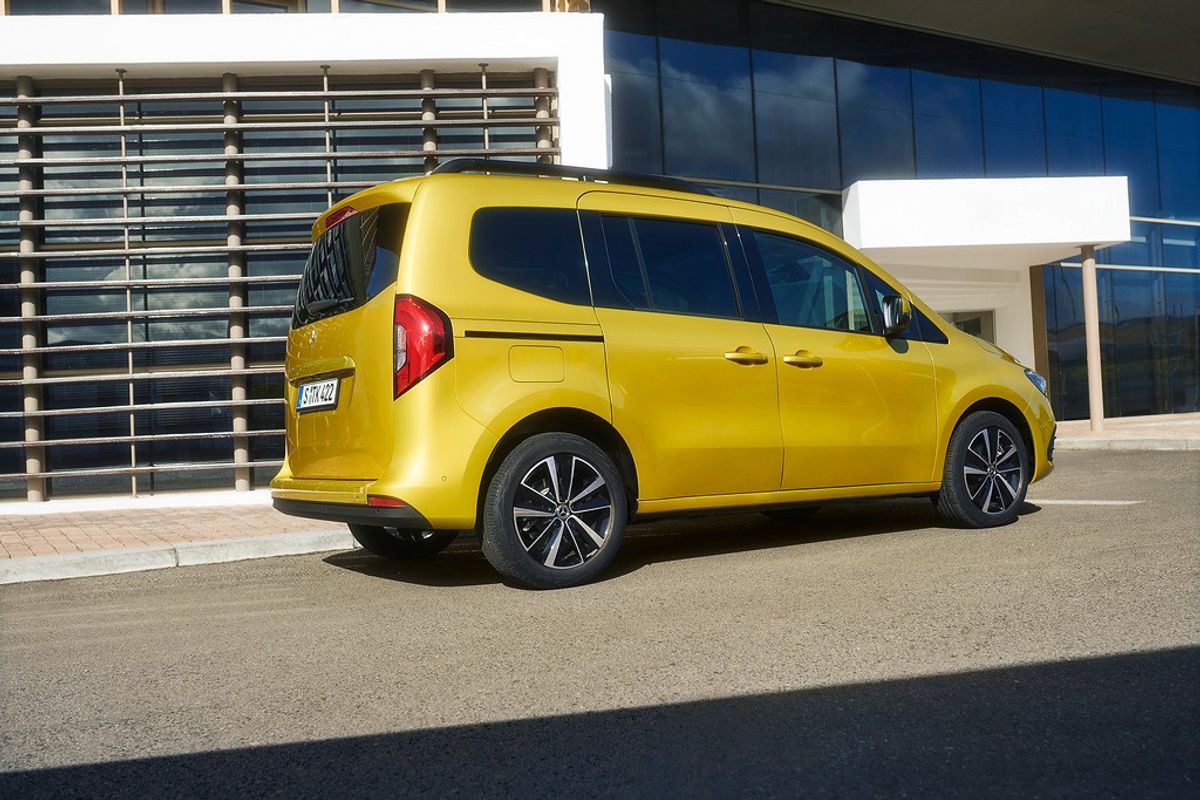
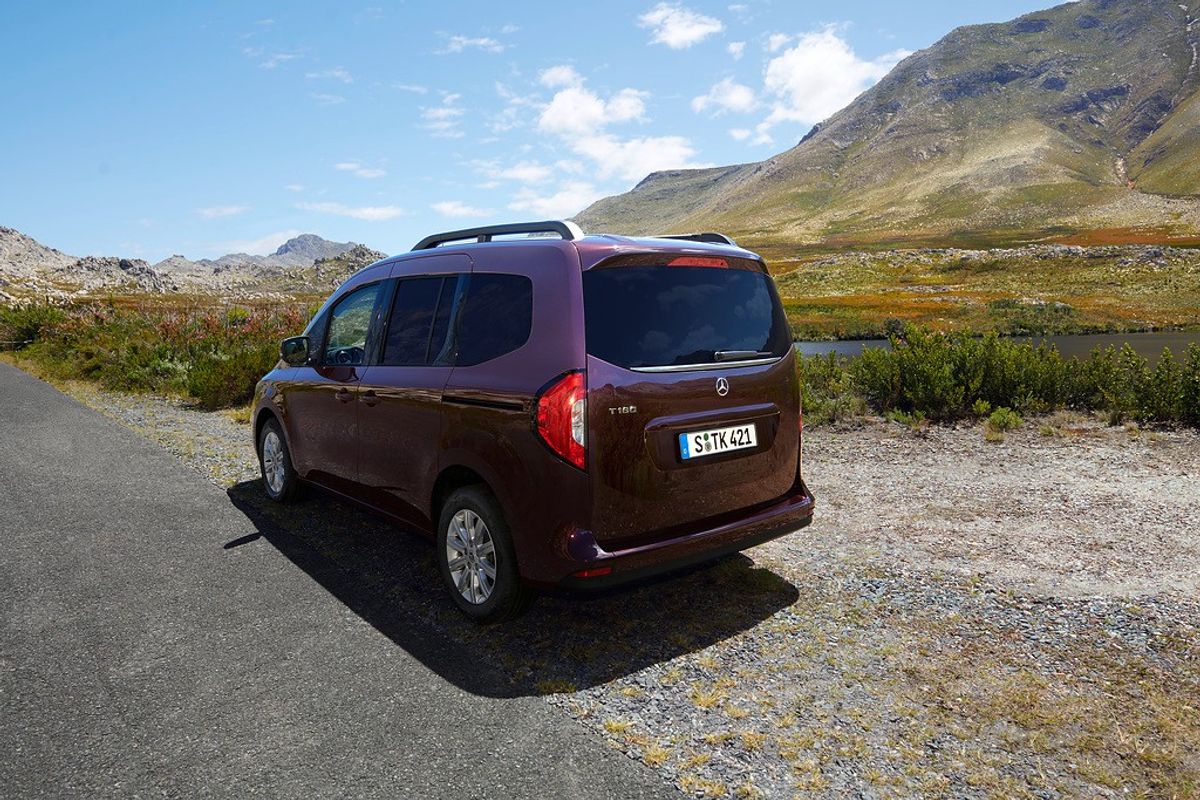
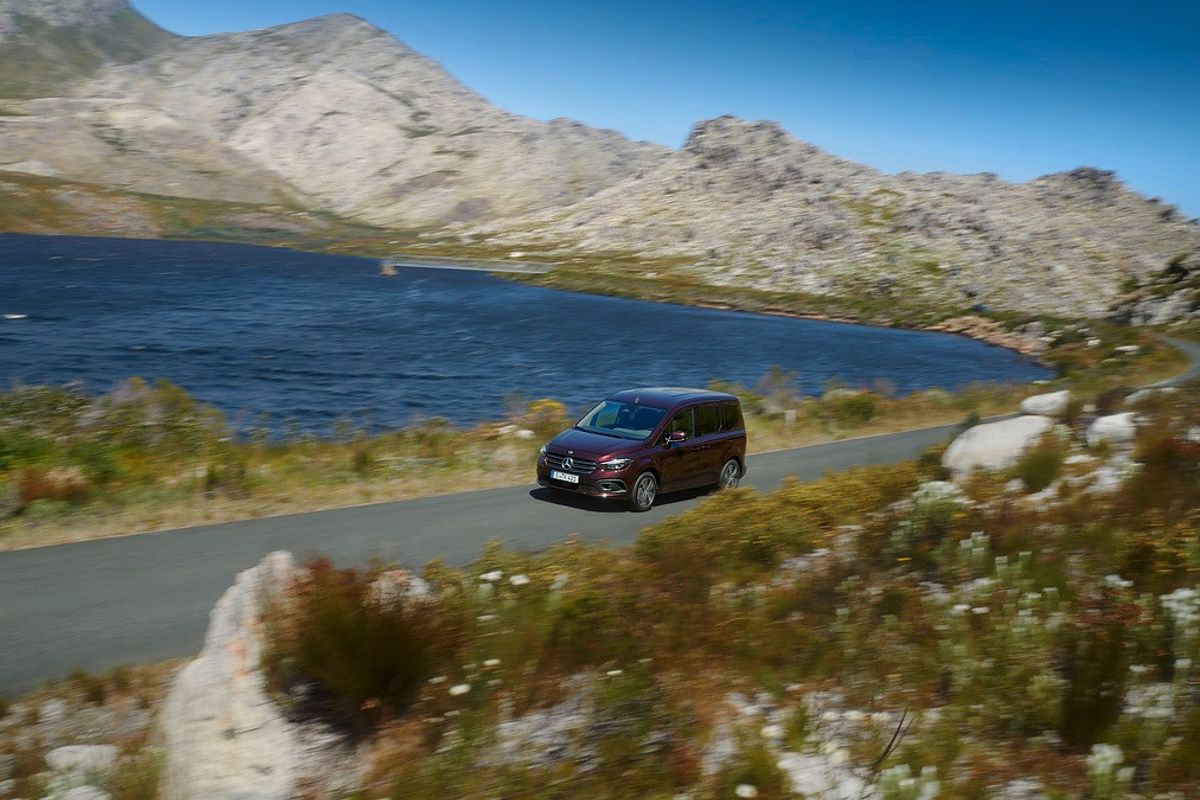
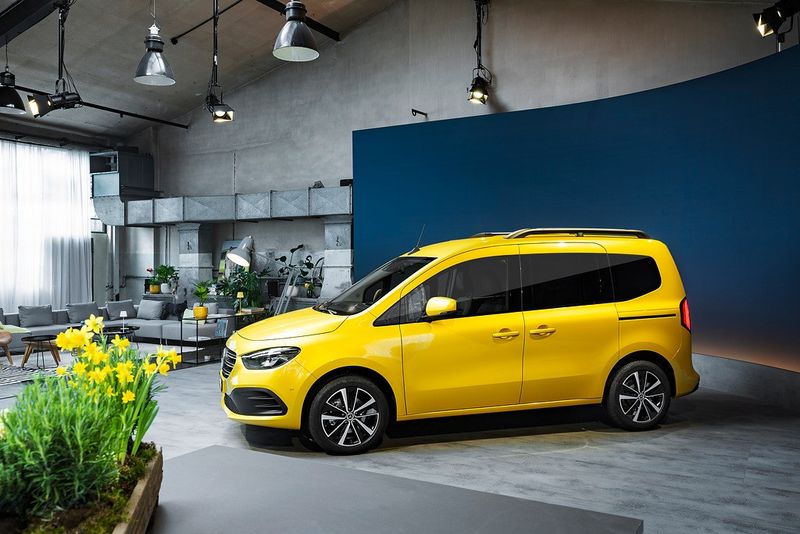
Mercedes-Benz has taken the covers off its new T-Class minivan and hopes to take a few sales away from the Volkswagen Caddy.
The Mercedes-Benz T-Class is an upmarket take on the commercially-focused Citan. Both are based on the Renault Kangoo, and will feature both internal combustion engine power and electrification. The T-Class will be positioned as a luxury rival to the Volkswagen Caddy.
The T-Class is said to enhance the commercial platform with upgraded levels of comfort, tech and safety equipment. The transition from commercial to luxury small van is not easy, but Mercedes-Benz has given the T-Class some upmarket touches like colour-coded bodywork, chrome detailing, luxury grille and so on.
Physically, the new T-Class is 4,5 metres long, 1,8 metres wide, 1,8 metres tall and features a wheelbase of 2,7 metres. Right now, Mercedes-Benz is offering the newcomer in 5-seater configuration, but the Stuttgart-based company has said it will be launching a longer wheelbase model with 7 seats.
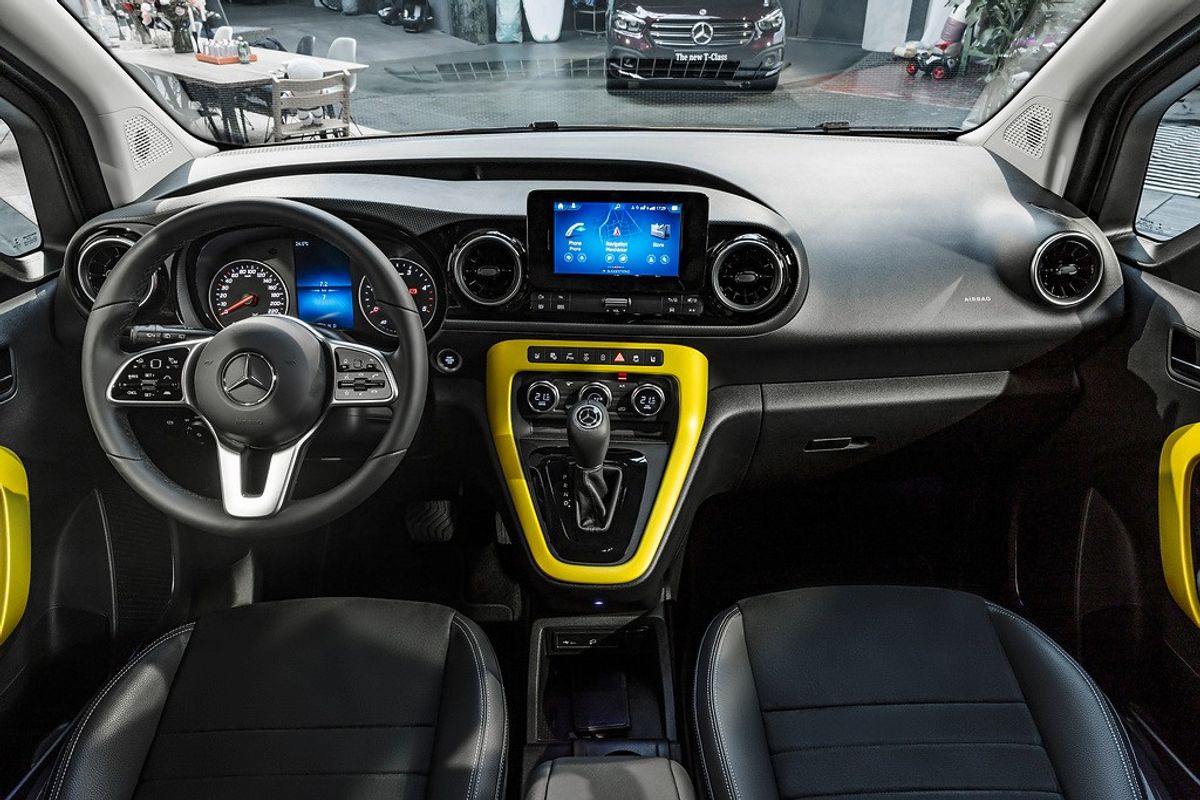
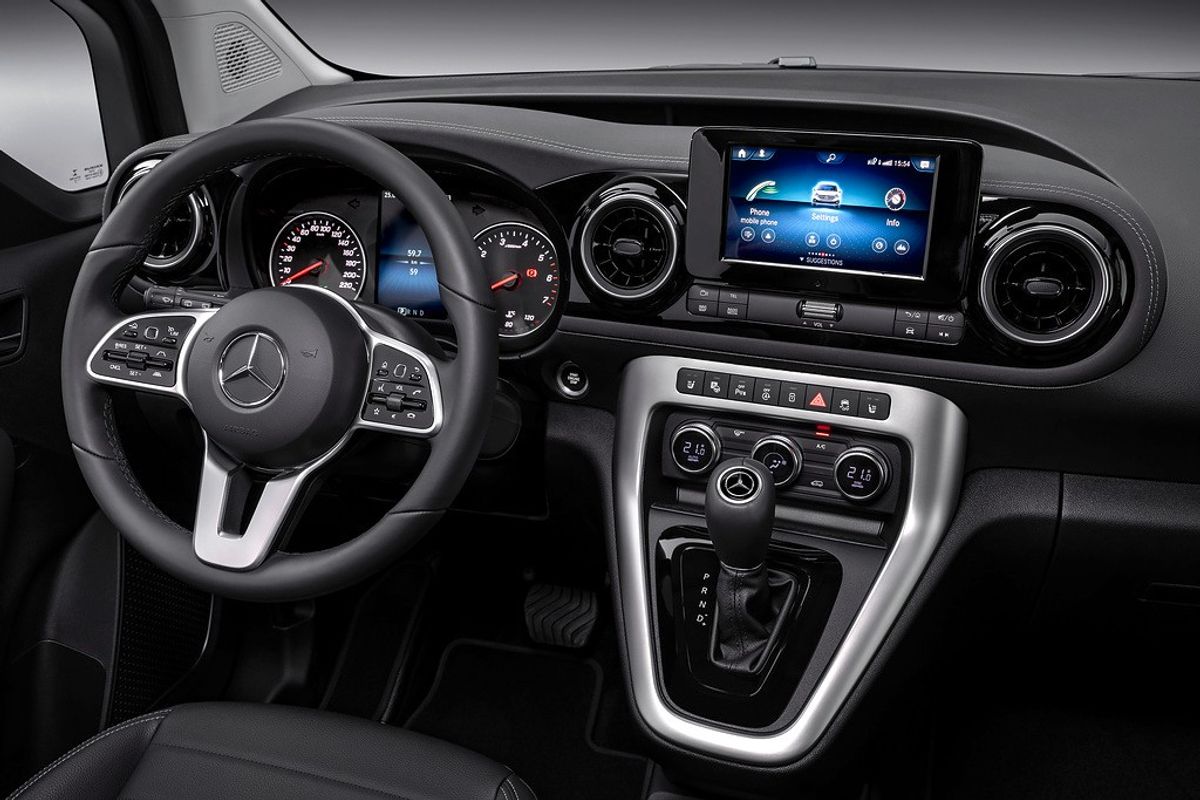
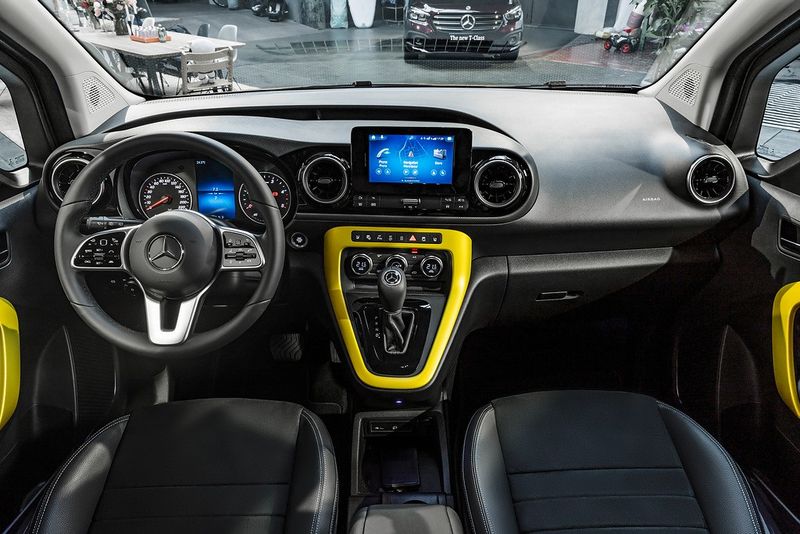
Inside, the cabin features design elements from the Mercedes-Benz compact range, like the MBUX 7-inch touchscreen, Android Auto/Apple CarPlay connectivity, but we’re surprised there’s no digital dashboard. Standard kit looks generous with keyless-go, Artico leather trim and so on. Interestingly, if you look closely, you can spot climate control switchgear from Renault Nissan Alliance. Safety kit is said to range from 7 airbags and advanced driving assistance systems like Distronic and Active Steering Assist.
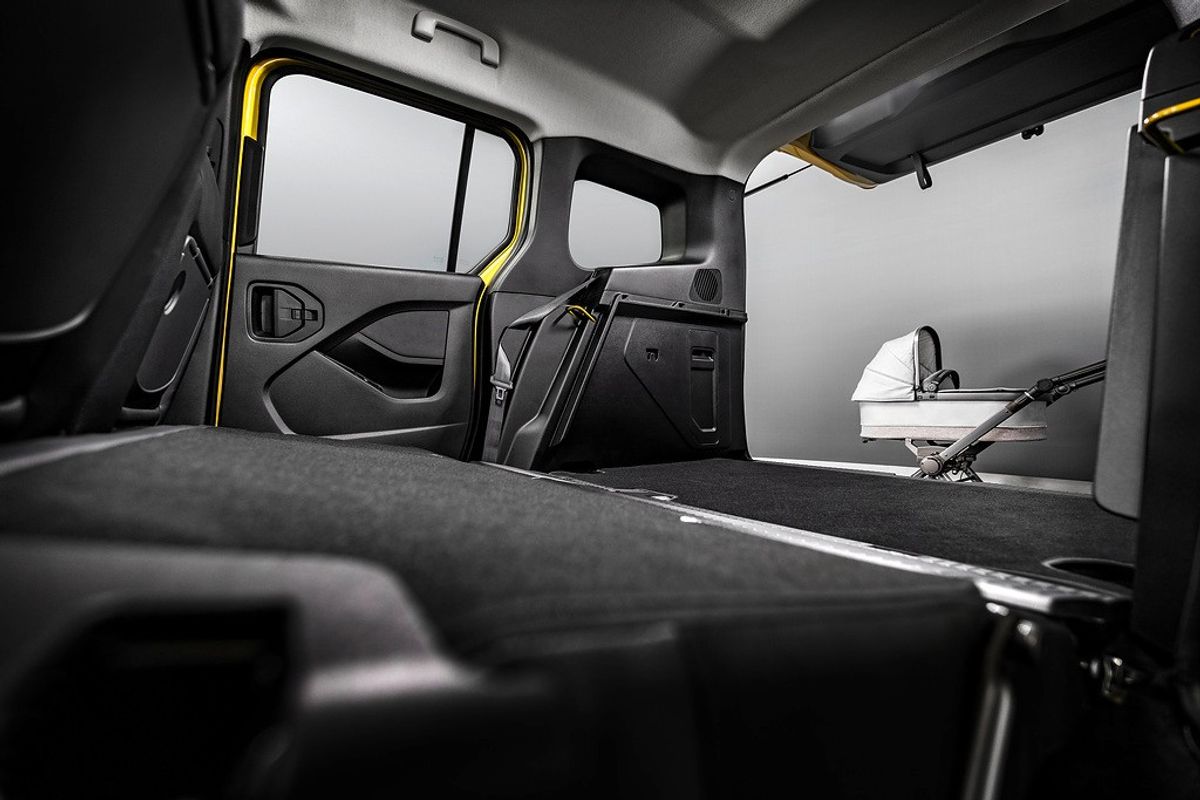
The main benefit behind the compact MPV is the practicality. The sliding doors provide easy access to the second row of seats, and the boot is substantially large. From an engine point of view, Mercedes-Benz is offering the T-Class with a choice of either petrol or diesel engines.
The diesel motor is a 1.5-litre turbocharged diesel engine and its available in two states of tune. T160d has 70 kW and 260 Nm, the T180d 85 kW and 270 Nm. For the petrol fans, a 1.3-litre turbocharged is on offer in two states of tune, with the T160 offering 75 kW and 200 Nm and the T180 has 96 kW and 240 Nm.
Customers will be able to specify either a manual gearbox or an automatic transmission. At this stage, there’s no confirmation for South African market introduction, but we understand that right-hand drive production is confirmed with the UK market set to receive units.
Car manufacturers’ product planning around battery-electric vehicles is failing – and here’s why.
Not too long ago, there was a time when Mercedes-AMG would reveal a new model almost every other week… It seemed the Three-pointed Star’s Affalterbach-based high-performance division could do no wrong, because the market appeared to have an insatiable desire for its dramatically styled evolutions of existing Mercedes-Benz platforms, replete with more power and noise.
But now, there’s a different week-by-week trend. New battery-electric vehicles (BEVs). The switch has been flicked (pun intended) and virtually everyone in the motor industry is fully committed to electric vehicles. But not the ones we need.
There is an alarming cognitive dissonance between policies incentivising the uptake of EVs (a catch-all term that groups petrol-electric hybrids – of the plug-in or self-contained variety – with their solely battery-operated counterparts) and what is being produced. Anti-ICE campaigners talk of decarbonisation, but nearly every new BEV is enormously heavy, overpowered and expensive – which represents a misguided application of resources that does little to decarbonise transport.
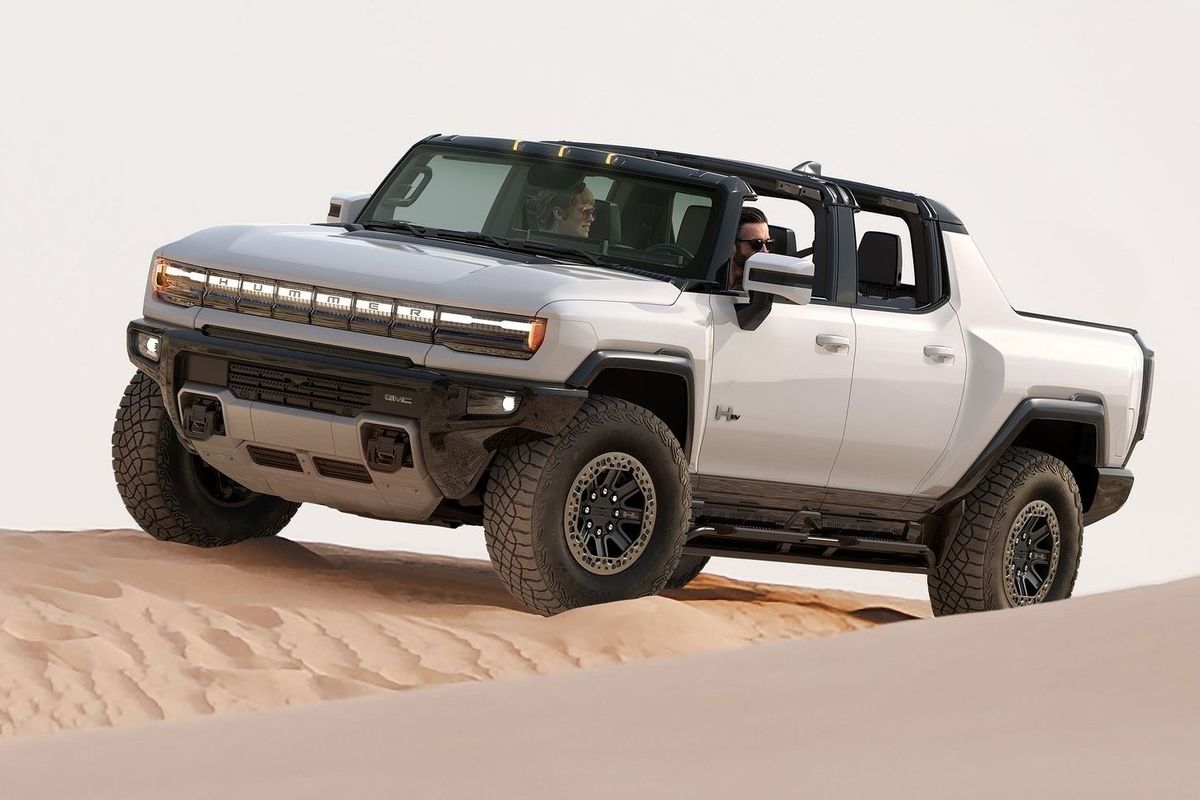
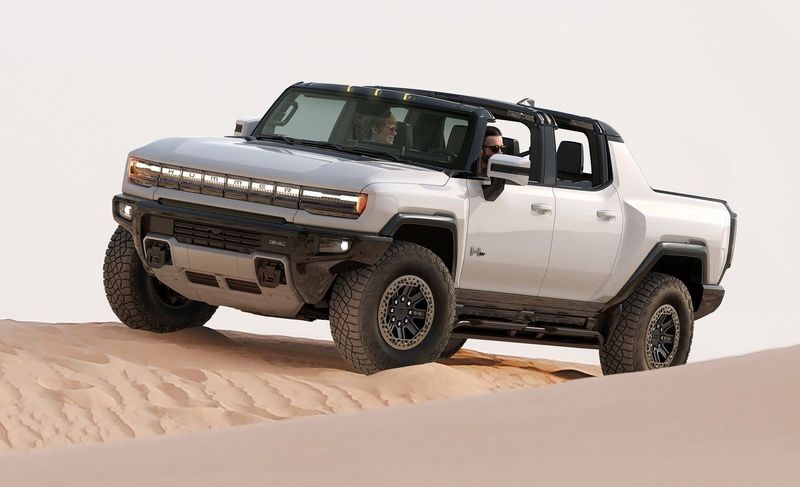
Greenpeace believed the Hummer H1 embodied the “evil gas guzzler”, but it was 423 kg lighter than the new BEV version (above).
Going backwards – by adding batteries
In the realm of poor product planning around BEVs, nobody is innocent. American brands are producing battery-powered double-cab bakkies that are insanely heavy. Much heavier, in fact, than that most symbolically vintage of all double-cab bakkies – the Land Cruiser 79.
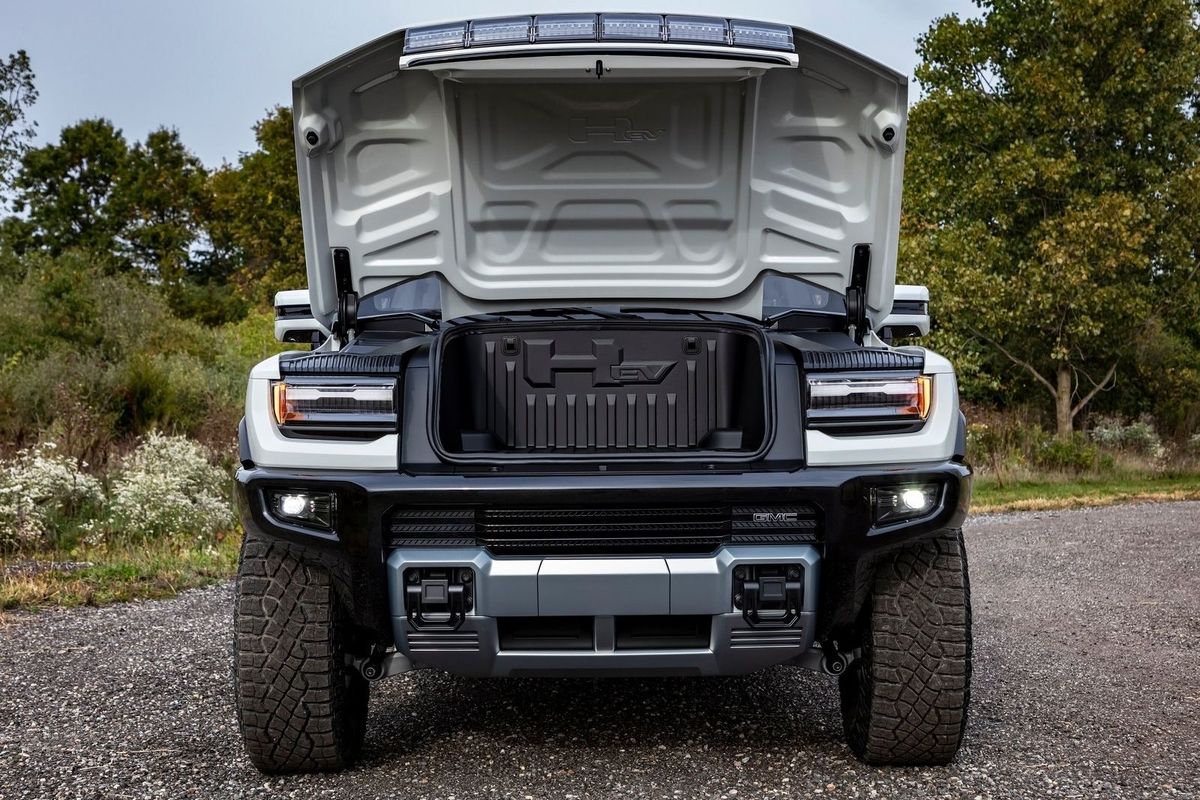
GM’s new Hummer is a 4 103 kg problem that should never have happened. It uses an oversized (212-kWh) battery pack, which means GM could have built four (yes, four!) battery-powered crossovers with the material used in one Hummer.
The Hummer BEV is no different in terms of size, scale and, indeed, superfluous capability to a large-capacity naturally-aspirated V8 bakkie.
Despite the fantastic packaging benefits that a dedicated BEV design offers, buyers want oversized vehicles. And they also desire the charm of a traditional two-box design, instead of markedly more efficient and futuristic slippier shapes.
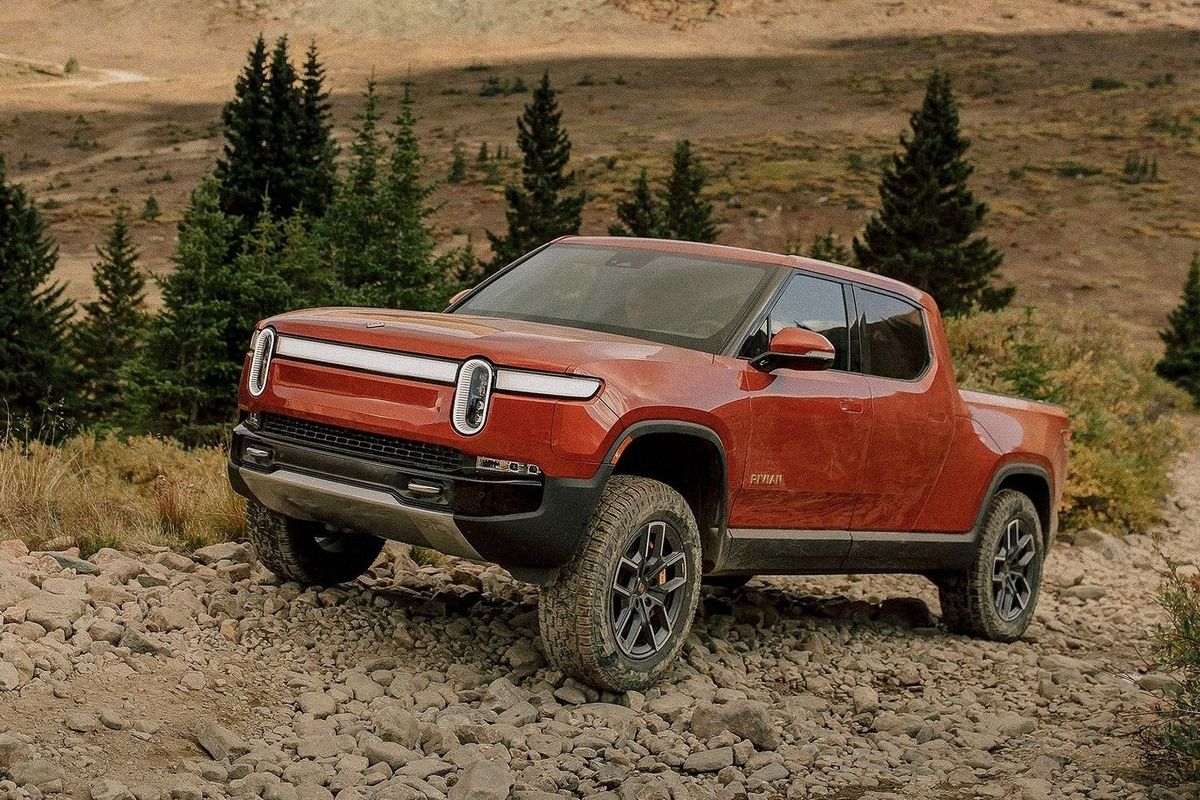
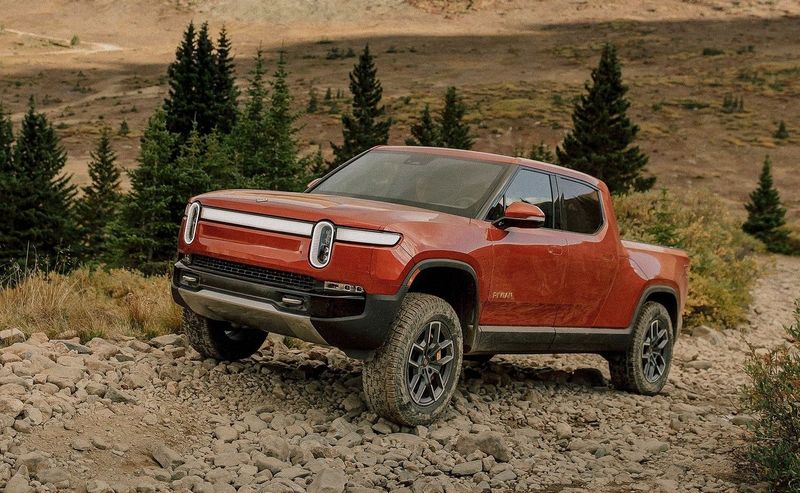
Rivian is totally committed to BEVs and has a gifted engineering team. But its bakkies still follow two-box design principles.
Conservative designs don’t maximize EV packaging
BEVs should look nothing like legacy ICE vehicles. But they do. The double-cab bakkies are especially notable in this regard. They aren’t shaped for efficiency. They are shaped to look exactly like what they’re supposed to replace.
It is worth noting that most manufacturers no longer quote drag coefficients in their marketing material for new models. There was a time when a low Cd value was a source of pride and the hallmark of advanced design. Alas, no more.
Designers are tasked with replacing large legacy ICE SUVs and double cabs with BEV models that look much the same (with huge frontal areas, potentially poor underbody aerodynamics and lots of low-pressure drag around the rear).
A 4 000-kg V8 is unacceptable, but a portly EV is quite okay?
Enormously overweight BEVs require way too much energy to propel and roll with a greater burden of infrastructure damage on the road network. And they aren’t that easy to stop, either. Even with the best regeneration system, there is no way to alter physics – a vehicle with significant heft requires a SERIOUS disc-brake system to bring it to a standstill in an acceptably short distance and, at loftier speeds, you’ll just have to live with “um, as quickly as it can”…
Like most BEVs, the Hummer has a competitive centre of gravity (because of the underfloor positioning of its battery packs), which helps it to remain stable under braking. And it stops marginally well from 100-0 kph, in about the same distance as a large double-cab bakkie. But the issue is that the former can sustain much higher speeds than a diesel-powered double-cab and get up to speed about 3 times faster.
The introduction of a glut of new 2.5- to 4-tonne vehicles with staggering performance potential should trigger safety concerns, as a matter of fact. Remember, even with wheel sizes inching up (which means there is more rubber in contact with the road), disc brakes can only do so much to decelerate a 4-tonne battery-electric bakkie during an emergency stop manoeuvre.
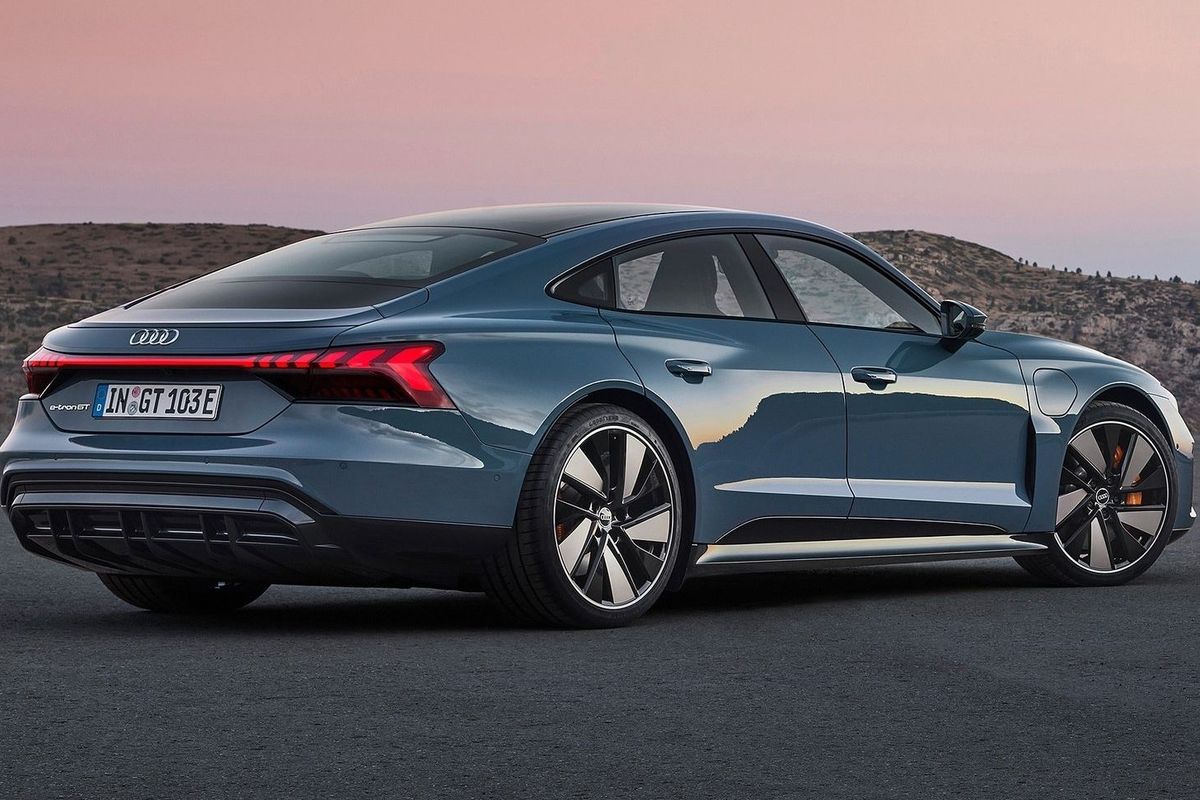
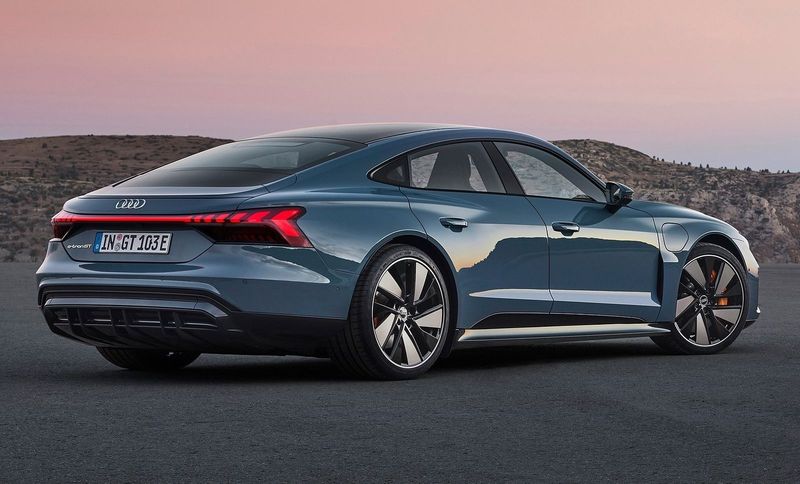
Audi’s E-Tron GT is low and sleek, with great aerodynamics. It makes the most of its BEV powertrain’s low-profile packaging.
As with all things automotive, weight matters
The simple truth is that legacy car companies don’t know how to produce profitable compact BEVs. They don’t possess the battery-sourcing authority or scaling ability to make money on the BEVs we really need, at an affordable price point. Volkswagen is trying to democratise the BEV with its ID platform, but ID models aren’t being produced – or retailed – at anywhere near the volumes required for the production costs of those products to come down substantially.
With each new BEV that weighs a third more than the ICE vehicle it replaces, very little is accomplished in the journey to decarbonising personal transport. It’s sheer folly to celebrate massively heavy vehicles with dramatic 0-100-kph times.
The uncomfortable truth is that it makes little sense to replace a large ICE SUV or double-cab bakkie with a BEV that weights the equivalent of a fully-loaded ICE vehicle. Think about that energy inefficiency: it is like driving your Hilux double-cab, towing a Corolla Cross, all of the time. That’s exactly what you are doing when buying many of the current luxury BEVs.
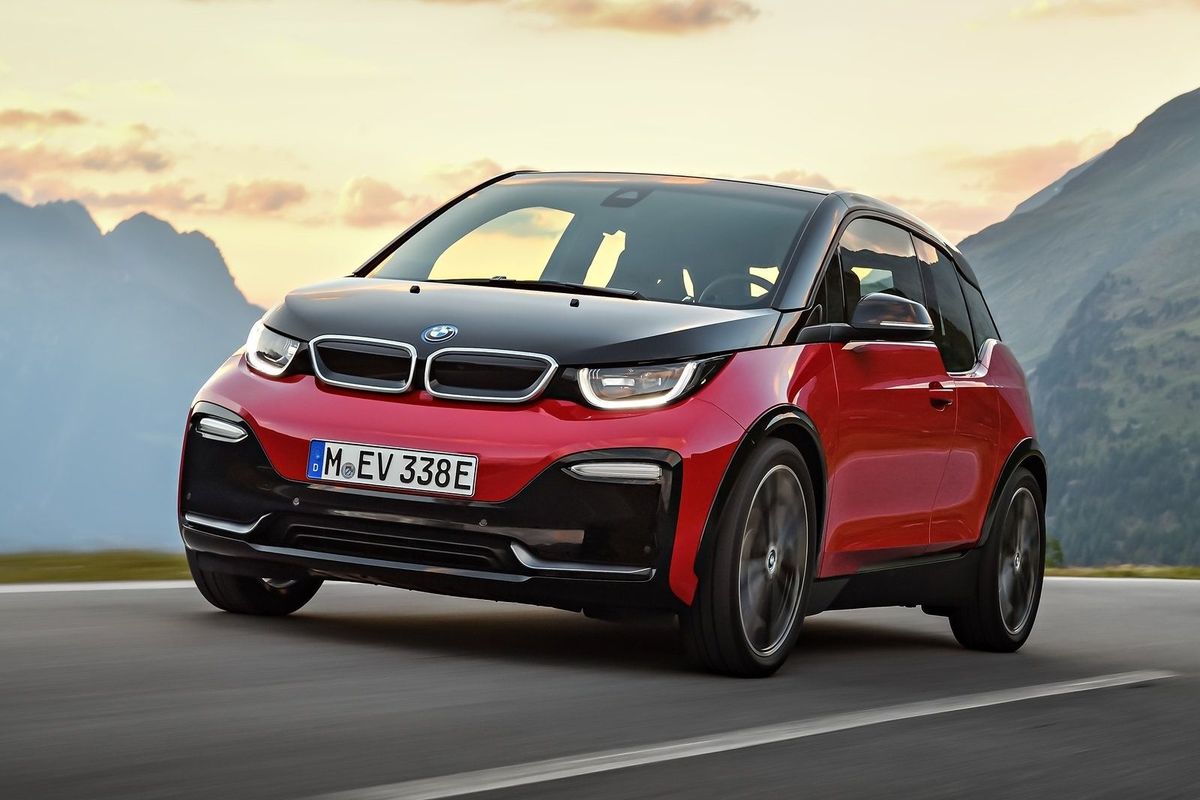
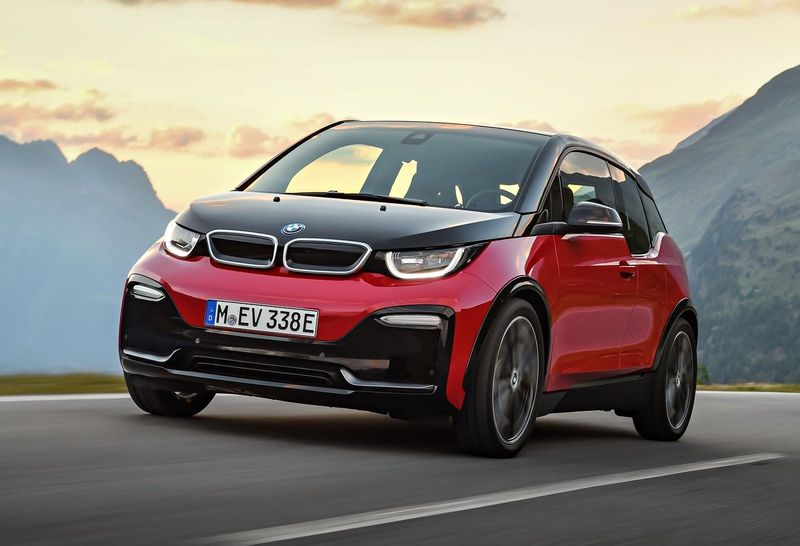
BMW’s i3 was perfectly sized. But nobody was interested. And premium car brands aren’t making the same “mistake” again.
Smaller BEVs seem a lost cause
The engineering urgency should not only be about replacing equivalent ICE range with battery powertrains. But also attaining a similar vehicle mass when buyers transition. Having 3- to 4-tonne vehicles with supercar levels of acceleration and no sound signature are an urban crash risk waiting to happen. And they use a lot of battery material, which could be used in making smaller and more usable BEVs.
Championing the presence of hugely expensive and laughably heavy BEVs is plainly wrong. These vehicles do little to balance personal transport freedom with lower environmental impact. At the current median prices for EVs, they will have a negligible effect on reducing CO2 because sales will remain a tiny fraction of the overall market.
What is needed is a battery-electric Model T, VW Beetle or Toyota Corolla equivalent – in other words, an affordable vehicle that can be bought in its millions. And Tesla is probably the only company with the resources, vision and technology to make more affordable BEVs. But then again, it applied eight price increases in the past year – because, well, it could… The solution? It will probably come from a Chinese manufacturer.
VW Amarok R With Diesel Power?
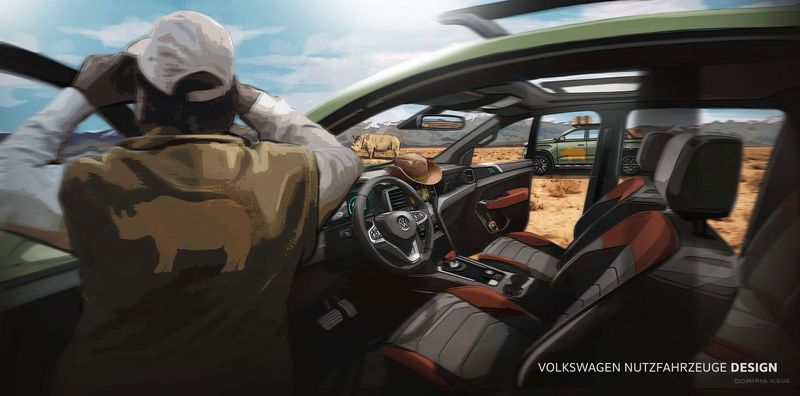
The Amarok/Ranger tie in is getting juicier with rumours of a diesel-powered VW Amarok R to take on the petrol-powered Raptor.
If you weren’t yet aware, the all-new Volkswagen Amarok and all-new Ford Ranger share common elements like platform and powertrains. At the top of the range, sits the halo models, like the Ford Ranger Raptor, complete with a thundering biturbo V6 petrol engine.
If you’re expecting a hot Amarok with the same engine, you’re going to be disappointed as there have been denials that it will happen. However, Volkswagen Australia says a performance model is not off the table, understandable considering VW is not going to be too happy letting your rival having complete market share of the high-performance bakkie segment.
Volkswagen Commercial vehicles Australian director Ryan Davies chatted to CarsGuide about a performance Amarok. The Australian publication was told that the move to a petrol V6 in the Raptor had limitations, as diesel is the segment’s preferred fuel.
“In that, there is an opportunity for us to do something that will meet the market of the Australian buyer,” he said of a diesel V6 Raptor rival, stating that the market share for Amarok is currently 85% for the V6 and 15% for the four-cylinder.
So, if a VW Amarok R were to come to market, what diesel engines would be available? As we know and have experienced, the current-gen 3.0-litre V6 TDI is formidable, with 190 kW and 580 Nm. Ford’s new Ranger will also have a 3.0-litre V6 diesel, developing 184 kW and 600 Nm. Both of these engines comfortably outgun the current-shape Raptor’s 2.0-litre biturbo with 157 kW and 500 Nm.
Could it actually happen? Interestingly, VW’s commercial boss said that Australia is the biggest-selling market for Amarok, so it has some leverage and say in the product planning.
A diesel-powered VW Amarok R would target a different buyer compared to a petrol-powered Ford Ranger Raptor, and while the models share the same platform, differentiation is possible.
“Of course the partnership with Ford will be something we talk about. Ford has already talked about it in the press already, but if you’re going to partner with someone, it’s always good to take two of the best cars in the market and put them together,” he said.
“There’ll be a lot of the same underpinnings, but a lot of the DNA will still be Volkswagen. The styling, the design – it’s Volkswagen to the core. The interior will be appreciated for what Volkswagens are usually appreciated for, especially the quality. It’ll be different.”
As a reminder, both the all-new Ford Ranger and all-new Volkswagen Amarok will be assembled in South Africa at Ford’s Silverton plant.
The Datsun brand has been scrapped for the second time in its 91-year history, with Nissan confirming production has come to an end in India…
Nissan has hammered the final nail into its budget Datsun brand’s coffin, with production having ceased in India.
“As part of Nissan’s global transformation strategy, the company is focusing on core models and segments that bring the most benefit to customers, dealer partners and the business,” Nissan India said in a brief statement, according to Autocar India.
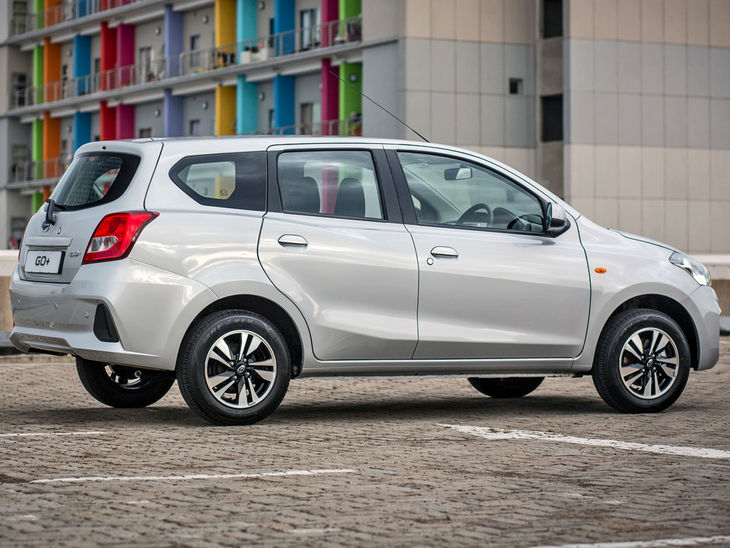
The Japanese company’s Indian division furthermore confirmed production of the Datsun Redi-Go had “ceased at the Chennai plant”, with the publication adding Nissan had earlier stopped building the Go hatchback and Go+ MPV.
In 2020, Nissan pulled the plug on production of Datsun models at its Russian and Indonesian facilities. With its Indian operations now also wound down, Datsun products are no longer produced anywhere in the world.
The last time Nissan registered a Go+ in South Africa was back in November 2021.
Of course, Nissan South Africa had sourced its Datsun wares from the Indian plant. The company’s local website still lists the Go and Go+ as being available, though a glance at recent sales figures suggests stock brought into the country from India has now almost run dry.
Nissan SA last registered a three-row Go+ as long ago as November 2021, along with 105 units of the Go in the same month. That figure fell to 47 in December 2021, 27 in January 2022, 14 in February and just 7 in March. The four-strong Go budget hatchback had been priced from R184 600 to R213 800, while the three-variant Go+ line-up had run from R194 700 to R223 800.
A few years back, Datsun had plans to launch a new budget-beating crossover locally, but that vehicle didn’t ever materialise. Instead, the Nissan-badged Magnite – which was originally destined to wear the Datsun insignia – was introduced to South Africa in April 2021.
The first Datsun was produced way back in 1931, before the badge disappeared in 1986. After a 27-year hiatus, Nissan announced the revival of the marque as a budget sub-brand for emerging markets in mid-2013. The Go, however, had a rocky start, being handed a zero-star crash-test safety rating by Global NCAP the following year.
2022 Volkswagen Polo Review – Still the Compact Champion?
In this review, Ciro de Siena takes a look at the facelifted Volkswagen Polo. If you want to buy the Polo, watch this video.
The facelifted Volkswagen Polo has gone on sale in South Africa and it’s an important model, with the factory in the Eastern Cape supplying both the Polo and GTI for local consumption and export.
With a stellar sales success in SA, expectations of this new model are high. Our video guy Ciro de Siena gets to grips with what’s changed, what’s new and whether this is still the compact hatchback to buy.