Though the second-generation Volkswagen Amarok has yet to be revealed, we now know when the German company’s local division plans to launch it in South Africa…
Volkswagen South Africa has quietly announced plans to launch the new Amarok bakkie locally in the first quarter of 2023.
Mark Handley, Head of Volkswagen Commercial Vehicles at VW Group South Africa, confirmed the second-generation Amarok’s local launch timing when commenting on the start of the Spirit of Amarok competition, an amateur 4×4 precision driving championship that takes place in SA every year.
“This year’s competition is a fitting farewell to the current Amarok range, which has sold over 40 000 units since its launch in South Africa in 2010. From the first quarter of 2023, Volkswagen Commercial Vehicles will launch the second-generation Amarok in the local market,” Handley said.
According to Ryan Davies (who was speaking to CarsGuide), Handley’s counterpart over in Australia, the reveal of the new Amarok will take place in July 2022. That global unveiling, of course, is set to take place right here in South Africa, with VW SA having on more than one occasion alluded to the world premiere as a locally hosted event.
That makes sense considering the new Amarok will be built exclusively in South Africa, rolling off the same production line as the new Ranger at Ford’s Silverton assembly plant. Under VW’s strategic alliance with the Blue Oval brand, the second-gen Amarok will share much with the latest Ranger.
However, Volkswagen says the Amarok will be clearly differentiated from the Ranger, both in terms of exterior styling and interior execution. We also know the new Amarok will be 100 mm longer at 5 350 mm and its body will also be wider than the current version (resulting in additional legroom in the second row, says VW).
The German company has furthermore confirmed its new bakkie will be offered with V6 power, though we expect the current 190 kW/580 Nm VW Group 3.0-litre turbodiesel unit to be replaced by Ford’s powerplant of the same displacement and configuration (which makes 184 kW and 600 Nm in Ranger guise).
Meanwhile, a recent report suggested the twin-turbocharged 3.0-litre V6 EcoBoost petrol engine, which generates a whopping 292 kW and 583 Nm in the new Ranger Raptor, won’t find its way into the upcoming Amarok, as the high-performance derivative is seemingly not included in the platform-sharing deal.
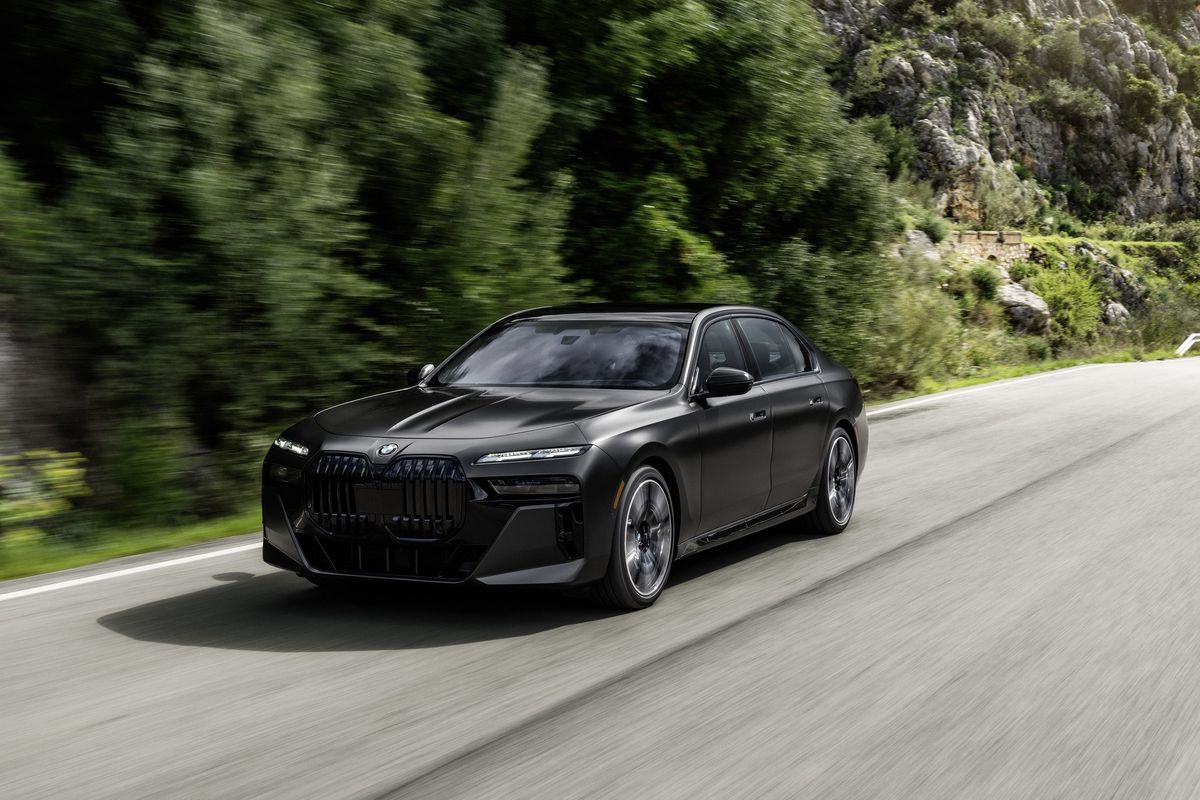
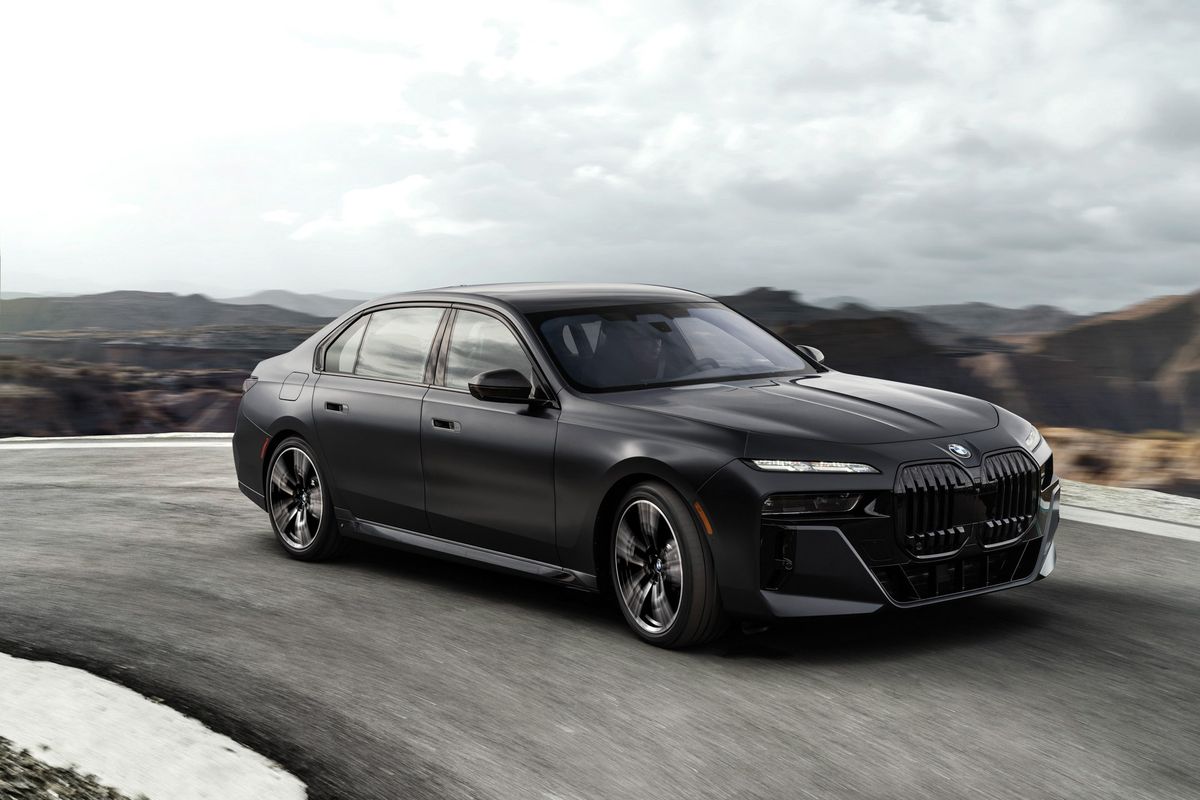
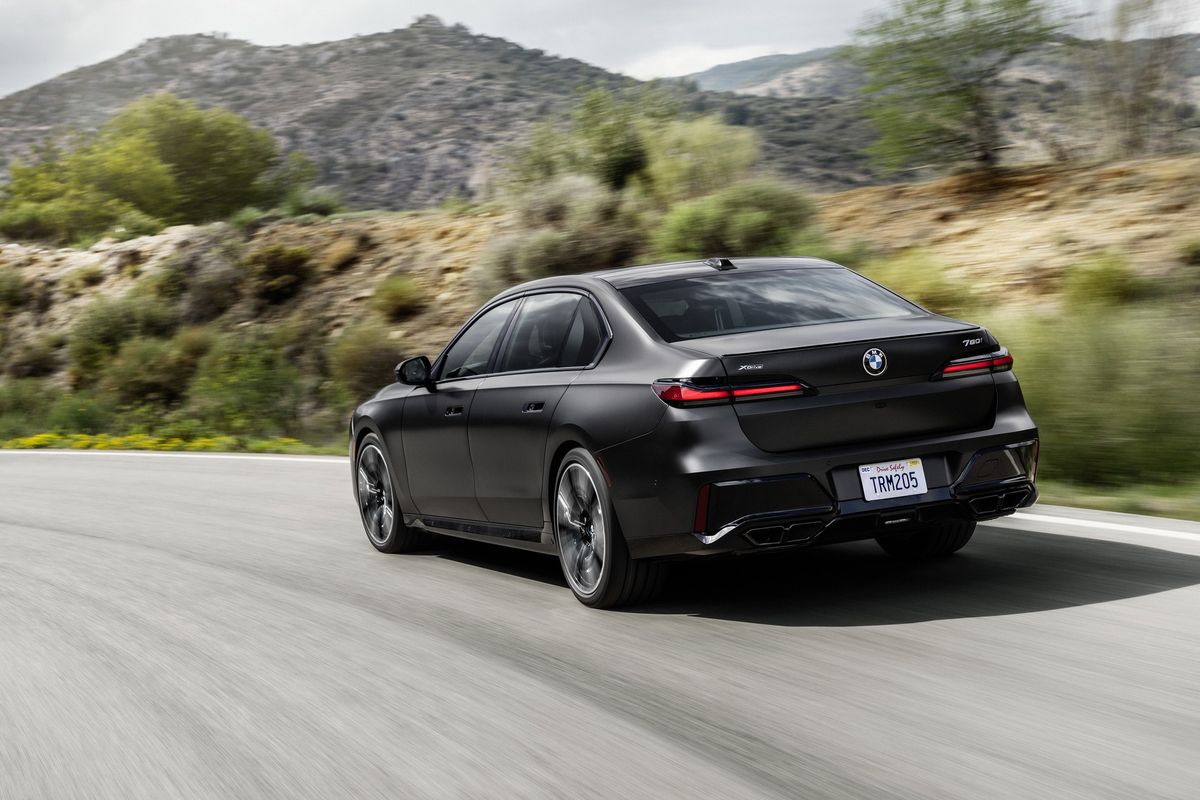
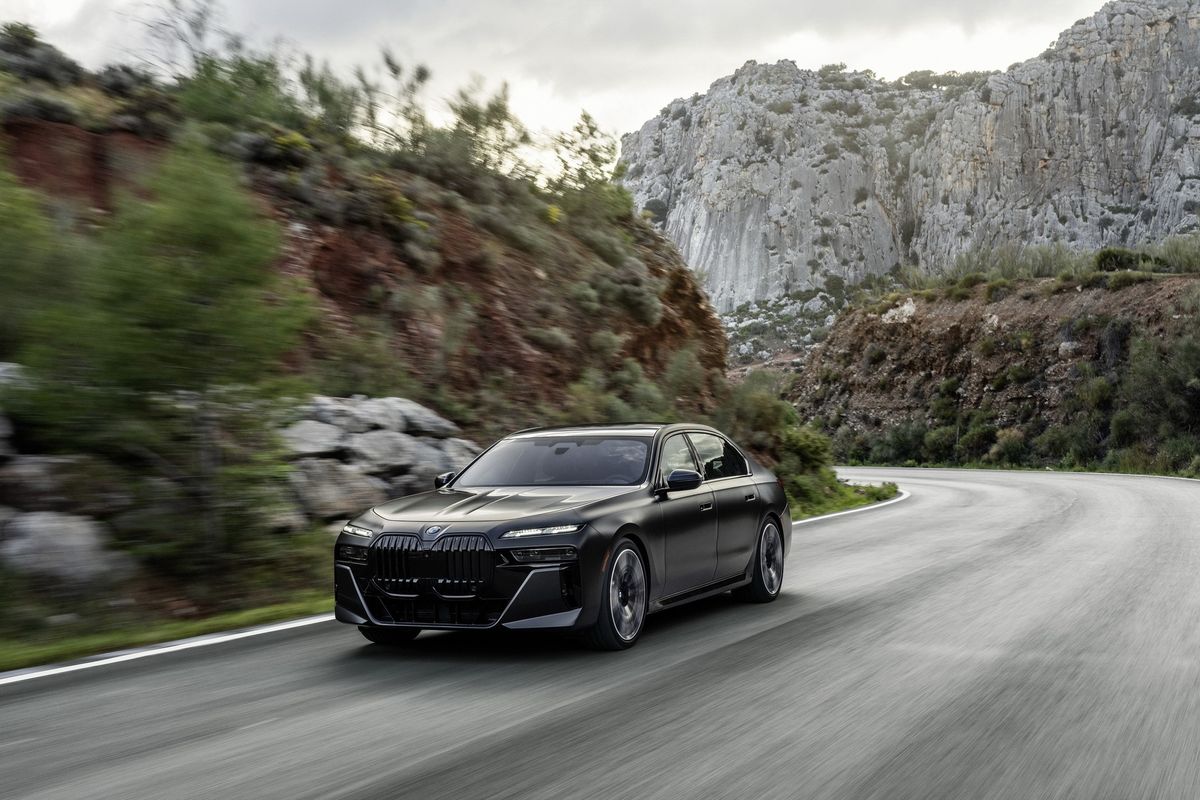
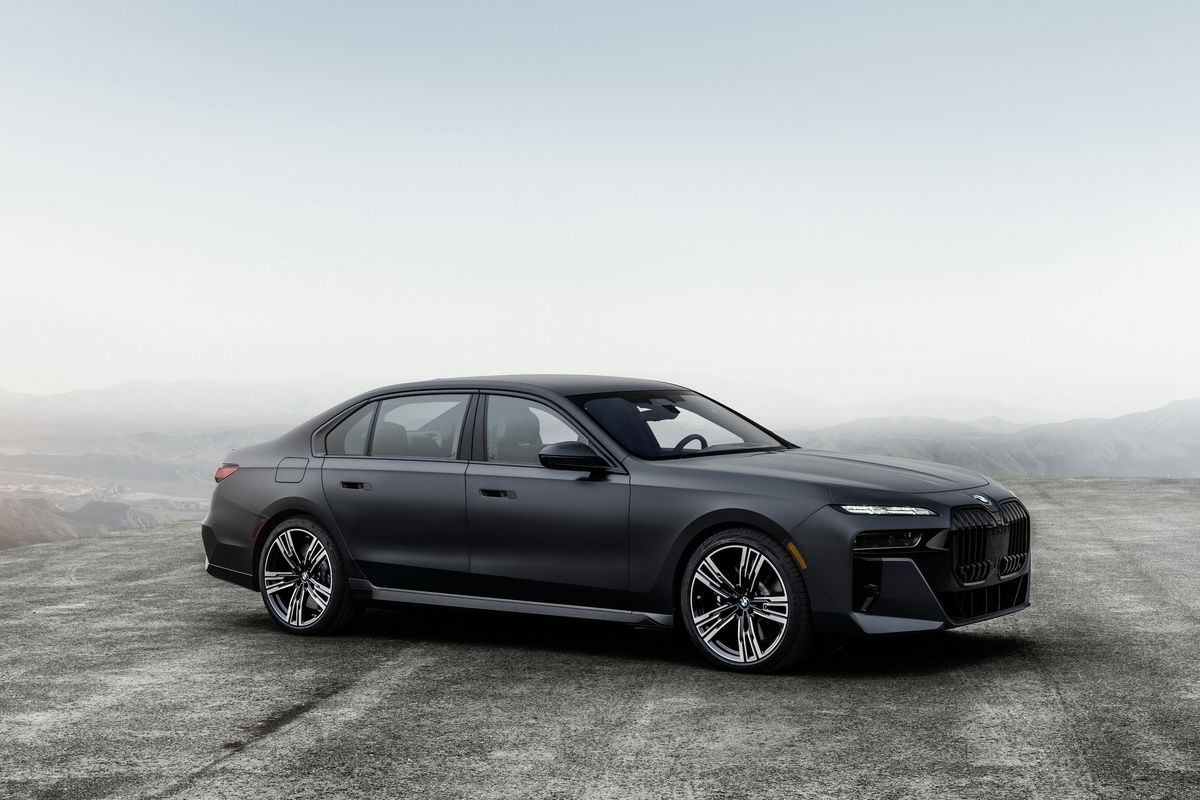
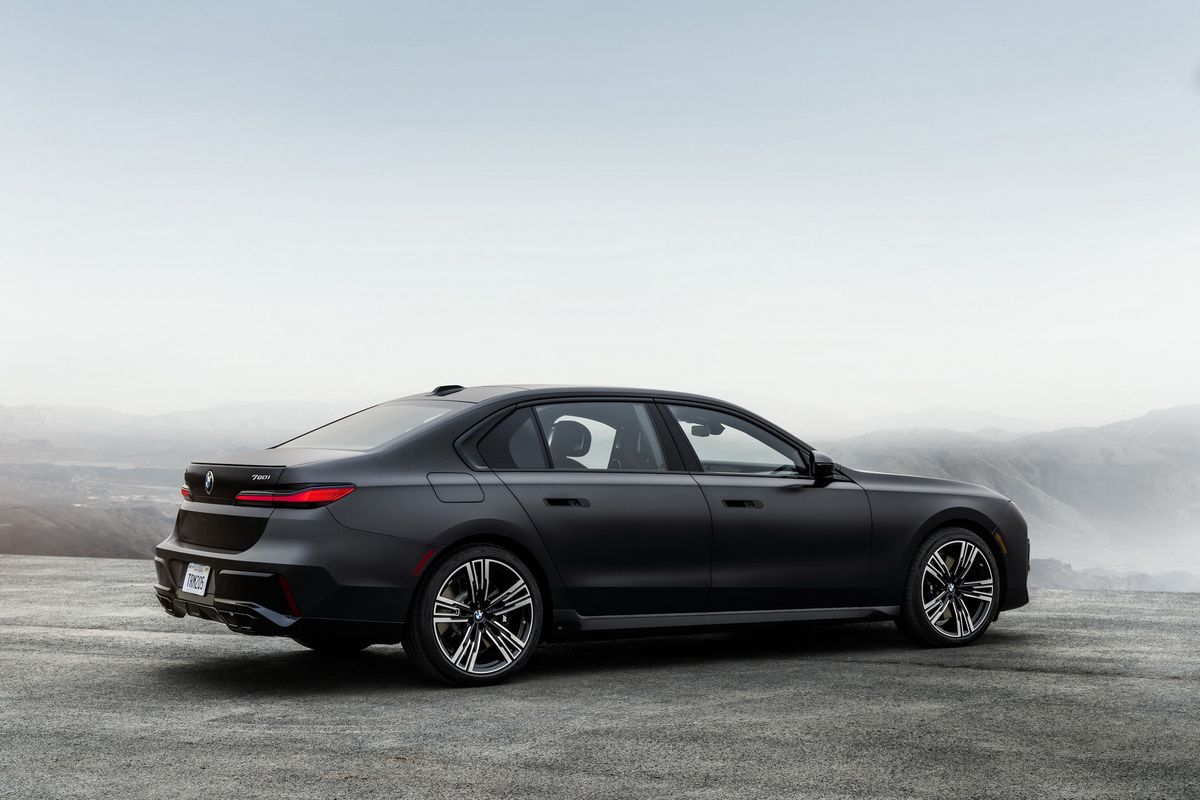
New BMW 7 Series and Electric i7 Revealed
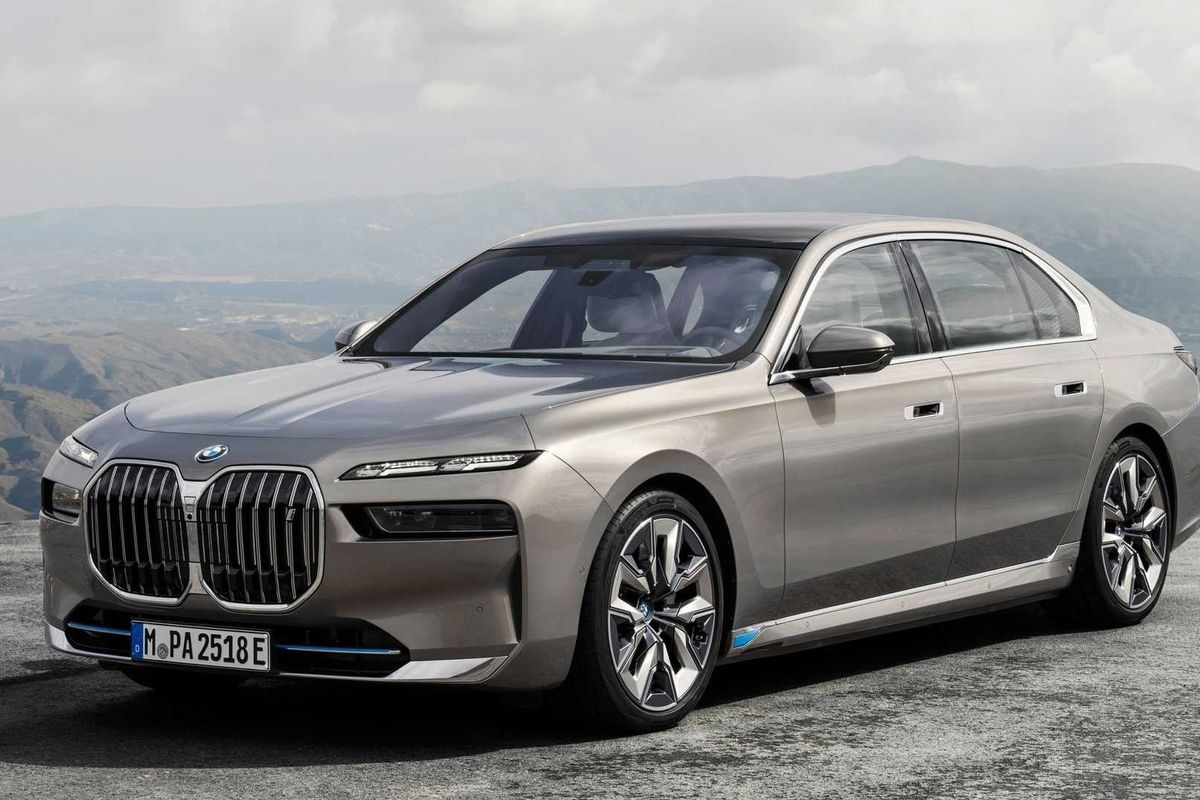
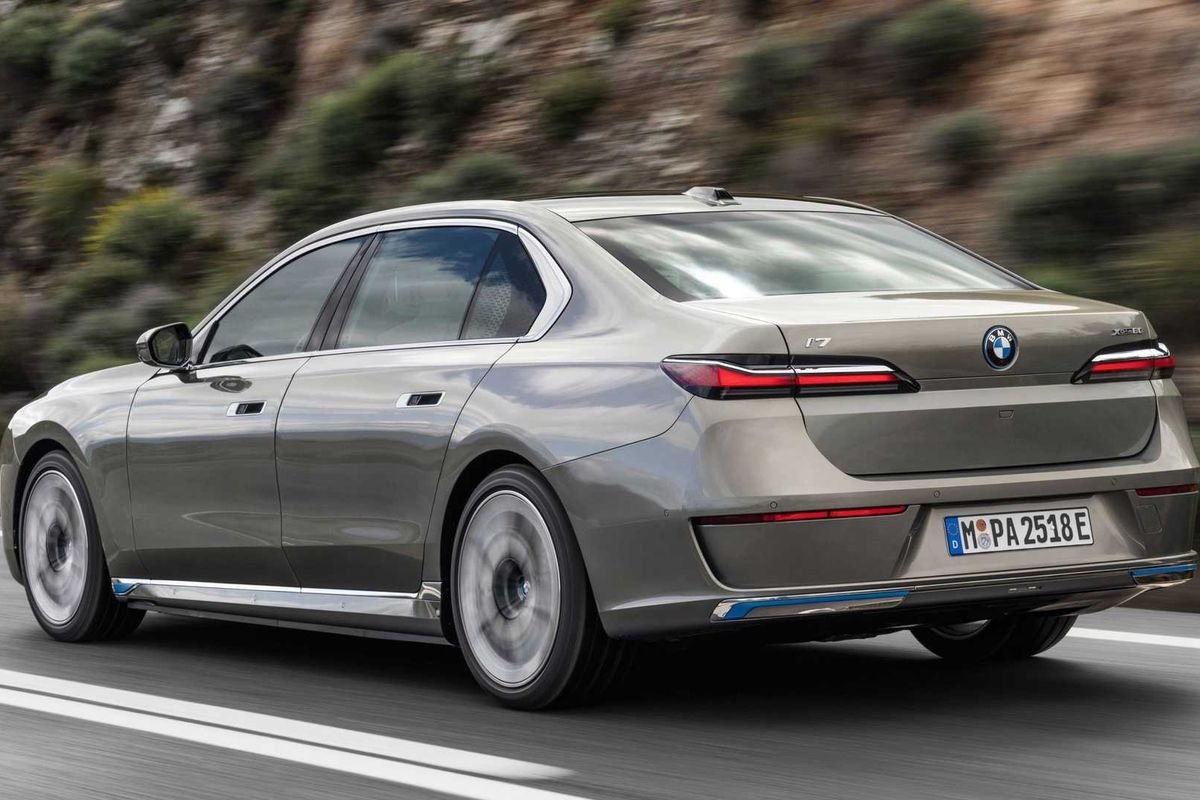
BMW has taken the wraps off its new 7 Series and i7 electric counterpart, showcasing a bolder design direction over its predecessor. See details below!
The new BMW 7 Series has arrived boasting styling that takes it smack-bam into the electric age. Yes, that’s right, BMW has unveiled both the combustion-engined 7 Series and the all-electric i7, with both showcasing some of the latest technology to come from the Munich-based firm.
The design of the new 7 Series is erm…polarising, and based on comments we have seen on social media, public perception is not particularly positive. Nonetheless, the 7 Series adopts BMW’s large illuminated kidney grille which is flanked by thin, slit-like Crystal headlights Iconic Glow while the bonnet adopts what BMW calls a monolithic surface design.
Engines on offer include a revised 3.0-litre in-line 6-cylinder turbopetrol engine in the 740i that develops 280 kW and 519 Nm with 48-volt mild-hybrid assist which adds boost for short periods and helps the 740i run from zero to 100 kph in 5 seconds.
There’s also a range-topping 760i xDrive model with a twin-turbocharged 4.4-litre V8 (also with mild-hybrid assist) that develops a gnarly 400 kW and 750 Nm of torque. The 760i xDrive is claimed to bolt to 100 kph in 4.2 seconds. Both the 740i and 760i xDrive use a 8-speed automatic transmission.
The all-electric i7 xDrive60 on the other hand, uses 2 electric motors for propulsion using a 101.7 kWh battery. Total outputs are pegged at 400 kW and 744 Nm. Electric range is pegged at approximately 625 km (WLTP). Zero to 100 kph is claimed at 4.5 seconds with a top speed of 240 kph. Using a fast DC charger (up to 195 kW), the i7 will recharge almost 170 km in 10 minutes.
The BMW 7 Series is fitted with 2-axle air suspension and adaptive suspension as standard as well Integral Active Steering and active roll stabilisation.
The new BMW 7 Series showcases the very best technology in BMW’s arsenal.
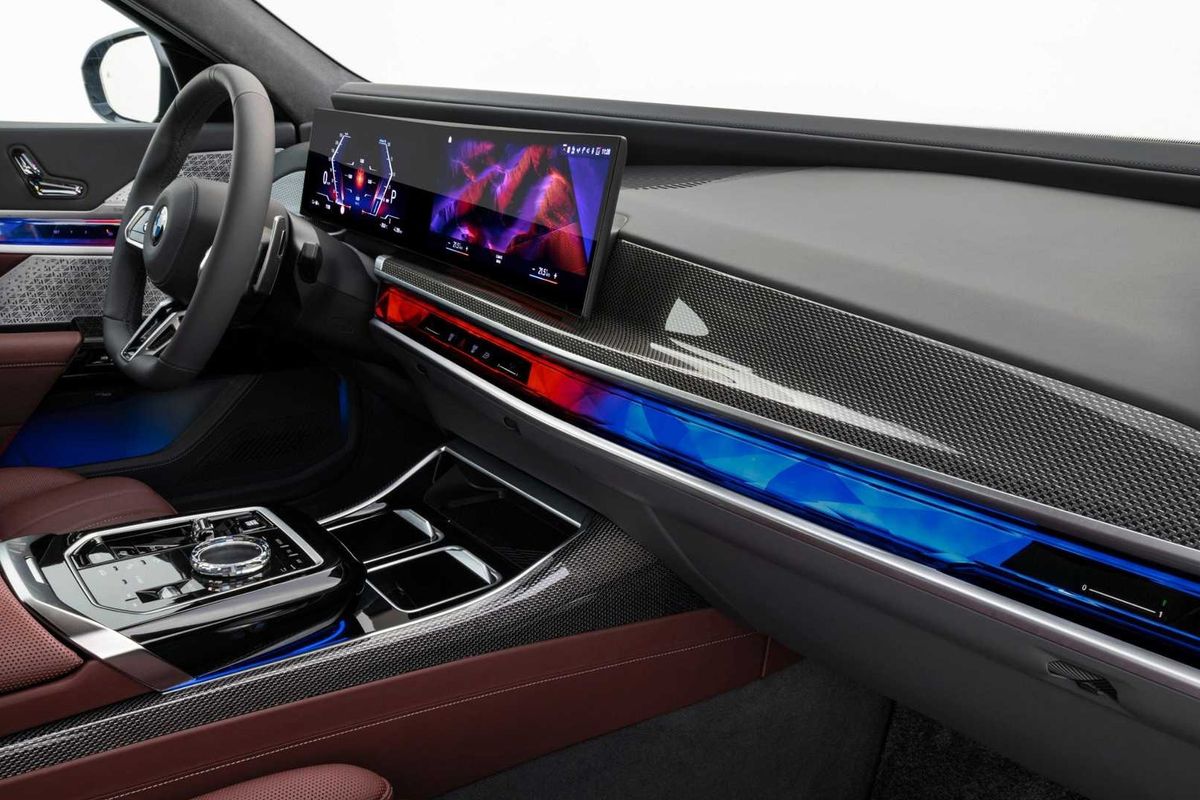
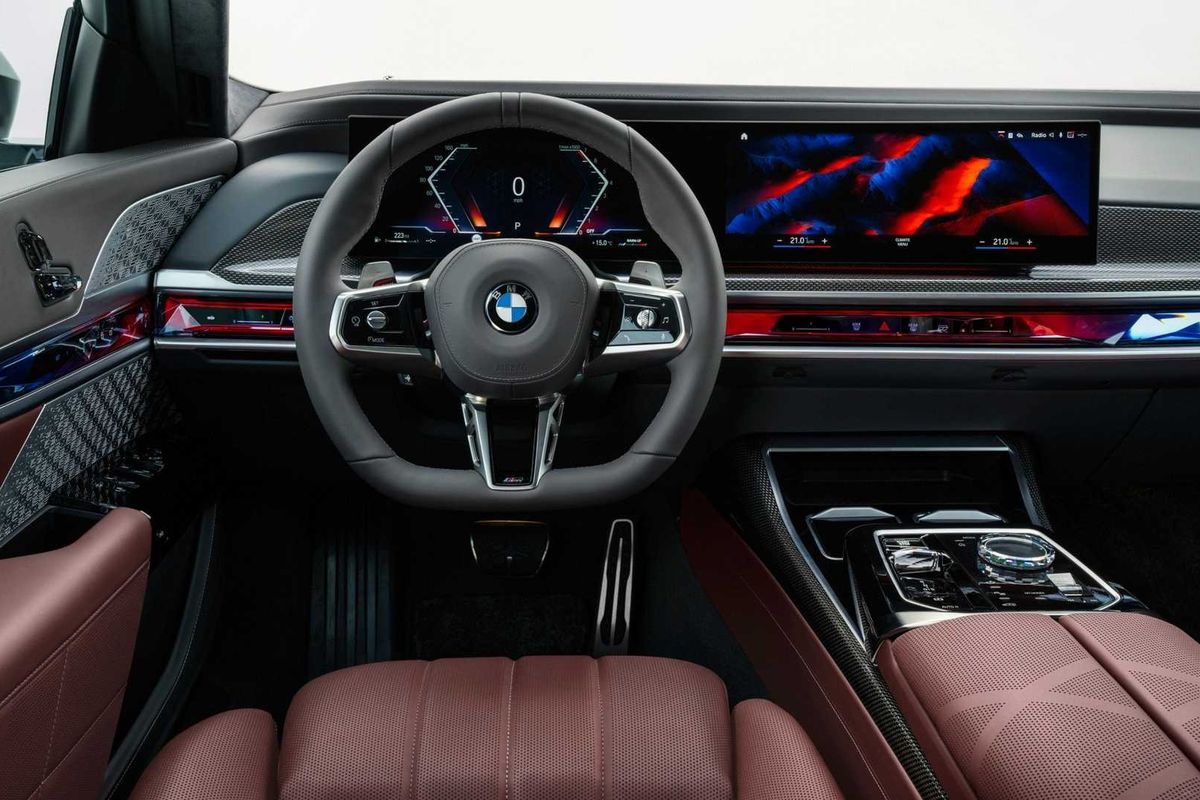
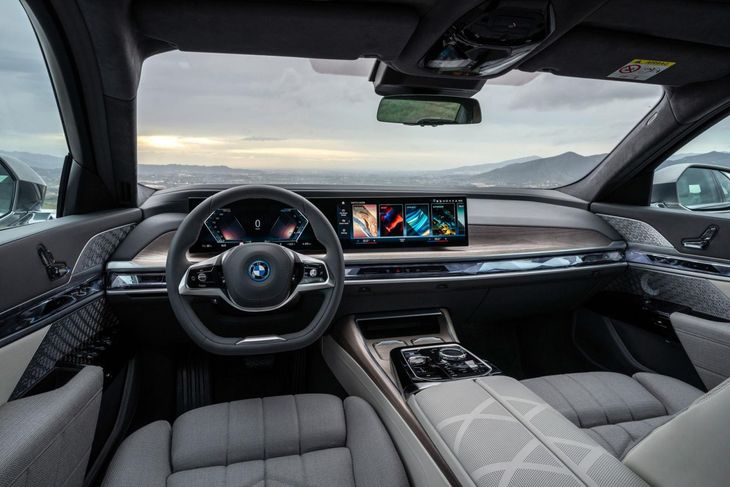
As is expected, the interior of the new 7 Series is lavishly equipped with technology. Rear passengers are treated to a BMW Theatre Screen measuring 31.3 inches and extends down from the headliner. The rear armrests are also fitted with 5.5-inch touch-operated screens.
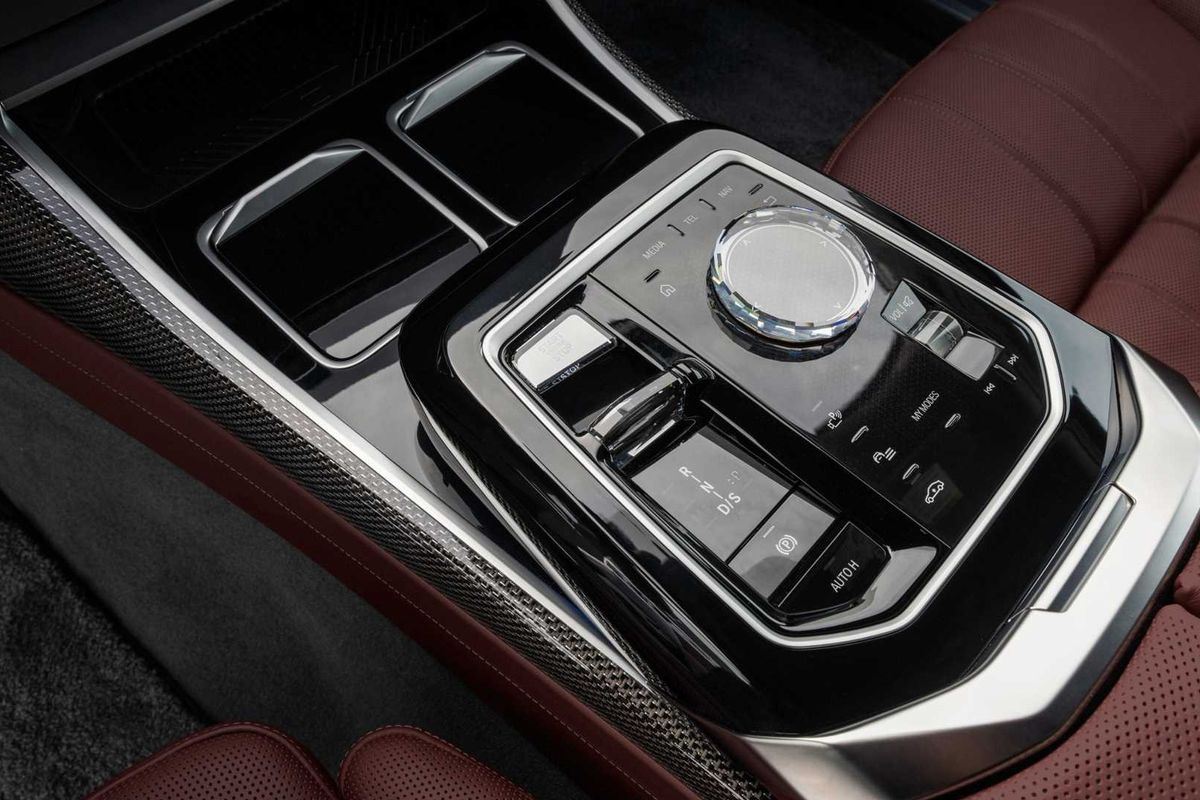
The driver is treated to a curved display mounted on the dashboard comprising a 12.3-inch infotainment system with 5G connectivity as well as a configurable 14.9-inch digital instrument cluster. The dashboard also features a BMW Interaction Bar that includes functions such as ambient lighting and air vents, stretching the width of the cabin. The interior ambience is further enhanced with a Sky Lounge panoramic glass sunroof with LED light threads.
BMW South Africa has confirmed that the 740i and all-electric i7 xDrive60 will be offered in South Africa from launch, expected in November 2022.
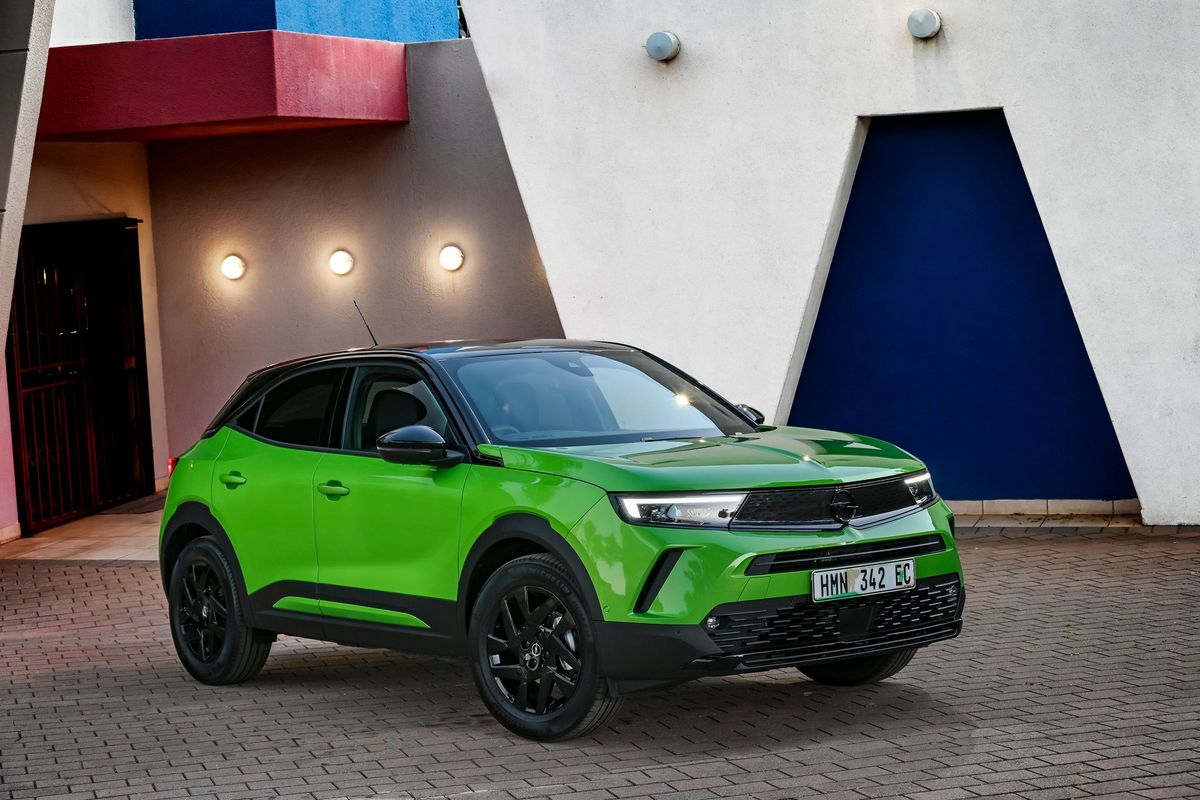
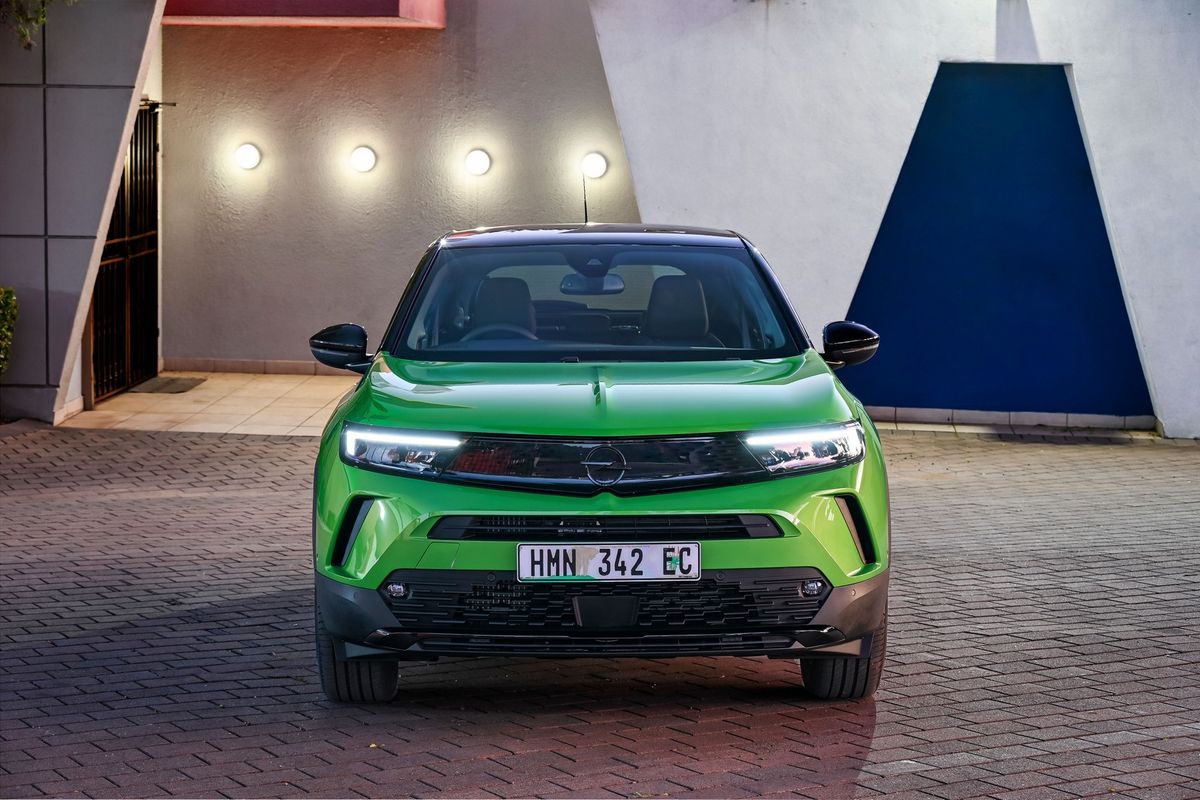
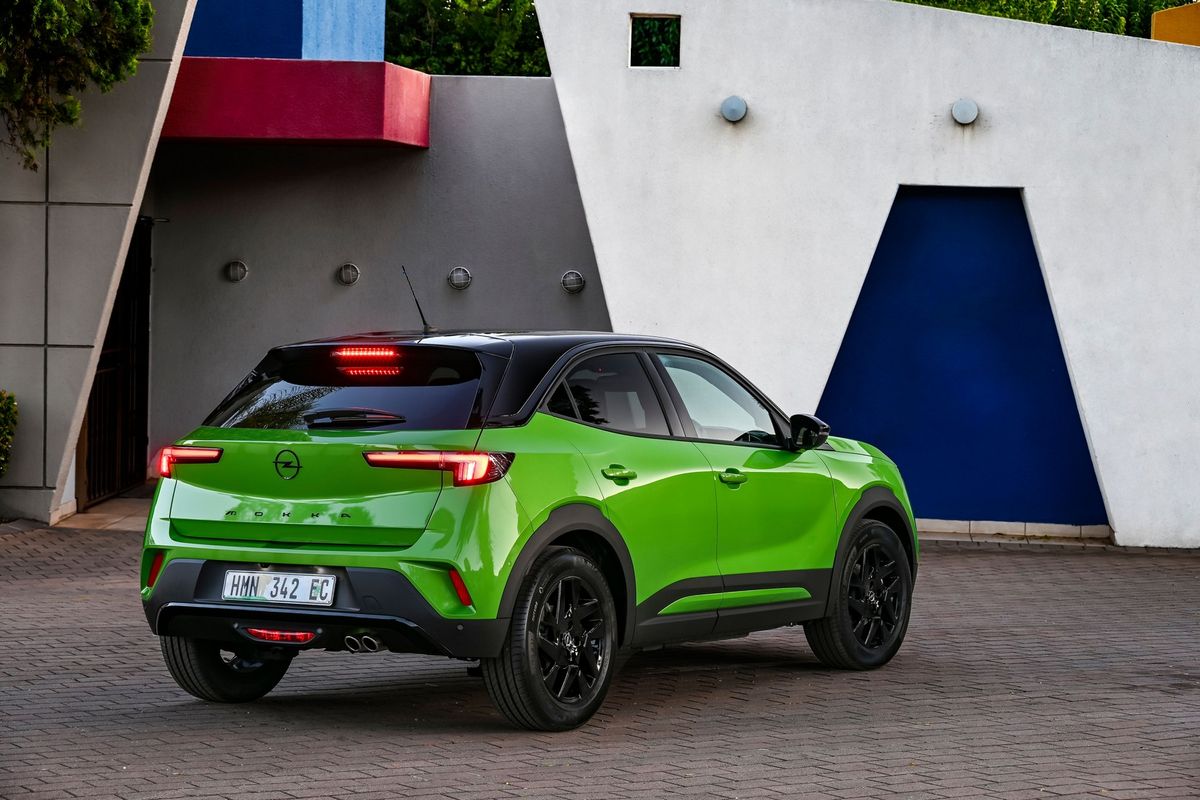
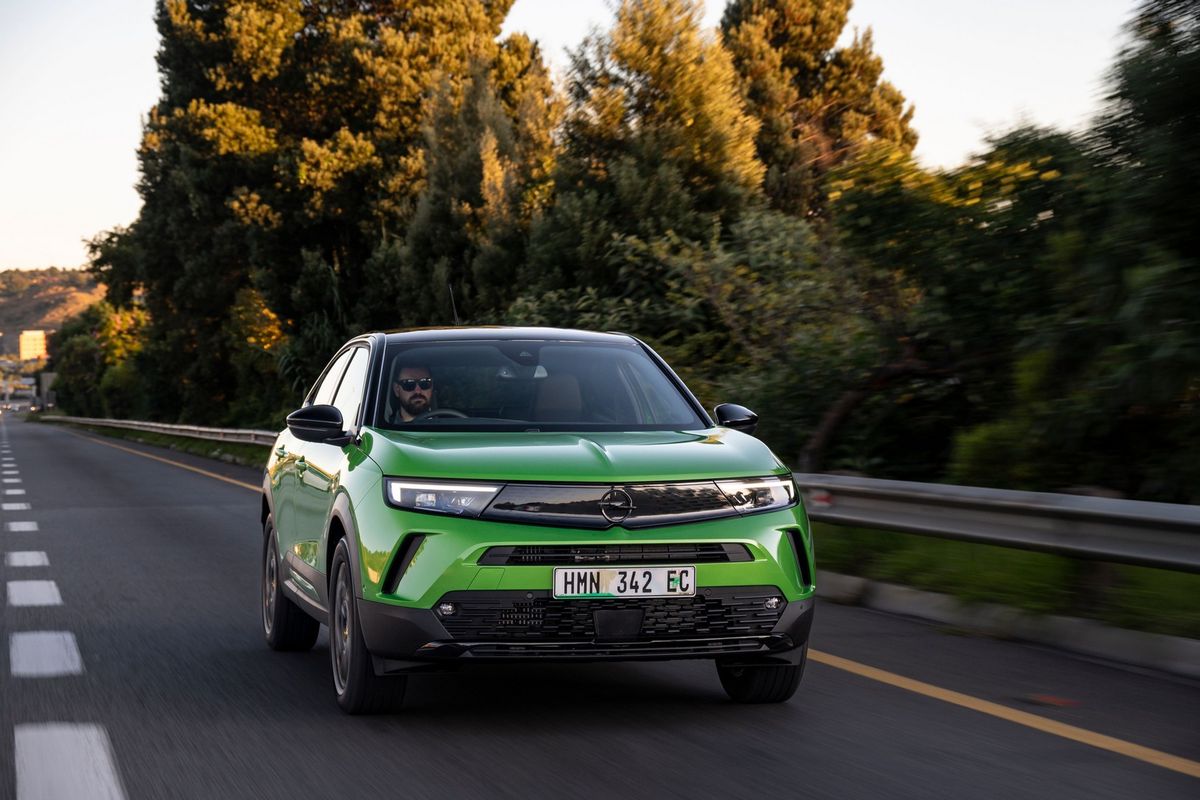
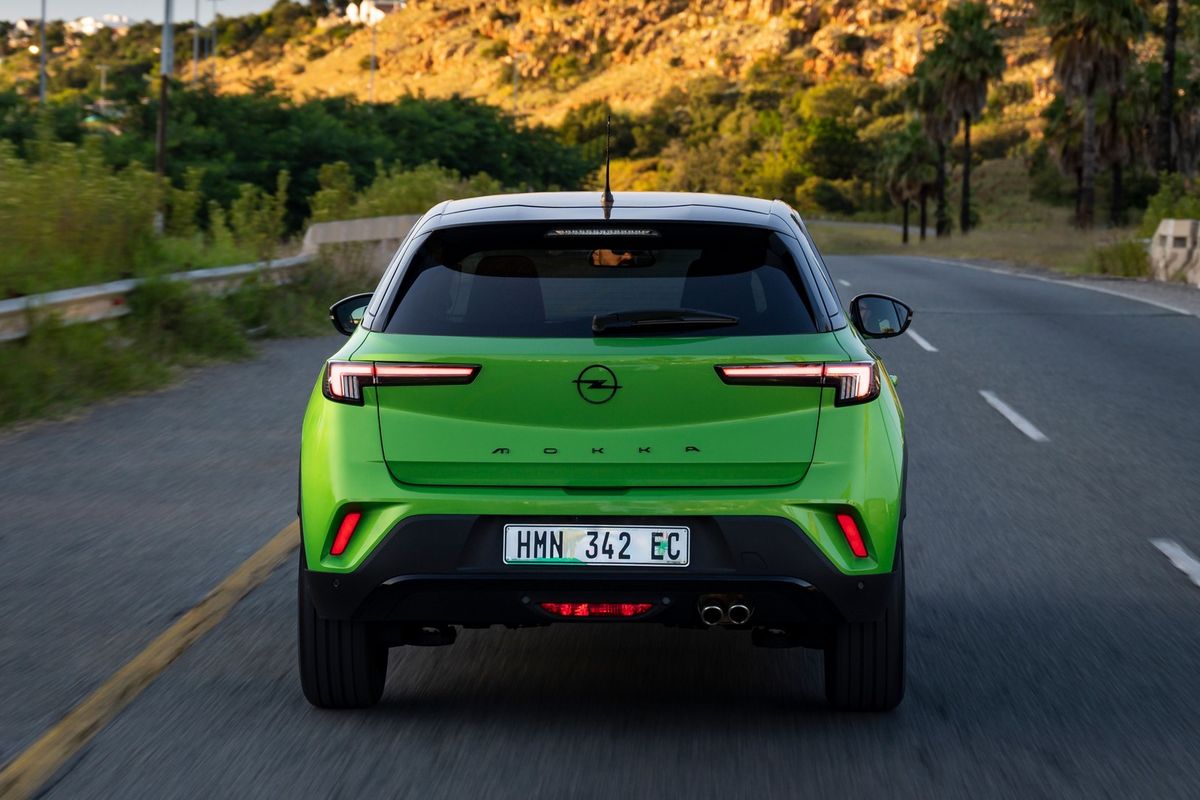
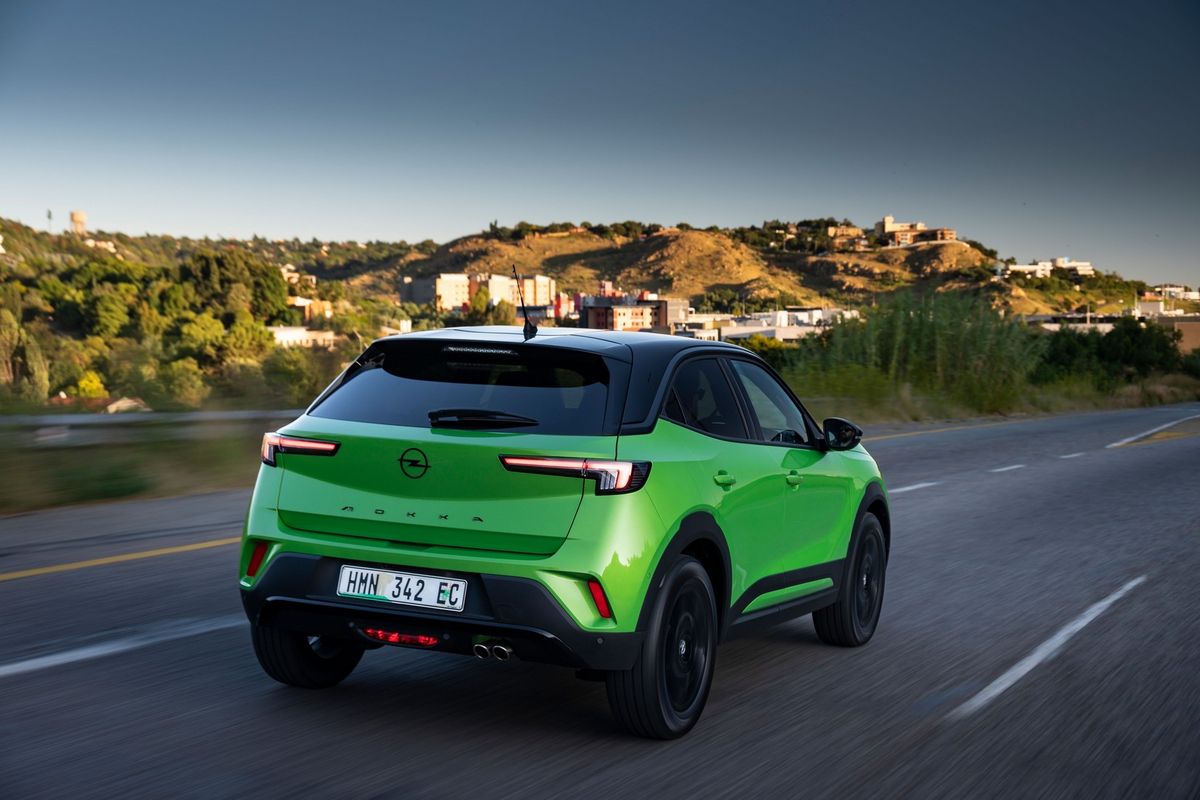
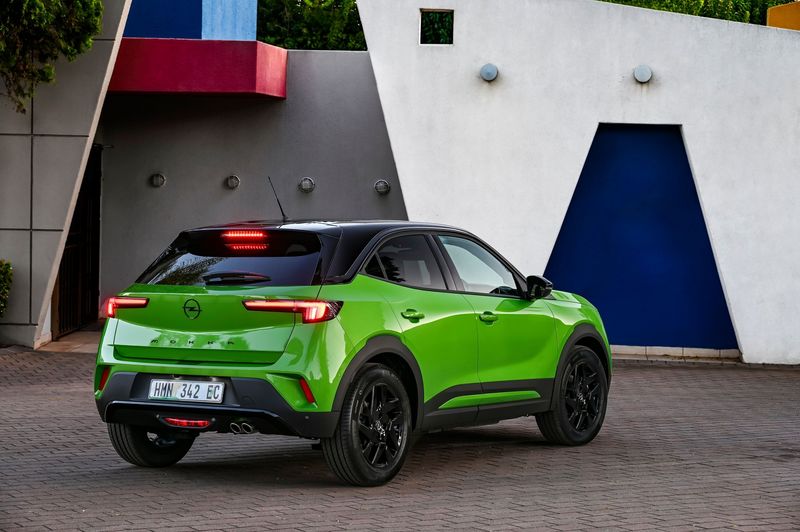
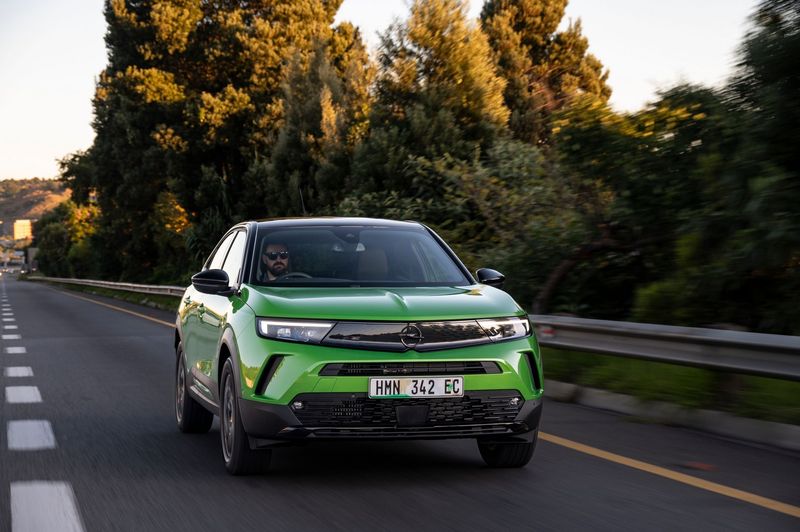
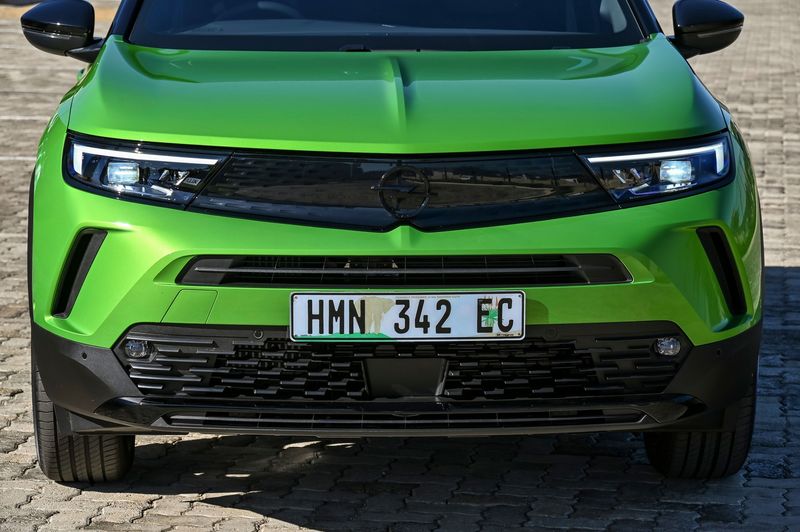
The boldly-styled 2022 Opel Mokka has arrived in South Africa and we’ve driven the new small crossover. In an already congested segment, what does it bring to the table?
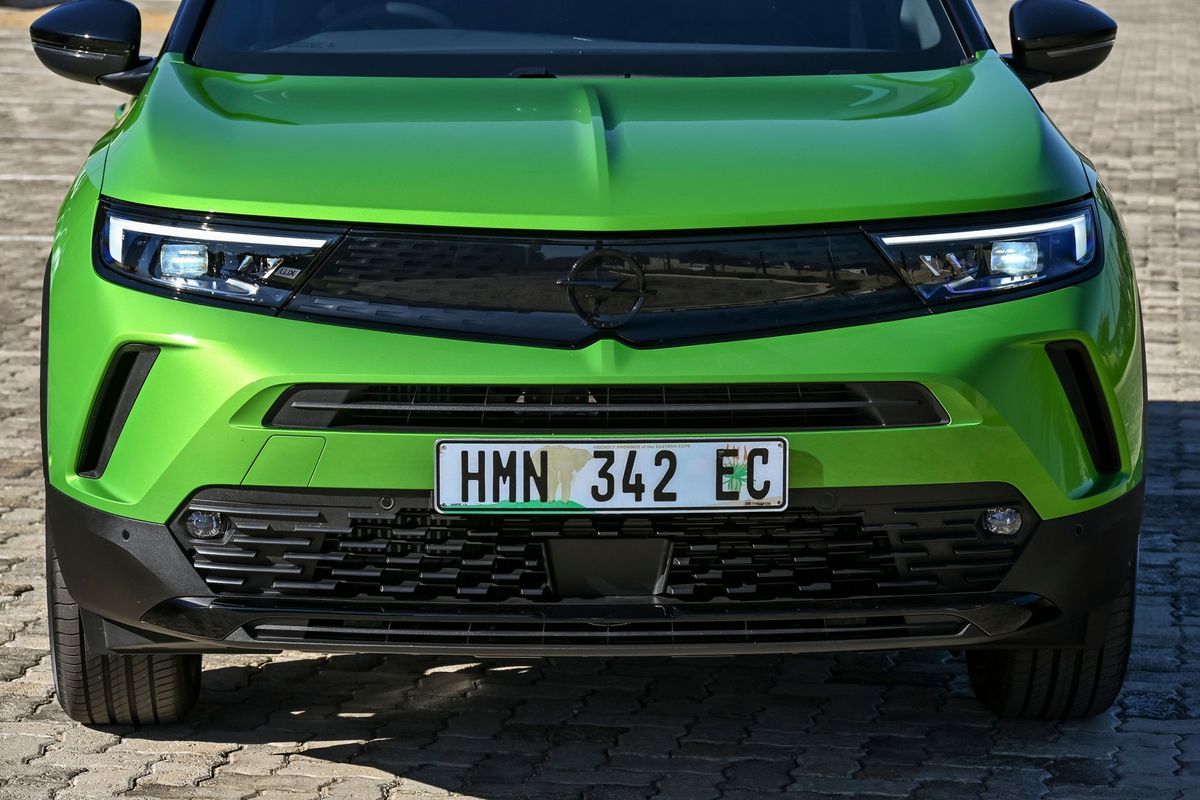
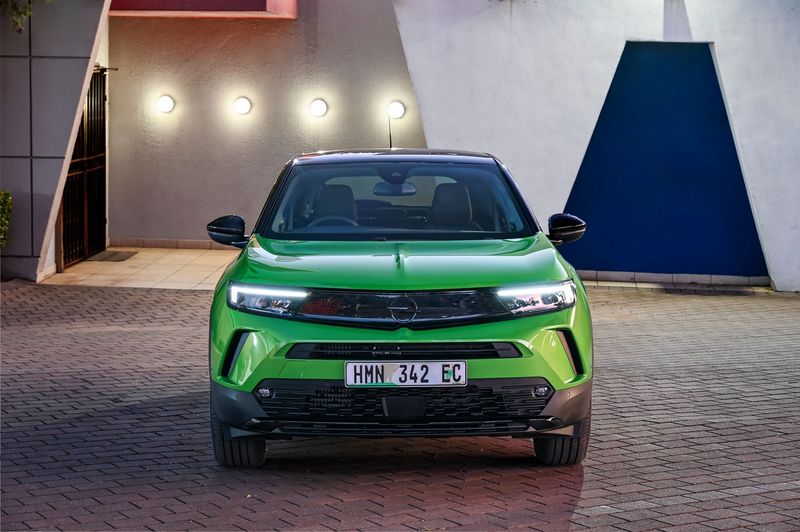
In an era of pretty generic-looking crossovers and SUVs, along comes the new Mokka from Opel. While design is subjective (it comes down to personal taste), there’s no denying this is one bold and interesting vehicle on the eye.
The Opel Mokka is another product from the Stellantis Group that has undergone a complete metamorphosis. The previous-generation model was developed when Opel was still owned by General Motors, and with the massive parts bin at Stellantis’ disposal, the new model has taken more than a few elements from existing products, such as the Peugeot 2008.
Under the skin is the PSA EMP1 platform, which also serves as the basis for the Opel Corsa, and Peugeot 208/2008. The Puretch engine is also shared with a few Stellantis products.
This all-new 2nd-generation Opel Mokka has a lot to live up to, with its predecessor tallying up over 1 000 000 units sold around the world.
What’s on Offer?
Opel is offering its stylish Mokka in 2 trim levels, with one powertrain shared across the range. The engine of choice is a 1.2-litre 3-cylinder turbopetrol engine, which produces healthy outputs of 96 kW and 230 Nm. Opel has fitted its 8-speed automatic transmission, replete with shift paddles located on the steering wheel. As far as fuel economy is concerned, Opel says that its new Mokka has an average fuel consumption of 6.1 L/100 km and a 44-litre tank.
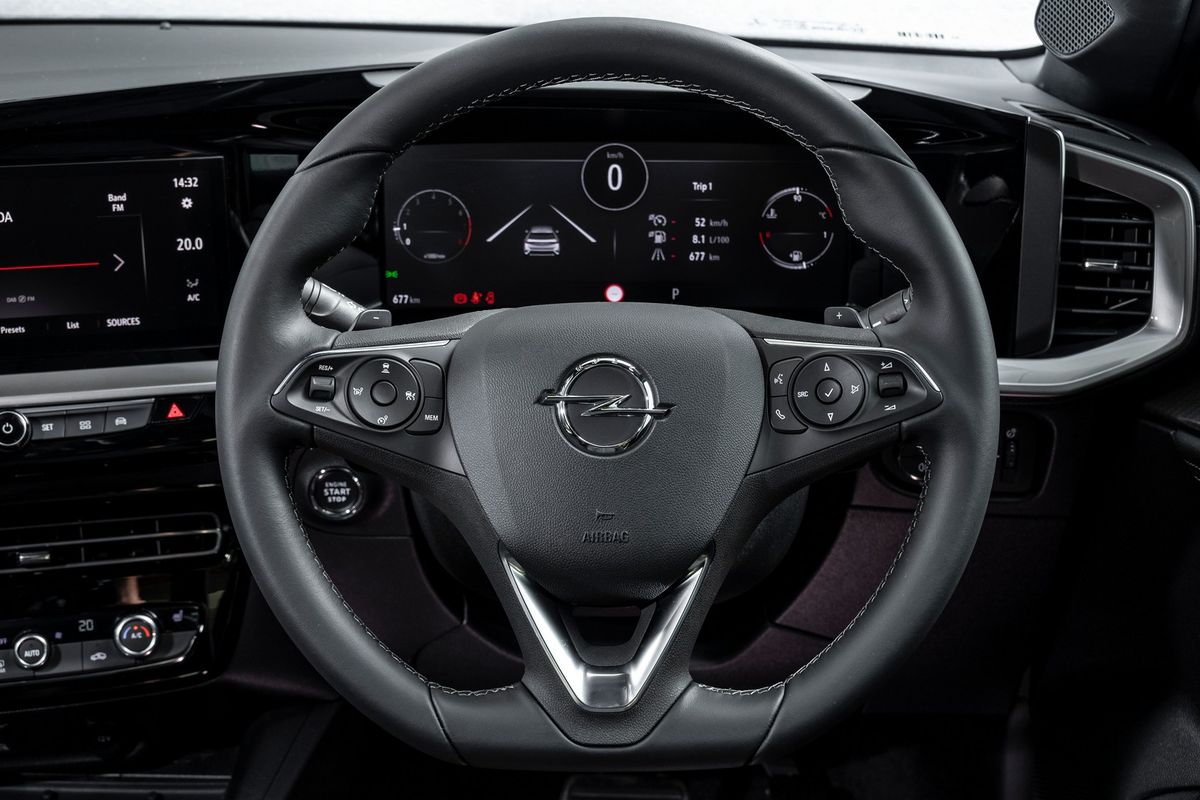
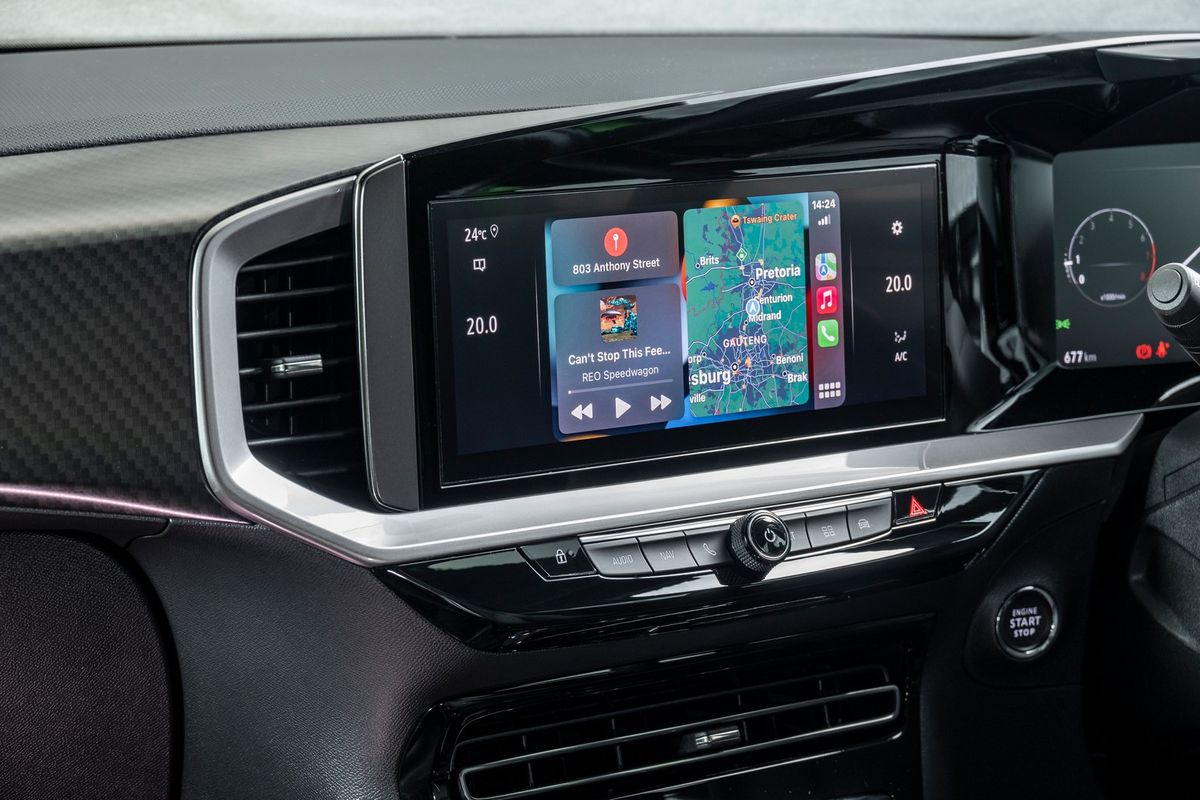
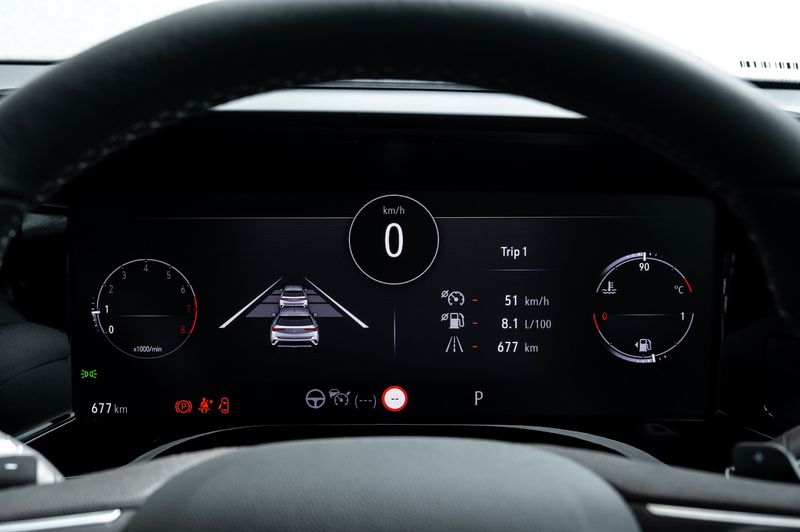
Standard fare is generous, across both the Elegance and the top-spec GS Line. The entry-level derivative features a 7-inch touchscreen infotainment system with Apple CarPlay and Android Auto connectivity, a 7-inch digital driver’s display, a multifunction steering wheel with paddle shifters, cruise control, cloth upholstery and automatic climate control.
The higher-spec Mokka GS Line adds features such as a larger (10-inch) touchscreen infotainment system and (12.0-inch) digital instrument cluster, leather upholstery and a massage function for the front seats. Incidentally, both the Elegance and GS Line derivatives are equipped with heated seats. The tech in the GS Line is impressive with Matrix LED headlights, adaptive cruise control, active lane-keep assist and forward-collision avoidance.
Given the excellent pairing of a Peugeot-based platform and powertrain, we were expecting punchy performance allied with good levels of refinement from the Mokka – and we weren’t disappointed. The 8-speed automatic transmission is excellent – it shifts up/down with minimal fuss and interruption. We used the steering-wheel-mounted paddles to actuate manual shifts and found they work fine, but don’t feel particularly great and appropriate, given the price tag of the vehicle.
The engine is a good one. It delivers shove in a smooth manner, with that typical grumble we’ve come to know (and like) from a 3-cylinder inline engine. Our test route took us up the N1 and then we drove north, via some fantastic open roads towards the towns of Riebeeck Kasteel and Malmesbury. We were pressing on a bit, which would explain why the indicated fuel consumption hovered in the 8s…
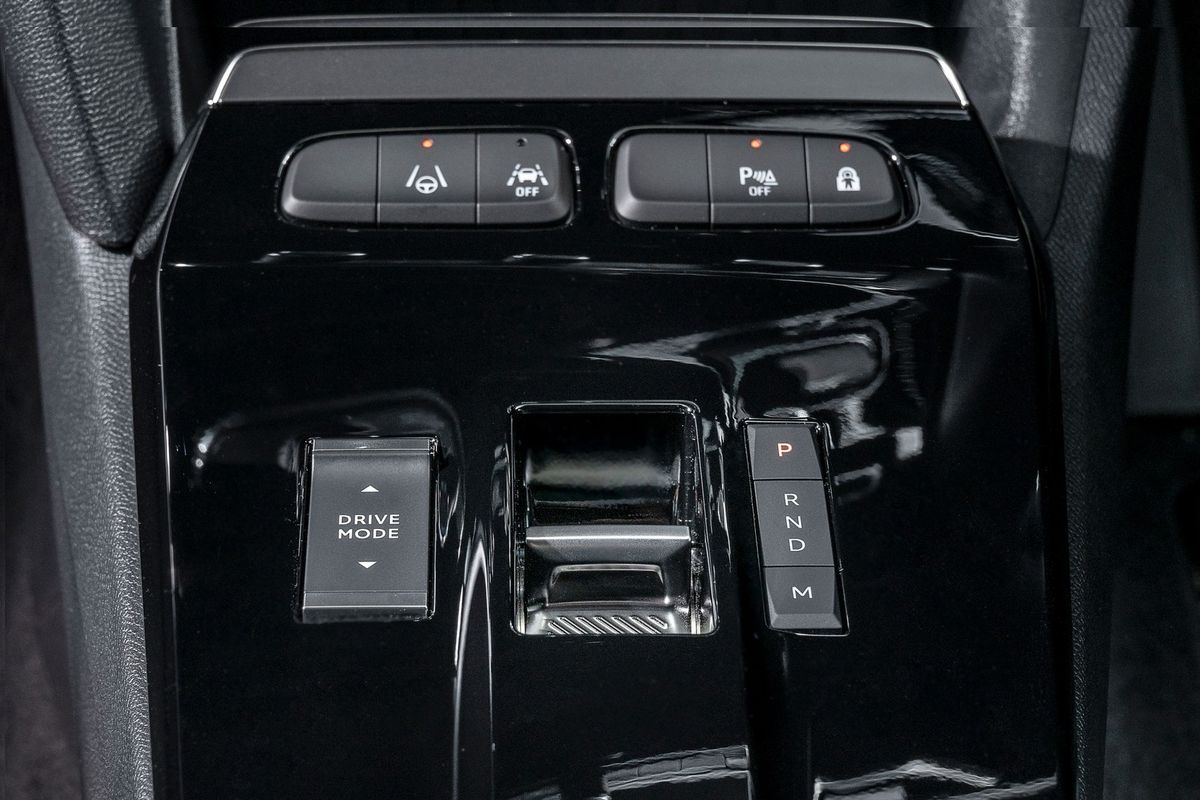
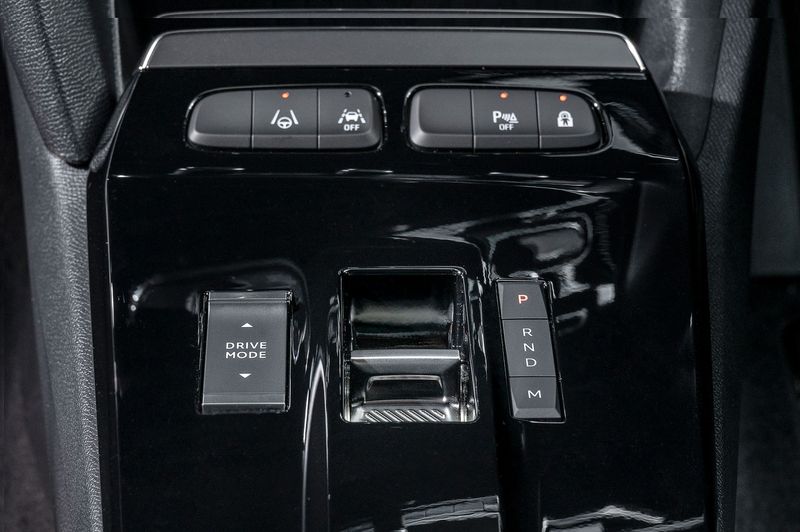
There are 3 drive modes: Sport, Normal, Eco and these do precisely what you’d expect them to. We really liked the neat transmission selector, which substitutes a conventional lever, as well.
Ride quality is acceptable but does border on the firm side, which we’ll ascribe (at least partly) to the sporty-looking 17-inch alloy wheels. The steering feel is light, but not particularly engaging, which is a shame because the car certainly looks sporty enough. We’re not yet convinced about the Opel’s dynamism, so we’re keen to put the Mokka through its paces on some of our favourite roads and report back.
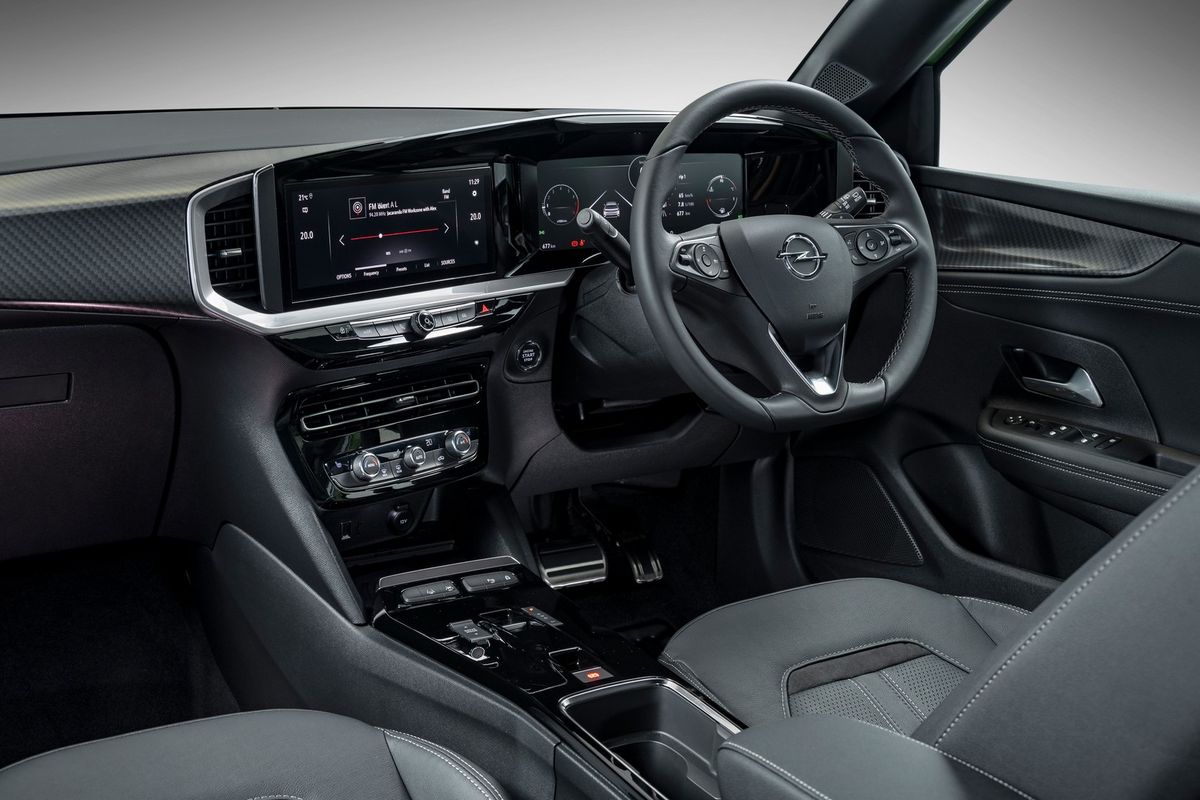
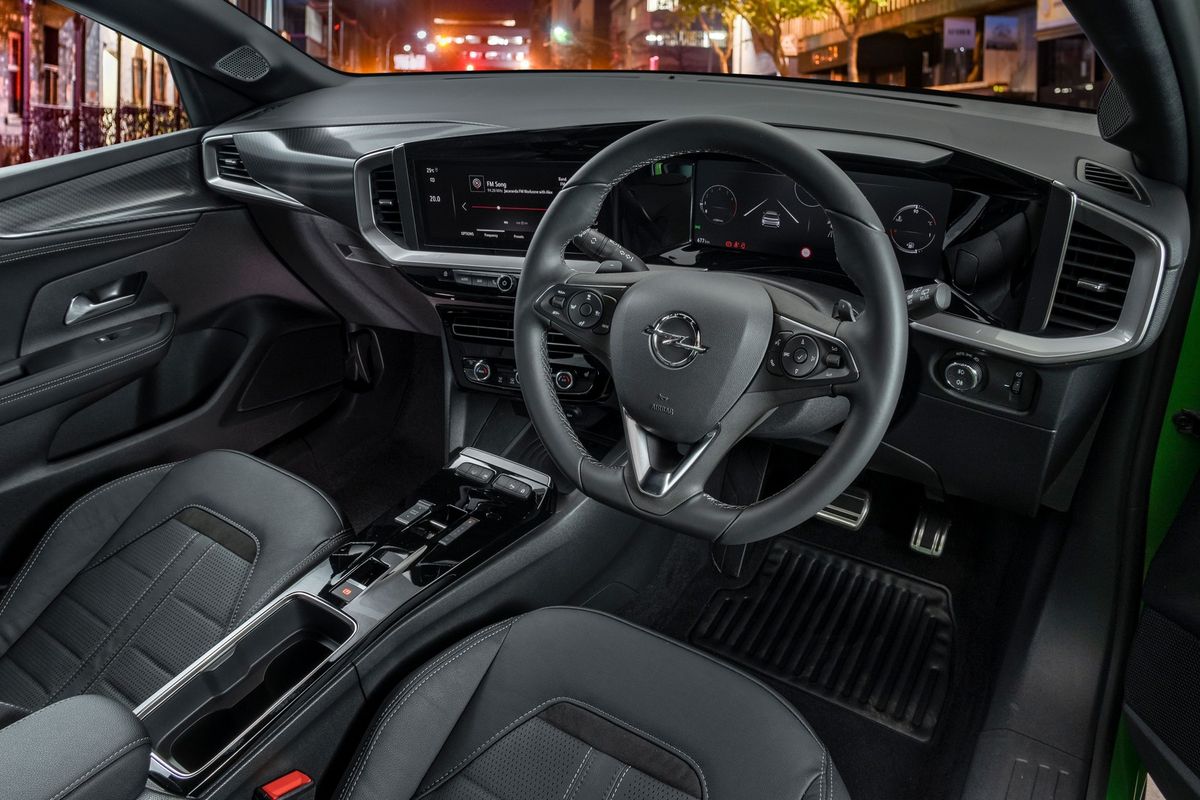
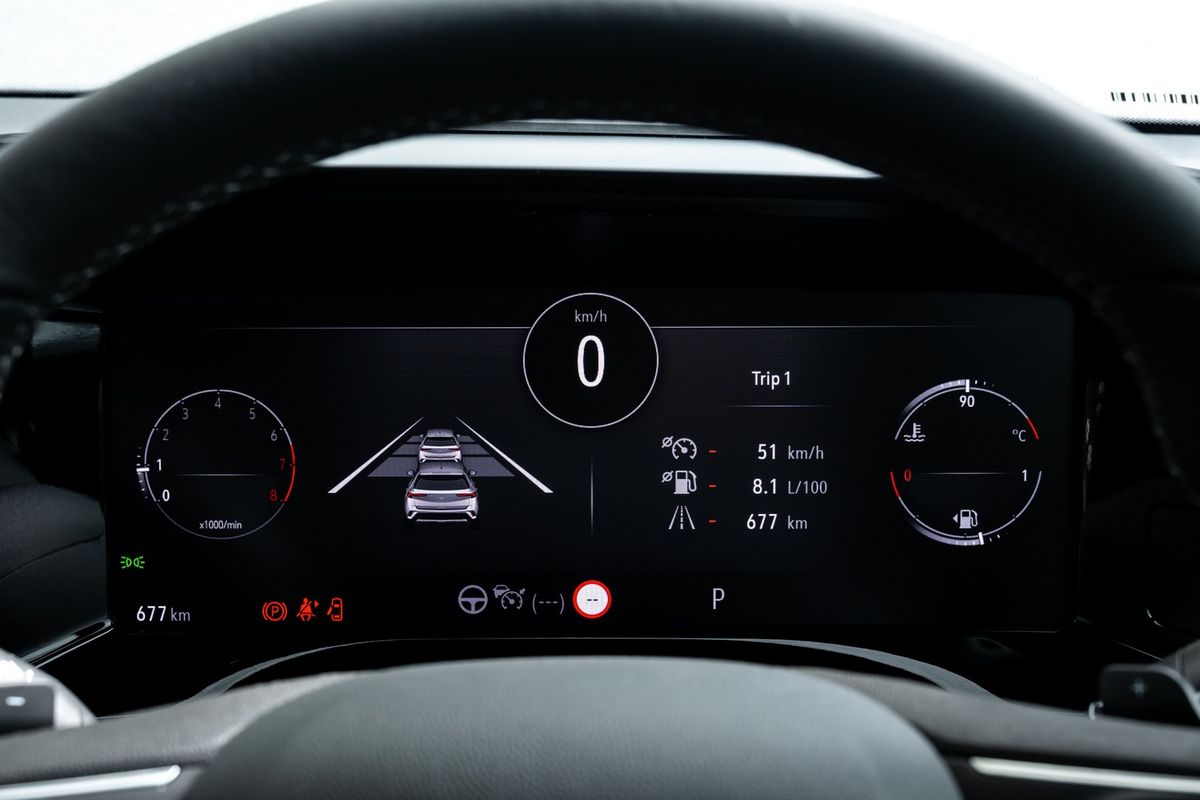
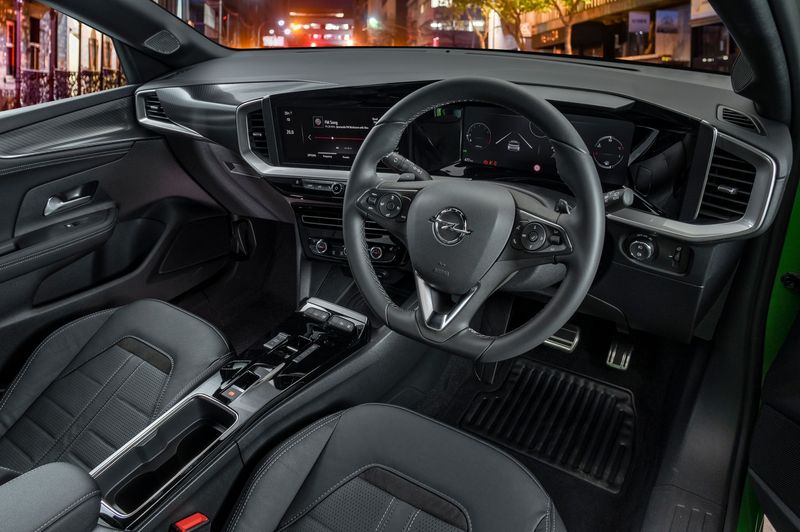
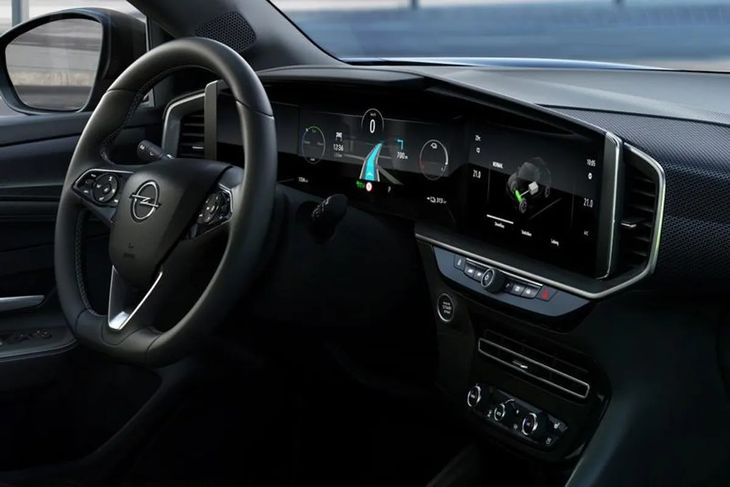
The cabin really looks fashionable and futuristic, plus it appears to be reasonably well assembled. Gripes? At first impression, the rear legroom looks tight, which we think is a bit of an issue, given most compact crossovers/small SUVs are aimed at family-car buyers. Our next gripe came in the form of the complex digital dashboard, which is a bit unorthodox. Its layout can be customised, but it took us a few minutes to find out how to adjust it to our preference.
2022 Opel Mokka pricing & after-sales support
There are 2 Mokka derivatives on offer: Elegance and GS Line. The vehicle is sold with a 4-year/60 000 km service plan and a 3-year/120 000 km warranty. Customers can choose from 6 colours, including this insane Matcha Green.
Mokka Elegance
R469 900
Mokka GS Line
R519 900
Summary
This new Opel Mokka is striking to look at, both inside and out. It’s quite a revolutionary departure from the so-so previous-generation model and, by virtue of utilising the excellent platforms and powertrains from its Peugeot and Citroen Stellantis siblings, the newcomer is a far more resolved product than its predecessor. It’s better in every respect, in fact.
However, to succeed in this ultra-competitive segment, a vehicle needs to be more than good. Our initial impressions suggest the Opel Mokka is a competent, well-equipped and fashionable product that’s likely to apply to upwardly mobile young adults. We look forward to spending more time with the newcomer in the coming weeks.
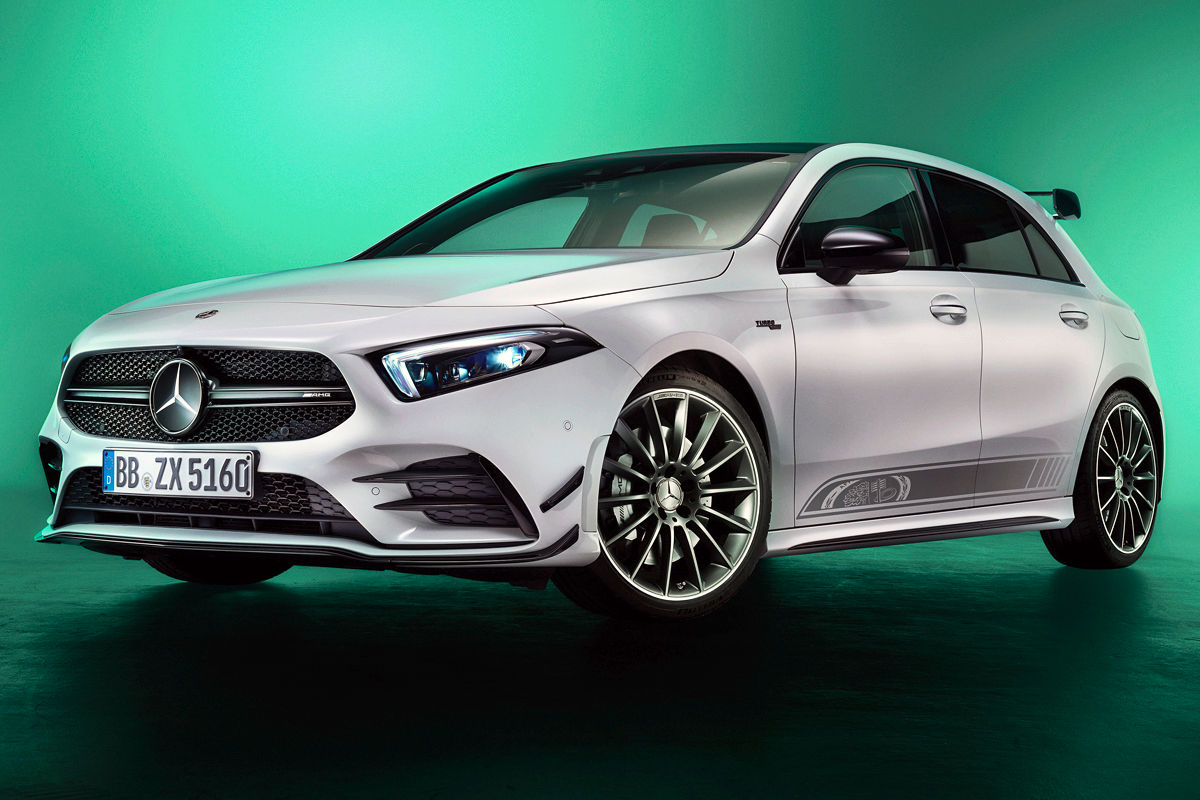
In the latest celebration of its anniversary, Mercedes-AMG has handed its most compact model the Edition 55 treatment. Let’s meet the A35 Edition 55…
Mercedes-Benz’s high-performance AMG arm was established as many as 55 years ago. To celebrate, the Affalterbach-based division has revealed the new A35 Edition 55.
Like the recently unveiled Edition 55 version of the G-Class, the latest iteration of Mercedes-AMG’s entry-level hot hatch benefits from a raft of special details as well as plenty of extra standard equipment.
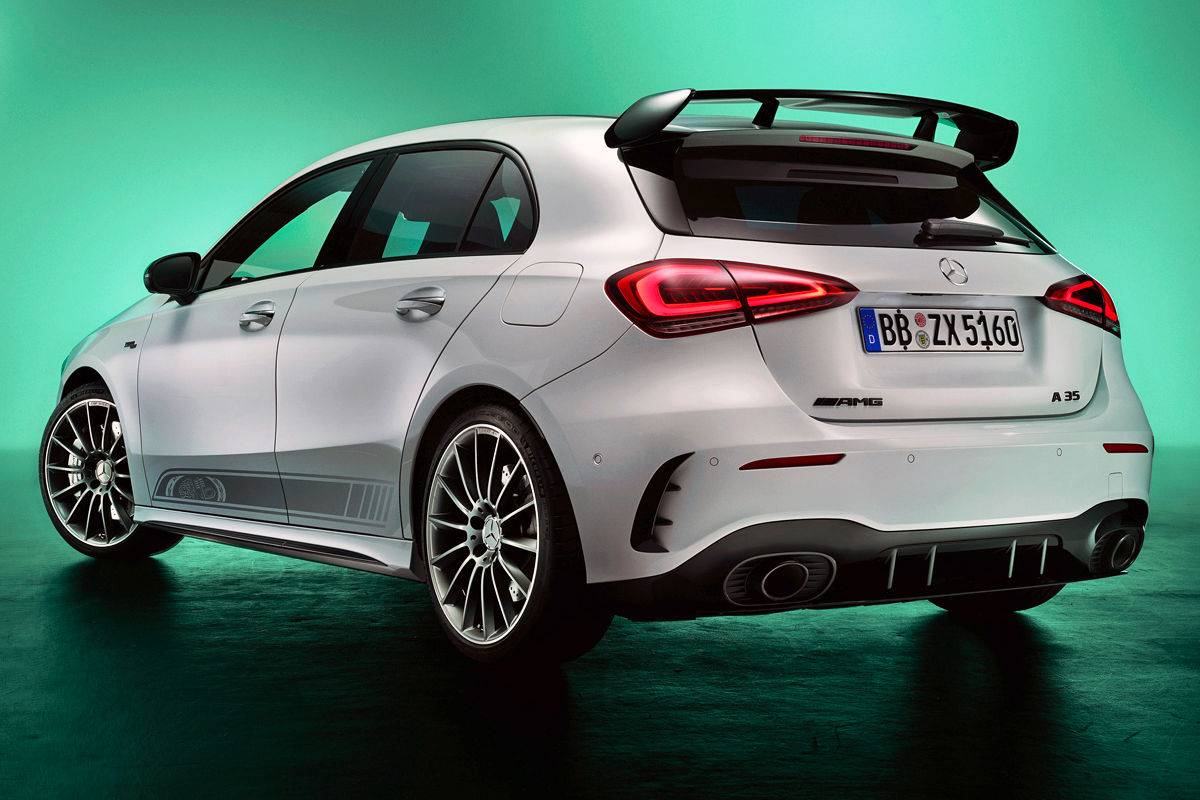
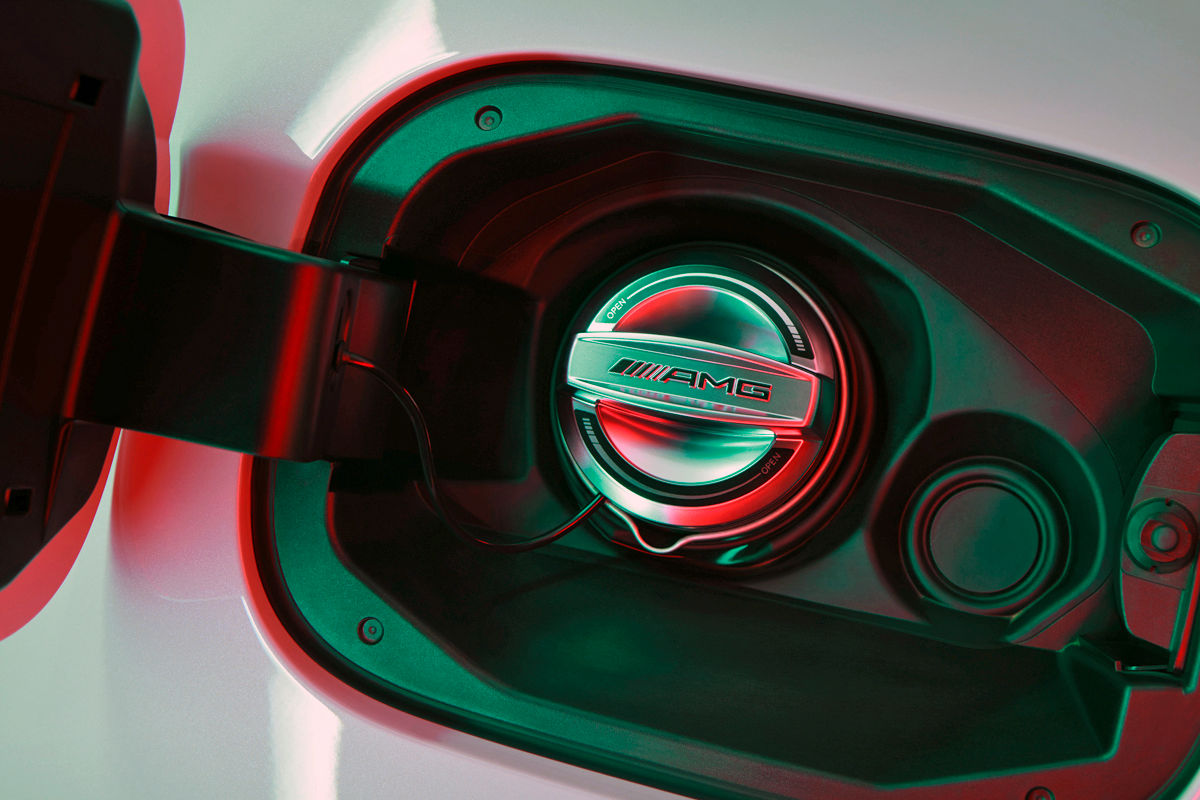
Decals bearing the design of the AMG crest run along the all-wheel-drive hatchback’s flanks, while the standard fuel-filler cap is replaced with a chrome item featuring AMG lettering. In addition, the special version of the A35 gains eye-catching 19-inch AMG light-alloy wheels with a matte titanium grey finish and a high-sheen rim flange.
Items such as the AMG Aerodynamics Package (which includes components such as a front apron with an enlarged front splitter and a more prominent fixed rear wing), the AMG Night Package and the AMG Night Package II further bolster the equipment list. In addition to the resulting gloss-black elements dotted around the body, the tailpipe trim gains a black-chrome finish while heat-insulating dark-tinted glass is added. Even the badging is finished in black.
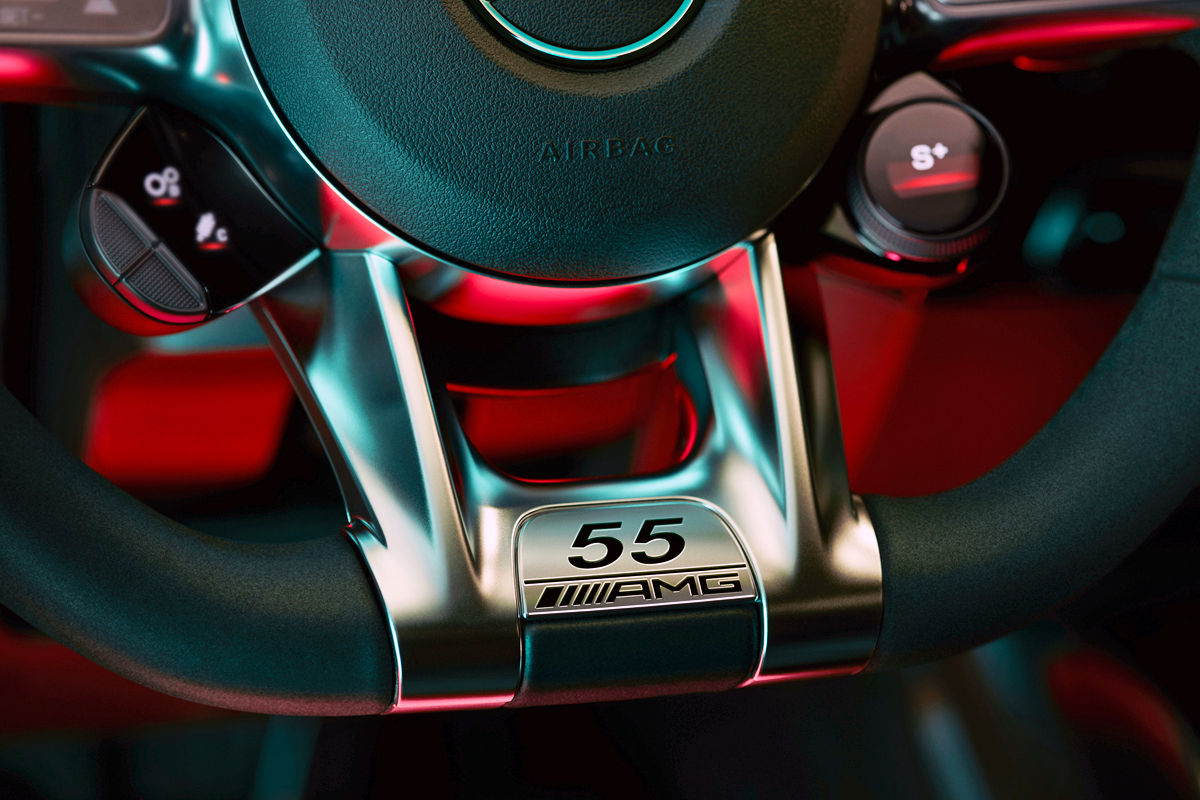
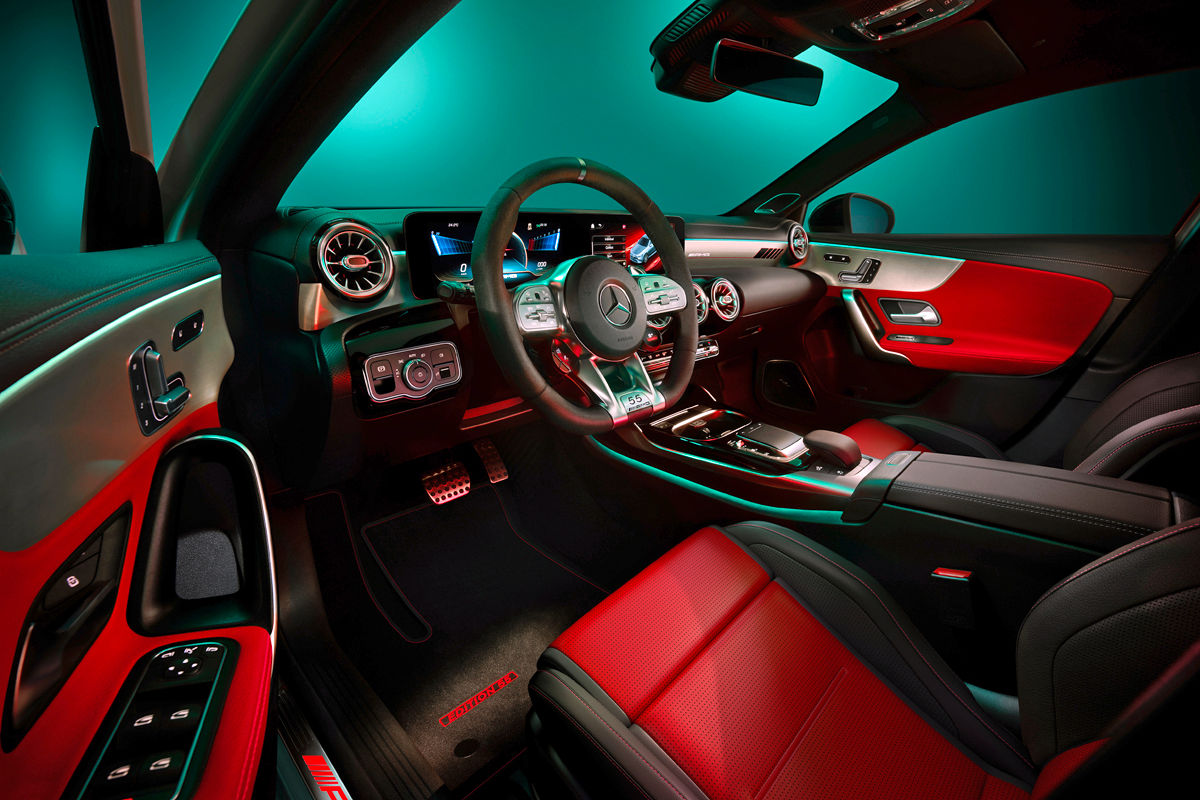
Available exterior paint colours include Cosmos Black Metallic and the Digital White Metallic hue you see here, while the cabin gains black and red elements. The AMG Performance seats are upholstered in two-tone leather, with the microfibre-trimmed AMG Performance steering wheel scoring “Edition 55” badging. Other distinguishing features include door-sill panels with red illuminated AMG lettering and black velour AMG floor mats with red contrasting stitching and “Edition 55” lettering woven in red.
Of course, there are no changes to the powertrain, which remains a turbocharged 2.0-litre, four-cylinder petrol engine sending 225 kW and 400 Nm to all four corners via a 7-speed dual-clutch transmission. As a reminder, that’s enough for a sprint from zero to 100 kph in a claimed 4.7 seconds and a top speed of 250 kph.
While the new Mercedes-AMG A35 Edition 55 has yet to be confirmed for South Africa, we wouldn’t be surprised to see it making an appearance on the Stuttgart-based firm’s local website in the coming weeks or months. In Germany, meanwhile, the Edition 55 package has also been applied to the A35 Sedan, the CLA35 and the CLA35 Shooting Brake, and can be ordered until November 2022.
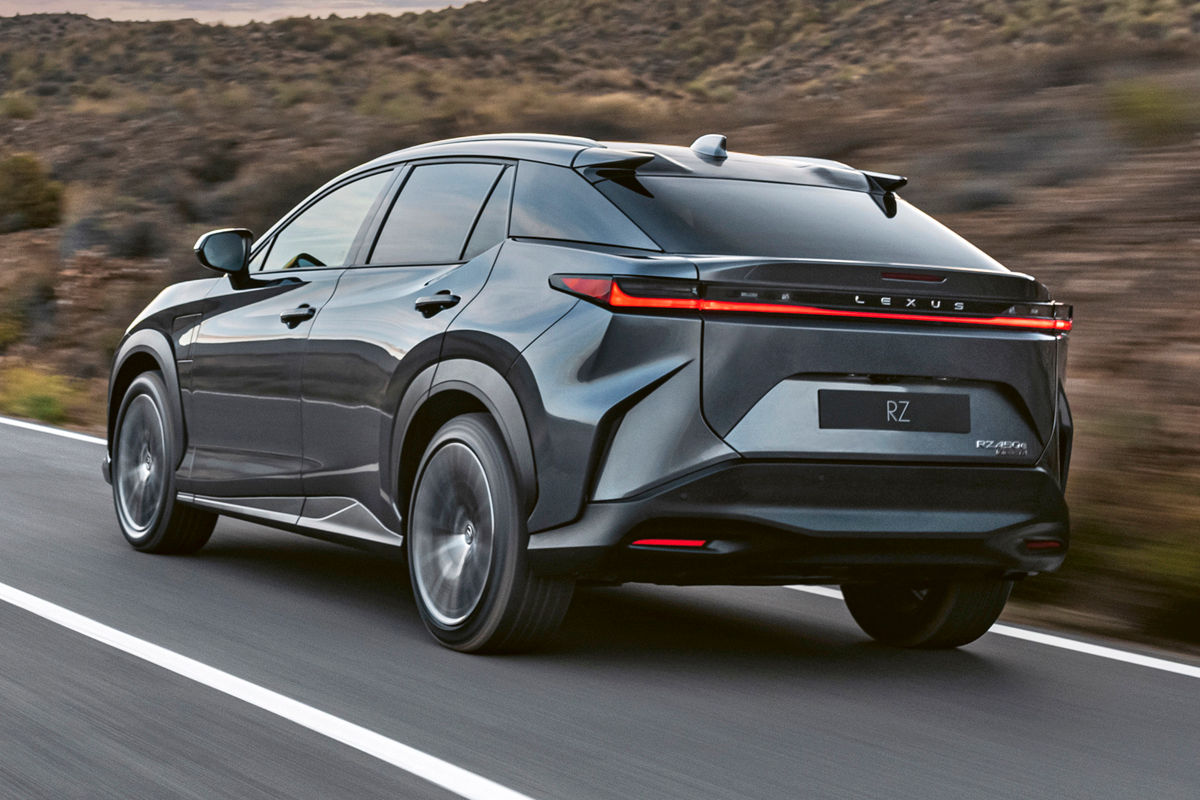
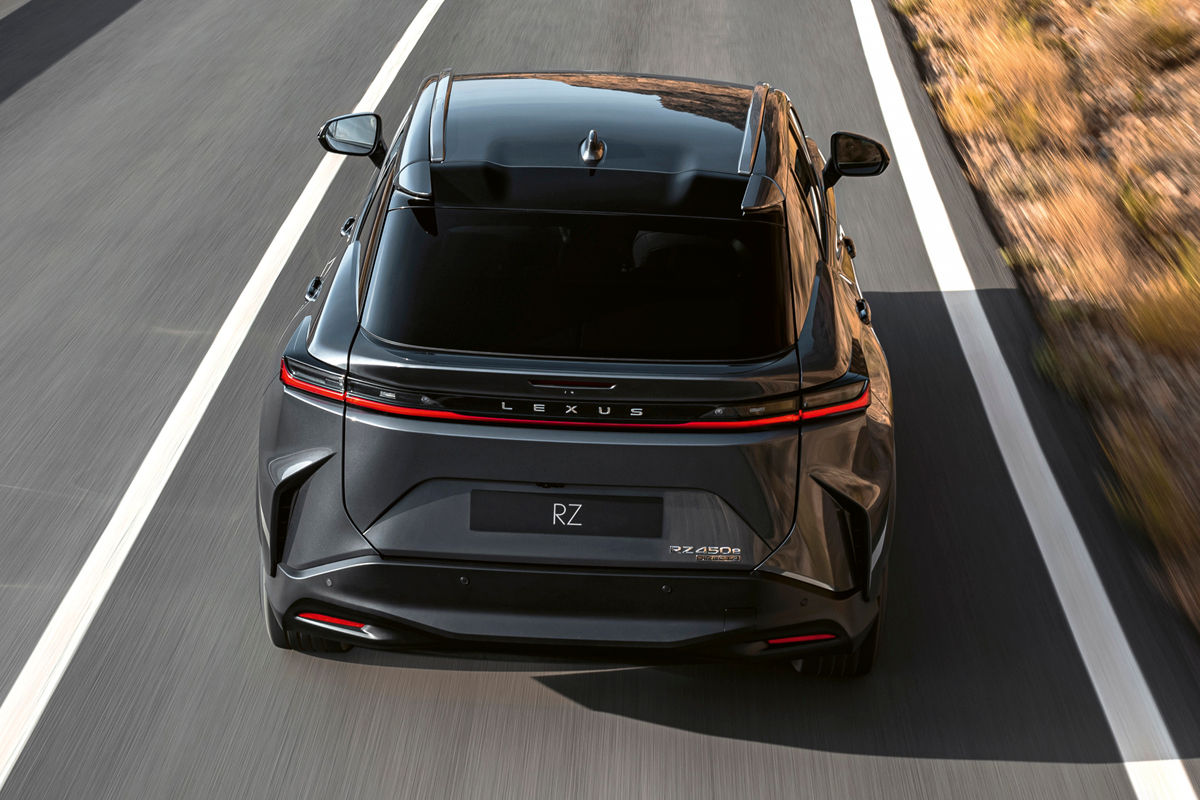
Lexus has whipped the wraps off its first dedicated fully electric vehicle, which arrives as a posher and more powerful version of the awkwardly named Toyota bZ4X. Let’s take a closer look at what the new RZ has to offer…
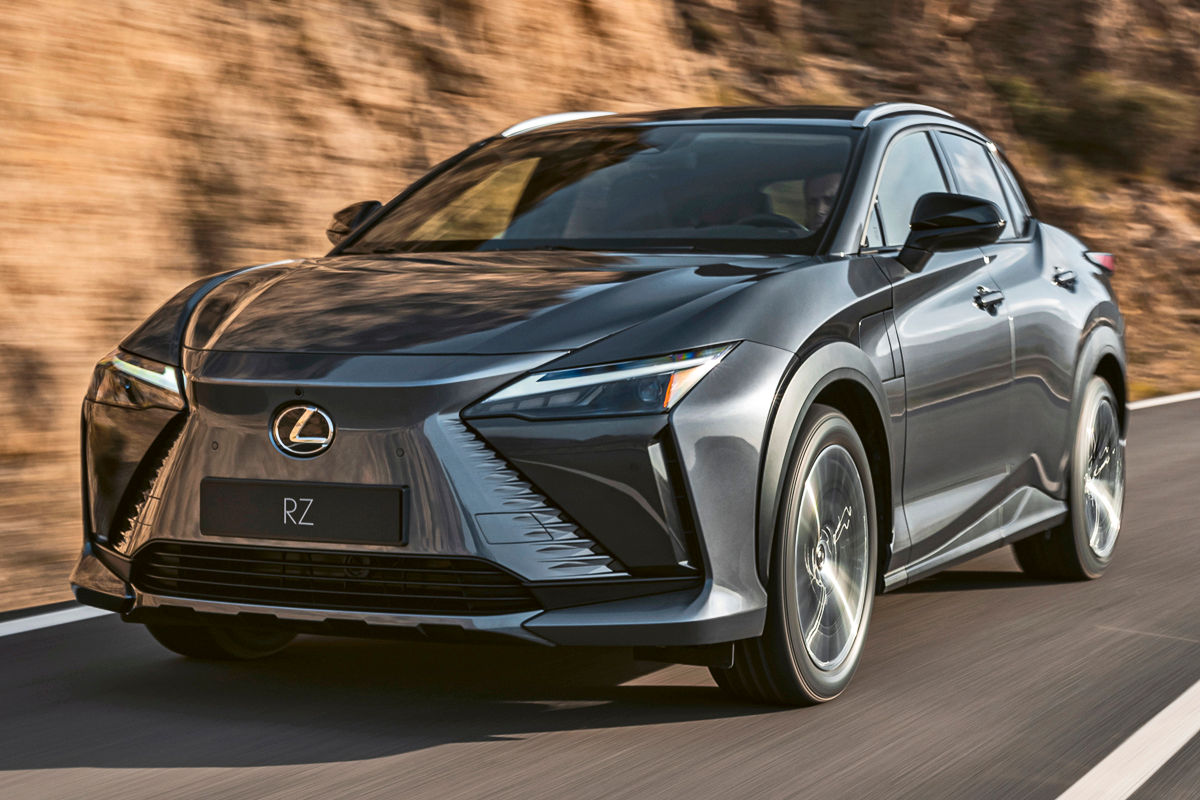
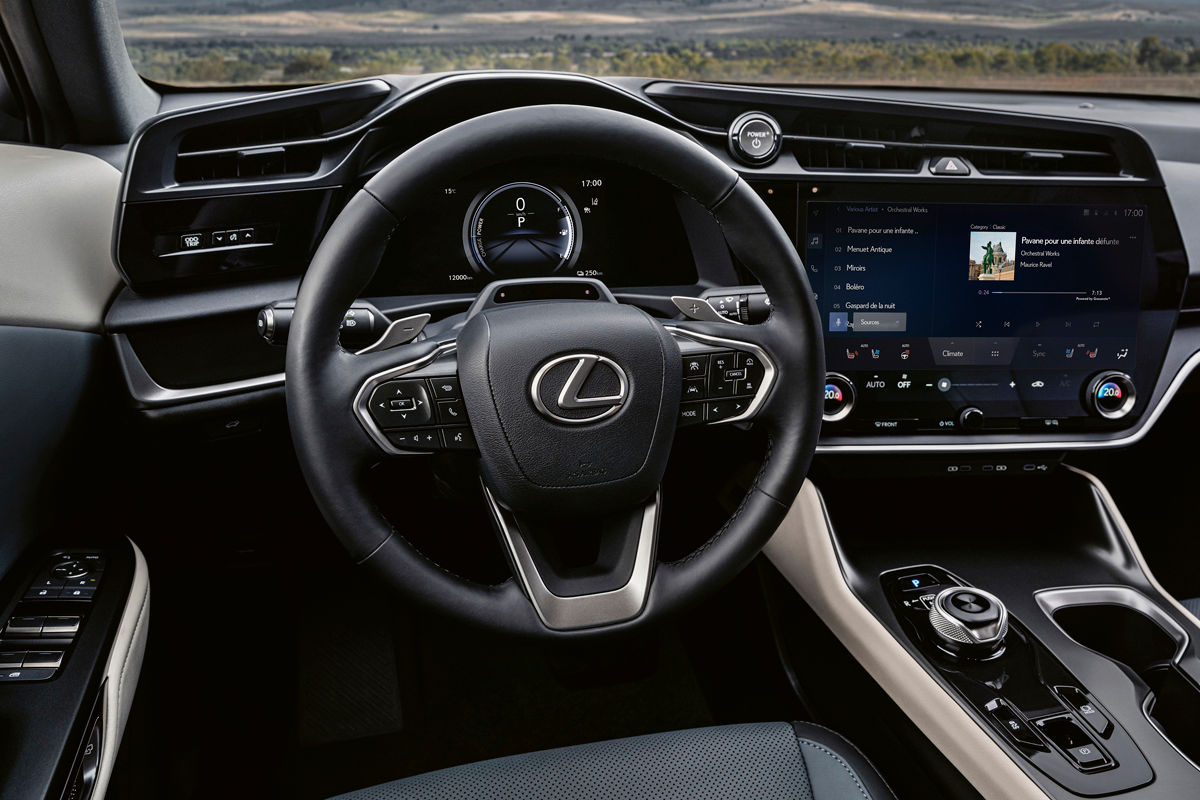
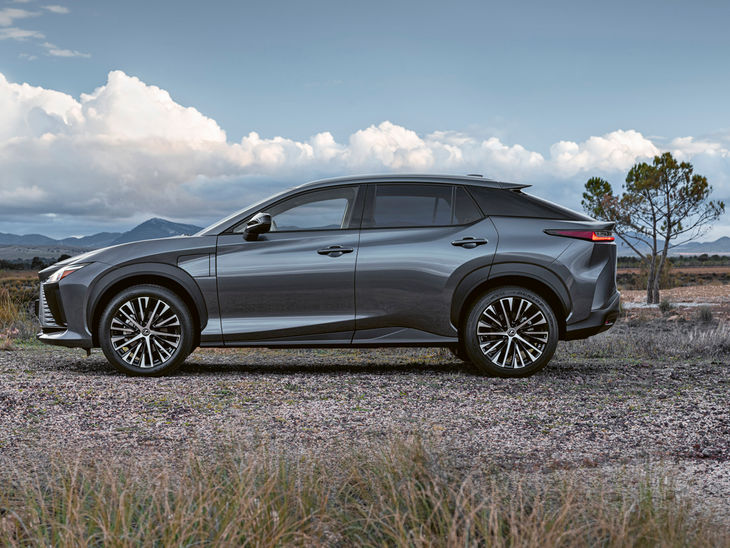
Meet the new Lexus RZ, the Japanese luxury brand’s first “globally available” standalone fully electric vehicle. The newcomer establishes a fresh design direction set to feature on the company’s upcoming battery-powered models, with the designers taking a new approach to the signature spindle grille.
Previewed back in February 2022 in 450e guise, the new RZ crossover kicks off the Toyota-backed premium brand’s plan to offer a full line-up of battery-powered vehicles “in all categories” by 2030. In fact, by 2035, Lexus aims to be sell only electric cars.
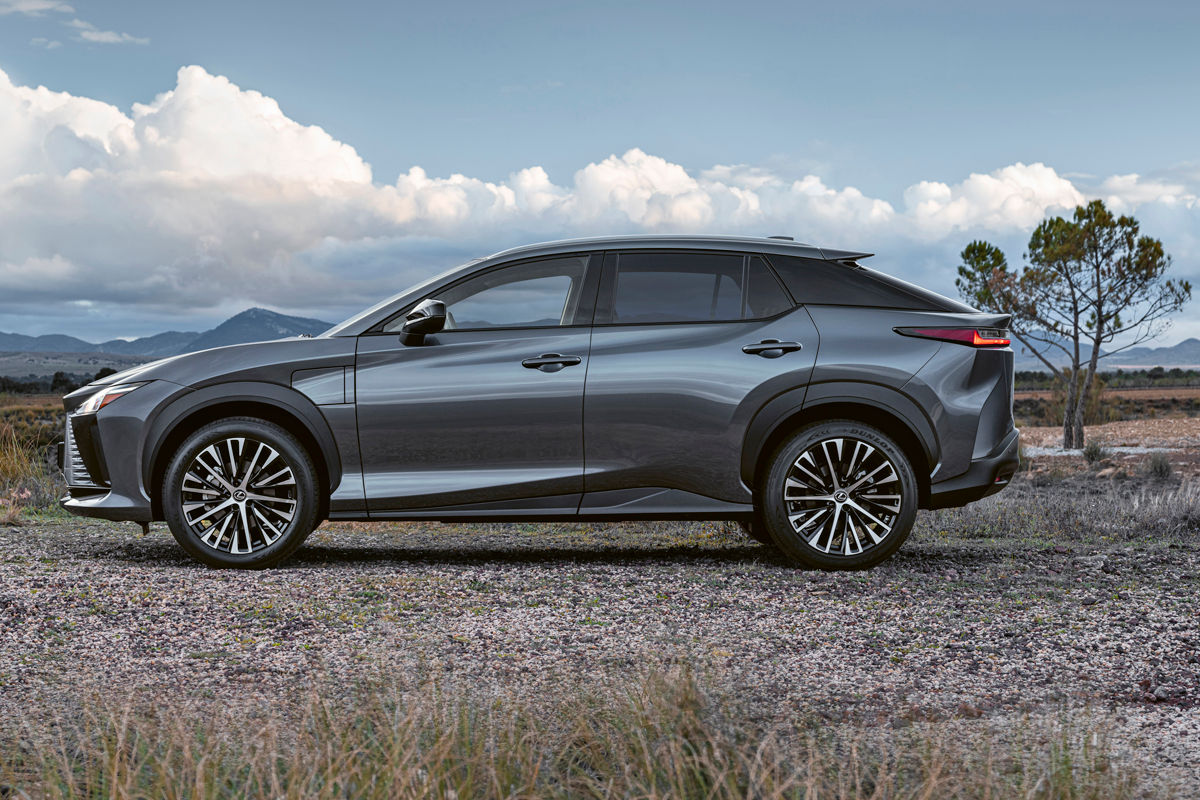
Riding on Toyota’s e-TNGA platform (and effectively taking the form of a more premium, more powerful version of the Toyota bZ4X), the Lexus RZ measures 4 805 mm long, 1 895 mm wide and stands 1 635 mm tall. The newcomer’s wheelbase, meanwhile, comes in at 2 850 mm.
With a 150 kW electric motor positioned on the front axle and an 80 kW item sited at the rear (both fed by a 71.4 kWh battery pack and effectively creating a 230 kW vehicle with all-wheel drive), the RZ features a claimed cruising range of around 450 km.
The RZ gains a new steer-by-wire set-up that Lexus claims enables vehicle control that is “more true to the driver’s intention”. In addition, the electric crossover features a system that uses wheel speed, acceleration and steering angle sensor information to control the front-to-rear drive force ratio distribution between 100:0 and 0:100.
Lexus says the system uses an approximate front-to-rear drive force ratio distribution of between 60:40 and 40:60 to minimise vehicle pitch during launches and straight-line acceleration. When the steering wheel is turned, drive force is biased to the front wheels (between 75:25 and 50:50), while when exiting a corner, torque distribution to the rear wheels is further increased (between 50:50 and 20:80) to ensure ample traction.
Suspension duties are taken care of by MacPherson struts at the front and trailing arm double wishbones at the rear. Lexus has also rolled out new “frequency reactive dampers”, which alter the dampening force on the extension stroke in response to road surface frequency input. The result, claims the firm, is a high level of handling stability without a compromise in ride quality.
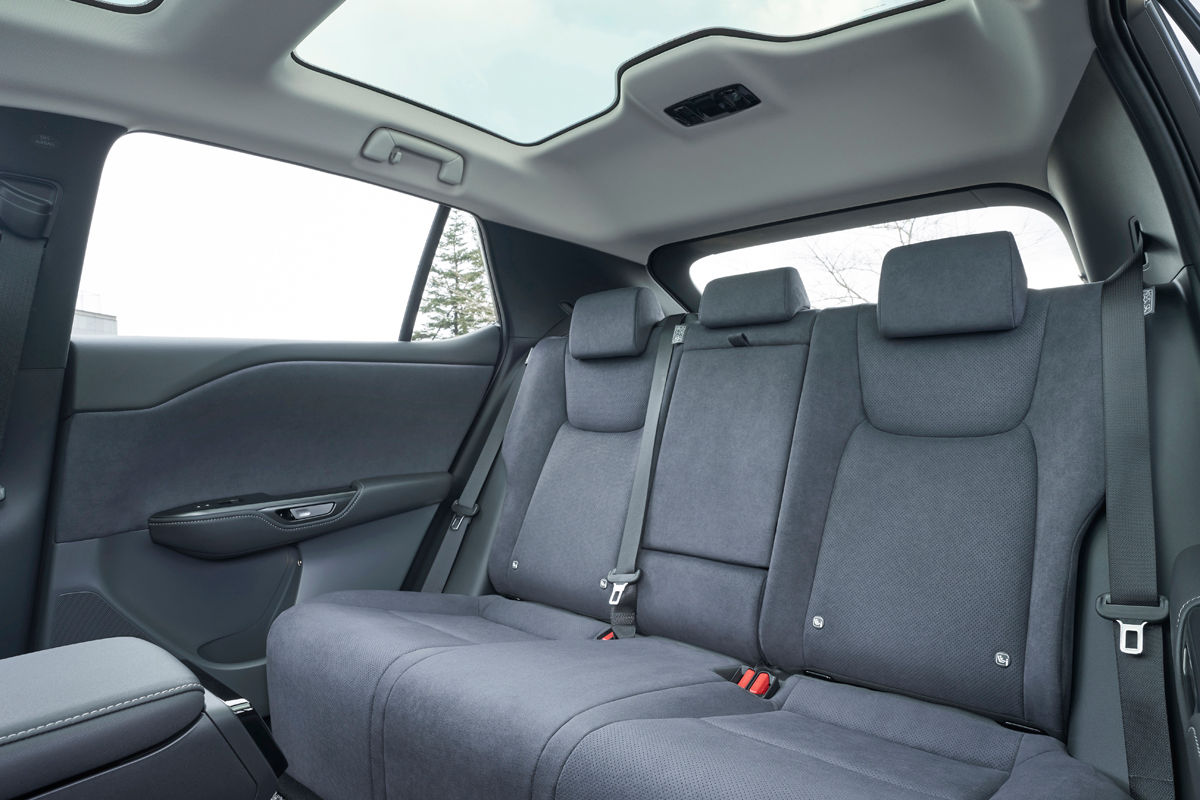
Lexus describes the cabin as “spacious” and says it features various “crafted touches”. A panoramic roof (with a clever dimming function) is set to ship standard, while the door trim and console passing between the driver and front passenger seat create what the firm terms a “clean, wide-open feel”.
“We believe that Lexus, an established luxury automaker, should continue pursuing the creation of exciting cars while respecting nature and the global environment to achieve a carbon-neutral society,” said Takashi Watanabe, chief engineer for the Lexus Electrified division.
“The RZ has been developed with the aim of creating a uniquely Lexus BEV that feels secure to ride in, is pleasing to the touch, and is exhilarating to drive. We will continue to take on the challenge of providing customers with new experiences and a uniquely Lexus BEV driving experience.”
Toyota South Africa has stated that the Lexus RZ is under consideration for SA, with no timeline indicated yet.
[UPDATE: Toyota SA has confirmed the RZ is scheduled to launch locally at some point in 2024.]
The stylish new Opel Mokka has arrived in South Africa! Take a look at specification and pricing details below!
The outgoing Opel Mokka didn’t quite penetrate the local compact SUV market but when the new generation Opel Mokka was revealed back in 2020, it was a major leap forward over its predecessor, particularly in terms of styling.
The new Mokka is powered by an all-electric powertrain as well as conventional petrol and diesel engines (market dependent).
In South Africa, the new Opel Mokka is only available with a turbocharged 1.2-litre petrol engine with 96 kW and 230 Nm and is paired with an 8-speed automatic transmission. The electric Mokka has not yet been confirmed for introduction in South Africa.
The Opel Mokka features a thoroughly-modern cabin design.
There are 2 Mokka derivatives on offer in South Africa, including the Mokka Elegance and Mokka GS Line.
The Mokka Elegance is equipped with features such as a 7-inch touchscreen infotainment system with Apple CarPlay and Android Auto, a digital driver’s display, a multifunction steering wheel with paddle shifters, cruise control, cloth upholstery and automatic climate control.
The higher-spec Mokka GS Line adds features such as a larger 10-inch instrument cluster, 12.0-inch digital driver’s display and leather upholstery with a massage function. Both derivatives are equipped with heated seats.
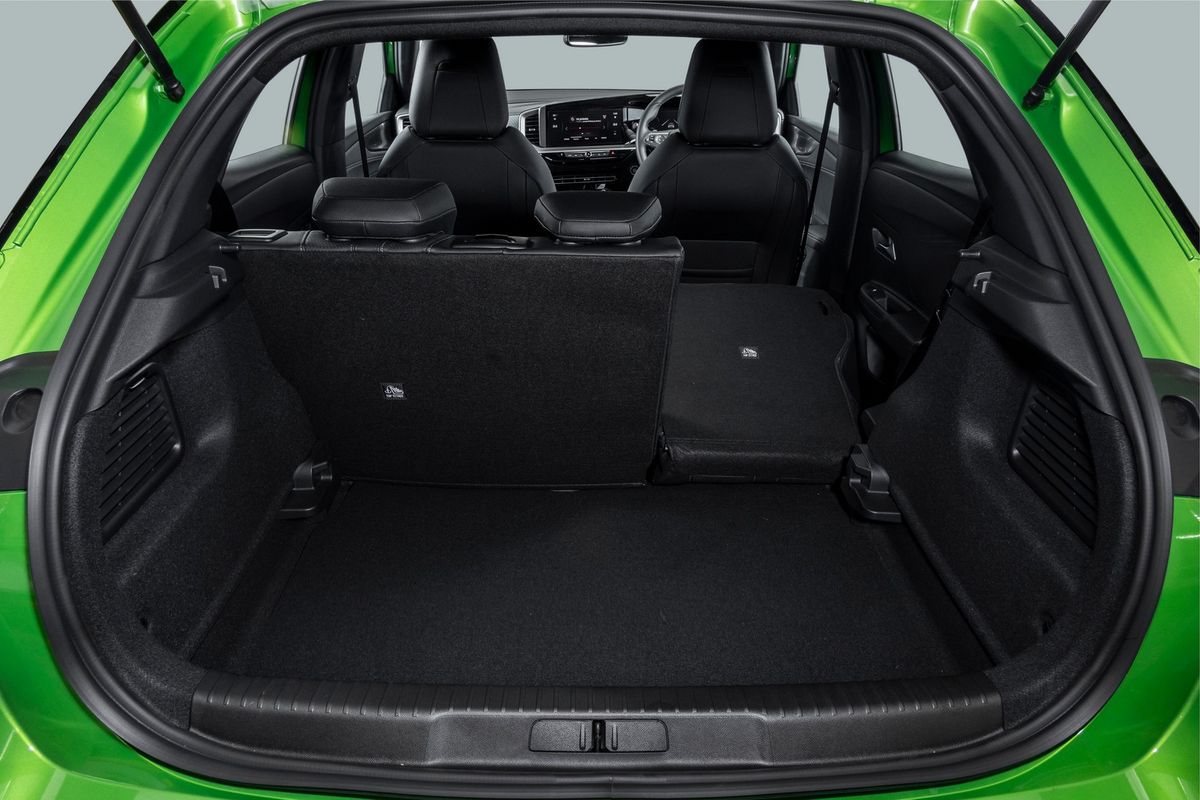
In terms of practicality, both Mokka derivatives feature 60:40 split seats as well as a 310-litre load bay.
In terms of safety, the new Mokka Elegance is equipped with 6 airbags, ABS with EBD, brake assist, electronic stability program, hill start assist, blind-spot detection, driver attention alert, lane-keeping assist, speed sign recognition, forward brake assist and cruise control. The Mokka GS Line adds features such as adaptive cruise control, active lane-keeping assist, lane departure warning and forward collision avoidance and mitigation.
What does the new Opel Mokka cost in South Africa?
Opel Mokka 1.2T Elegance – R469 900
Opel Mokka 1.2T GS Line – R519 900
The Opel Mokka is sold with a 3-year/120 000km warranty and a 4-year/60 000 km service plan.
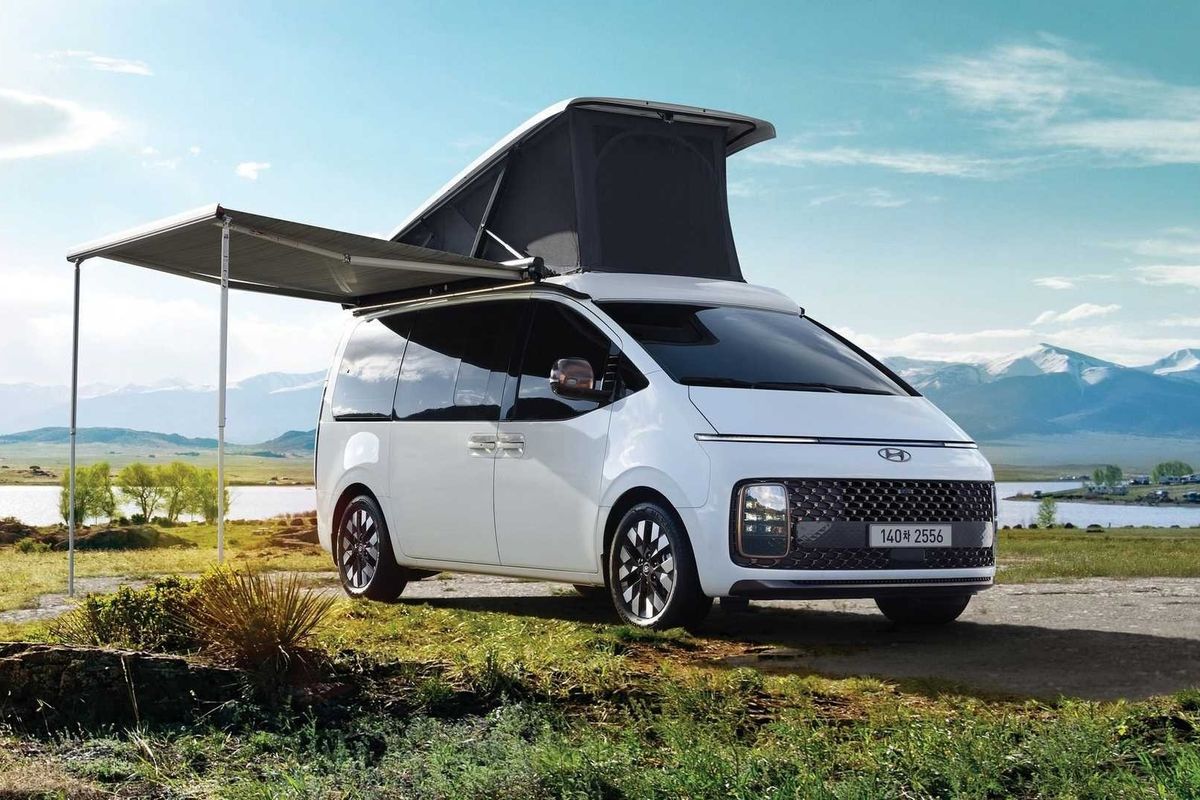
The Hyundai Staria Camper Van shows off an adventurous side and while it’s not likely to leave its home market of Korea, the coolest MPV just got even cooler.
Camper vans are popular in Europe, where people pack their families into these portable houses and make the most of the gorgeous countryside. If you don’t believe us, next time there’s a European cycle race on TV, take note of how many camper vans are parked on the side of the road…
The Hyundai Staria is one of the coolest vans to make landfall in SA. Those futuristic looks are backed by a well thought-out interior, plenty of gadgets and an aggressive price tag that makes everything else in that segment seem pricey. As it stands, Hyundai South Africa offers its Staria in both family bus and Staria Multicab application, with a panel van expected to touchdown in 2022.
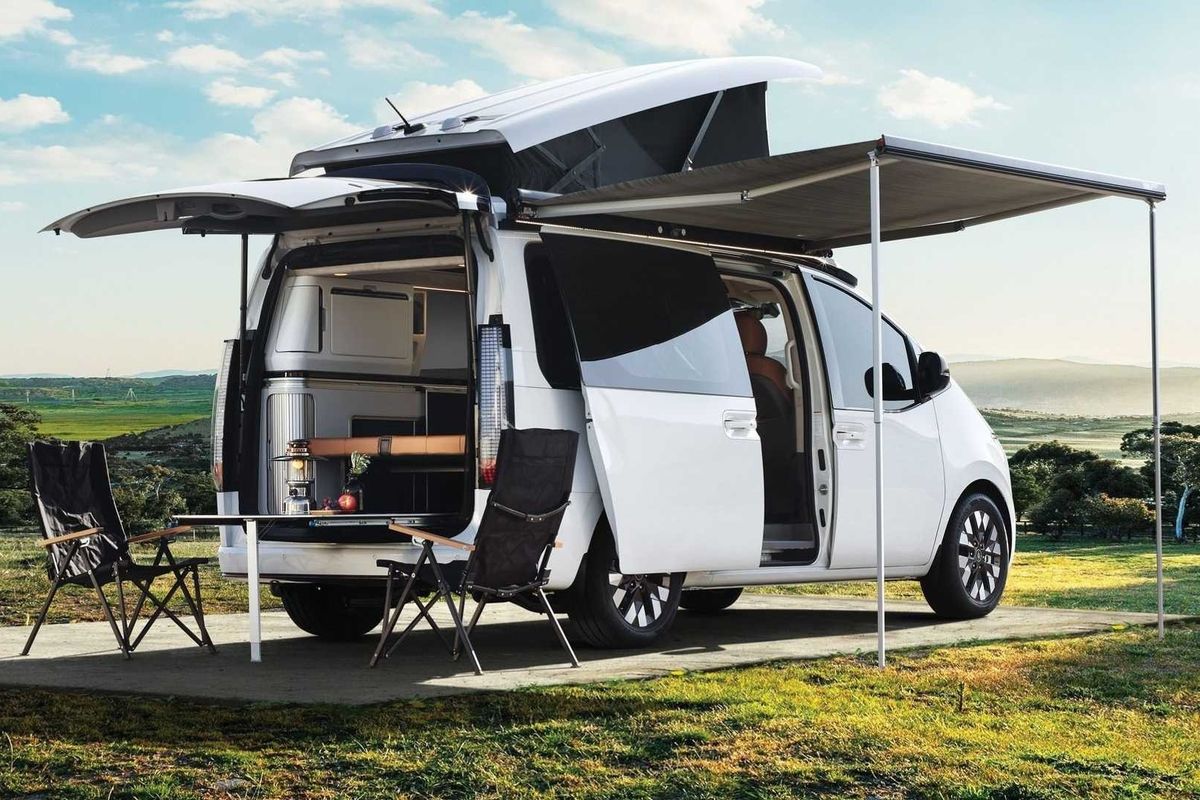
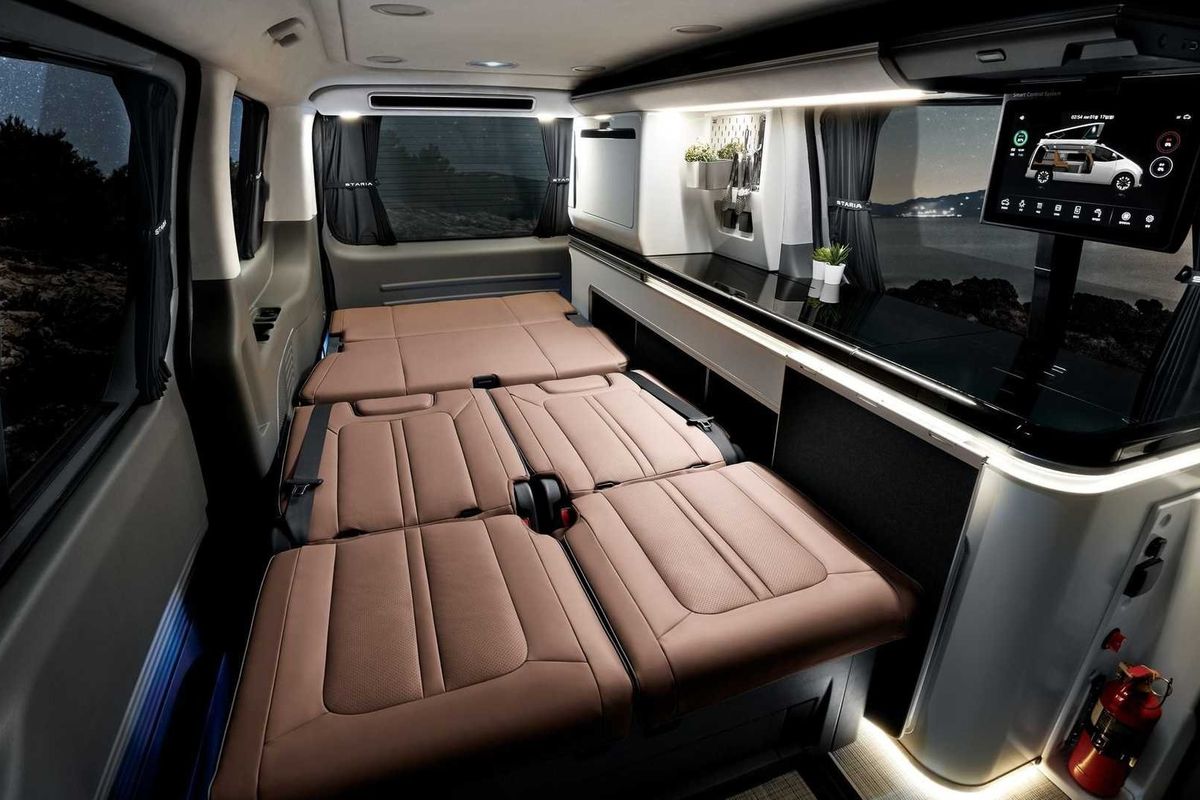
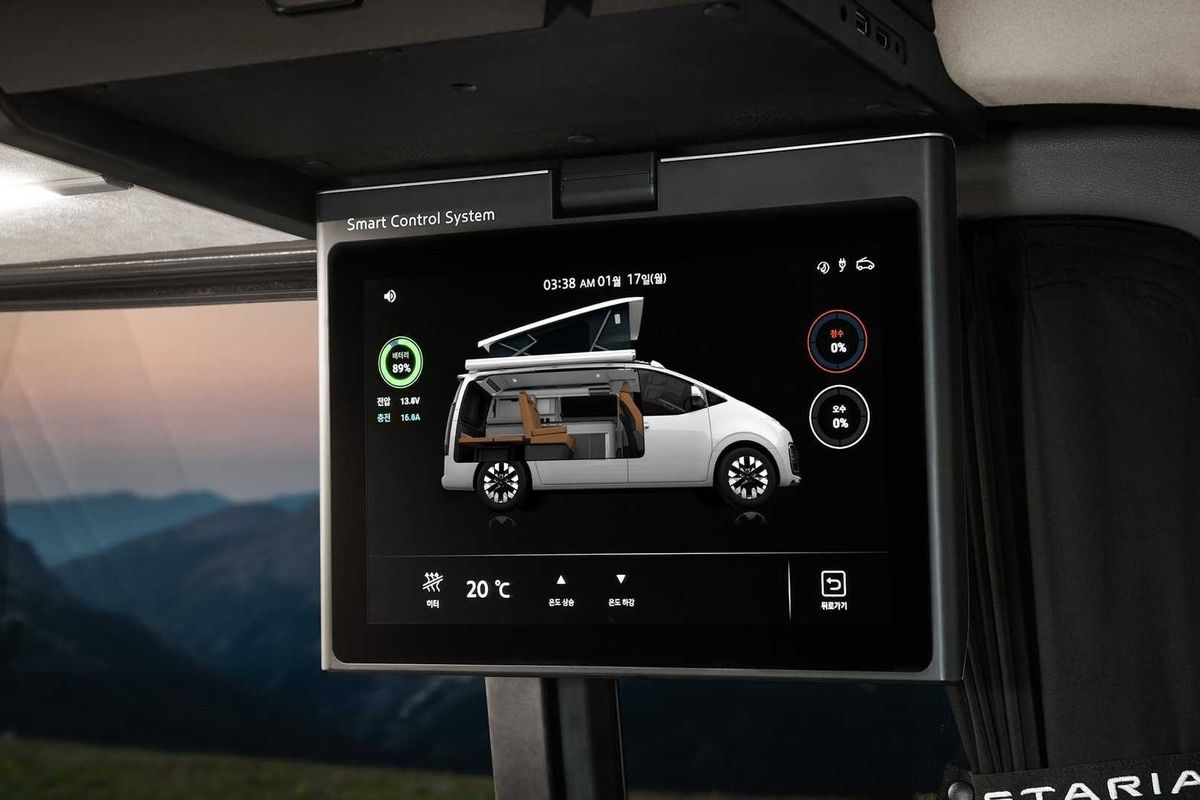
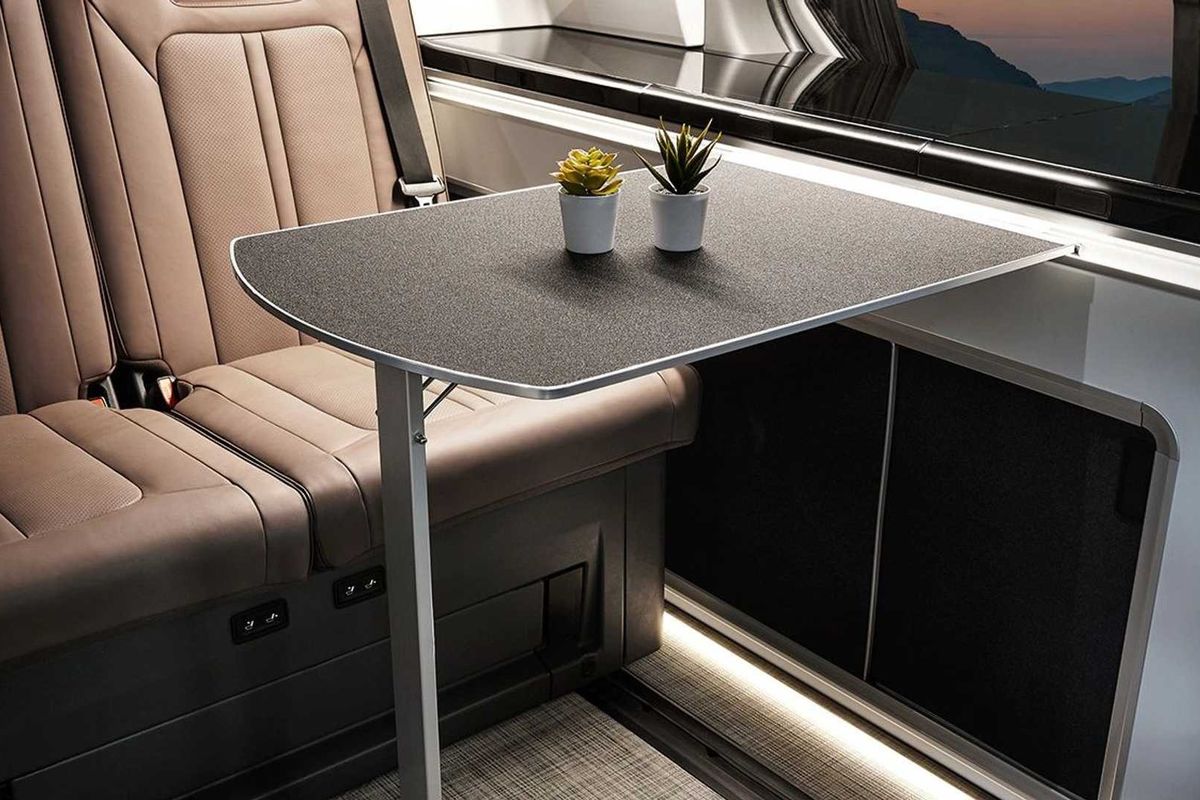
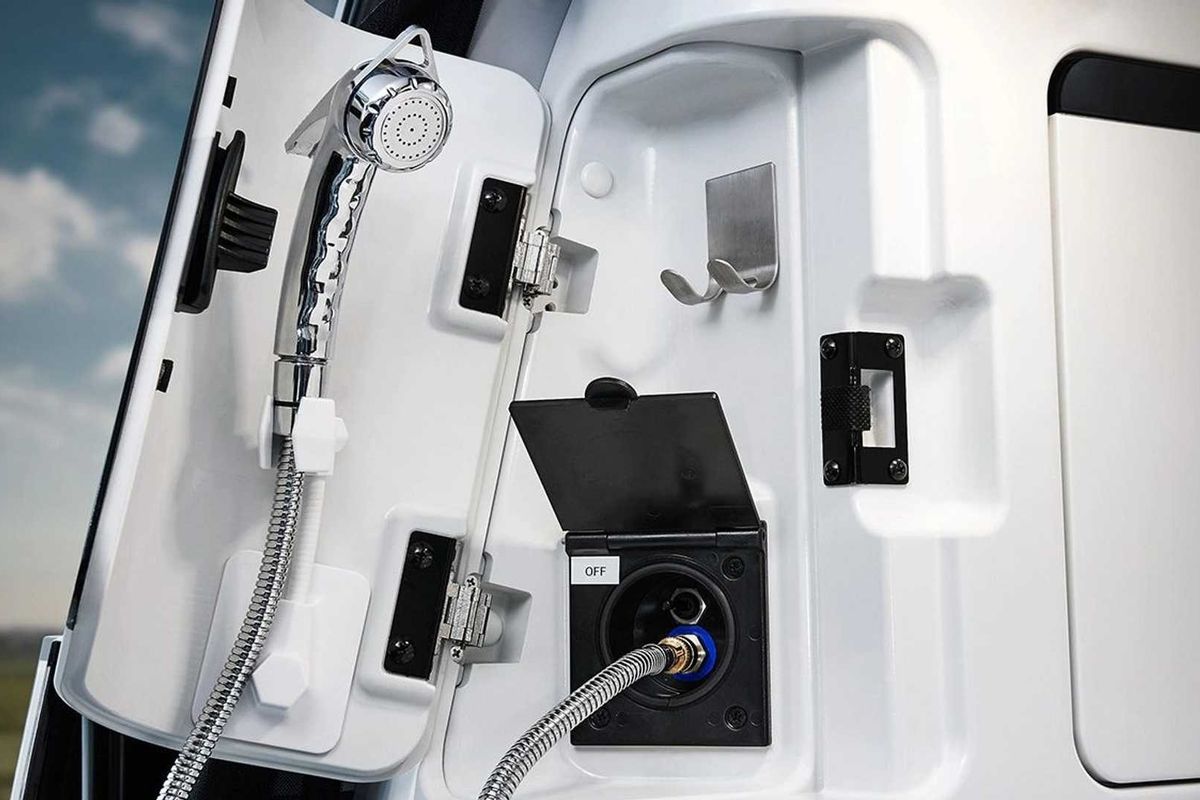
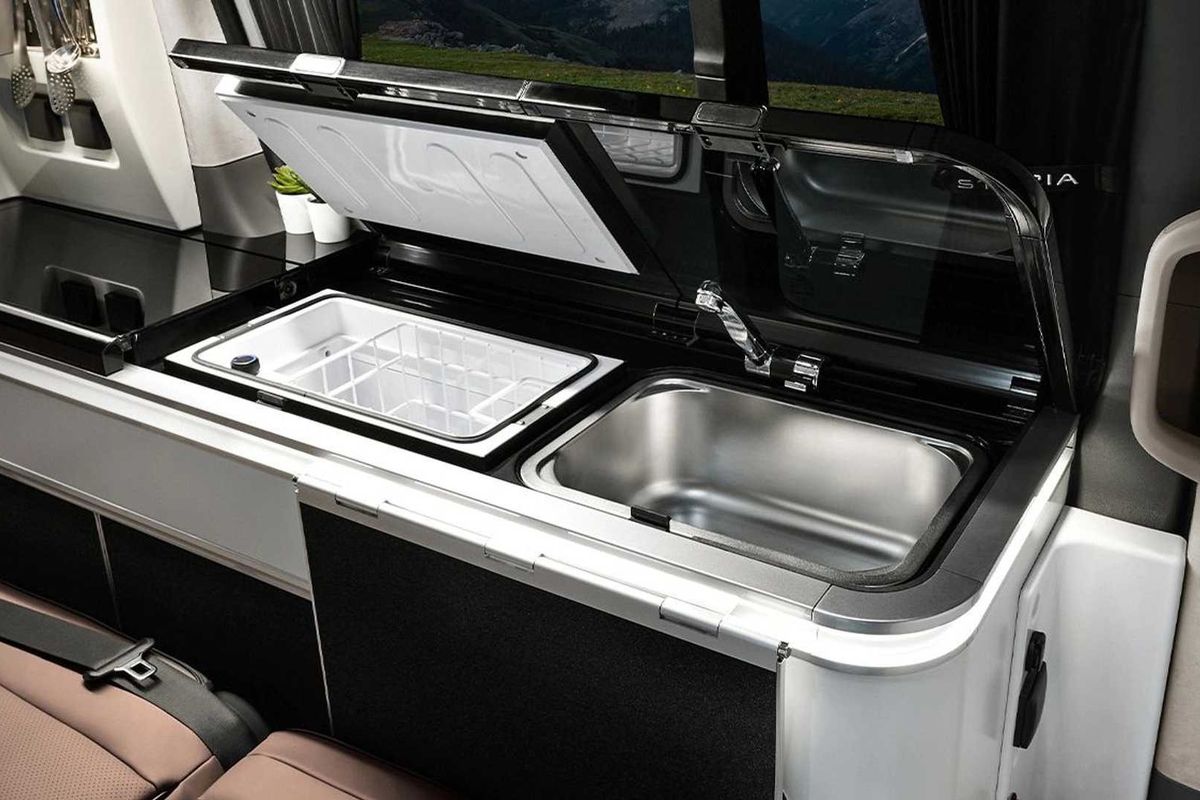
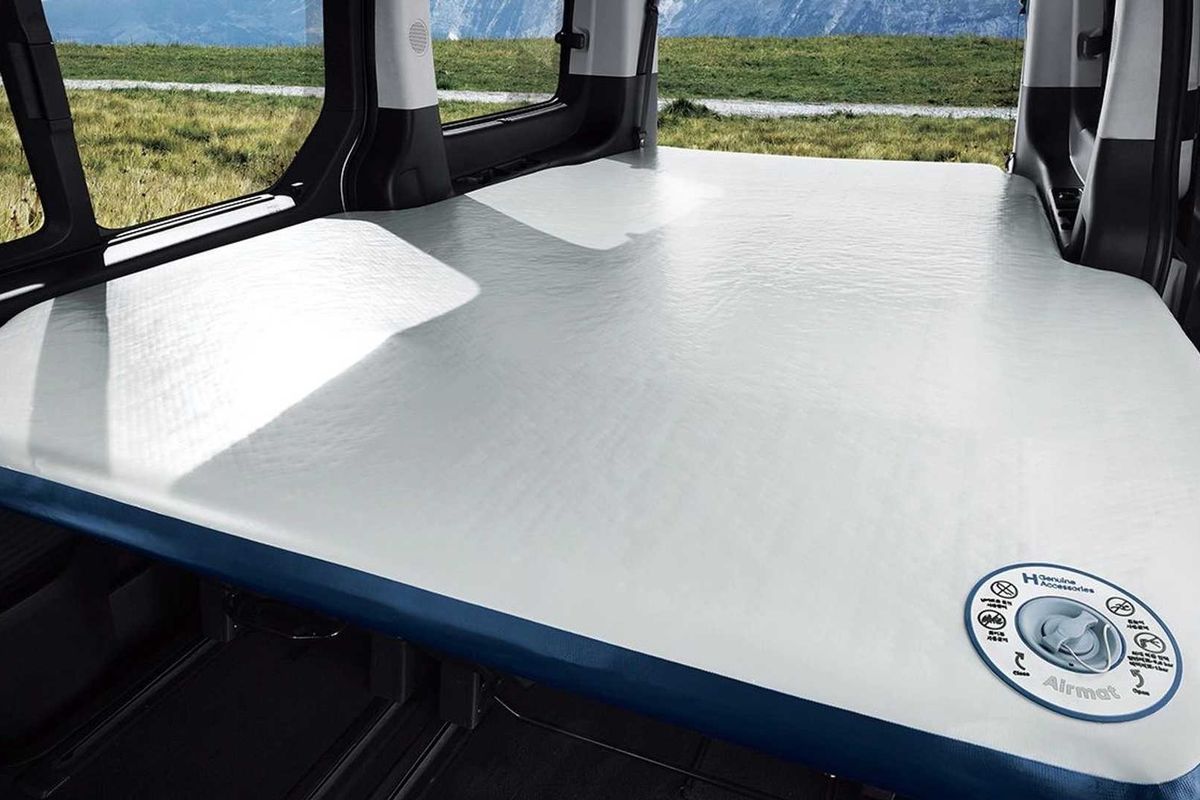
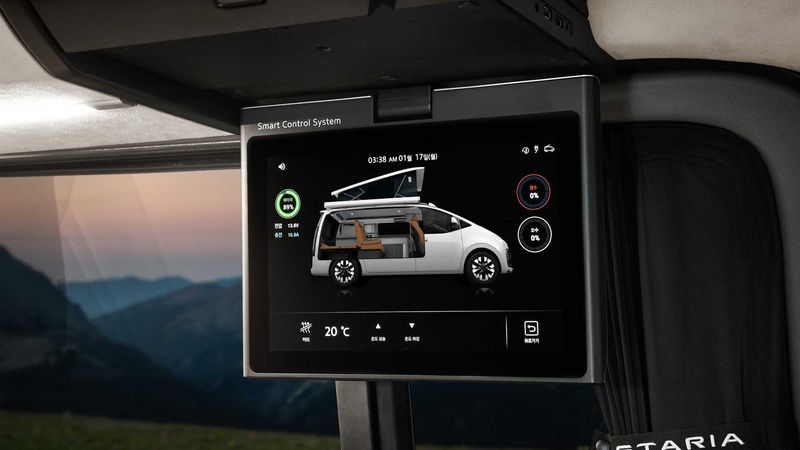
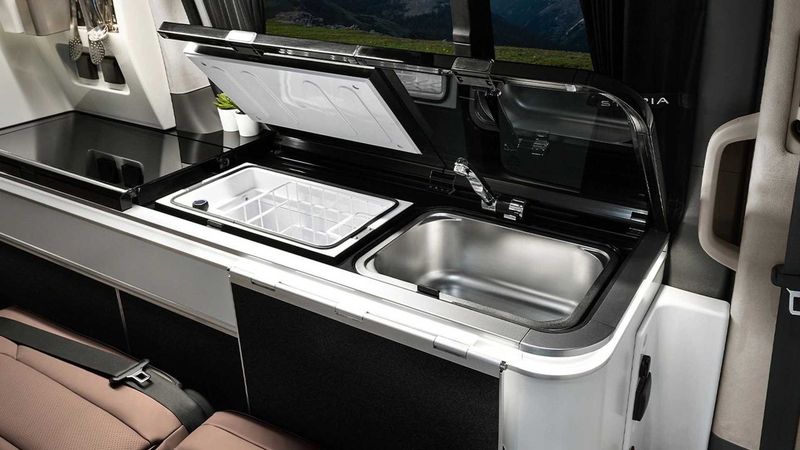
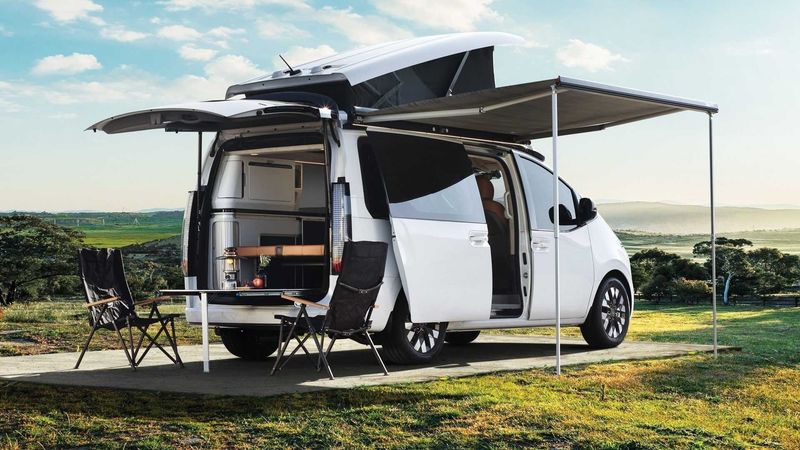
Meet the 2023 Hyundai Staria Lounge Camper, to give it its full name. With its 9/11 seat configuration adjusted, it has been redesigned to seat just 4 people, with the back seats being able to fold flat to make space for a large air mattress. It has a small 36-litre fridge, its own water supply in a 40- and 70-litre tank, a small sink and a shower.
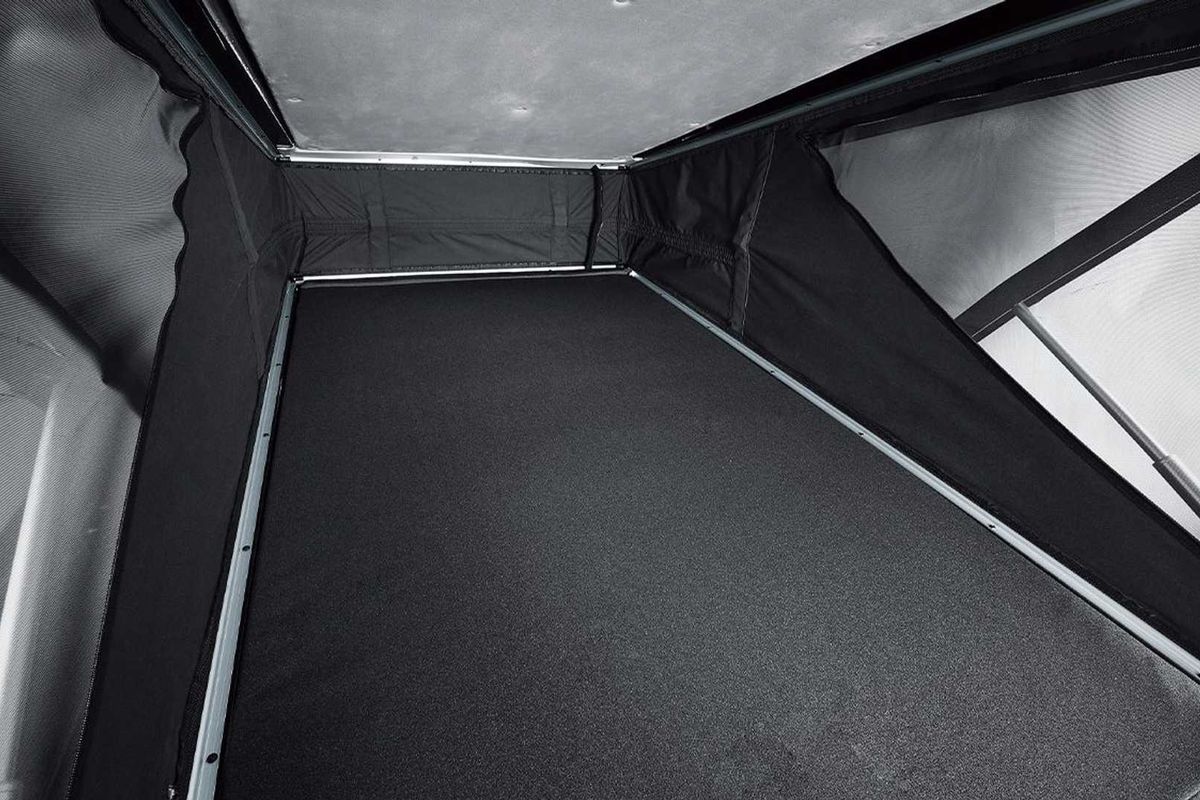
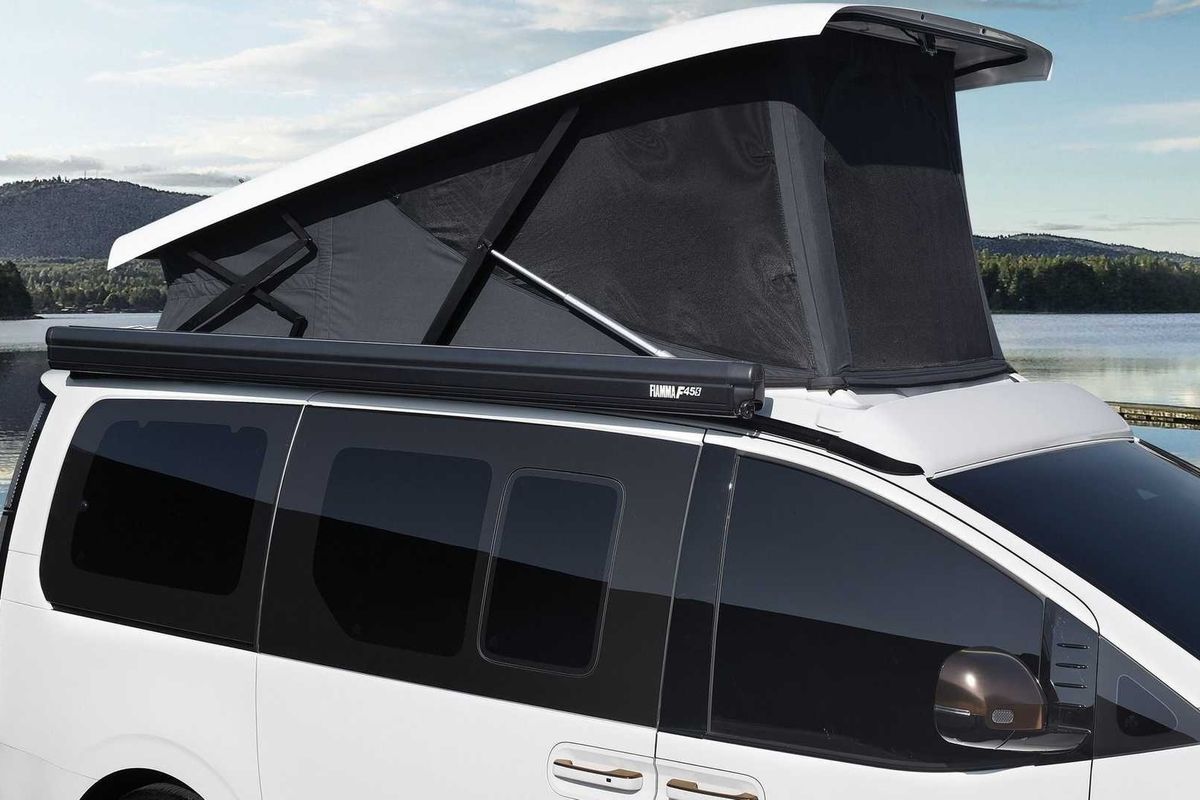
There’s an electronically-controlled pop-up tent in the roof that’s probably for children only and for those perfect summer evenings, a deployable awning with LED lights. At the rear, there’s a deployable table for those picnics. If you’re worried about draining the vehicle’s battery, there’s external power connectivity.
Engines on offer for the Hyundai Staria Camper range from the 2.2-litre turbocharged diesel 4-cylinder, the same as the one we get for the SA market as well as a 3.5-litre naturally-aspirated petrol V6.
Rivals? Well, this corner of the market is dominated by one vehicle, the Volkswagen California, a vehicle which we’ve had some experience with. It’s cool, but that price of R1.3 million feels a bit steep.
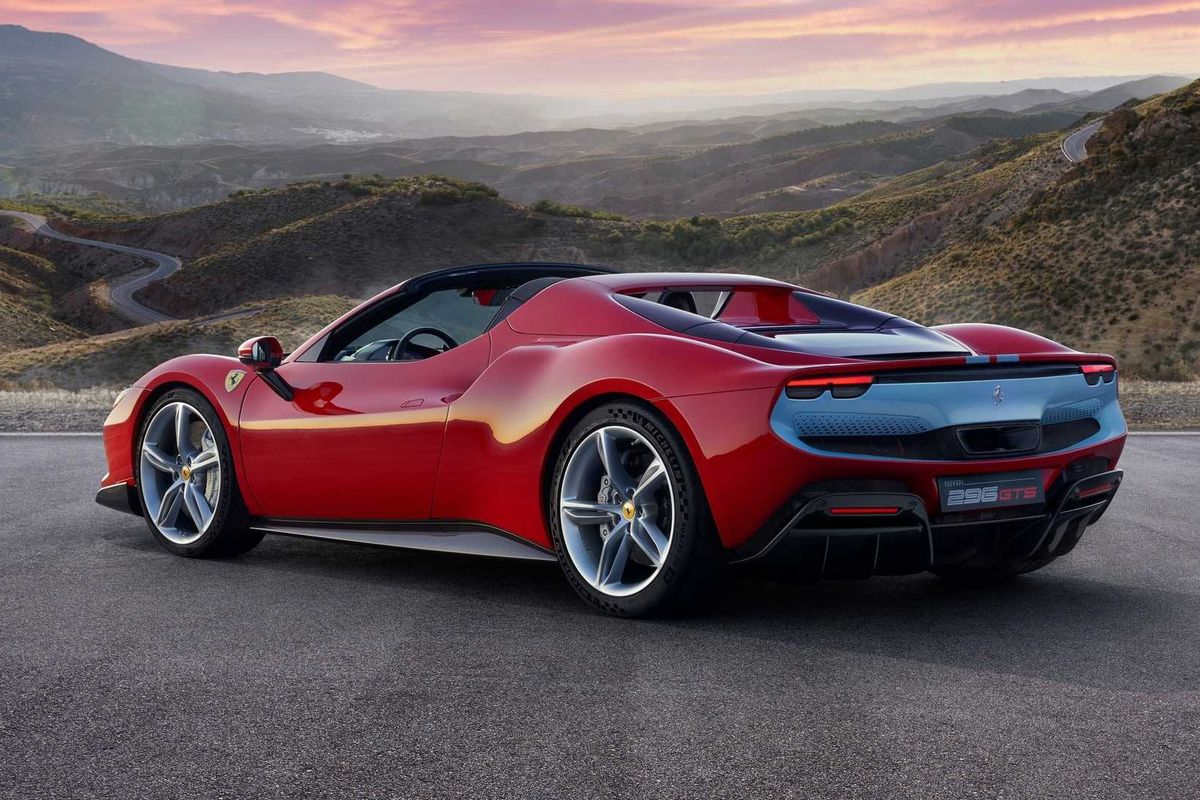
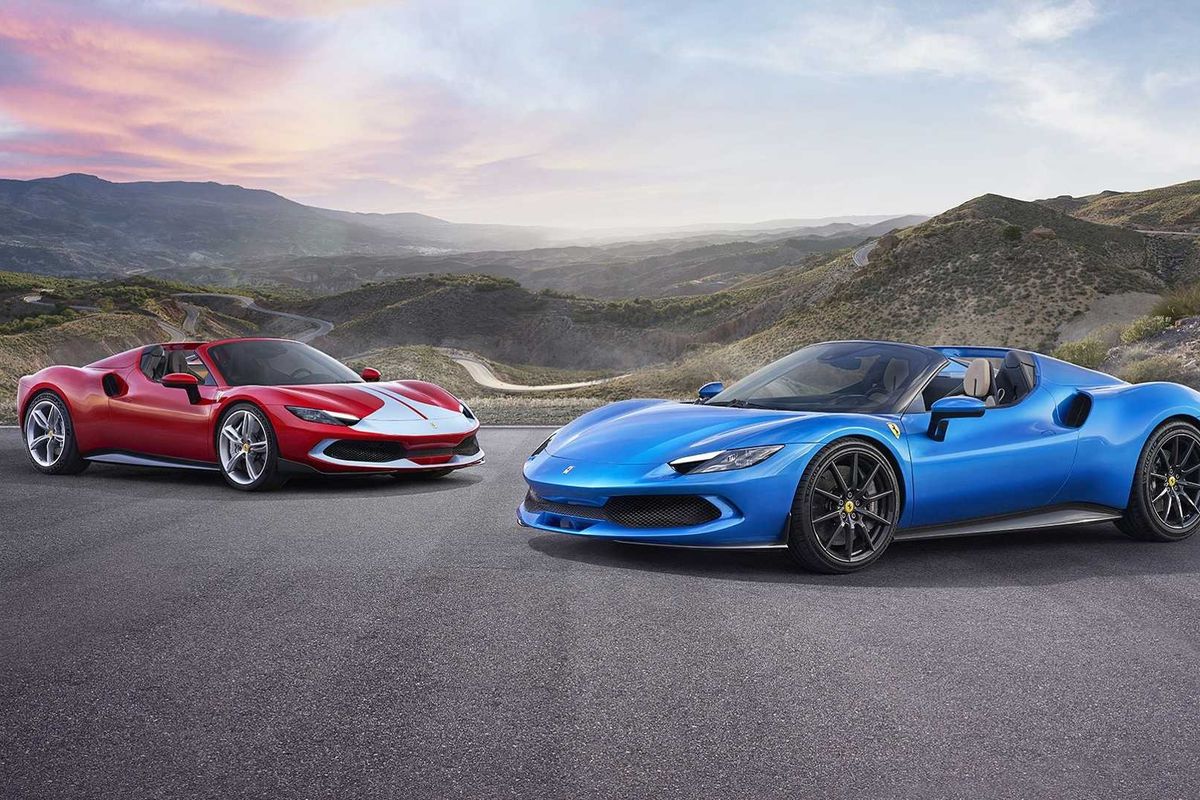
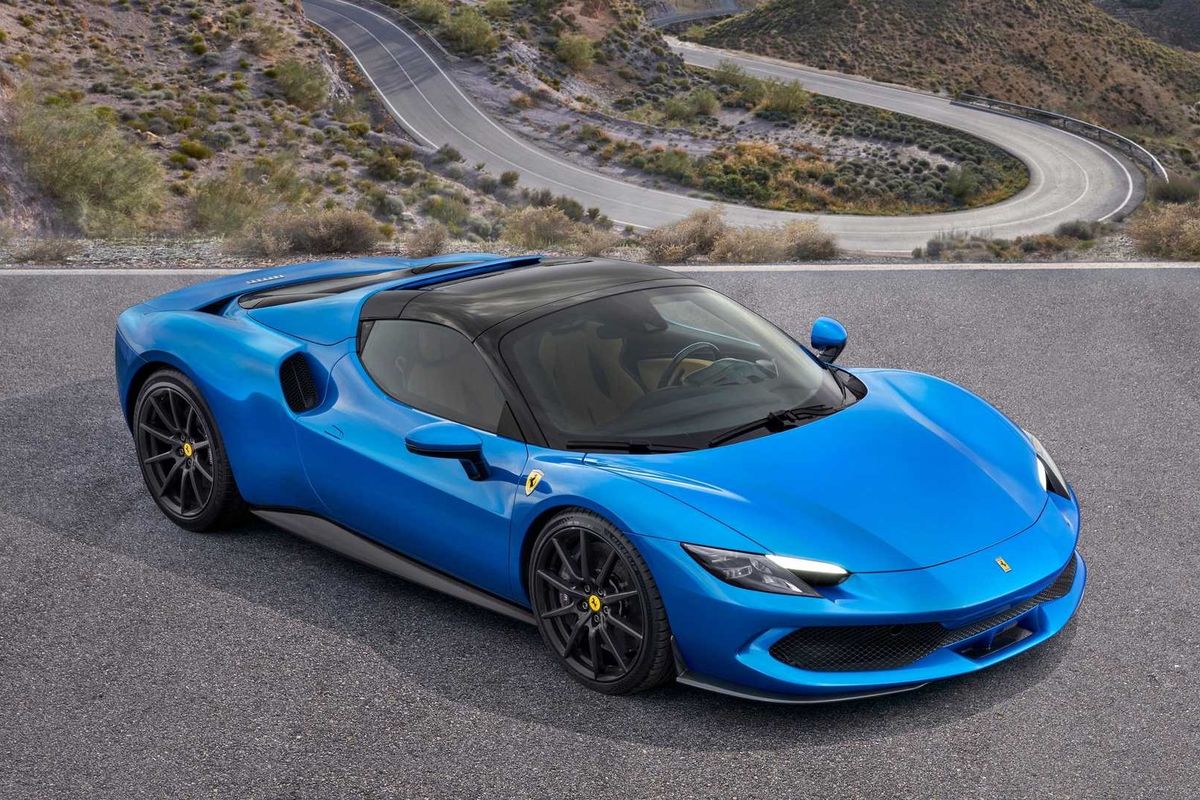
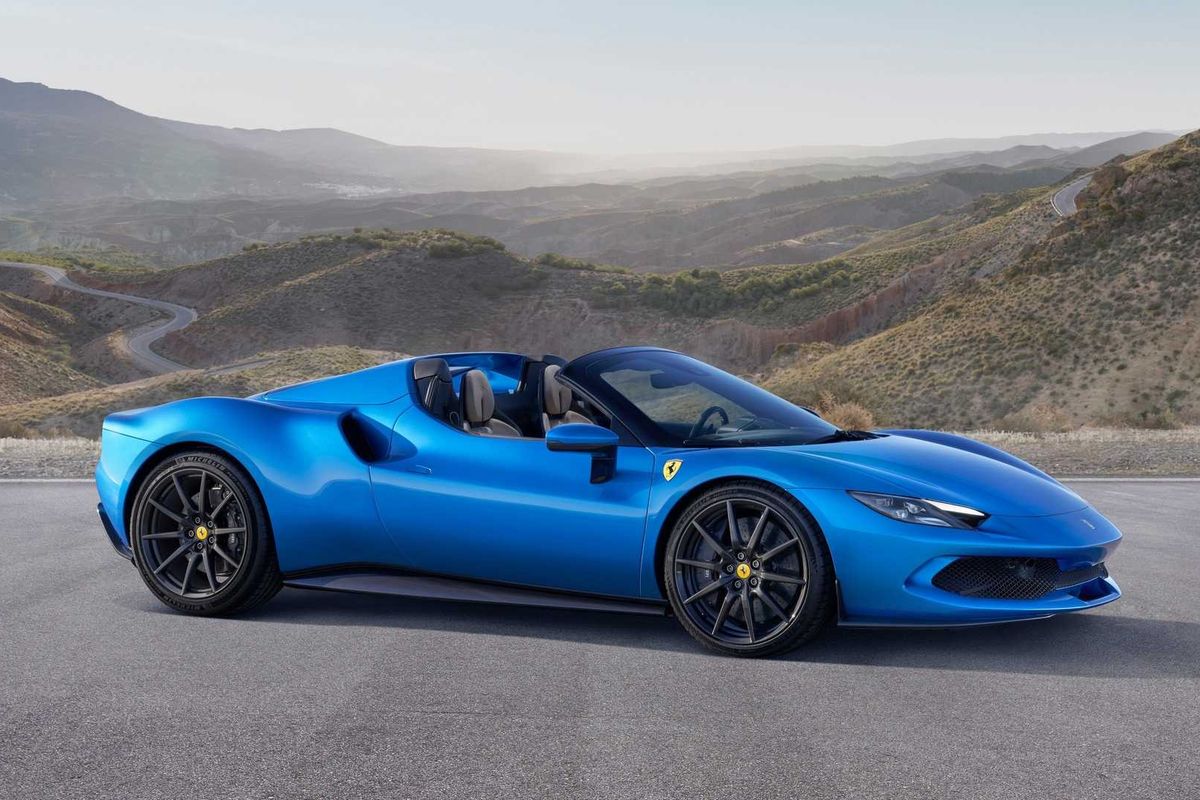
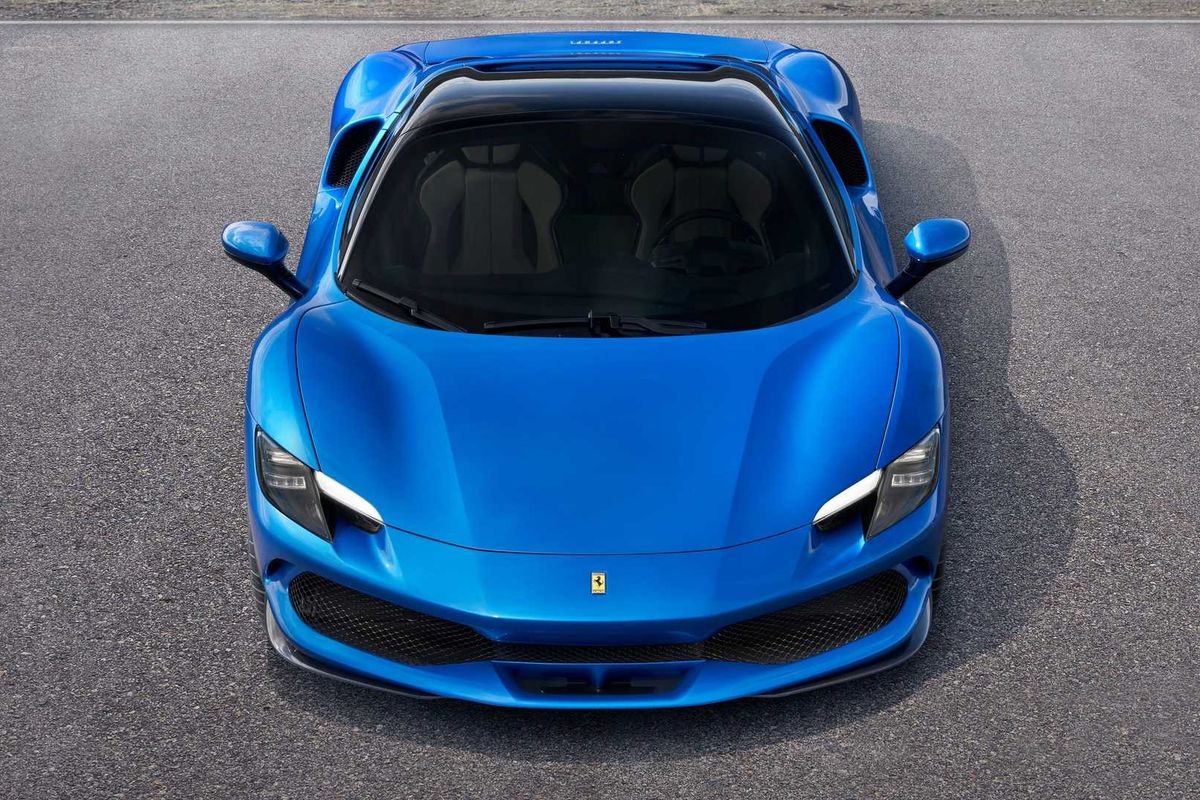
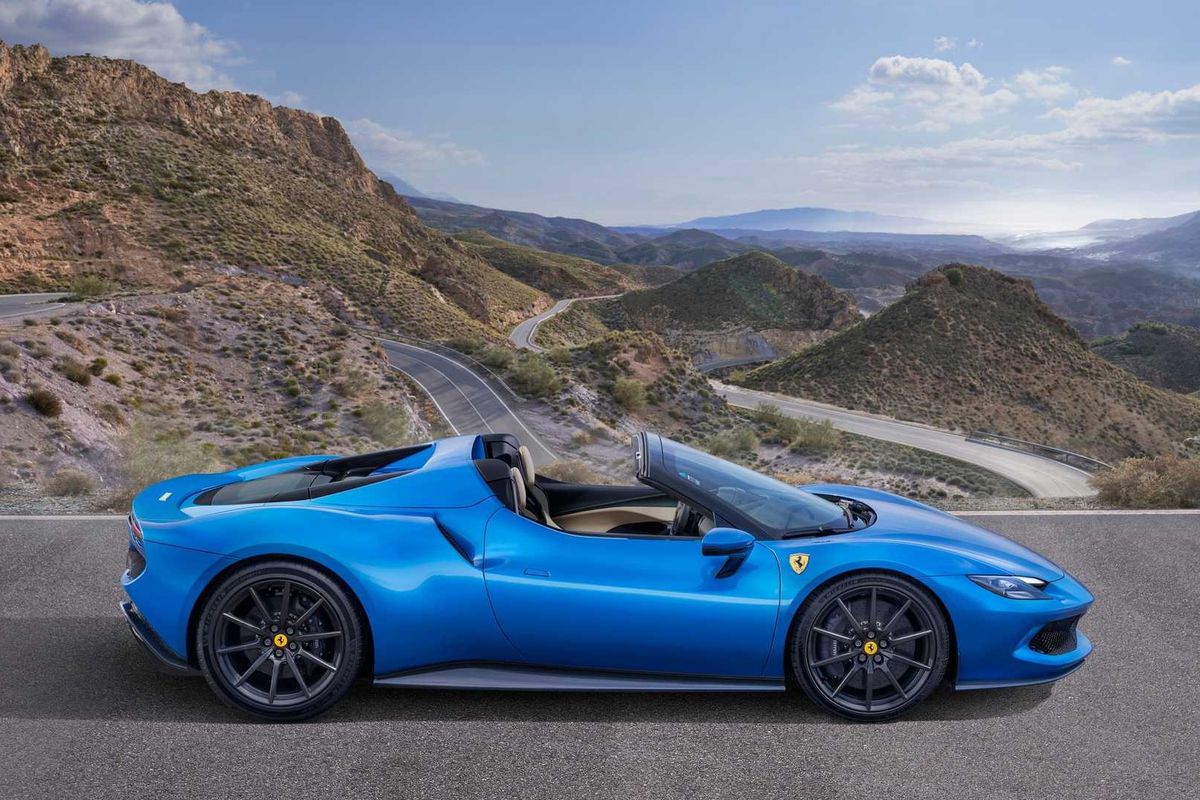
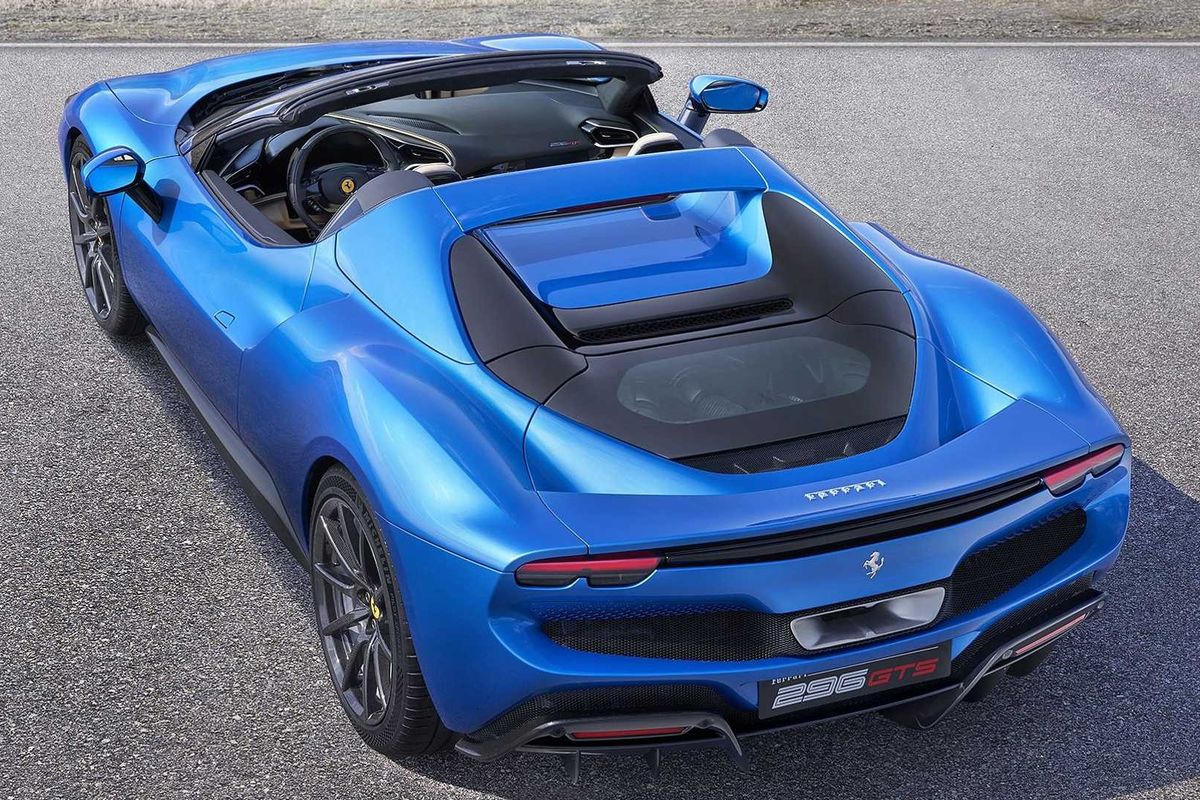
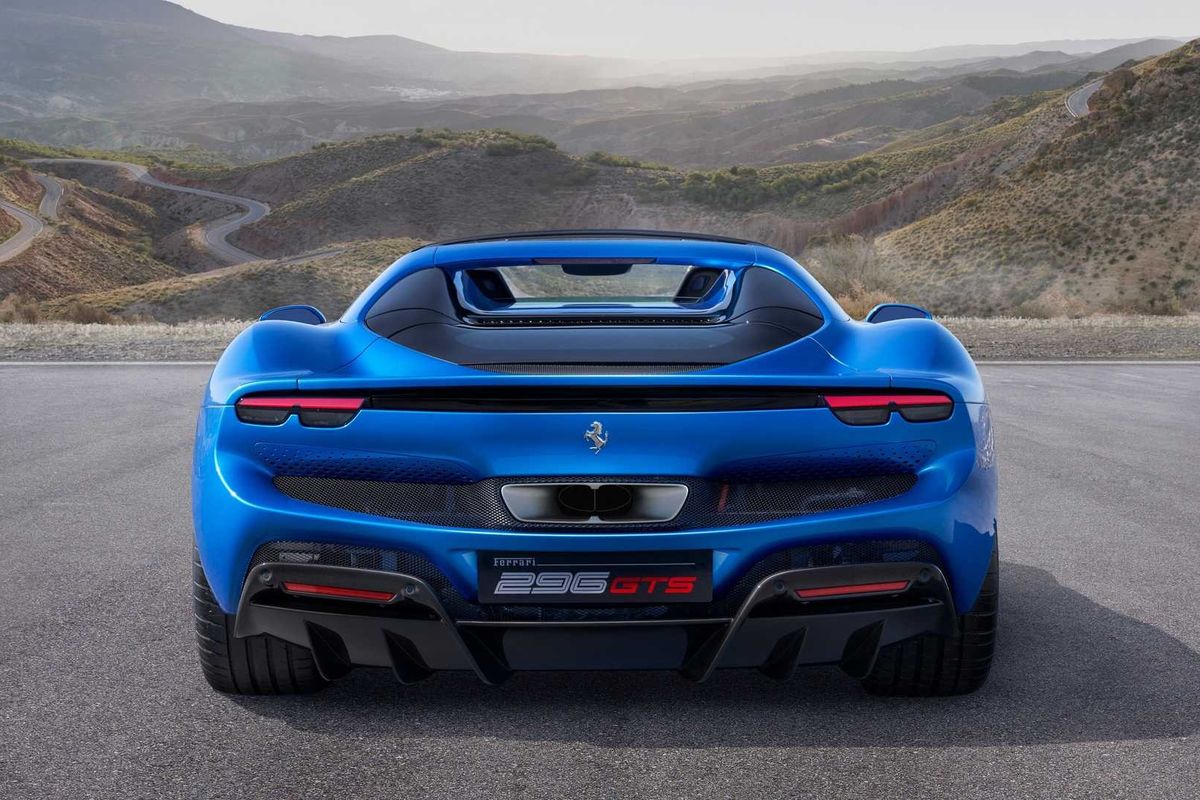
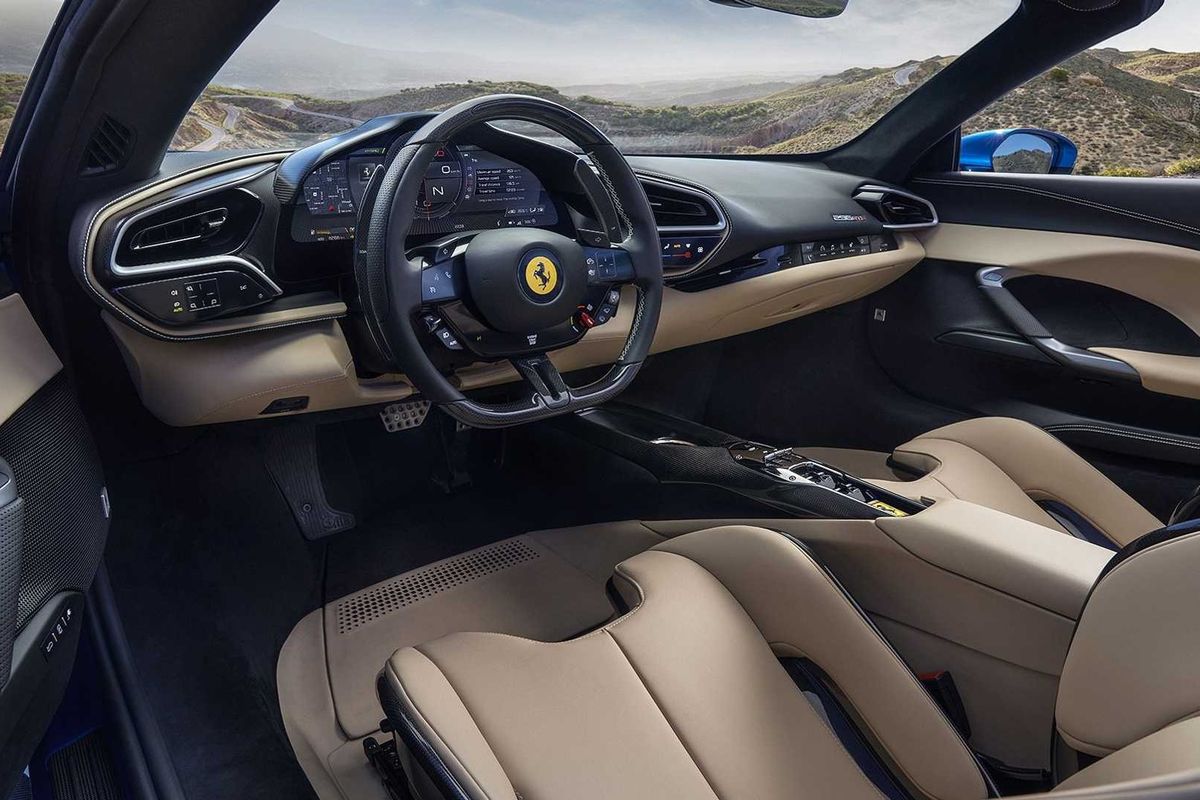
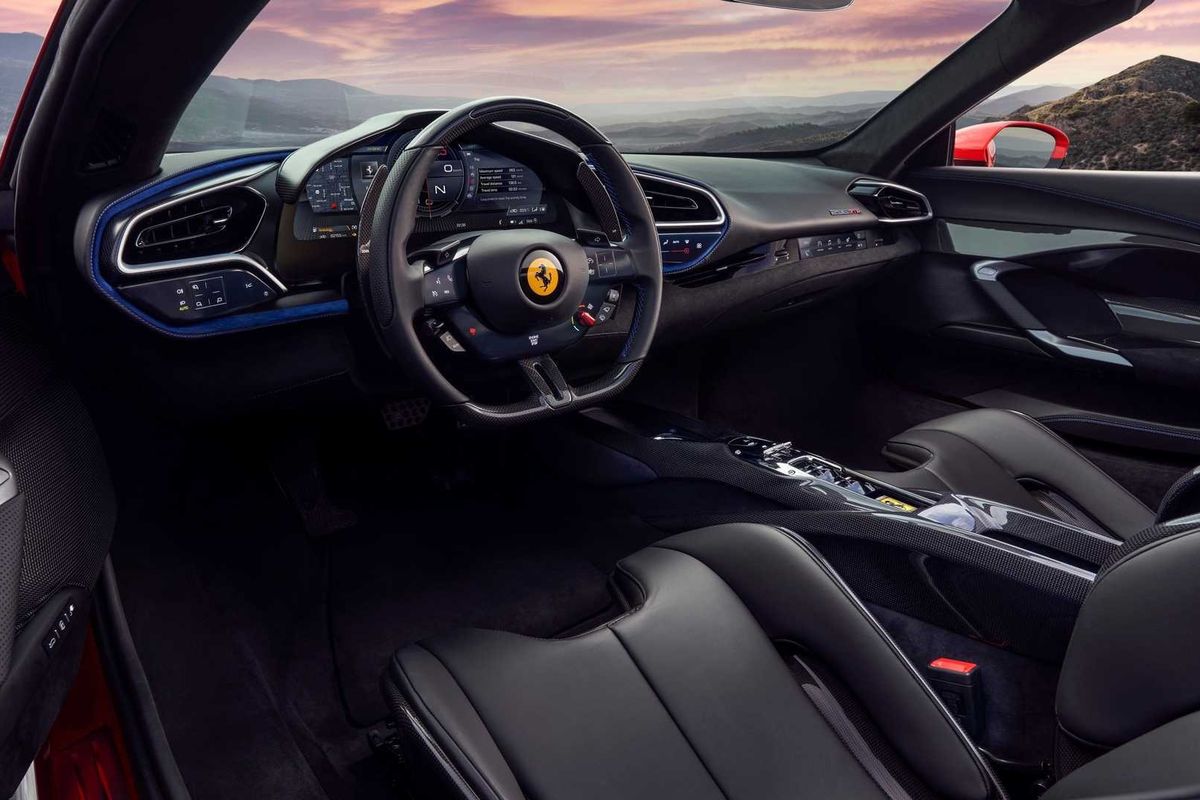
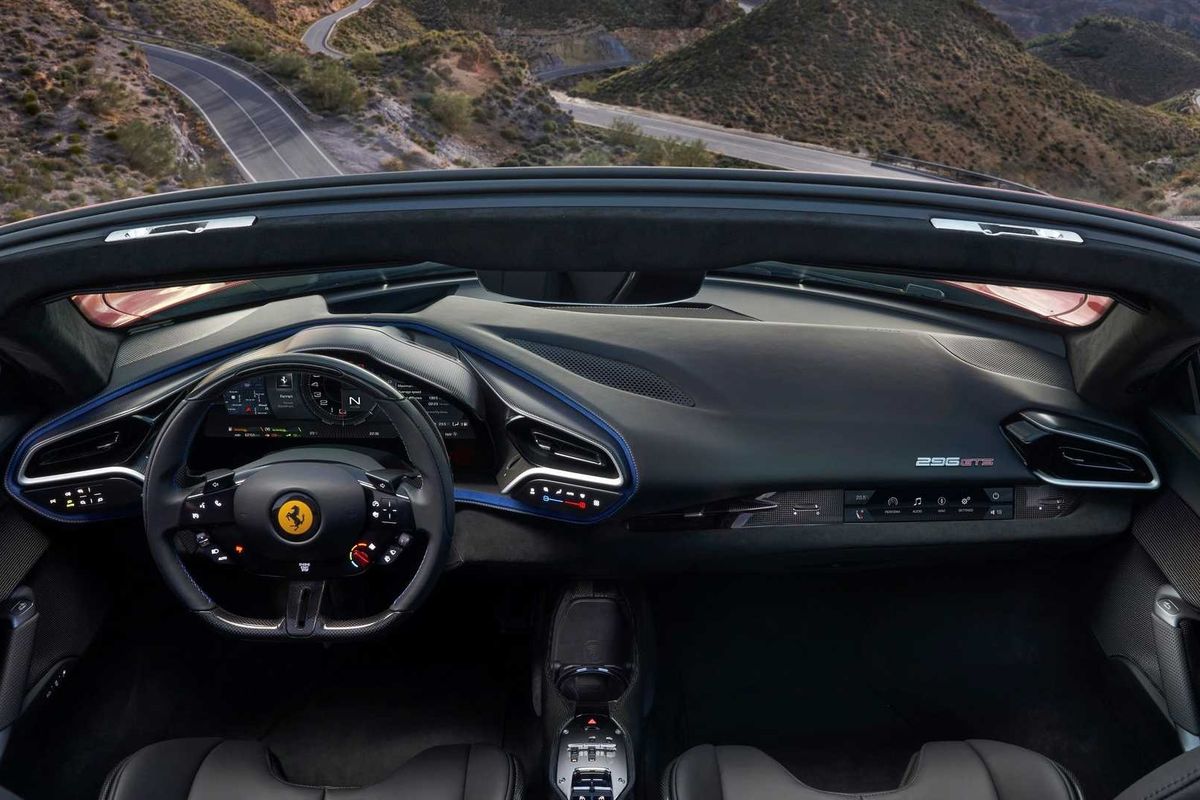
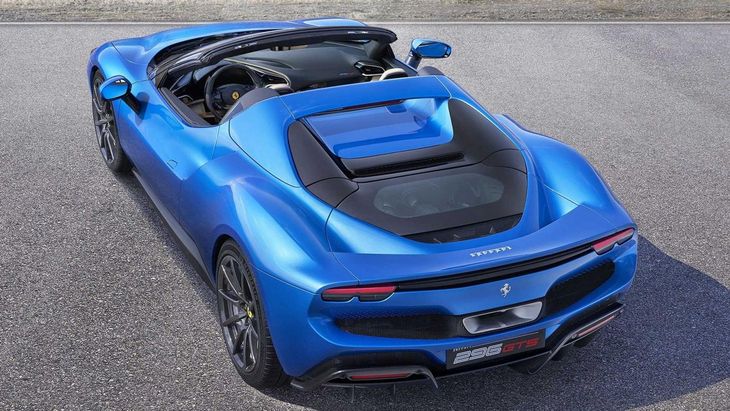
The Ferrari 296 GTS is the latest creation to come from the Maranello-based firm boasting a retractable hardtop and V6 hybrid power with no less than 610 kW!
The 296 GTS (which is an acronym for Gran Turismo Spider) weighs in at just 1 540 kg, 70 kg more than its 296 GTB stablemate but unlike its coupe counterpart, it features a retractable hardtop roof that takes just 14 seconds to open and close at speeds up to 40 kph.
That weight gain, however, is dulled by the powerful hybrid powertrain that lurks behind the driver, comprising of a high-revving 494kW 3.0.litre V6 petrol engine in combination with an electric motor that combines to produce a tantalising 610 kW and 740 Nm while also offering 25 km of electric range using a 7.45 kWh battery.
Can the Ferrari 296 perform? Hell yes, it can!
The 296 GTS boasts mega hybrid power and its performance is mightily impressive, on paper that is…
Using Ferarri’s 8-speed automatic transmission, zero to 100 kph takes 2.9-seconds, on to 200 kph in 7.6 seconds and it even breaches 300 kph before maxing out at somewhere around 330kph. Warp speed. Electric driving pulls in the reigns to a leisurely 135 kph top speed.
How much do you need to save to buy the Ferarri 296 GTS?
Well, buyers can expect to pay approximately $350 000 which is roughly R5.3-million at current exchange rates. Better start saving then…
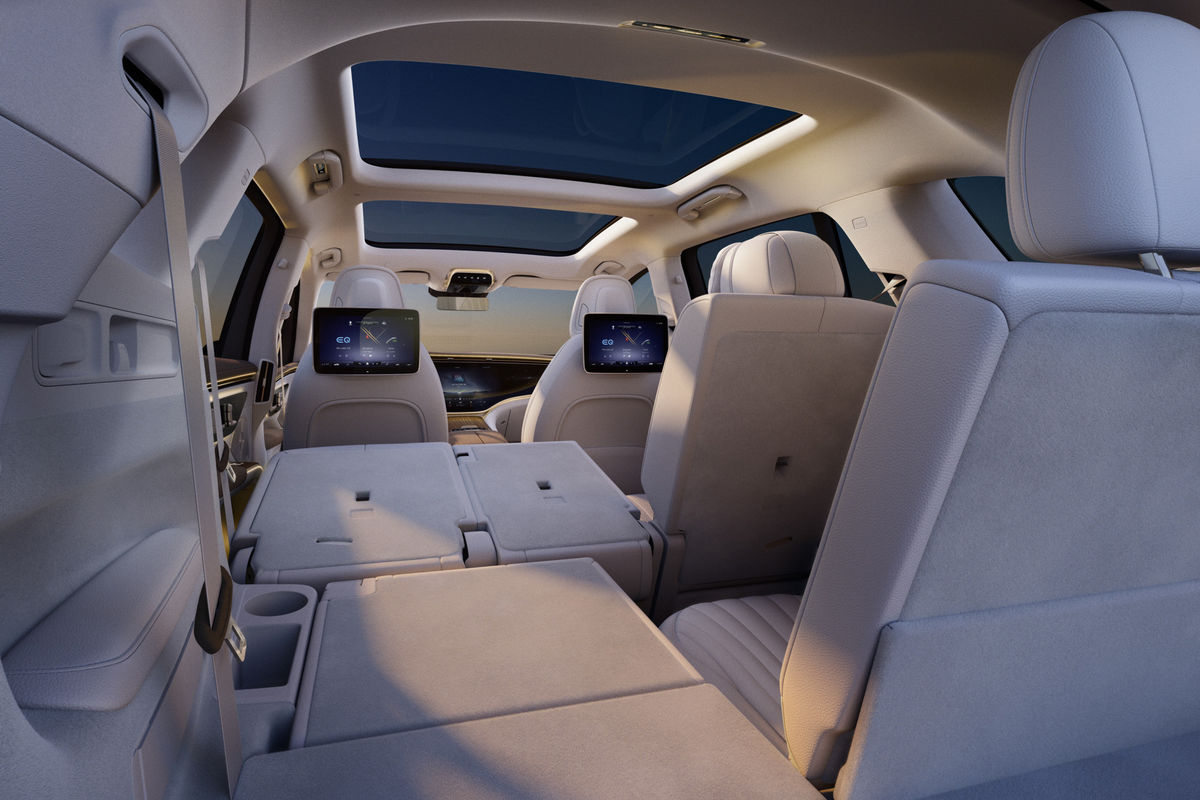
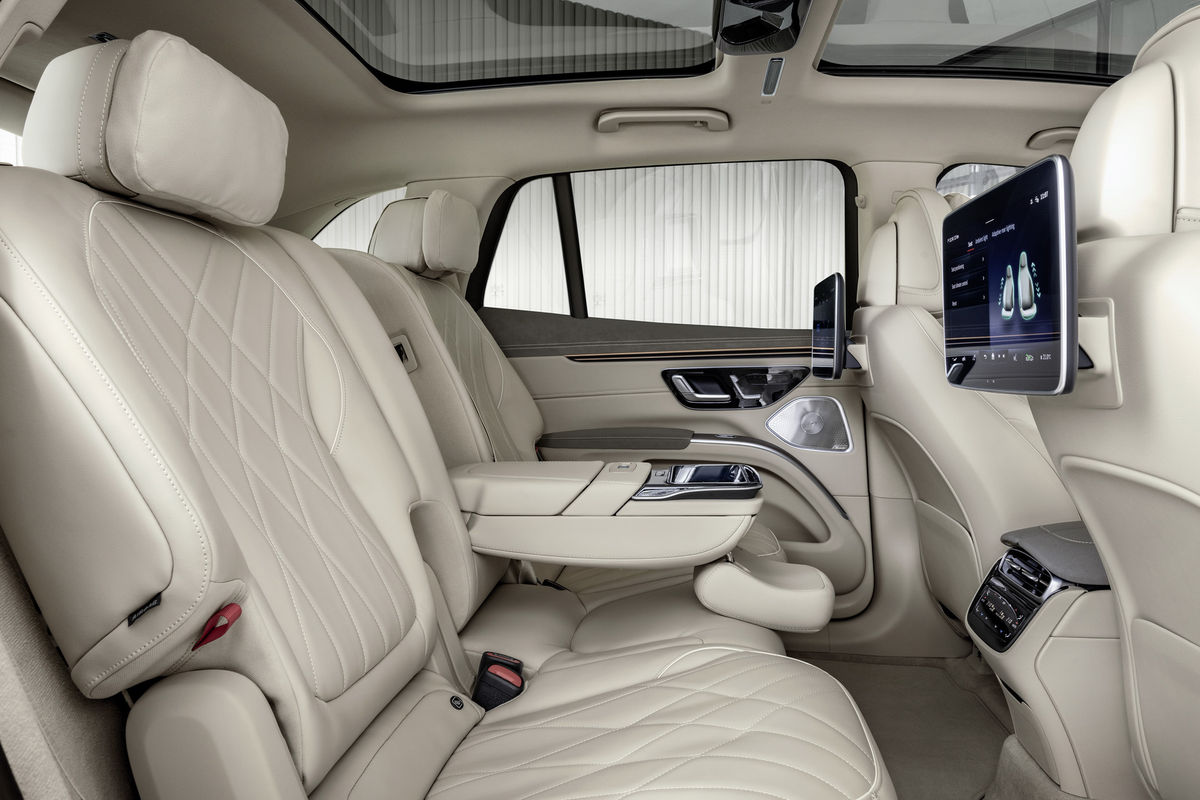
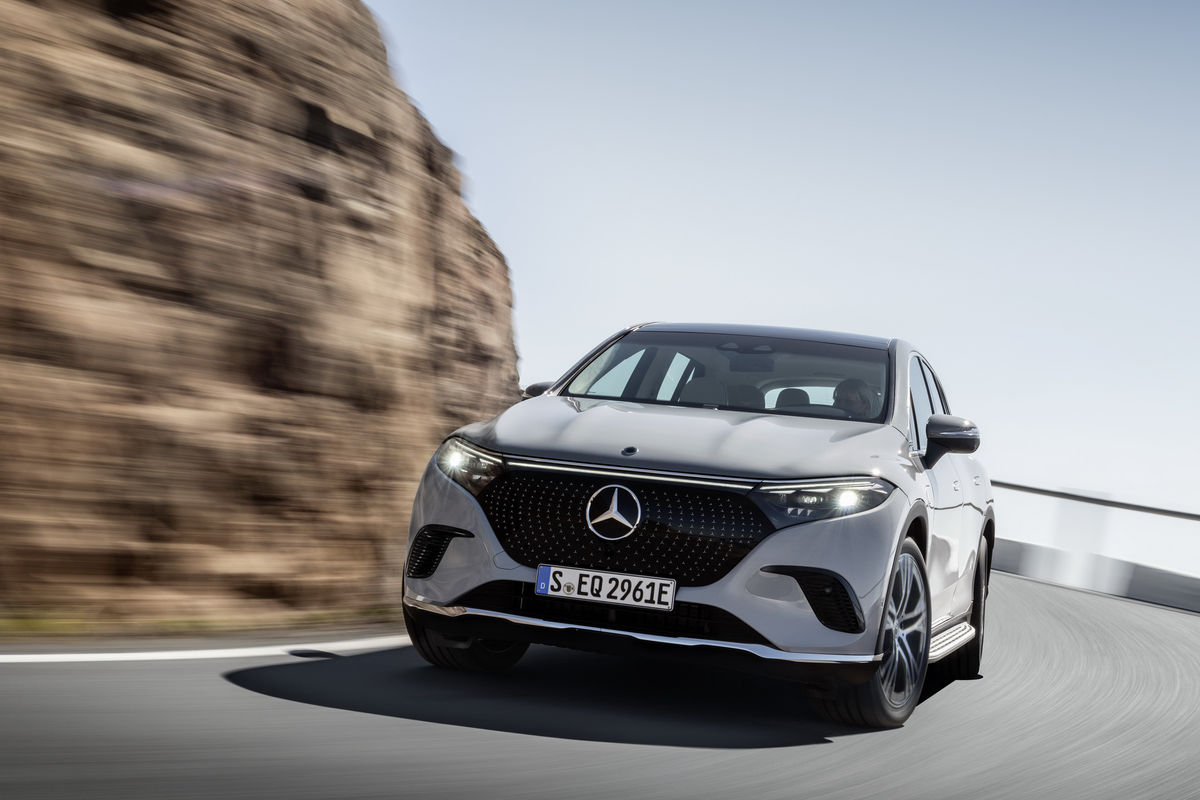
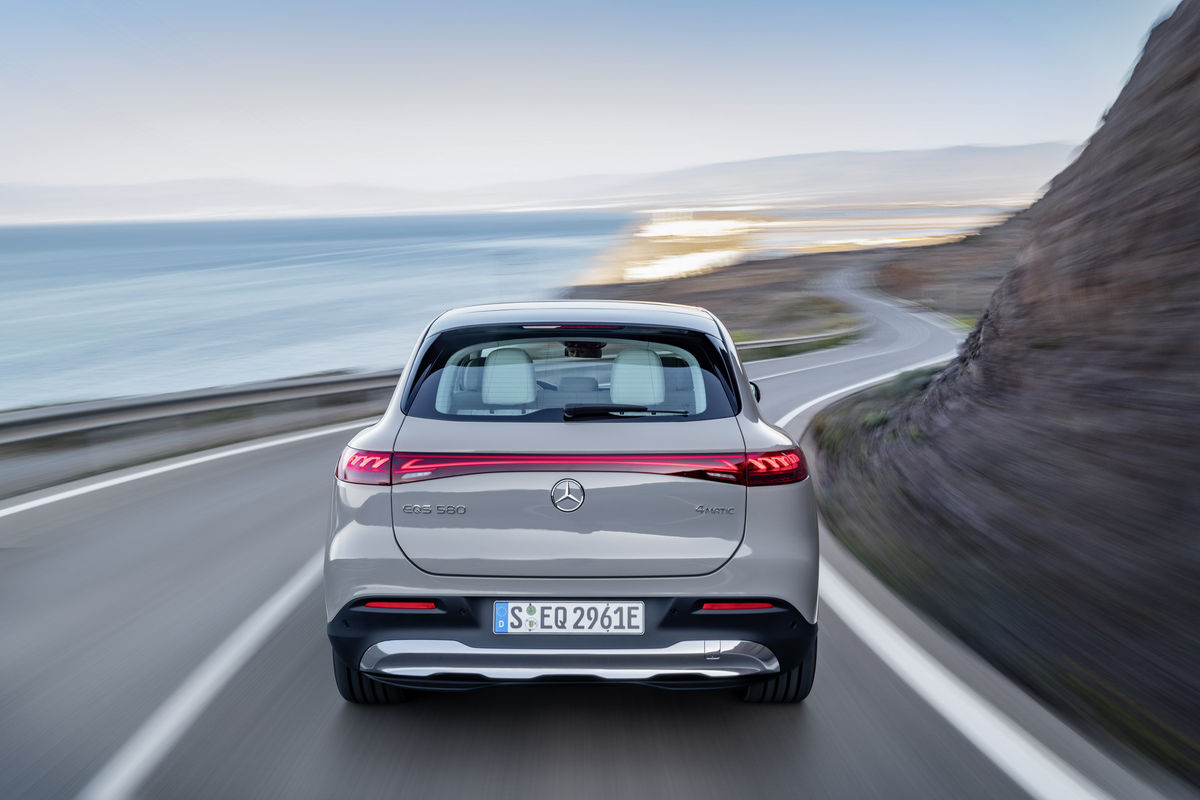
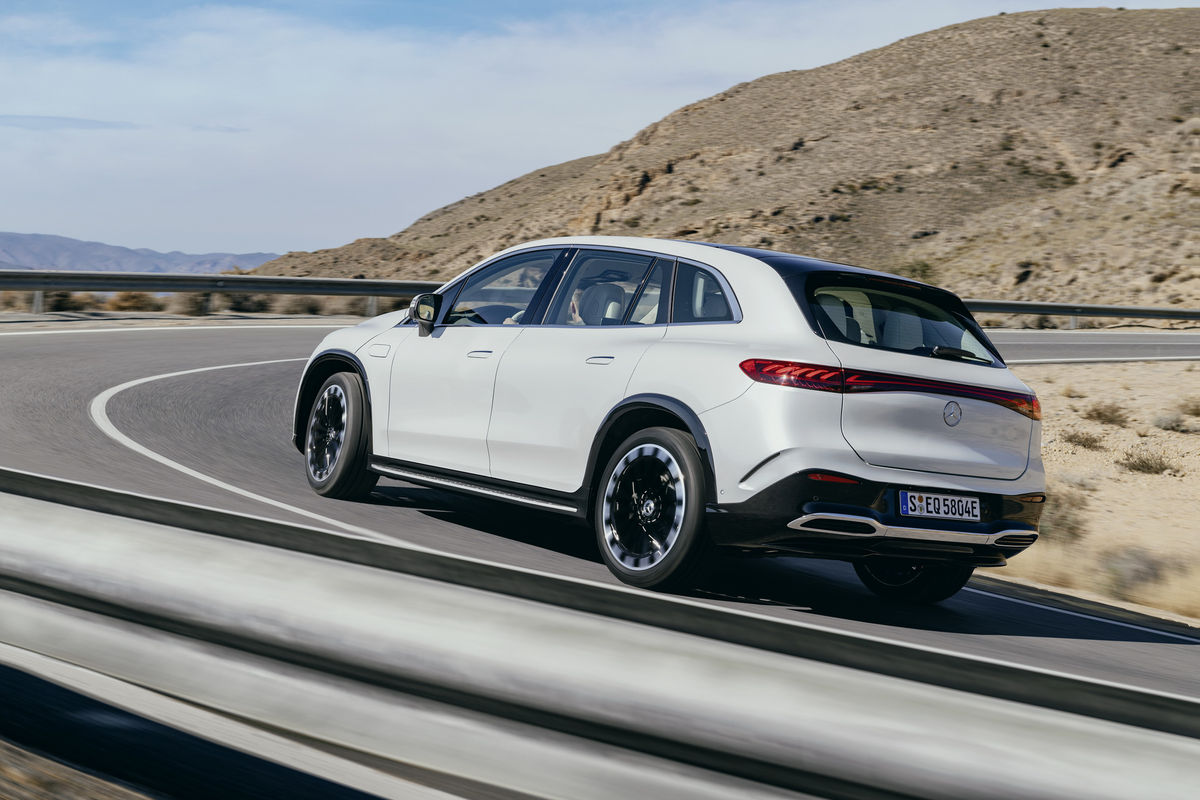
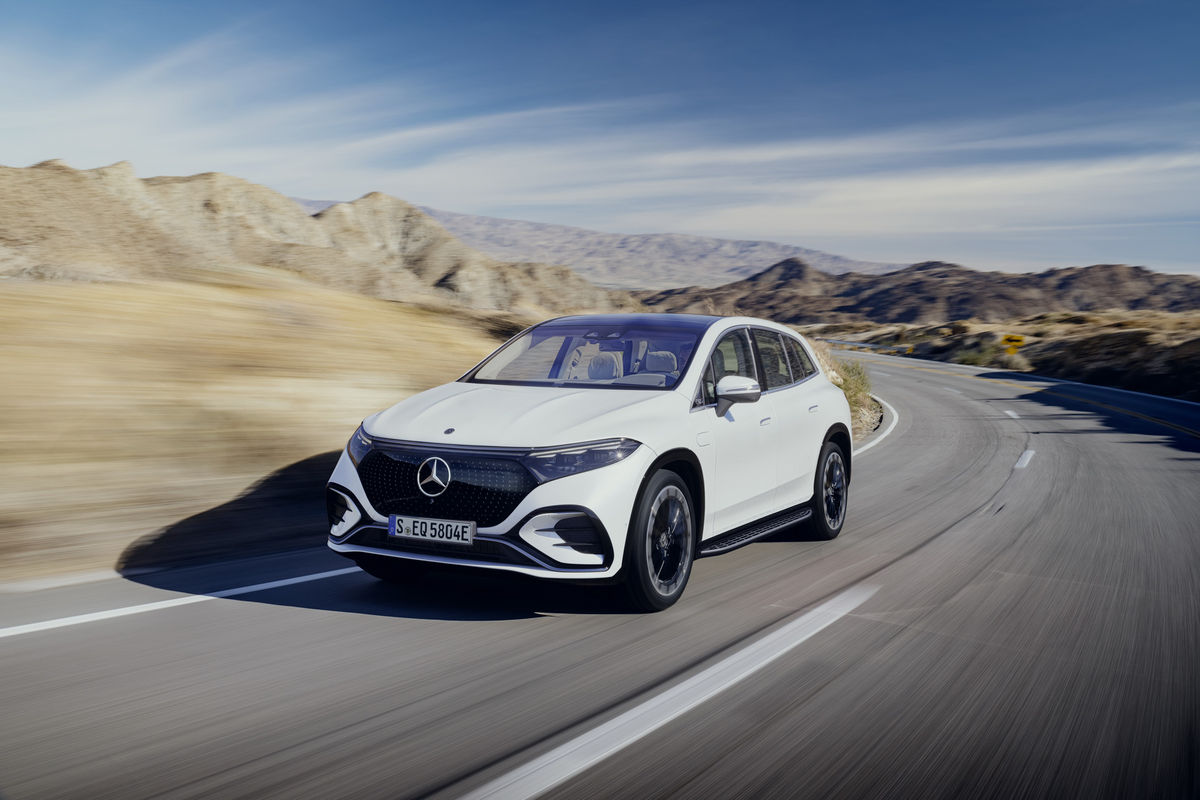
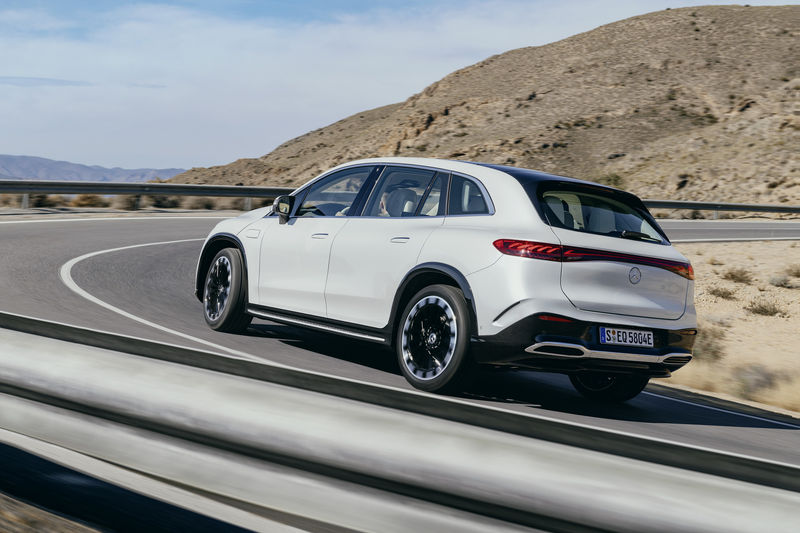
The Mercedes-Benz EQS range has expanded with the introduction of a 7-seater luxury SUV derivative.
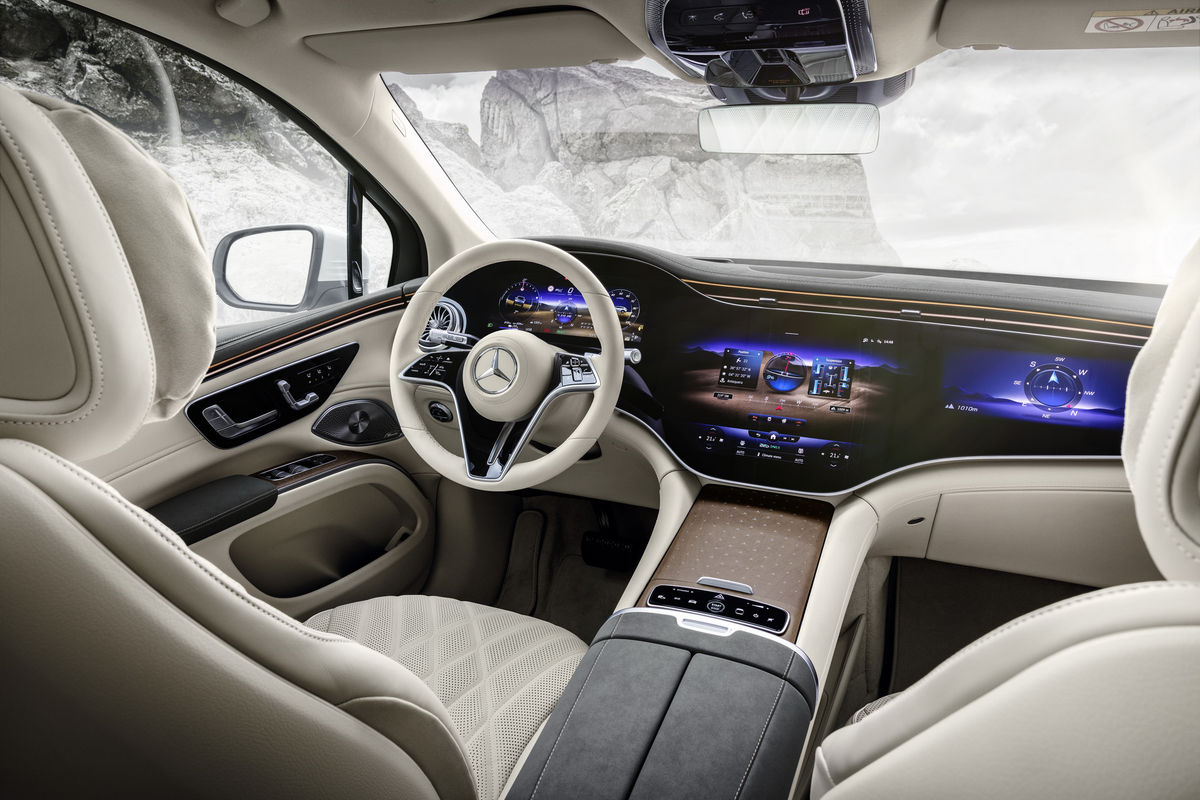
The Mercedes-Benz EQS was revealed as an all-electric luxury sedan. Featuring futuristic styling and a bristling array of tech, the EQS looks to be the electric alternative to the Mercedes-Benz S-Class. Think of this then as an ultra-luxury Mercedes-Benz GLS.
Now Mercedes-Benz has shown off the EQS SUV. From what we can see, there are two powertrains on offer. Starting off the range is the EQS 450+, with the headline act being the EQS 580 4Matic. Outputs on both derivatives are impressive. The rear axle mounted motor summons 264 kW and 568 Nm in the 450+, with the flagship model delivering 400 kW and 858 Nm, with power going to both axles.
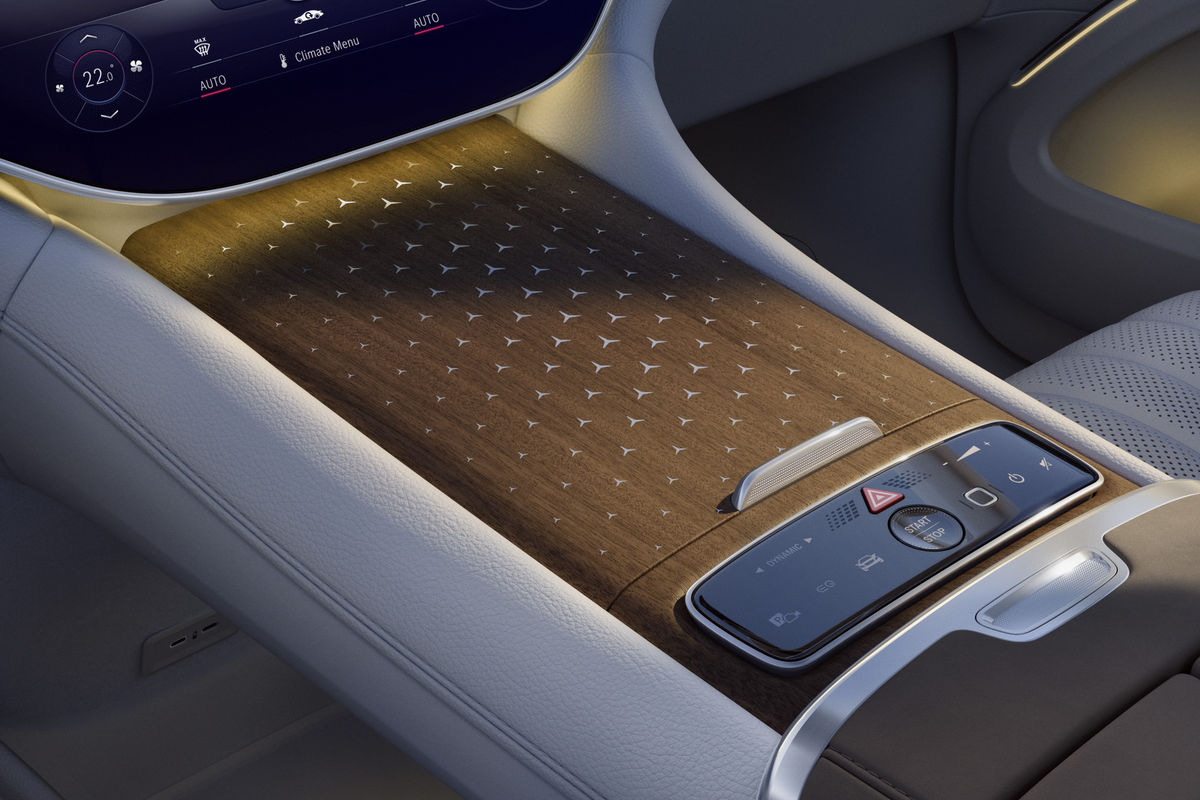
Physically, this is a big vehicle at just over 5 metres long and it shares the wheelbase of 3.2 metres with the EQS sedan. Being flagship models, the array of technology and gadgetry is borderline overwhelming. There are massive screens on offer, with rear passengers benefitting from their own rear-seat entertainment.
Performance figures were not given and the only range info on offer was a claimed of 600 km. The EQS sedan is said to offer 770 km of range, presumably due to its aerodynamics. Both EQS SUV models will go from 10-80% in just 30 minutes when connected to a DC fast charger, with a maximum charging rate of 200 kW.
Mercedes-Benz says the new 7-seater EQS SUV will go on sale in the US market before the end of 2022. Mercedes-Benz South Africa has big electric plans for 2022, with the EQA, EQB and EQS sedan touching down this year.
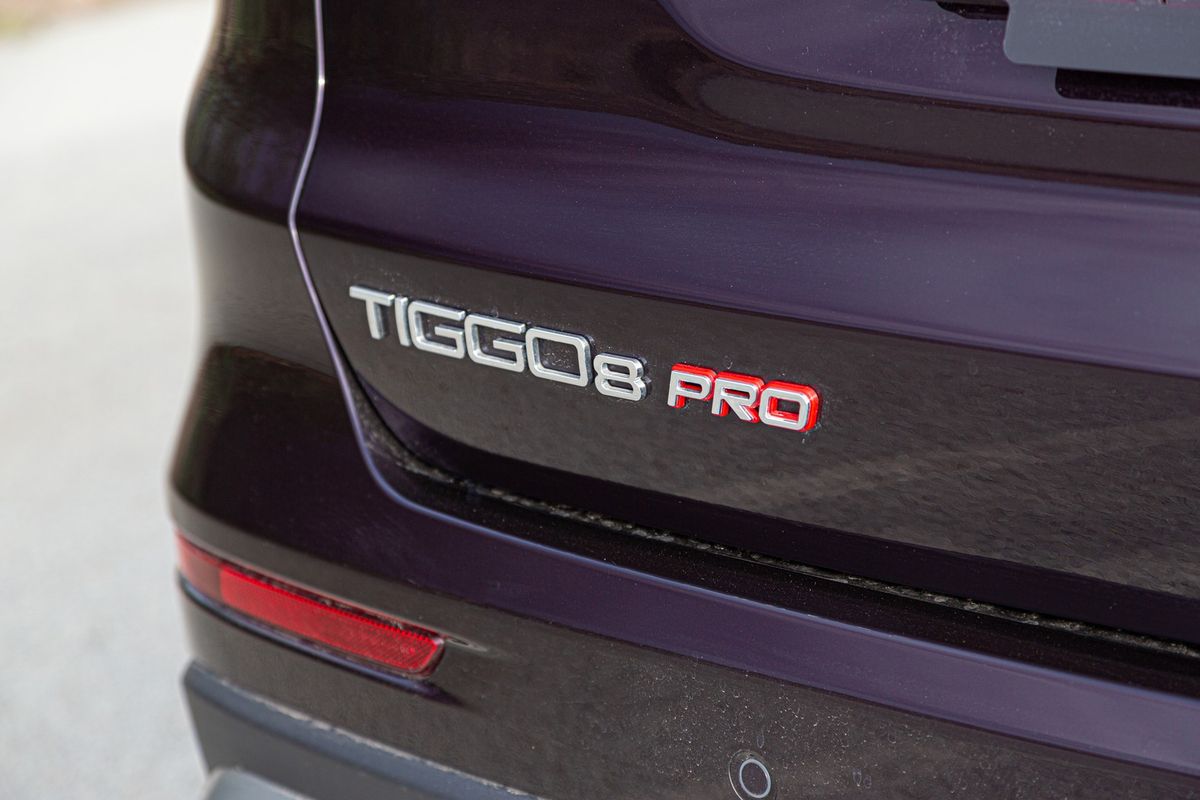
Following hot on the heels of its fast-selling, smaller sibling, the Tiggo 4 Pro, Chery’s new flagship model – the Tiggo 8 Pro – seems to offer unbeatable value for money at the price, but does the 7-seater live up to the hype?
We like: Build quality, luxury specification, smart design, value for money
We don’t like: Head- and legroom restricted in the 3rd row, overly firm ride, lacks power (in some instances)
Perceptions of Chinese cars have changed from cheap to genuinely attractive, value-for-money offerings.
It’s fair to say that Great Wall Motors’ SUV sub-brand, Haval, has done a lot in recent years to change South African consumers’ perceptions of Chinese-made vehicles. No longer merely competing on price, that marque’s offerings are now regarded as genuinely attractive options, regardless of how much they cost. Haval’s fellow Chinese (and rival) brand Chery’s immediate traction in the market can at least partly be attributed to that change of market perception… and it’s keen to cash in even more! So, with its smaller Tiggo 4 Pro already selling in significant numbers, Chery decided to bring forward the launch of its flagship Tiggo 8 Pro model, tested here.
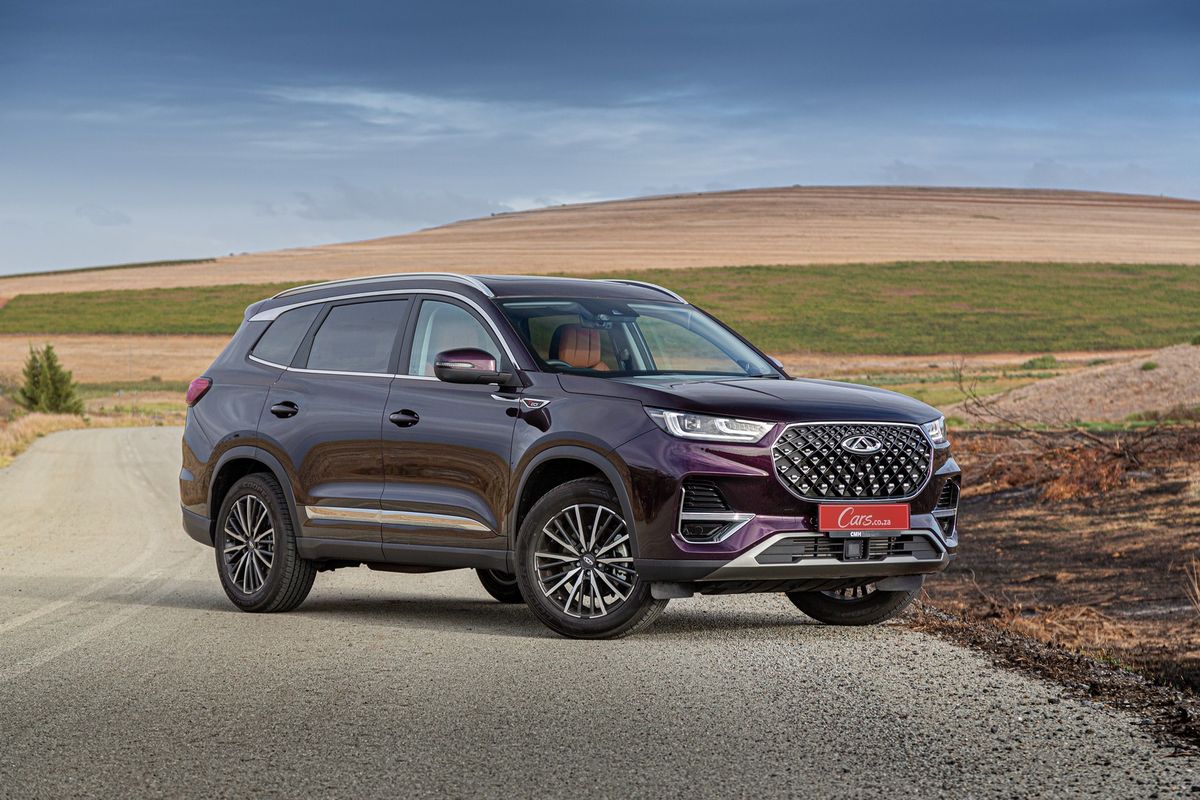
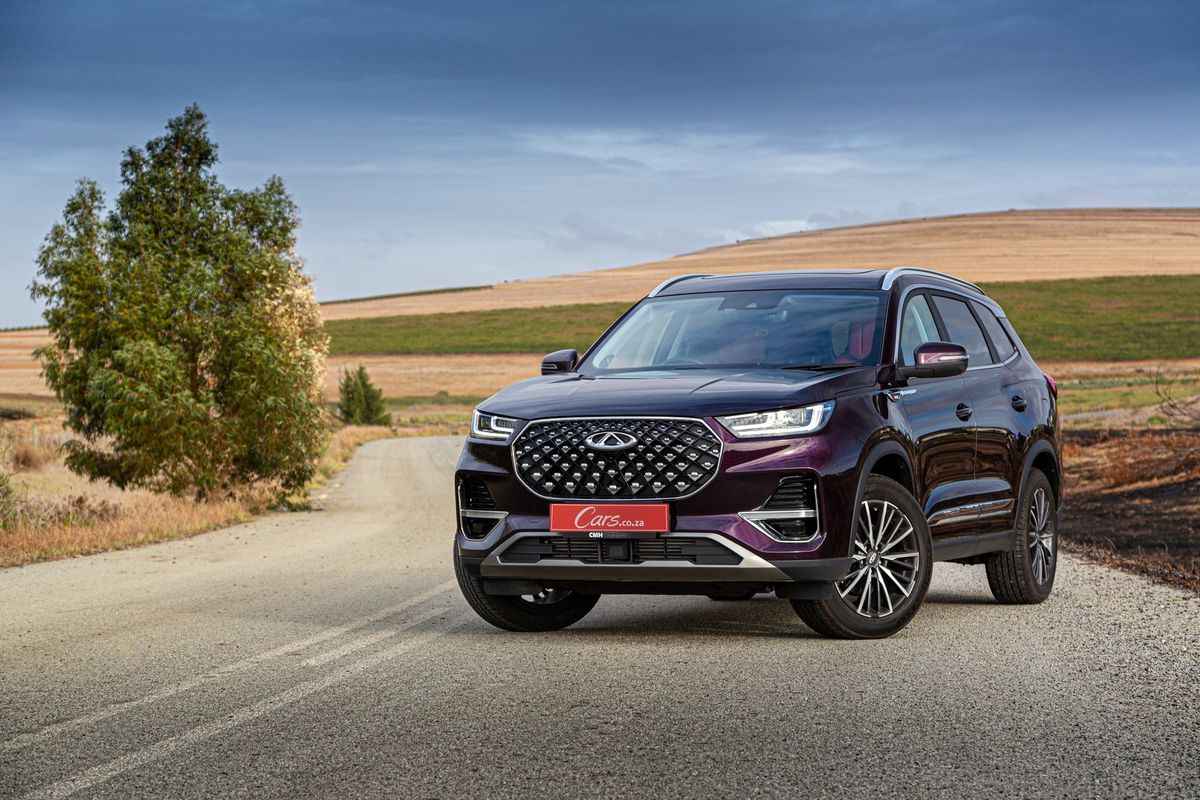
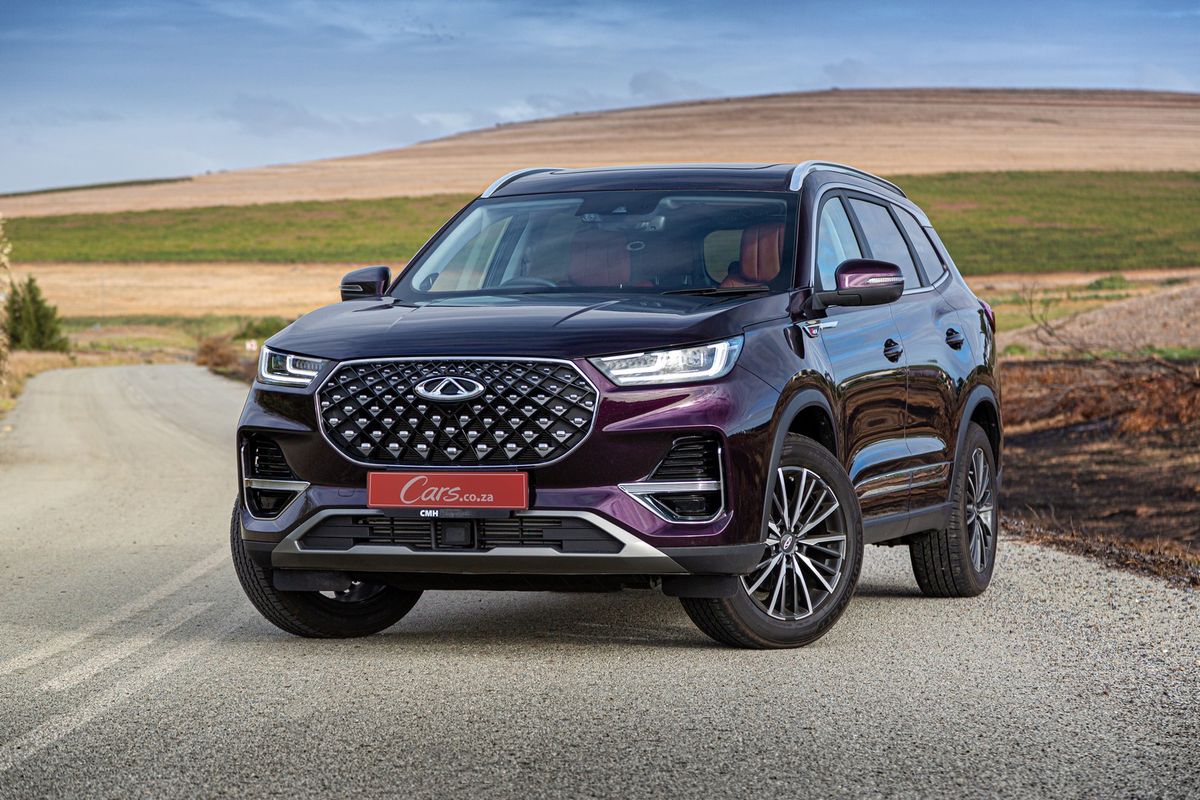
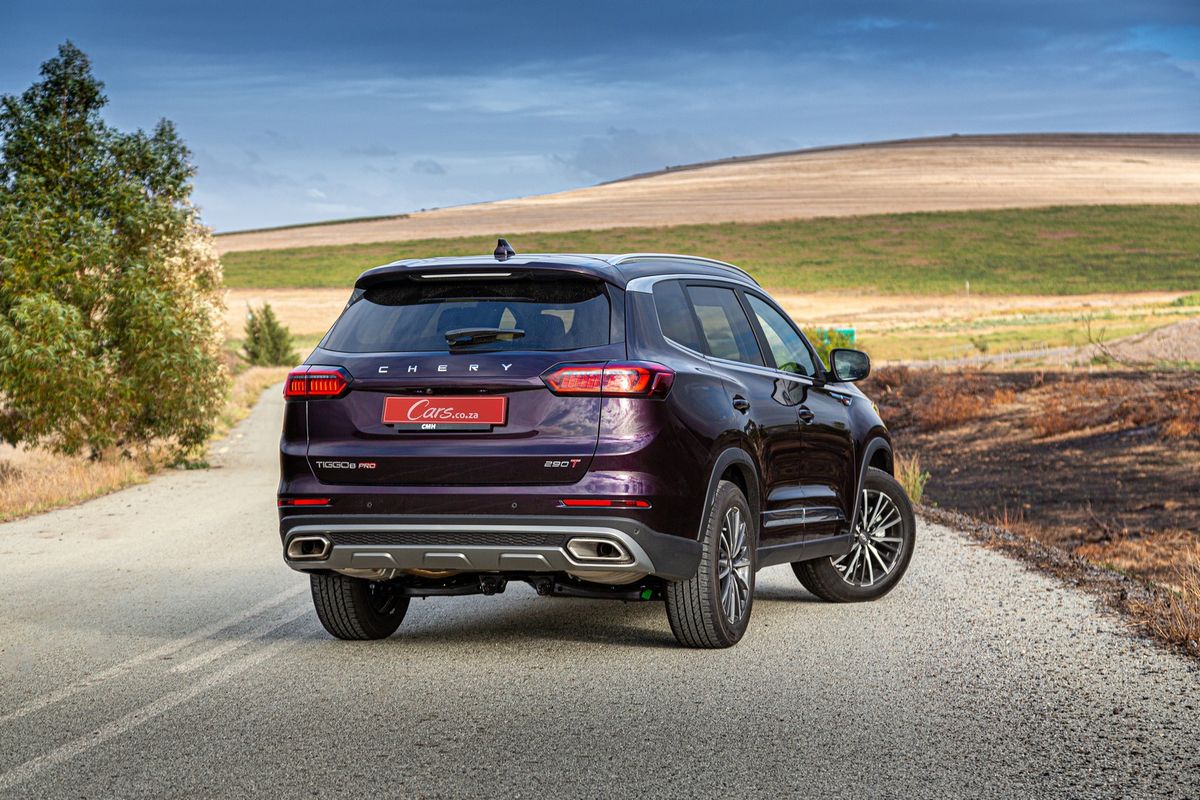
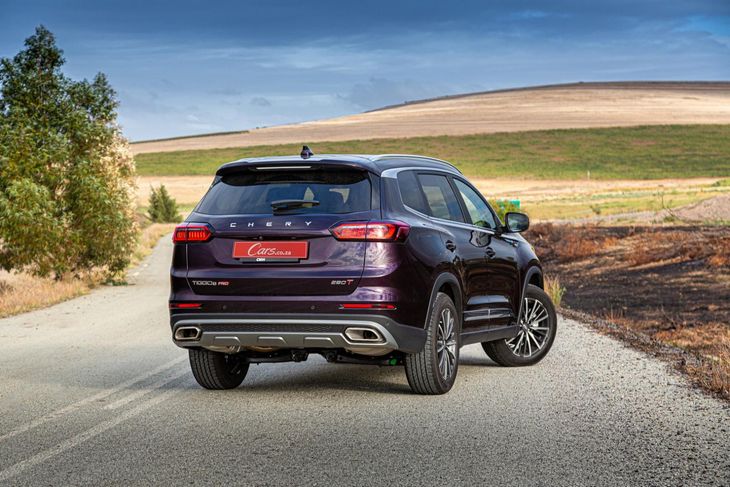
The Tiggo 8 Pro 2022 is a handsomely styled crossover that seems to compete in several categories! On the one hand, it is priced to rival mainstream 5-seat medium SUVs such as the Haval H6, Mazda CX-5 and Toyota RAV4, but it does so not only by having a lengthy specification sheet and attractive price in its armoury – it also offers a 3rd row of seats. This brings us to the second group of vehicles the Tiggo 8 Pro competes with, the other similarly sized 7-seat crossovers that are priced a good R170k-odd higher. And finally, at a stretch, you can also see the Tiggo 8 Pro as a cut-price, alternative to the Korean 7-seat crossovers (Kia Sorento and Hyundai Santa Fe), but it is notably smaller, particularly at the rear.
Size- and packaging-wise, the Chery’s most logical rivals are, however, the Tiguan Allspace and 5008, but it’s a lot cheaper than its Volkswagen and Peugeot rivals, plus it comes with a lot more features. Is this the bargain of the year?
With 7 seats and fully loaded in terms of modern tech, the Tiggo 8 Pro warrants a spot on your shortlist.
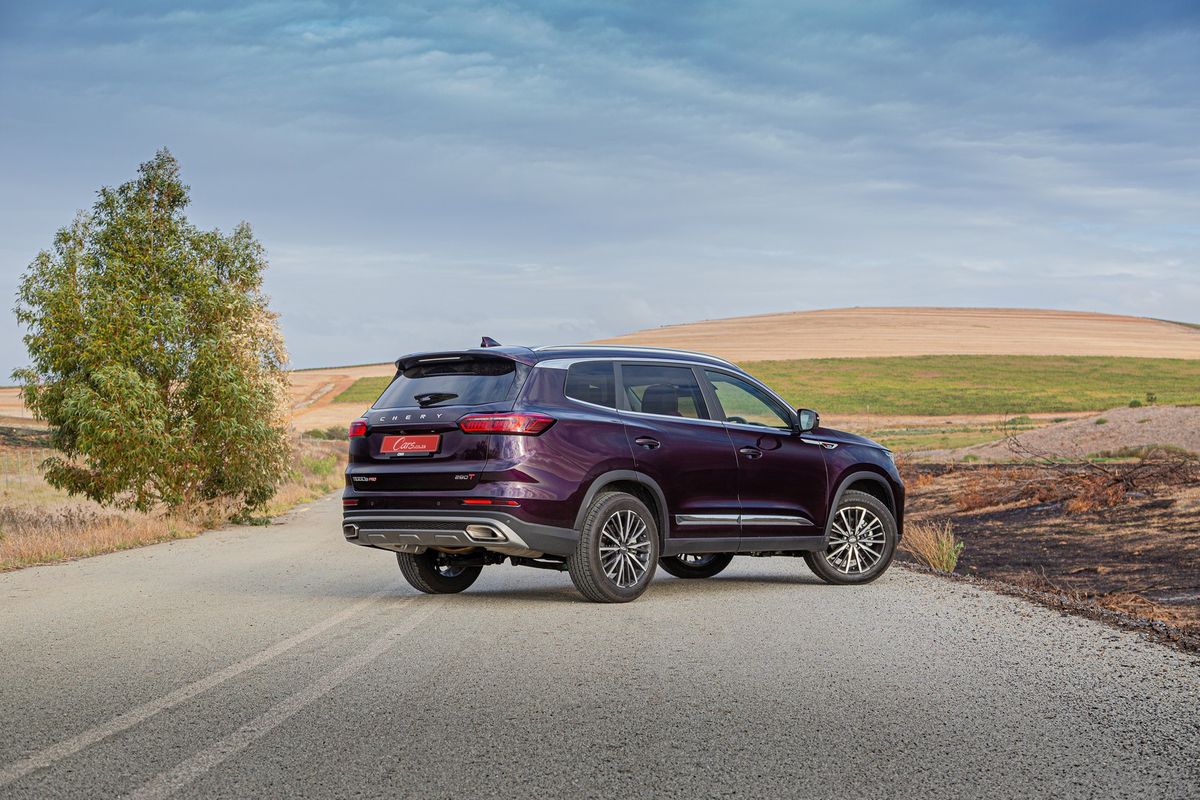
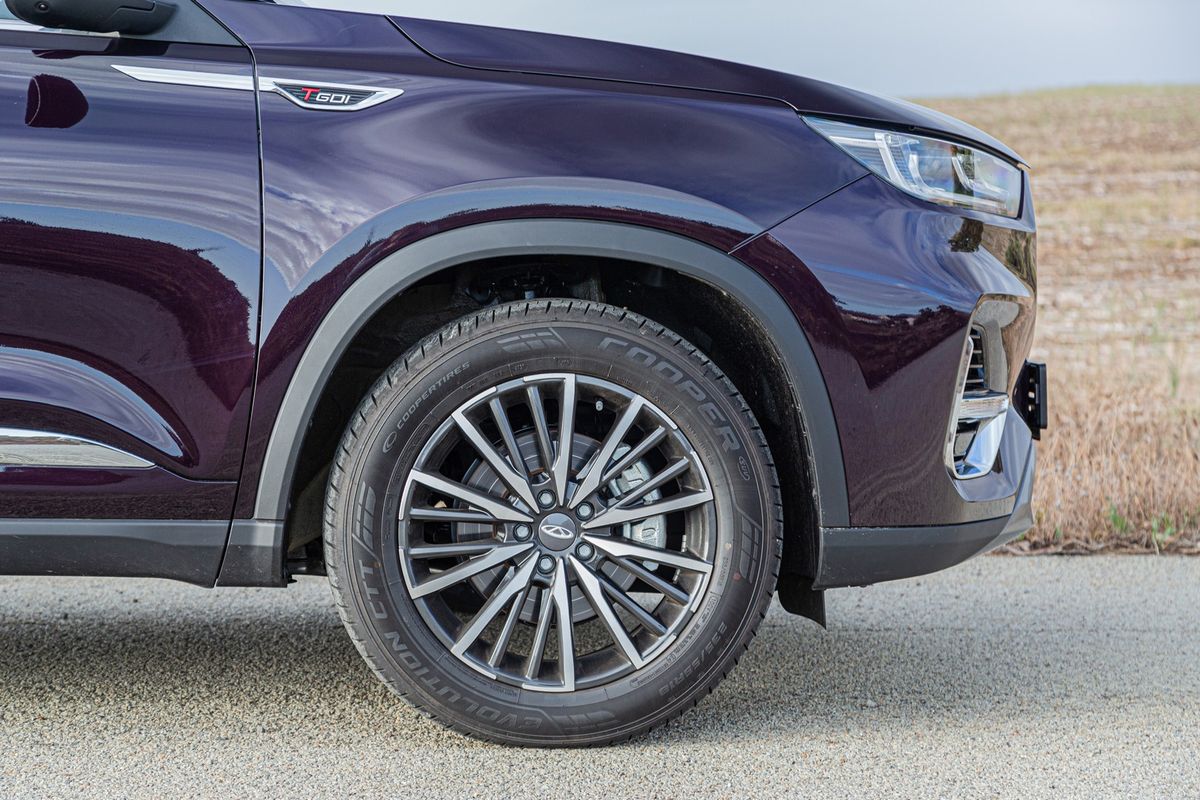
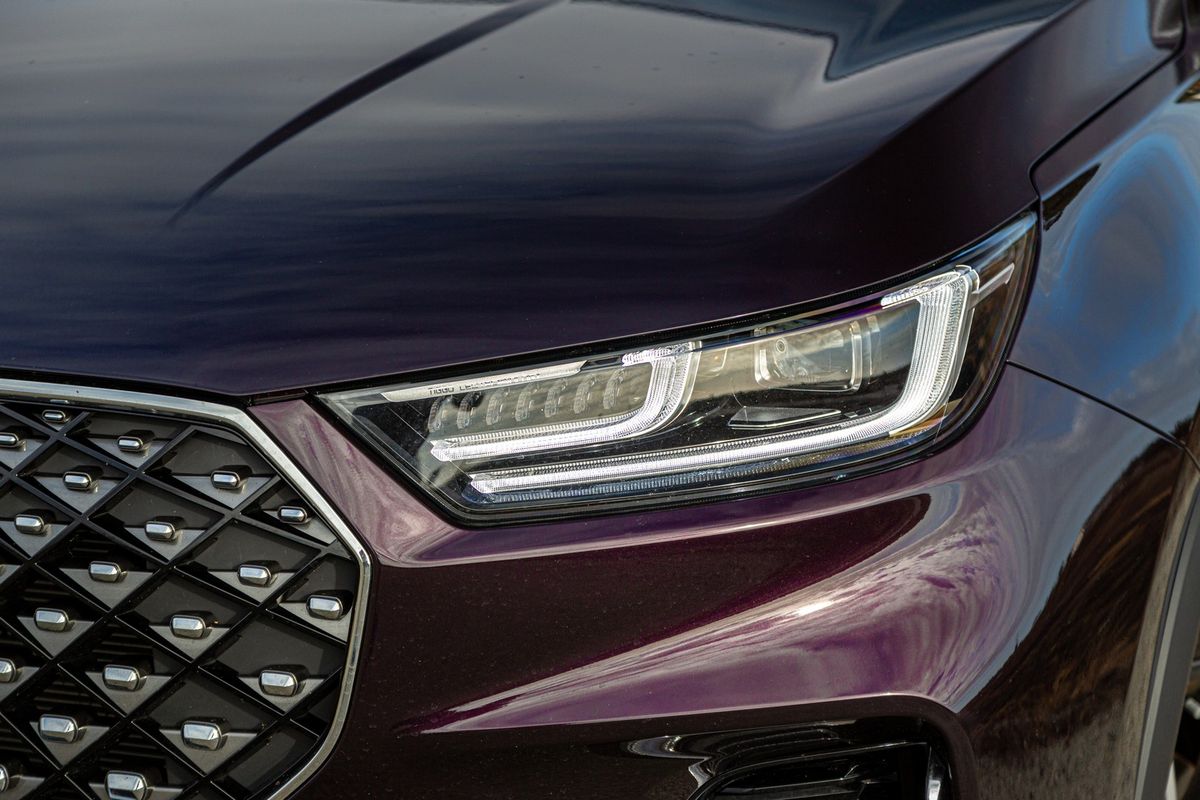
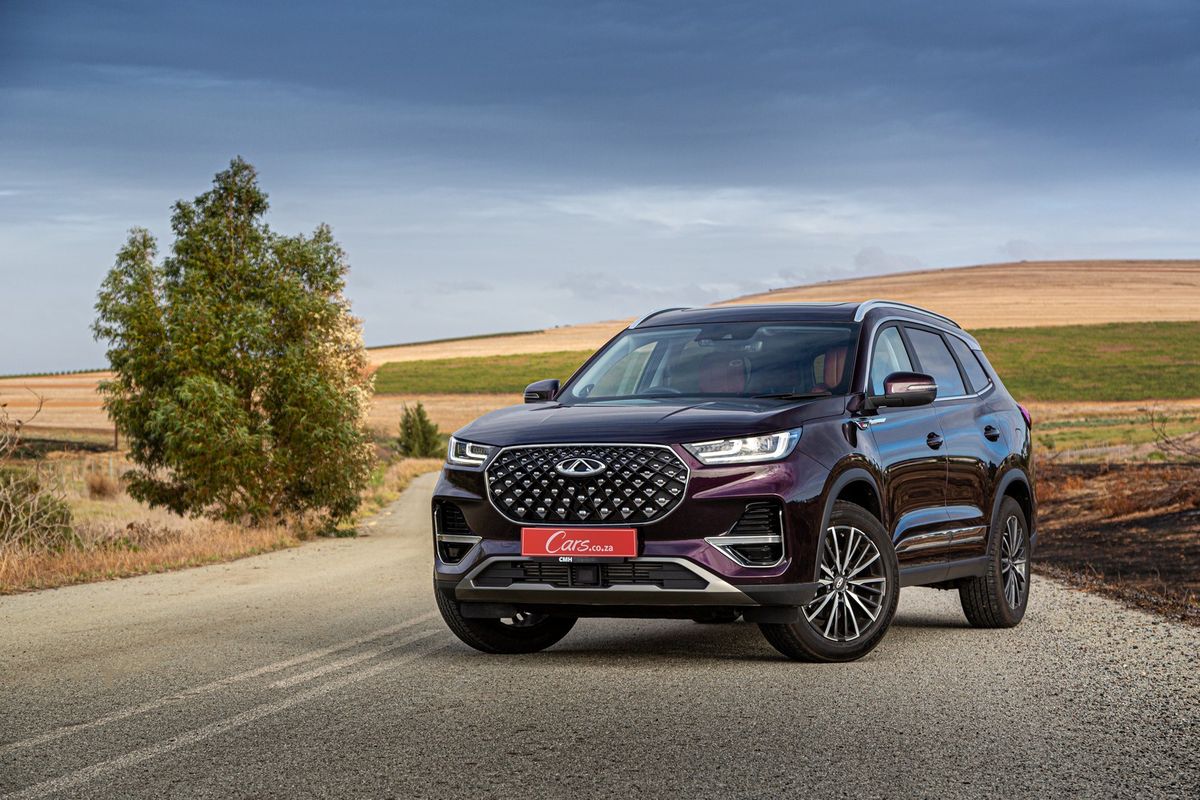
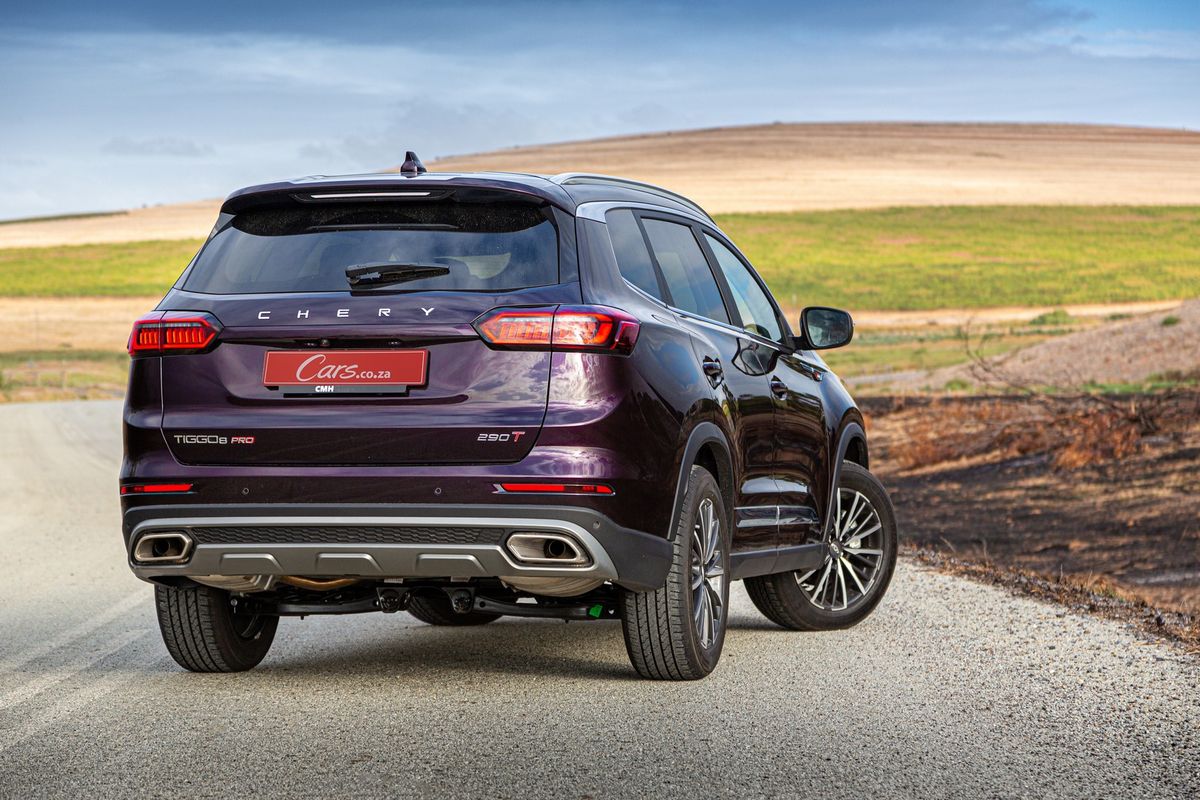
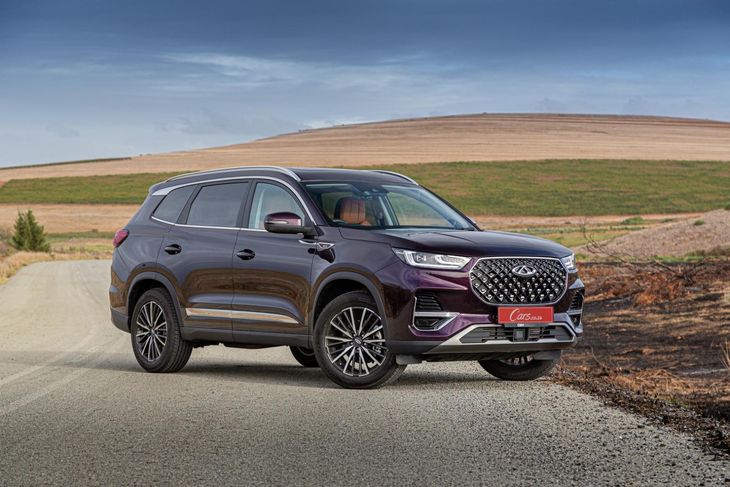
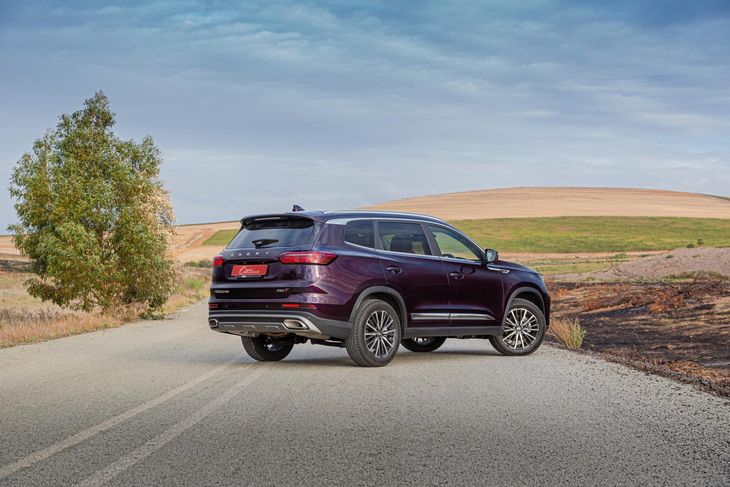
We tested the top-spec Executive derivative of the Tiggo 8 Pro and it’s certainly an eye-catching, stylish machine. It rides on dual-tone 18-inch wheels and has particularly attractive LED head- and taillight detailing. At the front, the so-called “starry night” grille endows it with plenty of presence. It’s also worth noting the impressive build quality of the vehicle – there is no aspect of the Tiggo 8 Pro that feels insubstantial.
A smidge shorter than the Tiguan Allspace, but a couple of centimetres wider and taller, the Tiggo 8 Pro’s wheelbase (at 2 710mm) is, however, notably shorter than those of its rivals. This has an impact on its interior packaging – to some degree – but more on that later.
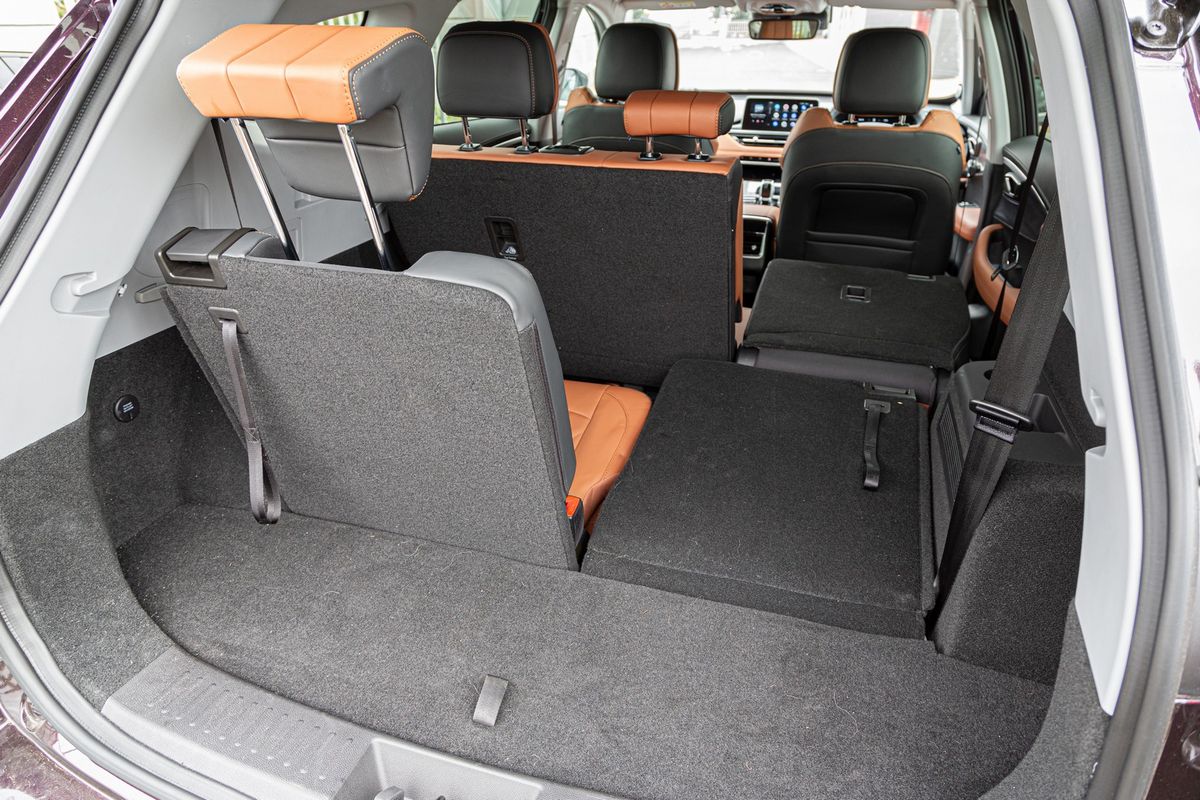
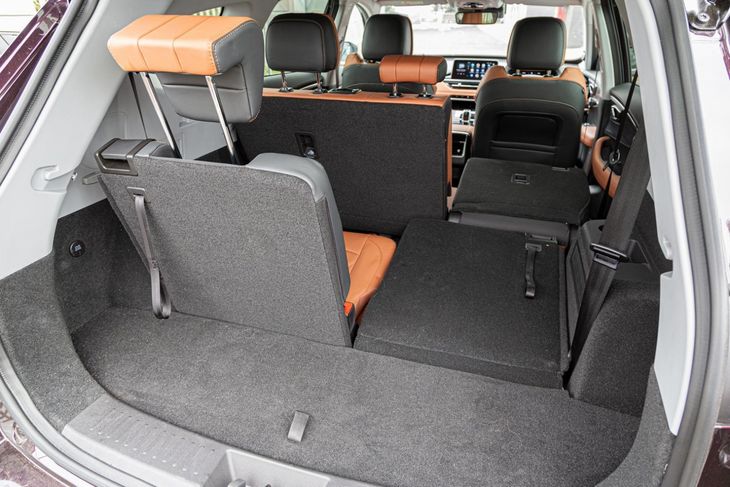
Open the tailgate (electrically operated; you can set its opening height) and if all (7) seats are taken, only 193 litres of packing space is available. Bear in mind, however, that this is a drawback of most 7-seaters of this size. At least you’ll still be able to get three-or-so soft bags in there. A hidden compartment in the boot floor doesn’t reveal more space, but rather houses the luggage cover when it’s not in use. A space-saver spare wheel is located underneath the vehicle.
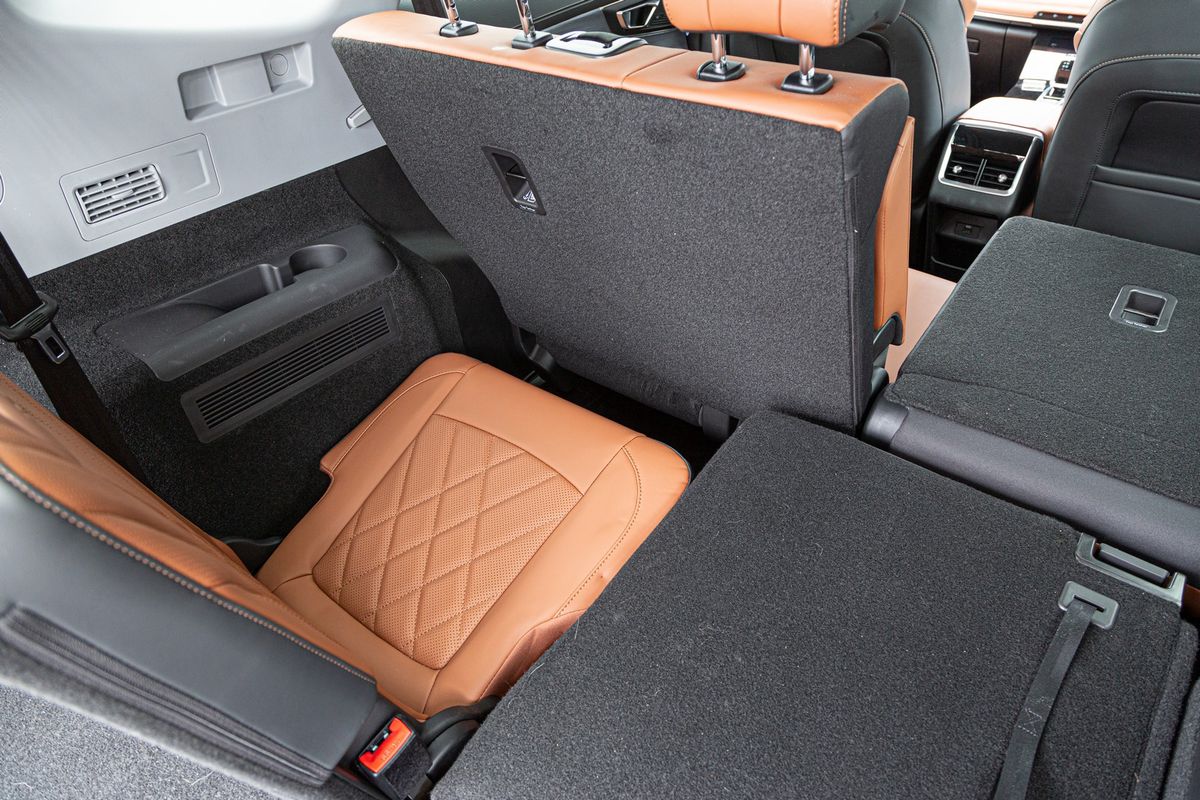
If you fold down the 3rd row of seats, you have a nice, large flat surface to work with (total space is quoted as 892 litres) and, if you fold the 2nd row down as well, the Tiggo 8 Pro boasts a vast and flat load area that can hold 1 930 litres, which is slightly more than the Tiguan Allspace, but also slightly less than what is offered by the Peugeot 5008.
The 3 rows of seats are all spacious save for some headroom issues for taller passengers in the 3rd row.
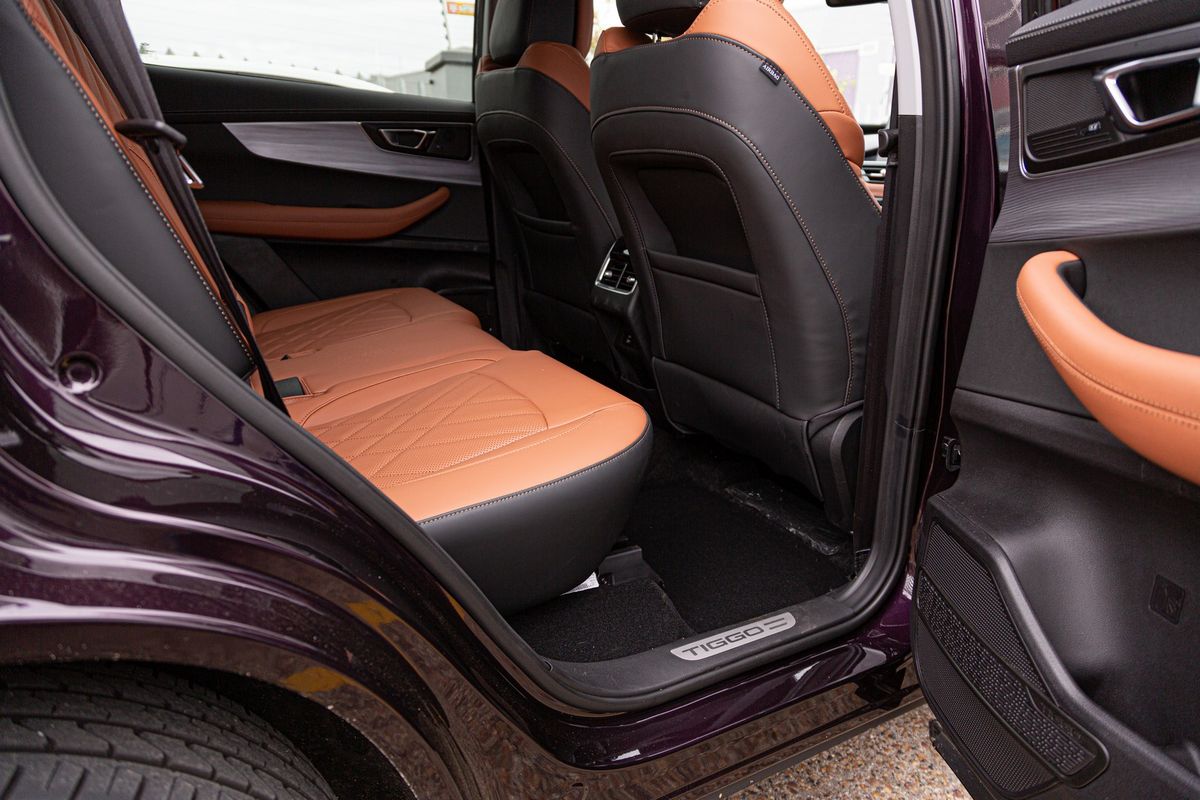
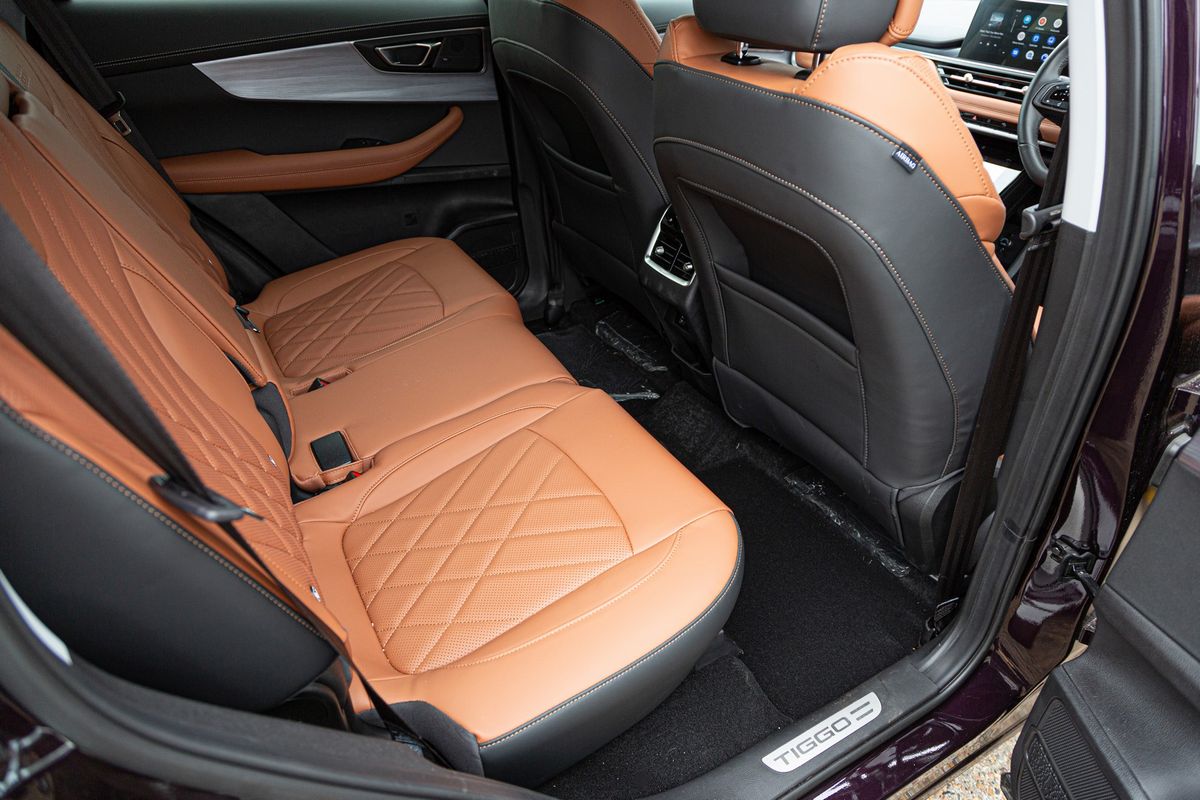
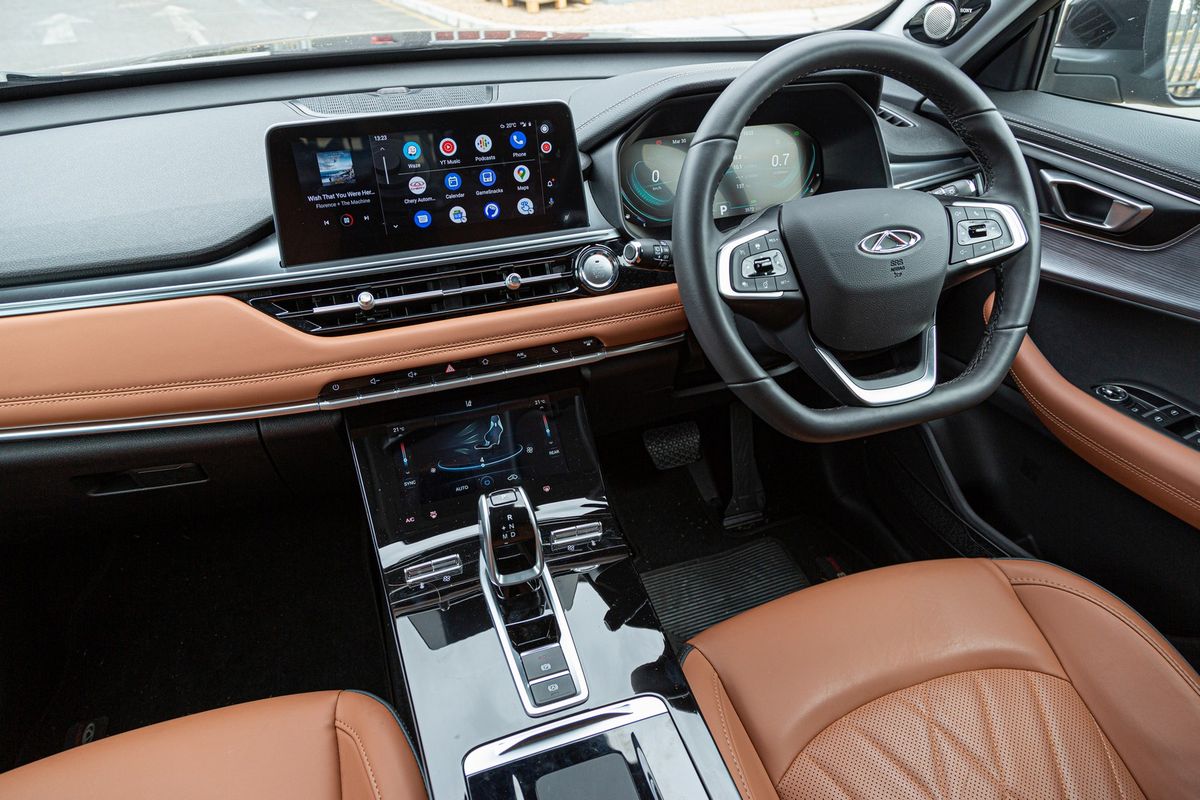
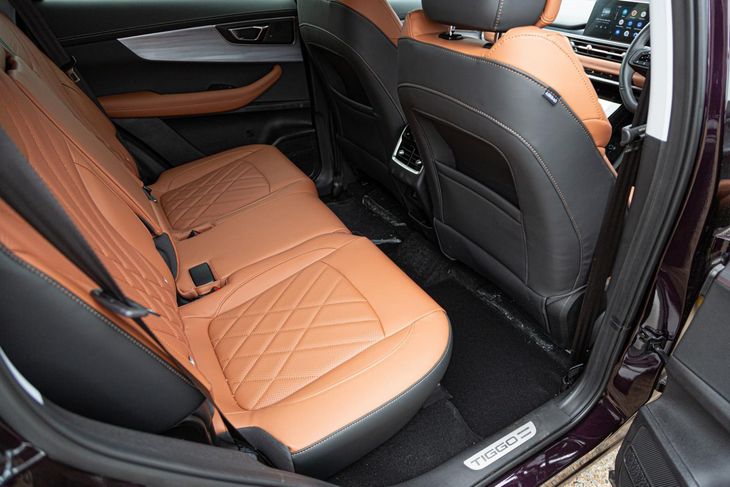
It has to be said that in terms of design, Chery was really at the top of its game when its designers created the Tiggo 8 Pro’s cabin. It boasts (by some measure) the most upmarket finishes in its segment and the choice of materials is superb – on this Executive derivative, you get lovely brown leather with a diamond stitch pattern, LED ambient lighting and soft-touch plastics everywhere.
When seated behind the ‘wheel, you’ll find plenty of adjustment on offer from the steering column and driver’s seat (electric) to find a comfortable driving position. Move to the 2nd row and you can adjust your legroom to either maximise your own stretch-out space or to give the third-row occupants (who’d be seated directly behind you) a little more legroom. Second-row passengers can also adjust their backrest angles, but we did find the Tiggo 8 Pro’s cabin a tad narrow for seating adults three-abreast. While it beats its segment rivals for vehicle width, it is worth noting that it is narrower than a 5-seater Haval H6, for example.
Finally, moving to the 3rd row (which is easy enough: you just pull a lever to tilt/slide the 2nd-row seat forward) and the Tiggo 8 Pro offers sufficient space for kids or smaller adults on shorter trips. A 1.8-metres-tall adult’s head will touch the roof lining in the back, however, and if a person of that height needs to be accommodated in comfort, the second row will have to be moved forward by quite a large distance. Still, the Chery’s no worse than the competition in that regard…
Performance and Efficiency
Fuel efficiency is something that will require your full attention in order to keep running costs down in the Tiggo 8 Pro.
Like its 2 main rivals, the Tiggo 8 Pro is powered by what appears, at first glance, to be a relatively small turbopetrol engine (given the vehicle’s size). In the Chery’s case, power comes from a 1.6-litre turbopetrol that delivers 145 kW at 5 500 rpm and 290 Nm of torque from 2 000 to 4 400 rpm. These output figures actually trounce what is offered by the aforementioned Volkswagen and Peugeot, so Chery’s claim that its flagship is actually faster from standstill to 100 kph (8.9 seconds) than its main rivals can be taken quite seriously. The engine is mated with a slick-shifting 7-speed dual-clutch transmission.
Out on the road, the Tiggo 8 Pro initially impresses with its responsiveness (there are 3 drive modes to choose from), and the engine and gearbox combination works well. You won’t need the Sport mode and, in Eco mode, the throttle response is simply too blunt. For most driving conditions, then, the Tiggo 8 Pro should be sufficiently powerful – at least for the school run, popping to the shops and so on, it is more than responsive enough. It is only when heavily loaded and when cruising at higher speeds, that you may find the Chery somewhat out of puff when you, for example, want to overtake vehicles at or near the national speed limit.
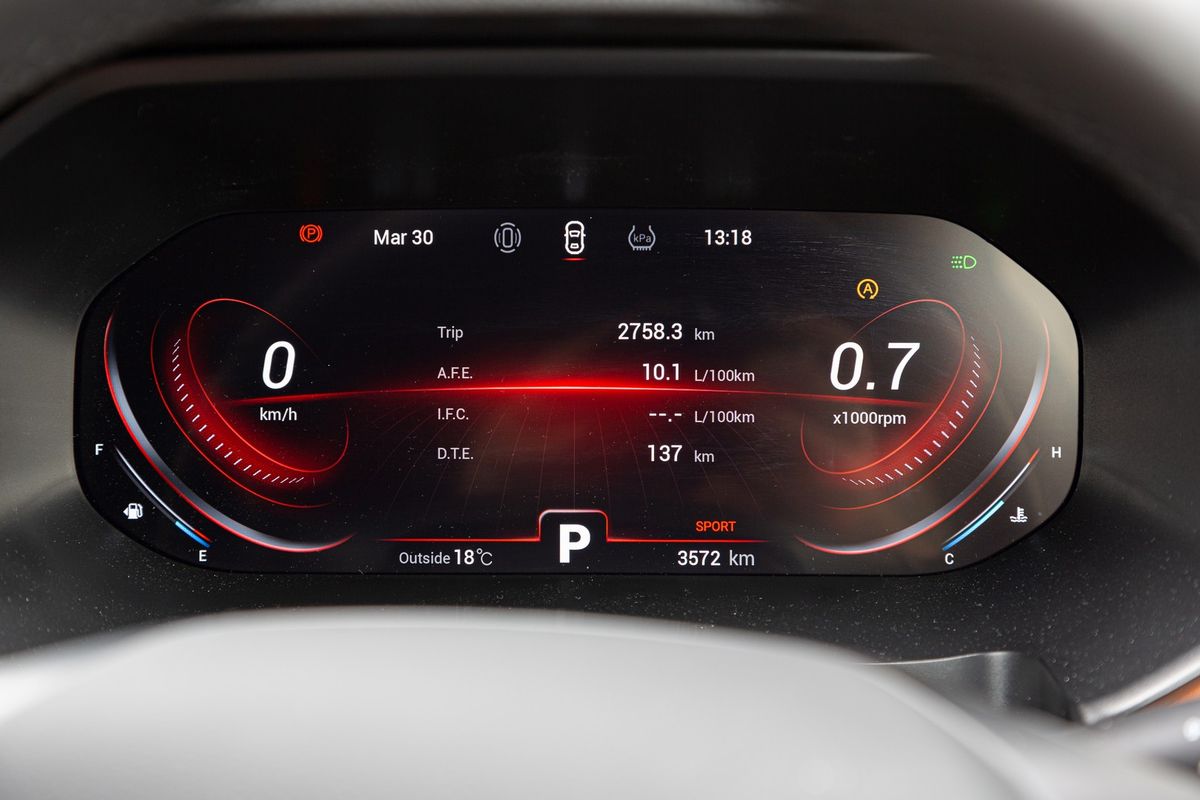
Fuel consumption depends very much on driving style. We found the Tiggo 8 Pro to be relatively efficient when driven with fuel efficiency top of mind – expect a figure of around 8.5- to 9 L/100 km in that scenario (Chery claims 7 L/100 km). The consumption figure does climb quite steeply, however, when you’re using the Tiggo 8 Pro as a fully occupied family vehicle and stab at the throttle too often. For the record, we averaged just over 10 L/100 km during our test period.
Comfort and Features
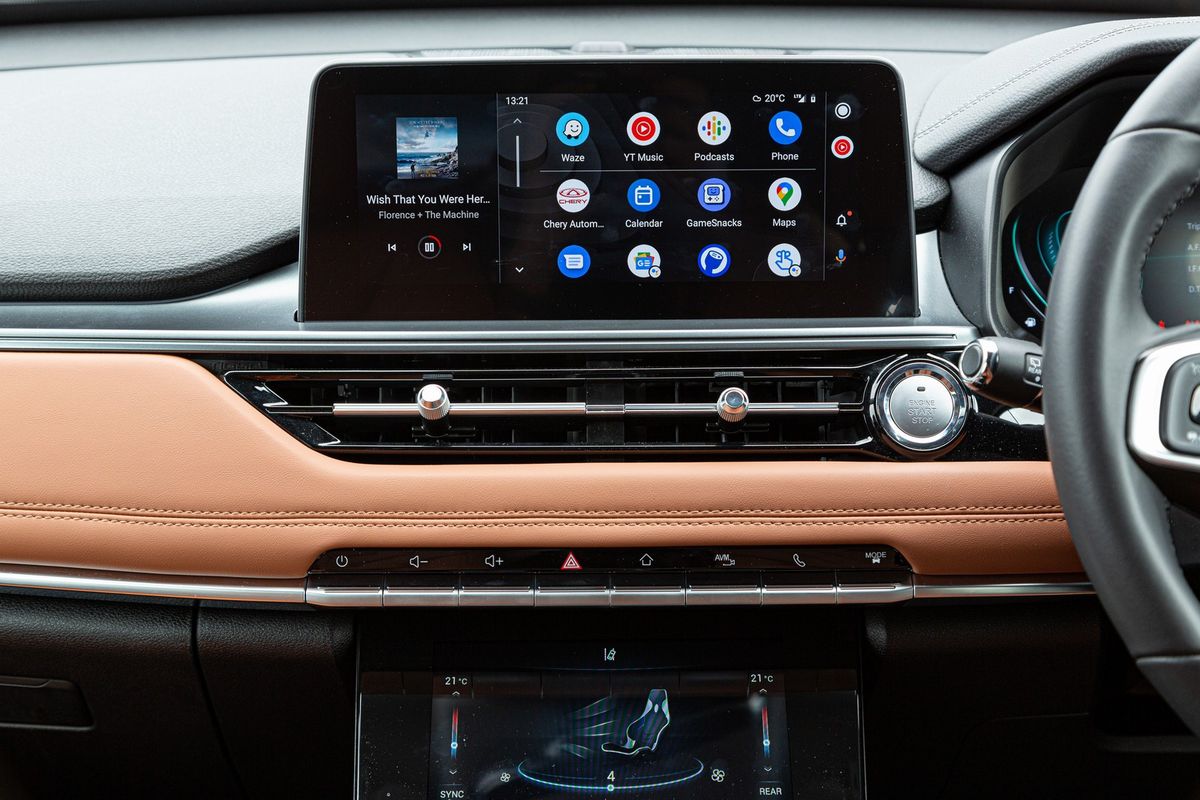
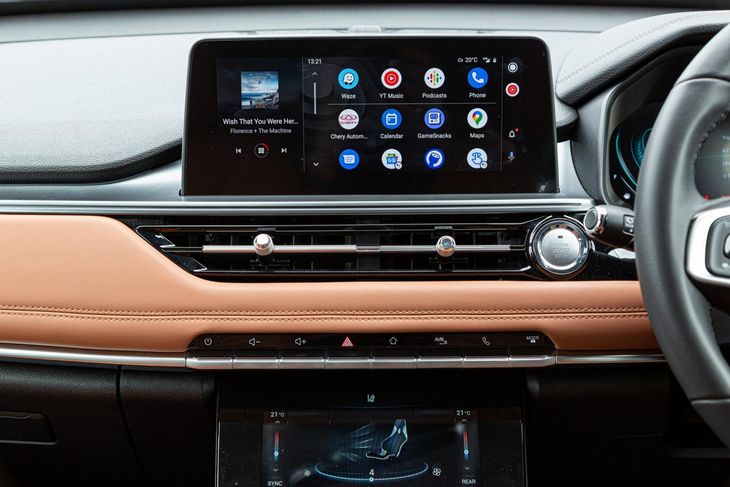
Apple Carplay and Android Auto are fully functional.
Chery has taken a Lexus-like approach when it comes to speccing its vehicles. There are no option boxes to tick, and so this flagship Executive derivative has (just about) all the mod cons. But let’s talk about its ride control and NVH (noise, vibration and harshness) performance first…
This is a relatively firm-riding vehicle and, in our opinion, the suspension’s perhaps too firm. On poor surfaces, the ride can feel unsettled, but as is to be expected, it does improve at speed and when the vehicle’s laden with passengers and/or cargo. On the plus side, the firmness also makes the Tiggo 8 Pro feel quite confident in the corners, with stable body control and nicely weighted steering imparting a feeling of safety.
As is the case with the Tiggo 4 Pro, we again noted slightly higher than expected levels of wind- and road noise and, again, we suspect that the vast panoramic sunroof (and roof rails) might be to blame.
Speaking of which… the sunroof can be opened via the Chery’s advanced voice control system – it’s a neat party trick that never ceases to impress those experiencing this Chinese brand’s “comeback vehicles” for the first time.
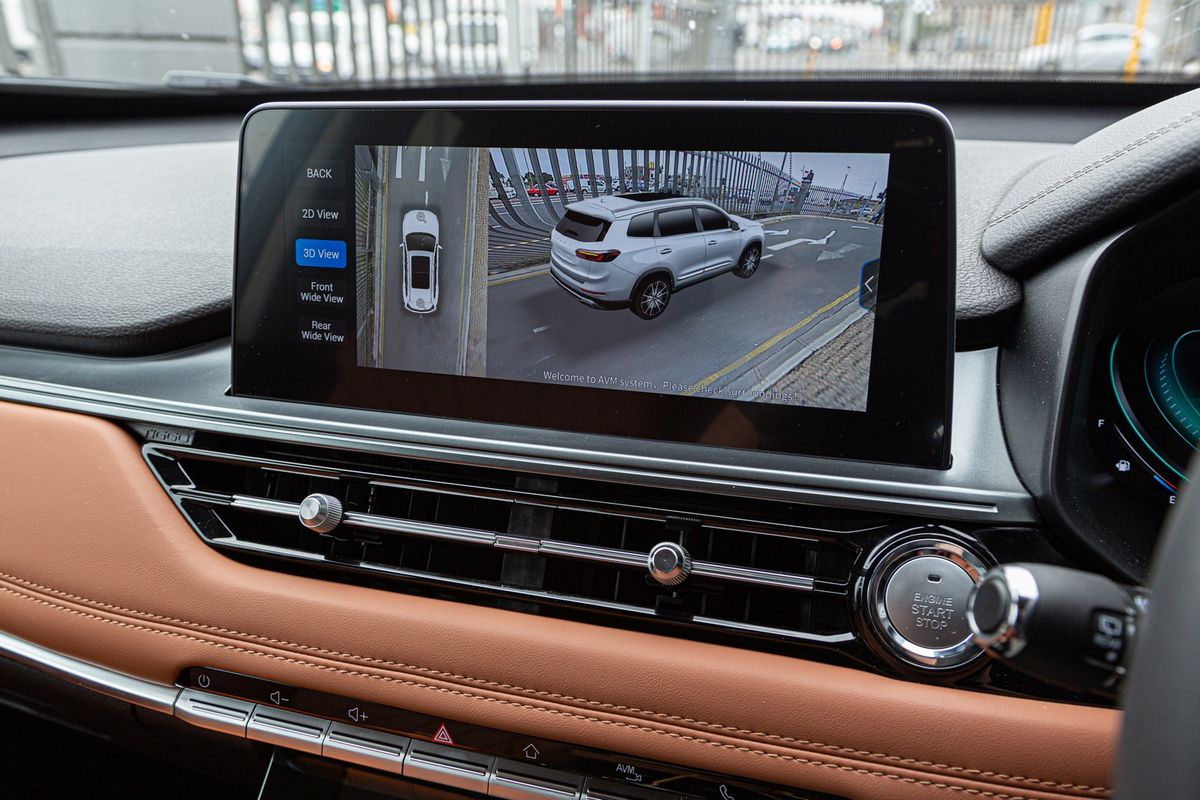
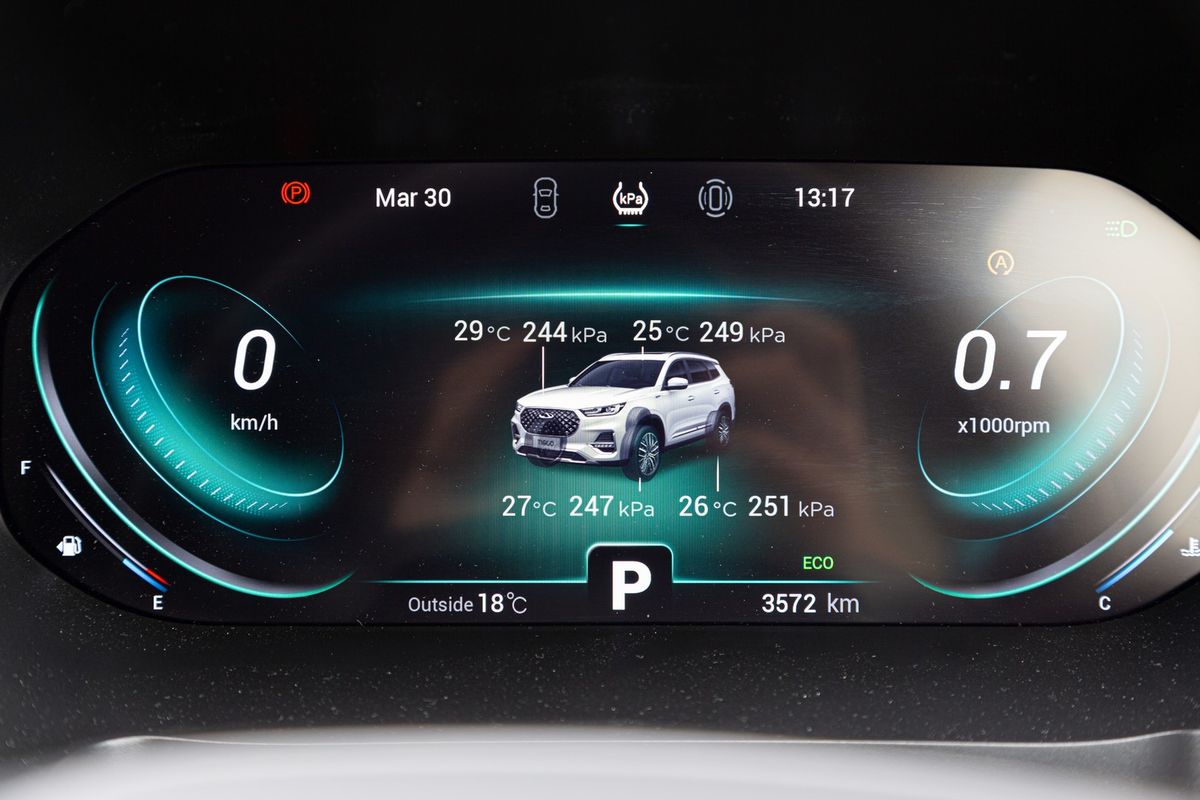
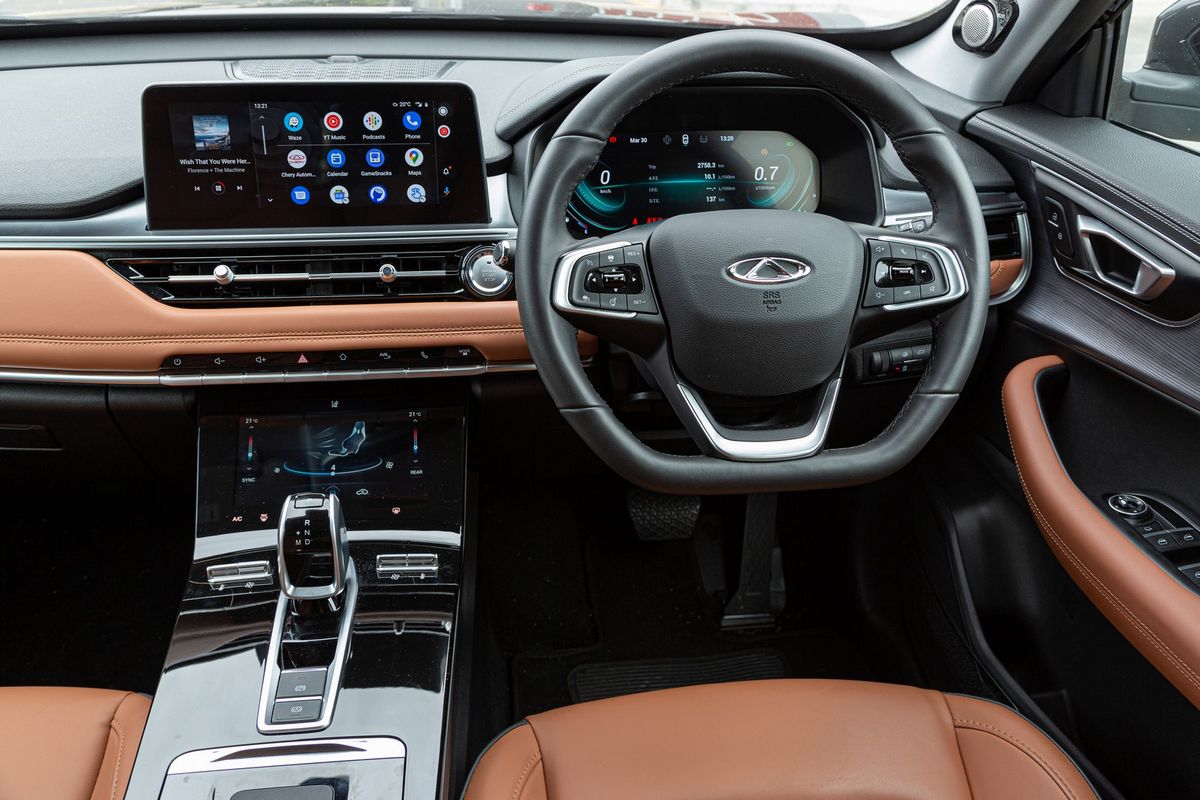
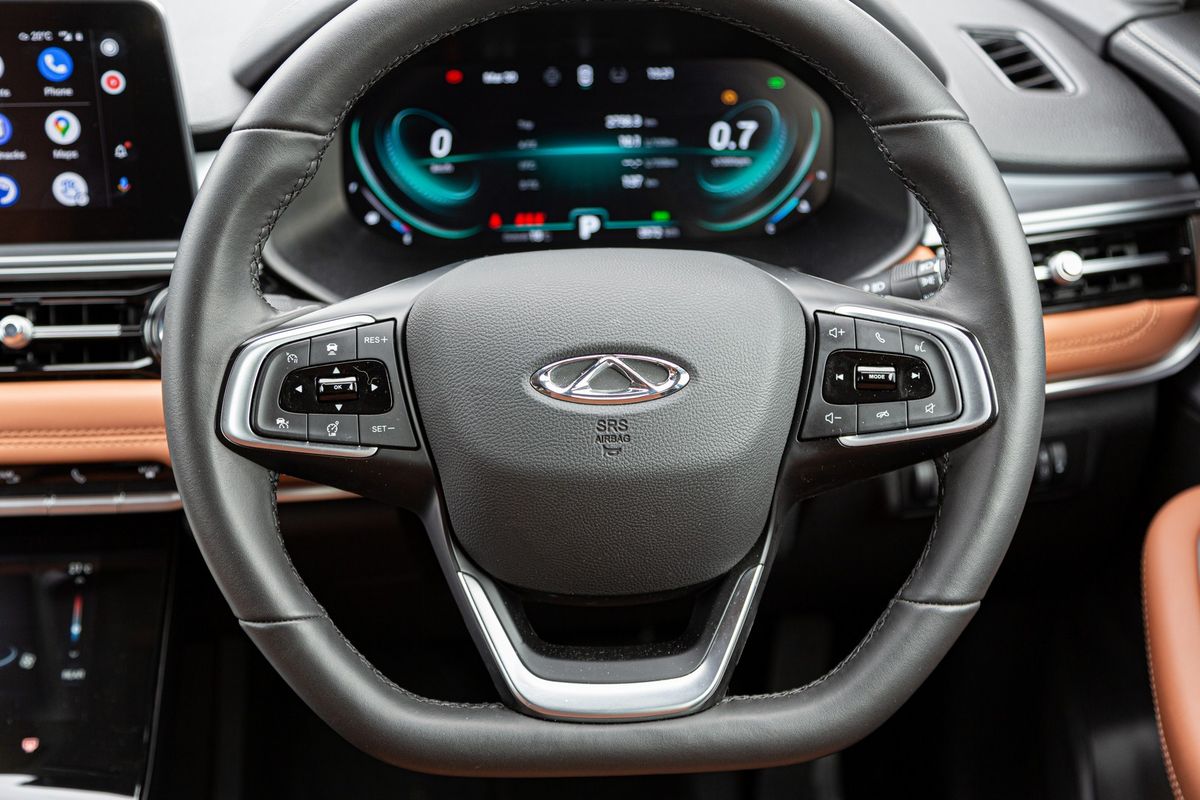
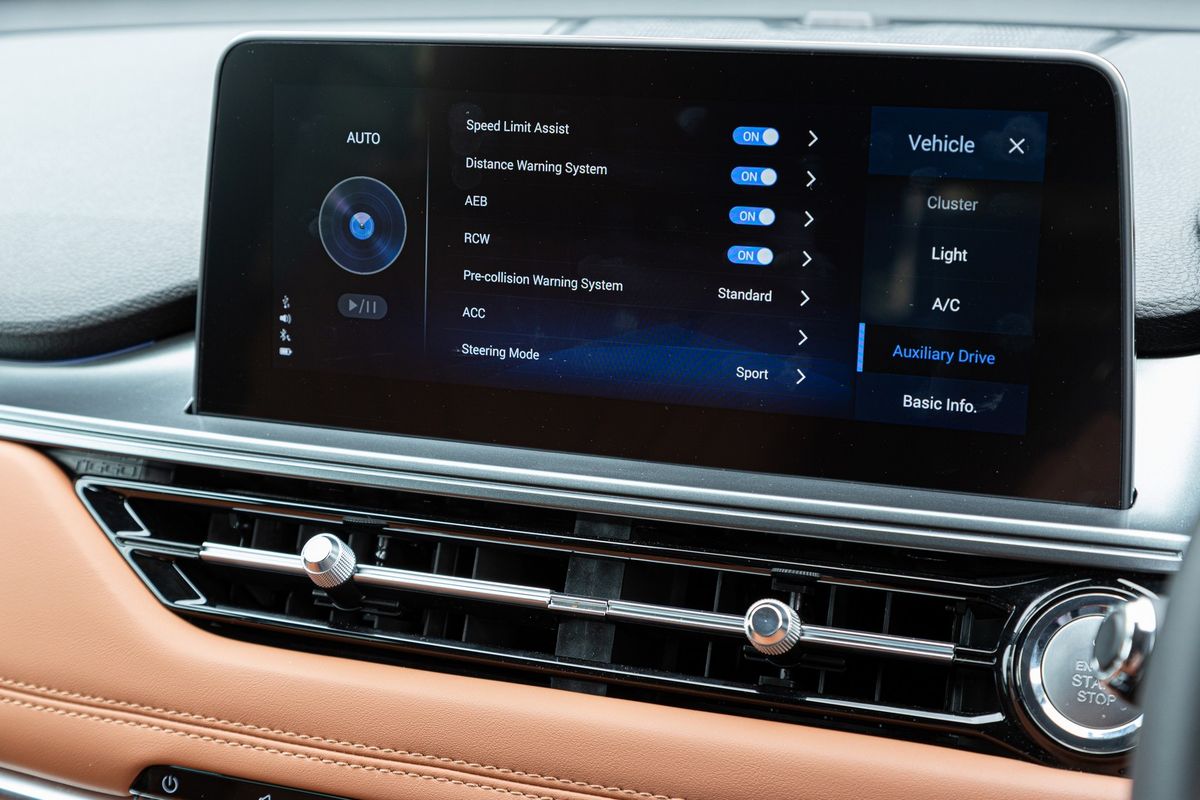
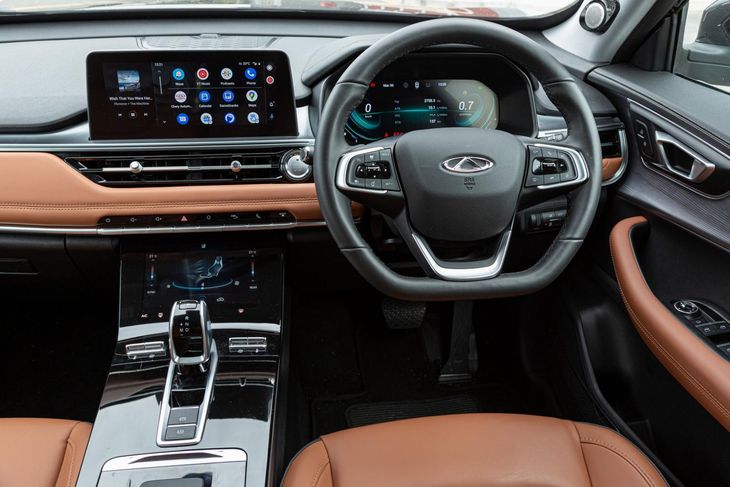
Meanwhile, the Tiggo 8 Pro’s very premium looking (and feeling) cabin is a revelation at the price. The fascia boasts no fewer than 3 digital displays, with two of them being of the touch-sensitive variety. Fronting the driver is a crisp digital dashboard with interesting graphics (the colours/layouts change as you toggle between drive modes). The screen located at the centre on top of the fascia is the main control unit for the Tiggo 8 Pro’s infotainment, camera and safety systems.
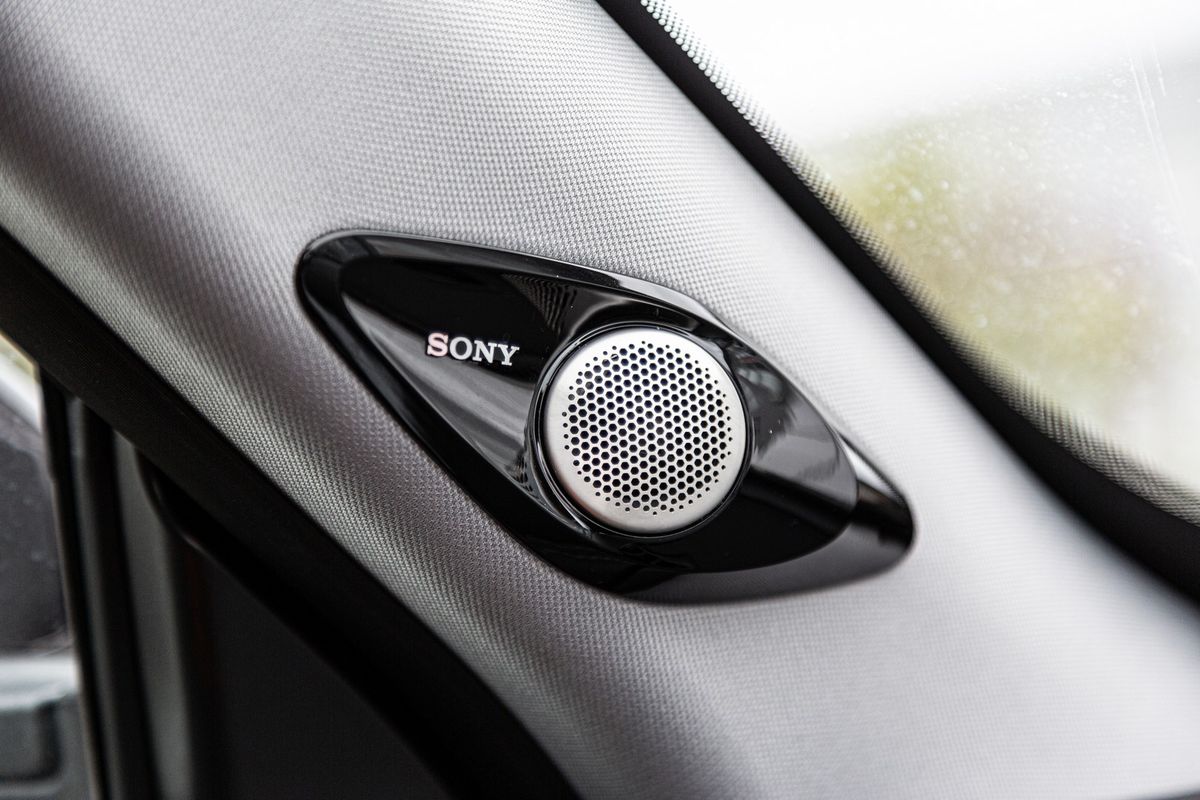
It is also here where Apple CarPlay or Android Auto displays. The Tiggo 8 Pro has two USB outlets in the front of the cabin (underneath the armrest) and one for the 2nd-row passengers. A wireless charging pad is located underneath the transmission tunnel. This Executive derivative also features an impressive Sony audio system as standard, as well as LED ambient lighting.
The leather seats on the Tiggo 8 feature what appears to be high quality, soft leather.
Delve deeper into the various sub-menus and you’ll find a staggering level of adjustability. You can, for example, adjust the lane-departure system’s sensitivity or choose to switch some of the active safety features off (they can be a bit intrusive at first). While the Tiggo 8 Pro can’t quite match the very advanced layer of safety features offered by the Haval H6, it comes pretty close with systems such as automatic emergency braking, rear collision warning and active cruise control.
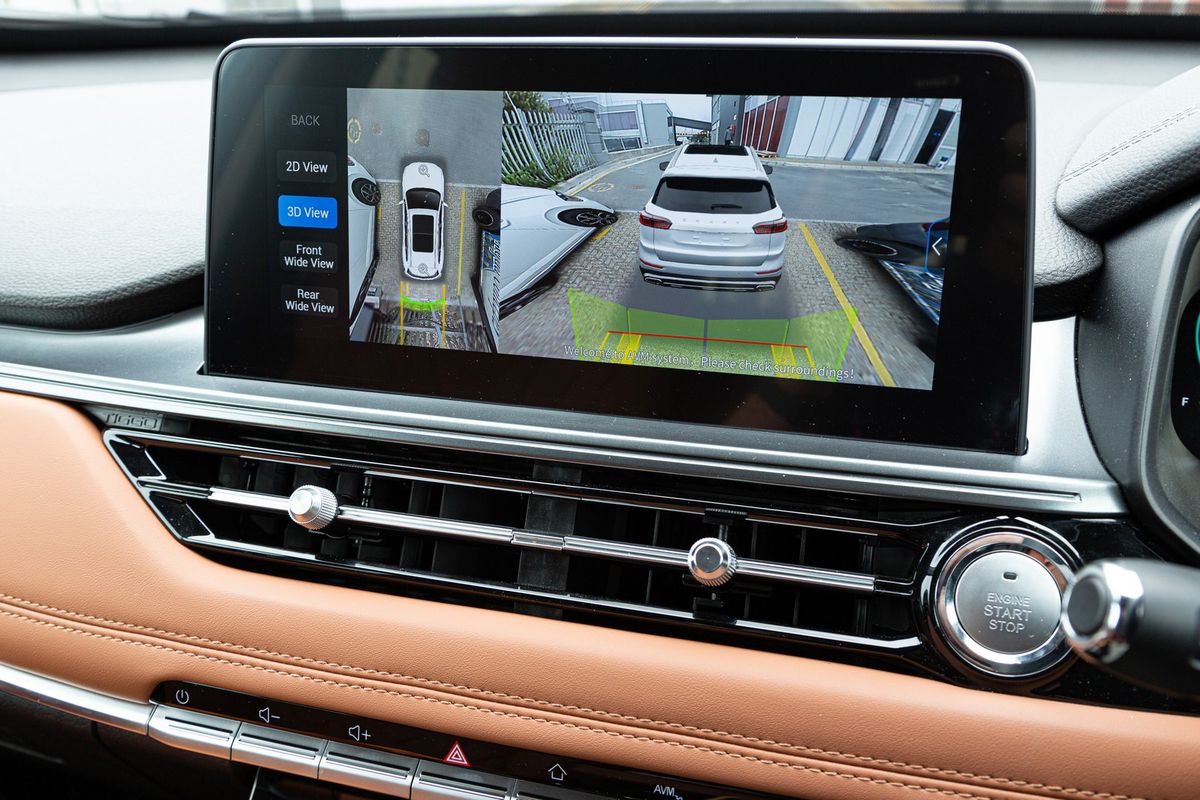
We’ve become quite spoiled by the Chinese brands when it comes to camera systems, and the Tiggo 8 Pro is no exception, with a comprehensive surround-view 2D/3D system that offers a number of different camera angles.
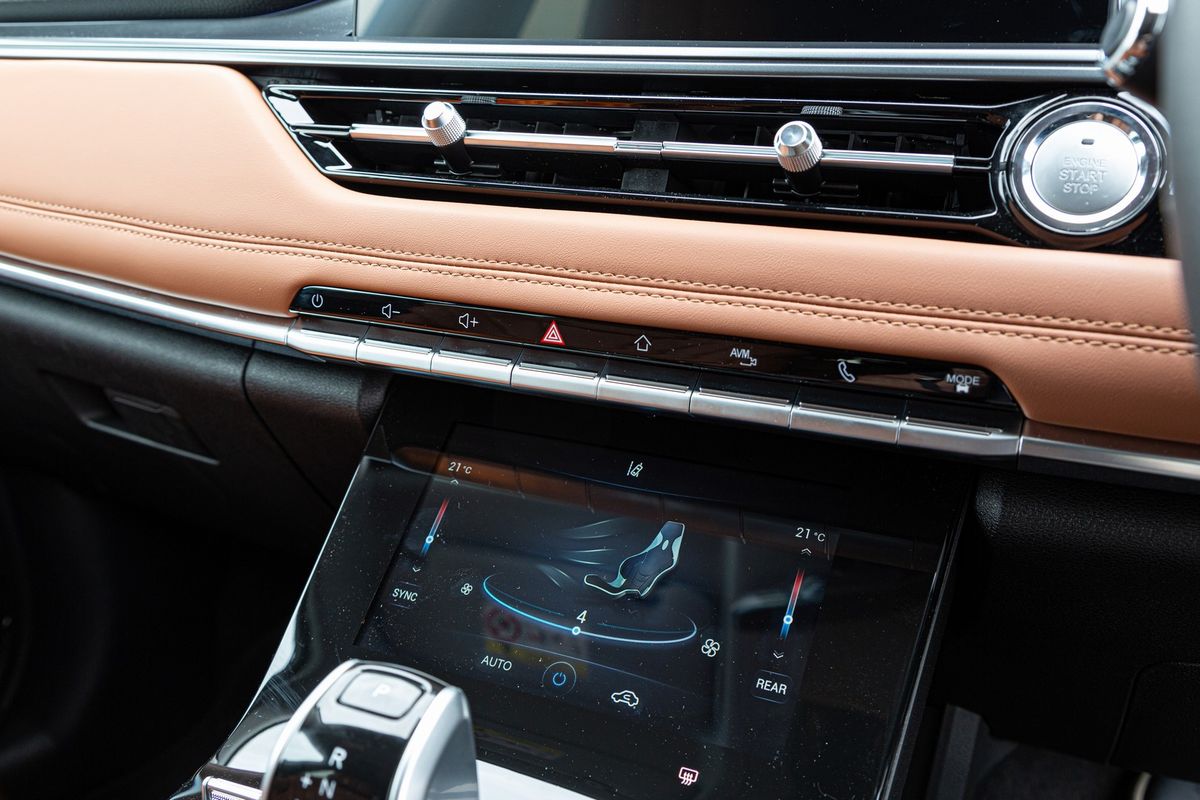
The second touchscreen is perhaps more of a “wow” feature than a truly useful one. Located just ahead of the transmission lever (and, therefore, it’s slightly awkward to access), it allows you to change the climate control settings in a more “visual” manner. But it appears even Chery acknowledges that the digital interface is a bit of a faff to use, which is why the firm’s included alternative, physical buttons for adjusting cabin temperature and fan speed next to the lever.
What’s missing? We don’t think it would be fair to criticise the Tiggo 8 Pro for lacking in any features, considering what it comes equipped with, as standard, at the price. If we had to nitpick, front-seat heating would be welcome…
Price and After-Sales Support
The Chery Tiggo 8 Pro Executive is priced at R546 900 (April 2022) and, to reiterate, there are no option boxes to tick. The warranty (5 years/150 000 km) is a good one, and then there is also Chery’s now well-publicised 10-years/1 000 000 km engine warranty (provided you’re the first owner and the car has always been serviced by Chery). The service plan itself is a little “stingy”, only covering the first 5 years or 60 000km (the latter being more likely).
Verdict
No longer brushed aside, the Chery Tiggo 8 is a worthy contender, at a better price than its rivals.
The most impressive aspect of the Chery Tiggo 8 Pro is not that it offers better value for money than the Tiguan Allspace and Peugeot 5008 (because it is R170k cheaper), but that it arguably would deserve serious consideration, even if it was priced similarly to its competitors. This is a deeply impressive offering, beautifully finished and with few major flaws. If you’re looking for a luxurious crossover with occasional 7-seat flexibility, it simply must feature on your shortlist.