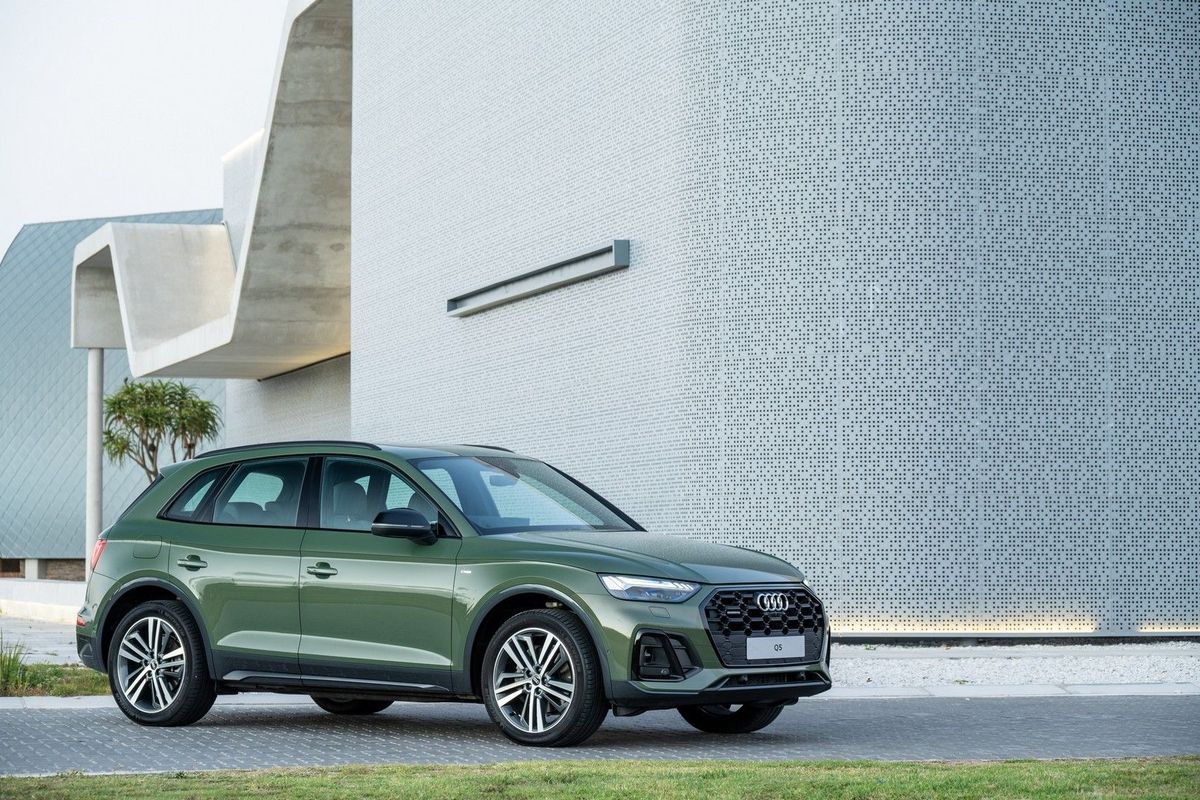
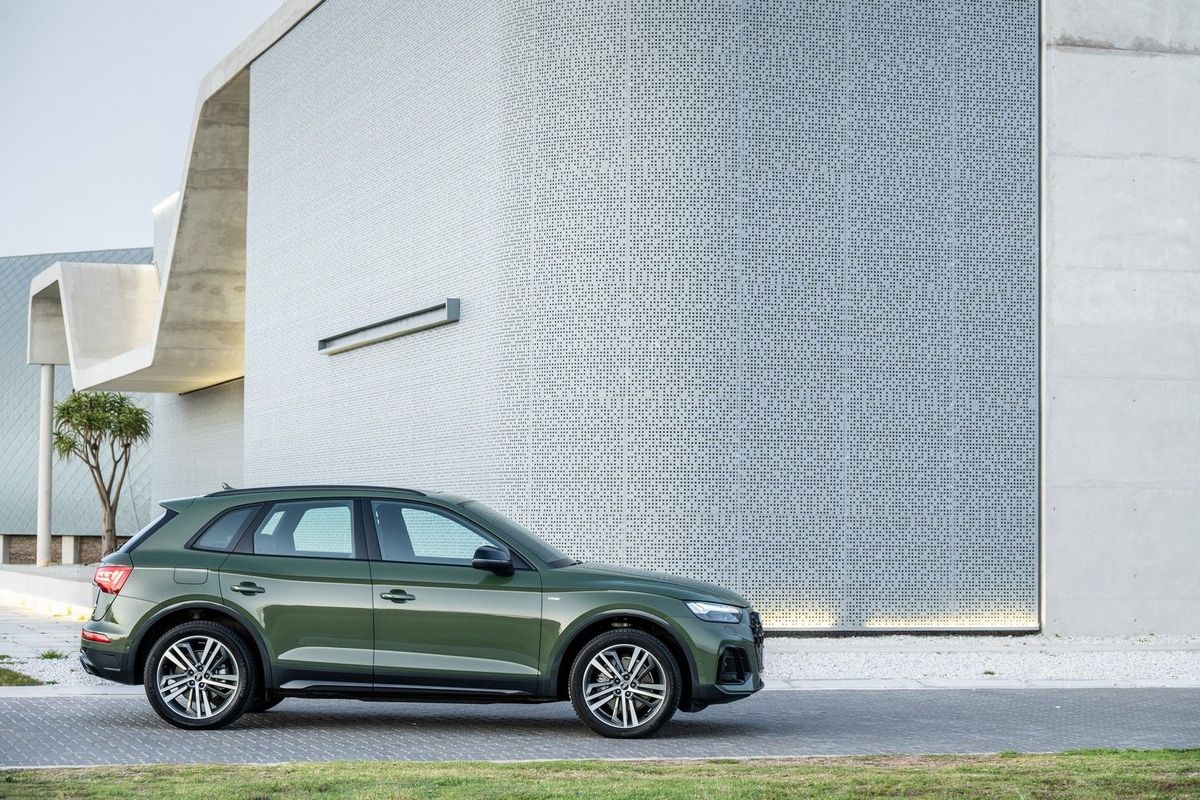
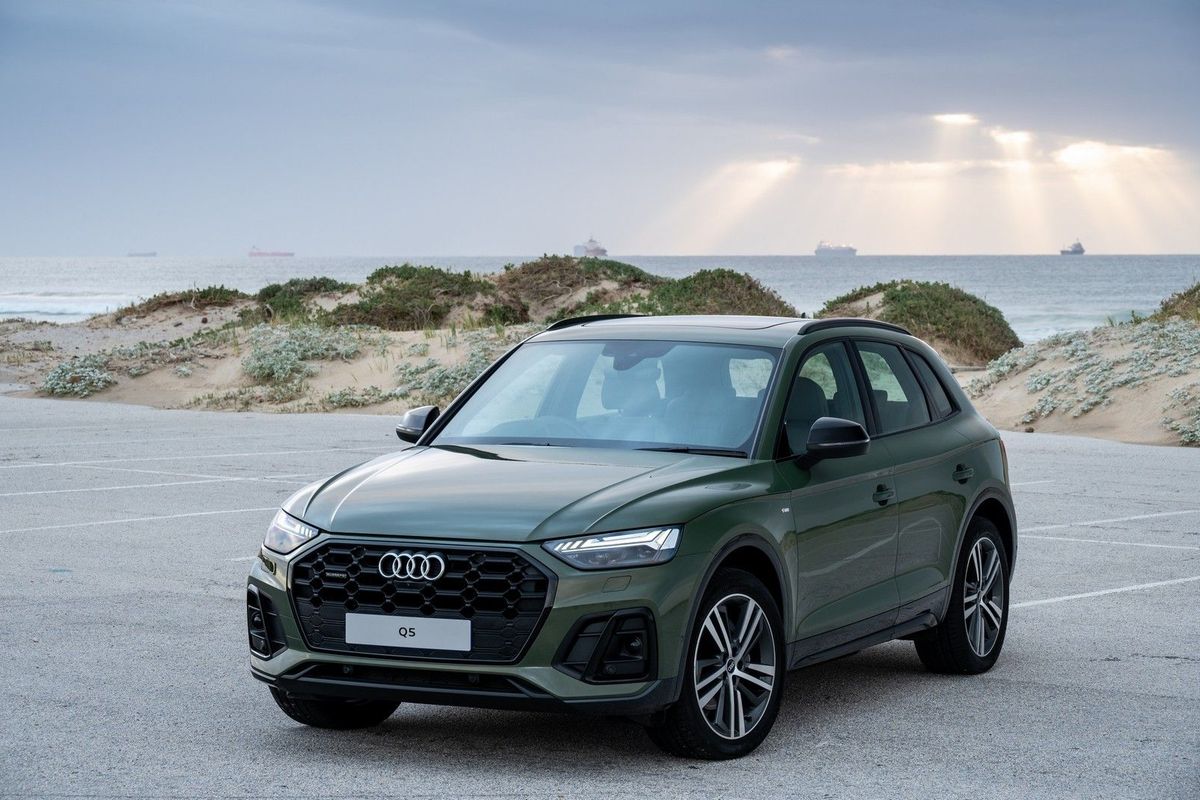
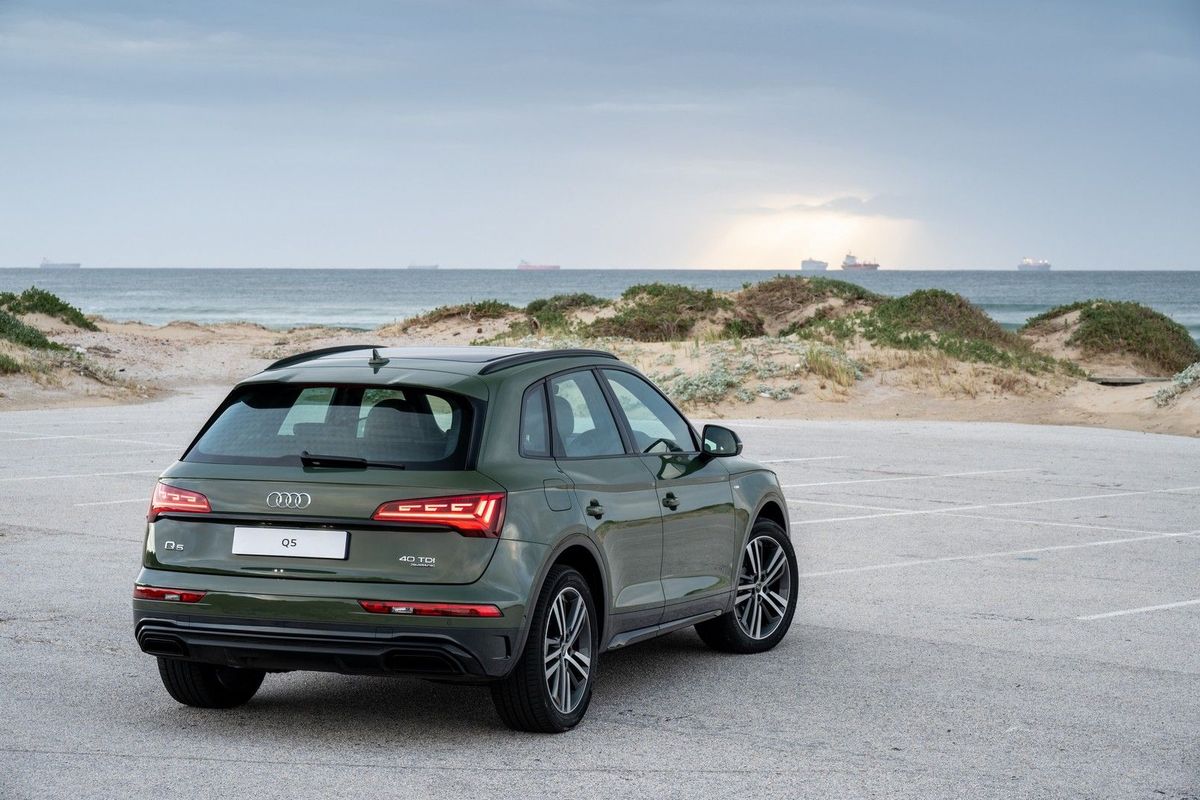
The Renault Duster is one of the brand’s successful offerings and the brand has announced specifications and pricing for the updated range.
Since its launch back in 2013, the Renault Duster has been quite the success for the brand with over 23 000 local sales and it’s easy to see why. The vehicle has a reputation for longevity and is capable irrespective of the surface, and you don’t even need the 4×4 version to venture offroad.
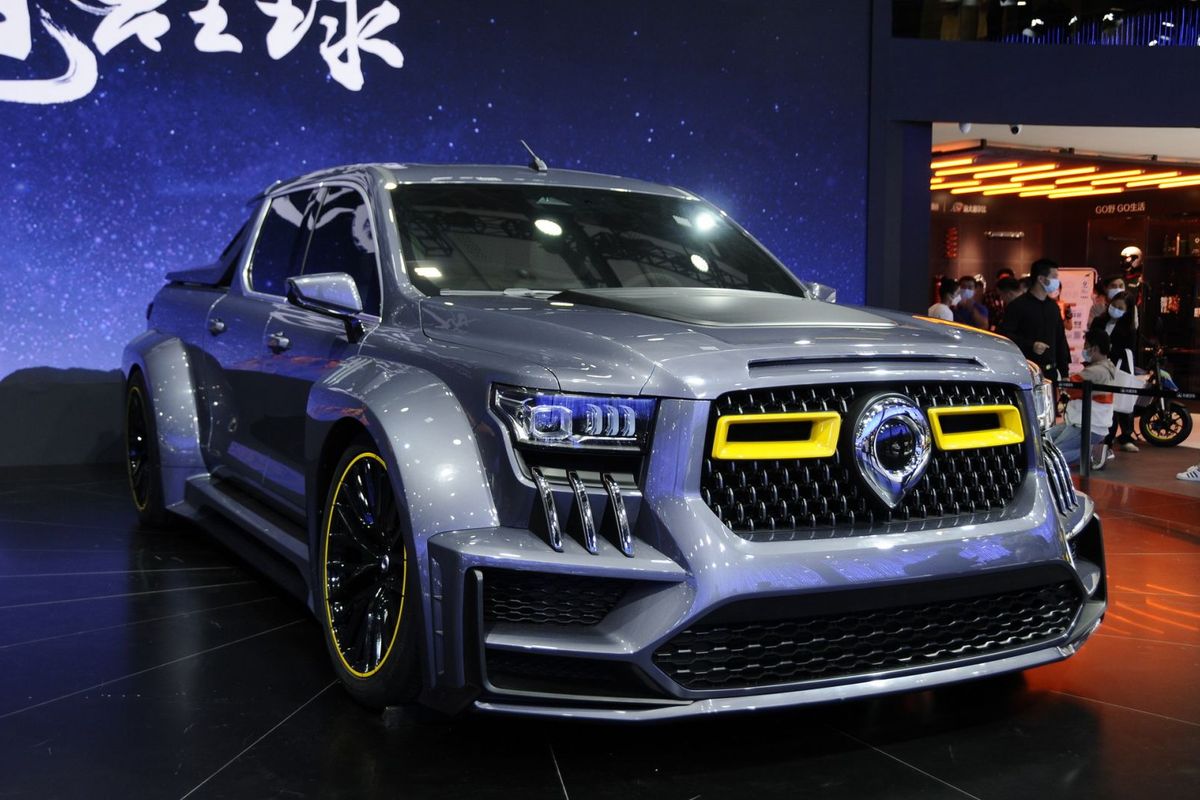
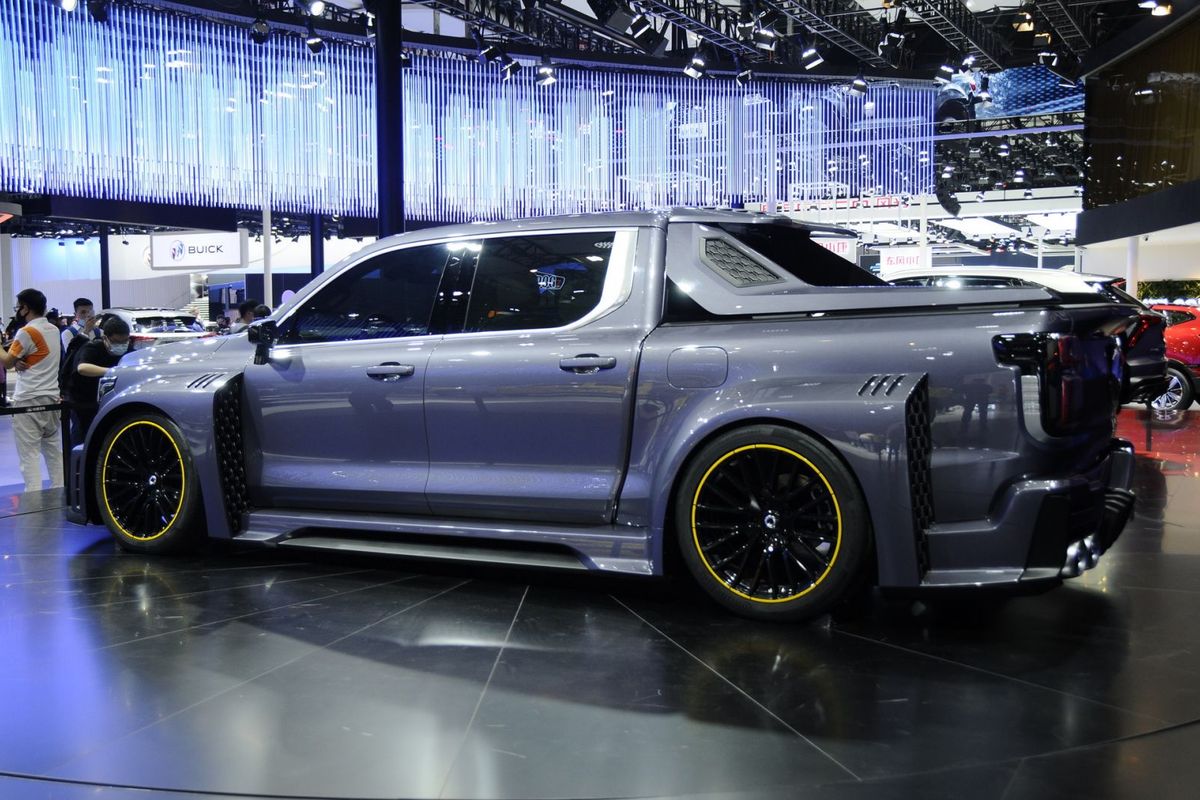
With the updated Renault Duster, the brand hopes to carry on this success story. There have been over 2 million sales globally, which is impressive. We’re still waiting and hopeful for the Renault Duster bakkie, however.
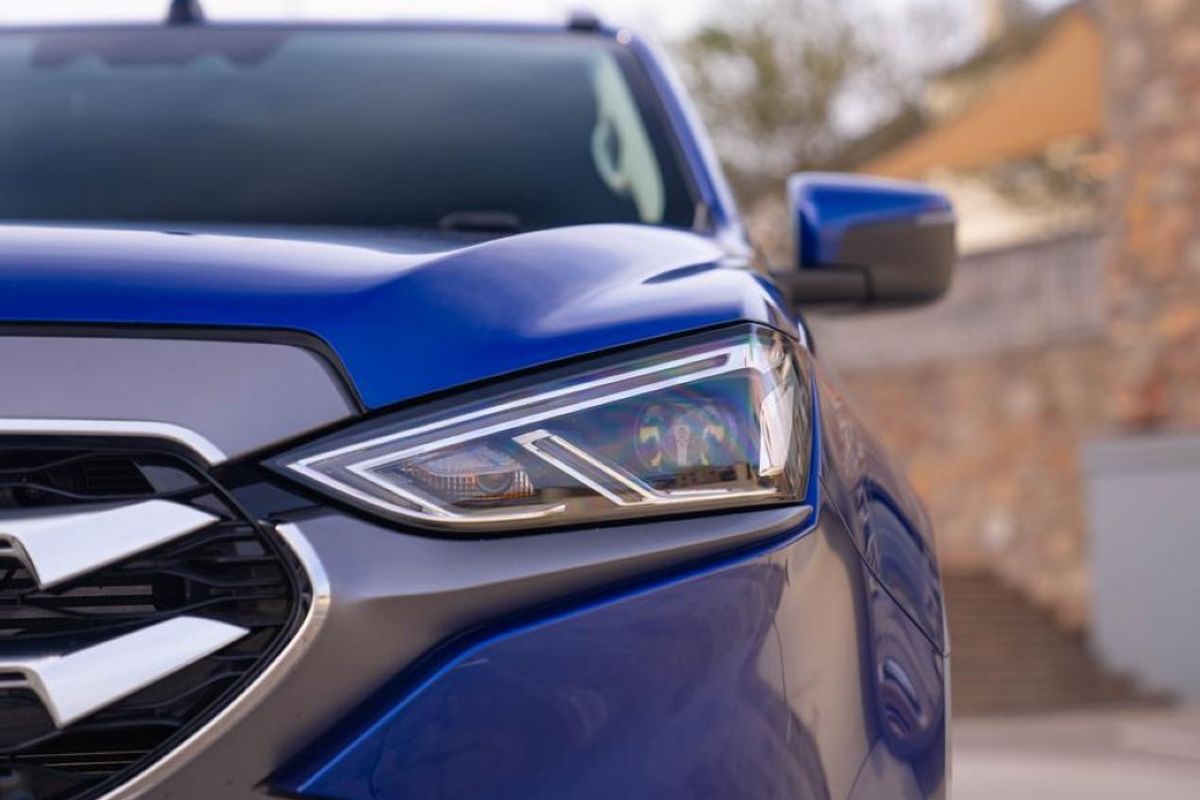
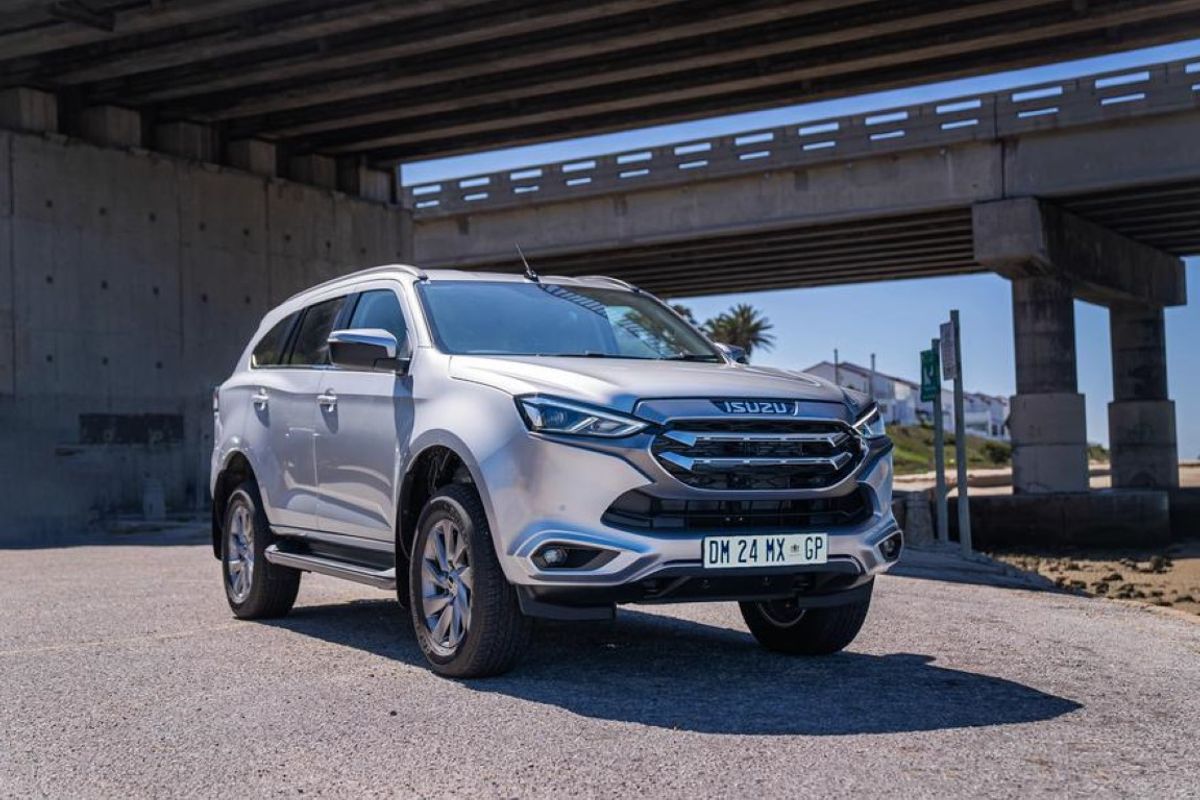
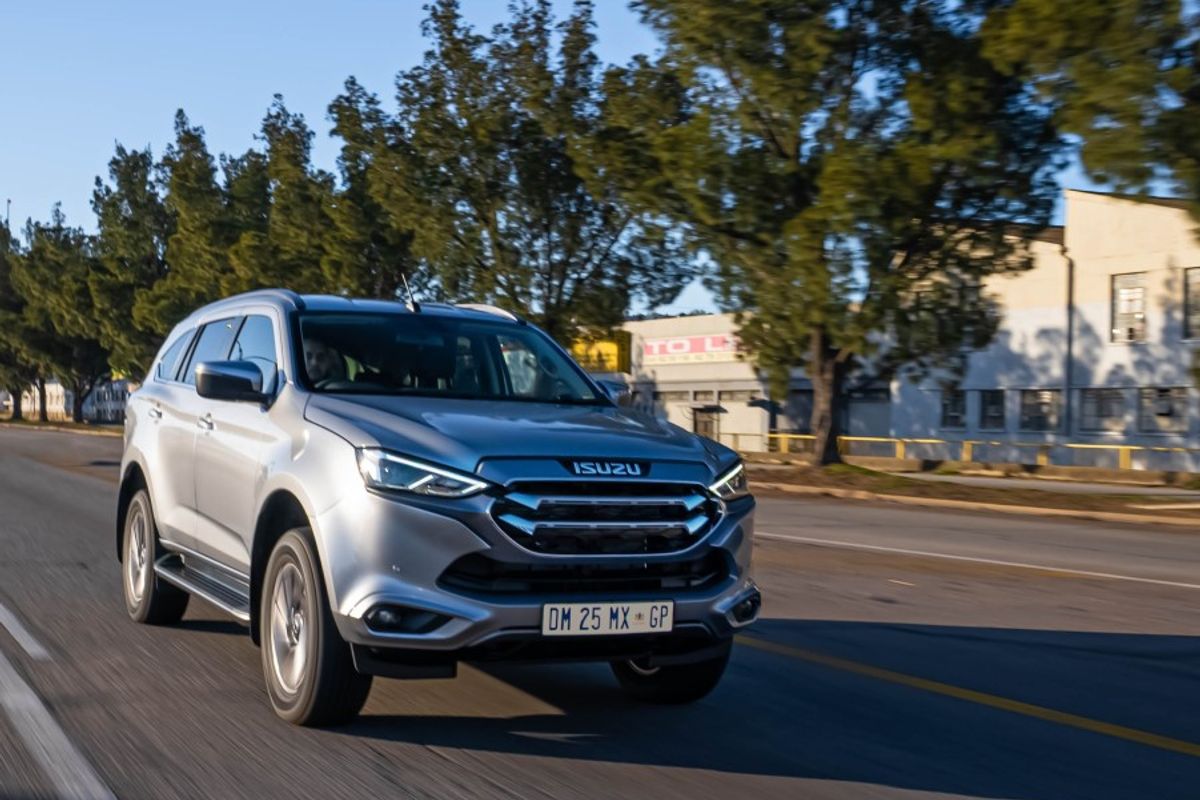
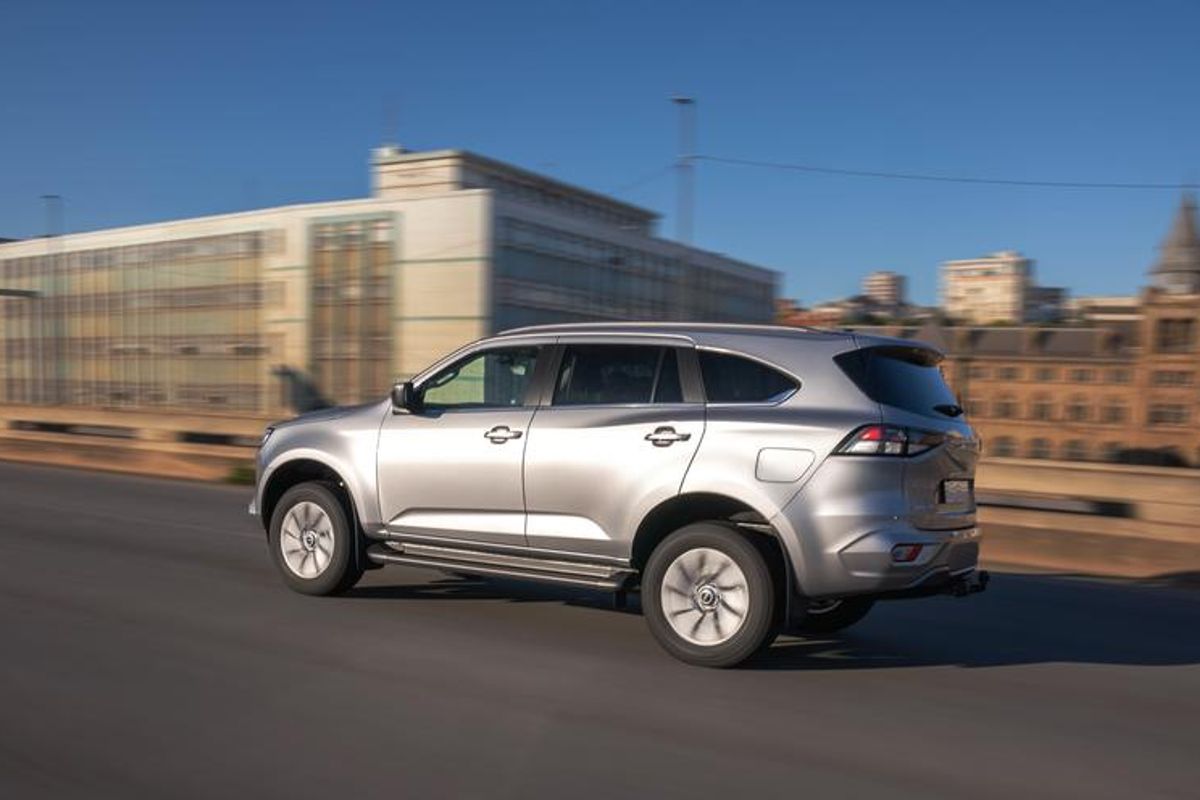
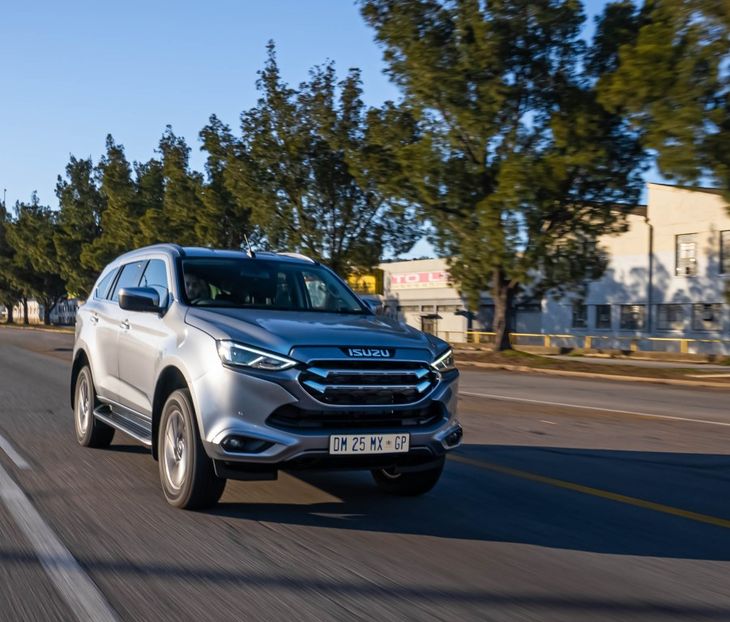
The updated Renault Duster features a refreshed exterior design with a revised grille and redesigned headlights as well as daytime running lamps. There are new-look 16-inch alloy wheels and 17-inch diamond-cut wheels. There are new colours to choose from: Comet Grey, Highland Grey, Iron Blue, Brown Vision, Fusion Red, a fabulous Arizona Orange and Ice White.
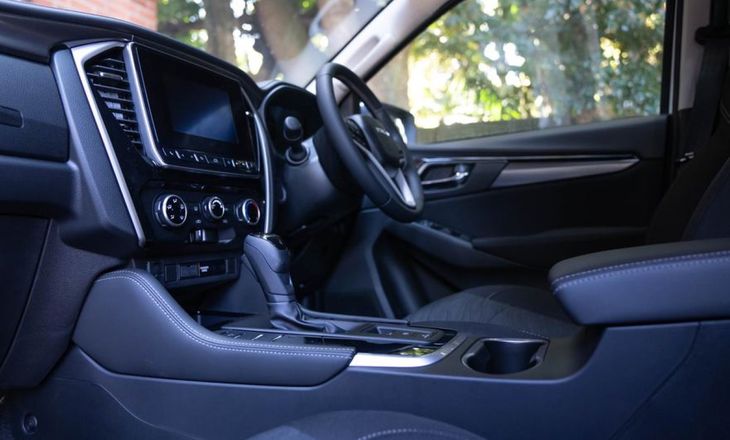
The cabin has been given a makeover with new headrests, high-quality fabric upholstery and revised ergonomics. There’s a new 8-inch infotainment system that has GPS navigation as well as Apple CarPlay/Android Auto connectivity.
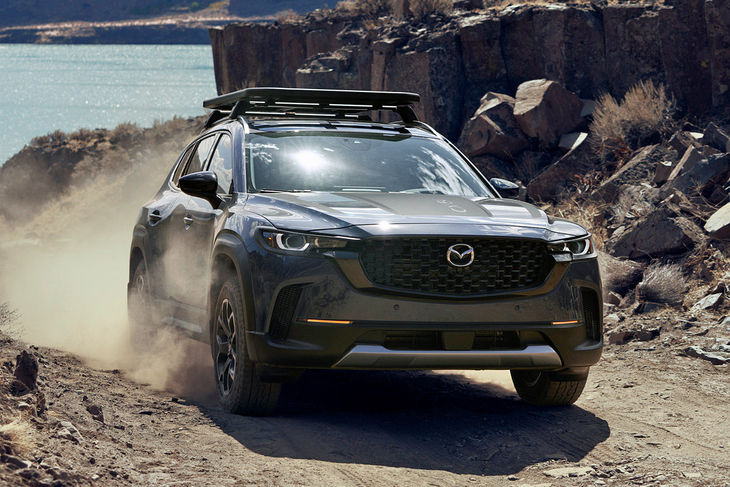
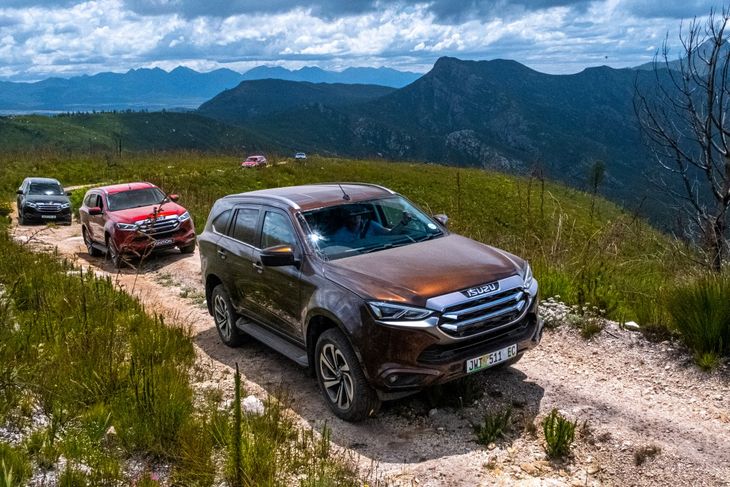
It’s still a rugged offroader, boasting decent numbers like a ground clearance of 210 mm, approach and departure angles of 30 and 34 degrees respectively. Renault has fitted a newer version of its 4×4 monitor which now has an altimeter.
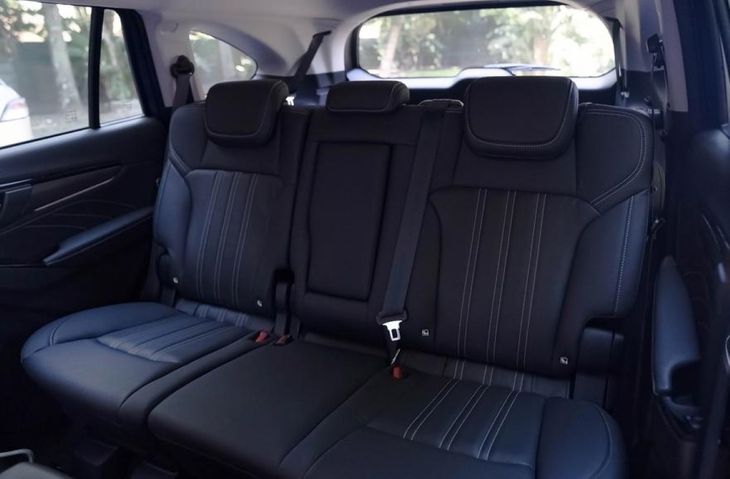
As far as practicality is concerned, the rear bench features a 60/40 split-fold and standard boot capacity is rated at 478 litres.
The engine line-up has changed with just the excellent 1.5-litre turbodiesel being offered. It’s available in two states of tune and customers can choose from either a manual gearbox or a dual-clutch transmission (EDC). The first offers 66 kW and 210 Nm, and consumes 5.1 L/100 km and is available in the base-spec 4×2 derivative.
The other offers up 80 kW and 250 Nm/260 Nm depending on transmission. This engine is the more frugal with Renault claiming 4.8 L/100 km. Impressively, it’s this powertrain combination that saw the Duster win its class (C1 diesel turbo 1.3-2.0) in the WesBank Fuel Economy Challenge back in 2019.
How much does the updated Renault Duster cost in South Africa?
The Renault Duster range is sold with a standard 5-year/150 000km mechanical warranty and a 6-year anti-corrosion warranty. Services take place at 15 000km intervals, and a standard 3-year/45 000km service plan applies. Renault is offering metallic paint for R2 522 and leather seats (model dependent) for R10 088.
The new Land Rover Range Rover is due to arrive in South Africa in 2022 and a bespoke, ultra-luxurious Range Rover SV will also be on offer to local buyers. See what’s coming…
If the standard Range Rover just doesn’t feature enough luxury and personalisation for you, perhaps the Range Rover SV will satisfy your ultimate luxury needs!
Developed by Special Vehicle Operations (SVO) the simply-named Range Rover SV will be the first model to wear a ceramic SV roundel which will also be used on future products developed by SVO.
The Range Rover SV will come to South Africa in 2022.
The Range Rover SV will be offered in either short- or long-wheelbase guise with 2 distinct design themes including SV Serenity or SV Intrepid. Customers will be able to not only choose from a wide selection of colours, including 14 colours from the SV Bespoke Premium Palette, but buyers can also create their very own colour via the SV Bespoke Match to Sample service.
The SV Serenity features Corinthian Bronze exterior accents as well as an optional Corinthian Bronze contrasting roof. Optional 23-inch Diamond Turned Dark Grey Gloss alloy wheels with Corinthian Bronze Satin inserts will also be offered. Specific interior details include duo-tone mosaic-pattern embroidery which differentiates the front and rear cabin. Customers can match the light semi-aniline Perlino rear seats with either Liberty Blue, Sequoia Green or Caraway near-aniline leather for the front seats.
As for the SV Intrepid, it’s identified with its Anthracite metal plated and Graphite Atlas exterior finish for a stealthy appearance. This look is enhanced with a Narvik Black Contrast Roof and 23-inch Dark Grey Satin alloy wheels with Narvik Black gloss inserts and optional red brake callipers. Specific interior details include Black Satin ceramic elements and a semi-aniline Ebony leather which can also be combined with near-aniline Rosewood front seats and semi-aniline Ebony rear seats for a duotone interior look.
The optional SV Signature Suite takes passenger comfort to the next level.
The luxury touches continue with a continuation of the smooth ceramic finishes found on the gear lever, Terrain Response and volume controls, combined with anonymised metal finishes and a selection of fine wood trim. Near-aniline leather and sustainable non-leather Ultrafabrics (SV Intrepid) can be specified by customers which combine with Kvadrat Remix textile for a dual-tone look.
For ultimate rear passenger comfort, buyers can opt for the optional SV Signature Suite which provides ultra-comfortable seating for 2 passengers with 24-way adjustment (LWB only) and incorporates a convenient deployable Club Table. All Range Rover SV derivatives are also equipped with large 13.1-inch rear-seat entertainment screens and SV-specific headphones.
In terms of engines, the Range Rover SV will be offered in petrol, diesel and hybrid guise. A powerful 390 kW /750 Nm 4.4-litre twin-turbocharged V8 petrol engine will do service under the bonnet as well as a 3.0-litre, 6-cylinder diesel engine with 257 kW and 700 Nm. A 375 kW Plug-In Hybrid (PHEV) version will also be offered.
Pricing details can be expected closer to launch in 2022, stay tuned!
The waiting list for Toyota’s Land Cruiser 300 is huge. But for some luxury 4×4 buyers, the best choice remains Prado.
Known as the ‘junior’ Land Cruiser, Toyota’s Prado is due for replacement in 2022, with South African market availability scheduled for 2023.
But what is to be expected of the fifth-generation Prado? True to its junior Land Cruiser reputation, it will be built on a shortened version of the Toyota TNGA platform, which is widely used across the new range of SUVs and bakkies such as LC300 and Toyota Tundra. That bodes well for retaining the Prado’s durability, with enhanced refinement and high-speed stability.
The more pressing issue regards powertrain. Toyota can no longer resist the shift to increased electrification.
Although Prado’s global demand is quite diverse, with low market penetration in places without strict emissions control (Europe, the Middle East and United States), the pressure to electrify is real.
The latest industry rumours from Japan, see a new 2.4-litre petrol engine being the lead choice for fifth-generation Prado.
Paired with an electric motor to form a hybrid powertrain, the new Prado 2.4-litre petrol should be good for a peak system output of 294 kW. That’s an impressive number, capable of matching most of Land Rover’s most potent Defenders.
The individual bits of Toyota’s new Prado hybrid powertrain see the 2.4-litre petrol engine (undoubtedly turbocharged), boosting 184 kW. An electric motor adds 110 kW.
And diesel? A detuned version of the new Land Cruiser 300’s 3.3-litre V6 should be deployed in markets where Prado owners prefer diesel or where emissions regulations allow.
Although the Prado’s 3.3-litre V6 turbodiesel will be less powerful than Land Cruiser 300 (to prevent sales cannibalization), it will offer a significant step-up, from the current 2.8-litre engine’s 150 kW.
The fifth-generation Prado should be a bit lighter too. Not by that much, though. The weight saving of that smaller 2.4-litre engine will be undone by the mass of an electric motor and batteries, for the hybrid system.
Reduced brake dive and a better overall centre of gravity should be notable benefits of the Prado hybrid’s smaller engine.
This week’s news you need to know (November 2021, Week 1)
In this week’s automotive news you need to know: fuel levies and taxes contrive to inflate the fuel price to almost R20 per litre, Toyota officially launches its most anticipated vehicle in years, Hyundai opens the doors for a flood of N models in 2022 and Mini may miss a golden opportunity with its new model.
Fuel Price Increase – The belt tightens
In the latest instalment of the doccie series on how South African consumers get shanked, prison-style, we see the petrol price increase to its highest-ever level (R19.54). Motorists just can’t catch a break. Other nations may peacefully protest this, but in our country, we just grin and bear it. Sounds familiar, right? Our fuel price is regulated; take a long hard look at it – it’s a monopoly disguised as regulation.
For the sake of comparison, our neighbours in Botswana pay 11 Pula per litre of unleaded petrol. That’s the equivalent of R14.74, so where does the rest go in Mzansi? Levies and taxes. That’s where. And regardless of how fuel-efficient cars have become and will get in the future, I fear that we will still face that same regulation hanging over our heads and be squeezed even more. The madness needs to end.
Toyota Corolla Cross – Advantage, Toyota
By commencing production of hybrid vehicles, not least of the compact family-car variety (the hottest segment of the passenger vehicle market), Toyota SA has bolstered its future prospects and, when you get none other than President Cyril Ramaphosa to sanction the move, it’s kind of a big deal. Behind the fanfare, however, lies a smart decision to repackage the petrol-electric powertrain (and its gubbins) from the tragically ungainly Prius in mainstream cars such as the Corolla sedan and its Cross variant; this way, buyers have reasonably affordable options with which to take that first step away from ICE.
Meanwhile, Toyota’s competitors (at least in the domestic market) have yet to show their hands as to how they will do their part to facilitate the electrification of the South African new-vehicle market. VWSA continues its Vrrr-pah! narrative while flirting with the idea of introducing the ID.3 and ID.4, Ford is, um, focusing on the new Ranger and, as for the aspirational brands (like Audi, BMW and Benz), their EVs are just too expensive to achieve notable sales volumes. Apart from a range-topping Honda Fit, Toyota’s hybrid options are the only ones that seem attainable. The Corolla Cross Hybrid is a gamechanger.
Hyundai Kona N & Staria – Building blocks
Last year’s local introduction of the i30 N hot hatch was, unfortunately, doomed from the get-go, but that was hardly surprising, given local buyers’ brand loyalty to the Golf GTI, the Hyundai’s manual-gearbox-only configuration and uncompetitive (even for a niche model) pricing. The South Korean manufacturer has, however, got quite a bit right too; its small crossovers are selling briskly, the new i20 seems good value and 22 377 units of the H1, which the Staria has now replaced, were sold in the past 11 years. So that’s 22 377 Toyotas, Volkswagens and maybe even Benzes that weren’t bought.
Okay, the Staria’s sci-fi styling isn’t for everyone, but the newcomer’s pricing is competitive – Hyundai may gobble up big chunks of market share with this bus/van. Such a bullish pricing strategy would also benefit the upcoming Kona N and facelifted i30 N and, who knows, give Hyundai SA the gumption to pull the trigger on the i20N and revive the supermini hot-hatch market. A boy can dream, can’t he?
New Mini Hatch – Let’s return to the blueprint
For a brand whose (initial) sole purpose was to produce affordable, economical 4-seater cars, Mini has strayed far from the path throughout the years; the once humble Mini has morphed into an exclusive plaything (not unlike the cars of its owner, BMW). There aren’t any more “I paid R4 000 for my Mini” stories and that’s a crying shame. Mini’s creator – Sir Alec Issigonis – must be turning in his grave.
But perhaps there is an opportunity for BMW to redeem itself by realigning Mini with its original ethos in the EV age. Sure, we may have to sacrifice some creature comforts, but it will mark a return (of sorts) to the original blueprint for the brand. Those who want a Mini (and there are many), might actually have a fighting chance of attaining one in future. Sure, the Sixties are gone and won’t return, but what’s wrong with wanting fun-to-drive cars that are also quite affordable? The major manufacturers are unlikely to build cars like those in future, but niche brands, such as Mini could… and certainly should.
New Toyota Land Cruiser LC300 GR Sport Video Review
New Toyota Land Cruiser LC300 GR Sport Review – We go very sideways in the sportiest Land Cruiser ever.
The Land Cruiser has earned a formidable reputation as being, well, formidable. It has been trusted for decades to take their owners to the middle of nowhere and, more importantly, bring them back again.
The LC300 is a thoroughly new Land Cruiser. Its the first new chassis in 14 years for the model and it’s also the first time a “sporty variant has been made available, in the form of this, the top-of-the-range GR Sport.
Which forced us to ask ourselves, is there any point to a sporty Land Cruiser? Well, after tackling the wilds of suburbia, we headed out to a dirt oval racetrack to see just how sporty this new LC300 is.
American influence could shape new Mitsubishi Triton
Mitsubishi Triton could be going big, if America gets its way.
The Mitsubishi Triton might soon receive a significant boost to its future product development R&D.
Demand drives innovation and the required scaling for new features, on all vehicles. That includes bakkies.
When a specific bakkie model reaches critical sales mass, product planners can start negotiating better deals on equipment and advanced technical features. The more you sell, the more revenue you have to invest in better future vehicle upgrades.
In the bakkie world, America matters. A lot! Ford has illustrated how beneficial global bakkie demand can be, after returning the T6 Ranger to North America.
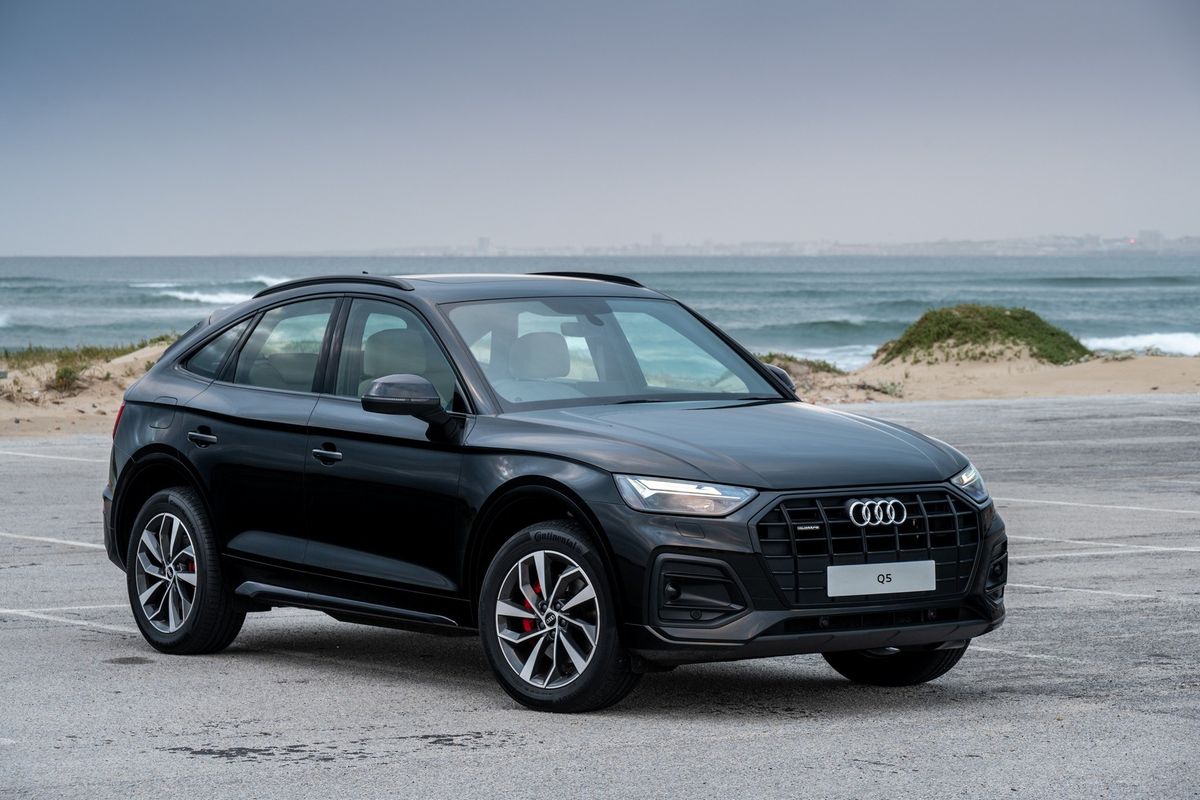
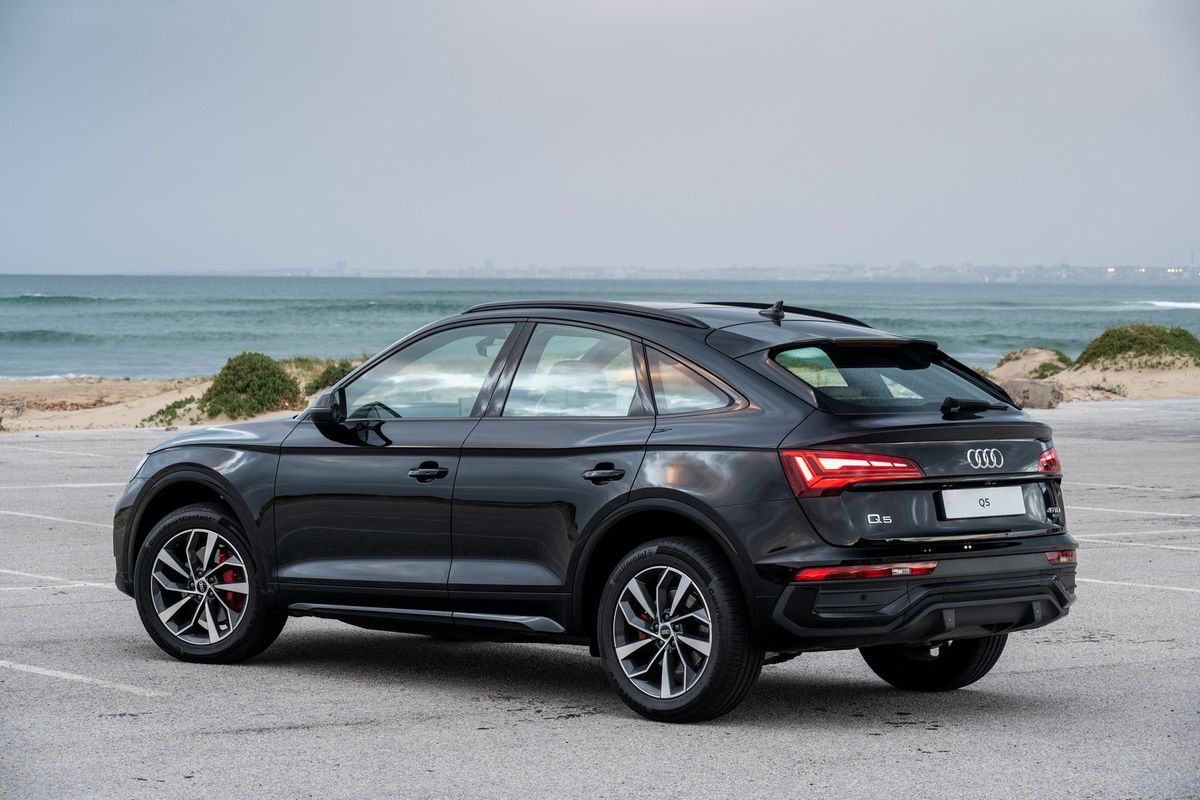
With the flood of Ranger sales that Ford has managed to harvest in North America, everyone benefits. Ranger has become a truly global bakkie since reentering the American market, and that scale has allowed Ford to furnish it with the latest driver aids and assistance systems.
Ranger has also enlivened the ‘small pick-up’ market in America, comparable to a standard bakkie in South Africa. With many more Americans now buying ‘global’ double-cabs, it has opened the opportunity for some familiar names to return to the world’s most important bakkie market.
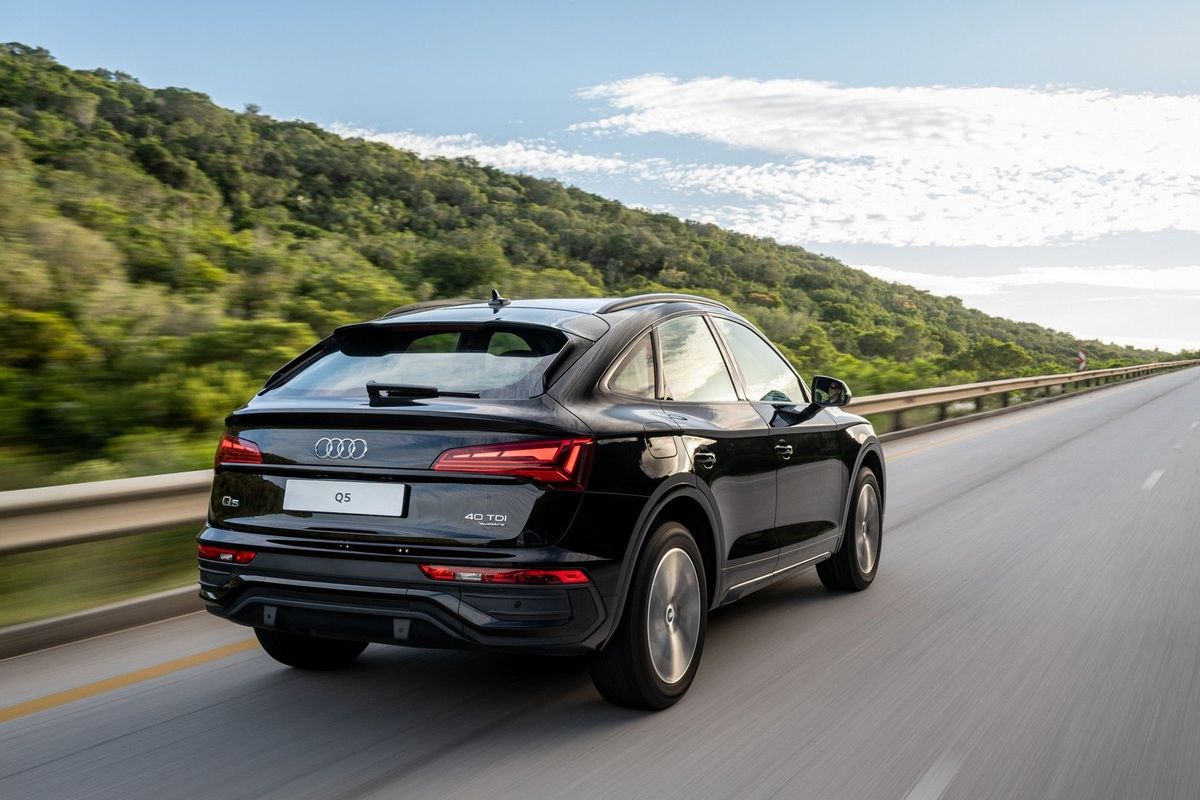
The latest among these might be Mitsubishi. The Japanese brand has experienced strong interest from its powerful North American dealer organisation, to introduce the Triton.
Great things are expected from the next-generation Triton. It will be part of an alliance project between Nissan, Renault and Mitsubishi – with the latter being responsible for most of the core engineering.
If Mitsubishi is serious about targeting the American market, again, Triton customers worldwide, should benefit. American bakkie owners have significant demands around cabin comfort and loadbox accessories.
The next-generation Triton could feature hybridisation. Mistubishi has proved the viability of its PHEV technology with Outlander and a 2.4-litre petrol PHEV could be an exciting option for Triton owners.
Even with a more robust version of the Outlander PHEV powertrain, Mitsubishi should retain its excellent SuperSelect transfer-case in 4×4 versions of the future Triton, with the ability to run in high range, with a locked centre-differential. SuperSelect is something that has always distinguished Triton from most of its double-cab rivals.
American bakkie owners are also among the most connected, anywhere. And that means Mitsubishi will have to improve its infotainment offering with the new Triton. A larger touchscreen interface, with better legibility and app connectivity, should please Triton owners in all markets.
An American influence always makes for a better bakkie. And with Mitsubishi angling for a return to the American market with Triton, future developments for the Japanese double-cab, could deliver a better bakkie for all.
Hyundai is replacing its long-serving H1 with the Staria, which, compared with other commercial vehicle-based MPVs, resembles an alien spaceship. Buses are big business in South Africa, however, so how well does this all-new Staria stack up against the competition? We drove it at its local launch in the Western Cape.
What is a Hyundai Staria?
The Luxury model gets a full LED strip across the front end.
Who would have thought it would be a bus, of all vehicles, that would showcase the most futuristic design that we’ve seen on a production model in a long, long time? The traditionally utilitarian segment has been turned on its head by the Staria, which appears to have set down on our Blue Marble. When stood next to the likes of the Caravelle, V-Class or Quantum, the Hyundai seems to have teleported here.
The Staria officially replaces the H1, which was a competent shuttle and mover of things rather than a vehicle that could be considered a classy hotel VIP transporter or luxury family vehicle in the way a Caravelle or V-Class could be. The Staria is clearly both of those vehicles (depending on the derivative you choose) and could be “great holiday wheels”; it comes fitted with loads of safety and in-car tech.
The Staria measures 5 253 mm in length, 1 997 mm in width, 1 990 mm in height and has a lengthy wheelbase of 3 273 mm.
What’s on offer?
The Staria is slightly longer than its Volkswagen and Mercedes-Benz counterparts and has a longer wheelbase too.
There are 3 derivatives to choose from in the Staria line-up, including 9- to 11-seater versions. The range starts with the Executive, which would be the pure people carrier model. It’s only available as in 11- seater configuration, but still packs a long list of safety and tech features, which I’ll go into a bit later.
The Elite derivative features slightly different LED lights at the front and different wheels to the Executive, but slots into the middle of the range (it is available as both a 9 and 11-seater), replete with a few more passive safety features and exterior styling details than the entry-level Staria. The Luxury, finally, sits atop the range and is adorned with a full-beam LED strip across the front of the vehicle – as you see in the images above. It’s inside where the functionality is ramped up appreciably with more seating functionality, dual sunroofs, a surround camera system and a 12-speaker Bose audio setup.
What’s it like inside the Staria?
Individual 3-point seat belts for every seat and leather as standard across the range.
We started our day in the top-spec Luxury derivative, which virtually exhibits everything that Hyundai can offer in terms of in-car technology. Not only does a digital instrument cluster panel substitute a conventional binnacle, the digital infotainment system supports wireless Apple Carplay and Android Auto, is complemented by a wireless charger and USB ports are availed in every row.
The Luxury derivative is further equipped with a surround-view camera setup, which has a neat trick of bringing up the side-camera view within the instrument dial whenever you flick the indicator stalk to signal a lane change. If you indicate left, the left dial displays the left-side camera to show you any obstacles, obstructions or kerbs that may be in your path (vice-versa happens when you indicate right).
All the seats are trimmed in comfortable, upmarket leather with the front seats offering electrical adjustment, while the first couple of rows offer heating and cooling functions for the seats.
When you indicate, the corresponding side camera displays on the instrument cluster (Luxury model only).
Stepping into the rear for a second, the dual doors are electrically operated, but will remain shut if it detects a vehicle approaching quickly from behind; it will only open when it’s safe to do so. The first row in the back has a swivel function where the seats can spin round and face the rear-most row. The seats are all on rails (so can slide back and forth easily) and can be folded to free up generous utility space.
Up front, there are storage bins and pockets in the doors and a selection of cubby holes on the dash to store smaller items away from the sun – and prying eyes. The Staria’s design is so deliberately spacey that the newcomer’s infotainment system seems a little chunky (less slick of design than it could have been). The exterior promises something from the future, while the cabin design is more workmanlike (practically-minded) and obvious than I was maybe expecting. After all, the point of a bus is to be as functional as possible inside, isn’t it?
What powers the Hyundai Staria?
The familiar 2.2-litre turbodiesel is employed in the Staria. No petrol model is available.
Hyundai’s 2.2-litre 4-cylinder turbodiesel gets another run in the Staria (it’s also available in the Palisade and Santa Fe), but this time it delivers 130 kW and 430 Nm. The turbodiesel also uses the same 8-speed automatic transmission as the aforementioned models, which is absolutely fine in this application. Shifts are executed quickly and smoothly with a decently quick kickdown speed when overtaking.
As a premium people-mover, it arguably lacks a little oomph under load or when overtaking. The V300 diesel is certainly the performance benchmark, it does come at quite a large price premium. I would say the Staria’s engine performance feels very similar to the Volkswagen Caravelle in terms of punch, although the Caravelle has all-wheel drive, whereas the Staria is only available in front-wheel-drive.
The Staria’s fuel economy was quite decent during our 200-km round trip. We averaged 9.1 L/100 km, but considering much of a bus’ life is likely to be spent on freeways, you should be able to achieve lower consumption figures than ours.
Hyundai Staria any good to drive?
The doors open electrically on both sides with an electric tailgate too.
The Staria’s new platform is a vast improvement over that of the H1. Body roll is relatively well controlled, even when traversing the twisty coastal road from Gordon’s Bay to Rooi Els, it felt relatively poised.
The position of the driver’s seat is far less commercial vehicle-like than before, but it’s not quite what you would get in an SUV; there’s no denying the cab-forward position, but at least the steering wheel is positioned more towards the driver (the column is rake- and reach-adjustable too) rather than pointing up at you like it does in a truck (or a Kombi, bless it). The steering action is on the light side, which makes the Hyundai easy to park in tight confines, but when the newcomer is buffeted by a hefty crosswind at freeway speeds, you might be caught off guard by the lack of feedback through the ‘wheel.
There are 4 drive modes to choose from (Eco, Comfort, Smart and Sport) although, why you would want a Sport mode in a diesel bus remains a mystery. Smart mode seems the best for every situation as it’s a set-and-forget mode that will adapt to your driving style at that particular moment.
The Elite and Luxury derivatives, meanwhile, come with a selection of semi-autonomous driving assists that even their Palisade premium SUV siblings can’t match. Features such as adaptive cruise control and lane-keeping assist are standard in both versions and the above-mentioned surround-view camera system puts the Staria in a league of its own in the bus segment. Standard safety features include ABS, EBD, stability- and traction control, as well as 3-point seatbelts for every seat. Seven airbags are fitted as standard too.
Staria makes a compelling case as a shuttle and a family vehicle.
The Staria poses a real threat to the bus market, and even possibly the medium-SUV market. The Executive version is particularly well priced at the rest of the derivatives retail for just under or above R1 million (November 2021). Those asking prices might make those who are looking for a large kerb-hopper think twice about how much more Hyundai’s newcomer offers for the price.
The Staria offers a lot of (comfortable) passenger space, as well as an impressive combination of body-roll control, notable ride comfort and a lot of in-car technology. The latter truly incorporates a wide range of connectivity options. Furthermore, a commendable suite of safety- and semi-autonomous driving features are fitted to the Elite and Luxury derivatives. While the Hyundai’s exterior looks appear to have been extracted directly from Tom Cruise’s Minority Report movie, the interior doesn’t have the same sort of wow factor, but meets all the functionality needs a bus owner is ever likely to have.
Service- and Maintenance Plans: The differences
Many cars (including relatively new used ones) are covered by manufacturer warranties and have either service- or maintenance plans associated with them. What kinds of services and repairs are included in these plans? This will help you understand what your vehicle’s specific plan covers.
PARTNERED CONTENT
Here are some insights from motus.cars, supported by Motus Ford (previously Imperial Select) as to the question of Service Plan or Maintenance Plan:
Job 1: Understand the warranty
First, just to provide you with a bit of background, bear in mind that virtually every vehicle is sold from new with a warranty that allows its owner to claim against the vehicle’s manufacturer for failures or malfunctions that occur (during normal, general use) within a certain period or mileage limit (if something breaks unexpectedly, the dealer’s workshop must repair it at no cost).
In order to preserve your car’s warranty, all repair, service and maintenance work must be carried out by franchised dealer workshops.
Most manufacturers offer general warranties that cover every aspect of the car, usually excluding its tyres and sometimes friction material that can wear down prematurely due to hard use, such as brake pads and clutch components. However, some stipulate warranties for the body and paintwork separately (usually limited by a time period) and some, but not many, distinguish between plans that cover general failures and mechanical ones.
Warranties only remain valid if vehicles are serviced or repaired by franchised dealers (outlets officially authorised to sell/maintain a brand’s products) or approved independent workshops at time/mileage intervals determined by the cars’ manufacturer or importer. While warranties tend to last only a year or two (or up to 5 or even 7 years), service and maintenance plans tend to be valid for a bit longer than warranties and are also limited in validity by vehicle age and mileage limits. They are subject to the same conditions as vehicle warranties, however.
Service and maintenance plans will only cover services if a car is within a specified acceptable mileage – i.e., if the manufacturer specifies a 15 000-km service interval and allow a 1500-km variance, you would need to perform your first service between 13 500 km and 16 500 km.
Warranties cover you against mechanical failures within a preset mileage/time period, unless they occur as a result of abuse.
Manufacturers also specify a time frame for service intervals should you not cover enough mileage to reach the service intervals timeously. This is usually annually/every 12 months. Failure to comply with these terms will result in your service plan or maintenance plan being cancelled.
What is a service plan?
A service plan generally covers all the costs involved with regular scheduled servicing, such as the cost of labour (and parts) that is scheduled to be carried out (and replaced) at specific services (such as spark plugs, air filters, oil etc.), but excludes jobs and the fitment of spares that aren’t scheduled for standard services, such as V-belts, wiper blades and brake pads.
Understanding the difference between minor and major services will take the stress out of budgeting for future vehicle maintenance.
Items generally not covered by a service plan include:
Internal and external trim, bodywork and paint due to normal wear and tear.
All glass, tyres, wheels, wheel alignment, accessories, electrical wiring components.
Additional maintenance that may be required as a result of the vehicle being operated in severe or unusual conditions.
Additional maintenance that may be required as a result of
Accident, damage, abuse or misuse or consequential damage as a result of such an action.
Failure to use the vehicle in accordance with the instructions contained within the vehicle service book.
Failure to ensure that the vehicle is properly, regularly and punctually serviced in accordance with the instructions and recommendations specified by the manufacturer.
A common misperception is that a service plan is comprehensive. If you suspect that one of your car’s components might have malfunctioned or is failing/has failed, the repair could be affected by a workshop as part of a warranty claim, but it’s not included in your service plan… if it occurs once the vehicle’s (previously explained) warranty has already expired, then you will have to pay the bill for repairing the problem out of your own back pocket.”
Want to make sure your vehicle will be simple to sell on one day? Uphold a comprehensive service record and ensure scheduled maintenance is carried out to the letter.
What is a maintenance plan?
As a rule of thumb, whatever is not covered by a service plan, is covered by a maintenance plan, provided – of course – your vehicle has not exceeded the plan’s year- or mileage limit.
It covers the labour and parts costs of servicing a vehicle, yes, but also the replacement of items damaged or worn out through wear and tear. For example, a maintenance plan covers mechanical items such as the exhaust system, the engine, the clutch, gearbox/transmission and electrical components, but specifically not tyres, tyre alignment or windscreens.
Luxury vehicles come standard with 4- to 6-year maintenance plans from new, but if you’re thinking about buying such a car second-hand (which will be offered with the balance of the remaining maintenance plan), you must check that your prospective purchase’s plan is still valid (and for how long it will remain so), because that cost is built into the vehicle’s price.
An aftermarket maintenance plan is a good idea if you own a luxury car that is out of warranty.
Many manufacturers also provide the option to upgrade a service plan to a maintenance plan – at extra cost. But do you really need it? Well, it depends on how long you intend to keep the car and its initial purchase cost – remember, an expensive car will have more expensive parts, and a maintenance plan is a good bet in that scenario. Most cars have their really big (major) services at 90 000 km – that’s when things start to fail. If you’re planning on selling your car before it hits the 90 000-km mark, you probably won’t need a maintenance plan.
If a vehicle already has an existing warranty and service plan, you may want to consider upgrading to a maintenance plan, which ensures that most expenses in terms of mechanical breakage, service costs and wear and tear costs would be covered within the duration of the plan. As ever, upgrade costs are based on duration/mileage and usually charged in lump sums, but you will be refunded a part of that cost if you sell the car before the extended plan lapses.
Browse motus.cars‘ range of quality, Motus-certified new, used and demo crossover vehicles for sale here.
If you would like to get your car valued as a trade-in, why not book a test drive, or enquire about your new dream car on motus.cars and get your current car valued at the same time!
Make use of free tools available to further help you decide what the best vehicle finance option is for you. Use these simple affordability and finance calculators to help you determine what you can afford and what finance option will be best for your needs.
Mercedes-Benz SA has announced a local conversion project for its 23-seater Sprinter. Here’s pricing and details.
This is the Mercedes-Benz Sprinter 23-seater Inkanyezi. Before, these vehicles would be purchased by customers and then converted, but now they’re being converted by Mercedes-Benz SA at its facilities in East London.
Marinus Venter, Head of Product and Marketing, Mercedes-Benz Vans SA, announces, “To deepen our commitment to the local taxi industry and in support of the South African economy, our 23-seater Sprinter Inkanyezi vehicles are now being converted locally at our East London conversion facility. This means that taxi owners will be able to immediately operate and earn income from the purchased vehicle instead of waiting for a conversion.”
Inkanyezi means ‘the star’ in isiZulu and is now available from Mercedes-Benz dealerships. It’s a long-wheelbase 516 CDI bus that can seat 23 and despite its humble role of people moving, it features what Merc claims are “best-in-class” safety tech like seat anchorage points, adaptive brake lights, while optional extras like active brake assist, distronic, parking assist, lane-keeping assist, blind spot assist with rear cross-traffic alert and a 360-degree camera are available.
Thanks to its localisation and conversion program, the optional extras like parcel shelves, USB ports and tow bar are plug and play, and Merc says they can be fitted quickly at dealers across the country.
The vehicle comes with a side step to facilitate easy access and there’s a durable non-slip Marley floor in the cabin.
The 516 CDI designation refers to the engine and this bus features a 2.0-litre 4-cylinder diesel with 120 kW and 330 Nm. An automatic gearbox is the transmission of choice and it is rear-wheel driven.
By converting the vehicles in-house, they can be sold quicker and in turn, the taxi industry can start making money off of it right away. There’s a high utilisation rate and Merc notes that its purchase price, fuel, maintenance, and repair costs make it profitable for operators.
How much does the Mercedes-Benz Sprinter Inkanyezi cost in South Africa?
Mercedes Benz Sprinter Inkanyezi 516 CDI R945 000
The above price includes VAT, and the vehicle is sold with a 2-year/unlimited kilometre warranty. Service intervals are every 20 000 km.
The potent Hyundai Kona N will be coming to South Africa in early 2022. Here’s what you can expect.
The Kona N was officially revealed in April 2021 and it’ll be the brand’s first hot SUV. At the recent SA launch of the Hyundai Staria, representatives of the brand confirmed the Kona N will be arriving in January/February 2022.
It features a 2.0-litre turbocharged 4-cylinder petrol engine which produces 206 kW and 392 Nm. All of that goes to the front wheels via an 8-speed dual-clutch gearbox. This is not a straight-line specialist either with Hyundai supplying a high-performance suspension, electronic limited-slip differential and performance brakes to help it take corners at pace.
Hyundai says the Kona N is good for a 0-100 kph of around 5.5 seconds, thanks to a neat overboost trick that increases power to 213 kW for a few seconds. Like the Hyundai i30 N, the Kona N features 5 drive modes which all offer variations in engine responsiveness, steering feel, stability control grip and even exhaust sound.
The car features plenty of N badging as well as some great-looking sporty wheels and twin exhaust pipes. Inside, the Kona N features racing seats, a 10-inch digital dashboard and a large infotainment screen that features performance data like lap times and G-Forces.
What about the Hyundai i30 N? While the lack of a dual-clutch transmission may have turned some customers off, we loved our time with the Korean brand’s first attempt at making a performance hot hatchback. The great news is that the Hyundai i30 N has not been forgotten and the updated model you see here will be arriving alongside the Kona N.
It too will feature the 2.0-litre turbocharged 4-cylinder petrol engine as before, but this facelifted model now has 206 kW and 392 Nm, up from the 202 kW and 353 Nm. The big news is that the facelifted Hyundai i30 N will feature an 8-speed dual-clutch gearbox, which gives it better acceleration figures. The pre-facelift was said to hit 100 kph in 6.1 seconds, with this update 5.9 seconds is the claim.
When is the Hyundai Kona N being launched in South Africa?
Hyundai SA says its new Kona N as well as the updated i30 N will be launched locally in January/February 2022. After our first experience with the Korean brand’s first N product, we’re quite excited.