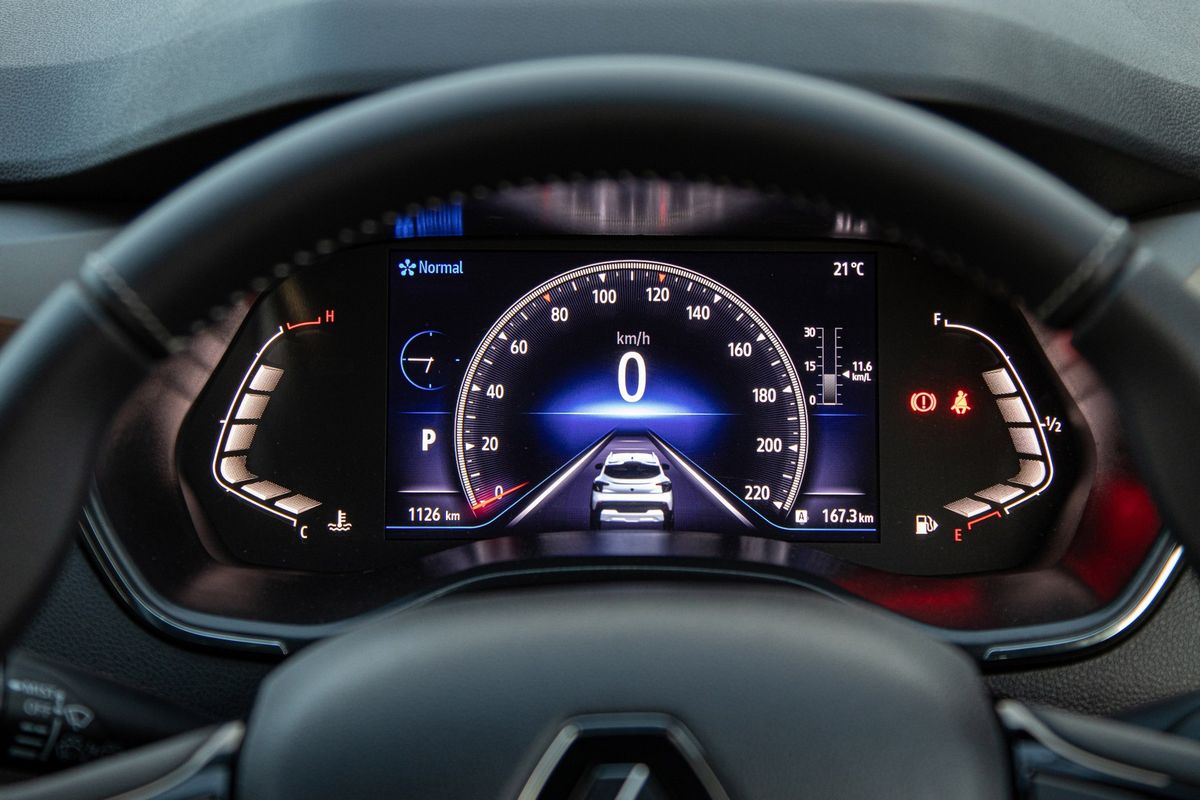
There are persistent rumours that the Ford Bantam compact single-cab bakkie could be revived.
The South African sub-1-tonne single-cab bakkie market is a shadow of its former self. We can remember multiple entrants across the brands being represented, like the Opel Corsa/Chevrolet Ute, Fiat Strada, Nissan NP200, Mazda Rustler and Ford Bantam. With all of those, but the Nissan NP200, discontinued, SA consumers’ focus has shifted to the larger single-cab bakkie offerings like the Toyota Hilux, Ford Ranger, Nissan Navara, Isuzu D-Max and so on.
However, the world has shown a renewed interest in small-bakkie offerings. While the Fiat Strada and Volkswagen Saveiro soldier on in South America, there have been two significant launches in North America.
With the launch of the Hyundai Santa Cruz and Ford Maverick, interest and demand in the compact bakkie has skyrocketed. We’ve noticed a considerable amount of social media commentary expressing a desire for these products, despite them being left-hand drive only and, therefore, unavailable to our right-hand-drive market.
The Maverick and the Santa Cruz are highly in demand. Hyundai USA says its Santa Cruz was the fastest-selling new car in North America in August 2021, while more than 100 000 buyers have made reservations for the Ford.
So, what does this mean for South Africa? During a press recent conference, Hau Thai-Tang, chief product platform and operations officer at Ford Motor Company said to Muscle Cars and Trucks that the brand needs “an affordable, entry vehicle to bring first-time buyers into the showroom.” When asked about a potential smaller bakkie opportunity, he said “Maybe, there is certainly (possibilities) in other markets like South America and South Africa.”
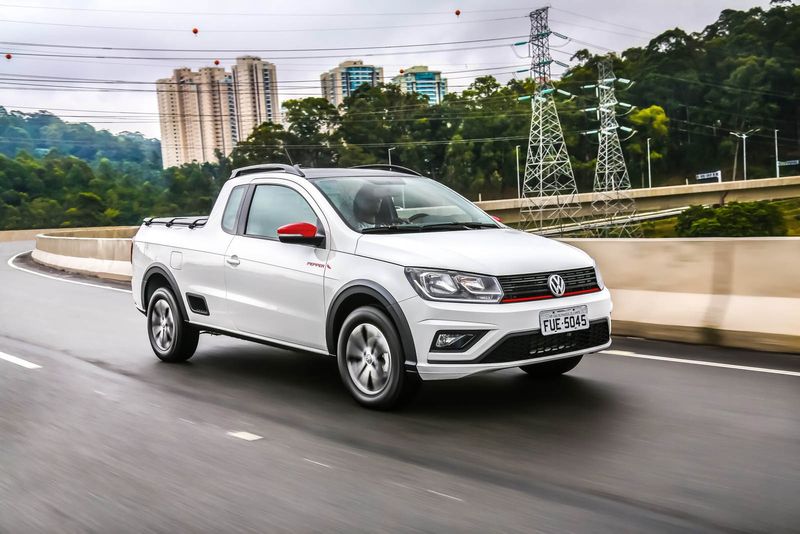
This is where things get interesting. CarsGuide reported that Ford and Volkswagen would leverage their current commercial relationship to build a new compact SUV, with the Aussie publication suggesting a rebadged Ford version of the all-new Saveiro (the current model is old) based on the 2018 VW Tarok concept was on the cards.
Volkswagen Saveiro. Still not coming.
Volkswagen South Africa has said repeatedly that it would not be bringing the Saveiro to our market, citing left-hand drive conversion and the advanced age of the vehicle. It is built on an old Polo platform, after all.
We know already that Ford and Volkswagen are working closely together on a number of products. It’s common knowledge the all-new Ranger and Amarok will be twins, and we’ve already seen the first production units of the all-new Volkswagen Caddy and Ford Tourneo be revealed.
So, could we see the new Bantam essentially being the Ford production version of the Volkswagen Tarok? The South American media reckon the Saveiro will be replaced in 2024 and we think the Tarok concept previews its replacement. It wouldn’t take too much heavy lifting to get some Ford mechanicals in there along with some Blue Oval badging, and the result would be the 2025 Ford Bantam.
Watch this space as we think a revival of the sub-1-ton bakkie market in South Africa is on the cards.
A bigger, 3-row Land Rover Defender 130 is on the way!
Earlier this year, it came to light that Land Rover would bring a bigger, 3-row Defender to market to complement the existing Defender 90 and Defender 110 variants and it will offer seating for up to 8 people.
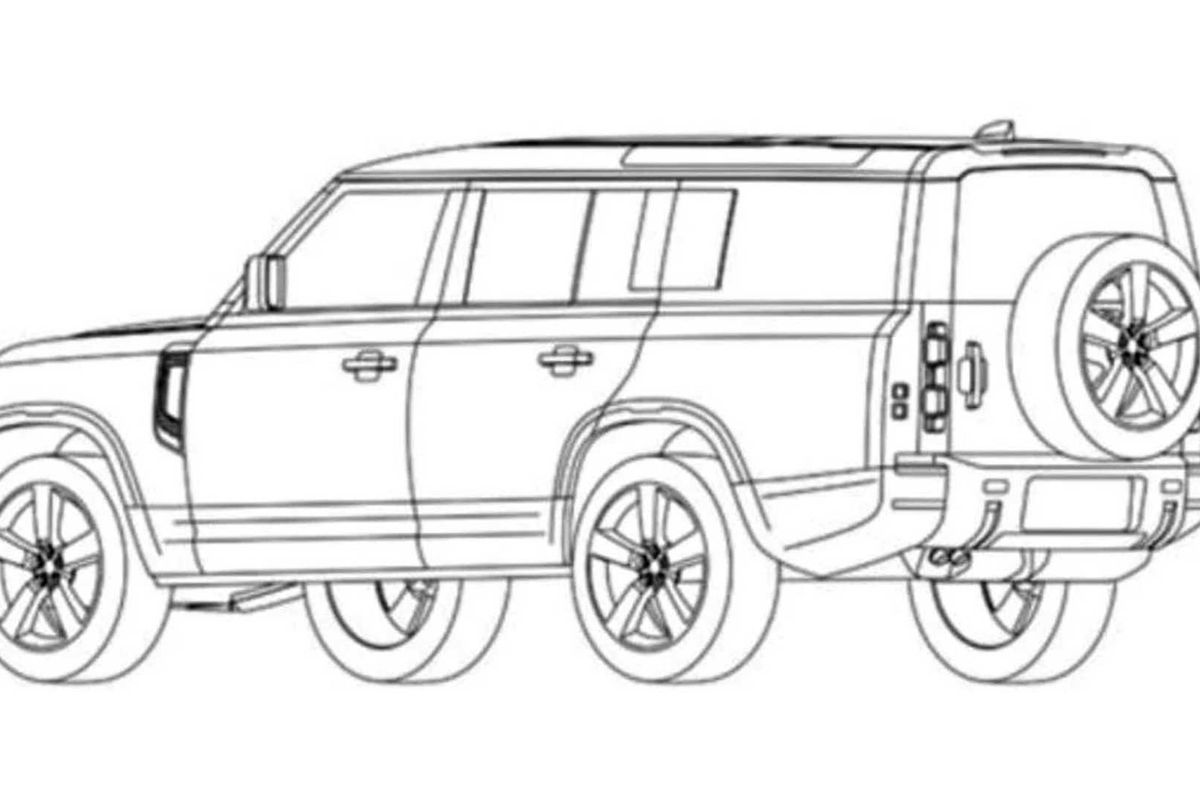
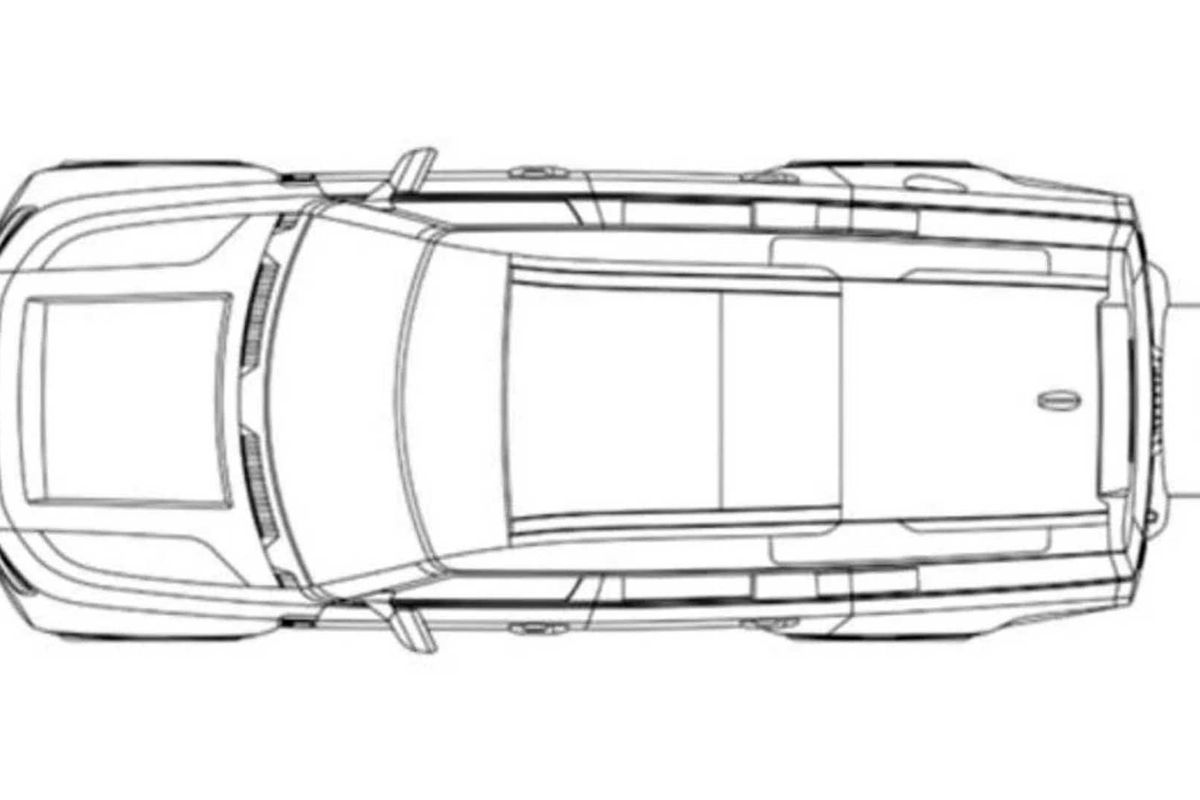
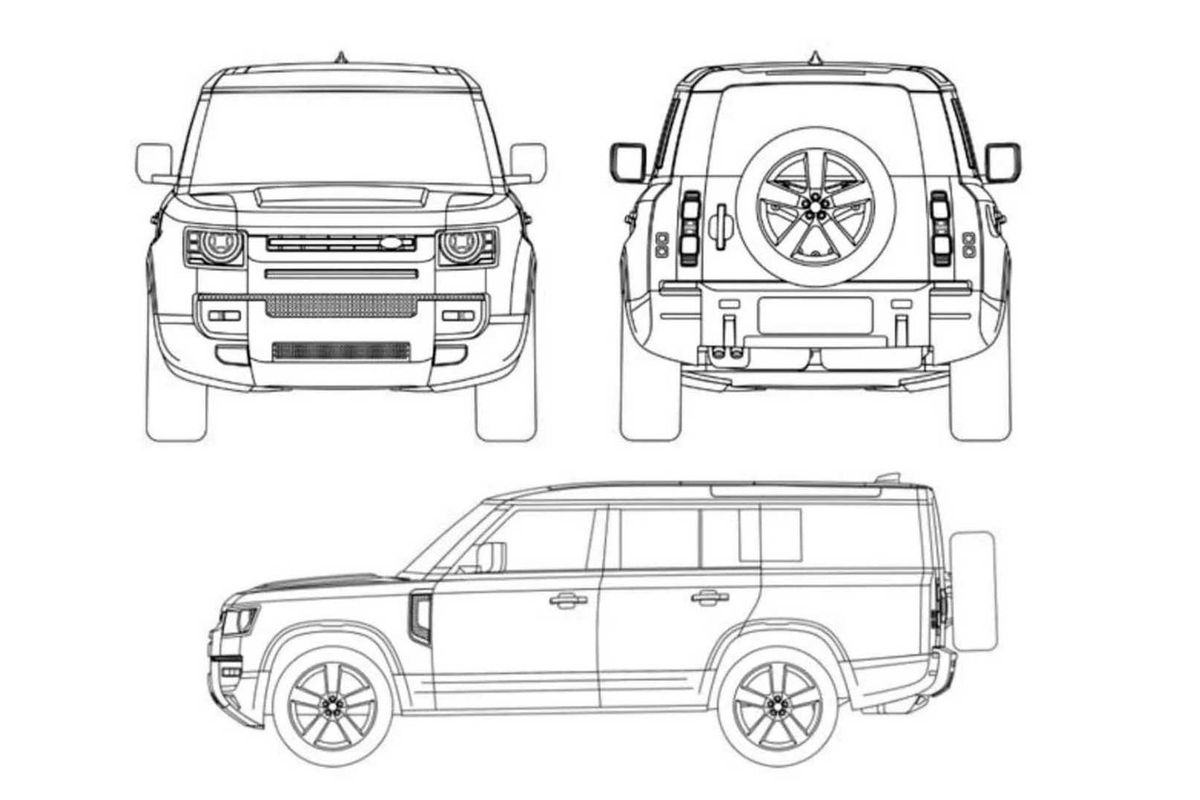
The latest news, however, is that patent images of the larger Defender 130 have surfaced online via Motor.es providing some indications of the proportions of the forthcoming Defender 130.
The Defender 130 is expected to retain the same 3 022mm wheelbase as its Defender 110 sibling but the overall length of the vehicle will increase to 5 105 mm, an increase of 87 mm, extending the rear section of the vehicle. The added length will improve space for passengers but also enhance practicality in terms of cargo-carrying ability.
As for engines, the larger Defender is likely to make use of Land Rover’s current crop of petrol, diesel and hybrid powertrains, including a 386 kW supercharged 5.0-litre V8 engine.
The Defender 130 is expected to go on sale later in 2022 so a full reveal is likely in the coming months. We will keep you updated!
Mazda South Africa will soon bolster its CX-30 crossover range with the addition of the CX-30 Carbon Edition which is due to reach local shores in the first quarter of 2022.
If the standard CX-30 doesn’t quite offer enough pizazz for your taste, perhaps the forthcoming CX-30 Carbon Edition will hit the mark.
For starters, the CX030 Carbon Edition rides on 18-inch Black alloy wheels which are complemented with black side mirror housings. The CX-30 will be offered with a new Platinum Quartz body colour but buyers will have the choice between 6 body colours including Snowflake White Pearl, Sonic Silver, Machine Grey, Soul Red Crystal, Polymetal Grey and Jet Black.
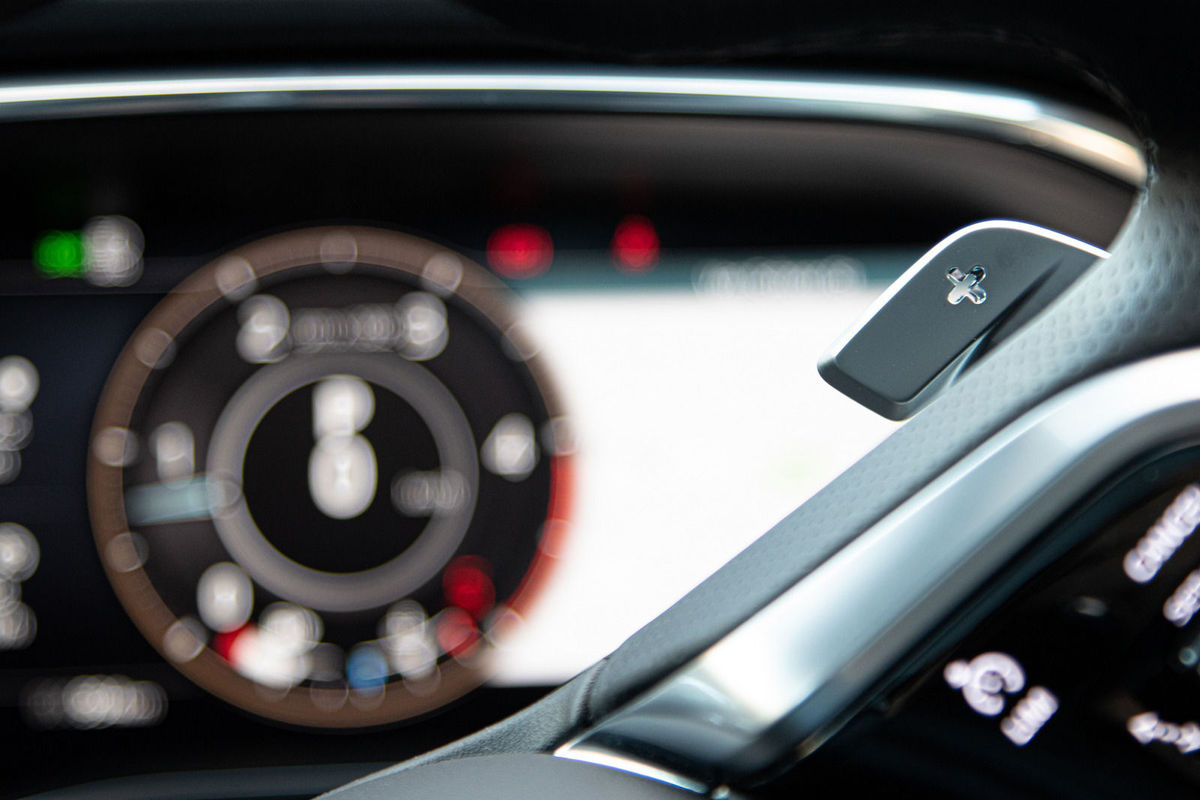
On the inside, the black cloth upholstery is contrasted with red stitching which extends to other areas such as the upper dashboard, centre console, door armrests and kneepads. Other nice-to-have standard features include dual-zone climate control, parking sensors, steering-mounted shift paddles and keyless entry.
Pricing details will be announced closer to launch in the first quarter of 2022.
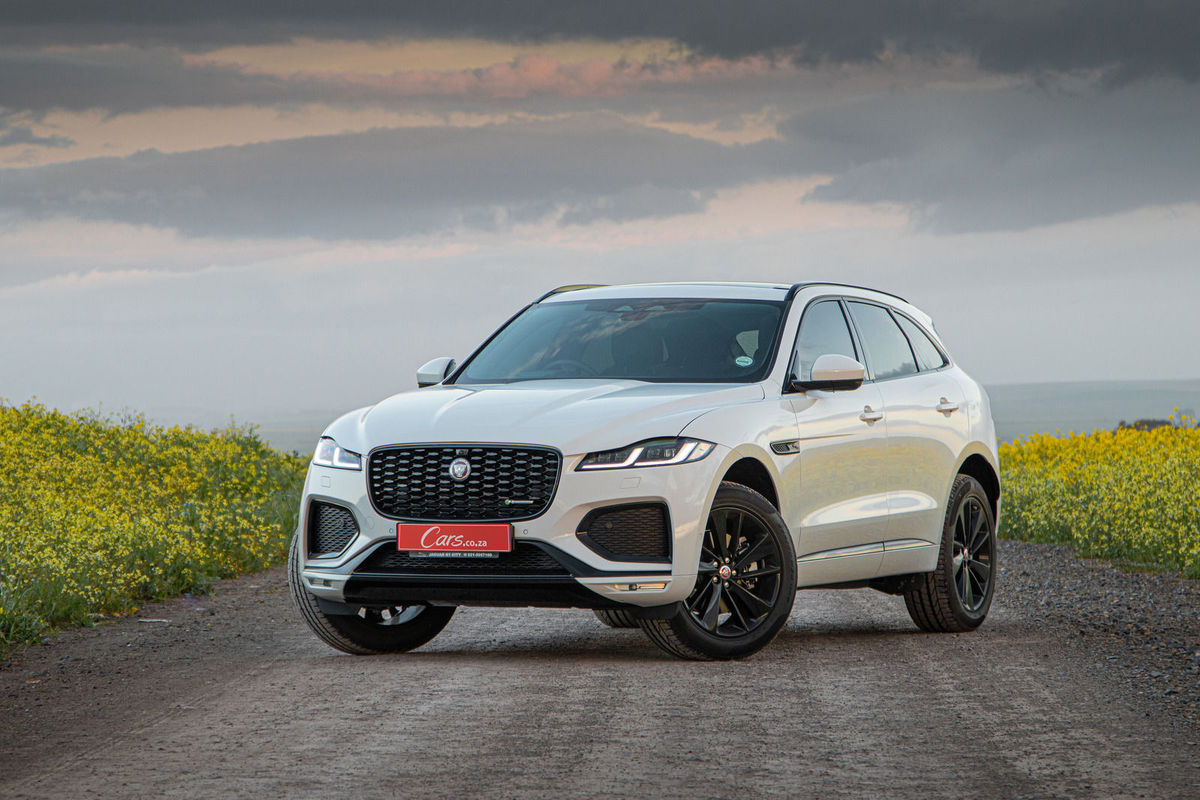
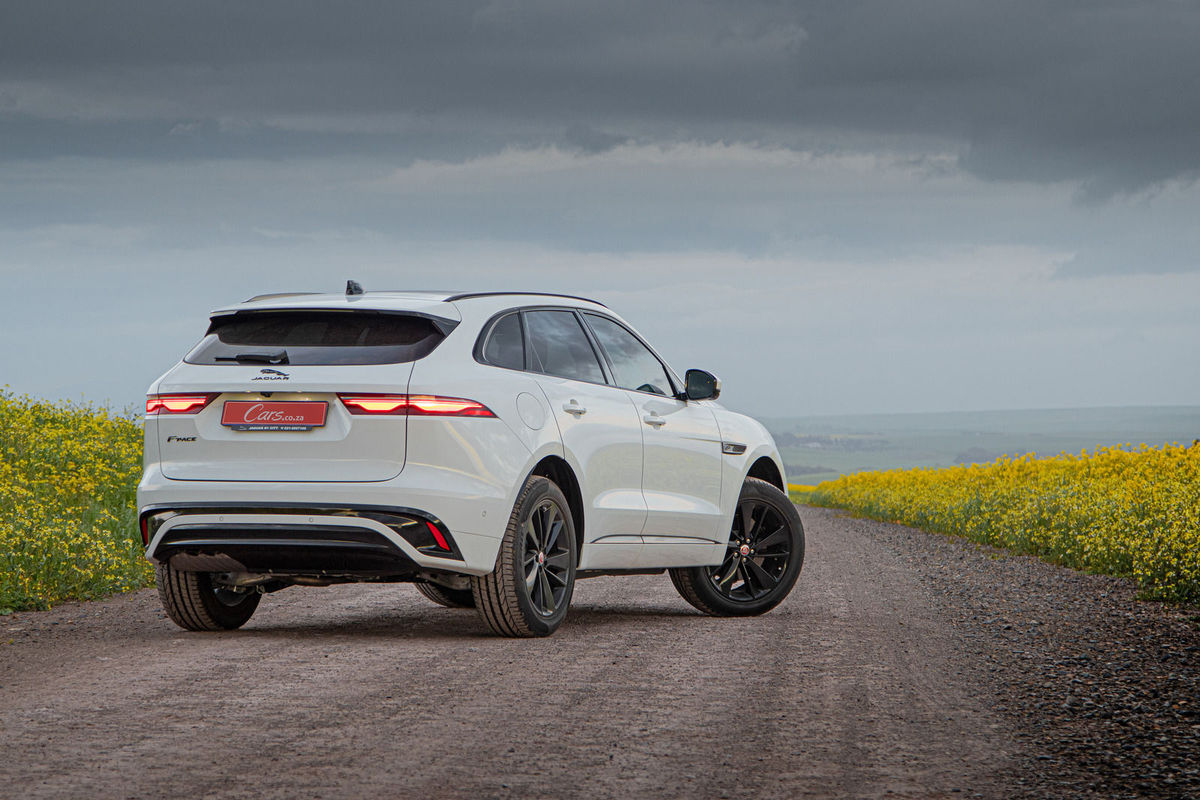
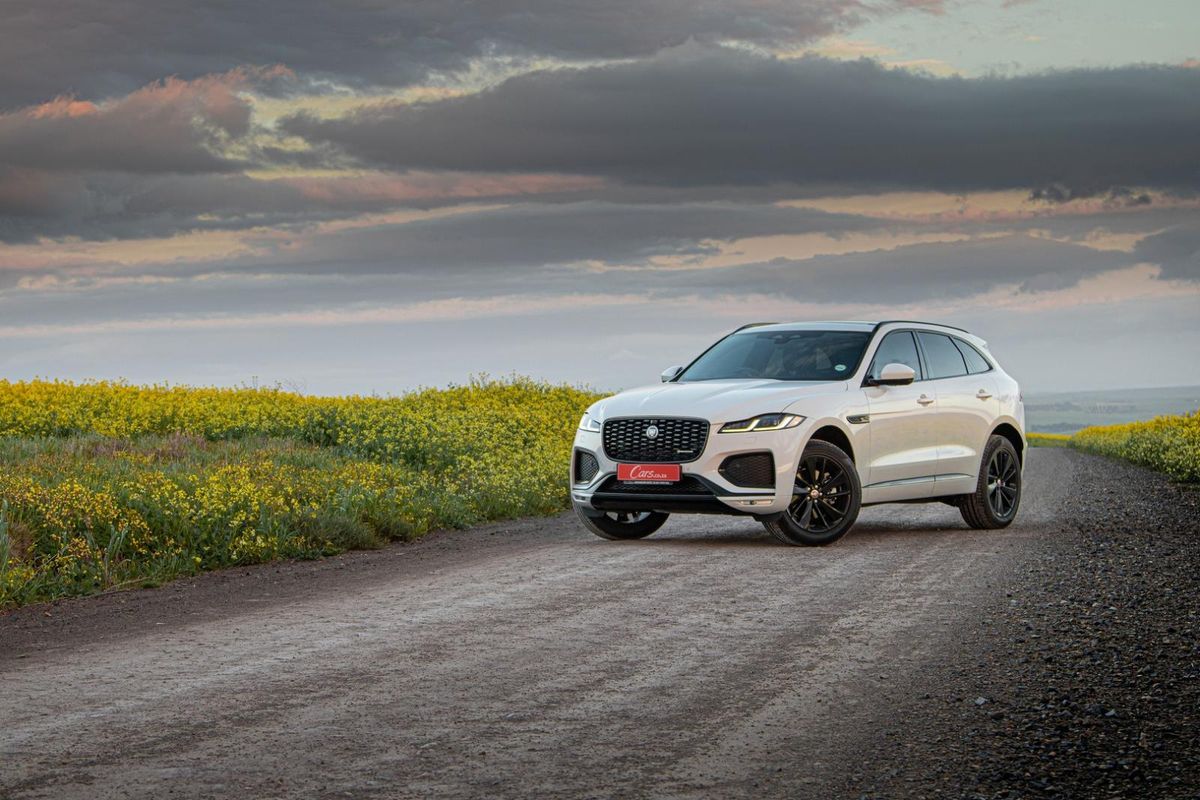
The updated F-Pace is probably the last fossil-fuelled Jaguar model to paw its way out of the brand’s Solihull factory, but what sort of send-off has it been given? We sampled a 2.0-litre turbodiesel derivative of Jaguar’s best-selling SUV to see if it’s still good to drive.
We like: Revamped interior with luxurious materials, spacious and practical, composed ride, exterior design.
We don’t like: Engine lacks performance that the price suggests it should have. R1-million base price.
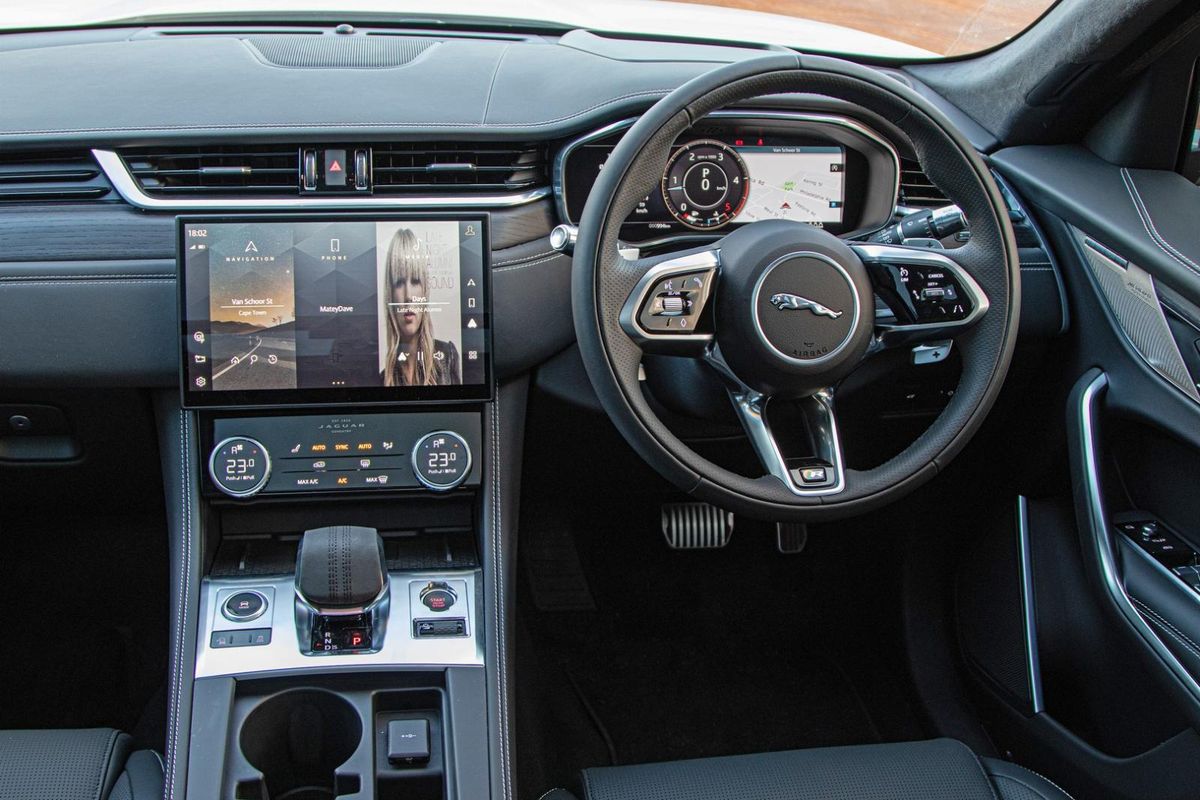
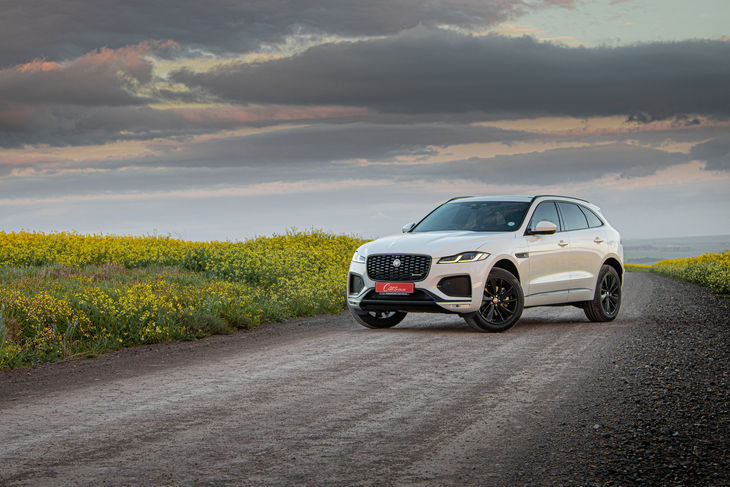
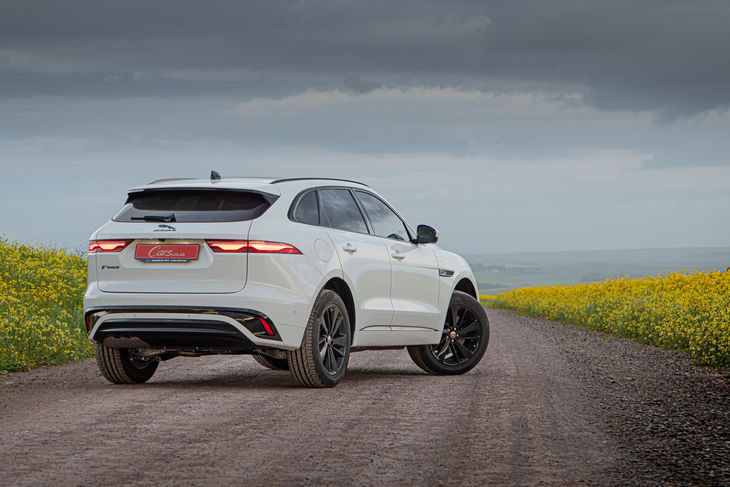
The exterior has been subtly updated while the interior has been revamped entirely.
Since its introduction in 2016, the F-Pace has gone on to become Jaguar’s best-selling model around the globe. The 2021-spec model incorporates subtle exterior design changes, but its interior has received a major overhaul – it now features a new cabin layout and a bigger, faster-reacting infotainment system.
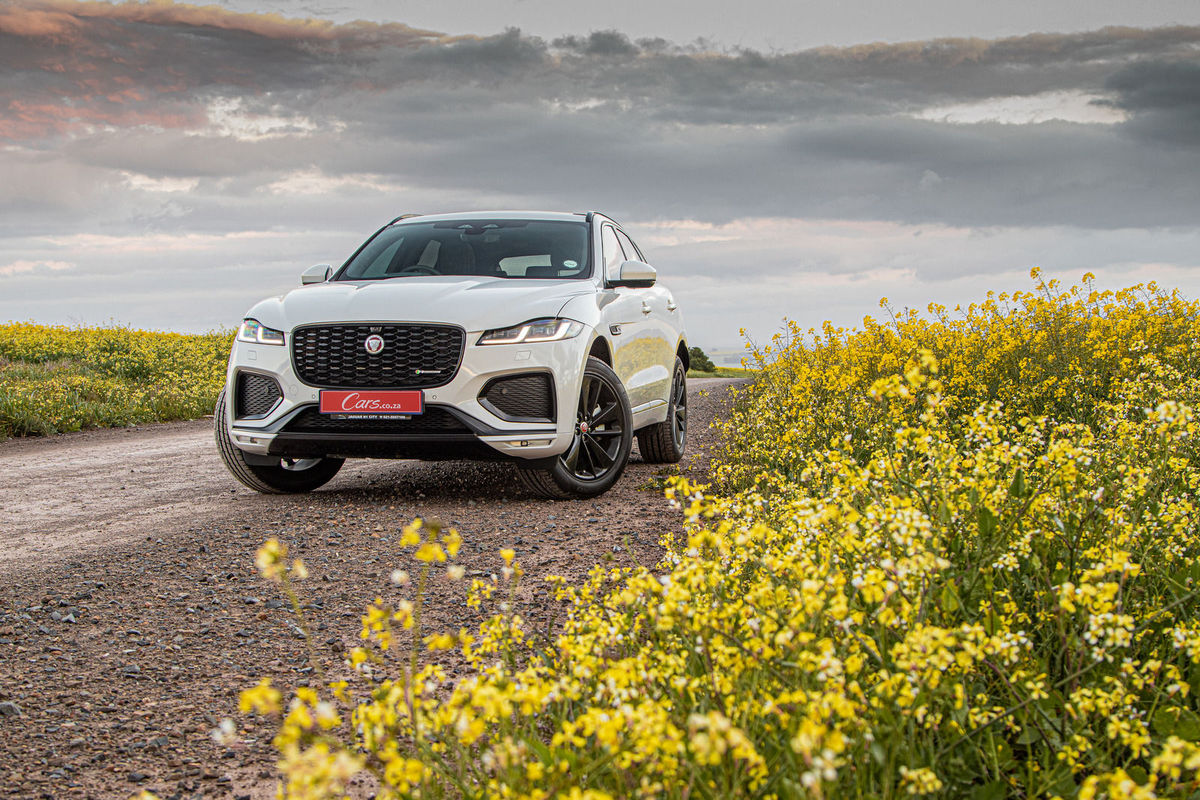
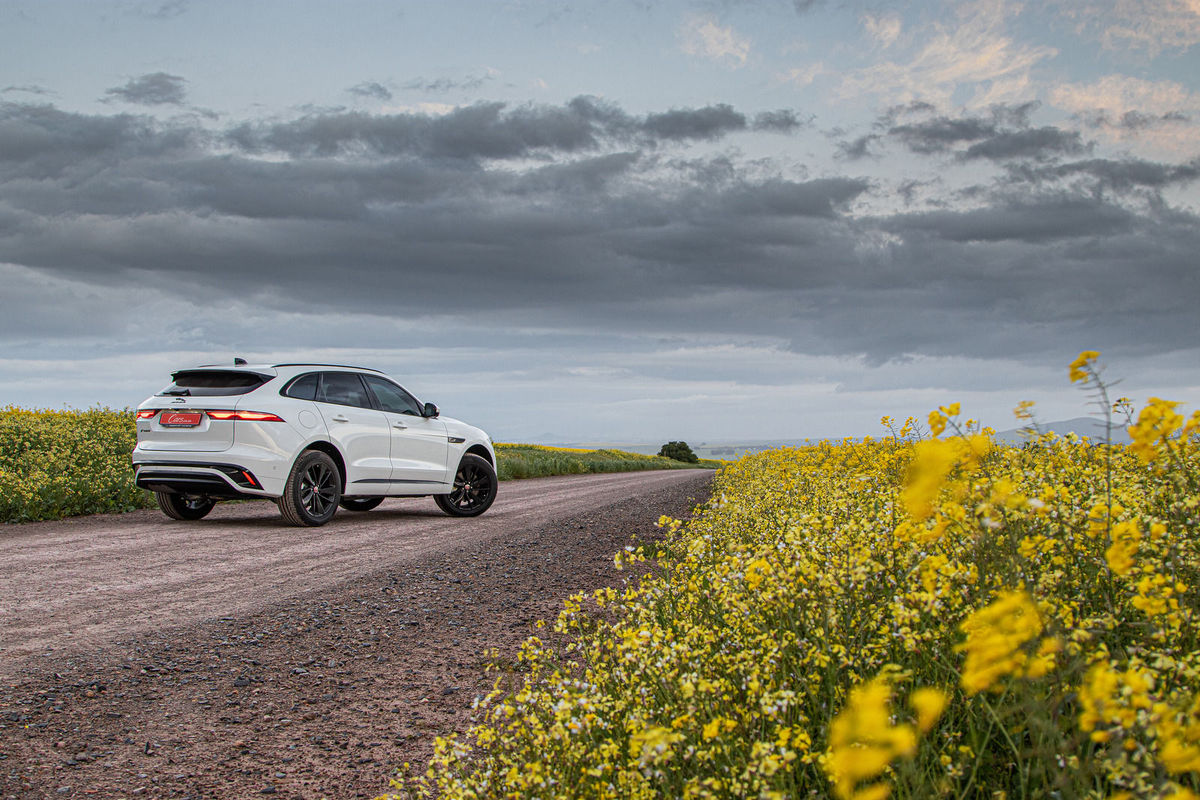
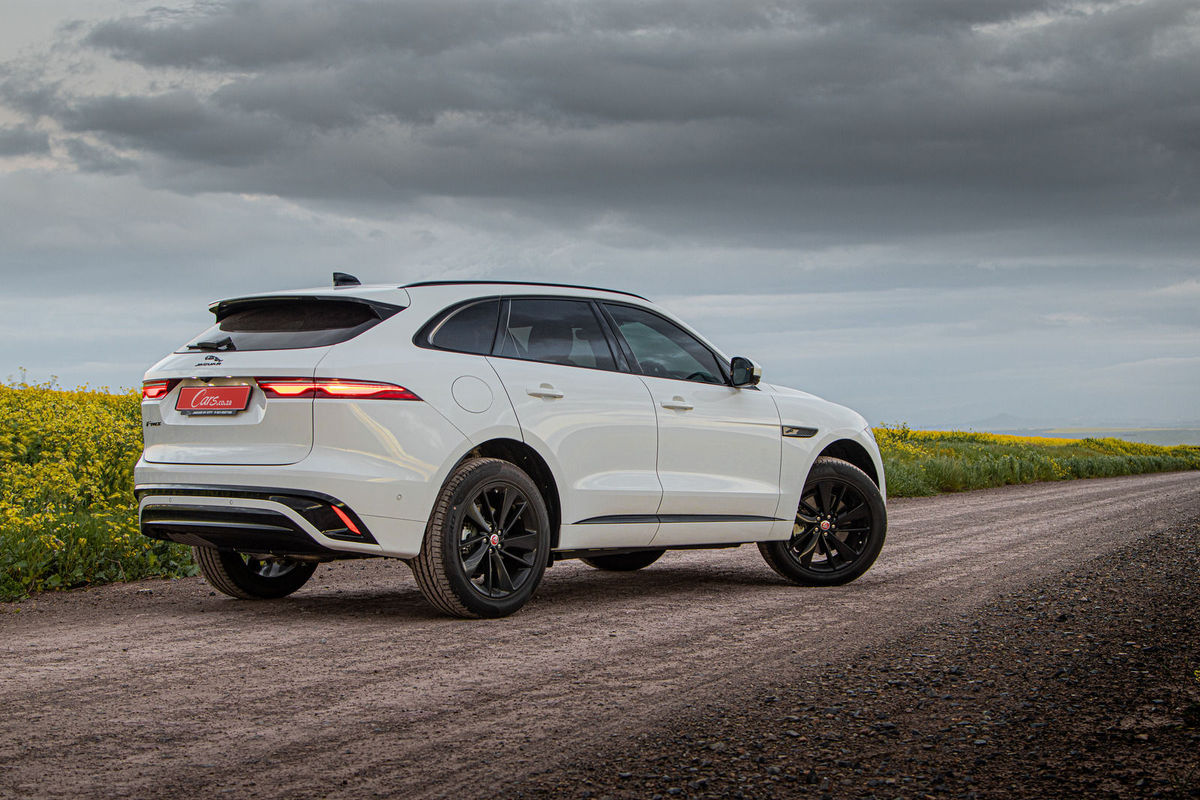
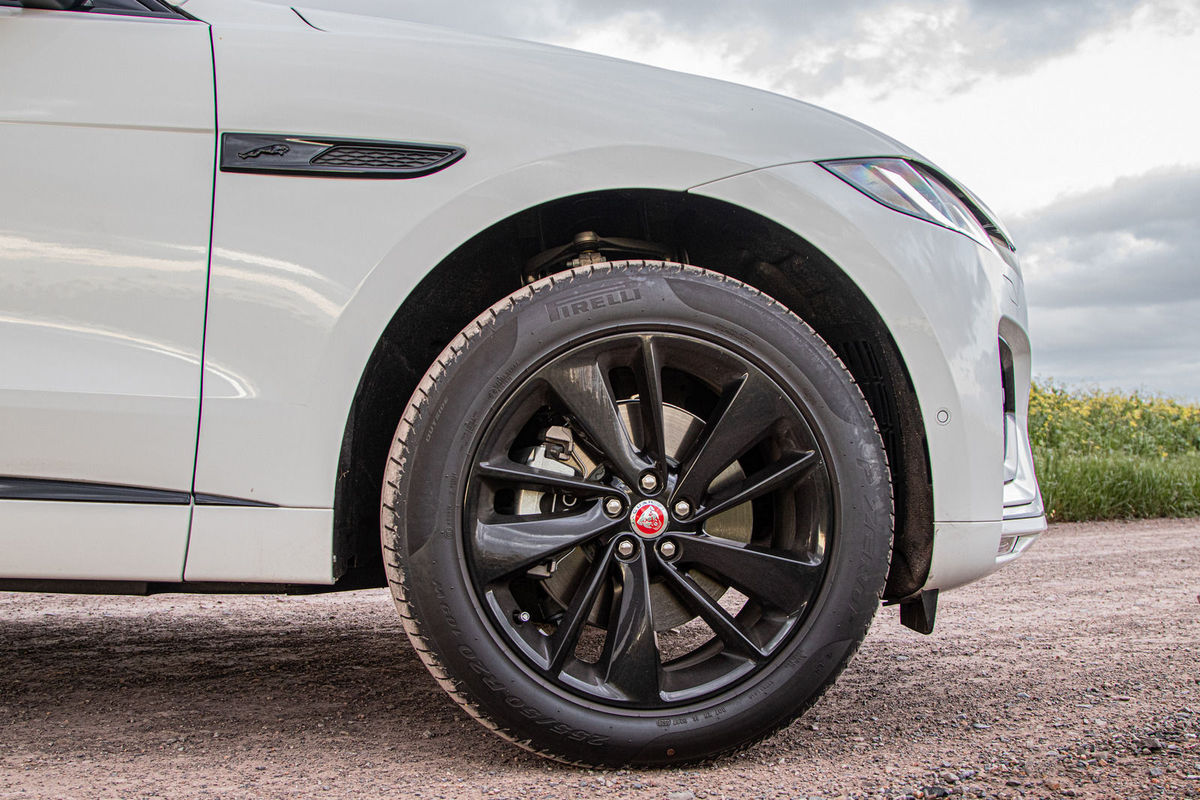
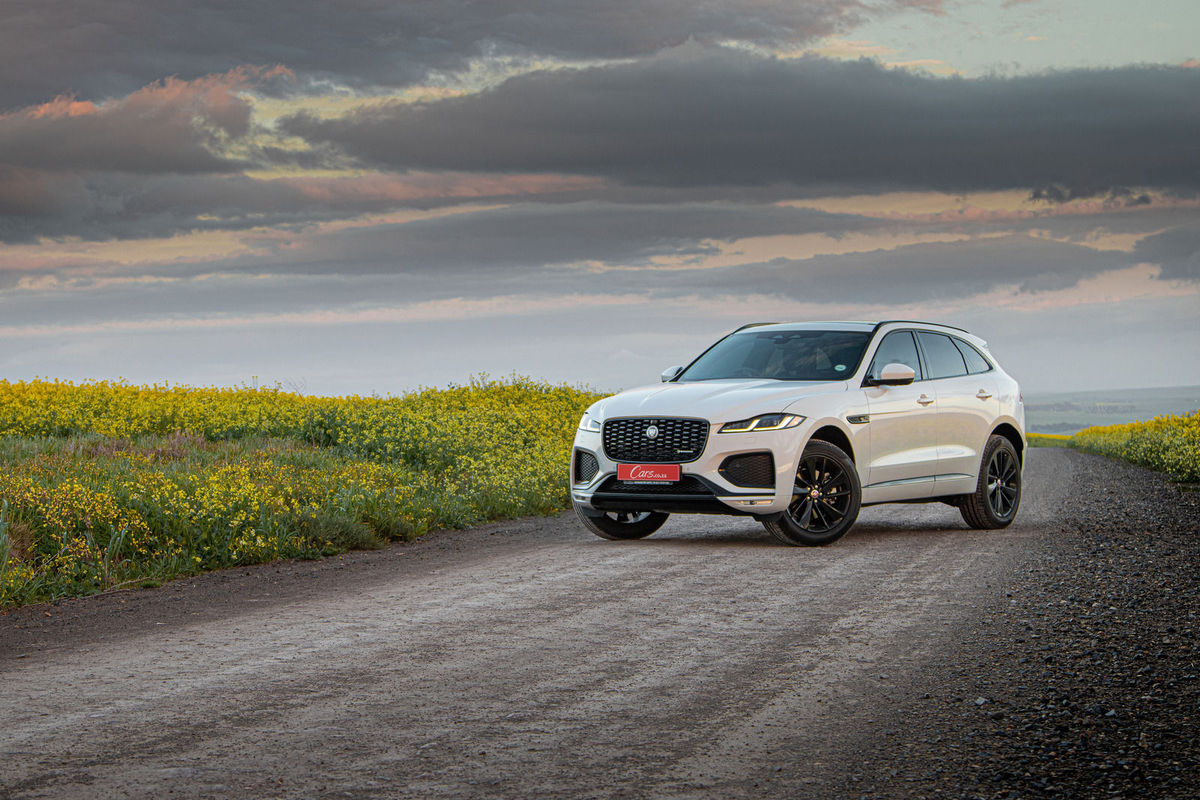
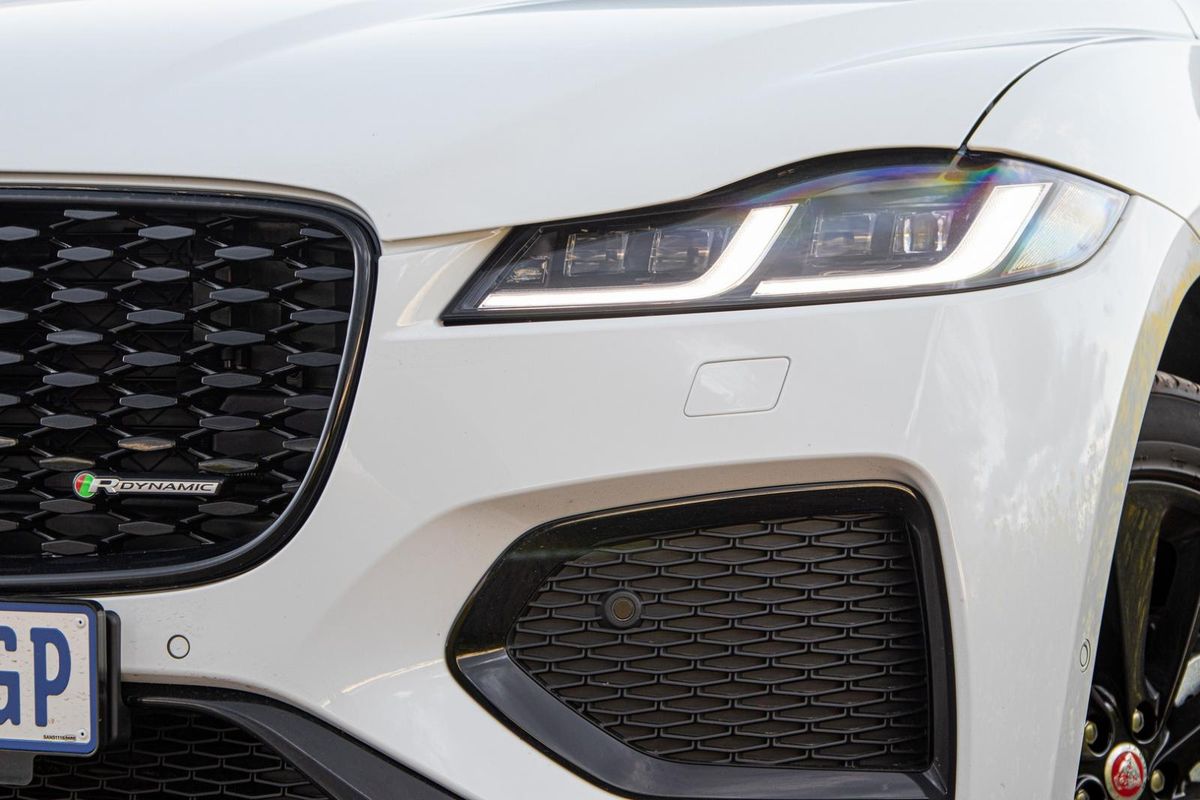
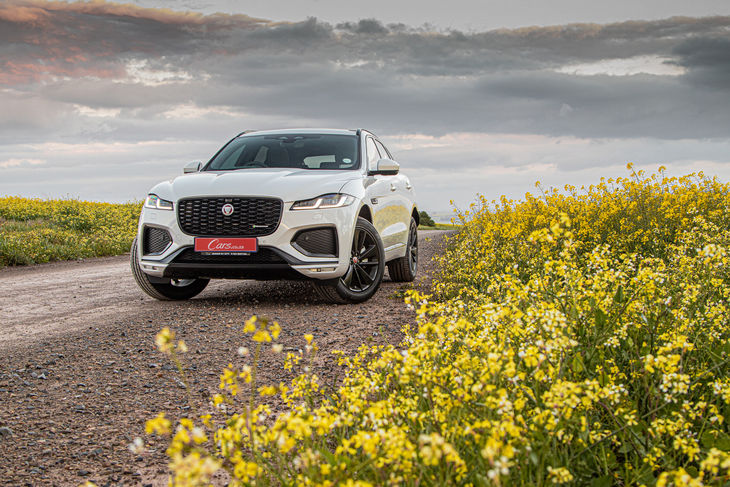
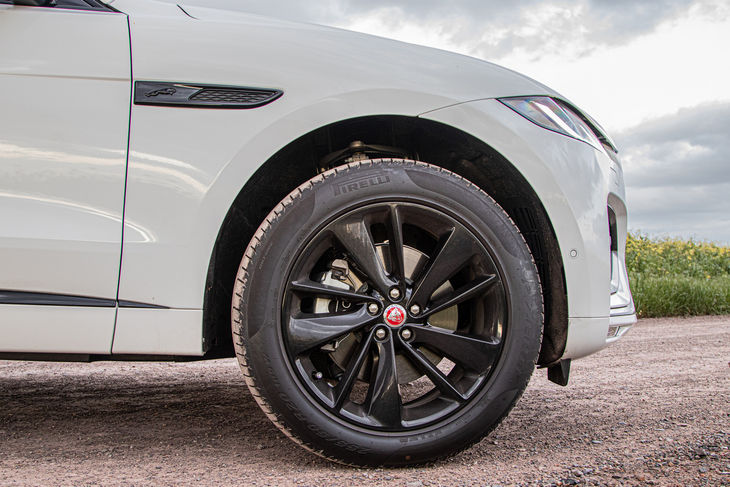
Our test unit came specified with the optional new Black exterior pack, which includes gloss black finishes to the bumpers, grille and badging. It ramps of the Jaguar’s kerb- and road presence appreciably and the gloss black elements are complemented by matching 20-inch alloy wheels. I have to admit, the test unit’s black and white contrast looks quite attractive on the new model, especially at night, when the new “J-shaped” LED lighting elements project an imposing glare down the road.
What’s the F-Pace new interior like?
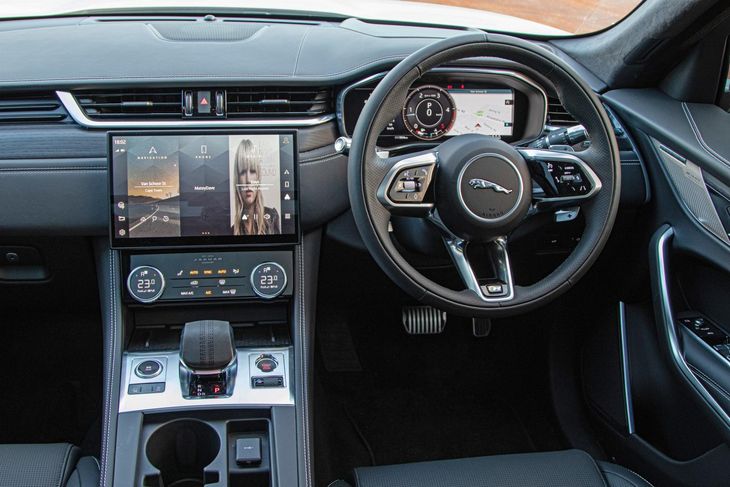
The new infotainment system and stubby transmission lever are new for the facelift.
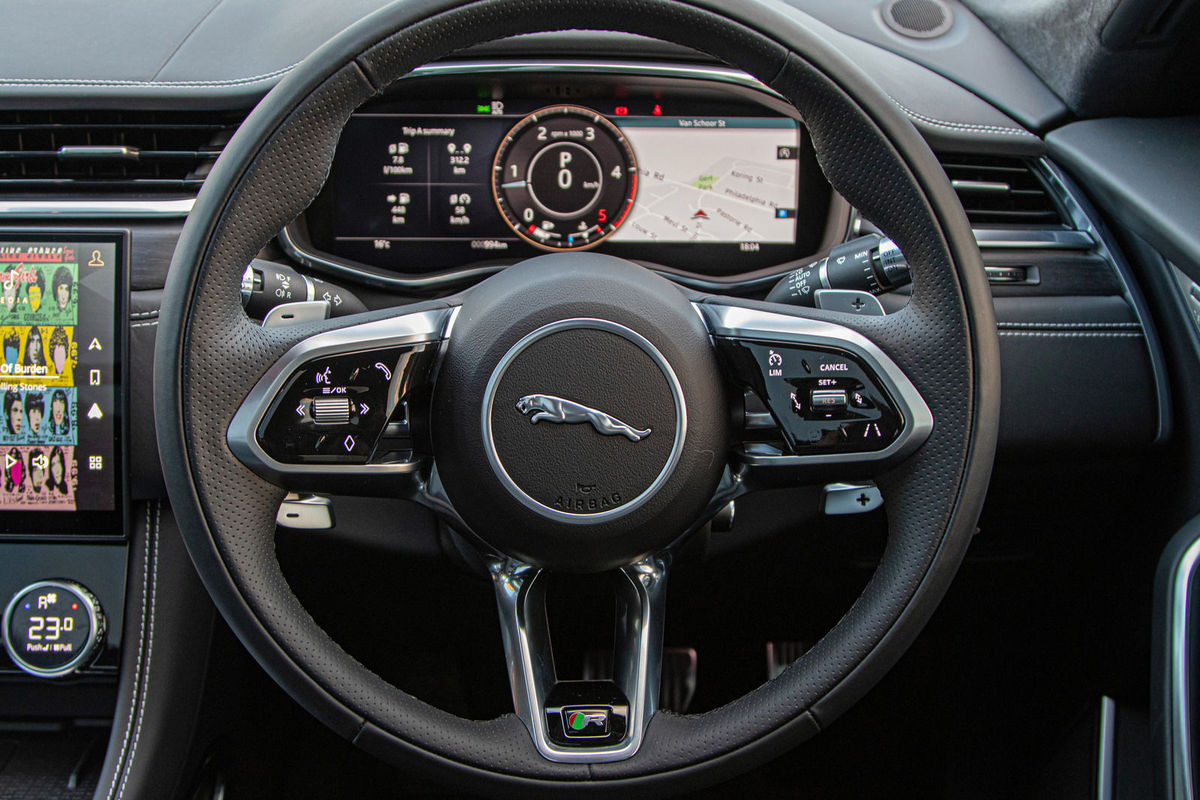
New vehicles have become scarily expensive over the past 18 months, but the quality of interior materials (especially in premium vehicles) hasn’t really improved. In fact, manufacturers have tended to gloss materials up to make them look more expensive than they really are! You’ll find more faux carbon fibre, fake aluminium trim and gloss-black plastic masquerading as the real thing than authentic material. Jaguar Land Rover and Volvo have not been as guilty of this as the German brands and, as a result, the new F-Pace’s interior really does instil a sense of luxury with thick leather seats, tightly quilted hide (on the dashboard and door panels), as well as a perforated leather-trimmed steering wheel. Our test unit had the extended leather option, which is a R15 300 option that we’d recommend.
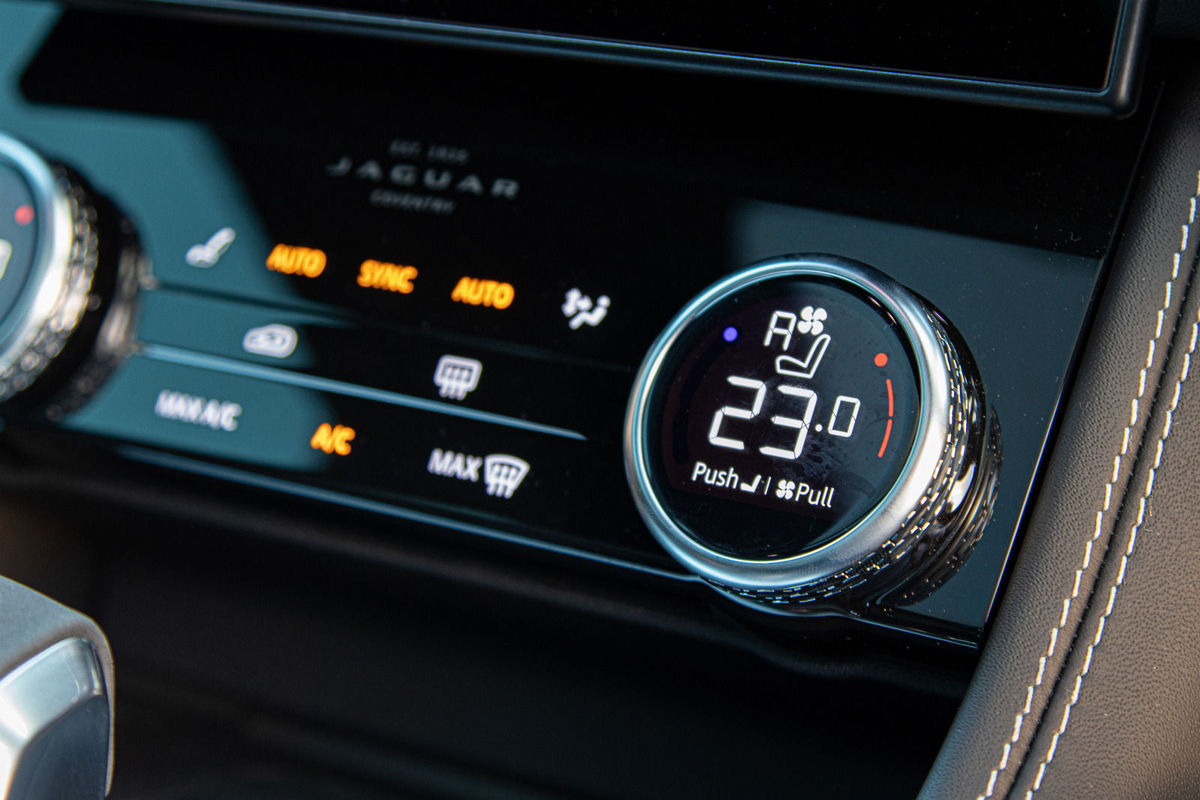
The updated F-Pace’s interior is not devoid of plastic, of course – the buttons for the ventilation modes, seat heating and demister are gloss black plastic, while the climate control dials have a chromed-look finish. The steering wheel controls lack a nice tactile “push click” feel; you need to prod squishy plastic panels on the spokes to activate functions. They’re certainly fashionable, but not very satisfying to use.
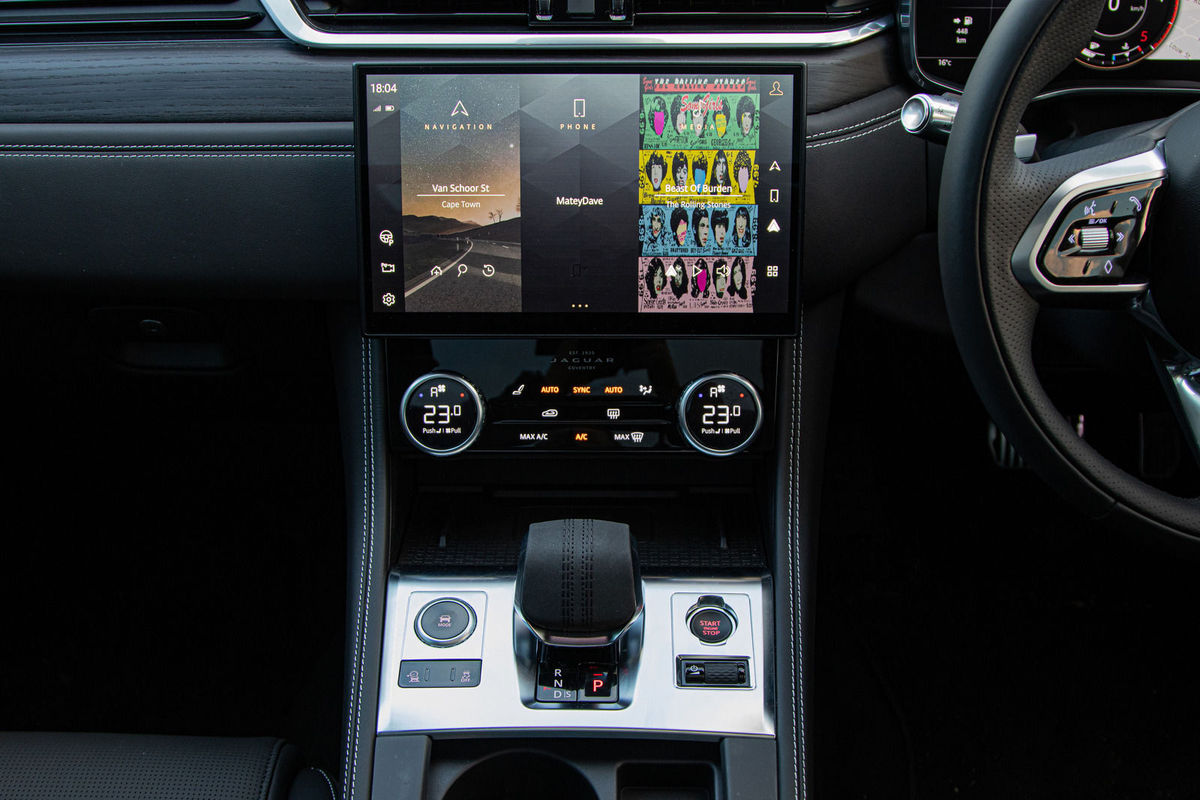
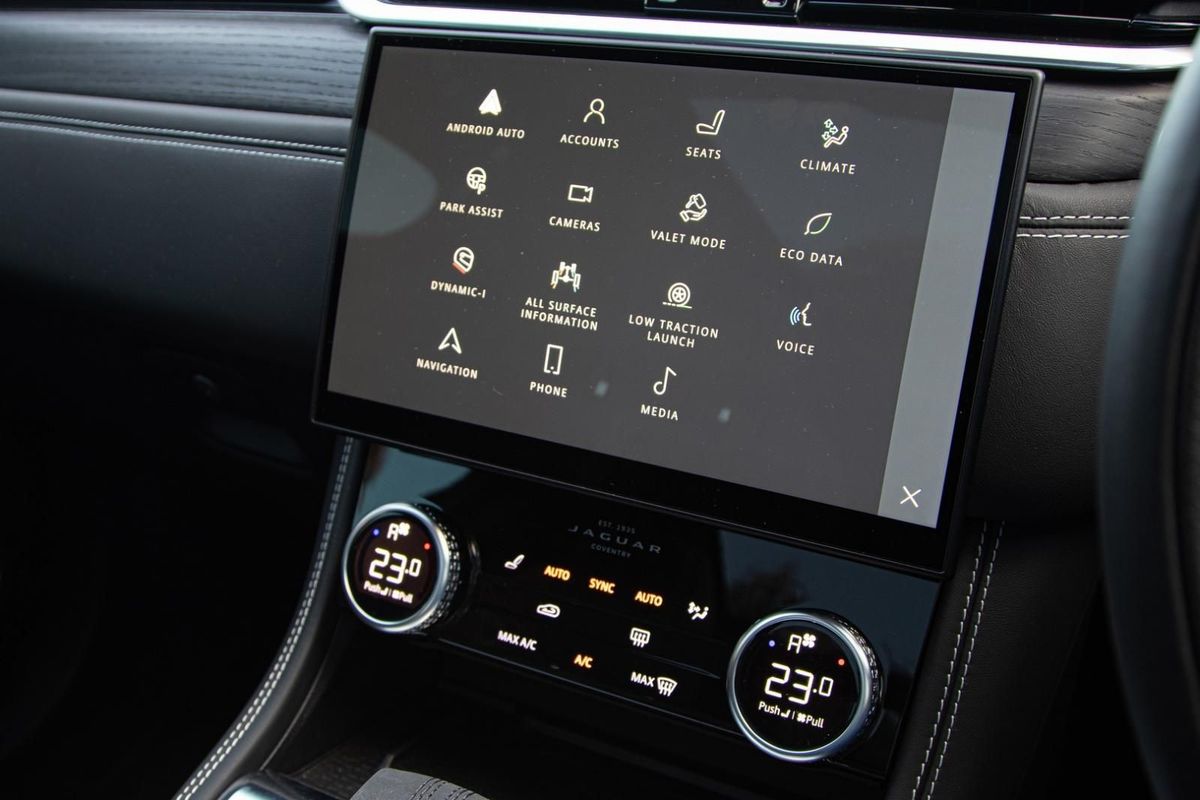
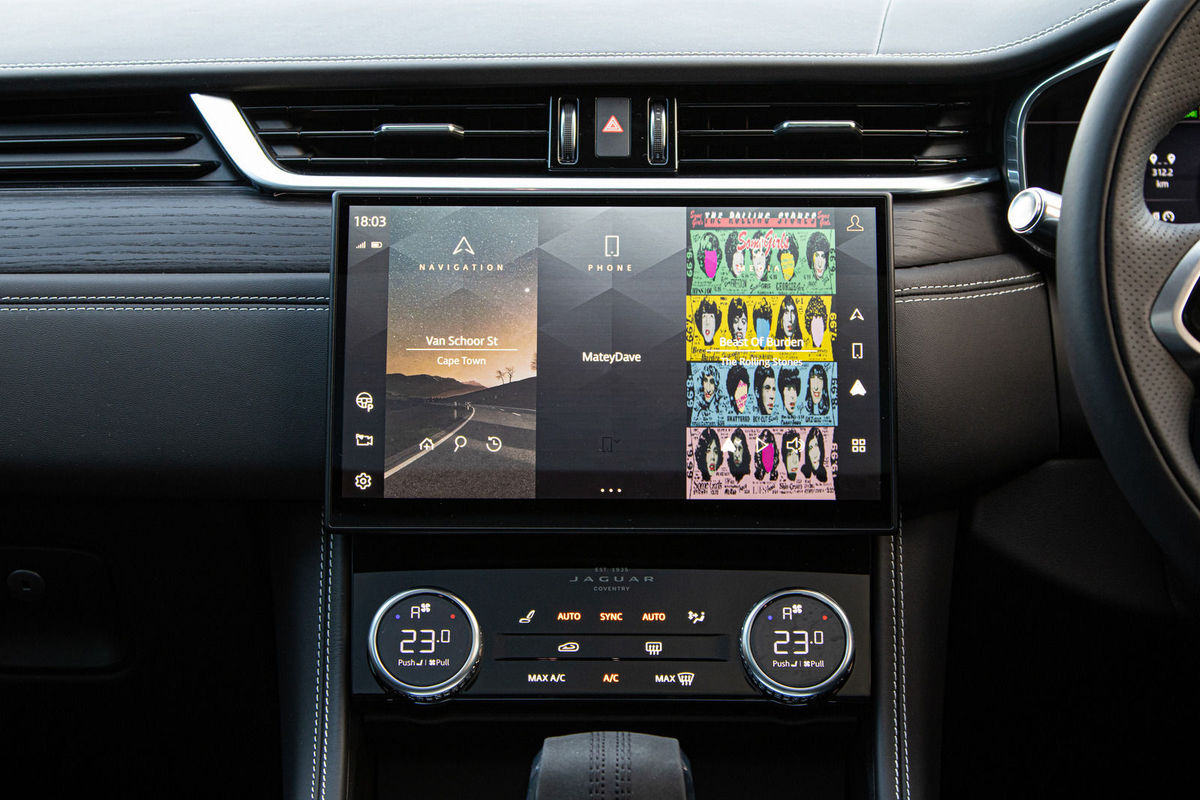
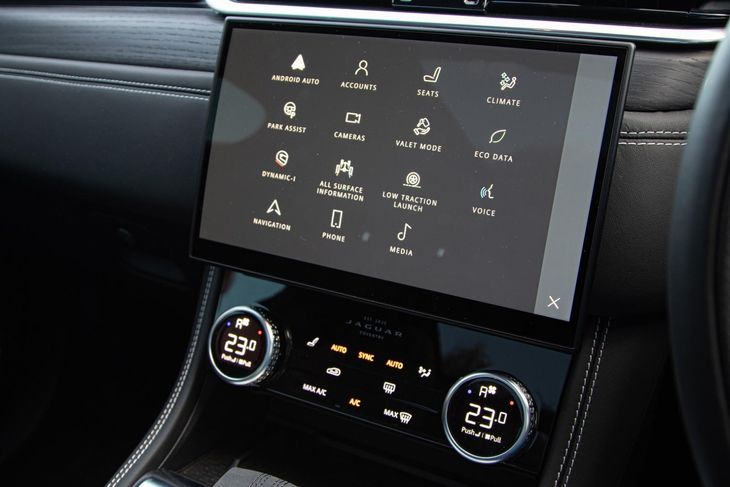
The Pivi Pro system requires a bit of familiarisation. Set some time aside to discover all the features available.
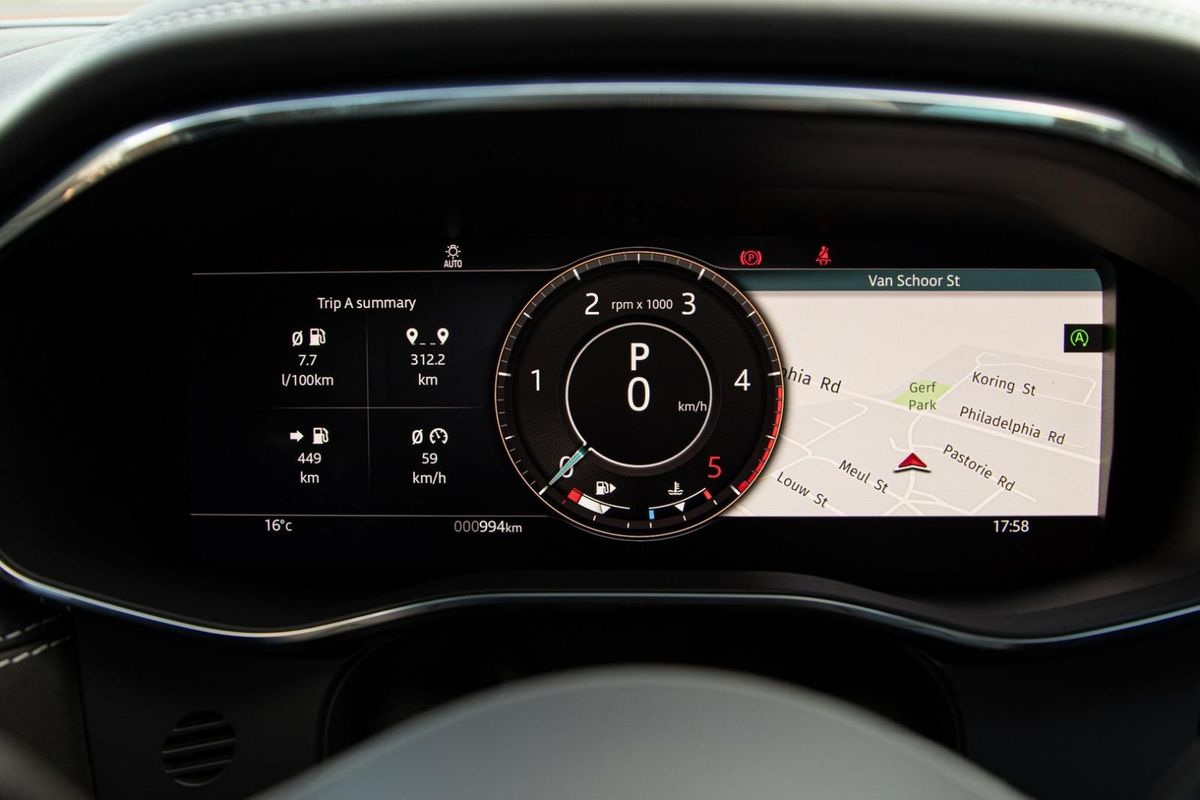
A sizeable (11.4-inch) Pivi Pro infotainment system dominates the fascia. It’s made from curved glass, so its user experience is akin to that of a high-end tablet. The system reacts to inputs much quicker than before and is now fully compatible with Android Auto and Apple Carplay. The F-Pace also has over-the-air functionality, so it won’t need to visit a dealer’s workshop to receive software updates… it will download and install them from the internet (via a wifi connection, for example).
Pivi Pro represents a notable upgrade over the previous infotainment system (we learned to appreciate it on the updated E-Pace), but it has so much functionality crammed into its submenus that you may run the Jaguar’s battery flat while you sit in the car and attempt to figure it all out! Take some time to set up favourite features – they’re much easier to use than regularly sifting through multiple menus.
Practicality wise, the F-Pace is claimed to have a bigger load bay than rivals such as the BMW X3 and Mercedes-Benz GLC. There’s also a bit more cargo space when the rear seats are folded down.
Is the D200 engine good enough?
The larger engines suit the exceptional dynamics of the SUV.
Jaguar has committed to a fossil-fuel-free future from 2025, so we can’t really expect much in the way of performance development from the current range of internal combustion engines. The D200’s 2.0-litre turbodiesel engine produces 150 kW and 430 Nm of torque; the motor proves economical and pleasingly smooth in combination with the 8-speed automatic transmission. So, the Jaguar’s performance is perfectly okay for commuting, but this is a R1.2 million SUV. An owner of a Toyota Hilux that costs half that price will tell you their bakkie produces the same power output and more torque (500 Nm).
The bigger engines have always suited the F-Pace; our personal favourite is the D300. Its 3.0-litre 6-cylinder turbodiesel motor’s power/torque advantage over its 4-cylinder stablemate (71 kW/220 Nm) is considerable. The D300 AWD R-Dynamic HSE commands a R115k premium over this D200 derivative – its direct counterpart. The mid-spec D300 R-Dynamic SE, however, is only R31k dearer…
To be fair, it’s only when you’ve loaded the D200 with people and things that you’ll notice its leisurely acceleration. Consumers expect more than sufficient engine grunt from a luxury vehicle, but overtaking manoeuvres just take a little bit longer to execute in this Jaguar. The thing is, you’re not really better off in any of its rivals: the equivalent (Audi) Q5, X3 and GLC have similar power outputs and less torque.
What’s the new F-Pace like to drive?
Adaptive dynamics on most F-Pace derivatives benefit the Jaguar’s ride quality on all surfaces.
The F-Pace retains the sharp, sure-footed handling attributes that have made it one of the most satisfying models to drive in its segment. It’s a very neutral car to drive fast, which means that even if you turn into corners a little too quickly, the Jaguar won’t do anything untoward – it remains poised and easily controllable. The standard all-wheel-drive shuffles power up and down the drivetrain to maintain the best possible traction, which, of course, aids stability. Body control is exceptional for an SUV of this size; in terms of agility, the F-Pace’s handling does not pale in comparison to that of the Porsche Macan.
Adaptive suspension is a standard feature on most F-Pace derivatives and it’s a key contributor to the F-Pace’s dynamic strength. Steering feel is reassuringly weighted (something we’ve always found to be a strength of Jaguar models) and the pedal responsiveness is brisk, although, in the lower-powered D200, there is a tendency to overreact to throttle inputs when Dynamic (Sport) mode is engaged.
Price and after-sales support
The facelifted F-Pace was introduced in August 2021 and is sold with a 5-year/100 000 km warranty and a 5-year/100 000 km service plan. Full price list here
Verdict
Dynamically the F-Pace is impressive, but it’s a pricey proposition.
The update of the F-Pace has come at a good time, because the Jaguar’s revamped interior really elevates the luxurious feel of the cabin beyond those of its direct competitors. The new infotainment system and its interface are easier to use, faster-reacting and the former now features both Android Auto and Apple Carplay compatibility.
In terms of dynamism, the British marque’s executive SUV remains one of the better-handling offerings in its category, but its suspension- and steering setups don’t lean so far towards sporty handling that the Jaguar’s a trifle too pointy and tightly-sprung to be comfortable in day-to-day driving. The adaptive suspension added to the facelift (for certain derivatives) helps it to ride plaintly in most conditions.
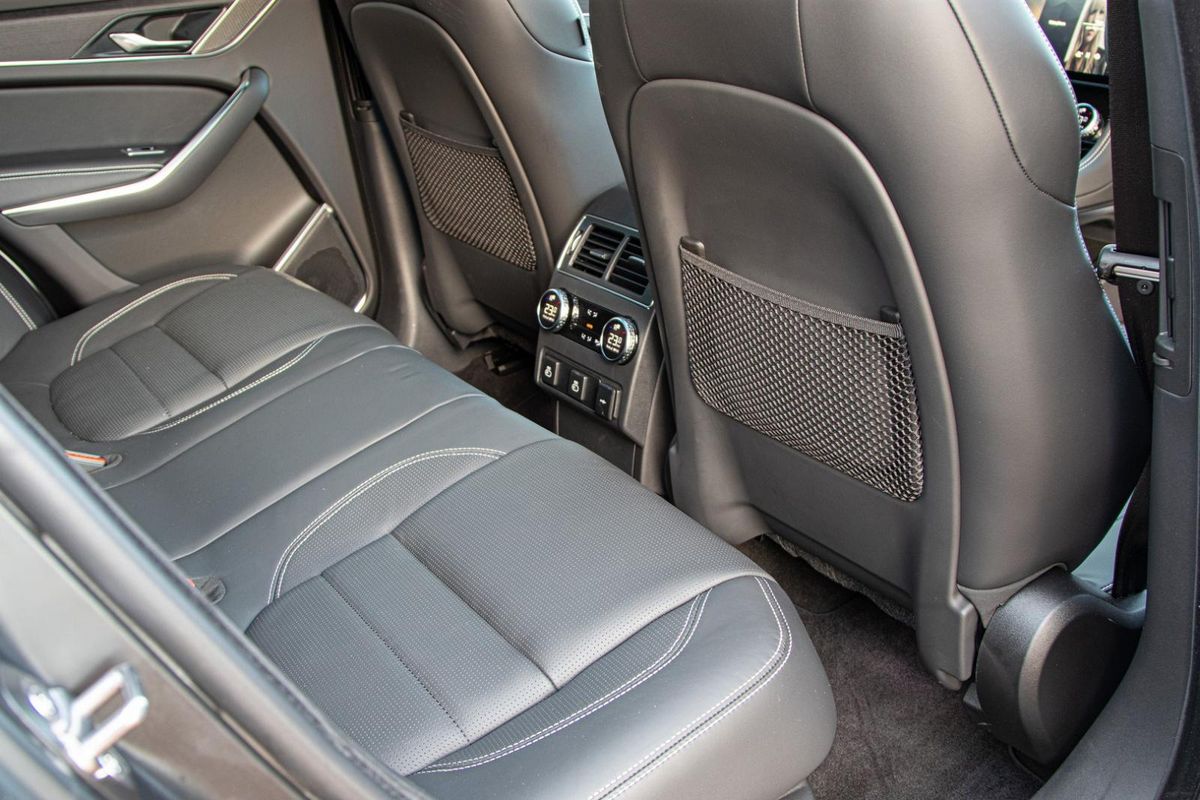
Practicality wise, it meets all the expectations of a luxury SUV of this size with a sizeable load bay, plenty of rear head- and legroom and as many connectivity points as you could ever want to spec.
To reiterate, vehicle prices have increased substantially during the past 18 months and F-Pace premiums sit right at the top end of its segment. Jaguar SA has added more standard equipment, but as you can see from our fully-loaded D200’s R1.4-million price tag, it’s expensive. That said, if quality and an engaging driving experience are higher on your priority list than price, the F-Pace may suit you well.
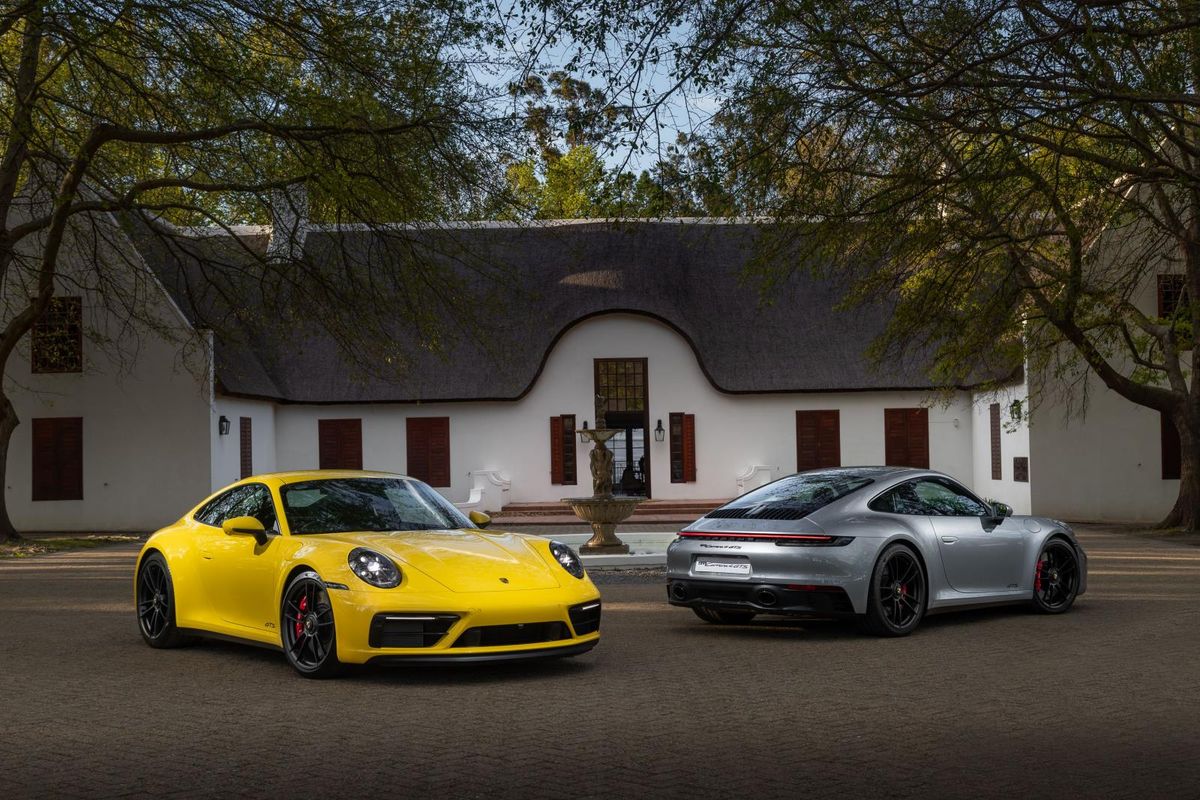
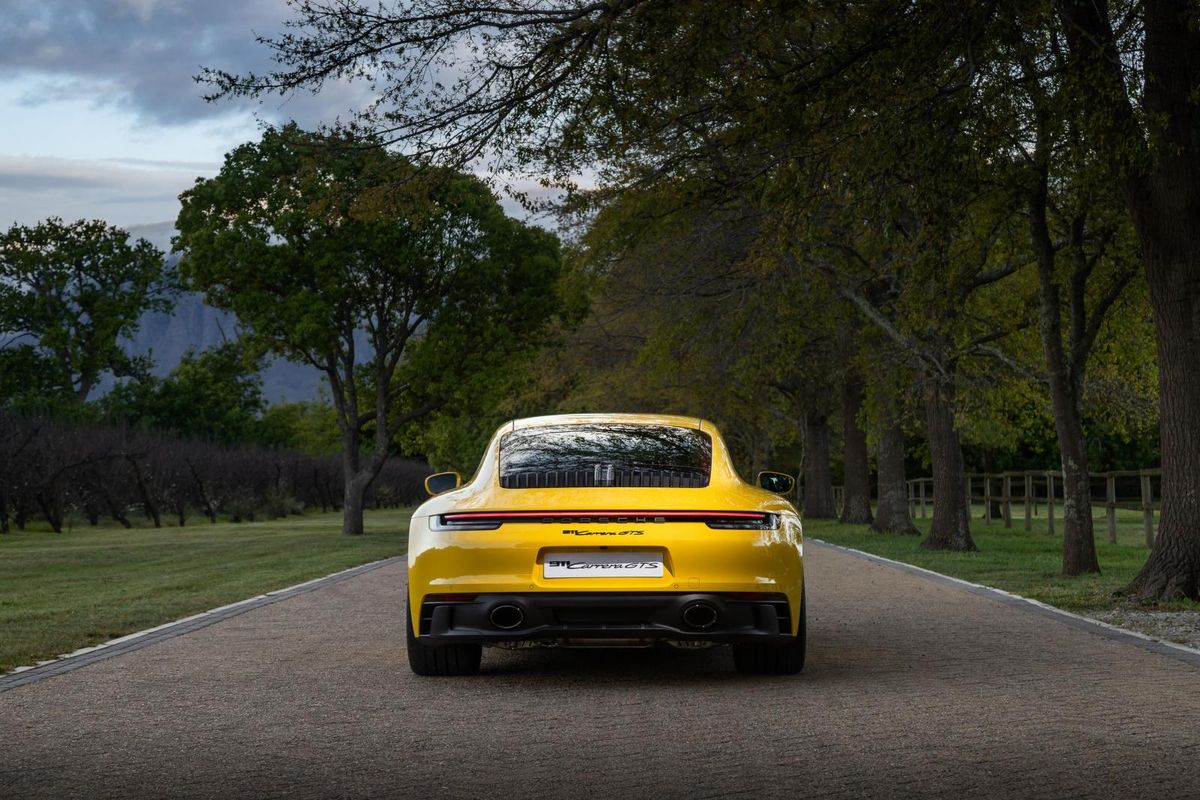
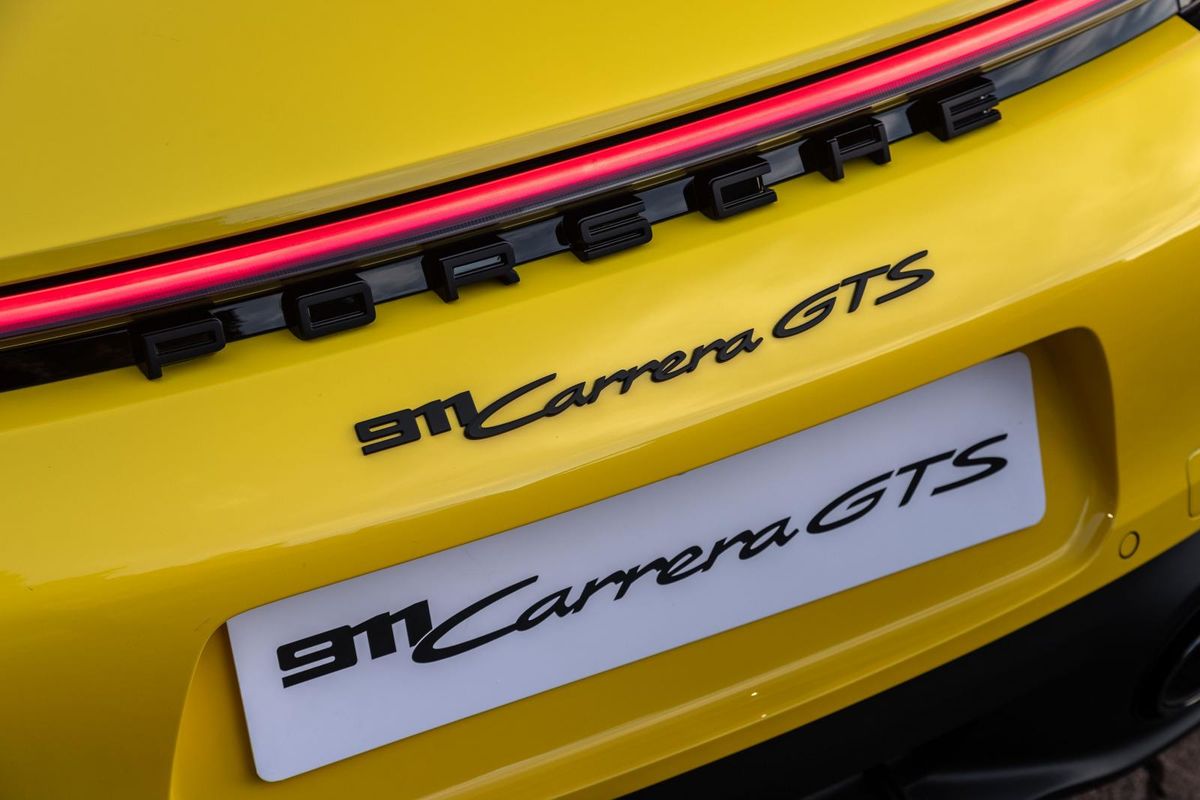
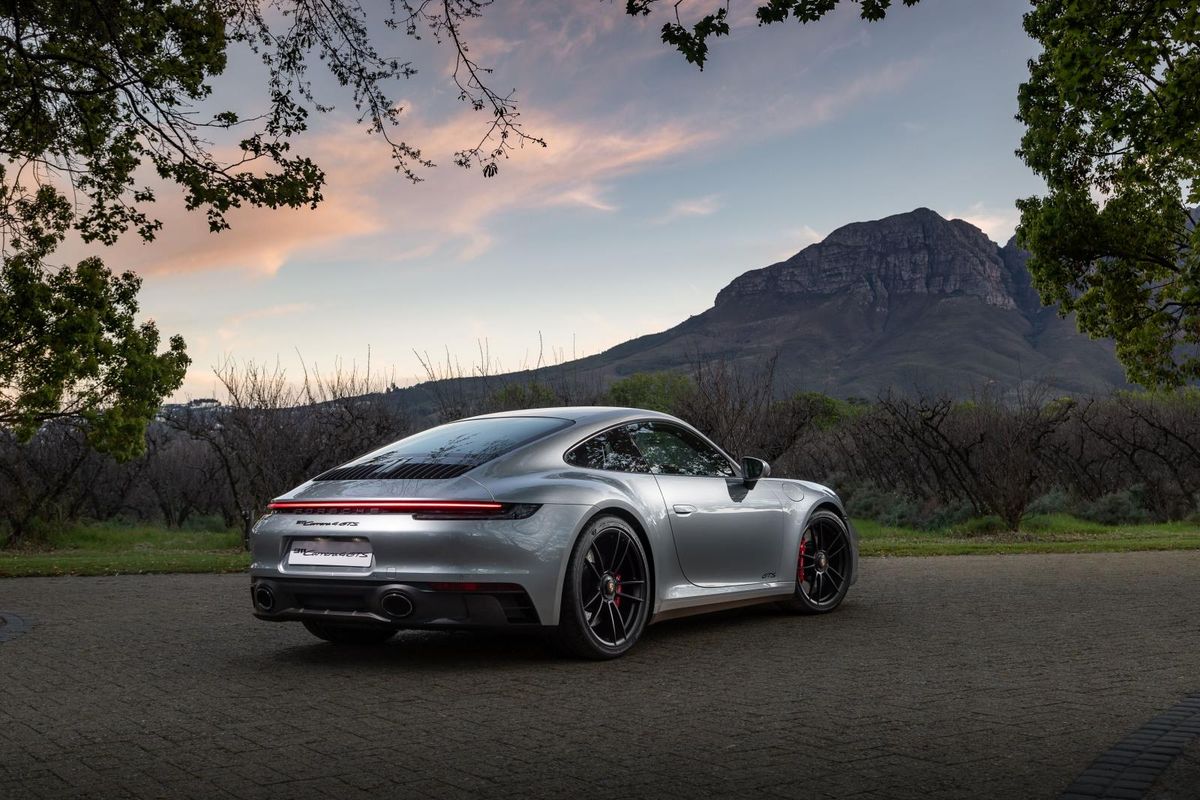
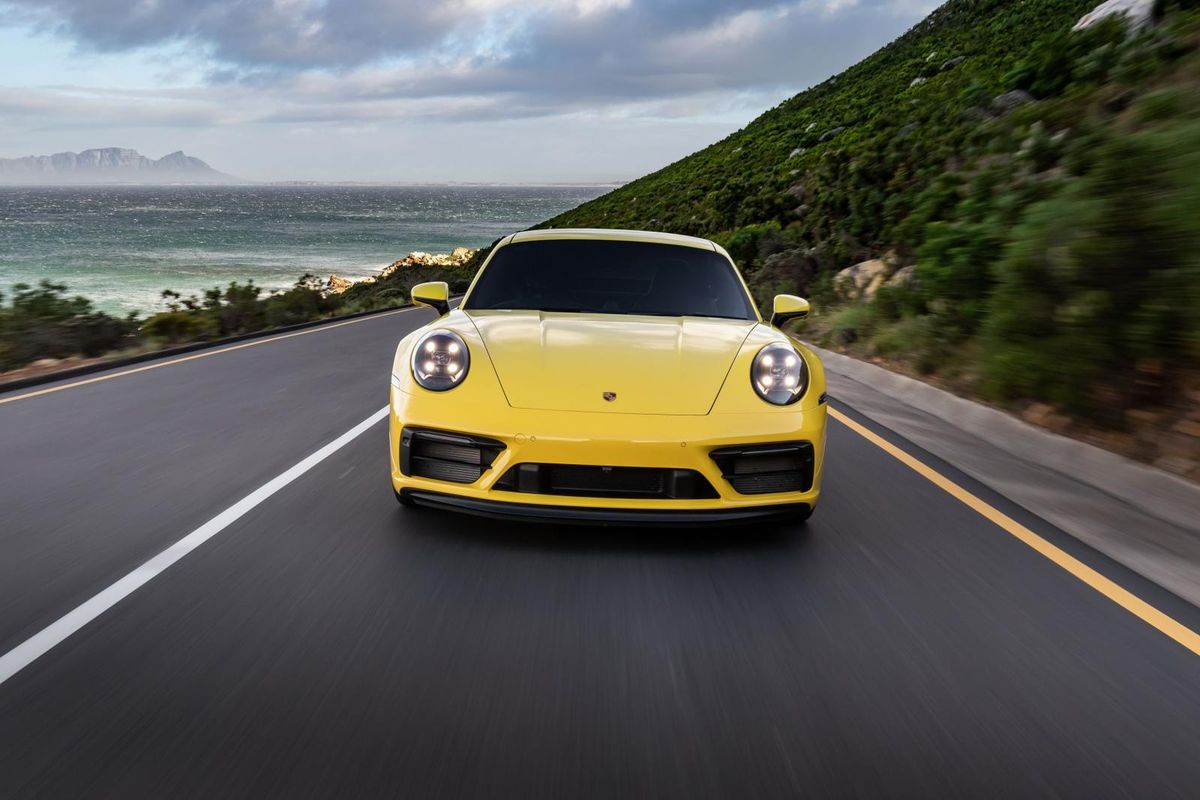
Porsche 911 GTS (2021) Launch Review
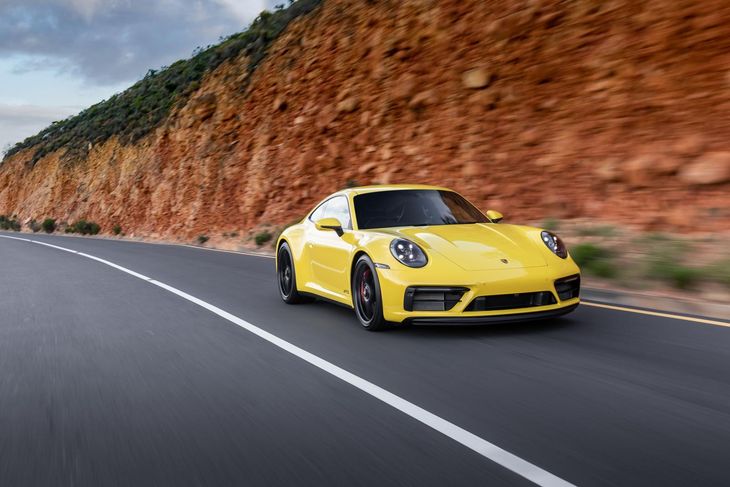
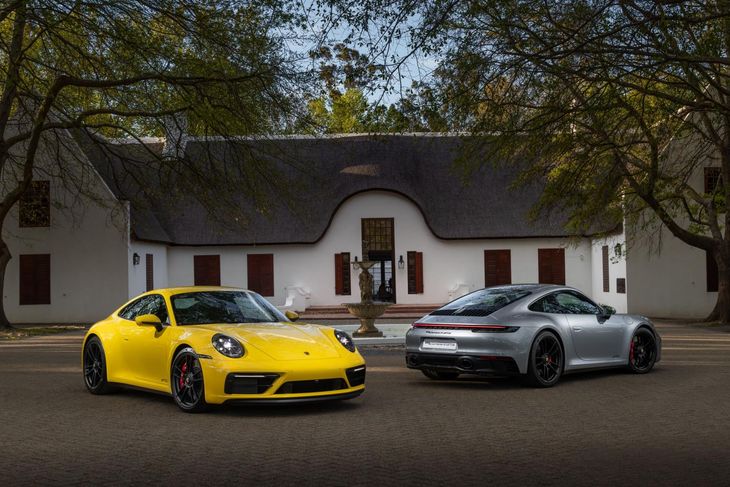
For the Porsche brand, the GTS badge dates back to the ‘60s, but it only became part of the 911 story 12 years ago. These days, the GTS is not only the most popular derivative in the iconic sportscar’s line-up, it’s arguably the pick of the range…
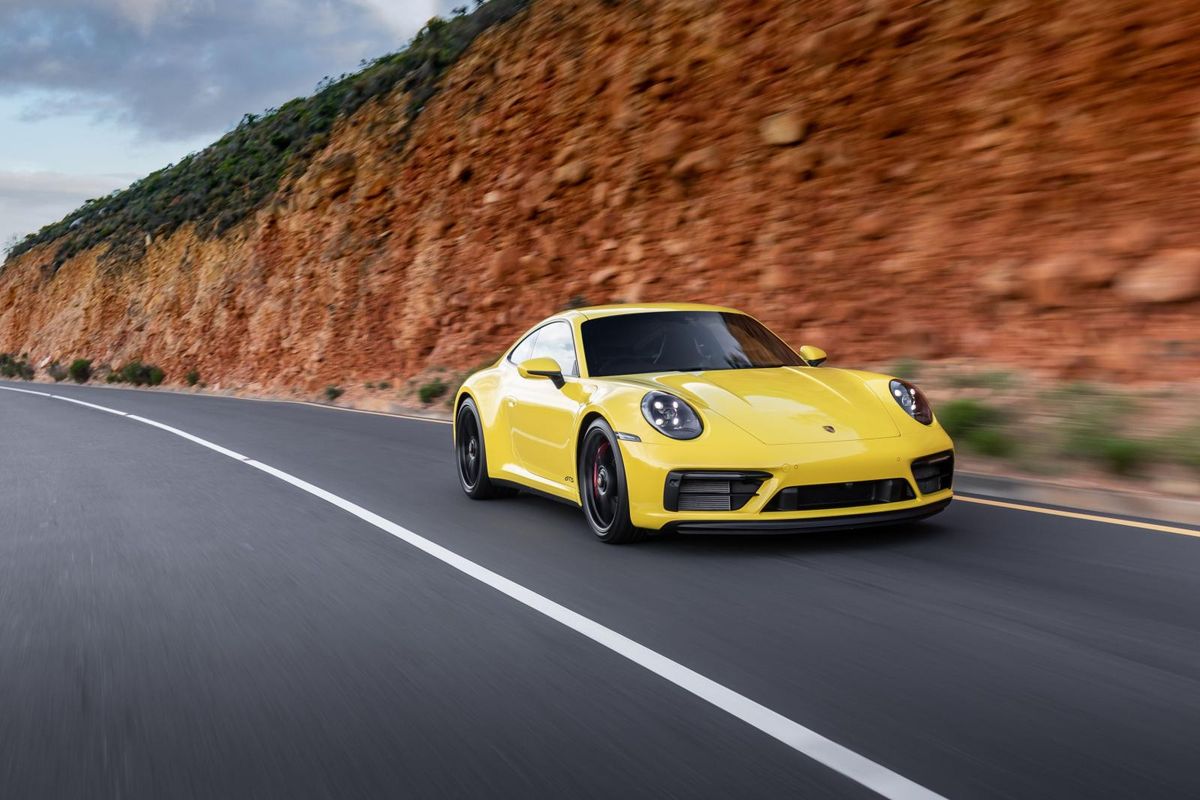
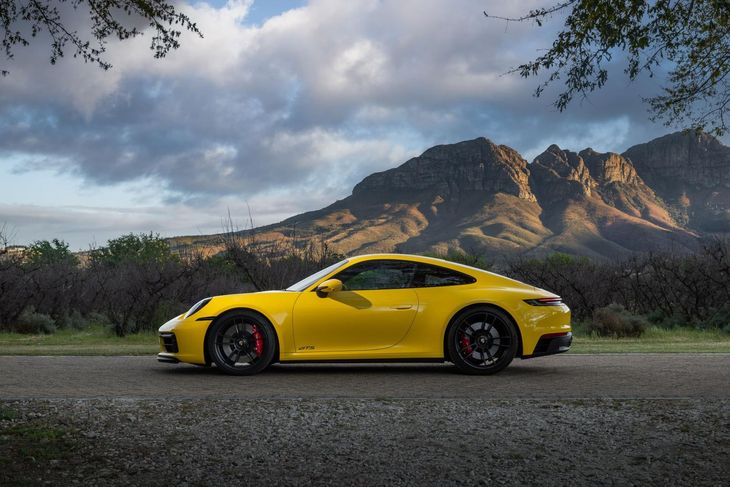
When Porsche introduced the GTS as part of the 911 line-up a little more than a decade ago, it didn’t represent much more than a late trim upgrade of the 997-generation Carrera S. It became a somewhat more established fixture in the range with the 991 model, but now, for the current 911 (992), the GTS has evolved far beyond a mid-range coupe derivative adorned with standard sportier accoutrements. In fact, given the fact that it’s currently the most popular 911 derivative, it may just represent the sweet-spot in what is a crushingly competent line-up.
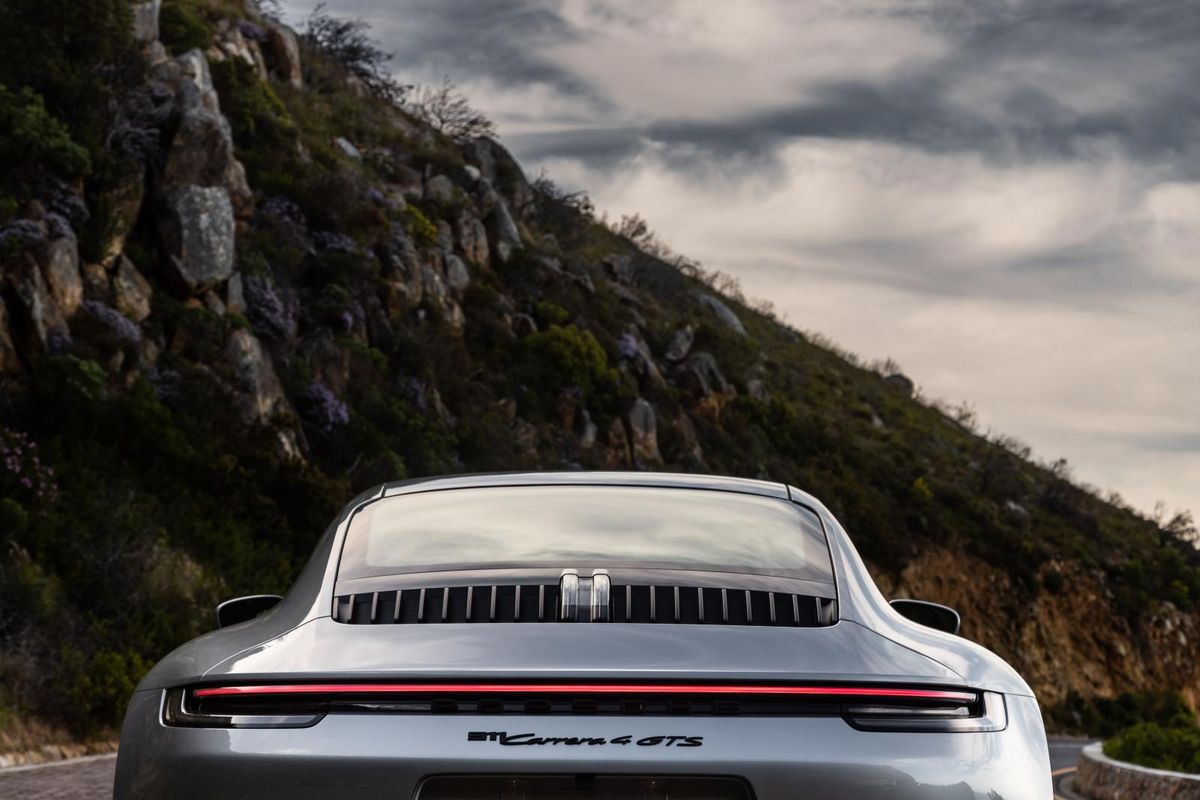
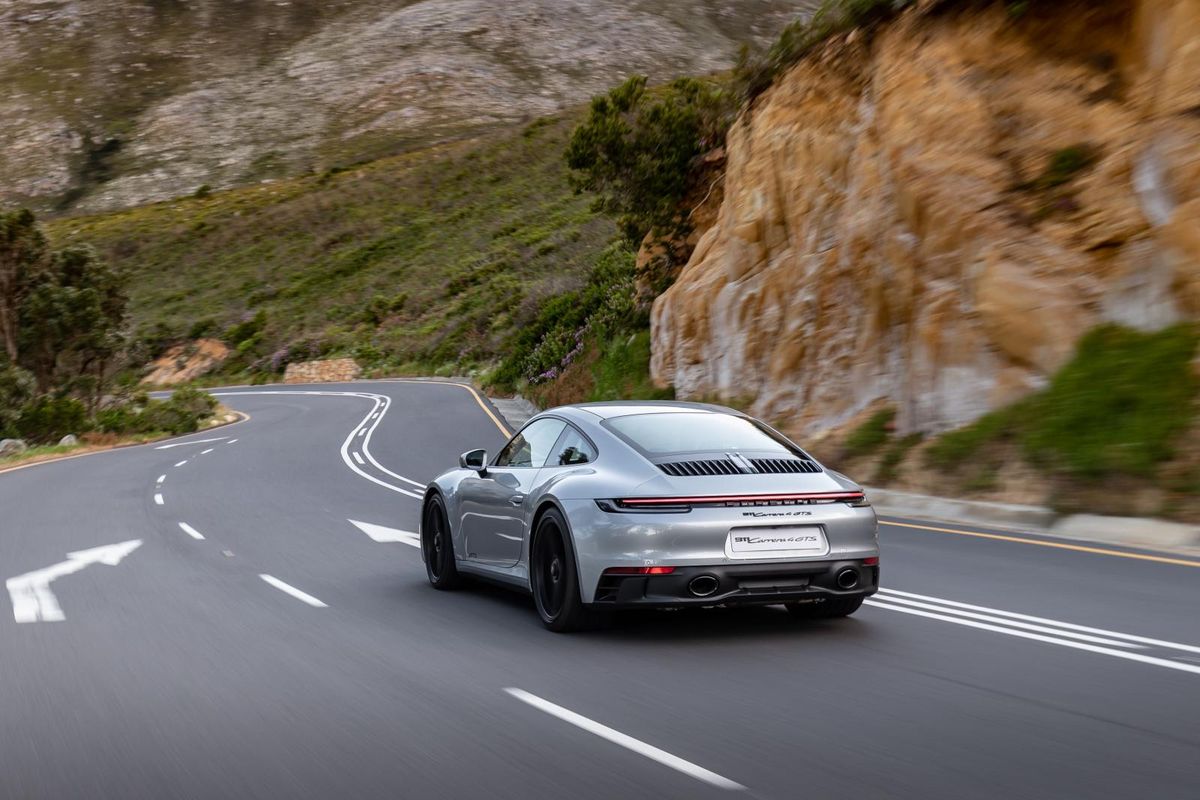
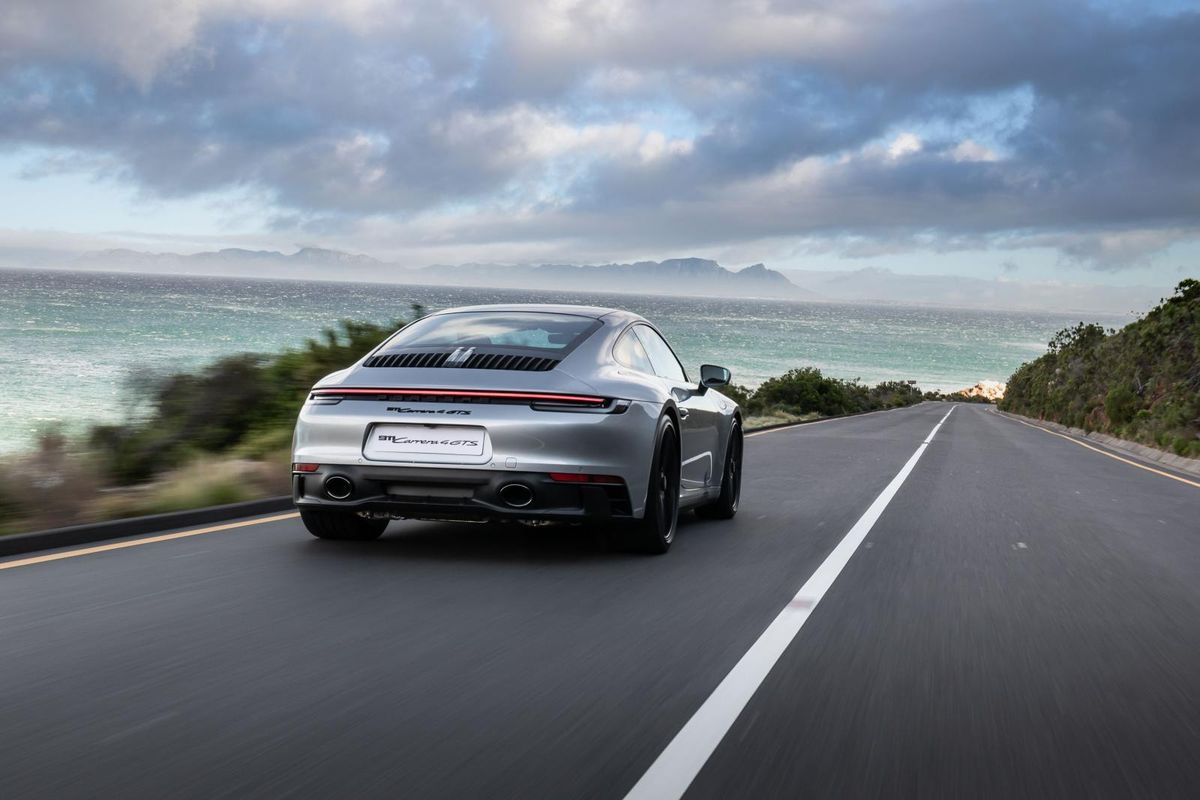
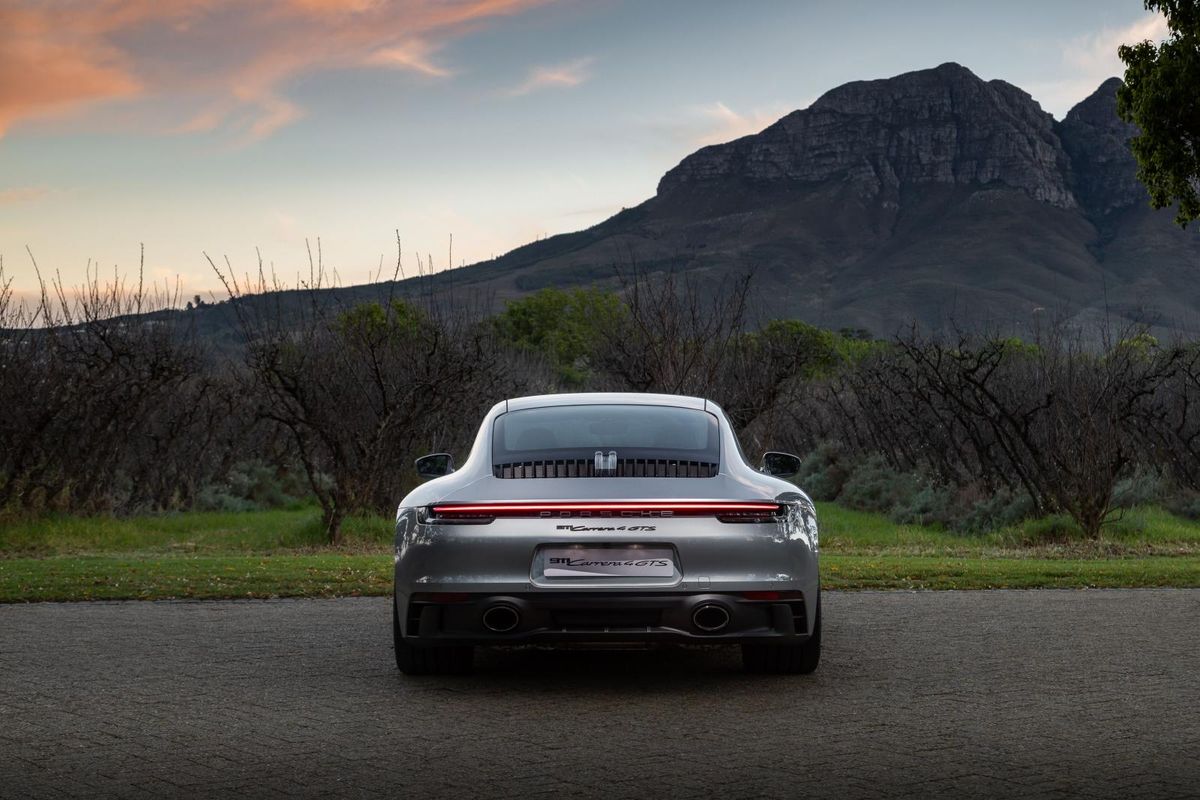
For the 992-generation GTS’ South African launch, Porsche picked a Western Cape route that would see drivers cover significant distances, over varying road surfaces, long stretches of dead straight asphalt and, of course, some great twisty mountain passes. On hand were a selection of Carrera GTS (rear-wheel drive) and Carrera 4 GTS (all-wheel drive) coupes. You can also have your GTS as a Convertible (in rear- and all-wheel drive), or as a Targa (but only in all-wheel drive).
You can choose between a 4wd, rear-wheel-drive, cabriolet or Targa version of the GTS.
Seeing as I’m follically challenged, I’m not a big fan of open-topped cars, but there are other reasons to gravitate towards the coupe… I think it’s a sexier-looking car for a start and, importantly, it’s also a fair bit lighter than the drop-top. All the test units made available for the local launch drive were equipped with the marque’s popular 8-speed PDK (dual-clutch) transmission. You can, however, specify your GTS with a 7-speed manual gearbox, if you really want a “stick shift”. Porsche CEO Toby Venter says this is not something that happens very often these days…
What makes a GTS?
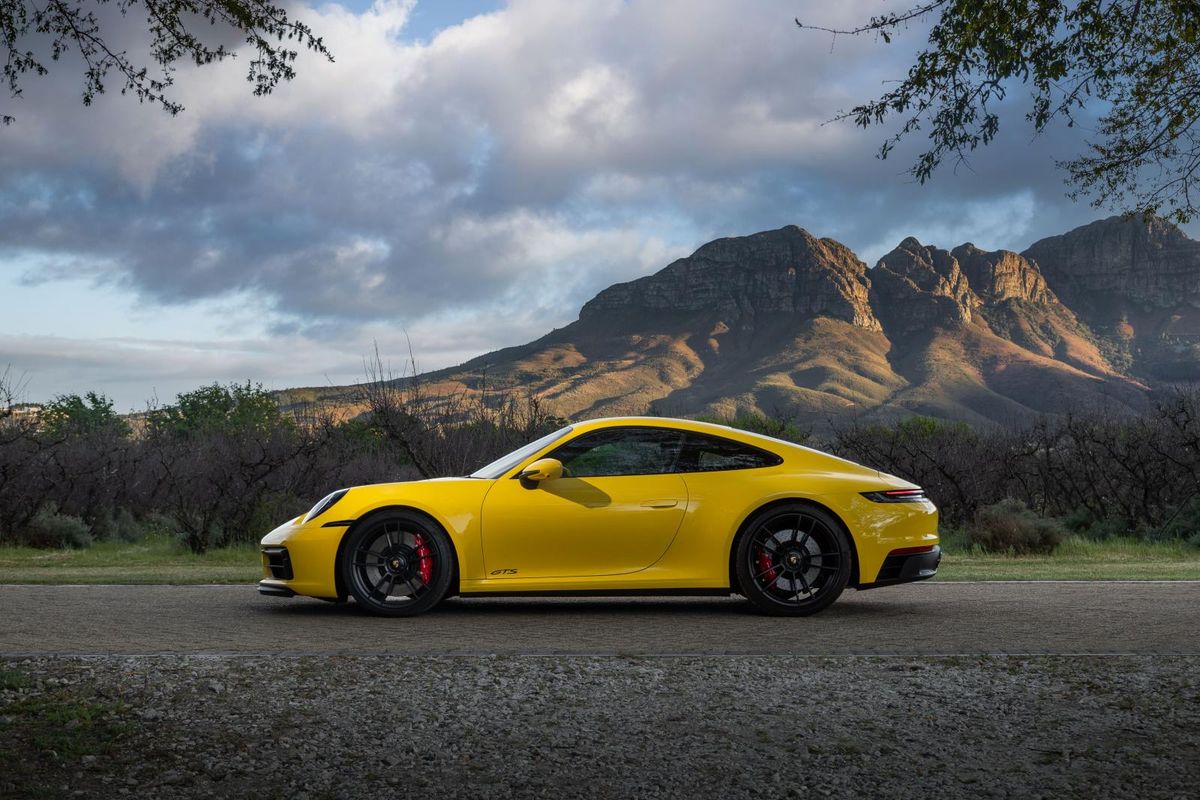
While the GTS began its existence in the 911 range as little more than an additional trim level, in the latest model, it has a character all of its own. Yes, the racier looks (mostly due to various blacked-out elements) remain an important part of the appeal, but now it’s got the dynamic and performance character to back up the appearance.
For one, instead of using a development of the suspension of the Carrera S, Porsche has used the Turbo’s suspension hardware as a starting point, and adapted those elements for use in the GTS. The Coupe and Cabriolet versions feature a (10mm-lowered) sports chassis, which has the so-called “helper springs” from the Turbo (with the main springs always under tension). Note, however, that the 911 Targa GTS features the 911 Targa 4S’ chassis.
Furthermore, the GTS gets the same high-performance braking system as the 911 Turbo, and the striking, black 20-inch (front) and 21-inch (rear) centre-lock alloy wheels from the 911 Turbo S’ catalogue.
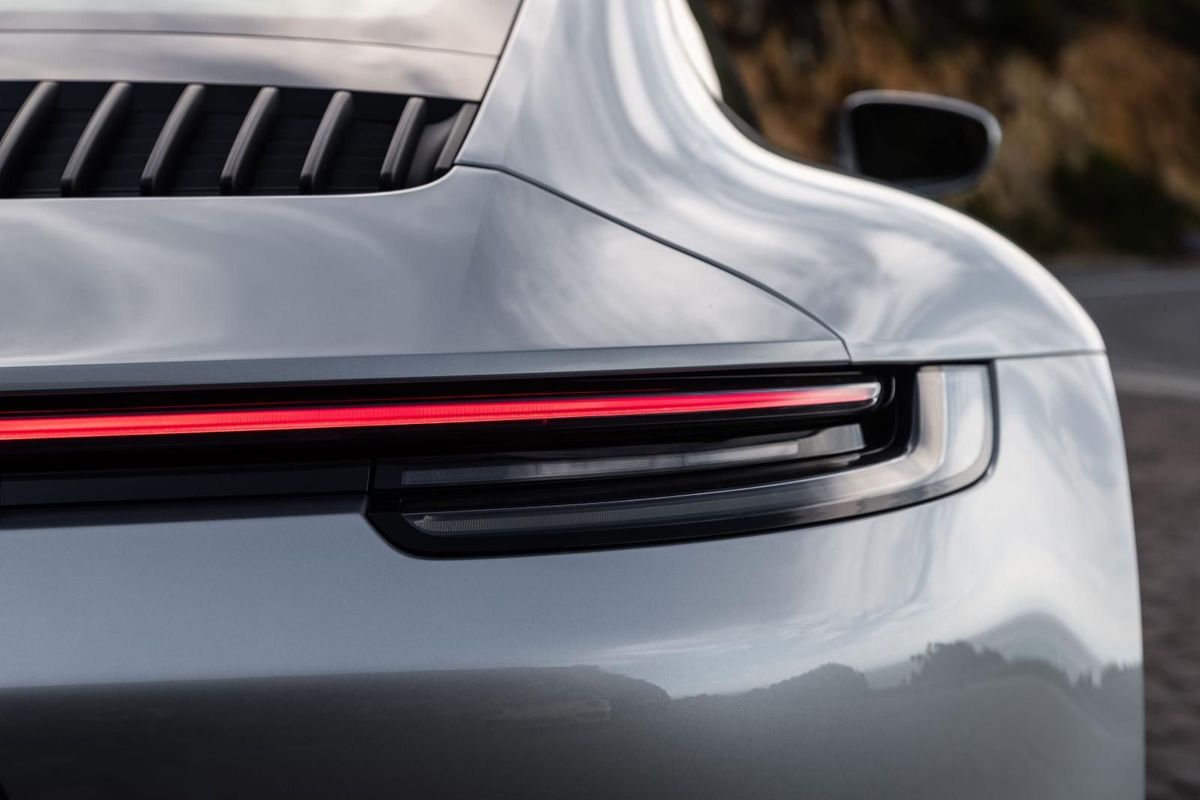
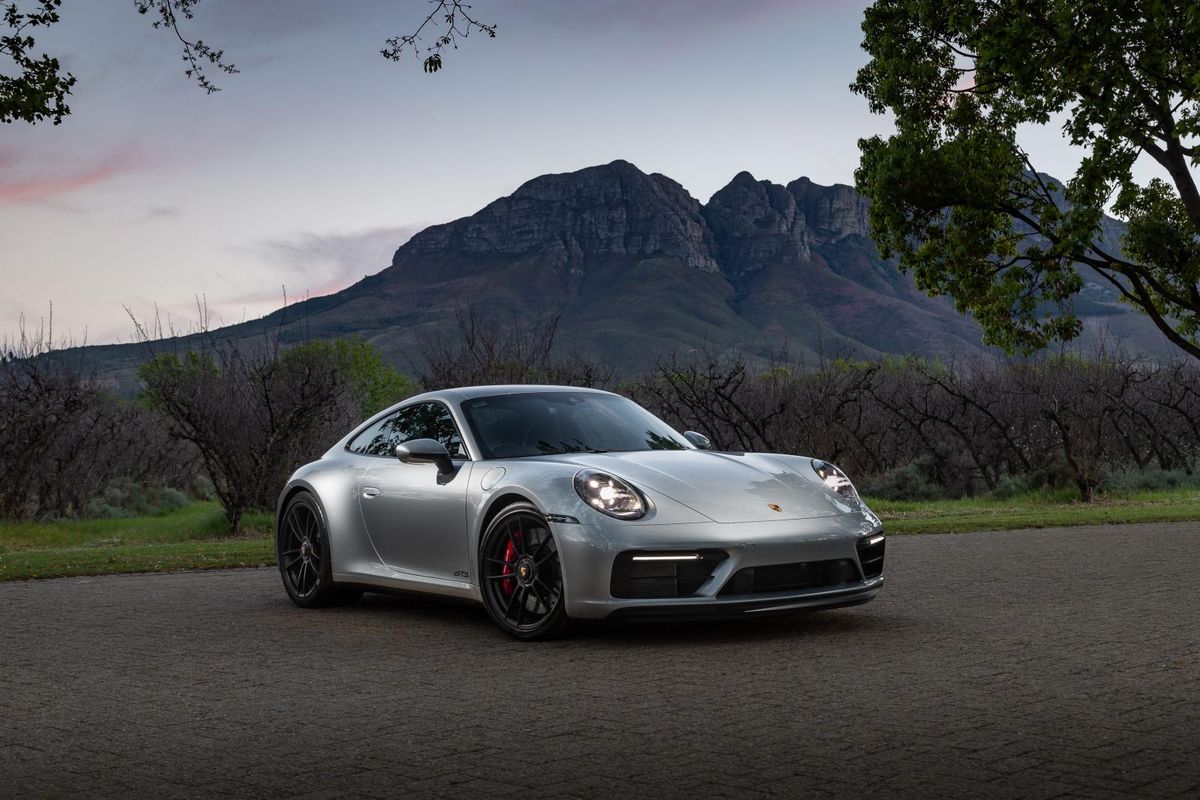
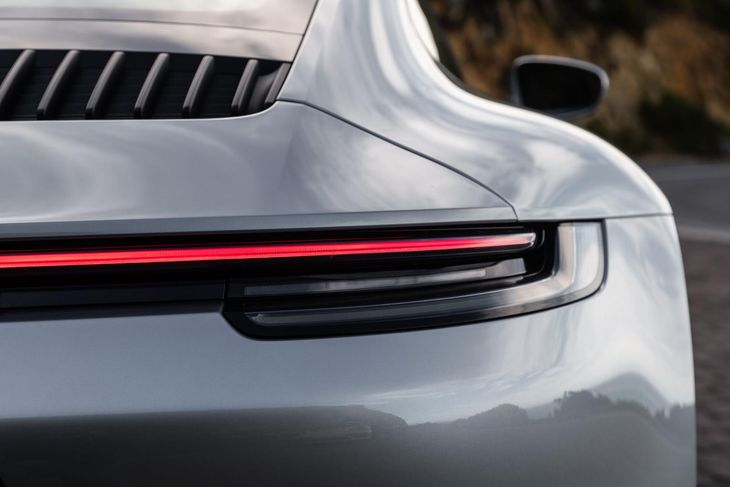
The GTS is instantly recognisable by virtue of its darkened lighting elements.
In terms of power, the turbocharged 3.0-litre flat-6 engine produces 353 kW and 570 Nm (22 kW and 40 Nm more, respectively, than the Carrera S). A Carrera 4 GTS equipped with the 8-speed PDK is claimed to sprint from 0 to 100 kph in 3.3 sec, which is downright dazzling given that what you’re looking at here is a “mid-range 911 derivative” – if such a thing could ever exist. Do you really need to go any faster than this?
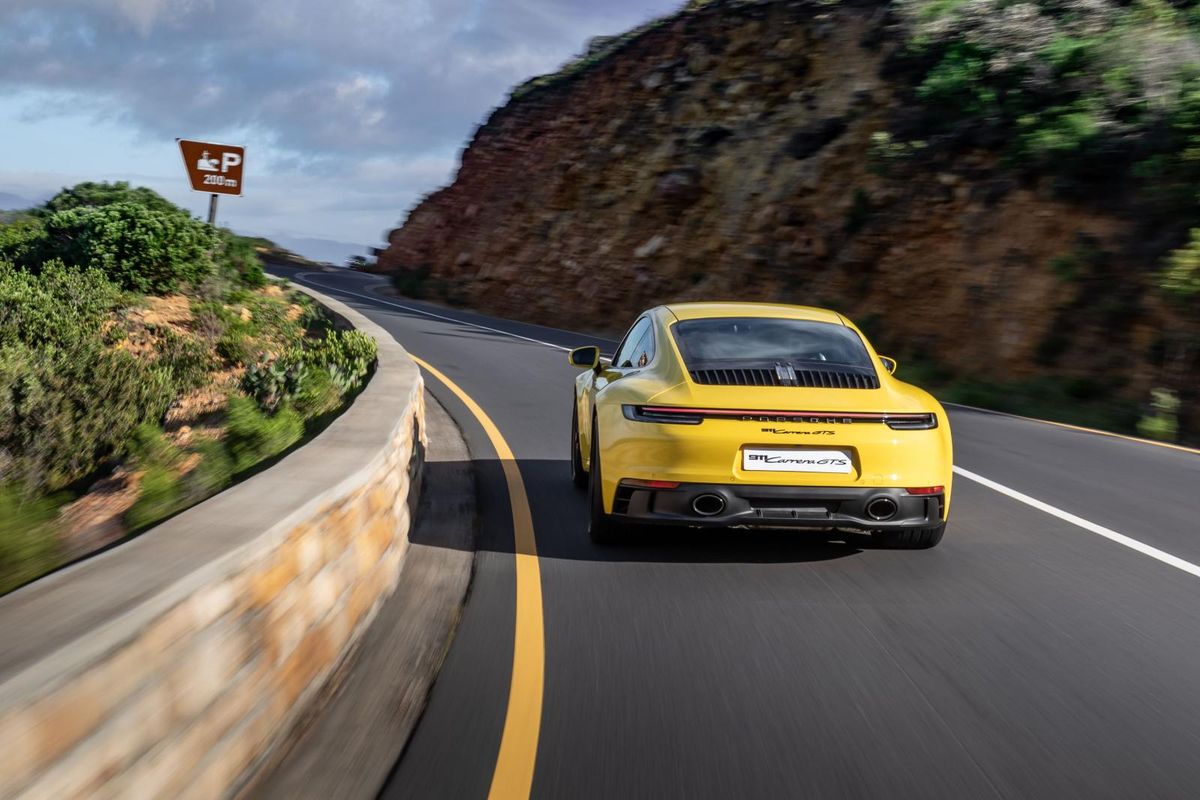
Finally, Porsche has also stripped out some sound-deadening measures which, together with the specially tuned standard sports exhaust system, really endows the GTS with a very racy persona. Want to crank things up another notch or two? On offer is a Lightweight package that strips out the rear seats, adds lightweight carbon fibre-reinforced plastic (CFRP) bucket seats, lightweight glass and even a lighter battery. Also included in the Lightweight package is rear-axle steering system and a few other aero-optimising features.
So, if you really want to prioritise driving dynamics (and thrills), you should specify the lighter rear-wheel-drive Carrera GTS in Coupe form with a manual ‘box and the Lightweight package…
What’s the Porsche 911 GTS like to drive?
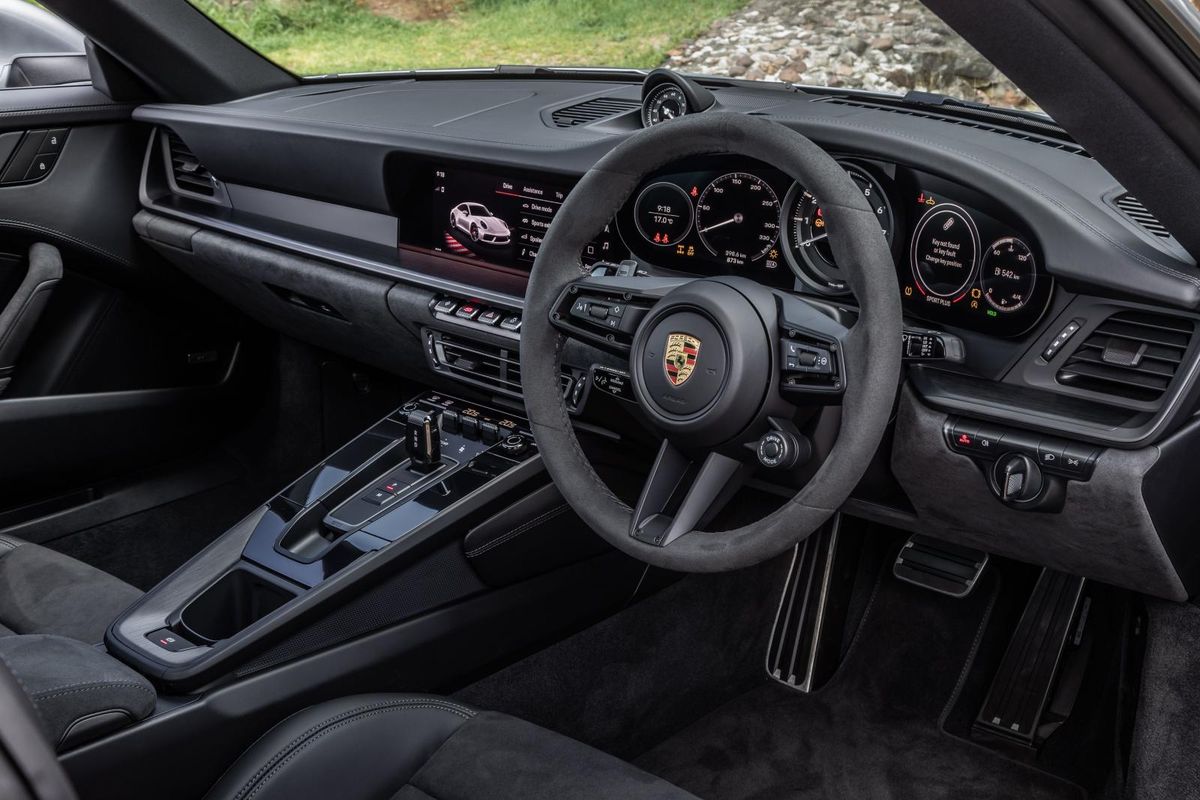
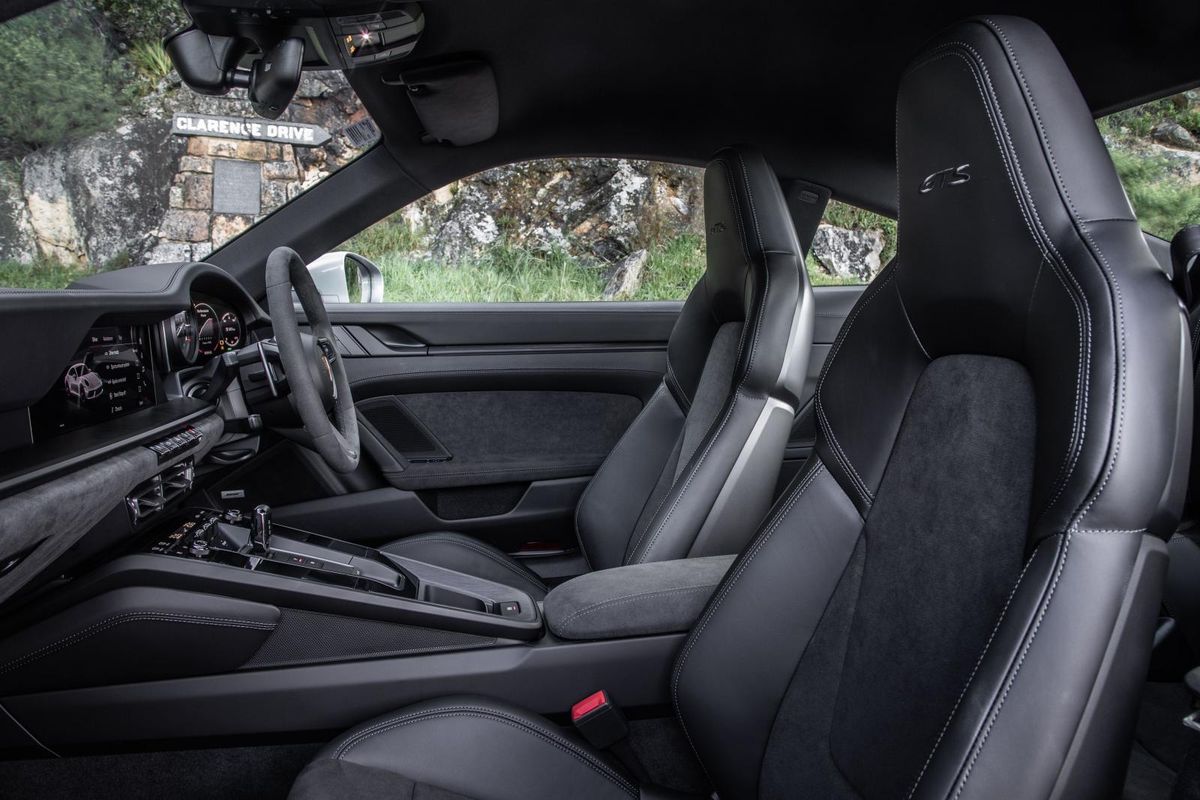
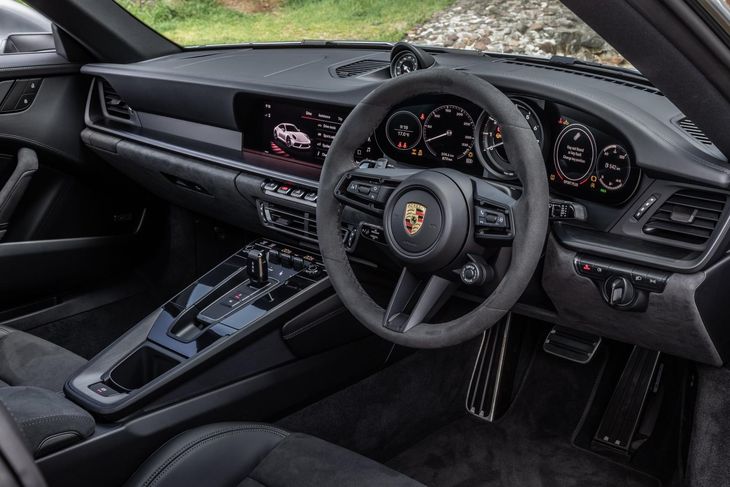
The GTS interior package features carmine red or crayon stitching with ‘”Race Tex” trim (a recycled fibre made to look like Alcantara).
Well, it was never going to be a disappointment, was it? The 992 generation 911 is, in a word, superb and when you start driving the 911 GTS, it immediately becomes clear where exactly the newcomer fits into the range… It effectively combines the racier, edgier feel and emotive sound experience of derivatives such as the GT3 and Turbo, with the daily usability of a Carrera S. No wonder it’s shot straight to the top of the 911 sales charts.
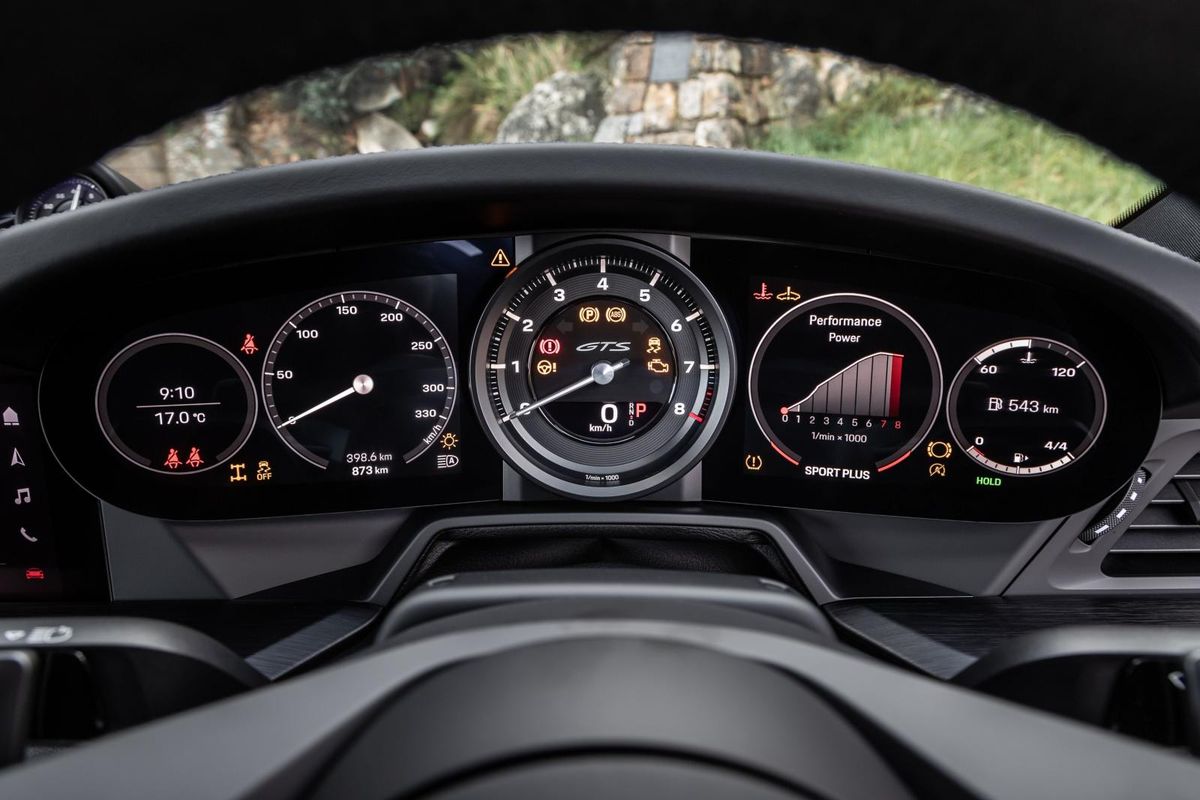
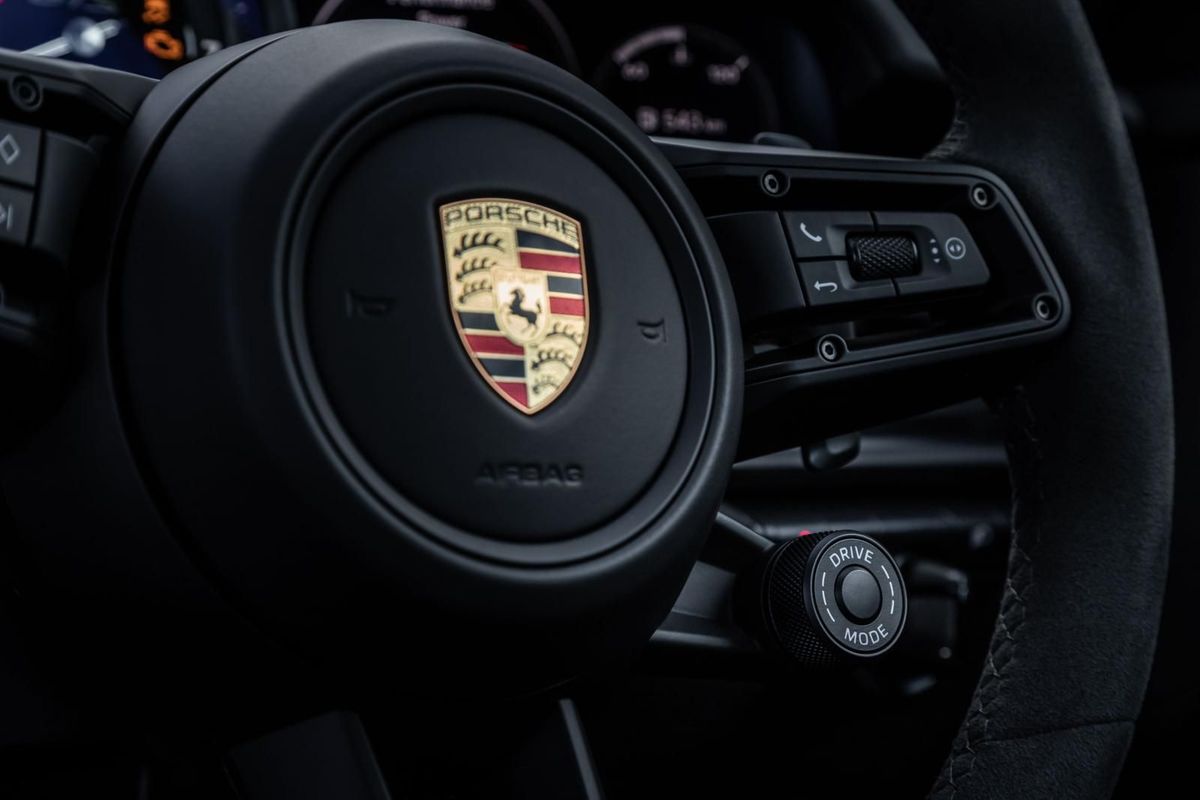
Threading through peak Cape Town morning traffic doesn’t sound particularly fun, but the experience served to highlight just how comfortable the 911 GTS is round town. Even though it sits a bit lower than a Carrera S, it’s not lost any of its trademark “daily runner” talents. Pottering around at low speed also gave us the opportunity to poke around the cabin more thoroughly. There are some lovely touches. The GT sports steering wheel and Sport Chrono package are standard, as are the 4-way electrically adjustable (and very comfortable) Sports Seats Plus. As usual, the build quality is excellent.
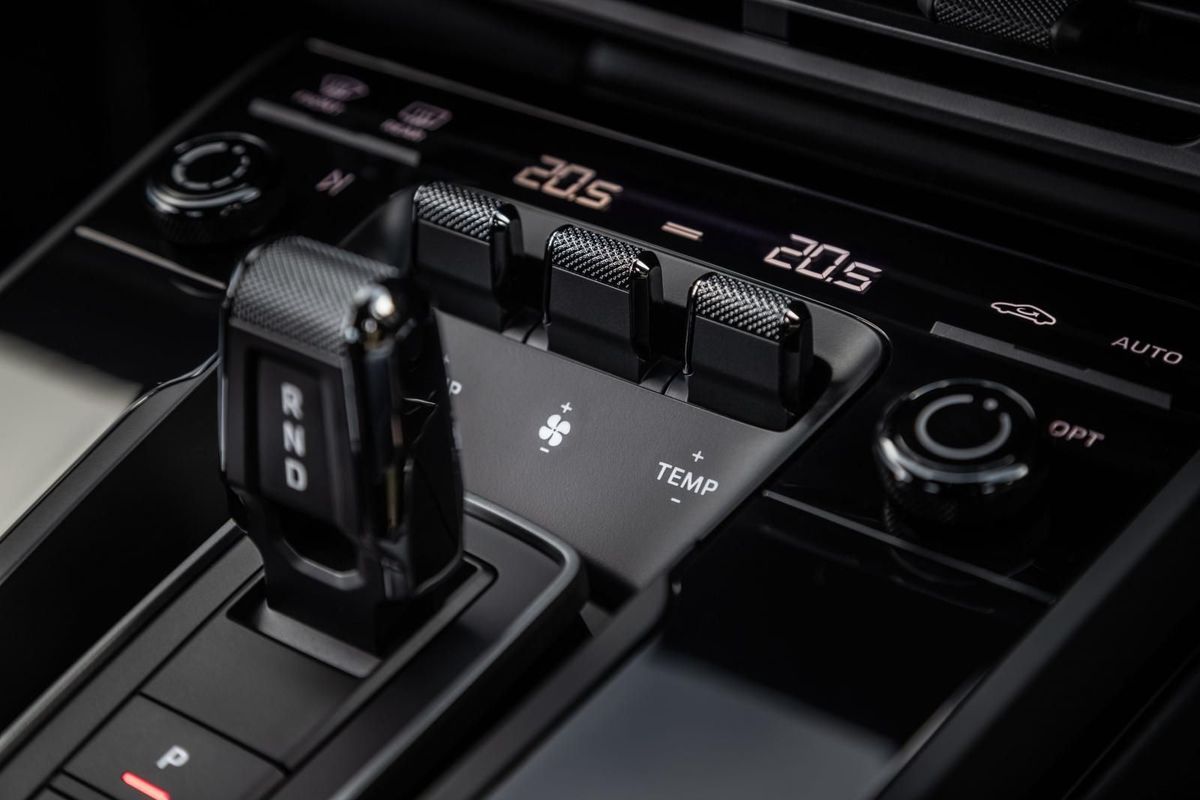
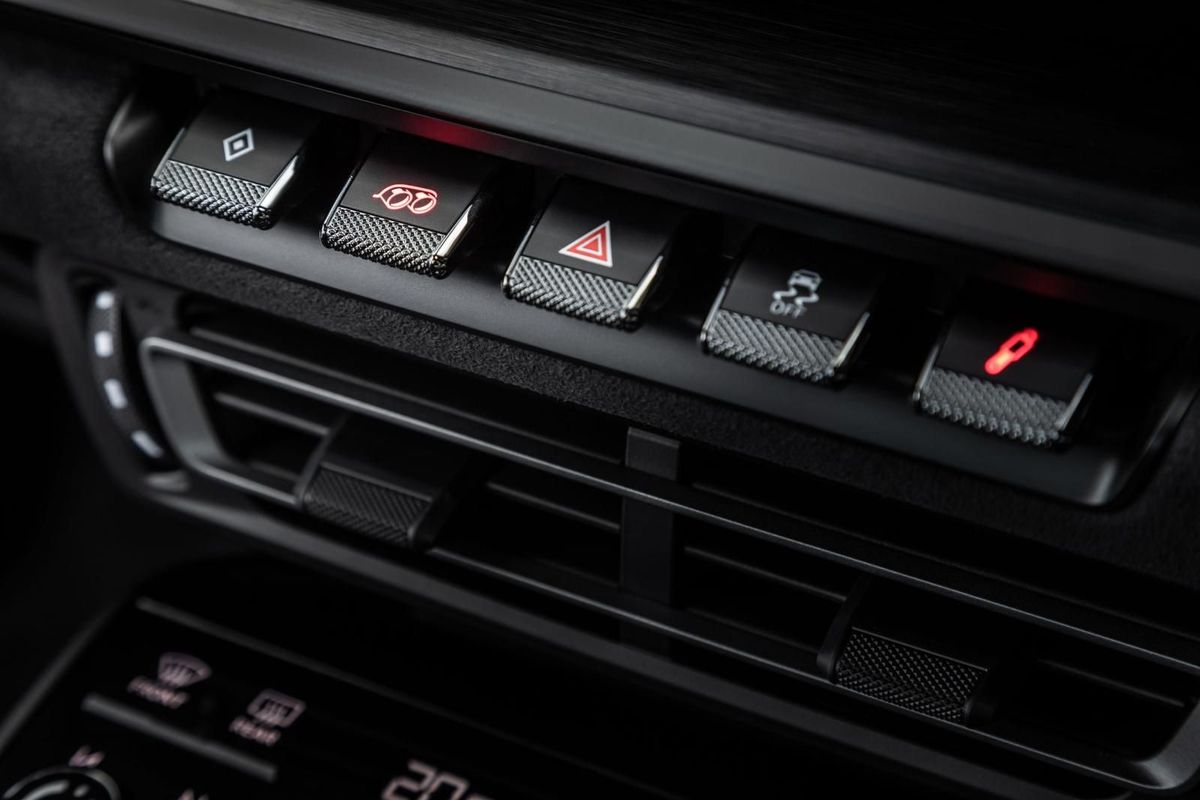
As with the exterior, black details abound, but the starkness can be broken up with the GTS interior package’s decorative stitching options (Carmine Red or Crayon). I do like the Race Tex trim as well as the cliff-faced design of the facia, with its mix of touch-sensitive controls and physical buttons. The PCM infotainment system features many improvements, such as Android Auto compatibility and voice control.
Hit the open road, pin the throttle, and the immediacy of the 911 GTS’ response will leave you in no doubt about the car’s performance potential. There are few cars that can go so effortlessly from grand tourer to road racer. The PDK transmission is a real star, always managing to read the driver’s inputs precisely and delivering the expected acceleration – it’s particularly impressive on downshifts. The engine loves to rev; it picks up quickly from around 3 000 rpm and keeps pulling strongly to well past 7 000 rpm. And it gains a real raspy engine note at those higher engine speeds. It’s very addictive…
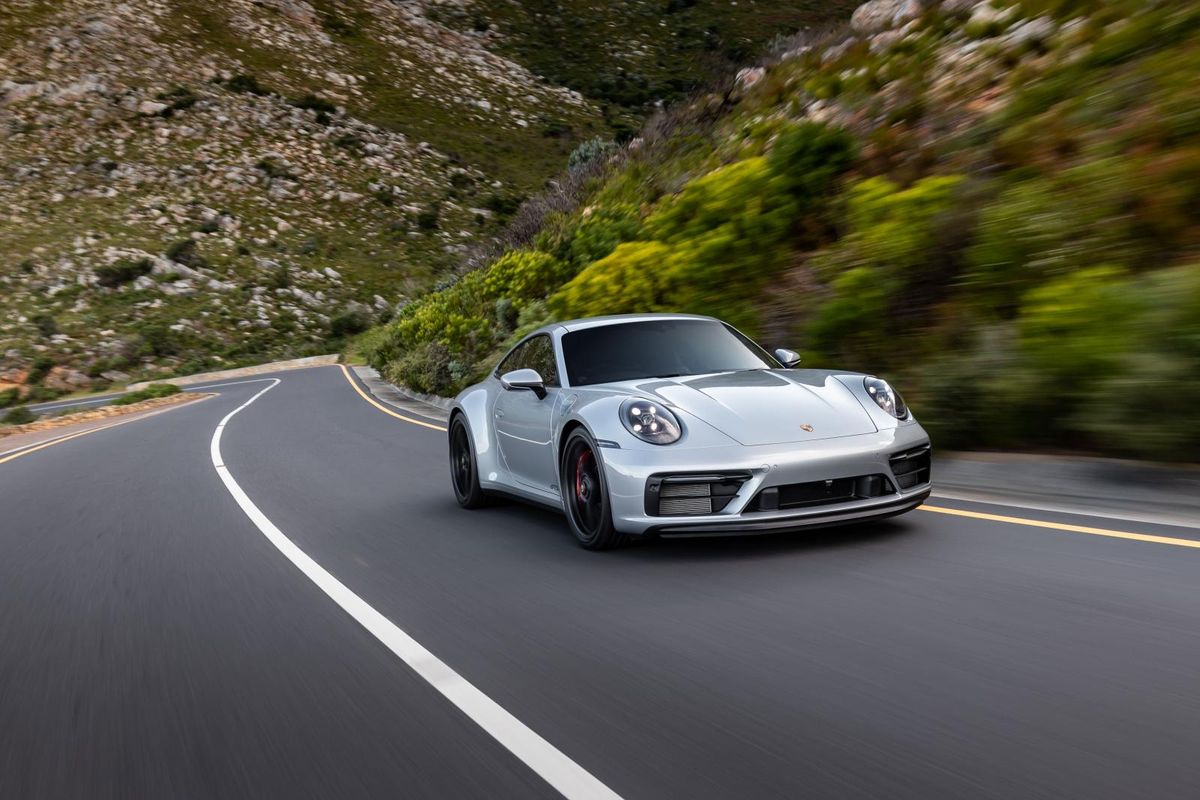
The GTS is supremely capable as both the perfect GT car and a road racer (when it needs to be one).
The roads around the Western Cape are generally in very good condition, but when you head off the major routes and you will invariably find some uneven surfaces, as well as some narrow, bumpy roads. Porsche SA included some of the latter on the launch drive schedule, and it’s here where the “duality” of the GTS’ character really comes to the fore. The newcomer’s body control is simply sublime, with the suspension dealing with bumps in a single, controlled movement, and settling quickly thereafter.
Enthusiastic drivers will revel in the GTS’ nature. While traditionalists may be tempted by that 7-speed manual option, the PDK would be my choice, but not only because it takes the pain out of the daily commute. When you’re flicking up and down the dual-clutch transmission to fully explore this 911’s abilities, you’ll appreciate the way the Porsche communicates with you through the ‘wheel and the seat of your pants. That way, you can focus your attention on all other aspects of hard-driving. And to me, this is important, because the 911 GTS is not merely a fast car. It’s supercar fast. The Carrera 4 GTS can easily eclipse 300 kph.
It would be a tough choice between the 4S or rear-driven GTS, but we would opt for the traditional Porsche setup.
Summary
Manual- and PDK-equipped variants of the 911 GTS Coupe are priced at R2 290 000 each, while the Carrera 4S GTS Coupe PDK costs R2 400 000. I would opt for the slightly more affordable rear-wheel-drive coupe derivative, simply because it imparts a slightly more natural feel when you are exploring its (substantial) performance envelope. Having said that, I can also appreciate that the 4S offers a broader range of abilities (especially in terms of outright grip), particularly on poorer road surfaces. Either way, at the price (around the low to mid-R2-million mark), there are few cars, if any, that offer a similarly seductive blend of poise, performance and daily driveability. Some may have the numbers on paper (here’s looking at you, BMW M4), but the 911 GTS offers more delicacy and finesse.
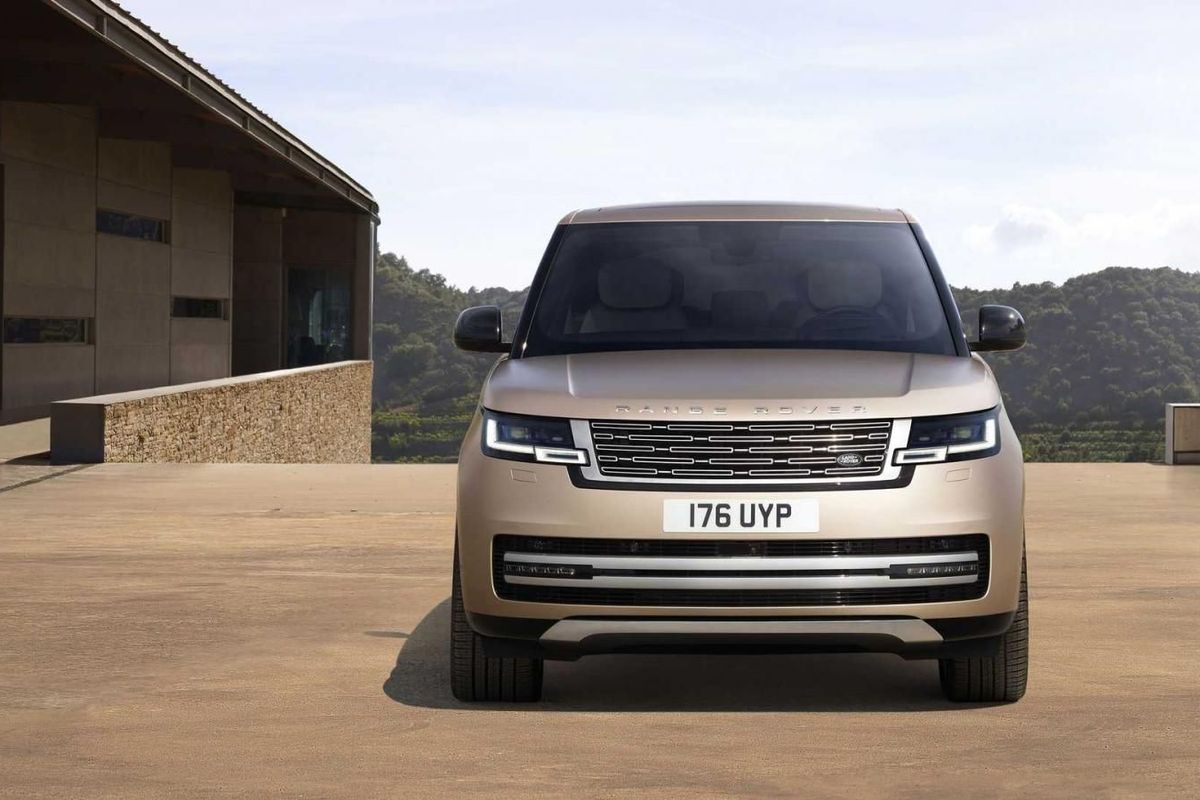
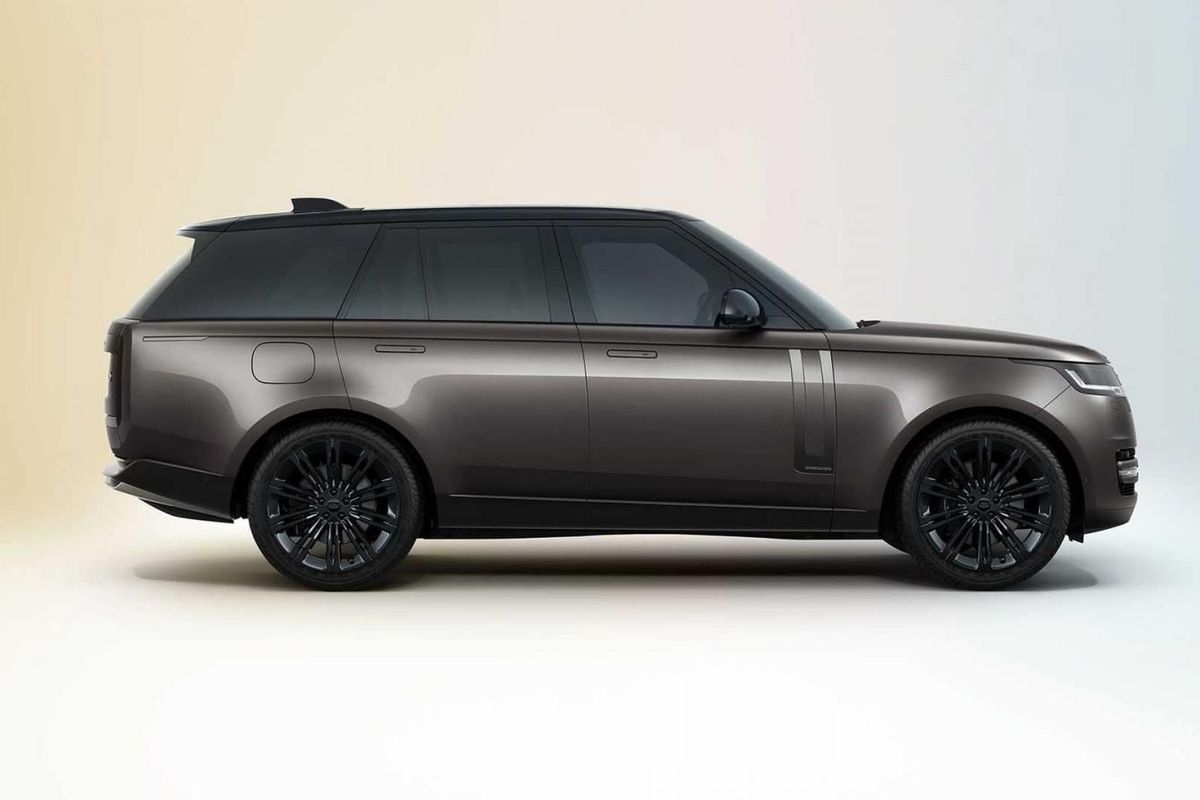
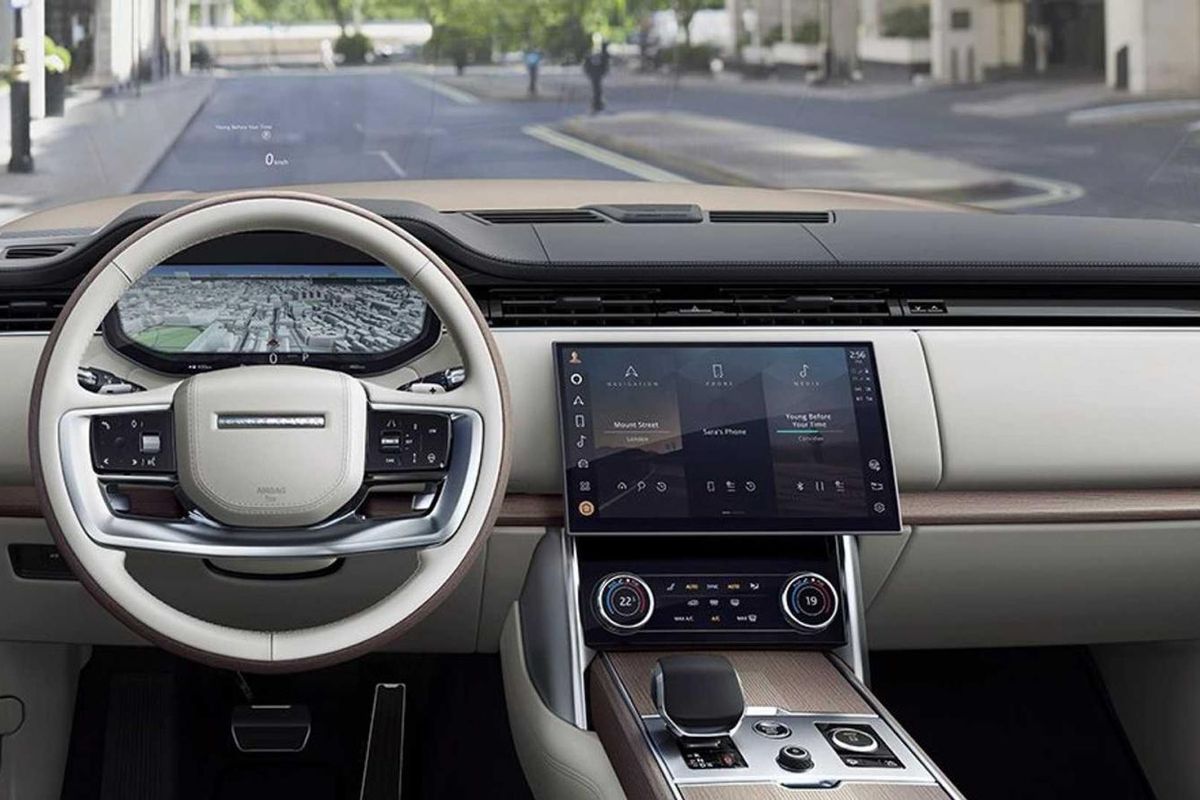
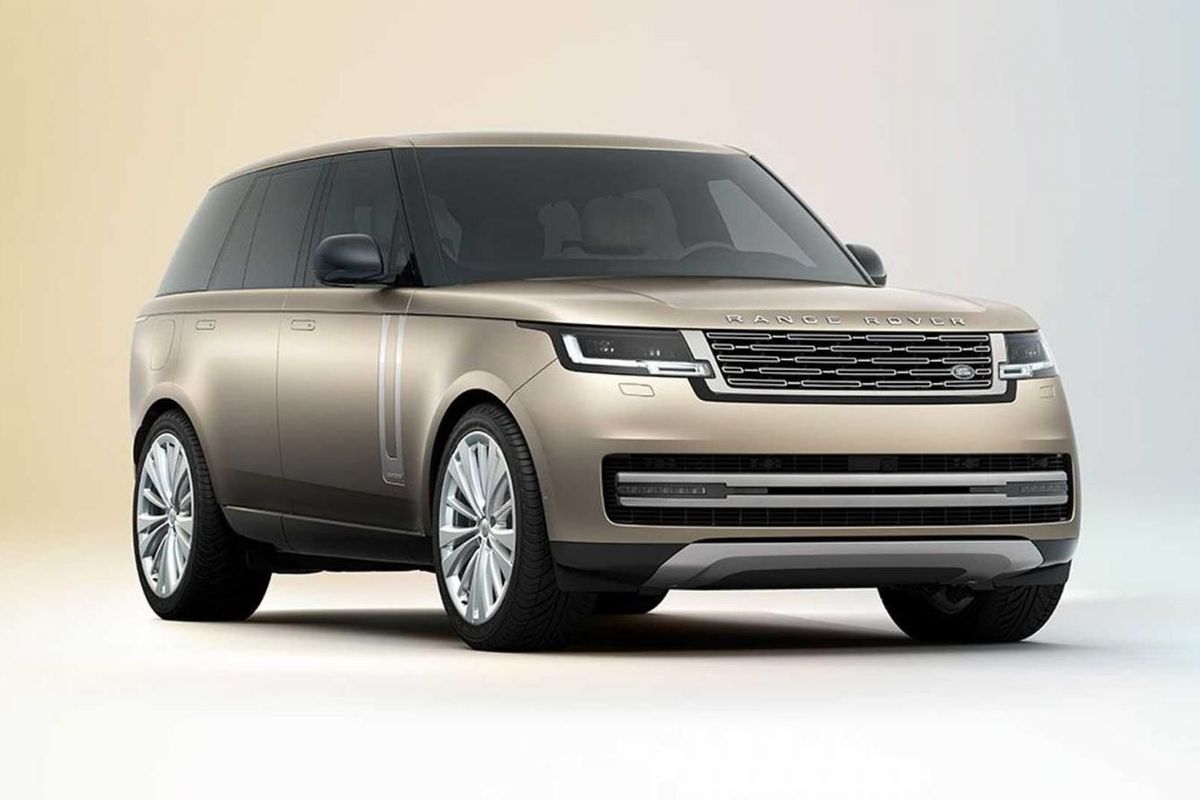
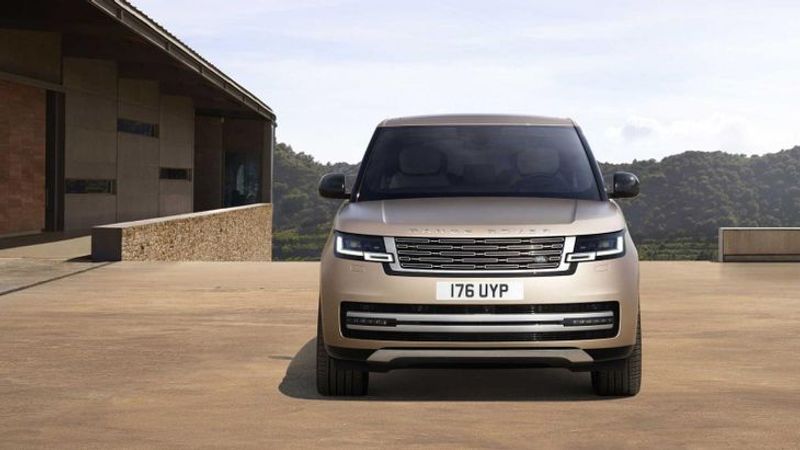
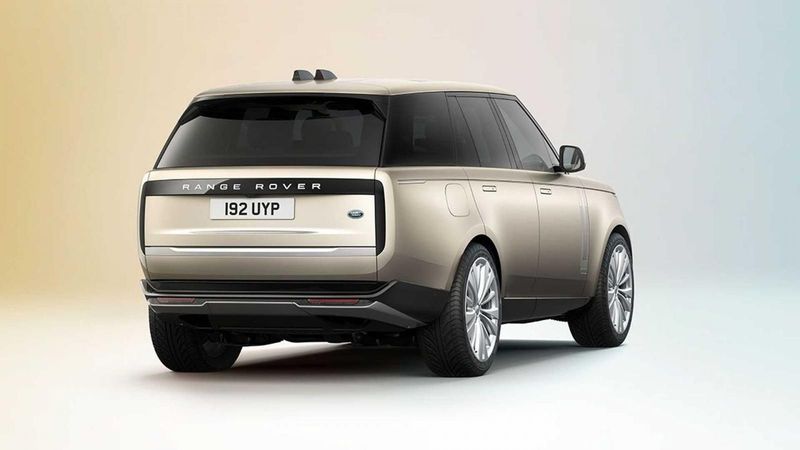
Jaguar Land Rover has officially revealed the 5th-generation Range Rover, replete with BMW engines and some new American infotainment technology. The latest iteration of the British marque’s first-class SUV will debut in South Africa towards the middle of 2022.
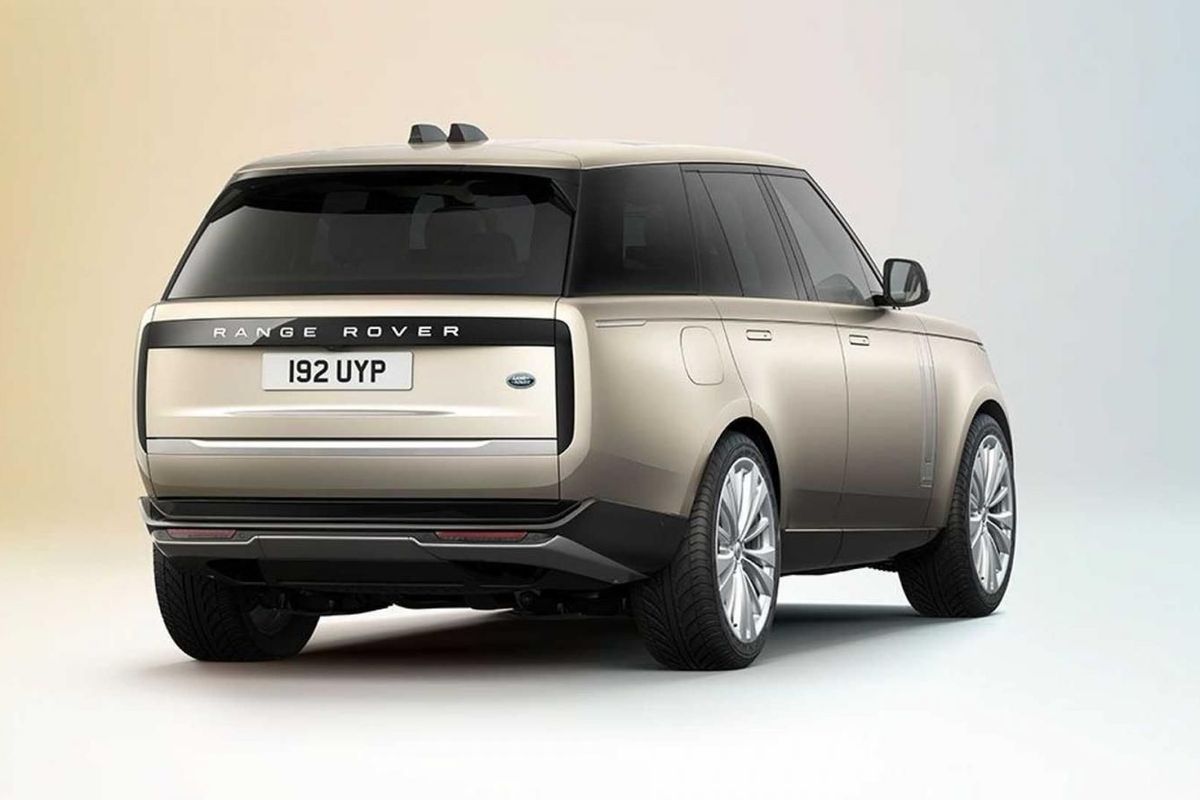
The iconic luxury 4×4 continues to evolve its renowned silhouette with simple details. This new version remains instantly recognisable. With a minimalist styling theme, relying on form and proportion, instead of outrageous grille styling (like many of its rivals), the new Range Rover is a picture of elegance.
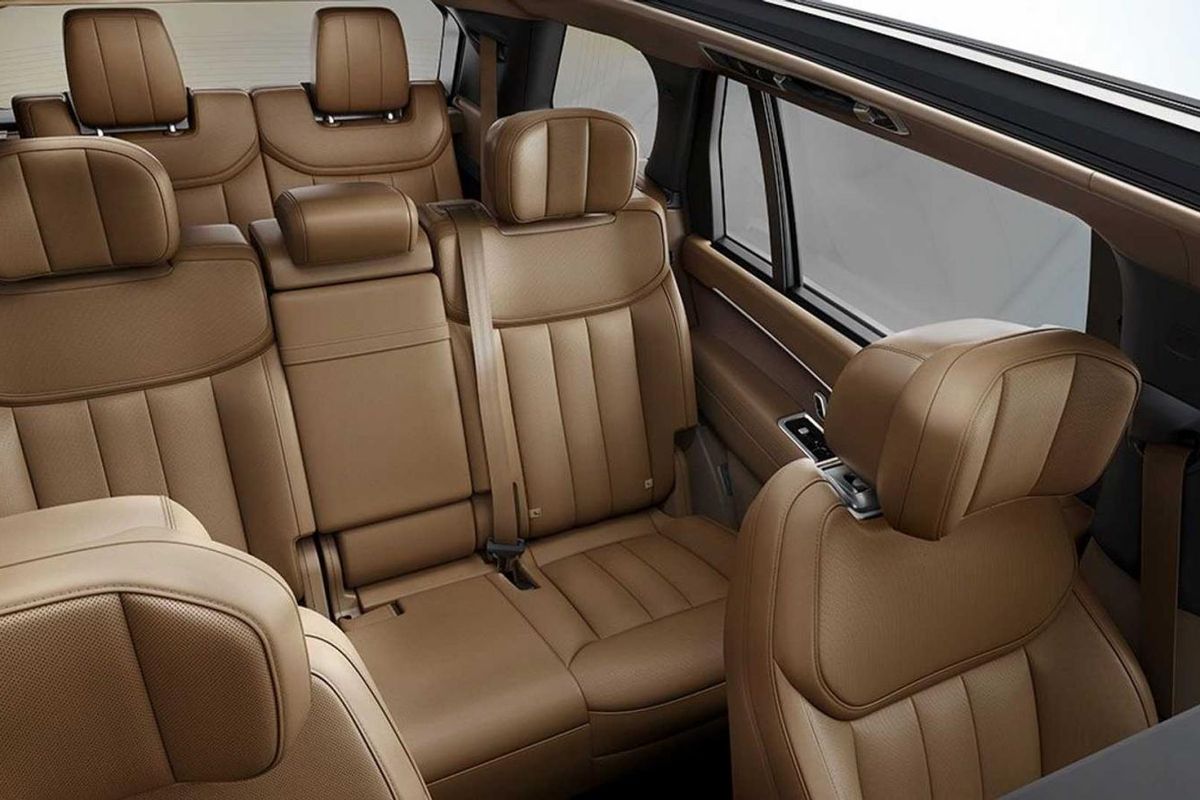
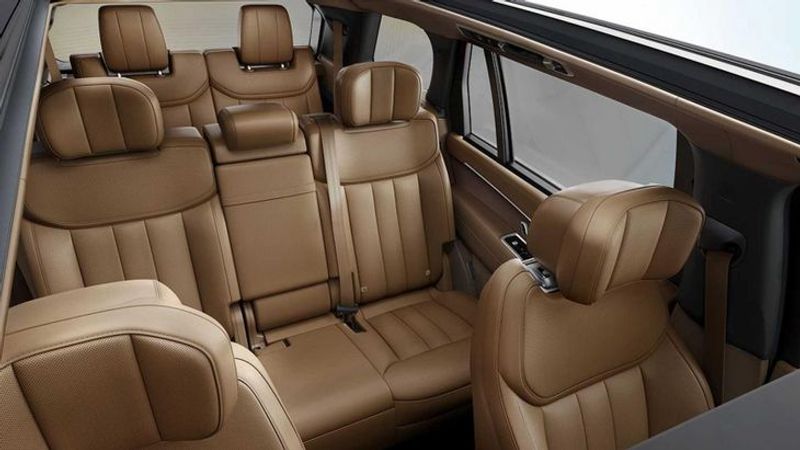
Built on JLR’s new MLA platform, the Range Rover is offered in standard and LWB versions, both of which feature lengthened wheelbases compared with their predecessors (2 997 mm and 3 197 mm respectively). This has allowed for an even more spacious cabin architecture and a 7-seater configuration, which is available in the LWB version.
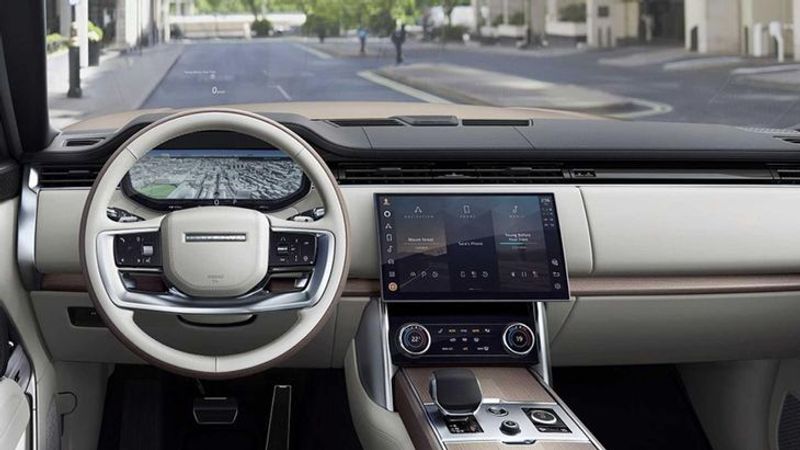
The interior design features significant digitisation. Instrumentation functions are relayed via a 13.7-inch TFT cluster, with the centre infotainment touchscreen being 13.1-inches in size. Amazon Alexa has been added to enhance the user experience, too.
Rear seat passengers have access 11.4-inch entertainment screens, which are embedded into the front seatbacks. If you opt for the comfiest executive-class rear seats, there is also an 8-inch touchscreen embedded in the centre armrest.
This new Range Rover features a redesigned 5-link rear-axle and 4-wheel air suspension, which is a good thing, as there is an optional 23-inch wheel option. Engineers have also added electrically powered anti-roll bars, which can act with up to 1400 Nm of countering force during high-load cornering.
It might be big, but the 5th-generation Range Rover should be a lot less intimidating to drive in crowded city conditions or on tight off-road trails. The rear axle delivers 7-degrees worth of active steering, trimming the vehicle’s overall turning circle to only 11m.
Land Rover’s familiar Ingenium inline 6-cylinder turbopetrol and turbodiesel engines have been retained and there are plug-in petrol hybrids too, which offer up to 100km of pure electric driving range – ideal for crawling along in busy city traffic. Range Rover’s most potent non-hybrid in-line-6 turbopetrol engine develops 294 kW and 550 Nm.
If you want a Range Rover V8, its 4.4-litre twin-turbocharged engine is sourced from BMW and configured to produce peak outputs of 390 kW and 750 Nm.
Despite its new design, Range Rover remains a hefty vehicle, with a weight range of 2 454- to 2725 kg, depending on spec.
The newcomer will be made available in South Africa next year in a choice of HSE and Autobiography derivatives. A First Edition will be offered throughout the first year of production, based on the Autobiography and featuring a unique specification. It will be exclusively available in a Sunset Gold Satin finish, among a choice of 5 exterior colours.
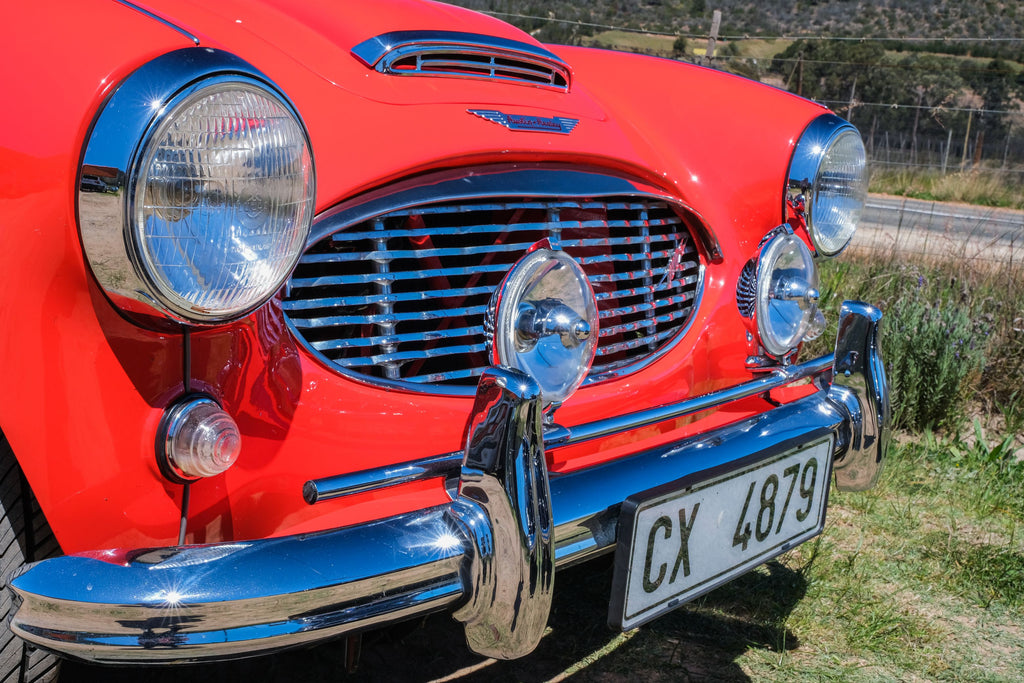
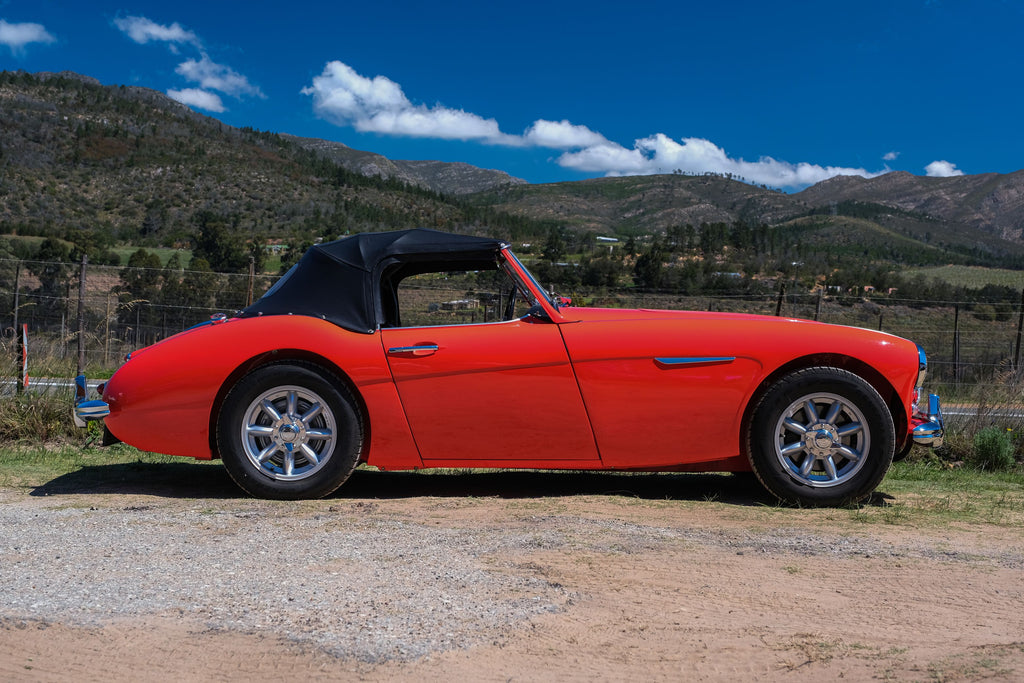
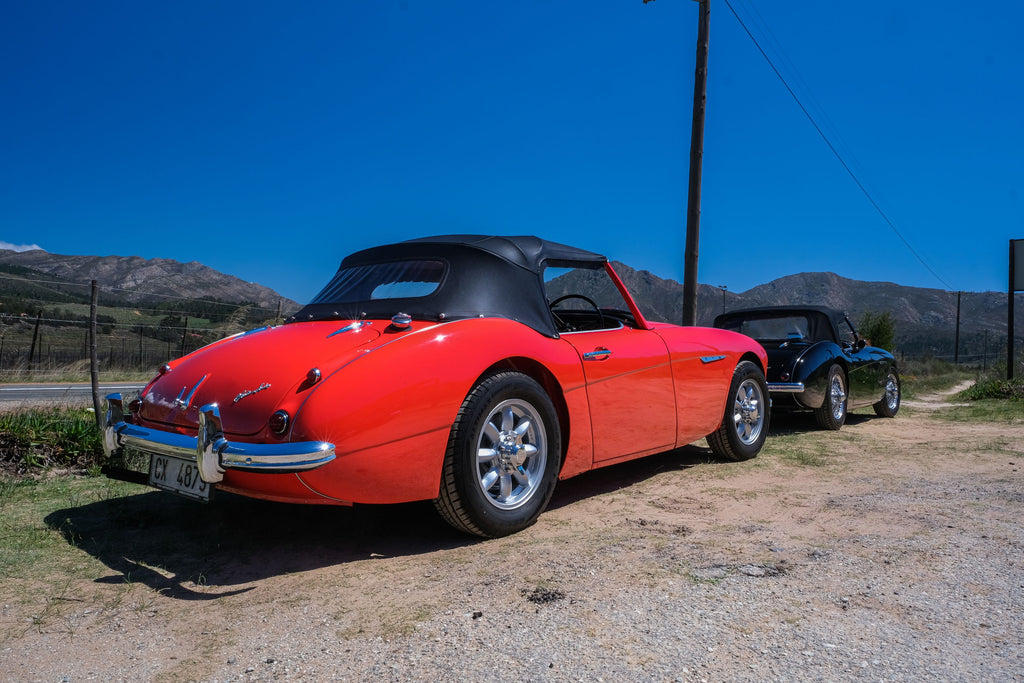
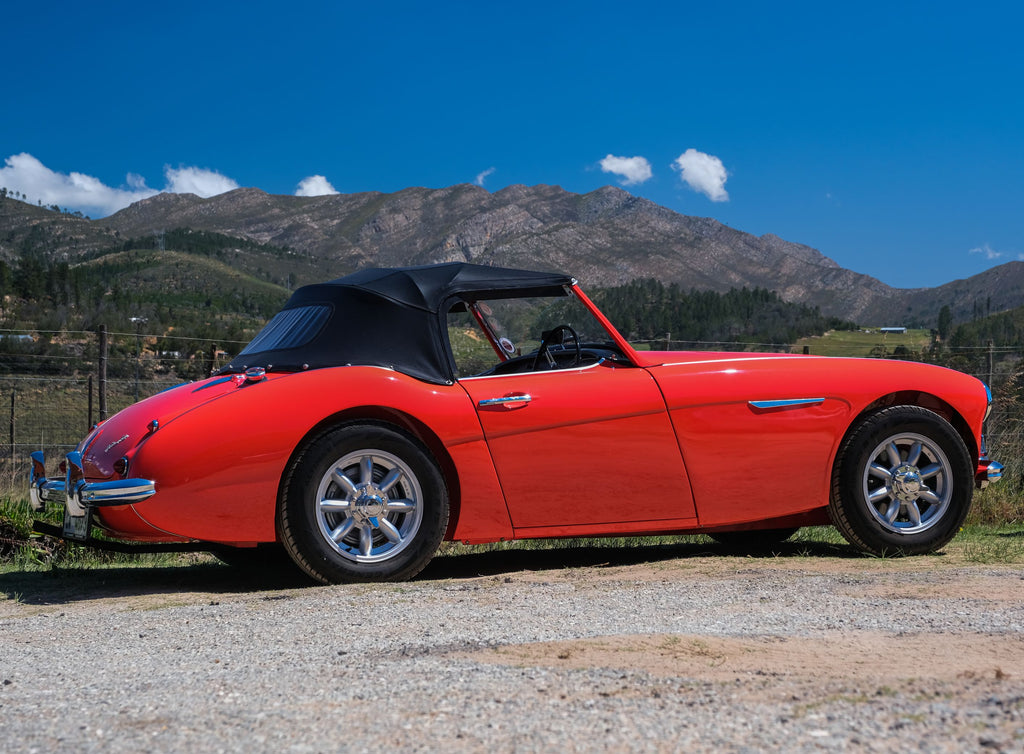
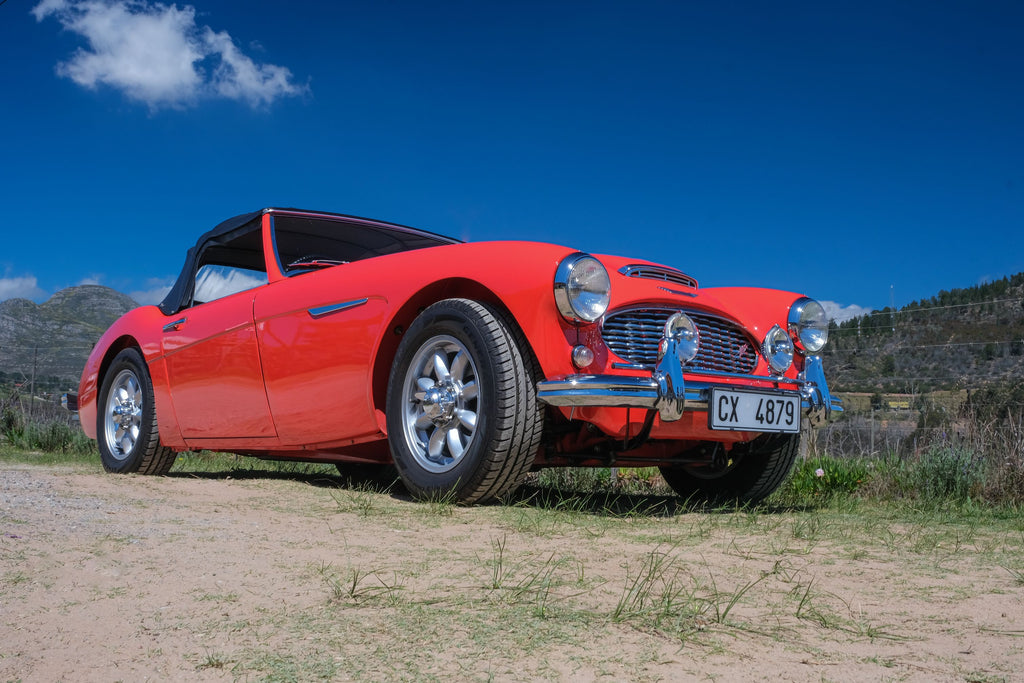
Switching from writing about new cars to the oldies is no simple task, even for the most experienced motoring journalist. Gero Lilleike, however, eagerly took up the challenge and began his “schooling in the classics” with a British icon, a 1958 Austin-Healey BN4 100/6.
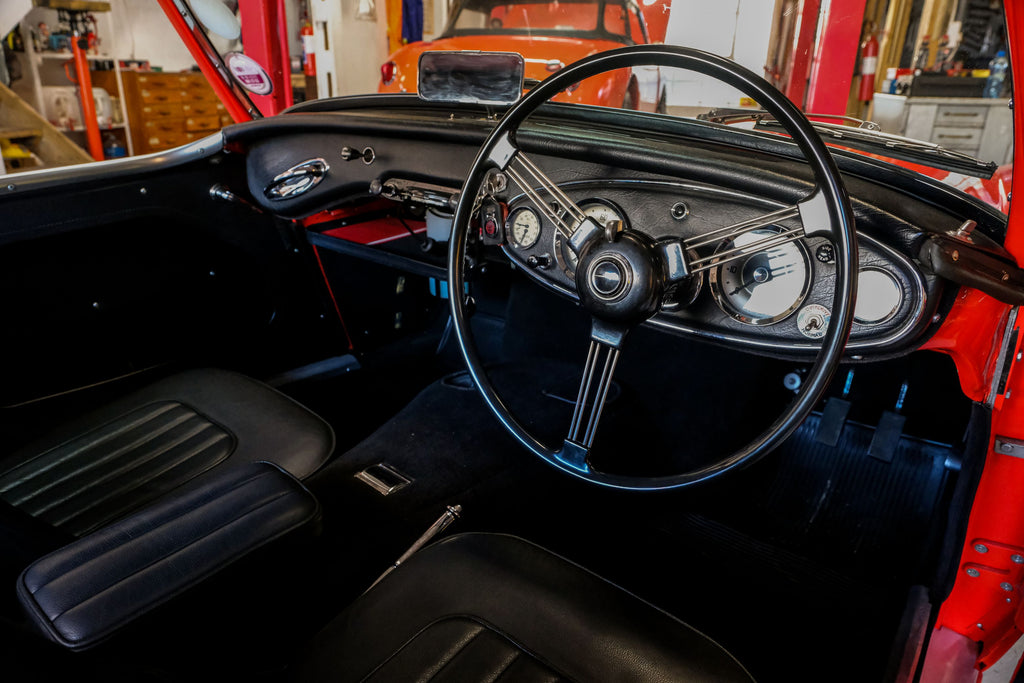
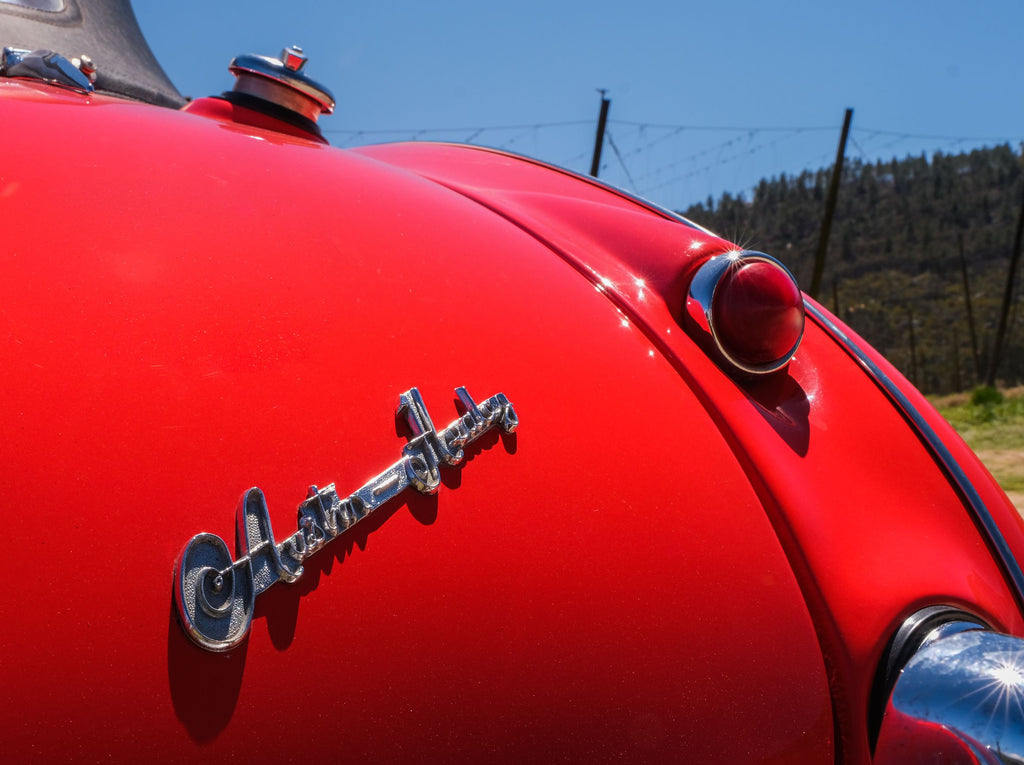
I poked my head into the cabin of a finely preserved 1964 Austin-Healey 3000 Mark III Convertible.
It smelt old.
Where was I going to sit?
By modern standards, the interior is well and truly cramped. Scratching my head, I wondered how on earth I was going to fit my frame into this low-slung British sports convertible.
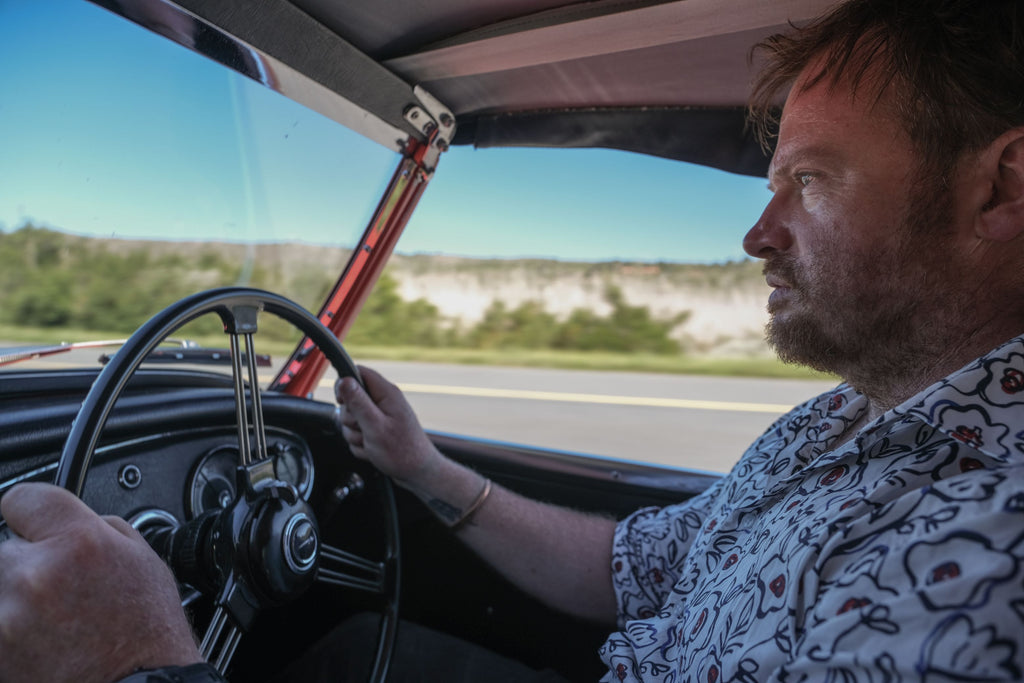
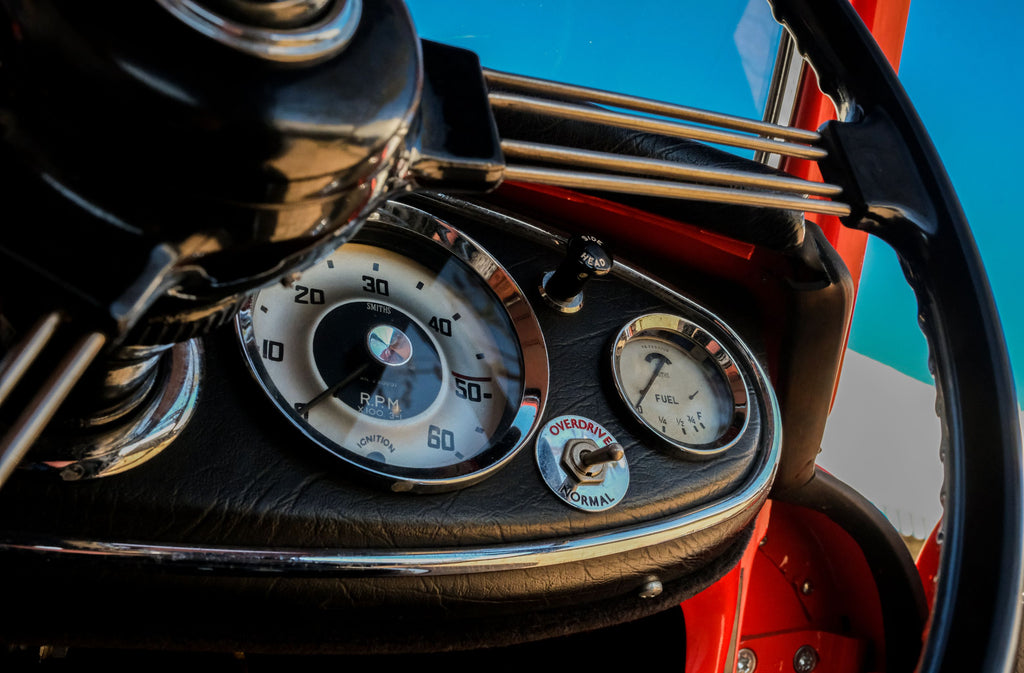
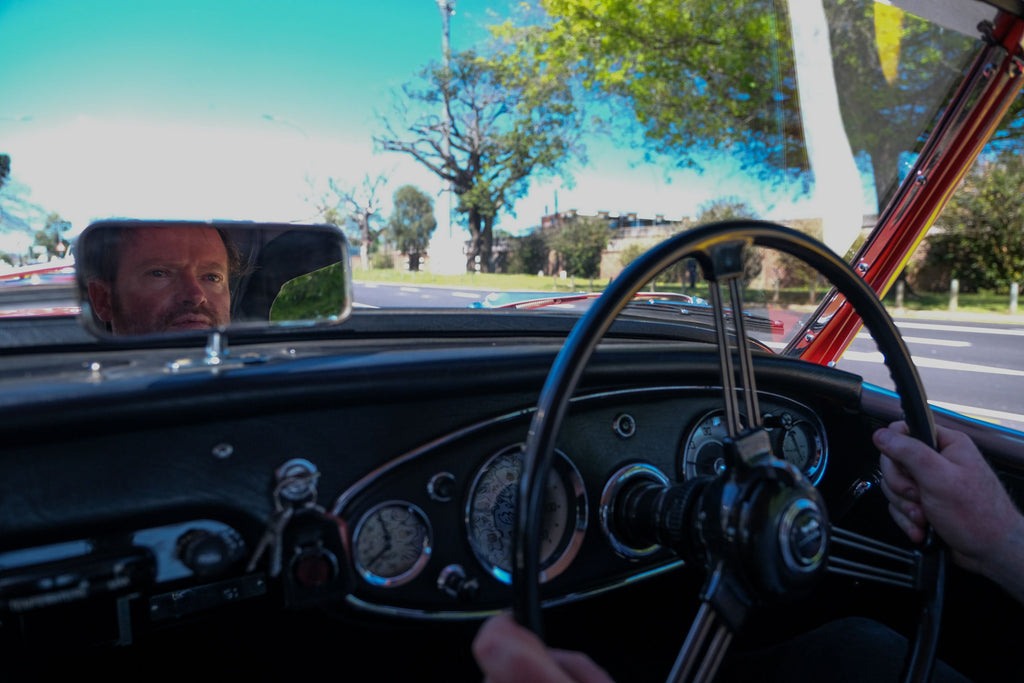
With a huff, a puff and a squeeze, however, I soon found myself behind the thin-rimmed wire steering wheel familiarising myself with all the unfamiliar switches and knobs from a time long gone. It all felt very strange and foreign…
Learning to drive all over again
After a few awkward minutes, I pulled the choke switch out, turned the ignition and feathered the gas. The Austin-Healey’s 3.0-litre inline-6 lump came to life.
It sounded marvellous!
The 4-speed manual is almost as stubborn as I am but I managed to thrust it into 1st and gently set a course towards George along the N2.
My first drive in an Austin-Healey was underway!
Our destination for this drive-out was a roadside pizza joint beyond the picturesque Outeniqua Pass, an excursion hosted by the Austin-Healey Club of Southern Africa.
Knysna town was humming with cars and I wasn’t quite prepared for the stress of driving a classic car in congested traffic. The simplest manoeuvres that drivers of modern cars execute, such as braking, changing lanes, pulling off on an incline etc, all require not only additional planning — but also nerves of steel when you are piloting a classic.
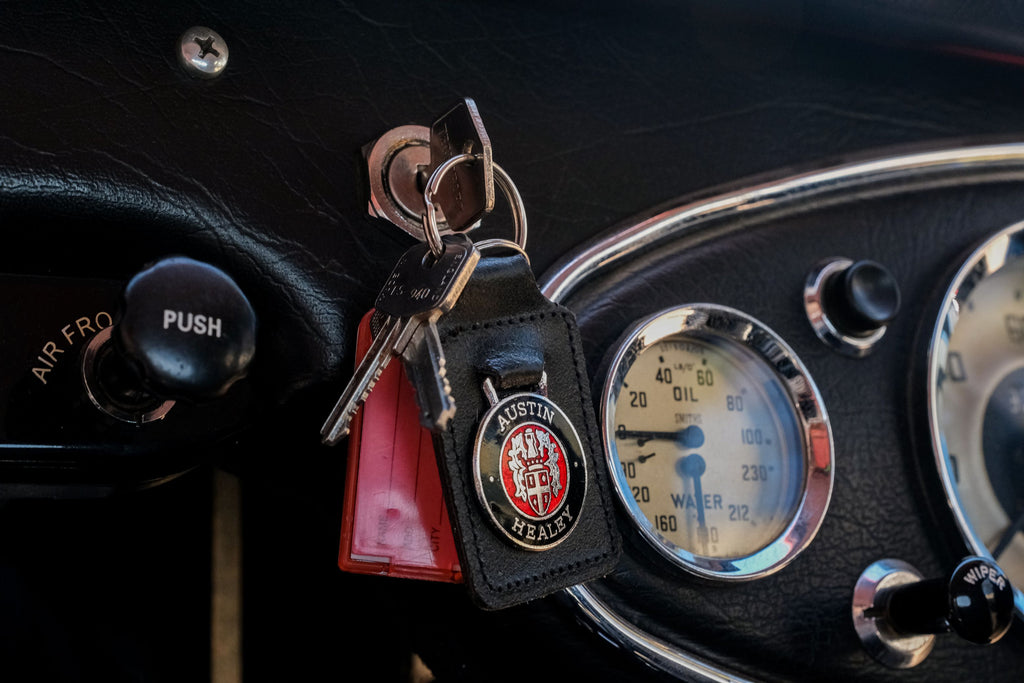
I was warned that the brakes were poor and using the gears for braking proved to be far more effective and forgiving on the car, but that stubborn gearbox wasn’t helping me. The Austin-Healey’s indicator switch is located on the steering wheel, which in this case, requires you manually turn it off. Naturally, I kept forgetting and I was also required to keep a close eye on the water and oil gauges in case of overheating. So much to do! Talk about being spoiled by the conveniences of modern motoring!
Beyond the Knysna Lagoon, I stepped on the gas and was surprised by how tractable the Austin-Healey was in 4th gear, even on steeper inclines. No fighting the gear lever here, the 3000 just got on with it!
More so, I was expecting a hard, wooden ride quality but instead, I was being treated to a rather superbly sprung suspension. The sun was out and the air was warm, the perfect day for a drive in a classic car. Everything was going so right, what could possibly go wrong?
Not so fast, hold your horses!
Just past Sedgefield, we pulled over for a quick break. I depressed the brake pedal and it went straight to the floor. The brakes were shot! A burnt smell filled the cabin and smoke billowed from the front left wheel well.
Oh dear.
My pleasant drive had come to an abrupt end!
Also on the drive was experienced ex-Porsche mechanic, Teengs Snijders. He had a quick look and confirmed that the brakes needed some attention.
With a wealth of experience, Teengs volunteered to drive the brake-deficient Austin-Healey 3000 to our destination while I was offered to pilot an older – but fully restored – 1958 Austin-Healey BN4 100-6 with its engine uprated to 3.0-litre (the original specification engine is a 2.6-litre 6-cylinder engine).
Specifications
Model: 1958 Austin-Healey BN4 100/6
Engine: 2.6-litre straight-6 petrol engine
Power: 76 kW
Torque: 202 Nm
Transmission: 4-speed manual
Weight: 1 089 kg
0-100 kph: 10.7 sec
Top Speed: 167 kph
I wasn’t going to say no!
Just when I thought the fun was all over, we were back on the road!
Being the precursor to the more modern 3000, this older 100-6 was in fine driving condition. The restoration was completed by marque expert Ben Gerber in 2006 and the car has since completed 4 National Tours without any hassle.
Not only is it lighter and slightly more nimble than the 3000, but with its uprated engine, it was also more powerful and livelier to drive.
Donald Healey was the engineer and creator of the hugely successful Healey 100 which from 1952 was developed for the British and American markets and, following an agreement with Leonard Lord of the Austin Motor Company, Austin-Healey was born and the rest is, well, history.
All Austin-Healeys were built to serve a single purpose — to perform in style, but more specifically to travel at over 100 mph (161 kph), which was the ultimate goal of its day.
Engine performance was paramount and of course, chassis and suspension design was critical too. The flowing design of the sports convertible body is sublime, but the car itself was essentially developed around the engine. It’s for this reason that the cabin design, for instance, is simple and wonderfully rudimentary. No luxuries here, sir!
Conveniences such as wind-up windows were therefore non-existent (they only came later on the BJ7 and BJ8). The benefit of this development approach, however, is that the driver is afforded a more invigorating and visceral driving experience because the road, wind and engine noise flow freely through the cabin. You can, of course, get the full experience by ‘dropping the top’ too, if you wish…
Overdrive, which serves as a ‘cruising’ function on the highway, can be engaged in 3rd or 4th gear and then easily disengaged in urban situations or on steeper inclines with an easy flick of a switch.
The convoy of Austin-Healeys meandered through George and up the scenic Outeniqua Pass where the 100-6 Roadster glided through corners with an air of elegance and confidence with the spectacular Outeniqua mountains as a fitting backdrop. Was I driving in heaven?!
After a pleasant lunch stop, I was eager to get more time behind the tiller! I was now more confident and comfortable than I thought I ever would be and the drive back to Knysna proved to be hugely enjoyable and perhaps more importantly — memorable.
This drive reminded me to appreciate the simpler things in life. I have driven many cars in my career thus far but this 1958 Austin-Healey is the oldest car I’ve driven to date. Perhaps it’s their ability to take us back in time but there’s something so undeniably magical about driving older cars.
*Thanks to Brian Bruce at Classique Edge for the opportunity to drive these special Austin Healeys.
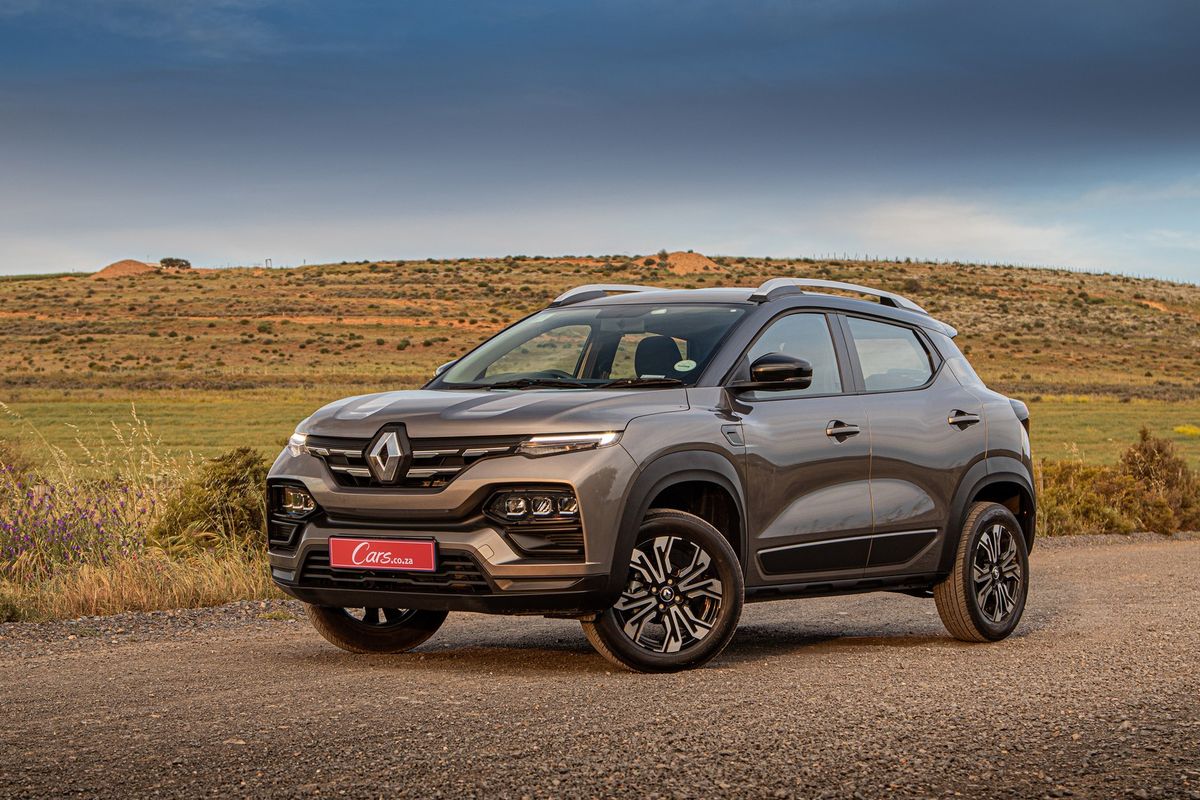
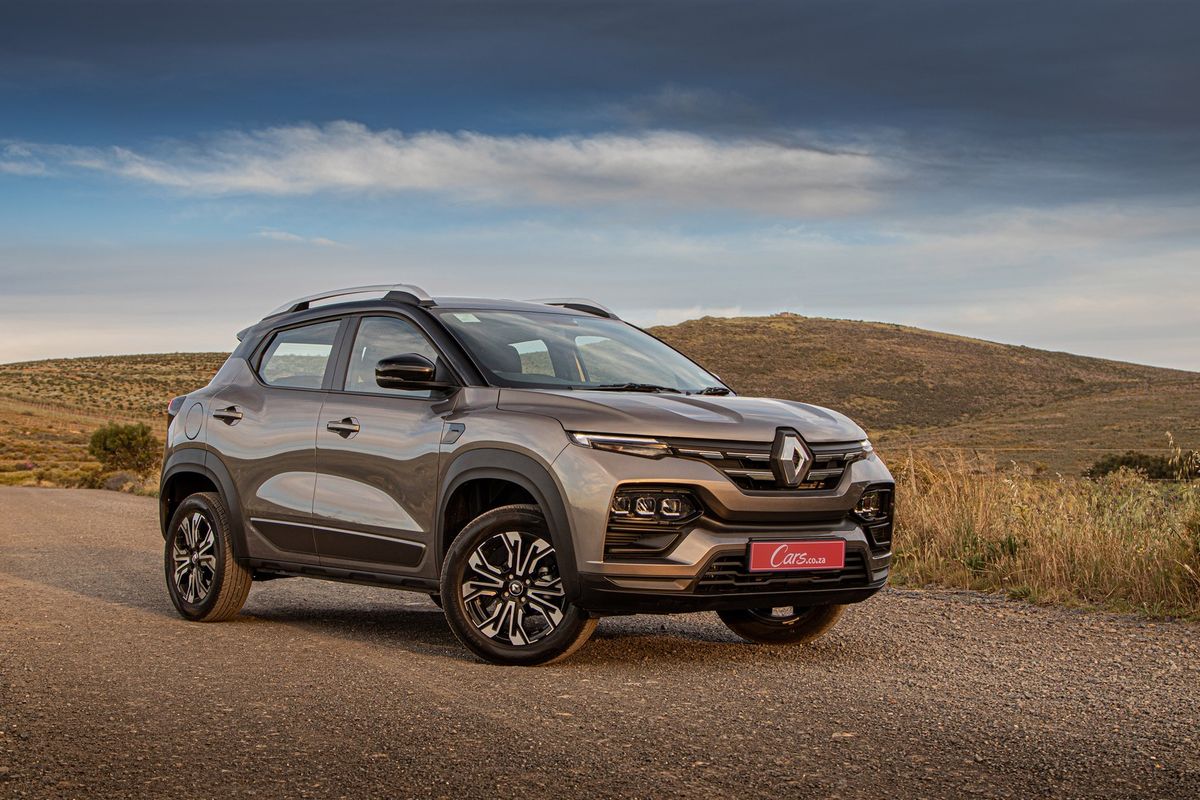
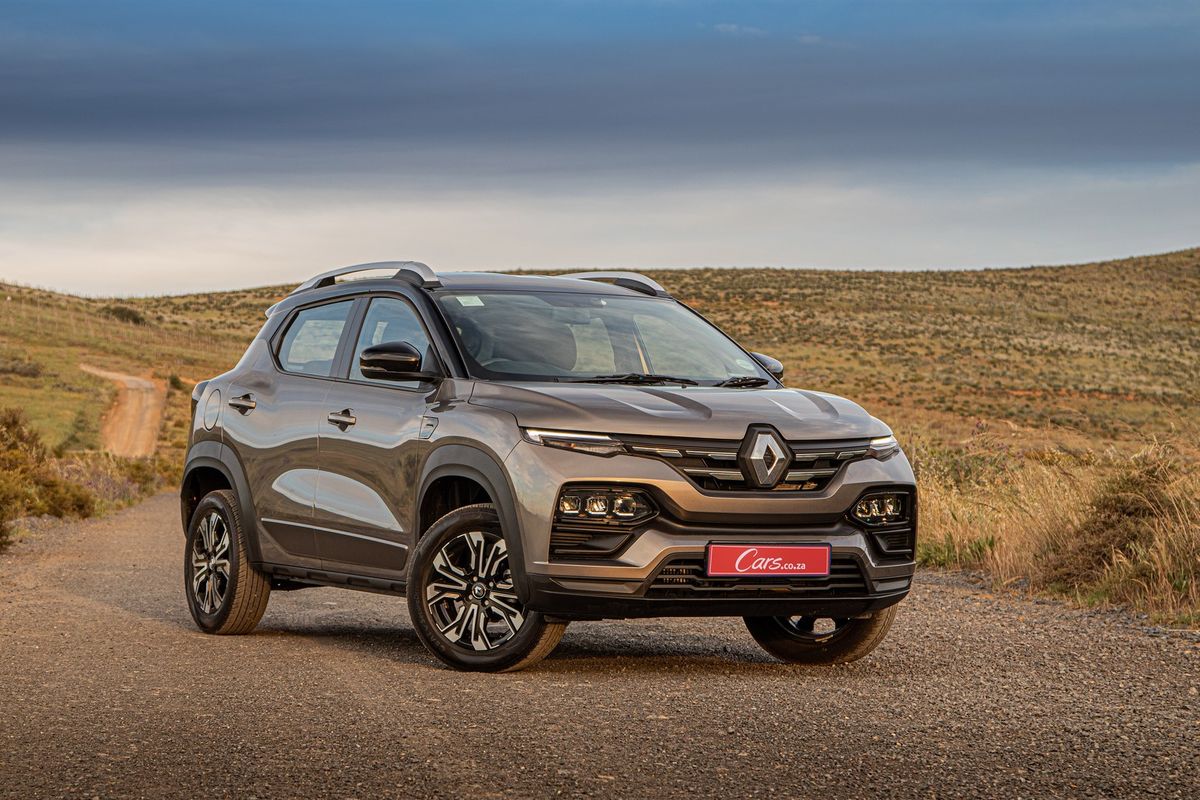
Renault Kiger (2021) Review
The Renault Kiger has joined the rapidly expanding budget crossover segment, but as the competition heats up, any newcomer will need more than good value for money to win over customers. Does the French contender have the complete skillset to steal sales from its rivals? We evaluate the top-spec 1.0 Turbo Intens auto.
We like: Excellent value for money, comprehensive features, big load bay
We don’t like: Unrefined, cheap cabin finishes, poor dynamics
Renault South Africa recently revised its local product line-up to focus on budget cars and affordable crossovers. When the French manufacturer returned to the South African market about 2 decades ago its range was spearheaded by European-made models, but today, the majority of its local products are assembled in India. The strategy is working nicely; Renault SA is achieving impressive sales volumes with the Kwid, Triber, Sandero and Duster – in September 2021, it was the 5th most popular brand in the new-vehicle market. The cars are not the flashiest nor the most glamorous, but offer great value.
Enter the Renault Kiger. Its derivatives are exceedingly well priced (the range starts at R199 900), but the budget crossover still has its work cut out for it… Customers that are shopping around in the R300k market are spoilt for choice. Apart from the popular Ford EcoSport, one could consider the accomplished Kia Sonet or either the Suzuki Vitara Brezza or its clone, the Toyota Urban Cruiser. Then, of course, there is the Haval Jolion just starts just under R300k. The Mahindra XUV300, Honda WR-V and the Nissan Magnite, which shares its platform and powertrains with the Kiger, are also well worth a look.
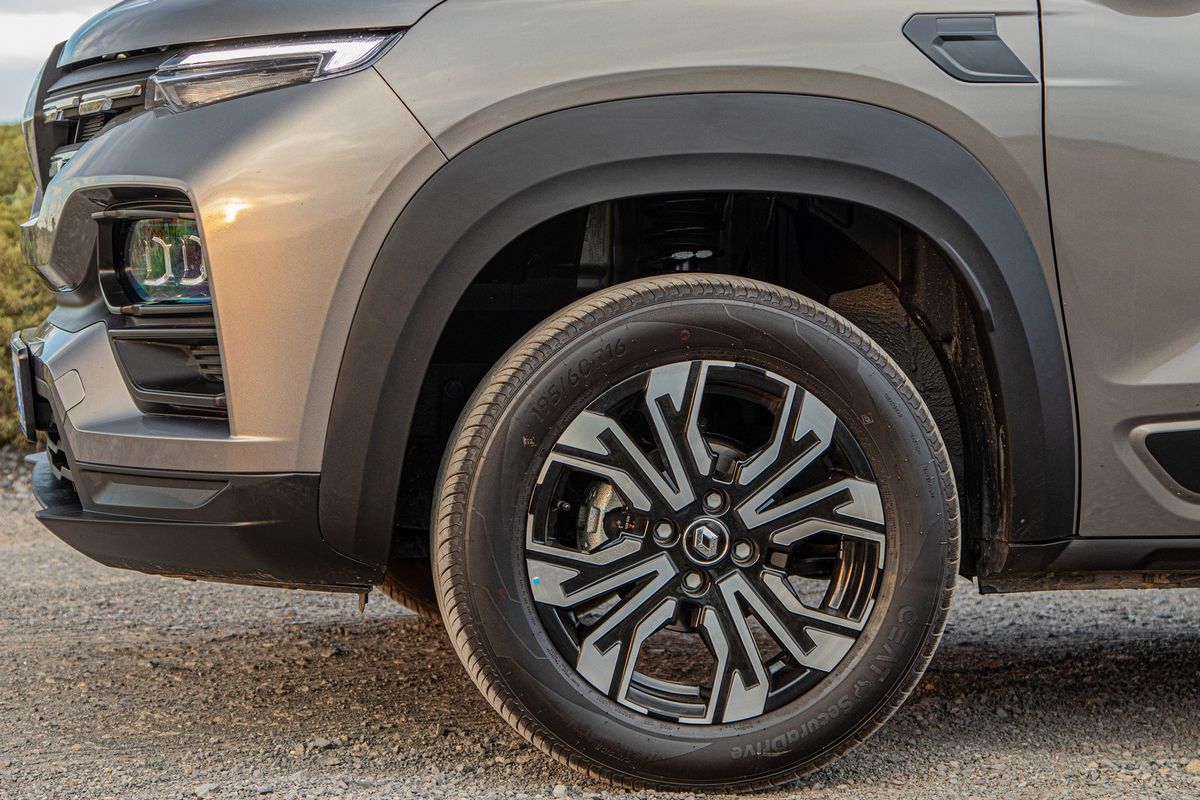
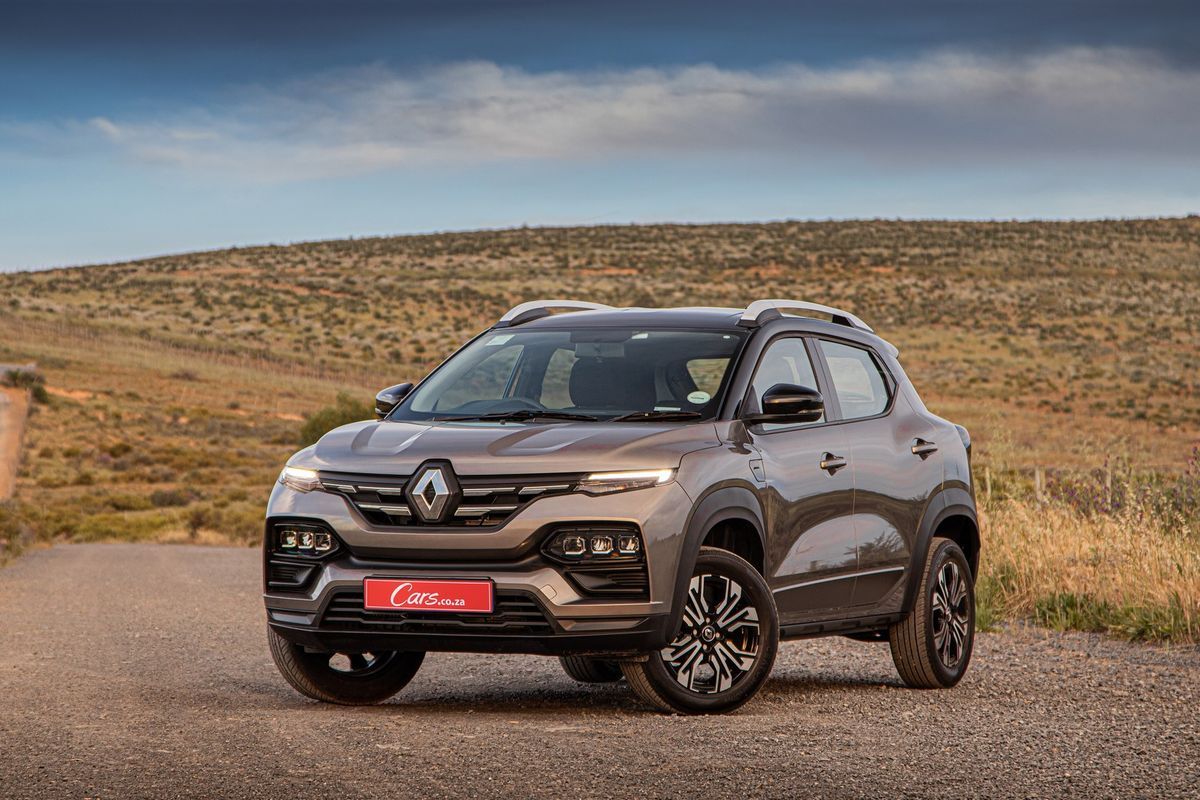
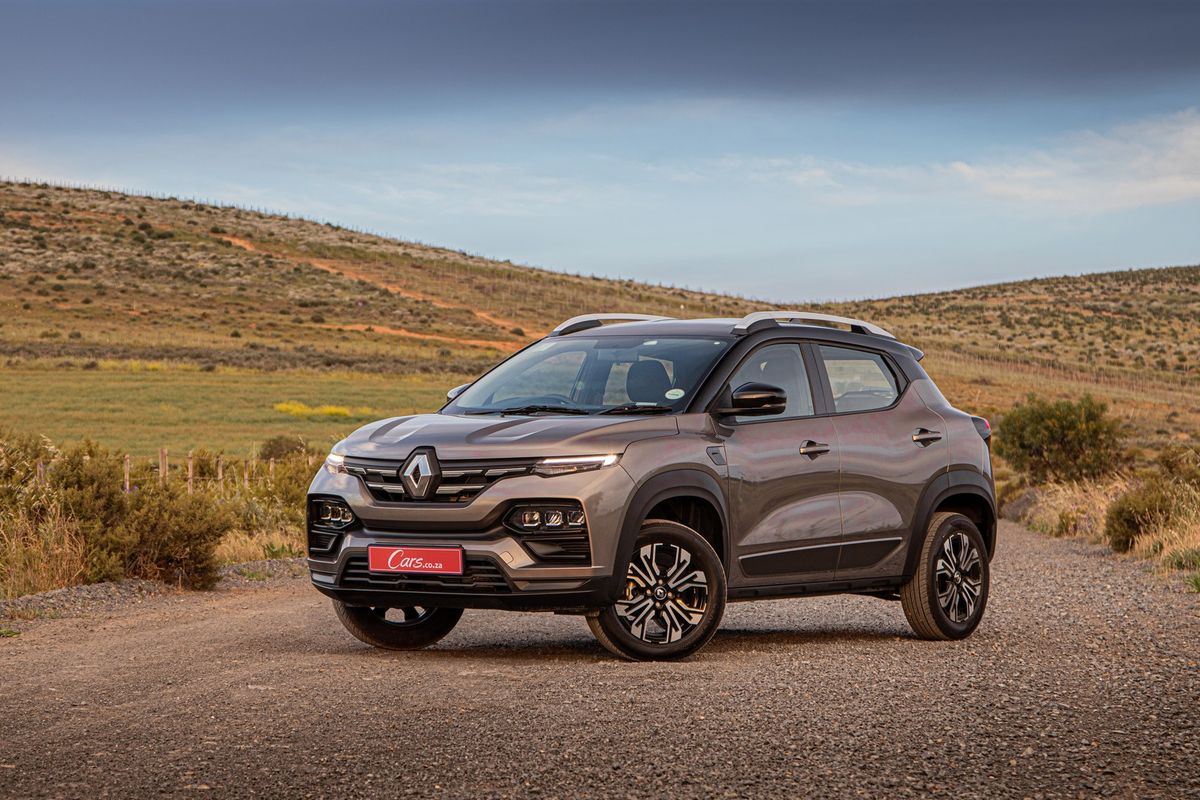
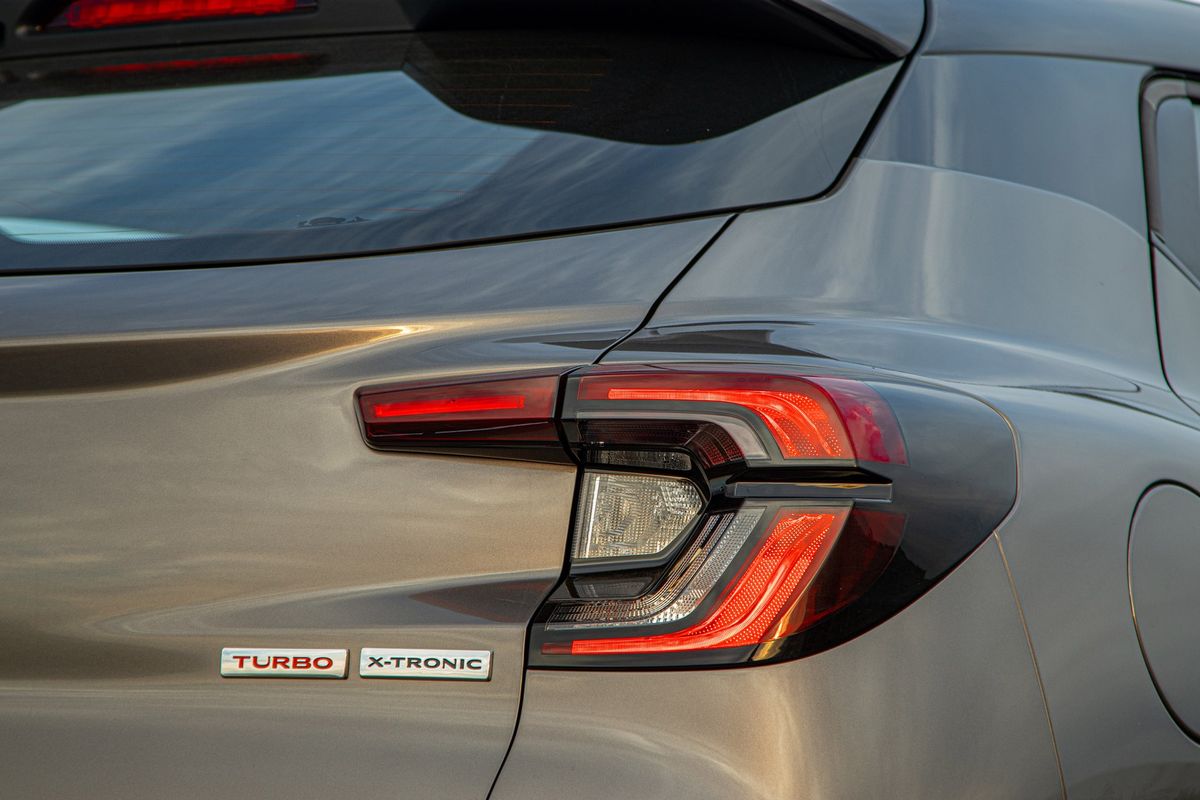
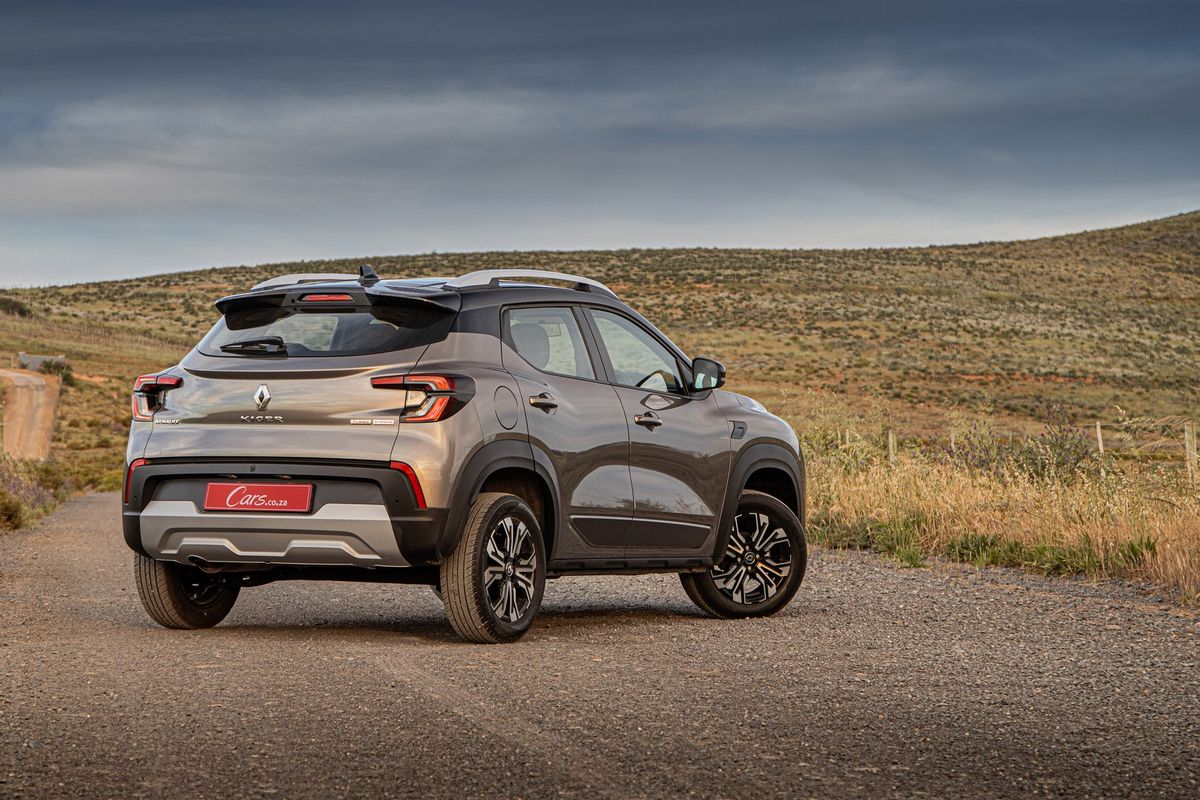
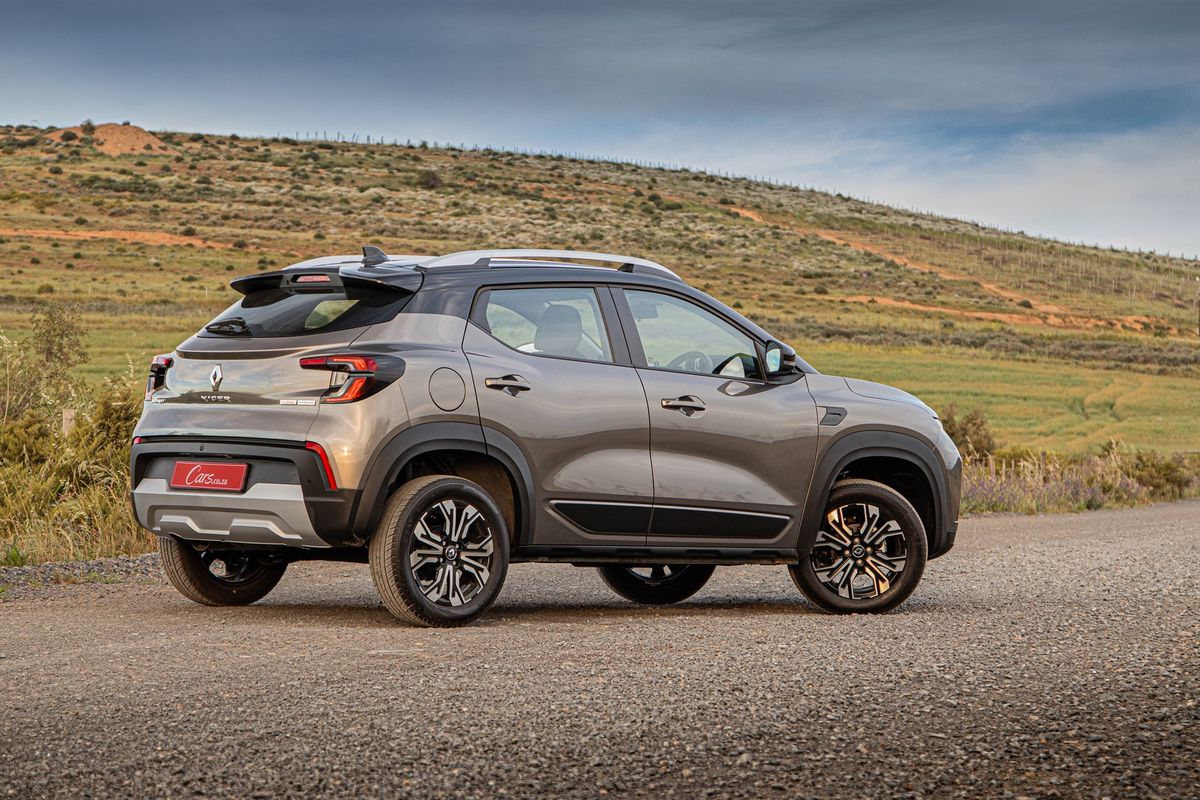
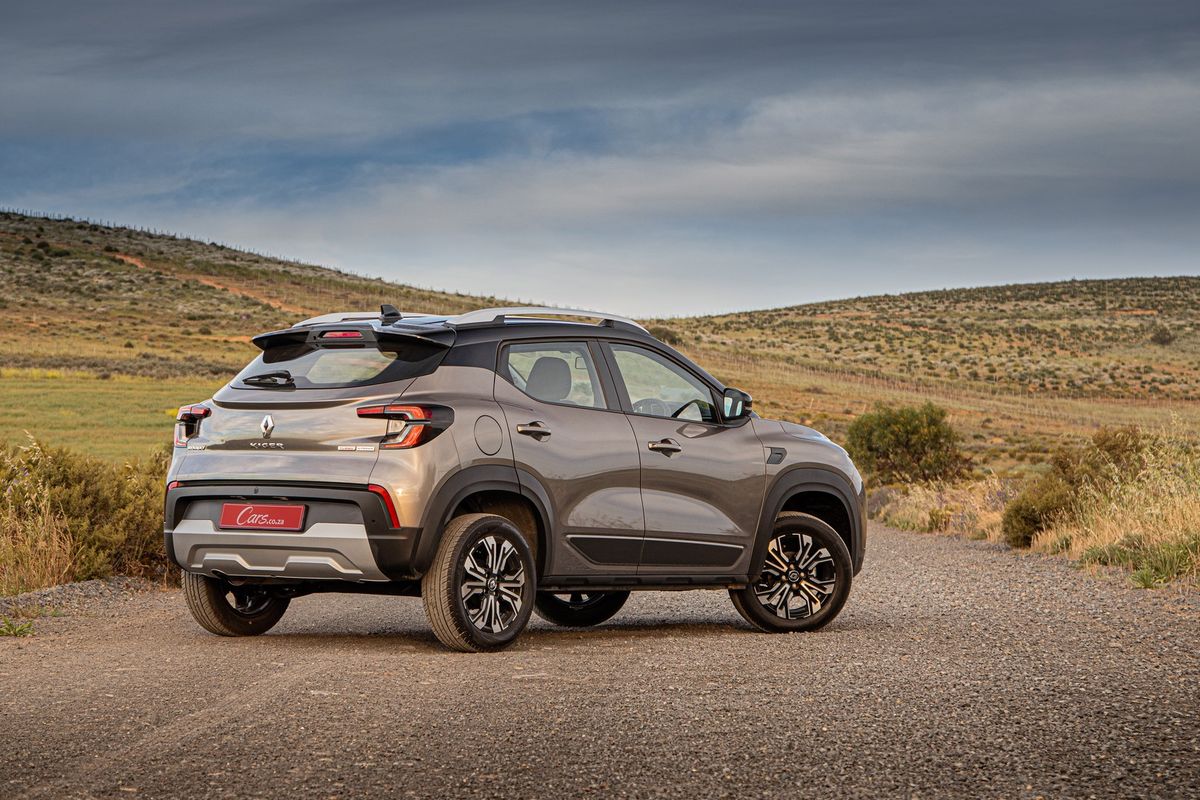
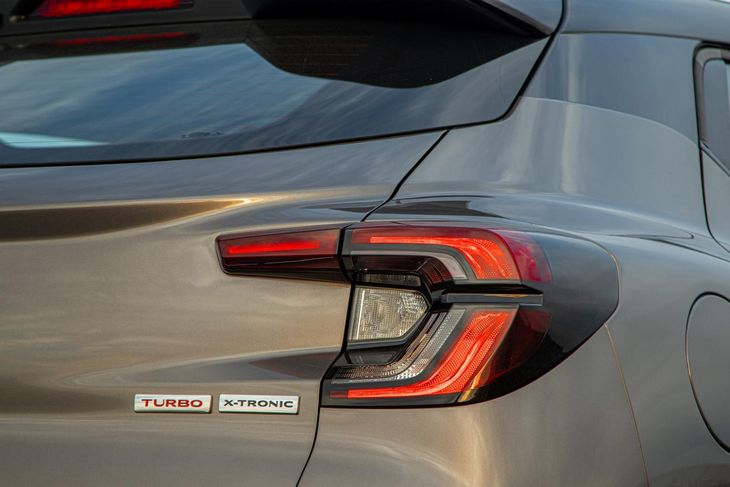
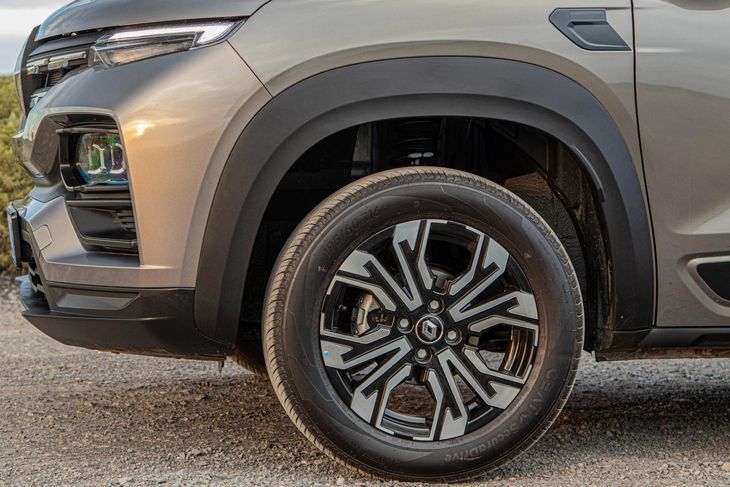
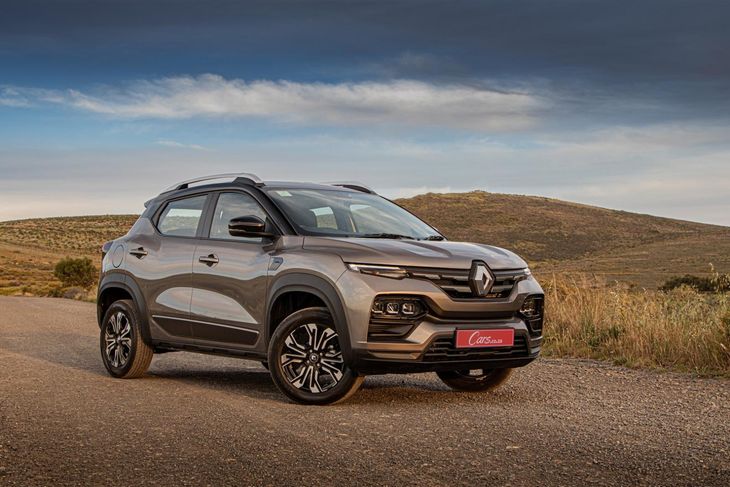
The Renault Kiger makes an instant visual statement, which, of course, is critical in a segment that’s awash with samey products. It’s a bold design and while the front end does have similarities with that of the Kwid, the rear 3-quarter angle shows off a well-proportioned and attractive design. Renault offers the Kiger in attractive paint finishes too… the Planet Grey hue you see here is far more interesting than generic white/black/silver. This flagship Intens derivative additionally features LED daytime running lights, chrome details on the grille, stylish alloy wheels, as well as some offroader-inspired cladding.
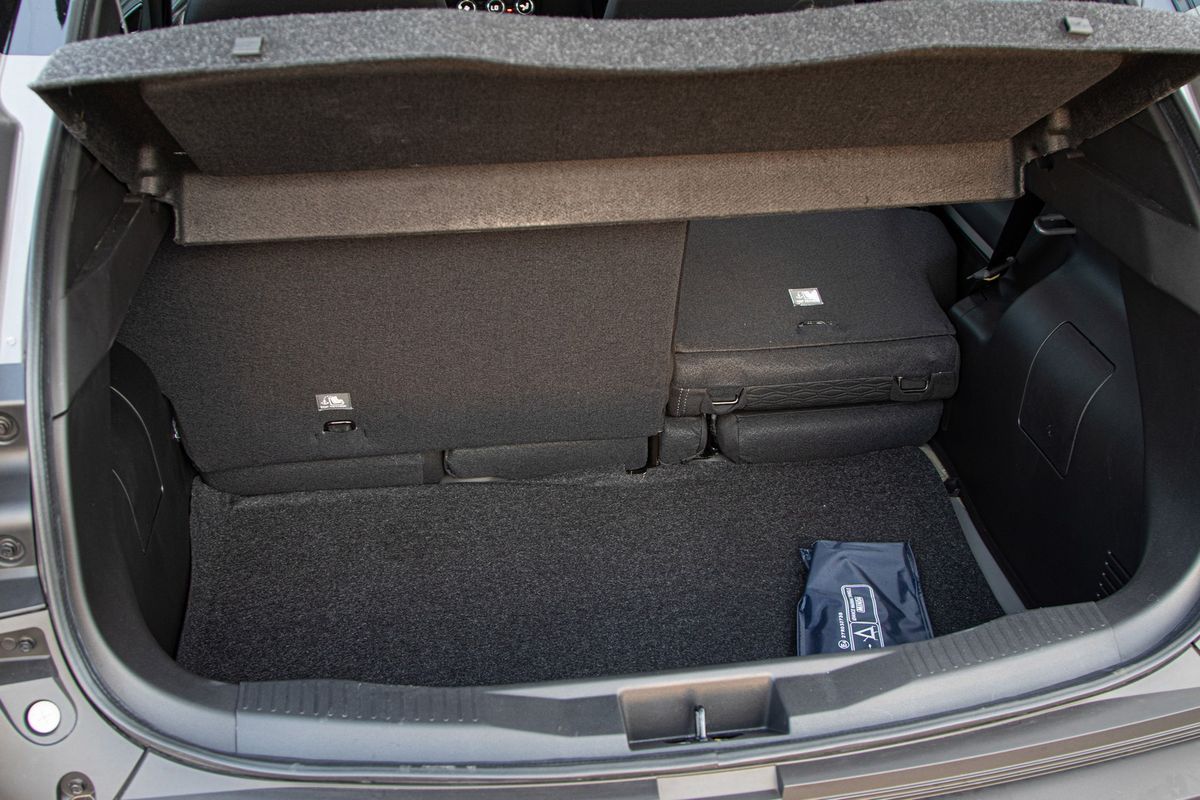
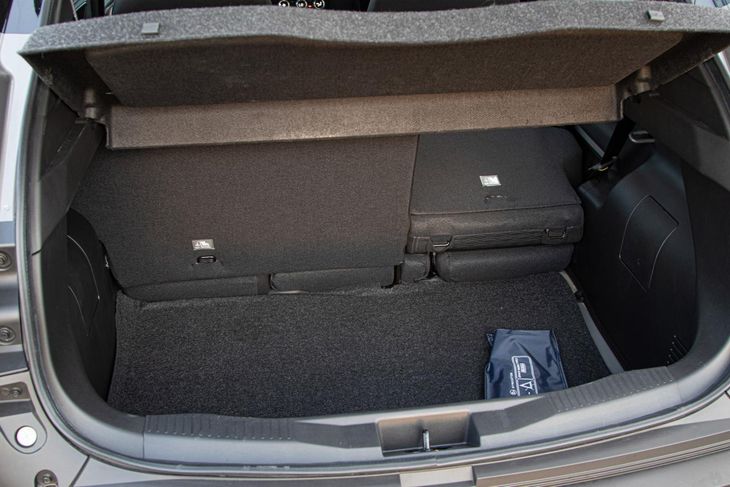
The French marque’s latest Indian-made budget crossover is based on the Renault Nissan Alliance’s CMF-A+ platform, which also underpins the Nissan Magnite and Renault Triber. Given that the Triber’s is a budget people-mover (MPV), it should not come as a surprise that its Kiger sibling is one of the more spacious vehicles in its segment. Renault SA says that the Kiger has the biggest load bay in its segment; we checked that claim using the Cars.co.za Comparison Tool – it appears the manufacturer was not exaggerating!
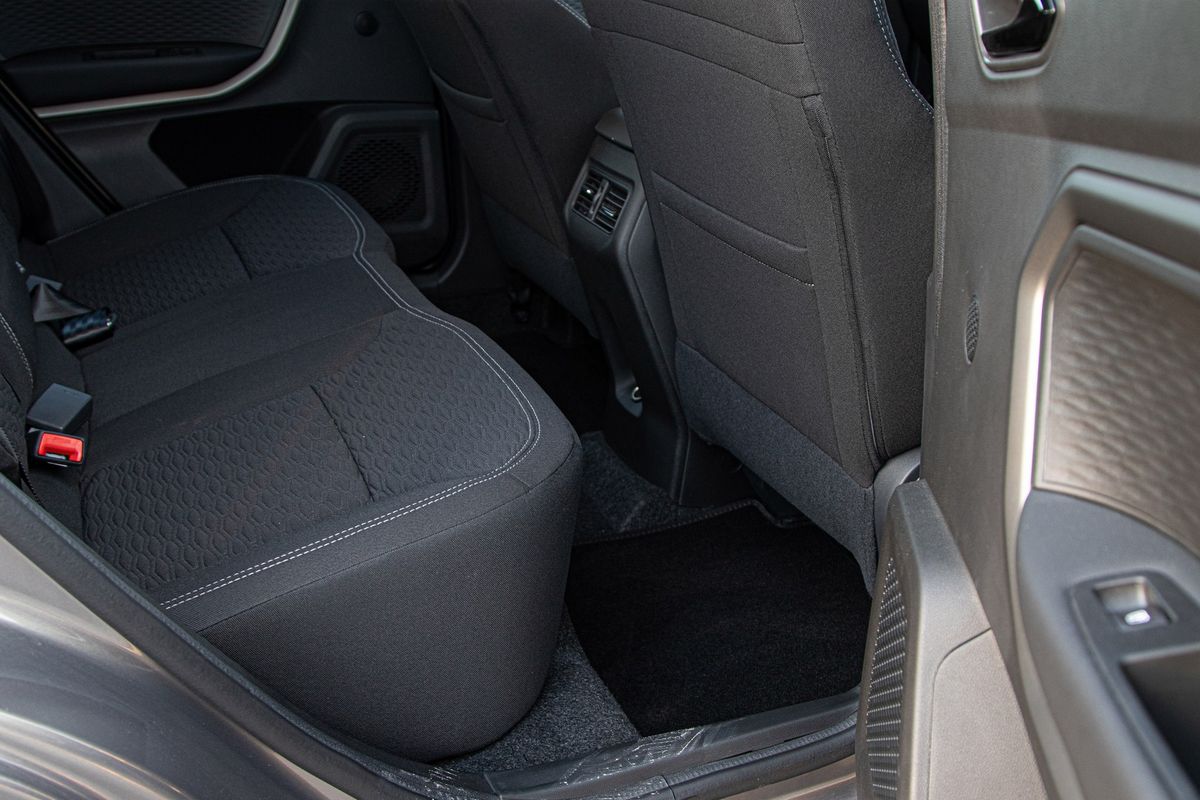
What’s more, unlike some compact cars that have relatively capacious large load bays – at the expense of rear legroom, the Kiger offers reasonable practicality; it can seat a couple of average-sized adults at the back (head- and legroom are quite adequate). Plus, the Kiger’s rear seats offer split-folding functionality. It’s an advantage, as some vehicles in this segment don’t have this feature, believe it or not.
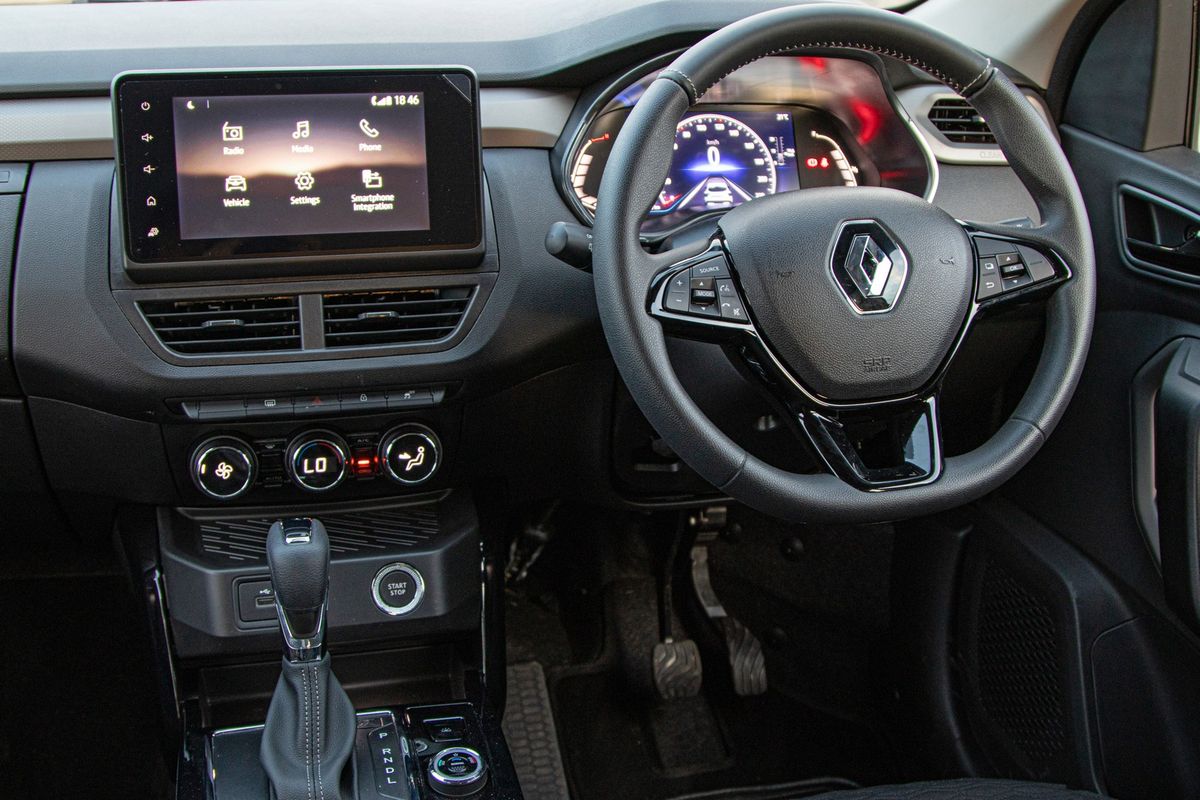
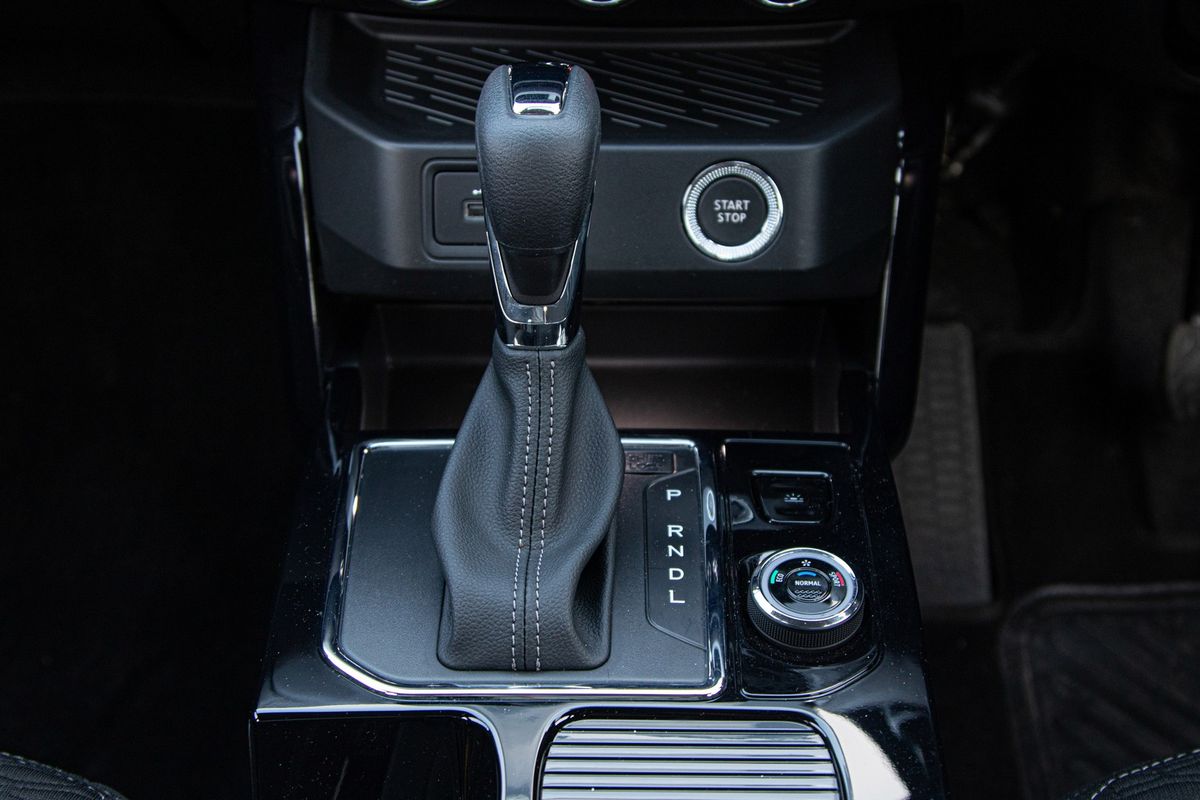
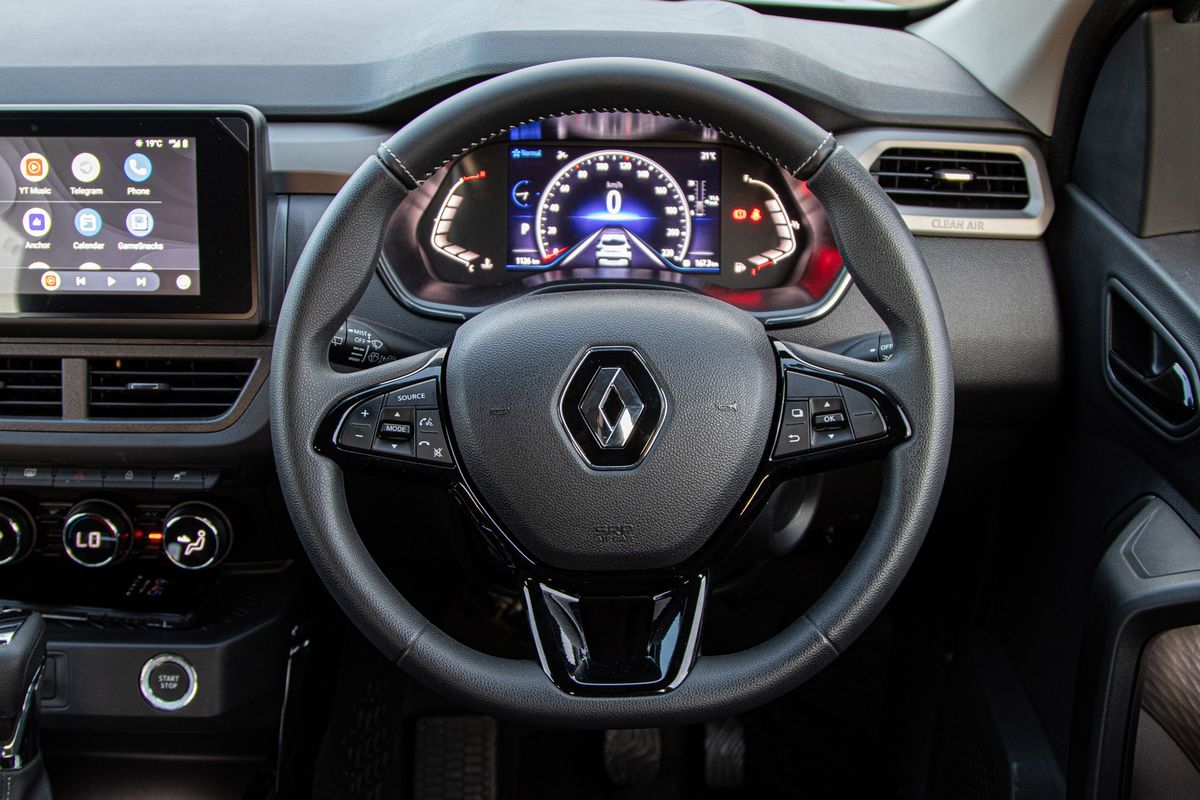
The cabin of the Renault Kiger has been well designed, but from a practical point of view, it is not without fault – there are no cupholders for front passengers. While we don’t always need to transport drinks, those receptacles are useful to hold phones and keys. Interestingly, the Renault has a dedicated phone cradle just ahead of the transmission lever, which is great for obscuring your device from prying eyes.
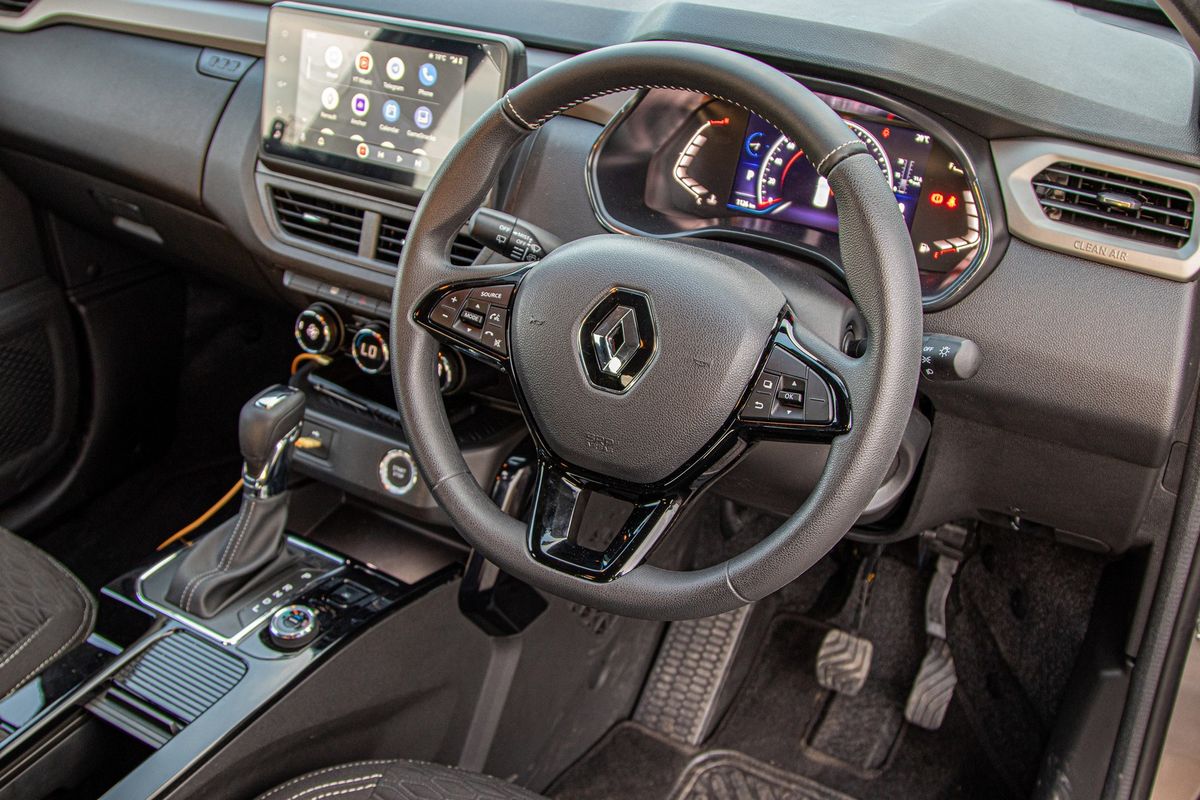
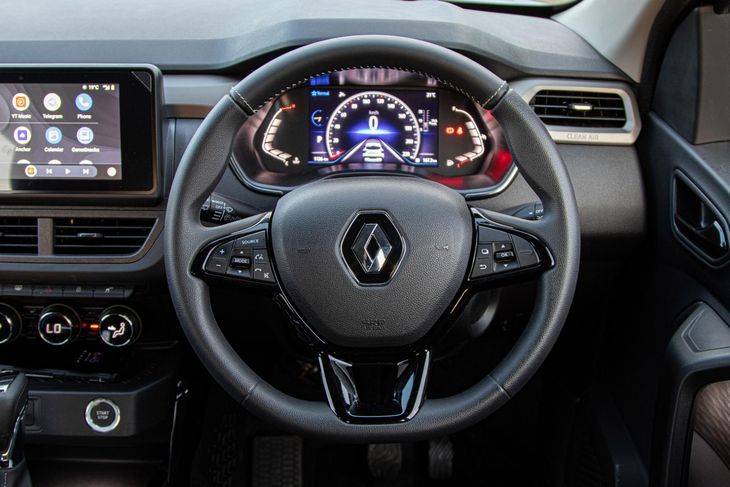
The interior offers a modern layout, with fair ergonomics, but the tactile feel of the cabin materials isn’t on par with the average interior quality of vehicles in this (admittedly budget-oriented) segment. Some panels feel thin and despite liberal use of glossy piano black and leather trim on the steering wheel and gear knob, the overall fit-and-finish is less than great. Worse still, you can see where shortcuts have been taken – a section of the steering mechanism, for example, is exposed in the left corner of the footwell. But, this is one of the cheaper offerings in the segment; some allowances should be granted.
Comfort and safety features
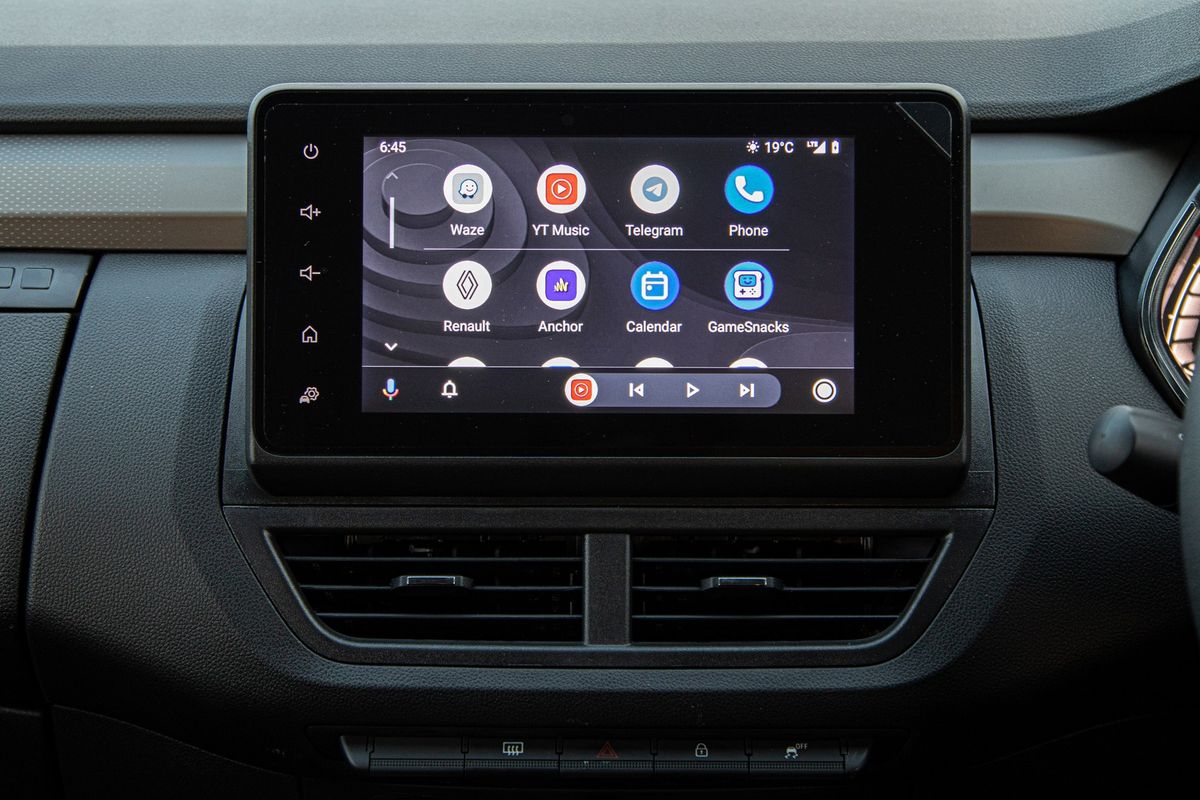
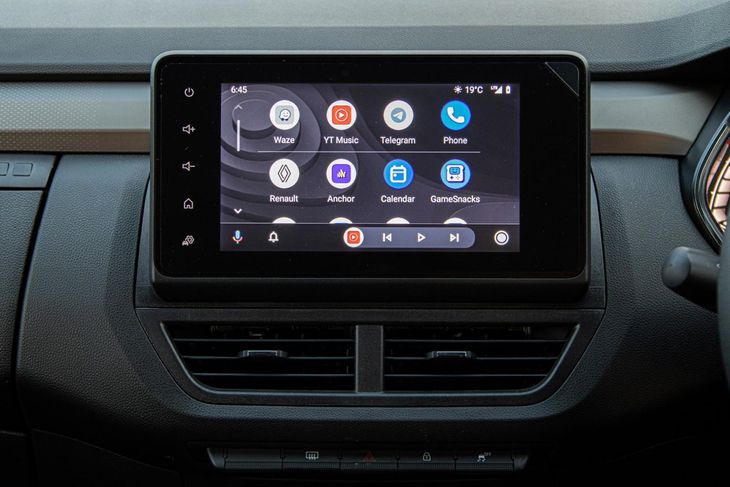
Forget about the flagship derivative for a moment, Renault has done a tremendous job with the standard specification of the Kiger range. Even in base trim, the list of stock equipment is impressive. Renault offers the Kiger in 3 levels of trim: Life, Zen and Intens. This top-of-the-range test unit comes even more liberally equipped; highlights include automatic climate control, selectable drive modes, wireless Android Auto/Apple CarPlay, a 3D audio system, height-adjustable driver’s seats, keyless access, rear parking sensors and a reverse-view camera. The only thing we would have liked to be added is a charging pad, because the wireless Android Auto tended to drain our mobile phone battery rather quickly, requiring us to plug it into the USB port, which eliminated the benefit of the wireless connectivity.
As far as safety features go, only the top-spec Kiger gets the full arsenal of safety systems. In this day and age, we’ve come to expect stability control as standard. The Kiger does have it, but only for the 1.0-litre turbocharged derivatives. Anti-lock brakes (ABS) and EBD are standard, with the base model featuring just two airbags. The mid- and top-spec derivatives have an additional pair of side airbags.
But, how safe is the Kiger, really? We’ve seen in the case of the Datsun Go/Renault Kwid that being equipped with ABS helps (it’s a pre-requisite for our #CarsAwards semi-finalist selection criteria), but it won’t help much when the vehicle’s structure deforms drastically in an impact. Let’s not forget that the Kwid once scored 0 in a Global NCAP crash test, but Renault did make some changes to improve the budget car’s body rigidity. The new Kiger has yet to be crash-tested, but for what it’s worth, the mechanically similar Renault Triber received a 4-star overall rating from Global NCAP, which is fair.
Ride and handling
The Renault Kiger is available with either a naturally-aspirated 1.0-litre- or a turbocharged 1.0-litre petrol engine. The on-paper outputs of the former look anaemic; we do wonder how pedestrian the Life and Zen derivatives will be. The forced-induction 3-cylinder engine is a different story, however; with outputs of 74 kW and 160 Nm, it offers performance that’s on par with the rest of the segment.
Three-cylinder turbocharged engines tend to sound quite raspy (in a characterful kind of way), but, because they have an uneven number of cylinders, they aren’t the smoothest. Most car companies have adopted measures to suppress unwanted vibrations in their 3-pot motors, but in the case of the Kiger, the engine’s rougher-than-usual nature is ever-present. On cold start-up and idle, there’s an unpleasant vibration that makes the rearview mirror shake; not only does it detract from the refinement of the package – it’s distracting. You can feel this vibration through the driver’s seat when the Kiger is stationary.
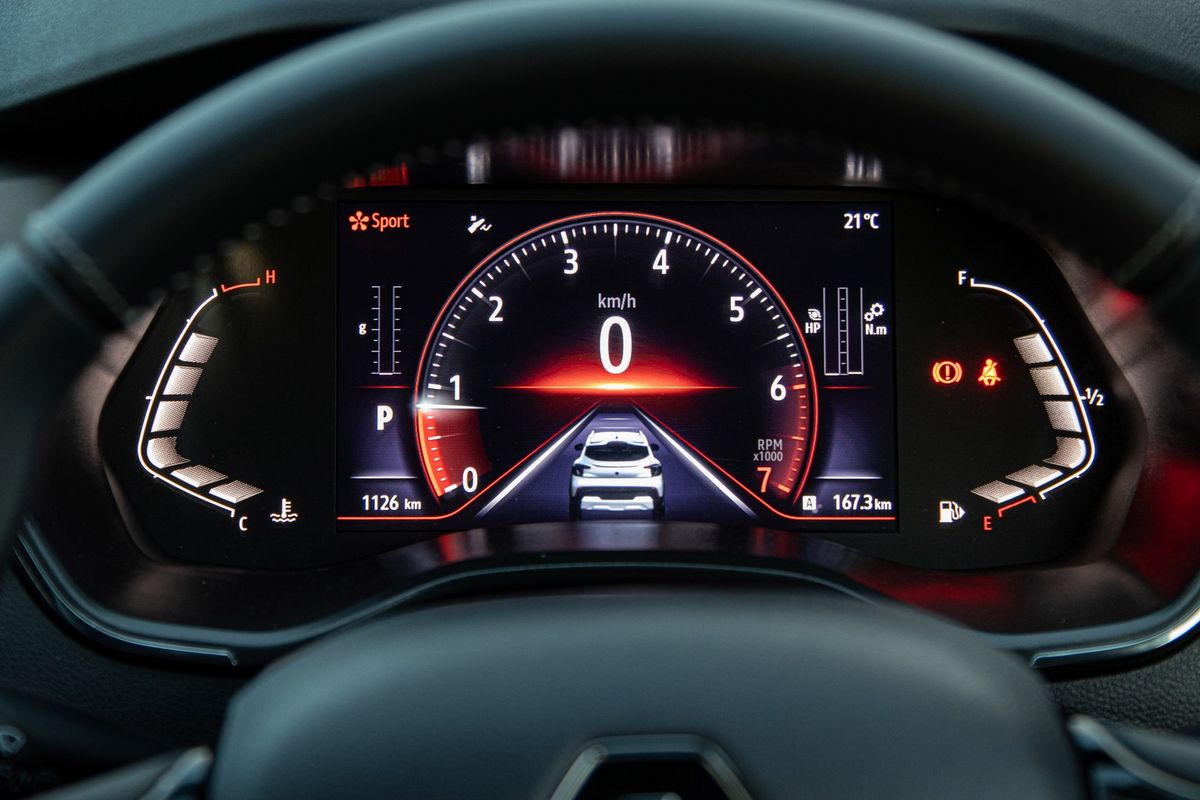
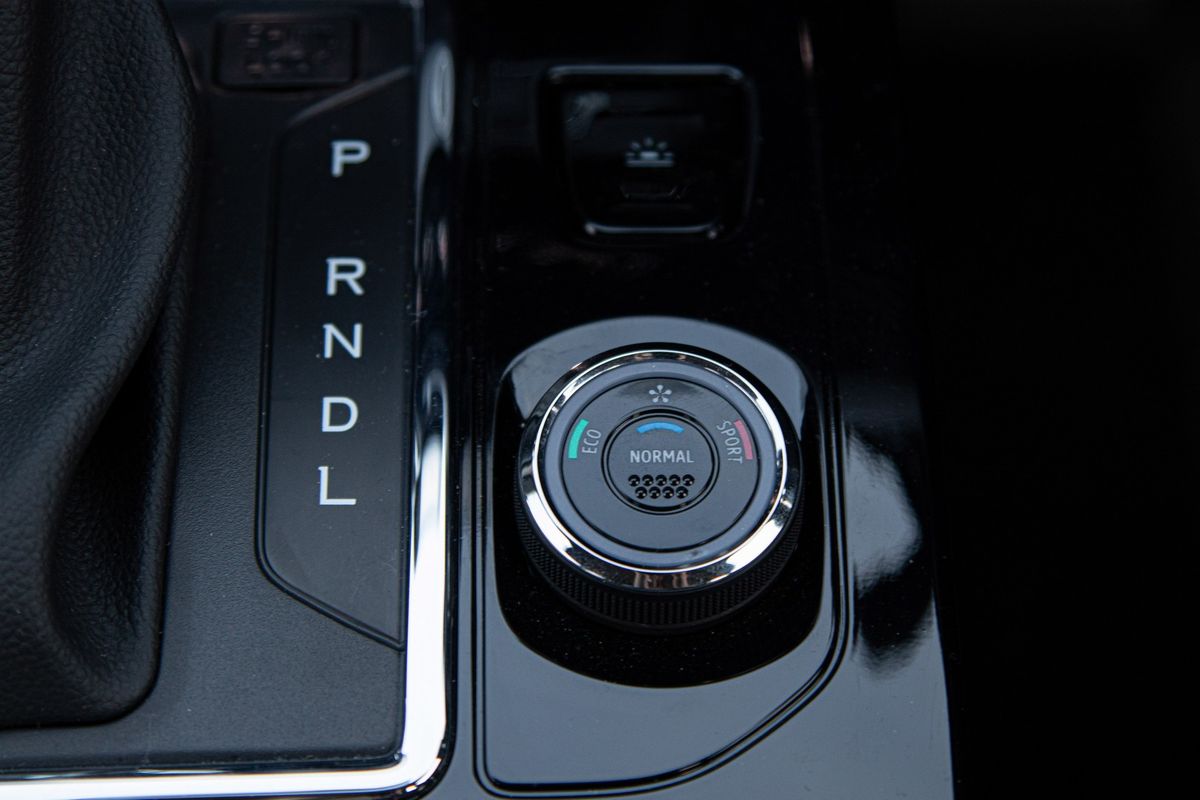
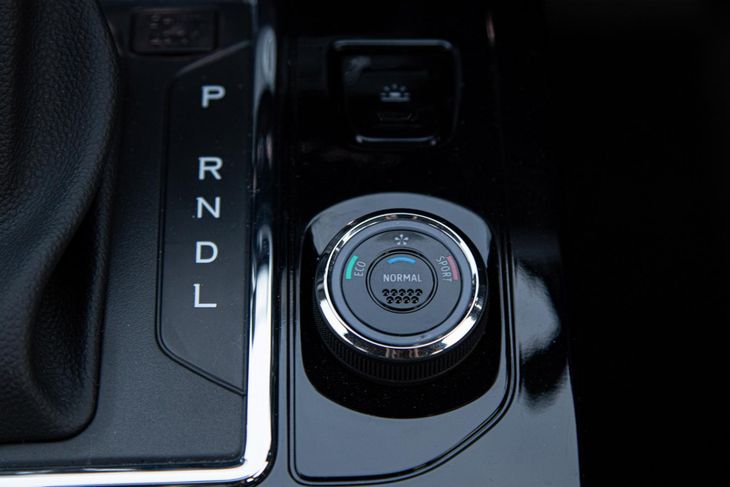
The vehicle comes with 3 selectable drive modes (Eco, Normal and Sport) with graphics/themes associated with each. Sport does exactly what you’d expect: it sharpens the throttle response so that the Kiger feels a bit more eager. Then there’s Eco, which we frankly don’t see the point of. It completely dulls the engine’s responsiveness, so much so, that we thought there was a malfunction and the car had gone into a dreaded “limp-home mode”. Worse still, the responses to accelerator pedal inputs are dialled back to such an extent that you really need to work the long pedal hard to get the car going, which, of course, is counterintuitive. Leave the car in Normal mode, it’s fine! We also noticed a fair amount of wind and road noise at the national speed limit – it’s further evidence the car’s been built to a price.
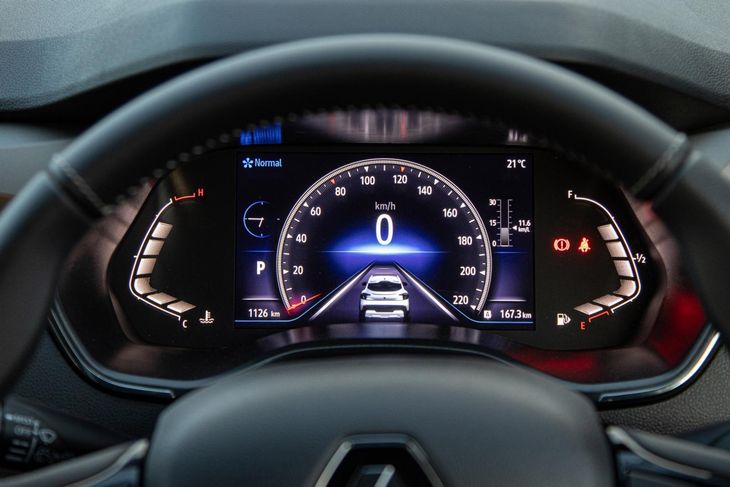
The powertrain does have a redeeming feature, however. In what seems to be an industry first (for a budget car equipped with a continuously variable transmission), the Renault’s CVT is one of the better units of its kind (in our experience). Unlike some CVTs that whine and groan the minute you apply anything more than 50% throttle, this one quietly goes about its business. It feels nicely paired with the engine (to make optimal use of the torque available and keep vibrations in check) and can even deliver punchy performance when required. Think of those times when you need to quickly slot into a gap in traffic… The Kiger can do that with ease. As for fuel economy, Renault claims an average figure of 5.4 L/100 km. We saw an indicated 8.6 L/100 km, but in the Kiger’s defence, we drove mostly in town.
The Kiger’s handling is not the sharpest or most confidence-inspiring, although sure-footedness is admittedly not a key performance area for a budget crossover. Given its upright stance and raised ride height, we weren’t expecting the Renault to have corner-carving abilities, but significant body roll can be induced by only the slightest of steering adjustments. Performing an emergency lane-change manoeuvre with this model may be a hair-raising experience, especially for inexperienced drivers. This is not an issue exclusive to the Kiger – the Magnite and Triber also feel a trifle unsettled at times.
For what the newcomer lacks in handling dynamics, however, it makes up for it with a pliant ride quality. On the daily commute (when travelling to work at sub-freeway speeds, for example), the vehicle’s suspension and high-profile (generously sidewalled) 16-inch tyres deal with most road imperfections in an assured manner. The ground clearance (205 mm) makes the Kiger quite stable on gravel routes, but, as we discovered, you’re likely to struggle to place the newcomer accurately on an unsealed road because of its lifeless steering. Fortunately, this city car is unlikely to traverse gravel routes often…
How much does the Renault Kiger cost in South Africa?
The Renault Kiger range starts from R199 900 for the non-turbo 1.0 Life and goes up to R289 900 for the 1.0 Turbo Intens auto tested here. The Kiger 1.0 naturally-aspirated model is sold with a 5-year/150 000 km warranty and a 2-year/30 000 km service plan, while the turbo derivatives get the same warranty, but 3-year/45 000 km service plans.
Many new car prices have escalated beyond the means of the average consumers (let alone 1st- or 2nd-time car buyers), but it’s great to see brands going head-to-head in an effort to provide better value-for-money budget crossovers (entry-level compact family cars). That’s because the tougher the competition gets in this segment, the more brands will beef up their products’ purchasing propositions.
The Kiger has an impressive array of standard features and Renault SA’s prices are very competitive; it has racked up (and should continue to garner) substantial sales based on those factors alone. The 1.0 Turbo Intens auto certainly looks the part and, if you only have R289 900 to spend and desire a top-of-the-range budget crossover, you won’t get more nice-to-haves for less money (in a new car).
As an overall product, however, the Kiger has some rough edges. Its sticker price is certainly appealing, but that’s not because Renault has managed to fit a glut of features very cost-effectively – quality-wise, the Kiger is built to a lower price than its rivals and that is evident in the newcomer’s poorer refinement, cheap-feeling trim and marginal fit-and-finish (its Nissan Magnite cousin is much the same).
By comparison, the flagship Magnite 1.0 Turbo Acenta Plus auto offers a slightly longer warranty and a few more gizmos (cruise control and surround-view camera, but 2 fewer airbags) than the top-flight Kiger, but costs R22 000 more than the Kiger 1.0 Turbo Intens auto. The top-spec Suzuki Vitara Brezza, Kia Sonet, and Toyota Urban Cruiser derivatives cost R20k, R27k and R37k more respectively.
But that’s only part of the story… if you can live without the Kiger’s eye-catching styling and crowd-pleasing features such as slick electronic screens (and, okay, that spacious load bay), you could also opt for a mid-range Sonet 1.5 LX auto (R296 995), which offers better on-road dynamics, feels better finished and has 1-year longer service plan.
The most affordable automatic Vitara Brezza is comparatively soberly specified, but it costs only R264 900 and has a 5-year/200 000 km warranty and a 4-year/60 000 km service plan. For just over R9k more than the price of the 1.0 Turbo Intens auto, you could get the Urban Cruiser 1.5 XS auto. The Japanese contenders feel a lot more substantial in terms of quality, refinement and on-road manners.
If you want a more spacious cabin and “a bit of extra zip”, consider forking out R299 900 (R10k more) for a Haval Jolion 1.5T City. The Chinese model has proved extremely popular since it debuted earlier this year and although the entry-level derivative has a manual transmission (it’s not an auto), it represents an ideal segue between the budget crossover and more upmarket compact family car segments…
Citroen C3 Aircross (2021) Specs & Price
The Citroen C3 Aircross has been updated for 2021. Here’s the specification and pricing for the funky French crossover.
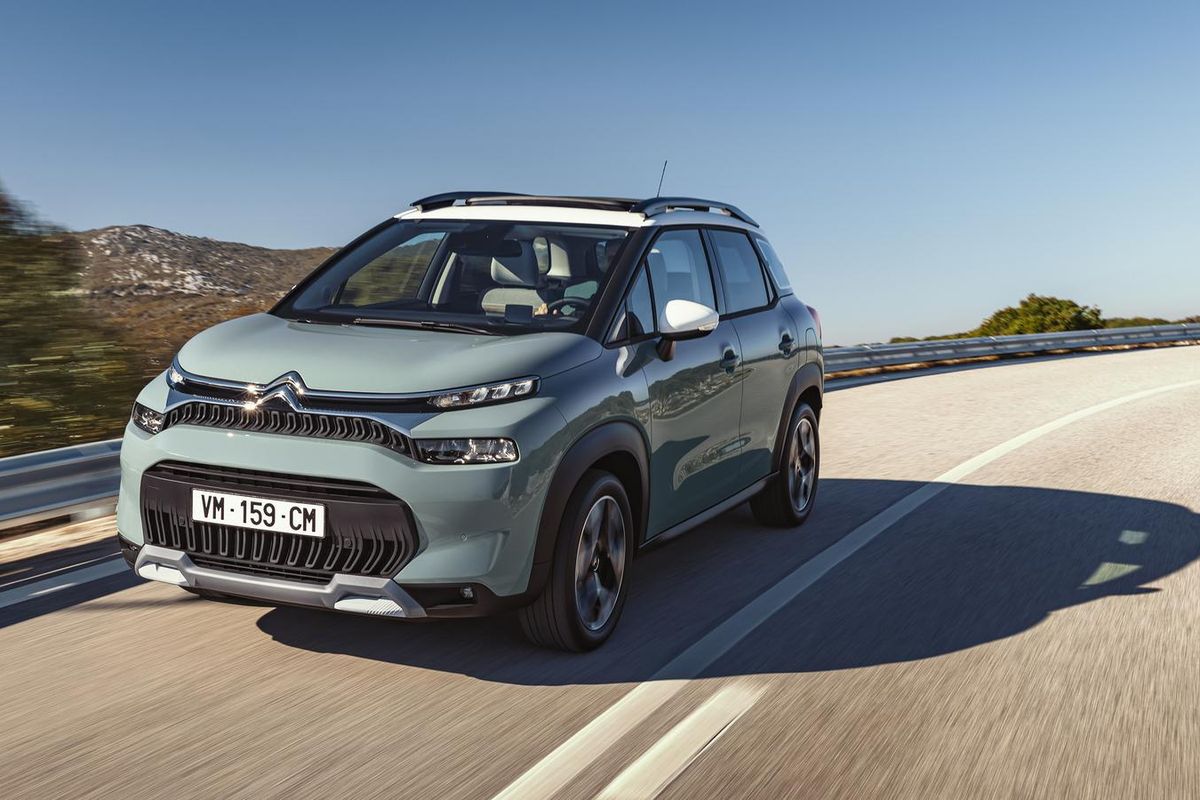
The Aircross recipe is a simple one, take an existing stylish Citroen and convert it to an SUV. The Citroen C3 Aircross takes the existing C3 hatchback and it’s been transformed into a practical crossover. For 2021, Stellantis says the Citroen C3 Aircross has been given some updates to “show a more assertive personality” and the cabin has been rejigged for enhanced practicality.
What’s New?
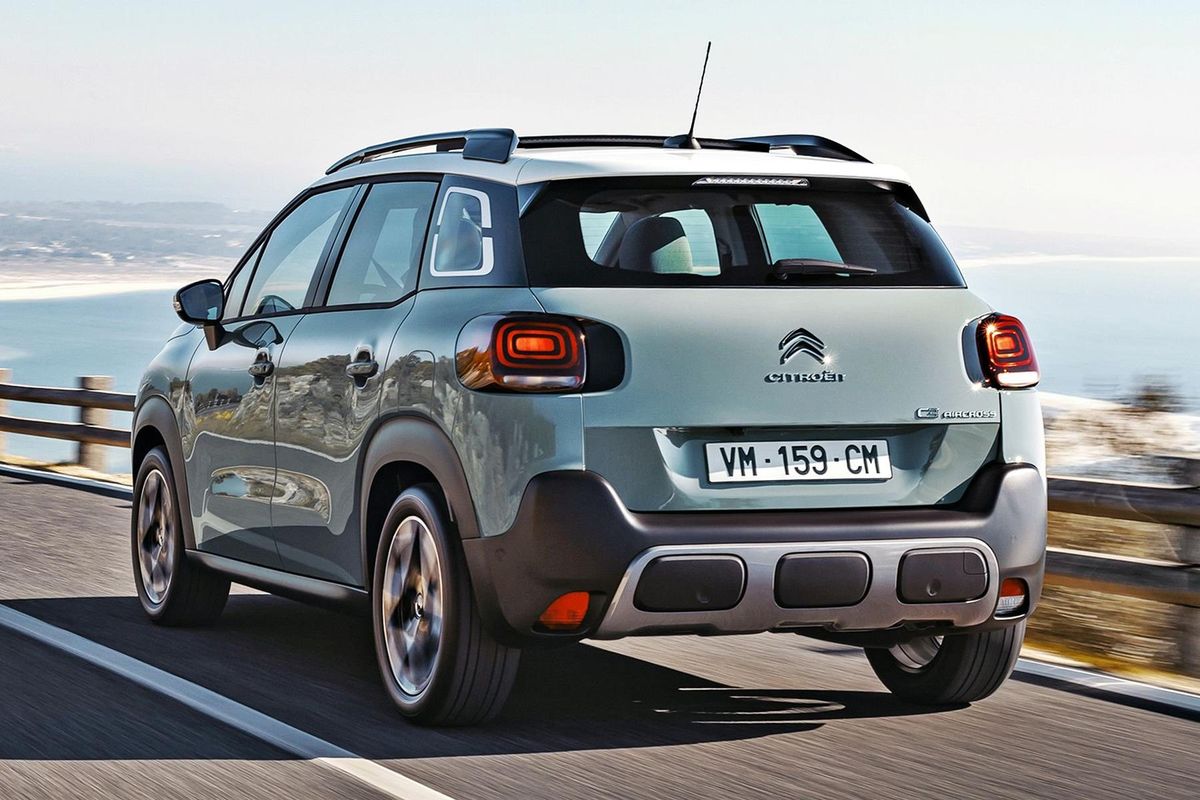
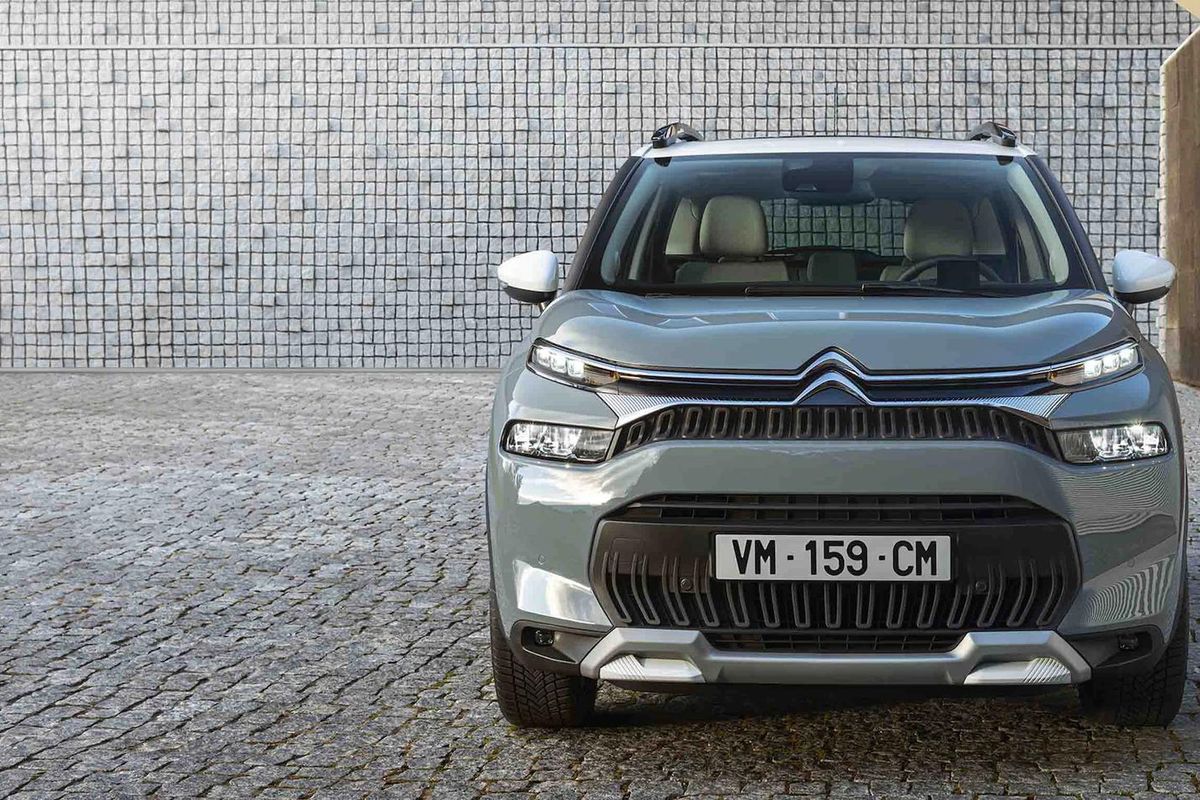
The updated Citroen C3 gains a fully revised front, designed to separate it from the standard C3. The new grille is big and imposing, plus there are some chunky add-ons like the wheel arches and front/rear skid plates to give it an offroad look. There are some LED headlights and LED daytime running lights. Some roof rails round off the style updates.
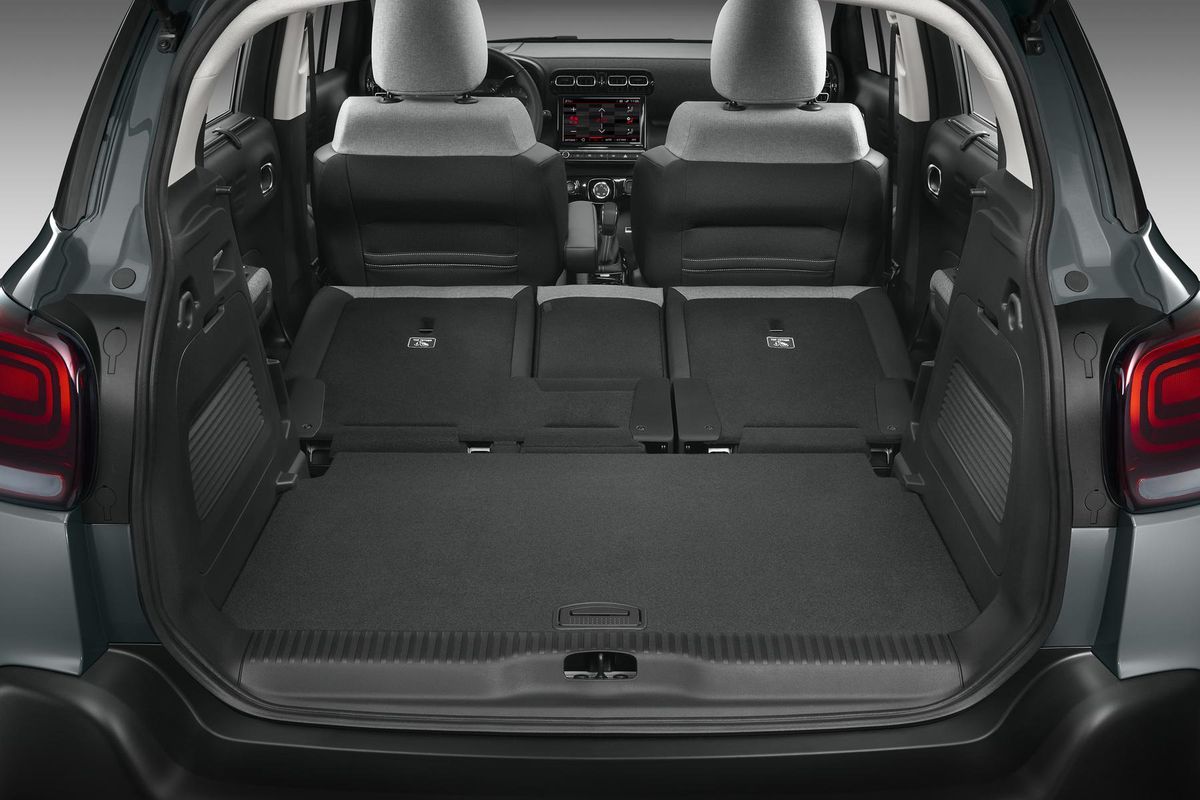
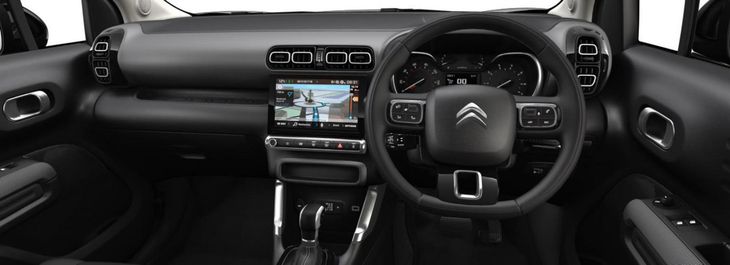
Inside, the Citroen C3 gains additional practicality with a rear bench that can slide 150 mm and the front passenger seat can fold flat. If you need to transport long objects, like curtain rails or furniture, it looks like Citroen will have you covered. The boot space is rated at 410 litres – 520 litres depending on the position of the rear bench, but if you fold the seats down, 1 289 litres are available. Other clever practical touches include a new central console that can be accessed by the front and rear passengers and there are plenty of pockets as well as a small tray in front of the front passenger.
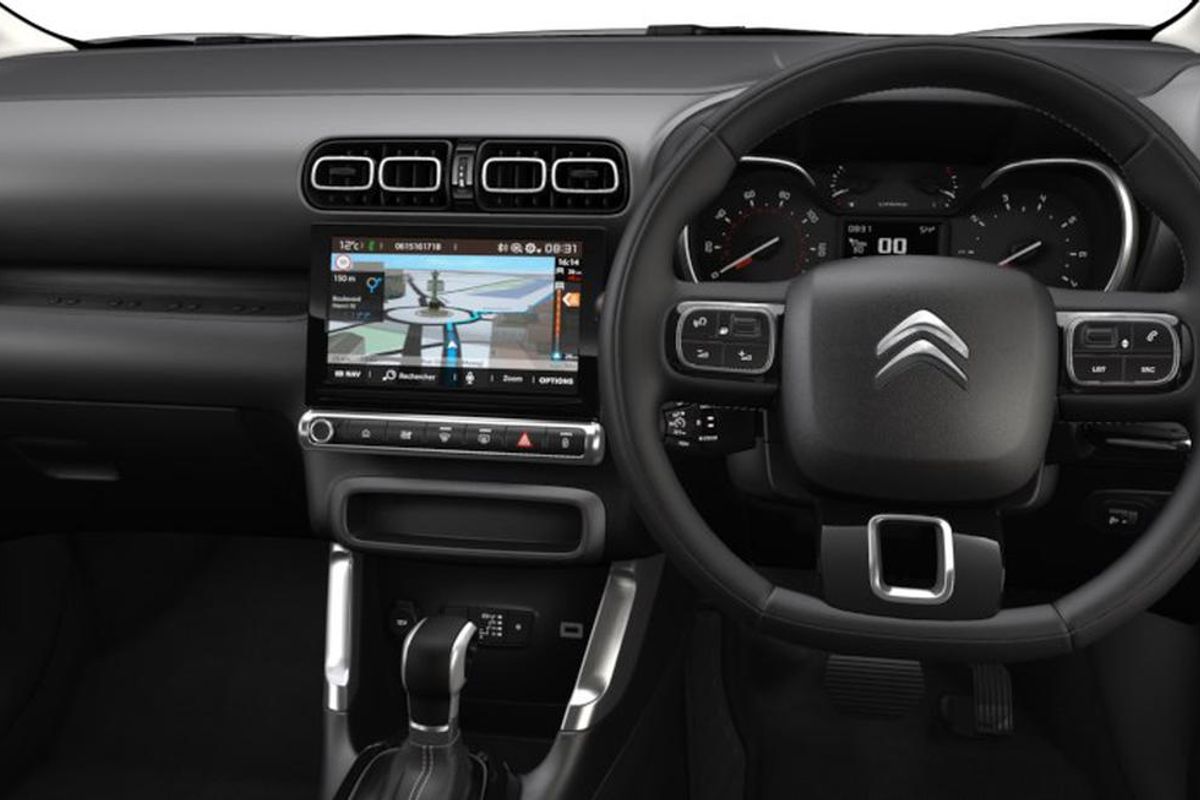
As far as standard features go, the updated Citroen C3 Aircross comes well-specced, depending on the grade. There’s a 7-inch touchscreen with built-in navigation and mirror screen functionality, Android Auto, Apple CarPlay, and some advanced safety features. These comprise a colour head-up display, speed sign recognition, emergency brake assist, automatic headlights, hill assist, driver attention alert, smart keyless entry and park assist. There’s one engine across the range, a 1.2-litre turbocharged 3-cylinder petrol with 81 kW and 205 Nm. A 6-speed automatic gearbox is standard.
There are two levels of trim, Feel and Shine. The Feel covers the basics, but the Shine is where it’s at with 17-inch alloy wheels, sliding rear bench, automatic air conditioning, on-board navigation, Apple Carplay/Android Auto, keyless start/smart entry, front fog lights, chrome door handles, automatic wipers and tyre pressure sensors to name but a few.
How much does the updated Citroen C3 Aircross cost in South Africa?
The new model is sold with a 3 Year / 60 000 Km Service Plan, 5 Year / 100 000 Km Warranty Plan and a 5 Year / 100 000 Km Roadside Assistance
Mazda’s transition to crossovers might have happened later than most, but it has been very successful.
The Japanese company’s Kodo design language has translated excellently into the crossover vehicle configuration. And since 2014, its CX-3 has been the entry-point to Mazda crossover ownership.
With the CX-3 reaching middle age, Mazda finds itself in a challenging position, to manage the vehicle’s maturity. In its most significant demand markets, Europe and North America, the CX-3 doesn’t offer a hybrid engine option or the potential of full electrification.
Mazda Netherlands has admitted that European and American CX-3 sales will cease by the end of this year. And there are no immediate succession plans.
In terms of available products, the MX-30 is clearly being targeted as CX-3’s replacement in overseas markets. But where does this leave South African fans of the compact Mazda crossover? The CX-30 is sold here but it’s marketed as a more premium crossover and priced accordingly.
The end of CX-3 in Europe and North America will impact the scaling and volumes of global production into 2022. But there could be good news, too.
South African vehicles require greater fuel robustness and a slightly simpler Wifi enabled infotainment system. Or throttled functionality. These are both issues contingent on local fuel quality and telecoms infrastructure. Very much the opposite of European and North American markets.
With fewer developed markets to deliver CX-3 into next year, Mazda could find efficiencies in its build specification for markets such as South Africa. That could mean CX-3s with better option packages and fewer specification idiosyncrasies. In fact, Mazda South Africa confirmed that a more market-specific model would be landing here as early as January 2022.
Will there be a second-generation CX-3? Despite the loss of North American and European sales volumes, the rest of the world could provide adequate demand to support a second-generation CX-3.
An interesting conjecture around the powertrain specification of a possible second-generation CX-3, is that it might not be significantly hybridised.
The future of CX-3 could retain a range of naturally-aspirated engines, with a turbo option. Why? If it was going to be hybridised, Mazda would not be pulling it from the American and European markets, soon.