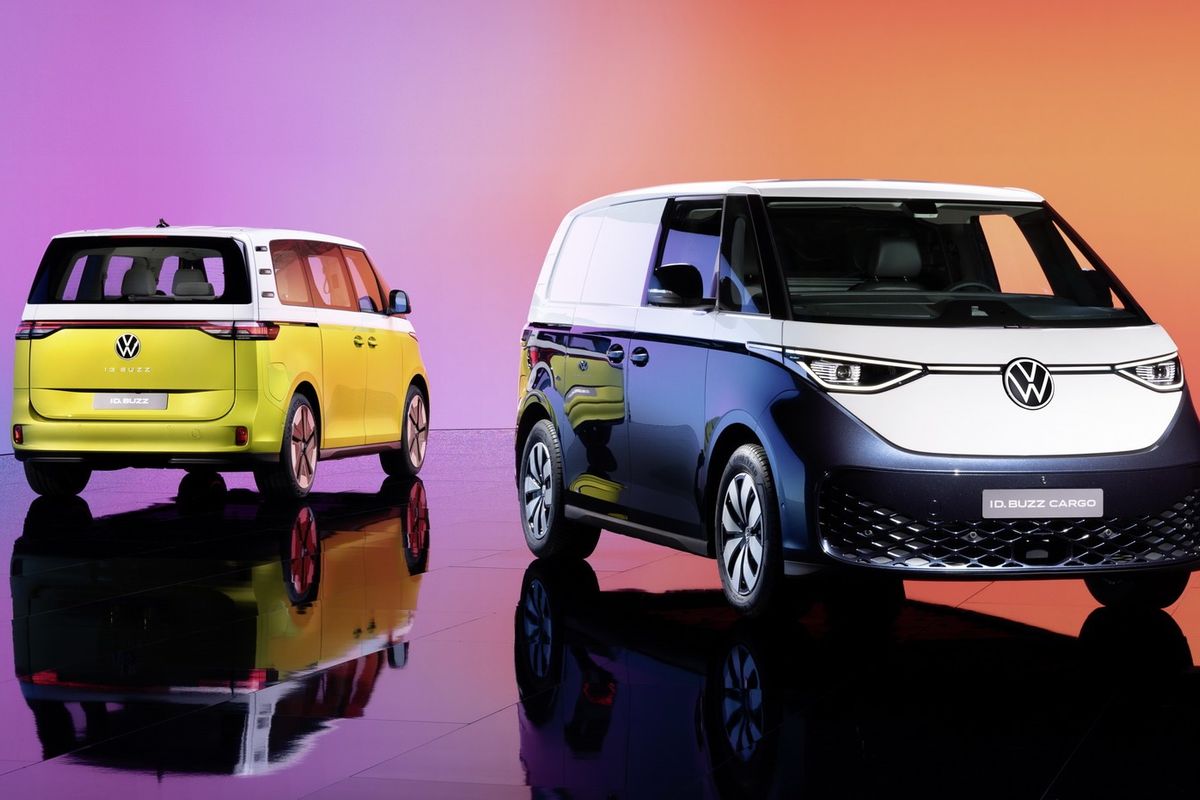
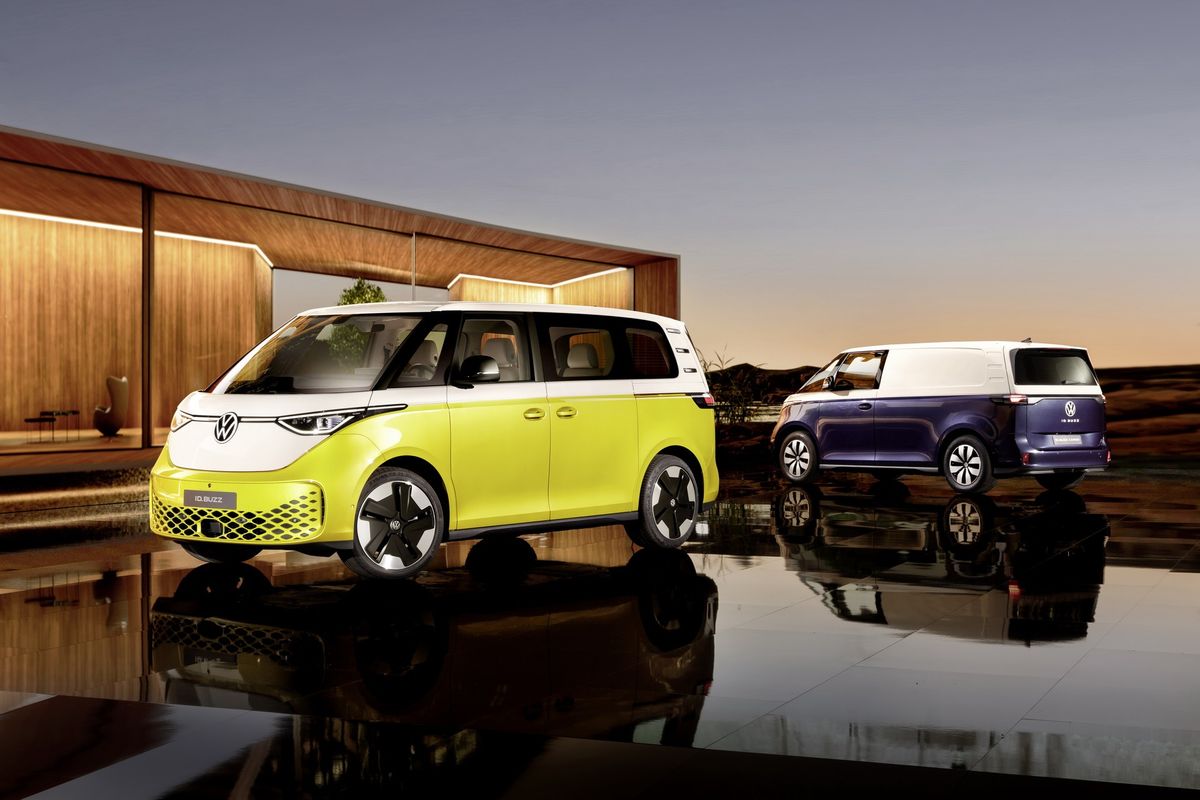
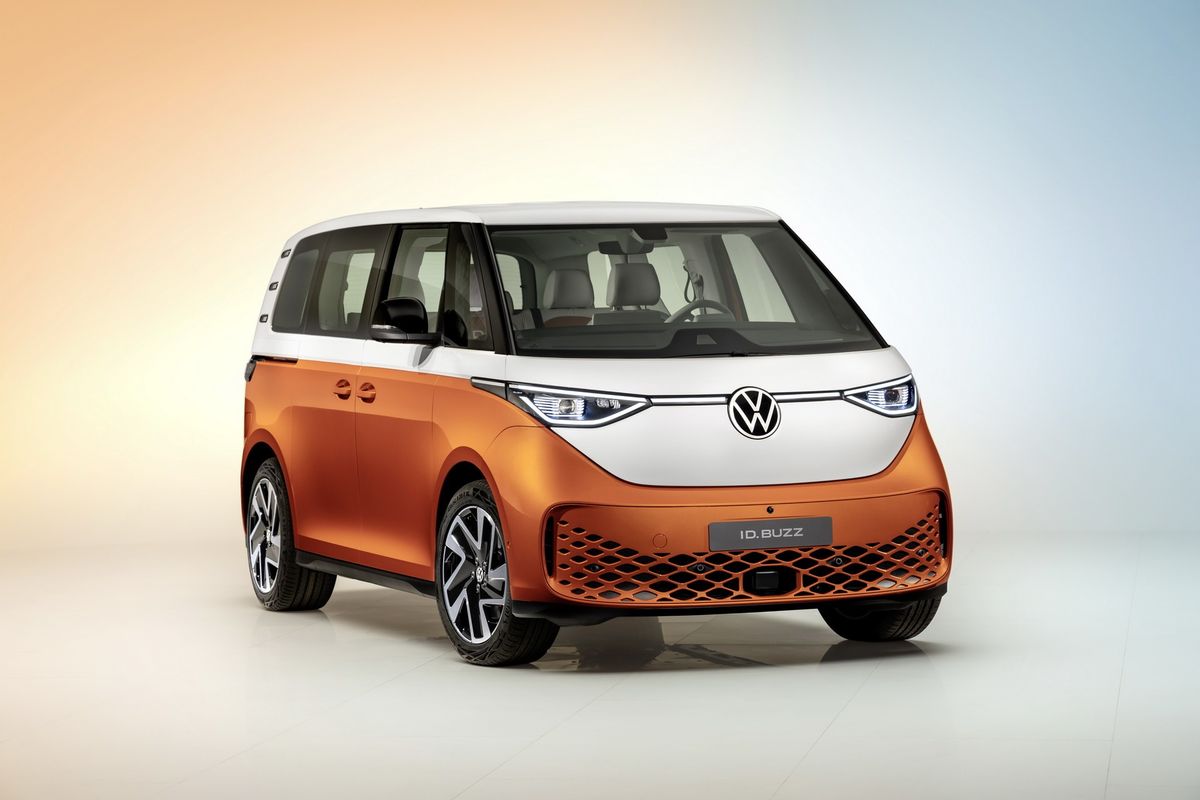
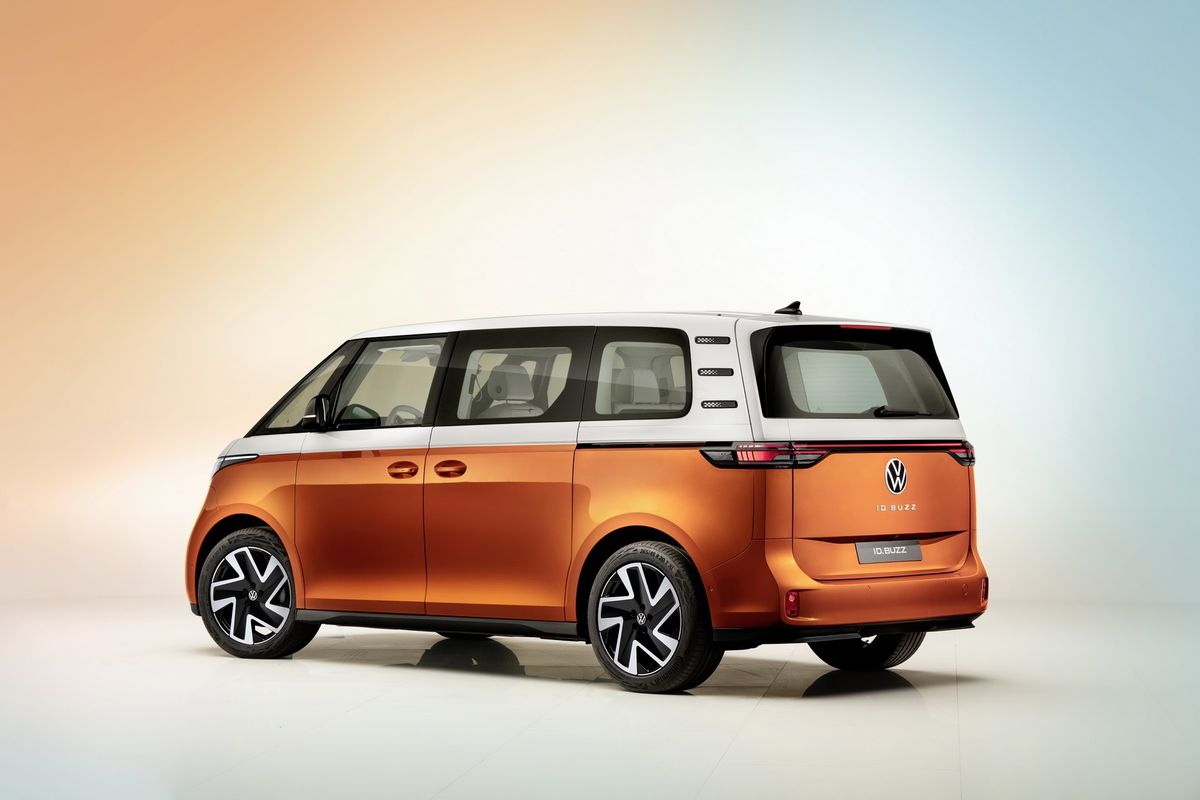
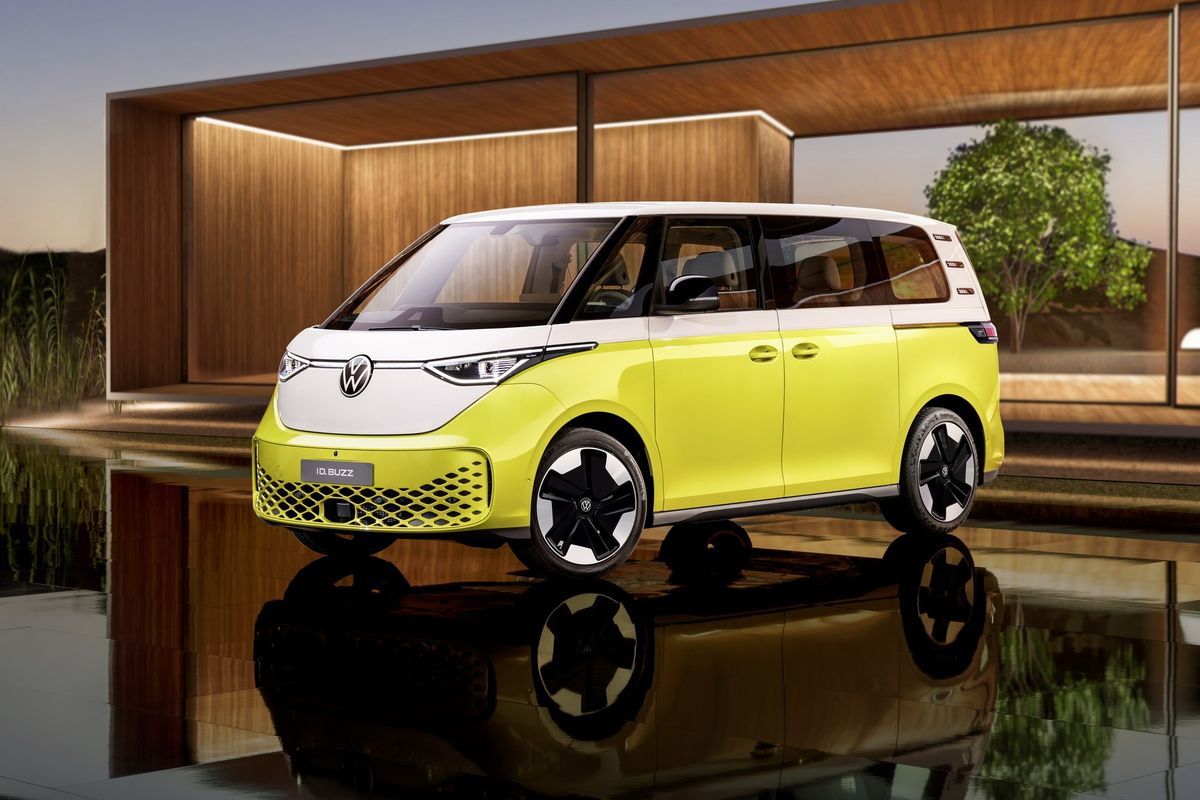
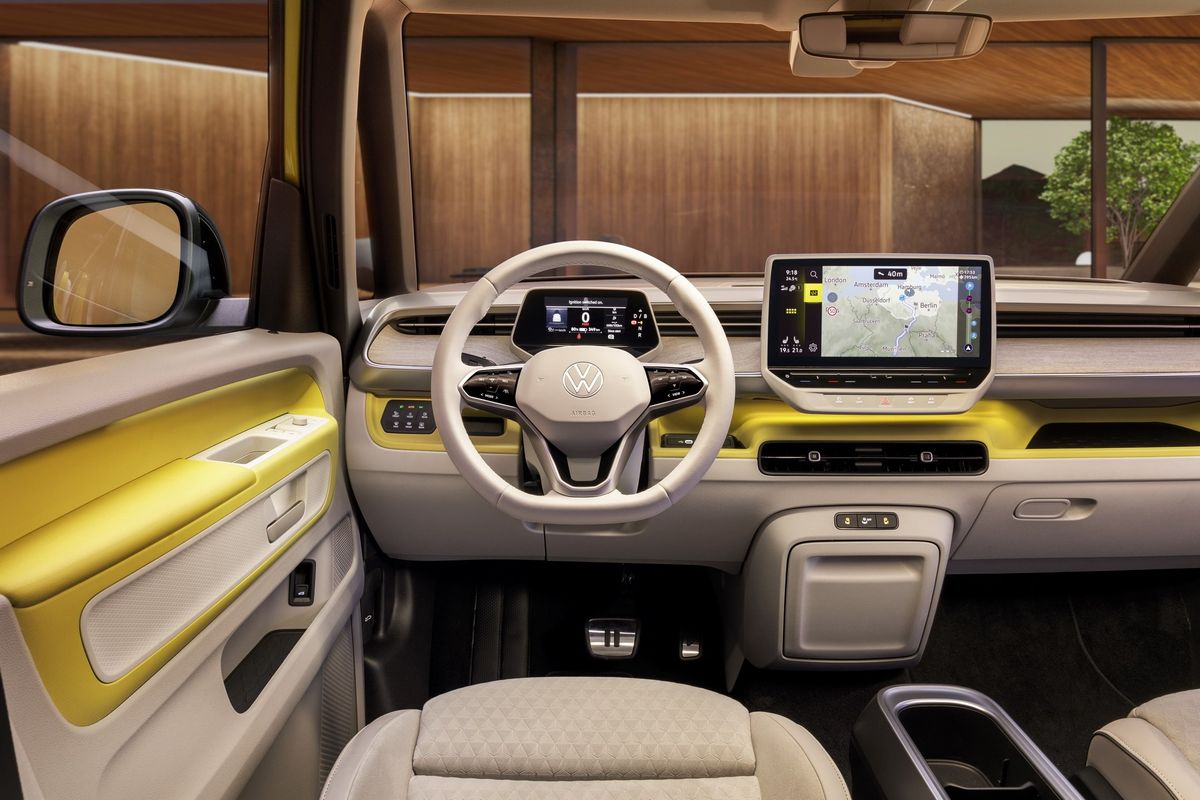
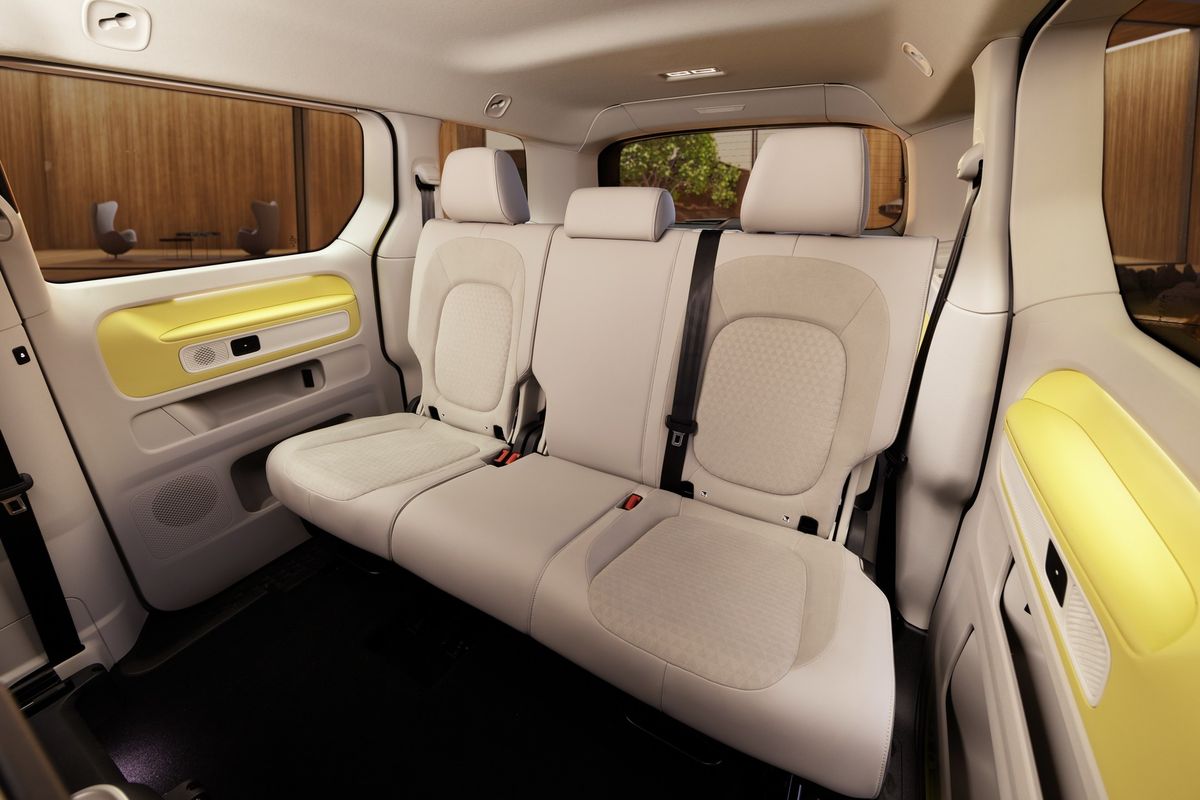
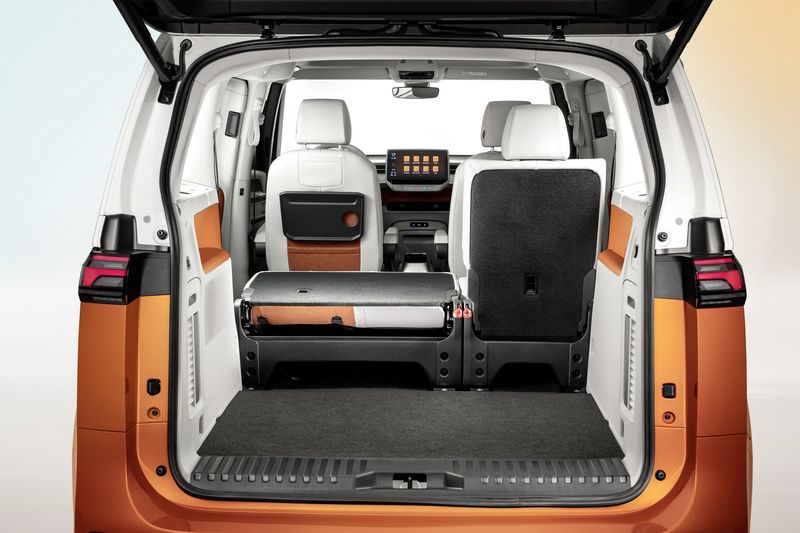
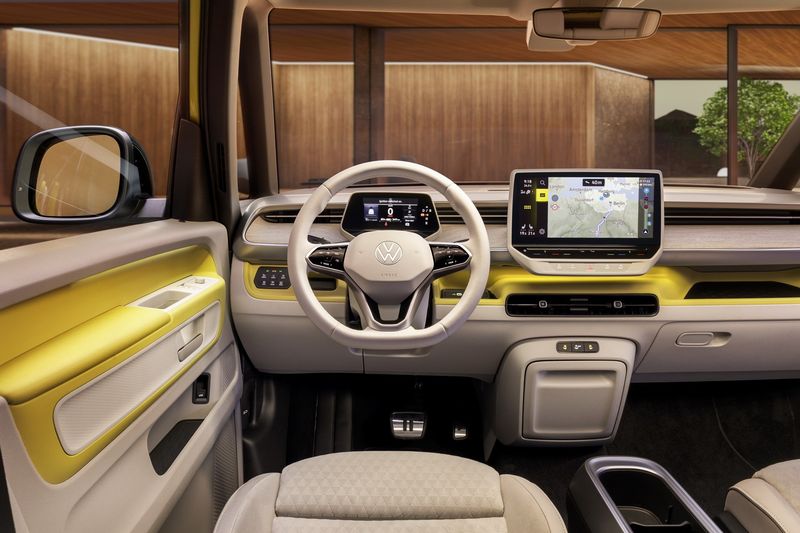
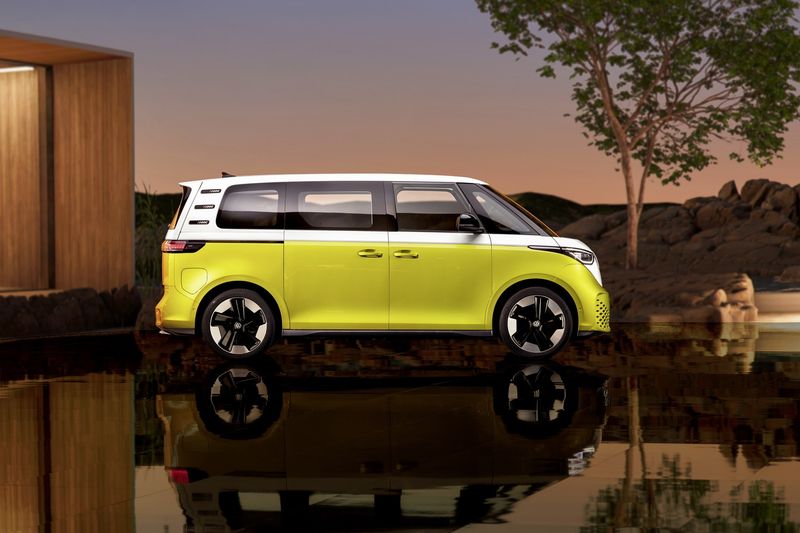
After many years of teasers, the all-electric Volkswagen Bulli has made an appearance. This is the 2023 Volkswagen ID Buzz.
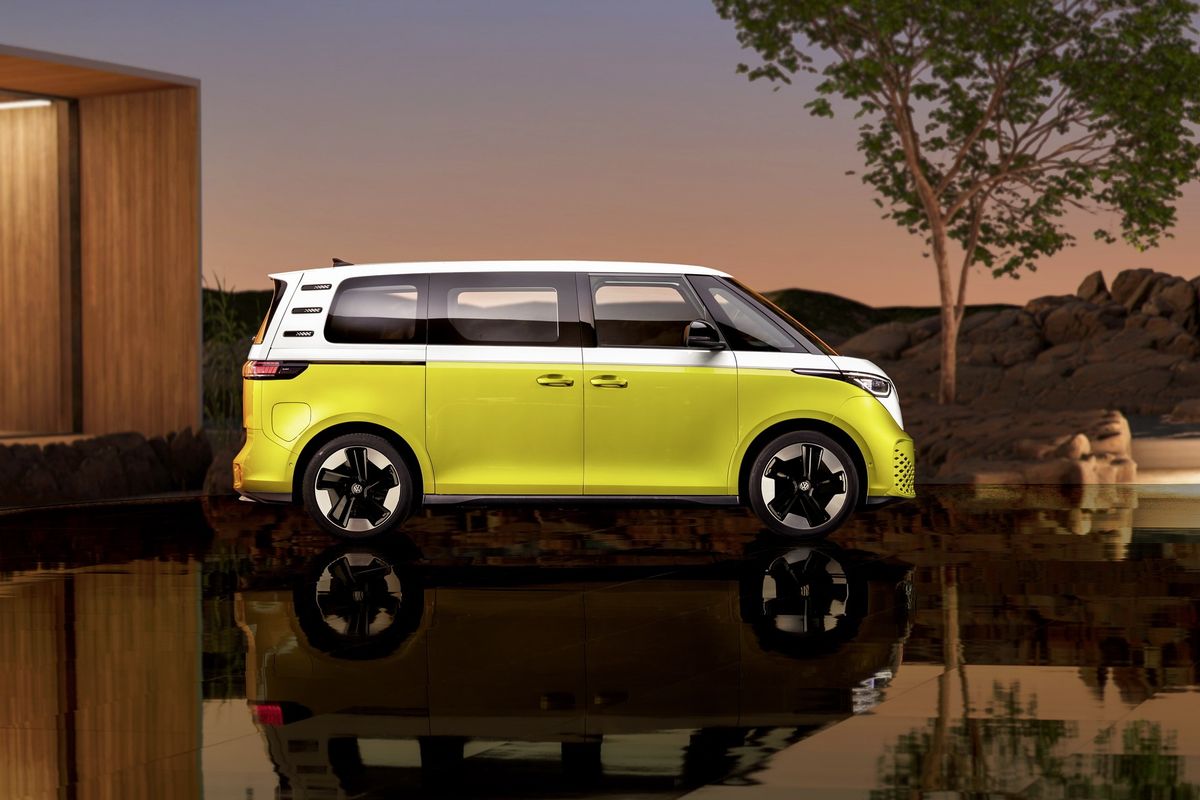
Just look at it! Surely it’s one of the coolest looking vehicles of all time? Volkswagen’s designers even managed to retain most of the funkiness from the 2017 concept too. What you see here is not just the 2023 Volkswagen ID. Buzz, but the blue vehicle is a commercial van derivative.
Officially, Volkswagen is calling these vehicles “near-production concepts” but they look ready to hit the road in our opinion. The new 2023 Volkswagen ID Buzz is built on VW Group’s modular MEB platform, which underpins things like the ID.3 and ID.4.
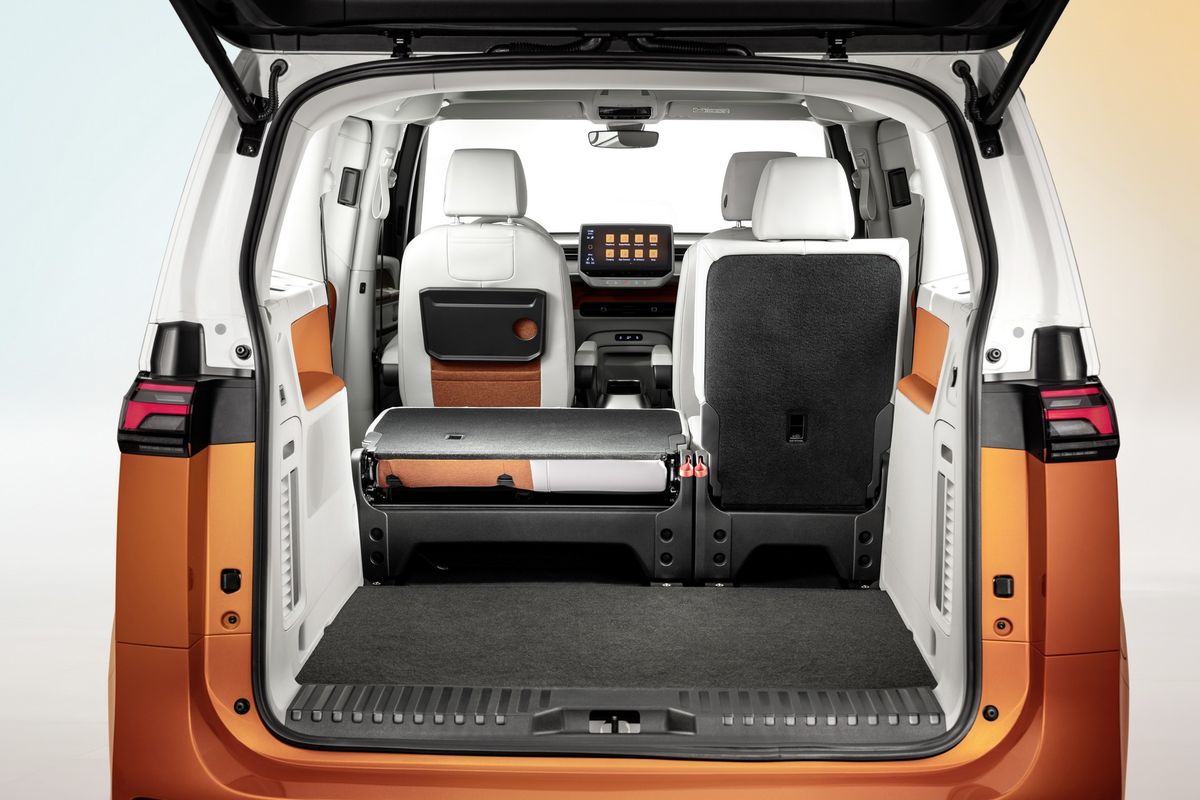
Volkswagen Europe says the standard wheelbase derivative you see here will be on sale before the end of 2022 and customers will have a standard- and long-wheelbase to choose from. The first model out the blocks will be a 5-seater model with two rows of seats, with a 6-seater option with three rows of 2 seaters that will come out later. The long-wheelbase version arrives in 2023 with 7 seats.
Physically, the 2023 Volkswagen ID. Buzz is a touch shorter than the ICE-equivalent T.61 van, but the two have the same wheelbase, so expect the same levels of passenger space.
There’s no range claim yet, but Volkswagen has given some outputs and battery sizes. The launch edition will come with an 82 kWh battery that powers a motor delivering 150 kW and 310 Nm. This motor powers the rear axle. Volkswagen confirmed there will be an assortment of battery and power options that will go on sale in 2023. There was no performance claim either, other than a top speed of 145 kph.
Interestingly, when it comes to charging, Volkswagen is offering something called bi-directional charging. Essentially, you’re able to charge your vehicle, but also feed into the grid. You will need a special wall box however. The 2023 ID. Buzz supports 170 kW fast charging that will get the vehicle from 5% to 80% in 30 minutes.
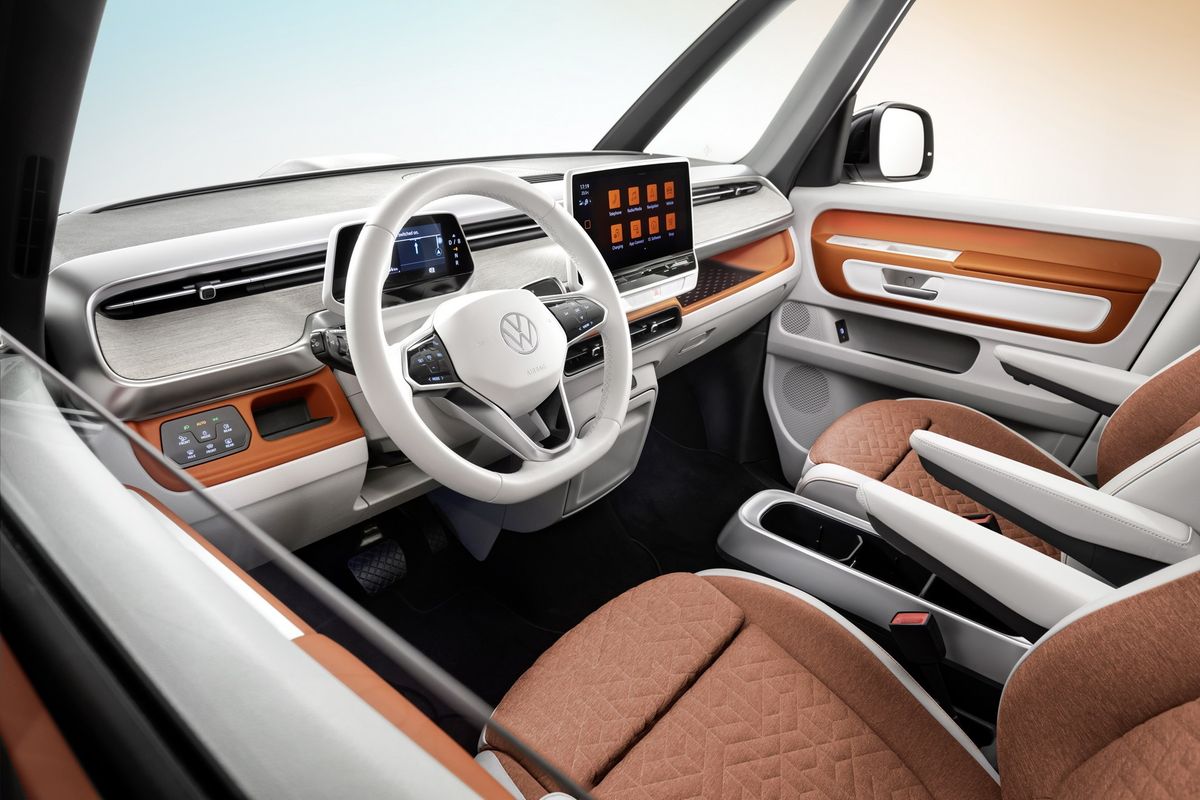
Tech data aside, its the design both inside and out that will have everyone talking. It’s just brilliant. “We very consciously ensured that we were not making another T1,” says Jozef Kabaň, Head of Volkswagen Design. “The ID. Buzz shows that it is successfully transferring the genes and stylistic elements of that iconic vehicle into the digital era.”
The cabin is made from sustainable materials, with leather making way for synthetics and there’s extensive use of recycled materials. The material used for the floor, roofline, and seat covers is made from recovered ocean plastic and recycled bottles.
We’re expecting the Wolfsburg-based manufacturer to launch more info about the 2023 Volkswagen ID. Buzz in the coming weeks, but based on these looks, consider us smitten!
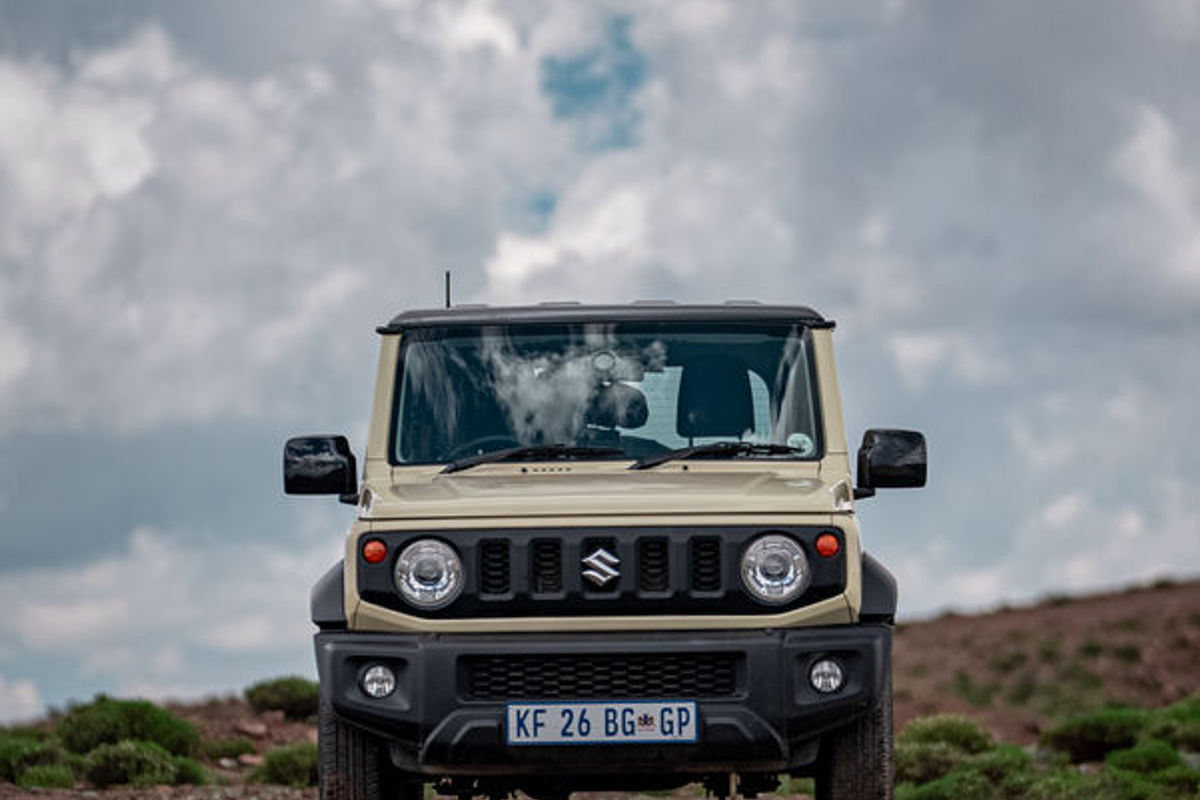
A Suzuki Jimny through Lesotho, your perfect African Alpine retreat
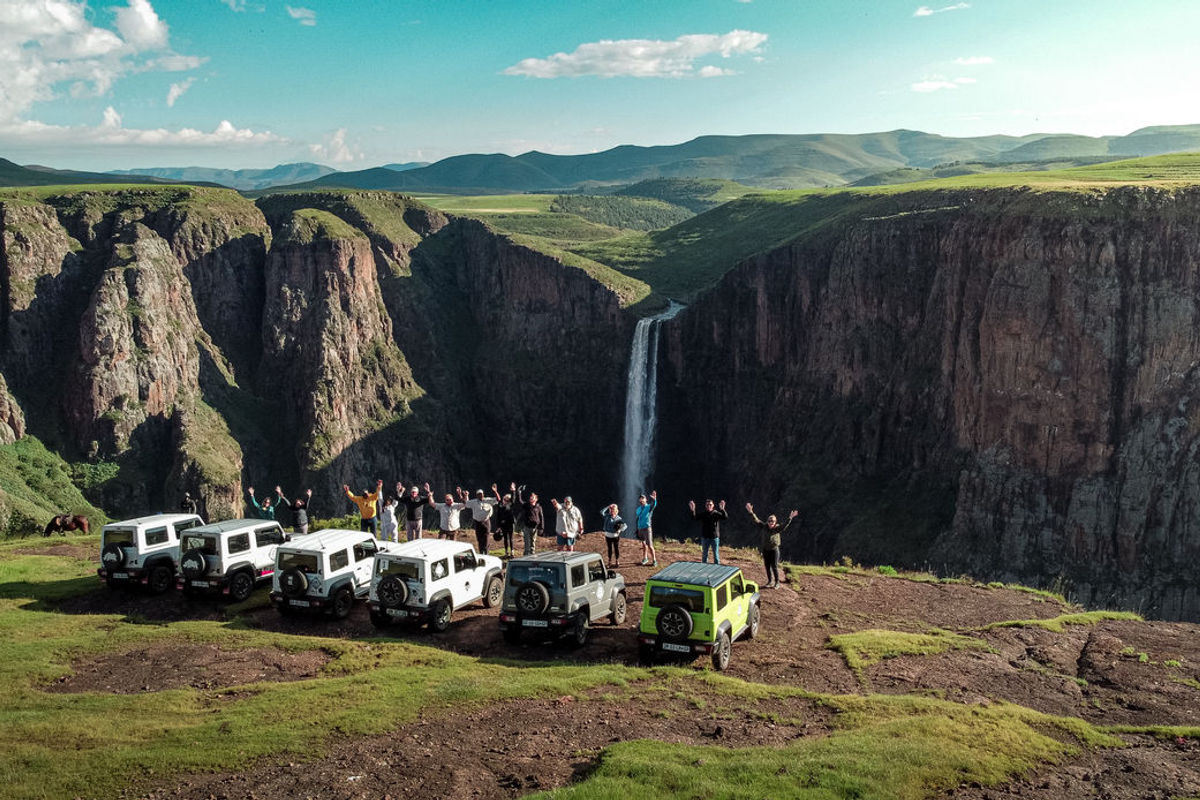
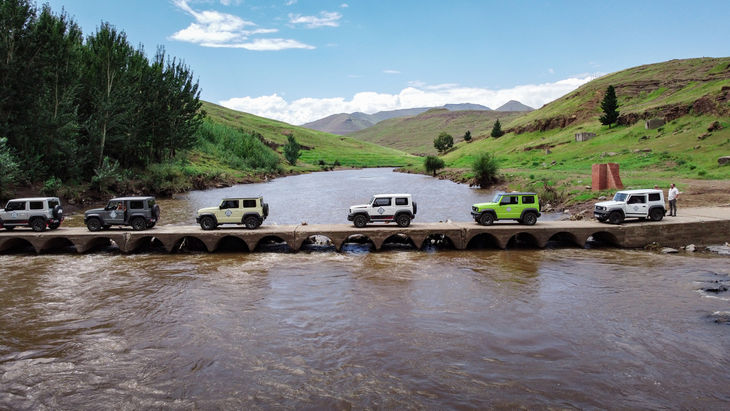
Have you ever wanted to go on an Alpine adventure with your vehicle? Well, Cars.co.za contributor Dieter Pey found out that you can do just that in Lesotho when he commandeered a Suzuki Jimny and headed for the beautiful peaks of the Kingdom. Let the adventure begin…
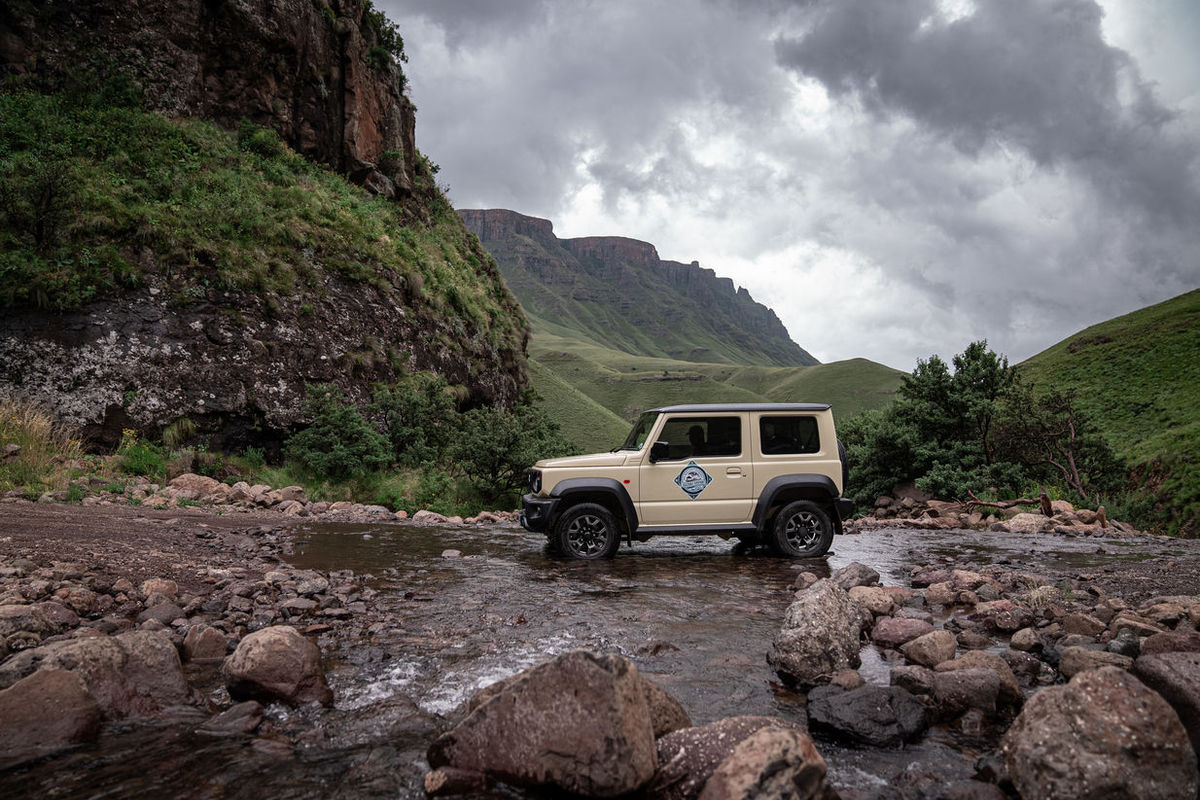
We collected our Suzuki Jimnys in Durban and headed for Himeville just North of Underberg, which would be our last stop in South Africa before crossing into Lesotho. After a quick lunch, we deflated our tyres before embarking on the first part of the trip, which I had looked forward to the most – going up the famous Sani Pass. After a short drive from Himeville, we reached the border post.
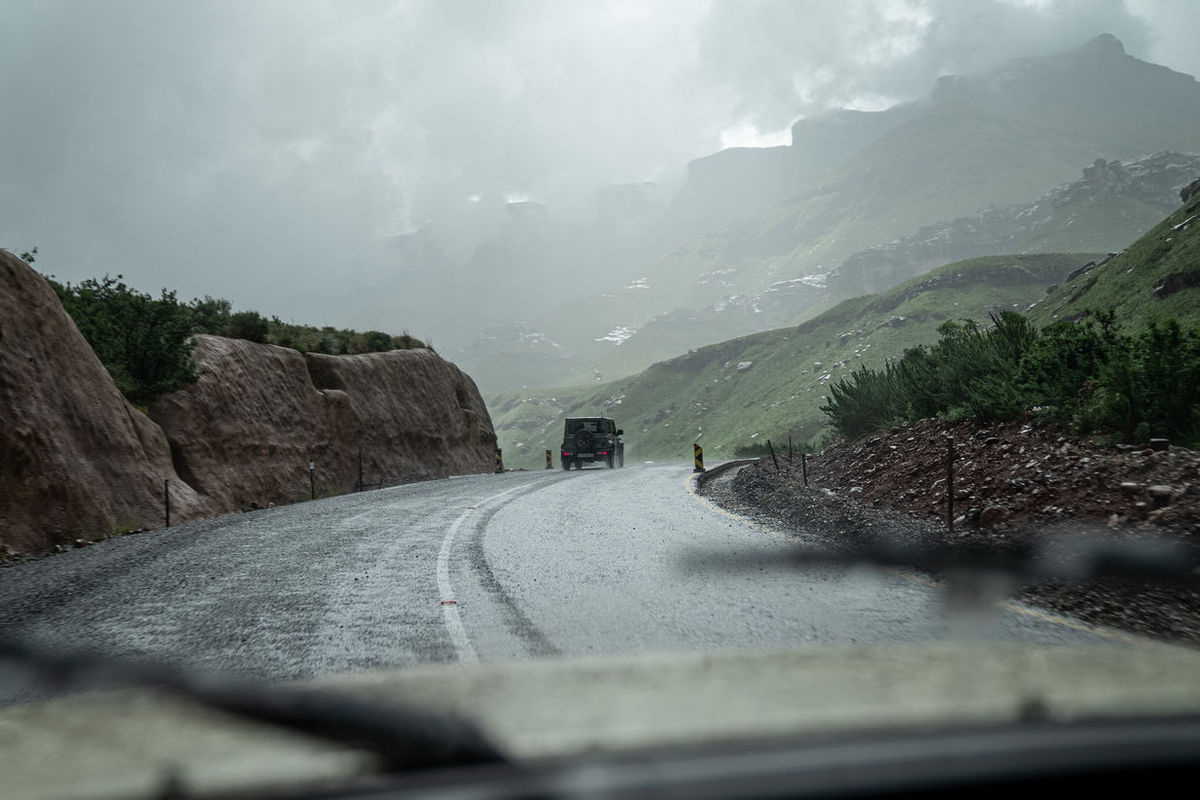
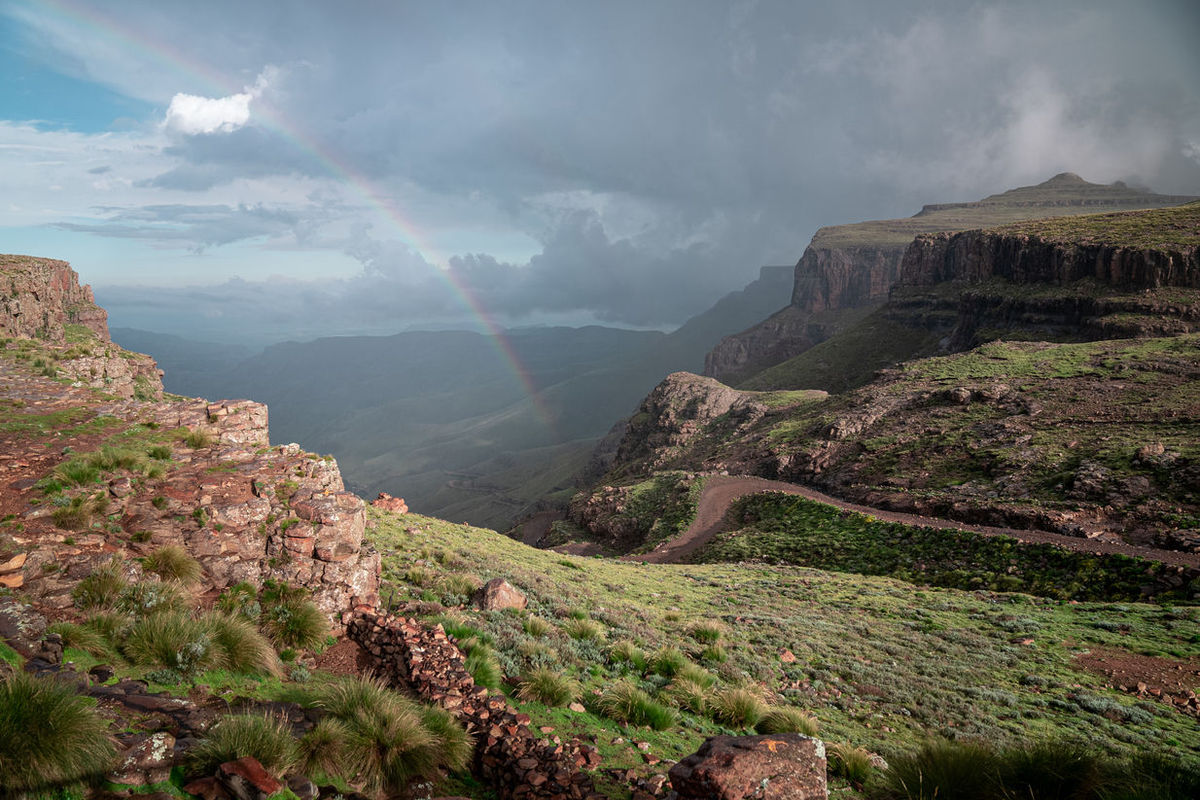
Crossing the border in Lesotho came with very little hassle and I got a brand new stamp in my passport (something I hadn’t received since before Covid-19 brought the whole world to a standstill). We hit the first gravel road of the trip soon thereafter and climbed upwards to the high altitudes at the Kingdom is renowned for. The clouds rushed in over the mountain peaks and we settled in to watch a quick downpour, but, as we would learn later on this trip, the Lesotho weather changes rapidly, literally within minutes.
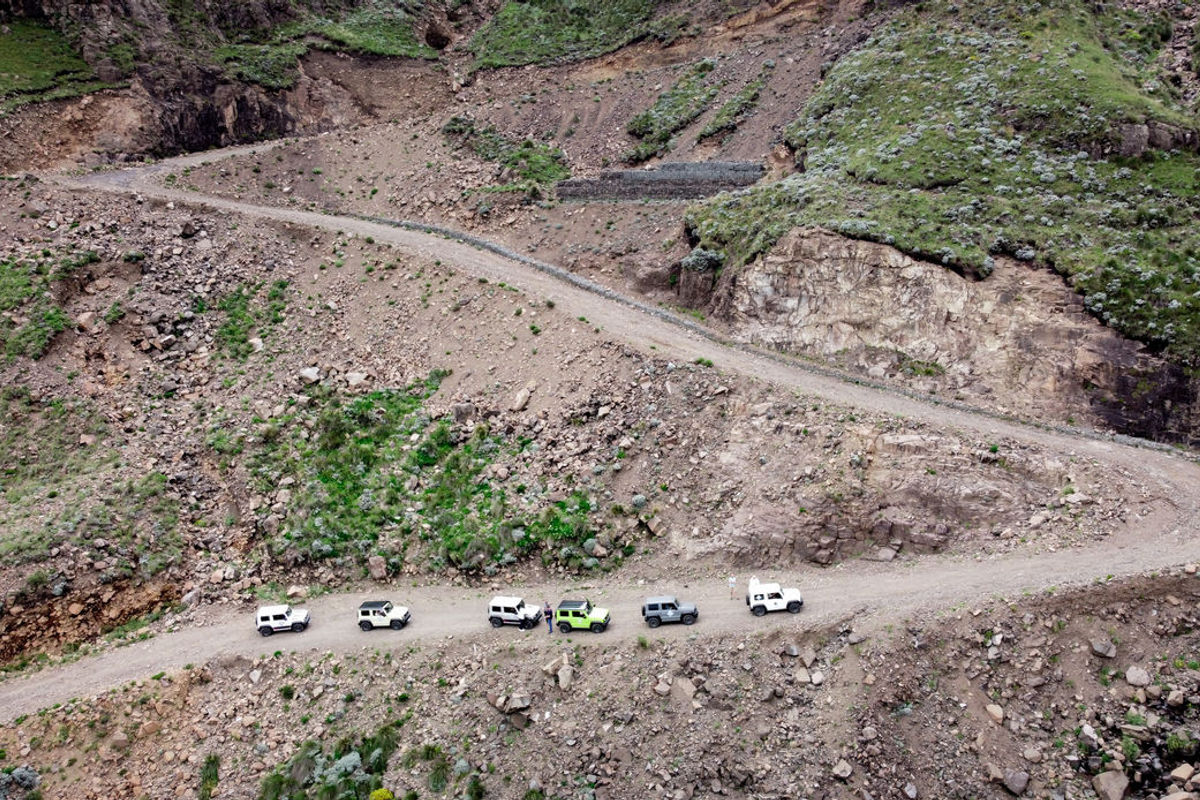
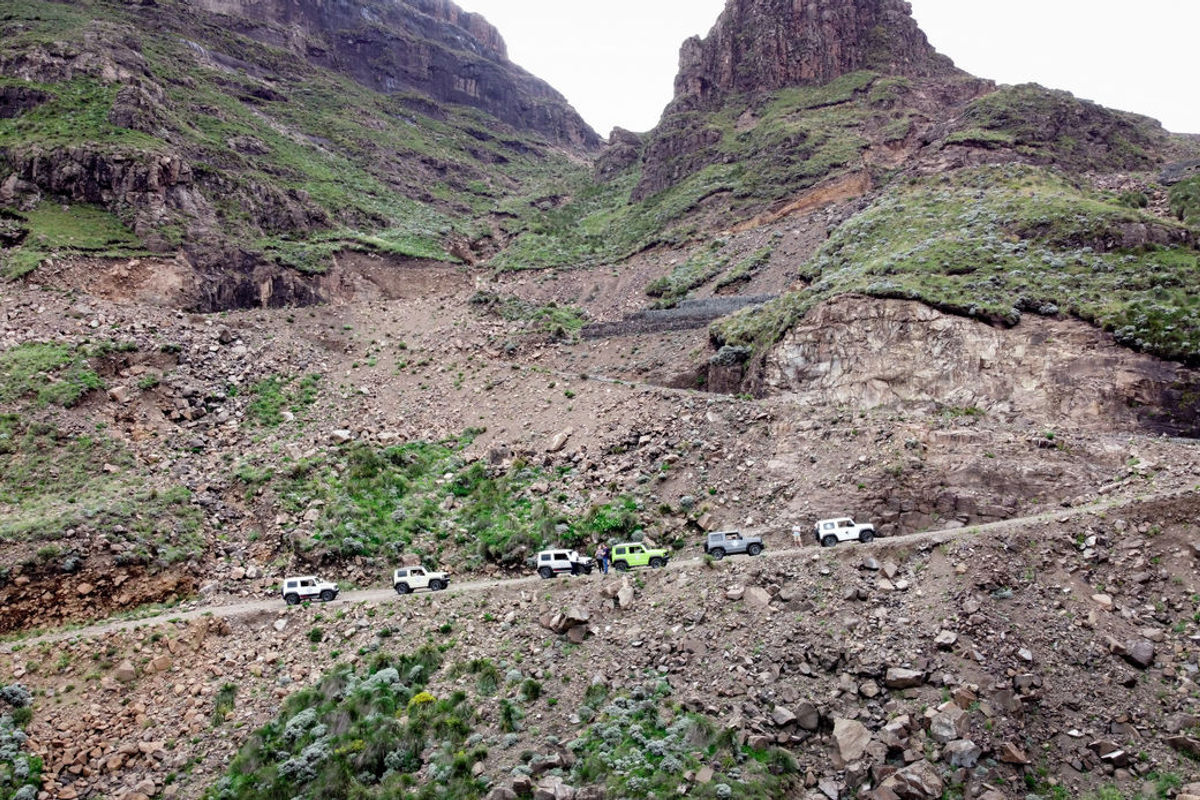
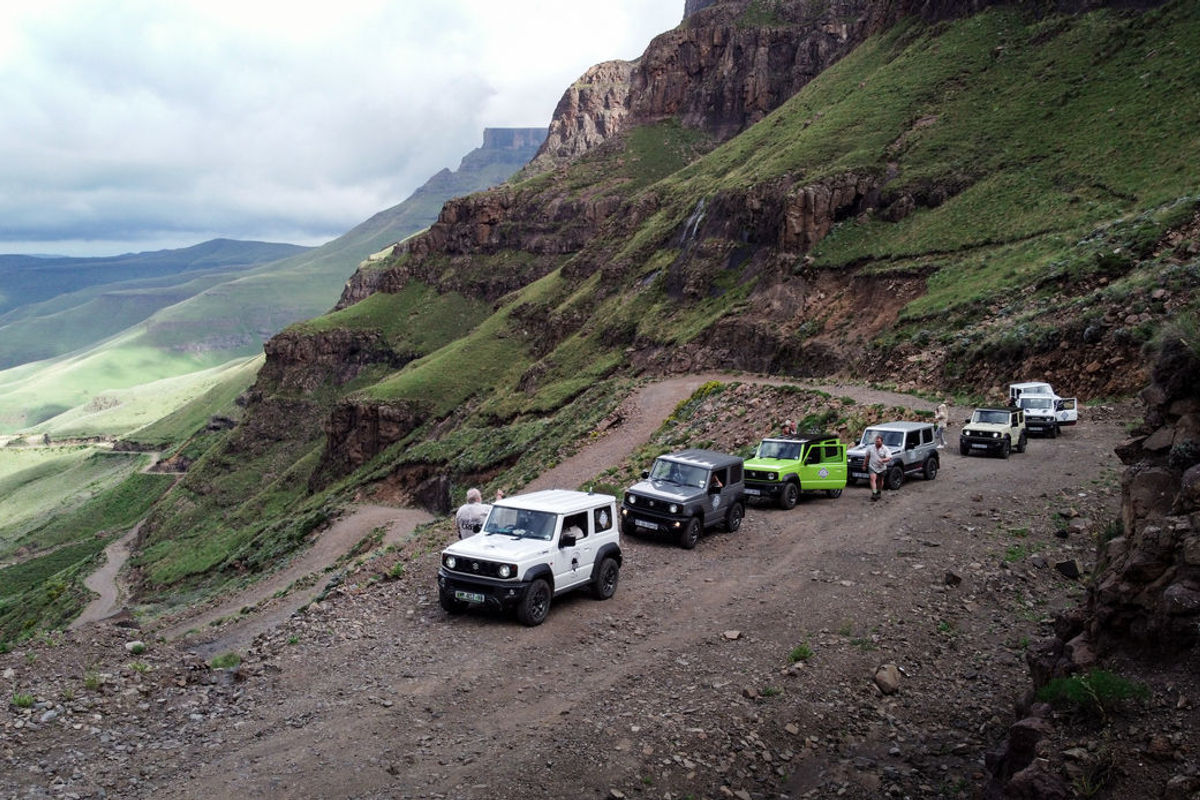
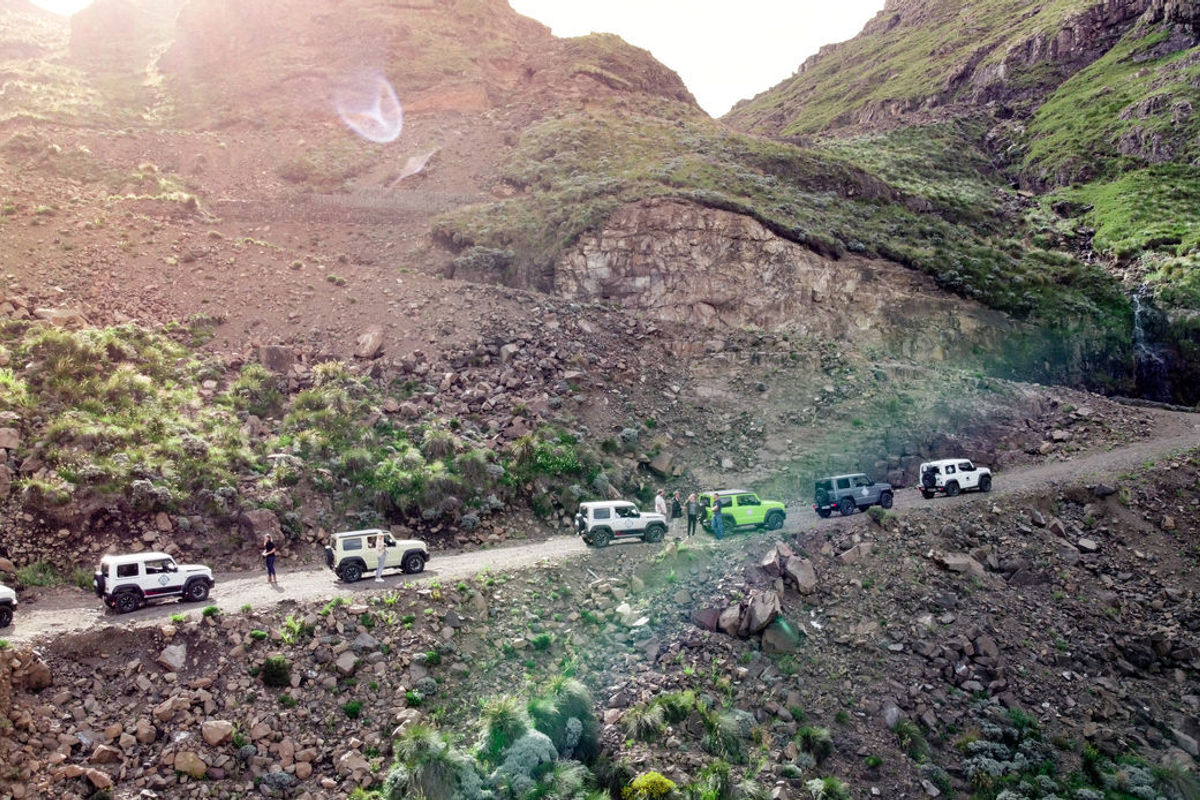
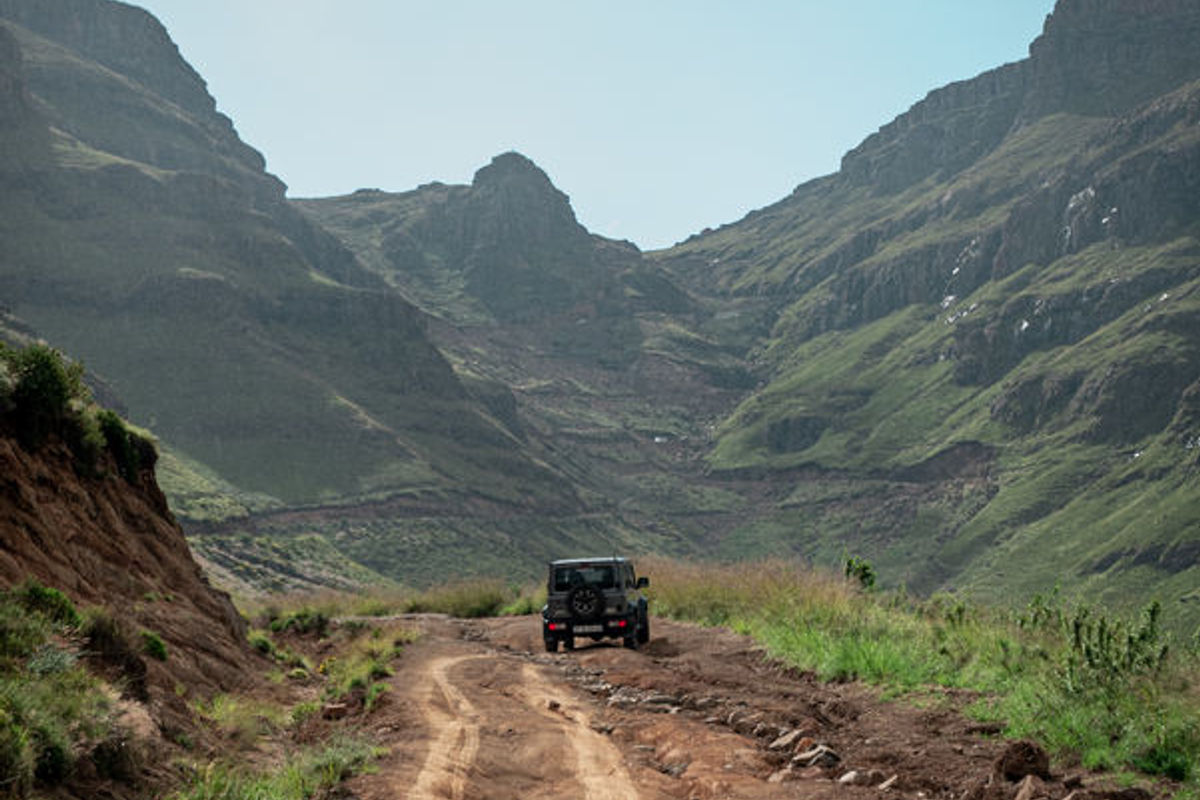
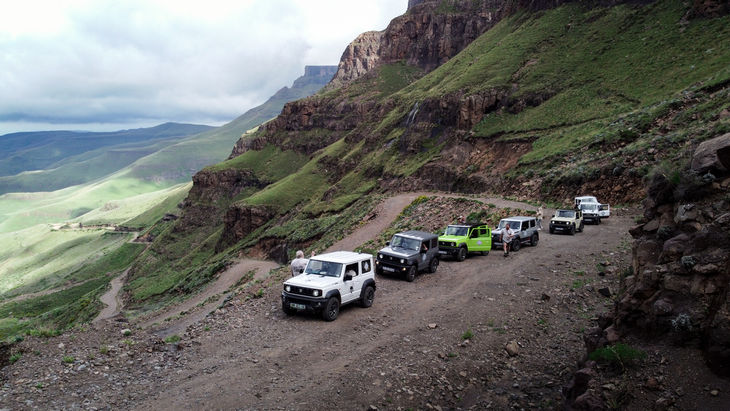
We engaged the Jimny’s low range and slowly made our way up Sani Pass. Road conditions weren’t perfect – it was a little bit rocky at the top and the switchbacks got pretty tight, but the Jimny handled the route with ease thanks to its impressively tight turning circle. The pass was not as tough as people explained to us, save for a small part, which was a bit narrow, with a few rocky sections, it’s very doable.
The rumours are also true… We passed a Sani Taxi coming down the pass with all the passengers outside of the vehicle jogging alongside it, for what we can only assume was to help with ground clearance on the trickier sections. I will admit, the pass would be a completely different monster in harsh weather conditions, such as snow, black ice, or heavy rain and, considering that the weather can change ever so quickly, it’s best advised to attempt the Sani Pass with care. So, after we restamped our passports (the Sani Pass is situated between 2 border posts) to re-enter Lesotho, we stopped at the famous “Highest Pub in Africa” and we enjoyed a Maluti (Lesotho beer) at 2 874m above sea level. From there, we drove a short while to the town of Mokhotlong, where we would spend the night at Senqu Hotel.
Searching for sunrises
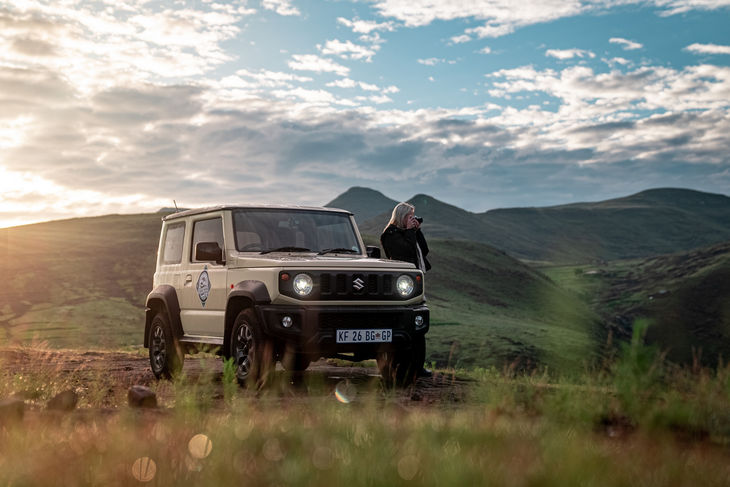
Some unreal scenes are up for grabs during golden hour in Lesotho.
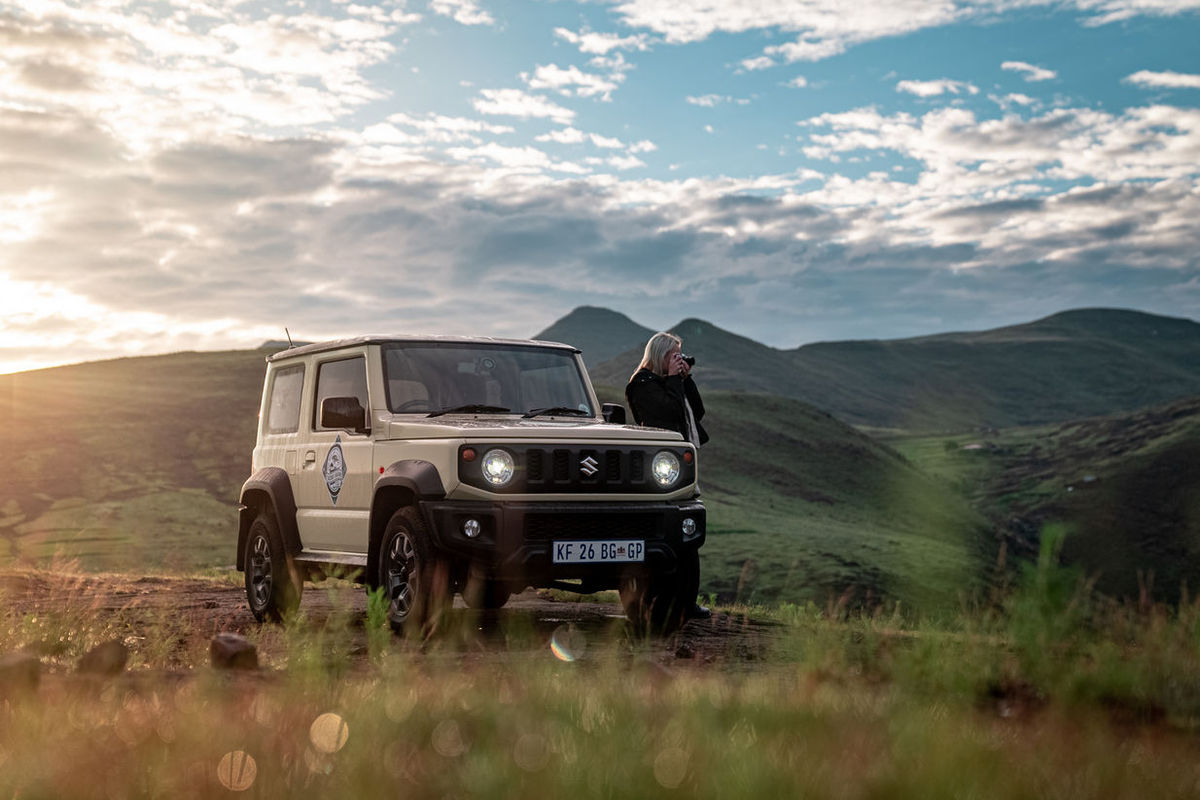
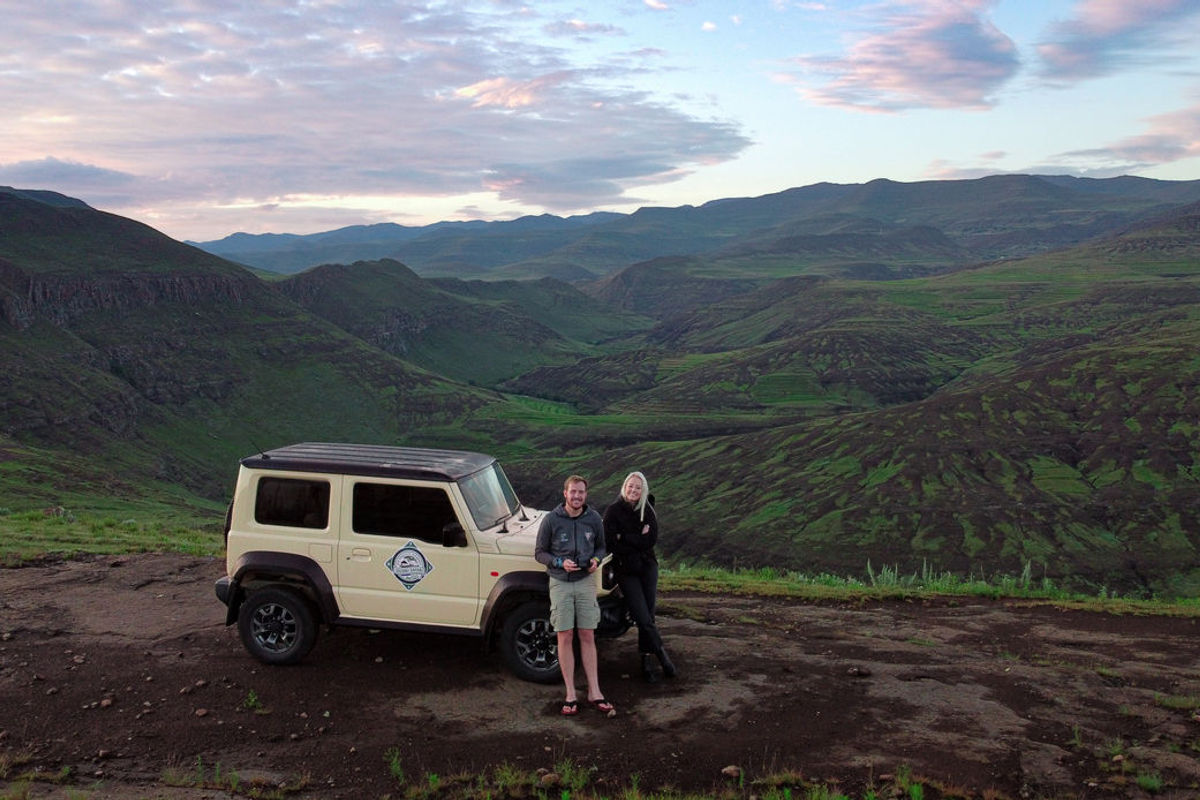
After a good rest from a long previous day, we were up for sunrise. Emma (@therunawayblonde), my travel companion for this trip, left the hotel and we went to explore a nice spot to capture some sunrise images. We found a beautiful little road on the side of the hill, which had a breathtaking valley in the background. We sat in silence, watching the sun reach into the valley – it was a surreal experience.
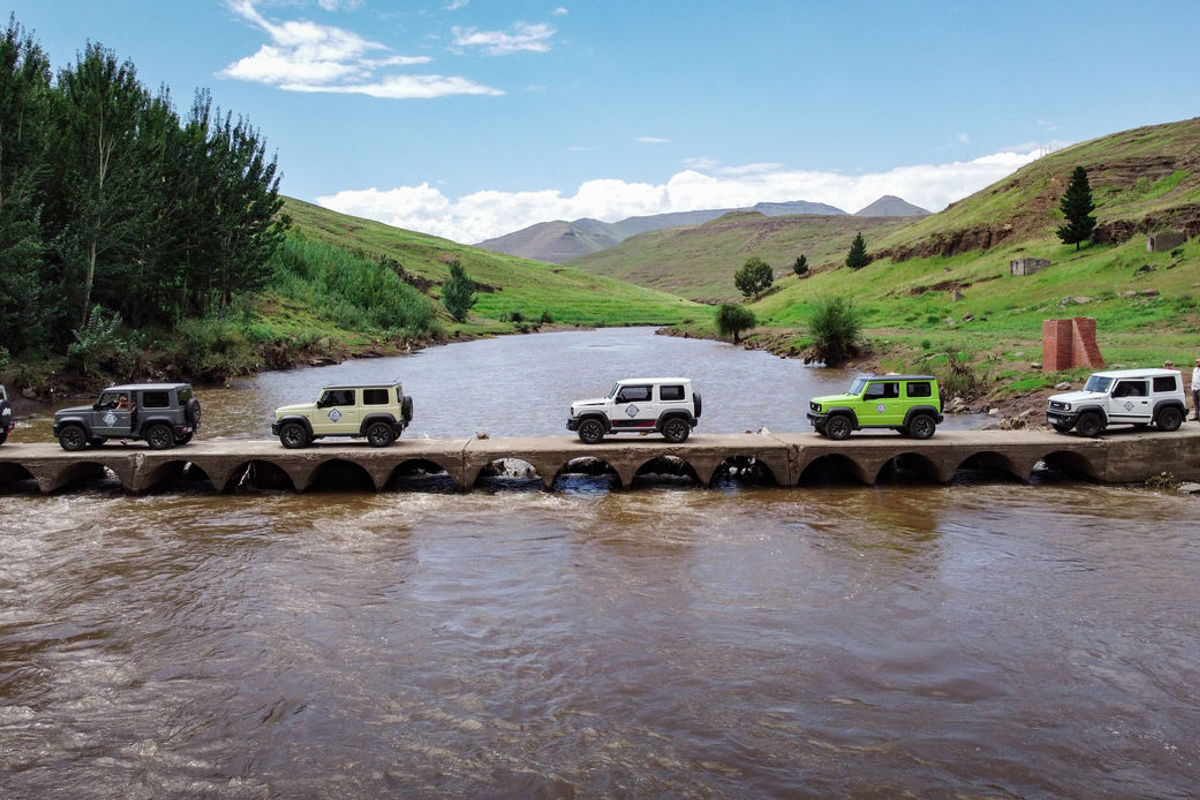
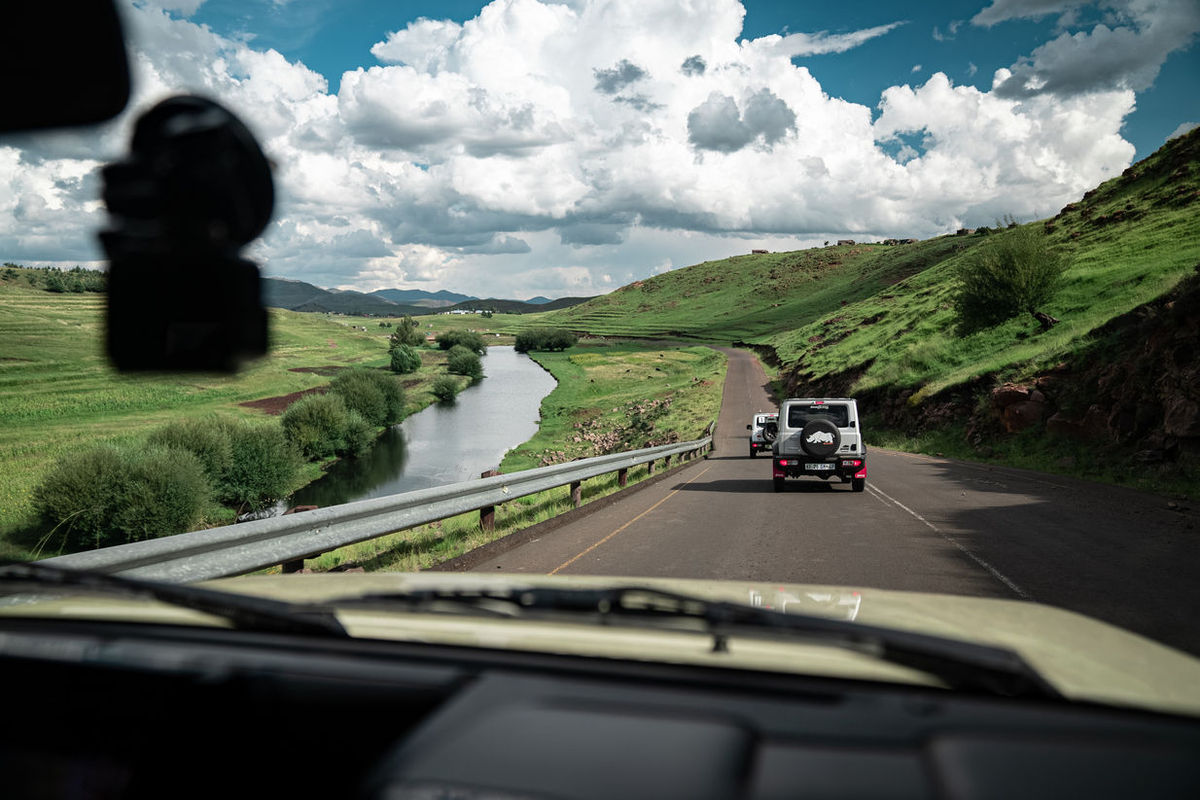
After our little photoshoot and breakfast, we rejoined the group and the journey continued. Day 2 did not require much driving, but, then again, driving in Lesotho is slow going. There are many animals, all kinds of debris, people and potholes on the roads, so you have little choice but to travel at lower average speeds. We stopped to take a picture at a low-water bridge, where a construction team was busy building another Lesothan dam. That very location would be 80 meters underwater in the future, which was certainly food for thought.
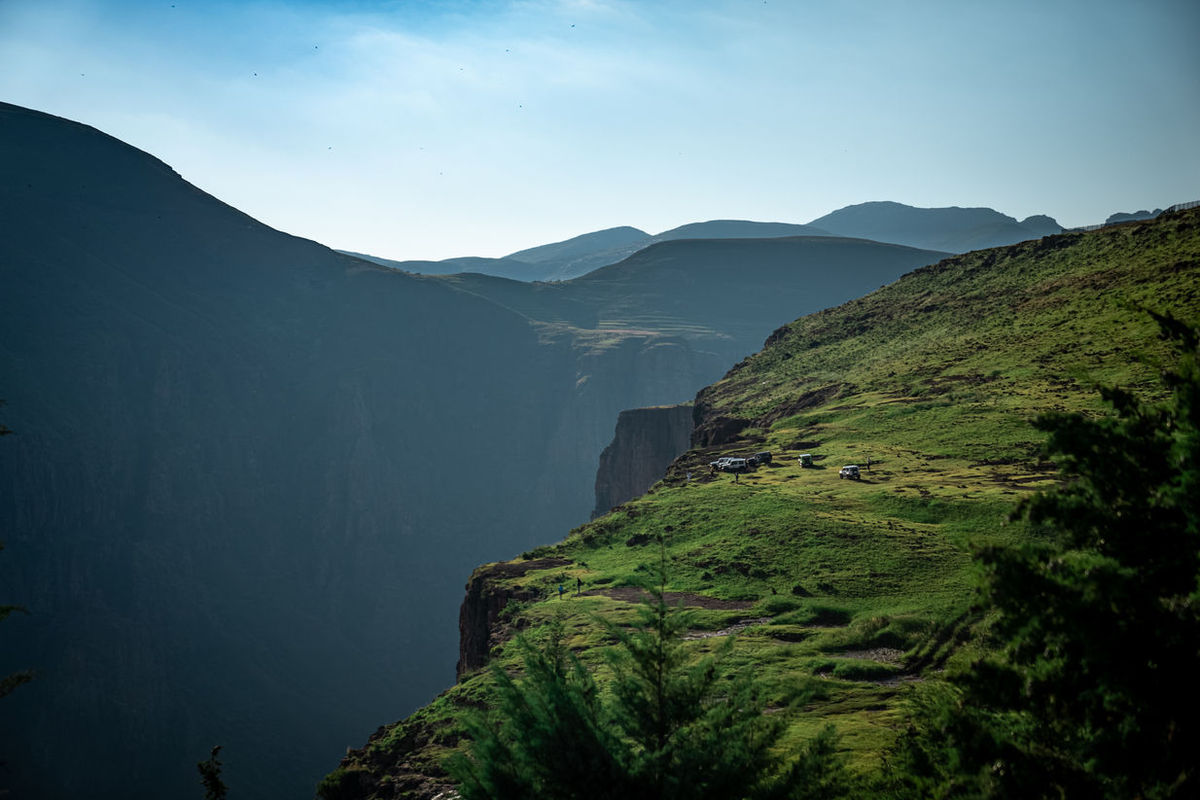
As we ventured through the landscape, we passed Afriski, which looked particularly odd with the ski slope being all green and grassy, with no snow in sight. After that, we set off on a jeep track that took us deeper into the scenery and we stopped to pitch a portable braai (as proud South Africans do). We uttered that famous line: “Nou gaan ons braai!” – in the middle of nowhere – and even used the Jimny’s bonnet as a table for the snacks. A thunderstorm started rolling in, so we packed up and got back onto the tar road. We passed a mining area and stopped, once more, at a beautiful lookout point.
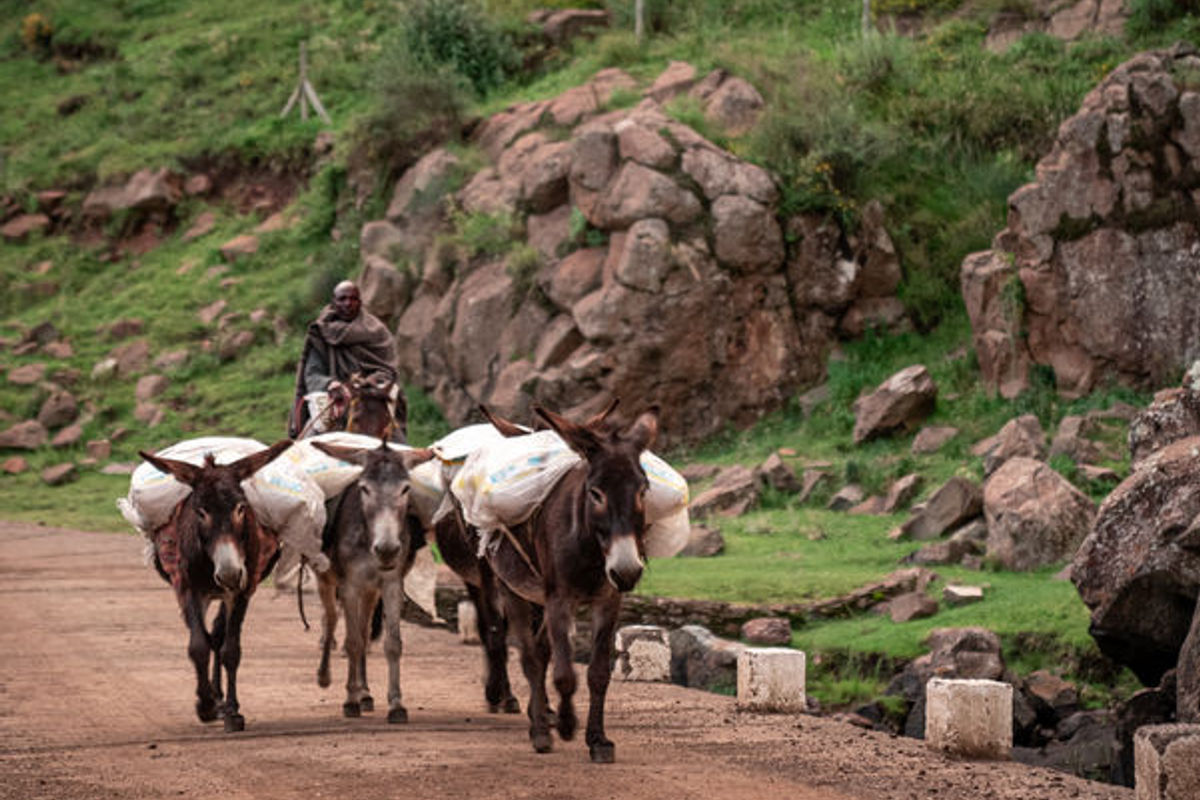
It was fascinating to see the Basotho people out in the bush as they tended to their animals. As you drive through the unspoilt landscape, with nothing around you for kilometres you will always find some Basothoes in the bush or on a hill living their lives. Then, in the space of fewer than 10 minutes, the weather changed from 27 °C and hot to a thunderstorm… the temperature dropped to 10 °C and we got pelted by hail. The bad weather made us retreat to our cars and on we went to our night’s accommodation called Oxbow. It’s a beautiful little lodge isolated in a valley in the North corner of the country.
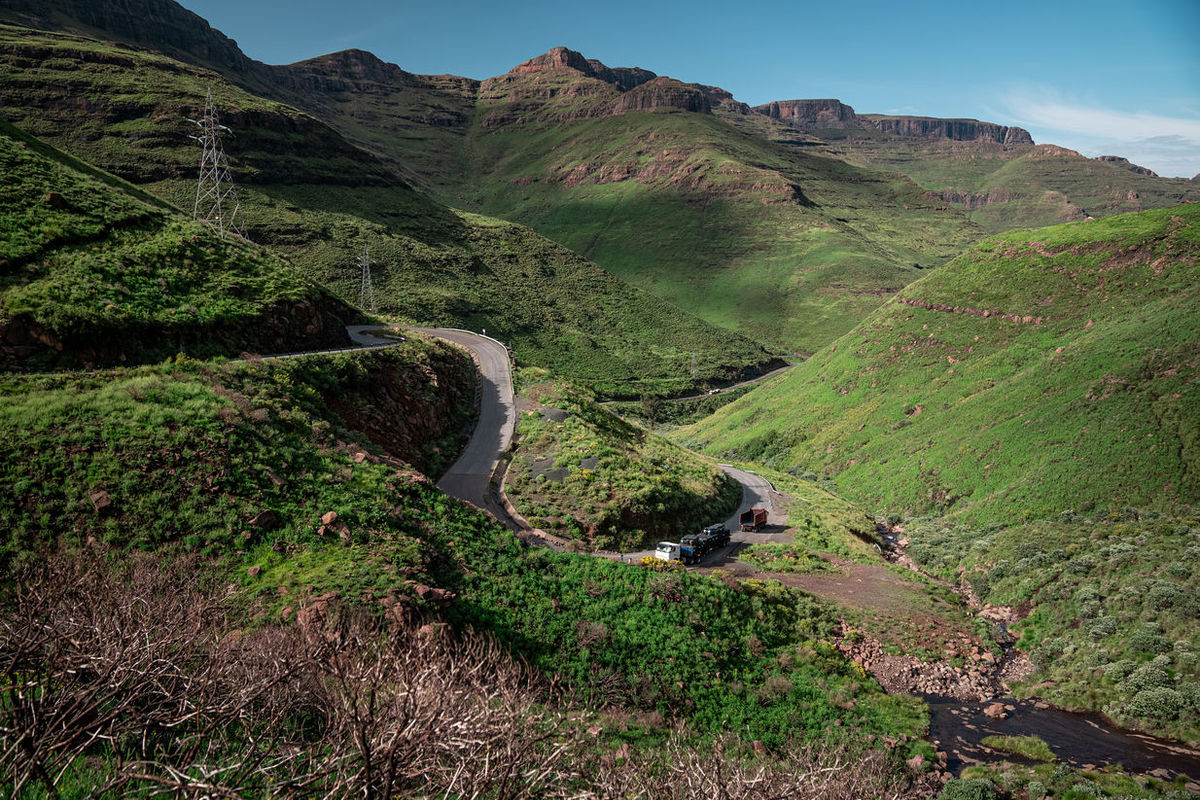
Eat your heart out, Stelvio Pass!
Sani Pass can be easily traversed in ideal conditions and good road surfacing such as this.
Day 3 saw us covering many kilometres – 290 km, to be exact. It may not sound a lot considering it was mostly tar roads, but with slow going through many villages, bad roads, speed bumps (sleeping policemen, as the guide called them), animals in the road and even some roadworks to contend with, you don’t cover ground quickly. Roadworks in Lesotho are bizarre. They are, so to say, stop and go, but not regulated and the “traffic cones” are actually just rocks packed on the sections that you are not allowed to drive on.
We descended a plateau to a “flatter” part of Lesotho and, after going through the town Roma, we started heading down a road, which I can confidently describe as one of the most beautiful roads I have ever driven on! The roads in Lesotho are all either descending or ascending and the angles are pretty extreme. Just after Roma, there was a steep pass and, after one particular hairpin corner, the road turned upwards at such an angle it seemed near impossible to traverse. It felt like I was off-roading, just looking towards the sky, not in the road, but, rest assured, we were driving on a tarred pass.
We were driving a Jimny 1.5 GLX AllGrip manual. Compared with the previous model’s 1.3-litre engine, the 1.5-litre petrol motor produces an extra 22 kW and 20 Nm. Every bit helps, but given how steep that section of the pass was, the little Jimny still had to work as hard as it could. The motor was revving up at 5 000 rpm on a few occasions, but there was just not enough power to shift up to 2nd gear comfortable, so the gearbox got a workout. I managed to use a little bit of momentum to pass a few Jimnys in the group, which was fortuitous because we all had our accelerator pedals flat on the floor! We were passed by 2 Toyota Fortuners with the GD6 engines, but they barely made it past. Ha, you could see they were also flat out. We were going up this hill at a maximum of 40 kph, but we made it!
Preparations for a huge dam mean this bridge will be 80 metres underwater in the future.
After completing the steep uphill, which at times seemed to go on forever, we reached the plateau. From here on out the tarmac was marvellous, as you go over the crests, you watch the road sweep up and down through the valley of the beautiful Lesotho landscape. This amazing road – which constitutes about 30 km of breathtaking scenery – carried on all the way to Semonkong. Ciro De Siena told me that they had a Mustang launch in Lesotho on these amazing roads. You still need to be wary of debris, animals and people on the road, but it was fun to test the Jimny’s handling, it’s not as ungainly as it looks.
Look, the Jimny’s not suited to cornering hastily: the suspension is a little bouncy, there’s a fair amount of body roll and the aerodynamics are, well, unflattering. But the Suzuki’s not built for dynamic driving, it would be unfair to expect it to handle like a hatchback. The square shape does make the 4×4 quite roomy… for a very small car. Emma and I had 4 bags with us, the Jimny’s back seats were folded flat to free up more load capacity and our bags took up a good amount of that space. Oddment space for phones, wallets and camera gear, let alone what other bits and pieces you’ve got with you, is limited.
After those let’s say, illuminating, 30 km of “dynamic” driving, we arrived at Semonkong and enjoyed a delicious dinner and night at Semonkong Lodge.
A Jimny or a horse?
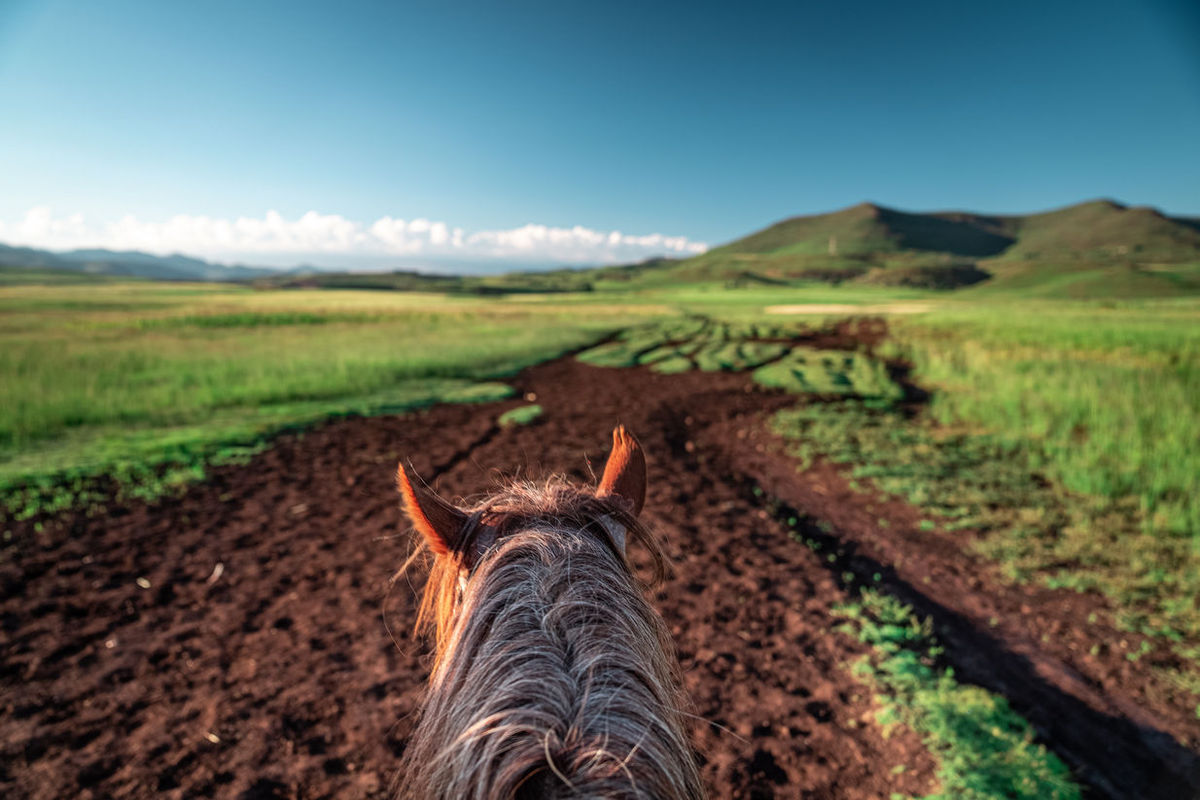
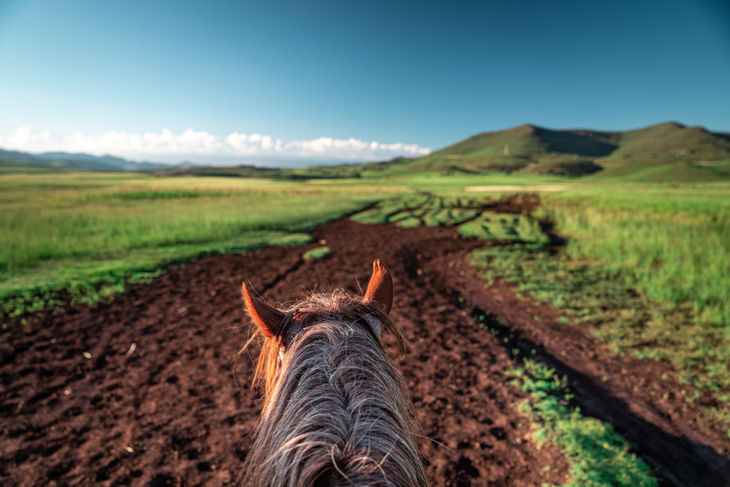
Some would say that horseback is the preferred method of transportation in Lesotho.
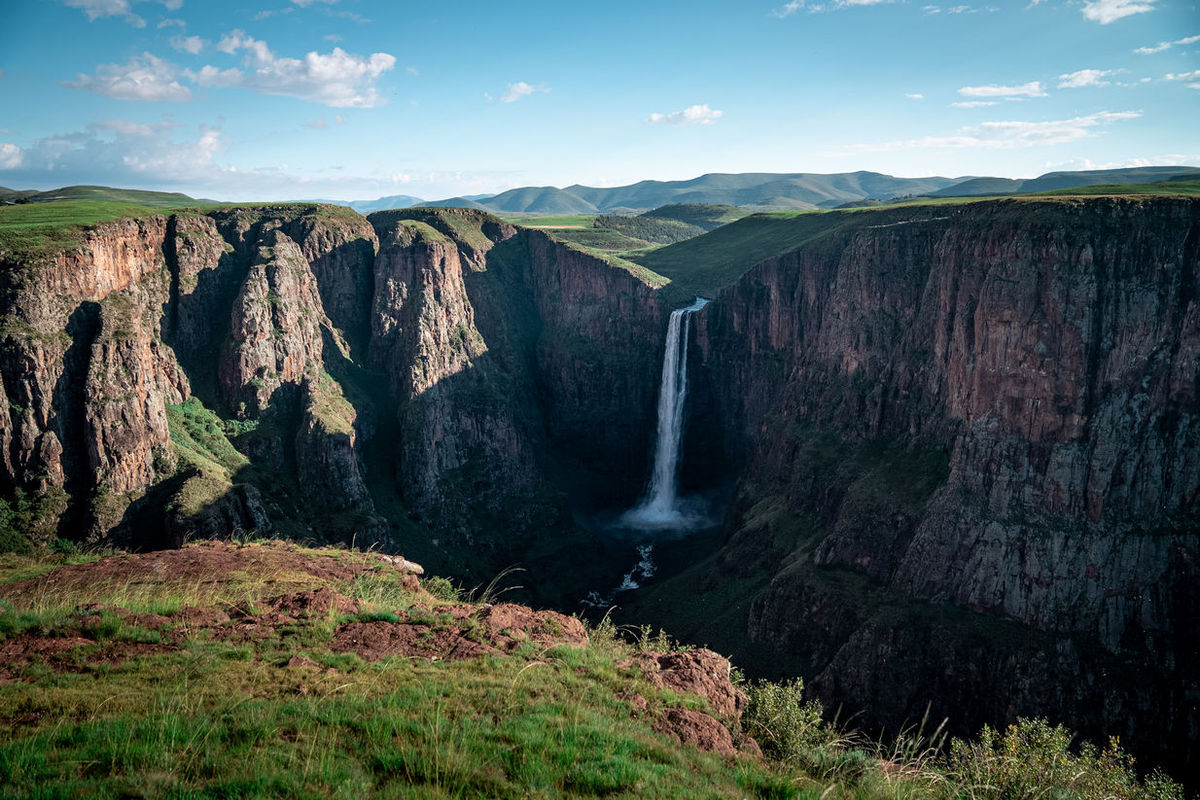
Day 4 was our last day in Lesotho and we were up early once more. We were heading to the Semonkong Falls, which was about 12 km by car or 5 km by horse, the latter of which was undeniably the more scenic – and rustic – route. Three of us decided to take the traditional form of transportation – we would meet up with the Jimnys at the waterfall. And then it suddenly made sense why so many locals used horses as transport in Lesotho… the landscape is utterly unforgiving, a mixture of mud, rocks and slippery angles (and we are crossing the country in arguably the most favourable conditions).
After a short while, we rejoined the group. The waterfall, the Jimnys and the horses all in one place was a beautiful spectacle. On the return route, the horses had no issue through the landscape, except for some mud holes, but the Jimnys had a bit of bad luck. On the way back to the lodge, we heard on the walkie talkie that one of the guides slid off the road, so the team had to perform a recovery to get him back on the road. I was sad I didn’t take a Jimny to the falls as I missed a bit of off-road driving, but it shows why horses are preferred forms of transport – conditions can be very treacherous for vehicles.
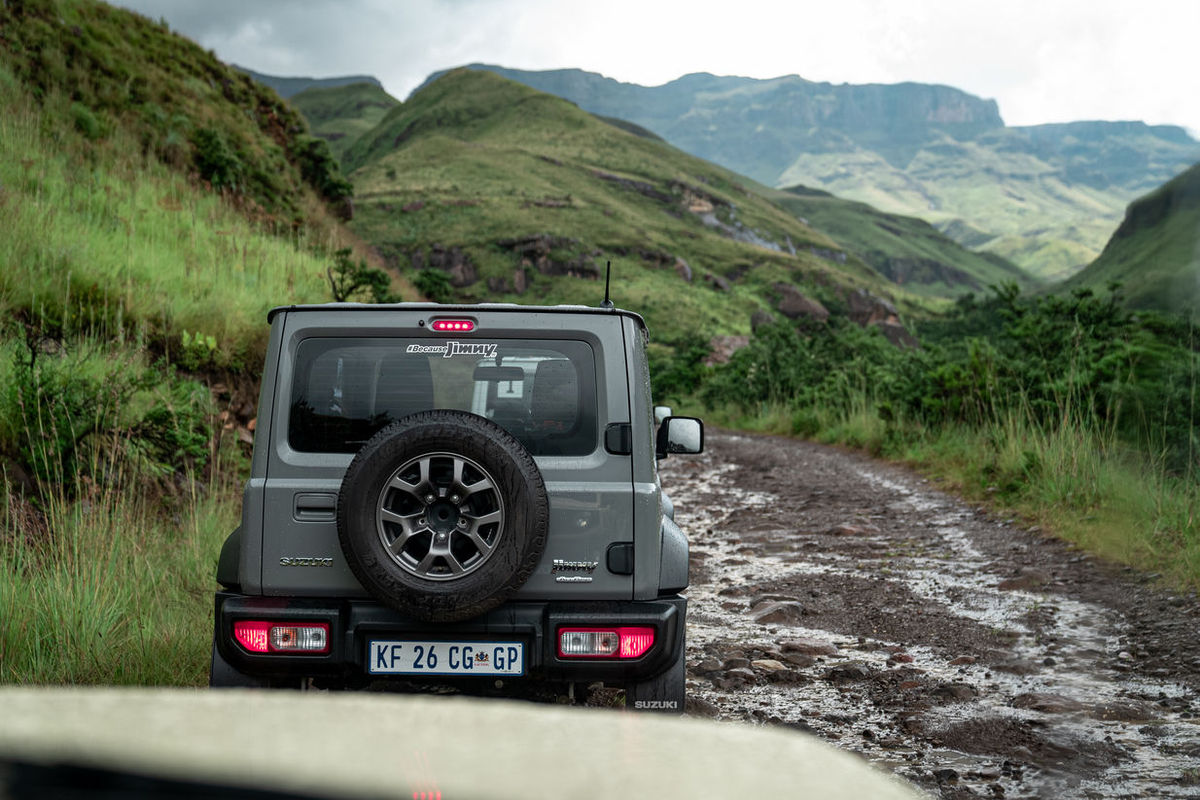
We covered approximately 800 km during the 4-day trip, most of the driving was done on tar roads, so I could not really test the gravel and off-road capabilities of the Jimny extensive. We do know, based on our previous experience with this Jimny, that it is a very capable off-road vehicle. Suzuki’s plucky 4×4 has enough ground clearance for gravel roads and Jeep tracks and, with the added benefit of a low range transfer case and a short wheelbase, it can clamber over some of the trickiest obstacles. This vehicle will gladly take you out into nature and onto your next adventure on a budget #becauseJimny!
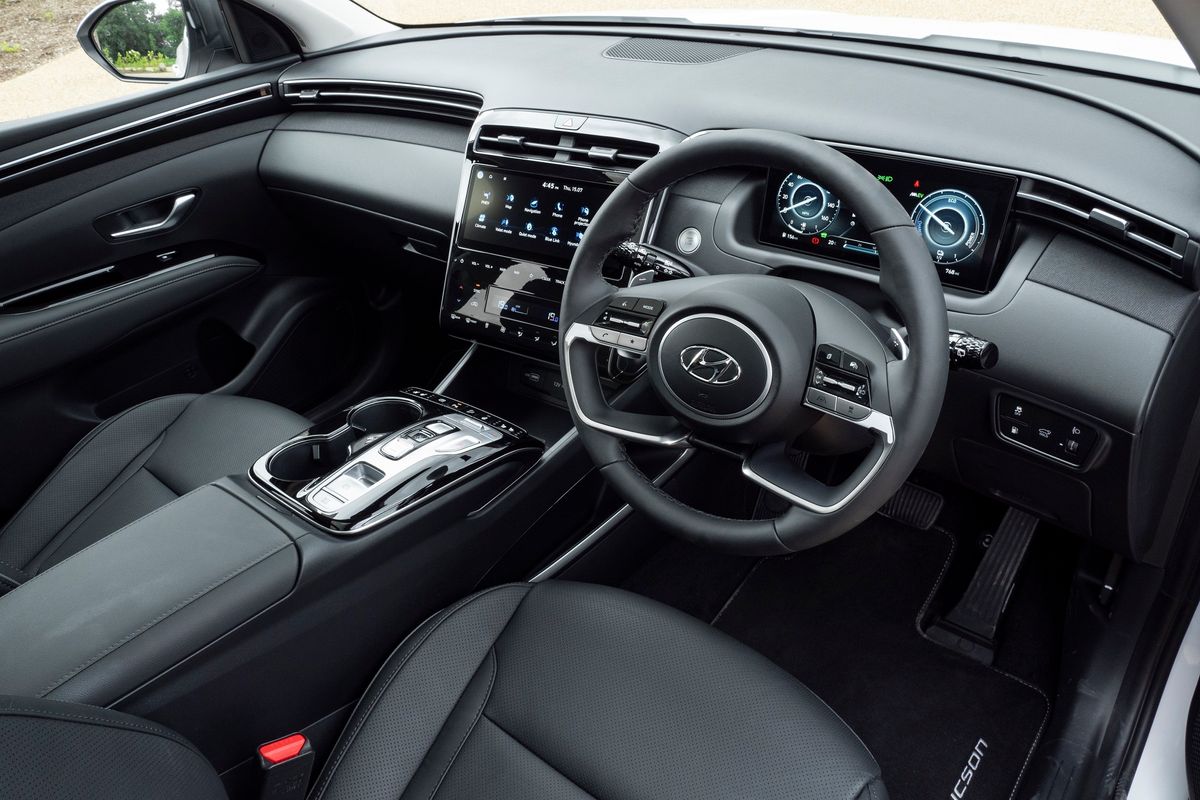
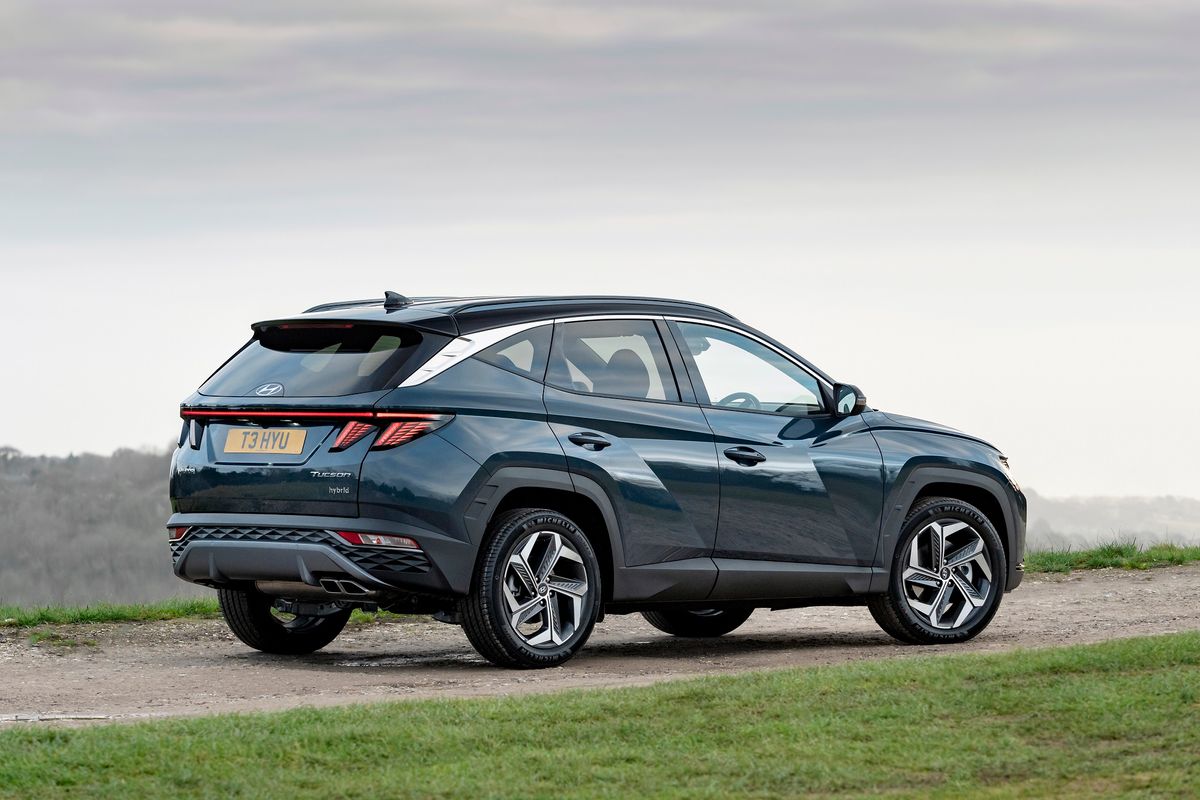
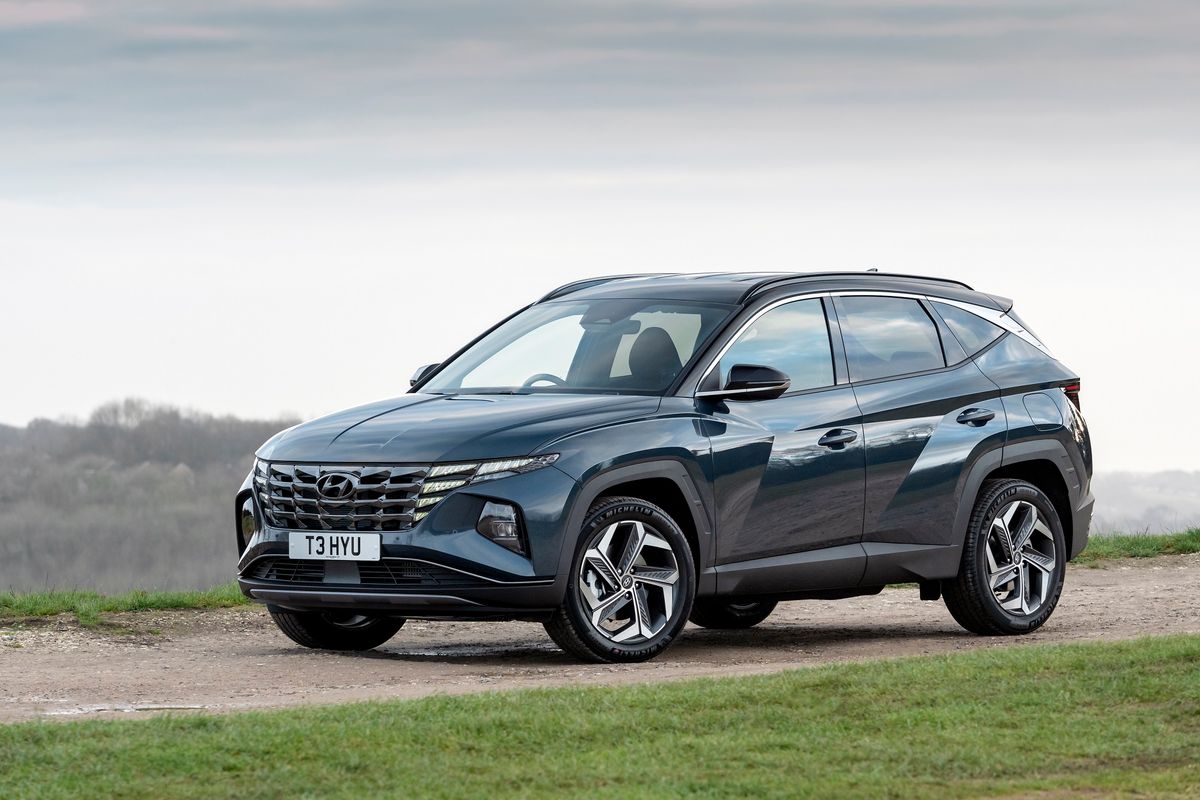
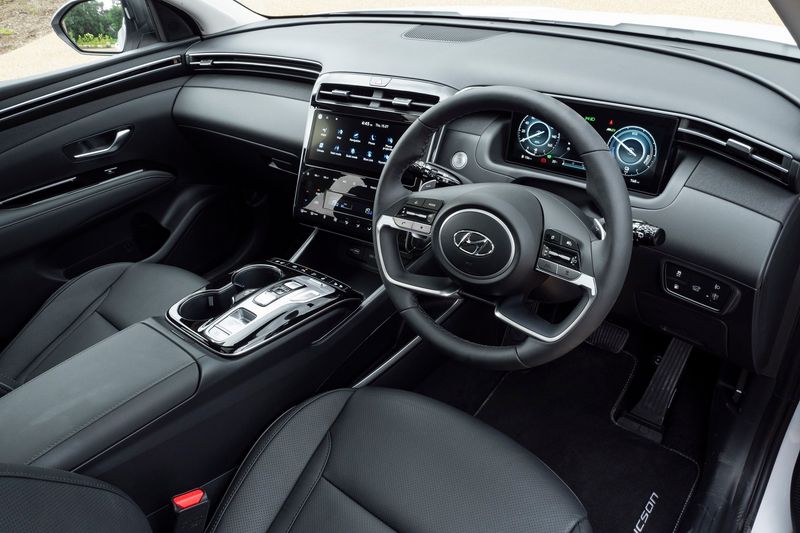
2022 Hyundai Tucson Specs & Price
The new Hyundai Tucson has arrived in South Africa, to take on the Volkswagen Tiguan, Mazda CX-5 and Toyota RAV4. Below, we cover the price and specifications.
The Tucson’s dramatic exterior styling expresses Hyundai’s evolving Sensuous Sportiness design identity. The new SUV embodies what Hyundai designers call ‘parametric dynamics’ with kinetic jewel surface details that emphasise Tucson’s distinctly different identity in a crowded segment.
As is the case with virtually all the Korean brand’s latest models, the Tucson sports an expansive, cascading grille with a distinctive pattern, with narrow headlamp clusters and indicator elements that merge into a single design element. Hyundai’s new family car is no exception – its LED daytime running lights are cleverly integrated into the jewel-like grille, and only revealed when activated.
It appears the engine line-up has not changed, with a choice of either a 2.0-litre naturally-aspirated petrol engine or a 2.0-litre turbocharged diesel engine. Outputs have not been confirmed, but we suspect 115 kW and 192 Nm for the petrol, while the diesel packs 137 kW and 416 Nm. From what we’ve seen, all models are front-wheel driven and feature automatic transmissions.
As before, the trim levels will follow the Premium, Executive and Elite hierarchy.
Tucson Premium
Cruise control Parking distance warning Forward/Reverse Rearview monitor Wireless phone charger Dual automatic temperature control Rear console ventilation duct Heated front seats Auto down front windows Radio with RDS 8-inch infotainment system Apple CarPlay / Android Auto Airbags: Front, thorax, curtain ABS+EBD+DBC+HAC EPB with Autohold 17-inch alloy wheels Halogen lamps LED daytime running lights
Tucson Executive
18-inch alloy wheels LED lamps Indicators in side mirror Electrically folding and heated side mirrors Dark chrome coated grille Chrome bumper moulding Roof rails Skid plate Leather trim Driver power seat Illuminated sunvisor Blindspot detection Rain sensor Auto window defogger Dual auto temperature control
Tucson Elite
19-inch alloy wheels LED tail lamps Privacy glass Panoramic sunroof Heated and ventilated front seats Heated steering wheel Smart key Button start Supervision with 10.25-inch TFT LCD Smart cruise control Blindspot collision avoidance assist rear Lane-keeping assist Lane following assist Forward collision avoidance
Range anxiety can be a stressful part of Electric Vehicle (EV) ownership and while you should plan and prepare your trips to avoid being stranded, you should also be prepared for the worst-case scenario — running out of charge. Here’s what you need to know!
Range anxiety is one of the main factors that have a negative impact on EV ownership and running out of charge is something that many potential EV buyers fear.
If you drive an EV, running out of charge on your journey is something that you should try to avoid at all costs. The best way to avoid being stranded with no EV charge is to plan your trips and to ensure that your EV is regularly charged up so that you have enough charge to conduct your daily commute. Having a home EV charger installed is highly recommended as it’s not only the cheapest way to charge your EV but it’s by far the most convenient.
Keeping a close eye on your EV range and consumption is vital but trip planning is also important and this includes knowing where suitable public charging stations are located along your route of travel. We recommend that you download either the PlugShare app or the ABRP (A Better Route Planner) app, or both! Apple users may also want to try the ChargePocket app.
Planning your trips is by far the best way to avoid running out of charge but what exactly happens when you run out of charge and what should you do if it happens to you?
What to do if your EV runs out of charge?
If your EV is getting low on charge, the vehicle will start alerting you to the fact with a number of warnings. The sequence and timing of these warnings may differ depending on the EV you drive.
The low charge warnings will start at anywhere from about 12% charge and your EV will command and navigate you to the nearest charging station. Your estimated remaining range will also be visible.
At 0% charge, your EV will be in reserve power and you will have less than 10km of range left (if you’re lucky) to find a charging station. After this stage, your EV will start shutting down and will effectively be in “Turtle Mode” where only vital systems will receive power. Soon after this, your EV will no longer be operational.
Make sure that you pull your EV safely off the road without obstructing traffic or other road users. Turn your hazard lights on and call for roadside assistance. Most car insurance and AA membership include roadside assistance.
Just be aware that your EV will have to be recovered using a flatbed truck, and NOT towed behind another vehicle. Make sure that you read your EV’s Owner’s Manual and follow the instructions therein to ensure that your EV is recovered safely.
You can have your EV delivered to the nearest charging station where it can be recharged or to your home if you have a home EV charging station installed.
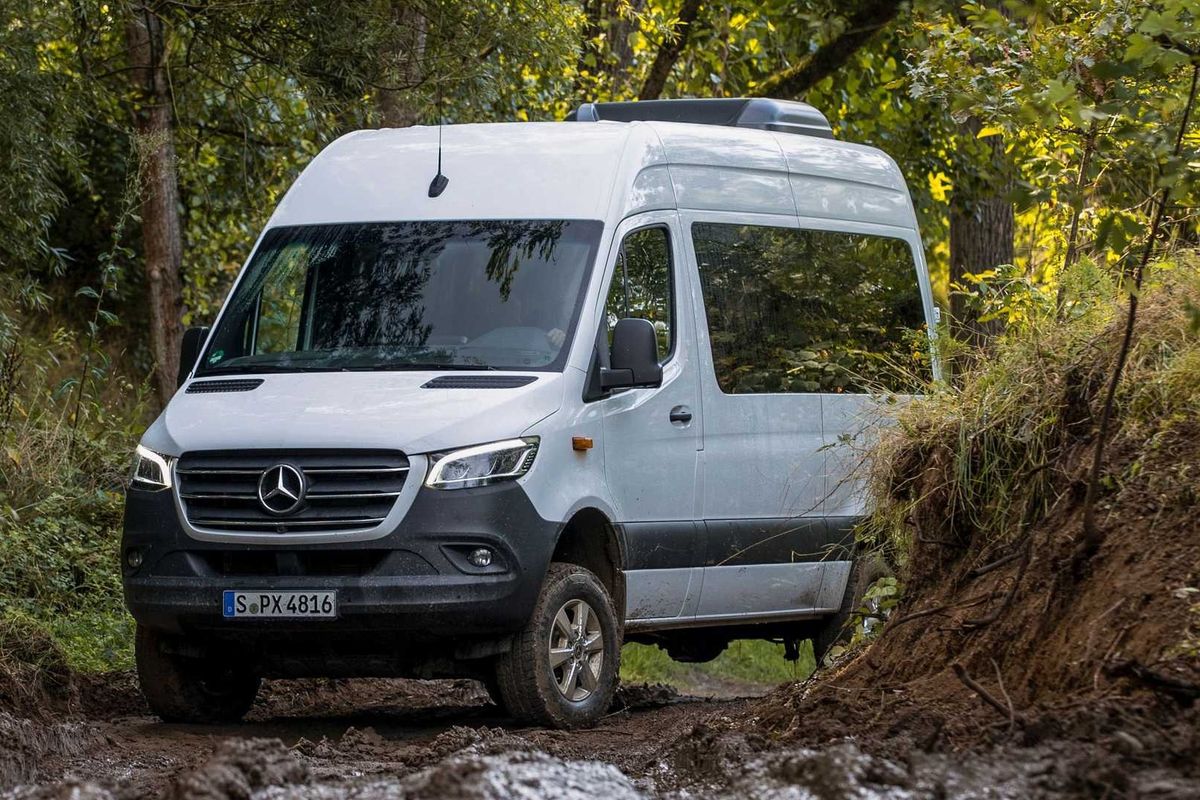
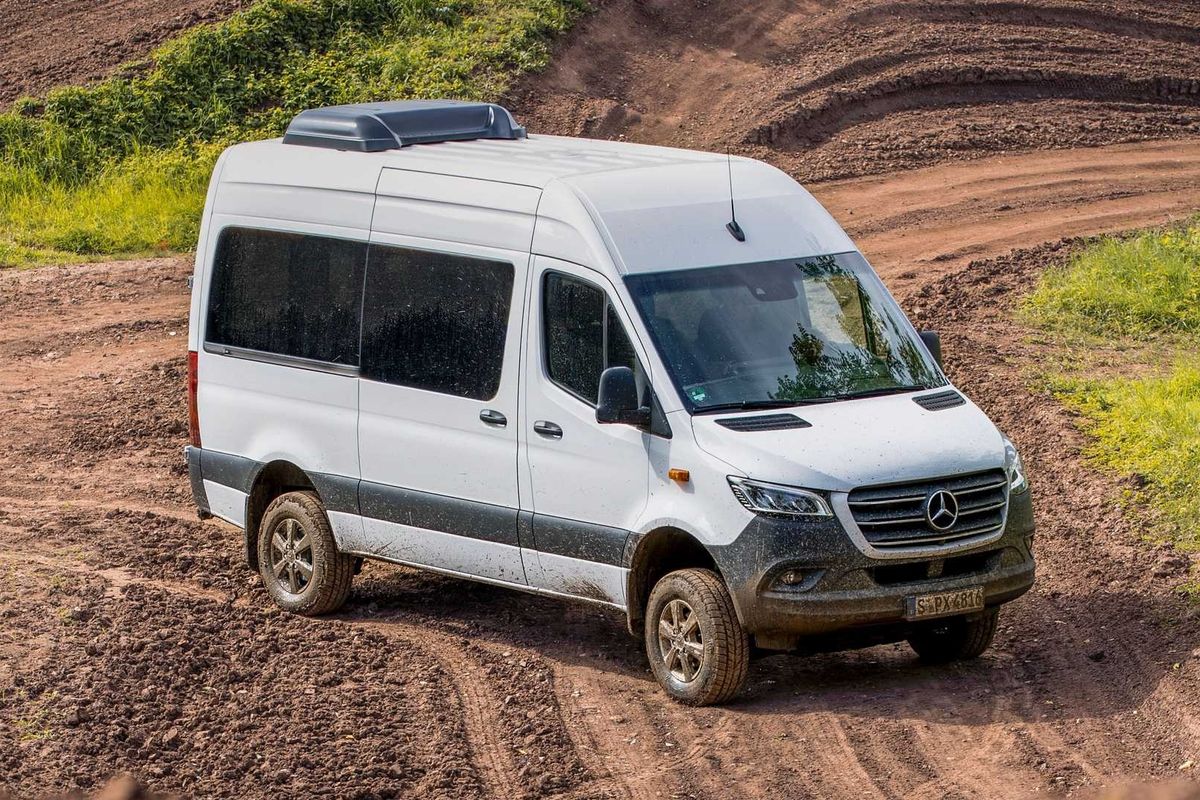
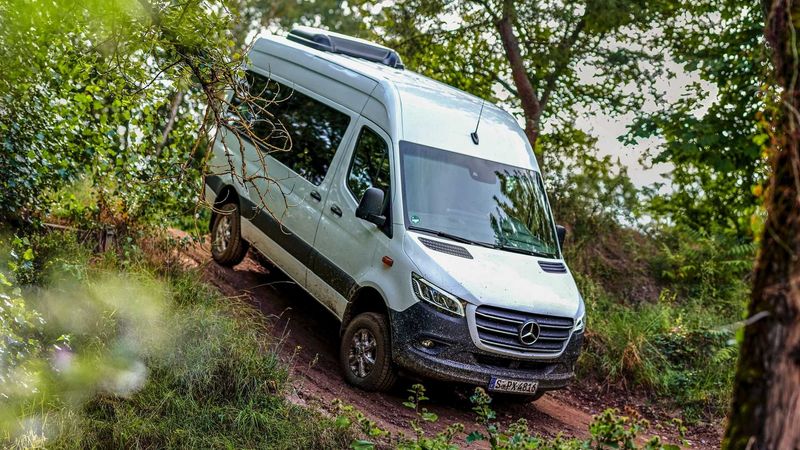
2023 Mercedes-Benz Sprinter is the most capable yet
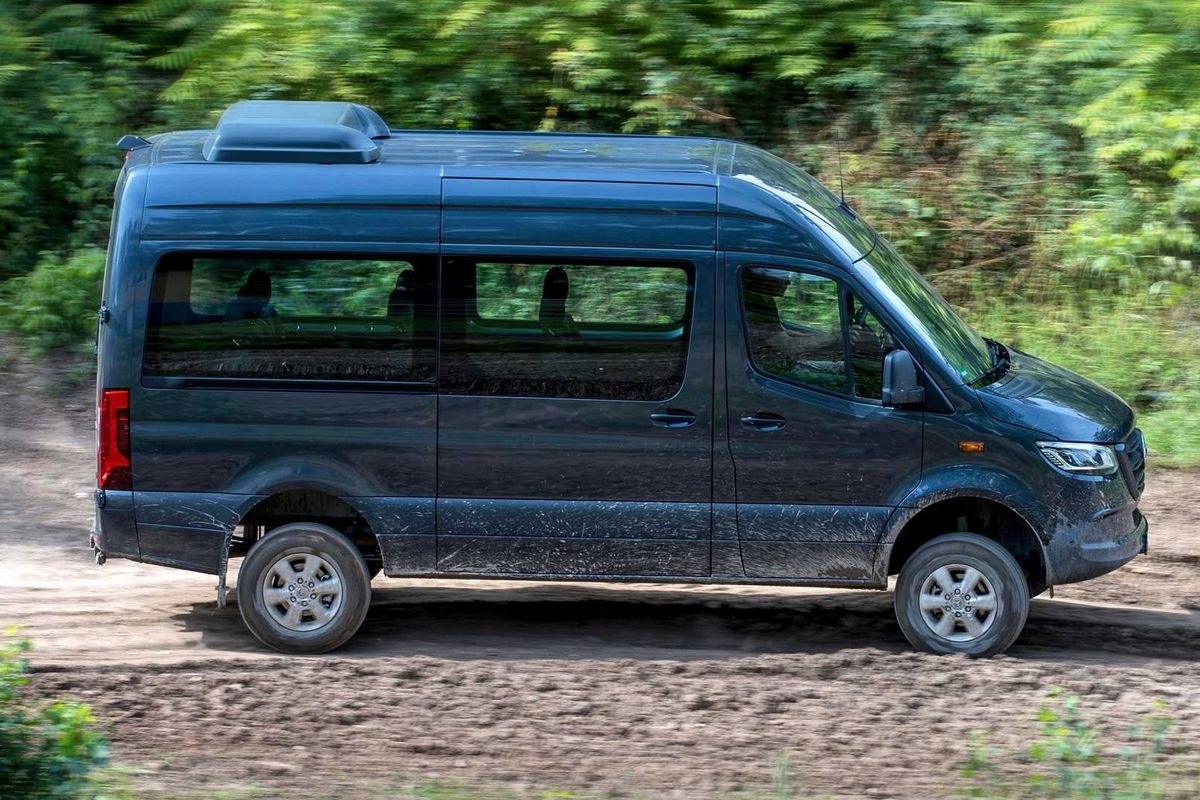
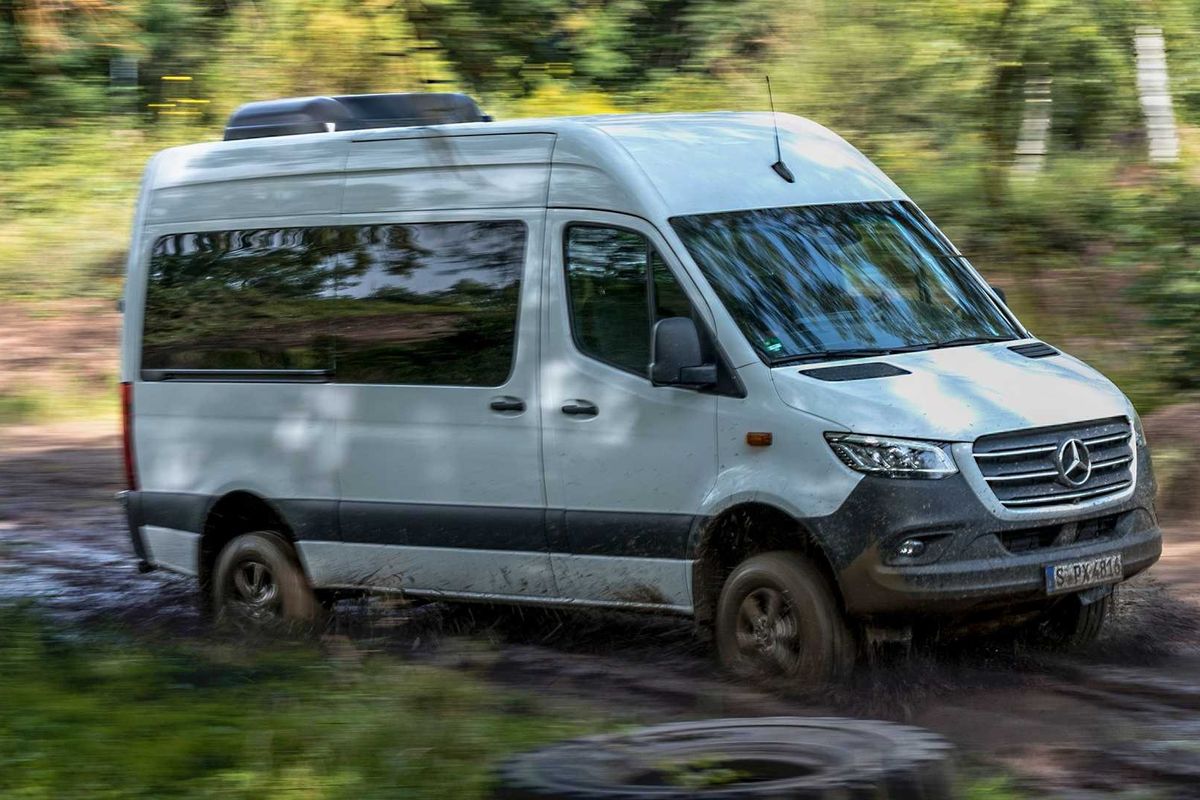
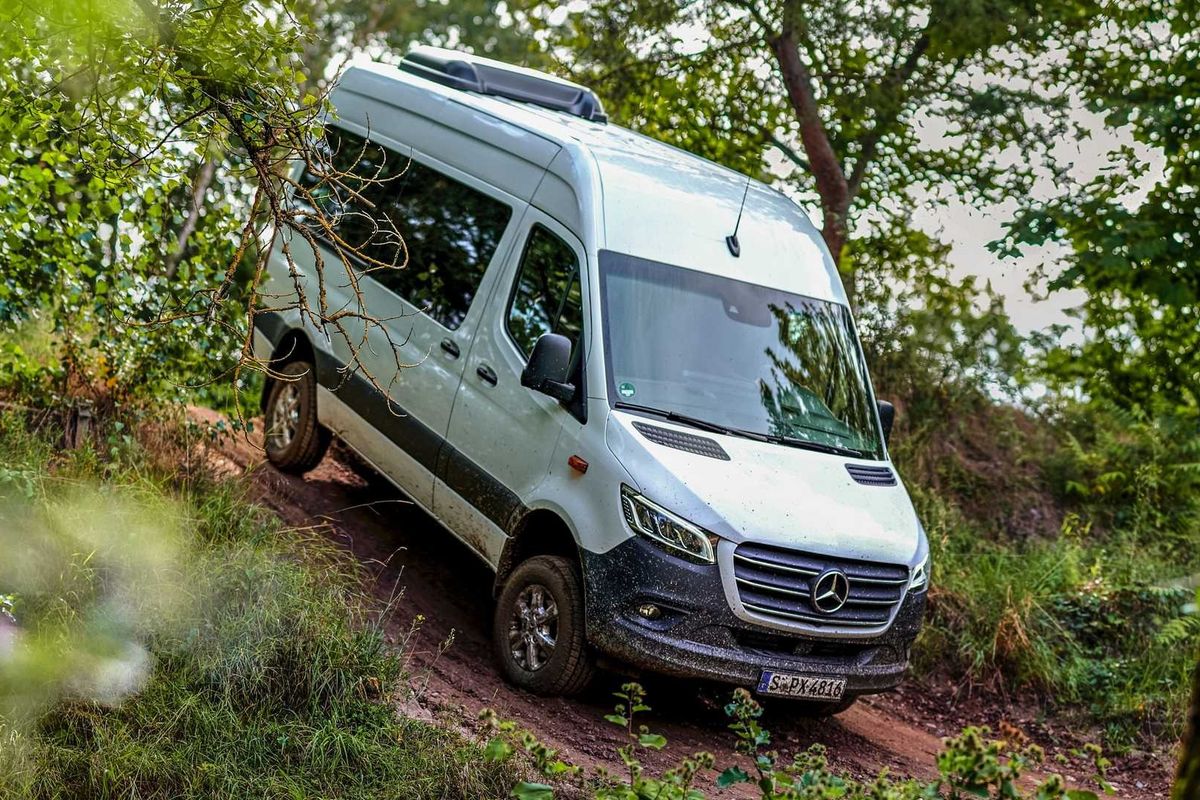
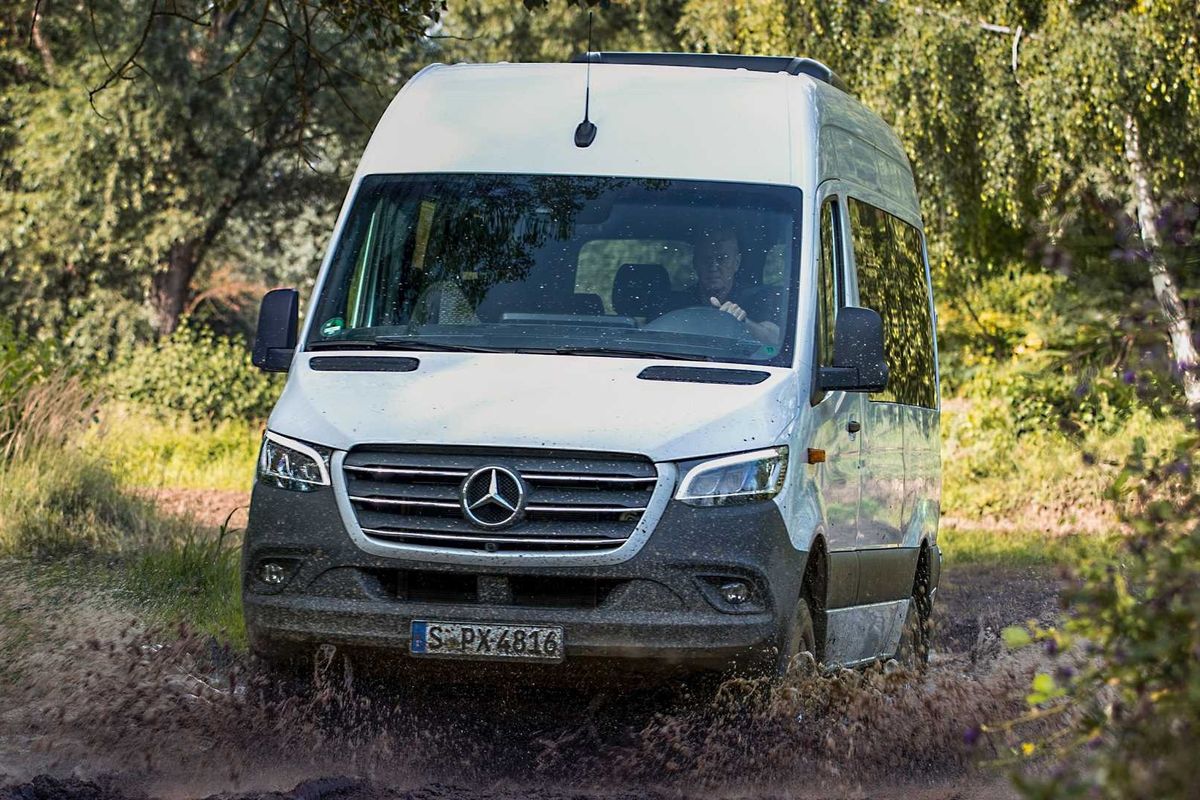
The 2023 Mercedes-Benz Sprinter has been given a raft of updates, including the ability to drive on some awful roads.
What you see here is the 2023 Mercedes-Benz Sprinter in an unusual environment. You’d expect to see the multi-seat big bus from Mercedes-Benz in a city, providing transport for many people and yet, these pictures tell a different story.
Under the skin is a new all-wheel-drive setup that allows a torque split of up to 50% for each axle. Mercedes-Benz claims this new model has favourable ground clearance as well as good approach and departure angles.
Given South Africa’s deteriorating roads and the inclement weather we’ve had over the past few months, we could see the Mercedes-Benz Sprinter making a case for itself as a go-everywhere people mover.
As far as engines are concerned, the new 2023 Mercedes-Benz Sprinter gains a new 2.0-litre 4-cylinder motor that replaces the 3.0-litre turbodiesel V6. There are two states of tune, with 125 kW and 400 Nm, and 155 kW and 450 Nm. These outputs compare favourably to the outgoing engine which could only muster 140 kW and 441 Nm. A petrol 2.0 engine is also available with 140 kW and 350 Nm.
All Sprinter models feature the Mercedes-Benz 9-speed automatic gearbox with the claim the new transmission offers improved fuel economy. A shorter 1st gear means faster acceleration off the line.
An electric 2023 eSprinter model will be following soon, with Mercedes-Benz upgrading its South Carolina plant to build the new model.
This upgraded 2023 Mercedes-Benz Sprinter hits the United States market in early 2023 and we’re expecting an update from Merc SA soon. Currently, Mercedes-Benz SA offers its Sprinter Inkanyezi 516CDI, which is a fantastic story for the local economy. These Sprinters arrive in SA and are locally converted to suit our market, and Mercedes-Benz SA has structured a pocket-friendly pricing package for commercial operators.
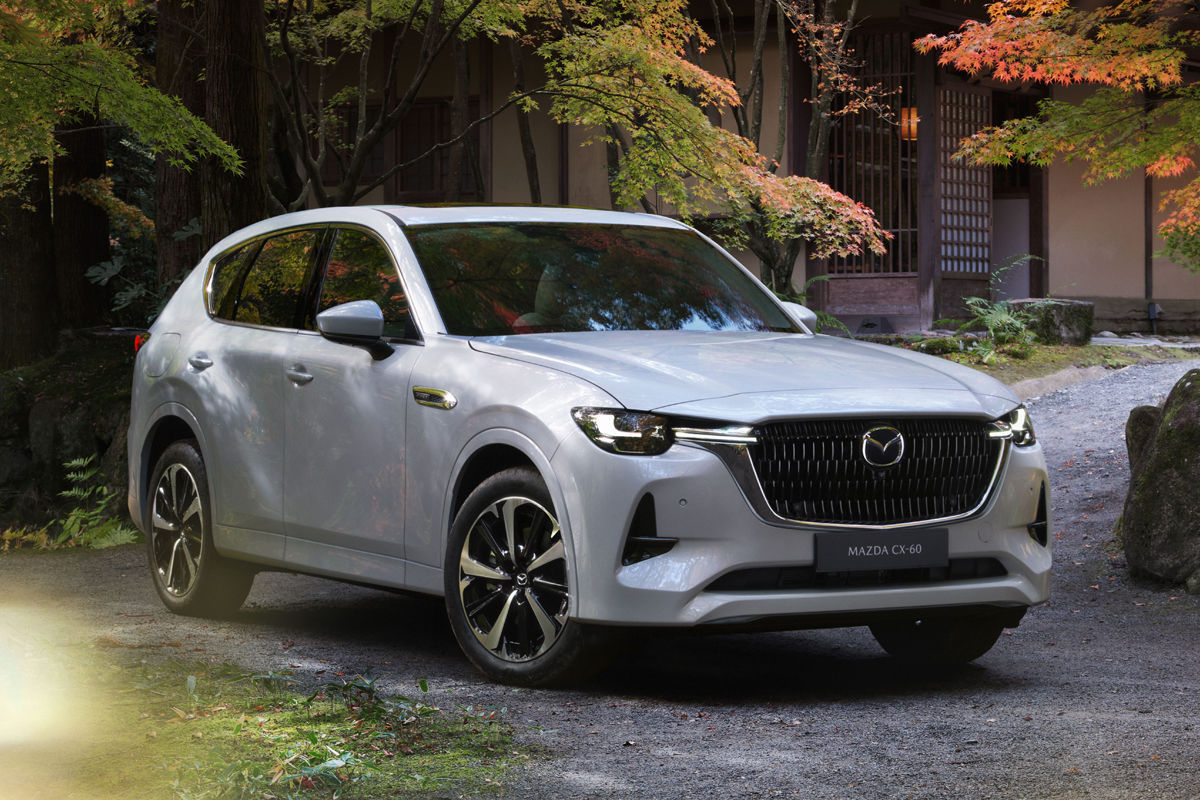
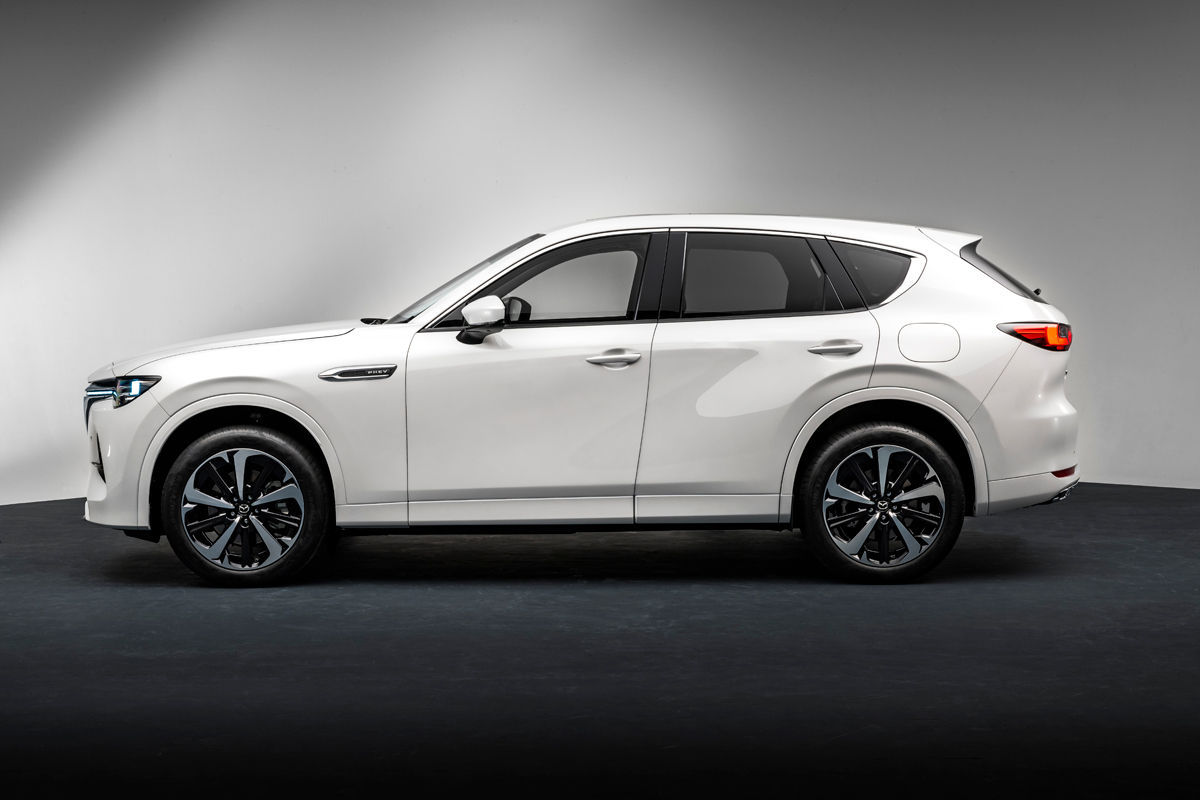
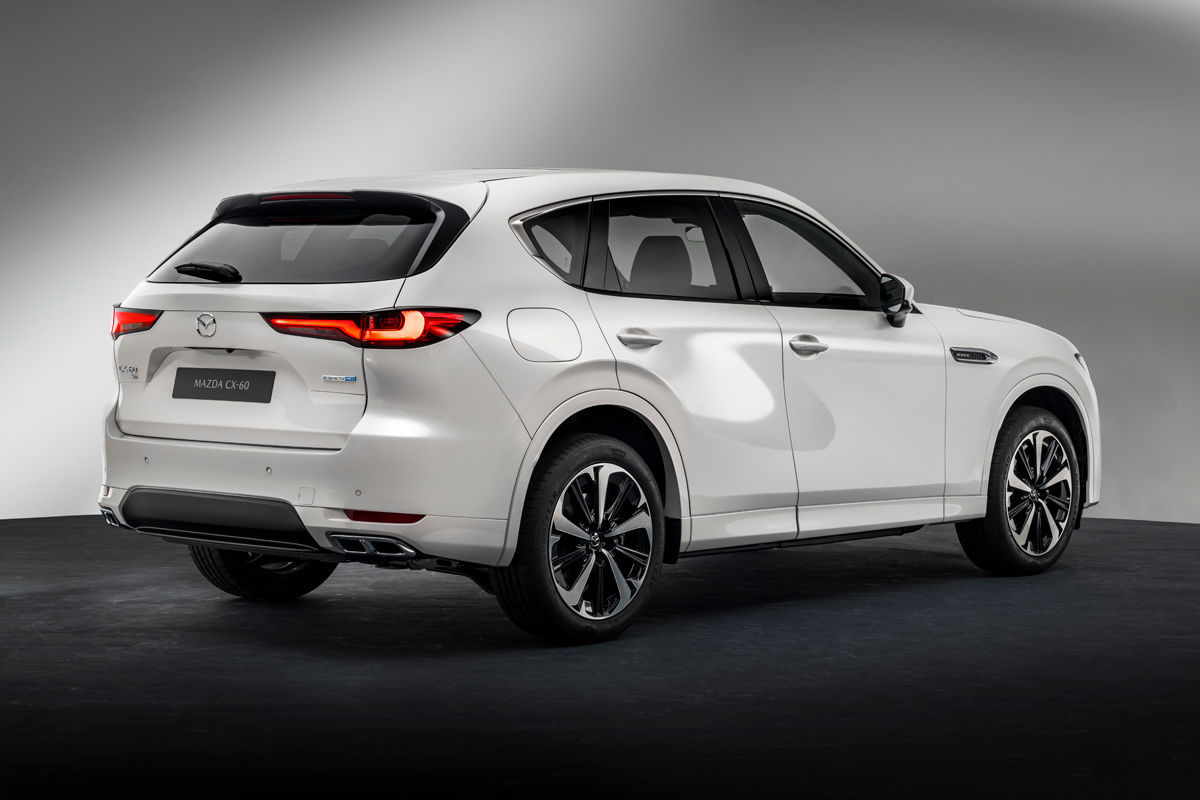
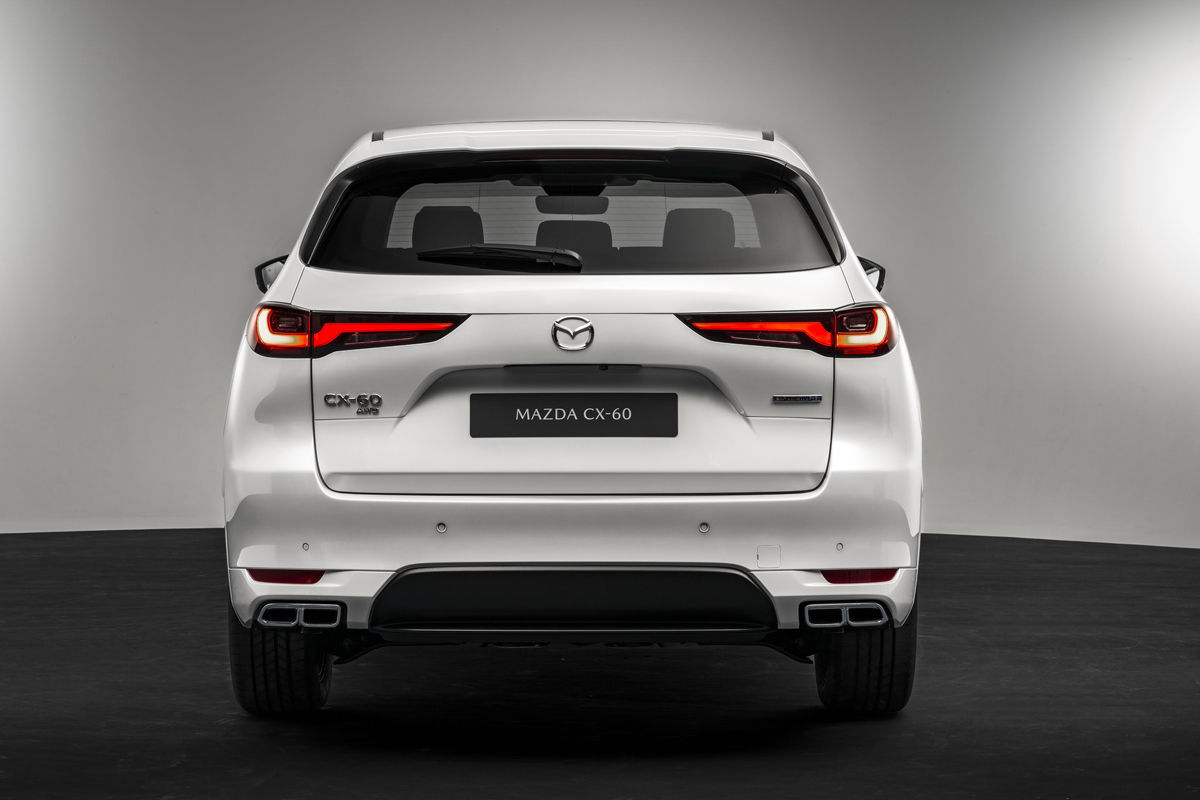
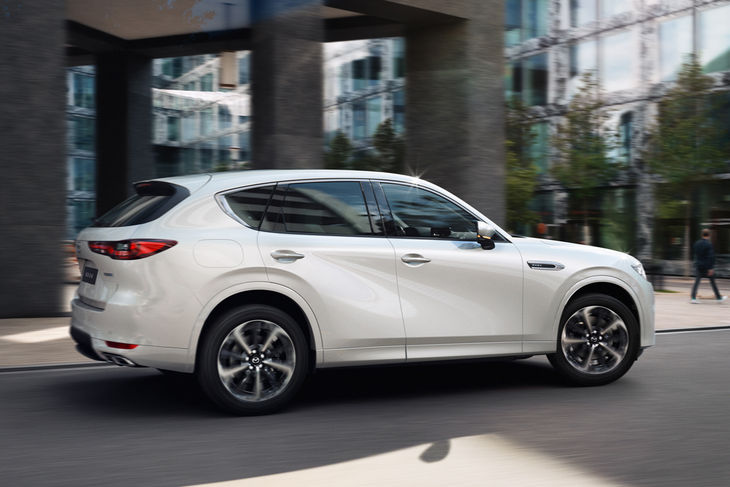
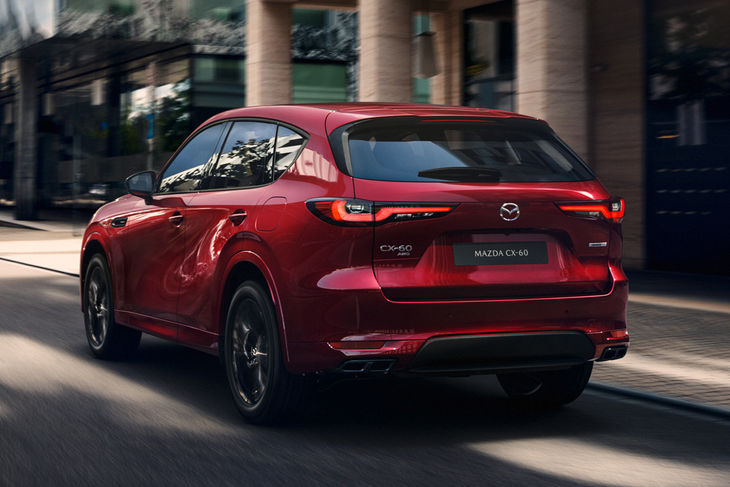
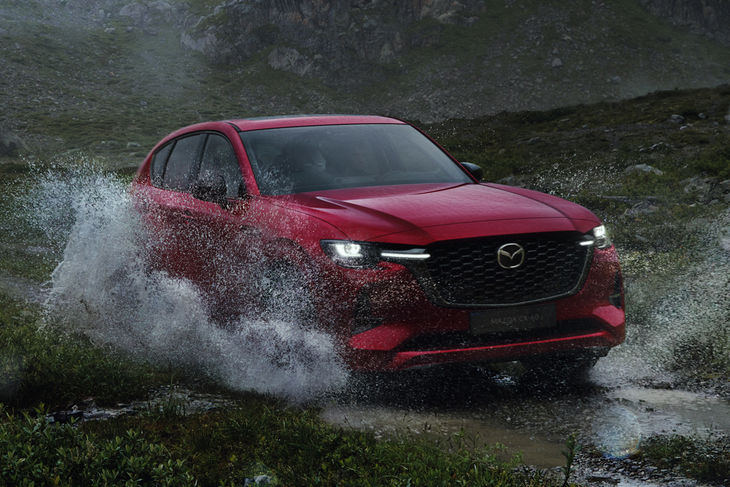
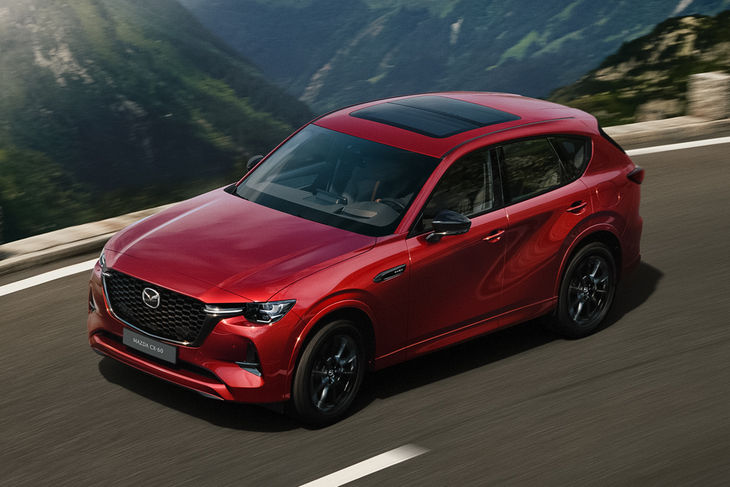
Mazda has unveiled its CX-60, which is based on an all-new rear- and all-wheel-drive platform and features plug-in hybrid and inline 6-cylinder petrol and diesel powertrains. Furthermore, it has been confirmed that the spacious five-seater will be offered in South Africa, where it will slot in above the CX-5 as a rival to lower-end Hyundai Santa Fe and Kia Sportage derivatives.
Since the introduction of the CX-30 – Mazda’s boutique crossover offering that sits above the CX-3 compact family car, the market has anticipated a barrage of new CX-prefixed crossover and SUV models from the Hiroshima-based car company. Although the recently unveiled CX-50 is unfortunately reserved for North America, the CX-60, which is based on Mazda’s Skyactiv Multi-Solution Scalable (Large Vehicle) Architecture, is a different story – it could well be offered in South Africa in the near future, where it might sit above the long-serving CX-5 medium SUV, well, at least initially the latter is replaced.
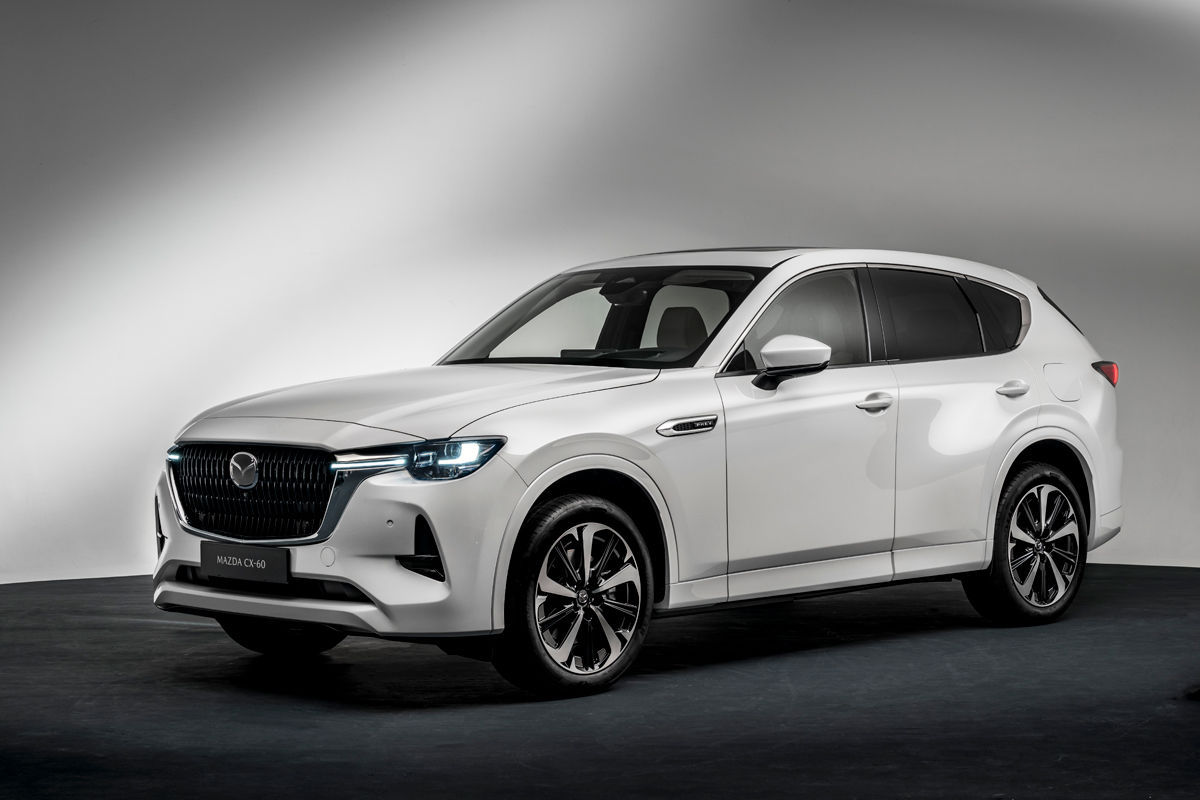
The 5-seater, upper mid-sized CX-60 is slightly larger than the CX-50 and notably longer and wider than the current CX-5. It utilises Mazda’s new rear- and all-wheel drive Skyactiv Multi-Solution Scalable Architecture and rides on a 2 870 mm wheelbase. The model is 4 745 mm long, 1890 mm wide, and stands 1 680 mm tall, which leads us to believe it may be classed as an… executive SUV, maybe?
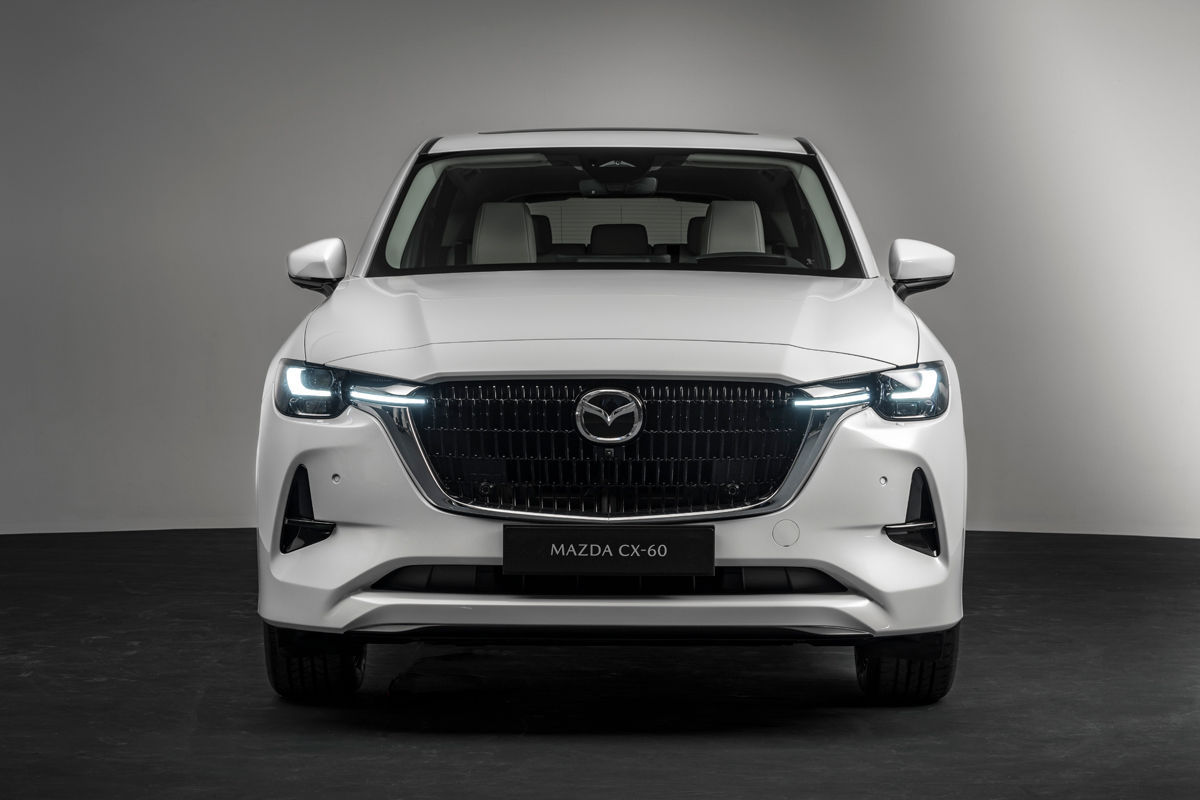
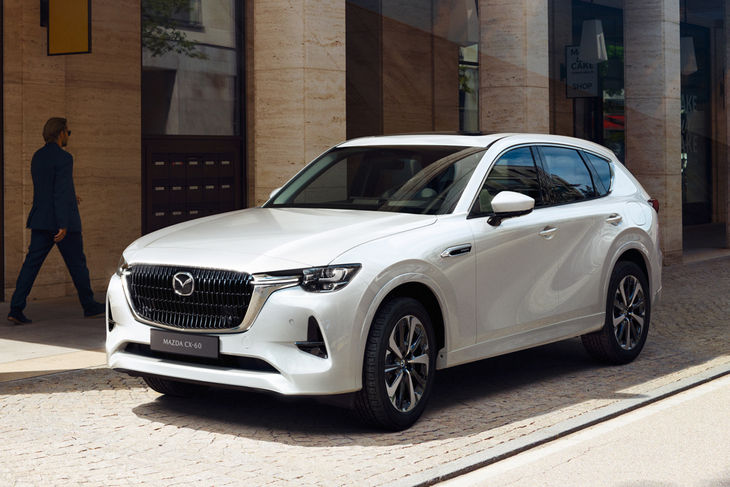
The CX-60’s eye-catching exterior appearance is characterised by several cues from Mazda’s Kodo design language, such as a bold grille with chrome wings that flare out to meet almost nugget-like LED headlamps (with L-shaped daytime running lights). Apart from sporting chunkier, more masculine detailing than most of its contemporary stablemates, the model’s extended dimensions make it look more slab-sided and upright in stance than the Mazda family cars we’ve become accustomed to.
Its expansive dimensions (compared with the CX-5 family car) facilitate a rather roomy interior, of course. Mazda claims the CX-60 offers 1504 mm shoulder room for front occupants (44 mm more than in the CX-5), with 1441 mm afforded to those in the back (which is 50 mm more than in the brand’s medium SUV). The rear seats are said to offer “enough legroom for passengers to sit with their legs straight – even those with a large physique can maintain a comfortable and stable posture whilst seated”.
Including under-floor storage, the CX-60 is claimed to have 570 litres of load capacity, which can increase up to 1148 litres with the rear seats folded flat. Compared with the CX-5, the width of the load bay aperture has increased to 1082 mm (it is 35 mm wider), while the height of the opening is 758 mm.
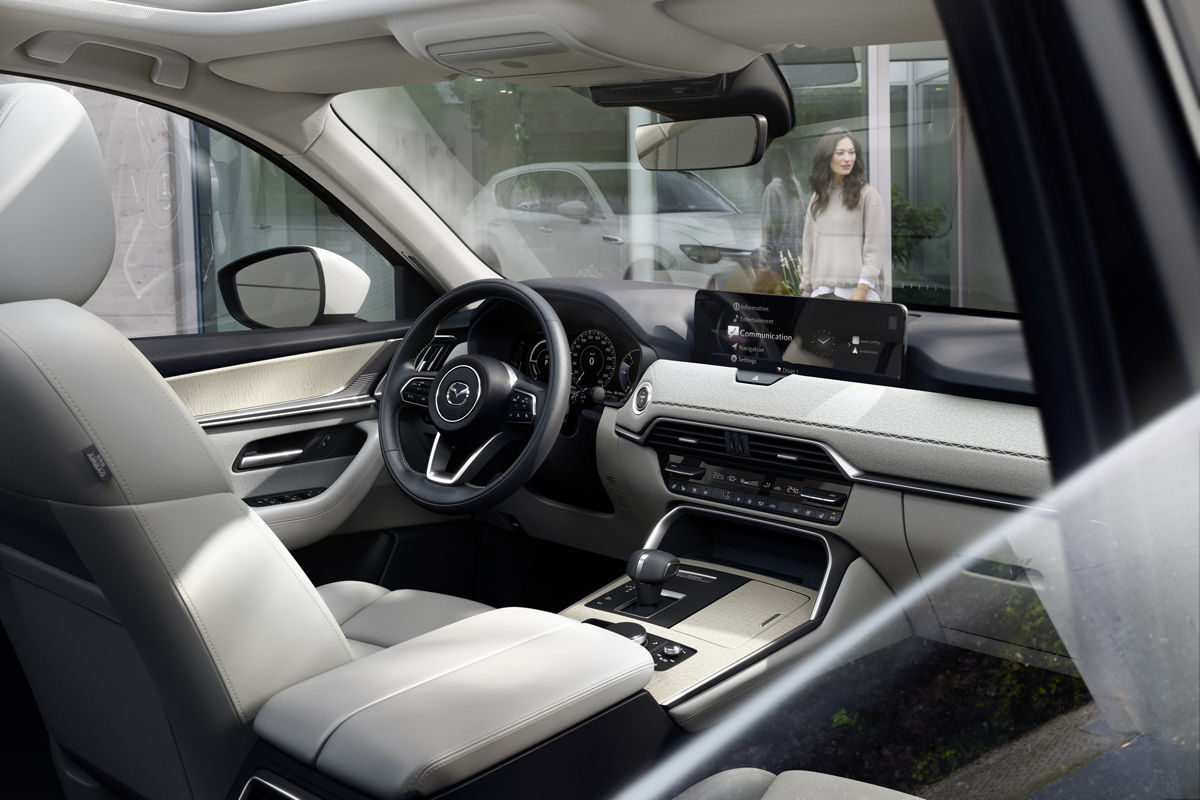
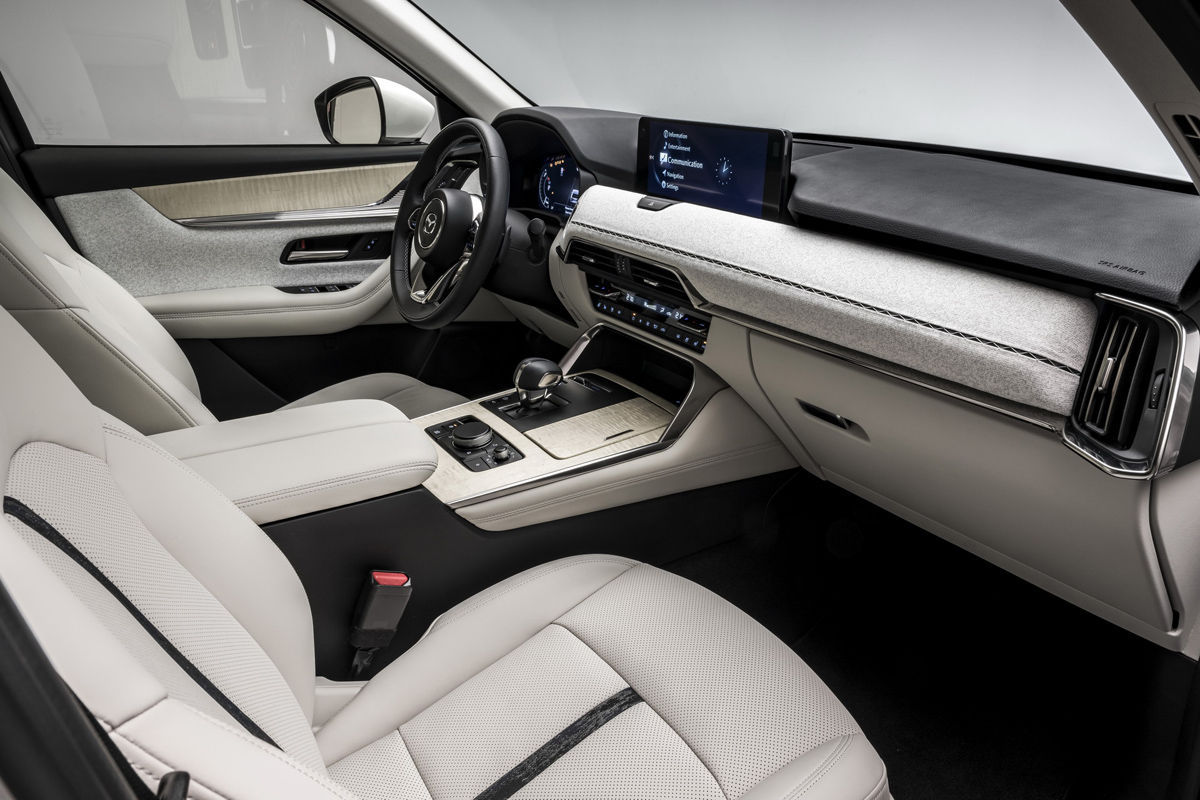
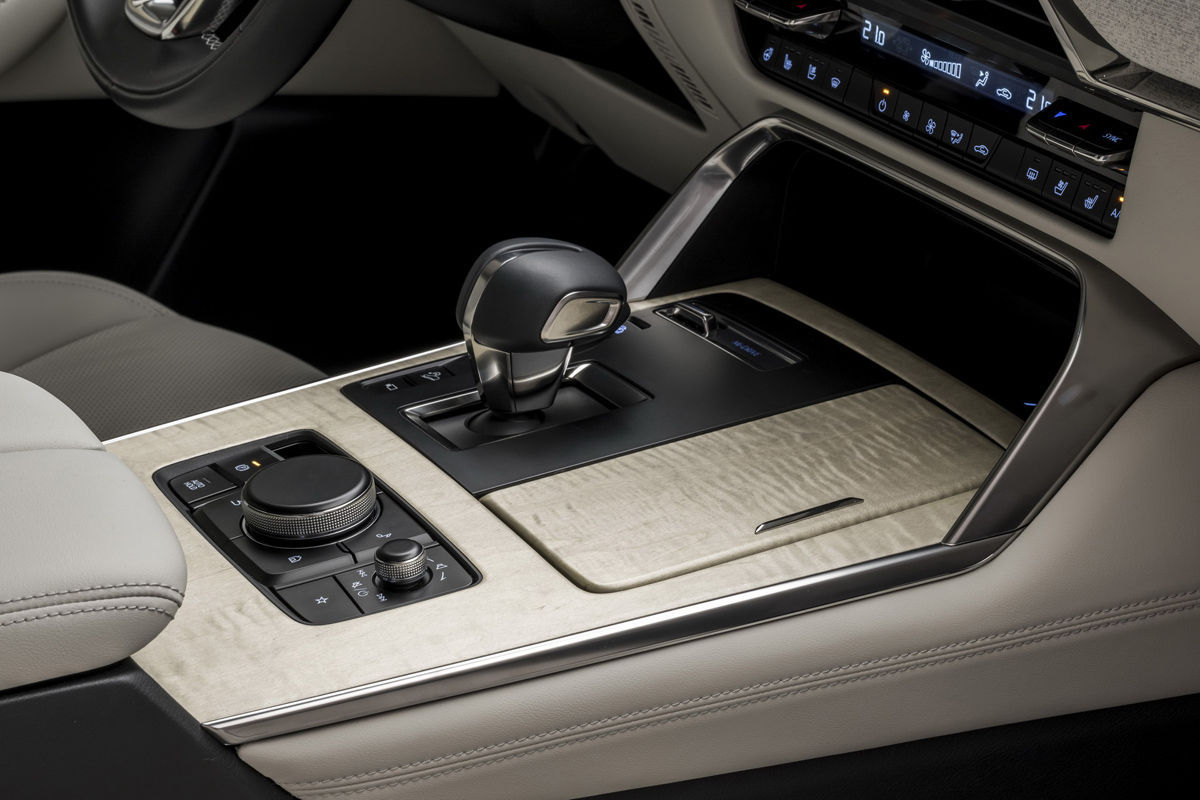
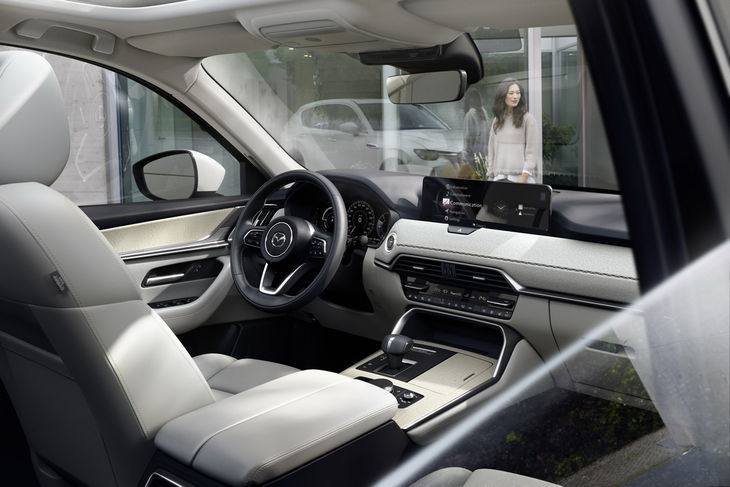
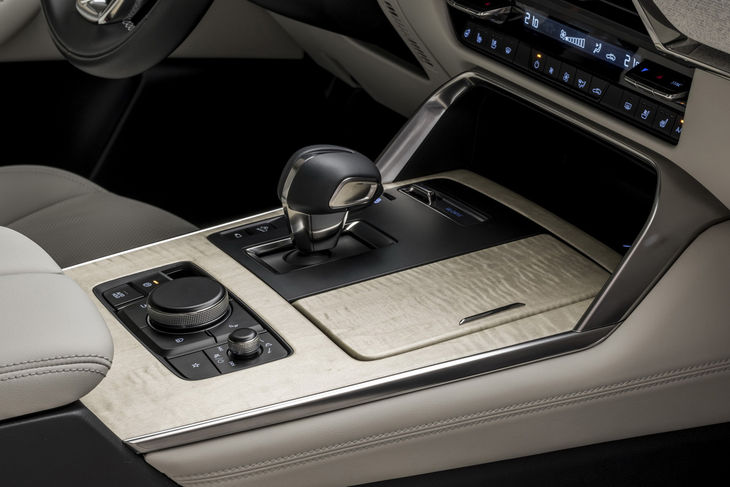
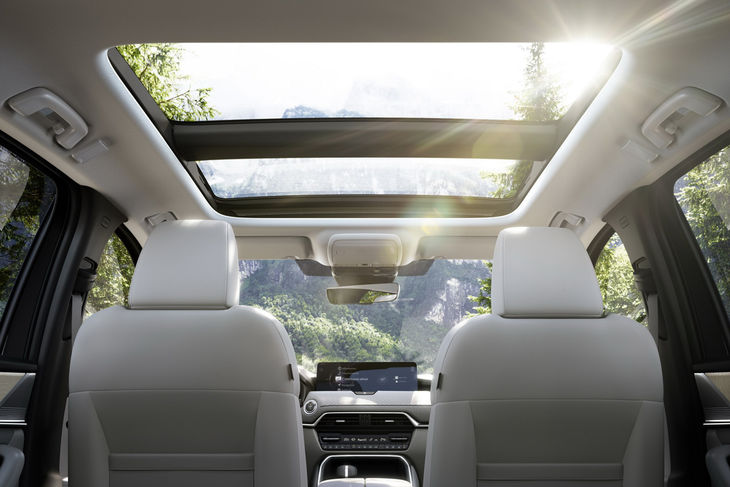
The new model’s cabin has an eminently upmarket execution, replete with an elegant, minimalist fascia and dashboard, a raised centre console and top-grade versions feature Nappa leather trim, maple wood inlays and woven textiles with decorative Kakenui stitching. The instrument cluster is a full TFT-LCD digital display, which is complemented with a 12.3-inch infotainment screen (with wireless Apple CarPlay and Android Auto, digital radio and integral satellite navigation), as well as an upsized head-up display that is claimed to be three times larger than that of the CX-30!
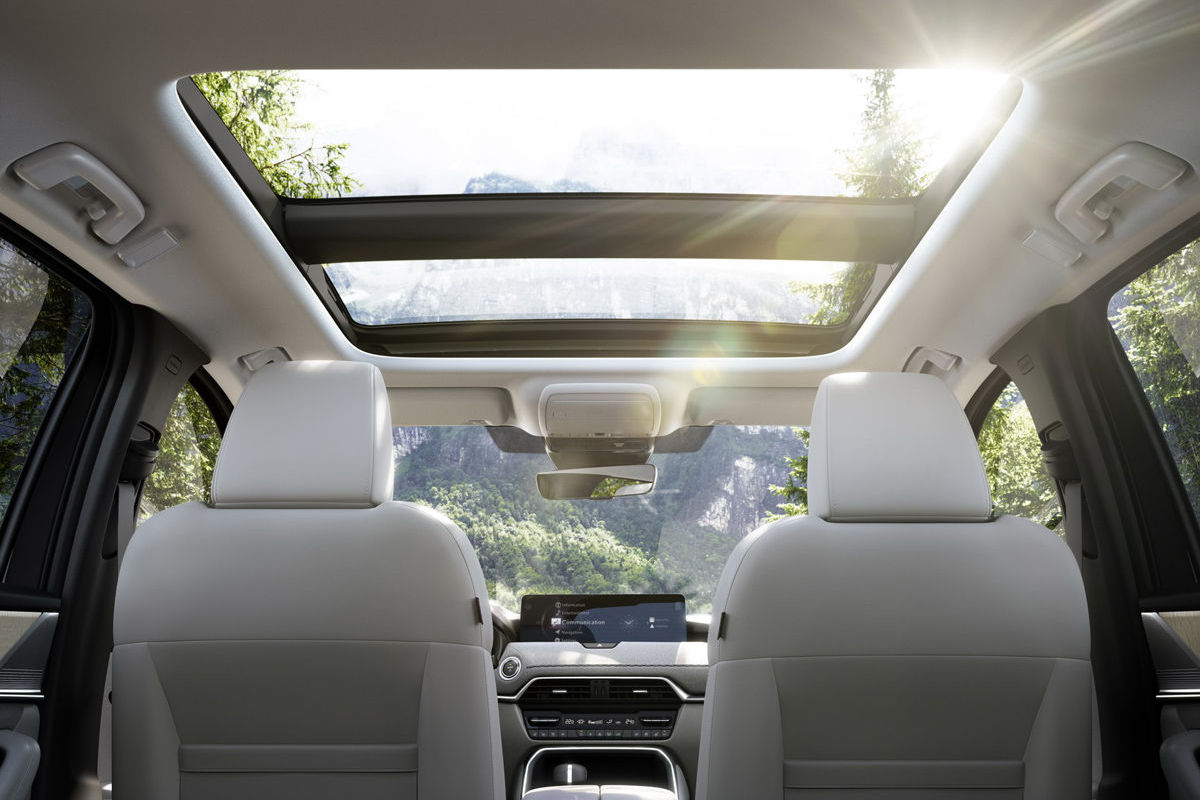
Other notable features (grade- or variant-dependent, of course) include an electrically adjustable steering column and front seats (the latter 10-way with heating and ventilation), heated steering wheel, a panoramic sunroof, an 8-speaker audio- or 12-speaker Bose surround sound system, a 1500W charging point (in plug-in hybrid versions), as well as a remote opening power tailgate.
An interesting new addition is the Driver Personalisation System, which uses facial recognition technology to adjust the Mazda’s driver’s seat-, steering column-, HUD- and side mirrors to memorised positions – we assume the function makes traditional memory buttons redundant.
The CX-60, which is the first Mazda with a rear-wheel-drive configuration for a while (apart from the MX-5 roadster and, of course, the BT-50 ute) rides on a double-wishbone front and a multi-link rear suspension setup, which is enhanced with Mazda’s Kinematic Posture Control system.
Although the CX-60 powertrain line-up in markets outside of Europe has yet to be confirmed, the introduction of a 241 kW/500 Nm plug-in hybrid power unit is notable, given the recent introduction of a petrol-electric Toyota RAV4 in Mzansi. It combines a 141 kW/261 Nm 2.5-litre SkyActiv-G four-cylinder petrol engine with a 100 kW/250 Nm electric motor paired to a 17.8-kWh lithium-ion battery.
Mazda says the PHEV version can accelerate from zero to 100 km/h in 5.8 seconds and achieve a top speed of 200 kph, but more impressively, travel up to 60 km on battery power alone. The WLTP combined fuel consumption is 1.5- or 1.6 litres/100 km (WLTP), depending on which size alloys are fitted, and the battery can be fully charged (from depleted) in four hours from an AC outlet.
The Hiroshima-based brand has yet to release peak output figures for its inline six-cylinder engines – a 3.0-litre e-SkyActive X naturally aspirated petrol and a 3.3-litre e-Skyactive turbodiesel – but both motors will be offered in conjunction with 48V mild-hybrid systems in the CX-60 range.
A new eight-speed automatic transmission with a multi-plate clutch makes its debut on the CX-60, which will be available in rear- and i-Activ all-wheel-drive guises. Drive modes will include Normal, Sport, Off-Road, Towing (and EV), while the newcomer’s braked towing capacity is said to be 2 500 kg.
Numerous safety features are slated for the European-market model, including (updated) adaptive cruise control, driver-drowsiness detection, traffic-sign recognition, advanced smart city brake assist with pedestrian and cyclist detection and intersection function, rear emergency-brake assist (with pedestrian detection) and -cross-traffic alert, lane-keep and -steering assist, blind-spot monitoring, hill launch assist and -descent control, as well as vehicle exit warning.
Notably, the PHEV version features additional protection for its high-voltage battery. The 360-degree camera system (if specified) now incorporates “See-Through View” technology, while additional front centre and rear side airbags (that augment the curtain units) are also fitted.
Production of the CX-60 will commence at the Hofu Plant No 2 in the Yamaguchi prefecture this week and the Japanese-spec model will be introduced early next month. As for exactly when will the new model will arrive in South Africa, Mazda Southern Africa has not provided an official date (yet), but did have the following to say:
“(The CX-60) is the first of Mazda’s Large Product group models, offering significantly enhanced driving pleasure and environmental and safety performance. We will position the CX-60 above the CX-5, both in terms of size as well as value. As far as local specifications and introduction is concerned, we will confirm this later in the year.”
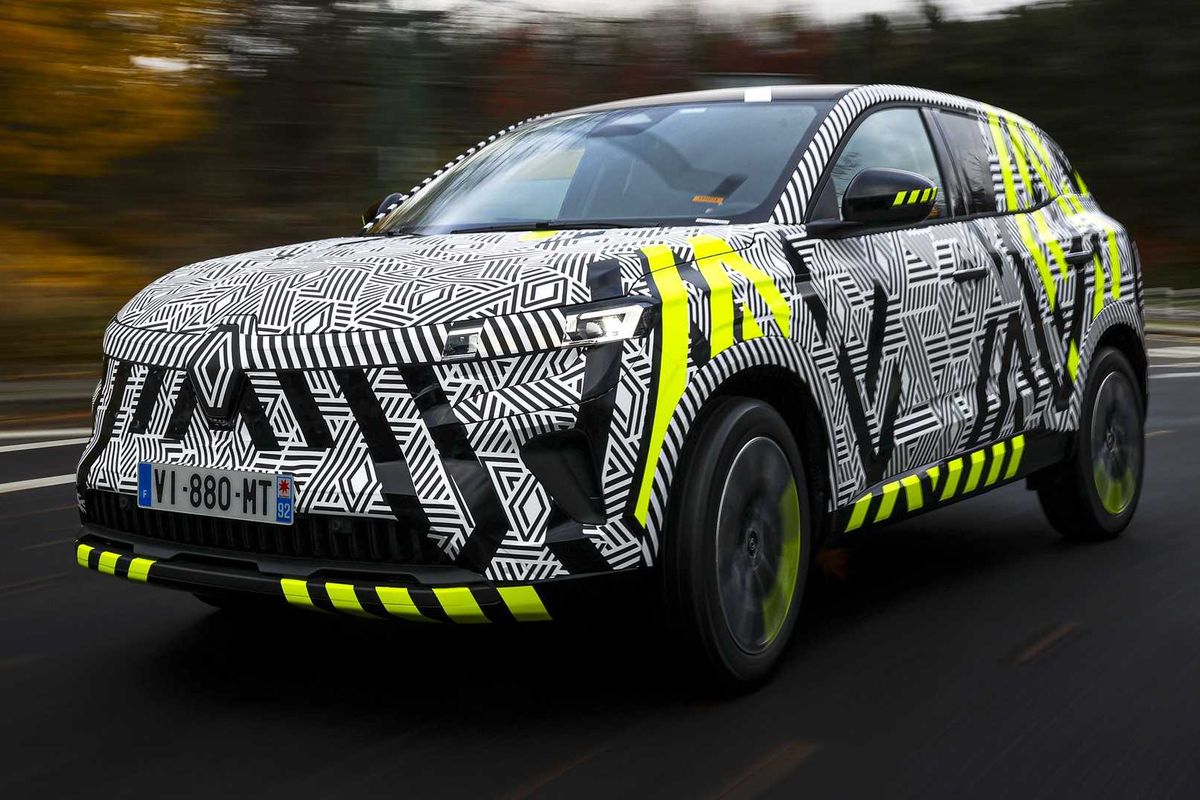
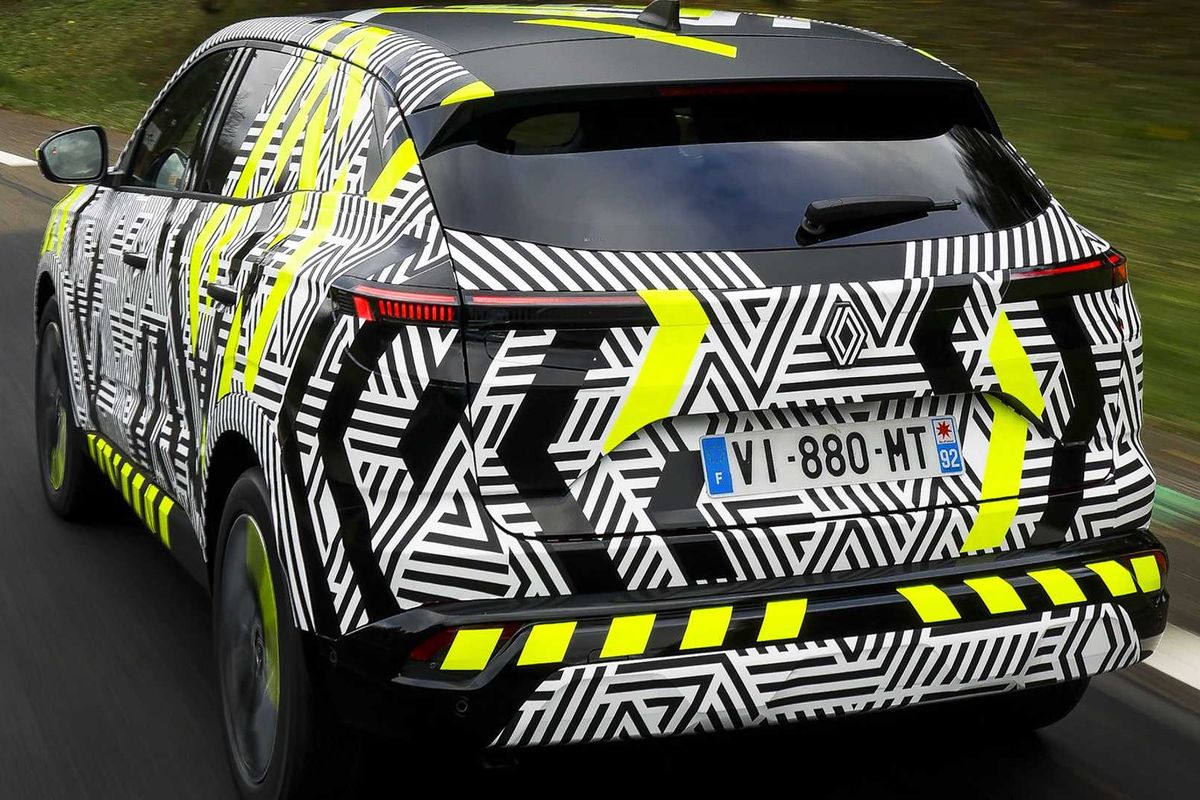
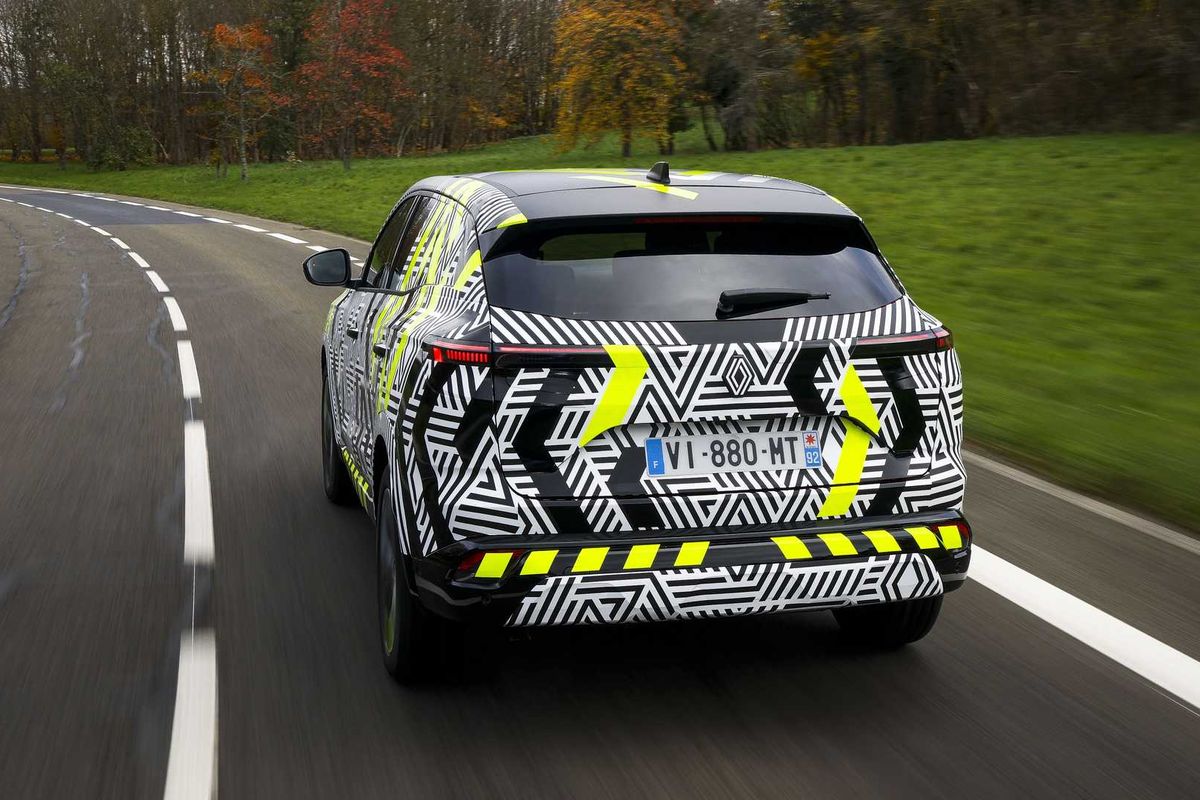
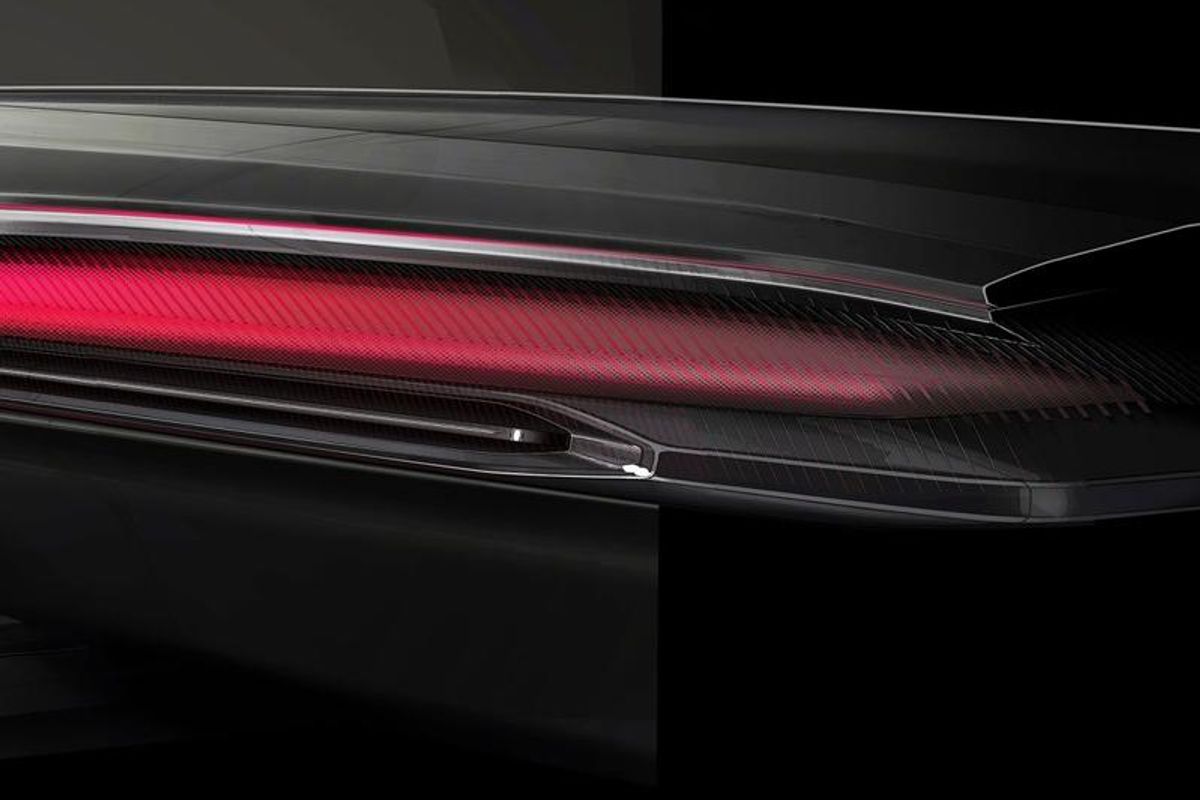
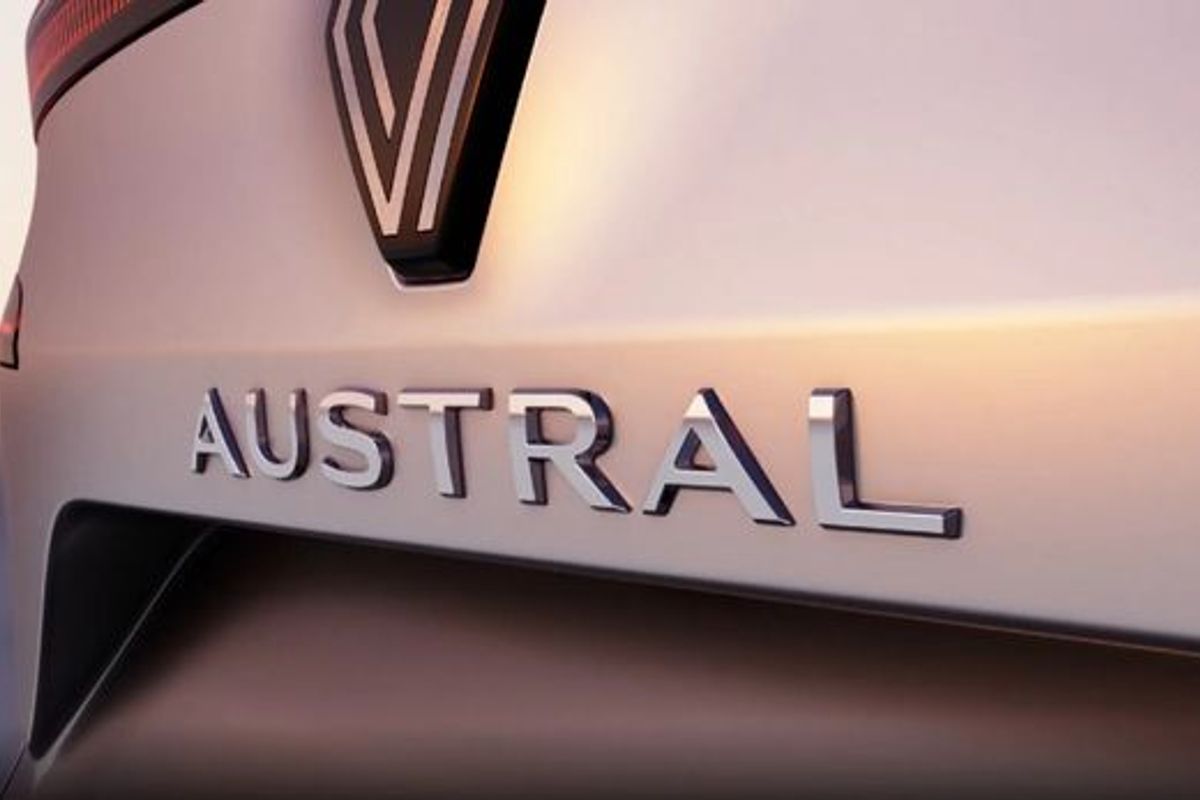
Following many teasers, Renault’s Kadjar replacement, the Austral, has now been revealed. See details below!
The new Renault Austral is built on the Renault-Nissan-Mitsubishi Alliance’s third-generation CMF-CD platform.
The name comes from the Latin word ‘australis’ and Renault claims this word resonates in many European languages. Austral conjures up the vibrancy and heat of the southern hemisphere. It’s a name that invites travel and is perfect for an SUV. Its harmonious balance of sounds that are easy to pronounce and international” said Sylvia Dos Santos from Renault’s marketing.
Renault Austral: Styling and Interior Features
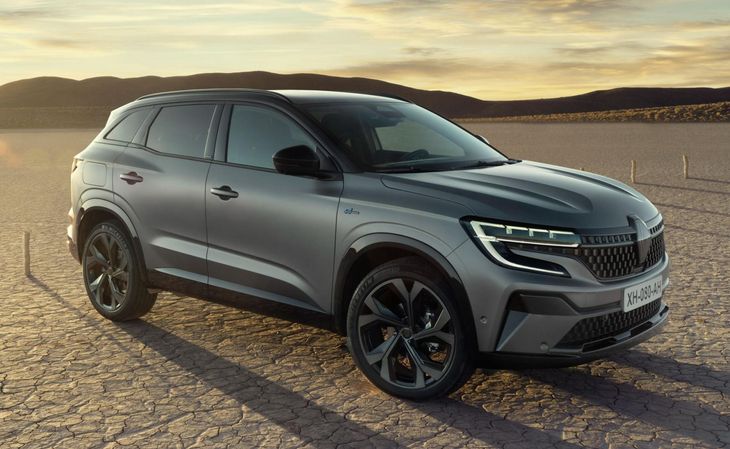
The Austral features a strong, muscular design that Renault calls ‘Sensual Tech’.
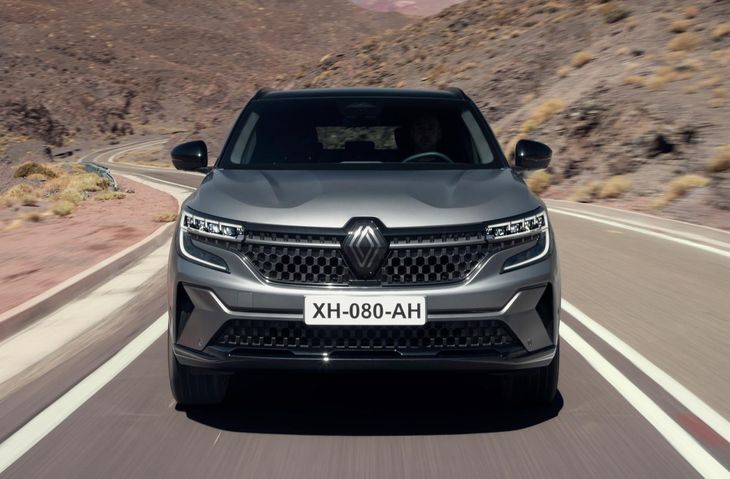
The Renault Austral shares the same mechanics as its sister car, the Nissan Qashqai but adopts a ‘Sensual Tech’ design language that combines curvy body lines with strong geometric lines. The heavily sculpted bonnet adds to the Austral’s strong presence as does the LED headlights with diamond patterning and the bold front grille and lower bumper section. The Austral is a good-looking SUV…
More so, the Austral Esprit Alpine derivative features a distinctive sporty execution with a Satin Shale Gray body colour, grille bar with Satin Gray sport blade, 20-inch diamond-cut black Daytona aluminium wheels with ‘Alpine’ branding, Satin Black roof rails and decor details finished in Diamond Black, Extra Glossy Black and Ice Black. Esprit Alpine badges are seen on the side of the Austral. This derivative gains interior features such as Alcantara upholstery with carbon-fibre twill fabric, blue stitching and piping, a Nappa leather-wrapped steering wheel with Alcantara inserts and blue, white and red stitching, aluminium pedals and door sills bearing the ‘Alpine’ logo.
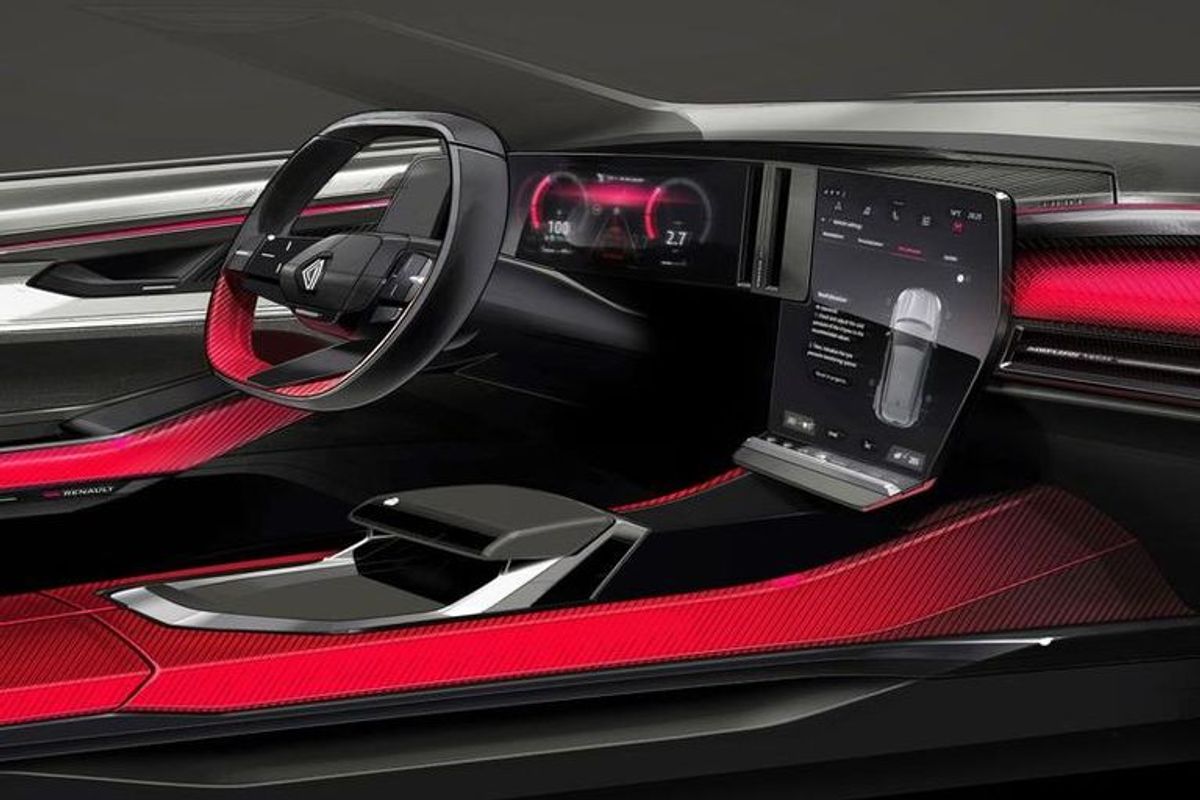
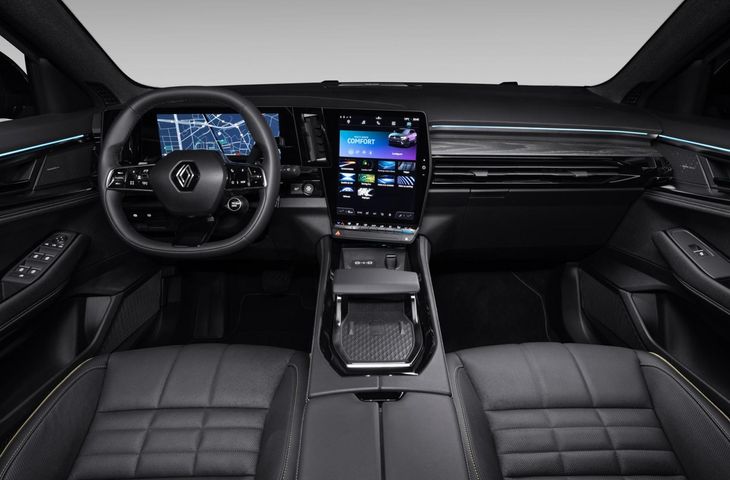
The Austral features a tech-forward cabin with 2 large screens making up the OpenR screen.
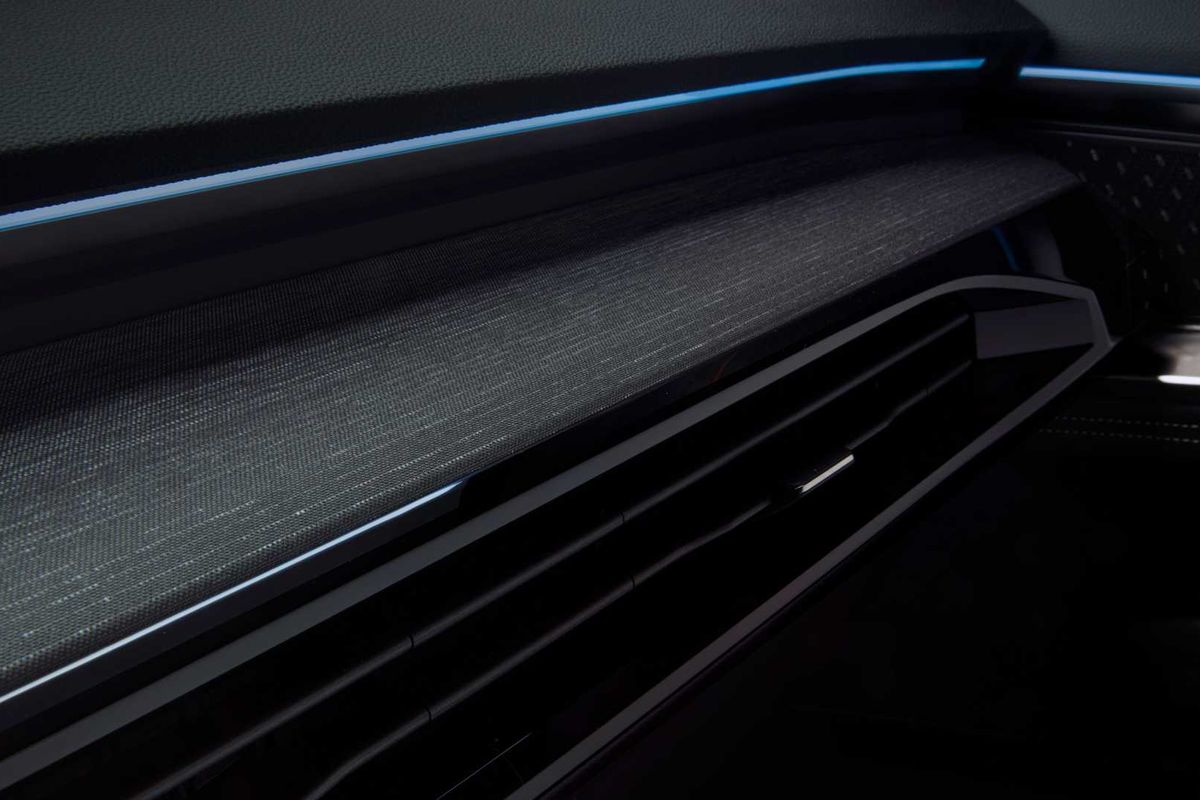
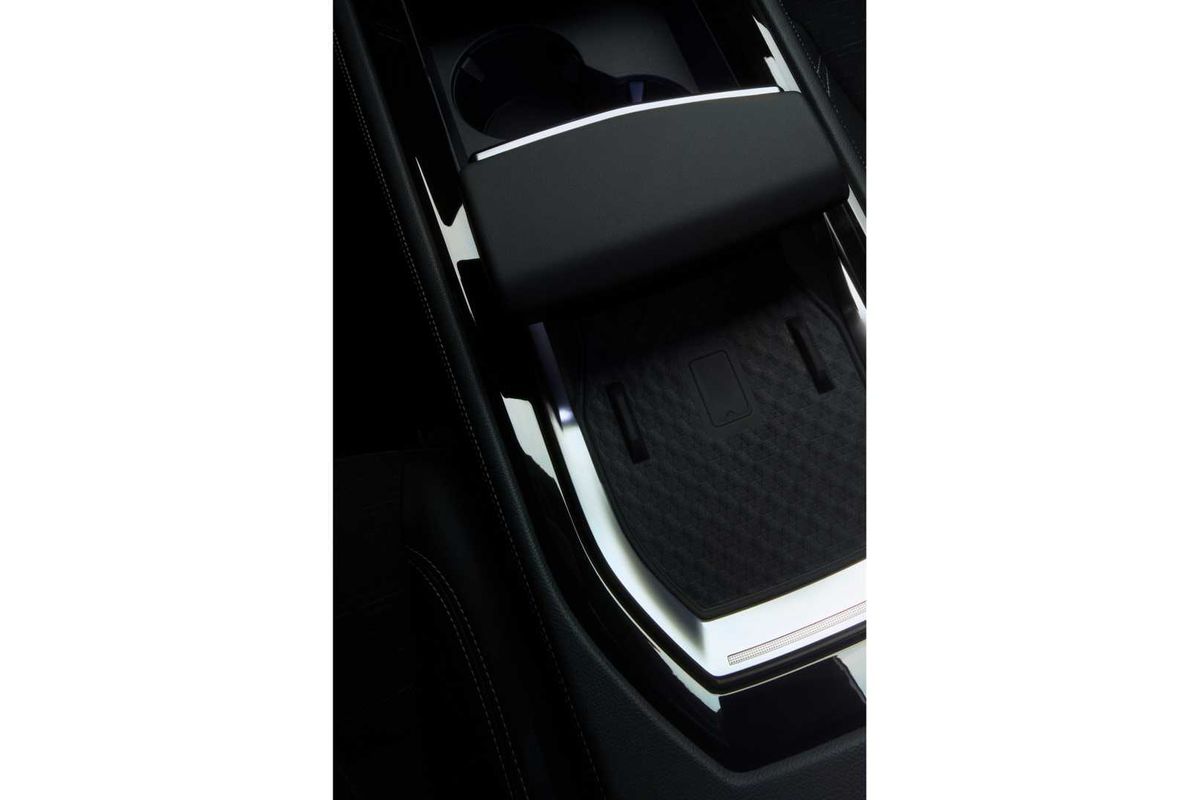
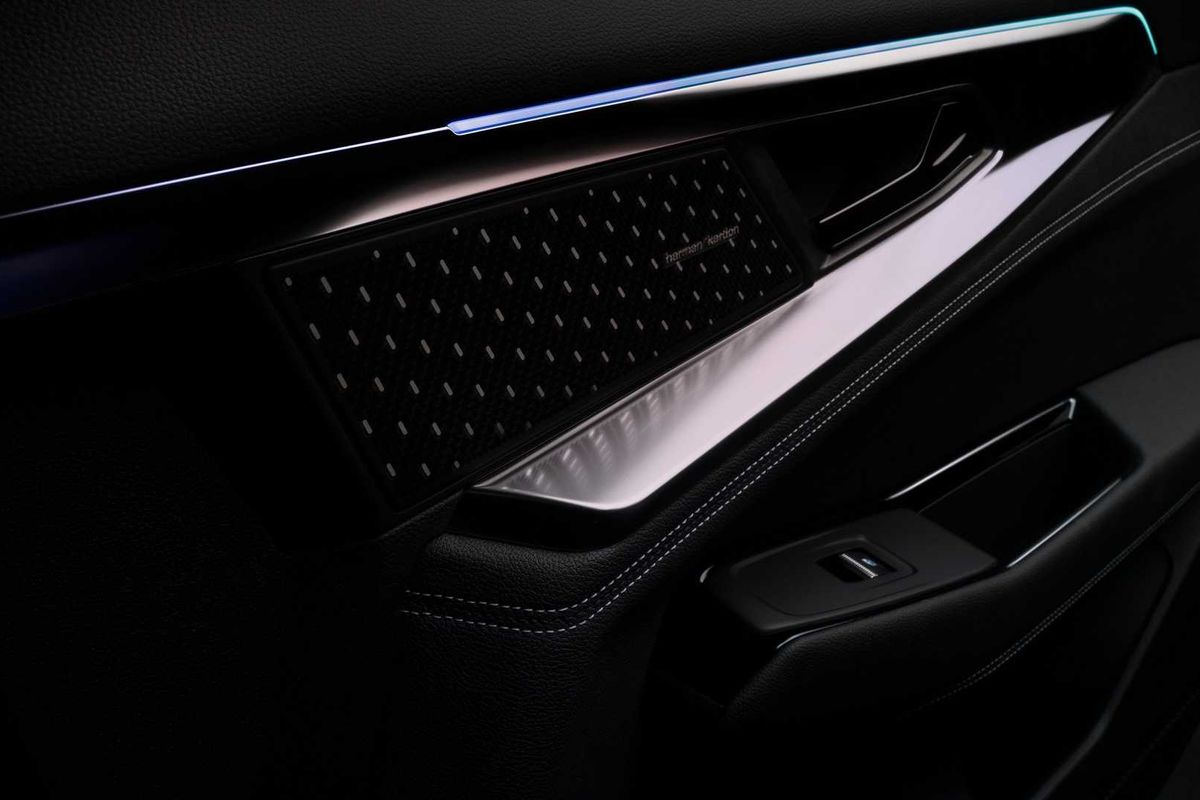
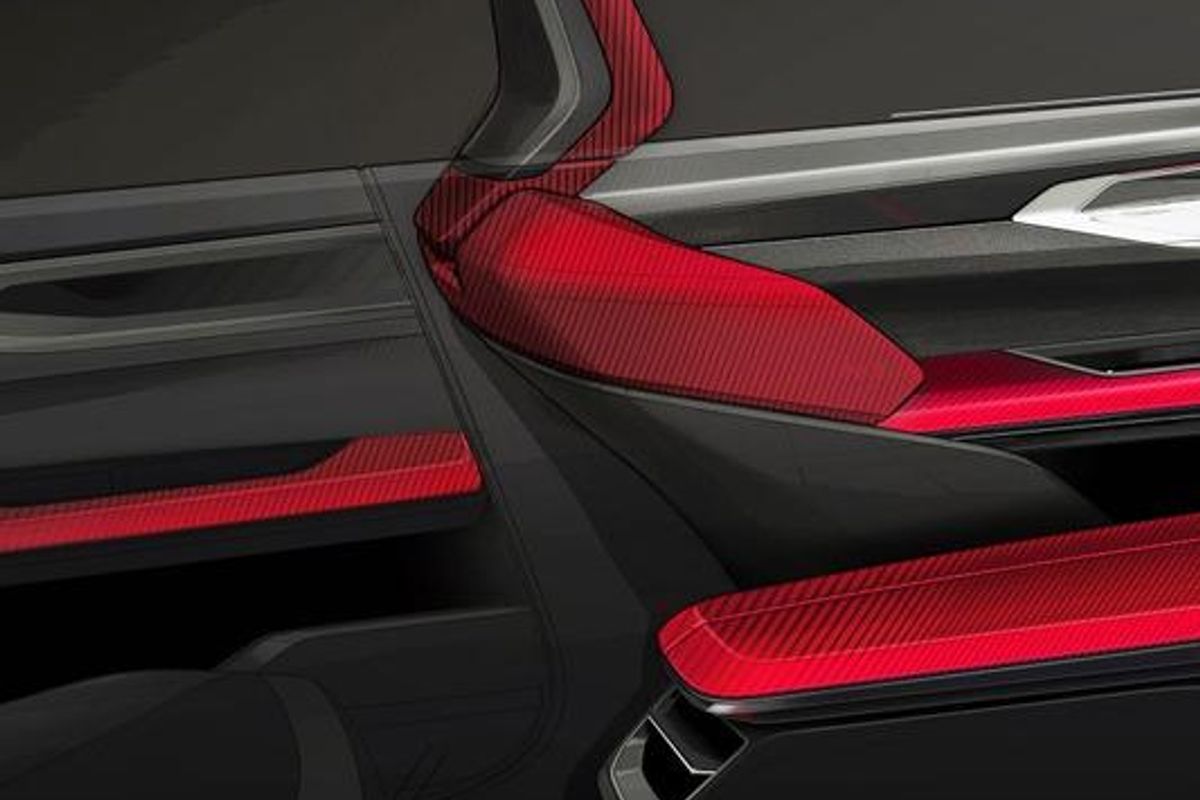
The Austral features a technologically advanced cabin with a large anti-glare OpenR screen that combines a 12.3-inch digital instrument cluster and a 12-inch vertically orientated infotainment touchscreen system. A new 9.3-inch Head-Up Display is projected through the windscreen and puts vital information in the driver’s line of sight. The centre console, or as Renault calls it, the ‘cruising console’, features a comfortable hand rest as well as an inductive charging slot for a smartphone as well as storage space. Various trim finishes are used depending on the specification chosen including real wood, leather, Alcantara, padded textiles and gloss black and satin chrome elements. Interior lighting or ‘Living Lights’ is also part of the package.
What powers the new Renault Austral?
The Austral welcomes a range of full-hybrid and mild-hybrid powertrains to market.
The Renault Austral features a range of electrified powertrains. The headline powertrain is a new full hybrid, self-charging E-TECH powertrain with a 1.2-litre, 3-cylinder turbopetrol engine paired with an electric motor and a 400V, 1.7 kWh lithium-ion battery. Combined power is rated at 146 kW and Renault claims a fuel consumption figure of 4.6 L/100km.
Renault will also offer 2 additional mild-hybrid powertrains including an entry-level 1.3-litre, 4-cylinder petrol engine combined with a starter motor and 12V-lithium-ion battery that offers 103 kW with a manual transmission or 120 kW with an automatic transmission. Lastly, the mid-range powertrain option is a Mild Hybrid Advanced engine that makes its debut in the Austral and according to Renault, serves as a “genuine alternative to diesel”. It combines a 1.2-litre, 3-cylinder turbocharged petrol engine (manual transmission) with a 48V lithium-ion battery and starter motor that generates 97 kW and Renault claims a fuel consumption figure of 5.3 L/100km. All 3 powertrains feature regenerative braking.
The Austral is front-wheel drive but higher grade derivatives feature Renault’s third-generation 4-wheel steering system which enhances comfort, agility and manoeuvrability.
In terms of driver assistance features, the Austral is well equipped with features such as Active Driver Assist, Adaptive Cruise Control with ‘Stop & Go’, Lane Centering, GPS data and mapping, 360° around view 3D camera; Automated Park Assist; Blind Spot Warning and Lane Departure Prevention, Rear Automatic Emergency Braking; Rear Cross Traffic Alert; Matrix LED Vision smart lighting and Occupant Safe Exit.
The new Renault Austral is due to go on sale in the last quarter of 2022. Renault South Africa has stated that the Austral is under consideration for South Africa but has not been confirmed for introduction locally. We will keep you updated if anything changes.
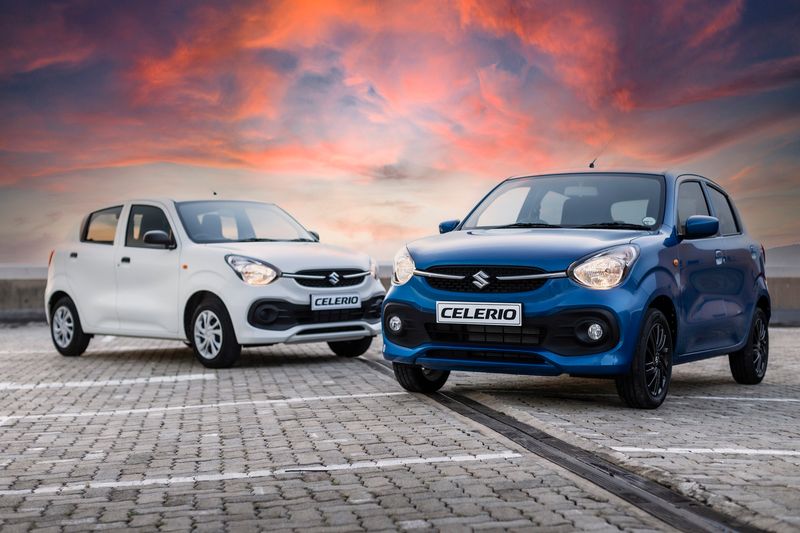
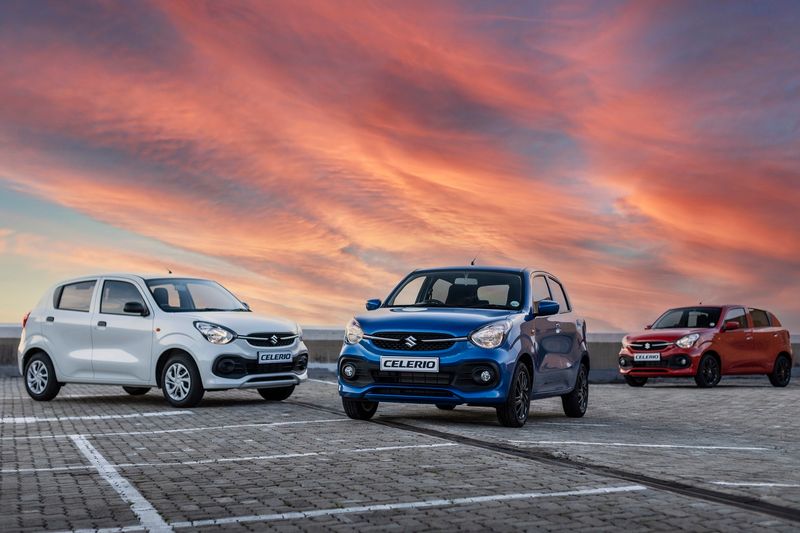
The 2nd-generation Suzuki Celerio entry-level car has touched down in South Africa and we headed to Gauteng to drive the newcomer.
Suzuki Auto SA is in an enviable position right now. With a range of value-focused offerings, the Hamamatsu-based manufacturer has tallied up a commendable number of sales over the past two years. In fact, Suzuki has fought its way up the national new-vehicle sales charts to rank as the 3rd best-selling brand in South Africa last month (February 2022).
With the evergreen Swift and well-thought-out Vitara Brezza commanding most of the sales, attention turns to the entry-level segment of the market. Enter the Celerio, now in its second generation.
What’s changed?
A lot actually. The new Celerio adopts the same HEARTECT platform as the one that underpins the Swift compact hatchback. The outgoing model was truly a diminutive car, but this new model is longer, wider, and features a larger load bay, with a claimed capacity of 295 litres.
There are two trim levels, both of which is powered by a 49 kW/89 Nm 1.0-litre naturally-aspirated 3-cylinder petrol engine paired with either a 5-speed manual gearbox or an automated manual transmission (AMT). In terms of expected fuel efficiency, Suzuki claims its new Celerio’s average consumption is 4.2 L/100 km (for the AMT derivative), with the manual version being a touch thirstier at 4.4 L/100 km.
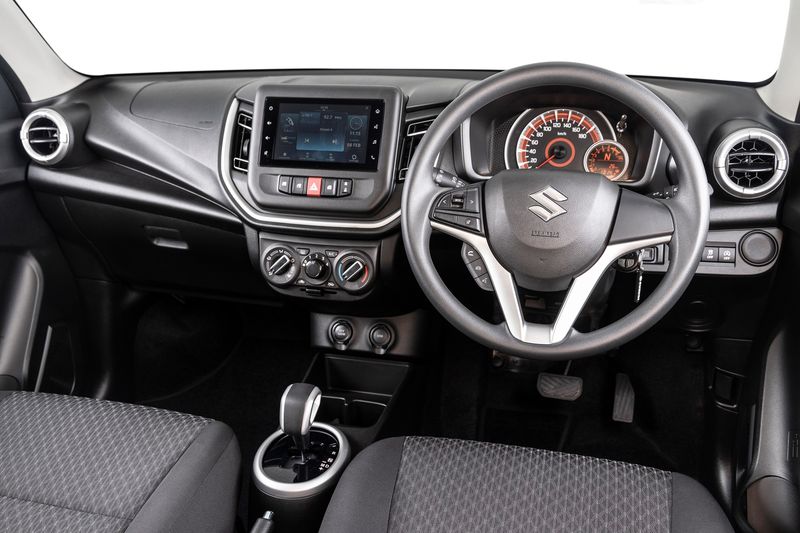
Inside, the cabin looks reasonably fresh and the trim materials appear substantial and hard-wearing. There’s a nice reassuring feel about the interior – at first glance, nothing looks cheap, nasty or flimsy.
Standard equipment?
The new Suzuki Celerio is available in two grades: GA and GL
Celerio GA
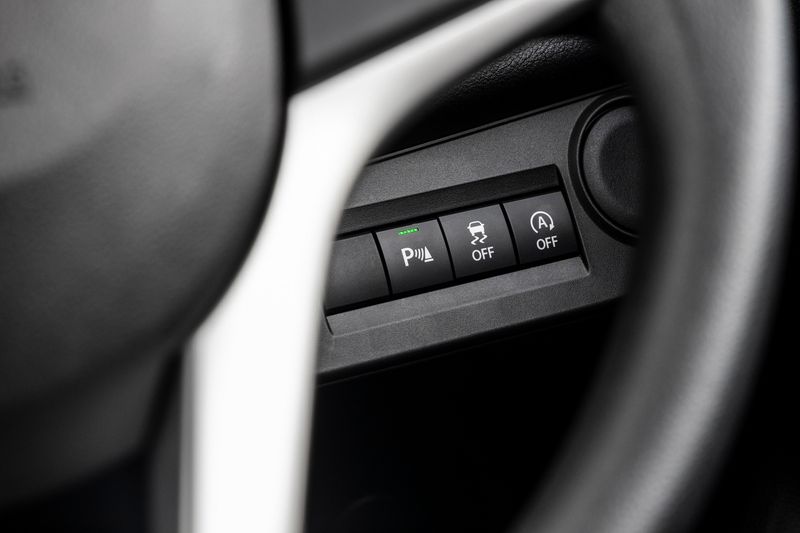
14-inch steel wheels Audio controls on the steering wheel Info display with fuel consumption Air conditioner Rear parking sensors Engine start stop ISOfix child-seat anchor points Immobiliser
Celerio GL
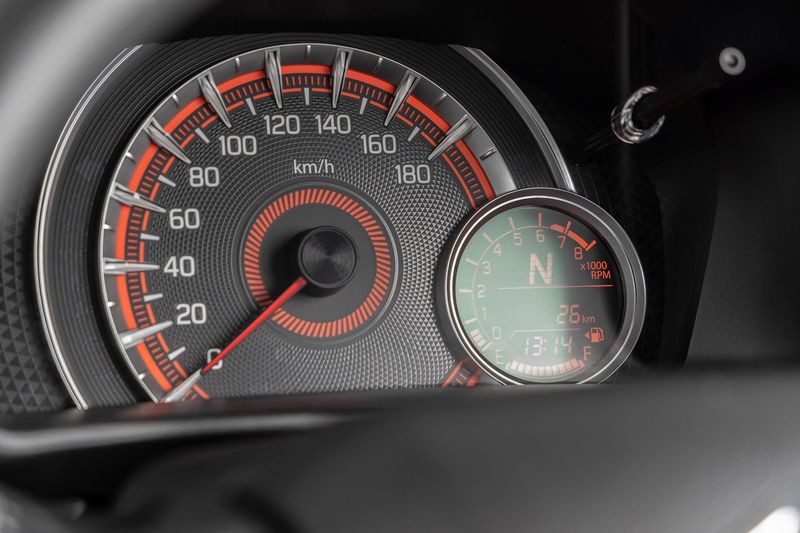
15-inch alloy wheels Body-coloured door handles and mirrors Front fog lamps Electric mirrors front + rear Multifunction steering wheel Rev counter Remote central locking 7-inch touchscreen infotainment system Apple CarPlay/Android Auto connectivity USB port
The Suzuki Celerio has the basics covered as far as safety is concerned, with 2 airbags, anti-lock brakes (ABS) and an electronic stability programme, the latter being a welcome addition to the segment.
What is it like to drive?
You’d think that a peak output of 49 kW would be woefully inadequate in the cut and thrust of Gauteng traffic… Don’t forget, the thinner air on the Highveld causes a 17% power reduction in naturally-aspirated engines. Yes, we drove a car that had effectively had around 41 kW on tap – surely that’s a record for the lowest power output in cars that are currently on sale in the new-vehicle market?
And yet, thanks to clever packaging that limits the 2nd-gen Celerio’s kerb weight to just 805 kg, Suzuki’s entry-level hatchback can, in actual fact, keep up with traffic. The newcomer’s power-to-weight ratio is commendable, with Suzuki claiming segment honours here.
Suffice to say, the Celerio feels a lot more sprightly than you may expect. While it does run out of grunt once you’re travelling at triple-digit speeds, which, to be fair, is to be expected given the 1.0-litre’s modest outputs, the Suzuki never feels like it’s struggling. You will be working that gearbox hard to get the most out of the powertrain at highway speeds, but thankfully, the shifter has a light, easy action.
Manufacturers’ fuel economy claims for their models are often very optimistic; as a consequence, most of their stated figures are near-impossible to match in real-world driving conditions. However, in our experience, Suzuki models can be nearly as light on gas as their maker claims. This newcomer is no different… Despite some frenetic driving in urban areas, the Celerio 1.0 GL manual we drove indicated a figure of 5.2 L/100 km! This figure should drop into the 4s without too much effort. In a time when the petrol price is rocketing upwards, the arrival of a truly cheap-to-run city car is certainly welcome.
We came away impressed with the newcomer’s on-road refinement too. The 3-cylinder engine admittedly makes itself heard when you rev it hard, but, for the most part, the cabin is sufficiently quiet and reasonably well insulated from road- and wind noise. On our launch route, the plump 15-inch tyres fitted to our test unit’s alloys worked hard to absorb the undulations of some awful stretches of tarmac.
As for the ride and handling balance, we’d like to point out that Suzuki has given its Celerio 170 mm of ground clearance, which makes the Japanese hatchback quite adept at clambering onto pavements and dealing with those types of potholes that bear a closer resemblance to pits than cavities. What this generous ride height doesn’t do, however, is facilitate sharp and direct handling… The Celerio’s body rolls more than necessary due to the higher centre of gravity. It’s not a deal-breaker, but be prepared should you need to execute a swerve. There’s a solid and reassuring feel to the steering setup, though.
But what we appreciated most about the Celerio was that it didn’t feel like a cheap car to drive. The lower end of the passenger-vehicle market is littered with vehicles that look cheap, feel cheap and have poorly composed road manners and very vague handling. Most budget-oriented cars also offer very little refinement; most car companies would rather fit a fancy touchscreen than sound-deadening material!
How much does the new Suzuki Celerio cost in South Africa?
Celerio 1.0 GA MT
R174 900
Celerio 1.0 GL MT
R194 900
Celerio 1.0 GL AMT
R209 900
All prices include VAT. Every derivative comes with Suzuki’s 5-year/200 000 km mechanical warranty, 5 years’ roadside assistance, as well as a 6-year/unlimited km anti-corrosion warranty. GL versions also come with a 2-year/30 000 km service plan.
Summary
Has Suzuki Auto SA launched another winner… or has its compact car line-up become too convoluted? We’d answer yes on both counts. There’s no doubt that the new Celerio brings some upmarket feel to a segment that’s awash with mediocre models, but its pricing positions it too close to an already accomplished offering from Suzuki: the Swift. Even Suzuki SA’s staff will tell you, the answer is always Swift!
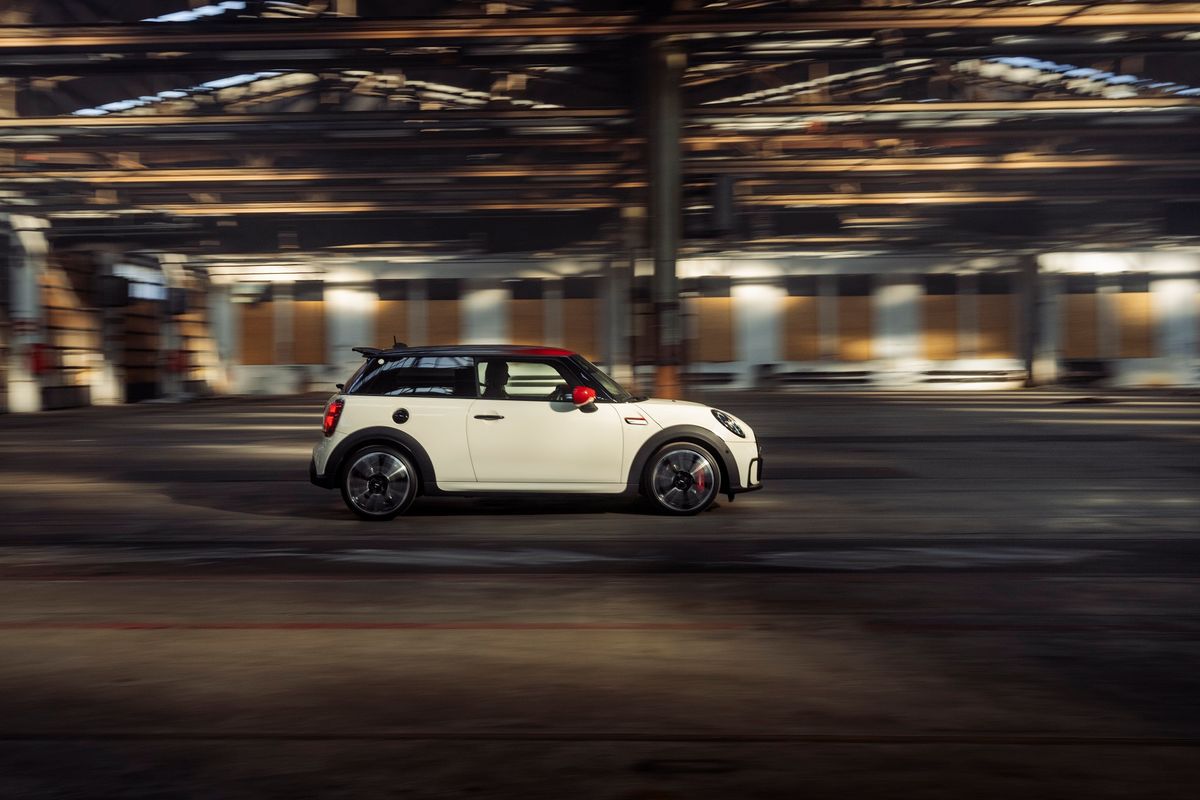
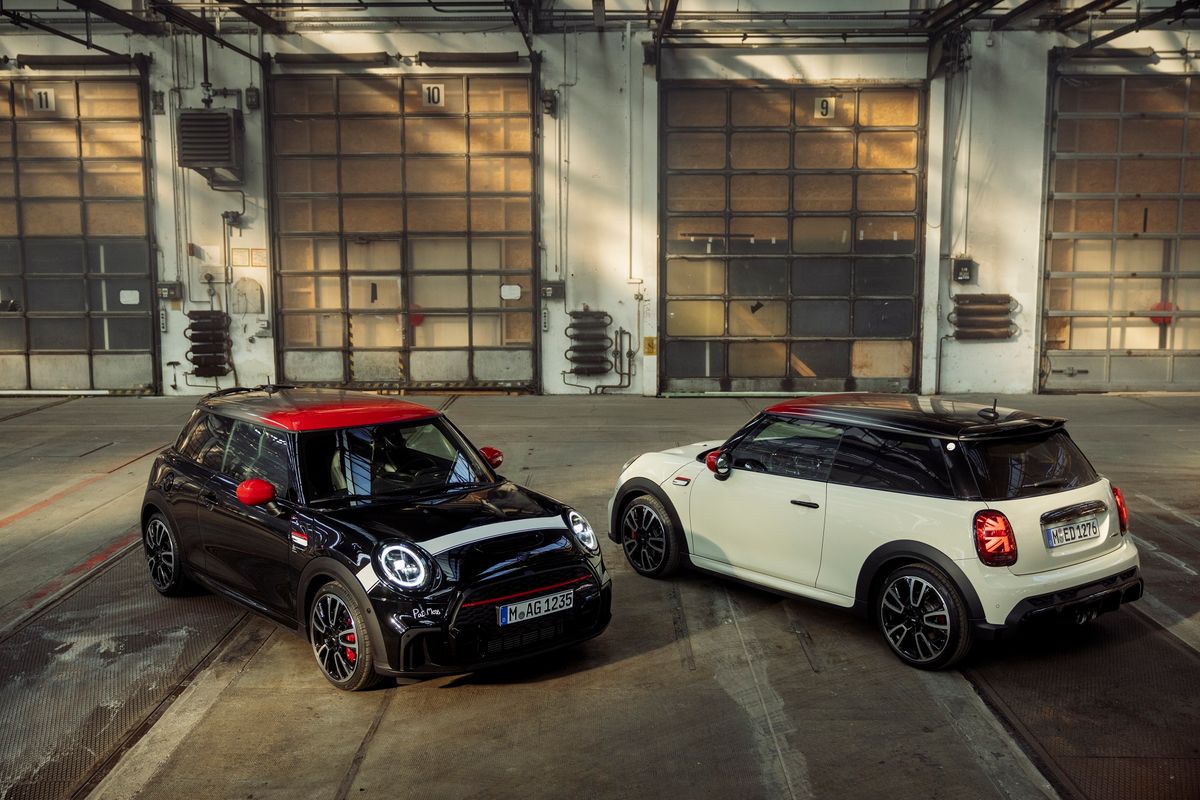
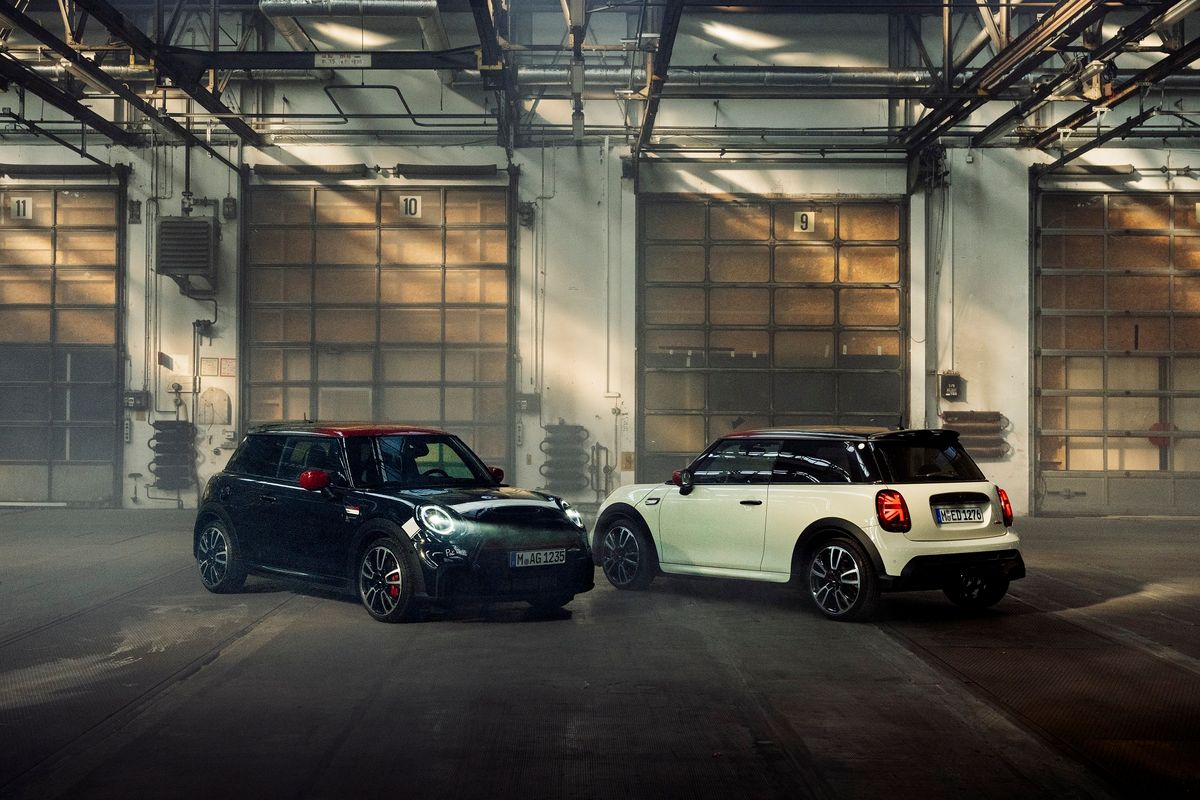
To celebrate an exceptional female driver’s talents, the British brand has announced a tribute model. This is the Pat Moss Edition!
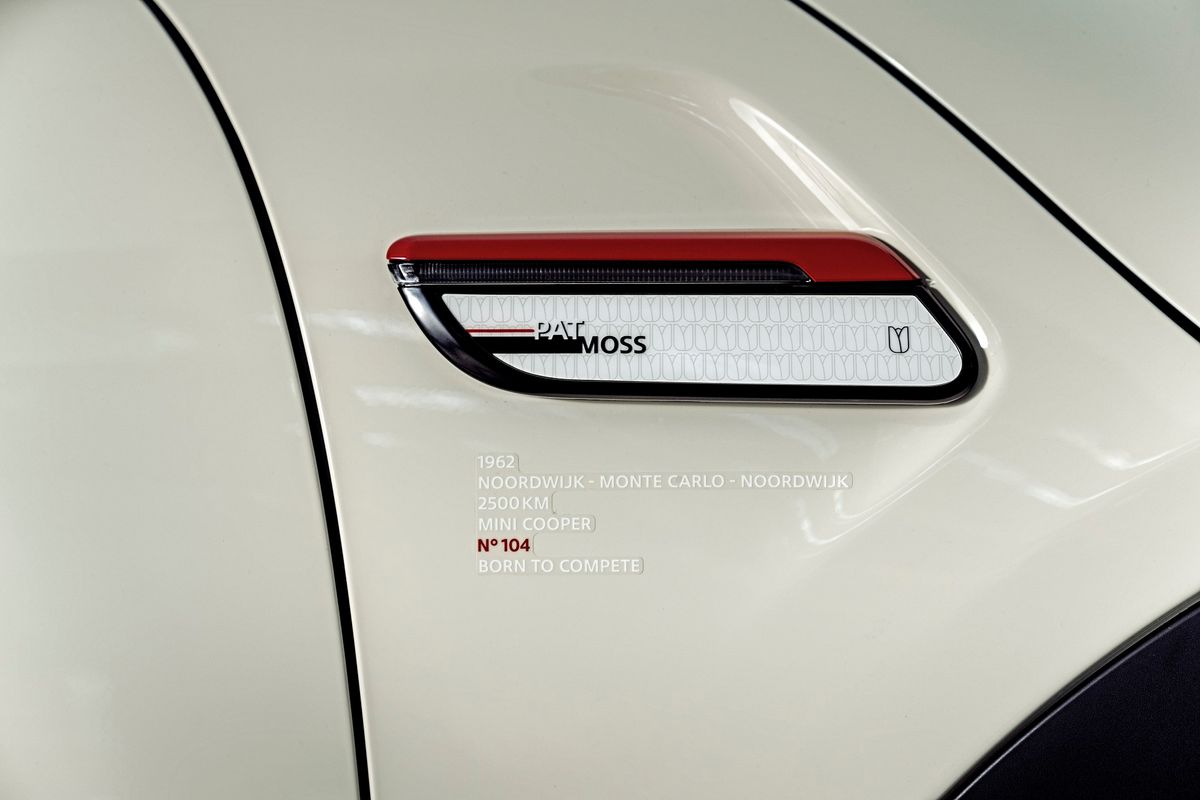
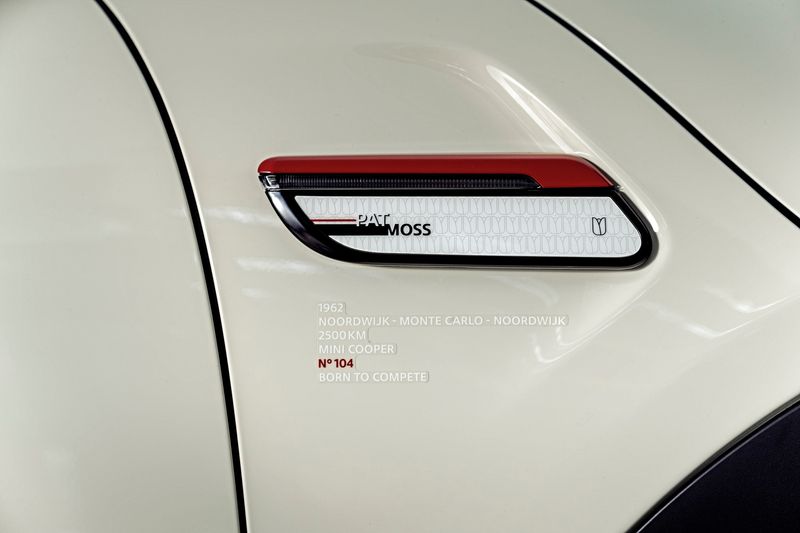
Pat Moss took a classic Mini to victory in the Tulip Rally in May 1962. This race took place from the Dutch municipality of Noordwijk to the French Riviera and back, quite the feat! Pat Moss and co-driver Ann Wisdom paved the way for an extraordinary career for the classic Mini. In 1964, 1965 and 1967, the British small car secured outright victory in the Monte Carlo Rally.
To celebrate this victory, the Mini Pat Moss has been built. Limited to just 800 units and available across the 3-door and 5-door range, this special edition feature a number of unique design elements. The Mini Pat Moss Edition is available in Cooper S flavour with 141 kW and John Cooper Works with 170 kW.
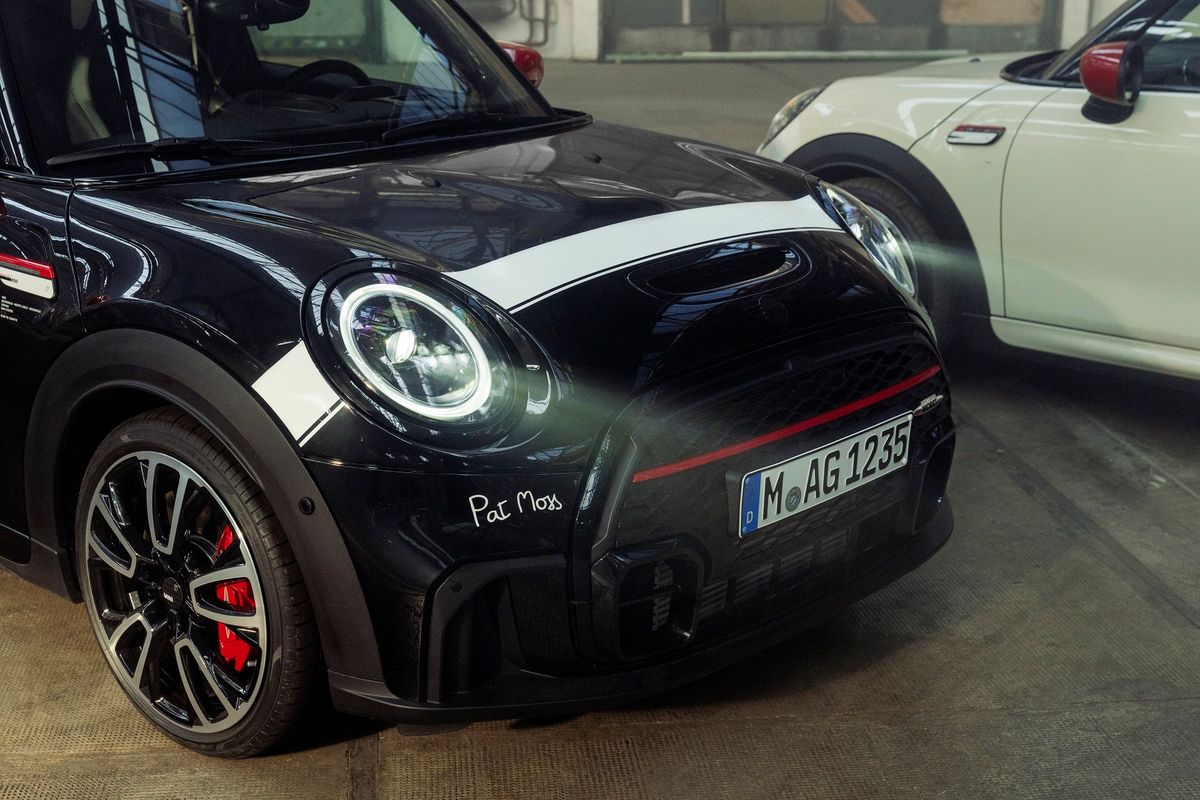
One of the coolest visual elements is the ombre-style roof. Mini calls it the Multitone roof and we just love the colour gradient effect. Other noteworthy design elements is the tulip logo on the C-pillars and side scuttles, as well as the Pat Moss name on the nose. The wheel hub covers feature an exclusive design with a graphic based on the tulip.
On the sides, the route of the 1962 race is detailed, while a horizontal white bonnet stripe is quite radical in comparison to the typical bonnet stripe layout.
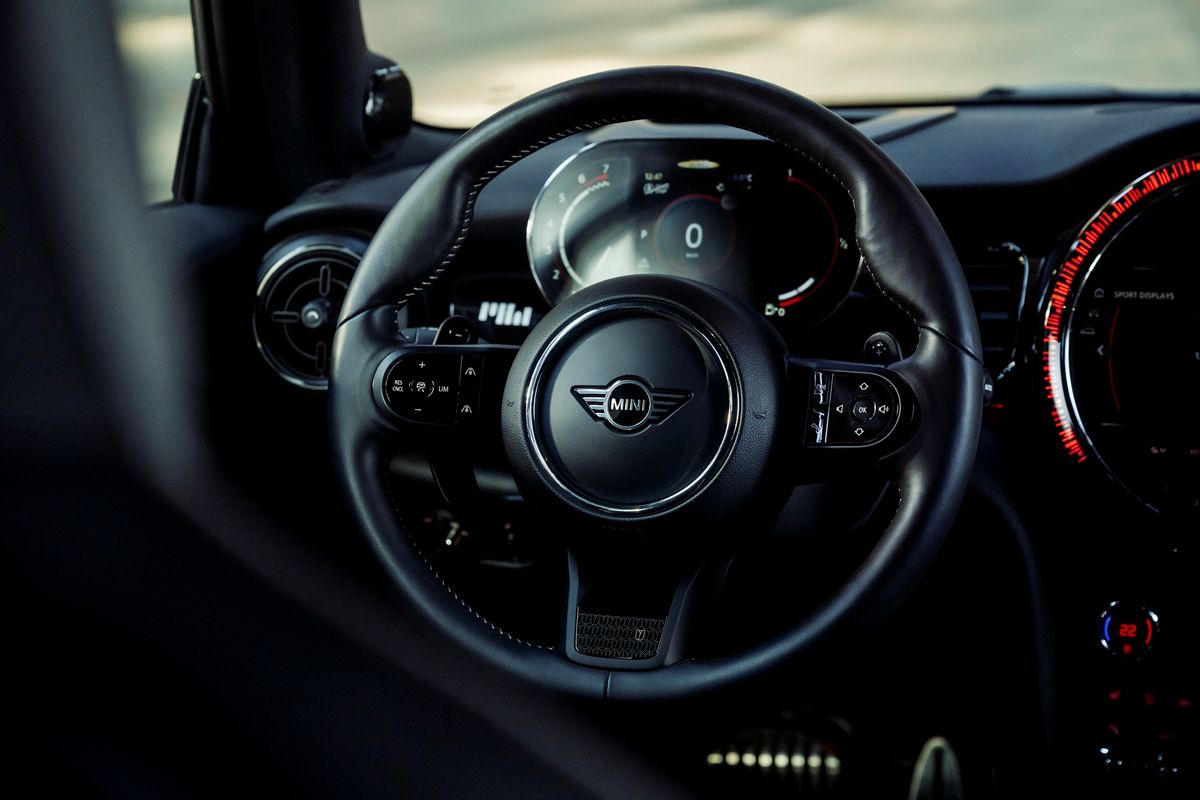
Inside, there’s a signature on the piano black surface of the passenger area, the sports leather steering wheel features a tulip graphic on the lower spoke and there’s a cool abstract graphic of engine pistons.
Mini South Africa confirmed that this model will be hitting our shores in limited quantities from the 3rd quarter of 2022. We’ll have pricing closer to the launch.
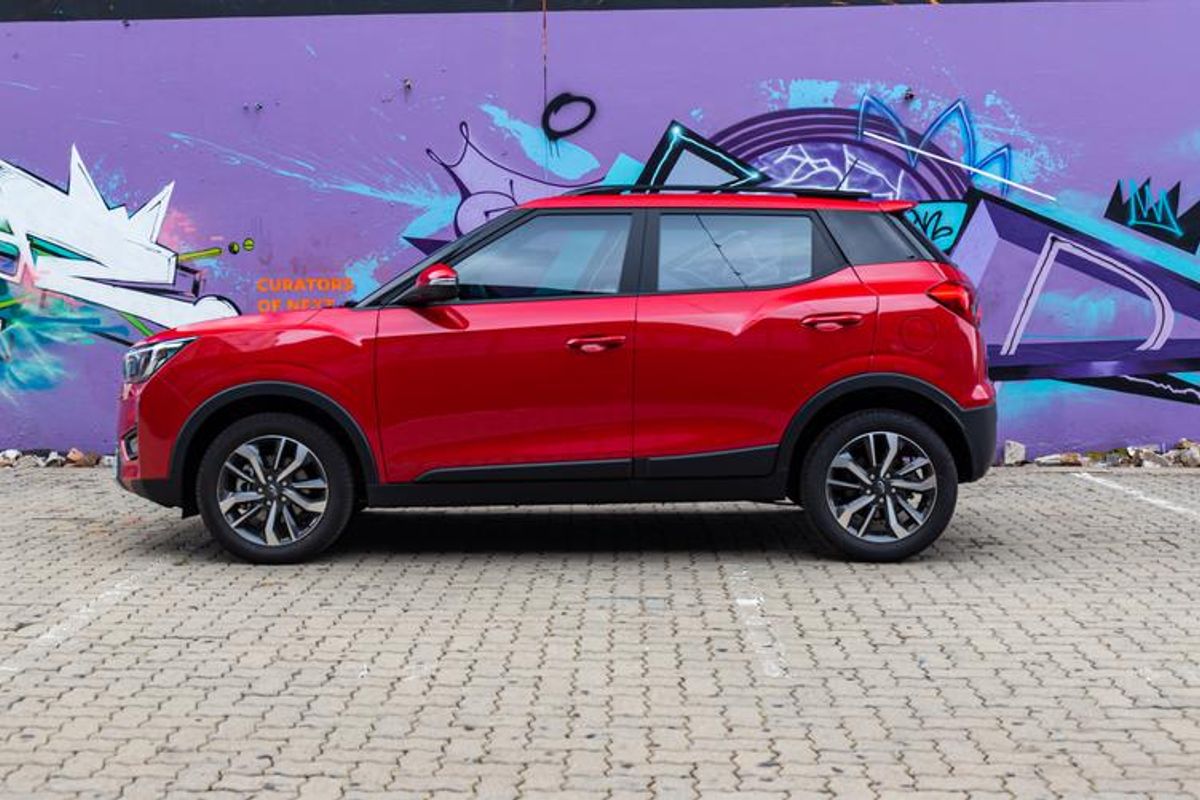
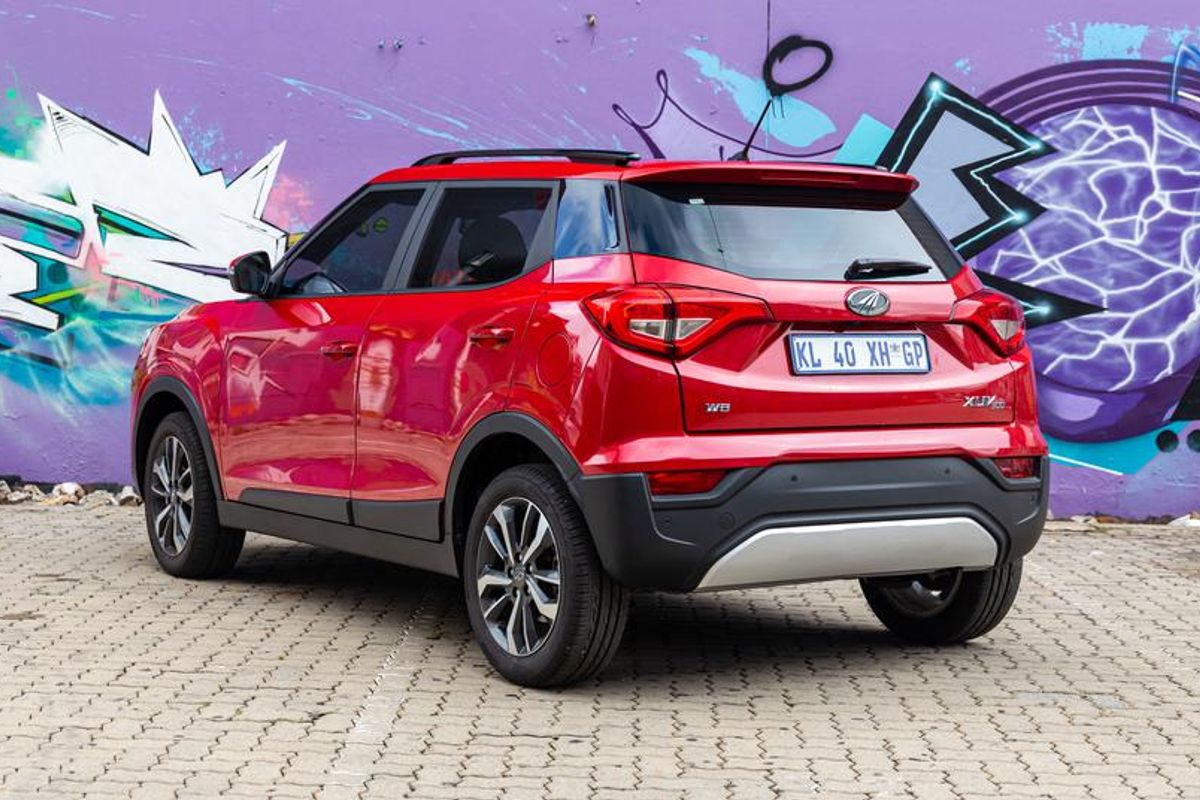
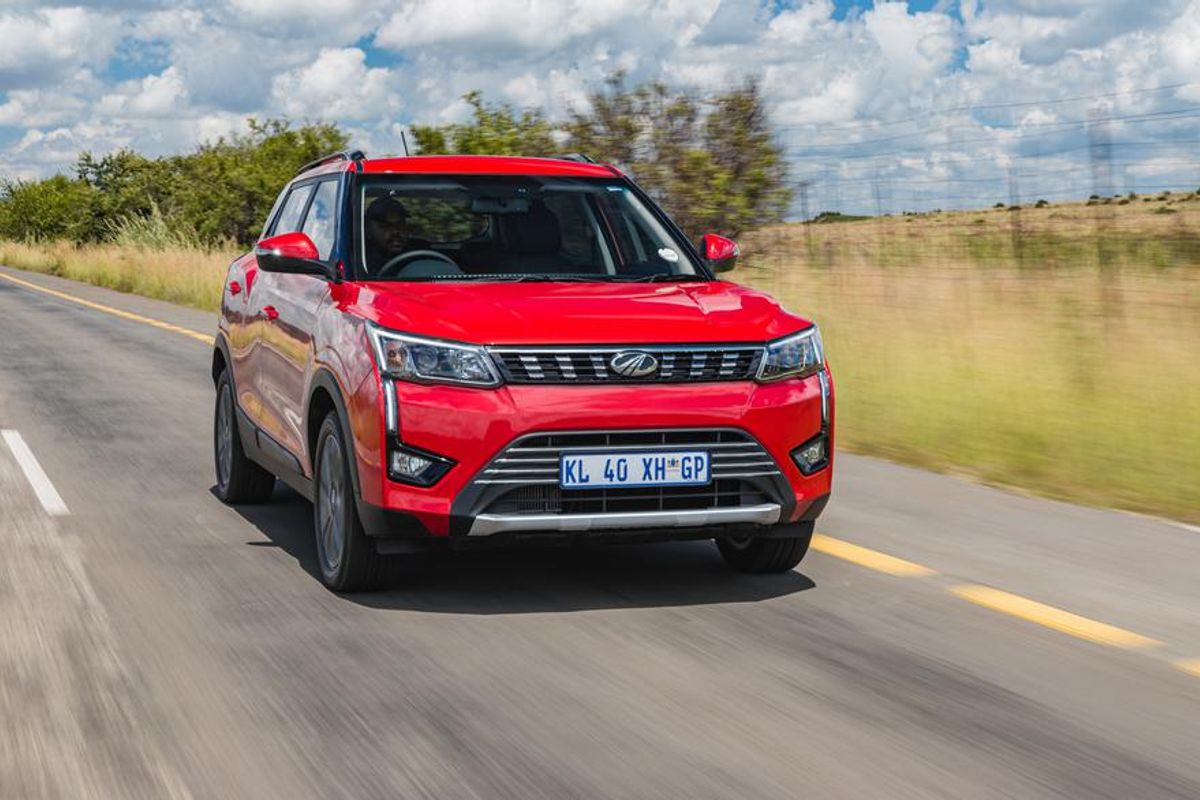
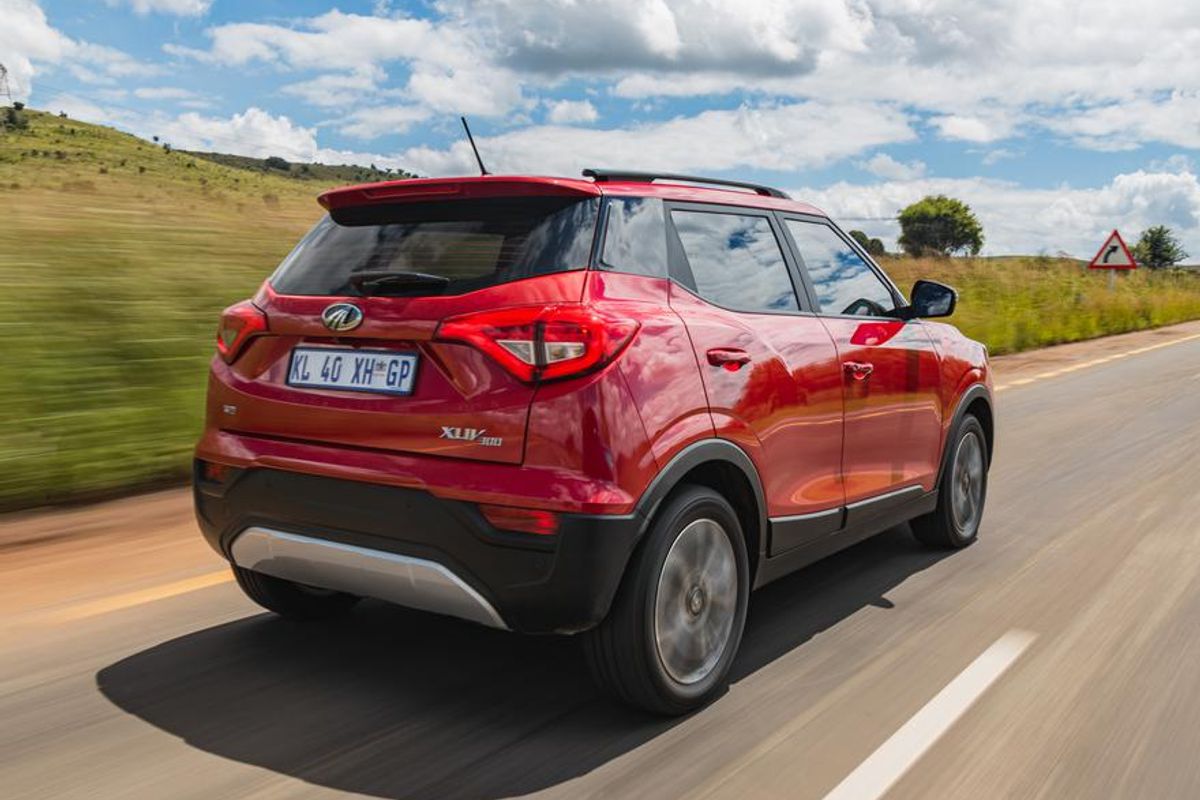
Updated Mahindra XUV300 (2022) Specs & Price
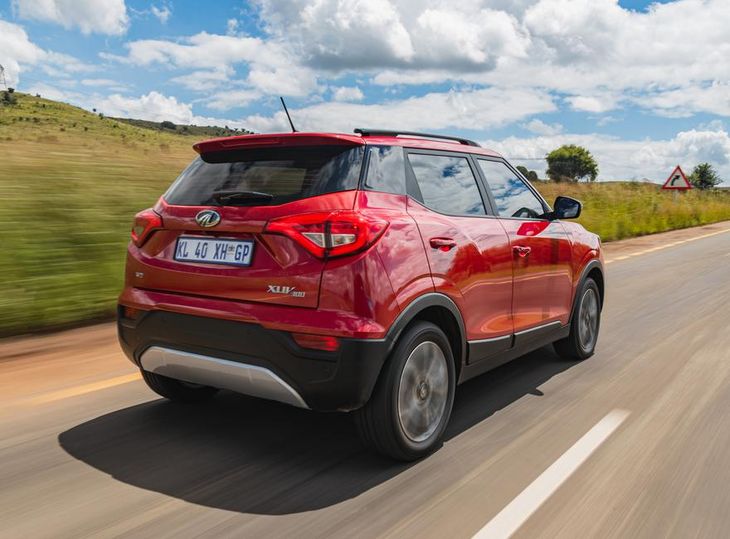
Mahindra has updated its XUV300 compact SUV which now offers higher levels of standard specification as well as the introduction of an XUV300 Special Edition (SE). See details below…
Mahindra’s XUV300 compact SUV has received a specification update across all trim levels (W4, W6 and W8) while XUV300 W4 Special Edition (SE) has also been added to Mahindra’s local lineup.
The XUV300 competes in a burgeoning segment where rivals such as the Toyota Urban Cruiser, Suzuki Vitara Brezza, Hyundai Venue, Nissan Magnite, Renault Kiger and Chery Tiggo Pro 4, to name just a few…
What’s changed?
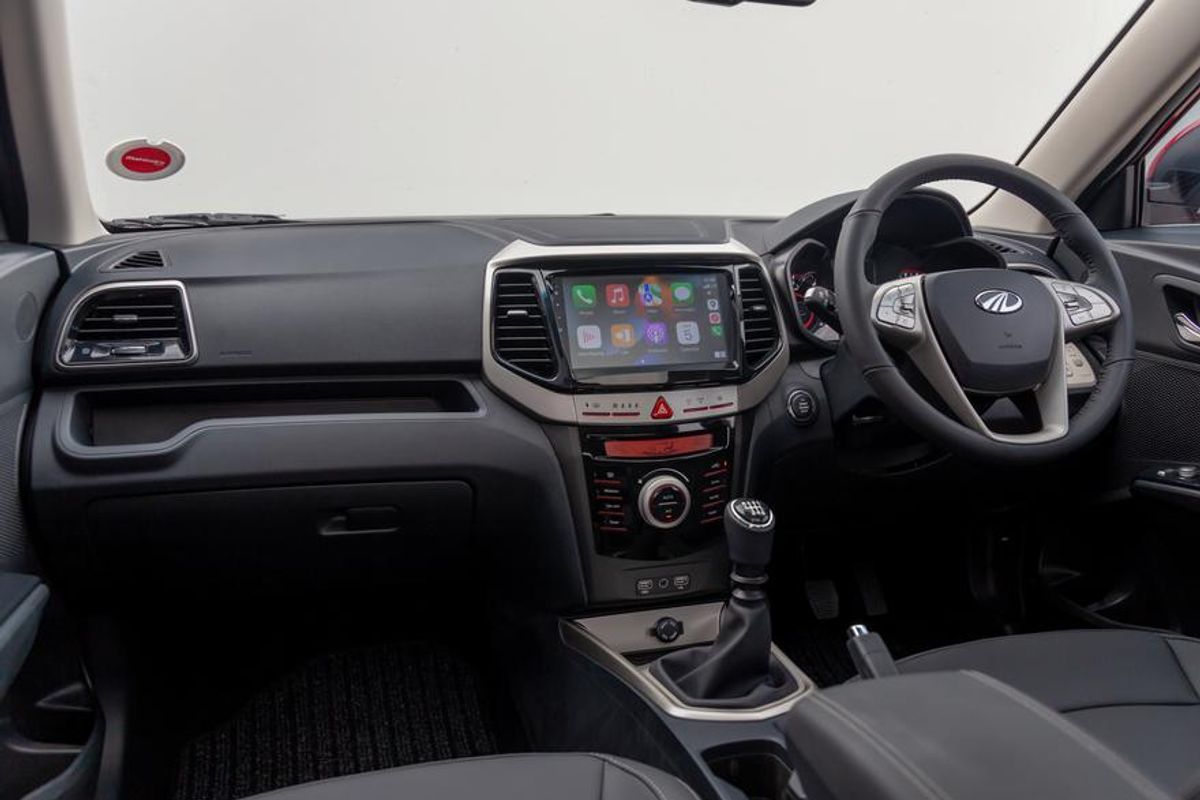
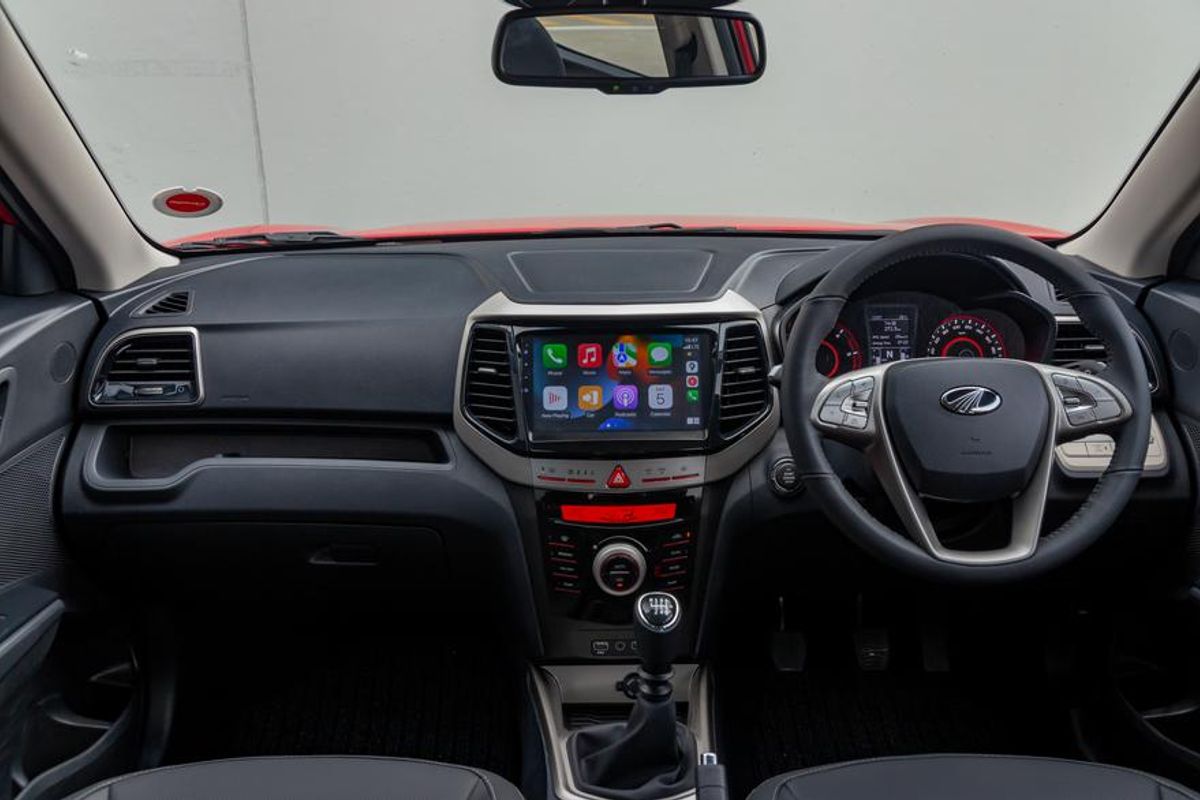
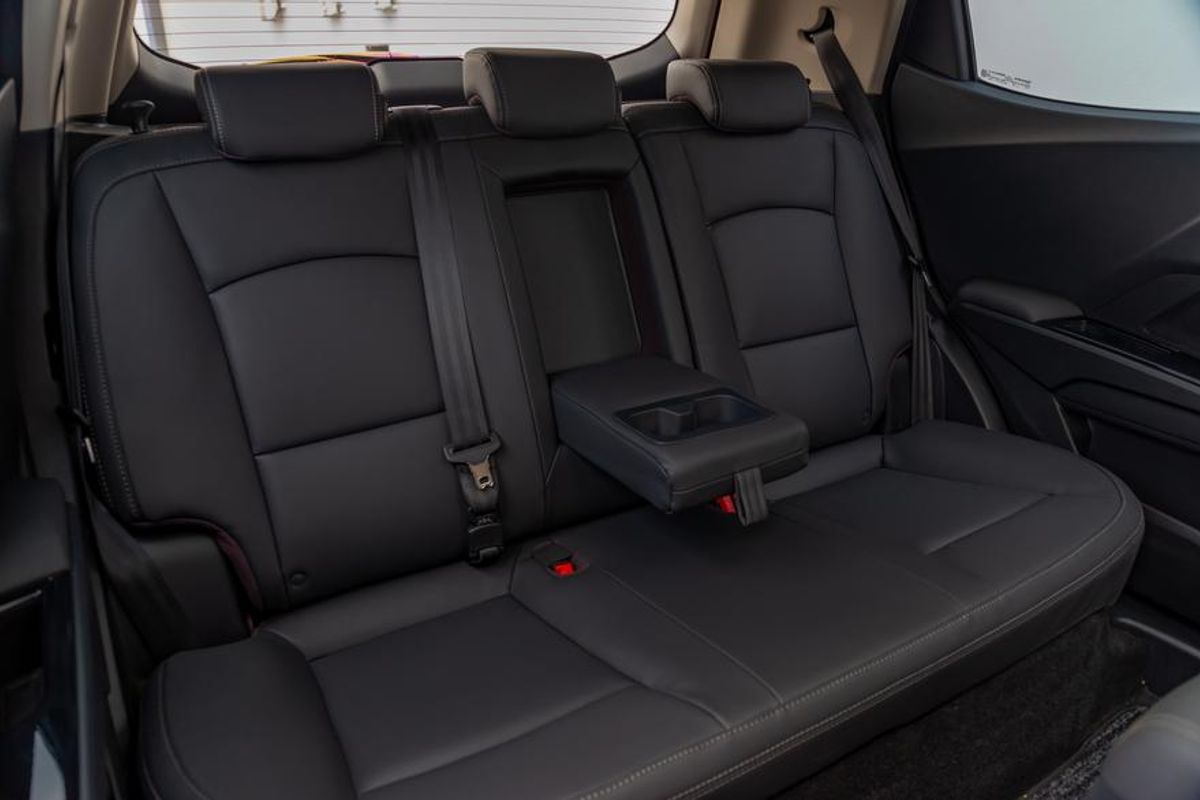
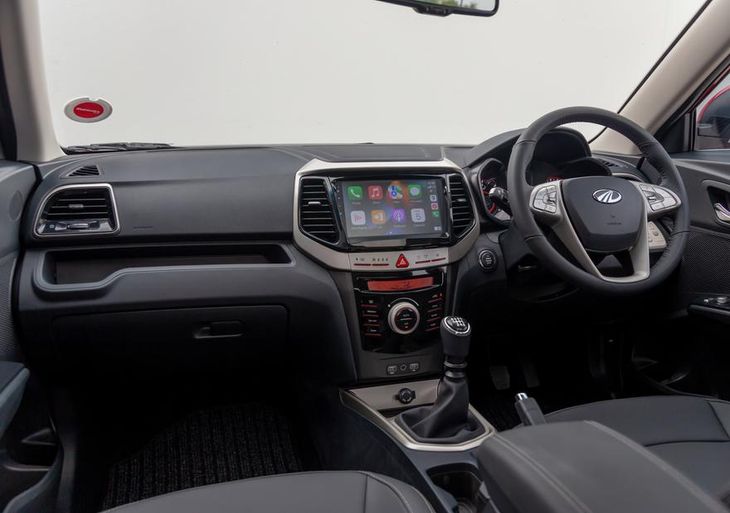
The XUV300 now features a black-themed interior replacing the previous ivory and beige colour scheme.
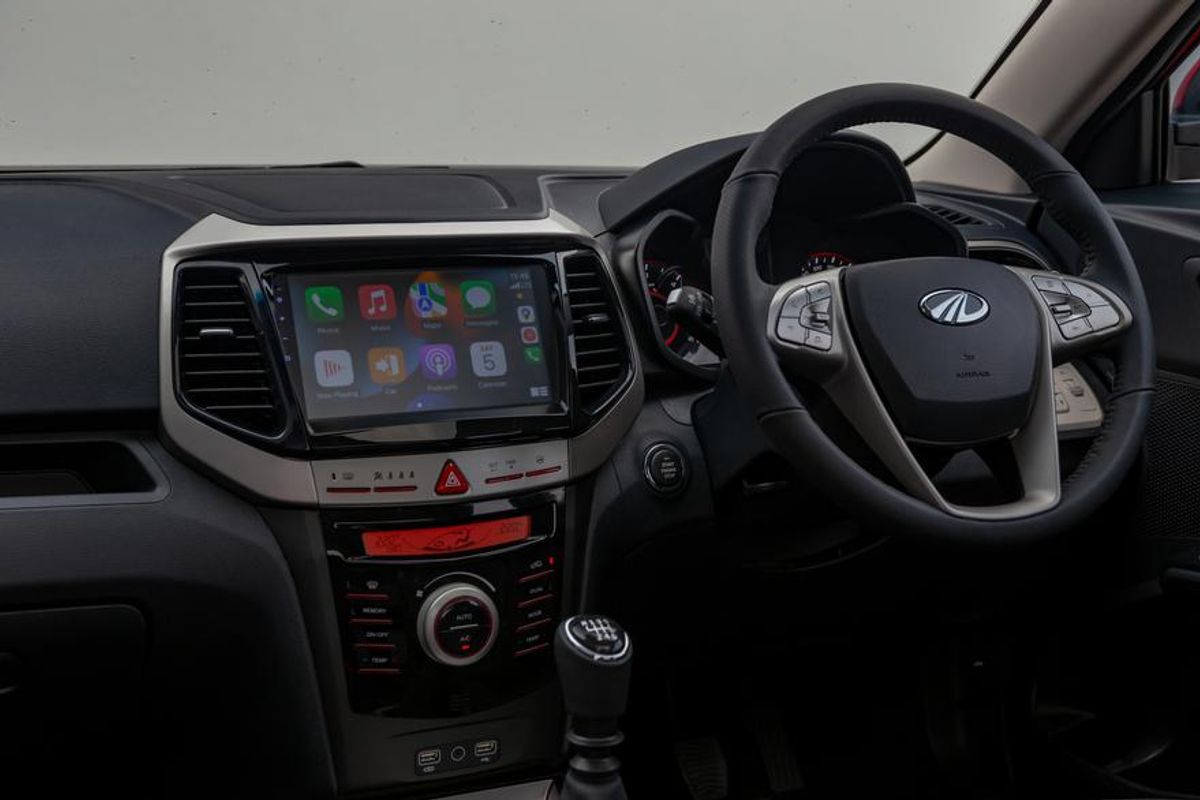
The most notable change to the XUV300 can be seen inside where all derivatives now gain a dark interior with a black dashboard and black cloth or leather upholstery. The XUV300 W8 derivatives gain black leatherette upholstery. Previously, the XUV300 was offered with an ivory and beige interior but listening to customer feedback, Mahindra has now opted for black.
Another major change is the fitment of an updated 9-inch touchscreen infotainment system which replaces the outgoing 7-inch system. The new system is Android Auto and Apple CarPlay compatible in the W4 SE, W6 and W8 derivatives.
The W6 trim level now adds a rear window wiper, demister and integrated navigation and cruise control. As for the XUV300 W8 includes features a sunroof, dual-zone climate control air conditioning, a leather steering wheel and a tyre pressure monitoring system. The W8 trim level also includes a height-adjustable driver’s seat, self-dimming rear-view mirror and automatic headlights.
Mahindra has mostly left the exterior design unchanged but the Indian firm has taken the opportunity to introduce newly-designed 16-inch diamond-cut alloy wheels fitted to W6 and W8 derivatives. The XUV300 W4 derivatives are fitted with steel wheels with wheel covers while the new W4 SE gains its own unique 16-inch alloy wheels with black and silver detailing. More so, all derivatives are now equipped with a full-size spare wheel.
What engines are offered for the Mahindra XUV300?
The XUV300 offers both petrol and diesel engine choices, but only a manual transmission is available.
Buyers have the choice between a petrol and diesel engine.
The range starts with a 3-cylinder 1.2-litre turbopetrol engine offering 81 kW and 200 Nm while the 1.5-litre turbodiesel engine provides 86 kW and 300 Nm of torque. All derivatives are mated with a 6-speed manual transmission. No automatic transmission is available for the XUV300.
In terms of safety, the XUV300 carries a 5-star Global New Car Assessment Programme (GNCAP) safety rating and is equipped with at least 2 airbags (up to 7 airbags in W8 trim), ABS with EBD, brake assist, electronic stability control and hill hold assist (W8).
How much does the Mahindra XUV300 cost in South Africa?
XUV300 W4 1.2 Petrol – R234 999
XUV400 W4 1.2 SE Petrol – R244 999
XUV300 W6 1.2 Petrol – R261 999
XUV300 W6 1.5 Diesel – R281 999
XUV300 W8 1.2 Petrol – R316 999
XUV300 W8 1.5 Diesel – R336 999
The XUV300 is sold with a 5-year/150 000km warranty. The XUV300 W4 derivatives include a 3-year/50 000km service plan while the W6 and W8 derivatives are covered by a 5-year/90 000km service plan.