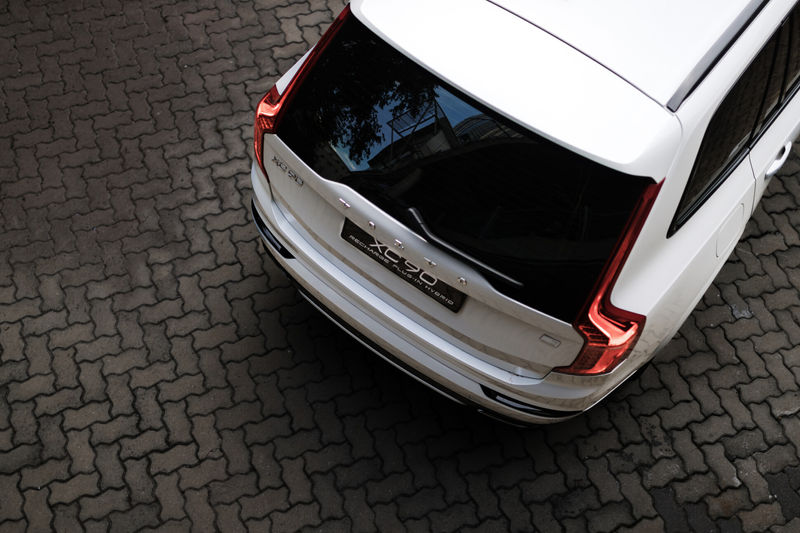
Mazda unveils boldly styled CX-50

The new CX-50 crossover was designed with the North American market in mind and will be produced in Mazda’s new factory in Alabama, so it probably won’t come to Mzansi. Nonetheless, the newcomer is the first of 5 new CX models that will be launched in the next 12 months, so it’s a preview of what’s to come…

Said to be a “completely new model”, the CX-50 should slot in just above its popular, but long-serving, CX-5 family car sibling in Mazda’s line-up (that’s if the newcomer will be positioned as the Mazda3-based CX-30 is in relation to the CX-3, for example). It’s difficult to say, because the CX-3 and CX-30 are not based on the same platform and it’s difficult to imagine that Mazda would retain the outgoing CX-5’s KF platform for the “all-new model”. Mazda says the current CX-5 will ultimately be replaced, so the CX-50 might be offered as a standalone product first and a complementary model after that.

What’s most surprising about the CX-50 is its off-road-oriented packaging. Mazda says it has “extended this vehicle’s capability to enable drivers to venture further into the outdoors and various terrains”. As such, all CX-50s are equipped with all-wheel drive (i-Activ) as well as Mazda Intelligent Drive Select (Mi-Drive). The latter enables drivers to select from various drive modes to tailor the new Mazda’s powertrain settings to suit a variety of conditions, such as “off-road terrain or providing reliable towing capabilities”.

This is a rather bold move on the part of Mazda, which has equipped its all-wheel-drive crossovers and SUVs with (some) added ground clearance and functions that utilise the vehicles’ electronic stability control software to assist in mild off-road conditions, but, with the exception of the BT-50 double cab, the Japanese brand has not drawn attention to its models’ outright off-road abilities and packaging.

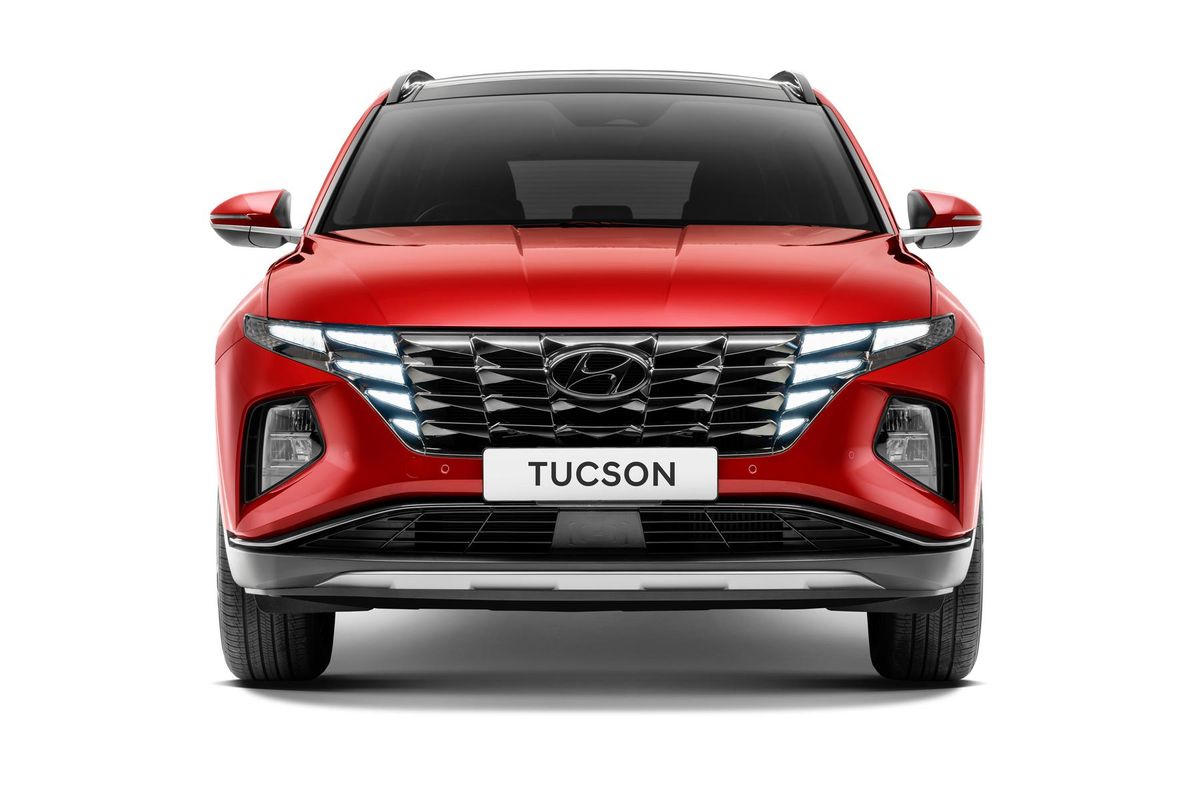
The CX-50’s off-roader-inspired styling, however, is quite deliberate, right down to the black graphics on the newcomer’s bonnet. Like its contemporary stablemates, the newcomer is athletically styled, replete with a sleek silhouette, slim side-glass profile and wide stance, but it is additionally kitted out with chunky black cladding (on the wheel arches and flanks), while the bumpers feature little in the way of satin chrome accents. What’s more, the grille and headlight trims are blacked out. The CX-50 is a no off-roader – it’s still a crossover, but it suggests upcoming CX models will be more overtly sporty.

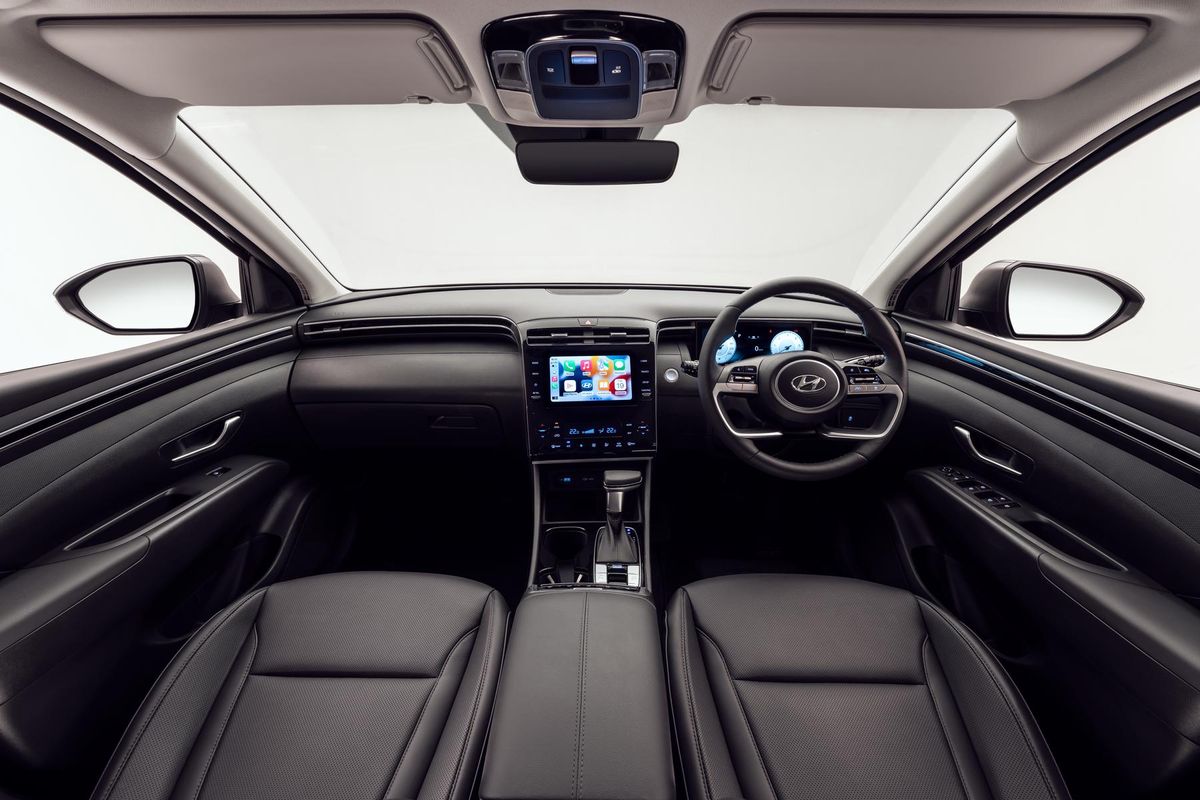
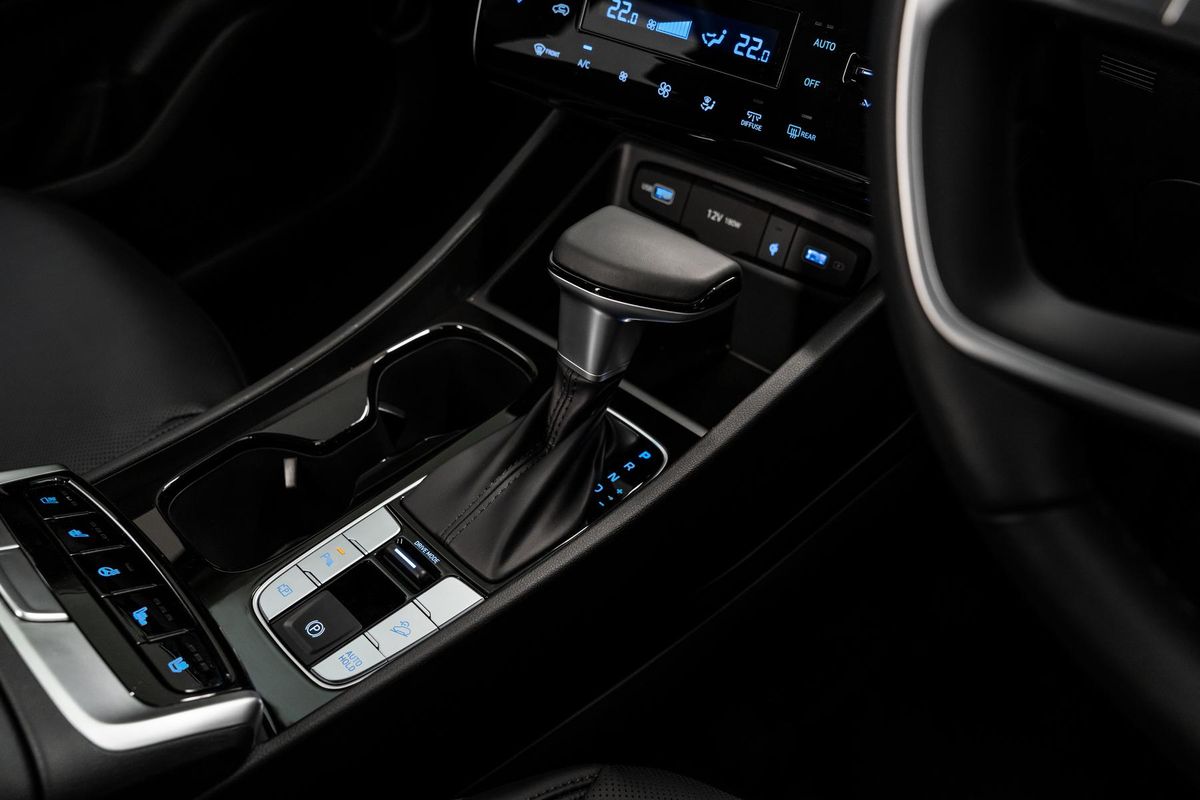
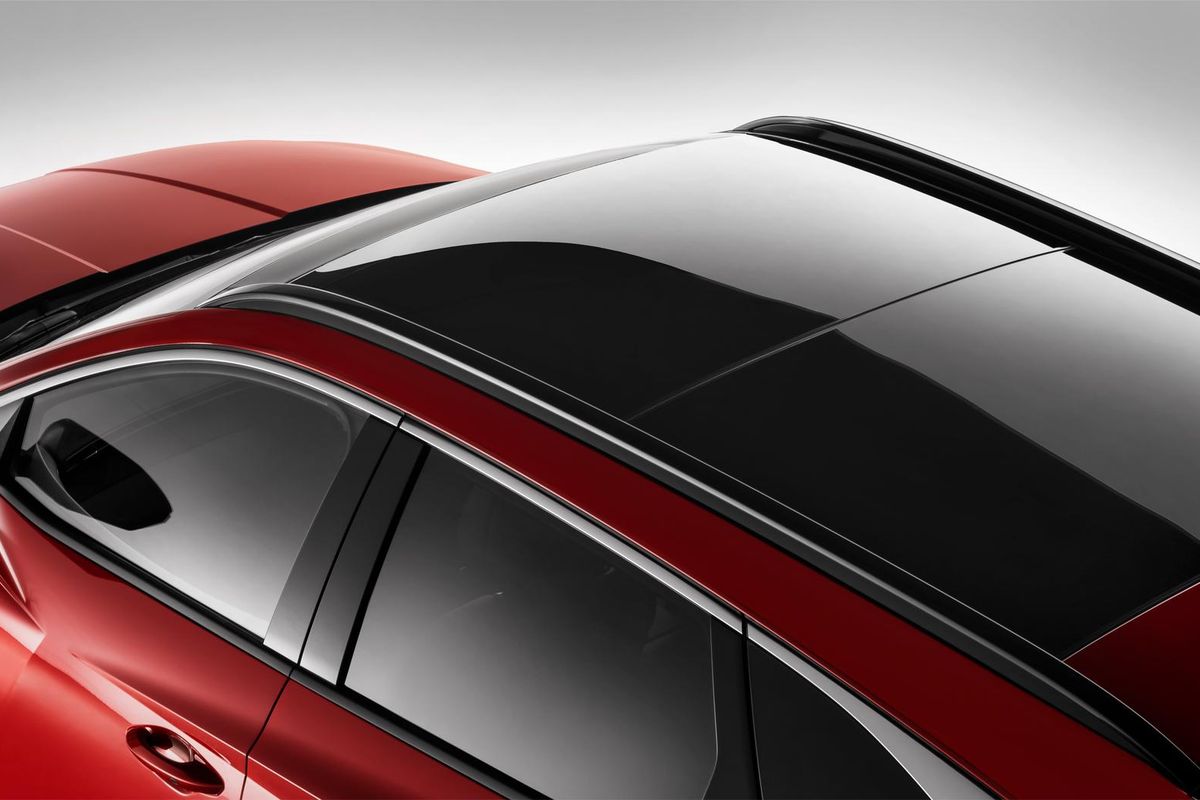
As expected, the CX-50’s upmarket cabin has a minimalist design, with a driver-oriented layout at the front. It’s not particularly distinctive (to be fair, that’s not Mazda’s modus operandi), but piano black inserts, subtle metallic finishes and contrast stitching, which matches the optional terracotta leather trim, complete the look. The model also features a panoramic moonroof; it’s reportedly “a first for Mazda.”

In terms of practicality, Mazda says the CX-50’s height and length facilitate the “easy loading and securing of outdoor equipment. Additionally, the high strength roof rails and reinforced b-pillars and door jambs add to the usability of securing equipment on the roof”. We assume that the roof rails and -box shown in these press images will feature on the new model’s optional accessories list.

The CX-50 will be offered with either the Skyactiv-G 2.5-litre 4-cylinder naturally aspirated- or Skyactiv-G 2.5-litre 4-cylinder turbocharged petrol engine paired with a six-speed automatic transmission. The former is already offered in the local CX-5 range, but we still await the arrival of the 170-kW forced-induction motor in the South African market.

As for the upcoming CX models, the imminent CX-60 is believed to be the direct successor to the current CX-5, while the CX-70, CX-80 and CX-90 will follow in due course.

Related content:

Mazda CX-30 Carbon Edition For SA

Mazda CX-30 (2021) Review

Volkswagen Tiguan (2021) Launch Review

Toyota RAV4- & Corolla Hybrid (2021) Specs & Price

Haval H6: Rivals It Needs To Beat

Understanding your instalment sale agreement [Part 2]

Start your journey to vehicle ownership with the help of our Street Smart video series, brought to you by Absa Vehicle Finance. “If you finance the purchase of your vehicle through a credit provider, it’s important that you fully understand the details of the instalment sale agreement,” says Absa’s Sbu Dhlamini.

PARTNERED CONTENT

If you’re in the market to buy a car, you may decide to finance the vehicle’s purchase by means of an instalment sale agreement with a credit provider, such as a bank. In the second instalment of this feature, Sbu (Sibusiso) Dhlamini – head of compliance at Absa – shares some more information on this agreement and the accompanying tax invoice. 

If you’ve missed Part 1, click here to view it.

First time car buyer 4

What does the instalment amount relate to?

Dhlamini: The instalment amount is the amount you agree to pay towards repayment of your principal debt, inclusive of interest and your service fee. This amount is clearly indicated on your instalment sale agreement and is calculated by dividing the outstanding balance on your account (including interest, charges, fees and insurance) by the remaining term of your agreement (the number of months).

You may choose to pay your instalment amount monthly, quarterly, bi-annually (twice a year) or annually (once a year) at the variable or fixed rate on the instalment sale agreement.

What is the earliest that I may settle my instalment sale agreement and what is an early termination charge?

Dhlamini: You may settle your instalment sale agreement at any time during the term of the agreement by requesting a settlement figure from your credit provider.

Section 125 of the NCA permits your credit provider to add an early termination charge to your settlement figure if your principal debt is R250 000 or more. This charge is equal to the amount of interest payable on your account for the period from the date you request the settlement figure to the date that you settle the account, but may not be more than 3 months’ worth of interest.

Debt Trap

What is a balloon payment?

Dhlamini: You may choose to apply a residual value or balloon payment as your last instalment to your instalment sale agreement. Having a residual value or balloon payment helps to reduce your instalment amount over the term of your agreement, but it’s important to budget and ensure that you’re able to repay this amount in a single payment at the end of the agreement term.

Is there interest charged on the balloon amount and will the final amount include interest charges?

Dhlamini: Interest is charged on the balance outstanding on your principal debt, which includes the balloon amount. The interest payable is included in your instalment amount payable over the term of your agreement so your final balloon payment is a capital amount only, with no added interest.

How to calculate true cost of car ownership

What if my car is worth less than the balloon payment owing at the end of the term? 

Dhlamini: Your car will depreciate in value over the term of your agreement and it is expected to depreciate at a rate of about 20% per annum, although some car brands do depreciate at a lower rate.

How can I reduce the balloon payment during the term of my instalment sale agreement?

Dhlamini: Any lump-sum payment you make in addition to your instalment amount will be applied to your outstanding balance, first against due or unpaid interest, then against due or unpaid fees and charges and finally against the outstanding balance, which includes the balloon amount.

Top 5 Vehicle Finance Options Explained

Other episodes in our Street Smart video series:

In the first episode of our series – brought to you by Absa Vehicle Finance, Fulufhelo Mandane (Absa’s head of dealer relationships for Gauteng and Limpopo) discussed what you need to consider before you start shopping for a vehicle, the costs of ownership and your various finance options. Absa First-time Buyer Guide to Vehicle Finance

In the video that followed, Mandane’s colleague Gordon Wood (Absa’s head of dealer relationships for KwaZulu-Natal & Mpumalanga) detailed how the new Aftermarket Guidelines, which were recently introduced in the motor industry, affect you as a vehicle owner. Absa’s Guide to Responsible Vehicle Ownership

Recently, Michelle Moodley (Absa’s head of sales enablement) emphasised the importance of taking precautions to avoid falling into fraudsters’ traps. Vehicle Sales Fraud: What to look out for

And, finally, Sbu Dhlamini (head of compliance at Absa) gave an initial explanation of some of the terms in an instalment sale agreement. Understanding your instalment sale agreement [Part 1]

Related content:

The New Normal, Podcast 3 – Time to revise your car insurance?

The New Normal, Podcast 2 – Car Dealerships of the Future

The New Normal, Podcast 1 – Changes in SA’s car-shopping patterns

2022 Hyundai Creta Facelift Unveiled

The 2022 Hyundai Creta facelift has been unveiled after a handful of teaser images.

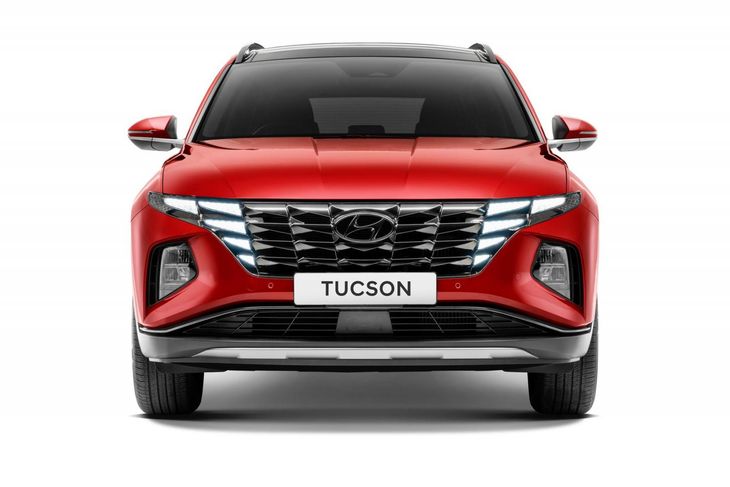
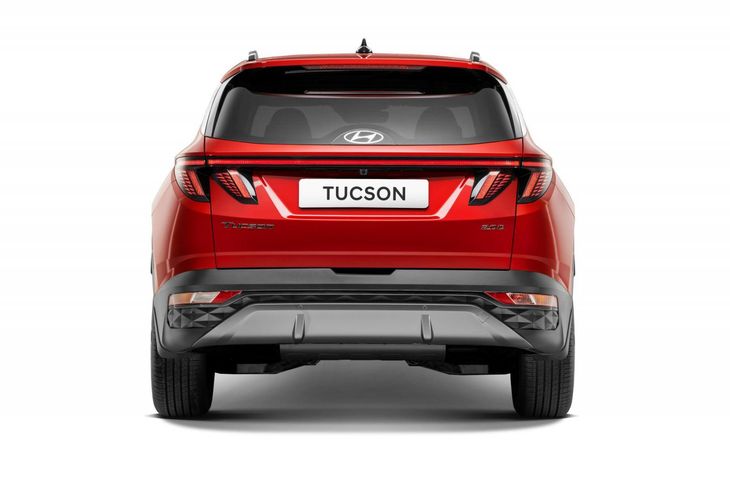
The teaser images of the 2022 Hyundai Creta facelift showed hints that the new compact SUV from the Korean brand would adopt the same fascia and grille as the all-new Hyundai Tucson.

The new 2022 Hyundai Creta was globally revealed as part of the Gaikindo Indonesia International Auto Show and from our understanding, the model will be assembled in Indonesia right away, with the Indian market receiving its units in the middle of next year. This is important as Hyundai SA sources its Creta units from its Indian factory and while we’ve yet to hear of its availability, the model is popular and we expect to land in SA before the end of 2022.

So, what’s new? Well, that face will dominate talking points and the integrated headlights into the grille won’t be too everyone’s taste. We like the bold and out-there look however as far too many cars are adopting generic styling cues. The rear has also been given a slight update, but it’s nowhere near as radical as the front.

The cabin has received a nip and a tuck, with the standard feature range bolstered with an 8-inch infotainment system, the number of speakers increased from 4 to 8 (with the option of a Bose system), rearview camera, shift paddles, panoramic sunroof, wireless charger, ambient mood lighting, ventilated seats, auto climate control and an increase in the standard safety offering.

The Hyundai SmartSense setup adds tyre pressure monitoring, blind spot collision, rear cross-traffic alert, safe exit warning, rear occupant alert, lane-keeping assist, high-beam assist, and automatic emergency braking depending on trim level.

We expect the current range of engines and transmissions to be retained and this is a good thing as the powertrains on offer at the moment have all bases covered. There’s a blend of naturally-aspirated petrol, turbocharged diesel and turbo petrols on offer, with customers spoilt with manual and automatic gearboxes.

As we’ve said, we’ve yet to hear from Hyundai SA, but we’re pretty confident this new-look 2022 Hyundai Creta will be coming to our market at some point.

Further Reading

Meet the 7-seater Hyundai Creta

We drive the 2020 Hyundai Creta. Review here

This week’s news you need to know (November 2021, Week 2)

In this week’s news you need to know, forget the GTI – Toyota wants to take on the Big Three premium marques (as well as the Golf R) with its GR Corolla, Peugeot looks to win over some of the most brand-loyal motorists in existence – bakkie buyers, the Haval Jolion’s about to become even more formidable and do we really need yet another tarted up Polo Vivo derivative?  

Apex Toyota Corolla – Putting the Grrr in GR

You see, the GR Yaris is a little superstar, but it isn’t a quick Corolla – and there have been quite a few of those on the South African market (okay, NOT recently, but still) – badges such as the Twin Cam 16, RSi, 20V and RXi (to name just a few) are revered by countless motoring enthusiasts, many of whom who weren’t even born when those cars were in their prime. What’s even more noteworthy, is that those performance-oriented Conquests (hatchback) and Corollas (sedans) were aspirational vehicles; they were bought more as status symbols as opposed to, say, their ability to trounce the competition…

> GR Corolla gets more power than Yaris superhatch

However, that looks set to change with the arrival of the upcoming all-wheel-drive GR Corolla, because, if reports (that it will produce 224 kW from its 1.6-litre 3-cylinder turbopetrol motor) are accurate, the Toyota will sail past the current crop of hot hatches – including its old foe, the Golf GTI and Hyundai i30 N – and line up against the Audi S3 quattro (213 kW), BMW M135i xDrive and Mercedes-AMG A35 (225 kW each), as well as the highly anticipated VW Golf 8 R – those models’ asking prices start at R800k and go up to well past R900k. Sure, those kinds of flashy toys are bought by tech industry professionals who seek weekend thrills, but they have the money… that’s why manufacturers love them. If Toyota could offer the GR Corolla as a more affordable alternative to the premium marques’ all-wheel-drive offerings, TMC is likely to sell many, many units of its upcoming GR model.

Peugeot Landtrek – A bold move, but worth a try

Finally, a wise move from a brand that has, unfortunately, let local consumers down a few times before. No, many consumers may never “let that one go”, but for those of us who are somewhat more open-minded (or unjilted, if there even is such a word), perhaps it’s time to forgive but not forget. Peugeot South Africa, under the new watch of Stellantis, has vowed to make amends and do things the right way. This time with a bakkie. South Africans love them and, as the sector has evolved over years to be more car-like, Peugeot seems to have the right touch to make this a success. This isn’t a bad thing.

> Peugeot Landtrek (2021) Launch Review

In a segment that represents a significant slice of the overall new-vehicle market – one that has been dominated by Toyota (and Ford, to a lesser extent) during the past decade, in which Isuzu, Mitsubishi and Nissan more or less hold their ends up and GWM is well and truly making its presence felt, it’s not the worst thing in the world to have a French option. With Peugeot winning the 2021 SA Car of the Year title with its 2008 crossover, new dealers opening and sales numbers climbing, the firm has momentum on which it must capitalise. So, how many baguettes do you think you could fit in that load bin?

Petrol-electric Haval Jolion – the next big hybrid

EV transformation. The electric revolution. Call it what you will, but Haval seems to be doing the copy-and-paste job well by following Toyota’s lead; several car brands on our market seem ill-prepared to offer products that will facilitate “the transition”. Haval, I sense, recognises that hybrids, as opposed to ruinously expensive EVs, may indeed be the only “green(er)” cars that buyers in developing markets can readily afford.
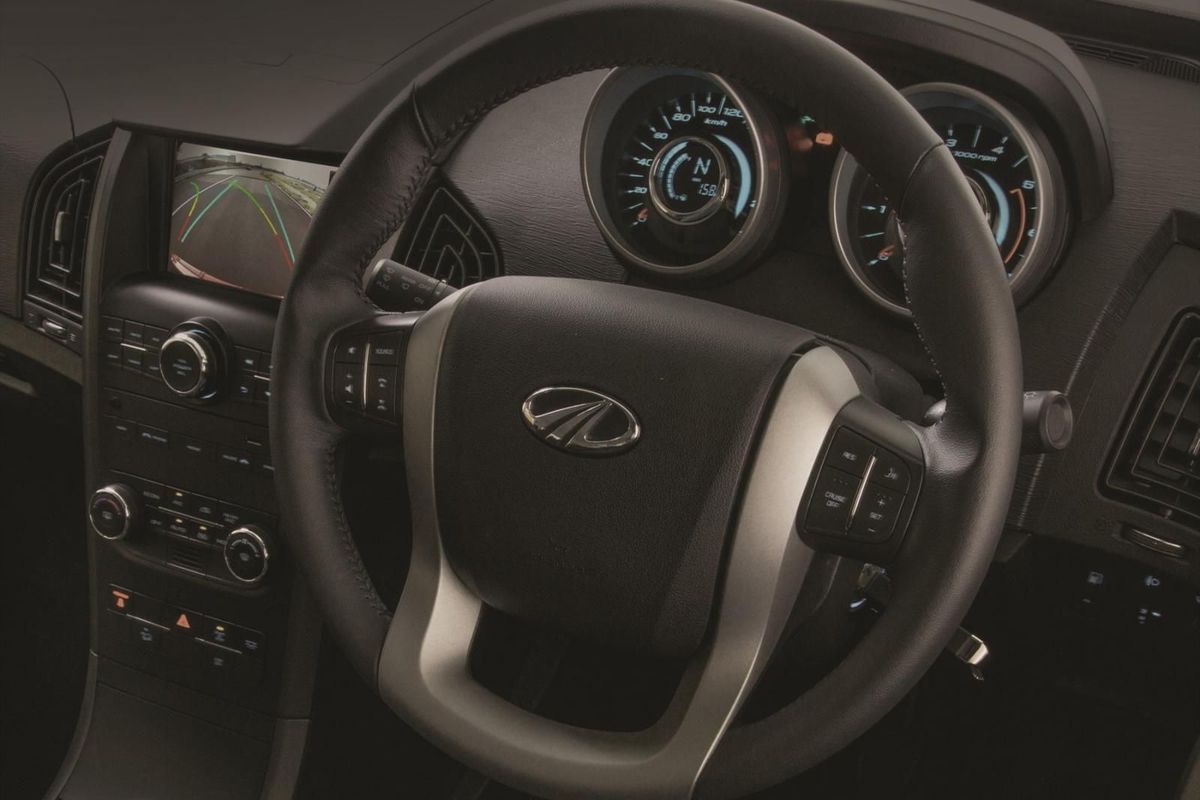
Haval Jolion Hybrid Shown with Impressive Power

It’s no secret that Chinese manufacturers are master replicators (and, sometimes, improvers) of successful products, so this Jolion Hybrid development should not come as a surprise. Haval’s done remarkably well in South Africa since it arrived here as recently as 2017, and a petrol-electric version of the Jolion should be the ideal rival (if competitively priced) to the Corolla Cross Hybrid. The consumer wins at the end of the day – just as the H2 was a star performer, with the Jolion successfully following in its wake, a Hybrid Haval will do well in Mzansi. Is this the sleeping giant in the fuel-efficiency game?

Black Style Polo Vivo – Another ‘sticker job’

I have been giving Ford quite a bit of stick in this column because of its cynical repackaging exercises with the ageing T6 Ranger line-up, but it seems Volkswagen isn’t lagging too far behind with its range of product-extending efforts, which are otherwise known as “sticker jobs”. First, it was the Polo Beats that made an appearance, then came the Mswenko and now it’s the Polo Black Style. The first two versions added very little value to the “standard” platform. Fair game to VWSA for trying, but enough already with bringing customisation efforts in-house; they really ought to remain in the aftermarket.

Black Style for Volkswagen Polo Vivo

We, as consumers, need more value-backed options rather than “sticker jobs” that are overpriced variants of something you could get done in the aftermarket at a fraction of the price. No matter how well the Polo Vivo has done in SA, we need better cars – not cosmetic slap-up jobs. Why not offer a service pack of some sort or a tyre replacement option down the line to add more value? It’s old school, but buyers would appreciate it more.
New Porsche 911 GTS Review – Driving some of South Africa’s best roads

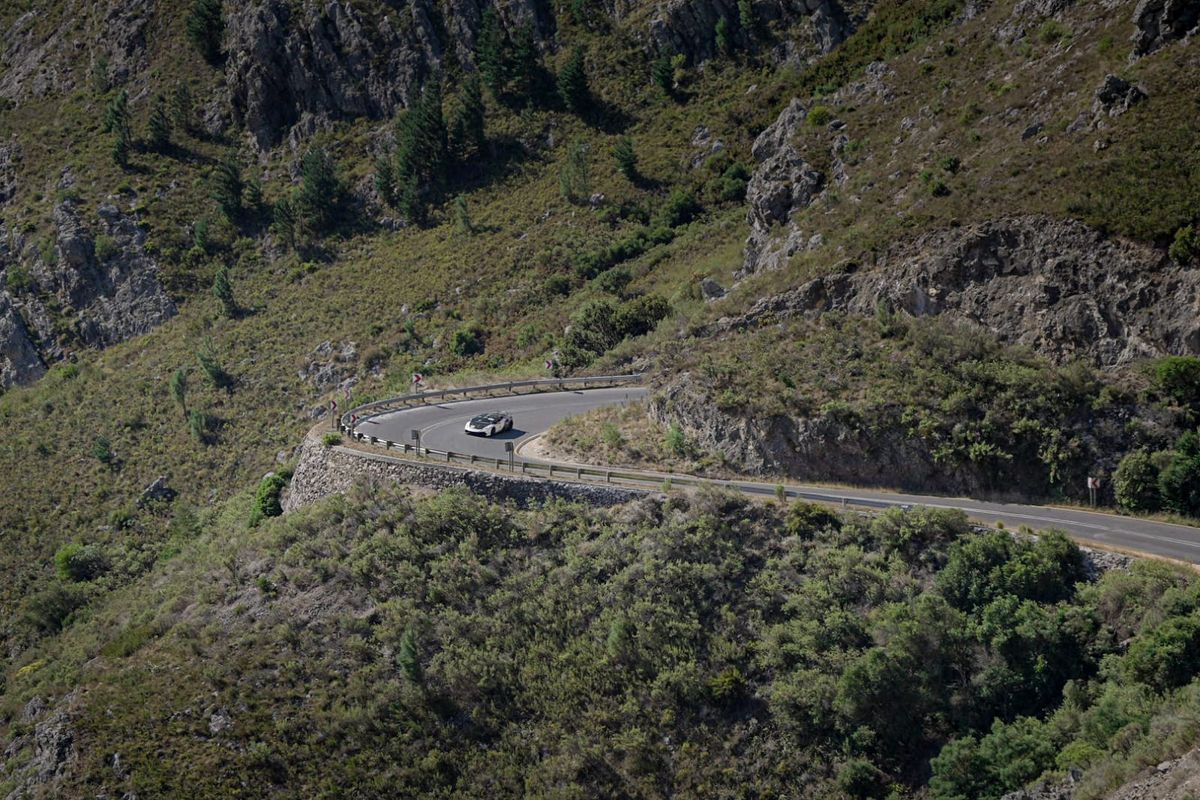
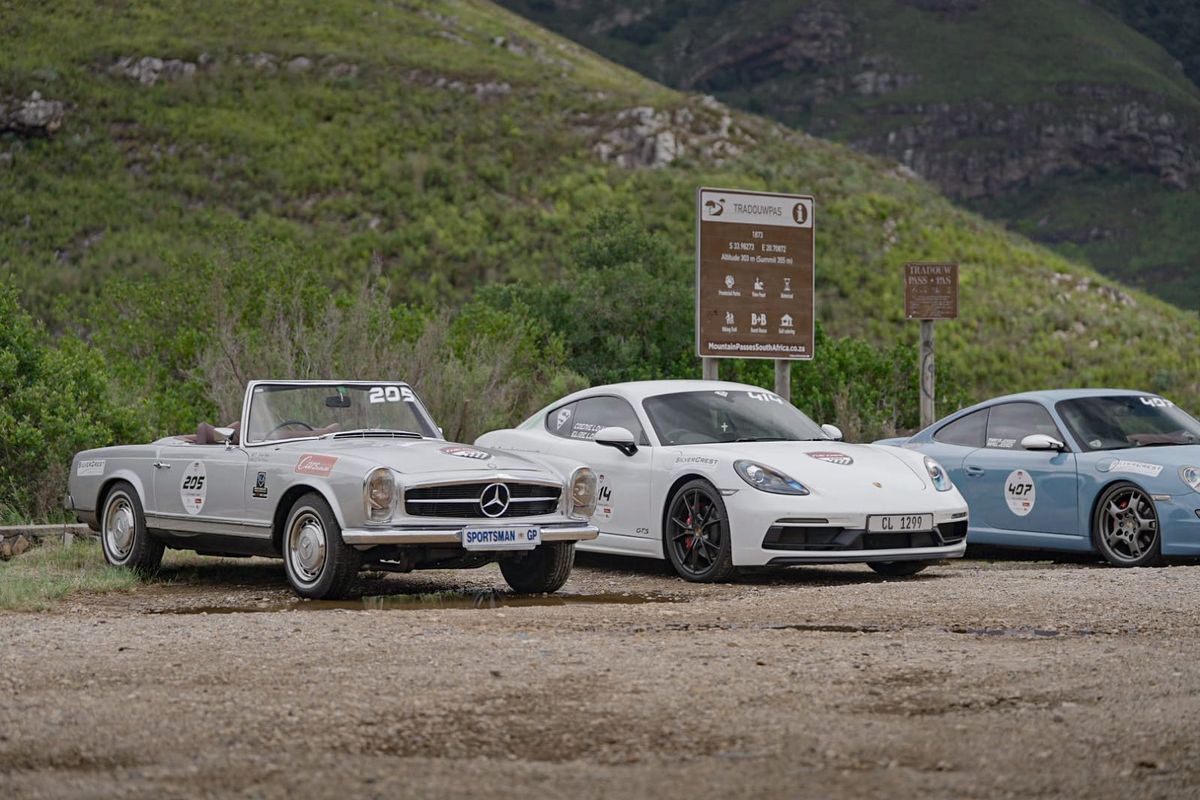
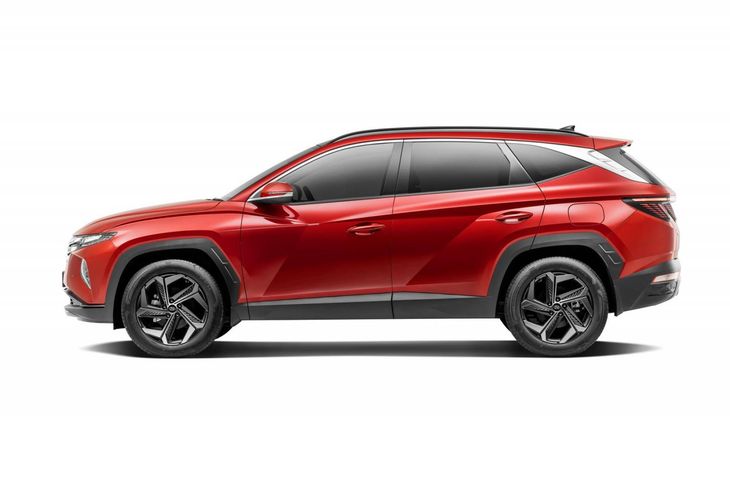
The all-new Porsche 911 GTS has launched in South Africa and we got to experience its breathtaking performance on some of SA’s best driving roads.

When Porsche introduced the GTS as part of the 911 line-up a little more than a decade ago, it didn’t represent much more than a late trim upgrade of the 997-generation Carrera S. It became a somewhat more established fixture in the range with the 991 model, but now, for the current 911 (992), the GTS has evolved far beyond a mid-range coupe derivative adorned with standard sportier accoutrements. In fact, given the fact that it’s currently the most popular 911 derivative, it may just represent the sweet spot in what is a crushingly competent line-up.

Read our Porsche 911 GTS comprehensive assessment from the launch here.

Looking for a used Porsche for sale in South Africa? We have nearly 300 to choose from!

Budget

Cars.co.za’s Youtube channel is powered by Budget Insurance. For an instant quote, click here.

Further Reading

Porsche Macan (2021) Launch Review

Another South African “art car”, but this time it’s a Porsche!

Porsche Taycan RWD Review – Will this car make you want to go electric?

Porsche Cayenne Turbo GT is the World’s Fastest SUV

GWM King Kong: The bakkie to rule them all? 

Is the new GWM King Kong Poer double-cab the bakkie to rule them all? 

When GWM launched its feature-rich P Series bakkie in South Africa, it was an instant hit with GWM scrambling to keep up with surging demand and the P Series is now a common sight on South African roads. 

GWM has high hopes for its new P Series, also known as Poer. In fact, GWM aims to be a world leader in bakkies alongside the likes of Ford and Toyota. If the Chinese firm’s latest King Kong Poer is anything to go by, it might just achieve its goal! 

While images of the new King Kong have been circulating on the internet this week, comprehensive details for the newcomer have been rather thin. Nonetheless, despite its name, the standard-sized King Kong is actually smaller than the P Series. It stands 5 365 mm long, 1 880 mm wide and 1840 mm high with a wheelbase of 3 140 mm. However, a burlier King Kong will also be offered in China with a larger 1 820 mm load bed which takes the overall length to a whopping 5 635 mm! The P Series measures 5 410 mm in length, 1 934 mm wide and 1 886 mm tall with a wheelbase of 3 230 mm.  

Images of the interior have yet to be seen but it’s likely that the King Kong will have the same interior as the P Series. If so, it will feature a 9.0-inch infotainment touchscreen and 7.0-inch digital instrument cluster as well as a wide range of safety and driver assistance systems. 

Furthermore, reports are indicating that the King King is powered by either a 2.0-litre turbocharged petrol or 2.0-litre turbodiesel engine (the same offered in South Africa) in its home market with the petrol powertrain producing 140 kW and the diesel engine offered with either 110 kW or 120 kW / 400 Nm and mated with an 8-speed automatic transmission. 

Further details are expected to be revealed later this month when the King Kong Poer makes its official debut at the Guangzhou motor show, so stay tuned!

Buy a GWM P Series on Cars.co.za

Related Content 

Double-Cab 4×4 Bakkie Buyer’s Guide (2021) 

6 Bakkie Drag Race! Hilux vs Ranger vs Amarok vs P-Series vs BT-50 vs Navara (all 4×4)

Peugeot Landtrek vs GWM P Series: Spec Check

Lexus LFA could return with 700 kW hybrid

The Lexus LFA is one of the world’s most iconic performance cars and if rumours are to be believed, there will be an all-new model due in 2025.

The greatest Japanese performance car of all time is inarguably the LFA.

It has been nearly a decade since LFA production ended, heralding the end of an era for the 4.8-litre naturally-aspirated V10. One of the most characterful petrol engines, ever built.

The LFA was a difficult project for Toyota. Untypical for the Japanese brand.

It had massive deadline overruns, arriving years after its scheduled introduction. There was also the tragedy of Toyota’s chief test driver, dying at the wheel of an LFA special edition prototype, during testing at the Nurburgring.

Despite all the issues, LFA has a resonance far beyond anything else Toyota has ever built. And that’s why Japanese automotive media have started discussing if a new Lexus LFA is in the pipeline.

According to Japanese industry insiders, the second-generation LFA should arrive by 2025. It will have some similarities with the original LFA and adhere to the realities of a rapidly changing automotive world and regulatory framework.

Engineers are expected to remain committed to the front-engine layout, although the engine will be positioned with a weight bias rearward of the front axle.
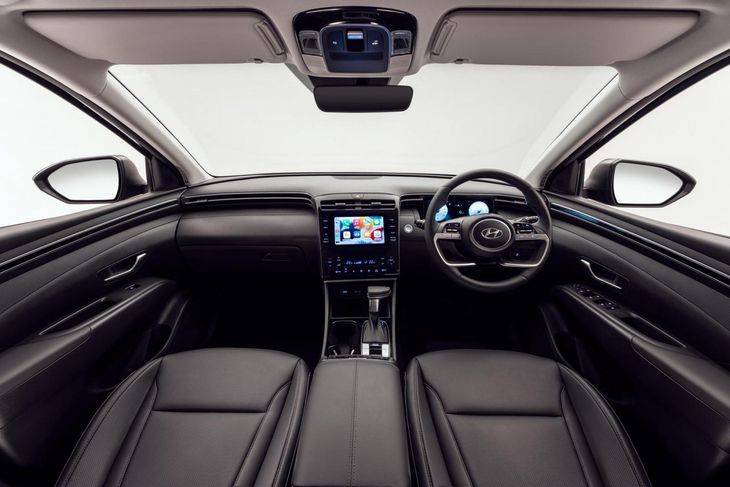
Cylinder count and capacity will decrease from the original 4.8-litre V10 to a smaller 4-litre V8. Compensating for the reduction in capacity and cylinder count will be twin-turbochargers and an electric motor.
As with most future-proofed performance cars, the second-generation LFA will be a petrol-hybrid. Lexus has deep experience in hybrids and it is expected that the new LFA will be a PHEV, with a lot more power than the 4.8-litre V10.

Estimates are for a total system output of 700 kW, far exceeding the LFA V10’s 412 kW. To ensure that the hybrid system doesn’t balloon total vehicle mass too much, the second-generation LFA will feature lavish use of carbon-fibre, for its structure.

A composite structure was the issue that stalled the original LFA project by many years, as Toyota engineers attempted to shape and produce carbon-fibre at a scale and complexity that had rarely been attempted in a road car.

Over the last decade and a half, the development in carbon-fibre engineering should ensure that the next LFA is true to the performance-by-lightness principle of Japan’s greatest ever supercar nameplate.

Further Reading

Lexus LX600 Unveiled

Lexus LC500 Cabriolet Launch Review

Kia Teases Concept EV9 SUV, Commits to Sustainability

Kia has teased Concept EV9 which previews the firms new forthcoming electric SUV. 

Kia, like many car manufacturers, is going electric. Earlier this year, Kia revealed its first battery-electric EV6

Considering how popular SUVs have become, Kia is expected to introduce an all-electric SUV and the Concept EV9 you see here hints at what Kia envisions for a production EV9 SUV. 

The teaser images of the Concept EV9 show a bold, wide and angular design that projects a futuristic look. Kia says, “Following the launch of EV6, the Kia Concept EV9 is an intriguing glimpse into the future direction of the all-electric SUV, combining progressive design, state-of-the-art tech, and an advanced all-electric powertrain in one pioneering package.” 

The interior rendering further show a clean, uncluttered design that’s “been honed to give the driver and passengers a light, flexible and adaptive interior space as the experience of the journey evolves”, says Kia. 

The cabin also features an ultra-wide interactive display as well as an interesting new steering wheel design. 

The Concept EV9 will make its official debut at AutoMobility LA on 17 November 2021 where further details will be revealed. 

Kia Commits to Sustainability 

Kia EV
Kia plans to be carbon neutral by 2045. 

This week, Kia announced its commitment to becoming a ‘Sustainable Mobility Solutions Provider’. As such, the firm aims to become fully carbon neutral by 2045. 

Kia’s carbon-neutral goal is underpinned by 3 main pillars including ‘Sustainable Mobility’, ‘Sustainable Planet’ and ‘Sustainable Energy’. These pillars will guide the brand’s efforts to reduce carbon emissions across its operations including supply, logistics, vehicle production and waste disposal. 

By 2045, Kia hopes to reduce its carbon emissions by 97% and will implement additional measures to fully offset the remaining carbon emissions. 

In 2020, Kia announced its Plan S strategy which outlined the brand’s journey towards becoming a leader in the Electric Vehicle market. With a significant investment of $25-billion, Kia is planning to introduce up to 11 new EVs by 2025 and with 7 new Battery-Electric Vehicles (BEVs) due in 2027. More so, Kia will also introduce its first Hydrogen Fuel-Cell Vehicle (FCEV) in 2028 to complement its BEV lineup. Kia says it will accelerate its Plan S strategy to meet its goals. 

By 2035, Kia is expected to be fully electric in Europe with other global markets to follow by 2040. 

Kia will also work with its suppliers to reduce emissions and will launch a carbon emissions monitoring system in 2022 which will provide data-driven solutions to its partner companies. Kia will focus on using ‘green steel’ as the steel industry remains a major contributor to global carbon emissions. 

Furthermore, Kia is also committing to preserving the natural environment with a focus on marine ecosystems. 

Kia will launch a ‘Blue Carbon’ project that will aim to restore and preserve Korea’s coastal wetlands in an effort to boost its blue carbon (carbon absorbed and stored in seaweed and mudflats effectively diminishing the amount of carbon in the atmosphere). 

Kia has also partnered with ‘The Ocean Cleanup’ to develop a resource circulation system whereby Kia will supply materials needed to build the Interceptors that collect plastic in river systems. Kia will then use the plastic waste for materials in its vehicle production with a planned plastic re-use increase of 20% by 2030. Increased recycling during the vehicle disposal stage will also be implemented and pilot projects for second-life battery energy storage systems (SLBESS) will take place with external partners from 2022. 

By 2030, Kia’s overseas production facilities are expected to run on renewable electricity and by 2040, Kia’s domestic production sites will follow. Kia’s site in Slovakia already runs on 100% green electricity. To do this Kia will look to the sun and implement vast solar arrays in Korea, the US, China and India while also using hydrogen fuel cell technology in the manufacturing process. Hydrogen fuel cell technology is expected to reduce carbon emissions by 1% per annum through the implementation of Carbon Capture, Utilisation and Storage CCUS) technology. Finally, Kia’s company fleet vehicles will all be BEVs or FCEVs by 2030. 

Buy a used Kia on Cars.co.za

Related Content 

New Kia Sportage: 6 Cool Things

Kia Pegas (2021) Review

Kia Sonet (2021) Review

Understanding your instalment sale agreement [Part 1]

Start your journey to vehicle ownership with the help of our Street Smart video series, brought to you by Absa Vehicle Finance. “If you finance the purchase of your vehicle through a credit provider, it’s important that you fully understand the details of the instalment sale agreement,” says Absa’s Sbu Dhlamini.

PARTNERED CONTENT

If you’re in the market to buy a car, you may decide to finance the vehicle’s purchase by means of an instalment sale agreement with a credit provider, such as a bank. In the first instalment of a 2-part feature, Sbu (Sibusiso) Dhlamini – head of compliance at Absa – explains some of the terms used in this agreement, as well as the accompanying tax invoice…

Alfa Romeo Giulia and Stelvio

What does the principal debt mean?

Dhlamini: An instalment sale agreement between you and a credit provider allows you to buy a vehicle or asset using the principal debt, which you repay by means of regular instalments (usually monthly repayments) over an agreed period, along with fees and interest.

The principal debt is the total amount a credit provider agrees to lend you and is made up of various amounts, which are regulated by the National Credit Act.

These include:

  • The tax invoice amount or loan amount, being the total amount paid to a dealer for the asset, less any cash deposit or vehicle trade-in;
  • An initiation fee, unless you pay this to the credit provider upfront;
  • Additional fees or charges as set out in Section 102 of the National Credit Act; and
  • Premiums for any credit insurance such as credit life or asset insurance (if required by the credit provider).

What additional fees or charges may be included in the principal debt?

Dhlamini: Fees and charges for additional services are regulated by Section 102 of the National Credit Act and may only be charged by the credit provider if you appoint them as your agent to arrange the services on your behalf.

These include:

  • The cost of any extended warranty product taken up for the asset;
  • Delivery and initial fuelling charges; and
  • Licence and registration fees for the asset.

What is the asset?

Dhlamini: The asset is the motor vehicle that you are buying and is described on your tax invoice and instalment sale agreement by referring to its make, model, year of first registration and engine/chassis number.

Right to repair industry

Interest rates may be variable or fixed – what does this mean?

Dhlamini: Credit providers charge interest on the balance outstanding on your principal debt. Interest is calculated daily and debited monthly, quarterly or annually, depending on the payment frequency you’ve chosen.

If the interest rate on your principal debt is variable, it will change as your credit provider’s “reference rate” changes.  This is also known as the prime rate. A credit provider will let you know if there are changes in its prime rate and if there are any adjustments to your instalment amount due to the rate change.

If the interest rate on your principal debt is fixed, the interest rate will stay unchanged for the full term of your instalment sale agreement – regardless of whether the prime rate is adjusted up or down.

ICYMI: Variable vs Fixed interest rates: The Pros & Cons

Other episodes in our Street Smart video series:

In the first episode of our series – brought to you by Absa Vehicle Finance, Fulufhelo Mandane (Absa’s head of dealer relationships for Gauteng and Limpopo) discussed what you need to consider before you start shopping for a vehicle, the costs of ownership and your various finance options. Absa First-time Buyer Guide to Vehicle Finance

In the video that followed, Mandane’s colleague Gordon Wood (Absa’s head of dealer relationships for KwaZulu-Natal & Mpumalanga) detailed how the new Aftermarket Guidelines, which were recently introduced in the motor industry, affect you as a vehicle owner. Absa’s Guide to Responsible Vehicle Ownership

More recently, Michelle Moodley (Absa’s head of sales enablement) emphasised the importance of taking precautions to avoid falling into fraudsters’ traps. Vehicle Sales Fraud: What to look out for

Related content:

The New Normal, Podcast 3 – Time to revise your car insurance?

The New Normal, Podcast 2 – Car Dealerships of the Future

The New Normal, Podcast 1 – Changes in SA’s car-shopping patterns

New Suzuki Celerio For SA in 2022

Suzuki has revealed its new Celerio hatchback in India and it’s been confirmed to arrive in South Africa in the first half of 2022. 

The current Suzuki Celerio has been around since 2014 and the time has come for Suzuki to bring an all-new Celerio to market. 

The reveal of the new Celerio has taken place in India where it’s produced and has been confirmed for an introduction in South Africa in the first half of 2022. 

The new Celerio is built on Suzuki’s HEARTECT platform, the same which underpins the Swift and S-Presso and features a rounder, more bulbous design than the outgoing Celerio. 

With a length of 3 695mm and width of 1 655mm, the Celerio is both longer (+95mm) and wider (+55mm) than the current Celerio. 

New Suzuki Celerio
The interior of the new Celerio is a marked improvement over its predecessor. 

One of the Celerio’s key USP’s is space and Suzuki says that the space and comfort offering in the new Celerio has been improved upon with the load bay now measuring at 313 litres which is some 40% larger than the outgoing Celerio. The new Celerio is also fitted with a 7-inch touchscreen infotainment system that will take care of your connectivity needs and other features include keyless entry, push-button start, multifunction steering wheel, height-adjustable driver’s seat and 60:40 split rear seats. 

In terms of safety, dual front airbags are fitted along with ABS with EBD and hill-hold assist. 

As for the engine that will power the new Celerio, it’s a 3-cylinder, 1.0-litre, naturally aspirated engine with 49 kW and 89 Nm of torque. This engine is paired to either a 5-speed manual transmission or as Suzuki calls it, an Auto Gear Shift (AGS) transmission which is an automated manual transmission (AMT). Fuel efficiency is another major USP for the Celerio and the AMT Celerio is said to return around 3.7 L/100km while the manual Celerio claims 4.0 L/100km. 

South African pricing and specification details will be made available closer to launch in the first half of 2022. 

Buy a used Suzuki Celerio on Cars.co.za 

Related Content 

Most Fuel Efficient Budget Cars in SA

Cheapest Automatic Cars in SA (2021)

4 New Cars Under R3 000 p/m

5 Cheapest New Cars in South Africa 2021