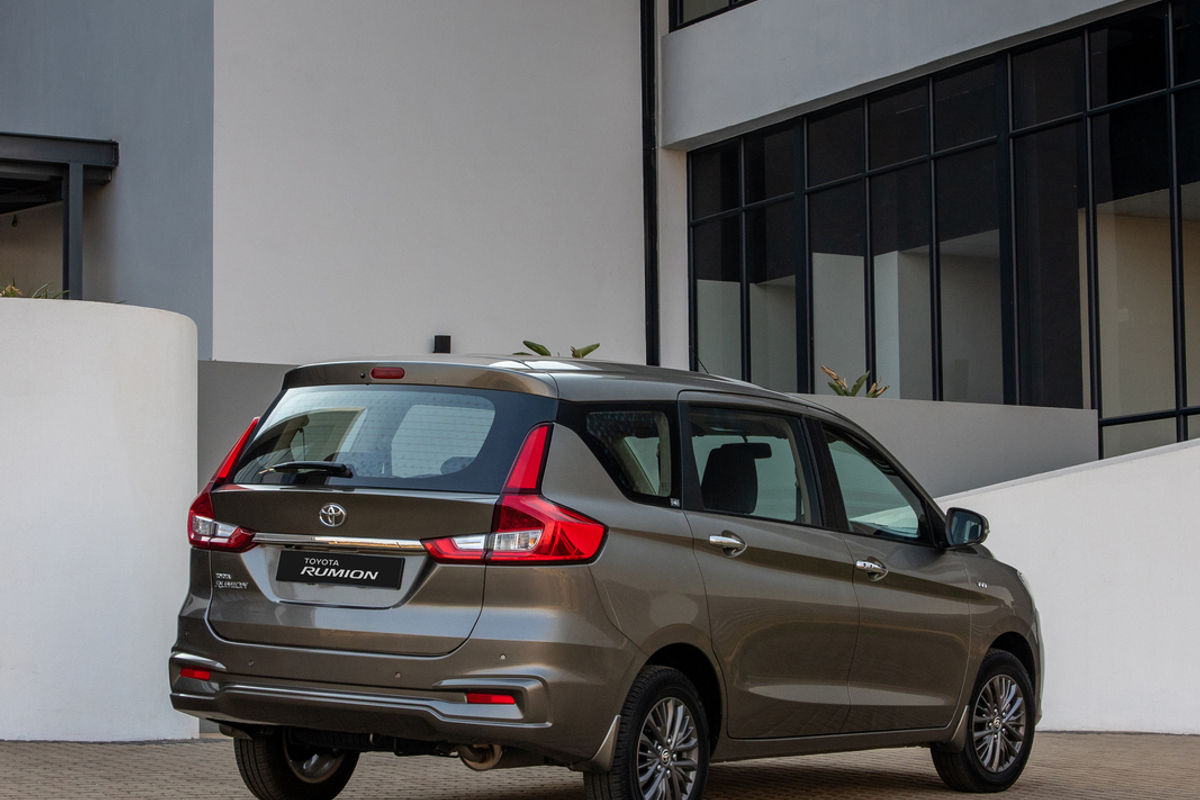
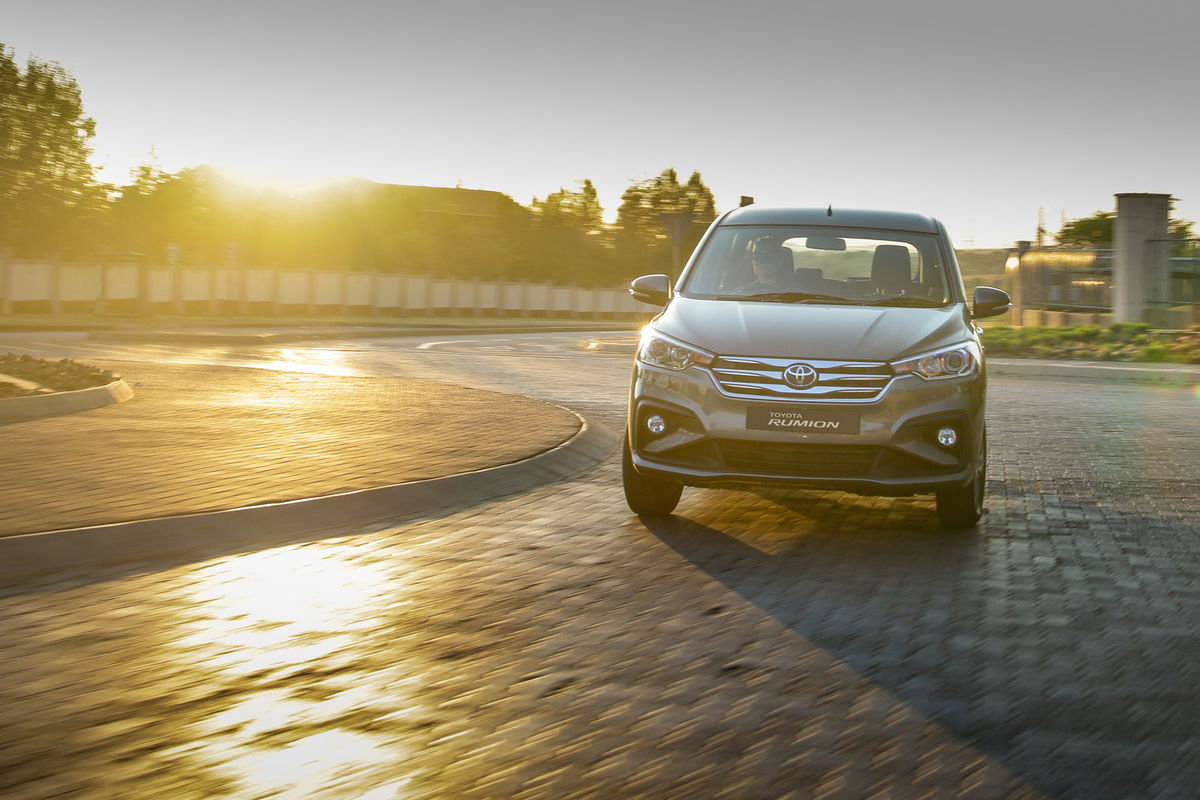
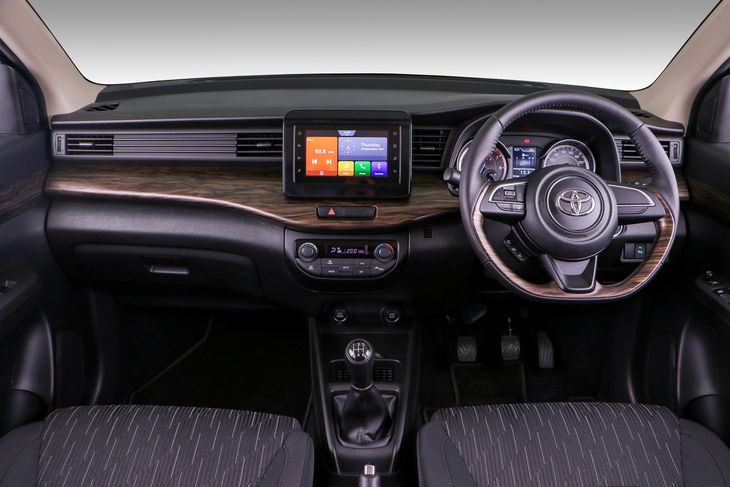
Toyota Corolla Cross (2021) Pre-Launch Drive

Toyota’s new compact family car will go on sale in November 2021 – and the brand’s certainly making a big fuss about it! We visited the Gerotek vehicle-testing facility to drive the locally-produced Corolla Cross, which will slot into the Japanese brand’s crossover line-up between the Urban Cruiser and the RAV4… 

What is a Corolla Cross?

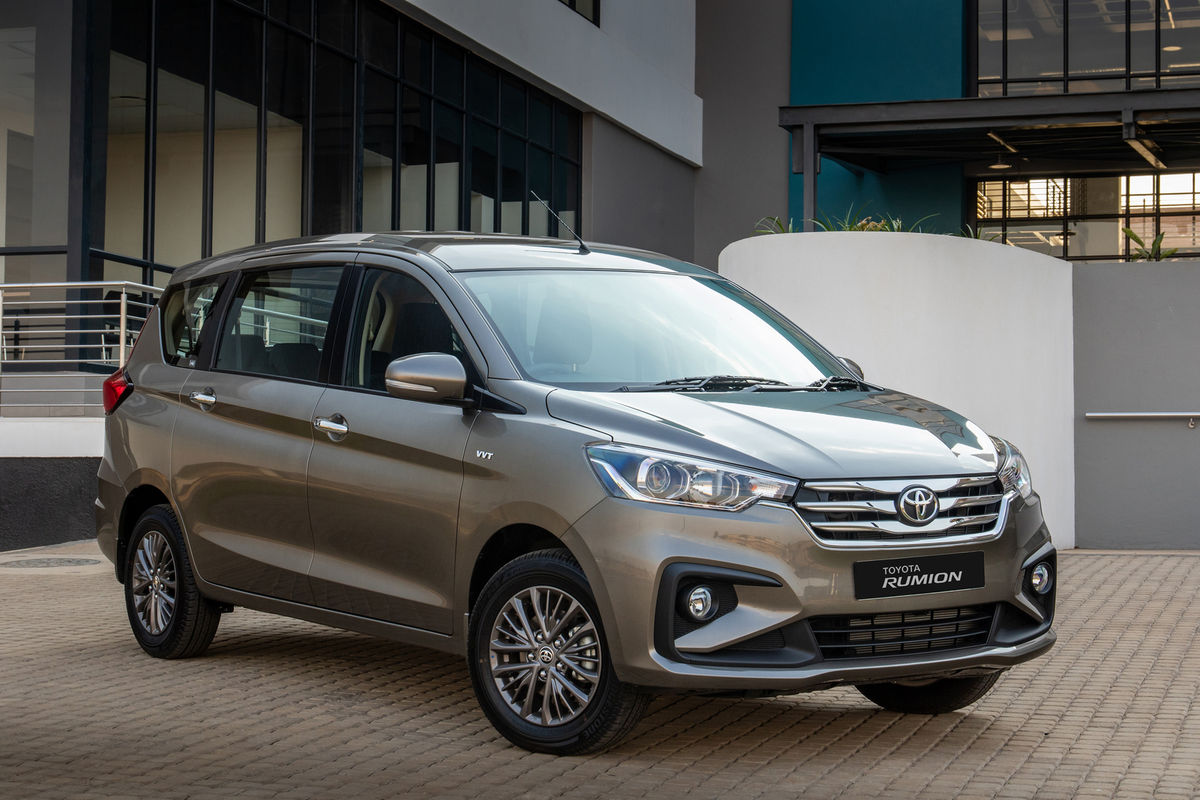
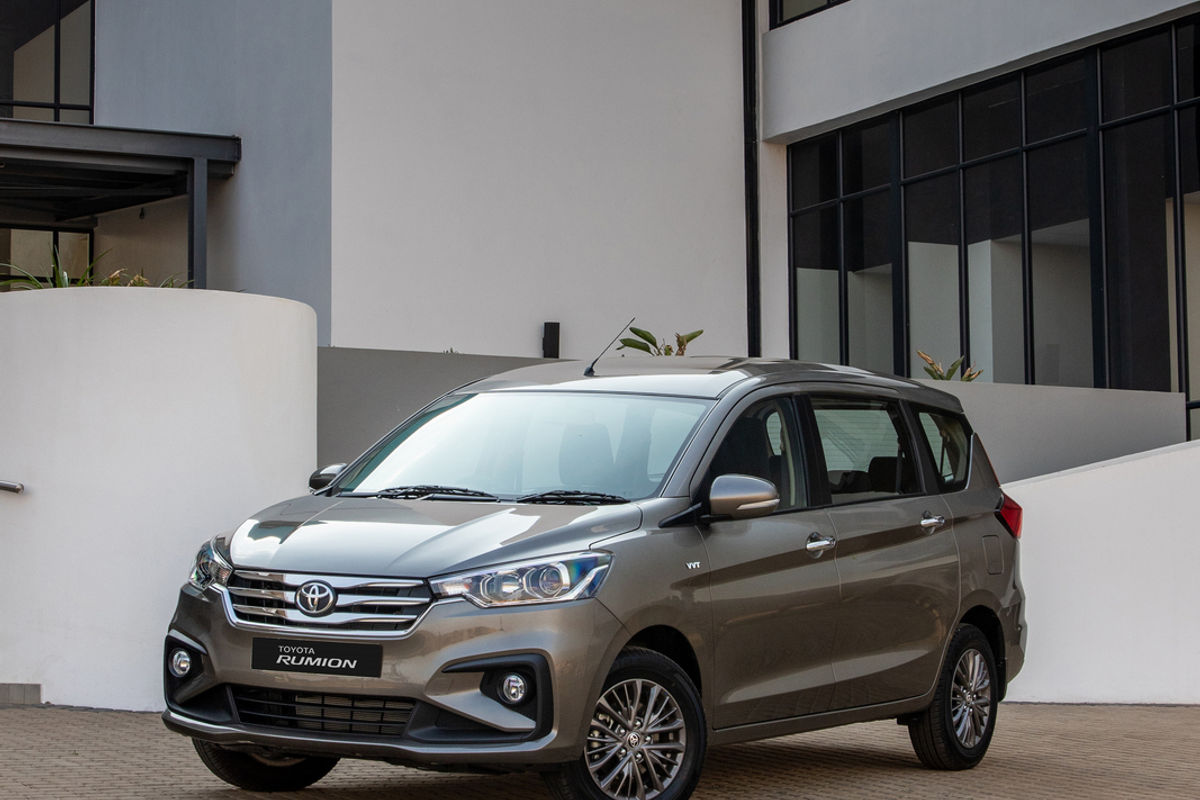
Toyota Corolla Cross static
The Corolla Cross looks bigger in the metal, much closer to RAV4 size than expected.

Another week, another new crossover – and another newcomer that’s looking to wolf down as much of the SUV pie as possible. The Corolla Cross is Toyota’s latest effort and essentially fills the gap between Urban Cruiser and RAV4, although it might ultimately cannibalise some of those models’ sales; it’s less compromised than the former (in terms of packaging/practicality) and significantly more affordable than the latter. It’s also built locally, including hybrid derivatives, making it quite an affordable option if you’re in the market for something bigger than an Urban Cruiser but smaller than a RAV4.

Read our launch review drive of the Corolla Cross from November 2021 here

As mentioned before, it has a petrol-electric hybrid powertrain, but most derivatives are powered by a conventional 1.8-litre petrol engine and there are 3 trim levels: Xi, XS and XR. 

Check out our specs and pricing article here.

Corolla Cross drive

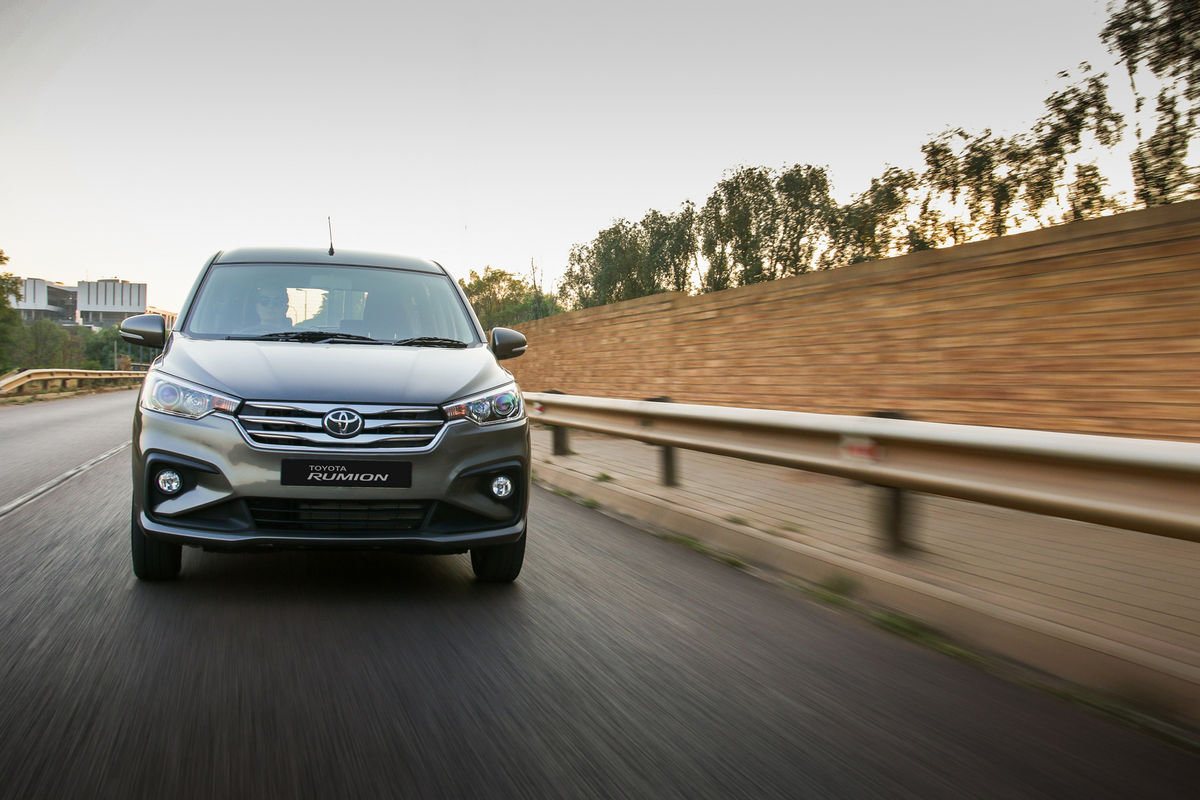
Toyota Corolla Cross drive
We tested the cars at altitude which hampers performance but they still felt adequate.

A pre-launch drive doesn’t entail doing a lot of mileage – in fact, we were restricted to driving on the Mountain Pass loop of the Gerotek vehicle testing facility. I must have completed hundreds of laps on that particular course over the years (while testing category finalists for the annual Cars.co.za Consumer Awards), so I know how different types of cars tend to handle over its concreted, lumpy surface.

The Corolla Cross is based on the TNGA platform, which also underpins the C-HR, Prius and new Corolla (I say new, it’s about 15 months old now). The platform is renowned for facilitating a comfortable and composed ride quality and particularly good NVH (noise, vibration and harshness) suppression, in other words – a quiet cabin ambience. The South African-built Corolla Cross retains all those familiar TNGA qualities; the newcomer’s only really challenged by some of the hard-hitting drops and sharp crests… and those are elements you’re unlikely to encounter on the daily commute.

The steering feels a little light, but the Toyota SUV/Crossover changes direction relatively well with an acceptable amount of body roll.

I suspect that in its role as an everyday runabout and family vehicle, the Corolla Cross will suit its target market (buyers who aren’t particularly fussed about handling or communicative steering) rather well.

Are the engines up to scratch?

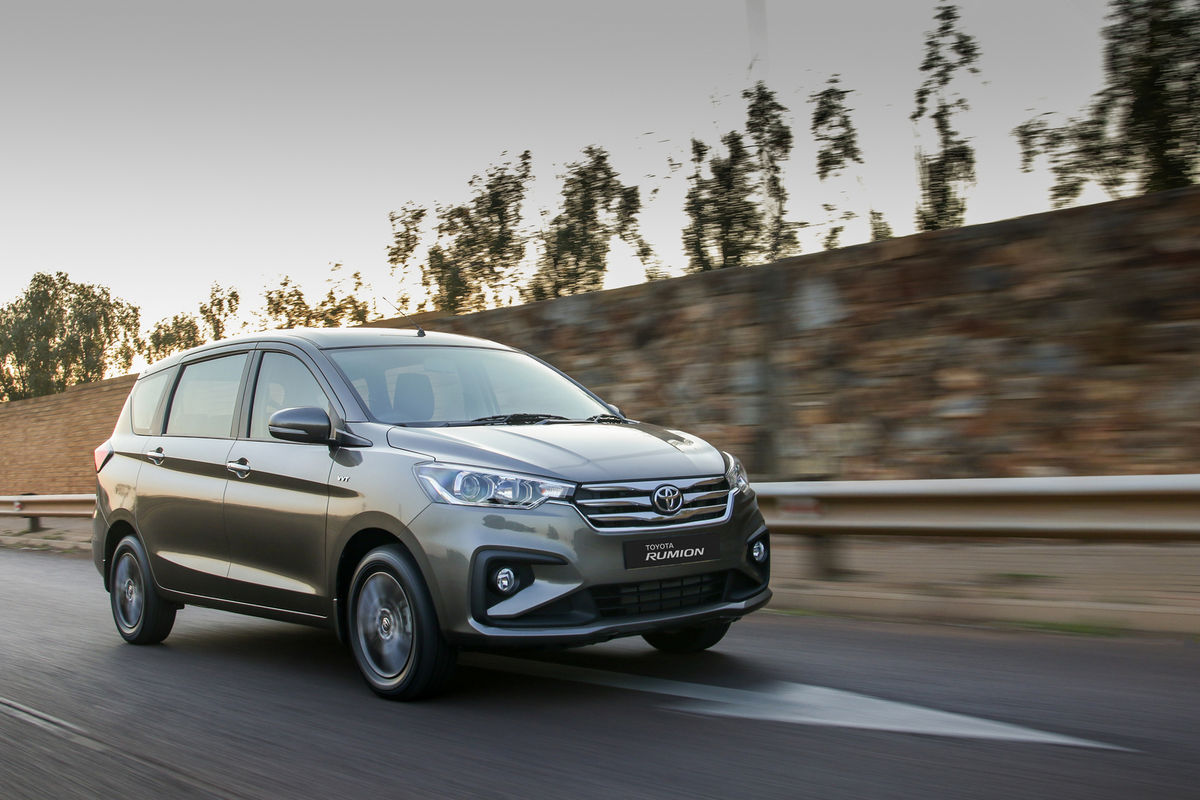
Toyota Corolla Cross front
It will be interesting to see if buyers opt for the hybrid model over the standard petrol model.

Gerotek is located about 1 400 metres above sea level so altitude plays a factor in the performance delivery of the engines (it reduces the effectiveness of non-turbo engines by around 14%). I had a chance to drive both 1.8-litre petrol and the 1.8-litre petrol-electric hybrid versions of the model. Are the naturally-aspirated motors up to the task of propelling the Corolla Cross’ body with reasonable vigour?

Yes, indeed. The petrol engine produces 103 kW/173 Nm and works in conjunction with a 7-step continuously variable automatic transmission. The 1.8-litre scaled Gerotek’s steeper inclines of the mountain track without difficulty and held 120 kph with ease (on flatter sections), but the non-hybrid derivative may struggle to duplicate that level of performance when fully loaded with passengers and luggage.

The petrol-electric hybrid (with a similar powertrain to the Prius and Corolla Hybrid) felt appreciably more willing to accelerate once up to speed. Its power unit (a combination of a 1.8-litre petrol engine and an electric motor) produces an aggregate of 90 kW and appears to have better mid-range torque (there’s no combined figure, but the petrol motor produces 142 Nm and the electric motor 163 Nm).

What’s more, both versions should prove to be quite fuel-efficient… Toyota claims average consumption figures of 6.8 L/100 km for the 1.8 derivatives and 4.3 L/100 km for the hybrids (all of which have continuously variable automatic transmissions). When the Corolla Cross official launch takes place in a few weeks’ time, we’ll get a better idea of what it’s like under load and in normal traffic conditions.

What’s the Corolla Cross like inside?

Toyota Corolla Cross interior
The interior is a copy from the new Corolla and at R400k is quite a luxurious offering.

If you’ve seen the new Corolla sedan’s interior then the Corolla Cross’ cabin is a replica of that. I prodded around the cabin fairly vigorously (in an attempt to find evidence of loose panelling or iffy build quality), but the fit-and-finish seemed solid. There is a satisfactory mix of leather and plastic surfaces, which all feel substantial. At this price point, the Toyota appears quite fancy inside, luxurious even.

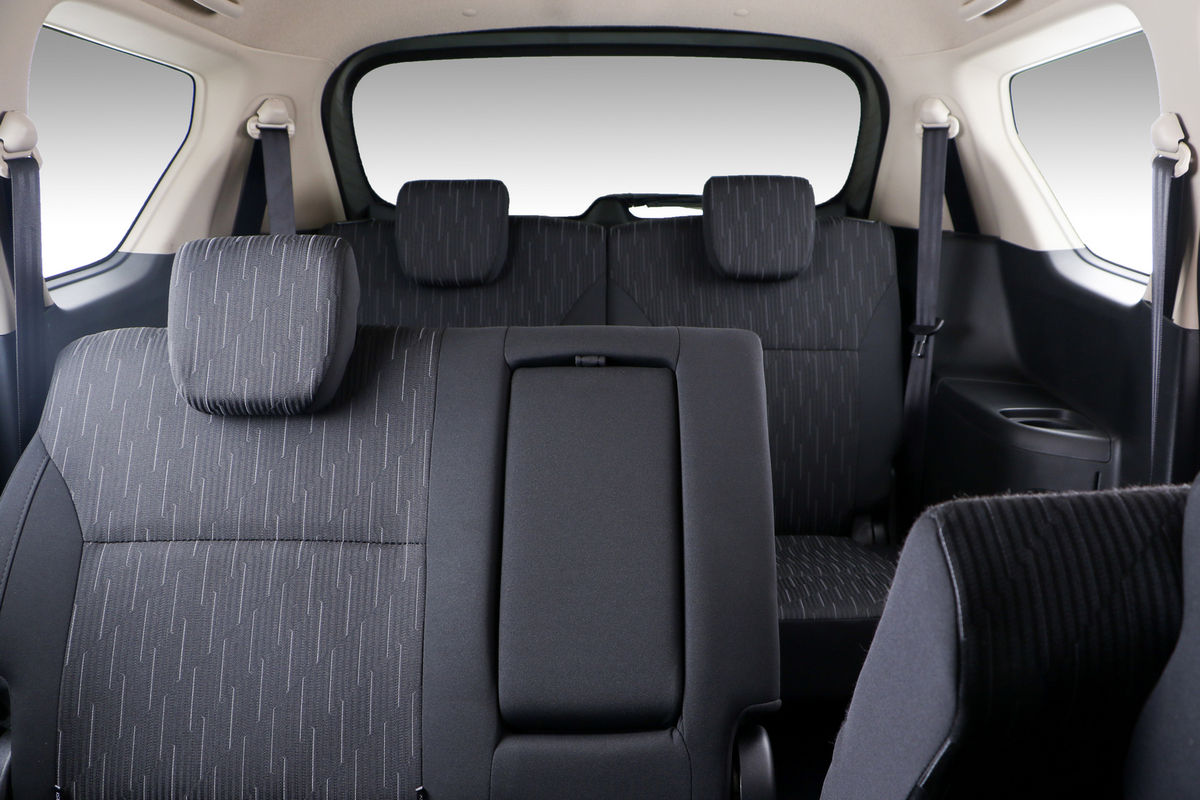
The load bay looks capacious and the retractable luggage cover is much easier to live with than a cumbersome shelf that ends up sitting in your garage every time you want to load large items into the car.

There’s a USB port in the front, and on the XR derivatives, 2 in the rear – as well as air vents for the aft passengers. The infotainment screen in the XS and XR versions are compatible with Apple Carplay and Android Auto. I also noticed a wireless charging pad in two of the cars, but apparently that feature will be sold as an optional extra. Toyota says it intends to offer a few more options than usual for the Corolla Cross, which we’ll find out about at the formal media launch; the newcomer could include features such as a head-up display and various (optional) exterior accoutrements. 

The XR derivatives (which start at R425k) will feature the impressive Toyota’s Safety Sense package, which includes adaptive cruise control, blind-spot monitoring, lane trace assist and a pre-collision system.  

Final thoughts

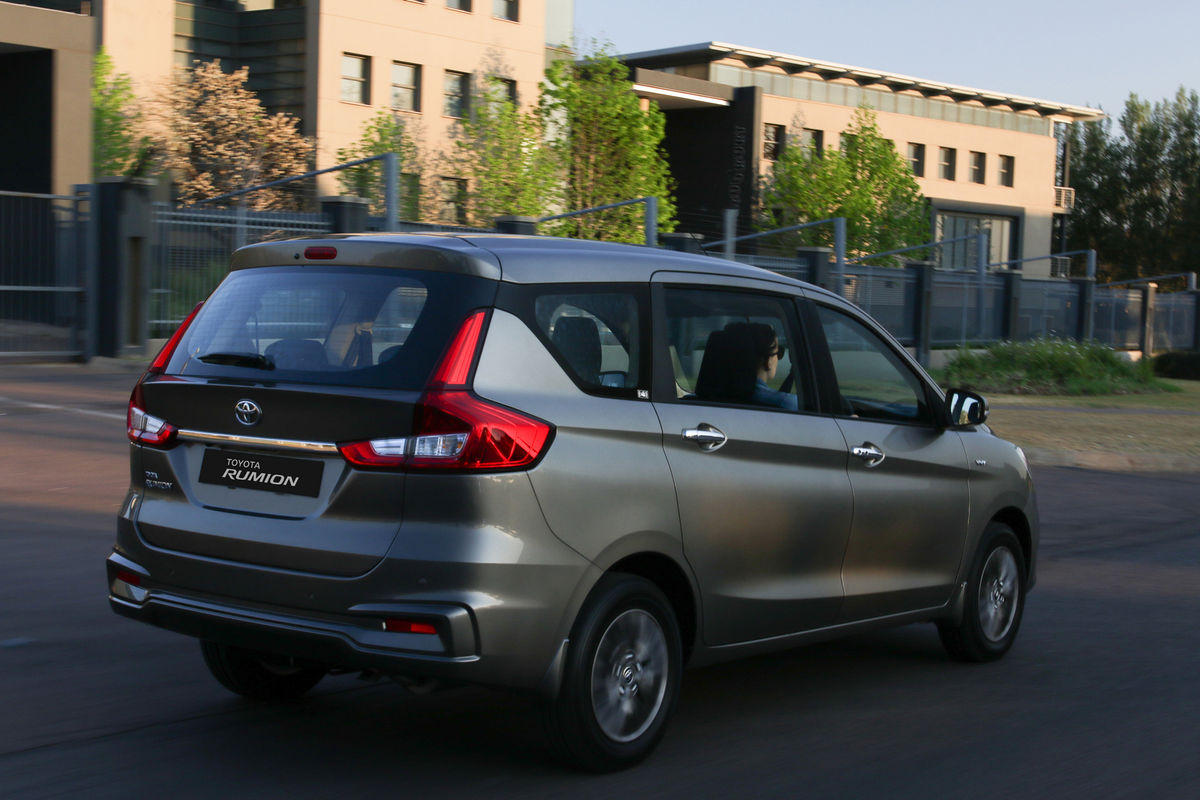
Toyota Corolla Cross test
The Corolla Cross is likely to be a big hit for Toyota SA.

I think this Corolla Cross is going to be a hit for Toyota. It sits in a segment that is growing rapidly in South Africa and it’s bound to snaffle sales from models that are positioned directly above and below it. With the right interior specification and a price-point that appears to offer good value for money (when family cars’ asking prices seem to be sky-rocketing north of R500k), it seems like a winner to me. 

The newcomer’s powertrains might not be quite as lively as those of some of its competitors, but the Corolla Cross might actually turn people on to hybrid models (at R413k, the 1.8 Hybrid XShybrid is the nation’s most affordable petrol-electric new car), which could well be a step in the right direction as the inevitable electric car wave heads our way.

Related content:

Toyota Corolla Cross (2021) Specs & Price Announced

Haval Jolion (2021) Review

Hyundai Creta (2021) Review

Kia Seltos (2020) Review

New Kia Sportage: 6 Cool Things

It’s very likely that Kia will introduce its 5th-generation Sportage in South Africa next year and, apart from the new model’s revolutionary styling, the range will probably offer more diversity than the current line-up, including ­– potentially – a petrol-electric hybrid version.

While most of the (mostly electric) vehicles that were exhibited at this month’s IAA Mobility show in Munich weren’t of immediate significance to the South African market, the new NQ5-generation Kia Sportage was a notable exception. In short(ish)-wheelbase guise (for the European market) and clad in head-turning GT-Line trim, the Slovakian-made Sportage shown here is closer to what we’ll get in Mzansi than the longer version that was unveiled earlier this year, which is destined for the Asian, Australasian and North American markets.

1. (We’ll) Get Shorty

Kia South Africa sources its Sportage units from the Korean brand’s Slovakian factory and that should remain the case with NQ5. Whereas Kia units destined for our shores have traditionally been “general market” spec (especially pertaining to some engines), a Kia SA spokesman has confirmed that the firm is homing in on the European version of the model.

The new Sportage is based on Hyundai Kia’s N3 platform (which is better optimised for electrification), but the European version is stubbier than its sibling. It measures 4 515 mm in length, 1 865 mm in width and 1 645 mm in height, while its wheelbase is 2 680-mm long. The other version has a 75-mm longer wheelbase, gains 145 mm in overall length and is slightly taller, while offering 52 mm more rear legroom and 46 litres of extra luggage space.

Nonetheless, the (ostensibly SA-bound) Sportage is notably bigger inside (including its load bay) than its predecessor; Kia claims the newcomer “leads the way in legroom, headroom and luggage (space)” in its segment, with 996 mm of legroom and 998 mm of headroom available for 2nd-row passengers, combined with a 591-litre load-bay capacity, which expands to 1 780 litres’ utility space when the family car’s 40:20:40 split rear seatback is folded flat.

2. GT-Line and other trimmings

Much has already been written about the arresting styling of the 5th-generation Sportage – the 2nd Kia to incorporate the firm’s expressive new “Opposites United” design language.

Styling-wise, the European-market Sportage’s altered dimensions result in the omission of its longer sibling’s 3-quarter light (substituted by a triangular pane next to the rear window) and a narrower C-pillar, but it’s the GT-Line exterior execution that really catches the eye. It incorporates sportier black “chicken-wire” mesh in the grille and front apron, complemented by gloss black wheel-arch trims, side-mirror caps and the blacked-out A-pillars and roof.

In previous years, the GT Line would have been of little to no consequence to the South African market, but since the introduction of the current Sportage, Kia SA has introduced a range-topping GT-Line version of the Seltos compact family car and the upcoming 1.0-litre 3-cylinder turbopetrol version of the Sonet may sport a GT-Line execution too. Therefore, it is not inconceivable that the new Sportage will be offered with GT Line trim in Mzansi…

Depending on the derivative and trim line, the new Sportage rides on 17-inch, 18-inch or range-topping 19-inch wheels, with a choice of 6 alloy designs in various colours and finishes.

3. Curved (screen) for your pleasure

The new Sportage’s driver-orientated cabin is dominated by a curved display panel that incorporates a 12.3-inch digital instrument cluster and a 12.3-inch infotainment touchscreen. Whereas these elements have been moved closer to one another in recent designs, this marks the first time Kia has combined them in a Mercedes-Benz-like “Widescreen Cockpit” way.

The sculpted display panel, which sweeps across the front of the interior, gives the cockpit dramatic width/depth and it’s book-ended by distinctively shaped ventilation outlets. A slim, rectangular climate-control console is positioned in the middle of the fascia and below it, the Korean marque has fitted a charging bay that supports high-speed 15W wireless charging.

Apart from offering access to various onboard functions, the infotainment system supports over-the-air software and -map updates, as well as Kia Live Services, online navigation and -voice recognition, plus smartphone-calendar integration. What’s more, a user can connect with their Sportage remotely via the Kia Connect app to check that the vehicle has been locked and that its windows are closed… or find out where they last parked their vehicle!

Finished in piano black trim, the centre console provides cupholders and ample storage, while the L-shaped raised central control console features soft-touch switches (for seat and steering- wheel heating), an engine start/stop button and a shift-by-wire transmission dial. Another nifty touch is the integrated hanger-type protrusions located at the backs of the Sportage’s slim front-seat headrests, which allow clothing or bags to be conveniently hooked into place.

Lastly, Kia claims a Harman Kardon audio system (which we’d wager will be optional!) delivers “a fully immersive, in-car surround sound” to the occupants of the new Sportage.

4. Adaptive suspension & off-road modes

By virtue of being based on Hyundai Kia’s new N3 architecture, which also underpins the respective Korean brands’ larger Sorento (MQ4) and the facelifted Santa Fe (DN8) models, the 5th-generation Sportage incorporates a couple of premium vehicle systems for the first time… 

The first is a new electronically controlled suspension that “provides optimum comfort and superior safety levels at all times thanks to its continuous damping control in real-time.”

Derivatives equipped with all-wheel drive, meanwhile, feature a Terrain Mode, which automatically adjusts the Sportage’s powertrain settings to suit prevailing road conditions and incorporates Snow, Mud and Sand modes. When Terrain Mode is not active, however, the Sportage defaults to Drive Mode (drivers can toggle between Comfort, Eco or Sport settings).

5. Be DriveWise, people!

Over and above the expected passive and active safety systems (including dual front-, side-, curtain airbags – plus a front-seat centre ‘bag), the NQ5-generation Sportage is equipped with Advanced Driver Assistance System (ADAS) technology – also known as DriveWise.

This section may not be of major significance to the local market, because advanced safety systems tend to add significantly to the landed costs of imported vehicles – to the detriment of affordability, which is why local compact and family cars tend to be sparingly equipped with these systems, but it’s worthwhile to take note of what the new Sportage could offer.  

As part of its DriveWise ADAS package, the new Sportage features Forward Collision-Avoidance Assist System (with Junction Turning functionality) and navigation-based Smart Cruise Control (NSCC), which helps the Sportage to maintain safe speeds by using real-time navigation data. It can, for example, automatically reduce the vehicle’s speed before curves and, when the freeway straightens, reset the speed limit to the original level. The associated Highway Driving Assist (HDA) enables the Kia to maintain a set distance and speed from the traffic it’s following – and to stay centred in its lane.

To make lane-changing manoeuvres easier, a Blind-Spot View Monitor (BVM) displays a real-time rear-side camera view of the Sportage in its digital instrument cluster. However, if the system detects a risk of collision, a new Blind-Spot Collision-Avoidance Assist (BCA) system will provide a warning to the driver. If the driver ignores the warning (and the risk of a collision increases), the BCA will actively intervene to help the driver avoid a collision.

Meanwhile, Remote Smart Parking Assist (RSPA) helps the driver to remotely park the Sportage or exit a parking spot from outside the vehicle. When parking manually, the driver can, of course, utilise the Rear-View Monitor (RVM) and Surround View Monitor (SVM).

6. Wide engine range; hybrid possible

The current Sportage offers a wide range of derivatives (9) in the new vehicle market and the successor looks set to continue that trend – and perhaps diversify into electrified versions.

On the petrol side, the current model line-up includes 1.6- and 2.0-litre naturally aspirated 4-cylinder motors, but although the 2.0-litre MPI (115 kW/192 Nm) engine seems to be earmarked for Asian, Australasian and North American markets, the “European” Sportage is powered by a 1.6-litre TGDI turbopetrol engine that develops a maximum of 132 kW and 265 Nm of torque and can be combined with a mild-hybrid (MHEV) system. The 1.6 TGDI is paired with either a 7-speed dual-clutch automatic transmission or a 6-speed manual ‘box.

Ivana Jandreska – Kia Europe’s product marketing manager – introduces the new Sportage

It also appears the current 2.0-litre diesel (131 kW/400 Nm) has been succeeded by a 1.6-litre “clean diesel engine” available with 85 kW or 100 kW (with MHEV) peak power outputs. The 1.6-litre diesel variants – with or without the additional MHEV tech – can be paired with either a 6-speed intelligent manual transmission (iMT) or the 7-speed automatic transmission. If the proven 2.0-litre turbodiesel is no longer available to our market, there’s a chance the local line-up of the new Sportage may be exclusively petrol-fed, but perhaps with a twist.  

Toyota SA recently introduced the first petrol-electric derivative in the SA family-car market and, coincidentally, the new Sportage is now available in hybrid and plug-in hybrid guises.

The hybrid Sportage (HEV) combines the aforementioned 132-kW 1.6-litre TGDI turbopetrol engine with a 44.2-kW permanent magnet traction electric motor and a 1.49-kWh lithium-ion polymer battery. The HEV produces a total power output of 169 kW and, crucially, its battery pack is positioned under the 2nd row, which means there is no reduction in rear legroom.  

The more complex – and probably prohibitively expensive – plug-in hybrid Sportage (PHEV) Sportage, in turn, combines the 1.6-litre T-GDI engine with a 66.9-kW permanent magnet traction electric motor and a 13.8-kWh lithium-ion polymer battery pack to produce 195 kW.

The PHEV’s high-voltage battery is placed centrally between the vehicle’s axles and features a high-tech management unit that constantly monitors the state of the battery, including factors such as current, voltage, isolation and fault diagnosis. What’s more, it also has an advanced cell monitoring unit that measures and monitors cell voltage and temperature.

While it remains to be seen whether the Sportage HEV will make an appearance in Mzansi, all new Sportages come equipped with Kia’s emissions-reducing Idle Stop-and-Go technology.

Okay, when will it arrive in SA?

Kia SA’s official line is that it is “considering” the introduction of the NQ5-generation Sportage, but we predict that the Korean family car is likely to debut in Mzansi during the first half of 2022, provided the semiconductor shortage doesn’t delay the launch, of course.  

Related content:

Toyota RAV4- & Corolla Hybrid (2021) Specs & Price

Volkswagen Tiguan (2021) Launch Review

Full reveal: All-new Hyundai Tucson

Mazda CX-5 Updated for 2022

Mahindra Pik Up Karoo Dusk (2021) Specs & Price 

Mahindra is offering a limited edition Pik Up Karoo Dusk to South African buyers. See specification and pricing details below…

The Karoo region in South Africa is not only home to sheep and goats, but the terrain is also ideal for 4×4 vehicles such as the Mahindra Pik Up. In fact, Mahindra has taken inspiration from this beautiful landscape and created limited-edition offerings such as the popular Pik Up Karoo and now the latest Pik Up Karoo Dusk. 

The Pik Up Karoo Dusk S11 Automatic uses the S11 Pik Up Automatic as its starting point.   

“The Karoo has a special place in South African culture. It is simultaneously known for its hard and unforgiving landscape and the openness of its hard-working inhabitants. That is what inspired us with the creation of the original Pik Up Karoo. Now we are stepping it up with the S11 Karoo Dusk, which is both stunning to look at, and ready for anything the road can throw at it,” says Rajesh Gupta, CEO of Mahindra South Africa.

Mahindra Pik Up Karoo Dusk – Key Features

Mahindra Pik Up Karoo Dusk
With an uprated suspension, the Pik Up Karoo Dusk is more capable than a standard Pik Up. 

Perhaps the most useful offroad feature of the Pik Up Karoo Dusk is its uprated suspension system which includes heavy-duty gas-filled offroad shock absorbers as well as heavy-duty, custom leaf springs and new suspension bushes which contribute to enhanced performance when driving over harsh terrain. 

The Pik Up Karoo Dusk is wrapped in a hard-wearing matt black film that sets it apart from the rest of the Pik Up range. 

The Pik Up Karoo Dusk is also equipped with a colour-coded sports bar on the load bin, side-mounted steel steps, over fenders and roller shutter. Dark blue decals with an acacia tree seen in the Karoo logo complements the dark theme. A set of black 16-inch alloy wheels with silver detailing comes shod with General Tire mud-terrain rubber and adds purpose to the rugged design of the Pik Up Karoo Dusk. 

Offroad bumpers are also fitted. The rear bumper can be used as a heavy-duty step with a non-slip diamond plate as well as mounting points for a high-lift jack, recovery hoops and a tow bar. The front bumper has a powder-coated steel bush bar to protect the headlights and LED spot lamps, recovery loops and jack mounting points are also present. 

As for the interior, key features include a touchscreen infotainment system with a reverse camera, Bluetooth phone connectivity and Apple CarPlay and Android Auto capability. Cruise control, climate control, a multi-function steering wheel and electric windows is also standard. 

The Pik Up Karoo Dusk is powered by the familiar 2.2-litre turbodiesel engine with 103 kW and 320 Nm of torque which is mated with a 6-speed automatic transmission. 

How much does the Mahindra Pik Up Karoo Dusk cost in South Africa? 

Mahindra Pik Up Karoo Dusk – R549 999

A 4-year/120 000km warranty and 5-year/90 000km service plan is standard. 

Buy a Mahindra Pik Up on Cars.co.za

Related Content 

Mahindra Pik Up 2.2CRDe S11 4×4 Auto (2020) Review

Fastest Double-Cab Bakkies in South Africa (2021) https://www.youtube.com/embed/PdnG7Dm4Eis?rel=0

Jeep leaks new Grand Cherokee

A new look for Jeep’s premium product which is due for imminent reveal

Jeep’s Cherokee L has been a breakthrough vehicle for the American SUV brand.

Designed to offer true three-row seating, a luxurious cabin architecture, and prodigious off-road ability, the Grand Cherokee L has enabled Jeep to compete with Ranger Rover. But what if customers don’t require the three-row seating or the reduced straddle angle of that long wheelbase platform?

Jeep is due to redress this issue soon, as a leak of its updated Grand Cherokee indicates a pending new variant reveal.

The restyled Grand Cherokee features a similar facade to its long wheelbase sibling, with the new minimalist Jeep grille.

Although there is no side image, expect the new Grand Cherokee to have more purposeful proportions, thanks to its shorter wheelbase.

Without the need for accommodating adults in a third row of seats, the new Grand Cherokee also features a slimmer aft glasshouse with a floating C-pillar.

Technical details have not been confirmed, but the new Grand Cherokee should mirror all the powertrain options currently available in the L. That should tally the dependable 3.6-litre V6 petrol engine, powering to 216 kW and 348 Nm.

Jeep remains committed to the V8 engine configuration, and the 5.7-litre Hemi should appease fans of big atmospheric engines, with 266 kW of power and 528 Nm of torque.

The new product might help Jeep’s global luxury SUV ambitions by adding a hybrid drivetrain. Large SUVs are now severely taxed in many markets, and having a lower CO2 hybrid powertrain can reduce the potential ownership burden.

Jeep has shown that it can engineer hybrids despite being committed to atmospheric and supercharged V8 engines as a solution to most of its large platform powertrain issues.

The company revealed a Wrangler 4xe earlier this year, using a turbocharged 2-litre petrol engine, and two electric motors. Total system power is rated at 280 kW and with 673 Nm of torque, this could be both the most potent and sensible new Jeep to own.

Further Reading

Jeep reveals updated Compass

Jeep confirms Cherokee L is coming to SA

Rad Takes Toyota Hilux To Next Level

This extreme-looking Toyota Hilux is the creation of a Thailand-based tuner and we’re in love.

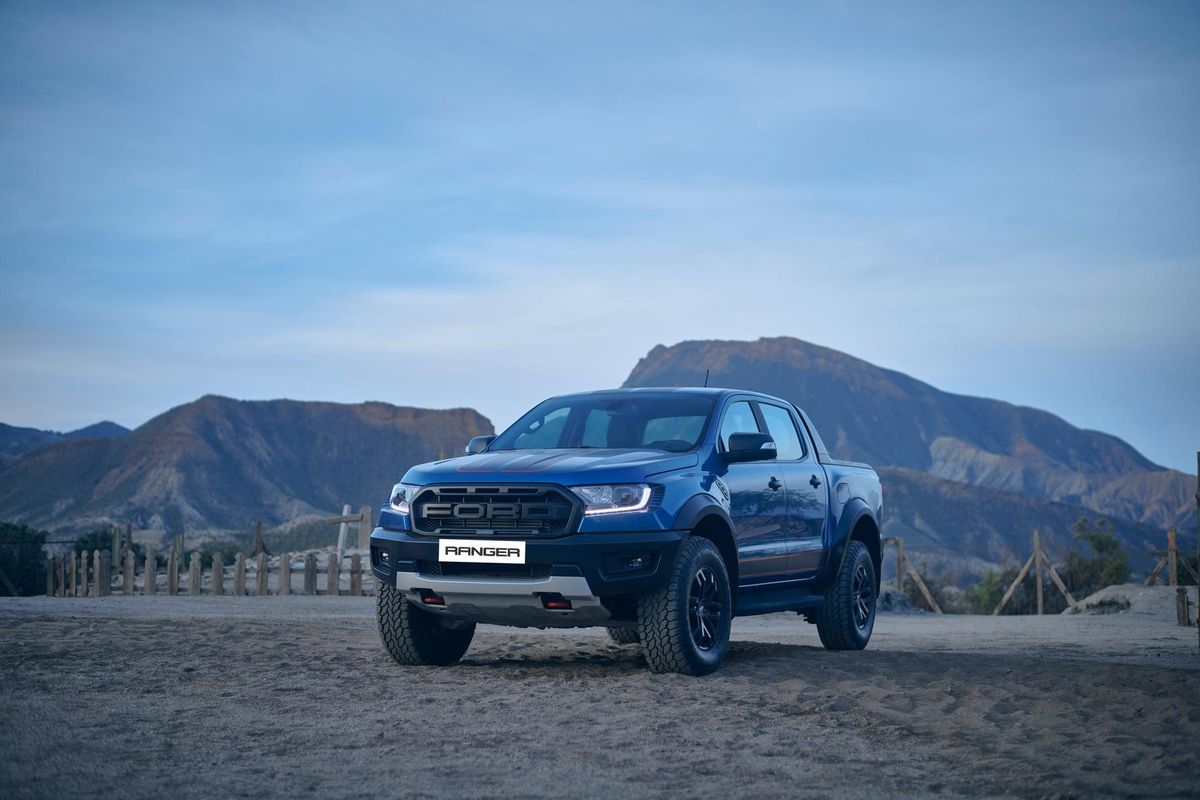
While we wait anxiously for Toyota to make a worthy rival to the cool and capable Ford Ranger Raptor, many tuners have filled the gap with their own creations.

Like South Africa, Thailand also has a fanatical passion for bakkies and there are plenty of custom shops catering for a rapidly growing market that all want extreme versions of their double-cab bakkies.

What you see here is the creation of a company called Rad Bumper who specialise in making extreme and capable version of the Toyota Hilux.

While product specifics were not mentioned, one glance at these photos gives you some idea of the extensive work that has gone into converting your run-of-the-mill Hilux into this mega machine. There are massive front and rear wheel arches, additional front lighting, an aggressive front bumper and we can see offroad-specific tyres.

The vehicle has also been given a heavy-duty offroad suspension and there’s a new bonnet complete with performance air intake. Finally, there’s plenty of aftermarket decals.

There’s no mention of any engine enhancements, so it’s fair to assume the excellent 2.8-litre 4-cylinder GD-6 with 150 kW and 500 Nm is on duty.

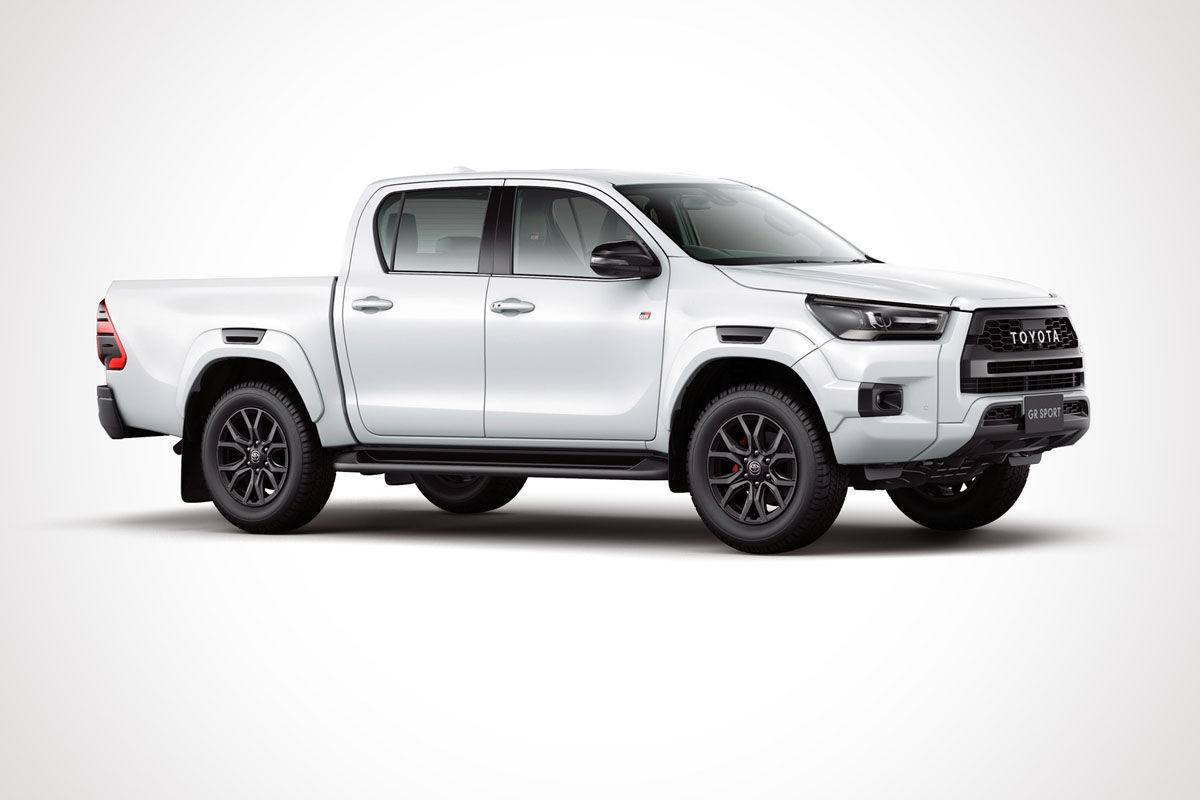
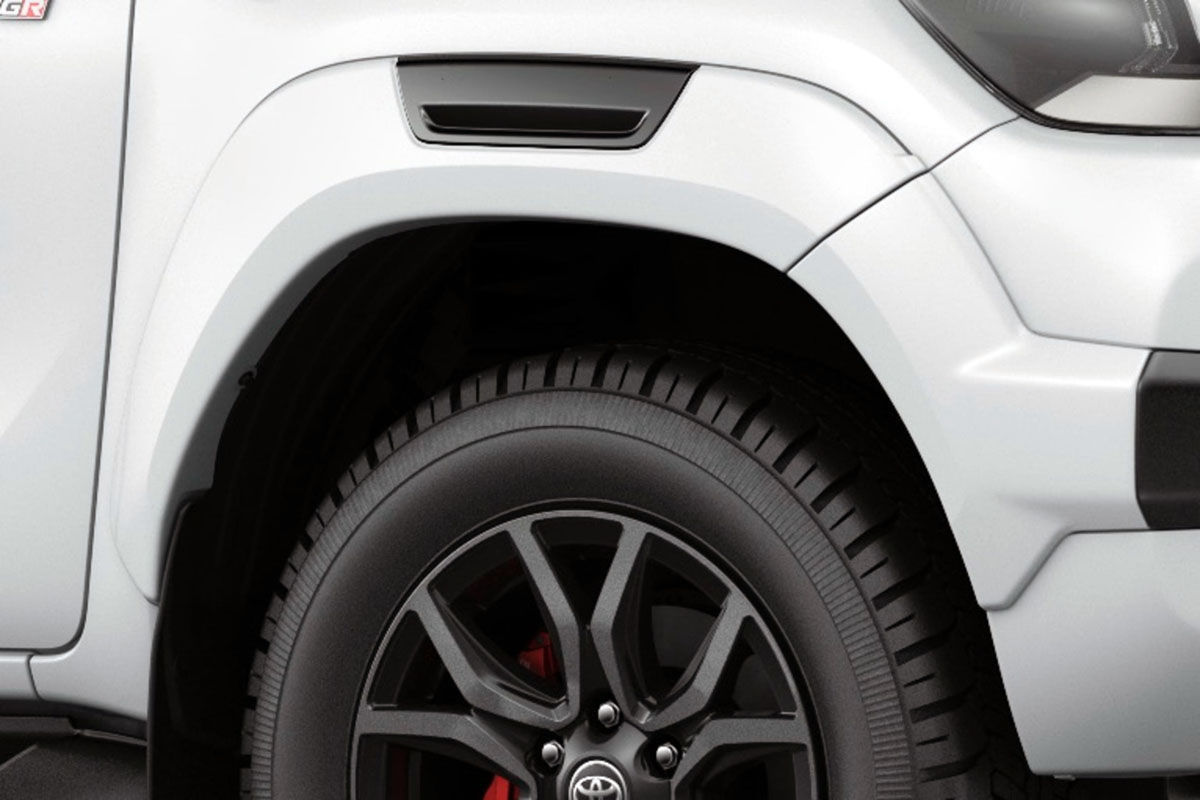
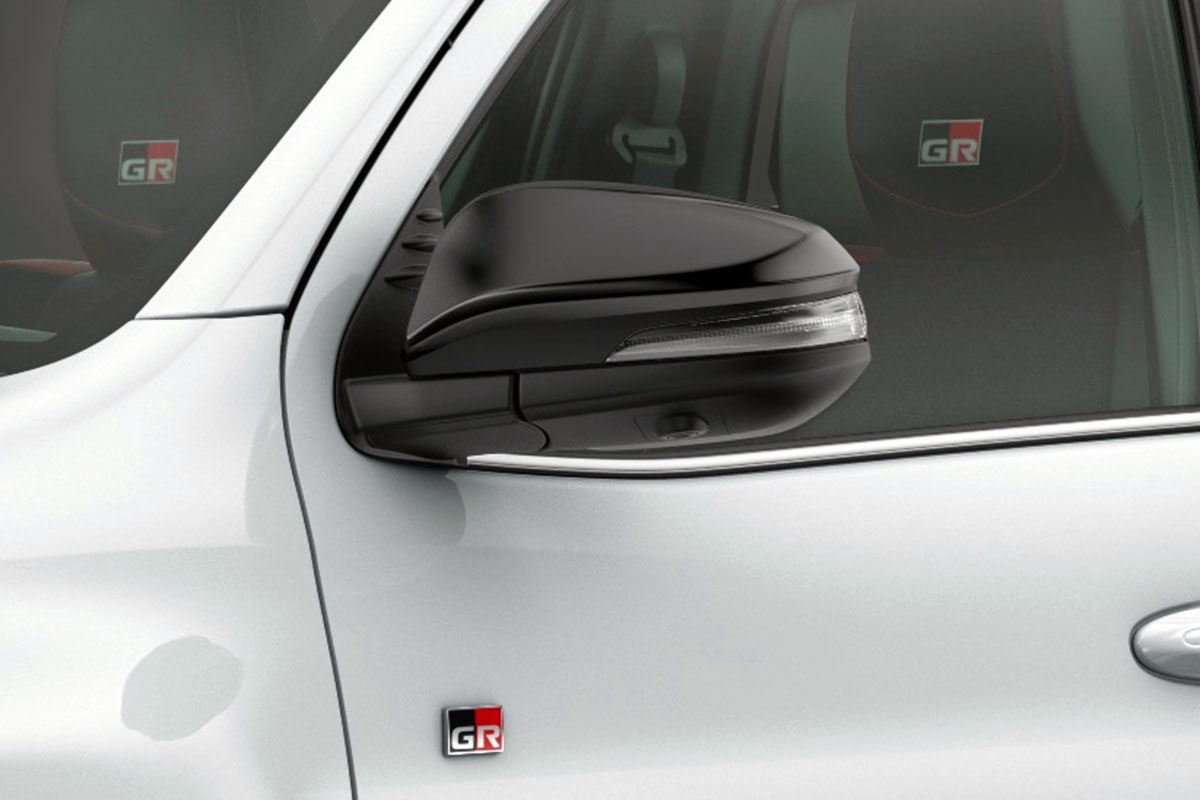
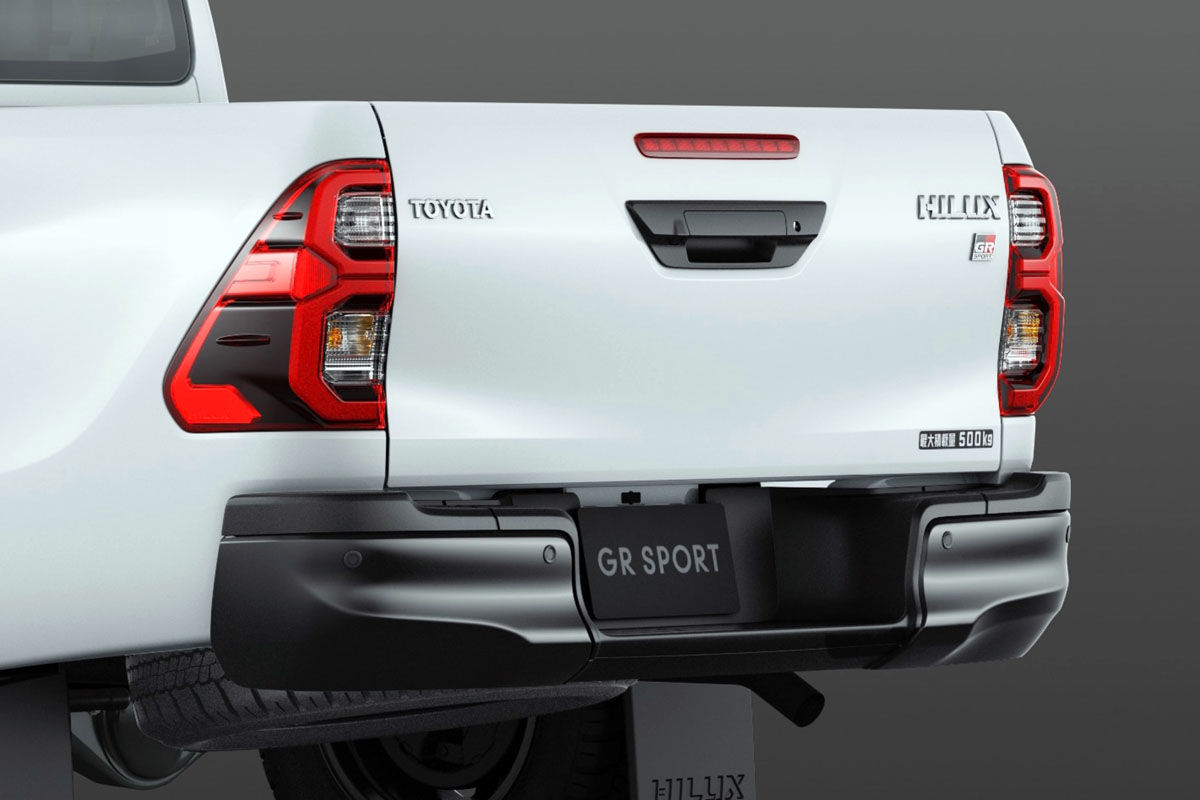
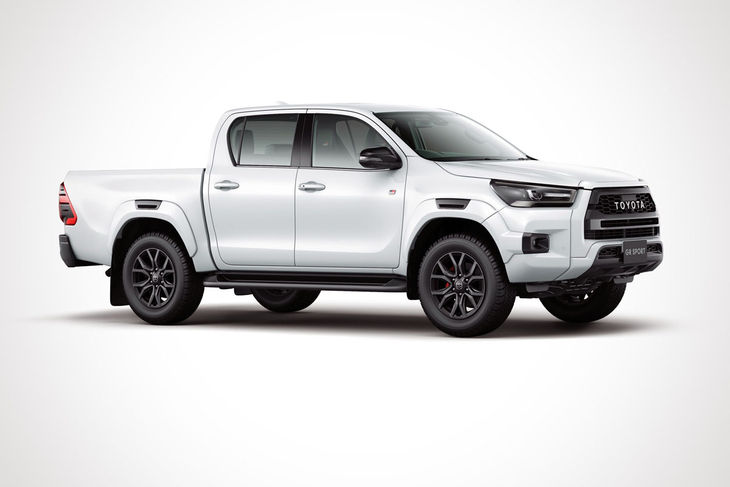
Will Toyota ever make a performance bakkie to rival the Ford Ranger Raptor? This has been a question asked many times and while we know a GR Sport Hilux is due soon, it’s more an enhanced version of the standard Hilux with sportier suspension than an outright performance offering. There are rumours of a GR Hilux coming, complete with the all-new Land Cruiser’s V6, but we’ll have to wait and see.

With an all-new Ford Ranger and Volkswagen Amarok due in 2022, we’re in for an exciting time in the world of bakkies!

Toyota Hilux

Further Reading

GR Hilux with V6 power

Hybrid Hilux must happen

Mini Hatch (2021) Launch Review

We recently attended the local launch of the facelifted Mini Hatch. Although the changes that the Oxford-based brand made to the range were mostly cosmetic in nature, we were eager to find out whether the British hatchback and its soft-top variant had retained their fun-to-drive character and non-conformist appeal…

It was quite apt that Mini hosted the media introduction of the updated Hatch and Convertible on Heritage Day. Mini is steeped in history and although some detractors say the brand has lost some of its “Britishness” since becoming part of the BMW Group, the fashionable marque is undeniably in a very good space. The extended range even includes an EV derivative, so customers are spoilt for choice.

There’s the One – a modestly appointed Hatch that represents a relatively affordable entry point to the brand, which is followed by the Cooper and Cooper S (available in 3- and 5-door guises), as well as the fiery John Cooper Works (JCW). Then there is a couple of Convertible derivatives (Cooper and Cooper S); they appeal to the sunseekers among us. Mini SA has also introduced a slightly updated SE electric derivative… its price tag (in excess of R600k) may seem quite steep for a compact car, albeit a luxurious one, but it remains the new vehicle market’s most affordable BEV (battery electric vehicle).

What’s New in the Mini Hatch?

Mini Hatch

From an exterior styling point of view, the Mini Hatch range has been given a nip and a tuck, with revised front-end styling, LED indicators, gloss-black detailing and new alloy wheel designs, plus customers have a choice of 3 new colours, as well as the option to order a multitone roof finish. In terms of detailing, LED headlights are now standard, as are the cute Union Jack-themed LED taillights.

Inside, the cabin has been upgraded with an all-new multifunction ‘wheel – replete with redesigned buttons – and a larger 8.8-inch infotainment touchscreen with new-look software; a refreshingly simple digital instrument panel (lifted straight from the Countryman model) is fitted to Cooper S derivatives. What’s more, there are some minor design revisions to some of the interior surfaces and the air vents.

Some under-the-skin changes include the option of specifying an enhanced adaptive suspension system that employs continuous frequency-selective damping to deliver a more balanced ride/handling balance. Meanwhile, an electronic parking brake, active cruise control with stop-and-go functionality, lane departure warning have all made their debut in this updated Mini Hatch range.

What’s the updated Mini Hatch like to drive?

We had opportunities to put both the Cooper and Cooper S through their paces on a variety of road conditions. Although the Cooper S is arguably no longer the focused hot hatch it once was, its 2.0-litre 4-cylinder turbopetrol develops a spritely 141 kW and 280 Nm. With power directed to the front wheels (of course) via a 7-speed dual-clutch automatic transmission, performance is energetic, if not explosive.

Depending on which drive mode is engaged, the S’ performance ranges from competently adequate, to quite eager, with Eco dialling the responsiveness back a tad to favour fuel efficiency. Even when it’s not in its sportiest mode, the Mini’s 2.0-litre turbopetrol motor delivers enthusiastic in-gear acceleration, with plenty of urge from low rpm.

We did miss steering wheel-mounted shift paddles on our test unit, but understand that they’re available as an optional extra (for an additional R3 400). We also missed the trademark pops and bangs that previous generations of the Cooper S emitted from their dual exhaust tips… they were subtle reminders of what a charming and fun little car the S is. Hm, just another reason to save up for a JCW? 

The Cooper’s 1.5-litre 3-cylinder turbopetrol motor, meanwhile, produces 100 kW and 220 Nm, also in combination with a dual-clutch automatic transmission. With this 3rd-generation New Mini, Cooper owners have never needed to feel short-changed if their budgets couldn’t quite stretch to Cooper S territory… The 1.5’s driving experience is sufficiently fun, courtesy of eager, energetic power delivery.

Thanks to a combination of a short wheelbase, sporty suspension- and well-calibrated steering setup, the Mini Cooper and Cooper S are a delight to drive briskly, their powertrain calibrations encourage enthusiastic driving and offer more than enough driver engagement. “Driving fun” seems to be low on some manufacturers’ priority lists these days, but brands like Mini do a fine job of keeping it alive…

The best part is you don’t even need to drive the Cooper and Cooper S to their limits to enjoy the driving experience. They deliver loads of smiles at perfectly legal speeds and, when you want to drive spiritedly on squiggly country roads, grin-inducing cornering. We also appreciate that while the new Mini Hatch is marketed as a youthful product, its cabin offers more than a few premium touches…

Our launch route comprised stretches of the national highway, as well as urban roads. As far as ride quality is concerned, all Mini Hatch derivatives’ suspensions tend to be very firmly sprung – at least they were – because things have improved over the years. The launch units we drove were shod with low-profile run-flat 18-inch tyres, but to their credit, they didn’t thump over smaller road imperfections.

Summary

The latest round of changes brings the Hatch and Convertible up to date with the rest of the Mini portfolio. Mini customers will always appreciate a wider range of options because it offers them even greater scope to express/show off their individualism; with the current array of colour, wheel, interior and roof options, there’s a great chance no two Mini Coopers will be specced alike. The absolute win here is that while the world moves into an era of semi-autonomous driving and electrified drivetrains, the Mini range continues to offer fun-to-drive dynamics, modern connectivity as well as a good dose of trendiness. 

When Mini decided to “upsize” with the more family-oriented Clubman and Countryman, some feared the hatchback (and its convertible variant) would gradually fade into obscurity. However, having driven the updated model, we believe the Mini Hatch still oozes charm; it’s bound to attract a new generation of upwardly mobile buyers who crave cars with which they can express their individualism. With various body configurations and powertrains to choose from – not to mention a plethora of ways to personalise your Mini to heart’s content (budget permitting, of course) – there’s a Hatch for all tastes.  

Further Reading:

Mini Hatch Price in South Africa

Mini Anniversary Edition announced

Mini Cooper range refreshed for 2021

Audi S3 Sportback (2021) Review

The Audi S3 is as an appetiser – a starter portion of quattro – before the main course arrives next year in the form of the RS3, with its inline-5 turbopetrol motor. The Ingolstadt-based brand’s newcomer rivals the BMW M135i xDrive and Mercedes-AMG A35 AMG, as well as its cousin, the upcoming Volkswagen Golf 8 R. However, as a purposely understated performance-oriented hatchback, the S3 has a very specific target market, which does limit its appeal. 

We like: Accomplished “daily driver” with ample performance, quality feel to the interior.

We don’t like: A little dull for a performance car that costs close to R1m after options.

Fast Facts:

  • Model Tested: Audi S3 Sportback quattro
  • List Price: R795 000 (before options)
  • Engine: 2.0-litre 4-cylinder turbocharged petrol
  • Power/Torque: 213 kW/400 Nm
  • Transmission: 7-speed dual-clutch gearbox
  • Fuel efficiency: 8.0 L/100 km (claimed)
  • Performance: 0-100 kph in 4.9 sec (claimed)
  • Load capacity: 325/1 145 litres

Serious about buying?

Some Audi dealerships regularly offer great deals. See our Car Specials here!

Audi S3 front 34
The A3 and S3 models carry a more angular design language, but the S3, in particular, looks nicely hunkered down on its arches.

What is it?

The S3 Sportback currently sits at the pinnacle of Audi’s premium hatchback range; its an S model, which is to say it offers more performance than standard derivatives specified with sportier body kits and -suspension tuning, plus bigger wheels (known as S-Line trim), yet it’s not quite as potent in terms of peak power and torque outputs – or as purposefully styled – as its dearer sibling, the apex RS model.

Considering the upcoming 294 kW/500 Nm RS3 Sportback will probably be the most powerful 5-cylinder-engined series-production model that Audi will ever produce – and is likely to be its last (because the Ingolstadt-based brand will launch only all-electric vehicles from 2026), the S3 was always going to pale in comparison to the RS3 in terms of allure and esteem. Ha, talk about middle-child syndrome…

However, the S3 is nonetheless a fine example of an S model. The newcomer has suitably eye-catching sporty packaging and produces peak outputs of 213 kW and 400 Nm, which is 15 kW less than its predecessor (torque is unchanged), owing to Audi AG’s current product strategy for our region; the S3’s numbers are also eclipsed by its (also all-wheel driven) Golf 8 R cousin (235 kW/420 Nm), although it remains to be seen whether the Volkswagen performance hatchback will be offered in its full state of tune when it arrives on local soil at some point in 2022 – semi-conductor supply permitting, of course.

However, compared with the pricier BMW M135i xDrive and Mercedes-AMG A35 4Matic, the Audi S3’s 2.0-litre 4-cylinder turbopetrol (mated with a 7-speed dual-clutch automatic transmission) produces a not-too-significant 12 kW less (213 kW – both rivals produce 225 kW), while it lags the BMW in terms of torque (by 50 Nm) and matches the “peak twist” figure of the Benz (400 Nm). Two-tenths of a second is all that separates the cars in terms of claimed 0-to-100 kph times (the Benz is 4.7 sec, the Bimmer 4.8 sec and the Audi 4.9 sec), but bear in mind that the time of writing (September 2021), the Ingolstadt-based brand’s model’s asking price undercut its M-fettered opponent by about R71k and its AMG-tuned rival by R121k. Considering these brands’ long options lists, that could be a notable advantage…

Compare specs: Audi S3 Sportback quattro vs BMW 1 Series M135i xDrive vs Mercedes-AMG A-Class A35 4Matic

How the Audi S3 Sportback fares in terms of…

Sensory appeal


The optional 19-inch alloys fill out the S3’s wheel arches appreciably.

Considering that the Audi S3 is meant to appear suitably sportier than its siblings (especially S-Line derivatives), but not be so attention-grabbing that it would steal the RS3’s thunder (at least from an aesthetic point of view), the newcomer certainly looks the part, in its own, um, understatedly athletic way. The Audi’s typically evolutionary exterior design is all angular and thoroughly modern, plus those optional 19-inch wheels fit snugly into the wheel arches, which helps make the car’s overall packaging feel tightly wrapped; it seems as if every inch of the S3’s sheet metal serves a purpose.

The angular theme is carried through into the cockpit, and I call it a cockpit because it has a “look and feel” quite unlike most cars on showroom floors. I’ve never been in a jet fighter, but the overall design of the S3’s cabin made me feel like I was piloting something with wheels and wings. Considering the sporty interior detailing of especially the Mercedes-AMG A35 4Matic, it’s par for the course.

Interior refinement

Audi S3 interior
Part fighter jet, part Audi, the interior is appealing and refined.

Considering the significant improvements BMW made to the interior of the 1 Series with the launch of the F40-generation model in 2019, it says a lot that the A3 Sportback’s fascia design remains class-leading. The air vents, in particular, create a real sense of occasion – two are located on either side of the instrument binnacle and another pair to the left of the touchscreen panel. Now that’s a bold design.

Typical of Audi, the build quality is near-faultless and the materials are of high quality. A leather-wrapped, red-stitched, flat-bottomed S-Line multifunction steering wheel elevates the cabin to match the S badge on the tailgate. It all looks and feels premium and substantial and will undoubtedly help you feel better about all the money that you’ve just spent…

Depending on how adventurous you’re willing to be when “ticking the boxes” on the options list, I highly recommend specifying the Fine Nappa Leather seats. They are truly stunning and some of the best in the business. It’s a R21 500 option, but keep in mind that if you’d like them to be electrically adjustable (and you do!), you’ll need to fork out another R11 500.

Sadly, the audio system’s volume control knob (which was located on the previous model’s transmission tunnel) has been dispatched in favour of a touch-sensitive, circular pad, of which you have to trace the outline gently with your finger to change the volume. Pressing the sides of the pad will change tracks or radio stations, and pressing the bottom will mute the radio. It works, but it’s a bit fiddly. The thing is, the old-school knob offered all of that functionality, so this feels like progress for progress’ sake. Either way, the cabin is now an entirely… knob-free environment.

Extras you might want

Audi S3 seats
The Fine Nappa Leather seats are something you’re going to want, but they don’t come cheap.

To reiterate, the options list is arguably longer than it needs to be. Given the S3’s base price of R795 000, has Audi engaged in some price engineering here? For instance, you need to pay an extra R6 500 for a reverse-view camera, which takes the price over that R800k psychological barrier. And of course, you’ll never find an S3 on showroom floors specced without a reverse-view camera, so there we go.

In fact, our test unit was specced with over R180 000 worth of options, taking the price dangerously close to six figures. A million-rand hatchback? Well, it’s not unprecedented. But in this case, is it worth it?

Another piece of cabin design that irks me is the shift-by-wire transmission selector. It’s similar to that found in new Porsches and in the new Volkswagen Golf 8 GTI. It is tiny and about as exciting to use as opening a microwave door. For me, this is such an important touchpoint, especially in a performance car, and the stubby lever just feels a bit too insubstantial to operate.

Performance

Audi S3 driving
The figures all add up to what should be a fast hot hatch, it just doesn’t feel like one.

Sadly, the S3’s powerplant doesn’t feel all that punchy. On paper, the peak outputs (213 kW/400 Nm) look good and although there is a bit less power than before, the new model’s slightly lighter than its predecessor. In a hatchback with a kerb weight of around 1.5 tonnes, those numbers should result in compelling performance. But for some reason, the Audi doesn’t feel that fast or, to put it another way, the sensation of performance is underwhelming. It’s difficult to put one’s proverbial finger on it, but perhaps the new Golf 8/Audi A3 cousins’ cabins are just too refined/well insulated for their own good.

When we were filming the car, we headed to the iconic Franschoek Pass, which is about an hour’s drive out of Cape Town. A stunning stretch of tarmac, it offers elevation change, corners galore and fast stretches on the far side alongside the Theewaterskloof dam. It is, quite simply, one of the best places in the world to drive a car and let’s just say I wouldn’t really want to do that route in an S3 again.

Driving experience

Audi S3 rear
The drive is very comfortable and the S3 corners extremely well… it just lacks a little excitement.

Suffice to say Audi’s powertrain engineers have done a superb job of dialling out/minimising turbo lag. The S3’s torque delivery is pleasingly linear and the engine revs quickly and feely, especially considering it’s a forced-induction engine, but then, it is the latest evolution of the VW Group’s legendary EA888 powerplant. However, the test unit we were availed just never felt fast… 0-100 kph is said to come up in under 5 sec, but in the real world, the Audi’s acceleration is rather undramatic (wait, is undramatic a word? If it isn’t, it should be, because I need it here to describe my feelings about the car).

In fact, the entire driving experience is just that… undramatic. The quattro system is so metronomically efficient and the optional 19-inch tyres so unfailingly sticky, that the S3 practically “corners as if it’s running on rails”. While it will understeer (safely letting you know that you’re approaching the limits of adhesion) before it oversteers, it feels almost impossible to unsettle this car.

The suspension offers a superb blend of comfort and handling prowess, something I feel Audi, in general, has put a great deal of work into. Older-generation Audi S- and RS models’ suspensions tended to feel a bit wooden, even a bit crashy, but – based on my experience of the S3 – those issues are a thing of the past. In truth, the S3 rides superbly over a variety of road surfaces.

Verdict

Audi S3 final
For what it’s worth, Audi has built a great car, but will buyers settle for this S3 or wait for the inevitably faster RS3?

If you are looking for a “daily driver” that is superbly comfortable, looks good, offers healthy performance, has a cracking interior and a premium badge on the nose, the S3 is actually pretty much perfect.

However – and this criticism is similar to what has been levelled at the aforementioned BMW M135i xDrive and Mercedes-AMG A35 4Matic – if you’re looking for something truly engaging, that absolutely stirs the senses, which will make you look forward to tackling a road like Franschoek Pass, then the S3 is not the car for you. It’s so accomplished that it feels underwhelming, even undramatic.

Make no mistake, the Audi S3 is very good. But, for a premium-badged performance-oriented hatchback, the Rand-to-reward ratio is a bit off in terms of what it offers for its R100k premium over a Golf 8 GTI, for example. It does represent a more affordable option than its (fellow middle-child) BMW and Benz rivals, but that’s not necessarily a deal-clincher.

Performance aficionados will be eagerly awaiting the Golf 8 R and the RS3, which, provided they can afford to buy those models, is the right call. As for the S3, I cannot help but wonder: How big is the market for buyers who want R800k-R900k “sporty” premium hatchbacks?

Mercedes-AMG V8 could last to 2031

It is not quite over, yet, for AMG’s 4-litre engines.

The sunset of AMG’s V8 engines might be a long one.

Although many expect the next generation of hybridized AMGs to mostly use a 2-litre four-cylinder internal combustion architecture, the company’s boss believes there is a role left for the V8 to play.

AMG has invested heavily in building most of its brand equity around the sound signature of its large-capacity V8 engines. The current 4-litre V8 might be the final block and subassembly for AMG’s V8s, but its lifecycle could be longer than anticipated.

The new GT 63 S E-Performance has shown what hybridization can do in terms of emission control and power when applied to AMG’s 4-litre turbocharged V8.

AMG boss, Philipp Scheimer, admitted to Road&Track, that demand for its V8s remain healthy. In an interview, he mentioned that many customers are still ordering V8s and he estimated that demand would remain strong enough for about another ten years.

German performance car model lines are facing a challenging transition. In the pressure to electrify, power is not the issue – but noise is.

AMG created a specification customer expectation with its large 6.2-litre atmospheric V8s and has crafted exhaust systems and valving, to replicate that acoustic, as engines have downsized and become turbocharged.

Industry analysts predict rapid electrification of the premium car market, especially in Europe and part of North America. Not to mention, China. Those are all vital AMG markets.

The Middle East could remain an outlier and one geography where preference is given to V8s, even if they are hydridized.

With AMG’s boss predicting a ten-year production cycle for the current 4-litre V8, Mercedes-Benz’s performance division could be an exception. With AMG providing V8 vehicles way past the deadline for Audi and BMW, having possibly retired their own.

Related content

Spy Shots: 2022 Mercedes-AMG C63

Mercedes-Benz EQG is the future of Gelandewagen

The 200-kW Citi Golf that never was: Celebrating 70 years of VW icons


Volkswagen SA recently celebrated its 70th anniversary and used the occasion to not only display some of the uniquely South African products it had developed through the decades, but the brand allowed a few media representatives to drive some of its greatest treasures. 

* images courtesy of Colin Mileman

The first Beetle rolled off the SAMAD production line in Uitenhage on 31 August 1951, and since those early years, Volkswagen quickly grew into a market leader. By 21 January 1959, 25 000 VWs (Beetles and Type 2 Kombis/Panel Vans) had been manufactured and, by 1973, VW had become South Africa’s top car manufacturer; it is also currently the leading passenger vehicle brand in South Africa.

The importance of localisation

VW Beetles
Volkswagen’s long run of local production started with the Beetle back in the late ’50s.

One of the keys to Volkswagen’s success in South Africa is that it has always sought to “localise” its products as much as possible. That’s why vehicles such as the iconic Citi Golf and, more recently, the Polo Vivo, came into existence. But there are many more unique local heritage models. Consider, for example, the evolution of the T3 Kombi back in the day. The square-shaped “Volksiebus”, which was made so popular by the famous David Kramer TV advertisements, benefited from ongoing refinement and engine upgrades and remained popular right to the end of its (extended) model life.

I’m reminded of the company’s bold – but carefully considered – steps as I follow one of the earliest Golfs built in South Africa (production started in 1978) in the very last locally-built Beetle. The contrasts between the cars, both of which represented core products for the brand, could not be any bigger, and yet they shared space in the local market for a while. Beetle production only stopped a few months after the local arrival of the 1st-generation Golf, which was famously styled by Italdesign Giugiaro… and would go on to be purchased by countless South African motorists as their first new (or used) car.

From Beetle to Golf

VW Citi Golf
VWSA continued to produce the original Golf for some years after the 2nd-, 3rd and 4th-generation models had arrived.

The last South African Beetle, which is finished in striking metallic orange and nicknamed Matty (after Matt Gennrich, a local VWSA communications legend) is quite luxuriously trimmed, but it’s by no means serene to drive. The air-cooled engine makes an incredible racket by today’s standards, and because of the narrow cabin, you tend to rub shoulders with your front passenger. It’s charming, of course, but as I move into what is, by comparison, a (very) base-spec early Golf 1, the massive strides in packaging, comfort and refinement are abundantly clear.

The Golf 1, of course, is another Volkswagen product that enjoyed an extended model life. When the Golf 2 (nicknamed the “Jumbo Golf”) arrived on the scene, Volkswagen South Africa’s management was concerned that the jump in price between the 1st- and 2nd-generation cars would severely impact its sales volumes, and so the decision was made to keep producing the “Mk1”, and it was initially going to be called the “Econo-Golf” – a boring, stripped-out car. Thankfully, VW ultimately opted to create a bold, fun image for the car, hence the famous Piet Mondrian-inspired “Red, Yellow, Blue” colour scheme.

I’ve driven Citi Golfs before, of course, but the sprightly red Citi Sport that VWSA made available for a quick drive on the company’s test track just highlighted, once again, why the 1.6-litre carburettor-fed (later fuel-injected) car was so popular. Light and responsive, the Citi Sport is fun to drive, with the genes of the famous original pocket-rocket (the Golf Mk1 GTI) very much in evidence. Volkswagen also made one of these icons available for drives, and many a motoring journalist could be heard muttering that it still remains a (relatively) affordable dream classic to own.

And there were some experiments, too…

200 kW VW Golf
The 200-kW Mk1 embodies the slogan “there’s always a Citi Golf faster than yours”

But even certain variants of the Citi, though produced in large volumes, could be solid bets for future classic-car status… How about an 82-kW 1.8-litre fuel-injected CTI, anyone?

Although sadly not available for drives, but proudly on display at the event, was a one-off 200-kW Citi powered by a turbocharged 20-valve engine borrowed from an Audi TT. This outlandish, one-of-a-kind Golf has never actually turned a wheel in anger – its odometer still reads zero. It also uses a 5-speed synchromesh gearbox, custom-made side skirts, 17-inch alloy wheels and bucket seats.

Also on display – a vehicle I had only seen in pictures before – was the locally developed SUV concept from 1977, named Project 10-21. It married a boxy fibreglass body with rear-engined (Beetle) underpinnings to make for quite an interesting SUV, long before sports utility vehicles were, as they say, “a thing”. It was certainly not fast, though; its engine only produced 44 kW and was mated with a 4-speed manual ‘box. Nevertheless, it just goes to show to what lengths VWSA has gone (or at least tried) to produce vehicles specific to Mzansi. Perhaps only VW Brazil mirrored this very localised approach.

Striking Audi classics

Audi Super 90
The Audi 100 S Coupe, a striking, almost Italian-looking German car.
And then there were the Audis… The first Audi Super 90 was produced in Uitenhage in 1968, but the car VWSA made available for drives on this occasion was none other than a striking Audi 100 S Coupe from 1975. Assembled in Uitenhage, the red 100 S Coupe has clocked up less than 17 000 km since new and remains in immaculate condition. It was quite a pricey car back in the day, and so there aren’t many around, but in Europe, these cars are rising in value rather quickly. The car’s superb design is attributed to Ruprecht Neuner, but there are interesting similarities with the William Towns-designed Aston Martin DBS from the same era. I also find it almost “Frua-like”, particularly at the rear. It’s certainly a very pretty car… and good to drive as well. The interior is luxuriously trimmed (again almost “Italian” in its glamour) and there’s certainly enough power from the 77 kW 4-cylinder water-cooled engine. Could the Audi 100 S coupe be one of the prettiest cars to have ever been built in South Africa? Perhaps.
And finally, I settled into something more modern, a C4-generation S4. Now, I’ve recently been on the hunt for an interesting, modern classic that I could potentially drive daily. I think I may have found it. The S4’s shape has aged gracefully; only subtle badging hints at its performance potential. Its interior really blows me away, though. It feels solid, luxurious and I love the multitude of white-faced gauges.

Audi S4
Audi’s original “sleeper” – the turbocharged 5-cylinder Audi S4 is still fast by today’s standards.

I head to the test track and am immediately taken with the S4’s refined punchiness. It was powered by a turbocharged 5-cylinder engine that delivered enough grunt to blast this big sedan from 0 to 100 kph in 6.2 seconds and on to a 250 kph top speed. It also featured all-wheel drive and a 6-speed manual transmission. It’s not a “shouty” performance car, but very much a stealthy, refined machine… and I liked it a lot more than I thought I would. They’re scarce though…

Heritage is such a difficult thing to measure or value. In that sense, it’s probably similar to “culture”. But imagine a world without it… Imagine a VW brand in South Africa without these icons, and the memories these cars created for thousands of locals. I believe some brands don’t cherish and nurture their heritage enough (and suffer the consequences eventually). Thankfully, VW is not one of those…

Visit your Sentimetal Shop

Related content:

VW Golf Mk1 GTI – the original pocket rocket

SentiMETAL Episode 17: Volkswagen SP2

Gerhard Ryksen’s stunning Volkswagen collection

Driving the Ads: Volkswagen Corrado VR6

VW Split-Window: Splitty Vibes in Episode 8

Volkswagen Golf 8 GTI: A Real-World Review

In South Africa, the Volkswagen Golf 8 GTI was one of the most keenly anticipated models of 2021. Now that it’s here, does the hot hatch do its legendary predecessors proud… or have we (like so many enthusiasts in our nation) perhaps expected too much of the newcomer? You’re about to find out. This is no ordinary GTI review, however. We’ve already covered its performance credentials in-depth – here’s what the car is like to live with.
We like: Day-to-day comfort, punchy performance, refinement, tech and connectivity

We don’t like: Infotainment system requires familiarisation, overly extensive options list

Fast Facts:

  • Model Tested: Volkswagen Golf 8 GTI
  • List Price: R669 300 (before options)
  • Engine: 2.0-litre 4-cylinder turbocharged petrol
  • Power/Torque: 180 kW/370 Nm
  • Transmission: 7-speed dual-clutch gearbox
  • Fuel efficiency: 7.0 L/100 km (claimed)
  • Performance: 0-100 kph in 6.4 sec (claimed)
  • Load capacity: 374 litres

Serious about buying?

Some Volkswagen dealerships regularly offer great deals. See our Car Specials here!


To get the best possible understanding of the new GTI, we took the newcomer on an extended road trip.

Volkswagen Golf 8 GTI – The story thus far

An all-new Volkswagen Golf GTI doesn’t come around very often, but when it does, there’s considerable fanfare – it’s kind of a big deal. Given the immense success story of the GTI lineage from the original Mk1, the Mk2, the so-so Mk3 and Mk4, to the game-changing Mk5 and its successors, the GTI’s considerable reputation is always on the line when a new-generation model comes to market.

Despite the global market ditching most body shapes in favour of fashionable crossovers/SUVs, sales stats still indicate that there is quite enough appetite for hatchbacks. Volkswagen knows this and while the T-Cross, T-Roc, Tiguan and Touareg sell in big volumes (and there are high expectations of the upcoming Taigo), there’s still massive interest in traditional products like Polo and Golf.

Because the GTI has achieved such a cult status, South Africa is one of the biggest GTI markets outside Europe. In fact, the GTI has comfortably outsold other Golf derivatives in Mzansi for quite a while…


Much has been written about the Golf 8 GTI’s performance and aural capabilities, but is it still a consummate all-rounder? 

What’s New?

Compared with its predecessor, the Volkswagen Golf 8 GTI produces a bit more power from its 2.0-litre 4-cylinder turbopetrol motor. The styling is bold and modern, with some fantastic details, such as the LED light bar on the nose and those gorgeous 19-inch alloy wheels. Also, there’s no colour that shows off the GTI’s lines and poise quite like the Kings Red Metallic (as shown here).

The newcomer’s interior represents a huge leap forward in terms of digital integration. Traditional analogue buttons have been replaced by a fully digital interface, but the first thing most people will notice is the absence of a traditional transmission lever. It has been replaced by a minimalist shift-by-wire lever, which won’t be to everyone’s taste, but there’s no denying that it declutters the Golf’s centre console.

If you’ve reached this far and are hoping to read about Vrrr-pah!, launch control, crisp turn-in, dynamic handling, exhilarating acceleration and other performance things, rather read Ashley Oldfield’s launch review and watch Ciro De Siena’s on-track analysis video. This review doesn’t dwell on visceral aspects; instead, it focuses on the Golf 8 GTI’s comfort, refinement, practicality and technology.

Given the Golf GTI’s reputation as a consummate all-rounder, we wanted to put the newcomer through as thorough a test as possible during its tenure in our test fleet. Therefore, we spent as much time as we could behind its ‘wheel; we traversed a variety of tarred and dirt roads. Having filled the Golf’s load bay and back seats, we embarked on a road trip to a remote farm for a long weekend. With the weather forecast suggesting snow and sub-zero temperatures, we did consider a last-minute switch to something more suited to the conditions (like a Tiguan, which was conveniently available), but stuck to our plan.


During the road trip, the Golf 8 GTI was briefly dusted in fine snow.

When we unlocked the Golf 8 GTI in low light, we were immediately impressed by its fancy LED arrangement. The foglights are bold and striking, but the subtle light bar, which links the headlights with the central VW emblem, really gives the car a premium image. It’s unmistakably a Golf GTI, with plenty of hexagonal patterning on the lower grille and a few subtle red GTI badges on the nose, flanks and rump.

Before we get into an assessment of the newcomer’s cabin, we need to discuss the pricing and options. Volkswagen will sell you a Golf 8 GTI for R669 300 (September 2021 – before options. Our test unit came “fully loaded”, which pushed the price close to the R800k mark and, at this point you’re probably thinking, “what on Earth could you add to the car to increase the price by such a big margin?”

A lot, actually. Don’t get us wrong, the standard GTI has plenty of standard equipment and you could get away relatively lightly if you specified (what dealers call factory-fitted) options such as the sunroof and the gorgeous 19-inch wheels. However, a glance at the intuitive optioning system on Volkswagen SA’s product website demonstrates the broad scope for customisation available for this derivative.


Although the Golf 8 GTI test unit was shod with 19-inch alloys, its ride quality was relatively pliant.

South Africans are ardent fans of the sunroof, so that’s R15 000 extra. If you want the lovely Harman Kardon audio upgrade (R11 400), it has to be taken in conjunction with the infotainment upgrade (R18 500. From a cosmetic point of view, you’ll want the clever IQ headlights (R10 000) and those tasty wheels (R12 000), so you may as well specify the Adaptive Chassis Control for R2 800 on top of that.

The Golf 8 GTI’s standard equipment list is anything but meagre, mind you. In stock form, the German hot hatch comes with, inter alia, 18-inch alloy wheels, heated seats and -steering wheel, park distance control, wireless phone charging, USB-C ports, cruise- and climate control (auto aircon), an electronic instrument cluster (Volkswagen Digital Cockpit) and Apple CarPlay/Android Auto compatibility.

Volkswagen Golf 8 GTI Cabin


The Golf 8’s switch to a largely digital user interface is the biggest departure from the previous model.

If you are one of those who remain unconvinced by the aesthetic improvements from “7.5 GTI” (the last version of the previous-generation car) to “8 GTI” (this car), the newcomer’s substantially reworked interior may prove sufficiently revolutionary. In fact, current Volkswagen owners who are looking to upgrade to this model may be flummoxed by how radically different its (largely digital) interface is. There is just a smattering of analogue buttons; Volkswagen anticipated that GTI its customers would be of the smartphone generation and implemented a touchscreen that responds to taps, slides and swipes.


The high-end (dynamic) settings of the climate control system can be adjusted in the infotainment system menu.

After devoting a solid 60 minutes to become fully acquainted with the new infotainment system’s interface, we got the impression that there had been some overthinking on the part of some of Volkswagen’s software engineers. Granted, there are some clever shortcuts that would probably require several more inputs (and menus to sift through) in a rival product, but the VW system’s not all that intuitive.

Consider the climate control console – to turn up the temperature, you need to slide your finger along a bar until you reach your desired setting. Trying to keep your eyes on the road while performing this action is another story, but at least Volkswagen simplifies things to an extent by availing a Smart Climate menu, in which you simply click your preferences eg. “Fresh Air” and it’ll take care of the rest.


This small transmission selector replaces the traditional lever.

Once you’re seated in the plush-looking (and feeling) leather seats with the key nestled in your pocket, you start looking for a start button. It’s not in the usual place; keep looking until you notice a gently pulsing rectangular Start/Stop button (located ahead of the transmission selector). It’s a classy touch and we’d like to believe the pulsing represents a heartbeat. Stab said button and the 2.0 litre will start up.

The digital dashboard (or as Volkswagen calls it, Active Info Display) has been given a makeover for this iteration of the Golf GTI. It too can be configured to present an overload of information or be kept distinctly minimalist. Also, it changes its colour scheme depending on which drive mode you’ve selected. Default and Sport are red, obviously, blue represents Eco and yellow denotes an Individual setup.

Then there’s that new-look multifunction steering wheel. GTI traditionalists will recognise its general shape, red stitching/inserts and, of course, the GTI badge, but the physical buttons are mostly gone. They’ve been replaced by capacitive touch sensors with swipe/slide functionality. For example, instead of pushing a button repeatedly to turn up the volume, you simply slide your left index finger in a left-to-right motion. Alas, the touch sensors don’t offer the tactile satisfaction the old-school buttons did and, on a few occasions, we accidentally brushed the steering-wheel heater button while skipping tracks.


The Golf 8 GTI steering wheel remains one of the most recognisable tillers in the new vehicle market.

Is it sensible?

Practicality and sensibility have always been part of the Volkswagen Golf GTI’s appeal. Remember, it’s essentially a 5-door (premium) family hatchback that Volkswagen has been endowed with a distinctly sporty edge. First and foremost, the GTI is a Golf derivative, therefore we expect it to be quite capable of transporting passengers in comfort… and accommodating their stuff in a usefully sized load bay.


The Golf 8 GTI’s load bay easily accommodated 2 large suitcases, as well as a pair of cooler bags.

Volkswagen Group’s MQB platform has been an absolute winner for the Wolfsburg-based brand over the years. Not only does it underpin vehicles renowned for driving comfort and refinement, but its layout also facilitates excellent packaging. It’s impressive to think how scalable the MQB matrix is; it serves as the platform for everything ranging from the Audi A1 to the Volkswagen Tiguan Allspace.


Taller adults may battle for legroom in the new Volkswagen Golf 8 GTI, but there’s sufficient space to accommodate children.

Driving Wolfsburg’s Finest


Forget Vrrr-pah! when driving in bumper-to-bumper traffic at 8:22 am on a grey Monday morning.

Vehicles with a performance bent are usually reviewed in a manner befitting motoring journalists who have 24/7 access to unlimited petrol, tyres and secure track facilities (okay, just to be clear… only the first part has some truth to it). In assessments of that kind, phrases such as “dynamic turn-in, communicative chassis, wholesome steering feel” (and so on) are liberally bandied about.

Yes, there’s an expectation that the Golf 8 GTI will deliver satisfactorily when it comes to those things – and it does, but the reality is that the majority of customers who are capable of spending R700k on a hatchback are likely to want all the creature comforts on top of corner-carving capabilities… and spend very little time driving flat out. If comfort and practicality don’t matter, you’ll adore the Toyota GR Yaris!

As for the rest of us, we need our spines uncompressed, our eardrums insulated and a steering setup that doesn’t require constant micromanagement. Thanks to the GTI’s different drive modes, you can dial things up or down depending on your mood and situation. Reached a section of empty sweeping roads? Engage Sport and give it a good go. Trundling to work in congested peak traffic? Opt for Eco.


There’s just one interior trim option. These contoured front seats are heated and cooled.

En route to our remote weekend destination (with our favourite tunes playing through the glorious Harman Kardon setup), the GTI cruised with impressive refinement. In its default setting, the car’s demeanour is docile, but it can easily be made to deliver all of its 180 kW and 370 Nm of torque if you lean on the accelerator pedal hard enough. We got used to the small drive-by-wire transmission selector very quickly; the lack of a mechanical handbrake and a conventional transmission lever added to the perception of extra free space in the front of the cabin.

The dual-clutch automatic transmission (DSG) is a peach – per default, it executes each shift almost imperceptibly and is ever so responsive. Should you wish to overtake a slow truck on the N1, it doesn’t take much more than a quarter depression of the accelerator pedal to spur the ‘box into action… it’ll effortlessly drop from 7th to 5th gear and, once you’ve completed the manoeuvre, quietly slot back into 7th. Plus, drive gently and you’ll achieve admirable fuel economy; Volkswagen claims an average consumption figure of 7.0 L/100 km and we saw an indicated 7.9 L/100 km after a long stint in Eco mode.

Having completed the initial section of highway driving (during which we cruised at the national speed limit), we turned off onto a tarred road that wasn’t of the best quality (to put it mildly). A combination of heavy winter rains and, we imagine, being pummelled by countless large trucks had resulted in some small potholes and undulations appearing on the road surface. Despite its larger wheels wrapped in low-profile rubber, the Golf 8 GTI’s ride quality was firm but composed. There was none of the crashing and jarring you’d experience in cars such as a Renault Megane RS280 or a Honda Civic Type R.


The 19-inch alloy wheels look the part and coped admirably with some muddy dirt roads.

As we approached our destination, the tar road made way for a dirt road, and it started to rain. By this time the outside temperature was down to single digits and we were thankful for the Golf 8 GTI’s heated seats and heated steering wheel. For us, this presented the perfect way to test a vehicle that’s renowned for its breadth of talents. A Golf GTI has to feel poised, balanced and capable irrespective of the conditions, and thanks to some prior research into the newcomer’s specified Dynamic Chassis Control (DCC) settings, were able to ride along in comfort despite the rutted condition of the road surface.

The Individual drive mode allows you to customise your driving experience by adjusting a multitude of the Golf 8 GTI’s parameters (too many to mention here), but what really caught our eye was that there were not 2, or 3, but FIFTEEN suspension settings to choose from. Is that overkill? Absolutely. That’s at least 10 too many. Still, by dialling the DCC to a “pillowy” setting, we could slowly but surely traverse the uneven parts of the road. In the rainy conditions, the foglights helped us to spot nasty potholes and the sufficiently responsive steering helped the GTI to swerve away from those hazards.


There are no fewer than 15 Dynamic Chassis Control settings to choose from. The wide choice is somewhat daunting.

Verdict

With such significant advancements in the Volkswagen Golf GTI’s cabin design, user experience and technology, we could have written tens of thousands of words on the 8th-generation model without it even needing to leave the driveway. The user interface is initially complicated and fussy, but not impossibly so – you’ll just need to spend some quality time to familiarise yourself with all the menus.

Those who want to exploit the newcomer’s full performance potential (and virtually all GTI owners will, at some point) may get quite frustrated when they attempt to engage launch control in a hurry. You’ll need to set the stability control to ESC Sport, but that setting is hidden deep within the infotainment system, there’s no longer a button on the fascia for that. Hint: It’s hidden under vehicle settings – brakes.


The ESC Sport mode lurks in this unassuming-looking menu.

As you become accustomed to the Golf 8 GTI’s digital interface, you’ll start to remember where settings are, but the best part is that you can swipe down vertically on the touchscreen, which brings up a shortcut menu. This is where you can deactivate start/stop (if necessary) and access ESC Sport, so you don’t necessarily have to spend minutes swiping and sliding through all the menus and settings.

As much as we like the fancy new digital look, the user experience is ultimately not entirely convincing. Surely some compromise can be made with a blend of analogue buttons and touchscreens?

With this new look – inside and out – plus the uprated engine, the new Volkswagen Golf 8 GTI moves deeper into the premium space. The thing is, once you’ve ticked a few options, the humble Volkswagen starts rubbing shoulders with some premium offerings (in terms of price). Around R700k also gets you into a Mercedes-Benz A200 AMG Line and Audi A3 40 TFSI Sportback. The Benz and the Audi are similarly sized to the Golf, but they’re considerably down on power/torque and their standard equipment levels aren’t nearly as comprehensive as the GTI’s. What’s more, the level of fit-and-finish in the Golf is certainly up to the standard of its Audi cousin and ahead of the Benz (every A-Class test unit we’ve sampled thus far has featured a few marginal plastic surfaces and emitted rattles and squeaks). 

However, the Golf 8 GTI faces one rival that its predecessor didn’t… BMW offers a 180 kW/380 Nm 128ti that seems to have been created specifically to snaffle GTI customers. “Why buy a VW when you can get a BMW?” is probably the sales pitch you’ll hear when you walk into the dealership. The GTI and 128ti are near-identical in performance, as you’ll see in the drag race we conducted early this year.

Compared with the Golf 8 GTI’s introductory price of R669 300, the BMW 128ti costs R707 918 and the (165 kW/350 Nm) Mercedes-Benz A250 AMG Line retails for R734 240 (September 2021), which are premiums of just under R40k and R65k respectively, before options. We’d suggest that if the Volkswagen is at the very limit of your budget, don’t feel aggrieved that you cannot make up the difference to the BMW or, especially, the Benz; the latest GTI is a sound choice and remains one of the most desirable vehicles in its segment; nothing says you’ve achieved success quite like parking a GTI in the driveway…

Compare the Golf GTI to the BMW 128ti and the Mercedes-Benz A250 here.

It’s not every day that an all-new Golf GTI comes around. If you’re a Golf 6-, 7- or 7.5 GTI owner, the new version’s enhanced cabin and the slight increase in performance just about justifies an upgrade; the Golf 8 GTI remains accomplished – Volkswagen arguably reins in its standard GTI to ensure hardcore enthusiasts will clamour for future Performance Packs and/or Clubsport/Clubsport S/TCR versions.


The Golf 8 GTI has changed so much, there’s even a new key!

Now, if you want a Golf 8 GTI (as tested here), they’re unfortunately in short supply due to the global semiconductor shortage, but the units are slowly coming in and, once the initial rush of buyers has blown over, you should be able to get one. As a matter of fact, the car-chip crisis delayed the GTI’s launch because Volkswagen SA struggled to secure units to supply its respective local dealerships. There’d be no point in launching a vehicle if there were plenty of customers ready to hand over money… but very few vehicles to sell them. It’s not just a Volkswagen problem, the entire automotive industry is battling

So, after a few hundred kilometres in adverse weather conditions on tarred and dirt roads in varying states of decay, we can conclude that the Volkswagen Golf 8 GTI is still the best all-rounder in the premium hatchback segment. It may not be quite as engaging/driver-focused as the (still manual-only in SA) Hyundai i30 N or outgoing Honda Civic Type R, but it beats its rivals where it counts most: blending spirited performance with day-to-day usability (in terms of comfort, refinement and practicality), offering an expected level of luxury and, of course, the latest in onboard tech features.

Want to buy a Golf GTI? Browse units for sale

Further Reading:

Volkswagen Golf R International launch review

Volkswagen Golf 8 GTI Dynamic and performance review