Renault Kiger (2021) Review

The Renault Kiger has joined the rapidly expanding budget crossover segment, but as the competition heats up, any newcomer will need more than good value for money to win over customers. Does the French contender have the complete skillset to steal sales from its rivals? We evaluate the top-spec 1.0 Turbo Intens auto.

We like: Excellent value for money, comprehensive features, big load bay 

We don’t like: Unrefined, cheap cabin finishes, poor dynamics

Fast Facts:

  • Model tested: Renault Kiger 1.0 Turbo Intens auto
  • Price: R289 900 (October 2021)
  • Engine: 1.0-litre turbocharged 3-cylinder petrol
  • Power/Torque: 74 kW and 160 Nm
  • Transmission: CVT
  • Fuel efficiency: 5.4 L/100 km (claimed)
  • 0-100 kph: 11.5 sec (estimated)
  • ​​Load capacity: 405-879 litres

Serious about buying?

Some Renault dealerships regularly offer great deals. See our Car Specials here!

Where does the Renault Kiger fit in?

Renault South Africa recently revised its local product line-up to focus on budget cars and affordable crossovers. When the French manufacturer returned to the South African market about 2 decades ago its range was spearheaded by European-made models, but today, the majority of its local products are assembled in India. The strategy is working nicely; Renault SA is achieving impressive sales volumes with the Kwid, Triber, Sandero and Duster – in September 2021, it was the 5th most popular brand in the new-vehicle market. The cars are not the flashiest nor the most glamorous, but offer great value. 

> Read more: Renault Kiger Latest specs and pricing

Enter the Renault Kiger. Its derivatives are exceedingly well priced (the range starts at R199 900), but the budget crossover still has its work cut out for it… Customers that are shopping around in the R300k market are spoilt for choice. Apart from the popular Ford EcoSport, one could consider the accomplished Kia Sonet or either the Suzuki Vitara Brezza or its clone, the Toyota Urban Cruiser. Then, of course, there is the Haval Jolion just starts just under R300k. The Mahindra XUV300, Honda WR-V and the Nissan Magnite, which shares its platform and powertrains with the Kiger, are also well worth a look. 

Use the Cars.co.za Compare Tool and see how the Renault Kiger stacks up against its immediate rivals

How the Renault Kiger fares in terms of…

Design and packaging

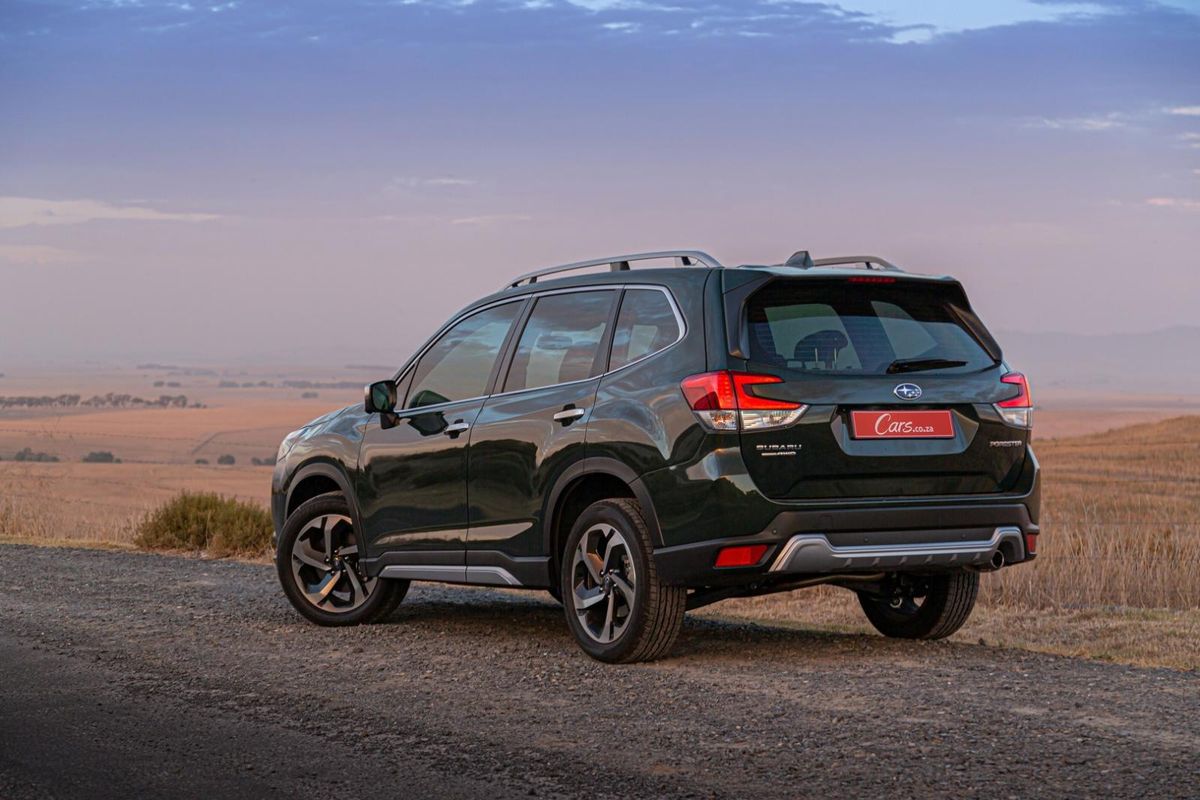
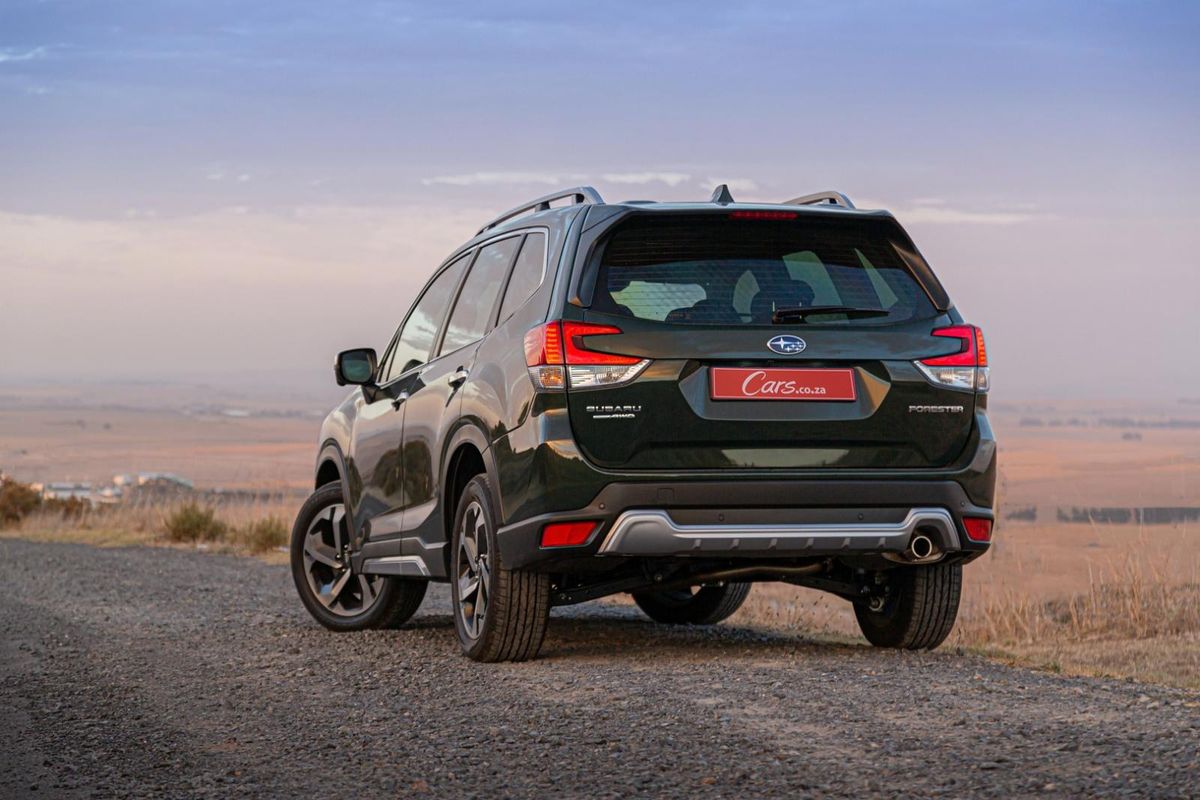
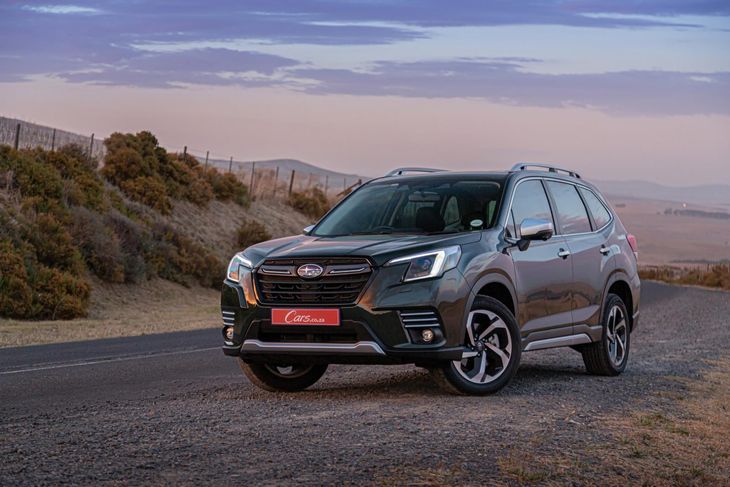
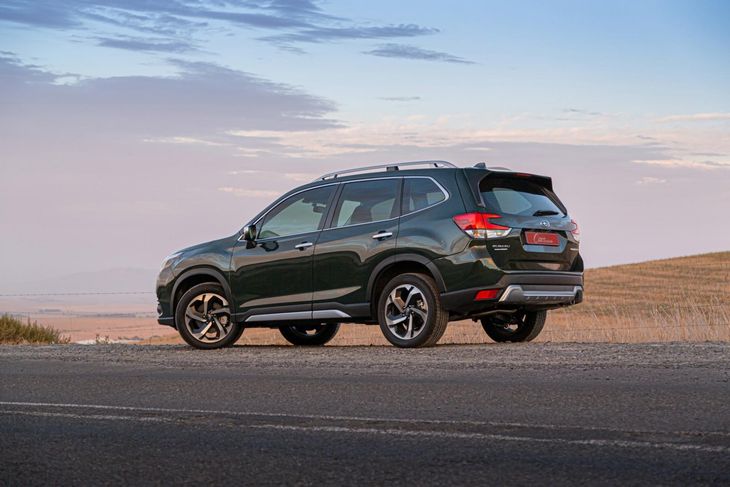
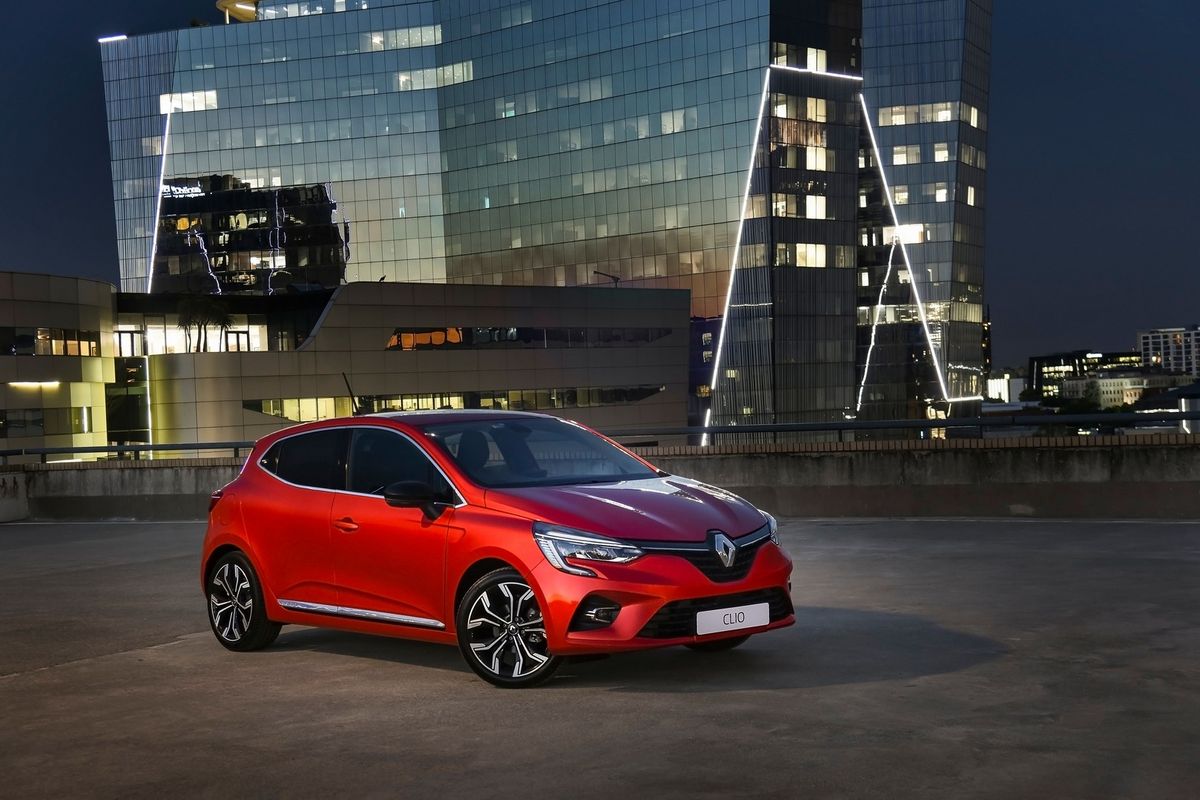
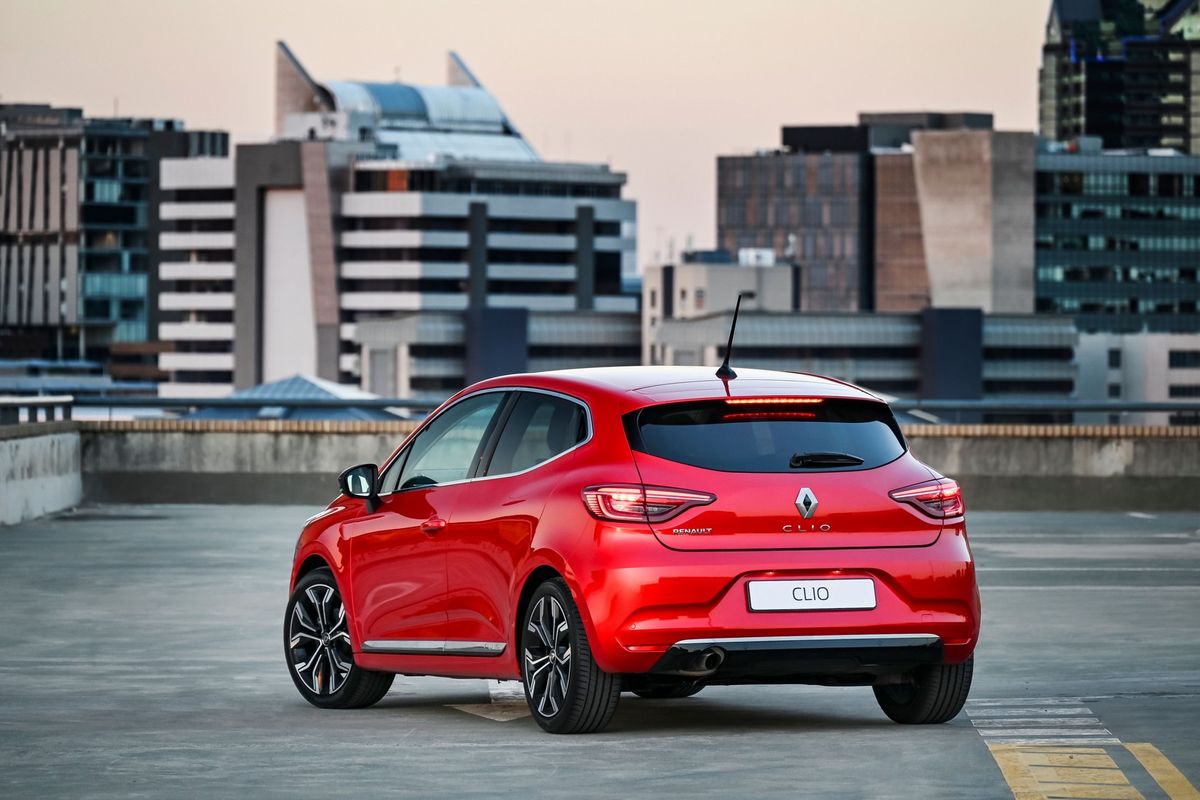
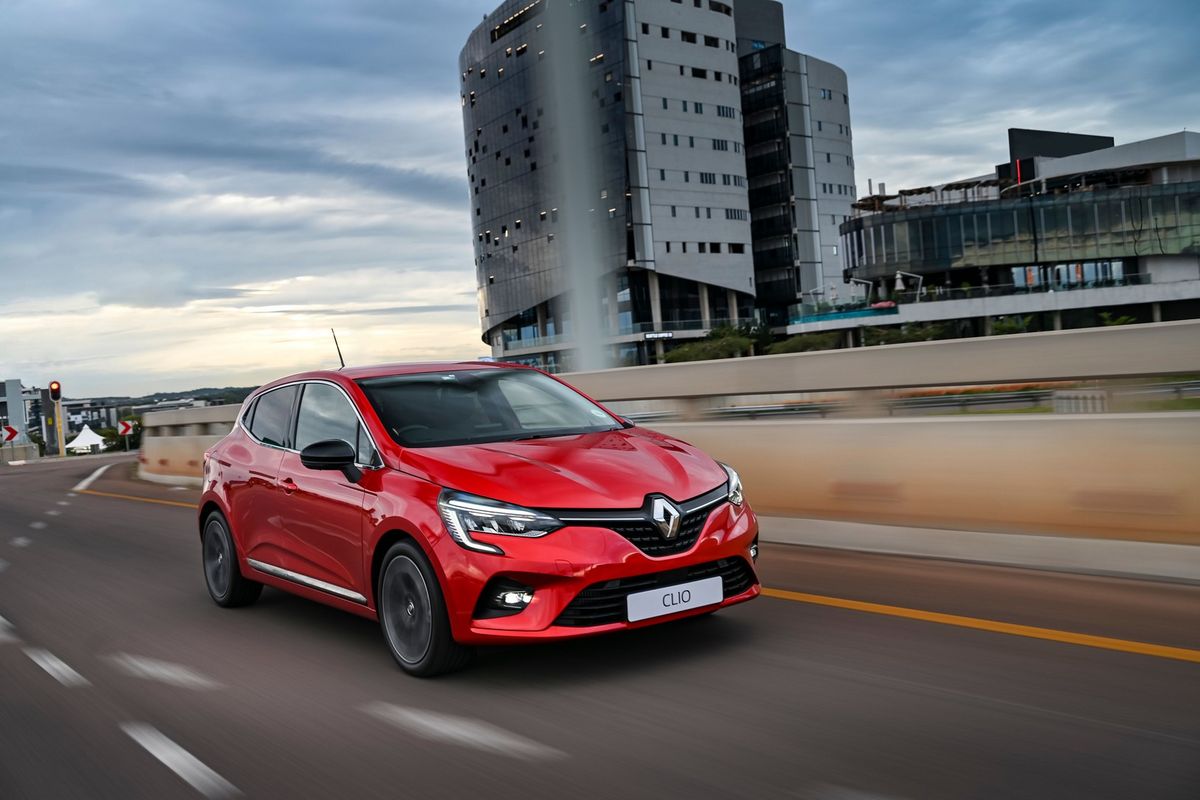
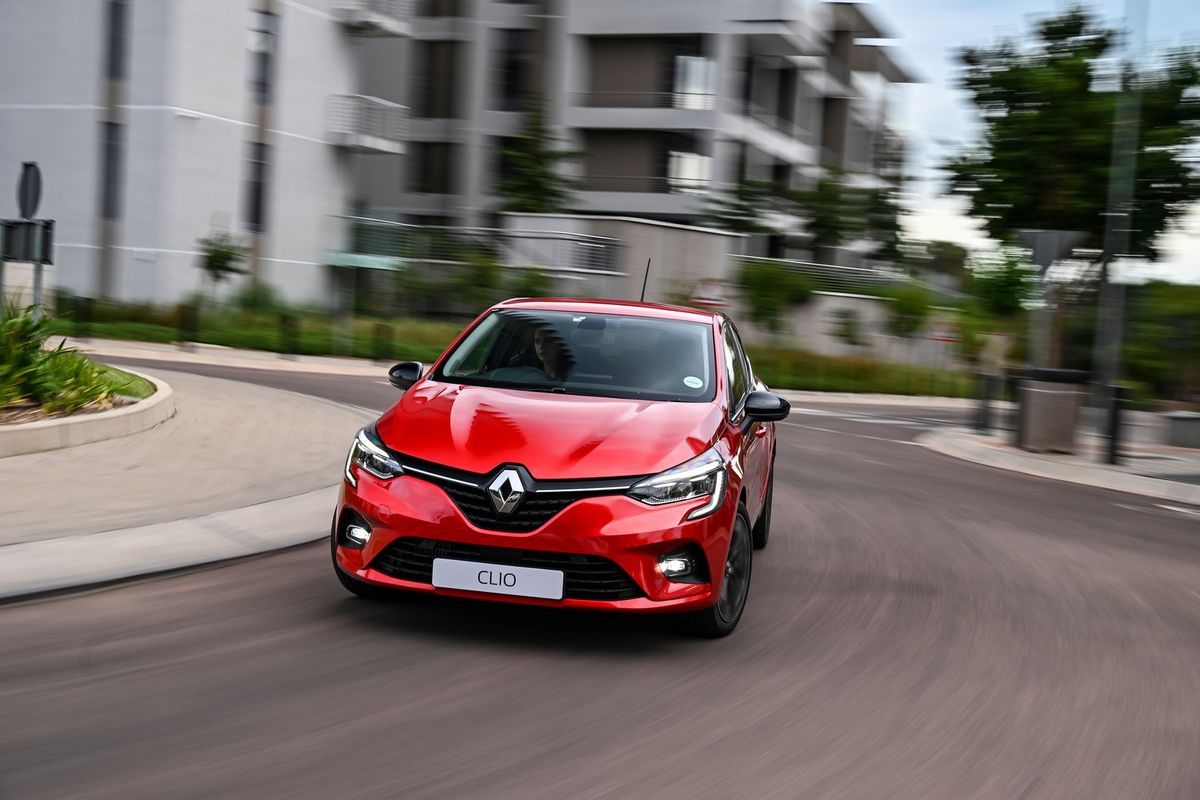
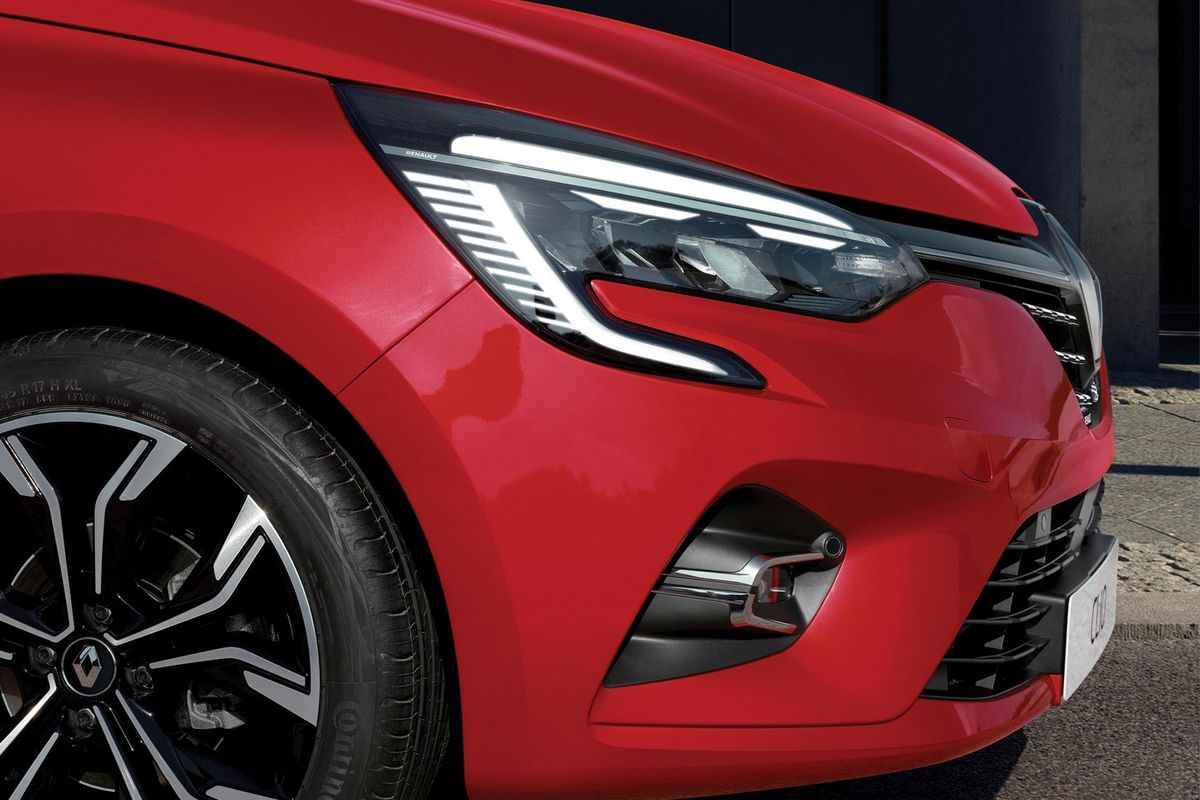
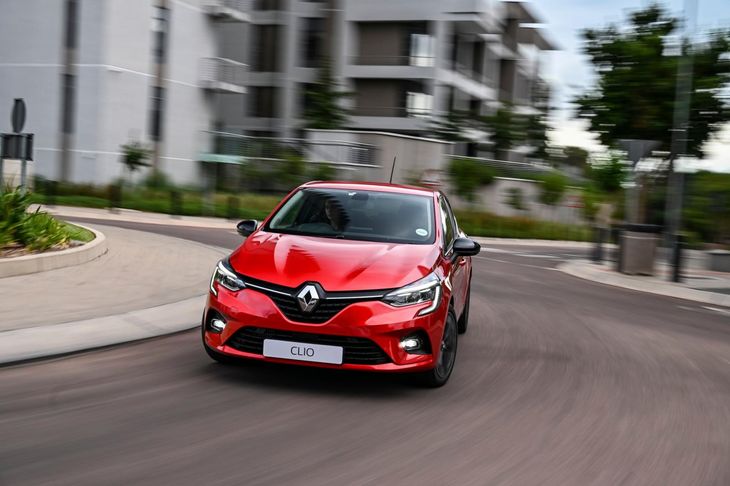
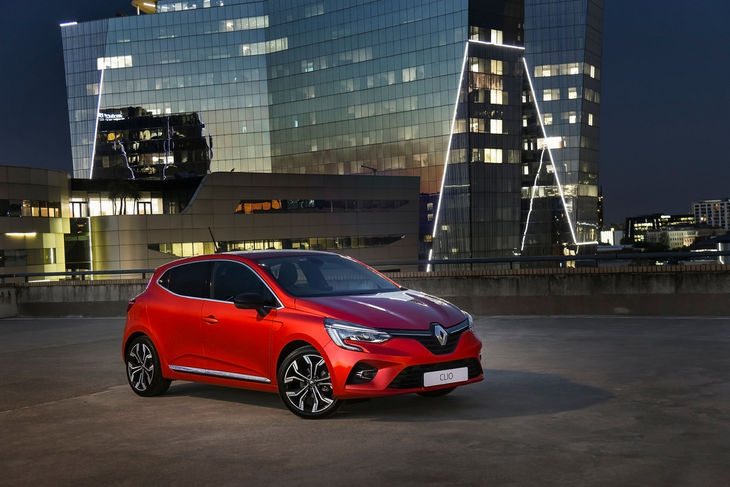
The Renault Kiger makes an instant visual statement, which, of course, is critical in a segment that’s awash with samey products. It’s a bold design and while the front end does have similarities with that of the Kwid, the rear 3-quarter angle shows off a well-proportioned and attractive design. Renault offers the Kiger in attractive paint finishes too… the Planet Grey hue you see here is far more interesting than generic white/black/silver. This flagship Intens derivative additionally features LED daytime running lights, chrome details on the grille, stylish alloy wheels, as well as some offroader-inspired cladding.

The French marque’s latest Indian-made budget crossover is based on the Renault Nissan Alliance’s CMF-A+ platform, which also underpins the Nissan Magnite and Renault Triber. Given that the Triber’s is a budget people-mover (MPV), it should not come as a surprise that its Kiger sibling is one of the more spacious vehicles in its segment. Renault SA says that the Kiger has the biggest load bay in its segment; we checked that claim using the Cars.co.za Comparison Tool – it appears the manufacturer was not exaggerating!

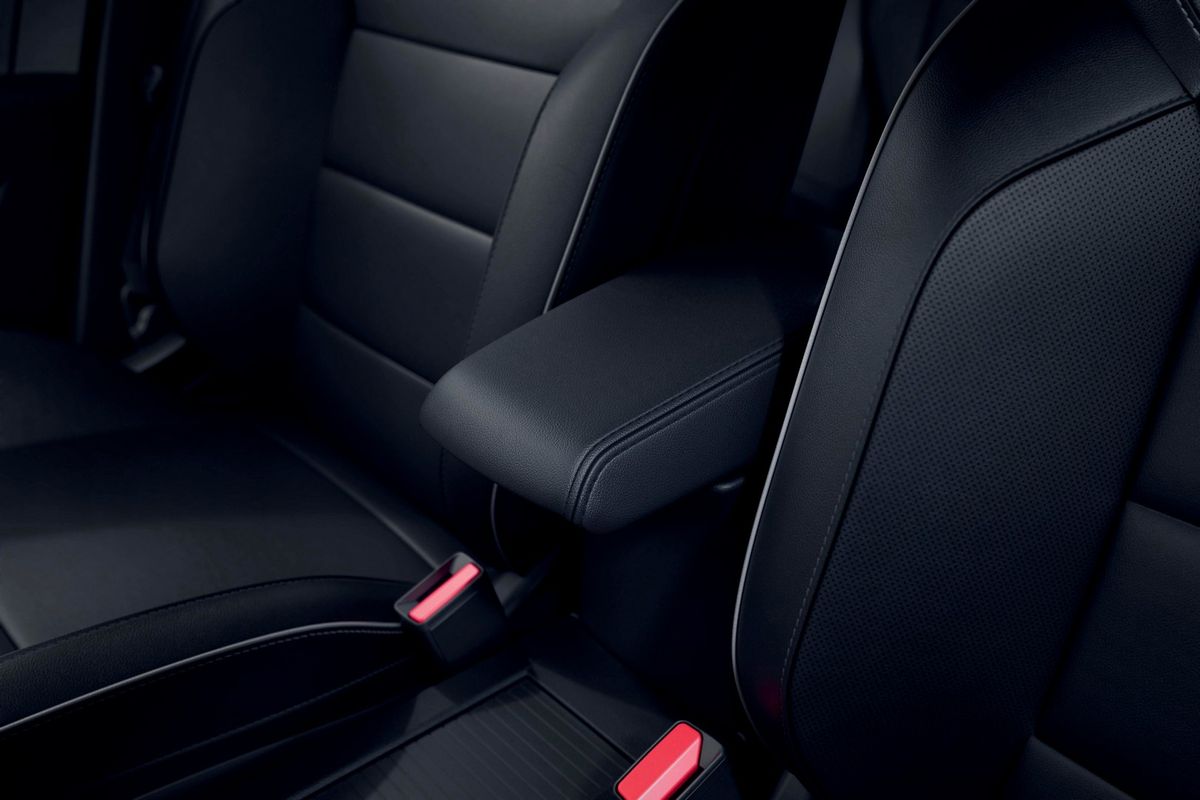
What’s more, unlike some compact cars that have relatively capacious large load bays – at the expense of rear legroom, the Kiger offers reasonable practicality; it can seat a couple of average-sized adults at the back (head- and legroom are quite adequate). Plus, the Kiger’s rear seats offer split-folding functionality. It’s an advantage, as some vehicles in this segment don’t have this feature, believe it or not.

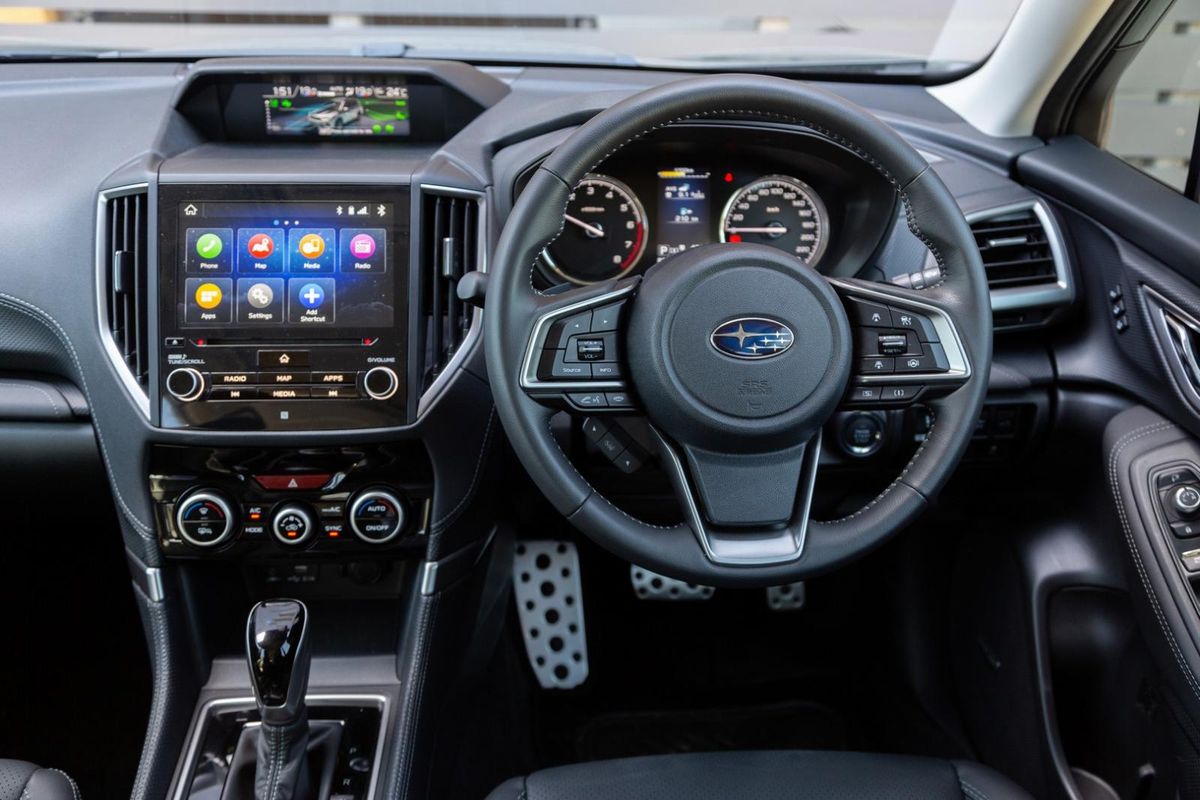
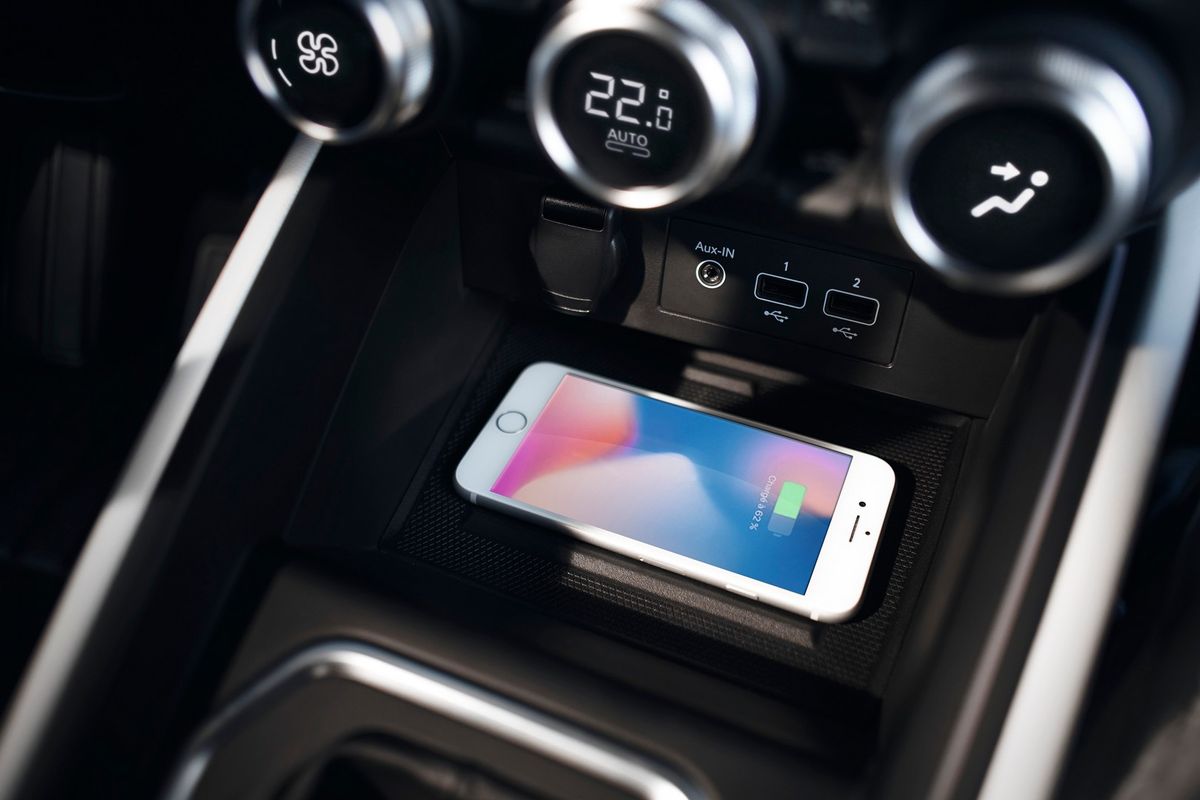
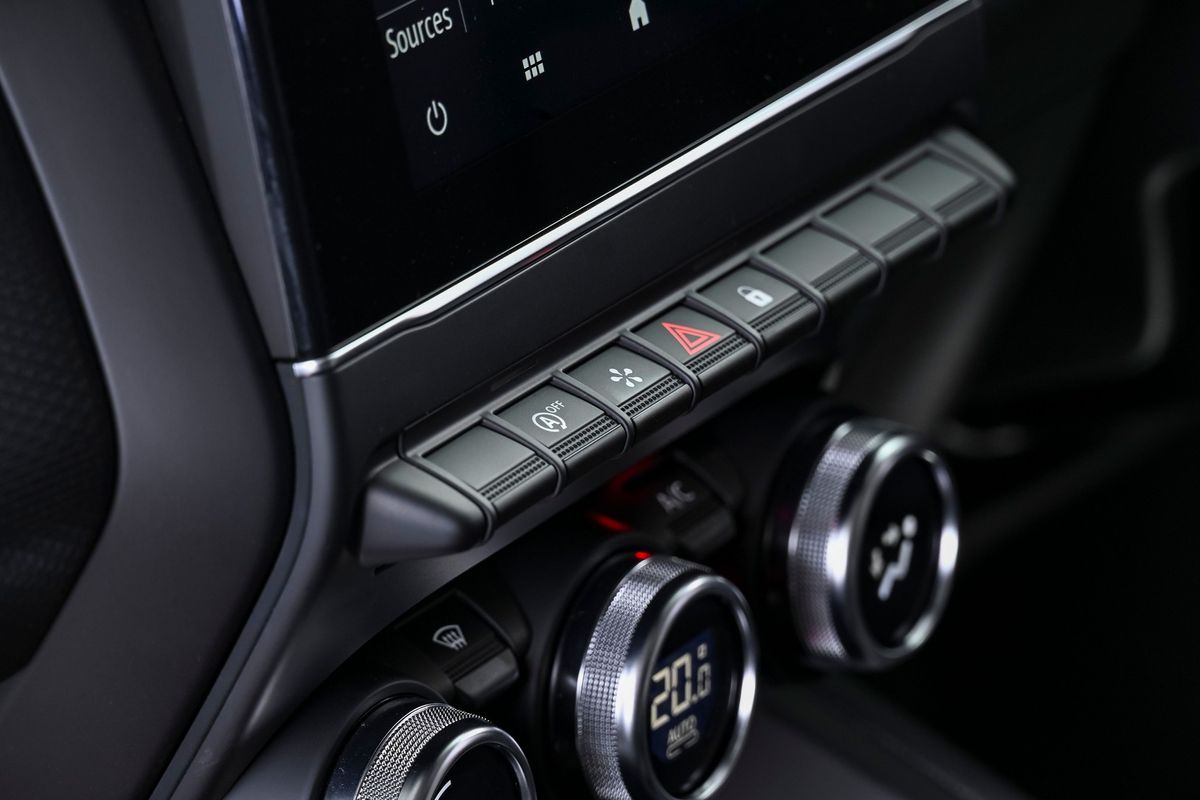
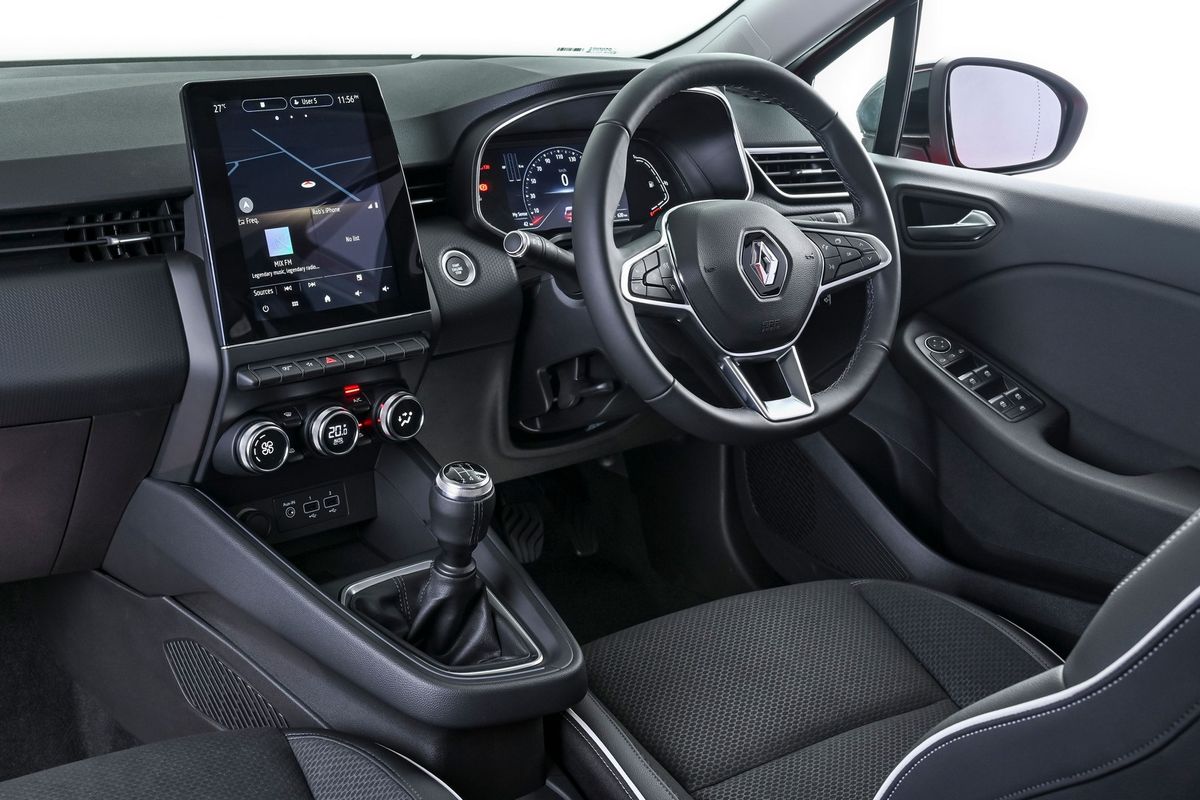
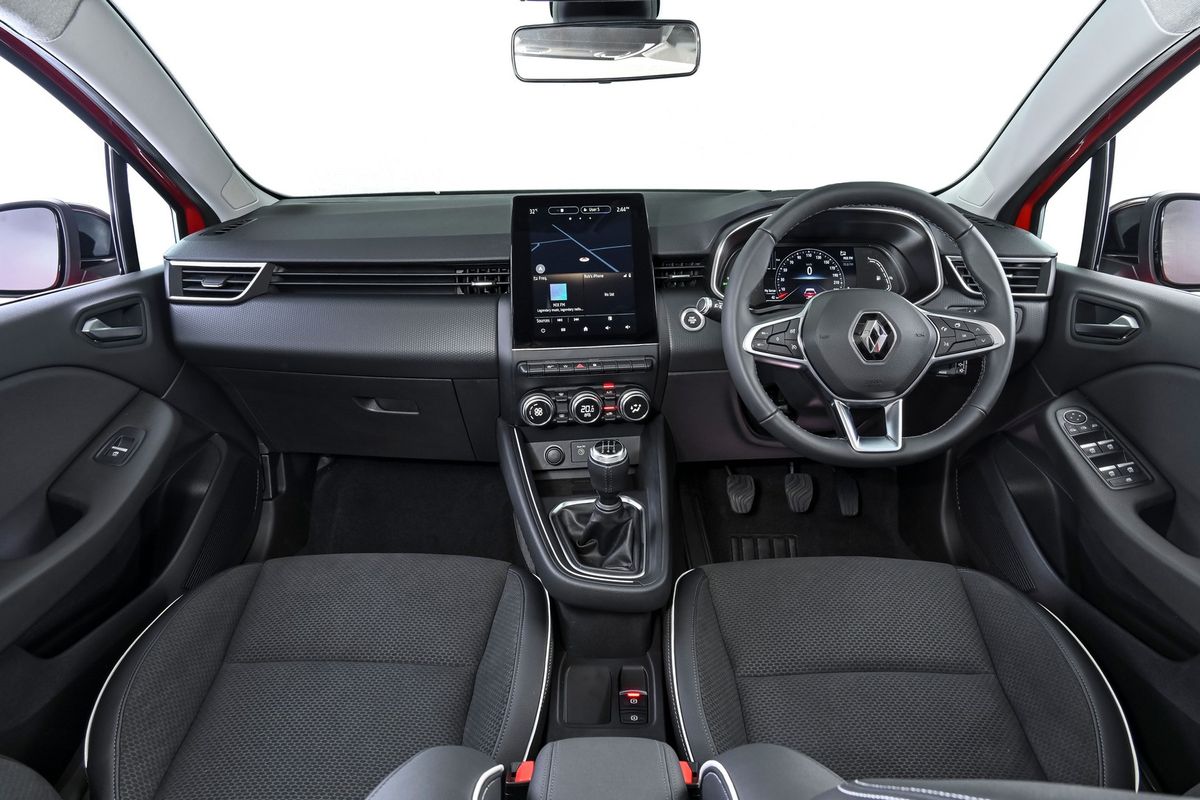
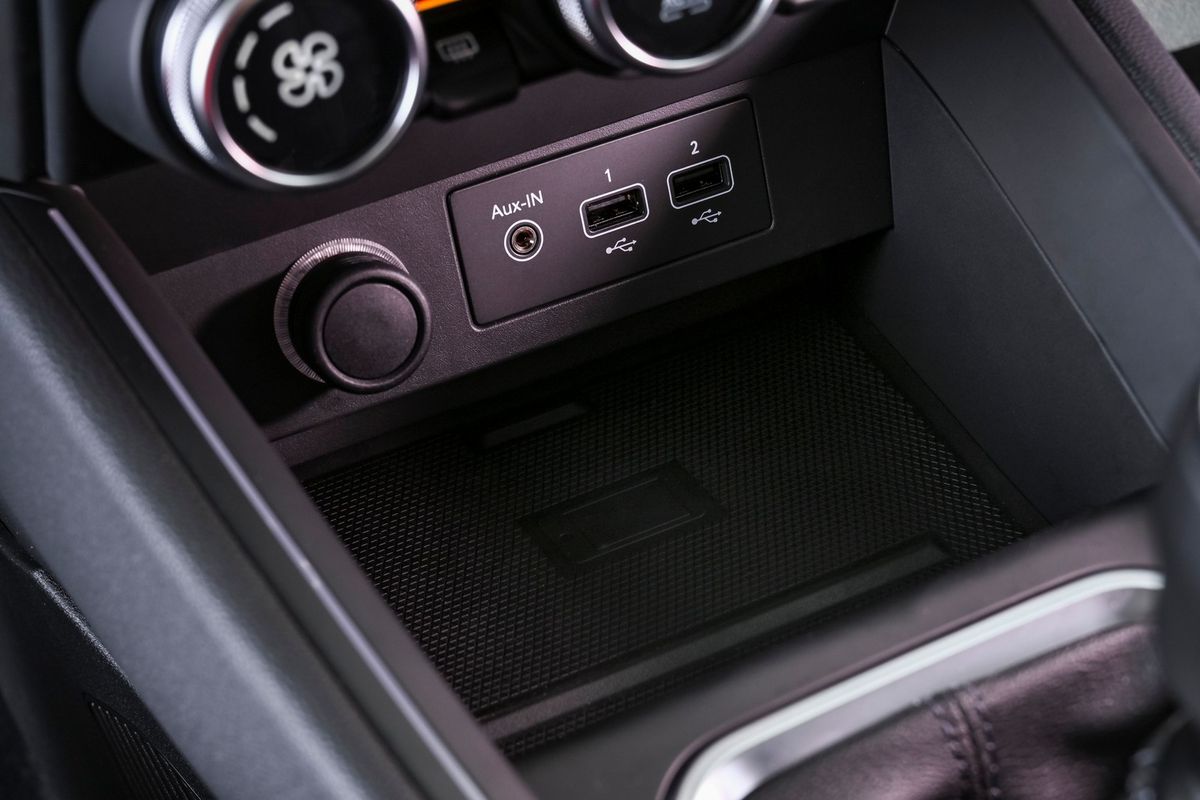
The cabin of the Renault Kiger has been well designed, but from a practical point of view, it is not without fault – there are no cupholders for front passengers. While we don’t always need to transport drinks, those receptacles are useful to hold phones and keys. Interestingly, the Renault has a dedicated phone cradle just ahead of the transmission lever, which is great for obscuring your device from prying eyes.

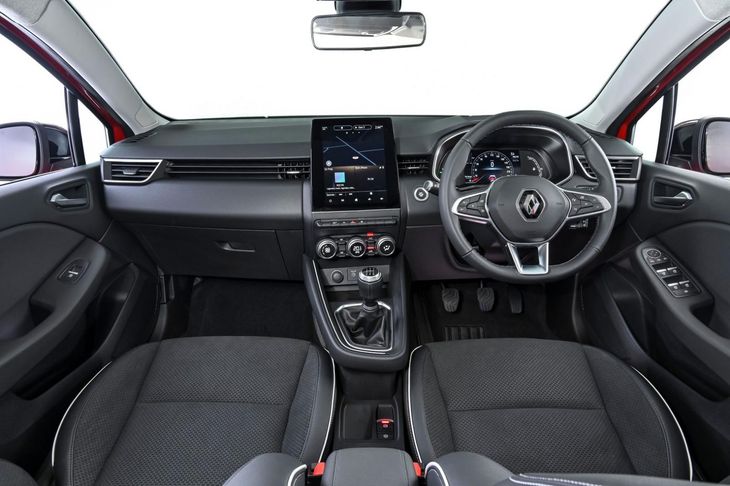
The interior offers a modern layout, with fair ergonomics, but the tactile feel of the cabin materials isn’t on par with the average interior quality of vehicles in this (admittedly budget-oriented) segment. Some panels feel thin and despite liberal use of glossy piano black and leather trim on the steering wheel and gear knob, the overall fit-and-finish is less than great. Worse still, you can see where shortcuts have been taken – a section of the steering mechanism, for example, is exposed in the left corner of the footwell. But, this is one of the cheaper offerings in the segment; some allowances should be granted.

Comfort and safety features

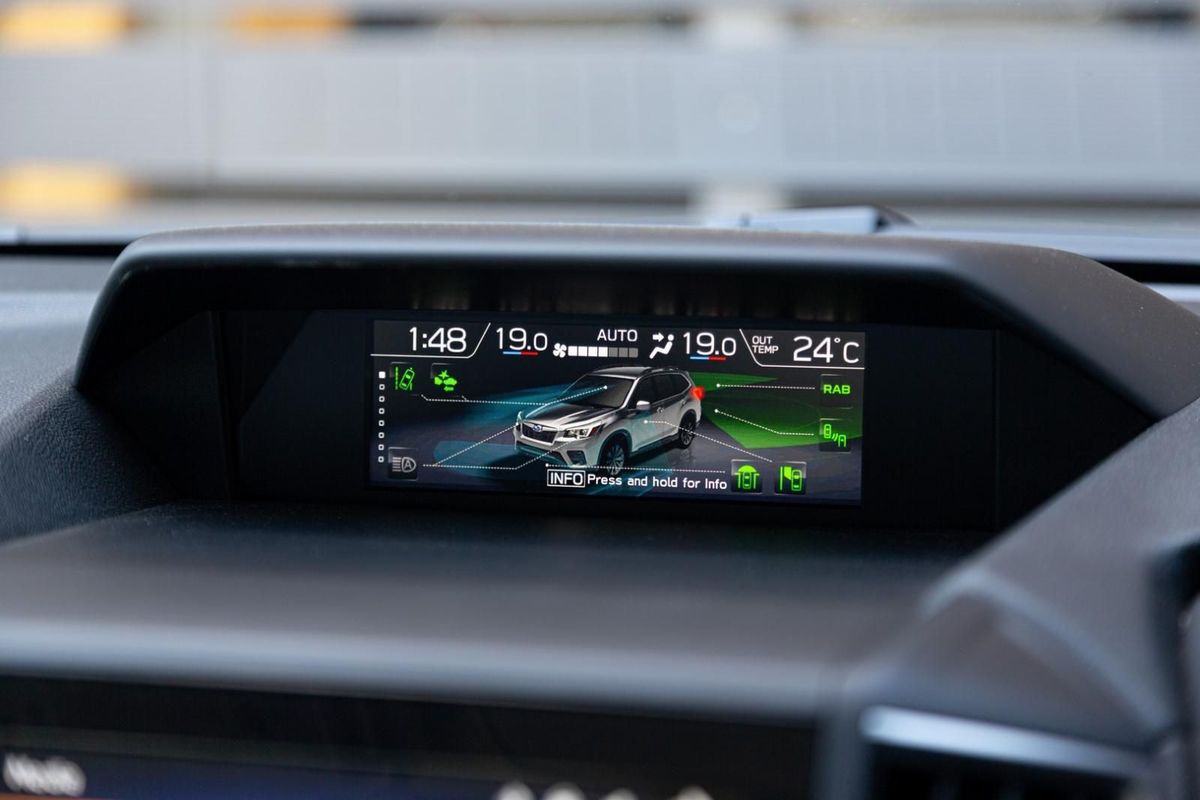
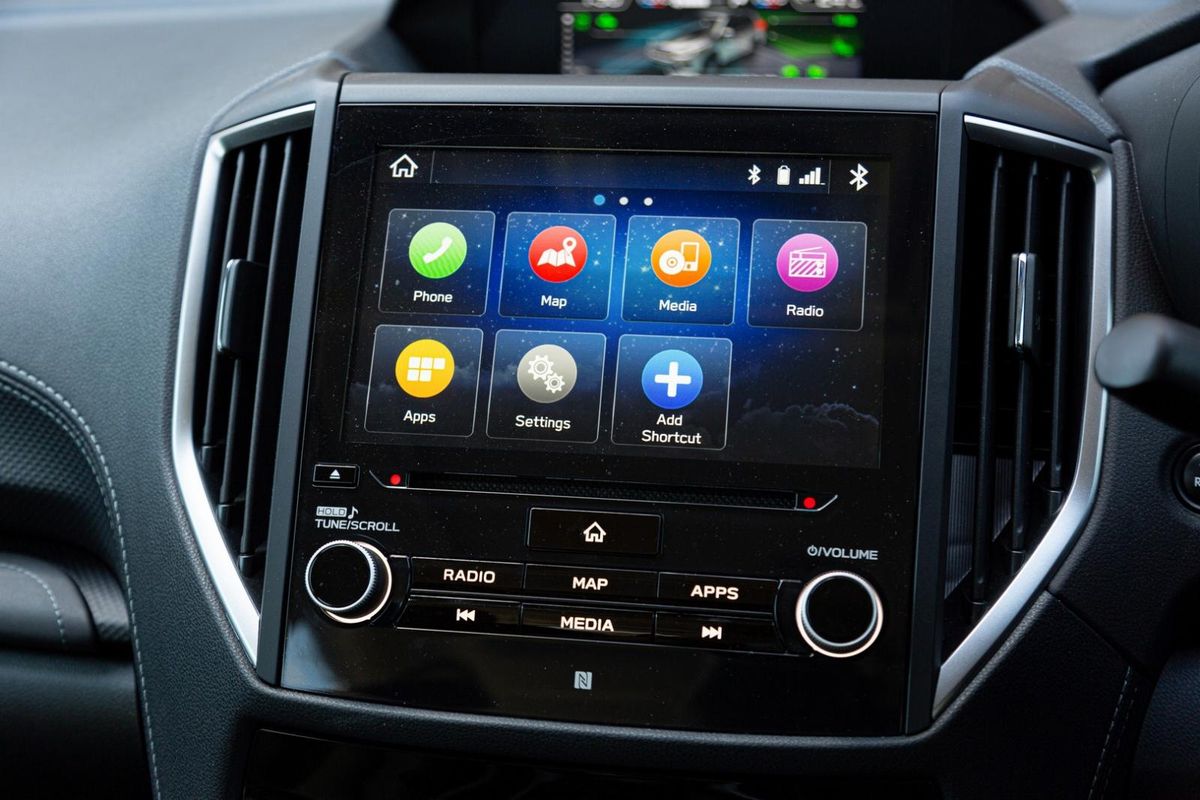
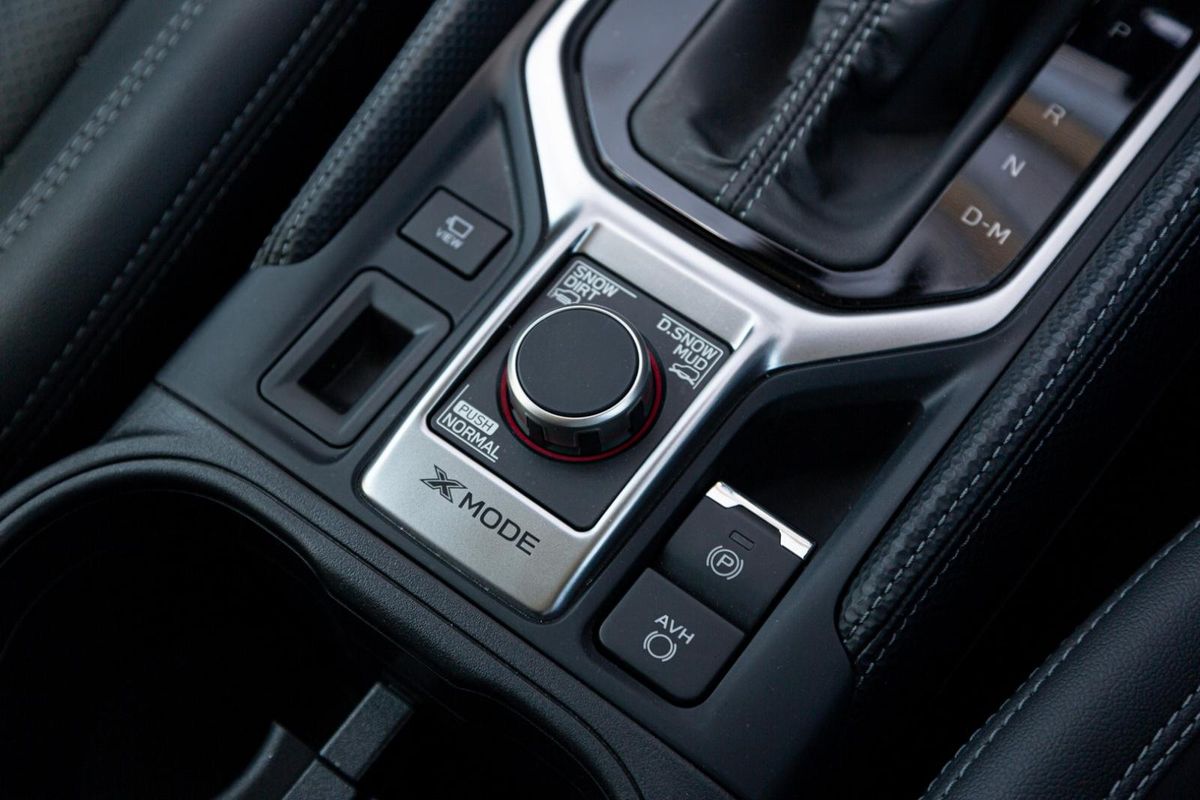
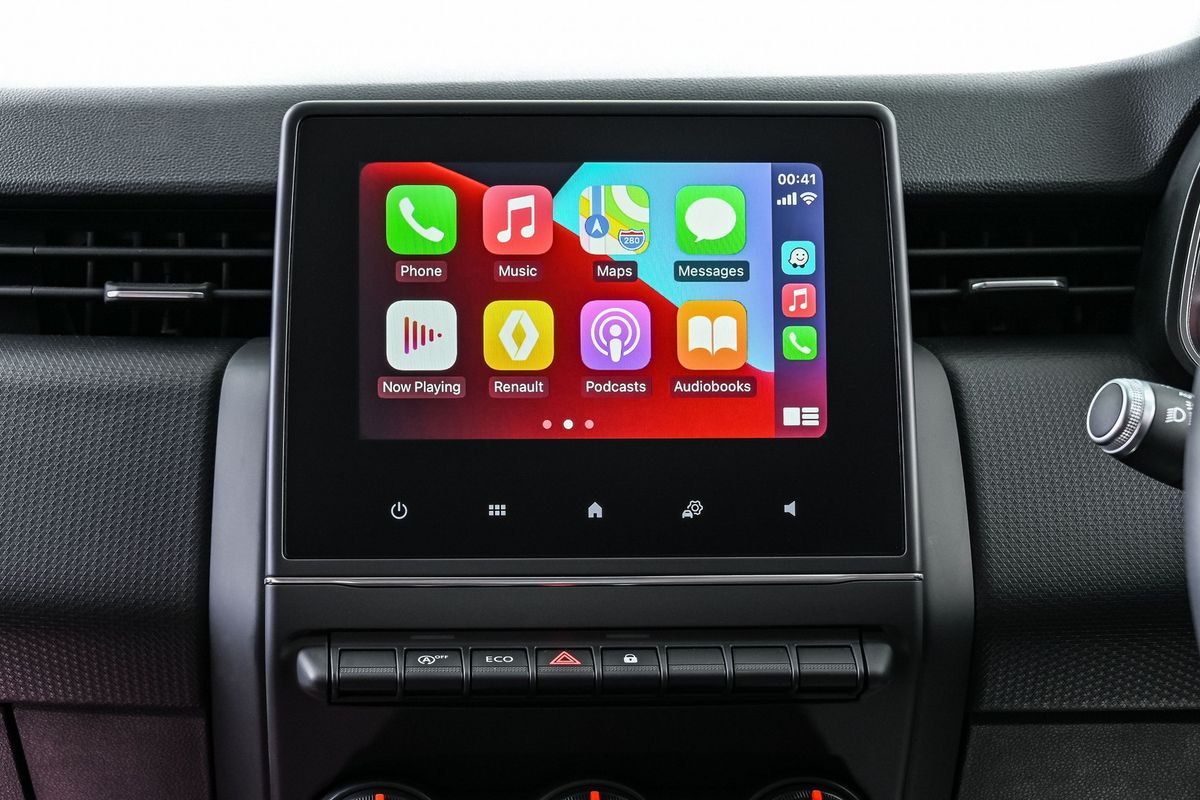
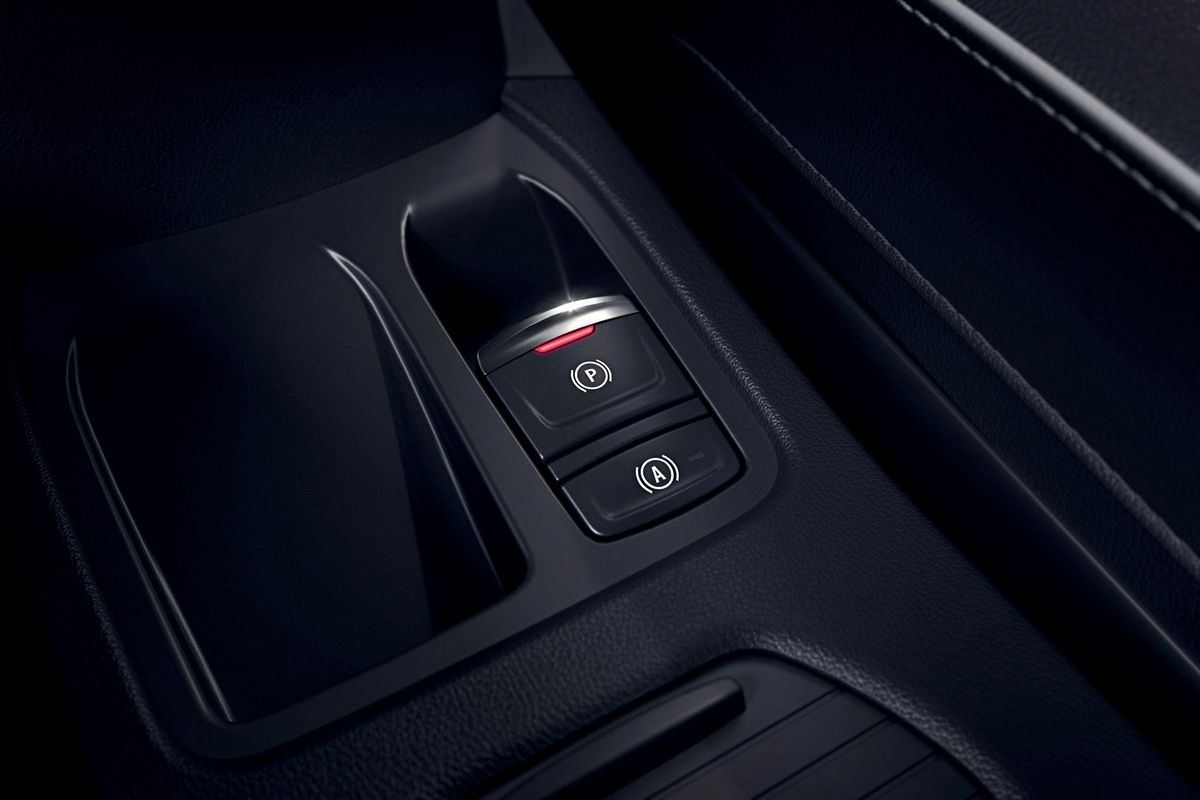
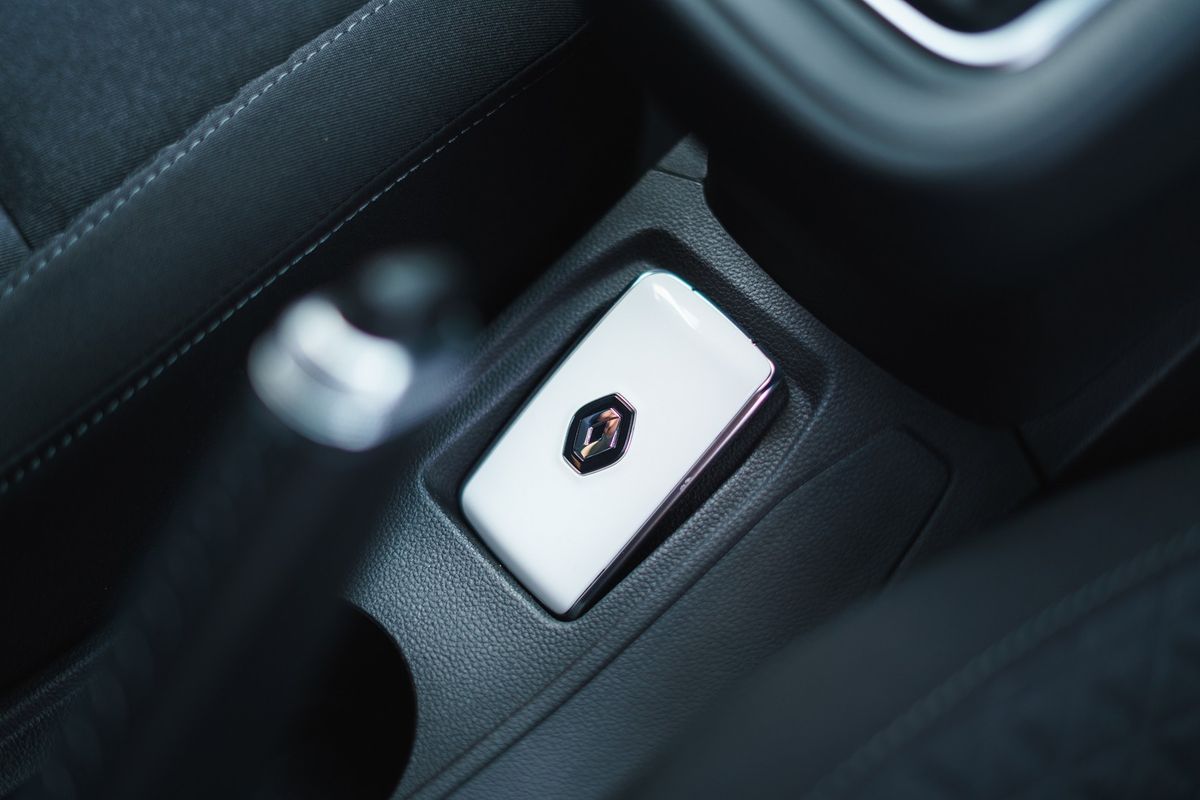
Forget about the flagship derivative for a moment, Renault has done a tremendous job with the standard specification of the Kiger range. Even in base trim, the list of stock equipment is impressive. Renault offers the Kiger in 3 levels of trim: Life, Zen and Intens. This top-of-the-range test unit comes even more liberally equipped; highlights include automatic climate control, selectable drive modes, wireless Android Auto/Apple CarPlay, a 3D audio system, height-adjustable driver’s seats, keyless access, rear parking sensors and a reverse-view camera. The only thing we would have liked to be added is a charging pad, because the wireless Android Auto tended to drain our mobile phone battery rather quickly, requiring us to plug it into the USB port, which eliminated the benefit of the wireless connectivity.    

As far as safety features go, only the top-spec Kiger gets the full arsenal of safety systems. In this day and age, we’ve come to expect stability control as standard. The Kiger does have it, but only for the 1.0-litre turbocharged derivatives. Anti-lock brakes (ABS) and EBD are standard, with the base model featuring just two airbags. The mid- and top-spec derivatives have an additional pair of side airbags. 

But, how safe is the Kiger, really? We’ve seen in the case of the Datsun Go/Renault Kwid that being equipped with ABS helps (it’s a pre-requisite for our #CarsAwards semi-finalist selection criteria), but it won’t help much when the vehicle’s structure deforms drastically in an impact. Let’s not forget that the Kwid once scored 0 in a Global NCAP crash test, but Renault did make some changes to improve the budget car’s body rigidity. The new Kiger has yet to be crash-tested, but for what it’s worth, the mechanically similar Renault Triber received a 4-star overall rating from Global NCAP, which is fair. 

Ride and handling

The Renault Kiger is available with either a naturally-aspirated 1.0-litre- or a turbocharged 1.0-litre petrol engine. The on-paper outputs of the former look anaemic; we do wonder how pedestrian the Life and Zen derivatives will be. The forced-induction 3-cylinder engine is a different story, however; with outputs of 74 kW and 160 Nm, it offers performance that’s on par with the rest of the segment. 

Three-cylinder turbocharged engines tend to sound quite raspy (in a characterful kind of way), but, because they have an uneven number of cylinders, they aren’t the smoothest. Most car companies have adopted measures to suppress unwanted vibrations in their 3-pot motors, but in the case of the Kiger, the engine’s rougher-than-usual nature is ever-present. On cold start-up and idle, there’s an unpleasant vibration that makes the rearview mirror shake; not only does it detract from the refinement of the package – it’s distracting. You can feel this vibration through the driver’s seat when the Kiger is stationary. 

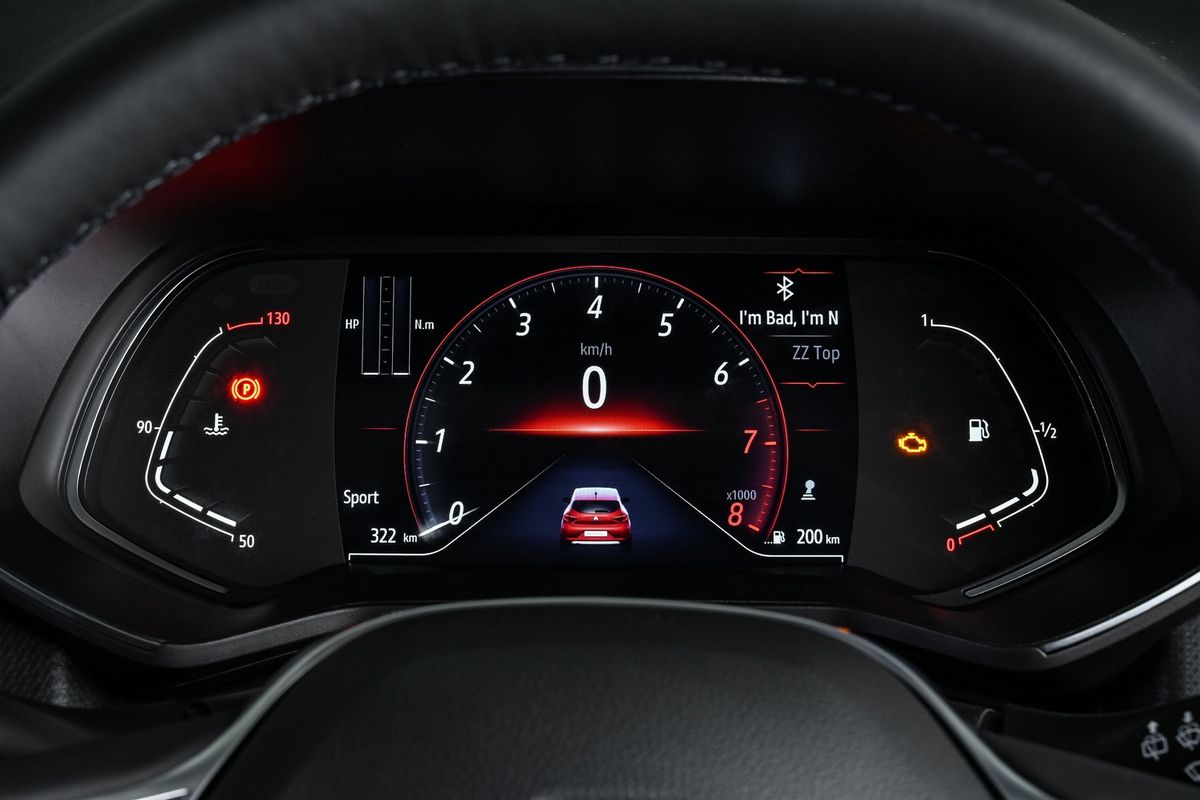
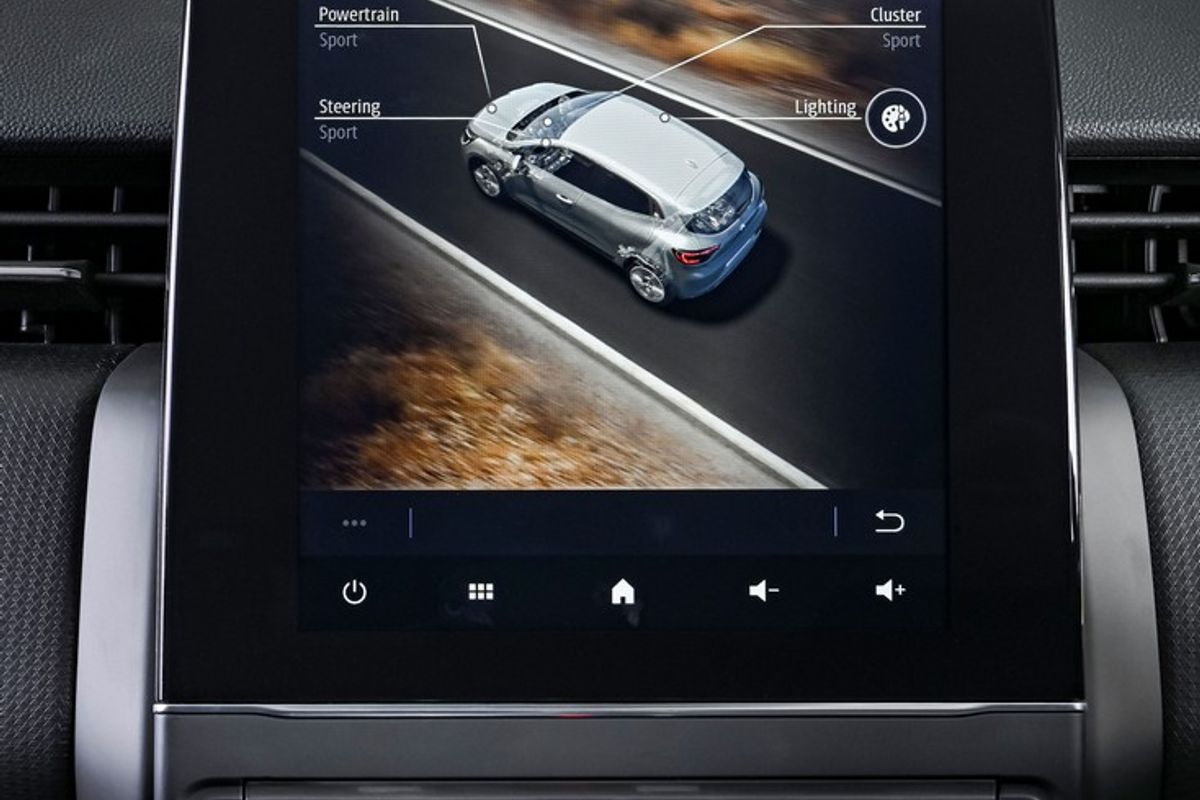
The vehicle comes with 3 selectable drive modes (Eco, Normal and Sport) with graphics/themes associated with each. Sport does exactly what you’d expect: it sharpens the throttle response so that the Kiger feels a bit more eager. Then there’s Eco, which we frankly don’t see the point of. It completely dulls the engine’s responsiveness, so much so, that we thought there was a malfunction and the car had gone into a dreaded “limp-home mode”. Worse still, the responses to accelerator pedal inputs are dialled back to such an extent that you really need to work the long pedal hard to get the car going, which, of course, is counterintuitive. Leave the car in Normal mode, it’s fine! We also noticed a fair amount of wind and road noise at the national speed limit – it’s further evidence the car’s been built to a price.

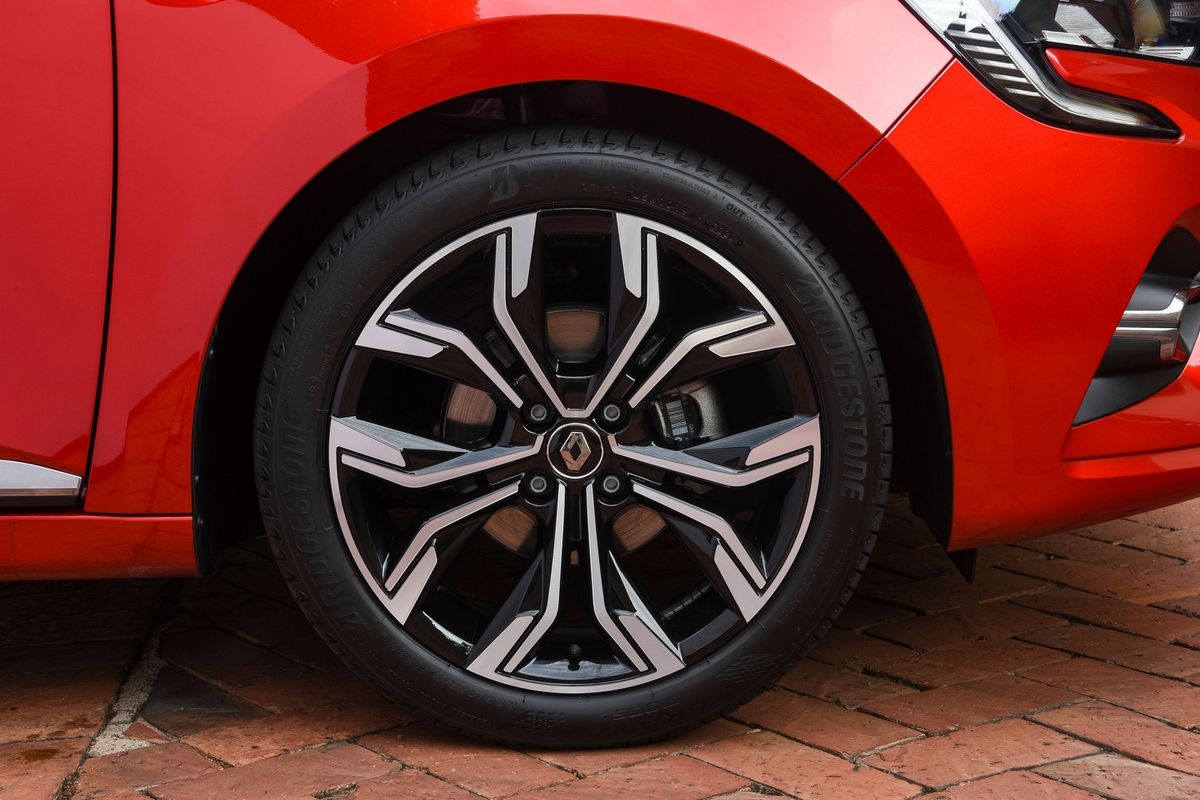
Renault Kiger wheel

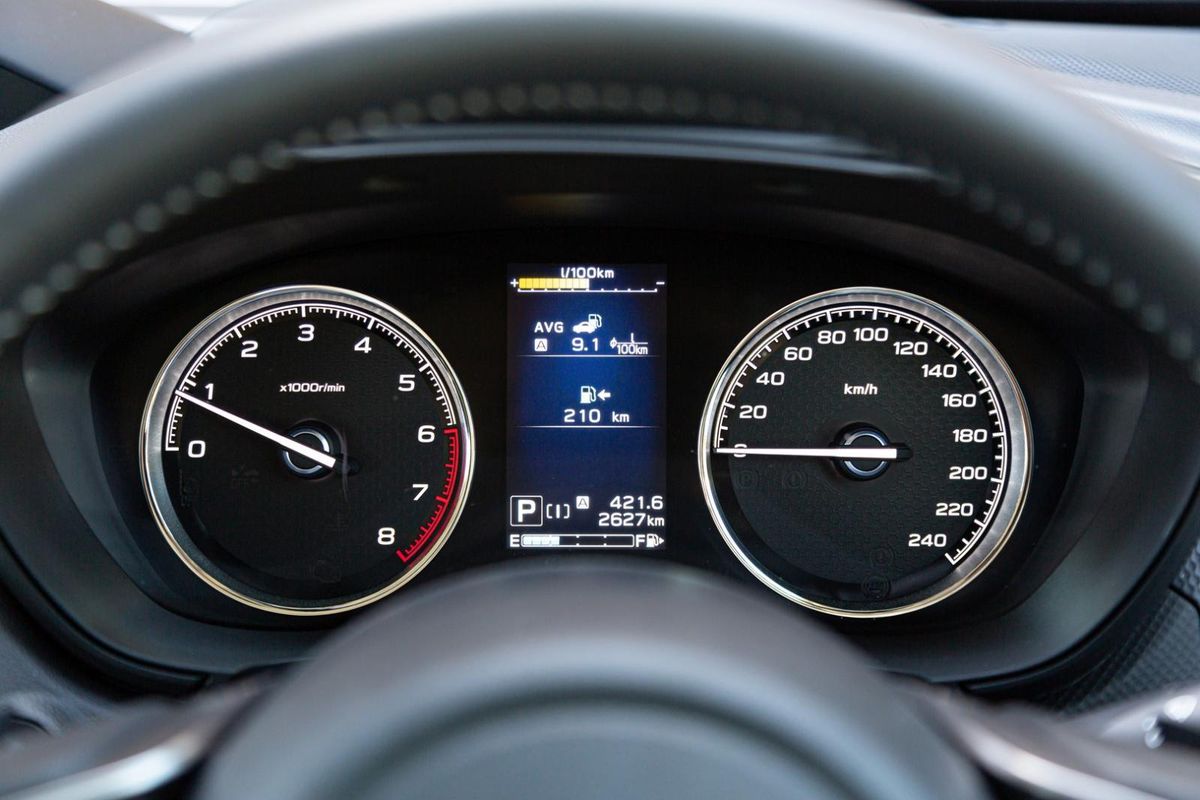
The powertrain does have a redeeming feature, however. In what seems to be an industry first (for a budget car equipped with a continuously variable transmission), the Renault’s CVT is one of the better units of its kind (in our experience). Unlike some CVTs that whine and groan the minute you apply anything more than 50% throttle, this one quietly goes about its business. It feels nicely paired with the engine (to make optimal use of the torque available and keep vibrations in check) and can even deliver punchy performance when required. Think of those times when you need to quickly slot into a gap in traffic… The Kiger can do that with ease. As for fuel economy, Renault claims an average figure of 5.4 L/100 km. We saw an indicated 8.6 L/100 km, but in the Kiger’s defence, we drove mostly in town.

The Kiger’s handling is not the sharpest or most confidence-inspiring, although sure-footedness is admittedly not a key performance area for a budget crossover. Given its upright stance and raised ride height, we weren’t expecting the Renault to have corner-carving abilities, but significant body roll can be induced by only the slightest of steering adjustments. Performing an emergency lane-change manoeuvre with this model may be a hair-raising experience, especially for inexperienced drivers. This is not an issue exclusive to the Kiger – the Magnite and Triber also feel a trifle unsettled at times.  

For what the newcomer lacks in handling dynamics, however, it makes up for it with a pliant ride quality. On the daily commute (when travelling to work at sub-freeway speeds, for example), the vehicle’s suspension and high-profile (generously sidewalled) 16-inch tyres deal with most road imperfections in an assured manner. The ground clearance (205 mm) makes the Kiger quite stable on gravel routes, but, as we discovered, you’re likely to struggle to place the newcomer accurately on an unsealed road because of its lifeless steering. Fortunately, this city car is unlikely to traverse gravel routes often…

Renault Kiger dashboard

How much does the Renault Kiger cost in South Africa?

The Renault Kiger range starts from R199 900 for the non-turbo 1.0 Life and goes up to R289 900 for the 1.0 Turbo Intens auto tested here. The Kiger 1.0 naturally-aspirated model is sold with a 5-year/150 000 km warranty and a 2-year/30 000 km service plan, while the turbo derivatives get the same warranty, but 3-year/45 000 km service plans.

> Read more: Renault Kiger Latest specs and pricing

Verdict

Renault Kiger Front

Many new car prices have escalated beyond the means of the average consumers (let alone 1st- or 2nd-time car buyers), but it’s great to see brands going head-to-head in an effort to provide better value-for-money budget crossovers (entry-level compact family cars). That’s because the tougher the competition gets in this segment, the more brands will beef up their products’ purchasing propositions.

The Kiger has an impressive array of standard features and Renault SA’s prices are very competitive; it has racked up (and should continue to garner) substantial sales based on those factors alone. The 1.0 Turbo Intens auto certainly looks the part and, if you only have R289 900 to spend and desire a top-of-the-range budget crossover, you won’t get more nice-to-haves for less money (in a new car).

As an overall product, however, the Kiger has some rough edges. Its sticker price is certainly appealing, but that’s not because Renault has managed to fit a glut of features very cost-effectively – quality-wise, the Kiger is built to a lower price than its rivals and that is evident in the newcomer’s poorer refinement, cheap-feeling trim and marginal fit-and-finish (its Nissan Magnite cousin is much the same).

By comparison, the flagship Magnite 1.0 Turbo Acenta Plus auto offers a slightly longer warranty and a few more gizmos (cruise control and surround-view camera, but 2 fewer airbags) than the top-flight Kiger, but costs R22 000 more than the Kiger 1.0 Turbo Intens auto. The top-spec Suzuki Vitara Brezza, Kia Sonet, and Toyota Urban Cruiser derivatives cost R20k, R27k and R37k more respectively. 

But that’s only part of the story… if you can live without the Kiger’s eye-catching styling and crowd-pleasing features such as slick electronic screens (and, okay, that spacious load bay), you could also opt for a mid-range Sonet 1.5 LX auto (R296 995), which offers better on-road dynamics, feels better finished and has 1-year longer service plan.

The most affordable automatic Vitara Brezza is comparatively soberly specified, but it costs only R264 900 and has a 5-year/200 000 km warranty and a 4-year/60 000 km service plan. For just over R9k more than the price of the 1.0 Turbo Intens auto, you could get the Urban Cruiser 1.5 XS auto. The Japanese contenders feel a lot more substantial in terms of quality, refinement and on-road manners. 

If you want a more spacious cabin and “a bit of extra zip”, consider forking out R299 900 (R10k more) for a Haval Jolion 1.5T City. The Chinese model has proved extremely popular since it debuted earlier this year and although the entry-level derivative has a manual transmission (it’s not an auto), it represents an ideal segue between the budget crossover and more upmarket compact family car segments…

Citroen C3 Aircross (2021) Specs & Price

The Citroen C3 Aircross has been updated for 2021. Here’s the specification and pricing for the funky French crossover.

The Aircross recipe is a simple one, take an existing stylish Citroen and convert it to an SUV. The Citroen C3 Aircross takes the existing C3 hatchback and it’s been transformed into a practical crossover. For 2021, Stellantis says the Citroen C3 Aircross has been given some updates to “show a more assertive personality” and the cabin has been rejigged for enhanced practicality. 

What’s New?

The updated Citroen C3 gains a fully revised front, designed to separate it from the standard C3. The new grille is big and imposing, plus there are some chunky add-ons like the wheel arches and front/rear skid plates to give it an offroad look. There are some LED headlights and LED daytime running lights. Some roof rails round off the style updates.

Inside, the Citroen C3 gains additional practicality with a rear bench that can slide 150 mm and the front passenger seat can fold flat. If you need to transport long objects, like curtain rails or furniture, it looks like Citroen will have you covered. The boot space is rated at 410 litres – 520 litres depending on the position of the rear bench, but if you fold the seats down, 1 289 litres are available. Other clever practical touches include a new central console that can be accessed by the front and rear passengers and there are plenty of pockets as well as a small tray in front of the front passenger.

As far as standard features go, the updated Citroen C3 Aircross comes well-specced, depending on the grade. There’s a 7-inch touchscreen with built-in navigation and mirror screen functionality, Android Auto, Apple CarPlay, and some advanced safety features. These comprise a colour head-up display, speed sign recognition, emergency brake assist, automatic headlights, hill assist, driver attention alert, smart keyless entry and park assist. There’s one engine across the range, a 1.2-litre turbocharged 3-cylinder petrol with 81 kW and 205 Nm. A 6-speed automatic gearbox is standard.

There are two levels of trim, Feel and Shine. The Feel covers the basics, but the Shine is where it’s at with 17-inch alloy wheels, sliding rear bench, automatic air conditioning, on-board navigation, Apple Carplay/Android Auto, keyless start/smart entry, front fog lights, chrome door handles, automatic wipers and tyre pressure sensors to name but a few.

How much does the updated Citroen C3 Aircross cost in South Africa?

The new model is sold with a 3 Year / 60 000 Km Service Plan, 5 Year / 100 000 Km Warranty Plan and a 5 Year / 100 000 Km Roadside Assistance

Feel 1.2 PureTech 81 kW Turbo Auto     R399 900

Shine 1.2 PureTech 81 kW Turbo Auto   R424 900

Further Reading

Updated Citroen C3 Price and Specs

Citroen C5 Aircross – Living with it for a month

No more Mazda CX-3 for Europe – what about SA?

CX-3 to end in some key markets.

Mazda’s transition to crossovers might have happened later than most, but it has been very successful.

The Japanese company’s Kodo design language has translated excellently into the crossover vehicle configuration. And since 2014, its CX-3 has been the entry-point to Mazda crossover ownership.

With the CX-3 reaching middle age, Mazda finds itself in a challenging position, to manage the vehicle’s maturity. In its most significant demand markets, Europe and North America, the CX-3 doesn’t offer a hybrid engine option or the potential of full electrification.

As more compact crossover models are updated with hybridisation, or new models released with sophisticated electric drive architectures, the CX-3’s pure internal-combustion powertrains become problematic in Europe and North America.

Mazda Netherlands has admitted that European and American CX-3 sales will cease by the end of this year. And there are no immediate succession plans.

In terms of available products, the MX-30 is clearly being targeted as CX-3’s replacement in overseas markets. But where does this leave South African fans of the compact Mazda crossover? The CX-30 is sold here but it’s marketed as a more premium crossover and priced accordingly.

The end of CX-3 in Europe and North America will impact the scaling and volumes of global production into 2022. But there could be good news, too.

South African vehicles require greater fuel robustness and a slightly simpler Wifi enabled infotainment system. Or throttled functionality. These are both issues contingent on local fuel quality and telecoms infrastructure. Very much the opposite of European and North American markets.

With fewer developed markets to deliver CX-3 into next year, Mazda could find efficiencies in its build specification for markets such as South Africa. That could mean CX-3s with better option packages and fewer specification idiosyncrasies. In fact, Mazda South Africa confirmed that a more market-specific model would be landing here as early as January 2022.

Will there be a second-generation CX-3? Despite the loss of North American and European sales volumes, the rest of the world could provide adequate demand to support a second-generation CX-3.

An interesting conjecture around the powertrain specification of a possible second-generation CX-3, is that it might not be significantly hybridised.

The future of CX-3 could retain a range of naturally-aspirated engines, with a turbo option. Why? If it was going to be hybridised, Mazda would not be pulling it from the American and European markets, soon.

Related content

Mazda Six-cylinder could come to SA

All-New Mazda CX-5 On the Way

Toyota MR2 To Return?

The sporty Toyota MR2 name could be making a comeback if reports are to be believed. An all-new sportscar is apparently in development. 

With the world leaning towards SUVs, electricification and sustainability, Toyota appears to be working on its performance range as well as its hybrid offerings. With the return of the Toyota GR Supra, the jaw-dropping excellence that is the GR Yaris and the imminent reveal of a GR Corolla, the Japanese brand is undergoing its own personal performance renaissance. 

We already know that Toyota has GR Sported pretty much its entire range, with even the Prius getting macho looks and a sporty suspension setup. Now the Japanese car website Spyder7 reckons the iconic Toyota MR2 name will be revived and this new model will be pitched against the next-generation Nissan Z sportscar. Interestingly, you’d think the GR 86 would be the de-facto sportscar in the Toyota lineup, but despite its fun-to-drive nature, its outright performance won’t be enough to match its JDM rivals. 

If the rumours are true, engine choices are understood to be a mighty V6 engine paired to an electric battery setup. Estimated power output of 298 kW should be adequate to see off most rivals, plus the added benefit of being a plug-in hybrid should ensure silent running in cities. In comparison, the new Nissan Z sportscar features rear-wheel drive, a twin-turbo V6 engine with 285 kW and a 9-speed automatic, as well as the option of a manual. The all-new Subaru WRX STI is expected to be revealed around the middle of 2022, packing a new 2.4-litre turbo motor with at least 285 kW. 

So, how much truth is there in the above? Well, we do know that Toyota has been keen to revive its older iconic names and we’ve already seen considerable success with the Supra. Back in 2019, Supra chief engineer Tetsuya Tada told Evo Magazine that Toyota’s strategy would resemble the Celica, Supra, MR2 lineup from the early 1990s. Are you feeling nostalgic, because we certainly are! 

If the Toyota MR2 project is greenlit, expect to see further news about it in 2022.

Further Reading

New Nissan Z car revealed

5 Things we learnt after driving the GR Yaris again

BMW iX Price in SA


BMW South Africa will be launching its new iX electric vehicle locally in November 2021. See pricing details here!

The BMW iX is a radically-styled electric Sports Activity Vehicle, and is the first vehicle to be built on a new, modular and scalable toolkit that will underpin future vehicles from the BMW Group.

There’s been an intense focus on sustainability in the BMW iX project with the German carmaker claiming there’s ‘compliance with strict environmental and social standards in the extraction of raw materials, plus the use of electricity from renewable sources and a high proportion of recycled materials in the mix. The resulting carbon footprint is stated in a validation document endorsed by independent auditors. The certificate for the BMW iX xDrive40, for instance, shows its global warming potential is around 45 per cent lower than that of a Sports Activity Vehicle with a comparable diesel engine over 200,000 kilometres of use.’

While questions have been raised about the sustainability of building a green car, BMW is keen to point out the cobalt and lithium for the batteries comes from controlled sources in Australia and Morocco, the cells are manufactured using green power and the aluminium is made using electricity sourced from solar. There’s extensive use of recycled plastics and aluminium, while the cabin features FSC-certified wood, leather tanned with olive leaf extracts and other natural materials. Among the raw materials used for the floor coverings and mats are recovered fishing nets.

The new BMW iX will be available in two flavours; BMW iX xDrive50 and BMW iX xDrive40. In the flagship 50 model, there’s one electric motor on the front axle and another at the rear. There’s over 370 kW on tap and BMW claims a 0-100 kph of just under 5 seconds. The xDrive40 has just over 240 kW and is said to dash to 100 kph in just over 6 seconds.

As far as economy and range go, BMW claims less than 21 kWh per 100 kilometres for the BMW iX xDrive50 and under 20 kWh per 100 kilometres n the case of the BMW iX xDrive40, based on the WLTP cycle. The BMW iX xDrive50 has a range in excess of 600 kilometres in the WLTP test cycle, and the WLTP-calculated range of the BMW iX xDrive40 is more than 400 kilometres. In comparison, the current BMW i3 can only muster 260-310km on a single charge.

The BMW iX xDrive50 can recharge its high-voltage battery at up to 200 kW, while the maximum charging capacity of the BMW iX xDrive40 is 150 kW. Essentially, this means a 10min plug-in time provides 120 kilometres / 90 kilometres of range depending on the model. In both model variants, the high-voltage battery’s charge can be increased from 10 to 80 per cent of its full capacity in under 40 minutes.

When is the BMW iX coming to SA and how much will it cost?

According to BMW’s local website, the iX will go on sale in November 2021 with a starting price of R1 650 000, As part of the deal, BMW will offer customers a preferential interest rate, 1-year comprehensive insurance and a complementary wallbox to conveniently charge your vehicle at home.

Also see: Is it time for South Africa to Switch to EVs? 

BMW-IX-Interior
The cabin of the new BMW iX, which is due in SA in November 2021. 

Further Reading

8 Cool Things: BMW iDrive 8

New BMW iX is an X5 Sized Electric SUV

BMW i4: First Images and Details Revealed

Next-Gen Mazda MX-5 Detailed

Compression ignition could keep the next-gen Mazda MX-5 naturally-aspirated

Engine innovation is at the heart of what Mazda does.

Rotaries. A commitment to atmospheric engines (when not rotaries). A late entry to turbodiesels. Mazda does it very differently, with engines, following its own logic, instead of trends.

One trend that cannot be ignored is the transition to electrification. In a future where nearly every new vehicle will be fully or partially battery-powered, Mazda’s most iconic platform might suffer.

The MX-5 is one of the few true lightweight driver’s cars that remain in production. Its low mass is an integral part of the vehicle’s appeal. But a hybrid powertrain would add a lot more mass to any future MX-5, anaesthetizing its road feedback and agility.

According to Autocar, the solution could be using Mazda’s SkyActiv-X engine technology to prevent turbocharging or hybridization of the next-gen Mazda MX-5.

SkyActiv-X is a deeply innovative compression-ignition technology for petrol engines. It claims impressive fuel consumption and emissions reduction and produces nearly 30% more torque than an equivalent 2-litre engine, with conventional direct-injection.

What does this mean for the future of Mazda? The latest 2-litre SkyActiv engine produces 132 kW and 224 Nm. Those might not be impressive outputs for a contemporary 2-litre turbocharged engine, but they aren’t too bad for something without turbocharging.

Most importantly, the SkyActiv-X engine, already in the CX-30, is light, reliable and has that linear throttle response valued by MX-5 drivers.

The SkyActiv-X engine can also be configured with a manual gearbox, which is an even bigger driver appeal issue, for MX-5 followers.

Further Reading

Mazda CX-5 updated for 2022

Mazda BT-50 Review

This week’s news you need to know (October 2021, Week 4)
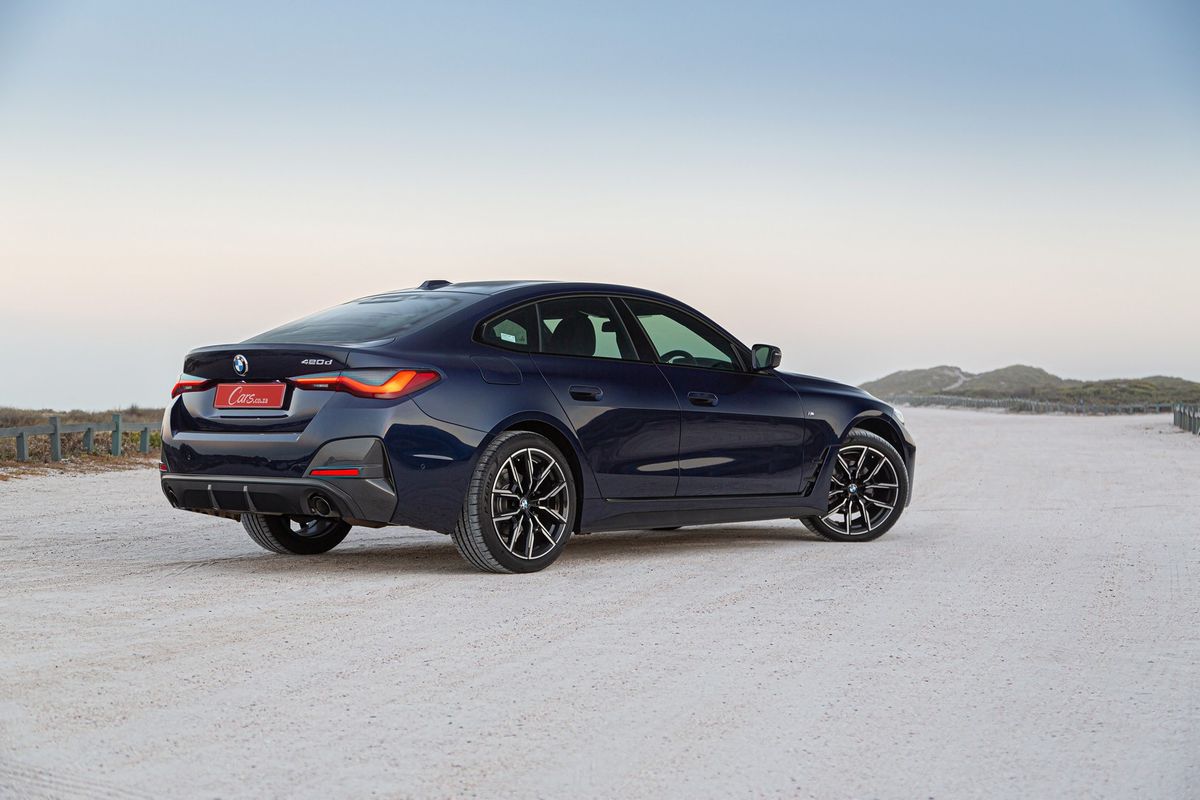

In this week’s automotive news you need to know: Porsche builds a Cayman that might be a bit too close to a 911 GT3 for owners’ liking, Subaru turns to its legendary ‘wagon to create an appealing WRX, BMW updates its AWD hot hatch and the new Range Rover looks every bit like a Cullinan rival.

Porsche Cayman GT4 RS – The Mexican Standoff

Porsche Cayman GT4RS

Okay, so cue an appropriate anticipation-building spaghetti western tune… Now, imagine this Mexican standoff: the Porsche Cayman GT4 RS versus its 911 GT3 sibling on the Zuffenhausen-based brand’s legendary (some, like Sir Jackie Stewart, would say “treacherous”) playground of choice: the Nürburgring. One needs to pause and appreciate the emotive high-revving engine note that Porsche extracts from these cars’ flat-6 motors. It’ll bring out the inner child in even the sternest of serious people and the imminent Cayman GT4 RS will be astonishingly good, but where does that leave the iconic 911?
> Read more: Porsche Cayman GT4 RS Almost Ready to be Unleashed

Let’s get down to the facts. The 911 is the one sportscar that virtually every petrolhead covets at some point in their life, but there’s no denying the Cayman has caused serious waves by offering a 911-esque experience at a fraction of the price. Porsche has nailed that subsection of the market (one in which BMW and Jaguar have dabbled with the Z4 and the F-Type) and the return of the free-breathing flat-6 has proved decisive. However, the GT3 will remain the car that driving enthusiasts flock to. Porsche will make sure of that – the GT3 will be the last, um, car standing at the end of this standoff.
Subaru WRX Sportwagon – Needs more Benoni

Subaru WRX Sport Wagon

It’s so unfortunate that Subaru lost its way during the past decade. The brand deservedly gained a cult following on the back of its success in the WRC and the slew of turbocharged boxer-engined WRX and WRX STI models it produced. Meanwhile, all-wheel-drive Subaru ‘wagons (some of which were performance-oriented) were adored by families. These cars were utterly critical to Subaru’s success.

> Read more: The Subaru WRX Sportwagon is Back

Earlier WRX and WRX STI models were distinctive by virtue of their outlandish styling and visceral nature (you could hear their flat-4s rumbling and grumbling in the distance). They were loud, in-your-face and borderline tacky – those gold wheels, big bonnet scoops and ironing-board rear wings certified boy-racer status. This design looks to combine the attitude of those performance models with the hold-all wholesomeness of, um, legacy ‘wagons. The crowd, however, is silent. Despite Subaru’s admirable attempt to test the waters with a performance ‘wagon, we need more aggro from the WRX nameplate.

BMW M135i xDrive… No more Mr Nice Guy

BMW 135i x-Drive

When the BMW 128ti arrived on the scene, it took the fight to the Volkswagen Golf 8 GTI and lit a fire under its big brother (metaphorically speaking, obvs). Initially, the all-wheel-drive M135i xDrive received a lukewarm response from motoring hacks, but now it’s balling its fists at the Golf 8 R and Mercedes-AMG A35 again, courtesy of a timely suspension update. BMW’s performance division has historically focused on coupes, sedans and SUVs with 6- and 8-cylinder motors, but now its 4-cylinder hatchbacks are getting some love too. I approve, because BMW is paying attention to its most fresh-faced fans.

> Read more: BMW upgrades M135i… but why now?

What’s more, the 128ti and revised M135i xDrive, even if history won’t judge them as class-leading cars, are a breath of fresh air in a hot- and performance hatch market that has become somewhat stale. It’s sad that, with the waves of change that EV transformation is bringing, this may be the last epic battle for German AWD hatches powered by ICE engines. Don’t expect VW to take this laying down, however. The world needs these Bimmers more than it needs another hyper hatch – I much prefer a sweet-handling car (of which BMW knows a thing or two) to the point-and-shoot Mercedes-AMG A45 S.

Range Rover – Rover Gang leaks

Range Rover leaked image

For years, the Range Rover (model, not brand) enjoyed the top spot in the uber-luxurious SUV sector; unbothered and unrivalled, it looked down on basically everything and was enjoyed by footballers, top-ranking executives and people who make lots of money… somehow. That is until Bentley and Rolls-Royce released the Bentayga and Cullinan to provide those with deeper pockets… more opulent options.

> Read more: All-New Range Rover Leaked Ahead of Reveal

The 5th-gen Range Rover needed to be re-imagined for the 3rd decade of the 21st century. It must have been a challenge to come up with a design that respects the model’s 50-year heritage, anticipates a more sustainable era of motoring and will appeal to “old money”, “new money” and “silly money” simultaneously. Judging by the leaked images, it looks every bit the part; I feel that the type of person who’d buy this car is an individual who usually looks past the high numbers and clicks on the links that read POA. This Range Rover appears to fit that profile. Best I go break my piggy bank. Ha, if only…

Mercedes-AMG E63 S Review – Is this much power really necessary, or worth it?

With 460 kW courtesy of the wizards at AMG, this is the most powerful Mercedes-Benz E-Class ever. Watch Ciro De Siena get to grips with it.

In the latest development in what seems to be an ever-escalating German power war, Mercedes-AMG has released this, the most powerful E-Class ever.

With 460 kW on tap from a bi-turbo V8, this car absolutely rockets off the line, and when we put it head-to-head with the latest RS6, it came out tops – quite comfortably.

This is a brutally fast car and having driven it for a few days, our video journalist Ciro De Siena was left thinking, is all this power necessary, or even worth it?

Looking for a used Mercedes for sale in South Africa – We have nearly 4500 to choose from!

To really stretch the car’s legs without the risk of being handcuffed and spending the weekend in a holding cell, we took our test unit to the Saldanha airstrip outside Cape Town.

Budget

Cars.co.za’s Youtube channel is powered by Budget Insurance. For an instant quote, click here.

Further Reading

Mercedes-Benz E-Class Specs and Pricing

Audi RS6 Avant vs Mercedes-AMG E63 S Drag and Rolling Race

Zeekr 001 is China’s true Tesla rival

This is the Chinese EV Tesla should worry about.

Many of China’s electric vehicles will never be seen outside of the world’s most populous country. But Geely’s Zeekr, is not one of those domestic heroes.

As an established Chinese automotive company with global reach and Volvo’s technical resources, Geely plans to rival Tesla in many markets.

The first step to achieving this is Geely’s Zeekr sub-brand. Its debut electric vehicle is the numerically badged 001 and it projects no ambiguity about Tesla being a target.

If you are a keen follower of all things Geely, some styling themes on the 001 link to the Chinese company’s other sub-brand, Lynk & Co.

Overall proportions are what you would expect from a five-door electric vehicle, without any radical design features. There is even an implied grille, instead of a solid panel nose section.

Beyond the mildly handsome overall appearance, the Zeekr 001 has some impressive core vehicle numbers. Power sources from a 100 kWh battery pack and Geely claim this will give the 001 a very generous 700 km of driving range.

If you want to deplete that range number rapidly, you could use all the 001’s available performance. An electric motor at each axle nets the 001 a total system output of 400 kW and 768 Nm. Those numbers are potent enough for a benchmark 0-100 kph sprint of only 3.8 seconds.

Geely has equipped the 001 with an 880v vehicle architecture. That means if you do happen to find a 360 kW rapid-charger, the 001 will replenish battery energy from 10- to 80% of capacity in only 30 minutes.

With entirely passable looks, potent performance and adequate driving range, the Zeekr 001 could become a breakthrough global electric vehicle from China. And it is not an advanced concept. Geely is already busy building the first consignment of Zeekr 001s, in China. Ready for export.

Related content

Is it time for South Africa to Switch to EVs?

Podcast: Will electric cars work in South Africa?

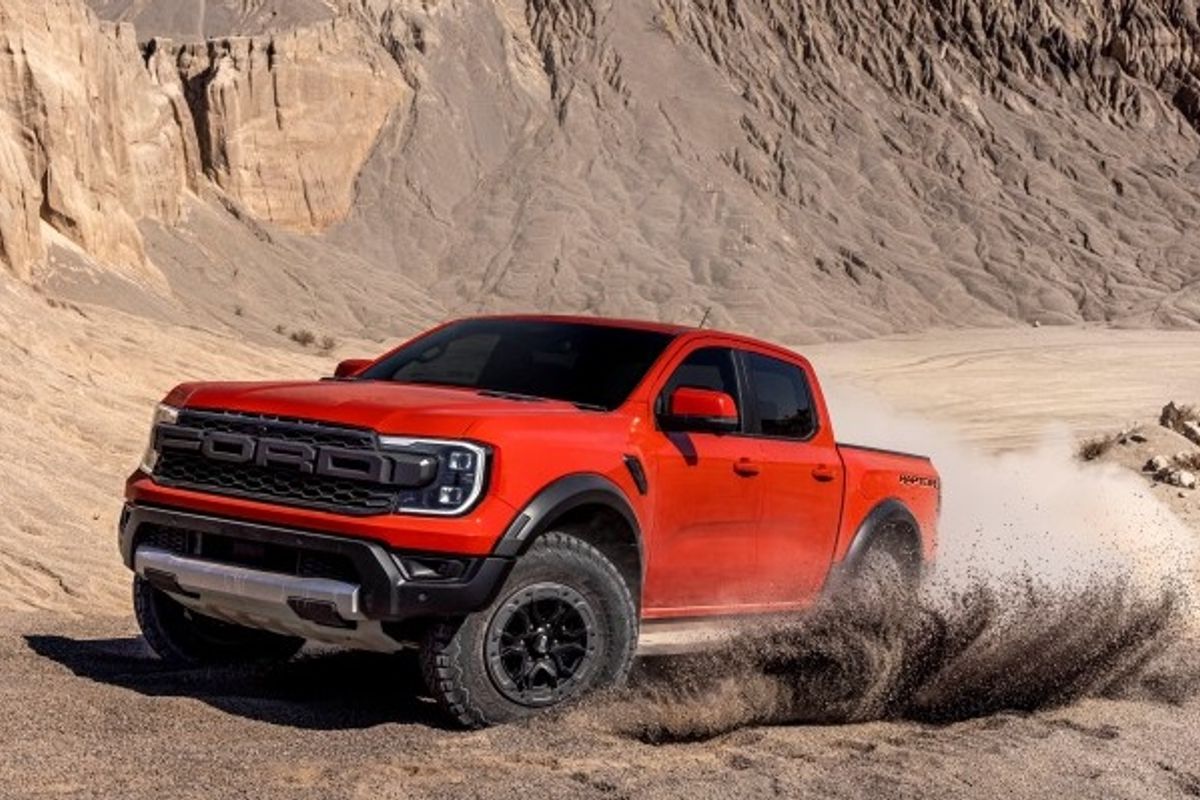
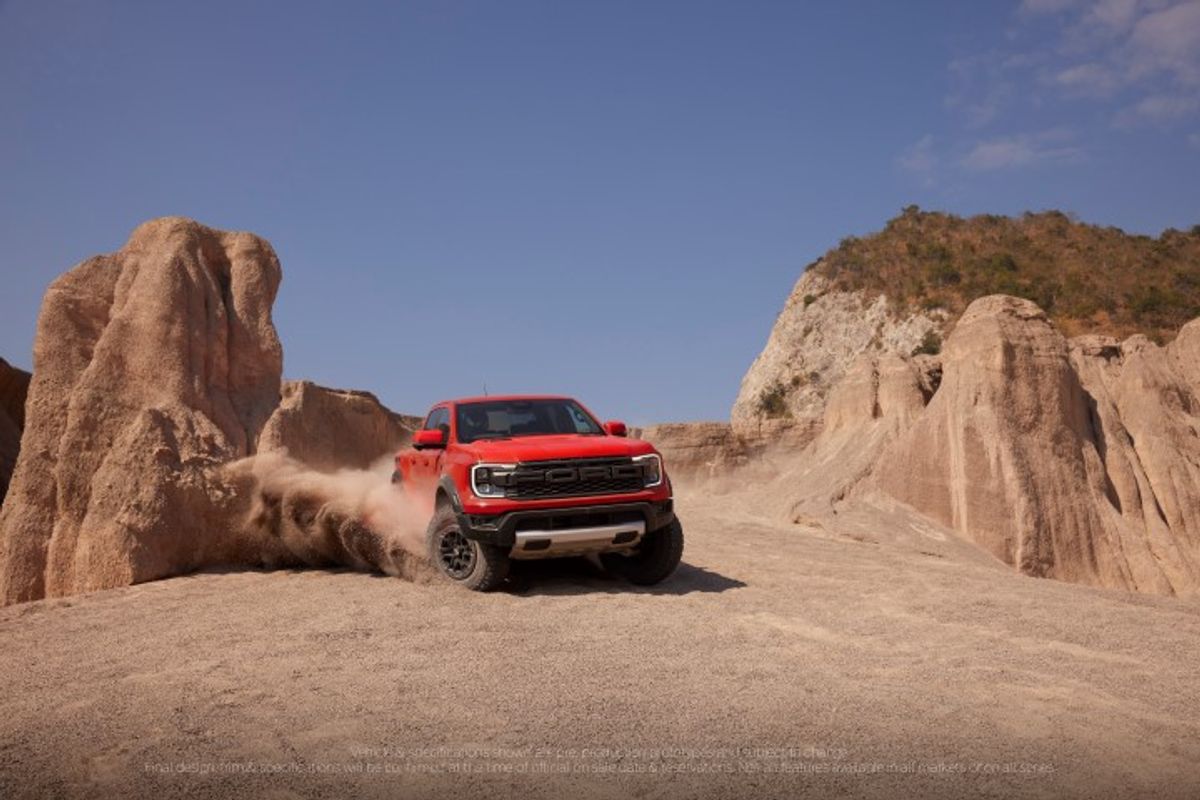
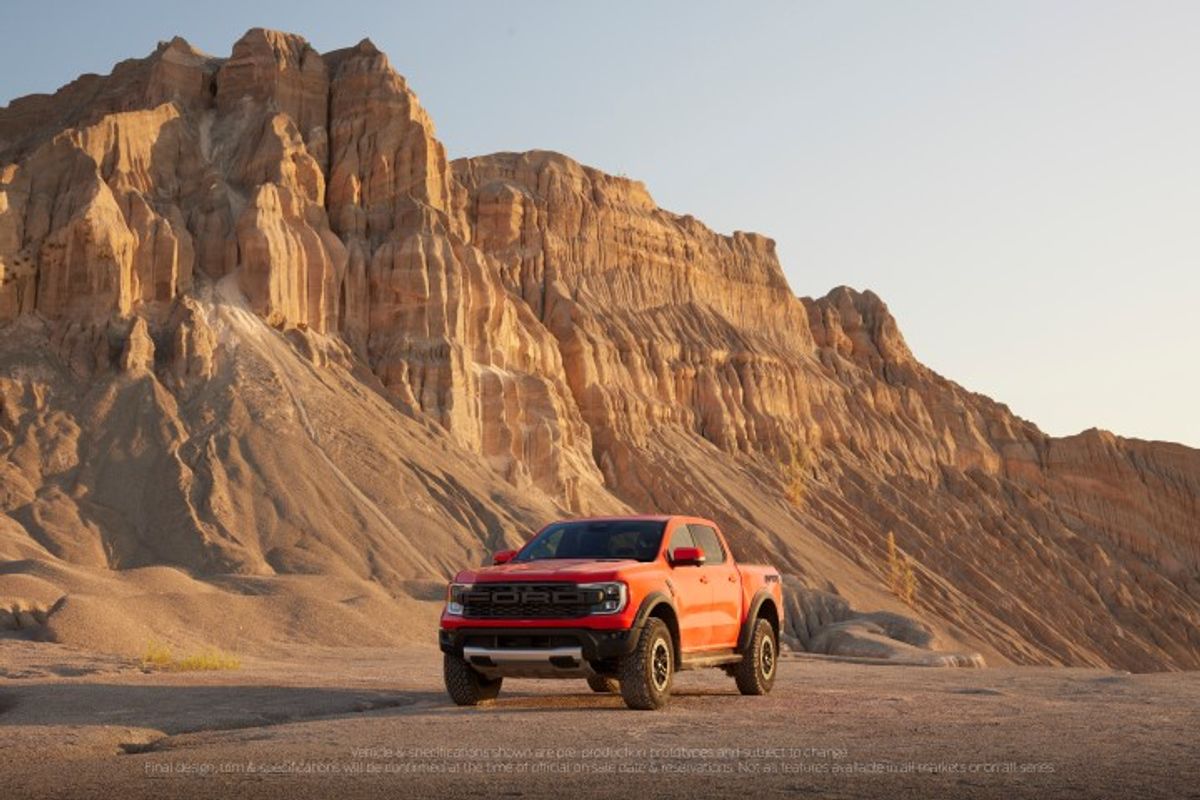
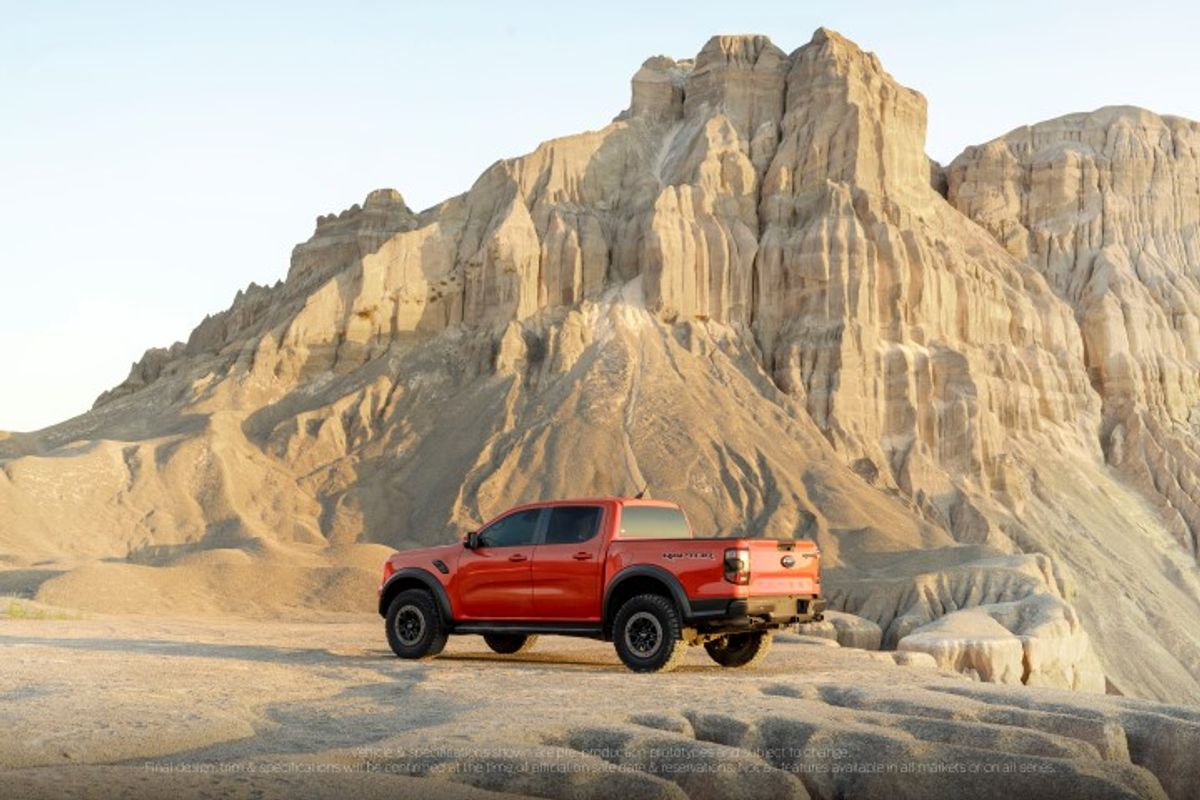
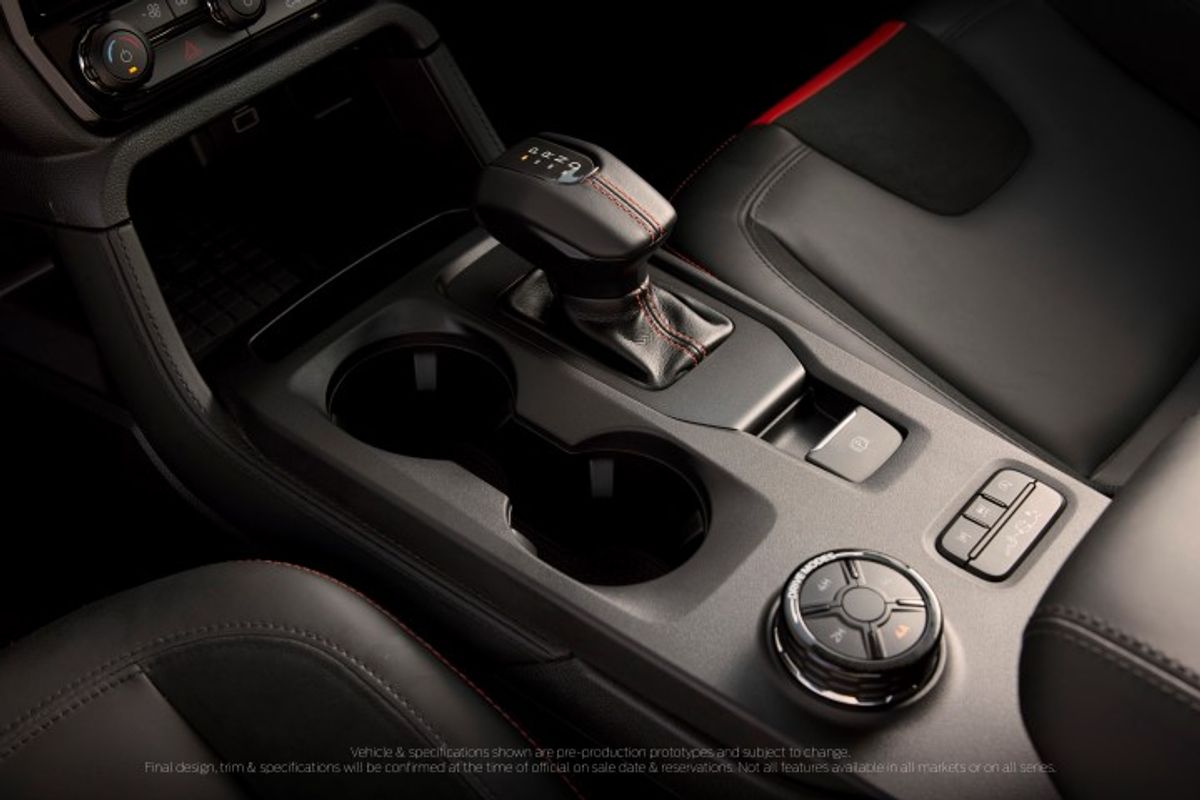
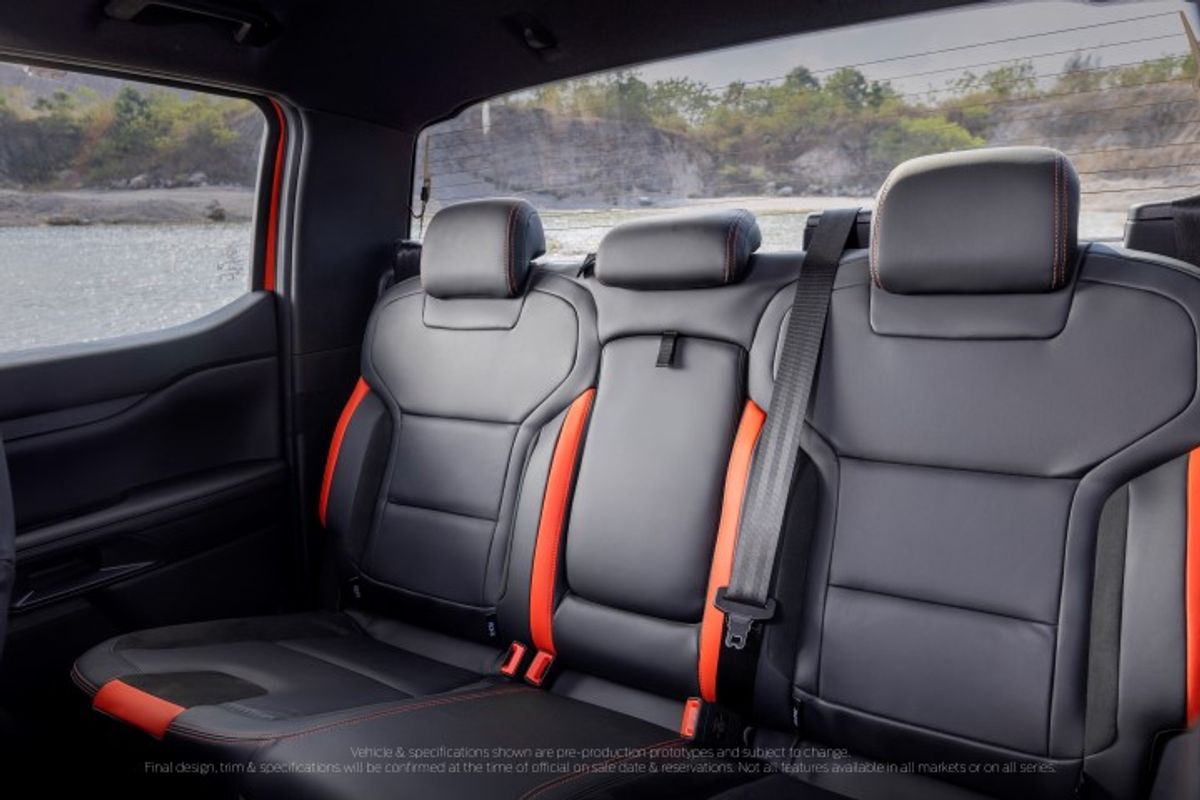
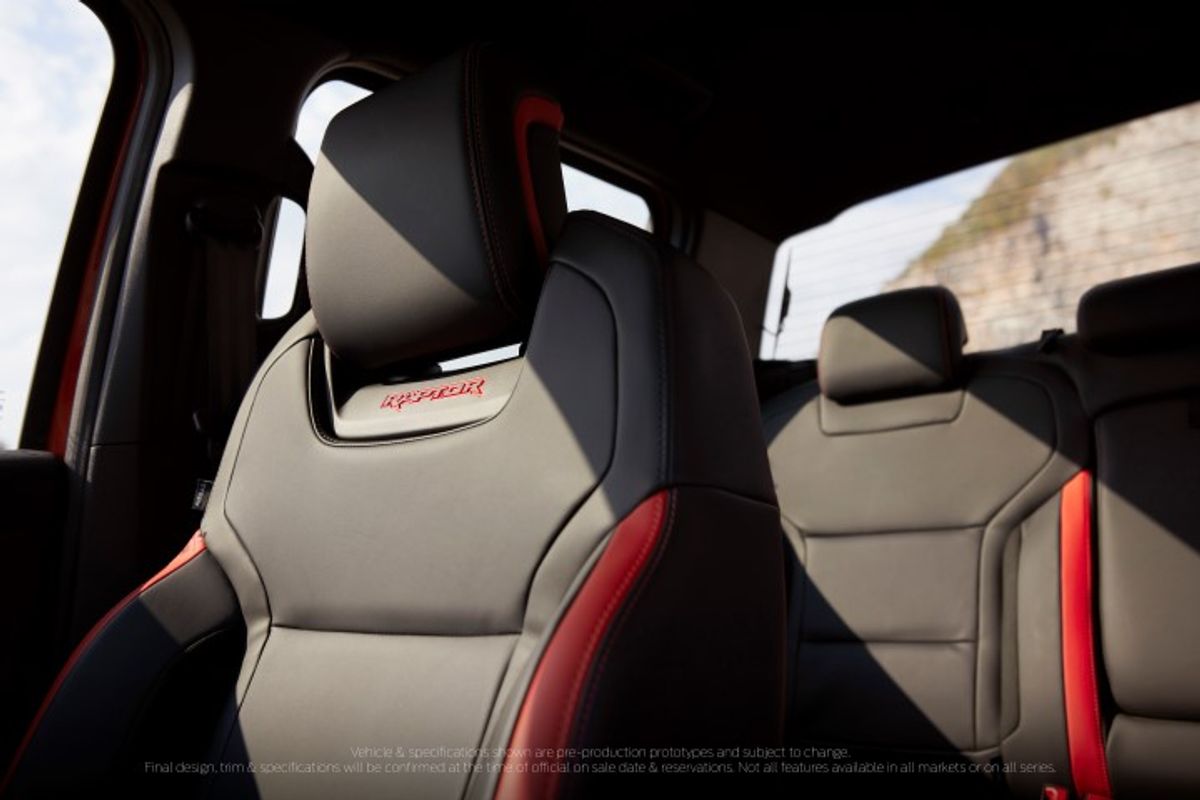
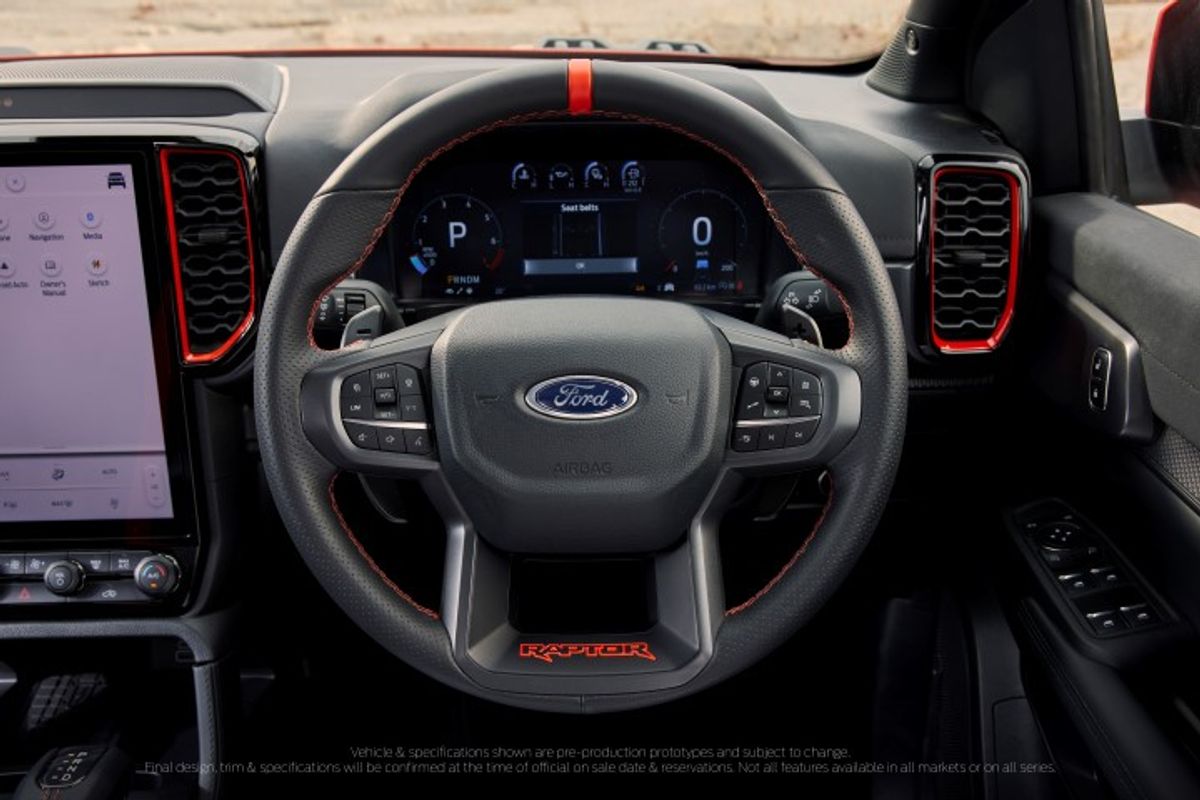
New Ford Ranger Shown Offroad Testing

Teasers of the new Ford Ranger are coming in thick and fast and the latest batch of teaser images show the new Ranger doing off-road testing. 

The next-generation Ranger, which will be produced in South Africa at Ford’s upgraded Silverton facility, is due for reveal before the end of 2021. 

Ford is regularly releasing teasers of the next-generation Ranger ahead of its official reveal so you can expect to see a few more teasers in the near future. 

Latest Teaser: Rugged Testing for new Ford Ranger


The next Ford Ranger is currently undergoing severe testing to meet quality standards to be sold in over 180 markets worldwide. 

Double-cab bakkies, by nature, are required to be tough and durable. It’s no surprise then that Ford is going all out to make sure that the next-generation Ranger is tougher than ever before. In fact, Ford says that the new Ranger has been “Built from the ground up to be the toughest, smartest, most versatile and most capable Ranger yet, the truck is being subjected to more physical and virtual testing than ever before.” 

“It’s important that our customers are able to rely on Ranger to deliver years of dependable service. So, we’ve gone to great lengths to subject next-gen Ranger to extreme tests – stressing it much more than a typical consumer would – to help ensure it is ready to face everything life throws at it. Whether it’s tackling muddy bush tracks, coping with the rigours of extreme tropical weather, towing over alpine passes, or enduring temperatures of more than 50° Celsius, Ranger has to do it all,” said John Willems, Ford Ranger Chief Program Engineer. 

To date, the new Ranger’s testing regime all over the world has covered over 10 000 km of desert testing which Ford says is the equivalent to 1.25 million kilometres of customer driving and 625 000 km of rugged offroad durability testing at maximum load capacity. 

In addition to real-world testing, Ranger prototypes are also subjected to extensive computer simulations and lab simulations to cover critical areas of development such as aerodynamics and component and structure durability. 

“Computer simulations have helped us speed up development, while lab testing has helped us refine and test specific components – but there really is no replacement for real-world testing to really see how it stands up to years of customer use,” Willems explains. 

The Ranger will be sold in more than 180 markets globally and rigorous testing ensures that the final product is up to scratch when it finally reaches customers. 

“Our job as engineers is to translate the customer experience insights into a clear product definition brief for the engineering group, which becomes the absolute reference for engineers. This is particularly important for the Ranger, given we are developing it to be sold across the globe,” Willems concluded.

Previously: Camouflaged Ranger Hits the Streets 

This teaser shows the new Ranger dressed in a “Bronco R-inspired block-style camouflage” designed by Lee Imrie (Ranger Exterior Designer), incorporating optic science to mask key design secrets and reflective elements means that the Ranger will also be visible at night as it conducts road tests in public spaces. The camouflage also incorporates a QR code.

“Inspiration for the camo originally came from the Baja livery Ford has been using. I’m a huge fan of motorsport and it’s hard not to be obsessed with machinery like that. Because the Ranger is strong and rugged looking, I felt the scattered block design would be a natural fit to help break up the exterior surfaces. When you stand back, the camo has a clear connection to a digitized military-style livery with a connection to nature that echoes the lifestyle orientation of the Ranger” says Imrie. 

New Ranger Shows its Face

Ford Ranger Front

The image you see here was published on the Ranger6g forum and it clearly shows the front-end of the new Ranger for the first time.  The face of the forthcoming Ranger is very similar to that of the Ford Maverick which was revealed earlier this year.  Like the Maverick, the grille is split with a single bar that extends into the large C-shaped headlights. With this look, the new Ranger will be more closely aligned to Ford’s latest American pickup designs which is a smart move considering how smitten South Africans are with products such as the F-150

Let us know if you like what you see and look out for more information on the new Ranger coming soon!

Take a look at what you can expect from the new Ford Ranger here!

Buy a used Ford Ranger on Cars.co.za

In the market for a new double-cab 4×4 bakkie? Take a look at our Double-Cab 4×4 Bakkie Buyer’s Guide (2021)

Related Content

Ford Ranger Stormtrak (2021) Launch Review

Ford Ranger Raptor Special Edition For SA 

Toyota Hilux Legend RS vs Ford Ranger Thunder – Race!

6 Bakkie Drag Race! Hilux vs Ranger vs Amarok vs P-Series vs BT-50 vs Navara (all 4×4)